Diversity Digest

Message from the Chief Diversity Officer
Stress Awareness Month
Education Corner
OIE Prevention Team
Ask OIE Anything: Title IX
Spotlights
Media Recommendations

What’s Happening! Announcements & Events
Message From The Chief Diversity Officer
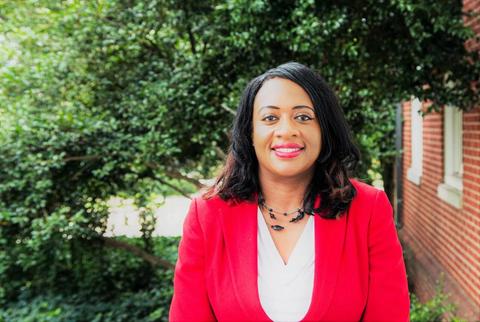
Robin Kelley, Ph.D.
Chief Diversity Officer
Dear Campus Community,
With the arrival of April, it brings that kind of hope that only spring can carry After a seemingly long winter season, the world insists on blooming again It is a season that reminds us that while growth may not always be comfortable, it is always worth it
This month, we observe Arab American Heritage Month, Autism Acceptance Month, Sexual Assault Awareness Month, and the Easter holiday and much more Each of these observances are invitations to move beyond awareness and into action, beyond acknowledgment and into authentic accompaniment of one another Sexual Assault Awareness Month calls us to stand firmly with survivors and to ask ourselves with real urgency: What kind of campus culture are we building? One where every person feels safe, supported, and dignified as lived reality. Autism Acceptance Month invites us to embrace neurodiversity as an authentic source of creativity and strength within our community. Arab American Heritage Month asks us to listen, to learn, and to celebrate the deep and varied contributions of a community whose presence enriches the university.
This issue highlights the inspiring work happening across campus led by students, faculty, and staff who embody the values of honoring each person’s humanity, in daily, devoted action. I am grateful for each of them, and for this community
Let us continue to celebrate our differences and similarities, learn from one another, and grow stronger together Please enjoy this issue
In solidarity and with gratitude,

Robin Kelley, Ph D
STRESS AWARENESS MONTH

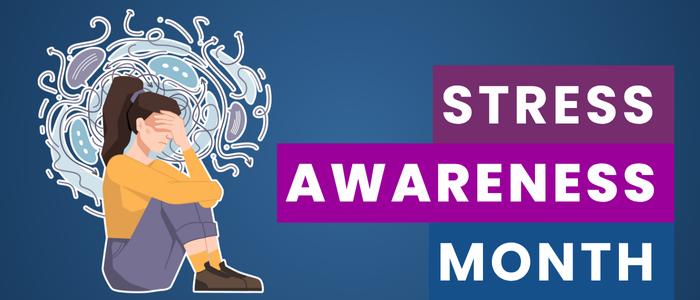
Stress Awareness Month was first established by the Stress Management Society in 1992 to help people recognize stress and understand how it can affect mental and physical health It is observed every April, dedicating a time to raise awareness and the cause and effects of stress and promote healthy ways to manage it. It gives schools, workplaces, and communities can encourage conversations about stress and provide resources that help individuals cope with daily pressures.
This April, Stress Awareness Month embraces the 2026, #BeTheChange Movement, where people are not only raising awareness, but actively being a part of action in reducing stress in one's own life and influencing the world around. This offers individuals the opportunity to move from feeling overwhelmed or powerless to actively shaping their own well-being. The movement provides access to helpful resources and guidance that is designed to support people in making thoughtful decisions and build healthy habits in everyday life.

STRESS AWARENESS MONTH
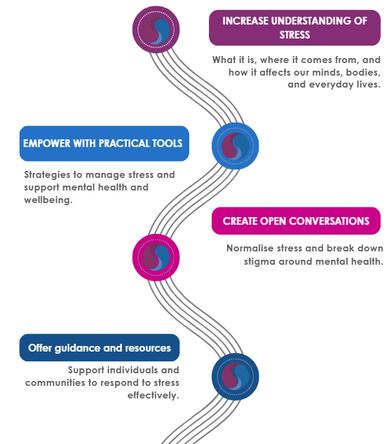
Stress is a natural reaction to challenging situations, but when it becomes overwhelming or long-term, it can negatively impact a person’s health and well-being. The effects of stress on college students can be both mental and physical. Pressure in succeeding academically and preparation for future careers can make stress a constant part of college life. The challenges of burnout, difficulty concentrating, and anxiety can make it difficult to stay motivated and engage in coursework. Physically, stress can lead to fatigue, headaches, sleep disturbances, and weakened immune systems. When stress remains unmanaged, it can negatively impact academic performance, relationships, and overall quality of life.
Stress Awareness Month serves as a reminder in recognizing the signs of stress and encouraging individuals and college students to seek support. By promoting awareness and encouraging healthy coping strategies, colleges can help students build the skills they need to thrive in school and beyond. Every action matters, and by choosing to be part of the change, individuals can reduce stress, build resilience, and help inspire a world that prioritizes well-being for everyone.
Autism Acceptance Month
Autism Acceptance Month is meant to highlight the issues affecting people with autism spectrum disorder (ASD) and their families, educate the public on support services and celebrate, and destigmatize the perspective of those living with ASD Throughout the month, we focus on sharing stories and providing opportunities to increase understanding and acceptance of the Autism community
As the definition of Autism evolved, charities and organizations began working to promote awareness of the condition Autism Awareness Month traces its origin to the Autism Society, founded by parents and advocates in 1965. Recognizing the need for broader awareness and support for individuals with autism and their families, the Autism Society launched the first national Autistic Children’s Week in 1970. This initiative later expanded into what is now known as Autism Awareness Month
In 2008, the United Nations General Assembly unanimously decided to declare April 2nd as World Autism Awareness Day in an effort to highlight what is needed to help people with autism spectrum disorder lead their fullest lives
As these awareness efforts grew, some organizations began to reconsider whether the phrase "autism awareness" fully captured their goals In 2011, the Autism Self-Advocacy Network introduced the term Autism Acceptance Month, emphasizing not only educational and awareness but also understanding inclusion, and respect for individuals on the Autism spectrum as people capable of living full and meaningful lives.
Learn more about the month and how to get involved: https://www.myautism.org/get-involved https://www.circlecareservices.com/blog/autism-awareness-monthhistory-and-facts
EDUCATION CORNER
Alcohol Awareness Month
April is Alcohol Awareness Month, an opportunity to update your knowledge about alcohol use disorder (AUD) and the adverse impact of alcohol misuse on health and society. Alcohol-related problems continue to take a heavy toll on individuals, families, and communities. Researchers estimate that each year there are more than 178,000 alcohol-related deaths, making alcohol a leading preventable cause of death in the United States. In addition, more than 200 disease and injury-related conditions are associated with alcohol misuse.
The Council on Alcoholism and Drug Dependence (NCADD) was founded in 1944 by Marty Mann. This organization was instrumental in shaping national conversations around alcoholism as a disease rather than a moral failing. Recognizing the growing need for alcohol education and prevention, the NCADD launched Alcohol Awareness Month in 1987 to address widespread misconceptions and encourage early intervention. Since then, it has become an annual campaign, helping to reduce the stigma surrounding alcohol addiction and providing support for those struggling with substance abuse
April was chosen for Alcohol Awareness Month because it leads into prom season, graduation celebrations, and the start of warmer weather, all of which are often accompanied by increased alcohol consumption. By raising awareness before these high-risk events, the campaign aims to prevent alcohol-related harm among teens and young adults while also addressing the broader societal impact of alcohol use disorder.
Learn more about the month and how to get involved:
https://alcohol.org/awareness-month/ https://northlakebh.org/alcohol-awareness-month-history-and-importance/
OIE PREVENTION TEAM
Sexual Assault Awareness Month
April is Sexual Assault Awareness Month (SAAM) and serves as a time to uplift survivors and stand in solidarity with them. For the past 25 years, SAAM has helped bring people together to continue the fight to end sexual violence. There is still a lot of work to be done to improve prevention efforts around the world and shift our culture, but together we can work to build a better future. In honor of this important month, we want to a highlight a couple trailblazers that have helped lead the fight to end sexual violence and empower others to tell their stories.
Chanel Miller is a writer and artist and is known for sparking national conversation about the treatment of sexual assault survivors and the prevalence on college campuses. After being raped while she was unconscious, her assaulter was found guilty and was sentenced to only six months in prison The day after his sentencing, her victim impact statement was released under the name Emily Doe and went viral. Her statement explained the ways in which the assault had affected her sense of self-worth and confidence, and how it caused her to have to leave her job. Her statement moved many people and was shared on the floor of the US House of Representatives to help raise awareness In 2019, she released her memoir Know My Name The book won several awards, and she was applauded for changing the conversation around sexual assault. Chanel Miller has left a lasting impact on growing the conversation about sexual violence and in empowering other survivors to share their stories.
Tarana Burke is another activist who is known for founding the MeToo movement. She has worked as an activist most of her life. In college, she raised awareness about racial discrimination, housing inequality, and economic justice After college, she created the nonprofit Just Be Inc. for black girls from ages 12-18, to help promote the wellness of marginalized groups. Following this, she created the MeToo movement in 2006. The movement began as a way for people to share their stories and evolved into a source of healing for many.
In 2017, #metoo began going viral following the Harvey Weinstein sexual assault allegations. Burke became a prominent leader after the hashtag went viral, and she helped create a larger conversation around sexual violence. She was named as the Time Person of the Year because of her work to break the silence around sexual assault, and she has continued to uplift survivors and empower people to tell their stories.
These are just a couple of the inspirational stories of people working to enrich the conversation around ending sexual violence. As we move through April, we encourage you all to take time to learn about activists and survivors who have shared their stories. Learn what you can do to help put an end to sexual assault, and work to help free our campus from these abuses. If you see something, say something, and lend support to survivors you know. We have the power to shift our culture, and it is our duty to help prevent future assaults on our campus and beyond.
ASK OIE TITLE IX ANYTHING
It can be confusing to understand and navigate Gonzaga’s policies and procedures as they relate to Title IX, Harassment and Non-Discrimination, and bias incidents. Below, we have answered some frequently asked questions that have come up in the training we conduct across campus.
If you would like to ask us a question about the Title IX or Harassment and NonDiscrimination policies or grievance processes, scan the following QR code:
What is quid pro quo sexual harassment?

Quid pro quo sexual harassment includes unwelcome sexual advances and requests for sexual favors, where submission to the conduct is made a term or condition or employment or educational opportunity, or submission to or rejection of such conduct is used as a basis for employment or educational decisions. Such harassment may involve behavior by a person of one sex against a person of the same or different sex.
Does there need to be a difference in power between the parties for there to be harassment?
Not necessarily, a hostile or offensive environment can be created by other students, teammates/coaches, coworkers, faculty/staff, alumni, or visitors to campus such as vendors and contractors. But, a situation involving quid pro quo sexual harassment typically involves one person in a position of power or influence over another.
ASK OIE TITLE IX ANYTHING
What is gender-based violence?
Gender-based misconduct encompasses a broad range of behaviors including gender discrimination that may or may not be sexual in nature. Sexual harassment, sexual assault and intimate partner violence such as domestic, dating violence and stalking are other types of gender-based misconduct. Gender-based misconduct can be perpetrated by men or women and can occur between people of the same or different sex.
Can I make a report about someone whom I have been in a relationship with?
Yes, the nature of your relationship with the accused does not impact your right to report misconduct. Intimate partner misconduct such as domestic violence, dating violence, rape, sexual assault and stalking is prohibited by GU and individuals are encouraged promptly to report such conduct to the Director of Harassment and Discrimination Prevention/Title IX Coordinator or one of the deputy coordinators. The Director and Title IX Coordinator can assist in identifying safe methods and resources to deal with intimate partner violence.
What is the Violence Against Women Act (VAWA)?
The Violence Against Women Act (VAWA) imposes obligations on colleges and universities to expand required campus education programs on sexual assault to include prevention awareness and bystander intervention strategies. It also expands the information colleges must include into their annual crime reports to include acts of domestic violence, dating violence and stalking.
If you would like to ask us a question about the Title IX or Harassment and Non-Discrimination policies or grievance processes, scan the following QR code:

STUDENT SPOTLIGHT
Juliana Maucione
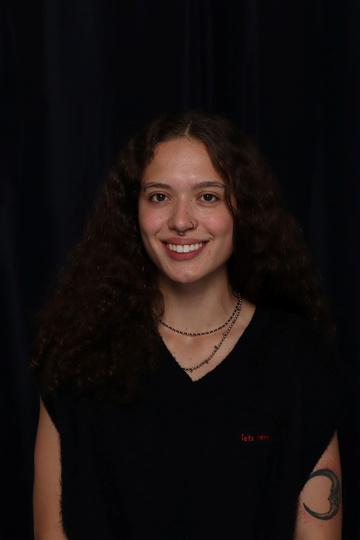
Sociology and Solidarity and Social Justice, Health Equity, and Leadership Studies
At Gonzaga University, many students dedicate their time and energy to building a more just and compassionate community. For senior Juliana Maucione, that commitment is reflected in her academic work, research, and involvement in community-based advocacy across Spokane. Maucione is majoring in Sociology and minoring in Solidarity and Social Justice, Health Equity, and Leadership Studies Her academic interests are deeply connected to a broader commitment to community advocacy and public health. At the core of her work is a belief that everyone deserves safe housing and the conditions necessary to support their health and wellbeing.
One of the spaces that has most shaped Maucione’s experience at Gonzaga is OUR House, the university’s recovery community. As both a member and an employee, she describes the space as, “one defined by care, acceptance, and mutual support. To be in the OUR House community is to be welcomed in and loved in your fullness, ” Maucione said. “It has been very healing and impactful to be in that space of deep care and mutual support.”
Through her involvement, she has learned the importance of vulnerability and connection, as well as how to engage thoughtfully with people navigating different paths and stages of recovery. These lessons have influenced both her academic work and her approach to community engagement.
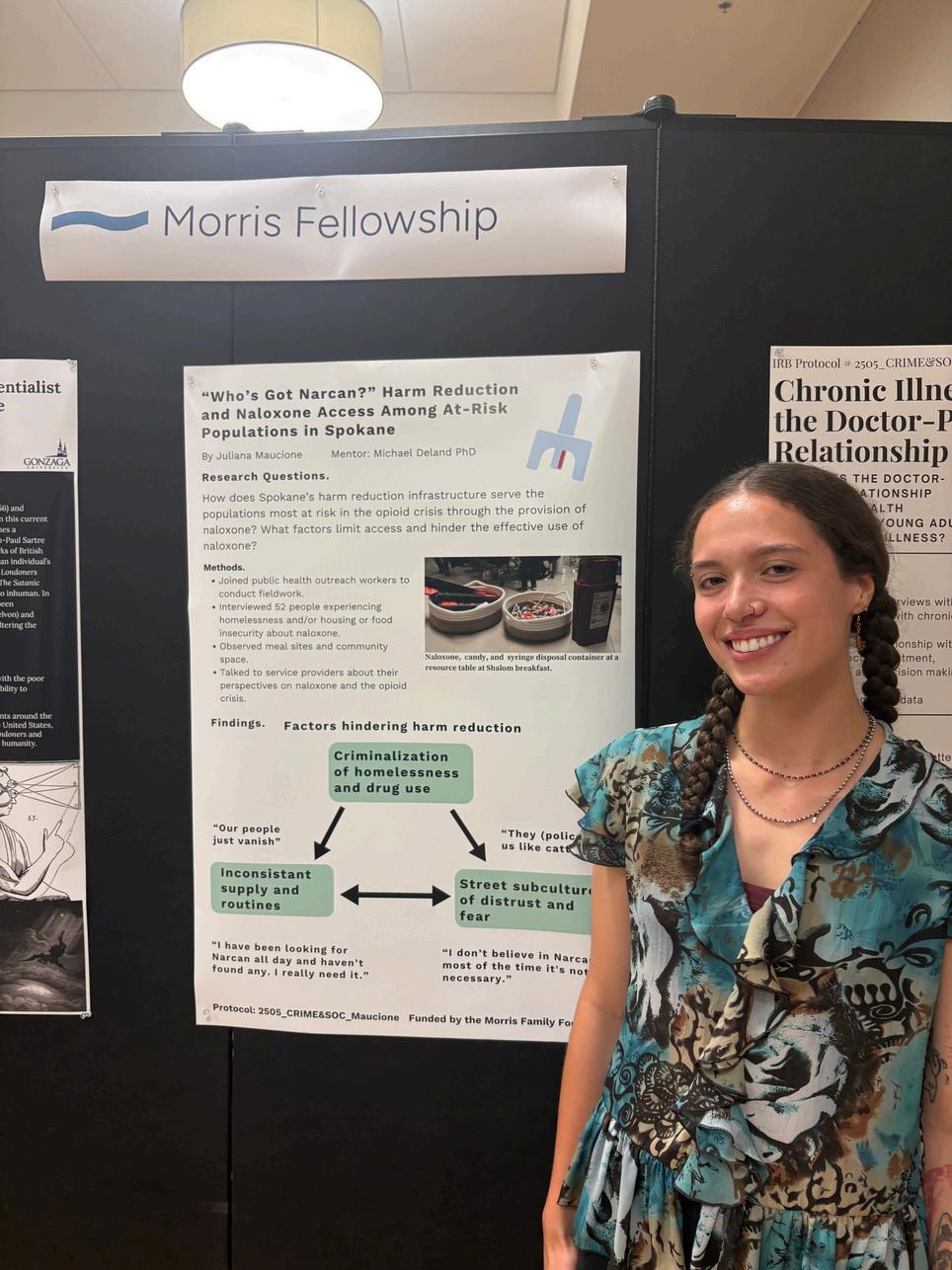
Recently, Maucione conducted research examining access to naloxone for unhoused individuals in the Spokane community. Naloxone is a medication used to reverse opioid overdoses and is a critical tool in responding to the opioid crisis. Her interest in this topic developed through her experiences working in mutual aid spaces, where she encountered individuals who face structural barriers to health and safety every day.
Through her work, Maucione has become increasingly aware of how the opioid crisis disproportionately affects marginalized communities Her research explores how expanding access to naloxone can save lives while also emphasizing broader solutions such as housing stability, less punitive responses to homelessness and drug use, and reducing stigma around substance use and housing insecurity.
Maucione also serves in a leadership role with Gonzaga’ s Mutual Aid Club, which provides direct support to vulnerable members of the Spokane community. The club organizes monthly outreach efforts that distribute essential supplies like food and personal care items to unhoused neighbors. Maucione helps coordinate fundraising, purchasing, and organizing materials, though she emphasizes the work is a collective effort.
“It is really the collective effort of our group members and community that makes our regular outreaches possible, ” she said.
This week, Maucione will present her research at a conference, where she hopes to highlight the lived experiences of those most affected by the opioid crisis
“I am looking forward to sharing and humanizing the stories and experiences of people most affected by this crisis, ” she said
Reflecting on her time at Gonzaga, Maucione encourages students interested in advocacy or research to pursue opportunities even if they feel uncertain “College is a place to explore your interests and passions Don’t let the discomfort of being in new spaces hold you back from meaningful work like this, ” she said.
Juliana Maucione presents her research on naloxone access and harm reduction apart of the Gonzaga University Morris Fellowship
FACULTY SPOTLIGHT
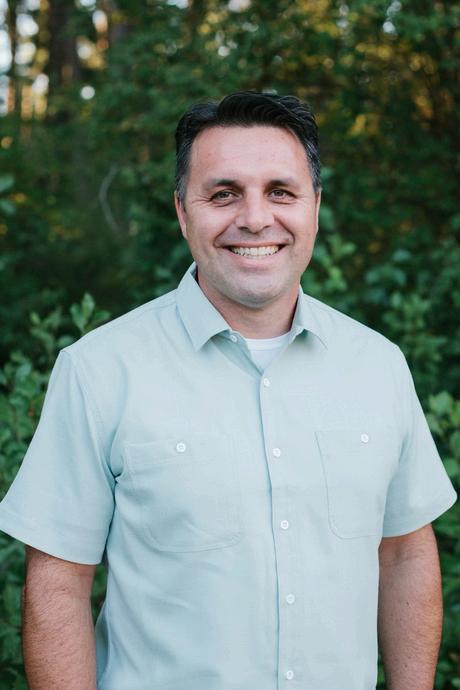
Mark A. Young, Ph.D.
Professor, Counselor Education
Director of Marriage and Family Counseling
When Dr. Young first entered college, he thought he wanted to become a marriage counselor but admits he didn’t fully understand what that meant. As a result, he initially chose to study finance. During his undergraduate years, however, psychology courses began to spark his interest. That curiosity led him to pursue graduate study in marriage and family counseling with the goal of becoming a couples counselor
While completing his master’s program, Dr. Young discovered a passion for training future counselors. Although the idea of additional schooling and research initially felt intimidating, supportive faculty mentors encouraged him to continue his education. Their guidance ultimately shaped his career path and helped him grow into the educator and trainer he is today.
Dr. Young finds inspiration in the students who choose counseling as a profession. He believes counseling offers a unique opportunity to meet people during many different stages of life and to support them through complex personal and relational challenges. “I am inspired by my students who come to Gonzaga with a care for other people and a desire to learn how to help,” he shares Over the years, Gonzaga’s counseling programs have graduated nearly 150 students from the Marriage and Family Counseling program, along with hundreds more from the School Counseling, Clinical Mental Health Counseling, and the site-based Master of Counselling program in Canada. Each graduate contributes to their community in meaningful ways, and Dr. Young considers it a privilege to play even a small role in their development.
Rather than focusing solely on lectures, Dr. Young emphasizes skill-building through active learning. He describes himself as more of a trainer than a traditional educator, highlighting that knowledge alone is not enough for effective counseling practice.
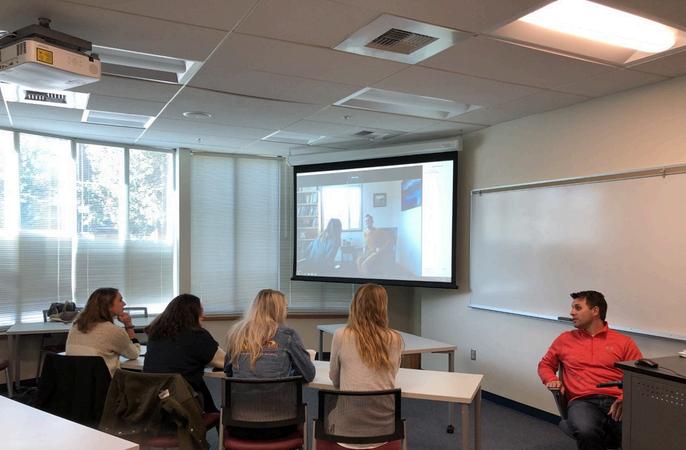
To help students build real-world skills, he developed a model of live supervision based on the Experiential Learning Model and deliberate practice In this approach, students participate in live counseling simulations where they receive instant feedback through messaging while practicing their skills. They can pause sessions to consult with classmates who serve as a consultation team before continuing.
Dr. Young often compares this process to coaching in sports Just as athletes improve through practice, repetition, and feedback not simply by studying the history of their sport counselors also grow through hands-on experience and supportive guidance Dr Young describes relationships and people as his “creative medium, ” a philosophy that shapes both his counseling and teaching. Rather than delivering the same lecture each semester, he adapts his classes to the needs and reactions of the students in the room
“I always have a lesson plan or multiple ideas for where the class can go, ” he explains, “and then I adapt to the needs and reactions of my students ” This approach allows him to experiment with new metaphors, activities, and experiential exercises that help students engage deeply with course material and retain what they learn. As Director of the Marriage and Family Counseling program, Dr Young emphasizes the importance of relationships not just as a concept but as a lived experience. He and his colleagues strive to model relational engagement with students, reflecting both counseling values and Gonzaga’ s Jesuit mission.
Rather than simply lecturing about the importance of connection, Dr Young invites students to experience it. Conversations may happen during class discussions, in student lounges, on walks across campus, or in hallway conversations. These interactions help students learn how to be present, responsive, and relational with others
Professor Dr Young holding class, students gathered on the left while he leads discussion from the right
One idea that Dr. Young frequently discusses with students is working at the “edge of competence.” This is the space where skills are still developing and confidence may feel uncertain. While it is often more comfortable to stay within familiar strengths, growth happens when individuals push slightly beyond them.
Through live supervision and ongoing support, Dr. Young encourages students to explore this edge while receiving constructive feedback and encouragement. Over time, these experiences help students build confidence and expand their professional abilities.
For students considering a career in counseling or marriage and family therapy, Young’s advice is simple: “Do it! We need you.”
The demand for mental health and relationship counseling continues to grow, and many communities remain underserved.
Dr. Young emphasizes that people from all backgrounds and academic paths can succeed in the field.
The demand for mental health and relationship counseling continues to grow, and many communities remain underserved. Dr. Young emphasizes that people from all backgrounds and academic paths can succeed in the field.
Reflecting on his own journey from finance to counseling, he reminds students that skills can be learned and developed. He also believes the field benefits from new perspectives and innovative ideas. “I love seeing what our students bring to our field and how they keep making us better at how we serve others,” he says.
Through his commitment to experiential training, relational teaching, and student mentorship, Dr. Mark Young continues to shape the next generation of counselors who will support individuals, families, and communities for years to come.
STAFF SPOTLIGHT
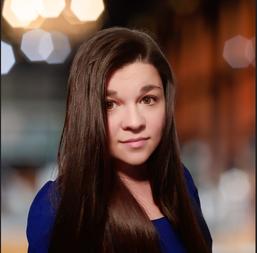
Kimberly Stanfield, MSHCA
Health Educator, Substance Use Disorder
At Gonzaga, fostering a campus culture of care, safety, and wellbeing is a collaborative effort and staff members like Kimberly Stanfield play a vital role in that mission. As a Health Educator for Substance Use in Gonzaga’s Office of Health Promotion, Stanfield works closely with students to provide education, support, and community around substance use, recovery, and overall wellness
Stanfield’s work spans the full continuum of substance use support, including prevention, intervention, and recovery In the prevention space, she collaborates with student employees to create educational resources about alcohol and other drugs. Her work also emphasizes harm reduction strategies, which aim to keep students safe and informed. These efforts include providing resources such as naloxone, fentanyl test strips, drink cover stickers, and information about cannabis tolerance breaks.
Beyond prevention, Stanfield facilitates interventions that help students reflect on their relationship with substances These can include voluntary one-on-one conversations, educational workshops, and outcome-based assignments connected to campus alcohol and drug policies Many of these meetings are anonymous, allowing students to have open and honest conversations about their experiences When needed, she also connects students to additional support services or higher levels of care.
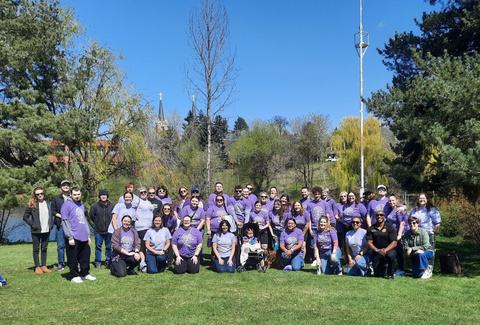
Participants gather at Lake Arthur for the 2025 Collegiate Recovery Walk
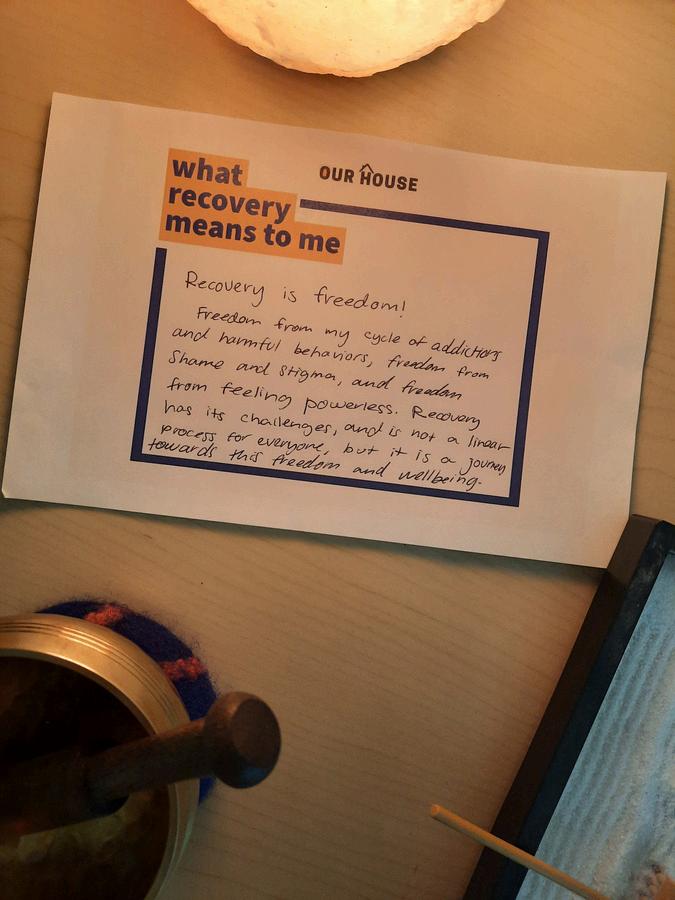
One of Stanfield’s most meaningful roles is overseeing OUR House (Our Unique Recovery), Gonzaga’s recovery community for students The program provides a supportive environment for students in recovery from substance use, those exploring their relationship with substances, recovery allies with loved ones experiencing addiction, and students navigating challenges such as gambling, technology use, eating disorders, or mental health struggles. The community creates a space where students can support one another and focus on improving their overall wellbeing.
Stanfield’s path to health education developed through her academic and professional experiences in addiction counseling and recovery support. After earning her undergraduate degree in Addiction Counseling at a Catholic university in Montana, she worked in inpatient treatment settings and later oversaw recovery housing in West Virginia. When the opportunity arose to return closer to family in the Pacific Northwest, the Gonzaga position aligned closely with both her professional background and passion for supporting students.
Through her work, Stanfield strives to support students’ wellbeing by creating spaces for open dialogue where students can make informed choices that align with their personal values and goals. She also advocates for a more recovery-friendly campus environment by supporting substance-free events and spaces that are inclusive of students in recovery or those who may feel harmed by alcohol-centered social environments Additionally, she offers Recovery Ally trainings throughout the year for students, faculty, and staff who want to learn how to better support individuals in recovery.
One initiative she is especially passionate about is Collegiate Recovery Week, celebrated nationally through the Association of Recovery in Higher Education, photographed above. This year’s events will take place April 13–17. As part of the week, Gonzaga will host its second annual Collegiate Recovery Walk on April 15 at noon at the campus Amphitheater. The walk brings together students from regional institutions—including Eastern Washington University, Washington State University, and Spokane Falls Community College—to celebrate resilience and raise awareness about the unique challenges of pursuing recovery while in college.
“These events celebrate the perseverance of students who are doing incredibly difficult work, often in environments that don’t always fully support or understand their identity,” Stanfield says.
Stanfield emphasizes that education around substance use is particularly important in college settings Young adulthood is a formative time when habits and routines are established, and misconceptions, such as the idea that harmful behavior is simply “normal in college,” can have lasting impacts. By providing accurate information and encouraging self-awareness, Stanfield h lth and safety.

t make her work meaningful.
An
For more information and resources, contact
“ xperience at Gonzaga,” she shares. “I’ve s s, and I’m incredibly proud of the students w munities and challenge unjust systems.”
F lk, Stanfield offers a welcoming and c ymously to discuss substance use or other p reporting requirements reviewed at the b disclosures related to campus alcohol or d conversations.
Stanfield’s office is located in Crosby 206, and students are welcome to stop by if the door is open. She can also be reached by email, through the OUR House Instagram (@gonzaga.recovery), or at recovery@gonzaga.edu to schedule a conversation.
Through education, compassion, and community-building, Kimberly Stanfield is helping Gonzaga foster a campus where students feel supported in making informed decisions and prioritizing their wellbeing.
anonymous student submission from the “What Recovery Means to Me” project through OUR House.
OUR House @gonzaga recovery
STUDENT CLUB SPOTLIGHT
Native American Student Union
After years of determination and persistence, the Native American Student Union has joined the Gonzaga community. The idea came from upper class Native students at Gonzaga who were frustrated by a lack of institutional support. Motivated by this, Melanie Adams and Grace Crantz worked nearly two years navigating tedious paperwork, developing a constitution, and overcoming administrative barriers to officially establish the organization. NASU wants to show local Spokane high schools that Gonzaga is a realistic option for Native student achievement. While the club has garnered tremendous support from school and the community, it continues to confront issues such as uneven attendance and a desire for equal recognition with other groups.
NASU hopes to establish welcoming spaces where Native students feel seen, though making campus seem like home is a continuous work. The club recently hosted its first signature cultural event, which had been two years in the making. Long-term goals include increasing the Native student population at Gonzaga and influencing local high schools through representation. Despite continuous obstacles, NASU has established itself as an essential club for connection and visibility on campus, with community support confirming its relevance.
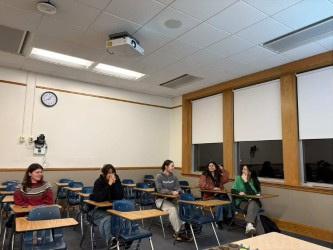
For those who would like to get involved with NASU follow the Instagram @gonzaganasu
MEDIA RECOMMENDATIONS
I Am Malala
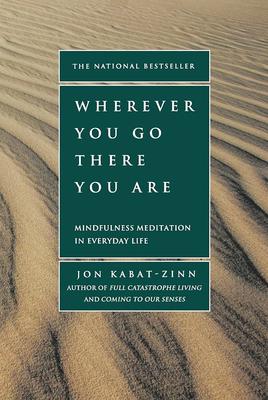
Wherever You Go, There You Are
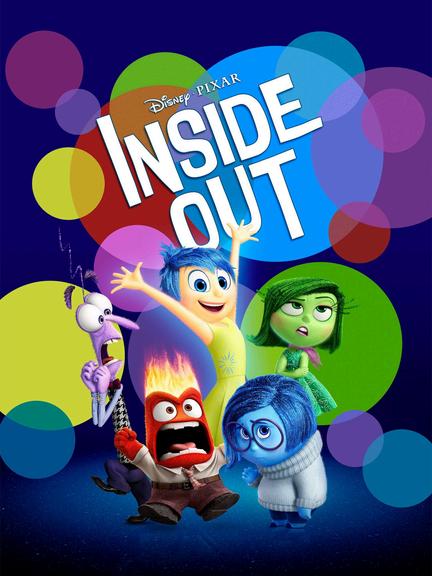
Inside Out
PG Animation/Family
The film follows 11-year-old Riley as she adjusts to moving to a new city. Inside her mind, five emotions guide her actions and experiences. As she struggles with change, the story shows that all emotions, especially sadness, play an important role in growth and understanding
Nonfiction/Mindfulness
This book by Jon Kabat-Zinn introduces the idea of mindfulness as being fully present in everyday life. Through simple reflections and practices, it shows how paying attention to the present moment can reduce stress and bring more clarity, calm, and meaning to daily experiences.

This song by Ariana Grande reflects on love, uncertainty, and emotional vulnerability. With soft vocals and a dreamy tone, it captures the feeling of holding onto someone even when things feel like they might fall apart
WHAT’S HAPPENING?
ANNOUNCEMENTS AND EVENTS
Office of Inclusive Excellence
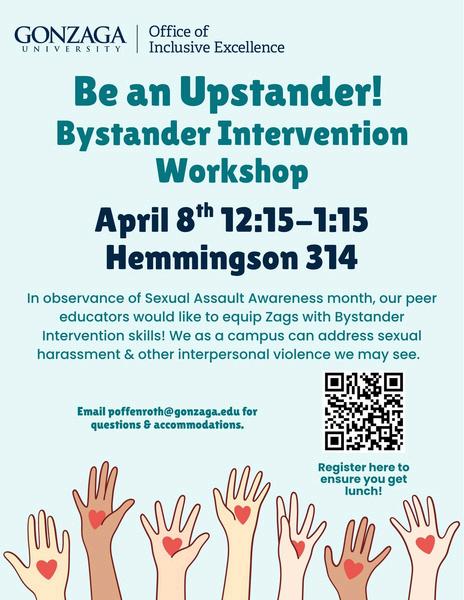
Bystander Intervention Workshop for Students
About: Join the Sexual and Relationship Violence Prevention Peer Educators and learn about the steps you can take to intervene when you see a harmful situation. We'll talk about how to overcome barriers to intervention and provide strategies that you can use to help, even if you don't feel comfortable addressing the situation directly.
Where: Hemmingson 314
When: Wednesday, April 08, 2026 | 12:15 PM - 1:15 PM
Staff and Faculty SAAM Workshop
About: Join the Equity and Compliance team and learn about how you can support prevention efforts and respond to disclosures of violence as a staff or faculty member
Where: Hemmingson North Ballroom
When: Wednesday, April 08, 2026 | 12:15 PM - 1:15 PM
Dear Survivor Letter Display
About: Read the letters written by our campus community in support of survivors of sexual violence.
Where: Hemmingson 314
When: April 13 - 17, 2026
WHAT’S HAPPENING?
ANNOUNCEMENTS AND EVENTS
Office of Inclusive Excellence
Community Prayer for Survivors
About: Join us for a quick prayer for healing and solidarity for survivors of sexual violence on campus.
Where: Peace Pole Lawn
When: Wednesday, April 15, 2026 | 12:15 PM - 12:30 PM
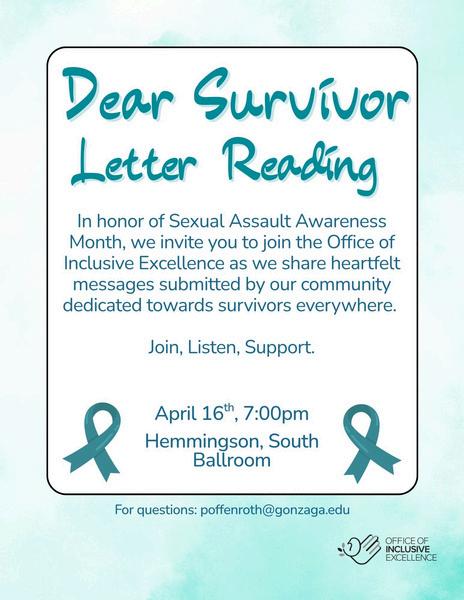
Dear Survivor Letter Reading
About: Hear the letters written by our campus community in support of survivors of sexual violence.
Where: Hemmingson North Ballroom
When: Thursday, April 16, 2026 | 07:00 PM
Inclusive Excellence Leadership Academy Graduation
About: Join us as we celebrate the graduates of the 2025-26 cohort of the Inclusive Excellence Leadership Academy!
Where: Hemmingson 201, Joann Jundt Lounge
When: Tuesday, April 28 , 2026 | 11:30PM - 1:30PM th
Inclusive Excellence Reading Group
About: Join us as we examine how universal design shapes belonging for students with disabilities Read the article here.
Where: Hemmingson 201, Joann Jundt
When: Wednesday, April 29 , 2026 | 1:00PM - 2:00PM th

WHAT’S HAPPENING?
ANNOUNCEMENTS AND EVENTS
Campus Events
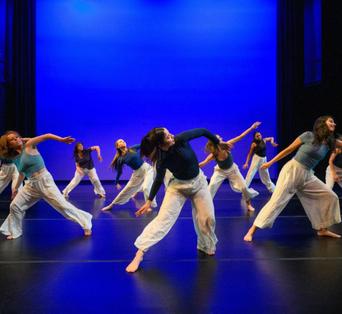
Student Choreography Showcase
About: Enjoy the variety of work presented by the Student Choreography Class of Spring 2026 This concert is sure to impress as students showcase creativity, vision, and leadership through completed dance works performed by students.
Adult- Tier A $15, Tier B $10, GU Student/Student/Youth- Tier A/B $8
Where: Myrtle Woldson Performing Arts Center 211 E Desmet Ave Spokane, WA 99258
When: Friday, Apr 10, 2026 7:00 PM
Inaugural
Woodley
Institute Lecture Series: Free
Speech & the Civic Responsibility in the Jesuit Tradition
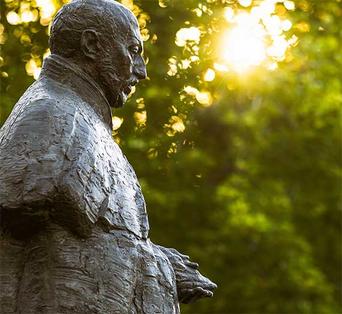
About: Join Gonzaga University's Woodley Institute for Civil Engagement and Humanistic Dialogue's inaugural lecture featuring Tom Woodley ('69) and a panel discussion about the rights and responsibilities of free speech and how they shape campus life today. Grounded in Gonzaga's Ignatian tradition, the panel of scholars Erica Goldberg from the Law School and Karen Petruska from the Communication Studies Department will explore how to disagree productively, seek truth together and build communities in which people feel heard Free for GU students, faculty, and staff with ID; $10 for public tickets
Where: Jepson, Wolff Auditorium
When:Thursday, Apr 16, 2026 7:00 PM - 9:00 PM
WHAT’S HAPPENING?
ANNOUNCEMENTS AND EVENTS
Campus Events
AI, Climate Change, and Energy Demand
About: The Institute for Climate, Water, and the Environment and the Institute for Informatics and Applied Science will co-host a public panel discussion of the challenges and opportunities of addressing climate change in an era of rapid development and deployment of artificial intelligence. Is it possible to meet our decarbonization and renewable energy goals while satisfying the intense energy demands of AI data centers? Can we have responsible AI and address the climate crisis?
Free and Open to the Public
Where: Hemmingson Ballroom, Gonzaga University and livestreaming online
When: Monday, Apr 20, 2026 6:00 PM
Student Achievement Showcase & Symposium (SASSy)
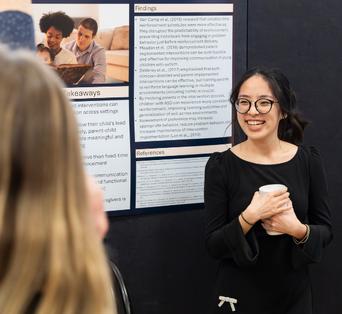
About: A campus-wide event showcasing integrative student work across the College of Arts & Sciences. Featuring posters, presentations, and creative displays, the showcase brings together students from multiple disciplines to highlight research, collaboration, and academic creativity. Rotating sessions throughout the day invite visitors to explore projects and connect with student scholars.
Where: Hemmingson Ballroom, Gonzaga University
When: Wednesday, Apr 22, 2026 12:15 PM - 8:00 PM

WHAT’S HAPPENING?
ANNOUNCEMENTS AND EVENTS
Spokane Events
The Glass Menagerie
About: The glass Menageri, an intimate and beautiful story about family, reams and the weight of the past, resonates across the generations with deeply relatable characters and emotions Amanda Wingfield only wants the best for her two children, Tom and Laura. With her socialite adolescence behind her, Amanda puts all her energies into pushing her children up the social and financial ladder from which she has fallen. Shadowed by the absence of a father, they struggle to break free from their mothers' imposing way Ticket: $40
Where: Spokane Civic Theater
When: March 20 - April 4 th th @ 7:30pm (Thu-Sat) and 2:00pm (sun)
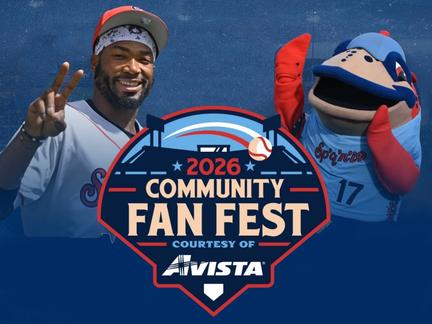
2026 Spokane Indian Community Fan Fest
About:The first pitch of the 2026 season is right around the corner and we want you to help us kick off a new year of baseball at Fan Fest. This FREE community event courtesy of Avista and 103.5 The Game includes the Spokane International Airport Home Run Derby and your first chance to meet the 2026 team. Get to the ballpark early for a special autograph session and don't forget to snag a 2026 Schedule Poster presented by Avista! Kids 12 & under can stick after the Home Run Derby for Dairy Queen Circle the Bases. Gates for the event open at 5:30 p.m. Concessions will be available for purchase and fans can browse the Spokane Indians Team Store and stock up for another fun-filled season at the ballpark
Where: Spokane Valley Avista Stadium
When: April 1 @ 5:30pm - 7:30pm st
ANNOUNCEMENTS AND EVENTS WHAT’S HAPPENING?
About: Come and enjoy the opening series against the Everett AquaSox! We will celebrate the start of the season with Fireworks both Friday and Saturday night. It is going to be a great year with 66 home games and lots of fun promotional nights. See you at the ball park. Tickets: $11-29
Spokane Events
Spokane Indians Baseball Opening Series

Bloomsday 50 Years of Movement
About: 50 years of movement bring the magic of Bloomsday to life through an immersive journey of rare memorabilia, archival imagery, and the iconic art that defines the race This exhibit celebrates the creativity and community spirit that moves us all. Come relive the memories and feel the pulse of five decades of Bloomsday
When: April 3 - 25 @ 4:00pm - 7:00pm (Thu- Sat)
About: Shen Yun is a brilliant artistic revival and celebration of China’s rich cultural heritage. But after decades of communist rule, much of this divinely inspired culture has been lost. Now, ancient legends and timeless virtues come alive on stage, preserving the essence of a civilization that has endured for millennia of genuine Chinese culture, bringing the magnificence of 5,000 years of civilization vividly back to life

Shen Yun
WHAT’S HAPPENING?
ANNOUNCEMENTS AND EVENTS
Spokane Events
Sunday Fungay! Market
About: Sunday FunGay! Market is a brand-new monthly indoor market happening on the first Sunday of every month. A monthly maker's market celebrating the LGBQT+ community, allies, and small businesses doing cool things together A space where LGBQT + makers, artists, vintage sellers, resellers, and side hustlers can show up full as themselves... while shoppers discover amazing small businesses in an environment that feels welcoming, safe, and fun.
About: Back again and better than ever, Spokane River Run features a 5k, 10k, 25k challenge, 50k, 50k relay, and 25k tag team (two-person relay). Spokane River Run is one of the oldest trail runs in the Pacific Northwest and has been recognized in the Trail Runner’s trophy series Price: $20-120
Spokane River Run
Enjoyed this issue of Diversity Digest?
Subscribe for future editions and tell us what you think!

Follow us on Instagram: @gonzagadiversity
Questions? Comments? Have an idea for an article?
Email us at inclusiveexcellence@gonzaga.edu
EDITORIAL BOARD
Ashlinn Aguayo
Coco Haggen
Ik Idumwonyi
Robin Kelley, Ph.D.
Araceli Lopez
Vy Nguyen
Kristina Poffenroth
Idalia Bucio Rodriguez
Brice Yates, Ph.D., CDP