Annual report
2025
Brands
In March 2026, FuelTech joins forces with G&O Maritime Group. A strong addition to the Propulsion Management Segment. FuelTech specialises in dual–fuel systems enabling vessels to operate on alternative fuels such as methanol and ammonia, with a strong focus on safety, efficiency, and reliability.
Compensators engineered to eliminate propeller and main engine induced vibrations, enabling full utilisation of the RPM range. This enhances crew comfort and safety, optimises fuel efficiency, and minimises long-term maintenance costs.
Piston rod stuffing boxes for two-stroke engines continuously improved to live up to new fuel types entering the market. A trusted partner who delivers quality on time and has a sustainable profile.
Leading global provider of cylinder lubrication systems for two-stroke marine engines, ensuring up to 55% lube oil savings, improved engine reliability and reduced emissions.
Valves and venting equipment reducing emissions from cargo ensuring cost savings due to reduction of cargo vapour loss during voyage and safety for the crew and the environment.
Incineration of waste and oil sludge, to achieve lower operational costs and reduced environmental impact, while experiencing a 15% higher burning capacity compared to similar marine incinerators.
Biologically cleaning of grey and black wastewater before it is discharged. To achieve a reduced impact on marine eco systems and a lower cost of ownership.
Specialised 24/7 solutions for the maintenance, repair, and optimisation of marine boilers. Expertise in boiler systems, automation, and spare parts ensures reliable operations, minimised downtime, and enhanced efficiency for vessel performance.

Propulsion Management Tank Management Water &Waste Management Service Management
Integration and execution
2025 was a year of execution, integration and continued strengthening of our Group.
The acquisition of Global Boiler Services, completed in December 2024, was followed by integration during the first half of the year to ensure alignment of processes, policies, organisational structure, values and strategy. This work progressed according to plan and has reinforced the foundation for future synergies.
The strategic initiatives covered in our strategy – closer, remained the focus and the basis for the prioritisation of resources and execution throughout the year. The main focus was on initiatives that deliver improved solutions and value propositions to customer and other important stakeholders. An important milestone in 2025 was the establishment of a unified aftersales organisation serving all brands across the Group to the benefit of the customers through faster response times, presence, availability of expertise and enhanced lifecycle support of the install base, while at the same time improving our ability to capture recurring revenue. 2025 also brought a strengthening of our commercial presence in key markets building on the back of the Global Boiler Services presence, existing and new sales agencies, as well as own representations, all supported by frequent area sales managers visits from the seven brands. Other areas of effort were efficiency driving initiatives, but also development of systems that provide further and better visibility of the performance, e.g. PowerBI, CRM and ERP ultimately ensuring attention to the main value drivers. We also continue the work on developing the organisation, thereby offering new opportunities for those who are willing and able.
All segments, with the exception of Water & Waste, delivered continued growth in 2025. Supported by a strong order book for 2026 and beyond, we entered the year well positioned for another strong performance. However, geopolitical developments in the Middle East are negatively affecting the service activity in the area. We are actively doing our utmost to manage and minimise these impacts, while hoping for a quick resolution to the conflict that can bring back peace and restore stability.
The lack of adoption of the IMO Net–Zero Framework in late 2025 means that binding standards for fuel efficiency and carbon pricing to drive shipping decarbonisation by 2050 are absent for now. However, sentiment in the market and among customers remains strong—so our focus remains on offering future–proof solutions.

As a testament to this, we enter 2026 with the addition of FuelTech as an eighth brand in the Group. It brings substantial volume to the Propulsion Management division, expands our capabilities, and positions us well in the ongoing transition to dual–fuel. The focus is on integrating FuelTech into the Group and driving further growth, while strengthening our value propositions to deepen relationships with existing and shared stakeholders. Onboarding to existing Group platforms is also key.
We maintain a positive view of the future but follow the situation in the Middle East closely. We have a robust foundation and a good order book as the base for our continued progress. The budget for 2026 reflects this and is supported by organic growth in the majority of divisions and supplemented by acquisitive volumes.
Focus remains on achieving synergies across our eight distinct brands, growing above the market and enhancing their value propositions, so we remain top of mind when it comes to making vessels greener and safer places to work – thereby contributing to the green transition in the maritime industry.
Jesper Lok Anders Egehus Chair CEO


G&O Maritime Group drives maritime innovation with advanced, future‑ready solutions .
We deliver high-performance sub-systems that enable shipowners, shipyards and designers to enhance efficiency, optimise operations, and prepare for the future.
With the addition of FuelTech A/S, a leading specialist in advanced fuel-supply systems for alternative green fuels such as methanol and ammonia, we further strengthen our position as a leading niche supplier to the global maritime industry.
Built on deep expertise within Propulsion, Tank, Water & Waste, and Service Management, our world-class service organisation allows us to work closer—as one Group and alongside you—to create value today while shaping the future of shipping together.
Because being closer takes us further.


G&O Maritime Group 13 different G&O Group locations
Service partners 19 different locations
Headquartered in Lyngby, Denmark with opeations worldwide
8 brands and > 650 employees across 5 countries and 13 locations

01 Management Review

01.1 Group highlight & Five–year overview

Five‑year overview
result before depreciation, amortisation and special items (Adjusted EBITDA)
Operating result before depreciation and amortisation (EBITDA)
(EBIT)
BALANCE SHEET
Graf: Revenues
(s. 6 i Ferrosan MD)
Graf: Revenues
EMPLOYEES
(s. 6 i Ferrosan MD)
*Note that the key figures presented for 2022 have been prepared on figures prepared in accordance with DFSA. The Group was incorporated in 2022 with first financial year (2022) for the period 14.06.2022 to 31.12.2022.
Risk Management & Corporate governance
Key activities
The Group’s key activities comprise the production and sale of products within the maritime sector combined with aftersales and service, including maintenance and technical support.
Business risks
The Group’s most important business risk is linked to its ability to be strongly positioned on the markets in which the Group sells its products. In addition, the Group is exposed to geopolitical uncertainties affecting the Maritime Sector.
Currency risks
The Group does most of its trade abroad, and a significant part of its revenue is invoiced in foreign currencies. The Group evaluates on a current basis the need for use of financial instruments to hedge net positions and future transactions.
Liquidity
Management assesses that the Group has the necessary funds available to meet the continued development of its activities.
Use of financial instruments
G&O Maritime Group has currently no active derivative contracts. In 2024 realised a FX contracts for one large contract denominated in USD to secure the currency exposure against USD. Excess liquidity is deposited in money market account or the like. G&O Maritime Group is exposed to
financial risks from changes to floating interest rates related to Cibor3. G&O Maritime Group is among other things using steel, copper, bronze and other metals as raw materials in its products; thus G&O Maritime Group is exposed to the development in various raw material prices.
Knowledge resources
Compared to the Group’s operating risk, it is important to maintain a market leadership. This is done by attraction and continuous training and education of intellectual capital resources in accordance with market requirements as well as focused sale and marketing.
Statement on data ethics, cf . section 99d of the Financial Statements Act
The statutory statement is available on the https://gomaritimegroup.com/wp–content/uploads/sites/5/2024/11/ gomg–data–ethics–policy.pdf
Statement on gender composition
G&O Maritime Group A/S has a policy regarding gender equality for all managerial levels in the organisation. The Group’s overall objective is to employ and promote, the most qualified employees, regardless of gender, age, or origin. The policy is published in the employee handbook. The policy describes e.g. the possibility of flexible career opportunities, working hours, etc. G&O Maritime Group has an ambition to further balance gender equality and diversity in the workforce, as we deem this a strength to the Group.
Control Environment
Overall, the Board of Directors sets the general framework for internal controls and risk management within the Group. The Executive board has the operational responsibility for establishing efficient control and Risk Management in the financial reporting. The internal controls are the responsibility of the individual departments, and the accounting and controlling functions are segregated. As part of the Bond listing on Oslo Børs, the Board of Directors has nominated an Audit Committee. The audit committee assists in monitoring the financial reporting process. This includes an annual evaluation of the annual audit plan, further the efficiency of risk management and internal controls, including a review of policies and working procedures.
Reporting guidelines of Active Owners
The G&O Maritime Group is partly owned by private equity and follows certain reporting guidelines issued by the Danish Venture Capital and Private Equity Association. You may find the guidelines here: www.aktiveejere.dk.

Robust 2025 revenue performance with a strengthened growth platform
Revenue
G&O Maritime Group A/S delivered strong financial performance in 2025, with Group revenue increasing by DKK 236 mio., corresponding to a year-on-year growth of 46% compared to 2024. The Group realised total revenue of DKK 739 mio. in 2025. The significant increase was primarily driven by the inclusion of Global Boiler Services, which was consolidated into the Group as from the beginning of 2025.
The Propulsion Management division recorded a revenue increase of DKK 17 mio., corresponding to 5% growth compared to 2024. The growth was driven by positive organic development across both new sales and Aftersales activities, with the Aftersales market achieving 9% organic growth during the year.
The Tank Management division delivered a substantial increase in new sales activity, with revenue growing by 37%, resulting in a total revenue uplift of DKK 14 mio. from 2024 to 2025. Over the period 2023–2025, the division achieved a compound annual growth rate (CAGR) of approximately 20%, reflecting strong demand and improved market penetration.
The Water & Waste Management division achieved revenue of DKK 75 mio. in 2025. The division reported a CAGR of approximately 2% for the period 2023–2025, with more than 60% of divisional 2025 revenue generated from Aftersales, supporting revenue stability and recurring income.
The Service Management division continued its positive development, reporting growth of approximately 10% compared to historical activity levels and contributing DKK 224 mio. to Group revenue in 2025. The division remains a key component of the Group’s strategy to increase service- and lifecycle-based revenue streams.
Overall, the group demonstrated positive revenue development and contributed to a solid CAGR trend over the period 2023–2025. Management therefore assesses the organic growth performance across these years satisfactory for G&O Maritime Group. In 2025, however, the Group encountered unforeseen challenges stemming from geopolitical tensions, which led to a depreciation of the USD and changed market conditions which consequently had a negative impact on topline results downsizing revenue expectations from DKK 780-800 mio. to realised DKK 739 mio.
From a geographical perspective, revenue in 2025 was distributed with 42% in APAC, 41% in Europe, and 17% in Rest of the World. Compared to 2024, revenue growth was particularly strong in Europe, with a year-on-year increase of 77%. From 2026 and onwards, Management expects higher growth to materialise in APAC, supported by the inclusion of FuelTech.
(s. 6 i Ferrosan MD)
Gross profit
Gross profit increased to DKK 429.4 mio. in 2025, compared to DKK 323.7 mio. in 2024, driven by a significant increase in overall revenue across the Group and an improved business mix with a higher share of recurring activities, mainly driven by the inclusion of Global Boiler Services for 2025.
Aftersales activities continued to be a key contributor to the Group’s gross profit development in 2025, supported by strong growth in service and spare parts sales within the Propulsion Management and Service Management divisions. Increased demand for maintenance, upgrades, and lifecycle support solutions drove higher volumes and strengthened the share of recurring revenues, contributing positively to both gross profit and margin resilience. The sustained expansion of the Aftersales offering across the four divisions remains a core strategic focus for G&O Maritime Group, supporting scalable growth, improved earnings visibility, and long-term value creation.
The financial result & position
Following the solid gross profit performance in 2025, the Group delivered a strong improvement in earnings (EBIT) and cash flow generation, making 2025 a robust year characterised by operational progress and strategic execution. Adjusted EBITDA (operating result before depreciation, amortisation and special items) increased to DKK 130.1 mio. compared to DKK 103.0 mio. in 2024, reflecting higher activity levels, operational leverage, M&A and a continued focus on cost discipline. Despite the positive trends, the geopolitical tensions also had a negative impact on earnings primarily driven by lowered revenue denominated in USD compared to the earnings expectations in the annual report for 2024 of DKK 150-160 mio.
Special items amounted to DKK 5.6 mio. in 2025, significantly lower than the prior year where acquisition-related costs for Global Boiler Services were included. During 2025, the Group focused on the successful integration of Global Boiler Services into the existing business platform, resulting in an operating result before financial income and expenses of DKK 124.5 mio. Depreciation and amortisation increased to DKK 73.8 mio., primarily reflecting ongoing investments in capacity, technology and intangible assets. Consequently, EBIT amounted to DKK 50.7 mio., up from DKK 32.3 mio. in 2024.
Net financial expenses increased to DKK 83.4 mio., partly driven by interest expenses related to the Group’s financing structure, which as from end of 2024 included a Nordic bond financing of the acquired assets etc. As a result, loss before tax amounted to DKK –32.7 mio., and the net result for the year was DKK –34.1 mio., below Management’s expectations.
Cash flow from operating activities improved markedly to DKK 61.6 mio., compared to DKK 25.4 mio. in 2024, supported by higher earnings and stable working capital management. Cash flow from investing activities amounted to DKK –20.3 mio., reflecting continued investments in innovation and long-term growth initiatives. Overall, the Group ended 2025 with cash and cash equivalents of DKK 66.9 mio., providing a solid liquidity position to support the Group’s strategic objectives going forward. Subsequent to the balance sheet date, the Group has raised additional financing in connection with the acquisition of Fueltech, further strengthening the Group’s strategic platform while adapting the capital structure to support continued growth and integration activities.
Proforma adjusted EBITDA
“From 2026, FuelTech, as part of the Group’s Propulsion Management division, represents a key component of G&O Maritime Group’s long-term growth strategy and value creation ambitions”.
2022 is based on a short financial year and in accordance with DFSA (not proforma adjusted)
DKK mio.
Accelerated scale and strong growth outlook
A strengthened platform enabling accelerated and profitable growth
Entering 2026, G&O Maritime Group further strengthened its strategic and operational platform with the onboarding of FuelTech. FuelTech expands the Group’s technology and solution offering within energy efficiency and fuel optimization, increasing the Group’s addressable market and enhancing cross-selling potential across the existing customer base. The acquisition represents an important strategic milestone and supports the Group’s ambition to scale through both organic growth and value-accretive acquisitions.
Based on current trading, order backlog visibility, commercial pipeline and the expected contribution from FuelTech, and taking into account the prevailing geopolitical situation, including developments in the Middle East, G&O Maritime Group expects revenue growth of 35–55% year‑on‑ year in 2026 . This corresponds to a projected Group revenue of approximately DKK 1 .0–1 .15 billion. Such revenue expectations include FuelTech activity from the closing date of 16 March 2026 (equivalent to approximately 9.5 months of revenue contribution). On a pro forma adjusted basis, including FuelTech on a full twelve-month basis, 2026 revenue is expected to reach up to approximately DKK 1.25 billion.
Profitability is expected to remain solid as the Group continues to scale. Adjusted EBITDA for 2026 is ex‑ pected to be in the range of approximately 17–19%, supported by operational leverage, productivity improvements, increasing scale benefits and a growing share of service- and lifecycle-related revenues. While continued investments in growth and integration activities are expected, the expanded revenue base is anticipated to absorb fixed costs efficiently.
The Group’s business model supports strong cash flow generation, driven by disciplined working capital management and increasing revenue visibility. Management considers G&O Maritime Group’s financial profile to be well aligned with the expectations of bondholders and shareholders, combining high growth, resilient margins and improving predictability of earnings. With enhanced scale, broader technological capabilities and a strengthened strategic platform, G&O Maritime Group has entered a new phase of accelerated growth. Management remains focused on disciplined execution and value creation, providing a strong foundation for both bondholders and shareholders through organic growth and potential value–accretive acquisitions.

Growth in revenues 2025 2026 +35-55%
01.2
Historical line
Gertsen & Olufsen dates back to 1945. However, it was formally established as G&O Maritime Group in 2014 when Gertsen & Olufsen acquired Atlas Incinerators.
1917
Hans Jensen Lubricators
1974
Atlas Incinerators
1945
Gertsen & Olufsen
1959
HECO International
2011
Global Boiler Services
Since then, the Group has expanded through several strategic acquisitions with the aim of establishing a niche sub-system group serving the maritime industry with market leading products.
2015
Pres-Vac Engineering joins G&O Maritime Group
2018
Eltronic FuelTech
2021
Polaris acquires G&O Maritime Group
2026
FuelTech joins G&O Maritime Group
1952
Pres-Vac Engineering
2015
HECO joins G&O Maritime Group
2014
G&O Maritime Group is formed as Atlas Incinerators joins Gertsen & Olufsen A/S
2024
Global Boilers Services joins G&O Maritime Group
2022
Hans Jensen Lubricators joins G&O Maritime Group
Board of directors
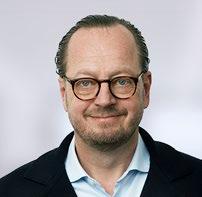
Jesper Lok Chairman
Jesper has worked 26 years in AP MøllerMaersk and the last 9 years as CEO of Svitzer. He is also the Chair of Dagrofa, Inchcape, and on the board of Silverstream.
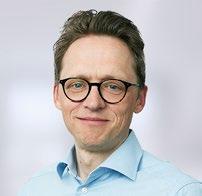

Bernd Bertram Board Member
Bernd is VP Propulsion & Head of Portfolio Business in Wärtsila.
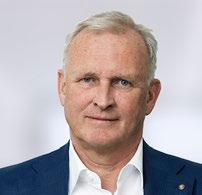
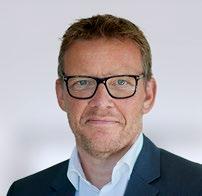
Kristian V . Mørch Board Member
Kristian has 36 years of experience in the marine shipping industry and is the CEO of J. Lauritzen. Prior to that he was CEO of Odfjell SE.
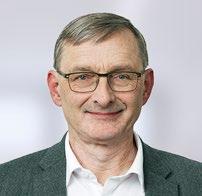
Rune Gornitzka Board Member
Rune is a Partner in the private equity company, Polaris, which owns the majority of G&O Maritime Group.
Bo Kristensen Board Member
Over the last 21 years Bo has been CEO, then owner and shareholder of Gertsen & Olufsen.
Thomas S . Knudsen Board Member
Thomas has 37 years of experience at MAN ES, being the former CEO of MAN ES’ twostroke division.

Group Management
Anders Egehus
Chief Executive Officer
Anders joined G&O in 2022. Prior to that, he served as CEO in Alliance+ and held several COO positions at DSB and Svitzer. Before that, he spent over 15 years at AP Møller–Maersk .
Thomas Kastrup
Chief Financial Officer
Thomas joined G&O as CFO in 2023. He has +15 years’ experience as a CFO, most recently at Ferrosan Medical Devices A/S and DPA Microphones A/S.
Henning Høgh
Chief Operating Officer
Henning joined G&O as COO in 2021. Previously, he worked as VP at Teledyne Marine, has +20 years’ experience from Cobham Satcom and has served 10 years in the Royal Danish Navy.
Kristoffer Buhl Larsen Chief Commercial Officer
Kristoffer joined G&O in 2023. He has +15 years’ experience from sales, strategy and business development, most recently as CCO at Primo Group before joining G&O. Previous experience from Wärtsila and AP Møller–Maersk .
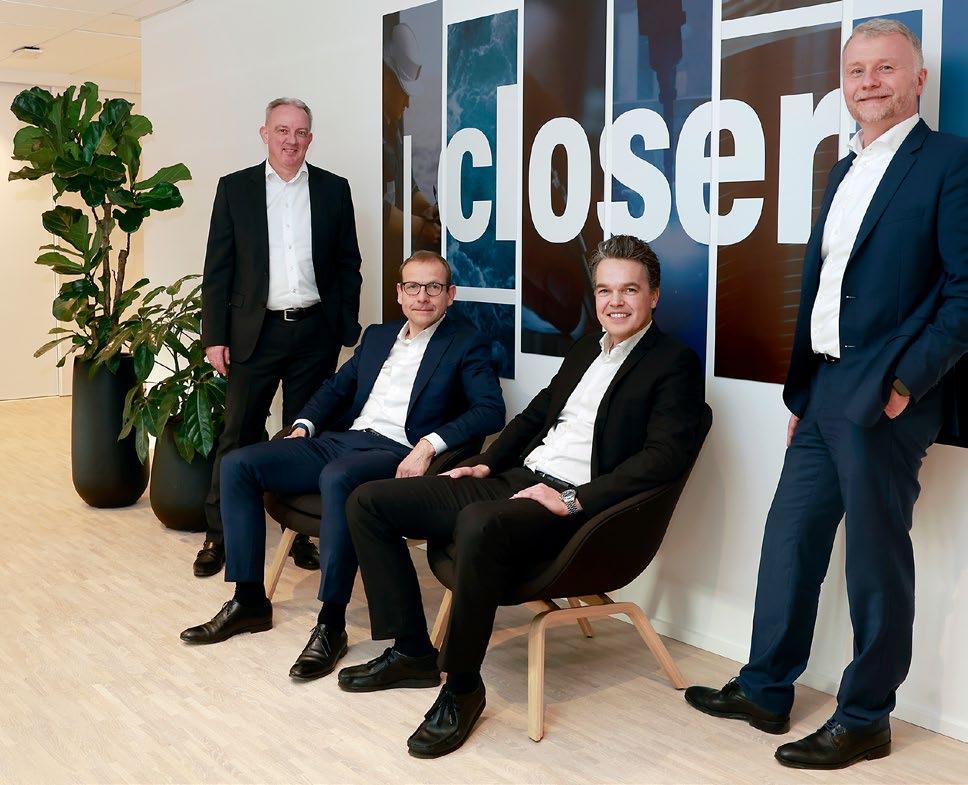
From left to right; Thomas Kastrup, Anders Egehus, Kristoffer Buhl Larsen & Henning Høgh.
01.3

Sustainability and impact
Our sustainability statement
The maritime industry has set goals for net–zero carbon neutrality by 2050. As a sub–system provider within the global maritime industry, our vision at G&O Maritime Group is to assist in enhancing the environmental and operational aspects of vessels. We pursue this vision by improving the contributions of our products, focusing on the following areas:

G&O’s vision is to make vessels greener and safer to work
Enhancing vessel efficiency by promoting reduced fuel and oil consumption, minimizing emissions from cargo, and decreasing power usage during operations
Assisting customers, including ship owners and managers, in minimizing health risks and accidents, establishing higher standards for workforce wellbeing through reduced explosion risks, vibrations, noise levels, and vapours on board 1 3 4 5 2
Extending the lifespan of vessels, engines, and equipment, thereby delaying repairs and replacements to reduce embodied emissions and waste
Actively supporting the maritime industry’s transition to new, sustainable fuel types by offering adaptations to accommodate these fuels
Mitigating harmful impacts on marine ecosystems and safeguarding life below water through biological wastewater treatment, minimizing vibrations, and providing effective waste handling to combat ocean pollution
G&O’s high–quality equipment supports the green transition
G&O is a key player in supporting customers in the transition to new fuels and reducting emisions
• FuelTech designs fuel supply– and safety systems that enable ships to run on alternative, greener fuels. Focus lies in facilitating the transition to alternative fuels such as methanol and ammonia.
• G&O Compensators eliminate harmful vibrations from the engine and other equipment – at the source. It reduces weight and fuel consumption, increasing propulsion efficiency, decreasing wear and tear on weldings and fittings, a vibration–free vessel is also key for a healthy working environment for the crew.
• HECO’s scraper rings ensure that optimal tight air seal which optimizes fuel efficiency and minimises oil waste.
• HECO is collaborating with Everllence on the development of new-fuel main engines.
• HJL’s cylinder lubrication systems support the use of new fuels such as ammonia and methanol, meeting higher performance requirements and providing the increased lube-oil flexibility these fuels demand.
• HJL’s Smartlube 4.0 reduces up to min. 30% in cylinder oil consumption, improving engine reliability and reducing emissions.
• Pres–Vac’s high velocity valves reduce emissions close to zero and ensure efficient mechanical operation.
• Pres–Vac is the only supplier with a certified valve for methanol fuelled vessels.
• Atlas Incinerators allow lower operational costs and reduced environmental impact, while experiencing a 15% higher burning capacity compared to similar marine incinerators.
• G&O Bioreactors: a water treatment plant that ensures correct and biological treatment of wastewater contributing to cleaner marine environments.
• G&O Bioreactors allow vessel to clean water on board without using chemicals, heat or UV treatment.
• Global Boiler Services optimizes, repairs, and automates marine boiler systems to extend their operational life and improve efficiency, thereby reducing fuel usage and emissions.
Advancing Maritime Sustainability: Our Ongoing Commitment to Responsible Innovation
At G&O Maritime Group, sustainability is a strategic priority and an ongoing journey. Guided by a vision to make vessels greener and safer workplaces, we continue to embed sustainability into our operations, products, and partnerships while supporting the maritime industry’s green transition.
• We maintain annual calculations of our Scope 1–3 greenhouse gas (GHG) emissions, documenting and communicating the inherent sustainability contributions of our advanced sub–systems.
• Our portfolio continues to enable lower emissions of SOx/Nox, reduced fuel and oil consumption and improved operational efficiency. These solutions support compliance with evolving global environmental standards and help shipowners’ and designers’ futureproof vessel performance.
• We strengthen our engagement with key maritime organisations and standards bodies, advocating the green transition and aligning our actions with wider sustainability objectives across the industry.
• We deepen collaboration with customers to enhance awareness of timely maintenance, product life extension and circular oriented service programmes, including expanded takeback and reuse services that reduce total cost of ownership and environmental footprint.
• We continuously work to reduce GHG emissions across our operations and supply chain, while strengthening the sustainability performance of our products.
• We uphold our ambition of a zero accident workplace, tracking safety KPIs and embedding process optimisation to ensure a safe, inclusive and supportive environment for all employees.
• Our approach is grounded in the UN Guiding Principles and the OECD Guidelines for Multinational Enterprises, underpinning responsible conduct across human rights, environmental protection and economic sustainability.
We have strengthened governance to support responsible growth and transparency:
• Adoption of a Groupwide Sustainability Policy Commitment, vetted by external experts.
• A formalised Due Diligence Process aligned with UNGP/OECD standards.
• A groupwide grievance and whistleblower mechanism to ensure access to remedy and accountability.
The most significant CSR risks for G&O Maritime Group continue to relate to environment, climate, and social & employee conditions. As a developer and manufacturer of advanced maritime subsystems, our main environmental impact stems from energy consumption and the handling of production waste.
Our Danish production sites operate within rigorous national environmental and labour frameworks, which provide a solid compliance foundation. Across all our global locations— including China and Dubai —we apply consistent standards to ensure responsible and sustainable business practices everywhere we operate.
New companies joining the Group are onboarded to G&O’s policies and CSR standards to ensure consistent practices across the Group.

Our Commitment to the UN
Sustainable Development Goals
At G&O Maritime Group, sustainability is part of our strategy, supporting the UN SDGs by promoting responsible practices across our value chain—from supplier emissions transparency to solutions that improve fuel efficiency and help protect marine ecosystems.
Our impact is categorised into two focus areas:
• Strengthening Positive Impact through solutions that support sustainable development.
• Mitigating Negative Impact by reducing the environmental footprint of maritime operations.
As a responsible employer, we promote safety, inclusion, and motivation—knowing sustainability starts from within. Our progress is tracked through six KPIs and three Operational initiatives.
• Polaris Portfolio KPIs:
Three publicly disclosed indicators across all Polaris companies.
• SASB–Inspired KPIs:
Three metrics aligned with industry standards for ESG reporting.
• Operational Initiatives:
Three embedded projects now enhanced through focused implementation and tracking.
Through measurable action and industry collaboration, we aim to be a truly sustainable sub–system provider—supporting long–term value for our customers, our employees, and the planet.
Polaris Portfolio KPIs
CLIMATE ACTION
Focus remain to optimise and reduce use of energy. During 2025 we have seen a significant increase in activity, however despite this we have only seen a slight increase in the total energy consumption (GJ), which is a result of stable use of electricity, while petrol consumption, heating by oil and district heating has decreased. However the main drop in Scope 2 is due to changes in “Danish grid factors”. Scope 3 emissions rose with 21% as spend is increased and more high–emission material is purchased. Freight and sold incinerators (69%) remain key drivers.
GENDER EQUALITY
Although we aim to ensure fair representation of women across various organisational levels, we have during 2025 unfortunately seen a slight decrease in percentages, even though nominal number remain more or less static.
EMPLOYEE TURNOVER
We safeguard labour rights and foster a safe, healthy work environment where our employees can flourish.
Tracking
Scope 1 & 2: Calculations are based on activity data.
Scope 3: All relevant categories are included, using a combination of spend–based calculations and activity–based estimates.
Strategy & targets
We aim to increase the integration of sustainability throughout our value chain, including monitoring emissions from our suppliers and working with partners to enhance transparency.
Tracking
Monitoring gender distribution throughout the organisation, expressed as a percentage and reviewed annually.
Strategy & targets
Our long–term goal is to reach a minimum of 40% representation for each gender. However, given that we operate in an industry that is traditionally maledominated, this will be challenging to achieve by 2026. To support our efforts, we have initiated a collaboration with Danske Maritime and Divers. Divers works to improve diversity both within educational institutions and across workplaces in the industry.
Tracking
Monitoring voluntary employee turnover across the organisation, expressed as a percentage of the total workforce.
Strategy & targets
Our goal is to maintain employee–initiated turnover below 10%. Employee retention is a key responsibility for all managers.
SASB KPIs in G&O Maritime Group
WORKFORCE HEALTH & SAFETY
We are committed to building a healthy, safe, and inclusive workplace that empowers all employees to reach their full potential. As a Group consisting of manufacturing companies, we acknowledge business-specific risks, particular regarding health and safety incidents.
After acquiring Global Boiler Services,
G&O Maritime Group nearly doubled its Work Site Exposure. Despite this increase, Lost Workday Cases have decreased, reflecting our stronger focus on safety, training, and operational awareness across the organization.
ENERGY MANAGEMENT
We continue to actively work on energy management through behavioral changes and investments for further improvements.
The increase from 2024 to 2025 is predominantly due to the addition of Global Boiler Services.
We are focused on providing products with lowest possible use-phase power consumption. Some progress has been made in 2025 exept incinerators, however further work is required, thus maintaining focus and initiatives.
Tracking1
KPIs are calculated based on industry standards
LTI – Lost Time Incidents
RMC – Recorded Medical Cases (no sick days)
TRC – Total Recorded Cases
Strategy & targets
Our target is to be a zero-accident workplace. Training is carried out on an ongoing basis. Overall status is monitored on a monthly basis.
Tracking
Total energy consumed in reporting year (electricity, oil and gas). Percentage of electricity coming from grid. Percentage of renewables in the grid (Denmark).
Strategy & targets
Our target for 2026 is to remain on 2025 energy consumption level, plus the addition of FuelTech joining the Group in March 2026.
Tracking
Number of electricity-consuming products sold.Sales revenue per product.
kWh electricity used annually in use-phase per product.
Strategy & targets
A key part of our R&D framework is to reduce energy consumption and emissions during the use-phase of our products, hereunder establishing product life time consumption.
Other initiatives in G&O Maritime Group
ENERGY REDUCTION 5
As Global Boiler Services joined the Group end 2024, we have seen a corresponding increase in energy consumption in 2025. By excluding the GBS impact, energy consumption has increased slightly by 4.0 ppts.
5S SAFETY PRINCIPLES
In the Compensator business, we continue our 5S discipline in the “Sustain” phase.
Initiative:
“5S—Sort, Set in Order, Shine, Standardize, Sustain—is more than housekeeping; it creates cleaner, safer, and more efficient workspaces, whether on the shop floor or at your desk”
Initiative:
ENHANCE PRODUCT OFFERING
Tracking
Document and reduce annual consumption of electricity and heating across sites.
At our site in Dubai, a pilot project is initiated to implement the 5S safety principles. We expect this initiative will strengthen workplace safety and further streamline our operational workflows
Individual 5S champions have been identified and trained, and are now prepared to guide and support the wider site in the implementation of the 5S methodology.
Tracking
Measure and document progress on the 5S principles: Sort, Set in order, Shine, Standardise and Sustain.
“Measuring our products’ sustainability impact and improving it through new product developments”
Tracking
Document and quantify external sustainability contributions. Calculate product carbon footprint and reductions.
Positive initiatives

SDGs Initiatives
Operations & Employees Focus on safety is continuing, with the motto “Safety first”, where safety walks and safety talks are a standard process on all production floors.
First aid training and education conducted across all sites. During these courses staff have been trained in CPR and firsthand aid assistance, as well as ergonomics and well–being.
Progress
Ongoing
Implemented
Operations & Employees With a diverse workforce across regions, countries, religion and gender, we strive for an open and respectful work environment. Ongoing
Formalise career development by focusing on consistent and inclusive development practices
Strengthen knowledge sharing and innovation through collaborations with relevant external collaborators
Operations & Employees Embracing the path towards an even greener transition, we work on several product lines to reduce emissions and effectivity in any use–case possible. (HJ Lubricators, Pres–Vac, HECO).
Customers Advocate for the green transition of the maritime industry through our memberships in various organisations e.g. IMO, Danske Maritime, DEA & Dansk Standard among others.
Future
Ongoing
Ongoing
Ongoing
Minimising negative impact
SDGs Initiatives Progress
Suppliers Increase emissions transparency by requesting CO2e data directly from select “strategical” suppliers.
Operations & Employees

Actively work alongside suppliers to identify emission hotspots (upstream scope 3) and reducing emissions.
Optimise and reduce emissions from scope 1 and 2 (e.g. using greener energy and optimising energy usage).
Upgrade of production facilities if viable, considering end–of–life production machinery and energy efficiency, as well as new lightning sources.
A project to acquire green electricity is being considered.
Future
Given the volume and impact of freight, a review to reduce impact will be undertaken. Future
Customers Actively engage with customers to create emission transparency and work on reducing downstream scope 3 emissions. Future
Product Offering Create transparency on product carbon footprints and work to reduce this through R&D. Future
Customers Expand usages of local staff in more locations to enhance local communities and reduction in travel emissions. (China, South East Asia, Middle East) . Ongoing Product Offering Document and quantify products’ external sustainability contributions.
Further enhance product development and service offering through R&D to minimise negative environmental impact. Future
Continue to offer products to help customers improve safety and minimise health risks in operation while reduce negative externalities e.g. vibrations, noise pollution. Ongoing
Compliance Human Rights
At G&O Maritime Group, we are firmly committed to upholding human rights across all aspects of our operations. We actively implement preventative measures to minimise the risk of human rights violations and maintain high ethical standards throughout our value chain. Overall, we assess the risk of such violations in our daily operations as low. Our primary production sites and offices are located in Denmark, a country recognised for its strong human rights track record. For our international operations, we apply the same rigorous standards to ensure full alignment with our corporate values.
To maintain a strong governance framework, G&O Maritime Group has a whistleblower scheme, enabling employees to report—anonymously and without fear of retaliation—any suspected or actual violations of laws or internal policies. Notably, in 2025, no incidents related to human rights violations or other issues were reported. As we move forward, we remain committed to maintaining this strong record and continually reinforcing our ethical foundation.
We also ensure that all supplier agreements comply with relevant legislation, covering critical areas such as child labour, forced labour, human trafficking, environmental protection, anti–corruption, trade compliance, and anti–money laundering.
Anti–Corruption and Fraud
G&O Maritime Group maintains a zero–tolerance policy toward corruption and bribery. We are pleased to report that no incidents of corruption, bribery, or fraudulent activity were recorded in 2025—or in any previous period. The overall risk in this area is considered low, particularly given our sourcing practices and market approach.
Our procurement activities primarily involve suppliers based in Denmark, ensuring a high level of regulatory compliance. Commercially, our strategy focuses on long–term, trust–based partnerships. We prioritise proximity to key customers and agents, fostering transparency and accountability.
To safeguard our integrity, we have implemented two distinct Codes of Conduct—one for employees and another for external business relations. These codes clearly define our expectations and outline the Group’s stance on corruption and fraud. All employees are expected to comply fully, and we only engage with partners who adhere to our Code of Conduct for Business Relations.
Regular supplier evaluations, including screenings and site visits, continued throughout 2025 as part of our commitment to responsible sourcing.
Looking ahead, our goal for 2026 remains the same to roll out training programmes for all employees—both current and new—focused on our Code of Conduct. This initiative underscores our ongoing dedication to ethical business practices and responsible collaboration with suppliers and partners.

Moving forward
At G&O Maritime Group, we remain committed to continuous progress in advancing a more sustainable maritime industry. True transformation, however, is only possible when the entire value chain works together towards shared objectives.
We recognise that both opportunities and risks exist across all areas of the sustainability agenda. By promoting transparency throughout our supply network, we not only strive to enhance our own performance but also aim to inspire others to raise their standards.
, and
The groundwork has been laid. We have established clear expectations and a consistent framework that will guide our actions—and those of our partners—moving forward.
We look ahead with confidence and ambition, continuing our close collaboration with suppliers, customers, and industry peers to shape a more responsible and resilient future for maritime.

02 Statements
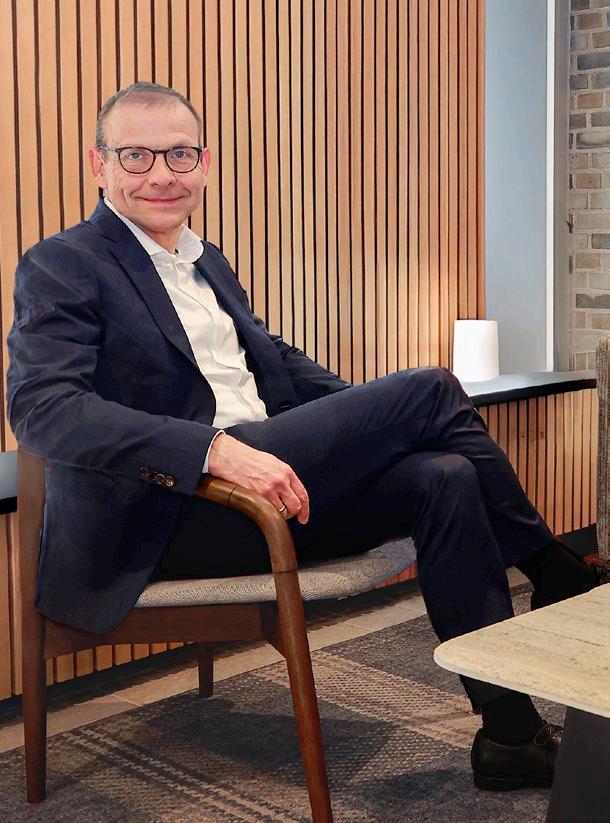
Anders Egehus, CEO
Management’s Statement
The Board of Directors and Executive Board have today considered and adopted the Annual Report of G&O Maritime Group A/S for the financial year 1 January – 31 December 2025.
The Consolidated Financial Statements have been prepared in accordance with IFRS Accounting Standards as adopted by the EU and further requirements in the Danish Financial Statements Act, and the Parent Company Financial Statements have been prepared in accordance with the Danish Financial Statements Act. Management’s Review has been prepared in accordance with the Danish Financial Statements Act.
In our opinion, the Consolidated Financial Statements and the Parent Company Financial Statements give a true and fair view of the financial position at 31 December 2025 of the Group and the Parent Company and of the results of the Group and Parent Company operations and cash flows for 2025.
In our opinion, Management’s Review includes a fair review of the development in the operations and financial circumstances of the Group and the Parent Company, of the results for the year and of the financial position of the Group and the Parent Company as well as a description of the most significant risks and elements of uncertainty, which the Group and the Parent Company are facing.
We recommend that the Annual Report be adopted at the Annual General Meeting.
Kongens Lyngby, 27 April 2026
Bernd Bertram
Bo Kristensen
Kristian Verner Mørch
Thomas Synnestvedt Knudsen
Executive Board
Anders Egehus CEO
Henning Høgh COO
Thomas Kastrup CFO
Board of Directors
Jesper Teddy Lok, Chairman
Rune Lillie Gornitzka
Independent Auditor’s Report
To the shareholder of G&O Maritime Group A/S
Our opinion
In our opinion, the Consolidated Financial Statements give a true and fair view of the Group’s financial position at 31 December 2025 and of the results of the Group’s operations and cash flows for the financial year 1 January to 31 December 2025 in accordance with IFRS Accounting Standards as adopted by the EU and further requirements in the Danish Financial Statements Act.
Moreover, in our opinion, the Parent Company Financial Statements give a true and fair view of the Parent Company’s financial position at 31 December 2025 and of the results of the Parent Company’s operations for the financial year 1 January to 31 December 2025 in accordance with the Danish Financial Statements Act.
Our opinion is consistent with our Auditor’s Long-form Report to the Audit Committee and the Board of Directors.
What we have audited
The Consolidated Financial Statements of G&O Maritime Group A/S for the financial year 1 January to 31 December 2025 comprise income statement and statement of other comprehensive income, statement of financial position, cash flow statement, changes in equity and notes, including material accounting policy information.
The Parent Company Financial Statements of G&O Maritime Group A/S for the financial year 1 January to 31 December 2025 comprise income statement, statement of financial position, statement of changes in equity and notes, including material accounting policy information. Collectively referred to as the “Financial Statements”.
Basis for opinion
We conducted our audit in accordance with International Standards on Auditing (ISAs) and the additional requirements applicable in Denmark. Our responsibilities under those standards and requirements are further described in the Auditor’s responsibilities for the audit of the Financial Statements section of our report.
We believe that the audit evidence we have obtained is sufficient and appropriate to provide a basis for our opinion.
Independence
We are independent of the Group in accordance with the International Ethics Standards Board for Accountants’ International Code of Ethics for Professional Accountants (IESBA Code) as applicable to audits of financial statements of public interest entities, and the additional ethical requirements applicable in Denmark. We have also fulfilled our other ethical responsibilities in accordance with these requirements and the IESBA Code.
To the best of our knowledge and belief, prohibited non-audit services referred to in Article 5(1) of Regulation (EU) No 537/2014 were not provided.
Appointment
We were appointed auditors on the company’s annual general meeting on 16 May 2025 for the financial year 2025. G&O Maritime Group A/S’ securities were listed on the Oslo Stock Exchange in November 2025.
Independent auditor’s report
Key audit matters
Key audit matters are those matters that, in our professional judgement, were of most significance in our audit of the Financial Statements for 2025. These matters were addressed in the context of our audit of the Financial Statements as a whole, and in forming our opinion thereon, and we do not provide a separate opinion on these matters.
Key audit matter How our audit addressed the key audit matter
Revenue recognition
Recognition of revenue is complex due to the variety of different revenue streams, ranging from sales of goods, service and project-based solutions, recognised when all significant risks and rewards have been transferred to the customer.
Furthermore, revenue recognised over time holds an inherent risk to the revenue recognition process.
We focused on this area, as there is a risk of non-compliance with accounting standards due to complexity originating from different revenue streams, customer behaviours, structures and market conditions
Revenue recognition and accounting treatment are described in note 4 “Revenue from contracts with customers” in the Consolidated Financial Statements.
Our audit procedures included considering the appropriateness of the revenue recognition accounting policies and assessing compliance with the accounting standards.
We performed risk assessment procedures to obtain an understanding of IT systems, business processes and relevant controls related to revenue recognition. We assessed whether the controls were designed and implemented to effectively address the risk of material misstatements.
We discussed the judgements related to the recognition and classification of revenue with Management. Further, we performed substantive audit procedures regarding invoicing, significant contracts, significant transaction streams, payments and delivery notes as well as performed audit procedures over cut-off at year-end.
We applied data analytics in our testing of revenue transactions in order to identify transactions and test transaction outside the ordinary transaction flow.
Finally, we assessed the appropriateness of the disclosures in the Consolidated Financial Statements.
Recoverability of the carrying amount of intangible assets
The carrying amount of goodwill and other intangible assets identified as part of purchase price allocations at 31 December 2025 amounts to DKK 637,180k, corresponding to 56% of total assets.
The principal risks are in relation to Management’s assessment of the future timing and amount of cash flows that are used to project the recoverability of the carrying amount of goodwill and other intangible assets.
Bearing in mind the generally longlived nature of the assets, the significant assumptions used to estimate future cash flows are; Management’s view of expected revenue and costs, discount rates, long term growth rates as well as the judgement in defining Cash Generating Units (CGUs).
We focused on this, as there is a high level of subjectivity exercised by Management in estimating future cash flows and the models used are complex.
The key assumptions and accounting treatment are described in note 27 “Impairment testing” in the Consolidated Financial Statements.
Our audit procedures included performing risk assessment procedures to obtain an understanding of business processes and relevant controls related to the assessment of the recoverability of the carrying amount of goodwill and other intangible assets identified as part of purchase price allocations.
We considered the appropriateness of Management’s defined groups of CGUs within the business. We examined the methodology used by Management to assess the carrying amount of goodwill and other intangible assets assigned to the groups of CGUs and evaluated whether there were factors requiring Management to change their definition.
We performed detailed testing for the assets where an impairment test was required. This included obtaining the impairment tests prepared by Management and assessing the reasonableness of the significant assumptions, including assessment of revenue forecasts, cost, discount rates and longterm growth rates, and tested the relevant data applied by Management.
We evaluated estimates of future cash flows and challenged whether they are reasonable and supported by the most recently approved Management budgets, including expected future performance of the groups of CGUs, and challenged whether these are appropriate in light of macroeconomic expectations in the markets.
We made use of our internal valuation specialists in the audit and tested the mathematical accuracy of the relevant models prepared by Management.
Finally, we assessed the appropriateness of disclosures in the Consolidated Financial Statements.
Independent auditor’s report
Statement on Management’s Review Management is responsible for Management’s Review.
Our opinion on the Financial Statements does not cover Management’s Review, and we do not as part of the audit express any form of assurance conclusion thereon.
In connection with our audit of the Financial Statements, our responsibility is to read Management’s Review and, in doing so, consider whether Management’s Review is materially inconsistent with the Financial Statements or our knowledge obtained in the audit, or otherwise appears to be materially misstated.
Moreover, we considered whether Management’s Review includes the disclosures required by the Danish Financial Statements Act.
Based on the work we have performed, in our view, Management’s Review is in accordance with the Consolidated Financial Statements and the Parent Company Financial Statements and has been prepared in accordance with the requirements of the Danish Financial Statements Act. We did not identify any material misstatement in Management’s Review.
Management’s responsibilities for the Financial Statements
Management is responsible for the preparation of consolidated financial statements that give a true and fair view in accordance with IFRS Accounting Standards as adopted by the EU and further requirements in the Danish Financial Statements Act and for the preparation parent company financial statements that give a true and fair view in accordance with the Danish Financial Statements Act, and for such internal control as Management determines is necessary to enable the preparation of financial statements that are free from material misstatement, whether due to fraud or error.
In preparing the Financial Statements, Management is responsible for assessing the Group’s and the Parent Company’s ability to continue as a going concern, disclosing, as applicable, matters related to going concern and using the going concern basis of accounting unless Management either intends to liquidate the Group or the Parent Company or to cease operations, or has no realistic alternative but to do so.
Auditor’s responsibilities for the audit of the Financial Statements
Our objectives are to obtain reasonable assurance about whether the Financial Statements as a whole are free from material misstatement, whether due to fraud or error, and to issue an auditor’s report that includes our opinion. Reasonable assurance is a high level of assurance, but is not a guarantee that an audit conducted in accordance with ISAs and the additional requirements applicable in Denmark will always detect a material misstatement when it exists. Misstatements can arise from fraud or error and are considered material if, individually or in the aggregate, they could reasonably be expected to influence the economic decisions of users taken on the basis of these Financial Statements.
As part of an audit in accordance with ISAs and the additional requirements applicable in Denmark, we exercise professional judgement and maintain professional scepticism throughout the audit. We also:
• Identify and assess the risks of material misstatement of the Financial Statements, whether due to fraud or error, design and perform audit procedures responsive to those risks, and obtain audit evidence that is sufficient and appropriate to provide a basis for our opinion. The risk of not detecting a material misstatement resulting from fraud is higher than for one resulting from error, as fraud may involve collusion, forgery, intentional omissions, misrepresentations, or the override of internal control.
• Obtain an understanding of internal control relevant to the audit in order to design audit procedures that are appropriate in the circumstances, but not for the purpose of expressing an opinion on the effectiveness of the Group’s and the Parent Company’s internal control.
• Evaluate the appropriateness of accounting policies used and the reasonableness of accounting estimates and related disclosures made by Management.
• Conclude on the appropriateness of Management’s use of the going concern basis of accounting and based on the audit evidence obtained, whether a material uncertainty exists related to events or conditions that may cast significant doubt on the Group’s and the Parent Company’s ability to continue as a going concern. If we conclude that a material uncertainty exists, we are required to draw attention in our auditor’s report to the related disclosures in the Financial Statements or, if such disclosures are inadequate, to modify our opinion. Our conclusions are based on the audit evidence obtained up to the date of our auditor’s report. However, future events or conditions may cause the Group or the Parent Company to cease to continue as a going concern.
• Evaluate the overall presentation, structure and content of the Financial Statements, including the disclosures, and whether the Financial Statements represent the underlying transactions and events in a manner that gives a true and fair view.
• Plan and perform the group audit to obtain sufficient appropriate audit evidence regarding the financial information of the entities or business units within the group as a basis for forming an opinion on the Consolidated Financial Statements. We are responsible for the direction, supervision and review of the audit work performed for purposes of the group audit. We remain solely responsible for our audit opinion.
Independent auditor’s report
Continued…
We communicate with those charged with governance regarding, among other matters, the planned scope and timing of the audit and significant audit findings, including any significant deficiencies in internal control that we identify during our audit.
We also provide those charged with governance with a statement that we have complied with relevant ethical requirements regarding independence, and to communicate with them all relationships and other matters that may reasonably be thought to bear on our independence and, where applicable, actions taken to eliminate threats or safeguards applied.
From the matters communicated with those charged with governance, we determine those matters that were of most significance in the audit of the Financial Statements of the current period and are therefore the key audit matters. We describe these matters in our auditor’s report unless law or regulation precludes public disclosure about the matter.
Hellerup, 27 April 2026
PricewaterhouseCoopers
Statsautoriseret Revisionspartnerselskab CVR No. 33 77 12 31
Michael Groth Hansen
State Authorised Public Accountant mne33228
Mathias Skovdahl Hansen
State Authorised Public Accountant mne50609

Income statement Statement of comprehensive income
Statement of financial position
Cash flow statement
1 JANUARY –
§ ACCOUNTING POLICIES
Cash Flow Statement
The cash flow statement shows the Groups´s cash flows for the year broken down by operating, investing and financing activities, changes for the year in cash and cash equivalents as well as the Group´s cash and cash equivalents at the beginning and end of the year.
Cash flows from operating activities
Cash flows from operating activities are calculated as the net profit/loss for the year adjusted for changes in working capital and non–cash operating items such as depreciation, amortisation and impairment losses, and provisions. Working capital comprises current assets less short–term debt excluding items included in cash and cash equivalents.
Cash flows from investing activities
Cash flows from investing activities comprise cash flows from acquisitions and disposals of intangible assets, property, plant and equipment as well as fixed asset investments.
Cash flows from financing activities
Cash
from financing activities comprise cash flows from the raising and repayment of long–term debt as well as payments to and from shareholders.
Cash and cash equivalents
Cash
comprise less bank overdrafts. The cash flow statement cannot be immediately derived from the published financial records.
Changes in equity ‑ Group
1 JANUARY – 31 DECEMBER 2025 1 JANUARY – 31 DECEMBER 2024


Note 01 Basis of preparation
Introduction
The Consolidated financial statement of G&O Maritime Group A/S comprises the consolidated financial statements of G&O Maritime Group A/S and its subsidiaries (‘the Group’).
The Board of Directors and Executive Board considered and approved the 31 December 2025 consolidated financial statement of G&O Maritime Group A/S on 27 April 2026.
Basis of preparation
The consolidated financial statements of the Group have been prepared in accordance with IFRS accounting Standards as adopted by the EU (IFRS) as well as additional the Danish disclosure requirements applying to entities of reporting class C for large enterprises and further requirements in the Danish Financial Statements Act.
The financial statements have been prepared on a historical cost basis except for certain derivative financial instruments (measurement of a cost at its value is not as such fair value measurement).
The consolidated financial statements are presented in DKK and all values are rounded to the nearest thousands, except when otherwise indicated.
New standards and interpretations not yet adopted
In April 2024, the IASB issued IFRS 18, which replaces IAS 1 Presentation of Financial Statements, effective 1 January 2027. IFRS 18 introduces new requirements for presentation within the statement of profit or loss, including specified totals and subtotals. The Group is currently working on identifying all impacts the amendments will have on the primary financial statements and notes to the financial statements.
Principles of consolidation
Subsidiaries are all entities over which the Group has control. The Group controls an entity where the Group is exposed to, or has rights to, variable returns from its involvement with the entity and has the ability to affect those returns through its power to direct the activities of the entity. Subsidiaries are fully consolidated from the date on which control is transferred to the Group. They are deconsolidated from the date that control ceases.
The acquisition method of accounting is used to account for business combinations by the Group.
Intercompany transactions, balances and unrealised gains on transactions between group companies are eliminated. Unrealised losses are also eliminated unless the transaction provides evidence of an impairment of the transferred asset. Accounting policies of subsidiaries have been changed where necessary to ensure consistency with the policies adopted by the Group.
Foreign currency translation
Functional and presentation currency
Items included in the financial statements of each of the Group’s entities are measured using the currency of the primary economic environment in which the entity operates (‘the functional currency’). The consolidated financial statements are presented in Danish Kroner (DKK).
Transactions and balances
Foreign currency transactions are translated into the functional currency using the exchange rates at the dates of the transactions. Foreign exchange gains and losses resulting from the settlement of such transactions, and from the translation of monetary assets and liabilities denominated in foreign currencies at year end exchange rates, are generally recognised in profit or loss. They are deferred in equity if they are attributable to part of the net investment in a foreign operation.
The results and financial position of foreign operations that have a functional currency different from DKK are translated as follows:
• Assets and liabilities for each balance sheet presented are translated at the closing rate at the date of that balance sheet.
• Income and expenses for each statement of profit or loss and statement of comprehensive income are translated at average exchange rates, and
• All resulting exchange differences are recognised in other comprehensive income.
Note 01 Basis of preparation
On consolidation, exchange differences arising from the translation of any net investment in foreign entities are recognised in other comprehensive income. When a foreign operation is sold the associated exchange differences are reclassified to profit or loss, as part of the gain or loss on sale.
Other operating income and expenses
Other operating income and other operating expenses comprise items of a secondary nature to the main activities of the Group, including gains and losses on the sale of intangible assets and property, plant and equipment.
Prepayments
Prepayments comprise prepaid expenses concerning rent, insurance premiums, subscriptions and interest.
Note 02 Critical estimates and judgements
The preparation of financial statements requires the use of accounting estimates which, by definition, will seldom equal the actual results. Management also needs to exercise judgement in applying the group’s accounting policies.
This note provides an overview of the areas that involved a higher degree of judgement or complexity. Detailed information about each of these estimates and judgements is included in other notes together with information about the basis of calculation for each affected line item in the financial statements.
For critical estimates and judgments, please refer to the following:
Significant estimates:
• Segment and revenue information in note 03 and 04
Significant judgement:
• Impairment testing in note 27

Note 03 Segment information
§ ACCOUNTING POLICIES
The Group’s operating segments are defined by the operational and management structure, which is derived by the brand of products and services we deliver to our customers.
The Group has assessed its operating segments in accordance with the aggregation criteria set out in IFRS 8 Operating Segments. Based on this assessment, management has concluded that certain operating segments exhibit similar characteristics and are comparable in terms. Accordingly, these operating segments have been aggregated into reportable segments, as management believes that this presentation provides a more meaningful and relevant depiction of the Group’s financial performance and resource allocation decisions.
The product segment has overall same economic characteristics, such as profitability, cost structure and limit capital tied in production environment as the production processes comprise simple robot and assembly production. The customer type is similar such as engine builders, shipyards and -owners, primarily focussing on 2 stroke engine vessels and considered the Serviceable Addressable Market. The methods to distribute products and services, further the regulatory environment is assessed the like. For the Service segment the operating model and characteristics differs due to the nature of business.
G&O Maritime Group’s operating and reportable segments are based on the monthly reporting presented to the Executive Management, which forms the basis for the Management’s strategic decisions. The performance of the business segments is evaluated based on revenue and EBITDA before special items (Adjusted EBITDA).
Note 04 Revenue from contracts with customers
G&O Maritime Group’s revenue is primarily driven on providing advanced sub-systems to the maritime industry with a strong focus on environmental sustainability and operational efficiency.
Revenue is recognised when customers obtain control of promised goods or services, at an amount that reflects the consideration that G&O Maritime Group expects to receive in exchange for those goods or services. Revenue is disaggregated based on customer types; new buildings customers are involved in constructing process of new ships, while retrofit customers acquires products to already functioning ships for maintenance or to upgrade certain components. Spare parts are sold to customers when needed for maintenance, and service customers require ad hoc service as well as ongoing support and repairs.
For the purpose of recognising revenue, the G&O distinguishes between its typical customer contracts consisting of 1. product sale, 2. service sale, and 3. project-based solutions.
Revenue is disaggregated based on:
• Business segments
• Type of good and service
• Over-time/Point in time
•
Note 04 Revenue from contracts with customers
§ ACCOUNTING POLICIES
G&O derive revenue from four revenue streams being product sale, service sale, exchanges and project-based solutions
Product sale
Product sale contract include sale of marine equipment to customers. The majority of the contracts contain a single performance obligation. Revenue from Product sale is recognised when the customer obtains control of the product which is usually at delivery.
Some contracts contain various work packages (e.g. product sale, commissioning/installation and extended warranties), each comprising a separate performance obligation. Where the contracts include multiple performance obligations, the transaction price will be allocated to each performance obligation based on the stand-alone selling prices. Where these are not directly observable, they are estimated based on a cost-plus approach.
Typically commissioning/installation is considered a separate performance obligation from the delivery of the product, due to the customer being able to benefit from the product separate to the commissioning/installation.
The transaction price comprises a fixed fee. Customers are invoiced upon delivery of the product. Typical payment terms are end of month plus 30 days.
Service sale
Service sale comprise services delivered to customers on ad hoc basis or as part of longer multi-year service agreements. Service sale comprise support and maintenance services. The service contracts contain a single performance obligation only.
Revenue from the services is recognised over time as the customer simultaneously receive and consume the service rendered by G&O. Revenue is recognised by measuring a percentage of completion, using an output-based method.
The transaction price includes a fixed fee. Ad hoc services are invoiced upon completion of the service and long term services are prepaid for one year at a time.
Exchange program
Revenue for the Exchange program is included in product sales. Under the Exchange program, customers are offered to participate in a program where used products can be exchanged with a used but functioning product.
The Exchange program contains both commissioning/installation and sale of products which is considered separate performance obligations. The transaction price is allocated to each performance obligation based on the stand-alone selling prices. Where these are not directly observable, they are estimated based on a cost-plus approach. Revenue is recognised at a point in time for the delivery of the product when control the customer obtains control over the product and G&O has a present right to payment. The commissioning/installation services are recognised over time as the service is rendered. Revenue is recognised by measuring a percentage of completion, using an input-based method.
The transaction price includes a fixed fee. Customers are invoiced upon completion of the exchange. Typical payment terms are end of month plus 30 days.
Project‑based solutions
G&O has larger project-based solutions tailoring products to specific customer needs and commissioning/installing, quality testing on a premiss directed by the customer. Such projects contain an extended warranty.
The nature of the project-based solutions is to deliver a combined output to which the promised deliverables are inputs. The Group provides a significant service of integrating the deliverables into a bundle and the nature of the promise is to provide a full functioning customer specific solution and installation.
The transaction price is fixed and does not include any forms of variable consideration.
Revenue is recognised over time as the Group’s performance does not create an asset with an alternative use to the Group, and Group has an enforceable right to payment for performance completed to date.
Note 04 Revenue from contracts with customers
§ ACCOUNTING POLICIES
Revenue is recognised based on percentage of completion measured by using an input-based method based on costs spent compared to the total budgeted costs. This method is considered to most faithfully depict the Group’s performance in transferring control of the performance obligation.
Typical payment terms are end of month plus 30 days.
SIGNIFICANT ESTIMATES
For contracts comprising several performance obligations (e.g. product sale, service, commissioning/installation and extended warranties), Management carefully considers whether these are distinct and separately identifiable (i.e., a separate performance obligation). When several separate performance obligations are identified, the Group recognises the portion of the transaction price allocated to the separate performance obligation once control is transferred to the customer.
For contracts comprising several separate performance obligations, Management allocates the transactions price based on the relative stand-alone selling prices, respectively. When the stand-alone selling prices of a performance obligation is not readily observable, Management has decided to apply a cost-plus approach in estimating its stand-alone selling price.
For revenue recognised over time, the Group applies the percentage of completion method. The Group applies an output-based (e.g. service trips performed) method in determining the percentage of completion for long-term service agreements. For project-based solutions an input based method of measuring progress is applied based on realised costs compared to budgetted costs. The use of the percentage of completion method involves significant estimation. Changes in the estimated costs to finalise the project or to the total service trips can materially affect the amount of revenue recognised in each reporting period. The Group regularly reviews and updates these estimates to reflect the most current information available.
Contract balances
The Group has recognised the following assets and liabilities related to contracts with customers:
Revenue
recognised in relation to contract assets
that was included in the
Revenue recognised in relation to contract liabilities
that was included in the contract
balance at the beginning of the period
received, excluding amounts recognised as revenue during the period (prepayments)
Amounts allocated to performance obligations that are unsatisfied or partially unsatisfied at the end of the reporting period amount to TDKK 13,701 for 2025 (2024: TDKK 36,876).
Note 04 Revenue from contracts with customers
§ ACCOUNTING POLICIES
Contract work in progress (contract asset)
Contract work in progress is measured at the selling price of the work carried out at the balance sheet date. Contract assets are written down for expected credit losses. The selling price is measured based on the stage of completion and the total estimated income from the individual contracts in progress.
Each contract in progress is recognised in the balance sheet in receivables or liabilities other than provisions, depending on whether the net value, calculated as the selling price less prepayments received, is positive or negative.
Costs of sales work and of securing contracts, and finance costs are recognised in the income statement as incurred.
Prepayments received from customers (contract liability)
Prepayments received from customers comprise amounts received from customers prior to delivery of the goods agreed or completion of the service agreed. Prepayments received from customers are recognised as revenue when the Group performs under the contract.
Costs to obtain contracts
G&O collaborates with sales agents for obtaining customer contracts. Fees to these agents are expensed when goods are delivered and paid for.

Note 05 Staff cost
§ ACCOUNTING POLICIES
Wages, salaries, social security contributions, pension contributions, paid annual leave and sick leave, bonuses, and non–monetary benefits are accrued in the year in which the associated services are rendered by employees of the Group. Where the Group provides long–term employee benefits, the costs are accrued to match the rendering of the services by the employees.
Employee benefits – Pensions
For defined contribution plans, the Group pays contributions to publicly or privately administered pension insurance plans on a mandatory, contractual or voluntary basis. The Group has no further payment obligations once the contributions have been paid. The contributions are recognised as employee benefit expense when they are due. Prepaid contributions are recognised as an asset to the extent that a cash refund or a reduction in the future payments is available.
Key management personnel compensation
The Board of Directors and Executive Management team are not covered by any pension schemes. The compensation paid or payables to key management personnel for employee services is shown below. Key Management is defined as the Executive Board, the Board of directors and other new members of the Group Leadership Team during 2025.
Refer to note 06 for more information on the share–based payment program.
Note 06 Share based payments
To motivate and retain key employees, Management and Board of Directors and to encourage the achievement of common goals for employees, Management and shareholders, the Group has established equity–settled incentive plans based on warrants.
Warrants are granted by the G&O Holding 2021 A/S’ Board of Directors in accordance with authorisations given to it by G&O Holding 2021 A/S shareholders. Grants to members of the Board of Directors and members of the Executive Management are subject to the Remuneration Policy adopted at the Annual General Meeting.
Share–based compensation expense
To participate in the warrants program, employees must pay a fee equivalent to fair market value. As a result, there is no favorable element in the granting of warrants and therefore no recognition of costs.
§ ACCOUNTING POLICIES
Share–based payments
The fair value of warrants granted under the Group’s share–based remuneration programme is recognised as an employee benefits expense, with a corresponding increase in equity. The total amount to be expensed is determined by reference to the fair value of the warrants granted:
• Including any market performance conditions.
• Excluding the impact of any service and non–market performance vesting conditions, and
• Including the impact of any non–vesting conditions.
The total expense is recognised over the vesting period, which is the period over which all the specified vesting conditions are to be satisfied. At the end of each period, the entity revises its estimates of the number of warrants that are expected to vest based on the non–market vesting and service conditions. It recognises the impact of the revision to original estimates, if any, in profit or loss, with a corresponding adjustment to equity.
MANAGEMENT’S JUDGEMENTS AND ESTIMATES
In accordance with IFRS 2, the fair value of the warrants at grant date is recognised as an expense in the income statement over the vesting period.
• The fair value of each warrant granted during the year is calculated using the Black–Scholes pricing model. This pricing model requires the input of subjective assumptions such as:
• The expected share price volatility, which is based upon the historical volatility of G&O’s share price.
• The risk–free interest rate, which is determined based on the interest rate on Danish government bonds (bullet issues) with a maturity similar to the expected life of the option.
• The expected life of warrants, which is based on vesting terms, expected rate of exercise, and contractual life terms in the current warrant program.
These assumptions can vary over time and can change the fair value of future warrants granted.
Estimate of forfeiture rate for share–based compensation programs
It is the Management’s assessment that all granted warrants will vest. This is because the vesting period is within the foreseeable future, and it is expected that all employees who have been granted warrants will still be employed when the warrants vest. Therefore, the Management do not expect any warrants to forfeiture.
Note 06 Share based payments
Determination of fair value of the warrants granted
The fair value of the warrants granted from 2021 to 2025 was determined using the Black–Scholes model using the following inputs:
The weighted average fair value of warrants granted is in the range of DKK 9.92–15.66 which equals the upfront payment by the participants.
The applied volatility is based on a peer group analysis of historic volatility of five marine and offshore manufactures.
Warrant programs
A Warrant grants the beneficiary the option to purchase a new share at a fixed price upon vesting. The only vesting condition is time (service condition).
In 2025 new warrants were granted as part of the Global Boiler Services transaction. No warrants were granted in 2024.
The warrants granted are valued in the range of DKK 9.92–15.66 using the Black–Scholes model. The warrants vest linearly from the date they are granted until they are vested.
Warrants outstanding at the end of the period
The Board of Directors has determined an exercise period for the warrants, taking into account the Company’s financing profile, to support an orderly and appropriate exercise by the warrant holders. The exercise period expires on 31 December 2028.
As per 31 December 2025 none of the outstanding warrants where exercisable (2024: none).
Note 07 Special item expenses
Note 08 Financial income and expenses
If special item expenses had been recognised in adjusted EBITDA, it would have been recognised as followed:
Interest income arising from liabilities not measured at fair value amounts to TDKK
for 2025 (2024: TDKK 224 ).
expenses arising from liabilities not measured at
for 2025 (2024: TDKK 31,087).
§ ACCOUNTING POLICIES
Special items include significant income and expenses, which Management considers of a special nature in relation to the Group’s ordinary operations. Special items include significant non–recurring items, including transaction and integration costs as well as one–off cost related to reversals of re–installation provisions, write–downs and restructurings. Special items are shown separately from the Group’s ordinary operations to facilitate a better understanding of the Group’s financial performance.
§ ACCOUNTING POLICIES
to TDKK
Financial income and costs comprise interest income and costs; realised and unrealised gains and losses on receivables, payables and transactions denominated in foreign currencies; realised gains and losses on securities; amortisation of financial assets and liabilities; interests on leasing agreements; bank charges and fees etc. Also included are realised and unrealised gains and losses on derivative financial instruments that are not designated as hedges.
Note 09 Tax
§ ACCOUNTING POLICIES
Tax
Tax for the year consists of current tax and deferred tax, including adjustments to previous years and changes in provision for uncertain tax positions. The tax attributable to the profit for the year is recognised in the income statement, whereas the tax attributable to equity transactions is recognised directly in equity. The tax expense relating to items recognised in other comprehensive income is recognised in other comprehensive income.
Current tax liabilities and receivables are recognised in the balance sheet at the amounts calculated on the taxable income for the year adjusted for tax on taxable incomes for prior years and for taxes paid on account.
Note 10 Deferred Tax
§ ACCOUNTING POLICIES
Deferred tax
Deferred income tax is provided in full, using the liability method, on temporary differences arising between the tax bases of assets and liabilities and their carrying amounts in the consolidated financial statements.
A deferred income tax asset or liability is also not accounted for if it arises from initial recognition of an asset or liability in a transaction other than a business combination that, at the time of the transaction, affects neither accounting nor taxable profit or loss.
Deferred income tax is determined using tax rates (and laws) that have been enacted or substantively enacted by the end of the reporting period and are expected to apply when the related deferred income tax asset is realised or the deferred income tax liability is settled.
Note 11 Receivables
Due to the short-term nature of the current receivables, their carrying amount is considered to be the same as their fair value.
Please refer to note 18 for a description of the expected credit losses and risks regarding trade receivables. The last five years realised credit losses on trade receivables have been insignificant and the loss rate is below 0.5% (2024: 2.5%) of the revenue in any of the respective years.
§ ACCOUNTING POLICIES
Trade receivables
Trade receivables are amounts due from contracts as part of the ordinary course of business. Trade receivables are recognised initially at the amount of consideration that is unconditional. The Group holds the trade receivable with the objective of collecting the contractual cash flows and therefore measures them subsequently at amortised cost using the effective interest method, less allowance for lifetime expected losses. G&O applies the IFRS 9 simplified approach to measuring expected credit losses which uses a lifetime expected loss for all trade receivables.
Impairment losses on trade receivables are presented as net impairment losses within operating profit. Subsequent recoveries of amounts previously written down are recognised as a reduction of costs against the same line item.
Note 12 Leases
Right–of use assets comprise property with a carrying amount of TDKK 27,740 (2024: 23,243) and other equipment with a carrying amount of TDKK 1,556 (2024: 3,003). In 2025 the depreciation charges amounted to TDKK 8,482 (2024: 4,241) for property and TDKK 1,156 (2024: 459) for other equipment. In
§ ACCOUNTING POLICIES
Leases
Property contracts are typically made for one to five years but may have extension and termination options.
Assets and liabilities arising from a lease are initially measured on a present value basis. Lease liabilities include the net present value of fixed payments (including in-substance fixed payments); any variable lease payment that is based on an index or a rate, initially measured using the index or rate at the commencement date and the exercise price of a purchase option if the Group is reasonably certain of exercising that option. Lease payments to be made under reasonably certain extension options are also included in the measurement of the liability.
The lease payments are discounted using the interest rate implicit in the lease or lessee’s incremental borrowing rate if the implicit interest rate cannot be readily determined
Lease payments are allocated between principal and finance cost. The finance cost is charged to profit or loss over the lease period to produce a constant periodic rate of interest on the remaining balance of the liability for each period.
Right–of use assets comprise rented offices.
Amounts recognised in the income statement
The income statement shows the following amounts relating to leases: Depreciation charges (included in depreciation, amortisation and impairments)
Right-of-use assets are measured at cost which comprises the amount of the initial measurement of the lease liability; any initial direct costs; the estimated restoration costs and any lease payments made at or before the commencement date less any lease incentives received. Right-of-use assets are depreciated over the lease term on a straight-line basis.
Short-term leases are leases with a lease term of 12 months or less without a purchase option.
In 2025, the Group paid TDKK 11,894 (2024: TDKK 5,879) related to leases.
Note 13 Inventories

§ ACCOUNTING POLICIES
Inventories
Inventories comprise raw materials used in production, including various metals (e.g. steel and copper), as well as semi–finished components such as electronic and mechanical parts. Finished goods include manufactured products and systems, as well as spare parts held for resale.
Inventories are measured at the lower of cost under the FIFO method and net realisable value. The net realisable value of inventories is calculated at the amount expected to be generated by sale of the inventories in the process of normal operations with deduction of selling expenses and costs of completion. The net realisable value is determined allowing for marketability, obsolescence and development in expected selling price.
The cost of goods for resale, raw materials and consumables equals landed cost.
The cost of finished goods and work in progress comprises the cost of raw materials, consumables and direct labour with addition of indirect production costs. Indirect production costs comprise the cost of indirect materials and labour as well as maintenance and depreciation of the machinery, factory buildings and equipment used in the manufacturing process as well as costs of factory administration and management.
Note 14 Non-current intangible assets
The carrying amount of completed software and development projects in progress primarily relates to IT Software.
Note 14 Non–current intangible assets
§ ACCOUNTING POLICIES
Completed Development projects
Development projects, primarily development of IT software, are recognised as non-current intangible assets if the following criterias are met:
• The projects are clearly defined and identifiable.
• The Group intends to use the projects once completed.
• The future earnings from the projects are expected to cover the development and administrative costs, and
• The costs can be reliably measured.
The amortisation of capitalised development projects starts after the completion of the development project and is recognised on a straight-line basis over the expected useful life, which normally is 3-5 years. In this case it is required to perform an impairment test yearly or whenever there is an indicator for impairment.
Development projects in progress
Development project in progress include capitalised development cost related to projects that have not yet reached the stage of completion. These cost are not amortised but are tested for impairment annually. Once completed, the projects are reclassified as completed development projects and amortised.
Acquired Patents
Acquired Patents are recognised at cost and amortised over their estimated useful lives, typically up to 20 years, in line with the legal protection period. Impairment reviews are conducted if indications of impairment arise.
Acquired Licenses
Licenses acquired separately or through business combinations are measured at cost and amortised over their useful lives, generally between 3 to 10 years, based on contractual terms or expected economic benefit. Impairment testing is performed when there are indications of impairment.
Acquired Trademarks
Trademarks are capitalised if acquired separately or through a business combination. Trademark is amortised over its expected economic life, typically 10 – 20 years. Trademarks with indefinite useful lives are subject to annual impairment testing.
Acquired other similar rights
Other similar rights, such as copyrights and design rights (DKK 34,8 mio.), and customer relationships (2025: DKK 235,3 mio.), are recognised at cost and mortised over their useful lives from 3 to 15 years. Customer relationships are related to strong and longterm partnerships with customers within the maritime industry globally. The Group regularly reviews the carrying amounts of the intangible assets, subject to amortisation, to determine whether there is an indication of impairment. If indicators of impairment arise, an impairment test is conducted.
Goodwill
Goodwill arises from business combinations and is initially recognised at cost as the excess of the purchase price over the fair value of net assets acquired. Goodwill is not amortised but is tested for impairment annually or whenever there are indications of impairment. Any impairment losses are recognised immediately in profit or loss and cannot be reversed.
Note 15 Property, plant and Equipment
Note 15 Property, plant and Equipment
§ ACCOUNTING POLICIES
Property, plant and equipment are measured at cost less accumulated depreciation and impairment losses.
The cost comprises the acquisition price and other costs directly attributable to preparing the asset for its intended use. The present value of estimated costs for dismantling and disposing of assets as well as restoration costs are added to the cost if such costs are recognised as provisions. Material borrowing costs directly attributable to the construction of the individual asset are also added to cost.
If the individual components of an asset have different useful lives, each component will be depreciated separately.
The cost of self–constructed assets comprises direct and indirect costs for materials, components, subcontractors, wages and salaries. Costs for self–constructed assets are recognised as property, plant and equipment in progress on an ongoing basis until the assets are ready for use.
Subsequent costs, such as partial replacement of property, plant and equipment (PPE), are included in the carrying amount of the asset in question when it is probable that such costs will result in future economic benefits.
The carrying amount of the replaced parts is disposed from the statement of financial position and recognised in the statement of profit or loss.
Depreciation is carried out on a straight–line basis over the expected useful lives of the assets. The expected useful lives of the overall asset categories are as follows:
• Leasehold improvements: 3 years
• Plant and machinery: 5–8 years
• Land and buildings: 20–40 years
• Other fixtures and fittings equipment: 3–10 years
Note 16 Financial instruments
The Group holds the following financial instruments:
Financial assets:
Due to the short–term nature of financial assets measured at amortised cost, their carrying amounts considered to be the same as fair value.
Financial liabilities:
The Group’s exposure to various risks associated with the financial instruments are disclosed in note 18.
§ ACCOUNTING POLICIES
Financial Assets
Financial assets are classified at amortised cost if they meet both of the following conditions: the business model’s objective is to hold the financial instrument to collect contractual cash flows (a “hold–to–collect” business model), and these cash flows are solely payments of principal and interest on the principal amount. Disposals of portfolios near the maturity date and for amounts close to the remaining contractual cash flows, or due to an increase in customer credit risk (e.g., sales of non–performing debt), are consistent with a “hold–to–collect” model. Sales driven by regulatory requirements or aimed at managing credit risk concentration (without increasing credit risk) are also compatible with this model, provided they are infrequent or of insignificant value.
All financial assets not eligible for classification at amortised cost or at fair value through shareholders’ equity are presented at fair value through profit or loss.
Financial Liabilities
On initial recognition, financial liabilities, including issued bonds and borrowings, are measured at fair value. In subsequent periods, financial liabilities are measured at amortised cost, applying the effective interest method, to the effect that the difference between the proceeds and the nominal value is recognised in the income statement as financial costs over the term of the loan.
Note 17 Fair value
The Group hold derivatives which is measured at fair value. The ongoing use of derivatives in the Group mainly consist of foreign exchange derivatives that are traded as part of the Group’s ordinary business activity.
Fair value hierarchy
This section explains estimates made in determining the fair value of the financial instruments that are recognised and measured at fair value through profit and loss in the financial statements. To provide an indication about the reliability of the inputs used in determining fair value, the Group has classified its financial instruments into three levels prescribed under the accounting standards.
Level 1
Financial instruments classified as Level 1 are measured at quoted prices in active markets for identical assets or liabilities.
Since the Group operates in a niche industry, the Group does not hold any financial instruments, securities, or commodities actively traded on an exchange.
Level 2
When the fair value measurement of financial instruments is based on observable input either directly (i.e., as prices) or indirectly (i.e., derived from prices), other than quoted prices, these instruments are classified as level 2.
Derivatives which are measured based on forward curves are classified as level 2 instruments.
These valuation techniques maximise the use of observable market data where it is available and rely as little as possible on entity specific estimates. If all significant inputs required to calculate the fair value of an instrument are observable, the instrument is included in Level 2;
Over-the-counter (OTC) financial swaps and physical commodity sale and purchase contracts including commodity forwards are generally valued using readily available information in the public markets and if necessary, quotations provided by brokers and price index developers. These quotes are corroborated with market data and are predominately categorised within level 2 of the fair value hierarchy.
Level 3
Financial instruments categorised within Level 3 of the fair value hierarchy include non-listed shares, other securities and certain derivative instruments where observable market data is unavailable. These valuations rely on inputs that are not based on observable market data, requiring the use of internal models, discounted cash flow techniques, or comparable market data. Such methods are adjusted to reflect the unique characteristics of the specific asset or liability, ensuring that the valuation aligns with fair value principles.
The below table sets out the fair value hierarchy for assets and liabilities measured at fair value in the balance sheet:
Note 18 Financial risk management
The Group’s principal financial liabilities and assets include trade payables, trade and other receivables and cash and cash equivalents, which are utilised to finance the Group’s operations.
The Group is exposed to market risk, currency risk, interest rate risk, credit risk, and liquidity risk. The Board of Directors is responsible for overseeing financial risks, while the Executive Management team manages these risks. Currently, the Group operates under an informal risk management framework, with a more formal structure under development. The Group does not engage in active speculation related to financial risks. The Group’s financial management approach focuses solely on mitigating and managing financial risks directly associated with the Group’s operations and financing activities.
Market risk
The Group’s Market risk primarily consists of commodity price risk, if the commodity prices change in a way that will cause economic losses. The Group has an informal approach to assess the price risk of certain materials for production. The Group has not entered into any commodity price hedges to mitigate such risks.
Currency risk and interest rate risk
As the Group operates globally, it is exposed to currency risk involving transactions and financial positions denominated in multiple currencies. The Group is largely exposed toward fluctuations in Euro (“EUR”) and US dollar (“USD”). Foreign exchange risk arises from future transactions and recognised assets and liabilities denominated in a currency that is not the functional currency of the Group’s entities.
The Group consider the overall currency risk exposure to be normal due to its business segments and operating markets. Part of the risk is mitigated via natural hedging arising from operation, where both income and expenses are denominated in the same currency. The risk associated with EUR transactions is deemed immaterial as the DKK is pegged to EUR. The exposure related to activities in USD is hedged based on Management decision on a contract level with approval from the Board of Directors. The remaining entities primary have transactions in the same currency as their functional currency, the currency exposure is therefore considered immaterial. The Group has not implemented any formal policy for the currency exposure.
The Group is exposed to interest rate risk on cash deposits with banks and the floating rate portion of the loan portfolio. The floating rate are based upon the Cibor3. The Group monitors the development of the floating rate on a continuous basis as the interest rates are an integral part of the operations. It is the Group’s policy to hedge interest rate risks on its loans, when it is assessed attractive.
In thousands DKK
Interest rate risk
In light of the company’s established ability to respond to exchange rate movements, a ±5% shift in foreign currency rates has been selected as the sensitivity threshold for assessing currency risk.
Note 18 Financial risk management
Credit risk
The Group’s credit risk is primarily related to trade receivables from global customers, both privately–owned and state corporations. Where probable, we seek to mitigate credit risk by applying instruments such as letters of credit and bank guarantees as well as selective structuring of payment terms, etc. Group Management assess on a monthly basis any potential risks and adjust the Group´s accruals for bad debt. Historically, the Group has realised limited losses. Majority of losses realised have been accrued at the time of acquisition of ownership of Portfolio companies.
Furthermore, credit risk arises from cash and derivatives. The Group monitors the exposure toward financial institutions through their credit rating on an ongoing basis. The credit rating of the financial institutions is at least “A”. Due to the high credit rating and a history of no loss with such entities, the expected credit loss has not been recognised, as it is considered immaterial.
Liquidity risk
The Group must maintain sufficient liquidity to fund daily operations. The Group’s access to liquidity consists of cash and cash equivalents, including access to a revolving credit facility of up to TDKK 70,000. The Group financial liabilities primarily consist of payables arising from lease contracts and operational expenses, which are settled as they become due.

Note 19 Financial assets and liabilities
The amounts disclosed in the table above are the contractual undiscounted cash flows. Balances due within 12 months equal their carrying balances as the impact of discounting is not significant.
The Group’s exposure to various risks associated with the financial instruments is described in note 17.
Note 20 Hedge accounting
The Group uses derivatives to hedge the interest rate risk on forward contracts probable future cash flows and designates them as cash flow hedges subject to meeting the criteria for application of cash flow hedging. At year end, the Group had not entered any derivative contracts.
The fair value adjustment of the derivatives is recognised in other comprehensive income until the hedged items are realised.
The table below shows the movement in the reserve for cash flow for hedging, listed by the hedged risk.
§ ACCOUNTING POLICIES
Derivative financial instruments are initially recognised at fair value on the trade date and subsequently remeasured at fair value at the reporting date. The accounting for subsequent changes in fair value depends on whether the derivative is designated as one of:
• Cash flow hedges of particular risks associated with the cash flow from forecast transactions.
Changes in the effective portion of the fair value of derivative financial instrument that are designated and qualify as cash flow hedge are recognised in the hedging reserve within equity. When the hedged transaction materialises, amounts previously recognised in other comprehensive in some are transferred to the same item as the hedge item.
Derivatives designated as and qualifying for recognition as a cash flow hedge of financial investments are recognised in other comprehensive income. On complete or partial disposal of the financial investment, the portion of the hedging instrument that is recognised in other comprehensive income and relates to that financial investment is recognised in the income statement when the gain or loss on disposal is recognised.
The fair value of cash flow hedges at 31 December can be specified as follows:
Note 21 Cash flow specifications
Note 22 Acquisitions of enterprises
On 19 February 2026, the Group entered into an agreement to acquire 100% of the shares in Eltronic FuelTech A/S. The transaction was completed on 16 March 2026. Transaction financing was secured prior to completion of the acquisition. Please refer to note 30 for further information.
On 23 December 2024, the Group acquired 100% of the assets of Global Boiler Services. The PPA has been completed during 2025 with no adjustments to the provisional PPA recognised on 31 December 2024, further the business case. Please refer to the summary of the transaction on the next page.
§ ACCOUNTING POLICIES
Acquisitions of subsidiaries are accounted for using the purchase method under which the identifiable assets and liabilities of the entity acquired are measured at fair value at the time of acquisition. Acquired contingent liabilities are recognised at fair value in the Consolidated Financial Statements to the extent that the value can be measured reliably. The time of acquisition is the time when the Group obtains control of the entity acquired.
The cost of the entity acquired is the fair value of the consideration agreed, including consideration contingent on future events. Transaction costs directly attributable to the acquisition of subsidiaries are recognised in the income statement as incurred. Positive differences between the cost of the entity acquired and identifiable assets and liabilities are recognised as goodwill in intangible assets in the balance. Where the differences are negative, they are recognised immediately in the income statement.
Note 22
Acquisitions
of enterprises
Summary of acquisition
On 23 December 2024, the Group acquired 100% of the assets of Global Boiler Services, a Group specialising in marine boiler services. Global Boiler Services supports its customers by enhancing and extending the operational life of their boilers.
The Group is acquiring Global Boiler Services to expand the Group’s divisions and service practice where the Global Boiler Services will form the Group’s fourth division, Service Management.
Details of the purchase consideration, the net assets acquired and goodwill are as follows.
The goodwill is attributable to the synergies between the Group and the acquired as the Global Boiler Services practice is expected to also be applied to the existing segments and products. A part of the goodwill is tax deductible amounting to TDKK 10,700.
Acquired receivables
The fair value of the acquired trade receivables, is TDKK 34,586. The carrying amount of the trade receivables corresponds to the fair value. The Management expects to collect the contractual cash flow.
Revenue and profit contribution
As the acquisition closed on 23 December 2024, the acquired business did not contribute revenue and net profit to the Group for the financial year 2024.
If the acquisition had occurred on 1 January 2024, consolidated pro-forma revenue and EBIT for the period ended 31 December 2024 would have been TDKK 198,217 and TDKK 29,598 respectively.
Acquisition‑related costs
Transaction costs of TDKK 13,030 were expensed and included in special item expenses.
Note 23 Cash at bank and in hand
Note 24 Provision
The Group provides warranties of on some of its products and is therefore obliged to repair or replace goods which are not satisfactory. Based on previous experience in respect of the level of repairs and returns, total warranty provisions of TDKK 4,144 have been recognised as of 31 December 2025.
§ ACCOUNTING POLICIES
Provisions
Provisions are recognised when, as a consequence of a past event during the financial year or previous years, the Group has a legal or constructive obligation, and it is likely that settlement of the obligation will require an outflow of the Company’s financial resources.
Provisions are measured as the best estimate of the costs required to settle the liabilities at the end of the reporting period. Provisions with an expected term of more than a year at end of the reporting period are measured at present value.
The accounting estimates applied in respect of provisions are based on Management’s best estimates of assumptions and judgments.

Note 25 Contingent liabilities, commitments and contingencies
The Group companies are jointly and severally liable for tax on the jointly taxed incomes etc of the Group. Moreover, the Group companies are jointly and severally liable for Danish withholding taxes by way of dividend tax, tax on royalty payments and tax on unearned income. Any subsequent adjustments of corporation taxes and withholding taxes may increase the Company’s liability.
Note 26 Fees to auditors appointed at the Annual General Meeting
Note 27 Impairment testing
§ ACCOUNTING POLICIES
Goodwill
Goodwill with indefinite useful lives are not amortised but are assessed annually for any signs of impairment, or more frequently if there are indications of potential impairment due to events or changes in circumstances.
Other assets undergo impairment testing when such indicators suggest that their carrying value might not be fully recoverable. An impairment loss is recorded when the carrying value of an asset surpasses its recoverable amount. The recoverable amount is determined as the greater of the asset’s fair value minus the costs of disposal or its value in use.
For impairment assessment, assets are grouped into the smallest units that generate cash flows independently from other assets or groups of assets, known as cash–generating units. Non–financial assets, excluding goodwill, that have previously been impaired are evaluated at the end of each reporting period to determine if the impairment can be reversed.
Goodwill
The carrying amount of goodwill is tested for impairment at least annually together with other non–current assets of the Group.
Fees for services other than the statutory audit of the financial statements provided by PricewaterhouseCoopers Statsautoriseret Revisionspartnerselskab, Denmark amounted to TDKK 1,361 (2024: TDKK 3,186) including other assurance opinions as well as M&A, tax and accounting advice.
Impairment testing is performed for the lowest cash–generating unit to which consolidated goodwill is allocated, as defined by our divisional management and operational structure. The cash–generating units there–by follow our divisional structure: Propulsion Management, Tank Management, Water & Waste Management and Service Management.
Goodwill is written down to its recoverable amount through the statement of profit or loss if lower than the carrying amount.
Note 27 Impairment testing
The recoverable amount is determined as the present value of the discounted future net cash flow from the cash–generating unit to which the goodwill relates. In calculating the present value, discount rates are applied reflecting the risk–free interest rate with the addition of risks relating to the individual cash–generating units, such as geographical and financial exposure.
Other intangible assets with indefinite useful lives
The carrying amount of other intangible assets with indefinite useful lives is tested for impairment at least once a year in connection with the impairment test of goodwill. If the tests show evidence of impairment, the asset is written down to the recoverable amount through the statement of profit or loss. The recoverable amount is the higher of the fair value of the asset less the expected costs to sell and its value in use.
The value in use is calculated as the present value of expected future cash flows from the asset or the division of which the asset forms part.
The assets are monitored by Management at the level of the four operating segments identified. A segment–level summary of the asset allocation is presented below.
Sensitivity analysis
Sensitivity analysis
Note 27 Impairment testing
Management judgements and estimates
No impairment losses were recognised as a result of the 2025 impairment test, as the recoverable amount of each CGU exceeded its carrying amount.
The Group tests goodwill for impairment on an annual basis. For the 2025 reporting period, the recoverable amount of the cash–generating units (CGUs) was determined based on value in use calculations, which require the use of assumptions. The calculations use cash flow projections based on financial budgets approved by Management covering a three–year period. Cash flows beyond the three–year period are extrapolated using the estimated growth rates disclosed below. Management assumes a stable long–term market growth within its product areas of an average 2.0%.
Other non–current assets were also tested for indications of impairment. No such indications were identified.
Key assumptions used in the value in use model
The value in use model is based on Management–approved budgets covering a three–year period. Cash flows beyond this period are extrapolated using a terminal growth rate of 2.0%. A post–tax discount rate of 13.0% has been applied uniformly across all cash–generating units, reflecting current market conditions and the specific risk profile of each unit.
These assumptions reflect historical performance, industry expectations and macroeconomic conditions relevant to the markets in which the Group operates.
The acquisition of FuelTech A/S (CGU: Propulsion Management) was completed on 16 March 2026. Due to the limited time between closing and the issuance of this Annual Report, the Group has not yet completed the purchase price allocation including valuation of the Goodwill and other intangible assets. Please refer to note 30 for further details. There have been no subsequent adjustments to the business plan or the expected financial performance for 2026 and beyond. The actual transaction price is therefore considered to approximately equal fair value less costs to sell.

Note 28 Share Capital
Note 29 Capital Management
Capital structure
The capital structure of the Group is intended to maintain financial stability, optimise cost of the capital and to ensure financial readiness allowing the Group to act on business opportunities as they present themselves. The gearing ratio was 26.4% at December 31, 2025 (2024: 28.0%).
The bond loan contains a call option to redeem the bonds before maturity date at a price equal to 102.75 per cent. The price declines to 100 per cent towards maturity. No fair value has been recognized, as Management has assessed the value to be insignificant.
The Group’s credit facility is subject to covenants on leverage (1.0x) and equity (min. 30%) on G&O subgroup level. The Group has complied with these covenants since raising the facility reported on a quarterly basis.
§ ACCOUNTING POLICIES
Share capital
Ordinary shares are classified as equity. Incremental costs directly attributable to the issue of new shares are shown in equity as a deduction, net of tax, from the proceeds.
Note 30 Subsequent events
On 19 February 2026, the Group entered into an agreement to acquire 100% of the shares in Eltronic FuelTech A/S, a company specializing in dual–fuel systems enabling vessels to operate on alternative fuels such as methanol and ammonia, with a strong focus on safety, efficiency, and reliability. Eltronic FuelTech is headquartered in Denmark, with sales office in China and a production footprint in South Korea. The transaction was completed on 16 March 2026. Transaction financing was secured prior to completion of the acquisition.
The acquisition is classified as a non–adjusting event under IAS 10, as control was obtained after the reporting date of 31 December 2025. Due to the limited time between closing and the issuance of this Annual Report, the Group has not yet completed the purchase price allocation.
Total consideration comprises a cash payment at closing and four separate earn–out arrangements. The cash consideration amounted to MDKK 747.9, of which MDKK 11.0 has been re–invested.
The earn–out periods cover four financial years through 31 December 2029. The Group is currently performing a valuation of the earn–out arrangements, which will be included in the purchase price allocation.
The adjacent charts present the Group’s pro forma financial position based on the latest available public financial information.
The newly established Group’s Pro forma financials
For further information, please refer to the most recent Annual Report of Eltronic FuelTech A/S (renamed FuelTech A/S following completion of the transaction).
https://datacvr.virk.dk/gateway/dokument/ downloadDokumentForVirksomhed?dokumentId=amNsb3VkczovLzAzLzMwLzExLzY5LzFhLzA3ZWUtNDExNC04ZWY5LTUwZTkxMzNmYThmZA&cvrNummer=39967413
Note 31 Related party transactions
The Group is controlled by a single entity, Polaris Management A/S. As a result, Polaris Management A/S qualifies as the ultimate parent company under applicable accounting standards. Outstanding balances with other related parties and key management personnel hold no special terms or conditions. Related party transactions recognised in the income statement comprises of interests on outstanding balances amounting to DKK 4,6 mio. For key management, please refer to note 05 Staff cost and note 06 Share based payments.
Note 32 Entities of the Group


Statement of financial position
The key activities of the Company is to invest in and possess shares in companies and secure financing for the Group.
as follows:
Note 07 Total non-current liabilities
Payments due within 1 year are recognised in short-term debt. Other debt is recognised in long-term debt.
The debt falls due for payment as specified below:
debt
Other debt relating to the issue of bonds
5 years
Between 1 and 5 years
Note 08 Contingent assets, liabilities and other financial obligations
Other contingent liabilities
The Danish Group companies are jointly and severally liable for tax on the jointly taxed incomes etc of the Group. The total amount of corporation tax payable is disclosed in the Annual Report of P-G&O 2021 A/S, which is the management company of the joint taxation purposes. Moreover, the Danish Group companies are jointly and severally liable for Danish withholding taxes by way of dividend tax, tax on royalty payments and tax on unearned income. Any subsequent adjustments of corporation taxes and withholding taxes may increase the Company’s liability.
Note 09 Fees to auditors
Note 10 Related parties and disclosure of consolidated financial statements
In addition to the disclosures in note 31 to the consolidated financial statements, the Parent Company has no other related party transactions recognised in the company’s financial statements.
The Company is included in the Group Annual Report of the Parent Company of the largest and smallest group:
P–G&O 2021 A/S Copenhagen
G&O Holding 2021 A/S Copenhagen
Note 11 Accounting policies
The Annual Report of G&O Maritime Group A/S for 2025 has been prepared in accordance with the provisions of the Danish Financial Statements Act applying to enterprises of reporting class D.
The accounting policies applied remain unchanged from last year.
The Financial Statements for 2025 are presented in TDKK.
Cash flow statement
With reference to section 86(4) of the Danish Financial Statements Act and to the cash flow statement included in the consolidated financial statements of G&O Maritime Group A/S, the Company has not prepared a cash flow statement.
Recognition and measurement
Revenues are recognised in the income statement as earned. Furthermore, value adjustments of financial assets and liabilities measured at fair value or amortised cost are recognised. Moreover, all expenses incurred to achieve the earnings for the year are recognised in the income statement, including depreciation, amortisation, impairment losses and provisions as well as reversals due to changed accounting estimates of amounts that have previously been recognised in the income statement.
Assets are recognised in the balance sheet when it is probable that future economic benefits attributable to the asset will flow to the Company, and the value of the asset can be measured reliably.
Liabilities are recognised in the balance sheet when it is probable that future economic benefits will flow out of the Company, and the value of the liability can be measured reliably.
Assets and liabilities are initially measured at cost. Subsequently, assets and liabilities are measured as described for each item below.
Translation policies
Danish kroner is used as the presentation currency. All other currencies are regarded as foreign currencies.
Transactions in foreign currencies are translated at the exchange rates at the dates of transaction. Gains and losses arising due to differences between the transaction date rates and the rates at the dates of payment are recognised in financial income and expenses in the income statement.
Receivables, payables and other monetary items in foreign currencies that have not been settled at the balance sheet date are translated at the exchange rates at the balance sheet date. Any differences between the exchange rates at the balance sheet date and the rates at the time when the receivable or the debt arose are recognised in financial income and expenses in the income statement.
Fixed assets acquired in foreign currencies are measured at the transaction date rates.

Note 11 Accounting policies
Income statement
Other external expenses
Other external expenses comprise expenses for premises, sales as well as office expenses, etc. Gross profit/loss With reference to section 32 of the Danish Financial Statements Act, gross profit/loss comprises of other external expenses.
Income from investments in subsidiaries
Dividends from subsidiaries are recognised as income in the income statement when adopted at the General Meeting of the subsidiary. However, dividends relating to earnings in the subsidiary before it was acquired by the Parent Company are set off against the cost of the subsidiary.
Financial income and expenses
Financial income and expenses are recognised in the income statement at the amounts relating to the financial year.
Tax on profit/loss for the year
Tax for the year consists of current tax for the year and changes in deferred tax for the year. The tax attributable to the profit for the year is recognised in the income statement, whereas the tax attributable to equity transactions is recognised directly in equity. The Company is jointly taxed with P-G&O 2021 A/S. The tax effect of the joint taxation is allocated to Danish enterprises in proportion to their taxable incomes.
Balance sheet
Investments in subsidiaries
Investments in subsidiaries are measured at cost. Where cost exceeds the recoverable amount, write-down is made to this lower value.
Receivables
Receivables are measured in the balance sheet at the lower of amortised cost and net realisable value, which corresponds to nominal value less provisions for bad debts.
Deferred tax assets and liabilities
Deferred tax is recognised in respect of all temporary differences between the carrying amount and the tax base of assets and liabilities. However, deferred tax is not recognised in respect of temporary differences concerning goodwill not deductible for tax purposes and other items - apart from business acquisitions - where temporary differences have arisen at the time of acquisition without affecting the profit for the year or the taxable income.
Note 11 Accounting policies
Deferred tax is measured on the basis of the tax rules and tax rates that will be effective under the legislation at the balance sheet date when the deferred tax is expected to crystallise as current tax. In cases where the computation of the tax base may be made according to alternative tax rules, deferred tax is measured on the basis of the intended use of the asset and settlement of the liability, respectively.
Deferred tax assets, including the tax base of tax loss carry-forwards, are measured at the value at which the asset is expected to be realised, either by elimination in tax on future earnings or by set-off against deferred tax liabilities.
Deferred tax assets and liabilities are offset within the same legal tax entity.
Current tax receivables and liabilities
Current tax liabilities and receivables are recognised in the balance sheet as the expected taxable income for the year adjusted for tax on taxable incomes for prior years and tax paid on account. Extra payments and repayment under the on-account taxation scheme are recognised in the income statement in financial income and expenses.
Financial liabilities
Loans are recognised initially at the proceeds received net of transaction expenses incurred. Subsequently, the loans are measured at amortised cost; the difference between the proceeds and the nominal value is recognised as an interest expense in the income statement over the loan period.
Other debts are measured at amortised cost, substantially corresponding to nominal value.

Colophon
The Company G&O Maritime Group A/S
Lundtoftegårdsvej 95, 3
DK-2800 Kongens Lyngby
CVR No: 43 32 69 88
Financial period: 1 January - 31 December
Municipality of reg. office: Copenhagen
Website:
Linkedin: G&O Maritime Group www.gomaritimegroup.com/
Board of Directors
Executive Board Auditors
Jesper Teddy Lok, Chairman
Rune Lillie Gornitzka
Bernd Bertram
Bo Kristensen
Kristian Verner Mørch
Thomas Synnestvedt Knudsen
Anders Egehus
Henning Høgh
Thomas Kastrup Sørensen
PricewaterhouseCoopers
Statsautoriseret Revisionspartnerselskab
Strandvejen 44
DK-2900 Hellerup

G&O Maritime Group A/S
Lundtoftegårdsvej 95, 3
DK‑2800 Kongens Lyngby