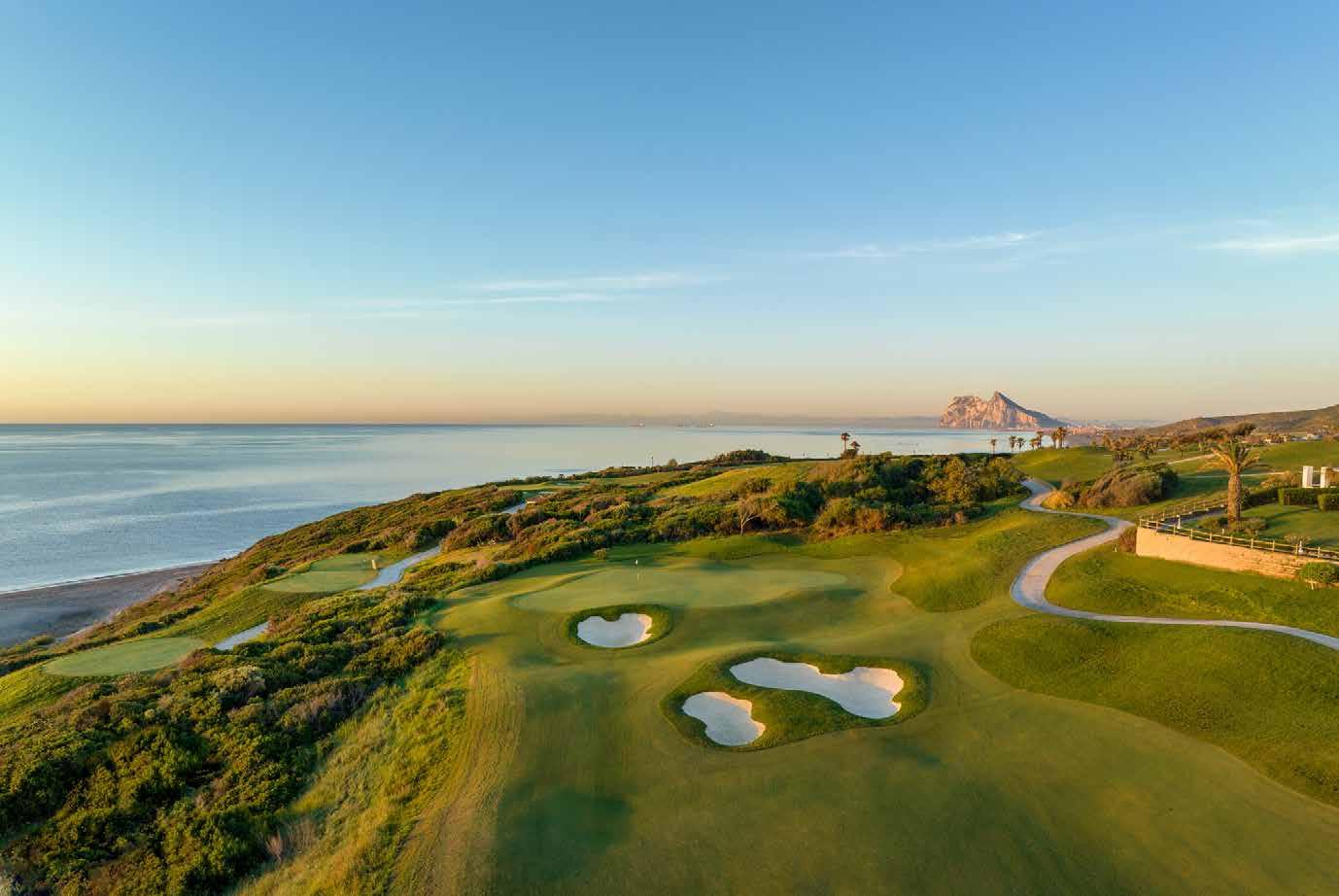
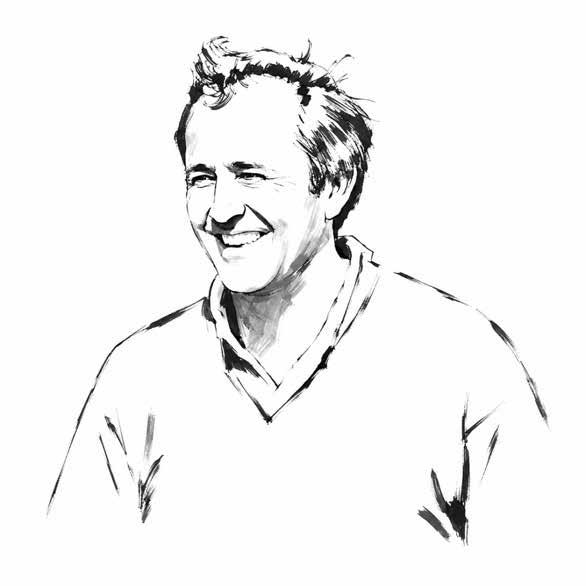
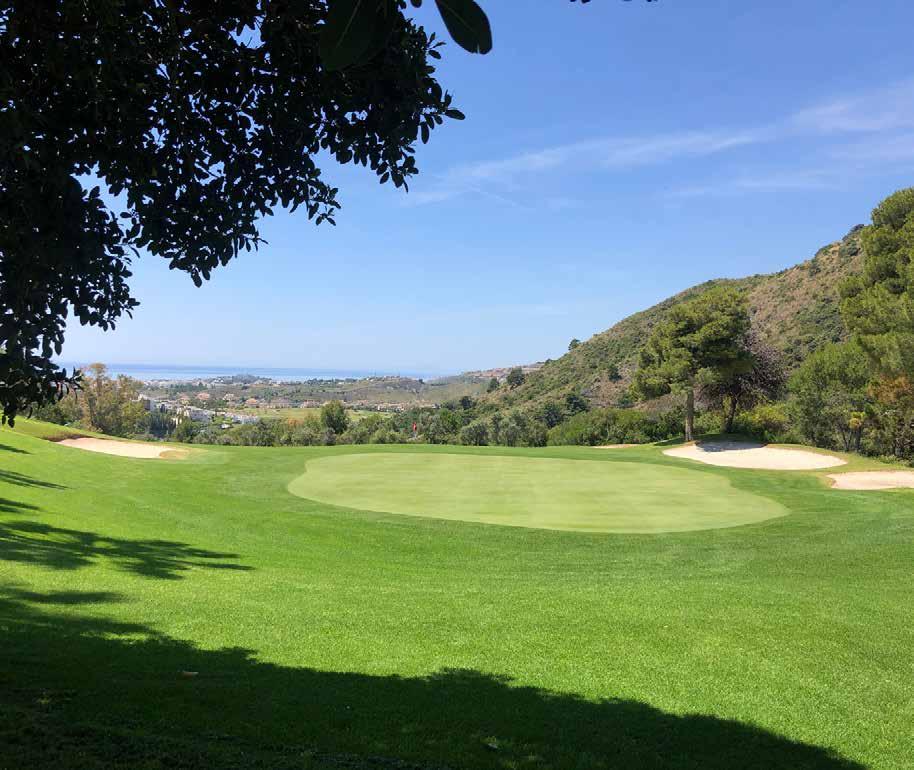
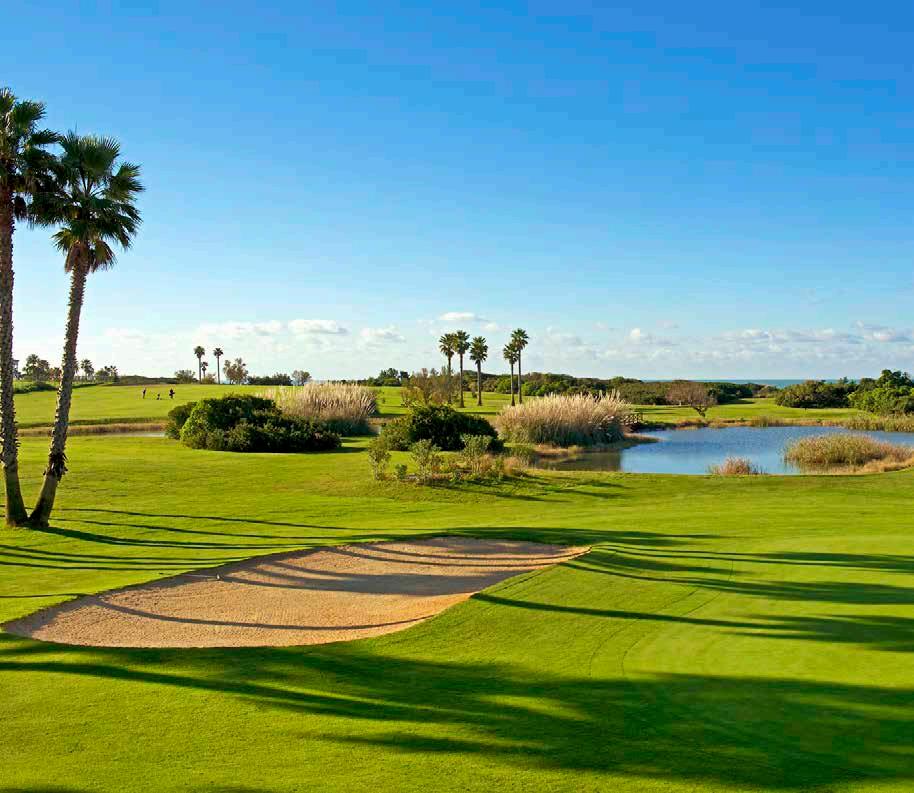
Confieso que estoy un poco cansado. Y sé que no soy el único.
Hubo un tiempo en el que los domingos por la tarde el golf se medía en birdies bajo presión y putts de infarto. Hoy se mide en contratos garantizados, cláusulas de rescisión y balances financieros. Nos prometieron que el famoso «acuerdo marco» entre el PGA Tour, el DP World Tour y el Fondo de Inversión Pública saudí (PIF) traería la paz. Tres años después, el golf mundial no solo no ha alcanzado la paz, sino que se ha quedado atrapado en un punto muerto.
La solución mágica que deje a todos contentos no llega. Sigue la fragmentación, y el aficionado ha pasado de la indignación y la confusión a la apatía, el peor diagnóstico posible para un deporte.
El PGA Tour sigue parapetado en su pedestal histórico, aunque con torneos semanales descafeinados. Hoy se dedica a exigir peajes financieros a los «desertores» que quieren volver, incapaz de asumir que perdió el monopolio. LIV Golf, tras dilapidar miles de millones en fichajes galácticos, ya no busca crecer, sino sobrevivir. El PIF ha comunicado que retira su financiación al terminar la temporada 2026; el circuito ha contratado a un banco de inversión para buscar capital externo, y hay quien ya prepara el terreno legal por si la cosa acaba en bancarrota.
Mientras tanto, sus grandes nombres mutan en youtubers para no caer en el olvido. Y en medio, el DP World Tour cierra pactos a medida con figuras como Jon Rahm con un solo objetivo, salvar lo único sagrado que le queda a Europa, la Ryder Cup.
¿El resultado? Un calendario roto donde los
Dirección y Edición
José María Ferreira
Adjunto a Dirección y Dirección Financiera
Ana Rejano Romero
Fotografía
Golf Circus
GOLF CIRCUS MAGAZINE
T. +34 633 072 626 info@golfcircus.com
GolfCircus
@GolfCircus
GolfCircusMagazine
GolfCircusMagazine
Diseño y maquetación: carmen@elpesodg.com
Golf Circus no se hace responsable de la opinión de sus colaboradores en los trabajos publicados, ni se identifica necesariamente con los mismos. Queda prohibido reproducir total o parcialmente el contenido de esta revista, aún citando procedencia, sin autorización expresa y por escrito del editor.
PUNTO MUERTO STALEMATE
I’ll admit it: I’m tired. And I know I’m not the only one.
There was a time when Sunday afternoons in golf were measured in birdies under pressure and putts that stopped your heart. Now they’re measured in guaranteed contracts, exit clauses and balance sheets. We were promised that the so-called “framework agreement” between the PGA Tour, the DP World Tour and Saudi Arabia’s Public Investment Fund (PIF) would bring peace. Three years on, golf has not merely failed to find peace; it has become trapped in a stalemate.
No solution capable of satisfying all sides has emerged. The fragmentation continues, while fans have moved from anger and confusion to something worse: indifference, the one diagnosis no sport can afford.
The PGA Tour remains entrenched on its historic pedestal, even as its weekly events lose their edge. These days, it is busy imposing financial penalties on the “defectors” who want to return, unwilling to accept that it has lost its monopoly. LIV Golf, having spent billions on marquee signings, is no longer pursuing growth; it is fighting for survival. The PIF has signalled that it will pull its funding once the 2026 season ends. LIV has brought in an investment bank to seek outside capital, while some are already
mejores prácticamente coinciden cuatro veces al año en los majors. El resto del tiempo, el espectáculo es insípido. Lo más irritante de este bloqueo no es solo la falta de visión comercial, sino la soberbia con la que se ha gestionado. Se inflaron los bolsillos de unos pocos a costa de empobrecer el producto para la mayoría, y ahora una parte de esa apuesta se retira dejando el terreno sembrado de dudas.
Si los despachos de los tres circuitos creen que el público esperará eternamente mientras debaten de dinero y egos, se equivocan. Queremos ver a los mejores competir contra los mejores cada mes, no un culebrón financiero. Hasta que no entiendan que el aficionado es la prioridad, el golf seguirá parado en este insoportable punto muerto.
laying the legal groundwork in case it all ends in bankruptcy court. Meanwhile, its biggest names are turning into YouTubers to stay relevant. Caught in the middle, the DP World Tour striking bespoke agreements with players such as Jon Rahm largely to protect the one thing Europe still considers sacred: the Ryder Cup.
The result is a broken calendar in which, for all practical purposes, the best players meet only four times a year: at the majors. For the rest of the season, the product falls flat.
What is most galling about this deadlock is not merely the lack of commercial vision, but the arrogance with which it has been managed. A handful of people enriched themselves at the expense of the wider product. Now part of the money behind that gamble is walking away, leaving uncertainty in its wake.
If those running the three circuits think fans will wait forever while they argue over money and egos, they’re wrong. We want to watch the best play the best every month, not a financial soap opera. Until they understand that fans must come first, golf will remain exactly where it is: stuck in this unbearable stalemate.
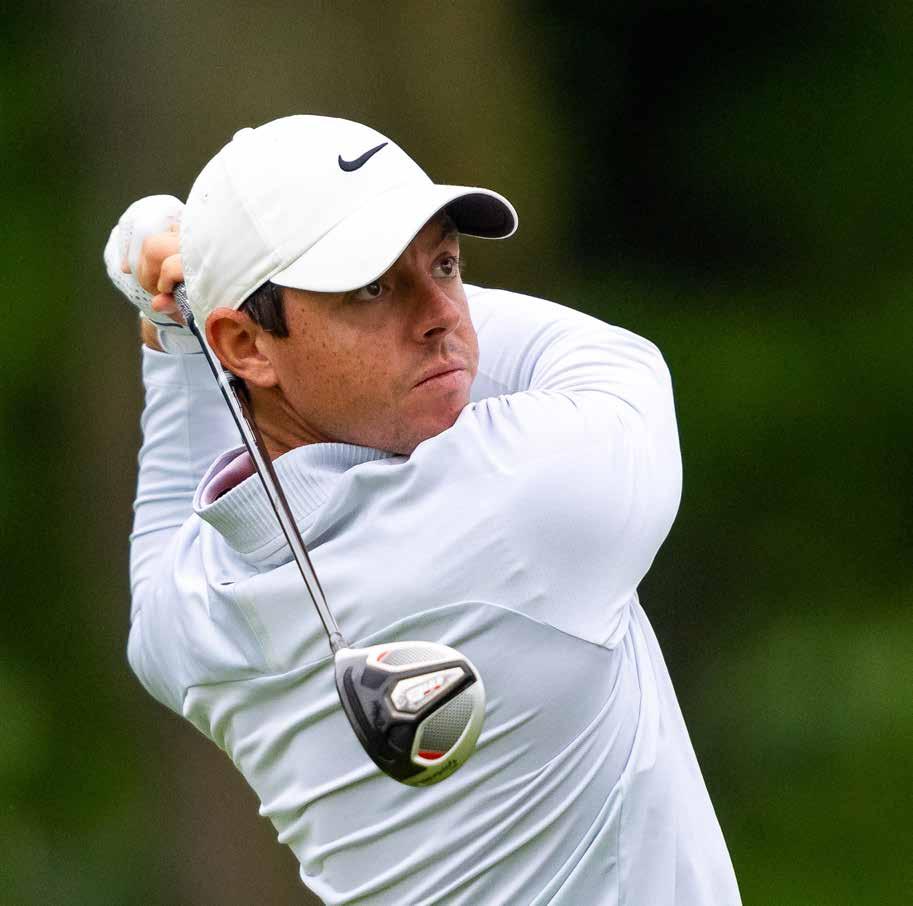
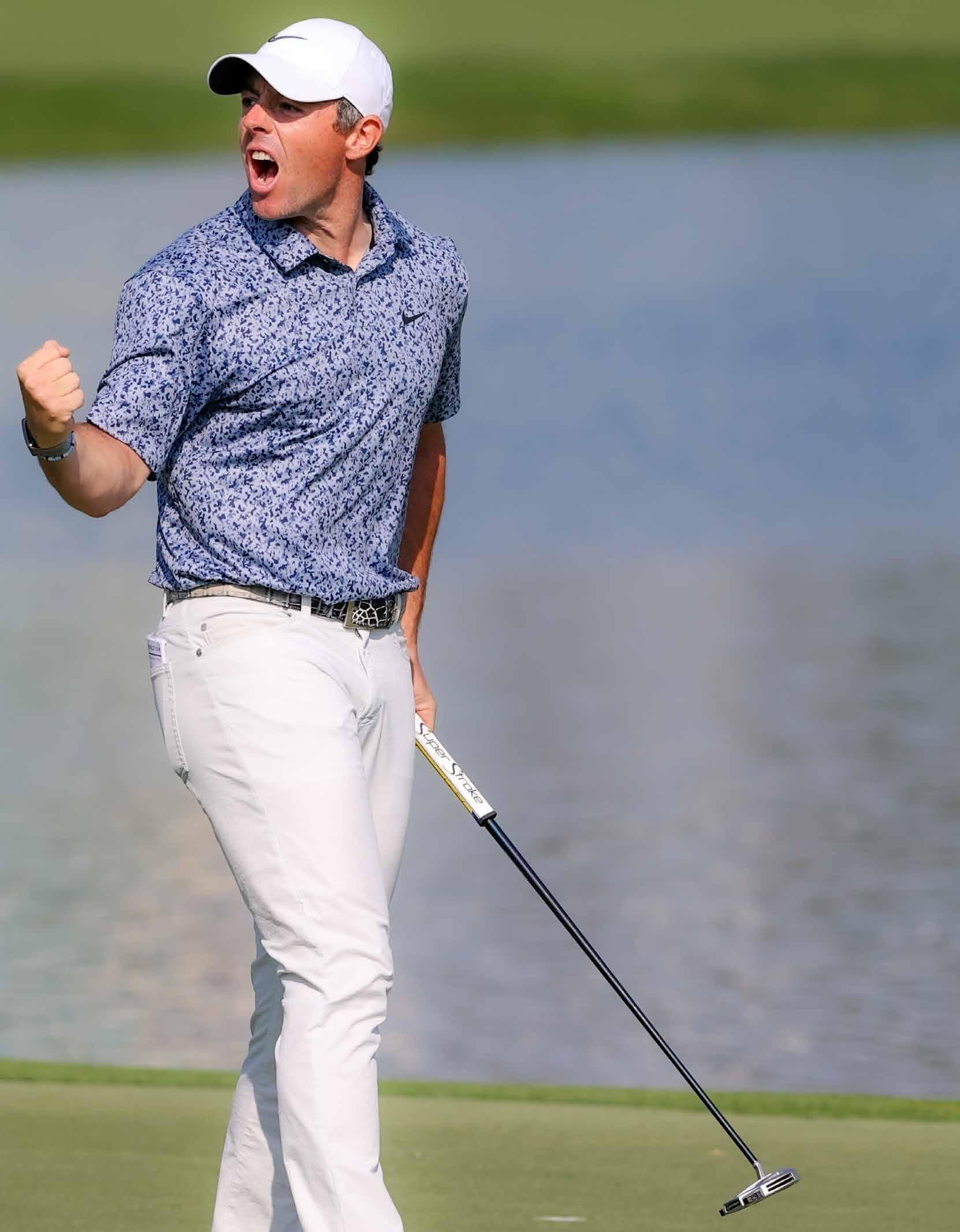
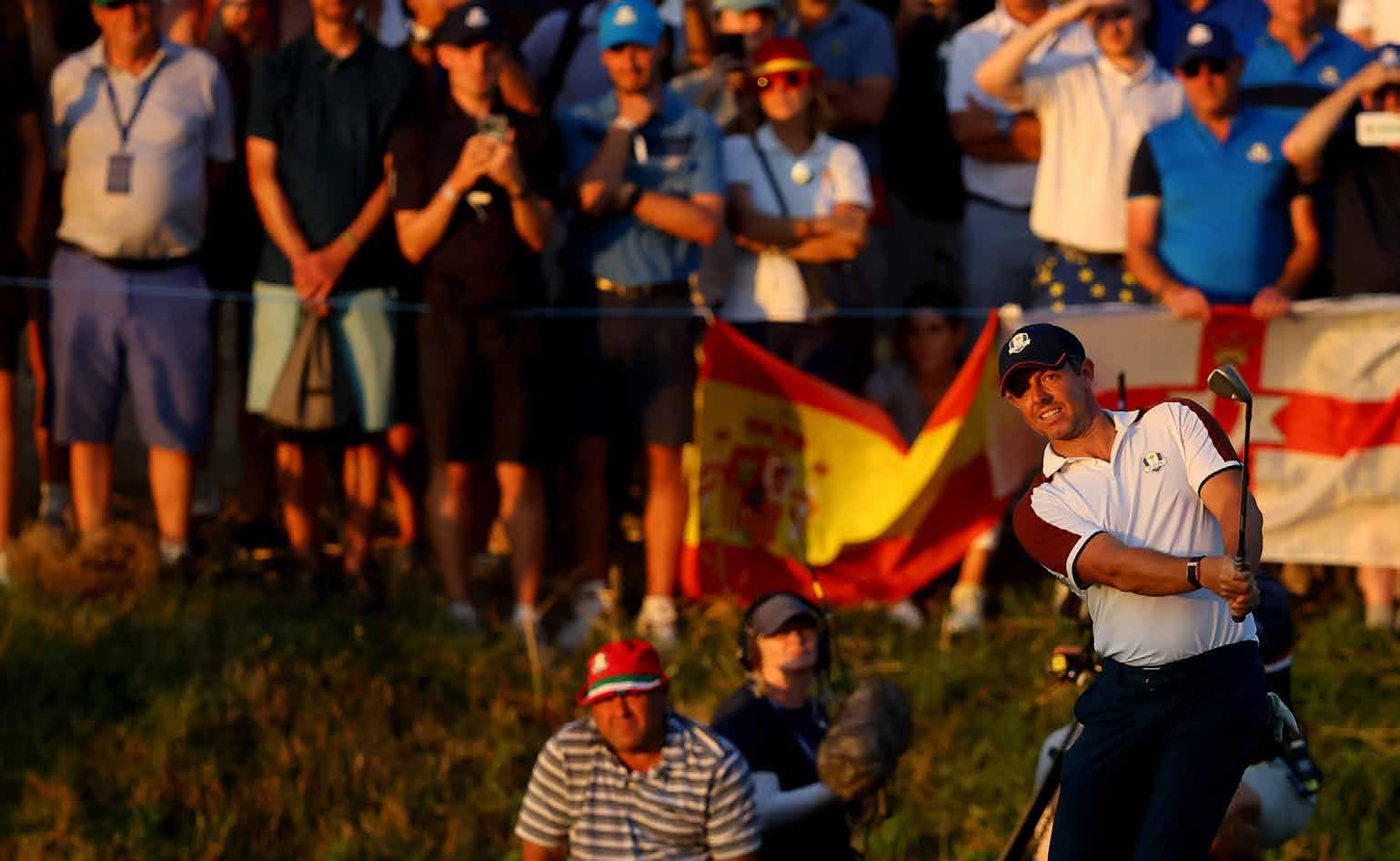
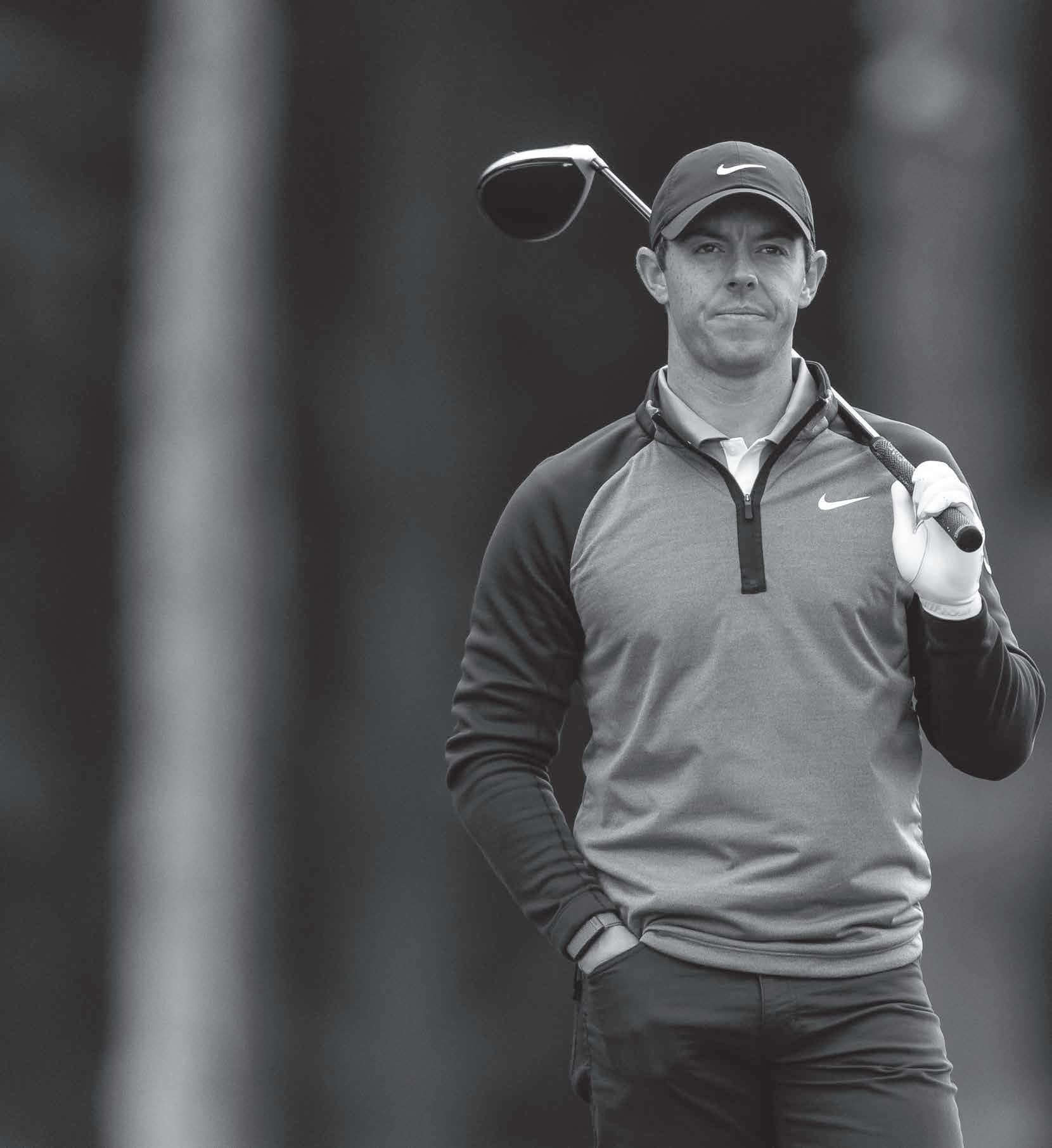
RORY MCILROY
Página 26
Mar Menor Golf
Página 6
Meliá Hacienda del Conde
Página 18
Ruta 21
Página 12
LA CALA Resort
Página 34
RFGA
Página 46
ANANTARA
Página 58
BENAHAVÍS
Página 40
Mapa del golf
ESPAÑOL
Página 48
CRANS-MONTANA
Página 68
Página 74
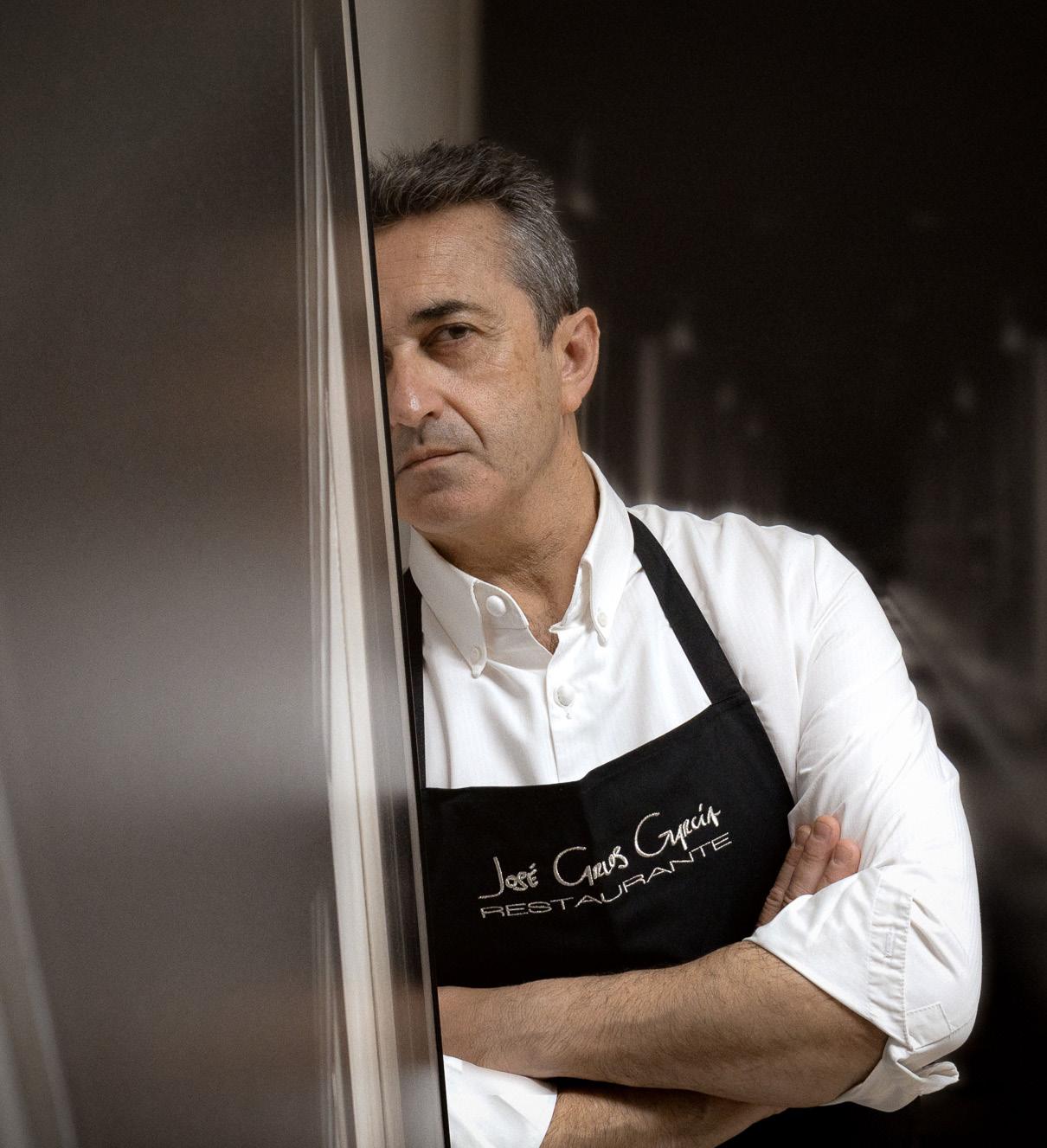
JOSÉ CARLOS GARCÍA
DONDE EL GOLF NUNCA SE DETIENE MAR MENOR GOLF
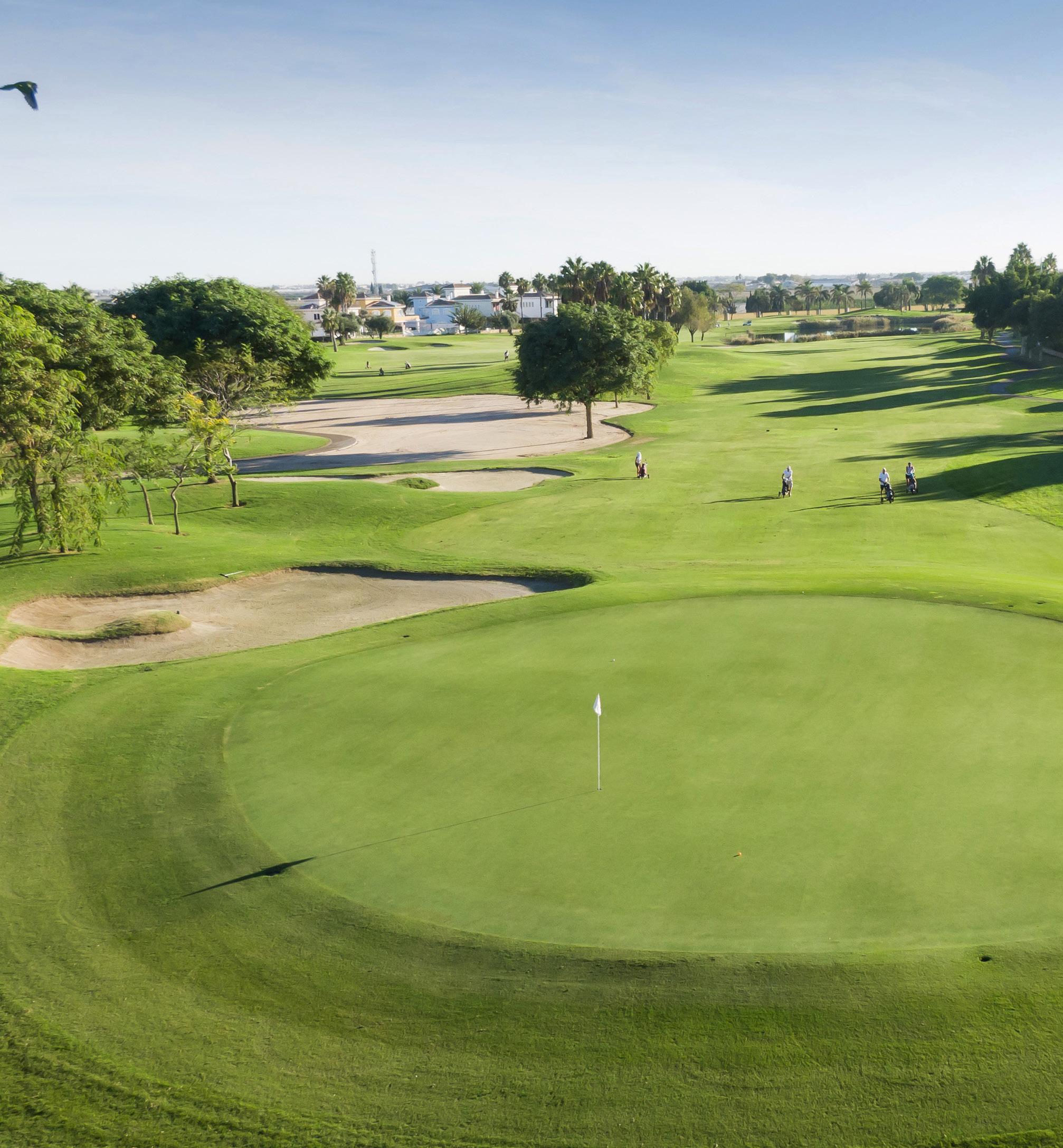
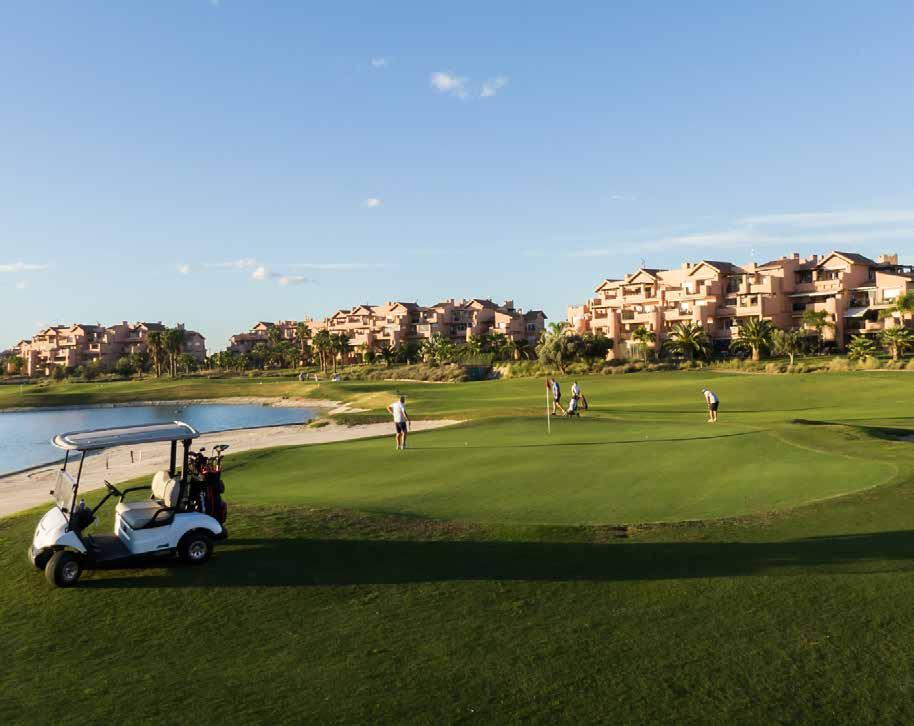
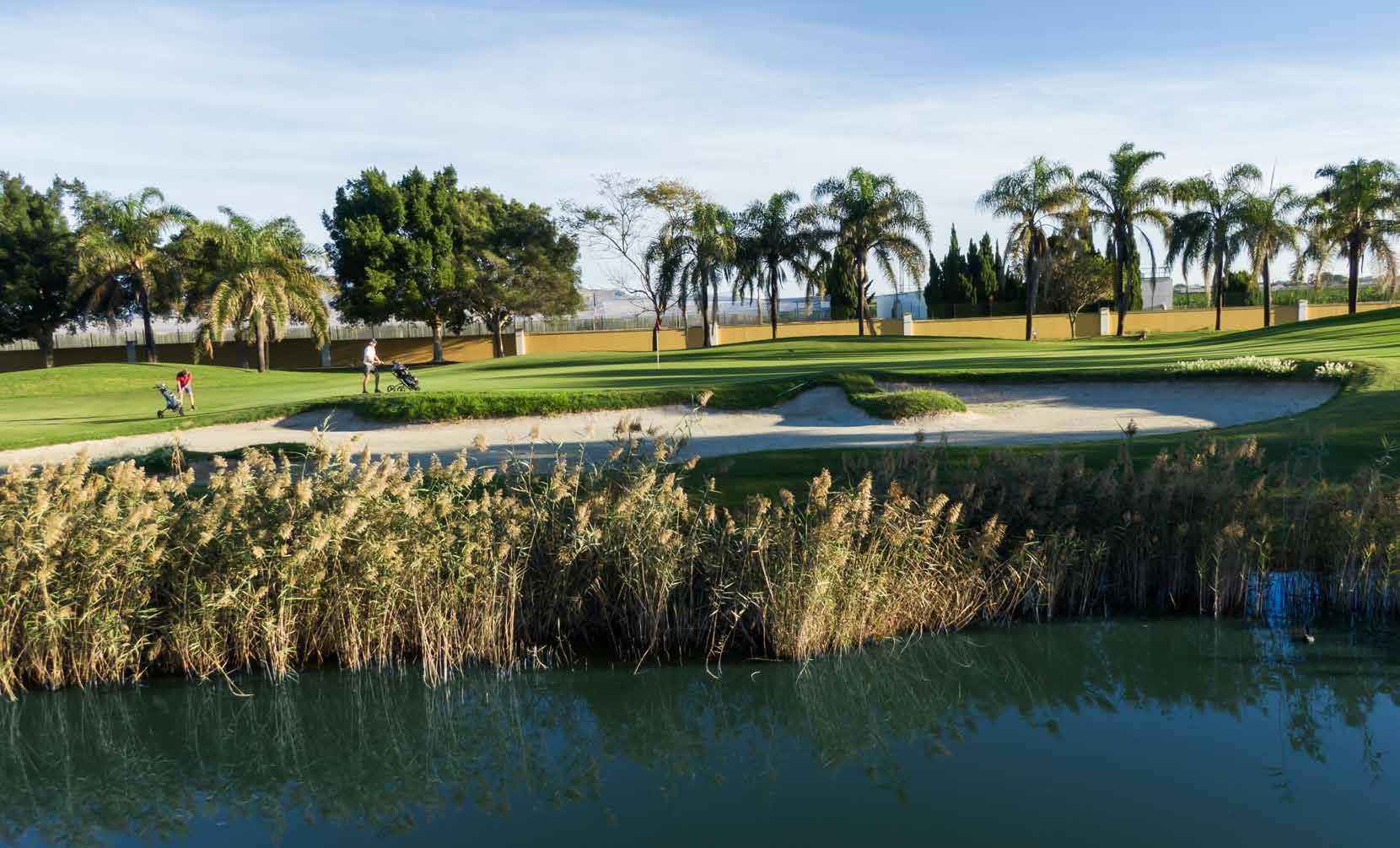
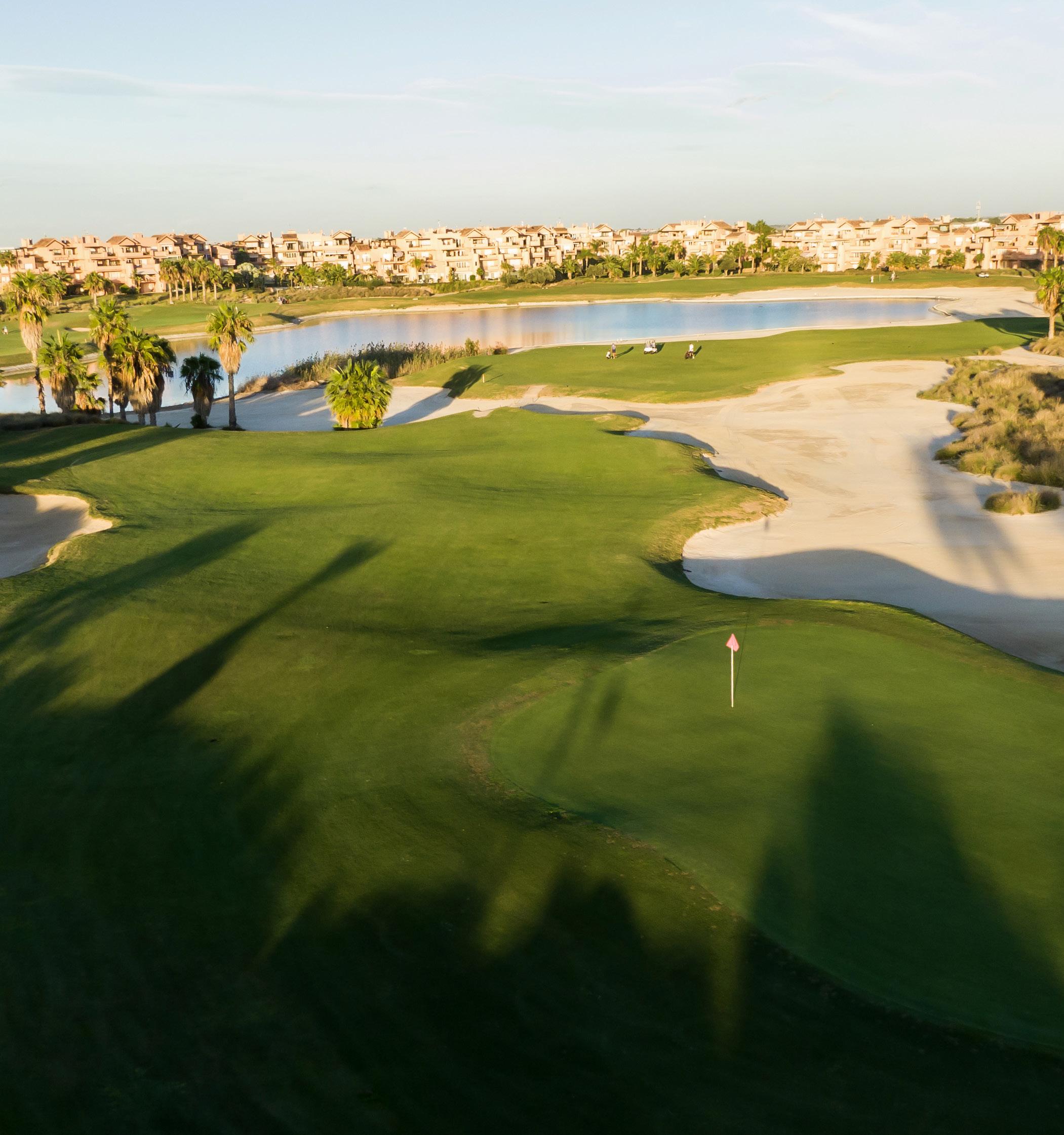
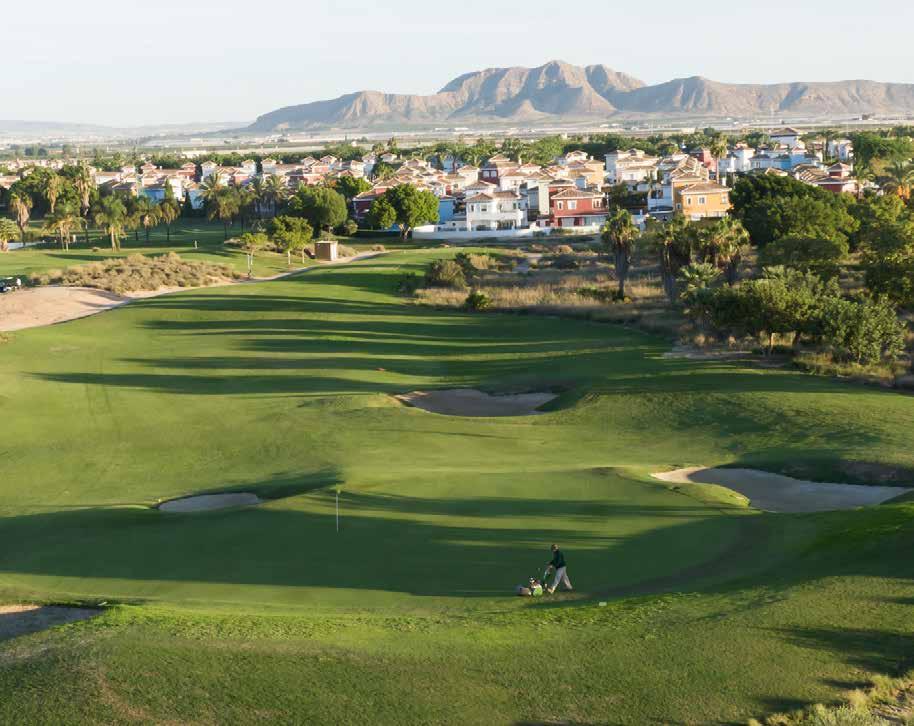
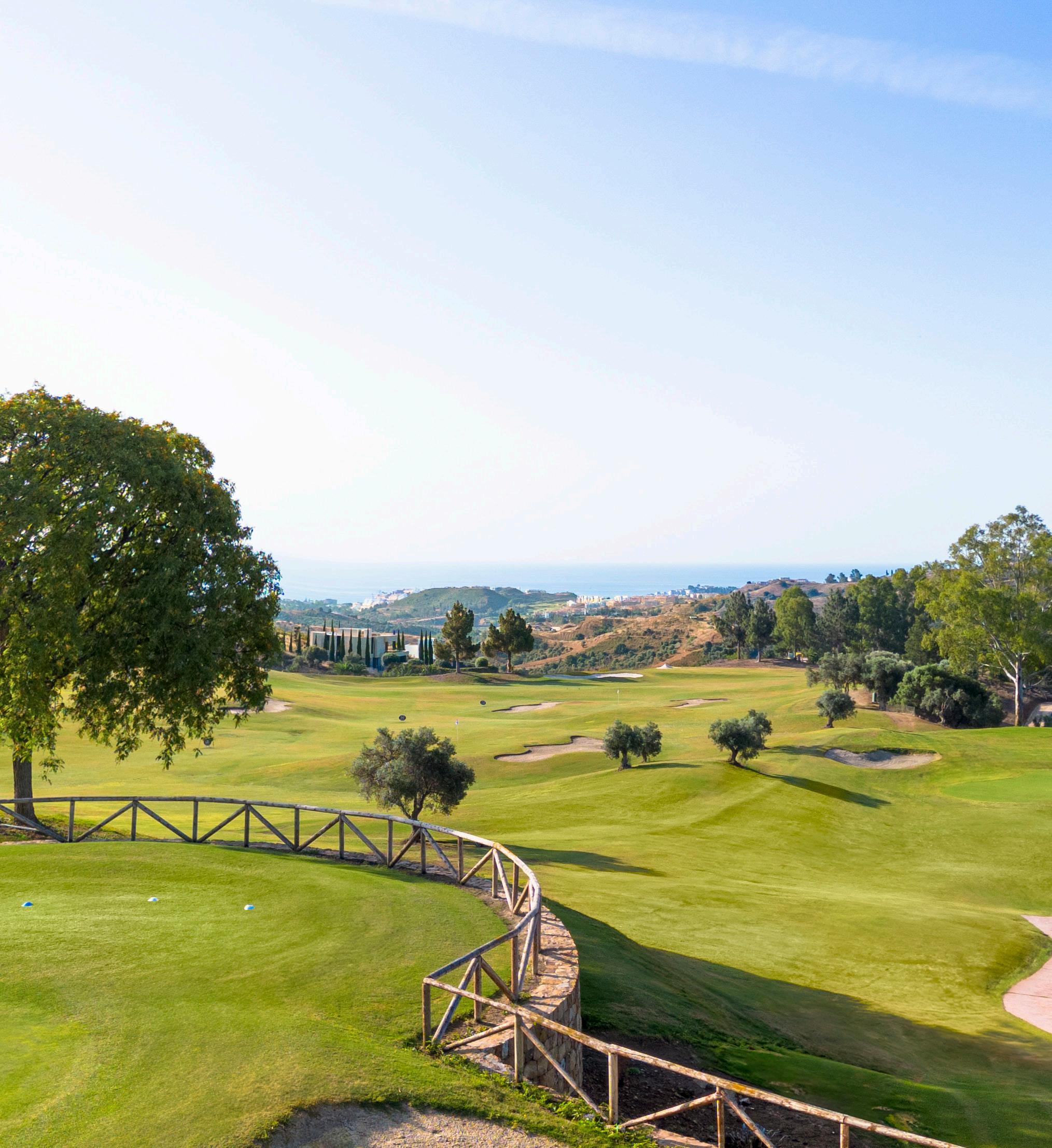
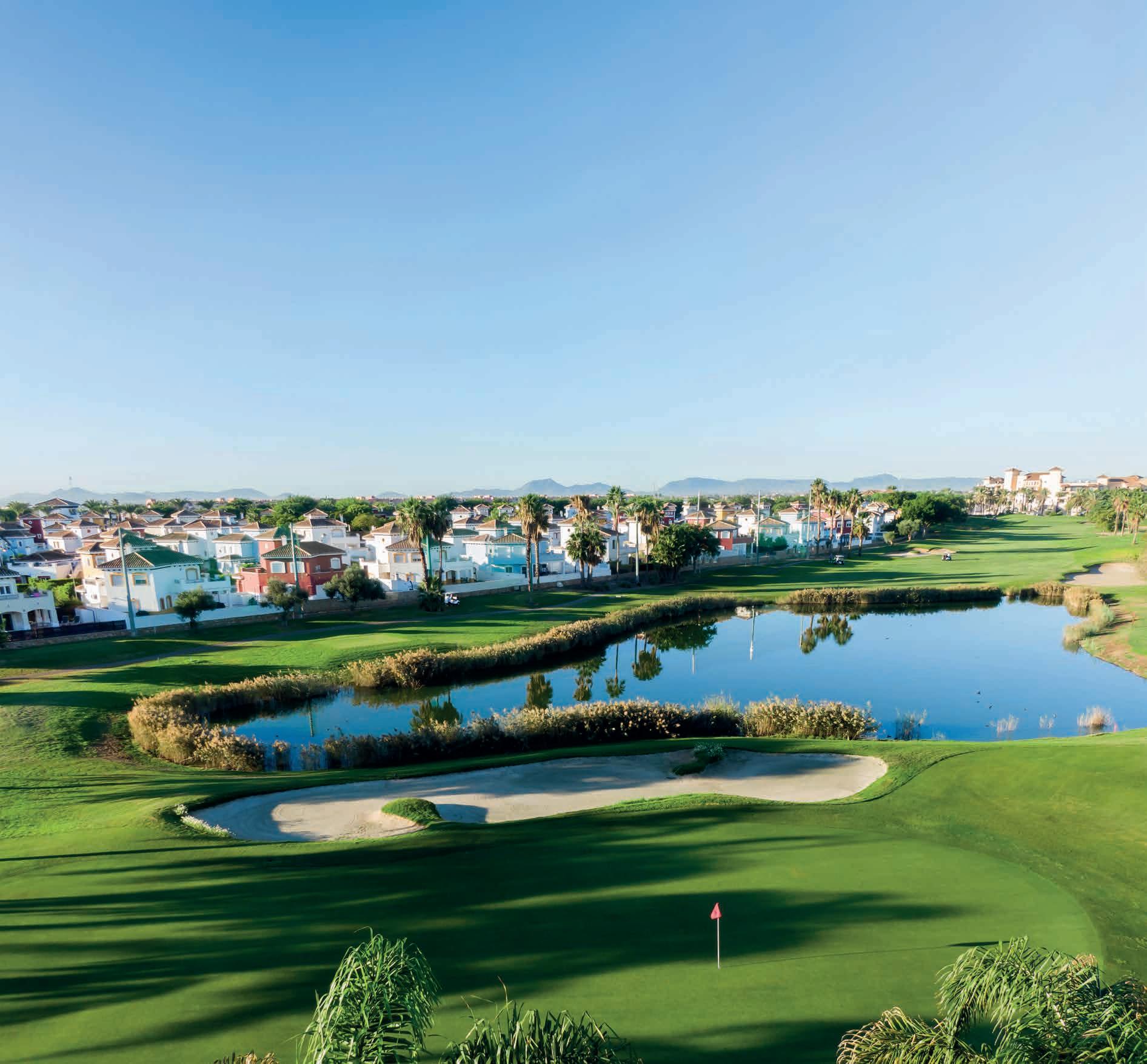
Con alrededor de 55.000 rondas al año, Mar Menor Golf es uno de los campos con mayor actividad del Levante español. La explicación está, sobre todo, en el propio recorrido: un trazado abierto a cualquier nivel y un mantenimiento que se nota en cada visita.
Que un campo sostenga esa actividad durante casi todo el año no es casualidad. No exige un hándicap bajo para disfrutarse. Calles generosas y greens amplios reciben bien al principiante, y la estrategia y la precisión siguen premiando a quien busca firmar una buena tarjeta.
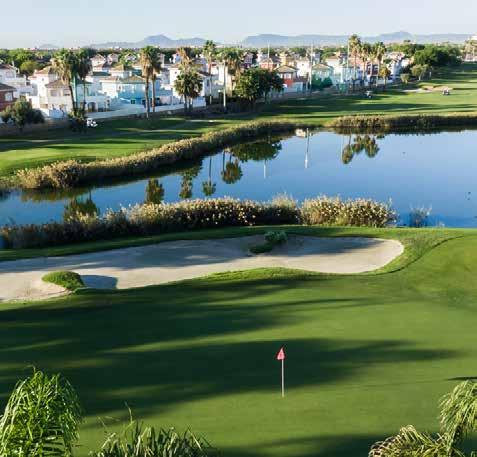
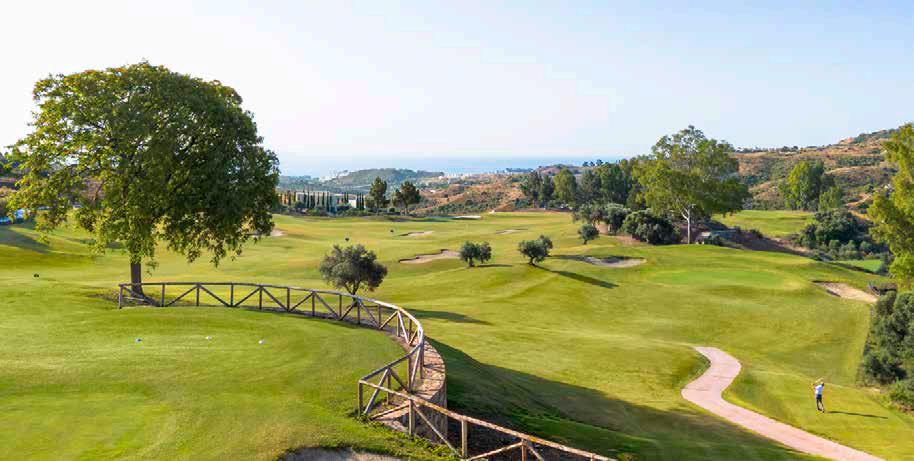
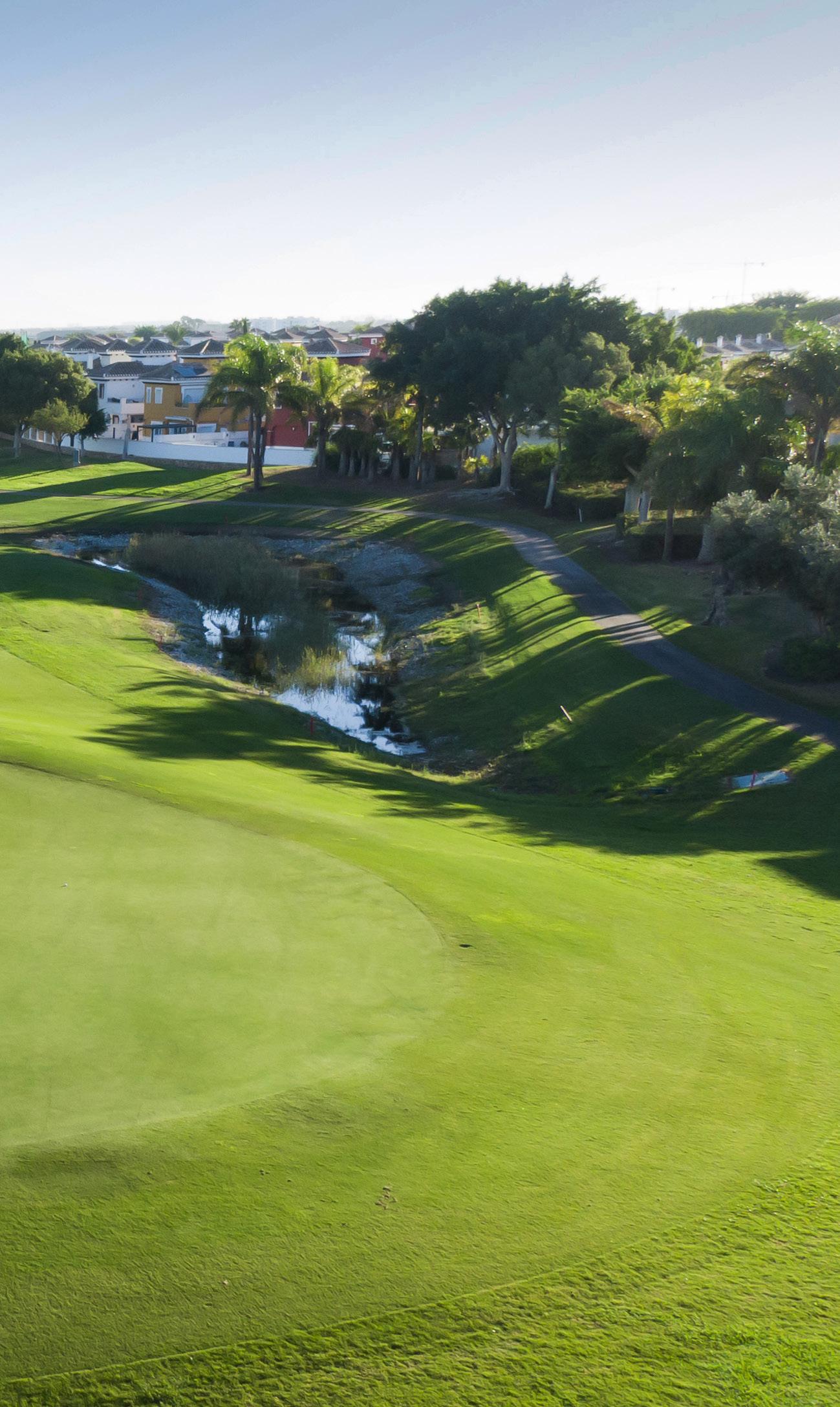
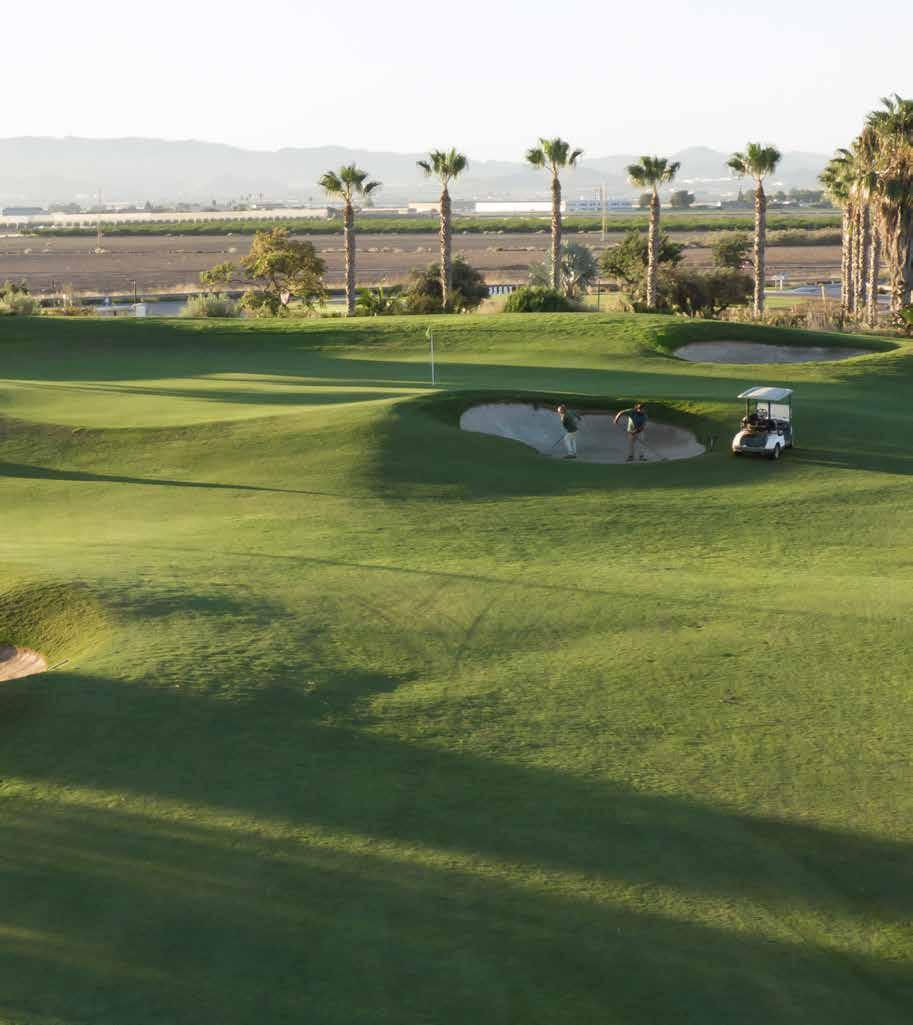
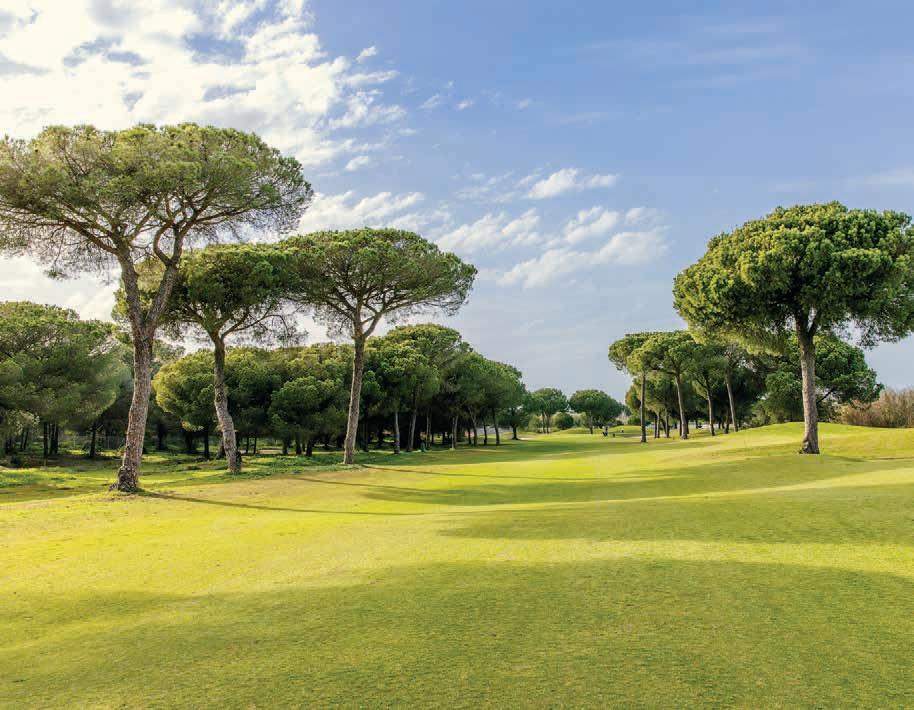
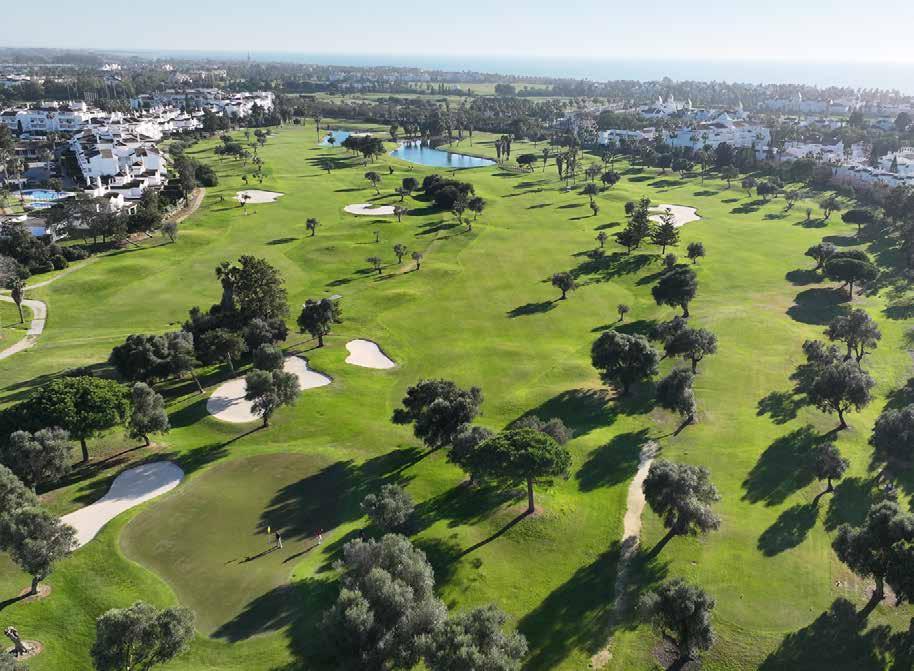
Dieciocho hoyos y un par 72 se despliegan entre palmeras y lagos, pero el recorrido cambia de carácter a mitad de vuelta. Los primeros nueve, trazados por Dave Thomas, no perdonan la salida floja, con calles más estrechas, bunkers bien colocados y greens protegidos por agua. Los segundos nueve, firmados por Nicklaus Design, abren las calles y bajan la exigencia desde el tee, hasta que el agua reaparece en un tramo final que pide un último golpe de riesgo antes de cerrar la vuelta. Las dos vueltas tienen un carácter lo bastante diferente como para que el recorrido cambie de ritmo sin perder coherencia, y el mantenimiento se nota en cada visita, con calles firmes, greens rápidos y bunkers bien perfilados durante todo el año.
En Murcia, además, los inviernos apenas frenan la temporada. Un martes de febrero se juega casi como un sábado de julio. Quien se aloja junto al campo tampoco necesita planear nada. Sale de la habitación y camina hasta el primer tee.
Alargar la estancia más allá de una sola vuelta lo convierte, además, en una base cómoda para el resto de la Región de Murcia. El propio Mar Menor, la laguna que da nombre a la zona, y Cartagena, con su puerto e historia romana, están a un trayecto corto en coche. La huerta murciana aporta una gastronomía de producto propio —verduras, arroces, pescado del Mediterráneo— que completa el viaje tanto como el golf, y otros campos de la zona permiten alargar la estancia sin salir de la región.
Al cabo de unos días, las 55.000 rondas dejan de parecer una estadística. Empiezan a parecer inevitables.
MAR MENOR GOLF
WHERE GOLF NEVER STOPS
With around fiftyfive thousand rounds a year, Mar Menor Golf ranks among the busiest courses in south-eastern Spain. The reason lies largely in the course itself: playable for every level and maintained to a standard that becomes apparent from the opening holes.
A course doesn’t sustain that many rounds throughout the year by accident. It doesn’t ask for a low handicap to be enjoyed. Generous fairways and wide greens make room for beginners, while strategy and precision still reward anyone chasing a good card.
Manage by
Eighteen holes and a par of 72 run out between palm trees and lakes, but the course changes character at the turn. The front nine, laid out by Dave Thomas, punishes a careless tee shot, with tighter fairways, well-placed bunkers and greens guarded by water. The back nine, by Nicklaus Design, opens things up — wider fairways, more forgiving off the tee — until the water returns for a closing stretch that asks one final question before letting you go. The two halves have distinct enough character that the round changes pace without losing its thread. Throughout the year, conditioning remains consistently excellent, with firm fairways, quick greens and crisp bunkering.
Winters here barely slow the season down. A Tuesday in February can play almost like a Saturday in July. Stay on site and planning becomes almost unnecessary. Walk out of your room and the first tee is only a short walk away.
Stay longer than a single round, and the course becomes a comfortable base for the wider Region of Murcia. The Mar Menor lagoon itself, and Cartagena with its Roman harbour, are both only a short drive away. The region’s market gardens supply a cuisine of their own — vegetables, rice dishes, fish from the Mediterranean — that completes the trip as naturally as the golf itself, and a handful of nearby courses make it easy to stretch the stay without leaving Murcia at all.
Spend a few days here and the fifty-five thousand rounds stop sounding like a statistic. They start sounding inevitable.
ugolfiberia.com
GOLF CIRCUS
KINGSBARNS, links que no necesitó cien años para convertirse en un clásico
JAVIER VARELA Director de Ruta 21
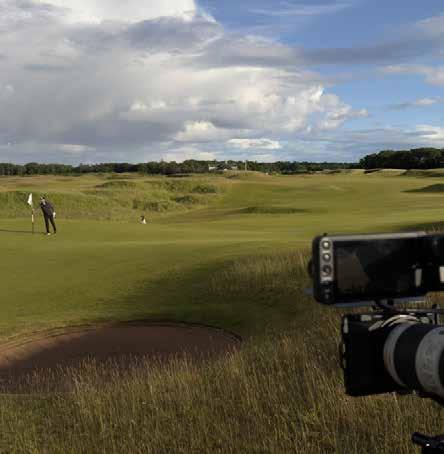
A veinte minutos de la cuna del golf, Kingsbarns comparte rotación con el Old Course y Carnoustie en el Alfred Dunhill Links Championship
En este nuevo capítulo de Ruta21 viajamos a la costa de Fife para descubrir Kingsbarns Golf Links, un recorrido abierto al Mar del Norte en el que Kyle Phillips convirtió la tradición escocesa en una experiencia más accesible, pero no menos estratégica.
La carretera que sale de St Andrews hacia el este tarda apenas veinte minutos en dejar atrás el bullicio del Old Course. El paisaje de Fife se abre entonces hacia el Mar del Norte: campos de cebada mecidos por el viento, muros de piedra baja y una costa que apenas ha cambiado en tres siglos. Ahí, sin necesidad de anunciarse, aparece Kingsbarns Golf Links.
St Andrews sigue siendo el destino que todo golfista quiere pisar en Escocia, pero alrededor de la meca hay recorridos que completan ese viaje sin alejarse apenas: Carnoustie, Crail, Dumbarnie. Kingsbarns comparte ese vecindario, aunque su historia es muy distinta a la de sus vecinos.
Aquí ya se jugaba al golf a finales del siglo XVIII, cuando existía una sociedad local, pero la actividad se apagó durante generaciones. Lo que hoy pisan los golfistas es la versión del año 2000: el promotor Mark Parsinen y el arquitecto estadounidense Kyle Phillips recuperaron el terreno y firmaron uno de los links modernos más celebrados del mundo, sin la ventaja de un siglo de historia y sin nostalgia que defender. Le ha bastado con eso para entrar en la rotación del Alfred Dunhill Links Championship junto al Old Course y Carnoustie, y para acoger en 2017 el Women’s British Open.
Volver a jugar aquí, año tras año, sigue siendo uno de los privilegios de Ruta21.
El campo se extiende a lo largo de 7.224 yardas —6.605 metros— hasta un par 72, y respeta la gramática de los links escoceses: arena, apenas vegetación arbórea, calles onduladas y rápidas, búnkeres profundos y un viento que obliga a replantear el campo cada vez que cambia. Phillips añadió algo que no siempre acompaña a esa tradición: un diseño más amable para el jugador medio, sin renunciar a la exigencia estratégica de quien busca la vuelta perfecta.
Desde el tee todo parece más ancho de lo que realmente es. Kingsbarns invita a ser valiente, pero rara vez recompensa la impaciencia. La diferencia entre un buen golpe y una buena posición suele decidirse unos metros antes, cuando toca elegir desde qué lado de la calle merece la pena atacar el green.
Casi todos los hoyos miran al mar, y seis de ellos corren pegados al acantilado, de forma que el viento que llega del Mar del Norte no es un decorado: cambia el campo de un día para otro. El par 5 del 12 bordea la costa casi de principio a fin y premia a quien se atreve a llegar
al green en dos golpes; el par 3 del 15 se juega sobre los acantilados, con el golpe suspendido sobre el mar, y figura habitualmente entre los hoyos más fotografiados de Europa.
Volver a jugar aquí, año tras año, sigue siendo uno de los privilegios de Ruta21. Se lo debemos a nuestros amigos de Golf Escocia y a la hospitalidad de Jesús García Sanjuan. Con más de dos décadas de experiencia, es la única agencia española reconocida como Authorized Provider del Old Course, una distinción que permite garantizar el acceso al recorrido con la antelación que exige un viaje así.
El capítulo incluye además una conversación con David Scott, profesional honorario del Royal & Ancient, sobre la historia del golf en Escocia y los secretos del club que la vio nacer.
Kingsbarns demuestra que la historia ayuda, pero no siempre es imprescindible. A veces basta con entender el terreno, saber cómo se mueve el viento y diseñar un recorrido que parezca haber estado allí desde siempre.
KINGSBARNS,
where two decades outplayed two centuries
Twenty minutes from St Andrews, sharing a rota with the Old Course and Carnoustie. On this leg of Ruta21 we travel to the Fife coast to play Kingsbarns Golf Links, where Kyle Phillips reinterpreted traditional links golf without softening its strategic demands.
It takes barely twenty minutes to leave the crowds of the Old Course behind. Fife opens out towards the North Sea: barley fields moving in the wind, low stone walls, a coastline that has barely changed in three centuries. There, without any fanfare, Kingsbarns Golf Links appears.
St Andrews remains the destination every golfer wants to walk on a trip to Scotland, but the courses around it complete that trip without asking for much of a detour: Carnoustie, Crail, Dumbarnie. Kingsbarns keeps that company, though its story is a different one from its neighbours’.
Golf had been played here since the late eighteenth century, but the game fell silent for generations. What golfers walk today is the 2000 version: developer Mark Parsinen and American architect Kyle Phillips reclaimed the ground and built one of the most admired modern links in the world, without the benefit of a century of history and with no nostalgia to protect. That was enough to earn it a permanent place in the Alfred Dunhill Links Championship rota alongside the Old Course and Carnoustie, and to host the Women’s British Open in 2017.
The course runs to 7,224 yards — 6,605 metres — from the back tees, at a par of 72, and follows the grammar of the Scottish links: sand, little in the way of trees, fast rolling fairways, deep bunkers, and a wind that forces you to rethink the course every time it shifts. Phillips added something that tradition doesn’t always allow: a design that is kinder to the average player, without giving up the strategic bite that better players come looking for.
Everything looks wider from the tee than it really is. Kingsbarns invites boldness but rarely rewards impatience. The difference between a good shot and a good position is usually decided a few yards earlier, in the choice of which side of the fairway is worth attacking the green from.
Almost every hole looks out to sea, and six of them run hard against the cliff edge, so the wind coming off the North Sea is never just scenery: it changes the course from one day to the next. The par-5 12th hugs the coastline for most of its length and rewards anyone bold enough to go for the green in two; the par-3 15th plays out over the cliffs, the ball suspended above the sea, and it turns up regularly among the most photographed holes in Europe.
Coming back here, year after year, remains one of the privileges of Ruta21. We owe that to our friends at Golf Escocia and to the hospitality of Jesús García Sanjuan. With more than two decades of experience, Golf Escocia is the only Spanish agency recognised as an Authorized Provider of the Old Course, a distinction that allows it to secure Old Course tee times with the advance planning a trip like this demands.
Coming back here, year after year, remains one of the privileges of Ruta21.
This episode also includes a conversation with David Scott, honorary professional of the Royal & Ancient, on the history of golf in Scotland and the club that started it all.
Kingsbarns is proof that history matters, but it isn’t everything. Sometimes all it takes is an understanding of the land, a respect for the wind, and a course that feels as though it has always been part of the landscape.
Buenavista Golf y Meliá Hacienda del Conde
El norte de Tenerife para el golfista que busca algo diferente
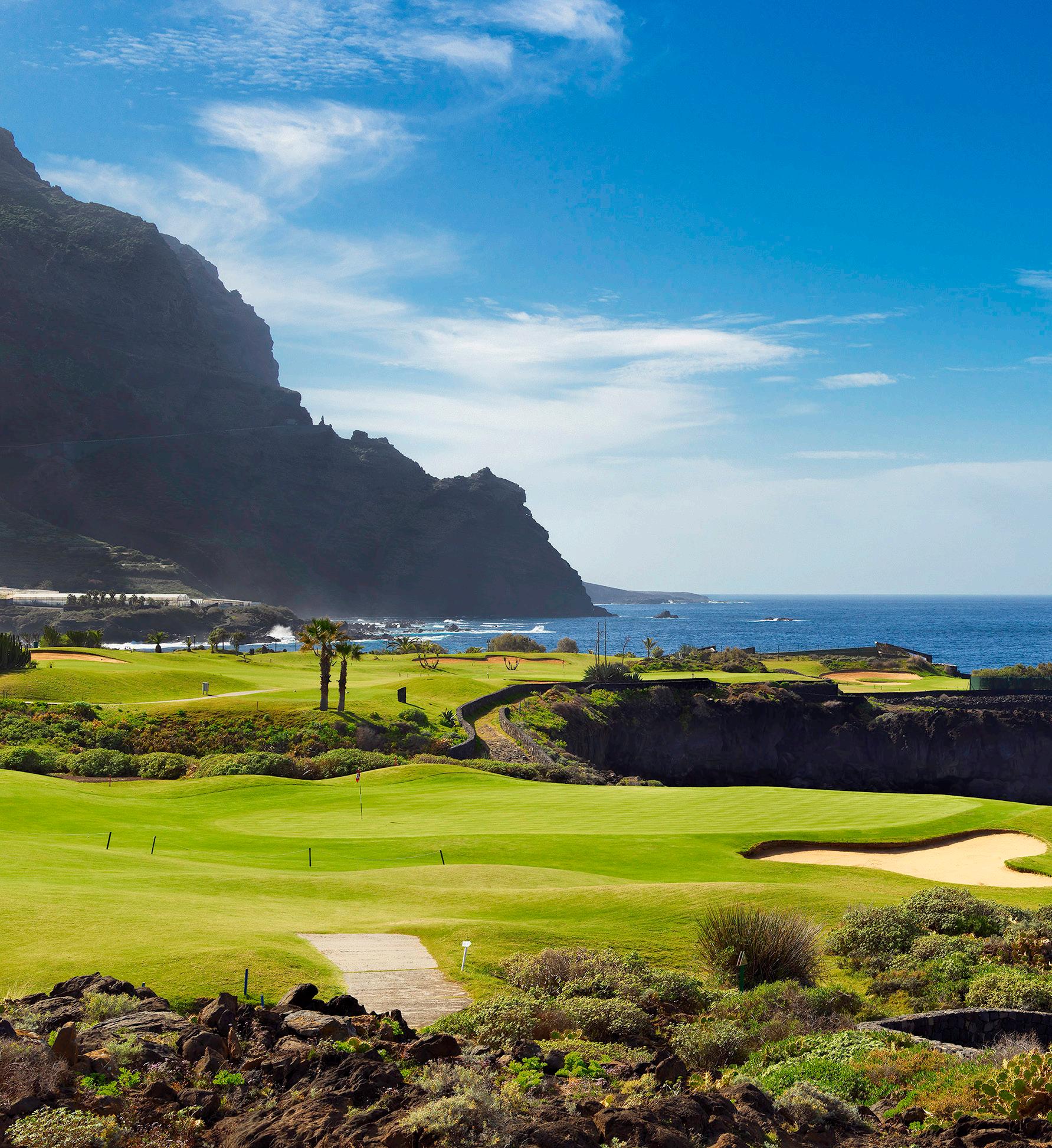
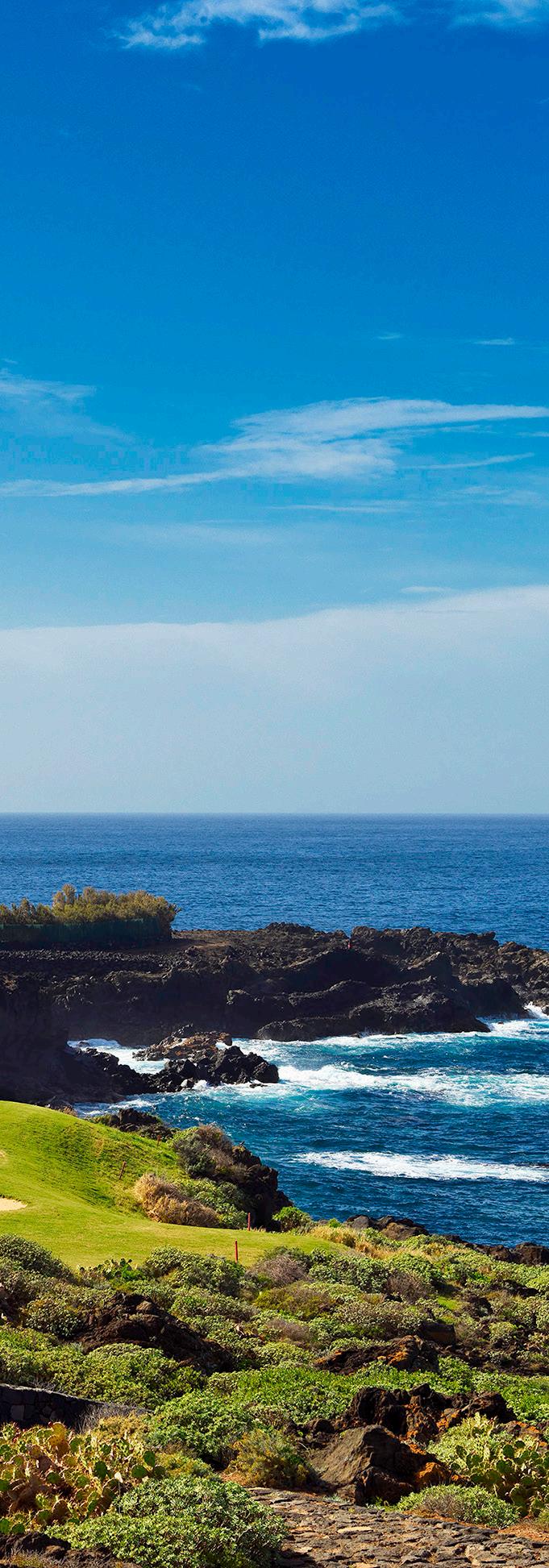
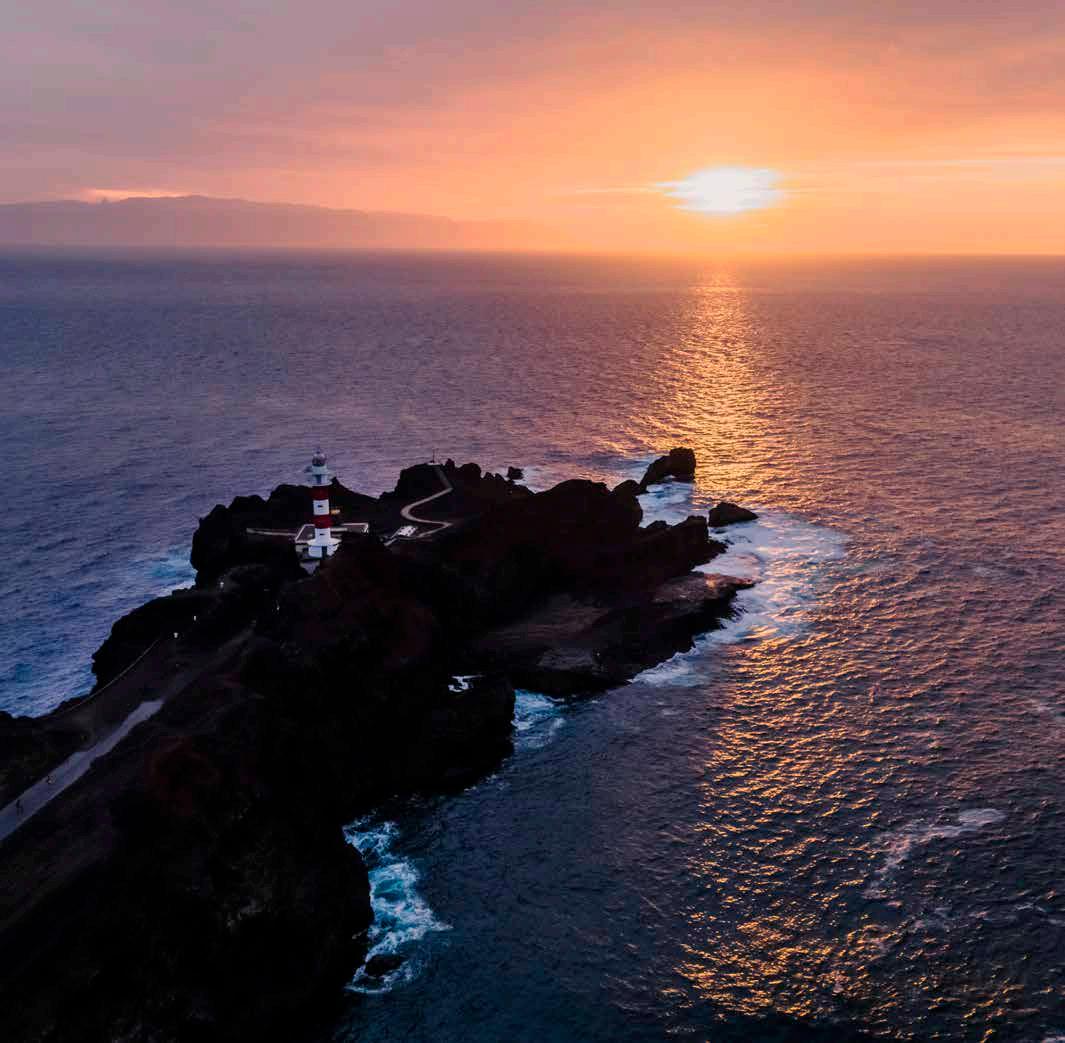
En el extremo noroeste de la isla, entre el Macizo de Teno y el Atlántico, un campo firmado por Severiano Ballesteros y un resort de cinco estrellas solo para adultos convierten la desconexión en el verdadero lujo del viaje.
El norte de Tenerife empieza donde termina la carretera del sur. El paisaje gira casi sin previo aviso hacia la Isla Baja, protegida como parque rural, donde el Macizo de Teno cae sobre el Atlántico casi sin transición. La vegetación cambia: las plataneras dejan paso a la piedra volcánica y a los bancales que trepan por la ladera. El océano empieza a asomar en cada curva, como si tampoco quisiera perderse el camino. Durante los últimos kilómetros no aparece un solo cartel que anuncie una piscina climatizada o un parque acuático. Es, quizá, la primera pista de lo que espera al final del camino: aquí el lujo no se anuncia, se construye con lo que falta tanto como con lo que sobra.
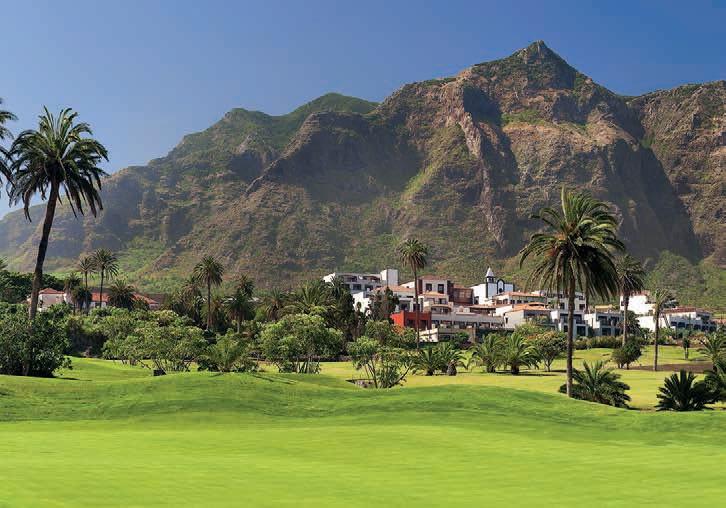
La sensación de desconexión explica casi todo lo demás. Ahí está el porqué del diseño de Severiano Ballesteros, uno de los últimos campos que firmó, y de lo natural que resulta en este paisaje. El viento del Atlántico entra en cada decisión sobre el campo como una pieza más del juego, y no como un contratiempo. Y es también la idea que define a Meliá Hacienda del Conde: un hotel solo para adultos, pensado para el descanso tanto como para el golf, y un restaurante de club que funciona igual de bien con ronda de golf o sin ella.
Buenavista Golf y Meliá Hacienda del Conde comparten una misma forma de entender el lujo: más espacio, más silencio y menos artificio.
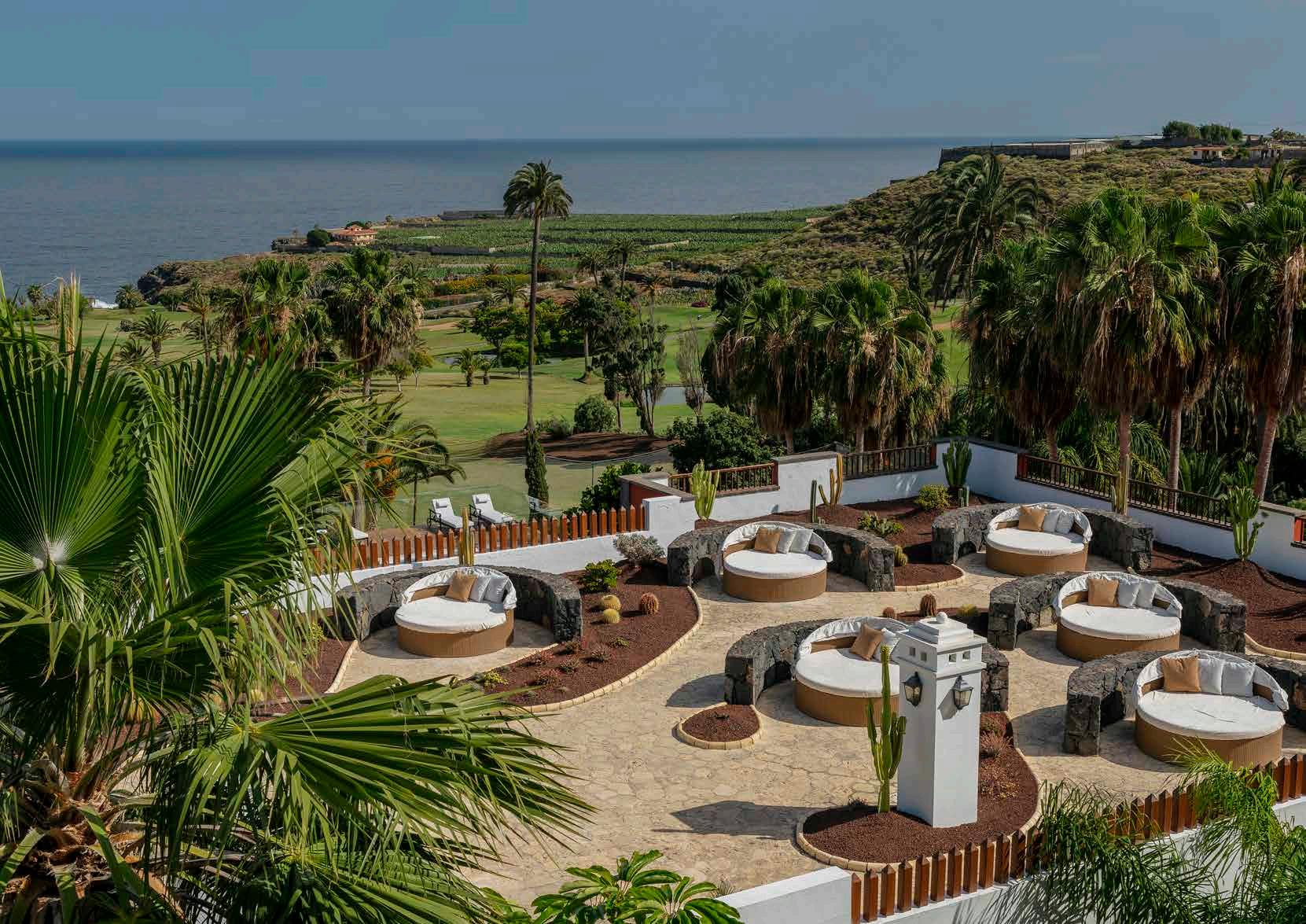
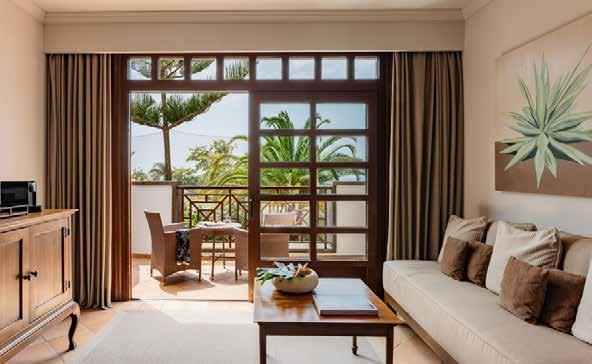
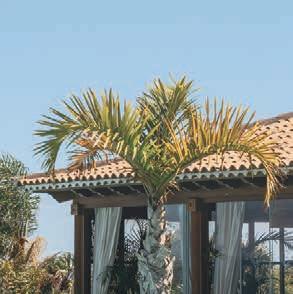
La llegada al hotel ya adelanta el ritmo del día: arquitectura colonial canaria, habitaciones con terraza al Atlántico y un silencio que aquí es señal de que manda el paisaje, no el reloj. Desde muchas terrazas basta levantar la vista para entender que el campo empieza donde termina el jardín.
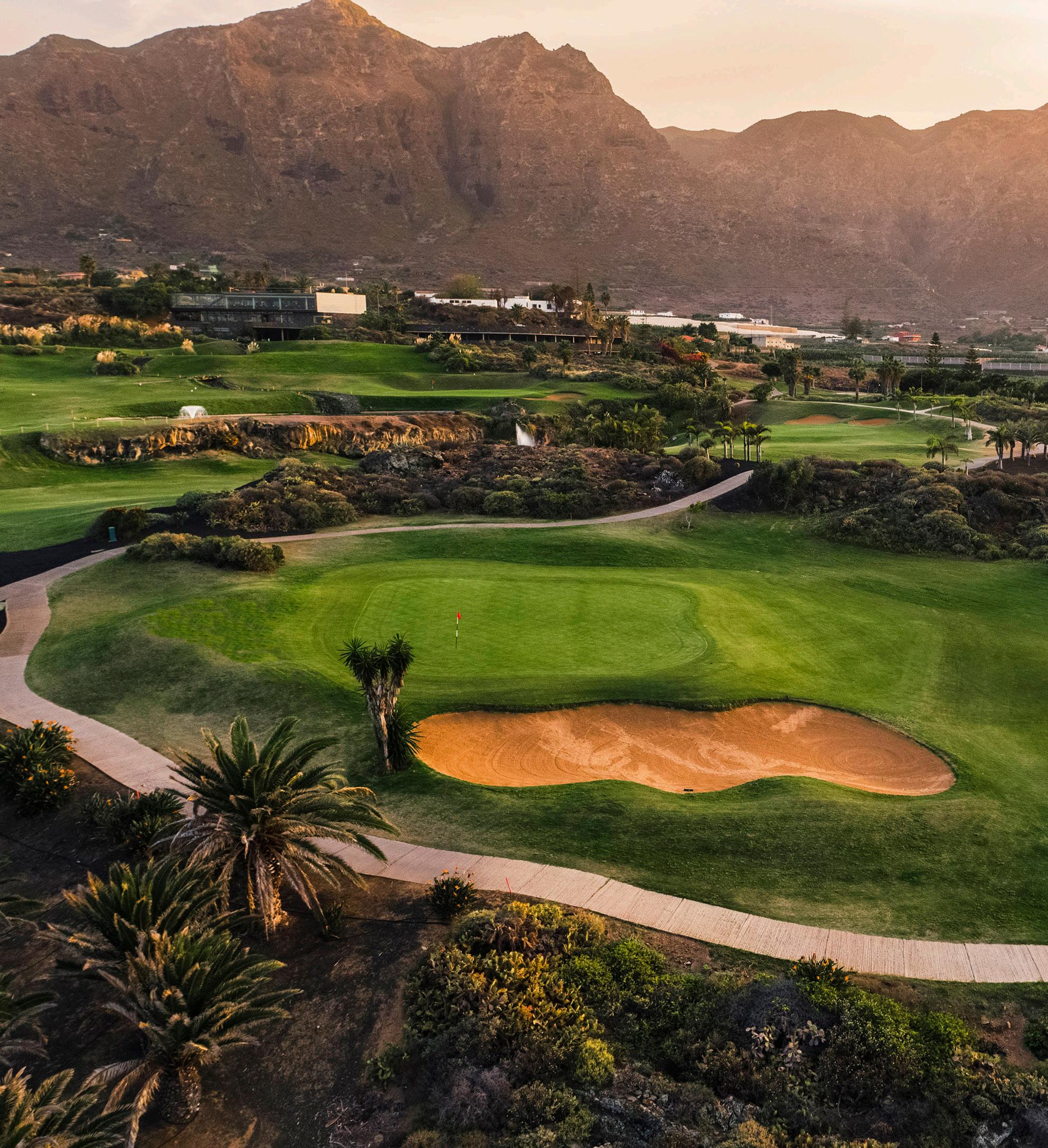
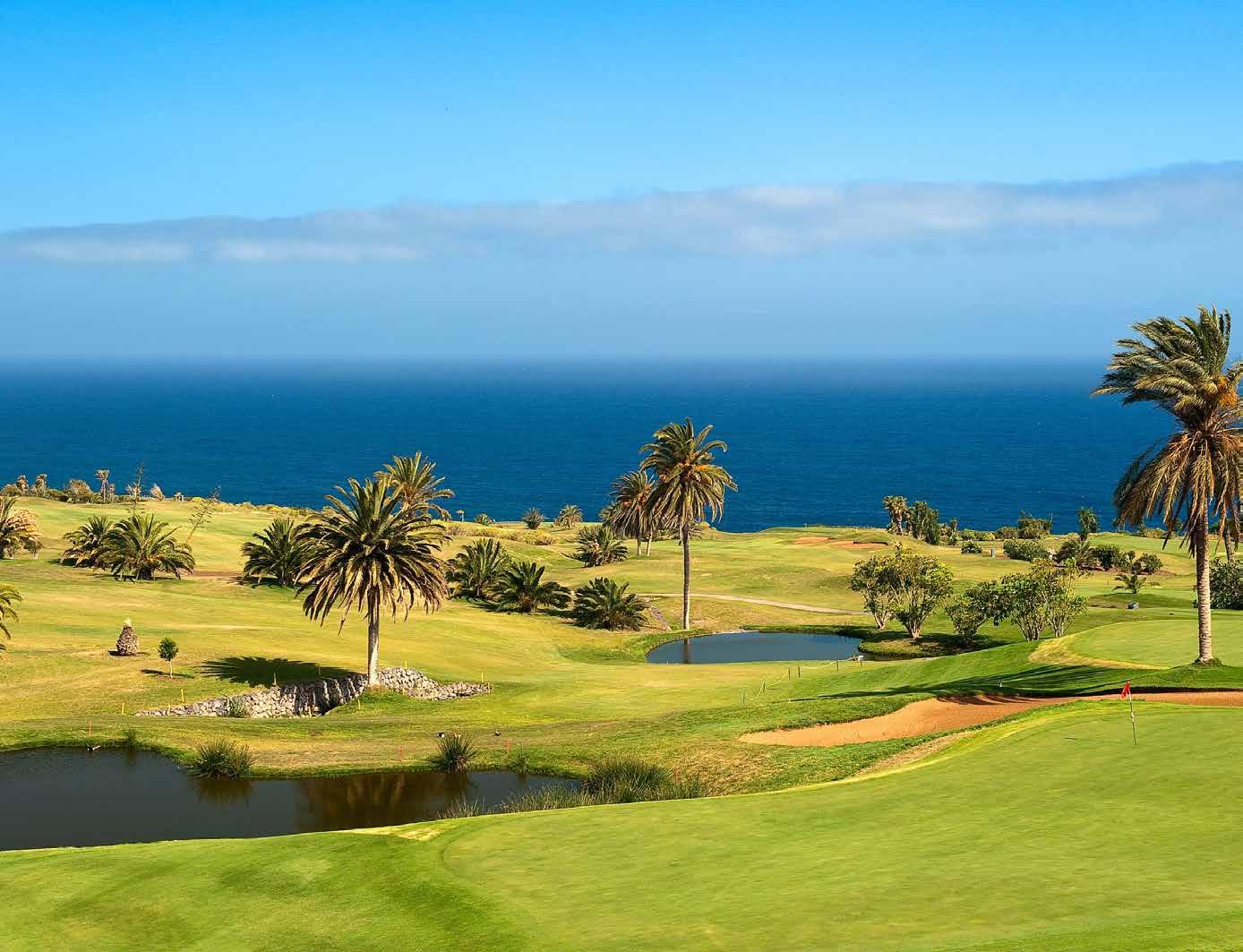
Sobre el trazado, la firma de Seve se reconoce antes de leer ningún cartel. Como en muchos de sus diseños, el recorrido no obliga a jugar de una única manera. Invita a decidir. A asumir riesgos cuando merece la pena y a aceptar que, frente al océano, el viento también participa en cada hoyo. Los pares 4 castigan al que no piensa la salida; los greens que se asoman al acantilado — hasta cinco de los dieciocho— premian a quien se atreve y perdonan poco a quien calcula mal la distancia. Cada hoyo ofrece una imagen distinta de acantilado, mar y montaña, y esa variedad importa tanto como el propio trazado.
La vuelta termina donde había empezado
Aquí el lujo no se anuncia: se construye con lo que falta tanto como con lo que sobra.
Buenavista Golf y Meliá Hacienda del Conde comparten una misma forma de entender el lujo: más espacio, más silencio y menos artificio.
la mañana, solo que con hambre y con la luz ya distinta. El Mirador del Guincho, en lo alto de la Casa Club, sirve cocina canaria de producto local con vistas al campo y al océano, abierto también a quien no juega al golf. Dentro del hotel, la propuesta se reparte entre el restaurante Montenegro, con menú degustación, y el italiano Il Rossmarino.
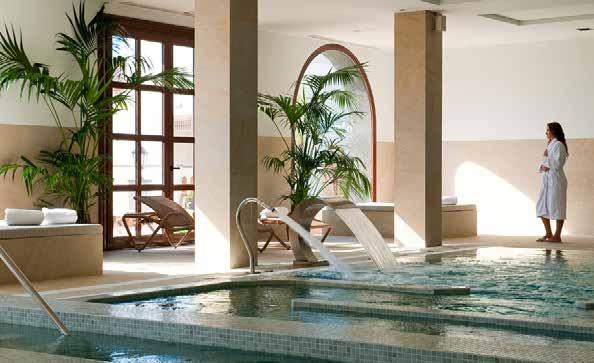
Lo que viene después es, otra vez, una forma de desconexión. El spa ALQVIMIA ofrece, los doce meses del año, un programa de tratamientos pensado para un huésped que entiende el descanso como parte del viaje y tan protagonista como la propia ronda de golf. En los meses de verano, el camino baja
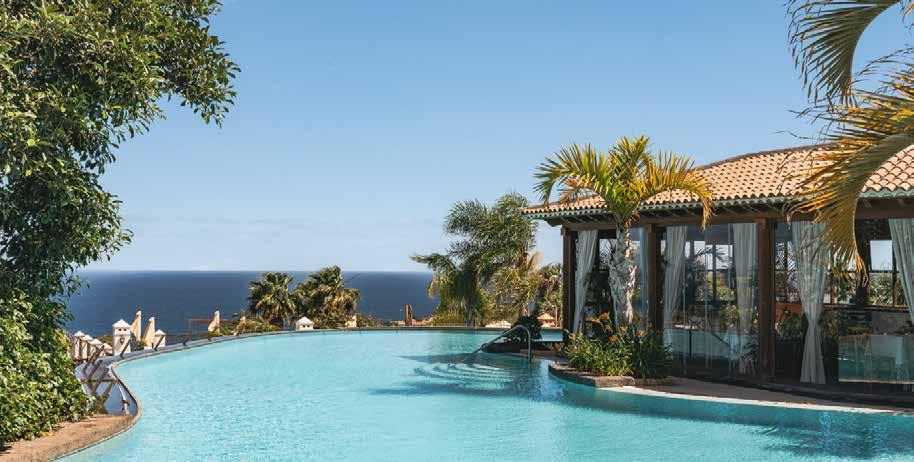
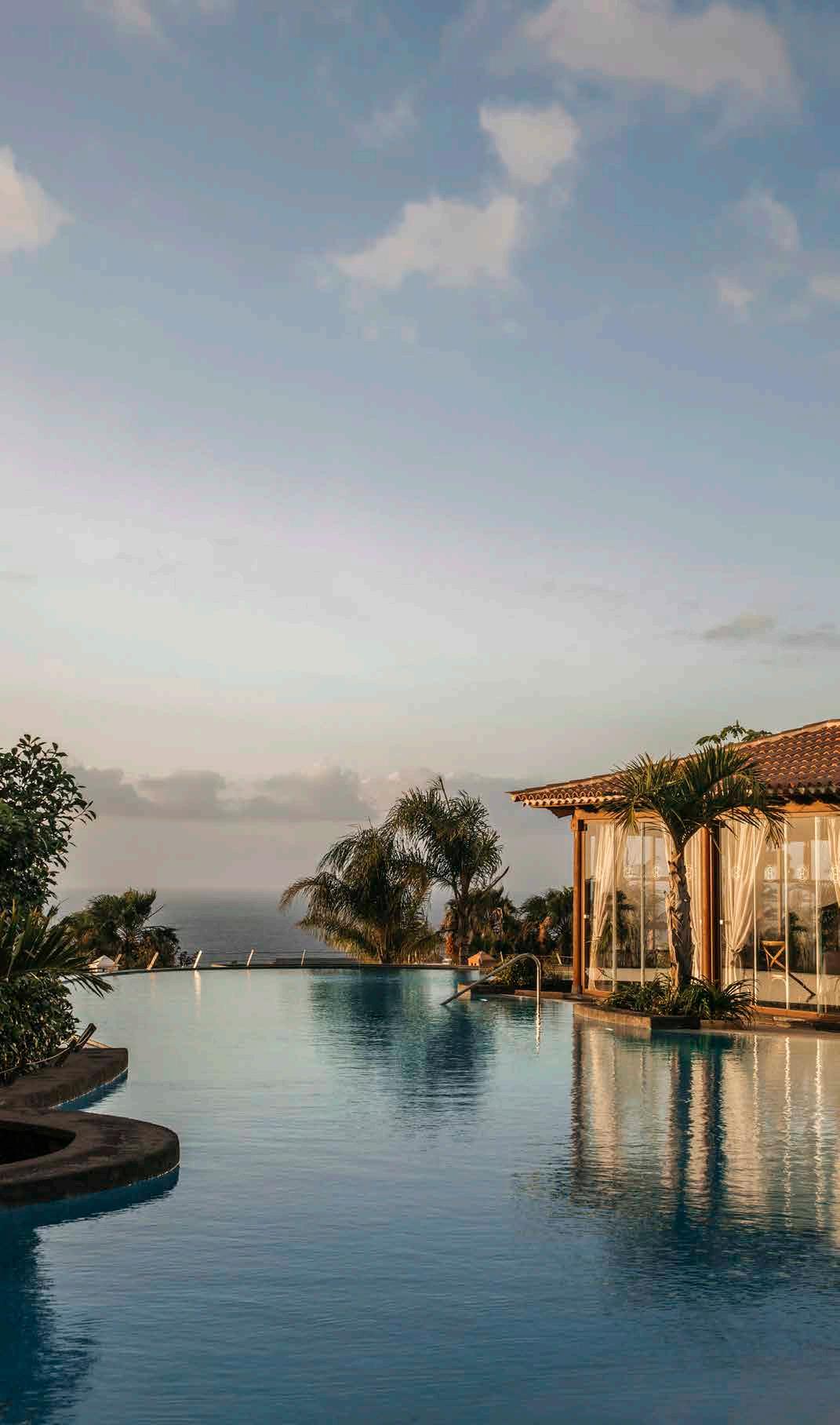
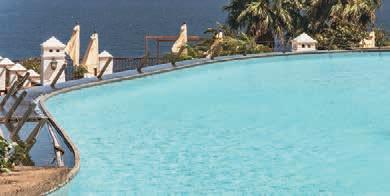
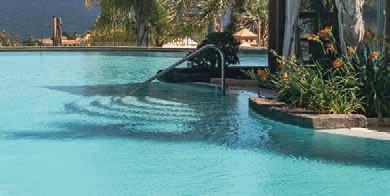
hasta el acantilado donde antaño nadaba el conde de Siete Fuentes. Hoy convertido en Atlántico Ocean’s Club con una piscina infinita de agua salada tallada en la roca volcánica, con el agua fundiéndose en el borde del mar. Esa forma de entender el descanso explica también que Hacienda del Conde fuera el primer hotel español incorporado a Meliá Collection y miembro de Small Luxury Hotels of the World. Aquí la personalidad del lugar pesa tanto como el nivel del servicio.
En Meliá Hacienda del Conde, el lujo no nace de la acumulación, nace del paisaje y de un mar, que nunca desaparece del horizonte. Del silencio que forma parte de la experiencia. Y de esa sensación, cuando termina la vuelta, de haber descubierto una Tenerife inédita para muchos golfistas.
Buenavista Golf and Meliá
Hacienda
del Conde
Where the Atlantic sets the pace
At the island’s north-western tip, where the Teno mountains meet the Atlantic, a Severiano Ballesteros course and an adults-only five-star resort turn seclusion into the real luxury of the trip.
Here, luxury doesn’t announce itself: it’s built as much from what’s missing as from what’s provided.
The north of Tenerife begins where the southern road ends. The landscape turns almost without warning into the Isla Baja, where the protected Teno mountains fall almost directly into the Atlantic. The vegetation shifts: the banana plantations give way to volcanic rock and terraced fields climbing the hillside. The ocean keeps reappearing around every bend, as if unwilling to miss the drive either. For the last few miles there isn’t a single sign for a water park or a heated pool. That absence is the first clue to what waits at the end of the drive: here, luxury doesn’t announce itself, it’s built as much from what’s missing as from what’s provided.
A sense of seclusion explains almost everything else. It’s there in Severiano Ballesteros’s design, one of the last courses he signed, and in how naturally it sits within this landscape. The Atlantic wind isn’t something to work around; it’s part of the round. And it’s also the idea that defines Meliá Hacienda del Conde: an adults-only hotel, built as much for rest as
for golf, and a clubhouse restaurant that works just as well with or without a round attached.
Buenavista Golf and Meliá Hacienda del Conde share the same idea of luxury: more space, more tranquillity, less artifice.
Arrival at the hotel sets the pace for the day ahead — colonial Canarian architecture, rooms opening onto Atlantic-facing terraces, and a quiet that here is a sign the landscape runs things, not the clock. From many of the terraces, one glance is enough to see that the course begins where the garden ends.
Out on the course, Seve’s hand is recognisable before you read a single sign. As in much of his work, the layout never asks to be played one way. It invites a decision — when to take the risk, when to lay up, and an acceptance that, facing the ocean, the wind has a say on every hole too. The par 4s punish a lazy tee shot; the five greens that sit hard against the
cliff reward the player willing to commit and forgive almost nothing else. Every hole reveals a different combination of cliff, sea and mountain, and that variety matters as much as the course itself.
The round ends roughly where the morning began, only now with an appetite and a different light. El Mirador del Guincho, above the clubhouse, serves Canarian cooking built on local produce, with views over the course and the ocean, open to non-golfers as well. Inside the hotel itself, the choice splits in two: the Montenegro restaurant, with its tasting menu, and the Italian Il Rossmarino.
What follows continues the same sense of retreat. The ALQVIMIA spa runs a yearround treatment programme for a guest who treats rest as part of the trip and
every bit as central as the round itself. Through the summer months, a path leads down to the cliff where the Count of Siete Fuentes once swam. Today it is home to Atlántico Ocean’s Club, where a saltwater infinity pool carved into the volcanic rock appears to merge seamlessly with the Atlantic. That same philosophy is what made Hacienda del Conde the first Spanish hotel to join Meliá Collection, and a member of Small Luxury Hotels of the World. Here, the place’s character carries as much weight as the level of service.
At Meliá Hacienda del Conde, luxury isn’t about having more. It comes from the landscape. From the Atlantic, never far from view. From the quiet that still forms part of the experience. And from that feeling, once the round is over, of having found a Tenerife most golfers still don’t know.
melia.com •
Buenavista Golf and Meliá Hacienda del Conde share the same idea of luxury: more space, more tranquillity, less artifice.
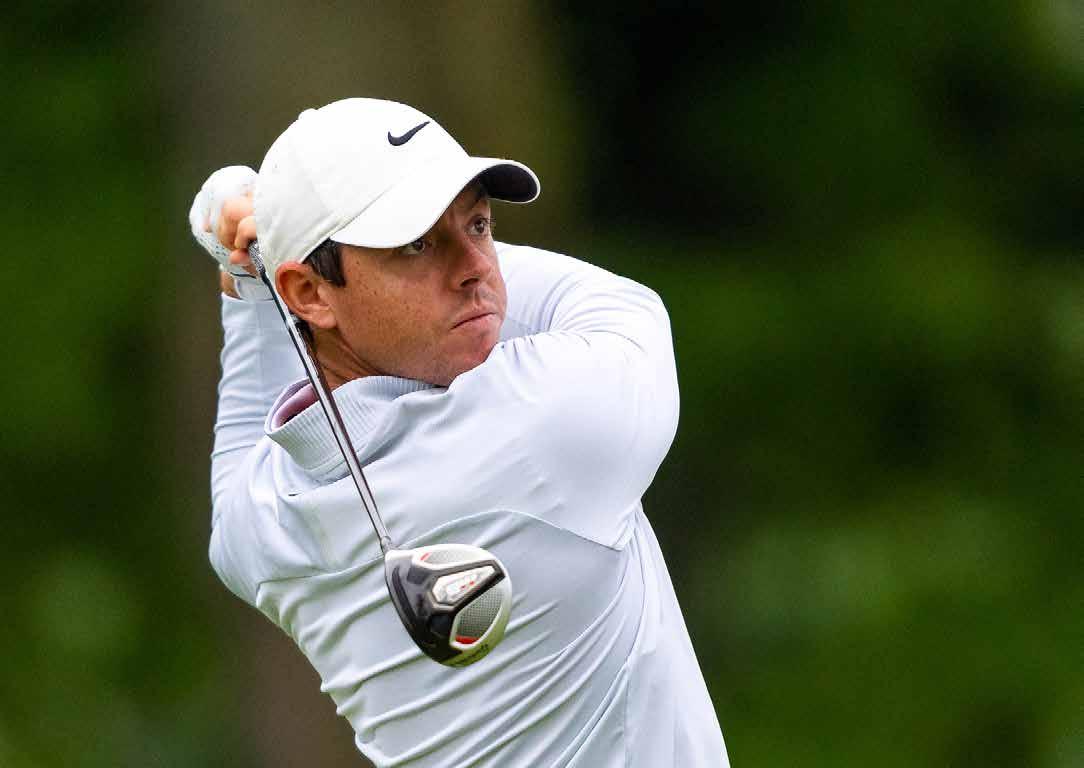
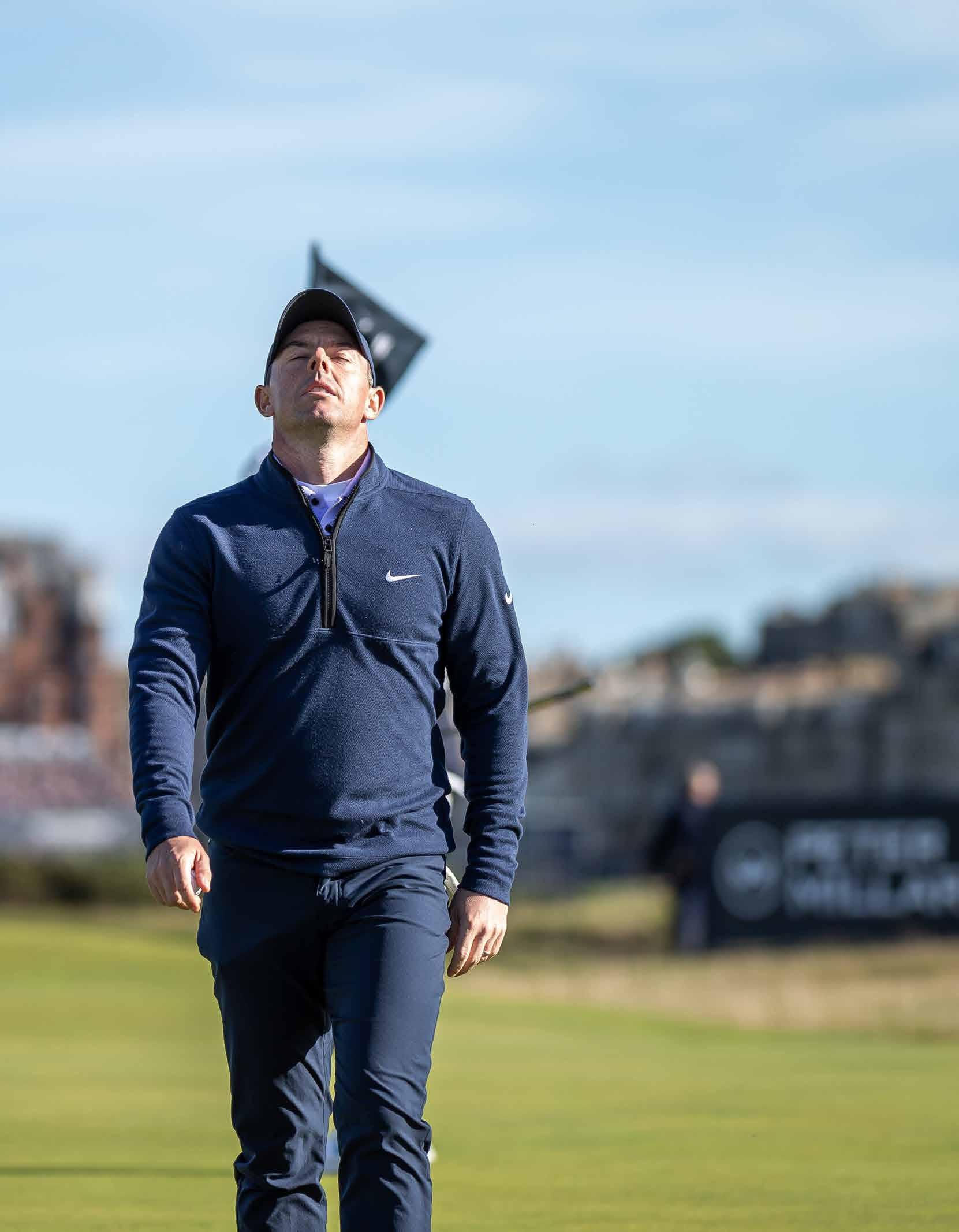
RORY MCILROY y la tierra que le enseñó a perder
La carrera de Rory McIlroy se puede leer como un mapa, y casi todos sus caminos terminan en el mismo sitio: el norte de Irlanda. Esta es su historia contada a través de los campos que lo marcaron, y del lugar al que siempre acabó regresando.
Para entender a Rory McIlroy conviene empezar por el principio, y el principio no es un trofeo: es una colina con viento en el condado de Down. Holywood es un pueblo discreto a la orilla de Belfast Lough, el fiordo que separa la ciudad del mar. Su club de golf no es un templo —fairways estrechos, cuestas y casi siempre viento del oeste—, pero allí, antes de cumplir los diez años, McIlroy golpeaba bolas con una pureza que dejaba callados a los socios veteranos.
Aquel paisaje le enseñó algo que marcaría su juego: en un links la bola no vuela recta cuando sopla, el suelo es un aliado y el golpe rastrero vale más que el espectacular. Quien crece junto al mar no aprende a someter el campo, sino a negociar con él. Esa idea explica buena parte de lo que vino después: el swing más envidiado de su generación.
Un país de links
Detengámonos aquí, porque el Úlster no es un decorado: es un personaje. En una franja pequeña del norte de Irlanda se concentra una de las mayores densidades de grandes links del mundo. A una hora escasa de Holywood, en la costa de Antrim, está Royal Portrush, con Portstewart y Castlerock a unos pocos kilómetros; al sur, bajo las montañas de Mourne, Royal County Down —el que muchos rankings sitúan como el mejor
campo de links del planeta— y, muy cerca, Ardglass, sobre los acantilados de Down. Todos, recorridos centenarios pegados al Atlántico, donde el viento no es una incidencia, sino una norma.
Ese clima educa a quien crece en él. Aquí no se ataca la bandera por el aire: se domestica el rebote, se improvisa y se acepta que el tiempo manda. Es una escuela que forma jugadores pacientes e imaginativos, lo contrario del golf de jardín americano. No es casualidad que un territorio de menos de dos millones de habitantes diera tres campeones de grande en apenas trece meses: Graeme McDowell ganó el US Open de 2010, McIlroy el de 2011 y Darren Clarke el Open de aquel mismo verano. Antes de McDowell, ningún norirlandés había ganado un grande desde Fred Daly en 1947, y Daly también era de Portrush. La misma esquina del mundo, una y otra vez.
El campo que duele
Si Holywood es el origen, Royal Portrush es la herida. El gran links de la costa de Antrim —con su hoyo 16, “Calamity Corner”, un par 3 de más de 200 metros colgado sobre un precipicio— recibió en 2019 el Open Championship por primera vez en casi setenta años. Era el regreso del torneo a Irlanda del Norte y el país entero quería que ganara el suyo. McIlroy
mandó su primer golpe del jueves fuera de límites e hizo un ocho en el hoyo inaugural. Firmó 79. Al día siguiente jugó un 65 soberbio, demasiado tarde: se quedó fuera del corte por un golpe.
No hay forma elegante de contarlo. El día más esperado en su tierra fue un fracaso público, y no hay que maquillarlo, porque dice más de él que muchas victorias. Portrush demostró que jugar en casa no es una ventaja romántica: es una carga que pocos saben llevar. McIlroy volvió en 2025, y esta vez la costa lo trató mejor.
Cuatro grandes a los veinticinco
Para encontrar al McIlroy imparable hay que cruzar el Atlántico. En el Masters de 2011 lideraba por cuatro golpes el domingo y se hundió con un 80, una de las caídas más duras que ha televisado el golf. Dos meses después, en Congressional, a las afueras de Washington, contestó como solo él sabe: ganó el US Open por ocho golpes, con récord del torneo incluido, a los veintidós años.
Lo confirmó en 2012 en Kiawah Island —otra vez por ocho, esta vez el PGA Championship— y sobre todo en 2014, su mejor verano: el Open en Hoylake y, semanas después, el PGA en Valhalla, que terminó casi de noche. A los veinticinco años sumaba cuatro grandes y una pegada desde el tee que cambiaba el tamaño de los campos. Parecía camino de alcanzar a Nicklaus y Woods. El golf, sin embargo, castiga la palabra “destino”.
La travesía del desierto
Lo que vino después no fue una caída, sino algo más largo: once años sin ganar un grande. No por falta de nivel —siguió siendo uno de los dos o tres mejores del mundo casi cada temporada— sino por una mezcla de mala suerte y nervios que se ceba con los favoritos. Domingos de líder que se le escapaban, putts cortos que no entraban, una colección de cuartos y quintos puestos en majors que habría desquiciado a cualquiera.
Es la parte que la épica suele saltarse y la más reveladora. McIlroy habló abiertamente de terapia, de expectativas, de lo difícil que es seguir creyendo cuando cada abril te recuerda lo que no logras. Hubo quien lo dio por acabado como ganador de grandes. Esa duda —la propia y la de quienes ya no creían en él— es el verdadero hilo de esta historia.
Augusta, por fin
El desenlace llegó donde se había hundido catorce años antes. En el Masters de 2025 sumó el único grande que le faltaba y se convirtió en el sexto jugador de la historia con los cuatro en su palmarés. No fue plácido: lo decidió en un hoyo de desempate, tras tener el torneo ganado, perdido y recuperado el mismo domingo. En 2026 se enfundó de nuevo la chaqueta verde, por si alguien dudaba de que la sequía había terminado de verdad.
La vuelta a casa
Aquí el mapa se cierra, aunque la pregunta de fondo tiene trampa y merece reconocerse. McIlroy nunca ha querido el papel de embajador sentimental de su tierra. Creció en una Irlanda del Norte donde la identidad nunca es sencilla, donde decirse de un sitio es decirse de un bando, y casi siempre ha preferido no encajar en ninguna casilla: ni del todo británico ni del todo irlandés, europeo en la Ryder
Cup y profesional del circuito americano el resto del año. Atribuirle una deuda patriótica sería ponerle en la boca algo que él no ha reclamado. Lo más cerca que ha estado de decirlo es esto: “Irlanda del Norte siempre será mi casa”.
Aun así, la tierra está en él. En el carácter, mezcla de talento y testarudez, que se forja donde el clima no perdona. En Harry Diamond, su caddie y amigo de la infancia en Holywood, en la bolsa el día más importante de su vida. Y en Royal County Down, donde aprendió que belleza y dificultad pueden ser lo mismo.
No es que le deba sus victorias al Úlster. Es que sin ese lugar no existiría este jugador. Allí aprendió a jugar por el suelo, a convivir con el viento y, mucho antes que a ganar, a perder. La tierra no le regaló nada; le dio dos de los mejores links del mundo y una lección que tardó años en comprender. Quizá no le deba nada. Pero es allí, y no en Augusta, donde empieza realmente la historia del campeón que acabó ganándolo todo.
...la tierra está en él. En el carácter, mezcla de talento y testarudez, que se forja donde el clima no perdona.
RORY MCILROY and the Ground That Made Him
Rory McIlroy’s career can be read as a map, and nearly every road on it leads back to the same place: Northern Ireland. This is his story told through the courses that shaped him — and the corner of coastline he always seems to find his way back to.
...the land is in him. It’s in his character, that mix of talent and stubbornness forged where the climate doesn’t forgive.
To understand McIlroy, start at the beginning, and the beginning isn’t a trophy. It’s a hill in County Down, where the wind never quite lets up. Holywood is a modest town on the shore of Belfast Lough, the sea inlet that separates the city from open water. Its golf club is no cathedral — narrow fairways, awkward slopes, a prevailing westerly that rarely drops — but it was here, before he turned ten, that McIlroy struck a ball with a purity that silenced the club’s longstanding members.
That landscape taught him something that would define his golf: on a links course, the ball doesn’t fly straight once the wind gets up, the ground becomes an ally, and a low, running shot beats a spectacular one. Growing up by the sea doesn’t teach a golfer to overpower a course — it teaches him to negotiate with it. That idea explains much of what followed: the most envied swing of his generation.
A Country of Links
It’s worth pausing here, because Ulster isn’t a backdrop in this story. It’s a
character. A small stretch of Northern Ireland holds one of the highest concentrations of great links courses anywhere in the world. Barely an hour from Holywood, on the Antrim coast, stands Royal Portrush, with Portstewart and Castlerock only a few miles further on. To the south, beneath the Mourne Mountains, sits Royal County Down — the course many rankings place above every other links on the planet — and, close by, Ardglass, set on the cliffs of County Down. All of them centuries-old links laid hard against the Atlantic, where the wind isn’t an occasional nuisance. It’s the rule.
That climate does the educating. Nobody attacks the flag through the air here; you learn to work the bounce, improvise, and accept that the weather calls the shots. It produces patient, imaginative players — the opposite of American target golf. It’s no accident that a country of under two million people produced three major champions within thirteen months: Graeme McDowell won the US Open in 2010, McIlroy the same title in 2011, and Darren Clarke the Open Championship that same summer. Before McDowell, no
golfer from Northern Ireland had won a major since Fred Daly in 1947 — and Daly, too, was from Portrush. The same corner of the world, again and again.
The Course That Hurts
If Holywood is where it began, Royal Portrush is where it hurt. The great links on the Antrim coast — home to the 16th, “Calamity Corner”, a par three of more than 200 metres set on the edge of a sheer drop — hosted the Open Championship in 2019 for the first time in 68 years. The Open was back in Northern Ireland, and the whole country wanted its man to win.
McIlroy pushed his opening tee shot out of bounds and made eight on the first hole. He signed for 79. The next day he shot a superb 65 — too late. He missed the cut by a single stroke.
There’s no elegant way to tell it. The most eagerly awaited day of his career at home turned into a very public failure, and there’s no need to dress it up — it says more about him than most of his wins ever could. Portrush proved that playing
at home isn’t the romantic advantage it’s made out to be. It’s a weight few players carry well. McIlroy returned in 2025, and this time the coast was kinder to him.
Four Majors by Twenty-Five
To find the McIlroy who looked unstoppable, cross the Atlantic. At the 2011 Masters he led by four shots on the Sunday and collapsed to an 80 — one of the hardest falls golf has ever broadcast. Two months later, at Congressional outside Washington, he answered in the only way he knows how: he won the US Open by eight shots, with a tournament record to go with it, at twenty-two.
He confirmed it in 2012 at Kiawah Island — another eight-shot win, this time the PGA Championship — and above all in 2014, his finest summer: the Open at Hoylake, and weeks later the PGA at Valhalla, which finished almost in darkness. By twenty-five he had four majors and a length off the tee that was changing the size of golf courses. He looked set to chase down Nicklaus and Woods. Golf, however, punishes the word “destiny”.
The Wilderness Years
What came next wasn’t a fall. It was something longer: eleven years without a major. Not for lack of quality — he remained one of the two or three best players in the world in almost every one of those seasons — but through a mixture of bad luck and the kind of nerves that single out favourites. Sunday leads that slipped away, short putts that wouldn’t drop, a string of fourth- and fifth-place finishes in majors that would have unravelled anyone.
This is the part the legend usually skips, and the part that reveals the most. McIlroy spoke openly about therapy, about expectation, about how hard it is to keep believing when every April reminds you of what you haven’t done. Some wrote him off as a major champion for good. That doubt — his own, and everyone else’s — is the real thread running through this story.
Augusta, At Last
The ending arrived where he had unravelled fourteen years earlier. At the 2025 Masters he won the one major that had eluded him and became only the sixth player in history to hold all four. It wasn’t calm: he won it, lost it and won it back again on the same Sunday, before settling the matter in a play-off. In 2026 he pulled the green jacket back on, in case anyone still doubted the drought was truly over.
Coming Home
Here the map closes, though the question underneath it has a trap built in, and it’s worth naming. McIlroy has never wanted the role of sentimental ambassador for his homeland. He grew up in a Northern Ireland where identity is never simple, where saying where you’re from can mean declaring which side you’re on, and he has almost always preferred not to fit into either box: not entirely British, not entirely Irish; European at the Ryder Cup,
a fixture of the American tour the rest of the year. To hand him a debt of patriotism would be putting words in his mouth that he has never claimed. The closest he has come to saying it himself is this: “Home will always be Northern Ireland.”
And yet, the land is in him. It’s in his character, that mix of talent and stubbornness forged where the climate doesn’t forgive. It’s in Harry Diamond, his caddie and childhood friend from Holywood, on the bag on the biggest day of his life. And it’s in Royal County Down, where he learned that beauty and difficulty can be the same thing.
It isn’t that he owes his victories to Ulster. It’s that without that place, this golfer wouldn’t exist at all. There he learned to play along the ground, to live with the wind and, long before he learned to win, to lose. The land never gave him anything outright; it gave him two of the best links courses in the world, and a lesson that took years to sink in. Perhaps he owes it nothing. But it’s there, and not at Augusta, that the story of the champion who eventually won everything really begins.
LA CALA RESORT
EL GOLF TAMBIÉN ES PARA EL VERANO:
SOLO NECESITA OTRO RITMO
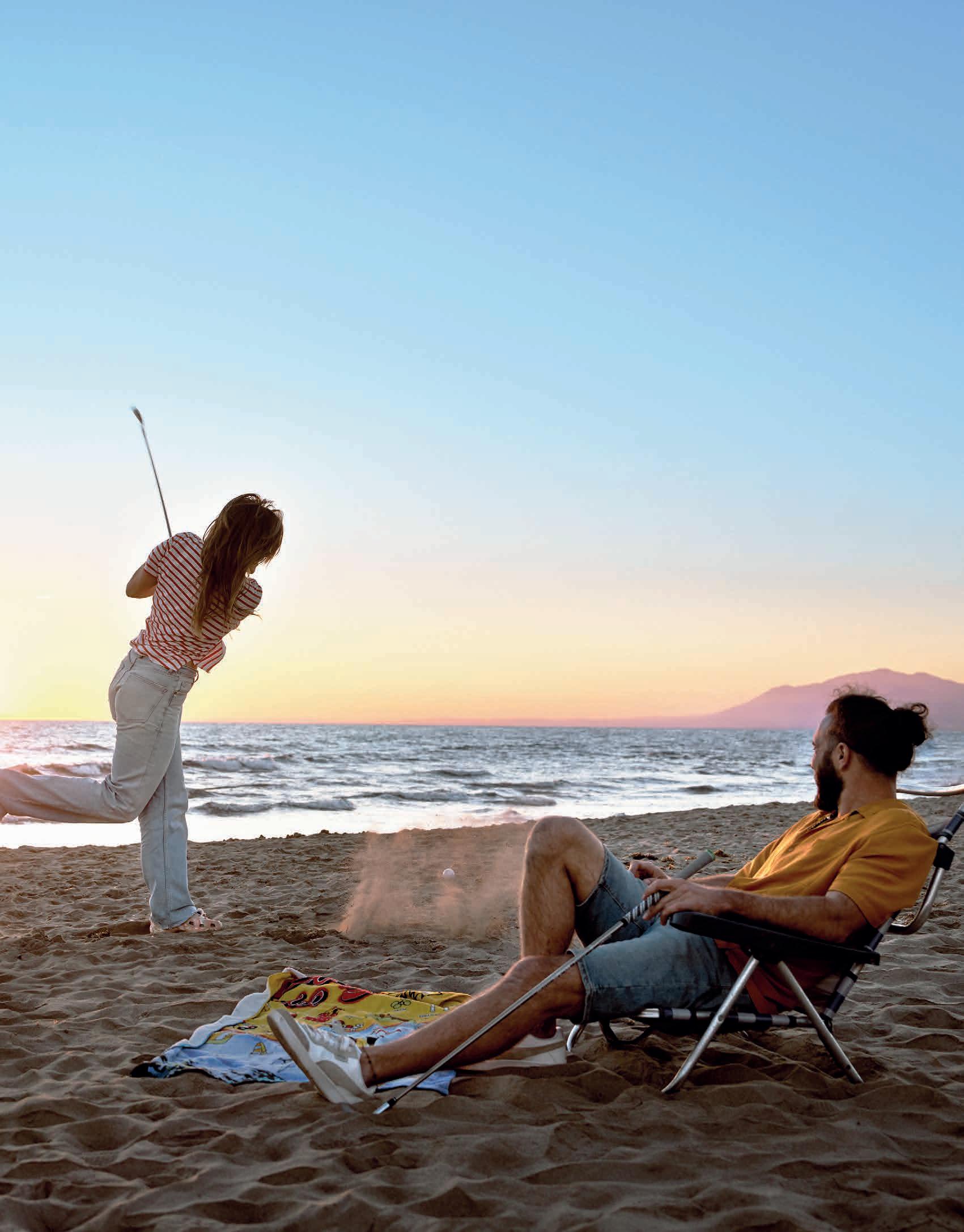
En verano el golf cambia de ritmo. Se juega antes, se practica más y deja espacio para que el resto del viaje también ocurra. Esa es la idea sobre la que La Cala Resort ha construido su nuevo Golf Hub.
Hay días para completar dieciocho hoyos al amanecer y otros para dedicar una hora al campo de prácticas, jugar el Short Course o simplemente mantener el swing durante las vacaciones. En verano, el golf deja de ocupar todo el día para integrarse en él.
Summer golf finds its own rhythm
The resort’s new Golf Hub and Vista Café make summer golf fit more naturally around the rest of the holiday.
Summer golf has its own rhythm. Some mornings call for eighteen holes at first light; others for an hour on the range, a lesson or a few holes on the short course before the rest of the day takes over. At La Cala, the question in summer isn’t where to play, but how golf fits around everything else.
El Golf Hub, la novedad de este verano
Situado en el área de práctica del resort, el Golf Hub reúne Driving Range, academia, un Short Course de nueve hoyos par 3, tienda, análisis de swing, taller de palos con fitting a medida y Vista Café, su última apertura gastronómica. El golf sigue siendo el eje del resort, pero ya no obliga a vivir la jornada de una única manera: quien madruga sale al campo, quien dispone de menos tiempo practica o juega el Short Course, y quien viaja acompañado encuentra un entorno donde el golf se integra sin protagonismo forzado.
The Golf Hub
The new Golf Hub sits within the resort’s practice area and brings together the driving range, academy, a nine-hole par-3 short course, a golf shop, swing analysis, a club-fitting workshop and Vista Café, the resort’s newest addition. Golf remains at the heart of La Cala, but it no longer dictates how the day unfolds. Early risers head straight for the course; those with less time to spare practise or play the short course; and anyone travelling with a nonplaying partner finds a setting where golf sits naturally alongside everything else.
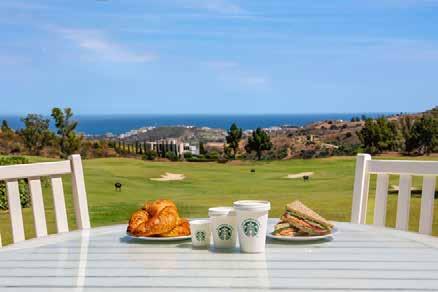
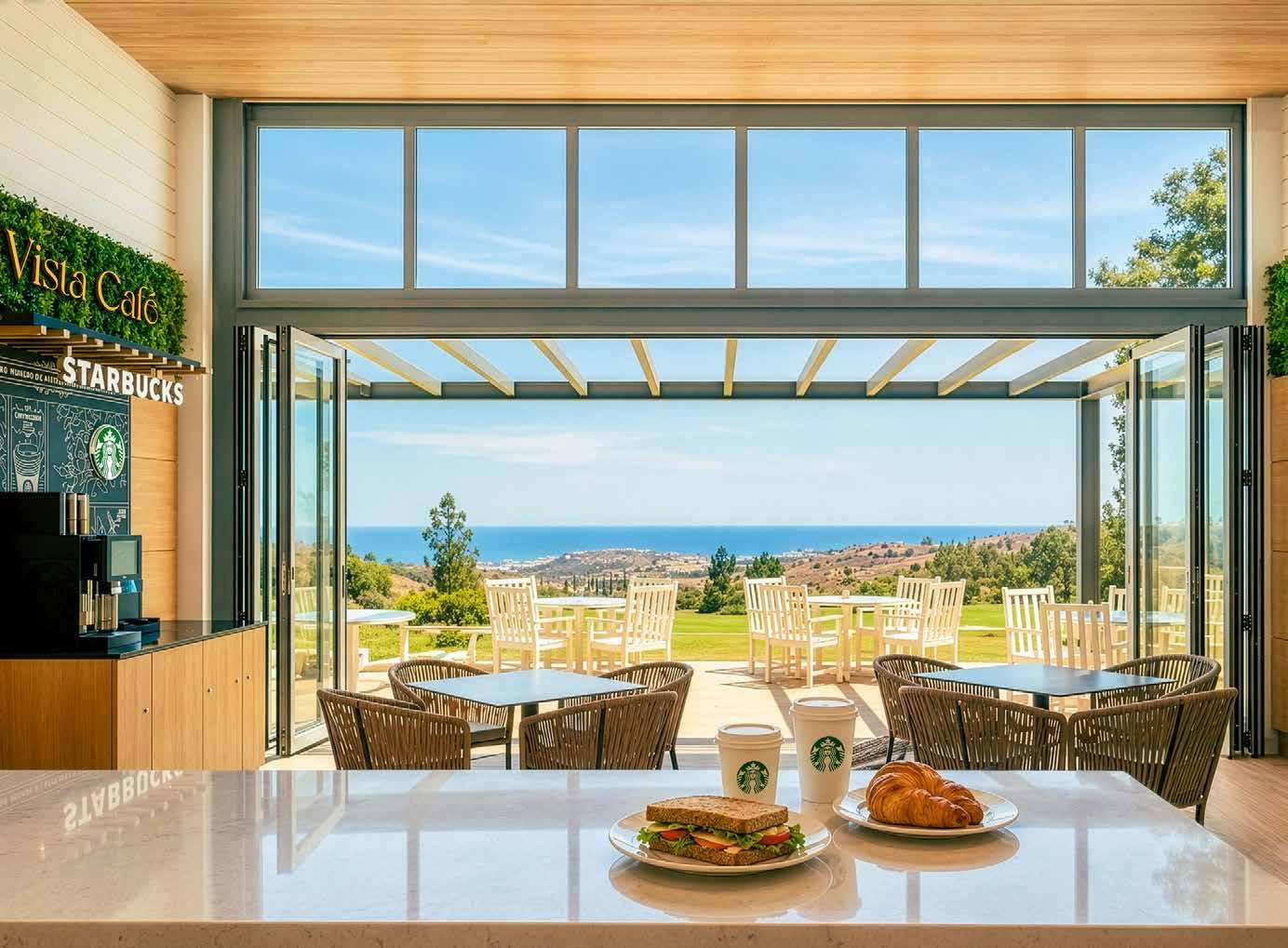
Vista Café es la pieza que termina de dar sentido al conjunto. Con vistas al mar desde el interior y desde la terraza, funciona como desayuno antes de salir al campo, parada tras el Driving Range o simplemente como lugar para quienes acompañan sin jugar. Su carta, ligera y pensada también para llevar, combina desayunos, comidas informales, café y alguna copa al final del día, sin la formalidad de un restaurante convencional. El Starbucks Coffee Corner completa la propuesta para quien busca simplemente un café antes de jugar o sin más plan que disfrutar de las vistas.
Vista Café responde, además, a un cambio real en quién viaja hoy a jugar al golf: parejas donde solo uno juega, familias con niveles distintos, grupos donde no todos salen al campo.
El espacio convierte ese golf en un plan compartido, no en una actividad que deja fuera a quien no juega.
the Mediterranean
Vista Café is what pulls the Golf Hub together. Its interior and terrace both look out over the Mediterranean, and the café works as easily for breakfast before a round as it does for a coffee after the range, or simply as somewhere to sit for those not playing at all. The menu keeps things simple: breakfast, light lunches, coffee, a beer or a glass of wine towards the end of the day, with a Starbucks Coffee Corner for anyone stopping by before or after golf.
It reflects something that’s increasingly true of golf travel: not every golf holiday revolves entirely around golfers. Couples where only one plays, families with mixed abilities, groups who don’t all want to be out on the course at the same time.
Vista Café turns that into a shared plan, not a divided one.
Vista Café, looking out to
Vista Café, un mirador sobre el Mediterráneo
El formato resort es lo que permite que esta flexibilidad funcione en la práctica.
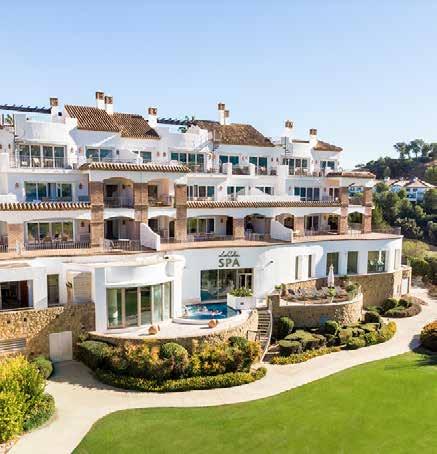
En La Cala, golf, Golf Hub, Vista Café, hotel, piscina, spa y gastronomía están dentro del mismo entorno, así que cada día puede ajustarse al ritmo real de las vacaciones y no al revés. Jugar o practicar no exige perder tiempo en desplazamientos, y quienes no juegan tienen alternativas cerca sin necesidad de reorganizar el plan del grupo.
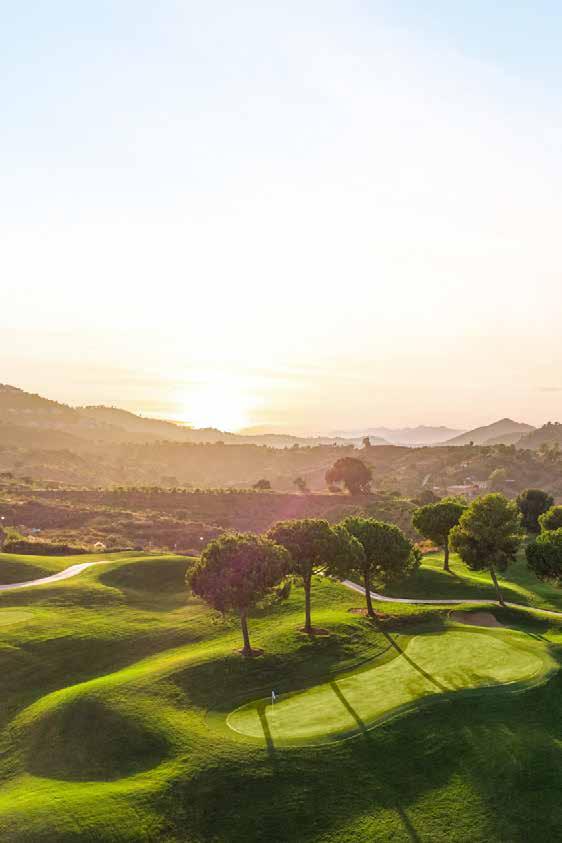
La ubicación suma un argumento propio del verano: sierra y Mediterráneo conviven en el mismo paisaje, con la playa a diez minutos en coche. Una misma jornada admite golf temprano, piscina o spa al mediodía, playa por la tarde y cena tranquila de vuelta al resort. Con tres campos de dieciocho hoyos — Asia, América y Europa—, Short Course par 3, hotel cuatro estrellas superior renovado, spa y agenda de verano, la estructura está pensada para que el golf marque el viaje sin monopolizar la experiencia.
Entre el 1 de julio y el 26 de agosto, además, La Cala ofrece categorías Deluxe seleccionadas al precio de la categoría equivalente, una oportunidad para ganar espacio y confort durante la estancia.
Julio y agosto no tienen por qué ser meses de jugar contra la tarjeta. Para muchos son la oportunidad de mantener el contacto con el juego sin presión; para otros, las únicas semanas del año en las que pueden jugar sin mirar el reloj. El golf no desaparece en verano. Simplemente encuentra otro ritmo.
Menos traslados, más vacaciones
Fewer transfers, more holiday
None of this works without the resort format behind it. At La Cala, golf, the Golf Hub, Vista Café, the hotel, the pool, the spa and the restaurants all sit within the same grounds, so each day can follow its own rhythm rather than a schedule built around getting from one place to another. Playing or practising doesn’t cost anyone time on the road, and those not playing have somewhere to be without the group having to replan around them.
The setting adds something particular to summer: sierra and Mediterranean share the same view, with the beach a ten-minute drive away. A single day can run from early golf to a late morning by the pool or in the spa, an afternoon at the beach, and dinner back at the resort without ever feeling rushed. Three eighteen-hole courses — Asia, America and Europa — a par-3 short course, a recently renovated four-star superior hotel, a spa and a full summer programme give the resort a structure built to let golf shape the trip without taking it over.
Between 1 July and 26 August, La Cala is also offering selected Deluxe rooms at standard rates — a straightforward way to add space and comfort to a stay on the Costa del Sol.
July and August don’t have to be about chasing scores. For some, they’re a chance to stay in touch with the game without the pressure of it; for others, the only weeks of the year they get to play without checking the clock. Summer doesn’t take golf off the table. It just asks for a different rhythm.
BENAHAVÍS
DESDE
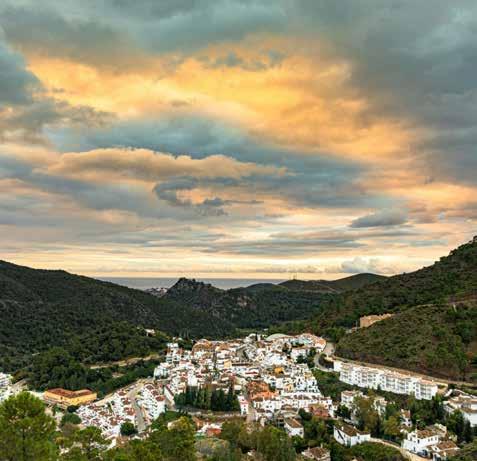
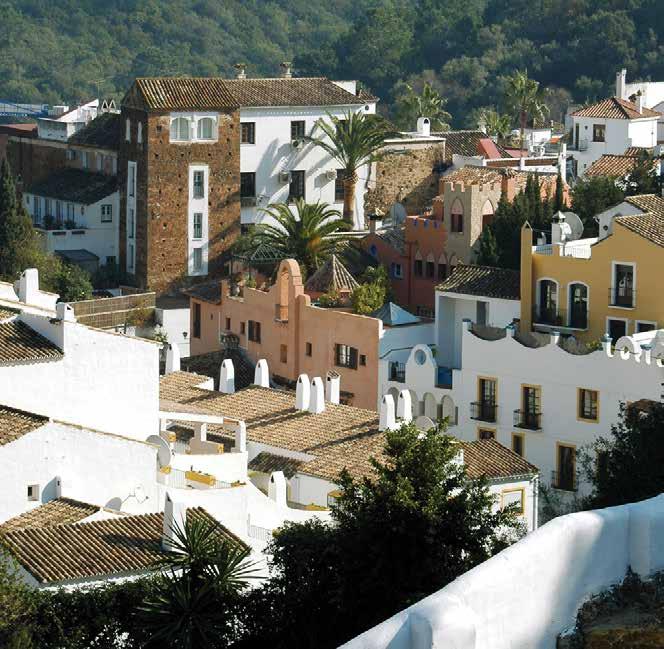
Benahavís sigue teniendo el aspecto de un pueblo blanco andaluz. Sus calles estrechas, las fachadas encaladas y los restaurantes por los que se ha hecho famoso, no hacen pensar que, a pocos minutos en cualquier dirección, comienzan algunos de los recorridos más prestigiosos de la Costa del Sol. Ahí reside una de sus singularidades: el golf fue creciendo a su alrededor hasta convertirlo en uno de los puntos de partida para descubrir el golf de Andalucía.
UN
PAISAJE, MUCHAS FORMAS DE ENTENDER EL GOLF
La personalidad de Benahavís no se explica por un solo campo. Se explica por la variedad de recorridos que lo rodean.
Los Arqueros, primer diseño de Severiano Ballesteros en la Costa del Sol, aprovecha las pendientes naturales del terreno para obligar a pensar cada golpe. La Quinta plantea una propuesta completamente distinta: tres recorridos de nueve hoyos que pueden combinarse entre sí y ofrecen configuraciones diferentes para quien juega varios días.
Muy cerca, Marbella Club Golf Resort, diseñado por Dave Thomas, lleva el golf hacia un paisaje de montaña donde el silencio y las vistas sobre el Mediterráneo forman parte de la experiencia. Villa
Padierna añade tres campos con identidades propias: Flamingos, sede de torneos profesionales; Alferini, más largo y exigente; y Tramores, concebido para el juego corto, el entrenamiento y las vueltas más rápidas.
El conjunto se completa con El Higueral, un recorrido de nueve hoyos que permite disfrutar de una mañana de golf sin ocupar toda la jornada, y con Atalaya, cuyos dos recorridos se extienden entre la vecina Estepona y la propia Benahavís, ampliando aún más las posibilidades.
Más que una colección de campos, Benahavís reúne distintas maneras de entender el golf.
UN VIAJE QUE NO DEPENDE DE UN
SOLO RECORRIDO
Esa variedad de campos cambia también la forma de planificar la estancia.
En muchos destinos el viaje gira alrededor de un recorrido concreto. Aquí ocurre lo contrario. La elección puede hacerse cada mañana. Un día puede apetecer uno más estratégico; al siguiente, una vuelta más relajada o solo nueve hoyos antes de dedicar la tarde a otra cosa. La proximidad entre todos ellos permite cambiar de escenario sin que el desplazamiento llegue a condicionar el día.
No es una cuestión de cantidad. Es una cuestión de libertad. El viajero no llega para jugar un campo; llega sabiendo que podrá elegir entre varios, cada uno con una personalidad distinta.
EL PUEBLO QUE UNE EL VIAJE
Al terminar la ronda, el recorrido cambia de nuevo.
Benahavís vuelve a ser un pueblo de calles tranquilas y mesas llenas. La gastronomía forma parte de su identidad desde mucho antes de que el golf se convirtiera en uno de sus grandes motores turísticos, y esa convivencia explica buena parte de su atractivo. Después de jugar, el día continúa entre restaurantes, paseos por el casco histórico o rutas junto al río Guadalmina, con Marbella, Puerto Banús y el Mediterráneo a pocos minutos cuando apetece salir del pueblo.
MUCHO MÁS QUE UN BUEN CAMPO
Hay destinos que se recuerdan por un recorrido concreto. Benahavís suele dejar otra impresión.
Después de varios días cuesta asociar el viaje a un único campo. Lo que permanece es la sucesión de recorridos muy distintos entre sí y la sensación de volver siempre al mismo pueblo, donde el golf nunca ha sustituido a la identidad del lugar, sino que ha encontrado una forma natural de convivir con ella.
BENAHAVÍS, WHERE NO TWO MORNINGS PLAY THE SAME
Benahavís still looks every bit the whitewashed Andalusian village, set back between the hills and the coast. Narrow streets, limewashed façades, the restaurants that made its name — nothing about it suggests what lies only minutes away in any direction. Golf grew up around the village rather than the other way round. Today, some of the Costa del Sol’s finest courses begin only minutes from its streets.
ONE LANDSCAPE, SEVERAL WAYS TO PLAY
No single course explains Benahavís.
Its character comes from the range of courses surrounding it.
Los Arqueros, Severiano Ballesteros’s first design on the Costa del Sol, works with the natural slopes of the land to make you think through every shot. La Quinta takes a different approach entirely: three ninehole courses that combine into different configurations, built for those staying long enough to play more than once.
Close by, Marbella Club Golf Resort, designed by Dave Thomas, carries the game into the mountains, where the quiet and the views over the Mediterranean are as much a part of the round as the golf itself. Villa Padierna brings three more courses, each with its own character: Flamingos, host to professional tournaments; Alferini, longer and more demanding; and Tramores, built for the short game, practice and a quicker round.
Beyond them, El Higueral suits a morning of golf without giving up the rest of the day, while Atalaya’s two courses stretch across the boundary between neighbouring Estepona and Benahavís itself, widening the options further.
Taken together, they make it remarkably easy to spend several days playing without ever feeling you’re repeating yourself.
A TRIP THAT ISN’T BUILT AROUND ONE COURSE
Most golf trips build themselves around a single course. Benahavís works differently. Here, the choice gets made fresh each morning — something more demanding one day, an easier round or just nine holes the next, with the afternoon left for something else. Everything sits close enough that changing courses never means losing half a day to the road.
The choice becomes part of the holiday rather than something decided months before it begins.
BACK IN BENAHAVÍS ONE VILLAGE, MANY ROUNDS
Back in the village, golf gives way to lunch — quiet streets, full restaurant tables, and a reputation for food that predates golf as one of Benahavís’s main draws by decades. From there the day carries on through the village’s restaurants, a walk around the old town, or a route along the Guadalmina river, with Marbella, Puerto Banús and the Mediterranean only minutes away, should the day call for something beyond the village.
After a few days, it’s difficult to remember the trip as a single round. What stays with you is the variety of courses, and the habit of returning each evening to the same village before setting off in a different direction the following morning.
benahavis.es
BE NA HAVÍS Benahavis tu otro lugar en el mundo
El GOLF ANDALUZ suma títulos por partida doble
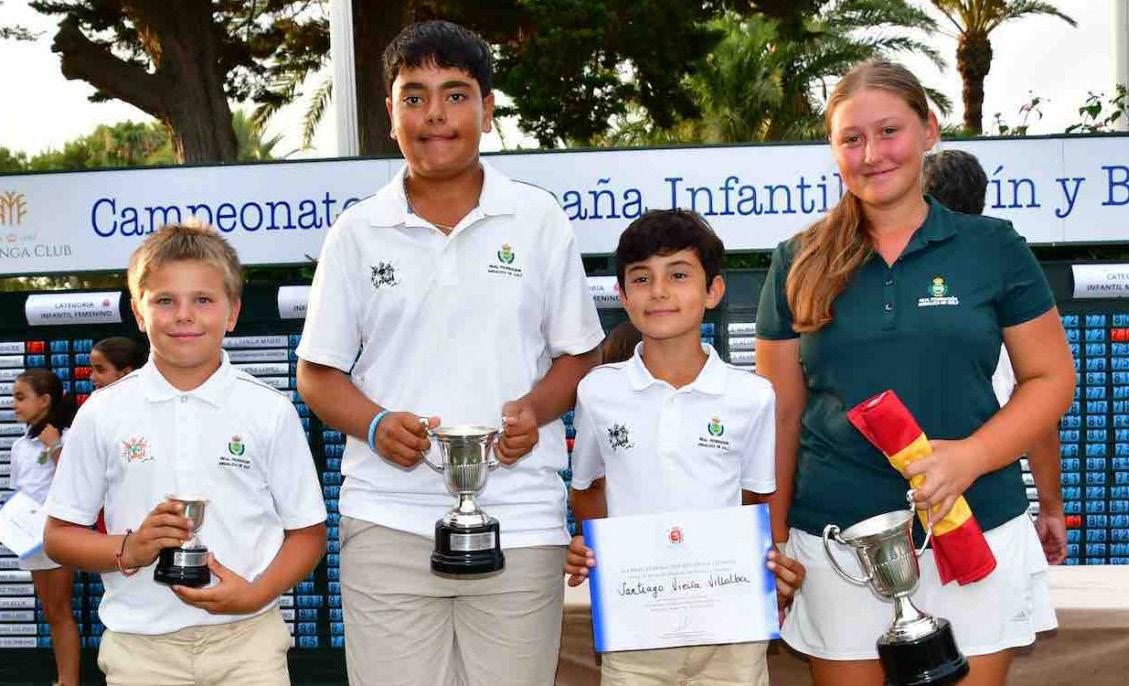
El mismo fin de semana, el golf federado andaluz certificó su buen momento en dos frentes bien distintos. En La Manga Club y Serena Golf, la cantera puso nombre y apellidos a la próxima generación durante el Campeonato de España Infantil, Alevín y Benjamín. A más de 500 kilómetros, en Sherry Golf Jerez, los absolutos amateurs cerraron su cita anual con dos campeones que firmaron algunas de las mejores vueltas del torneo. Cantera y absolutos, cada uno con su propio calendario, coincidieron en dejar el nombre de Andalucía en lo alto del marcador.
Sofía Gamilla y Dmitrii Elchaninov, oro para Andalucía en La Manga
Cuatrocientos veintitrés jugadores y tres días de competición dieron forma a la edición 2026 del Campeonato de España Infantil, Alevín y Benjamín Memorial Juan Antonio Andreu, repartido entre los campos de La Manga Club y Serena Golf. Seis títulos estaban en juego, uno por cada categoría y género, y Andalucía se llevó dos de ellos además de dos platas de peso.
En categoría Infantil Femenina, Sofía Gamilla cerró su ciclo en la categoría con un segundo título consecutivo. Fue de menos a más durante el fin de semana: 73, 72 y 71 golpes en las tres jornadas, hasta terminar tres bajo par y sumarse a una lista de dobles campeonas que incluye a Nagore Martínez, Harang Lee o Carlota Ciganda. La valenciana Andrea Arnal y la barcelonesa Valentina Corretja completaron el podio, con la sevillana Cornelia Bermudo pisándoles los talones tras celebrar su decimotercer cumpleaños en pleno campeonato.
El título Infantil Masculino viajó a Madrid de la mano de Sergio Vargas, que llegó a la última jornada con renta suficiente y no se dejó sorprender ni por el birdie inicial de Álvaro Mateu. Doce bajo par fue su acumulado final. El letón Marcus Latt firmó la mejor vuelta del día, 67 golpes con ocho birdies, para colarse en la segunda plaza por delante
de Pedro Tineo y del propio Mateu.
La categoría Alevín dejó el capítulo más disputado del torneo. Dmitrii Elchaninov, federado por Andalucía, y el también andaluz Jaime de Wint llegaron empatados a 216 golpes y resolvieron el título en un play-off al primer hoyo extra, que cayó del lado del ruso. De
Wint se queda con la plata, un puesto en el que ya estuvo su hermano Oliver en ediciones anteriores. En categoría femenina, la madrileña Inés GómezBalboa se impuso con 231 golpes, por delante de Isabella Cabezas de Herrera y Candela Visus.
En Benjamín, Paula Casas dominó de principio a fin hasta cerrar con 110 golpes y el título femenino, por delante de Amahle Mdlulwa y Aitana Puerta. El masculino se decidió en la última jornada a favor del valenciano Mauro Boluda, con 113 golpes acumulados, que superó por dos golpes a Alan Altuna y Gonzalo Bernal, empatados en la segunda plaza.
El torneo dejó también su propia crónica al margen del marcador. Juan GuerreroBurgos, presidente de la RFEG, cerró la entrega de premios agradeciendo a los jugadores su actitud en el campo y los momentos vividos durante el fin de semana. La organización recuperó este año la tarjeta de papel frente a la electrónica, una medida bien recibida tanto por los padres como por los propios competidores, que señalaron una mayor concentración al jugar sin la opción de mirar el móvil.
Sofía Gamilla suma ya cuatro títulos entre los Campeonatos de España Infantil, Alevín y Benjamín, una cifra que solo comparte con José Luis Ballester, hoy profesional, campeón Alevín y Benjamín en una ocasión e Infantil en dos. El palmarés júnior guarda memoria reciente de otro nombre propio: Eugenio López-Chacarra, autor esta misma semana de su tercera victoria en el DP World Tour, fue campeón de España Benjamín en 2010 y Alevín en 2012, ambas veces en La Manga.
Samuel Love y Chanya Huaysan, campeones en Jerez
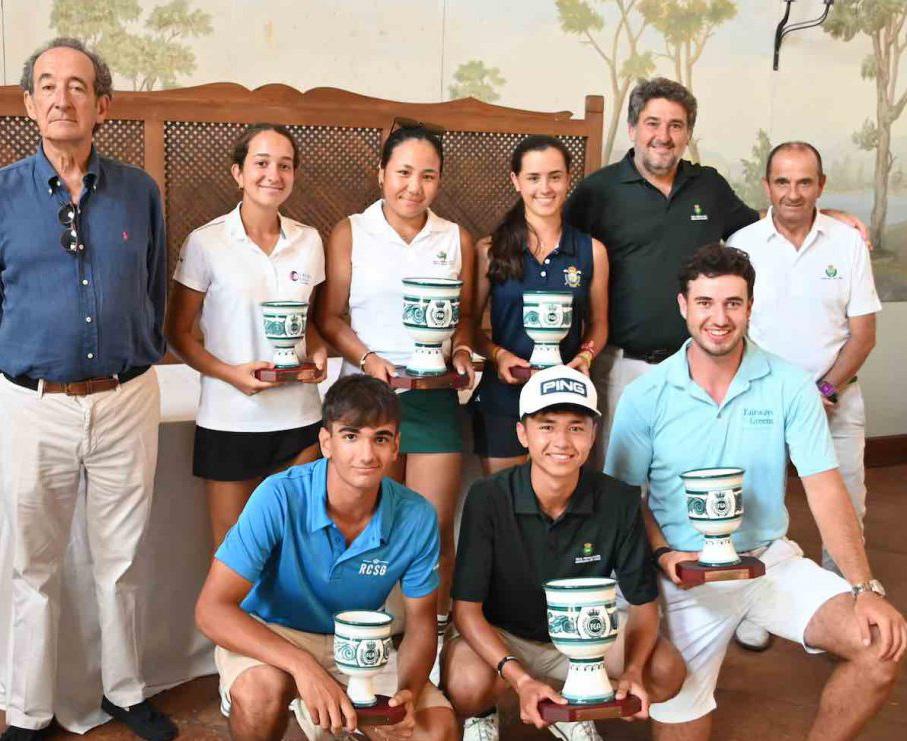
En Sherry Golf Jerez, los Campeonatos Internacionales Individuales de Aficionados de Andalucía 2026 cerraron tres jornadas de stroke play scratch a 54 hoyos puntuables para el R&A World Amateur Golf Ranking, una cita que reúne cada año a buena parte de los mejores amateurs del circuito.
Samuel Love resolvió el título masculino con la vuelta más baja del campeonato: 64 golpes en la jornada final, que sumados a sus rondas de 72 y 72 le dejaron un acumulado de 208 golpes, ocho bajo par. La segunda plaza fue para David George Schneider, autor de un cierre de 66 golpes y un total de 211, cinco bajo par. El tercer puesto quedó compartido entre Álvaro Gómez de Linares, Javier Fernández, Gonzalo Baños y Jacobo Cestino, los cuatro con 212 golpes, en una zona alta de la tabla especialmente apretada.
En categoría femenina, Chanya Huaysan administró la ventaja construida en las dos primeras jornadas para proclamarse campeona con 214 golpes, dos bajo par, la única jugadora de todo el campo que terminó por debajo del par. Iciar Rodríguez fue subcampeona
con 219 golpes, tres sobre par, tras tres vueltas regulares de 72, 73 y 74. Violeta Fernández-Tagle Muñoz completó el podio con 220, por delante de Julia Sánchez y Sofía Pérez, cuarta y quinta clasificadas respectivamente.
El torneo tuvo también su lectura en las clasificaciones hándicap. Lucía Baca ganó la femenina con 208 golpes netos, ocho bajo par, tras tarjetas de 71, 70 y 67. Bosco Quintanilla se impuso en la masculina con el mismo acumulado neto, 208 golpes, después de firmar tres vueltas de 69, 69 y 70.
Sherry Golf Jerez volvió a confirmarse como una de las citas de referencia del calendario amateur andaluz, con tres jornadas de alto nivel y una lista de campeones que este año lleva nombre propio en Samuel Love y Chanya Huaysan.
CÓMO SE CONSTRUYÓ EL MAPA
DEL
GOLF ESPAÑOL
A COUNTRY THAT NEVER SETTLED ON ONE WAY TO PLAY GOLF
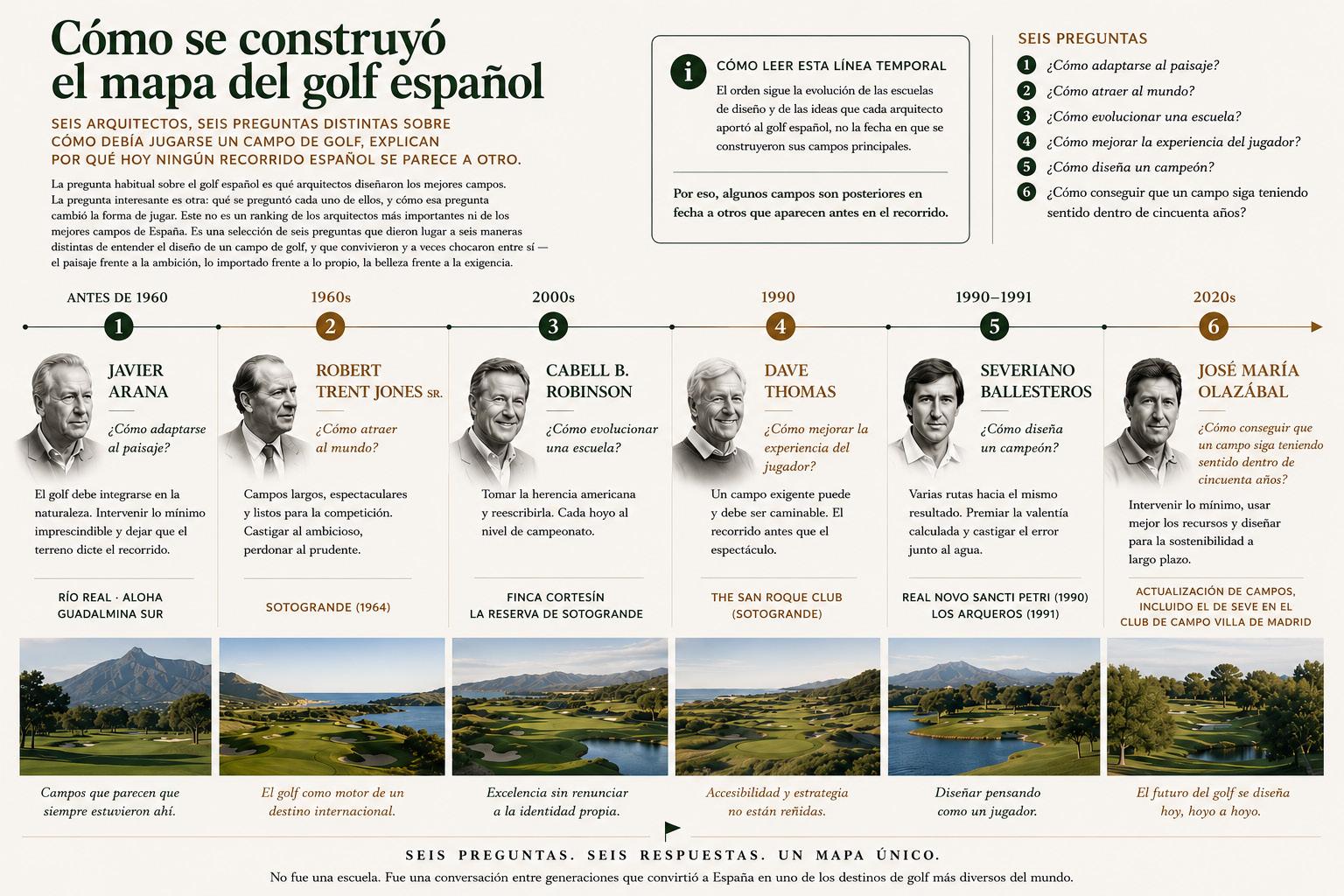
Seis arquitectos, seis preguntas distintas sobre cómo debía jugarse un campo de golf, explican por qué hoy ningún recorrido español se parece a otro.
La pregunta habitual sobre el golf español es qué arquitectos diseñaron los mejores campos. La pregunta interesante es otra: qué se preguntó cada uno de ellos, y cómo esa pregunta cambió la forma de jugar. Este no es un ranking de los arquitectos más importantes ni de los mejores campos de España. Es una selección de seis preguntas que dieron lugar a seis maneras distintas de entender el diseño de un campo de golf, y que convivieron y a veces chocaron entre sí — el paisaje frente a la ambición, lo importado frente a lo propio, la belleza frente a la exigencia.
Six architects. Six questions. Six answers to how a golf course should behave.
The usual question about Spanish golf is which architects designed the best courses. The more interesting question is what each of them was actually asking, and how that question changed the way the game is played here. This isn’t a ranking of the country’s greatest architects, or its greatest courses. It’s a selection of six questions that produced six different ways of thinking about course design — ideas that coexisted, and occasionally clashed: landscape against ambition, imported thinking against homegrown instinct, beauty against demand.
Real Club Valderrama
JAVIER ARANA
EL PAISAJE MANDA LET THE LAND DECIDE
Mucho antes de que el golf español pensara en el turista internacional, Javier Arana ya construía campos pensando en el terreno. Su regla era casi una limitación autoimpuesta: el 80% del recorrido debía ser naturaleza tal cual estaba, y solo el 20% restante podía llevar la mano del hombre. Movía la tierra lo imprescindible, evitaba los obstáculos de agua y prefería greenes amplios orientados en diagonal a la línea de juego, con pocos bunkers pero bien colocados. El resultado, visible hoy en Río Real, Aloha o Guadalmina Sur, es un tipo de campo que no parece diseñado. Parece que siempre estuvo ahí.
Mientras Arana demostraba que un campo podía adaptarse al paisaje, el turismo empezaba a exigir otra escala.
Long before Spanish golf gave any thought to the international traveller, Javier Arana was already building courses that responded to the land beneath them. His rule was close to a self-imposed limit: eighty percent of a course had to stay exactly as the land presented it, with only twenty percent left open to human intervention. He moved as little earth as the design allowed, stayed away from water hazards, and favoured wide greens angled across the line of play, with few bunkers — each one placed with purpose. The result, still visible at Río Real, Aloha and Guadalmina Sur, is a course that doesn’t look designed at all. It looks like it was simply always there.
While Arana was proving that a course could respond to its landscape, tourism was already asking for a different scale altogether.
Río Real Golf
Club de Golf Aloha
Cuando Robert Trent Jones Sr. llegó a España a mediados de los sesenta, el país apenas figuraba en el mapa internacional del golf. El Club de Golf Sotogrande — hoy Real Club de Golf Sotogrande—, su primer campo en Europa, inaugurado en 1964, cambió esa realidad casi de golpe. Trent Jones diseñaba recorridos largos, visualmente espectaculares y preparados para acoger grandes competiciones. Su filosofía podía resumirse en una expresión que repetía a menudo: hard par, easy bogey — un campo debía castigar
EL NACIMIENTO DEL GOLF TURÍSTICO INVENTING A DESTINATION, NOT JUST A COURSE ROBERT TRENT JONES SR.
al ambicioso y perdonar al prudente. Esa fórmula coincidió, no por casualidad, con el nacimiento del turismo de golf en la Costa del Sol — un litoral con clima suave todo el año y ya acostumbrado al turismo internacional de lujo, condiciones que explican por qué buena parte del mapa del golf turístico español también terminó trazándose allí. Trent Jones no se limitó a diseñar campos. Ayudó a inventar un destino.
La siguiente generación no rechazó aquella escuela. La reinterpretó.
When Robert Trent Jones Sr. arrived in Spain in the mid-1960s, the country barely registered on golf’s international map. The Sotogrande course — known today as Real Club de Golf Sotogrande — was his first in Europe. It opened in 1964 and changed
that almost overnight. Trent Jones built courses that were long, visually dramatic, and ready to host serious competition, and he had a phrase for the philosophy behind them: hard par, easy bogey — a course should punish the ambitious and forgive the cautious. That formula coincided, not by chance, with the moment the Costa del Sol was establishing itself as a golf destination — a coastline with mild weather year-round and an international luxury tourism trade already in place, conditions that go some way to explaining why so much of Spain’s golf-tourism map ended up drawn there too. Trent Jones didn’t just design courses. He helped invent a destination.
The generation that followed didn’t reject that school. It rewrote it from the inside.
Finca Cortesin
HEREDAR UNA ESCUELA Y REESCRIBIRLA INHERITING A SCHOOL, THEN REWRITING IT CABELL
B. ROBINSON
Cabell B. Robinson pasó veinte años junto a Robert Trent Jones, diecisiete de ellos al frente de su oficina europea, presente en cada campo que la firma construyó en el continente durante ese periodo. Nadie conocía la escuela americana mejor que él. Cuando se independizó, sin embargo, no la repitió. La reescribió. Robinson nunca ha llevado la cuenta de cuántos campos ha firmado, porque para él la arquitectura de golf es un arte antes que una ciencia. Nunca le interesó cuántos campos firmaba, sino que ninguno de sus hoyos bajara del nivel de campeonato — la exigencia presente tanto en Finca Cortesín, sede de la Solheim Cup de 2023, como en La Reserva de Sotogrande. Aprendió la gramática americana y, con ella, escribió frases distintas.
Mientras Robinson reescribía la escuela americana desde dentro, a pocos kilómetros otra tradición, la británica, se abría paso con una pregunta distinta.
Cabell B. Robinson spent twenty years working alongside Robert Trent Jones, seventeen of them running the firm’s European office and overseeing every course the practice built in Europe during that period. Nobody understood the American school better than he did. When he went independent, though, he didn’t repeat it. He rewrote it. Robinson has never kept count of how many courses carry his name, because to him golf architecture sits closer to art than science — what mattered was never the tally, but that not a single hole fell below championship standard, a demand as present at Finca Cortesín, host of the 2023 Solheim Cup, as at La Reserva de Sotogrande. He learned the American grammar, and used it to write different sentences.
While Robinson was rewriting the American school from within, a different tradition — British this time — was making its own case a few miles down the coast.
Finca Cortesin
La Cala Golf
DAVE THOMAS
EL RECORRIDO ANTES QUE EL ESPECTÁCULO THE COURSE BEFORE THE SPECTACLE
La pregunta de Dave Thomas era simple y nadie más se la había hecho en serio: ¿puede un campo exigente seguir jugándose a pie? El galés, subcampeón en dos ocasiones del Open Británico —en 1958 y en 1966— antes de dedicarse al diseño, entendía la arquitectura desde la experiencia del jugador, no desde la fotografía aérea. Sus campos no renuncian a la exigencia estratégica, pero nunca la construyen a costa del jugador medio. The San Roque Club, su obra más reconocida, sigue considerado hoy uno de los mejores campos de España sin haber dejado nunca de poder jugarse a pie. En la misma zona de Sotogrande diseñó también Almenara, hoy The Alto Club, inaugurado en 1998. Fue la prueba de que la accesibilidad también podía ser una forma de excelencia.
Todos ellos, americanos y británicos, seguían pensando el golf español desde fuera. Faltaba todavía la primera voz propia.
Dave Thomas asked a question nobody else had taken seriously: can a demanding course still be walked? The Welshman, runner-up twice at The Open Championship — in 1958 and 1966 — before turning to design, understood architecture through the player’s experience rather than the aerial photograph. His courses never sacrifice strategic demand, but nor do they impose it at the ordinary golfer’s expense. The San Roque Club, his best-known work, still ranks among Spain’s best courses today without ever compromising its walkability. In the same corner of Cádiz, he also designed Almenara — now known as The Alto Club — which opened in 1998. It was proof that accessibility could be its own form of excellence.
Americans and British alike, they were all still thinking about Spanish golf from the outside. What was still missing was the country’s own first voice.
The Alto Club
La Hacienda Links Golf Resort
probablemente, el primer arquitecto español que diseñó pensando como un jugador de competición, no como un ingeniero de recorridos. Sus campos rara vez obligan a jugar de una única manera. Casi siempre ofrecen varias rutas hacia el mismo resultado, premiando la valentía calculada y castigando el error junto al agua. En 1990 firmó en Cádiz su primer campo en España, el Real Novo Sancti Petri; un año después llegó Los Arqueros, en Benahavís, junto a Marbella, trazado para seguir la caída natural del terreno y dar personalidad propia a cada hoyo. Con esos dos campos, Ballesteros demostró que el golf español ya podía hablar con voz propia.
El mapa que construyeron estos cinco arquitectos sigue siendo, en gran medida, el que se juega hoy. Pero hay una pregunta que ninguno de ellos tuvo que responder todavía.
Severiano Ballesteros was, arguably, the first Spanish architect to design the way a tournament player thinks, rather than the way a course engineer draws. His courses rarely force a single route to the green. There are almost always several routes to the same outcome, rewarding calculated boldness and punishing mistakes made too close to the water. In 1990 he signed his first course in Spain, Real Novo Sancti Petri, in Cádiz; a year later came Los Arqueros, in Benahavís, just outside Marbella, routed to follow the natural fall of the land and give every hole its own character. With those two courses, Ballesteros proved Spanish golf could finally speak in a voice of its own.
The map these five architects built still defines much of the golf played in Spain today. But there’s a question none of them had to answer yet.
DISEÑAR COMO UN JUGADOR DESIGNING LIKE A PLAYER
SEVERIANO BALLESTEROS
Los Arqueros
Real Novo Sancti Petri
Olazábal empezó a diseñar con la misma autoridad de jugador que Seve, pero se enfrenta a una pregunta que la generación anterior no tuvo que hacerse: cuánto va a durar esto. Él mismo lo ha resumido así: hay que ser lo menos intrusivo posible con el entorno, y preparar el campo pensando en su sostenibilidad a largo plazo, desde los materiales hasta el uso del agua. No es un gesto ambiental. Es un cálculo de futuro. Hoy esa filosofía se refleja con especial claridad en sus trabajos de actualización — incluido, significativamente, el propio diseño de Seve en el Club de Campo Villa de Madrid, que hoy adapta para que siga siendo jugable dentro de cincuenta años. Si el mapa español ya está trazado, Olazábal es quien se pregunta cómo hacerlo perdurar.
España nunca desarrolló una única escuela de arquitectura. Y probablemente esa sea su mayor fortuna. Mientras otros países construyeron su identidad alrededor de una sola manera de entender el golf, aquí convivieron filosofías muy distintas, capaces de producir recorridos que aún hoy siguen siendo inconfundibles. Por eso recorrer el mapa del golf español es, en realidad, recorrer seis maneras distintas de imaginar el mismo deporte — cinco que levantaron el mapa que hoy conocemos y una sexta que ya está dibujando el siguiente.
Olazábal began designing with the same player’s authority as Seve, but he’s working through a question the previous generation never had to face: how long is this meant to last? As he puts it himself: intervene as little as possible in the landscape, and build with long-term sustainability in mind, from materials to water use. It isn’t an environmental gesture. It’s a calculation about the future. That thinking is clearest today in his renovation work — including, tellingly, Seve’s own design at Club de Campo Villa de Madrid, which Olazábal is now adapting so it stays playable fifty years from now. If Spain’s map is already drawn, Olazábal is the one asking how to make it last.
Spain never settled on a single school of design, and that’s probably its greatest asset. Where other countries built their identity around one idea of how golf should be played, here, very different philosophies coexisted, and still produce courses that feel unmistakably their own. To travel Spain’s golf map, in the end, is to encounter six different ways of imagining the same game — five that drew the map we know today, and a sixth already shaping the one that comes next.
JOSÉ OLAZÁBALMARÍA
LA SOSTENIBILIDAD COMO ESTRATEGIA SUSTAINABILITY AS STRATEGY
La Monacilla Golf Club
Costa Ballena Golf
VILLA PADIERNA
El punto de partida para descubrir Marbella y la Costa del Sol
Anantara Villa Padierna Palace
Benahavís Marbella Resort convierte el descanso en el verdadero lujo del viaje: ocho restaurantes propios, un spa de 2.000 m², una colección de arte y jardines que devuelven la calma, con Marbella y los principales destinos de la Costa del Sol a pocos minutos.
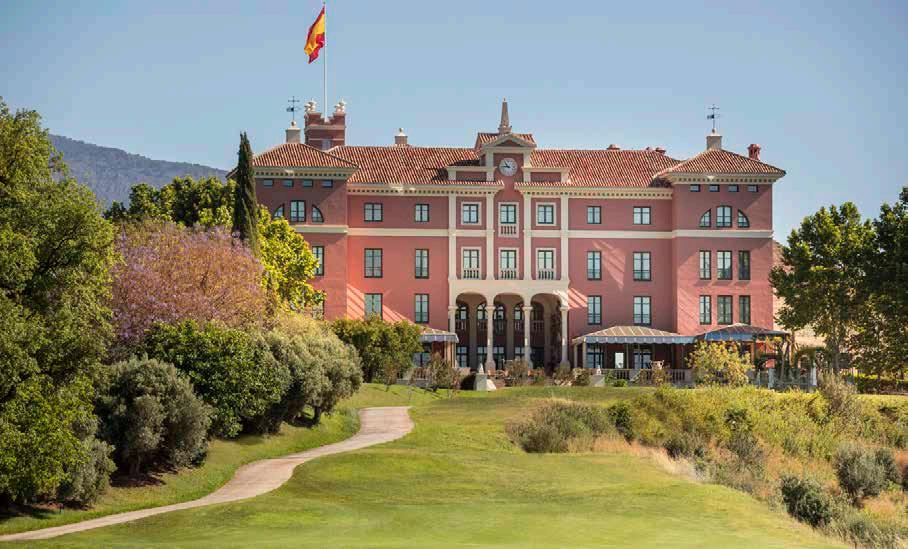
Coincidiendo con el 25.º aniversario de Anantara Hotels & Resorts, la marca celebra la filosofía con la que nació hace un cuarto de siglo en Tailandia: acercar al viajero a la cultura, la gastronomía y el carácter de cada destino, ofreciendo siempre un lugar al que regresar al final del día. Anantara Villa Padierna traslada esa misma forma de entender el viaje a la Costa del Sol, donde el hotel es mucho más que un lugar donde alojarse: es el punto de partida desde el que descubrir el destino.
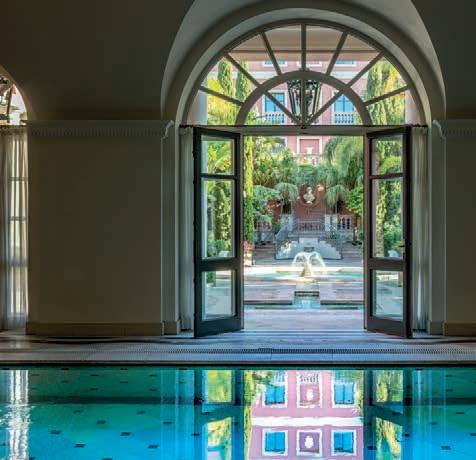
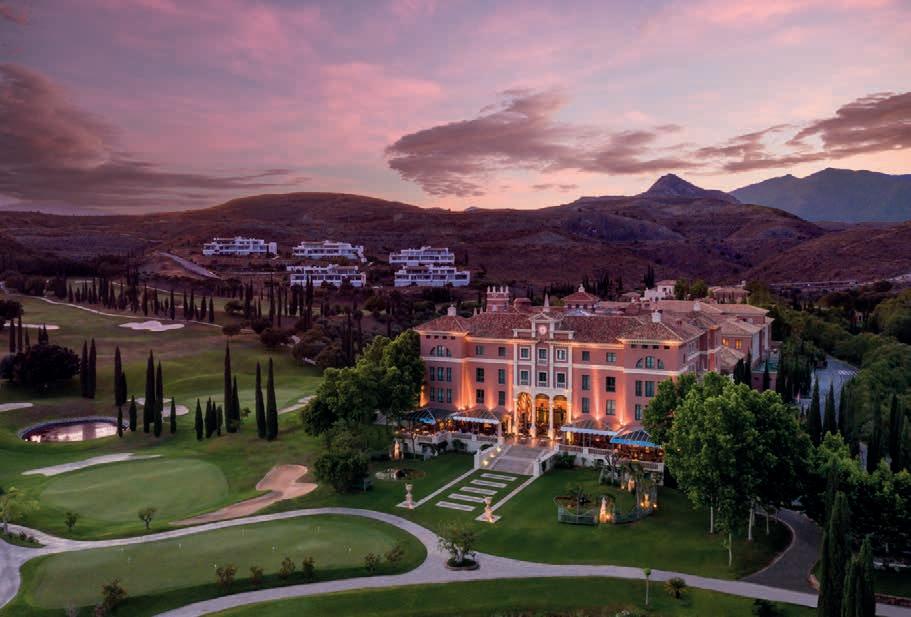
El palacio de estilo toscano en el que se alza Anantara Villa Padierna ocupa varias hectáreas de jardines entre Marbella y Benahavís, y esa posición explica buena parte de su carácter: ni pegado al bullicio de la costa ni desconectado de ella. Sus 125 habitaciones y suites, entre ellas nueve villas privadas con piscina, se reparten entre jardines salpicados de esculturas y piezas de anticuario. Un hotel concebido para que el tiempo dentro tenga tanto valor como el tiempo fuera.
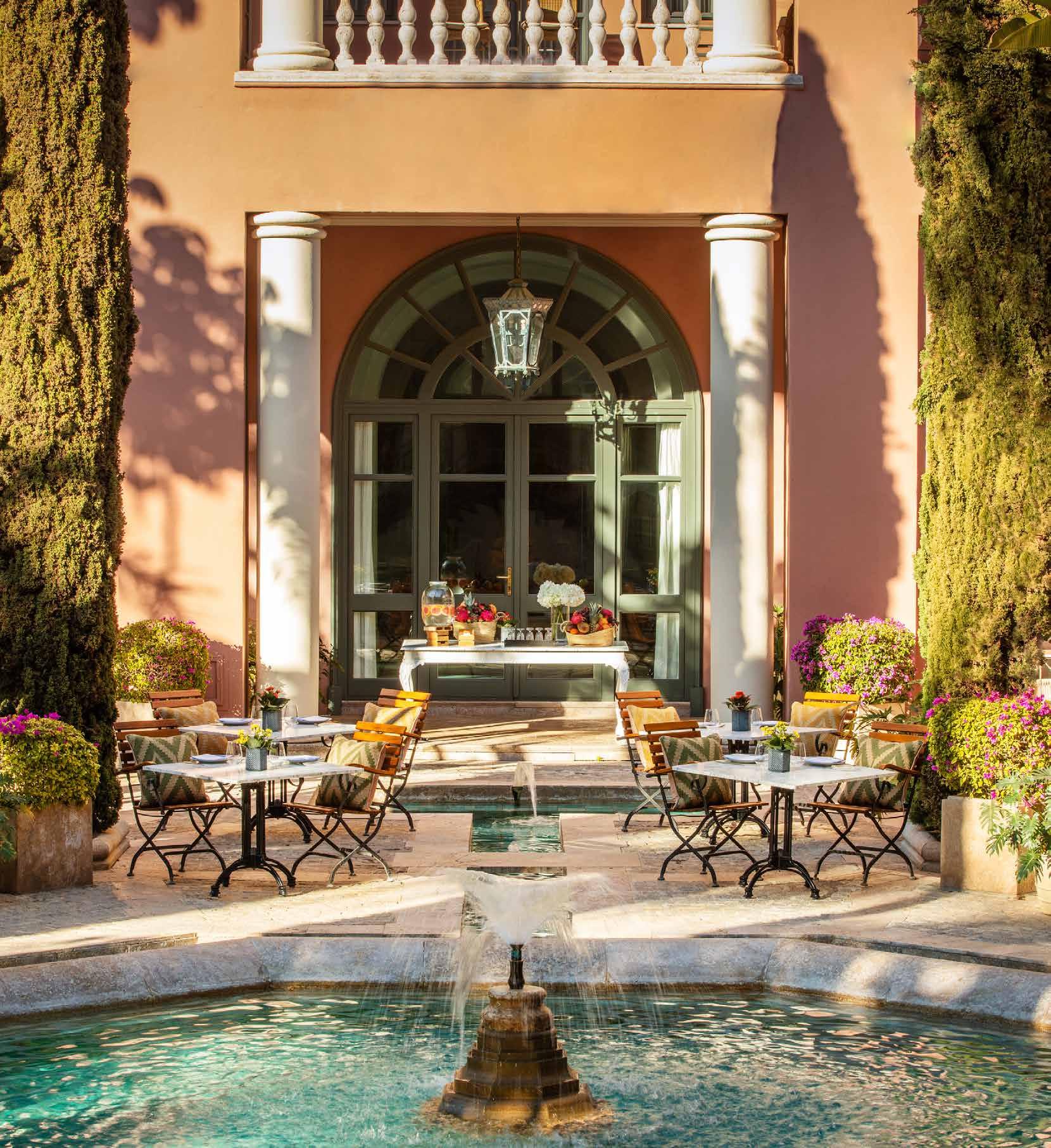
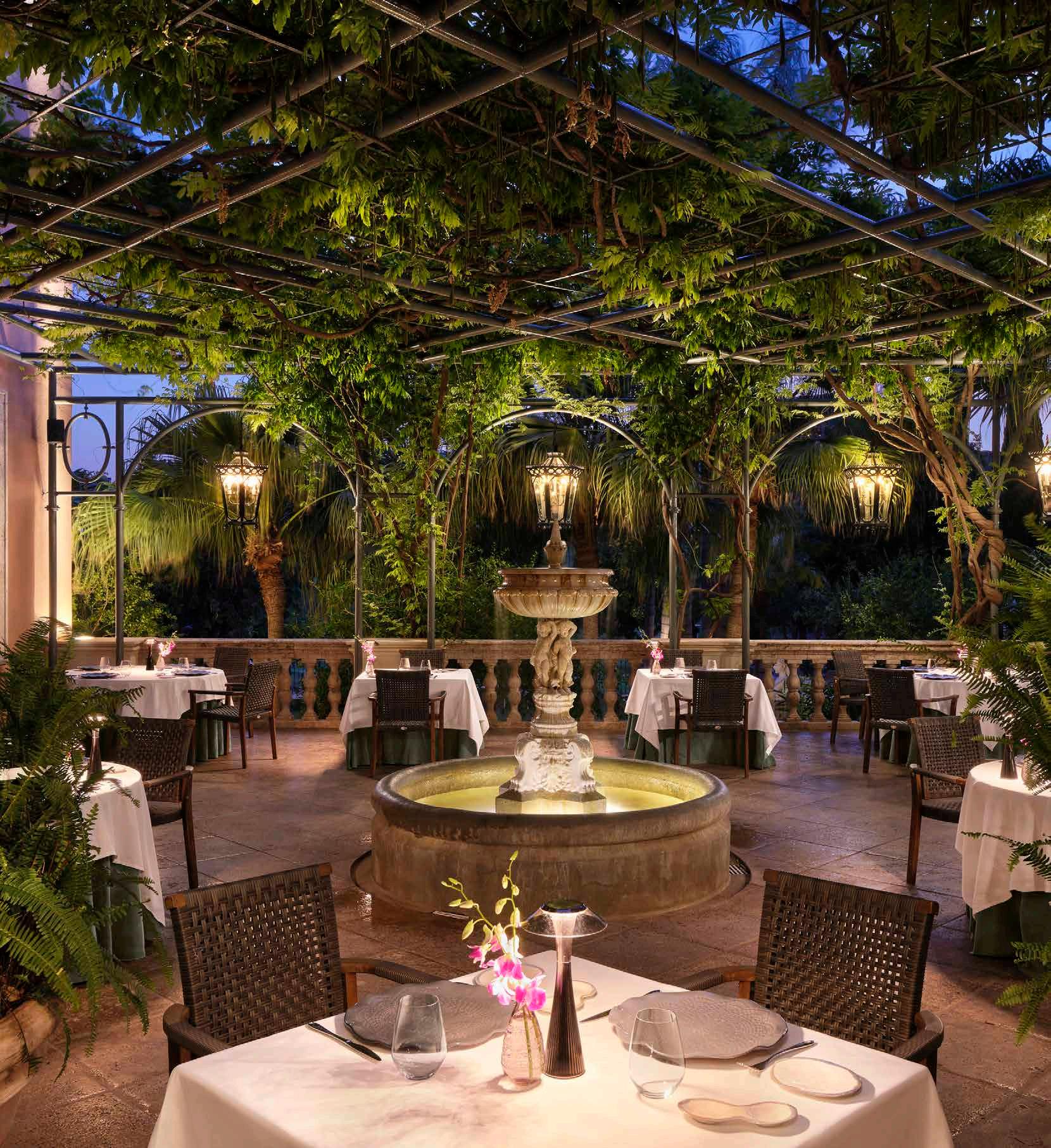
La gastronomía es donde mejor se entiende esa vocación. En La Veranda, el más icónico de la casa, el chef José
Carlos Delgado recupera recetas clásicas con un toque contemporáneo y las cocina frente al comensal, en un jardín presidido por una fuente de piedra. Olà Beirut propone cocina libanesa de producto, con platos como el arnabeet meshwe —coliflor asada con salsa tahini— o el kafta mashwi de cordero y ternera a la brasa. En 99 Sushi Bar, la fusión japonesa se traduce en piezas como la tempura de langostino tigre o el bacalao negro gratinado con miso rojo, y La Loggia cambia de identidad según la hora; cocina malagueña de recetas recuperadas al mediodía, pizza artesana y pasta al dente por la noche, con un Cacio e Pepe elaborado en mesa que es de los más pedidos. Junto al mar, By The Sea Beach Club sirve espetos y paellas casi con los pies en la arena, mientras Hole 55 resuelve el resto del día con una carta informal de desayunos, ensaladas y tapas andaluzas. Ocho espacios, ocho registros distintos, todos sin salir del resort.
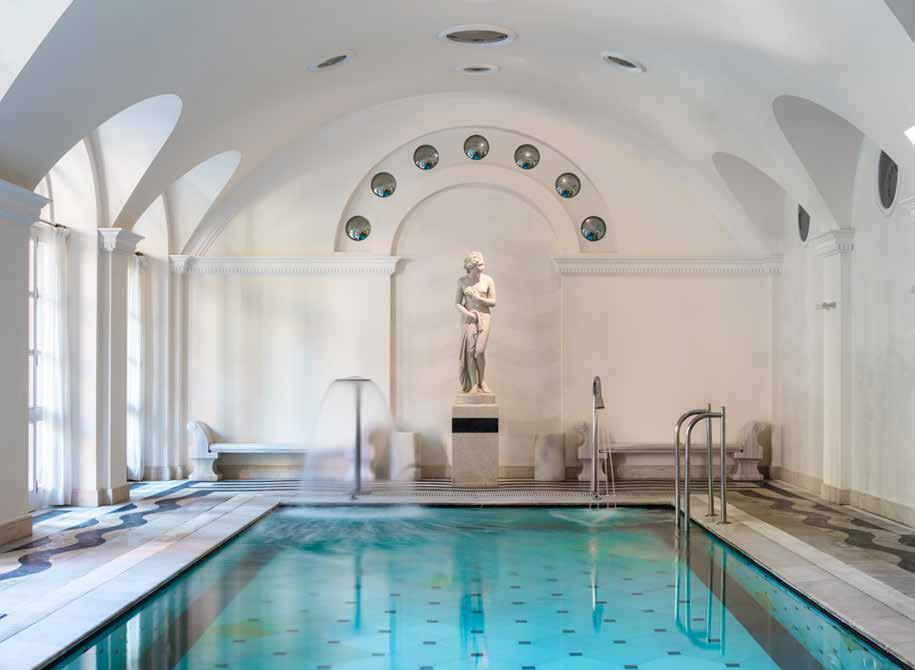
Reconocido como Mejor Spa de Hotel en los Condé Nast Johansens Awards, el Anantara Spa ocupa 2.000 metros cuadrados repartidos entre baños de inspiración romana, circuito de aromaterapia y trece salas de tratamiento. Justo al lado, Irene’s Health Kitchen prolonga esa misma pausa en la mesa, con una carta ligera pensada para acompañar el bienestar más que para interrumpirlo.
Cuando apetece salir, Marbella queda a poco más de un cuarto de hora. El casco antiguo, con la Plaza de los Naranjos como centro, conserva la estructura de pueblo andaluz que la fama posterior nunca terminó de borrar. Puerto Banús, a la misma distancia, cambia de registro por completo, con sus yates y
ambiente animado desde media tarde. Entre ambos queda la Milla de Oro, con algunas de las villas más espectaculares del sur de Europa.
Benahavís, con su tradición gastronómica, está a un paso, igual que sus rutas de senderismo, que recorren el municipio en uno de los paisajes más bellos de la Costa del Sol. La vecina Estepona ofrece sus murales urbanos y el Orchidarium Costa del Sol, su jardín dedicado a la orquídea; hacia el interior, la Sierra de las Nieves y el Puente Nuevo sobre el Tajo de Ronda proponen un cambio de paisaje en poco más de una hora de carretera. Ninguno de estos planes obliga a cambiar de hotel.
Veinticinco años después de su nacimiento, Anantara sigue defendiendo la misma idea con la que comenzó su historia: ayudar al viajero a descubrir un destino sin renunciar a un lugar al que volver. La Costa del Sol se recorre distinta cuando no hace falta cambiar de cama para verla entera. Ese es, en el fondo, el lujo que ofrece Anantara Villa Padierna. El hotel no se limita a formar parte del destino, sino que ayuda a entenderlo. Ese, probablemente, sea el lujo más difícil de encontrar en la Costa del Sol.
Ocho restaurantes, ocho registros distintos, todos sin salir del resort
One base for exploring Marbella and the Costa del Sol
Between Marbella and Benahavís, this Tuscan-style palace brings together eight restaurants, a 2,000-squaremetre spa, an extensive art collection and gardens designed for slowing down — with Marbella and the Costa del Sol’s main attractions all within easy reach.
Anantara turns twenty-five this year, and the campaign marking the anniversary returns to the idea on which the brand was founded in Thailand: to bring travellers closer to a place’s culture and cuisine, while always giving them somewhere worth returning to at the end of the day. On the Costa del Sol, that philosophy has a specific address. Anantara Villa Padierna doesn’t simply offer a room for the night — it provides a base from which to explore the whole coast.
The palace sits between Marbella and Benahavís, its Tuscan-inspired architecture set across several hectares of grounds close enough to the coast without ever feeling caught up in it. Antiques and sculptures are dotted throughout the gardens, while the hotel’s 125 rooms and suites include nine private villas with their own pools. Everything here is built around a simple idea: that time spent inside the grounds should carry as much weight as time spent outside them.
Dining changes character throughout the day without guests ever needing to leave the resort. At La Veranda, the resort’s
signature restaurant, chef José Carlos Delgado reworks classic recipes with a contemporary hand, preparing selected dishes tableside in a garden centred around a stone fountain. Olà Beirut turns to Lebanese cooking — arnabeet meshwe, cauliflower roasted and finished with tahini, or kafta mashwi, grilled lamb and beef with rice. At 99 Sushi Bar, Japanese technique shows up in tiger prawn tempura and black cod glazed with red miso, while La Loggia changes register with the clock: traditional Málaga dishes at lunchtime, followed by handmade pizza and pasta in the evening, with its tableside Cacio e Pepe among the most frequently ordered dishes. Down by the water, By The Sea Beach Club serves grilled fish and paella close enough to hear the waves, and Hole 55 covers the rest of the day with breakfasts, salads and Andalusian tapas. Eight venues, eight different moods, all without leaving the resort.
The Anantara Spa, named Best Hotel Spa at the Condé Nast Johansens Awards, covers 2,000 square metres and includes Roman-style baths, an aromatherapy circuit and thirteen treatment rooms. Next door, Irene’s Health Kitchen keeps that same slower rhythm going at the table, with a lighter menu built to extend the mood rather than break it.
When it’s time to leave the grounds, Marbella’s old town is barely fifteen minutes away — narrow streets and whitewashed façades gathered around the Plaza de los Naranjos. The fame the
town earned later never quite erased its character as an Andalusian village. Puerto Banús, the same distance in the other direction, is a different register entirely: yachts lined along the marina and a promenade that finds its rhythm as the afternoon wears on. Between the two runs the Golden Mile, home to some of the most striking villas on this stretch of coast.
Benahavís, known well beyond its size for its restaurants, is just up the road, with walking routes leading through some of the most striking scenery on the Costa del Sol. West along the water, Estepona offers its street murals and the Orchidarium; inland, the Sierra de las Nieves and Ronda’s Puente Nuevo, spanning the town’s gorge, make for a complete change of scenery in a little over an hour by car. None of it requires changing hotels.
Twenty-five years after it was founded, Anantara remains true to the idea on which it was built: that discovering a destination should not mean sacrificing the pleasure of having somewhere to return to at the end of the day. The Costa del Sol feels different when there is no need to change hotels to experience it in full. Anantara Villa Padierna does more than form part of the destination; it offers a way to understand it. That may be the hardest kind of luxury to find.
Anantara.com •
Eight venues, eight different moods, all without leaving the resort
GREEN FEES EN ESPAÑA
cuando el precio deja de seguir al IPC
GREEN FEES IN SPAIN
when prices start outpacing the CPI
Regiones que aceleran y destinos premium que ni parpadearon
En España llevamos años viendo cómo algunos destinos turísticos han ido “subiendo de categoría”. En hoteles es evidente; en golf empieza a serlo también. No porque el golf se haya vuelto inaccesible de golpe, sino por algo más constante: el green fee pay & play lleva una década encareciéndose con una regularidad que ya no se puede explicar sólo por factores puntuales —pandemia, inflación, energía, tipos de interés—, sino por una tendencia de mercado cada vez más clara.
En Golf in Spain® llevamos cerca de quince años almacenando el precio medio de más de 200 campos de toda España. Esa serie tiene una ventaja para una columna como esta (en una revista de golf, además): permite separar el ruido de la tendencia. Y la tendencia, nos guste más o menos, es clara.
Si miramos la variación anual del precio medio (comparando el mismo mes de cada año para neutralizar la estacionalidad), el green fee medio crece en torno al 5–6% anual, año tras año. Y lo más llamativo es su estabilidad: el ritmo se mantiene cerca de un 6% anual tanto en el trienio previo a la pandemia (2016–2019) como en el más reciente (2022–2025). Es decir, el COVID fue un shock gigantesco… pero no cambió la pendiente de esta historia.
La pandemia, eso sí, dejó un bache visible. En primavera y verano de 2020 el precio medio cayó en torno a un 12% respecto a niveles pre-COVID, reflejando promociones y una demanda trastocada. Pero el bache duró poco: a lo largo de 2022 y 2023 los precios ya habían recuperado —y superado— los niveles de antes de la crisis. Y desde aquel fondo de 2020, el green fee acumula una subida cercana al 37%.
El matiz está en la comparación que, en el fondo, hace cualquier jugador, gerente o profesional, aunque no la verbalice: ¿sube como todo lo demás, o sube más?
El dato que cambia la conversación (green fee vs IPC). Entre 2020 y 2025, el IPC en España acumuló una subida aproximada del 22%. En ese mismo periodo, el green fee sumó cerca de un 37%. No es un pequeño diferencial: es un cambio de categoría en la interpretación. Porque cuando un precio sube parecido al IPC, solemos atribuirlo a costes. Cuando se separa así del IPC, aparece otra explicación: demanda.
El encarecimiento del green fee no responde solo al arrastre de costes (energía, personal, mantenimiento). También refleja una demanda que aguanta, presión sobre franjas más deseadas y, en muchos destinos, menos margen para “absorber” tensión sin tocar precios.
Y aquí entra el punto opinable —y, creo, útil—: en el momento en que el precio deja de seguir al IPC, el debate deja de ser únicamente “cuánto cuesta operar un campo” y pasa a ser también “qué producto estoy ofreciendo y cómo lo sostengo”. Para el jugador, esto se traduce en una sensación: “cada temporada es un escalón”. Para el gestor, en una exigencia: si el mercado paga más, el mercado también compara más.
El mapa (todos suben, pero no todos al mismo ritmo). El alza es generalizada, pero no uniforme. En destinos tradicionalmente más asequibles como la Costa Blanca o la Costa del Sol, los crecimientos recientes han sido especialmente vivos: en torno al +15% y +17% acumulado entre 2023 y 2025, respectivamente. Parte de la explicación es sencilla: partían de niveles más bajos y han ido recortando distancia con zonas de precio más alto.
En los destinos premium, la lectura es distinta: no es tanto “aceleran” como “se mantienen firmes”. Sotogrande, por ejemplo, aparece en nuestra serie con un crecimiento acumulado en el entorno del +33% desde 2019 y un comportamiento más estable que otras zonas en el periodo 2020–2021.
Las islas, por su parte, tienden a un comportamiento más irregular —hay
GOLF CIRCUS
menos masa de campos y la media puede moverse más por decisiones puntuales—, así que conviene interpretarlas con prudencia. Aun así, su crecimiento es bastante más moderado, aunque partían de los precios más altos del país. Pero incluso con esa cautela, el mensaje de fondo no cambia: la dirección es la misma en todas partes; cambia el ritmo, no el sentido.
En conjunto, la media nacional habría subido en torno al +12% en el último trienio. No hay una región relevante del golf español donde el green fee no haya subido en la última década.
Con las tarifas de 2026, la estimación basada en el comparativo de primer semestre 2026 vs. primer semestre 2025 apunta a que el crecimiento podría situarse en el entorno del 8%. Lo importante aquí no es discutir si serán siete u ocho: es la señal. No parece un año de moderación.
La pregunta que no conviene esquivar.
Para el jugador nacional, el mensaje es evidente: los tiempos del golf “barato” quedan cada vez más lejos. Para el visitante extranjero, la conclusión es parecida, con otro matiz: España seguirá siendo competitiva por clima, oferta y variedad, pero cada vez juega más en una liga de destino “de calidad” que de destino “chollo”.
Para el sector, la lectura es más delicada (y más interesante). Un mercado que aguanta precios más altos es una buena noticia… siempre que se sepa acompañar con calidad, experiencia y servicio. Porque en cuanto el green fee corre por delante del IPC, el listón cambia: la conversación se va hacia el valor percibido. Y ahí no basta con tener demanda; hay que merecerla.
Dicho con ánimo constructivo: si el golf en España está subiendo de categoría en precio, conviene hacerse una pregunta igual de incómoda que necesaria: ¿estamos subiendo de categoría al mismo ritmo en experiencia?
*Nota (origen de datos): Golf in Spain, con una serie histórica de precios medios comerciales “pay & play” (franjas y ofertas; no precios rack) de más de 200 campos. Variaciones interanuales en el mismo mes para reducir estacionalidad. Referencia 2026: estimación del primer semestre (2026 vs. 2025), primeros datos de un exhaustivo informe sectorial que estamos preparando.
Regions on the rise and premium destinations that didn’t blink
Spain’s tourist destinations have been trading up for years. It’s obvious in hotels; in golf, it’s starting to show too. Not because the game has suddenly become unaffordable, but because something steadier is at work: the average pay-and-play green fee has been rising for a decade with a regularity that can no longer be pinned on oneoff factors — the pandemic, inflation, energy costs, interest rates — but points instead to a market trend that’s becoming harder to ignore.
rise
At Golf in Spain®, we’ve spent close to fifteen years tracking the average price at more than 200 courses across the country. For a column like this one — in a golf magazine, no less — that record has one clear advantage: it lets us separate the noise from the trend. And the trend, whether we like it or not, is clear.
Look at the year-on-year change in the average price — comparing the same month each year to strip out seasonality — and you see that the green fee has been climbing by around 5–6% annually, year after year. What stands out most is how steady that pace is: it held close to 6% a year both in the three years before the pandemic (2016–2019) and in the most recent three (2022–2025). In other words, COVID was a massive shock… but it never changed the slope of this story.
The pandemic did leave a visible dip. In spring and summer 2020, the average price fell by around 12% against pre-COVID levels, reflecting a mix of promotional pricing and disrupted demand. But the dip didn’t last: over the course of 2022 and 2023, prices recovered — and overtook — pre-crisis
En conjunto, la media nacional habría subido en torno al +12% en el último trienio.
Taken together, the national average is estimated to have risen by around 12% over the last three years.
levels. And since that 2020 low point, the green fee has climbed by close to 37%.
The nuance lies in a comparison every player, manager or professional makes without necessarily putting it into words: is it rising in line with everything else, or rising faster?
The figure that changes the conversation: green fees versus inflation.
Between 2020 and 2025, Spain’s CPI rose by roughly 22%. Over the same period, the green fee climbed by close to 37%. That’s not a small gap — it changes the whole reading. When a price rises in step with the CPI, we tend to put it down to costs. When it pulls away from the CPI like this, another explanation comes into play: demand.
The rising green fee isn’t just about costs being passed on — energy, staffing, maintenance. It also reflects demand that’s holding firm, pressure on the most sought-after tee times and, in many destinations, less room to absorb that pressure without touching the price.
Here’s where the opinion comes in — and, I’d argue, the useful part: once the price stops tracking the CPI, the debate stops being solely about what it costs to run a course and starts being about the quality of the product being offered — and whether that quality can be sustained. For the player, that translates into a feeling: every season is another step up. For the operator, it raises the stakes: if the market is paying more, it is also comparing more. The map: prices are rising everywhere, but not at the same pace.
In destinations that historically sat
below Spain’s highest-priced markets, such as Costa Blanca and Costa del Sol, recent growth has been especially sharp: cumulative increases of around 15% and 17% between 2023 and 2025, respectively. Part of the explanation is straightforward — they started from lower price points and have been closing the gap with higher-priced areas.
In the premium destinations, the story reads differently: it’s less about accelerating than about holding firm. Sotogrande, for instance, shows cumulative growth of around 33% since 2019 in our series, with steadier behaviour than other areas through 2020–2021.
The islands, for their part, tend to behave more erratically. There are fewer courses in the sample, meaning that pricing decisions by individual courses can have a greater impact on the average, so their figures are worth reading with some caution. Even so, their growth has been considerably more moderate, despite already having the highest prices in the country. But even with that caveat, the underlying message doesn’t change: the direction is the same everywhere; only the pace differs.
Taken together, the national average is estimated to have risen by around 12% over the last three years. There isn’t a single major golf region in Spain where green fees haven’t risen over the past decade.
As for 2026 rates, the estimate based on comparing the first half of 2026 with the first half of 2025 points to growth of around 8%. What matters here isn’t whether the final figure lands at seven or eight — it’s the signal. This doesn’t
look like a year of moderation.
The question that cannot be avoided.
For the domestic player, the message is clear: the days of “cheap” golf are receding further into the past. For the overseas visitor, the conclusion is similar, with a slightly different edge: Spain will remain competitive thanks to its climate and the breadth and variety of its golf offering, but it is increasingly competing as a quality destination rather than a bargain one.
For the industry, the reading is trickier — and more interesting. A market that can bear higher prices is good news… provided those prices are matched by quality, experience and service. Because once the green fee outruns the CPI, the bar shifts: the conversation moves to perceived value. And there, demand alone isn’t enough — you have to earn it.
Said in a constructive spirit: if golf in Spain is moving upmarket, it is worth asking an equally uncomfortable and necessary question: is the experience improving at the same pace?
*Note on data: Golf in Spain, based on a historic series of average commercial payand-play prices across different tee-time bands and offers, rather than published rack rates, at more than 200 courses. Yearon-year comparisons use the same month to reduce seasonality. The 2026 reference is an estimate based on the first half of the year compared with the same period in 2025, using preliminary data from a comprehensive industry report currently in preparation.
GOLF
CRANS-MONTANA EL VERANO A OTRA ALTURA
Para quienes prefieren temperaturas más suaves en pleno agosto, Crans-Montana demuestra que el verano también puede convertirse en temporada alta. A más de 1.500 metros de altitud, el histórico escenario del Omega European Masters ha hecho del golf uno de los grandes argumentos del verano alpino.
THE OTHER HIGH SEASON
For golfers who prefer cooler air in August, Crans-Montana has quietly turned itself into a summer destination in its own right — one where altitude changes the game as much as the scenery.
GOLF
Dos vidas, un mismo altiplano
Durante más de un siglo, Crans-Montana ha sido conocida como estación de esquí. Hoy también es un destino de golf, aunque esa historia comenzó casi al mismo tiempo.
Pocos destinos alpinos igualan el currículum de nieve del Haut-Plateau: aquí se disputó en 1911 la Roberts of Kandahar Challenge Cup, considerada la primera carrera de descenso de la historia del esquí; en 1936 se inauguró el primer telesquí suizo, y en 1987 acogió un Mundial de Esquí Alpino en el que el equipo local se llevó ocho de los diez oros en juego. De cara a 2027 ha sido designada de nuevo sede del Mundial. Es, sin discusión, un lugar que vive para el invierno.
Lo que ese palmarés no cuenta es que el golf lleva casi el mismo tiempo instalado en el altiplano. Los primeros nueve hoyos se trazaron en 1906, obra de los arquitectos británicos Freemantle y Gedge; los otros nueve llegaron dos años después. La Primera Guerra Mundial truncó el proyecto. Los británicos abandonaron el altiplano y el campo quedó en desuso durante casi una década, hasta que en 1924 se formalizó el Golf Club Crans-sur-Sierre y, en 1929, se inauguró el recorrido completo de 18 hoyos tal y como se conoce hoy. El cambio no ha sido inventar el verano. Ha sido decidir tomárselo en serio.
Two seasons, one plateau
For more than a century, Crans-Montana has meant one thing: skiing. These days it means golf too, though that story is almost as old as the one everyone already knows.
Few Alpine resorts can match the HautPlateau’s winter record. The Roberts of Kandahar Challenge Cup, widely regarded as the first downhill ski race in history, was held here in 1911. Switzerland’s first ski lift opened in 1936. The Alpine World Ski Championships came to town in 1987, with the home team taking eight of the ten golds on offer, and the Championships return again in 2027. This is, by any measure, a place built for snow.
What that record doesn’t mention is that golf arrived on the plateau at almost the same time. The first nine holes were laid out in 1906 by the British architects Freemantle and Gedge; the second nine followed two years later. The First World War cut the project short — the British left, and the course sat unused for the best part of a decade, until the Golf Club Crans-sur-Sierre was formally established in 1924 and the full eighteen holes opened in 1929, largely as they’re played today. The change in recent years hasn’t been inventing summer. It’s been taking it seriously.
A más de 1.500 metros, la menor densidad del aire reduce la resistencia sobre la bola.
Above 1,500 metres, thinner air offers less resistance.
El aire que cambia el juego
El primer indicio no llega por los ojos, sino por la sensación en las manos. Un golpe que debería quedarse corto sigue subiendo, se mantiene suspendido un instante de más y cae donde no tocaba. Un hierro 7 llega donde normalmente haría falta un 6, y la sorpresa se repite hoyo tras hoyo hasta dejar de parecer casualidad. A más de 1.500 metros, la menor densidad del aire reduce la resistencia sobre la bola. Vuela más tiempo, pierde menos velocidad y puede recorrer hasta un 10% más de distancia que al nivel del mar. Con menos aire frenando el giro, la trayectoria se aplana y la bola corre más al llegar al suelo. Tampoco perdona cerca de bandera: el mismo efecto que estira los golpes de salida hace que los approaches con giro no se frenen en el green como en la costa, y el jugador aprende, casi sin querer, a jugar el bote en vez de la parada. Nadie lo explica antes del primer tee, y es justo lo que hace que merezca la pena subir a comprobarlo: aquí la altitud no se mira, se juega.
The air that changes the game
The first clue isn’t visual. It’s in the hands. A shot that should fall short keeps climbing, hangs in the air a beat longer than expected, and lands well beyond where it should have finished. A 7-iron does the work of a 6, and the surprise repeats often enough, hole after hole, to stop feeling like luck. Above 1,500 metres, thinner air offers less resistance: the ball flies longer, sheds less speed, and can travel up to 10% further than it would at sea level. With less air to grip the spin, the flight flattens out and the ball runs further once it lands. The effect is just as noticeable around the greens — approach shots with spin don’t check up the way they would on the coast, and golfers learn, almost without meaning to, to play the bounce rather than the stop. Nobody mentions this on the first tee. It’s exactly why it’s worth finding out for yourself: up here, altitude isn’t something you watch. It’s something you play.
Un campo que no necesita moda para justificarse
El Golf Club Crans-sur-Sierre acoge desde 1939 el Omega European Masters, y ha visto ganar a nombres como Nick Faldo, Colin Montgomerie o Sergio García. Pero ningún vínculo pesa tanto como el de Severiano Ballesteros. Ganó aquí en 1977 y 1978, con apenas veinte y veintiún años — dos de las primeras grandes victorias de una carrera que acabaría sumando cinco grandes. Volvió a ganar en 1989, y en 1993 protagonizó uno de los golpes más recordados de la historia del golf: un chip imposible entre árboles y por encima de un muro que cayó dentro del hoyo en la última jornada, persiguiendo un cuarto título que esta vez se le escapó por un golpe. Dos años más tarde regresó, ya no como jugador sino como arquitecto, para remodelar el mismo trazado donde se había forjado. Desde el Omega European Masters de 2002, el campo lleva su nombre.
Crans-Montana no necesitó ninguna moda de golf de altitud para hacerse un nombre, porque llevaba desde los años setenta escribiendo parte de la historia grande del golf europeo. Las calles se abren entre bosque y prado con el Cervino —la cumbre piramidal que marca la frontera entre Suiza e Italia— dominando el horizonte, una combinación de altitud, historia y paisaje que sigue convirtiendo a Crans-Montana en la referencia del golf alpino europeo.
Long before it was fashionable
The Golf Club Crans-sur-Sierre has hosted the Omega European Masters since 1939, and the winners’ list runs through Nick Faldo, Colin Montgomerie and Sergio García. No name carries more weight here than Severiano Ballesteros. He won in 1977 and 1978, aged twenty and twenty-one — two of the earliest highlights in a career that would go on to include five majors. He won again in 1989, and in 1993 played
one of the most talked-about shots in golf history: an impossible escape through the trees and over a wall, followed by a holed chip on the final day, chasing a fourth title that finished one shot short. Two years later he came back — not as a player this time, but as its architect — to rework the same course where he’d made his name. Since the 2002 Omega European Masters, it has carried his name.
Crans-Montana never needed an altitudegolf trend to make its case. It had already spent decades writing itself into European golf’s bigger story. The fairways run between forest and meadow with the Matterhorn — the pyramid-shaped peak on the Swiss-Italian border — filling the horizon, a combination of altitude, history and scenery that still makes CransMontana one of Europe’s benchmarks for Alpine golf.
Un movimiento, no una excepción
Crans-Montana ya no es un caso aislado. Estaciones alpinas de Suiza y Austria están impulsando el golf como eje del verano, integrándolo con el senderismo, la bicicleta o el descanso. El fenómeno es reciente, pero ya tiene nombre entre algunos operadores turísticos: playcation, una escapada que combina varias formas de disfrutar de un mismo destino sin que ninguna dependa de la otra.
La ventana útil va de junio a septiembre, cuando la nieve libera por completo los recorridos y las temperaturas en el altiplano rondan los 20-24 grados.
Basta un par de hoyos para entender que aquí el golf se juega con otra tabla de distancias. El resto llega solo — un aire más ligero, temperaturas que invitan a caminar y un Cervino que acompaña la vuelta desde el horizonte. Durante décadas, Crans-Montana fue sinónimo de invierno. Hoy demuestra que una gran estación también puede encontrar en el verano una temporada con identidad propia.
A movement, not an exception
Crans-Montana isn’t an isolated case any more. Alpine resorts across Switzerland and Austria are building their summers around golf, alongside hiking, cycling and simply slowing down. The trend is recent, but it already has a name among tour operators: the playcation, a single trip that combines several ways of enjoying a destination without any one of them taking priority over the rest.
Best time to play
The window runs from June to September, once the snow has fully cleared the fairways and temperatures on the plateau settle somewhere between 20 and 24 degrees.
It takes only a couple of holes to understand that the numbers work differently up here. The rest follows on its own: lighter air, weather that makes walking a pleasure, and the Matterhorn tracking the round from the horizon. For decades, Crans-Montana was shorthand for winter. Today it proves that a great Alpine resort doesn’t have to choose between winter and summer. It simply learned how to excel at both.
...una combinación de altitud, historia y paisaje que sigue convirtiendo a Crans-Montana en la referencia del golf alpino europeo.
...a combination of altitude, history and scenery that still makes Crans-Montana one of Europe’s benchmarks for Alpine golf.
Cuándo subir
JOSÉ CARLOS GARCÍA
Volver a casa para empezar de nuevo
Entre junio y agosto, un menú irrepetible resume quince años de cocina frente al Puerto de Málaga antes de que José Carlos García traslade su restaurante trescientos metros más allá, al Café de París, el local familiar donde empezó como cocinero. Primer malagueño en conseguir una estrella Michelin, el chef repasa con Golf Circus el peso de haber sido pionero, la evolución de una cocina que dejó de disculparse por existir y lo que espera sentir al volver a casa.
“Málaga
ha tenido una cocina excelente toda la vida. Lo que nos ha faltado, y me incluyo, es que fuimos demasiado prudentes, un poco acomplejados.”
GOLF
Una estrella que llegó sin avisar
Fue en el Café de París —el mismo local al que ahora regresa— donde José Carlos García se convirtió, hace ya veinte años, en el primer cocinero malagueño en conseguir una estrella Michelin. Admite que tuvo que aprender sobre la marcha lo que significaba ese reconocimiento.
“Fue una sorpresa muy grata poder participar en esa familia que era Michelin y aportarle a mi ciudad algo que nunca había tenido. Desde 1910, que existe la guía, Málaga no había tenido estrella. Supuso una torta sin manos, porque no sabía la responsabilidad ni la magnitud que tenía en ese momento. Llevé ese liderazgo veinte años, desgraciadamente solo. Gracias a Dios, eso cambió, y ya somos cuatro compañeros construyendo un destino gastronómico. Jugar solo, con el balón para mí, llegó a ser hasta aburrido. Me gusta jugar en equipo.”
Una cocina que dejó de disculparse
Para José Carlos, la transformación de la gastronomía malagueña durante estas dos décadas no ha sido de producto — que, según él, siempre estuvo ahí— sino de actitud.
“Málaga ha tenido una cocina excelente toda la vida. Lo que nos ha faltado, y me incluyo, es que fuimos demasiado prudentes, un poco acomplejados. Nos hemos criado con los mejores productores, las mejores croquetas, las mejores frituras, las mejores sopas frías del país, solo que no lo contábamos. Hasta que llegó un momento en que nos plantamos y dijimos aquí estamos. Si usted sabe freír mejor, venga y enséñenos. Ha sido nuestra espontaneidad, más que ninguna otra cosa, lo que ha cambiado, porque nos quitó complejos y nos dio visibilidad para mostrar lo que ya sabíamos hacer. Quiero agradecer a los productores que siempre nos dieron ese producto. Lo que no habíamos sabido era comunicarlo.”
Un menú que no volverá a repetirse
Durante junio, julio y agosto, José Carlos García sirve en el Muelle 1 un menú que recorre sus quince años de trayectoria como una línea del tiempo comestible, desde el Polvorón de pipas de girasol
“La cocina estará abierta, nos van a ver a todos trabajando, y ahí no hay estridencia. El único lujo que hay aquí es que el servicio esté atento a ti, el lujo silencioso. “
(2011) hasta el Tagliatelle de chipirón con copos de atún y manzana verde (2026), pasando por el Ajo blanco con mango y anguila ahumada (2017) o la Lubina con gazpachuelo (2015). Un homenaje que no se repetirá, porque el chef ya mira hacia el Café de París, el local familiar donde empezó su carrera y donde reabrirá muy pronto, a solo trescientos metros del puerto.
Le preguntamos qué plato de estos quince años salvaría para llevarlo como estandarte a la nueva casa.
“Las quisquillas con zumo de pimiento asado, yogur y eneldo van a seguir formando parte de la carta. Es un plato que ya se ha probado mil veces tal cual, pero ha tenido tantos aplausos que tiene que venir con nosotros. Y con él, el ajo blanco, el gazpachuelo, el pichón, la fritura de cigala con lechuga... Podría estar horas hablando de platos.”
“Tan solo cambiamos la ubicación, pero los cambios hay que hacerlos con cuidado y mucho respeto. “
“...hay que volver a conquistar, otra vez, a nuestro cliente. Eso nos hace mejores personas, más humildes. Escuchar es lo importante.”
GOLF
Sentirse en casa, aunque sea la primera vez
Le preguntamos qué quiere que sienta un cliente en los primeros cinco minutos dentro del nuevo Café de París.
“Esa pregunta no me la había hecho nadie, y es la que me tiene el sueño quitado. Buscábamos un lugar industrial, acogedor pero extrovertido. Quiero que entres a una casa donde te vas a encontrar a Lourdes, a Darío, a Salva, y que cuando te sientes a la mesa, te encuentres como en casa. Que, si hablas alto, estés tranquilo; que, si te echas una risa, también. La cocina estará abierta, nos van a ver a todos trabajando, y ahí no hay estridencia. El único lujo que hay aquí es que el servicio esté atento a ti, el lujo silencioso. Que te apetece una cigala, te la comes; que te apetece un pimiento, también es de lujo. Esa es la sensación, que sientas como en un hogar, aunque sea la primera vez que vienes.”
El regreso, insiste, no es solo un cambio de dirección. “Tan solo cambiamos la ubicación, pero los cambios hay que hacerlos con cuidado y mucho respeto. Aquí tenemos una cartera de clientes, un bagaje, una sabiduría..., pero hay que volver a conquistar, otra vez, a nuestro cliente. Eso nos hace mejores personas, más humildes. Escuchar es lo importante.”
Lourdes,
el equipo detrás del protagonista
Volver al Café de París también obliga a mirar quiénes han sostenido el proyecto durante todos estos años. En ese recorrido, José Carlos sitúa a Lourdes en un lugar decisivo.
“Este es el proyecto que empezamos hace dieciséis años, quince aquí y uno antes. En paralelo hay una vida personal, una familia, que hemos conseguido llevar también. Lourdes me ha ayudado a corregir, a seguir, y cuando ha visto que yo podía correr, me ha dejado ganar. Es como en la Fórmula Uno, el piloto que deja ganar al compañero. Yo he sido siempre el protagonista, pero ha sido gracias a ella. Nunca ha querido colgarse una medalla, y yo he sido consciente de que no estaría aquí sin ella.”
Con su padre, reconoce, la relación fue
“Lourdes
me ha ayudado a corregir, a seguir, y cuando ha visto que yo podía correr, me ha dejado ganar. Es como en la Fórmula Uno, el piloto que deja ganar al compañero. Yo he sido siempre el protagonista, pero ha sido gracias a ella. Nunca ha querido colgarse una medalla, y yo he sido consciente de que no estaría aquí sin ella.”
“Mi padre es muy exigente, muy militar, un cocinero disciplinado y muy duro. No tengo una palmadita ni de coña.”
distinta. “Fue una lucha más difícil, porque éramos dos titanes, yo quería ganar mi sitio y él estaba en el suyo.”
Con Lourdes, el equipo se construyó de otra manera, turnándose para tirar, para descansar, “y al final las etapas se ganan así.”
Le pedimos que imagine a su padre sentado en una mesa del nuevo Café de París, viéndolo volver al origen de todo.
“Mi padre es muy exigente, muy militar, un cocinero disciplinado y muy duro. No tengo una palmadita ni de coña. Pero estos últimos días, que ya está viendo cosas bonitas, me lo he imaginado sentado en la mesa, y espero que sienta orgullo. También que me siga corrigiendo y dándome esos consejos tan sabios, aunque hay alguna bronca. Eso no lo descarto.”
Quince años después de marcharse, José Carlos García vuelve al Café de París. No para recuperar lo que dejó allí, sino para empezar de nuevo desde el único lugar que nunca dejó de ser su casa.
GOLF CIRCUS
“No somos una revista de golf. Somos una revista de los lugares a los que el golf te lleva.
Y de cómo esos lugares se construyen, se posicionan y se eligen.”