Understanding Painful and Heavy Periods: When to Seek Expert Care
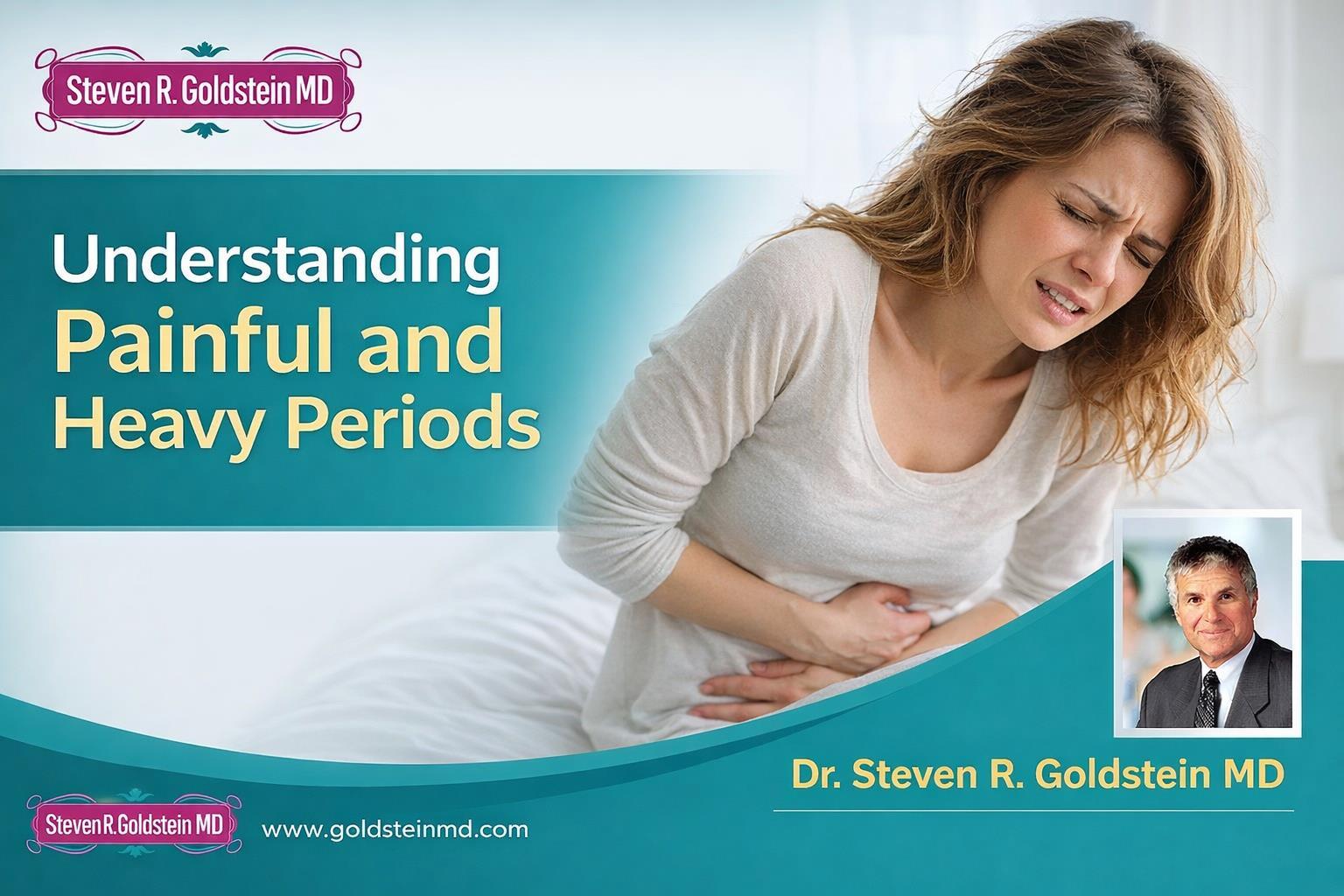
For many women, menstruation comes with some level of discomfort. According to Women’s Health Concern, up to 80% of women experience painful periods at some point in their lives. However, for about five to ten percent of women, the pain becomes severe enough to disrupt daily life. This condition, known as dysmenorrhoea, is more than just a routine inconvenience it can significantly affect work, relationships, and overall well-being. If you are dealing with persistent pain or unusually heavy bleeding, it may be time to consult Dr Steven R. Goldstein a gynecologist in NYC for proper evaluation and care.
While mild cramping is common, certain symptoms should raise concern. These include intense pelvic pain that interferes with normal activities, menstrual bleeding that lasts longer than a week, unusually heavy flow, or frequent need to change sanitary products. Some women may also experience fatigue or dizziness due to excessive blood loss. Over time, chronic heavy bleeding can even lead to irondeficiency anemia, which may cause weakness, shortness of breath, and difficulty concentrating. These symptoms may point to an underlying condition rather than typical menstrual discomfort and should not be ignored.
One condition that often goes undiagnosed is adenomyosis. This is a benign but painful disorder in which the inner lining of the uterus grows into the muscular wall
of the uterus. The tissue continues to behave as it normally would during the menstrual cycle it thickens, breaks down, and bleeds. However, because it is embedded in the uterine muscle, it can lead to an enlarged uterus, severe cramping, and prolonged, heavy bleeding. Many women describe the pain as deep, persistent, and worsening over time. Women experiencing both pain and heavy periods may benefit from seeing a specialist like Dr. Steven R. Goldstein, a highly respected expert in diagnosing these conditions.

Accurate diagnosis is essential because adenomyosis is often mistaken for uterine fibroids. Although the symptoms may be similar, the treatment approaches can differ significantly. Misdiagnosis can delay effective treatment and prolong discomfort. This is why seeking evaluation from an experienced physician is critical. Today, advances in gynecologic imaging have made it possible to distinguish between these conditions quickly and accurately, allowing patients to receive the most appropriate care without unnecessary delays.
One of the most effective tools used today is the transvaginal ultrasound. This method provides high-resolution images of the uterus, including the lining and muscular wall. It allows physicians to detect abnormalities such as displaced tissue, uterine enlargement, or irregularities in the endometrial lining. The procedure is minimally invasive, typically painless, and completed in a matter of minutes. For many patients, it serves as the first and most important step in identifying the cause of painful or heavy periods.
Another valuable diagnostic tool is sonohysterography, also known as saline infusion sonography. In this procedure, a small amount of sterile saline is introduced into the uterus while an ultrasound is performed. The saline enhances the visibility of the uterine cavity, producing even clearer images than a standard ultrasound alone. This
technique is especially useful for identifying subtle abnormalities that might otherwise go unnoticed. It provides physicians with a detailed view that supports a more accurate and confident diagnosis, all while remaining comfortable for the patient.
Experts like Dr. Steven R. Goldstein have played a significant role in advancing these non-invasive diagnostic techniques. With over 35 years of experience, he is widely recognized as a leader in gynecologic ultrasound. He is a tenured professor at the New York University School of Medicine and as the former Director of Gynecologic Ultrasound at New York University Medical Center. His work has helped transform how gynecologic conditions are diagnosed, shifting the field away from invasive procedures and toward safer, more patient-friendly approaches. For women searching for a trusted NYC gyn, this level of expertise can make a meaningful difference in both diagnosis and treatment outcomes.
Despite the availability of advanced care, many women delay seeking help, often normalizing their symptoms or assuming that nothing can be done. Cultural attitudes and busy lifestyles can also contribute to postponing medical visits. Unfortunately, this delay can lead to worsening symptoms and reduced quality of life. Early evaluation can provide faster relief, more treatment options, and help prevent complications such as anemia or chronic pelvic pain. Consulting a leading gynecologist in NYC like Dr Steven R. Goldstein early on allows patients to take a proactive approach to their health and avoid unnecessary suffering.
Modern gynecological care is designed with patient comfort in mind. Physicians today emphasize non-invasive procedures, efficient in-office diagnostics, and open communication. This approach helps reduce anxiety and ensures that patients feel informed and supported throughout the process. Many diagnostic procedures can be completed during a single visit, allowing for quicker answers and faster treatment planning. This is a significant improvement over older methods that often required multiple appointments and more invasive techniques.
Once a diagnosis is made, treatment can be tailored to each individual’s needs. Options may include hormonal therapies, such as birth control pills or intrauterine devices, which can help regulate the menstrual cycle and reduce bleeding. Pain management strategies, including anti-inflammatory medications, may also be recommended. In some cases, minimally invasive procedures can be used to address the underlying condition directly. Surgical options are generally considered only when other treatments have not been successful or when symptoms are particularly severe. A knowledgeable NYC gyn like Dr Steven R. Goldstein will work closely with each patient to develop a personalized treatment plan that aligns with their health goals and lifestyle.
In addition to medical treatments, lifestyle factors can also play a role in managing symptoms. Maintaining a healthy diet rich in iron can help counteract the effects of heavy bleeding. Regular exercise may improve circulation and reduce stress, which can sometimes alleviate symptoms. Stress management techniques such as
mindfulness, yoga, or meditation can also be beneficial, as stress can exacerbate pain perception. While these approaches are not substitutes for medical care, they can complement treatment and contribute to overall well-being.
It is also important to recognize the emotional impact that chronic menstrual issues can have. Persistent pain and heavy bleeding can affect mood, energy levels, and confidence. Women may feel frustrated, isolated, or discouraged, especially if their symptoms have been dismissed or misunderstood in the past. Seeking care from an experienced and compassionate provider can make a significant difference, not only in physical health but also in emotional well-being. Feeling heard and validated is an essential part of the healing process.
Your menstrual cycle is a vital sign of your reproductive health. Persistent pain or heavy bleeding should never be dismissed as normal without proper evaluation. These symptoms are your body’s way of signaling that something may be wrong. By seeking care from a qualified specialist, you can gain clarity, receive an accurate diagnosis, and explore effective treatment options that improve your quality of life.
In conclusion, while painful and heavy periods are common, they are not always normal. Conditions like adenomyosis can significantly impact daily life but are manageable with proper diagnosis and care. Thanks to advancements in gynecologic ultrasound and the work of experts like Dr. Steven R. Goldstein, women no longer have to endure painful diagnostic procedures. If your symptoms are affecting your daily routine, seeking professional guidance could be the first step toward lasting relief, improved comfort, and better long-term health.