
Understanding Endometrial Polyps: Causes, Symptoms, Diagnosis, and Treatment

The uterus is a remarkable organ, designed to nurture life and sustain the delicate balance of a woman’s reproductive system. Its inner lining, known medically as the endometrium, plays a crucial role in the menstrual cycle and overall gynecologic health. However, like many parts of the body, this lining can sometimes develop abnormalities. One of the most common of these is the formation of endometrial polyps growths that occur within the uterine cavity and can impact women at various stages of life.
Endometrial polyps are relatively common intrauterine lesions that are typically benign. In many cases, women may not even realize they have them because they often produce no noticeable symptoms. The most common type, known as a proliferative polyp, represents an overgrowth of endometrial glands and supporting tissue (stroma). While these
growths are usually noncancerous, they can still interfere with normal uterine function and, in some cases, lead to complications such as abnormal uterine bleeding or infertility.
One of the defining challenges with endometrial polyps is their silent nature. Many women only discover them during routine evaluations or when investigating other symptoms. However, when symptoms do occur, abnormal uterine bleeding is the most common. Studies indicate that approximately 68% of both premenopausal and postmenopausal women with endometrial polyps experience some form of irregular bleeding. This may present as heavy menstrual periods, spotting between cycles, or bleeding after menopause an especially important symptom that should never be ignored.
For women seeking answers to these symptoms, consulting a qualified gynecologist in NYC can be an essential first step. A thorough evaluation not only helps identify the presence of polyps but also rules out other potential causes of abnormal bleeding, such as fibroids, hormonal imbalances, or more serious conditions.
In addition to abnormal bleeding, endometrial polyps can sometimes be associated with infertility. Although not all polyps interfere with conception, their presence can disrupt the normal environment of the uterus, potentially affecting implantation. For women trying to conceive, identifying and addressing these growths can be a critical part of fertility care.
A key figure in advancing the understanding and diagnosis of endometrial polyps is Dr. Steven R. Goldstein. Widely recognized as one of the nation’s leading experts in gynecologic imaging, Dr. Goldstein has dedicated his career to improving non-invasive diagnostic techniques that provide clarity and comfort for patients. As a former Director of Gynecologic Ultrasound at NYU Langone Medical Center and past President of the American Institute of Ultrasound in Medicine, his contributions have shaped modern approaches to evaluating uterine conditions.
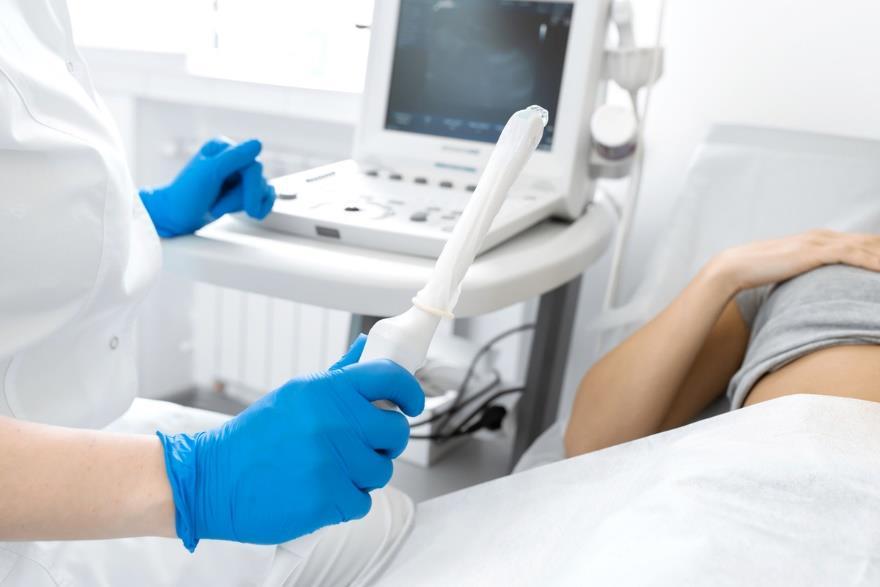
Dr. Goldstein specializes in non-invasive, painless diagnostic procedures such as transvaginal ultrasound and sonohysterography. These tools are essential in identifying the presence of endometrial polyps and distinguishing them from other uterine abnormalities. Unlike more invasive methods, these imaging techniques allow for a comprehensive view of the uterus and surrounding structures, including the fallopian tubes, ovaries, and cervix.
One of the complexities in diagnosing endometrial polyps lies in how they appear in different patients. In premenopausal women, the endometrium can be thick due to hormonal activity, which may obscure or camouflage polyps during imaging. This makes detection more challenging and increases the need for precise diagnostic tools. In contrast, postmenopausal women typically have a thinner endometrial lining, allowing polyps to be more easily visualized. However, even in these cases, careful evaluation is still necessary to ensure accurate diagnosis.
This is where sonohysterography, also known as saline infusion sonography (SIS), becomes particularly valuable. During this procedure, a very small catheter approximately the size of a swizzle stick is gently inserted into the cervix. A small amount of sterile saline, about a tablespoon, is then introduced into the uterine cavity. This simple step creates a dramatic improvement in visualization. By gently separating the front and back walls of the uterus, the saline allows for a clear and detailed view of the endometrial lining.
The result is an almost microscopic level of precision in imaging, enabling the physician to identify even small polyps that might otherwise go unnoticed. This level of clarity is one of the reasons why sonohysterography has become a preferred diagnostic tool for evaluating abnormal uterine bleeding and suspected intrauterine abnormalities.
Another advantage of these imaging techniques is that they provide a comprehensive picture of the entire pelvic region. Unlike endometrial biopsies, which only sample a small portion of tissue, transvaginal ultrasounds and sonohysterograms visualize the full anatomy. This broader perspective allows for more accurate diagnoses and more informed treatment decisions. Patients benefit from a clearer understanding of their condition without the discomfort often associated with more invasive procedures.
For women navigating these concerns, working with an experienced NYC Gyn like Dr Goldstein who is skilled in advanced imaging techniques can make a significant difference in both diagnosis and treatment outcomes. Expertise in interpreting these images is just as important as the technology itself, ensuring that subtle findings are not overlooked.
When it comes to treatment, the approach to endometrial polyps depends on several factors, including the patient’s age, symptoms, and reproductive goals. In asymptomatic cases, especially when polyps are small and discovered incidentally, careful monitoring may be all that is required. However, when symptoms such as abnormal bleeding or infertility are present, removal of the polyp is often recommended.
Polypectomy, the surgical removal of a polyp, is typically a straightforward and minimally invasive procedure. It is often performed using hysteroscopy, a technique that allows the physician to visualize the inside of the uterus and remove the polyp with precision. This not only alleviates symptoms but also provides tissue for analysis to confirm that the growth is benign.
It is important to note that while most endometrial polyps are noncancerous, a small percentage may contain precancerous or cancerous cells. This risk is higher in postmenopausal women or in those
with certain risk factors. As a result, timely diagnosis and appropriate management are essential components of care.
Education and awareness play a vital role in women’s health. Understanding the signs and symptoms of conditions like endometrial polyps empowers women to seek care early and advocate for their wellbeing. Any instance of abnormal uterine bleeding whether it is heavier periods, irregular cycles, or bleeding after menopause should prompt a medical evaluation.
Modern advancements in gynecologic imaging have transformed how these conditions are diagnosed and treated. What once required invasive procedures can now often be assessed quickly and comfortably in an outpatient setting. This shift not only improves patient experience but also leads to earlier detection and more effective treatment.
For those experiencing symptoms or seeking routine care, consulting a trusted gynecologist in NYC like Dr Steven R. Goldstein ensures access to the latest diagnostic tools and expert guidance. Personalized care, combined with advanced imaging, allows for a tailored approach that addresses each patient’s unique needs.
In conclusion, endometrial polyps are a common yet often overlooked condition that can have meaningful effects on a woman’s health. While they are typically benign, their potential to cause abnormal bleeding or impact fertility makes them an important consideration in gynecologic care. With the expertise of specialists like Dr. Steven R. Goldstein and the use of advanced diagnostic techniques such as transvaginal ultrasound and sonohysterography, women today have access to precise, noninvasive evaluations that lead to better outcomes.
If you are experiencing symptoms or simply want peace of mind, do not hesitate to consult Dr Steven R. Goldstein, a knowledgeable NYC Gyn who can guide you through the process with clarity and care. Early detection, accurate diagnosis, and appropriate treatment are the keys to maintaining optimal reproductive health and overall well-being.