
Table of Content
President's Message
理事会主席献词
Introduction
简介
Management Committee
理事会
Organisation Chart
组织架构图
Events
活动
Donations
捐款
Governance
守则
Summary Financial Performance
财务报表摘要
Financial Report
财政报告

President's Message
理事会主席献词
Introduction
简介
Management Committee
理事会
Organisation Chart
组织架构图
Events
活动
Donations
捐款
Governance
守则
Summary Financial Performance
财务报表摘要
Financial Report
财政报告
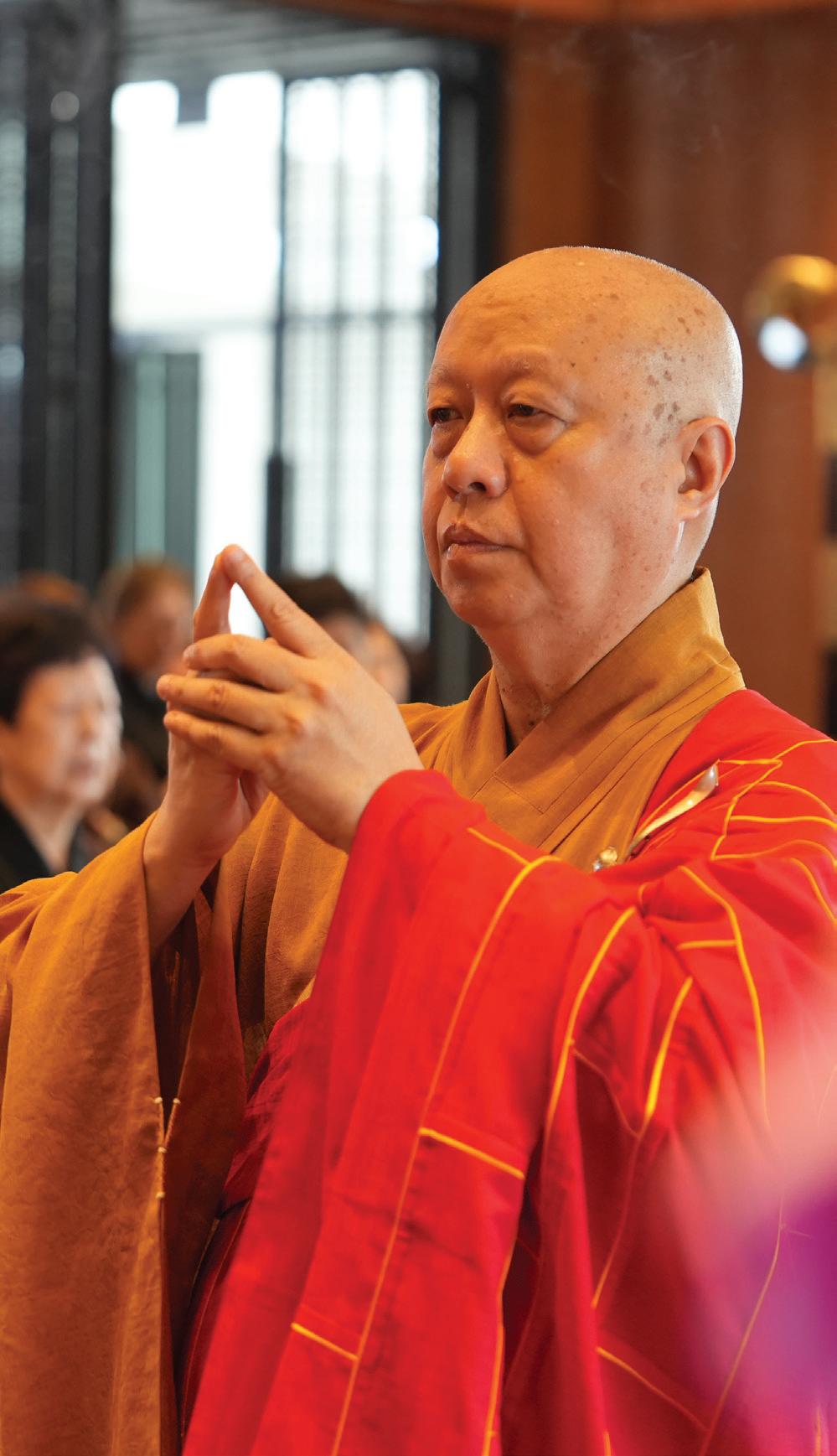
Venerable Chao Khun Fa Zhao BBM President, Management Committee
Golden Pagoda Buddhist Temple
昭坤法照 BBM
护国金塔寺理事会主席
南无佛!诸位法师、护法善信、各界贤达,大家 吉祥。
回顾2025年,本寺在三宝加持与大众护持之下, 僧团安住道场,依教奉行,精进不懈。尤为可贵 者,诸位信徒发心护持僧团生活与弘法事业,或 布施供养、或随喜助缘、或参与法会共修,使道 场得以清净庄严,法灯不灭,慧命相续。此一切 功德,非但成就僧团修行之资粮,更广利有情, 回馈社会。
过去一年,本寺秉持弘扬药师佛之宗旨,积极推 动各项弘法利生事业:举办法会共修,宣讲经 教,提倡慈悲济世,参与社会公益,关怀弱势群 体。无论在精神层面或现实关怀上,皆力求以佛 法智慧安顿人心,以慈悲行动温暖社会,使大众 在纷扰世间中,得一处安稳清凉之所。
展望2026年,世局多变,环境动荡,人心易乱。 正因如此,更显佛法之可贵与迫切。未来一年, 本寺僧团将更加精进修学,勇猛弘法,以正知正 见引导众生,安抚焦虑,启发善念,令大众于不 安之中得安定,于困境之中见光明。
我们亦诚挚呼吁十方善信:在此非常之时,更应 同心同愿,共护正法。以一念清净心,广行布 施、护持三宝、参与共修,使个人得福慧增长, 社会得和谐安宁,国家得长治久安。
愿以此年度一切功德,回向法界众生:风调雨 顺,国泰民安;灾障消除,众生离苦;正法久 住,慧灯常明。
护国金塔寺理事会主席昭坤法照BBM合十
Namo Buddhaya! Respected Sangha members and dear friends, auspicious greetings to all!
Looking back on 2025, under the blessings of the Triple Gem and the support of the community, the Sangha of this Temple has remained steadfast in the practice, faithfully following the Teachings with diligence and perseverance. Most commendable is the sincere dedication of the devotees in supporting the Sangha’s livelihood and Dharma propagation—through offerings and donations, rejoicing in others’ merits, or participating in Dharma assemblies and group cultivation. This has enabled the Temple to remain pure and dignified, ensuring that the lamp of the Dharma continues to shine and the life of wisdom flows on. All these merits not only provide the necessary conditions for the Sangha’s cultivation but also benefit sentient beings widely and contribute positively to society.
Over the past year, upholding the mission of promoting the Medicine Buddha’s Teachings, the Temple has actively carried out various Dharma and charitable activities: organizing Dharma assemblies and group practices, expounding the scriptures, advocating compassion in action engaging in social welfare and caring for the underprivileged. Be it in spiritual or through physical support, we strive to bring peace of mind through the wisdom of Dharma and warmth to society through compassionate deeds, offering people a place of calm and refuge amid the turbulence of the world.
Looking ahead at 2026, the world remains ever-changing, situation is in turmoil and people’s mind is easily distracted. It is because of these reasons that Dharma becomes valuable and imperative. In the coming year, the monastic community will cultivate even more diligently, propagating the Dharma with courage, guiding sentient beings in the right understanding and right views, settling anxiety
and inspiring compassionate views, so that all sentient beings will find peace amidst turbulence and enlightenment within adversity.
We sincerely call upon all devotees to unite in purpose and protect the true Dharma in these extraordinary times. With a pure thought, practising generosity, supporting the Triple Gem and participating in group cultivation, one will be blessed with wisdom, society will enjoy peace and harmony and nation will be in long-lasting stability.
May all merits accumulated throughout this year be dedicated to all sentient beings in the Dharma realm. May our nation be in peace and prosperity, may sentient beings be free from disasters and sufferings, and may the true Dharma be long lasting and lamp of wisdom shining forever.
Venerable Chao Khun Fa Zhao BBM President, Management Committee Golden
Pagoda Buddhist Temple
简介
佛法廣大無邊,慈悲為本,智慧為導,普度眾生離苦得 樂。眧坤法照大師父慈悲為懷,長時關注眾生疾苦,為拔 除眾生苦厄,特別致力於修持藥師法門,祈願承佛威德加 持,使一切受苦受難之眾生,遠離病苦、災障與厄運,得 享吉祥安樂之人生,並於無諸障礙之中,圓滿菩提、究竟 成佛。
在三寶慈悲護佑之下,於1989年因緣成熟,得覓吉地,遂 承多年弘願,籌建藥師道場之志得以實現,命名為「護國 金塔寺」。寺院工程自1990年動工,至1992年竣工,同 年正式註冊為合法宗教團體,並於1995年完成慈善機構登 記。現今寺院信眾隨緣增長,法緣日盛,護持不斷。
然隨歲月遞嬗,信眾年齡漸長,原有設施已不敷使用,加 之建築結構與空間規劃之限制,遂決議啟動重建工程,以 期提供更完善之修行與弘法環境。
The Buddha-Dharma is vast and boundless. Compassion is its foundation, and wisdom is its guide, leading all sentient beings away from suffering and towards peace and joy. With great compassion, Venerable Master Zhaokun Fazhao has long been deeply concerned for the sufferings of all beings. In order to help relieve them from hardship and adversity, he devoted himself especially to the practice of the Medicine Buddha Dharma, praying for the blessings and protection of the Buddha’s great virtue and power. Through this, may all beings who are suffering be free from illness, calamities, obstacles and misfortune, and may they enjoy an auspicious, peaceful and joyful life. May they also, free from all hindrances, perfect the path to Bodhi and ultimately attain Buddhahood.
Under the compassionate protection and blessings of the Triple Gem, the right conditions came together in 1989, and an auspicious site was found. Thus, the long-held aspiration to establish a Medicine Buddha Dharma centre was fulfilled, and the temple was named “Golden Pagoda Buddhist Temple”. Construction of the temple began in 1990 and was completed in 1992. In the same year, it was officially registered as a legal religious organisation, and in 1995, it completed its registration as a charitable organisation. Today, the number of devotees continues to grow according to conditions, Dharma affinities are flourishing, and support for the temple remains strong.
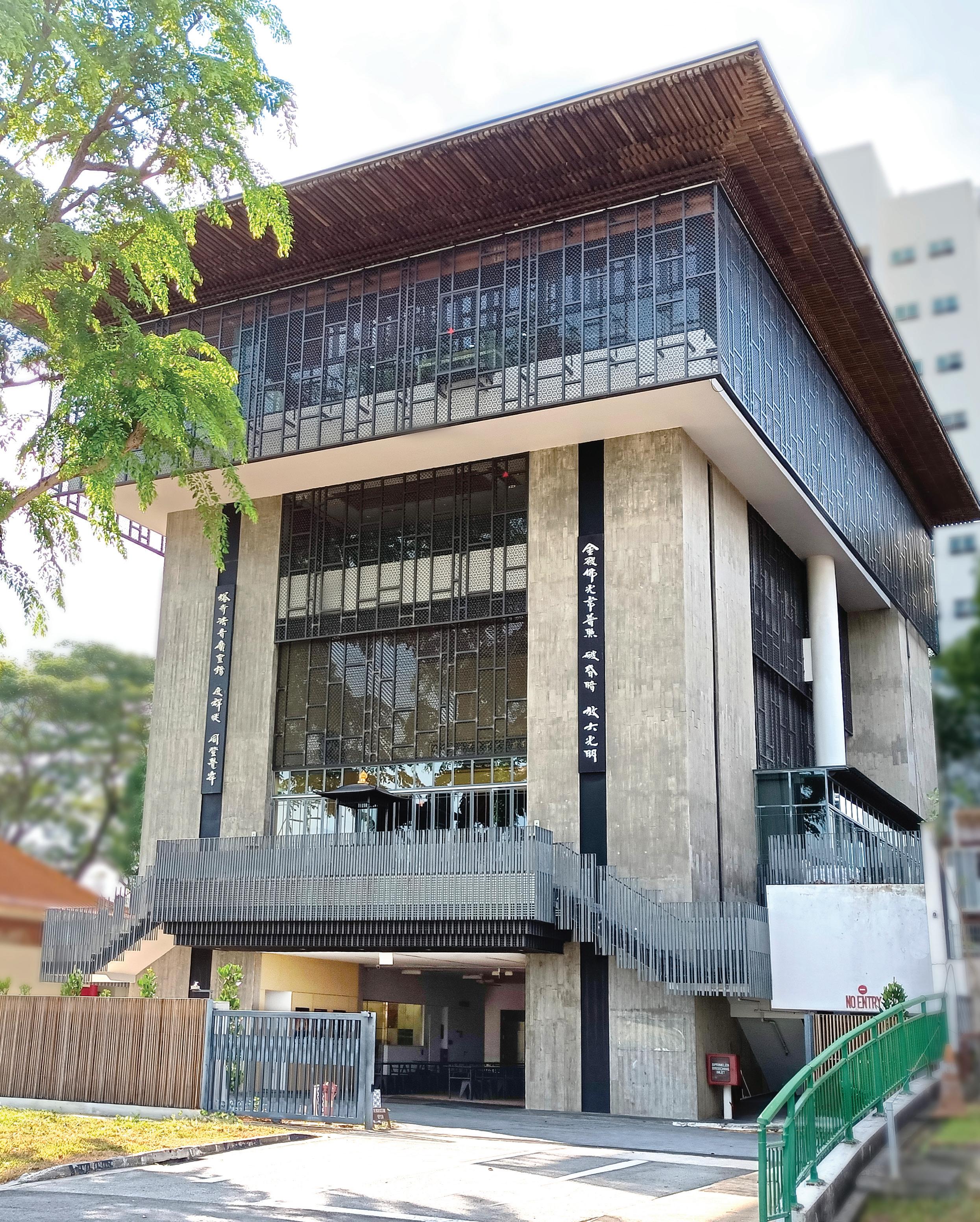
重建工程於2014年4月正式展開,歷時三十三個月,總建 設費用達新幣17,857,000元。新寺院於2016年12月30日圓 滿落成,並於2017年1月正式啟用。全新道場莊嚴宏偉, 深受廣大善信讚歎與歡迎。
此外,此建築曾刊登於《新加坡建築師》雜誌三月號,並 榮獲芝加哥庙会及歐洲建築藝術設計與城市研究中心頒發 之國際建築獎。此獎項為國際建築領域中極具權威與聲望 之榮譽,象徵現代宗教建築設計之卓越成就與創新典範。
However, as the years passed and the devotees gradually grew older, the existing facilities were no longer sufficient. In addition, due to limitations in the building structure and spatial planning, the decision was made to commence a reconstruction project, with the aim of providing a more complete and conducive environment for spiritual practice and Dharma propagation.
The reconstruction project officially began in April 2014 and took 33 months to complete, with a total construction cost of SGD 17,857,000. The new temple was successfully completed on 30 December 2016 and officially opened in January 2017. The newly completed Dharma centre is grand, dignified and majestic, and has been widely praised and welcomed by devotees.
In addition, the building was featured in the March issue of Singapore Architect magazine and received the International Architecture Award presented by The Chicago Athenaeum and The European Centre for Architecture Art Design and Urban Studies. This award is regarded as a highly authoritative and prestigious honour in the international architectural field, symbolising outstanding achievement and innovation in modern religious architectural design.
目标:
以药师如来十二大愿为依据,志在效法药师宏愿造福人群,如同明月之光,导引人生从 迷茫走向觉悟,造福人群就是造福自己。
Vision: To emulate the Medicine Buddha’s example in benefiting people, helping them to traverse the path of life from bewilderment to Enlightenment, using the 12 Great Vows of the Medicine Buddha as a guideline. Benefiting others is benefiting ourselves.
使命:
推广弘扬佛陀的教义,守持团体生活的规矩,合心,和气,互爱,协力,才能启发每个 人的善念,遵守礼节,伦理就是金塔人的使命。
Mission: To propagate the Teachings of the Buddha and help people uncover their innate goodness through discipline, unity and goodwill, as well as mutual love and cooperation. Golden Pagoda Buddhist Temple disciples should also make it their responsibility to observe morality and family values.
宗旨:
弘扬佛陀教法,增长世人内心的慈悲和智慧。
推广福利事业和教育,积极培育心地善良的公民。
支持其他慈善和志愿福利组织,确保我国多元种族,多宗教社会之和平。
帮助贫困者,关怀病苦者,是人与人之间的互助,是人慈悲本怀的表达。
Goals: To promote the Teachings of the Buddha and help people develop wisdom and compassion within their hearts.
Create kind-hearted and caring individuals through promoting social welfare endeavors and education.
Support other charitable and voluntary welfare organizations, so as to facilitate peace and harmony within our multi-racial, multi-religious society.
To give assistance and care for the sick, poor and needy. Helping each other is a way for us to express our innate compassion.
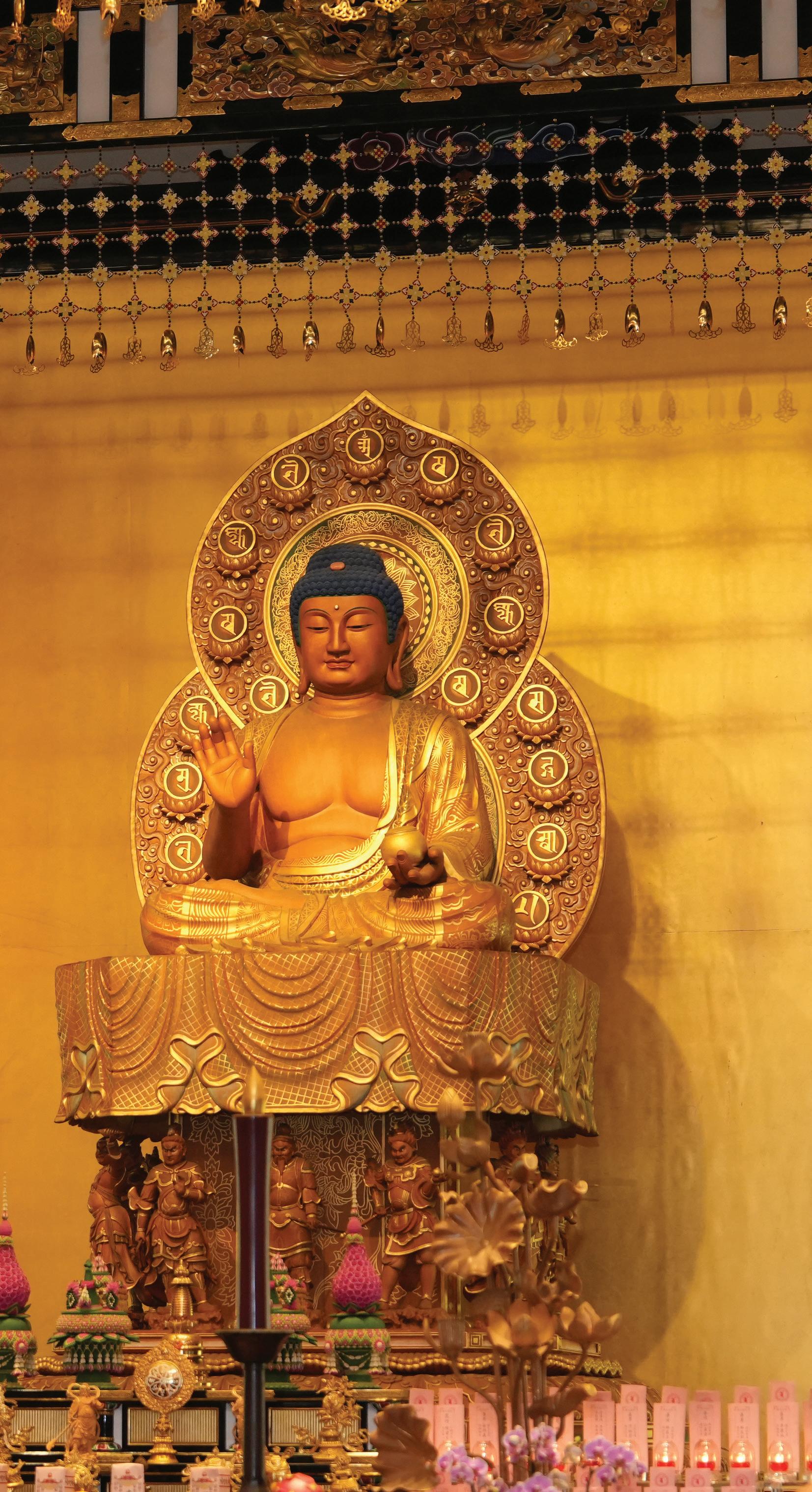
莲花:主表药师法门功德殊胜,为安隐利乐众生之宝筏。
佛塔:主表供养佛陀舍利,思慕如来的众德,即如法身所在。
光线:主表药师佛,琉璃光遍照慈济有情,喜舍平等所求愿满。
红色:主表威权宏伟之势,愤怒镇慑之威,善静热烈之情。
金色:主表慈悲光明,福智庄严,兴旺和盛,功德圆满。
The Emblem of the Golden Pagoda Buddhist Temple
Lotus: Represents the profound qualities of the Medicine Buddha Practice, which is an amazingly skillful method for sentient beings to achieve peace and happiness.
Stupa: A symbol of the Medicine Buddha’s Dharmakaya Body, abiding in whichever place it appears. Whenever a person makes offerings to a stupa, it is equivalent to making offerings to the Medicine Buddha’s Relics and remembering his Enlightened qualities.
Light Rays: Symbolizes Medicine Buddha and his compassionate Lapis Lazuli Light which shines upon all sentient beings to free them from all fear and suffering and fulfil all their wishes without any discrimination.
Red Colour: Symbolizes Authority, Power and Passion.
Gold Colour: Symbolizes loving-kindness, compassion, wisdom, merit, prosperity and the achievement of Perfect Enlightenment.
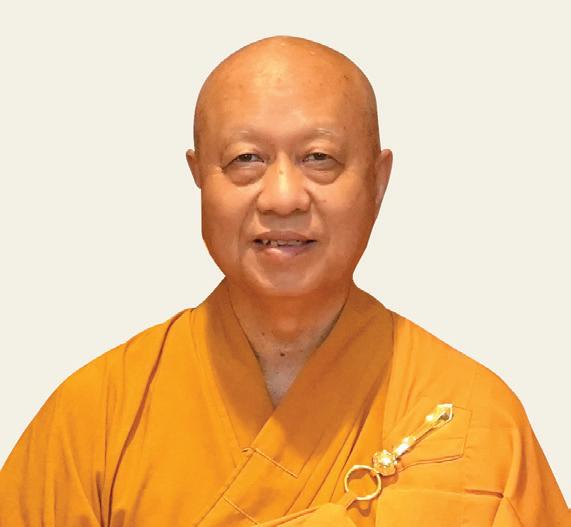
Ven. Chao Khun Fa Zhao BBM
昭坤法照 President
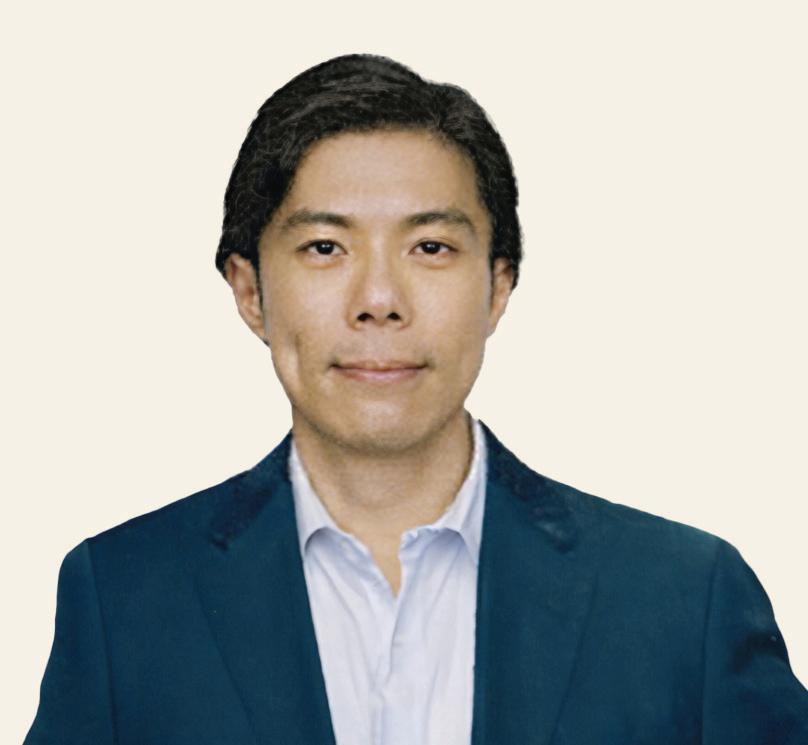
Mr Chua Meng Kiat 蔡明杰先生 Honorary Treasurer
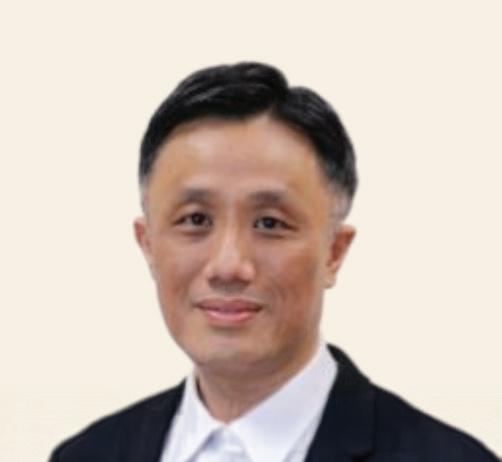
Mr Lim Thou Kin, Julian 林道君先生 Management Committee Member
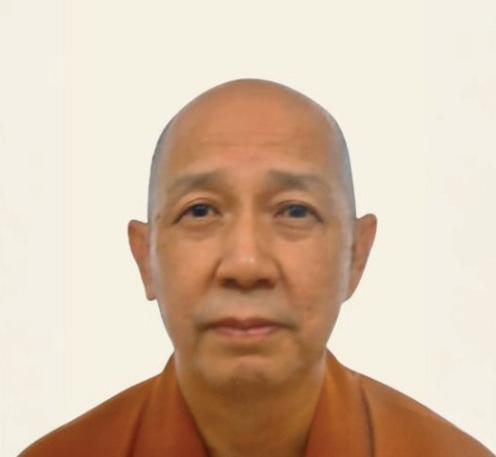
Ven. Shi Pu Yao 释普曜 Vice President
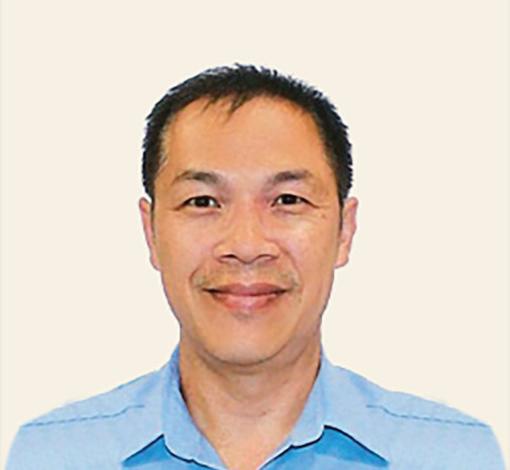
Mr Lee Kwok Weng 李国荣先生 Asst Honorary Secretary
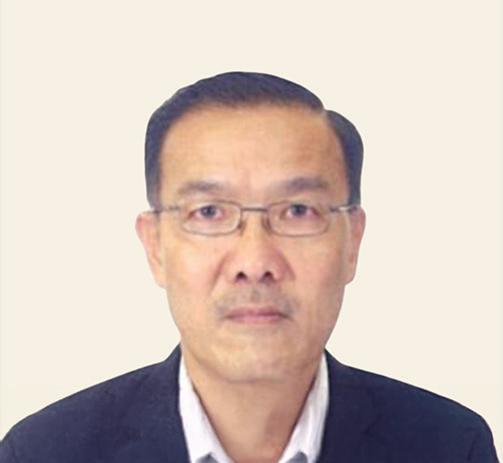
Mr Lee Beng Lark 李明六先生 Management Committee Member
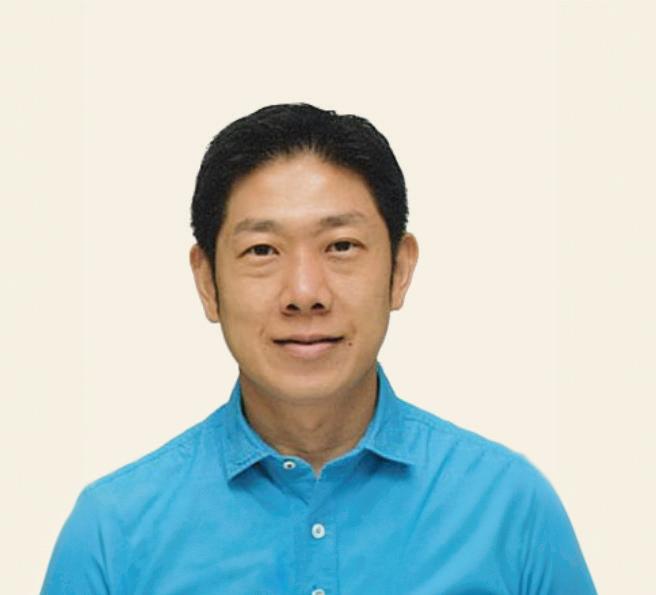
Mr Saw Tee Kiam, James 苏智谦先生 Honorary Secretary

Mr Lim Swee Kiang, Vincent 林瑞强先生 Asst Honorary Treasurer
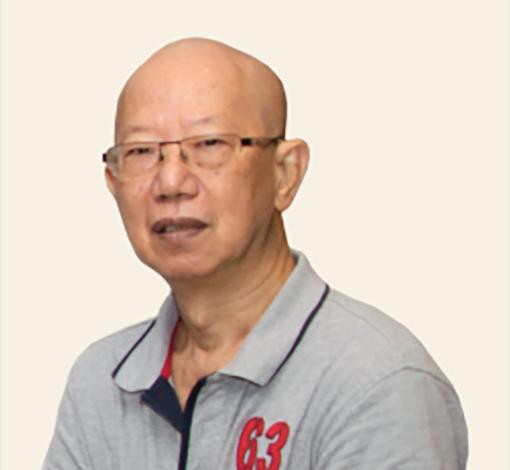
Mr Thong Min Hua 唐明华先生 Management Committee Member
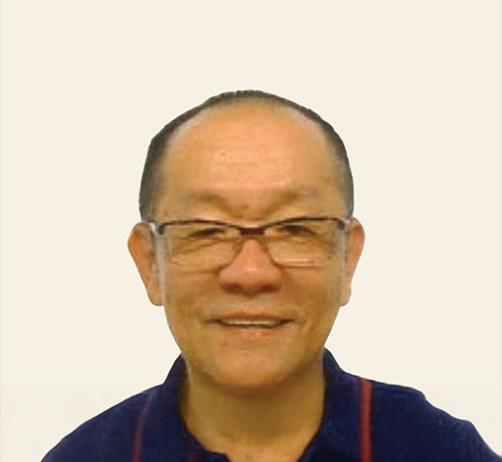
Mr Ong Kah San 王家山先生 Management Committee Member



Patsy 谢璧锶女士 Management Committee Member

Koh Li Nee, Lily
Management Committee Member
During the financial year ended 31 December 2025, there were 4 Management Committee (MC) meetings held. The attendance rates as shown below: 截至2025年12月31日的财政年度中,举行了4次理事会议。 出席率如下图:
Venerable Chao Khun Fa Zhao BBM 昭 坤 法 照 President 4/4
Venerable Shi Pu Yao 释 普 曜 Vice President 2/2*
Mr Saw Tee Kiam, James 苏 智 谦 先 生 Honorary Secretary 3/4
Mr Lee Kwok Weng 李 国 荣 先 生 Assistant Honorary Secretary 2/4
Mr Chua Meng Kiat 蔡 明 杰 先 生 Honorary Treasurer 4/4
Mr Lim Swee Kiang, Vincent 林 瑞 強 先 生 Assistant Honorary Treasurer 3/4
Mr Thong Min Hua 唐 明 华 先 生 Management Committee Member 3/4
Mr Ong Kah San 王 家 山 先 生 Management Committee Member 2/2*
Mr Lim Thou Kin Julian 林 道 君 先 生 Management Committee Member 1/2*
Mr Lee Beng Lark 李 明 六 先 生 Management Committee Member 2/2*
Ms Xie Bisi, Pasty 谢 璧 锶 女 士 Management Committee Member 2/2*
Ms Boo Koh Li Nee, Lily 巫许丽妮女士 Management Committee Member 2/2 *
*This member was newly elected to the MC at the Annual General Meeting held on 20 Jun 2025. He/she therefore did not attend the 2 MC meetings convened before 20 June 2025.
*此成員於2025年6月20日舉行的年度大會上新當選為管理委員會成員,因此未出席在2025年6月20日之前召開的兩次管理委員會會議。
主席
昭坤法照 BBM President
Venerable Chao Khun Fa Zhao BBM
理事会 Management Committee
执行董事 Executive Director
副执行董事 Deputy Executive Director
寺务部门 Donor Relations Dept
资讯科技组 Information Technology Section
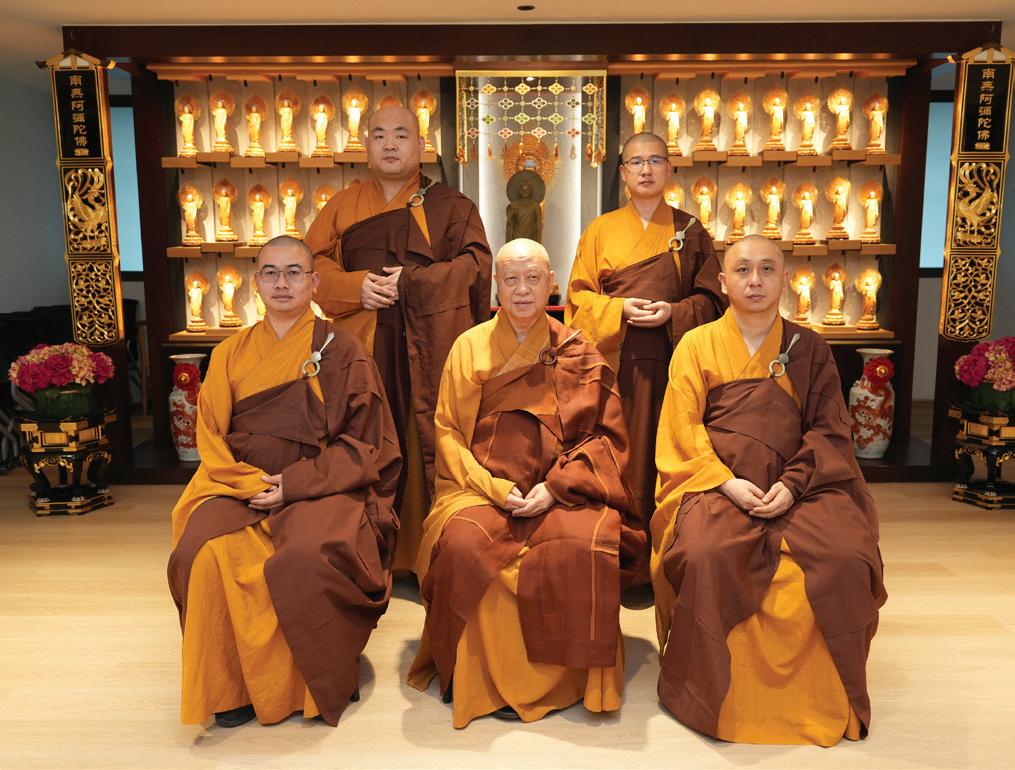
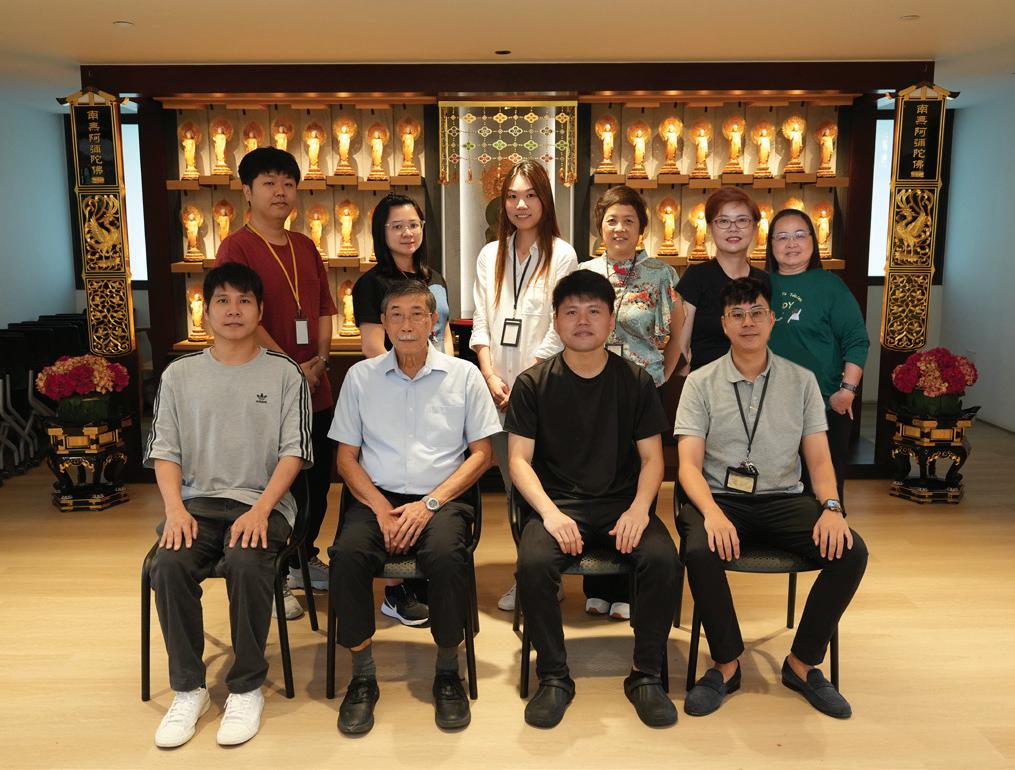
财务与行政部门 Finance & Admin Dept 僧伽 Sangha
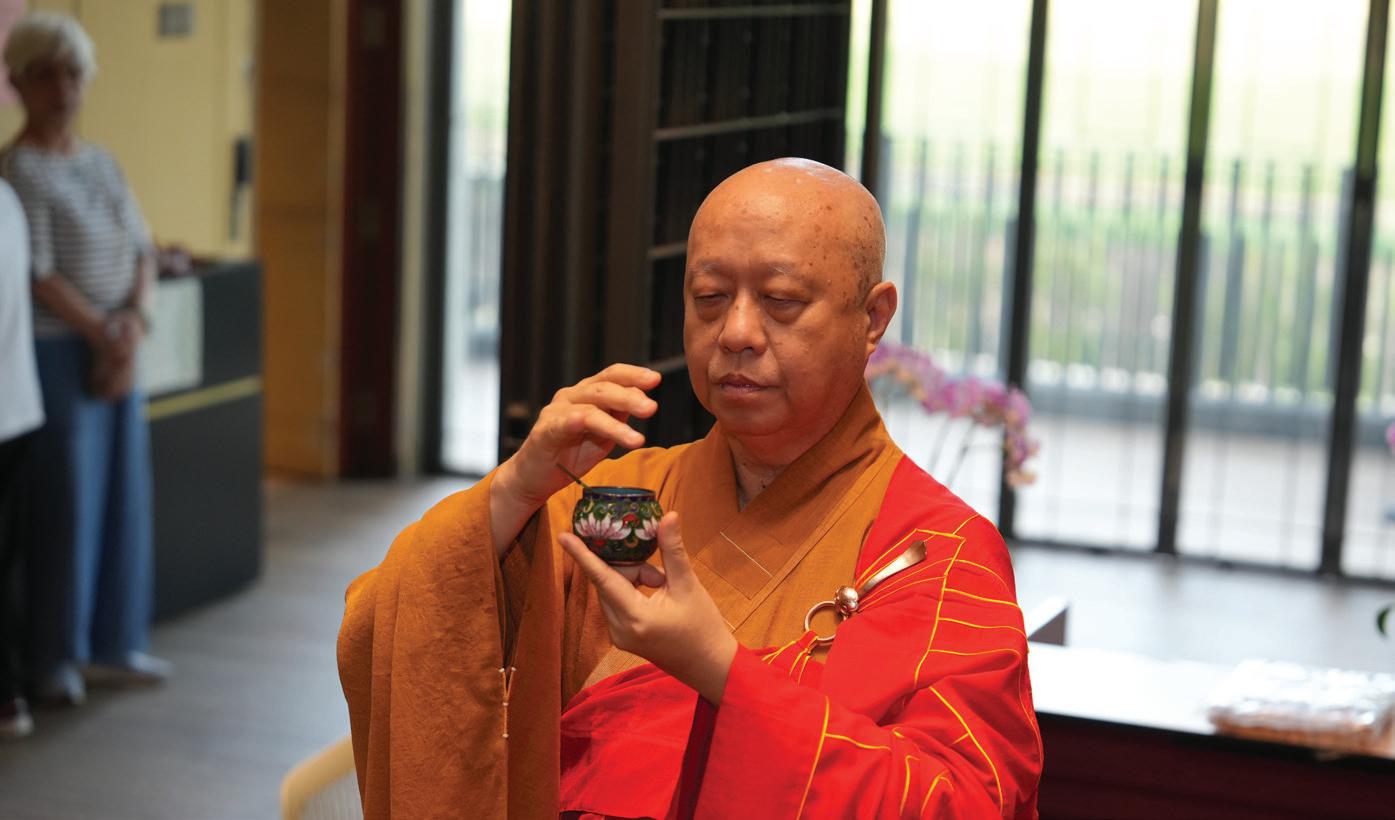
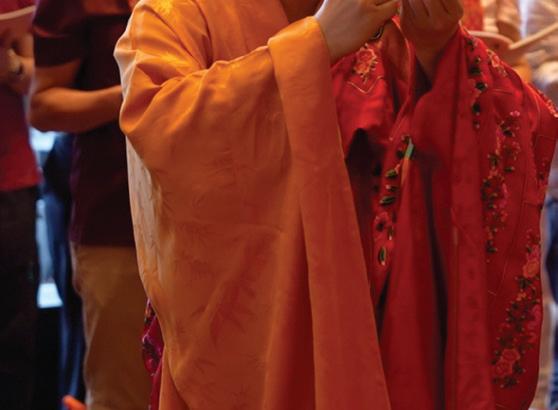
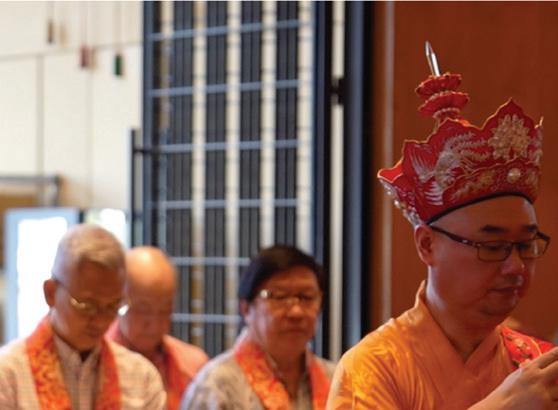
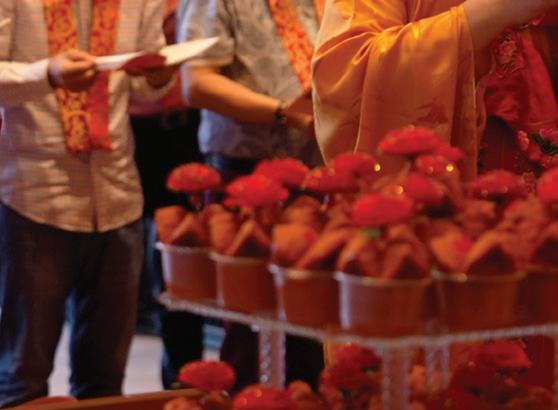

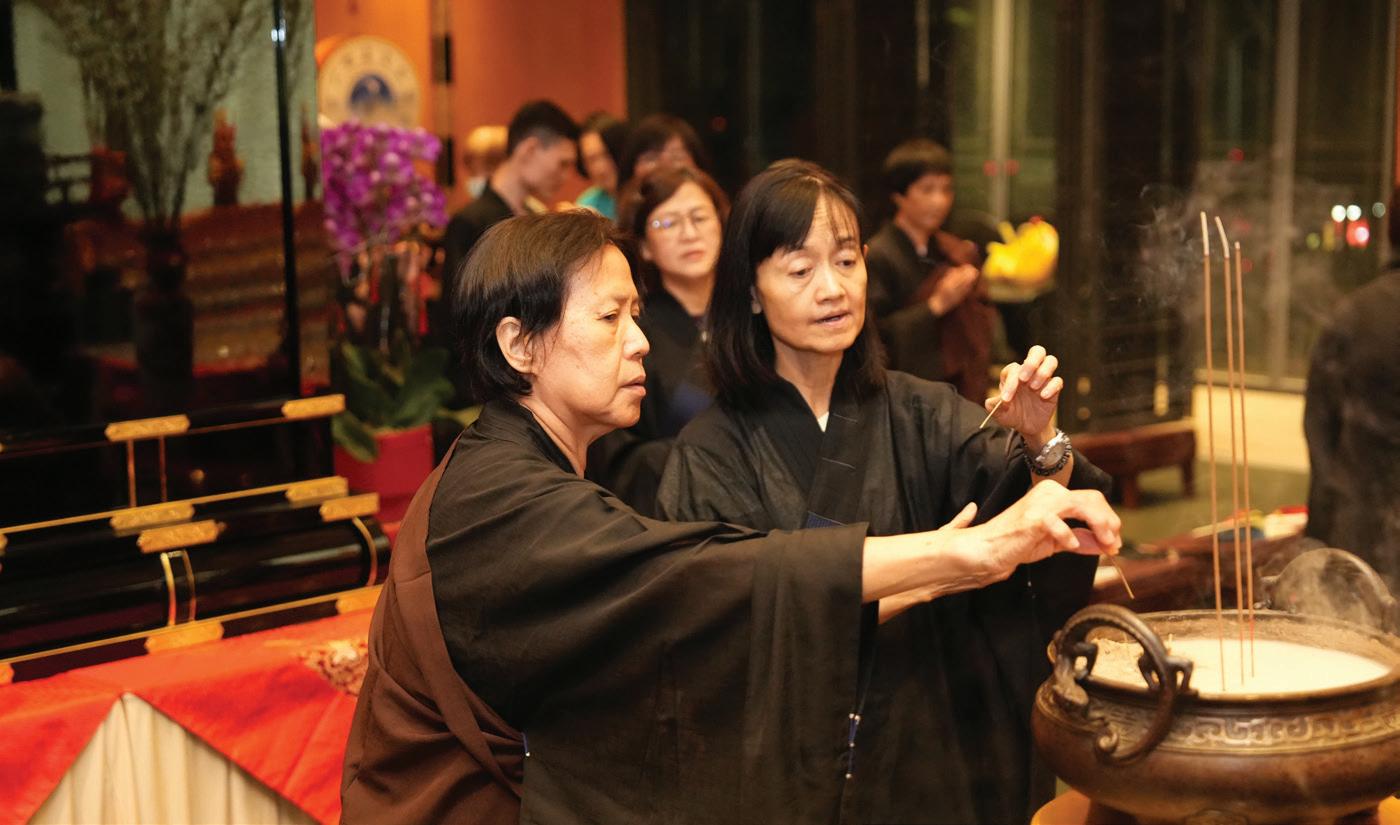
般若法会 Astasahasrika Prajnaparamita Sutra Ceremony
January 2025
岁末斋天 Golden Light Repentance
January 2025
迎接新年 Medicine Buddha Puja
January 2025
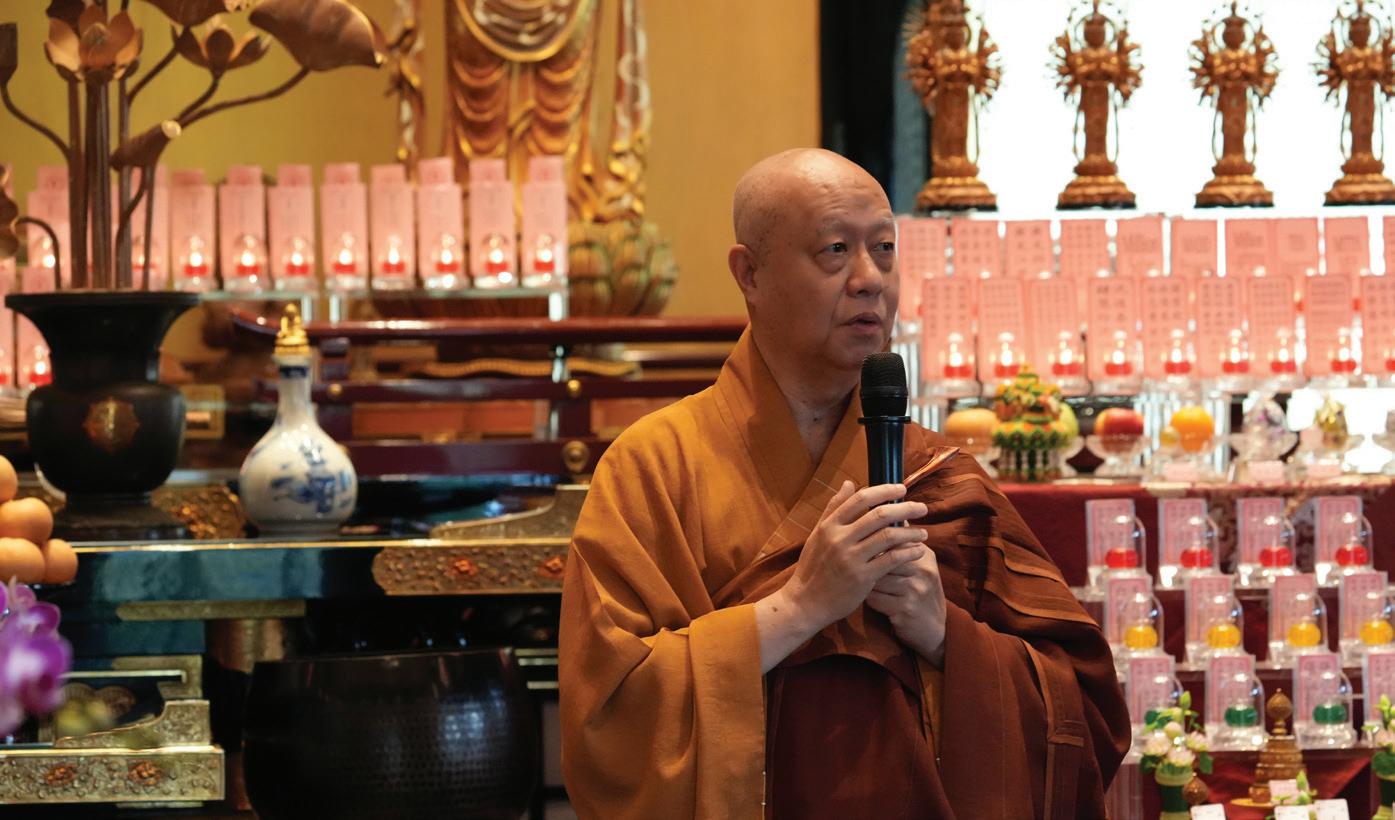
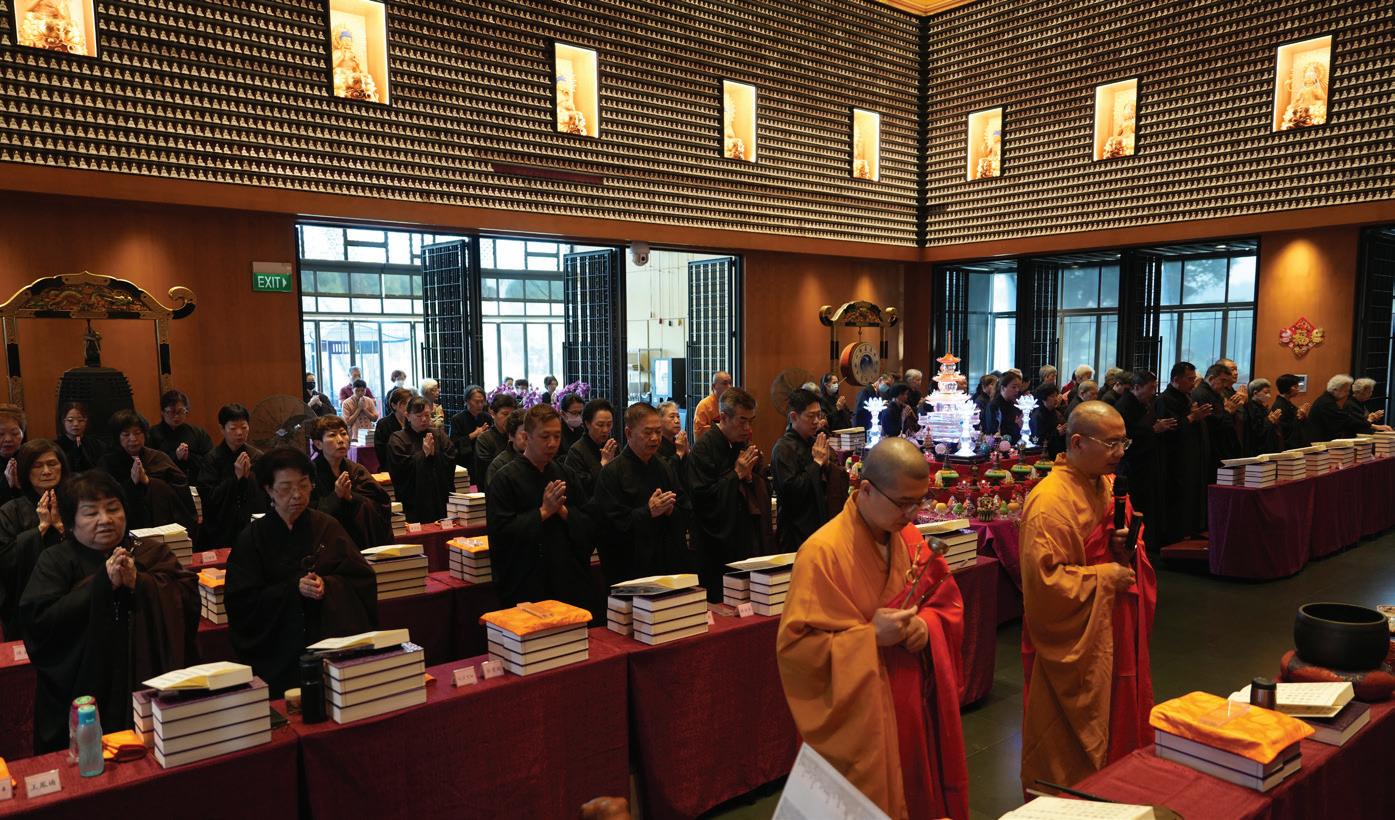
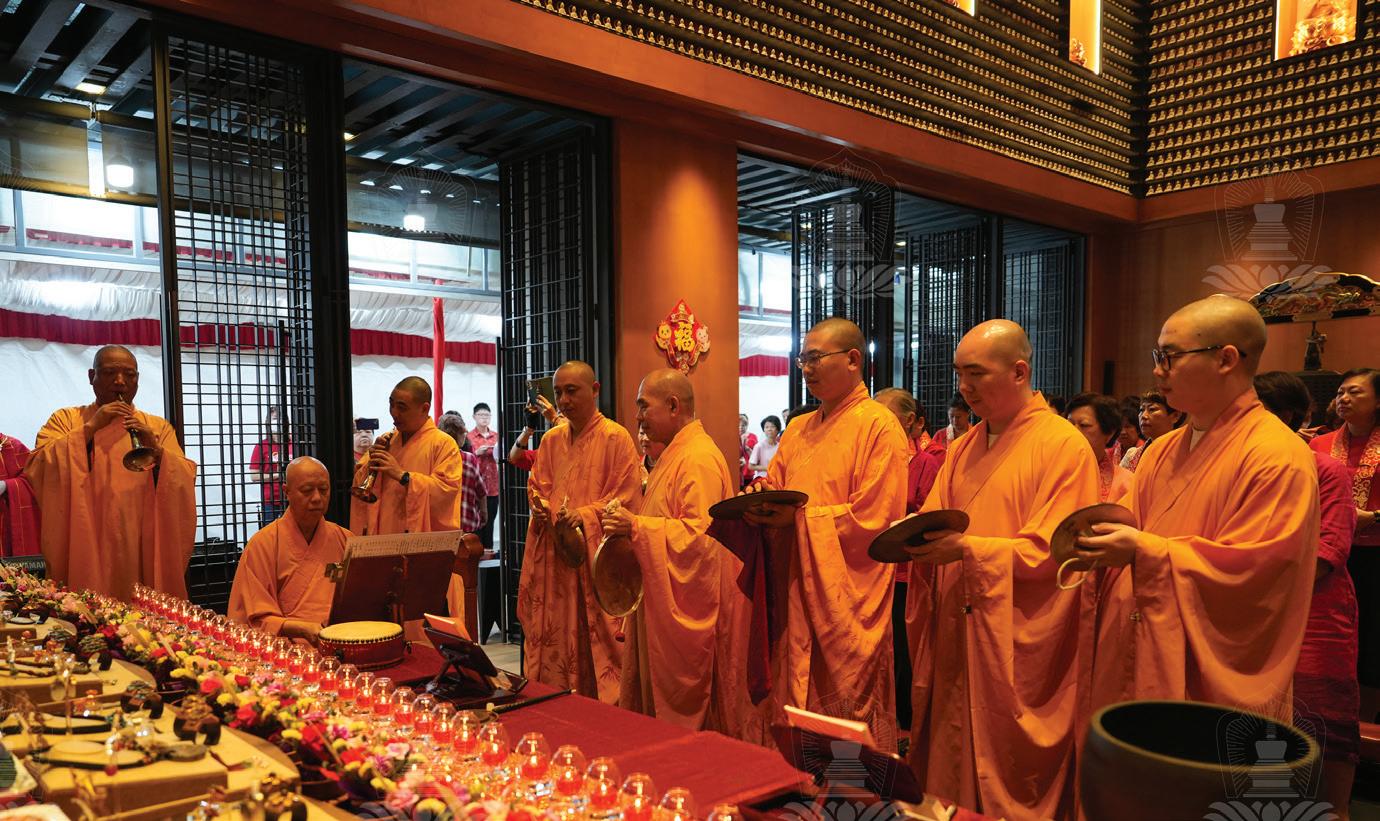
弥勒佛诞法会 Maitreya Buddha's Birthday Ceremony
January 2025
第三十八届 万佛法会
10,000 Buddhas Ceremony
February 2025
新春斋天法会 Offering Ceremony for Buddhas’and Celestial Guardians
February 2025
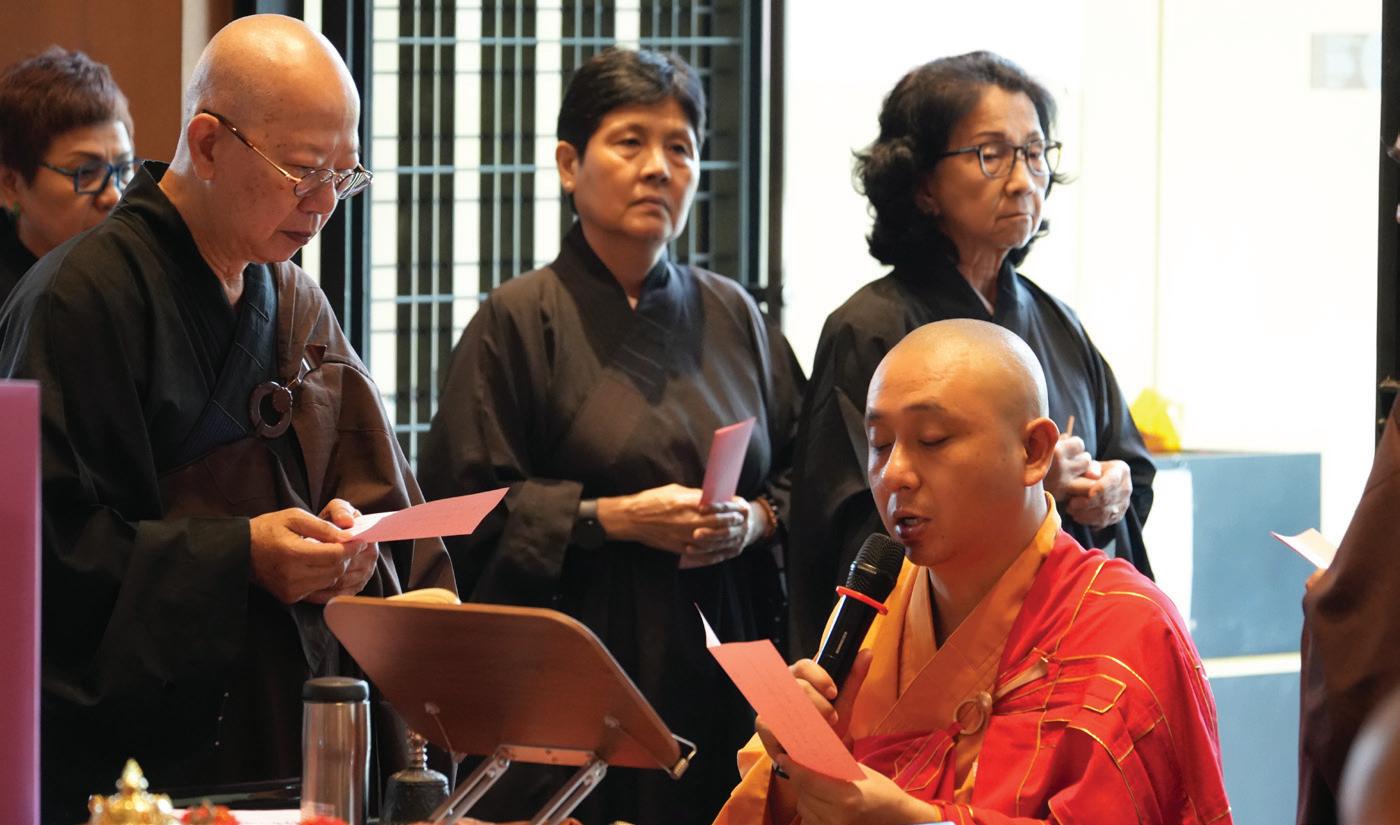
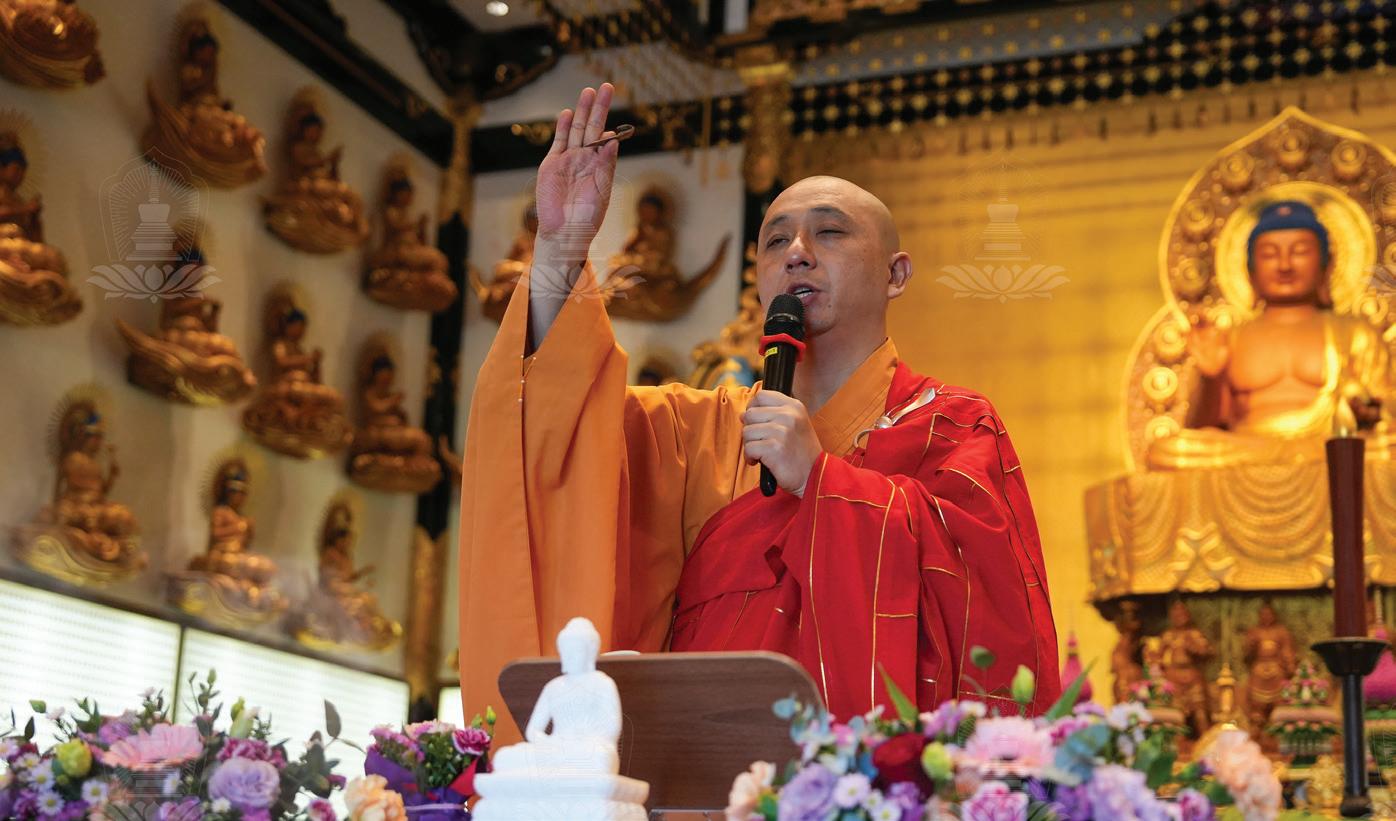
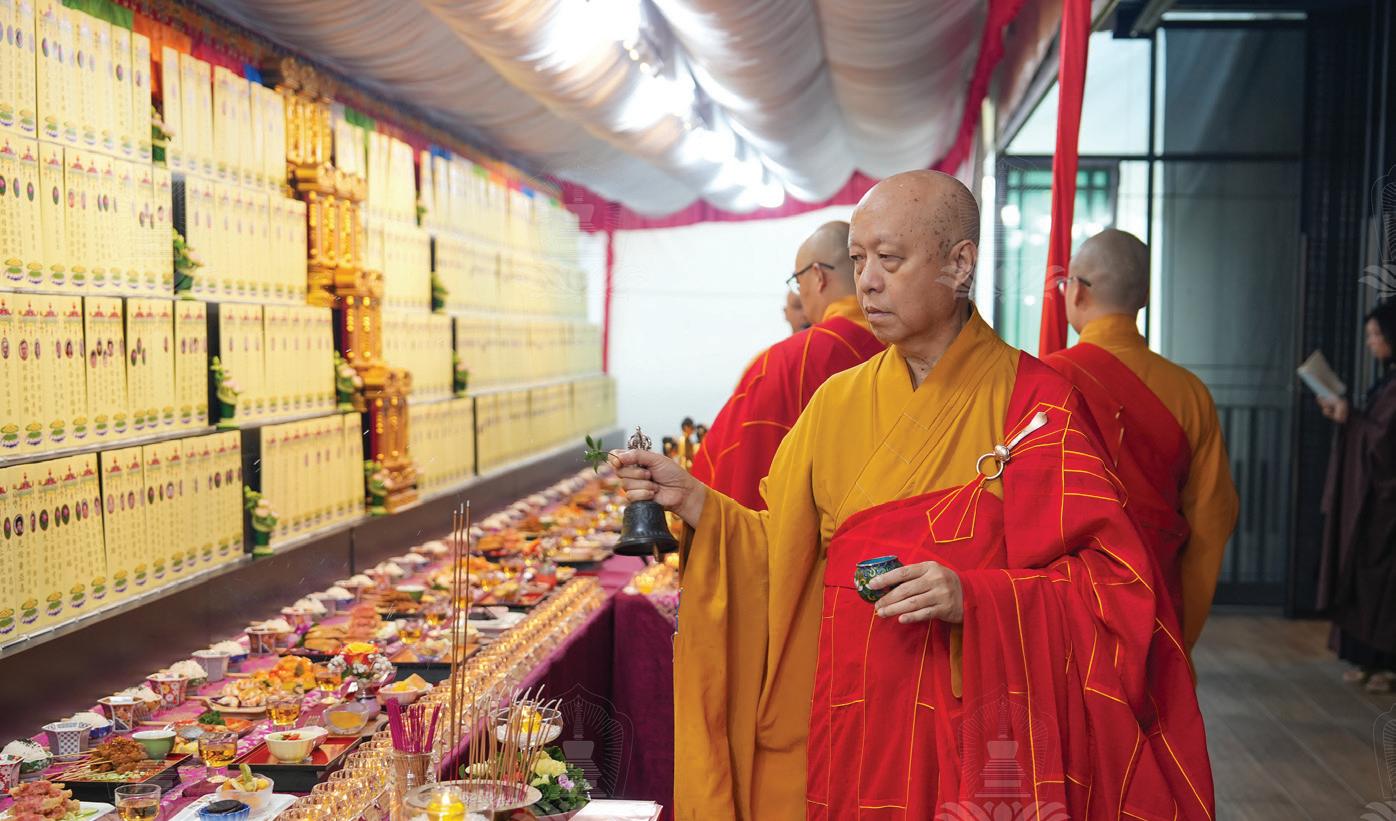
千手观音诞法会 Avalokiteshvara Bodhisattva’s Birthday Ceremony
March 2025
八关斋法会 Eight Precepts Ceremony
March, June, October 2025
华严法会 Avatamsaka Repentance Ceremony
March 2025
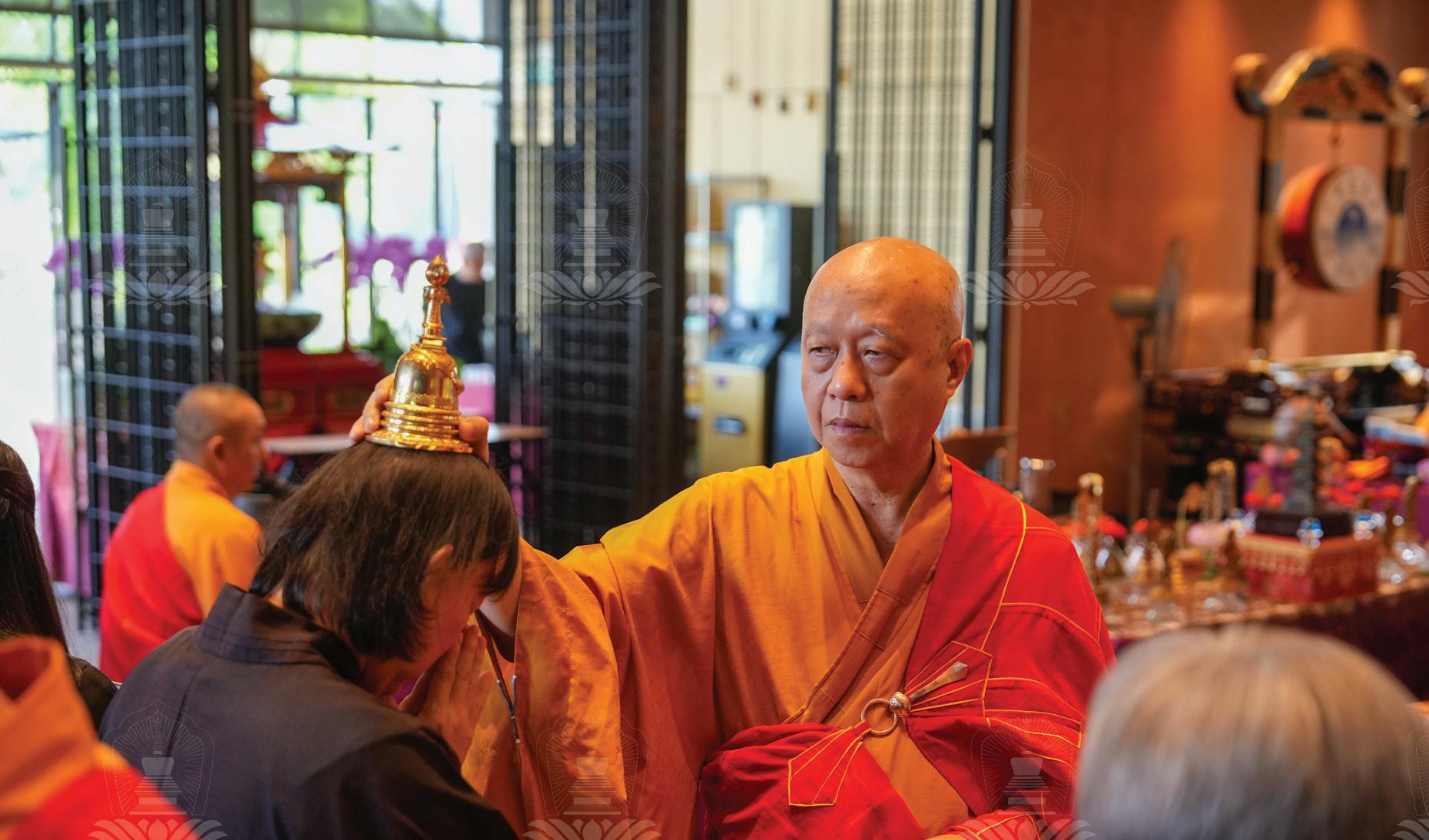
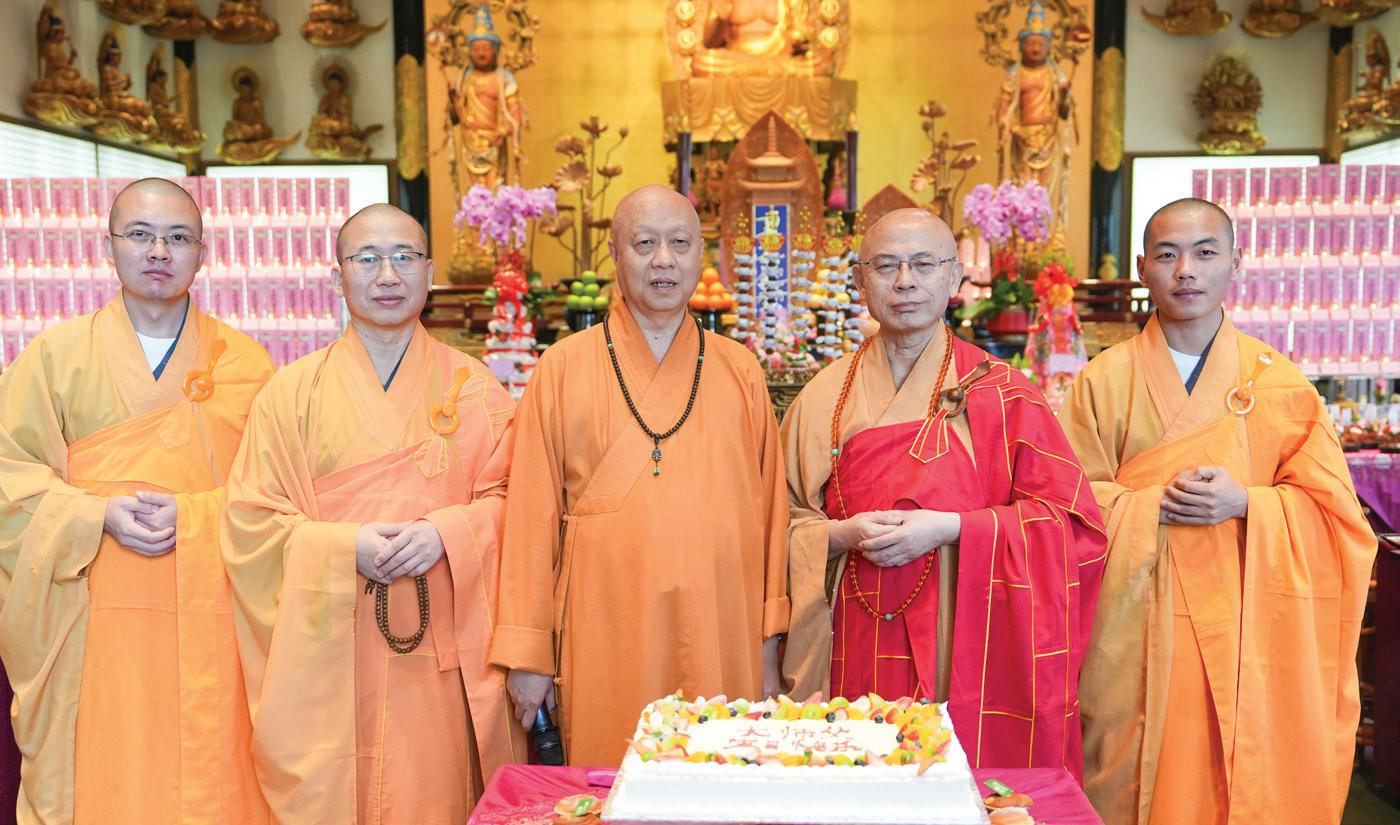
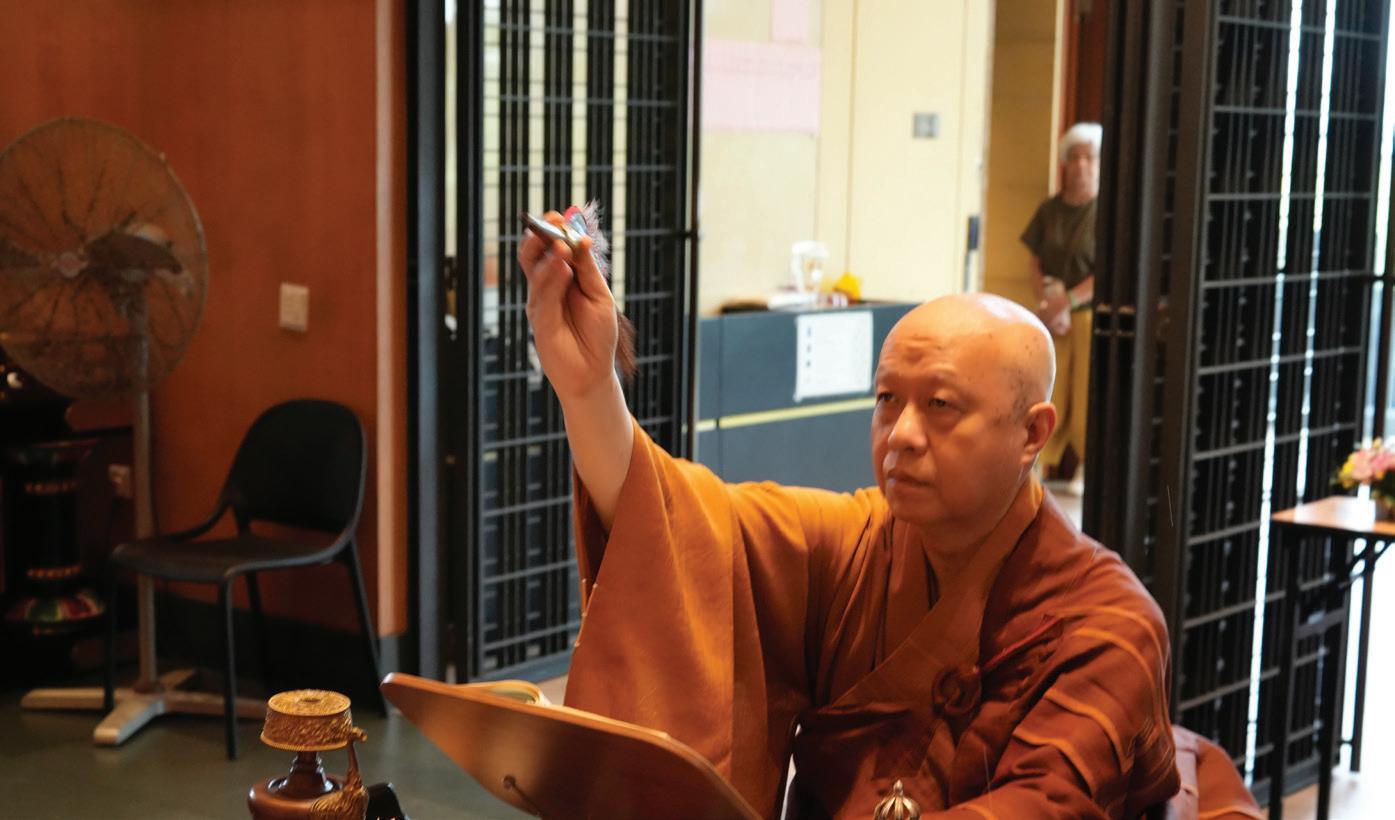
卫塞节 - 三重庆 Vesak Day Ceremony
May 2025
法华经会 Recitation of Saddharma Pundarika Sutra
June 2025
千手观音成道 纪念日法会 Avalokiteshvara Bodhisattva Enlightenment Ceremony
July 2025
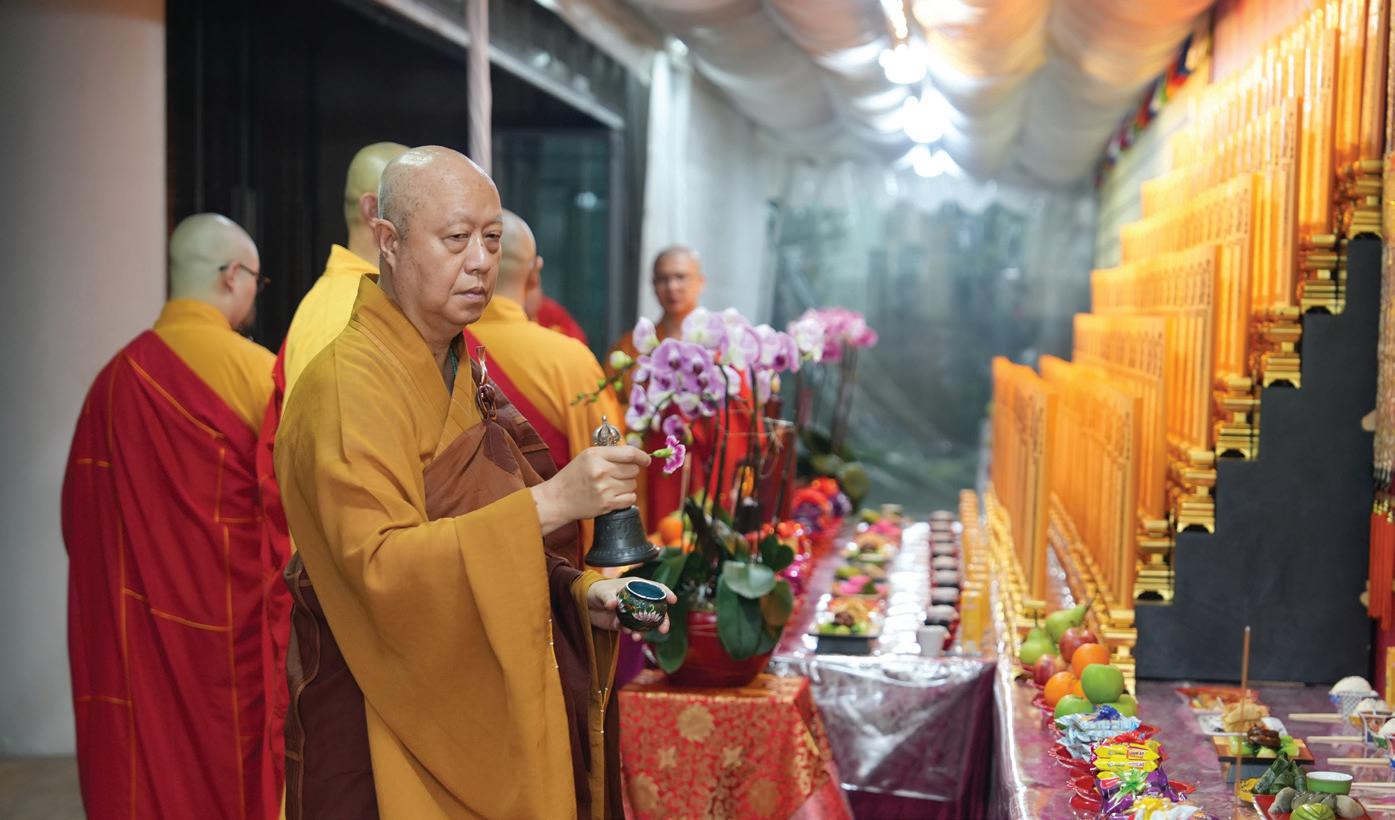
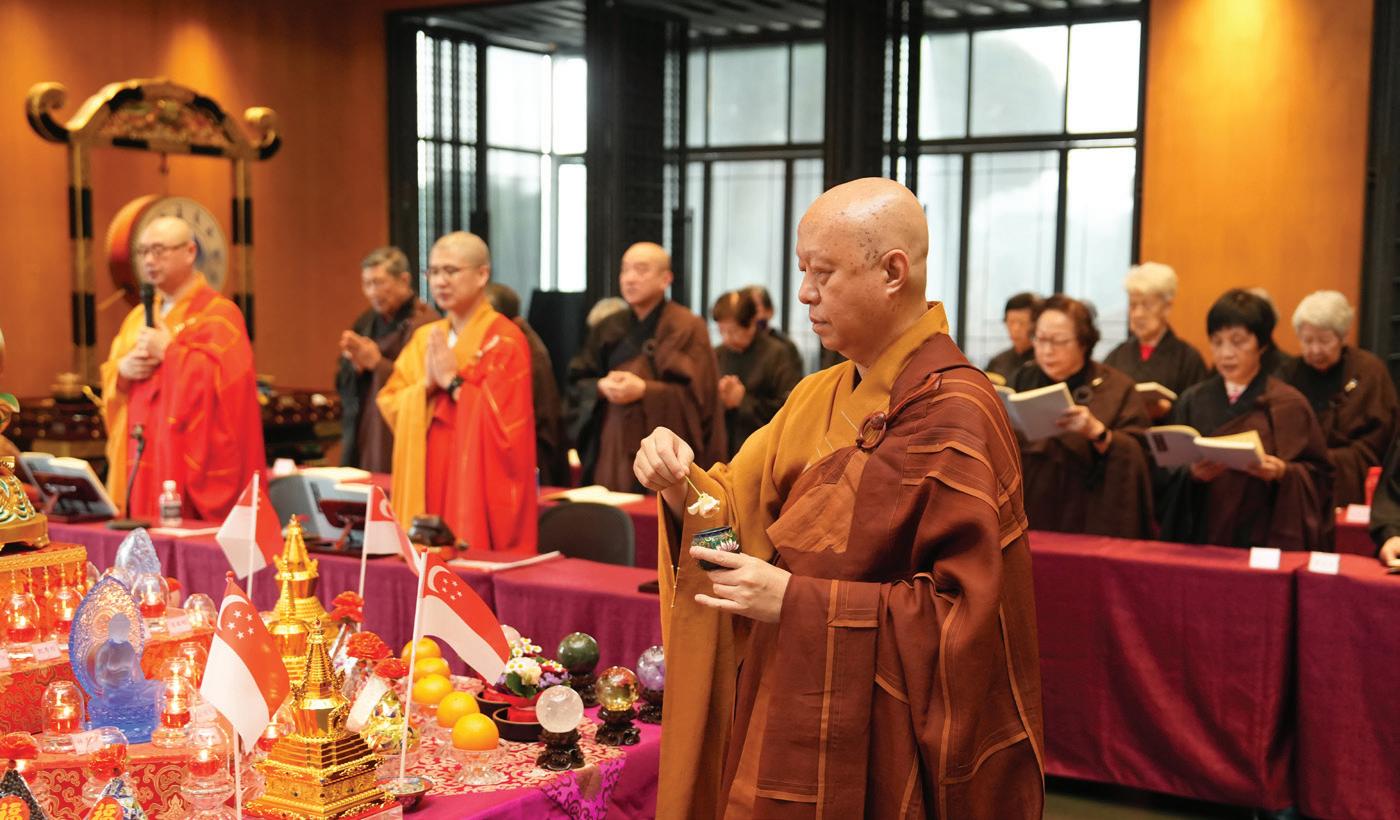
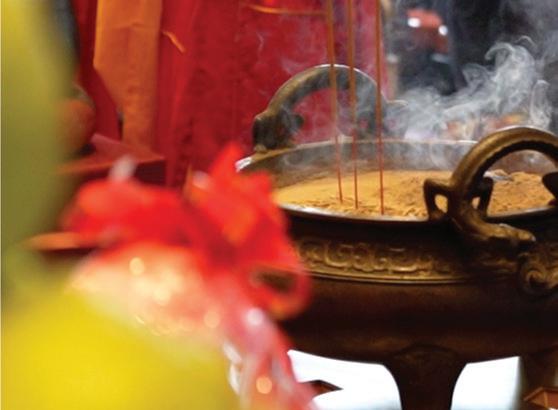
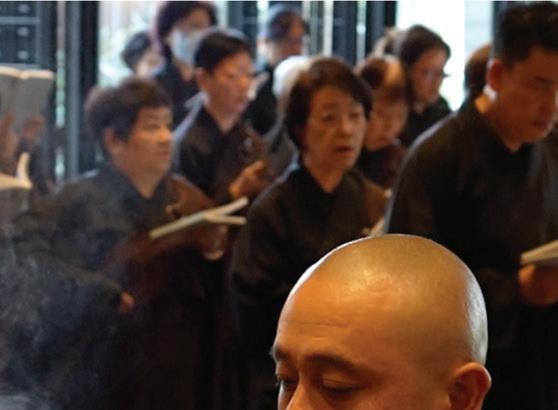
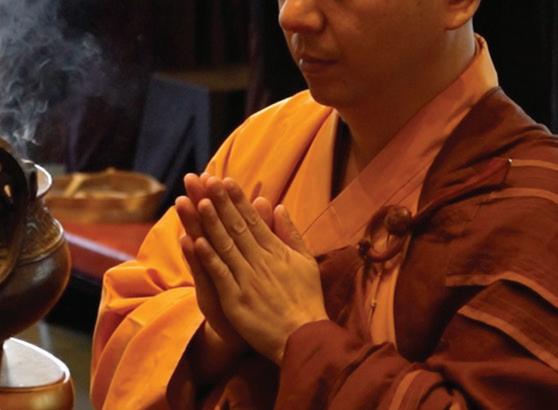
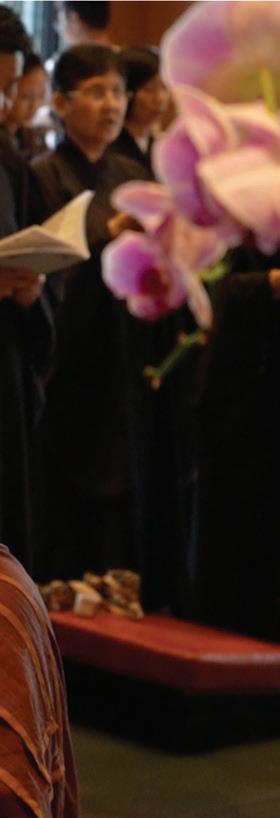
盂兰胜会 Ullambana Ceremony
August 2025
国庆日祈福会 Singapore 59th National Day-Sutra Recitation
August 2025
地藏菩萨诞法会 Ksitigarbha Bodhisattva’s Birthday Ceremony
September 2025
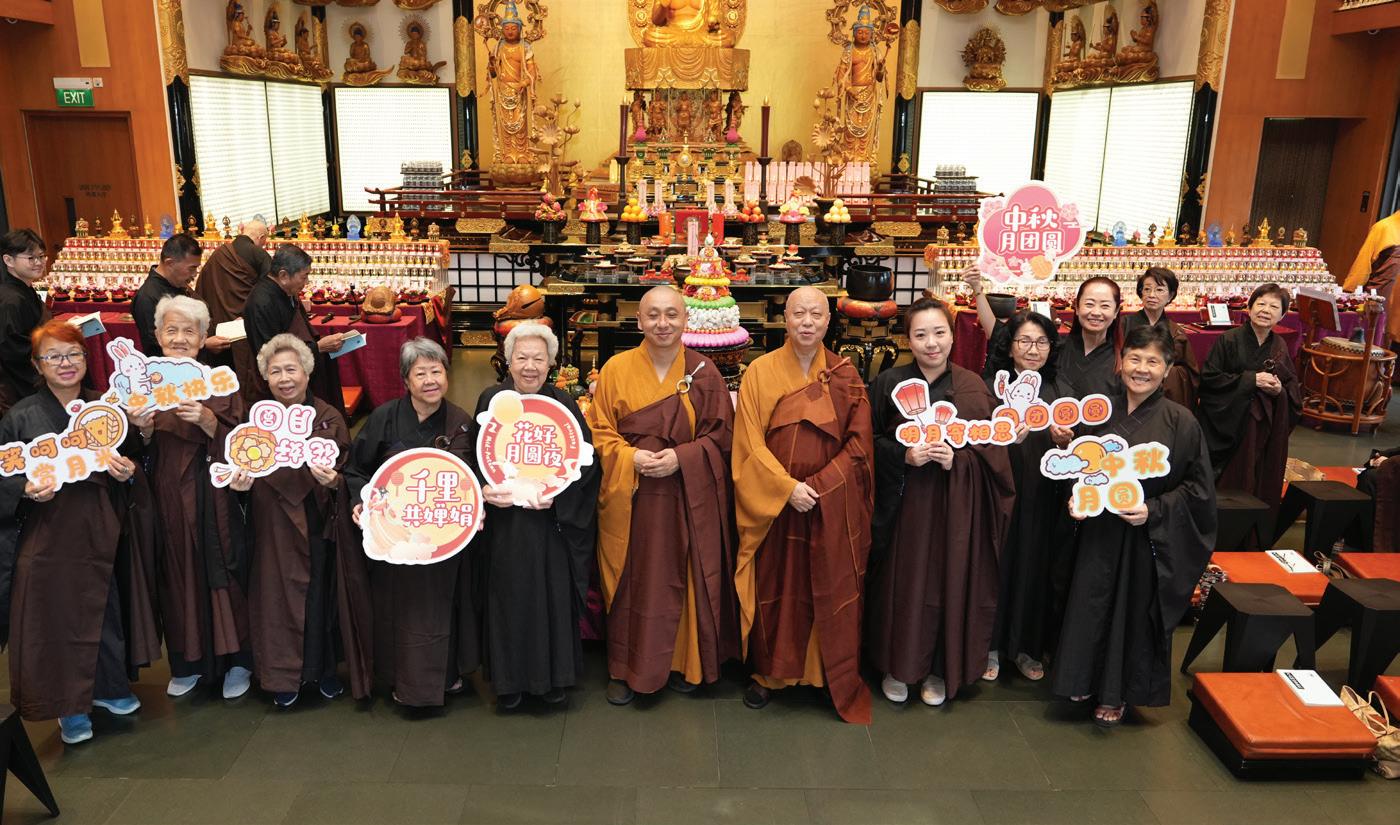
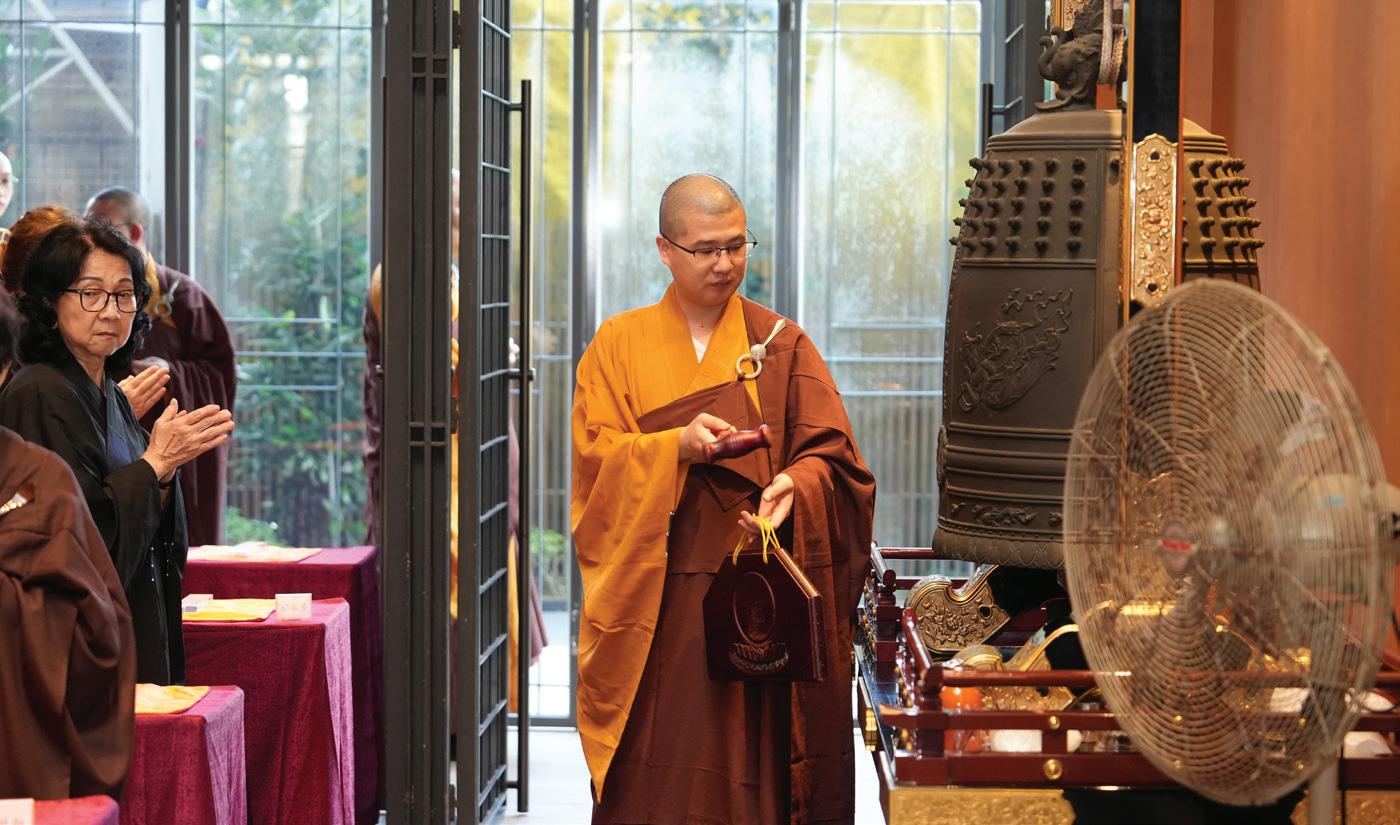
月光菩萨圣诞 Candraprabha Bodhisattva’s Birthday Ceremony
October 2025
千手观音出家 纪念日法会 Avalokiteshvara Bodhisattva Renunciation Ceremony
October 2025
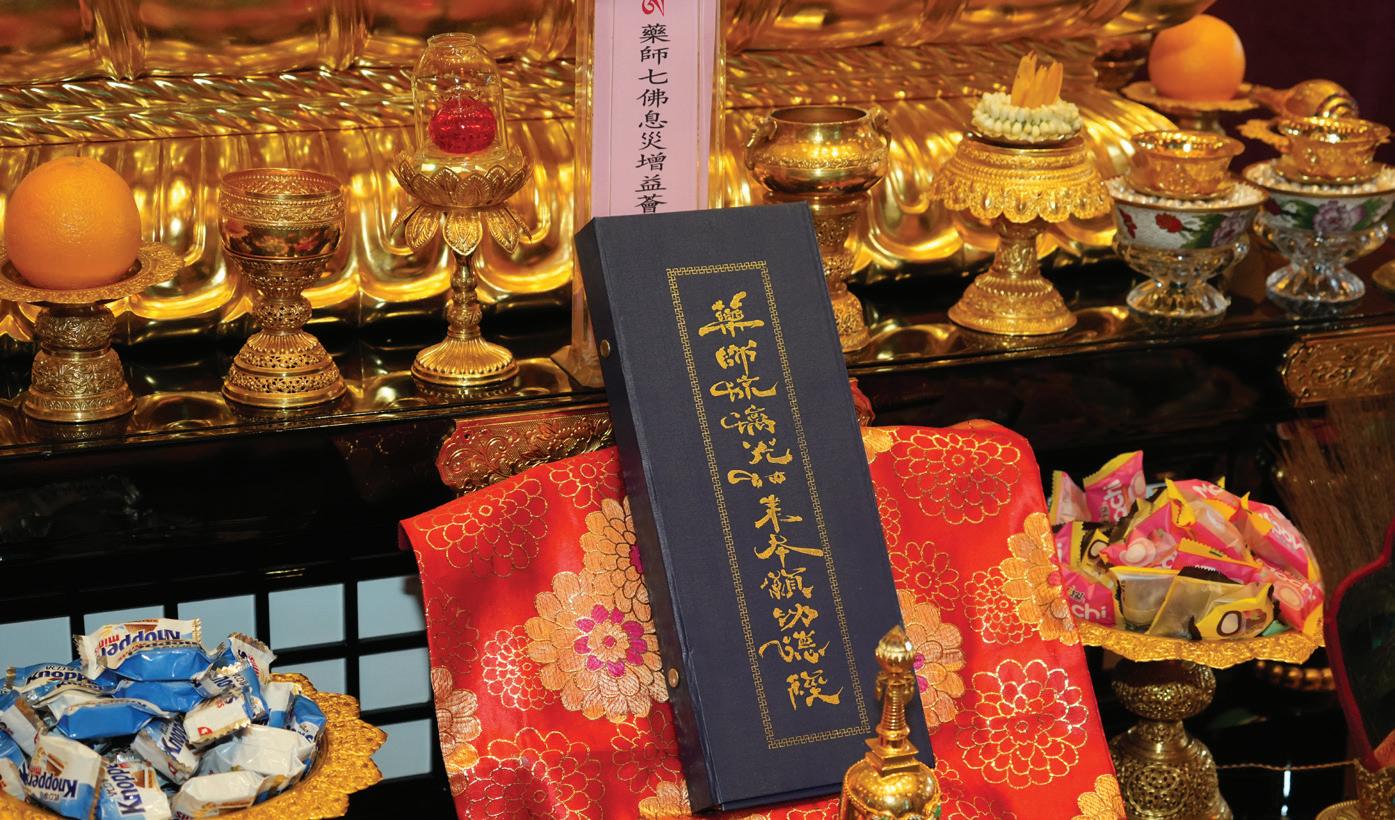
药师琉璃光七佛胜会 The Seven Medicine Buddhas Ceremony
November 2025
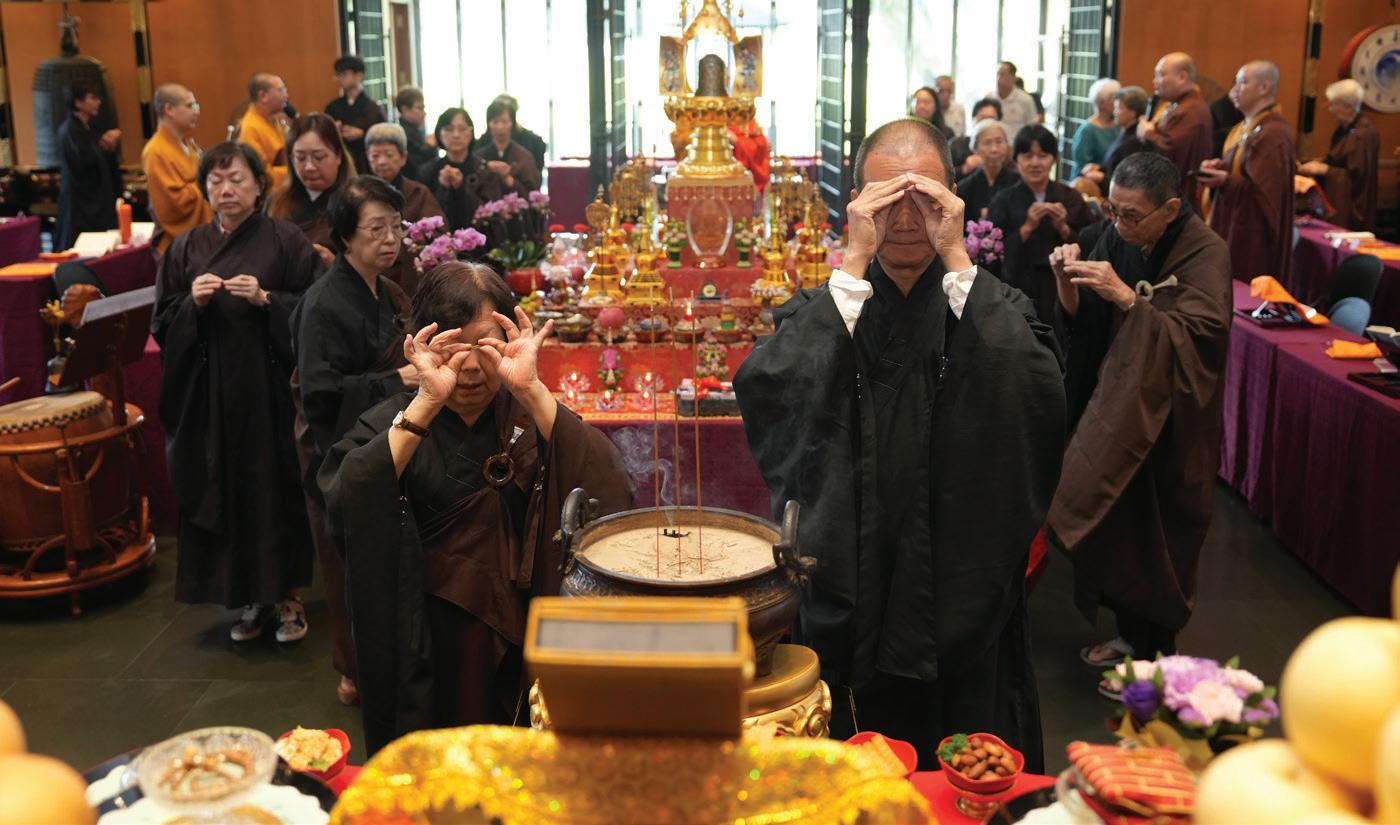
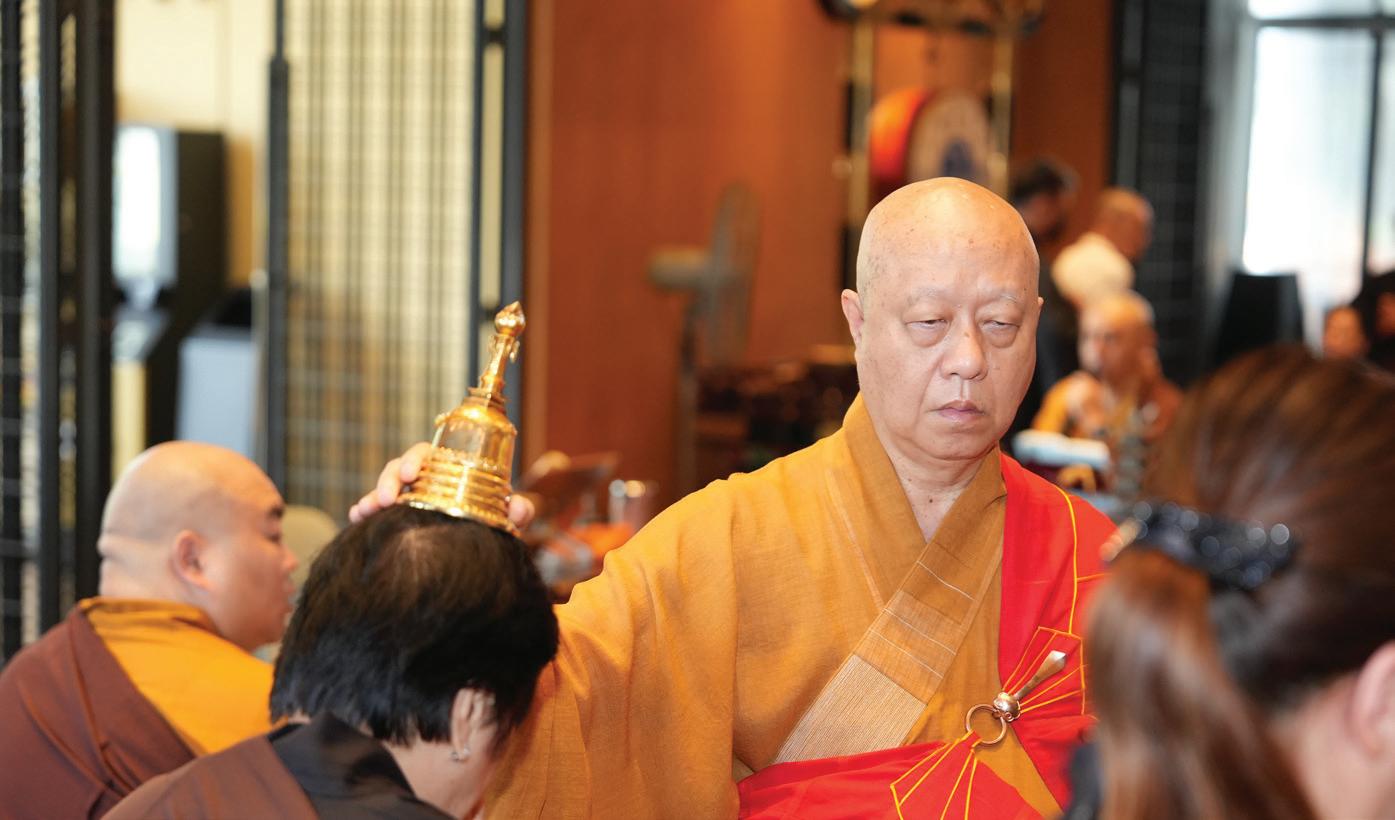
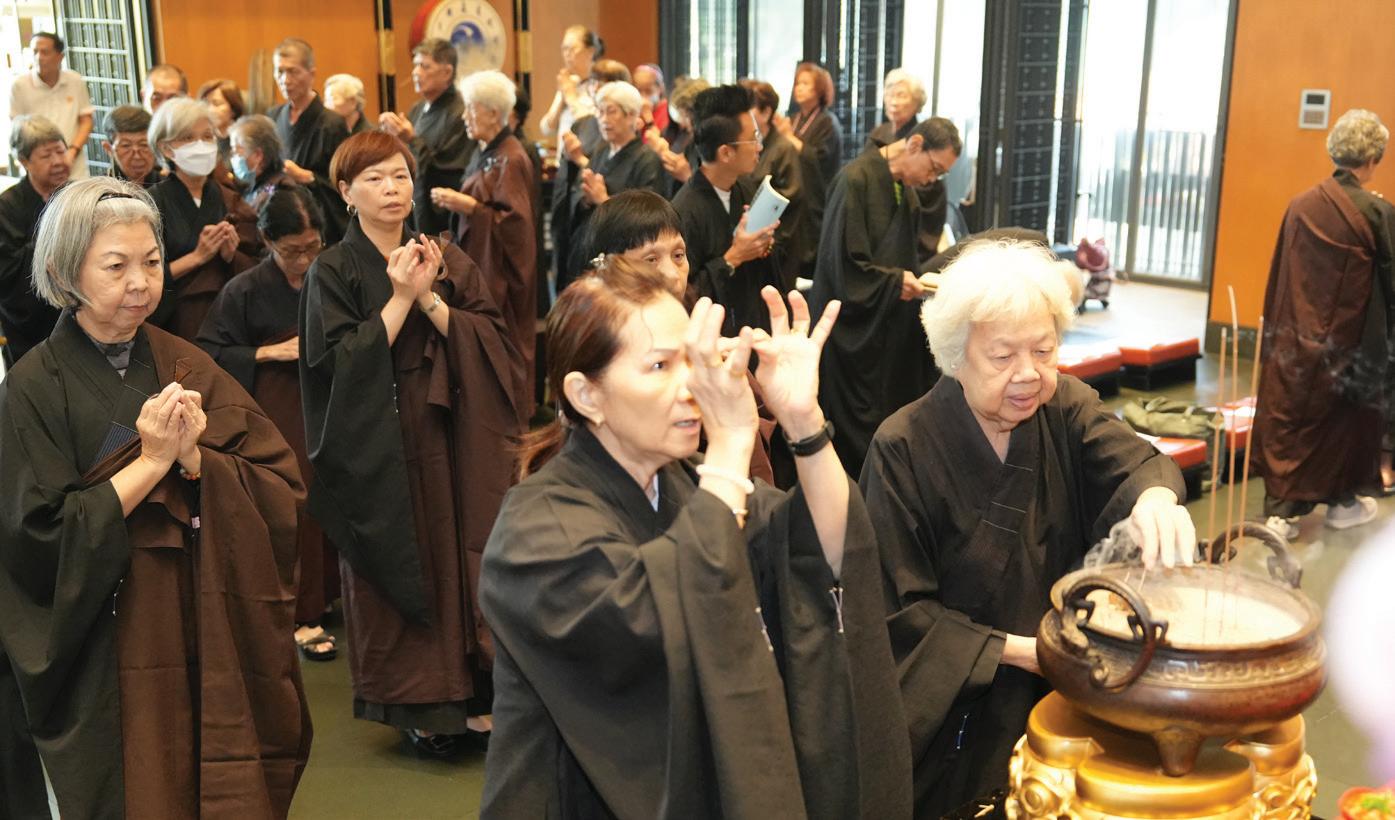
尊胜佛母荟供 Ushnishavijaya Offering Group Practice
December 2025
弥陀佛诞法会 Amitabha Buddha’s Birthday Ceremony
December 2025
药师法会 Medicine Buddha Ceremony
Every 7th day of lunar month 2025
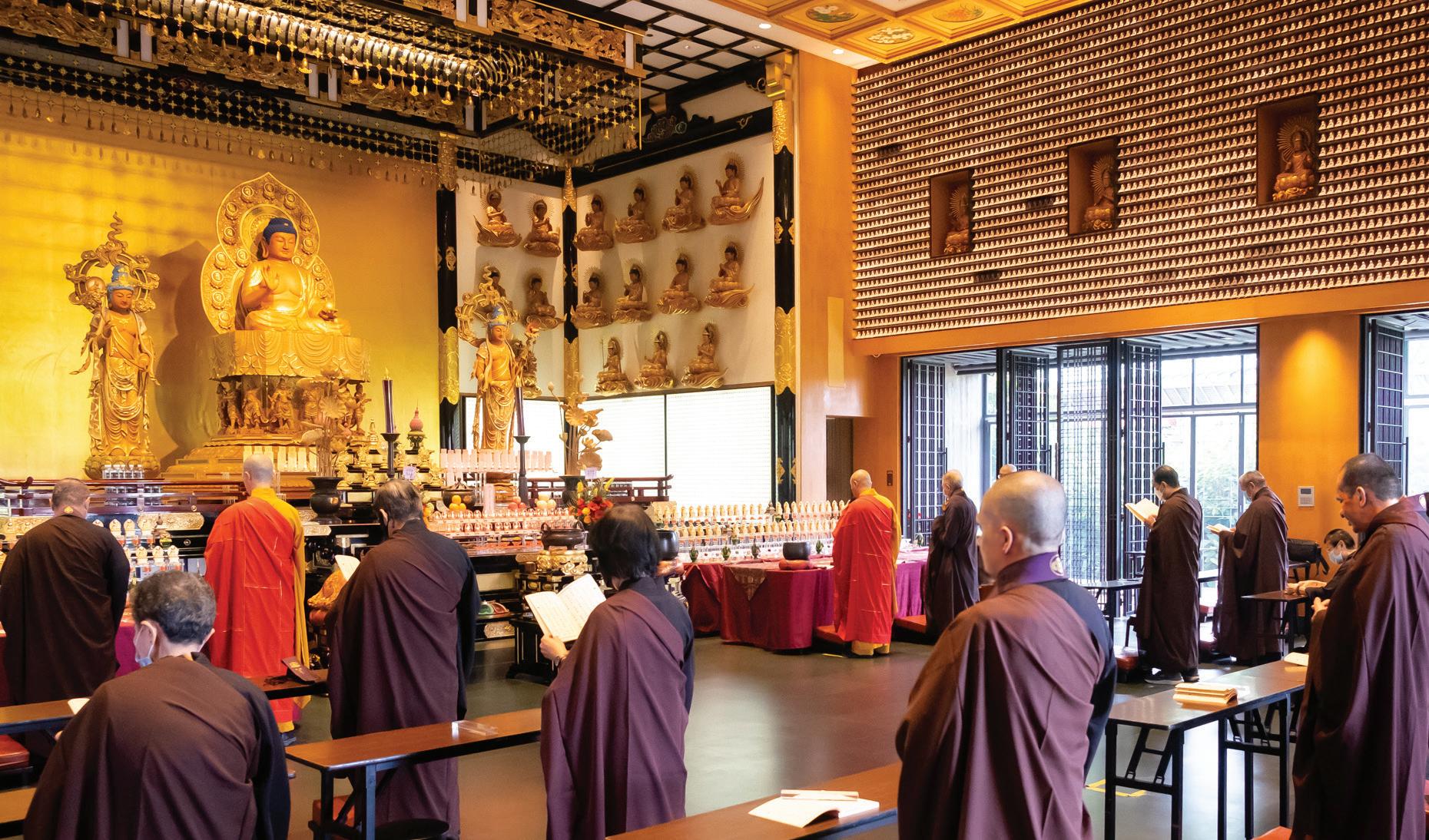
慈悲梁皇宝忏共修
Emperor Liang
Repentance Group
Practice
Every Saturday of 2025
护国金塔寺
慈善署注册号码: 1086
单一机构识别码: S92SS0036K
注册地址: 83 淡滨尼连路.
新加坡邮区 528740
信托人: 昭坤法照 BBM
余添辉居士
陈延基居士
银行:
大华银行
华侨银行
渣打银行
法国巴黎银行
中国银行
丰隆金融
富雅金融
审计师: Credo Assurance LLP
本地捐款 Local Donations
1. The Singapore Chinese Buddhist Association
2. Buddha Tooth Relic Temple (Singapore)
3. Mahakaruna Buddhist Society
4. Fa Hua Monastery
5. Samantabhadra Vihara
6. Tan Tock Seng Hospital Community Fund
7. Dover Park Hospice
8. Ain Society
9. O’Joy Limited
10. The National Kidney Foundation
11. Kampung Senang Charity & Education Foundation Ltd
12. Jade Opera Group
13. Singapore Chinese Dance Theatre
14. Dance Ensemble Singapore Ltd
外地捐款 Overseas Donations
1. Sri Jinaratana Bhikku Abhyasa Vidyalaya (Sri Lanka)
Golden Pagoda Buddhist Temple
Charity Registration Number: 1086
UEN Number: S92SS0036K
Registered Address: 83 Tampines Link Singapore 528740
Trustees:
Venerable Chao Khun
Fa Zhao BBM
Mr. Ee Tiang Hwee
Mr. Tan Yen Kee
Bankers: United Overseas Bank Limited
Oversea-Chinese Banking Corporation Limited
Standard Chartered Bank
BNP Paribas
Bank of China
Hong Leong Finance Limited
Singapura Finance Ltd
Auditor: Credo Assurance LLP
1. Introduction
We are committed to high standards of corporate governance, upholding the values of accountability and transparency within our organization. We comply with the requirements of the Code of Governance (for Charities and Institutions of a Public Character) issued by the Charity Council.
2. Management Committee
The Temple is governed by a Management Committee (“MC”) comprising of 12 members elected in accordance with the Constitution. The MC is made up of the President, Vice President, Honorary Secretary, Assistant Honorary Secretary, Honorary Treasurer, Assistant Honorary Treasurer and six board members. The MC is collectively responsible for the governance, strategic planning and fiscal oversight of the Temple, ensuring that its resources are effectively allocated and activities are well executed. The MC also exercise prudence in furtherance of the charitable purpose of the Temple.
There is a maximum term limit of 4 consecutive years for the positions of Honorary Treasurer and Assistant Honorary Treasurer.
The MC conducts self-evaluation annually to assess its performance and effectiveness.
The MC meets at least 4 times a year. For the financial year from 1 Jan 2025 to 31 Dec 2025, there were 4 meetings.
MC meeting attendance record:
President
Venerable Chao Khun
Fa Zhao BBM
Vice President Venerable Shi Pu Yao
Honorary Secretary
Assistant Honorary Secretary
Honorary Treasurer
Assistant Honorary Treasurer
Committee Member
20/06/2025 4/4
20/06/2025 *2/2
Mr Saw Tee Kiam, James 20/06/2025 3/4
20/06/2025 2/4
Mr Lee Kwok Weng
Mr Chua Meng Kiat 20/06/2025 4/4
Mr Lim Swee Kiang, Vincent 20/06/2025 3/4
Mr Thong Min Hua
20/06/2025 3/4
Mr Ong Kah San 20/06/2025 *2/2
Mr Lim Thou Kin Julian 20/06/2025 *1/2
Mr Lee Beng Lark 20/06/2025 *2/2
Ms Xie Bisi, Pasty 20/06/2025 *2/2
Ms Boo Koh Li Nee, Lily 20/06/2025 *2/2
*This member was newly elected to the MC at the Annual General Meeting held on 20 Jun 2025. He/she therefore did not attend the 2 MC meetings convened before 20 June 2025.
Name
Venerable Chao Khun Fa Zhao BBM
Venerable Shi Pu Yao
Mr Saw Tee Kiam, James
Mr Lee Kwok Weng
Mr Chua Meng Kiat
Mr Lim Swee Kiang, Vincent
Current Boad
Appointment & Date First Board
President 20/06/2025
Vice President 20/06/2025
Honorary Secretary 20/06/2025
Assistant Honorary
Secretary 20/06/2025
Honorary Treasurer 20/06/2025
Assistant Honorary
Treasurer 20/06/2025
Appointment & Date (#)
President 21/02/1992
Vice President 20/06/2025
Management Committee Member 28/06/2019
Management Committee Member 28/06/2019
Honorary Treasurer 24/06/2023
Management Committee Member 30/06/2017
Occupation
Abbot
Abbot
Merchant
Infrastructure Support Lead
Director, Integrated COMMS
Assistant Manager
# This refers to date of first appointment to the Board on a continuous basis.
Officer Bearers
Affiliated Organisation Position in Affiliated Organisation
Venerable Chao Khun Fa Zhao BBM Buddha Tooth Relic Temple (Singapore) President
Mr Chua Meng Kiat Metta Welfare Association Vice Chairman of Community Partnership Committee
3. Sub-Committees
To enhance our corporate governance, the MC has established the following 3 subcommittees with documented Terms of Reference:
1. Audit Committee
2. Finance and Investment Committee
3. Programme & Services Committee
4. Senior Management Team
Name
Appointment
Date appointed to position Mr Ee Tiang Hwee Deputy Executive Director 01/07/2017
Our senior management team are professionals with the right skill sets and competencies to manage the organization and deliver the results expected by the MC.
5. Strategic Planning
The MC approves and reviews our Vision, Mission and Values to ensure we stay relevant in relation to the changing environment and needs. These are communicated to all stakeholders and the public through various platforms, including the annual report and corporate website. The MC regularly reviews and updates our strategic plans to ensure that our activities are in with our objectives.
The Finance & Investment Committee and the MC review and approve the annual budget prepared by management. The operating and capital expenditure budget is regularly monitored.
We are committed to disclosing audited statements that give an accurate and fair review of our financial position to ensure that they are in accordance with the requirements as specified by the authorities.
We are in place written procedures for financial matters in key areas which include procurement and controls, receipting., payment procedures, controls and system for the delegation of authority and limits of approval.
We adopt a rigorous enterprise risk management framework, and internal ISO audits are conducted yearly on key aspects of our operations. The Audit Committee assists the Management Committee (MC) in providing risk management oversight, while the Senior Management Team monitors and ensures the integrity of the internal control systems.
Audits are conducted by external auditors periodically to ensure that our internal controls are in place and that our financial, investment, and fund-raising policies are adhered to. The findings and recommendations made by the internal and external auditors are reviewed by the Audit Committee and reported to the MC.
8. Donations
All donations collected are properly accounted for and promptly deposited.
9. Conflict of Interest Policy
We have in place policies and procedures to manage and avoid situations of conflict of interest. All MC members, Sub-Committees members and our staff are required to make declarations of conflict of interest at the start of their terms or at the point of hire, annually, and as soon as such conflict or the possibility of such conflicts arises. When a conflict-ofinterest situation arises, conflicted individuals are not allowed to participate in the decisionmaking process or vote on the matters where they have a conflict of interest.
We maintain some level of reserves to ensure long-term financial sustainability. We maintain maximum reserves level of up to 5 years of annual operating expenditure. Our reserves exclude Investment Fund, Medicine Buddha Charity Fund and Sinking Fund.
We have set in place a privacy policy available on our corporate website. We have various processes to comply with the Personal Data Protection Act 2012 (“PDPA”). Data is used only
for purposes disclosed unless otherwise permitted under the law. Reasonable security arrangements are also in place to comply with PDPA obligations.
We publish our Annual Report on our corporate website, and it includes comprehensive information on our programmes, activities, audited financial statements, MC members and sub-committees, and senior management team.
No MC members received any remuneration for their Board duties
No staff members is involved in setting his or her own remuneration.
Governance Evaluation Checklist (Tier 1)
Please note that this checklist is based on the Code of Governance 2023 and is meant for self-assessment only. Submission of GEC is done via the Charity Portal.
Intructions: Please select your reponse for each item. Input the explanation if the secltion is "No" or "Partial Compliance".
SN Call for Action
1 Clearly state the charitable purposes (For example, vision and mission, objectives, use of resources, activities, and so on) and include the objectives in the charity’s governing instrument. Publish the stated charitable purposes on platforms (For example, Charity Portal, website, social media channels, and so on) that can be easily accessed by the public.
2 Develop and implement strategic plans to achieve the stated charitable purposes.
3 Have the Board review the charity’s strategic plans regularly to ensure that the charity is achieving its charitable purposes, and monitor, evaluate and report the outcome and impact of its activities.
4 The Board and Management are collectively responsible for achieving the charity’s charitable purposes. The roles and responsibilities of the Board and Management should be clear and distinct.
5 The Board and Management should be inducted and undergo training, where necessary, and their performance reviewed regularly to ensure their effectiveness.
6 Document the terms of reference for the Board and each of its committees. The Board should have committees (or desig nated Board member(s)) to oversee the following areas*, where relevant to the charity:
a. Audit
b. Finance
* Other areas include Programmes and Services, Fund-raising, Appointment/ Nomination, Human Resource, and Investment.
7 Ensure the Board is diverse and of an appropriate size, and has a good mix of skills, knowledge, and experience. All Board members should exercise independent judgement and act in the best interest of the charity.
8 Develop proper processes for leadership renewal. This includes establishing a term limit for each Board member. All Board members must submit themselves for re-nomination and reappointment, at least once every three years.
9 Develop proper processes for leadership renewal. This includes establishing a term limit for the Treasurer (or equivalent position).
For Treasurer (or equivalent position) only:
a. The maximum term limit for the Treasurer (or equivalent position like a Finance Committee Chairman, or key person on the Board responsible for overseeing the finances of the charity) should be four consecutive years. If there is no Board member who oversee the finances, the Chairman will take on the role.
i. After meeting the maximum term limit for the Treasurer, a Board member’s reappointment to the position of Treasurer (or an equivalent position may be considered after at least a two-year break.
ii. Should the Treasurer leave the position for less than two years, and when he/she is being re-appointed, the Treasurer’s years of service would continue from the time he/she stepped down as Treasurer.
10 Ensure the Board has suitable qualifications and experience, understands its duties clearly, and performs well.
a. No staff should chair the Board and staff should not comprise more than one-third of the Board.
11 Ensure the Management has suitable qualifications and experience, understands its duties clearly, and performs well.
a. Staff must provide the Board with complete and timely information and should not vote or participate in the Board’s decision-making.
12 Conduct appropriate background checks on the members of the Board and Management to ensure they are suited to work at the charity.
13 Document the processes for the Board and Management to declare actual or potential conflicts of interest, and the measures to deal with these conflicts of interest when they arise.
a. A Board member with a conflict of interest in the matter(s) discussed should recuse himself/herself from the meeting and should not vote or take part in the decision-making during the meeting.
14 Ensure that no Board member is involved in setting his/her own remuneration directly or indirectly.
15 Ensure that no staff is involved in setting his/her own remuneration directly or indirectly.
16 Establish a Code of Conduct that reflects the charity’s values and ethics and ensure that the
of Conduct is applied appropriately.
17 Take into consideration the ESG factors when conducting the charity’s activities.
18 Implement and regularly review key policies and procedures to ensure that they continue to support the charity’s objectives.
a. Ensure the Board approves the annual budget for the charity’s plans and regularly reviews and monitors its income and expenditures (For example, financial assistance, matching grants, donations by board members to the charity, funding, staff costs and so on).
19 Implement and regularly review key policies and procedures to ensure that they continue to support the charity’s objectives.
b. Implement appropriate internal controls to manage and monitor the charity’s funds and resources. This includes key processes such as:
i. Revenue and receipting policies and procedures; ii. Procurement and payment policies and procedures; and iii. System for the delegation of authority and limits of approval.
20 Seek the Board’s approval for any loans, donations, grants, or financial assistance provided by the charity which are not part of the core charitable programmes listed in its policy. (For example, loans to employees/subsidiaries, grants or financial assistance to business entities).
21 Regularly identify and review the key risks that the charity is exposed to and refer to the charity’s processes to manage these risks.
22 Disclose or submit the necessary documents (such as Annual Report, Financial Statements, GEC, and so on) in accordance with the requirements of the Charities Act, its Regulations, and other frameworks (For example, Charity Transparency Framework and so on).
23 Generally, Board members should not receive remuneration for their services to the Board. Where the charity’s governing instrument expressly permits remuneration or benefits to the Board members for their services, the charity should provide reasons for allowing remuneration or benefits and disclose in its annual report the exact remuneration and benefits received by each Board member.
24 The charity should disclose the following in its annual report: a. Number of Board meetings in the year; and b. Each Board member’s attendance.
25 The charity should disclose in its annual report the total annual remuneration (including any remuneration received in the charity’s subsidiaries) for each of its three highest-paid staff, who each receives remuneration exceeding $100,000, in incremental bands of $100,000. Should any of the three highest-paid staff serve on the Board of the charity, this should also be disclosed. If none of its staff receives more than $100,000 in annual remuneration each, the charity should disclose this fact.
26 The charity should disclose in its annual report the number of paid staff who are close members of the family of the Executive Head or Board members, and whose remuneration exceeds $50,000 during the year. The annual remuneration of such staff should be listed in incremental bands of $100,000. If none of its staff is a close member of the family of the Executive Head or Board members and receives more than $50,000 in annual remuneration, the charity should disclose this fact.
27 Implement clear reporting structures so that the Board, Management, and staff can access all relevant information, advice, and resources to conduct their roles effectively.
a. Record relevant discussions, dissenting views and decisions in the minutes of general and Board meetings. Circulate the minutes of these meetings to the Board as soon as practicable.
28 Implement clear reporting structures so that the Board, Management, and staff can access all relevant information, advice, and resources to conduct their roles effectively.
a. The Board meetings should have an appropriate quorum of at least half of the Board, if a quorum is not stated in the charity’s governing instrument.
29 Develop and implement strategies for regular communication with the charity’s stakeholders and the public (For example, focus on the charity’s branding and overall message, raise awareness of its cause to maintain or increase public support, show appreciation to supporters, and so on).
30 Listen to the views of the charity’s stakeholders and the public and respond constructively.
$4,053,478
(Registration No. S92SS0036K)
(Incorporated in the Republic of Singapore )
AUDITED
For the financial year ended 31 December 2025
CREDO ASSURANCE LLP
Public Accountants and Chartered Accountants of Singapore
Registration no. T15LL0120C
545 Orchard Road #10-06
Far East Shopping Centre, Singapore 238882
Tel: (65) 9837 2633
STATEMENT BY THE MANAGEMENT COMMITTEE FOR THE FINANCIAL YEAR ENDED 31 DECEMBER 2025
In the opinion of the Management Committee, the accompanying financial statements are drawn up so as to present fairly, in all material respects, the state of affairs of the Golden Pagoda Buddhist Temple (the “Temple”) as at 31 December 2025 and of its results, changes in funds and cash flows of the Temple for the financial year ended on that date and at the date of this report, there are reasonable grounds to believe that the Temple will be able to pay its debts as and when they fall due.
The Management Committee of the Temple in office at the date of this statement are:
President
Vice President
Honorary Secretary
Assistant Honorary Secretary
Honorary Treasurer
Assistant Honorary Treasurer
Committee Member
Committee Member
Committee Member
Committee Member
Committee Member
Committee Member
Lai Meng Wah @ Shi Fa Zhao
Lee Cheng Kwee @ Shi Pu Yao
Saw Tee Kiam
Lee Kwok Weng
Chua Meng Kiat
Lim Swee Kiang
Lim Thou Kin Julian
Thong Min Hua
Ong Kah San
Lee Beng Lark
Xie Bisi Patsy
Boo Koh Li Nee Lily
On behalf of the Management Committee,
Lai Meng Wah @ Shi Fa Zhao
Chua Meng Kiat President Honorary Treasurer
Date:

Public Accountants and Chartered Accountants of Singapore
Opinion
We have audited the financial statements of Golden Pagoda Buddhist Temple (‘the Temple), which comprise the statement of financial position of the Temple as at 31 December 2025, and the statement of financial activities, statement of changes in funds and statement of cash flows for the year then ended, and notes to the financial statements, including material accounting policy information
In our opinion, the accompanying financial statements are properly drawn up in accordance with the provisions of the Societies Act 1996 (the Societies Act), the Charities Act 1994 and other relevant regulations (the Charities Act and Regulations) and Charities Accounting Standard (CAS) so as to present fairly, in all material respects, the financial position of the Temple as at 31 December 202 5 and the financial performance, changes in funds and cash flows of the Temple for the year ended on that date.
We conducted our audit in accordance with Singapore Standards on Auditing (SSAs). Our responsibilities under those standards are further described in the Auditor’s Responsibilities for the Audit of the Financial Statements section of our report. We are independent of the Temple in accordance with the Accounting and Corporate Regulatory Authority (ACRA) Code of Professional Conduct and Ethics for Public Accountants and Accounting Entities (ACRA Code) together with the ethical requirements that are relevant to our audit of the financial statements in Singapore, and we have fulfilled our other ethical responsibilities in accordance with these requirements and the ACRA Code. We believe that the audit evidence we have obtained is sufficient and appropriate to provide a basis for our opinion.
Management Committee is responsible for the other information. The other information comprises the Statement by Management Committee set out on page 1 and the information included in the Annual Report, but does not include the financial statements and our auditor’s report thereon.
Our opinion on the financial statements does not cover the other information and we do not express any form of assurance conclusion thereon.
In connection with our audit of the financial statements, our responsibility is to read the other information and, in doing so, consider whether the other information is materially inconsistent with the financial statements or our knowledge obtained in the audit, or otherwise appears to be materially misstated. If, based on the work we have performed, we conclude that there is a material misstatement of this other information, we are required to report that fact. We have nothing to report in this regard.
Public Accountants and Chartered Accountants of Singapore
Responsibilities of Management and Committee for the Financial Statements
Management Committee is responsible for the preparation and fair presentation of the financial statements in accordance with the provisions of the Societies Act, the Charities Act, CAS and for such internal control as management determines is necessary to enable the preparation of financial statements that are free from material misstatement, whether due to fraud or error.
In preparing the financial statements, Management Committee is responsible for assessing the Temple’s ability to continue as a going concern, disclosing, as applicable, matters related to going concern and using the going concern basis of accounting unless management either intends to liquidate the Temple or to cease operations, or has no realistic alternative but to do so.
Those charged with governance are responsible for overseeing the Temple’s financial reporting process.
Our objectives are to obtain reasonable assurance about whether the financial statements as a whole are free from material misstatement, whether due to fraud or error, and to issue an auditor’s report that includes our opinion. Reasonable assurance is a high level of assurance, but is not a guarantee that an audit conducted in accordance with SSAs will always detect a material misstatement when it exists. Misstatements can arise from fraud or error and are considered material if, individually or in the aggregate, they could reasonably be expected to influence the economic decisions of users taken on the basis of these financial statements.
As part of an audit in accordance with SSAs, we exercise professional judgement and maintain professional scepticism throughout the audit. We also:
• Identify and assess the risks of material misstatement of the financial statements, whether due to fraud or error, design and perform audit procedures responsive to those risks, and obtain audit evidence that is sufficient and appropriate to provide a basis for our opinion. The risk of not detecting a material misstatement resulting from fraud is higher than for one resulting from error, as fraud may involve collusion, forgery, intentional omissions, misrepresentations, or the override of internal control.
• Obtain an understanding of internal control relevant to the audit in order to design audit procedures that are appropriate in the circumstances, but not for the purpose of expressing an opinion on the effectiveness of the Temple’s internal control.
• Evaluate the appropriateness of accounting policies used and the reasonableness of accounting estimates and related disclosures made by management.
Public Accountants and Chartered Accountants of Singapore
Credo Assurance LLP
545 Orchard Road
#10-06 Far East Shopping Centre Singapore 238882 T: (65) 9837 2633
Auditor’s Responsibilities for the Audit of the Financial Statements (Continued)
• Conclude on the appropriateness of Management Committee’s use of the going concern basis of accounting and, based on the audit evidence obtained, whether a material uncertainty exists related to events or conditions that may cast significant doubt on the Temple’s ability to continue as a going concern. If we conclude that a material uncertainty exists, we are required to draw attention in our auditor’s report to the related disclosures in the financial statements or, if such disclosures are inadequate, to modify our opinion. Our conclusions are based on the audit evidence obtained up to the date of our auditor’s report. However, future events or conditions may cause the Temple to cease to continue as a going concern.
• Evaluate the overall presentation, structure and content of the financial statements, including the disclosures, and whether the financial statements represent the underlying transactions and events in a manner that achieves fair presentation.
We communicate with those charged with governance regarding, among other matters, the planned scope and timing of the audit and significant audit findings, including any significant deficiencies in internal control that we identify during our audit.
In our opinion, the accounting and other records required to be kept by the Temple have been properly kept in accordance with the provision of Societies Regulations enacted under Societies Act, Charities Act and Regulations.
ASSURANCE LLP
Public Accountants and Chartered Accountants
Engagement Partner: Lim Sue Ann P.A. Number.: 02061
Singapore,
STATEMENT OF FINANCIAL POSITION AS AT 31 DECEMBER 2025
STATEMENT OF COMPREHENSIVE INCOME FOR THE FINANCIAL YEAR ENDED 31 DECEMBER
Surplus/(deficit)
(182,661)
STATEMENT OF CHANGES IN FUND FOR THE FINANCIAL YEAR ENDED 31 DECEMBER 202 5
Balance at 1 January 202 4
Total comprehensive income for the financial year
Balance at 31 December 202 4 11,673,619 2,622,998
Balance at 31 December 202 5 12,381,059 2,637,612 109,038 1,752,051 13,688,636 30,568,396
STATEMENT OF CASH FLOWS FOR THE FINANCIAL YEAR ENDED 31 DECEMBER 2025
The accompanying notes form an integral part of these financial statements.
These notes form an integral part of and should be read in conjunction with the accompanying financial statements.
Golden Pagoda Buddhist Temple (the “Temple”) was registered under the Societies Act 1966 on 12 February 1992 The Temple became a registered charity under the Charities Act 1994 on 20 March 1995. The address of its registered address and principal place of activities are located at 83 Tampines Link, Singapore 528740
The principal activities of the Temple are to act as a place of Buddhism worship, promote the Buddhist religion and to grant relief and aid to the sick, poor and needy
The financial statements of the Temple for the financial year ended 31 December 202 5 were authorised for issue by the Management Committee on the date of Statement by the Management Committee.
2 Material accounting policy information
2.1 Basis of preparation
The financial statements have been prepared in accordance with the Societies Act 1966 , the Charities Act 1994 and Charities Accounting Standards (“CAS”).
The financial statements which are presented in Singapore dollar (“$” ) except when otherwise stated), have been prepared on the historical cost basis, except as disclosed in the accounting policies below.
The preparation of these financial statements in conformity with CAS requires the use of estimates and assumptions that affect the reported amounts of assets and liabilities and disclosure of contingent assets and liabilities at the date of the financial statements and the reported amounts of revenues and expenses during the financial year. Although these estimates are based on Management Committee’s best knowledge of current events and actions and historical experiences and various other factors that are believed to be reasonable under the circumstances, actual results may ultimately differ from those estimates.
The estimates and underlying assumptions are reviewed on an ongoing basis. Revisions to accounting estimates are recognised in the period in which the estimate is revised if the revision affects only that period, or in the period of revision and future periods, if the revision affects both current and future periods. The areas involving a higher degree of judgement or complexity or areas where assumptions are significant to the financial statements are disclosed in Note 3.
2.2
The accounting policies adopted are consistent with those of the previous financial year except that in the current financial year, the Temple has adopted all the new and amended standards which are relevant to the Temple and are effective for annual financial period beginning on or after 1 January 2025. The adoption of these standards did not have any material effect on the financial performance or position of the Temple
2. Material accounting policy information (Continued)
Transactions in foreign currencies are measured in the respective functional currencies of the Temple and are recorded on initial recognition in the functional currencies at exchange rates approximating those ruling at the transaction dates. Monetary assets and liabilities denominated in foreign currencies are translated at the rate of exchange ruling at the end of the reporting period. Non-monetary items that are measured in terms of historical cost in a foreign currency are translated using the exchange rates as at the dates of the initial transactions. Nonmonetary items measured at fair value in a foreign currency are translated using the exchange rates at the date when the fair value was measured.
The Temple assesses at each reporting date whether there is an indication that an asset may be impaired. If any indication exists, (or, where applicable, when an annual impairment testing for an asset is required), the Temple makes an estimate of the asset’s recoverable amount.
An asset’s recoverable amount is the higher of an asset’s or cash -generating unit’s fair value less costs of disposal and its value in use and is determined for an individual asset, unless the asset does not generate cash inflows that are largely independent of those from other assets or group of assets.
Where the carrying amount of an asset or cash -generating unit exceeds its recoverable amount, the asset is considered impaired and is written down to its recoverable amount.
Impairment losses are recognised in profit or loss.
A previously recognised impairment loss is reversed only if there has been a change in the estimates used to determine the asset’s recoverable amount since the last impairment loss was recognised. If that is the case, the carrying amount of the asset is increased to its recoverable amount. That increase cannot exceed the carrying amount that would have been determined, net of depreciation, had no impairment loss been recognised previously. Such reversal is recognised in profit or loss.
Any revaluation surplus is recognised in other comprehensive income and accumulated in equity under the asset revaluation reserve, except to the extent that it reverses a revaluation decrease of the same asset previously recognised in profit or loss, in which case the increase is recognised in profit or loss. A revaluation deficit is recognised in profit or loss, except to the extent that it offsets an existing surplus on the same asset carried in the asset revaluation reserve.
Any accumulated depreciation as at the revaluation date is eliminated against the gross carrying amount of the asset and the net amount is restated to the revalued amount of the asset. The revaluation surplus included in the asset revaluation reserve in respect of an asset is transferred directly to retained earnings on retirement or disposal of the asset.
Freehold land has an unlimited useful life and therefore is not depreciated.
2. Material accounting policy information (Continued)
2.5 Property, plant and equipment (Continued)
Depreciation is computed on a straight-line method over the estimated useful lives of the assets as follows:
The carrying values of property, plant and equipment are reviewed for impairment when events or changes in circumstances indicate that the carrying value may not be recoverable.
The residual value, estimated useful lives and depreciation method are reviewed at each reporting period and adjusted prospectively, if appropriate.
An item of property, plant and equipment is derecognised upon disposal or when no future economic benefits are expected from its use or disposal. Any gain or loss arising from derecognition of the assets is included in profit or loss in the period that the assets are derecognised.
2.6 Financial instruments
(a) Financial assets
Initial recognition and measurement
Financial assets are recognised when, and only when the entity becomes party to the contractual provisions of the instruments.
At initial recognition, the Temple measures a financial asset at its fair value plus, in the case of a financial asset not at fair value through profit or loss (FVPL), transaction costs that are directly attributable to the acquisition of the financial asset. Transaction costs of financial assets carried at FVPL are expensed in profit or loss.
Trade receivables are measured at the amount of consideration to which the Temple expects to be entitled in exchange for transferring promised goods or services to a customer, excluding amounts collected on behalf of third party, if the trade receivables do not contain a significant financing component at initial recognition.
2. Material accounting policy information (Continued)
2.6 Financial instruments (Continued)
(a) Financial assets (Continued)
Subsequent measurement
Investment in debt instruments
Subsequent measurement of debt instruments depends on the Temple’s business model for managing the asset and the contractual cash flow characteristics of the asset. The three measurement categories for classification of debt instruments are amortised cost, fair value through other comprehensive income (FVOCI) and FVPL. The Temple only has debt instruments at amortised cost.
Financial assets that are held for the collection of contractual cash flows where those cash flows represent solely payments of principal and interest are measured at amortised cost. Financial assets are measured at amortised cost using the effective interest method, less impairment. Gains and losses are recognised in profit or loss when the assets are derecognised or impaired, and through the amortisation process.
Derecognition
A financial asset is derecognised where the contractual right to receive cash flows from the asset has expired. On derecognition of a financial asset in its entirety, the difference between the carrying amount and the sum of the consideration received and any cumulative gain or loss that had been recognised in other comprehensive income for debt instruments is recognised in profit or loss.
(b) Financial liabilities
Initial recognition and measurement
Financial liabilities are recognised when, and only when, the Temple becomes a party to the contractual provisions of the financial instrument. The Temple determines the classification of its financial liabilities at initial recognition.
All financial liabilities are recognised initially at fair value plus in the case of financial liabilities not at FVPL, directly attributable transaction costs.
Subsequent measurement
After initial recognition, financial liabilities that are not carried at FVPL are subsequently measured at amortised cost using the effective interest method. Gains and losses are recognised in profit or loss when the liabilities are derecognised, and through the amortisation process.
Derecognition
A financial liability is derecognised when the obligation under the liability is discharged or cancelled or expires. On derecognition, the difference between the carrying amounts and the consideration paid is recognised in profit or loss.
2. Material accounting policy information (Continued)
The Temple recognises an allowance for expected credit losses (ECLs) for all debt instruments not held at FVPL. ECLs are based on the difference between the contractual cash flows due in accordance with the contract and all the cash flows that the Temple expects to receive, discounted at an approximation of the original effective interest rate. The expected cash flows will include cash flows from the sale of collateral held or other credit enhancements that are integral to the contractual terms.
ECLs are recognised in two stages. For credit exposures for which there has not been a significant increase in credit risk since initial recognition, ECLs are provided for credit losses that result from default events that are possible within the next 12 -months (a 12-month ECL). For those credit exposures for which there has been a significant increase in credit risk since initial recognition, a loss allowance is recognised for credit losses expected over the remaining life of the exposure, irrespective of timing of the default (a lifetime ECL).
For trade receivables, the Temple applies a simplified approach in calculating ECLs. Therefore, the Temple does not track changes in credit risk, but instead recognises a loss allowance based on lifetime ECLs at each reporting date. The Temple has established a provision matrix that is based on its historical credit loss experience, adjusted for forward -looking factors specific to the debtors and the economic environment which could affect debtors’ ability to pay.
The Temple considers a financial asset in default when contractual payments are 60 days past due. However, in certain cases, the Temple may also consider a financial asset to be in default when internal or external information indicates that the Temple is unlikely to receive the outstanding contractual amounts in full before taking into account any credit enhancements held by the Temple. A financial asset is written off when there is no reasonable expectation of recovering the contractual cash flows.
Cash and cash equivalents comprise cash at bank and on hand which are subject to an insignificant risk of changes in value.
2.9
General
Provisions are recognised when the Temple has a present obligation (legal or constructive) as a result of a past event, it is probable that an outflow of resources embodying economic benefits will be required to settle the obligation and the amount of the obligation can be estimated reliably.
Provisions are reviewed at the end of each reporting period and adjusted to reflect the current best estimate. If it is no longer probable that an outflow of economic resources will be required to settle the obligation, the provision is reversed. If the effect of the time value of money is material, provisions are discounted using a current pre -tax rate that reflects, where appropriate, the risks specific to the liability. When discounting is used, the increase in the provision due to the passage of time is recognised as a finance cost.
Provisions for assurance-type warranty-related costs are recognised when the product is sold or service provided. Initial recognition is based on historical experience. The initial estimate of warranty-related costs is revised annually.
2. Material accounting policy information (Continued)
2.10 Government grants
Government grants are recognised as a receivable when there is reasonable assurance that the grant will be received and all attached conditions will be complied with.
When the grant relates to an expense item, it is recognised as income on a systematic basis over the periods that the related costs, for which it is intended to compensate, are expensed. When the grant relates to an asset, the fair value is recognised as deferred income on the statement of financial position and is recognised as income in equal amounts over the expected useful life of the related asset.
When loans or similar assistance are provided by governments or related institutions with an interest rate below the current applicable market rate, the effect of this favourable interest is regarded as additional government grant.
2.11 Revenue
Revenue comprises the fair value of the consideration received or receivable for the services rendered in the ordinary course of the Temple’s activities. Revenue is recognised as follows:
Donations are recognised on receipt basis. Donations -in-kind are recognised when the fair value of the assets received can be reasonably ascertained.
Charitable incomes are generated from charity events and ceremonies.
Income from charitable activities is recognised on both receipt basis and accrued as and when they are committed.
Interest income is recognised on a time-proportion basis using the effective interest method.
The preparation of the Temple’s financial statements requires management to make judgements, estimates and assumptions that affect the reported amounts of revenues, expenses, assets and liabilities, and the disclosure of contingent liabilities at the end of each reporting period. Uncertainty about these assumptions and estimates could result in outcomes that require a material adjustment to the carrying amount of the asset or liability affected in the future periods.
The management is of the opinion that there are no significant judgments made in applying accounting estimates and policies that have a significant risk of causing a material adjustment to the carrying amounts of assets and liabilities within the next financial year
The key assumptions concerning the future and other key sources of estimation uncertainty at the end of the reporting period are discussed below. The Temple based its assumptions and estimates on parameters available when the financial statements were prepared. Existing circumstances and assumptions about future developments, however, may change due to market changes or circumstances arising beyond the control of the Temple. Such changes are reflected in the assumptions when they occur.
FOR THE FINANCIAL YEAR ENDED 31 DECEMBER 2025
3. Significant accounting judgements and estimates (continued)
The cost of property, plant and equipment of the Temple is depreciated on a straight -line basis over the useful lives of property, plant and equipment. Management estimates the useful lives of these property, plant and equipment to be within 3 to 30 years. These are common life expectancies applied. The carrying amount of the Temple’s property, plant and equipment at the end of financial year was $15,258,079 (2024: $15,881,298). Changes in the expected level of usage and technological developments could impact on the economic useful lives and the residual values of these assets, therefore the future depreciation charges could be revised.
15,258,078
NOTES TO THE FINANCIAL STATEMENTS FOR THE FINANCIAL YEAR ENDED 31 DECEMBER 2025
5. Investment in financial assets
Investment in financial assets refers to investment in Singapore Government Bond which carries a coupon rate of 2.875% per annum and will be mature in 1st Sept 2030.
At the reporting date, the fair value of the above investment in financial assets are S$ 1,033,697 x
6. Other receivables
Other receivables are short-term in nature, unsecured, interest-free and are denominated in Singapore Dollar.
7. Cash and bank deposits
Cash at banks earns interest at floating rates based on daily bank deposit rates. Short -term deposits are made for varying periods of between 3 to 12 months depending on the immediate cash requirements of the Temple, and earn interests at the respective short -term deposit rates. The effective interest rates ranged from 1.50% to 3.71% (2024: 1.50% to 3.80%) per annum. The balances are denominated in Singapore Dollars.
Fixed deposit amounting to $50,000 (2024: $50,000) have been pledged to the bank for corporate credit card facility.
Cash and bank deposits are denominated in Singapore Dollar.
For the purpose of statement of cash flows, cash and cash equivalents comprise the following at the end of the financial year.
NOTES TO THE FINANCIAL STATEMENTS FOR THE FINANCIAL YEAR ENDED 31 DECEMBER 2025
8. Preservation of monuments
“Preservation of monuments” assets comprising artworks and artefacts are purchased by the Temple through an overseas auction. No depreciation is provided for these artworks/ artefacts since they have a similar nature to “antique” assets which have an infinite useful life.
9. Trade and other payables
Trade payables are non-interest bearing and are generally on 60 days’terms.
Deferred revenue primarily relates to donation received from donors for future worship events and ceremonies.
Other payables are denominated in Singapore Dollar
Other payables to related parties are non-trade related, unsecured, interest free and repayable on demand.
NOTES TO THE FINANCIAL STATEMENTS FOR THE FINANCIAL YEAR ENDED 31 DECEMBER 2025
10. Unrestricted and restricted funds
Designated Funds
“Designated funds” shall be accounted for as part of the charity’s unrestricted funds
Investment Fund
The investment fund was established in 1996. 20% of the net surplus of each financial year shall be set aside for the purpose of purchasing held-to-maturity investments.
Medicine Buddha Charity Fund
The Medicine Buddha charity fund was established in 2019 for charitable donation purposes and 20% of the net surplus of each financial year shall be set aside for the purpose. The fund will support the following social and charitable organisations.
a) Buddhist organisations;
b) Social service agencies;
c) Educational institutions;
d) Chinese and cultural organisations;
e) Overseas charities
f) Any other deserving organisations or individual, as decided by the Management Committee.
Sinking Fund
The sinking fund was established in 2008 to set aside funds for the repair, maintenance, renovations and upgrading works of the temple. 20% of the net surplus of each financial year shall be set aside for this purpose.
Restricted Funds
Reconstructed Temple Building account
This fund represents reconstruction cost of the temple building.
11. Charitable Income
12. Other Income
13. Cost
14. Employee Benefits Expense
15. Governance and Administrative Expenses
16. Charitable donations and sponsorships
These donations and sponsorship relate to solicited cash donations made to local and overseas charities:
The disbursements of the above donations and sponsorships were approved by the Management Committee for amount above $10,000. All donations to overseas charities were approved by Management Committee.
17. Significant related party transactions
The following transactions with related parties took place at terms agreed between the related parties during the financial year:
NOTES TO THE FINANCIAL STATEMENTS FOR THE FINANCIAL YEAR ENDED 31 DECEMBER 2025
17. Significant related party transactions (cont’d)
The Temple is governed by the Management Committee, which is the final authority and has overall responsibility for policy making and determination of all activities. The Temple has in place a conflict of interest policy in its code of conduct. All members of the Management Committee and senior management are required to declare their conflict of interest yearly.
A conflict of interest may arise when the Management Committee members or senior management have a personal direct or indirect interest in suppliers or service providers that submit quotations or tender. Accordingly, they are to evaluate whether he or she has direct or vested interest in the relevant suppliers or service providers. Full disclosure of interest shall be made and these interested persons are not to be involved in that approving of that procurement.
18. Financial instruments by category
At the reporting date, the aggregate carrying amounts of loans and receivables and financial liabilities at amortised cost were as follows:
19. Reserve position and policy
The Temple’s reserve position for financial year ended is as follows :
Funds C Reconstructed Temple Building 13,688,636 14,345,690
D Total Funds (B + C) 30,568,396 30,495,324
NOTES TO THE FINANCIAL STATEMENTS FOR THE FINANCIAL YEAR ENDED 31 DECEMBER 2025
19. Reserve position and policy (cont’d)
Reference :
D. Total Funds include unrestricted funds/ designated funds and restricted funds.
E. Total Annual Operating Expenditure include expenses related to cost of charitable activities and other operating expenses.
F. “Ratio of Fund to Annual Operating Expenditure” – the Fund refer to Accumulated Development and General Fund
The Temple’s Reserve Policy is as follows :
The maximum operating reserves for Golden Pagoda Buddhist Temple shall be give (5) years of the amount of the annual operating expenditure.
The operating reserves (unrestricted fund) shall include the following designated funds :
a. Sinking Fund
b. Investment Fund
c. Medicine Buddha Charity Fund
20. Fair values
The fair value of a financial instrument is the amount at which the instrument could be exchanged or settled between knowledgeable and willing parties in an arm’s length transaction.
The following methods and assumptions are used to estimate the fair value of each class of financial instruments for which it is practicable to estimate that value.
Cash and cash equivalents, other receivables and other payables
The carrying amounts of these balances approximate their fair values due to the short -term nature of these balances.
The carrying amounts of these payables approximate their fair values as they are subject to normal trade credit terms.
21. Funds management
The primary objective of the Temple’s funds management is to ensure that the funding from members and other sources are properly managed and used to support its operations.
The Temple manages its funds structure and makes adjustments to it, in light of changes in economic conditions. No changes were made in the objectives, policies or processes during the financial years ended 31 December 2025 and 2024 respectively.
The Temple is not subjected to externally imposed capital requirements.
22. Authorisation of financial statements for issue
The financial statements for the financial year ended 31 December 2025 were authorised for issue in accordance with the approval from Management Committee members on 3nd June 2026
4,053,478
4,253,847
(657,054) (182,661)
GOLDEN PAGODA BUDDHIST TEMPLE
83 Tampines Link Singapore 528740.
P : +65 65820988
E : services@gpbt.org.sg
www.goldenpagoda.org.sg