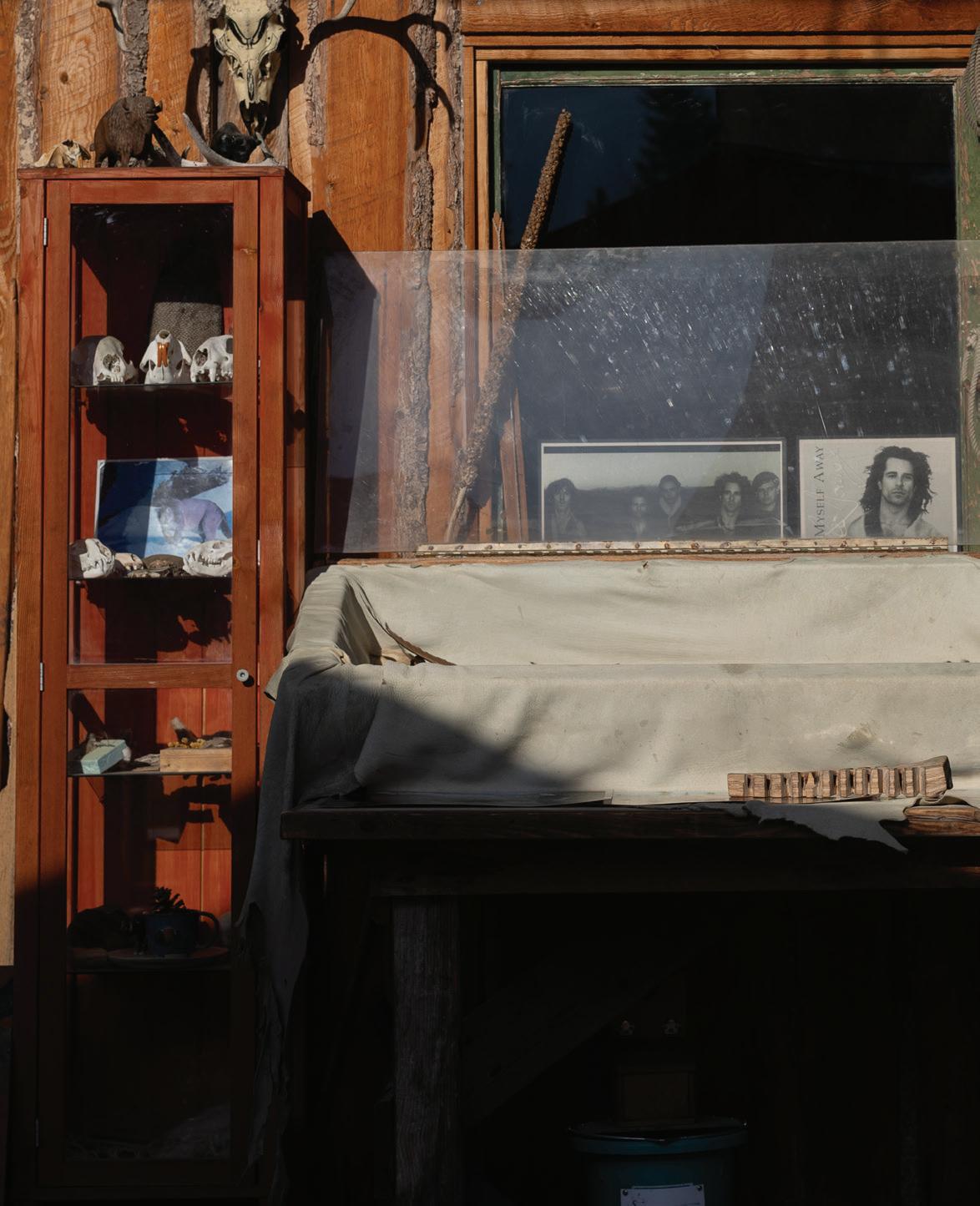
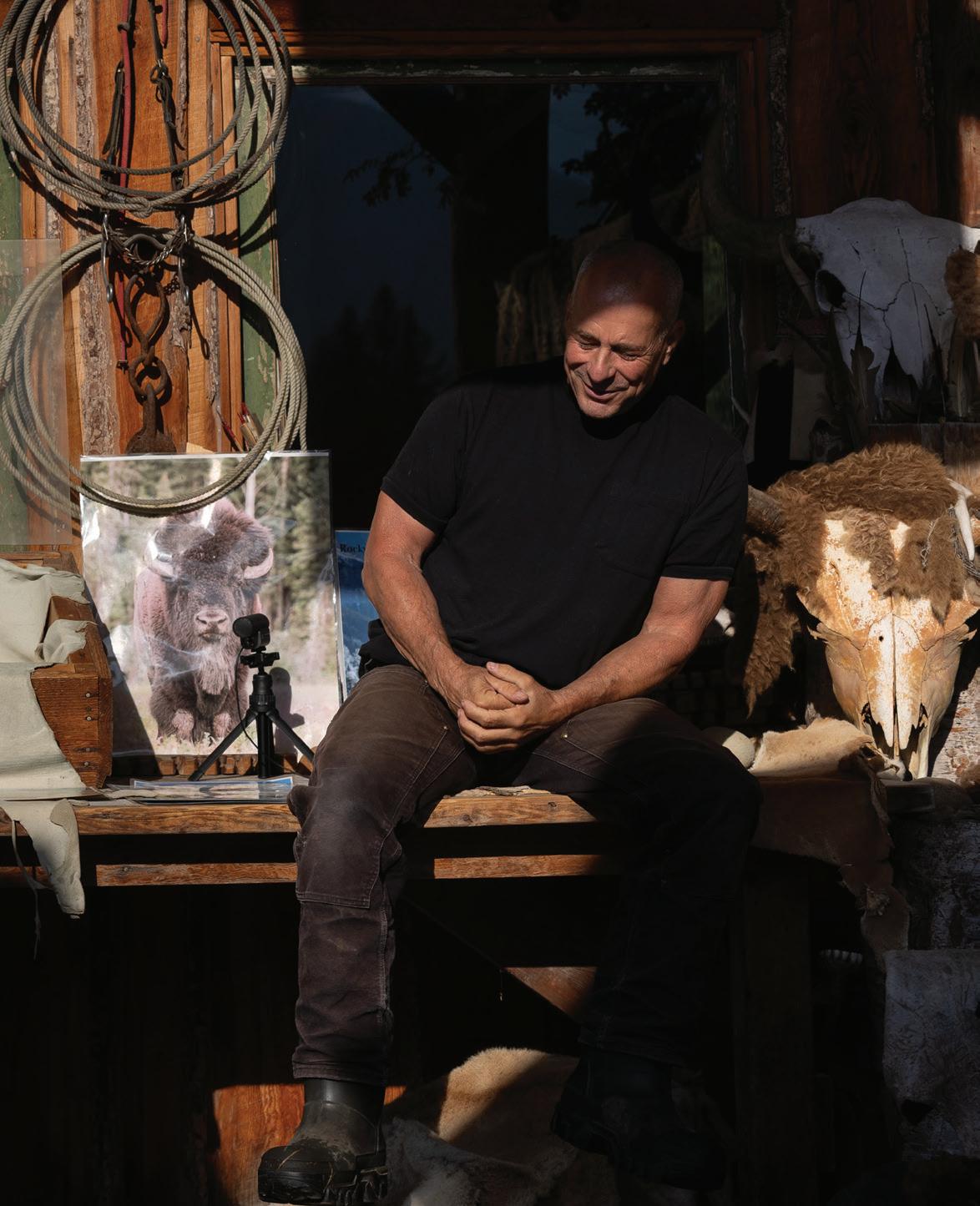
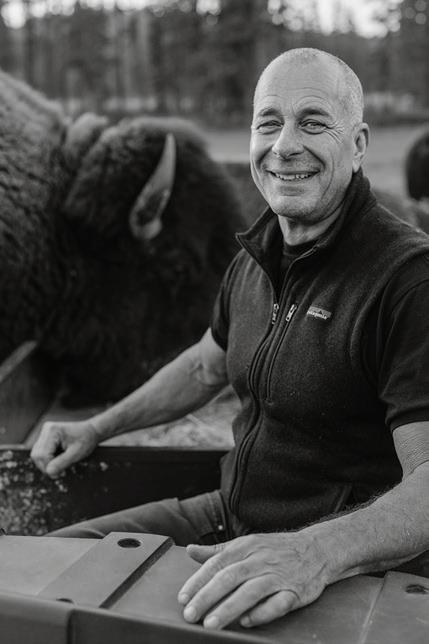
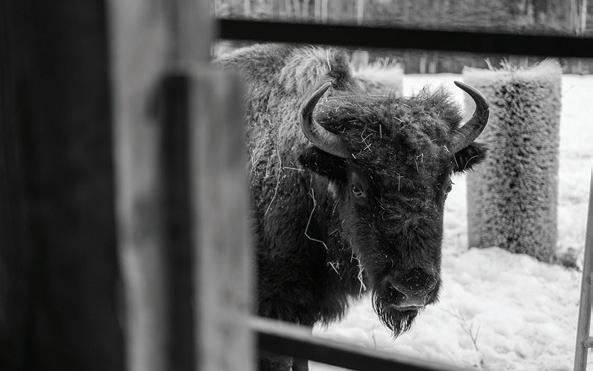
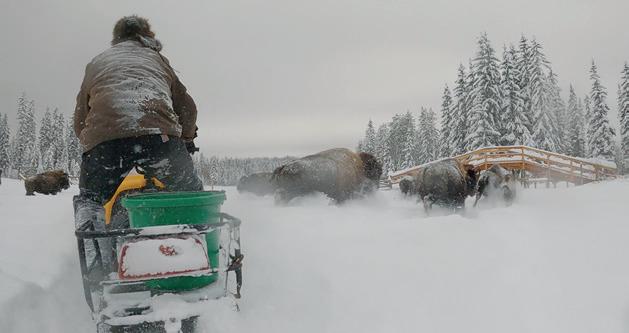
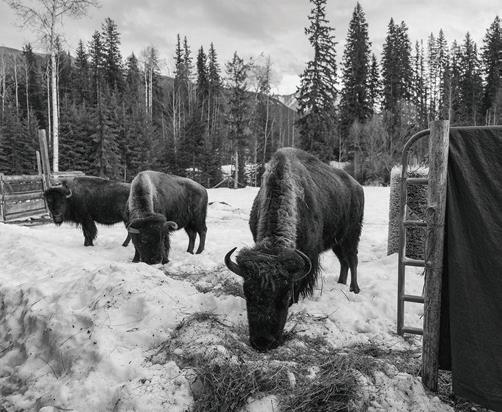
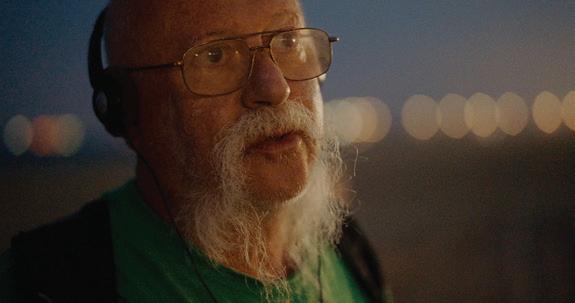
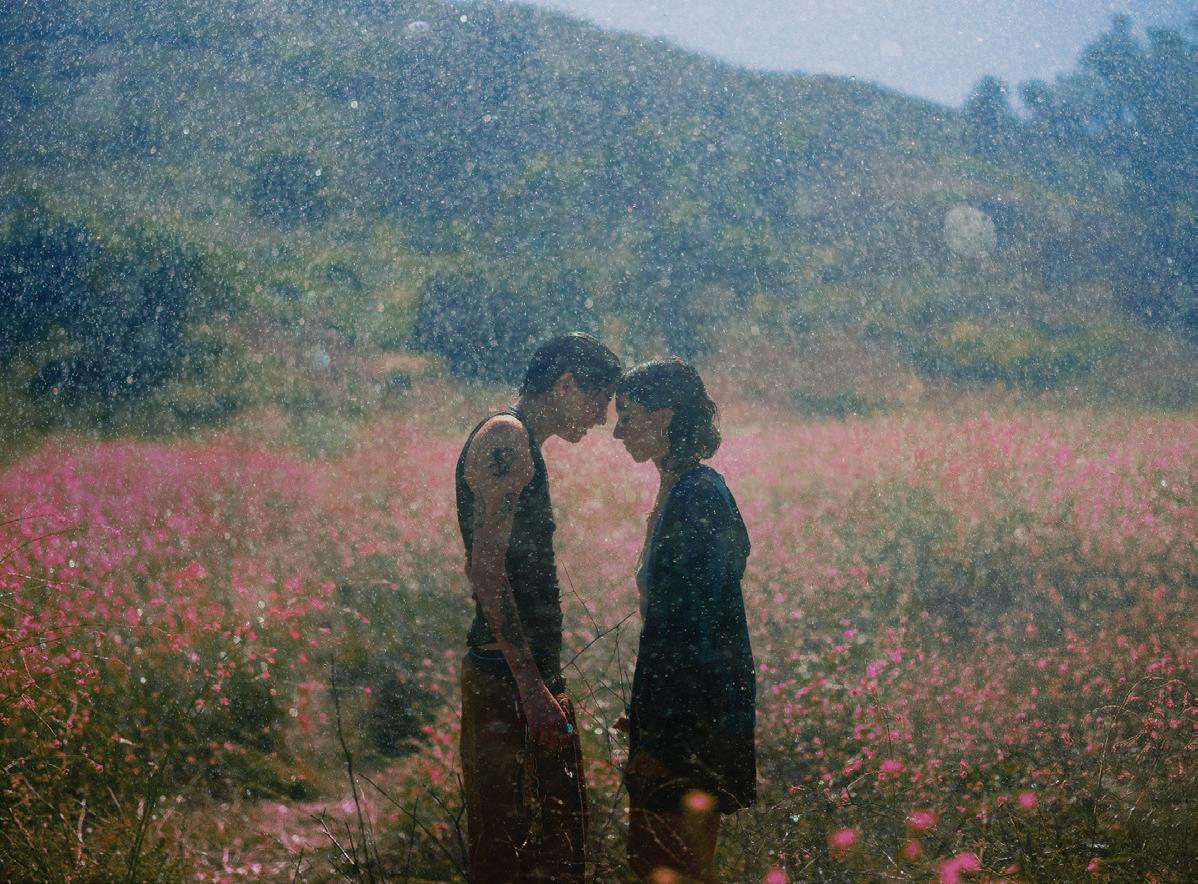
A former LA music star, Golden’s Leo Downey, and his buffalo buds head out to pasture.
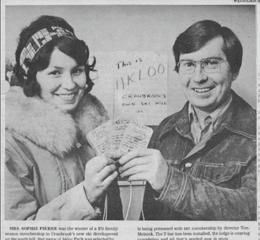
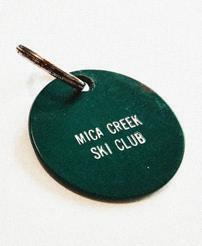
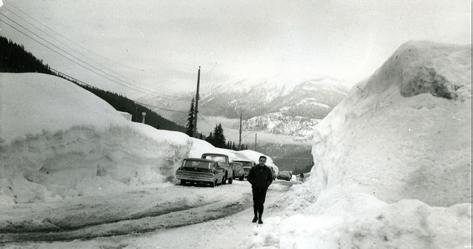
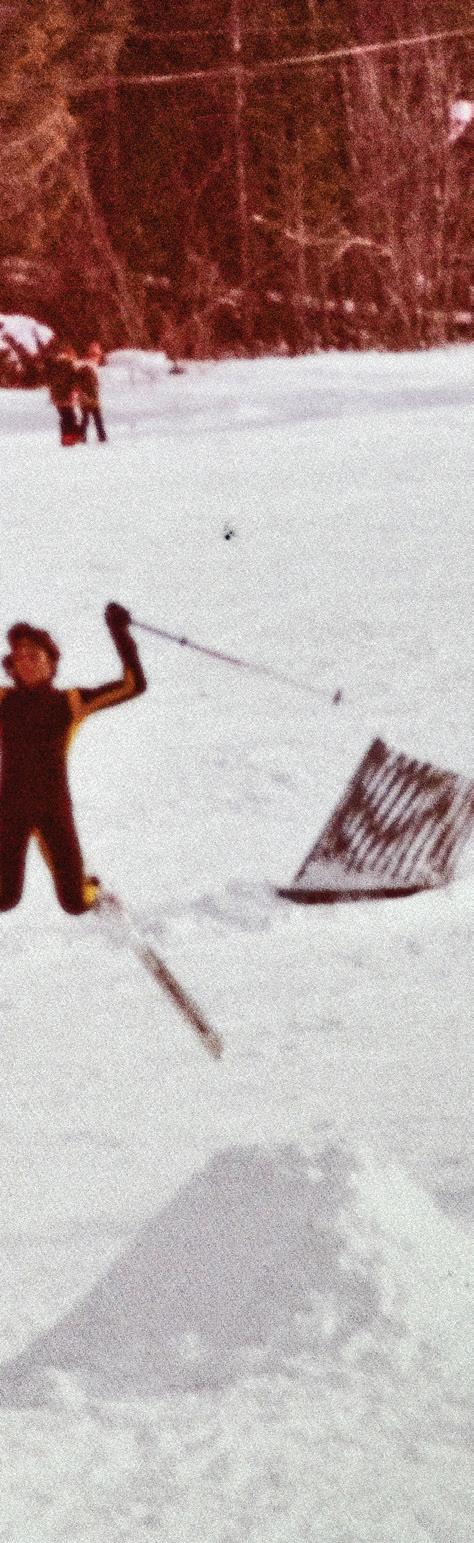
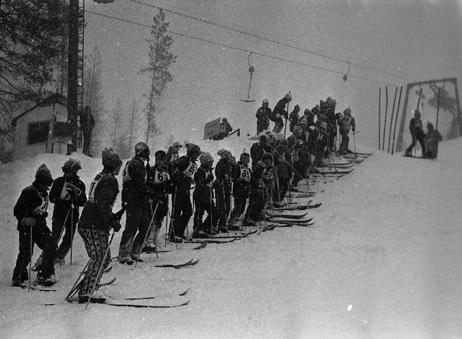
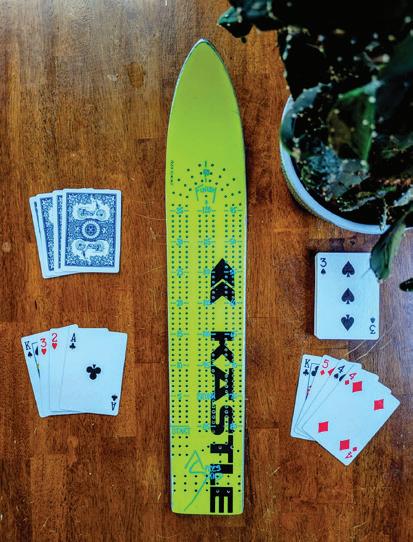
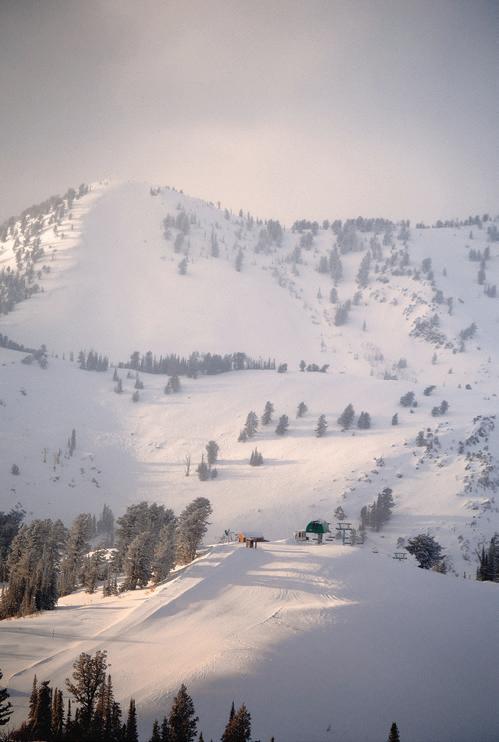
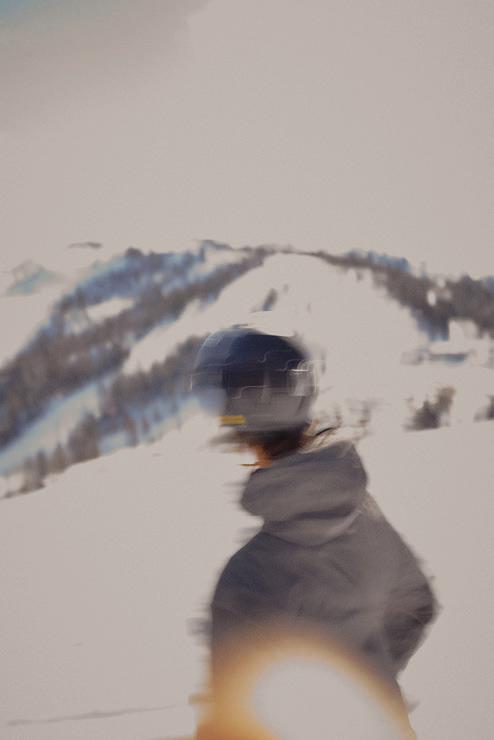
AKLOO? MYRTLE? MICA? Ski hills that aren’t.
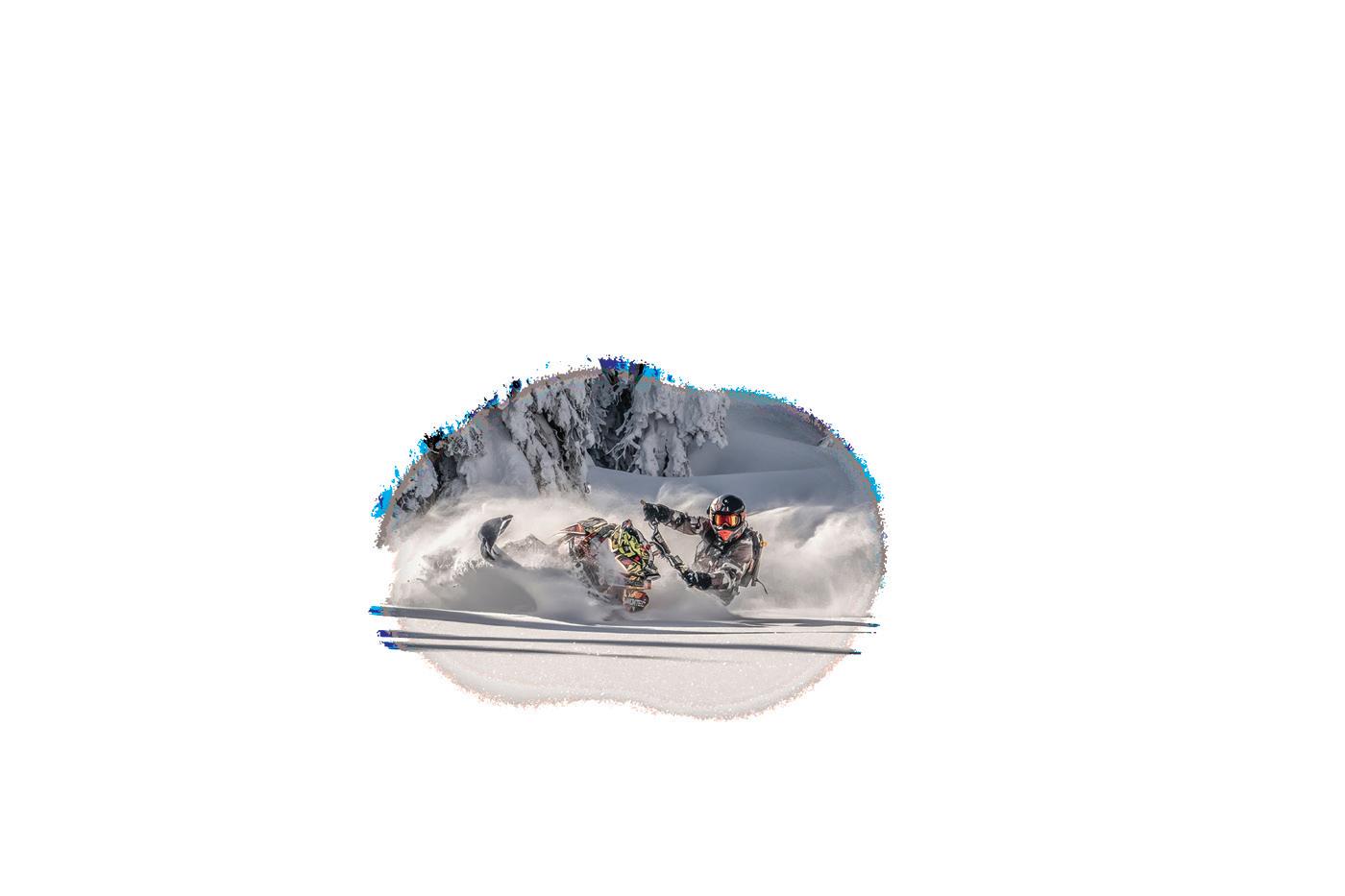
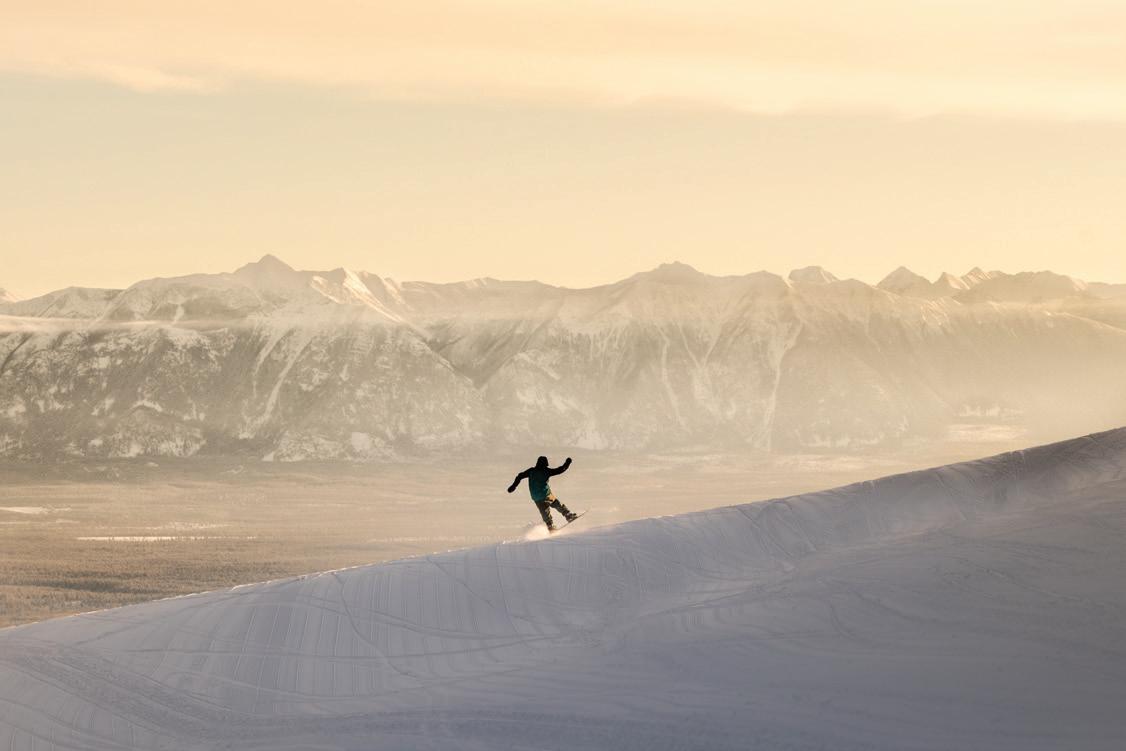
LET HER RIP
Three East Kootenay sledders walk it like they rocket.
KO SHOW
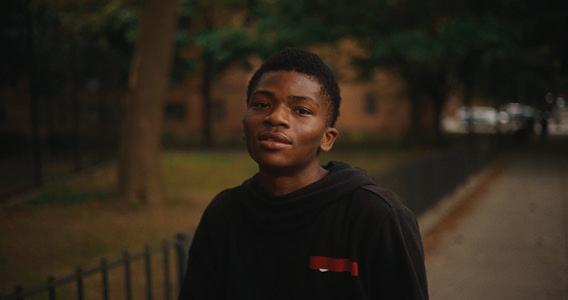
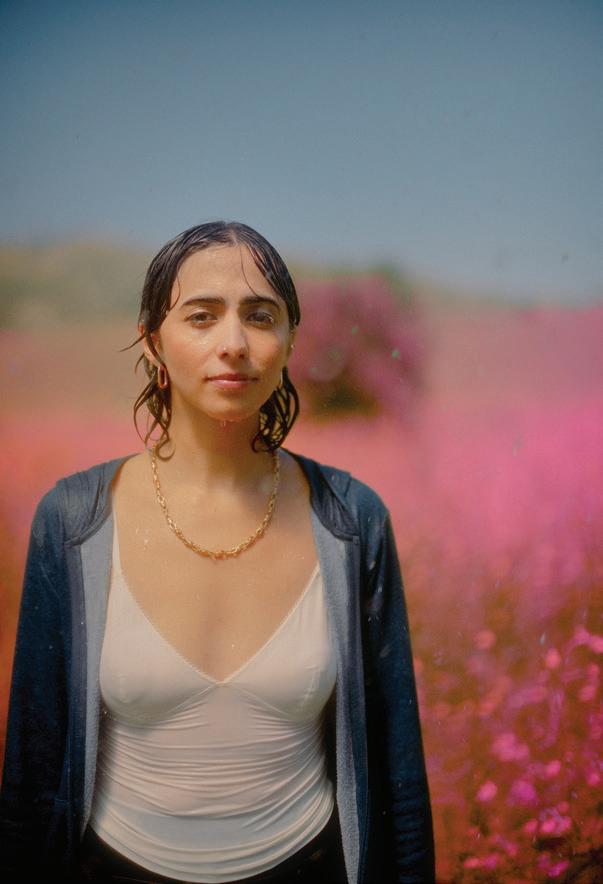
Kimberley’s Brooklyn-based film phenom.
CRESTON’S SARAH KAPOOR SEARCHES FOR STARS
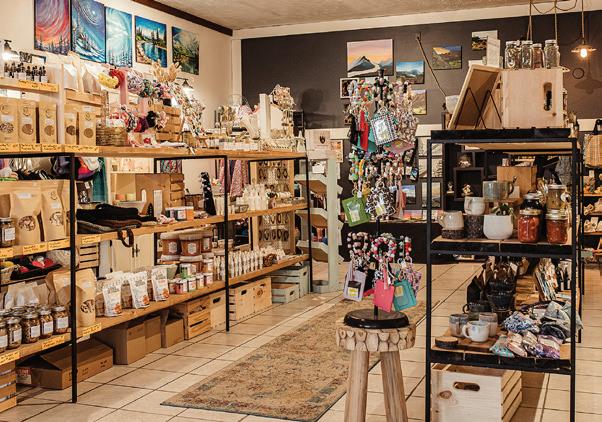
LOCAL YOKEL GIFT GUIDE
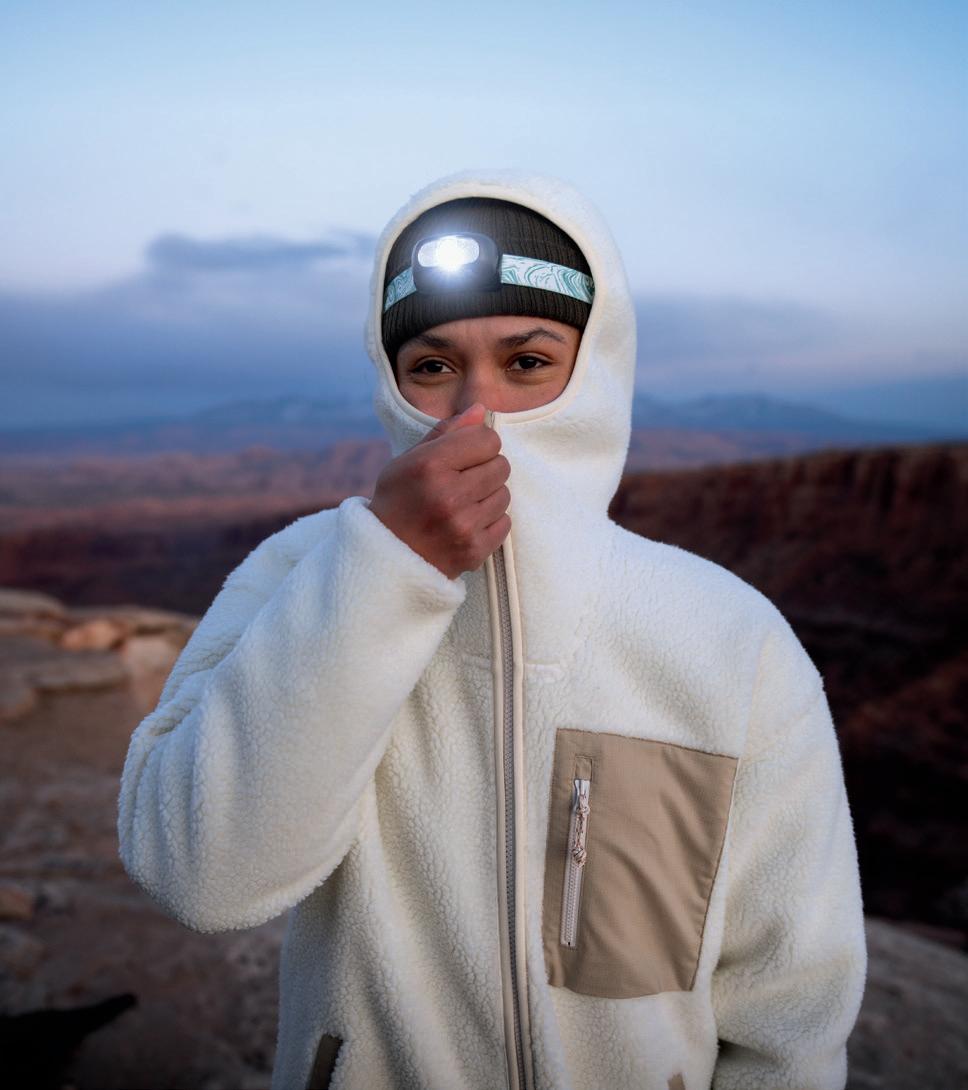
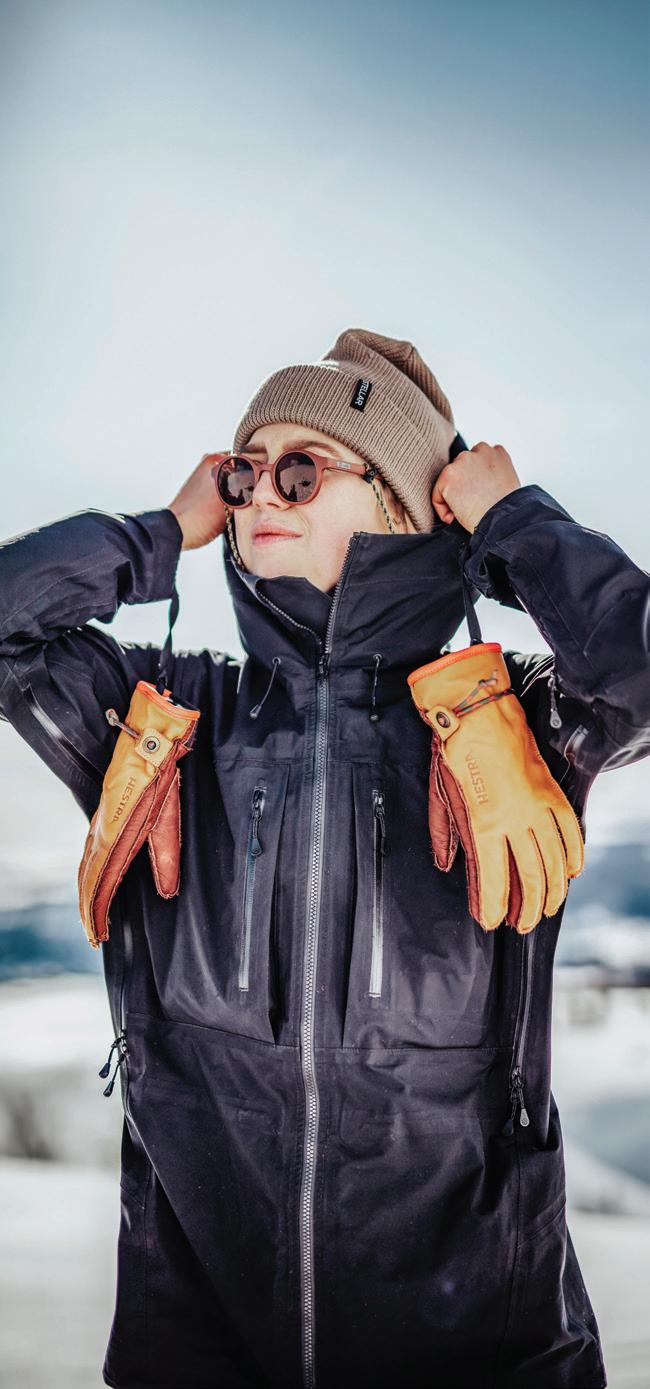
Cooler days, Bigger Adventures . Layer up, stay out, and thrive in the elements with essentials made for adventure, whatever the weather.
Shop locally at:
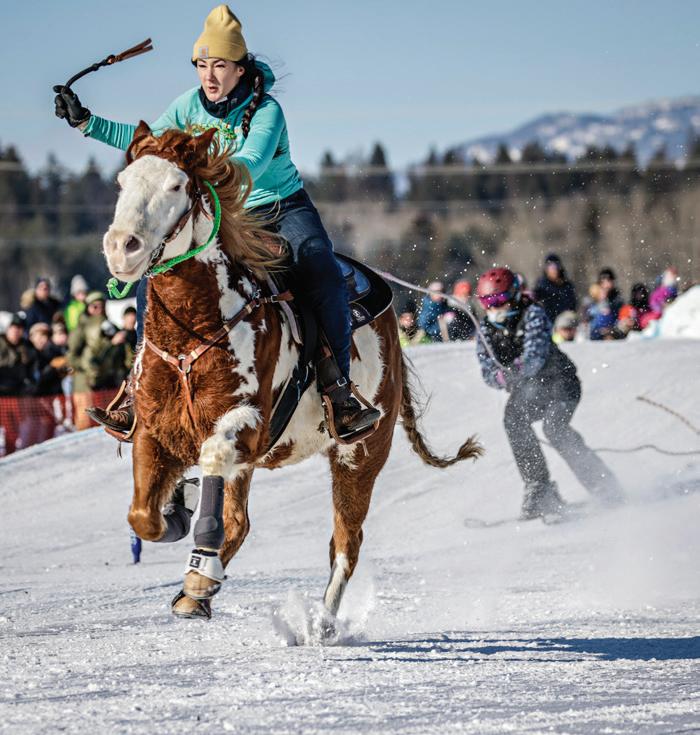
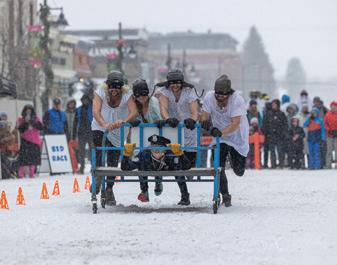
Pullin’ a Fast One
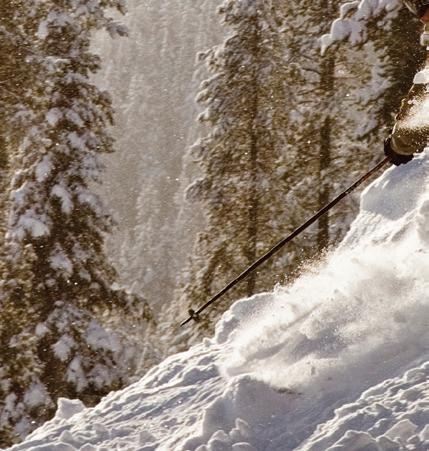
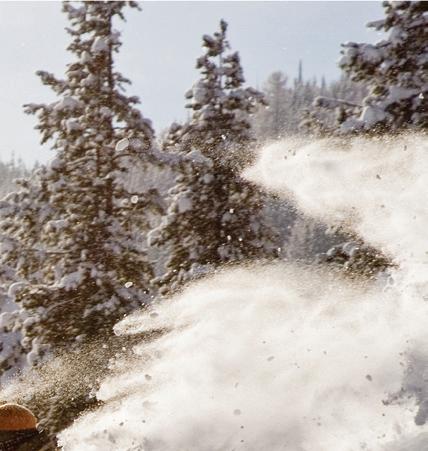
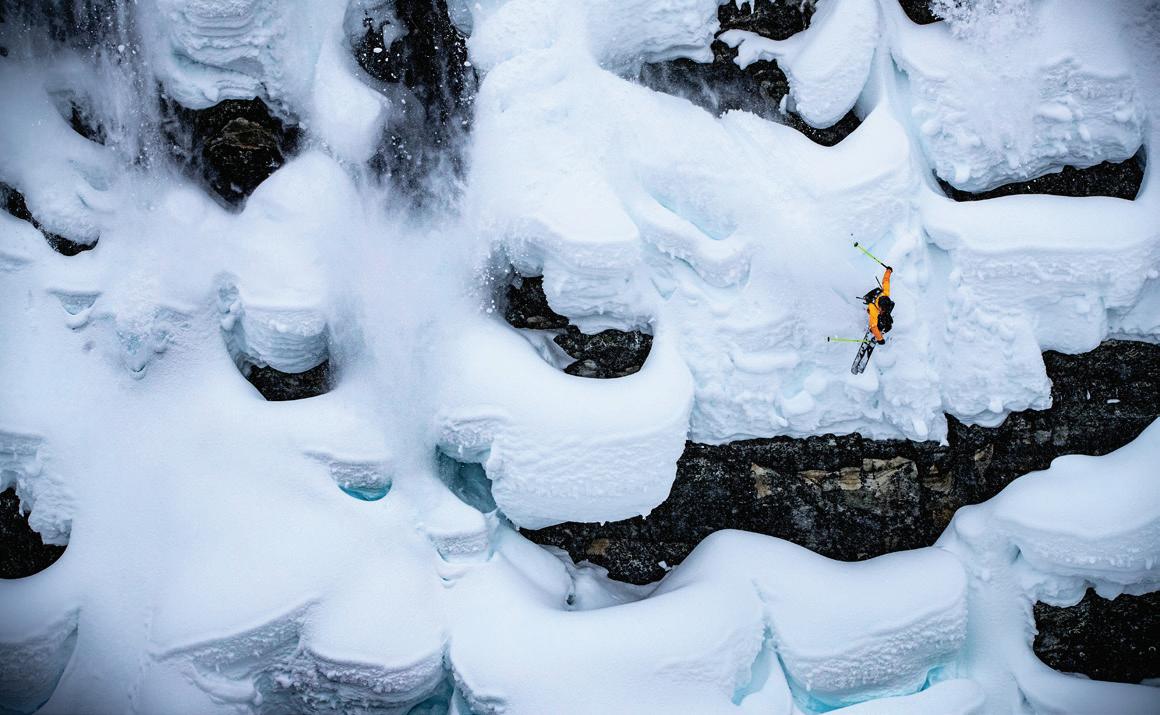
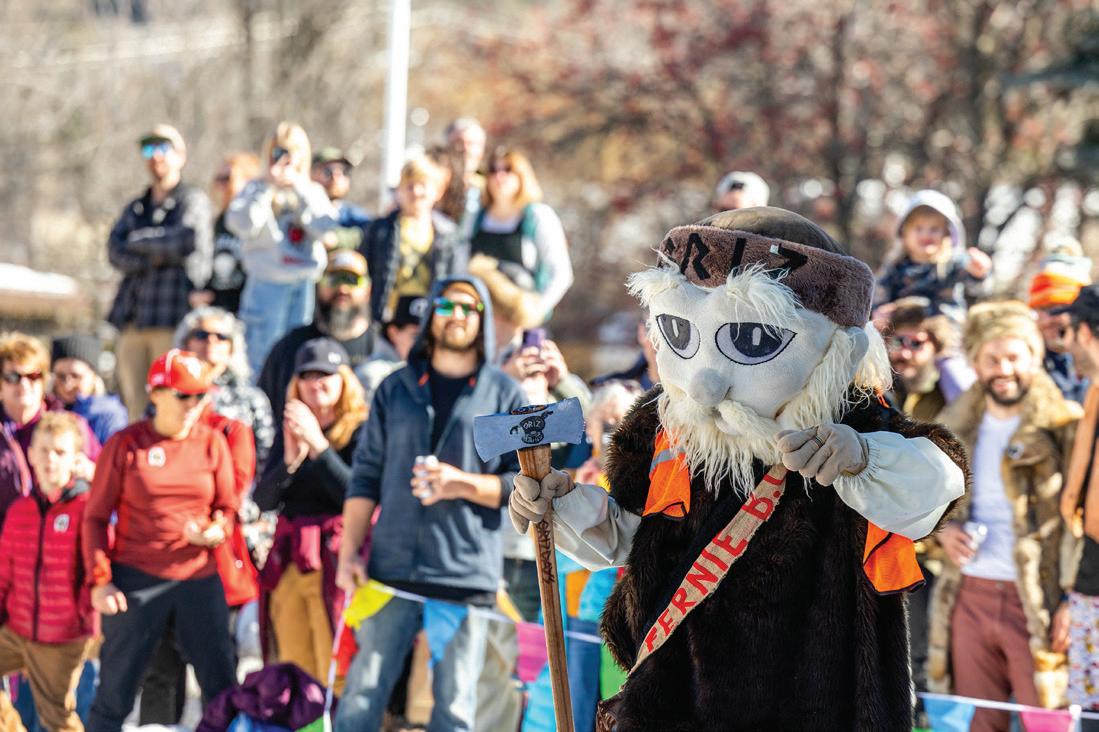
This spectacle is called skijoring, and it’s anything but a drag. This shot was taken at 2025’s multi-day skijoring showdown in Kalispell, MT. Fernie hosts its third annual Ponies & Planks Skijoring Fundraiser Saturday, February 14.
— Hunter D’Antuono/ Flathead Beacon Photo
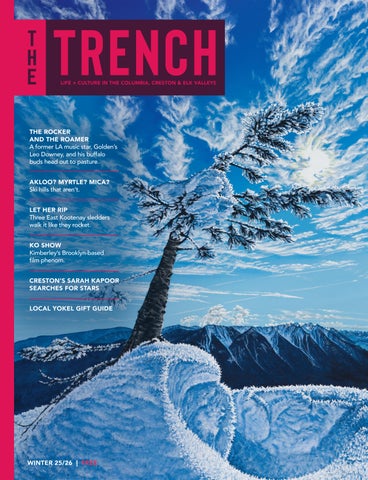
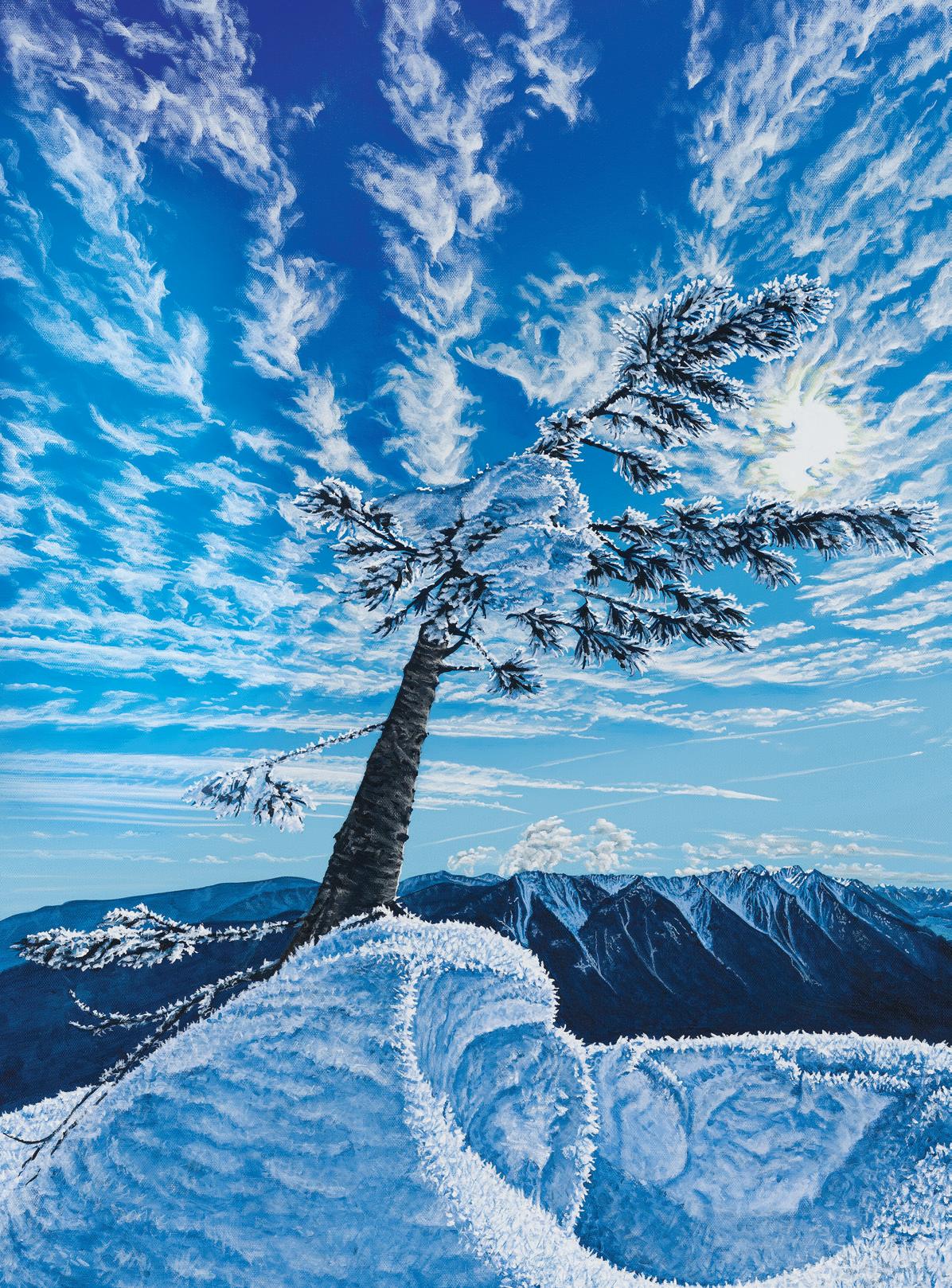
On the Cover
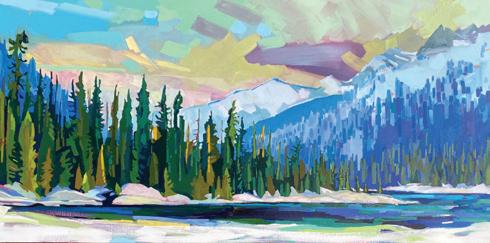
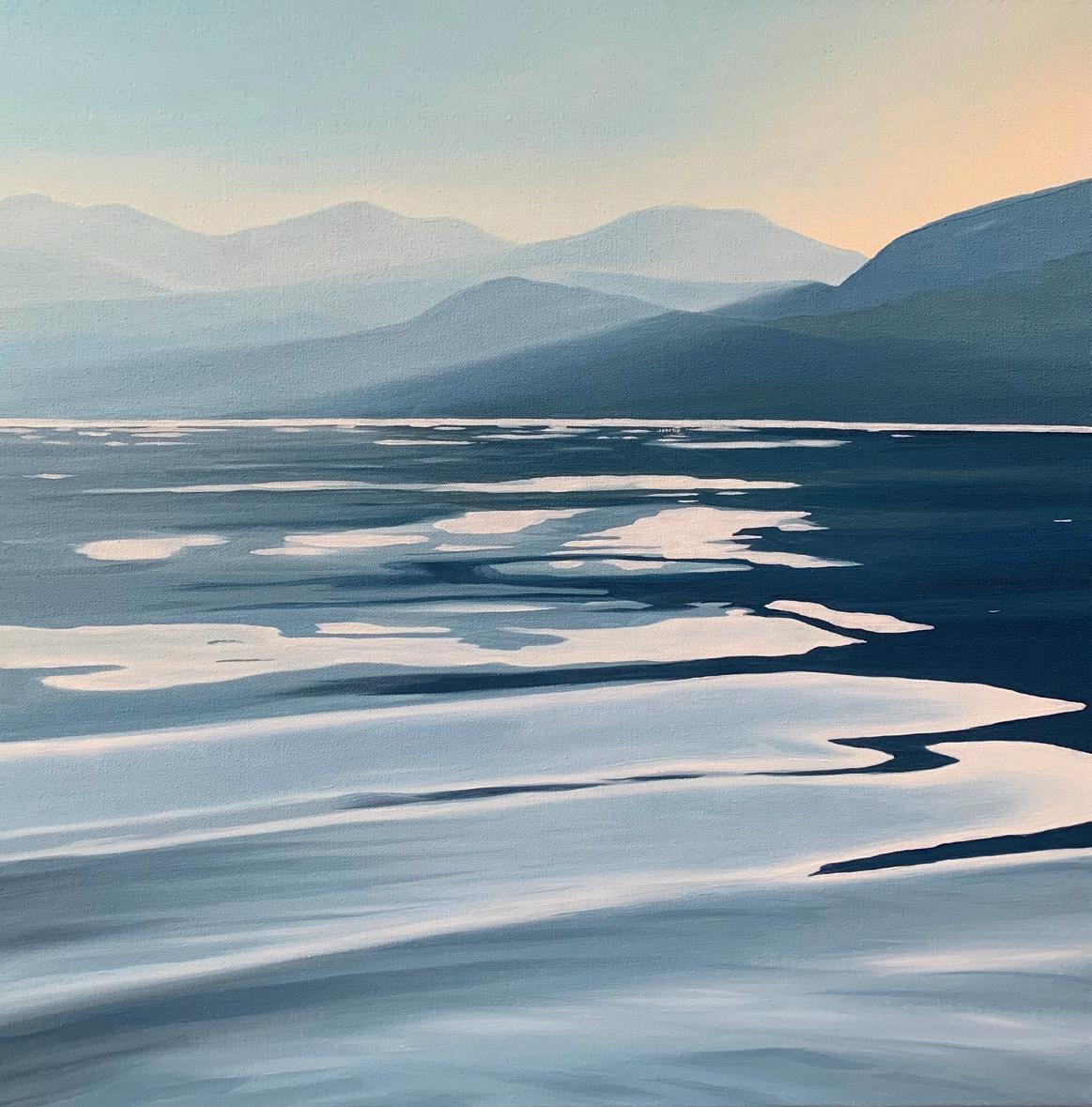
Lean Into It — Having spent 20 years in Golden, self-taught artist and self-powered adventurer Sabrina Curtis paints the vibrancy and vastness of the landscapes she explores. Her work "Inclined" captures a whitebark pine surrounded in high country winter. Its original, a 36” x 24” acrylic on canvas, is available through Alpine Echo Gallery in Revelstoke. www.sabcurtis.com
ROUND UP
12 SOLDIER'S SOLACE, HOSTEL MAKEOVER, DOGS & CATS
Q AND EH
14 WE OUGHTA BE IN PICTURES
New Kootenay Film Commission boss Sarah Kapoor on her life in media, Hollywood’s hunt here, and the Creston vortex.
MEDIA
18 THE CREATORS
Thirty years ago, the Ktunaxa story of Yawuʔnik inspired an expedition of horsepacking kayakers. The film River Spirit tells their tale.
BUSINESS
21 TO CUT BEYOND THE GRIND
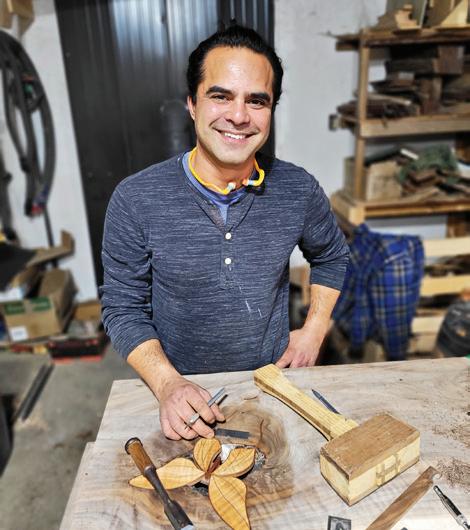
Creston carpenter Dustin Rogers’ passion for the trade plumbs depths well past paycheques.
FEATURE STORIES
36
THE ROCKERS & THE ROAMERS
Leo Downey rose to a high-flying music career in Hollywood. Today, the former frontman’s life is spent beneath the Rockies’ east front, among the heaviest of hooves.
46
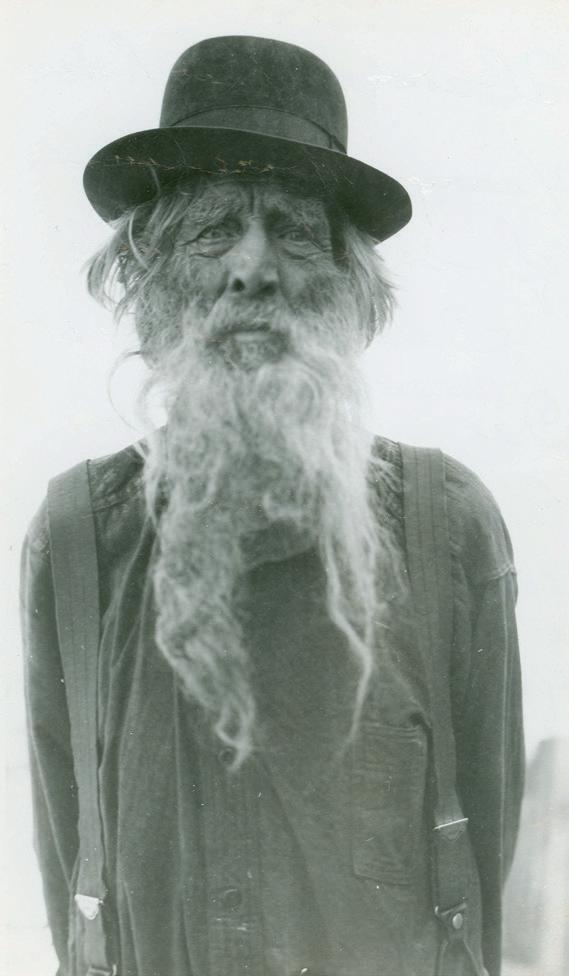
HAZY SHADES OF WINTER
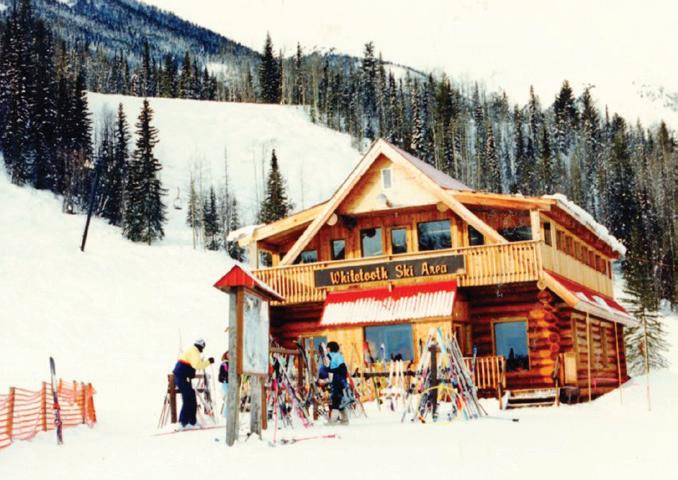
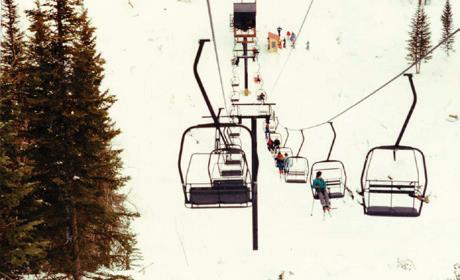
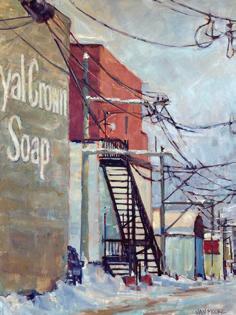
Following the tracks of ski hills that no longer are.
54
GLIDE ON IN
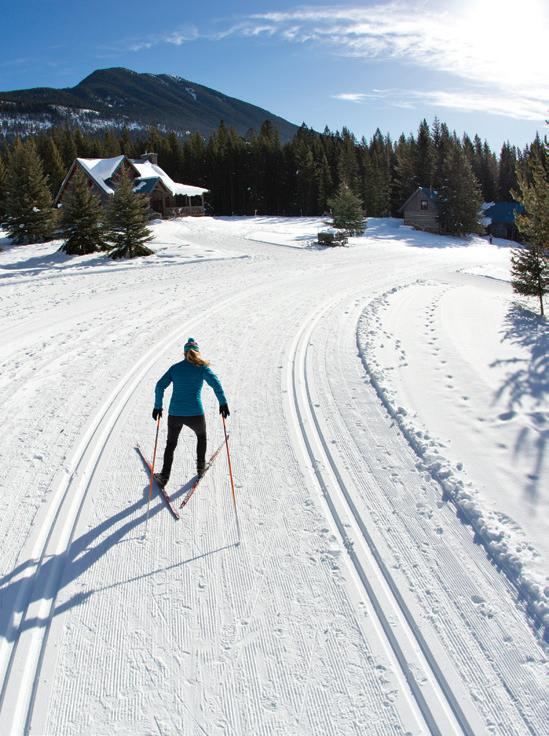
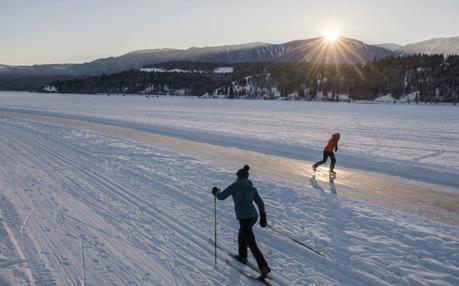
From Dawn Mountain to Duck Lake, here’s the skinny on the East Kootenay’s Nordic ski scene.
62
A COOL YULE
Ho ho yo! The Trench’s all-season gift guide.
68
THE KO SHOW
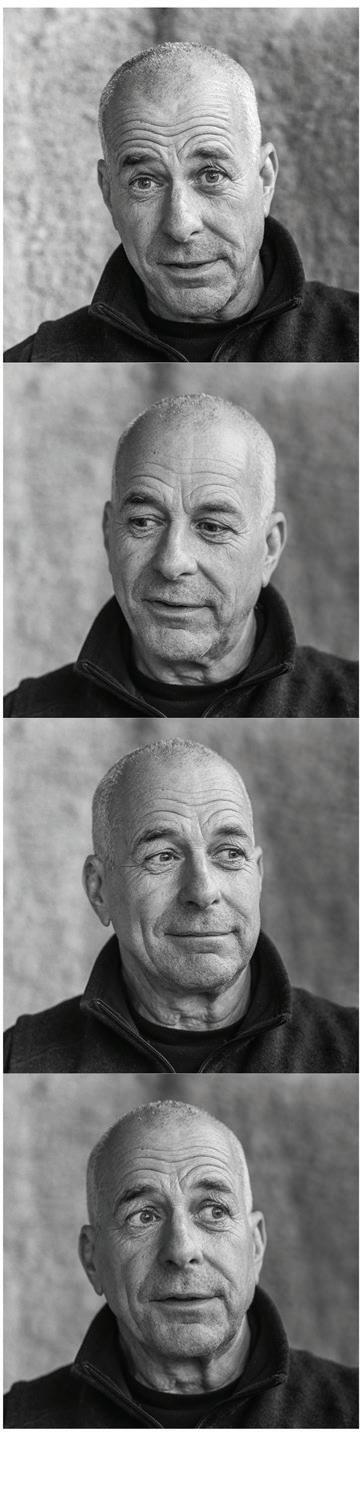
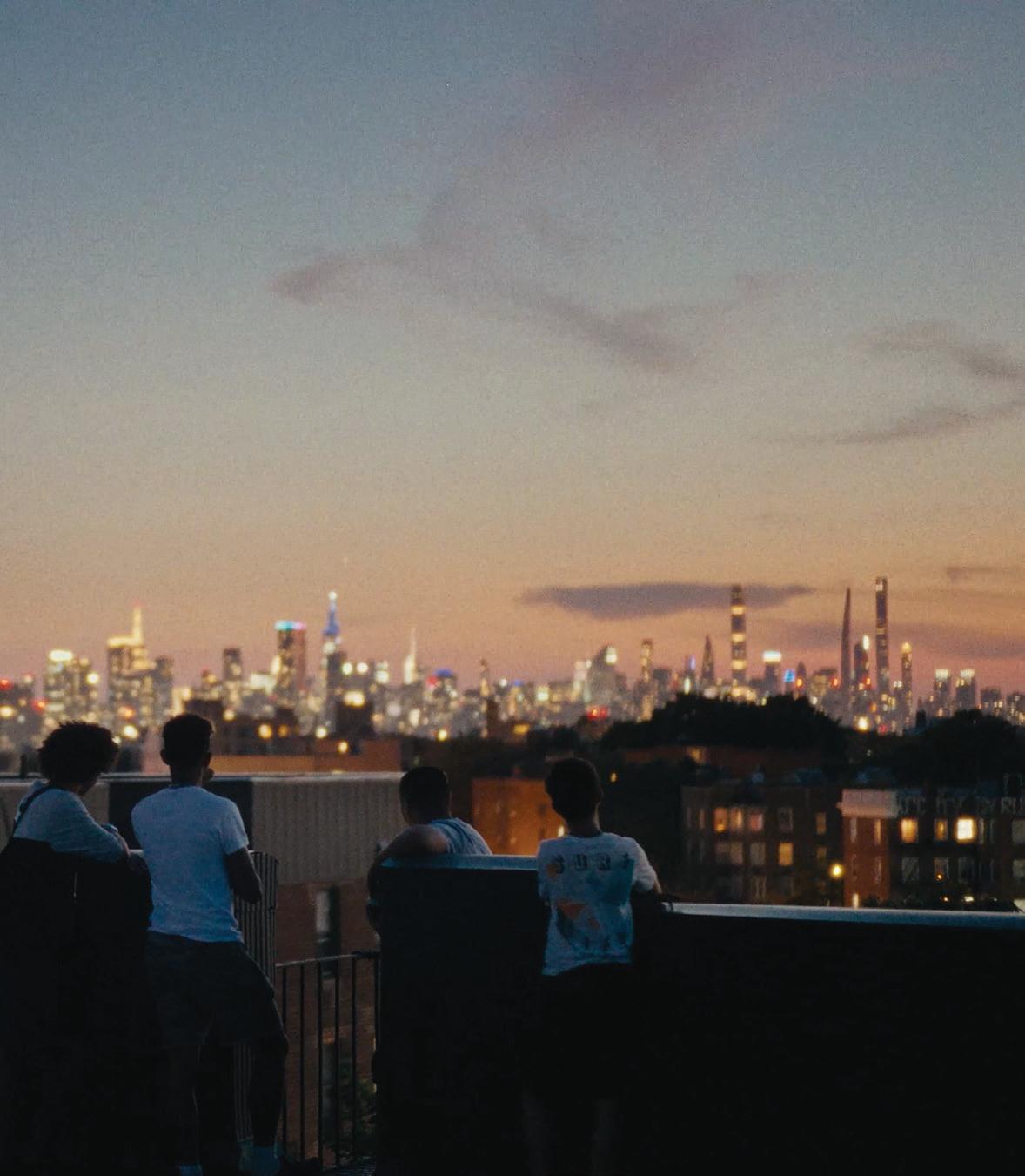
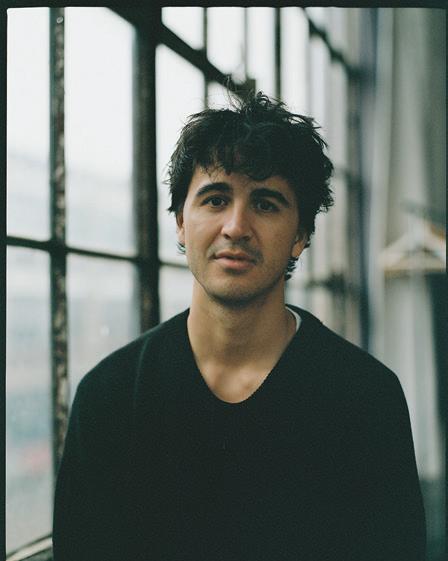
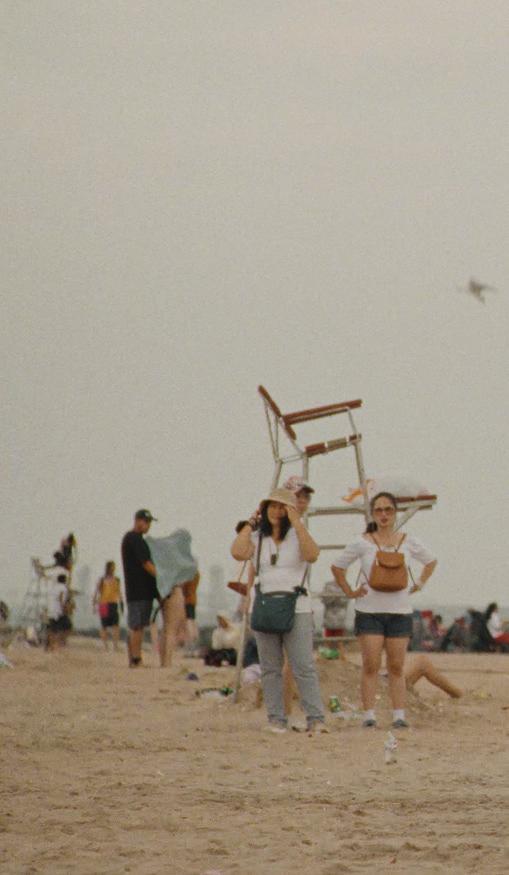
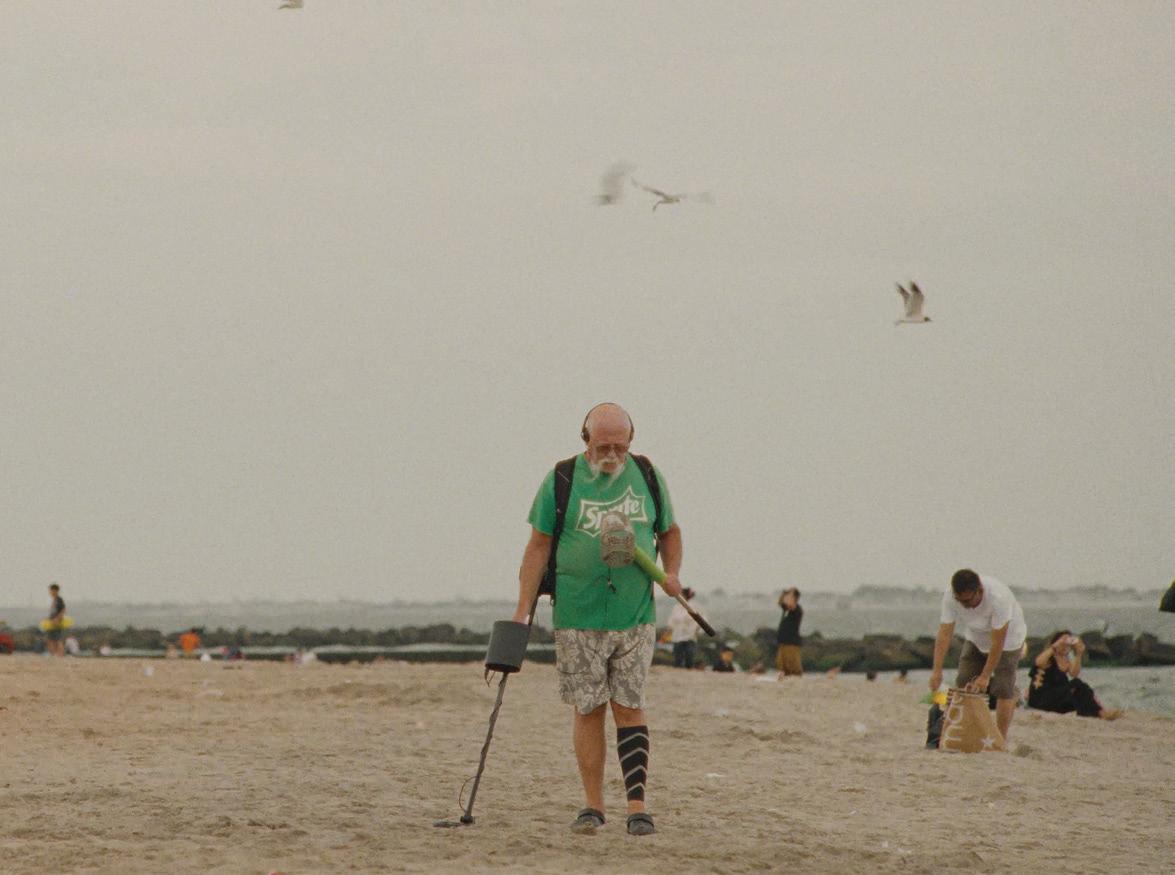
How an East Kootenay kid with a camera took a bite out of the Big Apple and far beyond.
ENVIRONMENT
23 WHEN SHED HITS THE FANS
Does the increasingly popular practice of shed hunting hurt the very animals it reveres?
PAST BLAST
25 REFORGED BY FIRE
Firestorms once razed Fernie — twice.
A mountain city of legendary resolve emerged from ashes.
ADVENTURE
26 LET HER RIP
Three snowmobilers share their personal commitments to stewardship, heritage, and formidable hoonin’.
YOU FUNNY
33 ROCK ON
This quintessential Canadian sport requires brawn, banter, and a beauty bar tab.
Signature Winter Events in Fernie
December - February
Fernie Ghostriders Hockey
Catch a home game of the Fernie Ghostriders - Fernie’s own KIJHL Junior Hockey Team. Always popular, local games are a fun night out for the whole family with plenty of great hockey.
December 20 – January 3
Holiday Events & Activities at Fernie Alpine Resort
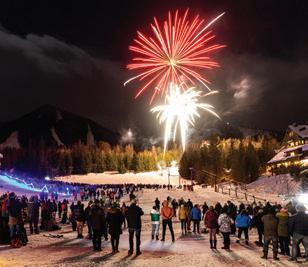
NYE Fireworks at Fernie Alpine Resort
NYE Parties at various locations in town
February 14
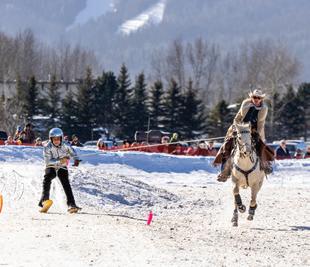
3rd Annual Ponies and Planks Skijoring
Fast horses, skilled riders, and fearless skiers & snowboarders race for a great cause! Past years were a hit, packed with adrenaline, fun, and unforgettable moments. Get ready for even more excitement this year!
March 6 – 8
49th Annual Griz Days Festival
Fernie’s biggest winter celebration and a weekend for the whole family! Competitions, live music, Griz Days Parade and more. This inclusive event is free for spectators.
There is so much more happening in Fernie! From film festivals, concerts and winter sports competitions to weekly trivia, jam nights, arts & crafts workshops and more. Visit the website for details.
FernieEvents.com I #ferniestoke
Image: Matt Kuhn Photography
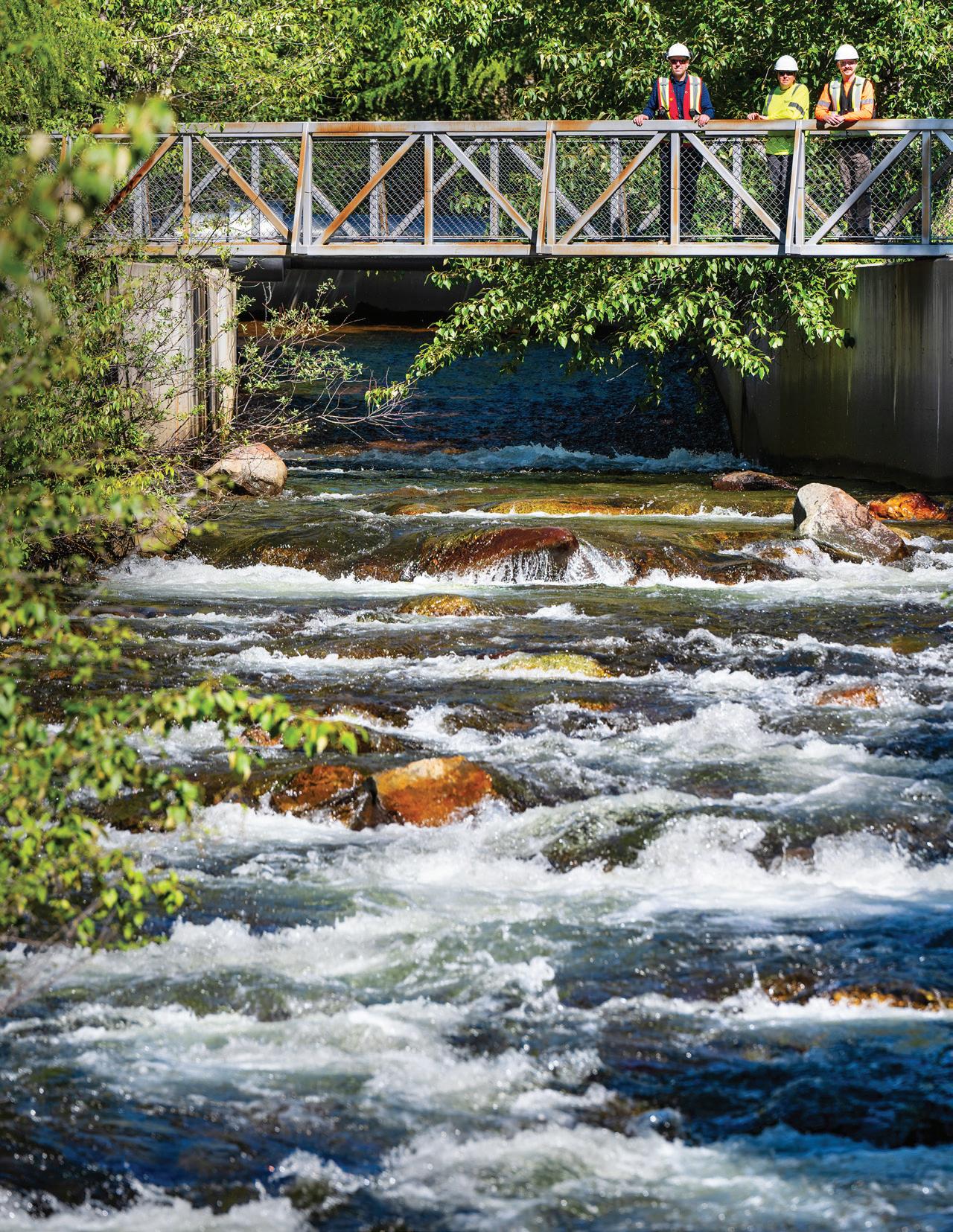
OUR COMMITMENT TO WATER QUALITY
Teck’s Sullivan Mine operated from 1909-2001. Since the 1960s, a comprehensive mine water collection and treatment system has been in place to manage and protect surface water and groundwater quality. Teck actively monitors, maintains, and upgrades systems to ensure protection of the area’s water resources. These measures have resulted in significant improvements in water quality indicators in Mark Creek and the St. Mary River, recognized by a BC Mine Reclamation Award for Outstanding Reclamation Achievement.
Learn more at teck.com/Sullivan
Meet Our ~
CONTRIBUTORS
ALISHA RELLA
Alisha grew up in the prairies with dreams of living in the mountains, and she’s thrilled to have landed in Fernie, B.C. with her Kootenay-born husband Dave, their 13-year-old daughter Layla, and their Siberian husky Solay. Alisha is grateful to work with the passionate team at the Fernie Nordic Society and when she’s not working or writing, she can be found walking and hiking, sharing family dinners, cheering on her daughter at swim meets, and practicing mindful movement on her yoga mat.
DAVE QUINN
Dave is an award-winning photographer and writer living in Kukamaʔnam (Kimberley). His work as a writer and educator explores our evolving human connections to landscape and nature, with a focus on all things wild. When not teaching high school senior sciences or leading experiential outdoor education programs for youth, Dave splits his free time between learning from his two teenage kids and forest bathing the heck out of the wild Kootenays at every opportunity.
SARITA MIELKE
Raised on Vancouver Island, Trench production designer Sarita spent her youth outside. When not in the mountains or on the water, Sarita found herself drawn to the arts and went on to complete a degree in art and design at Vancouver Island University. Sarita opened WILD/FREE Creative in 2010 to help local and national clients with visual communications. Sarita resides in Ucluelet with her partner, daughter, and cat, Lupe — momming and surfing by day and designing by night.
Bones in Stone
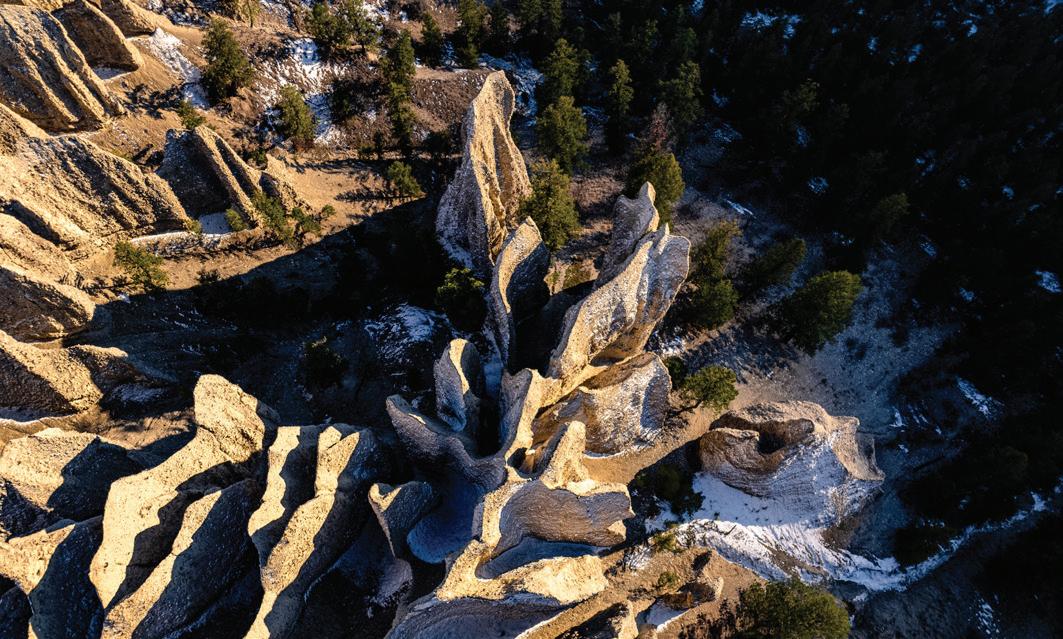
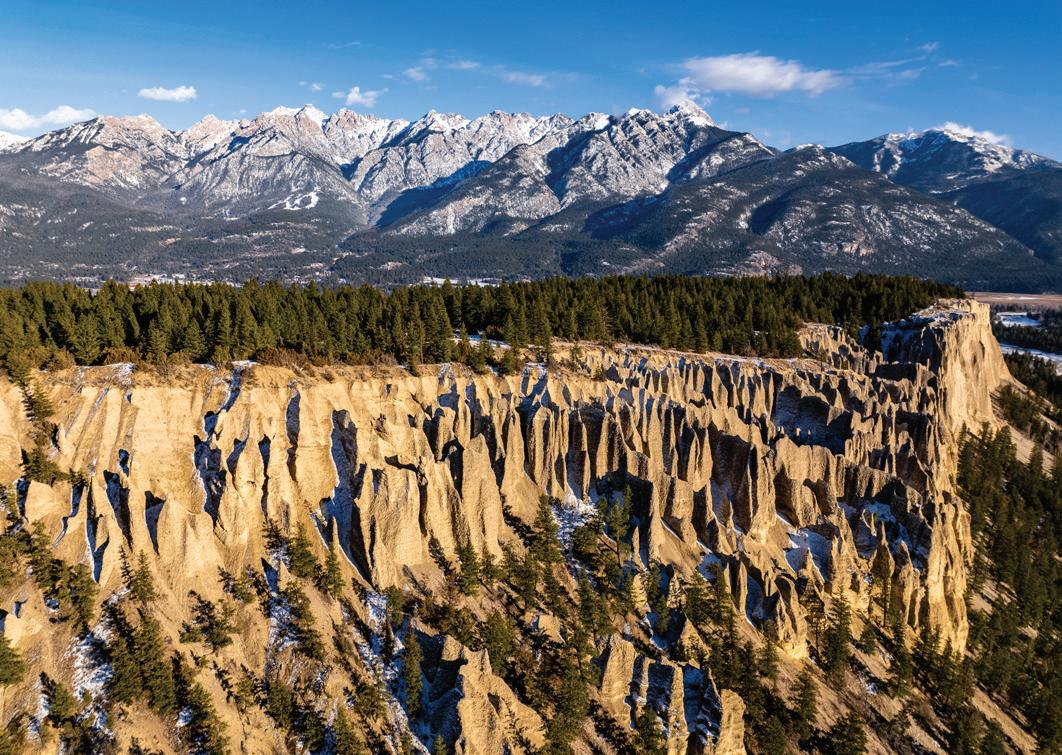
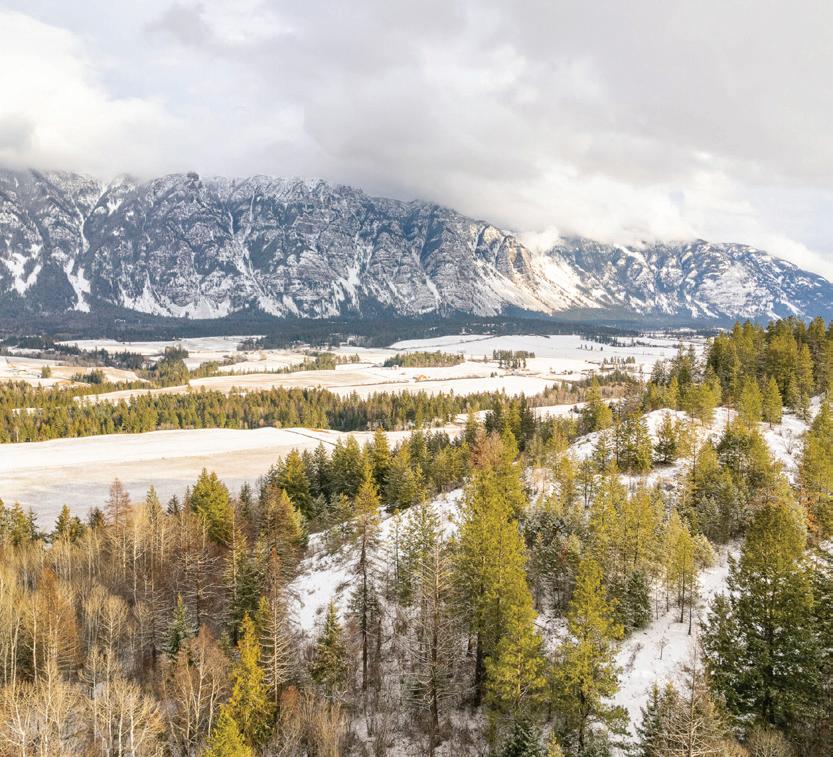
A bird's-eye view of the Dutch Creek hoodoos. The Ktunaxa story of creation says the formations are the bones of Yawuʔnik, the giant creature that once swam the great rivers of the land. In the mid-1990s, the legend led to a remarkable conservation film and kayak expedition chronicled in the movie River Spirit Trench writer Andrew Findlay has the story on page 18. — Mat Loyola Photo
Kicking Horse Culture fuels creativity and connection in Golden, BC through live performances, art, and community celebration. Join us on Feb 21, 2026 for EmberFest. A winter festival imagining brighter tomorrows through art, performance, and shared imagination.
PUBLISHER
Darren Davidson
EDITOR
Britt Bates
COPY EDITOR
Danette Polzin
ART DIRECTOR
Ashley Dodd
PRODUCTION DESIGN
Sarita Mielke
AD SALES & DESIGN
Alesha Thompson
DISTRIBUTION
Jesse Heinrichs
SOCIAL MEDIA
Danette Polzin
PUBLISHERS EMERITUS
Karen Vold
Grady Pasiechnyk
kootenaymedia.ca
WRITERS
Kevin Brooker
Andrew Findlay
Erin Knutson
Jacquie Moore
Jeff Pew
Alisha Rella
Sarah Stupar
Dave Quinn
PHOTOGRAPHERS
David Aguilar
Andrew Bibby
Belle Carlson
Hunter D'Antuono
John Gibson
Isaac Hockley
Kalum Ko
Nicole Leclair
Mat Loyola
Kari Medig
Dan Mills
Vince Mo
Pat Morrow
Trixie Pacis
Angela Percival
Jeff Pew
Dave Quinn
Soldier's solace, hostel makeover, big dogs & old cats
It’s a long ways from the U.S. midwest to tiny Meadow Creek, B.C., just over the Purcells from the Columbia Valley. But that’s the journey the new owners of the world’s first cat-skiing operation have taken, arriving at what is for them, a dream investment.
“We did it for the love of the sport,” says Brandon Miles on the phone from his home in Beaver Creek, Colorado. “Plus we’re all close to 50, and we’ve still got knees left,” he laughs.
The 52-year-old tech veteran heads a group of silent partners from the U.S.
finance industry, all friends since college who now live in Park City, Utah.
Selkirk opened in 1975 when former Calgarians Allan and Brenda Drury, in search of a place to start a novel backcountry tourism alternative to heli-skiing, discovered a tenure of empty wilds twice as big as Whistler Blackcomb, accessed by a few logging roads. The pioneering couple built a family home down in Meadow Creek, then set up shop with snowcats and built a high country lodge. It was all sold after 39 years in operation — offering its new
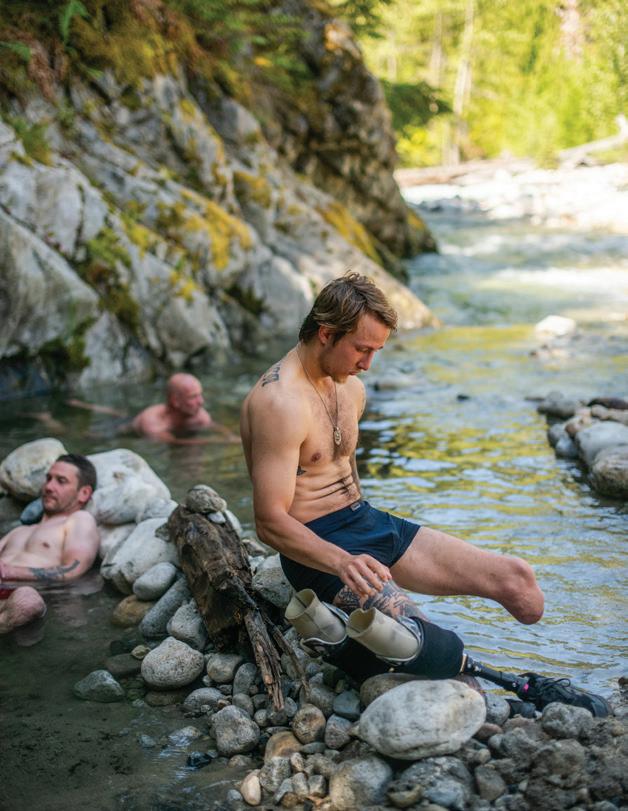
War’s Toll — Former Ukrainian soldier Oleksandr Budko, now a double amputee, rests at riverside. Along with other veterans of conflict in the Ukraine, Iraq, and Afghanistan, Budko attended the Kootenays’ Wild Bear Vets program, created to support veterans with PTSD. Professional photographer and Trench contributor Kari Medig received a national newspaper award for the photo.
contributor Kari Medig, once a student at Cranbrook’s Mount Baker Secondary, was honoured this past year for his work in The Globe and Mail. Along with Vancouver-based writer Pippa Norman, Medig chronicled the Wild Bear Vets program, an effort both heartfelt and haunting.
pathian Mountains.
This is the program’s second round. The last, in 2021, offered assistance to Canadian and British veterans who’d survived tours in Afghanistan and Iraq.
buyers a return booking rate close to 90 per cent.
Miles notes his group’s nostalgia for skiing’s old days, something the Americans feel Selkirk’s longtime staff, lodge, and 12,000 acre tenure still harken back to.
The middle-aged shredders grew up vacationing from their native Oklahoma to Colorado’s five-buck lift passes and PB&Js “because no one had any money.”
The Selkirk deal closed in September for an undisclosed price. Miles’ consortium was amongst a number of bidders who approached past owners Megan and Paul Osak, former Toronto residents who relocated to Nelson 20 years ago.
Speaking of life-altering journeys and tranquil destinations … Professional photographer and Trench
Launched by former UK war correspondent Julius Strauss in 2021 from his riverside ranch in the Selkirk Mountains, the program brings recovering soldiers into the Kootenay wilderness and offers a nature-based chance for rehabilitation from the war atrocities they’ve witnessed, and possible escape from the lifelong trauma they face.
“This is the place where you don’t feel danger,” Ukrainian veteran Ivan Maruniak said, “and you don’t expect danger.”
Maruniak was one of a half-dozen Ukrainian veterans and combat medics invited to the ranch by Strauss last June. The former artillery gunner fought in the Ukraine-Russia conflict for seven months in 2022, leaving the battlefield after he suffered a disability. His psychologist recommended he apply to the Wild Bear program. One of Wild Bear’s assistants and mentors, a British war veteran, says the program can help former soldiers achieve the same degree of recovery as hundreds of hours in therapy. Maruniak now says he one day hopes to establish his own war vet retreat in the Ukraine’s Car-
Strauss understands the horrible haunt of war. He purchased the ranch after 15 years with numerous global newspapers including The Daily Telegraph, covering battles and terrorist attacks in the Balkans, Russia, the Middle East, and Ukraine.
Medig shot photos for The Trench’s Winter 2024 feature Alone and Alive, which focused on Canal Flats YouTube bushcrafter Greg Ovens. With clients including National Geographic, Outside, and Patagonia, Medig’s work for The Globe includes photo essays on Kootenay-based resisters of the Vietnam war, and skiing in Israel.
The embattled BC Conservative Party shuffled its opposition critic roles this fall, with Columbia River-Revelstoke MLA Scott McInnis taking on shadow critic duties for Tourism, Resort Municipalities, and the Columbia Basin Trust — including the Columbia River Treaty Five of the province’s 14 designated Resort Municipalities are located in McInnis’ riding.
Seasonal workforce pressures, housing constraints, infrastructure demands, the teetering balance between visitor experiences and residents’ quality of life. Our little resort communities face
different challenges than big cities. That’s why a number of East Kootenay chambers of commerce have teamed up with 14 B.C. holiday hotspot chambers with an aim to amp up the voice of business in resort-based economies to support growth and sustainability.
Columbia Valley, Kicking Horse Country, Fernie, Kimberley, and Revelstoke are now part of the Resort Chambers of Commerce Coalition (RCCC).
The East Kootenay players join Tofino, Trail, Ucluelet, Valemount, Harrison-Agassiz, Kamloops, South Okanagan, and Whistler. Revelstoke Chamber CEO Caroline Lachapelle chairs
tionality hook-ups.
The hostelling experience of yesteryear may have turned out exactly as Richard Schirrmann planned when, in 1909, the German teacher converted a former classroom into an overnighting venue for cashstrapped young travellers.
The first-ever hostel inspired a global movement. Today, there are 3,000 of them in 61 countries, 40 in Canada.
Up until recent worldwide disruption, hostelling — a young traveller’s rightof-passage — remained unchanged for a century.
“Back in the day, you’d go downstairs and everyone would have a six pack,” laughs Joe Howse, found-
The Elk opened in 1997.
Stats show that hostelling’s heydays fell victim to a perfect storm: 24/7 digital communication with folks back home, the Airbnb wave, a pandemic, inflation in laundry, food, and energy costs, and labour shortages.
An example of the toll taken following the pandemic, the worldwide Youth Hostels Association, hostelling’s poster child since the ‘30s, sold off or closed dozens of venues in the UK, New Zealand, and Australia, calling COVID “a hammer-blow” to business.
A veteran traveller who’d “seen the real magic that happened” in hostels after years of global traipsing,
2007. Seeing a gap in the accommodation market, they rebranded in the height of the pandemic, opening The Fernie Fox Hotel in 2020.
“Meeting people from all walks of life, sharing stories, learning about the world through experience. That spirit of connection and adventure is what I’ve tried to bring into the hotel’s design and ethos,” says Pauw, who built a career in the oil and gas sector.
Hoping to build guest connections, The Fox offers a guest kitchen, dog park, outdoor hot tub, community BBQ area, and a few 21st century trappings including a mighty 54 KW solar-powered energy sys-
vate Japanese-style pods.
“It was massive,” Howse says of the expenditure, “but it really elevated the product.”
The 56-year-old believes hostelling hasn’t waned. It’s evolved.
“Hostelling definitely isn’t dead. It’s almost been recycled,” he surmises, noting that folks who used to hit hostels in their youth — now the 30-to-60 set — are more common guests than the 18-to-20-somethings.
Alas, Howse and his wife Sadie are selling The Elk, ready to move on.
He’s originally from Calgary. She’s from New Zealand. Married for 25 years, they first met in ’97. At the hostel. “She was one of the
The Last of Us, X-Files, Deadpool, Fifty Shades of Grey … For decades, reels and reels of great films and famous TV series have been shot in B.C. The province’s film industry contributed about $2 billion to the B.C. economy last year, employing tens of thousands of workers. Some of these productions and paycheques land here in the Kootenays. And there are, if the Kootenay’s new regional film commissioner has her say, far more to come. Creston born-and-raised, Sarah Kapoor is the media veteran now responsible for landing big Hollywood fish and promoting made-right-here productions too.
You've been in media for over 20 years. How did your career start?
I started in my teenage years at the Creston Valley Advance as a journalist when I was doing my undergrad at Carleton. Then I did my masters and went to CBC Toronto. I was there for ten years. I did everything from the lowest job as intern and researcher to being on camera, senior producer, worked
the nightly news, then started creating short series.
In your time as a journalist, was there any single interview that really stood out?
The interview that has stuck with me was over 20 years ago with author Leonard Shlain. He seeded in my mind the concept of "phase change" at a species level. That idea has increased in relevance for me over time. It really
SYLVESTER STALLONE,
has taken me to this role, which is quite unexpected. It's been really, really interesting figuring out the film sector in the Kootenays, how it is now and how it might be.
That journey’s brought you full circle to Creston. Why’d you move back home?
Well, like most returners, it was family. My father had passed away and I came to help my mom, and I had my second child at the time. I thought I'd be here for a
We Oughta Be In Pictures
New Kootenay Film Commissioner Sarah Kapoor on Hollywood North, algorithm angst, and meeting Oprah, almost.
have, you know, three or four jobs between both of us. We made it work.
The film industry has seen some severe ups and downs during, and just before, your tenure at the Commission started. The writers’ strike. LA’s fires. Tariff threats. Trumpism. How are we here in Hollywood North rolling with the punches?
Well, I think it was doing really well. And I think it’s
SHONDA RHIMES, MARK BURNETT. THESE PEOPLE PRODUCE MORE OUTPUTS THAN THE ENTIRE GDP OF SOME NATIONS.
does seem like Sapiens are on the way out and something else is emerging as we adapt to massively changing conditions in so many areas.
After CBC, you had another successful decade, a lot of success with your own production company. Then what?
Since then, I've been in chapter three of my career, which
year helping my mom and, you know, we got pulled into the Creston vortex.
It's interesting how Creston seems to be an outlier. It’s in the East Kootenay and West Kootenay all at once.
(Laughing) My husband and I found we could both work remotely, support both of our aging mothers, and raise our family and
doing alright, given the incredibly uncertain and volatile run over the last couple of years. I think it considers itself still in recovery from some of the things that you just mentioned. What we're seeing is that projects are still going forward — but there's a distance between that and projects getting green-lit.
U.S. tariffs on Canadian
films. What’s the latest? There’s more chaos and uncertainty from the White House. We share the same concerns as the rest of the 70,000 people working in the motion picture sector in B.C. Our relationships with international production partners are very strong. B.C. is one of the top filming destinations in the world.
Explain what the Kootenay Film Commission does. It's been around about 20 years. The Film Commission's job is to be that first point of contact for a producer, whether it's domestic or international …
What sort of inquiries does a film producer make?
What do you have? Should we film there? Is there a better deal elsewhere? If I want mountains, how accessible are they? How close is it to studio space? If we bring a crew here, are there accommodations? Is there catering? What's the crew base here? There's all these considerations they're thinking of. And it's our job to answer their questions as
quickly as possible. If you don't respond right away, they might just go to the next country or territory.
The Commission also works closely with local communities. We need to make sure they're film-ready. So they understand the permitting process and the community is respected, not just seen as a place to parachute into then leave a mess. We try to ensure the local community really wins, gets an economic benefit, and the production is supported.
Any heavyweight Hollywood producers or stars in our midst as of late?
I can't say too much because a lot of these things are confidential until they are fully known. But yeah,
we've had a lot of requests … there’s two bigger multi-million-dollar-budget films that are happening in the East Kootenay. One locked in for this fall and another looks very close to locking in for next fall. One is domestic, the other international.
here, starring Kate Winslet. There’s a Paramount production that's scouting here as well.
Kevin Costner shot The Postman here in the Kootenays in the mid-1990s. Ethan Hawke filmed Snow
Kootenays is the live-andlet-live attitude. There's not a whole lot of crowd control, right?
The commission has created a regional office in the Columbia Valley. Why there, specifically?
ONE OF THE BEST THINGS ABOUT THE KOOTENAYS IS THE LIVE-AND-LET-LIVE ATTITUDE.
We also had location inquiries for two series which I could see becoming popular with younger demographics … I don't know if you watched Severance, but we had Zach Cherry here last fall. We had an Oscar nominee here, also filming in the fall. We've had The Mountain Between Us shot
Falling on Cedars shortly after. They all stayed quite low key. Safe to say we Kootenay movie fans don't get as excited about stars on Main Street as folks in Vancouver or Calgary? We seem to let people kind of do their own things. I think one of the best things about the
They have a really motivated group of people in their cultural sector. They’re really seeing the potential of the film sector being developed in their area.
With streaming services so well-established, movie and series content is almost infinite nowadays.
How can viewers find truly good film?
I don't even know if people look anymore. I think the algorithms are so finely tuned that you're almost subliminally programmed … so I think it's so predictive, you almost have to actively work against them, or else you’re being programmed by your previous choices. Looking on your own is a skill we should retain — rather than just accepting the top choices that have been determined for us.
Have you been a life-long film lover?
Ummm, books first, quite honestly. I'm a reader. And then, I look for a good series. There are certain movies that I completely love, that I watched in my childhood. continued on page 16
Rooted in Communities, Growing in Opportunities
Kindergarten Registration in Rocky Mountain School District
WHEN?
Registration happens every year from January 1-31 online!
WHO?
Children can start kindergarten the year they are 5 years old by December 31.
HOW?
Go to the Registration Tile on www.sd6.bc.ca or scan the QR code.
WHAT?
Learn about full day kindergarten programming, gradual entry and more on the Kindergarten Tile.
I'm a Rocky fan. I loved Amelie That was one of my favourites. And I really enjoyed Mad Men. I am loving Severance.
Who are some of the directors whose work you appreciate?
People who come up with concepts and are able to write them down and then have the fortitude to produce them into existence across decades. Story empire builders. Sylvester Stallone, Shonda Rhimes, Mark Burnett. These people produce more outputs than the entire GDP of some nations.
If you could meet a media legend of any sort, who would it be and why?
Any Kootenay-based productions you’d recommend?
If you haven't seen Southern Interior, watch it. See Carlo Alcos’ new documentary, Outsiderness Elora Braden in Golden has a pilot for a series, Ricky Diamonds.
There does seem to be a a lot of film talent here, per capita, doesn’t there?
www.sd6.bc.ca
Probably Oprah. Also a story empire builder. I was supposed to meet her once because she featured a segment of a show I had made on her show, but I was too pregnant to fly at the time. I still think about that 17 years later. The way she works inspires me. She shines by shining her spotlight on others.
One of the things I'm going to do in this job is keep my eyes open for Kootenay-based producers, directors, talent crew, and really support their projects. We should support the people who are already living and working here and support them into, you know, having their unicorns take off from here, not waiting for one from the outside.
This interview has been edited for context and length.
– Darren Davidson
Using the Force — Speaking with a rep from Disney’s Industrial Light & Magic, founded by legendary Star Wars producer George Lucas, Kapoor lobbies for the Kootenay film industry and an event in Victoria.
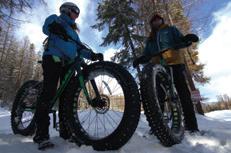
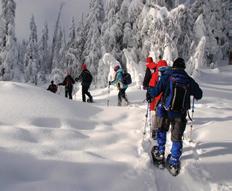
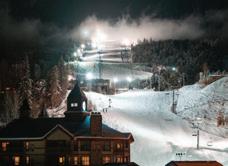
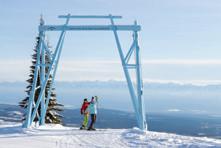
Photo: Zoya Lynch/Parks Canada
Photo: Mitch Winton/KRT
Photo: Panorama Mountain Resort
Photo: Elora May Creative
THE CREATORS
Thirty years ago, inspired by the Ktunaxa story of Yawuʔnik, a horseback expedition of intrepid kayakers trundled up the Purcells then paddled unknown whitewater back down. Today, their film, River Spirit, stands as a work of visionary conservation and
high-country radness.
In hindsight, it was a bold move: three decades ago, Kimberley filmmaker and producer Frank Paynter embellished a Ktunaxa creation story, weaving it together with the retelling of an exhilarating adventure through the wilderness of the Purcells.
Paynter belonged to a cadre of 1970s and 80s East Kootenay hippies, adventurers, and environmentalists that included the late Art Twomey and his partner Margie Jamieson, who co-founded the backcountry lodge company Ptarmigan Tours. Twomey was many things: a glaciologist, pio-
neering avalanche educator, outdoor entrepreneur, cofounder of the East Kootenay Environmental Society (which became Wildsight in 2004), and a documentary filmmaker. As an activist, he was instrumental in the creation of the Purcell Wilderness Conservancy.
In the mid-1990s, he envisioned an adventure film that would celebrate this roadless and undeveloped mountain wilderness.
The adventure angle was covered: kayakers Jeff Boyd and Anne Marie Fisher had an ambitious plan for a first descent of Carney Creek from its headwaters in the Purcells all the way to Kootenay Lake near Johnson’s Landing. Twomey asked Paynter to produce the film, and after discussing the concept, Paynter thought the film needed more to the narrative than simply documenting a paddling adventure. Paynter had recently
finished an environmental film, Still Life With Woodpecker, that featured narrated storytelling by Ktunaxa Elder Leo Williams in the native Ktunaxa language.
It sparked an idea to use an adaptation of the Ktunaxa creation legend
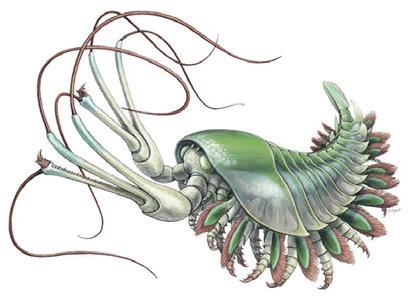
Learning to Crawl — An illustration of an extinct genus of arthropod, called Yawunik kootenayi, can be found fossilized in Yoho National Park’s Burgess Shale, one of earth’s oldest records of marine ecosystems, dating back over 500 million years. — Illustration Courtesy burgess-shale.bc.ca
of Yawuʔnik̓ as the narrative thread for the film. Yawuʔnik̓ was the giant creature that once swam the great rivers of the East Kootenay, and whose bones are still visible as the Dutch Creek hoodoos, as seen from Highway 95 near Canal Flats.
“I wanted to have the kayakers follow the journey of some baby Yawuʔnik̓ trying to reach Kootenay Lake from their birthplace
Who Do? — The Dutch Creek hoodoos, south of Fairmont Hot Springs. East Kootenay environmentalist Art Twomey, filmmaker Frank Paynter, and Ktunaxa Elder Leo Williams borrowed from the legend of the hoodoos for a film that would coincide with the preservation of the Purcell Wilderness Conservancy. — Mat Loyola Photo
in the headwaters,” Paynter recalls. “When I told Leo, he laughed and said that it would be okay.”
While the film was in the planning stages, Williams asked a Ktunaxa friend, Margaret Teneese, if she would do the translated English narration to his story. Teneese, now an archivist and language promoter with the Ktunaxa Nation, was uneasy at first.
“There I was in my thirties, telling my Elder that he needed to talk to other Ktunaxa Elders first,” Teneese
says. “They told him that our creation story is not for sale.”
But when Williams inquired with his fellow Elders about a potential Yawuʔnik̓ legend adaptation that included some of Paynter’s embellishment, the Elders gave their consent and the project proceeded, resulting
an equally epic adventure. In 1908, then-Governor General Earl Grey followed old Indigenous and mining trails up Hamill Creek from Kootenay Lake over a pass and down Toby Creek, following a route now known as the Earl Grey Trail.
So impressed was Grey
This sparked protests in which Twomey and Jamieson were front and centre. Public pressure eventually led to the creation of a 1,300 square-kilometre conservancy in 1974. Twenty years later, the B.C. government expanded and reclassified the conservan-
"LEO SAID WHITE MEN PUT TOO MUCH IMPORTANCE ON MANY OF THEIR STORIES. THESE ARE DIFFERENT TIMES. TODAY, IF I DID SOMETHING LIKE THIS I’D PROBABLY GET IN TROUBLE.” — FRANK PAYNTER
in the creation of the film River Spirits. The film documents an arduous east-west journey through the Purcell Mountains, a wilderness with a long conservation story.
The seeds for its protection were planted more than one hundred years ago on
with the nature and scenery that he petitioned B.C.’s premier at the time to push for a national park. Nothing happened. Prospecting and fur trapping continued in the area and in the 1960s and 70s, logging companies began pushing roads up into pristine Purcell valleys.
KINDERGARTEN REGISTRATION
Registration Opens February 2, 2026
If your child will be five years old by December 31, 2026, they are eligible to start Kindergarten this fall!
Register online at www.sd5.bc.ca or visit your local school for assistance. We’re excited to welcome your child and family as part of our vibrant learning community!
cy as a Class A provincial park, encompassing 2,000 square kilometres, covering six major watersheds flowing east to the Columbia Valley and three draining west to Kootenay Lake.
The timing of River Spirits’ creation coinciding with this new designation
was poignant and not lost on Twomey, who had been alongside Paynter behind the cameras. With kayaks strapped to the backs of two packhorses and Jamieson as wrangler, the film begins on the lower reaches of Dutch Creek as Boyd and Fisher ascend through old growth forests, tangled slide alder, alpine meadows, and tarns.
When they reach the divide, Boyd and Fisher say goodbye to the packhorses, shoulder their boats, and begin glissading, bushwhacking, and bludgeoning their way down the other side of the pass following the trickling headwaters of Carney Creek. At this point, Paynter and Twomey also leave Boyd and Fisher.
“We hiked out of Dutch Creek, drove to Kootenay
continued on page 20
that at times sounds dated and corny. On the other hand, Williams tells the adapted story of Yawuʔnik̓ in the timeless manner of a born storyteller.
“Grandfather Sun melted the snow and the young spirits awoke. When they awoke, they danced in the sunlight,” goes the English translation of Williams’s Ktunaxa narration at a point in the film when Fisher kneels down for a drink of fresh snowmelt.
take. He was a natural.”
When Teneese finally saw the finished film after being unable to get in the door at the overcrowded premiere screening in Kimberley, she loved it. “It was beautiful.”
that drove the idea for this unusual film. Paynter knows that viewed through a contemporary lens, his tinkering of a Ktunaxa creation legend might ruffle a few politically correct feathers.
Lake, and then hiked up Carney so we could film them paddling,” Paynter explains.
Eventually, the creek gathers more volume, enabling Boyd and Fisher to load their kayaks, secure their spray skirts, and start sending the rowdy mountain stream. It’s an
entertaining watch with the visceral excitement of a pioneering descent.
But what makes this film special is the juxtaposition of the two narrators who propel the story. On the one hand, Fisher gives a folksy commentary to the adventure, laced with humour
Margaret Teneese has fond memories of walking into a makeshift recording studio in Kimberley with Williams and stepping up to the boom mic to work off the accompanying narration.
“I was speaking too fast, so I had to redo it a bunch of times. By the end of the day, I was exhausted,” she says. “But Leo, he did it all in one
Three decades later, River Spirits still resonates. The cadence of the Ktunaxa language as spoken by Leo Williams is spellbinding. He shares an Indigenous worldview that sees itself as not apart from nature but rather as a part of it. Williams passed away in 2011 at age 93.
Tragically, just a few years after the film’s release, Twomey died in a helicopter crash in 1997 while teaching an avalanche course. River Spirits was dedicated posthumously to this Kootenay icon, and it’s a fitting tribute.
As Frank Paynter says, it was Twomey’s enthusiasm
“I remember Leo telling me that their legends were living stories, like comic books, and could be made up as such. Leo said white men put too much importance on many of their stories,” Paynter says. “These are different times. Today, if I did something like this I’d probably get in trouble.”
Thankfully, the film stands as an enduring testament to an environmental activist’s passion and dedication, and a Ktunaxa Elder’s reverent worldview.
– Andrew Findlay
Vision Quester — In the mid-1990s, Art Twomey persuaded Frank Paynter to produce an adventure film about the wild lands that would become the Purcell Wilderness Conservancy. Twomey passed away in a helicopter crash in 1997. — Pat Morrow Photo
To Cut Beyond The Grind
The work of carpenter Dustin Rogers, whose passion for the trade plumbs depths well past paycheques, accents Creston’s neighbourhoods and nooks.
In the heart of the Creston Valley, Dustin Rogers has found his rhythm. Not in the hum of machinery or the rush of deadlines, but in the quiet shaping of wood, sound, and soul. He calls his business Daiku Woodworks, but to Rogers, it’s more than work. It’s a way of being.
Born in Edmonton to a Filipina mother and Canadian father, Rogers moved to Creston as a child. His parents owned the Other Side Café, a beloved local spot that fed the community for decades. Growing up in its basement, he remembers the aroma of home-cooked food and the warmth of connection — a community cornerstone that showed him the rewards of heartfelt work.
However, upon graduating high school, he decided he ought to go to university, take science and medical courses, and build a respectable future. But after two years at it, Rogers discovered that he hated sitting in class all day — and he decided to walk away into the unknown.
A planned year off turned into many years of “travelling and bumming around,” says Rogers, as he reflects on the era that took him everywhere from Central America to Thailand, from a hostel job in Spain to nine months exploring India. The latter a country he landed in knowing nothing about; he was simply called there by the sound of a sitar in the Beatles song
“Norwegian Wood.”
“I just heard that sound and thought, ‘I have to go,’” he says. “I didn’t know anything about India. I was nineteen. I just went.”
That instinct to follow curiosity rather than convention still guides him today.
When he returned to Canada, Rogers fell into carpentry almost by accident. He felt he needed to focus, so he got a labourer job with a construction company, then more doors began to open. He eventually completed his Red Seal certification and worked in construction — but something was missing.
“It just felt like work,” he admits. “There wasn’t much room for expression.” And expression, for Rogers, is essential. He laughs about it being an affliction, sharing that he can’t even follow a simple recipe without getting creative and making it his own.
But eventually, carpentry became his canvas. “We needed a couch once, and instead of buying one, I decided to build it,” he recalls.
“How hard could it be? It’s actually really difficult, and it was terrible.” He grins. “But it worked.” Not only did it work, but it showed Rogers that he was capable of creating things that were both beautiful and functional.
Today, his work has evolved far beyond basic carpentry. At Daiku Wood-
works, Rogers creates custom furniture, timber structures, and intricate wood art — projects infused with soul and story. He works alongside his longtime friend and business partner, Kyle Renz, whom he met in the most unexpected place: the Canadian embassy in New Delhi.
Rogers laughs, “We both got robbed in India, traveling in different parts of the country, and we unknowingly showed up there the same day to get new passports. That was it — we’ve been friends ever since.”
Together, they’ve built everything from private projects for clients’ homes to the beautiful timberwork inside Creston’s Grater Good to larger-scale community projects. “We try to only take on jobs that mean something,” Rogers says. “Even if it’s a renovation, there has to be one element, one piece, that lets us put our hearts into it.”
When he speaks about his craft, Rogers’ tone softens. “Sometimes I just have a feeling or see a shape in my mind, then it’s reverse
continued on page 22
Ingrained — “I lose all sense of time,” says carpenter Dustin Rogers of his creative process. “I could easily slip into my own world and 15 hours can go by without noticing.” — Daiku Woodworks Photo
Lumber and Legacy — Rogers in his workshop. “I just hope my great-grandkids look at something I built and say, ‘He tried.’” —
engineering to bring it into the physical world.” He particularly loves the creativity involved in making instruments, a connection that takes him right back to India. Crafting instruments offers the ability to lose himself in his work.
"I lose all sense of time. I could easily slip into my own little world and 15 hours can go by without noticing." He shares that it’s like a meditative state, and
public spaces that bring art into everyday life. “It’s nice when even a park bench has some beauty to it,” he says. “It makes people feel something.”
Rogers’ career is as much about transformation as it is woodworking. Transforming materials, himself, and the places where his work makes a mark.
Each piece of wood Rogers alters carries the quiet heartbeat of someone who has lived deeply,
“I
HAVE A FEELING OR SEE A SHAPE IN MY MIND, THEN IT’S REVERSE ENGINEERING TO BRING IT INTO THE PHYSICAL WORLD.”
there’s a quiet acceptance that certain components might take ten hours until they are perfect.
Mistakes, though, are a part of the process, he admits, and often lead to a more creative version of the final product because they force innovation. “Now you have to focus all of your attention and make this somehow work. And oftentimes, it turns out better in the end.”
Rogers’ mark on the community is undeniable. He and Kyle dream of one day filling Creston with handcrafted structures like bus stops, benches, and
wandered far, and found his way back — not to where he began, but to where he belongs.
When asked about the legacy of his work, he admits that he never looked at it that way. “I just hope my great-grandkids look at something I built and say, ‘He tried.’” Rogers smiles. “That’s enough. To not be afraid to try. That’s the point.”
Inquire: daikuwoodworks@ gmail.com, 250-428-6945, or daikuwoodworks.com
– Danette Polzin
Danette Polzin Photo
When The Shed Hits The Fans
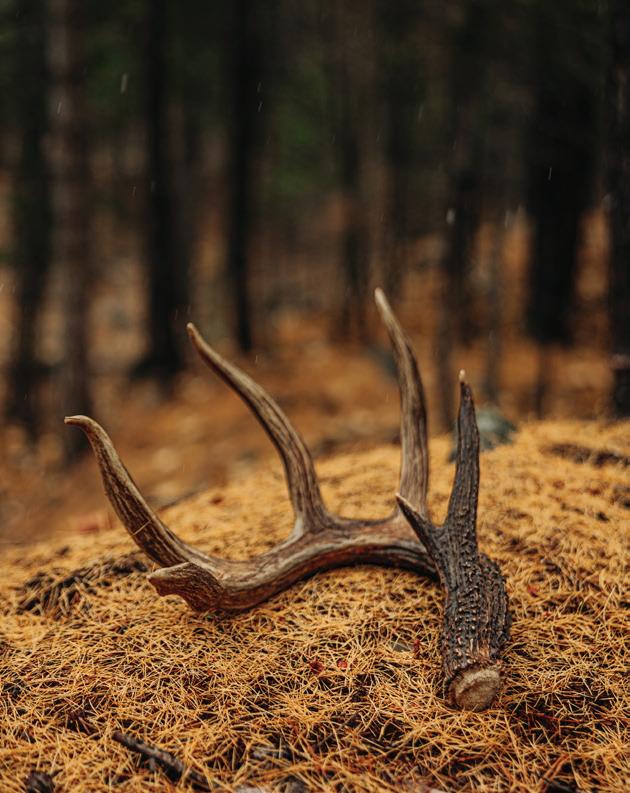
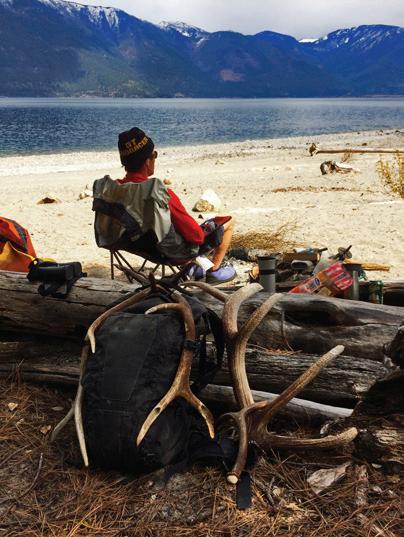
Throughout East Kootenay forests, the allure of the antler calls. But the increasingly popular and unregulated practice of shed hunting, while adventurous and thrilling, can have adverse effects on the very animals it aims to revere.
ing can provide insight on herd health and movement. Many are seeking antlers’ resale value or repurposing them into functional art like knife handles, jewellery, and drawer pulls. Most shed hunters simply delight in the treasure hunt and finding a gift from nature. Fido just wants something to chew on.
push animals away from their wintering grounds into potentially dangerous areas and separate them from vital food sources.
Like tender shoots in early spring, a young whitetail buck sprouts his first set of spikes.
In the height of summer, a moose’s antlers, mimicking the flora around it, undergo a vibrant period of growth, stretching upward.
After a long autumn, the branched crown of an elk falls to the ground as easeful as leaves, marking a season passed, only to start growing again.
It’s a process unique to Cervidae — the deer family — which also includes caribou and reindeer. This clever adaptation ensures a complete and sturdy set of antlers by the end of summer, right before the rut in the fall.
If a deer breaks an antler
during the mating season, it will likely still have the chance to compete for a mate again the following year. The same cannot be said for horned animals, like bison or bighorn sheep, whose chances of reproduction and survival could diminish drastically.
The word chosen by our Québec neighbours for antler is bois, translating literally to wood. A freshly-fallen antler blends seamlessly with the forest floor — and for some, infuriatingly so. Despite this, a few are found by opportunistic canids, rodents, and, of course, people.
Although we don’t use antlers for their phosphorus or calcium content like the coyotes and porcupines,
humans have used antlers for both practical and ornamental purposes for ages. In the East Kootenay, a mounted set of antlers is as much part of the local culture and charm as Tyvek siding and front yard junkers.
Folks head out in search of fallen antlers — a practice
The activity is nothing new. Lately, however, the dialogue around shed hunting is changing: it’s become a conversation about conservation.
Shed hunting’s unfortunate catch is that the ideal times for it coincide directly with the hardest stretch of year for these animals. This can have adverse effects on
A 2021 study conducted in Utah and published in the Journal of Wildlife Management found that a mule deer buck experiencing pressure from an active shed hunt will move an average of 1.26 kilometres, and as much as 3.6 kilometres, out of their established home range. The doe population averaged nine hours of time away, with one case showing 41 hours of displacement.
Findings like this have led to the implementation of shed hunting regulations and seasonal closures in
IN THE EAST KOOTENAY, A MOUNTED SET OF ANTLERS IS AS MUCH PART OF THE LOCAL CULTURE AND CHARM AS TYVEK SIDING AND FRONT YARD JUNKERS.
called shed hunting — for many reasons. The practice requires one to move slowly and mindfully, offering a meditative and connective experience in nature. The hunter is out there doing homework, gathering intel on the season ahead, and the naturalist is often nerding out, as the shed hunt-
the ecosystem, working against what most shed hunters covet: a healthy, abundant, and sustainable wildlife population.
For winter and a large portion of spring, calories are few and life is difficult. One of shed hunting’s challenges is that human presence can
Colorado, Montana, Nevada, North Dakota, Utah, and Wyoming. Utah requires shed hunters to complete an ethics course, while Wyoming charges an annual conservation fee to non-residents.
British Columbians are fortunate in the sense that
continued on page 24
King Size —Its base as thick as a beer can with a main beam of over 60 centimetres, this remarkably large whitetail deer antler was found along the Kootenay River. As old as seven years, the buck had lived in deep wilds his whole life, avoiding predators, hunters, and vehicles. — Nicole Leclair Photo
Shediquette
Shed hunt once food is abundant and sunshine is plentiful.
Be grateful and respect and acknowledge the antler for the gift that it is.
Keep your group small. Less people, less dogs, less stress.
Establish what is take-home worthy. Is it one of a kind? Is it particularly special? If not, stash it under a rock or a bush for a four-legged friend to find.
If you see a skull with antlers still attached, known as a deadhead, leave it behind, take note of the location, and report it to a conservation officer so they may further investigate.
Journeys — While these sheds are unremarkable, the day spent finding them was anything but. Exhausted after a day spent in steep sidehills, the shed hunters were greeted by a lone grey wolf on the shoreline, nose down, oblivious to the humans. It lingered before disappearing into the bush. — Dave Quinn Photo
THE PRACTICE CAN PUSH ANIMALS AWAY FROM THEIR WINTERING GROUNDS AND VITAL FOOD SOURCES — WORKING AGAINST WHAT SHED HUNTERS COVET MOST: A HEALTHY, ABUNDANT, AND SUSTAINABLE WILDLIFE POPULATION.
population density here isn’t nearly the factor it is down south. In B.C., shed hunting, outside of parks and conservation areas, remains largely unregulated. This works for now, but as the activity grows in popularity, so too does the associated pressure on animals and so will those conversations around conservation.
With a smidge of education, and a healthy amount of self-regulation, shed hunters in B.C. can continue enjoying the way things are.
By shedding a few old habits and adopting some new ones, shed hunters can minimize the overall impact we all have on the landscape, animals, and gorgeous antlers we hold so deer — er, dear.
– Jesse Heinrichs
Reforged By Fire
In the early 20th century, flames razed Fernie — twice. Following the worst of the firestorms, residents from Cranbrook to Kalispell to Lethbridge helped rebuild, and a mountain city of admired architecture, legendary resolve, and miraculous luck emerged from ashes.
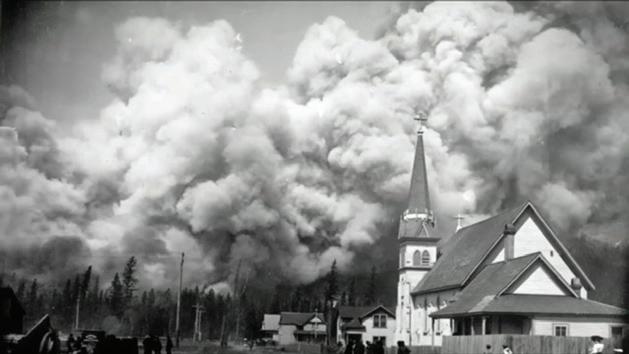
On August 1, 1908, a roaring fire swept through the growing community of Fernie, B.C., in just under two hours. Aptly named the Great Fire, the blaze left a wide path of destruction in its wake — as well as an evolved and resilient community.
The fire remains etched in the consciousness of the people, embedded in the town's landscape, and serves as a reminder of a community that banded together with its neighbours to rebuild.
"Fernie was a frontier town that had already experienced many gains and losses. In 1904, the townspeople fought another fire that had obliterated most of the downtown core, leading to the emergence of a fire department and the official founding of the town," said the August 13, 1908, Cranbrook Herald article titled “Fernie Will Rise Again: Aftermath of the Terrible Disaster.”
"firestorm" by the Cranbrook Herald, which wrote: “It roared through the town yet claimed no lives — an astonishing feat considering the circumstances. Fernie will rebuild. Fernie is populated by people who possess an indomitable Western spirit that knows no failure."
Despite efforts by firefighters, the fire raged through town, eating homes and businesses, and forcing residents to run for safety.
Families flocked to the river for refuge as they watched their city burn, with rescue efforts and a means of escape taking precedence over containing the blaze.
According to the Herald, by a turn of fate, a Great Northern train passed through the city and rescued many civilians, relocating them 13 kilometres northeast to Hosmer, where they were housed in newly-built coke ovens. These lucky few were part of the mass exo-
Elko were among the many communities that offered their support, as well as cities across the border, including Spokane, Rexford, Kalispell, and Gallatin Gateway.
With this generous aid, Fernie began its journey to recovery, building a city even stronger than before. Residents rose to the enor-
RESIDENTS RESCUED BY A PASSING TRAIN WERE HOUSED IN NEWLY-BUILT COKE OVENS. THESE LUCKY FEW WERE PART OF THE MASS EXODUS OF EVACUEES WHO FOUND THEMSELVES HOMELESS IN THE AFTERMATH OF THE FIRE.
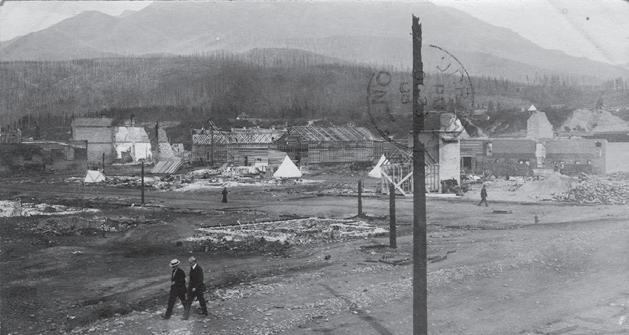
Fernie was still recovering from that initial fire in 1904 when it was hit yet again by the 1908 inferno; a fire that nearly levelled the town. And despite the intensity of the damage, human casualties were miraculously avoided. The blaze was described as a
dus of evacuees who found themselves homeless in the aftermath of the fire.
The generosity of Fernie's neighbours came to the forefront as nearby towns offered their homes, resources, provisions, and friendship. Cranbrook, Nelson, Kimberley, Moyie, and
mous task with the motto "All will rise to meet the challenges presented and emerge stronger and better than ever" as part of their campaign to rise above the ashes. The city council established new building regulations, ensuring that all structures built within
Ran for the Hills — In 1908, Fernie’s population was close to 5,000 with massive coal mining operations, large lumber sawmills, and 700 buildings. The fire that swept through the town left only 17 buildings standing. — Photo Courtesy Columbia Basin Institute of Regional History
a specific ten-block zone were constructed with fireproof materials.
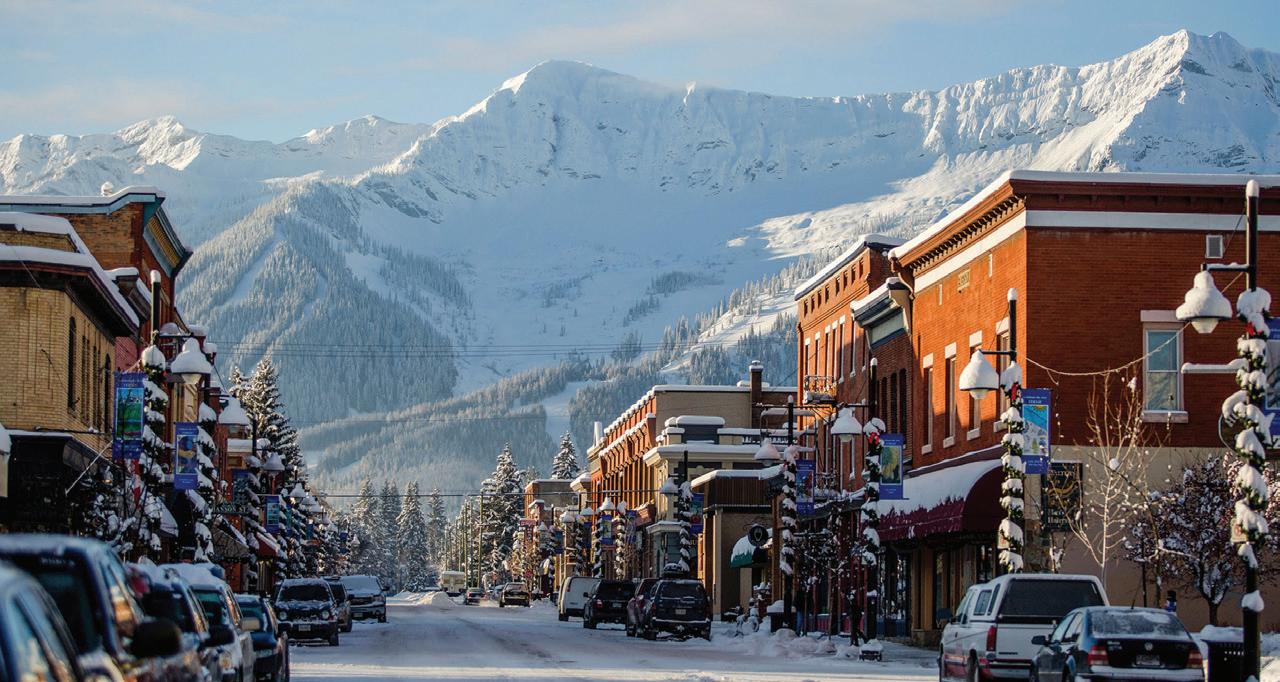
During this period of reconstruction, Fernie's architecture underwent a significant evolution, characterized by simple Italianate styles, including flat-roofed brick buildings with coal chutes. Structures erected along Victoria Avenue harkened to the history that had been lost in the fire. The result was singular and memorable: Fernie's distinct architecture nestled into its stunning mountainous landscape has been the backdrop for numerous Hollywood movies over the years.
The Great Fire of 1908 took much from Fernie, but it paved the way for a
new legacy. Monetary support from across Canada and the U.S. contributed to the creation of what is now the Fernie Courthouse, Fernie Heritage Library, and the Holy Family Catholic Church. Among the few surviving structures were the offices of the Crowsnest Pass Coal Company, which would later house Fernie's City Hall.
"Fernie became a symbol of hope and solidarity,” the Herald reported, “with valuable lessons woven into the town's fabric, inspired by a collective effort from near and far to support friends in need.”
– Erin Knutson
Let Her Rip
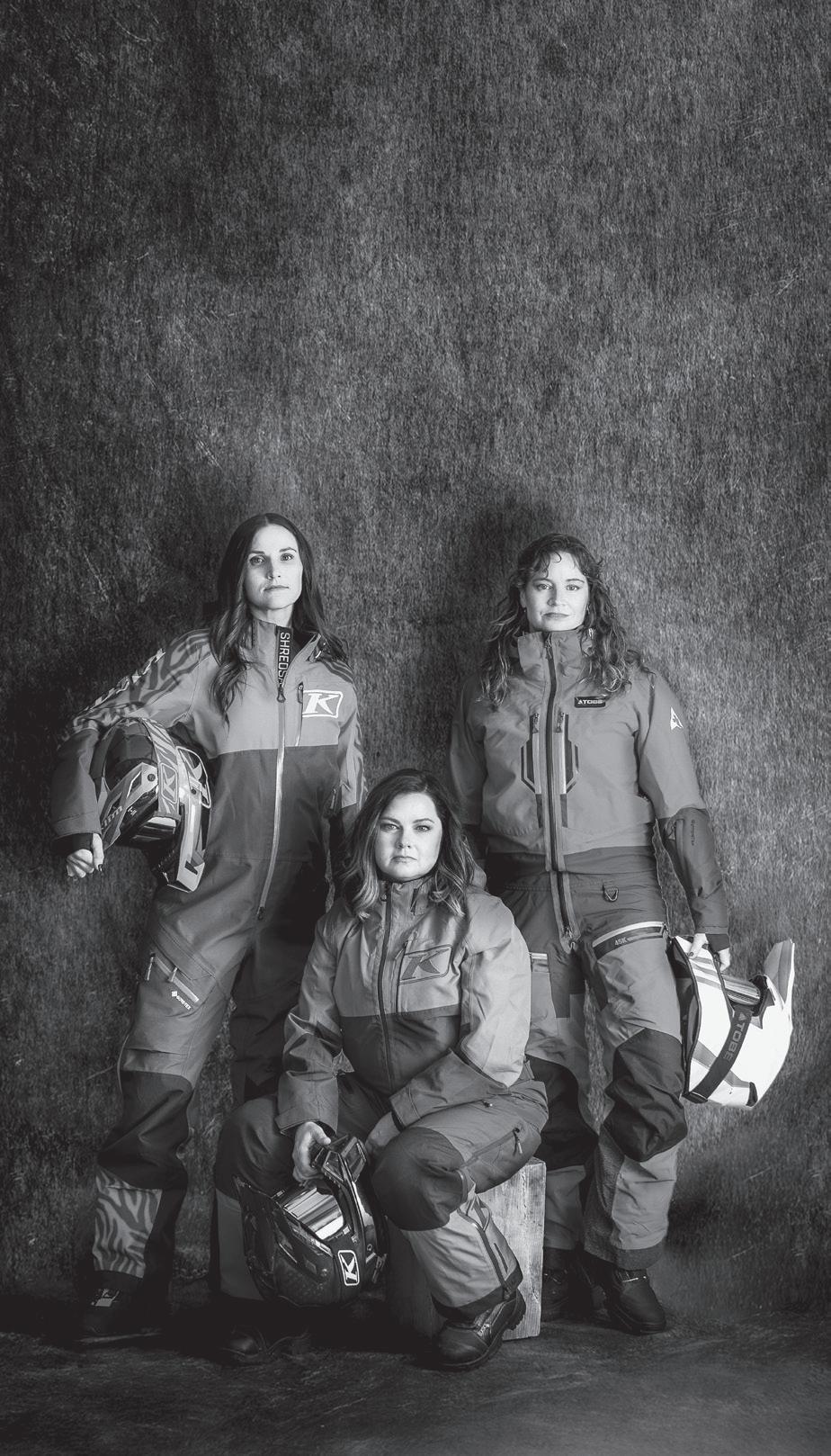
Trench writer Jacquie Moore suits up with three noteworthy East Kootenay snowmobilers, each of them exemplary in their personal commitments to stewardship, heritage, and formidable hoonin’.
By Jacquie Moore
SNOWMOBILING HAS LONG CARRIED CERTAIN STEREOTYPES ...
Loud engines, mostly male riders, and a reputation for being hard on the landscape. But that image is quickly changing. Riders like Gabby Hockley, Alex Ibbotson, and Nicole Matei are part of a growing wave of women carving their own lines through the backcountry and redefining what the sport looks like.
For them, snowmobiling isn’t just about horsepower: it’s about access, beauty, and stewardship. A sled can get you places only a lucky few will ever glimpse from a helicopter. It’s about community, too, as friendships are forged on mountain ridges and in powder fields where skill and stoke matter more than anything else. And it’s about strength because snowmobiling is a full-body sport that calls for athleticism and confidence, making it a natural fit for those who want a challenge and a thrill.
Women aren’t just joining the sport, they’re shaping it. Through skill, visibility, and pure joy, they’re proving snowmobiling isn’t just for a few. It’s for anyone with a sense of adventure and a love of winter.
Well Suited — Clockwise from left, snowmobilers Gabby Hockley from Moyie, Kimberley’s Alex Ibbotson, and Nicole Matei from Fernie. Nicole Leclair Photo
GABBY HOCKLEY
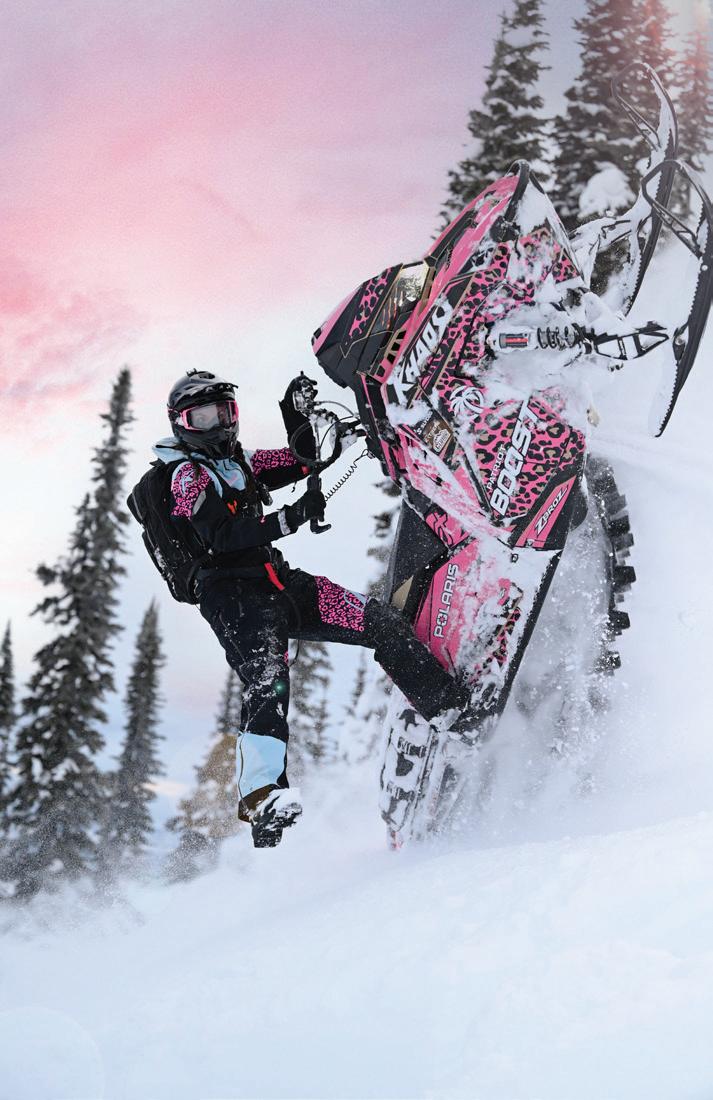
When Gabby hits the snow, it’s not just a day outside; it’s a full-body, full-throttle love affair. A professional rider for Polaris, Hockley spends her winters carving through pristine backcountry terrain, often with a photographer in tow capturing her signature powder turns.
“I grew up on a sled,” she says with a grin. “I got my first snowmobile when I was three.”
Raised in Cranbrook, B.C., Hockley grew up with weekends that revolved around riding. Her parents snowmobiled all her life, her brother also rides,
status comes from her work as a factory rider for Polaris where she is featured in marketing campaigns and photo shoots. She’s also been sponsored by the gear company Klim since 2013.
“It’s all about showcasing the sport,” she says. “We shoot in these incredible places. It never stops blowing my mind how quickly a sled can take you to views that feel completely wild.”
When she’s not riding for a photoshoot, she’s just … riding. A lot. “Last season, I probably got out 60 times,” she says. “An average day is leaving the house at 8 a.m. and getting home around 7 p.m. I go with my husband
“LAST
SEASON, I PROBABLY GOT OUT 60 TIMES. AN AVERAGE DAY IS LEAVING THE HOUSE AT 8 A.M. AND GETTING HOME AROUND 7 P.M.”
and now she’s carrying that legacy forward.
“It’s been a family thing my whole life,” she says. “We’d head out every weekend — rain, snow, whatever — and just ride.”
While she laughs easily, there’s serious athleticism behind Hockley’s effortless-looking powder arcs, and it’s clear she trains hard. “It’s definitely really physical,” she says. “Honestly, it’s the reason I work out. If I’m in shape, I can ride longer, push further, and have way more fun. People don’t always realize how much strength and stamina it takes.”
Hockley isn’t a competitive racer; her professional
maybe ten times a year, but mostly I ride with friends and my brother.” Hockley explains that the snowmobile community is both super-tight and extremely welcoming. “Most of my closest friends now I met through sledding.”
Hockley’s husband may not be quite as obsessed with the sport, but he’s along for the ride — literally. “He’s a photographer, so he loves coming out and capturing the beauty of it,” she says.
To make her snow-filled lifestyle work, Hockley is also a realtor. “Real estate gives me flexibility. If there’s a storm coming or a shoot with Polaris, I can just go,” she says.
For Hockley, snowmobiling isn’t just a sport. It’s adventure, exercise, adrenaline, and community wrapped in a cloud of cold smoke and mountain air.
“Once you try it, it’s addictive,” she says. “It’s like skiing a perfect powder line, except that you’re not waiting for a chairlift. You’re the engine.”
continued on page 28
Wheelie Good — Hockley is a factory rider for Polaris where she’s featured in marketing campaigns and photo shoots. — Isaac Hockley Photo
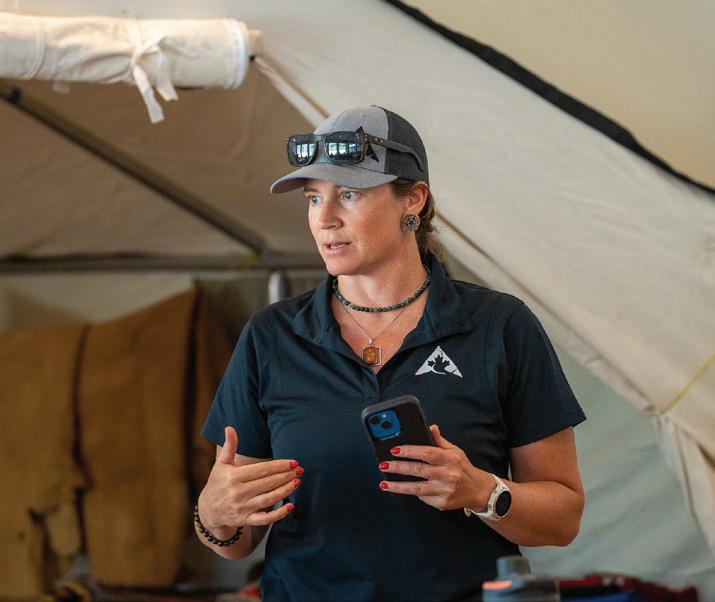
Alex calls herself a “snowmobile practitioner.” It’s a title that raises eyebrows — and that’s part of the point. “It means I make a living on a snowmobile,” she says. “There are professional snowmobilers who focus on marketing and sponsorships, but my work is about access, education, and equity in the mountains.”
A Métis woman raised near Invermere, Ibbotson
fore she found her calling on a sled. “I wasn’t that into skiing — my parents tried,” she laughs. “But snowmobiling opened a whole new way of experiencing the mountains. It’s exploration access. You can move through terrain in ways that skiers just can’t.”
That freedom is exactly what she’s fighting to protect. “There’s a stigma that snowmobilers are loud and destructive, or lazy,” Ibbotson says. “People assume it’s easy. It’s not. There’s so
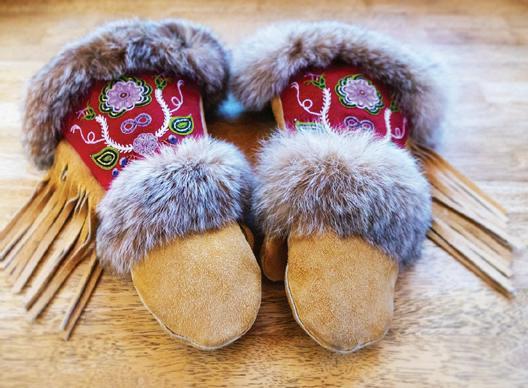
In Honour — Beaded mitts Ibbotson made in memory of two of her Metis ancestors who worked as guides in Alberta and B.C. in the mid-1800s. — Trixie Pacis Photo
much work involved just to get out there, including hauling gear, fixing machines, learning the land. And as an Indigenous person, it’s frustrating to see human-powered sports like skiing seen as noble, while we’re treated like we don’t belong.”
Through her company, Indigenous Mountain Cul-
“I’M
beyond recreation. “Many snowmobilers were trappers. They were accessing territory and keeping a traditional livelihood alive,” she says. “I want to make sure those skills aren’t lost and that Indigenous people are included in how the backcountry is managed and accessed.”
For Ibbotson, the sled
BEING HIRED BY NATIONS TO BRING AVALANCHE AND SNOWMOBILE SAFETY TRAINING INTO THEIR COMMUNITIES. IT’S ABOUT CREATING SELF-RELIANCE, RECONNECTING TO LAND, AND KEEPING TRADITIONAL SKILLS ALIVE IN A MODERN WAY.”
ture Inc., Ibbotson operates Canada Backcountry Services offering avalanche training and guided trips at the Lumberton riding area near Cranbrook, as well as mentorship for Indigenous riders. “I’m being hired by Nations to bring avalanche and snowmobile safety training into their communities,” she explains. “It’s about creating self-reliance, reconnecting to land, and keeping traditional skills alive in a modern way.”
Ibbotson’s vision goes far
NICOLE MATEI
From her home base in Fernie, Nicole has carved out a life at the crossroads of safety, storytelling, and snow. A paramedic and a life-
is much more than a machine: it’s a vehicle for connection, empowerment, and rewriting the story of who belongs in the mountains. Her leadership reflects this broader mission — transformational change in backcountry culture.
“The future of all snow sports requires respectful, responsible land use, inclusivity, and safety,” she says. “When communities see themselves represented in these spaces, it changes everything.”
mountain safety and, most recently, leadership with the BC Snowmobile Federation.
“People still hold this old idea that snowmobiling is loud or reckless,” she says. “But in reality, we’re some
“OUR CLUBS INVEST COUNTLESS VOLUNTEER HOURS IN SIGNAGE, EDUCATION, AND HABITAT PROTECTION. WE’RE NOT JUST USERS OF THE LAND — WE’RE CARETAKERS.”
long mountain enthusiast, Matei has spent more than two decades working in outdoor operations — from ski patrol and trail building to
of the most active stewards of the backcountry in B.C.”
It’s a point Matei is proud to back up with facts. The Federation over-
ALEX IBBOTSON
Guide by Nature — Alex, a Canadian Certified Lead Snowmobile Guide, teaching navigation and outdoor safety to the Métis Nation BC youth, with her trapper tent, furs, and art displayed in the background.
— David Aguilar Photo
sees more than 60 snowmobile clubs that maintain 18,000 kilometres of trails, 90 shelters, and nearly 100 staging areas through formal agreements with governments, landowners, and First Nations.
“Our clubs invest countless volunteer hours in signage, education, and habitat protection. We’re not just users of the land — we’re caretakers.”
Matei’s work as the Federation’s programming and marketing coordinator connects those clubs, riders, and partners with each other. She supports everything from safety initiatives and tourism promotion to the stewardship programs that keep the sport sustainable and thriving.
“The volunteers do incredible work,” Matei says. “The Federation’s
Frosty Flakes — Nicole, seven here in the midst of a snow layer stability test, was recently hired on as marketing boss for the BC Snowmobile Federation. The organization oversees 60 snowmobile clubs that maintain 18,000 kilometres of trails and 90 shelters. — Contributed Photo
role is to give them structure and a voice.”
A skilled communicator, Matei has long used storytelling to shift perceptions. Her articles for outdoor publications and the Federation’s Let’s Ride BC platform combine industry insight with accessible narratives.
“Volunteers aren’t out there to toot their own horns,” she says. “I wanted to tell the good stories — to show how much effort goes into maintaining these trails and protecting the landscapes we love.” Matei writes
about unique snowmobile adventures, history of the area, events, and, most enticingly, the diverse group of passionate people at the heart of the sport.
For Matei, snowmobiling fulfills a deeply personal passion. “I always want to see what’s over the next
hill,” she laughs. “It’s the explorer and storyteller in me.” Whether it’s catching sunlight on fresh snow or spotting a whitebark pine in bloom, each ride renews her connection to the land.
Matei’s initiative and leadership helps future generations of riders build
their own passion for the sport and connection to the mountains.
“If you want to protect something,” she says, “you have to love it. And to love it, you have to experience it.”
A good place to be shredding the
In Kimberley, we’ve got all that you’ve come to expect in a classic B.C. mountain town, with a few surprises up our sleeves. Find 80+ runs and short lift lines at the Kimberley Alpine Resort. Soak up some Kimberley culture with arts and entertainment or delight in Kimberley’s cuisine scene.
Rock On
Curling, the quintessential Canadian sport. Requiring brawn, banter, and a beauty bar tab.
Canada may be known for its long, devastating winters, but Canadians should also be celebrated for the coping methods we have developed to not just survive winter, but to thrive in winter. Of course there are the obvious choices: skiing, snowboarding, hockey. But don’t forget what is potentially the most Canadian winter pastime of all: curling.
Curling is almost completely and totally identified with Canada even though it originated in Scotland. Often called “the Roaring Game” due to the sounds the stones make as they slide across the ice, (not because the players roar “HURRY HARD!” after throwing a stone), curling was first attempted
Can’t skate? Don’t worry. Sure, it takes place on ice, but it doesn’t require skates. Unlike hockey, which requires significant investment in skills and equipment, curling requires minimal investment in skills and equipment. A broom and a special shoe cover called a slider are all that is needed and they can often be procured for cheap, if not free!
Curling clubs can often hook up newbies with the needed tools to get into the game and the drink specials needed to forget the game.
A high alcohol tolerance and/or a high tolerance for alcoholics will see one excel in this sport.
Only one of the four team members really needs to understand the rules
Curling is renowned for being a “social sport” — did I mention there's a bar? As teams take turns throwing and sweeping, players will experience some downtime, providing plenty of opportunities to chat about your latest nightmare Tinder date, whatever weird thing your kid did at school, or which NHL player is getting paid too much for underperforming.
While this sport has served as an excuse to drink on weekdays for decades, it also has been added to the pantheon of Olympic disciplines and experienced an uptick in global popular-
ONLY ONE OF THE FOUR TEAM MEMBERS REALLY NEEDS TO UNDERSTAND THE RULES AND BE GOOD AT THE GAME, MAKING IT THE PERFECT SPORT FOR PEOPLE WHO OFTEN FIND THEMSELVES IN THE ROLE OF ‘PERSONALITY HIRE'.
in Canada around 1800. While it was originally played outdoors in Scotland, in Canada, winters are REAL and trying to KILL YOU, so the game was moved indoors — and a bar was added. Both choices revolutionized the game.
Whether you’re new to Canada, or just new to curling, The Trench is here to sell you on curling as one of the greatest winter survival activities.
and be good at the game, making it the perfect sport for people who often find themselves in the role of ‘personality hire’.
Not only will you be learning a fun new sport, you will also end up developing your ‘ice legs’. This increased ability to walk on ice while both sober and drunk will improve your day-to-day winter life.
Don’t let curling be ruined — be bad at it.
ity — meaning an uptick in competitiveness!
Countries like China, South Korea, and even Nigeria have started funding national curling programs with the hopes of adding to their medal totals at the Olympics. And although we have nothing against this global growth, we are advocating for the maintenance of the grassroots elements. Does the curling rink in China serve Kokanee? Is Crown Royal available in Nigeria?
Not everyone needs to make the Olympics, but everyone needs to buy a round for the whole team at least once a season. This is more important than winning.
The spirit of curling. The rules of curling open with the Curler’s Code of Ethics: “I will play the game with a spirit of good sportsmanship; I will conduct myself in an honourable manner both on and off the ice; I will never knowingly break a rule.” Essentially, an integral part of the sport is aspiring to be a good and fair person, so if you can do that, you’re already good at curling. If you don’t aspire to be a good person, maybe you need curling even more.
Sharp dressers welcomed. Fans of the Olympic games may recall the 2010 Winter Games in Vancouver and the fashionable styling of the Norwegian squad — their splashy, patterned pants made headlines around the world. And old curling photos from
the 1970s depict starched shirts and stylish cardigans. One is certainly not obligated to turn the curling rink into a runway, however, for those who thrive on sartorial splendour, curling can offer a creative outlet.
That Cowichan sweater you inherited from your grandpa? Perfect for the rink. Hot pink sweatpants? The Norwegians broke ground for you, follow in their footsteps! Remember, the true goal of curling is to drink have fun, and group costumes can make you feel like a winner even if you still don't understand how points are scored.
In conclusion, the curling rink can be the heartbeat of a vibrant community all winter long, uniting those who have a passion for sport and athleticism with those who have a passion for yelling and gossiping. Come, take your place. First round is on us.
– Sarah Stupar
Cranbrook Business Centre | Centre d’affaires de Cranbrook
Michelle Kleindienst, michelle.kleindienst@bdc.ca
Account Manager | Directrice de comptes
bdc.ca 1-888-INFO-BDC
THE ROCKER & THE ROAMERS
Born into a 1960’s U.S. military family, Leo Downey was inspired by his jet pilot dad, The Doors, and a bible found in the desert. A high-flying career in music and Hollywood acquaintances ensued. Today, though, the former frontman’s life is spent beneath the Rockies’ east front and the heaviest of hooves. How did it happen?
WORDS AND PHOTOGRAPHY JEFF PEW
THE DESERT BECAME A SACRED PLACE WHERE DOWNEY WENT TO LISTEN. HE WANDERED INTO DEEP, SILENT CANYONS WHERE EVERYTHING STOOD STILL.
e talk about miracles and monasteries.
Rattlesnakes and heartache. Playmates and Bonnie Raitt. We sit on a quad in a pasture shadowed by Hedberg Peak in the Rocky Mountains, a herd of seventeen buffalo grazing among us.
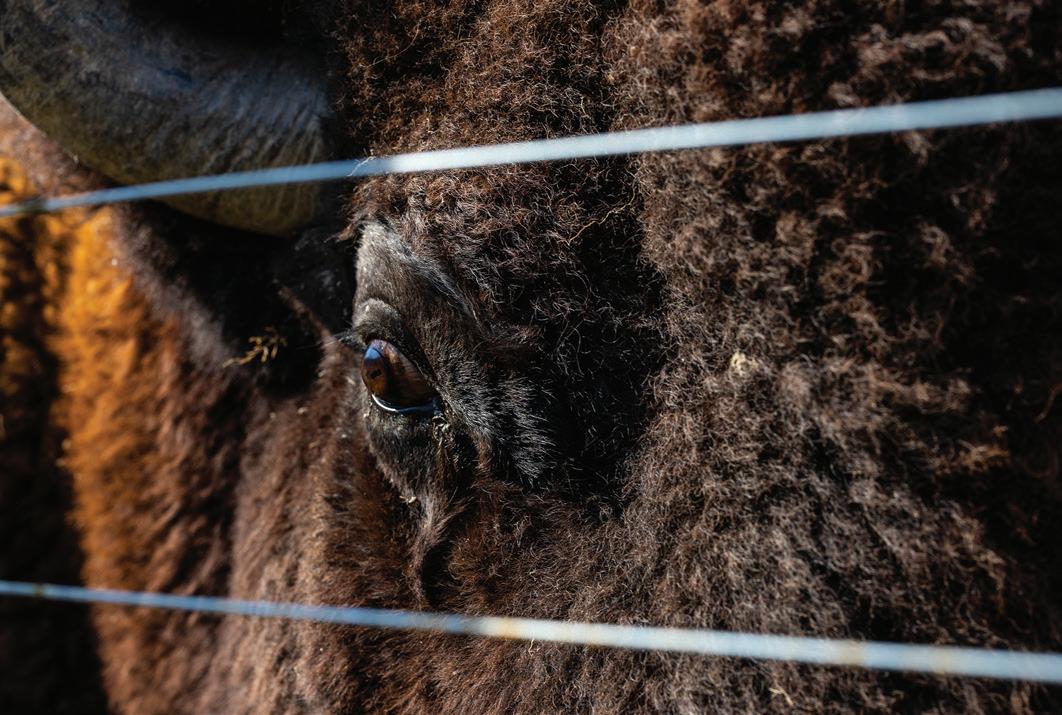
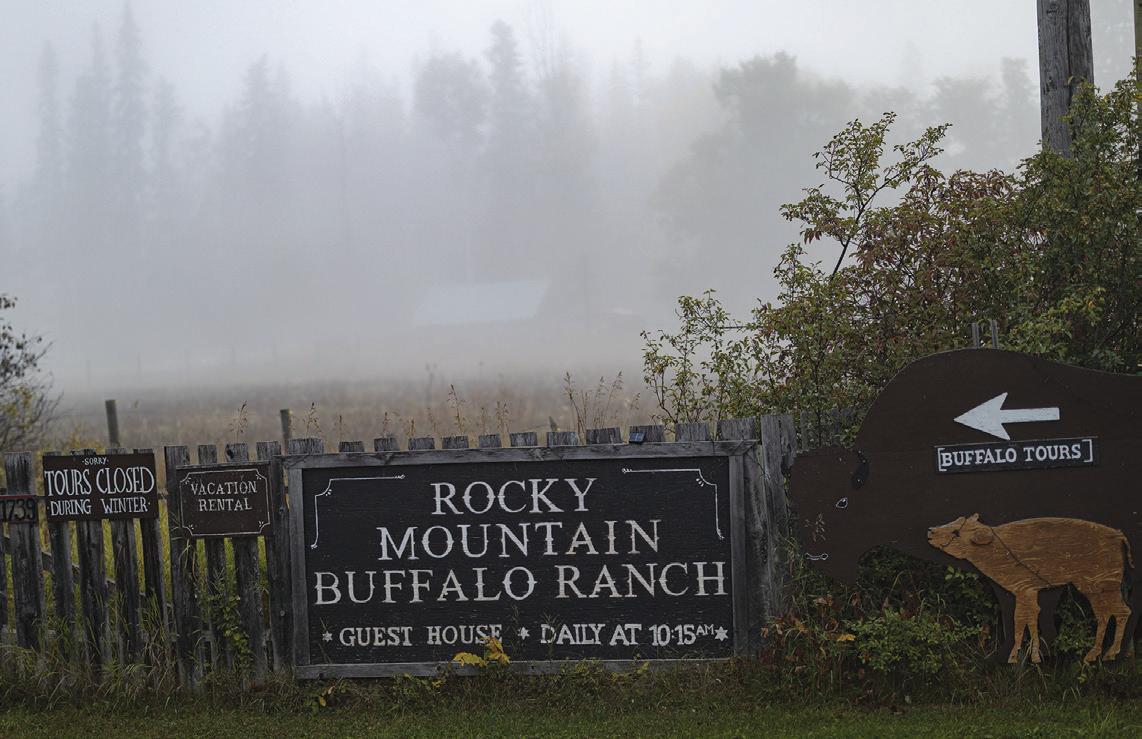
Leo Downey — ex-California rockstar, now owner of Golden’s Rocky Mountain Buffalo Ranch — warns me not to leave the quad as his 2,000-pound lead bull, Chester Jr., grunts, gnaws oats, and nudges my knee. “Don’t touch ‘em either,” Downey advises, explaining how buffalo thrust and twist their horns to gore an opponent. I breathe deep and try not to move.
I first learned about Downey while watching the 2025 Banff Mountain Film Festival short Leo and Chester, a film on Downey’s life. A tale of how he gave up a three-record Sony deal and Budweiser contract after wandering the California desert for eighteen days, where a vision, he says, changed the course of his life and led him to a 100-acre ranch in British Columbia.
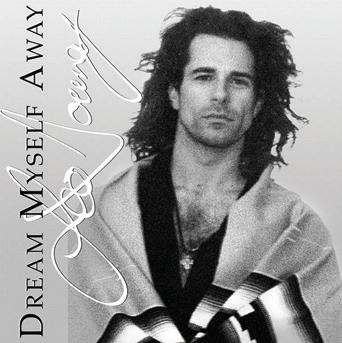
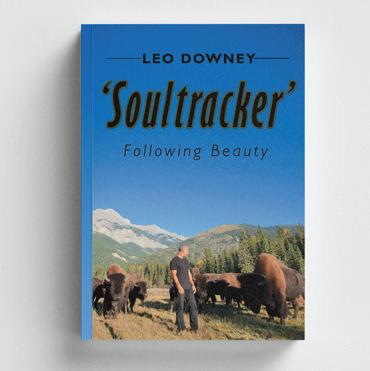
Later that night, safe on Downey’s deck, we sit among buffalo skulls and pelts, his band’s late ‘80s albums, and copies of his 2015 autobiography, Soultracker Downey lives in a work-worn two-story cabin — rough-sawn 2x4 walls, single-pane windows, and a woodstove that can’t beat the January cold.
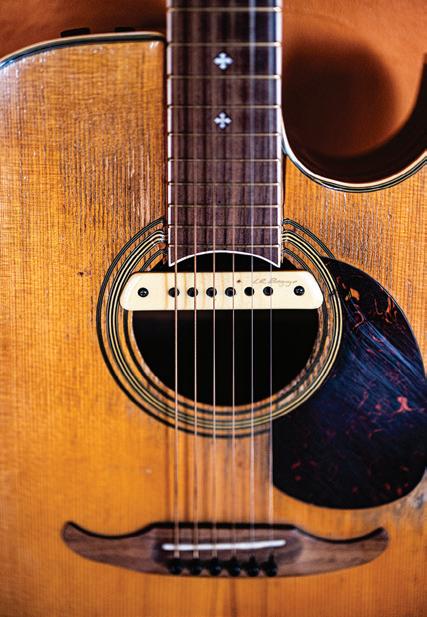
“There’s ice on the floor in winter,” he tells me. The electric heat barely dents the cold; even the acoustic guitar he’s had since he was sixteen is collapsing under the strain of the seasons.
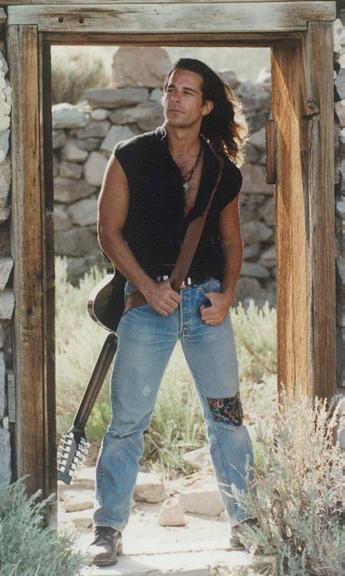
Dressed in a black T-shirt and jeans, Downey, 65, is built like someone who’s spent a lifetime cutting firewood and hauling hay. He speaks with a youthful tone, smiling, stretching his words as if he doesn’t want to leave anything out.
In Soultracker, Downey describes his boyish charm: “I’ve always had a kind of spirit or innocence of a little boy … that women seemed to find very attractive. I was a friendly dog. I loved everybody, but I also always wanted to face, fight, and do whatever I was most afraid of.”
CONTINUED ON PAGE 40
HERD AND SOUL — The same guitar that Downey strummed as a California teen still sits in his cabin where he shares stories from his life with guests from around the world.
THE PRE-CHORUS YEARS
Born in Monterey, California, he spent childhood stints in Iceland and Singapore, following his father, a U.S. Navy commander. “Even though I was young,” he says, “Iceland left a huge imprint on me. It’s what attracted me to Canada.” By 1974, his family had settled in Santa Barbara, California, where he fell deeper into music. “I wanted to be a musician since I was a kid, listening to my brothers’ and sisters’ records — Hendrix, Dylan, Crosby, Stills & Nash, Janis Joplin.”
He first heard The Doors’ “Light My Fire” from the backseat of his dad’s Ford Galaxie. “It was night, and I cried for the sheer beauty of it,” he recalls. Later, he discovered Andrés Segovia, widely regarded as the father of modern classical guitar. “I listened to it thousands of times and learned guitar by ear. I couldn’t read music. I just watched my teacher, listened, then began writing songs.” Downey started with instrumentals until, a few years later, he began adding lyrics — inspired, as he wrote in Soultracker, by a “ninety-eight-pound Mexican Catholic hottie with curves at the end of her straightaway that guys would drive off the road for.”
As a teenager, Leo idolized his father — a decorated Navy pilot and commander — and kept his words close. “My dad would talk to me about how the native people survived in the desert mountains where we lived, alone, out there for thousands of years.”
At sixteen, Downey went to see for himself: three days alone in the arid California wilderness, no tent, just a knife and a small sleeping bag. He asked for a sign to guide his life. Beneath some boulders, he spotted a tiny Bible and crawled under to reach it. At dusk, a mountain goat appeared at the lip of a waterfall, vanished, then appeared again. What began as a campout turned into a quest.
“Those first three days changed my whole life. Things happened that aren’t supposed to be able to happen.”
For the next twenty years, the desert became a sacred place where Downey went to listen. He wandered into deep, silent canyons where everything stood still.
“I was following a spiritual bloodline — a communion of ancestral mystics,” he writes in Soultracker. He slept on the ground under the stars, surviving on plants, rabbits, and rattlesnakes, eventually lasting up to thirty days and losing forty-one pounds.
FROM STAGE TO SAGE
“Loving the truth allows me to go to the centre.” — Soultracker
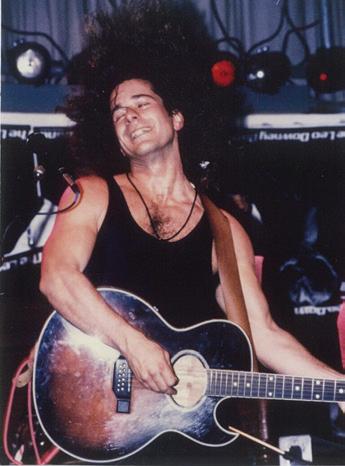
By his twenties, Leo, adorned with flowing romance-novel hair, was fronting a band and living the rock star archetype — clubs to festivals, with crowds swelling from hundreds to tens of thousands.
“We were playing seven nights a week and doing really well,” he recalls. “I had a rock band and drank till dawn,” he writes in Soultracker. “I was born attracted to women like fire in the night. You think the blood doesn’t pump through my veins?”
He dated Playboy’s Miss March 1981 and Ghostbusters’ dream-ghost Kymberly Herrin. While he dated Bonnie Raitt, her album Nick of Time went gold and won the Grammy Award for Album of the Year. When Bonnie was on a
private jet with KISS, Gene Simmons asked for a photo with her on his lap.
“Those guys are real road dogs,” she told Downey. “You’re a road dog, too,” which inspired the song “Road Dog” on his Heaven and Hell album.
Downey was living the rockstar dream: he hung out with Jane Fonda and neighbours like Joe Cocker, Michael Douglas, Jimmy Messina, and Joe Walsh. “I thought I wanted all of it,” he reflects.
THE NORTH AMERICAN BUFFALO
Once the dominant species of the Great Plains, the buffalo’s story is one of abundance, loss, and revival.
PEAK POPULATIONS
Before European settlement, 30–60 million buffalo ranged from Mexico to the Yukon.
INDIGENOUS LIFEWAYS
They provided food, clothing, shelter, tools, and cultural significance to many First Nations.
COLLAPSE
In the 1800s, market hunting, railroads, and government policy drove herds to near extinction. By the 1880s, fewer than 1,000 remained.
INTENTIONAL ERADICATION
Buffalo were targeted to weaken the Indigenous populations that depended on them.
COMMERCIAL EXPLOITATION
Bones were processed and sold for fertilizer, hides for industry, and tongues as delicacies.
EARLY CONSERVATION
In the late 1880s, a handful of dedicated ranchers, conservationists, and Indigenous families worked to protect surviving animals.
RECOVERY TODAY
Roughly 500,000 buffalo live across North America — on ranches, in parks, and on Indigenous lands, restoring prairie ecosystems and standing as enduring symbols of resilience.
—
the
Golden’s newest culinary & cocktail experience is now open. Celebrate the spirit of Golden!
Open Thursday thru Sunday. Book today! Seasons are spectacular here!
STAR STUDDED
Downey lived
Hollywood dream for a while, dating Bonnie Raitt and a Playboy playmate, and living near Michael Douglas and Joe Walsh. The Los Angeles Times wrote that Downey’s voice was “as big as all outdoors.”
CONTINUED FROM PAGE 40
Yet, at thirty-two, with a three-record Sony offer on the table and a Budweiser promo lined up, he told the band he needed clarity, so he took a pause — and walked into the desert.
“I was living two opposite lives. The band was thriving, but out there, wandering the desert, every breath became a prayer.” He speaks of experiencing visions, dreams, and miracles; says he learned a teaching the hard way: “A man who gets his vision and doesn’t live it is a walking dead man.” On the eighteenth day in the wild, he walked back to the city and told the band he was done. He quit.
VULTURES AND VISIONS: THE CALIFORNIA CONDOR
RECOVERY PROGRAM
“I think one of the purest relationships we have on Earth is with animals, as if created in the image of angels.” — Soultracker
Starting in 1992, Downey pushed deeper into the backcountry. Five ranges back into the Sierra Madre, he found the nearly-extinct California condors — the largest birds in North America. He befriended Dave Clendenen, the biologist leading the California Condor Recovery Program.
“I got involved about six months before they were ready to release the first offspring,” he explains. For six years, Downey helped release the birds back into the House of the Two Suns — a sacred cluster of sandstone caves and deep canyons with Chumash rock paintings — then into the Ventana wilderness, Big Sur, where Downey was born, and later, the Grand Canyon.
The team captured the remaining condors, bred them in captivity, and reintroduced their young. They also captured and relocated wild ungulate herds — elk and antelope — so that vultures like condors could feed on the carcasses.
FOLLOWING THE HERD. MOVING NORTH.
“When I think about the legendary life and personality — the animating soul — of a dominant buffalo bull, I get the shivers.” — Soultracker
As his condor work wound down, Downey fell in love, got married, and honeymooned in Canada, then later returned to the Columbia River Valley near Golden, B.C. to look for land to purchase. “This place wasn’t advertised. Somebody told me about it,” he says. “I came down the driveway and saw Chester, the lead bull, and five cows.”
Andy Hamilton, the owner who had grown up on the ranch, greeted Downey. In 1998, using his savings, Downey and his wife bought the ranch — including its resident buffalo — and moved north with their newborn son.
The ranch became both livelihood and liturgy. He built cabins, hosted visitors, and learned from the herd each season. In Soultracker, he thanks the neighbours who taught him how to live off-grid: “I didn’t know how to survive in the North,” he explains. “There was ice, snow, and cold. There was farming and buffalo. How to work up and seed a field. How to hunt, skin, gut,
cut, eat, and use all of an animal.” Every season, Downey learned something new.
In 2015, his marriage ended and Downey reached a settlement with his ex-wife that allowed him to keep the ranch. Since then, he has harvested buffalo meat, continued with hosting tours, and rented out the cabins dotted in the woods on Airbnb.
Later that evening, when Downey and I say goodnight, it feels like I’d stumbled into a Western movie: a group of ranch hands sits around a small fire, wolves howling in the distance. I sleep in the Bunkhouse cabin attached to the barn, one of four Airbnb cabins on the property, and fall asleep under a mosquito net to a chorus of crickets.
The next morning, I make instant coffee on the deck and finish Soultracker, in which Downey weaves the story of his life with his desert-forged spiritual beliefs. “Miracles affect your orientation,” he writes. “They transform your reality. Every thought, every word you hear, and person you meet … all your desires grow roots in a
different kind of earth.”
I join the ranch tour where fifteen people from France, Switzerland, Taiwan, and New York gather by his cabin deck to learn about buffalo. Europeans and Asians are fascinated by the buffalo’s wild, Western mythology portrayed in movies, novels, and album covers. They look prehistoric, massive hump-shouldered Ice Age survivors. They’re a symbol of resilience. Tours run daily, May through September, packed with visitors from around the world.
LEO & THE HERD
Although Downey has given hundreds of tours, he greets guests like old friends, as enthusiastic as if it were the first time he’s speaking about buffalo. He talks to us for an hour from the deck of his tiny cabin, then leads visitors toward the perimeter of the pasture, where he calls the herd to the fence with a bucket of oats.
He explains the origins of the ranch and how its original bull, Chester Sr., was a wild bull from Parks Canada. He describes some bull basics: they’re
CONTINUED ON PAGE 45
FROM TOME TO HOME
— Downey’s book Soultracker follows his journeys through captivating landscapes, both inner and outer — including experiences with condors, rattlesnakes, and Hells Angels. Each chapter explores the tests and triumphs of following the artist’s path home to what matters most: in Downey’s case, a life in the mountains among a herd of tranquil creatures.
HOMES ON HIS RANGE — Guests who visit Downey’s ranch have several accommodation options, including an off-grid ‘glamping’ experience for the adventure-hearted, with a solar shower and close proximity to the buffalos' pasture, or a cozy cabin tucked into the trees near a murmuring creek, complete with a private wood-fired sauna.
full-grown around ten. An average bull is about 2,000 pounds and a cow around 1,000.
“What makes a buffalo herd, really, is a bunch of cows — mothers. They live their whole life together,” Downey says. “They all know each other’s faces and ranks and enforce it hard, but they rarely injure each other. They belong to one bull called a dominant bull.”
Only the bulls that win fights get to breed, and about 95 per cent of bison bulls never sire a calf. Downey explains the long process of getting the herd to accept him, where he can carefully walk amongst the herd.
“Once they accept you, they can remember your face for over three years without seeing you,” he tells the guests. “It took six years and 15 charges to be able to go in on foot and have them accept me like another buffalo.”
prepares the meat, which he sells in sides to local families.
The tour turns sombre when Downey explains how he lost Chester Sr. “He was twenty-six in 2012. I hoped he’d just freeze in his sleep, but he couldn’t get up for three days. I had to shoot him,” he recounts. “I got down on my hands and knees in the snow right in front of his face — a tear came out of one eye. He breathed in once, then breathed out his last breath, and I breathed it in. That breath gave me the strength to get through a pretty traumatic time in my life.”
Chester Jr. took over the herd at three. Now fourteen, he’s slowing down a little, which helps the younger bulls get away from him. Still, he breeds all the herd’s females.
Downey now balances ranch life with writing and music. He’s revising Soultracker, aiming for a sharper focus on the
“ONCE THEY ACCEPT YOU, THEY CAN REMEMBER YOUR FACE FOR OVER THREE YEARS WITHOUT SEEING YOU. IT TOOK SIX YEARS AND 15 CHARGES TO BE ABLE TO GO IN ON FOOT AND HAVE THEM ACCEPT ME LIKE ANOTHER BUFFALO.”
From 2000 to 2015, twenty-five people were injured in Yellowstone after getting too close to bison.”Females inflict more fatal injuries than males,” Downey explains. In 2015, a dry cow who’d lost her calf almost killed Downey. She came from 500 metres out of the trees and kept lunging closer and closer.
“You can’t back up,” he warns guests. “Once you do, they’ll assert dominance and charge you every time you enter the pasture.” He recounts how he yelled, stamped his feet, and threw his arms over her head before she eventually veered. “Then I chewed — acted like another cow — and walked away like a sailboat.”
Bison can run faster than a horse for the first 400 metres and can jump a two-metre fence. Yet they don’t, as home feels safe. Last winter, a grizzly killed two of Downey’s herd for the first time in 27 years, and a coyote took a newborn calf.
Downey raises his buffalo primarily for meat, and the whole process takes place at the ranch. “The best way is with a rifle right out of the herd on the snow,” he explains. “There’s no fear.” A local butcher
visions and miracles that shaped him in his desert quests.
At the conclusion of the tour, Downey demonstrates how to build a bow-drill fire. Two children from the Netherlands giggle as they blow on a tiny ember buried in tinder. Guests purchase Downey’s CDs and linger on the deck.
Before I leave, I hug Downey goodbye. I feel like I’ve made a friend, more an innocent sage than a rock star. As I climb into my truck, he tells me to wait a second, then disappears. He runs back with something in each hand.
“Ground buffalo meat,” he says. “Makes great burgers and pasta sauce.”
In Soultracker, Downey writes, “Life has turned out to be more an art than science. Science looks at what happens. God looks at who’s looking.” In online reviews, visitors to the ranch praise Downey’s storytelling and passion for buffalo. Some call it “unexpectedly profound and moving.” It harkens to a maxim of Downey’s that he often says out loud: “It’s the tiny miracles all around us.”
BUFFALO OR BISON?
Commonly: For five centuries, settlers, ranchers, and just about everyone else have called them “buffalo.” It’s the name carried in campfire songs, stamped on Alberta’s “Buffalo Country” highway signs, and immortalized in the buffalo jumps of the Plains, including the UNESCO World Heritage site at Head-Smashed-In. The nickname stuck, embedded as deeply in our language as the buffalo was in the North American prairie landscape.
Technically: They’re Bison bison — North America’s own, shaggy, hump-shouldered grazers. Two subspecies roam the continent: plains bison (Bison bison bison) and wood bison (Bison bison athabascae). Canada holds nearly 90 per cent of the world’s wood bison, and Alaska has a few herds.
True buffalo: African Cape buffalo and Asian water buffalo live oceans away. No humps, smaller heads, and a different pedigree altogether.
WHY THE MIX-UP?
French connection: Early trappers borrowed “boeuf” (beef) which morphed into “buffalo.”
Cultural context: Despite the scientific quibble, “buffalo” endures, used widely and respectfully by Indigenous peoples.
Everyday ranch talk: Leo uses both terms, but favours “buffalo” like most folks.
Bottom line: Whether you say buffalo or bison, you’re talking about the same North American icon — broad shoulders, beard, hump, and all.
SHADES OF WINTER HAZY
Daff Punk — Denim top-to-bottom was the look of the day back when skiers hot-dogged down Akloo, a small hill visible from downtown Cranbrook. Today, the hill is now home to a new subdivision. —
Myrtle? Mica? Akloo? Veteran
Trench shredder Dave Quinn follows the tracks of East Kootenay ski hills that no longer are.
Alpine skiing has always been an evolving endeavour in the East Kootenay. The same boom and bust patterns as any resource-driven industry apply, except with the added fickle twist of human desires for the next best thing, with climate change thrown in for an extra layer of challenge. Backcountry touring lodges, heli- and cat-ski lodges, and ever-expanding mega resorts all made their mark on the modern winter world of Kootenay cold smoke.
However, what many don’t realize is that the glory days of skiing as a locally-accessible, family-friendly activity are already, perhaps, gone. Across B.C., over 30 local ski areas have already melted from the provincial ski scene: victims of warmer winters, shallower snowpacks, bureaucracy, or simply competition from the bigger, better mountain just down the road. All that remains of most of these are simply an open patch of younger trees on a hill above town, perhaps the concrete footings of a burnt ski lodge, and spools of rusting lift cable sharing their stories from the high point of Kootenay ski culture with nattering squirrels and crows.
continued on page 48
Dan Mills Photo
MYRTLE MOUNTAIN
Kimberley
The OG of Kootenay ski hills, Myrtle Mountain was the site of a popular ski area in what is now known as the Kimberley Nature Park, the largest municipal park in North America. Myrtle was one of the first community ski lodges in the Kootenays.
A bustling log cabin-style ski lodge was the site of many a raucous, leather boots ‘n knickers apres-ski dance party, fuelled by wine flagons and an open stone-hearth fireplace. Myrtle’s single ski run saw decades of gleeful human-powered, sweaty ski days.
Built in the 1930s, Myrtle Mountain was popular with local skiers all through the war years and
into the 1950s — in the days when people were just plain tough and earning your turns by hiking up to ski down was just the way it was. The skiout back to town was the scene of many a drunken misadventure, and today, a single-track mountain bike trail appropriately named Suicide follows the old ski trail to Myrtle. Myrtle even boasted a lit run for night skiing, with the lights and the lodge powered by a generator.
But by the 1950s, neighbouring Northstar Mountain, built on the oxidized
red bones of the abandoned Northstar Mine, had begun to lure skiers to longer, lift-accessed runs closer to town. Endless volunteer hours of run cutting and lift building laid the foundation of Northstar Ski Area, today known as Kimberley Alpine Resort. Eventually, skiing at Myrtle tapered off, as the powder party relocated to Northstar.
Myrtle Mountain was left to shrub back in and the ski lodge avoided the fate of many of B.C.’s defunct ski lodges. Instead of being burnt to
MnM — Photos taken in the late ‘40s of Kimberley’s first ski hill, Myrtle Mountain. The ski-out back to town was famous for misadventure. Today, a lone mountain bike trail called Suicide follows the route. — Photos courtesy Kimberley Museum
the ground by vandal or accident, it was dismantled and moved to be reassembled in nearby Meadowbrook.
Today, several hiking and mountain biking trails converge at Myrtle Junction in the Kimberley Nature Park, but unless one looks close, there is almost no trace of one of the Kootenay’s first ski lodges and ski runs.
AKLOO SKI PARK
Cranbrook
Fuelled by the excitement of new technologies like reliably releasable bindings that meant safer, cheaper access to downhill skiing, Cranbrook joined the White Rush of the 1970s and built up their own backyard ski hill like many other B.C. towns, from Nanaimo to Elkford to Terrace. Opened in 1972, the ski area had a lodge, cafeteria, ski school, and a 600-metre T-bar that served an underwhelming 80-metre vertical drop.
Sophie Pierre, a local Ktunaxa woman and future Chief of the Ktunaxa Nation, won the contest that year to name the new hill. She proposed Akloo, meaning snow in the Ktunaxa language, and a contender for perhaps one of the best ski hill names to ever see print in the Kootenays: as local and relevant as it gets. Pierre won two season passes that year for her idea.
In 1975, Akloo Ski Park added a rope tow. Ski equipment rentals were $6 per day for adults, $3 per day for kids, and lessons cost $4.25. The ski area even had lights for night skiing. Over 1,200 students skied at the hill in 1972 — the first year of operations — but an ugly reality showed itself the following year, foreshadowing the inescapable reality of the future of
Meaning Snow — In 1972,
the ski area. Despite relying heavily on man-made snow, Akloo was only able to open for the month of February that year due to a lack of snow. While subsequent years were slightly better, the writing was on the wall, and with nearby Northstar Ski Resort just up the road in Kimberley, most skiers soon outgrew little Akloo even when the snow was good. Akloo’s T-bar bull wheel ground to a halt at the end of the winter of 1978.
The resort’s first season, after the winter of 1971-72, was what many view as the last real Kootenay winter. It was the last year residents of Kimberley Townsite recall shovelling tunnels into their houses, a practice that was nearly an annual tradition up to that point.
A Canadian record was set that winter at Mount Copeland north of Revelstoke, with 24 metres of snow falling on the Environment Canada monitoring site that season. Climate change has been steadily warming winters, increasing the unpredictability of the season, and generally whittling down the snowpack ever since.
Recent years have brought winters where Akloo’s ski run would have seen almost zero snowpack.
The former Akloo site is now a multi-lot real estate development on Cranbrook’s South Hill.
continued on page 50
local Ktunaxa woman Sophie Pierre won the contest to name Cranbrook’s new ski hill. Pierre is the former Chief of the Ktunaxa Nation and was Commissioner for the British Columbia Treaty Commission from 2009 to 2015. — Photo courtesy Columbia Basin Institute of Regional History
Dan Mills Photo
MICA SKI HILL
Mica
The ghost town of Mica Creek boasted a population of over 4,000 at its peak in the early 1970s as the temporary residents laboured to build the tallest dam on the entire Columbia River system — the 240-metre-tall Mica Dam, one of the tallest earth-fill dams on the planet. Today, the dam is maintained and run by a skeleton crew and the 430-square-kilometre Kinbasket Reservoir holds back over 15 cubic kilometres of water whose stored energy powers much of the Lower Mainland. Back in the day, the residents of this sleepy industrial mountain town in the middle of nowhere needed activities so they did what many small B.C. towns were doing at the time: they built them-
selves a ski hill. The 1960s and ‘70s boasted a lack of industrial regulatory oversight — which we are still paying the interest on today in a legacy of environmental damage — that enabled small towns like Mica to just go ahead and git ‘er dun with chainsaws, bulldozers, and excavators without all the expensive planning, surveying, permitting, and environmental and archeological assessments that would be required today.
The mid-20th century was also blessed with a wartime carryover of community spirit that is all but lost in today’s mefirst mindset. All these old hills were cobbled together through weekends of community work parties and donated equipment use either by contractors or the local company.
From early beginnings in the mid-1960s with just a glove-eating rope tow, an upper horseshoe cable tow, and eventually a T-bar delivered skiers to the top of the hill’s two cut runs. Former residents recall their annual $25 Community Services membership covering lift access, with a ski club hosting youth ski races and other community events. In true tiny community fashion, the A-frame ski lodge morphed into an after-hours bar. The hill continued to see life even after the completion of
Power Then Powder — Built by the resident workers who constructed the 240-metre tall Mica Dam, the Mica Ski Hill was one of three in the Revelstoke region, including Nelson Ski Hill and Mt. Revelstoke. In 1971/72, nearby Mt. Copeland received a Canadian snow record of 24 metres. Today, skiers and boarders from around the world travel to Mica Heli and its lodge, located across from the dam on Kinbasket Lake (top). Kootenay skier Sam Kuch (bottom). — Photos courtesy Angela Percival and BC Regional Digitized History
the Mica Dam project in 1973 and the shuttering of the bulk of the town in the late 1970s. Into the mid1980s, BC Hydro would still rent houses cheap when the Revelstoke Ski Club booked the Mica Ski Hill for training or fun ski sessions, and CMH Heliski would sometimes use the cut runs as filler for low-vis soupy ski days from their nearby lodge. Today, Mica Creek’s population is listed by one source as “generally about 50 or more…” Mica’s ski lift is gone, the runs overgrown, but the old ski chalet is still there.
WHITETOOTH SKI HILL
Golden Golden has more than its share of storied ski history and failed ski area starts. A short rope tow was built in 1955 on a single ski run cut close to town, followed by a 330-metre rope tow on the lower slopes of Mount Seven south of town in 1968. The Golden Ski Club tried to buy the land around the ski run to expand the hill, but in 1979 the sale fell through and the town was left with no ski area to speak of through the bleak years of the early 1980s.
Finally, in 1985, a new ski area was proposed north of town and, after a superhuman volunteer effort, local skiers got the new Whitetooth Ski Area up and running in December 1986. With the Pioneer Chair and a T-bar accessing 660 metres of
vertical, Whitetooth was a large step forward for local skiers. The resort also offered $10 oneway lift passes for easier backcoun try access to the vast powderfields in the high alpine bowls above.
While Whitetooth does not share the same bleak fate as Mica, Akloo, Morning, or Myrtle, it has disap peared just as surely, gobbled up and booted off the map by Kicking Horse Resort, with only the original Pioneer Chair remaining from that hum ble local hill.
continued on page 52
Golden Ticket For seven years in the early ‘80s, Golden had no ski hill at all after a local effort to purchase land around the former ski slopes under Mount Seven fell through. Whitetooth opened in 1986 with three runs and 2,000 feet of vertical. Closed some years from Monday to Thursdays, skiers from all over would head to Golden for Powder Fridays. — Photos courtesy Golden Museum
The region’s last standing community-run ski hills — Elkford’s Wapiti, Salmo Ski Hill, Pass Powderkeg in Blairmore, Summit Lake Ski Hill near Nakusp, and Fairmont Ski Hill — all channel the essence of skiing for skiing’s sake, of locals heeding gravity’s call to the powder-covered mountains. Nobody is getting rich or trying to create another version of a far-off mega-resort with orbital lift pass prices.
Off-duty miners still don patrol uniforms and run groomers through the night at Wapiti and Pass Powderkeg. The Upper Columbia fretted this fall as Fairmont seemed to walk the tightrope of opening indecision, but at the time of writing, plans were in full swing for another winter of rosy cheeks and burning quads.
Families from as far away as Kimberley and Invermere purchase season passes to Fairmont, trading a short drive for the affordable simplicity of short runs, no lineups, an uncrowded lodge, and the added bonus of nature’s hot tub awaiting at the bottom of the mountain.
These hills harken the relics of East Kootenay ski culture: ill-fitting, hand-me-down ski gear or an uncle’s old snowmobile suit, prime family time, a few cold, cheap beers, and roarin’ good times.
Morning Mountain Nelson Morning Mountain, also known as Blewett Ski Hill, first opened to skiers in 1974. Located just downstream from Nelson above the West Arm Reservoir, Blewett Ski Hill was a bustling local ski area that hosted weekend races, recreational skiers, and powder-filled family fun until a fire destroyed the ski lodge in 1999.
Locals decided to, rather than rebuild, use the insurance money from the fire for other local recre-
ation projects. Bonnington Regional Park, a new playground in Blewett, Morning Mountain Re-
gional Park, and mountain bike trails are all part of that rebirth.
While some of the early treasures of Kootenay skiing have long since burnt to the ground and grown over, there are still a few places you can find cheap fries in a stinky old lodge that’s clean enough to be healthy, but dirty enough and with enough chipped paint and frayed, french-fry-stained carpet that you know everyone is really just there to ski.
Planks then Banks — Nelson's Morning Mountain operated as a ski hill from 1974 to 1999 when the lodge burned down. Today, the former hill features some of the nation’s best machine-built mountain biking trails, including 26 kilometres of up-track and downhill. Kootenay rider Wyatt Atkins rides and repeats on Turnstyles.— Photos courtesy John Gibson (top), Nelson Museum and Art Gallery (middle).
Golden Museum
Dan Mills Photo
Celebrating high times in the legendary Purcells, for 55 years.
RKHELISKI.COM
Across the region, headlamps carve luminous beams through starry dawn light, and early morning sun slowly begins to filter through frost-laden trees, casting long shadows on corduroy tracks. Cross-country skiing — a sport with ancient roots in Scandinavia — has flourished in Canada for more than a century and in the East Kootenay, it enjoys immense popularity because of an ethic of volunteerism and community stewardship.
East Kootenay Nordic clubs, powered by dedicated volunteers, maintain extensive networks of trails, spending countless
hours grooming tracks, clearing signage, repairing shelters, and offering instruction. For Nordic skiing enthusiasts, each kick and glide is shaped as much by snow and terrain as by the care and dedication of those who make the sport possible here. Skiers experience the physical challenge, the quiet of winter landscapes, and the sense of belonging that comes from a sport sustained by collective effort. In the East Kootenay, Nordic skiing is more than recreation; it is a testament to the passion, skill, and generosity of the people who keep winter thriving.
Glide On In
From classic tracks to big out-and-backs, here’s the skinny on the East Kootenay Nordic ski scene.
Words by Alisha Rella
Columbia Valley Nordic Collaboration
The vast cross-country skiing destinations in the Invermere region include the unified areas of the Toby Creek Nordic Ski Club, Nipika Mountain Resort, and Panorama Nordic Centre. The collaboration between the clubs benefits the entire region by offering a vast and diverse network of trails and a strong local community built around the sport.
Toby Creek Nordic Ski Club, based in Invermere, has been operating and grooming trails since at least 2010, and today, counts nearly 500 members. In 2014, the club and its partners carved the Lake Windermere Whiteway, a 34-kilometre loop that runs all the way around the lake, connecting the communities of Invermere and Windermere. In 2014, it earned — and still holds — a Guinness World Records title for the longest ice skating trail. The multi-use trail is also popular with fatbikers and runners, and volunteers maintain 30 kilometres of both skate and classic Nordic lanes.
Quentin Randall, Toby Creek’s general manager, is pleased to announce a new, exciting challenge this season called “Ski it. Skate it. Walk it. Ride it.” The accessible campaign welcomes any and all forms of human-powered fun on the Lake Windermere Whiteway. Participants are encouraged to participate anytime, all season long, with prizes awarded every two weeks.
Ten minutes outside of Invermere, the club also maintains another trail on frozen water: the Lake Lillian Whiteway, a three-kilometre loop surrounded by dense forest. A team of dedicated volunteers maintains the trails on both whiteways.
Nearby Nipika Mountain Resort’s Nordic Centre was founded in March 1979 when Lyle and Dianne Wilson cut its first wilderness trail by hand. This stunning sanctuary is nestled within Kootenay National Park, B.C., about 30 minutes from Radium Hot Springs, and is a Nordic skiing mecca: 50 kilometres of trails offer both skate and classic skiing and beginner to expert options.
In 2014, the club and its partners carved the Lake Windermere Whiteway, a 34-kilometre loop that runs all the way around the lake, connecting the communities of Invermere and Windermere.
For over four decades, Nipika’s volunteer crew has built cabins, safety shelters, and a backcountry stewardship program that attracts skiers seeking untracked snow and rustic outposts. The resort hosts the annual Nipika Panorama Loppet, featuring classic races winding through cedar groves and high-alpine meadows.
At Panorama Nordic Centre, 20 kilometres of double track and skate-specific loops meander through old-growth forest beside Toby Creek. Every January, the Nipika Panorama Loppet unites classic races at Nipika with starlit skate events at Panorama. Together, Toby Creek, Nipika, and Panorama form more than just a cross-country skiing destination: they embody a robust community and shared vision for Nordic skiing in the Columbia Valley. This triclub collaboration stands as a model for what’s possible when communities unite around a love of winter, wilderness, and movement. Whether gliding beneath breathtaking mountain views, or gliding across the historic Whiteway, every stride here tells a story.
continued on page 57
Rocky Mountain Way — Smooth skating at Nipika Lodge (opposite). Built over 40 years, Nipika completes the Columbia Valley trifecta, along with the world-record-holding Lake Windermere Whiteway (bottom left), and the Panorama Nordic Centre. — Photos courtesy Kari Medig and Nipika Lodge
That Tracks — The Kimberley Nordic Club has one of the highest per capita Nordic ski memberships in Canada. In 2023 and 2025, the club hosted the Canada Cup Western Canadian Cross Country Ski Championships, with over 550 athletes from all over the world.
— Photos courtesy KNC
Kimberley Nordic Club
The Kimberley Nordic Club is rich with history spanning over 90 years. In its early days, ski racers glided down the streets of the quaint Blarchmont neighbourhood and for decades, cross-country skiers followed mining exploration trails throughout town. Kimberley hosted the Canadian Nordic Championships in 1958, featuring Nordic combined events and drawing participation from Scandinavian immigrants who worked in the local mines.
The Kimberley Nordic Club (KNC) began almost half a century ago on North Star Mountain’s mining trails. In 1967, the Centennial Loop was created to mark Canada’s 100th anniversary and by the 1980s, the club was formalized as a volunteer-run nonprofit. Today, it manages over 30 kilometres of groomed double-track trails, 6.5 kilometres of single track through forest, a 3.3-kilometre lit night-ski loop, and a one-kilometre lit sprint course. A 1,200-square-foot lodge offers space for waxing, warming, and gathering; it features a wood stove, ski waxing equipment, and even a fully-equipped gym.
Kimberley has also proudly produced many home-grown athletes who have gone on to great success. “The club’s youth academy has produced BC Winter Games athletes and national-level junior skiers,” explains Lori Craig, former KNC president. “We’ve developed a strong athlete development program and KNC race culture over the past 20 years.” Craig also highlighted the growth and popularity of the adult coaching program that KNC offers, including masters training programs, and both group and private lessons.
Looking ahead, the club plans to expand its lit trail network to support biathlon-style sprints, improve signage and amenities for night skiers, and acquire a
The Kimberley Nordic Club began almost half a century ago on North Star Mountain’s mining trails.
second snowcat to enhance grooming.
“Volunteerism is the backbone of the club,” explains Daniel Childress, general manager of KNC. “We have over 100 locals operating machines, maintaining huts, and supporting events."
In both February 2023 and January 2025, the club hosted the Canada Cup Western Canadian Cross Country Ski Championships, which welcomed over 550 athletes from all over the world. And in 2024, KNC hosted the Teck Kootenay Cup — bringing in hundreds of volunteers who helped run races and cheer on competitors.
“The club is also in the process of building a new state-of-the-art 800-square-foot welcome centre, which is slated to be completed for use during the 2025-26 ski season,” Childress explains. The new facility will provide improved member and guest services, an expanded rental shop, year-round washrooms, and much-needed equipment storage.
With one of the highest per capita Nordic ski memberships in Canada, and a robust history as its foundation, the Kimberley Nordic Club continues to grow as a vibrant hub for winter athleticism.
continued on page 58
Elk Valley
The Fernie Nordic Society (FNS) sprang to life in 2006 and now boasts over 900 members and over 40 kilometres of trails winding through various areas around town, including the Fernie Golf Course and Elk Valley Nordic Centre. The society also collaborates with both the City of Fernie and the Fernie Trails Alliance to groom the city dike trails. Nordic skiers also have options in the Montane area thanks to the hard work of the Coal Creek Heritage Society, as well as a network of Nordic trails at Fernie Alpine Resort.
In 2024, Membership Director Laurie Bemi turned Fernie’s shared Nordic dream into reality by uniting three clubs under the Elk Valley Pass: Sparwood's Sunset Ridge, Elkford Nordic Society, and FNS members all gained seamless access to all three trail networks, and 126 of the Fernie members upgraded to explore the valley as one community.
“Bringing these clubs together was a true labour of love,” Bemi says. The innovative offering provides strengthened collaboration between the Elk Valley Nordic clubs and inspires greater engagement within the local Nordic skiing community.
Fernie Nordic Society also hosts three annual events that bring the members together and support local youth skiing programs: October’s Pumpkin Hunt, February’s Community Fun Races, and March’s Flying Viking Challenge. The events attract families and competitors, feature activities and refreshments, and raise funds for the local clubs and athletes’ travel.
“These events strengthen community
connections, promote outdoor recreation, and support youth development,” says FNS Director Sam Sedlowsky. “They’re powered by community partnerships, sponsors, and volunteers.”
Rising Elk Valley talent has made national waves. At the 2024 Nordiq Canada Ski Nationals, Fernie Nordic racer Ella Fuller earned the club’s first-ever podium finish with a bronze in the U16 five-kilometre skate event. And in 2025, she returned to win not one but two national titles — a first for Fernie.
Fernie Nordic alumni Louison Dubief — who now skis with the Alberta World Cup Academy in Canmore — also secured two national titles in the U20 division. To wrap up 2025 Ski Nationals, the Fernie Nordic Racers placed 14th out of 66 teams, while Team BC was crowned Divisional Champion, marking their third win in four years.
also encouraging excellence in the sport.”
The depth of competitive skiing coming from the Elk Valley is very exciting. Seeing skiers glide freely between Fernie, Sparwood, and Elkford on a single pass shows how far the communities have come. And watching the youth rise to the podium shows just how bright the future of Nordic skiing is in the Elk Valley.
With competing youth rising to the podium and recreational skiers gliding freely between Fernie, Sparwood, and Elkford on a single pass, Nordic skiing in the Elk Valley is truly hitting its stride.
In 2024, Fernie’s shared Nordic dream became reality when three clubs united under the Elk Valley Pass — including Sparwood’s Sunset Ridge, the Elkford Nordic Society, and FNS.
“Our race program is grounded in community and team spirit,” explains Megan Lohmann, FNS President, “while
Family Affair — On its own, Fernie has over 40 kilometres of groomed cross-country ski trails connecting all around town, including the Fernie Golf Course and Elk Valley Nordic Centre.
— Photos courtesy Tourism Fernie / Vince Mo
Dawn Mountain
Dawn Mountain Nordic Centre in Golden is a serene refuge tucked only a single kilometre away from the roar of a major alpine resort. The Golden Nordic Ski Club has preserved that tranquility, where a non-motorized oasis in lush forest adjacent to Kicking Horse Mountain Resort provides classic and skate ski tracks with expansive mountain views.
In the 1990s and 2000s, the club fought hard to protect its trail network from potential resort expansion, turning grassroots advocacy into long-term stewardship. What began in 1986 as rudimentary Nordic skiing with often stubbornly uneven tracks has evolved into a polished world-class system through decades of volunteer labour.
Today, the club operates two distinct trail networks. Dawn Mountain Nordic Centre offers a geothermal-heated log cabin alongside 33 kilometres of groomed classic and skate trails that are serviced every morning by a 2018 Prinoth Bison and Bombardier 275 Snow Cat. And closer to town, approximately six kilometres of novice classic trails at the
Golden Golf Course remain accessible on a donation basis, inviting beginners and families into the sport.
Like other cross-country ski areas in the East Kootenay, Dawn Mountain is powered by passionate volunteers. Thousands of hours are donated annually to grooming, coaching, events, and administration.
Dawn Mountain’s story is one of quiet defiance and enduring passion, a testament to what a community can build when it refuses to let its trails fade. The Golden Nordic Ski Club has shaped a legacy rooted in stewardship and self-propelled joy. As new generations clip into skis and glide beneath towering peaks, they inherit more than a trail system; they inherit a culture of tenacity, care, and connection that will carry Dawn Mountain forward one stride at a time.
Dawned on ‘em — After a significant effort to save its trail network, the Golden Nordic Ski Club operates two distinct trail networks — the Dawn Mountain Nordic Centre with a geothermal-heated log lodge, and closer to town, tracks at the Golden Golf Course. — Photos courtesy GNSC continued on page 60
Photo : Matt Kuhn
creston
While Creston may not have an official Nordic club and a hyper-maintained trail network like other areas in the region, there’s still plenty of opportunity to strap on the skinnies for a lap or two. The flat-topped dikes of the Creston Wildlife Management area offer primitive, user-maintained tracks — plus the possibility of spotting a herd of elk or other ungulates, or a soaring eagle overhead.
Corn Creek Marsh is an accessible area near the Wildlife Interpretation Centre with popular loop trails in varying lengths. Or head to Summit Creek, dotted with ponds and channels, and weave your track between beautiful old growth cedar trees, towering cottonwoods, and open meadows. Duck Lake, a short drive away, has a lengthy 20-kilometre out-and-back track, also user-maintained, with stunning mountain views in all directions.
Valley Views — Creston may not have the club-maintained tracks other areas do, but it offers plenty of scenic jaunts. — Andrew Bibby Photo
From lakeside whiteways and volunteer-built cabins to illuminated night loops and youth participation, the Kootenays’ Nordic scene is sustained by collaboration, coaching, and hands-on stewardship. Every groomed kilometre, ski event, and membership pass traces back to volunteers, immigrant legacies, and community vision. Glide away with the nostalgia of crisp corduroy and enjoy warm finish-line smiles with the quiet certainty that wherever winter leads us, the Kootenay Nordic heart will keep beating strong.
BY BRITT BATES
Ho Ho Yo!
The Trench's all-season gift guide
If you’re trying to gift it good this year — whether to supplement Santa’s deliveries or just to delight your darling with a perfect present this winter — we’ve got ideas. Right in time for Yuletide, The Trench shares a small handful of the many, many makers tucked away in the Kootenays who are welding, weaving, and whipping up some truly incredible wares.
Some of these businesses were born out of a passion for backcountry adventure, others from a desire to connect local entrepreneurs with one another, and some simply for the joy of crafting something well-made.
Shopping local — this holiday season and any time — is the most direct way to support the fearless entrepreneurs and visionary artists who power up our hometown economies while bringing bold ideas off the page and into the world. So bail on the box store now and then and support the inspired creators in our own backyard. The gift you’re giving will be to both your loved one and your community.
Long before the “Elbows Up” movement, this little shop has been stocking a wide range of products made almost exclusively by Canadian small businesses.
OU Olive Oils
Stepping into OU Olive Oils in downtown Kimberley feels like entering a good friend’s kitchen: it’s charming, cozy, and colourful, and owner Nancy Gibson welcomes you with friendliness and warmth. The shelves are full of boutique grocery items all designed to make cooking more enjoyable, easeful, and delicious, along with thoughtful and affordable pantry staples and gifts. With a focus on high-quality olive oils and vinegars — and nearly 100 all-natural flavours to choose from — this is your one-stopshop to find some of the finest olive oil and balsamic vinegars available, quite literally, in the world. The extra-virgin olive oil is
cold-pressed to perfection from freshly-picked olives, retaining all its robust health benefits.
But OU’s offerings go far beyond the groves of Italy, Portugal, and Spain. For nearly a decade, long before the “Elbows Up” movement took Canada by storm, this little shop has been stocking a wide range of products made almost exclusively by Canadian small businesses. Sea salt harvested from the B.C. coast, preserves and tapenades, cocktail mixes and coffee syrups, and so much more — this is the place to stop for both seasoned foodies and those finding their footing in the kitchen.
Northern Teardrop Trailers
Wild AF Apparel
Headquartered in quaint Baynes Lake and owned by the young husband and wife team Ashley and Jordan Roberts, Wild AF is apparel with a mighty aim. The business was born from a deep love of wild places and a belief that nature heals. “Mental health is just as important as physical health,” Ashley shares, “and both thrive when we spend time outside.”
And so the Roberts’, with their young kids in tow, launched a clothing and accessories line with the goal to inspire connection in and with the outdoors. The lineup includes toques, sweaters, sweatpants, and more, and every item is cozy and stylish. It’s clothing designed for real life: hiking with the family, camping with friends, or just getting
some fresh air on a dog walk. Durable, practical, and easy to wear, it’s gear that can take you effortlessly from a backcountry jaunt to a backyard beer.
In addition to selling their wares at local shops and markets, the family recently took the leap online, launching the new Wild AF shop on Etsy. Their virtual shelves are abundantly stocked with plenty of fresh new designs and colours, and you can get the goods shipped right to your door.
Wild AF is made for adventurers and anyone who believes the moments that matter most involve a little dirt under the nails or campfire smoke in the hair. So put on something comfy, head outside with the people you love, and get a little wild.
Give ‘em the gift of adventure — but with rugged luxury. Northern Teardrop Trailers is a family-run company headquartered in Salmo, B.C. and operated by a husband and wife team, Dale and Diana Olinyk. The pair are completely hands-on at every stage of design and manufacturing, taking the time to build each travel trailer to the highest standards of care and craftsmanship — then pricing them as affordably as possible without cutting corners.
Teardrop trailers date back to the 1940s and they’ve held their own because of their compact versatility and seamless simplicity. Northern Teardrop gives this classic model some trailblazing upgrades though: their Standard Squaredrop model comes with a batwing awning, two interior fold-up tables, more legroom, generous storage space, roof racks, and more. The Overland Off Road model includes the same, plus additional storage space, an insulated floor, off-road tires, and a heavier duty axle — all to get you further off-grid and back again.
Northern Teardrop trailers are certified by Transport Canada to meet or exceed every motor vehicle safety standard, including security features like locking doors and a hard shell — for both bear country and human country. With everything ready to roll, there’s no complicated set-up or hauling boxes of equipment. Just a comfortable, dry, streamlined camping experience — no matter how far into the wilderness you wander.
It’s clothing made for those who believe the best moments involve a little dirt under the nails or campfire smoke in the hair.
Apres Skied
This homegrown Kootenay company began during the long days of COVID lockdowns — and has transformed into a thriving business that not only creates funky and functional art, but directly reduces waste by repurposing old gear.
Après Skied transforms retired skis into conversation-starting pieces. A product line that began with just belt buckles has expanded to include crib boards, wine racks, coasters, and bottle openers: works of art that become old friends from regular use.
As passionate about powder as they are creativity, owners Brett and Michelle met at a backcountry ski lodge — and today are partners in life, art, and business. In an
attempt to stay off their phones in the morning, the pair have long enjoyed a ritualistic morning game of cribbage with their coffee. One morning, they couldn’t help but notice that the artwork on a broken ski in their house would make a beautiful crib board — and it became the first of hundreds.
Brett and Michelle use donated skis — but also go straight to the landfill to find their medium themselves. Their creative undertaking is a way to preserve some of the incredible artwork that can be found on skis’ topsheets and commemorate the old friends that have carried us in the mountains.
This homegrown Kootenay company creates conversationstarting functional art by repurposing old gear and keeping it out of landfills.
Golden Artisan Co-Op
When you shop at the Golden Artisan Co-Op, you’re not just gifting a handmade item: you’re gifting the power of creatives coming together in community to help each other flourish.
The cooperative organization was founded by Zoe Angus, a young mom and maker in her twenties who found it challenging to balance busy markets with childcare and find consignment opportunities without a long waitlist. Instead, the creative took
matters into her own hands and opened the Golden Artisan Co-Op as a place where makers and artisans could share their work without the steep costs and constant logistical hurdles. With pottery, paintings, jewellery, food, candles, textiles, and so much more, this gorgeous space functions like a year-round, always-open farmers' market — and it’s home to over 55 local artists. Every purchase supports the makers themselves
and helps them sustain their entrepreneurial dreams and expand their reach.
Browsing the beautiful and welcoming space in the heart of Golden is an inspiring undertaking itself — and you’re certain to find a handmade ware for anyone on your list. Not only are you giving a unique work of art, you’re strengthening a network of creators who help their community thrive.
The business was founded by a self-proclaimed gear geek who’s passionate about both technical excellence and long-distance adventure — and who’s never satisfied with the status quo.
Durston Tents
For backcountry enthusiasts, Durston gives the gift of efficiency and ease: their ultra-light, high-functioning gear is meticulously designed to make every step in the mountains easier so you can go farther, faster.
With an intelligent lineup of tents, packs, and accessories, Durston is committed to only releasing a new piece of gear when it genuinely improves on existing equipment. Their first tent, the X-Mid1, debuted in 2018 and quickly earned a cult following —
without advertising — relying only on word-of-mouth from the mountain communities Durston serves, and earning rave reviews from trusted outlets like Outside, Outdoor Gear Lab, and more. Today, the X-Mid line of tents includes two-person, winter-ready models, all designed with efficient geometry and pitched using your own trekking poles or Durston’s Z-Flick poles. Their backpacks offer ergonomic shaping and leading-edge construction, with the smaller 30-litre pack weighing a scant 13.6
ounces.
Founder, owner, and designer Dan Durston is a self-proclaimed gear geek who’s passionate about both technical excellence and long-distance adventure — and who’s never satisfied with the status quo. Durston designed ultralight gear for a decade before starting his own company — and now shares his rigorously-tested, leading-edge gear with those who want to move farther, carry less, and fully enjoy high-country step.
Ko Show
Mercedes. Tinder. The world’s best artists under 30. With a client list of bluechip brands, worldwide assignments, and a sage cinematographer's eye, Kimberley’s Kalum Ko is building an award-laden career from his home away from home in Brooklyn, New York.
BY Kevin Brooker
You know how it goes. Small-town B.C. boy grasps hobby, turns it into a craft, then a passion, and now trades it as art at the highest level New York City can offer. A tale as old as time.
Well, at least if that time is the 21st century, one where visual media combined with internet immediacy means that anyone can be anywhere at any time. And so it is that Kimberley-born-and-built Kalum Ko, a mere 30 years old, finds himself plowing the hipster fields of Brooklyn. This is his base as a filmmaker, director, and still photographer, where he waits for the phone to ring and then jets the world tackling impossibly glamorous assignments. Like Mercedes-Benz calling to say, “Hey bro, go get us a sexy two-minute reel of some other cool photographer as he explores stormy Patagonia in a badass G-Wagon.”
It’s meta work and, as it happens, Ko is mega good at it.
Reached this summer at his Greenpoint apartment (which, unglamorously, he shares with two roommates), Ko is the first to acknowledge that an almost unimaginable sequence of events brought him here.
“I can’t tell you how unpredictable this ride has been,” he says. “You’re going along, doing this, trying that, doing whatever to make the rent, and suddenly you get a DM on Instagram from an agency in Europe and your whole life changes.”
But Ko’s serendipitous world of friends and friends of friends emerged from a long, steady process. “I owe so much to my parents,” he says. That would be Jeff Pew and Alison Ko, Kimberley professionals who moved here specifically knowing it would be a perfect place to raise a family. “And not
No Sleep In Brooklyn
Ko was recently nominated for a prestigious Young Guns Award. Established in 1996, the honour recognizes creative superstars around the world under the age of 30 in the fields of advertising, graphic design, film, and photography. —
Belle Carlson Photo
only did they give me an amazing life, they exposed me and my brother Noah to a ton of art,” Ko explains. “They weren’t afraid to trip us out.”
However, the key turning point came when Alison got a camcorder for Christmas and 12-yearold Kalum asked to borrow it to shoot his ski buddies. Timely, considering that it was literally at the origin moment of both the iPhone and YouTube. Alison consented, though Jeff cautioned that Kalum would just wind up breaking it.
“He did, of course,” Jeff now laughs. But as he later wrote in a moving social post, “(Kalum) started making these beautiful films, these tiny poems that gave us goosebumps … somehow, along the way, he met generous mentors who showed him things
we couldn't, like how to shoot into the sun, organize a hard drive, and rig things from trees. They climbed mountains and made films of paddling across the ocean.”
Those Kimberley-based mentors included legends like Kevin Sheppit, Bruce Kirkby, Dave Quinn, Pat Bates, Jenn Meens, Chris Ferguson, and Pat Morrow. “I got so much support from those guys and everyone else involved in the Dirtbag Festival,” Ko says, referencing the late Kimberley event that presented the best in homebrewed film and photography to a sophisticated audience of adventure lovers.
Ko fits into this milieu
like a glove, his short films earning deserved kudos as he contributes to the contemporary Kootenay aesthetic. As a photographic language, this is a style perhaps first noticed in the (also late) Kootenay Mountain Culture magazine, although it’s not unreasonable to say that its look and feel is internationally pervasive in the realm of influence and marketing. As a longtime master of the genre, Ko frequently drinks from the well of jaw-dropping locations and the quirky, real-life funfests in which he grew up, and sometimes took for granted.
Not any more. While he’s still in love with the tumult and raw humanity of New
York — which captivated him six years ago following stints in Vancouver, Whistler, and Toronto — Ko now takes every opportunity to come home and ski some lines with his crew. Beyond that, he is currently producing a multi-year personal art project called Close To Home that involves cap-
turing the subtle moments that speak volumes about real life. The project earned Ko a grant from the Canada Council for the Arts, enabling him to extend his vision to kitchen tables across the country.
As ever, he’ll proceed with the unshakable confidence in the idea that the
most special moments are just sitting there, waiting to be documented.
“To be honest,” he admits, “a lot of this just seems like divine intervention.”
Quick Question
Shots from Ko’s short film documentary WIP/Work In Progress. He asked random New Yorkers for an answer to one question: ‘What are you chasing?'
Previous page — Taken from the borough of Queens looking toward Manhattan. “I met these kids playing football in the street, and that evening they invited me to sneak up to their rooftop for sunset,” says Ko. “It’s one of my favourite chance encounters I had while working on the project.”
Is There Anybody Out There?
Since graduation from Kimberley’s Selkirk Secondary, Ko has lived in Vancouver, Toronto, and now NYC. “During my first city stint, living in an apartment in downtown Vancouver, I felt the irony of being surrounded by people, yet missing the sense of community I had in Kimberley. I wanted to explore that feeling. So, I spent two weeks in the Tokyo subway system working on a project, Alone With Everyone, capturing the contrast between being among countless people and still feeling alone.”
Swipe Right
“Things are good right now,” Ko reports. “Although last year was kind of tough, work-wise. I’d even told my landlord that I would be moving out.”
Fortunately, a Manhattan ad agency called Mischief, repping matchmaking website Tinder, reached out with a choice assignment that put a stop to that. The brief? Shoot with models in Los Angeles and play on the vibe of a beloved movie romance at the precise moment that love gets sealed.
Finding Freshwater - Episode #22
Featuring
Going Underground - Episode #26
Meet a Fernie-based caver who is exploring the deepest cave in Canada
Tall Order
Top photo — Ko’s project W/Towers is an ongoing personal photo essay he’s been shooting in Hong Kong. “My uncle has lived there my whole life. He played hockey on the 10th floor of a skyscraper. I first visited Hong Kong and China with my family in high school, and it was the first time I fell in love with photography and filming something other than skiing.” W/Towers captures scenes of recreation woven into the urban landscape. Bottom — Manhattan’s Chinatown, from WIP.
Go To Snow
As a teen and already a filmmaker, Ko was a budding freeskiing competitor until a frightening crash ruptured his spleen. Stepping slightly back from the mayhem allowed him to focus even more intently on producing banger edits for online ski media. “I remember once riding a chairlift and saying to my buddy, ‘I would never want to film anything that's not skiing.'" That changed, of course, but Ko’s snowsports game remains strong. In 2025, he was hired to shoot a campaign for Powder Mountain, Utah. “It was my first time shooting skiing in nearly a decade. It was a good ass kicking. I forgot how challenging it is to shoot in -30ºC and move a team around on the mountain.”
Far…
Ko has travelled to over 35 countries, including Lebanon, Nepal, Argentina, and recently Russia on the Trans-Siberian Railway. In 2017, he shot a campaign for Mercedes in Chile and Argentina, with pro photographer and friend Jason Charles Hill as the subject of the film. Top — “It was an untraditional commercial project where rather than it being heavily scripted and shot over a couple days, they just gave us the G-Wagon and open reign to explore Patagonia with a small team for two weeks. I still use this film in my portfolio almost 10 years after we shot it.” Top right — Leh, India, 2017. “I can still hear the haunting sound of morning prayers echoing through the city, 11,000 feet up in the Himalayas.”
…And Away
Bottom right — Donjek Glacier in Kluane National Park, photographed and filmed for a Yukon Wild tourism campaign. The image with the hikers was taken after a helicopter shuttle in time for sunset. Bottom left — A couple swimming in Alsek Lake. “We rafted for almost a week to it and did a shoot paddling amongst icebergs.”
Home Grown
Once the gold standard for high-end photography, then overtaken by digital, Hasseblad cameras using medium-format film have enjoyed a renaissance on the desks of contemporary art directors. Ko has been using the time-tested technology in his years-long, still-unfinished project exploring domesticity, Close to Home. It’s a world apart from today’s snap-happy digital scene. “I’m definitely learning to be a lot more thoughtful and deliberate with every shot,” he notes. At nearly ten bucks apiece for each photo’s development, he says “you don’t exactly fire them off.”
November 15December 24 Open daily
Art Gallery Kimberley
Articulate is your source for stories and news about arts, culture and heritage in the Columbia Basin.
Pick up your free print copy or read it online (plus digital exclusives) at articulatemag.ca.
THE MARKETPLACE
Affordable. Easy to design. And a terrific way to support local media.
The Trench’s Marketplace section is the perfect venue for hometown retailers, hospitality hot spots, professional service providers, accommodators, and boutique businesses of all sorts.
The Trench reaches 15,000 readers an issue and then some, throughout your local, tourist and rubber-tire markets in the Columbia, Creston, and Elk Valleys.
We can even design the ad for you, no charge.
Each issue of The Trench is a collectible celebration of local lifestyle and culture, with terrific pick-up appeal.
Need more info about distribution, rate options, and story line-ups? Get in touch any time!
darren@kootenaymedia.ca
250.505.9759
alesha@kootenaymedia.ca
250.430.1330
PIE & MIGHTY WHOLESOME COMFORT FOOD, HANDMADE FROM SCRATCH
Our New Zealand-style pies are crafted using high-quality ingredients sourced from local suppliers, like pasture-raised beef and locally-brewed beer — all tucked into our signature butter and sour cream pastry, baked to perfection, and flash frozen. Our selection includes a classic New Zealander with ground beef and aged cheddar in a caramelized onion gravy, an elegant steak and gruyere, a perfectly-spiced butter chicken, and pork bacon fennel sausage rolls. All are available individually or in 6 and 12-pack bundles, ready to heat and eat. Available at Sprout Health Market in downtown Kimberley or Marysville. For discounted bundles, order through our website and pick-up from Kimberley location.
Proudly made in Kimberley, BC f l pieandmightybc pieandmighty.ca
THE ALCHEMY OF WATER HOLISTIC SPA IN FERNIE
Where spa therapies meet health and beauty. Experience therapeutic Dr. Vodder Manual Lymph Drainage, QEST4 Bioenergetic Scanning, Organic Facials, Connective Tissue Therapy, Reiki, and Restorative Body Treatments. With over 15 years of experience, Vanessa offers expert care that supports your body’s natural vitality — inviting renewal, balanced energy, and lasting well-being.
250.946.6416
f l thealchemyofwater thealchemyofwater.com
FERNIE FILM LAB
ALL CHROMES SHOOT IT ON FILM!
Your local film lab in the East Kootenays. We develop 35mm, 120, and 4x5 film in C-41, B&W, E6, ECN-2 — even experimental film soups. Passionate support for analog shooters across the valley.
f l ferniefilmlab allchromesfilmlab.com
BIG HORN CAFE HIGH-QUALITY COFFEE AND FRESHLY BAKED GOODS
In the heart of the Columbia Valley, our friendly staff welcome you with excellent customer service to a warm and inviting interior that blends nature with modern beauty.Enjoy an exceptional coffee made with beans from 49th Parallel and using Italian La Marzocco espresso machines. Our seasonal menu includes breakfast burritos, soups, sandwiches, and more to fuel your adventures — always with vegan, gluten-free, and dairy-free options available — and our fresh pastries are always made from scratch. We even offer incredible custom cakes for special occasions! With a focus on quality, we proudly partner with local producers and best-in-class Canadian suppliers.
7527 Main Street West, Radium 403.861.2978
f l bighorncafe.radium bighorncafe.ca
TORPHIN HOME INSPECTIONS
YOUR TRUSTED PARTNER FOR HOME SAFETY AND INTEGRITY
Whether you’re buying or selling your home, we provide peace of mind with comprehensive, unbiased home inspections. With 25 years of industry experience and a deep understanding of building systems, materials, and structural integrity, we offer thorough reports that identify issues others might miss. Your questions are answered with confidence so you can protect your investment and make well-informed decisions about your property. We reliably service the entire East Kootenay region with transparent and competitive pricing. As seasoned professionals who understand homes from the inside out, your safety and satisfaction are our top priorities! Book online and save 5%.
250.432.9826 torphins@outlook.com torphinhome.com
KOOTENAY CO-OP RADIO
YOUR KOOTENAY-POWERED SOURCE FOR MUSIC, CULTURE & NEWS
Tune into Kootenay Co-Op Radio for award-winning music programs, inspiring interviews, trusted local news, and current events. Hosted by dedicated volunteers, over 70 different programs showcase the diverse voices of our communities and explore the wide spectrum of tastes and issues that capture the unique spirit and charm of the Kootenays. Driven by a passion for exceptional music, we play everything from 70s to house, folk to funk, metal to Desi beats, and much more. We proudly feature local producers and musicians, independent labels, and unsigned artists who are the up-and-coming creators of vibrant regional culture.
250.352.3706 (studio)
250.352.9600 (office) Listen online at kootenaycoopradio.com
MOUNTAIN & PESTLE PHARMACY
A BOUTIQUE-STYLE PHARMACY IN KIMBERLEY’S PLATZL
We offer a fresh, personalized approach to patient-centered healthcare. We carry all prescription medications and refills, and our friendly pharmacists can diagnose and prescribe medications for minor ailments and contraception, right in-house. We’ll work with your doctor to ensure your prescription is safe and effective, and provide medication reviews so you can understand how your medicines and supplements will support you. We also offer blister packs for organizing your medications, compression stockings for improved circulation and relief from aching legs, and on-site vaccinations for a wide range of immunizations. Your wellbeing is our priority, and we’re proud to offer exceptional, personalized care.
100 Deer Park Ave, Kimberley 250.432.1317 mountainpestle.com
KIMBERLEY FLY FISHING
WORLD-CLASS GUIDED
TRIPS
FOR ANY SKILL LEVEL
Welcome to the best fly fishing in British Columbia, nestled in the Rockies and Purcell mountain ranges. Our full-day and overnight trips include a licensed guide, all the gear you need, transportation, and hearty riverside meals. We also offer peaceful river drifts to experience breathtaking landscapes from the water. Our fully-stocked shop, both in Kimberley and online, has all the gear you need: flies, lines, fly rods and reels, river boots and waders, and high-end apparel. Our team of experts, with decades of experience fishing in the East Kootenay, will answer your questions and help uplevel your ability.
220 Ross St., Kimberley 250.427.2278 | 888.592.2278 f l kimberleyflyfishing kimberleyflyfishing.com
SOMETIMES IT’S ALL ABOUT GOOD TIMES. After 3 years of hard work - Imagining, Planning, Fundraising, Building, Re ning - It’s amazing to see our community alive & thriving at the Kimberley Bike Park // Thank you everyone for your help & dedication. Don’t forget to give Athena a high- ve!
Winter Events
FERNIE
tourismfernie.com/events
Dec 5
TENTATIVE - OPENING WEEKEND. Fernie Alpine Resort
Dec 14
CPKC RAIL HOLIDAY TRAIN WITH BARENAKED LADIES. Station Square
Dec 19
MONSTER ENERGY SKIITOUR WITH NATURALIST. The Northern
CHRISMTAS ART MARKET. Art Gallery Kimberley at ‘The Laundromat’
Dec 12
OPENING DAY. Alpine Resort
Dec 26-Jan1
HOLIDAY FUN. Alpine Resort
Dec 31
FIREWORKS. Alpine Resort
Feb 6-8
NORTHSTAR SKIMO. Alpine Resort
CRANBROOK
cranbrooktourism.com/events & Keycitytheatre.com
Dec 14
CPKC RAIL HOLIDAY TRAIN WITH THE BARENAKED LADIES. Van Horne Street, Cranbrook
Dec 19
JOHNNY REID CHRISTMAS TOUR Key City Theatre
Tiger Kings Eighties
rockers Glass Tiger play an acoustic show March 29 at Cranbrook’s Key City Theatre.
Dec 31-Jan 17
OLIVER! Key City Theatre
Jan 2-3
BANFF MOUNTAIN FILM FESTIVAL WORLD TOUR. Key City Theatre
Jan 20
GOLDEN GIRLS: THE LAUGH CONTINUES. Key City Theatre
Jan 28
THE FRETLESS. Key City Theatre
Jan 29
SNOWED IN COMEDY. Key City
Feb 5
JOSEPHINE AND THE LITTLE JAZZ ORCHESTRA. Key City Theatre
Feb 7
MAGICIAN LEIF DAVID. Key City
Feb 17
J.S. BACH’S LONG WALK IN THE SNOW. Key City Theatre
Feb 21
VALENTINE'S BURLESQUE: LOVE B*MB. Key City Theatre
March 29
GLASS TIGER ACOUSTIC. Key City Theatre
GOLDEN kickinghorseculture.ca/events/
Dec 5
OPENING DAY. Kicking Horse Mountain Resort
Dec 12
BANFF MOUNTAIN FILM FESTIVAL WORLD TOUR. Golden Civic Centre
Dec 12-13
SHRED KELLY. The Rockwater
Dec 16
CPKC RAIL HOLIDAY TRAIN WITH THE BARENAKED LADIES. 10th Ave
Dec 21-22
SKI & SHRED WITH SANTA. Kicking Horse Mountain Resort
Jan 22
TONYE AGANABA. Golden Civic Centre
Feb 4
JOSEPHINE. Golden Civic Centre
Feb 21
EMBERFEST. Spirit Square
Feb 26
J.S. BACH’S LONG WALK IN THE SNOW. Golden Civic Centre
March 4
PIQSIQ AND OH PRAY TELL
March 12
THE MYRTLE SISTERS. Civic Centre
Note: The FREE winter shuttle runs from December 27th, 2025 to April 6th, 2026. This schedule is subject to change based on weather conditions. Please refer to bctransit.com/kimberley for more information.
You’re Ride to Kimberley’s Best - All Day, Every Day.
Whether you're chasing powder, grabbing lunch in the Platzl, or winding down with a local brew, the FREE Peak to Platzl Shuttle has you covered — all day, every day from December 27th to April 6th, including stat holidays. Connecting Kimberley Alpine Resort, Nordic trails, on-mountain accommodations, downtown attractions, shops, and restaurants, it’s your easy ride to everything Kimberley has to offer.
Coming from Cranbrook? Hop on the KC Commuter bus for just $6 round trip on weekdaysthe stress-free way to spend a day on the slopes.