DRIVING THROUGH THE APOCALYPSE | IN GOOD CARE | FRIENDS WITH WORDS TOMORROW’S INNOVATORS | TRADING UP | THE KITTOS





DRIVING THROUGH THE APOCALYPSE | IN GOOD CARE | FRIENDS WITH WORDS TOMORROW’S INNOVATORS | TRADING UP | THE KITTOS
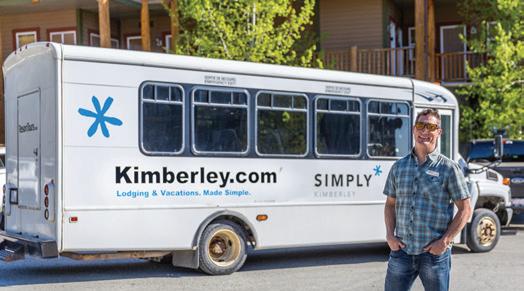
Catch a ride downtown to explore the dining and shopping opportunities that Kimberley has to offer. The Peak to Platzl Downtown Shuttle is a free transportation service between the Kimberley Alpine Resort base area, on-mountain accommodations and the downtown shops, pubs, and restaurants.
Beginning Thursday, December 27th, the Shuttle will operate every day (except statutory holidays) until closing weekend of the ski season. On weekdays, for $6 return trip from Cranbrook, you can catch the KC Commuter bus for a worry free day of fun on the snow!
The shuttle is jointly funded by the participating businesses, the City of Kimberley, Tourism Kimberley, Kimberley Alpine Resort, BC Transit, and the Province of BC Resort Municipality Initiative. To view the rider’s bulletin, please visit the BC Transit website at bctransit.com/kimberley.
Please visit www.kimberley.ca or www.tourismkimberley.com for more information on fun things to do in the City this winter. Find your adventure here.

Please visit http://kimberley.ca/community/transportation-getting-here
More than 50 programs offered in class or online.
• Adult Upgrading
• Business
• Child, Youth and Family Studies
• Fire Services
• Health
• Office Administration
• Tourism
• Trades
• University Arts and Sciences
• Continuing Education
CERTIFICATES | DIPLOMAS | DEGREES
cotr.ca
It’s time to start living the life you’ve imagined. Henry James

SORE OR TIRED MUSCLES:
Floating
Infrared Salt Sauna
Massage (many options to choose from)
Reflexology
Ionic Footbath
DRY/IRRITATED WINTER SKIN:
Advanced Skin Analysis & Facials
Body Wraps
Professional Skin Care Lines

MINDFULNESS:
Reiki
Infrared Salt Sauna
Floating
TROPICAL HOLIDAY:
Spa Manicure
Spa Pedicure
Gel Polish Available
Lash & Brow Tinting
Book any 60 min massage and receive a 30 min Infrared Salt Sauna at no charge. Use Code: GoKim30, 1 per person, expires (March 25, 2018). No Cash Value.
FOR ADVERTISING, DISTRIBUTION, OR GENERAL INQUIRIES PLEASE CONTACT US AT:
grady@kootenaymedia.ca
For article submissions contact: karen@kootenaymedia.ca | 250.427.0808
Reproduction, in whole, or in part, is strictly prohibited. No part of this magazine may be reproduced or duplicated without the written permission of the publisher. All rights reserved on entire contents. GO Kimberley Magazine makes every effort to ensure the accuracy of the information it publishes, it is not responsible for any consequences arising from errors or omissions. The opinions expressed in the articles are those of the authors.
GO Kimberley Magazine is published four times per year and is printed in Canada.
GO Kimberley is published by: Kootenay Media Ltd.
Layout design by: Lucas Roach | Big Magic Design www.bigmagicdesign.com
Managing Editor
Karen Vold
Creative Director
Grady Pasiechnyk
Sales & Distribution
Grady Pasiechnyk
Copy Editing & Social Media
Monica Karaba
Contributors
Britt Bates
Marcia Maguire
Jeff Pew
Shenoa Runge
JAPAN
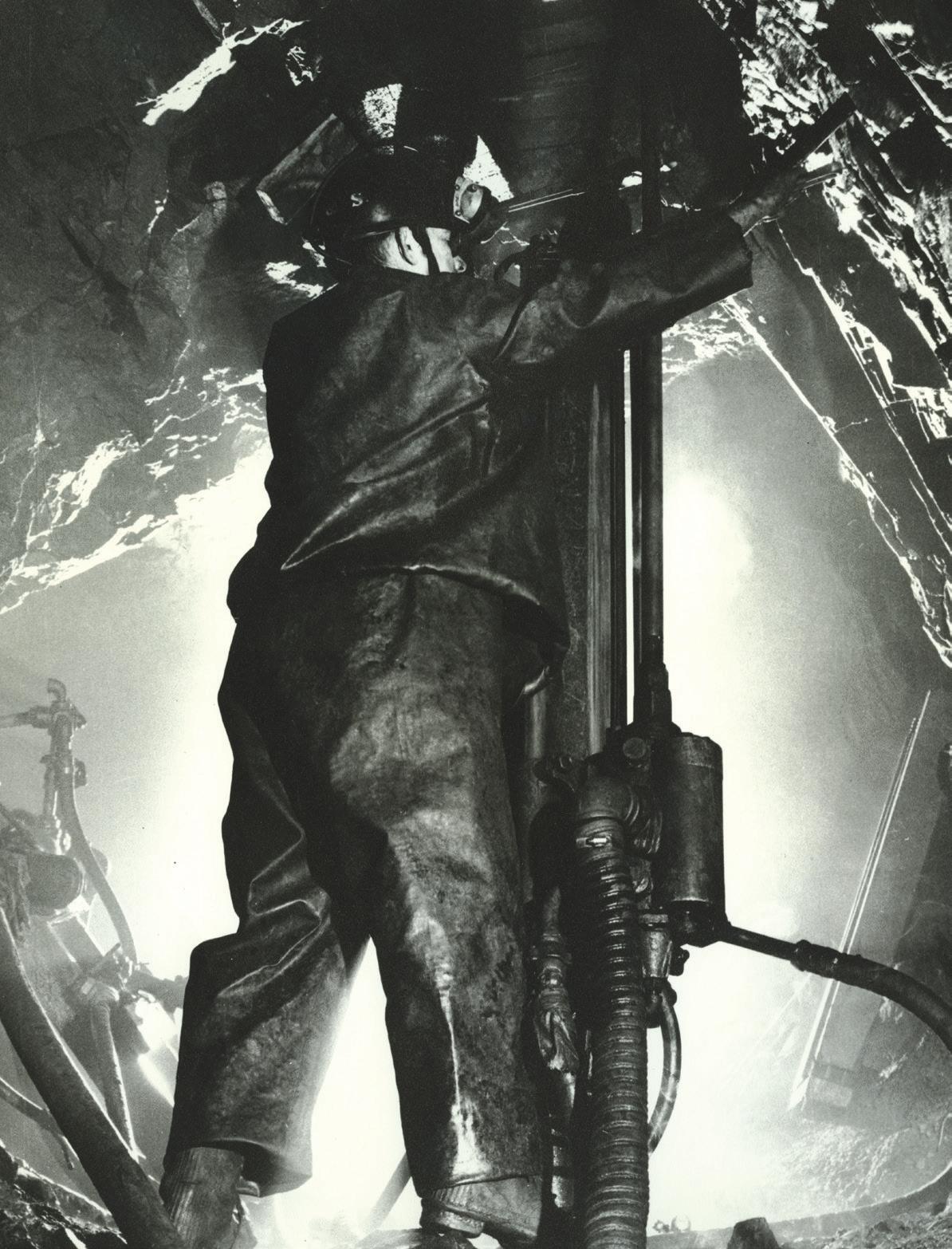
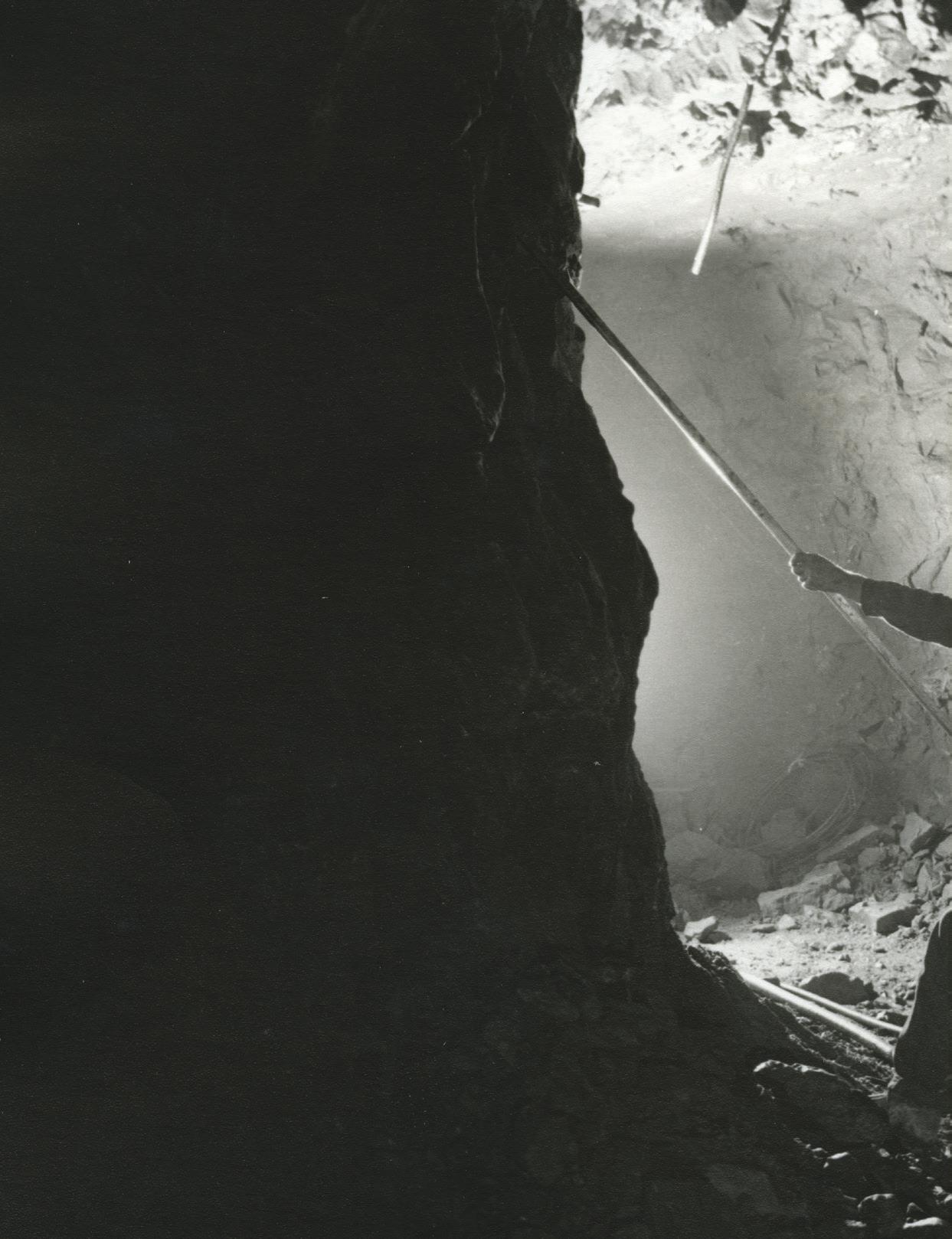
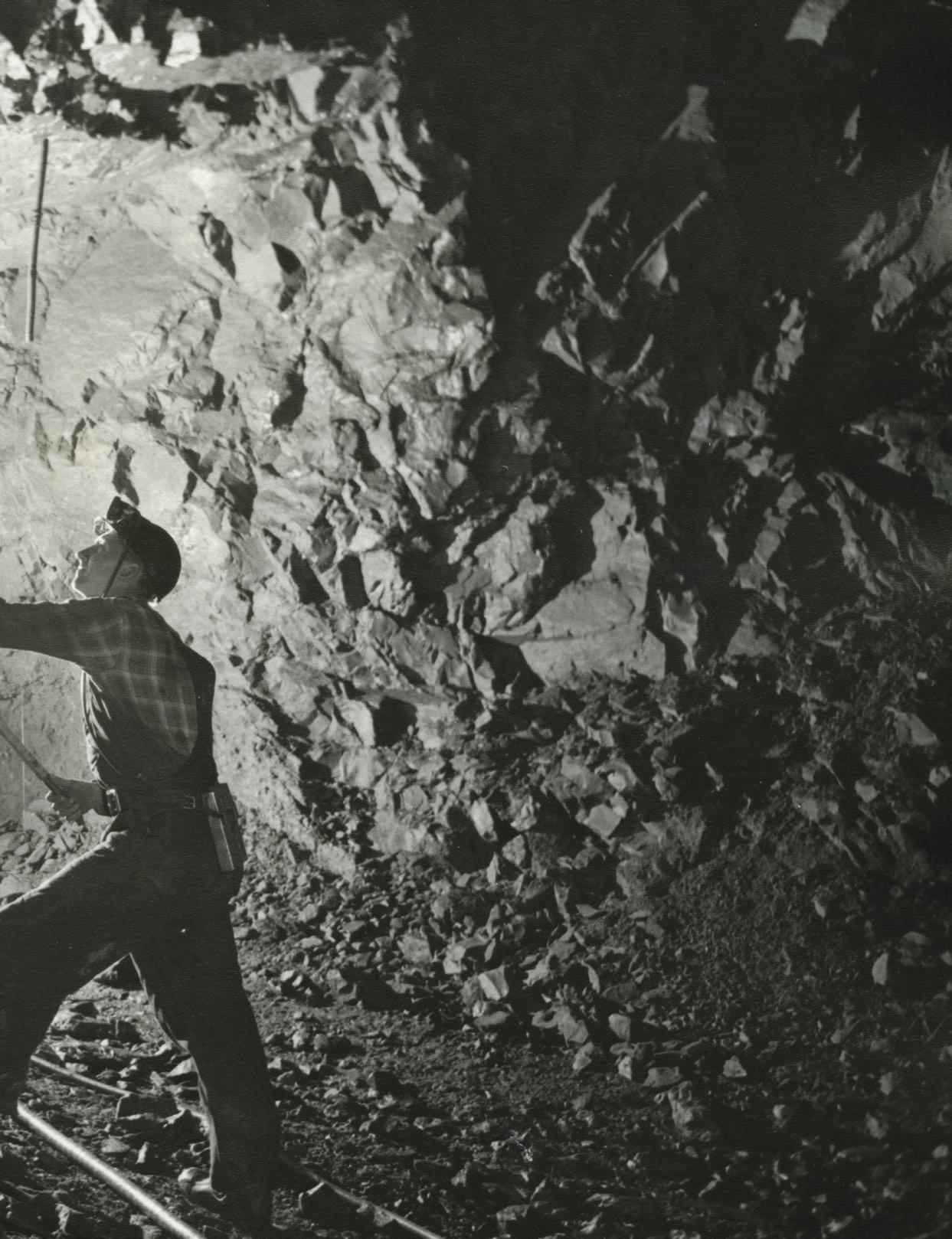
(KIMBERLEY HERITAGE MUSEUM) COVER PHOTO: SULLIVAN MINE – DRILLING. VERN PURDY DIAMOND DRILLING IN THE SULLIVAN MINE, PREPARATORY TO LOADING HOLES WITH TNT - 1969. THIS PHOTO WAS DISPLAYED
“Unframed” Open Exhibition
Ongoing Gallery Exhibition
January 2-26 | Tuesday–Saturday | 1-5 pm | Centre 64 Gallery | by donation
Exhibition Opening Reception
January 5 | 2-4 pm | Centre 64 Gallery
Home Grown Coffee House
Great music by talented local artists
January 19 | 8 pm sharp | Centre 64 Theatre
Tickets $8 available at Centre 64 and Snowdrift Café
Have Camera Will Travel:
“Peru” by Veronica Paauw Travelogue
January 22 | 7:30 pm | Centre
64 Theatre | by donation
“Ikwe Aakii Iskwe” by Rhonda Haws, Jacinta Marina & Teagan Whitesel
Ongoing Gallery Exhibition
January 29 – February 23 |
Tuesday–Saturday | 1-5 pm | Centre 64 Gallery | by donation
Exhibition Opening Reception
February 2 | 2-4 pm | Centre 64 Gallery
“Ikwe Aakii Iskwe” by Rhonda Haws, Jacinta Marina & Teagan Whitesel
Ongoing Gallery Exhibition
January 29 – February 23 |
Tuesday–Saturday | 1-5 pm | Centre 64 Gallery | by donation
Michael Bernard Fitzgerald Concert & Dance Party
February 16 | 8 pm | Kimberley Conference Centre | $28$30 | ilovembf.com
Have Camera Will Travel: “Ladakh, India” by Julie-Ann Davies Travelogue
February 26 | 7:30 pm | Centre 64 Theatre | by donation
“Spellbound” by Mimi Sahlstrom
Ongoing Gallery Exhibition
February 26 – March 23 | Tuesday–Saturday | 1-5 pm | Centre 64 Gallery | by donation
Exhibition Opening Reception
March 2 | 2-4 pm | Centre 64 Gallery
Home Grown Coffee House
Great music by talented local artists
March 2 | 8 pm sharp | Centre 64 Theatre
Tickets $8 available at Centre 64 and Snowdrift Café
The Wardens
March 3 | 7:30 pm | Centre 64
Theatre | Tickets available at Centre 64 or eastkootenay. snapd.com (check calendar)
Ladies-only night out featuring singers, musicians, dancers and other local talent
Watch a movie about art and share in a casual guided discussion afterwards
Live@Studio64 - Spring Concert Series Concert #1: Lizzy Hoyt - Celtic Quartet
Members pay less! | Tickets available
Have Camera Will Travel: “Hiking the Chilkoot Trail” by Lou Patterson
Exhibition by Purcell Mountain Painters
March 26 – April 20 | Tuesday–Saturday | 1-5 pm | Centre 64 Gallery | by donation
March 30 | 2-4 pm | Centre 64 Gallery
Exhibition by Purcell Mountain Painters
March 26 – April 20 | Tuesday–Saturday | 1-5 pm | Centre 64 Gallery | by donation
Watch a movie about art and share in a casual guided discussion afterwards

Live@Studio64 - Spring Concert Series
$28, series pass $66-$72 | Members
Great music by talented local artists
March 2 | 8 pm sharp | Centre 64 Theatre
Tickets $8 available at Centre 64 and Snowdrift Café
Have Camera Will Travel: “Scotland” by Janice Strong Travelogue
April 23 | 7:30 pm | Centre 64 Theatre | by donation




I’m not saying Kevin Dunnebacke’s ever robbed a bank nor held up the evening train. I’m not saying he just sprung his posse from the local jail. I’m not saying Kevin Dunnebacke’s an outlaw, but I’ll be go to hell: it’s a warm evening on the dump road, wildfire wind in our hair, and the fellow beside me just slammed into third, his fist clenched to the butt of a double-barrelled shotgun. But it’s easy to get confused: I’m in the passenger seat of SallyAnne Apocalypsa, the KTown roadster that will run on moonshine, gasoline, and a stove full of burning wood. I’m not saying we just robbed the 8:15 Wells Fargo, but I just slapped Kevin Dunnebacke on the back, leapt from my seat, and yelled Yee-haw! I don’t know what we’re fleeing from under this star-sloshed sky, but we’re fleeing from something, and I’m in no hurry to get wherever the hell it is we’re going. I’m just fine taking our sweet-ass time.





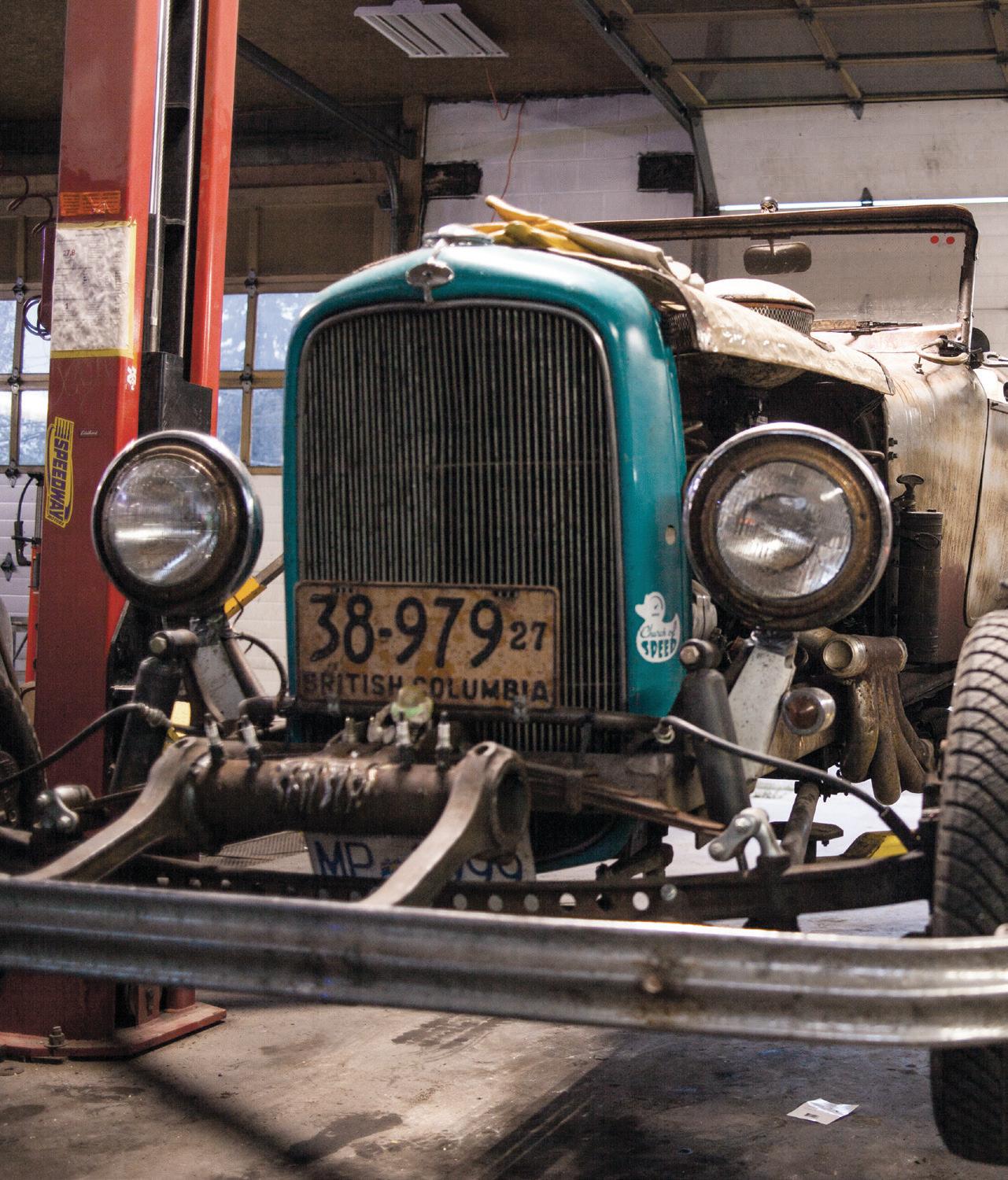
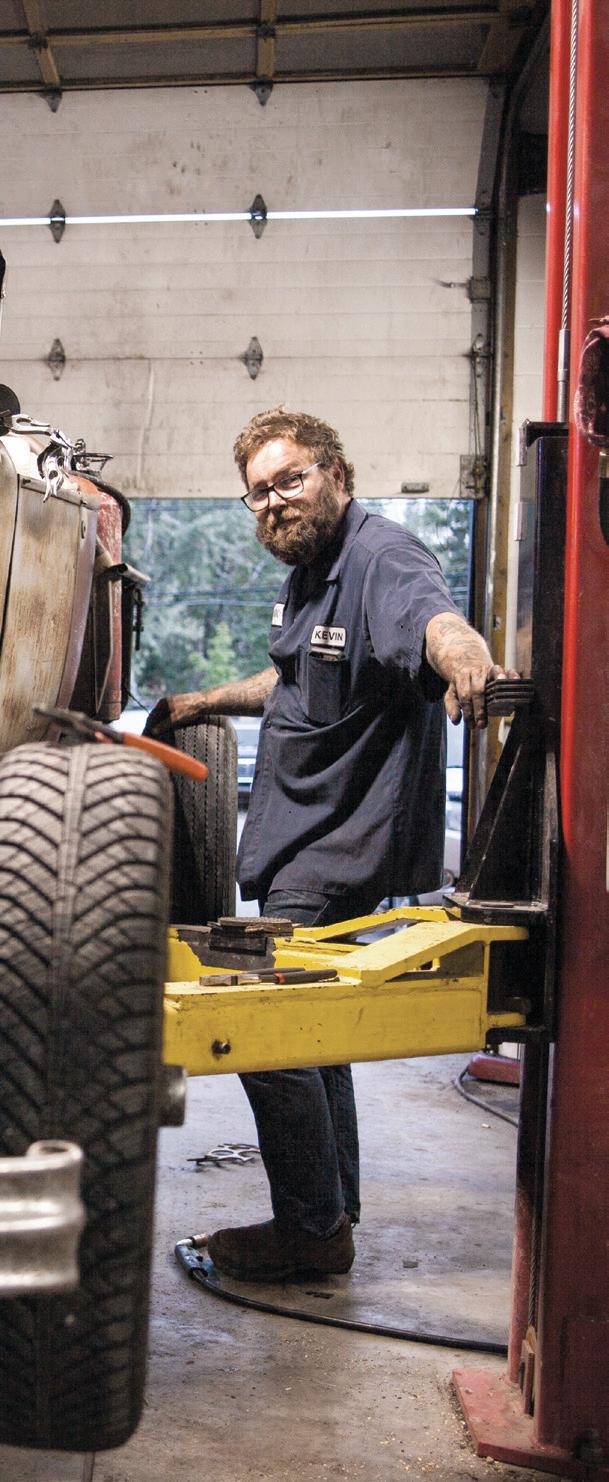
I’m hanging with Kimberley’s Kevin Dunnebacke, the mechanic, fabricator, and owner of KTown Custom Auto. “One night, I was scrolling through Kijiji and stumbled onto a ‘27 Ford frame, a ‘55 Chevy Bel Air motor, and a pile of parts,” the soft-spoken, Chitty Chitty Bang Bang and Fred Flintstone forearm-tattooed Dunnebacke says. “I visited the guy and said, ‘I have no money, but I’ll extend my line of credit.’ The next day I gave him five hundred bucks and said, ‘If I can’t pay for the rest, you keep it and I’ll buy ya a coffee. We’ll still be friends.’ I loaded a flatbed, took it home, and fell in love.”
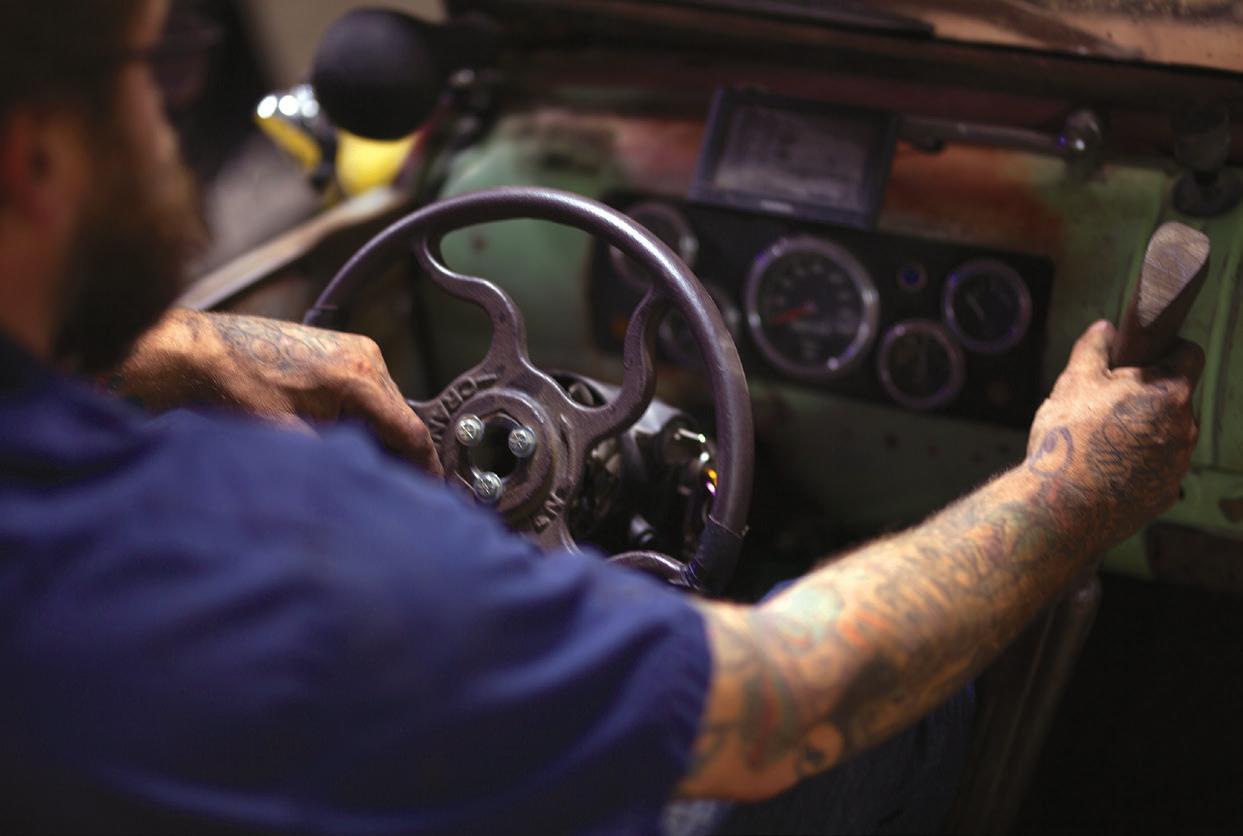
For the past two summers, Dunnebacke’s been cruising Sally-Anne Apocalypsa through Kimberley’s streets. “It’s mostly made of crap people give me,” he says. Skateboard decks for seats, an exhaust from the Wasa dump, a fire extinguisher that will be stuffed with straw to filter wood gas, a Kootenay beer can for an exhaust cap, bumper brackets from a Canfor conveyor chain, a tailgate cable from old dirt bike chains ”You wanna be able to sit on your tailgate and drink beer,” he says house soffit for underbody, highway signs for the box, antique license plates to patch holes, and adorned with clawfoot tub feet, Buzz Lightyear as co-pilot, a water valve handle for the steering wheel, and a 1914 12-gauge double-barrelled shotgun for the shifter.
“If you’re gonna buy something,” Dunnebacke’s dad told him as a kid, “ya better be able to fix it.” This winter, Sally-Anne Apocalypsa sits outside covered in snow. Dunnebacke tinkers with the wood gas system that will power the engine. “That’s why I call it Sally-Anne Apocalypsa,” he says. “It’s bombproof. I’ll be the only one driving up the road during the apocalypse.”

W: Britt Bates
P: Court Forster
Swinging open the heavy, dark wood door, I immediately feel like I’m entering a spacious and welcoming home. I take my shoes off and enter the lobby; a fire glows in the stone fireplace, and soft leather chairs invite me to cozy in.
Despite this authentic feel of the place, I am not in a loved one’s living room: I’m in the immaculate waiting room at the Kimberley Dental Clinic. A friendly staff member at the front desk waves me in with a smile.
“Our aim was to make it really inviting,” Dr. Eric Nelson tells me of his new clinic as he settles into a comfortable chair. His wife Jen smiles happily in agreement. It’s clear that they have achieved that goal. Their space is beautiful and warm.
Dr. Nelson bought this practise six years ago from Kimberley’s locally loved, and now-retired dentist, Dr. Douglas. For years, it was the only dental practise in town and thrived in its little space on Wallinger. But their success meant it was time for growth. “We needed to expand. The old building was just getting too crowded,” says Dr. Nelson.
A major upgrade ensued, to both the practise and the building it runs out of. A new, modern clinic was recently built and opened its doors in June 2018. It’s a centerpiece to Kimberley’s downtown business community, standing on a bustling corner in our city center, and looks both warmly welcoming and a touch majestic.
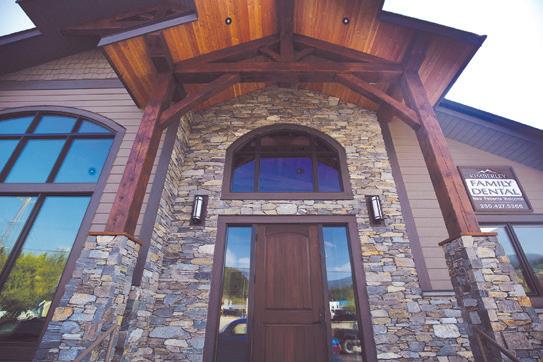
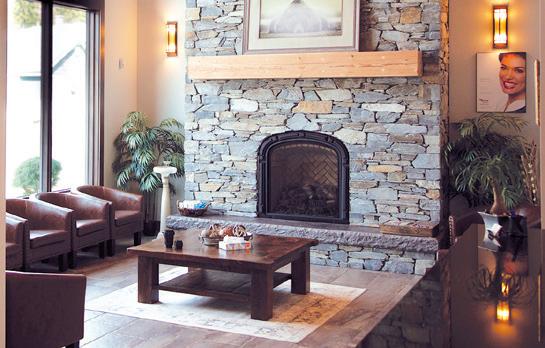

“We really wanted it to be just as nice as any clinic you’d find in Calgary, Vancouver, or downtown LA. We made to sure to get the most modern amenities,” Dr. Nelson continues. Their success in this is evident: the spacious clinic effortlessly blends state-of-the-art technology with an appealing atmosphere. Each workspace is equipped with a TV for the patient’s seat, to help one more easily unwind, and some spaces even include massage chairs for the ultimate relaxation.
Upstairs, the building boasts private suites, including one that will house a visiting endodontist — or root canal specialist — who will come in from Vancouver. “This means patients can save money by not having to travel to get the best treatment possible,” Dr. Nelson explains. Indeed, the new space is so contemporary and attractive that patients even travel from the Cranbrook area for their dental needs.
It’s more than just the building that went through such a positive and energized improvement: the staff, too, has expanded. Two new dentists and a handful of support staff have joined the team to help the practise run smoothly and efficiently. The entire staff is from Kimberley (except for one, who adores both the clinic and the commute from Cranbrook), and the benefits of this are twofold: not only does the clinic create local jobs, but it develops a special atmosphere. “A lot of the staff even grew up in Kimberley,” Dr. Nelson tells me, which I already knew, having shared a warm smile of recognition with the receptionist earlier, as we both were raised here. “It’s nice to put a face to a name.”
Dr. Nelson, Jen, and their staff have done an amazing job of blending a comfortable and intimate ambiance with a sleek and modern space, and it’s apparent as soon as you walk in that you’ll be in good hands. To experience this for yourself, simply come visit. Their door is always open.
W: Marcia Maguire
P: Court Forster
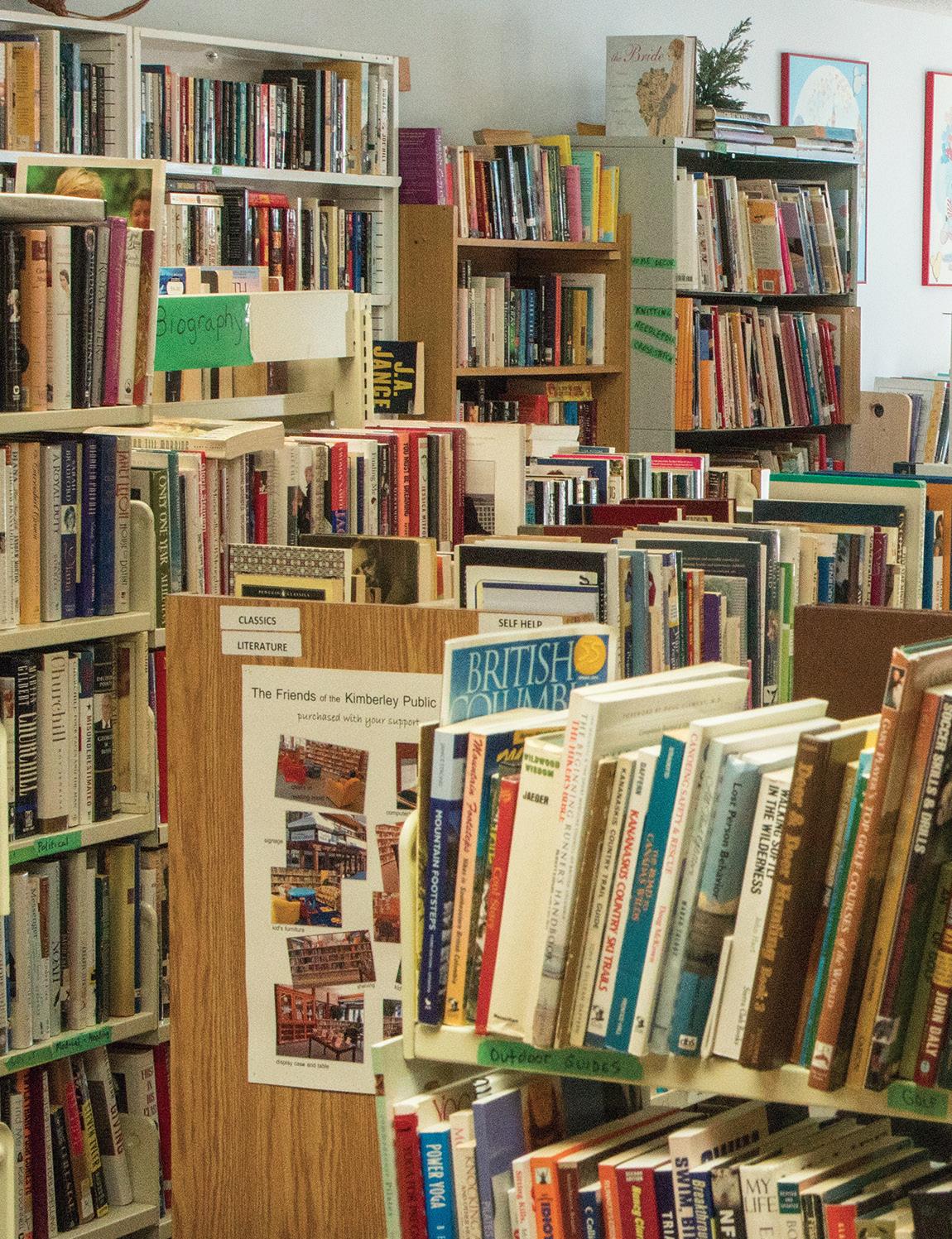
There is a book for everyone at the Marysville Friends of the Kimberley Public Library Used Bookstore, located at 412 304th St in Marysville, near the bridge.
A small group started the “Friends of the Kimberley Public Library” in 2005, and now, 42 volunteers take turns working in the used bookstore, doing shifts that suit their individual lifestyles. It’s just a matter of signing up each month.
There are no prices on the books in this very special bookstore. The “Friends” merely ask for a donation of however much the book is worth to the customers, or what they can afford. A large mason jar, perhaps once used as a pickling jar, with a slot in the lid, sits on the desk for shoppers to drop in their donations.
Book lovers donate boxes and bags of books on their visits to the shop — sometimes as many as three hundred books in one day, as they downsize household items, at times reluctantly. The bookstore also offers a friendly Kimberley welcome to the many tourists that drop in.
Bookstore managers Liz Kranabetter and Heather MacKenzie and the whole team of volunteers keep this ongoing fundraiser lively and thriving with their generous donation of time. As one volunteer commented, “Most work at the store because it’s fun, and helping someone find a book they really want is rewarding.” Heather adds “This is truly a collaborative effort. I think we can boast the best volunteers in town!”
Because it’s a constant challenge for the volunteers to find room to shelve all of the new arrivals, books are sometimes stacked in piles here and there, making navigating the aisles ‘interesting.’ Fiction is arranged alphabetically by author, and just about every category of non-fiction is available.
Selecting books suitable for sale involves culling those that are out of date, soiled, or tattered. The best of these are boxed and taken to Kimberley Transfer Station’s popular Reuse Centre and shelved there providing a last chance for the right reader to find them.
The volunteers of the Bookstore are dedicated to the cause of the “Friends” to promote literacy in the community, to make books accessible to everyone regardless of their ability to pay, and to raise money to support special Library projects. “Friends” President Paula Neidig explains that the “Friends” provide the money, and Library Director Karin von Wittgenstein chooses the projects, using her wide background of fascinating experiences (another story!), to make the space more comfortable for Library patrons. In addition to funds from the Bookstore, the “Friends” also access Columbia Basin Trust grants for specific projects. Some of the purchases supported by the “Friends” have included computers, chairs, desks, shelving, an imaginative crayon computer kiosk for children, furnishings for the Youth Room, and comfortable chairs for the upstairs reading room.
Liz Kranabetter explained that the “Friends” originally held huge book sales twice a year upstairs in the Library, and most recently at Centre 64 at the same time as the Quilt Show. They, mostly women, set up tables, lugged in boxes of books and arranged them. Then they boxed up the leftover books and carted them to the Kimberley Health Centre for storage in the basement until the next sale when the whole process started again. She said the group needed a location where they could put their books out on shelves and not have to transport them back and forth. Space was available in Marysville, and so the group set up shop there. When the store needed to relocate, the new task at hand was the big move, reboxing and moving the boxes yet again. The husbands, “voluntolds,” as Heather laughingly calls them, were enlisted to help move the books to the current location.
Heather comes to the bookstore from a library background in Northern Ontario. In 1994 she opened her own used bookstore, The Owl & Teapot, in Kimberley. Its Marysville location was destroyed in a fire in 2007, so now she gets her book ‘fix’ by spending a lot of time at the “Friends” bookstore.
If you have never experienced this friendly bookstore, now is the time. You can drop in any time between Wednesday and Saturday from 10:30 am to 3:30 pm and Sundays from 1-4. You’ll wish you had come sooner!





W & Portrait:
P: Kimberley Heritage Museum & Columbia Basin Institute of Regional History
Bill Roberts stands beside his basement desk, surrounded by photographs and artifacts of the Sullivan mine. He opens his best-selling book, The Best Miners in the World: Stories from Canada’s Sullivan Mine, and points to a typewritten chart of 1920 mine employees’ nationalities: Polish. Irish. Norwegian. Galician. Russian. Swedish. Italian. ”That’s why we live in the best country in the world,” Roberts says. “Look where we all came from.”
He reminisces about the best times and a few of the worst. His speech slows when describing the day his partner, Mike Lyso hirka, died from a cave-in. Roberts stares off into the past and explains how he uncovered Lysohirka from fallen rock, hoisted him onto his shoulders, and carried him through the dark. He smiles and shakes his head. “It was tough work,” Roberts says. “But, I’d do it all over again. In a heartbeat. We were miners. It was the best career in the world.”
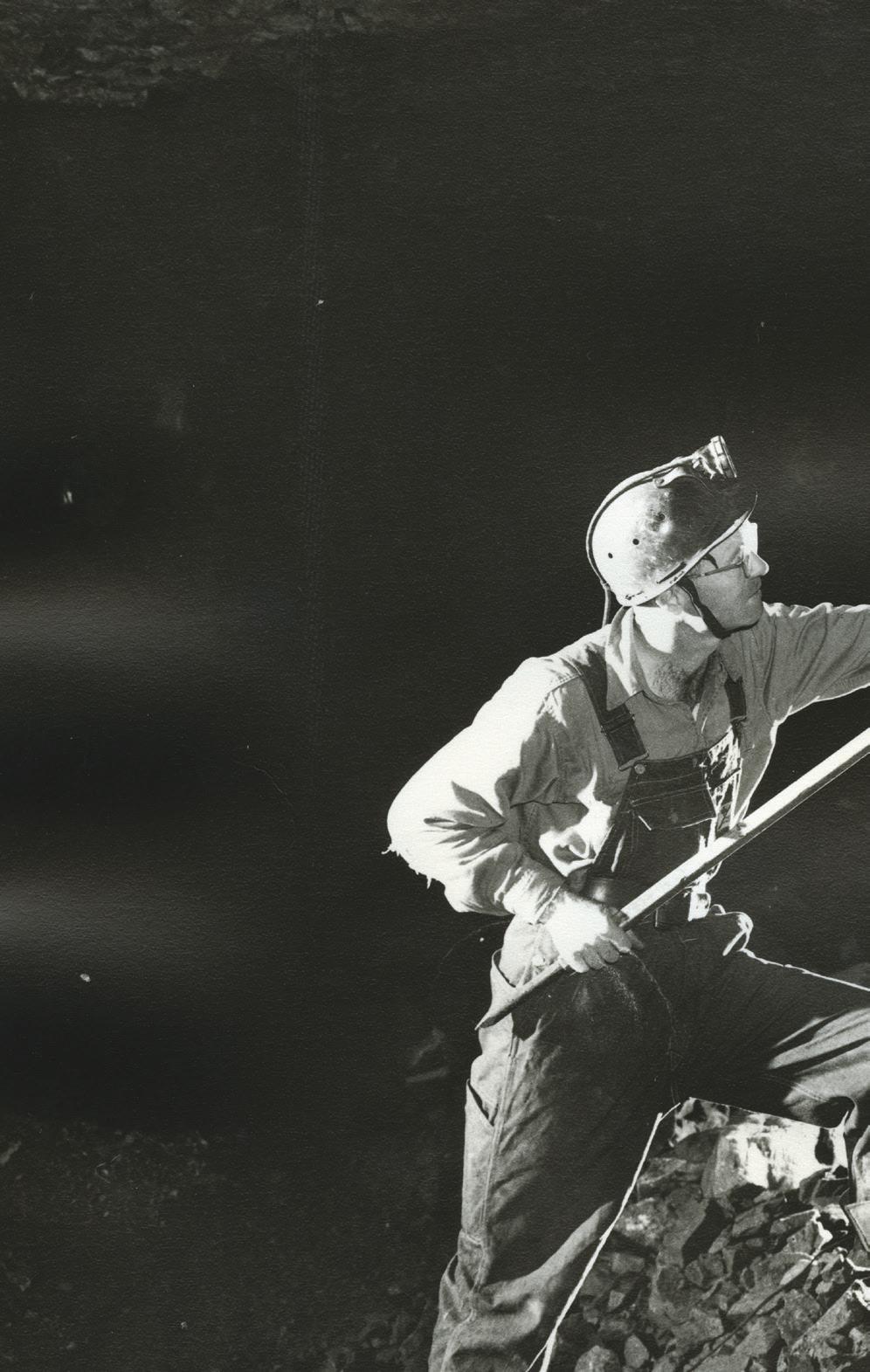
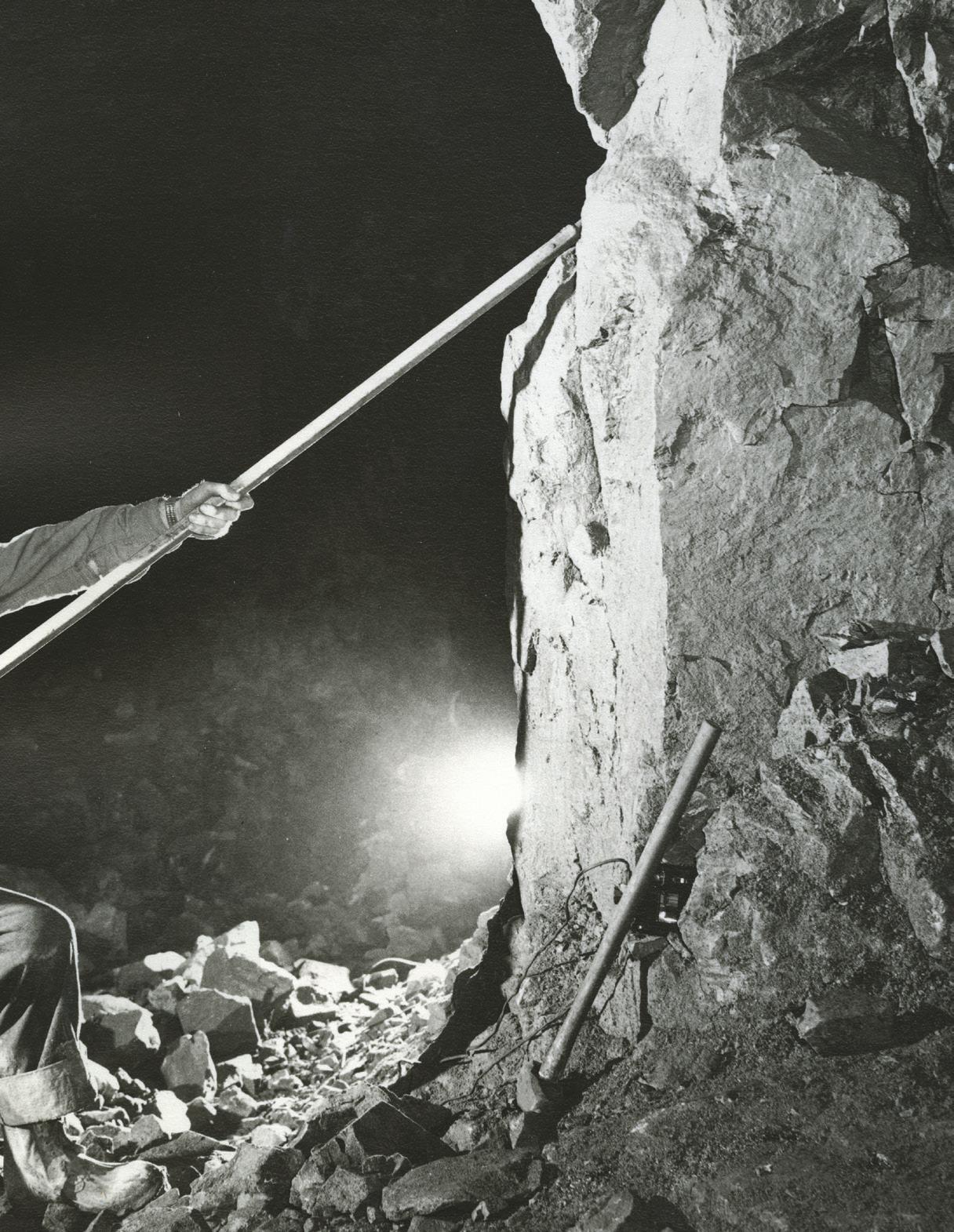


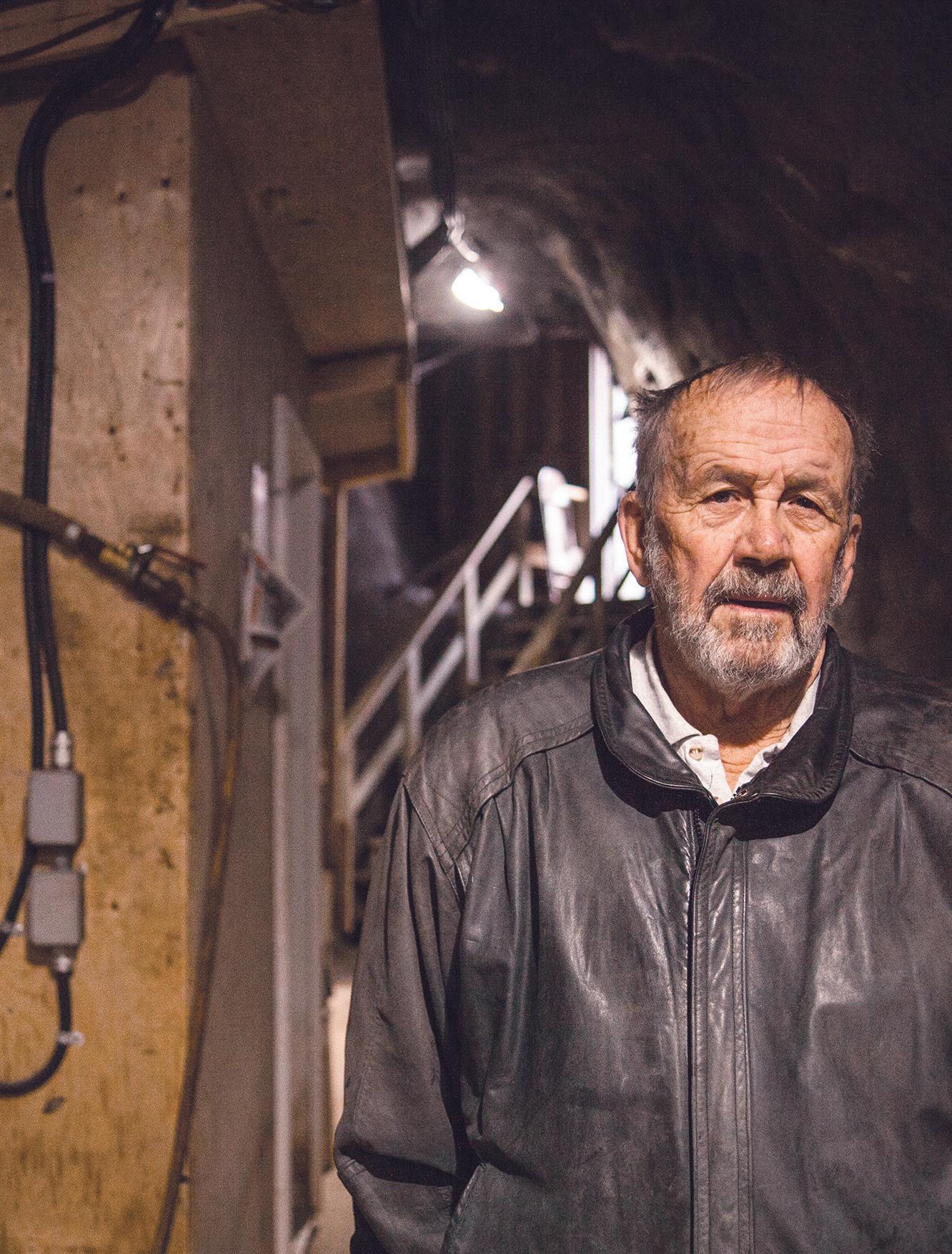
Roberts is referring to his thirty-six years of employment at Kimberley’s Sullivan Mine owned by The Consolidated Mining and Smelting Co., or Cominco one of the world’s largest underground lead, zinc, and silver mines, that operated for ninety-two years before it ceased production in 2001. The mine, the result of geological stirrings 1470 million years ago, stretched underground with forty miles of tracks. The mine’s economic success resulted largely from Cominco’s development of the differential flotation process that allowed separate recovery of lead and zinc concentrates in the milling process. The Sullivan produced over 160 million tons of ore that yielded more than twenty-billion dollars in metals. Kimberley was a company town, with 1,000 average annual employees and a lifetime total of 60,000 employees. “We were neighbours, relatives, friends,” Roberts says of his fellow employees. “We had a good rapport with the company. They paid us fairly and were always looking at ways to make living and working here more enjoyable.”
He describes his first few years at work, during the early 60’s, laying track and ties under four inches of ice-cold water. The ex-Notre Dame College Hound, who tried out with the Saskatchewan Roughriders as a running back, wasn’t afraid of hard work. “My college’s motto was fitting: Luctor et Emergo,” he says. “Struggle and Emerge.” In 1969, Roberts transitioned into hard rock mining, and was responsible for drilling and blasting the ore body. “We’d load the drilled holes with nitrate fertilizer, get out of the way, then let ‘er rip,” he says chuckling.
Roberts, 79, works for the Kimberley Underground Railway Museum’s Sullivan Mine Interpretive Centre. He dons his diggers and demonstrates how the equipment works, how ore is blasted, and how important mine rescue and refuge stations are. He informs people that the company was one of the safest to work for: Since the mine’s opening in 1909, only seventy-three people died, a remarkably low number given the
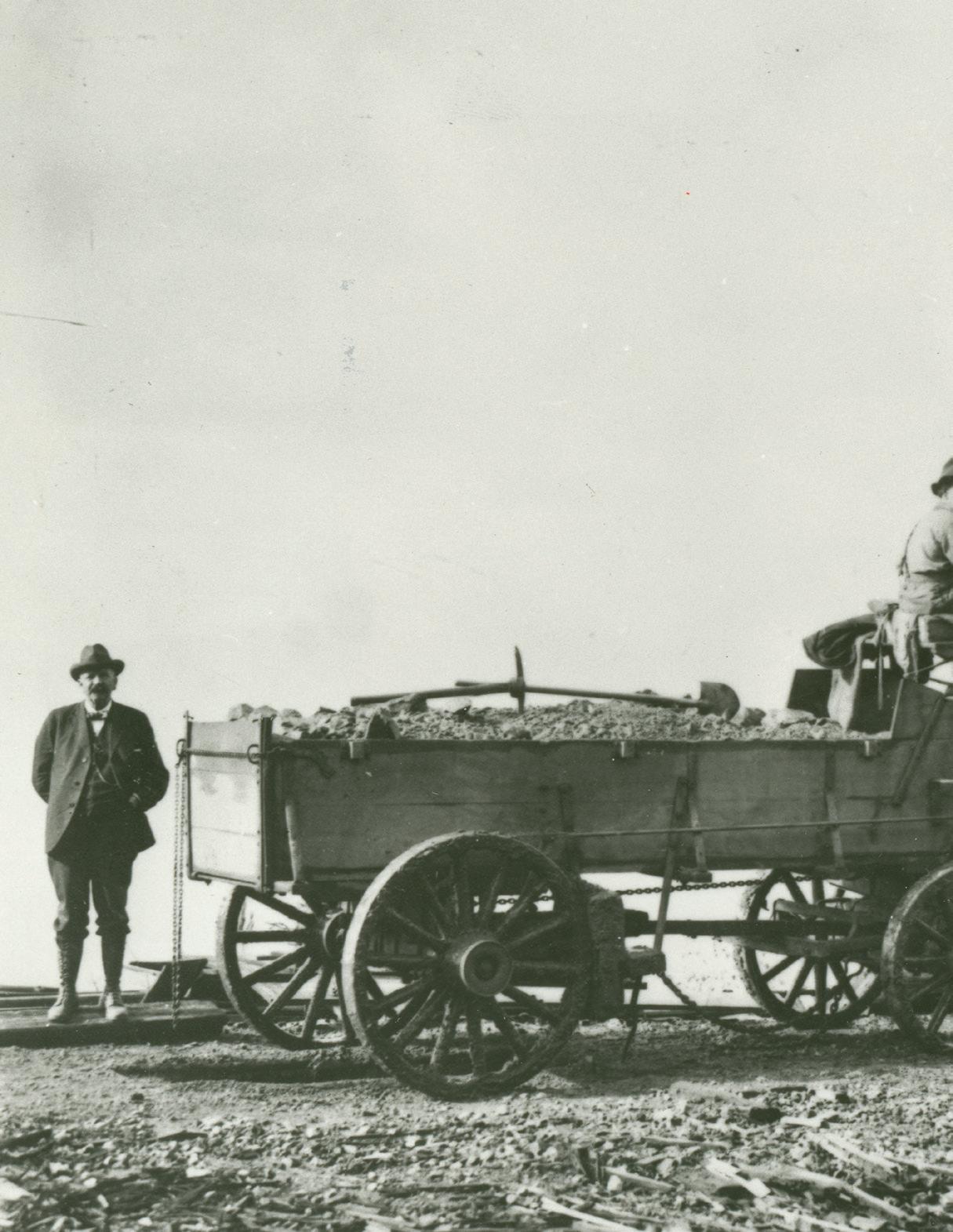
history and immense amount of ore extracted. When there’s a mining disaster throughout the world, Roberts is frequently contacted by news bureaus to solicit his expertise. “When the Chilean miners were trapped,” he says, “CBC reporters asked me what they’d be experiencing. When they emerged, they relayed the identical tales I’d described.”
In his book, Roberts describes the miners as battle-weary, battered, and bruised from a hard life working underground. “But there was never any whining or complaining. Their filter of memory had them recalling the best times, not the worst.”
Harry ‘Red’ Foster, who’d endured a long mining career before he was hired to work at the Sullivan in 1943, described what it was like in the old days: “While one guy was drilling, his partner would be scraping the blasted round. You couldn’t see a goddamn thing with all the fog and dust. Crazy bastards we were.” Roberts interviewed miners who’d worked both the early and late years of the Sullivan.
In the early days, it was the Wild West, with rudimentary safety codes. Miners climbed forty-foot ladders to scrape loose rock from walls. They kept warm by working hard. They played practical jokes on each other and basketball with a tied-up rag ball. Miners and their families lived well. The company built swimming pools, skating rinks, dance halls, and ball diamonds. They turned a blind eye when miners built houses and left work with a lunch bucket full of nails. When they worked overtime, they got restaurant vouchers for their family. Roberts writes: “They were
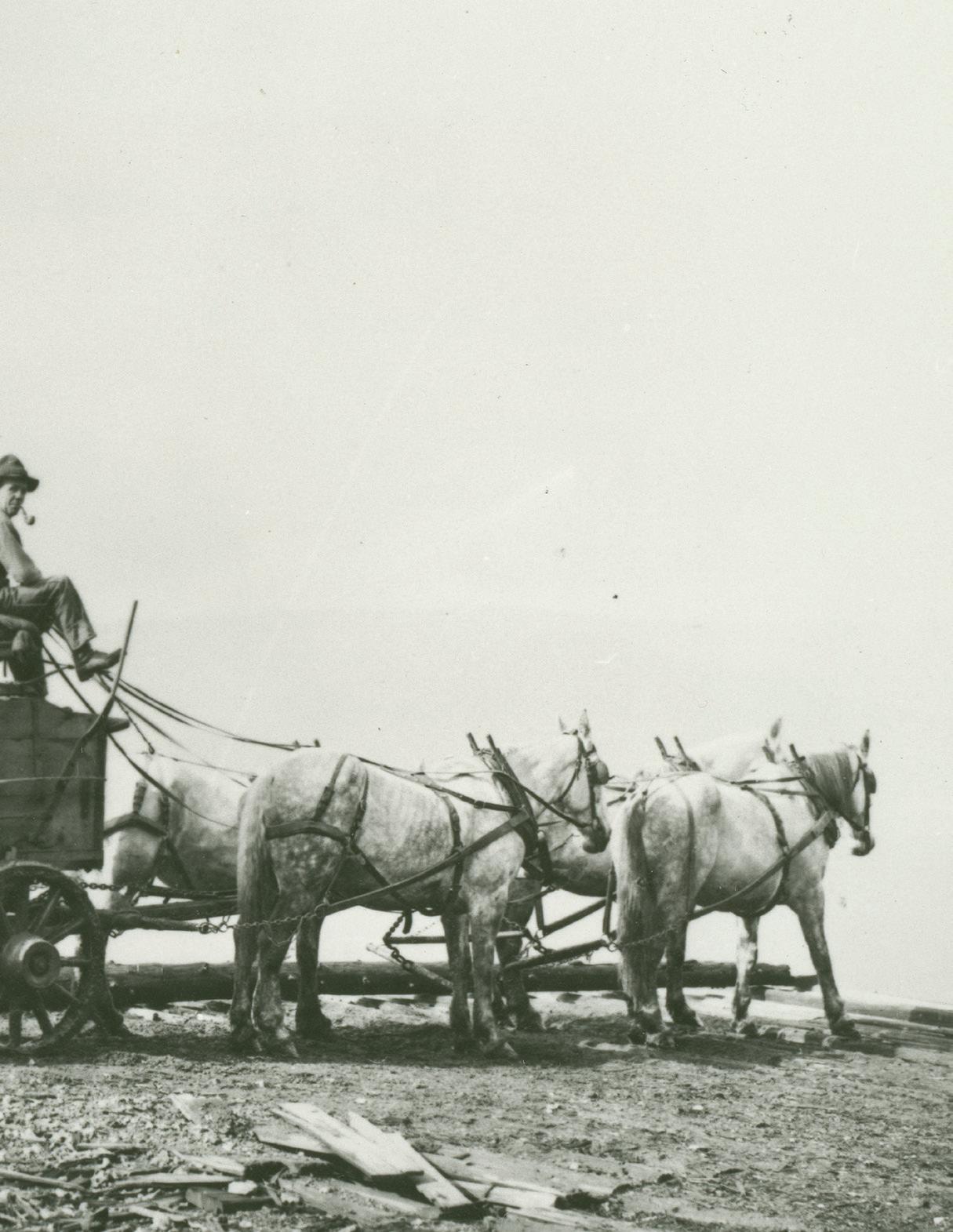
good days. A lot of miners stayed, and over the years their sons followed in their footsteps. A new miner evolved: the ‘homestead miner.’ Eventually, the Sullivan had third and fourth-generation miners.” For the most part, they loved their work. They loved Kimberley. They referred to the mine as if it was part-human: it was the lungs of Kimberley, the heart, the belly. It was the soul of the town. Miner Bud Hart told Roberts he’d like to see a commemorative plaque above the 3900 Portal, where the miners entered by train beginning in 1915: “Through this portal have passed the best miners in the world.”
Before the afternoon’s over, Roberts stands outside the old powerhouse, the building that provided energy and air during the early years of the mine. He talks about how lucky he was to spend thirty-six years doing what he loved. He smiles. “It was beautiful,” he says. “Really beautiful.” He locks the side door, rattles it to make sure it’s secure, and drives to the front gate. “Now, at least I get to tell people about the history here,” he says. “You should see the look on their faces.”
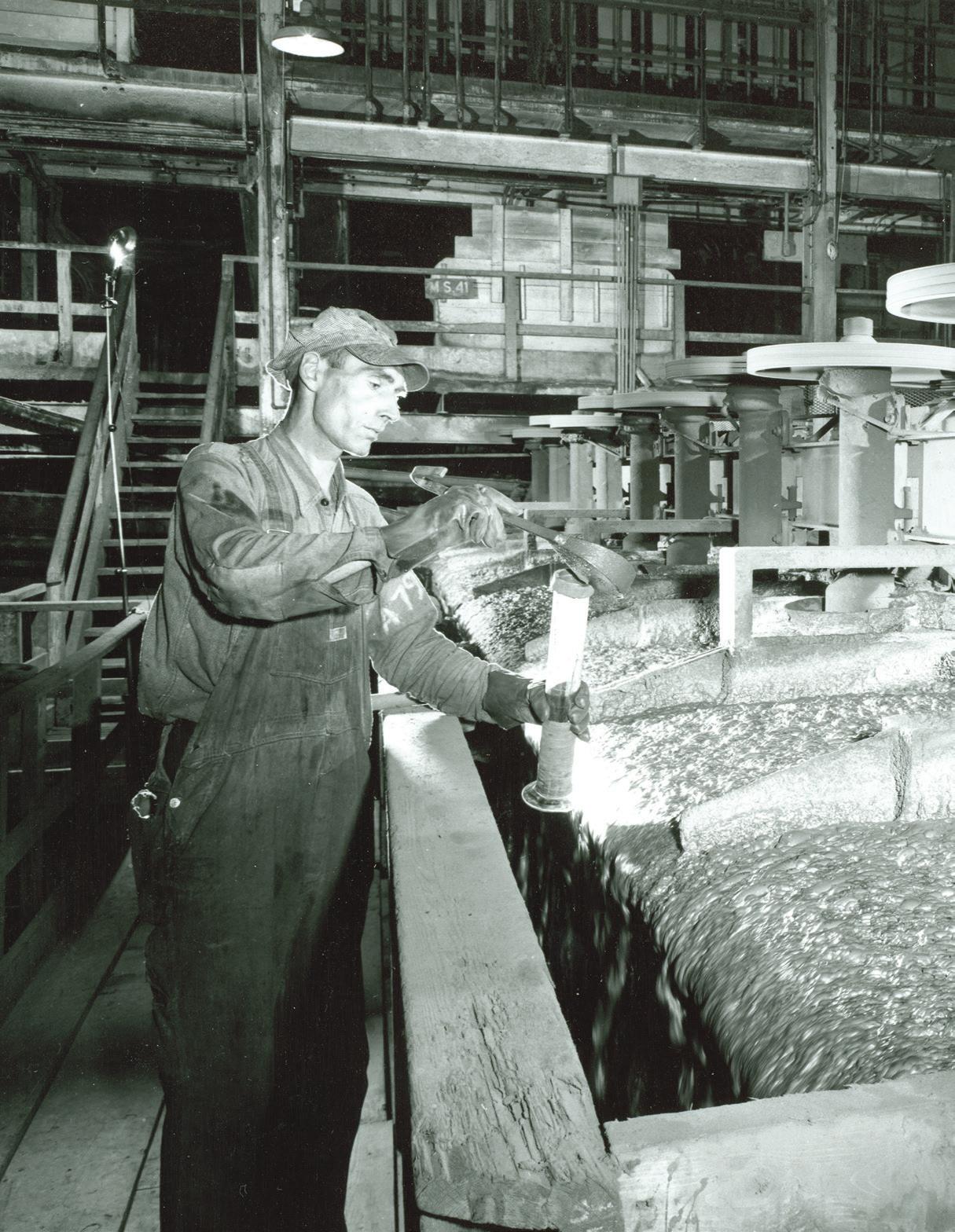
C.M.& S. CONCENTRATOR, TAKING SAMPLES OF THE KIMBERLEY CONCENTRATOR BUBBLES YEAR UNKNOWN (KIMBERLEY HERITAGE MUSEUM)
Bottom part of a hole that is left after a blast. Must be examined carefully to make sure no explosive remains.
Miners’ work clothes, often consisting of bib overalls, heavy work shirt, gray wool underwear, and wool socks.
Ore or rock that has been broken by blasting.
Burning ore. After a blast, the broken ore would start to heat up when exposed to oxygen, especially if it contained iron oxides. Spontaneous combustion could occur, resulting in temperatures up to 2,000 degrees Fahrenheit.
Entrance to the mine from the outside.
Moves men and equipment vertically from one level to another.
To light a blasting fuse with a match or lighter.
Self-rotating drill, used for drilling holes inclined above the horizontal.
All archival photographs were made available by The Columbia Basin Institute of Regional History, a non-profit society dedicated to furthering the preservation, documentation, and presentation of the Columbia River Basin’s human and natural history. For more information on the society or to browse over 20,000 historic photos, visit www.basininstitute.org
www.arrowandaxe.ca www.arrowandaxe.ca







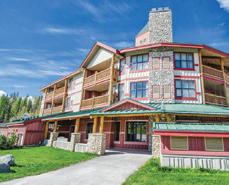
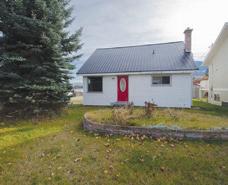
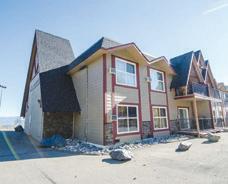
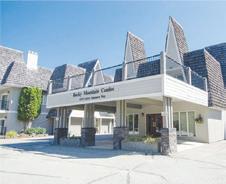

21 - 2044 sqft 3 3
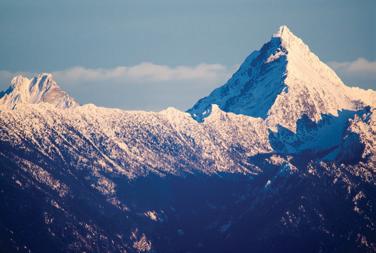
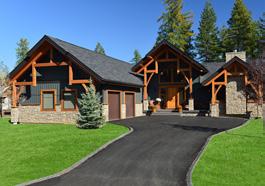
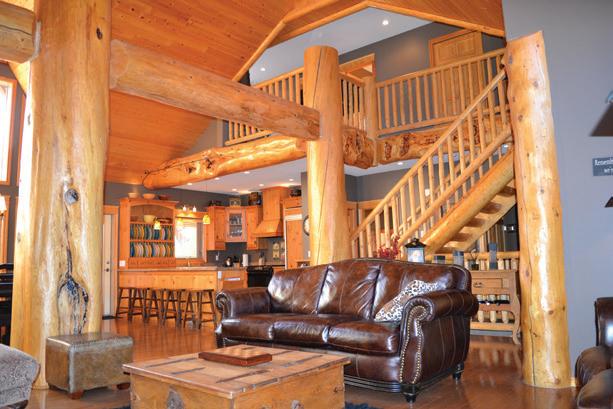
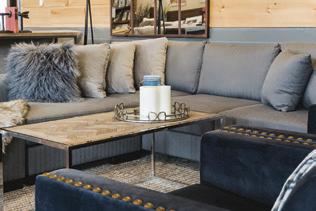
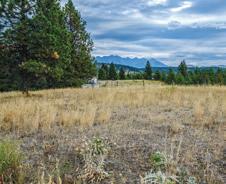
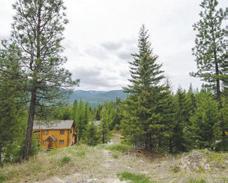
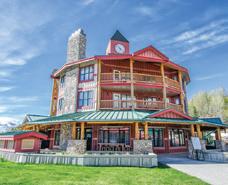
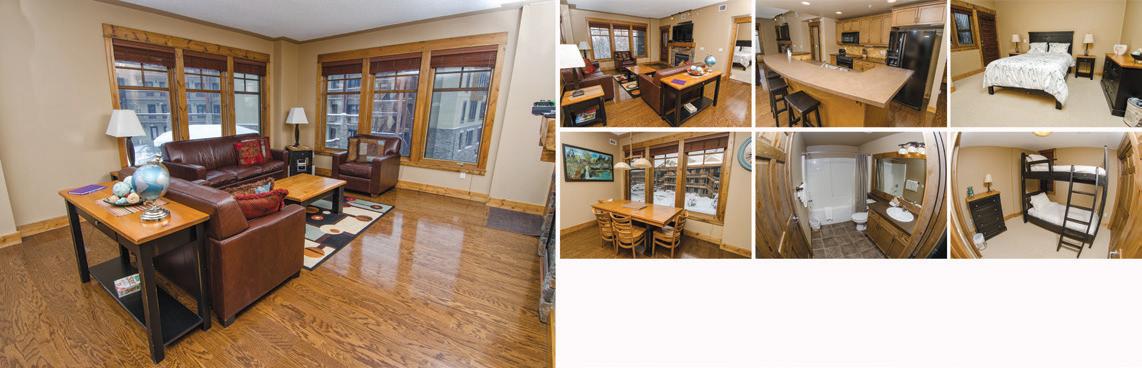
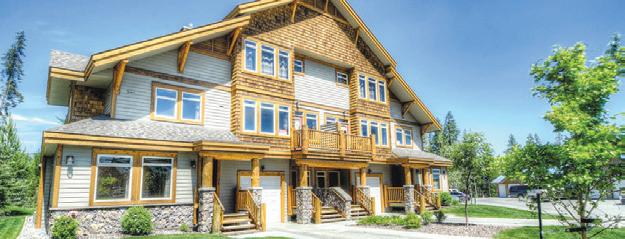
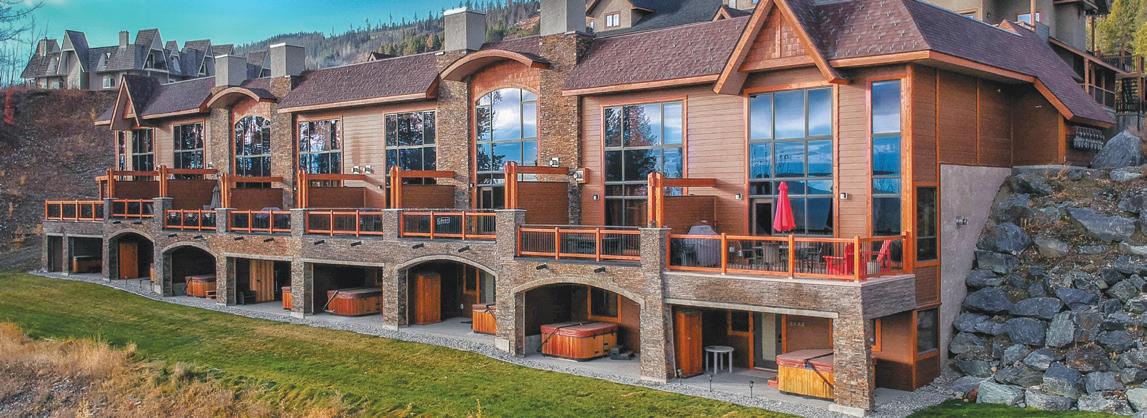
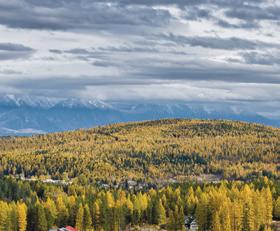
This fully furnished 3 bed 3 bath ski in ski out condo overlooks the Alpine Village and the Rocky Mountains. The first 2 floors feature huge walls of glass to take in the amazing views.
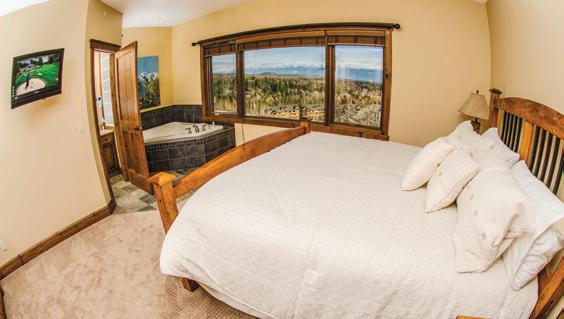
Master bedroom is spacious with a magnificent view. Uniquely placed huge soaker tub allows stellar views of the Rocky Mountains.
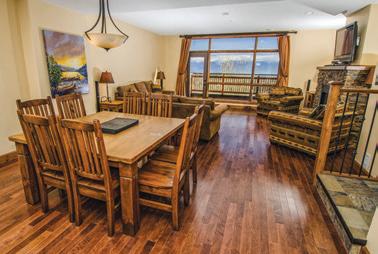
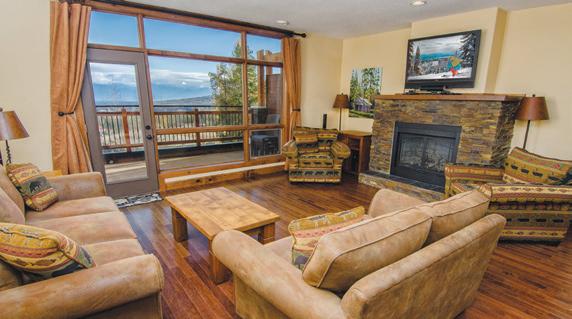
The main floor is an open concept living dining kitchen layout, with a half bath.
Kitchen has upgraded GE stainless appliances, lots of
$699,000
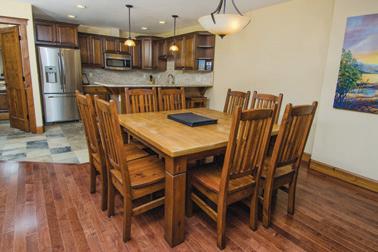
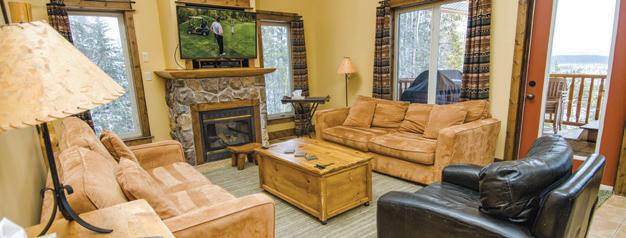
cabinet space and ample granite counter space. Dining room seats 8 people, with room for three more at the kitchen bar. Living room has a fireplace and access to one of the two decks.
Downstairs you will find two bedrooms, a small office space. Wet bar, complete with fridge, cabinets with granite counter top.
Pullout couch and direct access to the bottom deck which has a private hot tub. This deck is also your ski in / out point. Call 250.427.8700 to arrange for a viewing.
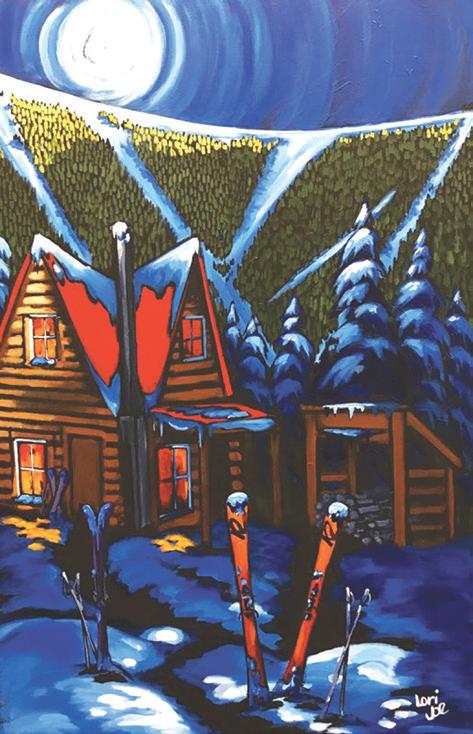
W: Britt Bates P: Lori Joe

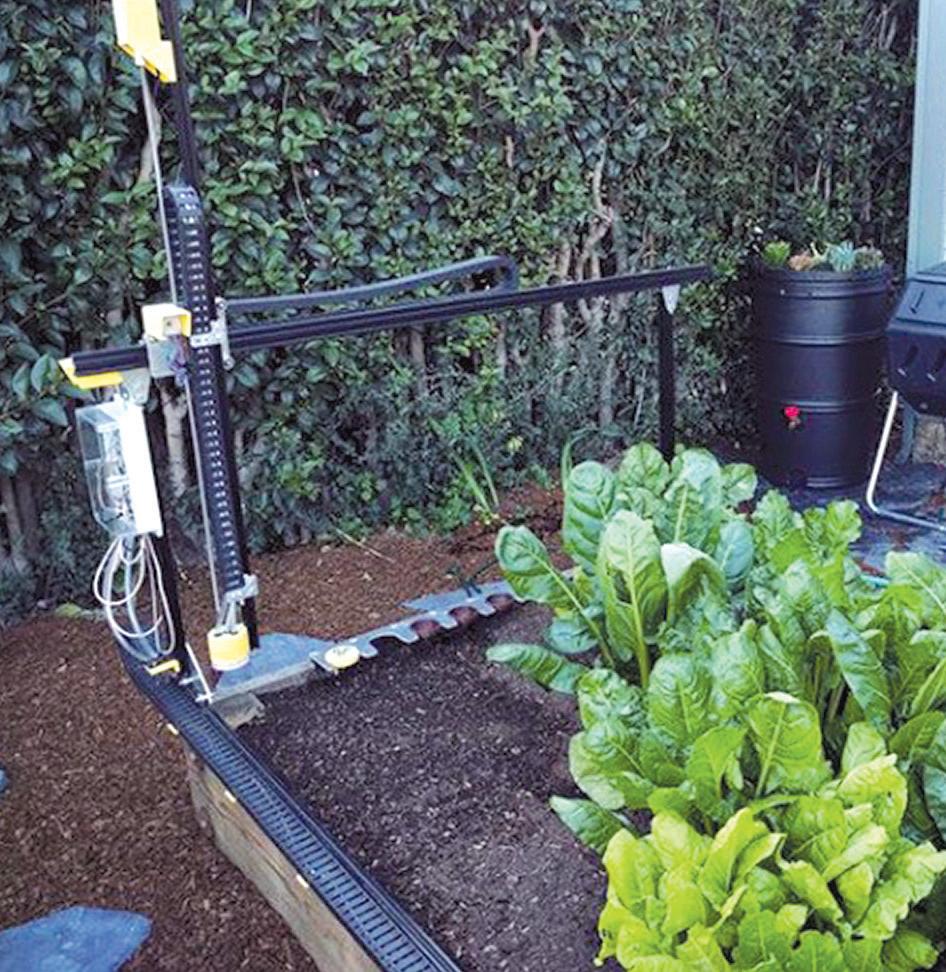
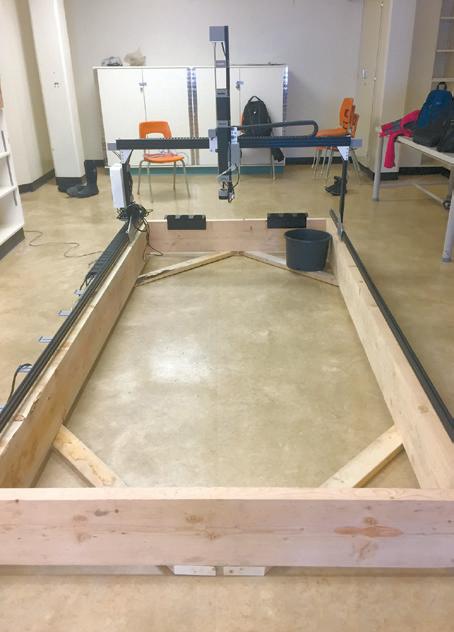
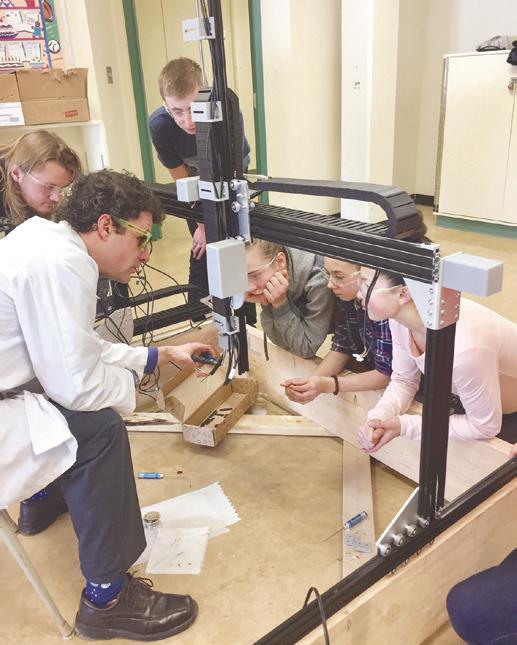
Meet FarmBot. It’s a wooden garden bed, not unlike your typical Kootenay raised bed that boasts an abundance of organic vegetables, except that it has arms. They raise and drop by themselves, as FarmBot plots, plants, and weeds the garden.
We can thank the youth of Kimberley for this imaginative piece of robotics, which now happily resides at the Kimberley Independent School. And we can also thank the Kimberley Youth Action Network, which creates the space and resources for ingenious ideas like FarmBot to come to life.
“It’s completely driven by the kids. We let them have free rein,” Lori Joe tells me. But this isn’t an image of free-wheeling and havoc-wreaking that she’s painting for me: it’s of a group of intelligent and inspired youth who are consciously and collaboratively paving the way to our future — and it’s certainly looking bright.
Lori is a well-known and locally celebrated visual artist in our community, but right now, she’s wearing her other hat: Youth Coordinator for the Kimberley Youth Action Network. It’s a facet of the Basin Youth Network, an initiative funded by the Columbia Basin Trust that takes many exciting forms. In this particular one, Lori and her crew of local kids and teens are committed to inspiring and engaging our community’s young people through imaginative questions and hands-on, participatory solutions.
That participation is foundational for the group, as its mandate is that the youth themselves decide how, when, and where they engage with their surroundings and peers, without having to fit into a pre-existing framework. “We roam,” Lori says, who meets with the youth in many different locations. “We want to make sure like kids feel like they’re a part of the broader community.” One of the group’s biggest pieces is what’s called the ‘Inspire Me’ initiative. “It allows youth to come forward with ideas and questions that allow them experiential opportunities,” Lori explains.
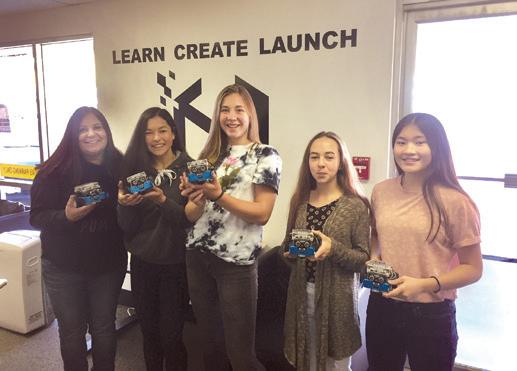
This led, for example, to the gardening robot. “We learned so much about coding, electronics, and how to actually build something,” Lori says. But it only grew from there: the youth created the Full Steam Tech Club, which offers workshops to other youth on how to build small robots, how to program robotic kits, and how to make use of 3D printers. Most of all, it allows youth to step into leadership roles and teach other young people what they know.


“It’s about building, playing, creating, and using your imagination,” Lori says excitedly, painting the entire project and all its various facets with broad strokes of enthusiasm and delight. It’s clear that she’s focused on the future and letting our youth lead us there. “We’re entering into the Imagination Age,” she continues. “Right now, we’re still trying to live in an industrial age: we teach sciences, maths, and trades. But innovation will be the big thing. Creating your own job and imagining what that can be.” I agree emphatically, having creating my own job myself, so to speak: it isn’t just millennial jargon. “It’s the way of the future,” Lori says. “65% of jobs that kids who are currently in elementary school will have, don’t exist yet.” That number lingers in the air between us, vibrating with excitement and hope.
These youth are lucky to have Lori — passionate and happy in a way that effortlessly rubs off on you — at the helm of their enterprises. She’s committed to giving them the reins and letting them be the leaders of the projects they take on. She recently brought a group to the Midas Fab Lab in Trail — “the candy store for tech people” — where the youth were able to design something and bring it to life with laser cutting and 3D printers, leaving them inspired and eager to create more. Another group went to the BC Tech Summit in Vancouver, a massive gathering where they, as Lori puts it, “opened their eyes to future jobs and where we’re going.”
“I think that if we feed our youth’s imaginations and nurture them in that way, they’ll eventually return to our communities and bring work,” Lori opines. “We know that the wilderness, the nature, are what bring people back to the Kootenays, but we need the work to go along with that.”
This future seems interesting and impressive, to say the least, when we leave it to the visionary and bright minds of our young people to bring it to life. And thankfully, they’re getting a lot of practice — right here in Kimberley — at being the thoughtful and brilliant leaders of tomorrow. It’s a world of possibility. It’s also as simple as a 5’ x 10’ garden bed in lower Chapman Camp. “Really, what it’s about,” Lori says, “is using your imagination, and then just going for it.”
W & P: Britt Bates
Some people create fulfilling and rewarding lives for themselves. And some people have the natural gift of lifting others up, inspiring them to be their very best. And still some help create whole and thriving communities.
Rare among us are the emboldened people who do all three. And, lucky for us, James Patterson was one of them.
Patterson a Kimberley local was the founder of what eventually became College of the Rockies, with its main location based in Cranbrook. He was more than a skilled tradesman, doting husband, and loving father, although he was certainly those, too: he was a passionate and community-minded leader who wanted others to excel. And, with the evidence standing tall throughout the Kootenays, he certainly did everything in his power to help make that happen.
What began as the East Kootenay Community College in 1975 was the manifestation of Patterson’s mission to create an opportunity for Kootenay youth to access higher education in the area when they might not have been able to afford it otherwise. It’s now a network of seven campuses that hosts 10,000 students across the region, who study in a wide range of disciplines.
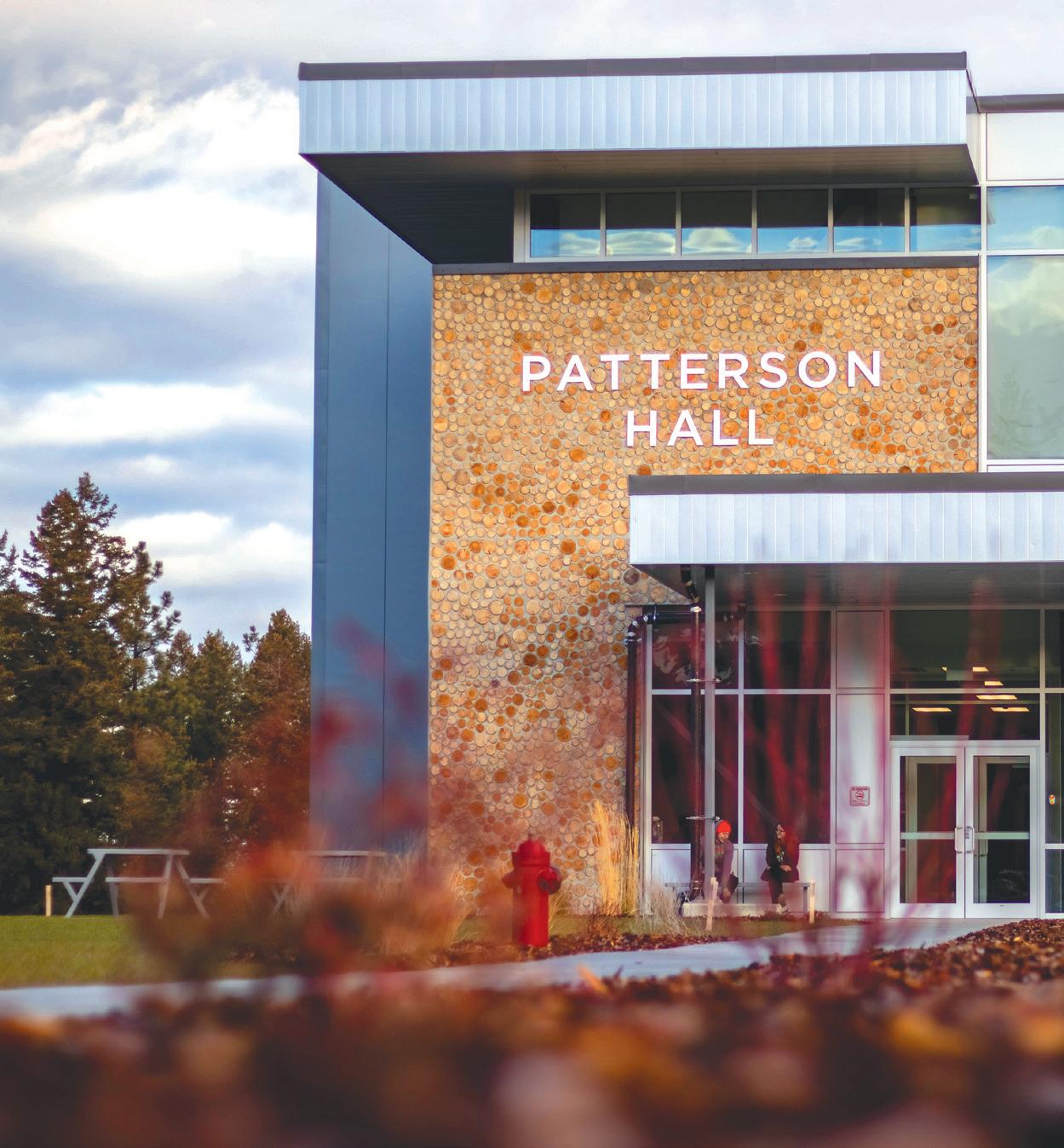
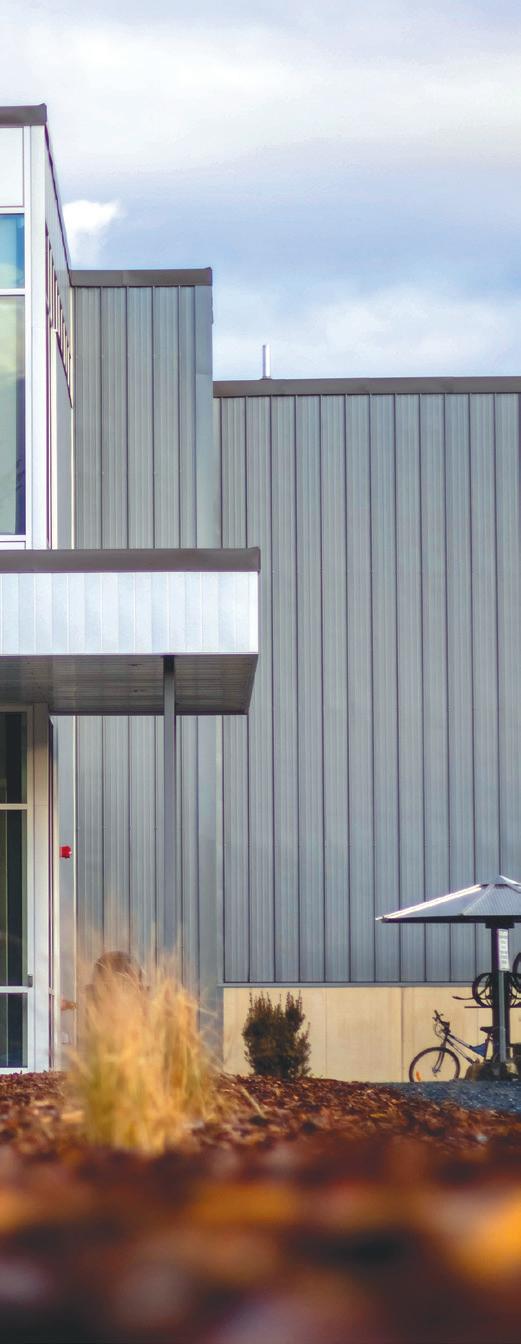
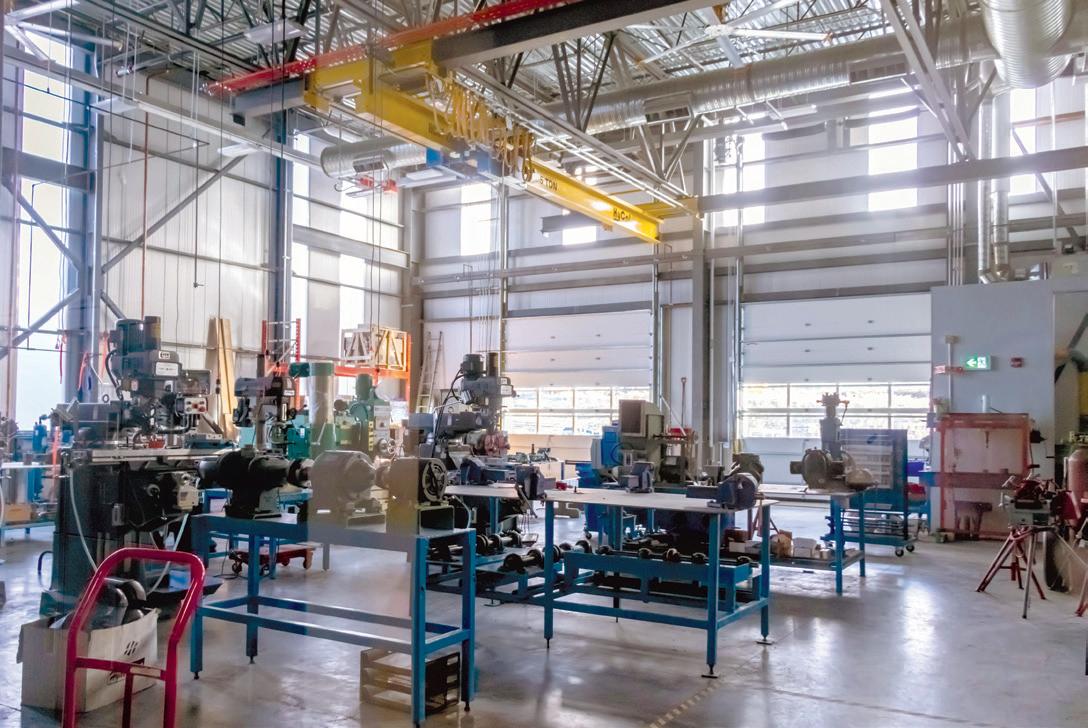
The newest edition to the Cranbrook campus of the College of the Rockies is Patterson Hall: a state-of-the-art trades training facility. It’s aptly named as Patterson was a trades-focused person and an enthusiastic, dedicated supporter of the labour movement. As College of the Rockies was built on his vision and the momentum he created, it’s a perfect way to honour him publicly.
Jack Moes, the Dean of Trades at College of the Rockies, is enthusiastic that the name is a perfect fit. “The naming committee reviewed dozens of suggestions that were submitted by students and staff in a naming contest,” he explains to me, “and this one, suggested by University Studies student Matthew Lavery, immediately stood out. It resonated with all of us.”
It’s an ideal time for the new addition of Patterson Hall, as there’s a high need for skilled tradespeople in our area and current economy. “Job opportunities are terrific in the trades, in general,” Moes says. “The trades have become increasingly sophisticated with lots of new technology that goes into these programs now.” Patterson Hall reflects this: the new space is equipped with the most contemporary and cutting-edge technology. Its design also reflects a focus on teamwork and support, so that students from different trades can work together collaboratively in a multi-use space.
Patterson Hall officially opened its doors in August 2018, in a ceremony that was attended by BC’s Minister of Advanced Education, Skills & Training, as well as Ktunaxa elders and three of James Patterson’s daughters. This celebration marked the end of a construction that went smoothly and efficiently. “It’s interesting: we had about eighteen different companies from the
region involved as subcontractors,” Moes explains. “Some of these people went through the College of the Rockies’ trades programs, and some will eventually be future employers of the students who use Patterson Hall.” It all comes full circle, and now that the ribbon is cut and the school year in full swing, the building will see hundreds of trades students make use of the facility.
Patterson Hall was made possible thanks to an investment of 11.5 million dollars, shared between federal and provincial governments, Teck, Columbia Basin Trust, and College of the Rockies. It’s an investment that will be well worth it, for generations to come: College of the Rockies, continually growing and improving, has become a hub of higher education, drawing a student body from all over the Kootenays, and in some cases, from all over Canada. Students are being prepared for the jobs that they’ll love and that our communities need.
The opening of Patterson Hall is an important example of this exciting expansion. And with the many students who will successfully emerge into thriving careers in the trades after spending valuable hours in the building, it’s one that Patterson himself would be proud of.

IT WAS THE BEST OF TIMES.

IT WAS THE WORKS OF TIME.

W & Portraits: Jeff Pew
P: Teck
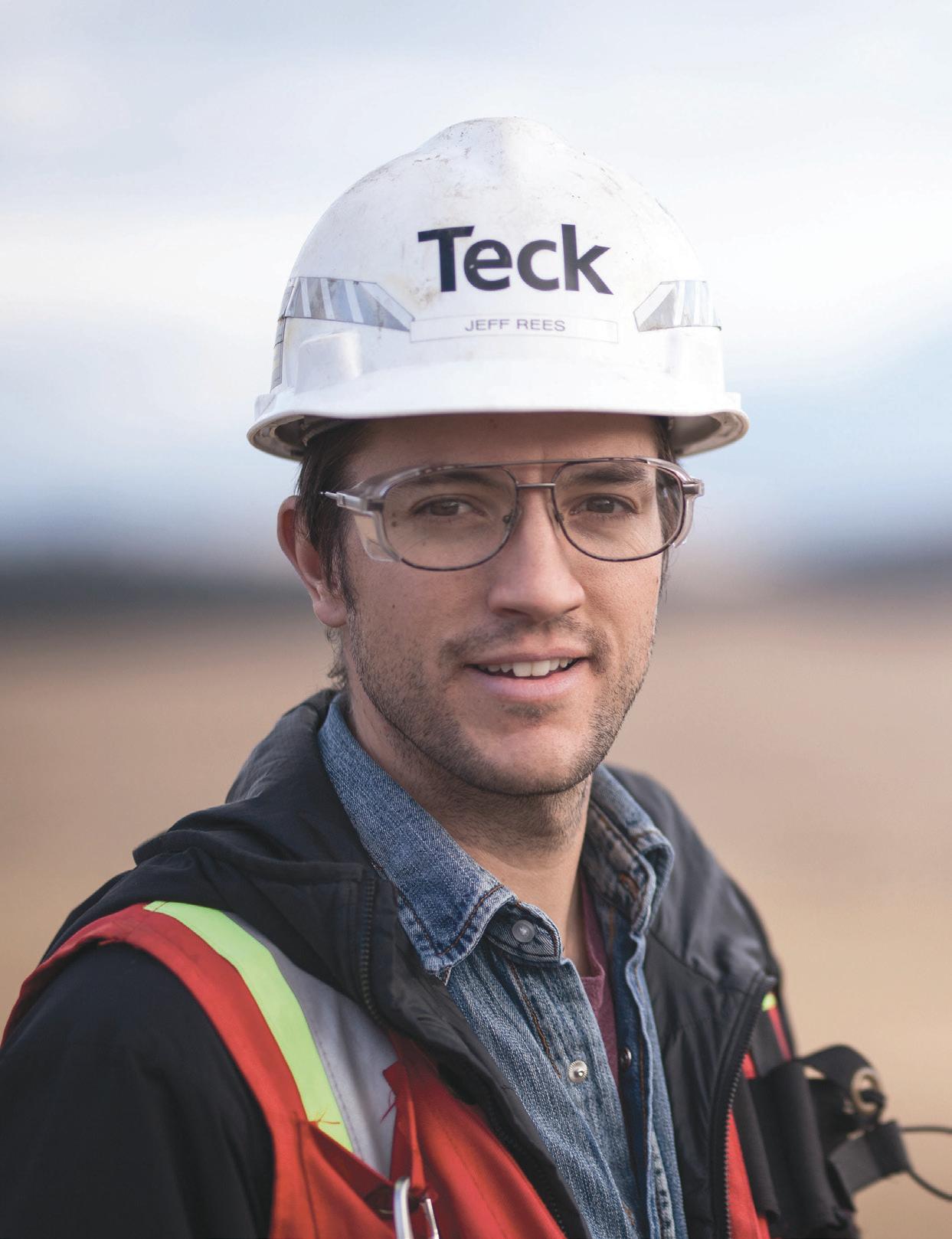
“I remember the moment the ventilation fans shut down,” 34-year-old Jeff Rees says over a beer at the Shed. Now, Teck’s Supervisor of Reclamation and Closure, Rees recalls the snowy December day in 2001 that Kimberley’s Sullivan Mine — one of the world’s largest producers of zinc, lead and silver — ceased production after 92 years of operation. “All of a sudden, everything went quiet,” he says. “The constant hum I grew up with was gone. We weren’t sure what was going to become of Kimberley.”
Now, 17 years later, Rees has a key role in the ongoing management of the legendary mine that gave birth to and sustained his hometown for multiple generations. He and his co-workers based at Sullivan today have a mandate to ensure that the property is diligently managed to protect the local environment, and to also perform the same function for other Teck-owned decommissioned mine sites across Canada. In Kimberley, in particular, the challenge lies in the long-term management of acid rock drainage: the result of water coming in contact with large volumes of rock containing sulfur-bearing minerals.
“Reclamation is an ever-evolving field,” Rees says. “The environmental standards and regulations of the early 20th century have changed; the expectations have increased. I remember stories from previous generations: kids who got into trouble when they returned home because their orange socks meant they were playing in Mark Creek. Now, Mark Creek supports a healthy fish population. My kids can play and splash in it. It’s a focal point of Kimberley’s downtown core. The closure responsibility for some of Teck’s sites can last a long time. At no point do we ever walk away.”







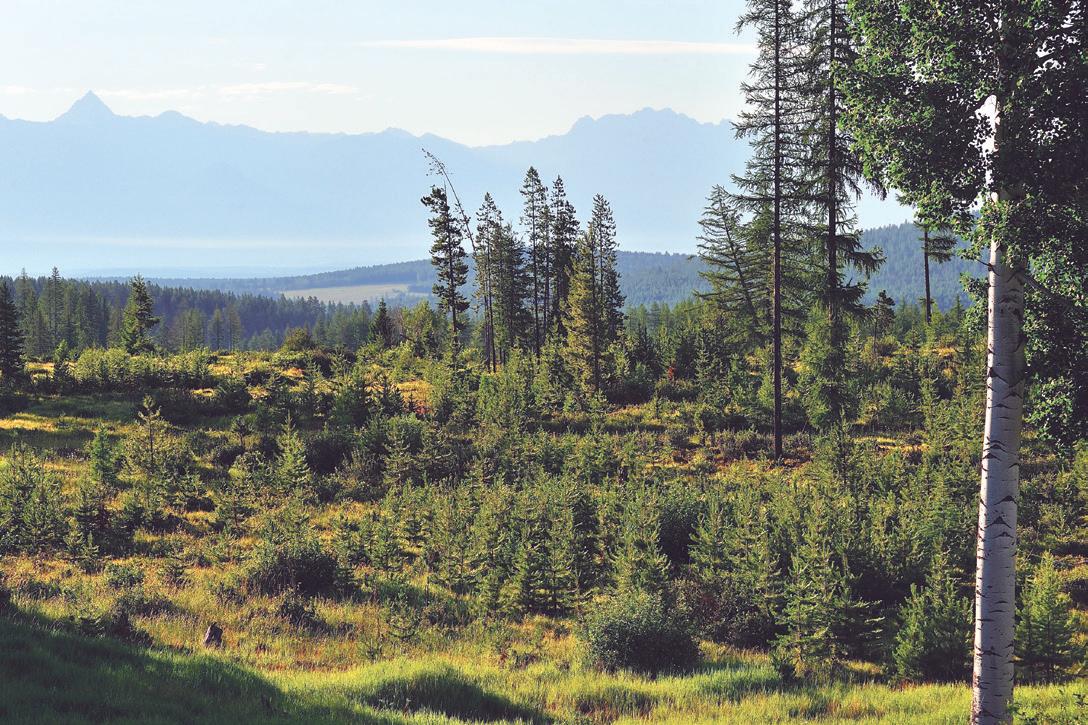
A lot goes on behind the scenes at Teck’s Kimberley office, located on the old Concentrator site on Knighton’s gated gravel road: roughly 30 staff and contractors — engineers, electricians, millwrights, pipe-fitters, equipment operators, project managers, environmental personnel and janitors — maintain the infrastructure at the Sullivan Mine and manage Teck’s legacy properties across Canada.
Teck’s goal for mining reclamation is “to conserve and enhance biodiversity, protect the environment, and turn lands where mining has occurred over to new and productive uses.” Rees explains that this vision and subsequent work began years before the mine shut down. When the company foresaw the exhaustion of the orebody and eventual closure, they worked with the community and the City of Kimberley to develop an economic and environmental transition plan.
As Kimberley began to rebrand itself as a tourism and recreation destination, Teck-owned lands were turned over to the city to help them expand the local ski hill, and to develop residential lots, recreational resorts, golf courses and mining railway tourism.
Public consultation began in 1992 with the formation of the Sullivan Public Liaison Committee (SPLC), which included the then Ktunaxa/Kinbasket Tribal Council, local government, Provincial and Federal Ministries, the local Steelworkers Union, City of Kimberley councillors, Public and the East Kootenay Environmental Society (now Wildsight).
“Since the closure of the mine, Teck has been an outstanding partner in the efforts to help Kimberley minimize the effects of the mining legacy and make those lands not only safe, but productive,” Kimberley’s Mayor Don McCormick says. “Presently, Teck is collaborating with the City to transition the former fertilizer plant land into a business park that will help rebuild the City’s industrial tax base that practically disappeared when the mine closed. As well, the development of Kimberley’s SunMine could not have happened without Teck’s investment of land, money and expertise.”
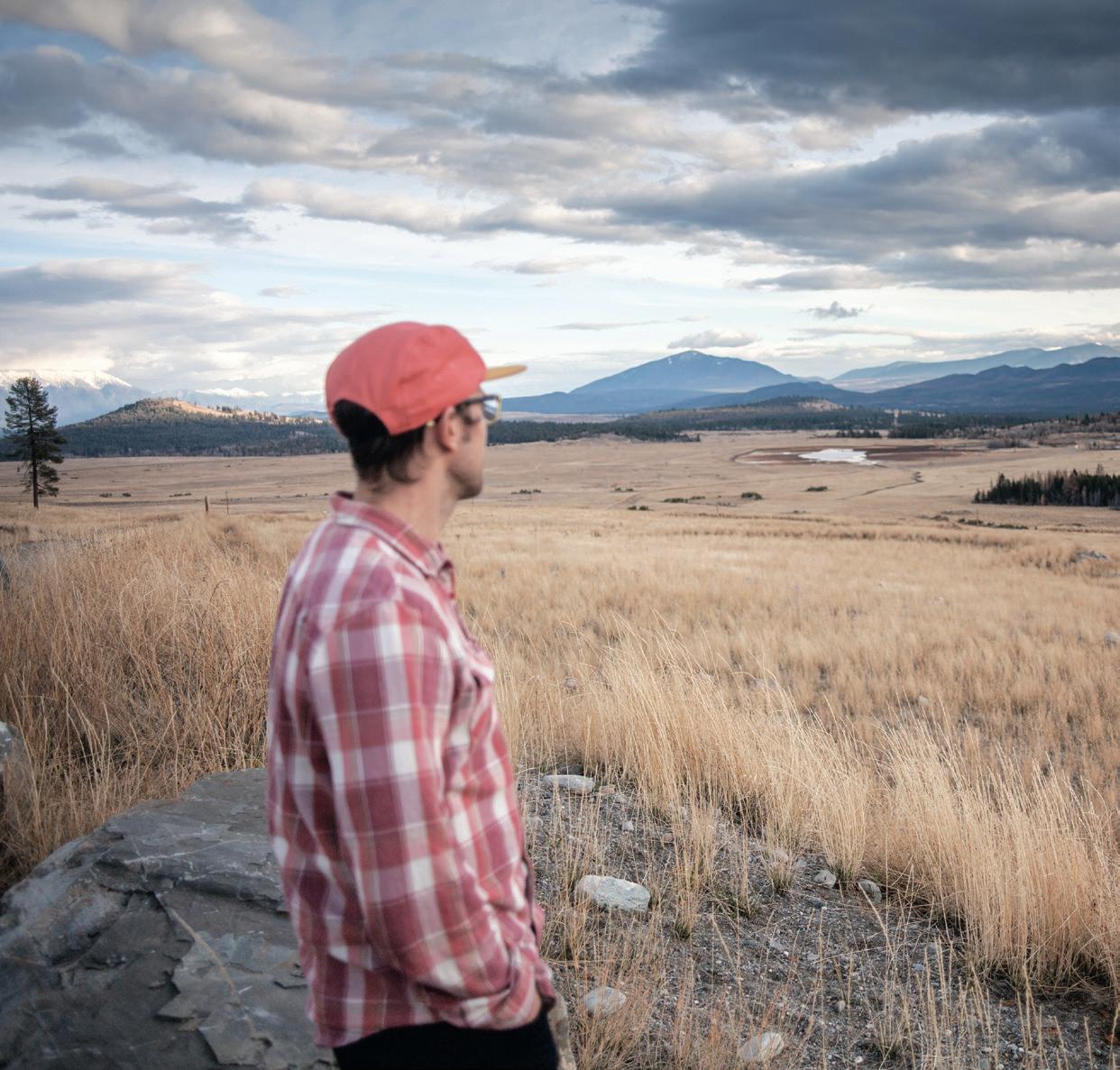
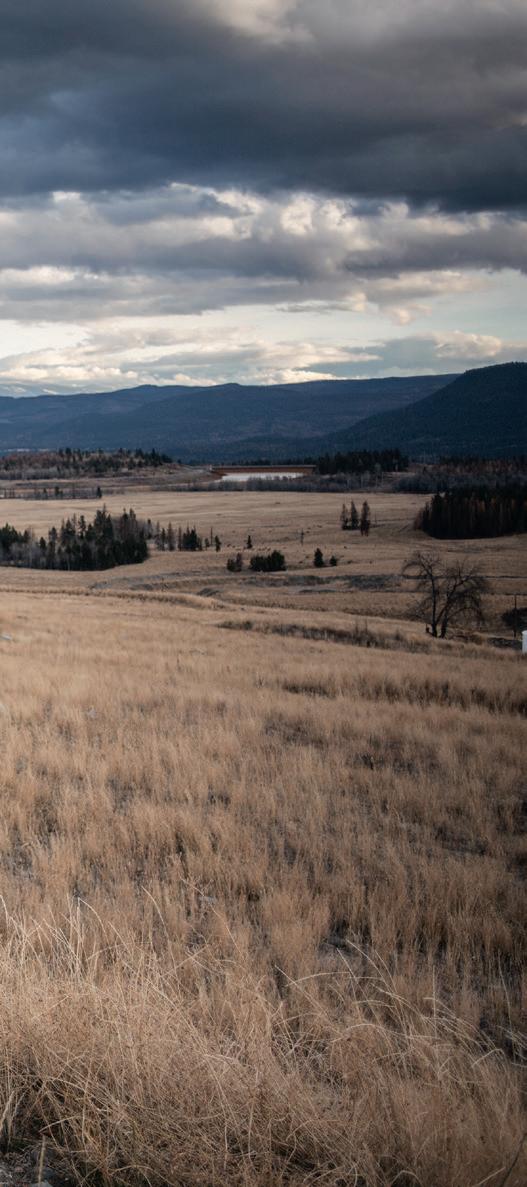
Managing the environmental following almost 100 years of mining is an ongoing focus for Teck and the City of Kimberley. McCormick states that, “Approximately, 17% of the City’s footprint is considered brownfield,” the vacant industrial properties where past actions have resulted in actual or perceived contamination and where there is an active potential for redevelopment. “Teck and the City are working with the Province on a remediation plan that will deal with contaminated groundwater, as well as other considerations.”
The reclamation efforts have focused on the protection of water courses, public health and safety, management of acid rock drainage, water treatment and the physical reclamation of over 1,100 hectares of disturbed lands.
Rees explains the chemical reaction is one which occurs naturally — but which is magnified from mining activities — when water contacts sulfur-bearing rock: “Due to the geology of the area, the water that comes into contact with the waste rock and mill tailings material becomes acidic and mobilizes metals, carrying them into the environment. Our job is to minimize the impact of that.” He summarizes three recent projects Teck is working on to help mitigate this:
Groundwater Interception Trench — Lower Mine Yard Waste Rock Dumps: “When you’re driving towards the ski hill past Gerry Sorensen’s hairpin turn, you’ll see the original entrance to the mine, where hand-sorted waste rock was discarded on the hillside. In the 1990s, Teck revegetated and recontoured the terrain, and installed seepage collection infrastructure to protect Mark Creek from contact
water from the historic waste rock dumps. In 2017, Teck completed the first phase of installing an upgraded groundwater interception trench to improve the overall seepage collection performance.”
Rees explains how contact water from throughout the Sullivan Mine footprint is collected and piped through town to the water treatment plant on the St. Mary River.
Water Treatment Plant Upgrades: “Beside the City of Kimberley’s water treatment plant, is Teck’s Drainage Water Treatment Facility, which has operated for 40 years now. We treat the water that comes into contact with waste rock and the underground water that fills up in the mine gets pumped out twice a year. It involves a network of 14 dykes, 31 pumps, and 24 kilometres of water lines. We’re constantly maintaining and updating the treatment facility to maintain the water purity before it’s released into St. Mary River.”
Revegetation: “On waste rock and the tailing facilities (materials left over after the process of separating the valuable material from the uneconomical fraction of ore) we’ve revegetated the areas with clover, alfalfa, legumes, grasses, trees and shrubs — chosen because of their ability to cycle moisture back into the atmosphere to reduce the water’s contact with waste rock and tailings. There was a lot of research conducted over the years to find the right vegetation species and cover material to use on top of the tailings facilities.” Rees explains that the current focus is now towards native plant species. “In 2019, we’re developing a one-hectare native tree and shrub plantation on the upper mine area, so we can test the success of various species.”
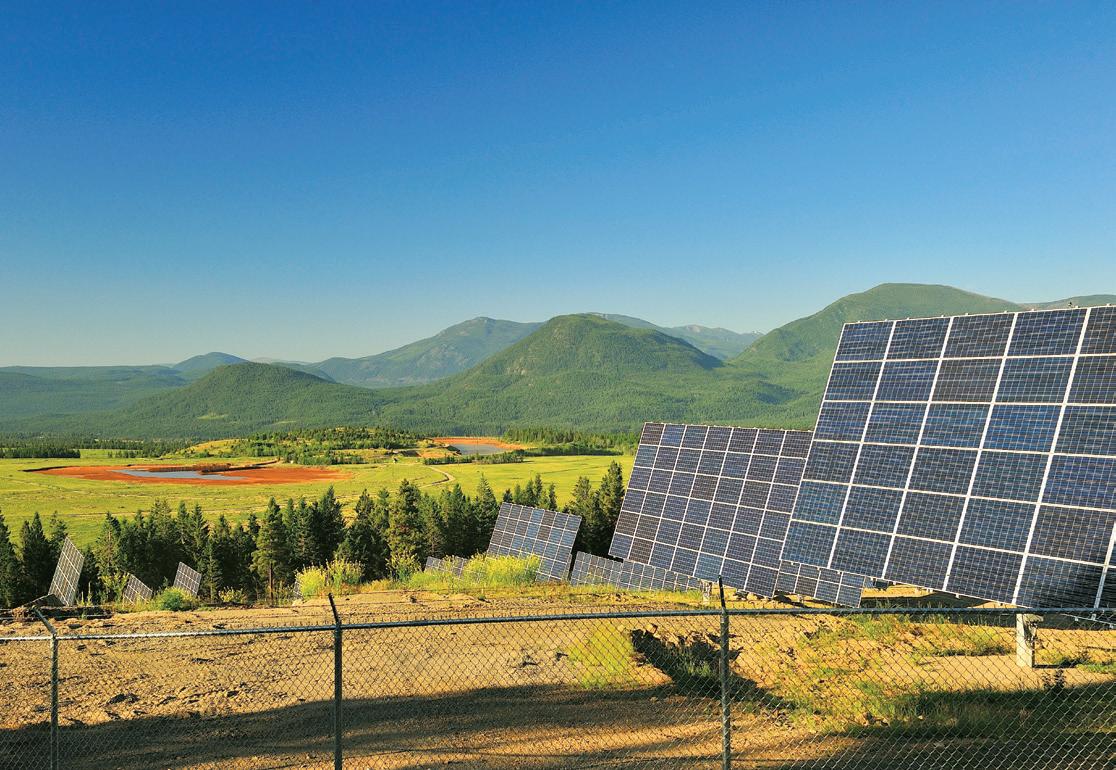
In keeping with Teck’s goal to repurpose reclaimed land after mining, in 2011 it entered into a partnership with EcoSmart and the City of Kimberley to create the first large-scale solar project supported by a Canadian mining company in Canada. Teck provided the land and site infrastructure, as well as $2 million towards the multi-awardwinning project. The SunMine, which is the first solar project in B.C. to sell power to the BC Hydro grid, provides 1.05 megawatt peak production or enough to power about 250 homes in B.C.
It’s clear how much Jeff Rees loves his life. “After Blake Rawson’s outdoor education class, I knew I wanted a job in the outdoors. During my Environmental Management Degree, I kept in touch with Teck’s Michelle Unger, the Manager of Environmental Performance at Sullivan. I always knew this was where I wanted to be. It was my dream job. Six years ago, while I was living in Victoria, Michelle sent me a message: ‘You’re eventually going to want to come home,’ and informed me about an upcoming posting at Teck’s nearby Elkview Operations. During this time, I got to know Teck’s core values at an active mine site, but always knew that Kimberley was where I eventually wanted to be. Three years later, a job opportunity came up in Kimberley. I got the job, moved here with my beautiful wife Paris, whom I met at the Sully Pub, had three amazing kids, and the rest is history.”
Then, Rees takes a sip of beer. He gets misty-eyed. Shakes his head. He sounds a bit like that 16-year-old kid listening in disbelief to the last gasp of a mine. “Kimberley rules. Sometimes, it feels a bit like a dream — like I can really make a difference in this town. And, it’s pretty cool: I get to go home at night and tuck my kids in, and watch them grow up here too.”
W: Shenoa Runge
P: Toni & Nigel Kitto
Kimberley is full of inspiring individuals of all ages, backgrounds, and interests: the 70 and 80-somethings who get more turns on the ski hill than anyone else, the committed seniors who get to the pool multiple days a week for Twinges in the Hinges, the working mothers who leave us in the dust riding up Myrtle Mountain, the teenagers training early in the morning for that scholarship, the elementary students embarking on adventures that would curl the toes of even the most seasoned world travellers, or that growing crew of (possibly mad) ultradistance runners.
But when I considered the concepts of Physical Literacy, a face quickly popped into my mind, and I knew I needed to learn her story.
Toni Kitto grew up being active. Her dad even had family bikes made for his crew, although Toni says that by grade 6 or 7 she was too embarrassed to ride her “Treadwell” bike to school anymore. “Sports always came much more naturally to me than studies, but I was never the best athlete. I always seemed to be 4th.”
After being captain of her high school’s swim team, Toni started training to be a nurse, met Nigel (now her husband), and became increasingly less active. “I rode my bike to Uni or work but didn’t do much else. There was a lot of socializing and going out for drinks at that time.”
A couple of years into their nursing careers, Toni and Nigel took a year off to live and work in the mountains of BC and Alberta. It was here that the Kittos fell in love with the mountains and the activities found there.
Nigel had grown up skiing in Australia, but Toni was fairly new to the sport. It was while at Big White that she started to build her skills and an enjoyment of the sport. Plus, it became apparent early in their relationship that if she wanted to be with Nigel she had better learn to ski.
Life wasn’t the same for the young couple even after returning to Australia in 1996. Toni and Nigel acquired mountain bikes, regularly drove 1000 kilometers to their “local” ski fields, and dabbled in trail running. In February 2006, the Kittos took the leap and moved with their two-year-old, Christopher to Kimberley. They had never been here, but when offered a choice of jobs in hospitals in Trail, Kamloops, Kelowna, and Cranbrook, they made the decision to move to Kimberley after seeing the City’s promotion of the Nature Park and learning there was a ski hill in town.
“We arrived in February and immediately felt more at home than we did at our home in Adelaide. With all the snow, we thought we had arrived in heaven!”
Toni, still a novice skier at the time, started to meet other women who skied and became fully hooked. “It didn’t matter how we looked or how fast we got down the hill, it was just about having fun together in the snow.”
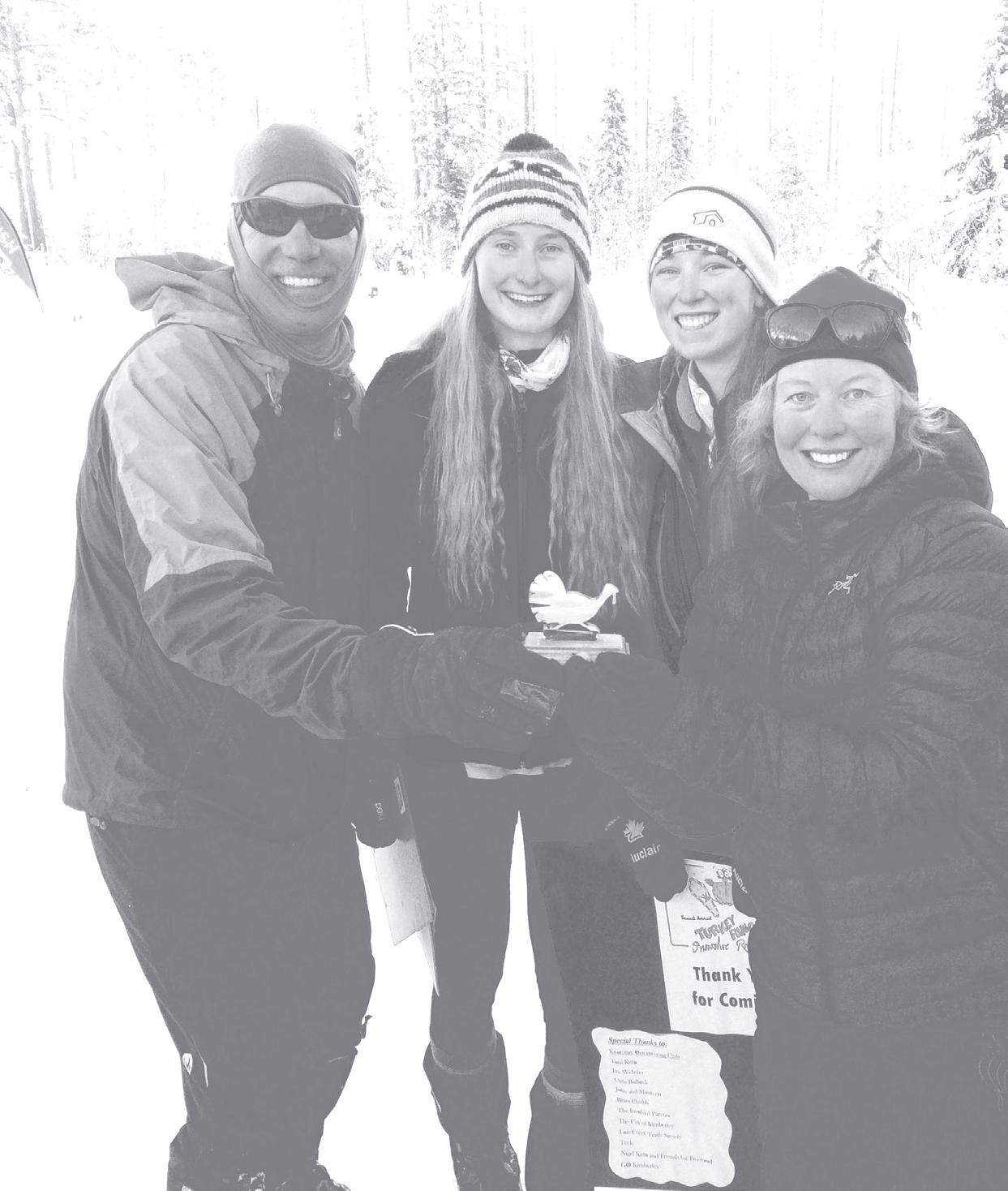
Toni and Nigel also joined the Freewheelers Mountain Bike Club and regularly participated in the Wednesday-night rides. Toni says the trails around Kimberley were nothing like mountain biking in Australia. “Australian mountain biking at the time was often on old forest service roads, so the skinny trails and side hills here frightened me. Everyone in the group was always waiting for me.” Why continue with a sport that scared and humbled her? “I guess I had some inner competition with myself. I knew if I kept at it, it would get better and become more fun.”
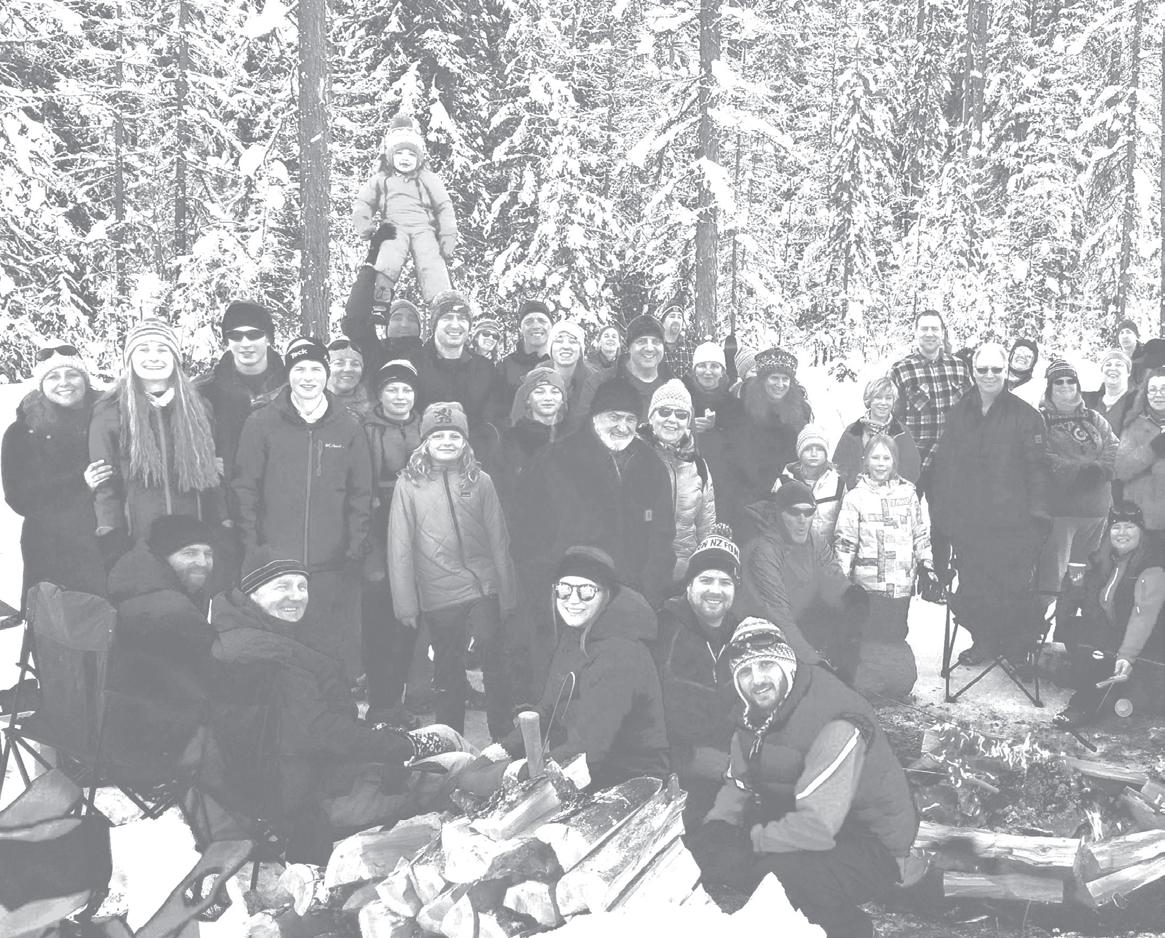
Thirteen years later, Toni is still a member of the Freewheelers. She and Nigel have also become instrumental members of the Kimberley Trails Society and the Kimberley Orienteering Club. They are also among the key visionaries who laid the foundation for the Round the Mountain Festival, the current and expanding network of single-track bike trails, and a growing youth orienteering program which gets kids engaged with our trails in a unique way combining physical activity, route finding, and treasure hunting.
When I asked Toni what being physically active does for her, she answered quickly. “It keeps me mentally well. I have always struggled with anxiety, even having panic attacks at times in my life. I’ve come to know that my mental health is much improved when I make physical activity a priority.”
After spending two hours walking and talking with Toni in Lois Creek, I feel even more inspired by her family’s story. They not only do countless things to support Kimberley in becoming a healthier and active community, but they themselves are active and healthier because of the community they reside in. Their activities are not motivated by achievement or performance but rather about being well in the holistic sense — socially, emotionally, mentally, and physically.
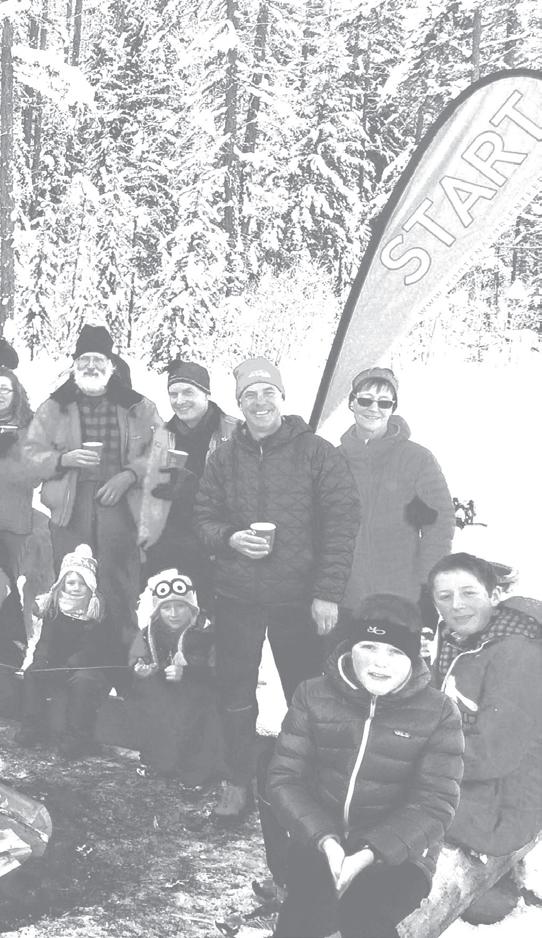
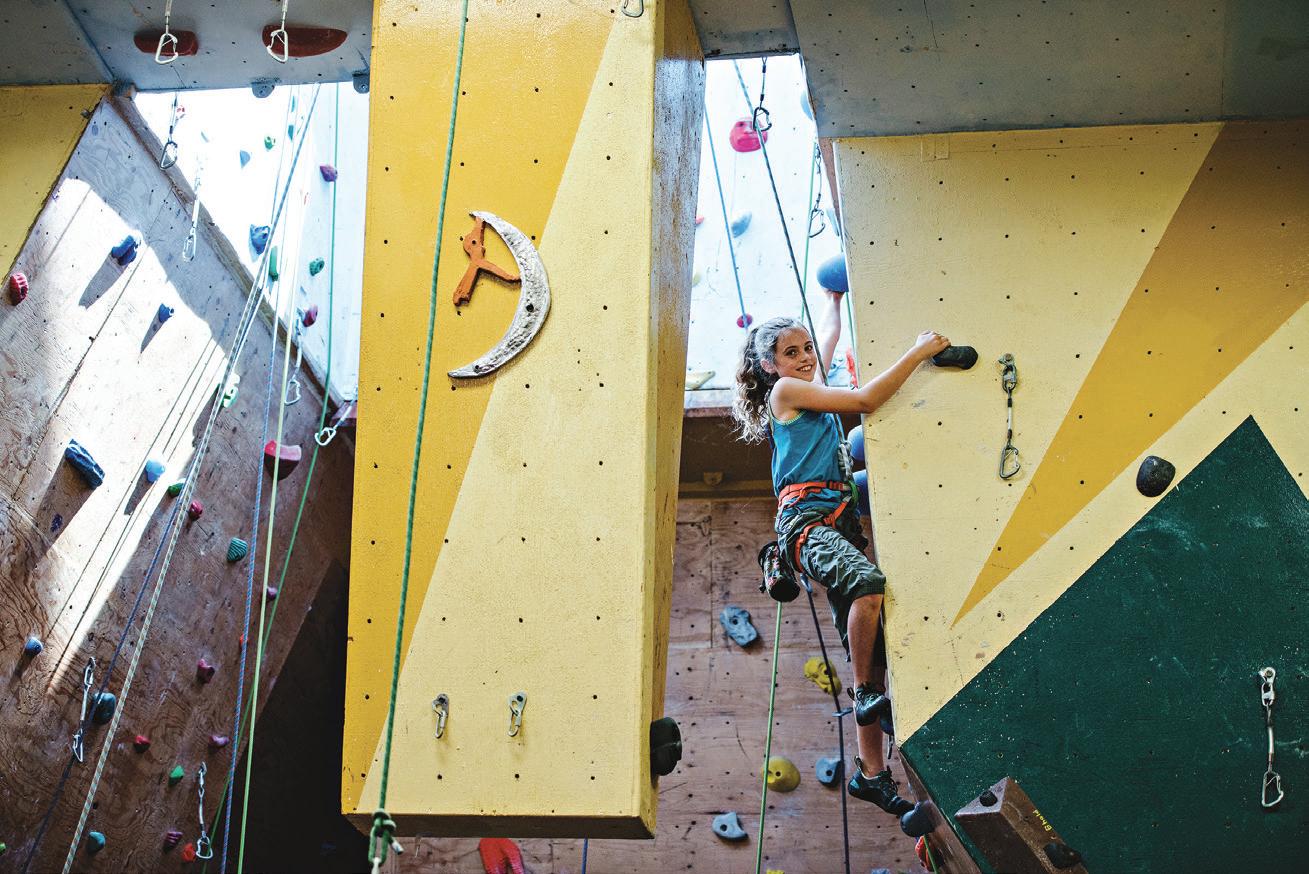
Like literacy and numeracy, Physical Literacy lays the groundwork for a positive relationship with physical activity. It means having fundamental movement skills but also the confidence and motivation to learn new activities and stay active throughout life. Physical literacy is not the same as physical activity but having physical literacy typically results in higher physical activity levels as it means one feels good (physically, mentally, socially, and emotionally) while being active in whatever way suits each of us.
Healthy Kimberley is working with Sport for Life to deliver an education-based physical literacy initiative to our recreation, health, social, education, and sport sectors. If you would like to become involved or are interested in knowing more about this project, please visit the Healthy Kimberley Facebook Page and join our Kimberley Physical Literacy group or contact Shenoa Runge at 250-427-6421 or via email at shenoarunge@gmail.com.
Columbia Basin Trust’s Basin Physical Literacy and Youth Sport (PLAYS) initiative has committed $3,000,000 (over three years) to working with education and sport sectors to improve physical literacy in the Basin’s youth. Grant opportunities are available to sport, recreation, and education sectors. Please visit www.ourtrust.org and search “Basin PLAYS Initiative” for more details.

monday-friday 12pm-10pm saturday and sunday 10am-10pm


Dec 26 – Jan 5 | Holiday Night Skiing | Kimberley Alpine Resort | 5:30-8:30 pm
Dec 27, 28 & 31 | Aquatic Centre Holiday Camp – Ages 5 to 11 | Aquatic Centre | 8:30 am – 4 pm
Dec 31 | New Year’s Eve Family Party in the Plaza | Kimberley Alpine Resort | 7 pm
Dec 31 | Chicago New Year’s Eve Gala | Key City Theatre | 7:30 pm
Dec 31 | New Year’s Eve Fireworks | Kimberley Alpine Resort | 9 pm
Dec 31 | Stemwinder New Year’s Eve Party | Kimberley Alpine Resort | 9 pm
Jan 1 | Annual Sleigh Ride Day | Fort Steele Heritage Town | TBA
Jan 2-4 | Aquatic Centre Holiday Camp – Ages 5 to 11 | Aquatic Centre | 8:30 am – 4 pm
Jan 2-26 | “Unframed” Open Art Exhibition | Centre 64 Gallery | Tues-Sat, 1-5 pm
Jan 4-5 | Banff Mountain Film Festival World Tour | Two Distinct Programs! | Key City Theatre | 7 pm
Jan 5 | Dynamiters vs. Fernie | Kimberley Civic Centre | 7 pm
Jan 10 | Thursday Nights “REC RUT RUNNERS” – Six-week Race Series | Kimberley Alpine Resort | 6-8 pm
Jan 11-19 | Chicago | Key City Theatre | 7:30 pm plus Sunday matinee
Jan 12 | Dynamiters vs. Spokane | Kimberley Civic Centre | 7 pm
Jan 13 | Community Day | Kimberley Alpine Resort | 9 am – 4 pm
Jan 19 | Avalanche Awareness Day | Kimberley Alpine Resort | 12-3 pm
Jan 22 | Dynamiters vs. Columbia Valley | Kimberley Civic Centre | 7 pm
Jan 22 | Have Camera Will Travel: “Peru” by Veronica Paauw | Centre 64 | 7:30 pm
Jan 26 | Snowed In Comedy Tour | Key City Theatre | 8 pm
Jan 28 – Feb 5 | FIS U18 Speed Camp and Races | Dreadnaught Race Run at Kimberley Alpine Resort | Various
Jan 29 – Feb 3 | Art Exhibition by Rhonda Haws & Jacinta Marina | Centre 64 Gallery | Tues-Sat, 1-5 pm
Feb 2 | Dynamiters vs. Creston | Kimberley Civic Centre | 7 pm
Feb 2 | Symphony of the Kootenays – Classical Jazz feat. Guest Conductor Evan Bueckert | Key City Theatre | 7:30 pm
Feb 7-10 | U16 Speed Camp and Super G Races | Dreadnaught Run at Kimberley Alpine Resort | Various
Feb 8 | PechaKucha Night | Key City Theatre | 6 pm
Feb 8-9, 14-17, 20-23 | “Amigo’s Blue Guitar” by Joan MacLeod, Directed by Alexander Gilmour | Cranbrook Community Theatre | Studio/Stage Door | 7:30 pm, 2 pm matinee
Feb 9 | Dynamiters vs. Grand Forks | Kimberley Civic Centre | 7 pm
Feb 15-16 | Flannel Fest 2019 | Music, Contests, & Treats | The Platzl | TBA
Feb 16 | Dufflebag Theatre (for Families) | Key City Theatre | 2 pm
Feb 16 | Dynamiters vs. Golden | Kimberley Civic Centre | 7 pm
Feb 22 | Ballet Jorgen – Coppelia | Key City Theatre | 7:30 pm
Feb 23 | Dynamiters vs. Golden | Kimberley Civic Centre | 7 pm
Feb 26 – Mar 23 | “Spellbound” by Mimi Sahlstrom | Centre 64 Gallery | Tues-Sat, 1-5 pm
Feb 26 | Foreigner – Cold As Ice Tour | Western Financial Plaza | 7:30 pm
Feb 26 | Have Camera Will Travel: “Ladakh, India” by Julie-Ann Davies | Centre 64 | 7:30 pm
Mar 7-9 | Lilith 2019 – A Women’s Show for Women | Centre 64 | 7 pm
Mar 26 | Have Camera Will Travel: “Hiking the Chilkoot Trail” by Lou Patterson | Centre 64 | 7:30 pm


50,000 eyes are nothing to sniff at. That’s a lot of people! It means that every year the combined populations of Kimberley and Cranbrook will see this magazine. Wouldn’t it be great if they were looking at your business, too? Our new directory format gives each ad enough space to stand out and ensures that your business has a consistent presence in each issue for the entire year. Our design team will help build it for a price that will probably surprise you. Send us an email or give us a call to find out more.