How to Apply for an MBA Program The Complete Guide
How to Apply for an MBA Program: The Complete Guide
Thinking about an MBA but confused about how to apply? Whether you're considering a 2-year full-time MBA, a 1-year fast-track program, an Executive MBA, or even an Online MBA, this comprehensive guide breaks down every step of the MBA application process in the simplest way possible.
Research & Shortlist MBA Programs
Strategic Program Selection
Identify programs based on career goals, location, cost, specializations, and rankings. Evaluate employment reports, faculty, curriculum, and alumni network. Attend school webinars, virtual events, and connect with current students.
Enhancement Tip
Reach out to alumni in your target industry to understand which programs have strong placement and networking support. This insider perspective is invaluable for making informed decisions.
Key Resources
MBA Application Process Guide
MBA Admission 2025 Updates
Early Action Applications
Expert Guidance Available: Confused between global and Indian MBA options? Get a personalized school shortlist based on your profile, goals, and budget with GOALisB's MBA Decision Framework. www.goalisb.com | Shruti P | ISB, IIM, MBA Expert | contact@goalisb.com | https://www.youtube.com/@Goalisb
FEATURED FRAMEWORK
GOALisB MBA Decision Framework#
A structured rubric designed to help professionals evaluate and choose the right MBA format based on career objectives, ROI, and flexibility. This proprietary framework simplifies decision-making with three key evaluation factors:
Career Impact
How well does the MBA support career transitions, salary growth, and global opportunities?
Investment vs. Return
What is the opportunity cost, financial ROI, and time commitment?
Flexibility & Learning
Does the program suit your work-life balance, networking needs, and preferred learning style?
Program Fit Matrix: Compare Your Options
Use this comprehensive comparison to evaluate different MBA formats across critical decision factors. Each program type offers unique advantages depending on your career stage and goals.
Need Help Deciding? GOALisB
How to Use the Decision Framework
Identify Priorities
If career transition and salary growth are key goals, look for high ratings in these areas
Evaluate Constraints
Consider work-life balance and flexibility indicators if you're a working professional Match Career Path
Focus on global opportunities and alumni network strength for international careers
Consider ROI
Balance admission competitiveness with return on investment for your situation
Take the Right MBA Entrance Test
Choose Your Test Strategically
Decide between CAT, GMAT, or GRE based on the program's preference and your strengths. Aim for a competitive score: 700+ for top-tier MBAs, 650+ for strong consideration. Consider retaking if your score is below the program's middle 80% range.
Enhancement Tips
If your score is below average but your profile is strong, highlight other academic or leadership strengths
Some schools allow GMAT waiversresearch if this applies to you
Compare GMAT vs. GRE and GMAT vs. CAT to make an informed decision
CAT
Gateway to IIMs and top Indian Bschools
GMAT
Gold standard for global MBA programs
GRE
Flexible option accepted worldwide
Strengthen Your Work Experience
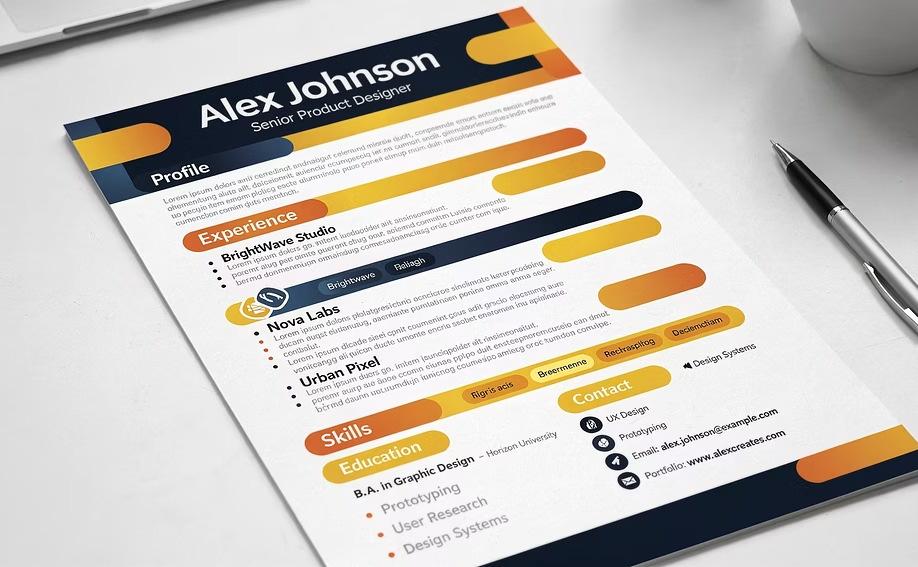
Impact-Driven Resume
Prepare a 1-page MBA-style resume focusing on leadership, impact, and career progression. Highlight quantifiable achievements.
Leadership Roles
Take on leadership roles at work or in extracurricular activities before applying to strengthen your profile.
Quantify Results
Use specific numbers: "Increased revenue by 20%" instead of "Managed sales team" to demonstrate impact.
Pro Tip: MBA resumes should be impact-driven rather than job-description-oriented. Use active verbs: "Led,""Spearheaded,""Transformed" to showcase your achievements.
Not sure how to present your work experience effectively? GOALisB consultants can help you translate your achievements into high-impact MBA resume points. www.goalisb.com | Shruti P | ISB, IIM, MBA Expert | contact@goalisb.com | https://www.youtube.com/@Goalisb
Identify & Engage Recommenders
Making Recommendations Count
Choose Wisely
Select recommenders who know your work well - preferably direct managers or senior colleagues
Strong recommendation letters can significantly strengthen your MBA application. Some schools allow peer or client recommendations if your manager is unavailable.
Key Guidelines
Avoid generic recommendations - ensure they include specific anecdotes about your leadership
Follow the 3 Important Things About MBA Recommendation Letters
Prepare Materials
Create a "cheat sheet" of key achievements to help them craft compelling recommendations
Plan Ahead
Give recommenders at least 4-6 weeks to write thoughtful letters
Provide context about your goals and target programs
Follow up respectfully to ensure timely submission
Write Compelling MBA Essays
Why MBA?
Articulate your career goals and why an MBA is essential now 2
Why This School?
Demonstrate specific fit with the program's unique offerings 4
Explain the timing and urgency of pursuing your MBA 3
Why Now?
Crafting Your Narrative
Use a structured approach with the STAR methodology (Situation, Task, Action, Result) for impact-driven storytelling. Be authentic - don't write what you think the school wants to hear, but rather what genuinely defines your career journey.
Your Story
Use STAR methodology to showcase impact-driven experiences
Enhancement Tips
Draft multiple versions and get feedback from mentors, alumni, or consultants
For career-switchers, explicitly connect past skills ³ MBA resources
³ future goals
Master short answer essays and turn weaknesses into strengths
Write distinctive diversity essays that reflect your unique perspective
Your MBA Essays should reflect your voice, purpose, and potential. Schedule a call with GOALisB experts to craft powerful stories that stand out to admissions committees. www.goalisb.com | Shruti P | ISB, IIM, MBA Expert | contact@goalisb.com | https://www.youtube.com/@Goalisb
Apply in the Right Round
Strategic timing can significantly impact your admission chances and scholarship opportunities. Most schools have three application rounds, each with distinct characteristics.
Round 3 (Mar/Apr)
Round 1 (Sept/Oct)
Best for strong candidates with competitive scores and solid applications. Highest scholarship availability and acceptance rates.
Strategic Considerations
Round 2 (Dec/Jan)
Still excellent but more competitive. Largest applicant pool. Good balance of quality and quantity.
Higher rejection rates. Best for exceptional candidates or unique profiles. Limited scholarship funds remaining.
If targeting scholarships, apply in Round 1 when funding is most available
If your GMAT/GRE needs improvement, better to apply in Round 2 with a stronger score
Round 3 is viable for candidates with exceptional profiles or compelling circumstances
Prepare for MBA Interviews
Tell me about yourself
Craft a compelling 2-minute narrative that connects your past, present, and future career aspirations
Why MBA? Why Now?
Articulate clear, specific reasons for pursuing an MBA at this point in your career
Why Our School?
Demonstrate deep knowledge of the program's unique offerings and how they align with your goals
Behavioral Questions
Prepare STAR-method responses for "Tell me about a time when..." scenarios
Situational Questions
Practice problem-solving responses for "What would you do if..." hypotheticals
School-Specific Formats
Research unique interview styles like Wharton's Team-Based Discussion or Harvard's narrative approach
Master the STAR Methodology: Structure your responses with Situation, Task, Action, and Result to deliver compelling, impact-driven answers that showcase your leadership and problem-solving abilities. Ace your MBA interviews with confidence. GOALisB's mock interview prep simulates real B-school interview formats - from Harvard-style narratives to Wharton team discussions. www.goalisb.com | Shruti P | ISB, IIM, MBA Expert | contact@goalisb.com | https://www.youtube.com/@Goalisb
Post-Application & Decision Making
Navigating Outcomes
If Waitlisted
Submit an update letter showcasing additional achievements, new test scores, or recent promotions
Multiple Admits
Compare offers based on career goals, scholarships, cultural fit, and long-term ROI
Scholarship Negotiation
Leverage competing offers to negotiate for better financial packages
Making the Final Decision
Consider these critical factors when choosing between programs:
Career placement statistics in your target industry
Total cost of attendance vs. expected salary increase
Alumni network strength in your desired geography
Program culture and learning environment fit
Specialization offerings aligned with your goals
Got multiple MBA admits or a waitlist decision? Connect with GOALisB to compare programs, negotiate scholarships, and finalize the right admit for your career goals.
Final Thoughts: Your MBA Success Strategy
Applying for an MBA is a strategic storytelling process. Your application should demonstrate career progression, leadership potential, and a clear vision for your future.
Show Progression
Demonstrate clear career growth and increasing leadership responsibilities throughout your professional journey
Define Clear Goals
Articulate realistic, specific post-MBA career objectives that align with the program's strengths
Demonstrate Fit
Show deep understanding of each program and how its unique offerings match your aspirations
From IIMs and ISB to top global schools like Wharton, INSEAD, and LBS - GOALisB helps you build a winning MBA strategy from start to admit.
Schedule Your Free Consultation Learn More About GOALisB
MBA Admissions FAQs
Get answers to the most common questions about MBA applications, entrance exams, costs, and program selection for 2025 admissions.
When Should I Apply for MBA 2025?
The best time to apply for an MBA starting in 2025 depends on your target schools and application deadlines.
Top Global B-Schools
Round 3 deadlines are in March-April 2025 for Fall 2025 intake. Applications for Fall 2026 will begin in AugustSeptember 2025.
Indian 2-Year MBA Programs
Applications closed in January 2025 for admission through CAT 2024. Next cycle begins with CAT 2025 in November 2025.
IIM 1-Year MBA Programs
Most deadlines have passed for 2025 intake. Applications for 2026 intake will open in July-August 2025.
What is the Entrance Exam for MBA 2025?
India (IIMs & Top B-Schools)
CAT 2025 - November 2025
XAT 2025 - January 2026
NMAT, SNAP, IIFT - Nov 2025 - Jan 2026
ISB & IIM 1-Year Programs
GMAT Focus Edition (New GMAT) or GRE
Global MBA Programs
GMAT Focus Edition or GRE required. Round 1 applications start in September 2025.
Key Change: The new GMAT Focus Edition has removed Sentence Correction & Essays and added a Data Insights section.
In Which Month Does MBA Admission Start?
Global MBA Programs
Round 3 open now for Fall 2025. Round 1 for Fall 2026 starts August-September 2025.
Indian B-Schools
2025 admissions closed January 2025. Next cycle begins November 2025 with CAT 2025.
IIM 1-Year MBA
Final rounds for 2025 closing soon. 2026 applications open July-August 2025.
What is the MBA Age Limit?
There is no strict age limit for an MBA, but ideal age ranges vary by program type.
22-28 2-Year MBA
IIMs and Global MBAs with 0-5 years of work experience
30-45
Executive MBA
Typically with 10+ years of experience
28-35 1-Year MBA
India & Abroad with 5-12 years of experience
40-55 Online MBA
No age limit; flexible for mid-career professionals
Key Insight: If you're above 30 and looking for an MBA, consider 1-Year MBA, Executive MBA, or Online MBA instead of a traditional 2-year program.
Is MBA a Good Option in 2025?
Yes, an MBA remains a strong career option in 2025, especially for roles in consulting, finance, technology, and leadership.
Why MBA is Still Valuable
High ROI
Top Indian B-schools report average packages of ¹25-35 LPA. Global MBAs show $175K+ salaries with bonuses.
Career Switching Power
MBAs enable transitions into consulting, investment banking, product management, and entrepreneurship.
Networking & Exposure
Access to powerful alumni networks and international recruiting pipelines.
Industry Demand
Consulting firms and tech giants continue to hire MBAs. Emerging fields like AI and sustainability boost demand.
Key Considerations
Cost Factor: Top MBAs cost ¹25-40 lakhs in India and $200K abroad
School Brand: MBA value is highly school-dependent
Experience Needed: Most programs prefer 2-5 years of work experience
What are the Fees for MBA in India 2025?
MBA fees in India range from ¹15
and ¹20
Which Entrance Exam is Best for MBA?
The "best" MBA entrance exam depends on where you want to study and your target schools.
MBA Entrance Exams in India
CAT
Gateway to IIMs and many top B-schools. Most recognized exam in India.
XAT
Required for XLRI and 160+ institutes. Known for decision-making sections.
NMAT
Accepted by NMIMS, ISB certificate programs, and global schools in Africa and Asia.
Global MBA Entrance Exams
GMAT
Most widely accepted worldwide. Preferred for top global schools and ISB.
GRE
Increasingly accepted by leading B-schools globally Flexible for other master's programs.
Key Insight: In India, CAT is best for IIMs and top schools. Globally, GMAT remains the gold standard, but GRE is a strong alternative. Choice depends on your career goals and target colleges.
Which MBA Specialization is Best in 2025?
The best MBA specialization in 2025 depends on your career goals and industry trends.
Finance & Investment
Banking
Still the highestpaying specialization. Avg. Salary: ¹25-40 LPA in India, $150K200K globally.
Business Analytics & Data Science
Rising demand due to AI and big data.
Avg. Salary: ¹20-30 LPA in India, $130K-160K globally.
Consulting & Strategy
Top choice for elite B-school graduates.
Avg. Salary: ¹25-35 LPA in India, $150K-175K globally.
Marketing & Digital Strategy
High growth in digital marketing and e-commerce.
Avg. Salary: ¹18-25 LPA in India, $120K-150K globally. How Much Money is Needed for an MBA?
Can I Apply Directly to an
MBA?
Yes, you can apply directly to an MBA after graduation, but most top B-schools prefer candidates with 2-5 years of work experience.
In India
Freshers Allowed: Many Indian B-schools accept candidates right after graduation
Entrance Exams: Must clear CAT, XAT, NMAT, SNAP, or CMAT
Work Experience: Not mandatory for all programs, but strengthens your profile
Abroad (US/Europe/Global)
Experience Required: Most top MBAs require 2-5 years of experience
General Category: Minimum 50% marks in bachelor's degree Reserved Category: Minimum 45% marks
Global MBA Programs
No fixed percentage requirement. Expect strong GPA (often 3.0/4.0 or higher). Greater weight on GMAT/GRE, work experience, and essays.
Ready to Start Your MBA Journey?
Applying for an MBA can be overwhelming - choosing the right program, preparing for exams, crafting compelling essays, and acing interviews all require a strategic approach.
Personalized Roadmap
Get a customized MBA strategy based on your profile and goals
Expert Insights
Guidance on GMAT, GRE, CAT, and top MBA programs worldwide
Application Excellence
Essay reviews, resume optimization, and mock interview prep