
Custom Machin g Services: What
Manufacturers Need to Know Before Outsourcing
Planning to outsource custom machine design? This guide covers what to look for in an engineering partner, key service components, and how to evaluate quality.
Bringing a new machine to production is expensive, time-sensitive, and technically demanding. When the design phase stalls because your in-house engineering team is stretched thin, the question is not whether to get additional engineering support. The question is how to find the right partner and what to verify before work begins.
This guide covers the core elements of professional custom machine design services, what a complete deliverable package looks like, and the specific questions that separate capable engineering firms from ones that will cost you time and rework
The Gap Between Conce uring
Most manufacturers have a clear picture of what a machine needs to do Translating that functional requirement into a production-ready 3D design with full manufacturing documentation is where the engineering work actually happens
An experienced machine design firm starts with the operational specification and works through concept development, component layout, structural sizing, motion analysis, and documentation. Manufacturers evaluating these stages can compare them with the workflow outlined in the Global Machine Design Services engineering hub. Each stage builds on the previous one. A firm that skips directly to CAD modeling without a proper brief review typically produces designs that require significant revision
The firms worth working with treat the brief as the foundation They ask about load requirements, environmental conditions, integration with existing production lines, maintenance access, and material preferences before opening the CAD software
What a Complete Machine Design Package Should Deliver
A professional custom machine design service should deliver more than 3D models. The complete package covers several connected outputs.
Concept design: Initial 3D layout showing machine configuration, key component positions, and overall envelope dimensions This stage is reviewed and approved before detailed design begins
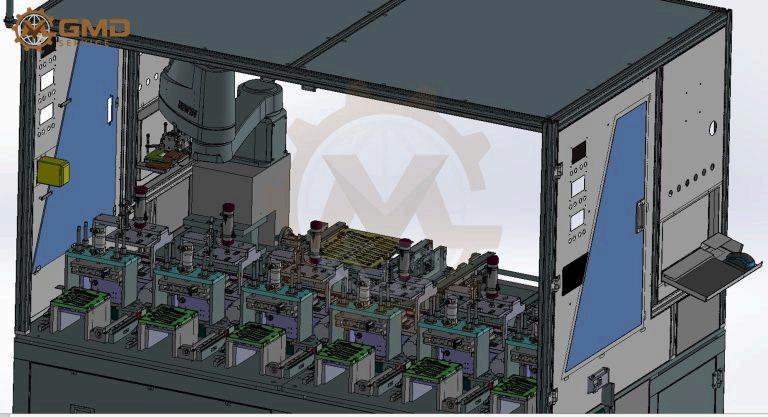
Detailed 3D assembly design: Full parametric assembly model with all components modeled, positioned, and constrained. Component selection is based on load requirements, cycle rate, and the client's preferred suppliers where specified.
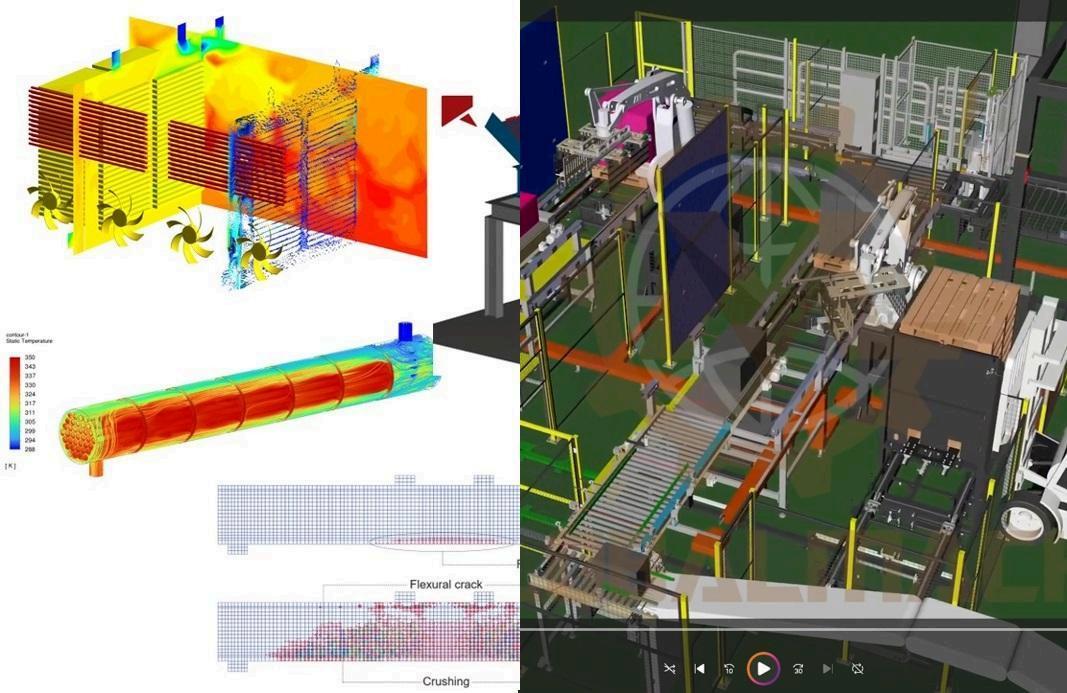
Structural validation: FEA or hand calculations confirming that structural members, frames, and load-bearing components meet safety factors for the operating conditions This is not optional for any machine that carries load or moves people or materials
Manufacturing drawings: Fully tole all custom components, with GD&T annotations where required Assemby g g p rt relationships, fit conditions, and assembly sequence
Bill of materials: A structured BOM listing all purchased components with part numbers, specifications, and quantities. An integrated BOM produced directly from the 3D model reduces errors compared to a manually compiled list.
Technical documentation: Assembly instructions, maintenance guidance, and any regulatory documentation required for the target market
Global Machine Design Services (GMD Engineering), a Vietnam-based remote engineering firm with over 10 years of industrial design experience, structures every engagement around this full output set. Their engineering team has delivered production-ready design packages for clients across Europe, North America, and Australia, including automotive welding machines, robotic palletizing systems, and custom assembly equipment. See the full capability overview at their engineering services resource.
Software Platform: Why I
The CAD platform an engineering firm uses is not a minor detail When your internal team needs to review, modify, or hand off the design files to a downstream supplier, the format has to be compatible
Autodesk Inventor is the standard in industrial machine design for good reason. Engineering teams that specialize in this workflow, including GMD Engineering, typically deliver production-ready CAD data with fewer downstream revisions. It handles large multi-component assemblies reliably, manages design automation through iLogic scripting, and integrates directly with Autodesk Vault for document version control. Manufacturing drawings are produced directly from the 3D model, which means dimensions are always consistent with the geometry
A firm that works in Inventor daily produces files that integrate cleanly into manufacturing workflows that use the Autodesk ecosystem Conversion from SolidWorks or CATIA is possible but adds a layer of file management risk
Before signing an agreement, confirm that the engineering firm works in the same platform your internal team and suppliers use. This single step eliminates a common source of friction during the review and revision process.
Evaluating an Engineering Partner Before the Project Starts
A strong portfolio is the most reliable evidence of capability Not a gallery of generic 3D renders a portfolio of delivered industrial projects with enough detail to understand the machine type, the complexity, and the application
Four questions worth asking directly:
What industries have you designed machines for? A firm with conveyor and automation experience in food and packaging understands throughput requirements, hygiene design, and rapid-changeover constraints differently from a firm that has only worked in general manufacturing
Can you share examples of FEA or vious projects? Reviewing a detailed FEA and motion simulation g p acturers understand what professional validation should include before fabrication begins Structural analysis output shows the level of engineering rigor applied to design decisions
What is your revision process? Understanding how design reviews are handled, how feedback is incorporated, and how many revision cycles are included reveals a great deal about how a project will actually run.
Do you work under NDA? Sharing proprietary machine specifications with an engineering partner requires a signed non-disclosure agreement before any technical information changes hands Any credible firm will have a standard NDA ready
The Cost Case for Outsourced Machine Design
In-house engineering capacity comes with fixed overhead: salaries, software licenses, training, equipment, and management time. For project-based or seasonal machine design requirements, maintaining that overhead year-round is rarely cost-effective.
Offshore engineering firms serving European and North American manufacturers from Vietnam operate at a cost structure that makes the comparison straightforward The same engineering output same CAD platform, same documentation standards, same structural rigor at a fraction of the in-house equivalent cost
The qualification to add is that cost is not the right selection criterion on its own A low-cost firm that requires significant rework, misses tolerancing requirements, or delivers non-standard documentation creates costs that eliminate the initial saving. The selection criteria that matter are engineering experience in the relevant machine type, demonstrated portfolio, and a clear project management process. Copyright © 2026 Gmd.Engineeing
Key Takeaways
Custom machine design services should deliver a complete output package: concept design, full 3D assembly, structural validation, manufacturing drawings, BOM, and technical documentation
Platform compatibility matters Confirm the engineering firm uses the same CAD software as your internal team and downstream suppliers.
Review actual delivered projects, not rendered portfolio images Real portfolio evidence shows what the firm can actually produce for your type of machine
Cost advantages in offshore engineering are real, but engineering quality and process structure should drive the selection decision
Global Machine Design Services delivers custom machine design, Autodesk Inventor modeling, FEA simulation, and manufacturing documentation to manufacturers worldwide. Readers can also explore the complete engineering capability overview before requesting a consultation.
FAQ
What does custom machine design include?
Custom machine design typically includes concept development, 3D CAD modeling, detailed assembly design, component selection, structural analysis, and manufacturing documentation. A complete package delivers production-ready drawings that a manufacturer can take directly to the production floor.
How long does custom machine design take?
Timeline depends on machine complexity A straightforward single-purpose machine may take two to four weeks Complex multi-station assembly machines or automated systems typically require six to twelve weeks An experienced engineering partner will provide a clear timeline after reviewing the project brief
What software is used in professional machine design services?
Professional machine design firms u software such as Autodesk Inventor, SolidWorks, or CATIA Autodesk Inv y ndustrial machine design because of its strong assembly management, design automation via iLogic, and integrated BOM and manufacturing documentation
Is it safe to outsource custom machine design?
Outsourcing machine design is standard practice among manufacturers worldwide. The key factors are verifying the engineering team's relevant experience, reviewing their actual portfolio, confirming they use the same CAD platform as your internal team, and establishing a clear NDA before sharing any technical information