Afaf Kontar Chief Operating Officer of Darwish Bin Ahmed & Sons CO. LLC., and United Motors & Heavy Equipment Co. LLC.

Mikael Lindner
Senior Vice President, Managing Director and Head of MAN Truck & Bus Middle East, Africa & CIS regions


















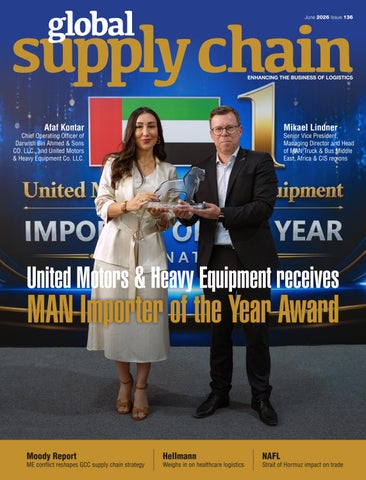
Afaf Kontar Chief Operating Officer of Darwish Bin Ahmed & Sons CO. LLC., and United Motors & Heavy Equipment Co. LLC.
Mikael Lindner
Senior Vice President, Managing Director and Head of MAN Truck & Bus Middle East, Africa & CIS regions



Full offering








- Full range vehicles with the most advanced technologies
- Highly customized product driven by market needs and optimized Total Cost of Ownership
High capillarity of aftersales




European technology

- High quality complete line-up in terms of tonnage, power, torque, safety, ergonomics
- High performance and robust trucks for extreme Off-road conditions




- Repair and Maintenance contracts and competitive warranty conditions
- Origin 100% IVECO Parts and a widespread network coverage


Customer centricity




- Comfort, ergonomics and the latest safety technology to make on board easier
- Driver Style Evaluation tool on Heavy ON-road range and optimized vehicle design to improve customer profitability










visibility solutions.
Connecting healthcare to patients, without compromise.
With our expanding regional network, dedicated heal thcare expertise and regional hub set up, we support safe, compliant, an d efficient movement of critical pharmaceutical and life sciences products — connect ing healthcare to patients without compromise.
H ellmann Healthcar e Logistics enables healthcare supply chains across the Middle East through GDP-compliant warehousing, temperature-cont rolled transport, and end-to-end visibility solutions.
With our expanding regional network, dedicated heal thcare expertise and regional hub set up, we support safe, compliant, an d efficient movement of critical pharmaceutical and life sciences products — connect ing healthcare to patients without compromise.
Turkey
Egypt
Regional Healthcare Distribution Center
United Arab Emirates
Saudi Arabia
Turkey
Egypt
India
Regional Healthcare Distribution Center
United Arab Emirates
South Africa
Saudi Arabia
India
South Africa
GET IN TOUCH!
Peter Delkuti
Strategic Account Director IMEA
GET IN TOUCH!
Healthcare
Email: Peter.Delkuti@hellmann.com
Peter Delkuti
Strategic Account Director IMEA

SIGNATURE MEDIA FZ LLE
P. O. Box 49784, Dubai, UAE
Tel: 04 3795678
Email: info@signaturemediame.com
Exclusive Sales Agent Signature Media LLC
P.O. Box 49784, Dubai, UAE
Publisher: Jason Verhoven jason@signaturemediame.com
Editor: Abigail Mathias abigail@signaturemediame.com
Art Director: Johnson Machado johnson@signaturemediame.com

People are the driving force behind every successful logistics system. Even in an era dominated by automation and data, its human judgment, coordination, and problem solving that keep supply chains resilient and responsive. Logistics depends on people to interpret real time disruptions, build reliable partnerships, ensure service quality, and make strategic decisions that technology alone cannot replicate. In short, people transform logistics from a mechanical flow of goods into a smart, adaptive network capable of meeting global demand.
Printed and Distributed by Masar Printing and Publishing L.L.C., Part of Dubai Media Incorporated Dubai, UAE
Contributor’s opinions do not necessarily reflect those of the publisher or editor and while every precaution has been taken to ensure that the information contained in this magazine is accurate and timely, no liability is accepted by them for errors or omissions, however caused. Articles and information contained in this publication are the copyright of Signature Media FZ LLE & SIGNATURE MEDIA LLC and cannot be reproduced in any form without written permission.
Our June issue is dedicated to the human endeavour that fuels the driving force of this resilient industry. With close to two decades of experience, Anna Mansurova, Head of Healthcare IMEA and Managing Director, Hellmann Calipar Healthcare Logistics discusses some of the most pivotal decisions that shaped her leadership approach.
Sam Achampong, Regional Director, CIPS AMEA (Asia, Australasia, Middle East and Africa) narrates why retaining talent is crucial in times of uncertainty. Robin Vermaat of Scan Global Logistics discusses the impact of people behind the processes. These are just some of the worthwhile inputs bring forward. Besides this, we have all the latest supply chain news. Finally, there could be no more truth than this: ‘logistics moves products, but people move logistics.’
Happy reading.
Abigail Mathias Editor
abigail@signaturemediame.com www.globalsupplychainme.com

YOUR
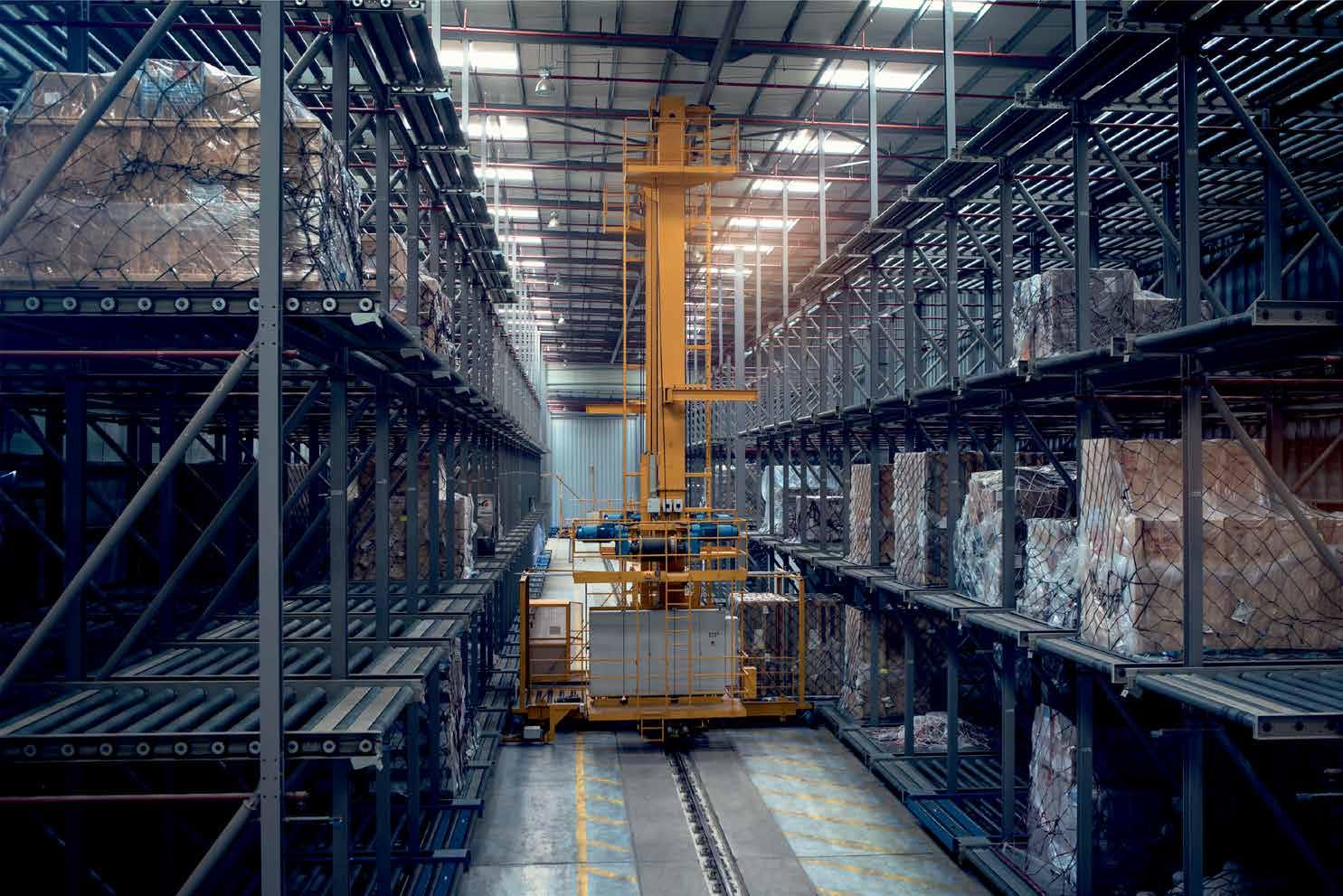
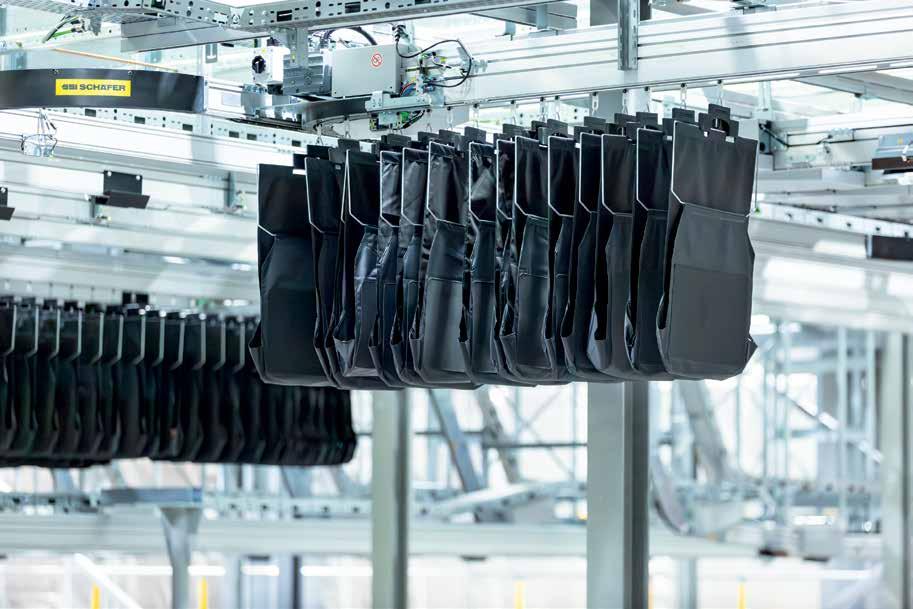
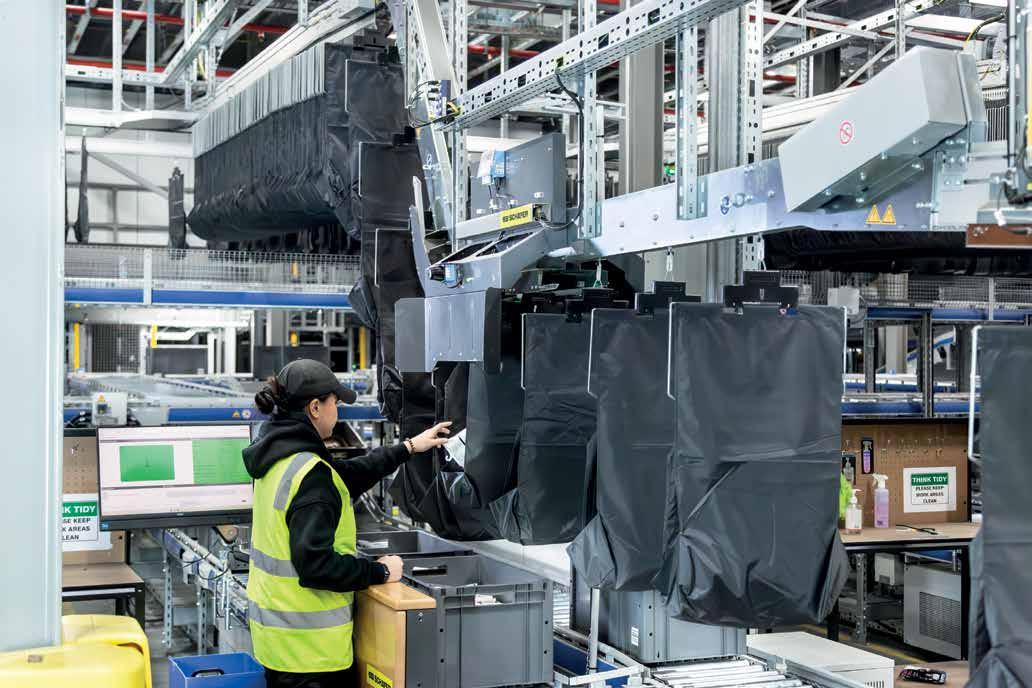
FOR AIR CARGO HANDLING AUTOMATION

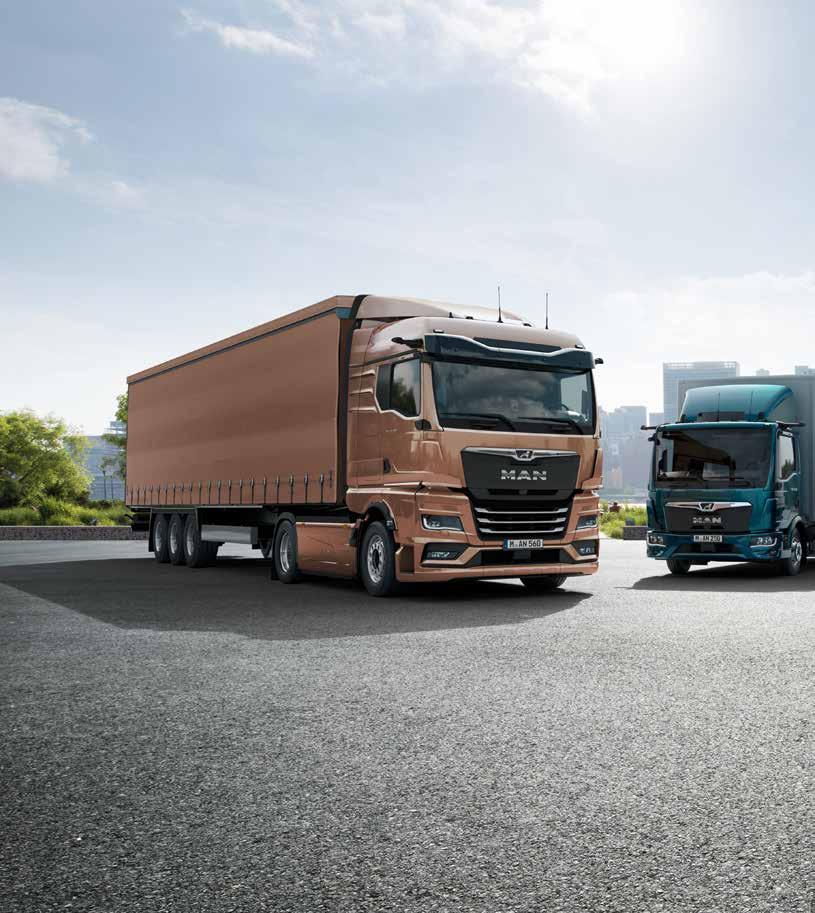

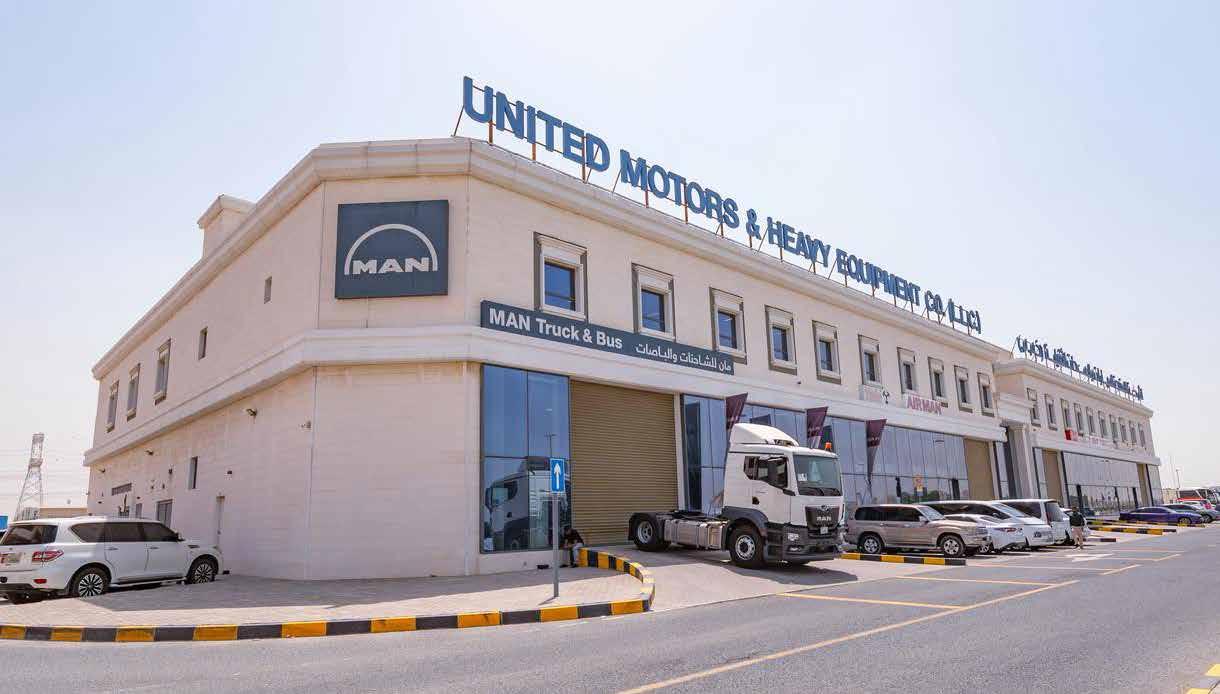
The UAE has establishments intertwined with the growth of the country. Darwish Bin Ahmed & Sons Group CO. LLC is one such enterprise. Established in 1964, DBA has evolved strategically over the years, building a strong presence across a wide range of sectors, including infrastructure, material handling, oil field services, quarry and mining, air conditioning, and transportation. Over time, DBA has left an indelible mark on Abu Dhabi’s landscape. From iconic landmarks like the Sheikh Khalifa Bridge and the Sheikh Zayed Tunnel to the city’s bustling fleet of buses, the Group has been an integral part of the capital’s growth story.
Darwish Bin Ahmed & Sons has demonstrated consistent, healthy growth over many years, with exceptionally strong results in 2025.
• Secured one of MAN’s largest-ever city bus contracts – 400 units
• Successful launch of the MAN TGE Van
• Deployed the first Euro 6 trucks in the Middle East
• Increased truck sales by more than 50%
“By 2030, this industry is set to evolve through three key trends: cleaner powertrain technologies, more connected and intelligent fleets, and a heightened emphasis on total cost of ownership and sustainability.”
United Motors & Heavy Equipment Co. LLC (UMHE), as a key entity within the DBA Group, represents this legacy in the commercial vehicles and heavy equipment space, delivering the expertise, capability, and local partnership that are essential to supporting customers and driving continued progress in the region.
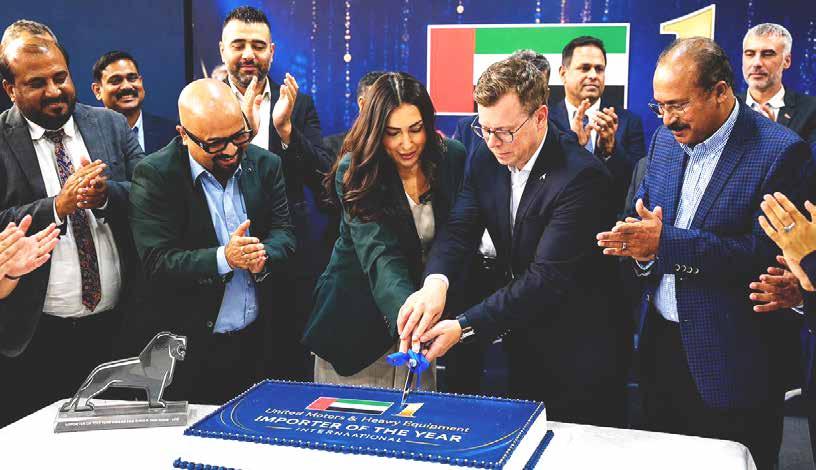
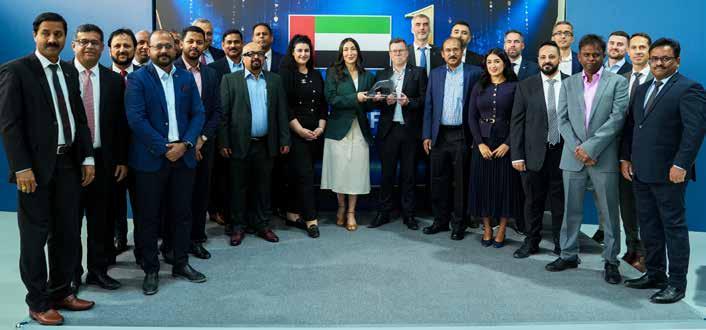
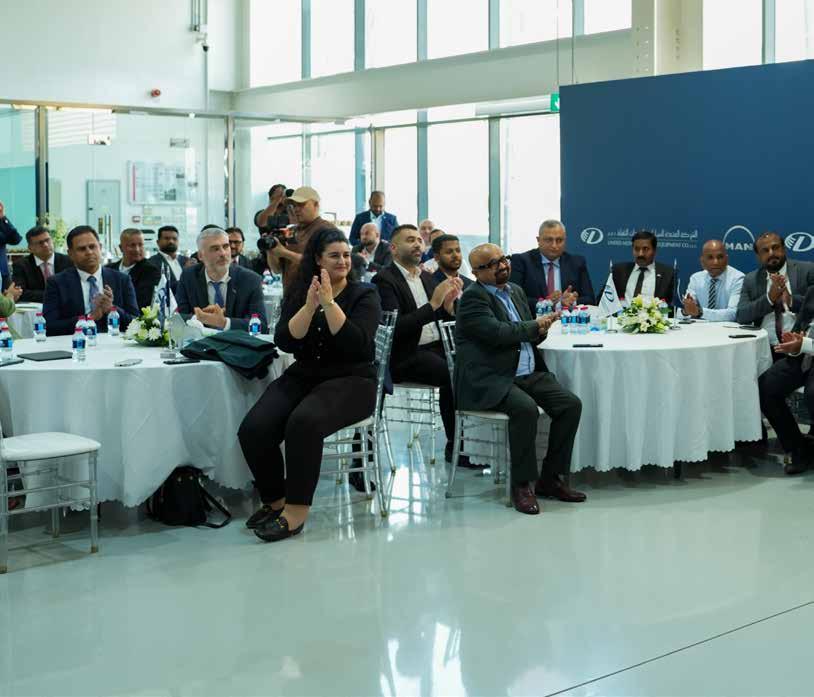
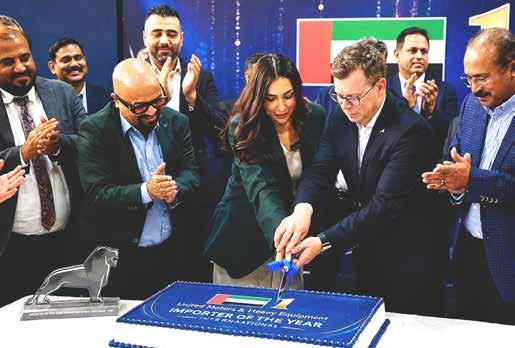
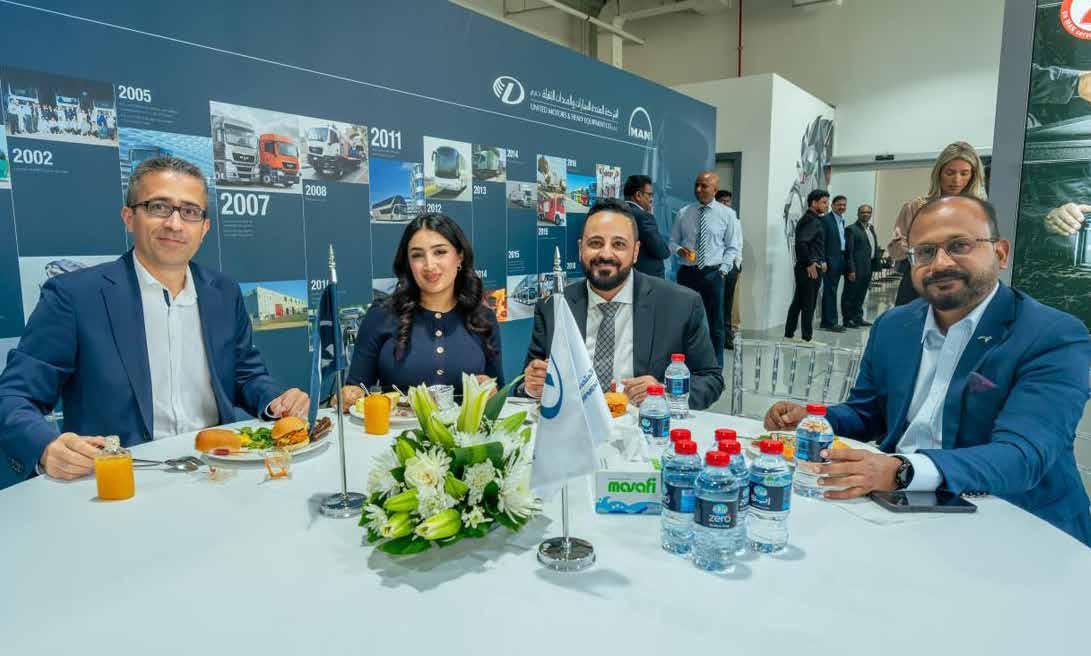
In 2025, the company celebrated its 30-year anniversary between MAN and Darwish Bin Ahmed & Sons. United Motors & Heavy Equipment is one of the region’s leading and respected names for machinery, products, parts, and services. Recently, United Motors & Heavy Equipment won, ‘MAN Importer of the Year – International 2025.’
President, MD and Head of MAN Truck & Bus Middle East, Africa & CIS regions, including the ceremonial handover of the legendary green MAN blazer, to Afaf Kontar, Chief Operating Officer of Darwish Bin Ahmed & Sons, and United Motors & Heavy Equipment CO. LLC., recognising outstanding performance, partnership, and excellence at an international level. We discover the strategic plans of the group, in an exclusive interview with Afaf Kontar, and Mikael Lindner.
GSC: DBA has just been named “MAN Importer of the Year – International 2025.” What do you believe were
Afaf Kontar: In just three words I can say, reliability, trust and performance are the defining factors for this achievement.
GSC: How has the UAE’s rapidly evolving logistics and infrastructure landscape shaped your strategy for MAN’s commercial vehicle operations in the region?
Afaf Kontar: Our strategy has been shaped by effective planning with “After Sales Performance,” by maintaining the maximum inventory to achieve on time maintenance, our logistics partners collaboration and delivery to our valuable customers shaped MAN’S commercial operations in UAE.
GSC: Sustainability is becoming a core requirement in fleet operations. How is MAN integrating low emission technologies, and how is UMHE supporting customers in transitioning to greener fleets?
Mikael Lindner: Sustainability and efficiency are no longer differentiators; they are fundamental requirements. For our customers, they are directly linked to total cost of ownership, operational performance, and increasingly also to regulatory compliance and brand positioning.
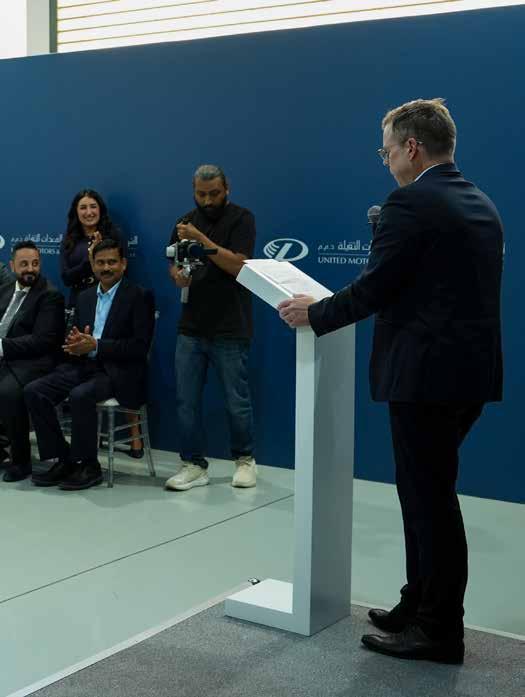
At MAN, we address this in a very pragmatic and customer-centric way, combining advanced technology with real, measurable impact.
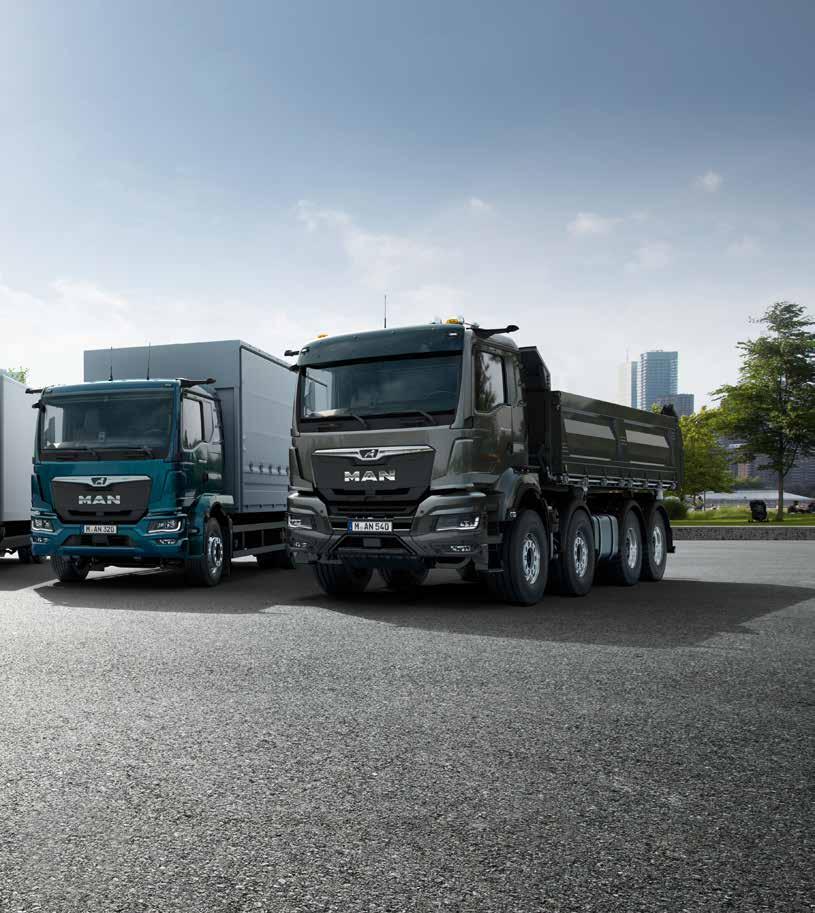
A good example is the introduction and deployment of the first Euro 6 trucks in the Middle East in 2025, where we partnered with United Motors & Heavy Equipment to deliver 40 vehicles to a renown local fleet. These trucks meet the most stringent emissions standards globally, significantly reducing harmful pollutants compared to previous generations of trucks.
What is particularly important is the tangible business impact: The customer expects approx. 17% annual reduction in CO₂ emissions from these vehicles alone. This demonstrates that sustainability is not just a vision, it delivers measurable results in day-to-day operations.
At the same time, we continue to innovate on highly efficient conventional powertrains, because in many regions and applications, they remain essential.
For example, the new MAN D26 engine, now available in the MEA & CIS region, delivers 540 horsepower and 2,650 Nm of torque, making it ideal for heavyduty applications such as construction and heavy haulage – key industries in our region – while also reducing fuel consumption and emissions.
So, our approach is not one-size-fitsall. It’s about providing the right solution for each application, market maturity, and individual customer need.
Looking ahead, we are committed to low-and zero-emission technologies, particularly battery-electric trucks and buses, which are becoming increasingly viable for urban and regional transport. However, introducing new technology alone is not enough, the real task for our customers is the transition. That’s why we position MAN as a true solution partner, supporting our customers end-to-end.
Ultimately, our goal is to make sustainability practical, scalable, and economically viable. Because the transition to greener fleets will only succeed if it works for our customers’ business and that’s exactly where we focus: delivering customised solutions that combine low emissions, high efficiency, and a compelling total cost of ownership.
Afaf Kontar: Building on that, our approach at UMHE is closely aligned with MAN’s ambition to push technological boundaries and bring innovative solutions to the region. We actively work with forward-thinking, innovation-driven partners and customers, who are often first movers within their industries and are willing to take the lead in adopting new
technologies, whether that is electric or, in the future, hydrogen-powered vehicles. At the same time, we recognize that the transition to greener fleets does not follow a single path for all customers. While new technologies are critical, there is also significant potential in improving fleet efficiency, performance, and cost through second-life solutions. This is
where MAN TopUsed plays a key role.
For customers who may not yet be at a stage where a brand-new fleet is feasible, whether due to financial, operational, or market considerations, TopUsed offers a highly attractive and practical alternative. These vehicles are carefully selected, refurbished, and optimised to deliver strong performance, reliability, and efficiency, repeatedly exceeding expectations associated with used vehicles.
In many cases, TopUsed solutions enable customers to enhance fuel efficiency, reduce emissions, and improve overall fleet economics, making them a valuable stepping stone in the broader sustainability journey.
So, while we are committed to driving innovation with new technologies, we are equally focused on ensuring that every customer has a viable, scalable path toward greener operations, whether that starts with the latest zero-emission vehicles or with smart, efficient second-life solutions.
GSC: What shifts are you seeing in customer expectations—particularly in sectors like construction, logistics, and transportation—and how are MAN trucks evolving to meet those needs?
Mikael Lindner: We are seeing a clear shift in customer expectations across all key sectors, particularly construction, logistics, and transportation. Fleet owners and operators today are no longer looking only at the vehicle itself, they are looking at the overall business impact.
Total cost of ownership, efficiency, and operational reliability have become absolute priorities. Customers are looking for lower fuel consumption, maximum uptime, and predictable operating costs, but also for solutions that integrate seamlessly into their operations. This goes beyond the vehicle itself to include tailored services, strong partnerships, and reliable repair and maintenance contracts that ensure continuous uptime and complete peace of mind. In sectors like logistics, even small gains in efficiency and reliability translate directly into a competitive advantage.
And our role at MAN is to support them on that journey with solutions that are not only technologically advanced, but also practical, flexible, and tailored to their specific business needs.
GSC: Winning this award suggests strong aftersales performance. What investments or innovations have you made in service, parts availability, and customer support to achieve this level of excellence?
Afaf Kontar: The right people and team expertise is one of the core investments for our service. Choosing the right partners to derive the logistics objectives to reach high performance standards, especially on time parts availability.
To set the extra mile to fulfil our customers’ needs and requirements with High Service Performance to drive our entire business orientation and employee dynamics are the keys for our success.
GSC: The Middle East is becoming a competitive hub for heavy equipment and commercial vehicles. How do you plan to maintain UMHE’s leadership position in such a dynamic market?
Afaf Kontar: First and foremost is the high reputation in service deliverables to maintain a competitive edge in the evolving space of commercial vehicles and equipment.
Secondly retaining the German Automotive standards and MAN quality with precision-based approach in every task and
activity of the supply chain performance.
Thirdly, staying highly agile and coping up to the markets’ speed is UMHE’s cornerstone in maintaining its leadership position.
GSC: Looking ahead to 2030, what major trends do you foresee shaping the Heavy-Duty Truck and Equipment Sector and how are UMHE and MAN preparing to stay ahead of them?
Afaf Kontar: By 2030, the commercial vehicle industry is set to evolve through three key trends: cleaner powertrain technologies, more connected and intelligent fleets, and a heightened emphasis on total cost of ownership and sustainability.
In anticipation of these changes, companies are expanding their range of electric and low-emission vehicles while continuing to offer hybrid and alternative fuel options. Investments in digital solutions will enhance fleet efficiency, decrease downtime, and improve operational control.
Additionally, the focus on strengthening after-sales support and collaboration with customers aim to provide scalable solutions that ensure long-term readiness in an ever-evolving market.

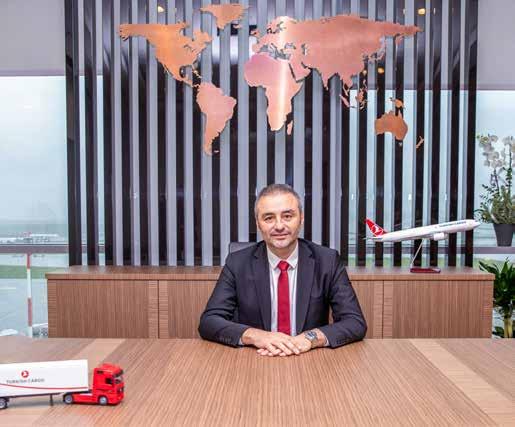
Ali Turk, Chief Cargo Officer of Turkish Airlines
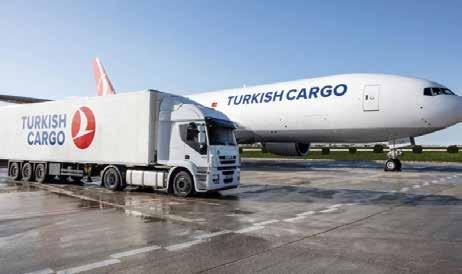
Global air cargo brand Turkish Cargo renewed its corporate website within its scope of digital transformation vision. Consolidating information and processes regarding shipment planning and operational processes into a single point, the platform offers a fast, convenient, and functional digital experience with its refined interface and its mobile-compatible infrastructure.
The website developed by Turkish Technology, the technology subsidiary of Turkish Airlines, enables shippers to manage a wide range of processes, from pre-booking to map-based cargo tracking, from a single platform. Through the interactive world map, the global flight network and served destinations can be viewed, while advanced filtering options allow connection alternatives to be evaluated directly. The platform also presents product and equipment options for different cargo types together, supported by comparative tools. Thus, the shippers can create the most convenient shipment plan by building how and where the shipment will be transported within a single stream. Continuously updated in line with user

needs, the website provides a high level of predictability in planning and decision-making processes through its dynamic structure.
Commenting on Turkish Cargo’s renewed website, Turkish Airlines Chief Cargo Officer, Ali Türk states that: “As Turkish Cargo, we aim to establish a digital ecosystem that transforms not only the planning and booking processes, but the entire operational mindset end-to-end. The website project, as one of the pioneering steps of this vision, provides our customers with speed, reliability, and accessibility, while also making processes more integrated, transparent, and predictable for our air cargo industry partners. The platform also makes our global flight network and operational capabilities more visible and accessible, thereby facilitating shipment planning and decision-making processes. With the website developed in collaboration with our internal teams, we aim to simplify air cargo processes, increase operational efficiency, and provide a single point of response to our customers’ needs. We believe that our digital transformation projects will not only enhance operational efficiency but also contribute to the development of a more integrated structure in air cargo logistics.”
Developed for the present and potential shippers, “How to Send My Cargo” page offers an experiential guide that explains the air cargo sending process from beginning to the end. Users can enter shipment details and practically review how the transportation process progresses step by step, from the planning stage to shipment.
At the end of the process, Turkish Cargo’s global sales offices and authorized agents are engaged for the actual shipment transactions.
The website also includes a fleet and
equipment page, where shippers can identify the most suitable equipment and solutions based on their needs and submit their requests directly. The AI-powered digital assistant Cargy further enhances the user experience by enabling faster access to the desired content during site navigation.
Turkish Cargo aims to enable planning and decision-making processes to be managed in a simpler, more predictable, and more controlled manner through its corporate website, which brings its strong position in the air cargo industry into the digital world.
Based on 2026 expert analyses and peer reviews, the best supply chain planning tools combine artificial intelligence, real-time data, and end-to-end visibility to help organisations anticipate demand, optimise inventory, and manage supply chain risk. Here are the top-rated platforms according to Gartner Peer Insights, StockIQ, and other leading industry sources:
1
Oracle Fusion Cloud Supply Chain Planning
Best for: Large enterprises needing AI-driven forecasting and integrated business planning.
Key strengths:
• Unified cloud platform covering demand, supply, production, and sales & operations planning (S&OP).
• Built-in machine learning for forecasting, optimisation, and disruption response.
• Deep ERP and IoT integration for real-time visibility. oracle.com
2Anaplan for Supply Chain
Best for: Organisations focused on scenario modeling and cross-department collaboration.
Key strengths:
• AI-driven scenario planning, demand sensing, and long-range planning.
• Integrated business and financial planning to align operations with corporate goals.
• Powerful collaboration tools for global planning teams. anaplan.com
Best for: Enterprises seeking end-to-end decision intelligence with advanced AI capabilities.
Key strengths:
• Connected planning across demand, supply, and finance via a single data model.
• Scenario simulation and knowledge graph-based analytics.
• Enhanced responsiveness using real-time AI decision-support. gartner.com
4Blue Yonder Luminate / Supply Chain Planning
Best for: Retailers and manufacturers focusing on demand forecasting and supply optimisation.
Key strengths:
• AI/ML-based demand planning, inventory control, and production scheduling.
• Real-time visibility across supply networks.
• Automates replenishment to minimise stockouts. gartner.com
5
Kinaxis Maestro Platform
Best for: Complex, global supply networks requiring agility and transparency.
Key strengths:
• Combines planning, monitoring, and simulation in real time.
• AI-powered scenario modeling and risk assessment.
• Strong control-tower visibility across the supply chain. gartner.com
6SAP Integrated Business Planning (IBP)
Best for: Organisations already using SAP ERP systems.
Key strengths:
• Real-time integration with SAP S/4HANA and external data sources.
• Predictive analytics, scenario modeling, and collaborative S&OP.
• Scalable for global, multi-echelon supply chains. gartner.com
7
Logility Decision Intelligence Platform
Best for: Companies seeking advanced analytics and automation in planning.
Key strengths:
• Unified platform for demand, inventory, and supply optimisation.
• AI-enhanced scenario modeling and monitoring.
• Strong in demand sensing and production planning. velexp.com
8OMP Unison Planning
Best for: Enterprises wanting next-generation AI-driven planning orchestration.
Key strengths:
• Integrated planning across demand, supply, and production.
• “Always-on” AI decision agents for dynamic re-planning.
• Excellent ERP and external system integration. gartner.com
9RELEX Solutions
Best for: Retail and consumer goods optimisation.
Key strengths:
• AI-driven demand forecasting and replenishment automation.
• Strong in merchandise and inventory optimisation.
• Real-time collaboration across stores, markets, and suppliers. gartner.com
10StockIQ
Best for: Mid-sized manufacturers and distributors needing proactive inventory control.
Key strengths:
• AI-powered forecasting and promotion planning.
• Supplier performance tracking and executive dashboards.
• Deep ERP integrations for near-instant implementation. stockiqtech.com

• Emirates SkyCargo is the first in the Middle East region to establish API connectivity with Pelicargo
Emirates SkyCargo has further expanded its digital presence by integrating its world-class product and services on Pelicargo, a leading online platform for airfreight procurement and booking. The cargo arm of the world’s largest international airline is also the first carrier from the Middle East region to establish API connectivity with Pelicargo, enabling immediate bookings.
Over the last 12 months, Emirates SkyCargo has tracked the significant increase of customers based in the US switching to digital channels such as eSkyCargo and third-party marketplaces, coupled with a decline in manual transactions. By onboarding to Pelicargo, a marketplace with particular reach in the US, Emirates SkyCargo will be available to thousands of new customers, while freight forwarders are empowered with more control over their bookings, 24/7.
Badr Abbas, Divisional Senior Vice President, Emirates SkyCargo, said: “The digital solutions that we have deployed globally have made a huge impact on the way we operate – from faster exchanges of critical information to more streamlined bookings. Onboarding to Pelicargo’s intuitive platform is the next step in our strategy, enabling us to better connect with both new and existing customers in the United States. As we enter our next phase of growth, digitalisation will continue to underpin our operations with the goal to
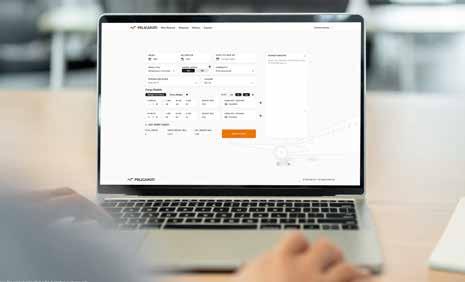
provide flexible, efficient solutions to our global customers.”
Jon Acquaviva, Co-Founder & President, Pelicargo, said: “For us, it’s a natural fit — Emirates SkyCargo has built a reputation for excellence and forward-thinking innovation that aligns perfectly with our mission. We share a common vision: putting customers at the centre and delivering locally relevant, digitally connected solutions that make air cargo faster and more accessible. We’re proud to partner with such an iconic and innovative carrier to help customers across the U.S. and beyond connect instantly with Emirates SkyCargo’s world-class network.”
Emirates SkyCargo’s five core products are available now on Pelicargo, including
Fresh and Fresh Breathe, an integrated and responsive cool chain designed for perishables; Pharma, for temperaturecontrolled life sciences and healthcare shipments; Airfreight Priority for urgent shipments that depend on speed and reliability; and AirFreight for the quick and careful transport of general cargo.
Pelicargo is the fourth digital marketplace to host Emirates SkyCargo’s capacity, following cargo.one, CargoAi and WebCargo. This ensures Emirates SkyCargo is present wherever its customers want to book with a wide array of benefits including visibility on schedules, tariff and contract rates, real-time visibility on available capacity, and immediate bookings 24/7.




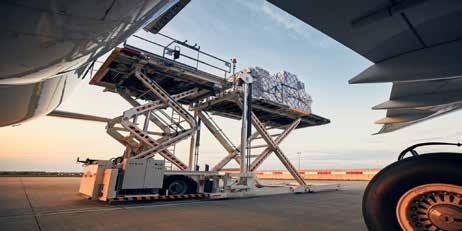
Historically, cargo has represented a significant part of commercial aviation for Middle Eastern (ME) airlines. Qatar generates about 20% of its revenue from these operations, while Etihad generates 15% and Emirates generates 1015%. In contrast, the top US commercial airlines (excluding FedEx and UPS) usually generate only up to 5% (average) of their total revenue from this type of operation.
Text: Since geopolitical tension began, we have seen a drastic decline in chargeable weight (more than 20% year over year) of goods transported from the Middle East and Africa. In late March, this decline reached nearly 30% year over year. By mid-April, the trend was improving, showing single-digit percentage growth year over year, as restrictions on airspace were gradually lifted. At the same time, the freight rate has grown by more than 50% year over year, with no signs of easing amid still-restricted capacity. This growth can partially be explained by the increase in fuel surcharges, which are typical for air cargo. Financially, it doesn’t seem that this could translate into a decline (at least significant) in cargo revenue in Q1 2026; however, it leads to temporary additional margin pressure. As we enter the second quarter, airlines have started to partially restore their services; however, the pace of restoration is uneven. This means that we cannot judge whether the current quarter will be less profitable. However, current condi-
tions will definitely impact real cargo weight movement. For example, analytical systems such as Flightradar24 reveal that only nearly half of the scheduled departures are taking place compared to the period before geopolitical tension.
Regarding intra-regional goods circulation in the context of UAE operations, it is important to note the types of goods commonly transported by air. With a couple of large distribution hubs, the UAE is a net exporter of pharmaceutical products to Middle Eastern countries, with a regional trade balance of about $1.2 billion in 2024. Additionally, similar situation applies to the transportation of groceries. For context, Iraq imports about 13% of its total pharmaceutical products from the UAE and Saudi Arabia. This represents about 8% of the country’s total market size in 2024. The UAE’s vegetable and fruit market is estimated to be worth about $4.6 billion in 2024, and up to 95% of that is imported. A similar picture emerges for Saudi Arabia, however, the country imports vast majority of pharms directly from western world.
Long-term airspace restrictions could lead to a significant shortage of staples in some parts of the region because, during extreme periods, the country could be forced to supply all necessary products to the domestic market. Particularly, some types of grocery shortage. So, prices are highly volatile without the non-market mechanisms that were
implemented to stabilize the market, particularly in Dubai in March. Currently, Abu Dhabi’s grocery deficit appears insignificant. Moreover, the UAE particularly benefits from the re-export of consumer electronics. By creating vast Free Zones like JAFZA and DAFZA, the government has built an environment where goods can be imported, stored, repackaged, and shipped back out without ever hitting a tax wall or a bureaucratic hurdle. The country doesn’t just earn from the sale of the phone or the laptop; it earns from the storage, the handling, the insurance, and the logistical expertise that makes the UAE significant player. Of the approximately $60 billion in electronics that enter the country, more than half are destined for a second journey. This is the “re-export engine”—a $30 billion plus operation that feeds the tech demands of emerging markets across Africa, the Middle East, and Central Asia.
This does not fully capture how the current geopolitical environment affects the economy of the Middle East. That said, we believe the authorities can manage this situation or at least offset the negative impact partially, because countries adjust their transportation modes and routes.
By Sergey Glinyanov, Senior Analyst, Freedom Broker


The
impasse in the Strait of Hormuz is disrupting imports and exports. What does this mean for supply chains and how should they adapt? Mohamed
Daoud, Director and Industry Practice Lead at Moody’s, explains the issues.
The GCC has long had an image of economic invulnerability, with sovereign wealth funds worth trillions of dollars, world-class infrastructure, and a quality of life that attracted millions of expatriates worldwide. Yet the geography that helped provide the Gulf states with wealth from oil and other resources also makes them potentially vulnerable when shipping is interrupted. Severe restrictions on traffic through the Strait of Hormuz from March 2026 are causing companies, governments, and supply chain managers to change the way they operate to minimise possible difficulties in future, even if the current conflict is soon resolved.

The scale of the GCC’s dependency on imports is often overlooked. The six Gulf states collectively import all of their sugar, more than 90% of their vegetable oils, and more than 70% of their rice. Pharmaceutical supply chains, manufacturing inputs, consumer electronics, construction materials, and the chemical precursors for desalination and water-treatment all mostly arrive by sea. Stocks of many essential goods will typically last only a matter of weeks or months. This is because capital-rich GCC economies rationally specialised in energy and services rather than agriculture or manufacturing, assuming that maritime supply routes were likely to remain open. That assumption has proved false – at least for a time.
Many companies that previously operated just-in-time supply chains are now looking for alternative sources of supply, different logistics corridors, and strategies to expand inventories. To quickly assess options and potential partners while mitigating risks may involve drawing on a wide range of data and analysis tools.
One immediate pressure point is insurance. Risk premiums for vessels operating in the region have surged. For certain categories of cargo, shipping may become too expensive unless the price of the goods is substantially raised. Companies that did not already have dual or multiplesourcing arrangements, or pre-positioned inventory outside the affected zone, have
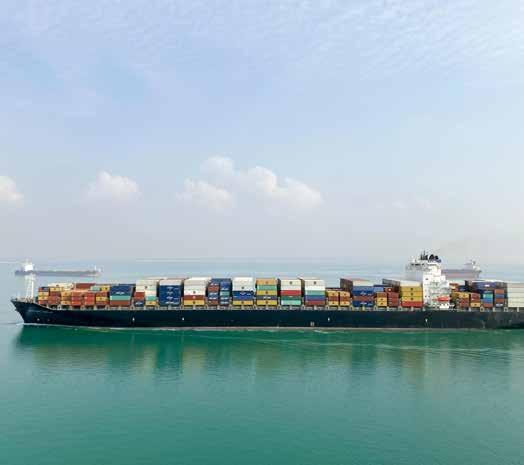

been adapting under duress, which invariably means accepting less favourable terms.
The search for alternative routing faces physical limits. Overland bypass oil pipelines, principally from Saudi Arabia and the UAE, can accommodate only about a quarter of previous volumes that transited Hormuz. For liquid natural gas (LNG), the lifeblood of Qatar and a major regional export, there are currently no widely viable bypass routes. Iraq, Kuwait, Bahrain, and Qatar have little choice but to wait to export LNG again.
Logistics are further complicated by simultaneous pressure on the Bab alMandab Strait in the Red Sea. The Cape of Good Hope re-routing of container ships during the Red Sea crisis of 2024 and 2025 extended voyage times by up to two weeks. A similar pivot for tanker traffic now would carry similar consequences for delivery schedules and raise freight costs across Asian and European import markets.
The disruption in the Strait of Hormuz is having a global impact. Stranded oil and gas created a supply shock that is likely to accelerate inflation and affect many aspects of daily life, including food, transport, domestic energy, employment, schooling, and healthcare. The burden may fall hardest in economies where energy prices feed directly into public service delivery, and where governments have limited fiscal room
“The Gulf region is well equipped to manage necessary changes in the months ahead so its economic success remains robust and well-positioned for growth.”
to absorb the shock for their populations.
The disruption of other deliveries from the GCC region will also cause problems. Most Middle Eastern polyethylene exports transit Hormuz. This material is embedded in packaging, automotive components, medical devices, and consumer goods.
The Asian garment industry relies on Gulf-sourced synthetic fabric precursors. Aluminum markets have been destabilised by strikes on Gulf smelting facilities, threatening price increases across sectors from aerospace to construction. For foreign farmers already operating on constrained margins, higher fuel costs for irrigation and transport, combined with uncertain fertilizer supplies, may exacerbate food insecurity and economic hardship well beyond the conflict zone.
The current crisis shows that investment in supply chain resilience makes sense. For the GCC specifically, the concentration of critical imports through a single maritime chokepoint, itself situated within a volatile
geopolitical environment, constitutes a systemic risk that was underestimated in many corporate and government planning models for too long.
The companies and institutions that navigate the coming months most effectively are likely to be those with the corporate intelligence data and tools to rapidly diversify their supplier base, establish verified new partnerships, and secure logistics routes outside their traditional networks. Conversely, those that delay may find themselves competing for scarce resources in a sellers’ market, forced to accept counterparty risks without the time or due diligence tools to assess them properly.
The good news is that the prosperity of the Gulf countries is built upon an expertly managed ecosystem with a proven history of effective governance and institutional adaptability. The region is well equipped to manage necessary changes in the months ahead so its economic success remains robust and well-positioned for growth.

By Jason Verhoven
Advanced Planning Solutions (known as APS) are complex, computer-based software tools that use mathematical algorithms and real-time data to optimise supply chain management, manufacturing operations and resource allocation. These systems go far beyond traditional spreadsheets by dynamically managing complex constraints like raw material availability, labour and machinery capacity. Instead of relying on manual planning or outdated systems, companies use APS to drastically reduce inventory costs, improve on-time delivery rates, and make data-driven decisions.
Selecting an Advanced Planning Solution (APS) is one of the most important technology decisions a supply chain organisation will make. The vendor landscape is dense, feature claims are ambitious and the stakes—measured in service levels, inventory costs and operational quickness are huge. Yet many enterprises treat the Request for Proposal as an administrative formality, recycling templates from prior IT procurements.
A well-constructed RFP is not merely a procurement document; it is a strategic instrument that forces internal alignment, exposes hidden requirements, and creates the assessing framework through which vendors are fairly compared. Organisations that invest in crafting a diligent, planning RFP consistently report higher vendor satisfaction, faster time-to-value and fewer costly mid-implementation pivots.
Before drafting, complete a structured readiness exercise. Begin with stakeholder identification: commercial functions, supply chain planning, demand management, procurement, finance, and IT must each nominate decision-makers. Next, document the current-state landscape—tools in use, integration points, pain points and potential gaps. Finally, articulate a future-state vision: what capabilities are needed in 18 months, three and five years? Without this groundwork, the RFP becomes a wish list rather than a decision framework.
It is recommended that one should organise the APS RFP into seven sections, each serving a distinct evaluative purpose.
1
Executive overview. Open with a concise description of the company, its supply chain footprint, and the strategic drivers behind the APS investment. Specify planning horizons (strategic, tactical, operational), the industries served, and any regulatory or compliance requirements. This context allows vendors to calibrate their response and self-select out if the fit is poor—saving evaluation time on both sides.
2
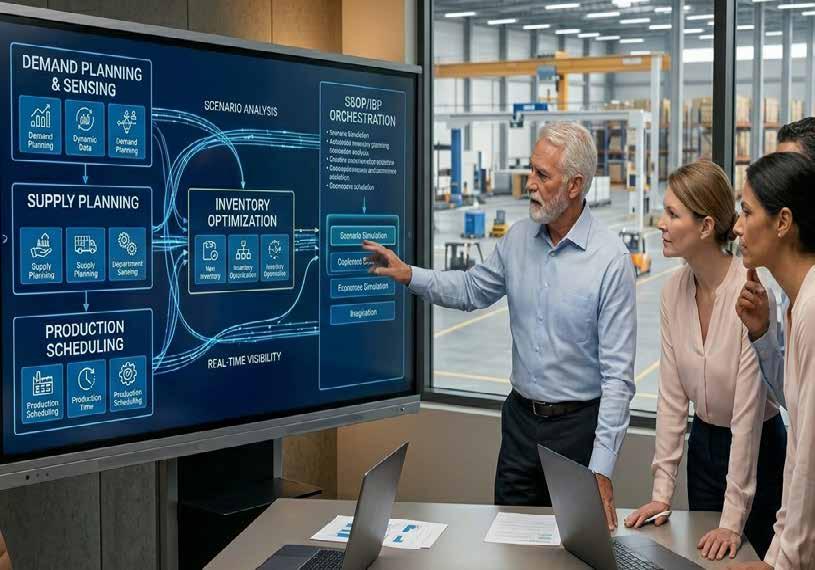
Functional requirements. This is the core of the RFP. Structure requirements around planning domains: demand plan-
ning and sensing, supply planning, production scheduling, inventory optimisation, S&OP/IBP orchestration, and scenario analysis. For each domain, define must-have capabilities versus differentiators. Use measurable language—“system must support probabilistic demand forecasting with confidence intervals at SKU-location level,” not “advanced forecasting.”
3Technology. Specify deployment preferences (cloud-native SAAS, hybrid, or on-premise), expected data volumes, integration requirements with ERP and data platforms, API standards, and security and data-residency constraints. APS solutions are only as powerful as their data foundation; this section ensures vendors demonstrate how their architecture connects to the enterprise ecosystem.
4
Approach and timeline. Request a phased implementation roadmap with milestones, resource assumptions, change-management methodology, and a realistic go-live timeline. Ask vendors to describe their approach to data migration, model configuration, user training, and hypercare. This section reveals vendor maturity and honesty—beware of proposals that promise full deployment in unrealistically short timeframes.
5
Vendor viability. Evaluate the vendor as a long-term partner. Request details on R&D investment as a percentage of revenue, product release cadence, AI and machine-learning strategy, customer community strength, and financial stability. APS implementations span years; the vendor’s trajectory matters as much as today’s feature set.
6
Pricing. Require transparent, itemised pricing across software licensing (or subscription), implementation services, ongoing support, and any usage-based fees. Ask for
total cost of ownership over a five-year horizon. Standardised pricing formats enable apples-to-apples comparison and prevent surprises during contract negotiation.
Proof of value. Request at least three reference customers in comparable industries and at similar scale. Define a scripted reference-call guide that covers implementation experience, time-to-value, ongoing support quality, and measurable business outcomes. Proof points ground vendor claims in reality.
The RFP should include a transparent scoring methodology shared with vendors. Weight each section according to strategic priority—functional fit and integration capability together typically represent 50–60% of the total score, with implementation approach, vendor viability, and pricing sharing the remainder. Use a standardised rubric (for example, a 1–5 scale with written anchors) and
assemble a cross-functional committee to score independently before consensus calibration. This rigor removes politics from the decision and creates an auditable record.
Organisations that follow a structured RFP process realise compounding benefits. The process forces internal alignment on planning strategy—disagreements surface during drafting rather than during implementation, when they are far more expensive to resolve. A detailed RFP elevates vendor response quality; vendors invest more effort when they see a sophisticated buyer, and weak-fit vendors self-eliminate. A wellscored evaluation creates organisational confidence, accelerating executive sign-off. Finally, the RFP becomes a living artifact: its requirements map directly onto the implementation backlog, acceptance criteria, and performance measurement framework. Conversely, organisations that shortcut the process routinely encounter scope creep from undocumented requirements, vendor
lock-in from poorly negotiated contracts, integration failures from unexamined architecture assumptions, and stakeholder resistance born of insufficient engagement.
Treat the RFP as a strategic planning exercise, not a procurement task. Allocate eight to 12 weeks for drafting and internal review before issuing to vendors. Engage an experienced advisory partner to benchmark requirements against market capabilities. Include a structured demonstration phase—scripted around your data and scenarios—between shortlisting and final selection. Remember that the RFP is the first chapter of your vendor relationship: its quality sets the tone for everything that follows.
The difference between a good APS selection and a great one is almost always the quality of the RFP that started the process.
This article reflects independent research and advisory perspective. It does not constitute an endorsement of any specific vendor or product.
LIXIL Corporation, maker of pioneering water and housing products, announced its full-year results for the fiscal year ending March 31, 2026. The company reported a 22.9% increase in core earnings to ¥38.5 billion and highlighted strong performance across its international operations. The IMEA (India, Middle East and Africa) region delivered significant growth during the fiscal year, with strong demand across the Middle East and the continued strong performance of the GROHE brand contributing to revenue and profitability improvements.
CEO, Kinya Seto, states, “In the fiscal year ending March 2026, we achieved year-on-year growth in both revenue and profit despite the business environment remaining more challenging than anticipated. Core earnings exceeded our initial forecast. In Japan, the decline in new housing demand was offset by growth in renovation sales, which has been a continuous area of focus, and resulted in higher profits across all segments. In our inter-

national business, we achieved a significant improvement in core earnings, particularly in Europe and IMEA. Our strategic initiatives, including structural reforms and our shift to high-value-added products, are progressing and steadily yielding results.
Based on the LIXIL Playbook, which outlines our management direction, we have been building a business foundation resilient to external changes. To address geopolitical risks such as the current situation in the Middle East, we are enhancing our agility to respond proactively to changes through the optimisation of our supply chain. Furthermore, we have been strategically advancing the development and sales expansion of environmentally friendly and circular products that contribute to improved profitability and mitigate some supply chain risks. These include ‘PremiAL’, a low-carbon aluminum made primarily from scrap aluminum, and ‘revia’, which is made primarily from waste plastic. While the future outlook remains uncertain, we will continue our transformation to strengthen our profitability and achieve sustainable growth.”
Consolidated revenue increased by 0.4% year on year to ¥1,510.7 billion. In Japan, LIXIL captured renovation demand for water products and saw the positive effects of price optimisation, leading to increased sales. For housing products, while renovation sales increased, the decline in new housing starts had a negative impact. Total revenue for the Japan business increased by 0.5% to ¥1,023.4 billion.
Revenue from the international business increased by 0.3% year on year to ¥520.9 billion. Despite continued weak demand in the U.S. and China, the company achieved growth through increased sales of fittings
and faucets in Europe and by capturing demand in growing markets such as the Middle East and India.
The international business saw higher core earnings as the company continued to shift toward high-value-added products in Europe and the Middle East. The overall core earnings margin improved by 0.5 percentage points to 2.5%.
EBITDA (core earnings plus depreciation and amortisation), which represents the earning power of the core business, increased by ¥7.1 billion to ¥121.6 billion.
Net profit was ¥8.1 billion. Despite the impact of an increase in other expenses and finance costs, net profit improved by ¥6.1 billion, supported by improved core earnings and a decrease in corporate income tax expenses.
The IMEA region delivered one of the strongest performances across LIXIL’s international operations, with revenue increasing by 15% while core earnings grew 4.3 times year on year, driven primarily by the continued strong performance of the GROHE brand. In addition to sustained revenue growth in India, strong demand continued across the Middle East.
LIXIL continues to advance environmentally friendly products that contribute to improved profitability while helping mitigate supply chain risks.
At a time when geopolitical tensions, trade disruption and shipping vulnerabilities continue to test global supply chains, procurement leaders are rightly focused on external risk. Yet many organisations are overlooking an equally urgent challenge closer to home: retaining the talent needed to navigate that uncertainty.
Experienced professionals are leaving roles faster than they can be replaced, mid-level managers are being stretched across increasingly complex portfolios and younger talent is entering the profession with very different expectations about work, progression and purpose. And this is happening at a time when procurement has never been more strategically important.
Over the last five years, procurement teams have been asked to manage a
relentless sequence of disruption. First came the pandemic and the widespread breakdown of global supply networks. Then inflationary pressures, commodity price volatility, labour shortages and shipping bottlenecks. More recently, organisations have had to respond to tighter margins, restructuring programmes, digital transformation mandates and shifting regulatory expectations.
Now, against a backdrop of regional conflict and economic uncertainty,
procurement professionals are once again being asked to make critical commercial decisions in highly unpredictable conditions. For many teams, the pressure is cumulative.
Category managers are managing supplier risk while balancing cost containment and supply chain leaders are reassessing sourcing strategies while facing internal budget scrutiny. Procurement directors are being asked to deliver resilience, efficiency, innovation,
sustainability and governance often with leaner teams than they had just two years ago, and the result is a growing talent retention challenge.
Across industries, experienced procurement professionals are increasingly reassessing their roles. Some are seeking greater stability, others are looking for stronger career development, better leadership support or organisations that recognise procurement as a strategic function rather than simply a cost-control mechanism. This matters because when procurement talent leaves, organisations lose far more than headcount, they lose supplier intelligence, market knowledge, relationships built over years of negotiation and trust. They lose institutional memory that often becomes most valuable during periods of disruption and replacing that expertise is not easy.
Today’s procurement leaders are expected to understand geopolitical risk, digital tools, supplier finance, ESG reporting, compliance, data analytics and stakeholder management alongside traditional sourcing and negotiation expertise. In short, the role is becoming more complex, not less.
Yet many organisations are still approaching procurement talent with outdated assumptions. In some businesses, procurement professionals are still measured almost exclusively on immediate cost savings. While financial discipline remains essential, procurement today is also central to risk management, supply continuity, business resilience and longterm value creation. If organisations fail to reflect that reality in how they develop, reward and retain talent, they will struggle to keep the people they depend on most.
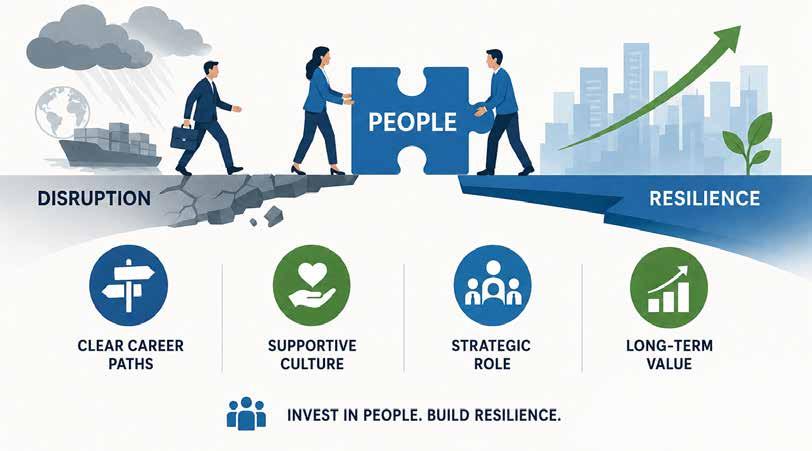
First, procurement leaders need clear career pathways. High-performing professionals want visibility of progression, opportunities to build leadership capability and access to continuous learning in areas such as digital procurement, risk management and strategic sourcing.
Second, organisations need to create cultures that support resilience, not just operational resilience, but human resilience. In periods of prolonged uncertainty, burnout becomes a genuine business risk.
Teams need support, trust, flexibility and leadership that recognises the demands being placed upon them.
Lastly, procurement needs to be positioned internally as a strategic driver of business performance. The organisations that retain top procurement talent are often those where procurement has a voice at the leadership table, where professionals can influence commercial strategy and where success is measured by risks mitigated, partnerships strengthened and resilience created.
We often talk about supply chain resilience in terms of infrastructure, inventory, suppliers and logistics networks but resilience starts with people. As procurement teams continue to navigate one of the most complex operating environments in recent memory, the organisations that invest in retaining their talent may ultimately be the ones best equipped to manage whatever comes next.

By Sam Achampong, Regional Director, CIPS AMEA (Asia, Australasia, Middle East and Africa)
By Alain Kaddoum, Founder and CEO of RAXS
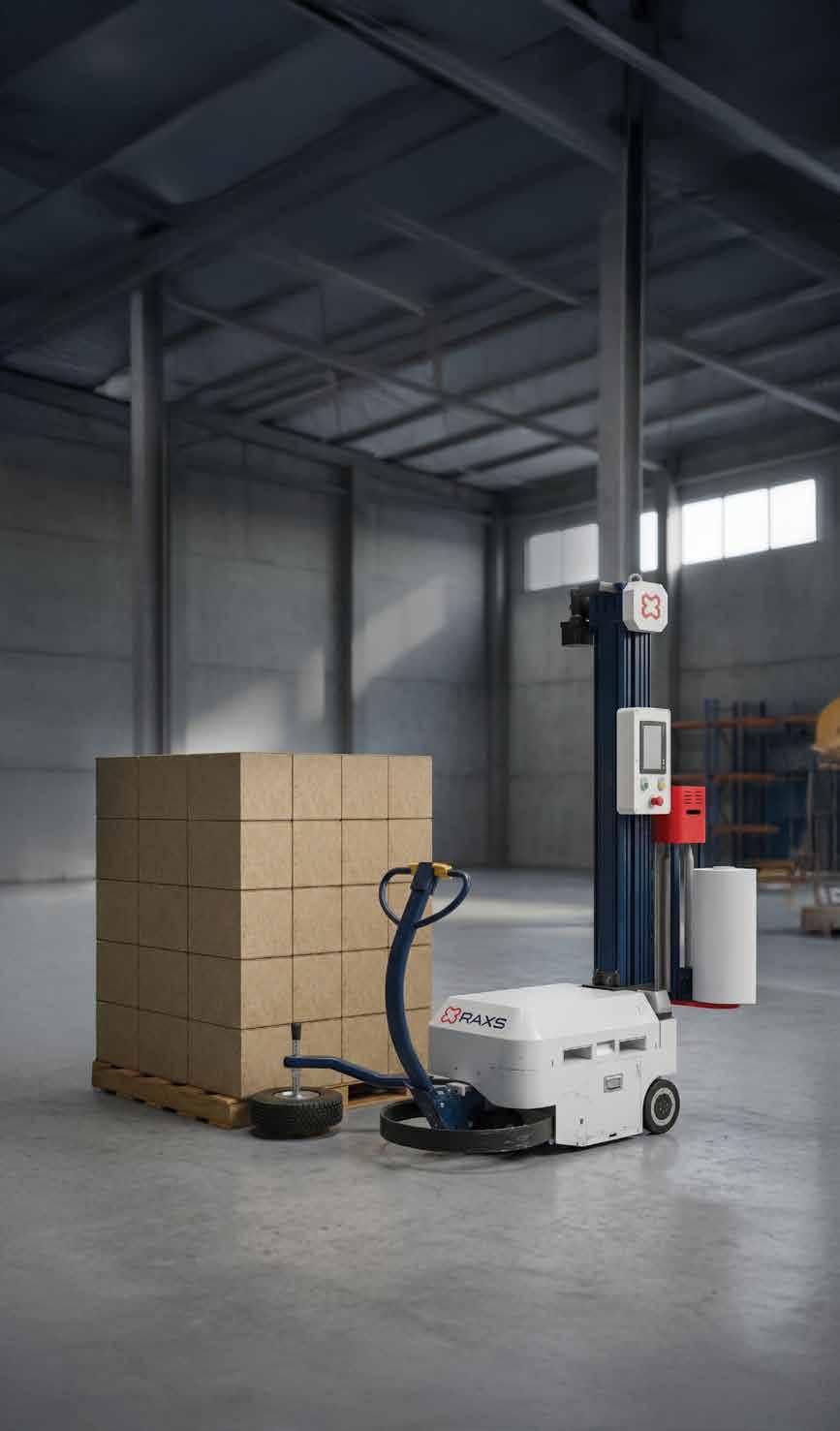
Robotics and warehouse automation in the 3PL sector have accelerated dramatically over the past decade. Ten years ago, automation adoption among 3PL providers was limited, largely because solutions were considered rigid, expensive, and difficult to adapt. Today, with the rise of robotics systems, this reality has changed. Modern automation is accessible, modular, flexible, and software-driven, making it far better aligned with the operational and commercial realities of third-party logistics.
Historically, most 3PL businesses operated on short-term contracts, often lasting less than three years. This made automation a high-risk investment. Traditional systems were designed around a single customer’s profile, such as full-case handling or piece picking and single vertical. If that customer left, the automation often became underutilized or unusable.
Automation investments made sense mainly for long-term contracts of five years or more, where the typical return on investment—often achieved within three to five years—matched the contract duration. For shorter contracts, the financial risk was simply too high.
The rise of modular robotic automation has fundamentally shifted this model. Modern piece-picking and fulfillment solutions allow the same automation assets to be reused across multiple customers with different profiles. Instead of being customer-specific, automation has become operation-specific. This modularity allows 3PL providers to:
• Scale capacity up or down by adding or removing robots
• Adjust storage locations as volumes change
• Reconfigure workflows without replacing equipment
As a result, automation investments are no longer tied to a single contract. Assets can be redeployed, resized, or reconfigured, reducing investment risk even for contracts under five years.
At the core of this flexibility is advanced warehouse software. Modern Warehouse Management and Control Systems support true multi-tenant operations, allowing multiple customers to operate within the same facility while remaining fully segregated.
The software orchestrates inbound, outbound, picking, and sorting rules independently for each customer. This enables:
• Clear separation between Customer A and Customer B
• Different service levels and fulfillment logic per account
• Real-time visibility and traceability across all customers
This software-driven orchestration allows 3PL providers to achieve higher asset utilization—often improving equipment usage rates by 20–40% compared to customer-dedicated systems.
Another major driver of automation is pressure from 3PL customers themselves. Brands now expect faster order cycles, higher accuracy, real-time visibility, and future-ready digitalized operations. Manual operations struggle to consistently meet same-day or

next-day delivery expectations, especially during peak periods.
Automation enables:
• Order accuracy rates above 99.9%
• Throughput increases of 4x compared to manual operations
• Reduced dependency on temporary labor during peak seasons
• Real-time inventory management
• Brand attractiveness by adopting the latest technologies
As a result, automation has become a key selection criterion when brands choose a 3PL partner. Customers increasingly evaluate how advanced, connected, and automated a provider’s warehouse is—not just location or price.
For 3PL operators, cost per order and cost per storage unit are critical performance indicators. As robotic solutions have become more affordable and modular, automation is now financially accessible to a wider range of providers. Automated systems reduce labor costs, improve space utilization, and stabilize operating expenses.





The logistics landscape across the Middle East and North Africa is undergoing one of its most significant transformations in decades. As economic diversification accelerates, trade corridors expand and customer expectations rise, organisations are being pushed to rethink how their supply chains operate. In this interview, Jason Willicombe, Director of Logistics, MENA at Endava, explains to our Editor, how the region is shifting toward fully connected, data driven ecosystems — and why integration, not just technology adoption, will define the next wave of competitive advantage.
Abigail Mathias: How is Endava helping logistics companies across the MENA region accelerate their digital trans‑ formation, and which technologies are proving most impactful in real‑world operations?
Jason Willicombe: What’s happening across the Middle East and North Africa (MENA) region right now is bigger than a typical technology upgrade cycle. Logistics organisations are being pushed to rethink how supply chains operate altogether. Economic diversification, rapid e-commerce growth, expanding trade corridors and rising customer expectations are all converging at once, and that’s forcing companies to move toward far more connected, data-driven operating models. Many organisations have already invested in warehouse systems, transport management platforms or automation tools, individually. The challenge now is integration.
The real value only emerges when fleet data, port operations, inventory systems, customs workflows and customer platforms are connected in real time.
That’s where we’re seeing the biggest impact from technologies like AI-driven route optimisation, IoT-enabled cargo monitoring, predictive analytics and digital twins. But technology alone isn’t the differentiator. The complexity lies in orchestrating these systems into a single operational ecosystem that can support faster decision-making and greater resilience.
A good example is the work we’re doing around port transformation in the UAE, where the focus is not just digitising port services, but creating a connected maritime ecosystem between public and private stakeholders. Before organisations can fully leverage advanced AI or automation, they first need the right digital foundations that includes modern infrastructure, accessible data and integrated workflows. Without that groundwork, even the best technologies struggle to deliver meaningful operational value.
AM: What unique supply chain challeng‑ es do you see in the MENA market today, and how are organisations adapting to geopolitical, infrastructural, or regula‑ tory complexities?
JW: One of the defining characteristics of the MENA logistics market is that supply chain strategy can shift very quickly in response to geopolitical or trade disruption. Recent developments around the Strait of Hormuz have clearly highlighted how exposed global supply chains remain to regional chokepoints, and how rapidly organisations now need to adapt.
What’s interesting is how this is already influencing long-term infrastructure and sourcing decisions across the region. We’re seeing increased investment in alternative trade corridors, multimodal transport links and regional manufacturing strategies designed to reduce dependency on single routes or suppliers.
At the same time, a complexity that’s often overlooked is the variation in digital maturity across the region. You have some countries and organisations operating highly advanced
logistics ecosystems with real-time visibility and automation, while others are still reliant on fragmented systems and manual coordination. That creates operational inconsistency across the broader supply chain network.
As a result, many logistics leaders are prioritising technologies that improve interoperability and visibility across multiple stakeholders, rather than focusing purely on isolated efficiency gains. The organisations adapting most effectively are the ones building flexibility into both their operational models and their technology architecture.
AM: How are AI‑driven tools, automa tion, and predictive analytics reshaping logistics workflows, and what adoption barriers still need to be overcome?
JW: Logistics is naturally well suited to AI because it generates enormous volumes of operational data across highly repetitive, time-sensitive workflows. Every shipment, route, warehouse movement, customs interaction and delivery milestone creates data points that AI systems can continuously learn from and optimise.
That’s why we’re seeing AI move beyond experimentation and into core operational processes. Predictive analytics, in particular is becoming extremely valuable because it allows organisations to shift from reacting to disruptions toward anticipating them. Whether it’s forecasting port congestion, identifying likely delays, optimising inventory placement or predicting fleet maintenance requirements, the ability to make proactive decisions has a major commercial impact.
AM: With sustainability becoming a global priority, how are MENA logistics players approaching decarbonisation, green fleet strategies, and energy effi cient operations?
JW: Sustainability in logistics is increasingly becoming a data problem. Most organisations now understand the broad strategies around decarbonisation – whether that’s fleet electrification, alternative fuels, smarter route planning or energy-efficient warehousing. The bigger challenge is measuring and optimising those initiatives at operational scale.
What’s changing across the MENA region is that sustainability targets are becoming far more measurable and commercially visible. Organisations are under growing pressure from regulators, investors and customers to demonstrate tangible progress rather than broad commitments.
That’s driving much heavier adoption of analytics platforms that can track emissions, monitor fuel efficiency, optimise transportation loads and identify waste across logistics networks in real time. In many cases, the same predictive analytics capabilities being used to improve operational efficiency are also helping reduce environmental impact.
We’re also seeing sustainability become much more embedded into supply chain design itself. Companies are rethinking warehouse locations, delivery routing and sourcing strategies not only around cost and speed, but around resilience and energy efficiency as well.
AM: How have customer expectations around speed, transparency, and relia bility evolved in the region, and how is Endava supporting companies in meet ing these demands?
JW: Customer expectations across the MENA region have evolved very quickly because consumers now benchmark logistics experiences against the best digital platforms they use every day. The rise of e-commerce, on-demand services and real-time digital experiences has fundamentally changed perceptions around what “good service” looks like.
Speed is now expected, but transparency has arguably become just as important. Customers want continuous visibility, proactive updates and flexibility throughout the delivery journey. If there’s a disruption, they expect to know about it before they need to ask.
That creates enormous pressure on logistics providers because delivering that level of responsiveness requires far tighter coordination between operational systems, customer platforms and data flows. Many traditional supply chain models simply weren’t built for that level of real-time interaction.
In response to this, we’re seeing significant investment in technologies like real-time shipment visibility, predictive ETA modelling, integrated customer communication platforms and more intelligent fulfilment systems. Increasingly, logistics companies are recognising that customer experience is no longer
a downstream function. It’s becoming a core operational capability that has to be designed directly into the supply chain itself.
AM: What skills are becoming essen tial for the next generation of logistics professionals, and how can companies prepare their workforce for a more tech centric future?
JW: The next generation of logistics professionals will need to think far more holistically about how operational data moves across the business. It’s no longer enough to understand a single workflow in isolation. People increasingly need visibility into how transport systems, warehouse operations, customer platforms, financial systems and automation tools all interact with one another and the data that underpins them.
As supply chains become more connected, decision-making becomes more data-centric as well. That means skills around analytics, AI literacy, systems thinking and process optimisation are becoming increasingly important, even for traditionally operational roles. At the same time, there’s growing demand for professionals who can bridge the gap between logistics operations and digital transformation initiatives. The most valuable people are often the ones who understand both the operational realities of supply chains and the technology architecture supporting them.
From a workforce perspective, companies need to move beyond one-off training exercises and create continuous learning environments instead. The pace of change across AI, automation and digital platforms is simply too fast for static skill development models. Organisations that invest early in cross-functional digital capability will be much better positioned to adapt as logistics operations continue to evolve.
AM: Which emerging trends—such as nearshoring, digital freight platforms, or autonomous mobility—do you be lieve will define the next five years of logistics in MENA?
JW: One thing that recent months have demonstrated very clearly is that logistics trends can accelerate unexpectedly in response to geopolitical or economic disruption. It’s becoming increasingly difficult to predict five years ahead with certainty because supply chain priorities can change
almost overnight.
We’re already seeing this influence infrastructure development, sourcing strategies and regional manufacturing initiatives. The response to recent Strait of Hormuz disruption risks, including stronger focus on alternative transport corridors and projects like the UAE–Oman Hafeet rail project, is a good example of how quickly strategic priorities can evolve.
From a technology perspective, the most impactful trend will probably be the continued convergence of visibility, automation and AI into unified operational environments. Whether that manifests through digital freight platforms, smart ports, autonomous systems or AI-enabled control towers, the common theme is real-time orchestration across the supply chain.
AM: How does Endava plan to expand its role in the logistics ecosystem, and what innovations or partnerships are you most excited about moving forward?
JW: At Endava, we’ve long since evolved beyond being just a traditional technology provider. Logistics organisations across MENA are dealing with highly complex transformation challenges that include connecting fragmented systems, enabling secure data exchange across multiple stakeholders, and introducing AI and automation into live operational environments without disrupting business continuity. That requires a far more strategic and collaborative approach which is where our strengths lie.
A major focus for us is helping organisations build interoperable digital ecosystems rather than isolated platforms. We’re already doing this across maritime, aviation and broader logistics environments in the region, where the challenge is often less about deploying a single technology and more about orchestrating multiple systems, partners and workflows into a unified operational model.
One area we’re particularly excited about is Dava.Flow, our digital acceleration framework that helps organisations move from strategy and prototyping into rapid, scalable delivery. In logistics, where operational disruption carries huge commercial risk, the ability to modernise quickly but securely is incredibly important. Dava.Flow allows us to accelerate delivery while maintaining the governance, cybersecurity and compliance guardrails needed for enterprise-scale transformation.
Corporate leadership is the discipline of aligning strategy with people — creating clarity and building teams that deliver results because they feel trusted to lead from where they stand.
Anna Mansurova, Head of Healthcare IMEA and Managing Director - Hellmann
Calipar Healthcare Logistics reflects on close to two decades at Hellmann and the leadership shifts that shaped her approach to building resilient, patient focused logistics ecosystems across IMEA. From Dubai’s strategic rise to the complexities of KSA and India, she outlines how innovation, empathy, and regulatory precision are redefining healthcare supply chains.
GSC: With close to two decades of experience at Hellmann, rising to lead Healthcare IMEA, looking back, what were the most pivotal decisions or disruptions that shaped your leadership approach - and how have they influenced Hellmann’s healthcare logistics strategy today?
Anna Mansurova: Thank you for this important question, and I’m glad we are starting with it. Being part of Hellmann for over 18 years now, my connection to the company’s values is something that has remained constant throughout these years. A strong focus on our people and customers, combined with ambition and the freedom to develop new solutions, has always been central. The emphasis on the people aspect, however, developed more over time.
A defining moment was a setback in an earlier leadership role, which in hindsight became the catalyst for my personal transformation. This shift toward a more reflective and empathetic leadership style significantly changed how we work together as a team. In my role, I focus on identifying opportunities through a customer lens, setting the direction, and then stepping back to allow teams the space to develop the right solutions. Continuous learning and adaptation are essential to how we collaborate and evolve. Our focus on customers, and ultimately patients, guides where we go and what we do next.
GSC: Dubai has positioned itself as a regional distribution powerhouse for the GCC. From your vantage point, what are the structural advantages that competitors still underestimate, and what bottlenecks remain that the industry isn’t addressing honestly enough?
AM: In my view, this success is the result of clear alignment between an ambitious vision and strategy, and the ability to execute it at speed and scale. Thinking about ecosystems is equally important. The UAE, in particular has been very successful in creating logistics ecosystems and directing resources into world-class infrastructure, enabled through interconnected systems of port and regulatory authorities. When considering existing constraints, recent events have demonstrated how much of the critical flow still depends on a single entry and exit point. Creating
alternative routes will further strengthen the resilience of the GCC’s position as a regional and global distribution leader.
GSC: Hellmann has expanded its healthcare logistics expertise significantly in the UAE, KSA, and India. What are the most critical differences in healthcare logistics maturity across these markets, and how do those differences shape your investment and operational priorities?
AM: Those markets are structurally different, driven by differences in macroeconomic, geographical, and demographic factors. For example, Saudi Arabia is undergoing rapid transformation, investing heavily in world-class logistics infrastructure to efficiently connect the country from west to east. The development of healthcarespecialised logistics hub-and-spoke systems to enable compliant delivery to remote areas will be one of the most interesting challenges to solve.
India is a very mature market, ranked number seven worldwide in terms of pharmaceutical export value. Competition there is equally high. The key differentiator there will be ability to execute at the most cost-effective manner. Having said that, the environment is continuously changing, with GLP-1 therapies losing patent protection, opening up a completely new playing field and increasing the need for cold chain logistics capabilities.
In the UAE, the driver is innovation and finding new ways to serve the market and the region in a way that brings value to our customers and ultimately to patients.
“The UAE, in particular has been very successful in creating logistics ecosystems and directing resources into world-class infrastructure, enabled through interconnected systems of port and regulatory authorities.”
GSC: With the growing need for raw materials and veterinary medication storage, how is Hellmann adapting its infrastructure and compliance frameworks to meet increasingly complex regulatory and quality assurance demands across IMEA?
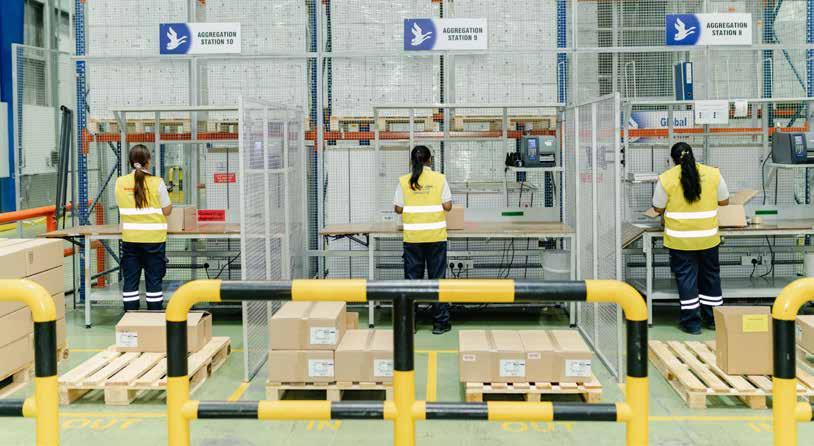
AM: This builds on our existing base of mature and GDP-compliant QMS systems. From a process perspective, we will always adapt to the specific product requirements, followed by implementation into our operations. In terms of infrastructure, we have invested in DG capabilities to accommodate dangerous goods classes of certain raw materials and further expanded specialised storage areas such as cold rooms and liquid nitrogen storage facilities. Furthermore, route risk assessment and validation of specialised packaging tailored to the specific route are important steps for compliant transport execution.
GSC: You recently opened your fifth facility in Dubai. What gaps in the regional healthcare supply chain does this facility specifically address, and how does it change Hellmann’s competitive positioning in the GCC?
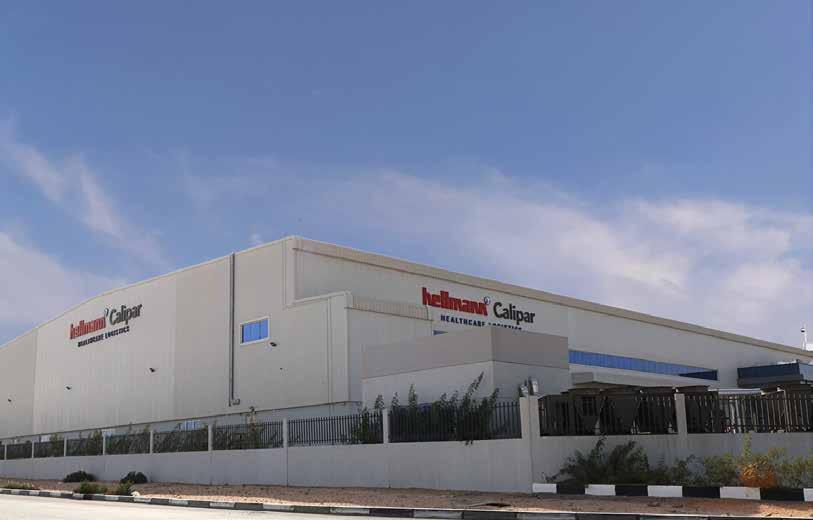
AM: This extension is a natural step for us in supporting the growing needs of our existing customers and upcoming new partnerships. Continuing to provide solutions to our customers is very important to us, as we maintain partnerships that span more than 10 years with many of them. This positions us as a reliable and expert solution provider in the region, supporting further expansion. The new facility is also built to the latest standards and incorporates efficient and sustainable technologies, which equally reflects Hellmann’s commitment to its sustainability goals.

GSC: Regional disruptions—from Red Sea tensions to shifting trade lanes—have exposed vulnerabilities in traditional transport models. How is Hellmann redesigning multimodal solutions to maintain resilience without driving up costs for healthcare clients?
AM: Hellmann’s regional and global setup enables us to work as one team, finding multimodal solutions that span across countries and regions. A recent example is an Air/Road solution into Iraq via Turkey, which was executed with full temperature integrity - this is a success of our regional team. When seafreight routes were disrupted, we were able to execute roadfreight solutions from Europe into the GCC, leveraging the expertise of our European teams.
GSC: Value added services are becoming a differentiator in healthcare logistics. Which services are now mission critical for pharmaceutical and medical device clients, and where do you see the next wave of innovation emerging?
AM: Customisation to final market requirements is key. This is mainly driven by regulatory requirements. In Pharmaceutical, we anticipate wider adoption of trackand-trace regulations across the region. In medical devices, depending on the country, this will remain focused on fine-tuning specific language and artwork requirements.
GSC: Temperature controlled logistics is evolving rapidly. How is Hellmann integrating next generation cold chain technologies—from real time monitoring to predictive analytics—to strengthen last mile reliability in high-risk markets?
AM: Digital capabilities are one of the core pillars of Healthcare infrastructure. Solutions that our customers appreciate include integrating real-time visibility into a single platform, providing a consolidated view of all shipment positioning, temperature, humidity, and CO₂ emissions, as well as the ability to look up related transport documentation. These platforms allow proactive interventions, which are executed by our specialised healthcare teams.
GSC: Regional hubs are increasingly central to global supply chain strategy. What are the biggest misconceptions companies have when shifting distribution points into a regional hub model, especially regarding change management of cold chain flows?
AM: One of the biggest misconceptions is viewing this as a purely logistics cost exercise, focusing only on whether an increase in warehousing and inventory carrying costs can be offset by transportation efficiency. Very often the biggest impact of improved patient access and eventually increase in market share, gets overlooked. A holistic approach,
including risk mitigation and supply chain resilience considerations, must be incorporated when building the business case for the Regional Hub model. On the technical side, reconfiguring cold chain flows would require revalidating packaging and routes, reassessing risks, and building back-up solutions.
GSC: Geopolitical volatility is reshaping supply chain maps across IMEA. How do you balance the need for route stability, regulatory compliance, and sustainability while still meeting the speed and cost expectations of healthcare manufacturers?
AM: It is impossible to balance them all at the same time; some elements are mutually exclusive. In a volatile environment, speed and resilience prevail, and this will come at a higher cost. However, there are non-negotiables you do not deviate from, such as regulatory compliance and your obligations to the continuity of product supply. Taking care of those priorities, while reassessing what requires adjustment to offset the increased cost, is a continuous exercise. And the answers and solutions will keep changing. This is the beauty and the challenge of the healthcare supply chain. And the biggest reward is knowing that everything that you do improves or saves someone’s life at the end of that chain.
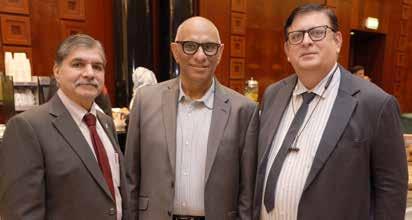
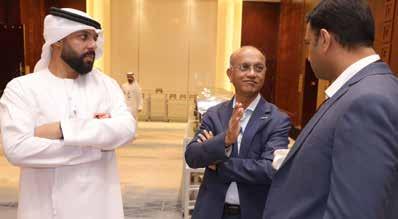
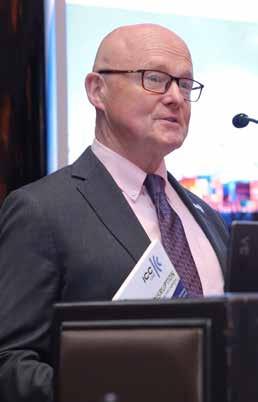
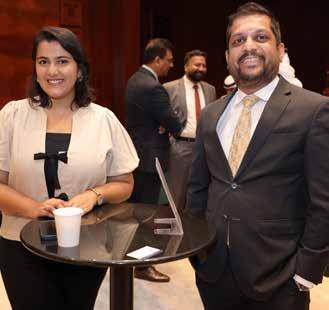
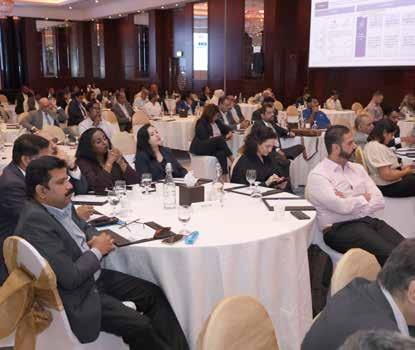
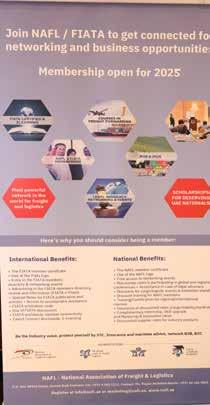
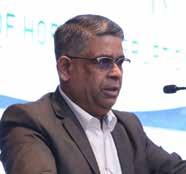
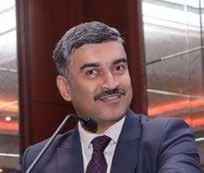
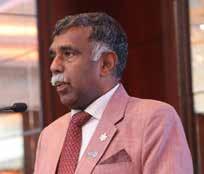
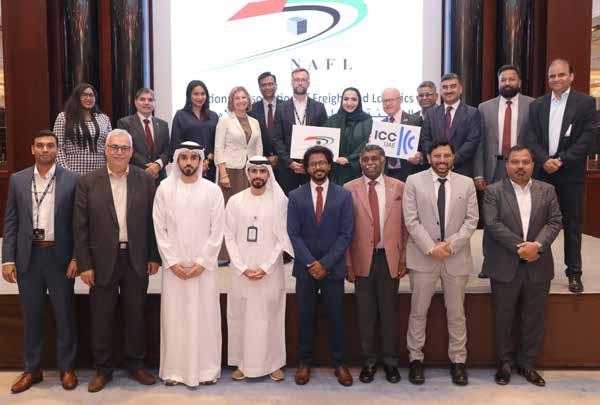
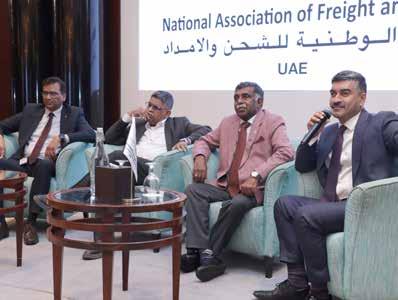
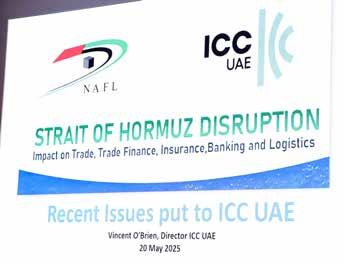
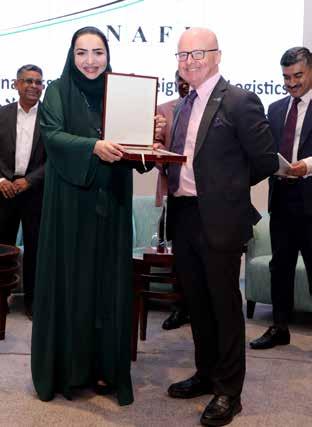
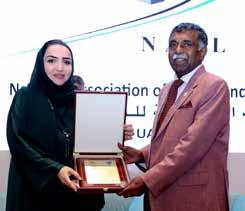
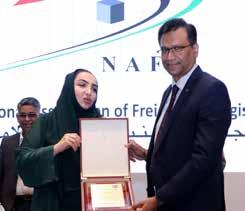
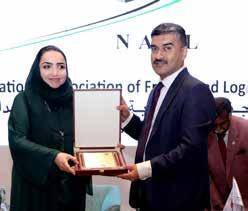
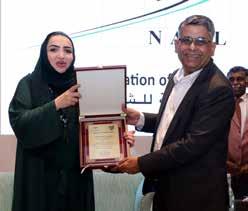
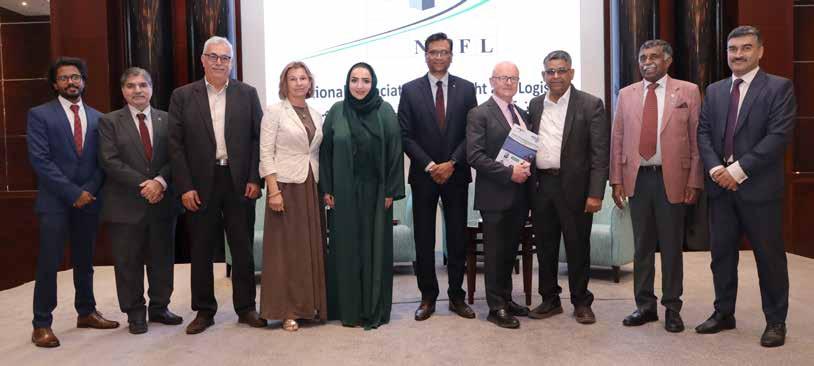
An insightful discussion on the topic, ‘Strait of Hormuz Disruption Impact on Trade, Trade Finance, Banking and Logistics’ was presented by Nadia Abdul Aziz, President NAFL, ICC Chair Customs and Trade UAE, SVP FIATA.
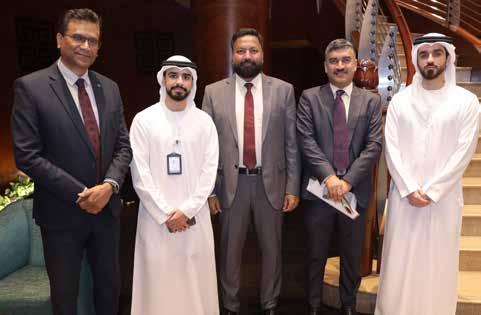
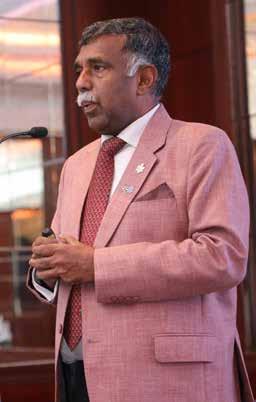
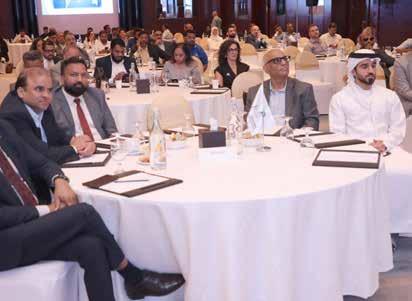
The event was attended by a large number of freight forwarders and industry members from across the country. A series of pertinent talks was also shared by stalwarts of the industry. These were introduced by Vincent O’Brien Director International Chamber of Commerce UAE and included panellists like Madhavan Thooppal, Head Operations, National Bank of Fujairah, Dr.Madhu Madathil, General Manager (Legal), Rais Hassan Saadi, Head of legal committee NAFL, Dr. Hemant Barke, President and CEO Prudence Brokers (UK) ltd and Dr. Krishna Prasad, Managing Director Aster Marine Cargo LLC.
Among the strategic supporters to the industry were Orient Insurance, dnata, Emirates SkyCargo, Dubai Airports and many more.
Discussions on alternative routes, solutions, risk mitigation, coverage and multimodal transport corridors were also held as was an important question and answer session.

The hospitality industry has spent years optimising everything except one of its largest cost centres: procurement.

By Sven Tietz, HeadsUp Co-Founder and CEO
The biggest visible shift over the past few years has been digitisation. Processes that once happened on paper now happen on screens. Labour scheduling, inventory tracking, supplier ordering - there are digital tools for all of it. But digitisation and automation are not the same thing.
The real shift now emerging is automation and intelligence layered onto already digitised processes. That’s where the real change will happen.
Historically, procurement in hospitality remained reactive because it could afford to be. Operators had a black book with supplier numbers. Orders were placed manually. The supplier rep knew the kitchen and the relationship was the system. It achieved the level-one result: stock arrived at the back door and service could run.
Very little changed after that. The industry went from faxing orders to emailing them to WhatsApp-ing them. But it’s the same manual function in a different wrapper. Lack of connectedness
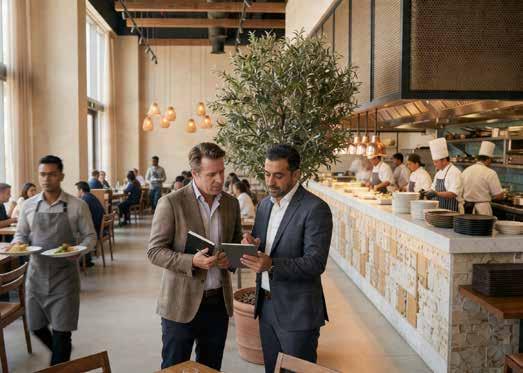
and imperfect technologies meant there simply wasn’t a “Property Finder” for food. Operators made decisions in their own bubble, which felt good enough when margins were healthy enough.
The problem is that today’s margin environment no longer tolerates that level of imprecision. That has become even more urgent in the current climate, where supply disruption and pricing volatility are forcing operators to make faster decisions with less room for error.
The 10–20% net margins that once gave restaurants room to breathe are largely gone. Food, labour and rent costs have risen, while increased consumer choice has compressed menu pricing. All of these forces are bearing down simultaneously and margins aren’t flexing the way they used to be able to.
The gap between operators who manage their cost base precisely, and those who manage it by gut feel, is now the difference between a viable business and one that isn’t. You can still run a restaurant on gut feel and good relationships. But the tolerance for inefficiency that made that viable is gone.
One of the biggest mistakes operators make is treating rising costs and lack of visibility as the same problem. They are not. Rising costs and the tides of the market are mostly outside your control. Not having visibility changes something you could control into something you can’t. It’s not the cost that beats you - it’s the absence of options.
Take a simple example: broccoli prices rise by 100% in a month. The response depends entirely on context. Did prices rise across the market? Did
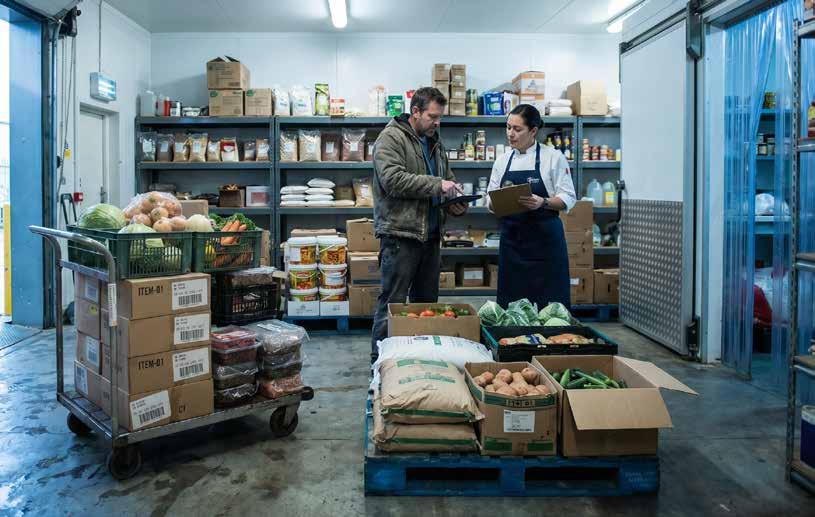
they rise only with one supplier? Did the market move by 50% while one operator experienced 100%? Three scenarios, three very different responses.
With visibility, operators have options. They can renegotiate with suppliers knowing exactly what the market increase was. They can adapt menus to swap out components that are unaffordable. They can pass some of the increase onto customers with a genuine explanation instead of a vague apology.
Right now, much of what procurement teams do is manage out-of-stocks: chasing deliveries, filling gaps before service, and defending decisions they know are right but cannot easily prove. Good tools change that dynamic. The conversation shifts from “defend yourself” to “we’ve checked this.”
As intelligence and automation handle more of the quantitative side - stock levels, price monitoring, supplier benchmarking - procurement professionals will have more time and space to work on the qualitative side - spending more time alongside chefs on menu development, ingredient quality, and guest experience, rather than phoning suppliers to locate missing stock or compare prices manually.
The governance question leaders need to start asking is not just “are we paying less than last year?” It’s “is this price fair relative to what the market is actually paying at the moment?”
For leadership teams, this requires a broader mindset shift. Procurement can no longer be treated as an informal operational function but a governance function. Finance has audit and reporting. HR has salary benchmarking. Operations have SLAs, certifications and health and safety frameworks. Each has an external reference point and a defensible process. Procurement needs the same.
Ultimately, the future of procurement is not about creating more dashboards, reports, or systems for teams to manage.
One of the failure modes of procurement technology is that it creates more surfaces to manage and more reports nobody reads. Great software transfers complexity from the user to itself.
A well-functioning, data-driven procurement system is one where the right information finds you before it’s too late. Operators know what the market is paying for key SKUs. They can validate whether contracted prices are being honoured
at location level. They can walk into conversations and show their working. And when costs need to come down, they know exactly where to look and what to ask for.
This is the gap HeadsUp was built to address. By combining real purchasing data with AI-powered analysis, the platform helps operators understand how their costs compare across the market, where supplier pricing has shifted, and where there may be better options available. For procurement teams, it reduces the time spent manually checking prices or chasing information; for leadership teams, it creates a more structured way to assess whether pricing is fair, consistent, and defensible. The aim is not to add another system for teams to manage, but to ensure the right information reaches the right people early enough for them to act on it.
In a market where conditions are shifting quickly, speed and visibility are no longer nice-to-have; they are part of how operators protect both margins and momentum.
The tools to build that version of procurement already exist today. The real shift now is whether the industry is willing to move procurement from gut feel to governance.
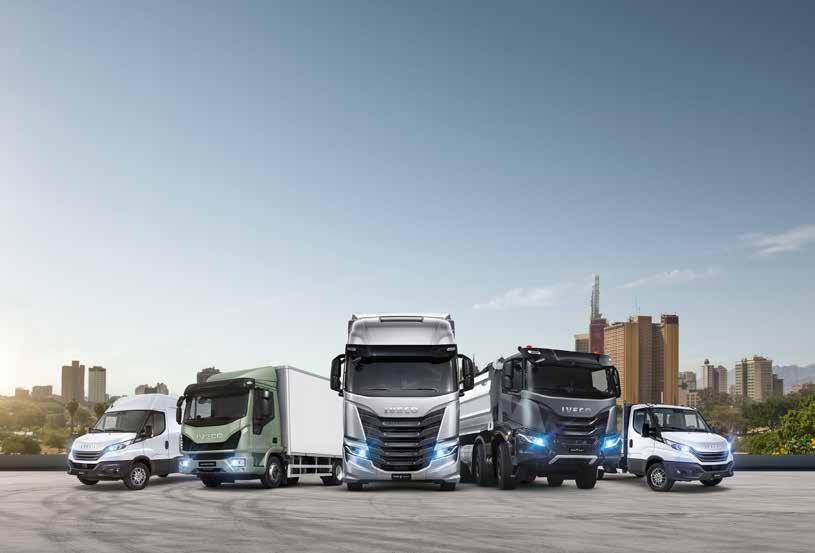
IVECO’s Madrid facility stands as Spain’s only production site for heavy-duty industrial vehicles, manufacturing the brand’s entire heavy range for global markets including Italy, Germany, Spain, and Turkey.
• Nearly 40,000 configurations available - each truck is built to meet specific customer needs, making every unit virtually unique.
• Advanced automation, AGV systems, and 100% renewable electricity use make the plant a model of efficiency and environmental responsibility.
• Over 2,700 skilled employees drive excellence and adaptability, managing constant product updates and innovation.
IVECO’s Madrid facility stands as Spain’s only production site for heavyduty industrial vehicles, manufacturing the brand’s entire heavy range for global markets including Italy, Germany, Spain, and Turkey.
Spanning 374,000 m², the plant features a one-kilometre main assembly line and offers nearly 40,000 possible vehicle configurations. With 267 base models and over 2,800 customisable options, each truck is tailored
to individual customer needs - so much so that the same configuration is produced, on average, only three times a year.
“Every truck we build is essentially a oneoff, custom-made to meet specific requirements,” says José Manuel Jaquotot, Director of IVECO’s Madrid and Valladolid plants. “Each vehicle has a unique identifier that allows us to track it from cab production in Valladolid to final assembly in Madrid, ensuring full traceability and quality.”
The Madrid plant’s production process is highly flexible and precise, supported by advanced logistics and automation systems. A dedicated AGV (Automated Guided Vehicle) system moves vehicles along the line, allowing for dynamic takt time adjustments based on each truck’s complexity - without disrupting the overall flow.
The cab arrives from IVECO Valladolid plant already welded and painted and is fully outfitted in Madrid with components such as the dashboard, seats, bunks, and airbag. The dashboard alone undergoes over 100 electrical tests and is assembled on a dedicated line due to its complexity.
The “marriage” of chassis and cab marks a
key moment in the assembly process. From there, the truck takes shape with the installation of exterior components, wheels, and final testing - including leak checks, geometry calibration, and functional inspections.
Beyond technology, the plant’s strength lies in its people. With over 2,700 employees, the team brings deep expertise and agility to manage continuous product updates. In 2025 alone, the plant handled 10 new launches. Sustainability is embedded in every step. The Madrid plant uses 100% renewable electricity and in 2025 recycled almost 90% of the water used in production. Together with Valladolid, it leads Iveco Group’s efforts in sustainable manufacturing and is part of a pioneering solar self-consumption project with Edison Next Spain, helping avoid around 500 tons of CO₂ emissions annually.
IVECO’s commitment to decarbonisation goes beyond vehicle technology—it extends to how those vehicles are made. The Madrid plant exemplifies this vision: a place where innovation, customization, and sustainability come together to shape the future of transport.
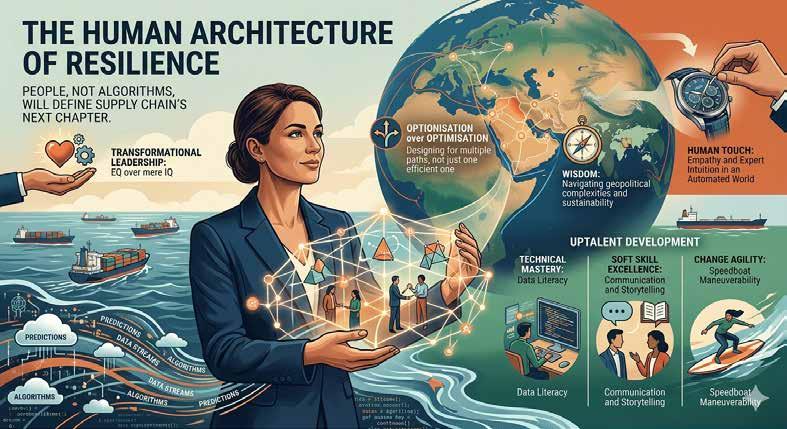
human architecture
why people, not algorithms, will define
The disruptions of the 2020s did something remarkable: they dragged supply chain management from the warehouse floor directly into the boardroom. Pandemic-driven shortages, geopolitical fractures, and the Red Sea crisis did not merely stress-test logistics networks; they exposed the single most consequential variable that no algorithm had accounted for: people.
For the Middle East, a region that serves as the definitive crossroads of global trade, the question is no longer which technology to deploy. It is whether the humans steering that technology are equipped to lead in an era of perpetual disruption.
The traditional archetype of the supply chain leader, defined by engineering precision and cost-containment, is quietly becoming obsolete. Today’s landscape of Volatility, Uncertainty, Complexity, and Ambiguity (VUCA) demands something far more nuanced and needs a transformational leader who can humanise operational complexity into a shared vision.
in trust and cross-border relationshipbuilding, this ability to humanise process into purpose is the hallmark of a genuinely board-ready executive.
The biggest untapped capability for the next generation of Chief Supply Chain Officers is not a technical one. It is influencing, communication, and storytelling. Modern supply chain leaders are called to the board not merely to report logistics costs, but to answer a high-stakes question: How are you fixing the world? Succeeding at that question requires a high Emotional Quotient (EQ). In the Middle East, where commerce is deeply rooted
For decades, the holy grail of industrial engineering was optimisation, finding the single most efficient path and executing it relentlessly. That era is over. In a world where requirements change before an implementation is even complete, optimisation is a liability masquerading as a virtue.
The new imperative is “optionisation”: designing supply networks with the inherent flexibility to perform across a range of unpredictable scenarios, not just the most probable one. This demands a shift from reactive management to pre-active leadership. Leaders can no longer solve tomorrow’s problems using last month’s data. They must ascend the value hierarchy from raw data and information, through knowledge, to wisdom: the capacity to apply long-term strategic insight to ethical and geopolitical complexities that no AI system can independently navigate. AI can process data at a scale no human can match, but only a leader with genuine wisdom can steer through
a re-economy defined by sustainability, circularity, and shifting political geography.
Here lies the most uncomfortable statistic in supply chain management today. While the majority of industrial organisations identify reskilling as vital, only a small proportion have an effective plan to achieve it. The majority of organisations are attempting to manage Supply Chain 4.0 technologies, such as AI, machine learning, and autonomous robotics, with a 1.0 mindset. The gap is not technological. It is human. Closing it requires restructuring
talent development around three pillars.
• Technical mastery that moves beyond formula-memorisation toward genuine data literacy;
• Soft skill excellence that eliminates the information latency between procurement, manufacturing, and logistics teams; and
• Change agility, i.e. the capacity to respond to environmental shifts with speedboat-like manoeuvrability rather than the slow inertia of a tanker.
The rise of lights-out factories and automated distribution centres raises a question the industry cannot evade: what, precisely, is the role of the human being?
The answer is illuminating. Consider the Audi R8 production model. While a standard vehicle line runs at 95% automation, the premium sports car line operates at just 25%, because the brand values the irreplaceable precision and expert intuition of the human hand. Quality, at its highest expression, remains a deeply human act. Supply chain is no different. In an era of algorithmic decision-making, humans are the integrated circuits of the system, providing the empathy, contextual judgment, and creative problem-solving that machines cannot generate. Technology must be understood as a tool to amplify human potential, not a substitute for it.
As the Middle East continues its ambitious supply chain transformation from Saudi Vision 2030 to the UAE’s logistics infrastructure revolution, the organisations that will lead are not necessarily those with the most sophisticated technology stack. They will be those who invest in perpetual human development, cultivate leaders who can influence without authority, and build workforces capable of turning disruption into competitive advantage. The supply chain is no longer a series of links. It is a living system. And its heartbeat is the collective wisdom of its people.
By Dr Lijo John, Assistant Professor at Heriot-Watt University Dubai
Recently at LogiMAT 2026, Bobcat announced the launch of the new DV180/250S-9 diesel forklifts, the largest machines in the company’s line-up, exceeding many competitors in their class and extending Bobcat’s heavyduty material handling portfolio in the Europe, Middle East and Africa market.
The Bobcat stand at LogiMAT provided a comprehensive display of the very latest material handling product lines from the company, including diesel and electric forklifts, reach trucks and warehouse equipment such as pallet trucks and stackers. Visitors can see three of the electric forklifts offered by Bobcat - the B18NT, B25NS and B80NS models. The company’s diesel forklift line is represented by the popular D90S-9 model and the warehouse equipment on show includes the BPR20N-7, BPM16N-7, LSM12N-7i, BSL16N-7i and BSR16N-7i models. The stand display is completed by Bobcat’s high performance TL25.60 compact telehandler.
Purpose-built to exceed the toughest endcustomer expectations, the DV180S-9 and DV250S-9 diesel forklifts deliver exceptional durability, advanced safety and superior operator comfort, making them the ultimate choice for demanding industrial environments and heavy-duty material
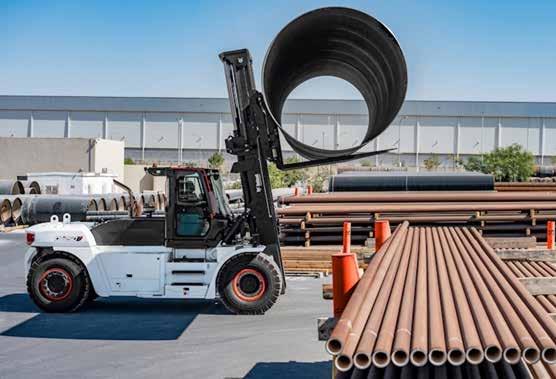
handling applications.
Key product features and advantages of the Bobcat DV180/250S-9 Series 9 diesel forklifts include the high capacity, with the ability to lift a maximum of 18 and 25 tonne at a 1200 mm load centre, respectivelywhich is perfect for heavy-duty, large-scale tasks. They are driven by the powerful HDI DL08V diesel engine and feature a ZF 4-WG211, 4-speed powershift transmission and a Kessler drive axle.
The DV180S-9 stands out as one of the most compact machines in its class, with a width under 2550 mm. This allows for easy transport without special permits, saving on logistics costs and offering more flexibility for rental companies and operators.
The advanced engineering in the DV180/250S-9 diesel forklifts ensures they are built with top-quality components and have a strong, reliable design for demanding environments. Both models deliver excellent load stability and maintain safe speeds even when fully loaded, ensuring every shift is secure. They are designed to offer high
operator comfort during long workdays to improve efficiency and satisfaction.
The 1.8 tonne load capacity B18NT model on the LogiMAT stand is part of Bobcat’s BNT series, the company’s first Li-ION 3-wheel forklifts, designed for light to medium-duty applications. These models — which also include the B16NT and B20NT, with load capacities of 1.6 and 2.0 tonne — offer a cost-effective and eco-friendly solution. The new range extends Bobcat’s electric counterbalanced line-up.
Manoeuvrability is the key aspect in the design of these forklifts, making them ideal for use in tight environments. Despite their compact size, these forklifts boast an ergonomic design that ensures large leg room and exceptional operating comfort for the operator. Setting a new standard in confined space material handling, these forklifts provide a smooth ride and high stability in every job.
Our SynQ software delivers data-driven intelligence that empowers your business by synchronizing the performance of your people, processes and machines. The result is a level of efficiency and performance you never thought possible.
swisslog.com

In an industry often defined by the cold efficiency of “track and trace” and the relentless optimisation of “cost per kilogram,” it is easy to forget that global trade does not move on rails or wings alone. It moves on the shoulders of people. As the logistics landscape becomes increasingly digitised and automated, the real competitive edge is shifting away from who has the best software and toward who has the best team. To lead in this space, we must treat human capital as the most critical infrastructure we own rather than just a line-item expense. Ultimately, our goal is to uncomplicate your world, and that begins with the people behind the process.
The traditional procurement of talent in logistics has historically been reactive, focusing on filling seats to meet peak season demands or replacing turnover in high-pressure environments. However, the modern logistics professional is no longer looking for just a pay check. They are looking for a sense of belonging and a clear purpose. In a world characterized by fragmented supply chains and geopolitical volatility, the “SGL way” means shifting our focus from hiring for skills only to hiring for cultural alignment and an entrepreneurial spirit. Retention is where the real battle for market share is won. High turnover is the hidden tax of the logistics industry because it silently erodes institutional knowledge, damages morale, and disrupts long-term client relationships. To keep the best minds, we must move beyond standard corporate benefits and focus on uncomplicated transparency. When people feel they are part of a shared journey and understand the “why” behind the “what,” they do not just stay, they innovate. Retention is the natural byproduct of a workplace where “bringing a human touch” is a core KPI. We do not just want employees. We want stakeholders
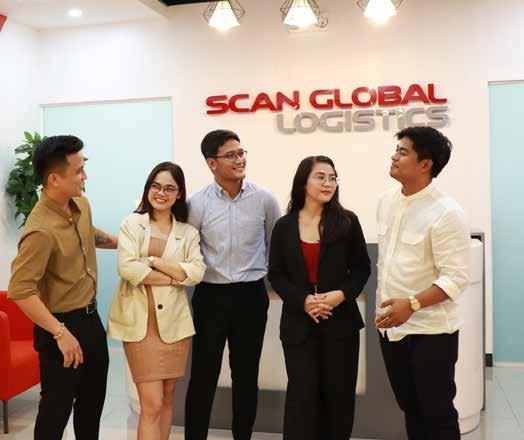
who are empowered to uncomplicate your world through every challenge they face.
Leadership in logistics has undergone a radical transformation. The era of the “command and control” manager is over. Today’s leaders must be coaches who can navigate high-pressure environments with empathy, agility, and a “can-do” attitude that reaches the front lines. At Scan Global Logistics, leadership is about empowering individuals to make decisions at the edge of the network where the cargo actually moves and the complexity is highest. Training must mirror this agility. We
are no longer just teaching people how to move cargo or navigate a manifest. Instead, we are training them to be “logistics athletes”. These are professionals who are technically proficient in AI-driven tools but also possess the soft skills to solve a crisis when a port closes, a route is blocked, or a global pandemic shifts the landscape overnight. Continuous learning is the fuel for this transformation. By investing in leadership development that prioritizes emotional intelligence, strategic thinking, and resilience, we ensure that our teams can handle the volatility of the 2020s with confidence. We are not just building a workforce. We are building a specialized response team designed to simplify the lives of our customers.
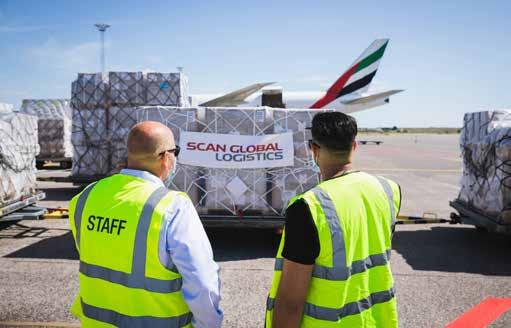
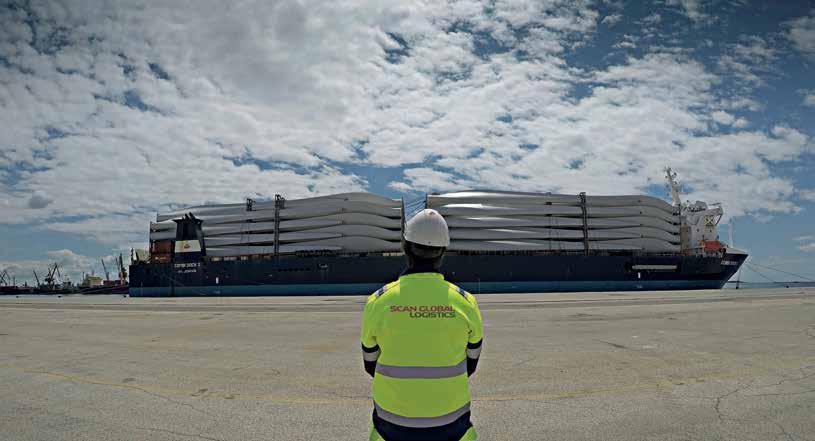
new people profile: The entrepreneurial specialist
What does the “ideal” logistics professional look like in today’s market? The profile has evolved from the specialist who knows one lane perfectly to the entrepreneurial specialist. This new breed of professional possesses a unique blend of traits:
• Embracing Complexity: These are individuals who see a disrupted supply chain not as a headache, but as a puzzle to be solved. They thrive in the grey areas where standard procedures often fail.
• Natively Digital: These professionals leverage technology to enhance their human intuition rather than being replaced by it. They use data to inform
their gut feeling instead of ignoring it.
• Radically Human: These are people who understand that at the end of every shipment is a real person and a business whose survival may depend on our reliability.
This profile is not found purely through a CV. It is cultivated through a culture that rewards curiosity and ownership. Whether it is a warehouse manager or a specialized freight forwarder, the common thread is a sense of personal responsibility.
The future of global logistics will be won by those who realise that technology is the “how,” but people are the “why”. By focusing on purposeful procurement,
agile leadership, and a new breed of entrepreneurial talent, we do more than just move goods from point A to point B. At Scan Global Logistics, our mission is clear. We do not achieve results through algorithms alone. We achieve them through the collective brainpower, dedication, and heart of our people.
In the end, the most important “ship” in the world is not a container ship. It is leadership, partnership, and relationship. When we invest in our people, we give them the tools to uncomplicate your world, proving that the human engine is the only thing that cannot be automated.
By Robin Vermaat Sales Manager, UAE - Scan Global Logistics
Logistics are no longer a supporting function within Saudi Arabia; they have become a core pillar of national economic strategy not only to diversify the economy beyond oil but also to ensure the safety of oil transportation. Due to the urgency of the sector, it has been reshaped through large-scale infrastructure investment, regulatory reform and rapid digitalisation -- all designed to strengthen trade connectivity and position the Kingdom’s role within the global supply chains.
At the centre of this transformation is Vision 2030 and its supporting frameworks, particularly the National Transport and Logistics Strategy (NTLS) and the National Industrial Development and Logistics Programme (NIDLP).
These initiatives aim to significantly increase the logistics sector’s contribution to GDP, targeting around 10% by 2030, while improving efficiency across all transport modes. The Oxford Business Group has written a piece in which they explained that logistics is viewed as a strategic economic engine rather than a traditional infrastructure sector, with strong emphasis placed on private sector participation, foreign investment, and integration with global trade networks.
The Kingdom’s geographic location at the crossroads of three continents (Asia, Africa and Europe) supports its ambition to become a central global logistics gateway, creating an advantage that is being actively leveraged through coordinated infrastructure expansion.

A defining feature of Saudi Arabia’s logistics transformation is the scale of infrastructure development currently underway. The Kingdom is investing heavily in ports, airports, rail networks, and road systems to create a fully integrated multimodal transport ecosystem. Major seaports along the Red Sea and Arabian Gulf are being expanded and modernised to handle larger container volumes and improve turnaround times, while airports are being upgraded to strengthen air cargo capacity and passenger connectivity.
Meanwhile, rail freight and passenger corridors are also expanding to improve inland connectivity and reduce reliance on road transport. Urban transport systems, including metros and bus networks in major cities, are further enhancing domestic mobility.
These developments are closely linked to broader giga-projects such as the Red Sea, which are generating additional demand for advanced logistics infrastructure and integrated supply chain solutions.
Alongside national infrastructure expansion, the industrial and warehousing segment is experiencing significant growth, particularly in major urban hubs. Knight Frank’s 2025 report said that over 1.3 million square metres of new warehouse and logistics space were delivered in the first half of 2025 alone, yet demand continues to outpace supply.
Occupancy rates remain extremely high across key markets, often exceeding 95 percent, while rental prices continue to rise, especially in Riyadh. The market is increasingly defined by a shortage of high-quality Grade A logistics facilities, as occupiers shift away from older storage assets toward modern, technology-enabled warehouses. In that sense, Riyadh has emerged as the dominant logistics hub in the Kingdom, followed by Jeddah and the Eastern Province, each benefiting from strong industrial activity, trade connectivity, and infrastructure investment.
There are several powerful demand drivers that are accelerating this growth trajectory in the Kingdom. The rapid expansion of e-commerce has significantly increased demand for last-mile delivery networks, fulfilment centres and automated warehousing solutions. At the same time, Saudi Arabia’s broader industrial diversification agenda is driving growth in manufacturing sectors such as automotive, pharmaceuticals, food processing, and advanced technology.
Moreover, foreign direct investment is also playing an increasingly important role, supported by regulatory reforms and the establishment of special economic zones designed to attract global logistics and supply chain operators. In addition, large-scale infrastructure and tourism megaprojects are creating longterm logistics requirements, reinforcing demand for both construction-related logistics and ongoing operational supply chains. This is all due to the trade facilitation reforms, which includes finding a way to streamline customs processes and improved logistics regulations.
Saudi Arabia is actively investing in smart logistics systems that incorporate artificial intelligence, real-time tracking technologies, and digital customs clearance platforms.

There has been a shift toward integrated, data-driven supply chains that improve transparency and reduce operational inefficiencies. Smart ports, automated terminals and digital freight management systems are being deployed to enhance speed and reliability across logistics networks. This digital transformation is strengthening Saudi Arabia’s competitiveness in global trade rankings and international supply chain performance indices.
Government policy and investment frameworks continue to play a critical role in shaping sector development. National programmes such as NTLS and NIDLP provide strategic direction, while broader initiatives aim to expand logistics zones, increase container handling capacity, and integrate different transport modes more effectively. These policies are designed to create a more liberalized and competitive logistics market, encouraging foreign participation and improving overall sector efficiency.
Sustainability is also becoming an increasingly important dimension of logistics development in Saudi Arabia. The Kingdom is incorporating environmental considerations into transport planning, with growing emphasis on green logistics infrastructure, energy-efficient transport systems, and electric mobility solutions.
Despite this strong momentum, there remain several challenges. The ongoing rapid pace of expansion has created pressure on infrastructure and highlighted the limited supply of high-quality logistics facilities. Moreover, there is a growing need for skilled labour in advanced logistics, digital systems and supply chain management. Nonetheless, coordination across different transport modes remains a structural challenge, particularly as multiple mega-projects and infrastructure programmes progress simultaneously. In addition, the scale and complexity of ongoing developments introduce execution risks, particularly in delivering projects on time and integrating them effectively into the broader logistics ecosystem.
Overall, Saudi Arabia’s logistics sector is transitioning from a domestically oriented transport system into a globally integrated logistics platform. While supply constraints and execution challenges remain, the longterm outlook is highly positive. By 2030, Saudi Arabia is expected to emerge as one of the world’s leading logistics hubs, supported by strategic geography, ambitious planning, and sustained investment in infrastructure and technology.
By Omnia Al Desoukie, Editorial Consultant

n Aramex, a leading global provider of logistics and transportation solutions, announced that Amadou Diallo has officially assumed his role as Group Chief Executive Officer, effective 1 May 2026.
This is a significant milestone for Aramex as the company continues to execute its Accelerate28 strategy, aimed at strengthening its core business, enhancing customer experience, and scaling capabilities across key growth markets.
n Leading logistics provider GEODIS, have selected Rotate’s Live Capacity and Air Demand solutions to power the company’s global air freight analytics and strategic planning. The adoption of these two complementary data products marks a significant step in GEODIS’ continued investment in smarter, more predictive decision-making-across its international air network.
Air cargo markets continue to face rapid changes in both capacity and demand, influenced by geopolitical factors, supply chain challenges, and emergence of commodities such as high-tech and semiconductors. By integrating Rotate’s Live Capacity and Air Demand products, GEODIS will gain access to an unprecedented, end-to-end view of both sides of the market.
Covering all carriers, all airports, and all flown flights, including passenger belly capacity, freighters, and charter operations. The product gives GEODIS a flight-level view of the world’s available air cargo capacity. Historical data dating back to 2018 enables the company to track structural market changes over time.
Rotate’s Air Demand product complements this with a deep understanding of market needs. By combining trade data, traffic flows, and additional external sources, Air Demand
Shadi Malak, Chairman of the Aramex Board, said: “We are pleased to welcome our new Chief Executive Officer at a pivotal moment in the company’s growth journey. With a strong track record of operational excellence, leadership, innovation, and customer centricity, Amadou Diallo brings the vision and experience needed to further strengthen our position in the logistics sector.”
Amadou Diallo brings over 30 years of global experience in the logistics and transportation industry, with a strong track record of leading large-scale operations and driving transformation across key markets.
Amadou Diallo, Group Chief Executive Officer of Aramex, said: “I am truly honoured to join Aramex at such an important moment in its journey. Together, we will cultivate an environment where every voice is heard and every idea is valued, empower-
ing our people to deliver their best every day. Our commitment to putting customers at the heart of everything we do will guide us as we continue to strengthen our service offering and adapt to the evolving needs of global trade and e-commerce.
Looking ahead, my priority will be to build on Aramex’s strong foundations by driving operational excellence, advancing our digital capabilities, and enhancing the end-to-end customer experience. Together, we will focus on unlocking new growth opportunities while delivering sustainable value for our shareholders.”
Aramex also extends its appreciation to Nicolas Sibuet, who has served as Acting Group Chief Executive Officer for the past twelve months. Mr. Sibuet has brought strong leadership over this period igniting transformation and momentum across the business.

provides volume intelligence across all major trade lanes, including granular insights into 5,000+ commodities and critical e-commerce lanes. Updated monthly with historical data reaching back to 2010, it gives GEODIS a clear line of sight into evolving demand patterns and emerging commercial opportunities. Ryan Keyrouse, Cofounder & CEO of Rotate on the partnership and the value of data-driven decision making: “We’re proud to be working alongside GEODIS as they continue to strengthen their data capabilities. In today’s environment, the ability to turn complex data into clear, actionable insight is critical. To-
gether, we’re helping their teams make faster, more informed decisions across their global air freight network.”
Casper Hedemann, SVP Global Air Freight at GEODIS, also commented on how the collaboration is helping the company strengthen its approach to market insights and operations: “The air cargo market is becoming increasingly dynamic, and it’s important that we keep up with it. Working with Rotate has been valuable, not just for their data capabilities, but for the close collaboration with their team. That combination is helping us advance a more data-driven approach across the business.”
n Bahri, The National Shipping Company of Saudi Arabia and a global leader in logistics and maritime transportation, has been recognized with the Operational Excellence Award at the Public Investment Fund (PIF) Partners’ Forum 2026.
The PIF Partners’ Forum Awards highlight outstanding achievements across portfolio companies that are driving impact, excellence, and value creation across strategic sectors. The Operational Excellence category specifically recognizes organizations demonstrating exceptional performance, efficiency, innovation, and the adoption of best-in-class global standards across their operations.
This recognition further strengthens Bahri’s position as a leading maritime and logistics provider regionally and globally. Commenting on the award, Eng. Khalid Alhammad, President of Bahri Ship Management, said: “We are honoured to receive this prestigious PIF award, which reflects the dedication of our teams and our contin-
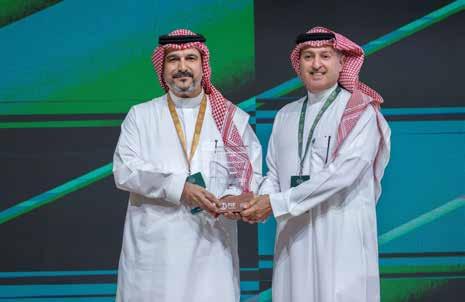
ued commitment to operational excellence across all our business units. This recognition highlights the resilience of our operations and our ability to deliver reliable, high-quality services to our customers and partners worldwide, even during periods of global uncertainty and disruption.”
This latest recognition follows a series of recent achievements that highlight Bahri’s
strong performance across multiple areas of its operations. In recent months, Bahri received the International Chemical Tanker Company of the Year 2026 in London, the Ship Manager Award at the Saudi Maritime Awards in Jeddah, and the Labor Award in the Localization Track for the Transport and Logistics Sector, further underscoring the company’s commitment to operational leadership.
n DS Smith, an International Paper company and a leading provider of sustainable packaging solutions made from cellulose fibres, and SOMFY, a global specialist leader in automated and connected home and building equipment including automated shutters, blinds, curtains, and gates, have developed a fully recyclable corrugated cardboard solution to protect for roller shutter motors during transportation and replace polystyrene inserts.
The innovation has resulted in a largescale operational deployment and a significant step forward for SOMFY in its transition towards the utilisation of more sustainable and circular industrial packaging.
Led by the DS Smith design teams in Kunheim in close collaboration with SOMFY, the project has addressed a single objective: to replace plastic and improve the recyclability of packaging without compromising on the quality of product protection throughout
storage and transport.
A standardized, adaptable, and high-performance industrial solution
Made from Kraft EE (Electrical Grade) corrugated board, these cardboard inserts guarantee robustness and durability. Designed to be modular, the system accommodates thirty-four different types of engine lengths and can be adapted to four box sizes, thus contributing to a significant reduction in logistical complexity. The quick and easy assembly process is designed to meet industrial production rates and requirements.
In addition, the compactness of the cardboard compared to Expanded Polystyrene (EPS) allows for a significant reduction in storage volume, generating immediate space savings at logistics sites. Following a successful trial order, the project is currently during its operational phase and demonstrating the packaging solution’s successful performance under real-world conditions.
Benjamin Chedal, Sales, Marketing, and
Innovation Director, DS Smith Packaging France, states
“This innovation fully illustrates DS Smith’s ambition to support its customers in developing increasingly sustainable packaging solutions. We are very proud of the rollout of this concept, which has been adapted to numerous SOMFY product formats, demonstrating its modularity, relevance, and longterm viability, both in terms of innovation and the materials used.”
Tony Faure, Chef de Projet, SOMFY says, “The eco-design of our products and the sustainability of our practices are at the heart of the SOMFY Group’s decarbonization strategy. We are delighted to have collaborated with DS Smith on the deployment of this cardboard packaging solution: it marks an important step that facilitates handling and recycling for our professional customers, is made from renewable material, and does not compromise on the quality and protection requirements of our products.”
n DSV, the global transport and logistics leader, and Arcapita Group Holdings Limited (“Arcapita”), the global alternative investment firm, through its real estate development platform, Lintara Properties, announce the completion of a new, state-of-the-art 30,000-square-metre build-to-suit logistics warehouse at Dubai’s Jebel Ali Free Zone (JAFZA).
The new facility is a clear signal of DSV’s long-term commitment to the UAE and the wider Middle East. DSV is continuing to invest in capacity and capabilities in Dubai, reflecting its confidence in the market’s long-term growth and the role of the UAE as a global trade and logistics hub.
Chrys Mendonca, Managing Director of DSV Dubai, said: “I’m excited to open this state-of-the-art facility expanding our capabilities to serve both our regional and global customers. Even in a period of unrest and uncertainty in parts of the Middle East, we are expanding capacity because we trust the region’s long-term growth and the UAE’s role as a gateway for global trade.”
The warehouse has been delivered as a turnkey build-to-suit development. Lintara Properties coordinated the development and construction, with Group AMANA serving as main contractor and utilising advanced construction methodologies, including modular and off-site techniques, to deliver the facility efficiently and to specification.
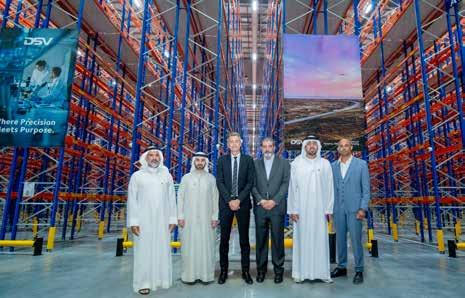
Isa Al Khalifa, Managing Director of MENA Real Estate at Arcapita and Chief Executive Officer of Lintara Properties, said: “This buildto-suit facility demonstrates the ability of Lintara Properties, together with Arcapita, to originate and deliver complex, high-specification logistics assets for global blue-chip tenants. Purpose-built to handle increasingly complex requirements – from pharmaceutical and temperature-controlled goods to hazardous materials – the warehouse is able to support supply chains with resilient, sustainable and best-in-class logistics solutions”.
Located within DSV’s JAFZA South Cam-
pus, the new warehouse further strengthens DSV’s operational footprint in Dubai – a critical gateway for regional and international trade – and enhances the company’s ability to scale with customers as supply chains continue to evolve.
It features high-bay storage with a maximum internal storage height of 17.3 metres, capacity for approximately 75,000 pallet positions, and extensive loading, docking and covered external storage areas. The warehouse is located within the same plot as DSV’s local headquarters, supporting seamless daily operations and close customer dialogue.
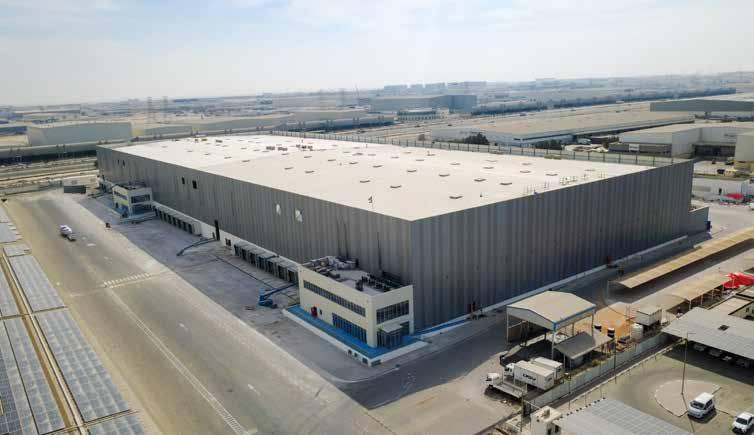
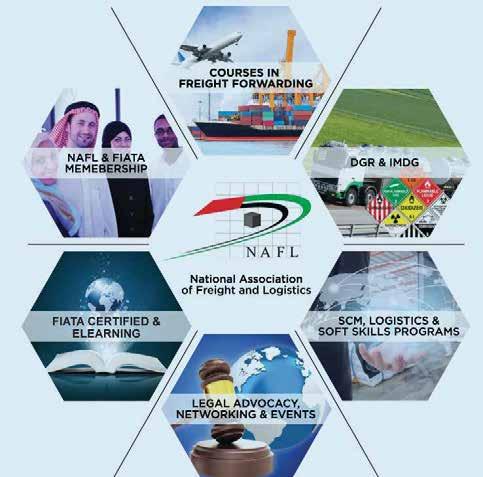
+ The FIATA member certificate
+ Use of the Fiata logo
+ Entr y in the FIATA members directory & networking events
+ Advertising in the FIATA members directory, review and information (FIATA e-Flash)
+ Special Rates for FIATA publication and articles
+ Access to secretariat›s assistance
+ FIATA arbitration code
+ Use of FIATA documents
+ FIATA worldwide member connectivity
+ Talent Connect Worldwide, E-Learning


+ Discountes rates in participating in global and regional conferences
+ Asssistance in case of legal advocacy
+ Discounts for cargo/logistic events and exhibition stands
+ Discount training for NAFL members
+ Training/Certification for regional/international courses
+ Insurance at discounted rates (cargo/liability/medical)
+ Complimentary internship, Skill upgrade and Mentoring & Innovation ideas
+ Discounted supplier rates for industry products

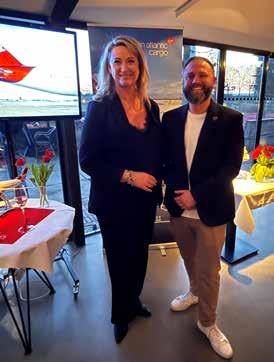
n Specialist air cargo operations and compliance partner, TCE, and Virgin Atlantic Airways’ cargo division, Virgin Atlantic Cargo, recently celebrated the first year of their European partnership in an event with customers in Amsterdam. Alongside a highly successful
TCE
year of growth and enhanced processes, the cooperation is out of the ordinary as it extends to the joint sponsorship of a world class Dutch darts player, Gian Van Veen.
Over the past twelve months, TCE and Virgin Atlantic Cargo have built a solid, pan European partnership that combines specialist operational expertise with a shared commitment to customer centric innovation. Together, they have delivered strong revenue growth, optimised processes, and a seamlessly coordinated trucking and capacity network feeding Virgin Atlantic Cargo’s long haul services out of London Heathrow, while consistently meeting ambitious performance targets. This first year has laid the foundations for an even closer commercial collaboration, creating the ideal platform to jointly support Gian Van Veen’s rise on the global darts scene and to further expand Virgin Atlantic Cargo’s European footprint.
“At TCE, we go far beyond what is expected of a traditional GSA. Not only is our product portfolio unique in the air cargo industry, but we also take our partnerships to another level.
Together with Virgin Atlantic Cargo, we began sponsoring Gian Van Veen this year,” says Sarah Scheibe, Managing Director of TCE. “Gian is currently the world’s Number 3 and Dutch Number 1 professional darts player, following his impressive games in the 2026 World Championship Finals. And he is a true aviation enthusiast having studied aviation in Amsterdam and even worked within AERION before focusing on the sport as a professional.”
Nicknamed ‘The Giant’ on account of being 1.93 m (6 feet 4 inches) tall, 24 year old Gian Van Veen has played darts since the age of 8. He began climbing youth circuits from the age of 13 on and has seen an exceptionally fast rise to fame over the past two years after stepping away from work in 2024 to focus fully on the game. Prior to that, he completed a bachelor’s degree in aviation operations from the Amsterdam University of Applied Sciences, and worked in logistics for a Global GSA Group subsidiary at Hoofddorp, close to Schiphol Airport. Described as calm, analytical and fearless, his character and darts in general offer many parallels to the world of air cargo.
n New US tariff measures and acute geopolitical tensions are reshaping the global pharmaceutical landscape, prompting companies to rethink supply chains and production strategies, says GlobalData, a leading intelligence and productivity platform.
A key driver is the US administration’s decision to impose tariffs on imported pharmaceuticals and their ingredients, upending decades of medicines trade orthodoxy. The policy introduces a complex system of incentives linked to domestic manufacturing and pricing agreements. At the same time, the strong focus on onshoring highlights the broader push to strengthen US production capacity.
Dominic Tyer, Senior Editor at GlobalData, comments: “The tariff framework fundamentally changes the operating environment for global pharma. While pricing agreements remain relevant, US priorities have been more closely calibrated around onshoring manufacturing, with companies now under even greater pressure to align their production footprints with policy expectations.”
This shift will continue to drive increased investment in USbased manufacturing, building on the tens of billions of dollars that major pharmaceutical companies have already committed to expand their domestic capacities.
The policy is examined in the latest edition of GlobalData’s monthly “Bio/Pharmaceutical Outsourcing” report, which also notes that the current Middle East conflict is adding further strains for pharma manufacturing. Rising energy prices, disrupted logistics routes, and higher freight costs are increasing production expenses and supply chain uncertainty.
Edita Hamzic, Healthcare Analyst at GlobalData, adds: “The current geopolitical environment is intensifying existing vulnerabilities. Supply chains remain highly concentrated and cost sensitive. Even moderate disruptions can have downstream effects on medicine availability and pricing.”
The impact is widespread across regions. The US faces heightened risk due to its dependence on imported generics, and similar vulnerabilities exist in the EU and UK. In Asia-Pacific, energy dependence and currency pressures are increasing production costs.
Hamzic concludes: “The addition of geopolitical tension to the US push to onshore pharma manufacturing will increase pressure on companies to rewire supply chains and production strategies, while also forcing them to evaluate the real-world effects of extraordinary trade policy changes.”


n Tariq Al Wahedi: Supporting supply chain continuity now demands a higher level of cross-entity integration as well as more effective links between need and execution capability.
7X, the leading group in trade, transport, and logistics, has expanded its support scope enabled by ADEED, the UAE Supply Chain Support Platform, to include a broader ecosystem of partners and service providers across the UAE, following the platform’s successful launch in Abu Dhabi. This step marks a unified effort towards strengthening supply chain continuity, facilitating trade flows, and enhancing the readiness of the economic system to keep pace with rapidly evolving operational and economic variables.
The platform’s partner ecosystem has been expanded to include over 30 new entities, including express delivery companies, transport firms, logistics providers, and other relevant entities linked to
the trade and supply chain ecosystem.
This expansion enhances ADEED’s capability to connect requests with the most relevant entities for processing and reinforces its role as a unified national platform for enabling readiness and coordinated response. ADEED now also enables access to support related to trade finance, funding, and financial risk mitigation through collaboration with banks, financial institutions, and business ecosystem partners. This helps companies access more integrated solutions that support business continuity and strengthen their ability to respond to operational and financial changes.
This expansion builds on the success achieved by ADEED during its first launch phase. Within one month of its launch, the platform closed all received requests or directed them to the appropriate tracks, achieving a 100 per cent closing rate across logistics and

supply chain services, trade and supply chain financing, and the provision of suppliers and related operational resources.
Tariq Al Wahedi, Group CEO of 7X, said: “ADEED’s success is a landmark milestone in our journey towards building an integrated national system which can support UAE supply chains by offering a unified channel, ensuring clarity of demand, speed of coordination, and response efficiency.
This further reflects our firm belief that enabling supply chain continuity is no longer just about delivering logistics services in their conventional form – it now demands a higher level of integration across entities and a more effective link between need and execution capacity.”
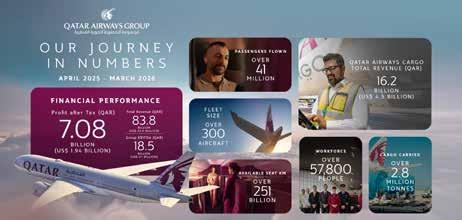
n Qatar Airways Group posts QAR 7.08bn net profit (US$1.94bn) for financial year 2025/26, demonstrating prudent growth and operational resilience
Qatar Airways Group announced a posttax profit of QAR 7.08bn (US$ 1.94bn) for financial year 2025/26. The results demonstrate a robust performance against a final month impacted by significant geopolitical events, reaffirming its position as one of global aviation’s most resilient Groups.
Throughout financial year 2025/26, the Group continued to develop, innovate and
provide world-class services and experiences to passengers and businesses.
The airline carried more than 41.8 million passengers, maintaining extensive global connectivity through Hamad International Airport. The Group’s cargo division continued to excel, having transported more than 1.43 million tonnes of chargeable weight, advancing its position as the world’s largest air freight carrier with a 12% global market share.
The airline also maintained industry leading punctuality, achieving an 86% on time
performance, placing it firmly among the top five most punctual carriers worldwide, and securing the most coveted recognition in global airline operations benchmarking, the Cirium Platinum Award for Operational Excellence.
Qatar Airways Group Chief Executive Officer, Mr. Hamad Al-Khater, said: “It is not often that a single financial year asks an organisation to demonstrate both the best of what it can achieve and the depth of what it can withstand. The 2025/26 financial year did both, and the Qatar Airways Group rose to each in turn.
“These results speak to the strength of this Group across every measure that matters — a strong balance sheet, industry-leading operations, partnerships of real depth, and people who maintained the standards this Group is known for, even under the most demanding conditions. Behind every result are 57,800 people, working across more than 90 countries. In the final weeks of the financial year, many of them were managing an active crisis with a standard of professionalism that defines this organisation as much as any financial metric, and it deserves to be recognised.”

n Blue Yonder, the AI company for supply chain, and Syndigo, a global leader in Product Experience Management (PXM) and product content solutions, recently announced at Blue Yonder’s ICON conference a strategic partnership to improve the efficiency of supply chain and store operations while improving customer satisfaction.
The partnership combines Syndigo’s enriched, GS1-aligned product content, including validated attributes, standardized images, and accurate dimensions, with Blue Yonder’s supply chain solutions to help retailers and brands plan smarter and execute faster. That trusted data foundation also powers the next generation of agentic commerce, from product discovery through fulfillment. With the ability to leverage both standardized and customizable product data into AI-orchestrated supply chain workflows, the partnership helps organizations onboard products faster, improve the efficiency of execution and en-

sure products show up as expected in stores.
This partnership transforms how trading partners share and collaborate on product data. Using the integration, one simple update within Syndigo cascades to every partner within the Blue Yonder Network, resulting in significant efficiencies, cost savings, and prevention of lost sales.
Syndigo’s trusted and validated, GS1aligned product data flows directly into Blue Yonder workflows in real time, eliminating the manual data cleansing that delays onboarding, distorts demand signals, and creates planning exceptions.
“As retailers and brands work to improve collaboration across increasingly complex ecosystems, trusted product data is essential,” said Wayne Usie, chief strategy officer, Blue
Yonder. “Through this partnership with Syndigo, we help customers close the gap between product information and supply chain intelligence, bringing trusted and reliable data into the Blue Yonder Network and Space Planning so planning and execution are built on accurate, customer-ready truth. That helps customers reduce exceptions and make more accurate decisions from supplier onboarding through in-store execution.”
Syndigo enables trusted, network-ready product data and enriched product content to flow straight into the Blue Yonder Network of retailers, brands and carriers across the supply chain. The result is faster onboarding, cleaner assortment decisions, and fewer backand-forth cycles because every party is working from the same product information.
n Leading aircraft charter specialist, Air Charter Service, has opened its doors in Stuttgart, southern Germany, its fifth in the country and 42nd worldwide.
Caroline Werf, CEO of ACS Germany said of the opening: “Stuttgart is an important financial centre in Germany, and is the fourth largest metropolitan area in the country. The city is home to the headquarters of several major multinational corporations, including Bosch, Porsche and Mercedes Benz. It is an exciting time for ACS in Germany, as this office becomes our fifth in the country, following the openings in Cologne last year and Munich the year before.
“The Stuttgart office will be headed up by the experienced Thomas Müller. Thomas joined ACS more than five years ago as Cargo Business Development Director, after spending his entire career in the logistics industry, and working in Stuttgart for all of that time. The office will look to work closely with the
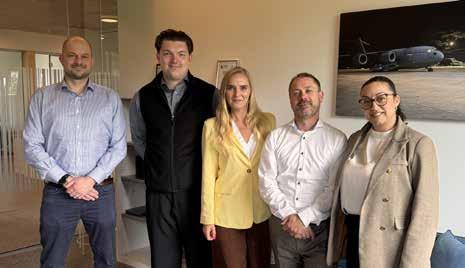
clients we already have in the city, as well as working with new customers.” Müller said of the opening: “I’m delighted to be opening this office in my native Stuttgart and building
up my team here. Since joining ACS I have been dealing with many customers based in the city, and now is the time to open an office here and further grow that business.”
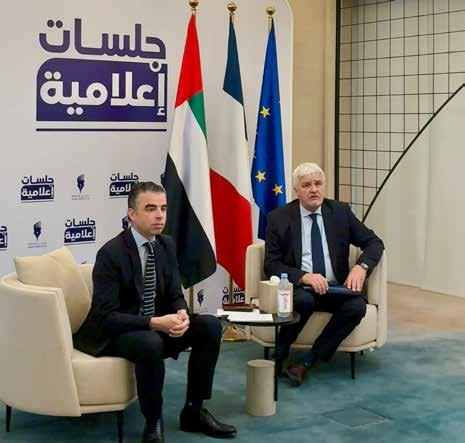
n France and the United Arab Emirates are further strengthening a long-standing strategic partnership built on trust, investment, innovation and a shared ambition for longterm transformation and sustainable growth.
This momentum is being reinforced through the high-level visit of Louis Margueritte, CEO of Business France, to the UAE, aimed at deepening bilateral cooperation, accelerating investment flows and reinforcing strategic partnerships across key sectors shaping the future global economy.
During his visit, Louis Margueritte met with leading institutional and economic stakeholders including Investment Corporation of Dubai (ICD), MGX, First Abu Dhabi Bank, Kerzner International, as well as His Excellency Helal Saeed Al Marri. Discussions focused on strategic investment opportunities, artificial intelligence, advanced industries, tourism, infrastructure and long-term economic cooperation between France and the UAE.
Speaking during a media briefing hosted at the Dubai Press Club, Louis Margueritte stated: “The UAE is no longer only a strategic
market for France. It is increasingly a strategic co-builder of future industries. In times of profound global transformation, trusted partnerships matter more than ever.”
France and the UAE continue to demonstrate strong economic momentum. Bilateral trade reached €10.8 billion in 2025, representing a 27% increase year-on-year, while total trade between France and the GCC reached €24.9 billion, confirming the growing depth and diversification of economic ties across the region.
Today, more than 600 French companies operate in the UAE, making it the largest French business presence in the Middle East. Active across sectors such as energy, healthcare, infrastructure, luxury, technology and services, these companies contribute directly to the UAE’s economic diversification and long-term transformation ambitions.
Business France currently supports nearly 2,000 French companies across the Gulf region, including more than 800 in the UAE, through market intelligence, strategic advisory, business matchmaking and investment
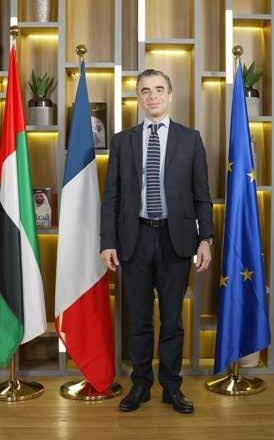
facilitation initiatives.
Each year, Business France also organizes around 60 sector-focused initiatives across the region, including major French pavilions at leading UAE trade fairs such as Gulfood, WHX, Beautyworld Middle East, Wetex and The Big 5. The visit also comes ahead of Vision Golfe 2026, the flagship economic forum organized by Business France to deepen strategic and investment ties between France and the Gulf region.
Taking place on 18–19 June 2026 at the French Ministry for the Economy, Finance and Industrial and Digital Sovereignty in Paris under the High Patronage of President Emmanuel Macron, the forum has become a key platform for accelerating investment, strategic dialogue and concrete business partnerships between France and the GCC.
The previous edition gathered more than 1,250 participants and generated over 2,000 high-level business meetings. The 2026 edition will focus on AI, energy transition, industrial partnerships, logistics, water security, human capital and future industries.
“Logistics requires staying calm
a strength many women bring naturally”
Gowthami Kodanda Naidu, is a passionate supply chain professional with extensive experience in optimising global logistics operations, building resilient networks and driving efficiency in fast-paced environments.
As Head of Logistics, Alpha Nero FZ LLC, she leads strategic initiatives focused on streamlining operations, enhancing visibility and implementing technology driven solutions to ensure reliable and sustainable supply chain performance. Our Editor uncovers more about this go getter.
Abigail Mathias: What is your typical day like?
AM: What time do you break for lunch?
GN: Lunch typically happens around 1pm, a quick meal at my desk while reviewing costs and figures. Otherwise, I have lunch alone or in the car or with my bestie at work.
AM: Around what time of day do you wrap up work at the office?
GN: Somedays I manage to log off by 6pm if everything is smooth, but if there’s a late shipment or problem, it can stretch a bit. I try not to stay too late because I want to spend time with my family.
GN: Nothing fancy, just lots of coordination and fixing issues! Mornings, I am on calls or messages with drivers, shipping companies and the warehouse. If something is delayed, I try to fix it fast--find another truck, change the route, or call the customer to update them. In the afternoon, surprises always come up. Sometimes goods are damaged, shipments delayed, or a customer wants their shipment sooner. I normally finish by 6 or 7pm. Before I close my laptop, I make sure the important tasks are completed Honestly, things hardly ever go perfectly with a busy position, so you learn to stay calm and solve problems quickly. However, when the goods arrive on time and the customer is happy, it feels good.
AM: How do you unwind in the evening?
GN: I keep it simple and peaceful. Spending time with the family- just talking about our day, laughing or watching something. My son loves to have fun together.

2. Plan ahead (List the top
3 tasks, the night before)
3. Take breaks – Plan at least one proper family holiday every year. Small consistent habits beat big efforts. Stay steady, not perfect.
AM: When do you catch up on world/business events?
AM: When and to which location is your next holiday?
GN: This year we are planning a trip to China for two weeks as a family. We have been practicing this ritual of travel for the past 12 years :)
AM: What advice would you give other business professionals juggling time?
GN: 1. Establish a set end time (Wrap up by 7pm and stop checking work messages).
GN: On Saturdays, I spend 30 minutes reading important trade news, shipping updates or market reports.
AM: What attracted you to the logistics industry?
AM: Are you a coffee or tea person?
If so, how many cups a day?
GN: I‘m neither. No caffeine for me. I try to finish at least three litres of water a day instead. It really helps with energy, focus and handling those long, busy days.
AM: What do you do to keep yourself fit?
GN: Nothing too hard, just regular habits. I play badminton on weekends and go to the gym three times a week. I make sure I go to bed by 10pm so I am well rested.
AM: To our association and me Global Supply Chain Magazine is…
GN: It serves as an important channel to amplify our members’ voices, foster meaningful industry dialogue and highlight collaborative efforts that drives excellence across the sector. I truly value the magazine’s commitment to high-quality journalism and its role in shaping the future of global supply chains.
GN: I liked that it is a fast-moving, problem-solving job. Every day is different. One day fixing a delayed shipment, another day finding a smarter way to save cost or deliver faster. It’s never boring! Bonus as a woman in logistics: It is a field where attention to details, multitasking and staying calm under pressure really shine -- strengths many of us bring naturally.
AM: What do you hope to achieve in the logistics arena in the next five years?
GN: Lead bigger projects that make operations faster, cheaper and more-eco-friendly.
Balance it all with family. Travel more with them and to keep my healthy habits.
I would like to have a steady career growth with real impact in the industry, without losing health or family time.