
Cerebral Palsy Stem Cell Treatment

Page 1

Cerebral Palsy Stem Cell Treatment Global Stem Cell Care
About us

Cerebral palsy (CP) is a problem that disturbs muscle tone, crusade, and coordination. It occurs when the brain can’t correctly send messages to muscles about how to move in flat or well-coordinated ways.

As an umbrella term, cerebral palsy denotes a group of signs and disabilities. They are all connected, but each kid will have an exclusive and individual involvement with cerebral palsy.
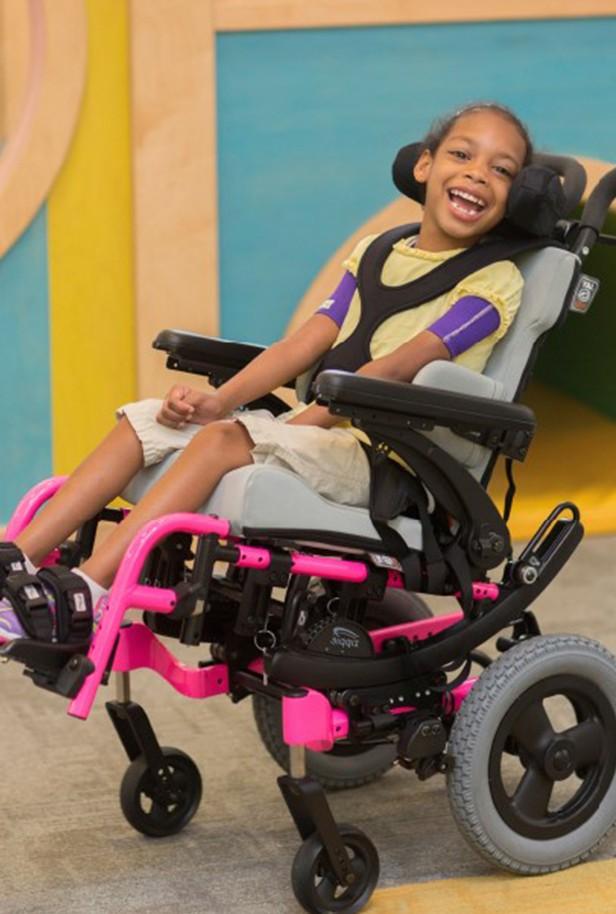

Types of Cerebral Palsy 1. Spastic Cerebral Palsy 2. Dyskinetic Cerebral Palsy 3. Ataxic Cerebral Palsy 4. Mixed Cerebral Palsy

1. Spastic Cerebral Palsy

Spastic cerebral palsy generally accounts for 75 percent of all cases. It causes increased strength tone, recognized as spasticity, and other ·signs:Delayed developmental milestones for moving · Abnormal movements · Movement inhibition · Stiff and spastic muscles and many others.
2. Dyskinetic Cerebral Palsy Dyskinetic cerebral palsy is another most communal type of CP. Symptoms include: · Dystonia, monotonous and twisting motions · Athetosis, writhing actions · Chorea, ·movementschangeablePoorcarriageandmore

3. Ataxic Cerebral Palsy

Ataxic cerebral palsy is the slightest common. It causes poor stability, management,limitedtremors, and shaky activities that are tough to control.

4. Mixed Cerebral Palsy

Mixed cerebral palsy causes signs that are characteristic of two or three of the other categories. Spasticdyskinetic cerebral palsy is the most communal category of mixed CP.

GLOBAL STEM CELL CARE PHONE NO:7042216389 Contact us Visit us: www.globalstemcellcare.com/neurodisorders/stem-cell-treatment-for-cerebral-palsy

Turn static files into dynamic content formats.

Create a flipbook
Cerebral Palsy Stem Cell Treatment by Global Stem Cell Care - Issuu