


More than 42% of the world’s population is under 25 years of age, with nearly nine out of ten of these people living in developing countries- yet young people remain largely excluded from key decision-making that affects their lives. Less than 3% of the world’s parliamentarians are under 30, and less than half of them are women.
Today’s young people face - among many other things - rising global inequality, high unemployment rates, humanitarian and climate crises, and limited access to public services. In many countries, they are also contending with shrinking civic spaces, restricting them from participating in political processes and shaping the policies that impact their future. But there is another powerful and inspiring story unfolding. Young people are at the forefront of social change - driving innovation, demanding change, demanding justice, and challenging power structures. Across the globe, young people are preparing, organising, and mobilising in bold response to today’s crises, from climate justice and gender equality to humanitarian emergencies and democratic accountability, reimagining a more just, inclusive, and sustainable world.
It is this unstoppable youth energy and leadership that led to the establishment of Global Platforms as a direct response to the growing need for dedicated youth spaces, where young people can build collective power, strengthen their activism, and organise for systemic change.
Global Platforms is a globally connected, locally rooted network of youth-led spaces supporting youth-led activism and social justice.
AT THEIR CORE, GLOBAL PLATFORMS ARE:
Spaces for participatory and action-oriented learning.
Spaces for creative activism and organising for social justice.
Spaces for connecting people, organisations, and movements.
A physical space where young people live, learn, and build capacity together; a Youth Hub for creative activism and organising where all activities are led and planned entirely by young people; a mobile, travelling hub designed to reach remote or hard-to-access areas, or dynamic digital communities connecting youth across borders.
All spaces are youth-led and grounded in co-creation, equity, and collective power, fostering shared learning, collective action, and solidarity to amplify the impact of social justice movements.
Currently, there are Global Platforms in more than 30 countries across Africa, Asia, Latin America, Middle East, and Europe.
A world where young activists have access to spaces for organising collective action and are supported by relevant and inspiring capacity development.
A world where young activists are supported with resources, tools and inspiration to test new and innovative ideas for creatively confronting pressing social and political challenges.
A world where frontline activists and social movements can continue their struggle supported by capacity development, coaching and security through adaptive global programmes.
A world where young activists are connected through communities for linking similar struggles, planning of solidarity acts and learning for collective strategising.

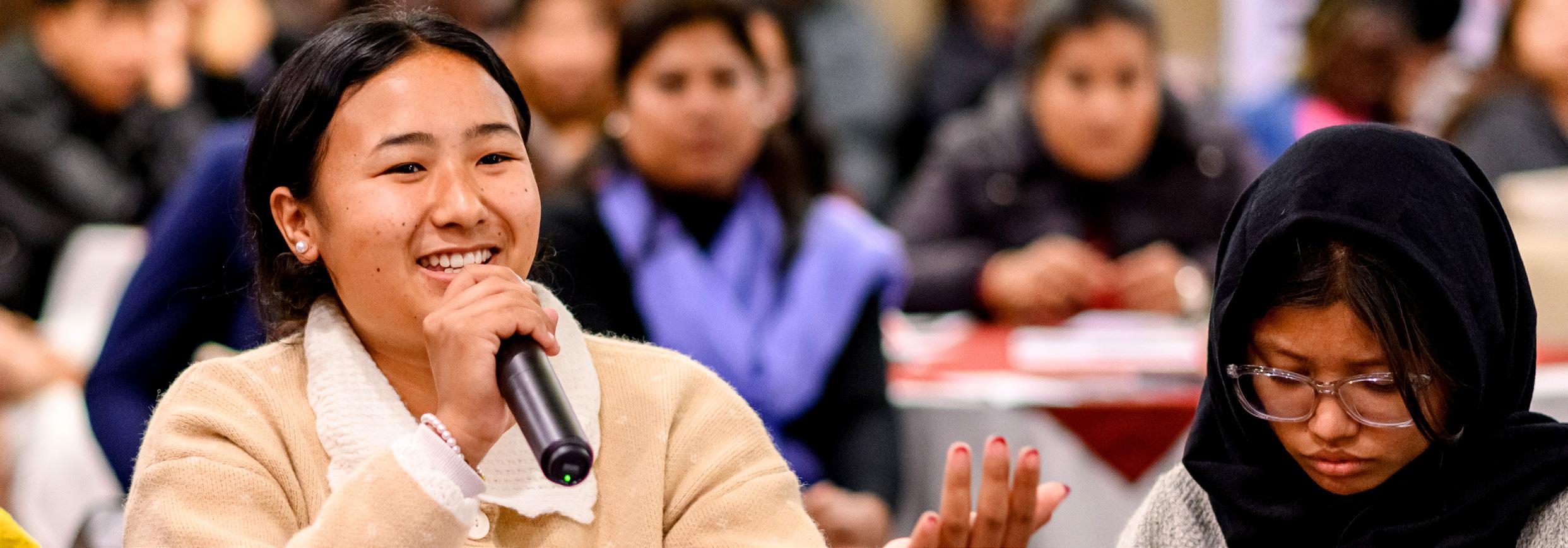
Global Platforms’ teaching and learning method is grounded in the lived experiences of its trainers and facilitators in facilitating political discussions and learning processes. It also integrates the experiences, reflections, and analyses of Global Platforms trainers from diverse regional contexts, expanding spaces of knowledge and creation that have historically been underrepresented in global learning and discourse.
At the Global Platforms, learning can be a revolution. This process enables young people to act and be free from judgement and discrimination by creating a space to re(construct) identities and to imagine and envision alternative realities and futures. Learning processes are designed to ensure continued engagement and application of the methodology over time, rather than treating learning as a one-off event.
The Global Platforms pedagogy combines critical thinking, democratic power sharing, hope, resistance, feminist principles, and prefigurative politics — and, most importantly, it focuses on action. All of Global Platforms’ work is guided by the Facilitating for Political Change approach. It deconstructs and reconstructs the power struggles that exist in learning spaces, and the contexts people live in.
The Learning Development Cycle and Learning Principles ensure that Global Platforms’ work is supported by common quality standards, is locally rooted, and makes a difference by catalysing: CONNECTION
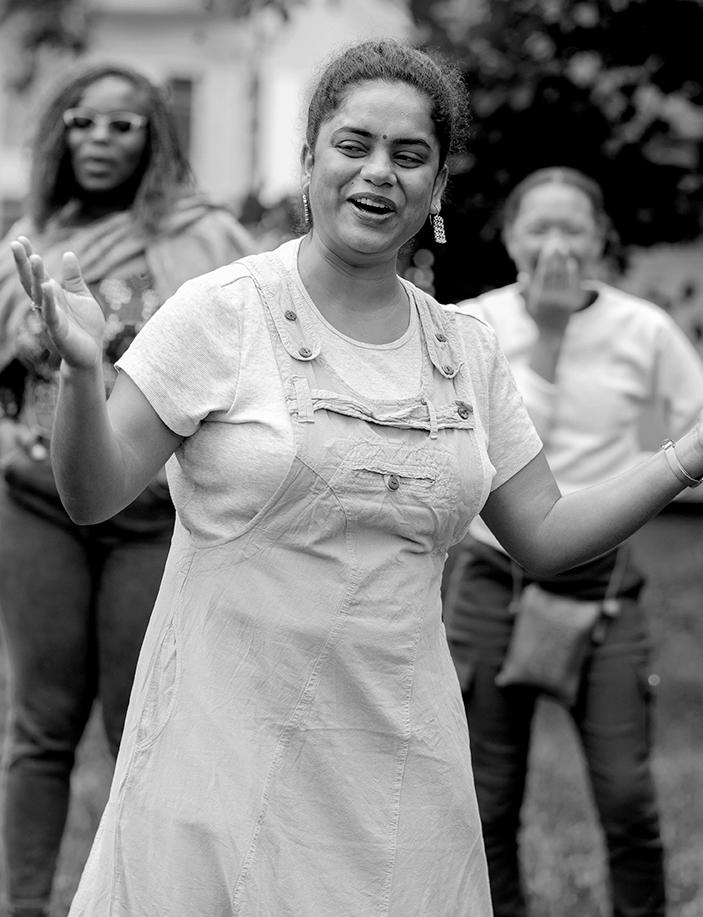
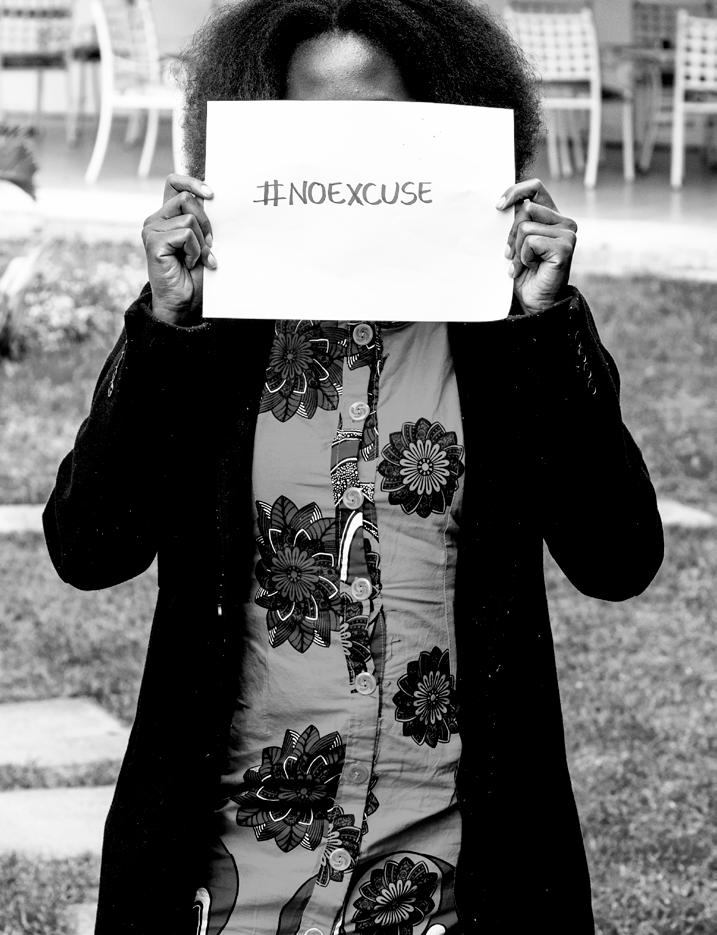
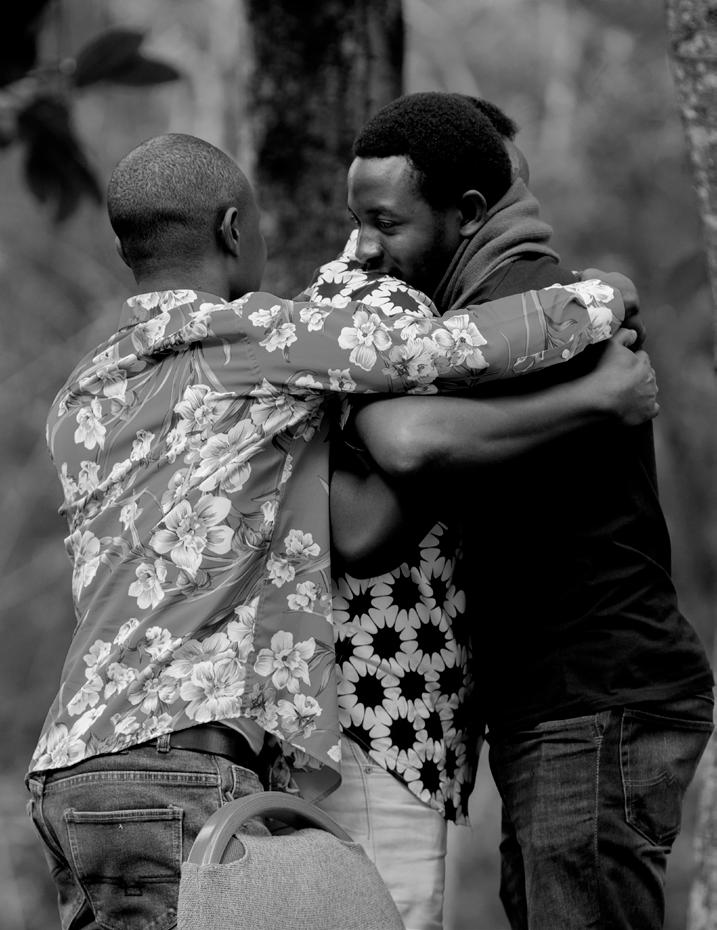
CONNECTING PEOPLE, ORGANISATIONS, AND MOVEMENTS ACROSS BORDERS
Global Platforms’ pedagogical approach to learning and activism is primarily rooted in six participatory and action-oriented learning principles.
Learn together.
Empower participants by involving them in content creation and analysing power dynamics. In digital spaces, this means using tools and collaborative platforms for interactive discussions and input.
Act, reflect, learn, apply.
Emphasise active learning through diverse methods and reflection. In digital spaces, this involves incorporating practice exercises, gamification, and reflective sessions.

Challenge patriarchy and inequality.
Challenge traditional power dynamics and diversify knowledge sources. Digitally, promoting diverse narratives, knowledge creation, sharing, and critical reflection through online activities.
Analyse and change power structures. Promote equal relationships and mutual learning by shifting from top-down approaches. Whether in-person or online, this can be done by engaging participants through breakout sessions and collaborative tools.

Use society as a classroom.
Connect learning to real-life tasks and peer interactions. Digitally, this can take the form of designed online tasks that foster peer interaction and real-time actions.
Be creative, seek alternatives.
Foster creativity and equality through daily actions. Online, this could mean using creative methods through arts, technology and prefiguration such as Utopia Drawing.
The philosophy behind Global Platforms is that the most profound learning occurs when participants are actively engaged in shaping the learning process and defining problems and solutions based on their own individual and collective experiences.
At the Global Platforms, the ambition is to foster inclusive non-hierarchical environments. While some people may have a coordinating role, everyone is involved in decision-making processes. Global Platforms is committed and intentionally attempting to create a version of society that reflects a world where power structures are reimagined, gender roles are disrupted, and young people from all backgrounds have equal space and value.
EXPLORE OUR COLLECTION OF TOOLS, STORIES, AND RESOURCES FOR TRAINERS, ACTIVISTS, PARTNERS AND ANYONE INTERESTED IN WHAT WE DO AT GLOBAL PLATFORMS.

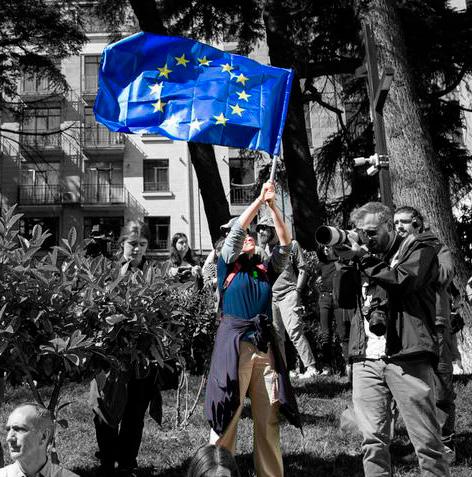
Young people are at the forefront of some of the most important movements in Europe right now: Calls for democracy, rights and freedom from occupation, war and oppression, climate justice, refugee rights, women and girls’ rights, protection and acceptance of LGBT+ people and anti-authoritarianism.
Many young people in particularly Eastern Europe harbour an alarming lack of trust in political institutions. Their parents and grandparents lived under occupation or war − now they fear that history could repeat itself... unless they act to ensure democracy, European solidarity and collaboration. Their struggle is a struggle for freedom and justice in all of Europe – and beyond.

Together with our local partners we establish Global Platforms in countries such as Ukraine, Georgia, Moldova, Romania and Poland. To support youth to be heard, gain political influence and hold those in power accountable to democratic principles, human rights and environmental sustainability. In Ukraine and other places of conflict young people gain a voice in humanitarian nexus and peacebuilding priorities and use civic activism to plan and rebuild more diverse, democratic and green societies.
We want to expand and scale up this support for youth-led change in some of the most urgent crises in Europe. To counter authoritarian tendencies, strengthen the ties between youth beyond the borders of the EU, and to build democratic, inclusive and sustainable societies.
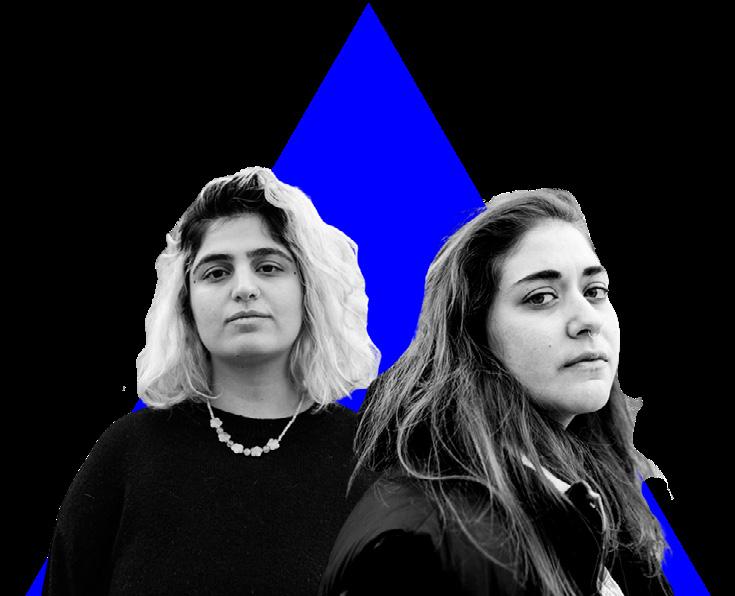
I believe polarisation is a global threat. Whether it’s El Salvador or Georgia or somewhere else. It’s going to sound cliché, but we need to talk to people. To listen more.”
Ana and Atina Georgia

Global Platforms trains and supports young people to drive change and lead bold movements for environmental and social justice, rooted in the realities of those most affected by poverty and exclusion.
Together with social movements and allies, Global Platforms amplifies youth-led action across the world: connecting voices, building solidarity, and driving rights-based solutions for a just and sustainable future so that climate disasters can be avoided and justice is realised.
In 2025, the Global Platforms network mobilised over 620,000 people in person and millions more online during the Global Week of Climate Action.
At Global Platforms, we apply feminism both as a standalone and an integrated approach. All learning processes are guided by intersectional feminist values but also focus on standalone activities and dedicated spaces such as Feminist Fridays, Young Feminist Leadership trainings, and capacity support to young feminist movements.
For us, feminism means equality, opportunities, and justice for all genders and gender non-conforming people. It embodies inclusion, diversity, and collective struggle: both as a belief system and a movement challenging patriarchy, unequal power relations, and structural hierarchies.
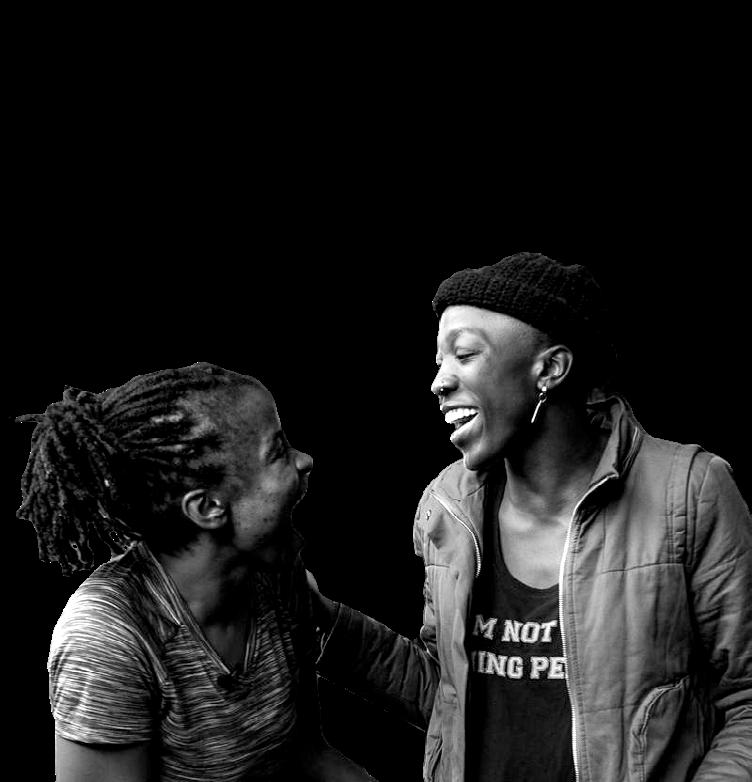
Young people lead the ‘Plastic Free Palestine’ campaign.
Global Platform supports Youth 4 Climate Justice.
IN PALESTINE IN ZAMBIA IN DENMARK
Volunteers connect activists around the globe to local events as part of the Climate Justice Days festival.

Feminist movement building is a collaborative effort rooted in these feminist values and principles, focused on improving the lives and status of women, queer, and gender non-conforming persons. The goal is to support young feminists to lead, define their own agendas, and occupy decision-making spaces, not as tokens, but as powerful agents dismantling patriarchy in both private and public spheres.
Young women in rural areas succesfully fight child marriage and gender-based violence.
BANGLADESH AND NEPAL IN KENYA
Young activists have built alliances with religious leaders for LGBT+ rights and called for an end to femicide.
When war, conflict, or natural disaster strikes, civilians are often seen only as victims. Global Platforms recognize them as key actors with knowledge in saving lives and rebuilding their communities. Global Platforms’ youth approach integrates feminist and intersectional humanitarian responses, positioning young people, especially young women, as leaders for change.


Young people are prepared to lead before crises occur, and activated during emergencies to influence response, recovery, and accountability. Global Platforms also supports young people in global humanitarian spaces including UN clusters, the EU, AU, COP summits, the World Social Forum, and the Compact for Young People in Humanitarian Action.
During rebuilding phases, Global Platforms provides temporary safe spaces for training, organising, and networking, later evolving into long-term hubs for youth leadership and community rebuilding.
Young people used the Global Platform after the earthquake to organise search and rescue to save lives.
During the wake of Cyclone Freddy, Global Platforms volunteers acted to combat rising violence against women in displacement camps.
Democracies worldwide face growing pressure, challenging the fundamental right to shape one’s own future and have every voice heard. Global Platforms, both as physical spaces and a global network, strengthen civic education and inclusive democratic participation by supporting young people to understand their rights, responsibilities, and pathways for participation within democratic systems.
Our approach is rooted in creating social change by empowering young people to challenge unequal power and wealth by engaging politicians, business leaders, and influential institutions.

Young people use civic activism to plan and rebuild a more diverse, democratic and green country.
Global Platform trains young people to lead emergency response and have their voices heard in relief efforts.
In many countries, young people, especially women, remain underrepresented in political decision-making. Global Platforms address this by educating young voters and supporting them to advocate for agendas most important to them. Elections offer critical windows of opportunity and change, and young people and movements often harness the resources, knowledge, networks, and spaces of Global Platforms to influence candidates’ priorities and even run for office themselves.
Young people have used their local Global Platform to build a bridge between refugees from Myanmar and local citizens for a better shared future.
Youth 4 Parliament have used the space at their Global Platform to host their meetings to organise the youth across Zambia to run for elections across all political parties.
For over 15 years, the Global Platforms network has delivered tailor-made capacity building and action-oriented learning to young people, organisations, and movements fighting for social justice.
The core focus areas of our capacity building are:
Gaining an in-depth understanding of campaign strategies, tactics, and practical experience with running actual campaigns. It is about exploring creative ways of introducing an agenda to the public and building like-minded online and offline alliances through digital communities, coordinated campaigns, convenings, and on-the-ground action, enabling peer organising, collective advocacy, and cross-border solidarity that links local struggles to global movements. A key example is the annual Global Week of Climate Action, which mobilises thousands of people,online and offline, to demand a just, fair, and sustainable future.
Gaining a deeper understanding of democracy, governance, and the Sustainable Development Goals from a human rights perspective. It is about claiming young people’s rights by holding stakeholders accountable and ensuring the political inclusion of young people in decision-making processes.
Strengthening the ability of young leaders to work actively with an educational and move ment approach to activism. capable of designing and conducting participa tory and action-oriented workshops that can build collective power within a group of volunteers.
Global Platforms customise capacity building to meet partner needs and contexts, providing facilitation support or designing programmes from scratch when required. All capacity building follows the Learning Development Cycle, ensuring quality, local relevance, and measurable impact.
The approach practised at Global Platforms actively engages participants before, during, and after training, integrating coaching, mentoring, online learning, and peer-to-peer communities. Global Platforms also deliver exclusively online learning programs.





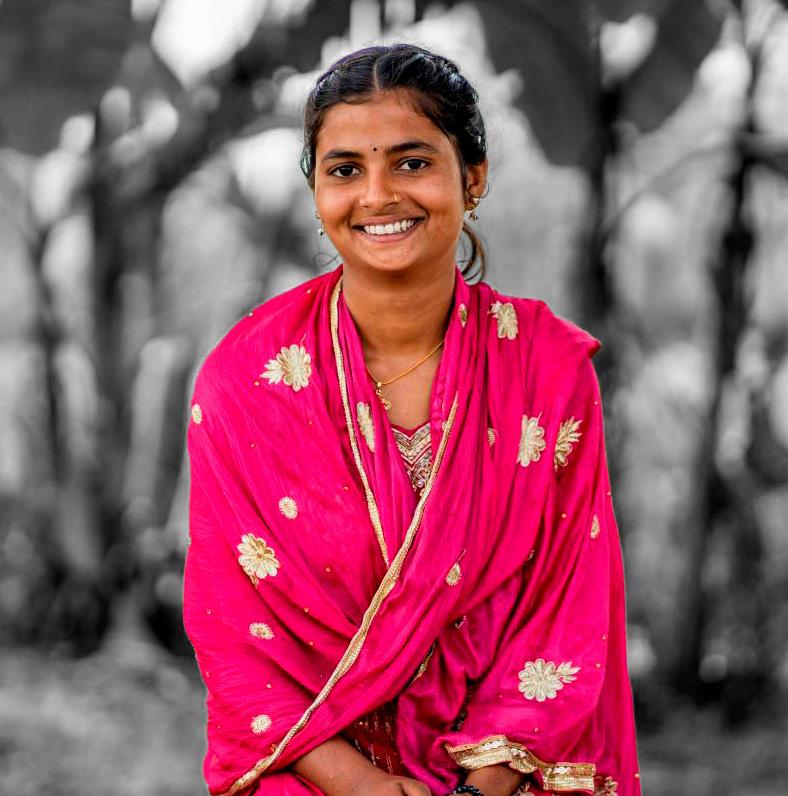

Haseena, a 19-year-old from Paterwa Sugauli in Nepal, defied deeply rooted patriarchal norms and child marriage. In a society where daughters are seen as burdens and betrothed at birth to her cousin, her path seemed predetermined as she grew up under strict control from both her parents and future in-laws. Her journey towards liberation came at the age of 16, when she joined the Samata Youth Hub, run by DDRC, ActionAid Nepal’s local partner. Through the hub, and further trainings facilitated by Global Platform Nepal, Haseena learnt about the dangers of child marriage and its links to gender-based violence and domestic abuse. The space offered more than knowledge; it gave her confidence, a supportive community, and a growing sense of personal agency.
As she participated in workshops and trainings, Haseena’s voice grew stronger, even in the face of backlash from her fiancé and his family. She began to publicly speak out against child marriage and took the bold step of confronting her parents. During a youth-led awareness event, she convinced her father to delay her marriage until she reached the age of 20. But when her in-laws continued to insist on an earlier union, Haseena made the courageous decision to call off the marriage entirely. The choice strained family ties and drew criticism from her community, but she stood firm in her convictions.
“ I AM ADVOCATING AGAINST CHILD MARRIAGE. HOW CAN I GO AHEAD WITH IT. THIS IS OPPOSITE TO WHAT I BELIEVE IN.
Haseena’s story is a powerful reminder of how youth platforms can catalyze personal liberation and challenge even the most entrenched societal norms, one courageous voice at a time.
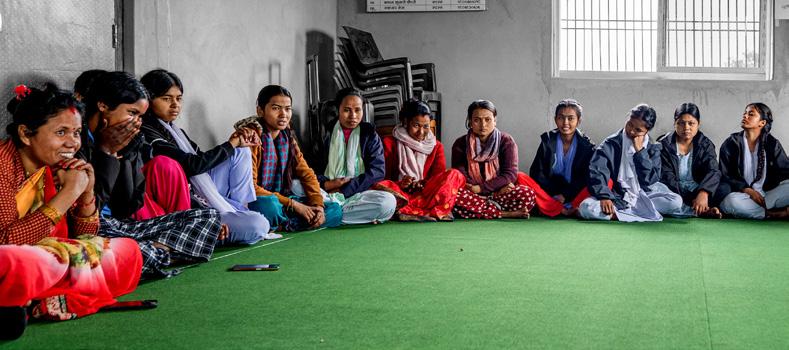
Samata Youth Hub is a localized Global Platform started in partnership with local level government, DDRC, ActionAid Nepal, and the Global Platforms Network Ignite Fund.
Global Platforms - in addition to being a network for campaigning, capacity building, and learning - also builds and sustains youth hubs: youth-led spaces (both physical and virtual) for creative activism, collective learning, and social justice organising. In youth hubs young people take the lead, think freely, develop their ideas and connect with other young activists, youth networks, and movements. Each hub is fully youth-managed, and the Global Platforms Secretariat provides only support.
The Global Platforms Secretariat supports the network from setup and induction to technical support on youth engagement, coordination, networking, and digital engagement. The support the Secretariat offers, and the local setup are adaptive and shaped by the unique needs and realities of young people in each location.
Youth hubs take many forms depending on local needs and context, from physical spaces and digital communities to mobile platforms (such as travelling containers) reaching remote areas. They often extend capacity-building efforts, allowing former participants to continue learning, developing ideas, and pursuing campaigns.
Created in collaboration with local and global part ners, youth hubs may go by different names and focus areas - labs for creative activism, mentor ship networks, digital communities, cafés, hostels, research centres, or mobile training hubs, but all share a common goal: building the collective power of young people to fight social injustice.
All youth hubs are guided by three stages of youth engagement:
Reach out to young people with different back grounds and engage them through popular activities. Most youth hubs are great at involving a lot of people in popular social activities such as film screenings, debates, poetry, art, music, theatre and dance. Social activities are never an aim in them selves, but a good entry point for future engagement and relationship-building.
Build a strong feeling of ownership of the youth hub. This is about making sure that people are invited to take leadership on events or campaigns, propose ideas and launch new initiatives.

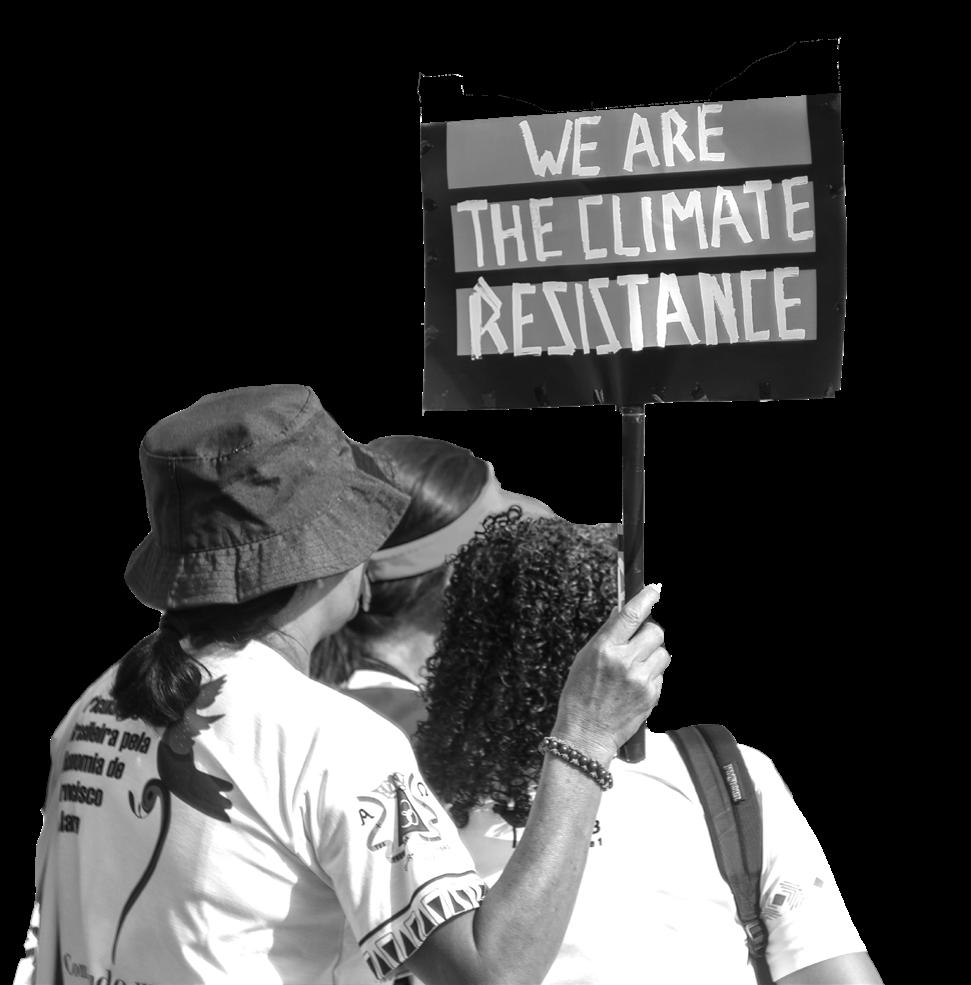

Ensure that events and campaigns with potential are scaled up and connected with similar actors working with the same focus. This is also about enabling young people from the Youth Hub to engage with and learn from larger movements and
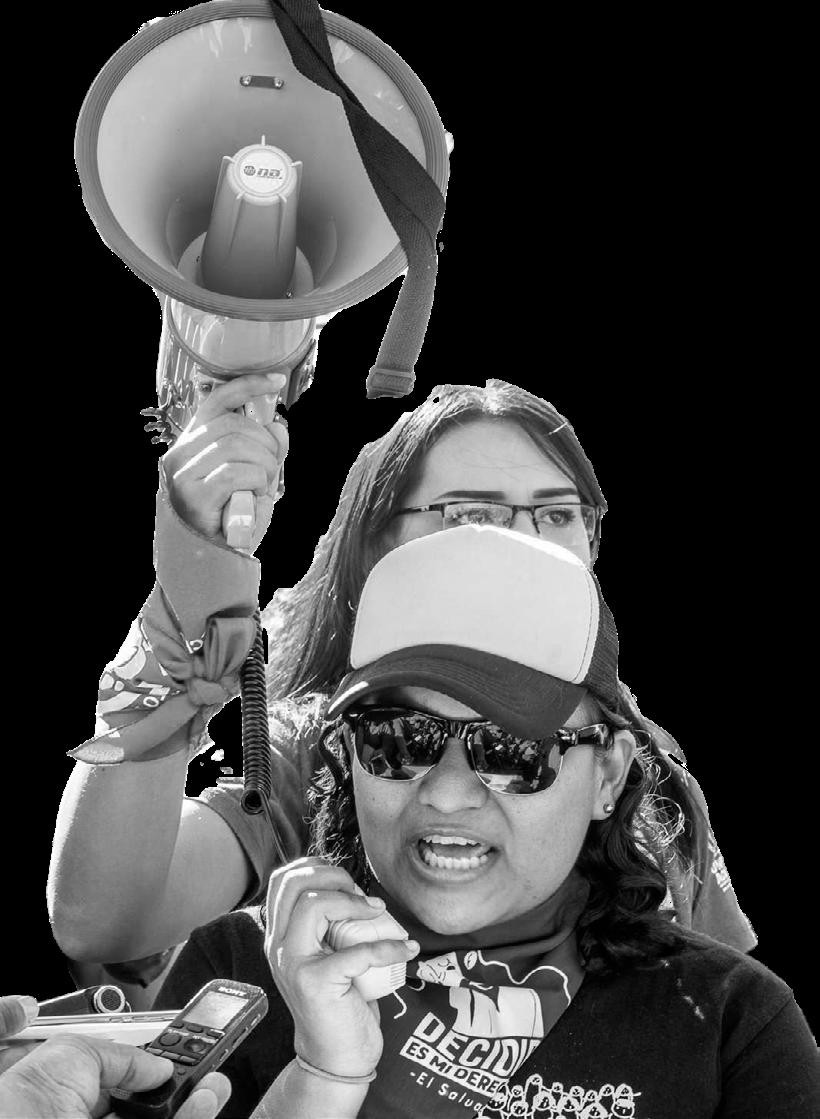



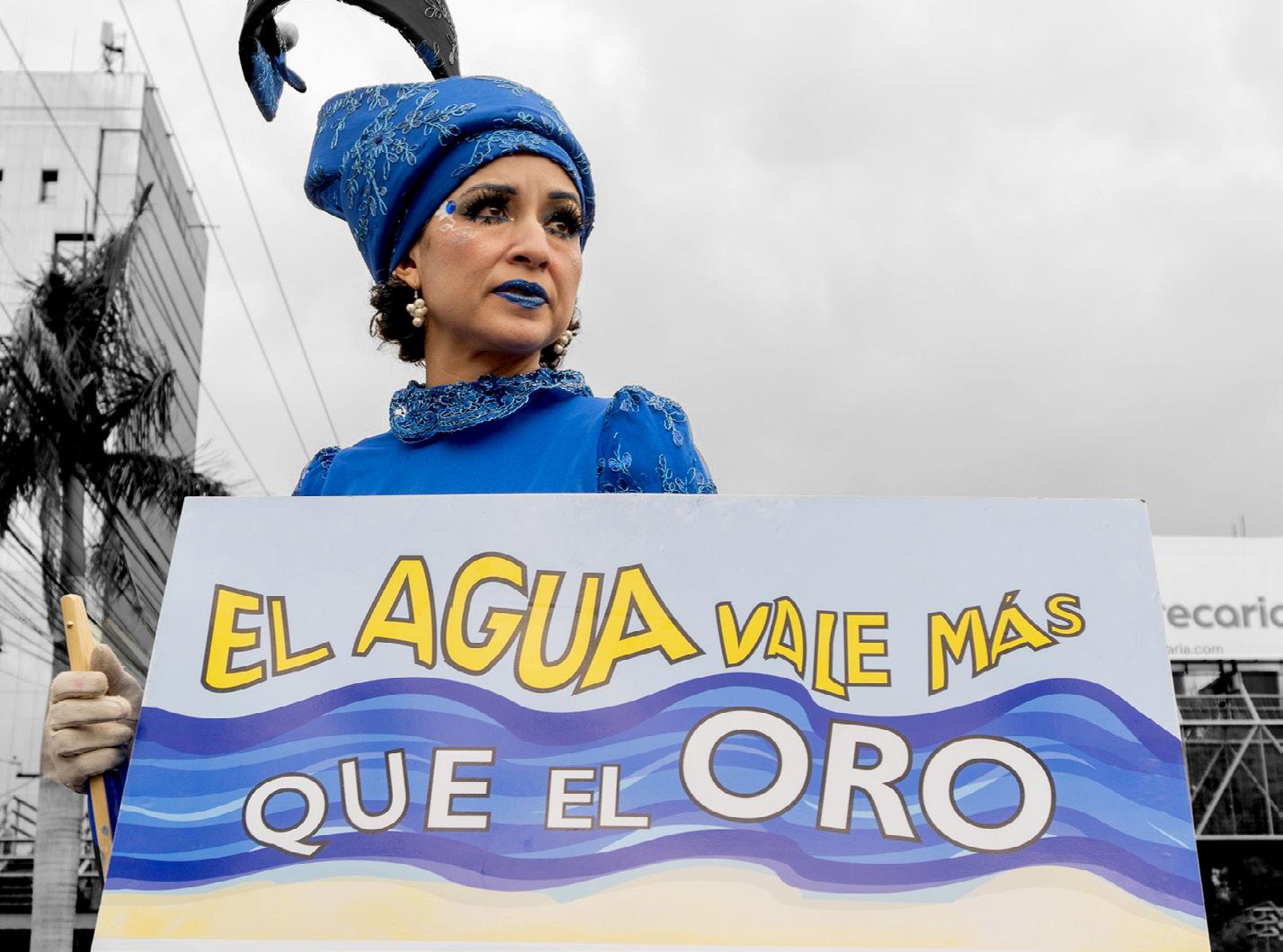
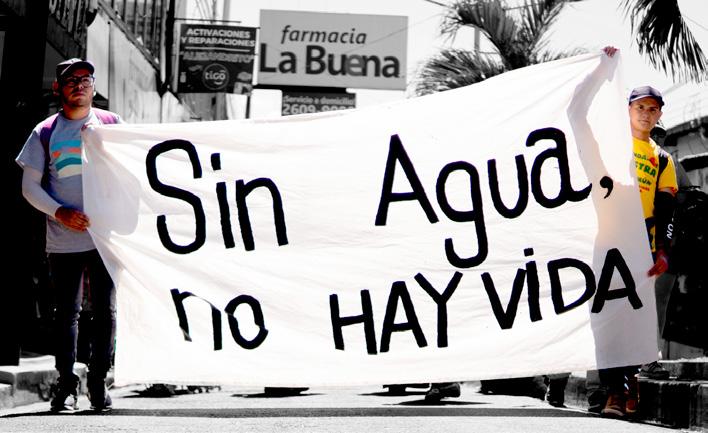
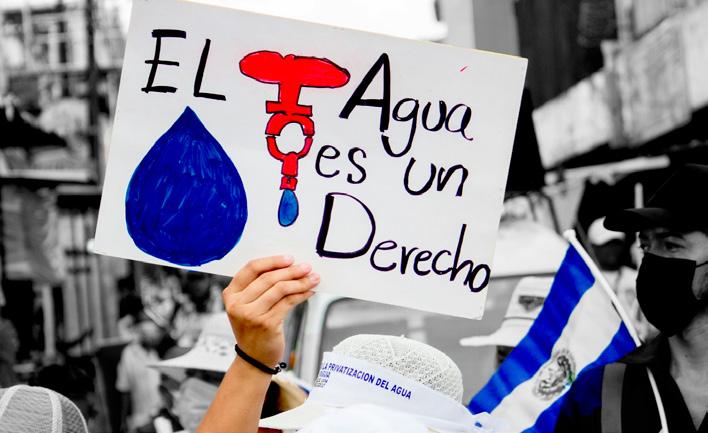
The struggle for the human right to water in El Salvador has been long and relentless. Communities have fought not only for constitutional recognition but also for water to be treated as a public good: managed sustainably, transparently, with full citizen participation, and within a fair economic framework. Like most rural areas in the country, Suchitoto faced severe water scarcity and unequal access to drinking water and sanitation, worsened by industrial over-extraction.

In response, Plataforma Global El Salvador led efforts for structural change in Suchitoto, working with feminist and environmental organisations, ADESCOS (Asociaciones de Desarrollo Comunal), and local leaders to challenge private over-extraction and mobi-
lize communities to defend their right to water. Through the youth-led campaign “Todos somos agua: We Are All Water” and MusicActivism, young people engaged with the platform wrote songs and produced videos to highlight the crisis and demand recognition of water as a human right.
Their organizing contributed to the 2019 Suchitoto referendum, which opposed water privatization and recognised water as a human right, and to the 2021 Municipal Ordinance for the Protection and Conservation of Water Resources. In 2022, the General Water Resources Law came into effect at the national level, creating the Salvadoran Water Authority (ASA) which manages, regulates and oversees water resources, including issuing extraction permits. Today, the Plataforma and community organisations in Suchitoto continue to resist extractive industries and protect their water sources.


Social movements are the most powerful catalyst for a just, sustainable, and equitable future.
Since 2011, ActionAid has collaborated with social movements directly involved in social change struggles, drawing on 30 years of experience in social change and a shared commitment to secularism, democracy, feminism, and economic, ecological, and social justice.
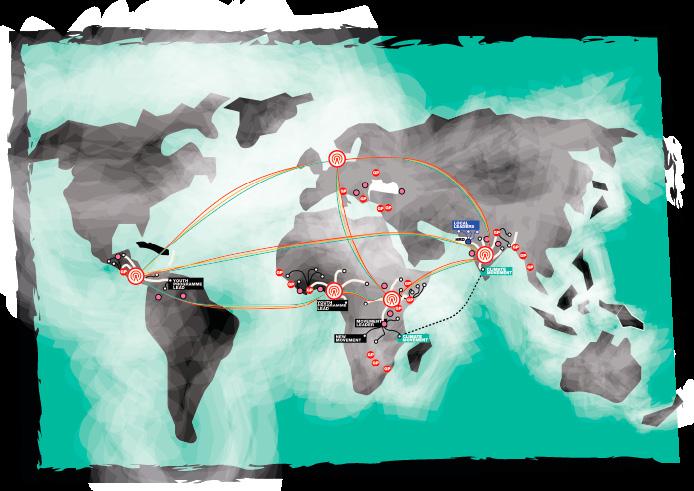
Established in 2022, the Global Social Movement Centre (MOVE) was set up to deepen and expand this engagement through five regional hubs located in West Africa, East Africa, Asia Pacific, Europe, and Latin America.
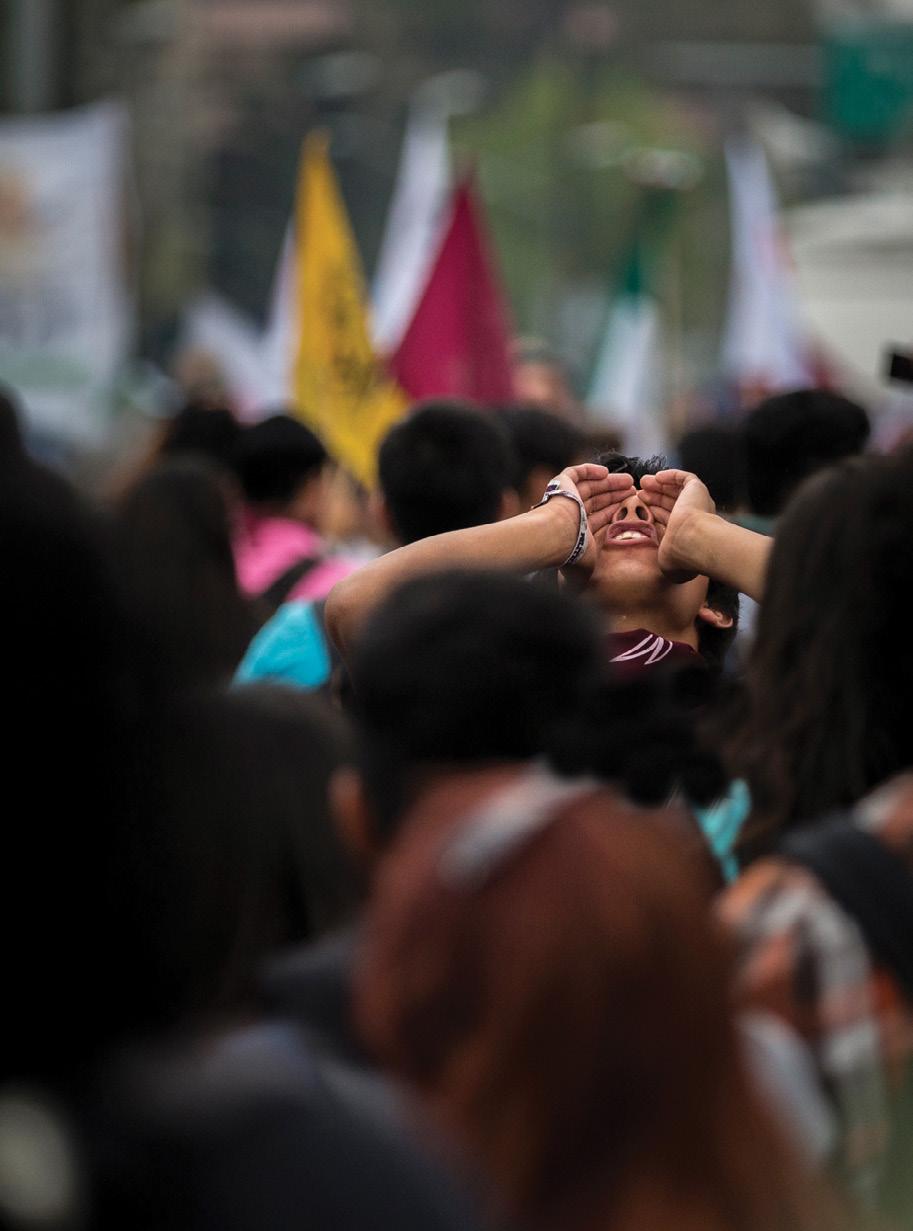

Working in synergy with the Global Platforms network, MOVE provides an ecosystem for human rights defenders and their movements, supporting all aspects of their work through all phases of their struggles.
Recognising that social movements are about more than protests, MOVE supports organising, planning, and sustaining momentum over time, assisting movements at every stage: From early mobilisation and high-energy peak moments to periods of challenge, crisis, and renewal, MOVE helps movements build lasting pathways to influence and change. This includes integrated capacity-strengthening activities for activists, core movement support such as funding and action research on relevant movement trends and building a network of actors through international convenings while developing resources to help civil society organisations, decision-makers, and donors be more effective allies.
Through convenings like the Global People Power Forum and secure online spaces, people, movements, and causes are connected to share skills, strategies, and experience. MOVE’s hubs host training and activities, link activists across regions, enable knowledge exchange and solidarity, and collaborate with the Global Platforms Network in 20+ countries.
The Global Organising and Leadership Development (GOLD) programme builds movement leadership through mentorship and capacity building. Organisers and activists gain skills, tools, and strategies for mobilisation, campaigning, messaging, protest, sustaining movements, and power analysis through free self-paced online courses and tailored support.
In partnership with movements, researchers, CSOs, practitioners and scholars, practical insights are generated on issues such as repression, diaspora organising, post-regime influence, climate accountability, and women’s leadership. These lessons and stories are brought directly to other activists, through podcasts, webinars, blogs, and short publications to inform and inspire.
Need-based support mechanisms are co-designed with movements, including long-term strategic funding, direct action grants, rapid response funds and intervention for at-risk activists, mentorship, and frontline tools such as counter-surveillance. Flexible funding is also provided, enabling urgent actions, while long-term investment strengthens movement structures and strategies.
CSOs, donors, governments and other stakeholders are supported to engage with movements respectfully and effectively through guidance, networks, and tools. MOVE also stands in solidarity by advocacy and amplifying movements, adding legitimacy, applying international pressure, and condemning crackdowns when needed.
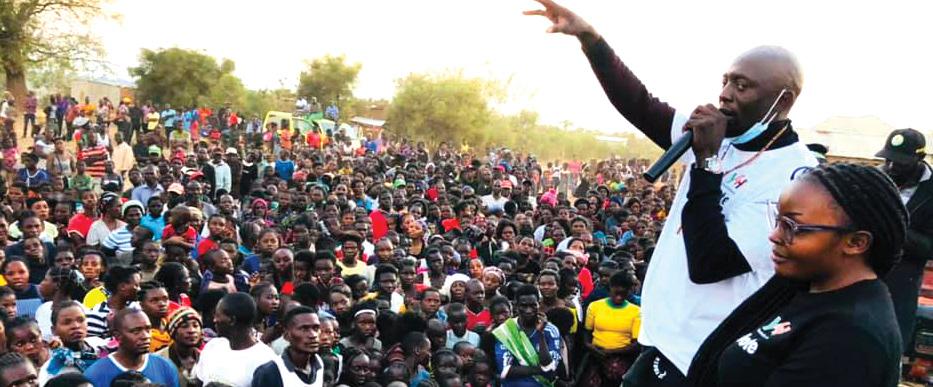

With MOVE’s support, Youth4Parliament (Y4P) in Zambia grew to 80,000+ members over three years, giving disenfranchised youth a voice in the 2021 general election, leading to 200+ Y4P members being elected, including the first female deputy mayor of Lusaka and the youngest and only female youth member of parliament, while contributing to a 14% increase in voter turnout. Their impact was recognized by the U.S. President Joe Biden in his first speech to the UN on August 21, 2021, highlighting Zambia’s young people as driving democratic change. SINCE 2014, MOVE HAS COLLABORATED
While social movements are emerging rapidly, many struggle to sustain momentum, attract public attention, or mobilise wider support. By connecting young people, networks, and movements across social and geographic borders, Global Platforms fosters mutual learning, organising, solidarity, and sustained action. To support this, the network organises convenings, provides coaching for frontline activists, brings together thematic networks at national, regional, and global levels, facilitates online communities for knowledge sharing and creates new alliances and campaigns.
For years, the Global Platforms network has facili tated safe spaces for social movement leaders The network’s convenings - supported by online groups - facilitate coaching, joint strategising, skill sharing, and rapid response when activists face threats.
Solidarity is central to building collective power, and Global Platforms supports and mobilises campaigns within the network and with other organ isations around emerging issues.
Digital tools enable the network to connect people across thematic digital communities including The Other F Word (feminist community), Climate Collective (climate community), Trainspire (trainers’ community), and More Than First Responders (humanitarian community). These growing digital platforms foster peer-to-peer learning, facilitate knowledge creation and sharing, and enable collab oration across geographies and thematic areas.
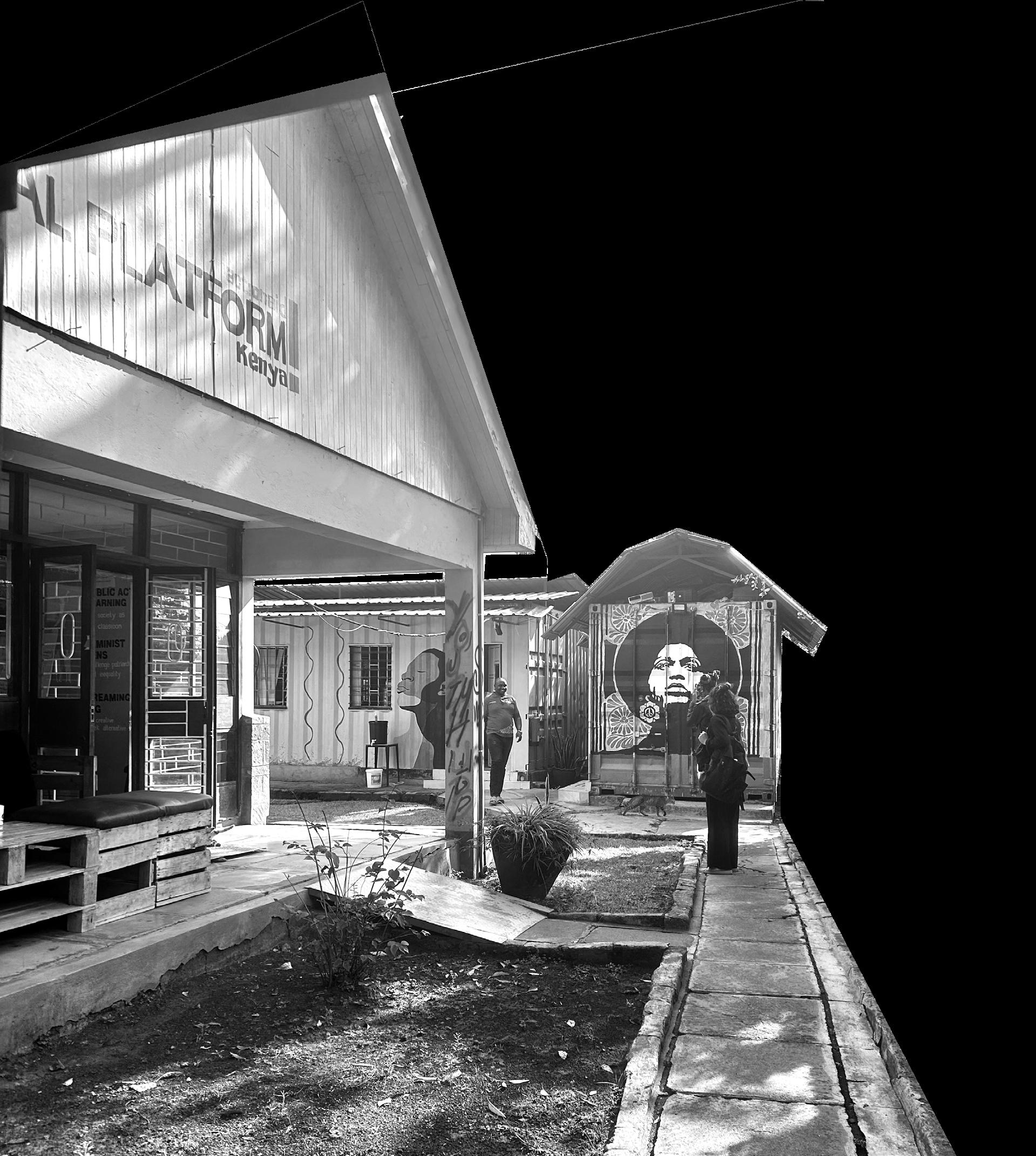


such as Beautiful Trouble provide tactics, tools and methodologies developed directly by activists from around the world and strengthen our alliances globally.
YOUTH-LED MOVEMENTS THRIVE WHEN THEY ARE CONNECTED, SUPPORTED, AND SUSTAINED.

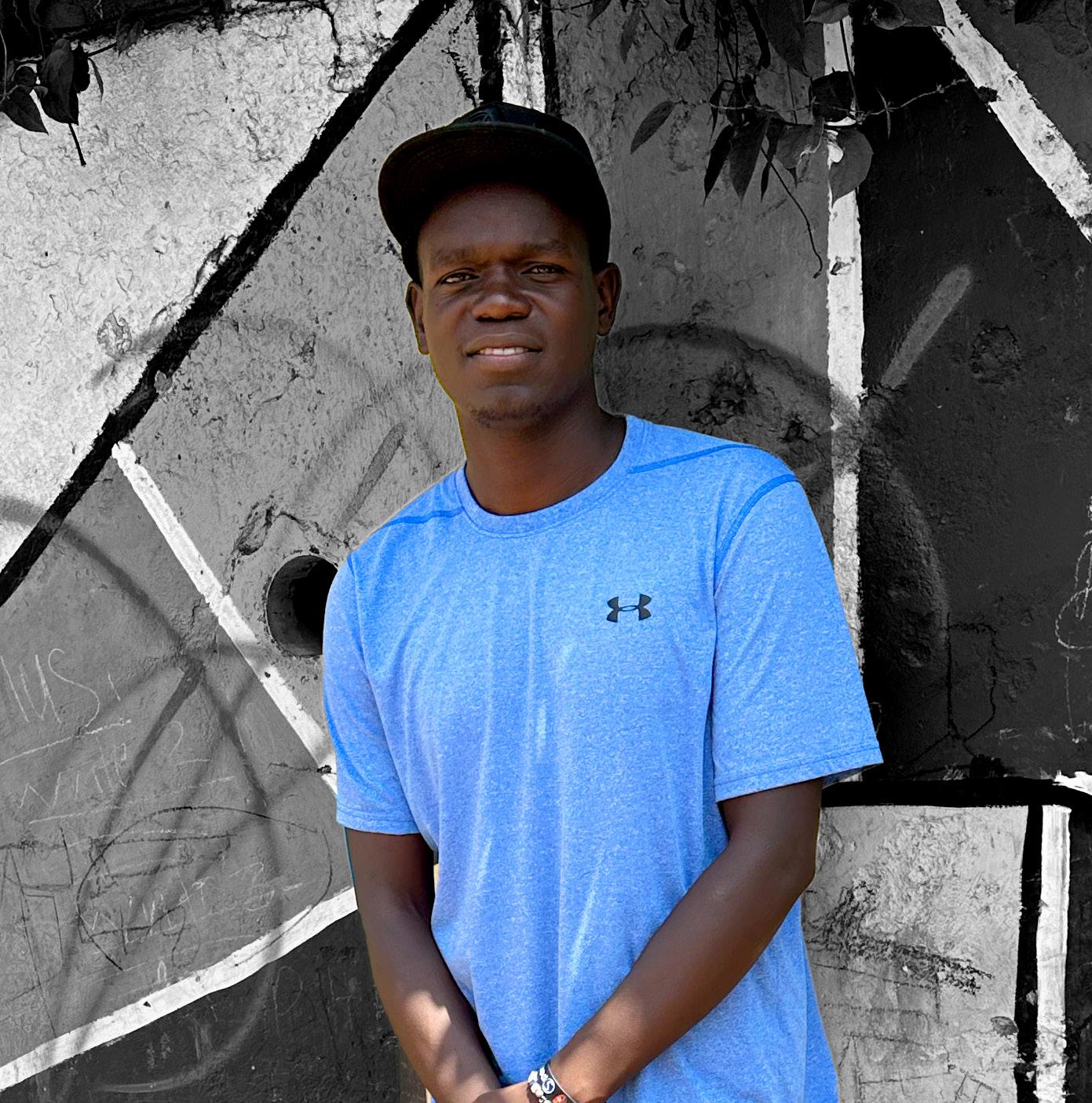
Martin Oduor, born and raised in Nairobi’s Mathare slums, has dedicated his life to restoring the polluted River Mathare and challenging environmental injustice. Once a playground of childhood memories and local mythologies, the river has suffered due to pollution and climate change. Martin’s journey as a climate justice activist began with the Mathare Green Movement (MGM) and was deepened through training at Global Platforms Nanyuki, where he co-founded Ecovista, a youth-led climate movement. These platforms equipped him with tools for advocacy, storytelling, and grassroots organizing.
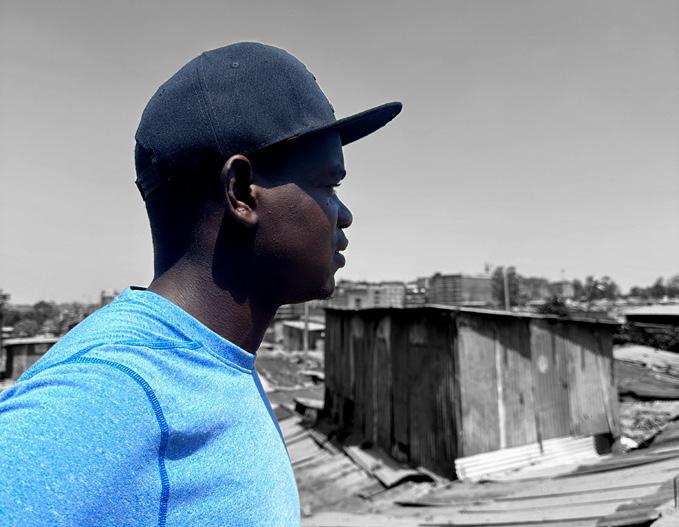

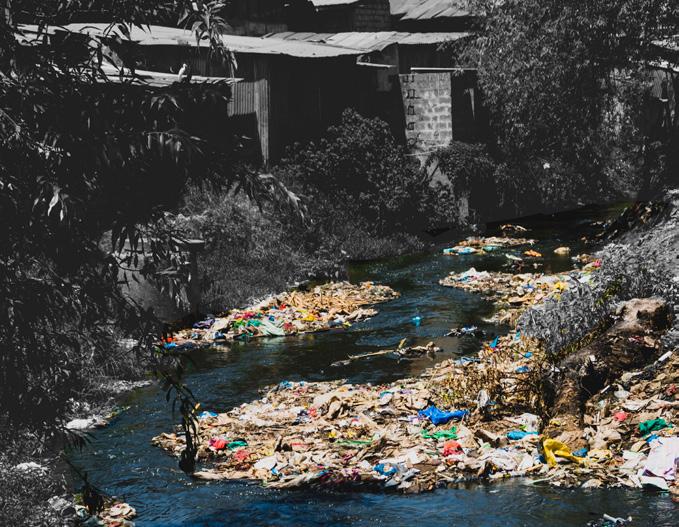

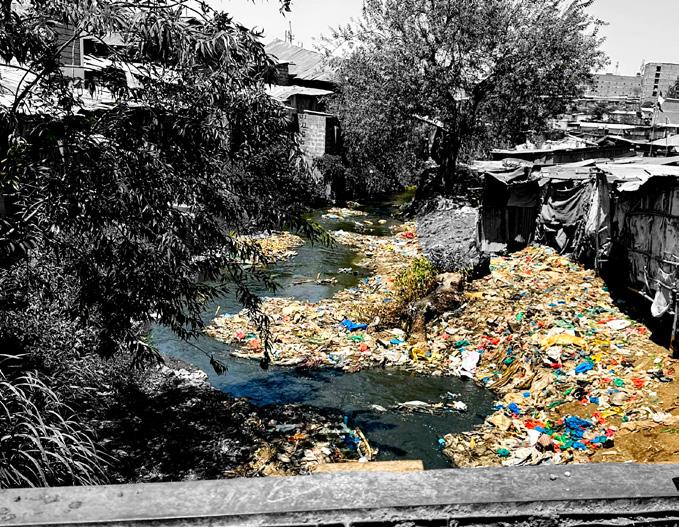
Through community clean-ups, environmental education, and reclaiming public spaces with gardens and murals, Martin and his peers are transforming Mathare’s physical and social environment. Despite resistance from political leaders, Martin remains committed to mobilizing youth and inspiring climate action from the ground up.

so
Our network is expanding! Sharing experiences, training, and support, by and for young people everywhere, so that wherever you are, you can connect with others working toward a more just, sustainable, and democratic world.
A partnership with us can help to:
Unleash the potential of your organisation/movement/network to ensure progressive youth-led change through tailor-made capacity building focused around your specific requirements.
Improve the facilitation skills of your organisation’s members to deliver participatory, action-oriented learning that fosters high levels of engagement beyond the training.
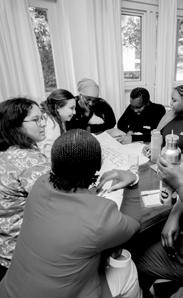
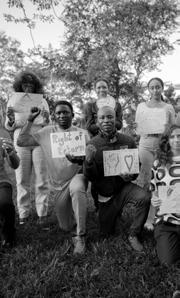
Partnerships are central to achieving greater results.
Initiate new youth-led spaces and projects together, either supported by or in cooperation with Global Platforms.
Become part of an extensive international network for youth-led activism – where you will be working with inspiring, creative activists and political change-makers from all over the world.
Across contexts, Global Platforms partner with local and global organizations, networks, and movements to build collaborative relationships that increase impact. Partnerships range from service delivery to missionaligned collaboration, as well as co-creating and fundraising for joint projects.
To join the Global Platforms Network, contact the Secretariat at contact@globalplatforms.org.
To partner locally, find your nearest Global Platform or join one of our hubs here:
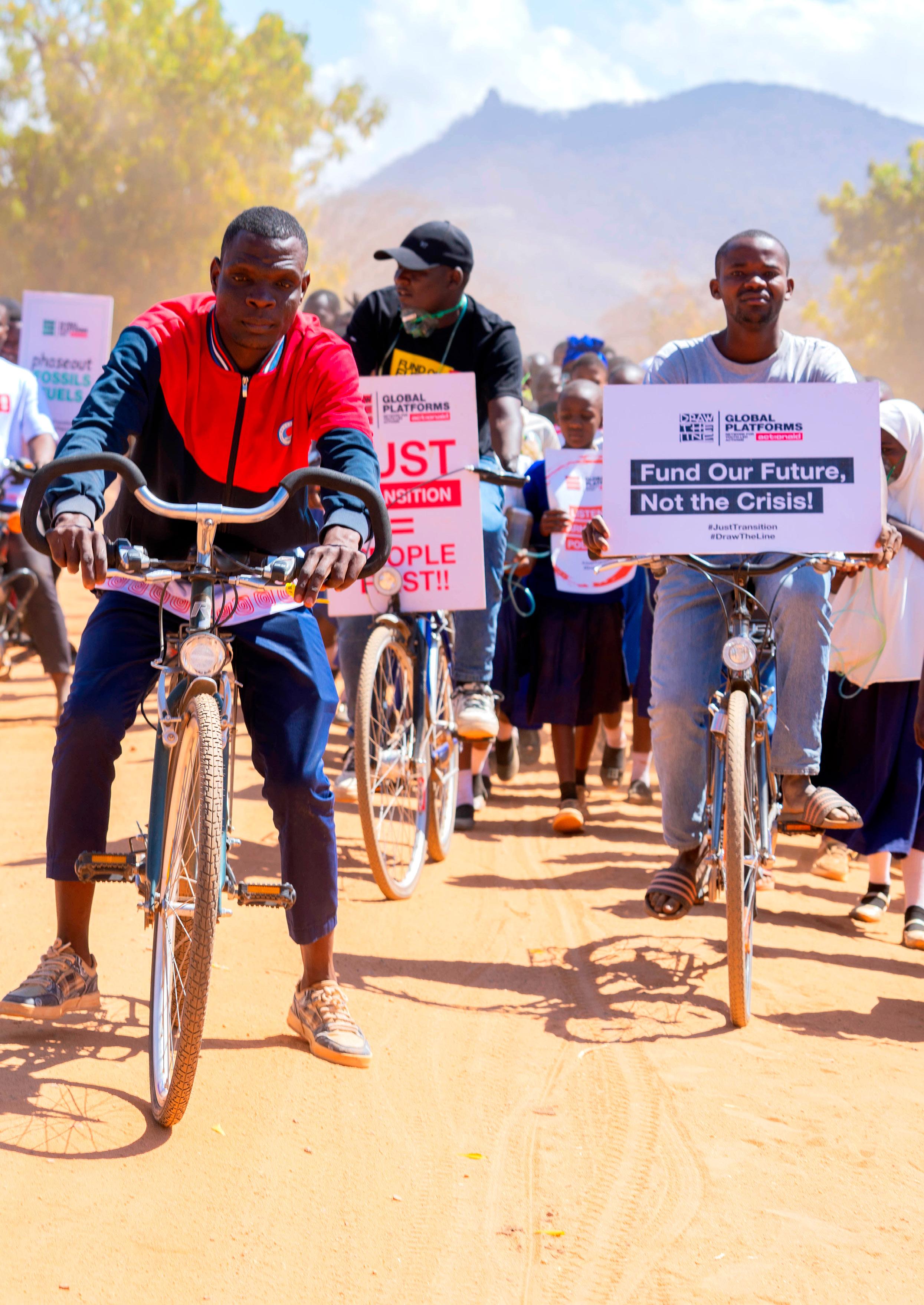
GLOBAL PLATFORMS ARE YOUTH-LED SPACES FOR BUILDING COLLECTIVE POWER.
THROUGH CAPACITY BUILDING AND SUPPORT TO YOUTH-LED INITIATIVES, GLOBAL PLATFORMS SEEK TO INSPIRE YOUNG PEOPLE TO ORGANISE AND ACT ON SOCIAL INJUSTICE AND TO CONNECT PEOPLE, ORGANISATIONS, AND MOVEMENTS ALL OVER THE WORLD.