







International House, Mama Ngina Street
P.O. Box: 57776 - 00200, Nairobi,Kenya
Tel: +254 20 320 6000
Tel: +254 709 326 000
Toll Free Line: 0800723600
Whatsapp: +254 718 222 000
E-mail: info@smartapplicationsgroup.com
Website: www.smartapplicationsgroup.com
Esther Kiringa
William Techera
Baraka Jefwa
Andreas Mukabwa
Levi Kinyanjui
Eunice Ndila
Peace Awour
Dan Aswani


elcome to the third issue of Global iTech Magazine! As we prepare to welcome esteemed guests to the upcoming Smart Annual Summit, we are excited to engage in meaningful discussions surrounding our theme: “Advancing Healthcare Accessibility Through Leveraging Digital Automation and AI.” This event represents a critical opportunity for stakeholders across the healthcare spectrum to come together and explore how innovative technologies can bridge gaps in healthcare access, ultimately leading to better patient outcomes.
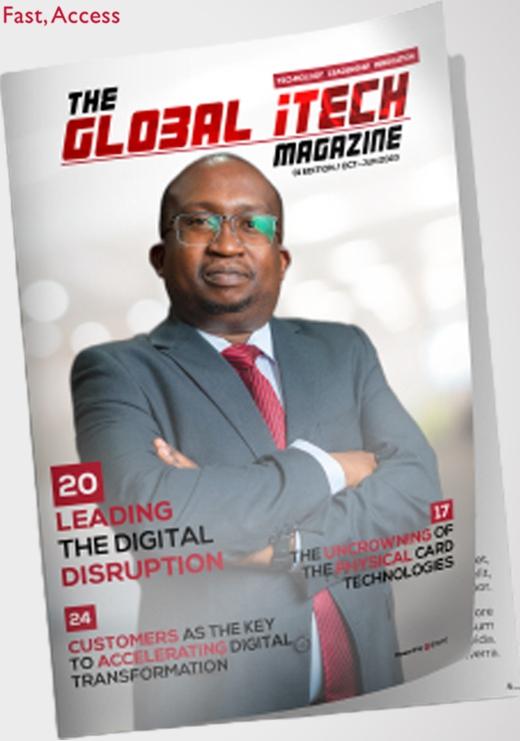
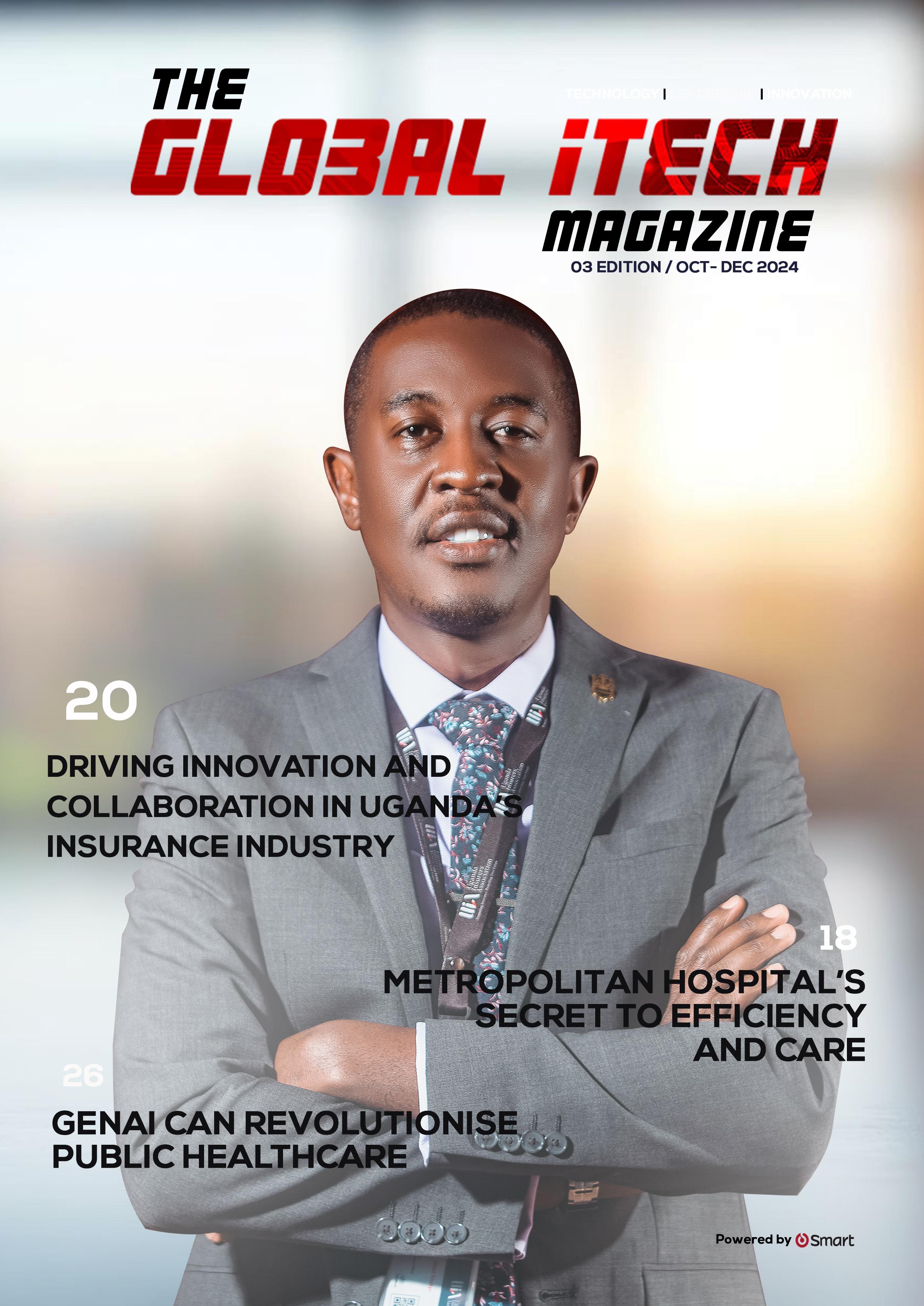
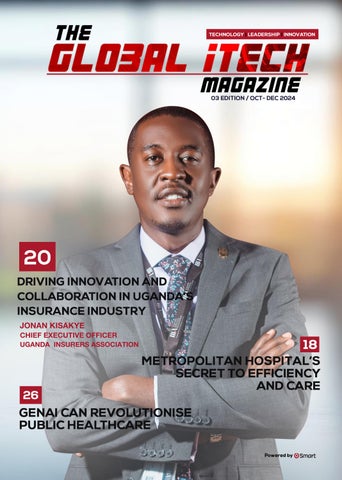
In this issue, we are proud to feature our cover story on Jonan Kisakye, the visionary CEO of the Uganda Insurers Association (UIA). Under his dynamic leadership, Kisakye is reshaping the landscape of healthcare insurance in Uganda, advocating for greater collaboration and transparency among industry players. His insights on the evolving role of insurers in the healthcare ecosystem highlight the necessity for innovative strategies that prioritize patient care and accessibility. Furthermore, we take a deep dive into the transformative impact of Smart Data in the healthcare sector across Eastern Africa. The year 2024 has seen remarkable growth for Smart Applications International, with over 5.79 million interactions facilitated between patients, insurers, and healthcare providers. An astounding KSh 53.7 billion has flowed through our platforms, showcasing the trust placed in our solutions and the critical role they play in enhancing healthcare delivery.
Our data reveals that more than 1 million lives have been positively impacted through our network of 6,170 healthcare facilities, which recorded 2.27 million visits in 2024 alone. This represents an 8.51% increase in patient visits compared to the previous year, indicating not only expanded access to healthcare services but also a growing trust in the quality of care available.As we embark on this journey together, we invite you to engage with the stories and insights shared in this issue.

As CEO of the Uganda Insurers Association, Jonan Kisakye drives innovation and growth in Uganda’s insurance industry, championing transparency, digital transforma tion, and public trust to make insurance a vital part of daily life
Don’t forget to subscribe https://issuu.com/globali_tech
26. GENAI CAN REVOLUTIONISE PUBLIC HEALTHCARE BUT ‘GUARDRAILS BY DESIGN’ ARE NEEDED TO PROTECT PATIENTS
Ethical Generative AI (GenAI) has the potential to transform healthcare while protecting patient rights, according to a Vantage Health Technology webinar. Experts highlighted its role in addressing healthcare imbalances and managing diseases like HIV/AIDS.
18. REVOLUTIONIZING HEALTHCARE MANAGEMENT: METROPOLITAN HOSPITAL’S SECRET TO EFFICIENCY AND CARE
Metropolitan Hospital Nairobi is transforming healthcare management with its AMS 2000 system, which streamlines operations and improves
16 SMART APPLICATIONS HOSTS OVER 1600 HEALTHCARE WORK ERS AND 900 HOSPITALS IN CUTTING EDGE WEBINAR

Smart Applications International hosted a webinar for Kenya Medical Services Providers, attracting over 1,600 participants from 900 hospitals to discuss technology’s role in transforming healthcare.
28 THE BENEFITS OF BLUE LIGHT BLOCKING GLASSES AND HOW THEY PROTECT YOUR EYES
In today’s digital age, where we spend countless hours in front of screens, blue light blocking glasses have become a popular solution to mitigate the effects of prolonged screen exposure.
In the past decade, competition among Internet Service Providers (ISPs) has transformed Kenya’s healthcare delivery, particularly in remote areas. Enhanced connectivity enables innovations like telemedicine, 3D printing of prosthetics, and drone deliveries of medicines. With nearly 46 million internet users, the potential for digital health solutions is vast. The upcoming 2024 Smart Summit in Kampala will focus on leveraging technology to improve healthcare accessibility, promoting a more inclusive and efficient system.


Over the past decade, Kenya’s digital landscape has undergone a remarkable transformation, driven largely by increasing competition among Internet Service Providers (ISPs). This enhanced competition has not only improved internet connectivity across the country but has also positively impacted various sectors, with healthcare being among the beneficiaries. Reliable and affordable internet is unlocking new possibilities for improving healthcare delivery, particularly in remote areas where access to medical services has traditionally been limited.
As Kenya’s connectivity improves, the healthcare sector finds itself at the forefront of a technological revolution. Through innovations in healthcare, the country is gradually moving toward a more equitable and efficient healthcare system. The ongoing competition among ISPs is creating an environment where innovation thrives, making advanced healthcare services more accessible to underserved populations.
For years, Kenya has relied primarily on mobile network providers to provide internet services. These companies have helped bridge the connectivity gap for millions of Kenyans, especially through mobile internet, which has enabled many to access the digital world.However, the landscape of internet connectivity in Kenya is changing. With the entrance of new players and the diversification of internet technology, competition has intensified.
The rise of fibre optic networks, mobile data plans, and even satellite-based services is pushing providers to innovate and improve their services.
This diversification in the mode of internet access is not just a matter of faster internet speeds or cheaper data bundles—it has the potential to reshape entire industries, including healthcare.
CONNECTIVITY AND HEALTHCARE: A SYMBIOTIC RELATIONSHIP
As more regions of Kenya potentially gain access to high-speed, reliable internet, the healthcare sector could embrace digital tools and platforms that enhance both the delivery and quality of care. The potential for using technology to address some of the country’s most pressing healthcare challenges is enormous, and the expansion of internet services opens the door to several transformative possibilities.
One of the most significant possibilities enabled by improved connectivity is telemedicine. In regions where healthcare facilities are scarce or difficult to reach, telemedicine could allow healthcare providers to offer virtual consultations, monitor patients remotely, and provide timely medical advice. Patients in remote areas would no longer need to travel long distances to see a doctor, and medical professionals could provide care to a much larger population. This would be especially beneficial in Kenya, where rural and underserved areas often face severe healthcare shortages.
With reliable, high-speed internet, innovations such as 3D printing of prosthetic limbs could be facilitated. This technology holds the potential to rapidly produce custom-fit prosthetics, improving the quality of life for individuals in need. Patients who previously had limited access to specialized medical services might receive affordable, high-quality prosthetics, reducing both the financial and logistical barriers to care.
Another groundbreaking possibility that could emerge with improved connectivity is the use of robotic surgery, allowing doctors in major cities to perform complex procedures remotely. With robots stationed in rural hospitals, surgeons could execute precision-based operations even when they are not physically present. This has the potential to revolutionize healthcare in Kenya by making specialized surgical procedures accessible to more people, regardless of their location.
In areas where transportation infrastructure is inadequate, drones could be used to deliver essential medicines and medical supplies to remote locations. With enhanced internet connectivity, these drone deliveries could be coordinated more efficiently, potentially reducing delivery times from days to hours. This would ensure that patients in need of life-saving medications receive them promptly, even in the most isolated areas of the country.
The increased competition among ISPs can be seen as disruptive. However, in the context of Kenya’s healthcare sector, this disruption is overwhelmingly positive. Greater competition leads to better service quality, lower prices, and more innovation. This is particularly important in a country where a significant portion of the population lives in rural areas, far from major healthcare facilities.
According to the Communications Authority of Kenya, as of 2023, approximately 46 million Kenyans use the internet, with most of them accessing it through smartphones. This high level of internet penetration, coupled with the entry of new players like satellite-based services, positions Kenya well to leverage digital healthcare solutions on a large scale. The competition-driven improvements in connectivity are directly contributing to a more inclusive healthcare system, where even remote regions have access to essential medical services.
The future of healthcare in Kenya is undoubtedly digital, and the competition among ISPs will play a critical role in shaping this future. As more players enter the market, we can expect further breakthroughs in digital health technologies and services. The increased availability of high-speed internet will enable the deployment of innovative solutions that can bridge the gap between urban and rural healthcare.
In the near future, we may see even greater use of AI-powered diagnostic tools, wearable health devices that transmit real-time data to healthcare providers, and blockchain technology for secure patient data sharing. These advancements, while already in use in some parts of the world, are poised to make their way into Kenya as connectivity continues to improve.
As we move toward this digital healthcare future, the 2024 Smart Summit, scheduled to take place at the Serena Hotel in Kampala, Uganda, offers an ideal platform to explore these advancements. The summit will bring together healthcare professionals, policymakers, and technology innovators to discuss how technology and improved internet connectivity can be harnessed to enhance healthcare delivery in Africa.
This year’s theme, “Advancing Healthcare Accessibility Through Digital Automation and AI,” reflects the critical role that digital innovation plays in addressing the healthcare challenges facing the continent. The summit will provide an opportunity for stakeholders to collaborate on strategies that leverage the improved connectivity landscape to drive positive change in healthcare.
Increased competition among internet service providers in Kenya is more than just a technological development—it is a catalyst for change in the healthcare sector. By enabling better connectivity, particularly in remote and underserved areas, this competition is paving the way for a more inclusive, efficient, and innovative healthcare system.
As Kenya continues to embrace digital transformation, the benefits of this competition will become increasingly apparent. The possibilities for improving healthcare access and quality through digital solutions are immense, and the time to act is now.
The challenge ahead is for all stakeholders—healthcare providers, technology companies, regulators, and ISPs—to embrace this change and work together to create a future where healthcare is accessible to everyone, regardless of location.
About the Writer:
The writer is an avid healthcare business writer, and promoter of healthcare technology who has seasoned experience in working and fostering relationships in the healthcare industry from the medical, insurance, and technology segments.

Think-tank event was attended by leading experts from the humanitarian and private sectors to outline the roadmap for the sustainable development of Africa.
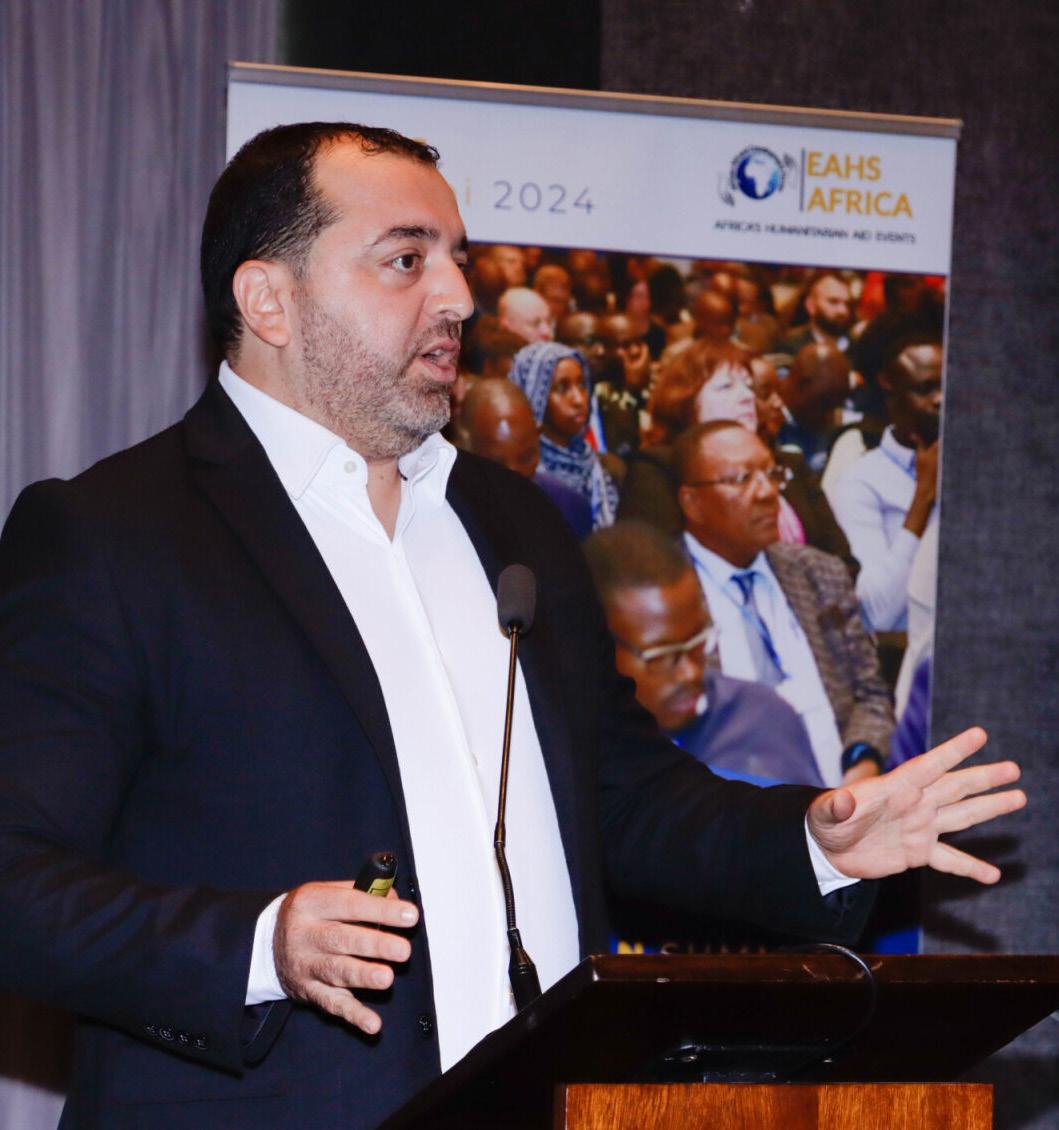
EAHS held another conference, bringing together more than 80 leading UN Agencies/NGOs and over 600 delegates. This think-tank event was attended by leading experts from the humanitarian and private sectors to outline the roadmap for the sustainable development of Africa. Closing the digital divide is one of the prime conditions for lasting success.
IEC Telecom, an esteemed international leader in satellite communications, joined the event to reveal an innovative network management solution powered by the Starlink LEO network. Digitalisation holds immense potential to transform the economic landscape of the continent.
According to the GSMA Association’s 2024 report, a 10% increase in mobile internet penetration could boost GDP per capita by up to 2.5% across Africa. Yet, according to the World Bank, less than a third of the continent’s population had access to broadband internet as of 2022. Notably, those are the areas heavily dependent on humanitarian support.
“Bridging the digital gap is not just a technological imperative. It is a pathway to sustainable development and inclusive progress in Africa. Humanitarian sector plays a key role in this transformation, spreading technology and benefits it holds within communities in need,” says Cameron Malik, Events Director, East African Humanitarian Summit (EAHS).
Low-Earth-Orbit (LEO) telecom networks, such as Starlink, opened new horizons for the aid sector, enabling fast-speed and low-latency connectivity, a prerequisite for seamless operation of modern operations, even in the most remote areas. Licensed in 13 countries, the disruptive operator aims to expand its service across 30 more African states by the end of 2025.
While LEO fuels digital transformation, network management shapes the architecture of the new connectivity ecosystem. Addressing EAHS delegates, Nabil Ben Soussia, CCO of IEC Telecom Group, presented an innovative solution for the implementation of Starlink within the humanitarian field. “Network management is not only about user quality but also flexibility and budget control.
Considering escalating geopolitical tensions and the rising number of natural disasters, the humanitarian sector is facing a lot of pressure to optimise aid delivery. – explained Mr. Ben Soussia.
This new course aims to provide healthcare professionals in different regions with the same high quality learning experience.
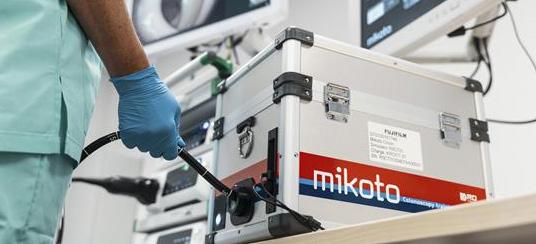
FUJIFILM Healthcare Europe is working closely with FUJIFILM Middle East and FUJIFILM Healthcare Turkey to bring the Basic Colonoscopy Training Course to the following countries from September 2024: Romania, Bulgaria, Croatia, Hungary, Lithuania, Ethiopia, Kenya, Uganda, Tanzania, Nigeria, Tunisia, Algeria, Morocco, Rwanda, Uzbekistan and Kazakhstan.
This new course aims to provide healthcare professionals in different regions with the same high quality learning experience. Following the successful introduction of the EndoRunner, the distribution of the state-of-the-art mikoto colon simulator and the launch of the EndoGel ESD training simulator, he standardised Basic Colonoscopy Training-
-Course in the Growth Emerging Markets (GEM) region is the next step in FUJIFILM’s commitment to provide global quality training with a local impact, conveniently delivered to participants’ doorsteps in order to continuously improve patient outcomes.
The courses will be led by Prof Mostafa Ibrahim, a renowned expert in the field of medical education who is the founder of the Egypt-based ROEYA Training Center, a PhD from the Université Libre de Bruxelles in Belgium and a Professor of Gastroenterology and Endoscopy in Cairo, Egypt. Prof Ibrahim will be present at each course, along with an expert from each course country, to ensure that participants
receive the highest level of expertise and guidance.
“We are delighted to be launching the Basic Colonoscopy Training Course in 16 countries across the Growth Emerging Markets (GEM) region,” said Prof Mostafa Ibrahim.
“With this comprehensive training programme, we aim to equip healthcare professionals with the skills and knowledge they need to provide the best possible care to their patients.
FUJIFILM’s commitment to global education and training is truly commendable and I am honoured to be part of this journey”.
Smart Applications International (Smart), a leading ICT solutions provider in Africa, successfully held its inaugural Healthcare Innovation Forum on August 14th, 2024, at the Radisson Blu Hotel in Juba.

“Smart’s presence in South Sudan is a testament to our unwavering commitment to driving technology adoption in Africa,” said Marlon Mutinda, Country Manager, Smart Applications International, South Sudan. “Our solutions have been instrumental in transforming the healthcare landscape, ensuring better access to medical services for all.”
Smart Applications International has established itself at the forefront of ICT solutions across Africa, serving millions of customers in 12 African countries and The Islands. Their technology solutions are utilised by over 8,000 medical service providers across South Sudan, Kenya, Uganda, Tanzania, Rwanda, Zambia, Malawi, Cameroon, Somalia, Somaliland, the Democratic Republic of Congo, Ethiopia, and Mauritius.
The forum, themed “Transforming Healthcare Through Technology,” provided a platform for stakeholders to discuss the opportunities and challenges presented by digital technologies in the healthcare sector. The event featured insightful keynote speeches, panel discussions, and interactive sessions focusing on how technology can improve healthcare delivery for patients and optimise administration for providers in South Sudan. SmartHealth+ is a Hospital Management Information System (HMIS) designed to optimise re -
sources, streamline operations, and enhance patient experiences within healthcare facilities. MediSmart is an Automated Medical Scheme Management Solution that uses biometric technology to combat fraud and ensure secure access to medical services. The evolution of MediSmart into Smart Access, a mobile phone-based solution, aligns with the global agenda of leveraging mobile platforms to provide inclusive healthcare solutions, especially in regions with high mobile penetration rates like South Sudan.
Smart Analytics is a data-driven solution that empowers healthcare providers and insurance companies to make informed decisions, improving profitability, efficiency, and customer service. Smart Applications International ensures full compliance with data protection regulations, both locally and internationally.
The Government of Uganda, Chief Whip, Hon. Denis Hamson Obua made the clarification in response to concerns raised by Hon. Tom Alero (NRM, West Moyo County).

The Government of Uganda, Chief Whip, Hon. Denis Hamson Obua, has assured the House that the National Information Technology Authority (NITA-U) will continue to execute works on key projects after the rationalisation process has been concluded by Parliament.
“Under the policy of rationalisation, NITA-U was earmarked to be rationalised, but it is one of the two organisations earmarked to benefit from a transitional period of three years,” said Obua.
He made the clarification in response to concerns raised by Hon. Tom Alero (NRM, West Moyo County) on the progress of implementation of the national backbone infrastructure connectivity and e-government infrastructure projects.
Alero noted that in May 2019, President Yoweri Museveni launched phase four of the connectivity project for West Nile, adding that government has secured loan provisions from EXIM Bank and the World Bank to implement phase five of the programme.
“I would also like to know when the programme will extend to remote, hard-to-reach areas in parishes, and sub-counties in all the districts in West Nile. There are villages like Arapi and Bari in
Moyo District where there is no internet connectivity,” said Alero. Obua noted that when the rationalisation Bills are brought before Parliament and processed, the programmes under NITA-U will carry on to completion.
“When the rationalisation Bills are passed with the transitional clause, it will give NITA-U an opportunity to implement the projects under the Chinese loan, and also under the World Bank loan, which encompass the last mile connection that the Honourable Member is talking about.
So all is not lost, we have hope that we shall cross the bridge when we get there,” said Obua.
By investing in the first Azure Stack hub in Uganda, Liquid is actively supporting the Uganda Digital Transformation Roadmap.

MICHAEL MUKASA CHIEF EXECUTIVE OFFICER, LIQUID INTELLIGENT TECHNOLOGIES UGANDA
This achievement is a significant milestone for Liquid Uganda as it can now enable local businesses to access cloud solutions that meet the local data regulatory requirements.
By investing in the first Azure Stack hub in Uganda, Liquid is not only demonstrating its commitment to the country’s digital transformation but also actively supporting the Uganda Digital Transformation Roadmap.
This roadmap aims to connect 90% of Ugandan households to the internet by 2040, a goal that Liquid is dedicated to helping achieve.
According to Michael Mukasa, CEO of Liquid Intelligent Technologies Uganda,
It will provide them with cost-effective access to local cloud solutions, help them meet local data regulatory requirements, and enable them to run latency-sensitive business applications efficiently.”
With this investment, Liquid has reaffirmed that the organisation recognises that every client is unique and is perfectly positioned to cater to companies of all sizes.
The organisation will empower its existing customers with a highly secure cloud solution, reduce latency, and enable real-time business continuity with flexible adoption models.
of our expertise in partnering with businesses of all sizes to digitally transform.
“This is the fifth country that Liquid has deployed Microsoft Azure Stack in Africa, which is indicative The Azure stack will not only benefit large enterprises but also accelerate cloud adoption among the Ugandan Small and Medium Enterprises (SMEs) through flexible adoption models,” says Mukasa.
Liquid has been a pioneering force in Uganda’s connectivity and technological evolution for over 15 years. With the introduction of Azure Stack,the organisation continues to trailblaze its way in bringing innovative technology to foster economic and technological advancement in the country and the East Africa region.
Distributed by APO Group on behalf of Liquid Intelligent Technologies.
M-KOPA announced that it has surpassed 5 million customers across Kenya, Uganda, Nigeria, Ghana and South Africa.

JESSE MOORE M-KOPA CO-FOUNDER AND CEO
M-KOPA, a leading emerging market fintech, announced that it has surpassed 5 million customers across Kenya, Uganda, Nigeria, Ghana and South Africa.
Two million of these customers have come onboard in the past 15 months.
M-KOPA’s innovative model makes affordable smartphones embedded with financial services available to ‘Every Day Earners’: the wide majority of African adults who earn their income daily but struggle to afford smartphones and typically fail to qualify for conventional financial services.
According to the World Bank, 75% of adults in sub-Saharan Africa remain financially excluded. To date, M-KOPA has supported its customer base with more than US $1.5 billion in financing. Starting with smartphone access, customers gain entry to the digital economy with an affordable daily repayment model, which fits their daily income and cash flow and makes it easier to manage. By
leveraging rich payments data and proprietary AI-driven analytics, M-KOPA builds a credit record for each customer which forms the foundation for a longterm financial relationship for lower cost digital loans, affordable data subscriptions and medical insurance.
According to M-KOPA co-founder and CEO, Jesse Moore: “We are thrilled to welcome our 5 millionth customer to M-KOPA this month. The scale of our operations and our positive impact on customers is what keeps us working hard to go even further. We’re just getting started; the opportunity for much larger impact and scale is right in front of us.”
Distributed by APO Group on behalf of M-KOPA.
Smart Applications International Ltd recently participated in the Africa Kidpreneur Summit 2024 held in Gaborone, Botswana.

Smart Applications International Ltd, a leading technology company specializing in healthcare solutions, recently participated in the Africa Kidpreneur Summit 2024 held in Gaborone, Botswana.
As a committed advocate for technological advancement and youth empowerment, Smart actively engaged with young entrepreneurs, inspiring them to harness technology for positive change.
The Africa Kidpreneur Summit provided a unique platform for aspiring young entrepreneurs to connect, learn, and showcase their innovative ideas. Smart’s presence at the event aligned with its core mission of investing in the future generation through early adoption of technology and fostering a culture of entrepreneurship.
By sharing its expertise and resources, Smart aimed to empower young minds to become the leaders and innovators of tomorrow.
The Marketing Manager, William Techera, who graced the event, expressed the company’s dedication to social responsibility and its commitment to nurturing young talent.
“We believe that by investing in these young entrepreneurs, we are not only supporting their individual aspirations but also contributing to the overall development of the African continent.”, he stated. Smart’s participation in the summit in -
cluded interactive workshops, mentorship sessions, and product demonstrations. The company’s experts provided valuable insights into the latest technological trends and their applications in the healthcare industry. By showcasing its innovative solutions, Smart inspired young entrepreneurs to explore the possibilities of using technology to address pressing healthcare challenges.
Further, Smart’s participation in the summit served as a valuable platform to connect with other healthcare stakeholders and medical aid organizations. By fostering collaborations and partnerships, Smart aims to create a more interconnected healthcare ecosystem that delivers enduring value to patients and communities across Africa.
One of the highlights of Smart’s involvement in is its mentorship program, which pairs experienced professionals with aspiring young entrepreneurs. Through personalized guidance and support.
Sage Intacct helps to empower financial teams from repetitive tasks, enabling them to concentrate on strategic activities.

BENSCH EXECUTIVE VICE PRESIDENT & MANAGING DIRECTOR FOR SAGE AFRICA & MIDDLEEAST.
Sage, recently launched Sage Intacct in Zimbabwe, Lesotho and Eswatini, helping transform the way organisations operate by providing real-time financial visibility, advanced automation and data-driven insights.
Sage Intacct helps to empower financial teams from repetitive tasks, enabling them to concentrate on higher-value, high-impact strategic activities.
For example, instead of spending hours manually inputting data, financial professionals can analyse market trends and create strategic financial plans, as well as implement innovative solutions like predictive analytics.
This helps to continuously improve a business’s financial health and competitive edge.
“Digitisation is propelling economies forward. The expansion of Sage Intacct into these countries is immensely significant for businesses in the regions. Companies using cloud solutions experience 25% more automation than their counterparts, while finance teams with minimal auto -
mation spend only 18% of their time on value-added tasks,” said Pieter Bensch, Executive Vice President & Managing Director for Sage Africa & Middle East.
“Our commitment is to empower businesses in the regions with cutting-edge cloud financial management solutions that will experience unprecedented levels of automation and efficiency.
This expansion marks a significant milestone in our journey to drive digital transformation and economic growth throughout the continent.”
TRADITIONAL HIGH-FEE REMITTANCE SERVICE PROVID -
The Awards are organized by the International Finance Corporation and the SME Finance Forum.

Kifiya, a leading AI-powered, alternative data-driven scoring, embedded finance, and AgTech company, has been awarded the prestigious Silver Award in the Product Innovation of the Year category in Africa at the Global SME Finance Awards 2024, held as part of the Global SME Finance Forum in São Paulo, Brazil on September 17, 2024.
The Global SME Finance Awards, organized by the International Finance Corporation (IFC) and the SME Finance Forum, recognizes
and celebrates institutions that have delivered innovative products and services and achieved impressive results in expanding finance and services to SMEs.
“Receiving this award reflects our ongoing dedication to empowering African MSMEs, SHFs and low-middle-income individuals through AI-powered and data-driven solutions,”
said Munir Duri, CEO and founder of Kifiya. “This also demonstrates Ethiopia’s
new-found drive for innovation led by the reforms. instituted by our Prime Minister, Dr. Abiy Ahmed, which have created an enabling environment and policies that foster and encourage innovation, allowing companies like ours to thrive.”
Recognizing that innovation can address many development challenges, Kifiya has combined its extensive AI and technology experience with a market system approach to design and implement solutions that target market inefficiencies and failures. Kifiya is utilizing its AI-powered products and data-driven infrastructure to drive the adoption of digital financial services and enable access to financial services and markets, one country at a time.
Munir Duri emphasized, “Our approach is about more than just technology. We are committed to driving sustainable, inclusive growth by solving systemic challenges that prevent millions of Africans from accessing finance and markets.
This award motivates us to continue innovating and expanding our solutions across Africa.” The company’s data-driven technology infrastructure supports financial institutions, smallholder farmers, low-to-middle-income individuals and MSMEs in accessing relevant credit products, reducing costs, and enhancing service delivery.
Distributed by APO Group on behalf of Kifiya Financial Technology.
Survey reveals that 84% of respondents rely on social media as their primary news source.

SVP CONTENT STRATEGY AND EVANGELIST AT KNOWBE4 AFRICA
A recent survey across Africa by KnowBe4 reveals that 84% of respondents rely on social media as their primary news source, with 80% favouring Facebook;
This heavy dependence on social platforms for information is concerning, particularly as disinformation continues to rise.
With 19 African countries set to hold elections in 2024 and numerous political campaigns underway, worries about misinformation (unintentionally shared false information) and disinformation (deliberately spread fake news) are mounting.
The Africa Centre for Strategic Studies reports that disinformation campaigns in Africa have quadrupled since 2022, often backed by foreign states like Russia and China, leading to social instability.
The survey, which included 500 respondents, found that the vast majority of users (84%) prefer social media for news consumption over traditional channels like radio, TV, and news websites.
Anna Collard, SVP Content Strategy and Evangelist at KnowBe4 AFRICA, notes, “80% of respondents are consuming news on Facebook and over 50% use TikTok. This is alarming as neither of these channels is very reliable in terms of news.”
Distributed by APO Group on behalf of KnowBe4.
In response to these issues, KnowBe4 conducted a survey in June 2024 on political disinformation and misinformation across five African countries: Botswana, Kenya, Mauritius, Nigeria, and South Africa.
Grace has spearheaded a range of initiatives aimed at strengthening Uganda’s healthcare system.

CEO UGANDA HEALTHCARE FEDERATION (UHF)
Grace Ssali Kiwanuka is a distinguished Ugandan healthcare leader currently serving as the Executive Director of the Uganda Healthcare Federation (UHF), the umbrella body representing, championing and advocating for the interests of the private health sector in Uganda. With a rich educational background that includes a Master’s in Administration, Innovation, and Technology from Boston University and a social studies BA in Economic and Political Development from the University of Exeter, Grace has dedicated her career to enhancing health service delivery in Uganda. Grace’s professional journey is marked by significant milestones.
She began her career in London, working with leading organizations such as Saatchi & Saatchi and Lincoln Financial. Upon returning to Uganda, she made impactful contributions at AAR Health Services, where she advanced through various roles, ultimately becoming the Assistant General Manager of Operations. Since August 2015, Grace has led the UHF, where she has been instrumental in advocating for private health sector development, ensuring compliance with health regulations, and enhancing the capacity of healthcare facilities across the country.
As the Executive Director of UHF, Grace has spearheaded a range of initiatives aimed at strengthening Uganda’s healthcare system. She has driven the development of ICT systems to facilitate regulatory compliance for private providers, including, direct reporting of health data from private facilities into DHIS2, and a quality improvement system that generates tailored improvement plans for each self-assessing health facility.
The represents the private health sector on the Ministry of Health’s Health Policy Advisory Committee and cochairs the Public-Private Partnerships in Health Technical Working Group.
She represents the private health sector on the Ministry of Health’s Health Policy Advisory Committee and co-chairs the Public-Private Partnerships in Health Technical Working Group. Grace has effectively coordinated the involvement of the private health sector in programs funded by the IFC, World Bank, and USAID, and played a vital role in integrating private health providers into the national COVID-19 response, from case management to vaccination strategies.
Under her leadership, UHF has seen a significant increase in membership and financial stability, highlighting her commitment to collaborative healthcare improvements. On a broader scale, Grace has built strong relationships between the private sector and government bodies, fostering functional interactions that enable meaningful policy participation from the private sector. Her efforts have resulted in innovative solutions to address private sector fragmentation and the development of systems that support compliance with national policy frameworks.
Looking ahead, Grace envisions a robust, inclusive healthcare system in Uganda that leverages complementary relationships between the public and private sector strengths. Her ongoing efforts aim to foster sustainable healthcare practices and enhance access to quality services for all Ugandans.
CS underscored government’s commitment to achieving UHC through the BETA Plan.

DR. DEBORAH MLONGO BARASA CABINET SECRETARY FOR HEALTH
GOVERNMENT OF KENYA
Kenya’s
vider Portal.
This event signifies a key advancement in Kenya’s rollout of social health insurance and the digitization of healthcare services.
Dr. Barasa underscored the government’s commitment to achieving Universal Health Coverage (UHC) through the BETA Plan.
This plan encompasses sustainable health financing reforms and integrating digital healthcare systems.
She noted the importance of recent legislations, including the Social Health Insurance Act 2023 and the Digital Health Act 2023, which are pivotal for transitioning from NHIF to the Social Health Authority (SHA).
The SHA, created under the Social Health Insurance Act, will replace the NHIF claims management system and
manage a comprehensive health benefit package.
This package includes preventive, curative, palliative, and rehabilitation services, ensuring equitable access for all Kenyans.
The Health Provider Portal, a component of the “Digital Health Superhighway,” aims to improve healthcare delivery and manage health products more effectively.
With over one million households already registered, efforts are being intensified to achieve complete public registration by the October 1, 2024, launch.
Distributed by APO Group on behalf of of Ministry of Health, Kenya
Entire operations may be disrupted for days or even weeks, resulting in lost revenue, diminished service quality and disappointed clients and partners

In today’s interconnected world, cyberattacks are more frequent and more dangerous than ever before. Businesses, regardless of size or industry, are prime targets for cybercriminals. These attacks can cause widespread damage and create long-lasting consequences. Kaspersky dives into the impact of cyberattacks on business and reveals the key losses that an unprotected business can suffer.
When we consider the impact of cyberattacks on business, the first thing we pay attention to is financial losses. An example of an incident with huge financial losses is the attack on Johnson Controls, a major player in the building technology sector that faced a significant ransomware incident perpetrated by the Dark Angels hacking group.
The attackers claimed to have stolen 27 terabytes of sensitive data and demanded a $51 million ransom. This breach resulted in severe disruptions to the company’s systems and cost over $27 million in damages.
The attack impacted Johnson Controls’ business operations, including disruptions to its billing systems and increased recovery expenses. As a company with a global presence, the breach significantly affected itbusiness relationships and operations.
Below, Kaspersky explores several key ways a cyberattack can hurt your business.
Cyberattacks often result in direct financial losses. Ransomware attacks, where hackers demand payment to restore access to data or directly steal funds, are a clear example. But this is only the beginning, as there are numerous other consequences that may result in considerable indirect financial losses. These can easily exceed what the company has lost as an immediate outcome of the incident.
Cyberattacks can grind your operations to a halt. Many businesses depend on their digital infrastructure for daily activities. If systems are compromised, productivity falls. In severe cases, entire operations may be disrupted for days or even weeks (https://apo-opa.co/3MQRkKo), resulting in lost revenue, diminished service quality and disappointed clients and partners — an additional impact on your company’s reputation.
Even following the immediate aftermath of a cyberattack, businesses often face long-term financial impacts. Restoring systems, improving cybersecurity infrastructure, and managing the legal fallout are just some of the lingering costs. Additionally, lost business and damaged customer relationships can take months or years to rebuild.
The trust your clients place in you is invaluable. If customer data is stolen in a breach, it can severely damage your brand’s reputation. This loss of trust can lead to customers leaving and a long-term decline in business. In some cases, a single breach is enough to ruin a company’s public image beyond repair.
If your business falls victim to an attack, it can also impact your relationships with partners and vendors. Third-party partners might lose confidence in your ability to protect shared data. Similarly, business-critical relationships could be jeopardised if you fail to recover quickly or if your systems compromise their operations.
With data protection regulations such as the GDPR in Europe, POPIA in South Africa or HIPAA in the U.S., a data breach can lead to heavy fines. Failing to protect sensitive customer or employee data may result in penalties and lawsuits. Furthermore, companies that fall victim to breaches often face lengthy legal battles, which add to the financial and reputational strain.
For many businesses, intellectual property (IP) is among their most valuable assets. Cyberattacks targeting IP can steal product designs, marketing strategies, and proprietary information. This is particularly harmful in competitive industries like technology and pharmaceuticals, where IP theft can erase the advantage a company has spent years building.

Kaspersky offers some recommendations to help your business stay ahead of cyberthreats and remain resilient:
Attackers are never idle - they’re like wolves who must be constantly active to catch their prey off-guard. So, companies need to be ever more alert and agile. They must be sure they have the right solutions and processes to allow for effective threat discovery and containment, as well as swift recovery. At Kaspersky, we’re deeply committed to delivering the agile security that businesses need. Proactive assessments and multi-layered protective solutions, plus managed security and actionable threat intelligencewe have it all. What’s more important, we have the expertise to put together the exact cybersecurity structure for your individual profile. Only a consistent and comprehensive approach, like this one, can ensure true business resilience against today’s cyber risks
Comments Oleg Gorobets, Security Evangelist at Kaspersky.
• Always keep the software updated on all the devices you use to prevent attackers from infiltrating your network by exploiting vulnerabilities. Install patches for new vulnerabilities as soon as possible.
•To protect the company against a wide range of threats, use robust solutions, like that from the Kaspersky Next product line, that provide real-time protection, threat visibility, and the investigation and response capabilities of EDR and XDR for organisations of any size and industry. Kaspersky solutions are regularly awarded, leading in independent tests.
•If your company doesn’t have a dedicated IT security function and only has generalist IT admins who may lack the specialist skills required for expert-level detection and response solutions, consider subscribing to a managed service such as Kaspersky MDR. This would instantly boost your security capabilities by an order of magnitude, while allowing you to focus on building in-house expertise.
•Educate your employees to have protection against human-related cyberattacks. Specialised courses can help, such as Kaspersky Automated Security Awareness Platform that instils safe Internet behaviour and includes a simulated phishing attack exercise.
•Set up offline backups that intruders cannot tamper with. Make sure you can quickly access them in an emergency when needed.
•Conduct cybersecurity audits.
Distributed by APO Group on behalf of Kaspersky.

Smart Applications International hosted a highly successful Kenya Medical Services Providers Webinar, focused on driving awareness around how technology continues to transform the healthcare sector. The event saw an impressive turnout, with over 1,600 participants and representatives from 900 hospitals in attendance.
In line with the Government of Kenya Digital Transformation journey, the healthcare players readiness and adoption of digital health solutions provides essential backbone towards Universal Healthcare realization. The session showcased comprehensive range of healthcare technology solutions designed to drive seamless digitalization in the healthcare industry. These solutions that have significantly improved operational efficiency, patient satisfaction, and service delivery across the healthcare value chain in African countries.
In his opening remarks, Harrison Muiru, Group Managing Director of Smart Applications International, expressed his appreciation, stating, “We serve 30,000 patients daily on our platform, and record expenditure of 8 USD per second on our system in partnership with healthcare facilities and medical insurers across 12 countries in Africa. Your presence at this webinar and the value that we mutually deliver in healthcare is the fuel that keeps us going in our journey built on collaboration, customer service, innovation, and excellence.”
Esther Macharia, Head of Hospital Operations at Smart Applications International, expressed her gratitude for the remarkable turnout, adding, “Your engagement reflects our shared commitment to improving Kenya’s healthcare system. Together, we can drive innovations and share insights that inspire positive change. We look forward to continuing our partnerships to ensure a healthier future for all.”
While Kenya has made notable progress in improving healthcare access and outcomes, significant challenges remain. Many citizens still face barriers such as long wait times, limited
availability of specialists, slow settlement periods from payers, and inefficient systems. These challenges, however, present an opportunity for technological solutions to play a pivotal role in driving the next phase of healthcare transformation.
Smart Applications International is at the forefront of delivering cutting-edge digital solutions that address these pain points. By streamlining operations, enhancing patient satisfaction, and optimizing service delivery, Smart is empowering healthcare providers to overcome inefficiencies and improve the overall patient experience.
Through the webinar,” Mr. Bernard Mpara, who represented the Healthcare Providers, indicated, “we have exchanged knowledge, shared feedback, and collaboratively shaped the path toward a better healthcare experience for patients, billers, credit controllers, administrators, and payers. We have come of age, to work together with the focus being the nation’s wellbeing, as we as provider of services, we remain at the center of innovation, therefore, this conversation is invaluable and impactful.”
Smart’s ongoing efforts to reduce patient wait times, enhance communication, improve treatment practices, and increase operational efficiency through automation have been instrumental in lowering healthcare costs and ensuring revenue assurance. These innovations are vital to the sustainability and growth of healthcare facilities and programs, both in Kenya and across Africa.
Isaiah Mosiori, Group Chief Operations Officer, Smart Applications International, concluded by calling for continued collaboration: “We remain committed to working together to transform healthcare in Kenya. Through today’s conversations and the Smart digital health solutions, we trust that you will be empowered to provide seamless, patient-centered care at your individual facilities.”


BY RUTH GACHARU
In an age where digital transformation is reshaping industries, Metropolitan Hospital Nairobi stands out with its innovative approach to healthcare management through the AMS 2000 Hospital Management System. This paperless solution streamlines operations and enhances communication, setting a benchmark for modern hospital management.
One of the core functionalities of AMS 2000 is its comprehensive Patient Management system. This feature efficiently manages the admissions and discharge process, allowing for real-time tracking of patient statuses. By minimizing wait times and optimizing resource utilization, the system significantly improves patient flow and overall hospital efficiency.
A major component of AMS 2000 is its focus on Electronic Health Records (EHR). This centralizes patient data, making medical histories, treatment plans, and test results easily accessible. Additionally, the system facilitates Order Management, enabling healthcare providers to place and track medication orders, lab tests, and imaging services seamlessly.
RESOURCE ALLOCATION AND STAFF MANAGEMENT
Given the dynamic nature of healthcare settings, effective Resource Allocation is crucial. AMS 2000 includes a Staff
Management feature that monitors staff schedules and competencies, ensuring optimal staffing levels. This aspect, combined with Inventory Control, helps manage medical supplies and equipment, reducing waste while ensuring that essential resources are always available.
Financial sustainability is critical in healthcare. AMS 2000 automates Billing and Claims Processing, improving the accuracy of claims submissions and tracking payments. The system also provides Financial Reporting, allowing hospitals to conduct detailed cost and revenue analyses, leading to more informed decision-making.
Compliance with healthcare regulations is essential to mitigate risks. AMS 2000 includes tools for Regulatory Compliance, ensuring adherence to relevant standards. Furthermore, its Performance Analytics feature allows hospitals to analyze operational performance and support strategic planning.
Effective communication is vital in a healthcare setting. AMS 2000 enhances collaboration through an Internal Messaging System, facilitating real-time communication among healthcare providers. Additionally, Patient Engagement Tools improve communication with patients through appointment reminders and feedback mechanisms.
AMS 2000 boasts extensive integration capabilities, including:
• Payment Platforms: Compatibility with systems like M-Pesa and major banks (KCB & Equity).
• Medical Equipment Integration: Seamless connection with lab machines and imaging equipment (e.g., Philips X-ray, GE ultrasound).
• eClaim Platforms: Integration with platforms such as Savannah Informatics and MTIBA.
• Smart Applications: Enhanced functionality through integration with the HIAS platform.
• E-Catering & SWIFT FOODS: Management of patient meal services and cafeteria operations.
• Government Platform Integrations: Includes DHIS for real-time transmission of Ministry of Health reports and ETIMS for submitting invoices to the Kenya Revenue Authority.
Complementing the AMS 2000 system is the M-DOC app, designed to enhance healthcare management for professionals with essential tools for practice management and financial oversight.
KEY FEATURES OF M-DOC
• Credentialing Management: Simplifies document submission for credentialing processes.
• Appointment Scheduling: Efficiently manages appointments and consultations.
• Patient Records Access: Centralizes access to comprehensive patient records.
• Admission & OR Booking: Facilitates quick booking of admissions and operating room slots.
• Pre-Authorization: Streamlines the insurance pre-authorization process.
• Automated Fee Notes: Generates fee notes with automated email communication.
• Invoice Tracking: Monitors invoice statements and outstanding payments.
• Experience Rating: Allows users to rate their experiences, contributing to service improvement.
• Centralized Billing: Manages billing processes efficiently within a centralized system.
BENEFITS OF THE M-DOC APP
• Enhanced Mobility: Enables healthcare professionals to practice from anywhere, staying connected to patients and operations.
• Streamlined Workflow: Reduces administrative tasks, allowing professionals to focus more on patient care.
• Improved Financial Management: Organizes financial processes for better decision-making.

The integration of AMS 2000 and the M-DOC app provides Metropolitan Hospital Nairobi with a robust framework for optimizing hospital operations, claims management, financial oversight, human resource functions, and inventory management. By leveraging these advanced systems, healthcare organizations can enhance efficiency, reduce costs, and ultimately deliver superior patient care. This innovative approach not only exemplifies the future of hospital management but also sets a standard for others in the industry to follow.
Metropolitan Hospitals Limited is a Level 5 facility located in Buruburu, in the Eastlands area of Nairobi County. Over the past 30 years, the hospital has evolved into Eastlands’ premier medical hub, featuring modern facilities such as an ultramodern doctor’s plaza, a fully equipped Accident and Emergency department, advanced modular theatres, an Intensive Care Unit (ICU), Neonatal ICU, High Dependency Unit (HDU), and comprehensive Imaging and Laboratory services. Metropolitan is accredited by the Council for Health Service Accreditation (COHSASA) for maintaining quality standards.

JONAN KISAKYE CHIEF EXECUTIVE OFFICER

The Uganda Insurers Association (UIA) plays a pivotal role in shaping Uganda’s insurance landscape, serving as the umbrella body uniting all licensed insurers in the country. Established to promote and uphold the highest standards in the insurance sector, UIA has grown to encompass thirty-seven (37) companies, including twenty (20) general insurers, nine (9) life insurers, four (4) microinsurance companies, and four (4) reinsurance firms. These companies represent the backbone of Uganda’s insurance industry, contributing to financial security and economic growth.
At the forefront of this dynamic association is Jonan Kisakye, the Chief Executive Officer (CEO) of UIA. A visionary leader with a passion for innovation and collaboration, Kisakye has been instrumental in steering the association toward achieving growth and driving the evolution of the insurance sector in Uganda. His leadership has elevated the UIA from a regulatory and advocacy body to a key player in national development, promoting a culture of insurance among Ugandans and fostering stronger ties between industry stakeholders, the government, and the public.
Under Jonan Kisakye’s leadership, the UIA has embraced a strategic direction aimed at addressing long-standing challenges in the insurance sector, such as low insurance penetration, public mistrust, and a lack of awareness about insurance benefits. His mission has been clear: to foster trust in insurance as a tool for financial security and to create an environment where insurance becomes an integral part of everyday life for Ugandans.
To achieve this, Kisakye has championed public education initiatives aimed at demystifying insurance and enhancing its accessibility. The UIA has engaged in media campaigns, community outreach programs, and collaborations with key institutions to educate the public on the importance of insurance and to build trust between insurers, policyholders, and other stakeholders.
Insurance is not just a financial product; it’s a service that offers peace of mind and security in times of uncertainty
Kisakye often emphasizes.
His advocacy for insurance is rooted in his belief that by enhancing public understanding and trust, the sector can achieve substantial growth. His focus on transparency and accountability has led the UIA to work closely with the Insurance Regulatory Authority (IRA) of Uganda to improve service delivery and ensure that insurers honor their commitments to policyholders.
During Jonan Kisakye’s tenure as CEO, the association has begun its digital transformation. In an increasingly digital world, Kisakye recognizes that technology is critical to the future of the insurance industry. As part of this shift, the UIA has worked to automate processes to ensure that members and the public have
convenient access to services online.
The development of digital platforms for easier access to insurance products, such as Motor Third Party (MTP) insurance, has been a major step in simplifying the purchase of insurance policies and enhancing transparency and efficiency.
Collaboration has been another hallmark of Jonan Kisakye’s leadership. He has made it a priority to foster partnerships between the insurance industry and other sectors to drive mutual growth and innovation.
Under his guidance, the UIA has established strong ties with various governmental and non-governmental organizations, industry associations, and international bodies.
Efforts to improve road safety and reduce risks associated with driving in Uganda have been key areas of focus, including public awareness campaigns about the importance of motor insurance.
Kisakye has also strengthened the relationship between the UIA and the Uganda Manufacturers Association (UMA), recognizing that manufacturers are key drivers of the economy and significant users of insurance products.
Kisakye’s leadership extends beyond Uganda’s borders. He has been actively involved in the broader African insurance landscape, positioning himself as a key influencer across the continent.
At the heart of Jonan Kisakye’s vision for the UIA is his belief that insurance is a powerful tool for economic empowerment and financial stability. In an era of increasing uncertainty—fueled by factors such as climate change, political instability, and economic volatility—Kisakye is a staunch advocate for the role of insurance in mitigating risks and providing a safety net for individuals, businesses, and communities.
In addition to promoting insurance as a financial tool, Kisakye has been a vocal advocate for improving the regulatory environment to support the growth of the sector. He has worked closely with the Insurance Regulatory Authority of Uganda (IRA) to ensure that the regulatory framework is conducive to innovation and growth while protecting the interests of policyholders.


His collaborative approach to regulation has helped create a more stable and predictable environment for insurers, encouraging investment and fostering competition.
Jonan Kisakye’s journey in the insurance industry is one marked by continuous learning and leadership. With extensive experience in both short-term and long-term insurance markets, Kisakye has earned a reputation as a knowledgeable and strategic leader. He is a Chartered Member of the Insurance Training College (ITC) of Uganda and the Chartered Insurance Institute (CII) UK, and he is an Associate and Accredited Trainer with the Chartered Institute for Securities & Investment (CISI) UK.
Kisakye’s expertise and commitment to excellence have not gone unnoticed. He has been recognized for his contributions to the insurance sector both in Uganda and across Africa, and his leadership at the UIA has earned the association a reputation as a forward-thinking and innovative organization.
The Future of Insurance in Uganda
Looking ahead, Jonan Kisakye remains optimistic about the future of the insurance industry in Uganda. With a strong foundation in place, he believes that the UIA is well-positioned to continue its role as a catalyst for growth, innovation, and collaboration in the sector. His focus will remain on driving greater public awareness, enhancing trust in insurance, and leveraging technology to improve service delivery.
Under Kisakye’s leadership, the Uganda Insurers Association is poised to reach new heights, ensuring that insurance becomes an indispensable part of life for all Ugandans. Through continued collaboration with stakeholders, investment in digital transformation, and a commitment to transparency and accountability, Kisakye is set to leave a lasting legacy on Uganda’s insurance industry—a legacy of progress, innovation, and empowerment.









How a multi-year collaboration between 2 companies is furthering healthcare access for all in Mauritius and beyond
The saying ‘work smarter, not harder’ doesn’t quite ring true in the case of The Unisure Group and Smart Applications International’s collaboration. In fact, it’s been a matter of consistently working smarter and harder to get things off the ground and introduce Smart’s innovative technology to the Mauritian healthcare market.
The Unisure/Smart collaboration has been years in the making. Unisure, an international health and life insurance provider, saw a gap in the Mauritian market as far as direct settlement structures within out-patient services were concerned. In 2020, they approached Smart with the idea of introducing the market to Smart’s biometric cards, and now, more recently, the Smart Access app.
“Medical facilities in Mauritius charge medical insurance members upfront for out-patient medical treatment because there isn’t currently a formal direct billing structure to insurers that allows for seamless service delivery,” explains Unisure Head of IPMI in Mauritius, Daniel van der Merwe. “While we understood the facilities’ concern around the financial risks, we also felt that we owed it to our Unisure members to find a way to offer them a seamless engagement with the medical facilities within our network.”
“There are a few very large insurers in Mauritius, and even though it’s not as big a market as any of the other African countries, our conversations with Smart centred around the fact the country’s participation rate in insurance is
much higher, largely because the population in general can afford to buy medical insurance,” Unisure’s Group Chief Risk Officer, Pierre Rossouw, explains. “Mauritius has one of the highest GDP per capita in Africa and it’s classified as an upper-middle-income economy. There are many lives on cover with insurers, and that certainly presents a great opportunity for Smart.”
“There are a few very large insurers in Mauritius, and even though it’s not as big a market as any of the other African countries, our conversations with Smart centred around the fact the country’s participation rate in insurance is much higher, largely because the population in general can afford to buy medical insurance,” Unisure’s Group Chief Risk Officer, Pierre Rossouw, explains. “Mauritius has one of the highest GDP per capita in Africa and it’s classified as an upper-middle-income economy. There are many lives on cover with insurers, and that certainly presents a great opportunity for Smart.”
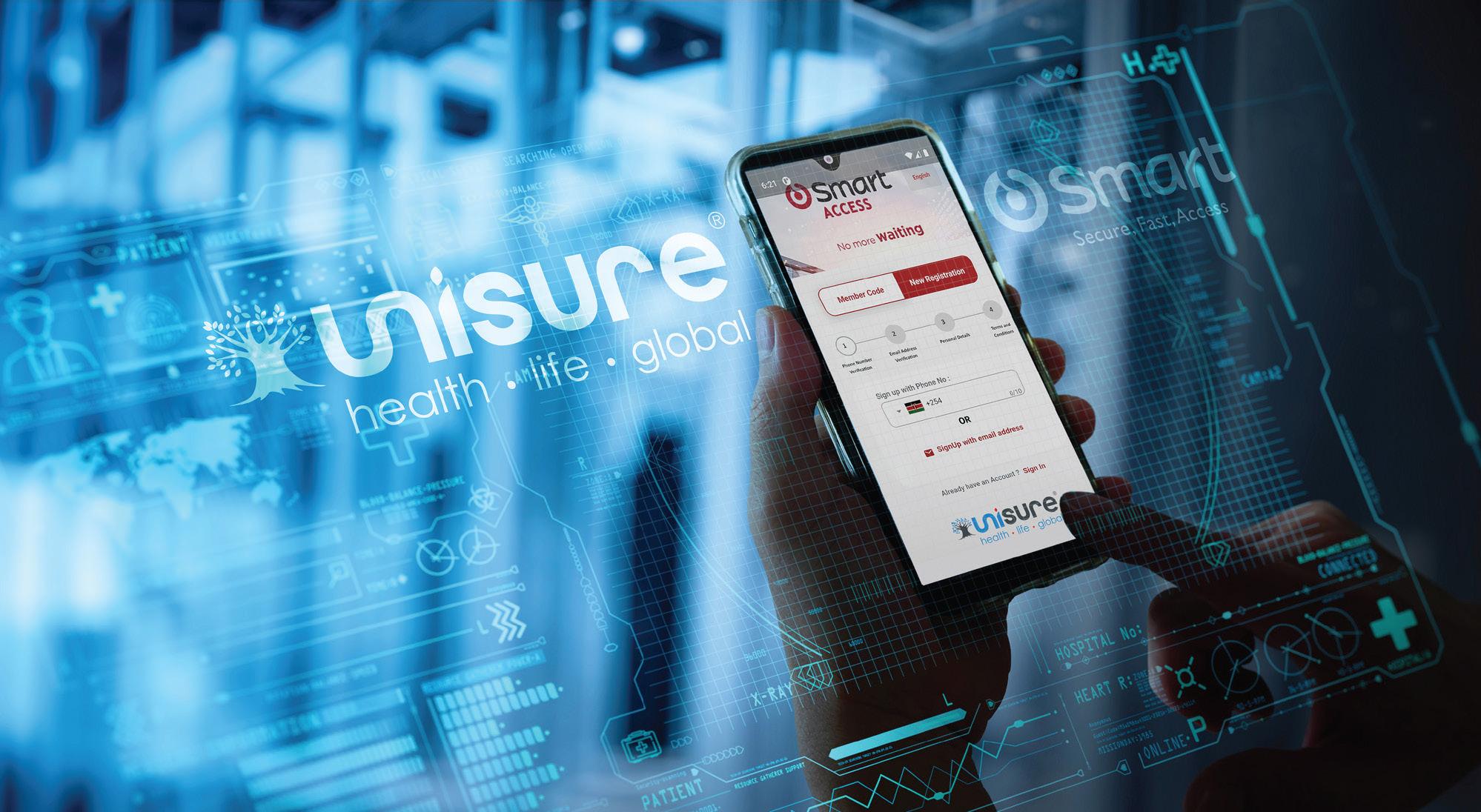
The Smart Access app goes beyond biometrics to offer a virtual mode of medical access aimed at enhancing the patient experience, providing instant onboarding support to medical insurers, and ensuring provider transparency in healthcare administration.
It essentially issues members with a One Time Pin to allow the hospital to identify them and their level of cover and benefits, but in providing a seamless interaction between the medical provider and the insurer, it also acts

The saying ‘work smarter, not harder’ doesn’t quite ring true in the case of The Unisure Group and Smart Applications International’s collaboration. In fact, it’s been a matter of consistently working smarter and harder to get things off the ground and introduce Smart’s innovative technology to the Mauritian healthcare market.
The Unisure/Smart collaboration has been years in the making. Unisure, an international health and life insurance provider, saw a gap in the Mauritian market as far as direct settlement structures within out-patient services were concerned. In 2020, they approached Smart with the idea of introducing the market to Smart’s biometric cards, and now, more recently, the Smart Access app.
“Medical facilities in Mauritius charge medical insurance members upfront for out-patient medical treatment because there isn’t currently a formal direct billing structure to insurers that allows for seamless service delivery,” explains Unisure Head of IPMI in Mauritius, Daniel van der Merwe. “While we understood the facilities’ concern around the financial risks, we also felt that we owed it to our Unisure members to find a way to offer them a seamless engagement with the medical facilities within our network.”
“There are a few very large insurers in Mauritius, and even though it’s not as big a market as any of the other African countries, our conversations with Smart centred around the fact the country’s participation rate in insurance is much higher, largely because the population in general can afford to buy medical insurance,” Unisure’s Group Chief Risk Officer, Pierre Rossouw, explains. “Mauritius has one of the highest GDP per capita in Africa and it’s classified as an upper-middle-income economy. There are many lives on cover with insurers, and that certainly presents a great opportunity for Smart.”
“There are a few very large insurers in Mauritius, and even though it’s not as big a market as any of the other African countries, our conversations with Smart centred around the fact the country’s participation rate in insurance is much higher, largely because the population in general can afford to buy medical insurance,” Unisure’s Group Chief Risk Officer, Pierre Rossouw, explains. “Mauritius has one of the highest GDP per capita in Africa and it’s classified as an upper-middle-income economy. There are many lives on cover with insurers, and that certainly presents a great opportunity for Smart.”
The Smart Access app goes beyond biometrics to offer a virtual mode of medical access aimed at enhancing the patient experience, providing instant onboarding support to medical insurers, and ensuring provider transparency in healthcare administration.
It essentially issues members with a One Time Pin to allow the hospital to identify them and their level of cover and benefits, but in providing a seamless interaction between the medical provider and the insurer, it also acts as a facilitator of all data,
effectively functioning as a full administration system for hospitals too.
After many discussions and engagements in Mauritius with numerous stakeholders, the Smart and Unisure teams recently got their first buy in from one of the country’s leading healthcare providers.
“This is a massive win, for Unisure and Smart,” van der Merwe explains. “Firstly, for Smart, this is the catalyst that will help them to start including other insurers into the structure as well. Large scale participation is vital, because that’s how this will benefit everyone who uses Smart, not just one particular entity.”
For Unisure, on the other hand, spearheading an initial proof of concept alongside Smart will of course benefit their members, hence their direct involvement. But in staying true to one of their seven company values – “We’re going far, together” – Unisure tackled this project with passion because the company equally wants the insurance market to thrive and for world-class healthcare, seamlessly delivered, to be available throughout Africa and beyond.
The fact that a lot of companies set up principal structures in Mauritius, using it as a base to work with the rest of the continent, opens up new benefits to international private medical insurance plans. While many insurers may offer international cover, however, they do it on a pay-and-claim basis. Corporates now signing up with Unisure and within the Smart network will benefit from first-ever direct settlement advantages on their out-patient international cover.
“Smart currently has a presence in 11 African countries,” van der Merwe explains. “What that means for someone like myself, who lives permanently in Mauritius but travels to Kenya frequently, for example, is that should I need to access medical care and I’m on roaming cover, I merely need to present my Smart Access app to a medical provider within Unisure’s network and it identifies everything. It even has a ‘find a medical provider’ feature if I’m new to the country and not sure where my closest provider in the network is.”
At the end of the day, widespread medical services and ease of access is really what it is about, and thanks to the Unisure/ Smart collaboration, ensuring that members don’t have to pay out of their pocket for medical treatment, this has truly revolutionised the industry and created an entirely different ecosystem for members to participate in.
For more information on The Unisure Group and Smart Applications International Ltd, visit www.unisuregroup.com and www.smartapplicationsgroup.com/kenya/ respectively.
But ‘guardrails by design’ are needed

DR JOHN SARGENT CO-FOUNDER OF THE BROADREACH GROUP
The next generation of ethical Generative Artificial Intelligence (GenAI) provides new hope for an equitable healthcare revolution - but advances in technology must never come at the cost of patient rights.
This was the consensus amongst top African and American health AI experts who participated in a webinar about the impact of GenAI on healthcare. The webinar was hosted by Vantage Health Technology – part of BroadReach Group, a social enterprise focussed on health equity globally. Through Vantage, the company has provided AI-led health-tech support to multiple public healthcare systems and diseases including in Africa and the USA for close to a decade.
“The fundamental issue in healthcare, whether you are in
Sub-Saharan Africa, Western Europe, or the USA, is that demand outstrips supply in terms of health services, doctors, nurses, and medications. In Sub-Saharan Africa, for instance, there are 0.2 doctors per 1000 people,” explains Dr John Sargent, co-founder of the BroadReach Group.
He says we are trying to deliver on an antiquated model of “sick care”, where there is a certain ratio of doctors to patients. “We need to change this paradigm to be more effective by matching the supply and demand sides of our health systems in new digital ways.” Dr Sargent, who is a Harvard alumni and former World Economic Forum Social Entrepreneur of the Year, says that while GenAI has the potential to revolutionise how healthcare supply and demand are balanced, it is not the be-all-and-end-all of health tech.
“The aim is not to get distracted by a shiny new toy – we need to put the patient first by protecting privacy and training our models against bias. We must always remember that technology is just a tool in service of patient care and supporting the healthcare workforce to improve health outcomes.”
USING GENAI TO TACKLE SPECIFIC DISEASES SUCH AS HIV AND AIDS 1
Jaya Plmanabhan, chief scientist at innovation consultancy Newfire Global who trains health AI models for a living, says he is particularly excited about how large language models could be trained to revolutionise virtual expertise on diseases such as HIV and AIDS.
“We call these ‘Role Specific Domain Models’ and they have the potential to be programmed to know everything about a particular disease, to better guide healthcare professionals on how to treat patients. This is a tremendously exciting prospect in the mission to end new HIV
The fundamental issue in healthcare, whether you are in Sub-Saharan Africa, Western Europe, or the USA, is that demand outstrips supply in terms of health services, doctors, nurses, and medications. In Sub-Saharan Africa, for instance, there are 0.2 doctors per 1000 people,” explains Dr John Sargent, co-founder of the BroadReach Group.
These Private Language Models (PLMs) become oracles on a subject and are especially useful in helping solve hard problems in HIV management, such as loss to follow-up – a term for patients who drop off treatment. “Trying to find patients is critical to ensure that they don’t become resistant to drugs due to skipping doses. We can make our outreach much more engaging through conversational messages in their mother tongue and this can help us get people back into the clinic and back into care,” explains Ruan Viljoen, Chief Technology Officer of the BroadReach Group.
“There is a quote that says we should fall in love with the problem, not the solution, which in this case is AI,” says Viljoen. “I believe the biggest challenge is still health inequity - healthcare access can vary depending on race, location, or age.”
Viljoen said GenAI can help solve practical problems, such as frontline healthcare workers being overburdened and not having enough time. “What are the repetitive, administrative tasks that are stealing their time? For instance, GenAI can help nurses with automated note-taking in patient interviews, relieving an administrative burden. The goal is not to replace the role but to free up their time for value-added work.”
One of the greatest uses of AI in health is to help healthcare workers focus on the next best action. “We can use large datasets and extract insights to help healthcare workers, delivered via easy-to-digest and secure messaging like emails or text messages. This is nothing new – we’ve done this in some form for nearly a decade using our AI-enabled platform, Vantage. What I’m most excited about, is how we can augment the quality of the interactions to bring together human and artificial intelligence.”
HEEDING THE RISKS AND CREATING
Vedantha Singh, an AI ethics in healthcare researcher and virologist from the University of Cape Town, said the top ethical considerations for AI in healthcare are privacy, accuracy, and fairness. She urged at all AI systems should start with guardrails and ethics within their foundational design.
“There is a perception that there are no regulations for the use of AI in healthcare, but to assume we are operating in the wild west is not true. International bodies are sharing guidelines and regulation is slowly evolving – including in Africa. Egypt, Rwanda and Mauritius already have strong AI policies,” says Singh. This includes an emphasis on human labour not being completely replaced and giving patients agency over how their data is used.
Singh says that companies must embed ethical guardrails –aka ‘guardrails by design’ in their health products from the start. Plmanabhan adds that GenAI can reduce costs and personalise care, but it must be used carefully. “For example, if the data is biased, the model will be biased. GenAI can also be used to create fake patient profiles to commit fraud.” Unbiased, quality data which complies to regulations such as HIPAA and POPIA or GDPR must be prioritised.
Plmanabhan emphasises the importance of patients giving informed consent, knowing how GenAI is being used on their data. “We need to stay committed to immovable core principles - we cannot compromise on the human in the middle of it all.”
Viljoen says GenAI is not just improving healthcare for urban patients. Those in deeply rural areas could benefit too.
“Internet connectivity and satellite communication are becoming more ubiquitous. A few things provide hope: Big cloud providers are providing more ‘edge computing’ for rural areas, the mobile phone is becoming a very powerful computer in the pockets of people all around the world, and small rural clinics can use smaller GenAI models which require smaller amounts of data and computing power– they don’t need to use ChatGPT,” says Viljoen.
Plmanabhan explains that there are secondary GenAI models that can function offline. The primary models are always online, with and secondary models sending information back to the primary model once it is back online.
GenAI can increase affordable and equitable healthcare through the automation of routine tasks. To create a world where more equitable healthcare exists, it is critical to establish strong partnerships between donors, policy makers, researchers, and healthcare implementers.
Viljoen concludes, “We need to be experiment rapidly with AI, and deploy cautiously. It’s an incredible time to work in health technology and to see how we can use it to at last achieve health equity.”

Apopular solution to mitigate the effects of prolonged screen exposure.

BY MOHSIN LALANI, MANAGING DIRECTOR, FOUNDER-
In today’s digital age, where we spend countless hours in front of screens, blue light blocking glasses have become a popular solution to mitigate the effects of prolonged screen exposure. These glasses are designed to filter out blue light emitted by digital devices, helping to reduce eye strain and improve overall visual comfort. At Millennium Optics, one of the leading opticians in Kampala, you can find a variety of blue light-blocking glasses tailored to meet your needs. Here’s a closer look at the benefits of these innovative glasses and how they can protect your eyes.
1.REDUCES EYE STRAIN AND FATIGUE
One of the primary benefits of blue light blocking glasses is their ability to reduce eye strain and fatigue associated with extended screen time. Prolonged exposure to blue light can cause discomfort, dry eyes, and headaches. By filtering out a significant portion of blue light, these glasses help alleviate these symptoms, making it easier to work or enjoy digital content for longer periods.
2 IMPROVES SLEEP QUALITY
Exposure to blue light, especially in the evening, can disrupt your circadian rhythm and negatively impact your sleep quality. Blue light blocking glasses can help mitigate this effect by reducing blue light exposure before bedtime, thereby supporting better sleep and a more restful night. This is particularly beneficial for those who use screens late into the evening.
3.REDUCES RISK
Digital eye strain is a common issue faced by many who use computers and other digital devices extensively. Symptoms include blurred vision, headaches, and dry eyes. By wearing blue light blocking glasses, you can significantly reduce the risk of digital eye strain and maintain better eye health.
Blue light blocking glasses enhance visual comfort by reducing glare and improving contrast. This makes it easier to view digital screens and reduces the amount of squinting and straining required to see clearly. The result is a more pleasant and comfortable viewing experience.
5.PREVENTS
There is ongoing research into the long-term effects of blue light exposure on eye health. Some studies suggest that chronic exposure may contribute to conditions such as macular degeneration. Blue light blocking glasses can serve as a preventive measure, helping to protect your eyes from potential long-term damage.
When selecting blue light blocking glasses, consider the following factors:
• Lens Quality: Ensure that the lenses are designed to effectively block blue light and reduce glare.
• Comfort: Choose frames that fit well and are comfortable for extended wear.
• Style: Blue light blocking glasses come in various styles, so you can find a pair that suits your personal taste and needs. Visit Millennium Optics for Expert Guidance
For the best selection of blue light blocking glasses and expert advice, visit Millennium Optics, one of the top opticians in Kampala. Their knowledgeable staff can help you find the perfect pair of glasses to meet your needs, ensuring optimal eye protection and comfort. Explore their range of eyewear and take advantage of our professional services to safeguard your eye health. Visit Millennium Optics to learn more about our blue light-blocking glasses and other optical products.

"Millennium Dental Studio, established in December 2022, is dedicated to providing exceptional dental care by blending the latest advancements in dental technology with a patient-centered approach. Our clinic is built on the foundation of trust, expertise, and a commitment to delivering high-quality dental services in a comfortable and welcoming environment.
At Millennium Dental Studio, we offer a comprehensive range of dental treatments, from preventive care to cosmetic enhancements and restorative solutions. Whether it’s routine checkups, teeth whitening, veneers, implants, or full-mouth rehabilitation, our experienced team is here to guide you on your journey to optimal oral health.
With a focus on continuous improvement and staying up-to-date with the latest industry trends, we ensure that our patients receive cutting-edge care tailored to their specific needs. We believe in creating lasting relationships with our patients, empowering them with the knowledge to maintain a healthy and beautiful smile for life.
Millennium Dental Studio is more than just a dental clinic – we are your partners in achieving lasting dental wellness. Your smile, your comfort, and your trust are at the heart of everything we do "


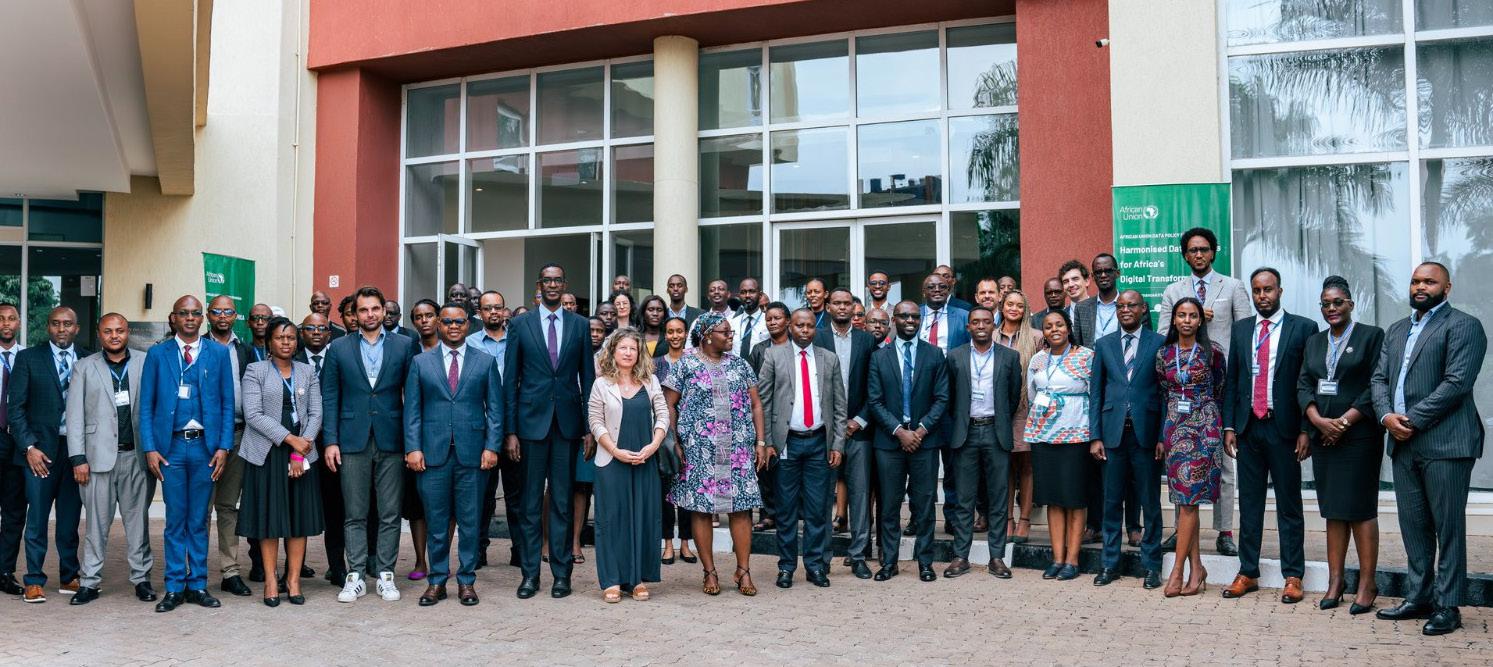
The East African Community (EAC) has taken a significant step towards enhancing digital integration and safeguarding data privacy with the development of a regional Data Governance Policy Framework.
The EAC Data Governance Policy Framework, which aims at harmonising data governance across Partner States to foster secure, efficient, and inclusive digital systems for sustainable economic growth and regional integration, was validated by a diverse group of stakeholders in Kigali, Rwanda.
Speaking during the three-day workshop on behalf of the EAC Deputy Secretary General in charge of Customs, Trade and Monetary Affairs, Ms. Annette Ssemuwemba, the EAC Principal Information Technology Officer, Eng. Daniel Murenzi highlighted the importance of data governance in fostering economic growth, improving governance, and ensuring public trust in digital systems.
“Data is at the heart of our economic future. Effective data governance will enable the region to harness the benefits of digitalization, while ensuring that citizens’ data is protected and used responsibly,” said Eng Murenzi
The workshop comes at a time when the EAC is moving forward with the harmonization of its data governance systems in alignment with the African Union Data Policy Framework (AUDPF), adopted in 2022.
“We are at a critical juncture,” noted the Eng. Murenzi. “By developing the EAC Data Governance Policy Framework, we
are creating a unified regional approach to data governance that aligns with continental priorities and ensures the safety and efficiency of digital services in our region,” he added.
On his part, Prof. Venansius Baryamureeba, the lead consultant in the development of the framework, underscored the importance of a unified approach to data governance. “Data protection is no longer an option; it is a necessity for building trust in the digital economy,” he said.
The EAC Data Governance Policy Framework aims to harmonize the region’s approach to data management, ensuring that Partner States adopt common standards for data protection, privacy, and security.
The validation of this framework builds on a series of earlier initiatives, including successful Data Protection Knowledge Exchanges in Nairobi, Kenya, and Kampala, Uganda, as well as a consultative workshop in Dar es Salaam, Tanzania.
The workshop aimed to foster the establishment of a unified vision for regional cooperation in data governance, bringing together Partner States to align their approaches in managing data across borders.
A key focus of the meeting was the finalization of actionable recommendations, designed to harmonize the data governance frameworks of each EAC Partner State, ensuring consistency and interoperability. By establishing common standards, the EAC seeks to enhance both data protection and digital security, ultimately improving public trust in digital systems and creating a secure foundation for eco-
nomic growth within the region.
In addition to technical policy alignment, the workshop sought to reinforce political commitment and collaboration among Partner States on data protection matters. The validation of the EAC Data Governance Policy Framework served as a critical step in this process, marking the transition from deliberation to implementation.
The meeting also developed a comprehensive roadmap for future activities, clearly defining the roles of various stakeholders, including governments, private sector actors, and development partners. This collaborative effort ensures that the region is well-prepared to engage in ongoing digitalization initiatives, with a solid framework guiding its progress.
Eng. Murenzi emphasized that trust is the cornerstone of any digital economy. “As we continue to embrace digitalization, it is essential that our citizens and businesses trust that their data is secure. The EAC Data Governance Policy Framework will provide the safeguards needed to protect personal data while fostering innovation and economic growth,” she noted.
With the validation of the EAC Data Governance Policy Framework, the region is now poised to move forward with the implementation of a harmonized data governance system that will enhance the digital economy, boost intra-regional trade, and protect the privacy and security of its citizens. Distributed by APO Group on behalf of East African Community (EAC).
SHU is an indigenous NGO that was founded in 2002, officially registered in March 2003. SHU was established due to concerns about irrational healthcare seeking behaviour of the people in most parts of Uganda due to genuine healthcare financing challenges. Even today after 22 years, some community members still finance healthcare by selling household’s life sustaining assets and property, others delay to go to hospital, some run away from hospital before being discharged, some die at home due to inability to afford medical expenses to mention but a few. SHU currently operates in 11 districts of Uganda namely; Luwero, Nakaseke, Nakasongola, Bushenyi, Sheema, Mitooma, Kassanda, Mityana, Iganga, Bugweri and Mayuge.
Vision: Healthier families with simplified access to quality healthcare
Mission:


At community level, we promote Community Health Insurance (CHI) Initiatives by mobilizing, organizing, empowering families with knowledge to form and manage health insurance schemes through pooling resources together with the aim of improving access to quality and timely healthcare services.
At local government, we support district authorities to pass laws guiding implementation of district wide CHI schemes and so far Luwero district passed a resolution on 15th December 2023 to implement a district-wide CHF scheme.
At national level, we advocate for a fair National Health Insurance Scheme (NHIS) which covers every citizen with a single pool, recognizes CHI and guarantees enrolment of indigents by government. We do this through holding National CHF conferences and holding engagement meetings with different stakeholders. We advocate for the formulation of CHI implementation guidelines to standardize the operations of CHI schemes and scale them up country-wide.
R-L: Ms. Leticia Nakimuli-SHU BOD chair, Hon. Margret Muhanga Mugisa-Minister of state for Primary Health Care, Mr. Fredrick Makaire-SHU ED and Dr. Patrick Luwagga-Chairman Uganda HealthCare Federation during the official opening ceremony of the 7th National CHF conference 2023 at Protea Hotel in Entebbe.
We promote Client Relations Desks (CRDs) at partner Health Care Facilities with the aim of improving reception services and client satisfaction with the services offered. We facilitate Patient Centred Care (PCC) trainings for health workers and create feedback mechanisms between the healthcare providers contracted by the schemes and the communities they serve. We also advocate for improved infrastructure, reliable supply of drugs and other inputs, and adherence to professional standards.
We build capacity of families to generate income to enable them access quality healthcare and meet their other household needs. We do this through training community members in vocational skills, business management and finance literacy. We also link families to our partner micro-finance institutions to access low interest loans to start or boost their income generating activities.
Are you interested in gaining knowledge and skills to establish, manage or join our existing Community Health Insurance Schemes? Contact Mr. Friday Moses on Email; mfriday@shu.org.ug, Tel: +256 775 557843, visit our website on https://www.shu.org.ug or visit us at our head office located in Nansana Municipality-Wakiso district along Nansana-Kyebando road. A Customer Relations Officer attending to a client at a Customer Relations Desk at Kiwoko Hospital.
A Year of Transformative Growth in Healthcare Across Eastern Africa
Smart Applications International’s footprint in Eastern Africa continues to expand in 2024, with its transformative technology touching millions of lives. The company has established itself as a critical player in digitizing healthcare systems, simplifying processes, and improving patient outcomes.

In 2024, Smart’s presence across 8 countries in Eastern Africa has not only been significant but also impactful. Over 5.79 m i l l i o n i n t e r a c t i o n s w i t h c l i e n t s w
t a t e d , highlighting the strength of Smart’s systems and their ability to connect insurers, healthcare providers, and patients seamlessly. Through these interactions, an impressive KSh 5 3 . 7 b i l l i o n h a s m o v e d t h r o u g h S m a r t ’ s p l a t f o r m s , showcasing the scale of operations and trust placed in their solutions.
One of the most remarkable achievements is the reach of over 1 million lives impacted in the region through a network of 6,170 healthcare facilities. These facilities registered a total of 2.27 million visits in 2024 alone, signaling an 8.51% increase in patient visits compared to the previous year. This rise can be attributed to several factors, including the expansion of available healthcare services and enhancements in insurance coverage.
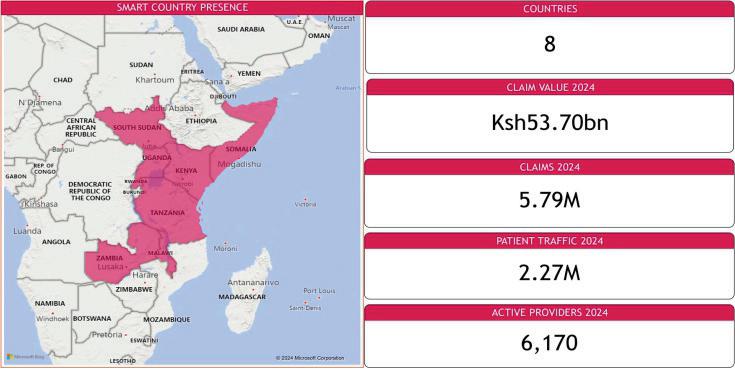
interactions from 2023 to 2024. This increase, largely driven by a surge in patient visits, indicates growing trust in the healthcare services across these countries. Despite the rise in the number of claims during the same period, Smart has a c h i e v e d a 5 . 6 2 % r e d u c
t s . T h e strengthening of the Kenyan shilling played a key role in this reduction, ensuring cost ef fi ciency in healthcare claims processing.
This data paints a picture of continuous growth, improved healthcare access, and Smart’s pivotal role in transforming the healthcare landscape in Eastern Africa.
Over 5.79 million interactions with clients were facilitated
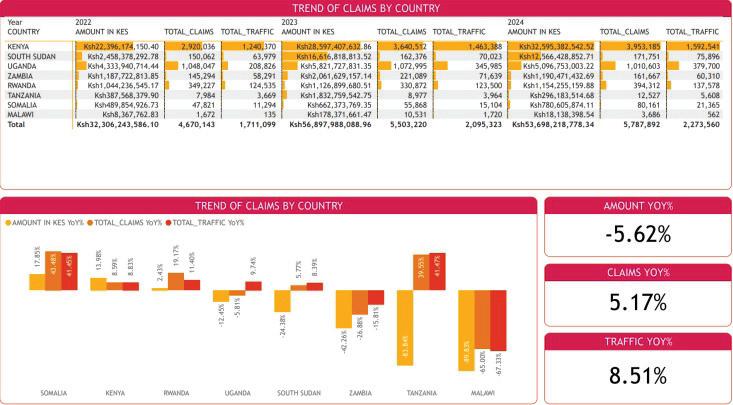
2024 saw a major increase in healthcare utilization in Somaliland, with more people seeking medical services, as reected by a sharp rise in patient visits and healthcare claims.
Somaliland experienced a signicant uptick in healthcare demand in 2024, with a 43.48% increase in the number of healthcare claims and a 17.85% rise in claim value. This i
services, and the overall cost of treatments also rose. These trends suggest that more advanced or expensive treatments were sought, possibly due to improved access to better healthcare services.
The number of patient visits surged by 41.45%, further reinforcing the idea that healthcare services in Somaliland improved in both availability and quality. This sharp rise in healthcare activity indicates a positive trend where more of the population is seeking medical attention.
The monthly trend for patient visits and claims reveals a spike in May, followed by a dip in June. This pattern suggests seasonal factors or specic health campaigns may have contributed to the increase. Following June, the data shows steady growth in patient visits and claims starting in July, signaling a return to stable healthcare utilization.
Overall, 2024 was a year of signicant healthcare growth in S o m a l i l a n d
population.
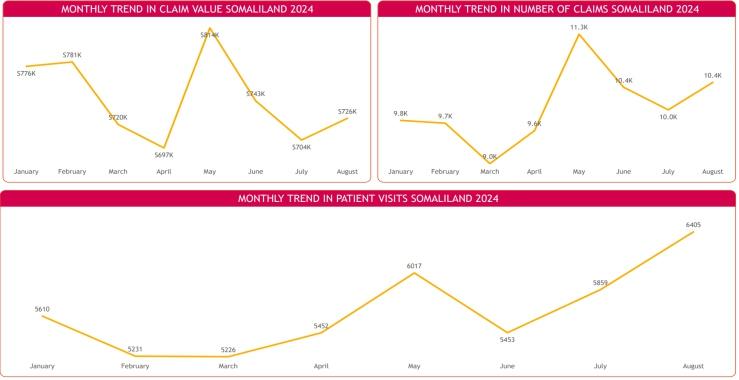
The healthcare sector in Kenya witnessed substantial growth in 2024, with more people seeking treatment and a notable rise in healthcare claims.
The number of claims also grew by 8.59%, supported by better access to healthcare facilities and improved awareness of health insurance coverage. This indicates that more people were accessing insured services, improving the overall reach of healthcare in the country.
, reecting a higher cost of healthcare services or more patients opting for comprehensive treatments. The increase in claim value can be seen as a dual signal—on one hand, it indicates an improving healthcare system attracting more patients; on the other hand, it may also suggest a rise in chronic illnesses, which are costlier to treat.
A closer look at the monthly data reveals a consistent rise in patient visits from June to August, correlating with both the increase in claim value and the number of claims. This suggests that the cold season could have contributed to the higher demand for healthcare services.
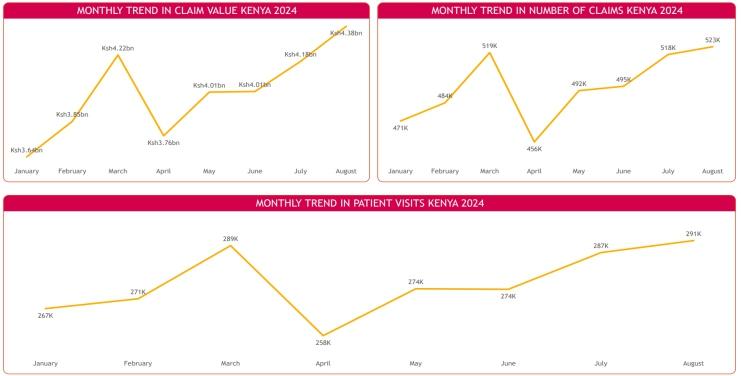
Rwanda’s healthcare system showed solid growth in 2024, with an increase in patient visits and claims, reecting better access to healthcare services and greater population engagement.
In 2024, Rwanda experienced a 2.43% increase in claim value, indicating higher healthcare costs or improved access to m
healthcare claims was even more signicant, with a 19.17% increase in the number of claims, pointing to a surge in healthcare utilization.
In 2024, Rwanda experienced a 2.43% increase in claim value, indicating higher healthcare costs or improved access to m o r e a d v a n c e d m e d i c a l t r e a t m e n t s T h e g r o w t h i n healthcare claims was even more signicant, with a 19.17% increase in the number of claims, pointing to a surge in healthcare utilization.
Patient visits increased by 8.83%, pointing to greater demand for healthcare services. The rise in visits could be driven by population growth, increased awareness of the importance of health insurance, or even seasonal factors like Kenya’s cold season, which often leads to a spike in respiratory infections. I
Patient visits also saw an 11.4% rise, suggesting that more people were seeking medical care throughout the year. This c
healthcare infrastructure, or a rise in chronic illnesses that require more frequent medical attention.
Looking at the monthly trends, Rwanda’s healthcare data exhibits noticeable uctuations, with a dip in patient visits
and claims in February, followed by a spike in March. The data reveals that May saw the largest spike in claim value, reecting a period of higher healthcare costs and utilization. These trends point to seasonal health concerns or targeted health campaigns during specic months, driving higher engagement.
Patient visits also saw an 11.4% rise, suggesting that more people were seeking medical care throughout the year.
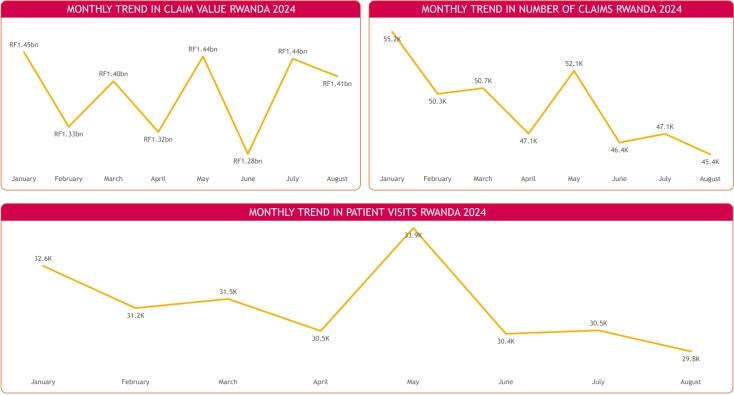
Uganda’s healthcare system faced challenges in 2024, with a decrease in the value of claims and the number of claims led, but patient visits continued to rise, signaling a shift in healthcare access patterns.
In 2024, Uganda saw a 12 45% decline in claim value,
expenditure. This could be due to economic challenges, fewer people accessing formal healthcare services, or more cost-saving measures being implemented by healthcare providers and insurers.
Additionally, the number of claims led dropped by 5.81%, showing that fewer individuals sought to claim healthcare expenses through their insurance. This could reect a shift t o w a r d
insurance-covered services.
However, despite the decline in claims, patient visits grew,
coverage. The rise in patient visits could be linked to public health campaigns promoting preventive care, encouraging people to seek treatment early before conditions escalate.
The monthly trends reveal a signicant peak in healthcare activity in May, followed by uctuating levels throughout the year. This shows a varied healthcare demand, possibly inuenced by economic or seasonal factors.
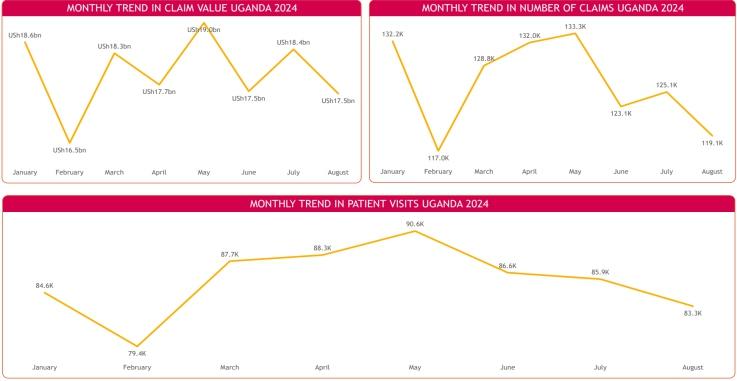
South Sudan experienced a mixed year in 2024, with a decline in healthcare claim values but a rise in patient visits and healthcare claims, signaling expanding access to medical care despite economic pressures.
In 2024, South Sudan saw a 24.38% drop in claim value, which indicates a signicant reduction in the total monetary value of healthcare claims. This decline could be due to reduced access to expensive medical treatments or a shift towards more affordable healthcare options. Additionally, economic challenges may have forced individuals to opt for less costly treatments.
However, despite this drop in claim value, there was a 5.77% increase in the number of claims and an 8.39% rise in patient visits. This suggests that healthcare services are becoming more accessible to the population, with more people seeking medical attention.
The monthly data reveals a steady increase in healthcare activity from January to February, with signicant spikes in April and July. These trends suggest a growing engagement with healthcare services, especially during key periods of the year, possibly driven by public health initiatives or seasonal health concerns.
“As we can see from the data across the region, there’s a growing need for solutions that enhance the accessibility and affordability of healthcare services. Smart is committed to leveraging innovative technology to address these challenges. Our solutions, such as Smart Access, can provide better healthcare coverage and improved outcomes, especially in countries facing economic constraints."
Harrison Muiru, Group Managing Director, Smart Applications International
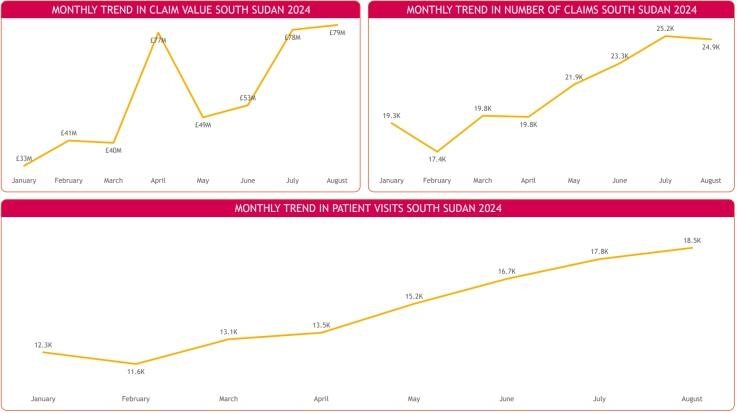
Zambia’s healthcare sector faced signicant challenges in 2024, with a sharp decline in claim values, patient visits, and the number of claims, largely due to economic constraints limiting access to healthcare services.
In 2024, Zambia saw a 42.26% decrease in the total claims being processed, reecting reduced access to healthcare services, especially for more expensive treatments The number of claims also dropped by 26.88%, and patient visits declined by 15.81%. This downward trend in healthcare a c t i v i t y s u g g e s t s t h a t f e w e r p e o p l e a r e a b l e t o a f f o r d healthcare services, possibly due to economic challenges.
The data points to a healthcare system under strain, with fewer claims being led, fewer people seeking medical care, and a general reduction in healthcare expenditure. This decline may also indicate a population adopting healthier lifestyles, leading to less frequent hospital visits.
“The signicant rise in medication-related encounters highlights the increased dependence on pharmaceuticals for chronic disease management. Our Smart Analytics can help track medication usage and optimize the treatment process."
Judy Mugoya
, Country Manager, Smart Applications International, Uganda
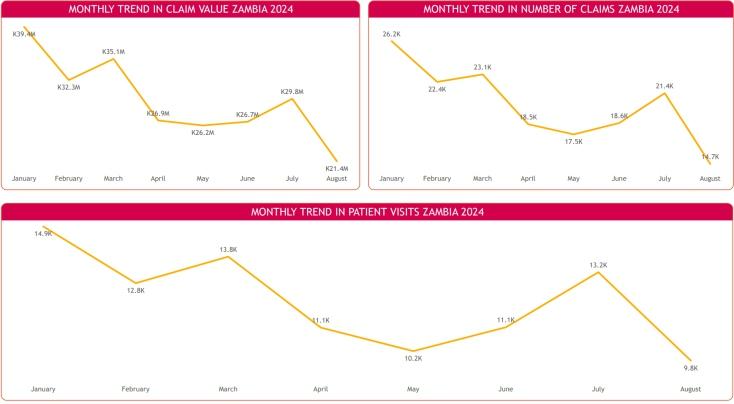
In 2024, Tanzania’s healthcare sector experienced a signicant drop in claim values, but the number of claims and patient visits saw strong growth. This mixed picture reects both economic challenges and an expanding reach of healthcare services. Tanzania’s healthcare sector in 2024 paints a contrasting picture. While the total claim value decreased by 83.84%, reecting a signicant reduction in the cost of healthcare claims, the number of claims increased by 39.55%, and patient visits rose by 41.47%. This suggests that while more people are accessing healthcare services, they are likely o p t i n g f o r l o w e r - c o s t t r e a
procedures.
The data also reveals a notable peak in claim value during February, even though both patient visits and the number of claims dipped during the same month. This indicates that while fewer people were seeking medical services, those who did may have required more expensive care. June saw a dip across all categories, followed by a rise towards August, showing uctuations in healthcare demand throughout the year.
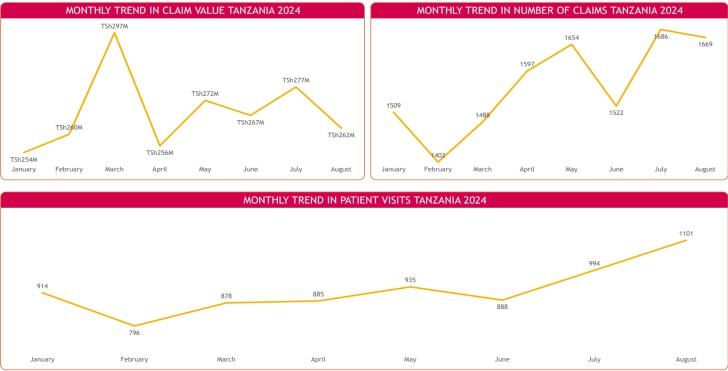
Malawi’s healthcare sector saw steep declines across all metrics in 2024, with reduced claim values, fewer claims being processed, and a drop in patient visits, highlighting possible economic constraints or healthier populations. Malawi’s healthcare sector in 2024 experienced a sharp decline, with total claim value dropping by 89.83%. This steep reduction may indicate limited access to expensive medical treatments or economic challenges affecting the p o p u l a t i
. Additionally, the number of claims decreased by 65%, and patient visits fell by 67.33%,
Despite these declines, February showed an increase in claim value, even though the number of claims and patient visits were lower, suggesting that a few higher-cost claims were processed during this period. Healthcare activity saw a slight rebound in July, but this was followed by another dip towards August, reecting an overall downward trend.
...claims decreased by 65%, and patient visits fell by 67.33%, signaling fewer people accessing healthcare services overall.
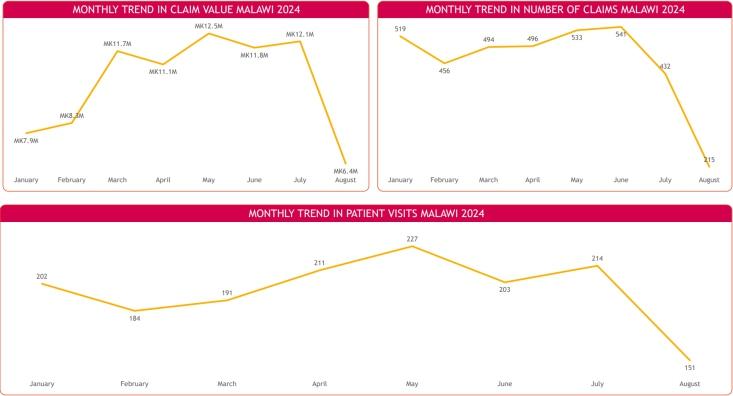
A comparative analysis of healthcare costs across various countries in 2024 reveals that Kenya has the highest inpatient costs, while Malawi remains the most affordable for both inpatient and outpatient services.
In 2024, the average cost per visit varied signicantly across countries. Kenya leads with the highest inpatient (IP) costs, averaging KSh 144,447.54, a 7.20% increase from the previous year. This reects the rising cost of healthcare in Kenya, particularly for inpatient services.
South Sudan, meanwhile, recorded the highest outpatient (OP) costs at KSh 10,680.01, although this gure represents a 4.95% decrease from 2023.
At the opposite end, Malawi stood out as the most affordable country for both OP and IP services. Outpatient services averaged KSh 2,502.71, down 25.07%, while inpatient costs were KSh 26,062.43, a 31.26% reduction. This substantial decrease in costs highlights the country’s efforts to make healthcare more accessible despite economic challenges.
The data provides insight into the varying healthcare costs across the region, with some countries seeing rising expenses while others, like Malawi, are managing to bring costs down.
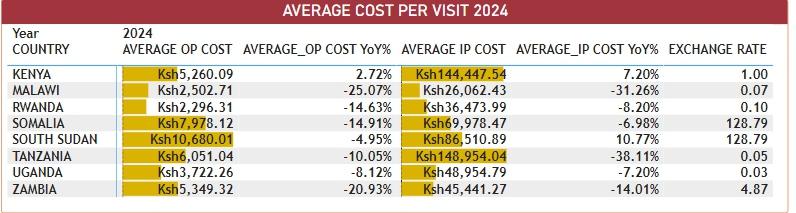
Inpatient healthcare claims surged in 2024, signicantly impacting the overall claim values across all regions, with most countries reporting higher costs for inpatient services compared to outpatient services.
The total claim value for inpatient (IP) services in 2024 witnessed a marked increase, accounting for 77.44% of all c l a i m s O u t p a t i e n t ( O P ) s e r v i c e s , o n t h e o t h e r h a n d , contributed only 22.56% to the total claim value, highlighting a signicant disparity between the costs of inpatient and outpatient care.
The rising costs of inpatient services are attributed to more complex procedures and longer hospital stays,
An analysis of healthcare encounters across Eastern Africa in 2024 shows signicant differences by country, with medication and consultation dominating patient interactions in Kenya, Malawi, Rwanda, Somaliland and beyond.
In Kenya, medication took the lead, accounting for 30.17% of
pharmaceutical treatments, especially for managing chronic
surgeries. Consultations accounted for 15.73% of encounters,
which tend to drive up healthcare expenditures. This trend was especially noticeable in countries like Kenya and South Sudan, where inpatient claims far outweighed outpatient costs. The data underscores a growing nancial burden on healthcare systems, as more resources are being funneled into inpatient treatments, leaving less for outpatient care.
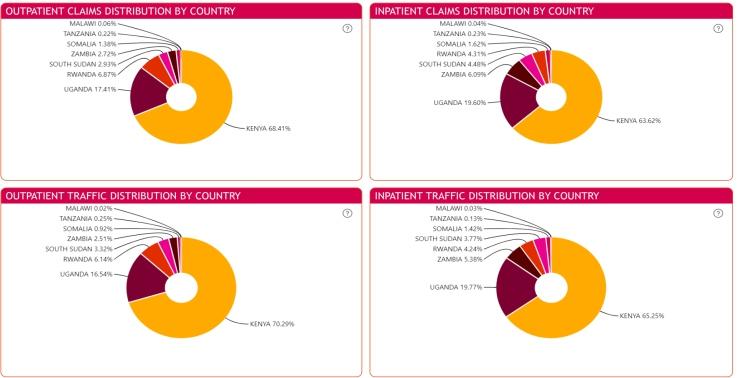
with laboratory services contributing the least at 12.98%, s u g g e s t i n g t h a t p a t i e n t
diagnostic tests and often rely on clinical judgment and medication.
Malawi, in contrast, saw consultations dominate at 34.75%, with patients frequently seeking medical advice. Medication f o l l o w e d c
s e l y a t 3
9 7 % , p
n pharmaceuticals. Laboratory services came in at 17.60%, while procedures, radiology, and consumables played a smaller role in healthcare encounters.
Rwanda presented a unique scenario, with consultations leading by a staggering 91.35%, indicating that most patients primarily sought medical advice Other encounters like medication and laboratory services played a minimal role, reecting a high dependency on consultation in Rwanda.
Medication, at 18%, remained signicant, though radiology and other categories had smaller percentages.
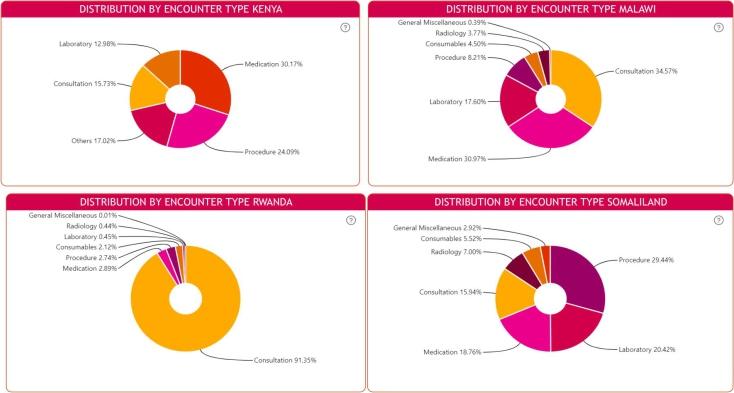
Respiratory infections and dental problems emerged as leading diagnoses in Eastern Africa in 2024, with conditions like acute nasopharyngitis and dental caries taking the top spots across multiple countries. In Kenya, acute nasopharyngitis (27.02%) was the most common diagnosis, reecting a high prevalence of upper respiratory infections linked to environmental factors and seasonal weather changes. Dental caries followed at 19.45%, highlighting gaps in dental hygiene and access to dental services. Acute pharyngitis (19.04%) and acute tonsillitis (16.81%) further underscored the dominance of respiratory conditions in the country.
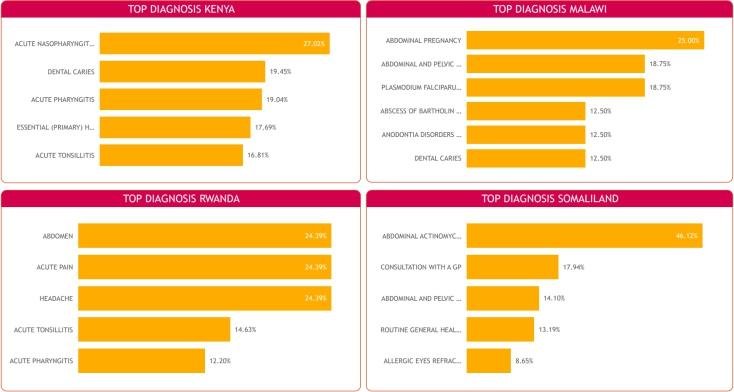
Full hemogram tests emerged as the top laboratory service across multiple Eastern African countries in 2024, reecting the importance of blood analysis in diagnosing and managing health conditions.
In Kenya, full hemogram tests led the laboratory services at 41.99%, followed by 52.60% in Malawi, 58.80% in Somaliland, and a staggering 80.18% in Zambia. This reliance on blood tests shows the critical role of hemograms in general health assessments and diagnostics.
South Sudan mirrored the broader region, with medication (32.97%), consultations (29.39%), and procedures (19.71%) forming the core of healthcare encounters. Uganda and Zambia exhibited similar patterns, except for Tanzania, where 37.04% of patients opted for consultations, showing a preference for clinical advice over procedures.
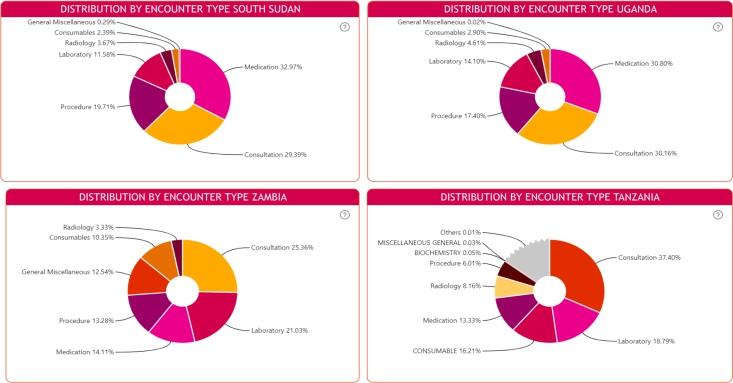
Malawi, on the other hand, presented a different picture, with abdominal pregnancy leading at 25%, pointing to signicant reproductive health issues. Dental caries was the second most common diagnosis at 12.50%, indicating a similar gap in dental care.
In Rwanda, acute pain, abdominal pain, and headaches each accounted for 24.39% of diagnoses, while acute tonsillitis ( 1 4 6 3 % ) a n d a c u t e p h a
continued presence of respiratory infections within the country.
These trends underscore the need for targeted healthcare interventions to address the region’s top health concerns, particularly in dental care and respiratory infections.
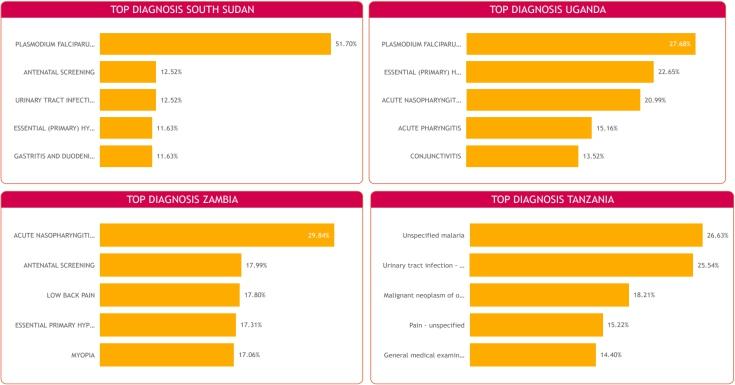
Kenya also saw signicant use of urea and electrolyte tests (18.83%) to monitor renal health, often linked to dehydration and chronic conditions such as hypertension and diabetes. The H. pylori test, which accounted for 17.07% of tests, h i g h l i g h t e d t h e p r e v a l e n c e o f g a s t r o i n t e s t i n
e s , reecting a common need for digestive health assessments across the region.
Interestingly, the H. pylori test appeared consistently among the top services in other countries, except Zambia, further emphasizing the regional signicance of gastrointestinal health concerns.
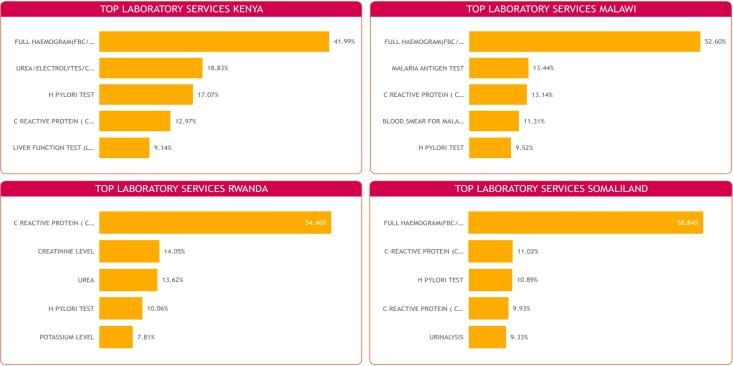
Ultrasound emerged as the most widely used radiology service across Eastern Africa in 2024, particularly in Kenya, where it accounted for over 38% of all radiology procedures, highlighting its accessibility and effectiveness in various clinical settings.
Kenya’s healthcare system relied heavily on ultrasound services in 2024, with 38.27% of all radiology procedures involving this imaging technique. The widespread use of ultrasounds reects their versatility in diagnosing a range of c o n d i t i o n s , f r o m p r e
y a
issues. MRI-lumbar spine scans, which came in second at 18.99%, indicated a growing demand for spinal imaging, as back pain and spinal issues continue to rise.
P e l
particularly in reproductive health assessments, underlining the importance of imaging in diagnosing conditions related to pregnancy and other women’s health concerns.
This pattern was consistent across other Eastern African countries, where ultrasound remained the top radiology service, reecting its key role in modern diagnostics.
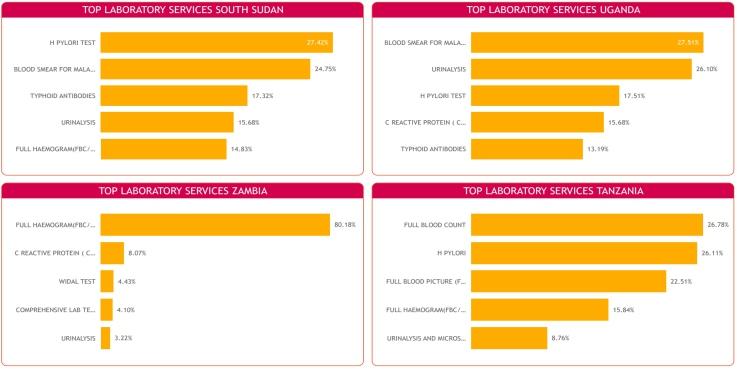
The 2024 healthcare data analysis across Eastern Africa reveals signicant insights into the healthcare utilization patterns, diagnoses, and services that dominate the region. From economic constraints affecting healthcare access in Z a m b i a
consultations in Kenya, the data paints a clear picture of the c
landscape. The widespread use of full hemogram tests and u
underscores the critical role diagnostics play in patient care across these countries.
At a regional level, we observe trends such as the prevalence of respiratory conditions in Kenya, reproductive health issues in Malawi, and the importance of consultations in Rwanda. While some countries face unique challenges, like the high need for surgical procedures in Somaliland, others, like Tanzania, show a preference for clinical advice over invasive treatments. The data provides valuable insights for h
providers, guiding the necessary interventions to improve healthcare access and outcomes.
"The healthcare data presented across these slides highlights both the challenges and opportunities present in the Eastern African region. There is a clear need for optimized healthcare services, greater access to specialized treatments, and enhanced diagnostic capabilities. With Smart Applications’ solutions, we are positioned to leverage data analytics, improve patient care, and streamline operations for healthcare providers. Our commitment to innovation continues to drive our solutions, ensuring that healthcare accessibility and quality improve across the region. For more information on how Smart Analytics can transform your healthcare system, don’t hesitate to reach out to us."
Mr. Muiru concluded.


Transform your healthcare delivery with Smart Analytics, the platform designed to provide real-time data, predictive analytics, and actionable insights. Our advanced system enhances patient care, streamlines operations, and drives informed decisions, while improving operational efficiency by up to 30%.
From tracking patient encounters to delivering underwriting and pricing insights, Smart Analytics empowers you to optimize performance and improve outcomes. Built with robust data security and compliance with healthcare regulations, it ensures the highest level of trust and safety.