5 minute read
Surveillance and navigation with a strong personal touch

Intersoft Electronics technology in APAC
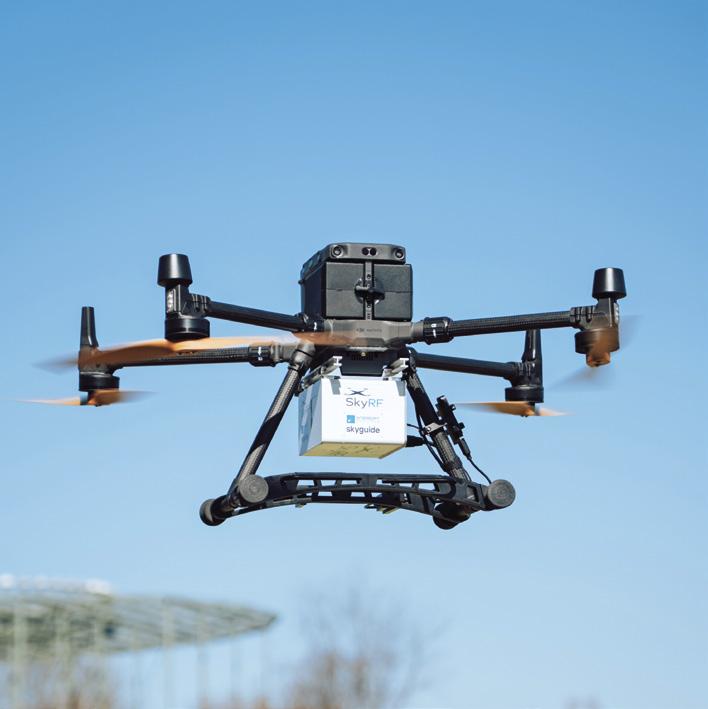
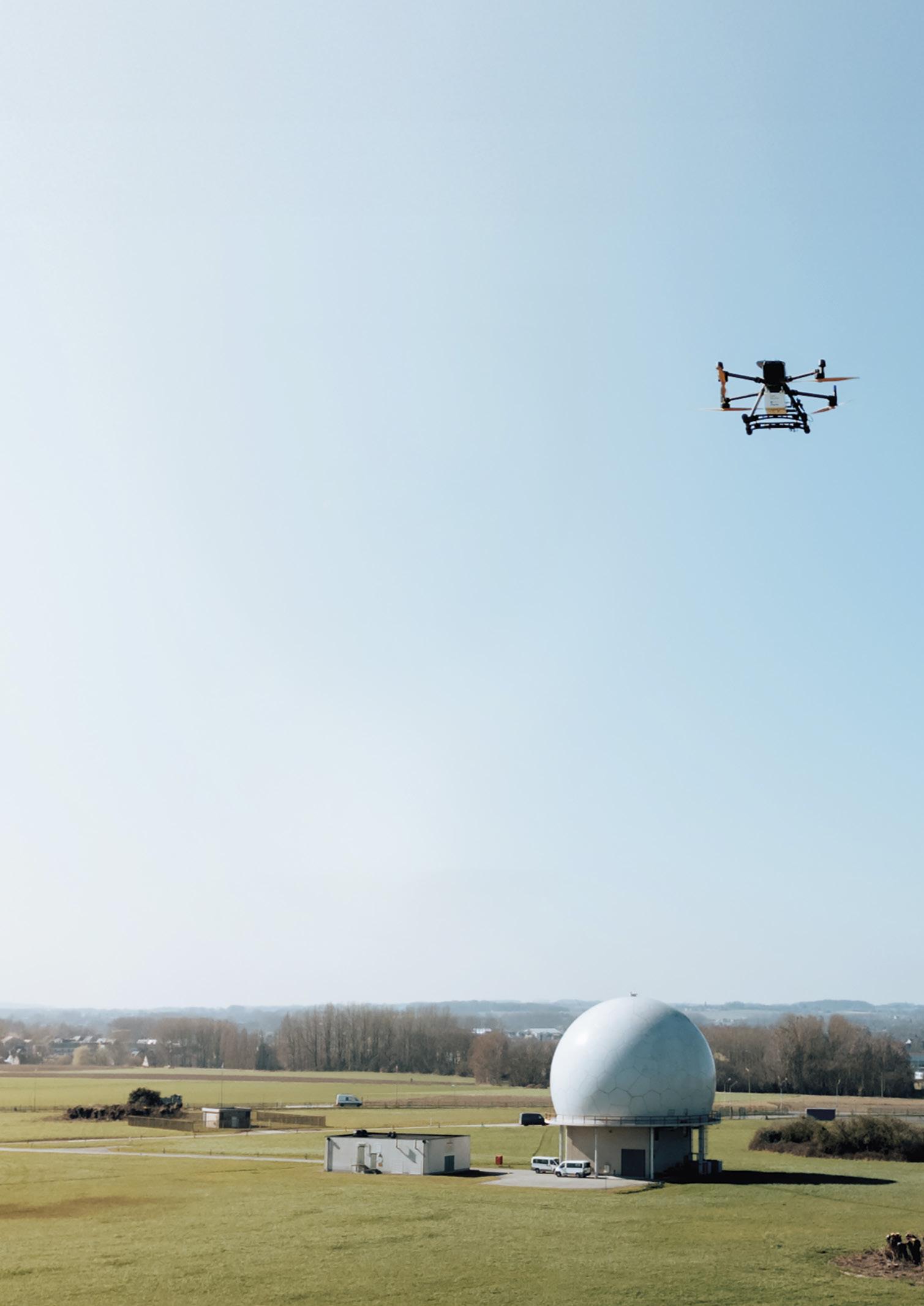
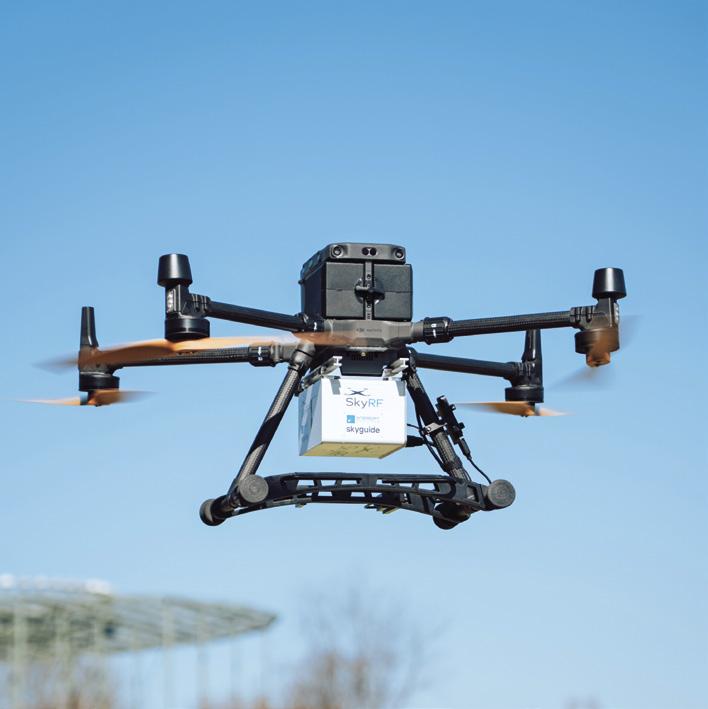
Since its creation in 1984, and a first contract with EUROCONTROL, Intersoft Electronics has been active in technologies related to surveillance, a small niche where precision matters and the company offers specialised products and services. Technical staff use it to ensure radars work at peak performance. Over the years, Intersoft’s offering expanded from measurement and analysis tools to radar signal processors and receivers which are an integral part of radar stations. The expansion continued to the field of test equipment for ground-based navigation aids. Intersoft also teamed with the Swiss Air Navigation Service Provider (ANSP) Skyguide, providing support in industrialising SkyRF: a drone-based platform for Instrument Landing Systems (ILS), VHF Omni Range (VOR), and Precision Approach Path Indicator (PAPI) inspection. This makes inspections faster and reduces the need for calibration flights.
It is not only go or no-go
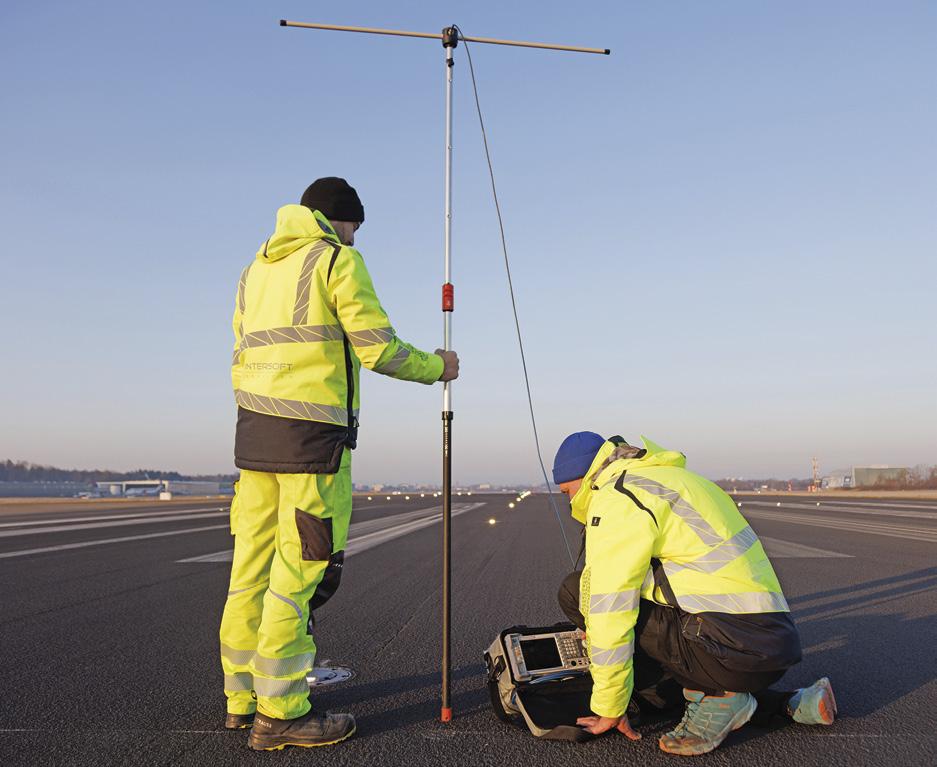
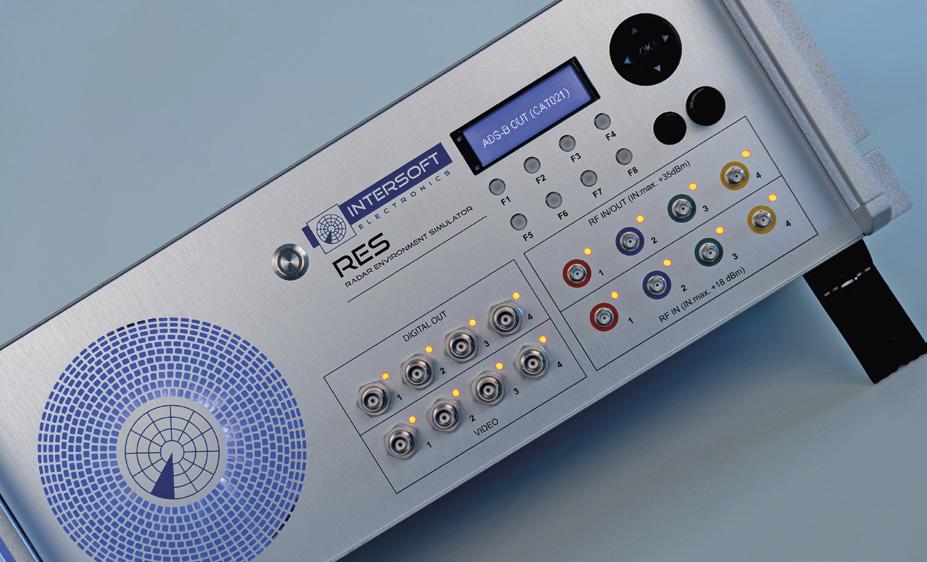
Intersoft’s focus is on products but in a broader sense. International standards define strict criteria before ANSPs can use equipment operationally. For radar, those are parameters such as probability of detection, azimuth accuracy, range bias and range gain, just to name a few. For ILS, technicians have to measure parameters like Difference in Depth of Modulation (DDM), Sum Of Depth of Modulation (SDM), etc. Measurement platforms like Radar Analysis Support Systems (RASS) and SkyRF allow for an easy measurement and comparison within international standards.
Technicians have to measure those parameters and verify they are within acceptable limits. Built-in Test Equipment (BITE) usually provides reports with a ‘go / nogo’ criteria for subsystems and this is it.
Darren Gillam, director of Intersoft Electronics for the Asia-Pacific (APAC) region, compares this with the engine problem lamp on a modern car: performance degrades slowly over time - the lamp remains off. Suddenly the engine goes really bad and only then, the lamp goes on.
Darren stresses that the role of technicians is not only to verify that the equipment performs within acceptable limits but to ensure that it does not slowly drift away from peak performance.
Required skills evolve with digitalisation
This implies providing training beyond the international standards and providing technicians with performance troubleshooting skills. Intersoft helps ANSPs teach those skills. This requires an understanding of how the equipment interacts with its environment beyond hardware factors and key parameters.
For example, wind farms or the use of new frequencies by mobile telecommunication networks can cause interference to nearby air navigation equipment. Technicians understand those effects, monitor the equipment’s performance, and intervene before the consequences force the ANSP to declare the equipment unfit for operational use.
The digitalisation of radar and navigation systems reduces hardware failure rates compared to analogue equipment. Most parts are not fixed onsite anymore and maintenance strategies are based on replacing the failing parts with spares available onsite. Technicians need new skills, shifting from electronics to understanding operational performance through software tuning of systems.
Understanding the user is key
Another important success factor is Intersoft’s deep understanding of the importance of the local environment and cultural aspects.
Darren insists that APAC is an immense and varied region: Australia alone corresponds to 70% of Europe and it is only one part of the region. Surveillance and navigation equipment in APAC faces many types of challenges: high temperatures and humidity, but also snowy conditions and monsoons across the tropics. Understanding the effects of weather on equipment is part of making sure it works as well as possible. Additionally, some sites are so remote and difficult to access that just getting there can take one or two days.
Geography and weather are not the only considerations in APAC. Darren and his team learned to understand the needs of different users, speak different languages, and adapt to different cultures. In Darren’s own words: “We don’t impose our solutions on customers. We work together with them to solve problems in a way that is appropriate for them.”
A strong partner for radar and navigation
The co-development of SkyRF with Skyguide also reflects this understanding of the importance of relationships. Intersoft provides what Skyguide, as an ANSP, cannot offer: industrial design, manufacturing, and a global presence, with offices on four continents. Intersoft also operates its own training academy, offering courses from basic to expert level. Technology is not only about equipment and Intersoft Electronics understands it. Radar and navigation systems perform at their peak performance only when cared for by highly skilled, motivated, and well trained teams.
Beyond equipment and training, Intersoft Electronics, with its 400 employees, offers services to ANSPs requiring support and manufacturing services. From product development to testing and qualification, the company offers a full range of services to the civil aviation, defence, space, and radio frequency (RF) industries. Visit www.intersoft-electronics.com and put Intersoft Electronics on your radar.
