
Weather and Flight Safety: How Pilots
Evaluate Weather Risks Before Every Departure
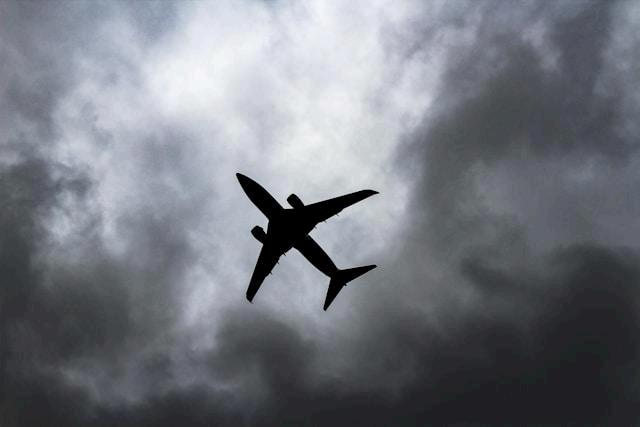
Weather plays a major role in aviation safety, and pilots must carefully evaluate conditions before every flight. A safe journey depends on more than a well-maintained aircraft. It also depends on understanding the weather and preparing for any risks that may develop during the trip Aviation professionals, including experts such as Glenn Allyn, often emphasize that weather awareness is one of the most important parts of flight planning. Through careful analysis and preparation, pilots can make informed decisions that support flight safety
Before departure, pilots review detailed weather reports and forecasts They gather information about conditions at the departure airport, along the planned route, and at the destination This process helps them identify potential hazards that could affect the flight. Weather evaluation is a critical step because conditions can change quickly and create challenges during any phase of flight
One of the first factors pilots examine is visibility Fog, heavy rain, snow, and low clouds can reduce a pilot’s ability to see important landmarks, runways, and other aircraft. Poor visibility may require special procedures or delays until conditions improve By understanding visibility levels before departure, pilots can better prepare for safe operations.
Wind is another important part of weather risk assessment Strong winds can affect takeoffs and landings, which are often the most demanding phases of a flight. Pilots review wind speed and direction to determine how the aircraft will perform Crosswinds, in particular, require careful attention because they can make runway alignment more difficult
Thunderstorms are among the most serious weather hazards in aviation These storms can produce severe turbulence, lightning, hail, heavy rain, and strong wind shifts Pilots study weather radar information and forecast data to avoid storm activity whenever possible. If thunderstorms are expected near the route, alternative plans may be developed before departure.
Turbulence is also a key concern during flight planning While some turbulence is normal, stronger turbulence can affect passenger comfort and aircraft operations. Pilots review reports from other aircraft and weather services to identify areas where rough air may occur This information helps crews choose safer and smoother routes
Icing conditions receive special attention as well Ice can form on aircraft surfaces when flying through cold, moist air Even small amounts of ice can affect aircraft performance Pilots check temperature forecasts and moisture levels to determine whether icing risks exist and what precautions may be needed
Weather monitoring continues even after the aircraft leaves the ground Pilots stay in contact with air traffic control and receive updated weather information throughout the flight This allows them to adjust routes, altitudes, or arrival plans if conditions change.
Weather and flight safety are closely connected By carefully evaluating visibility, wind, thunderstorms, turbulence, icing, and other weather factors before every departure, pilots can identify risks and take steps to manage them This thorough preparation helps protect passengers, crew members, and aircraft while supporting the high safety standards of modern aviation.