
Future-proof your fire door specifications with Pyroguard Advance – UK manufactured fire safety glass engineered for modern fire door systems and upcoming regulatory expectations.
Certified to BS and EN standards, it delivers EW classification with 30 and 60 minutes fire resistance, including larger pane sizes.
DESIGNED FOR FIRE DOOR APPLICATIONS
HIGH PERFORMANCE & COMPLIANT
UK MANUFACTURED, NATIONWIDE SUPPLY
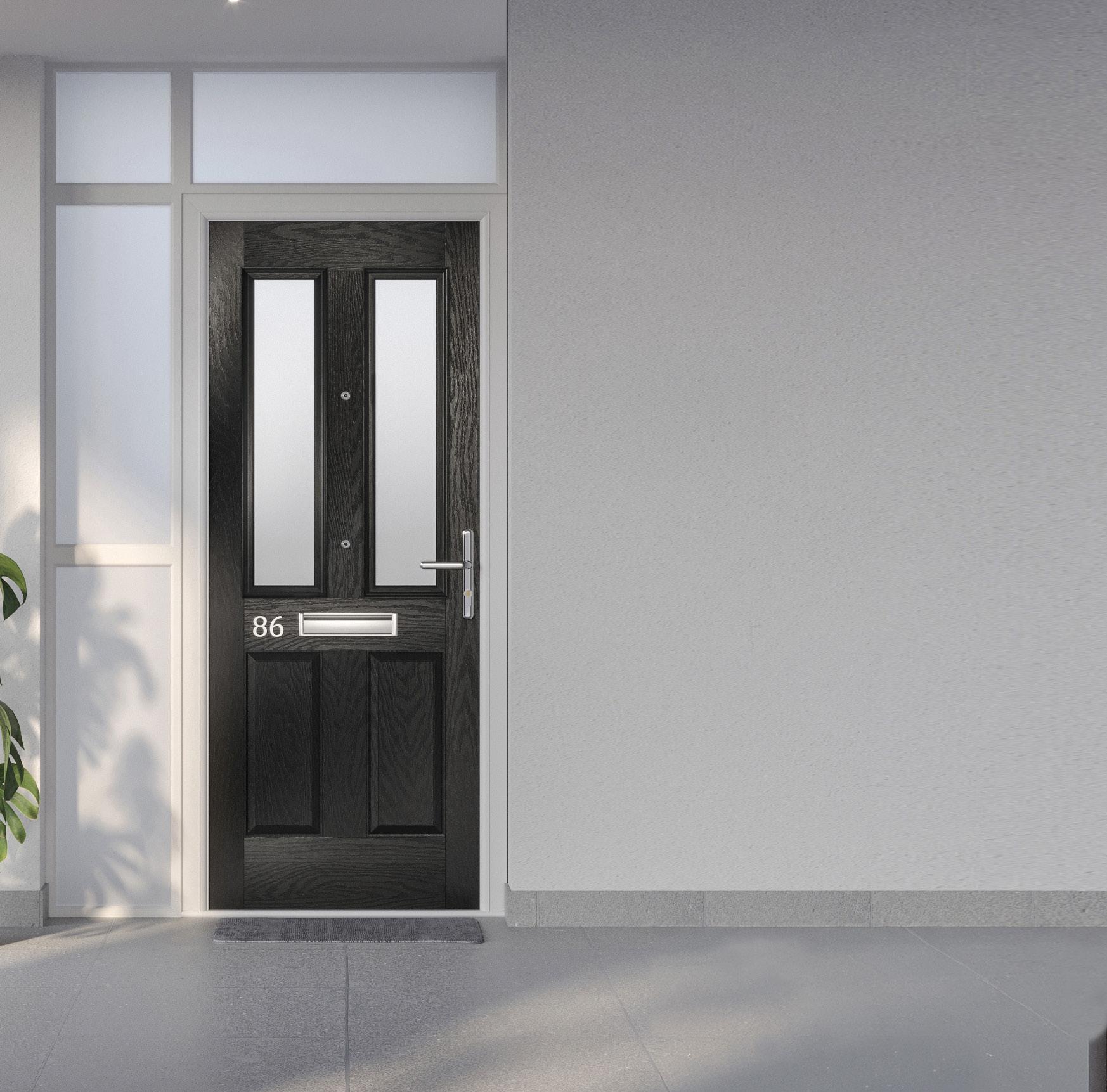
APPROVED FOR COMPOSITE DOORS
CHOOSE ADVANCE. STAY COMPLIANT.
The fire safety landscape continues to evolve at pace, with new legislation, growing expectations around competence, and an increased focus on accountability throughout the lifecycle of a building.
In this issue, we explore many of the topics currently shaping the sector. We look at the importance of preserving manufacturers’ information as part of the golden thread, examine the latest developments in competency frameworks and share practical guidance designed to support responsible persons, installers, inspectors and manufacturers alike. Alongside this, you’ll find the latest industry news, product launches, case studies and expert opinion, all aimed at helping our readers stay informed in an ever-
changing regulatory environment.
As the industry continues to adapt to new challenges, one thing remains constant: collaboration.
The willingness of manufacturers, certification bodies, training providers, inspectors and fire safety professionals to share knowledge and work together is what continues to drive improvements across the sector. It is something that Fire Door Journal has always sought to champion.
This issue is also a particularly significant one for me personally, as it marks my final edition as Editor of Fire Door Journal. It has been an incredible privilege to lead this publication and to meet so many dedicated individuals who are passionate about improving fire safety. However, this is far from the end of the story, for, in fact, we have some very exciting news to share. Over the coming weeks, we will be announcing our new Editor, who will
bring fresh ideas, new perspectives and the same commitment to delivering high-quality, independent editorial that our readers have come to expect. I have every confidence that the magazine’s future is an exciting one, and I can’t wait for you to see what’s next.
Finally, I would like to thank everyone who has supported both the publication and me throughout my time as Editor—our contributors, advertisers, industry partners and, of course, our loyal readers.
I hope you enjoy this issue, and thank you for being part of the Fire Door Journal community. It’s been a pleasure.
Chris Champion Editor

The September/ October Journal
Submissions
Deadline (editorial) 8th September
Print Edition
Publication Date 21st September (week commencing)
Digital Edition Publication Date 21st September
The November/ December Journal
Submissions Deadline (editorial) 9th November
Print Edition
Publication Date 23rd November (week commencing)
Digital Edition
Publication Date 20th November
The Digital Newsletters - Publication Dates
25th August 29th September
27th October
23rd November 15th December
30-minute Fire Stop Doors are a step above the rest, achieving market leading results for fire safety and security. The reassurance you need when choosing a fire door, paired with unrivalled versatility and style.
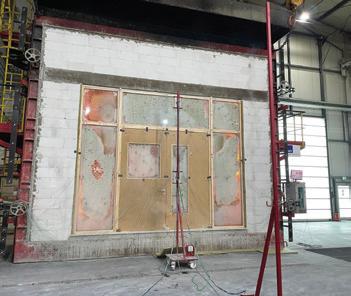
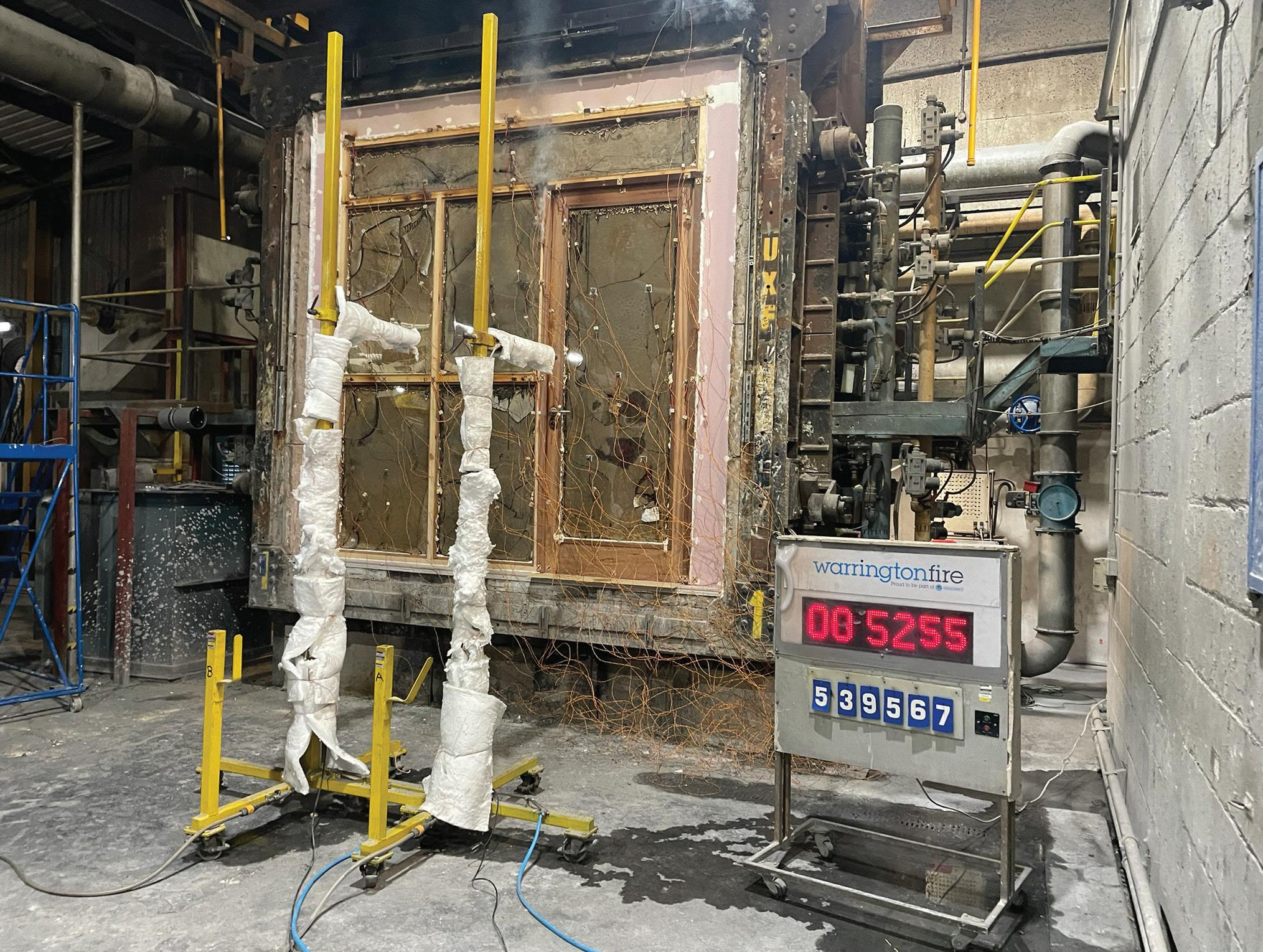
Independently tested by Warrington Fire as part of BM Trada 170 certification, The Emplas 30-minute fire doorset achieved up to 58 minutes fire integrity with no failings recorded (test was terminated at 58 minutes).

16 Safety glass that meets EN 13024-1, with E30, E60, E90 and E120 fire ratings and high levels of light transmission
20 What the Fire Door Industry needs to know about the Building Safety Act
24 A new era for fire door safetyreshaping standards across the supply chain
30 New National Occupational Standard to be formal benchmark for training, assessment and qualification development, for the whole sector
34 Download new cam-action door closer catalogue
38 Informative one-day seminar and workshop designed to help those responsible for building safety
Disclaimer
Whilst every effort is made to ensure the accuracy of editorial content published in Fire Door Journal, the opinions, advice and technical information contained within contributed articles are those of the individual authors or contributing organisations and do not necessarily reflect the views of the publisher or editorial team. Fire Door Journal accepts no responsibility for any loss, damage or liability arising from the use of information contained within the publication. Readers should always refer to the latest legislation, standards, manufacturers’ guidance and competent professional advice before making technical, legal or commercial decisions. All contributors are responsible for ensuring that the information they submit is accurate, current and does not infringe any copyright, intellectual property or other legal rights.
Editorial Guidelines
Promotional Content: Articles that primarily promote a company, product or service are welcome but will be clearly identified as Advertorial content. This ensures transparency for our readers while allowing contributors to showcase their expertise, products and services.
Technical and Legislative Articles: All technical or legislative content will clearly identify the author or contributing organisation to provide readers with transparency regarding the source of the information.
To obtain a copy of The Fire Door Journal Editorial Guidelines, please email: editor@firedoor-journal.co.uk. You can also find a copy of this on our website.
42 Personal Emergency Evacuation Plans (PEEPS): What you need to know
45 Understanding the latest HTM 05-03 updates and their impact on Fire Door Management


Please recycle this magazine so we can continue to use recycling in our effort to help the environment.
Editor
All Editorial Content Enquiries / Submissions & Contributors editor@firedoor-journal.co.uk
Christina Lazenby
Publisher / All Enquiries M: 07805 051322 christina@firedoor-journal.co.uk
Kate Carnall
Graphic Design / Ad Specifications kate@hook-a-duck.co.uk
Production
Artwork Enquiries / Deadlines / Specifications production@firedoor-journal.co.uk
Sales
Enquiries & Ad / Advertorial Bookings sales@firedoor-journal.co.uk
Directory Listings
Inclusion / Amendments & Upgrades directory-listing@firedoor-journal.co.uk
CITB and ASFP announce that the Competence Framework for Non-Timber, Non-Composite Fire-Resisting Doors, Shutters and Curtain Systems is now open for consultation on the CITB website
Responsible Persons for multi-occupied residential buildings in England continue to have legal duties under the Fire Safety (England) Regulations 2022 in relation to fire doors.
For buildings where the top storey is more than 11 metres above ground level, communal fire doors must be checked at least every three months, while flat entrance doors must be checked at least every 12 months on a best endeavours basis. Responsible Persons must also provide residents with information about the importance of fire doors and the need to report any defects.
Routine checks should identify obvious defects, such as damaged selfclosing devices, excessive gaps, damaged glazing, or worn intumescent and smoke seals. Any faults that could affect performance should be addressed promptly. These checks are intended to maintain the condition of existing fire doors and do not replace the need for a suitable and sufficient fire risk assessment.
This framework is the culmination of several months of development work, shaped by the expertise and input of industry specialists from the door, shutter, curtain installation, maintenance and repair sectors, as well as representatives from passive fire protection.
The wider industry is now able to review the framework and share their feedback before it is finalised for publication. Your views are important in helping to ensure that the framework is practical, robust and reflective of industry needs.
To take part in the consultation, please access the framework here: https://www.citb.co.uk/delivering-training/standards-setting-body/competenceframeworks/search-competence-frameworks/non-timber-and-non-composite-fireresisting-door-shutter-or-curtain-systems.
At the top of the consultation page, you will also find a link to provide your feedback.
If you have any questions around the structure or process, please reach out to: mark.hatton@citb.co.uk.

The fire door testing landscape continues to evolve as European standards become more widely adopted across the industry.
Traditionally, fire doors in the UK have been tested to BS 476-22, with performance often described using familiar ratings such as FD30 and FD60. While BS 476-22 remains a recognised fire resistance test standard, interpretation of the test results has largely relied on expert assessment and voluntary third-party certification schemes. Under the European framework, BS EN 13501-2 introduces a harmonised system for classifying fire performance. Based on testing to EN 1634-1, classifications such as E30 and E60 are increasingly being used to define fire resistance performance and support extended application rules across the construction sector.
The Ministry of Housing, Communities and Local Government (MHCLG) has published new guidance setting out the mandatory technical competence requirements for individuals and organisations operating within selfcertification schemes (previously known as competent person schemes). The guidance outlines the minimum requirements expected of scheme operators and participants, helping to ensure consistent levels of competence across the construction sector.
This is the first publication of the guidance and may be of particular interest to organisations involved in building compliance, certification and competent person schemes.
Published: 1 July 2026, 9:30am

For fire resistance and protection of people and property

Multifunctionality in fire protection
PYRAN® S is a pre-stressed, monolithic borosilicate single pane safety glass in accordance with EN 13024-1.
As a component in fire-resistant glazing that meets the requirements of resistance classes E 30, E 60, E 90 and E 120, it has proven its outstanding optical and mechanical characteristics over the years in a wide variety of buildings.
Areas of application
PYRAN® has been internationally approved and ideally suited for:
• Facades
• Partition walls
• Skylights and rooflights
• Doors
• Roofs
• Smoke screens
• lift door glazing
• lift shaft glazing
Facts
• Higher ability to withstand temperature differentials: In comparison to soda-lime glass, tempered borosilicate glass can better withstand temperature differentials and can therefore be glazed with normal edge covers (20±2 mm).
• Higher softening temperature: Because the glass is selfsupporting for more than 30 minutes, large panes and simple frame constructions are now possible.
• Higher viscosity: The glass flow rate is low due to the high viscosity and durability of borosilicate glass, so with more edge cover, greater fire resistance times in excess of 90 minutes can be achieved.
• NiS crystals do not form: Due to the chemical composition of borosilicate glass, nickel sulphide crystals cannot form. Spontaneous glass fracture due to embedded NiS crystals cannot happen with PYRAN®.
Further information is available from our sales and technical offices or visit www.firmanglass.com
Tel: 01708 374534 Email: Pyran@firmanglass.com
Firman Glass, 19 Bates Road, Harold Wood, Romford, Essex RM3 0JH

If you specify, install, inspect or manage fire doors, the reference book has changed. BS 8214:2026 was published on 20 March 2026 and came into force on 31 March, replacing BS 8214:2016. It is the most significant revision since the standard first appeared in 1990, and the title alone signals the shift: the old edition was “Timber-based fire door assemblies”, while the new one is “Fire-resisting and smoke control doors: practical considerations concerning specification, design and performance in use”. The standard has grown up to match how fire doors are actually made, supplied and relied upon today.
One point needs to be clear at the outset. BS 8214 is a code of practice, not law. Legal duties still flow from the Regulatory Reform (Fire Safety) Order 2005, the Fire Safety Act 2021, the Fire Safety (England) Regulations 2022 and the Building Safety Act 2022. What the standard does is describe, in practical terms, what “good” actually looks like, and it is the benchmark that fire risk assessors, building control bodies and certificated inspectors will measure against. Meeting it is strong evidence that you have discharged those duties. Ignoring it leaves you exposed.
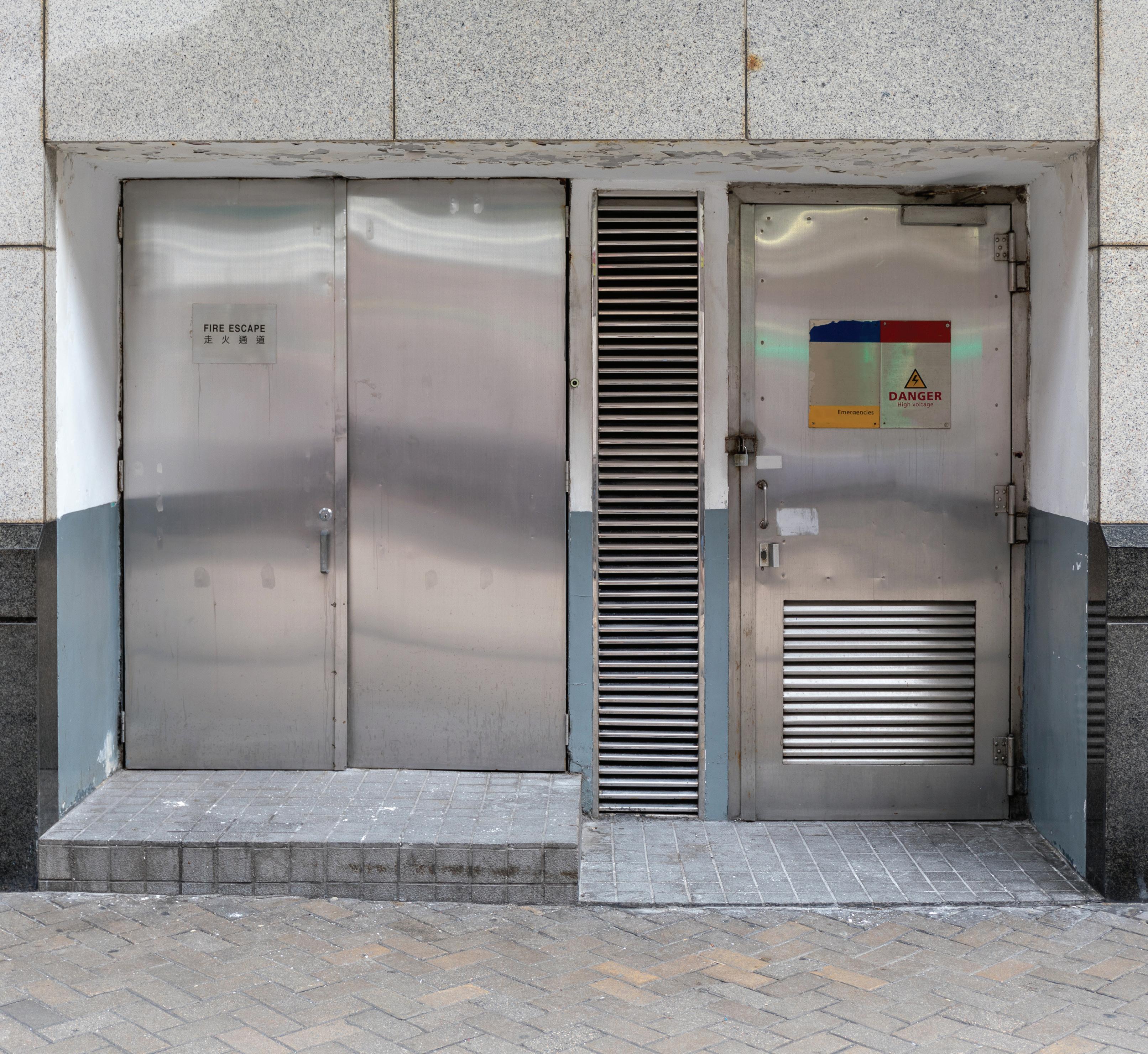
The headline change is scope. The 2016 edition dealt only with timberbased fire doors. BS 8214:2026 applies to pedestrian fire-resisting and smoke control doors of all common materials, including timber, steel, aluminium, glazed metal and composite, with material-specific annexes for each. For the first time, metal and composite doors have a code of practice covering their installation and maintenance. If you look after commercial, industrial or mixed-tenure buildings, doors that previously sat outside the standard are now squarely within it.
The second change runs deeper. The standard stops treating a fire door as a product and treats it as a coordinated system, however it reaches site. Doorset, assembly or kit. A door only performs as well as its weakest element. Leaf, frame, seals, glazing, hinges, closer and fixing method all have to work together, and they have to match the configuration that was actually tested. The consequence is blunt; swapping in an unapproved hinge, an unrated intumescent strip or the wrong closer can invalidate the evidence for the whole assembly.
The deepest shift is from prescription to proof. The 2016 edition largely told you how to build and fit a door. The 2026 edition asks you to demonstrate, with supporting evidence, that your chosen solution performs though the use of fire test reports, field of application reports, classification reports, third-party certification and manufacturers' installation instructions. If there is no evidence, there is no basis to claim performance. There is no such thing as a trivial change; alter the hardware, seals, glazing or installation method and you have made a design decision that must be justified.
Competence is threaded throughout, aligned with the Building Safety Act definition of skills, knowledge, experience and behaviours. Specification of fire doors and hardware should be undertaken only by persons with appropriate competence, and the guidance is restructured to follow the real project lifecycle: roles, specification, evidence, installation, handover and maintenance.
Installation guidance around the frame-to-wall interface has been clarified, with clearer expectations on acceptable backing materials and sealants, always subject to test evidence for the specific interface. Smoke control has been strengthened and aligned with BS 9991: old prescriptive constructions that were difficult to achieve have been removed, and threshold seals, typically drop seals, are now specifically included for smoke control doors. Hardware is dealt with more clearly, distinguishing essential, performance-critical
items such as hinges, closers and exit devices from non-essential items like lever handles and kick plates, a genuinely useful split for inspection reporting.
The standard also lands mid-transition. It references both the national test route (BS 476-22) and the European route (BS EN 1634-1), but the BS 476 classifications are being withdrawn from Approved Document B, completing on 2 September 2029. After that, the BS EN 13501 classifications, the E, EI and EW ratings with Sa and S200 smoke classes, become the common language of fire door performance in England for new work.
For inspectors update your reference base to the 2026 edition and lean harder on evidence.
A certificated leaf is not proof of a compliant installation once glazing, seals, hardware and gaps drift from the permitted configuration. Record findings against the door’s supporting evidence, not just a generic checklist.
For installers and contractors no substitution without evidence. Fit hardware and seals that are supported by evidence, follow the manufacturer’s instructions, pay attention to the frame-to-wall interface, and hand over complete documentation.
For Responsible Persons and building owners BS 8214:2026 is the practical companion to your legal duties. The Fire Safety (England) Regulations 2022 require, in relevant residential buildings above 11 metres, quarterly checks of communal fire doors and best-endeavours annual checks of flat entrance doors, while the wider duty to maintain fire doors comes from Article 17 of the Fire Safety Order. Doors installed before 31 March 2026 are not automatically non-compliant, but specifications and maintenance programmes still citing the 2016 edition should be
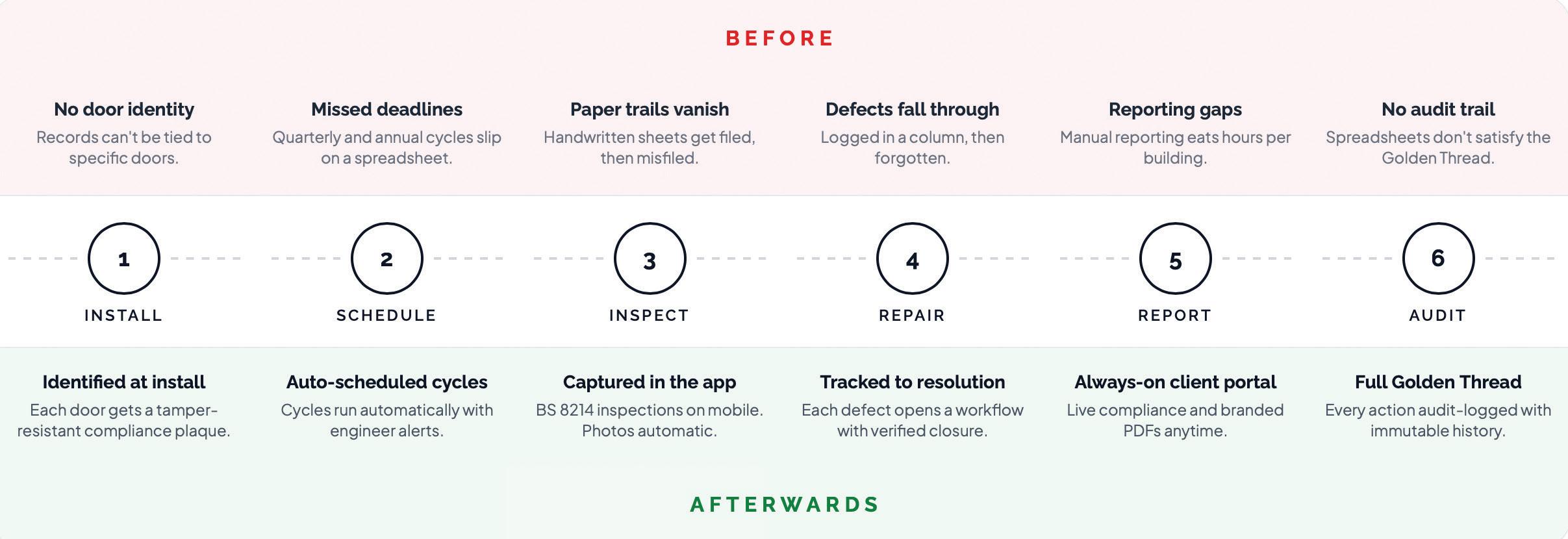
reviewed. Where records are thin, digital inspection platforms such as DoorTRACE are increasingly how duty holders keep that golden thread intact.
BS 8214:2026 is part of a decadelong move, accelerated after Grenfell, from assumption to evidence and from blurred responsibility to clear accountability. It does not create new law, but it raises the bar for competent practice. Organisations already working properly will find themselves broadly aligned with it. Those relying on shortcuts and vague records will feel the pressure. The sensible response is not alarm but a methodical review. Know your doors, know your evidence, and keep the record current.

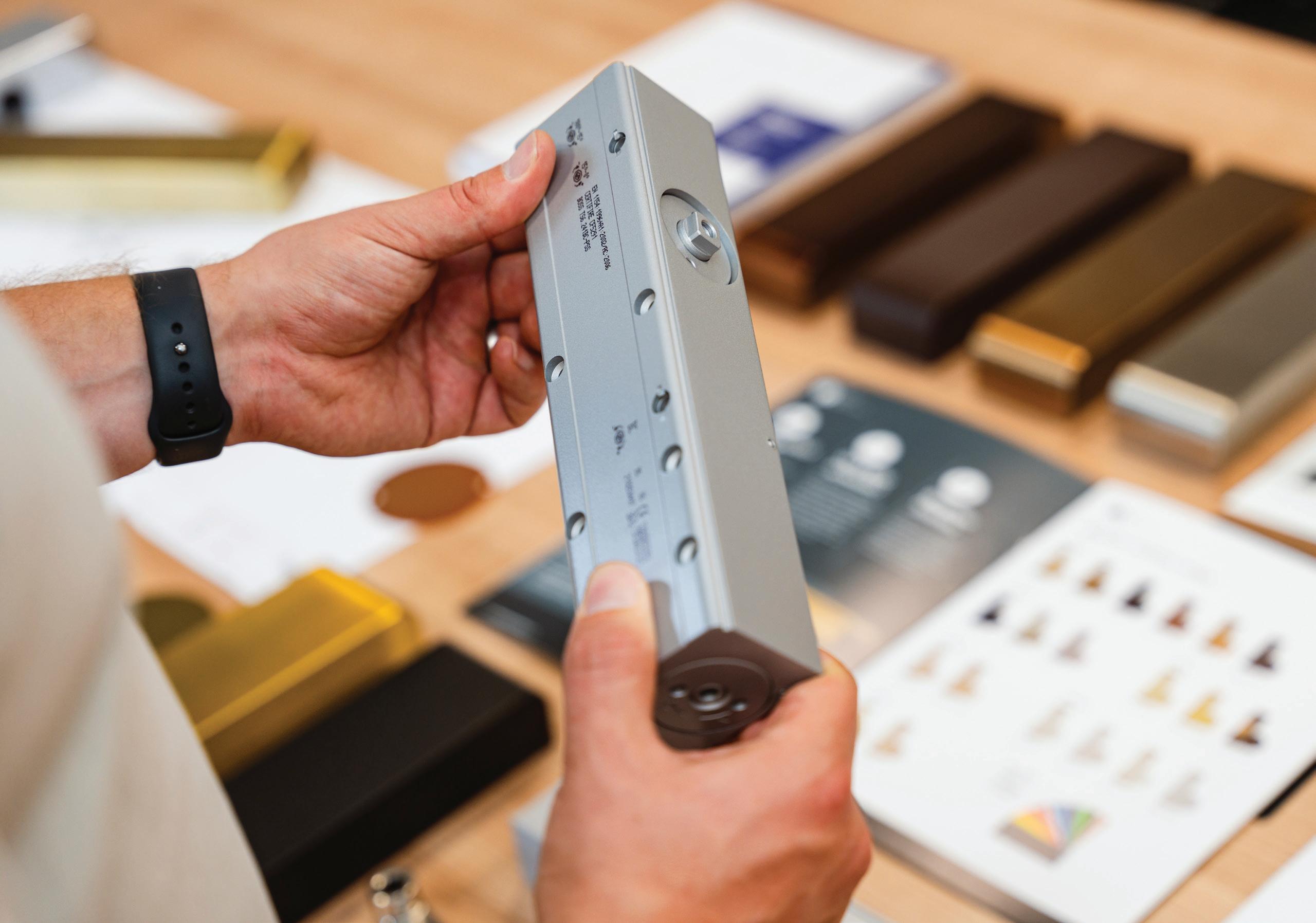
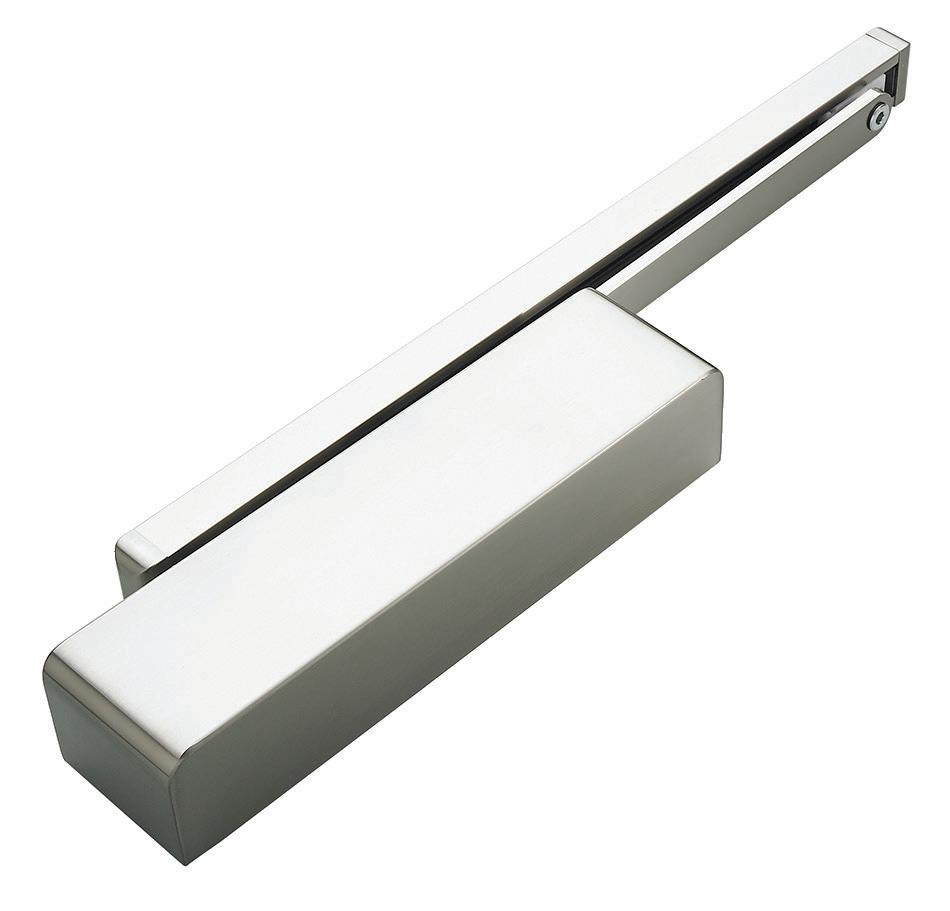
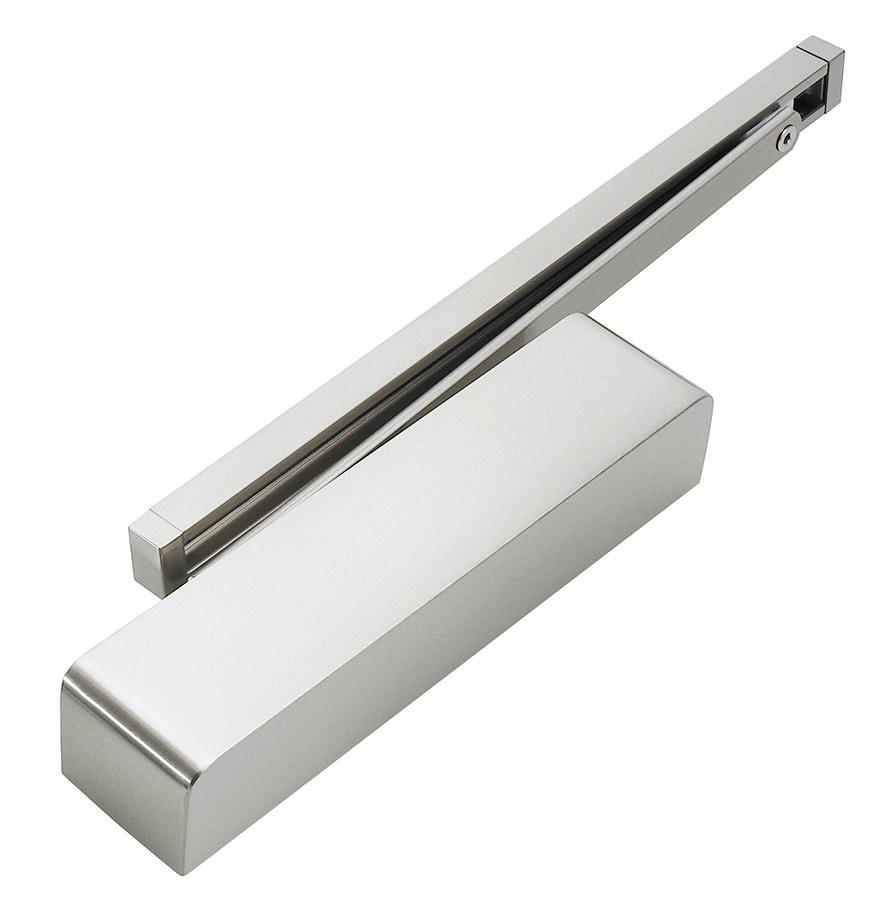
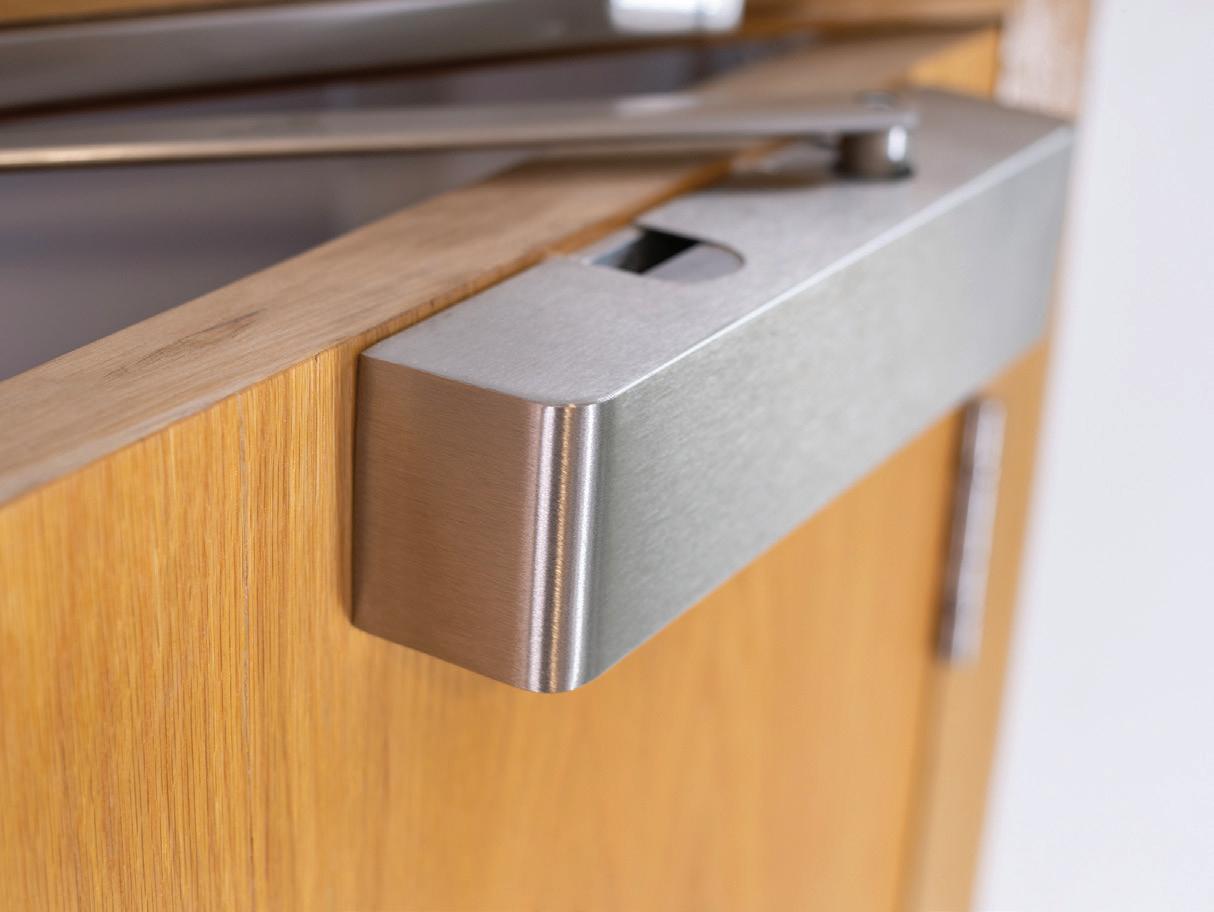
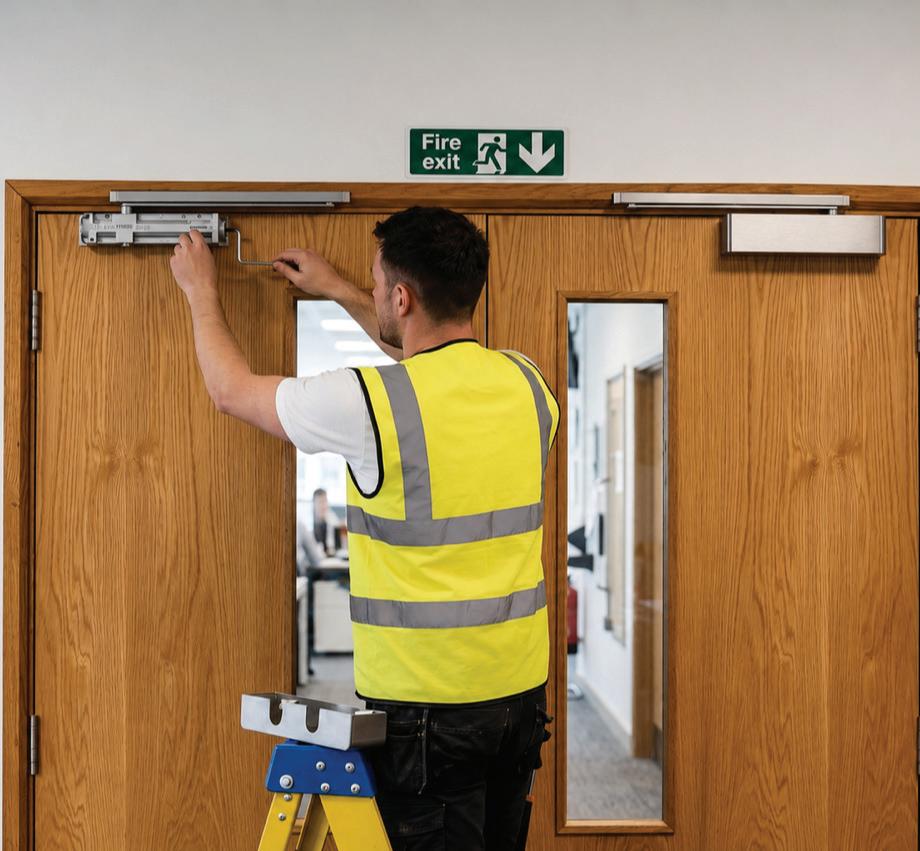
The Boss TS6.24BC and TS6.25BCDA cam‑action door closers ensure fire and smoke compliance, while improving accessibility and ease of use for all users.
• Reliable, controlled closing and secure latching
• Certified backcheck and delayed action functionality
• Slim, contemporary profile
• Fire tested to EN1634 1
Ideal for busy commercial and public buildings where safety, accessibility, and design matter.
Discover
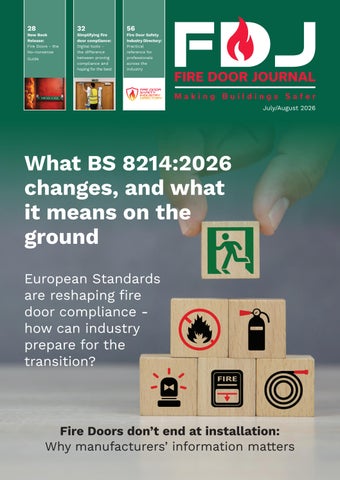
Steve Goodburn, Business Development Director at Pyroguard, discusses the move to European Standards for fire door systems and how the industry can prepare for the transition.
Article Contributor: Steve Goodburn - Business Development Director, Pyroguard
The transition to European Standards for fire door systems marks a significant shift for the door industry, bringing new expectations around compliance and performance. From September 2029, fire door systems tested to BS 476-22 will no longer meet the requirements of UK Building Regulations, as the industry moves towards compliance with the European Standard, BS EN 13501-2. This transition represents a significant move towards greater consistency in specification and compliance across the industry.
BS 476-22 is a test standard, while the interpretation of the results of the test is largely left to expert opinion and voluntary third-party schemes. BS EN 13501-2 introduces the European framework for extending application and classifying performance, replacing traditional FD30 and FD60 ratings with classifications such as E30 and E60, all based on testing in accordance with EN 1634-1.
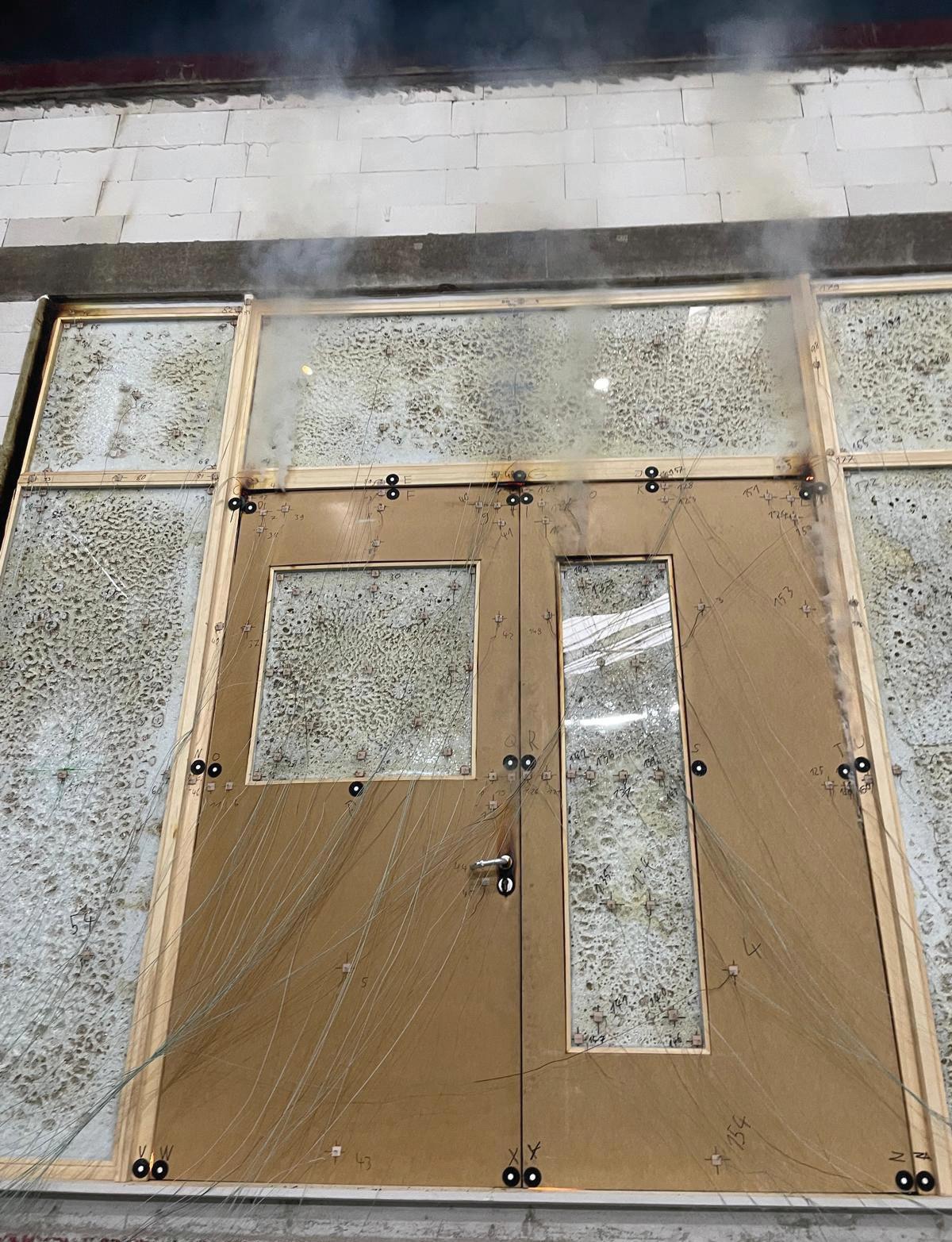
The European Standard for fire door testing, BS EN 1634-1, sets out the fire resistance testing method for fire doors. The test results are then classified under BS EN 13501-2, which defines how fire performance is rated and reported and introduces a harmonised European classification system allowing CE marking when required. Specifiers and end users are already beginning to request BS EN 13501-2 documents ahead of the transition deadline.
Facing the challenges of a more rigorous framework
While greater standardisation is a key milestone for the industry, it brings considerable challenges for manufacturers of fire doors and glazed systems. This is because products that passed under BS 476-22 may not perform to the same level under the European Standard BS EN 1634-1 test regime. As a result, manufacturers may need to rethink their product designs or change the materials they use.
A compliant fire door must be certified as a complete system to meet the appropriate fire standard, ensuring that the door leaf, frame, seals, glazing and ironmongery are correctly specified, installed and rated to perform as a single unified
solution. European testing is widely recognised as more demanding and harder to achieve equivalent results.
Why is that? Despite using the same fire heating rate, the EN 1634-1 standard uses shielded thermocouples to monitor furnace temperature, resulting in higher initial thermal loads on the specimen.
Timber and composite doors in particular are affected by this early temperature spike at the start of the test. This creates more rigorous test conditions compared to BS 476-22, effectively raising the bar for achieving compliance.
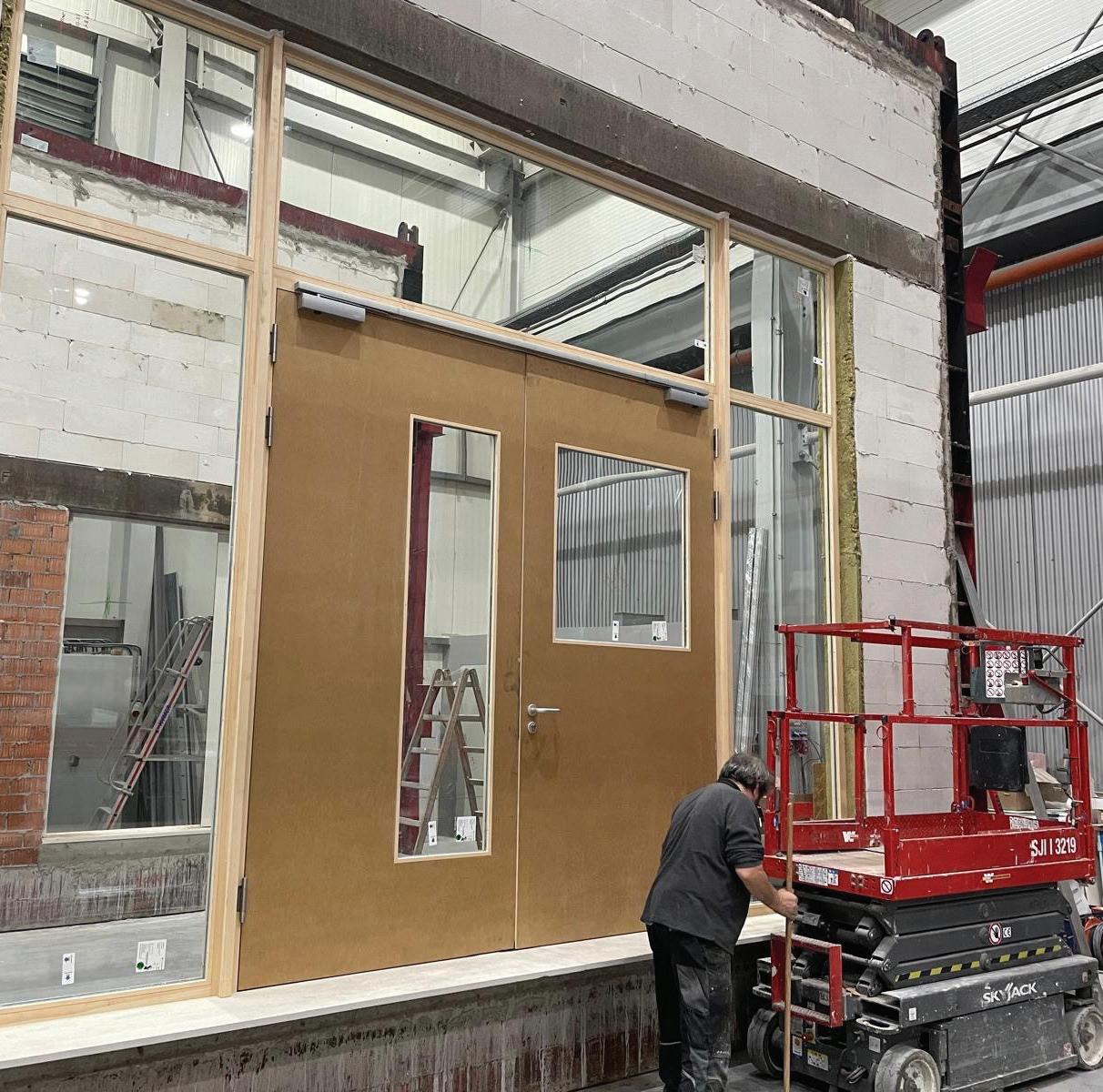
Moving forward, all newly manufactured and installed fire door systems need to fully comply with European Standards. This change will have a direct impact on product selection, specification processes and certification requirements. For fire door manufacturers, this means ensuring products are tested and classified under BS EN 13501-2. Developing and testing fire-rated products is a lengthy process, manufacturers need to start planning now, as leaving it late could result in loss of market.
Fortunately, fire doors already installed in buildings and tested to BS 476-22 will remain fit for purpose, providing that they continue to meet safety requirements through regular inspection and maintenance.
To assist manufacturers in the transition, we offer comprehensive technical support, indicative and certified testing services and advice on achieving the European Standard BS EN 13501-2.
We have developed an innovative cuttable fire safety glass to help fire door manufacturers in the transition
to BS EN 13501-2. Pyroguard Advance consists of multiple panes of glass with fire-resistant interlayers, which react when exposed to high temperatures to form a protective barrier against flames, smoke and radiant heat.
Compatible with a wide range of framing systems, glazing beads, and sealants, this versatility enables door manufacturers to specify the same glass across different projects, streamlining inventory management and helping to reduce overall costs. Pyroguard Advance provides up to 60 minutes’ integrity and radiant heat reduction and is fully tested and certified to European standards, meeting the stringent EN classification requirements.
The future of fire door manufacturing looks set to be shaped by tighter regulations, greater standardisation and a stronger emphasis on fully tested systems. As the industry continues its transition towards European Standards, manufacturers need to start preparing now retesting existing products or sourcing fully certified solutions that already meet EN classifications, such as Pyroguard Advance. Investing early in this transition will help ensure compliance and avoid costly delays and rework as European Standards become fully embedded across the fire door industry.”
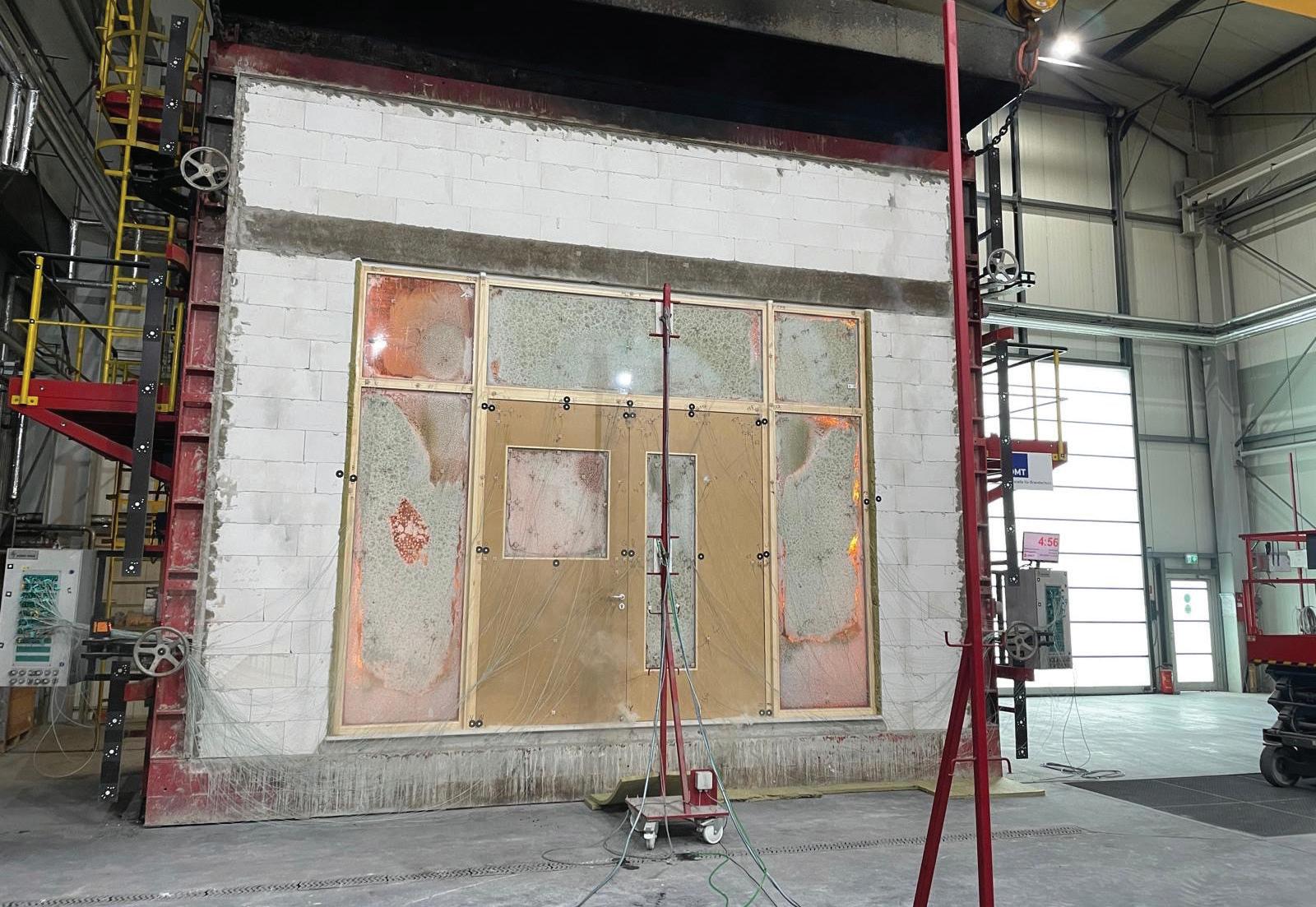
Firman Glass, one of the industry’s leading independent glass processors and the only UK based processor of SCHOTT PYRAN® S fire safety glass, gained SCHOTT accreditation in February 2024. The base PYRAN® S product is stocked in our Essex factories in 5mm, 6mm, 8mm, 10mm and 12mm thicknesses with manufacturing periods from 5-7 working days.
Now two years later they have added laminated PYRAN® S (PYRAN® L) offering fire protection with a decorative finish where required with the added post fracture stability of a laminated product.
High end domestic projects can also benefit from PYRAN® S with bevelled edges, adding the extra visual dimension not generally offered by laminated type fire products.
Based in Essex, Firman Glass was established in 1975 and offers a comprehensive range of products

and services, including oversized toughened glass, laminated glass and specialist IGUs, acoustic laminated, fire rated glass, glass decoration – and much more besides.
Its manufacturing capabilities include glass toughening to 2830mm x 4950mm, laminating with PVB and SentryGlas® interlayers as well as a full suite of glass processing machinery including four ‘Intermac’ CNC machines, CNC drilling, waterjet cutting, 2D/3D glass printing and the innovative laser coating deletion process creating clear designs on mirror products.

PYRAN® S is a superior fire rated glass, it is a borosilicate glass as opposed to an ordinary soda lime glass and is more able to withstand temperature differentials, so it can be glazed with normal edge covers.
A pre-stressed, single pane safety glass that meets EN 13024-1, PYRAN® S also boasts E30, E60, E90 and E120 fire ratings while delivering high levels of light transmission.
Highly durable against abrasive chemicals and UV light, it is suitable for indoor and outdoor applications, including facades, partition walls, skylights, doors, roofs and smoke screens.
PYRAN® S also has a higher softening temperature and is tested to be self-supporting for more than 30-minutes so large pane sizes and simple frame constructions are now possible.
We can manufacture PYRAN® S up to 3.2m from the standard stock size although it has been tested to larger sizes which would be available by special manufacture.
Due to the enhanced durability of PYRAN® S glass fire resisting performance greater than 90 minutes can also be achieved, and crucially because of its composition, nickel sulphide (NiS) crystals cannot form. Spontaneous glass fracture due to embedded NiS crystals cannot happen.

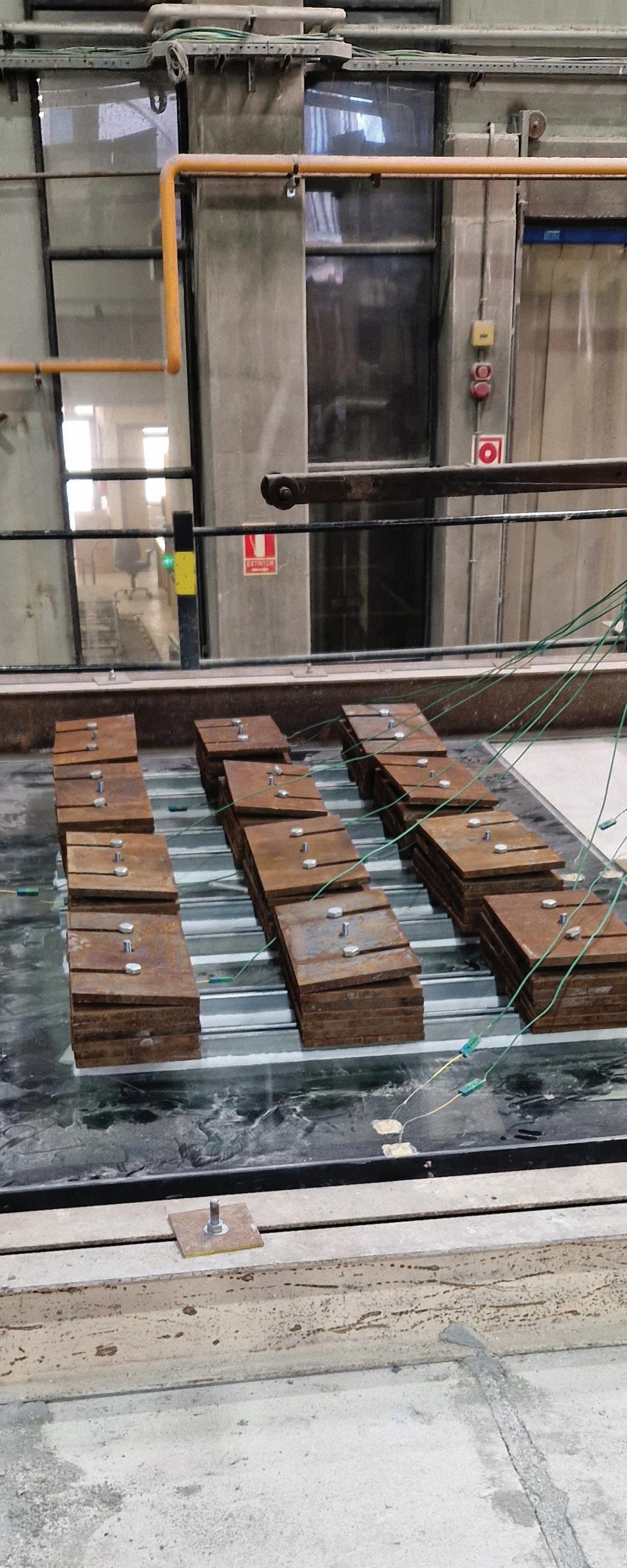
Firman Glass has underlined its position as a leader in the supply of premium fire rated glass with the introduction of PYRAN® S and now PYRAN® L Laminated, but this extends to more than just providing the best product.
Service and technical support are also a key part of its offer, with all 10 office-based staff trained in fire rated products, including three expert members of the team who have accrued years of experience in fire rated processed glass and system assessment.
Firman Glass’ technical team works with its customers to help them specify the correct products for any project that requires fire rated glass, identifying what level of fire performance is actually required, whether its E-Integrity only for protection from flames and smoke, or EIIntegrity & Insulation, which is the highest level of protection from flames, smoke and heat.
They can advise on the best installation solution, whether it’s for doors and/or screens, the type of framing material, bead size and the glazing materials requirements; all the way up to any additional specifications for acoustic reductions, security and/or barrier loadings requirements.
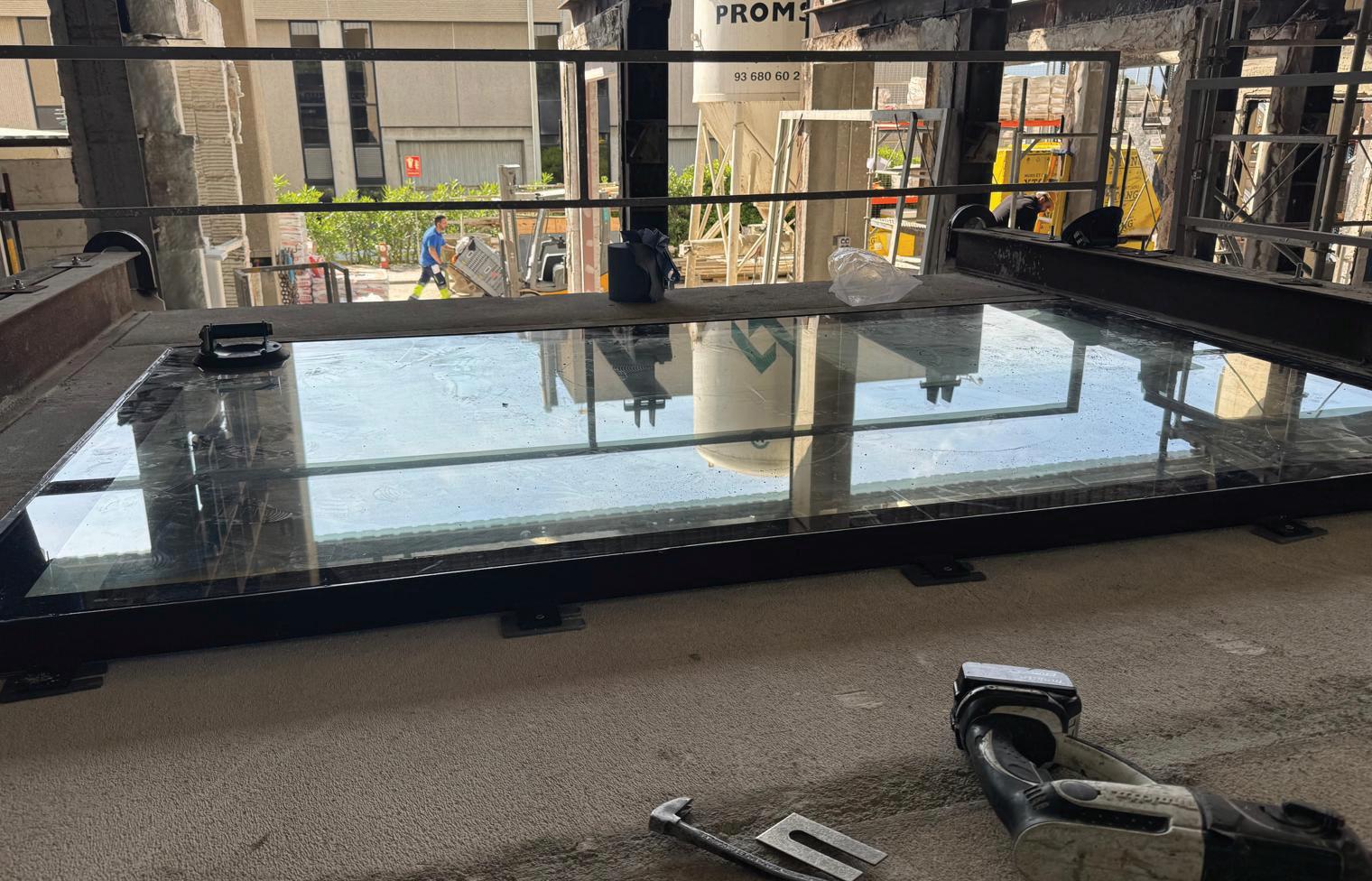

Last year saw SCHOTT and Firman Glass fire test a structural fire rated floor system.
The design brief was to develop a less complicated installation and finishing detail which was achieved with a simple perimeter frame which bolts down to the building structure and integrates with the floor finishes. This product is now available and is classified REI-30 with a maximum glass size of 2470mm x 1470mm, structurally tested to standard domestic internal floor loadings.
As part of the fire test procedure, the glass floor was pre-loaded to comply with typical domestic floor loads.
For more information on how Firman Glass can assist with your next project and for any technical help on PYRAN® S and/or PYRAN® L fire rated glass please contact our technical department on 01708 374534.

Article Contributor: Nicola John, Managing Director or FDM Training & Development
As the need for greater awareness and understanding of the Building Safety Act (BSA) persists within the industry, Nicola John, Managing Director of FDM Training & Development, clarifies the crucial responsibilities and implications for everyone involved in the fire door industry.
Eight years on from Dame Judith Hackitt’s Building a Safer Future report, which demanded a systemic overhaul of the construction regulation system, and four years after the introduction of the BSA, our industry still faces misconceptions regarding crucial rules and responsibilities. In fact, a recent survey cited during last year’s FDM roundtable revealed that an alarming 85% of people on the Constructionline register, one of the UK’s most widely used contractor databases, believe the Building Safety Act doesn’t apply to them. They are wrong.
This is a worrying statistic, particularly as the regulatory landscape begins to harden. Last year, the Technology and Construction Court granted the Health and Safety Executive (HSE), acting as the Building Safety Regulator (BSR), its first injunction. No longer a theoretical regulator, the BSR is acting and winning.
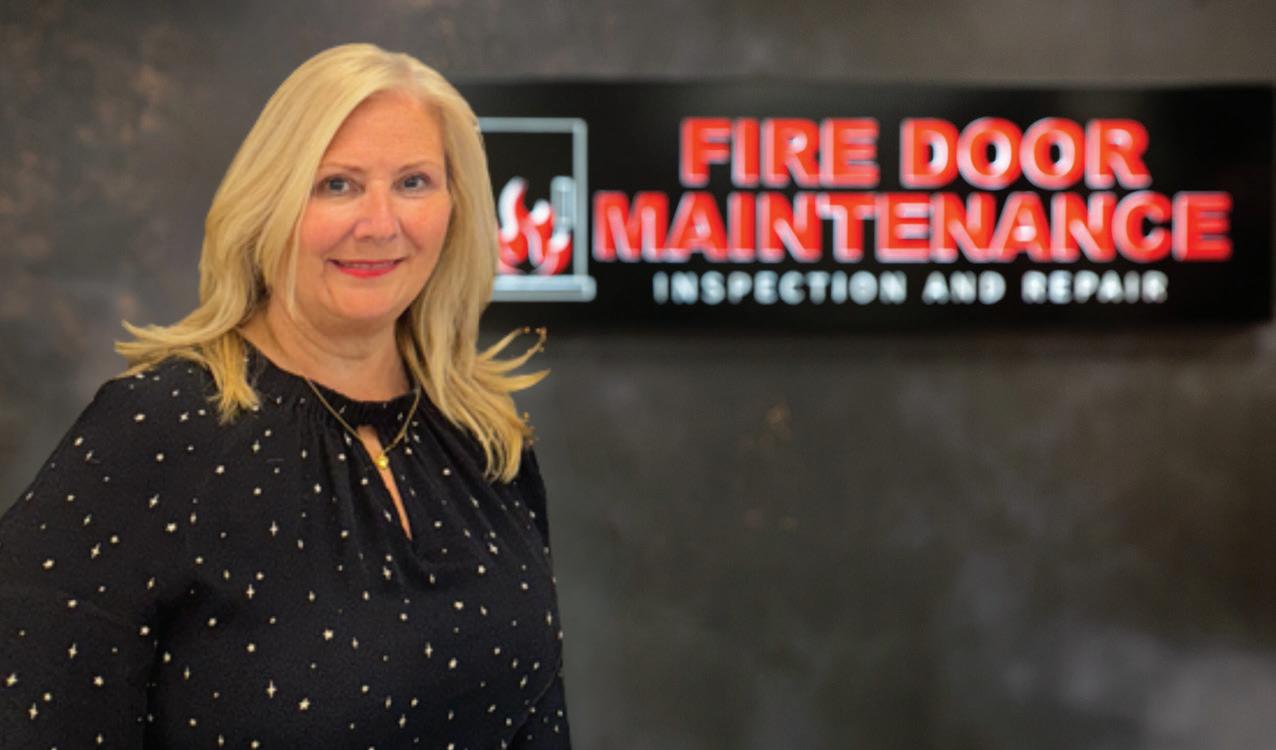
Nicola John
Although most people in the fire door industry have heard of Section 35 of the BSA, many still don’t understand what it does or its significance. Section 35 isn’t about best practice or gap tolerances; it makes competence a requirement under building regulations, ending the era of merely ticking boxes and signing forms, and instead demands proof that whoever has done the work is competent to do it.
Much of the confusion across the industry stems from the BSA’s deliberate move away from prescriptive rules toward an outcomes-based approach, which, in theory, is more meaningful but, in practice, leaves most unsure where to start. This general uncertainty also extends to the widely held belief that the act only applies
to high-risk buildings, which simply isn’t the case. While, yes, higher-risk buildings are subject to more stringent rules under the gateway process, the core principles of competency and compliance apply to all buildings. If it needs building regulations approval, the legislation applies.
Those involved in the fire door supply chain need to be crystal clear about their responsibilities, as since October 2023, the cost of breaching building regulations has significantly increased. No longer a fine-only offence limited to £5,000, which Dame Judith Hackitt famously described as ‘so small as to be an ineffective deterrent’, the breaching of building regulations can now lead to a potentially unlimited fine and imprisonment for up to two years.
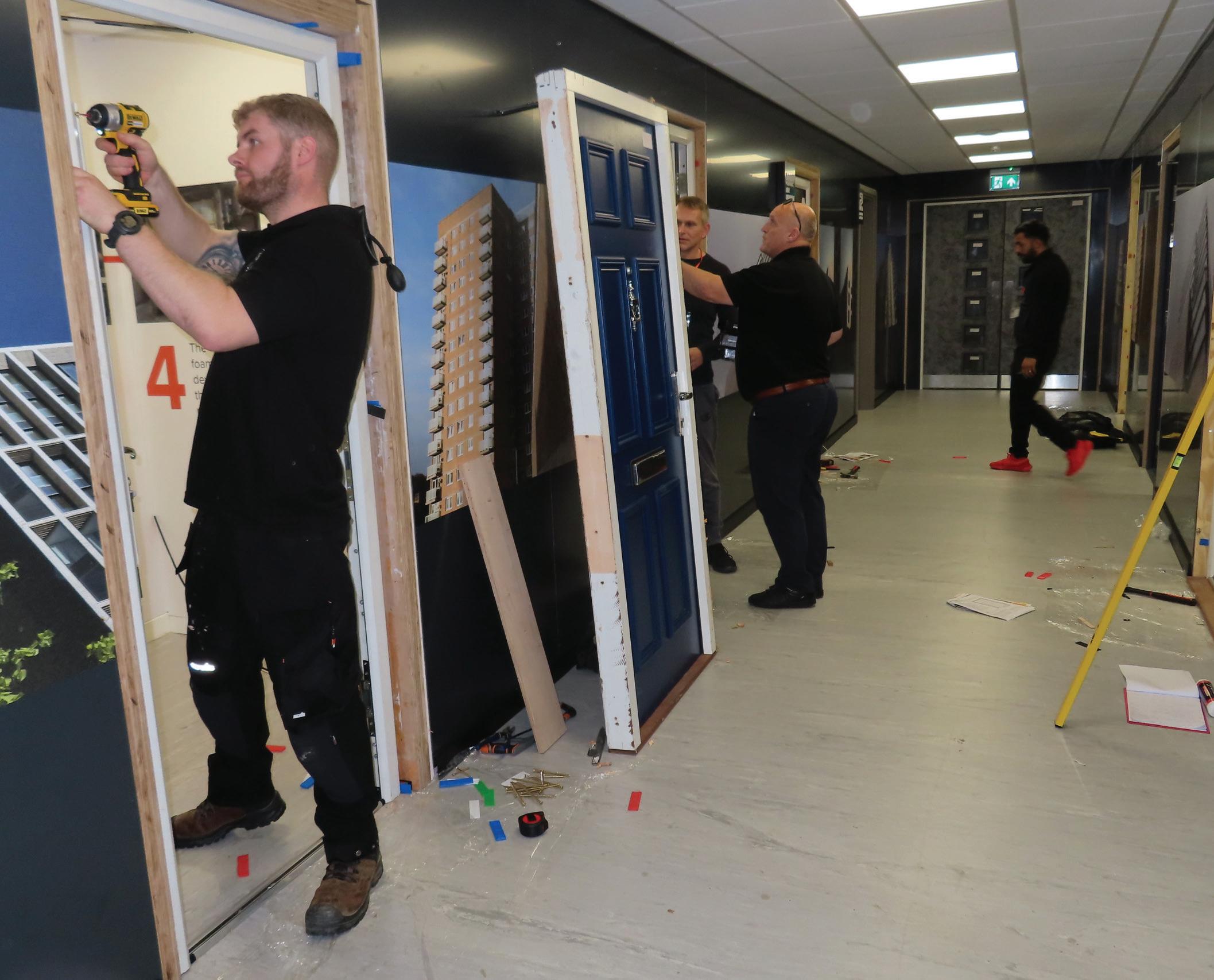
FDM’s 2025 roundtable made it clear that there is still much confusion and fragmentation across the sector, creating a dangerous illusion of compliance.
In addition, last year the Fire Door Inspection Scheme found that, along with gaps, faulty doors and maintenance issues, a worrying 31% of fire doors failed inspections due to incorrect installation. That’s almost a third of fire doors designed to compartmentalise a building and provide a first line of defence in a fire event, wrongly installed from day one. And this competence issue is exactly what Section 35 is trying to address.
Of course, not all competency issues are the result of incorrect installation; often, supply chain economics is to blame for fire door failures, resulting in substitutions for cheaper hardware, fewer safeguards, and a fire door that fails in 15 minutes rather than 30. This can create situations where non-fire-door hardware has been fitted to a fire door, which should never happen. The hardware used on a fire door must always be firerated and suitable. Hinges, latches, and closers must all meet current fire-rating standards.
Of course, compliance failures aren’t new, but for a fire door
installed after October 2023, these failings can no longer be chalked up to oversights. Under the BSA, an ineffective fire door can now be used as evidence of incompetence, leading to prosecution. Building owners should also be aware that insurance companies are increasingly paying attention to fire door compliance, with noncompliance potentially invalidating property insurance.
As the BSA works to tackle this dangerous illusion of compliance, where documentation may be in place but the safety outcomes aren’t, partial compliance becomes no longer defensible.
From architects and procurement teams to suppliers and contractors, everyone in the fire door chain should be competent, and the BSA makes everyone involved accountable. The revised BS 8214:2026, published in March this year, places the responsibility for compliance on all professionals involved, asking practitioners to demonstrate understanding and justification for what they’re doing, rather than simply following procedure. The new standard emphasises evidence-based documentation and, as such, is closely tied to the golden thread.
As revealed in Barbara Lane’s supplemental report on the Grenfell disaster, of the 106 fire doors replaced in the building in 2011, none complied with Building Regulations. The smoke seals were found to be inconsistent, and door closers had been removed from the doors, which would have allowed smoke and fire to spread much faster. In this situation, had the golden thread of information been available, these issues are likely to have been flagged and fixed. The purpose of the golden thread regulation is to make chains of failures like this evident before they become catastrophic.
This is why the BSA demands that the golden thread must be accurate, kept up to date and capture all a building’s data. This continuous, digital record of safety applies to every fire doorset, which should have a documented lifecycle from initial specification and manufacture to installation, inspection and modification. Unfortunately, often held together with a patchwork of data silos and different people storing records on different systems, the golden thread becomes frail.
The construction of a strong and effective golden thread is a challenge, and this thread isn’t yet fully functional. Without a unified hub, the thread will remain problematic, and competence must be proven. An effective golden thread demands digital evidence at every stage and should be continuously updated to ensure no gaps in data. To improve fire safety standards, the industry must remain focused on achieving standardised, accessible data to weave a strong, effective golden thread.

As Dame Judith Hackitt rightly stated about the oil and gas industry, ‘They sorted themselves out and then went back to government. That’s how systemic change happens’. Both the Grenfell and the Piper Alpha tragedy exposed systemic failures and the question in both incidents was whether the industry would take ownership of the changes needed to tackle these failures.
A profound cultural shift followed the Piper Alpha Cullen report disaster inquiry, embedded in shared leadership and practical training that created a culture of accountability for offshore safety. As is needed in the fire door sector, this cultural shift and raising of standards resulted from hands-on, practical training delivered by experienced specialist leaders.
Similar to the Cullen Report, the BSA is a goal-setting framework, but currently, this lack of detailed step-by-step instruction is causing confusion.



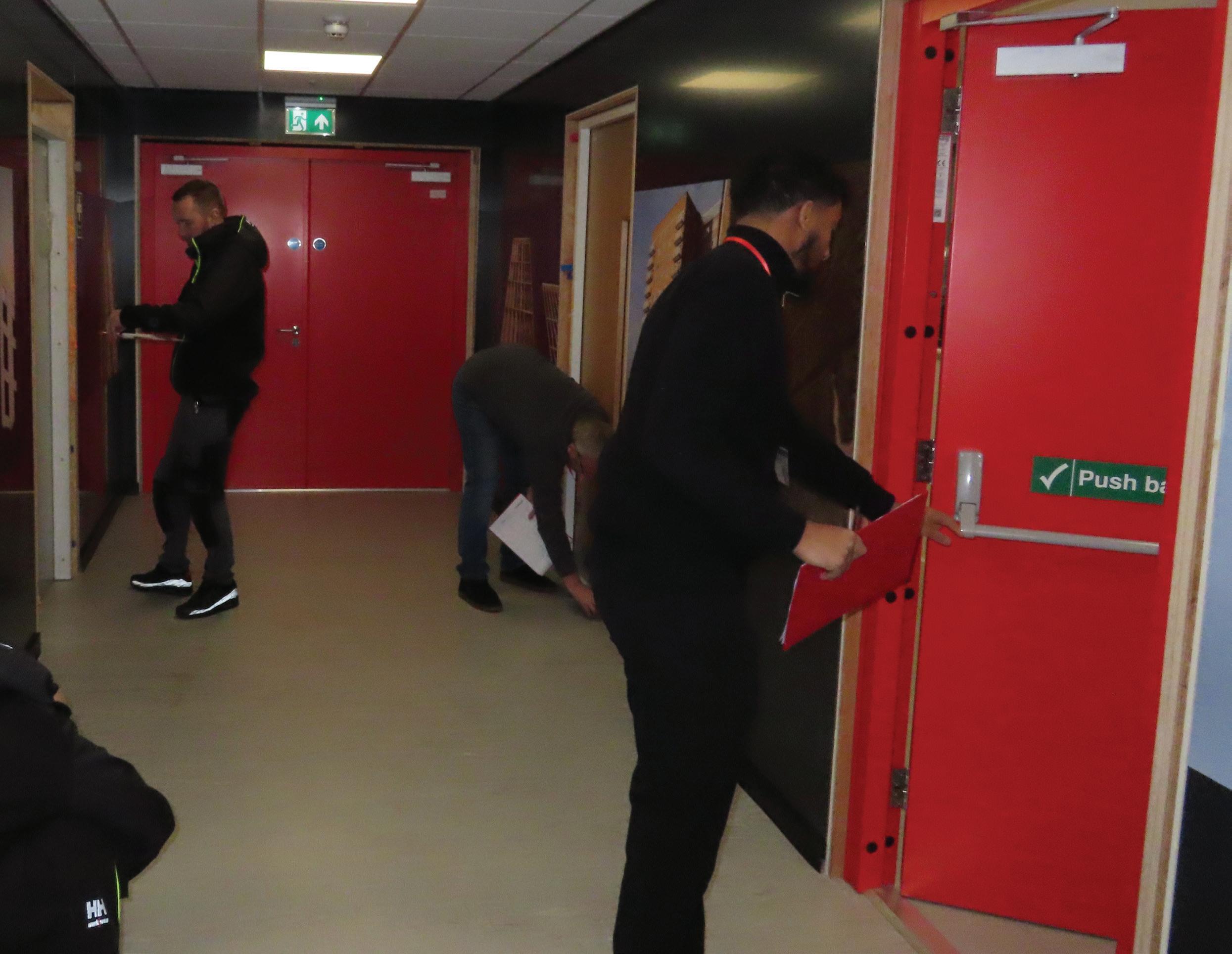
The implementation of the BSA is an industry-wide commitment. We all have a part to play in raising fire door safety standards and improving competency.
Building managers, accountable persons, and responsible persons should maintain an auditable digital trail and consult the Building Safety Alliance’s Golden Thread Toolkit for guidance. And for fire door hardware suppliers, the upcoming BS 8670-2 will provide the competency framework needed to promote product governance and knowledge, reduce ambiguity and support a more transparent supply chain.
Every day, on every job, every person involved in the lifecycle of a fire door has a choice: to support the infrastructure for an improved, safer fire door industry or not.
The frameworks are forming, the standards have been revised, and the regulator is going to court. The BSA is everyone’s responsibility, and those who act now will help to shape a more competent and safer sector for generations to come.
www.fdmltd.co.uk
Article Contributor: Karen Trigg, Business Development Manager, South East, Allegion UK
As the built environment navigates a period of significant reform, Karen Trigg of Allegion UK examines the two principles that are proving fundamental in reshaping fire safety standards.
The fire door safety model is changing. Improved building safety requirements and the demand for greater accountability have been the driving force behind new regulation and guidance. However, it is the growing relevance of competence and transparency that is redefining how responsibility is understood across the supply chain.
Competence and transparency are far from new concepts, but in the wake of regulatory updates, their interdependence is helping to form a framework through which higher standards can be achieved. More than ever before, the ability to specify, install and maintain effective fire safety systems - such as fire doors and their hardware - hinges on demonstrable expertise. Crucially, that expertise must

Karen Trigg
now be reinforced by clear, accurate and accessible information.
Whether approaching a new development or retrofit project, displaying a sufficient level of capability and clarity is now a prerequisite for compliance. Not only must decision makers show confidence in the products specified and installed on fire doors, but also in the data that underpins those choices. Whilst legislation outlines what is expected of responsible parties, how are competence and transparency defined in theory? And in what way can professionals translate this into practice?

“Following
years of legislative reform, there is a higher expectation for clear product documentation, with greater transparency able to support more informed decision making.”
In the context of fire doors, both safety and compliance are compromised when gaps emerge between regulatory expectations and execution. A certified fire door will typically compartmentalise a space for 30 to 60 minutes, preventing the spread of smoke and fire and providing occupants with a critical opportunity to escape. However, an ineffective fire door system can lose its integrity within minutes, with common failures often identified as the result of incorrect specification, poor installation and inadequate maintenance.
The Regulatory Reform (Fire Safety) Order 2005 states that fire doors should be installed by a ‘competent person’, yet the demand for competency extends beyond installation alone. Specifiers, maintenance professionals and responsible persons must all demonstrate capability past general awareness. In fact, individual competence is defined as possessing the appropriate skills, knowledge, experience and behaviours (also referenced as SKEB), as outlined in The Building Safety Act, BS 8670-1:2024.
The Building Safety Act also stresses the importance of transparency, whereby those involved in building design
and the management of high risk buildings must refer to the ‘Golden Thread of Information’ as part of their duties. Following years of legislative reform, there is a higher expectation for clear product documentation, with greater transparency able to support more informed decision making. For this, the ‘Golden Thread’ acts a single source of truth, providing clear, accessible and accurate records of buildings and the systems used within them.
Further emphasis is being placed on product information through the Construction Products Reform Green Paper and the Code for Construction Product Information (CCPI). These initiatives focus on how manufacturers communicate product information and aim to eliminate misleading claims by ensuring performance data is clear, verifiable and up to date. The emergence of Digital Product Passports (DPP) - expected to become a legal requirement for CE marking - will strengthen this approach further and, when implemented, will enable stakeholders to access product performance records and testing data in real time.

These evolving standards send a clear message: both competence and transparency must be embed into every stage of the decisionmaking process. Professionals across the supply chain must demonstrate that fire door assemblies meet the required standards, and in doing so, it is critical to recognise that these two principles go hand in hand.
From specification and installation to inspection and maintenance, even the most capable individual is limited without access to accurate information. Equally, comprehensive product data holds little value if it is not understood or properly applied. In line with the SKEB framework, continuous learning and professional development are essential, with ongoing training helping to ensure that individuals maintain and enhance their capabilities as industry standards, products and regulations continue to evolve.
Manufacturers also play a pivotal role in advancing the relationship between competence and transparency. Many conscious manufacturers are investing in end-
to-end product support, including detailed technical literature, installation guidance and training resources. These efforts are helping to build awareness and skills in key areas, whilst assuring capability and raising industry benchmarks. The implementation of digital tools is making information more accessible too, and is equipping professionals with the means to specify, install and maintain fire door safety products with confidence.
In practice, professionals are encouraged to review fire door hardware specification, installation and maintenance as specialised tasks. During installation, for example, installers must look to follow manufacturer guidelines and fitting instructions, which should be supplied with all thirdparty certified fire doors and hardware. Similarly, competent fire door assessors must ensure that the entire assembly is fit for purpose, reviewing certification, door integrity, glazing, gaps, seals, hinges and closing mechanisms in the process. When a fire door is not operating as intended, it is essential to seek out expert
advice where required, ensuring maintenance is carried out both quickly and professionally.
With this in mind, reliable fire door systems should always be supplied with comprehensive product information, including performance records, third-party certification, technical product data sheets and installation guidelines. Transparent, accurate construction product information verifies whether a system complies with necessary standards, and by combining this with the development of SKEB, professionals are making the right steps toward effectively managing fire door safety across the built environment.
The relationship between competence and transparency is about more than compliance, however. By following both principles, professionals will be equipped with the right knowledge and are supported by reliable information, fostering a muchneeded culture of trust. Ultimately, this integrated approach may contain the key to raising fire door safety standards and delivering a safer built environment for all.
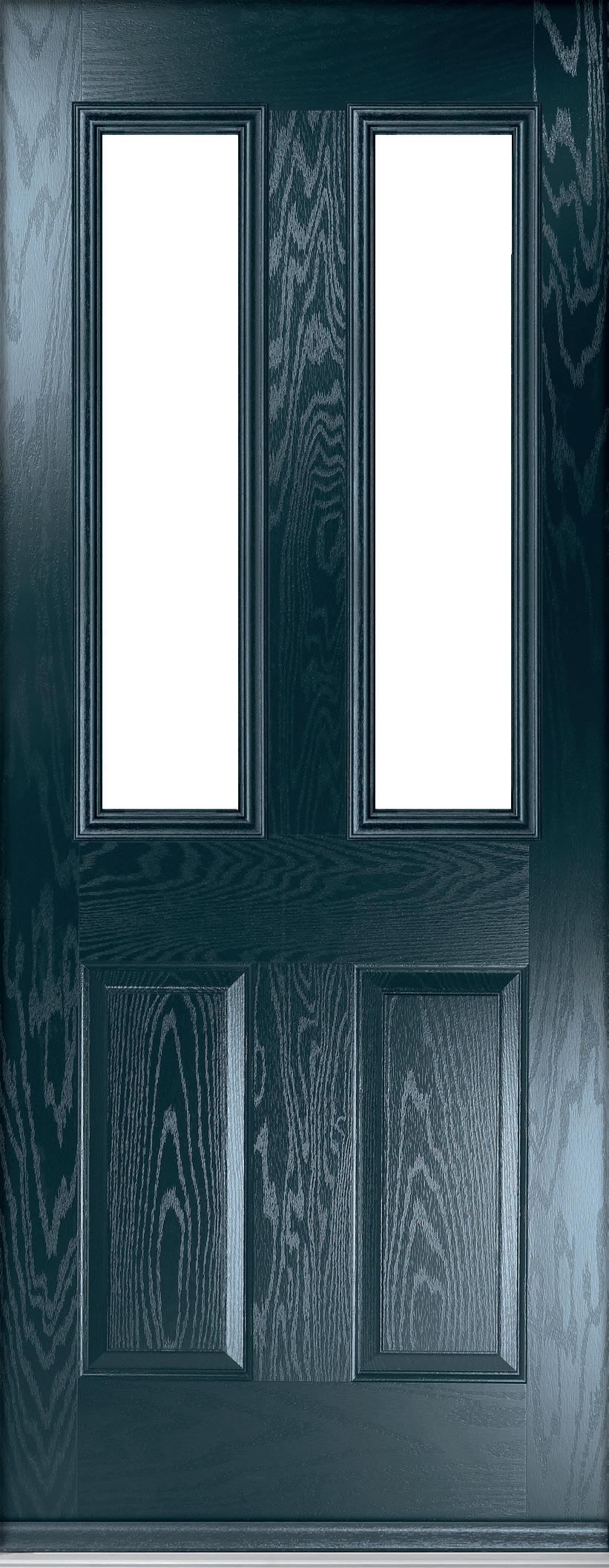
• UKAS Accredited:
BS EN 1634-1 – internal and external use.
• Exceeds FD30: Average 52 mins, up to 70+ mins fire resistance.
• Building Safety Act Ready: Traceable, verifiable performance.
• Agrifiber Core: Renewable, stable and consistent.
• Long-life Durability: PAS 24 security, 2mm GRP skins, 25-year guarantee.







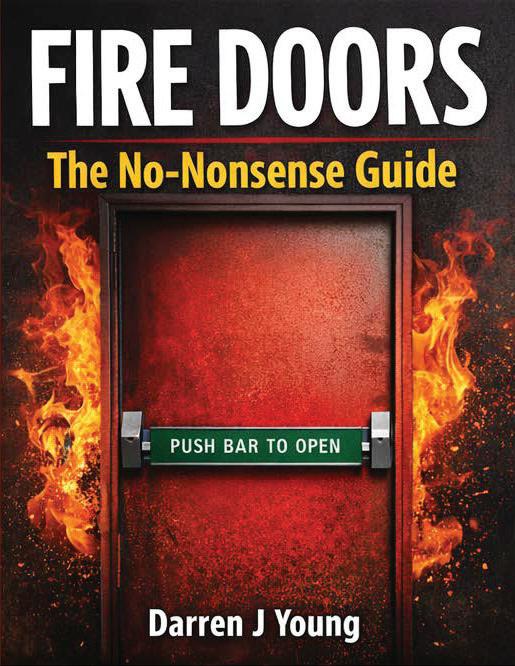
Fire safety practitioner Darren J Young has released a new book,Fire Doors – The No-Nonsense Guide, written for landlords, housing providers, managing agents and responsible persons who need clearer, more practical guidance on fire door compliance.
Drawing on experience across HMOs, housing stock and residential property inspections, the guide argues that one of the most significant weaknesses in the fire door life cycle is not always the door itself — but the understanding around it.
The publication does not attempt to replace certification schemes, third-party inspection frameworks, manufacturer testing standards or specialist fire door surveys. Fire doors remain part of a wider compartmentation and fire strategy, and that broader technical context remains essential.
Instead, the book focuses on the key areas most frequently misunderstood by non-specialists, including:
• Door leaf specification
• Frame interface
• Ironmongery and self-closing devices
• Gap tolerances and smoke sealing
• Installation and maintenance red flags
Darren said: “When technical conversations move immediately to full compartmentation and
certification pathways, many landlords disengage. The fundamentals are often where compliance begins — and where it quietly fails.”
Written in plain English, Fire Doors – The No-Nonsense Guide aims to help responsible persons recognise common warning signs, ask better questions, understand their duties more clearly and communicate more effectively with competent fire door specialists.
The book is intended as a practical starting point for those managing residential buildings who want to improve baseline understanding and reduce avoidable fire door compliance failures.
“When technical conversations move immediately to full compartmentation and certification pathways, many landlords disengage. The fundamentals are often where compliance begins — and where it quietly fails.”
Darren J Young is a UK-based fire safety practitioner, director of 1st Aid Fire Limited and former RAF Fire Service professional. Working across housing associations, HMOs and residential properties, he specialises in practical compliance and fire door risk awareness.
His career has included operational fire service experience, fire risk assessment, training and residential fire safety consultancy. His writing focuses on bridging the gap between legislation, technical standards and real-world implementation for responsible persons managing buildings.
The paperback edition is available via Amazon: https://www.amazon.co.uk/dp/B0GN9S4TX1 For commentary, review copies or further discussion: Darren J Young | www.1staidfire.com
The introduction of the Building Safety Act 2022 and the new higher-risk building (HRB) building control regime has fundamentally changed how certain building work is approved in England. For organisations involved in replacing fire doors in higherrisk buildings, understanding the Gateway 2 process is essential.
One area that has attracted increasing industry attention is whether replacement fire doors can be self-certified, avoiding the need for Building Safety Regulator (BSR) approval. At present, there is no approved self-certification scheme that removes the requirement for building control approval for fire door replacements in higher-risk buildings.
Gateway 2 is the building control approval stage for higher-risk buildings. It is a statutory stop/go point, meaning that relevant building work cannot begin until approval has been granted by the Building Safety Regulator.
Gateway 2 replaced the previous building control deposit of plans stage for higher-risk buildings. Applications must demonstrate how the proposed work complies with the Building Regulations and include the information required by the Building Safety Regulator.
The Gateway process applies to both the construction of new higher-risk buildings and certain building work carried out on existing higher-risk buildings.
Replacing flat entrance fire doors or other fire-resisting doors within a higher-risk building may constitute controlled building work requiring Building Safety Regulator approval, depending on the nature and scope of the works.
The Building Safety Regulator's guidance explains that applications for work on existing higher-risk buildings must be submitted before relevant building work begins and must demonstrate compliance with the Building Regulations.
At present, no self-certification scheme exists that allows contractors to replace fire doors in higher-risk buildings without following the applicable building control approval process.
However, in 2026 the Building Safety Regulator launched a Call for Evidence as part of its review of the Conditions of Authorisation for existing self-certification schemes. As part of that review, the regulator is seeking evidence on the potential introduction of a future self-certification scheme covering fire doorset installations, maintenance and replacements in England and Wales.
The consultation specifically explores whether certain fire door works in both higher-risk and lower-risk buildings could, in future, be undertaken without formal building control approval where appropriate safeguards are in place. It is important to note that this is a consultation exercise and does not introduce any change to the current legal requirements.
The higher-risk building regime places significant emphasis on competence. Dutyholders involved in higher-risk building work must demonstrate that they possess the appropriate skills, knowledge, experience and organisational capability for the work they undertake. These competence requirements form part of the wider regulatory framework introduced through the Building Safety Act.
The Building Safety Regulator continues to refine the Gateway 2 process and has reported improving approval rates alongside the publication of additional guidance and a remediation toolkit to assist applicants.
Should a dedicated self-certification scheme for fire door replacements be introduced following the current Call for Evidence, it would represent a significant development for the fire door industry. Until then, organisations carrying out fire door replacement work in higher-risk buildings should continue to follow the existing Building Safety Regulator approval process where it applies and ensure that all work complies with the Building Regulations.
The Automatic Door Suppliers Association (ADSA) has announced that the industry-wide competency framework initiative it has been developing in partnership is nearing completion, following two years of intensive collaboration to define clear, role-specific competency pathways.
Final outputs are now undergoing industry consultation. This marks a significant step forward in establishing nationally recognised, structured competence frameworks across the construction industry, aligned with the requirements of the Building Safety Act and wider regulatory reform.
As part of the programme, ADSA has played a central role in the development of fire-rated and non-firerated installer competency frameworks for door, gate and shutter systems.
A distinction upshot has been the clear separation of these two product areas – recognition that fire-rated systems require additional, specialist knowledge and skills beyond those needed for standard installations. These include enhanced understanding of product performance, installation tolerances, compliance evidence and the implications of failure in life-safety scenarios.
This group has involved collaboration between ADSA, the British Woodworking Federation (BWF) and the Door & Hardware Federation (DHF), supported by CITB, spurred on by a shared aim of raising competence, consistency and accountability throughout the supply chain.
It has undertaken a root and branch review of existing National Occupational Standards (NOS) and is now completing a new National Occupational Standard which will be a formal benchmark for training, assessment and qualification development across the sector.
“This group has involved collaboration between ADSA, the British Woodworking Federation (BWF) and the Door & Hardware Federation (DHF), supported by CITB, spurred on by a shared aim of raising competence, consistency and accountability throughout the supply chain.”
Ken Price, Managing Director of ADSA, said: “This has been a substantial piece of work and one that the industry genuinely needs. Separating fire-rated and non-fire-rated competencies was essential – fire performance products demand a higher and more specific level of knowledge, and that must be clearly recognised.
“This will give employers, training providers and individuals a clear, structured route to understanding and demonstrating competence in line with modern regulatory expectations.”
The final frameworks and National Occupational Standards will support future qualification development, employer assurance and regulatory compliance, helping the sector respond to increasing scrutiny around competence and life safety.
ADSA will continue to support the rollout and implementation of the frameworks, ensuring members are fully informed and able to align their training and workforce development strategies accordingly.
The consultation can be found on the CITB website (Non-Timber and Non-Composite Fire-Resisting Door, Shutter or Curtain Systems) and is available for viewings/feedback until the end of July.
Fire door compliance now depends as much on the paper trail as the install. For installers, inspectors and the specialists who appoint them, the right digital tools are becoming the difference between proving compliance and hoping for the best.
Fire door compliance has never been under closer scrutiny. The Fire Safety (England) Regulations 2022 introduced mandatory quarterly checks on flat entrance doors and annual checks on communal doors in high-rise residential buildings. The Building Safety Act has pushed the golden thread of information from a nice-to-have into a legal expectation.
And the evidence suggests the industry is struggling with exactly that part. Early findings from Building Safety Regulator audits of safety case documentation for higher-risk buildings suggest that fire door record-keeping is one of the most common areas of non-compliance—not because the doors themselves are always wrong, but because the paper trail behind them isn’t there when someone asks for it. Fire risk assessors, principal accountable persons and insurers are all asking sharper questions than they were three years ago, and they want answers backed by evidence, not assurances.
For fire door specialists and the subcontractors who install, survey and maintain them, this shifts the job. Getting the door right has always mattered. Now, proving it’s right—who installed it, when, to what standard, with what materials—matters just as much. A missing record can undo a
compliant install just as easily as a poor one.
This is why, even if you’re not the one carrying out the fire door survey yourself, the contractors you choose to work with matter more than ever. A main contractor, building owner or managing agent appointing a fire door specialist isn’t just buying an installation— they’re buying a record they can stand behind when a fire risk assessor, auditor or insurer comes asking. Choosing contractors who use modern digital tools like Onetrace makes that difference tangible.
With Onetrace, that record isn’t assembled retrospectively from photos on someone’s phone and a stack of paper surveys. It’s built into the way the work happens:
• Instant access to records. Each fire door or installation can be tagged with a QR code, letting anyone on site scan and instantly see its inspection or maintenance history.
• Clear building overview. Complex buildings are kept under control with digital sites divided into floors and zones, so a 500-door residential block is as easy to navigate as a single-storey unit.
• Accurate, consistent data. Prebuilt templates make it simple to record the right information every time, ensuring consistency across surveyors, sites and projects.
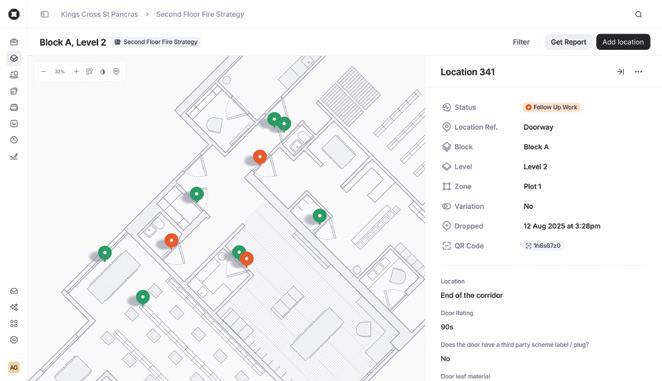
• Transparency and trust. Every action is logged, so contractors can easily prove compliance and demonstrate a clear audit trail to insurers, clients or regulators.
Onetrace has recently introduced public QR codes, a feature built specifically for the moments when compliance evidence needs to leave the contractor’s own system. Public QR codes let a business share selected job sheets and location data with external auditors or contractors on site—without those people needing a Onetrace account—while keeping sensitive data secure.
In practice, that means:
• Controlled public access. Contractors choose exactly which job sheet and location details are visible via a public QR code, so sensitive commercial information stays protected while compliance evidence doesn’t.
• No account required. External auditors and contractors can view evidence of work instantly, without logins, passwords or onboarding.
• Point-of-need visibility. Scan the code on site and the relevant job record is there in read-only form—no phone calls back to the office, no waiting for someone to dig out a file.
For installers, this removes a genuine friction point. A fire risk
assessor or a main contractor’s own auditor can verify a door’s history on the spot, rather than the installer chasing down records after the fact or granting broader system access than the moment requires.
NRT Carpentry, a long-established carpentry contractor now running fire door surveys across multiple London sites, used Onetrace’s custom statuses to track thousands of doors through every stage of a survey—from pin drop to final approval and back again if remedial work was needed. As the business put it: “They are now a vital part of what we do, incorporated into every daily activity across all fire door projects.”
Golden Thread Fire Delay faced a harder problem on a 2,500door installation, remediation and inspection project at Greenwich University: non-standardised
worksheets meant information had to be double-checked, often requiring a second site visit. Standardising on Onetrace’s forms and templates removed that duplication, while guest access let clients view and inspect work remotely—contracts manager Kris Konieczka noted the business had saved “hundreds of hours of administrative work” on that project alone.
Frank Rogers Building Contractors, meanwhile, use Onetrace’s QRtagging to keep compliance evidence attached to the door itself.
As Jay Sefton, Head of Fire Door Compliance, put it: “The system allows us to QR-stamp our doors, keeping all compliance evidence in one place. I can be on holiday and still check projects in Cardiff, Scotland, or Liverpool in seconds. It’s all live, and it’s accurate.”
And at Qualifire, a Scotland-based passive fire protection specialist, guest access has changed how fire engineers sign off remedial work—
reviewing and approving remotely rather than making repeat site visits. Director Audrey Stewart called the change “a huge time-saving.”
None of this is about replacing the survey or the install—the door still has to be surveyed, fitted and checked by someone competent. What changes is what happens to that work afterwards: whether it’s captured once, correctly, and instantly retrievable by anyone with a legitimate reason to see it—or whether it lives in a phone, a folder, or someone’s memory.
For fire door specialists, that’s a stronger commercial position. For the businesses appointing them, it’s a simpler due diligence question: can this contractor show me the evidence, on the spot, without a chase?
Visit onetrace.com to see how fire door specialists are simplifying compliance.

Boss Door Controls, a trusted global provider of mechanical and automatic door control solutions and part of the Allegion family of brands, has released its new cam-action door closer catalogue, offering a comprehensive product selection guide to architects, specifiers and trade professionals.

The new 44-page catalogue showcases an extensive range of cam-action hardware, designed to meet the demands of high-traffic commercial and residential applications. To support accurate product selection in these environments, the catalogue provides practical and detailed specification information for the latest series of overhead and concealed cam-action closers, including EN performance ratings, product features, dimensional drawings, power sizes and adjustment details.
There is also a first look at the new Boss Door Controls electromagnetic cam action closer range. Available in both surface-mounted and concealed configurations, these units are designed to be hardwired into the alarm system of modern buildings to provide effortless accessibility, ease of movement and life safety compliance.

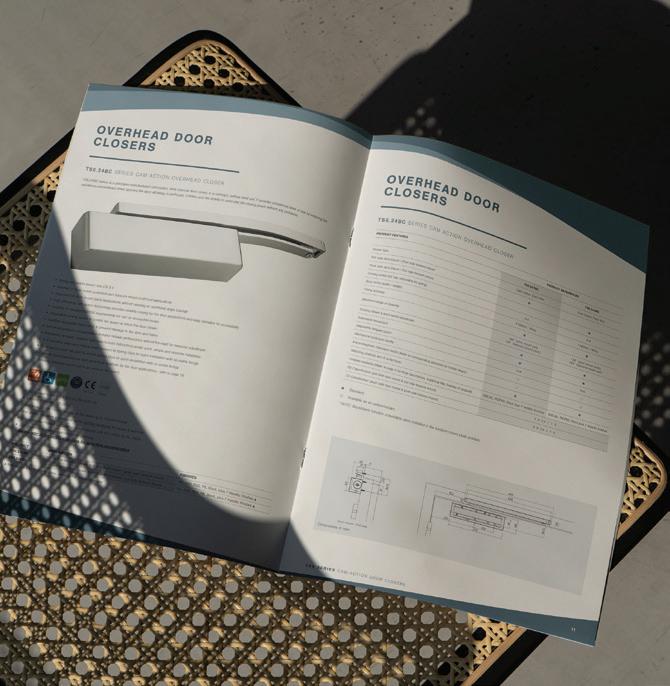

Featuring intuitive camaction technology, the TS6.SA-EMF track reliably holds doors open during normal operation and automatically releases them upon activation of the fire alarm. The complete range is Certifire approved, ensuring suitable performance for fire door applications operating on low voltage circuits.
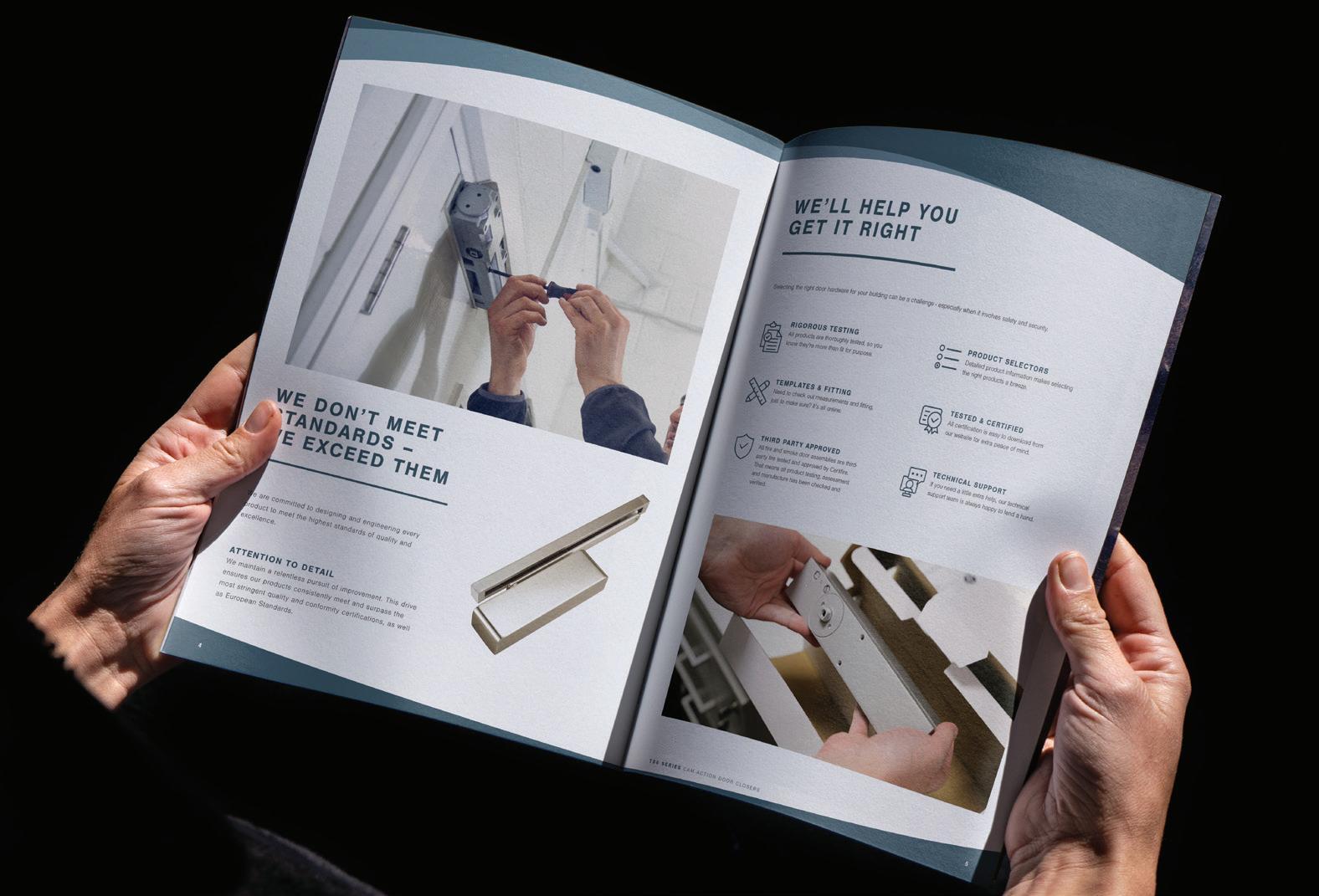
Guiderail channels have been redesigned and re-tested across the new TS6.SA-EMF range, eliminating the need for the additional L-bracket, typically required for push-side door mount installations. This enhancement is referenced within the new catalogue and reduces overall installation costs whilst delivering a cleaner, more streamlined appearance.
The catalogue also highlights the wide variety of finish options that Boss Door Controls is renowned for, ensuring its range of precisionengineered, slim-profile door control solutions integrate seamlessly into the vision of any architectural design project.
Lee Piper, sales and marketing director at Boss Door Controls comments on the launch:
“Boss Door Controls collaborates with architects and specifiers worldwide to deliver reliable, innovative and aesthetically
appealing hardware solutions for projects where long-term performance is essential. Our latest cam-action product catalogue is an extension of this expertise and reflects our ongoing commitment to raising specification confidence across the industry.
“Our growing range of cam-action door closers offers an ideal balance of mechanical efficiency and ease of use, and the launch of our TS6.SA-EMF electromagnetic overhead closer - which is detailed in the new catalogue - further strengthens our offering, as we continue to promote safe and inclusive design principles.
“This is our most comprehensive and carefully curated product catalogue to date. We’re proud to expand our library with a clear, dependable and supportive specification resource that further streamlines the product selection process whilst supporting compliance and design flexibility.”
The new cam-action door closer catalogue is available for download on the Boss Door Controls website, with hard copies also available upon request. To find out more, visit: www.bossdoorcontrols.com/door
Article
Jonny Millard, Managing
There has never been more fire door training available in the UK. That should be good news. Post-Grenfell, post-Building Safety Act, the industry finally seems to understand that fire doors are life-safety systems, not just doors. And demand for fire door training has surged.
The problem is what has surged to meet it.
The market is now crowded with training providers with little visible practical installation, inspection or evidence-review experience. Some have spotted a commercial opportunity, built a website, and started issuing certificates. The learner walks away with a piece of paper and little else.
This is not gatekeeping. Competition is healthy, and nobody should hold a monopoly on knowledge that keeps people alive. But competition only works when there is a standard to compete against. Right now, the quality variance between providers is enormous, and the person paying the price is the installer trying to do
the right thing and, ultimately, the people behind the doors they fit.
The framework vacuum
Here is the uncomfortable truth: much of this mess is not the fault of the training providers. It is the fault of an industry that has failed to provide, or has provided and then quietly withdrawn, the tools needed to define what good looks like.
Take the Specialist Timber Fire Door Installer Competence Framework, developed through Sector Led Group 10 as part of the Setting the Bar programme. It was a genuinely useful development. A serious attempt to define the
skills, knowledge, experience and behaviours a fire door installer actually needs.
But try approaching it like a normal installer or employer would. Where is the current version? Where is the permanent public link? Where is the route-to-competence document, the SKEB statements and the implementation plan sitting together in one obvious place? It’s not on the CITB website anymore, it is not on the BSI Competence Hub.
If the answer requires knowing who to ask, which consultation link used to exist, or which archived page once held the document, then the system has already failed the people it is meant to help.

We talk endlessly about the “golden thread” of building information. Where is the golden thread of competence information? Frameworks should not appear, disappear, move, or become functionally invisible. If competence is now a serious legal and professional expectation, the documents defining it need to be public, permanent, versioncontrolled and easy to find.
is the right question. Evidence is the missing answer.
The industry has broadly settled on SKEB, skills, knowledge, experience and behaviours, as the shape of competence. Good. It is the right model. Knowledge alone is not competence. A classroom certificate proves you sat in a classroom.
But here is the question I hear from installers every single week, and it deserves a serious answer: how am I meant to evidence it?
What are the recommended requirements for a fire door installer? What qualifications, at what level? What does acceptable experience evidence actually look like? Photographs? Sign-offs? Supervised installations? Portfolio
reviews? Who assesses behaviours, and against what? How often does competence need revalidating, and what triggers renewal? Time, regulatory change, a shift in scope of work?
These are not exotic questions. They are the basic operating instructions for a competence system. And right now, an installer asking them will get a different answer from every provider, every scheme and every client they speak to, if they get an answer at all.
The phone call I want to be able to answer
I run a training organisation. Several times a week, someone rings us and asks a version of the same question: “What courses do I need to do? What evidence do I need to capture? How do I prove my competence?”
It is a completely reasonable question. In fact, it is exactly the question the entire post-Grenfell reform agenda has been trying to get the industry to ask.
And the honest answer, today, is more complicated than it should be. Not because competence is inherently complicated, but because the frameworks
are fragmented, the evidence requirements are undefined, and the documents have a habit of vanishing without being replaced.
I look forward to the day I can answer that phone call in three clear sentences.
Here is the framework.
Here is the evidence you need to capture at each stage. Based on your current qualifications and skills this is what you need to do.
Here is how and when you renew.
That day requires the industry’s institutions to publish the tools, keep them published, and keep them current.
Standardisation is not bureaucracy. It is the difference between a training market that raises the floor and one that races to the bottom.
The installers are asking the right questions. They do not need more noise, more badges, or more certificates with unclear value. They need a stable, public route to competence, with clear evidence requirements and a renewal process that everyone can understand. Until that exists, the training market will keep expanding, but the standard underneath it will remain uncertain.
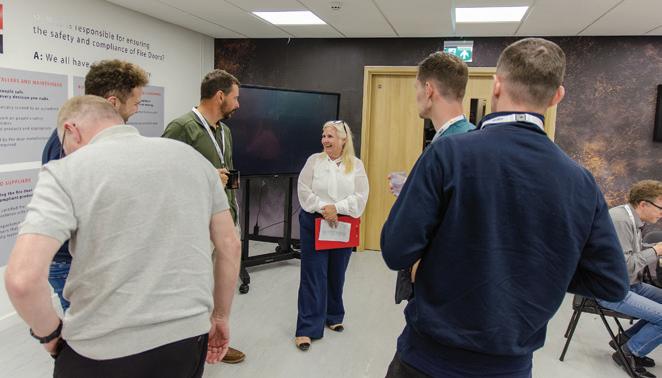
Fire Door Maintenance (FDM) Training and Development and CORGI Technical Services, in collaboration with the Association of Safety and Compliance Professionals (ASCP), recently delivered an informative one-day seminar and workshop at FDM’s state-of-the-art fire door training facility in Bury.
Designed to help those responsible for building safety navigate the safety and compliance landscape with greater clarity and confidence, the seminar proved extremely popular with 60 building managers, responsible persons and safety and compliance professionals across social housing and commercial settings in attendance. Educational presentations were delivered on the day by FDM’s Managing Director, Nicola John and CORGI’s Technical Safety and DSEAR Lead, Mark Duffy.
Dan Cope, FDM’s Sales Director, commented: ‘Since we opened the training centre in February 2024, we’ve trained over 2,000 professionals, from architects and installers to landlords and responsible persons. FDM was founded to meet the growing need for high-quality fire door training and ensure professionals across the sector have the skills and confidence they need to meet evolving fire safety regulations. Our CPD seminar days really help to support this goal. June’s seminar, delivered in conjunction with CORGI Technical Services, has been our eighth, and we plan to do more, as fire door safety doesn’t sit in
isolation for those responsible for some buildings.’
Along with fire door safety considerations, those responsible for certain buildings also need to consider how gas infrastructure and hazardous substances introduce other risks that bring DSEAR/IGE/G/5 risks into scope. For building safety managers and duty holders, understanding where these risks exist and how they connect is an important part of managing safety in practice.
Mark Duffy, Technical Safety and DSEAR Lead at CORGI Technical Services, explained: ‘If a substance at a property could cause a fire, it’s the duty holder’s responsibility to undertake a risk assessment. DSEAR risk assessment should form part of your overall fire safety strategy and is mandatory for a wide range of settings, including social housing, workplaces, and commercial sites. If a fire or explosion in a building could pose a risk and if you have gas pipework in areas where employees or the public have access to, DSEAR compliance is needed.’
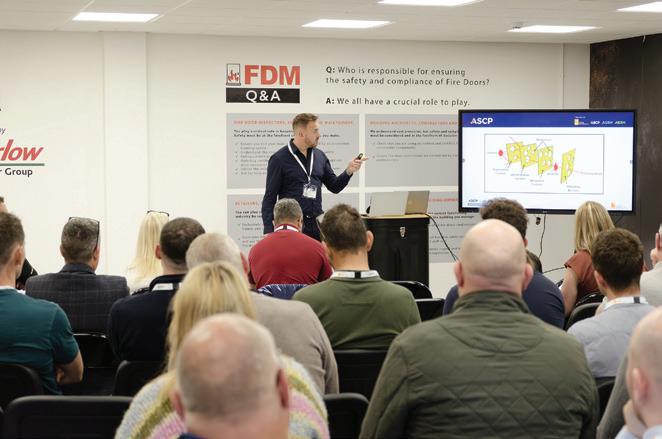
Over the course of five hours, attendees on the day benefited from practical insight into fire door safety, a clear introduction to DSEAR and IGEM/G/5 risk, and guidance on how to demonstrate individual SKEB records. Delegates also had the opportunity to speak directly with specialists, connect with peers, and access FDM’s purpose-built training facilities.
Connexus, a rural housing association with its heritage in Shropshire and Herefordshire, attended the seminar to learn more about what else should be considered in communal spaces beyond just fire risk, and found the seminar ‘incredibly helpful’.
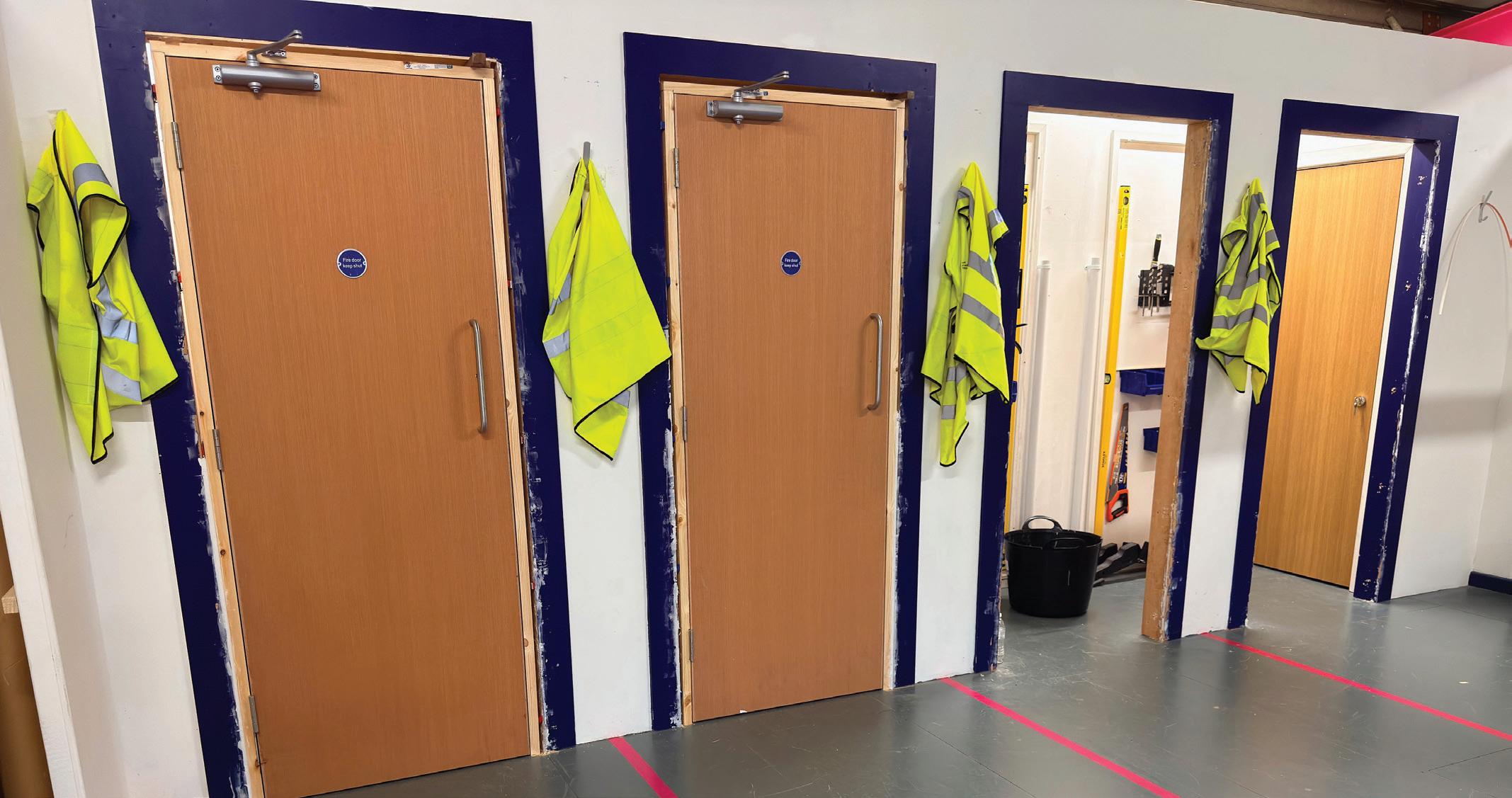
Emily Armstrong, Senior Property Coordinator at Connexus, commented: ‘We found the seminar incredibly helpful. It was great to get a better understanding of DSEAR, IGEM, and battery storage. FDM’s training centre was really good, and we loved that each doorway was a different doorset and that it was set up as a block of flats. It made it much more realistic and representative of how inspectors work’.
To find out more about FDM Training and development, visit fdmltd.co.uk, or to discover more about CORGI Technical Services, visit corgitechnical.com.
The information provided during this seminar is for educational purposes only. FDM Training & Development and CORGI Technical disclaim and waive any and all possible liability arising from reliance on, or implementation of, any information presented during the training.
uaplimited.com


Fire doors are among the most rigorously tested life safety products in any building, but their performance depends on more than how they are manufactured. It also depends on whether the information needed to inspect, maintain and repair them remains available throughout their service life.
With the introduction of the Building Safety Act 2022 and the increasing focus on the “golden thread” of information, manufacturers have an important role to play beyond supplying compliant products. They must ensure that the information supporting those products remains accessible to those responsible for maintaining them.
Article 17 of the Regulatory Reform (Fire Safety) Order 2005 requires fire safety measures to be maintained in an efficient state, efficient working order and good repair. For fire doors, this means Responsible Persons and maintenance contractors need far more than a fire rating or certification label.
Essential information should include product identification, installation requirements, approved replacement components, inspection criteria, maintenance procedures and any limitations on repair. Without this information, building owners are often forced to make assumptions that may compromise compliance and, more importantly, life safety.
Unfortunately, many fire doors are still supplied with paper manuals that are lost shortly after installation or stored in filing cabinets or individual project files that become inaccessible over time. Years later, maintenance teams may struggle to identify the door, verify its certification or determine which replacement components are suitable.
As the industry moves towards digital information management, manufacturers have an opportunity to ensure that product information remains connected to the asset for its entire operational life.
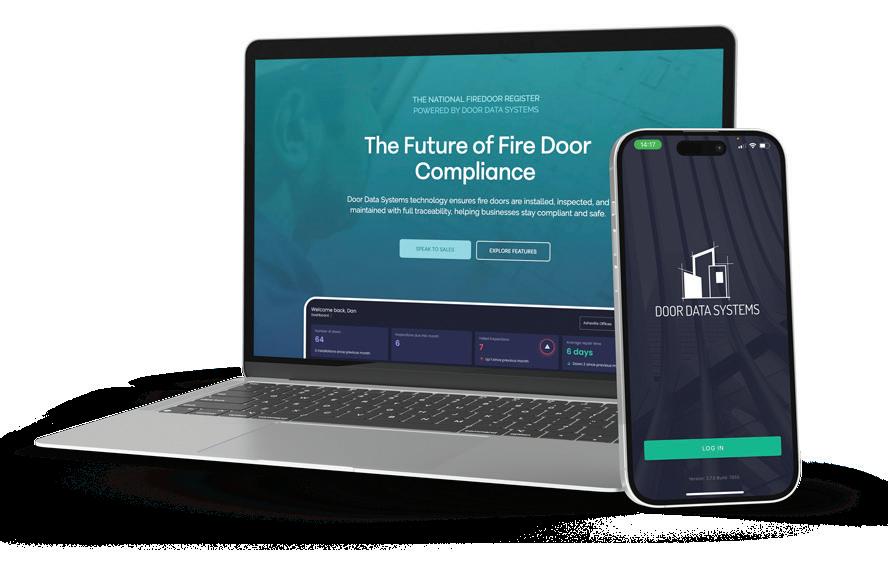
This is where Door Data Systems is helping to bridge the information gap.
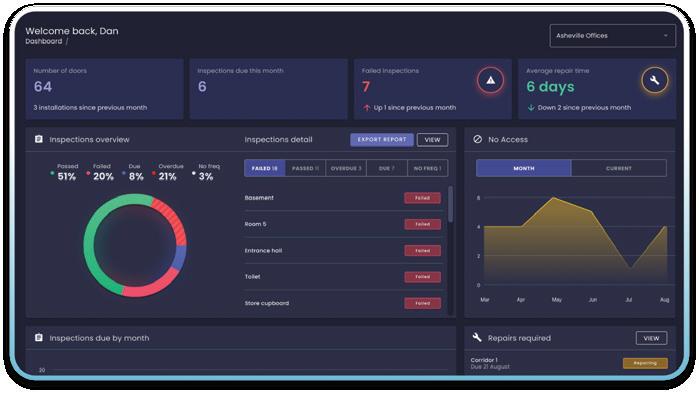
Rather than treating compliance documentation as paperwork handed over at completion, Door Data Systems creates a permanent digital record for every individual fire door all held on the National Fire Door Register. Manufacturers can associate installation instructions, certification, maintenance guidance, approved hardware schedules and other productspecific information directly with each identified door.
Using a unique digital identity, installers, inspectors, maintenance contractors and Responsible Persons can instantly access current manufacturer information whenever it is required. Inspection reports, maintenance records and repair histories are then added to the same digital record, creating a complete audit trail throughout the door’s lifecycle.
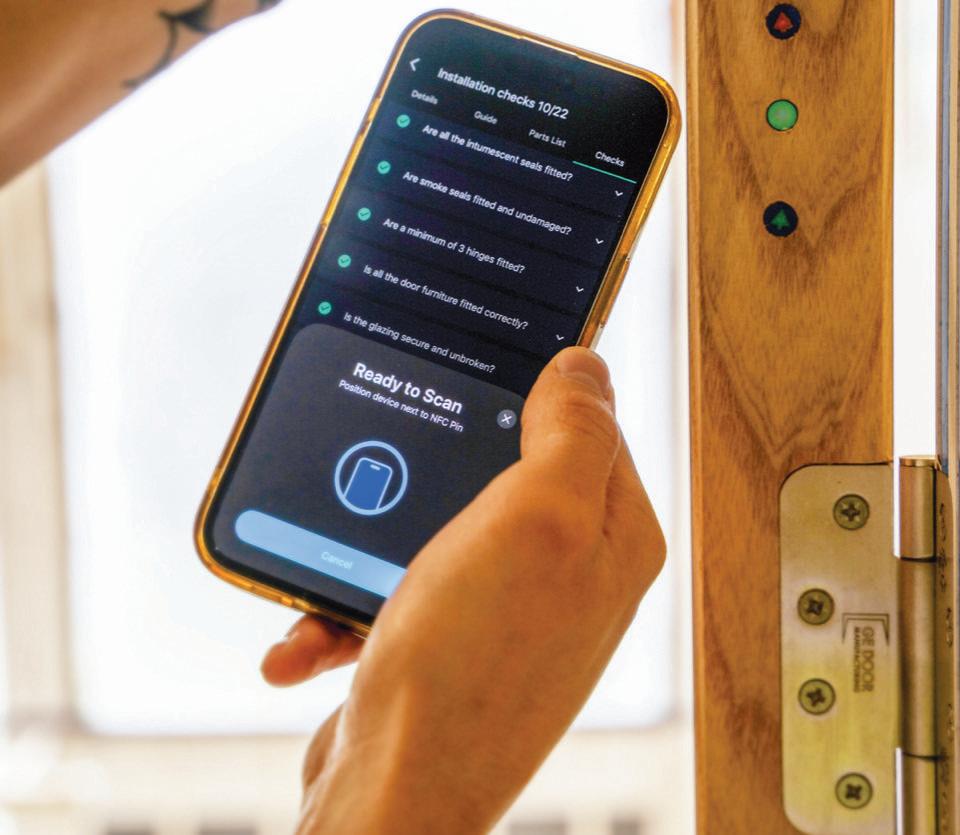


This approach not only supports compliance with current legislation but also strengthens accountability by ensuring that manufacturer guidance is always available to those responsible for maintaining the product.
The fire safety industry has rightly focused on improving product testing, certification and manufacturing standards. The next step is ensuring that the information supporting those products is preserved with the same level of care.
A fire door can only continue to perform as tested if it is maintained in accordance with the manufacturer’s instructions. By keeping essential information permanently linked to every door, digital systems such as Door Data Systems support the principles of the golden thread and help manufacturers, building owners and Responsible Persons demonstrate that fire door
Total bespoke Fire Door package for Manufacturers, Installers and FD Inspectors.
Supporting and leading the way in:
performance has been protected throughout the life of the building.
In today’s regulatory environment, maintaining the digital identity of every fire door is no longer simply good
Collation of each doors supporting certification
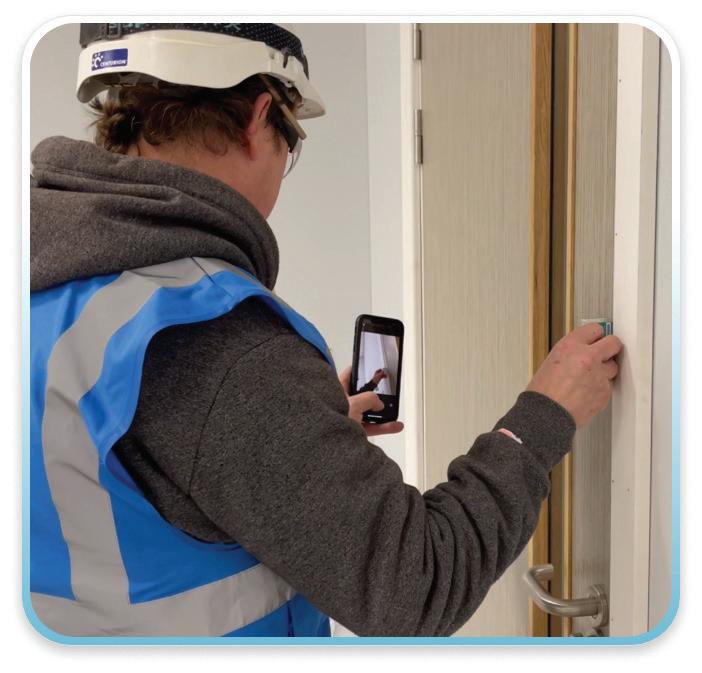
Faster ‘bench-mark’ installation recording
Optional Inspection template for Regulatory or Interim (reg10) Inspecting
Digital storage and transfer of data making information instantly available to those who need it.



is an individual plan designed to help a person evacuate a building safely in the event of an emergency. PEEPs are intended for people who may require assistance to evacuate because of a disability, impairment or other condition that affects their ability to leave a building independently.
The objective of a PEEP is to identify an individual's evacuation needs and the measures required to enable a safe evacuation.
A PEEP is specific to the individual. It considers how a person's circumstances may affect their ability to respond during an emergency and identifies appropriate arrangements based on their needs. Depending on the individual, this may include considerations relating to mobility, hearing, vision or cognitive impairment.
In England, the Fire Safety (Residential Evacuation Plans) (England) Regulations 2025 came into force on 6 April 2026. The Regulations introduce a Residential PEEP process for certain higher-risk residential buildings.
The Regulations apply to:
• Residential buildings containing two or more domestic premises
that are 18 metres or more in height or at least seven storeys, or
• Residential buildings over 11 metres where a simultaneous evacuation strategy is in place.
The Residential PEEP process includes several key elements for relevant residents who may have difficulty evacuating without assistance:
• Identification of residents who may require support.
• A person-centred fire risk assessment.
• Consideration of reasonable and proportionate measures to reduce evacuation risks.
• A written Emergency Evacuation Statement setting out what the resident should do in the event of a fire.
• Sharing relevant information with the local Fire and Rescue Authority where the resident has consented.
• An ongoing process of review to ensure arrangements remain appropriate.
The Regulations place duties on the Responsible Person, typically the building owner or manager, to implement the Residential PEEP process where the Regulations apply. They supplement existing duties under the Regulatory Reform (Fire Safety) Order 2005, as amended, and the Fire Safety (England) Regulations 2022.
Although a PEEP focuses on evacuation arrangements, the
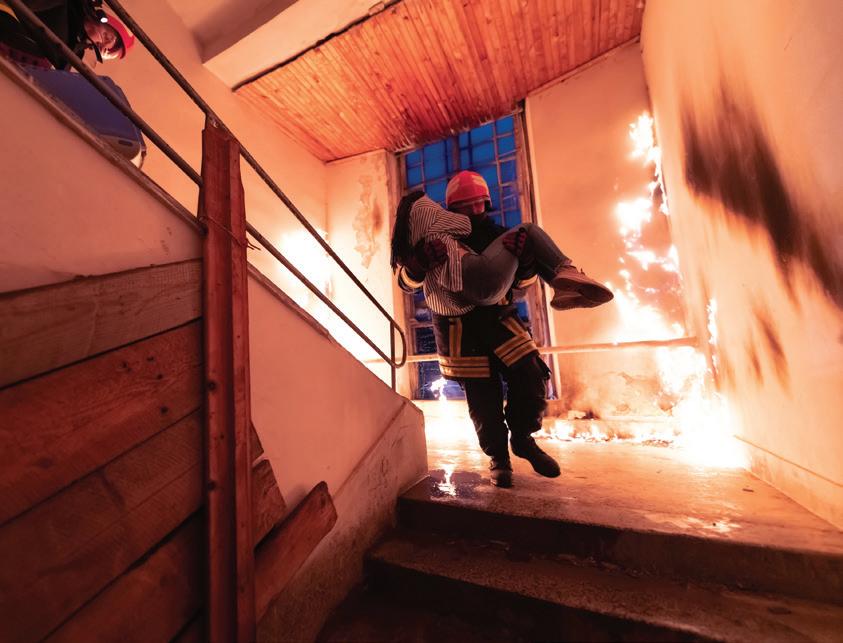
effectiveness of any evacuation strategy depends on the building's fire safety measures functioning as intended. Correctly specified, installed and maintained fire doors form an essential part of compartmentation, helping to resist the spread of fire and smoke and protect escape routes while occupants evacuate or remain safely within protected areas, depending on the building's evacuation strategy.
A PEEP should not be regarded as a one-off document. The Residential PEEP process includes an ongoing cycle of review so that evacuation arrangements remain suitable if a resident's circumstances, the building or its fire safety measures change.
As fire safety legislation and guidance continue to develop, effective evacuation planning remains an important component of building safety. For those buildings within scope of the Regulations, Residential PEEPs provide a structured framework to help ensure that residents who may need assistance have appropriate evacuation arrangements that are documented, reviewed and, where applicable, communicated to the local Fire and Rescue Authority.
UK Fire Door Training is the UK’s leading specialist provider of fire door training, trusted by thousands of learners and organisations nationwide. All programmes are written by qualified industry professionals and delivered through high-quality practical and online options that reflect current industry standards.
• Practical Fire Stopping Installation
• Combined - Practical Installation, Inspection & Maintenance
• Practical Fire Door Maintenance
• Practical Fire Door Inspection
• Practical Fire Door Installation
• Regulated courses available
• Online courses available

Gain access to hundreds of valuable tips and tricks to help you succeed in your career.
“Our courses are designed from years of professional experience in the industry.”
The most reviewed fire door training provider in the country, holding more than 700 five-star Trustpilot reviews with an overall rating of 4.9. No other organisation in the sector comes close to this level of transparency, independent feedback or proven learner satisfaction.
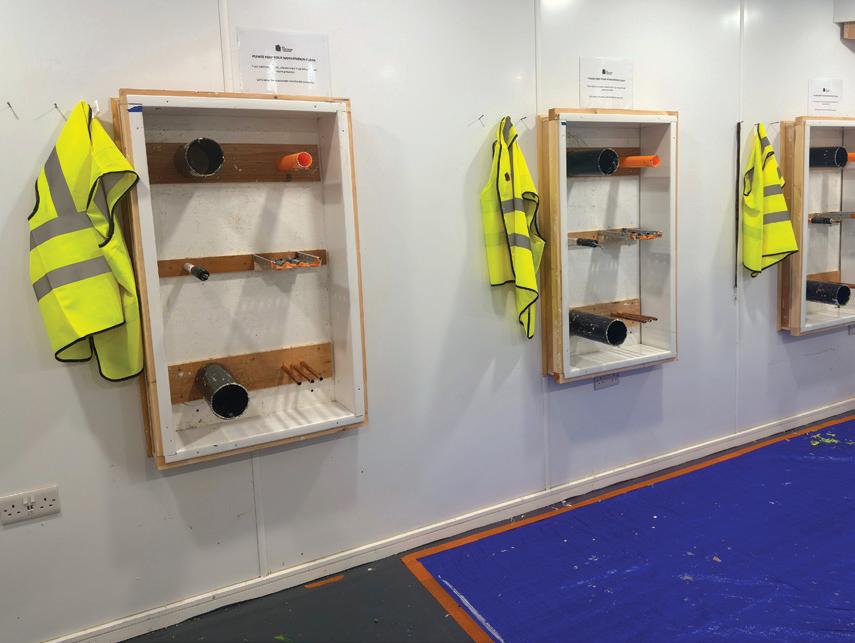

UK Fire Door Training’s Centre is a purpose-built facility dedicated to practical fire door and fire stopping training. It has been developed to provide hands-on, expert-led courses in inspection, installation and maintenance, giving professionals a high-quality learning environment designed to support learning, compliance and set learners on a path to competence.



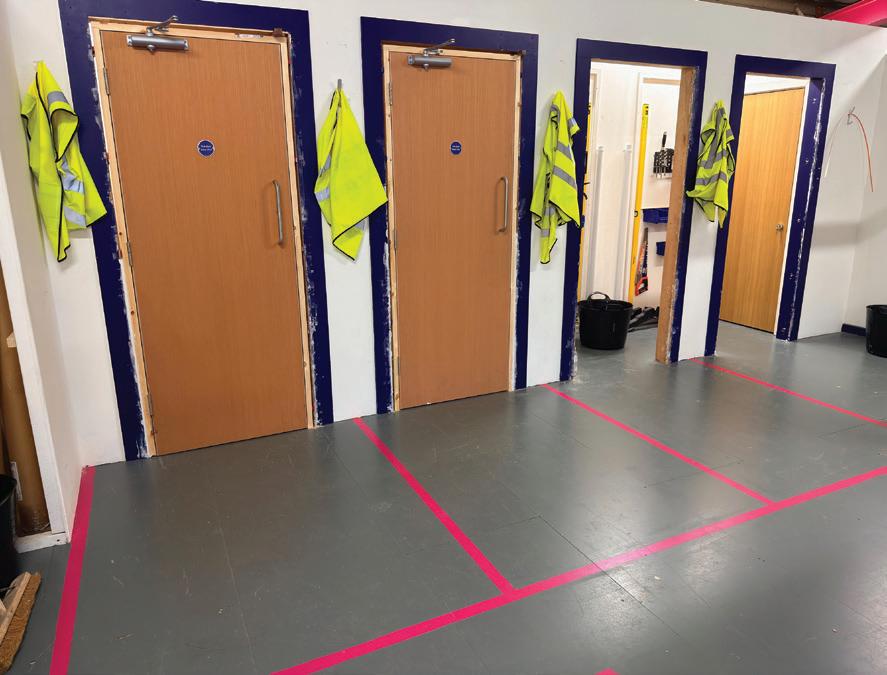
https://ukfiredoortraining.com/browse-our-courses/
Growing fire safety organisation Fire Aware has sent a stark message to those working across the housing sector with decisions to make about fire safety – change needs to start now.
Fire Aware CEO Gavin Skelly made the call as the fire safety industry starts to understand the implications of the postGrenfell era and the legal process that is underway.
Gavin Skelly said: “There is a wave of change – and reality – sweeping those sectors with a particular responsibility to protect people. Those inhabiting the built environment are vulnerable from the poor moral performance of those who hold a duty of care to keep them safe.
“This is a widespread responsibility and means

a much to the owner of a restaurant, as it does to the owners of care homes, schools or shopping centres. The change we are seeing is in those business owners, and many others, realising that they are directly responsible and that it is not acceptable to offset that responsibility to suppliers.
“We are making a call to the decision-makers in the supply chains serving these sectors to examine their procurement commitments in the interests of public safety and to be clear about their responsibility.
“Our own members are proud to commit to our
Code of Conduct and our specific charters which take the safety process beyond legislation. This is a vocation, not a job, and we are all in this together.”
Dame Judith Hackitt – who led the Grenfell Inquiry – has called for cultural change through moral and ethical behaviours, recently supported by the new independent Building Safety Regulator (BSR) which has been created to ‘promote competence and higher standards.’
Skelly said all of those involved in the design, construction, management, maintenance and letting

of the built environment need to understand that they have an obligation to fire safety even if their business is not directly connected with fire specialisms.
Fire Aware continues to focus on the moral responsibility of all those working in the fire safety supply chain including designers, developers, asset owners, managers and other stakeholders.
It aims to change the culture of the built environment sector with its moral Code of Conduct via a series of charters designed to influence how member companies behave in upholding their duty of care.
Fire Aware is a recognised membership body serving the built environment and related sectors with a common aim to work and trade responsibly to all best practice standards in the interests of the safety of the general public.
05-03 forms part of the NHS Firecode suite of guidance and provides recommendations on the operational management of fire safety within healthcare premises.
While it is not legislation, HTM 0503 supports compliance with fire safety law and reflects recognised good practice for NHS organisations and other healthcare providers.
In 2024, NHS England published a new HTM 05-03 Part K – Guidance on Fire Risk Assessments in Complex Healthcare Premises, replacing the 2013 edition. The revised document also incorporates and updates much of the fire prevention and general fire precautions guidance previously contained within Part A.
The updated Part K provides comprehensive guidance on carrying out fire risk assessments in complex healthcare buildings. It includes structured methodologies,
assessment templates and advice on evaluating fire prevention, fire protection measures, fire safety management and maintenance within hospitals and other healthcare facilities.
The guidance recognises the unique fire safety challenges presented by healthcare environments, including patient dependency, progressive horizontal evacuation and the need to maintain clinical services during an emergency.
The revised guidance expands on the assessment of existing fire doors as part of a fire risk assessment. Rather than assuming older fire doors must always be replaced, it advises that competent assessors should evaluate each door in the context of the building’s fire strategy and intended function. Where existing doors do not fully meet current standards, the guidance identifies a range of possible outcomes. Depending on the findings of the assessment, this may include accepting a notional fire door, upgrading the door using suitable compatible components, or replacing it where the required level of performance cannot be achieved.
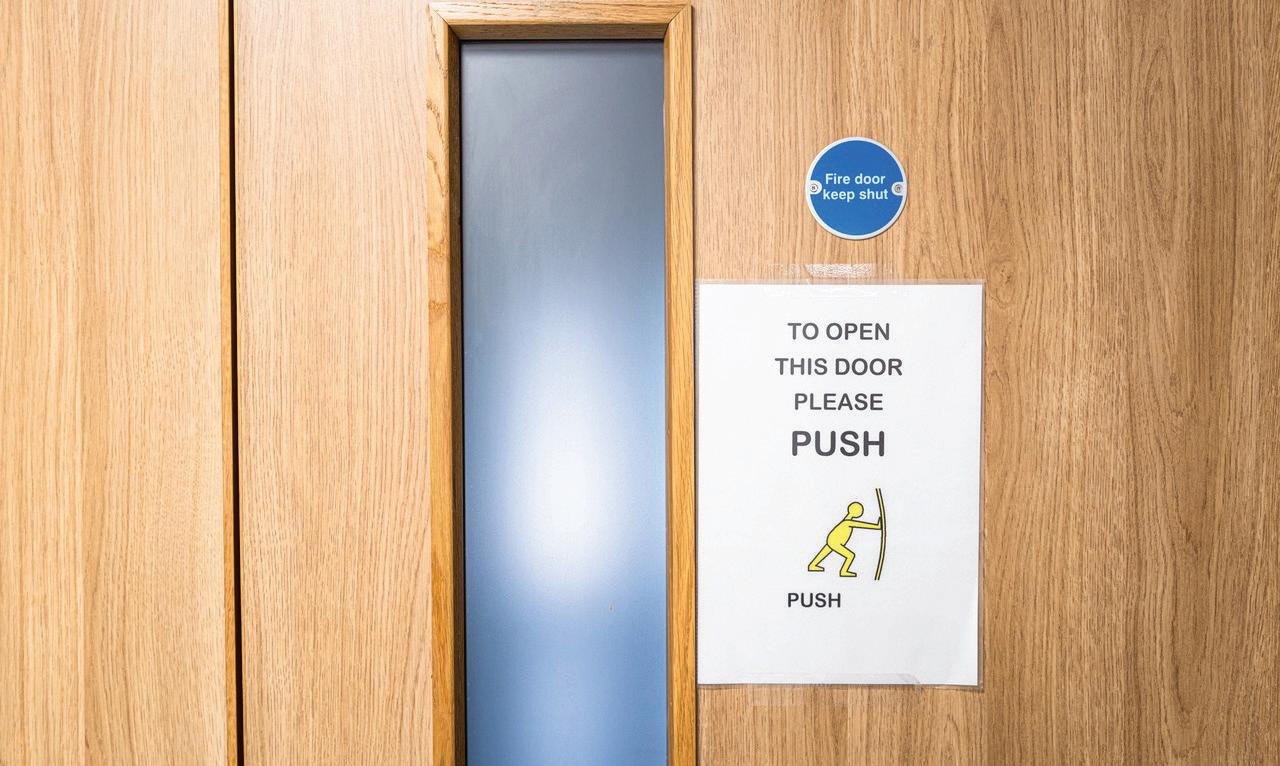
The guidance makes clear that these decisions should be based on a suitable and sufficient fire risk assessment rather than applying a single solution in every case.
HTM 05-03 reinforces that fire doors should be considered as part of the building’s overall fire strategy. Their performance should be assessed alongside compartmentation, patient dependency, evacuation procedures, fire load and expected evacuation times.
Healthcare premises often rely on progressive horizontal evacuation, where patients are moved to adjoining fire compartments rather than immediately leaving the building. Maintaining the integrity of fire doors is therefore an important element of this approach.
The guidance places significant emphasis on competent fire risk assessment and the use of documented evidence to support decisions. It also includes practical assessment templates to help healthcare organisations record and maintain consistent fire risk assessments across their estates.
The revised HTM 05-03 Part K provides updated guidance for assessing fire safety in complex healthcare premises, including expanded advice on evaluating existing fire doors. By promoting a risk-based approach supported by competent assessment and documented evidence, the guidance helps healthcare organisations maintain effective fire safety management across their buildings.
Get acquainted with our Expert Panel, here to answer your questions and discuss the topics that matter, value your opinions and listen to your ideas.
You are invited to submit technical questions, requests for general advice and comments. This will provide the panel with the opportunity to share their perspectives and respond where appropriate, share their thoughts and offer guidance where they can.
Please send your questions and comments to: editor@firedoor-journal.co.uk

Nicola John Managing Director, Fire Door Maintenance Training and Development
(FDM by UAP Ltd)
Andrea Taylor is an experienced compliance professional whose career combines legal rigour, technical expertise and an exceptional ability to build relationships across industries.
After graduating with a law degree and building
an early career in the legal sector, Andrea transitioned into the compliance world in 2009, holding roles at globally recognised organisations including Intertek, SGS, BSI, and Element Warringtonfire, as well as within medical device manufacturing. Across these roles, she developed extensive expertise spanning regulations, testing, inspection and certification (TIC), system certification and software products – giving her a broad and versatile understanding of the regulatory and assurance landscape.
Known within the industry as a natural connector, Andrea has built an extensive network of professionals, clients
As the Managing Director of the Fire Door Training Academy, Nicola is passionate about elevating fire safety standards. The award winning academy, housed in a stateof-the-art training centre, is dedicated to equipping professionals with the knowledge and skills needed to ensure fire doors are installed, inspected, and maintained correctly. Their mission statement is to significantly improve safety and standards in the fire door industry. The recent legislative changes underscore the critical importance of fire safety in buildings. The demand for specialised training in fire door inspection, installation and maintenance is unprecedented. Nicola’s team comprises fire safety experts, educators and support staff, committed to elevating fire safety standards.
FDM was established to address the growing need for high-quality fire door training after the Grenfell tragedy, ensuring professionals across the industry have the skills and confidence to meet evolving fire safety regulations. Since launch, FDM has partnered with over 50 industry
leaders and top suppliers of door sets and components, including Falcon Timber, GGF, Mann McGowan, Lorient, PDS, IG Doors, Sentry, Strongdor, NorDan, and many more. A round table was recently hosted at FDM head quarters, composing of an indomitable team of fire safety experts, including the esteemed Dame Judith Hackett, resulting in The Fire Door Maintenance Report.
You can obtain a free copy of this report.

Please email the publisher of Fire Door Journal to receive your electronic copy. Raising Standards in the Fire Door Industry fdmltd.co.uk


and stakeholders across the compliance and fire sectors. Her relationshipbuilding skills were recognised when she was singled out by name in the award speech by ASFP for the Highest Engagement Award won by Warringtonfire in 2024 – a team accolade that reflected, in no small part, her individual contribution, all in less than a year of being with the organisation.
For over two years, Andrea has applied this compliance expertise specifically within the fire sector, gaining knowledge of its standards, challenges and stakeholders. She now brings this experience to her role as Business Development Director at the Fire Door Association, where she is focused on driving industry engagement, raising standards and championing the critical role of compliant fire doors in life safety.

Bryan Bultema is Managing Director of ODL Europe, part of the global ODL corporate group with over 80 years of experience in developing high-performance building products. Based in Bootle, Liverpool, ODL Europe is focused on building value into building products and setting higher standards for safety, performance and sustainability.
As a panelist for the Fire Doors Journal, Bryan shares insight into how the fire door sector is evolving to meet stricter regulatory requirements and growing expectations for reliability and traceability. Under his
leadership, ODL Europe has invested in advanced solutions that provide consistent performance and assurance across the supply chain.
Central to this approach is the Guardsman FD30 Fire Door slab. Developed in collaboration with Capstone Engineering and leading fire door fabricators, the Guardsman is a nextgeneration GRP composite fire door designed to deliver dependable performance every time. Tested under UKASaccredited conditions, it consistently exceeds its FD30 classification, achieving burn times of up to 70 minutes. Constructed with Agrifiber cores, FSC® certified timber and durable GRP skins, it combines safety with sustainability and long-term resilience.
Bryan continues to drive ODL Europe’s commitment to delivering proven, accredited composite door solutions that give specifiers, contractors and building owners complete confidence in performance.


Rob Mottram Head of Product and Compliance, Robust
With over 10 years of industry experience, Rob has extensive expertise in door systems, hardware, product innovation, and testing and certification.
At Robust, he leads the Research and Development and Drawing teams, overseeing the design, development and testing of door systems while driving innovation and ensuring compliance.
Rob is a qualified Certificated Standards & Regulations Advisor (CertSRA) and holds GAI Diplomas in Door Systems (RegDS) and Access Control (RegAC).
Mike Rigby Managing Director,
MRA Research and the MRA Team Members
Mike Rigby Founded Michael Rigby Associates (now MRA Research, MRA Building Markets Reports, and MRA Data Services) in 1991 to bring new insight and direction to the building materials, construction and home improvements sector. With a background in both consumer and trade markets, including 10 years in marketing and research at Dulux paints, time as head of marketing at a national builder’s merchant, and as marketing director of a national home improvement company, he understands the challenges facing the home-improvement and construction industries.
Mike’s experience of fire safety: Mike was involved in PR for the Passive Fire Protection Federation for several years in the 2000’s. Exova, the Fire Service, ASFP, the Government and other bodies were PFPF members, so he heard the inside stories and went to Westminster with the chair and deputy chair when the Government tasked the PFPF with leading one of its task forces. The Lakanal House fire, a prequel to Grenfell, and a fire in the Channel Tunnel occupied the team for a
long time. The PFPF was eventually merged with the ASFP. Mike also worked on PR for a leading group of passive fire protection products. MRA produced the ‘Fire Door Quarterly Trends’ survey for the BWF and its fire door scheme for 10 years, which appeared in BMN magazine. When Grenfell occurred, the Government knew so little about fire doors and fire safety that they sent a bunch of officials to one of Mike’s clients to learn about fire doors. After the Grenfell Inquiry, Judith Hackitt tasked the CPA to consult the industry on it’s Marketing (loose and unsubstantiated claims), and the CPA asked MRA Research to consult the industry on the new code (which is now run by the CCPI - Code for Construction Product Information). Since then MRA Research has worked on a research project on specifiers and fire products for a large international, and has just conducted fire safety research for another large group.
Mike is a member of the Market Research Society, a liveryman of Worshipful Company of Builders’ Merchants, and Worshipful Company of Marketors.

Wojciech Brożyna is Managing Director of Aluprof UK, a leading supplier of aluminium systems for windows, doors, and façades. With more than 20 years’ experience in the fenestration and construction industry, he has played a key role in delivering safe, sustainable, and high-performance solutions across the UK and Ireland.
Wojciech, one of the directors of the Council for Aluminium in Building (CAB), has been actively engaged with industry institutions and trade bodies, strengthening collaboration across the sector. He promotes compliance, innovation, and education to ensure Aluprof’s systems meet the highest technical and fire safety standards.
Wojciech works closely with architects, contractors, and specifiers to raise awareness of fire door performance, certification, and regulatory requirements, supporting safer building design. His focus lies in combining technical expertise with practical guidance to help the industry meet Gateway 2 obligations and wider responsibilities under the Building Safety Act.

As the FPA’s Technical Director George oversees the strategic direction and delivery of the FPA’s technical services, supporting its mission to reduce fire risk and improve safety standards across the built environment. The FPA is deeply involved in the assessment, testing and training related to fire doors, providing:
• Specialist training courses to ensure fire doors are installed, maintained and inspected by competent professionals
• Fire risk assessments and compartmentation surveys to ensure fire doors are installed and maintained correctly
• Full scale fire testing at our laboratory to both British and European furnace test standards.
George and the FPA continue to support industry, insurers, and regulators with evidencebased guidance and technical expertise, helping to ensure that fire doors fulfil their critical role in protecting lives and property.

Steve Goodburn is Business Development Director at Pyroguard, a leading global manufacturer of fire-safety glazing solutions. With extensive experience in Business Development, Key Account Management and manufacturing operations, Steve brings both commercial insight and technical expertise to the sector. He is a strong advocate of a systembased approach to passive fire protection, recognising the need for fire doors to be tested and certified as complete assemblies.
A regular contributor to industry debate, Steve has authored RIBA-approved CPD materials and delivered presentations to architects, specifiers and manufacturers on the correct specification of fire-resistant glazing. He has also driven product innovation, including the launch of Pyroguard Advance for timber and steel fire-door systems. Passionate about safety and design, Steve views the fire-door industry as a unique responsibility: safeguarding lives while supporting architectural creativity.

Ian Glenister has worked across a range of sectors within the fenestration industry over the last 40 years including Production, Quality, Operations, Sales Management and Certification. With knowledge across commercial, retail and trade sectors, Ian’s knowledge of fenestration as a whole is vast, making him the perfect candidate to spearhead DoorCo’s fire door operation.
Since the Grenfell tragedy and the subsequent MHCLG investigation, DoorCo have actively been working towards a fire door solution to meet the needs of the supply chain in the changing world of fire doors and with an emphasis on consistency. Working closely with key suppliers including their slab manufacturing partner, DoorCo Korea, Ian has been the project lead for one of the largest and most successful type testing fire door projects in the UK.

Gareth Jeffries is the Commercial Sales Director of Permadoor and Wrekin, part of the Epwin Group. Permadoor, the UK’s original composite door manufacturer, is an industry leader in the design and supply of highperformance composite fire doors for the social housing and affordable homes sector. Renowned for innovation, the business is committed to compliance, sustainability and product performance.
With more than seven years at Permadoor and extensive experience in the building materials sector, Gareth plays a pivotal role in driving strategic growth. He ensures the business remains ahead of evolving Building Safety Act requirements and stricter regulations, while aligning the needs of specifiers, contractors and building managers with innovation in compliance and performance. Passionate about raising standards, Gareth provides invaluable insight into how regulation, sustainability and safety can be translated into practical solutions that deliver safer, more sustainable homes and genuine peace of mind for all stakeholders.

Karen started her journey in the architectural ironmongery sector in 1994 and has built an established career grounded in technical expertise and customerfocused service. Drawing upon 30 years of industry experience, Karen supports architects, contractors, door manufacturers and end users with expert guidance on fire door hardware specification and performance and remains committed to raising awareness on key themes such as fire safety, building regulations and testing standards.
Since joining Allegion UK in 2017, Karen has advised local authorities, architectural ironmongers and manufacturers on all aspects of fire safety and door hardware, ensuring projects are equipped with the most suitable, effective and compliant fire door hardware solutions.
Karen is also a strong advocate for continued education and professional development, holding qualifications such as DipGAI and DipFD that complement her extensive industry knowledge. Her passion for fire safety performance makes her a trusted voice for those committed to delivering safe, secure and accessible buildings.

Jonny Millard is the Managing Director of UK Fire Door Training. A qualified teacher and fire door inspector, Jonny founded the company with a clear mission: to raise standards in fire safety training while keeping training affordable and accessible. What began as a small family business has grown into one of the nation’s leading authority

Owen Jones brings over 30 years of experience in the construction products industry, having begun his career with IG Limited in 1990. He later joined IG Doors Ltd as Technical Development Manager, contributing significantly to its growth into one of the UK’s largest composite door set manufacturers.
Since 2021, Owen has served as Technical Director at Distinction Doors Ltd, where he leads the technical development and supply of composite door blanks and components, including
on fire door competence and one of the fastest growing training companies in the country. Training over 10,000 professionals across installation, inspection and maintenance. UK Fire Door Training is recognised for its high- quality practical courses, delivered in purpose-built centres and through mobile rigs that bring hands-on learning directly to clients nationwide.
Alongside its practical courses, the company provides an extensive library of online CPD and compliance courses, ensuring that learners at every level can stay current with legislation and best practice. Every course is created and delivered by industry experts, combining technical precision with real-world application.
a fully tested fire door system. His expertise spans the manufacture of GRP, ABS, and steel composite doors within timber and PVC-U frames.
A Chartered Engineer and BFRC-accredited thermal simulator, Owen is committed to advancing product standards and safety. He was instrumental in founding the Association of Composite Door Manufacturers (ACDM), serving as Technical Director and Vice Chairman, and currently chairs the ACDM group within the GGF.
Owen has contributed to key industry initiatives, including post-Grenfell discussions with MHCLG, and has held roles on several BSI committees, notably chairing the latest revision of BS 8529 for composite doors. His collaborative approach and technical insight make him a respected figure in the sector and a trusted voice in regulatory development.

Chris Champion Editor, Fire Door Journal
An experienced and professional journalist and Editor with significant experience across a wide variety of businesses including the composite door and fire door industry, the window, door and glass industry in general, landscaping products and manufacturing. Experienced presenter and speaker at seminars, conferences and exhibitions with many television and radio appearances.
Skilled interviewer and writer of editorial material, articles and press releases. 60 years of work experience with 35 years at Director level.
As fire door standards continue to evolve, EN 1634-1 has become an increasingly important test standard for manufacturers, specifiers and certification bodies.
The standard specifies the method for determining the fire resistance and, where required, smoke control performance of complete door, shutter and openable window assemblies.
Unlike a test of an individual component, EN 1634-1 assesses the performance of the complete doorset assembly. This means that the door leaf, frame, glazing (where fitted), hardware, seals, fixings and installation method are all considered as part of the tested construction.
The principle behind EN 1634-1 is straightforward: fire doors are intended to perform as complete assemblies, rather than as collections of individually tested products. The interaction between each component can influence overall fire performance, which is why the standard evaluates the assembled doorset under controlled fire conditions.
During testing, the doorset is installed into a representative supporting construction and exposed to a standardised fire curve within a furnace. Throughout the test, observations are made to determine how long the assembly maintains its required performance criteria.
EN 1634-1 testing forms the basis for classification under BS EN 13501-2, which defines the fire resistance performance of building products and elements.
Rather than the familiar UK designations such as FD30 or FD60, classifications derived from EN testing are expressed using European classifications, for example E30, EI30, E60 or EI60, depending on the performance demonstrated during testing.
The classification awarded depends on the criteria achieved during the test. These may include integrity (E), which measures the ability of the doorset to prevent the passage of flames and hot gases, and insulation (I), which measures the ability to limit the transfer of heat to the non-fire side of the door assembly.
It is important to recognise that the fire resistance demonstrated during testing applies only to the configuration that has been tested or to variations supported through recognised extended application standards or third-party certification. Changes to components such as glazing, hardware, seals, frame construction or installation details may affect the applicability of the test evidence.
For this reason, manufacturers and certification bodies typically provide detailed installation instructions and schedules identifying the approved components that form part of the tested assembly. Correct installation and ongoing maintenance are essential to help ensure the doorset continues to perform in a manner consistent with the available test evidence.
As the UK construction sector increasingly adopts European classification standards alongside established national guidance, understanding EN 1634-1 is becoming increasingly important. By evaluating the performance of the complete doorset assembly rather than individual components, the standard provides the technical evidence used to classify fire resistance and supports a consistent approach to fire door testing across Europe.
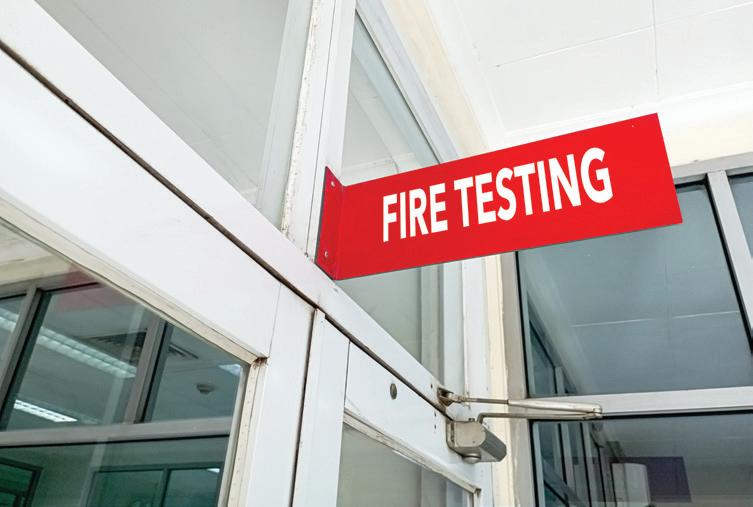
Fire safety glass manufacturer
Pyroguard has raised over £4,000 for Men’s Minds Matter after a team of employees completed a sunrise ascent of Yr Wyddfa (Snowdon) to shine a light on men’s mental health.
Twenty employees took on the nine-mile overnight hike to the summit of Wales’s highest mountain, setting off before dawn and reaching the top in time for sunrise, pausing for a moment of reflection at the peak.
The challenge was organised in memory of colleague Mikey Shoer, Pyroguard’s former Technical Sales Manager for Ireland. Mikey was widely respected across
the business and wider industry and known for his positivity, dedication and the lasting impact he had on those around him.
Neil Tilsley, Pyroguard’s COO, said: "I couldn’t be prouder of the team’s effort and unity. Reaching the summit at sunrise was a powerful moment and a true reflection of our team spirit. Mikey was a valued colleague and friend, and we’re honoured to support Men’s Minds Matter in his memory
while raising awareness of men’s mental health."
Men’s Minds Matter is a UK-based suicide prevention charity dedicated to saving lives
“I couldn’t be prouder of the team’s effort and unity. Reaching the summit at sunrise was a powerful moment and a true reflection of our team spirit.
through psychological support, education and early intervention. The organisation works to support individuals experiencing suicidal thoughts, while also equipping families, friends and professionals with the tools to provide effective help.
Pyroguard remains committed to supporting initiatives that promote mental health awareness and encourage open, honest conversations across the workplace and wider industry.

To donate, please visit: https://localgiving.org/fundraising/Pyroguard-chases-the-Sunrise-in-memory-of-Mikey-Shoer For more information about Pyroguard please visit: https://www.pyroguard.eu

Pyroguard, a leading independent provider of high-performance fire safety glass, has partnered with leading framing manufacturer, Schüco to deliver a complex fire-rated façade solution for the landmark Belfast Grand Central Station.
Located in Belfast city centre, the £340 million facility replaces the former Great Victoria Street Station and Europa Buscentre and is designed to accommodate up to 20 million passenger journeys annually. As the largest integrated transport hub in Ireland, the development brings together rail, bus and active travel within a single, highly connected environment.
Architects RPP were looking to create a transformative customer experience at Grand Central Station through a spacious concourse and extensive use of natural light achieved with large glazed expanses across multiple façades.
“It had to create a feeling of openness and generate a positive user experience. This required a solution that could maximise natural light and transparency while meeting strict criteria for fire resistance, thermal efficiency, acoustic performance and structural integrity.”
The glazing system therefore needed to be more than just a building envelope. It had to create a feeling of openness and generate a positive user experience. This required a solution that could maximise natural light and transparency while meeting strict criteria for fire resistance, thermal efficiency, acoustic performance and structural integrity.
Pyroguard worked in close collaboration with Carey Glass and specialist contractor Williaam Cox to develop and deliver a fully certified system. More than 400m² of Pyroguard Protect fire safety glass was supplied and integrated within Schüco’s curtain walling, ensuring a cohesive façade solution that met both design and compliance requirements.
“Pyroguard’s technical expertise and collaborative approach ensured the final solution was fully certified and met every requirement.”
Pyroguard Protect T-EI60/253 was specified for its ability to achieve 60 minutes of fire resistance while supporting large pane sizes, enabling uninterrupted sightlines across the façade. Installed within the Schüco FW 50+ FR 60 system, the glass plays a critical role in the building’s fire strategy while maintaining the visual lightness intended by the architects.
Delivering fire-rated glazing at this scale required precise engineering and close coordination. Pyroguard’s technical team provided critical support throughout the project, combining product expertise with system knowledge to ensure compliance with all performance criteria and seamless integration within the façade.
In addition to fire performance, the glass enhances safety and user comfort, offering 1B1
The project was recognised at the 2025 Schüco Excellence Awards, where judges highlighted the engineered façade solution for its consistent sightlines, structural performance and integration across the extensive building envelope.

impact classification, P1A attack resistance, strong acoustic attenuation, excellent thermal performance and up to 80% light transmission. The result was a highly transparent building envelope that maximises daylight while meeting rigorous safety and performance standards.
Denis Fahy, Sales Manager at Carey Glass International, explains: “This was a technically demanding project involving
large glazed areas within the curtain wall, each needing to meet strict fire, thermal, structural and aesthetic criteria. Pyroguard’s technical expertise and collaborative approach ensured the final solution was fully certified and met every requirement.
“The result is a glazing solution that defines modern transport architecture in Belfast.”
For more information about Pyroguard, please visit www.pyroguard.eu


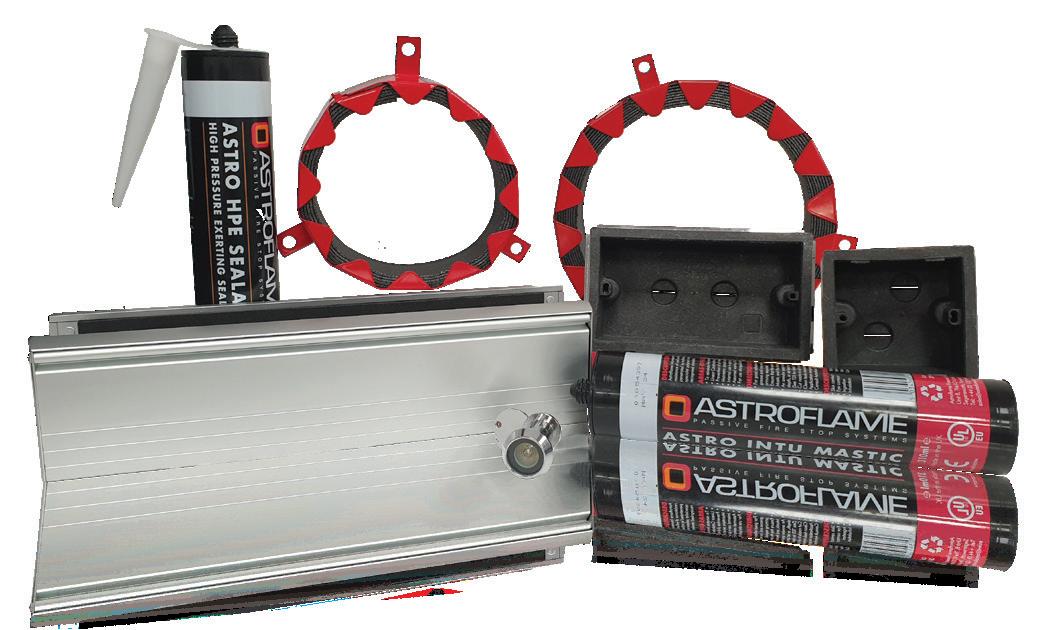
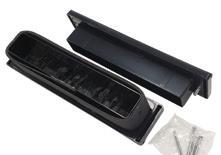
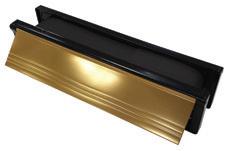
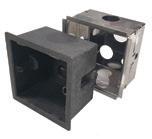
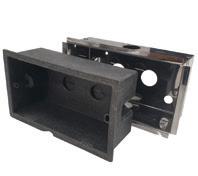
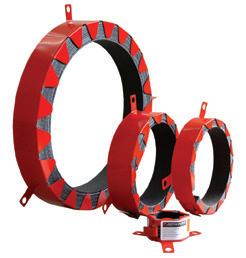

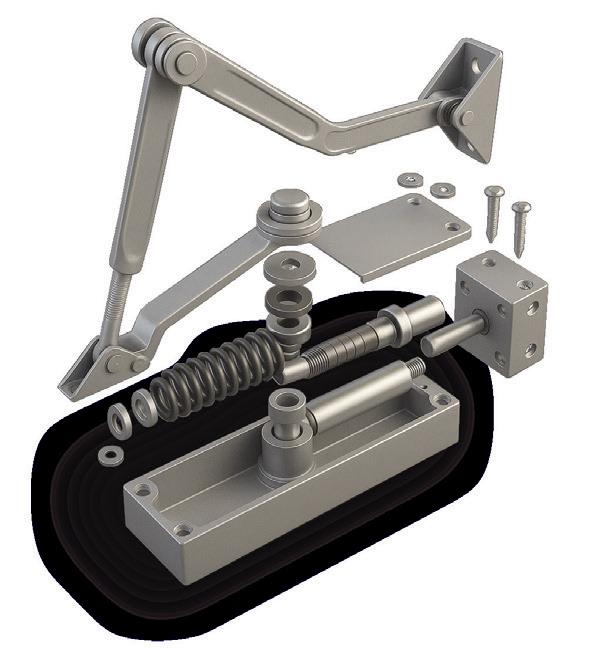

TECHNICAL
www.pyroguard.eu



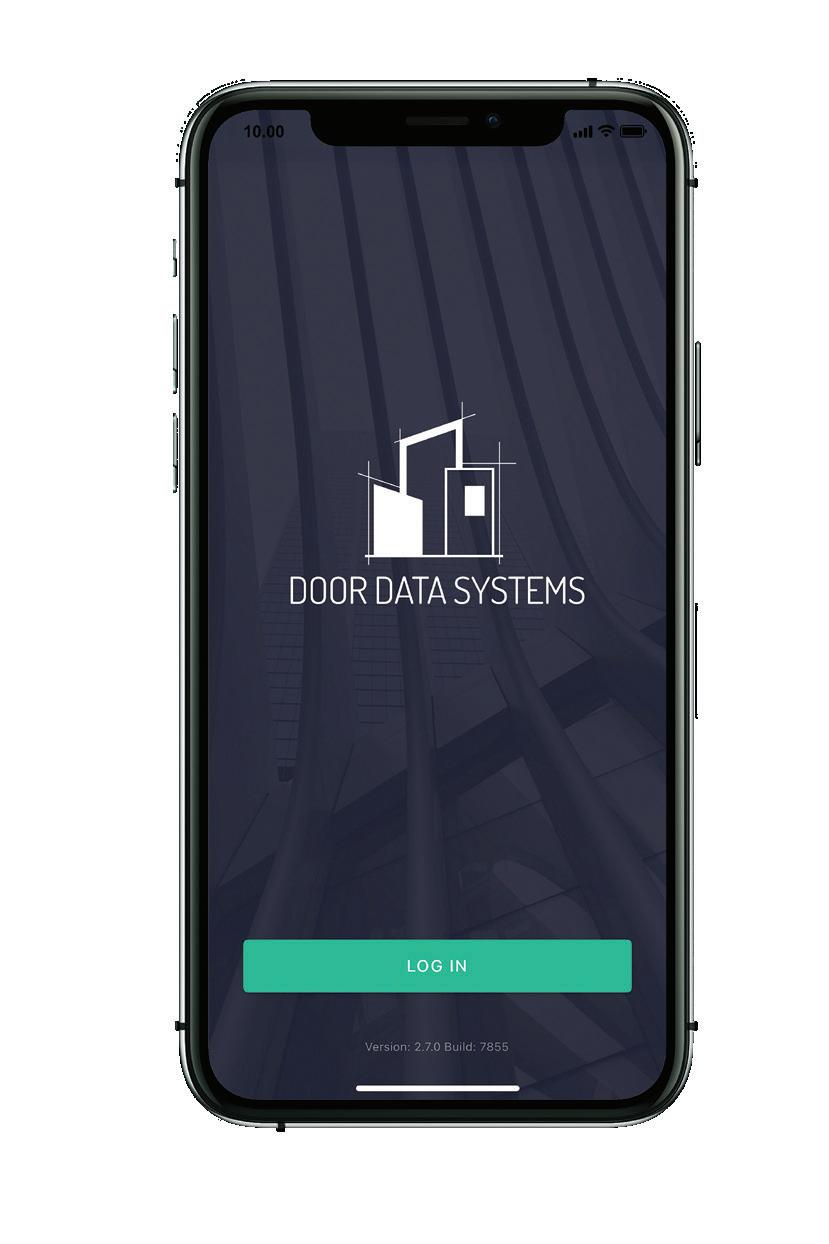
A dedicated directory for the fire door and passive fire protection sector is almost here.
Designed as a practical reference for specifiers, contractors, Responsible Persons, manufacturers, inspectors and building owners, the Fire Door Safety Industry Directory will become an essential resource for finding suppliers across the industry. The directory brings together companies from every stage of the fire door lifecycle, making it easier to source products, services and expertise from one place.
Categories include:
• Architectural Ironmongery Manufacturers
• Automatic Doors
• Building Contractors
• Composite Fire Doors
• Consultancy, Training & Compliance
• Distributors
• Facilities Management
• Fire & Security Systems
• Fire Door Inspection
• Fire Door Installation
• Fire Testing Laboratories
• Fire Safety Glass, Glazing & Vision Panels
• Industry Bodies / Trade Associations
• Intumescent & Smoke Seals
• Joinery & Fabrication
• Locks & Access Control
• Maintenance & Remedials
• Fire Door Manufacturers
• Passive Fire Protection
• Software & Asset Management
• Specialist Door Systems
• Steel Fire Doors
• Testing & Certification
• Timber Fire Doors
The Fire Door Safety Industry Directory is now being compiled. Feature your business - standard listings are free of charge - just email us with your company name, website and telephone number and the category you wish to be in directory-listing@firedoor-journal.co.uk
Company logo
Contact details
Upgrade


Join a growing community of professionals who prioritise safety, performance and compliance in every project.
Please note you can view the Fire Door Journal online, free of charge, however, you will still need to subscribe if you wish to receive the print or digital journal and monthly newsletter via email. Subscription to the monthly newsletter is free of charge.
a subscriber, you’ll get:
• Free essential, practical tools to help your work.
• Discounts and exclusive offers only available to subscribers.
• A Panel of Experts available to answer all of your fire door related questions.
• Digital Edition direct to your inbox bimonthly, six editions per year.
• Print Edition posted to your chosen address, six editions per year.
• Digital Newsletter direct to your inbox, monthly, twelve editions per year.
• Updates on fire door regulations and standards.
• Installation and maintenance best practices.
• Expert interviews, case studies, technical advice and product reviews.
• Upcoming industry events and training opportunities.
• Monthly E-newsletter direct to your inbox, twelve editions per year - free of charge.
• Digital Edition direct to your inbox bi-monthly, six editions per year, along with the Print Edition posted to your chosen address, six editions per year – £49 +VAT (one invoice to cover all six editions). You will automatically receive the monthly digital newsletter.
Please fill in the form on our website: https://firedoor-journal.co.uk/subscriptions/ You can also email your subscription preferences (Free Digital Newsletter or Print & Digital Editions) with full invoice details if you have chosen print, to: christina@firedoor-journal.co.uk
(Distribution is updated bi-monthly once subscriptions are counted).
Print Distribution
Currently stands at: 4,000 copies
Email Distribution
Currently stands at: 31,000
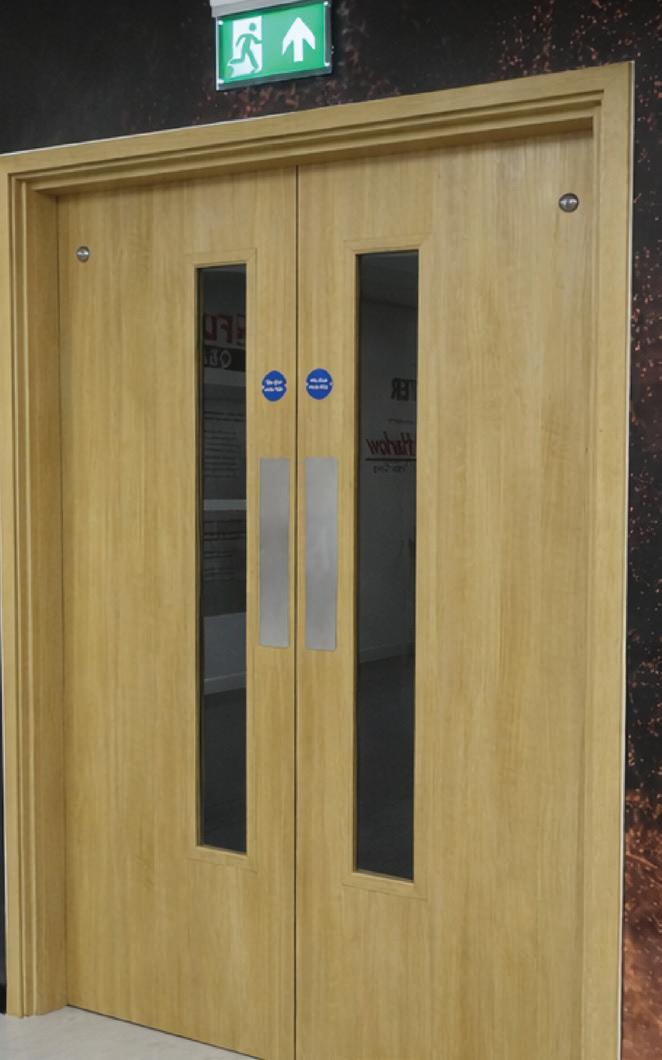
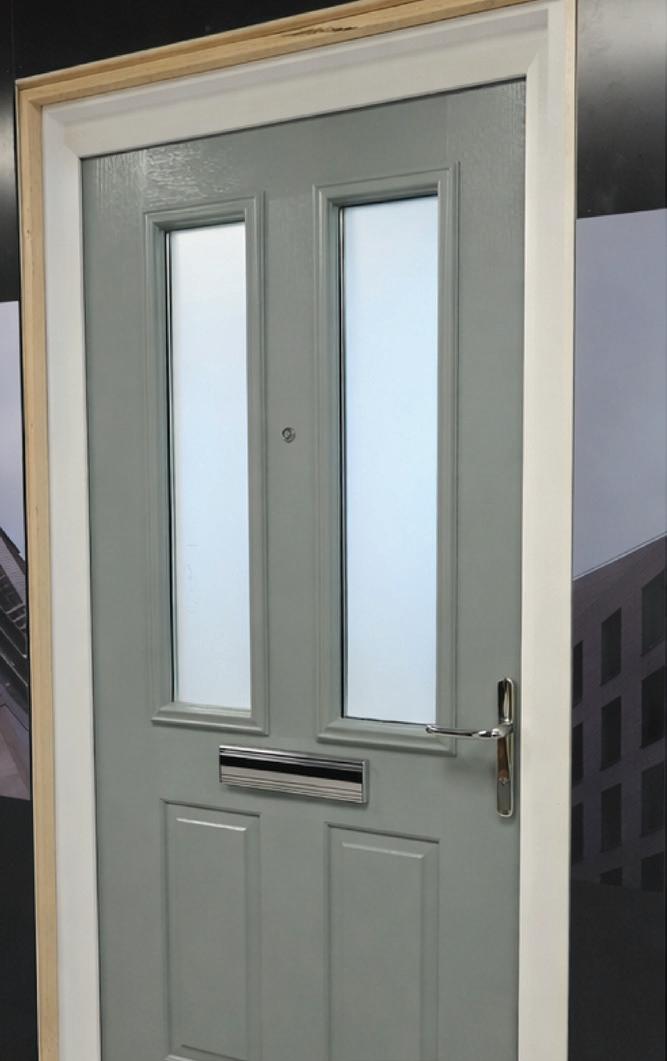
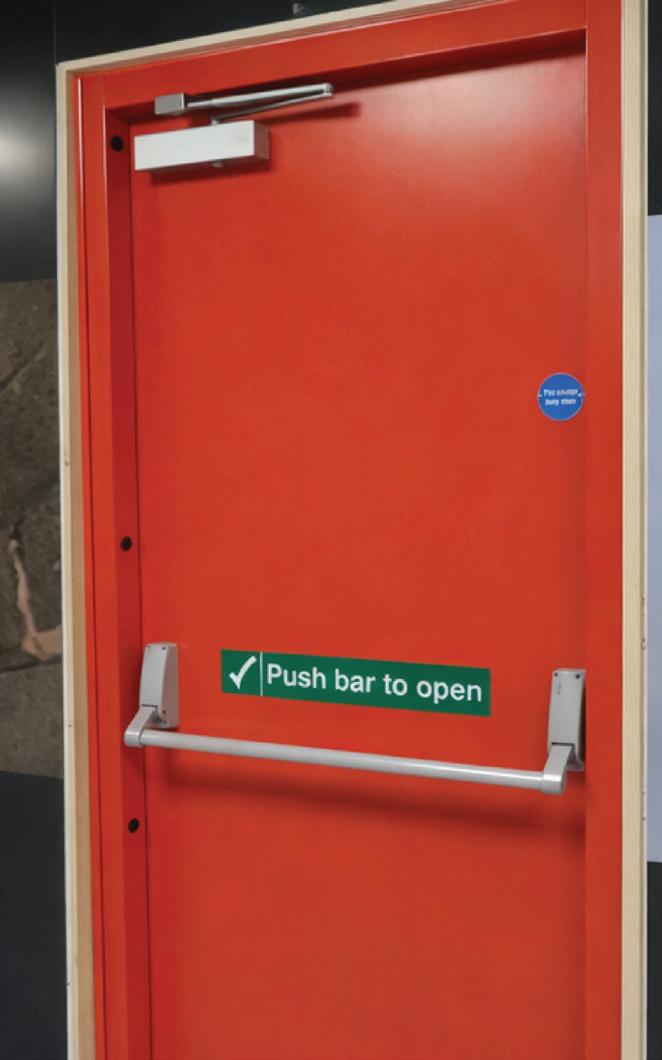
Regulated Qualifications
L3 Diploma Fire door inspection
qualification
L3 Diploma Fire door installation
qualification
GQA Level 2 NVQ Diploma in associated industrial services
occupations (construction) Passive
Fire Protection V2
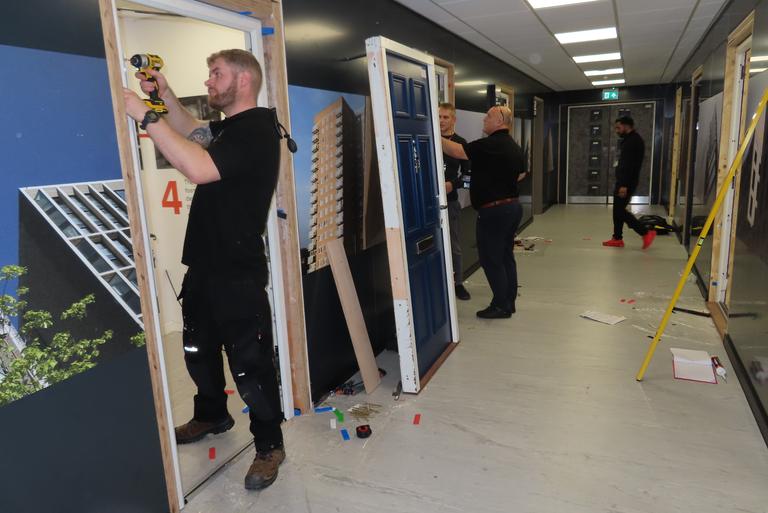
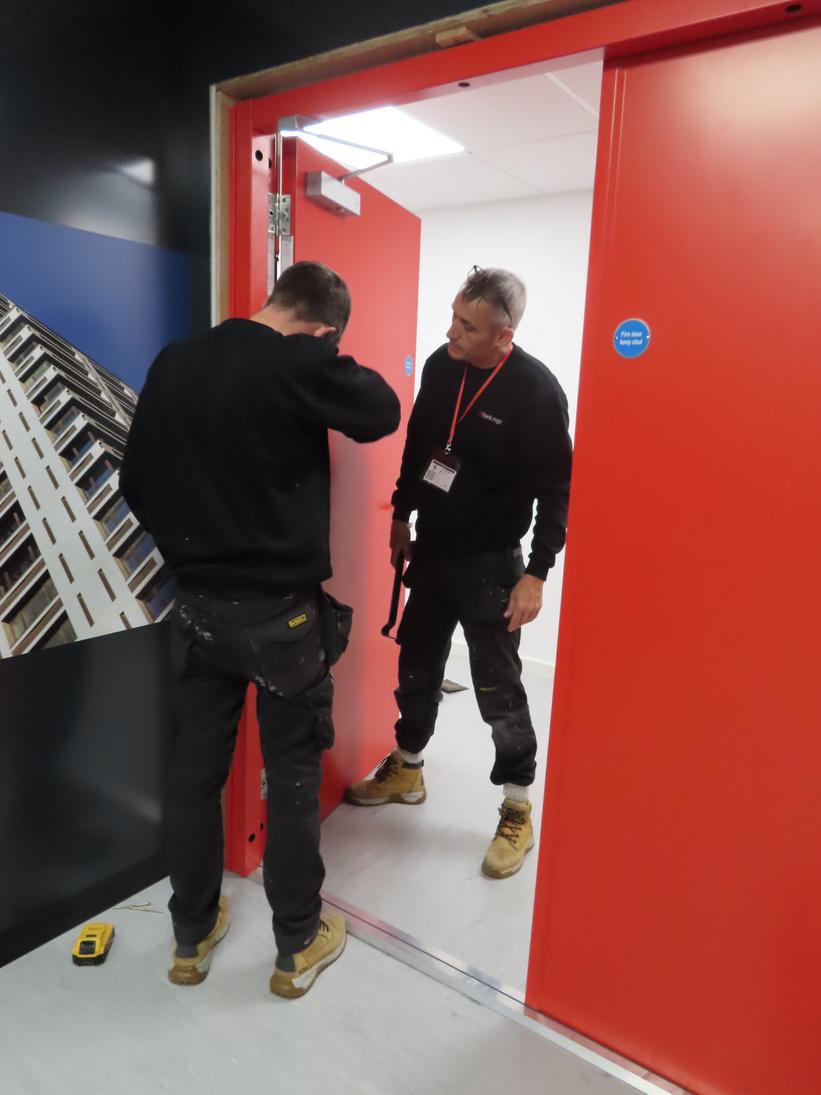
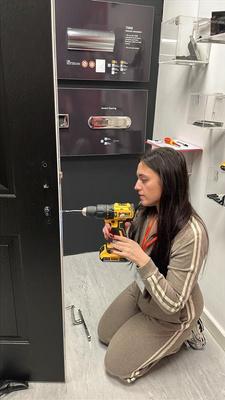

In person accredited courses
Fire door installation course
Fire door repair and maintenance course
Fire door inspection training course
Responsible persons course
Fire door awareness course
Fire door procurement course
Fire Ser vice Fire Door Awareness Course