• The Institute of Public Administration Public Administration (IPA) Launches New Strategy to Strengthen Capability, Leadership and Delivery Across Ireland’s Public Service Service
• Waterford Reclaims WHO European Reclaims Healthy City and County County Status for Phase VIII
LOCAL AUTHORITY NEWS is available FREE OF CHARGE and ON LINE to all Local and Central Government Bodies throughout Ireland. Published bi-monthly it is disseminated Local Authority CE's, Directors of Finance, Administration Officers, I.T. Professionals, County Director of Services, Senior Architects, Chief Quantity Surveyors, Webmasters, Principal Officers, All Department Heads, Senior Engineers, Water / Wastewater Plant Superintendents, Senior Parks Superintendents, Environmental Officers in all City and County Councils, Office of Public Works, District Councils, Road Design Offices, Libraries, Regional Authorities, Regional Waste Authorities, Transport Infrastructure Ireland, National Transport Authority, Irish Water, EPA, RSA, SEAI, LAWPO, Government Departments, National Parks & Wildlife Service, State-Sponsored and Development Bodies, Energy Agencies, Approved Housing Bodies, Local Authority Contractors receive the online version free.
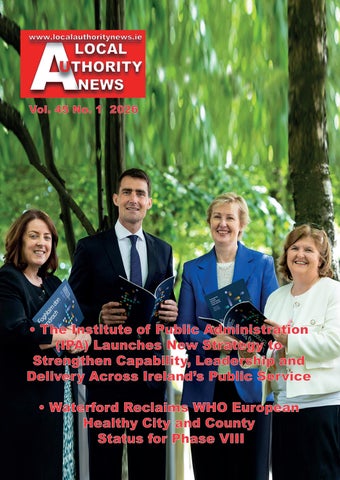
THE INSTITUTE OF PUBLIC ADMINISTRATION (IPA) LAUNCHES NEW STRATEGY TO STRENGTHEN CAPABILITY, LEADERSHIP AND DELIVERY ACROSS IRELAND’S PUBLIC SERVICE.
GRANT INVESTS €8 MILLION IN NEXT GENERATION CYLINDER RANGE AND MANUFACTURING EXPANSION.
MINISTER OFFICIALLY OPENS REFURBISHED BALLAGHADERREEN LIBRARY.
NEW COMMUNITY PLAYGROUND OPENS AT LAUREL LODGE GREEN. 8
INOVA: A HEAT PUMP DESIGNED FOR THE WAY IRISH APARTMENTS ARE BUILT. 11
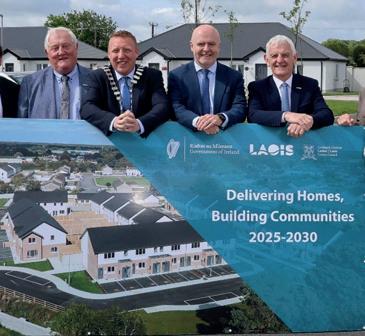
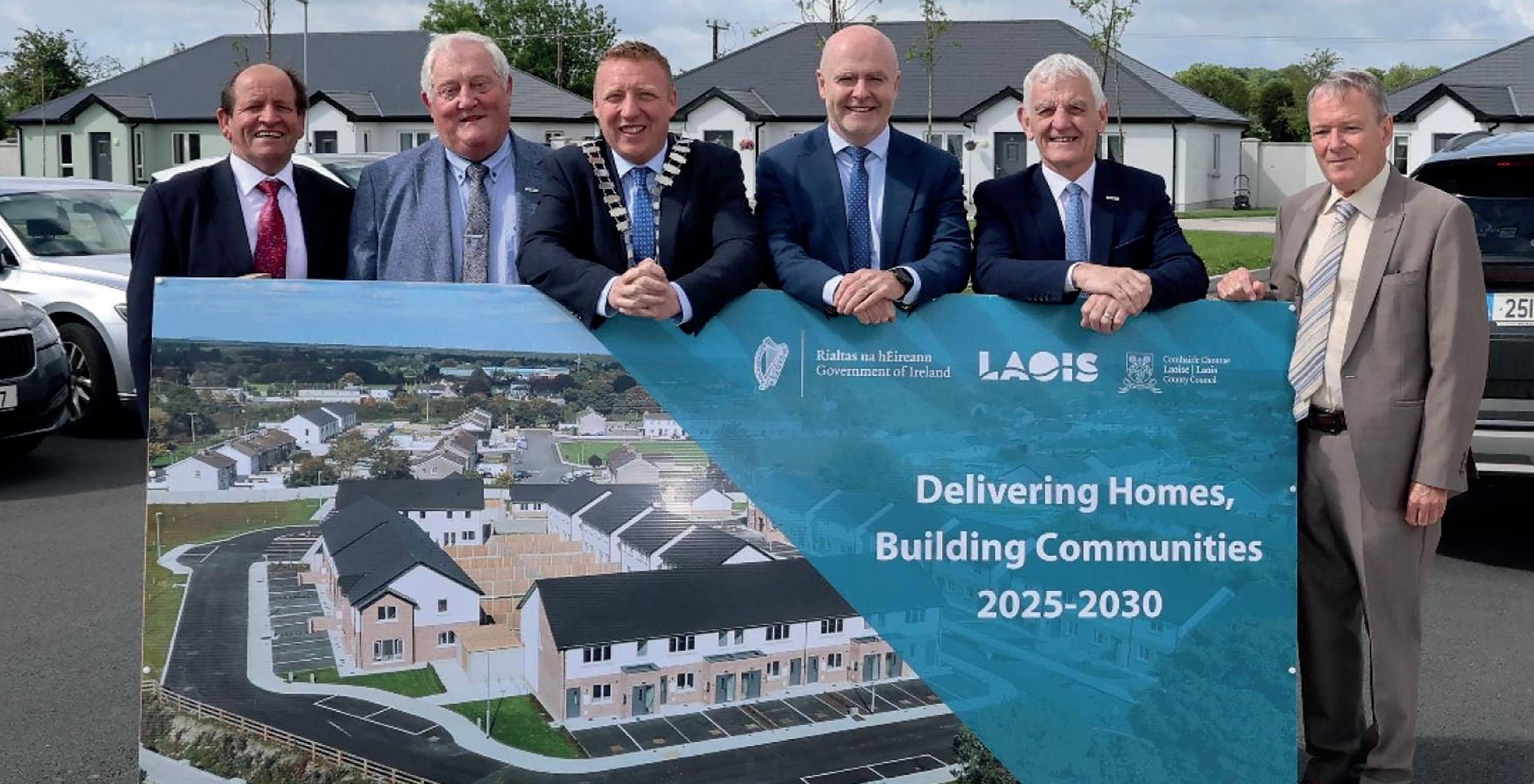
58 NEW SOCIAL AND VOLUNTARY HOMES OFFICIALLY OPENED ACROSS COUNTY LAOIS. 13
EPA PROJECTIONS SHOW IRELAND REMAINS OFF TRACK FOR 2030 CLIMATE. 14
MINISTER O’BRIEN ANNOUNCES RECIPIENTS OF €29.5 MILLION FOR SUCCESSFUL COMMUNITY CLIMATE PROJECTS. 16
GALWAY CITY COUNCIL AWARDS CONTRACT FOR FIT-OUT OF NEW CIVIC OFFICES AT CROWN SQUARE. 19
70 MONAGHAN SOCIAL HOMES TO BENEFIT FROM FREE HOT WATER AS ENERGYCLOUD PARTNERSHIP OFFICIALLY LAUNCHED. 21
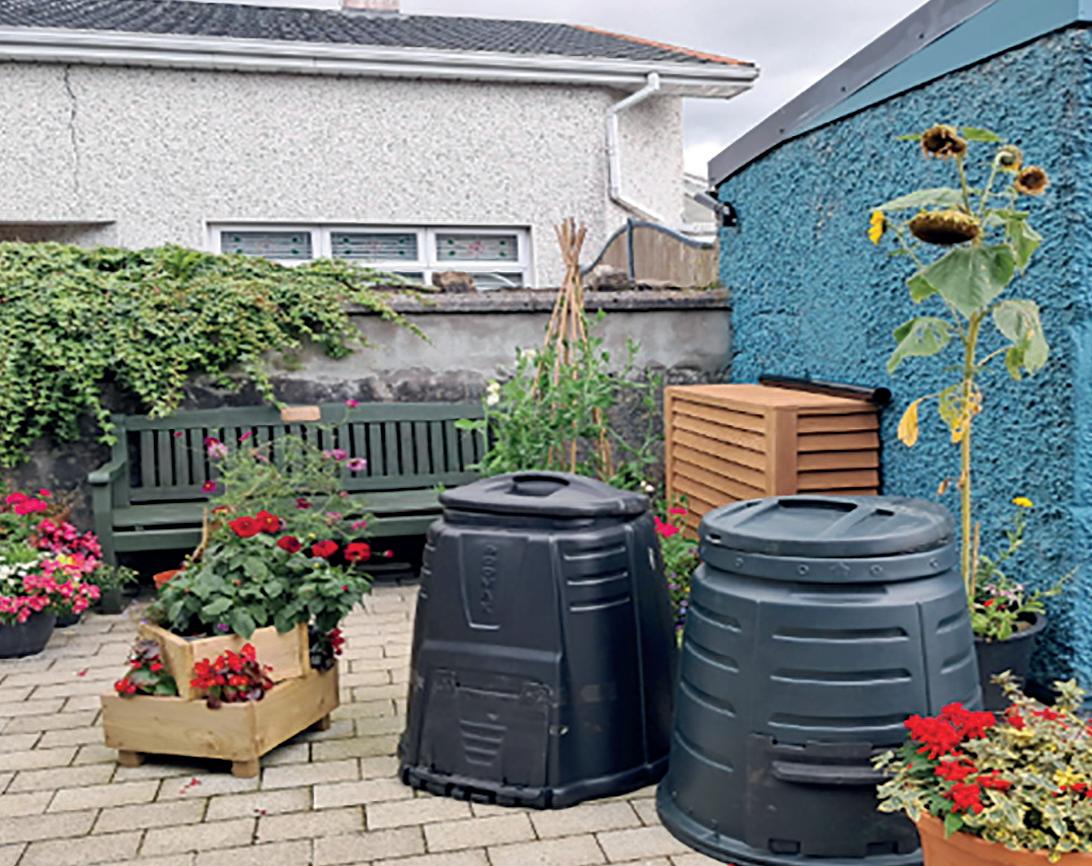
BIODIVERSITY IN YOUR NEIGHBOURHOOD (FINGAL COCO). 24
FRS CO-OP: SUPPORTING IRELAND’S LOCAL AUTHORITIES THROUGH CONTRACT SERVICES AND SPECIALISED TRAINING. 25
NEW CLIMATE ACTION CHARTER FOR LOCAL AUTHORITIES. 27
MINISTER O’BRIEN OFFICIALLY OPENS N55 CORDUFF TO SOUTH OF KILLYDOON ROAD PROJECT: €31 MILLION INVESTMENT. 29
WAVIN’S AWARD-WINNING AQUACELL NG - SUPPORTING THE FUTURE OF STORMWATER MANAGEMENT. 30
MINISTER O'BRIEN ANNOUNCES €10 MILLION FUNDING FOR ICE2EV SCHEME, ACCELERATING THE SWITCH TO ELECTRIC VEHICLES. 32
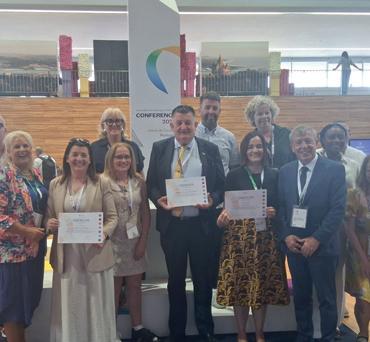
WATERFORD RECLAIMS WHO EUROPEAN HEALTHY CITY AND COUNTY STATUS FOR PHASE VIII. 34
GALWAY COUNTY COUNCIL SIGNS CONTRACTS FOR TWO NEW MOBILE LIBRARY VEHICLES. 35
HOW LOCAL AUTHORITIES HELP PROTECT IRELAND'S COASTS FROM EROSION. 36
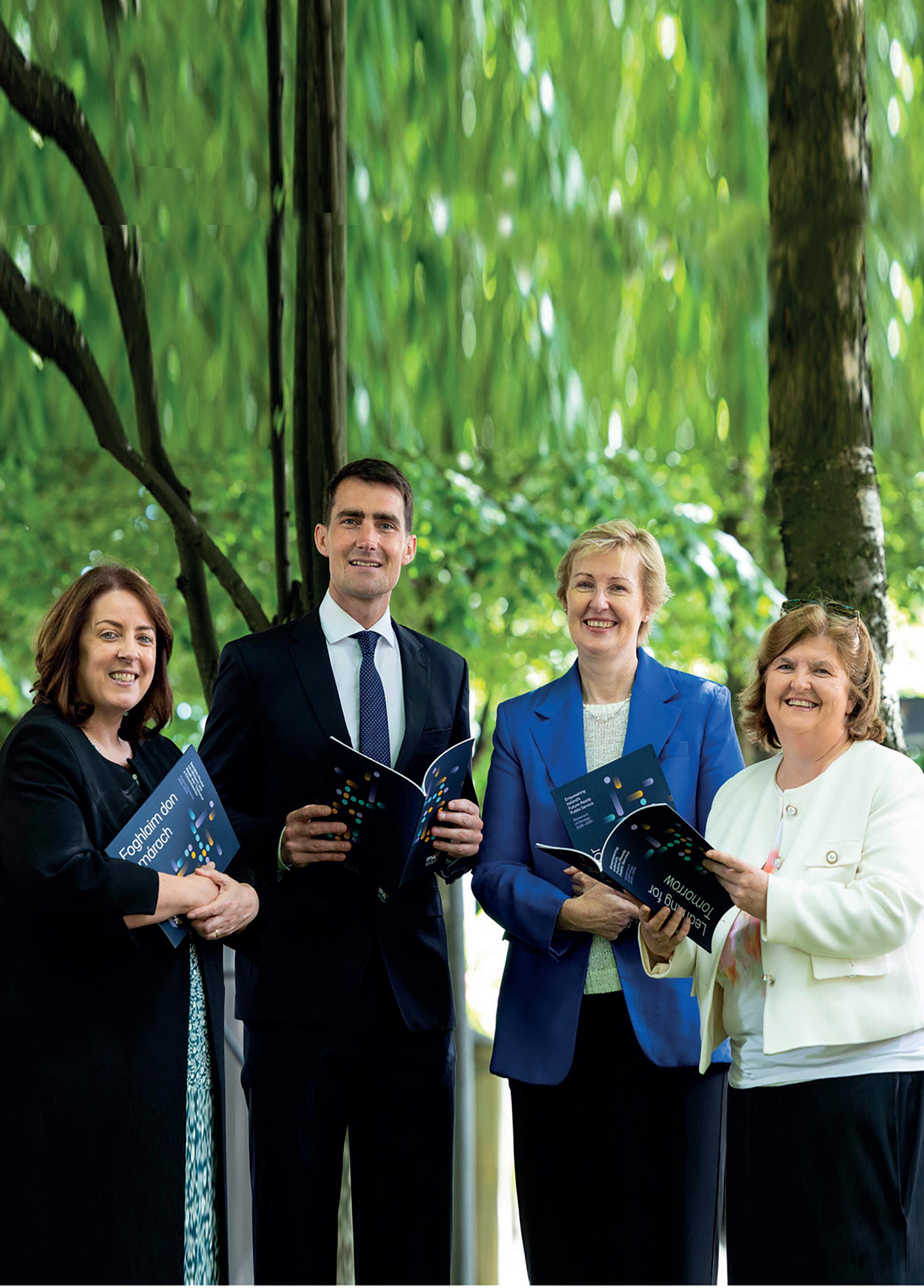
The Institute of Public Administration (IPA) Launches New Strategy to Strengthen Capability, Leadership and Delivery Across Ireland’s Public Service
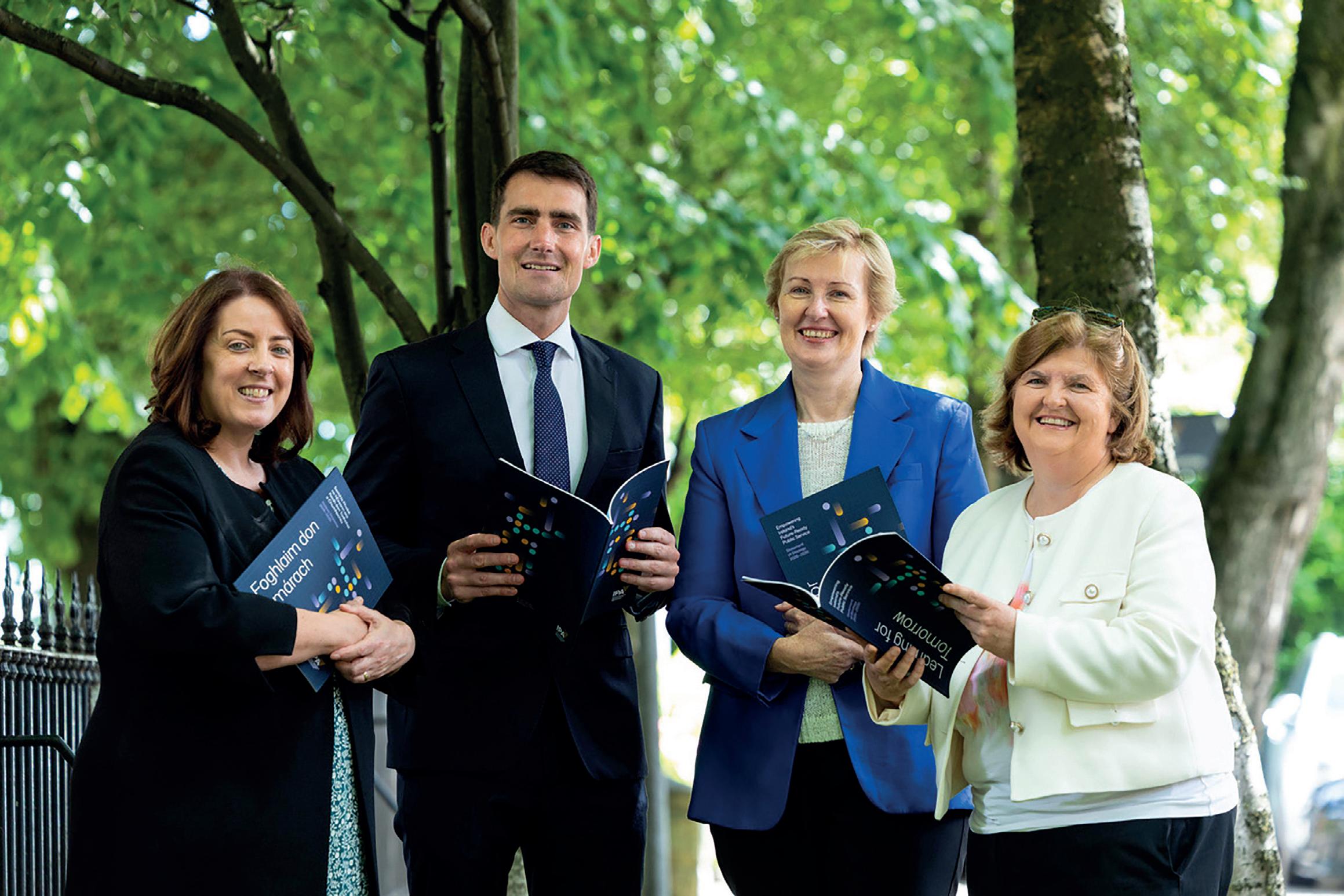
Dublin, 17 June 2026: The Institute of Public Administration (IPA), the trusted learning partner for the Public Service, has launched its new Statement of Strategy, Learning for Tomorrow – Empowering Ireland’s FutureReady Public Service 2026–2030. It sets out the IPA’s ambition to deepen its role as a strategic partner to Government and the wider Public Service over the period 2026–2030.
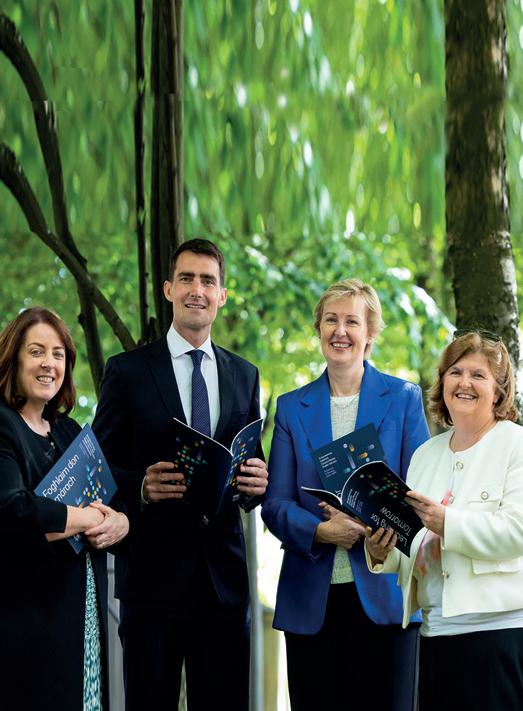
The strategy was launched by Jack Chambers TD, Minister for Public Expenditure, Infrastructure, Public Service Reform and Digitalisation; Mary Hurley, Chair of the IPA Board and Secretary General of the Department of Rural and Community Development and the Gaeltacht; Fiona Quinn, Vice Chair of the IPA Board and Assistant Secretary General of the Department of Housing, Local Government and Heritage; and Helen Brophy, Director General of the IPA.
Ireland’s Public Service is operating in a period of sustained transformation, as accelerating digital change and complex policy challenges reshape how public services are designed, led and delivered. These changes require new and enhanced skills, strengthened capabilities and fresh approaches to learning and development.
Speaking at the launch, Minister Jack Chambers TD said: “The launch of the IPA’s new strategy marks an important milestone in our shared ambition to build a Public Service that is equipped, empowered and ready to meet the challenges and opportunities of the future.”
“Learning for Tomorrow – Empowering Ireland's Future-Ready Public Service sets out a bold vision for developing the skills, leadership and innovation needed across the Public Service to serve our communities with excellence.”
“The IPA has a vital role to play in supporting public servants at every stage of their careers, fostering a culture of continuous learning and adaptability. I am delighted to launch this strategy, which will help ensure our Public Service remains resilient, responsive and future-focused in a rapidly changing world. I congratulate everyone involved in developing this strategy and look forward to seeing its positive impact in the years ahead.”
At the heart of the IPA’s new strategy is a clear proposition: learning is a strategic lever for strengthening Public Service capability, leadership and delivery. The strategy sets out a framework for delivering the learning pathways and progressive development journeys required to build capacity across the Public Service over time, translating learning into impact in practice.
The IPA’s strategy is structured around four interconnected pillars: empowering public servants through its role as a trusted learning partner; enabling high-quality digital learning at scale through a shared digital learning ecosystem; strengthening leadership and peer connection through a modern Centre for Learning Excellence; and enabling better public services through organisational impact. Each pillar is supported by a clear set of objectives, creating an integrated framework for how the IPA will reinforce its role as a future-ready learning partner to the whole of Government.
Helen Brophy, Director General of the IPA, said: “The IPA’s role is to act as a strategic partner to the Public Service, supporting the development of capability that is relevant, applied and sustained over time.”
“We are launching this strategy at a time of significant change and transformation. Public bodies are expected to collaborate across boundaries, share platforms and data, and develop skills that keep pace with technological, societal and policy change. Learning sits at the heart of this agenda and is a key lever in how public services can continue to improve in Ireland.”
“Our vision is that the IPA will empower the Public Service to deliver for Ireland’s future.”
The framework was developed and prioritised through a structured consultation process, informed by engagement with the IPA Board, staff and senior stakeholders across the Public Service. Throughout the strategy period, ongoing evaluation will assess how effectively the strategy is being delivered and how capability is being strengthened in practice.
The new strategy follows the successful implementation of the IPA’s A New Era of Learning strategy, which was completed in December 2025 ahead of schedule. Key achievements under the previous strategy included the successful transfer of the OneLearning and Senior Public Service functions from the Department of Public Expenditure, Infrastructure, Public Service Reform and Digitalisation to the IPA, in line with the Better Public Services: Public Service Transformation 2030 Strategy.
Grant invests €8 million in next-generation cylinder range and manufacturing expansion
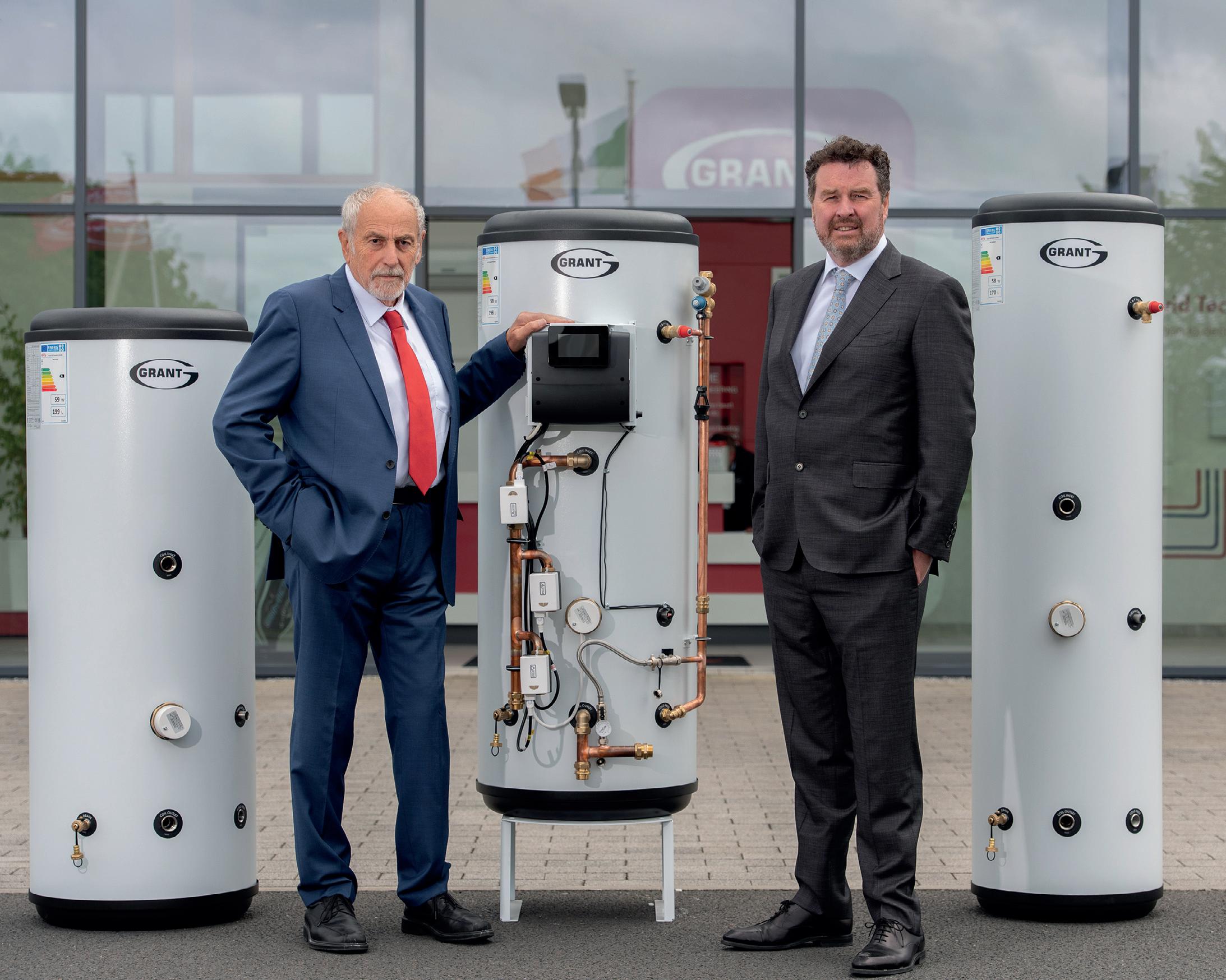
Leading manufacturer of sustainable home heating solutions, Grant has launched a new generation of hot water cylinders, designed to optimise the performance of modern heat pump systems.
Designed and manufactured at Grant’s state-of-the-art facilities in Birr, Co. Offaly, the new Quick Recovery Cylinder range is backed by an €8 million investment in product development and a significant expansion of the company’s production facilities. This investment strengthens Grant’s manufacturing capability, while supporting growing demand for high-performance, heat pump-ready hot water solutions in Ireland, the UK and Europe.
Designed specifically for heat pump performance
Unlike standard cylinders adapted for renewable systems, the new Grant Quick Recovery Cylinder range has been developed specifically for low-temperature operation, enabling installers and specifiers to maximise the efficiency and output of air source heat pumps, including the Grant Aerona R290 heat pump range.
Featuring high-efficiency heat exchange coils and optimised internal design, the cylinders are engineered to deliver rapid heat-up times and consistent hot water availability, even under demanding usage profiles. The range also supports faster recovery and improved system responsiveness - key requirements for modern, well-insulated homes.
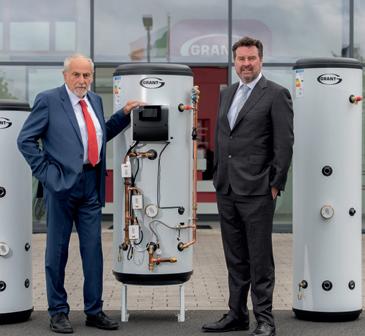
Grant Founder, Stephen Grant (left) and Niall Fay, CEO
Performance-led engineering
The new Grant Quick Recovery cylinders have been developed to meet the practical and technical requirements of today’s heating professionals, combining strong thermal performance with long-term reliability.
Key technical features include:
• High surface area heat exchange coils to maximise heat transfer from low-temperature heat sources
• Large internal coil constructed from DN25 stainless steel tubing to support rapid recovery performance
• Advanced insulation to minimise standing heat loss and improve overall system efficiency
• Duplex stainless steel inner shell for enhanced durability and corrosion resistance
• Optimised for integration with renewable heating systems
The Quick Recovery Cylinder range is available in capacities from 150 – 300 litres, with standard, slimline, Smart pre-plumbed and Smart integrated configurations to suit a wide variety of installation requirements. Suitable for both new build and deep retrofit applications, the cylinders provide flexibility across a broad range of residential projects.
Installer-focused design
Ease of installation has been a key consideration throughout the development of the new range. The cylinders incorporate practical, installer-friendly features designed to streamline handling, positioning and system integration on site.
Smart pre-plumbed models further simplify installation through factory-fitted components, helping to reduce time on site and support consistent system set-up.
Combined with Grant’s established technical and training support, the new cylinders provide a dependable, straightforward solution for specifying and installing heat pump systems.
Supporting a fully integrated heating solution
The launch further strengthens Grant’s integrated approach to home heating, offering installers a complete system solution including heat pumps, cylinders and controls - all designed to work seamlessly together.
This single-manufacturer approach simplifies specification and installation while helping to ensure optimal system performance.
Commenting on the launch, Stephen Grant, Founder of Grant said, “As heat pump adoption continues to grow, the role of the cylinder in overall system performance has never been more important. Our new Quick Recovery cylinders have been specifically developed to work in harmony with low-temperature systems, delivering the recovery performance, efficiency and reliability that installers and homeowners expect. Our investment in design and manufacturing reflects our long-term commitment to innovation and to supporting the heating industry with high-quality, future-ready solutions.”
Minister officially opens refurbished Ballaghaderreen Library
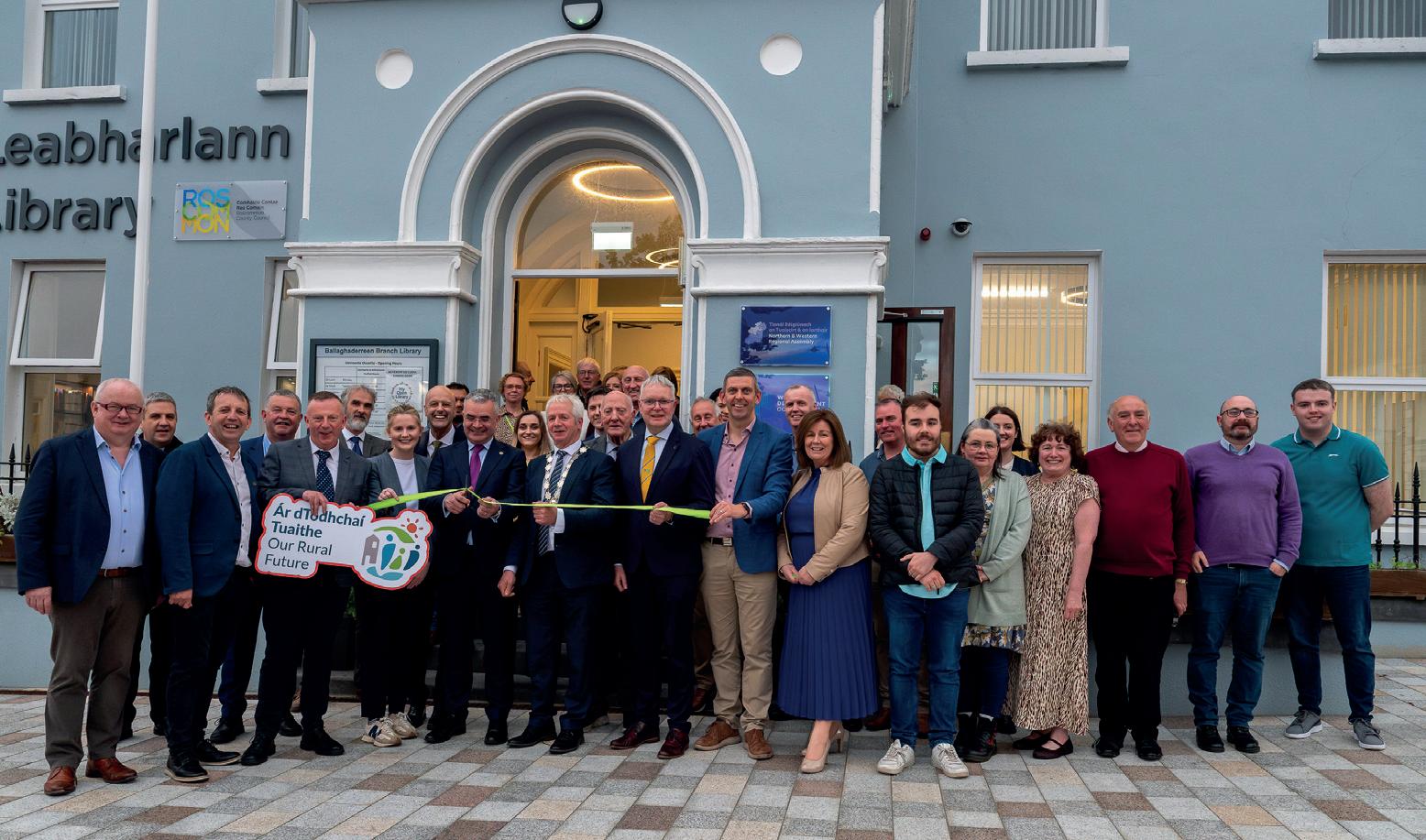
Minister for Rural, Community and Gaeltacht Affairs Dara Calleary visited Ballaghaderreen yesterday Friday, June 11th where he officially reopened the town’s refurbished branch library, located in Dillon House.
The new renovated library now includes a large, dedicated children’s section with increased seating areas with a new dedicated area for teenagers with a large collection of manga and graphic novels.
There is also free high-speed internet and Wi-fi, fully accessible entrance and exits, accessible bathrooms, baby changing facilities, wireless printing, lendable tablets, study spaces, leisure reading space and a community meeting room.
The library also features energy efficient and sustainable heating systems, supported financially by the Sustainable Energy agency’s Pathfinder Programme as delivered by the Midlands Energy Agency.
Funding of €155,249.40 was secured from the Department under My Open Library Funding and Small-Scale Capital Works under the Libraries Capital Funding tranche. This was backed with significant matched funding from Roscommon County Council.
Main contractor for the refurbishment was Mountain View Construction, supported by Sweeney Architects from Longford. Furniture and shelving works were delivered by Work Rest Play from Belfast while a series of public art instillations were created by Knockcroghery artist Annmarie Murray.
Cathaoirleach of Roscommon County Council, Cllr. Liam Callaghan said the reopening of the library was a special day for the town of Ballaghaderreen, remarking, “Today, library services are available outside of normal office hours, thanks to the My Open Library Service.
Our Chief Librarian Sandra Turner was involved in the delivery of the original pilot back in 2014. The library opening hours have also increased from 31 hours per week, to 35 hours per week, with lunchtime opening, allowing for even greater access by the public.
The Cathaoirleach also paid tribute to the late Ballaghaderreen branch librarian Deirdre Creighton, who sadly passed away in 2022 and who assisted in delivering library services over many years in Dillon House.
Chief Executive of Roscommon County Council, Shane Tiernan noted the high demand for services since the facility reopened: “Since our library reopened ten months ago, there have been almost 20,000 users and more than 250 events organised. In the same period, there have been more than 2,000 internet sessions and more than 13,000 books borrowed.
“Not to be forgotten is our new Boyle community library which is an RRDF project also funded by the Minister’s department which will also offer a MOL service and is currently under construction.
New Community Playground Opens at Laurel Lodge Green
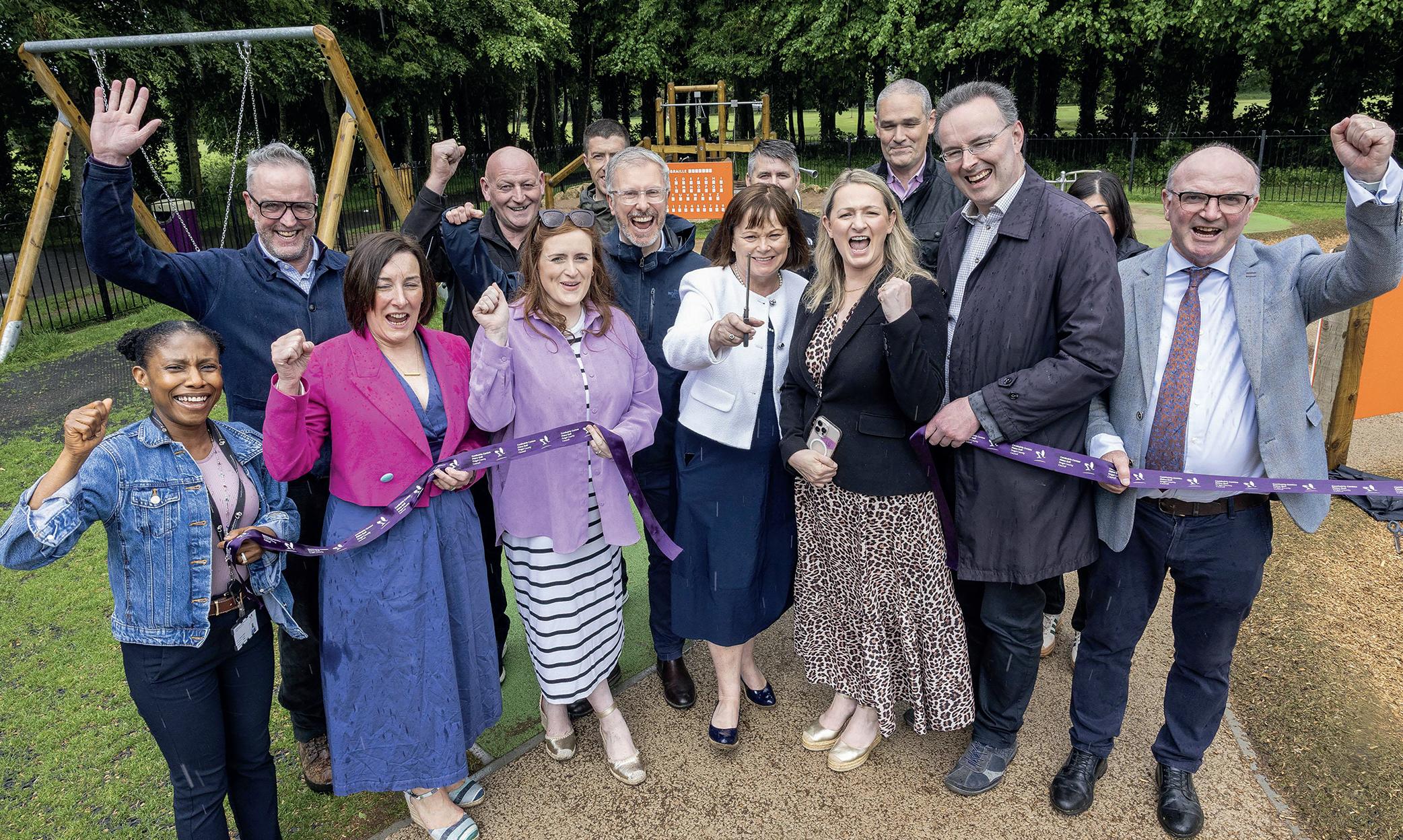
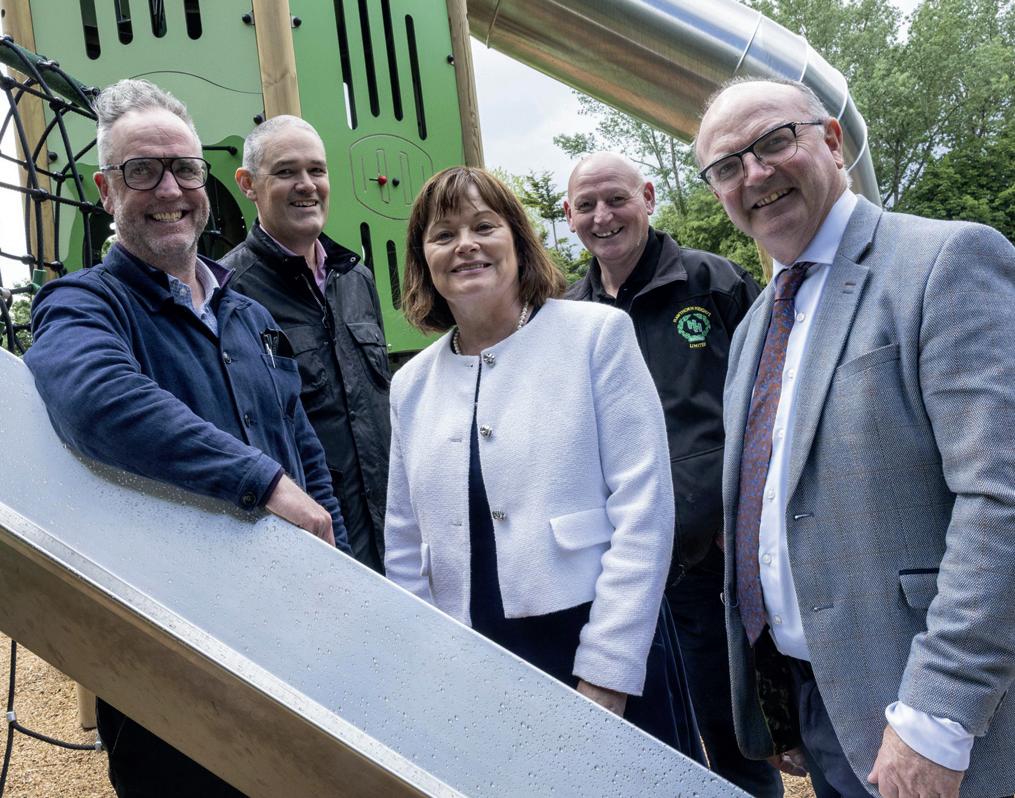
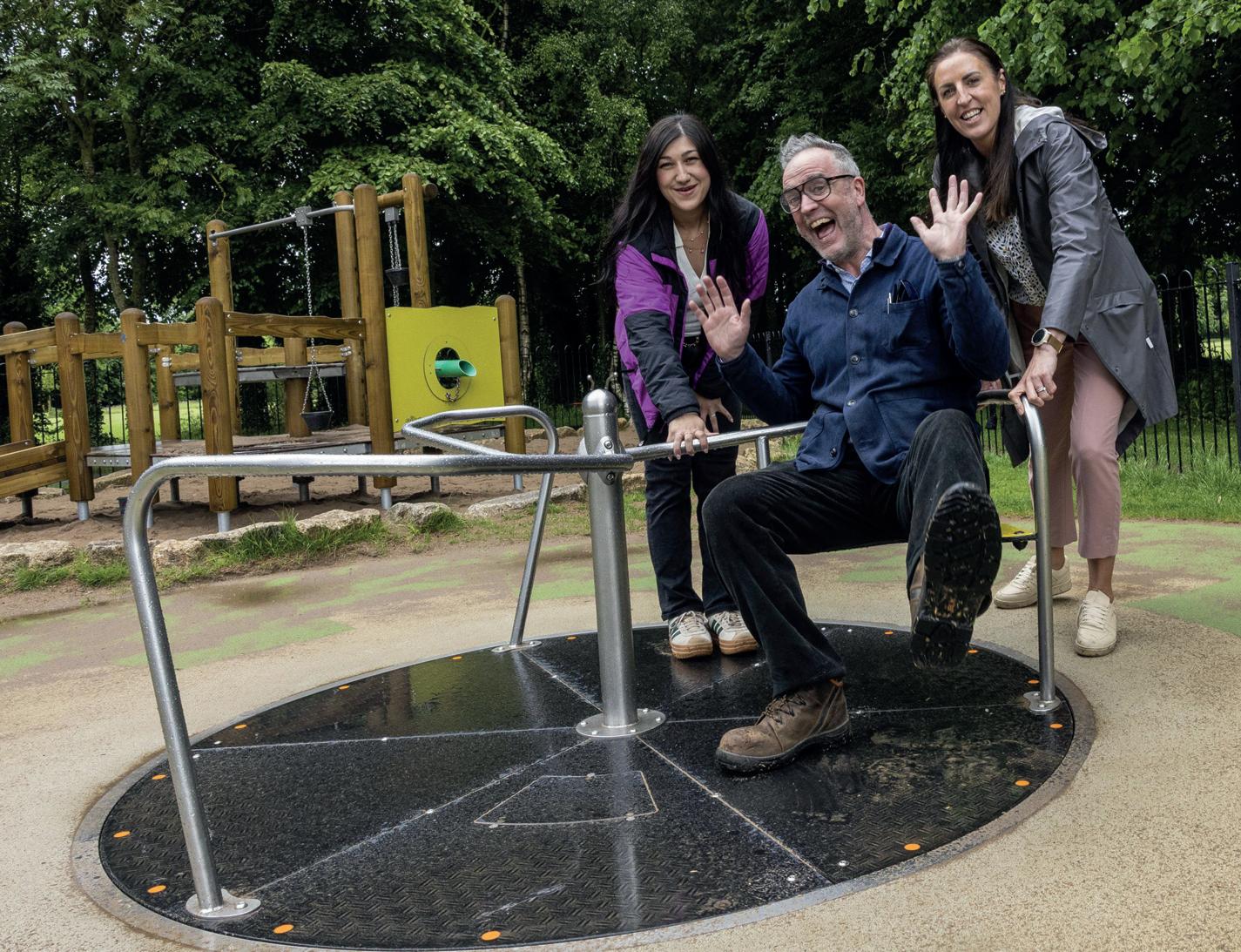
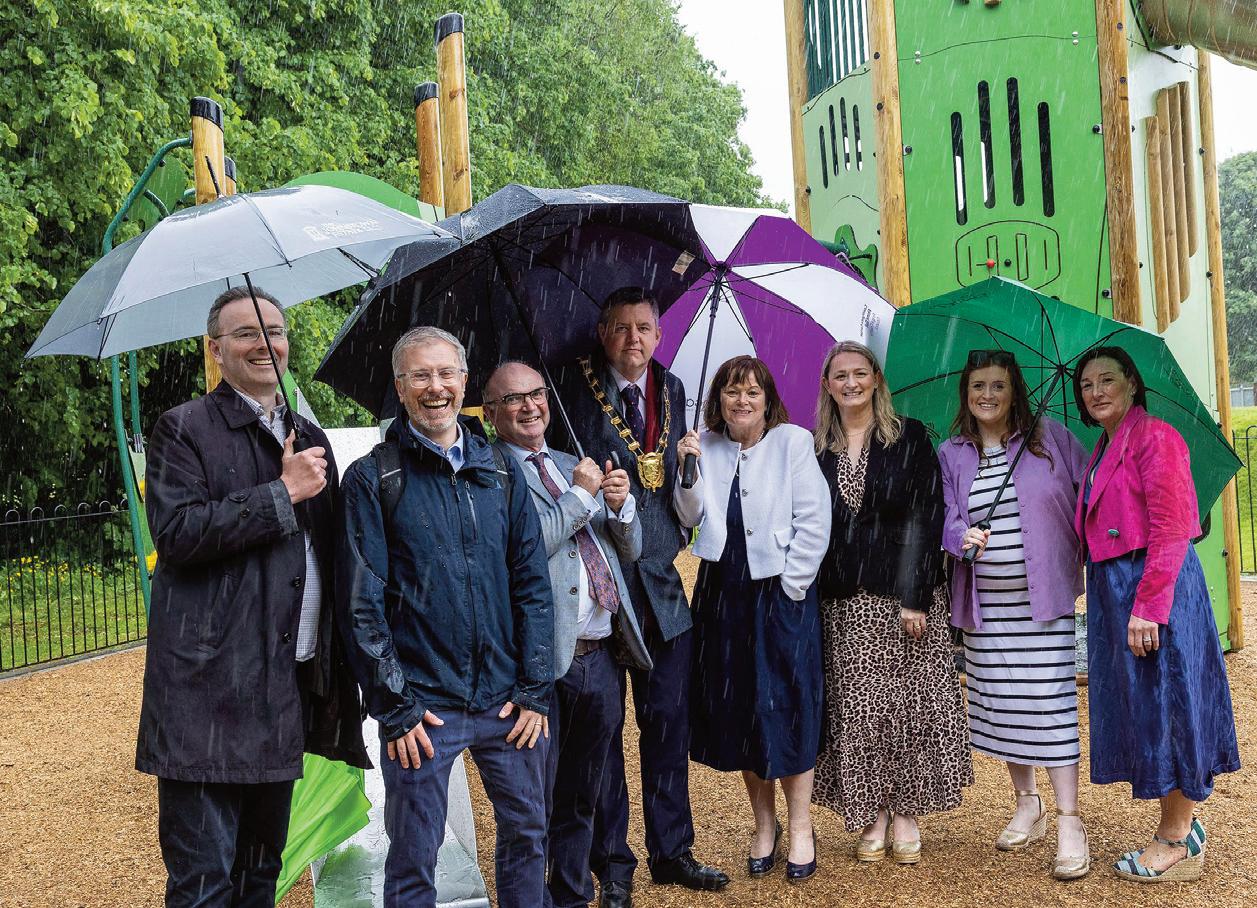
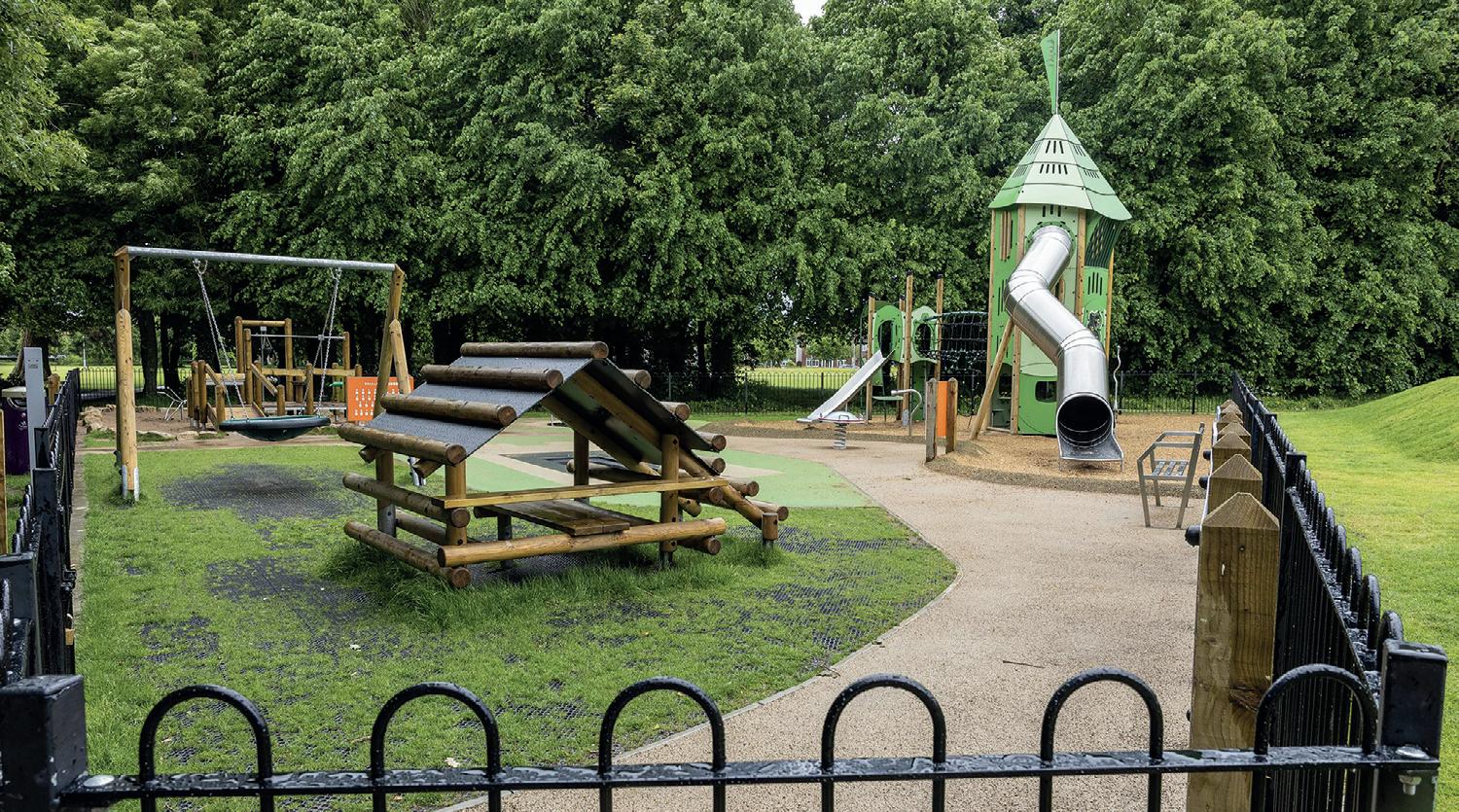
Fingal County Council has officially opened a new playground at Laurel Lodge Green, providing a much-anticipated recreational facility for the Castleknock community.
Constructed at a cost of €346,000, the playground has been developed in line with Space for Play – A Play Policy for Fingal and in response to strong community demand for a safe and engaging play space for children in the area.
Designed for children up to 12 years of age, the playground is thoughtfully positioned beside the mature trees at the centre of Laurel Lodge Green which blends seamlessly with its surroundings, enhancing the green space while preserving its natural character. This location creates an inviting setting for play, recreation, and community use throughout the year.
Laurel Lodge Playground
In addition to a wide range of play features, the development includes complementary amenities such as a drinking water fountain, bicycle parking and seating areas, ensuring a comfortable and welcoming space for families and visitors.
Welcoming the opening of the new community amenity, Acting Mayor Cllr Ted Leddy said: “I’m delighted to see this fantastic new playground delivered for the residents of Laurel Lodge. It represents a great result for the local community, providing a safe and welcoming space where children can play, families can come together, and people of all ages can enjoy the outdoors. It’s a valuable investment that will benefit the area for many years to come.”
The new playground is expected to become a focal point for the Laurel Lodge community, providing a vibrant space that promotes outdoor activity, social connection, and wellbeing for years to come.
Laurel Lodge Playground
Chief Executive of Fingal County Council, AnnMarie Farrelly, added: “This project demonstrates our continued commitment to investing in high-quality public spaces that support healthy, active and connected communities. This new playground is a valuable addition to Laurel Lodge, and we hope the local community will enjoy and make full use of this fantastic amenity.”
The delivery of the Laurel Lodge playground highlights Fingal County Council’s ongoing commitment to working closely with local communities to identify needs and deliver meaningful improvements to public spaces. The project reflects a broader strategic focus on enhancing neighbourhood amenities, supporting active lifestyles, and ensuring that green spaces are inclusive, accessible and sustainable.
Senior Parks and Landscape Officer at Fingal County Council, Kevin Halpenny, spoke about the completion of the project, stating: “We are very pleased to see this new playground come to fruition here in Laurel Lodge. From a park’s perspective, the focus was on creating a high-quality, durable and inclusive play space that complements the area and meets the needs of the local community. It’s great to see a space that encourages active play and social interaction, and we look forward to it becoming a well-used community asset.” Laurel Lodge Playground
By investing in facilities such as this, the Council is helping to foster stronger community connections, encourage outdoor play and recreation, and contribute to the long-term health and wellbeing of residents. As Laurel Lodge Green continues to evolve as a shared community space, this new playground will play an important role in supporting vibrant, family-friendly environments for current and future generations.
Inova: a heat pump designed for the way Irish apartments are built
www.pipelife.ie
For anyone installing heating in apartments, next year brings a real change to plan around. Under the EU F-Gas Regulation (EU) 2024/573, no new heat pump unit of 12kW or under can be placed on the market after 31 December 2026 if it uses R32. In practice that rules R32 out of most residential installations from 2027 onwards.
The prevalent replacement is R290. It is a high-performance refrigerant with high efficiencies, but it brings its own constraints. 290 heat pumps have traditionally been placed outdoors, often on balconies. For safety reasons, that is not an option in most apartment settings. So, installers have been left with a gap, the refrigerant the regulations point towards, and nowhere obvious to put the unit.
This is the gap Pipelife set out to close with Inova Indoor Heat Pump.
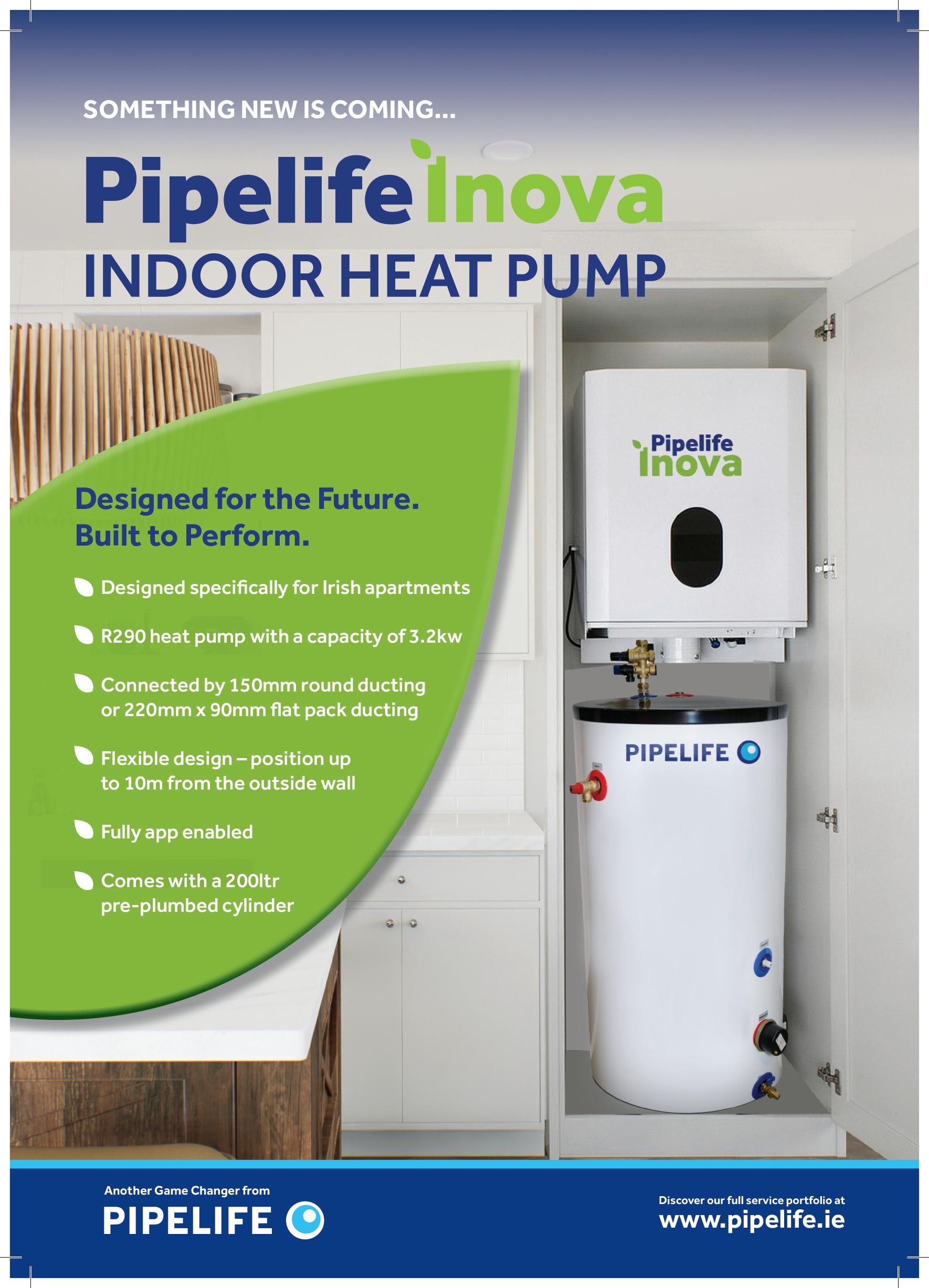
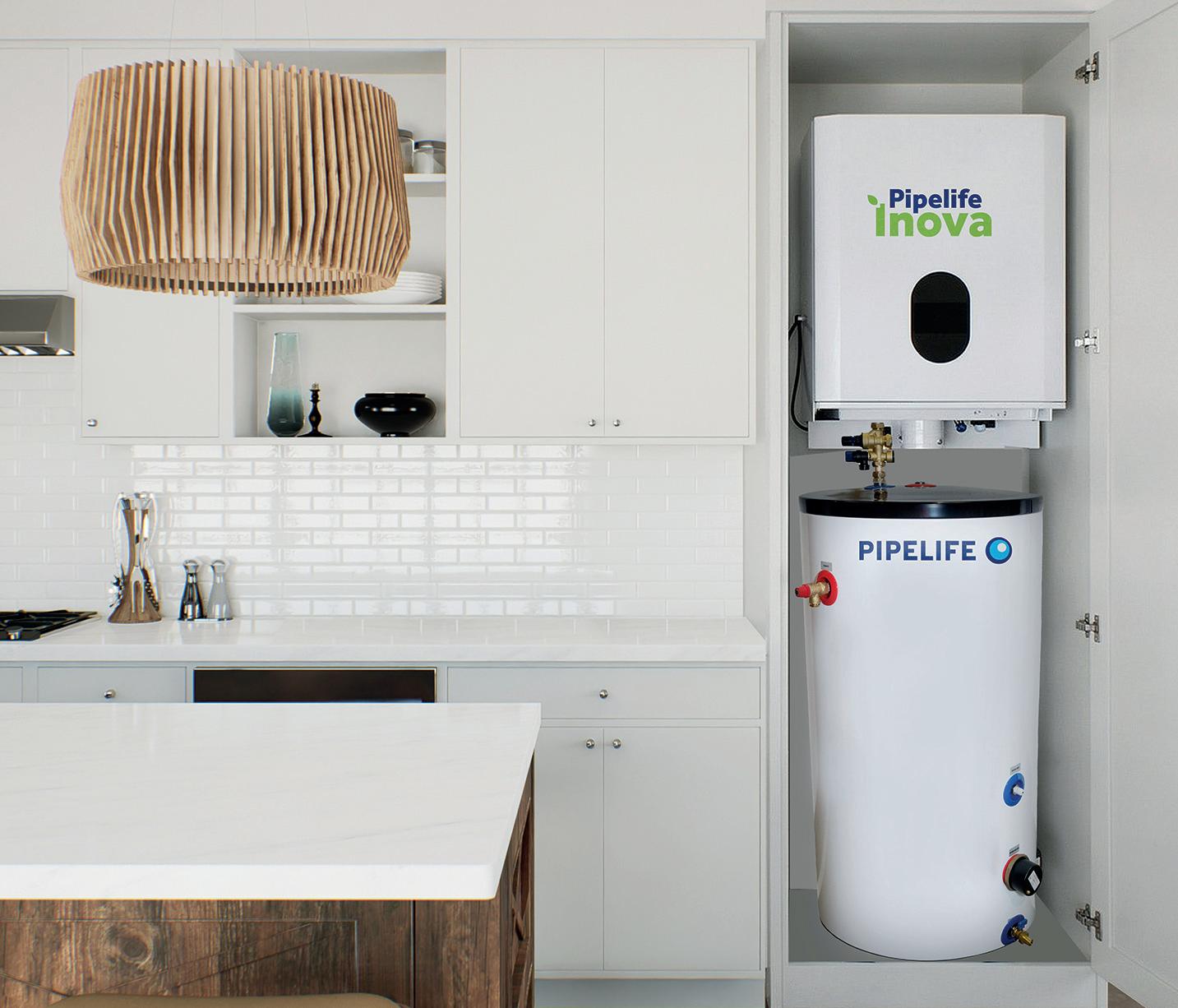
Inova is a fully indoor R290 heat pump, developed to Pipelife's own specification with the Irish apartment market in mind. The whole unit sits inside the apartment. There is nothing on the balcony and nothing on an external wall. The in-built safety features are designed around indoor installation from the start, rather than adapted for it.
The unit fits within an 800 by 800mm footprint and can be positioned up to 10m from an external wall, connected by 150mm or 220 by 90mm ducting, with no reduction in performance. That 10m figure matters more than it first looks. It gives the apartment designer real freedom on where the unit goes, rather than tying the layout to the position of an outside wall.
Inova has a capacity of 3.2kW and can deliver water temperatures up to 75 degrees Celsius, covering both space heating and domestic hot water. The 3.2kW figure was specified to suit the heating and hot water needs of most new-build Irish apartments. Heat losses vary from building to building and apartment to apartment, depending on structure, insulation and air tightness, so sizing always comes back to the individual scheme, but the unit has been designed to satisfy the heating requirements of the majority of Irish apartments.
There is also a ventilation advantages worth pointing out some alternative systems, such as exhaust air heat pumps, can lead to over-ventilation and the over-consumption of energy that comes with it if outdoor and indoor air are not mixed correctly. Inova uses only outdoor air, which removes that risk. It also means the unit does not need to be integrated with the ventilation system to work efficiently. The installer keeps flexibility on the ventilation specified, whether MEV or MVHR, and the heat pump runs independently of it. One unit per apartment, decentralised, doing its own job.
On compliance, Inova is fully EcoDesign tested, to EN14825 and EN16147. It will support Part L compliance without a PV requirement in most Irish apartments. Whole-building performance still depends on the individual dwelling, so the usual scheme-level checks apply, but for most apartments the unit is designed to carry the renewable contribution on its own.
For installers, the practical picture is straightforward. Commissioning is as simple as any monobloc heat pump. And because there is no outdoor unit, Inova suits off-site fabrication well, particularly 3D volumetric MMC. The unit can be installed up to second fix in a factory setting, shipped to site without the complication of an external unit, and once water and power are connected it is ready to be commissioned.
Eoghan Considine, Renewables Specification Manager at Pipelife Ireland, said, “We developed Inova in response to what Irish apartment schemes need; simple, compact, reliable heat pumps, with no outdoor units. Pipelife have extensive market experience in heating system design, and from that we could see where the issues existed, and where the opportunity lay to bring a new type of heat pump to the Irish apartment market. That meant focusing on simplicity. A compact unit that utilizes the latest F-Gas technology, is easy to install, and has been designed with the specific constraints of apartment design in mind.”
Inova is a new product from Pipelife Ireland, the latest from a company that has been part of the Irish building services sector for decades. For installers working on apartment schemes, it is worth knowing about now, ahead of the F-Gas changes that take effect from 2027.
58 new social and voluntary homes officially opened across County Laois
Laois County Council recently opened 58 social and voluntary homes at the following locations across County Laois:
• St. Kierans, Errill
• Moore Street Rathdowney
• Mooreville Terrace, Rathdowney
• Shannon Street , Mountrath
• Wallis Street , Mountrath
The developments were formally opened on by Cllr Barry Walsh, Cathaoirleach of Laois County Council.
The residential schemes consist of 58 modern homes, providing much-needed accommodation for individuals and families on the council’s housing list. The development forms part of Laois County Council’s ongoing commitment to increase the supply of social housing and support sustainable communities across the county.
All homes have been designed to a high standard with a focus on energy efficiency, accessibility and integration into the existing community. The scheme represents a significant investment in the Borris in Ossory/Mountmellick Municipal District and will contribute positively to the long-term housing needs of the area.
Cllr Barry Walsh, Cathaoirleach of Laois County Council said:
I am delighted to officially open these excellent developments in the Borris in Ossory/Mountmellick Municipal District. The provision of these 58 new homes will make a real difference to the lives of the families who will live here, offering them stability and a place to call home, while strengthening the local community.”
Chief Executive of Laois County Council, Michael Rainey added:
“The 58 new homes we have officially opened deliver secure, high-quality accommodation for individuals and families who need it most. This achievement reflects the strength of our partnership with the voluntary housing sector and our ongoing commitment to leading the way nationally in the delivery of social housing, consistently surpassing our targets. Developments such as these play a vital role in supporting our rural towns and villages, giving people the opportunity to put down roots and build their futures here in Laois. I would like to acknowledge the dedication and collaboration of all those involved in bringing these projects to completion.”
EPA Projections show Ireland remains off track for 2030 Climate.
• Ireland’s greenhouse gas emissions could achieve a reduction of up to 25% by 2030, compared to a national target of 51%, with full implementation of a wide range of policies and plans across all sectors.
• Ireland will be close to meeting the first carbon budget, but nearly all sectors are on track to exceed their sectoral emissions ceilings for the second carbon budget by 2030.
• Ireland is projected to exceed its EU Effort Sharing Regulation target of 42% reduction by 2030. EPA projects a maximum reduction of 23%.
• With less than four years left to 2030, there must be a strong focus on implementation of policies and measures to meet climate targets which will deliver wide-ranging benefits from environmental protection, supporting public health and wellbeing and reducing Ireland’s dependence on fossil fuels.
The Environmental Protection Agency (EPA) has published its greenhouse gas emissions projections for the period 2025-2055.
EPA analysis shows that Ireland’s planned climate policies and measures could deliver reductions of up to 25% of emissions by 2030, compared to 2018 levels. Assessment of the latest information provided by Governmental bodies and sector representatives indicates that the gap to target is widening in some sectors of the economy, while narrowing in others.
Ireland’s greenhouse gas emissions are projected to be close to meeting the first Carbon Budget (2021-2025) of 295 Mt CO2eq. The second budget is projected to be exceeded by a significant margin of 53 to 82 Mt CO2eq.
Transport, Industry and the Buildings (Commercial and Public) sectors are projected to be the furthest from achieving their sectoral emission ceilings in 2030. Agriculture emissions are projected to reduce by up to 19%.
Dr Eimear Cotter, EPA Director General, said:
“The EPA’s projections show that the current rate of delivery of the Climate Action Plan and associated policies could reduce greenhouse gas emissions by 25% by 2030 – only half of the reductions needed. While greenhouse gas emissions are declining, European and national emission reduction targets are projected to be missed. There must be a renewed focus on delivering the actions to meet Ireland’s climate targets which will be a significant challenge given the short timeframe to 2030.”
Dr Cotter added:
“Meeting these targets will deliver multiple benefits. These include reducing Ireland’s reliance on fossil fuels in electricity, transport and heating and strengthening national energy security and resilience. Achieving these emission reductions will also improve public health, provide green employment and protect our environment.
Overall, these trends demonstrate that progress is achievable but accelerating delivery is critical.
Renewable energy is now expected to provide nearly 60% of Ireland’s electricity by 2030. It is imperative given the increasing demand for electricity across several sectors, that renewables are delivered at the pace and scale required to meet this demand.”
Agriculture
Depending on the level of implementation of measures outlined in Government policies and plans, total emissions from the Agriculture sector will decrease between 4% and 19% over the period of 2018 to 2030. Changes in nitrogen fertiliser usage, switching to different fertilisers and lower anticipated livestock numbers contribute to projected emissions savings. A direct comparison of the Agriculture sector against its absolute Sectoral Emission Ceiling is no longer possible given recent scientific updates to baseline historical agriculture emissions.
Transport
Emissions from Transport are projected to reduce by up to 28% over the period 2018 to 2030, if the measures set out in plans and policies are implemented. These include at least 751,000 electric vehicles on the road by 2030, increased biofuel blend rates and measures to support more sustainable transport.
Residential Emissions
Emissions from fuel combustion for home and hot water heating are projected to decrease by up to 18% by 2030. Lower uptake of home energy improvement measures, including planned heat pump installation in existing dwellings, has lowered predictions for emissions savings by 2030.
Industry
Fuel combustion in manufacturing is the primary source of emissions in this sector; emissions from mineral, chemical and metal industries contribute the next largest portion. Emissions from this sector are projected to reduce by 12% over the period 2018 to 2030.
Energy
Continued rollout of renewable electricity generation to provide 52% - 59% of Ireland’s electricity by 2030 as well as increased importation of electricity from interconnectors, are contributing to reductions in Ireland’s emissions. However, delayed delivery of planned renewable energy projects such as offshore wind have lowered potential emissions savings by 2030.
Land use
Emissions from this sector are projected to increase between 4% to 72% over the period of 2018 to 2030 as Irish forestry reaches harvesting age, and shifts from being a carbon sink to a source of emissions. Planned policies and measures for the sector, such as increased afforestation, water table management on agricultural organic soils and peatland rehabilitation are projected to reduce the extent of the emissions increase.
Commenting, Dr Conor Quinlan, Programme Manager said:
“The shortfall to our 2030 targets is narrowing in some sectors, for example emissions in the Transport sector are now projected to reduce by up to 28%. Encouragingly, projections for electric vehicle uptake has improved, reflecting growing confidence in the transition to cleaner transport, In contrast, the gap is widening in others such as the Residential sector which is projected now to reduce by up to 18%. It is imperative that ambition and action is maintained across all sectors if we are to meet our targets and realise the benefits of decarbonisation for our society.”
For further detail on these figures, see the EPA report Greenhouse Gas Emission Projections 2025 to 2055 and EPA Greenhouse Gas web resource on the EPA website.
Minister O’Brien announces recipients of €29.5 million for successful Community Climate Projects
• Second phase of Community Climate Action Programme will drive local climate action
• First phase already supported 650 nationwide projects, with funding of €24 million
• Additional funding of €2.6 million secured for Reserve Projects
At a launch event in Cherry Orchard Football Club today, Minister for Climate, Energy and the Environment Darragh O'Brien announced the successful projects that have been awarded funding under Phase 2 of the Community Climate Action Programme, alongside an additional € 2.6 million in funding to support further high-quality projects from Local Authority reserve lists.
The announcement forms part of the Government’s continued investment in community-led climate action through the Climate Action Fund (CAF), with almost €27 million (over €26.9 million) being made available to Local Authorities – to support communities building low-carbon, sustainable futures.
The newly announced and additional €2.6 million allocation will enable additional large projects, identified by Local Authorities through reserve lists, to proceed in the coming months. Successful projects under this additional funding stream will be communicated to local authorities today.
Announcing the funding, Minister O’Brien said: "Communities across Ireland are leading the way in climate action, delivering practical projects that reduce emissions, strengthen local resilience and improve quality of life. I am delighted to announce the successful projects under this latest phase of the Community Climate Action Programme, and to provide a further €2.6 million to ensure even more of these ambitious community projects can move forward.
"This programme empowers communities to take meaningful local action on climate change, while also contributing to our national climate and energy goals. The scale of interest and quality of applications received demonstrates the commitment of communities nationwide to building a cleaner, more sustainable future." Community climate action – ‘learning by doing’:
The Community Climate Action Programme supports projects and initiatives that facilitate community climate action through education, capacity building and ‘learning by doing’.
Projects funded under Phase 1 of the programme: Phase 1 of the programme has already supported approximately 650 community climate action projects nationwide.
Projects funded under the programme have delivered a wide range of benefits for communities, including reduced energy costs, enhanced biodiversity, wildlife restoration, improved local amenities and stronger community engagement.
Ambition for Phase 2:
Phase 2 of the programme sees Local Authorities continue to partner directly with community groups to deliver projects that contribute to Ireland’s climate and energy targets, while supporting communities to scale up local climate action initiatives.
Projects supported under the programme address five key themes:
• Community energy.
• Travel.
• Food and waste.
• Shopping and recycling.
• Local climate and environmental action. The programme is administered through the network of Community Climate Action Officers (CCAOs) in Local Authorities, who provide guidance, support and practical assistance to communities – seeking to become lower-carbon and more sustainable.
The Future of De-centralised Ventilation
Without Filters. Without Compromise.
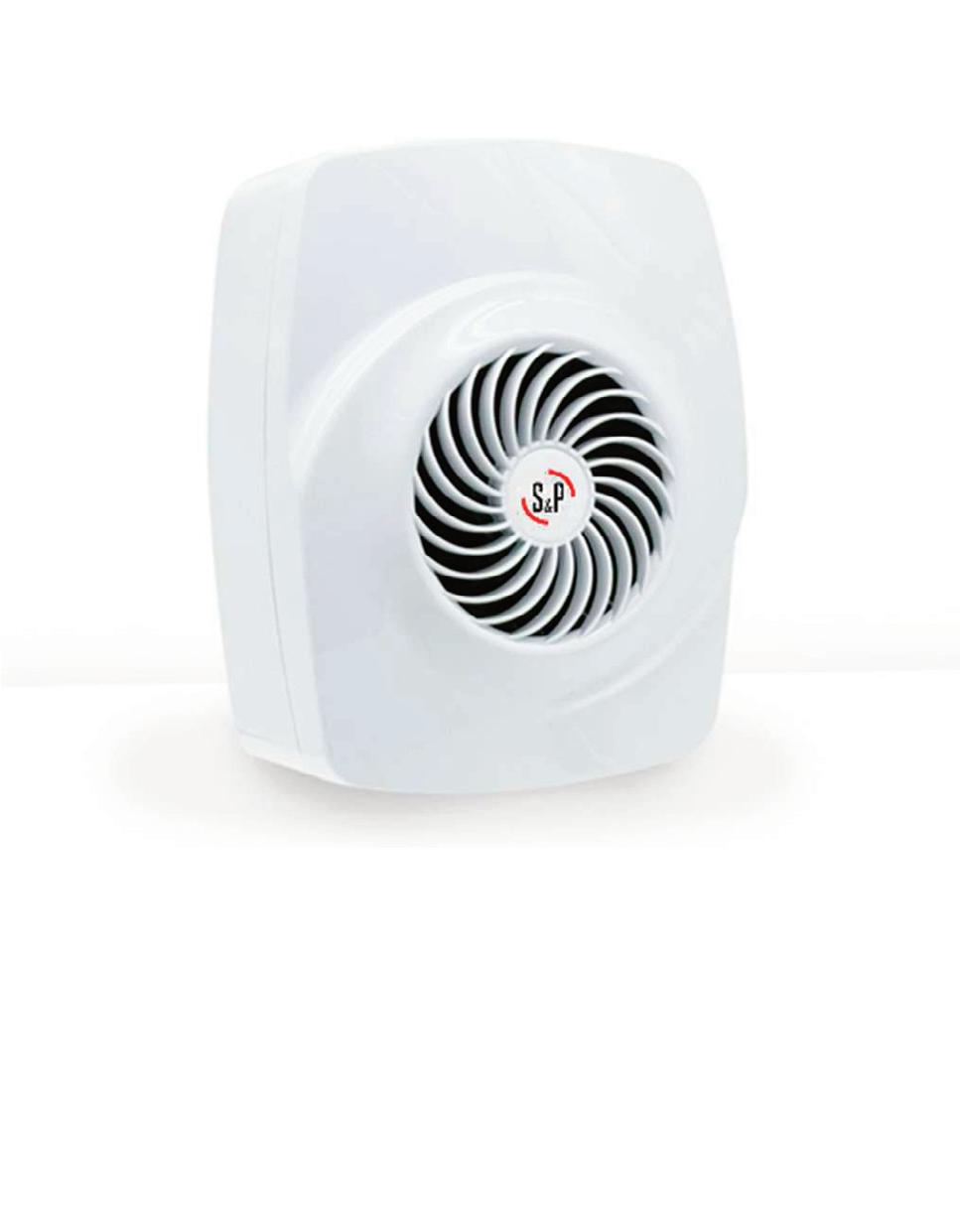
Introducing the S&P Filterless Infinity Fan
The next generation of low-energy, low-maintenance ventilation for social housing.
Designed for Public Sector Performance
The S&P Filterless Infinity Fan is purpose-built to meet the real-world demands of local authority projects. By removing traditional filters from the system design, ongoing maintenance requirements are drastically reduced, delivering consistent ventilation performance across the full building lifecycle. Its intelligent airflow management ensures optimum indoor air quality, improves occupant comfort, and maximizes operational, efficiency—without the maintenance burden associated with traditional filter-based units.
Built -In Smart Data Logging
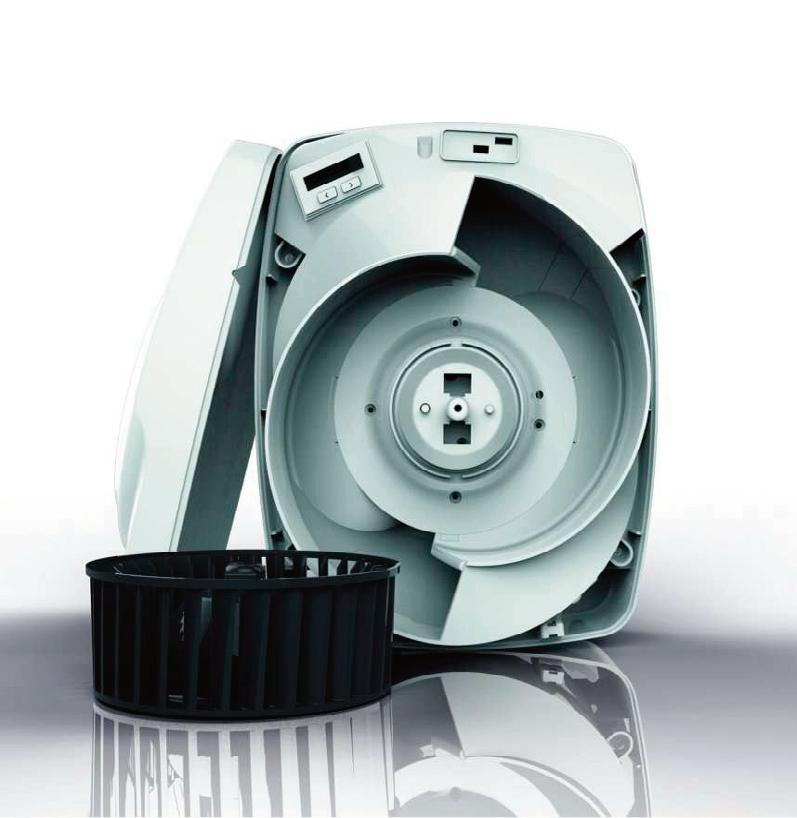
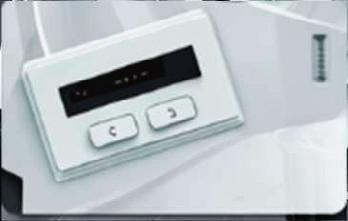
Enables the collection of data such as the total running time at both speeds, the time in which the fan has spent in periods of increased humidity and the energy that had been used
Key Features & Benefits
Removable impeller. No Filter
Exchangeable cartridge system
Variable speed control
Pullcord boost as standard
8 year Warranty
Patented cyclone separation technology
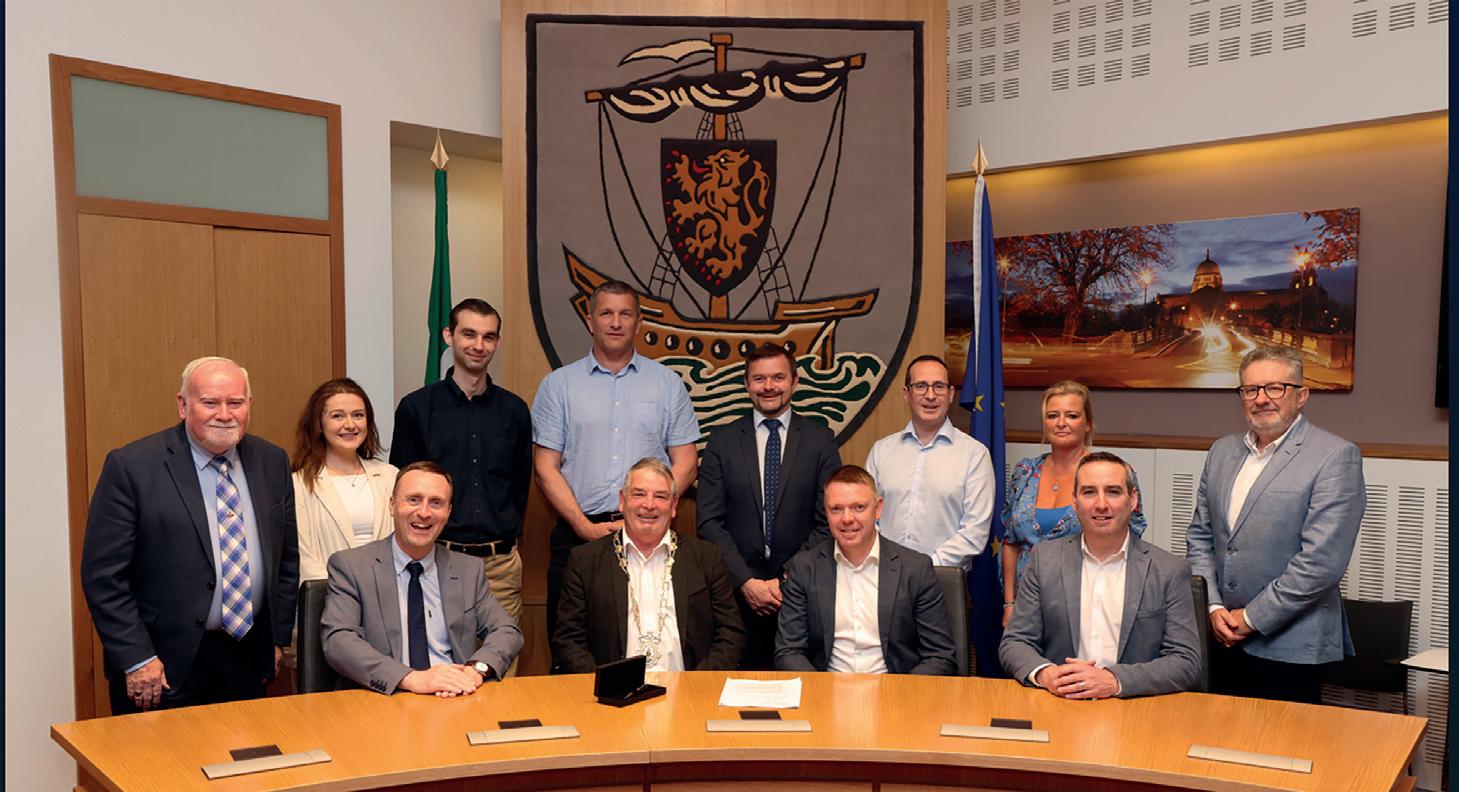
Galway City Council Awards Contract for Fit-Out of New Civic Offices at Crown Square
Galway City Council is pleased to announce that the tender for the Fit-Out of the new civic offices at Crown Square, Mervue, has been awarded to Flynn Management and Contractors, following a tender process in Q4 2025.
Fit-out has commenced in Q2 2026 on the new civic offices in Three Crown Square. The new civic offices will bring together staff currently located in four sites across the city and will provide an energy efficient civic building with comfortable, accessible, flexible public spaces, including private and group meeting rooms, a larger Council Chamber with appropriate AV facilities, public counters, staff canteen and welfare areas, facilities for Elected Members and other ancillary supporting facilities.
The offices have been designed to minimise environmental impact and achieve LEED Gold Compliance, NZEB standards and an BER 'A' energy rating. Such measures align with Galway City Council's corporate social responsibilities and the Local Authority’s goal of attaining Carbon Neutrality, as well as contributing to a greener and more sustainable Galway City.
Speaking at the contract signing, Leonard Cleary, Chief Executive, Galway City Council said, “I am delighted to see progression into the final phase of delivering a modern workspace for the organisation. By bringing our staff to one central location, Crown Square will strengthen collaboration and support better services for the people of Galway City.”
“I want to acknowledge the support of the Elected Members and the work of all staff across the organisation whose ongoing commitment has driven the project to this stage, and that work continues to prepare us for the move. We look forward to seeing the building transform over the next few weeks as we prepare for occupation in late 2026.”
Derek Pender, Director of Service for the Project Management Directorate, with responsibility for the delivery of the fit-out said “Following on from a competitive tender process which concluded early this year, we have begun the fit-out for our new civic offices. The contractor has already begun works and with a construction programme of 43 weeks, the new offices are expected to be ready for occupation by the end of 2026.
We will continue to engage with staff, elected representatives, stakeholders, and the public as the fit-out evolves, working in tandem with the Move and Change Management Team internally to ensure the process of this historic move is a smooth as possible for our staff and the people of Galway”
Flynn Management and Contractors have stated “Flynn are proud to be delivering this landmark project for Galway City Council at Crown Square, transforming the space into a state-of-the-art civic headquarters. The development will provide a modern and flexible working environment, supporting the Council’s ongoing growth and service delivery. We look forward to collaborating with all project stakeholders to ensure a successful and high-quality outcome”
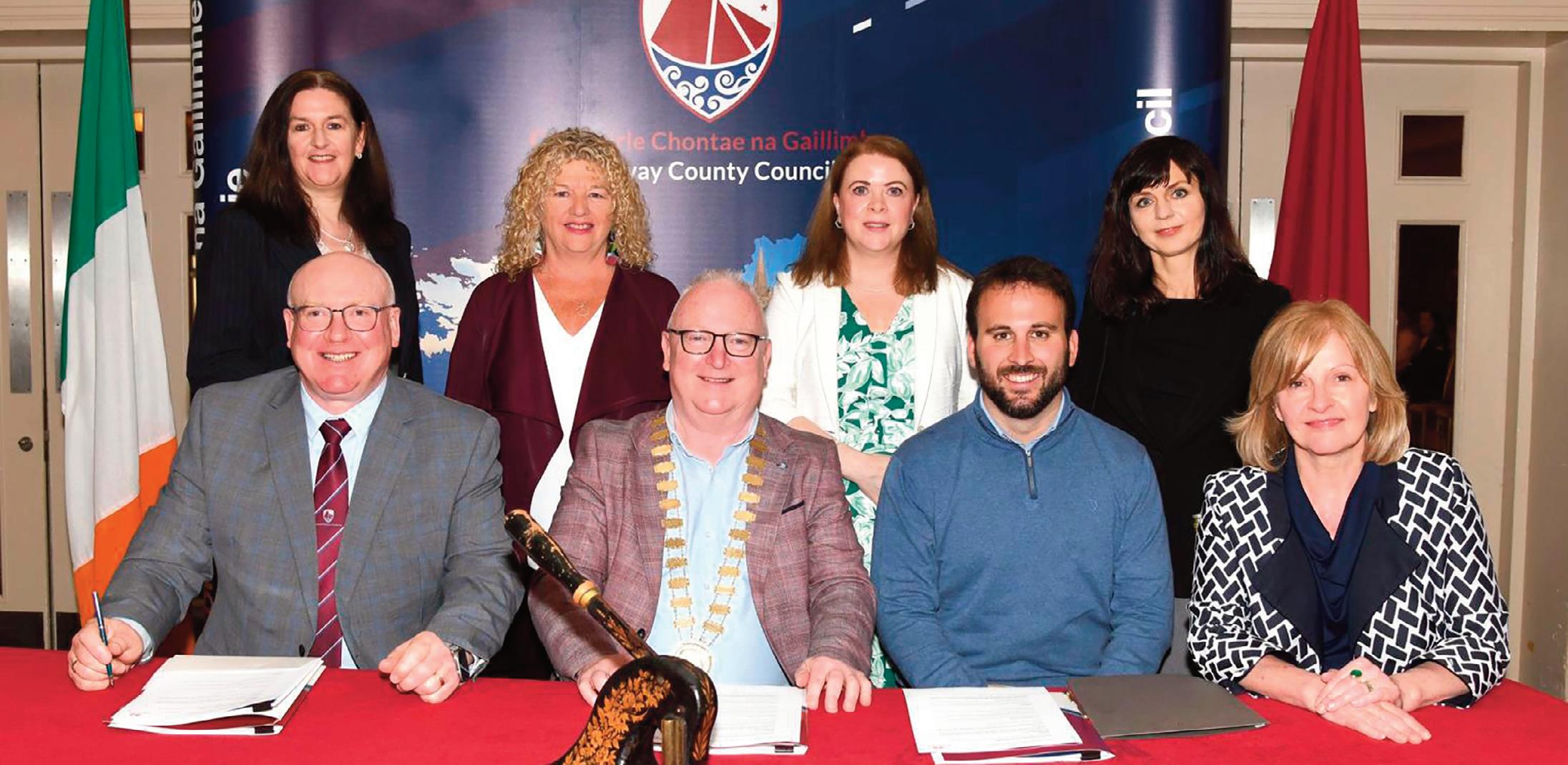
The contract for construction of the new facility was signed in City Hall on Thursday 28 May 2026 appointing Flynn Management and Contractors to deliver the project. The Integrated Design Team will be led by Henry J Lyons, with AECOM Ireland Ltd serving as Project Manager.
It is anticipated that the staff will begin to move into the new offices in Q4 2026.
70 Monaghan social homes to benefit from free hot water as EnergyCloud partnership officially launched.
Monaghan County Council, in partnership with EnergyCloud Ireland and SSE Airtricity, has officially launched the Monaghan Eco Energy Project (MEEP) at an event held on Friday, 29 May 2026 at the Peace Campus, Monaghan.
The innovative initiative will initially see 70 Council homes benefit from free hot water generated using surplus renewable energy, with installations to be completed over the coming months, helping to reduce household energy costs while supporting national climate action targets.
The launch event brought together representatives from Monaghan County Council, EnergyCloud Ireland, SSE Airtricity and elected members to mark the introduction of the pilot programme in the county.
The Monaghan Eco Energy Project forms part of a wider national initiative led by not for profit organisation EnergyCloud Ireland, which works with energy partners to capture excess renewable electricity that would otherwise go to waste and redirect it to households experiencing energy poverty.
Under the scheme, participating homes will be fitted with a smart EnergyCloud-enabled device, which automatically heats the immersion tank when surplus energy is available on the national grid. Households will receive credits on their electricity bills, meaning the hot water is effectively provided at no cost to tenants.
Speaking at the launch, Robert Burns, Chief Executive of Monaghan County Council, said:
“The Monaghan Eco Energy Project demonstrates how strong partnerships can deliver real and lasting benefits for our tenants. By harnessing surplus renewable energy, this initiative will help reduce energy costs for households while contributing to our climate action objectives.”
Also speaking at the event, Cathaoirleach of Monaghan County Council, Cllr PJ O’Hanlon, said:
“This is an important and positive initiative for communities across Monaghan. It ensures that renewable energy is used in a practical way to support those most impacted by rising energy costs, while also strengthening our commitment to sustainability.”
Stuart Hobbs, Director of Energy Services at SSE Airtricity, said:
“From the outset, SSE Airtricity recognised the positive impact EnergyCloud could have in supporting households experiencing energy poverty across Ireland. We are delighted to see the initiative expand further through Monaghan County Council, enabling more families to benefit from free hot water generated from surplus renewable energy. By using surplus renewable electricity to provide practical support to homes across the county, this initiative is helping communities while also contributing to a more sustainable energy system. We look forward to seeing the programme continue to grow in communities across Ireland.”
Alan Wyley, CEO of EnergyCloud Ireland, commented:
“EnergyCloud are delighted to launch our first project in Monaghan with the support of Monaghan County Council and SSE. It is a big step forward for EnergyCloud as we seek to roll our initiative out nationally and we look forward to using surplus renewable energy efficiently to help Monaghan residents who may be struggling with their energy bills.”
Initially introduced as a pilot programme for households using oil or gas boilers, the project may be expanded following evaluation, with the potential to extend its benefits to additional eligible households across the county.
In addition to reducing energy costs for tenants, the initiative will also help lower carbon emissions and ensure better use of Ireland’s renewable energy resources.
The HomeLINK
A proven and scalable solution for the challenges faced by social housing providers, while generating a return on investment. The HomeLINK Connected Home Solution From Ei Electronics assists with:
Strengthening Ei Electronics’ Connected Home Focus in Ireland
Ei Electronics has appointed Maureen Kelly-Hardiman as Business Development Executive –Connected Home, further strengthening the company’s focus on growing its Connected Home Solution in the Irish market.
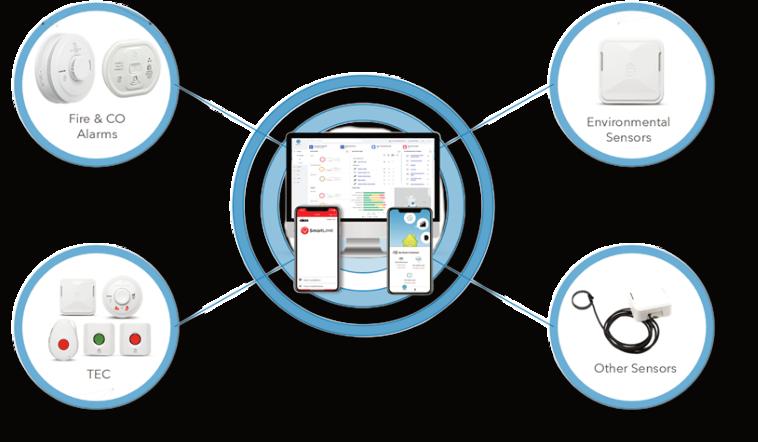
Ei Electronics’ Connected Home solution combines connected alarms and environmental sensors, wireless interconnection, remote monitoring and management functionality. Together, these technologies support safer and healthier homes by providing for proactive maintenance, live alarm dashboards, and audit ready reports for compliance. They also enable housing providers and property managers to more efficiently oversee and manage installed systems across their housing stock.
In her role, Maureen will support sales activities, working directly with Social Housing Providers to help them engage with Ei Electronics’ Connected Home offering. She will work closely with local government and Approved Housing Boards while also supporting the continued development of Ei’s Connected Home platform to ensure it aligns with customer and market needs.
"I am absolutely delighted to join EI Electronics as Business Development Executive for Connected Homes. HomeLINK represents the future of home safety, and I am excited to bring this technology to county councils and approved housing bodies across Ireland. Connected homes save lives, and I look forward to working with housing providers to make that a reality for tenants in our communities."
Maureen Kelly Hardiman, Business Development Executive – Connec ted Home
Working alongside the existing Irish sales team, Maureen will help build on Ei Electronics’ longstanding customer relationships and established core strengths, while supporting the wider adoption of connected solutions across both traditional and emerging channels.
To learn more about Ei’s Connected Home solutions and how they support safer and healthier homes, visit www.eielectronics.ie.
The Ei Electronics Connected Home Offering
Biodiversity in your neighbourhood
Local biodiversity is often thought of as something distant, like wild coastlines, remote forests or protected landscapes far from urban life. But biodiversity is also part of everyday life in towns and cities. It exists in housing estates, parks, rivers, roadside verges and coastal areas, wherever plants, animals and people share space together. As Ireland’s urban areas continue to grow, local authorities are playing an increasingly important role in protecting and improving these environments for both wildlife and local communities.
Across urban areas, local authorities consider how public spaces are planned and managed so that nature has room to thrive. This can include planting native trees, protecting habitats and designing new spaces with biodiversity in mind. The changes are often gradual, but they help make towns and cities healthier, greener and more resilient places to live.
Supporting biodiversity in housing estates
Housing estates are an important part of the urban environment and can provide real opportunities to support wildlife when they are thoughtfully designed and managed. In Fingal, a new initiative is exploring how existing estates can be adapted to improve biodiversity while also creating attractive spaces for residents.
Hans Visser, Biodiversity Officer with Fingal County Council, explains how the county's new housing estate "biodiversity makeover" programme works. Resident associations were invited to put their estates forward for a redesign focused on supporting wildlife in their neighbourhoods. The initiative was well received, and five estates were shortlisted to work with landscape designers and ecologists in the initial phase.
The measures explored include meadow planting, native tree planting, ponds and wetlands, and features such as bird and bat boxes.
“Local residents are really involved from Day One on this,” Visser explains. “Collectively, residents decide what they want, and the design grows out of those conversations.”
Before work begins, ecologists carry out surveys to understand what wildlife is already present. The estates will then be monitored over five years to see which measures work best. According to Visser, this long term approach is key. “We want to understand what actually works in an urban housing estate, and what is most cost effective over time,” he says. “That way we can focus resources on measures that deliver real benefits for wildlife and for communities.”
Urban biodiversity is interconnected
Urban biodiversity is not just about protecting individual species. It is also about understanding how ecosystems work together and how changes in the population of one species can affect another.
David McNicholas, Biodiversity Officer with Galway City Council, points to the red squirrels that live in the city's woodland areas as a good example. For decades these animals have been under pressure from invasive grey squirrels, who compete with them for food and habitat. But in recent times, the return of the pine marten has given them a boost. Pine martens hunt grey squirrels, reducing their numbers. This gives the red squirrel populations a better chance to recover. “It shows how connected ecosystems are,” McNicholas says. “Sometimes protecting one native species can have wider positive effects across the environment.”
Biodiversity and the planning process
The planning system also plays an important role in protecting biodiversity. Before older buildings are renovated or demolished, local authority planning departments may require surveys to check for protected species. If bats are found, planning permission can include conditions to protect them. Work may need to take place at certain times of year to avoid breeding seasons for example, and alternative roosts may have to be provided.
The planning process also looks at the wider habitat, making sure it stays protected. Bats rely on nighttime darkness and hedgerow networks to move safely between feeding and roosting areas. Introducing artificial lighting or removing hedgerows can disrupt these movements, harming the bats, so planning departments consider biodiversity when assessing developments.
“Even a simple measure such as directional lighting that points downwards can reduce light pollution and make a real difference,” McNicholas says.
Restoring rivers and waterways
Along the River Liffey in Dublin, recent projects show how local authorities can work together to help restore damaged river ecosystems. Fingal County Council, Dublin City Council and South Dublin County Council have worked on initiatives to improve fish passage along parts of the river where old weirs and barriers had restricted the movement of migratory fish such as salmon and sea trout.
Other measures, including reshaping riverbanks and planting trees along waterways, help rivers flow more naturally while also creating shade and shelter for wildlife.
“This is vital work to help make rivers easier to navigate for migratory fish,” Visser says.
Creating urban areas where nature can flourish
Across Ireland, biodiversity officers, planners and community teams are increasingly working together to ensure nature is considered in how urban areas are managed. From housing estates and street trees to buildings, rivers and coastlines, these everyday places can support a wide range of species when they are cared for thoughtfully.
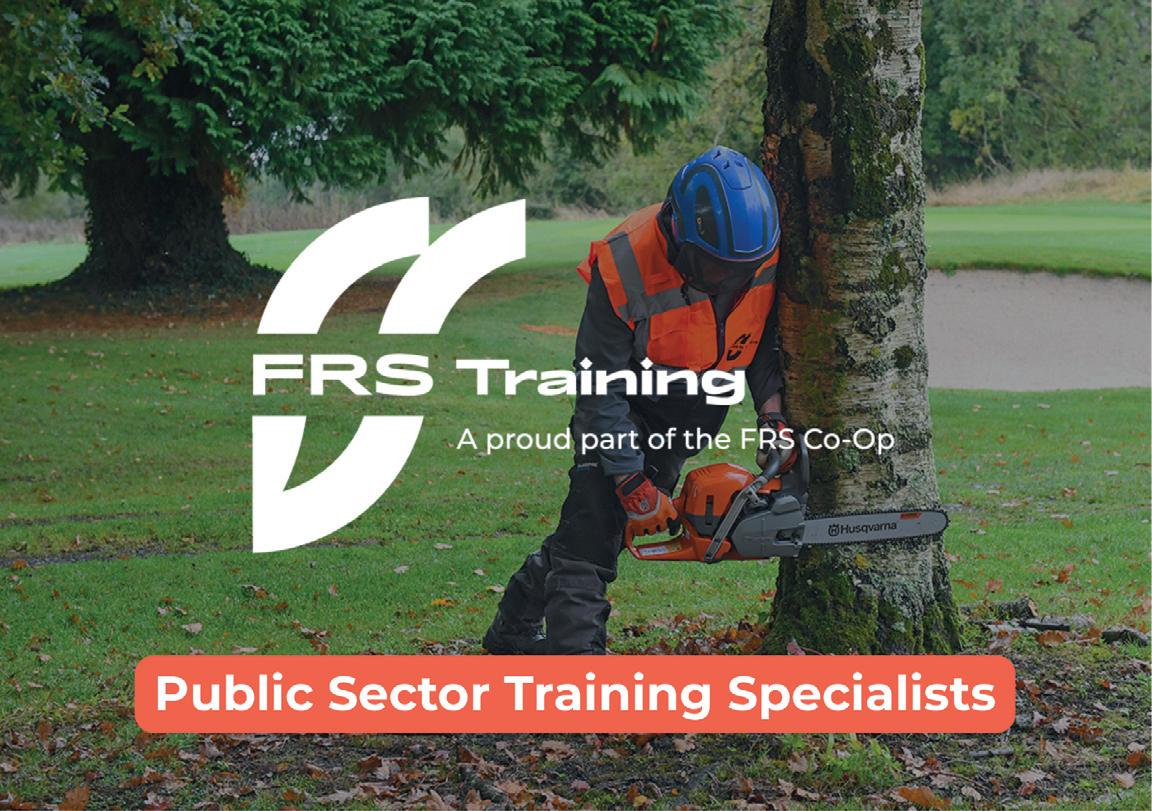
FRS Co-Op: Supporting Ireland’s Local Authorities Through Contract Services and Specialised Training
FRS Co-Op is proud to support Local Authorities and public sector organisations across Ireland through specialist contract services, infrastructure support and industry-leading training solutions. Our services help councils maintain safe public spaces, deliver essential environmental programmes and ensure staff and contractors have the skills and certifications required to operate safely and efficiently.
FRS Fencing is one of Ireland's leading fencing contractors, delivering high-quality fencing solutions for motorways, railway lines, housing developments, parks, public amenities and commercial infrastructure . With over 40 years' experience and a network of 15 fencing branches nationwide, we provide Local Authorities and public sector organisations with reliable, durable fencing solutions that help create safe, secure and well-managed public environments.
Through the wider FRS Co-Op, we also provide specialist contract services for government agencies and public bodies, supporting national initiatives including deer management programmes, badger eradication projects and large-scale soil sampling schemes.
FRS Training is one of Ireland's leading providers of professional development and safety training for land-based, environmental and infrastructure sectors . We work closely with Local Authorities, contractors and public sector teams to deliver accredited training that supports compliance, enhances safety and develops workforce capability.
Our programmes equip participants with the technical knowledge, certifications and practical skills required to work safely and legally in high-risk environments such as roadside maintenance, forestry operations, parks management, biodiversity projects and land stewardship activities.
Our accredited training portfolio includes City & Guilds, Lantra and QQI-certified programmes covering chainsaw maintenance and cross-cutting, felling of small trees up to 380mm, pole saw and woodchipper operation, emergency windblow, knapsack and boom sprayer operation, as well as specialist machinery training including quad bikes (ATVs), tractor driving and telescopic handlers
We also deliver essential health and safety programmes including PHECC First Aid Response, AED and Cardiac First Responder, Manual Handling, Fire Safety, Working at Heights, Lantra Emergency First Aid + Forestry and Safe Pass training, helping organisations maintain compliance while ensuring staff remain safe, competent and site ready.
To discuss a training requirement or arrange a course for your team, visit frstraining.com/contact or contact Marcella Ryan on 086 837 9979 or mryan@frstraining.com.
To request a fencing quotation or discuss an infrastructure project, visit frsfencing.ie/contact-us
For more information on FRS Co-Op's full range of services, visit frscoop.ie.
New Climate Action Charter for local authorities
Ireland’s local authorities have agreed a new Climate Action Charter that sets out how they will continue to take action on climate change over the coming years.
The updated Charter builds on the first Climate Action Charter signed in 2019. It reflects changes in climate policy since then, and it aligns local government action with national climate objectives.
What the new Climate Action Charter does
The Charter sets out a shared commitment to embed climate action across all local authority services and functions. It covers how local authorities plan services, manage resources, make planning decisions and work with communities.
Local Authority Climate Action Plans are confirmed as the main way that city and county councils will deliver on these commitments, with support from central government. Progress will be reported on each year to ensure transparency and accountability.
The Charter also reinforces the importance of evidence based decision making. Climate action will be guided by the best available data and science. Clear targets and goals
Under the Charter, the local government sector commits to clear climate targets. These include:
• reducing local authority greenhouse gas emissions by 51% by 2030
• achieving net zero greenhouse gas emissions by 2050
• improving energy efficiency across local authority operations by 50% by 2030
Biodiversity is also built into these goals, with local authorities committing to nature ‑ based solutions and actions that support climate resilience and nature recovery.
Better services for communities
The Charter supports the delivery of low carbon, climate resilient public services. This includes greener procurement, circular economy approaches that reduce waste, and planning decisions that help cut emissions and manage climate risks.
Local authorities also commit to preparing services for more frequent and severe weather events, helping to support people, infrastructure and local economies.
Supporting local action
Communities are a central focus of the Charter. Local authorities commit to working with residents, community groups, businesses and voluntary organisations to support local climate action.
This includes helping communities access funding, supporting local enterprise, involving young people, and providing clear and trusted information through public services such as libraries.
The aim is a fair and just transition, where climate action delivers real benefits at local level and works for everyone.
Minister O’Brien Officially Opens N55 Corduff to South of Killydoon Road Project: €31
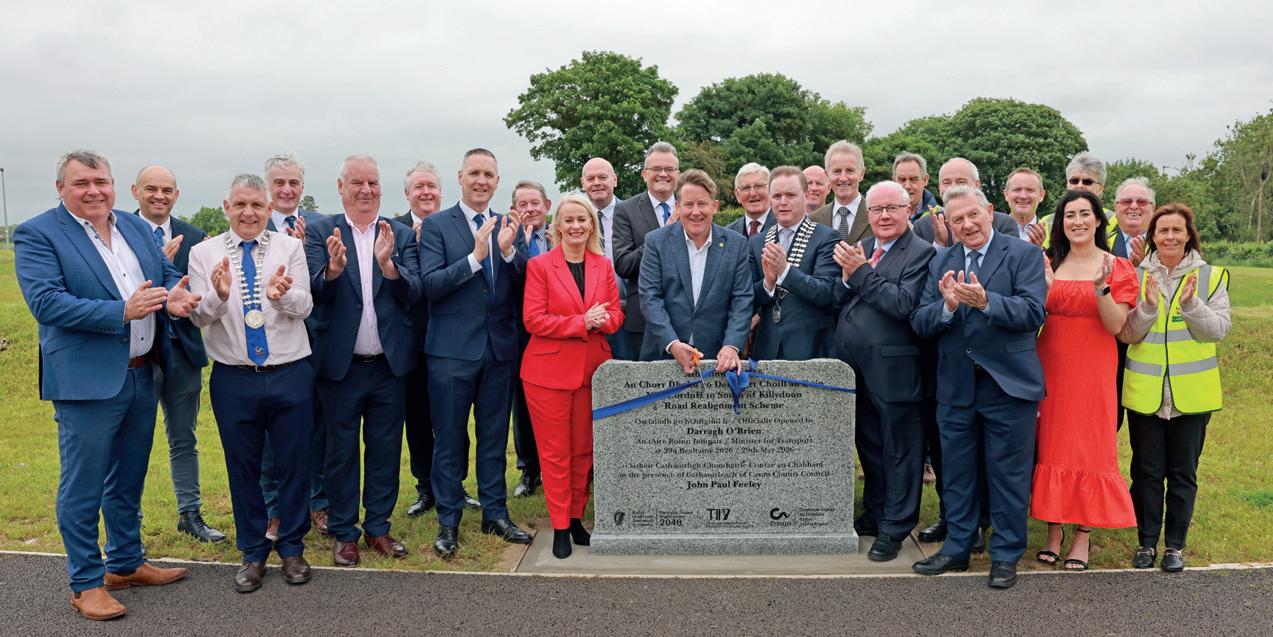
The N55 Corduff to South of Killydoon Road Realignment Scheme (Section B) was officially opened today by Minister for Transport Darragh O’Brien TD, marking the completion of the most recent phase of improvements to the strategically important N55 national secondary route in County Cavan.
million investment
The newly completed €31m section extends for approximately 3.7km between Ballytrust and Mullahoran, south of Killydoon, and delivers a significantly improved standard of road for all users. The scheme bypasses Killydoon Village, removing through traffic and improving road safety, journey reliability and overall driving conditions along this section of the N55.
The works included the construction of approximately 3.75km of new single carriageway, realigned junctions with improved sightlines, three new bridge structures over the River Erne, drainage infrastructure and associated ancillary works. Within Killydoon, the project also incorporates traffic calming measures and a looped pedestrian walking facility, enhancing safety and the local environment for residents.
While today’s event marks the opening of the recently completed Section B, the scheme also complements the earlier Section A works (3.2km) completed in 2018. In combination, the two sections provide a continuous improved route of approximately 6.9km, eliminating sub standard sections and significantly enhancing safety and connectivity along this key route.
Minister for Transport, Darragh O’Brien TD, said:
“I am very pleased to officially open this important section of the N55. This scheme will improve safety, journey times and reliability for all road users, particularly on a route that carries significant daily traffic, including a high proportion of HGVs.
It also delivers real benefits for the local community, including the removal of through traffic from Killydoon. Projects like this are central to our continued investment in the national road network and to supporting connectivity and regional development across the country.”
Cathaoirleach of Cavan County Council, Cllr John Paul Feeley, said:
“This scheme represents a significant improvement for both the local community and for all those travelling along the N55. It delivers a safer and more consistent route for the approximately 5,000 vehicles using this section each day, including a high number of HGVs.
At the same time, the reduction in volume of passing traffic from Killydoon and the provision of new pedestrian facilities have created a safer and more attractive environment for residents.”
Chief Executive of Cavan County Council, Mr Eoin Doyle, said:
“The completion of this project reflects the continued commitment of Cavan County Council, Transport Infrastructure Ireland, and the Department of Transport to improving the national road network. This scheme delivers safer, more efficient transport infrastructure along the N55, supporting regional connectivity and improving the experience for all road users, while also enhancing quality of life for those living along the route.”
Lorcan O’Connor Chief Executive of TII, said: “The investment made by Government to upgrade this section of the N55 in County Cavan between Ballytrust and Mullahoran is a prime example of the benefits that come from funding allocated to maintaining and improving the national road network. This project includes a bypass of the village of Killydoon, whilst also providing traffic calming measures within the village to enhance pedestrian safety for residents and visitors alike.”
Cavan County Council acknowledges the support of the Department of Transport, through Transport Infrastructure Ireland, in funding the scheme and the collaboration with Transport Infrastructure Ireland in its delivery, and wishes to thank, in particular, the local community, landowners, contractors and consultants for their cooperation and contribution to its successful delivery.
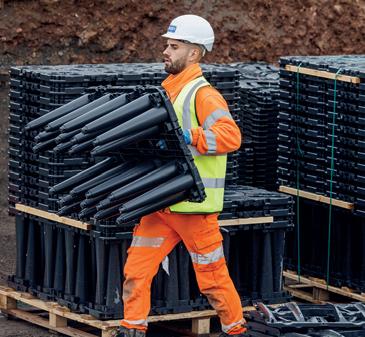
Wavin’s award-winning AquaCell NG - Supporting the Future of Stormwater Management
Wavin Ireland’s AquaCell NG infiltration and attenuation tank system has added ‘award-winning’ to its list of credentials, following its success at the Irish Construction Excellence Awards 2026, where it won in the Construction Product Innovation category.
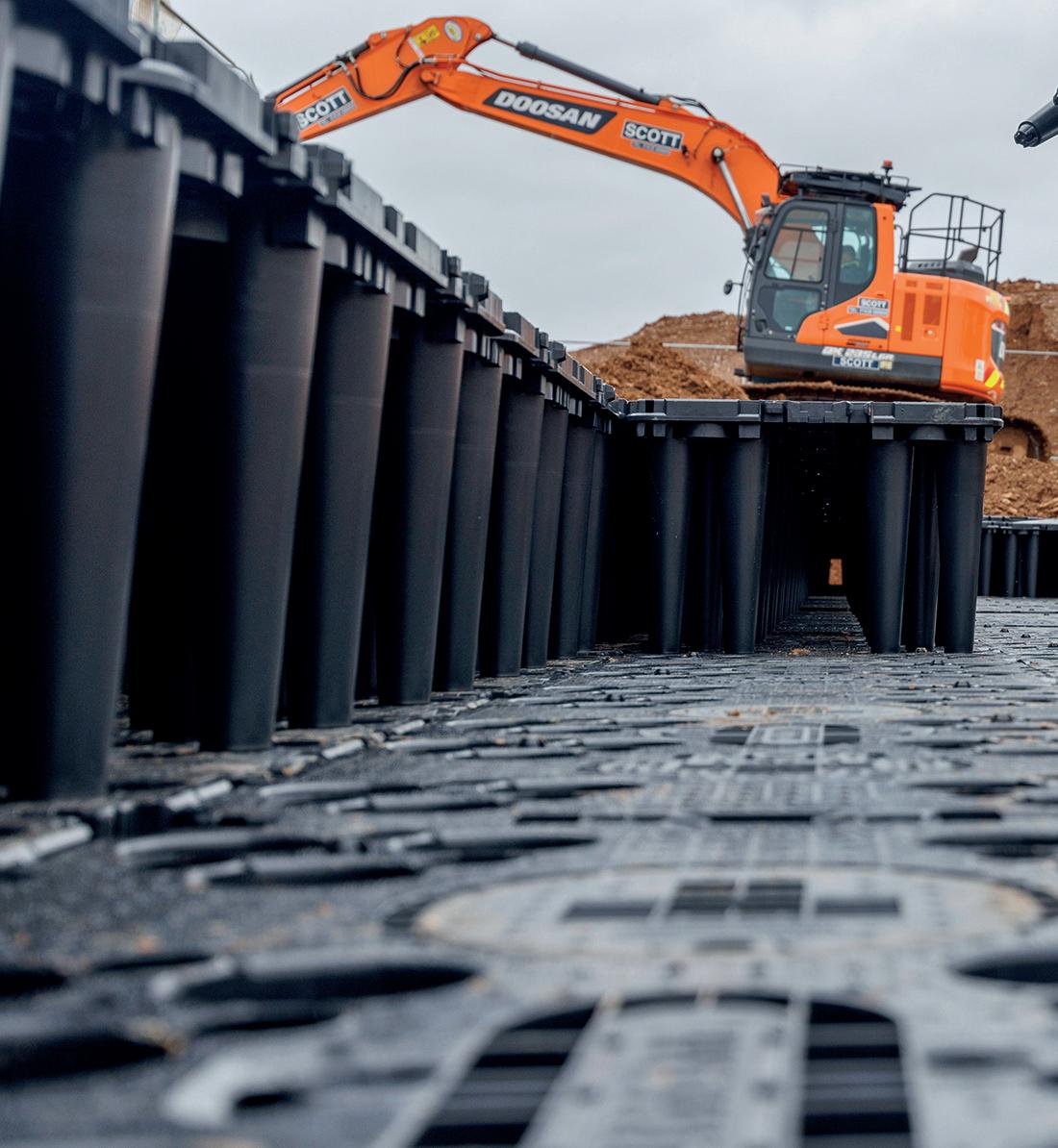
As local authorities, developers and contractors respond to increasing pressure on drainage networks, the need for practical, compliant and climate-resilient stormwater solutions has never been greater. Wavin’s nextgeneration AquaCell system has been engineered to support that challenge, combining faster installation, reduced site storage requirements and a more sustainable product design.
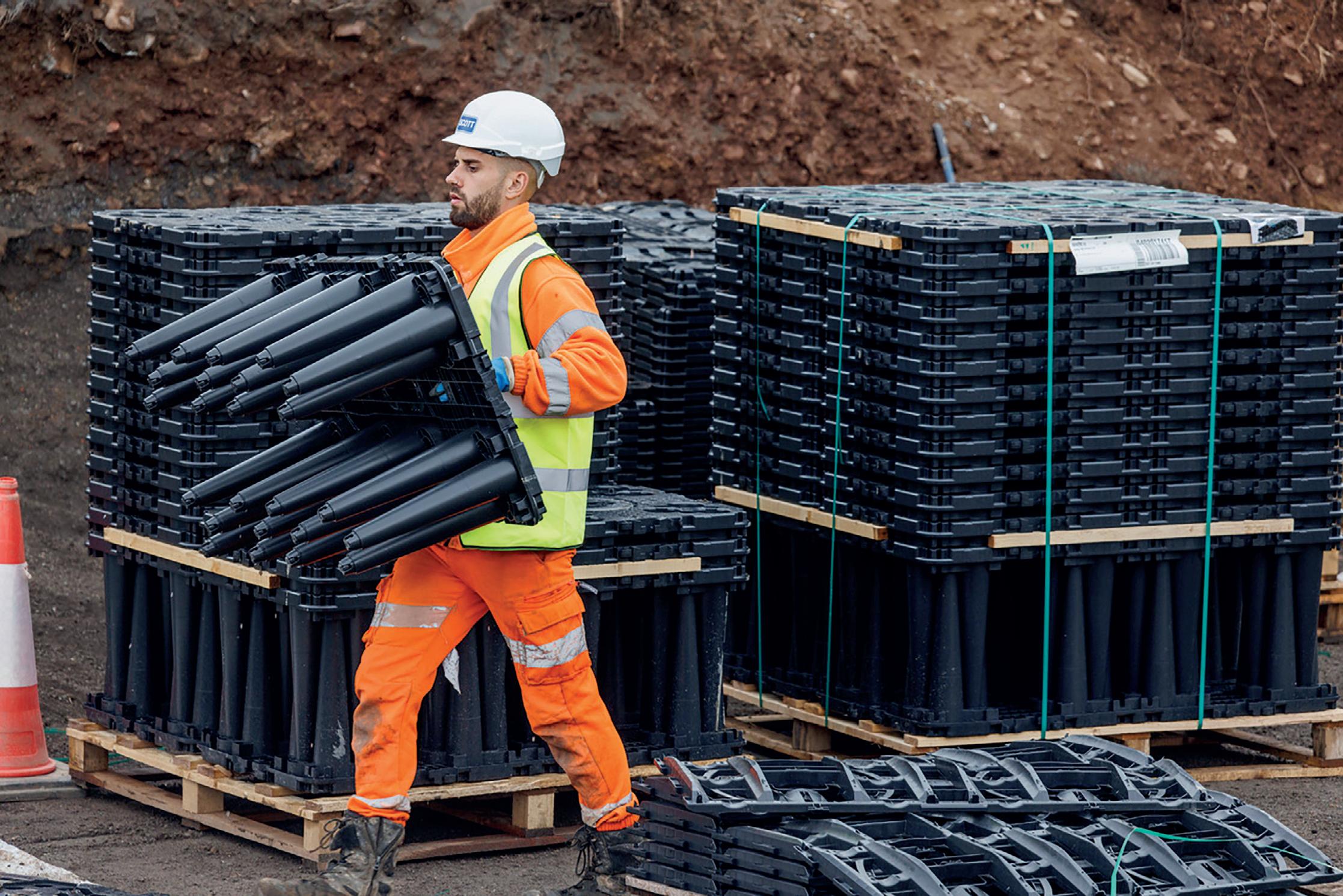
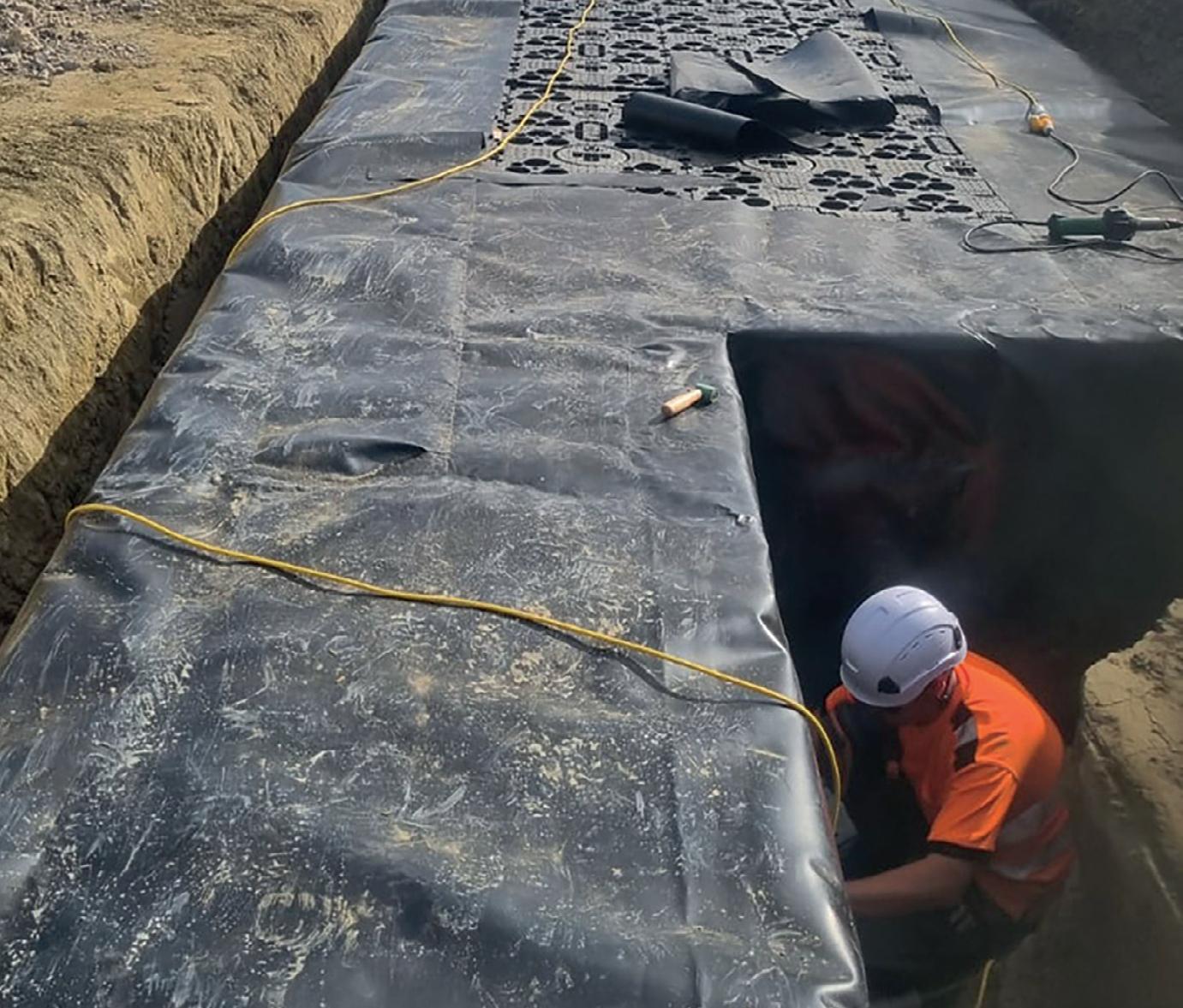
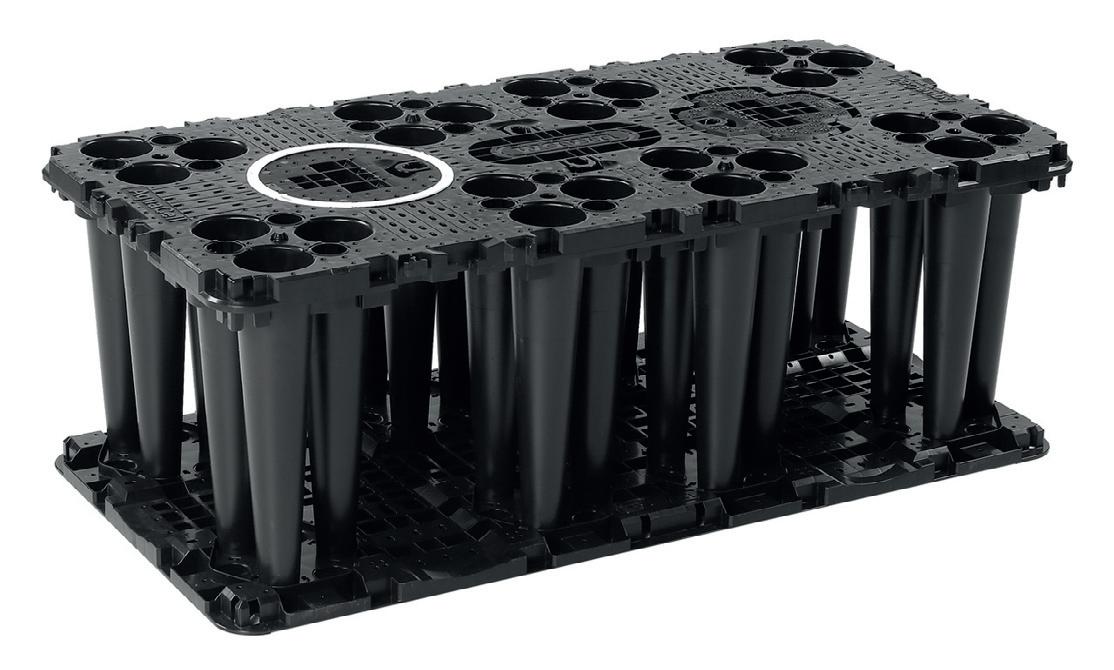
Made from 100% recycled plastic, AquaCell NG is lightweight, modular and adaptable to complex site layouts, including tight or constrained urban locations. Its nested, stackable design allows four times more units to be transported per delivery and requires four times less storage space on site,
helping to reduce transport requirements, site congestion and carbon impact. The system can reduce the carbon footprint associated with delivery and storage by up to 75%, while also delivering significant cost and logistical benefits.
With modern construction demands in mind, AquaCell NG has been independently tested and certified, offering a major advance in the speed and efficiency of attenuation tank construction. Push-fit connections and a toolfree build make the system up to three times faster to install than previous generations of AquaCell, while maintaining the same volume capacity.
A distinctive circular guide on top of each unit helps ensure correct orientation, supporting right-first-time installation. These built-in efficiencies reduce the time teams need to spend around the excavation area, helping to improve safety on site. Open inspection channels, with no internal walls, also allow inspection and cleaning equipment to be deployed more easily.
Blair McDonald, Urban Climate Resilience Commercial Manager, at Wavin Ireland & UK said: “Climate change is contributing to the sharper, heavier bursts of rainfall we are seeing more frequently across Ireland, placing increasing pressure on drainage networks that were not originally designed to manage these conditions.
“That is why SuDS design must be approached through a balanced, site-responsive strategy, combining natural measures where feasible with engineered solutions where required. AquaCell NG was developed with these real-world challenges in mind, so we are particularly proud that it has now been recognised as an award-winning innovation at the Irish Construction Excellence Awards 2026.”
Wavin continues to innovate to support better outcomes across the built environment. As the construction industry works to deliver climate-resilient, sustainable communities, SuDS are now firmly embedded in regulation, planning and compliance. AquaCell NG offers local authorities and developers a practical way to balance SuDS policy ambitions with real-world site constraints, providing reliable below-ground attenuation that complements nature-based drainage and supports controlled run-off.
Wavin’s expert team continue to offer cost effective stormwater solutions for attenuation and soakaway applications.
For installation videos and further information on Wavin’s AquaCell NG system, scan the QR code.
Minister O'Brien announces €10 million funding for ICE2EV scheme, accelerating the switch to electric vehicles
Minister for Transport, Darragh O’Brien , has announced a new limited scheme, designed to accelerate the transition from older, high-emitting internal combustion engine (ICE) vehicles to cleaner electric vehicles (EVs).
The ICE2EV Scheme will launch on 1 July and be administered by the Sustainable Energy Authority of Ireland (SEAI). It is a targeted measure to reduce emissions, by removing ICE vehicles aged over 13 years from Ireland’s private car fleet and replacing them with new battery EVs.
“There are almost 235,000 EVs on Irish roads today, and we are on course to reach many multiples of that figure in the coming years. I want to support even more households to switch away from older, more polluting cars and on to electric vehicles. So for anyone considering changing an older car, I encourage you to make the move from ICE to EV. It is a practical and effective step towards reducing emissions and improving air quality across Ireland.
“Older vehicles are among the highest emitters in our transport system, and many households face real financial barriers in moving to cleaner alternatives. ICE2EV is designed to bridge that gap, helping people make the switch while delivering immediate and measurable reductions in emissions.” Minister for Transport, Darragh O’Brien
“The ICE2EV scheme provides meaningful financial support to help households move away from older, more expensive-to-run cars and into cleaner electric vehicles. This has clear benefits for transport affordability, air quality and efficiency of our domestic vehicles, and will contribute to reducing transport emissions. The benefit to rural communities is especially welcome, where we know people depend on cars to get around.”
Minister of State with responsibility for International and Road Transport, Logistics, Rail and Ports, Seán Canney “ICE2EV is an important step in making electric vehicles more accessible to a wider range of households, particularly in rural communities where car dependency is often greatest. By targeting older, higher-emitting vehicles, we are ensuring that this investment delivers real environmental benefits while supporting people to make a practical and affordable choice for cleaner transport.”
Minister of State with responsibility for Rural Transport, Jerry Buttimer
"At SEAI, we've seen first-hand how much of a difference switching to an electric vehicle can make to the cost of running a household, while improving everyone's quality of life through improved air quality and reduced emissions. I really welcome today's announcement, which will help even more people make the change."
CEO at SEAI, William Walsh
The initiative is backed by €10 million in funding from the Climate Action Fund under the Department of Climate, Energy and the Environment. To ensure balanced access, 65% of the funding will be allocated to rural applicants and 35% to urban applicants, based on Central Statistics Office Census 2022 definitions.
Eligible applicants can receive € 5,000 for the permanent removal of a qualifying ICE vehicle registered in 2013 or earlier. The payment must be used towards the purchase of a new battery electric vehicle. It is additional to the existing €3,500 EV grant administered by the SEAI, bringing total available support up to €8,500 per vehicle.
Applicants must demonstrate on the date of application that the ICE vehicle:
• has been registered in their name within the State for at least 12 months prior to the application;
• holds a valid NCT certificate, or one expired by no more than six months;
• has been taxed and insured for road use during the six months prior to the application.
ICE2EV is designed to address a persistent emissions challenge within the private car fleet: the continued use of older, high-emitting ICE vehicles, often among households facing financial barriers to transitioning to EVs. By focusing on this segment, the Scheme will help to ensure that the most emissions-intensive vehicles are replaced with zero-emission alternatives, delivering both climate and public health benefits.
In addition, Minister O’Brien announced a change in the existing SEAI Electric Vehicle Purchase Grant. The maximum eligible vehicle price threshold for grant will now be € 50,000, rather than €60,000. This change has been made to target funding for EV transition towards lower price bracket cars, enabling a greater proportion of the funding available within the National Development Plan to support the roll-out of public charging infrastructure. This is in line with the draft EV charging strategy published in February 2026.
“Reducing the price cap ensures that public funding is focused on supporting more affordable electric vehicles and delivers better value for money for taxpayers. It reflects the growing availability of lowercost EV options and allows us to support a greater number of households in making the transition. It also means we can focus a greater proportion of available funding on rolling out much needed EV charging infrastructure.”
Minister for Transport, Darragh O’Brien
The amended price threshold will come into place for new applications received after 31 July 2026. It will not affect applications approved or submitted prior to this date, which will continue to be assessed under the current threshold.
Further details on ICE2EV, including application processes, will be made available by the SEAI ahead of the launch date.
Waterford Reclaims WHO European Healthy City and County Status for Phase VIII
Waterford has once again secured accreditation as a World Health Organisation (WHO) European Healthy City and County, reclaiming its place within the prestigious international network for Phase VIII of the WHO Healthy Cities Programme.
The achievement recognises Waterford’s continued leadership in placing health, wellbeing, equity, sustainability, and community participation at the heart of local governance and development. Building on the strong foundations established during previous phases of the programme, Waterford has successfully demonstrated its commitment to addressing the social, economic, and environmental factors that influence health and wellbeing outcomes for all citizens.
The WHO Healthy Cities Programme is a global movement that supports local authorities in creating healthier, more inclusive, and sustainable communities. Accreditation is not awarded based on health and wellbeing outcomes alone, but reflects a city or county’s political commitment, strategic leadership, and collaborative approach to improving the health and wellbeing of its population.
Minister for Health Promotion and Public Health, Jennifer Murnane O’Connor TD, welcomed Waterford’s successful accreditation for Phase VIII, stating, “Waterford’s reaccreditation as a WHO European Healthy City and County reflects the strong partnerships, leadership and community engagement that continue to drive positive health and wellbeing outcomes across the region. It is encouraging to see Waterford building on previous successes and embracing the opportunities presented through Phase VIII to create healthier, more sustainable communities for current and future generations.”
Waterford’s successful application was underpinned by a broad partnership approach involving Waterford City and County Council, the Local Community Development Committee (LCDC), the HSE, South East Technological University (SETU), Waterford and Wexford Education and Training Board (WWETB), Waterford Public Participation Network (PPN), Waterford Area Partnership, Waterford Leader Partnership and Waterford Children and Young People’s Services Committee (CYPSC), alongside a wide range of community, voluntary and statutory organisations.
Over recent years, Waterford has strengthened its Healthy City and County agenda through initiatives focused on healthy ageing, mental health and wellbeing, social inclusion, active travel, climate action, community resilience and reducing health inequalities. The county has also continued to embed health considerations across key local authority strategies, including the Local Economic and Community Plan (LECP) and Corporate Plan.
Speaking on the announcement, Mayor of Waterford City and County, Cllr. Seamus Ryan, said, “We are delighted that Waterford has once again achieved WHO Healthy City and County accreditation. Reclaiming this status for Phase VIII reflects the tremendous work undertaken across our communities, organisations and public services over many years. It highlights our shared ambition to ensure that health, wellbeing and quality of life remain central to everything we do as a city and county.
“This recognition belongs to everyone who has contributed to making Waterford a healthier, more inclusive and sustainable place to live, work and visit.”
Chief Executive of Waterford City and County Council, Sean McKeown, added, “This achievement demonstrates the strength of collaboration across Waterford and reaffirms our commitment to improving health and wellbeing through integrated planning and partnership working. Through our LECP and other strategic frameworks, we will continue to support initiatives that create healthier communities and reduce inequalities across the city and county.”
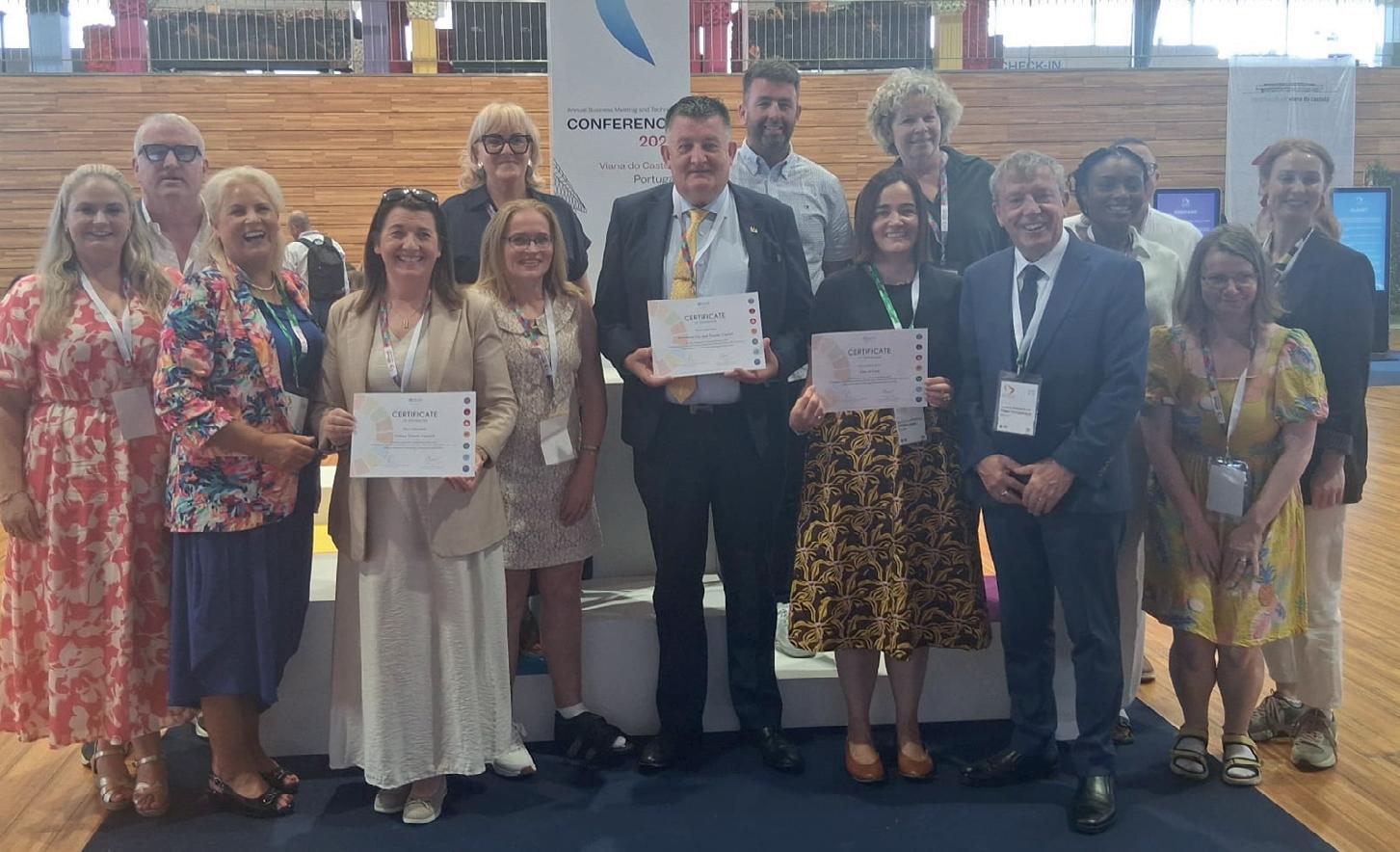
Kira Fortune WHO; Sinéad Breathnach Senior Executive Officer Waterford City and County Council; Cllr. Damien Geoghegan; Minister Jennifer Murnane O’Connor; Eoin Morrissey Waterford Healthy City and County Coordinator Waterford City and County Council and Chris Brown WHO
Galway County Council Signs Contracts for Two New Mobile Library Vehicles
Galway Public Libraries is set to deliver a first for Ireland with the introduction of the country’s first modern mobile library vehicles based on bus infrastructure, following the signing of contracts by Galway County Council for the design and construction of two new state-of-the-art units.
The contracts have been awarded to Spanish specialist manufacturer Alegria-Activity, marking the company’s first project in Ireland. Funding for the initiative is being provided by Galway County Council, with support from the Department of Rural and Community Development and the Gaeltacht under the Library Capital Programme.
The vehicles will significantly modernise and expand the Galway Mobile Library Service, enabling books, learning resources and wider community supports to be delivered to towns, villages, schools and rural communities across the county. The new generation units will function as fully equipped mobile service points, with shelving, staff workspace, enhanced IT capacity and provision for public printing, supported by onboard power and connectivity systems.
Cathaoirleach of the County of Galway Cllr David Collins welcomed the investment, saying it represents “a strong statement of the Council’s commitment to vibrant communities and equal access to library services, regardless of location.”
Chief Executive of Galway County Council, Liam Conneally, said the investment “reflects our commitment to inclusion, accessibility and sustainable community development. These new vehicles will strengthen and future-proof the Mobile Library Service, ensuring communities across Galway continue to have access to high-quality library services.”
Liz Keane, Galway City & County Librarian, said the project represents “a significant investment in the future of our Mobile Library Service,” adding that the partnership combines local experience with international expertise to deliver “modern, flexible vehicles that will serve communities across Galway for many years to come.”
“The investment underlines its ongoing commitment to innovation, accessibility and delivering high-quality library services to communities throughout the county,” she added.
Operating since 1960, the Mobile Library Service has long played a key role in connecting communities with reading, learning and cultural opportunities.
Designed in collaboration with Alegria-Activity, the new vehicles will feature modern technology, improved accessibility and flexible layouts to meet the evolving needs of library users across the county.
How local authorities help protect Ireland's coasts from erosion
Ireland’s coastline is always changing. Waves, tides and storms reshape the shoreline, wearing away the coast over time. This process is called coastal erosion, and it has been shaping the coast for thousands of years.
Most of the time, coastal erosion happens gradually. It becomes a concern when it begins to affect roads, railways, public amenities, natural habitats or other assets that communities rely on. As climate change increases pressures on some parts of the coast, local authorities are carrying out projects to manage these risks and protect vulnerable areas.
When coastal erosion becomes a problem
Climate change is expected to increase coastal risks in many areas. Even small increases in sea level can allow waves to reach further inland and attack parts of the coastline more frequently.
According to Mark Freeman, an engineer with Dún Laoghaire-Rathdown County Council, sea levels along the coast have risen by around 25 to 30 millimetres since the start of this century.
“This might not sound like a lot,” he says, “but it moves the high-tide line further inland. This creates a lot more pressure on coastal defenses.”
The effects are not always obvious at first. A small amount of erosion at the base of a cliff can eventually lead to larger sections above it collapsing. Over time, this can threaten nearby infrastructure and public spaces.
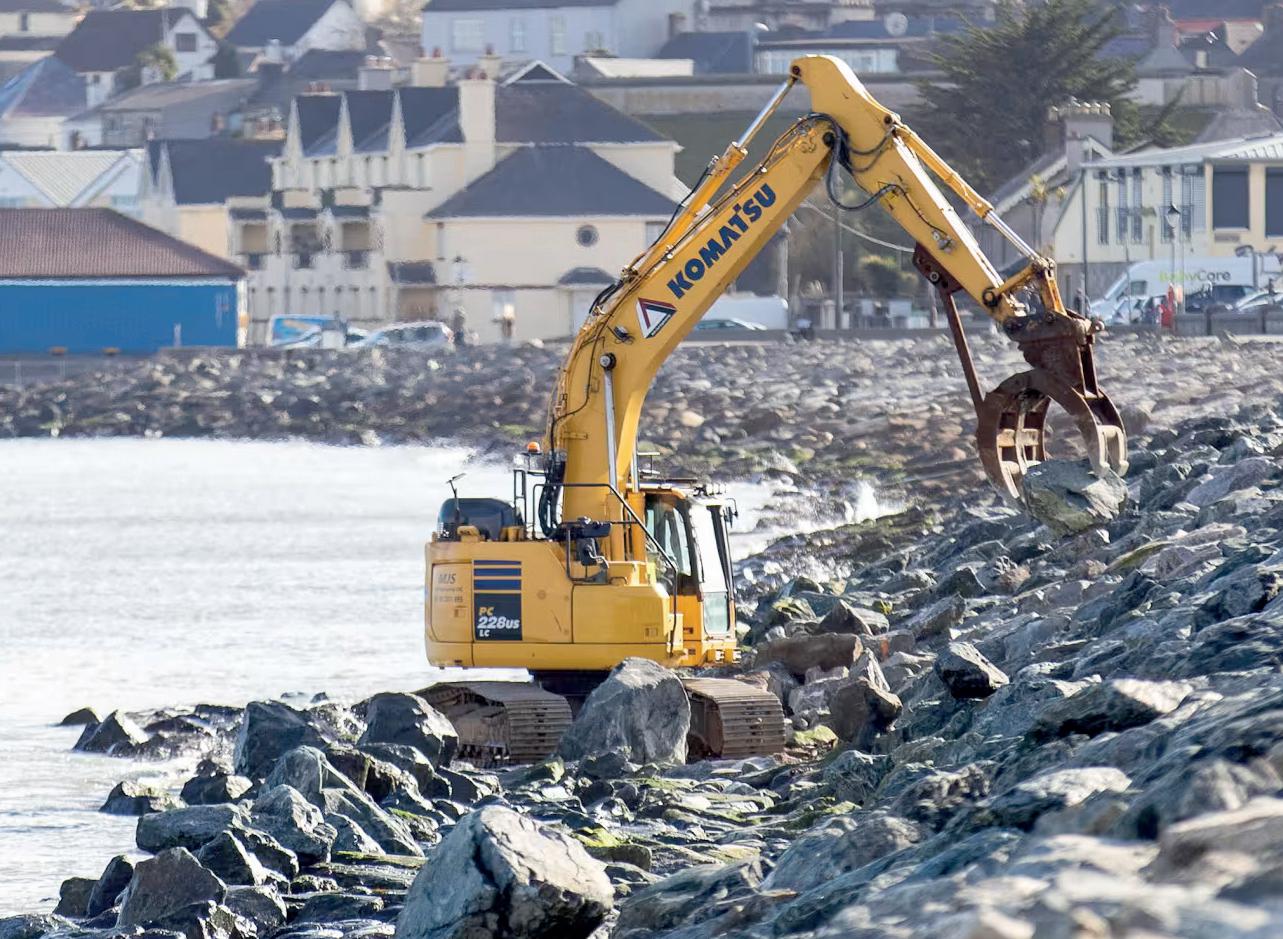
A project undertaken by Dún Laoghaire-Rathdown County Council close to Woodbrook Golf Club in the south of the county shows how coastal erosion can create challenges for communities. The site was originally a wetland area but was used as an unauthorised dump in the 1950s and 1960s. Although dumping was stopped in 1965, large quantities of waste remained buried there.
Over time, erosion removed the material protecting the old dump. As waves reached the buried waste, debris began appearing on the shoreline nearby, and it became an issue of local concern. The council carried out significant coastal protection works in response.
How coastal protection works are carried out
Before any work begins, engineers need to understand what is happening at a site and what risks are involved. This typically involves surveys, investigations and detailed design work. The information gathered helps engineers understand how the coastline is changing and identify the most appropriate response. Different locations may require different solutions depending on local conditions.
Public consultation is a key part of the process, enabling the community to provide input on the proposals and ensure it meets their needs.
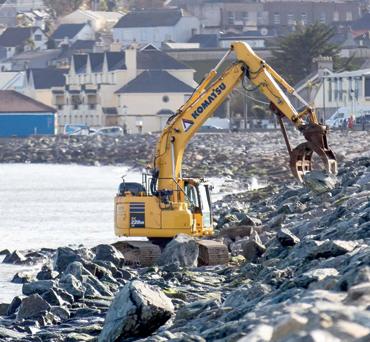
At the Woodbrook site, the preferred solution was a rock revetment. A revetment is a sloping structure that runs along the shoreline, designed to absorb the energy of incoming waves and reduce further erosion.
Once the design was finalised, construction work began. The existing cliff was excavated and reshaped. A geotextile layer was installed to stabilise the base. Large boulders, some weighing around four tonnes, were carefully placed on top. This created a structure capable of withstanding wave action and keeping the shoreline intact.
Projects such as these are designed not only to address current problems but also to take account of future conditions. Climate change and rising sea levels are now important considerations in the design process.
Protecting assets that matter to communities
Local authorities carry out coastal protection works where important community assets are at risk. Mary Cahill, Senior Engineer with Wicklow County Council, points to work on the revetment at Arklow as an example.
“Amenities such as a caravan park and a running track were at risk from coastal erosion,” she says. “These can now be protected due to this work.”
Wicklow County Council has also carried out work to maintain the revetment along the Murrough wetlands north of Wicklow Town, helping to safeguard important natural habitats, as well as popular recreational amenities in the area.
A shared effort
Managing coastal erosion requires input from a range of organisations. Local authorities work alongside agencies such as the Office of Public Works, the Maritime Area Regulatory Authority and other stakeholders when planning and delivering projects. Environmental assessments, planning processes, and technical studies may all form part of the work.
“It’s a very collaborative process,” Cahill says.
This approach helps ensure that environmental impacts, community needs and long-term risks are considered before works proceed.
To learn more about how local authorities manage coastal erosion, see Coastal Change Management: A Practical Resource on the Climate Action Regional Offices’ website.