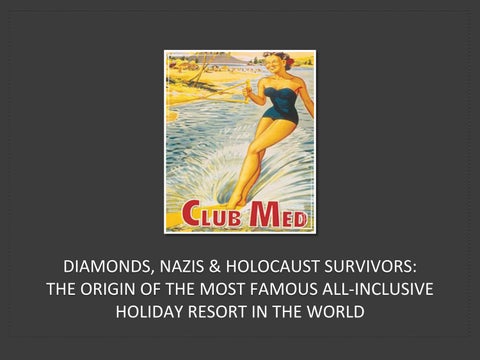
THE ORIGIN OF THE MOST FAMOUS ALL-INCLUSIVE HOLIDAY RESORT IN THE WORLD
Club Med has been in the travel & leisure world since 1950. Exotic locations in remote regions of the world, offering an “all-inclusive holiday” food, recreation, sports, organized activities, rest, and good company.
But long before this vacation concept was born, it was the idealistic brainchild of two men who survived World War II and found a way to help Holocaust survivors and war-weary Europeans back to health.
CHAPTER ONE THE BLITZ FAMILY ANTWERP, BELGIUM
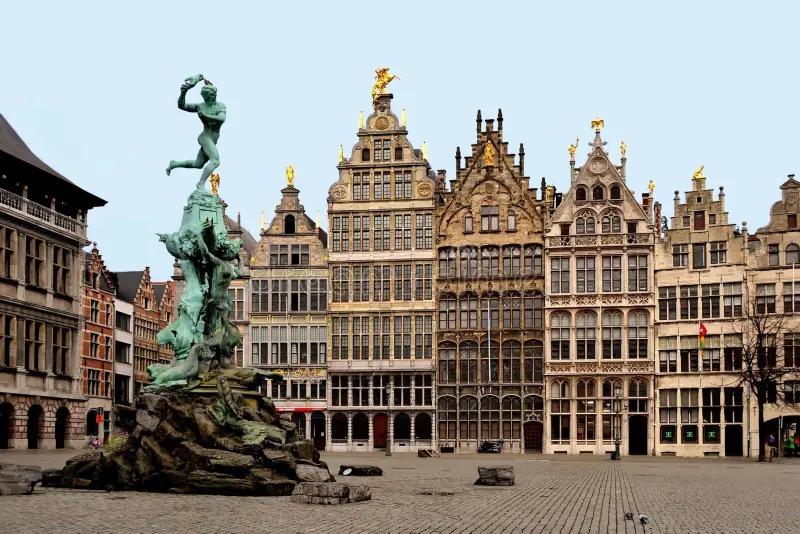
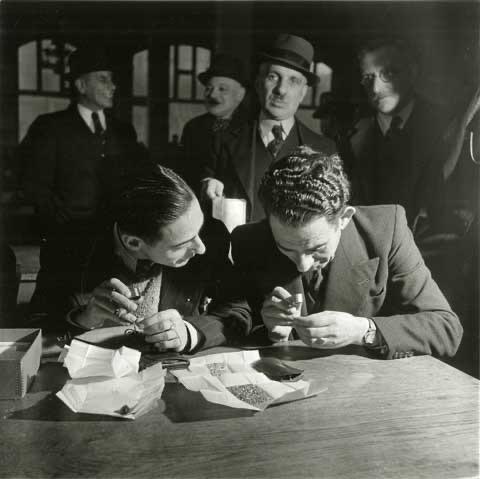
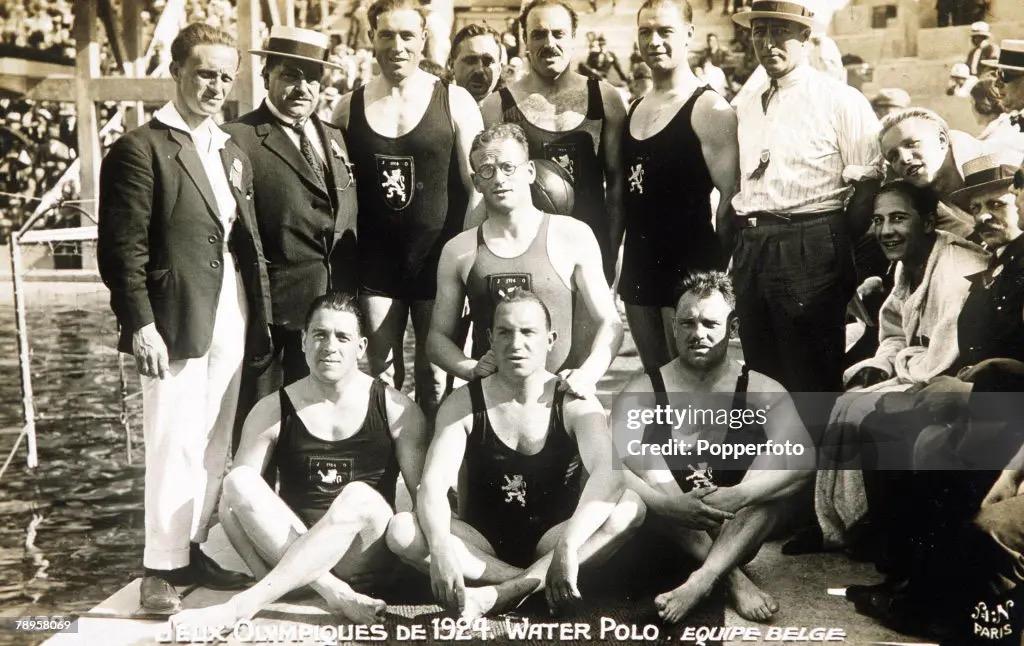
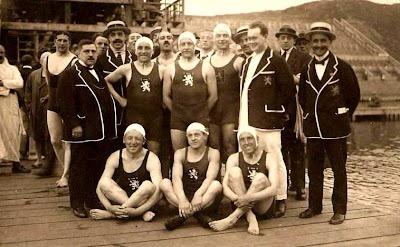
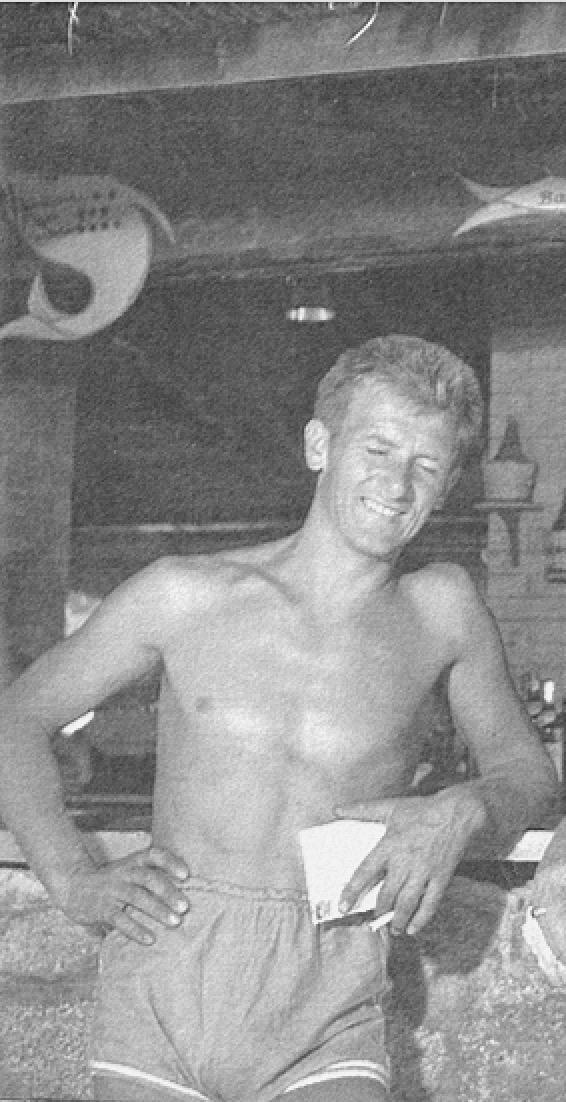
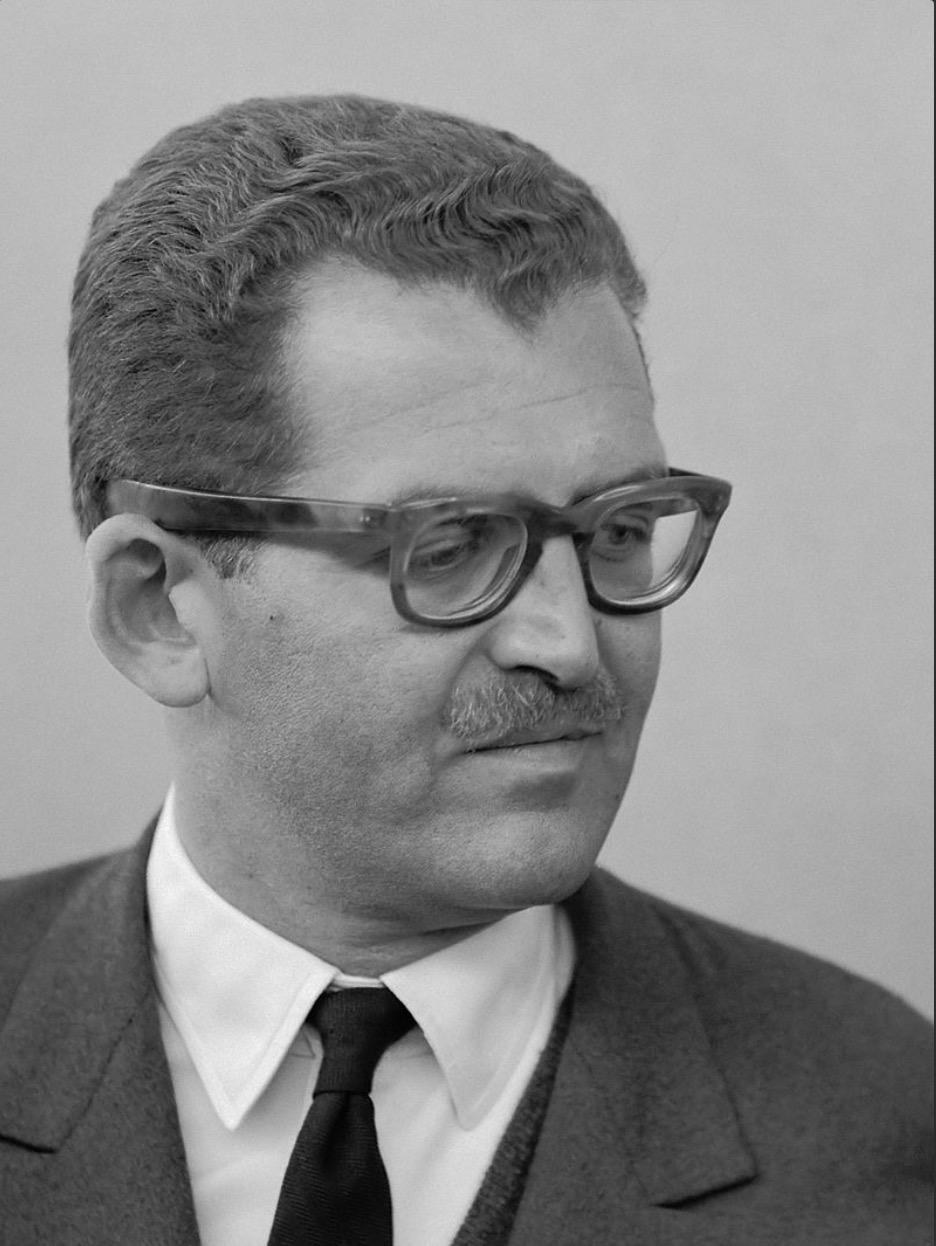
Gérard Blitz was born in Antwerp in 1912. His father was a diamond merchant. His mother (not Jewish) ran a beauty salon. At 16, Gerard left school to to work for his family as a cutter. When he wasn’t at work, Gerard was at the pool. The Blitz Family were legendary Belgian swimming and water polo champions
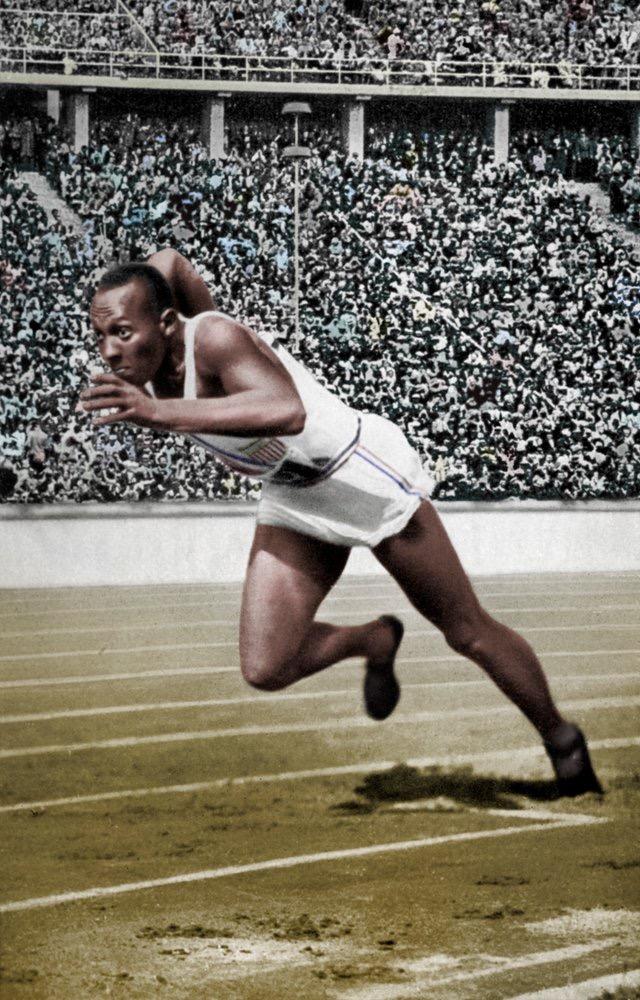
Olympic Champions
Maurice and Gerard Blitz won consecutive silver medals at the Antwerp & Paris Olympics and a bronze at the Berlin Games in 1936.
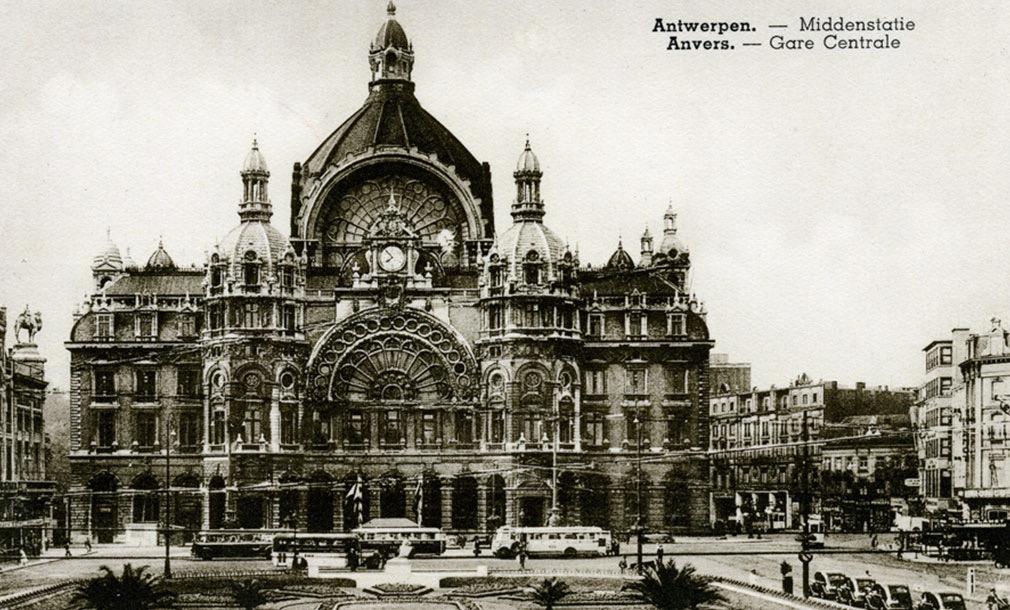
Antwerp had a large Jewish community. In the years prior to the war, many refugees from Germany and eastern Europe, who fled violence and persecution in their native countries moved to the city.
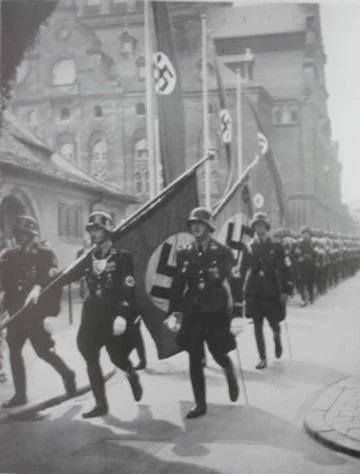
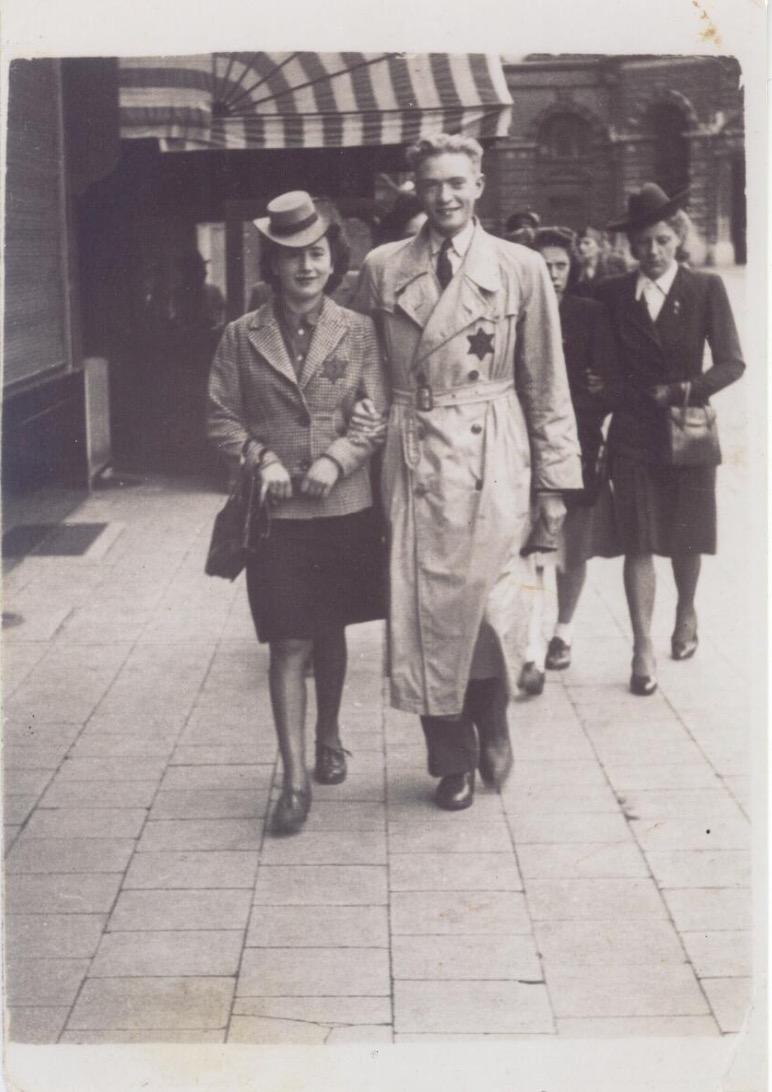
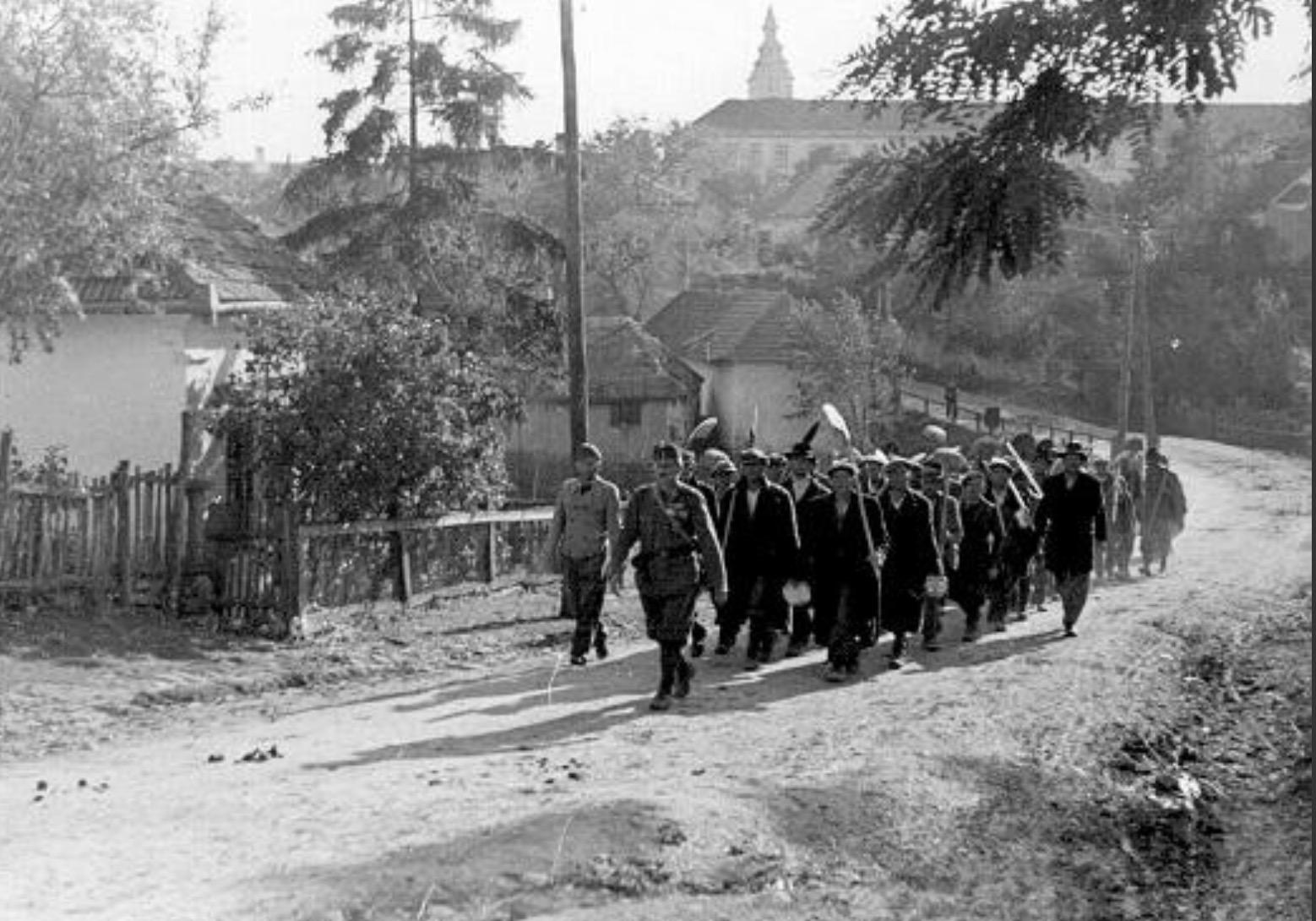
In 1940, the Nazi’s instituted anti-Jewish laws and ordinances as soon as they took control. They restricted the civil rights of Jews, confiscated their property property and businesses, banned them from certain professions and required Jews to wear a yellow star of David. Shortly after, Jews were rounded up for forced labor.
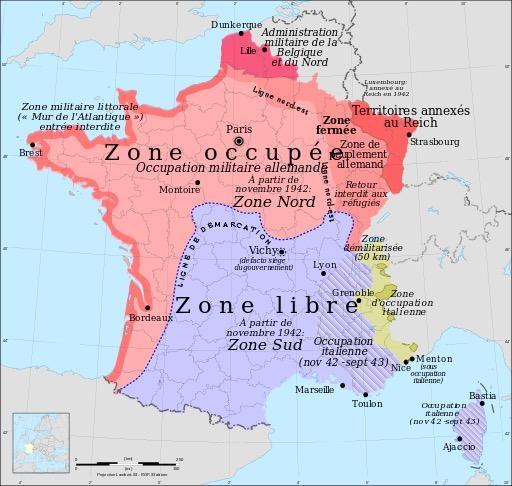
The Blitz family fled to the the South of France, where it was safer under Vichy control.
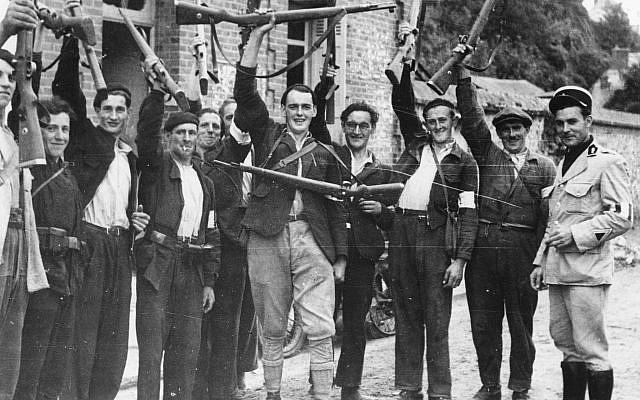
When Gerard Blitz turned 18, he fled and joined an elite unit of the French Resistance fighters.
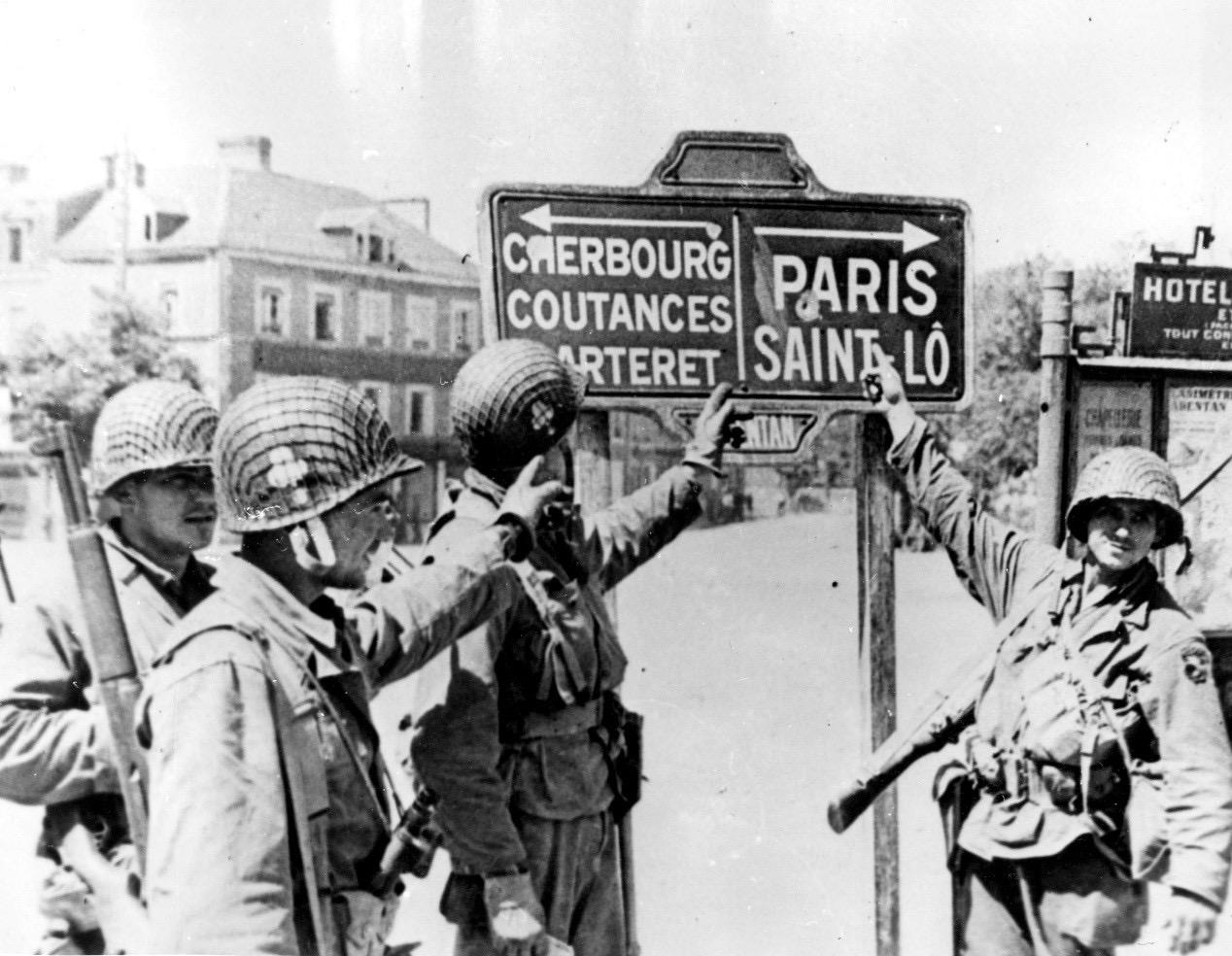
CHAPTER TWO ALLIES LIBERATE FRANCE
VILLAGES DES REPATRIES
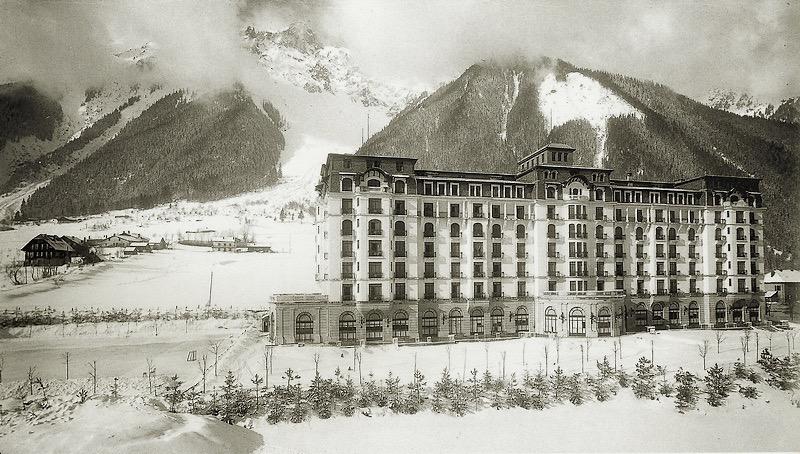
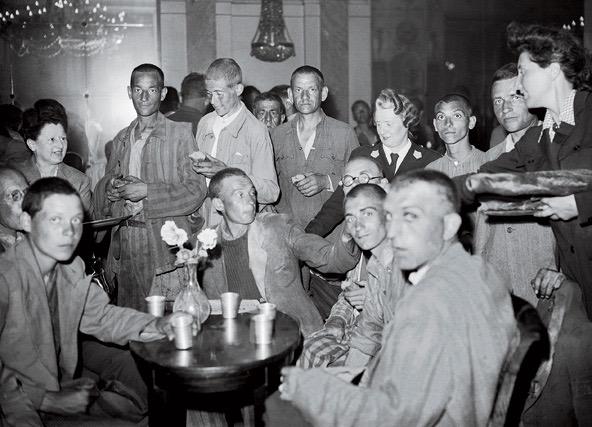
At the end of the war, Belgian deportees, survivors and collaborators in Germany went through Switzerland on their way home. Blitz and his resistance group were charged with separating the victims from the collaborators. He re-opened two hotels one in Chamonix and another in Annecy. There in the peaceful, pastoral beauty of the French Alps, Blitz helped holocaust survivors physically and mentally recover from their wartime experiences.
French Alps 1945
Liberation brought freedom to those persecuted and imprisoned by the Nazis. Those who survived the Holocaust had to come to terms with the loss of their family, home, friends, businesses and belongings. For many, there was nowhere and no one to return to.
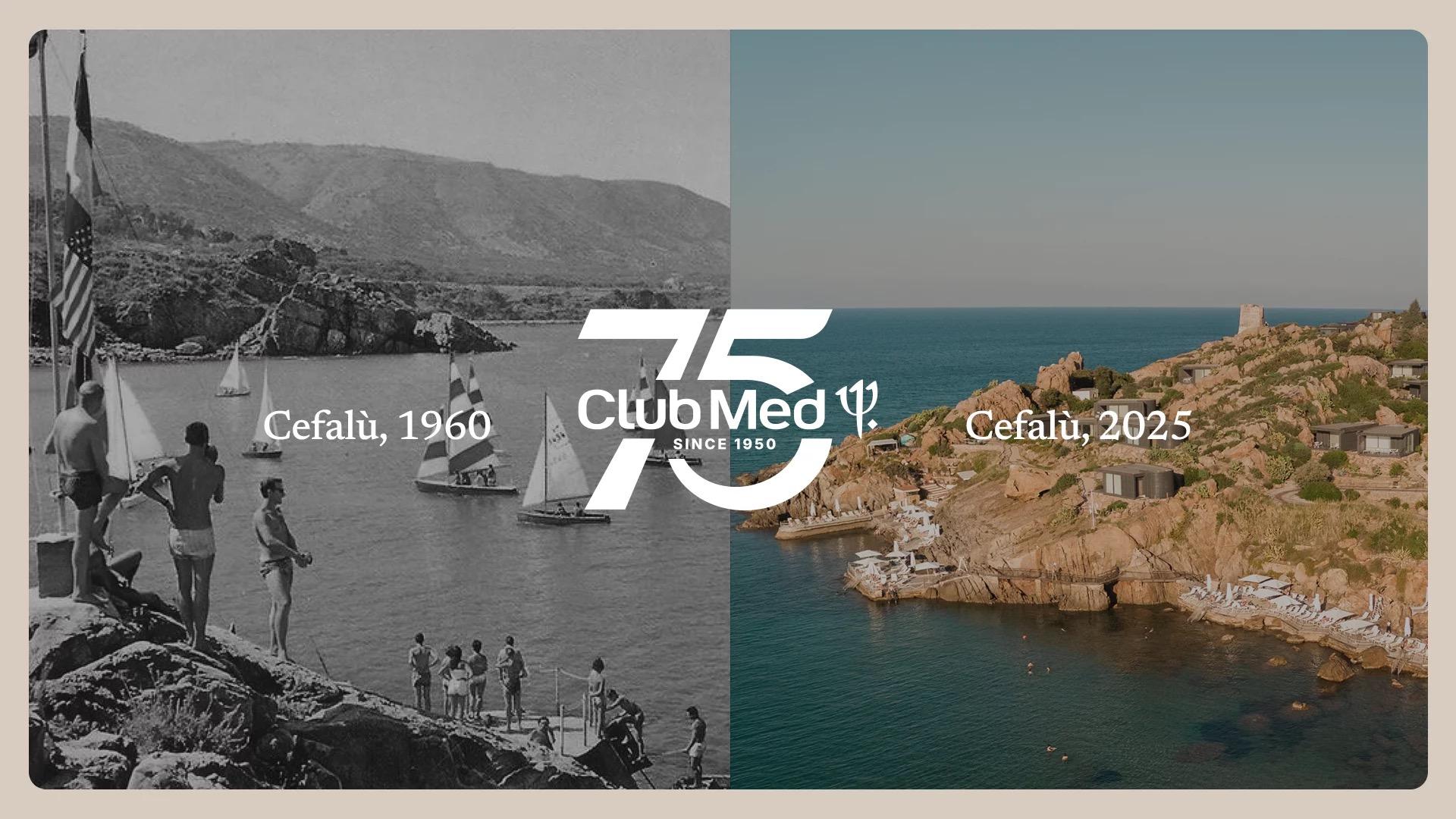
In the summer of 1949, Blitz went to work as a swim instructor at a resort in Corsica with his sister. He was impressed with the relaxed atmosphere, dancing under the stars, group dining and impromptu performances put on by the staff. The warmth recalled the recuperative atmosphere of the convalescent hotels he operated in France.
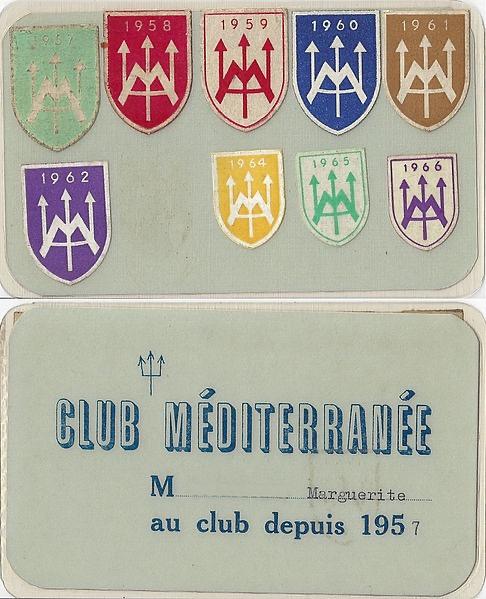
CLUB MEDITERRANÉE 1950
Europe was trying to recover after suffering tens of millions dead, wounded and refugees with a collapsed economy. The youth were eager to reinvent themselves. Blitz conceived of the vacation village as a stimulating escape from the daily grind of life. A chance to raise the moral and offer the young French & Belgian people of the fifties an escape from their depression on the most incredible beaches of the Mediterranean at an affordable price.
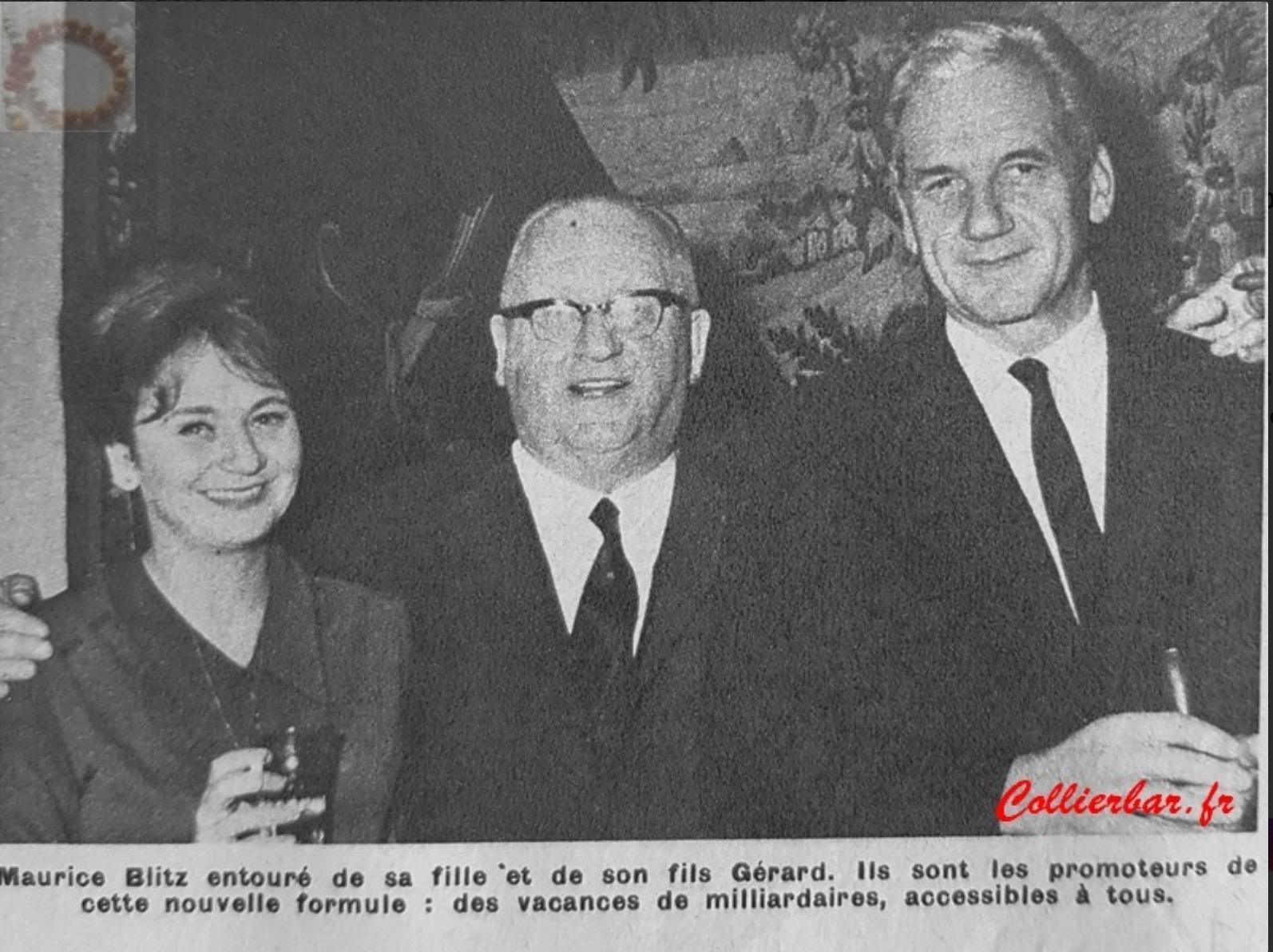
Maurice Blitz provided his son with the funds for the first Club Med by selling his house in Antwerp.
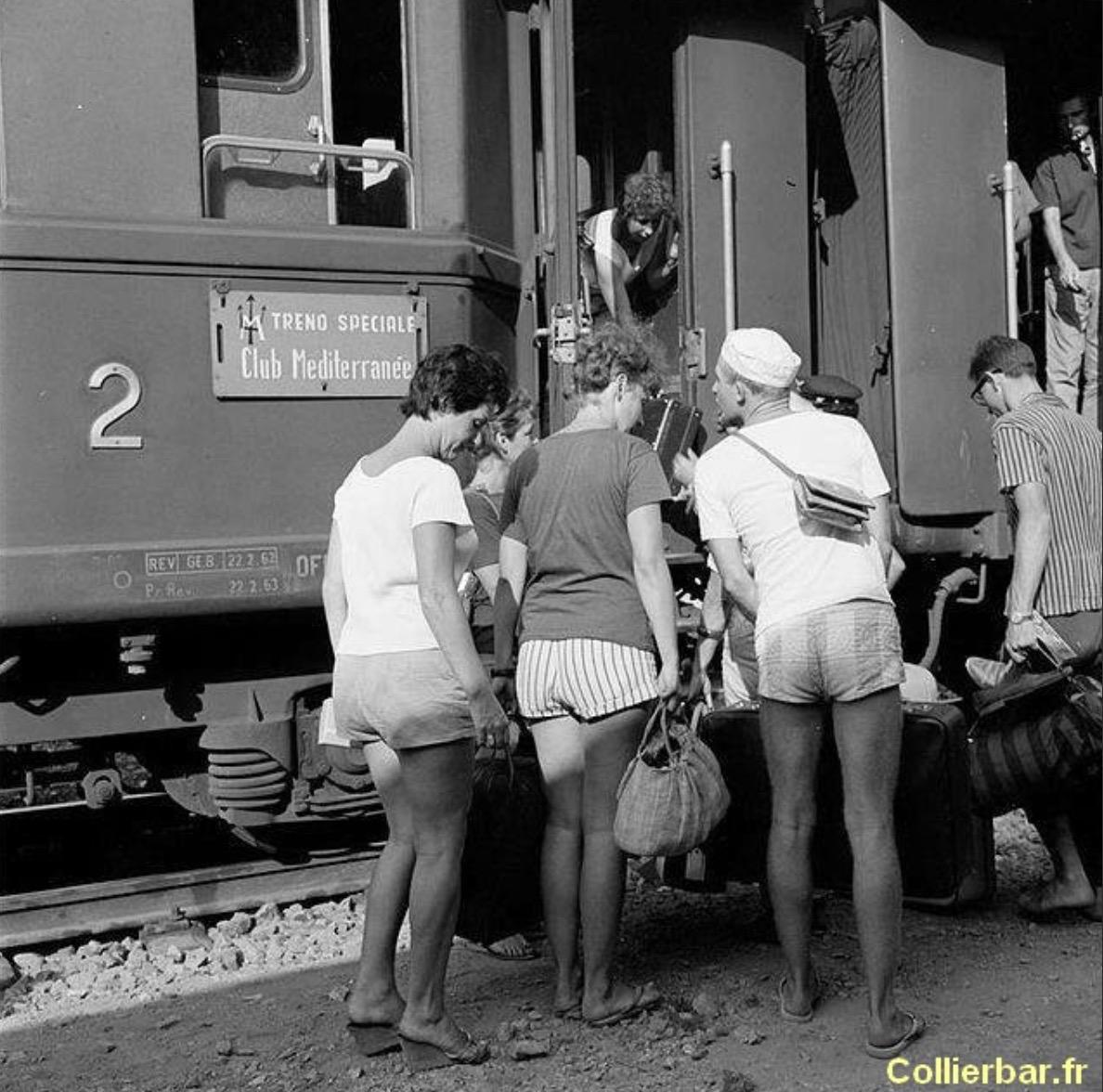
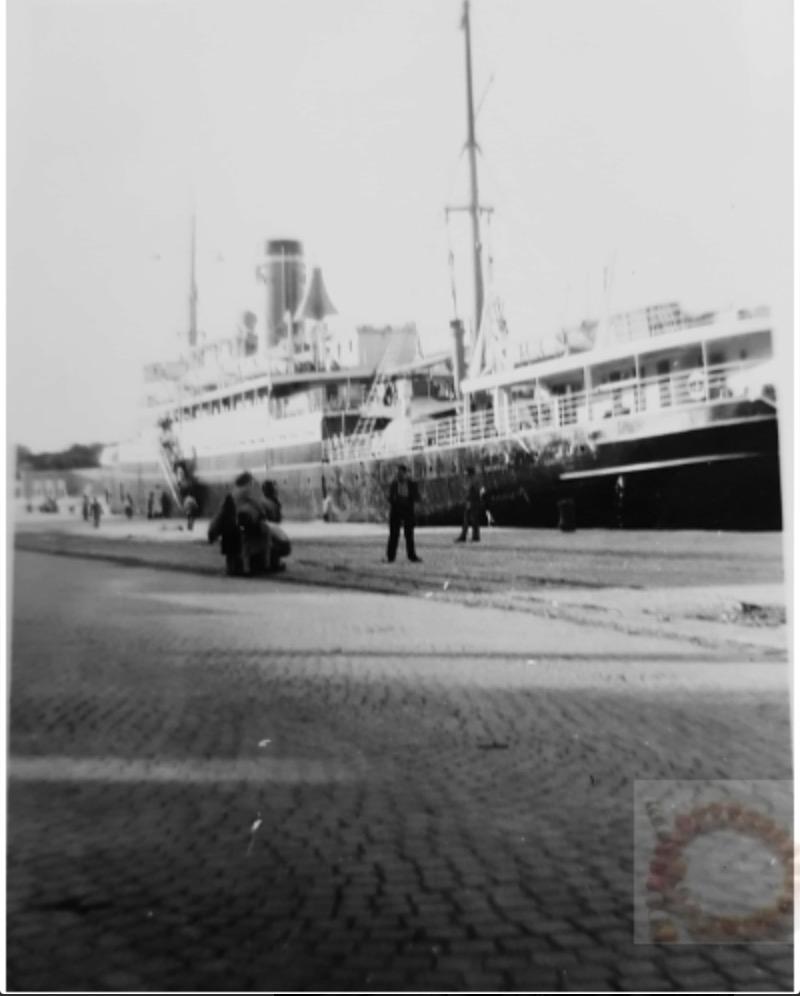
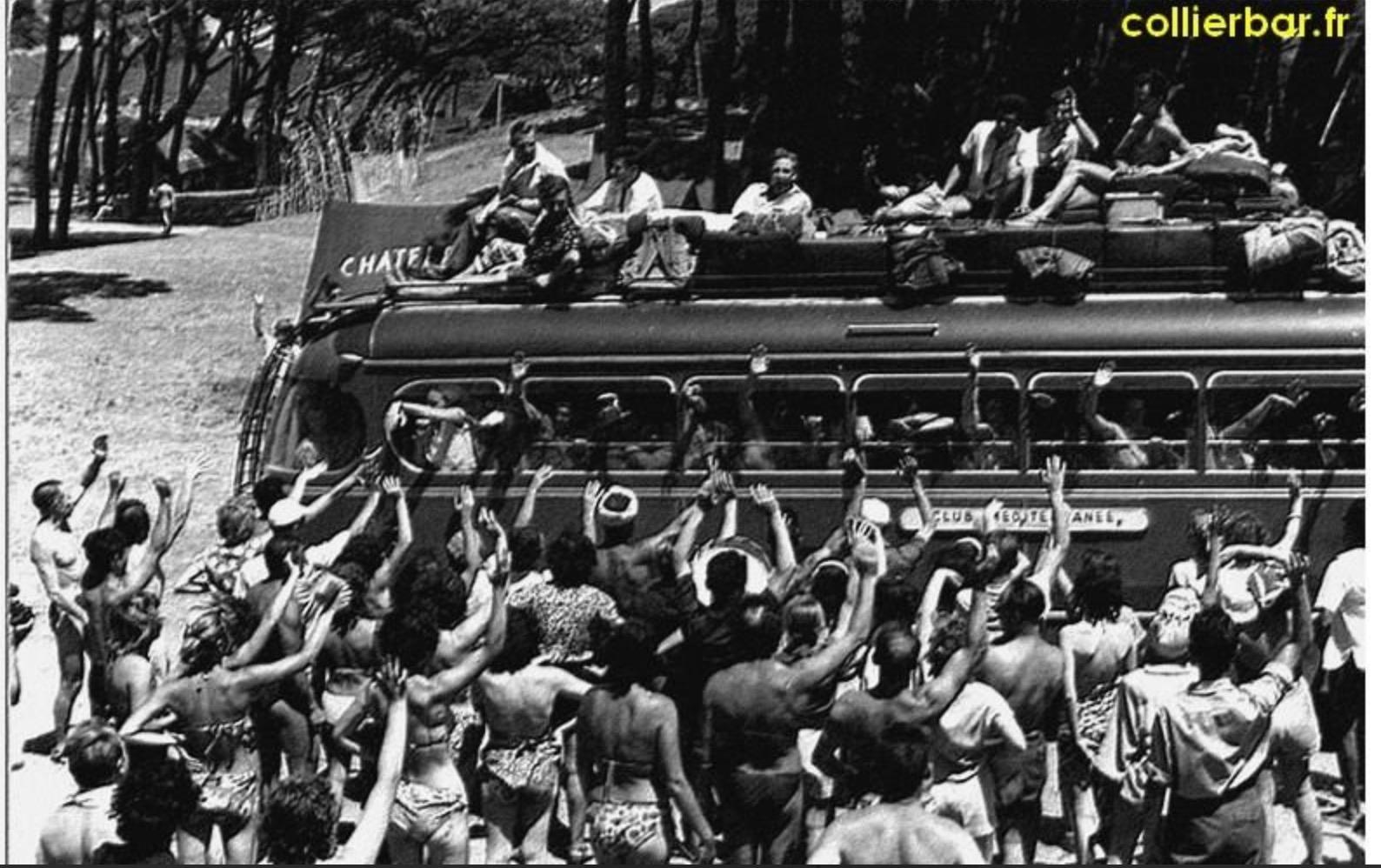
GUESTS TOOK OFF ON THEIR MAIDEN VOYAGE TO MALLORCA TRAVELLING BY TRAIN, SHIP AND BUS.
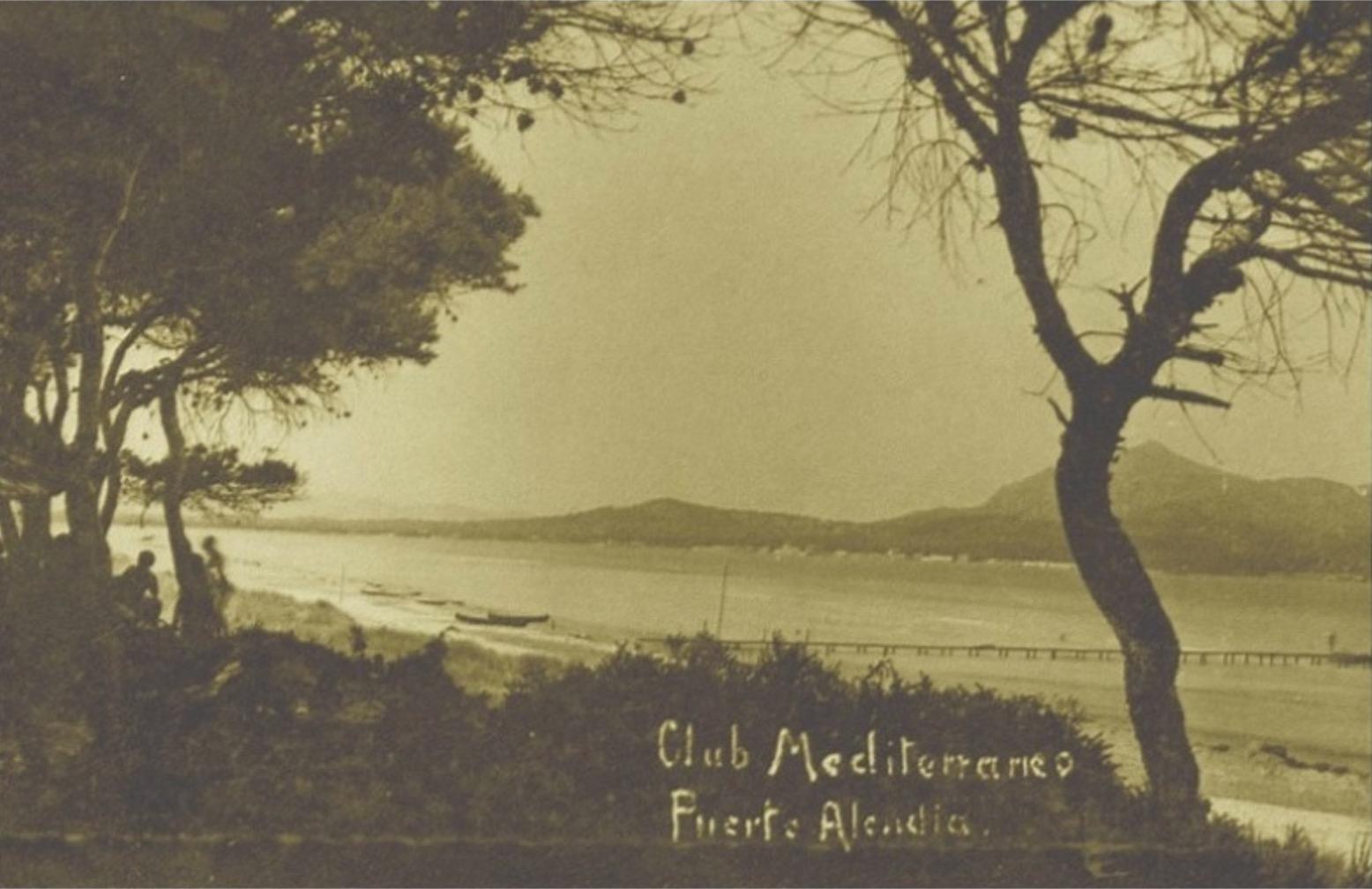
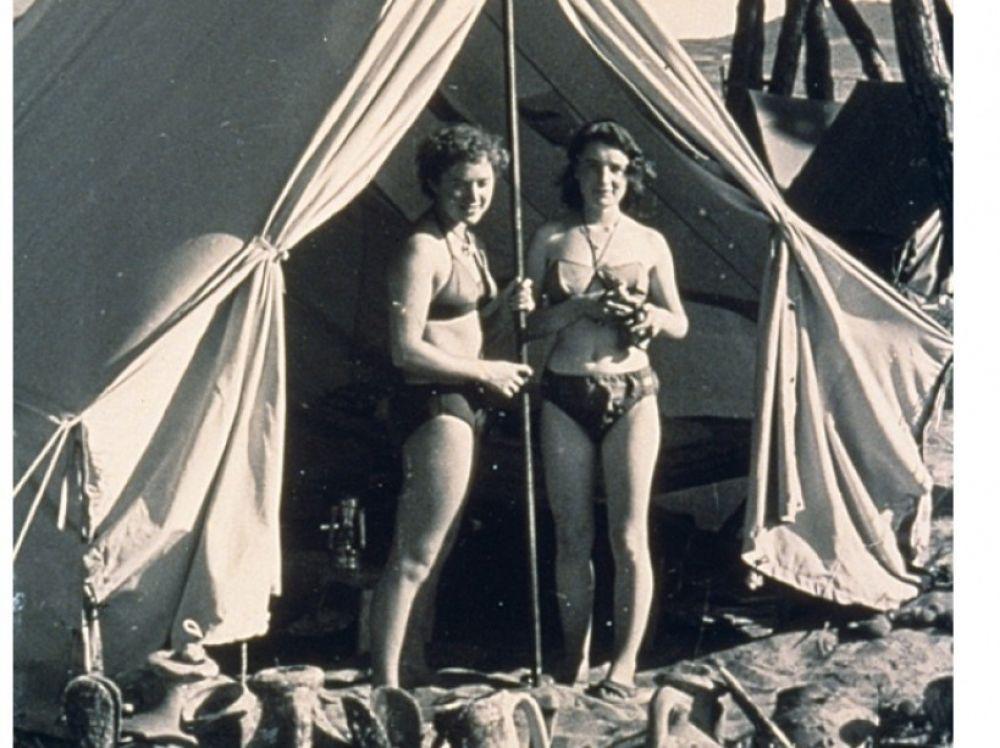
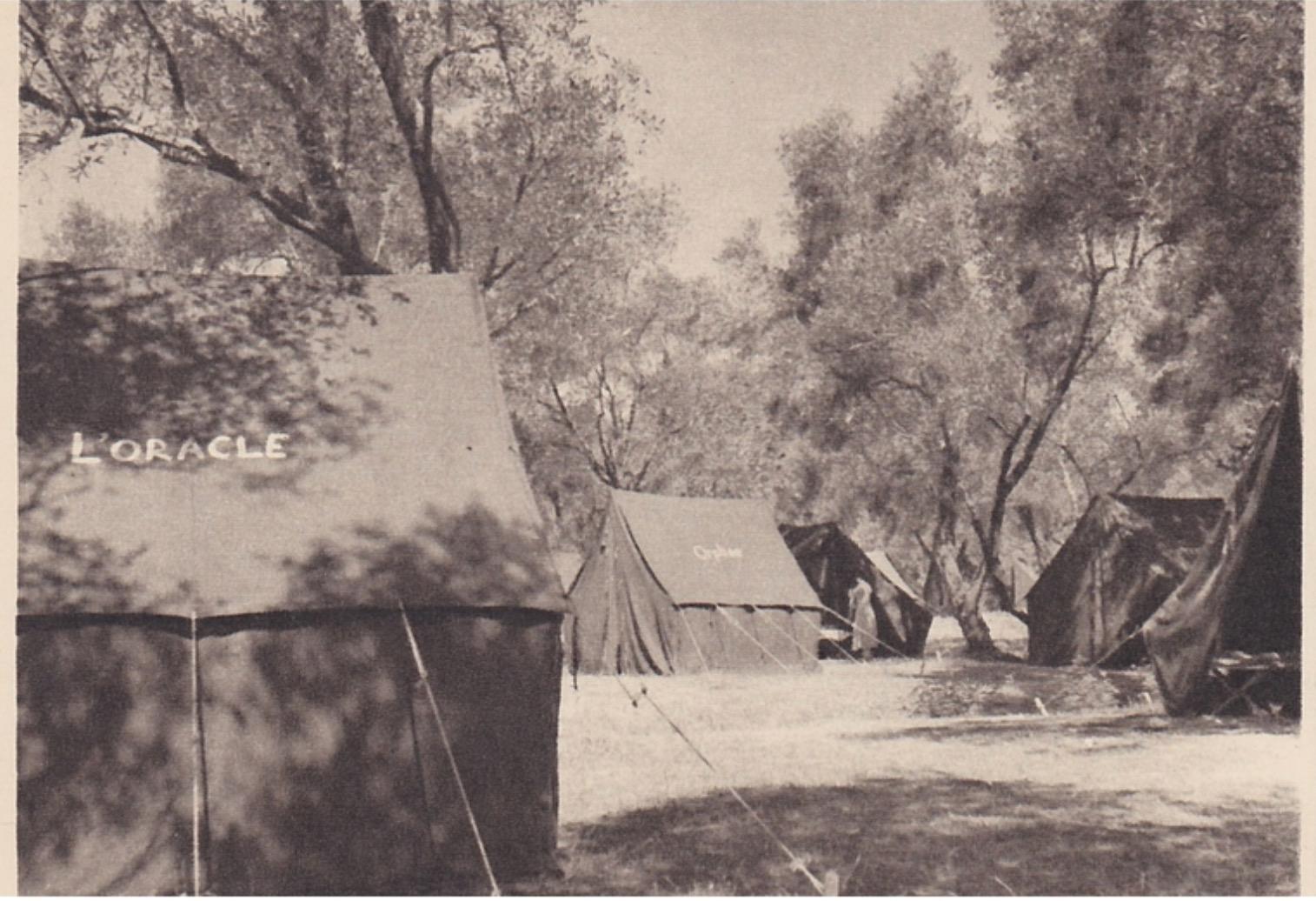
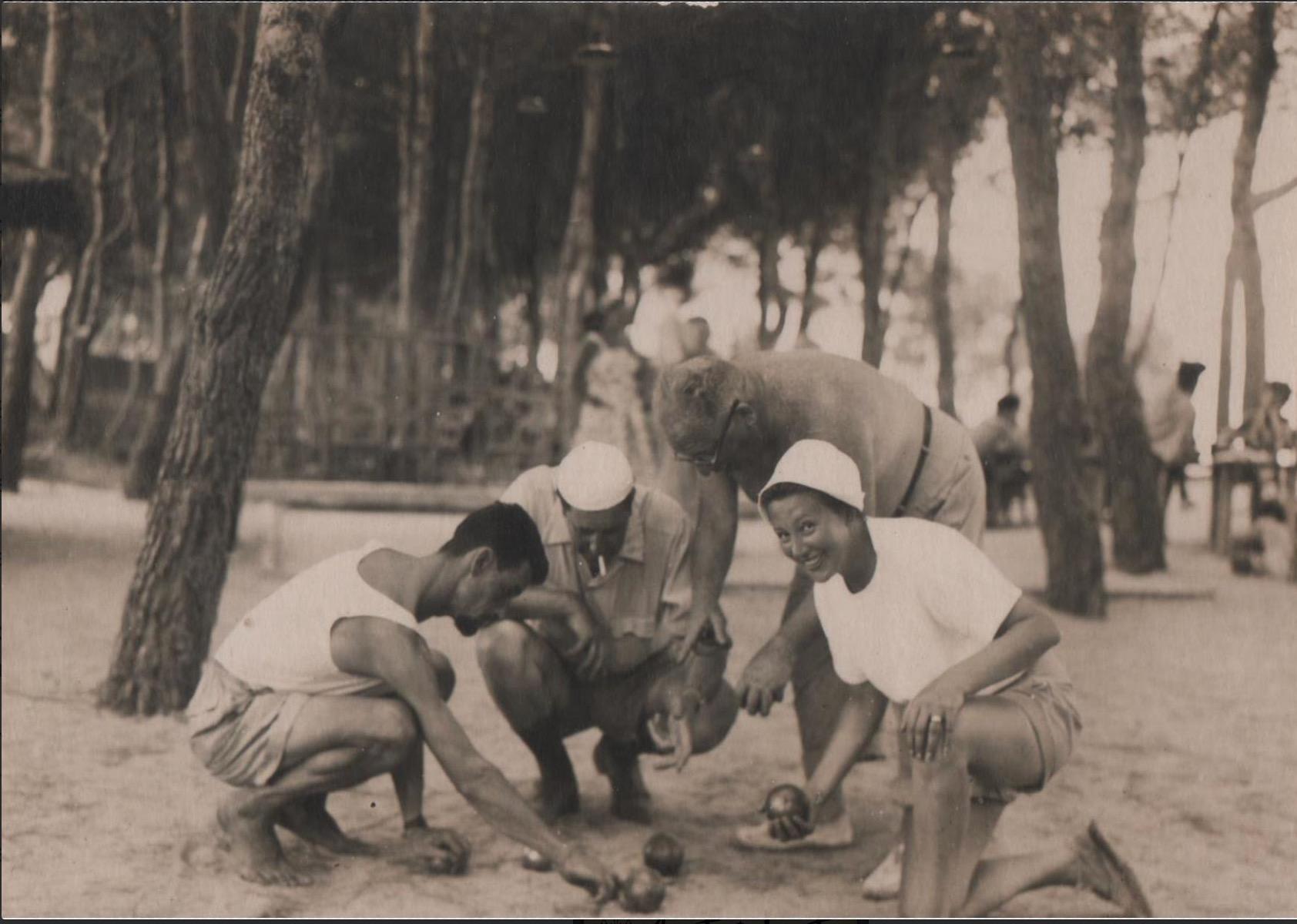
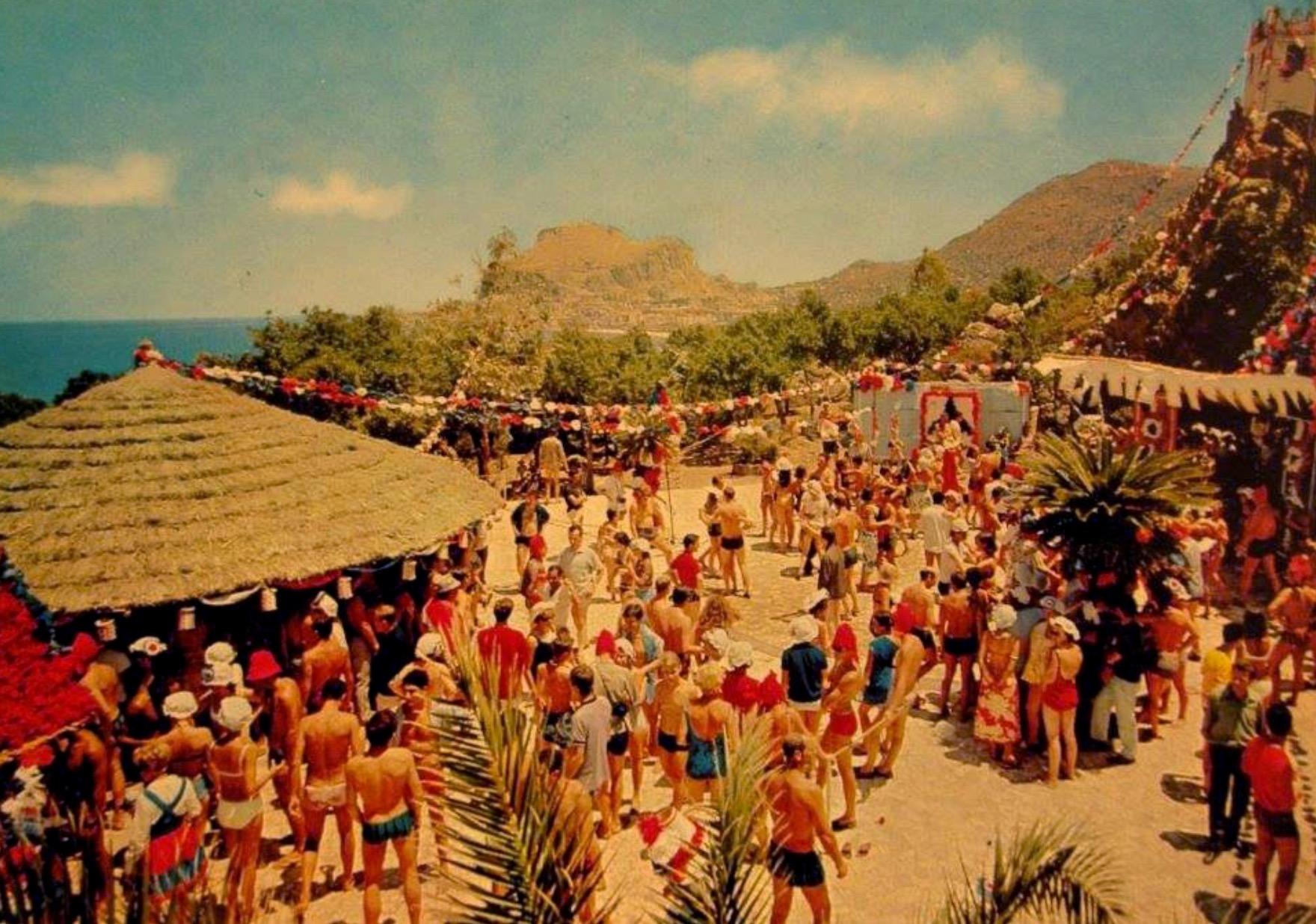
The very first all-inclusive holiday didn’t include running water, electricity or private rooms. Guests slept in tents on the beach, played sports in the fresh air, shared food under the pine trees and sang songs around the campfire.
Club Med was quickly becoming a go to destination.
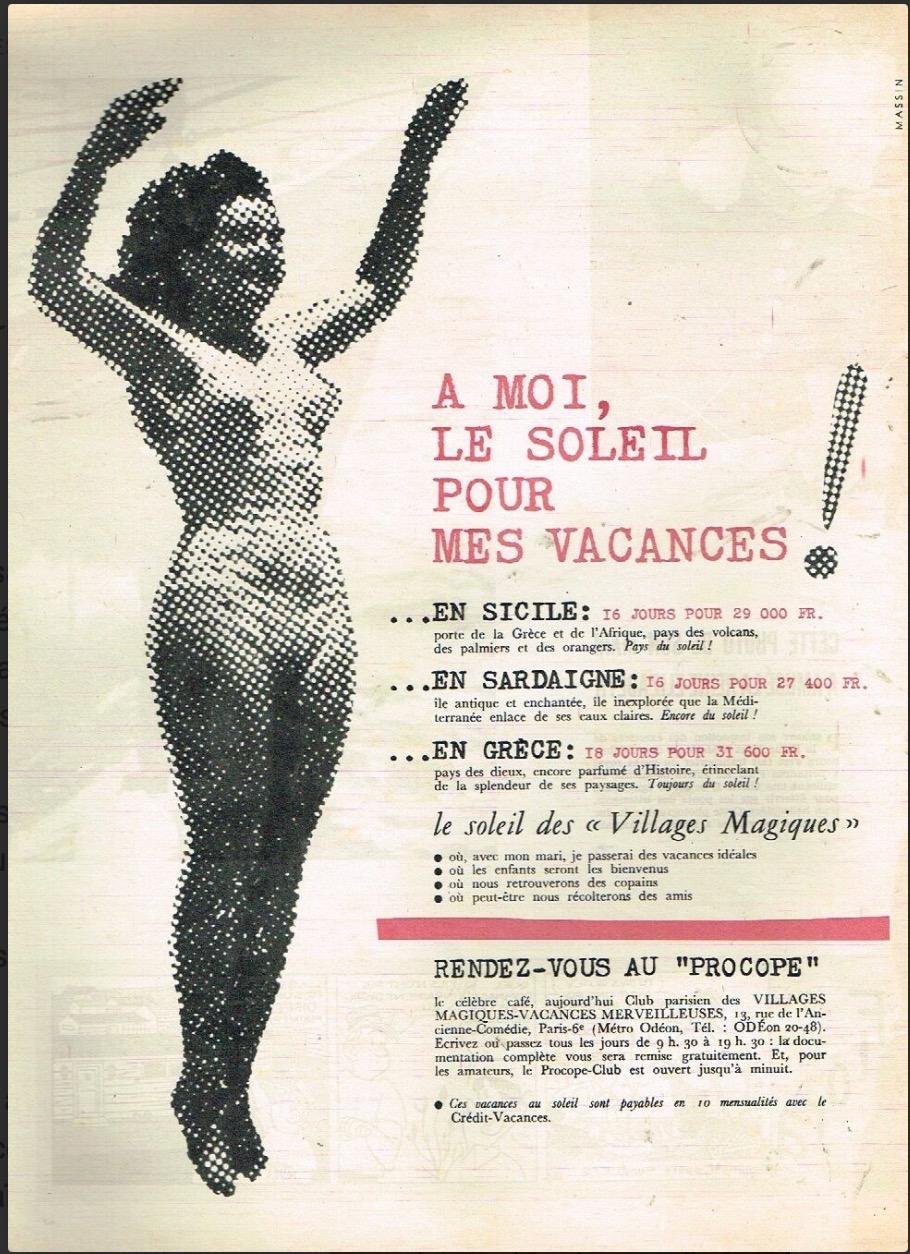
Marketing was required to land more guests to the new clubs opening around the world.
Blitz needed more tents for his expanding locations. He called his supplier in Paris and found a partner instead.
CHAPTER THREE THE BUSINESS PARTNER
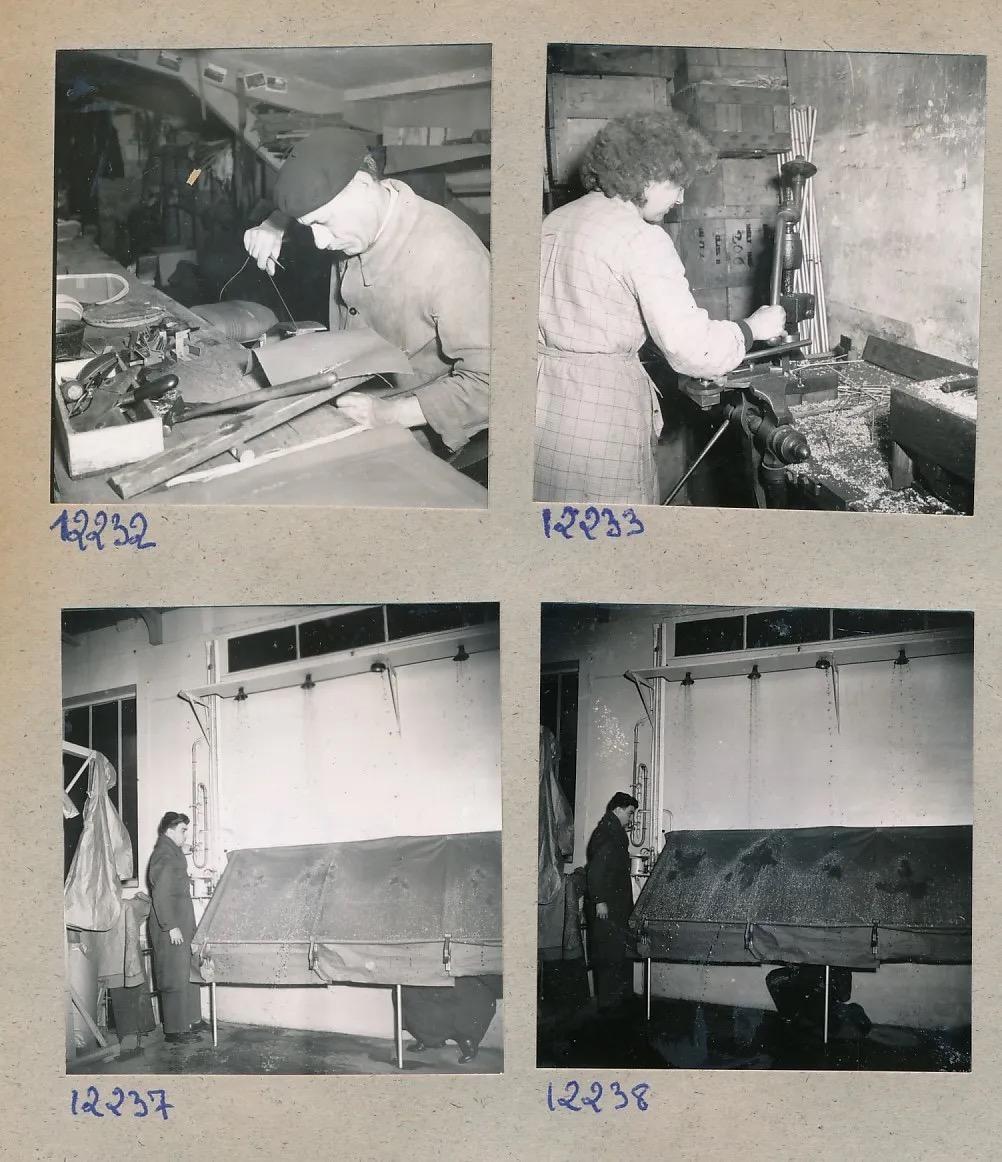
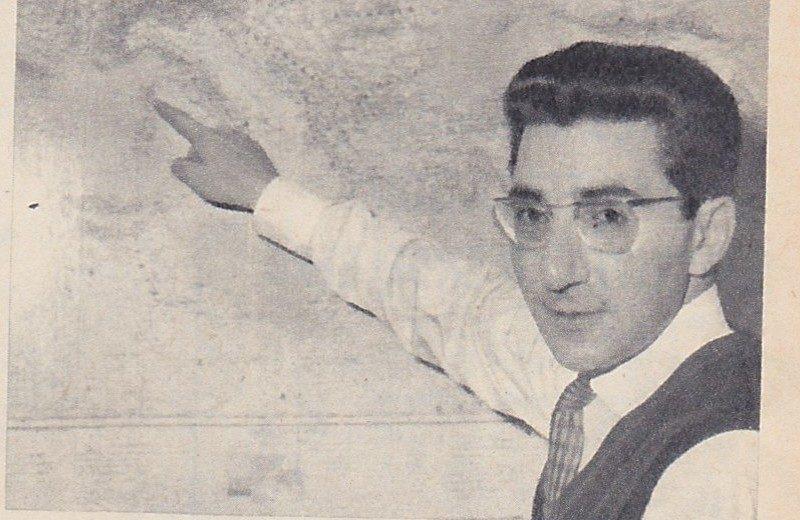
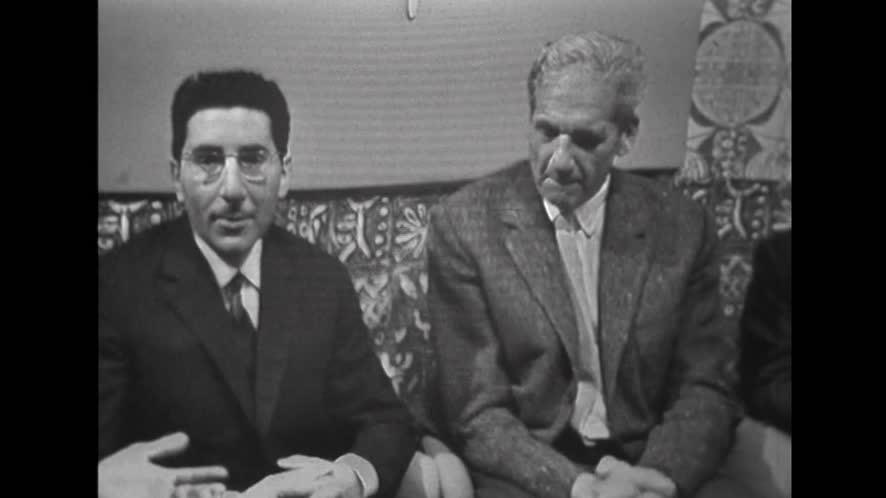
Gilbert Trigano was born in 1920 on the outskirts of Paris. His parents were Algerian Jews who settled in France after WW1. By the mid1930’s his father owned grocery stores as well as a company that manufactured tents and canvas covers for vehicles.
He was never interested in the family-business, his real passion was the theatre. At 16, Gilbert left school and tried to make a living as an actor, working part time for the family business. Not having much success, he began managing one of his father’s grocery stores for 6 months. Here, he exhibited his management skill turning a profit.
After the German invasion, Trigano took refuge in the South France. He collaborated with the Resistance and at the end of the war, he transformed his father’s shop into a major distributor of camping supplies in France.
Trigano was living in Paris and working for his family. One of his biggest customers was none other than Gerard Blitz and Club Mediterranee.
In 1954 Trigano left his family business and joined Club Mediterranée permanently as managing director. His vision and drive were relentless; he is credited with most of the strategic decision-making in the company to date. In 1963 he was appointed chief executive officer.
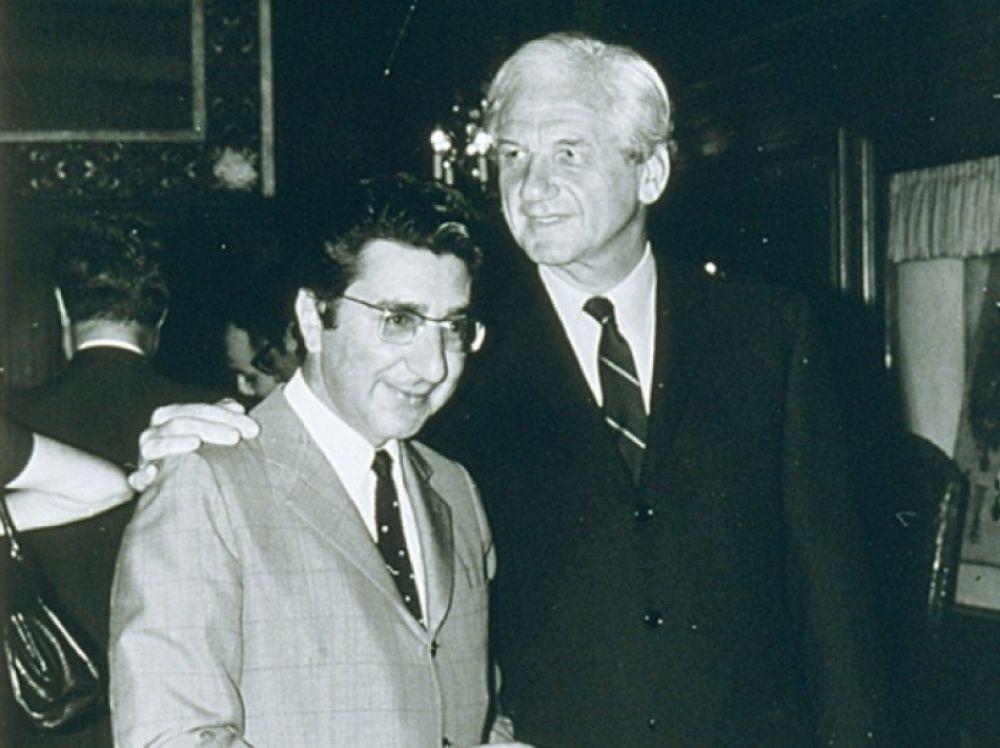
Blitz was a visionary who sought to bring people in a place, he believed to be serenity and liberation in order to realize the recreation of themselves. Trigano was wired to guide Club Med in the direction of an international corporation.
Blitz’s wife Claudine Coindeau, a Frenchwoman who had been living in Tahiti introduced Blitz to Eastern mysticism and yoga. Her utopian beliefs and the representation of Tahiti as a place of authenticity and calming beauty, would have a strong impact on the future ethos of Club Med.
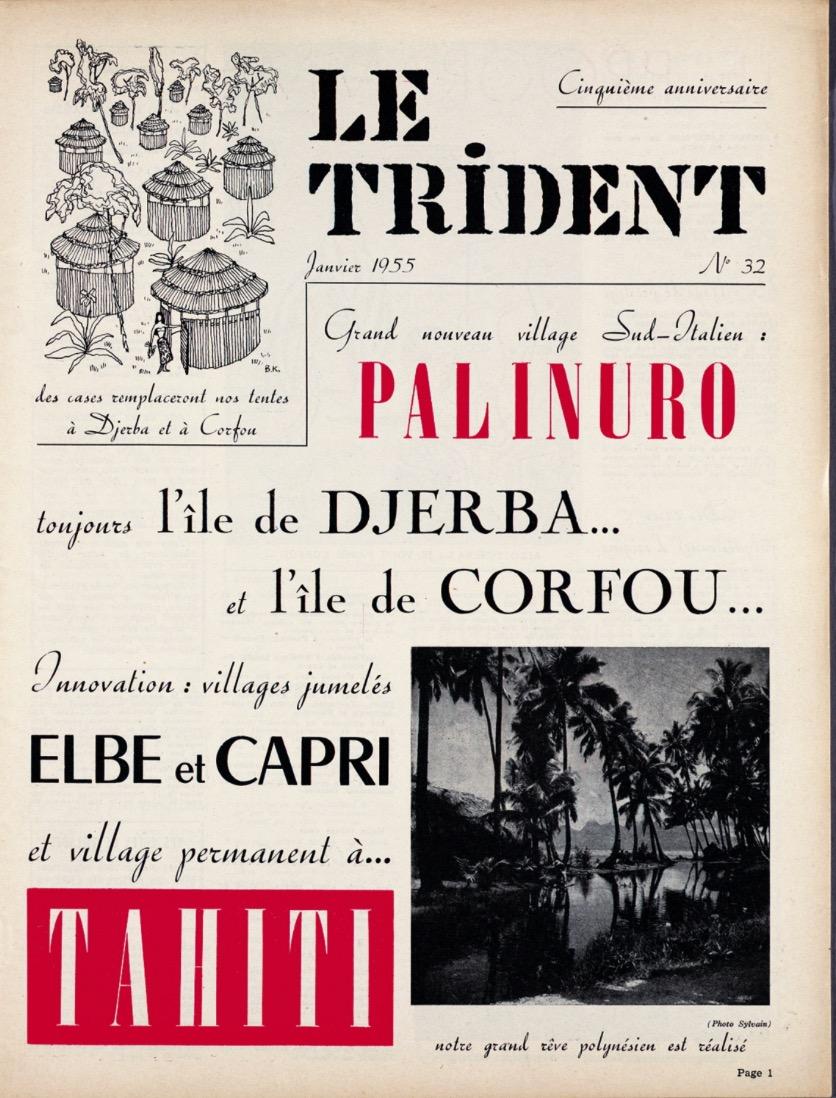
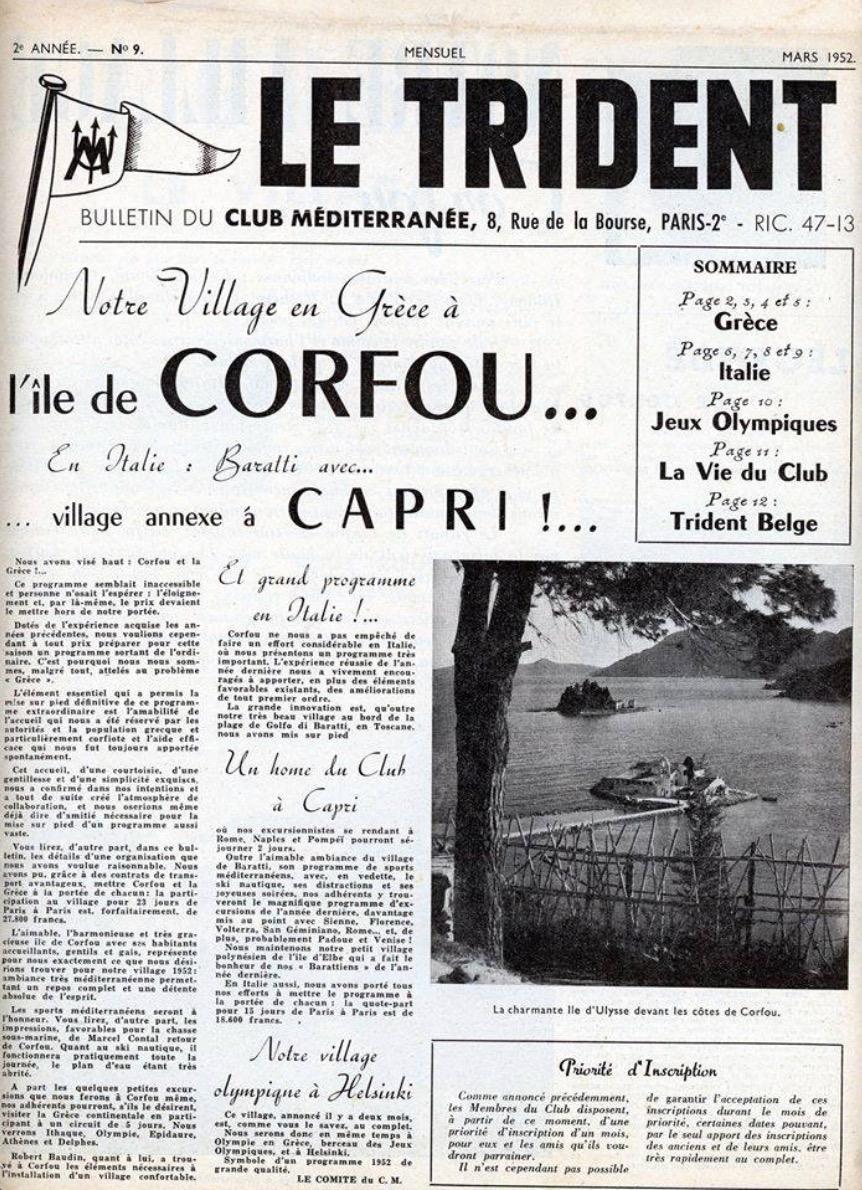
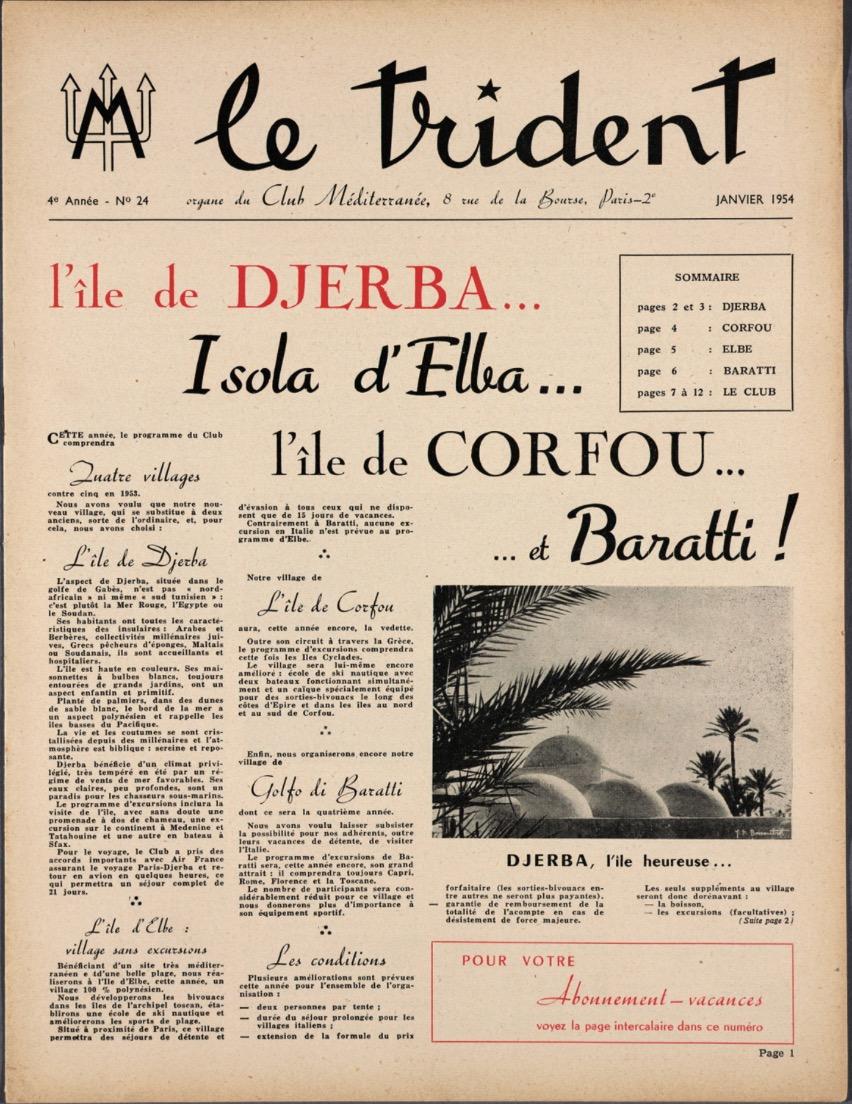
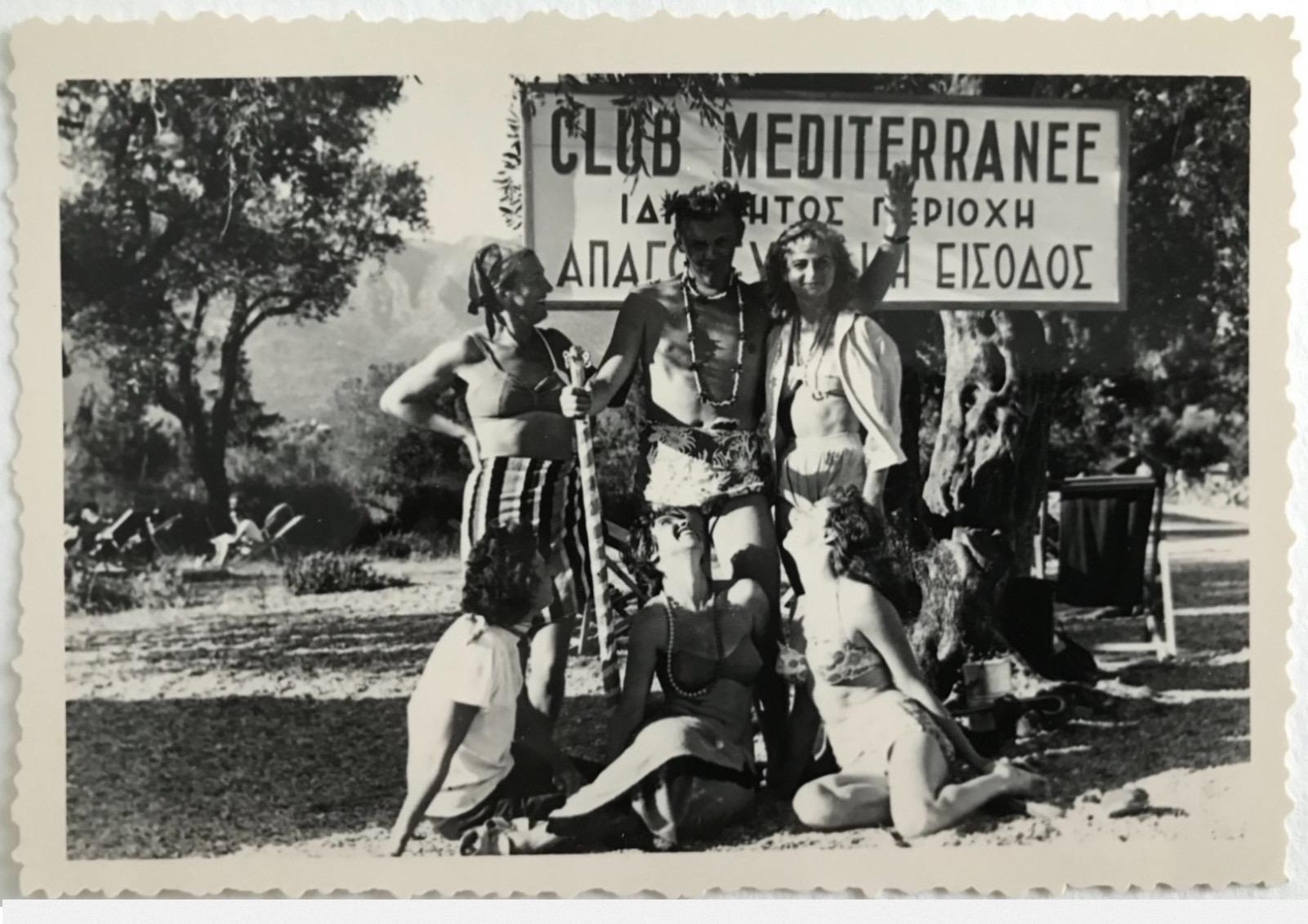
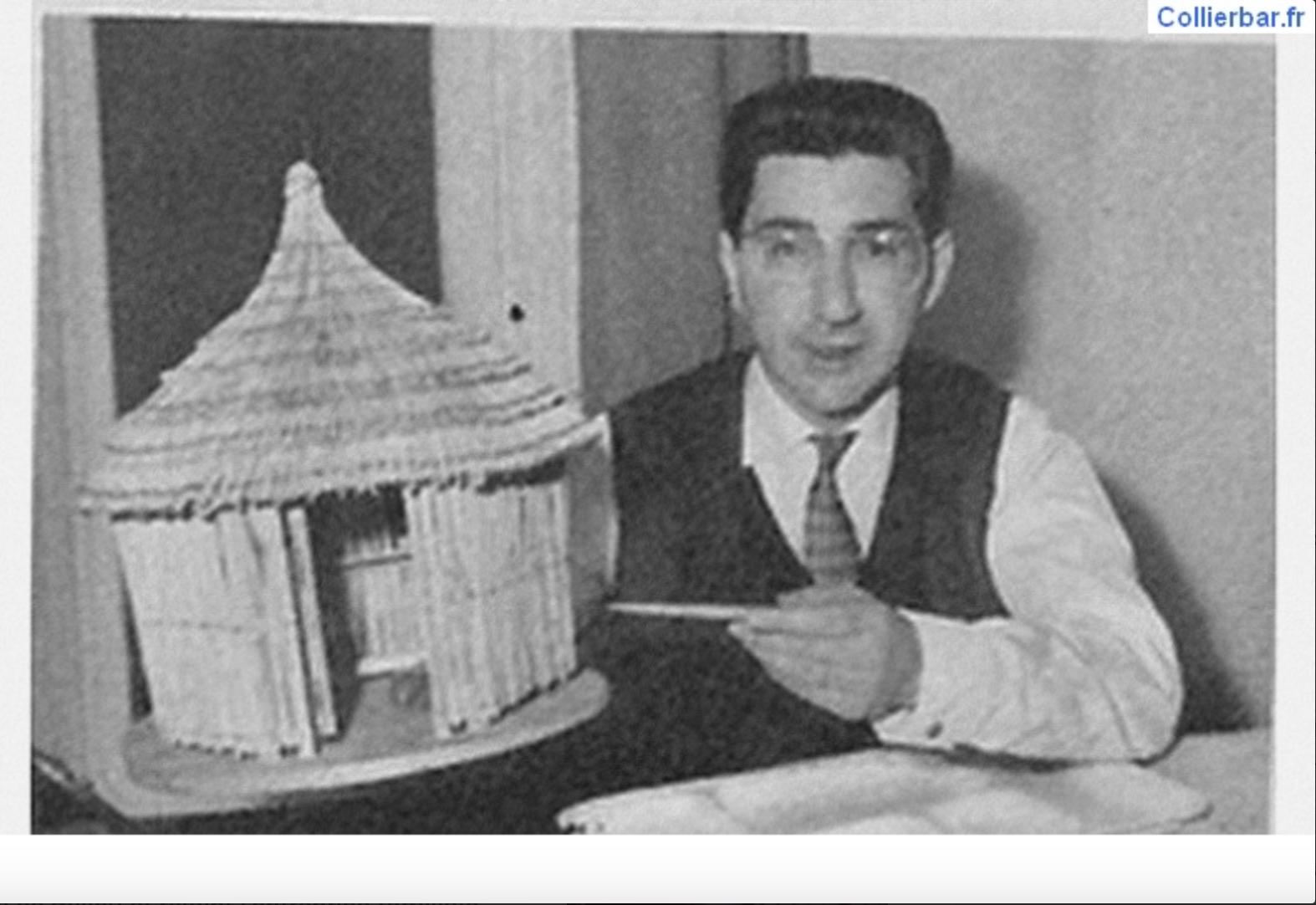
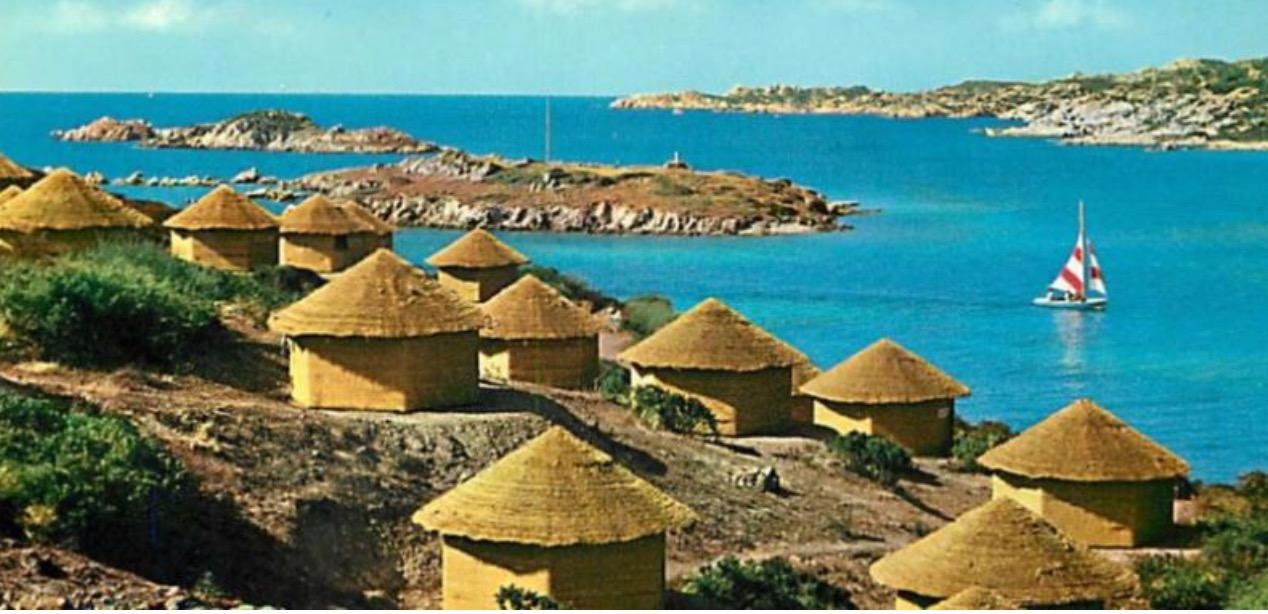
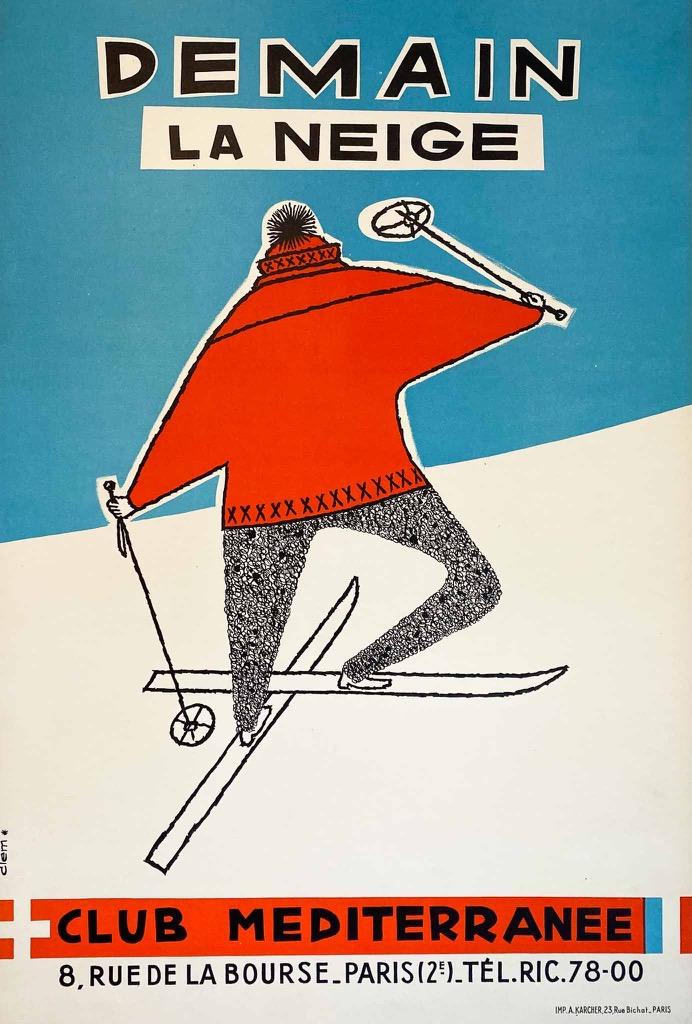
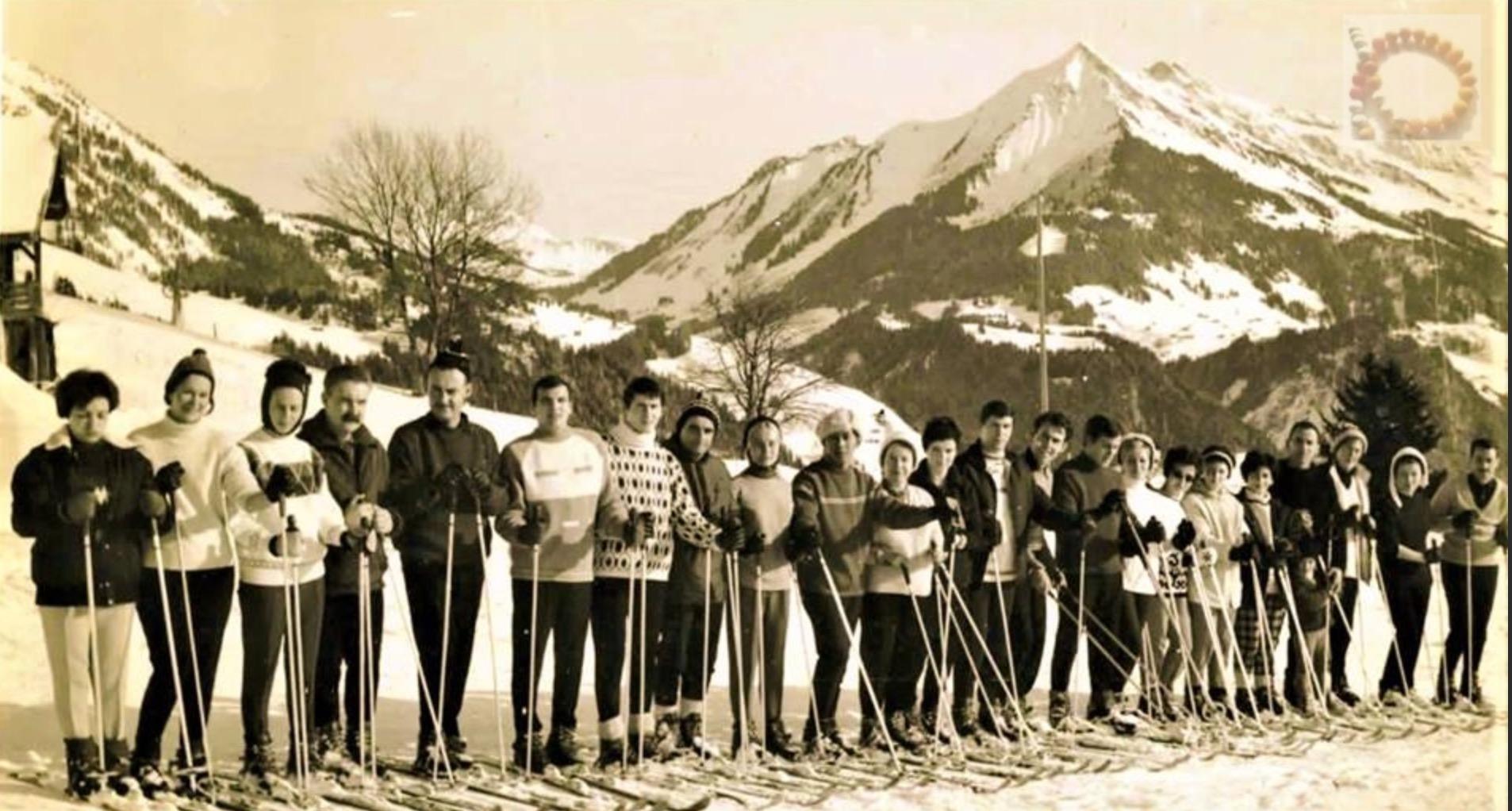
Under Trigano’s leadership Polynesian-style huts replaced tents at Club Med’s location in Greece. The era of the permanent village getaway had arrived. Two years later, in 1956, the company's first ski resort opened in Switzerland, enabling the enterprise to cater to a year-round clientele.
As Trigano and Blitz became more ambitious, so did their capital requirements. Reckless spending was placing the business on the verge of bankruptcy in 1960. Unable to finance further expansion out of Club revenues, they turned to the financial markets for help.
CHAPTER FOUR THE HOLY LAND
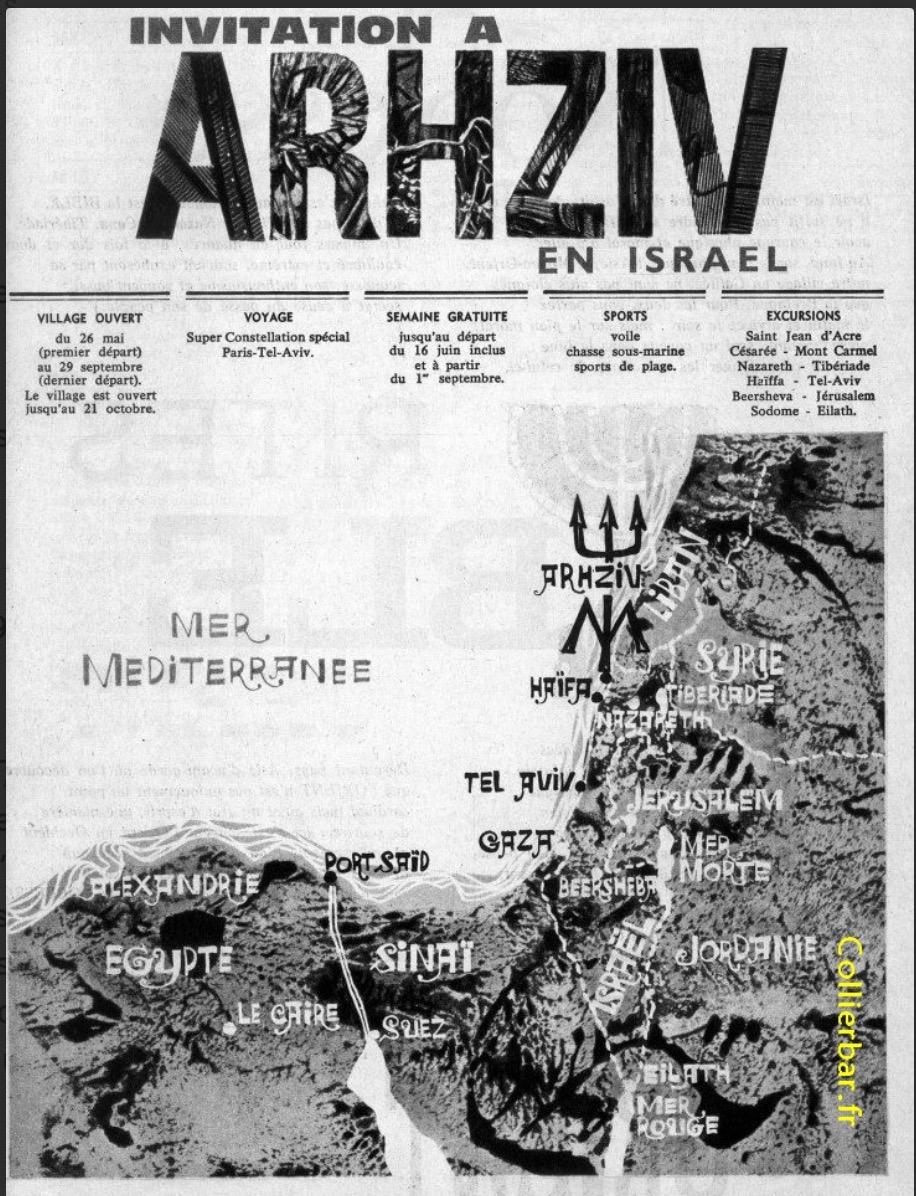
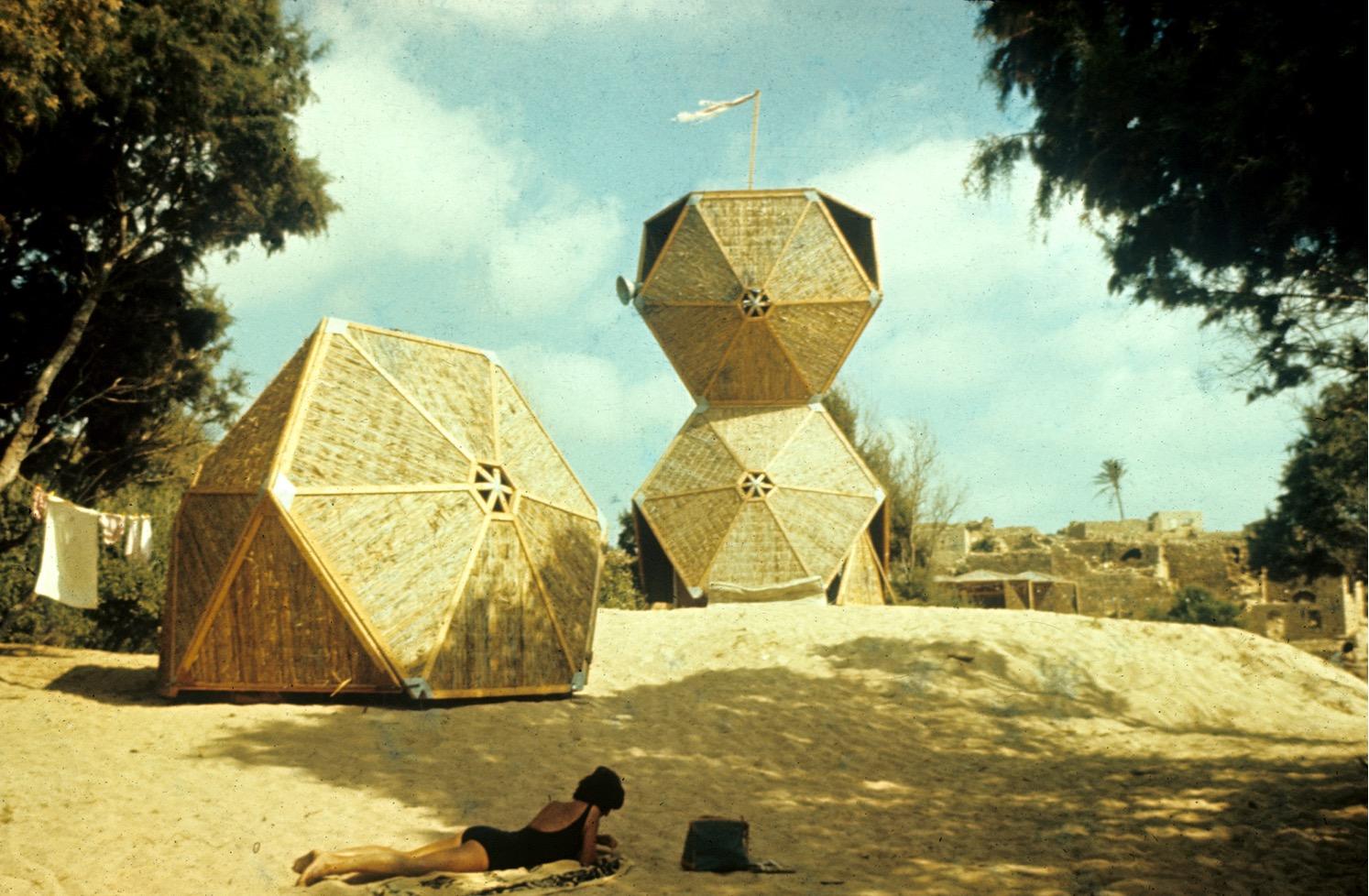
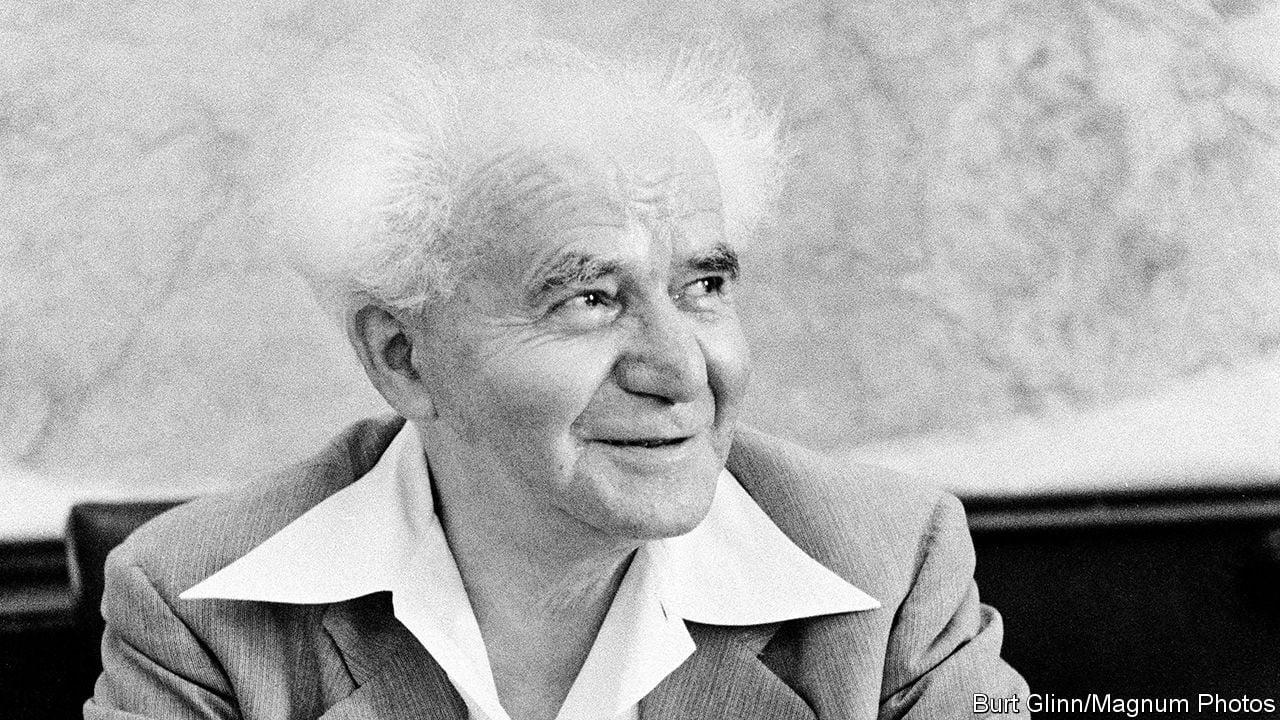
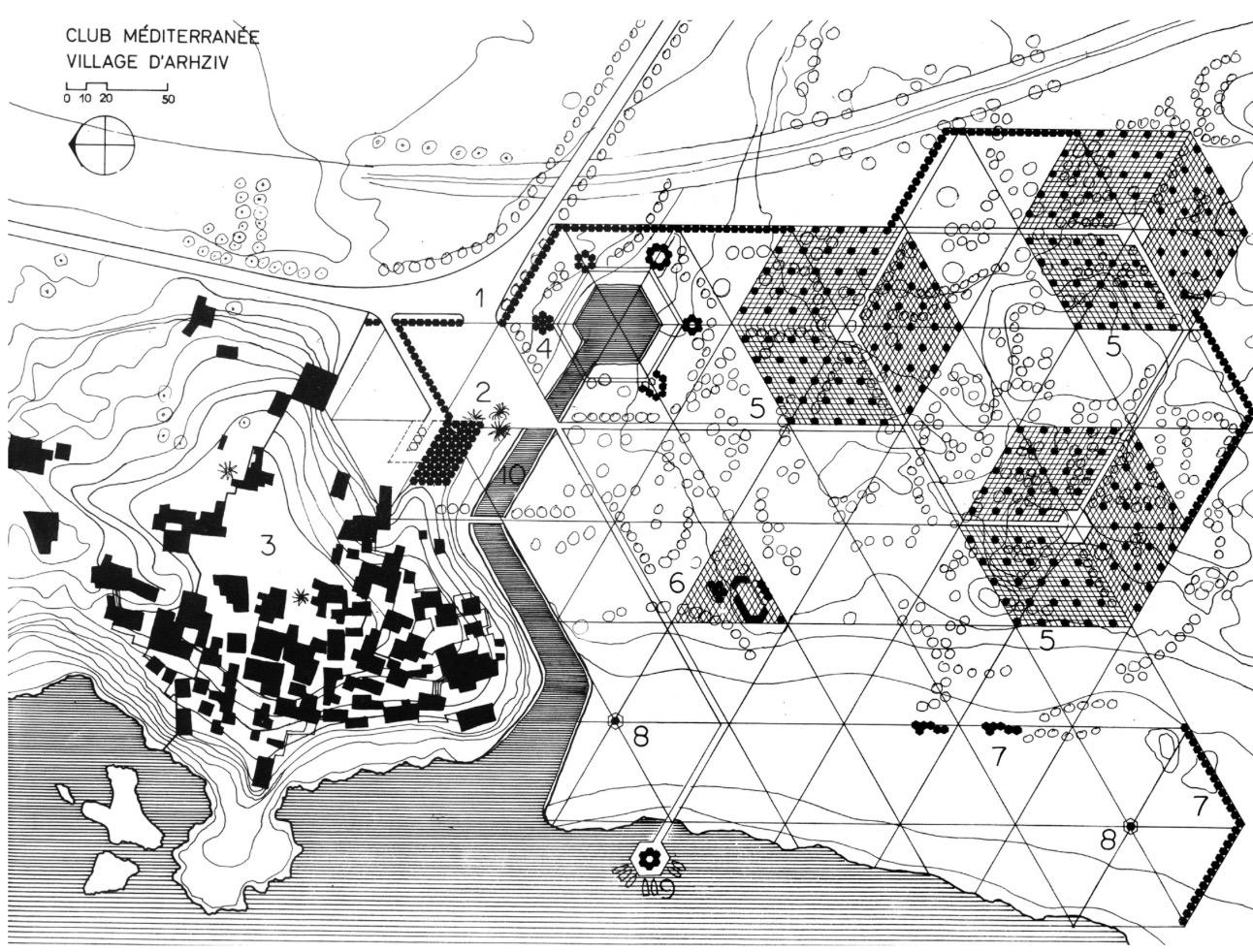
Trigano and Blitz were avid Zionists. In 1960, Trigano went to Israel to establish its first holiday village. David Ben-Gurion recognized the club’s potential and invited Trigano to tour Israel’s beaches in a helicopter. When they arrived at Achziv, Trigano found what he was looking for. Ben-Gurion gave him the land free of cost, and the first Club Med in Israel was launched.
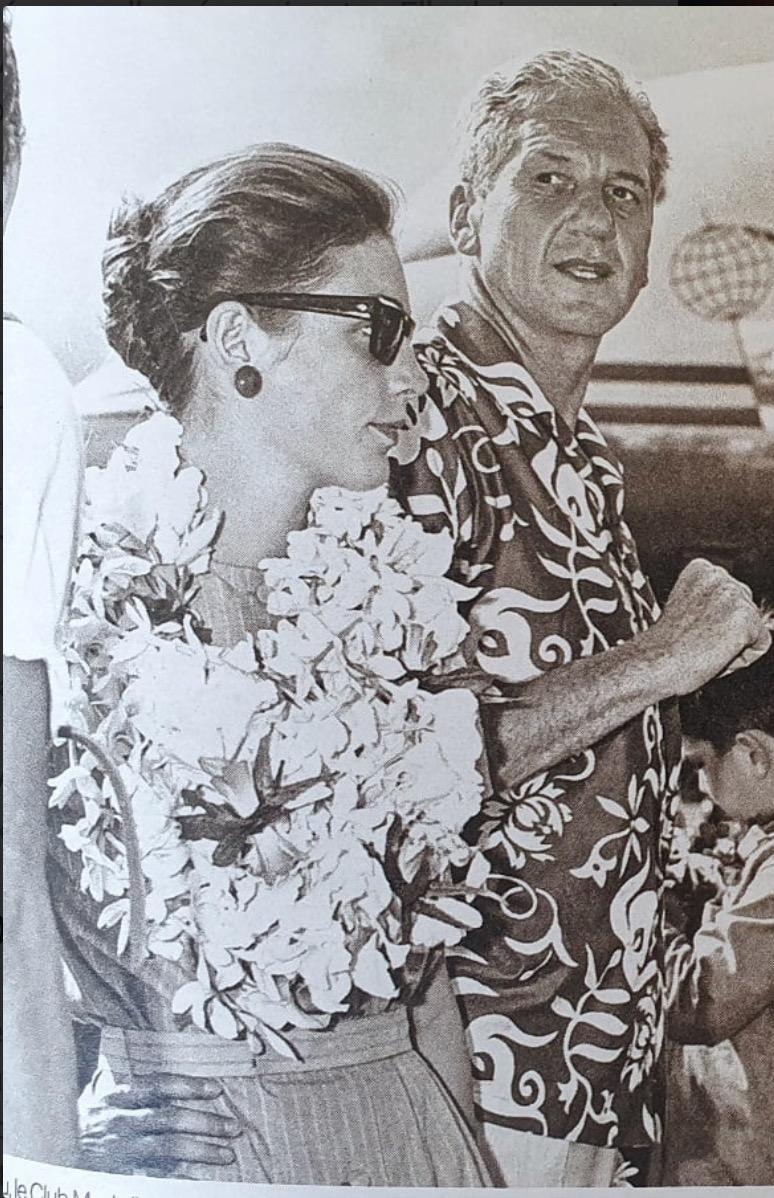
After vacationing at the new village in Israel, Baron Rothchild was so enthralled with his experience that he decided to settle Club Med’s debt and enter as a partner, immediately facilitating a broad strategic expansion and taking the company public.
1960,Edmond &Nadine Rothschild with Simone &GilbertTrigano - Club Med
CLUB MED
Europe was shell shocked by the Second World War. Millions of people were killed and displaced. Cities were leveled and destroyed. Rationing had just been lifted in France and the thirst for simple pleasures and social harmony was intense.
Club Mediterranée was the brainchild of a Belgian diamond cutter named Gérard Blitz, who in 1950 brought 2,300 charter members of the club together in Alcudia, a village on the Spanish Balearic island of Majorca. Blitz conceived of the vacation as a stimulating escape from the daily grind of life in postwar Europe. The company began as a non-for-profit association providing wholesome, modestly priced R&R; to warweary Europeans, but quickly turned into a force in the travel industry.
Blitz wanted to heal Europeans and break down national and class barriers in postwar Europe. The very first ‘all-inclusive’ holiday didn’t include running water, electricity or private rooms. guests slept in US Army surplus tents on the beach, played sports together in the fresh air, shared food under the pine trees and sang songs around the campfire in the moonlight. Visitors were asked to help out with cooking and cleaning. Nevertheless, the emphasis on all-inclusive egalitarian fun and a lively community spirit made the first summer a notable success.
Club Med grew rapidly over the years, as locations and amenities became more exotic, but the company's core philosophy never strayed far from the original model. The relatively low price and high entertainment value of an all-inclusive holiday at a beautiful location, where members, can recharge their personal batteries through contact with nature, sports and like-minded people.
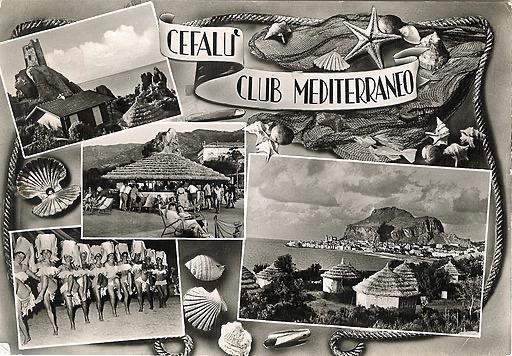
Villages progressed from tents to straw huts to modern hotel facilities, prospering with a formula of prepaid, no-tipping vacations in which clients pay with colored beads for the few extras such as souvenirs or bar drinks. With its image of sun, sand and relaxation, Club Med grew into one of the world's largest tourism groups.
In other ways, though, Club Med has had more lives than a cat. In the ‘60s, it abandoned its not-for-profit status and went public, funding expansion with the cash infusion from The Rothschild family. New villages opened around the world, from Israel to French Polynesia, bringing the Club Med total to 34 resorts by the end of the decade.
CLUB MED
LIMITED SERIES | 4 X 60 MINUTES
SCRIPTED HISTORICAL DRAMA
LOGLINE
After surviving Nazi occupation and the destruction of European Jewry, an Olympic champion turned Resistance fighter transforms trauma into radical communal paradise creating Club Med, one of the most influential leisure empires in modern history.
SERIES OVERVIEW
This a four-hour scripted limited series that tells the untold origin story of Club Med — not as a brand, but as a radical human experiment born from war, grief, and idealism. At its center is Gérard Blitz, a Belgian Jewish Olympic swimmer whose life of discipline and privilege collapses under Nazi occupation. After surviving the war as a Resistance fighter in France, Blitz confronts a continent filled with displaced, traumatized survivors who have nowhere to return to. Rejecting traditional therapy or ideology, he discovers something unexpected: that food, movement, sunlight, and community can bring people back to life.
What begins as an act of healing evolves into a utopian village on a remote Mediterranean beach — and eventually into one of the most influential leisure empires in the world. As the idea scales, its meaning shifts. Capital enters. Control changes hands. Joy becomes a product. This is not a corporate biography. It is a characterdriven drama about survival, reinvention, and the moment escape becomes an industry. Gerard Blitz’s Club Med was the ultimate antidote to civilization.
TONE & VISUAL LANGUAGE
Intimate, restrained, and physical. Emotion is expressed through bodies in motion rather than exposition. European in sensibility, global in scope and multilingual. Beauty without nostalgia.
WHY THIS SERIES NOW
In a world addicted to escape, this is the story of how escape was invented — not as indulgence, but as survival. This is not a resort story. This is a human story disguised as a brand. The limited high-end series tell us how joy was rebuilt and sold in postwar Europe. This is a premium limited series with a singular protagonist, a clean fourhour arc, and a globally recognized outcome — but with an origin story few know.
EPISODE GUIDE
Episode 1 — The Water Antwerp, 1930s. An Olympic swimmer’s life of discipline and prestige collapses under Nazi occupation. As Jewish identity becomes a death sentence, Gérard Blitz flees south and joins the Resistance, learning to survive by holding his breath — in water, in silence, and in war.
Episode 2 — After the War Liberation brings freedom, but not relief. In the French Alps, Blitz opens recovery hotels for Holocaust survivors who have nowhere left to go. Without therapy or language, he discovers that movement, food, and community can return people to life.
Episode 3 — The Experiment 1950. On a remote beach in Mallorca, Blitz tests a radical idea: a communal village where joy replaces grief. With no electricity and no privacy, strangers become a temporary family — just as a businessman named Gilbert Trigano recognizes that utopia can scale.
Episode 4 — The Price of Paradise
As Club Med expands from tents to villages, capital arrives — first quietly, then decisively. Rothschild’s backing, and the public markets transform a healing experiment into a global enterprise, forcing Blitz to confront what is lost when joy becomes a product.