




May ©2024
Unless otherwise credited, images are courtesy of WISDOM's Noster, Burgess, Tinant and Doyle families.


By Terry Yaceyko
Every once in a while, I hear from a mom who wants to know if there are any organized group Home School Graduation ceremonies. I know there are often groups in Edmonton, and perhaps Calgary, but not usually in rural areas.
When our first two children graduated, there weren’t any other families close by that wanted to do a home school graduation. We have had two daughters graduate from our home school and we decided to put on a personal graduation ceremony for each of them. It is easier than you think, and very meaningful. I’ll share what we did, and also some ideas that friends have used. Non home schooling family members often wonder what home educators do for graduation. It’s a really good thing to mark the occasion in some way.
With each one, we talked about a budget, a date and a venue about 6 months in advance – and then started planning it in earnest about 10 weeks in advance, with the bulk of the preparation happening in the last 6 weeks. (By the way, such an event is great practice for putting together a wedding!) Think about having a photo
shoot of your children for each year of home educating, and then for their graduation – if they would like that. It’s a great reminder of the day. Many home schooling families do Walmart photos, or personal photo shoots at a park.
Our eldest daughter chose to buy a “prom” dress (she actually bought two because she couldn’t decide between them), and then had the chosen dress altered to be a bit more modest. The theme of her graduation was “Life is a journey, not a destination”, which, in hindsight, was so appropriate. She has traveled and lived in a few different countries since then, and is presently living in Germany with her husband. We decorated the grad with sunflowers, maps, and even had a table full of things she loved, achieved or made. The event included a power point of her life-todate.
Our second daughter’s graduation ceremony was a little different. She chose a nice dress, but one she could wear again easily. Her decorating included Gerbera daisies, and she had a cupcake theme for her snacks. She also had a table of things she had done, made or achieved. She
is one of our social butterfly daughters with a lot of friends, and along with an informal ceremony, she wanted a party at the park. There was a water-fight, a meal and lots of visiting.
Both girls had a ceremony at our church (one formal, one more informal), where their dad and I spoke, friends and family members got to share, and then our daughter shared and thanked everyone for coming.
A Home School Graduation really is a great way to bless your children and to acknowledge that their grade 1 to grade 12 home education journey is done. Our eldest had a very hard time saying her learning journey was over, because she believes learning never ends!
Gary Trent and John Smalley wrote a book called “The Blessing” and I would recommend reading it at any time of your parenting journey, but especially before a home school graduation. Think of the ways you can bless your children with words – and do it as often as possible. Do it again at their graduation.
Perhaps you have some friends with children the same age who want to acknowledge graduation together? One of our friends was in a church where 4 homeschooled youth were graduating. The four families hosted a lunch and all 4 were acknowledged quietly. None of them wanted a “big deal” grad.
Another friend’s daughter had a graduation with 3 other friends. The graduates decided what they wanted and did it all. Each family got to invite 1 or 2 other families to attend, and there was a dance afterward. There were beautiful decorations and a great potluck meal.
A recent graduation we attended was for a friend’s daughter. She chose a theme of moustaches and books. Her decorations were flowers made from old book pages, and books she read during her high school years. Her younger brother was the MC, and she wore a cap and gown over her dress. There was also a sharing time – with many individuals asked to share personal thoughts. They, too, had a cupcake theme for the snacks and a great dance afterward with many friends and family in attendance. The graduate and her brothers had brainstormed group dances and had dance challenges, which engaged many more people than might have danced otherwise.
I love how home school graduations are so personal. I can remember my public school graduation and the difficulty of getting 90+ people to agree on colors, theme and more. Plus the expense! And each graduate there got only 1 or 2 minutes to share about their life, hopes and dreams. With a home school grad, you really get to know the student from many different angles, as well as celebrate their personal achievements.
Yes, a home school graduation is a bit of work and expense, but it is worth it all to celebrate the end of high school, and to release them into life with your blessing. Don’t stress about the details, just make sure it is something special, whether it is big or small, simple or fancy. Whatever you choose will be the right thing for your home school graduate and family. Enjoy it!
Terry Yaceyko is a graduated WISDOM mama of 4 girls. She now loves finding creative ways to connect with her grandchildren and homeschoolers around Alberta.
By Thérèse McDonald
As a modest-income family, we are motivated to lay our hands on as many scholarship, grant, and contest dollars as we can. So far, of my four children, I have two that have graduated on to college, and one who is in the process. As home schoolers, my children and I have had to be proactive in hunting these dollars down. We’ve had good success by taking advantage of opportunities out there.
Money hunting is hard work. One must be prepared to put some time into the pursuit. Time to tune up your communication skills, highlight your talents, and put the spotlight on your achievements!
Do some preparation work by writing down everything you have to offer. Having notes on your activities, volunteer work, training, work experience, skills, past academic work, lists of books you’ve read, courses you have taken, essay samples, test scores, transcript of studies, certificates or awards, groups you belong to, teams, parent associations etc. will help you pre-plot and give focus to potential grant and scholarship applications.
A good primary resource is found at: alis.alberta.ca, also known as the Alberta Learning Information Service. There you will find links to both grants and scholarships. Some scholarship descriptions seem to eliminate home
schoolers, but I encourage students to apply for scholarships they are even unlikely to win; many scholarship opportunities do not get a single application, so those in charge will often consider someone who falls outside of their parameters. It never hurts to try.
Not all scholarships are advertised. Call post-secondary institutions, companies, and groups and ask them to send to you any information regarding the opportunities they offer. Perhaps Dad’s workplace has sponsorship available, or Grandpa’s veteran group has money to offer. Has anyone in the family served in the military or the police force? Often children or grandchildren are eligible for scholarships or grants, but rarely do they apply for lack of awareness. Perhaps a parent belongs to a church association that offers help to a member’s child? Take advantage! Polite letters of inquiry to such organizations will open doors.
Schools often look for academic achievement, excellence in sport, or evidence of community involvement or leadership. As a home schooler you may need to prove this more directly with letters of reference or recommendation.
WISDOM’s Parent Verified Transcript and Diploma can be secured through the office, as can a letter of reference from your facilitator. Our family has had good success by including these items with scholarship/grant applications.


If you are of a particular ethnic background, cultural associations often have grants or memorial bursaries available. Metis, First Nations, and female gender scholarships are especially in abundance. Fine arts groups are often good sources of help. Do you dance, sing, or perform? Using Internet searches, you’ll find niche scholarships that fit your particular background or activity.
Are you a good writer? There are many contests that offer money prizes. These smaller prizes can add up. Christian magazines, websites, and organizations have annual competitions. Pay attention to deadlines, making yourself a calendar of due dates, so you don’t miss out on opportunities. Look for government contests as well. One of my daughters won three contests in a very short time that totaled $3000.00 in winnings - The Gilbert Magazine (Chesterton), The History Museum in Ottawa (she wrote about trench warfare in WWI), and a smaller article for a Christian magazine.
Don’t discount your location in Alberta. There are grants distributed based on living in the North, in towns with small populations, or offered by local businesses and organizations. Some town councils have bursaries in place to help local young people train in places that demand travel.
If you work part or full time for a large chain or big box store, scholarships are available. If you’ve shown leadership, a sense of responsibility, and good performance, you’ll have a good chance of being awarded funds toward education. Contact Human Resources and ask what is available through your work.
There is big money floating around out there if you plan to work in a particular trade or field of work. Where there is a shortage of employees, many companies offer incentives to come work for them, by paying for school in part or even in full. Apprenticeship opportunities can be a vehicle for free education money.
Low or single income families can also obtain help from schools. A statement of income and work plan will often be sufficient to obtain help from institutions and organizations.
Don’t hesitate to enter talent competitions or county fair showings that also award prizes.
Take the time to communicate with confidence and accuracy when dealing with post-secondary schools and organizations. Many applications ask for an essay (or more than one), or an interview. Some sports scholarships require try-outs or skill tests. Don’t be daunted. This is your chance to shine. In some cases, so few apply, it is a matter of just putting in the effort that will win you funds.
Here are a few other helpful websites:
Scholarships for Canadian Students: univforum.com/canadianscholarships.html
Trades – Scholarships: tradesecrets. alberta.ca/financial-assistance/ scholarships
Canadian Scholarships and Bursaries article: scholarshipscanadian.com/ category/canadian-bursaries
Alberta Scholarships: alis.alberta.ca


By Terry Yacekyo
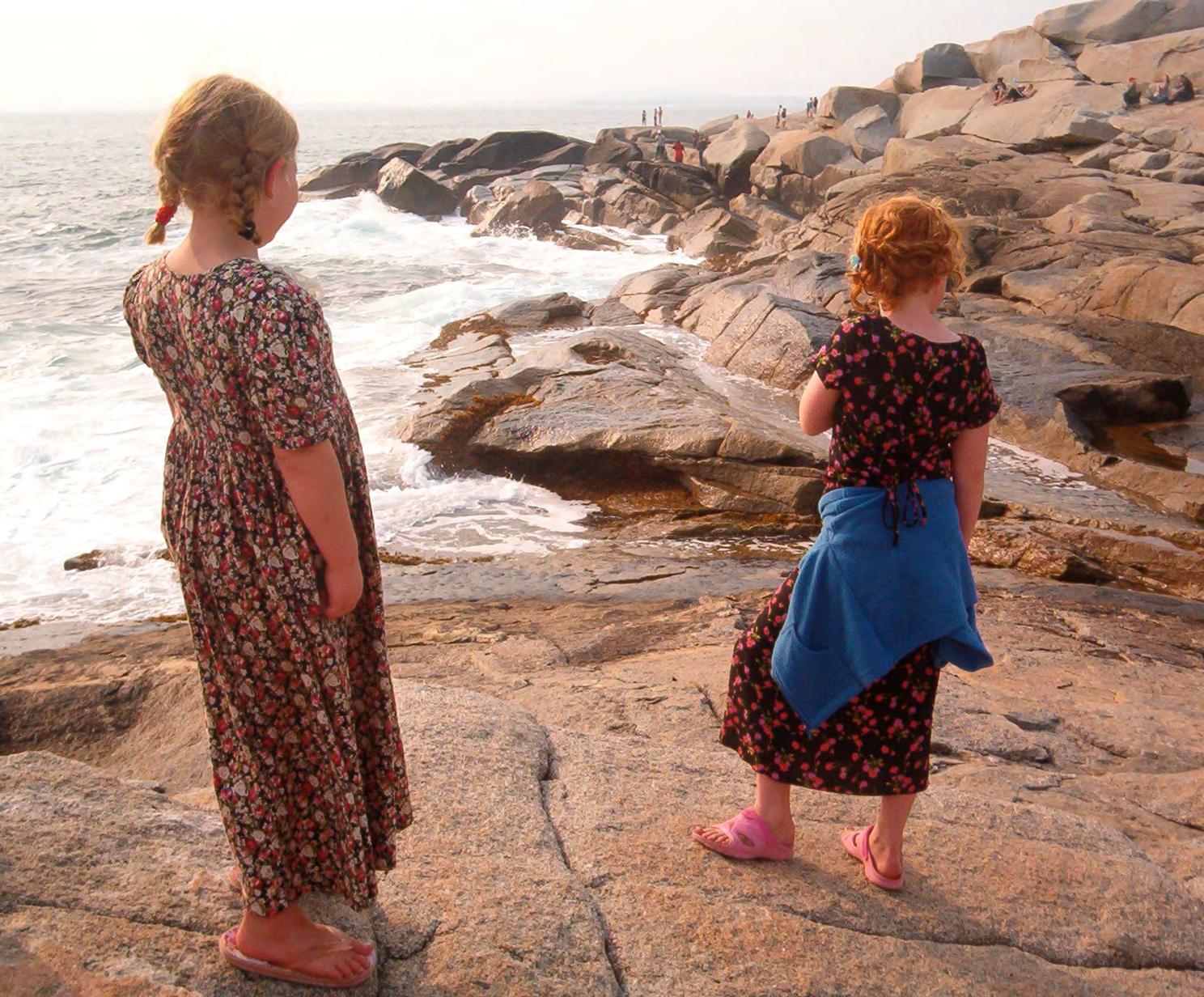

Iwas at a church event a few years ago and was surprised to hear a couple of acquaintances share their thoughts (with a table full of ladies) on whether I would be able to let go of my oldest daughter when she graduated. They didn’t think I would be able
to do that, because we have home schooled so long (whatever would I do with myself?) AND because I have been so protective of our daughters.
After I finished snorting a few times, I had great fun in sharing that my life won’t end when our
home schooling is done. I have a few things saved to keep me busy when that happens - quilting, scrapbooking, volunteering, and writing are on my list! I also have 3 more daughters to keep me busy, AND when my daughters leave our home, they will be prepared for life (much more prepared than I was!).
Fast forward to last January. Our oldest daughter went overseas for 6 months. Of course, I had the normal concerns of a mother, but I knew she was ready to go. She was prepared and ready. I really believe it is important to let go of our children when it is time and let God direct them where He will.
I also believe that the safest place to be is in the center of God’s will for their lives - even if that is in a Middle Eastern country.
One of the most important things to help get me ready for this transition, was preparing Natasha for life. This included everything from household chores to academics to character development to finance management and work ethics. It certainly didn’t happen overnight. There were years getting ready for that moment, but when it came, she was ready (and so was I).
By the way, prayer played a big part in letting go. As much as Richard and I love our daughters, I have no doubt that their Heavenly Father loves them more. He will be with them wherever they go and through whatever they do. I’m so thankful for the opportunity to pray for our children - even though we are living in the age of Internet and email, there were weeks where she had no internet access at that time. How wonderful it was to pray and leave her in God’s hands. We continue to do so.
Terry Yaceyko is a graduated WISDOM mama of 4 girls. She now loves finding creative ways to connect with her grandchildren and homeschoolers around Alberta.
By Dale Aalbers

As a young person it can be very intimidating making life-altering decisions, especially if you are unsure of what your future might look like. As the saying goes, “the world is your oyster.” Yet, as a young person we are growing up in an age where our peers (and even we ourselves) struggle with commitment and finding a sense of belonging while searching for meaning. As a teenager, we wrestle with the question, “what am I supposed to do after high school?” There are even bigger questions including, “what should I do with my life?”
These questions posed challenges for me, but I knew that I loved learning and wanted to pursue post-secondary education. My educational journey took me across the country and even included studying abroad. These varying experiences seemed almost disjointed at times but they continued to add data to
help me more fully discover God’s plan for my life. In every stage of my life, especially since leaving home, I have grown and developed, seeking to use every day as an opportunity to become more fully the man God is calling me to be.
When discerning and trying to think about your future there are many different questions, including:
• What do I think God is calling me to?
• What brings me the most joy?
• What brings the most glory to God?
• What am I most passionate about?
• What school options are there?
• What do I need to do to meet the requirements?
• Do I enjoy meeting new people and travelling abroad or on a ministry team?
• Would I want to start an apprenticeship program and see where it takes me?
• What am I most afraid of?
• Has anything been recently proposed to me?
• What do my parents, friends and other mentors think about my plans?
• Do they have any ideas?
• Have I thought outside the box and do I have any ideas about creating possible opportunities?
• If money is holding me back, is there someone, or a group of people that might be willing to invest in me or offer me a loan to pursue my dream?
Personally, I have several friends who have taken a year off to work and save money before engaging in schooling or travel. Indeed there are many different questions and options to consider. However, all of these questions ultimately lead to action.
Some active tools for discernment and choosing a career/life/study path:
• Engage in prayer and seek spiritual guidance.
• Ask questions and talk/journal about thoughts, feelings, and opportunities.
• Visit a campus/ministry/job/ apprenticeship and learn more about it.
• Try out an option before fully committing to it.
• Talk with people who are attending a school or alumni of a program you’re interested in.
• Find out the requirements for something you’re interested in, and apply. (Indeed there are many options but if you don’t apply, this idea can’t come to fruition.)
• Seek the input of family and friends by talking to them and bouncing ideas off of them.
• Ask “what am I good at and what do I enjoy doing? Does the decision I am making give me peace?”
• Engage in the present moment while continuing to grow and learn.
Whatever option you choose, ground yourself with good friends and a supportive community. Find ways that you will be supported and encouraged in your faith. The decision about what path to take can change; we can regroup and restart if something doesn’t work out.
Our world needs people who are passionate, loving, caring, authentic and genuine. Are you willing to walk farther into the unknown? It can be a challenge, but it is a real joy to find out your purpose and become the best person you can be.
The eldest of three WISDOM grads, Dale has had many opportunities to learn in different cultures and through travel.
By Cat Testa
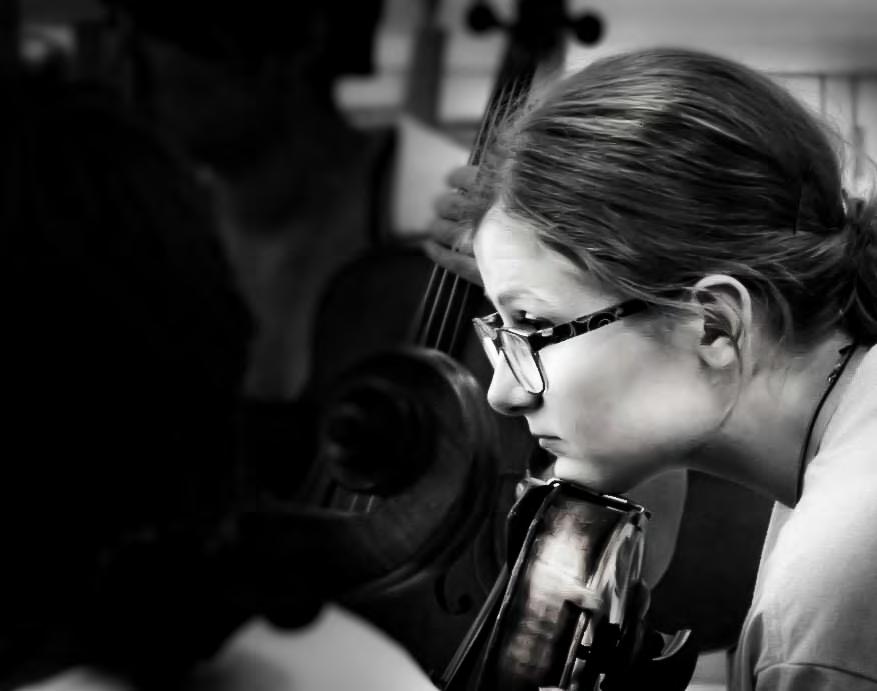
Disearnment, noun. Definition: when a person quits their full time paid employment to pursue postsecondary education or training. That’s me!
All jokes aside, I sometimes question the sanity of my decision last fall to quit a good living and pay lots of money to attend university. What made me decide to do that? Well, that’s kind of a long story. And that story involves a process more important than “dis-earnment”discernment!
Discernment is rather a scary word, at least to me. I think it gets thrown around a lot for the benefit of high schoolers and new grads. In that context it is usually referring to the process of figuring out life and career goals and making important decisions about the future. Discernment is a very important component in decision making. I hope this article will provide some encouragement and practical ideas to anyone thinking about their discernment,
especially high schoolers and grads.
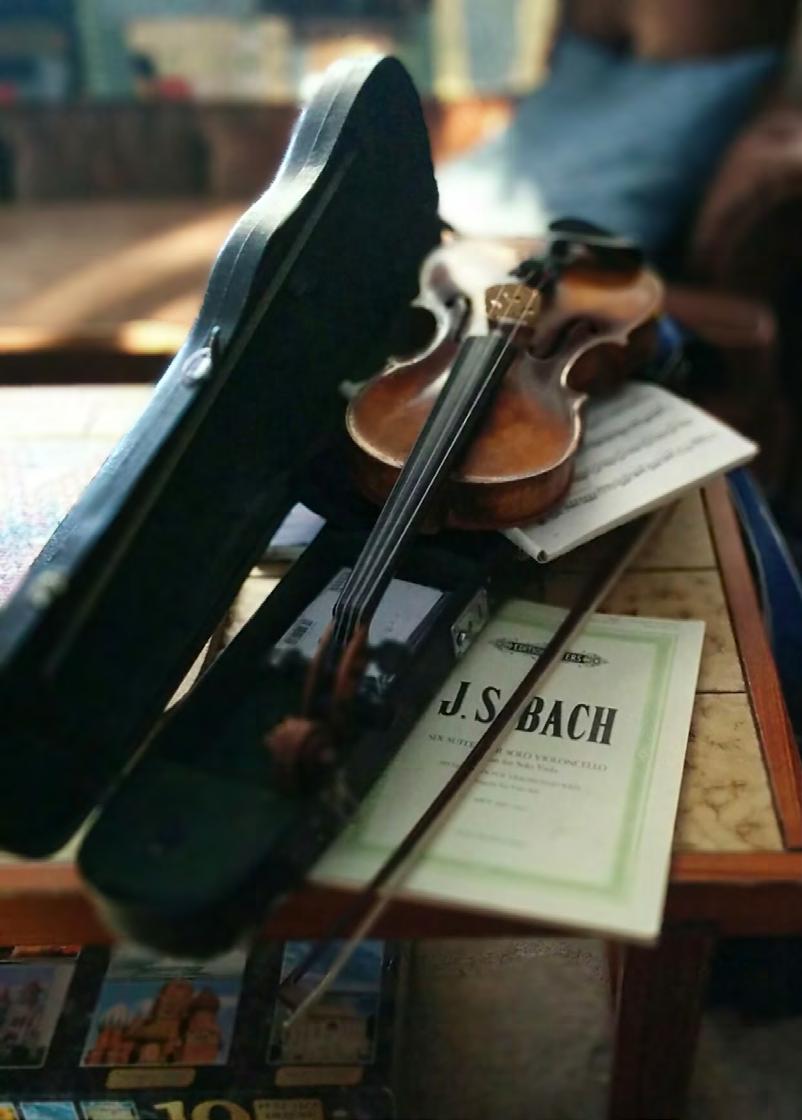
Before my graduation in 2014 I thought a lot about what kind of career I would have, if and where I would attend post-secondary, etc. In high school I loved music and art, as well as writing and literature. But which one should I choose? Should I pursue music and become a renowned viola soloist and teacher? Or should I be a writer? Maybe I would write the next Lord of the Rings! All I had to do was pick and choose the one I liked best! Based on the fact that I had taught music before and was about to do some Suzuki violin teacher training, I decided I should be a violist. I had missed the deadlines for university applications so I decided I would move to Edmonton for a year where I could find a great teacher and also acquire a larger student body. Discernment complete. Easy peezy lemon squeezy, right? Alas, no. Difficult difficult lemon difficult. It was miserable. I wanted to go home by Christmastime. I was sick and tired, and very lonely. I quit
playing viola, and only stayed to finish the year with my handful of students. Never mind becoming a violist. It was too hard, I couldn’t do it. So I crawled back home with my tail between my legs, defeated.
At this point, I had the wrong view of discernment. I thought that discernment was limited to decision making. I had made a decision, acted on it, and failed. I must have made the wrong discernment.
After that, I wasn’t sure what to do anymore. I felt like I couldn’t do music anymore, because my previous discernment had been “incorrect”. I worked part time at a Michaels for a while, which was nice but not at all fulfilling. I also started teaching violin again after a year, more for financial reasons than actual desire to teach. Then I heard about a position opening up at WISDOM. I was a little wary about leaving home again but hey, a full time job was pretty appealing. I applied and got the job, moving to a little home in Derwent. Despite the craziness at the end of 2016 (which began 2 weeks after I started working at WISDOM), it was a very important and happy year. I fondly cherish the attitudes of love, service and solidarity that I experienced.
Working in such a supportive environment made me start to think about discernment again. This time I approached it in a different way. Somehow my perception of myself and of my place in the world had shifted to a more wholesome outlook. Rather than seeing discernment as a onetime decision between specific options, I thought of it rather as a combination of self-assessment, accumulated experience, research and most importantly, dialogue. Here’s a quick breakdown of these components: Self-Assessment
In Britain, it’s customary and encouraged for young adults to take a gap year between high school and post-secondary. In North America, the pressure is on to know what your entire adult life is going to look like the moment you graduate. As homeschoolers, we probably don’t face as much of that pressure from our families, but in our society there is still that message that everything must be “figured out” as soon as possible. I ended up having three years between my graduation and the
Knowing yourself thoroughly is key to successful discernment. Ask yourself: What are my talents? What are my likes and dislikes, strengths and weaknesses? What do I want to improve about myself? What does success mean to me? Think about these on your own, and discuss them with someone you trust. Be very honest with yourself, and don’t be shy about celebrating the things you excel in!
time I started post-secondary, and I don’t regret it. Having a few different jobs and experiences helped me with self-assessment - after a while I realised that certain things I thought I disliked were only so because of how I experienced them. At Michaels, I thought I disliked working with people, but later I realised what I really disliked was working with people in a retail environment. Giving yourself time to mature and experience some different things will only help you later.
This component mostly applies to specific considerations of career/other options. Once you’ve thought about what your talents and passions are, you might start considering kinds of careers you might like and which universities to go to. Do lots of research. Web searches are a great starting point, but the best way to learn about a specific career is by talking to someone employed in that area. Set up tours and information sessions with the schools/ institutions you might be interested in. Keep in mind that post-secondary is not mandatory! A degree is not a passport to a career.
The most important and necessary kind of dialogue is prayer. If you want to follow God and earnestly open yourself to Him, He will guide you. Even if you don’t open yourself to Him, He’ll still guide you anyway. It’s also important to have lots of dialogue with your family and friends. Talk to them about the things you want to do, and listen to their wisdom, encouragement, and ideas. You don’t have to do everything by yourself.
The most important thing to keep in mind is that discernment is ongoing. It doesn’t end once you make a decision. Circumstances change and we must be constantly thinking and discerning. Keep in mind that you are allowed to change your mind. I thought I had failed at being a musician so I couldn’t do it anymore. Now I’ve changed my mind. I still want to be a violist and teacher, and this time I have the benefit of a more wholesome and balanced take on discernment… disearnment notwithstanding!
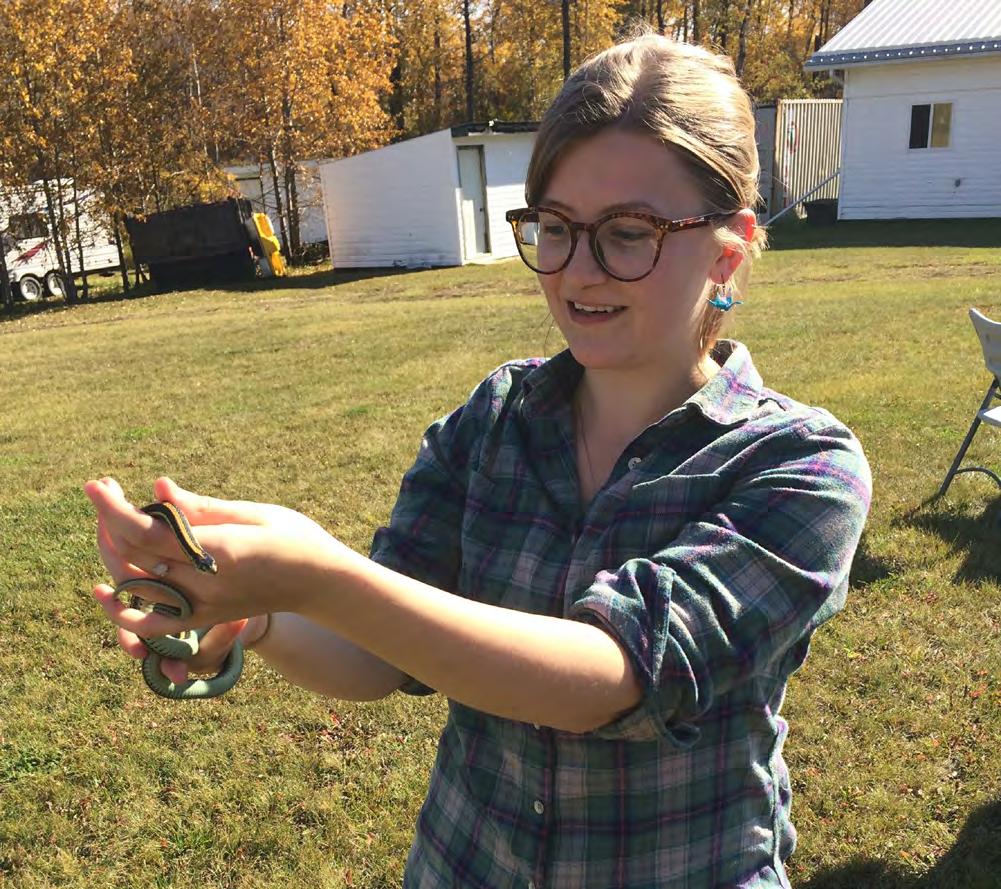
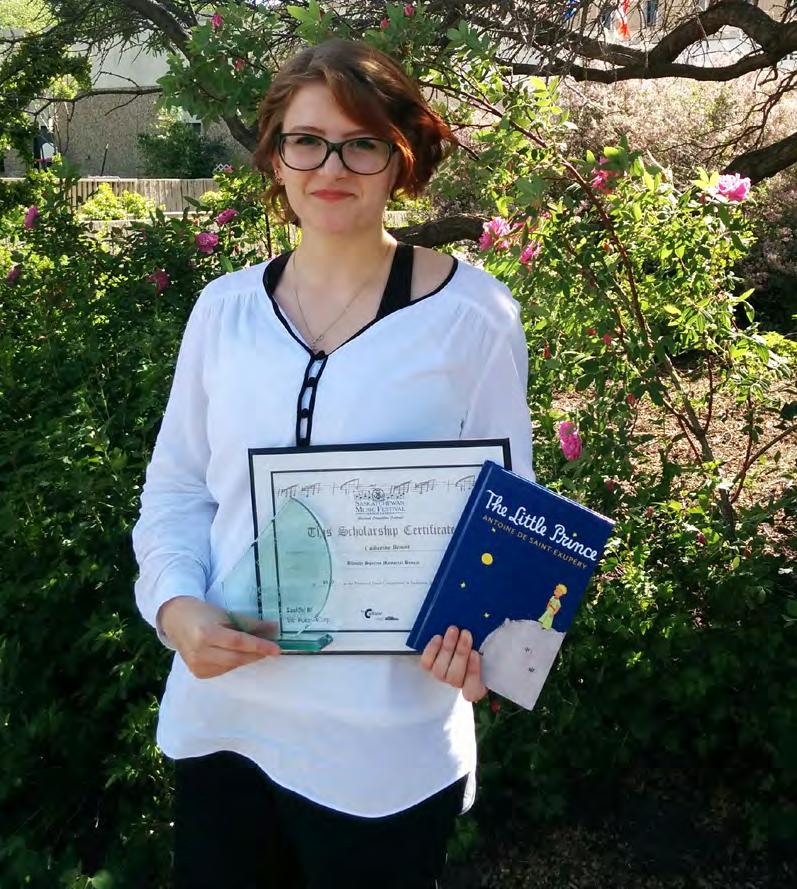
Cat Testa is a WISDOM graduate, violin and viola teacher and aspiring violist from a small town in Alberta.
By Kelly Aalbers


It was February 12th, 2003, that was my first day homeschooling; I was in grade three. I had experienced bullying, teasing, and being excluded while attending grade school, and after being bitten on the forearm at lunch recess, and that ordeal was settled; we went home and I told my mom, “I never want to go back to school.” It happened like that, and with that we started homeschooling. There is more to the story, but that is the gist of it.
We were raised in a disciplined family; there were rules, expectations, and chores. No one got away with slacking, and we didn’t follow the path that the culture was presenting
us with. We had many moments of growth, change, and difficulty as we “fought it out” as kids, or kids vs. mom, but in the end we were all the stronger for it.
Our journey with WISDOM started in 2005 when we moved to Lloydminster. It was with WISDOM that we found a group of likeminded families that supported us. Those families allowed the fostering of friendships and a place to belong. Mom and Dad had a motto for us, it went something like, we are homeschooling you now to prepare you for the rest of your life, for when you leave home. This motto was continually brought up through


family conversation, regular facilitator visits, and dealing with relatives who didn’t understand homeschooling. We had a unique situation amongst many families; 3 kids was very manageable for mom, she individually coached and counselled us on our daily path in life, our walk with God, and where the future would take us. For me I knew I didn’t want to continue with my education, I wanted to work, get a trade, or do anything other than go back to school; still hurt from my negative experience, I was not open to any possible higher education. I don’t think my parents could understand.
When the time came for grade 12, I decided to live and work with my grandparents, doing a work experience project on my grandparents' farm, checking out different trades, and then continued to grow by studying administration, as I organized a retreat for discerning one’s call in life. During this time, I did as little bookwork as I could get away with while preparing for the following year. What motivated me to make this decision? I was following the motto of my family. I felt prepared to live my life with more than a textbook education.
Some of the keys to my decision making are, first of all prayer, because I believe that first and foremost, my life is not my own, but a power greater than myself has an incredible plan for my life, and if I entrust my will and my life to him I can do all
that I am called to do. Second, I had to discover my own path, outside of the shadow of my parents. Third, it was a hard, hard, hard thing for Mom and Dad to learn how to detach, but I was ready to move on, and I wasn’t going to let them stop me. Fourth, and maybe the most important thing was, that I looked for and found a small community, where I volunteered for a couple of months, and I found support and a safe place to start discovering the path that the rest of my life would take.
The skills my parents imparted flourished, and they became the tools I used as I chiselled my way forward in life. I learned what it meant to love; to give of myself freely, to seek others' needs first, to serve the poor, to talk to strangers, to communicate always, to lead boldly, to trust when trust was earned, and to question the motives of my own actions and those of others. The path that I took led me to pursue the trades. My Dad taught me to build my resume whenever I could, I had a reckless feeling while working the trades, and so I switched to driving truck; feeling unsatisfied with that, I decided to give it all up, and follow God’s call to serve him with my whole heart. Working with people and bringing them to experience love and peace is what I have truly found satisfaction in, and I know this is where I am supposed to be.


By Tess Letkemen
I'm very thankful to be able to share some of my experiences and some of what I have learned in the years I have been educated at home.
I am 16 years old and I’ve been home educated my whole life. I live on a farm with my parents and 4 brothers. My oldest brother, Brayden, went to preschool and grade 1 at a private Christian school. Since then (1997), my parents have educated all of us here at home.
I'm very thankful for Mom and Dad's perseverance throughout each year of
schooling. Their priority was to keep the Lord first in our education journey so we would learn of Him and hide His Word in our hearts.
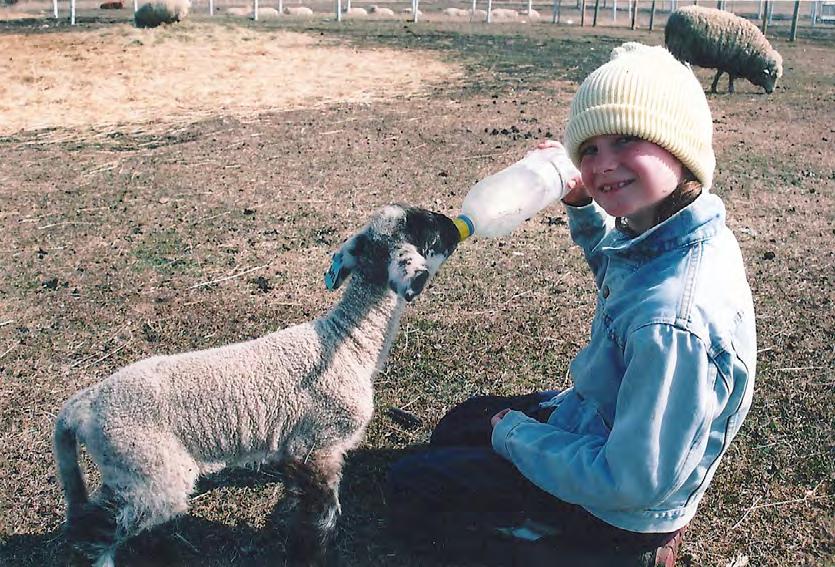
They believe all of life's experiences are education, some of which includes bookwork and curriculum. Being educated at home allows me to do a wide variety of things. I enjoy making cheese, playing piano, harp, and guitar, visiting seniors centers with my brothers to play music, photography, training horses, keeping records of our animals, and making a variety of movies

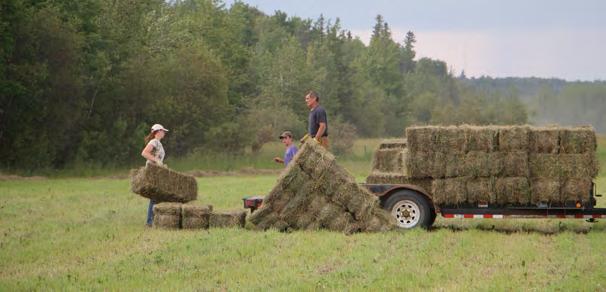
(instructional “how-to's” plus hilarious videos I've made of my brothers). I also enjoy being a little involved in the operation of farm machinery, a task that my brothers often cover. For the first time this summer, I operated our 3150 John Deere tractor to bale hay. After years of driving our old Chevy truck at turtle speed while Dad picked up bales, it was great to be using the bigger equipment with my brothers and Dad. I'm very grateful to be able to work together like this as a family.
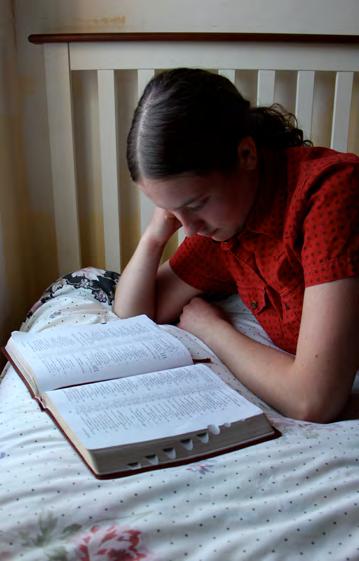
My siblings and I have been raised in a Christian home. When I was younger, I read my Bible and believed in God, but I didn't find His Word to be what I now know it to be. Back then it felt like a chore.
Then the Lord brought me closer to Himself in a way that I didn't
recognize at first. For 5 years I longed for a horse, did a lot of searching, but found none that suited what I wanted. By the end of those 5 years, my relationship with the Lord had grown much. It was a miraculous change in my life, and through it, my love for Him has overflowed. I've also gained a love to read and study His Word. It's interesting, yet also wonderful, that since my faith has been strengthened, all my other subjects in school and everyday things, have become much more enjoyable to me.
As an example; for years I didn't like to read much, but now I love to read many different books especially those about missionaries of the past and present. This interest has come from a heart's desire to be a missionary. These biographies give examples of deep faith in the Lord that continually

strengthens my own desire to serve Him. I love to read about men and woman such as George Muller, Amy Carmichael, Adoniram Judson, Jonathan Goforth, and Eric Liddell, just to name a few. Every time I finish a book about a missionary, I would love to go and talk with that person face to face...to hear and learn even more about their experiences, hardships, persecutions, as well as their victories. “Go therefore and make disciples of all nations, baptizing them in the name of the Father and of the Son and of the Holy Spirit, teaching them to observe all I commanded you; and lo, I am with you always, even to the end of the age.” Matthew 28:19-20 NASB.
It has been an amazing change to go from thinking I would grow up to become a farm girl or a vet, to seeing the Lord give me a heart's desire for
mission work. I'm grateful I'm home educated and able to grow up on a farm. Both have allowed me to learn what's needed for success in the Lord's sight, not my own. Farm life has been wonderful with its many lessons and hardships, knowing that God is good and that He will NEVER leave us or forsake us! I believe all the lessons learned and any hardship I've gone through; will work together for good. They have taught me and will continue to prepare me in my life of serving the Lord.
“I love You, O Lord, my strength.”
The Lord is my rock and my fortress and my deliverer, My God, my rock, in whom I take refuge; My shield and the horn of my salvation, my stronghold. -Psalm 18:1-2

By Greg Landry


Iteach sophomore through senior level college students - most of them are “pre-professional” students. They are preparing to go to medical school, dental school, physical therapy school, etc.
As a generalization, I’ve noticed certain characteristics common in my students who were homeschooled. Some of these are desirable, some not.
Desirable characteristics:
1. They are independent learners and do a great job of taking
initiative and being responsible for learning. They don’t have to be “spoon fed” as many students do. This gives them an advantage at two specific points in their education; early in college and in graduate education.
2. They handle classroom social situations (interactions with their peers and professors) very well. In general, my homeschooled students are a pleasure to have in class. They greet me when they enter the class, initiate conversations when appropriate, and they don’t hesitate to ask
good questions. Most of my students do none of these.
3. They are serious about their education and that’s very obvious in their attitude, preparedness, and grades.
Areas where homeschooled students can improve:
1. They come to college less prepared in the sciences than their schooled counterpartssometimes far less prepared. This can be especially troublesome for pre-professional students who need to maintain a high grade point average from the very beginning.
2. They come to college without sufficient test-taking experience, particularly with timed tests. Many homeschooled students have a high level of anxiety when it comes to taking timed tests.
3. Many homeschooled students have problems meeting deadlines and have to adjust to that in college. That adjustment time in their freshman year can be costly in terms of the way it affects their grades.
My advice to homeschooling parents:
1. If your child is even possibly college bound and interested in the sciences, make sure that they have a solid foundation of science in the high school years.
2. Begin giving timed tests by 7th or 8th grade. I’m referring to all tests that students take, not just national, standardized tests.
I think it is a disservice to not give students timed tests. They tend to focus better and score higher on timed tests, and, they are far better prepared for college and graduate education if they’ve taken timed tests throughout the high school years.
In the earlier years the timed tests should allow ample time to complete the test as long as the student is working steadily. The objective is for them to know it’s timed yet not to feel a time pressure. This helps students to be comfortable taking timed tests and develops confidence in their test-taking abilities.
3. Give your students real deadlines to meet in the high school years. If it’s difficult for students to meet these deadlines because they’re coming from mom or dad, have them take “outside” classes; online, co-op, or community college.
Greg Landry is a veteran homeschool dad and college professor. He also teaches one and two semester online science classes, and offers free 45 minute online seminars. HomeschoolScienceAcademy.com