
As we conclude the second quarter of 2026, one thing is evident— change is no longer gradual; it is constant. From geopolitical shifts and cybersecurity challenges to evolving consumer behavior and social awareness, the world continues to redefine what resilience, innovation, and progress truly mean. At Gazet International, we remain committed to capturing these defining moments through insightful stories that inform, inspire, and encourage meaningful conversations.
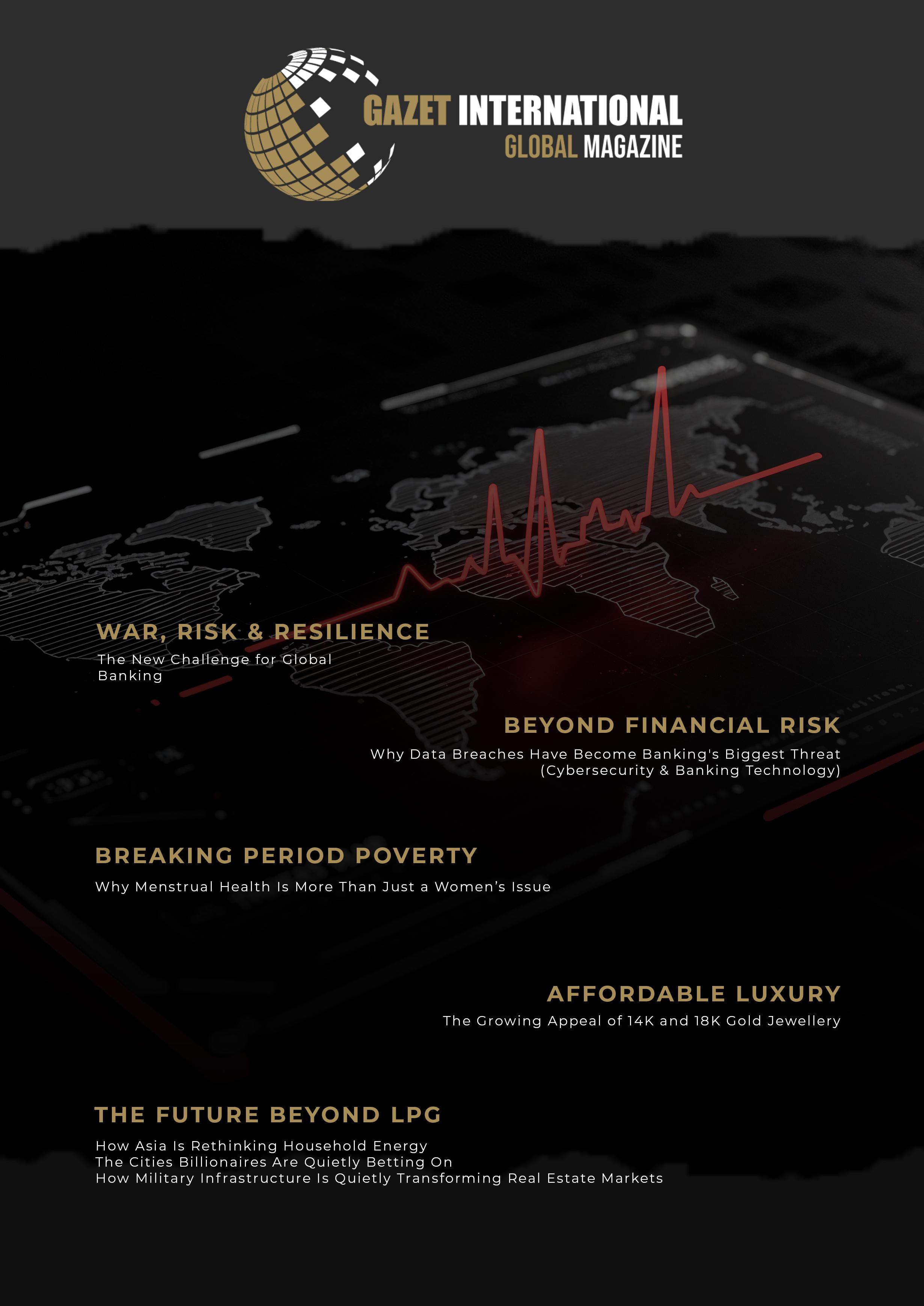
This quarter’s edition brings together a diverse collection of features that explore the challenges and opportunities shaping today’s global landscape. In Banking & Finance, we examine how geopolitical uncertainty is reshaping the financial sector in War, Risk & Resilience: The New Challenge for Global Banking, while also exploring why cybersecurity has become one of banking’s greatest priorities in Beyond Financial Risk: Why Data Breaches Have Become Banking’s Biggest Threat.
Our Current Affairs section takes a broader look at the world around us—from Asia’s transition towards sustainable household energy in The Future Beyond LPG, to the cities quietly attracting the world’s wealthiest investors, and the growing influence of military infrastructure on real estate development. In Fashion, we explore the rising appeal of affordable luxury through the increasing demand for 14K

and 18K gold jewellery. Completing this edition, our Health & Lifestyle feature, Breaking Period Poverty, highlights the importance of viewing menstrual health as a societal responsibility, encouraging greater awareness, inclusivity, and meaningful change.
Every edition of Gazet International is built with the purpose of delivering perspectives that go beyond headlines—connecting global trends with the conversations that matter most. As we close the second quarter of 2026, I hope these stories offer valuable insights, inspire fresh ideas, and encourage a deeper understanding of the rapidly evolving world around us.
Thank you for your continued trust and readership. Here’s to embracing the opportunities that lie ahead with knowledge, resilience, and

Editor in Chief







The global banking industry is entering one of its most complex periods in recent history. As geopolitical tensions intensify across multiple regions, financial institutions are being forced to operate in an environment shaped by uncertainty, market volatility, cyber threats, and rapidly shifting economic conditions. From the Middle East to Southeast Asia, banks are no longer preparing for isolated disruptions. They are adapting to a world where instability itself has become a long-term reality.

The ongoing conflict in the Middle East has added fresh pressure to global financial markets in 2026. According to the International Monetary Fund’s Global Financial Stability Report, geopolitical tensions and war-related disruptions have elevated risks across the financial system, increasing concerns around inflation, liquidity tightening, and market instability.
Since February 2026, global equity prices have reportedly declined by nearly 8% amid rising energy costs and uncertainty surrounding trade and investment flows.
For banks, the impact extends far beyond market performance. Wars and geopolitical disruptions directly influence oil prices, foreign exchange movements, sovereign debt markets, and cross-border capital flows. In regions heavily connected to global trade and energy markets, financial institutions are increasingly exposed to second-order economic effects such as weakened business activity, reduced credit quality, and supply-chain disruptions.
Across the MENA region, banks are responding with stronger risk governance and operational resilience frameworks. Gulf economies, particularly the UAE and Saudi Arabia, have accelerated financial sector modernization efforts to strengthen stability against external shocks. Recent data published by the European Banking Authority revealed that EU and EEA banks held approximately EUR 132 billion in direct exposure to Middle Eastern counterparties by the end of 2025, highlighting the interconnected nature of global banking systems. While this represented less than 0.5% of total banking assets, regulators warned that prolonged geopolitical instability could trigger inflationary pressure, weaker economic growth, and broader financial stress.
At the same time, Southeast Asia’s banking sector is facing a different dimension of risk — the growing vulnerability of digital financial ecosystems. Countries such as Singapore, Indonesia, Malaysia, and Vietnam have witnessed rapid digital banking adoption over the last few years, driven by fintech expansion and mobile-first financial services.

However, increased digitization has also expanded the attack surface for cybercriminals.
Cybersecurity has now become one of the banking sector’s most urgent priorities. An IMF working paper released in March 2026 found that cyber incidents within the financial sector accounted for nearly 10% of all major cyber events recorded globally over the past decade. The report also noted that cyber-enabled fraud has nearly tripled, fueled by growing digital payment ecosystems and increasingly sophisticated attack methods.
More concerning is the role artificial intelligence is beginning to play in financial cybercrime. The IMF recently warned that advanced AI tools are reducing the time and technical expertise required to launch sophisticated cyberattacks on banks and payment infrastructure. Financial systems today rely heavily on interconnected cloud platforms, payment networks, and shared digital infrastructure — meaning a single coordinated attack could potentially disrupt multiple institutions simultaneously.
This evolving threat landscape is reshaping how banks define resilience. Traditionally, resilience focused primarily on capital strength and liquidity buffers. Today, operational continuity, cyber preparedness, regulatory agility, and customer trust are equally critical. Central banks and regulators globally are responding with stricter stress-testing frameworks and resilience-focused supervision. The European Central Bank, for example, has announced plans to conduct dedicated geopolitical risk stress tests for banks in 2026 to evaluate preparedness against conflict-driven disruptions and cyber-related threats.
The future of banking belongs not to the institutions that grow the fastest, but to those that adapt, anticipate, and endure “
For decades, risk management in banking was largely associated with financial factors such as credit exposure, liquidity concerns, market volatility, and regulatory compliance. While these remain critical, a new category of risk has emerged as one of the most pressing challenges facing financial institutions worldwide: data breaches.
In today’s digital economy, banks hold far more than money. They safeguard vast amounts of sensitive customer information, including personal identities, financial histories, transaction records, and confidential business data. As banking services become increasingly digital, this information has become a valuable target for cybercriminals. The result is a growing realization that the greatest threat to a bank’s stability may no

longer be financial loss alone, but the loss of customer trust.
The banking sector has undergone a remarkable digital
transformation over the past decade. Mobile banking, digital wallets, instant payments, cloud-based services, and open banking frameworks have significantly improved convenience and accessibility for customers. However, these innovations have also expanded the attack surface available to malicious actors. Every digital touchpoint creates a potential entry point for cyber threats.
Recent years have seen a surge in cyber incidents affecting organizations across industries, including financial institutions. Data breaches, ransomware attacks, phishing campaigns, and unauthorized access attempts have become increasingly sophisticated. Unlike traditional financial risks, cyber threats evolve rapidly, often outpacing conventional security measures and requiring continuous vigilance.
The consequences of a data breach extend far beyond immediate financial costs. Regulatory penalties, legal expenses, operational disruptions, and recovery efforts can be substantial. Yet the most damaging impact is often reputational. Banking is fundamentally built on trust. Customers expect their financial information to remain secure and confidential. When that trust is compromised, rebuilding confidence can take years.
In many cases, the reputational fallout from a cyber incident exceeds the direct monetary loss. Customers may hesitate to engage with digital services, investors may question governance practices, and regulators may intensify scrutiny. Even a single breach can influence public perception and damage a brand that took decades to establish.
What makes non-financial risks particularly challenging is their interconnected nature. A cyberattack can quickly evolve into an operational disruption, a regulatory concern, and a reputational crisis simultaneously. For example, unauthorized access to customer data may trigger service interruptions, attract regulatory
investigations, and generate widespread media attention. Such incidents demonstrate that risk management can no longer operate in isolated silos.
Recognizing this shift, financial institutions are broadening their approach to risk management. Cybersecurity is no longer viewed solely as an information technology responsibility. It has become a boardroom issue requiring oversight from senior leadership and active involvement across the organization. Many banks are investing heavily in advanced security infrastructure, employee awareness programs, threat monitoring capabilities, and incident response frameworks.
Employee training has become particularly important. Human error remains one of the leading contributors to security incidents. Phishing emails, weak passwords, and inadvertent disclosure of information can create vulnerabilities even within highly secure environments. Building a culture of security awareness is therefore as important as investing in technology.

At the same time, regulators around the world are placing greater emphasis on operational resilience and data protection. Financial institutions are increasingly expected to demonstrate not only strong preventive controls but also the ability to respond effectively and recover quickly from cyber incidents. The focus has shifted from preventing every attack to ensuring resilience when attacks occur.
Looking ahead, emerging technologies such as artificial intelligence, machine learning, and advanced analytics will play a growing role in strengthening cyber defenses. These tools can help identify unusual activity, detect threats earlier, and improve response times. However, they also introduce new considerations regarding data governance, privacy, and security.
The future of banking will depend not only on financial strength but also on the ability to protect information assets and maintain customer confidence in an increasingly digital world. As cyber threats continue to evolve, institutions that prioritize resilience, security, and trust will be best positioned to succeed.
In an era where data is often as valuable as capital, managing non-financial risk has become a strategic imperative. For banks, safeguarding information is no longer merely a technology challenge, it is a business necessity and a cornerstone of long-term sustainability.
For decades, Liquefied Petroleum Gas (LPG) has remained one of Asia’s most widely used household fuels. From urban apartments in Kuala Lumpur and Jakarta to small towns across Vietnam and India, LPG cylinders have become a familiar part of daily life powering kitchens, supporting small and large businesses, also providing millions of households with accessible cooking energy.
However, recent geopolitical tensions, global supply disruptions, and rising fuel costs are beginning to reshape how Asian nations think about household energy. What was once considered a stable and affordable solution is now increasingly vulnerable to international conflicts, shipping disruptions, and volatile global energy markets.



As energy security becomes a growing concern, countries across Asia are slowly beginning to explore alternatives beyond LPG not only to reduce dependency on imported fuels, but also to build cleaner, more resilient, and more sustainable energy systems for the future.
The pressure on LPG supply chains has become particularly visible over the past two years. Ongoing tensions in key global shipping routes, including the Red Sea and Strait of Hormuz, have affected fuel transportation and increased freight costs worldwide. Since many Southeast Asian nations rely heavily on imported LPG, fluctuations in international prices directly impact household expenses.
For middle-income families and lower-income communities, even a small rise in cooking fuel costs can significantly affect monthly budgets. In countries such as Indonesia, where LPG subsidies play a major role in supporting households, governments are now facing increasing pressure to balance affordability with longterm energy sustainability.
As a result, electric cooking solutions are gaining attention across several Asian markets.
Induction cooktops, electric pressure cookers, infrared stoves, and smart kitchen appliances are gradually
emerging as practical alternatives for urban households. Unlike traditional LPG systems, electric cooking eliminates dependency on cylinder refills and reduces exposure to supply-chain disruptions. Improvements in energy-efficient appliances have also made electric cooking faster, safer, and increasingly cost-effective.
Countries such as Singapore and Malaysia are actively encouraging energy-efficient household technologies as part of broader sustainability goals. In Vietnam and Thailand, rising urbanization and improved electricity infrastructure are making electric cooking more accessible to younger consumers and apartment-based households.
Indonesia, one of the world’s largest LPG-consuming nations, is also exploring electric cooking initiatives to reduce long-term import dependency. Pilot programs promoting induction stoves have already been introduced in several regions as part of the country’s wider clean energy transition strategy.
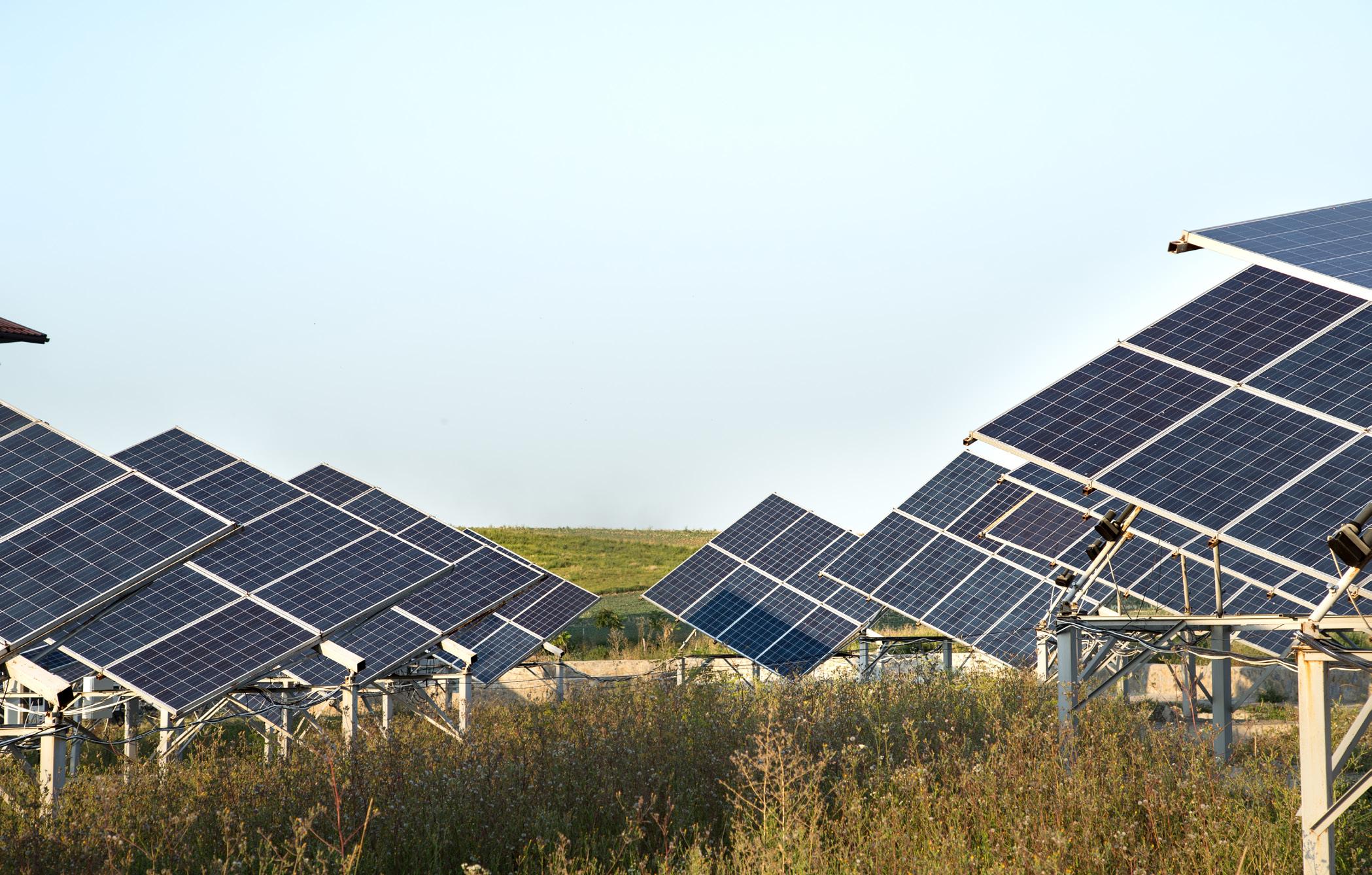
Beyond convenience, electric cooking offers environmental advantages as well. Traditional LPG usage contributes to carbon emissions, while electric alternatives especially when powered through renewable energy sources can support national climate goals and cleaner urban living. As Asia accelerates investments in solar, hydro, and renewable electricity generation, electric household energy systems may become increasingly sustainable over time.
The future of household energy is not about replacing LPG overnight—it is about building resilient, diversified systems that can withstand an increasingly uncertain world “ “
In many rural and semi-urban areas, electricity reliability remains inconsistent, making LPG a more dependable option for daily cooking needs. Upfront appliance costs can also discourage lower-income households from switching entirely to electric alternatives. In countries where LPG subsidy systems already exist, governments must carefully manage policy transitions to avoid placing additional financial pressure on consumers.
This is why experts believe the future of household energy in Asia will likely involve a hybrid approach rather than a complete replacement. LPG may continue to play an important role in energy access, particularly in regions where infrastructure limitations remain. However, diversification is becoming increasingly necessary.
Alongside electric cooking, countries are also exploring other alternatives such as biogas systems, solarpowered cooking technologies, and community-based renewable energy solutions. These innovations may
not immediately replace LPG on a large scale, but they represent an important step toward reducing vulnerability to global fuel disruptions.
More importantly, the conversation around household energy is no longer just about affordability. It is about resilience.
The recent energy uncertainties have reminded governments, businesses, and consumers that everyday essentials are deeply connected to global events. A conflict thousands of kilometers away can eventually influence the cost of preparing a meal at home.
As Asia continues to grow economically and technologically, the region’s approach to household energy is evolving alongside it. The future beyond LPG will not be defined by a single solution, but by smarter energy choices, diversified systems, and long-term sustainability.
In an increasingly unpredictable world, energy security begins not only in power plants or policy meetings but in the kitchens of millions of homes across Asia.

For years, global real estate conversations revolved around the same familiar names- London, New York, Singapore, Dubai, and Hong Kong
These cities symbolized status, financial power, and premium investment opportunities. But in 2026, a quieter shift is taking place behind the scenes of the global property market.
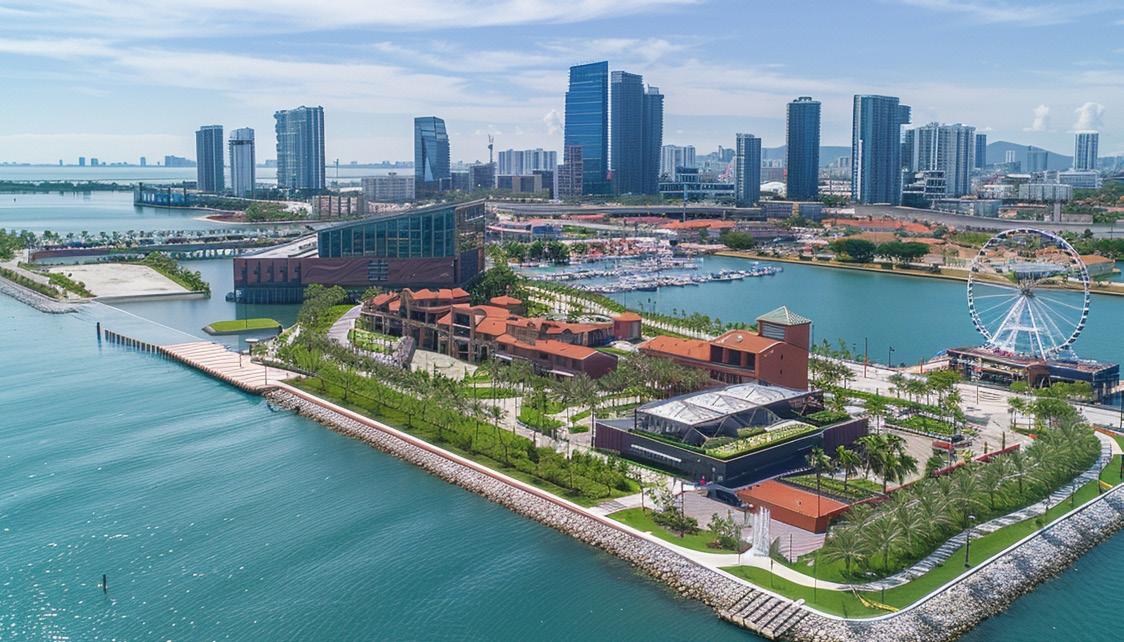
The world’s wealthiest investors are no longer looking only at traditional luxury capitals. Instead, they are increasingly turning their attention toward emerging cities across Southeast Asia and the Middle East, places once considered
secondary markets, but now rapidly transforming into investment hotspots driven by infrastructure, tourism, technology, and lifestyleled urban development.
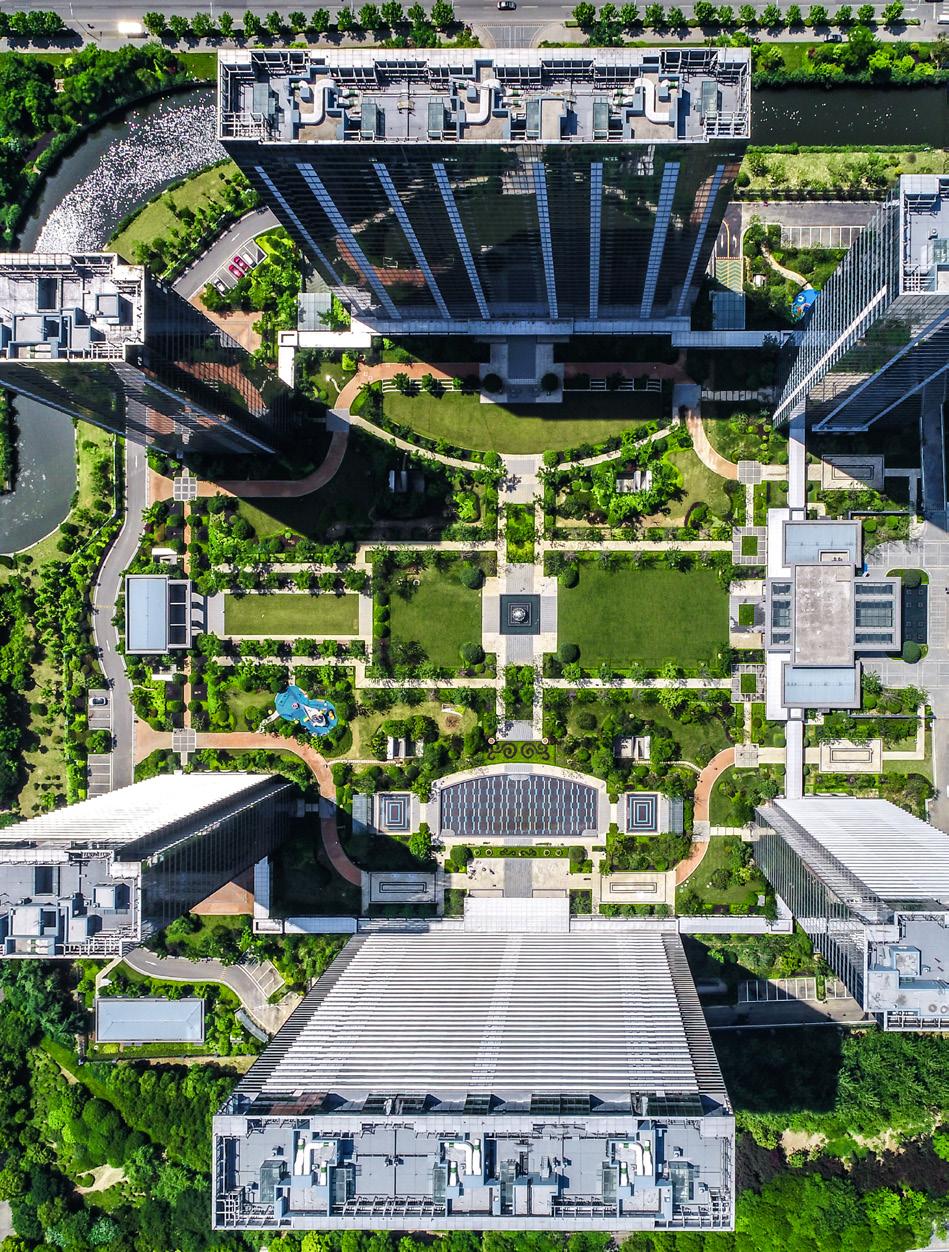
This new wave of investment is not simply about buying luxury apartments or commercial towers. It is about identifying cities that combine long-term economic growth, rising global visibility, strategic geography, and futureready urban planning.
One of the strongest examples of this shift can be seen in Vietnam. Cities such as Da Nang and Ho Chi Minh City are attracting growing international interest due to expanding tourism, manufacturing growth, and increasing foreign direct investment. Da Nang, in particular, has evolved from a coastal tourist destination into a rising luxury real estate market supported by beachfront developments, integrated resorts, and infrastructure expansion.
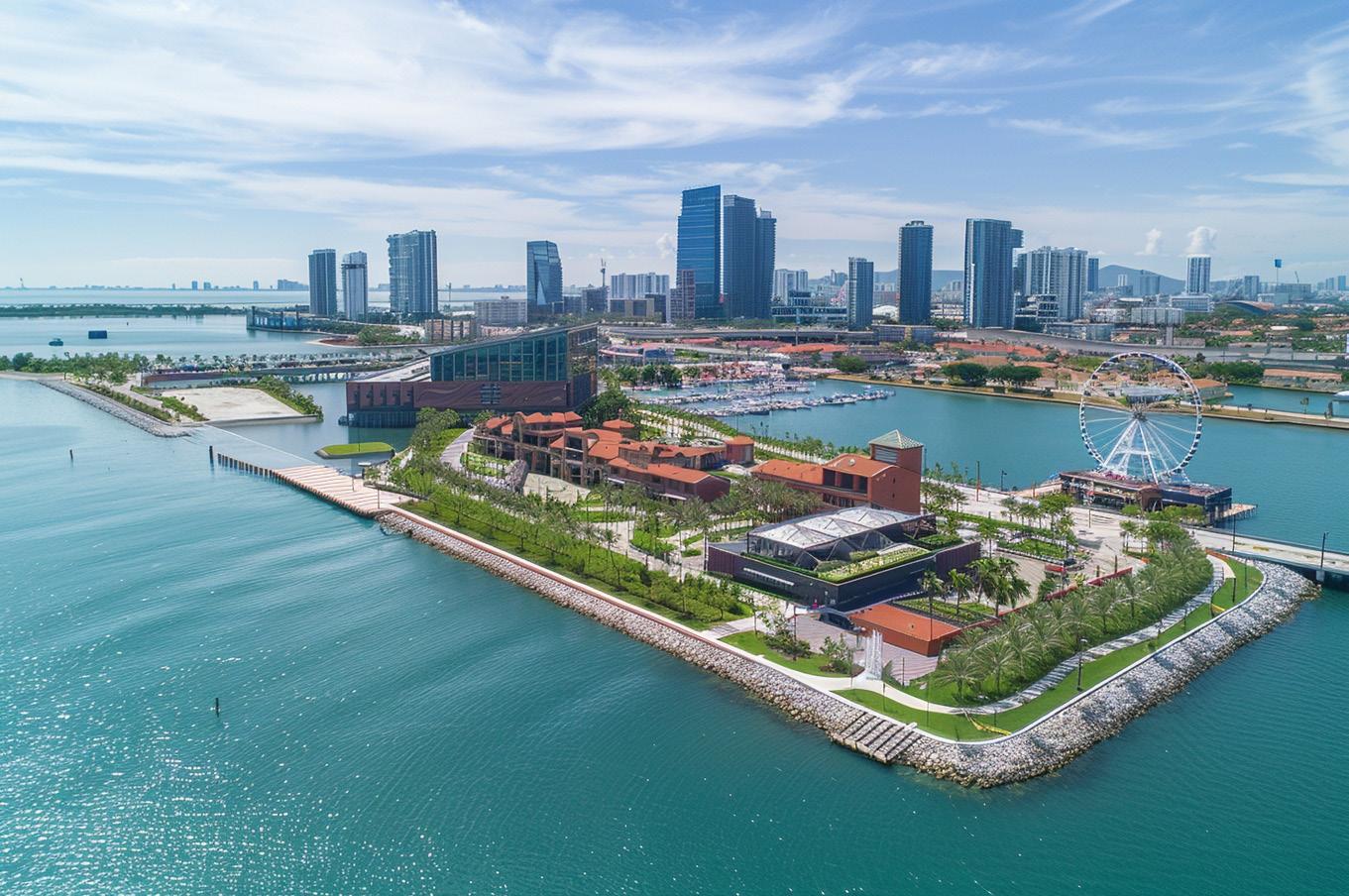
Investors are recognizing that these cities still offer relatively affordable entry points compared to mature global markets. As international connectivity improves and tourism rebounds strongly across Asia, property values in these regions are steadily gaining momentum.
Indonesia is witnessing a similar transformation. Beyond Jakarta and Bali, emerging urban centers are beginning to attract attention from developers and investors seeking long-term growth potential. The development of Nusantara, Indonesia’s upcoming capital city project, has generated global discussion around smart infrastructure, sustainability, and future urban ecosystems. While still under development, the project reflects a broader trend: investors are increasingly drawn toward cities being designed for the future rather than adapted from the past.
Meanwhile, in the Middle East, cities such as Riyadh and Abu Dhabi are experiencing a significant real estate evolution. Massive infrastructure projects, economic diversification programs, and tourism-led
development strategies are reshaping investor confidence across the Gulf region.
Saudi Arabia’s Vision 2030 initiative continues to fuel large-scale urban transformation projects, including NEOM and other giga-developments aimed at redefining modern living, technology integration, and sustainable urban design. Riyadh, once viewed primarily as a businessfocused capital, is now positioning itself as a global destination for investment, entertainment, hospitality, and luxury living.
Dubai, although already established
as a major real estate market, continues to attract high-networth individuals seeking political stability, tax-friendly policies, and global connectivity. Interestingly, today’s luxury buyers are no longer focused only on square footage or skyline views. Privacy, wellnessfocused communities, smart-home integration, and branded lifestyle residences are becoming key drivers of demand.
Another major trend shaping billionaire investment patterns is the rise of mixed-use ecosystems. Developers are increasingly building self-contained urban communities that integrate residential spaces, hospitality, retail, healthcare, entertainment, and green infrastructure into a single environment. Investors see these projects as more resilient because they create long-term lifestyle value rather than depending solely on property appreciation.
Technology is also playing a central role in reshaping the future of real estate. Artificial intelligence, smart-building systems, energyefficient design, and digital property management platforms are



becoming important considerations for investors evaluating future-ready cities. Sustainable construction and ESG-focused development are no longer optional additions.They are becoming expectations in premium real estate markets.
At the same time, global economic uncertainty is influencing investment behavior. Rising interest rates, inflationary pressures, and geopolitical tensions have encouraged many wealthy investors to diversify assets across multiple regions instead of concentrating investments within traditional Western markets. Emerging cities across Asia and the Gulf are benefiting from this shift because they offer a combination of growth potential, expanding infrastructure, and comparatively younger economies.
What makes this transformation particularly interesting is that many of these cities are still evolving. Unlike older metropolitan hubs constrained by decades of infrastructure limitations, emerging markets have the opportunity to design smarter, more connected, and more sustainable urban environments from the ground up.
The global property landscape is no longer defined solely by legacy cities. Increasingly, the next generation of wealth is being built around future cities, places where innovation, lifestyle, tourism, sustainability, and economic ambition intersect.
For investors quietly observing the world’s next real estate frontier, the question is no longer whether these cities will grow. The real question is who recognized their potential early enough to be part of the transformation.


From highways near border zones to defense-linked logistics corridors, ports, airports, and industrial hubs, governments are investing heavily in infrastructure designed to strengthen both national security and economic resilience. While these projects are primarily strategic in nature, their long-term impact on real estate markets is becoming increasingly visible.
According to the Stockholm International Peace Research Institute (SIPRI), global military expenditure reached a record USD 2.44 trillion in 2024, marking one of the sharpest increases in defense spending in recent years. Countries across Asia and the Middle East significantly increased investments in strategic infrastructure, border security, transport networks, and logistics modernization. These investments are influencing far more than defense preparedness alone.
In many regions, infrastructure initially developed for military mobility eventually improves civilian connectivity, transportation efficiency, trade access, and regional economic activity. Roads built to strengthen border access often open remote areas to commercial development. Ports and airports upgraded for strategic operations frequently become catalysts for logistics parks, industrial zones, hospitality projects, and residential expansion.

“ “


increasingly prioritizing locations with strong transportation networks, secure logistics access, and government-backed infrastructure support. Real estate developers are responding by focusing more on integrated infrastructure ecosystems rather than standalone projects.
The influence extends beyond industrial property alone. Large infrastructure investments often create employment opportunities that attract migration and urban expansion. Over time, this increases demand for housing, healthcare facilities, retail spaces, hotels, schools, and commercial developments in surrounding regions.
Technology is also accelerating the transformation. Modern strategic infrastructure projects increasingly integrate AI-powered traffic systems, smart logistics platforms, renewable energy systems, surveillance technology, and digital urban planning tools. These advancements contribute to the rise of connected “smart corridors” that support both economic and strategic objectives simultaneously.
However, rapid infrastructure-led expansion also presents challenges. Environmental concerns, land acquisition disputes, displacement of local communities, and sustainability pressures remain critical issues for governments and developers. Experts increasingly emphasize that infrastructure growth must balance economic ambition with responsible urban planning.
Still, the relationship between military infrastructure and real estate is becoming impossible to ignore.
In today’s world, roads, defense corridors, logistics hubs, strategic ports, and transport infrastructure are doing more than strengthening national security — they are shaping the future geography of economic growth itself.
For investors, developers, and governments alike, the next major real estate opportunity may no longer depend solely on skyline visibility or luxury demand. Increasingly, it may depend on proximity to the infrastructure networks quietly powering the economies of the future.

For generations, gold jewellery has been synonymous with prestige, tradition, and financial security. In many cultures, particularly across Asia and the Middle East, owning gold is not merely a statement but a symbol of prosperity and heritage. However, as gold prices continue to climb, consumer preferences are beginning to shift.
Increasingly, buyers are turning their attention to 14K and 18K gold jewellery, redefining what luxury means in today’s market.
Traditionally, 22K and 24K gold have dominated consumer demand due to their high purity and intrinsic value. While these higherkarat options remain desirable, their rising cost has made them less accessible for many consumers, especially younger buyers and firsttime jewellery purchasers.
As a result, lower-karat alternatives are emerging as a practical and stylish solution, offering the perfect balance between affordability, durability, and elegance.
One of the key factors driving this trend is the changing purpose of jewellery ownership. In the past, gold jewellery was often purchased primarily as a long-term investment or family asset.
Today, consumers are increasingly viewing jewellery as a form of self-expression and everyday
fashion. Rather than buying a few heavy pieces reserved for special occasions, many buyers prefer lightweight, versatile designs that can be worn regularly. This shift has naturally increased the appeal of 14K and 18K gold.
From a design perspective, lowerkarat gold offers significant advantages. Because it contains a higher proportion of alloyed metals,
“
Modern luxury is no longer defined by how much gold you own , but by how effortlessly it fits into your lifestyle.
it is stronger and more resistant to scratches and wear than higher-purity gold. This makes it particularly suitable for rings, bracelets, and other pieces intended for daily use.
Jewellery manufacturers also benefit from greater flexibility in crafting intricate and contemporary designs that cater to modern fashion preferences.
The rise of minimalist fashion has further accelerated demand. Today’s consumers are embracing understated elegance, favouring delicate chains, stackable rings, layered necklaces, and everyday essentials over traditional heavy
ornaments. These styles align perfectly with 14K and 18K gold, allowing consumers to enjoy the appearance and prestige of gold without the substantial cost associated with higher-purity alternatives.
Younger generations are playing a significant role in shaping this transformation. Millennials and Gen Z buyers tend to prioritize design, functionality, and affordability over traditional notions of value.
Many are more interested in purchasing multiple fashionable pieces that complement different outfits and occasions rather than investing in a single high-value item.
For this demographic, lower-karat gold represents accessible luxury— premium enough to feel special yet practical enough to fit within modern budgets.
Jewellery brands and retailers have responded quickly to this changing landscape.
Collections featuring 14K and 18K gold are expanding across both established luxury houses and emerging designers.
Marketing campaigns increasingly highlight craftsmanship, design innovation, and wearability rather than focusing solely on purity levels. This evolution reflects a
Menstrual health has long been treated as a private matter. Something discussed quietly, hidden carefully, and often ignored in larger healthcare conversations. Yet for millions of people around the world, menstruation is not simply a monthly biological cycle. It is deeply connected to dignity, hygiene, education, healthcare access, workplace participation, and everyday safety.
Despite global progress in healthcare awareness, period poverty continues to affect millions of girls and women across developing and underserved communities. While access to sanitary products remains a major concern, the reality is that menstrual health goes far beyond pads, tampons, or menstrual cups. Safe sanitation facilities, proper hygiene practices, disposal systems, clean water access, and public awareness are equally important parts of the conversation.
According to UNICEF and the World Health Organization, billions of people worldwide still lack access to safely managed sanitation facilities. For menstruating individuals, this creates challenges that are rarely discussed openly. In many schools, workplaces, and public spaces, toilets are still not designed with menstrual hygiene needs in mind.


Something as basic as a clean restroom can become a daily struggle.
In several low-income and rural communities, toilets may lack privacy, running water, soap, proper seating, or functioning doors. Many women and girls are forced to manage menstruation in unhygienic conditions, increasing the risk of infections and long-term reproductive health issues. For young girls especially, poor sanitation facilities often contribute to school absenteeism during menstruation.
Even in urban environments, menstrual hygiene infrastructure remains inadequate in many places. Public washrooms frequently lack sanitary disposal bins, water facilities, or clean seating arrangements. Disposal methods are another growing concern. Without proper waste management systems, used sanitary products are often flushed into drainage systems or discarded improperly, creating environmental pollution and sanitation blockages.
The issue becomes particularly serious in densely populated regions where waste management infrastructure is already under pressure. Disposable sanitary products contain plastic materials that can take hundreds of years to decompose, contributing significantly to nonbiodegradable waste. As conversations around sustainability increase globally, experts are now emphasizing the need for more environmentally responsible menstrual waste disposal systems alongside better hygiene education.
Menstrual hygiene also includes access to clean water and safe washing practices.
In many underserved regions, women and girls still lack private spaces to wash reusable cloth products or maintain personal hygiene comfortably during menstruation.
The absence of water access not only impacts physical health but also reinforces social stigma and discomfort surrounding periods.

This is why menstrual health is increasingly being recognized as a broader public health and infrastructure issue rather than solely a women’s issue.
Governments, schools, healthcare organizations, urban planners, and workplaces all play a role in creating menstrual-friendly environments. Simple infrastructure improvements including clean toilets, proper seating, disposal bins, running water, soap availability, and hygiene education can significantly improve the quality of life for millions of people.
Schools, in particular, have become an important focus area. Many organizations globally are now promoting menstrual hygiene education programs that teach young girls about safe hygiene practices, disposal methods, infection prevention, and reproductive health awareness. Equally important is educating boys and communities to reduce stigma and normalize conversations around menstruation.
Workplaces are also beginning to rethink menstrual wellness. Companies across several countries are introducing cleaner sanitation facilities, improved restroom accessibility, and employee wellness policies that acknowledge menstrual health as part of overall workplace wellbeing.
At the same time, sustainable menstrual care solutions such as reusable products and menstrual cups are gaining global attention. However, experts emphasize that sustainable products alone cannot solve the issue unless supported by proper sanitation infrastructure, access to clean water, and public awareness.
Technology and social media are helping accelerate these conversations. Young creators, healthcare professionals, and activists are increasingly using digital platforms to educate communities about menstrual hygiene, safe disposal practices, reproductive health, and environmental sustainability. What was once considered taboo is gradually becoming part of mainstream healthcare dialogue.
Still, significant gaps remain.
For millions of people worldwide, managing menstruation safely and hygienically is not guaranteed. The conversation around menstrual health must therefore move beyond products and focus equally on infrastructure, sanitation, education, environmental responsibility, and human dignity.
Because menstrual health is not only about periods. It is about ensuring that every individual has access to safe spaces, clean facilities, proper hygiene practices, and the confidence to live without shame or discomfort.
In the end, breaking period poverty begins not just with awareness but with creating systems, spaces, and societies that treat menstrual health as an essential part of public health itself.
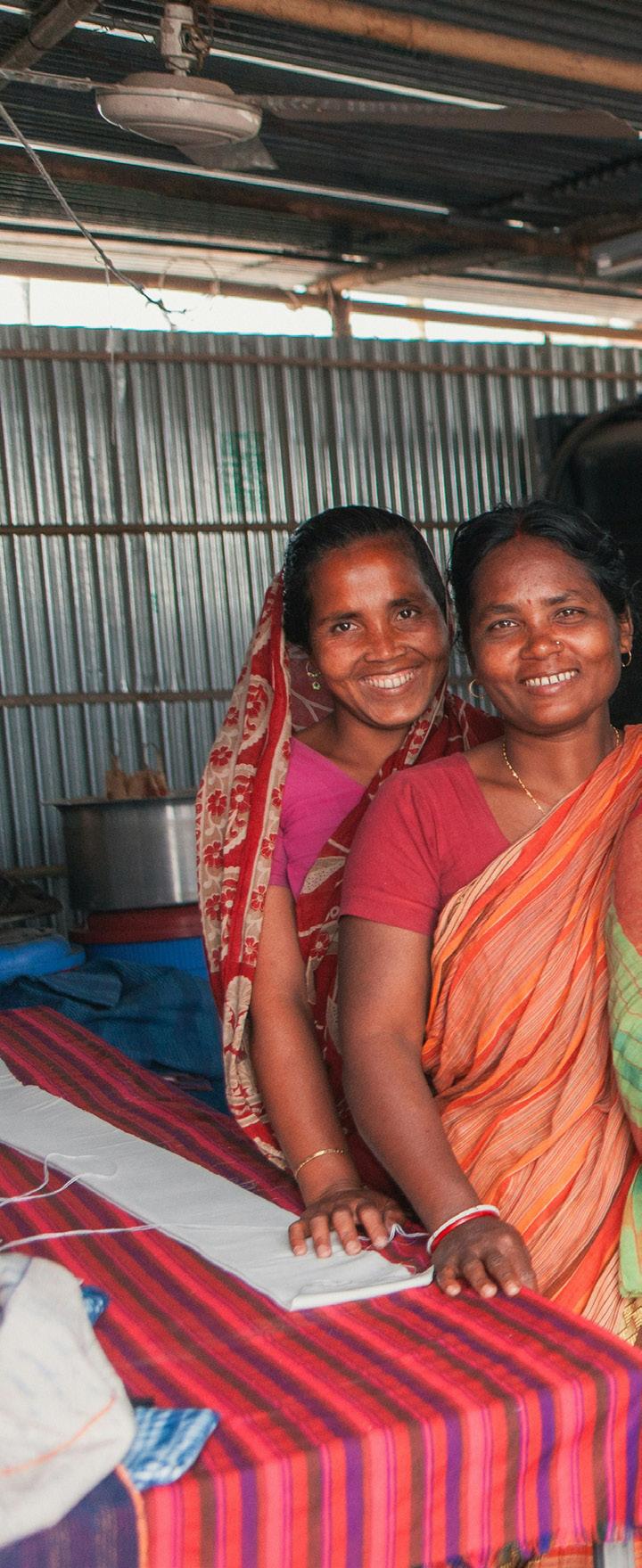

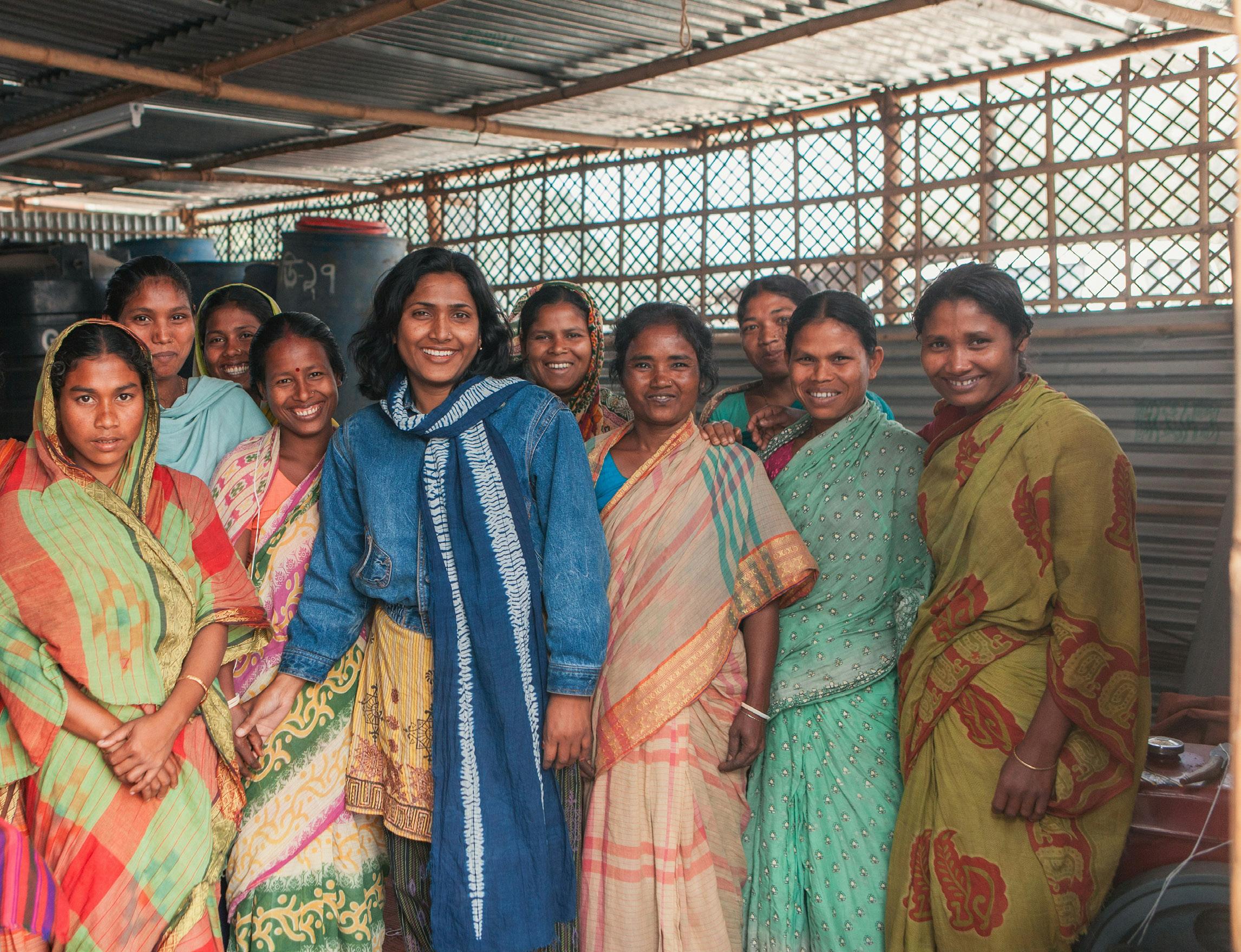
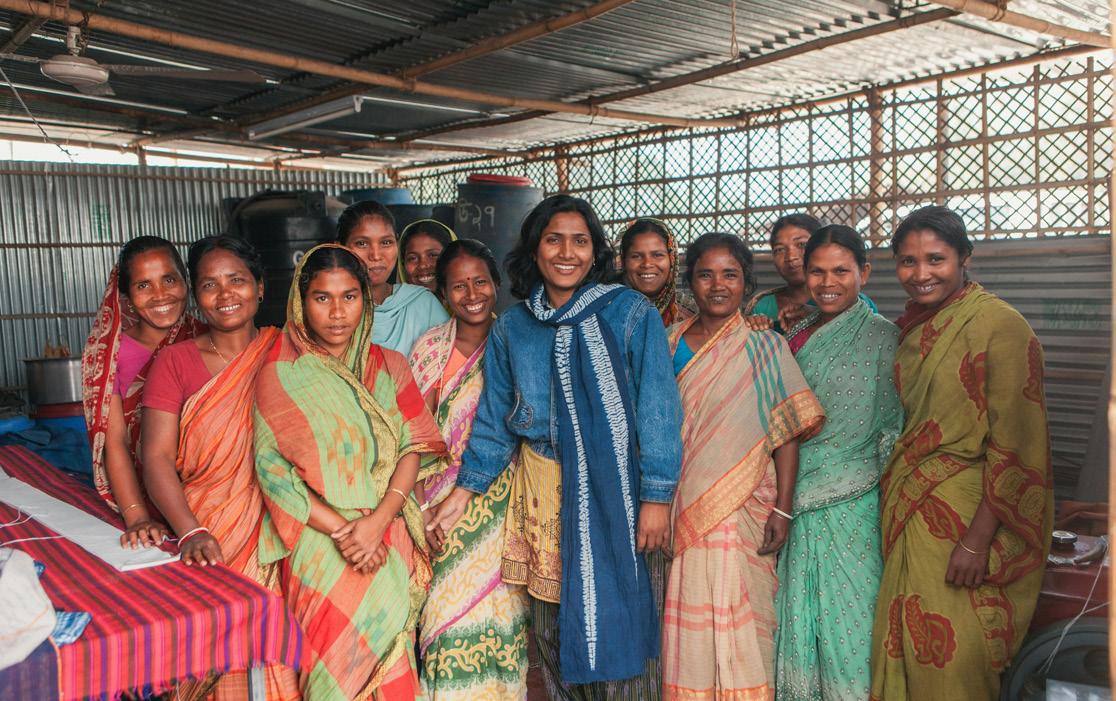
Menstrual health is not a personal issue hidden behind closed doors—it is a public health, sanitation, and dignity issue that affects millions every day. “