
the UAE Set to Gain from Global Trade Wars?


Shree R Editor in Chief & Global Outreach Co-ordinator


the UAE Set to Gain from Global Trade Wars?
Shree R Editor in Chief & Global Outreach Co-ordinator

As part of our ongoing initiative to honor institutions setting benchmarks in excellence, integrity, and innovation across the global financial sector, Gazet International proudly recognizes the Aspen Trust Group as the Best Financial Advisory Firm in Cyprus 2025. This prestigious recognition highlights Aspen’s unwavering dedication to client trust, strategic foresight, and its ability to deliver exceptional financial and corporate advisory solutions in an increasingly dynamic global environment. Guided by visionary leadership and a deeply rooted commitment to ethical business practices, the Aspen Trust Group continues to redefine excellence in the industry. As part of this recognition, CEO Ms. Marina Zevedeou shares meaningful insights into the firm’s values, leadership philosophy, and forward-looking strategies that continue to drive its enduring success.
Could you provide a brief overview of Aspen Trust Group, its origins, and the core services you offer?
The Aspen Trust Group is one of the pioneers of the corporate service industry in Cyprus. Since the establishment of the Group in 1998, it provides financial advisory, consulting services and international structuring solutions to companies and High Net Worth Individuals. Specific services include the setup and management of entities globally, legal and administration services, banking, tax compliance and tax planning, accounting and financial reporting, payroll, financial management and restructuring, re-domiciliation, film and production accounting, residency and immigration, cross-border mergers, family office services, intellectual property consulting and headquartering.
How has Aspen Trust Group evolved over the years to become a trusted name in financial advisory?
Over the years, our Group has grown by working closely with our clients and building relationships founded on trust. We are proud to have achieved a 100% retention rate with our existing clients, many of whom have introduced their friends and business people from their networks to us. This organic growth reflects the confidence they place in our services and the way we nurture that trust.
Our commitment to excellence has been recognized globally, reflecting our dedication to quality and innovation. Alongside the Gazet International Award, several esteemed global recognitions celebrate our consistent achievements in trust, advisory, and financial services. These honors reinforce our commitment to integrity, ethical leadership, and pursuit of excellence, positioning us as a trusted industry name and inspiring us to continually set higher standards in our field.
In your opinion, what are the core values and practices that have positioned Aspen Trust Group ahead of its peers in the financial advisory sector?
What has positioned the Aspen Trust Group ahead of its peers in the financial advisory sector is our unwavering commitment to values that go beyond the basic business support. At the heart of our philosophy is the belief that we see our clients as family. We guide them closely, support them at every step, and nurture the trust that forms the foundation of every long-term relationship. Integrity and transparency are also central to how we operate. Every piece of advice we give is clear, honest, and always aligned with the client’s best interests.
Equally important are our practices. We work one-on-one with both corporate and private clients to design strong, flexible, and evolving solutions tailored to their needs. This reflects our Aspen tree philosophy: just as aspen trees grow stronger through their interconnected roots, we build networks of expertise and collaboration with our clients, helping their potential flourish into a grove of success. Our team is dedicated to excellence, continuously enhancing their knowledge so clients can rely on the most informed guidance.
Finally, we prioritize proactive and close communication, anticipating client needs and supporting them through increasingly complex financial landscapes. It is this combination of family-like care, integrity, expertise, and proactive service that has allowed the Aspen Trust Group to stand out and earn a trusted reputation in the financial advisory sector.
Trust is central to financial advisory. How does Aspen Trust Group ensure sustainable and long-term client relationships?
Trust is indeed the cornerstone of financial advisory, and at the Aspen Trust Group we have built our entire philosophy around nurturing long-term, sustainable relationships.
For us, it begins with integrity and transparency. The clients know that every advice we give is in-depth, clear to understand, practical and supported by data. We invest significantly in the planning stage, even when we are not remunerated, as we want to build a solid foundation for our guidance.
What role have innovation, adaptability, and forwardlooking strategies played in shaping your success? Innovation, adaptability, and forward-looking strategies have played a fundamental role in shaping our success at our Group. The financial advisory landscape is constantly evolving, and we believe our responsibility is not just to keep up but to stay one step ahead. This is why we embrace innovation carefully and with purpose. For example, we use artificial intelligence in our market research to identify current trends, which we then analyze with caution and a strong focus on security and accuracy. This allows us to improve the quality of our services and expand the variety of products we offer to clients.
Adaptability is equally critical. Regulations and compliance requirements are changing rapidly, so we continuously update our internal policies and select the most effective RegTech solutions to strengthen our compliance framework. This ensures we remain both flexible and reliable partners for our clients.
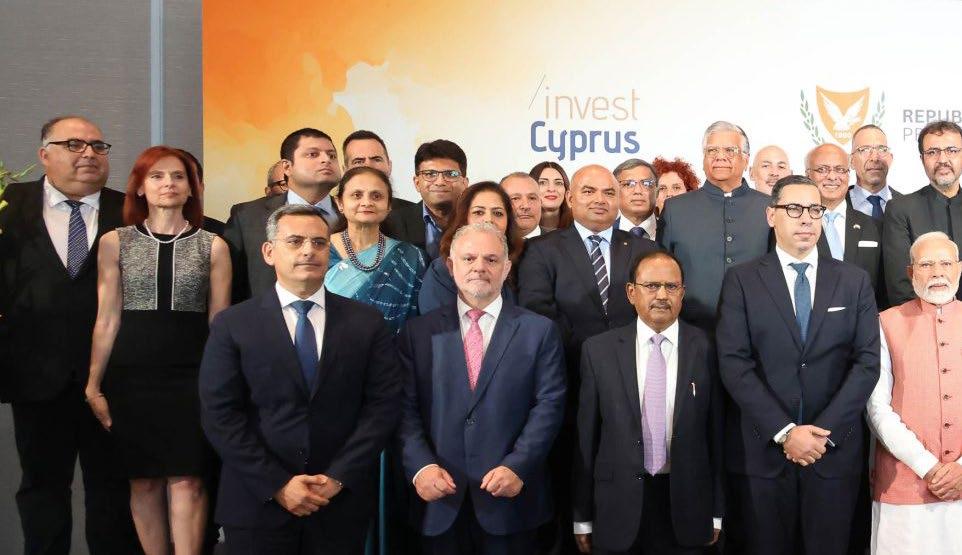
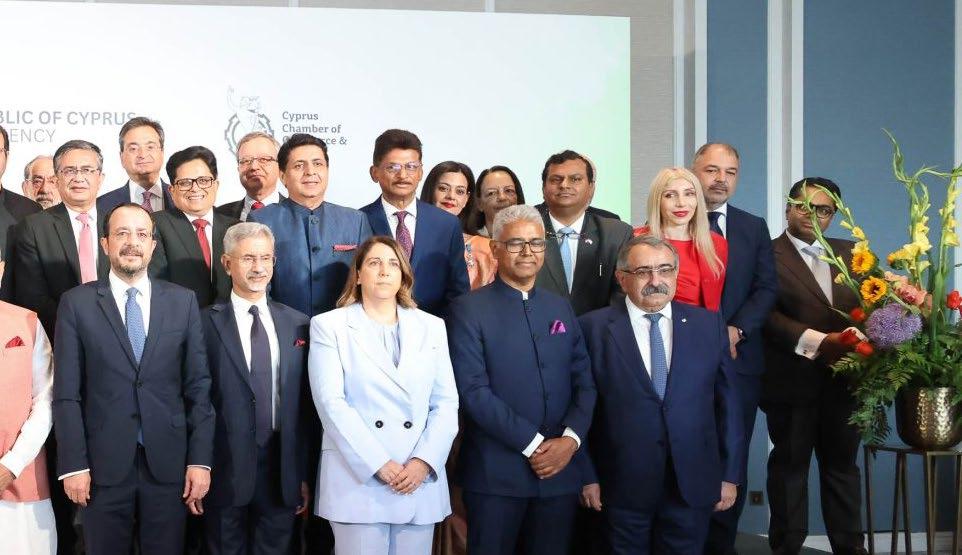
Finally, our forward-looking mindset allows us to anticipate opportunities in new markets. A recent example is the invitation I had, as the President of the Women’s Indian Chamber of Commerce and Industry Cyprus (WICCI Cyprus), to participate at the High-Level Cyprus–India Roundtable alongside Prime Minister Modi and President Christodoulides, where I proudly represented Cyprus as the only female entrepreneur.
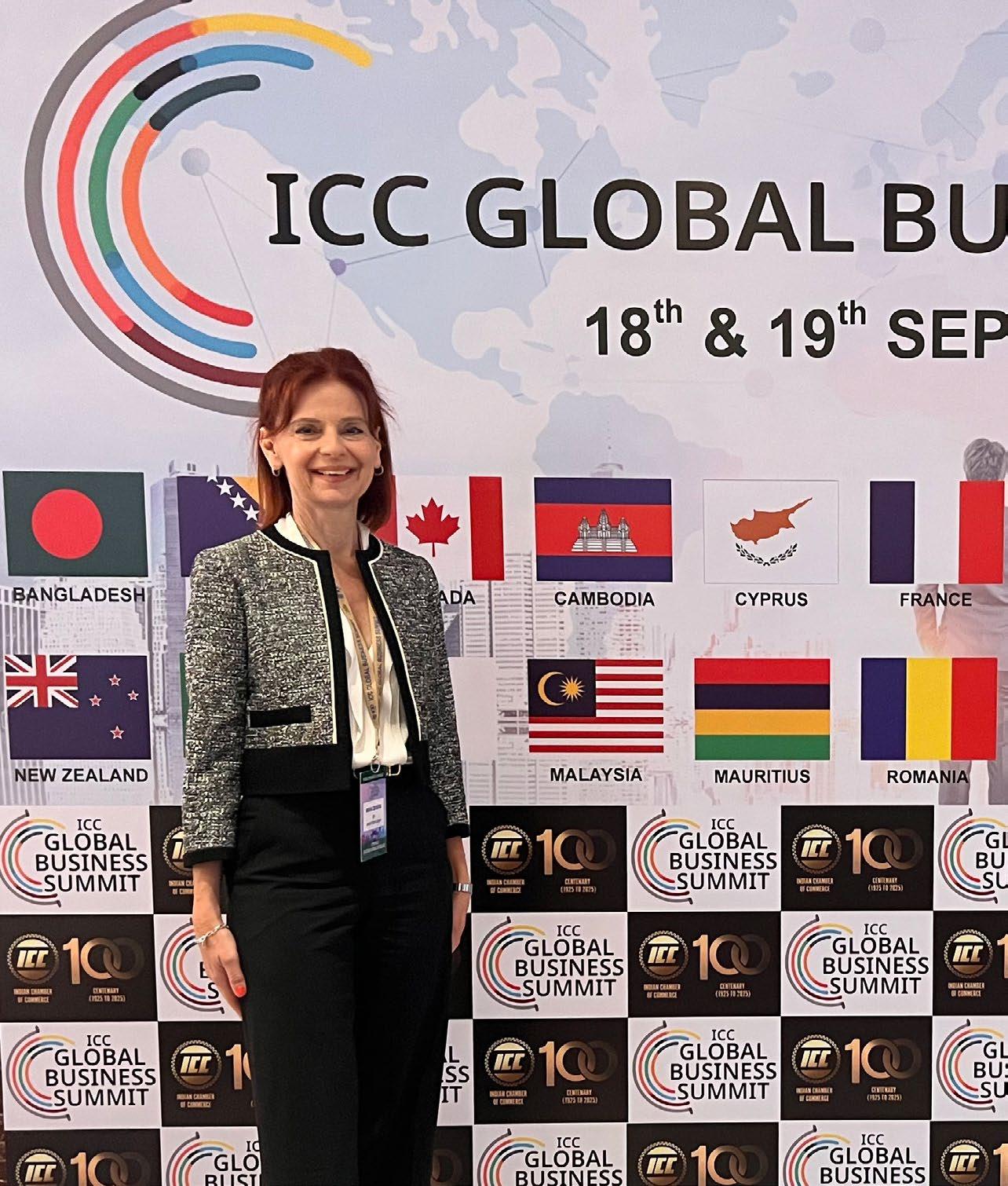
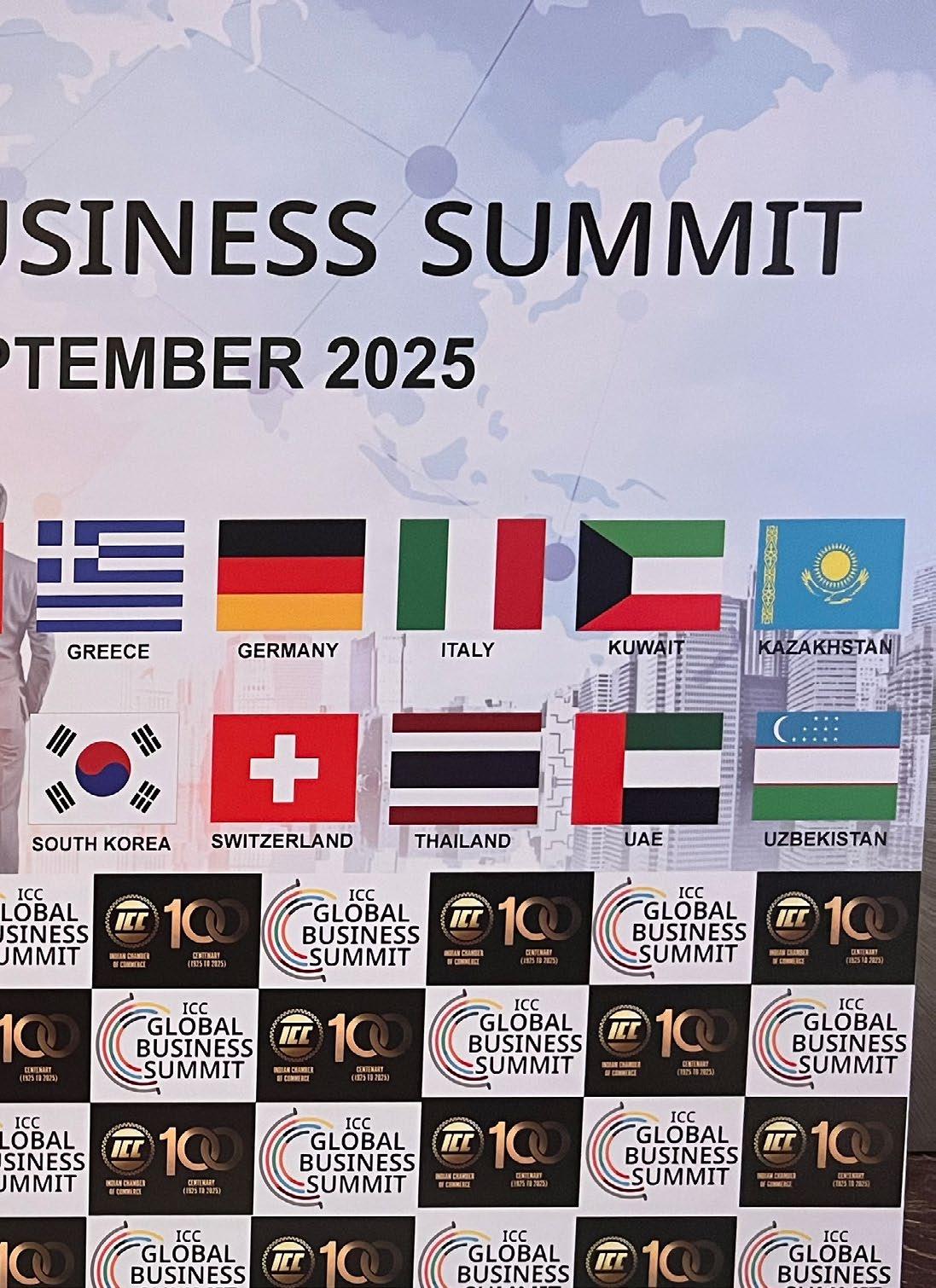
Recognizing the growing relationship between Cyprus and India, we have expanded our services to meet the needs of that market—for instance, introducing specialized Film Production Accounting Services tailored for the Bollywood industry. We have also attended the Indian Chamber of Commerce Global Business Summit in Mumbai 18-19 September to further strengthen our ties with Indian businesses, explore cross-border collaborations, and showcase Cyprus as a reliable hub for investment, innovation, and creative industries. This proactive engagement reflects our commitment to staying ahead of global trends and creating opportunities that benefit both our clients and our Group.
Having been in business for many years, we are able to anticipate regulatory trends, market risks, and emerging challenges. When we identify issues that could impact on a client’s business or that they should be aware of, we proactively arrange calls or faceto-face meetings to guide them in planning and structuring their next steps. This proactive engagement is rooted in our family-like approach to client relationships—it goes beyond professional duty and reflects our genuine care.
Over time, we have invested in close, proactive communication, ensuring clients feel supported and confident not just in times of growth, but also when navigating uncertainty. By combining this personal approach with global expertise and integrated services, clients can rely on us as a single, trusted partner for their financial and corporate needs. By blending professionalism with genuine care, we have created relationships that are enduring, not only transactional, built on mutual respect, loyalty, and above all, trust.
In the current global financial landscape, what challenges do you see clients facing, and how does your firm uniquely address them?
In the current global financial landscape, we see tremendous opportunities in the way global economic power is shifting. India, for instance, is emerging as a major global player, driving innovation, investment, and new trade flows. We engage actively with this transformation. I play a leading role in building international bridges and fostering cross-border partnerships. This involvement gives us unique insights, which we translate into actionable advice for our clients, enabling them to seize opportunities in dynamic markets like India and strategically expand their global presence.

At the same time, the demand for responsible and transparent business practices is growing. ESG and sustainability are no longer optional; they are key to long-term success. We embrace this shift not only in the guidance we provide but also in how we operate. Our recognition by EcoVadis for our ESG commitment reflects that we lead by example. By integrating these principles into our advisory services, we help clients align with global sustainability standards, mitigate risks, and build future-ready, resilient businesses.
In essence, our proactive approach, global perspective, and commitment to sustainability allow our clients to navigate complex markets confidently while capitalizing on emerging opportunities.
As CEO, how would you describe your leadership philosophy and the impact it has had on Aspen Trust Group’s growth and reputation?
My leadership philosophy centers on integrity, empathy, and an engaged, proactive approach.
I believe in leading by example—being present, transparent, and deeply involved in both client relationships and team development. This approach has fostered a culture of trust and collaboration within the Aspen Trust Group, where every team member feels valued and empowered to contribute their best.
Mentorship is very close to my heart. I take the time to speak openly with employees about their growth and future plans, whether professional or personal. I share my experiences and insights to help them make informed decisions and guide their career paths. I also focus on recognizing each individual’s potential and placing them in roles where they can excel while enjoying their work. This creates a warm, harmonious culture—what we call the Aspen family.
The impact of this philosophy extends beyond the office. Many of our former team members have gone on to join global firms, including the Big Four and international banks in locations such as Dubai. These relationships continue to benefit the Aspen Trust Group, as former colleagues often introduce clients to our services, contributing to our growth and sustaining our strong reputation. By nurturing both people and relationships, we ensure that the Aspen Trust Group remains a trusted and respected name in the financial advisory sector.
What personal values or qualities do you believe have most influenced your journey as a leader in the financial advisory sector?
I would say that the values which have most influenced my journey as a leader in the financial advisory sector are integrity, resilience, and empathy. Integrity has always been non-negotiable for me, our clients place immense trust in us, and I believe that transparency, ethical conduct, and doing what we promise are the foundations of long-term relationships.
Resilience has also been vital, because the financial sector is constantly tested by crises, regulatory changes, and global uncertainty. I have learned to remain adaptable, to persevere, and to see challenges as opportunities for growth rather than setbacks. Just as important, I lead with empathy. I view clients as family and strive to build genuine connections, while also mentoring and supporting my team so that they feel valued and empowered.
I believe that leadership is not about standing apart but being hands-on, proactive, and present, guiding people with both vision and care. These values—integrity, resilience, and empathy—combined with a forwardlooking mindset, have shaped not only my career but also the culture we nurture at the Aspen Trust Group.
Looking ahead, what is your vision for Aspen Trust Group, and how do you intend to inspire your team to achieve it?
Looking ahead, my vision for the Aspen Trust Group is to continue being a trusted global partner that not only delivers expert financial and corporate solutions but also leads responsibly in areas like innovation, sustainability, and client care. We want to strengthen our reputation as a firm that combines deep technical expertise with a human touch—where clients feel that they are treated like family and know that every decision is guided by trust and integrity.

I foresee growth in a very challenging world, and we aim to innovate and expand our services, creating new opportunities and solutions that meet the evolving needs of our clients. Our team is inspired by my firm belief in fostering a culture of curiosity, collaboration, and shared purpose, the results of which show them that their expertise and dedication directly shape the future we’re building together.This perspective makes them proud to be part of something truly unique.
Finally, Aspen Trust Group has been named the Best Financial Advisory Firm in Cyprus for 2025. What does this recognition mean to you and your team as you reflect on the journey so far? This recognition is a true honor for everyone at the Aspen Trust Group. It reflects the dedication, passion, and teamwork that have guided us from the beginning. For our clients, it celebrates the trust and longterm relationships we’ve built. As a female-led firm, with more than 50% of our leadership and team comprised of women, it also highlights the strength and vision that diversity brings, inspiring us to continue delivering excellence and mentoring the next generation of leaders.
At the same time, this award is not just a reflection of past achievements; it inspires us to keep pushing forward. It reinforces our commitment to excellence, innovation, and integrity in every aspect of our work. It motivates us to continue developing new solutions, embracing global opportunities, and leading by example in areas such as ESG and sustainable business practices.
Ultimately, being named the Best Financial Advisory Firm in Cyprus for 2025 is a milestone that honors our journey so far, strengthens the pride of our team, and energizes us to continue serving our clients with the highest standards of professionalism, care, and trust.
Marina Zevedeou CEO, The Aspen Trust Group


Artificial intelligence (AI) seems to have launched a war these days. And it’s not just about AI taking over jobs worldwide. When ChatGPT’s Ghiblistyle image generator made its debut, oldschool artists the world over locked horns with AI creators over copyright issues. Many felt technology had gone too far. But is AI really the monster it is made out to be? Or is it transforming our worlds in ways that we had never imagined it would?
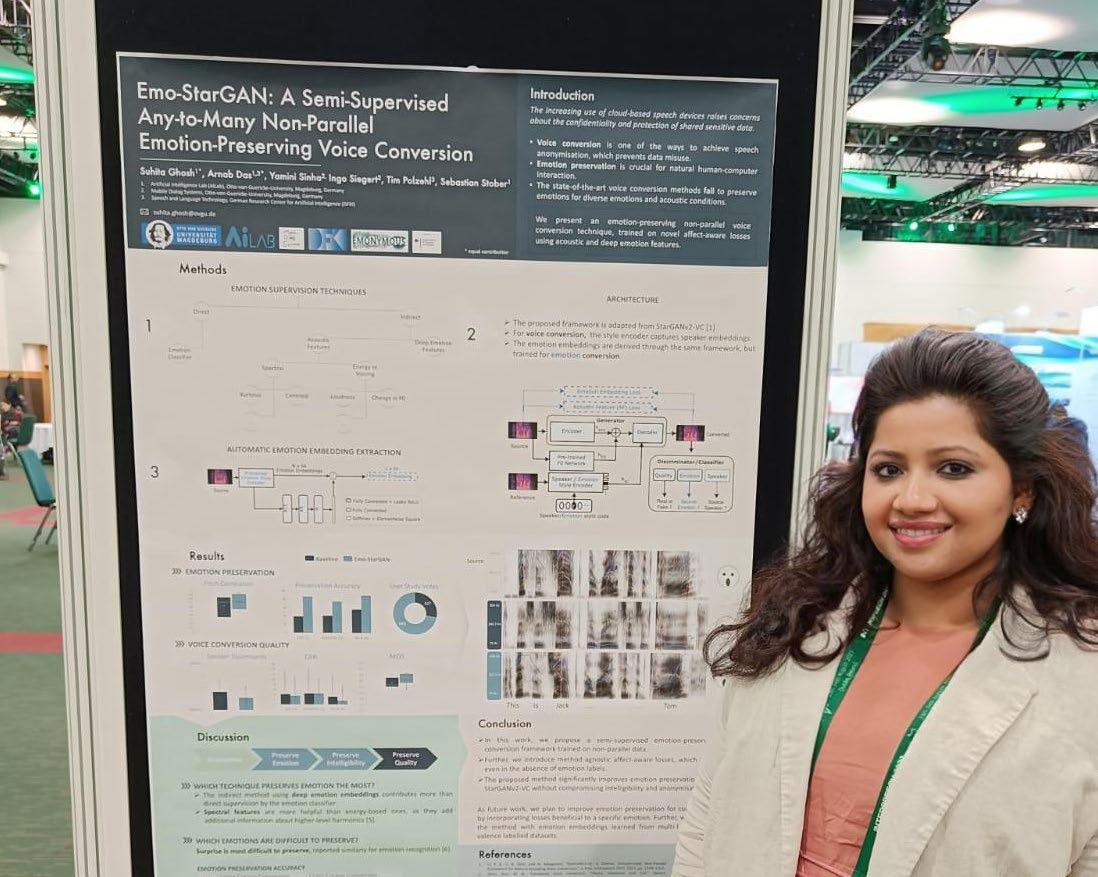
AI is redefining health technology, especially FemTech (technology created to address female health needs), like never before. For instance, AI is now being used to detect and predict serious diseases such as breast cancer. We spoke to Dr. Suhita Ghosh (Scientific Associate at Otto von Guericke University, Germany; MS in Artificial Intelligence), who specializes in ethical and inclusive applications of

AI, particularly in speech processing and healthcare, to explore how AI is redefining breast cancer detection the world over. So, let’s not waste any more time and dive straight in.
In a recent study, New York-based researchers Sohail Tavazoie and Elizabeth Comen used machine learning to analyze blood samples and locate small RNAs that can help differentiate between benign and malignant cancer, apart from predicting who is at risk for metastatic cancer. This study was a milestone in cancer diagnosis with minimally invasive tests.
The AI-driven breast cancer detection scene looks promising in developing Asian countries such as India too, with the advent of quite a few AI health-tech startups. Northwestern
University alumna Dr. Geetha Manjunath’s Niramai Health Analytix, founded in 2016, is one such venture that has gone miles in AI-driven cancer detection. Niramai’s own patented and award-winning AI technology named Thermalytix is already doing wonders. It has pioneered radiationfree and non-invasive early-stage breast cancer detection in women of all ages.
AI is redefining health technology, especially FemTech, like never before. “
“Of the two major kinds of AI tools for breast cancer detection available these days, one is the AI-driven app. It analyzes breast images using smartphone cameras, helping doctors read mammograms. These self-help tools can detect cancer at a non-expert level and help in early detection of cancer. The second such tool is an AI program shipped with mammography units, which can only be used by doctors.”
-Dr Ghosh,
(When asked about the new wave of AI treating breast cancer)
While mammography still remains the gold standard for breast cancer detection, it needs timely and easy access to a clinic. And some women, especially from less privileged communities, don’t have such access.
Global breast cancer detection apps (such as Know Your Lemons - Self Exam, Dr. K’s Breast Checker, etc.), that let women take and share photos of their breasts, are a godsend for such women. This is because, ironically, even the remotest corners of the world without proper roads have access to mobile phones. Additionally, while such apps don’t replace diagnosis, they offer a platform to those who might be afraid to go to the doctor, too busy, or just unsure.
So, does this mean that AI-driven technologies will resolve most of the issues related to the detection of breast cancer? Dr. Ghosh says, “Here’s the truth: many women, especially from marginalized communities, aren’t too comfortable reporting symptoms, getting screened, or using these apps. Some don’t even trust the system, while many can’t afford it. Additionally, many don’t see themselves reflected in how these tools are designed or communicated.”
So, here are some hard facts. While such AI apps can empower women, they also raise serious concerns. The trust factor (or the lack of it) can make or mar the impact of such technology. Is your image safe on the app? What if someone shares your image on social media platforms? Questions such as these can create hurdles on the path to safe cancer detection. Talking about the feasibility of using such apps, Dr. Ghosh said, “When we design AI apps, we cannot assume everyone starts from the same place of trust. When a woman hesitates to use a breast health app, it’s not because she doesn’t care. It’s often because she’s navigating a complicated web of fear, trauma, and cultural values.”
Let’s explore what Dr. Ghosh meant when she spoke about the trust factor and cultural obstacles. In many communities, anything related to the female body, including breast health, is still considered taboo. There may be deep-rooted beliefs around modesty. In such conservative communities, taking a photo of the breast, even for medical reasons, can feel inappropriate. Likewise, there is a strong emotional component linked to breast cancer diagnosis. This is due to the fear of the diagnosis and of losing one’s “femininity” if diagnosed.

In 2025, our challenge is not just about making better AI apps or improving access to FemTech. It’s also largely about building better behavioral health systems that comprehend concepts such as culture, emotions, and trust. This means we need to build AI tools that respect privacy and autonomy, especially when women are asked to share sensitive images on such apps. Additionally, we need to design apps for women from diverse backgrounds and not just from the privileged sections of society. We need to stop assuming that raising awareness about such apps equals action.
Lastly, we need to combine AI-driven health technology with outreach, education, and clinical pathways that are culturally tailored and grounded in local trust networks. Technology alone won’t save us. We need education, enablers, and a community that believes in the power of technology.


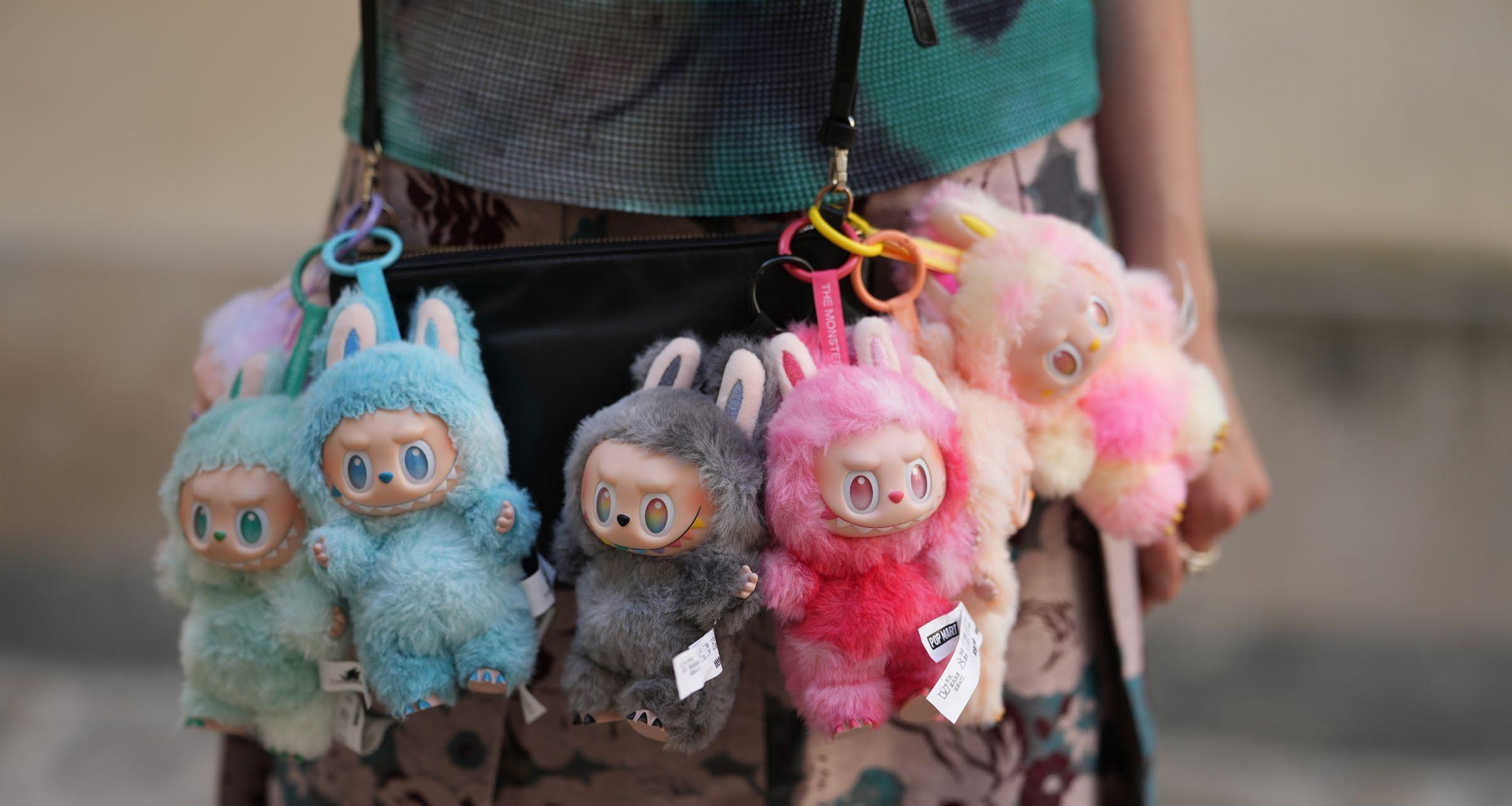
It all began when Thai singer Lisa, who is also the face of the K-pop band Blackpink, posted a picture of her Labubu box set on her Instagram profile back in mid-2024. While the post garnered thousands of mentions within a week, it also gave rise to the earth-shattering Labubu trend. And the rest, as they say, is history!
The elf-like toy soon took the world by storm, with the likes of Rihanna, David Beckham, and Kim Kardashian joining the bandwagon and flaunting their own Labubu dolls. People queued up and waited for hours to get their hands on the viral doll. By the first half of 2025, the Labubu makers, Beijing-based Pop Mart, reported their profits had soared by almost 400%, while CEO Wang Ning became a household name.
But what drove people to spend enormous amounts of their hard-earned money to get what many term a rather “ugly” doll? Was it just hype or something deeper? Are influencers and celebrities capable of driving mass consumption of something as vague as a Labubu doll? Let’s find out more about the Labubu craze and how it changed the global consumption dynamics. Why Did the Labubu Craze Take Over the World?
Before Pop Mart made the Labubu
doll a global sensation, it existed as a Scandinavian folklore-inspired character in illustrator Kasing Lung’s art book series The Monsters. Lung also collaborated with Hong Kong-based toy brand How2Work to create a Labubu collectible series. So, Labubu took its time to create a fan base, but what Pop Mart did with it later was unprecedented!
knowing which variant of Labubu they were buying. Pop Mart also decided to add the “limited-edition” strategy to the mix and stimulated enough FOMO (the fear of missing out) to generate bulk sales.
Did influencers help?
“ “
Labubu soon became a status symbol or a ‘cool quotient’ marker.
Now, you may wonder what people found so appealing about Labubu! While there is no concrete answer to this, there are some probable explanations to the Labubu mania. Pop Mart’s “blind box” strategy proved to be a winner in this case. It added to the surprise element, as customers bought Labubu boxes without
Yes, that too! With celebrities, social media stars, and socialites flaunting their latest Labubu dolls on their fancy Birkin bags, the trend was lapped up by the general public. Labubu soon became a status symbol or a “cool quotient” marker. The hype became uncontrollable and everyone wanted to own a Labubu!
Some economists believe that the Labubu craze is the perfect example of what is known as “the lipstick effect.” They liken the Labubu hype to the sudden surge in lipstick sales reported by Estée Lauder during the 2001 recession. The reason? Simple! People find solace in small luxuries when there’s an economic downturn or when inflation hits an all-time high. This is because they shy away from making more expensive purchases. And Labubu probably got its timing right.
Remember the Pokémon card trend of the 1990s? Or the Beanie Babies? Labubu probably reminds us of similar fads that have redefined marketing in the past. But what makes such fads vanish into thin air so soon? Let’s look at the decline of the Labubu trend to understand this phenomenon.
The downfall of the trend began with sharp criticism of the commercialization of what many termed an “evil” doll. A lot of influencers claimed Labubu had dark origins and was another form of the demonic entity Pazuzu. This led to many parents talking about their “negative experiences” after buying the Labubu dolls for their kids. Though the truth surrounding this is debatable, a lot of parents simply began throwing their kids’ Labubus away.
Fake Labubus, also known as Lafufus, made of cheap-quality materials, too marred the market of Labubus. What made matters worse for Labubu was the mass production of the toys that was done to make them more accessible. The Labubu trend that had initially capitalized on the exclusivity and scarcity factors soon fizzled out because people probably had had enough of it.
And what was the aftermath? A Forbes report stated that Ning’s net worth witnessed a sharp drop from $27.6 billion to $21.5 billion within a month. The Pop Mart CEO, who had once surpassed Alibaba’s Jack Ma in terms of net worth (owing to the Labubu mania) is now at a less appealing 14th place on the world’s richest list.
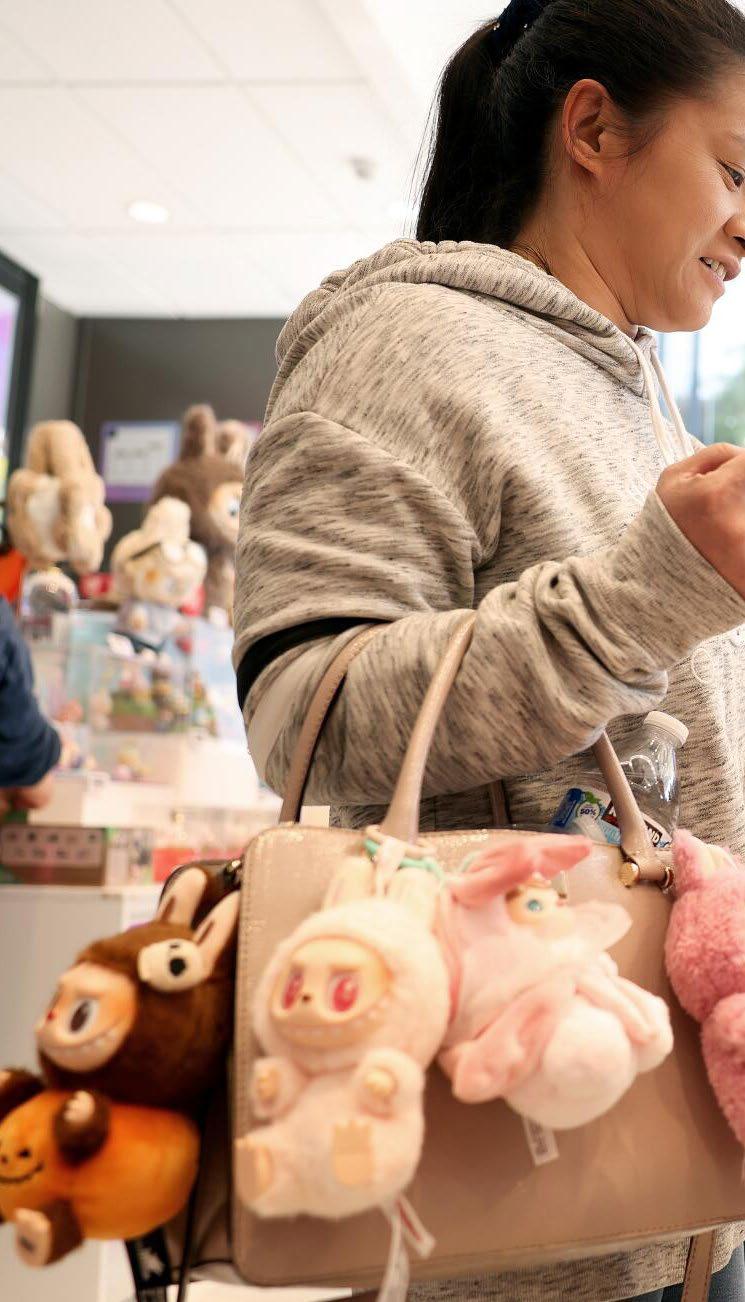
Though the Labubu craze is now on the wane, it taught us some valuable lessons. Labubu taught us that anything sells if you make it appear exclusive and “limited edition.” Additionally, Labubu capitalized on natural human curiosity by using the “blind box” model, wherein consumers didn’t know which Labubu they were purchasing. The makers then added some community appeal and Labubu became irresistible. People bought Labubu dolls just to belong to their “squads.”
Social media made sure Labubu became a cult. Children weren’t the only ones buying Labubu dolls. Public figures and celebrities were flaunting them to the hilt. The mania was

so overwhelming that some designers began promoting outfits for Labubu dolls. Labubu wasn’t just a toy anymore but a sought-after fashion accessory!
However, like all fads, the Labubu hype too seems to have reached its crescendo and is gradually losing momentum. What this teaches us is that fads can never be longterm investments. They may help CEOs rake in millions for a short period, but eventually, when the FOMO wears out and people are overexposed to the “exclusivity” of such products, fads may actually backfire. A manufactured demand of a product that has no utility and merely scores for aesthetics is a dicey deal. Though Pop Mart is in denial, Labubu’s future seems rather bleak, unless there’s some major change in how the makers market the product.

For decades, conversations around self-care and grooming have been painted in shades of pink, a woman’s domain, a luxury, or worse, vanity. But times are shifting. Across the MENA region and Southeast Asia, a new generation of men is stepping into boardrooms with not just sharp suits and strategy decks, but also self-assured confidence that comes from taking care of themselves. Grooming is no longer about appearances — it’s about attitude, ambition, and self-respect.
In the high-stakes world of business, confidence speaks before words do. A well-groomed man doesn’t just look presentable; he feels in control. Whether it’s a CEO in Dubai walking into an investor meeting or a young executive in Ho Chi Minh City leading his first pitch, the way he presents himself shapes perception before a single slide appears on screen. It’s not about perfection but it’s about precision. Clean nails, a tidy haircut, subtle cologne, and skin that reflects care rather than neglect. These are silent signals of discipline, consistency, and self-awareness. In global business, where first impressions can define partnerships, grooming becomes a soft skill, one that adds an edge to leadership presence.
Ten years ago, a man using a moisturizer in public might’ve earned teasing smirks. Today, he’s seen as someone who values himself. The MENA region has witnessed a steady rise in men’s grooming industries from beard care boutiques in Riyadh to skincare counters in Dubai Mall echoing a global shift in perception. In Southeast Asia, the story’s similar: Vietnam, Malaysia, and Indonesia have seen double digit growth in men’s skincare segments in recent years.
This evolution isn’t about vanity, it’s about visibility. Men are realizing that grooming isn’t indulgence; it’s investment. When self-care meets self-discipline, the result is a form of quiet confidence that outshines even the best-tailored suit.

When self-care meets self-discipline, the result is a form of quiet confidence that outshines even the best-tailored suit. “

Executives often talk about resilience and adaptability - two traits surprisingly mirrored in skincare.
Long flights, endless coffee, and stress-filled nights are brutal on the skin. Hydration, sunscreen, and minimal maintenance routines are not luxuries , they’re tools for longevity, much like a balanced diet or exercise.
Dermatologists across the Gulf recommend a simple 3-step routine: cleanse, hydrate, and protect. The trick isn’t to own twenty products but to use the right three. Grooming for men today is smart, not excessive — minimal, effective, and consistent.

The 21st-century man isn’t afraid of face masks, serums, or booking a facial before a big presentation. He’s redefining masculinity not by rejecting care but by embracing it. Grooming is becoming a mindful act, a five-minute pause from chaos that helps men reset, refocus, and show up sharper.And that’s what true grooming is — a daily discipline that shapes not just how others see you, but how you see yourself.
From Doha to Jakarta, multinational firms are recognizing this culture of presentation. A neat beard, fresh breath, and a sense of personal polish are now as crucial as communication or leadership skills. Some luxury offices in Dubai and Singapore even include grooming lounges — a sign that self-presentation is a professional priority, not a side note.
The new power look isn’t about designer suits or imported watches. It’s the glow of a man who values his presence — someone who shows up for his work, his team, and himself. Grooming isn’t vanity. It’s self-respect dressed in confidence. And in today’s boardrooms, that glow speaks louder than any presentation ever could.
A well-groomed man doesn’t just look presentable; he feels in control. “ “
Billionaire US investor Mark Cuban, popular for his appearance on Shark Tank, once said that the future will see only two types of companies: “Those who are great at AI, and everybody else that they put out of business.” This prophecy is a glimpse of a dystopian world where AI will erase most routine jobs, and it also makes us ask, “Will all those who don’t use AI too be erased completely?”
Now, if you too are asking similar questions, let’s get to some hard facts. A Gartner study conducted in late 2024 stated that half of all businesses the world over that still haven’t integrated AI into their processes will lose their competitive edge in the near future, as compared to the companies that have utilized AI and integrated it into their operations. The study also stated that by 2026, companies will use AI to replace over half of all middle management positions globally.
What’s more? AI apparently won’t be restricted to working on repetitive or even decision-making tasks. By 2028, 40% of all large enterprises will apparently use AI to gauge employee moods and regulate workplace communication. This will make sure employee sentiments are aligned with the larger goals of the organizations. But what about the present scenario? Is AI really making our professional lives easier, teaching us new skills, and helping us work better and faster? Let’s find out!
AI doesn’t belong to the distant future anymore. It’s the present reality for most of us. And companies the world over are increasingly trying to leverage AI to perform or manage tasks seamlessly. One industry that has seen a drastic change since the advent of AI is the content industry. So, most content organizations are implementing generative AI models to create jazzed up content, using a smaller fraction of the workforce previously used.
While a lot of junior roles have been slashed in the industry, AI is slowly becoming a boon for senior and seasoned content professionals. While AI helps them with fast content that they can easily review and edit, reducing the feedback loop and inter-team clashes, their expertise offers a scope for a symbiotic role: one that merges the clinical accuracy of AI and the human judgment of experienced editors.
But what’s in store for future generations? While millennial writers and editors may still prefer using their creative expertise to finetune AI-generated articles, a lot of Gen Z content professionals, raised in a hyper-
digital environment, may depend on AI completely. And how dangerous can this be? A simple example is the assumption that any article that uses a lot of em dashes is probably AI-generated. So, new-age writers who are largely dependent on AI may avoid using the em dash completely.
A lot of AI-flagging tools may also flag articles (those using the em dash) incorrectly, marking them as largely AI-generated. However, any seasoned editorial professional will agree that en and em dashes can be a natural part of any well-written article, especially if it’s been edited by an old-school editor. It’s just a qualitative input. So, relying too much on such blind assumptions can be detrimental to the quality of the output.
But what’s likely to happen in the near future is predictable. As the now-senior professionals are slowly replaced by the newer and largely AI-dependent workforce, any input not validated by AI will probably be negated or rejected without much thought or investigation.
The funniest part is that while such AI tools are constantly being “trained” by humans, they will eventually “not require” humans at all at some point in time. And in a world that has AI telling humans their content is “AI-generated,” while the same AI tools have been fed human-generated content for years, does raw human creativity have any hope of survival?
“The future may not belong to those who replace humans with AI — but to those who can make both coexist.”
In May 2025, a survey conducted by Salesforce and AI consultancy Coastal stated that while 67% of all companies surveyed planned to invest heavily on AI in the future, only about 21% had reported concrete returns after moderate AI implementation so far. Additionally, employees are having to spend considerable time reworking on tasks already done by AI to fine-tune, remove bias, and deal with AI hallucination (a tendency of AI to cook up false or misleading information to fill in the gaps in the information already available).
And we can clearly witness the repercussions of such findings. For instance, Swedish-owned online financial services company Klarna has backtracked on its AI assistants. Customers of Klarna will no longer be forced to interact with AI bots and will have the option of speaking to human customer service representatives. And this has been announced by CEO Sebastian Siemiatkowski himself. Additionally, retail brands such as Walmart and Target too are going the human way by reducing self-checkout processes. This shows that automation, be it AI-driven or not, is not working as seamlessly as expected.
So, what’s the long-term solution? AI-driven processes probably need some amount of human intervention to prevent such issues. Additionally, AI-led operations shouldn’t be force-fed, especially when there’s still much room for improvement. Unless the technical infrastructure and data systems associated with such AI processes are perfectly aligned, the reliance on AI should be optional. One can only hope that AI-driven operations will soon resolve more issues than they create.
We may not be driving flying cars yet, but, of late, technology has taken over the gig economy in ways that we hadn’t quite pictured in the past. While global retail giant Amazon was one of the pioneers of drone delivery, having proposed the idea as early as 2017, it was China’s renowned food delivery platform Meituan that completely transformed its delivery process by integrating a well-developed drone delivery system in a markedly congested neighborhood. Meituan’s drone experiment has been quite a success in Shenzhen, where, by 2022, the company made over 100,000 successful drone-aided deliveries.
Not just China, even Dubai launched a well-thought-out drone delivery plan by the end of 2024. The UAE’s Beyond Visual Line of Sight (BVLOS) drone delivery system was meant to deliver food, medical supplies, and other essentials. But what does this extreme dependence on technology mean for the millions of gig workers who work as delivery staff? What about the scores of gig workers in the creative field, part-time cab drivers, freelance journalists, or photographers? With AI already wiping out or redefining half of the world’s jobs, what can gig workers expect? Read on to find out if technology is a boon or a bane for the gig workers of this era!
No, it’s not a myth. Technology, including AI, is slowly eating into the gig world. One of the most popular platforms for gig workers, Fiverr, was once the safe haven for freelancers the world over. Freelance, part-time, or gig workers, especially from the creative fields, ruled the platform and could quote competitive prices. Of late, with the advent of AI-driven tools such as MidJourney or Canva, it has become easier for a lot of entrepreneurs and startup founders to create content without the hassle of hiring experienced workforce or gig workers.
So, is the gig economy at risk due to technology? We believe while the gig economy is definitely evolving, it may not spell the end of freelancers in the long run. Companies are still hiring freelancers, although with the precondition of them having adequate knowledge of AI and relevant technology.
With that being said, it is also true that technology has already ended a lot of freelance gigs, especially in areas such as written content, graphic design, customer support, data entry, and transcription. Even digital marketing and social media management can now be easily done in minutes with the help of scheduling tools and more such automation-driven features. Freelance legal experts, psychologists, and even medical consultants are now facing a threat from AIdriven technological advancements.
“Technology, including AI, is slowly eating into the gig world.”

Even mainstream freelance journalism is at the mercy of AI now. AI-based photo editing tools have affected the credibility of photojournalism to a great extent. Anybody on social media can create jaw-dropping reels, add a thousand effects, manipulate voice and images, and even create fake photos that look dangerously real. With AI-based technology in the picture, the risk of misinformation and ethical violations is high too.
Automation is also turning out to be a threat for gig workers serving as drivers. With technology such as light detection and ranging (LIDAR), radar sensors, ultrasonic sensors, and AI-driven cameras, driverless cars are the future. While US-headquartered Tesla has huge plans worldwide, China too isn’t far behind.
According to a report by the China Society of Automotive Engineers, by 2030, one in five cars sold in China is likely to be driverless, while 70% of all cars will offer assisted-driving technology. Chinese tech and auto giants such as Baidu and XPeng are already in the race to make self-driving cars accessible to all.


Back in 2024, Florida was rocked by the suicide of a 14-year-old Sewell Setzer III. Sewell had apparently been chatting with a Character.AI bot and had discussed his suicidal thoughts, while also wishing for a pain-free death. He eventually shot himself to death after a brief final chat with the bot.
More recently, in 2025, California-based teenager Adam Raine committed suicide after uploading pictures showcasing self-harm on ChatGPT. The bot apparently played along, without any attempt to prevent his suicide. This shows how people with mental illnesses or those in need of counseling simply cannot afford to rely on AI therapists. This is perhaps an example of how blind reliance on technology can lead to unpardonable and irreversible disasters even if technological advancements can fasten a few routine processes.
Added to this is the loss of the bargaining power of freelancers, contractors, and gig workers. Once technology starts offering cheaper options, most companies, even if they hire freelancers, wouldn’t care to pay competitive wages. This leaves freelancers with limited options and meagre pay. This is an extra burden apart from the already existing financial uncertainty and lack of health benefits that freelancers and gig workers have to deal with. The need of the hour is thus a healthy balance that safeguards the basic rights of gig workers and offers them a living wage. A balanced concoction of human expertise and technological finesse will solve a lot of issues in the gig economy.
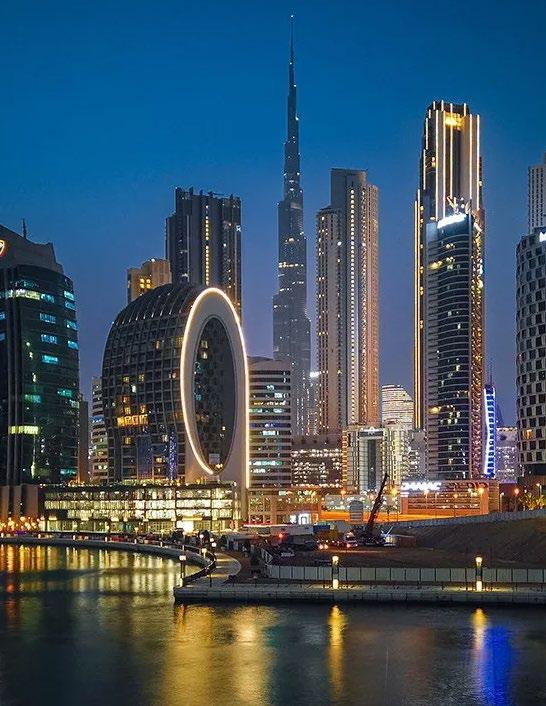
As Donald Trump praises “tariffs,” calling it “the most beautiful word in the dictionary,” he has also seemingly made tariffs an integral part of the US’s foreign policy. In 2025, Trump’s tariff war on the world was harsh on countries such as India and China. And though it didn’t have a devastating impact on the UAE, the trade war didn’t spare the country either.
Trump’s 10% baseline tariff on all imports to the US will definitely impact trade in the Gulf Cooperation Council (GCC) countries, increasing export costs significantly and impacting the competitiveness of GCC businesses in the US. However, with heavier tariffs being imposed on other global trade giants, the impact of Trump’s tariffs will probably not upset the UAE trade scene to a great extent. Let us look at how the UAE is set to gain from the worldwide trade wars in 2025.
Trump’s tariffs led to global retaliatory measures, with many countries such as China and India imposing counter-tariffs on the US. While gold prices shot up, stock markets crashed, and the world anticipated a massive recession, the UAE was one of the countries that hoped to thrive in spite of the initial fears. However, experts believe the country can still be impacted by the trade wars.
As the GCC countries account for about 16% of the US’s aluminum imports, with the UAE being the second-largest supplier of aluminum (after Canada), experts feel Trump’s tariffs could affect the industry in a major way. The tariffs are also likely to cause a long-term economic slowdown globally. The tariffs could hit the Chinese goods market and other industries such as the steel and automobile industries. The global real estate and construction industries too will suffer due to increased costs for building material such as aluminum.

Amid all the chaos, there is still hope. Fortunately, the UAE and the GCC countries (that have economies that thrive on oil trade), in general, aren’t heavily reliant on trade with the US, compared to countries such as China or Canada. Additionally, even if the US doesn’t purchase enough aluminum, the surplus can be diverted to domestic construction projects. One of the industries that can benefit from this scenario is the local electric vehicle manufacturing sector. This will only help the UAE in strengthening its local economy.
As the global economy suffers due to Trump’s tariffs, the UAE can still focus on strengthening trade bonds with promising markets in areas such as Southeast Asia, Africa, and South America. The UAE has already focused on making its presence felt in quite a few African countries. For instance, Dubai-based logistics company Dubai Ports World (DP World), which specializes in maritime services and port operations, is working toward improving the port infrastructure of Africa. DP World and AD Ports Group (ADP) are in charge
of managing 13 ports in 8 African nations. They have also finalized 6 new deals in the last 4 years.
Another marked example of the UAE’s diverse economy is how Dubai has invested in Egypt. The African country now has 34 projects financed by the UAE that amount to $27.6 billion. Additionally, the UAE also has existing trade agreements with Asian countries, such as the India–UAE Comprehensive Economic Partnership Agreement (CEPA). This proves that the UAE’s economy isn’t dependent on a single country or the US for that matter.
The Dubai PropTech Hub is another promising initiative geared toward building the biggest property technology hub in the Middle East and North Africa (MENA) region by 2030. Around 200 specialized companies from the real estate and property sector are supposed to be a part of this initiative and create more than 3,000 jobs. These anticipated figures themselves speak of the UAE’s self-reliant economy. So, the UAE can sharpen its focus on long-term investments, in spite of Trump’s tariffs.
In addition, the Unicorn 30 Programme that was launched by the Dubai Chamber of Digital Economy is another initiative that will make Dubai’s economy stronger. This programme aims to support 30 domestic and international startups across various sectors, with an aim to turn them into global unicorns.
Dubai is also a global business hub that is highly accessible from almost all parts of the world. The well-connected city offers a vast network of air transport options for both passengers and goods. This makes it an ideal location for global trade. In fact, the Dubai Economic Agenda (D33), an economic plan launched by His Highness Sheikh Mohammed bin Rashid Al Maktoum in 2023, aims at doubling the scope of Dubai’s economy over the next 10 years. One of the goals of the plan also includes making Dubai one of the world’s top three cities. So, unless there’s a massive economic shift, the UAE will still be one of the top destinations for global trade.
The UAE, known for its infrastructure and
openness to foreign investments and trade, can rely on strategic positioning during this phase. Dubai is also heavily investing in AI and automation. In late 2025, Dubai announced the AI Infrastructure Empowerment Platform and the Dubai AI Acceleration Taskforce, set to revolutionize the digital infrastructure of the city with the help of institutional integration of AI.
The UAE’s persistent investment in technology and new markets has made it a top-notch choice for businesses the world over. It also boasts of being an economic superpower offering free trade zones. Additionally, the country has always been extremely dynamic when it comes to assimilating with the ever-changing needs of the global markets. This makes one hopeful that the UAE will mostly be immune to the tariffs imposed.
As for the global trade chaos, given the tariff rift between the US and other Asian countries such as China and India, a lot of organizations are opting for other supply chain routes. The UAE is not letting this opportunity go to waste and is looking to focus on strengthening trade relationships with both Western and Asian economies. However, only time will tell how the global trade game changes.
The UAE will mostly be immune to the tariffs imposed. “ “
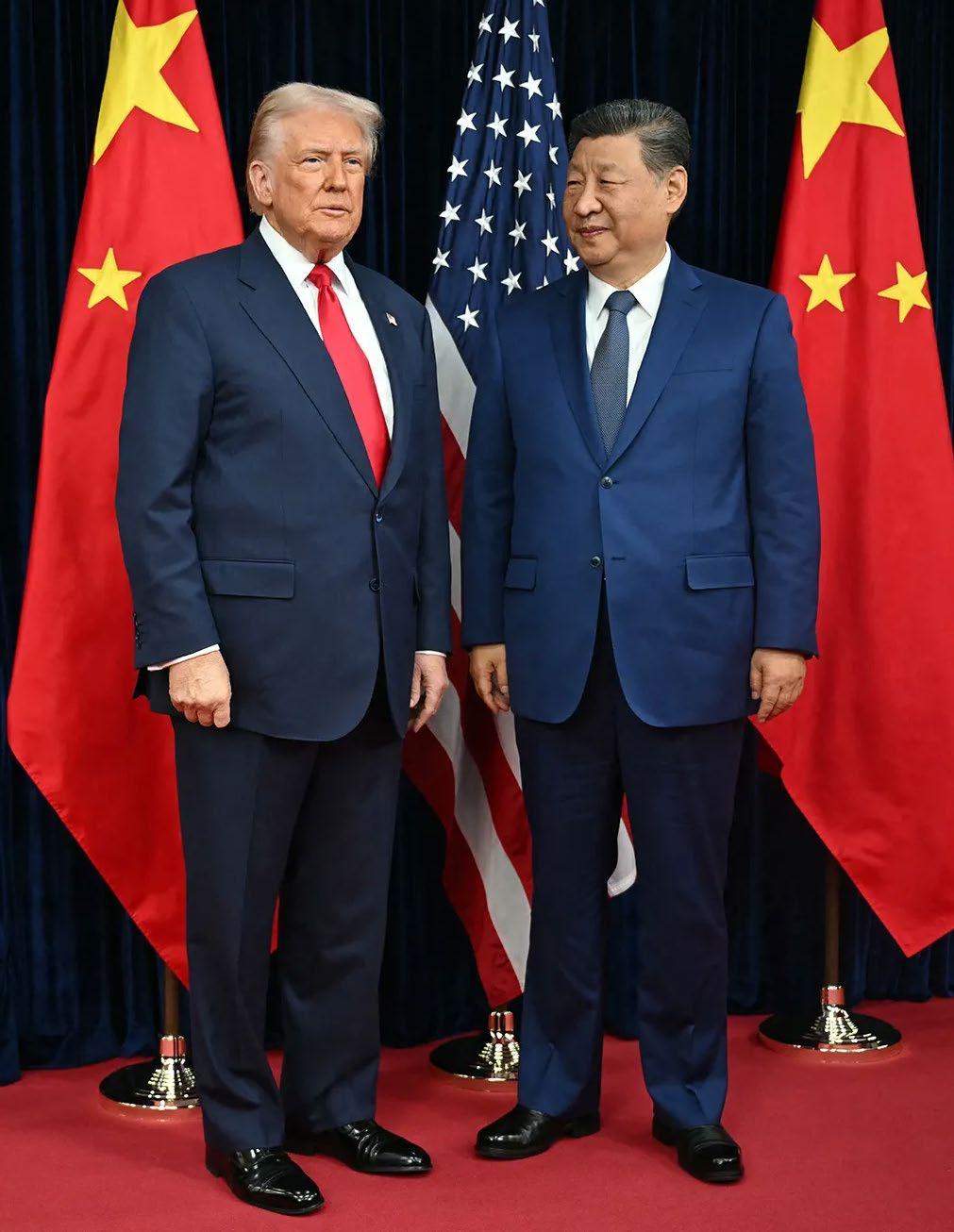
When US President Donald Trump made his tariff announcement this year, it stunned the world. It was an unprecedented declaration of trade tariffs on more than 90 countries across the world. What this meant was that any company that wishes to bring in goods to the US from any country on this list would have to pay a hefty tax to the government. But why were such tariffs imposed, in the first place? They were apparently supposed to be aligned with Trump’s America-first policy, shrinking the federal deficit, lowering food prices, and creating more jobs.
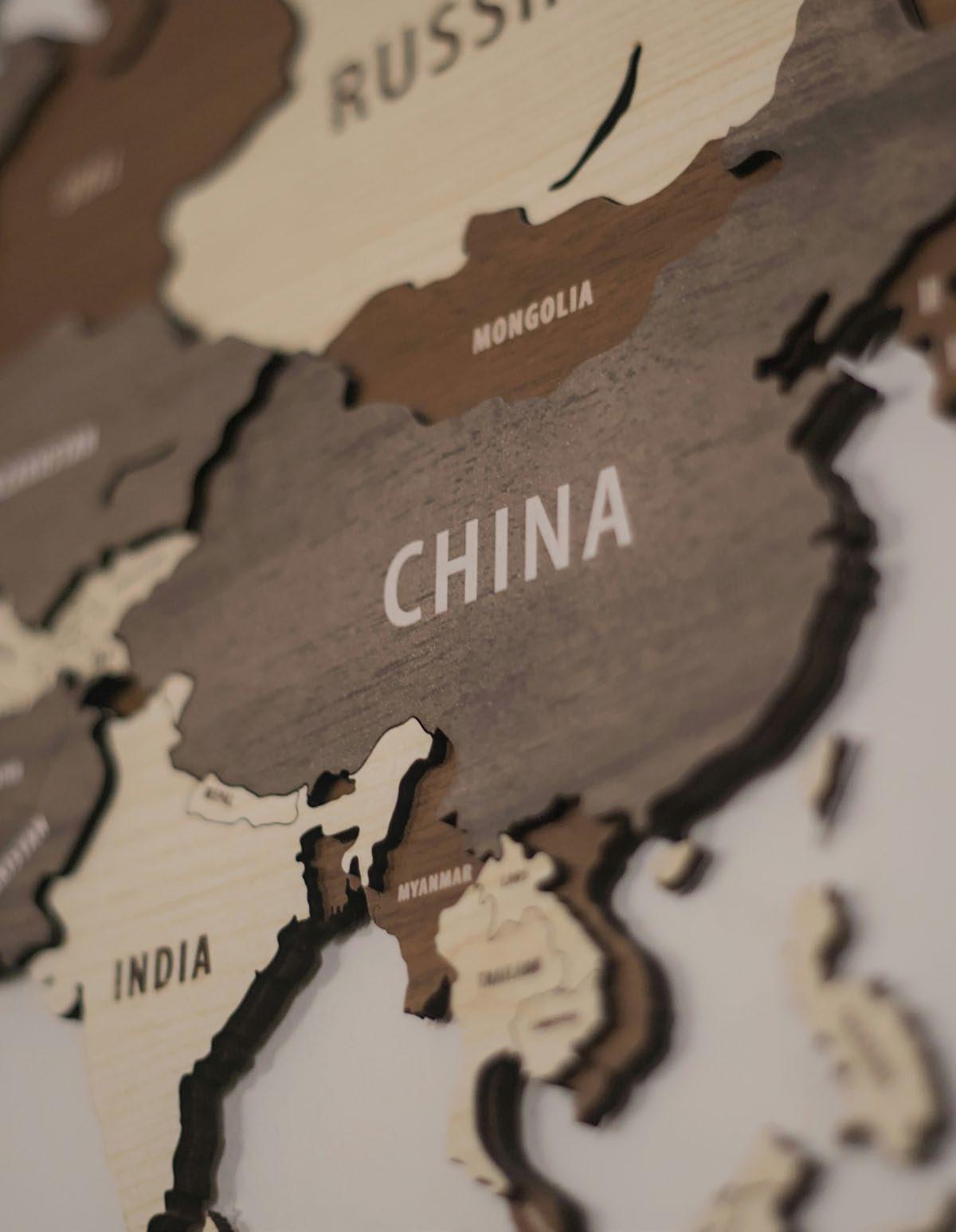
While the tariffs were also supposed to be part of Trump’s policy of dethroning China as a global trade superpower, with a 57% tariff rate imposed on the nation, some countries such as India too were slapped with an exorbitant 50% tariff. A few nations opted for negotiations and brought the rates down, while others imposed counter-tariffs. But what does this mean for trade in South East Asia? Will Trump’s tariffs be a blessing in disguise for the countries that make up the Association of Southeast Asian Nations (ASEAN)? Let’s dive in to find out.
as Vietnam and Malaysia had owing to the unofficial rift between the US and China. This is because the US–China trade competition that already existed before the tariffs were imposed helped the ASEAN countries benefit from the diverted investments. Some believed Vietnam, which has been markedly reliant on its exports to the US, would suffer the most. Likewise, many feared countries such as Indonesia could probably find themselves amid massive trade uncertainty.
“Trump’s anti-China sentiment could be potentially great for the scale and speed of trade in the ASEAN countries.”
No matter how apprehensive some experts are with regard to the impact of the new tariffs on South East Asian countries, the tariffs can be a blessing in disguise. The most obvious reason for this is that the sky-high tariffs imposed on China could translate to many manufacturers moving to the ASEAN countries such as Vietnam, Thailand, and Malaysia. Likewise, South East Asian nations such as Indonesia and Cambodia too could be the next top locations for low-cost manufacturing.
While the tariffs can cause disruptions in the manufacturing and agriculture industries, not all sectors will be equally affected. For instance, the fintech, services, and digital economy sectors will not be easily impacted by the new tariff regulations.
The 2025 tariffs were a shocker for everyone. And while some of the countries managed to reduce them after bilateral meetings and discussions, the tariffs didn’t vanish altogether. However, not all countries were taxed equally. So, while Singapore was taxed by just 10%, Laos and Myanmar were both slapped with a massive 40% tariff rate. Malaysia, Indonesia, and Cambodia, however, were taxed by a moderate 19%. Vietnam was initially hit with a 46% tariff rate but could eventually reduce it to 20%. However, all Chinese goods transshipped or routed through Vietnam would still face a 40% tariff rate.
Initially, experts feared that such global trade tariffs could upset the economic balance of the world. Some even believed that these tariffs could affect the advantage that some ASEAN nations such
In spite of the tariffs, Trump’s anti-China sentiment could be potentially great for the scale and speed of trade in the ASEAN countries. One such country that is set to benefit markedly despite the current tariff regulations is Vietnam. It appears that global giants such as Foxconn, Intel, and SpaceX have already planned to invest heavily in the Asian nation.
Besides, being a single-party state, Vietnam is easy on the implementation of new business policies. This is because policies are sanctioned quickly and without too many red tapes. What this means is that companies that wish to avoid China for the time being can easily move to Vietnam. Vietnam is also geographically sound when it comes to trade, having 3 of the world’s top 50 ports.
Apart from this, Vietnam has also been part of a free trade agreement with the European Union (EU). This is in alignment with how Indonesia too has been strengthening its ties with major power groups such as BRICS. Indonesia joined the group back in January 2025 and thus became the first South East Asian country to do so. This emerging trend of major South East Asian countries avoiding US supremacy and collaborating with other global superpowers is encouraging and might help them counter the supposed shock that the US tariffs were supposed to bring in.
Additionally, Vietnam, Indonesia, and Malaysia have already become alternate go-to options for many companies who believe in the “China One Plus” plan. According to this strategy, companies often seek an alternative production center, apart from the major one in China. This offers them better stability in case there’s an economic crunch due to Trump’s long trade war with China. This also proves that most South East Asian countries will not face a lot of disruption even if Trump’s tariffs continue in the long run.

While South East Asian trade isn’t likely to be heavily impacted by the US-imposed tariffs, there is enough scope for a total overhaul in the US–ASEAN dynamics. A lot of new alliances could emerge. Additionally, countries can rethink their strategic positioning. As the tariffs imposed are markedly unequal, a major shift in the cohesion of the South East Asian nations is possible in the near future. Some nations could back the US for their strategic interests, while others can join hands with other power centers.
However, South East Asia needs Washington for defense support and the maintenance of the regional status quo. Additionally, the US is a major investor in the ASEAN countries too. This means, regardless of the tariffs, the ASEAN nations may still take time to create any significant distance from the US. What they might do instead is maintain healthy diplomatic ties with both the US and China when it comes to trade. With Malaysia as the chair of the ASEAN in 2025, we can hope that there would be a plausible solution to the trade war between the US and China in the near future.
Amid high tensions in the global trade scene, Trump did the unthinkable a few days back. In October 2025, he had his first face-to-face discussion with Chinese President Xi Jinping since 2019, in Busan, South Korea. Trump’s meeting with Xi was focused on the latest tariffs and more. While Trump described it as “amazing meeting,” the discussion was fruitful as Trump ended up reducing China’s export tariff to 47%. This was done in exchange for Beijing’s promise to block illegal fentanyl trade. China also vowed to resume purchase of US soybean and to continue the export of rare earths. Trump is also hopeful of strengthening trade ties with Japan and South Korea among other Asian countries.
Though Trump’s tariffs have been aggressive and sudden, South East Asia is resilient and capable of weathering the current storm in the global trade scene. With the latest developments, one can only hope that South East Asian trade will see better days in the future.
South East Asia is resilient and capable of weathering the current storm in the global trade scene. “
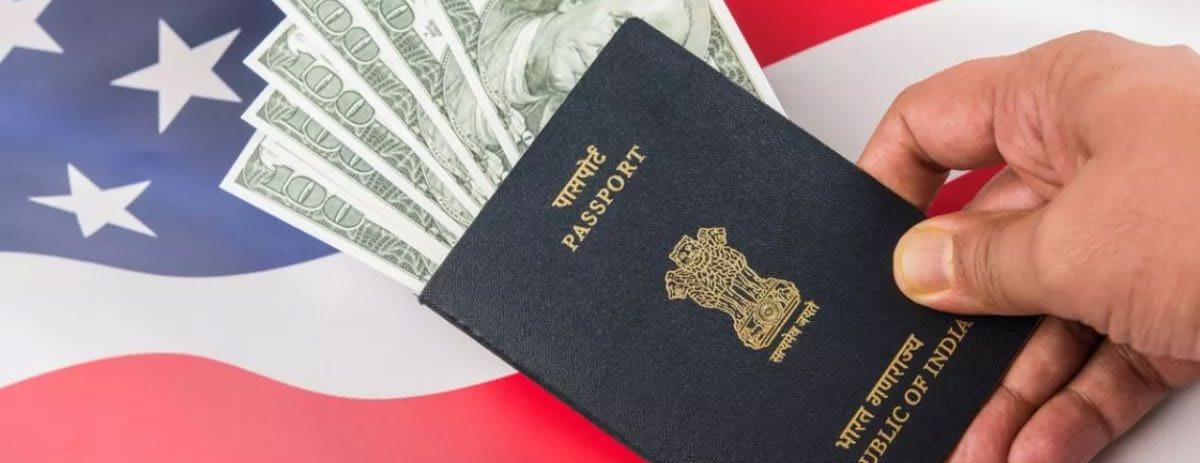
Gone are the days when the “American Dream” used to be the “end goal” for most students and young professionals from Asian countries, especially China and India. The situation changed markedly after US President Donald Trump stunned the world with his announcement of the $100,000 fee for new H-1B visas in 2025. Amid all the chaos, people canceled trips, while scores booked flights back to the US in a rush. Flight ticket prices soared, and global confusion followed. While the detailed clarification came in within the next few hours, the initial shock of the announcement was enough to make people rethink their career moves.
But while techies (mostly from India) were the ones most affected, the new US visa rules were defined as a blessing in disguise by many experts. Why so? Let’s read on to find out how Trump’s visa rules can change the dynamics of academics and the IT sector in Asia.
It’s true that Trump’s visa fee hike will not impact the current H-1B visa holders or their renewals. However, in the long run, a lot of young professionals and students are expected to return to their countries,
as a lot of tech firms and startups are unlikely to be able to afford the exorbitant fee.
Besides the fee hike, the US has also imposed a number of other restrictions on new visa applicants. For instance, all international applicants are now required to keep their social media accounts public. All such accounts will be screened thoroughly, and any content that goes against the interests of the US can lead the authorities to stop the visa process of the applicant in question.
Apart from impacting students and young professionals from developing countries financially, the new visa rules could also impact the flow of money from the US to such countries. While the strict
visa norms will make sure the number of skilled workers from countries such as China, India, and the Philippines are reduced significantly, the cash flow such people generated till now will also be affected.
Now, let’s get into some statistics. Fall 2025 witnessed a sharp decline in the arrival figures of foreign students in the US. In fact, the US Department of Commerce has recently released data that has proved that about 19% fewer people entered the US in August this year, compared to last year. India has had a 44% decline, while Africa had about a 32% fall.

Asia and the Middle East had an approximate 24% and 17% decline respectively. The overall estimate gives a clearer picture: roughly 150,000 fewer students, which translated to a loss of $7 billion in revenue.
A direct impact of the new visa rules will be felt on the STEM graduate enrolment too. In fact, top-notch academic institutes such as Northwestern University and John Hopkins have already reported a doubledigit fall in the number of new enrolments. Additionally, amid a sharp drop in the number of applications from China and India, the University of Southern California (USC) is looking to compensate with the help of domestic students.
The future will witness the long-term consequences of such strict regulations. Multi-national firms will move their R&D centers to more welcoming countries. Research institutes across the world will collaborate with countries apart from the US.
Trump’s unprecedented visa policies are, however, proving to be a boon for several Asian superpowers. South Korea, for instance, has decided to cash in on this situation and lure in the creme de la creme of techies and researchers, thus causing a reverse-exodus. This has been declared by South Korean Presidential
Chief of Staff Kang Hoon-sik himself. So, the future for Asia isn’t too bleak. The only thing that seems to have been changing is the direction of the flow of talent.
In fact, in the wake of the marked brain drain of AI engineers from South Korea, the government had launched the K-Tech Pass in September 2024. The aim of the pass was to attract engineers from the top 100 universities of the world.
China too is aiming to rope in skilled workers in STEM with its K visa, which allows students multiple entries and longer stays. What’s more? Chinese employer sponsorship is not needed for this visa. While the K visa was announced in August to cater to tourists and investors who had mostly stayed away from the country following COVID, it has garnered new-found significance after Trump’s visa regulations.
Interestingly, a lot of academicians from countries such as China have already made their way back to their homelands of late. For instance, top-notch mathematician Liu Jun has quit Harvard after a 25-year stint to take over as the chair at Tsinghua University in Beijing. Likewise, blockchain expert Chen Jing, specialist in computational economics, left the US after a 15-year long career and joined the same university. So, the reverse
brain drain has already begun. Additionally, the US’s visa rules will only result in a massive redistribution of talent across the world, with a lot of countries welcoming foreign scholars, academicians, startup founders, and corporate professionals with plum offers.
Amid all the confusion, US institutes, entrepreneurs, and corporate honchos are realizing the impact of Trump’s regulations. And some of them are already making amends. In fact, long before the visa chaos ensued, Microsoft CEO Satya Nadella, who is himself a former H1-B visa recipient, declared he would invest US$3 billion to develop the cloud and AI infrastructure in India. He also announced he was planning to train 10 million people to make them AI-proficient by the year 2030. This collaboration is likely an attempt to encourage the tech-savvy Indian market that has supplied the US with raw talent for decades. One can only hope that, with time, the US will take a broader view of the longterm impact of its strict visa rules. After all, if any nation decides to prosper, it cannot be an island cut off from the intellectual and technical expertise that the rest of the world has to offer.
For most of modern history, real estate has mirrored humanity’s hunger for growth. Cities rose as monuments of ambition, glass towers reaching for the clouds, concrete roads stretching endlessly, and gated communities designed to separate rather than connect. Progress was measured in square footage, not serenity. Yet somewhere between the glittering skylines and the shrinking green spaces; we began to sense the cost of our creation. The Earth grew warmer, our air heavier, and our cities louder. Homes became smarter, but not necessarily kinder. The result was a landscape that looked impressive from afar but often felt hollow within. That is beginning to change. Around the world, a new rhythm is forming quieter, slower, yet far more meaningful. A shift from concrete to consciousness, from building to belonging.
Sustainable real estate is not simply an environmental strategy. It is a philosophical reset. It challenges the very definition of “development.” The question is no longer “How high can we build?” but “How harmoniously can we exist?”
In cities like Copenhagen, wooden skyscrapers are rewriting engineering textbooks, proving that carbon-neutral architecture can be elegant and enduring. In Japan, ancestral principles of Ma — the intentional use of empty space are influencing a new wave of minimalist, emotionally intelligent design. Across Africa and South America, builders are turning to indigenous materials and community labor, bringing authenticity back to construction.
Each of these movements reflects one truth: sustainability is not about doing less. It’s about doing better with awareness, integrity, and respect for time.
For years, the word green was worn like a badge. Developers marketed “eco-friendly” homes that were little more than cosmetic , a plant here, a solar panel there. But genuine conscious real estate transcends symbols. It listens deeply. A sustainable building is one that responds to the light that enters it, to the air that flows through it, to the history of the land beneath it. It recognizes that architecture is not an act of conquest but of coexistence.

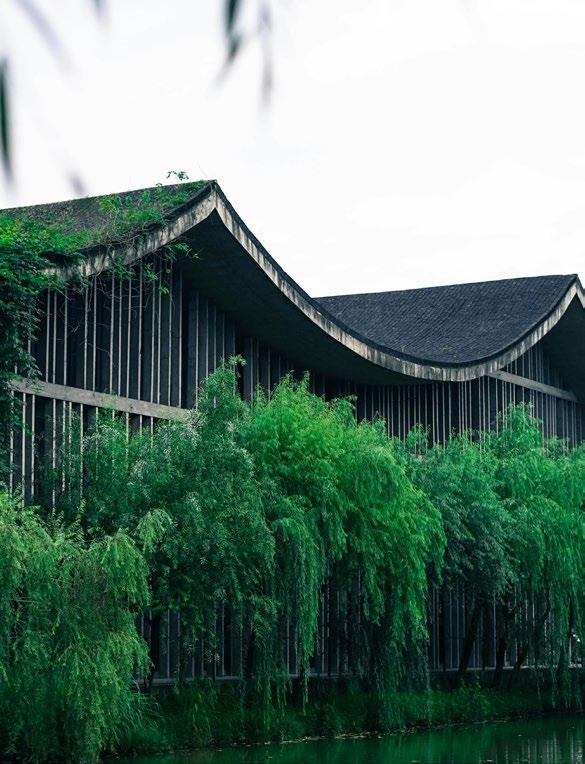

“A shift from concrete to consciousness, from building to belonging.”
In Singapore’s green corridors, vertical forests merge seamlessly with public housing. In Dubai’s Masdar City, a desert is being transformed into a model for zerowaste urbanism. And in rural India, low-cost mud homes designed with ancient cooling methods are proving that innovation and tradition can breathe in the same space. These are not experiments. They are quiet revolutions and proof that beauty and responsibility can, and must, coexist.
We often forget that real estate is, at its heart, emotional. A home is not just a structure; it is the keeper of one’s rhythm, rituals, and rest. The move toward sustainable living isn’t only about protecting the planet , it’s about protecting peace of mind.
Daylight, fresh air, acoustics, and natural materials have measurable impacts on our well-being. A building that reduces stress, improves sleep, and nurtures mindfulness becomes more than an address it becomes a sanctuary. Conscious design invites humanity back into architecture. In this sense, sustainability is also personal. It asks us to choose slower mornings, to live with fewer but better things, to see our homes as ecosystems that deserve care.

Architecture is not an act of conquest but of coexistence. “ “

The Middle East, often viewed through the lens of opulence and scale, is quietly becoming a laboratory for conscious construction. The region’s new vision is not just about architectural marvels, it’s about meaningful sustainability that respects the desert’s wisdom.
Developers across Dubai, Riyadh, and Doha are adopting passive cooling designs, shaded courtyards, and water-efficient landscaping inspired by traditional Arab homes. Palm frond shading, thick clay walls, and narrow streets, once ancient techniques are being reimagined in modern settings to reduce heat gain and energy use.
But sustainable living doesn’t end with large-scale projects. Even individuals can bring this consciousness home:
Create a Desert Garden:
Grow drought-tolerant plants like aloe vera, succulents, or date palms. A small balcony garden using recycled containers or clay pots can reduce indoor heat and add freshness to arid spaces.
Turn Waste into Resource:
Many villa communities in the Gulf are exploring biodigesters — modern versions of the traditional gobar gas system. These compact units convert kitchen waste into cooking gas and organic fertilizer, reducing household waste while cutting costs.
Reuse the Irreplaceable:
Installing greywater recycling units allows water from sinks and showers to be reused for gardening or cleaning, a simple yet powerful solution in water-scarce regions.
Harvest the Sun, Not Just Its Heat:
Solar water heaters or rooftop panels are becoming increasingly viable in the Middle East’s abundant sunlight. Even partial use reduces grid dependency and supports national clean-energy goals.
Build with Breathable Materials:
Choose lime plaster, natural stone, or wood finishes instead of synthetic coatings. These materials not only regulate indoor temperature but also age beautifully in desert climates.
These practices prove that sustainability is not limited to eco-villages or futuristic cities it can begin right inside our own homes.


The business of sustainability is no longer idealistic; it is intelligent. Investors worldwide are realizing that “green” means stable, future-proof, and resilient. Sustainable buildings tend to command higher rents, lower maintenance costs, and longer occupancy cycles.
Global capital is now flowing toward properties that align with ESG (Environmental, Social, and Governance) principles. Institutional investors, sovereign funds, and private equity firms are placing conscious construction at the heart of their portfolios not just because it looks good on paper, but because it performs well in practice.
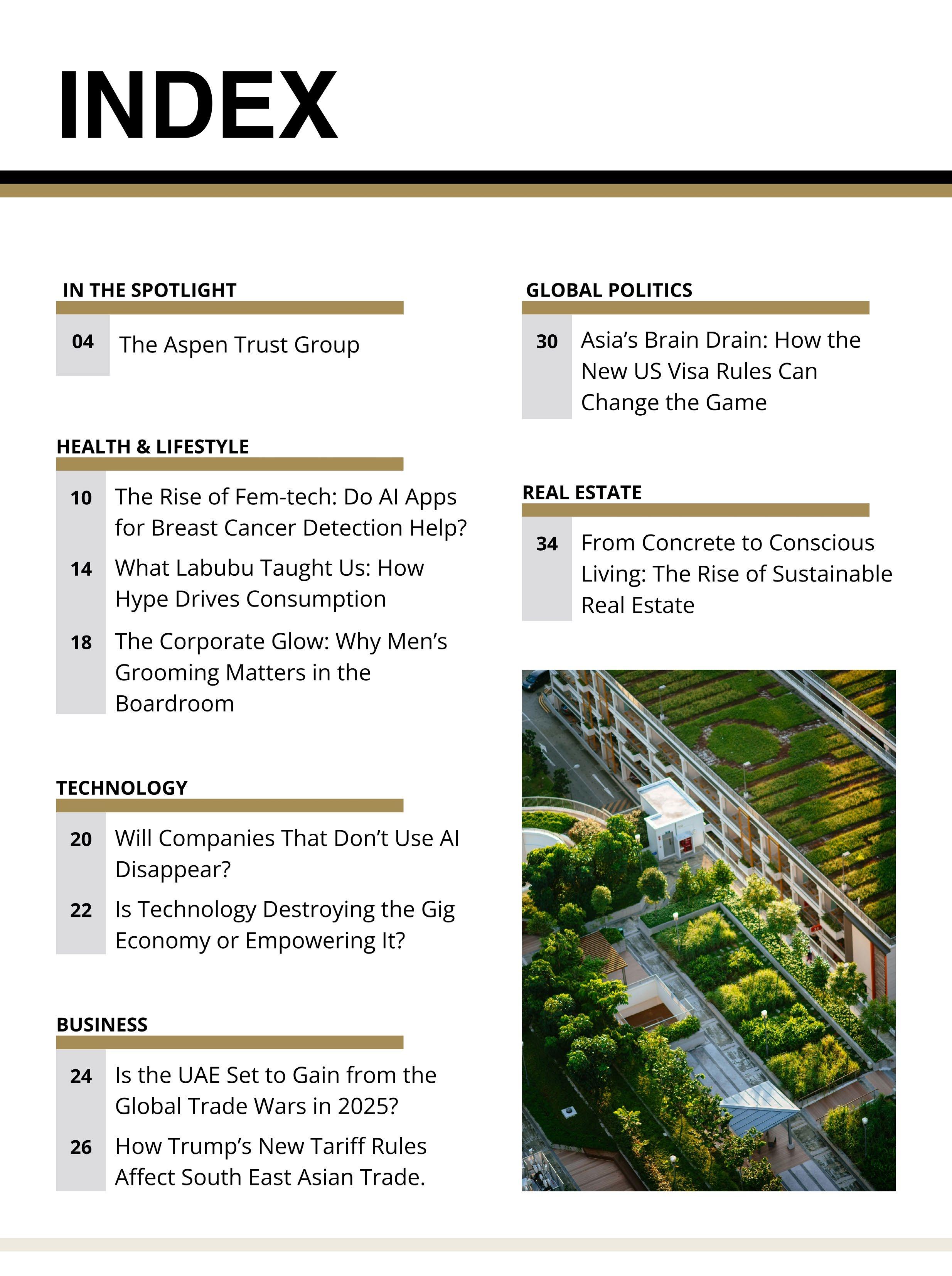
From concrete ambition to conscious creation, this is more than a trend, it’s a reckoning. We are learning that progress measured only in numbers is not progress at all. The cities of tomorrow will not be judged by their skylines, but by their soul lines, the invisible harmony between people, place, and purpose.
The rise of sustainable real estate is, ultimately, the rise of humility in design. It’s about understanding that we do not own the Earth we borrow it, and what we build should honor that loan.
The future belongs to those who build not to impress, but to inspire; not to conquer space, but to create it with conscience. Because when concrete learns compassion, architecture becomes art.