BUILDING A STRONG CONNECTION WITH YOUR CHILD'S ESE TEAM
EXPLORING WHY THOSE ELEMENTARY SOCIAL CIRCLES CHANGE SUDDENLY WHY MULTITASKING IS RUINING HOMEWORK QUALITY
6 FREE MUST-VISIT LOCAL EDUCATION ADVENTURES
Now is the perfect time to teach kids the value of money with Florida Credit Union’s Youth Savings Accounts, designed to help children and teens (17 and under)1 grow their savings.
• No monthly fees
• $5 minimum balance2
• Interest paid on balances
• Free FCU Account Alerts3
• Easy parental access
• Kids 9 and under get a free piggy bank when opening in-branch
Scan to explore all our youth banking options!
PUBLISHER & EDITOR-IN-CHIEF ART
VICE
JUNIOR EDITOR
SALES INTERN
CONTRIBUTING WRITERS
Aníbal Rodríguez
Shane Irving Elle Lentz
Alexandra Burns Tre Topping
Alexandra Burns, Margot DeConna, Dr. Jacquelyn Crews, Nicole Irving, Lindsey Johnson, Crystal Ladwig, Stephanie Norman, Cole Purvis
MAILING ADDRESS
Irving Publications, LLC reserves the right to edit and/or reject any advertising. Irving Publications, LLC is not responsible for the validity of any claims made by its advertisers. Nothing that appears in Giggle Magazine may be reproduced in any way, without written permission. Opinions expressed by Giggle Magazine writers are their own and do not necessarily reflect the publisher’s opinion. Giggle Magazine will consider all never before published outside editorial submissions. Irving Publications, LLC reserves the right to edit and/or reject all outside editorial submissions and makes no guarantees regarding publication dates.
ADVERTISING
For more information on advertising with Giggle Magazine, please visit irvingpublications.com, call 352.505.5821 or email shane@irvingpublications.com.
Ask the Pediatrician: What Every Parent Should Know About Sports Injuries
BY ALEXANDRA BURNS AND DR. JACQUELYN CREWS
With the return of the school year this fall, keeping young athletes safe is a priority for many families.
To learn how parents can prevent injuries and know what to do if one occurs, we spoke with Dr. Jacquelyn Crews, a pediatrician and clinical assistant professor in the University of Florida Department of Pediatrics.
What's the most common sports injury (injuries) you see in kids once the fall season kicks in?
The main injuries for the fall season are concussions as well as body injuries, including sprains, strains and bruising. Football and soccer are two of the more popular sports in the fall season; combined with the contact nature of these sports, we see many injuries relating to their play. We also see a lot of overuse injuries, including in shoulders, elbows, knees and ankles.
Kids' bones and joints are still growing. Does that change how an injury should actually be treated compared to an adult with the same injury?
That’s a great question, and the answer is yes. Growth plates are a weak part of the bone, so it takes less trauma to the area to cause the same injury as a fully mature bone.
An athlete can also get injuries from repetitive pulling on growth plates from overuse. We can often treat overuse or strain injuries conservatively with rest, ice and sometimes stretching/ strengthening exercises with physical therapy. Because fractures in the growth plate can impact that bone’s ability to grow, these injuries are often treated with casts to promote healing.
A kid says something hurts but still wants to play. What steps should a parent take to figure out if it's a "walk it off" or a "sit this one out" situation?
If a kid immediately can’t “walk it off” or bear weight on an injured leg/ankle/ foot, that’s a good indication they should not return to play until they are medically evaluated. A twisted ankle or strained muscle that is uncomfortable but not
causing significant pain is probably OK to return immediately.
A similar approach should be taken to injuries of the arms and hands, where if there is immediate and significant pain or an obvious deformity, the child should not return to participation until evaluated. Head injuries should be taken seriously for concussion, including symptoms such as confusion, headache, dizziness, nausea or blurry vision.
What's the earliest sign(s) of overuse injury that gets missed because it just looks like normal soreness?
Overuse injuries present as a certain type of movement causing pain that can be reproduced every time the child does that motion. For example, a volleyball player with pain on the front of their knee every time they squat to jump. Or a baseball player with elbow pain when straightening the arm.
It’s usually able to be pointed to pretty specifically by the child. If the pain normally goes away with rest but then seems to take longer to resolve or starts affecting the athlete’s ability to perform the movement, they may have an overuse injury.
Is there an age where you'd tell a parent, "No, not this sport yet?"
Every decision like this comes with potential risks, so it’s up to the family to decide what is best for them. I would never tell a child they can’t participate in a sport, but they should start at a level that allows them to be safe and understand how to participate correctly.
Further, the child should be coached by a trainer who understands that young children are susceptible to injuries and how to start at the child’s level and appropriately advance them through the sport. Children should always use appropriate (and appropriately fitting!) protective gear, including for practices.
If a child/teen gets hit in the head during practice and seems fine an hour later, are they in the clear, or should their guardian still be watching for something?
That would require a pretty nuanced answer based on the injury that occurred. If it was a mild head injury and no
What Actually Works? The Science of Study Habits by Grade Level
BY ALEXANDRA BURNS
Study habits are something most parents know their children need, but figuring out what those habits are can be challenging. What works for a third grader won't work for a ninth grader, and what works for a middle schooler may need adjustments by the time they enter high school.
The study strategies and habits that have been proven to work look different at each level and developmental stage. Here is an in-depth explanation by grade level so that you and your child can feel prepared at every step.
Creating the Foundation in Elementary School
For younger students, consistency is the most powerful tool in learning.
According to Crenshaw Academy, establishing a daily routine for study time, one free of television and background noise, helps make study sessions feel like a natural part of the day rather than something to dread. It sounds simple, but it makes a difference in how children approach schoolwork in the long term.
The environment also matters more than most parents realize. The Crenshaw Academy recommends keeping the space quiet, well-lit and clutter-free, with supplies within easy reach. For younger kids, small interruptions can break their focus.
At this age, keeping goals small and visible is vital. The Crenshaw Academy points to several habits that build both confidence and independence in young learners:
• Break assignments into smaller, manageable steps rather than tackling everything at once.
• Set both short-term and long-term goals and celebrate when they are met.
• Encourage kids to ask questions when something does not click, rather than moving past it.
Establishing a consistent routine, a focused environment and strategies requiring engagement are some of the most common recommended study habits shared shared through all grade levels.
Learning Organization in Middle School
Middle school is where the workload begins to increase, requiring strong organizational skills.
According to the United Local School District, one of the most impactful changes a middle schooler can make is to purchase an agenda book and actually use it. This includes consistently writing down every assignment at the start of the week rather than relying on memory.
A few other habits that can make a difference at this level, according to United
Local School District, include:
• Dedicate a separate binder, folder or notebook to each class so that nothing gets lost between subjects.
• Study a little every night instead of cramming the night before a test.
• Talk through assignments with friends. Reviewing material with others helps students process and retain information.
• Ask for help when struggling. Waiting it out rarely works.
Learning Time Management and Efficiency in High School
By high school, the amount and complexity of material require a more strategic approach.
According to K12, one of the most effective habits for high schoolers is to break study time into focused sessions rather than trying to absorb everything at once. Spacing the time out over multiple days lowers the need for last-minute cramming and leads to stronger overall retention.
But how students study matters just as much as when they study. According to the UNC Learning Center, simply re-reading notes is not the same as studying, and rereading leads to quick forgetting.
Active studying is what is proven to create comprehension. This includes:
• Creating a study guide by topic and writing out answers rather than skimming over material.
• Describing concepts out loud in your own words, pretending as if you are teaching them to someone else.
• Drawing diagrams to make connections between ideas.
• Working on practice problems and explaining each step, especially for math and science courses.
• K12 also recommends that high schoolers should not just copy what is on the board, but instead summarize information in their own words during note-taking.
Key Study Skills for Every Learner
Across all grade levels, the study habits that work share several common elements: a consistent routine, a focused environment and strategies that require engagement.
As kids get older, the specifics of these habits shift slightly, but at their core, they remain the same. Starting early with efficient and simple study habits can help children develop long-term skills and real academic advantages.
skill levels and children, teens and adults.
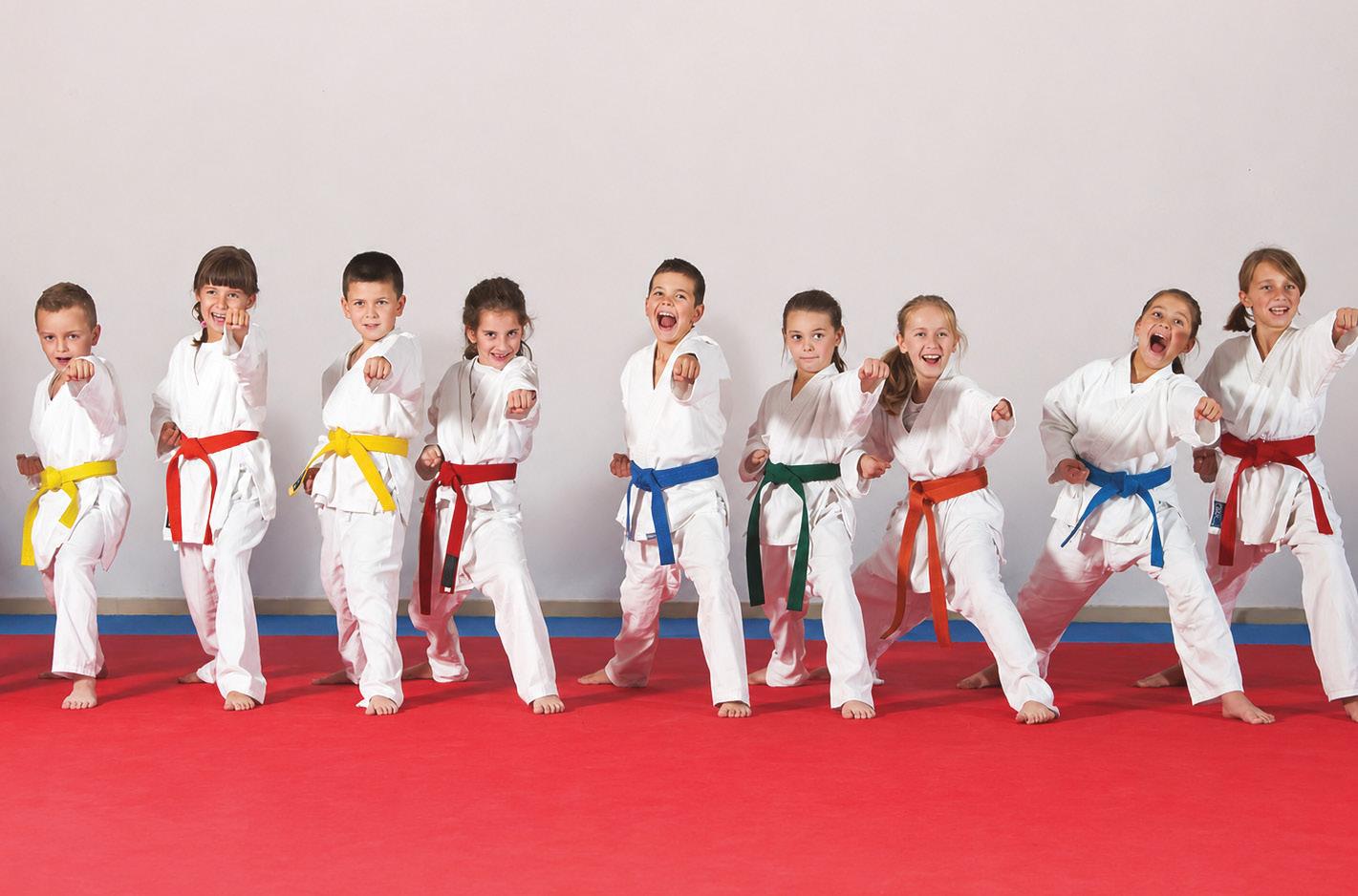
caters to ages 4 to 6, using strong visual cues to keep kids engaged with their goals. For older children, the Kids Martial Arts program serves ages 7 to 12, focusing on the development of core life skills such as a positive mental attitude, high goal-setting, perseverance, self-control and confidence.
WHAT THEY OFFER: Beginning at age 7, your child can participate in a martial arts program with karate classes that help to build confidence and self esteem, improve mental focus, develop self-discipline, enhance physical fitness, teach how to respond in difficult situations and more.
Mat Life Training Center
LOCATION: 404 SW 140th Terrace, Suite 30, Newberry
HOURS: Monday to Friday, 11 a.m. - 9 p.m.
CONTACT: (352) 605-8481
PRICE: Contact the phone number above for pricing information.
WHAT THEY OFFER: Mat Life Training Center offers martial arts and fitness programs tailored for different age groups. For ages 6 to 12, they provide kids' Brazilian jiu-jitsu, youth kickboxing and a free martial arts program for kids with special needs. For adults and teens, the curriculum includes traditional BJJ, kickboxing and Muay Thai, fitness kickboxing and striking and grappling.
Okito America
LOCATION: Three locations (Newberry Road, Archer Road and Alachua)
HOURS: Monday to Saturday, hours vary
CONTACT: (352) 338-7262
PRICE: Eight week martial arts family packages starting for as little as $99. Contact them for more information.
WHAT THEY OFFER: Okito offers martial arts classes for kids as little as 3 years old, with programs designed to teach discipline, confidence, respect, perseverance, leadership, fitness and more.
Pro Taekwondo School
LOCATION: Two locations — 5827 SW 75th St. (Tower Square) and 4907 NW 43rd St., Suite F (Millhopper), Gainesville
HOURS: Monday to Friday, Noon - 9 p.m.
CONTACT: Tower Square (352) 792-6512 and Millhopper (352) 375-0700
PRICE: An introductory online offer gives four weeks of trial classes plus a free uniform for $49.
WHAT THEY OFFER: A staple in the Gainesville martial arts scene, Pro Taekwondo School blends traditional taekwondo with kids' classes, adult programs and Brazilian jiu-jitsu, all designed to build coordination, physical fitness, self-defense and social skills.
Rape Aggression Defense (R.A.D.) Self-Defense Training
LOCATION: Santa Fe College campus locations
HOURS: The schedule varies; visit the website to register and view upcoming events.
CONTACT: (352) 395-5000
PRICE: Free
WHAT THEY OFFER: The R.A.D. program provides free, comprehensive self-defense training designed specifically for women. The core curriculum is a multi-session, 9- to 12-hour course led by certified law enforcement instructors that combines classroom foundations with hands-on physical skills. The program is open to adult women and teens seeking in-depth physical readiness, with a strong focus on mental awareness, decision-making and practical tactics.
Renzo Gracie Jiu-Jitsu Gainesville
LOCATION: 2441 NW 43rd St., Unit 11-A, Gainesville
HOURS: Monday to Saturday, hours vary
CONTACT: (347) 414-1525
PRICE: Contact the phone number above for pricing information.
WHAT THEY OFFER: Renzo Gracie Gainesville offers Brazilian jiu-jitsu training tailored for both youth and adult students. Their youth curriculum features a kids jiu-jitsu program for ages 8 to 13 that focuses on self-defense, confidence and foundational grappling techniques. The adult BJJ program caters to all skill levels, focusing on comprehensive jiu-jitsu technique, fitness and practical selfdefense.
PRICE: A web special for kids' martial arts and teens’ and adults' tae kwon do offers two weeks of classes and a free shirt for $14; contact for more information on pricing.
WHAT THEY OFFER: Star Martial Arts takes a self-paced approach to kids' classes, emphasizing personal growth over competition. Instructors teach self-defense as a tool for character development, encouraging kids to treat others with respect. Offerings include martial arts classes for kids, teens and adults, as well as after-school programs, kickboxing classes and summer camp.
PRICE: Classes are $70 a month; contact for more information.
WHAT THEY OFFER: With roots in Vietnam, Cuong Nhu was brought to Gainesville decades ago and now blends aikido, judo, Wing Chun, Vovinam, tai chi chuan and boxing into a single curriculum. Programs are open to kids starting around age 5 and continue through teen and adult levels.
Outgrowing the Piggy Bank
BY COLE PURVIS
There comes a point in almost every child's life when the “piggy bank” starts to feel a little limiting.
Maybe they're earning money from chores, receiving birthday cash or getting their first paycheck from a summer job. Suddenly, parents are faced with a new question: Is it time for a real bank account?
The answer depends on a child's age, maturity and financial goals, but experts say introducing banking tools early can help build healthy money habits that last well into adulthood.
The First Step: Custodial Savings Accounts
For younger children, a savings account is often the best place to start.
Most banks and credit unions offer custodial savings accounts that allow parents to maintain oversight while introducing concepts like saving, spending and setting goals. These accounts typically come with low or no fees and can be a great way to show children how money grows over time.
According to the Consumer Financial Protection Bureau (CFPB), children who have savings accounts are more likely to develop positive financial habits and may be more likely to pursue higher education and long-term financial goals.
At this age, the goal isn't necessarily about teaching them about investing or credit scores. It's simply helping kids understand that money has a purpose beyond being spent for immediate satisfaction.
Prepaid Debit Cards: Training Wheels for Spending
As children get older, many parents turn to prepaid debit cards.
Unlike traditional debit cards, prepaid cards aren't connected to a checking account. Instead, parents load money onto the card, and children can spend only what's available.
For families, this can be an appealing middle ground. Kids get the experience of using a card in stores or online, while parents often retain control through mobile apps that allow them to monitor spending, set limits or transfer money instantly.
The CFPB notes that parents should pay close attention to fees, however. Some prepaid cards charge monthly maintenance fees, ATM fees or reload fees that can quickly add up.
Prepaid cards can be useful teaching tools, but understanding the fine print matters.
When Is a Teen Ready for a Checking Account?
By the teen years, many families begin considering checking accounts, particularly if a child has a job, drives or needs greater financial independence.
Teen checking accounts generally allow for direct deposit, debit card use and online banking access, often with parental oversight built in.
According to financial education nonprofit Jump$tart Coalition, hands-on experience managing money is one of the most effective ways for young people to develop financial capability.
A checking account introduces important lessons about budgeting, tracking purchases and understanding that money in an account isn't unlimited simply because a plastic card is attached to it.
Some accounts even allow parents to receive notifications about spending or set transaction limits, creating opportunities for ongoing conversations about financial responsibility.
What Parents Should Consider
Before opening any account, experts recommend asking a few questions:
• Are there monthly fees or minimum balances?
• Is there parental oversight?
• Are there ATM restrictions or overdraft fees?
• Does the account offer educational tools or budgeting features?
• Is the child ready for the responsibility that comes with it?
The right account often depends less on age and more on maturity.
A Financial Milestone
Opening a first account may seem like a small step, but it can be an important one. Just as piggy banks teach children to save coins, bank accounts help teach the real-world skills they'll eventually need as adults.
The goal isn't simply giving kids access to money. It's giving them opportunities to practice managing it — one deposit, purchase and lesson at a time.
that everyone’s
and
BASEBALL / SOFTBALL
Sep–Nov: Fall League
Dec: Holiday Camp
Jan: Spring Training
Feb–May: Spring League
Jun: Summer Camp
Jul: Summer Camp
Aug: Summer Camp
FOOTBALL
Sep–Oct: Fall League
Jan–Feb: Winter League
Apr–May: Spring League
JOHNNY WIGGS Camp Director
Beyond the Classroom: 5 Local Field Trips for Gainesville Homeschoolers
BY CRYSTAL LADWIG, PH.D.
One of the greatest advantages of homeschooling is that learning doesn’t have to happen only at the kitchen table. In Gainesville, families have access to worldclass museums, wildlife, history and outdoor classrooms all within a short drive. Whether you’re studying science, history, art or nature, these local destinations make it easy to turn an ordinary day into an unforgettable learning adventure.
Santa Fe College Teaching
Zoo
sfcollege.edu/zoo
Why Homeschoolers Love It:
• Home to more than 75 animal species
• Learn about wildlife conservation and animal care
• Excellent fit for biology and life science units
Learning Connection:
Perfect for children of all ages studying ecosystems, habitats or conservation. Ideal for individual families and homeschool groups. Older children may also enjoy being a zookeeper for a day (with an added fee).
Cade Museum
cademuseum.org
Why Homeschoolers Love It:
• Interactive STEAM exhibits
• Hands-on engineering and invention activities
• Encourages creativity and problem-solving
Learning Connection:
Ideal for science, engineering, technology and entrepreneurship lessons. The Program Homeschool Adventures offers a new hands-on learning experience each month.
Animal Shelters & Mill Creek Farm
millcreekfarm.org; alachuacounty.us
Why Homeschoolers Love It:
• Experience the value of service
• Learn how to care for different animals
• Teaches responsibility while building compassion and empathy
Learning Connection:
Volunteering at one of Gainesville’s animal shelters as a family or visiting Mill Creek Farm on Saturdays reinforces lessons in animal biology and anatomy, nutrition, behavior and training and veterinary care. Children can connect what they learn
with real-life observations as they serve as cat cuddlers, dog wranglers, animal photographers and more!
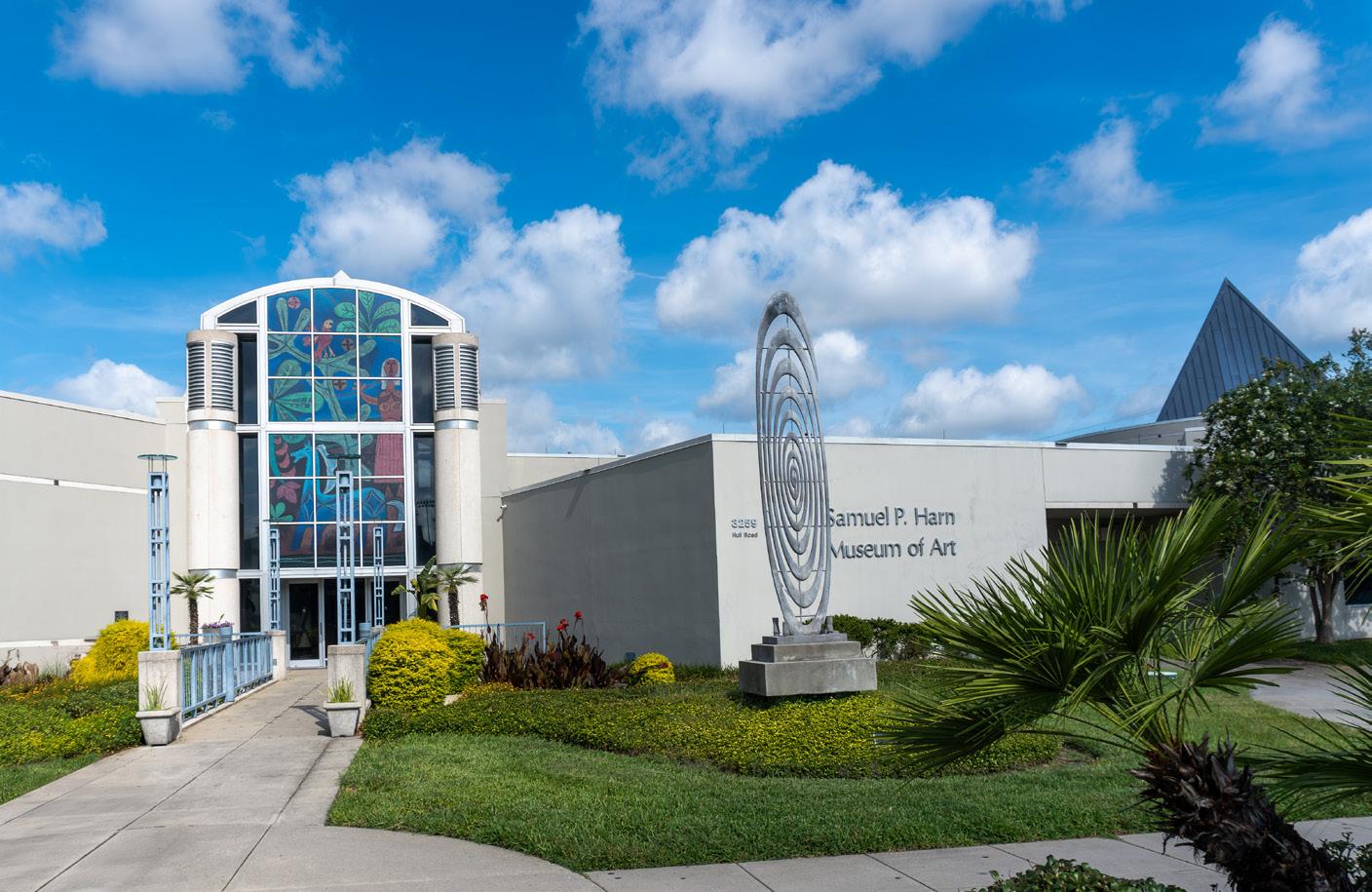
Harn Museum of Art
harn.ufl.edu
Why Homeschoolers Love It:
• Free activities for children of all ages
• Learn about art from around the world and through the ages
A stroll through the Harn brings to life cultures from today and long ago, linking history, art, culture and geography. Scavenger hunts, museum days and tot times make the Harn an ideal field-trip destination for families.
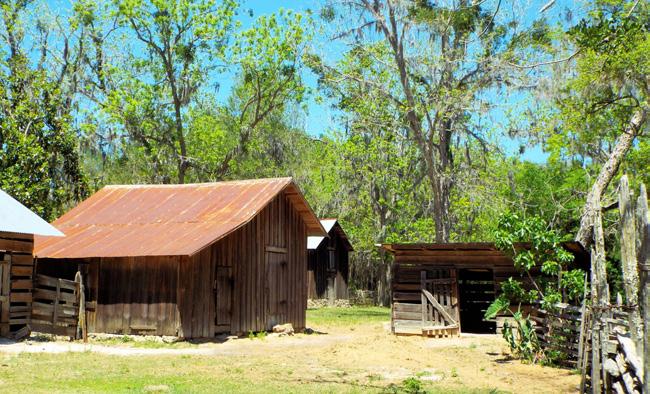
Dudley Farm Historic State Park
floridastateparks.org
Why Homeschoolers Love It:
• Includes hands-on activities such as plowing, grinding corn, feeding chickens and washing clothes the old-fashioned way
• Trails, animals and history provide something for everyone in the family
• Special events like the Annual Cane Festival and craft groups add even more fun
Learning Connection:
A stroll through the Harn brings to life cultures from today and long ago, linking history, art, culture and geography. Scavenger hunts, museum days and tot times make the Harn an ideal field-trip destination for families.
Alachua County School Board Seeks New Citizens Field Stadium Options After Agreement Fails
BY ALEXANDRA BURNS
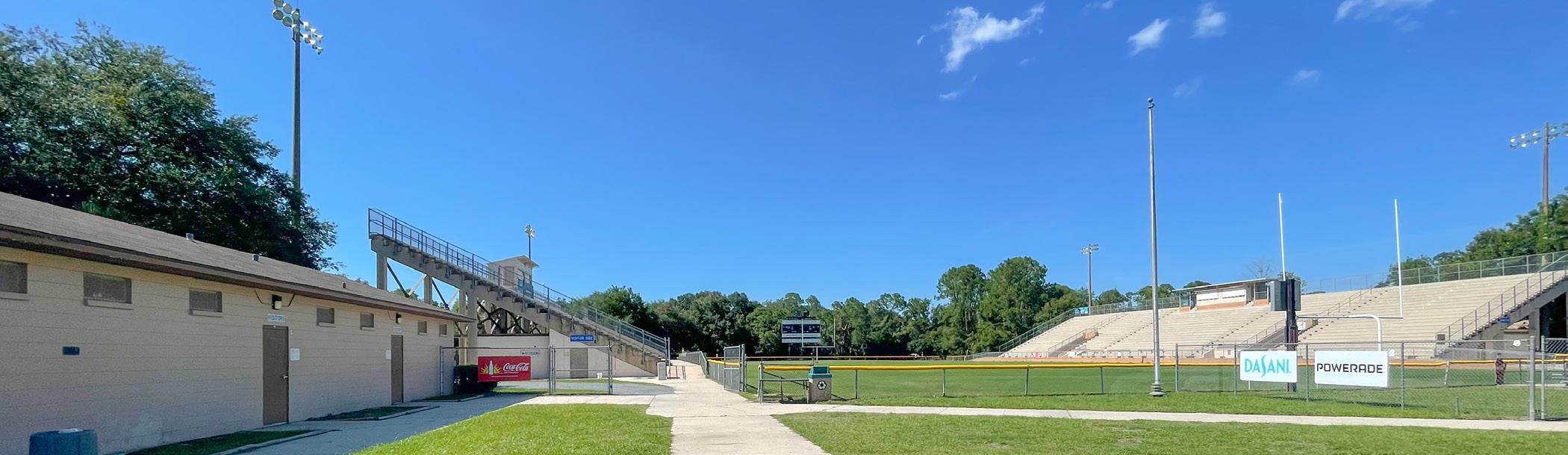
The School Board of Alachua County voted June 16 against a proposed agreement with the City of Gainesville that would have transferred land at Citizens Field to the district for the construction of a new athletic stadium. According to School Board meeting documents, board members instead directed staff to return with additional stadium options for future consideration.
The proposed agreement outlined a partnership between the school board and the City of Gainesville for the construction, maintenance and use of a new stadium at the Citizens Field site.
Under the proposal, the city would transfer a portion of the property to the school board, which would oversee construction of a new stadium while the city would complete related infrastructure improvements, including parking, stormwater systems and access improvements.
What’s Happening
School Board records show the initial motion to approve the Citizens Field agreement failed on a 1-4 vote. Board member Tina Certain voted in favor, while Leanetta McNealy, Sarah Rockwell, Thomas Vu and Janine Plavac voted against the proposal.
A second motion to authorize the superintendent to renegotiate the agreement also failed.
Board members ultimately approved a motion directing district staff to return with a presentation outlining additional stadium options. That motion passed 4-1.
According to the proposed interlocal agreement, the project called for a new stadium with seating for approximately 3,000 to 5,000 spectators, locker rooms, concessions, restrooms, lighting and parking improvements.
The estimated stadium construction cost was listed between $22 million and $25
million, with the school board responsible for stadium construction costs. The city would have been responsible for related infrastructure improvements and environmental remediation work.
Why It Matters for Local Families
Citizens Field has long served as a venue for high school football, graduations and community events in Gainesville. Decisions about the site's future could affect studentathletes, families attending school events and residents who use the facility for community activities.
The proposed agreement also included provisions allowing community events, youth sports activities and city-sponsored programs at the stadium.
Key Details
• Proposed location: Citizens Field in Gainesville
• Proposed stadium capacity: 3,000 to 5,000 spectators
• Estimated stadium construction cost: $22 million to $25 million
• School board vote to approve agreement: Failed 1-4
• Board direction: Staff will return with additional stadium options for review
Families can expect the school board to review alternative proposals before making future decisions about the long-term future of Citizens Field.
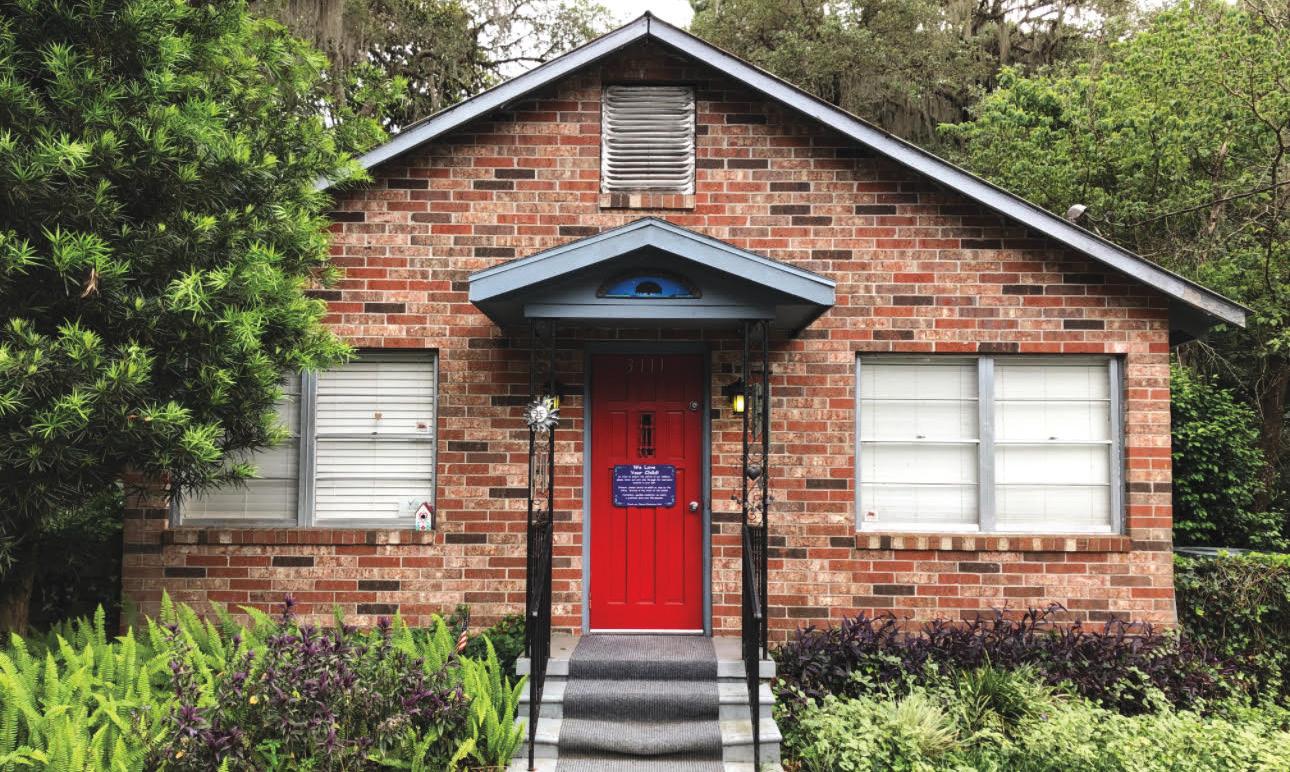
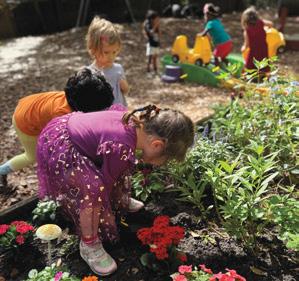
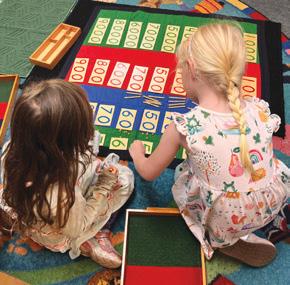
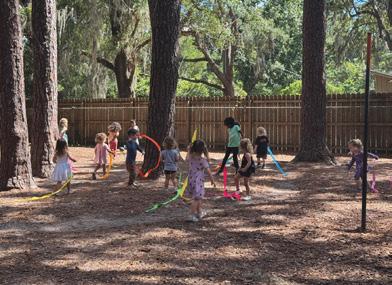
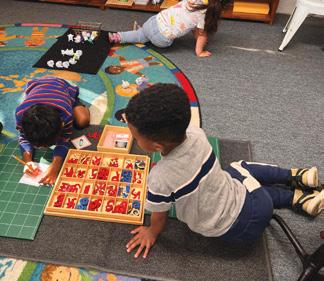
Flowers Montessori School
We are a second generation Primary Montessori school serving the Gainesville area since 1973, committed to helping each child develop personal autonomy, as well as respectful and productive peer relations.
We strive to provide education that is tailored to the needs of each student, which encourages the development of their mental, physical, and emotional abilities. We are constantly evolving and adapting our materials, to maintain interest and inspire independence in our students.
Through our child-focused approach, we hope to instill effective learning strategies in each child, and kindle a life-long love of learning. As guides to your children, we continue to grow and learn alongside them.
FLOWERS MONTESSORI SCHOOL INC
Our daily pledge is to be sensitive to the needs of each child, and to approach them with understanding, patience, and love.
“The greatest gifts we can give our children are the roots of responsibility and the wings of independence”
- Dr. Maria Montessori
Gainesville’s Best Weeknight Family Meal Deals
BY ALEXANDRA BURNS
Cooking dinner every night of the week gets exhausting quickly. Whether you're juggling after-school pickups and sports practice schedules, or a case of burnout, Gainesville has a range of restaurants that make it easy to feed the whole family on a budget.
Here is a guide to the best kids-eat-free and family reduced meal deals happening at Gainesville restaurants throughout the week.
Adam's Rib Co.
4930 NW 39th Ave., Gainesville
DEAL: Kids eat free with the purchase of a full-price adult entrée on Wednesday nights from 5 p.m. to 8 p.m.
WHAT TO KNOW: Adam's Rib Co. serves smoked meats alongside homemade sides like baked beans, collards and coleslaw. Fan-favorites include ribs, brisket, pulled pork and smoked chicken.
Bambuu Asian Eatery
3606 SW Archer Road, Gainesville
DEAL: Every Friday, kids 12 and under eat free with the purchase of an adult entrée.
WHAT TO KNOW: Bambuu Asian Eatery features an Asian fusion menu with favorites like the glazed bourbon chicken, orange chicken and udon noodles.
Blue Highway a Pizzeria
Two locations, one in Jonesville and one in Micanopy
DEAL: On Mondays, kids 10 and under eat for half off the Bambini menu.
WHAT TO KNOW: Blue Highway offers a selection of Italian-American cuisine, with pizzas, flatbreads, sandwiches, salads and more.
Crafty Bastards Restaurant
4860 NW 39th Ave. A, Gainesville
DEAL: For Family Night, kids 10 and under eat free with the purchase of an entrée on Mondays from 5 p.m. to 9 p.m.
WHAT TO KNOW: Crafty Bastards offers a rotating craft beer selection for adults and foods like meatloaf, macaroni and cheese and wings.
David's BBQ & Catering
5121 NW 39th Ave., Gainesville
DEAL: One free kid’s meal with every paid adult meal every Monday, 4 p.m. to 8 p.m. Dine-in only.
WHAT TO KNOW: David’s is a Gainesville BBQ staple that offers smoked meats, hot dogs, grilled cheese, classic sides and more.
Four Rivers Smokehouse
3262 SW 35th Blvd., Gainesville
DEAL: One free meal for a child aged 12 or under with every paid adult meal every Monday.
WHAT TO KNOW: Four Rivers is a great family-friendly stop with plenty of menu options for picky eaters and BBQ lovers.
Mi Apa Latin Cafe
Multiple locations throughout Alachua County
DEAL DAY: On Wednesdays from 4 p.m. to 9 p.m., kids eat free with adult meal purchases. Dine-in only.
WHAT TO KNOW: Mi Apa offers authentic Latin food like Cuban sandwiches, rice and beans, ropa vieja, plantains and more house specials.
Miller's Ale House
2881 Bass Pro Shops Blvd., Gainesville
DEAL: Receive one free kids' meal (kids 12 and under) every Tuesday with the purchase of a $10 food item. Limit two free kids' meals per table. Dine-in only.
WHAT TO KNOW: Miller's Ale House is perfect for a casual family dinner. The restaurant’s menu includes a full-size kids’ menu and wings, burgers, grilled chicken, shrimp, lobster ravioli and more.
Outback Steakhouse
3760 SW Archer Road, Gainesville
DEAL: Every Monday, receive a free kids' meal with the purchase of an adult entrée.
WHAT TO KNOW: Outback is a classic American steakhouse with a menu featuring steak, burgers, sandwiches, chicken tenders, macaroni and cheese and more.
Perkins American Food Co.
6825 W. Newberry Road, Gainesville
DEAL: Kids (12 and under) eat free every Tuesday with the purchase of an adult entrée.
WHAT TO KNOW: Perkins is open for breakfast, lunch and dinner with a classic American comfort food menu that has something for every age.
Samba Brazilian Kitchen
5141 SW 91st Way, Suite 101, Gainesville
DEAL: Every Wednesday, receive a free kids' meal (kids 12 and under) with the purchase of an adult entrée.
WHAT TO KNOW: Samba offers a traditional Brazilian menu, with coastal seafood stews, street-food appetizers, barbecue and more.
The Top
30 N. Main St., Gainesville
DEAL: On Wednesdays from 5:30 p.m. to 8:30 p.m., receive a free kids’ menu item (kids 12 and under) with the purchase of an entrée, large salad, burger, sandwich or pasta.
WHAT TO KNOW: The Top provides indoor and outdoor seating, a petfriendly patio and an outdoor pool table. Menu items include pastas, grilled chicken, burgers, steaks and the buildyour-own burger menu. The bar also has an extensive scotch and whiskey list.
Gainesville Playdate Guide: The Best
BY ALEXANDRA BURNS
Indoor and Outdoor Spots for Kids
Whether you need to get the kids out of the house or just want a change of scenery from the backyard, Gainesville offers a great mix of indoor and outdoor playdate options that suit a range of ages and budgets.
Here is a guide to some of the best spots to check out, curated using Google Maps and Yelp.
Cade Museum for Creativity & Invention
Location: 811 S. Main St., Gainesville
Pricing: Adults are $15, children ages 5 to 17 are $10 and children 4 and under are free. Discounts are available for military families, those with SNAP benefits and Cade Museum members.
Hours: Thursday to Sunday, 10 a.m. - 4 p.m.
What to Know: Named after Dr. James Robert Cade, the University of Florida professor and lead inventor of Gatorade, this hands-on STEAM museum is designed for kids who love experimenting and building. Features include interactive STEAM exhibits, invention-themed activities, the Little Sparks program for ages 0 to 5 and a gift shop.
Skate Station Funworks
Location: 1311 NW 76th Blvd., Gainesville
Pricing: Admission starts at $16.95. Parents can book and reserve one or more activities (attractions) online.
What to Know: Funworks has roller skating, batting cages, go-karts, rock climbing, an arcade, swamp golf and a new trampoline attraction called Jumpworks. There is also a bar and grill on site. Check the website before visiting, as pricing varies by activity.
Sun Country Sports Center
Location: 4010 NW 27th Lane, Gainesville (Millhopper location) and 333 SW 140th Terrace, Jonesville (West location)
Pricing: Stay and Play single sessions run around $14.75 to $18.25 per child. Check the website for current rates and schedule.
What to Know: This sports complex is a great pick for younger kids with energy to burn. The Stay and Play program, for kids 5 and under, runs select mornings and afternoons and includes open play, obstacle courses and full-size in-ground trampolines in a supervised gym setting. Sun Country also offers gymnastics, ninja, rock climbing, dance and swim programs.
The Oaks Mall Play Area
Location: 6419 W. Newberry Road, Gainesville
Pricing: Free
Hours: Thursday to Sunday, 10 a.m. - 4 p.m.
What to Know: Located inside Oaks Mall, this indoor play area is perfect for younger kids, especially toddlers. For parents with children varying in ages, this allows teens and tweens to stroll through the mall while their younger sibling(s) are in the play area. Features include a large faux tree and a slide.
Flip Factory Zone
Location: 7400 W. Newberry Road, Gainesville
Pricing: Tickets for single attractions start at $10 per person; check the website for current pricing options, packages and daily deals and events.
What to Know: Flip Factory Zone has something for everyone — indoor trampolines, a laser tag arena, a ninja course, a ropes course, rock climbing walls, bumper cars, a sky coaster and arcade games with prize redemption. There is also a full-service café on site.
Depot Park
Location: 874 SE 4th St., Gainesville
Pricing: Free
Hours: Daily, 6:30 a.m. - 11:30 p.m.
What to Know: Depot Park has a custom splash pad inspired by Central Florida's underwater caverns, a playground, a large pond with a walking path and a conservation area great for wildlife spotting. Restaurants, bars and picnic tables are also within walking distance. The splash pad runs daily from 7 a.m. to sunset.
Roper Park
Location: 401 NE 4th Ave., Gainesville
Pricing: Free
Hours: Daily, 7 a.m. - 8 p.m.
What to Know: Roper Park has a playground for children, a larger structure for bigger kids, swings and open grassy areas for running around. It is a great option for a low-key playdate where the kids can play freely while the parents relax at nearby picnic tables.
Kanapaha Botanical Gardens
Location: 4700 SW 58th Drive, Gainesville
Pricing: Adults are $12, children 5 to 13 are $7 and children 5 and under are free.
Hours: Monday to Wednesday and Thursday to Sunday, 9 a.m. - 5 p.m.
What to Know: Kanapaha is home to Florida's largest public herb garden, bamboo displays and a variety of easyto-walk trails for kids. The garden also features a butterfly garden and picnic areas. Check the website for seasonal bloom schedules before visiting.
Dudley Farm Historic State Park
Location: 18730 W. Newberry Road, Newberry
Pricing: For historic tours, admission is $5 per vehicle (up to eight people). Tours begin at 10 a.m. and last about an hour and a half.
Hours: Wednesday to Sunday, 9 a.m. - 4 p.m.
What to Know: Dudley Farm is a National Historic Landmark and an authentic working farm. Kids can watch staff in period clothing perform daily farm chores, see farm animals and explore 18 original buildings dating back to the 1880s. There is also a nature trail and picnic area. The farm offers self-guided tours and historic tours guided by a park staff member or docent in period clothing.
Matheson History Museum
Location: 513 E. University Ave., Gainesville
Pricing: Free
Hours: Wednesday to Saturday, 11 a.m. - 4 p.m.
What to Know: This museum is a great for a playdate with a side of local history. The complex includes the Historic Matheson House, rotating exhibits on Gainesville and Alachua County history and Sweetwater Park, which is free and open to the public, right behind the building.
BY NICOLE IRVING
BY NICOLE IRVING
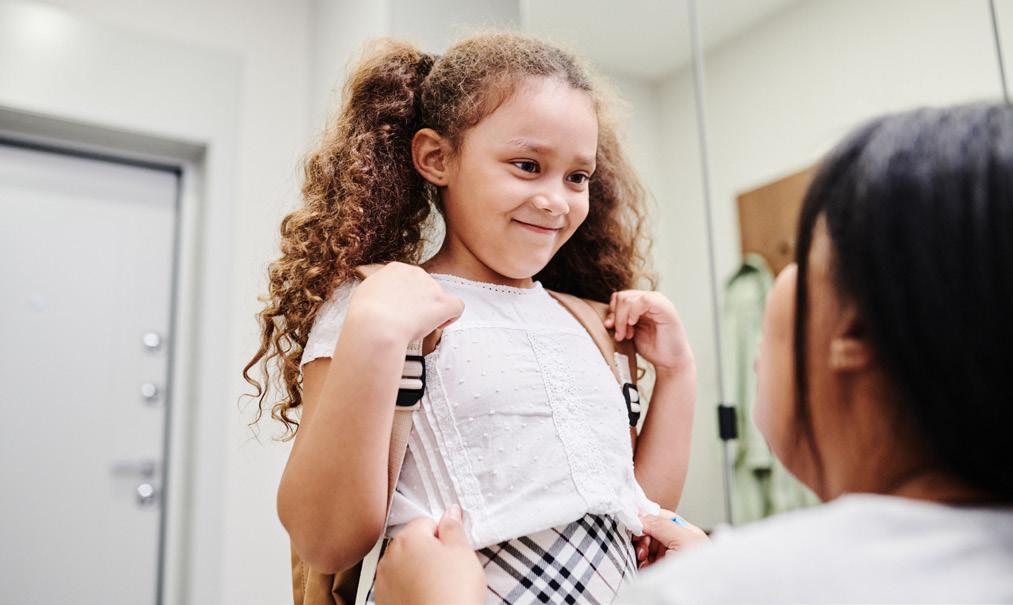
Back-to-School Made Easy: Top Tips From a Mom of Two
BY STEPHANIE NORMAN
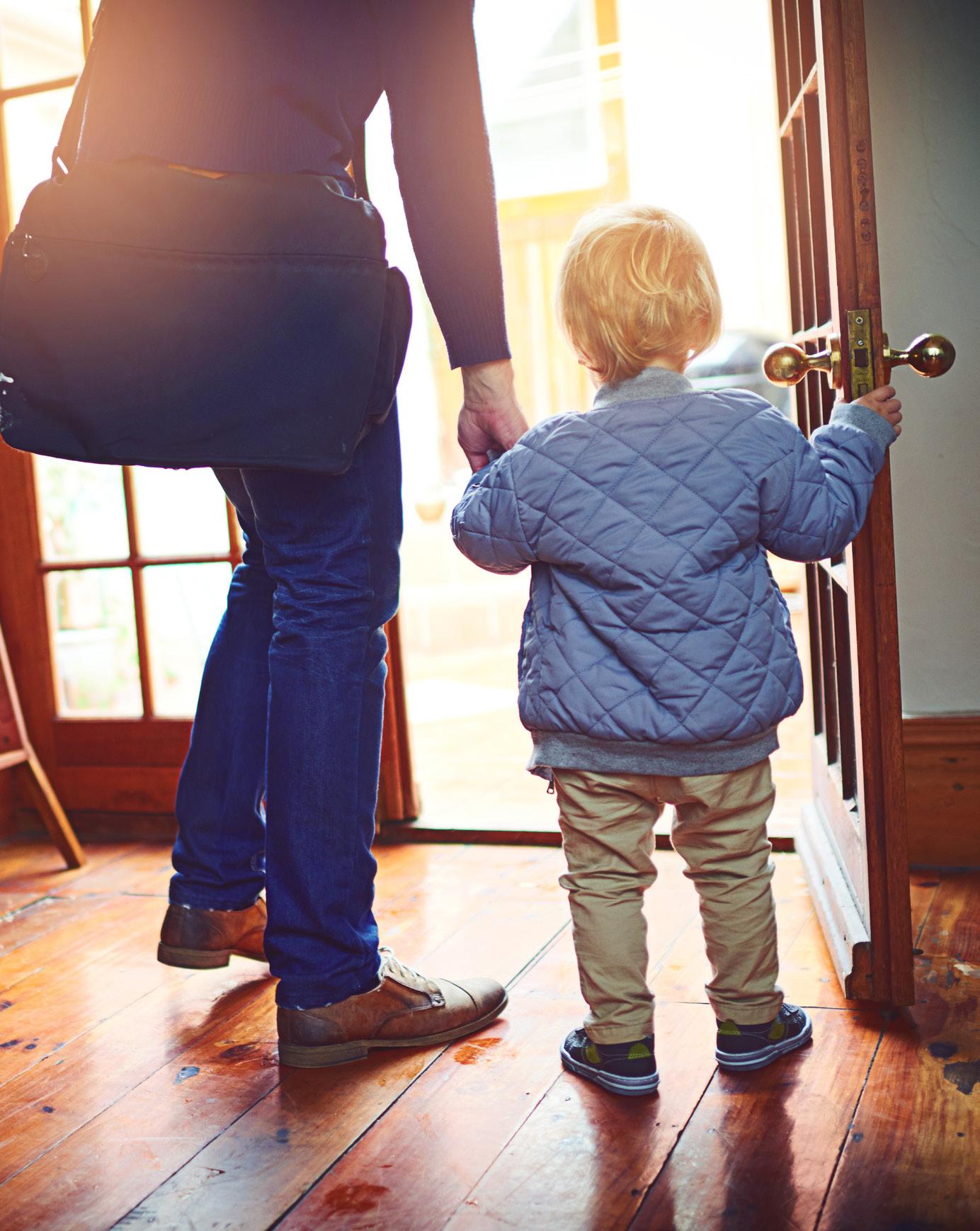
As a mother of two with a full-time job and a board member for multiple nonprofits, I find mornings a bit hectic in our household. My 2-year-old son and 4-year-old daughter have very distinct preferences in the morning. My son likes to wake up full of energy, but my daughter loves to sink back into her cozy bed for a few extra minutes … which can put a monkey wrench in our morning routine.
Here are some tips for those who also have hectic mornings, sleepy kiddos and a full list of things to get done before heading out the door.
1.
Set that alarm clock at least 15 minutes earlier than your kiddo’s intended wake-up time. Spend that 15 minutes on yourself — whether it is grabbing a cup of coffee, a quick hot shower or taking the time to reflect on what you're grateful for. You'll improve your outlook on the day, which will help set the pace for the overall vibe during your morning routines.
2.
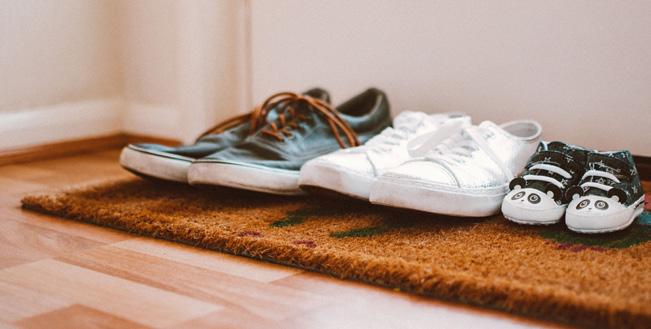
Keep everyone's shoes in one place. We keep our shoes at the front door on a shoe rack. Each kid has their own shelf, and it just makes it so much easier to keep them right at the door so that we can grab them on our way out.
3.
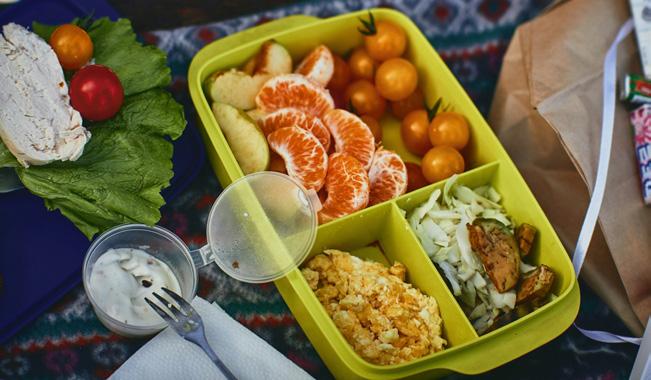
Use leftovers from dinner for your kiddo’s lunchbox. After dinner, I box up the leftover veggies and fruits for my daughter's lunch. This makes it a little easier when I’m packing up her lunchbox in the mornings.
4.
Pick out the outfits the night before. We added this into our bedtime routine so that we could try to shave off a few minutes of time in the mornings. It's hit or miss because sometimes my kiddos change their minds about what they want to wear, but it's worth a try!
5.
Make it fun.
Put a fun spin on your morning routines; pretend like the floor is hot lava and challenge them to get to the breakfast table without falling in! Lately my family has been into the “Jungle Book,” so we pretend that Shere Khan is coming and we need to hurry back to the “village” before he arrives.
The routines that work for your family will change over time, so keep in mind that the ultimate time saver is flexibility.
The Children's Trust of Alachua County is proud to fund seven afterschool programs that help kids learn new skills, strengthen academics and build confidence completely FREE for eligible families
Check out our afterschool programs
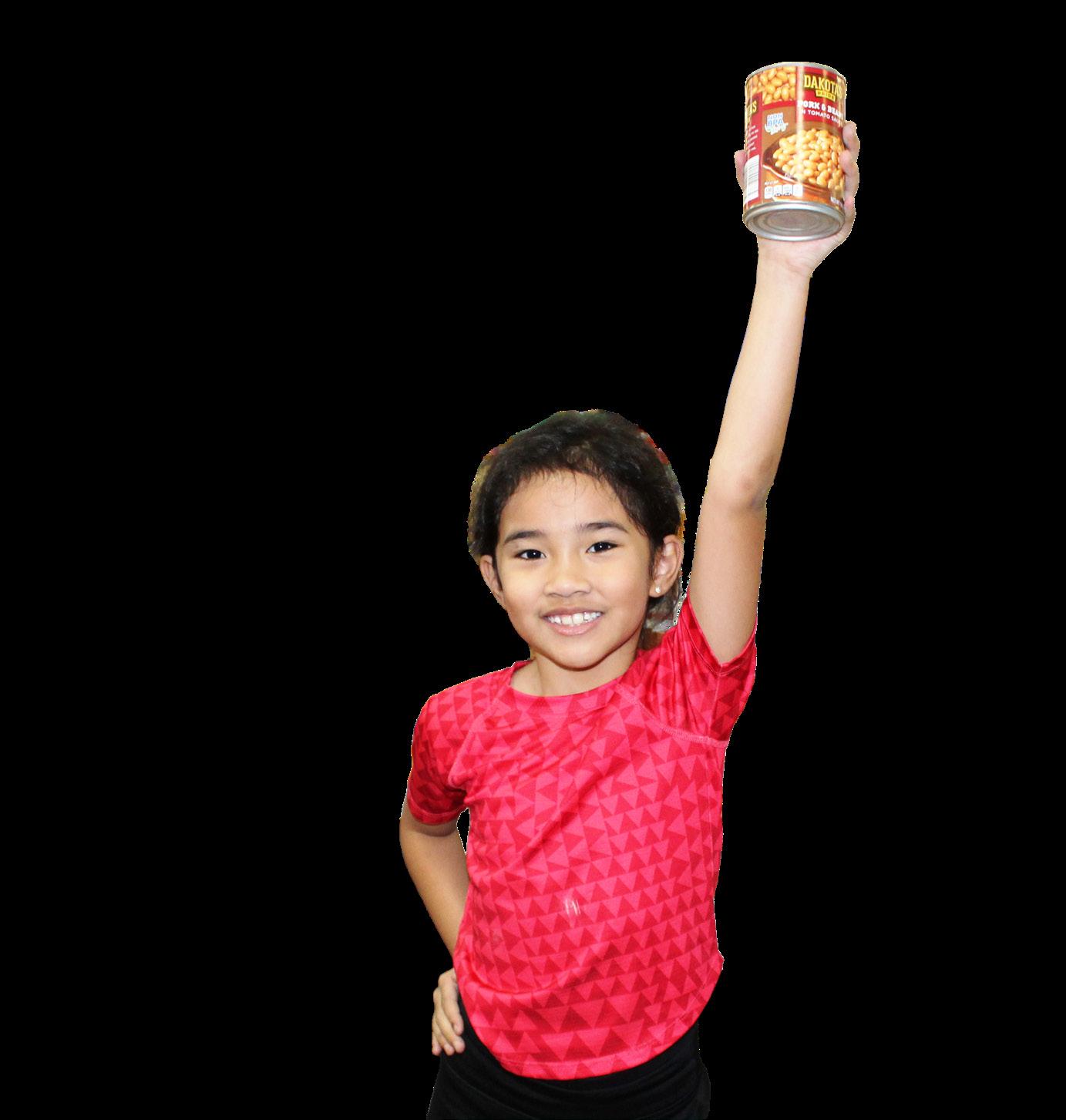
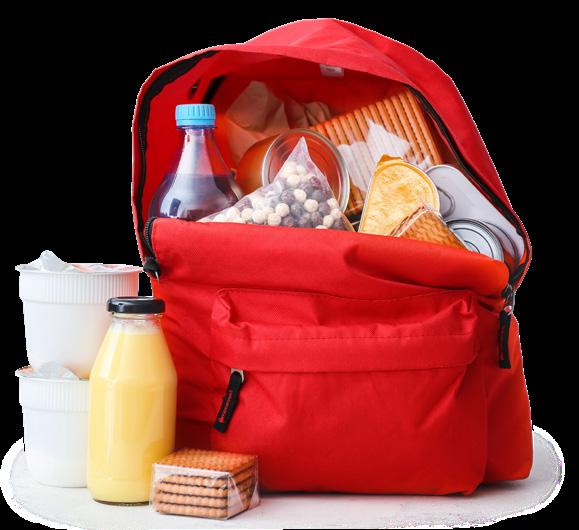
Food4Kids: Filling Backpacks, Feeding Hope
BY MARGOT DECONNA
For many children, Friday afternoon marks the beginning of a fun-filled weekend. But for far too many children in North Florida, it also marks the start of a difficult reality: uncertainty about where their next meal will come from.
Today, one in four children in North Florida is considered food insecure. That's why the Food4Kids Backpack Program of North Florida is committed to ensuring that children have access to nutritious food when school meals are unavailable.
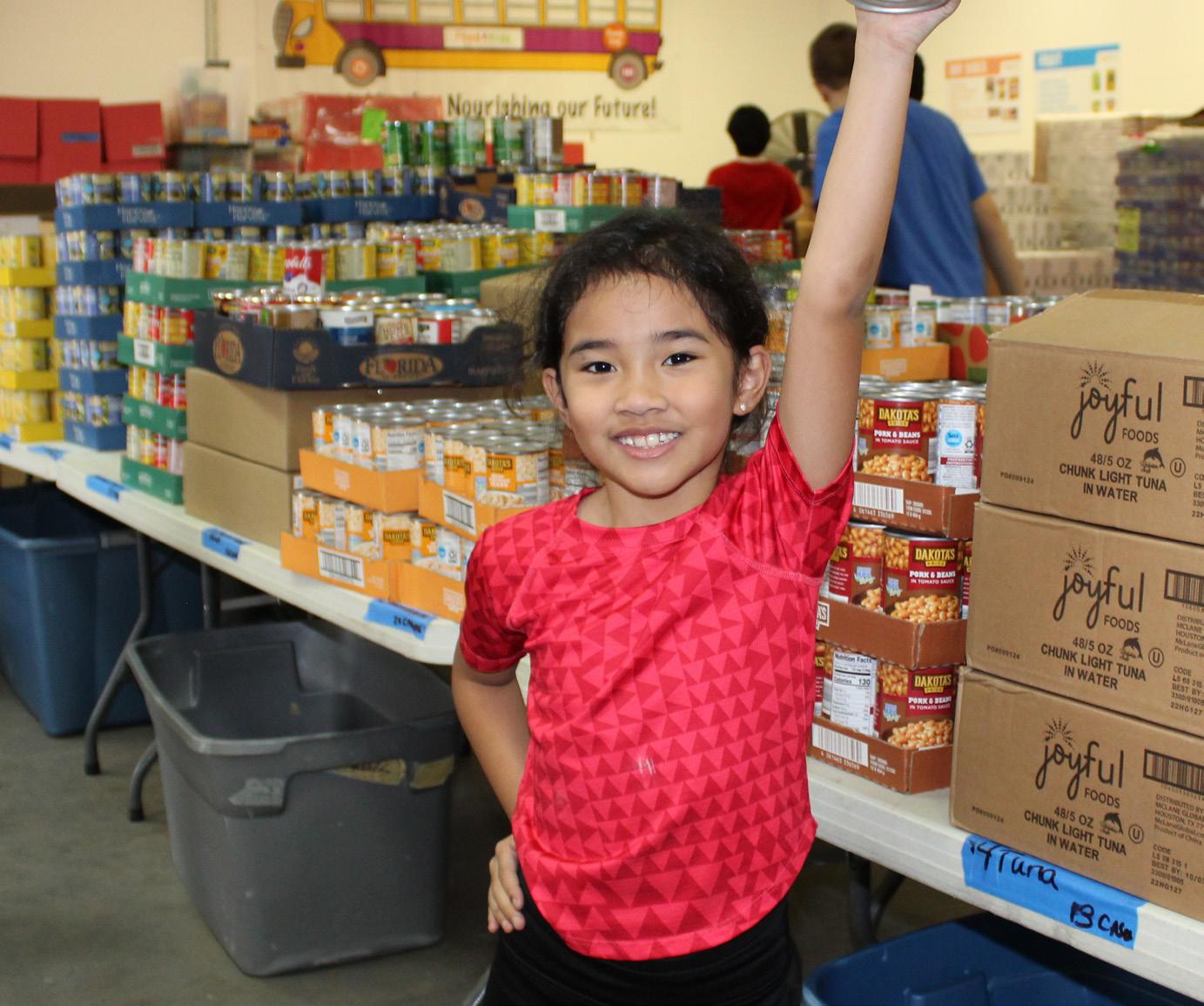
Food4Kids is a volunteer-run nonprofit organization that partners with local schools to identify and support chronically hungry children. Through the Backpack Program, students receive bags filled with childfriendly, nutritious food to help sustain them over weekends and school breaks. Last school year alone, Food4Kids served more than 1,600 children from 70 schools every weekend across North Florida.
While the backpacks provide food, the impact extends far beyond a meal.
Families often face unexpected hardships, and for many, the Food4Kids backpack becomes a vital source of stability during challenging times. One local family shared that after arriving in Gainesville homeless, the program helped them feed their son during a period of uncertainty and transition.
The parent reflected on their experience, saying, "This program helped us a huge deal. We came to Gainesville homeless, and because of this program, we were able to feed our son more comfortably. Now we have been in a house and are starting our third lease, and because of the backpack program, it's given us the ability to feed him confidently without too many worries about his nutrition and well-being growing up. We feel super blessed for this."
Another family shared how Food4Kids became a lifeline when delays in renewing SNAP benefits left them struggling to put food on the table. The weekend backpacks helped bridge the gap and ensured their children had food during a particularly difficult period.
For many children, the impact is emotional as well as physical. One parent explained, "They look forward to the weekend bag. It makes them happy. They feel like people care about them outside of just me."
These stories reflect the heart of Food4Kids' mission. The organization is not only addressing hunger, but it is also providing hope, dignity and reassurance to children and families throughout the region.
The success of Food4Kids depends on community support. Volunteers pack and distribute backpacks each week, donors help fund food purchases and local businesses, civic groups and faith organizations partner with the program to reach more children in need.
Community members can make a difference by volunteering, organizing food drives, sponsoring events, becoming recurring donors or simply helping spread awareness about childhood hunger in North Florida.
Together, we can ensure that no child has to face a hungry weekend. Through compassion, partnership and a shared commitment to our community's children, Food4Kids continues to fill backpacks, nourish young lives and create brighter futures, one child at a time.
How You Can Help
• Volunteer at a backpack packing event
• Host a food or fund drive
• Become a monthly donor
• Sponsor a child or a school
• Advocate for childhood hunger awareness
Visit food4kidsfl.org to learn more and get involved.
Photo courtesy of Food4Kids
KICKIN’ It 2026
J o J o i i n o u r n o u r i i D a n c e F a m D a n c e F a m i i l y l y
conception2college
PREGNANCY
The Pregnancy Care Dream Team: How to Get the Support You Need for Yourself and Your Baby
EARLY CHILDHOOD
Why Blue Light Is Ruining Your Toddler's Sleep
ELEMENTARY
The Third Grade Shift: Why Elementary Social Circles Suddenly Change — and How to Help
TWEEN/TEEN
How Multitasking Can Break Your Teen's Focus and Homework Quality
HIGHSCHOOL+
A Parent’s Guide to Teaching Money Management
Ages: 6 weeks to 5 years old
Teacher/Student Ratio: Infants 1/3, Ones 1/4, Twos 1/6, Threes and up 1/8
• Holy Trinity Episcopal School of Gainesville has served families in the Gainesville area since 1974.
HOLY TRINITY EPISCOPAL SCHOOL
• Located downtown just minutes from UF, Shands and the VA.
• Walking distance to City Hall.
• Small class sizes with low teacher to student ratios.
• Full-time care for infants along with full-time or part-time care for one years old to five years old.
• They are an outreach mission of Holy Trinity Episcopal Church and open to all faiths and backgrounds.
• Scholarships for School Readiness families are available.
• State approved curriculum with age appropriate play based activities.
• Tuition discount for first responders
{ PREGNANCY }
The Pregnancy Care Dream Team: How to Get the Support You Need for Yourself and Your Baby
BY LINDSEY JOHNSON, MS, MCHES, CF-L2
They say it takes a village to raise a child — yet some mamas try to do it all on their own. Being a parent in today’s world is challenging, but there’s no reason to tackle it solo. From conception to childbirth and beyond, enlist the help of your dream team for the support you need to help you enjoy every moment of the process.
Core Medical Team
For the Mother-to-Be:
Once those two lines appear on the pregnancy test, it’s time to start scouting out the medical team that will care for you and your baby. Most mothers will seek the services of an obstetriciangynecologist (OB-GYN), a physician who oversees prenatal care, including screening tests and physical exams. This provider will also perform the delivery of the baby. If your pregnancy is considered low-risk, you may choose a certified nurse midwife (CNM) for your prenatal and postnatal care, as well as delivery. For high-risk pregnancies, your OB-GYN may refer you to a maternal-fetal medicine specialist (also called a perinatologist), who specializes in high-risk pregnancies including situations of multiple births or health concerns with the mother or baby.
For the Baby:
During your pregnancy, you should select a pediatrician, a medical provider who specializes in the health of infants and children. You may wish to interview some different practices to see if they are the right fit. Your OB-GYN may be able to provide recommendations if this is new terrain. It’s important to set this up before the baby's birth because the pediatrician will do their first baby check-ups in the hospital before discharge.
Physical Health and Wellness Support Team
Your physical health and wellness is important, especially during pregnancy! Your lifestyle choices now directly impact your baby as well so pregnancy can be a good time to clean up some habits or stay the course with healthy practices. Your pregnancy dream team can help support you with your changing physical and wellness needs.
A registered dietitian (RD) is a great resource to help understand what you need during pregnancy to ensure you and your baby are receiving adequate nutrition. This can be particularly useful if excessive weight gain is a factor or if there are other medical concerns like gestational diabetes or special dietary needs.
Physical activity is beneficial for most women during pregnancy. It can help prevent gaining excessive weight as well as prime your body for an easier delivery and recovery. However, not all exercise is advisable for pregnant women. Finding a trainer who is well versed in prenatal exercise can help you safely stay strong and active during pregnancy.
During your pregnancy, the extra weight of the baby and the placenta can sometimes put extra strain on the back. To help provide relief for associated aches and pains, you may wish to find a chiropractor with prenatal training to help manage musculoskeletal discomfort as well as postural changes. A massage therapist offering prenatal massages can be another resource to help you feel your best when your body feels a little out of sync.
A provider who can assist with pelvic pain, back pain, urinary leakage, birth preparation and postpartum recovery is a pelvic floor physical therapist. They work with many issues
experienced by pregnant women both during and after pregnancy.
If you plan to breastfeed your baby, seek out a lactation consultant (IBCLC). Despite what many people think, breastfeeding doesn’t always happen easily on its own. These consultants support breastfeeding preparation before birth and help troubleshoot any feeding challenges afterward.
Mental and Emotional Health Team
Pregnancy creates hormonal fluctuations, both during gestation and after, that can wreak havoc on your emotions. You are also dealing with some major physical changes as well as a complete life upheaval. You are learning how to adapt in your changing body while simultaneously contemplating how to integrate this new family member and what this means for your daily routine. This can be a very exciting but also unsettling time. Enlisting the services of a therapist or mental health counselor can help you manage anxiety, stress, depression, relationship changes or other concerns in a non-judgmental way. Many new mothers experience the “baby blues,” postpartum depression or other Perinatal Mood and Anxiety Disorders (PMADs). Reaching out for help to get you through it is a sign of strength, not weakness.
people for help in whatever capacity you need — rides, meals, encouragement, laundry or even watching the baby so you can take a nap. If you have older children, you may want to line up a childcare backup person that you can call in a pinch to watch the other kids when you go in for labor and delivery.
you prepare for any healthcare costs not covered by insurance, childcare expenses and general budgeting for monthly bills. They can also advise on setting up educational plans to start putting away a little money for secondary education.
Many physician practices or hospitals also offer support groups that provide connection with others in similar pregnancy stages or parenthood. It can be helpful to connect with others going through similar experiences to share how you handle certain situations and as a place to vent frustrations.
Your Personal Support Team
Your personal support team is a critical component during this life stage. If you have a partner or co-parent, they can help with emotional support, practical assistance and shared decision-making. This role may also be filled by a friend or family member. Rely on these trusted
Many women enlist the services of a doula, a trained professional who acts as your personal advocate and coach throughout pregnancy and new parenthood. Doulas do not perform medical care but instead provide emotional, physical and informational support and work with you and the medical team to assure you are well cared for.
Practical Life Support
If you are currently employed, you will need to make arrangements with your employer regarding your leave. Meeting with your human resources representative (HR) can help you understand your benefits for maternity leave, compensation and insurance coverage (including how to add your newborn to your plan). Creating a plan with your supervisor can help the team be better prepared for your absence and how your duties will be covered while you are away.
A financial advisor is a wealth of information regarding planning for your growing family. An advisor may help
Depending on your family’s needs, consider hiring a household helper. This could be a cleaning service, dog walker, errand runner, laundry service or whatever small tasks you can delegate so you have more time and energy for yourself and your growing family, particularly in the early weeks or months.
Surrounding yourself with others who can help in small but significant ways will help ease the transition. Finding the right providers will allow you the opportunity to focus on yourself and your baby. Create your dream team and then utilize their services. A happy mama helps create a happy household.
Please consult your provider before seeking the services of other professionals for guidance on whether it is medically appropriate for you.
Why Blue Light Is Ruining Your Toddler's Sleep
BY ALEXANDRA BURNS
Nights can be challenging enough with a toddler — but if your little one has been struggling to wind down lately, you might want to consider blue light.
Blue light, the kind that comes from tablets, phones, televisions and some nightlights, is one of the most unexpected sleep disruptors for young children. And toddlers are especially vulnerable to it.
What Blue Light Does to a Toddler’s Brain
A human’s body uses melatonin — a hormone — to signal that it's time to sleep. Blue light tells the brain to pause that process. According to the Sleep Foundation, blue light suppresses melatonin production, essentially tricking the brain into thinking it's still daytime, even when the sun has been down for hours.
What makes this challenging for kids is that they absorb more of it than we do. According to the Sleep Foundation, children have larger pupils than adults and are more sensitive to light, meaning the same screen a toddler watches before bed hits their system harder than it would an adult’s. Research has also found that evening light suppressed melatonin levels by twice as much in children as in adults.
It's not just bedtime screens causing the problem. According to the Cleveland Clinic, even nightlights can play a role. Sleep specialist Dr. Brian Chen stated that bright blue lights, the kind that imitate daylight, can disrupt melatonin production and throw off a child's entire sleep schedule.
The Problem Behind Screen Time Before Bed
Pediatricians and psychologists commonly advise against handing a toddler a tablet right before bedtime, but it still happens.
According to the Optometrist’s Network, it's best to avoid digital devices at least two hours before bedtime, since blue light puts the body on alert rather than easing it toward rest.
The effects also go beyond just a rough bedtime. The Optometrist’s Network states that disruptions to a child's biological clock have been linked to various health concerns, such as changes in mood and metabolic function. This isn't just about one bad night; it's about preventing unhealthy patterns from forming early on.
What Parents Can Do About It
Small routine changes make a major difference. The Sleep Foundation recommends the steps below, which don't require completely removing all screen time.
•● Create a curfew for screen time. Turn off devices at least one hour before bed and replace that time with something calming: books, puzzles, coloring, etc.
•● Remove technology from the bedroom. Keeping devices out of the designated sleep space helps remove distractions and the desire to use a device at bedtime.
•● Be picky with your nightlight. According to Cleveland Clinic's Dr. Chen, red-colored nightlights are the best option because they don't interfere with melatonin production. Orange or amber is also a good alternative.
• Turn all devices to night mode. This can reduce blue light exposure if screens are unavoidable.
•● Use blue light glasses. According to the Optometrist’s Network, a University of Houston study found that participants who wore blue-light glasses experienced a 58% increase in overnight melatonin levels. For older kids and teens doing homework on screens at night, this could be helpful.
•● Focus on spending time outside during the day. The Sleep Foundation states that lots of natural daytime light helps regulate circadian rhythms and promotes sleepiness at night.
{ 5-11 YEARS }
The Third Grade Shift: Why Elementary Social Circles Suddenly Change — and How to Help
BY ALEXANDRA BURNS
When a child suddenly starts coming home crying about friendship issues, it is typically not just a coincidence. Around third grade, something shifts in the way children relate to one another, and it can catch both kids and parents off guard.
Here is a guide to understanding what the third-grade shift is, what it looks like and how to help your child through it.
What Is the Third Grade Shift?
The third-grade shift refers to the change in how children form and maintain friendships as they move into early adolescence. In kindergarten and first grade, friendships are often based on simple things: having the same favorite color, sitting next to someone at lunch or being neighbors. By second and third grade, that can change.
According to Anderson Early Childhood School, friendships in second and third grade become more selective and defined. Children begin to categorize relationships and place more weight on the term “best friend” — someone with shared interests, hobbies and time. This can lead friendship circles to shrink or disperse as their members become more selective about whom to devote their time and energy to.
When children reach third grade, individual differences in friendships start to predict developmental outcomes, according to a study published in the National Institutes of Health. In other words, the friendships a child forms and loses can have a greater impact on their future behavior and emotional development.
Signs That Friend Groups Are Changing
According to Anderson Early Childhood School and parental forums, here are some signs that a child’s social circle might be changing.
• They stop mentioning friends they used to talk about.
• They come home quieter or more withdrawn after school.
• They express feeling left out or say their friend "does not want to play with me anymore."
• They start focusing more attention toward a new group of kids with different interests.
• They become more aware of who is "popular.”
How to Help Your Child Through It
Through open communication and support, parents can play a key role in emotionally guiding their child through this temporary but challenging period.
According to Anderson Early Childhood School, the goal is not to eliminate friendship problems but to understand what is normal, teach skills that make healthier relationships and build resilience so children can navigate challenges without depending on an adult.
Here are some tips to help:
• Have open, non-judgmental conversations. Ask low-pressure questions like, "Who did you sit with at school today?”
• Validate their feelings. Let them know it makes sense and is OK to feel sad or confused when friendships change.
• Avoid talking negatively about other kids, like calling them a “bad friend.” Instead, discuss how their behavior was hurtful or not thoughtful.
• Help them create new friends. Encourage activities outside of school, like sports or clubs, where they can meet kids with similar interests.
• Normalize the change. Remind them that changes in friendship are something almost everyone goes through.
How Multitasking Can Break Your Teen's Focus and Homework Quality
BY ALEXANDRA BURNS
Upon arriving home from school, many parents often look into their teen’s bedroom and hope to see them deeply focused on their homework, but that is often not the reality. Instead, the modern, typical homework session might involve an open laptop, a buzzing smartphone, music, a FaceTime call and television on in the background.
While many teenagers believe they are simply just “good at multitasking,” research shows that constantly switching between tasks during homework can do more harm than good — damaging the quality of their work and their ability to focus.
Why the Human Brain Can't Truly Multitask
Though it is easy to assume that tech-savvy teenagers’ brains work differently, studies show that this is not the case.
According to Brown University Health, the human brain is not wired for multitasking; we are designed to be "monotaskers" who focus on one thing at a time. When a teen writes an essay while texting, their brain rapidly switches back and forth between tasks, which exhausts their neurological system and reduces efficiency.
Hidden Side Effects on Learning and Mood
Constantly switching between tasks can negatively impact a teen’s academic success and emotional well-being. Here
are some of the possible side effects of multitasking during homework or studying:
• "Resumption Lag”: Switching between devices creates a mental delay. According to the Child Mind Institute, there is a lag, known as “resumption lag,” between when a student is interrupted and when they collect their thoughts to resume their original assignment.
• Increased Mental Exhaustion: Divided attention requires more brain power to complete basic tasks. According to Brown University Health, multitasking temporarily spikes stress levels, raising blood pressure and heart rate, leading to chronic mental fatigue.
• Poor Focus and Memory: According to the Child Mind Institute, constant digital distractions limit teens' ability to think critically, resulting in lower-quality homework and poorer information retention.
Solutions for Better Study Habits
Breaking the habit of digital multitasking during studies does not mean removing technology entirely. But it does require establishing boundaries.
To prevent an unproductive cycle caused by multitasking, consider trying out these tips to see if you notice a difference in your teen's daily routine.
• Establish a "single-tasking" rule. Encourage your teen to dedicate a specific, uninterrupted block of time, like 30 minutes, to a single assignment before taking a break. This can help them conserve mental energy, allowing them to complete higherquality homework more quickly.
• Keep devices in another room. The presence of a smartphone alone reduces cognitive performance. According to the Child Mind Institute, storing your teen’s phone in a separate room during study sessions can eliminate the temptation to scroll.
• Plan technology breaks. Schedule routine breaks. For example, after 45 minutes of homework, your teen can have a designated 10-minute period away from their desk to check notifications.
{ 14 YEARS AND ABOVE }
A Parent’s Guide to Teaching Money Management
BY ALEXANDRA BURNS
Teaching teenagers how to manage money is one of the most important — and often overlooked — lessons a parent can provide. The earlier these conversations begin, the better equipped teens are to handle the financial responsibilities that come with adulthood.
According to the Education Data Initiative, Gen Z currently makes up 35.2% of all student loan borrowers in the country, and 84% of Gen Z with student loan debt have delayed major financial investments, such as buying a home or starting a business.
Instilling good money habits now can help your teen avoid debt and the financial consequences of prior decisions. Here is a guide to help you set your teen up for financial success and get that conversation started.
Conversations to Have With Your Teen
According to Bank of America Private Bank, age 13 is an appropriate time to begin having more in-depth conversations about money management. These conversations do not need to happen at once. Instead, they can be an ongoing dialogue that builds over time off of everyday moments and questions.
Some topics to discuss include:
• What everyday expenses look like, such as groceries, gas and utilities, and why needs should come before wants when budgeting
• How financial decisions are made, including how to compare prices, make thoughtful purchases and successfully save
• What debt means and how it can lead to higher future expenses
The 50/30/20 rule is a simple budgeting method that works well for just about anyone, especially teens who are getting started.
Creating a judgment-free and honest space for your teen to ask questions about money is key. According to Bank of America Private Bank, the goal is to open the door to deeper, ongoing discussions that effectively share your family's values around finances.
Opening a Checking and Savings Account
One of the most effective ways to teach teens about money is to give them handson experience managing it themselves. According to Navy Federal Credit Union, when a teen opens a savings account, they can learn how to keep their money secure and earn interest. A checking account offers the opportunity for them to gain real practice with a debit card, everyday transactions and tracking their spending.
After you have guided your teen in opening a bank account, show them their monthly statement. As stated by Empeople Credit Union, when a teen watches their savings account grow, it can motivate them to contribute more consistently over time.
The 50/30/20 Rule
The 50/30/20 rule is a simple budgeting method that works well for just about anyone, especially teens who are getting started.
According to Navy Federal Credit Union, the breakdown is: 50% of income goes toward needs, 30% toward wants and 20% into savings. For a teen earning $250 a month, that means $125 for necessities like gas or lunch, $75 for entertainment and fun and $50 set aside in savings.
This method helps teens strengthen awareness of where their money goes and begin making more intentional choices about how they spend it.
Basic Money Management Tips
Here is a list of basic money management tips to help get your teen started.
• Create short-term and long-term savings goals, such as one month and one year.
• Follow the 24-hour rule: Before purchasing anything over $20, wait a full day to determine whether it is a want or a need.
• Allow teens to experience the consequences of overspending. This includes having to cut back spending one month if the budget was exceeded the prior month.
• Discuss the meaning and long-term significance of credit. According to Empeople Credit Union, many young adults have little to no credit history, which can later affect their ability to rent an apartment, finance a car or be approved for a loan.
• Consider opening a joint account with your teen to monitor their spending and guide them through financial decisions along the way.
• If your teen depends on you for all financial matters, consider depositing a set amount into their bank account each month, rather than handing them cash or sending them money digitally throughout the week. Then discuss with your teen how you expect the account to be used — entertainment, lunch food, gas, shampoo, etc.
Dance With Us!
Dance Arts
From Field to Fork: The Ultimate Guide to Alachua County Farmers Markets
BY ALEXANDRA BURNS
Whether you're looking for fresh Saturday produce or a Monday evening activity, Alachua County has an incredible local food and market scene. Here is your quick guide to the exact where, when and what of every farmers market in and around Gainesville.
This list was curated using Google Maps and research from local farmers market websites.
Alachua County Farmers Market
LOCATION: 5920 NW 13th St., Gainesville
TIME: Every Saturday from 8:30 a.m. to Noon (rain or shine)
WHAT THEY OFFER: This "growers-only" market sells items with primary ingredients that have been locally grown, raised or produced. It is a great spot for grocery shopping, offering massive selections of seasonal produce, local meats, dairy, eggs, honey, cottage baked goods like fresh bread and more. Arrive early, as many vendors sell out.
Grove Street Farmers Market
Haile Farmers Market
LOCATION: Haile Village Center at 5213 SW 91st Terrace, Gainesville
TIME: Every Saturday from 8:30 a.m. to Noon
WHAT THEY OFFER: An independent, farmer-owned market set on tree-lined streets. This market is perfect for a weekend stroll, offering local produce, seafood, coffee, meats, fresh breads, cheese, pastries, plants and local handmade gifts and crafts.
High Springs Farmers Market
LOCATION: Cypress & Grove Brewing Company, Gainesville
TIME: Every Monday from 4 p.m. to 7 p.m.
WHAT THEY OFFER: A vibrant outdoor neighborhood market with a mix of seasonal organic fruits and vegetables, farm-fresh eggs, free-range beef and chicken, local cow and goat milks and cheeses, baked goods, artisan crafts, coffee and more. Sip on a craft beer from the brewery while strolling through the market.
LOCATION: Downtown High Springs at 23517 NW 185th Road
TIME: Every Friday from 3 p.m. to 7 p.m.
WHAT THEY OFFER: About a half hour drive from Gainesville, this market features local fruits and veggies, poultry, plants, housemade jams, jellies, baked sweets, artisan crafts, meal vendors and more. The market also offers SNAP-eligible items.
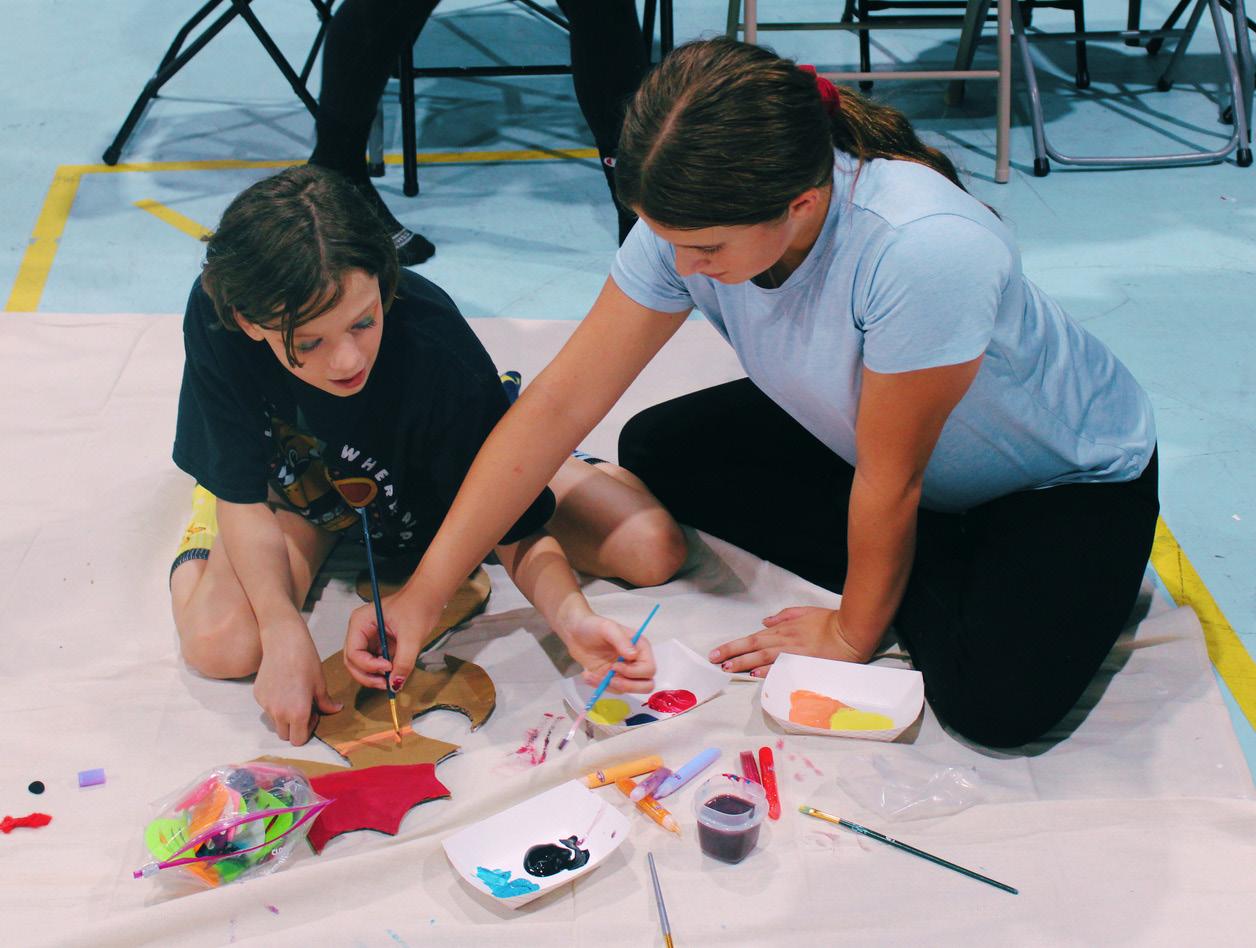
Big Learning, Little Budget: Free Educational Adventures for Kids
BY COLE PURVIS
The fall welcomes new opportunities to learn and explore beyond the classroom, and not all of them come with a price tag. From museums and nature centers to libraries and hands-on workshops, Alachua County is home to plenty of free experiences that can keep curious minds engaged long after the school bell rings.
Whether your child loves art, history, science or simply exploring something new, these six local spots offer educational fun without stretching the family budget.
Matheson History Museum
LOCATION:
513 E. University Ave., Gainesville, FL 32601
WHAT TO KNOW:
History comes alive at the Matheson History Museum in downtown Gainesville. The museum offers free admission yearround and regularly hosts programs that explore Florida history, local culture and notable figures from the region. It's a great place to spark conversations about how the community has changed over time.
HOURS: Wednesday to Saturday, 11 a.m. – 4 p.m.
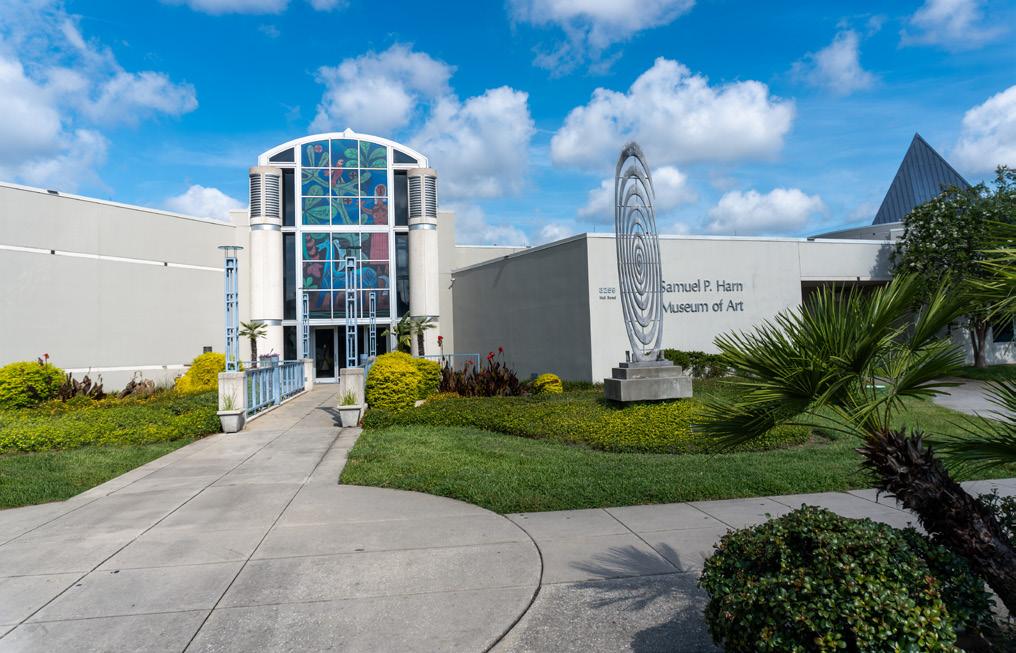
Samuel P. Harn Museum of Art
LOCATION:
3259 Hull Road, Gainesville, FL 32608
WHAT TO KNOW:
The Harn Museum of Art is one of Gainesville's hidden gems. Families can wander through exhibits featuring art from around the world while introducing children to different cultures, ideas and artistic styles. The museum also offers family resources and educational programming throughout the year.
Part nature preserve and part living history lesson, Morningside Nature Center gives kids a chance to explore trails, observe wildlife and step back into 1870s Florida at the Living History Farm. It's an ideal outing for children who love the outdoors and hands-on learning.
HOURS:
Nature trails: Daily, 7 a.m. – 8 p.m.
Living History Farm: Monday – Saturday, 9 a.m. – 4:30 p.m.
Alachua County Library District
LOCATION:
Multiple locations throughout Alachua County
WHAT TO KNOW:
Libraries are so much more than books. The Alachua County Library District offers story times, makerspace activities, literacy programs and special events for children of all ages. Even on days without scheduled programs, libraries remain one of the best free places for kids to discover new interests.
HOURS:
Vary by branch. Most locations are open Monday to Saturday, with select Sunday afternoon hours.
Children's Trust of Alachua County
LOCATION:
Countywide (programs offered through community partners)
WHAT TO KNOW:
The Children's Trust of Alachua County operates a little differently than the other organizations on this list. Rather than serving as a single destination, it acts as a hub connecting families to free and low-cost programs, summer camps, tutoring services and afterschool opportunities throughout the county. Parents looking for educational resources should keep it on their radar.
HOURS: Vary by program
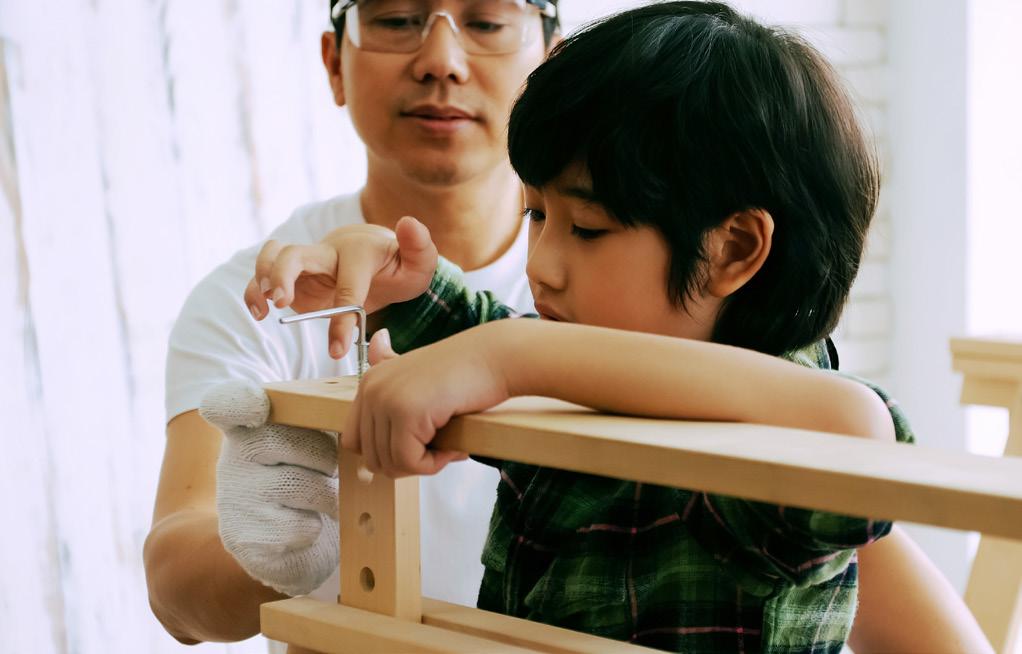
Home Depot Kids Workshop
LOCATION:
7107 NW 4th Blvd., Gainesville, FL 32607
WHAT TO KNOW:
Who says learning can't involve a hammer and a little sawdust?
The monthly Home Depot Kids Workshop gives children the opportunity to build simple projects while developing creativity, problem-solving skills and confidence. It's a fun way to introduce kids to hands-on learning and basic building concepts.
HOURS:
First Saturday of every month, 9 a.m. – Noon (while supplies last)
aug/sept
Recurring Events
Sun Country Sports Center Kids
Night Out
6:30 - 8:30 p.m. | Sun Country Sports Center (West) suncountrysports.com/kidsnightout
Take your kids to a night out at Sun Country Sports. Here, your children will get to play group games and enjoy a ninja zone and outdoor playground. Pizza is included, and preregistration is recommended.
This event repeats the third Friday of each month.
Free Fridays Concert Series
7 - 9 p.m. | Bo Diddley Plaza gainesvillefl.gov
Every Friday, go see amazing free music at Bo Diddley Plaza.
This event repeats every Friday. (Free)
Ranger-Led Tour at Devil’s Millhopper
10 - 11 a.m. | Devils Millhopper Geological State Park floridastateparks.org
Learn about Devil’s Millhopper Geological State Park on this ranger-led tour. Reserve your spot. This event repeats every Saturday.
Stay and Play is a safe and fun environment for kids 5 and under and their parents. Kids will enjoy open play and obstacle courses. This preschool gym offers equipment especially designed for your little ones.
This event repeats every Wednesday, Friday and Saturday.
Bring 2 carrots to pay for your admission to feed retired horses!
This event repeats every Saturday.
Splash Jam
11:30 a.m. - Noon
Sun Country Sports Center (West) suncountrysports.com
Come for some extra time in the pool to improve your skills! Available for children ages 3 and up.
This event repeats every Saturday.
The 14th Annual Red Shoe Affair promises to be an extraordinary evening in support of Ronald McDonald House families. The festivities will be packed with a silent & live auction, heart-warming family stories, exquisite cuisine by Embers, open bars, dancing, and more!
Secure your tickets today to make a meaningful impact before we sell out.
SATURDAY, AUGUST 15 | 6PM
STEPHEN C. O’CONNELL CENTER
Ninja Jam
Noon - 12:55 p.m.
Sun Country Sports Center (West)
suncountrysports.com
Learn the ways of the ninja. Available for children ages 3 and up.
This event repeats every Saturday.
Gym Jam & Gym Jam Junior
12:20 - 1:15 p.m.
Sun Country Sports Center (West)
suncountrysports.com
Participate in gymnastics classes divided by age and skill level. Gym Jam is available for children ages 5 and up. Gym Jam Junior is available for children aged 3 years and 9 months to 5 years. This event repeats every second and fourth Saturday of the month.
Little Sparks
10:15 - 11:00 a.m.
Cade Museum for Creativity & Invention cademuseum.org
Little Sparks is a fun and interactive program that introduces littles (ages 0-5) to science concepts through music, dancing, crafting, story time and more. Each child will receive a personal Little Sparks kit with all their own supplies to extend the fun and learning at home.
This event repeats every Thursday, Saturday and Sunday.
Story
Time at the Zoo
10:30 - 11 a.m. | Santa Fe College Teaching Zoo aclib.us/storytime
The Santa Fe College Teaching Zoo and the Alachua County Library host a free story time in front of the zoo on the lawn. Feel free to visit the zoo afterward!
This event repeats on the third Wednesday of every month. (Free)
Gainesville Cars & Coffee at Tioga
9 - 11 a.m. | Tioga Town Center
gainesvillecarsandcoffee.com
Tioga Town Center Local automotive enthusiasts can get together and enjoy a cup of coffee while looking at everyone’s vehicles! All cars are welcome, regardless of whether they are imports, exotics or classics.
This event repeats on the first Saturday of every month. (Free)
SATURDAY, AUGUST 1
Decade at Depot Park
7 – 11 p.m. | Depot Park facebook.com/events
Celebrate 10 years of Depot Park with a kids' dance party, a concert for young adults with local bands, food trucks, train rides, a photo booth and more. (Free)
MONDAY, AUGUST 4
First Day of School: The Rock School DP Program 11 & 12 Grade
MONDAY, AUGUST 5
First Day of School: The Rock School K-10
WEDNESDAY, AUGUST 5
Early Spanish Florida: An Author
Talk with Judith Bense
7 p.m. | Matheson History Museum mathesonmuseum.org/events
Join distinguished archaeologist and historian Judith A. Bense for an engaging talk about her book “Early Spanish Florida: Unearthing the History of America’s Oldest Colony.” Books will be sold at this event, and there will be a Q&A with Dr. Bense following the presentation. (Free with registration.)
SATURDAY, AUGUST 8
First Annual All-City Games
10 a.m. - 2 p.m. | MLK Center facebook.com/events
This event features basketball, volleyball, flag football and cheer and is about bringing the city together and creating opportunities. The proceeds help support the Enduring Hope Center’s programs. There will be vendors and sports competitions.
SATURDAY, AUGUST 8 – SUNDAY, AUGUST 9
9th Annual Gainesville Indoor Pickleball Showcase
Alachua County Sports & Events Center gainesvillesportscommission.com/events
Whether you’re new to pickleball, unsure of your level or need help choosing the right bracket, out team is here to help get you on the courts. The showcase is hosted by Gainesville Sports Commission, presented by Touching Hearts at Home Gainesville and benefits ElderCare of Alachua County.
MONDAY, AUGUST 10
First Day of School: Alachua County Public Schools
TUESDAY, AUGUST 11
First Day of School: Saint Francis Catholic Academy Saint Patrick's Interparish School
Queen of Peace Catholic Academy
WEDNESDAY, AUGUST 12
First Day of School: Oak Hall School
SATURDAY, AUGUST 15
Red Shoe Affair
6 p.m. | Stephen C. O’Connell Center rmhcncf.org/event/red-shoe-affair
The 14th Annual Red Shoe Affair will support the Ronald McDonald House families and celebrate the organization’s new house. There will be silent and live auctions, family stories, food, open bars,
Enjoy some quality time together at this month’s UF/IFAS Family Fishing Day!
SATURDAY, AUGUST 15
Dance Alive National Ballet Auditions
12:30 – 6 p.m. | Pofahl Studios | dancealive.org
Aspiring dancers ages 7-18 are invited to audition for Dance Alive National Ballet's 2026-27 season, including roles in The Nutcracker and the Next Generation youth company. Auditions are open to ballet students, jazz dancers and tumblers, with age- and skill-specific audition times. A $25 audition fee applies, and dancers should arrive 30 minutes early to register.
SATURDAY, AUGUST 22
2026 Acrosstown Repertory Theatre Annual Gala & Fundraiser
Enjoy scenes from the theatre’s upcoming 45th season, food, beer and wine, a silent auction and more, all the while supporting a good cause. Cocktail attire is encouraged. Tickets start at $45.
SATURDAY, AUGUST 22
Caribbean Street Fest
4 - 8 p.m. | The Oaks Mall facebook.com/events
Enjoy an evening of jerk smoke, soca beats, fire dancers, limbo lines, flags, food and artisan vendors, music and more.
FRIDAY, AUGUST 28
Tailgate Party at the Shoppes at Thornebrook
5 - 8 p.m. | Shoppes at Thornebrook facebook.com/events
Fun for the whole family at the Shoppes at Thornebrook! Celebrate the return of football season with a variety of food trucks, music and pop-ups from your favorite local vendors.
SATURDAY, AUGUST 22
A Legacy of Excellence: African American Education in Rural Alachua County during Segregation
2 p.m. | Matheson History Museum mathesonmuseum.org/events
Matheson Board first Vice President E. Stanley Richardson and Veloria Kelly will moderate a panel discussion of former students, educators and historians about African American education in rural Alachua County during segregation. (Free with registration.)
SATURDAY, AUGUST 29
2026 Cupcakes & Conversations: College Discoveries
2 - 5 p.m. | Santa Fe College Charles L. Blount Center eventbrite.com
Middle and high school students and parents/ guardians are invited to this all-things-college workshop! Attendees can connect with local college resources, walk the day-in-the-life of a college student and enter college prep giveaways.
SATURDAY, AUGUST 29
African American Legacies in Florida: 250 Years of American Ideals and Global Impact
10 a.m. - 4 p.m. | Matheson History Museum mathesonmuseum.org/events
Presented by the African & African American Historical Society, Inc. and local organizations. (Free with registration.)
SATURDAY, AUGUST 29 – SUNDAY, AUGUST 30
Our Town Home & Garden Show
Saturday, 9 a.m. - 5 p.m. | Sunday, 10 a.m. - 5 p.m. Alachua County Sports and Event Center gainesvillehomeandgarden.com
The Town Magazine and the Builders Association of North Central Florida will host a Home & Garden Show! A Gainesville tradition for over 20 years, the event will bring vendors for all of your home, garden, patio and renovation needs.
MONDAY, SEPTEMBER 7 Labor Day
SATURDAY, SEPTEMBER 5
Gators Football vs. FAU
7:45 p.m. | Ben Hill Griffin Stadium floridagators.com
Come and watch as the Gators kick off their 2026 football season!
SATURDAY, SEPTEMBER 5
American Girl Plays in the Park: Friendship and Freedom
9 a.m. - 1 p.m. | Morningside Nature Center gainesvillefl.gov
Watch a play that follows Addy, an escape enslaved girl, as she begins a new life in the North during the Civil War.
SUNDAY, SEPTEMBER 13
National Grandparents Day
FRIDAY, SEPTEMBER 11
Patriot Day
SATURDAY, SEPTEMBER 12
Gators Football vs. Campbell University
5:30 p.m. | Ben Hill Griffin Stadium floridagators.com
Come and watch the Gators play!
SATURDAY, SEPTEMBER 12
Annual Sarah’s Birthday Bash
Matheson History Museum facebook.com/events
Celebrate the birthday of the museum’s namesake, Sarah Matheson, at this free event.