The Essentials of Light Installation: A Comprehensive Guide
Introduction
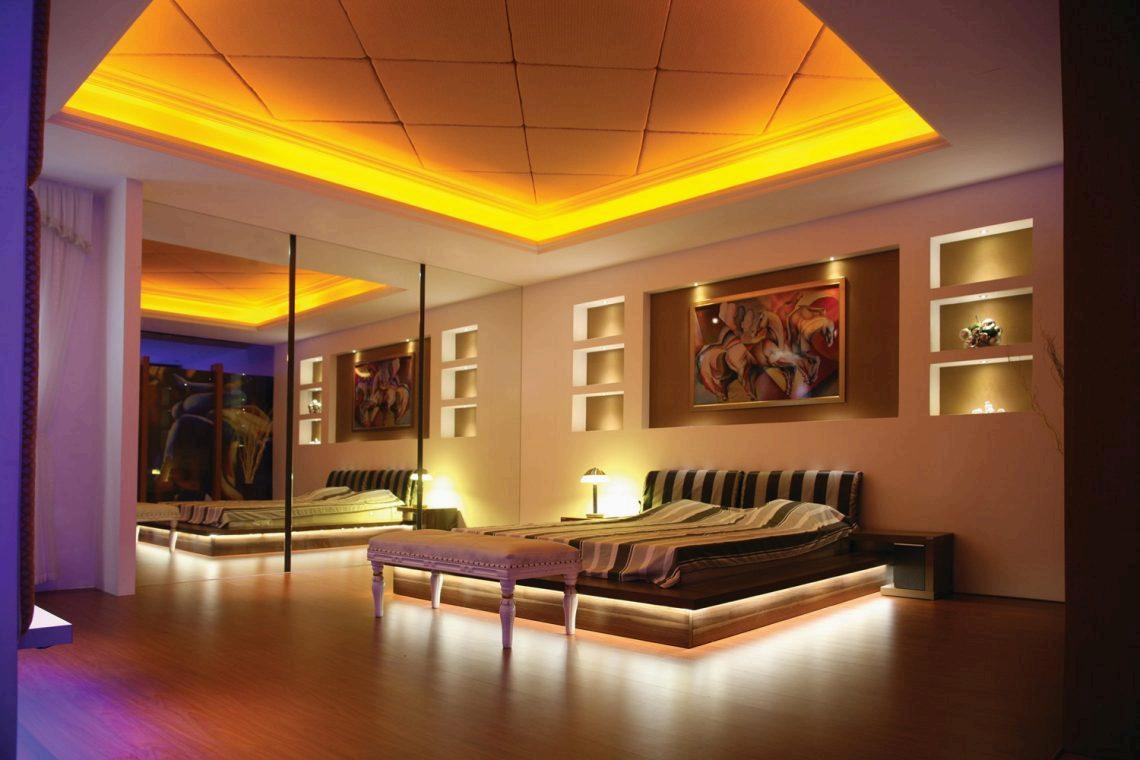
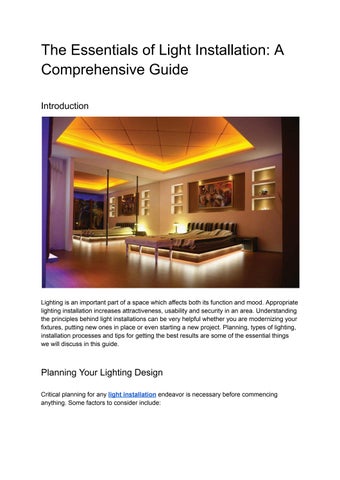
Lighting is an important part of a space which affects both its function and mood. Appropriate lighting installation increases attractiveness, usability and security in an area Understanding the principles behind light installations can be very helpful whether you are modernizing your fixtures, putting new ones in place or even starting a new project Planning, types of lighting, installation processes and tips for getting the best results are some of the essential things we will discuss in this guide
Planning Your Lighting Design
Critical planning for any light installation endeavor is necessary before commencing anything. Some factors to consider include:
Purpose and Functionality: Define what the main use of the room will be and how lighting can support that purpose. Task areas need task lights while ambient lights make living spaces cosy.
Room Layout and Size: Evaluate how the room has been structured as well as its dimensions. Larger spaces may necessitate more than one source of ceiling light installation or fitting while small rooms could do with compact focused illuminants
Style and Aesthetics: Finally, select lighting that fits well with your décor and style For example, sleek minimalist fixtures may work well in modern settings whereas traditional set-ups could accommodate ornate chandeliers or classic wall lamps
Light Sources: Choose between incandescent bulbs, LEDs or fluorescent lamps among others They have different advantages like energy efficiency, lifespan or color temperature disadvantages
Types of Lighting
With these kinds you can choose better about your installation:
Ambient Lighting: These provide general illumination throughout a room by becoming the main source of light; they include ceiling mounted fixtures such as chandeliers, pendant lights etc
Task Lighting: These throw concentrated light on particular jobs like reading or cooking; examples include desk lamps, under cabinet lights and reading lamps that can be adjusted accordingly
Accent Lighting: With it emphasis is put on specific features like art work or architectural details; track fixtures, wall sconces, recessed lights are some usual choices
Decorative Lighting: It is mainly utilized for its esthetic value to make an area more appealing in general. This may consist of string lights, decorative lamps and illuminated mirrors
Installation Process
The installation process varies from one fixture to another and the complexity of the project. Here’s a general overview of the steps involved:
Safety First: Switch off power before you begin any electrical work Use a voltage detector to ensure that the circuit is dead.
Gather Tools and Materials: Common tools include screwdrivers, pliers, wire cutters, and drills while mounting hardware, electrical tape, wire connectors, and the fixture itself are other requirements.
Mounting the Fixture: Follow manufacturer’s guidelines on how to mount your fixture For ceiling mounted fixtures attach the mounting bracket to an electrical box while wall-mounted fixtures should be supported on walls sturdy enough to hold them firmly in place.
Wiring: Connect wires from your fixture into those in your box Normally blacks (hot) connect with blacks (white), whites (neutral) go with whites (black) whereas greens or bare wires (ground) link up with ground wires too Secure these connections using wire connectors then wrap them up with insulating tape for additional security
Testing and Adjustments: Mounting and wiring done? You can now turn on power again to see if your light passes through it well Make any adjustments needed so that it aligns properly and works as intended after which you can switch it back off again
Hiring a Professional
While many light installation projects can be handled as DIY activities, there are times that it is advisable to hire an expert;
Intricate Designs: For complexity illumination sketches, significant rewiring or installations in high or inaccessible locations, the use of services from licensed electricians guarantees safe and correct performance
Safety and Compliance: Professionals are well conversant with local building codes and regulations thus ensuring that the installation adheres to safety standards and other legal requirements
Expertise: Experienced electricians provide invaluable advice on appropriate lighting for your room and help solve any problems encountered during the installation process
Maintenance and Upgrades
Regular cleaning of fixtures to remove dirt and debris is necessary for increased life span of lighting equipment. The regular checking of the fixtures will determine if there are signs of wear or damage as well as replacing bulbs when they burn out
Consider possibilities for occasional updates so that your lighting system stays current with technological progress. LED bulbs for instance, have better energy efficiency features while their lifespan exceeds that of traditional incandescent bulbs.
Conclusion
Proper light installation can change a place into a more functional, comfortable and attractive one. You can get a well-lit environment which suits your needs as well as improving your experience through careful planning, understanding the different types of lighting, and following proper installation procedures whether you are doing it yourself or engaging professional assistance The difference between having a pleasant atmosphere that facilitates productivity within an efficient space lies mainly in appropriate choice of adequate lighting systems