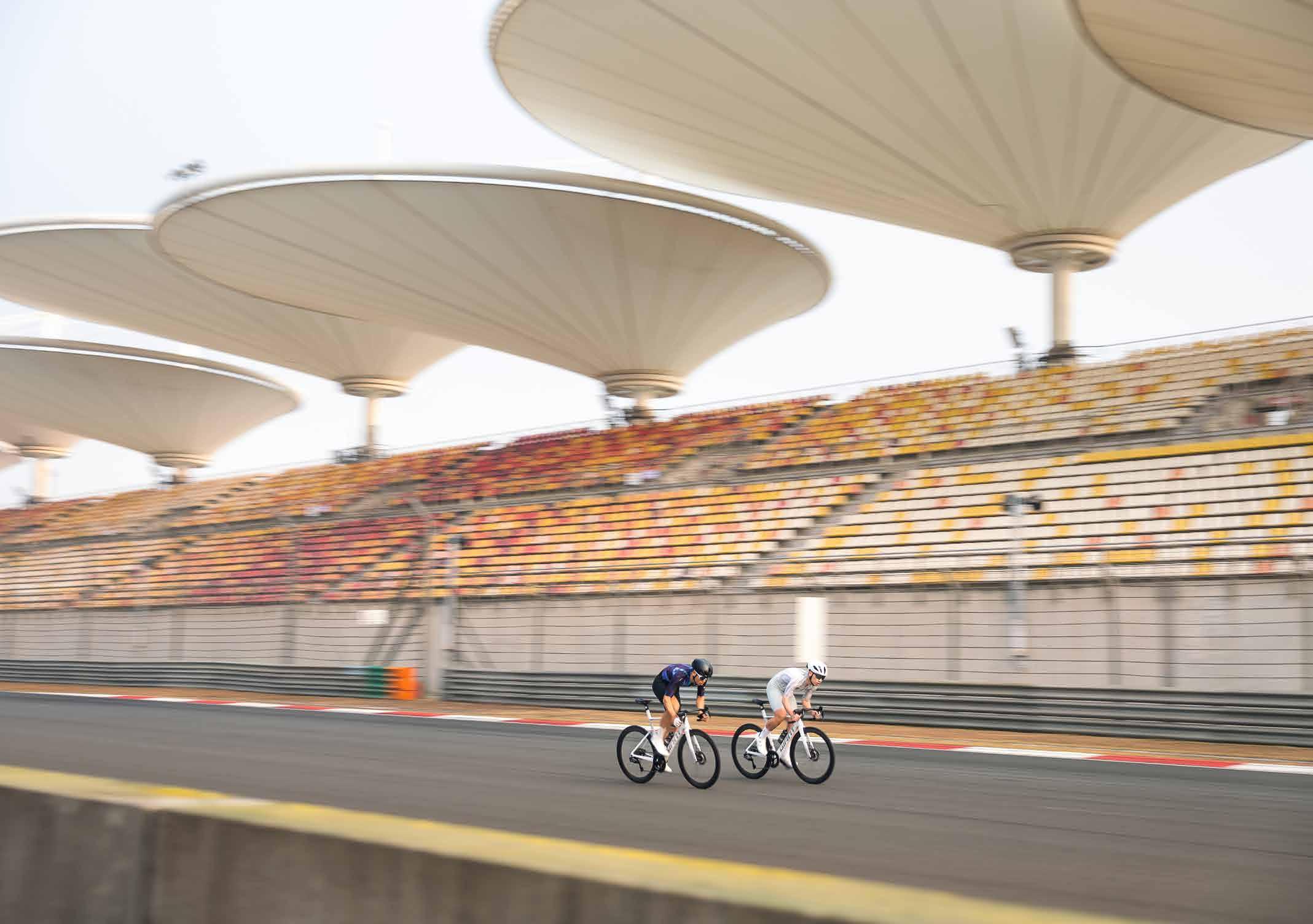
ULTIMATE SPEED
THE ALL-NEW PROPEL RANGE

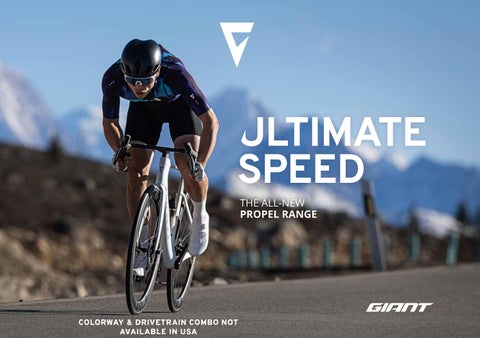
THE ALL-NEW PROPEL RANGE
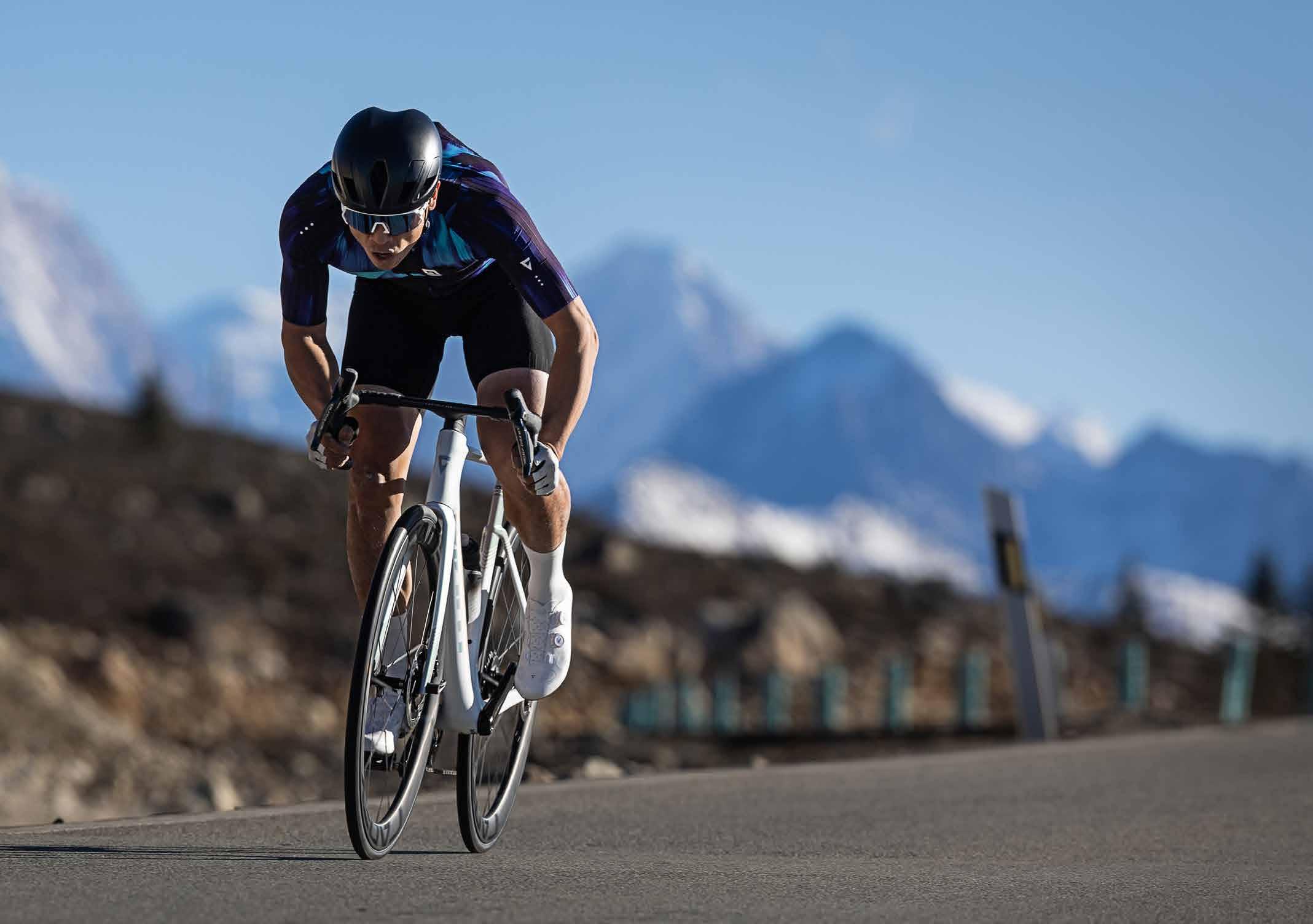
Speed is a sensation. It’s a feeling that varies from ride to ride in countless different ways. Flat roads or mountains. Solo rides or in the group. Competition or fun.
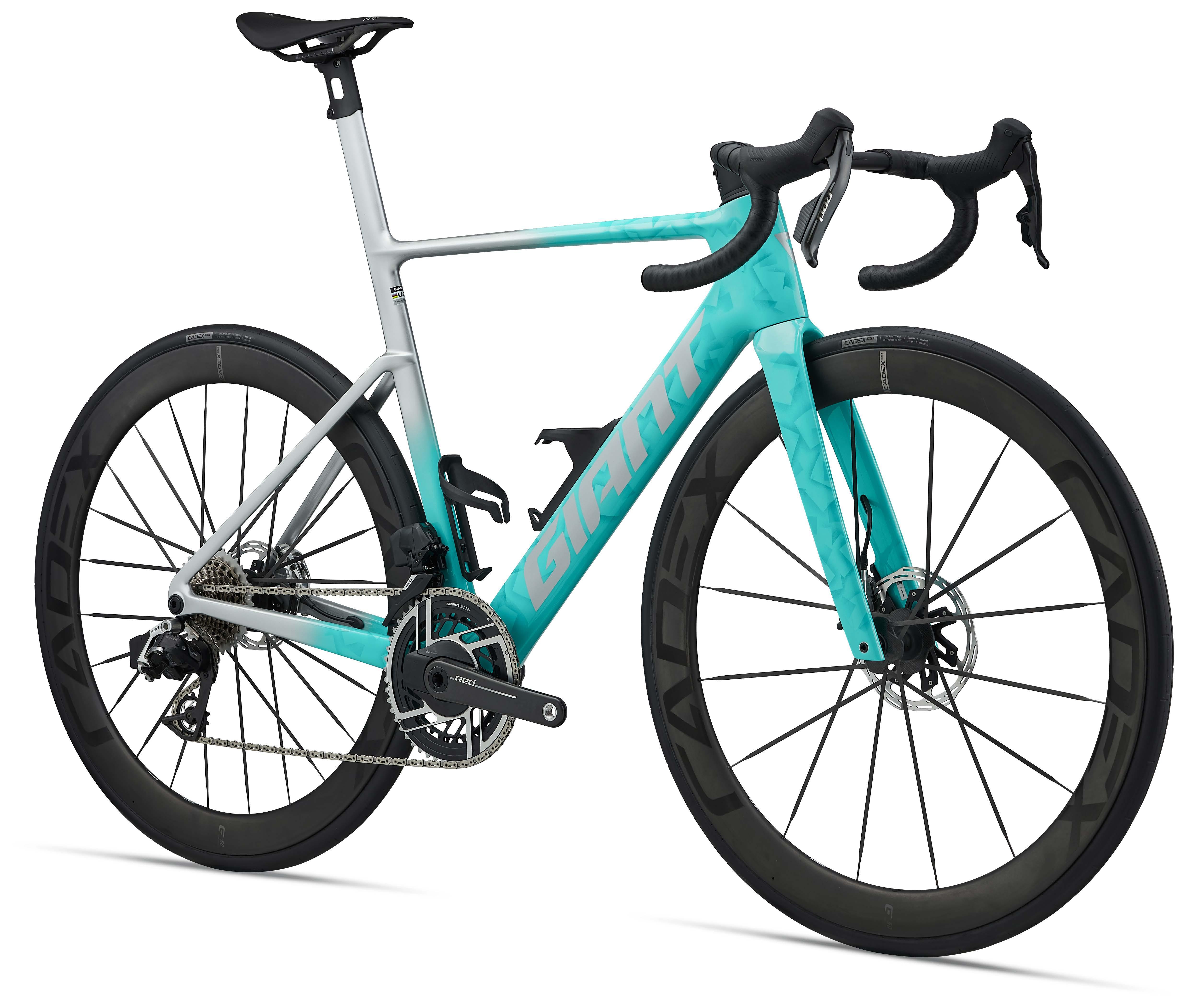
That’s the idea behind the new Propel range. Every model in this wide-ranging collection is engineered to deliver not just speed, but every type of speed.
It’s a bike with pro pedigree and undeniable aerodynamic data, but the next-generation Propel isn’t built only for the wind tunnel or the Tour de France. It’s engineered for the roads you ride. Up long climbs, where you feel it’s lighter weight. On the flats, where efficiency is everything. Down twisty descents, through fast corners, on long days over less-than-perfect roads.
Every new model—from the pro-level Propel Advanced SL to the accessible Propel Advanced series—is built on a totally integrated, full-system approach that turns aerodynamic gains into real-world performance targeting three key dimensions of speed: top-end speed, instant speed and sustained speed. This is a bike that’s not just fast on paper. It’s fast when it counts. It’s ultimate speed that shows up on the road, where and when you want it most.
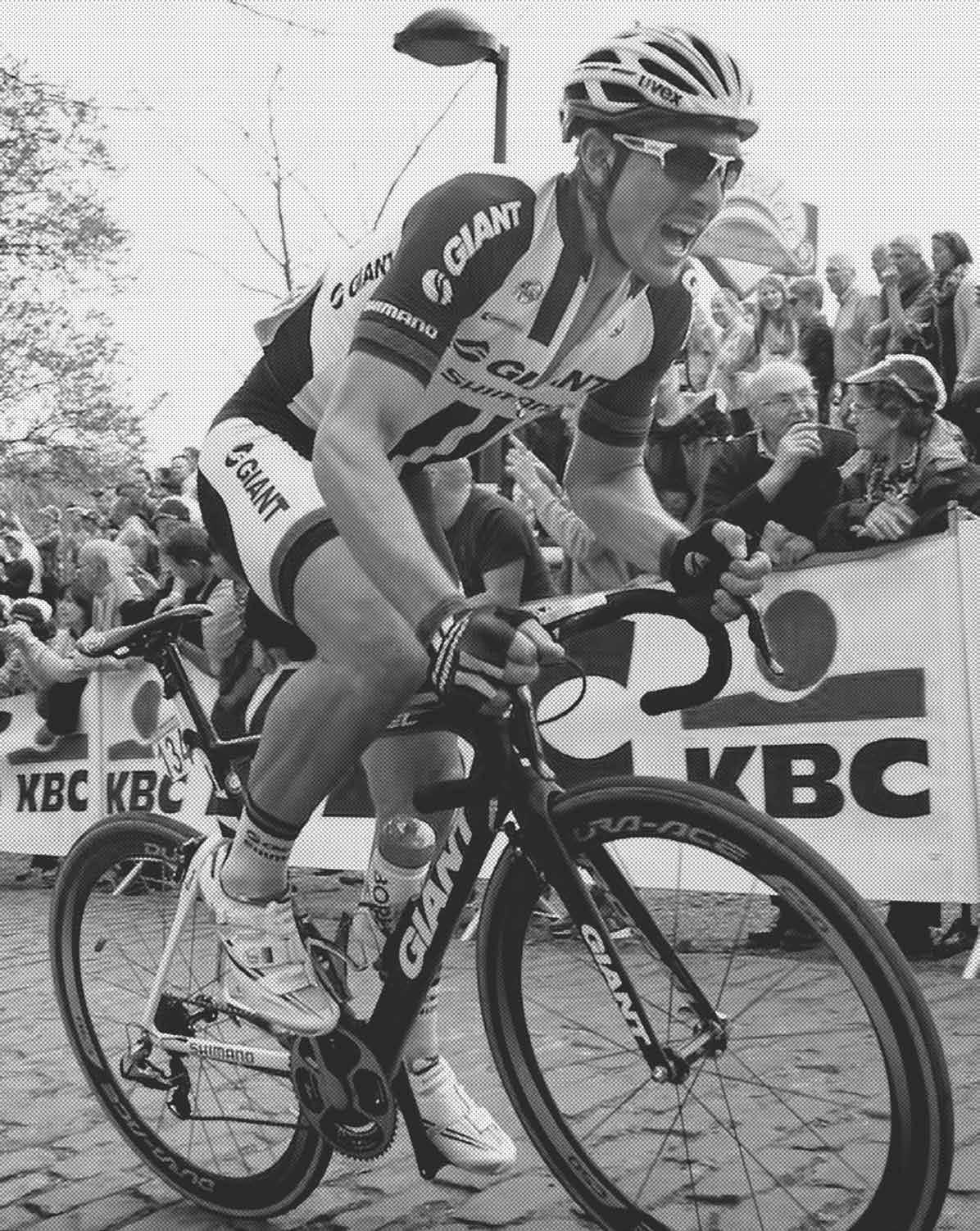
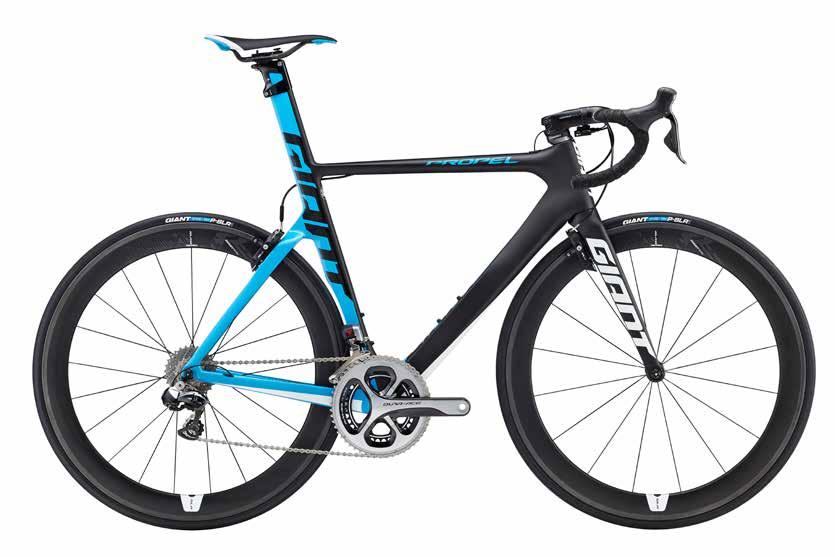
Born from a relentless pursuit of aero efficiency, the first Propel was developed specifically for pro racing in the early 2010s. It was a sprinter’s dream, helping some of the sport’s fastest men of that era—names like Marcel Kittel and John Degenkolb— sprint for glory and pile up race victories. Kittel famously raced the first-generation Propel to a win on Stage 1 of the 2014 Tour de France, where he earned a yellow jersey.
That’s where the Propel story begins—a time when aero road bikes were becoming the new frontier in competitive cycling. Giant, already a pioneering force in carbon frame innovation, poured its engineering prowess into that original Propel design with a mission to minimize drag. Taking some cues from our Trinity TT/triathlon bike, the first Propel featured deep, wind-cheating airfoil frame shaping.
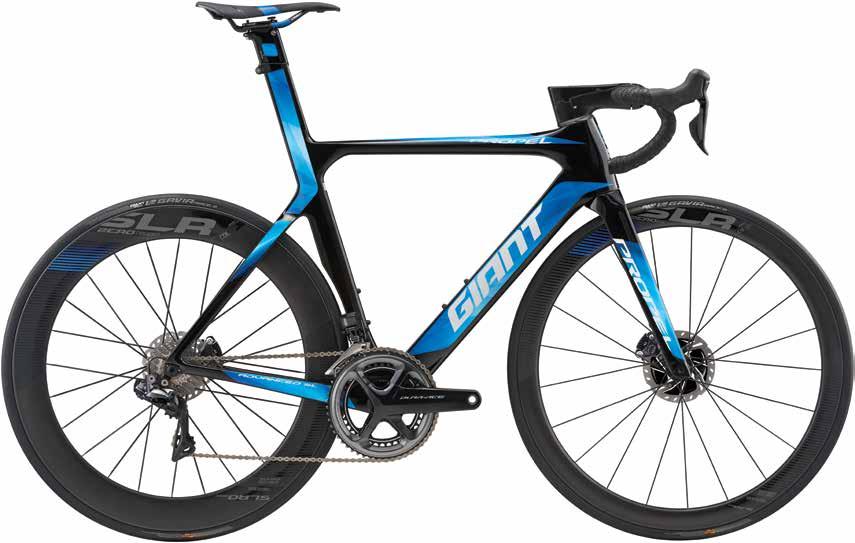
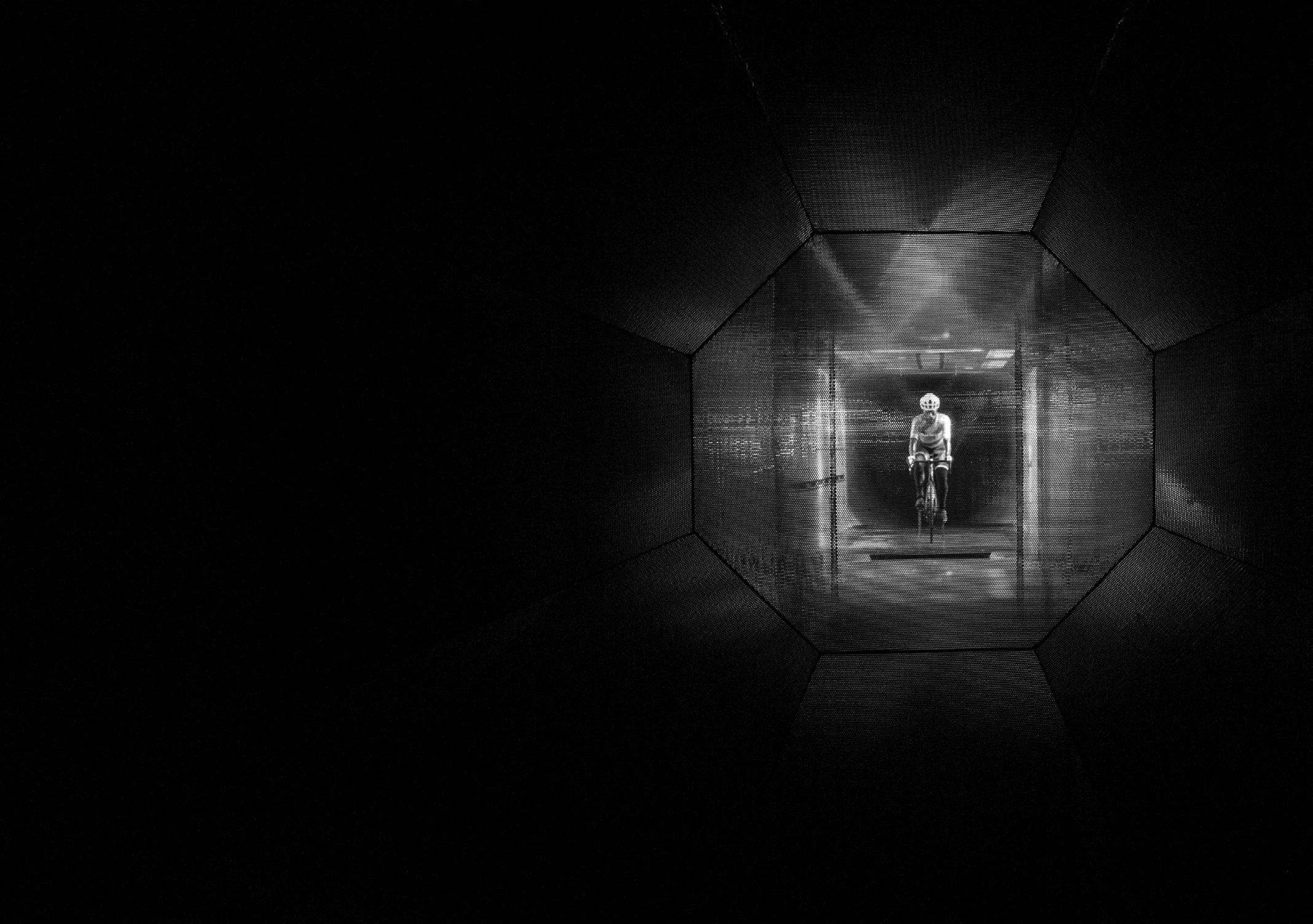
In the years that followed, the Propel continued to evolve. It saw a major overhaul in 2018 with the addition of disc brakes—a significant modernization that improved its handling and control as well as its aero integration.
Introducing the concept of AeroSystem Shaping Technology—an engineering process that treats the entire bike and rider as one integrated aerodynamic system rather than an assembly of parts—helped transform later generations of the Propel from a flat-out aero specialist into a versatile race bike for all types of road racing.
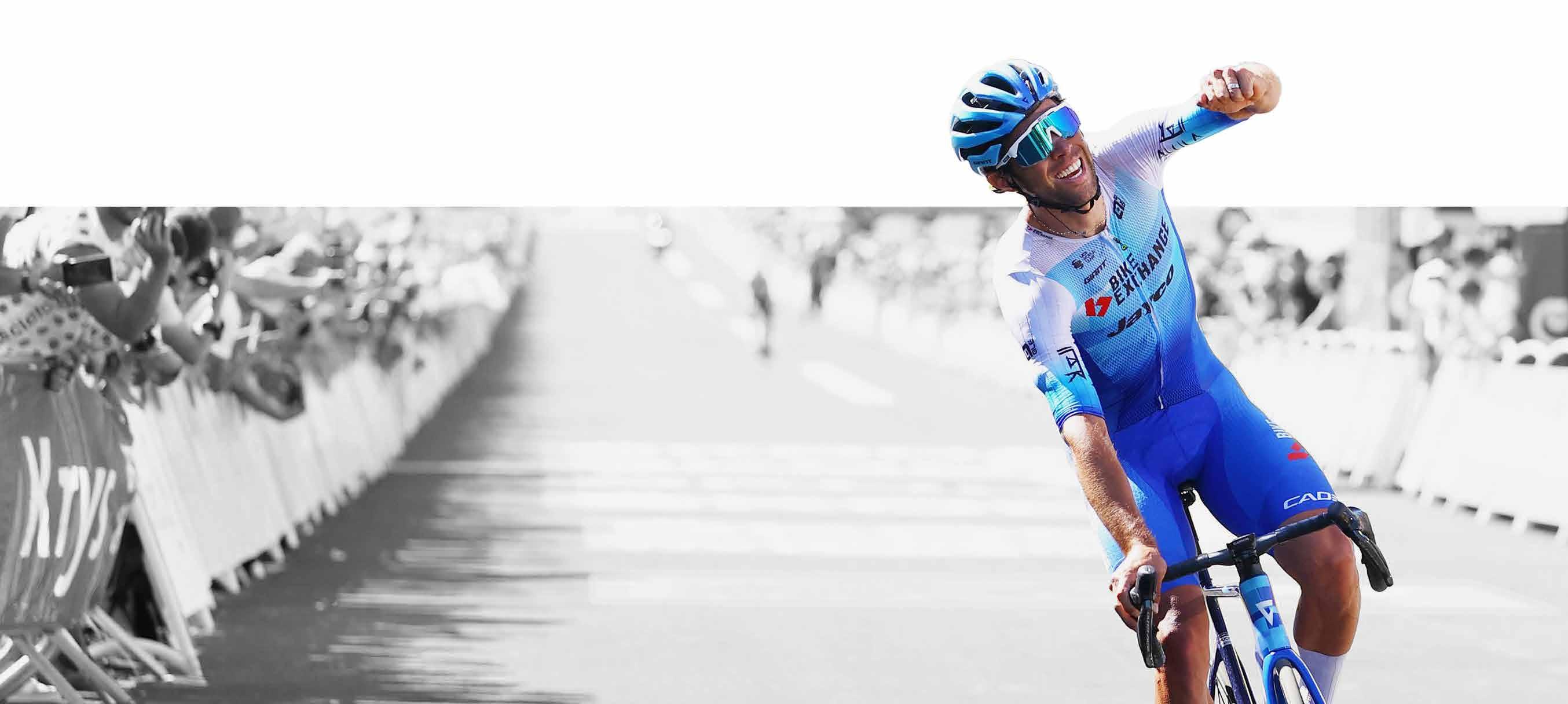
That reality was on full display in 2022, when the third generation Propel made its debut at the Tour de France. With a diverse team including riders like Dylan Groenewegen and Michael Matthews, the new Propel loomed large on cycling’s biggest stage. Groenewegen’s sprint victory on Stage 3 and Matthews’s gritty solo win on a hilly Stage 14 showcased the bike’s new versatility.
Evolution is never static. Even with all its race wins, the Propel has never rested on its laurels. Over the past decade it’s been about balancing aero speed with

“It’s no secret that the Propel has long been my favorite race bike, and this new generation takes it to a new level. The lighter frame and new CADEX Max 50 WheelSystem make it feel super dynamic when you’re sprinting or climbing, and I can really feel the smoother ride quality and sustained speed over rougher roads. I’ve had some of my biggest career moments on Propel bikes, hoping for some more with this one!”
real-world performance—and with every new iteration it has become lighter, stiffer, and more efficient at translating every watt of power into forward motion.
These improvements continue with the fourth generation, a pure race bike that exemplifies how an aero-focused platform can be much more than just a flat-speed specialist. Through thoughtful innovations— from improved compliance for long rides to broader tire clearance for real-world versatility—the new Propel meets the diverse demands of modern racing better than ever.
1.0
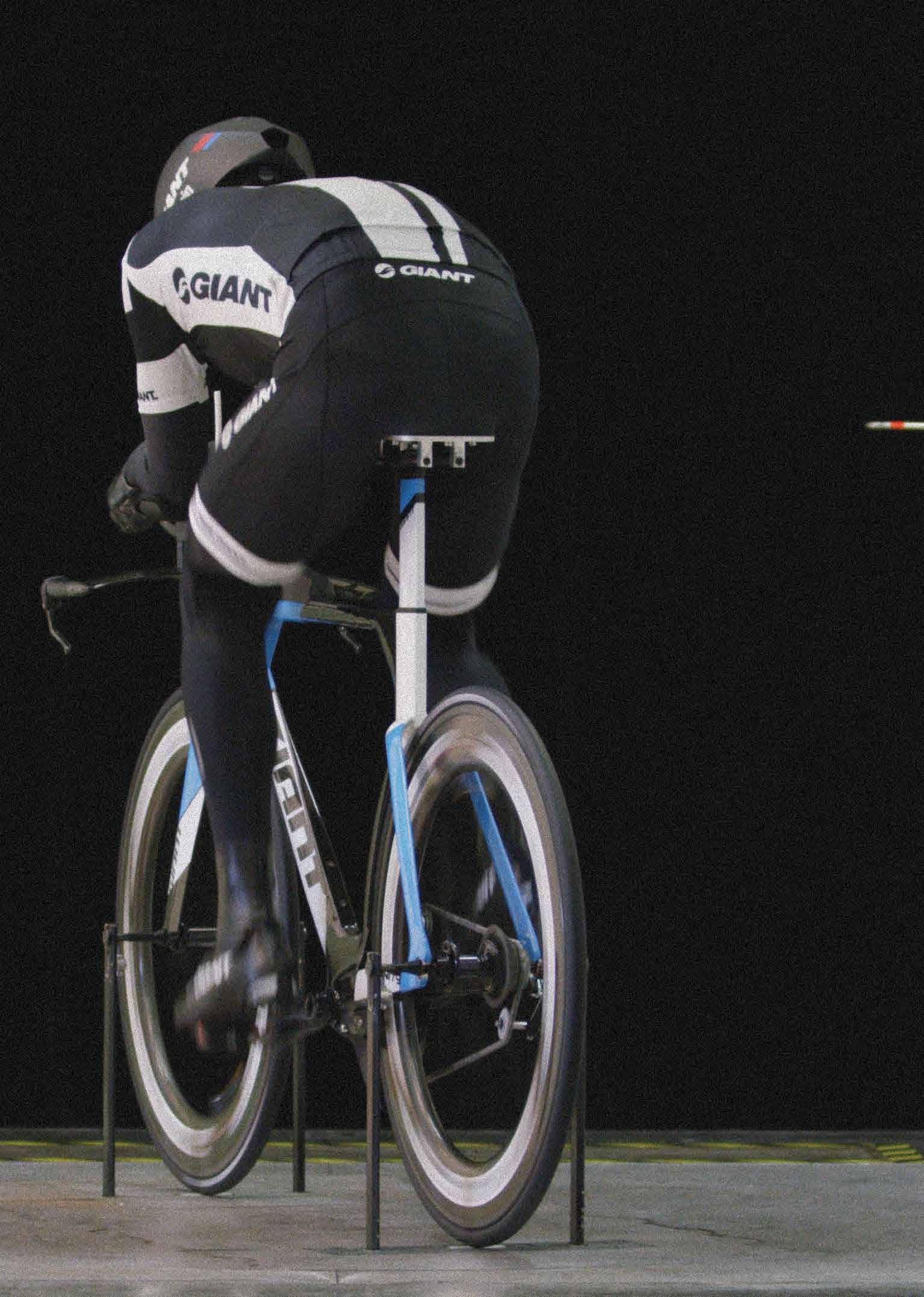
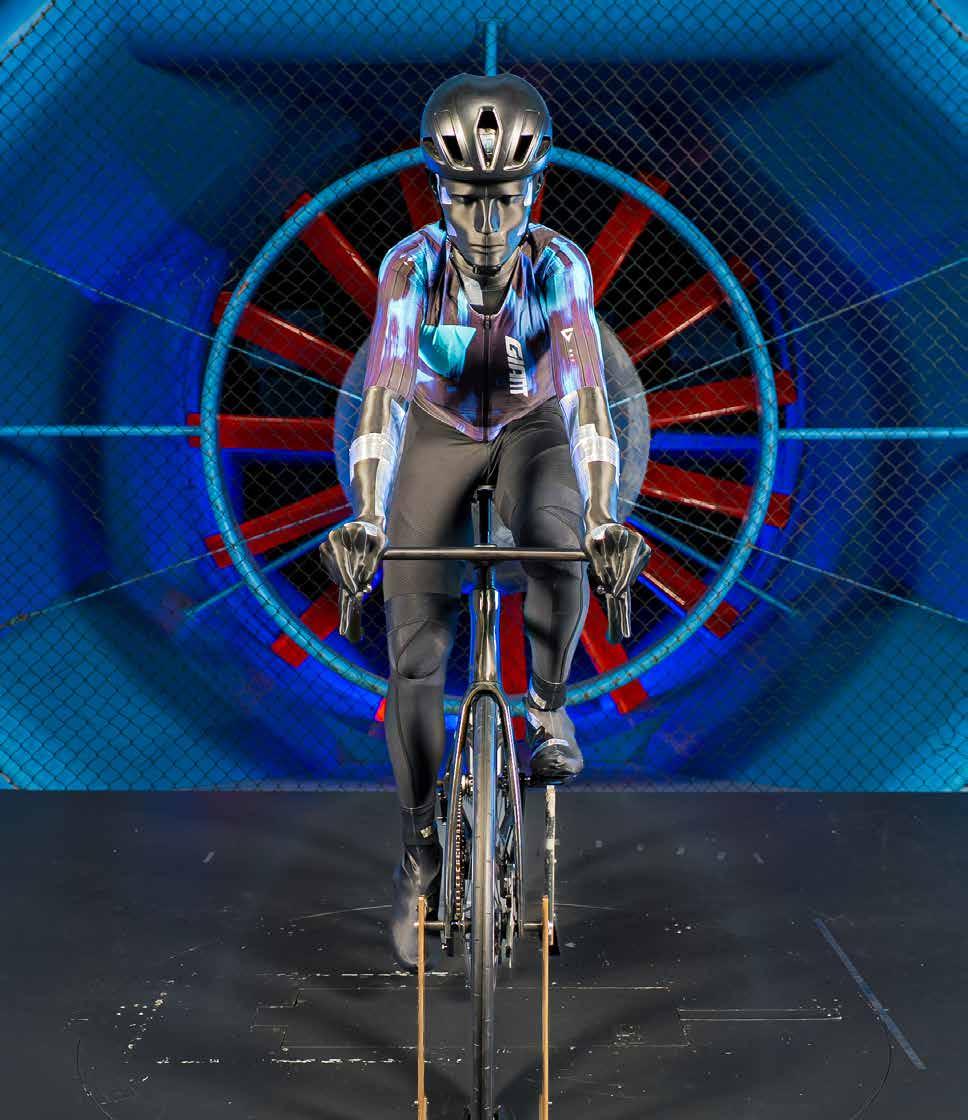
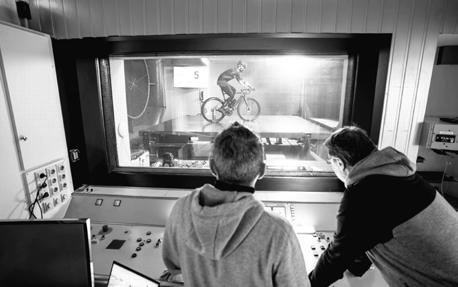
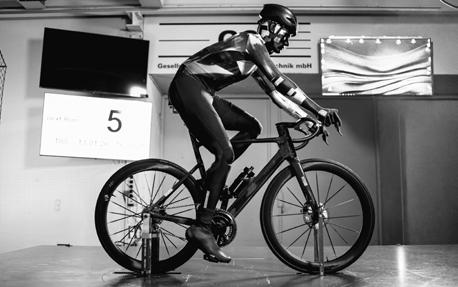
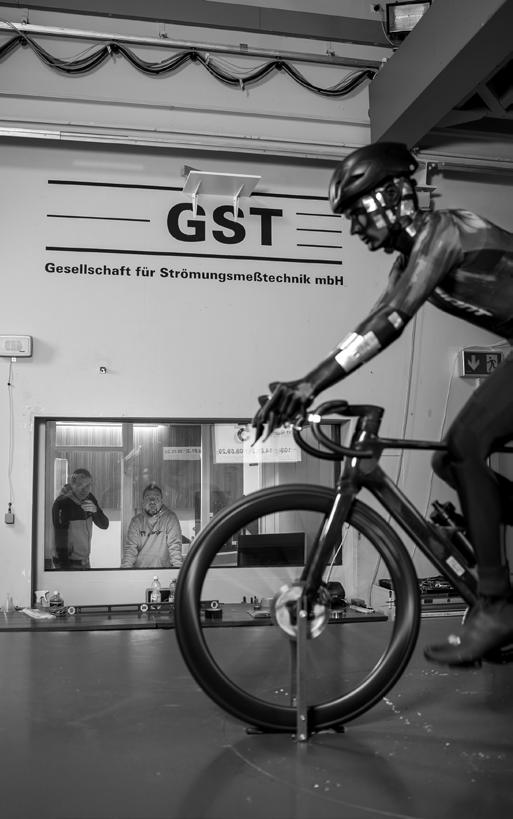
More than a decade ago, Giant began using a dynamic wind-tunnel mannequin as part of a new approach to aerodynamic development. The process started with a 3D scan of former pro racer and Giant test rider Grischa Niermann. From that scan, engineers created an exact 1:1 scale mannequin and called it “Grischa.”
Designed with anatomically correct articulating legs, Grischa marked a shift from static tube or frame testing to system-level rider-and-bike aerodynamic analysis. Compared to existing test standards at the time, this dynamic mannequin more accurately replicated the true aerodynamic relation between a moving rider and bike at varying yaw angles.
The dynamic mannequin also allows for better consistency and repeatability. A live human rider’s position constantly shifts. Leg movement, torso angles and cadences vary, introducing noise to the test data. The dynamic mannequin, on the other hand, provides consistent positioning and pedaling, so engineers can more precisely isolate the effects of bike geometry and airflow.
The first notable application of Giant’s dynamic mannequin was the development of a 2016 Trinity Advanced Pro TT bike for the Team Giant-Shimano WorldTour squad. Working with partners Aero Concept Engineering, Giant’s development team evaluated more than 250 frame configurations before the final production model was created.
10
250 YEARS AGO, GIANT BEGAN USING A DYNAMIC WINDTUNNEL MANNEQUIN
1:1
SCALE MANNEQUIN WITH 3D SCAN OF FORMER PRO RACER
EVALUATED MORE THAN 250 FRAME CONFIGURATIONS BEFORE THE FINAL MODEL IN 2016
2.0
Since then, Grischa has continued to play a key role in aero development, providing valuable insights and data for other bikes and gear including multiple iterations of Propel along with WheelSystems and helmets.
Leading into the development of the new Propel range, an all-new dynamic mannequin was created. The new body form is much more accurate to the rider’s true body shape. This was made possible by a new 3D printing process versus the extremely expensive and timeconsuming carbon fiber molding used for the original Grischa.
Grischa 2.0 features a more accurate leg reproduction, especially overall leg length and thigh shaping. And the new foot form is an exact replication of the foot and shoe combination, so an actual shoe is no longer required.
The head is now interchangeable and the neck angle highly adjustable, making it easier to test airflow over and through a helmet and down the back. The head form can also be swapped out for a different form using integrated temperature sensors to measure heat dissipation for helmet designs. And Grischa’s new modular construction (3D printing versus carbon molding) makes it easier to change different riding kits.
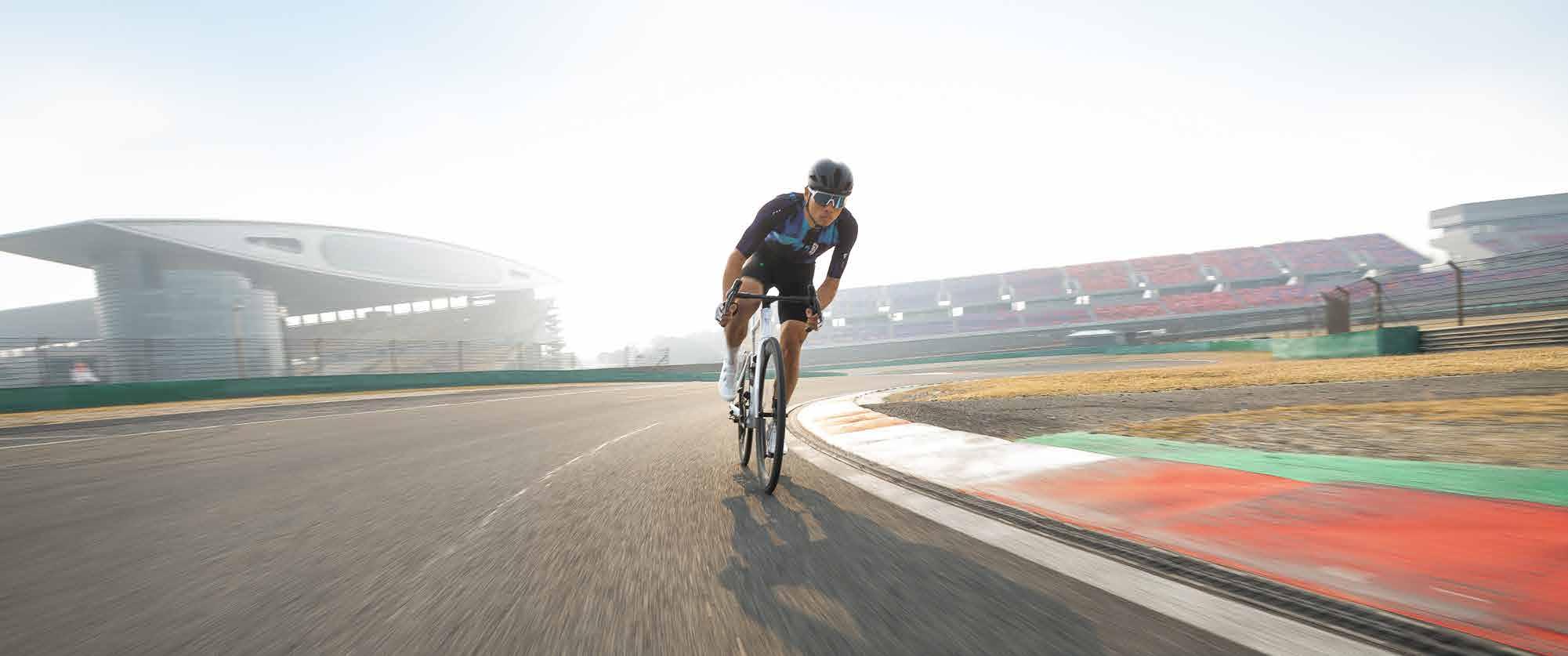
This development process transcends isolated metrics to achieve the ultimate synergy of total resistance, system efficiency, and system control. Through AeroSystem Shaping, we treat the rider, frameset, cockpit, and wheels as a single dynamic unit, slicing through wind while simultaneously slashing rolling resistance with a seamless tire-to-rim interface. By expanding stiffness benchmarks from the frame to the entire cockpit and WheelSystem, every watt is converted into relentless momentum, while enhanced compliance and handling provide smooth confidence to stay on the gas in any condition. This is the evolution of speed, empowering you to ride faster, climb higher, and go farther.
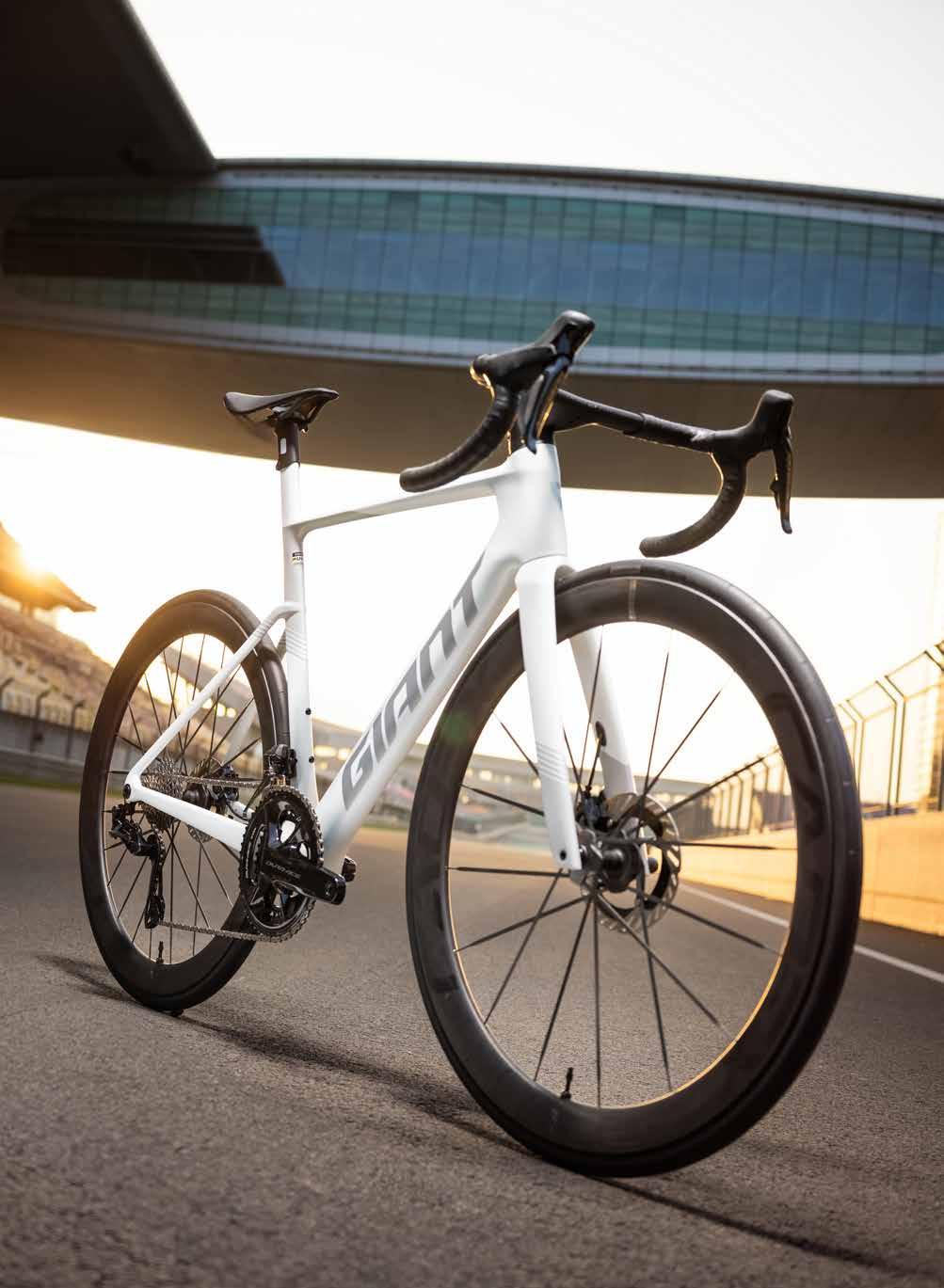
When you’re going flat-out holding high speeds in the wind, the new Propel makes the most of every watt you produce. Its total speed system is focused on minimizing drag and total resistance, so you can stay on the gas when it matters most.
The frameset, cockpit, wheels and tires form a unified system to reduce resistance when you’re pushing high speeds. The reengineered frameset and integrated cockpit help you slice through the wind. New aero WheelSystems and tires reduce rolling resistance. It all adds up to an 18.4-watt advantage over the previous generation, which equals 72 seconds at 40 kph over 40 km. compared to the previous generation -18.4 WATTS

This aerodynamic design process treats the entire bike and rider as one dynamic system—rather than optimizing individual frames or components in isolation. Using computational fluid dynamics (CFD), wind-tunnel testing, and yaw-angle analysis, engineers study how air flows around a moving bike and rider in real-world conditions. With a focus on reducing total system drag and resistance, the new Propel represents our most advanced expression of this process.
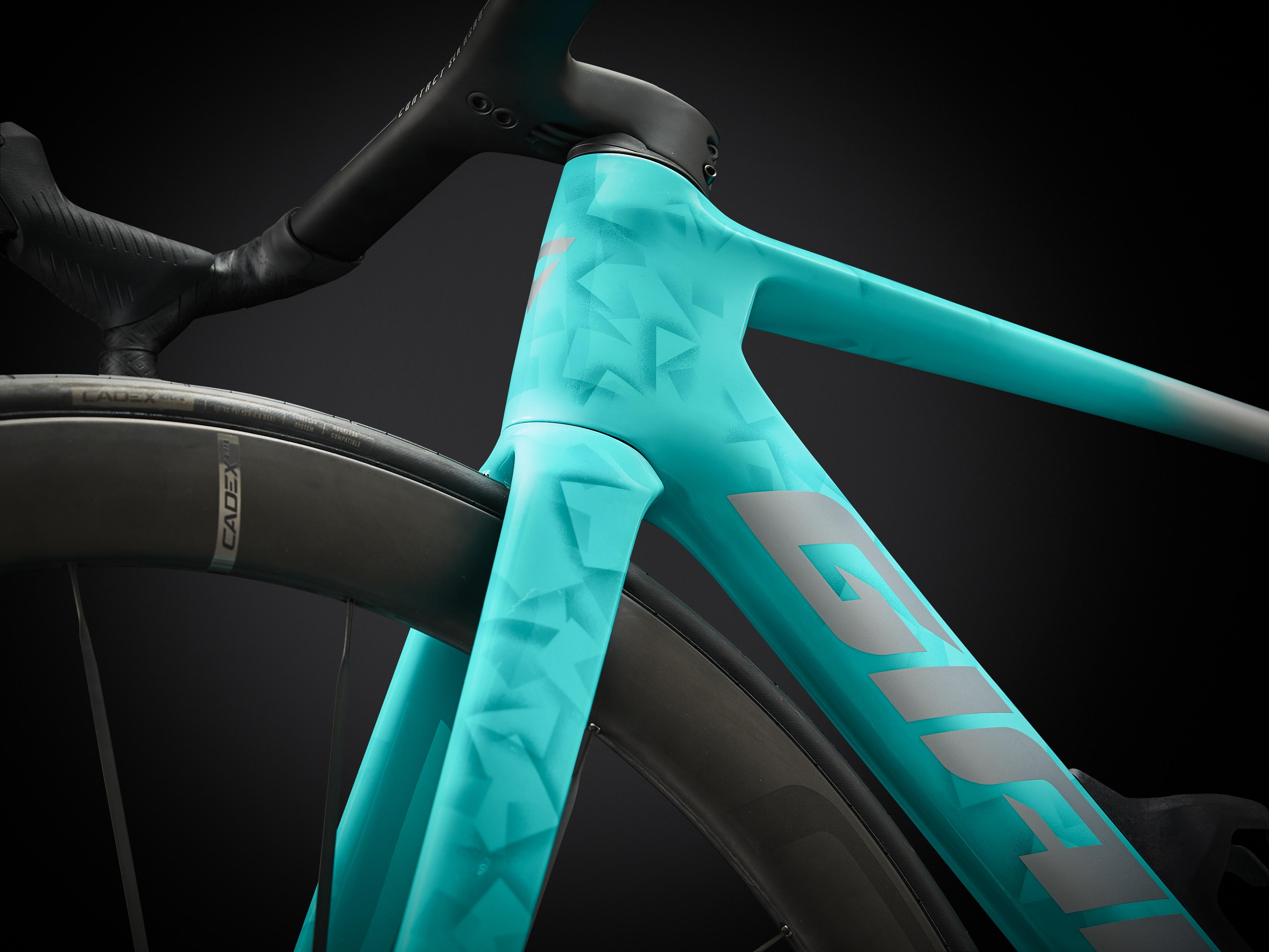
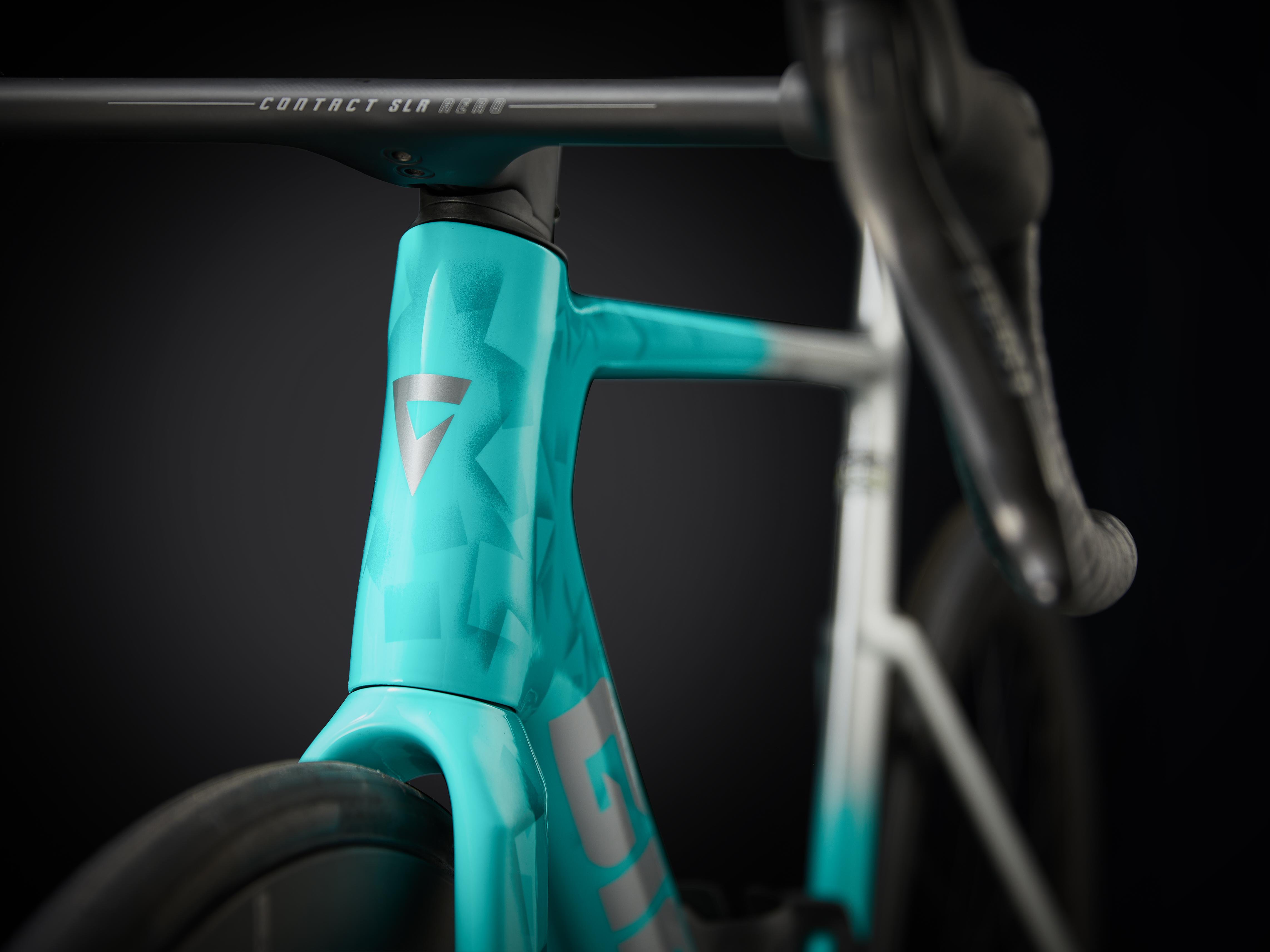
Designed to cheat the wind at the critical frontal zone of the bike, our OverDrive Aero technology features a slim, tapered head tube paired seamlessly with a D-shaped fork steerer tube and spacers. Brake and shifter cables are internally routed into the integrated one-piece handlebar/stem unit and through the frame and fork, keeping the cables hidden from the wind.
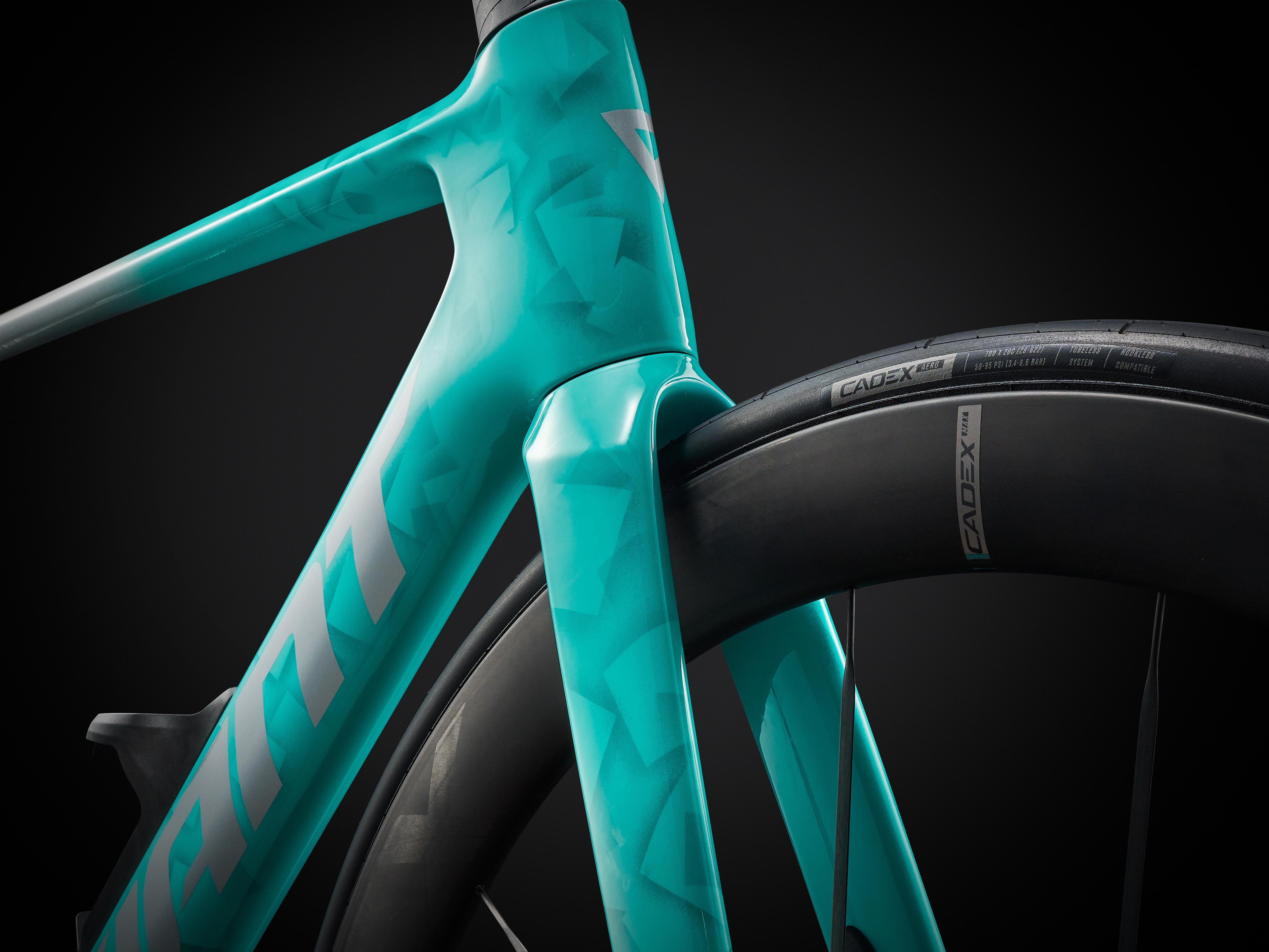
The WheelSystems and tires across the Propel range are optimized as part of an overall system that turns aerodynamic efficiency into real-world speed. The 50mm hookless carbon rims minimize drag across a wide range of yaw angles to help you maintain momentum without compromising stability in variable wind conditions. CADEX Aero and Giant Course tires optimize the rim interface to smooth airflow and reduce rolling resistance, saving 5.6 watts* while delivering superior grip and control.
*CADEX Aero tire.
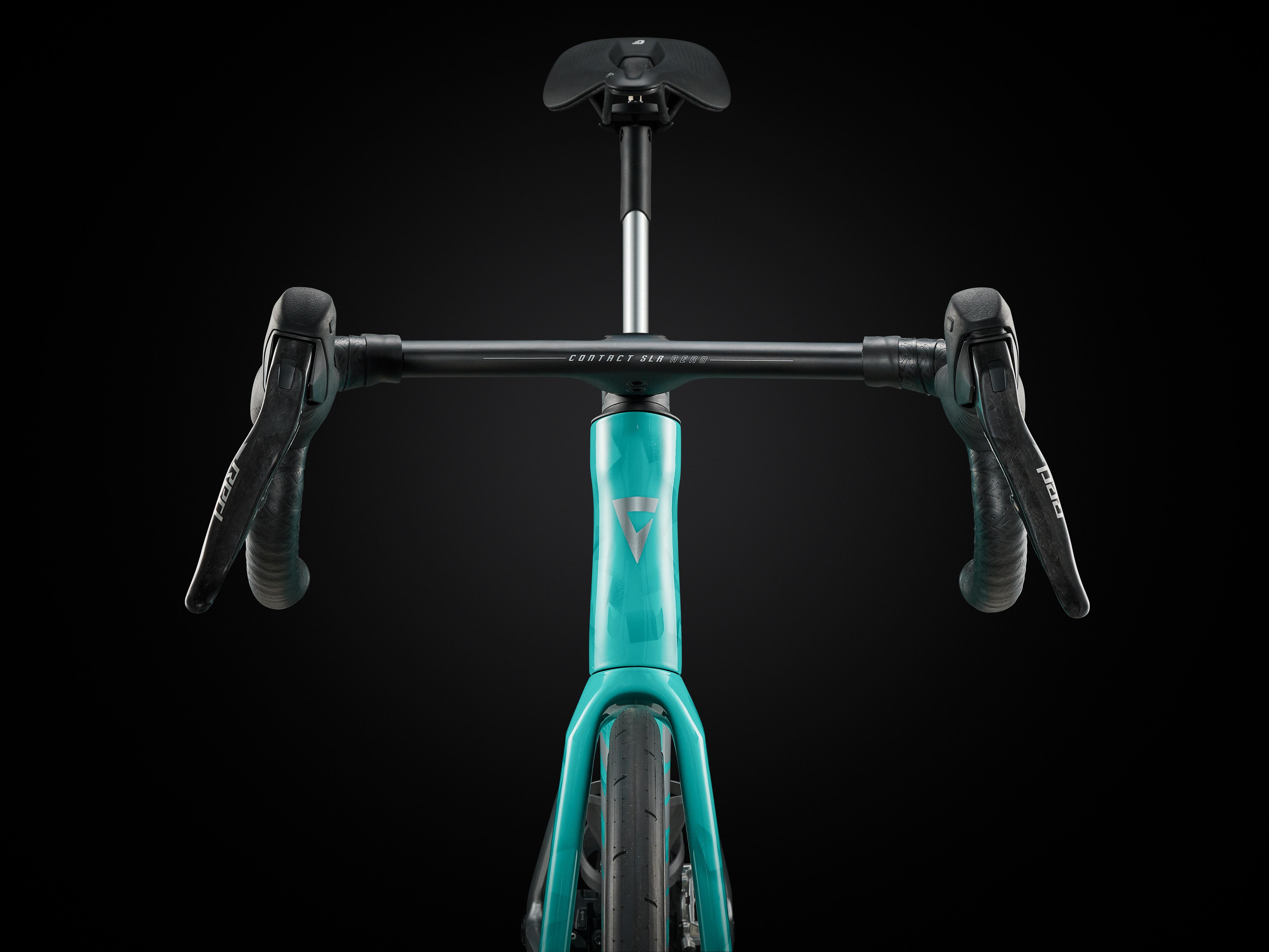
One of the key innovations on the new Propel is its one-piece integrated handlebar/stem design. The Contact SLR Aero Integrated and Contact SL Aero Integrated handlebars are shaped with a flat back and narrow top to help slice through the wind. The bars have a new geometry with reduced width at the tops and drops to make the rider’s shoulder and frontal area more narrow.
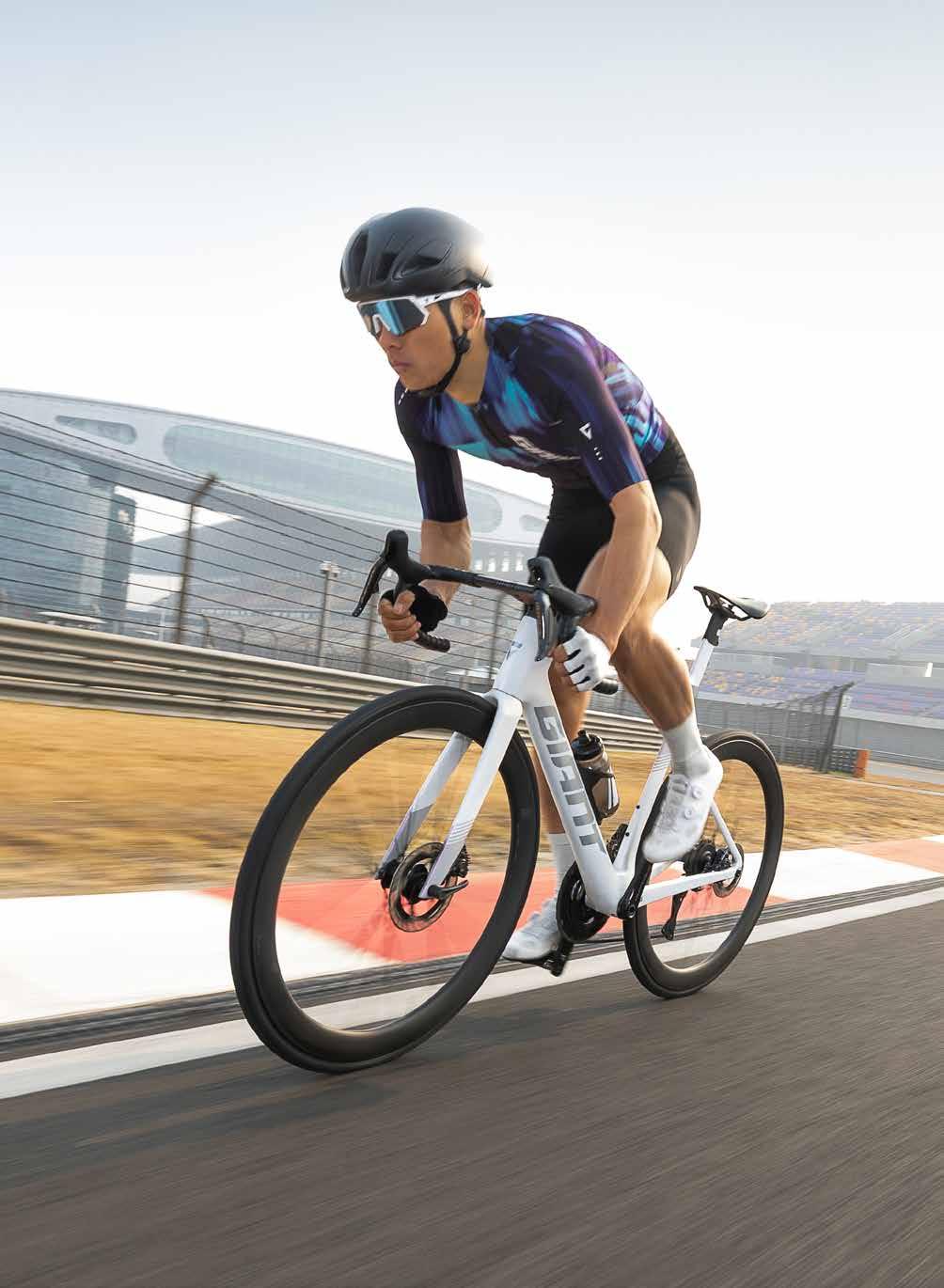
You feel it the moment you jump on the pedals. When you sprint out of a corner, surge to close a gap, or go full blast for the finish line, the new Propel is quicker and more dynamic than ever.
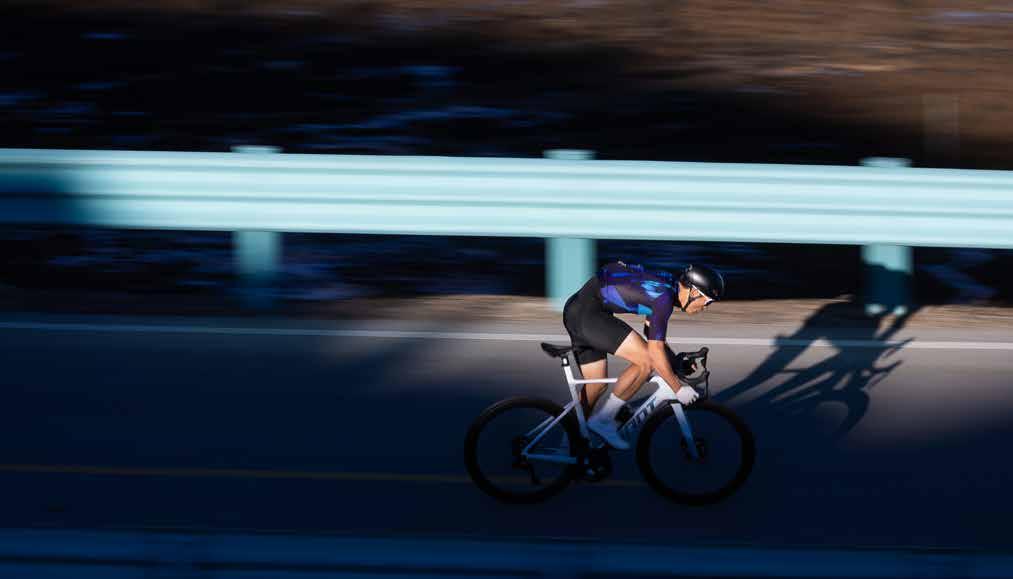
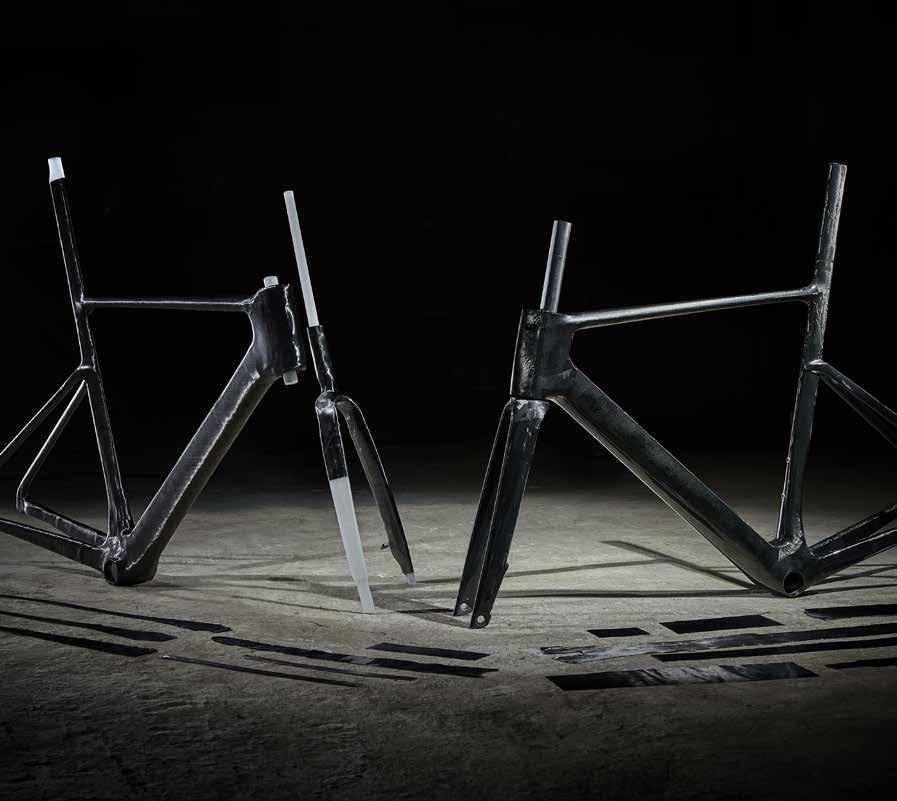
Tests show the new Propel Advanced SL frameset has 3.4% greater torsional stiffness compared to the previous generation and a 2.4% boost in pedaling stiffness. The reduced weight and increased stiffness add up to a 5.7% improvement in its stiffnessto-weight ratio—which means instantaneous reaction when you put power into the pedals (For more, see stiffness comparison page 17)
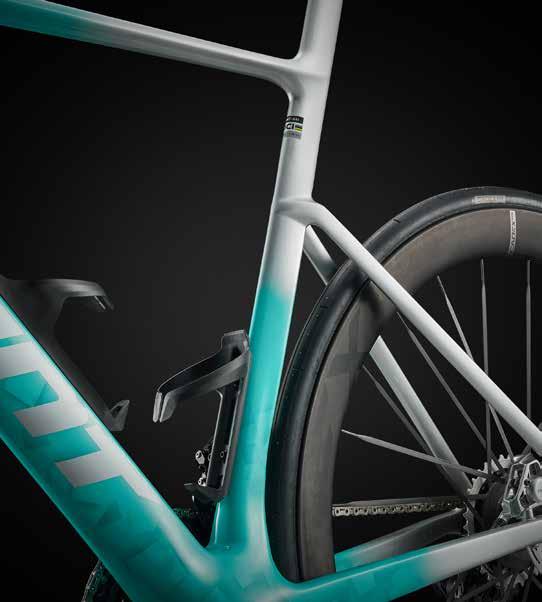
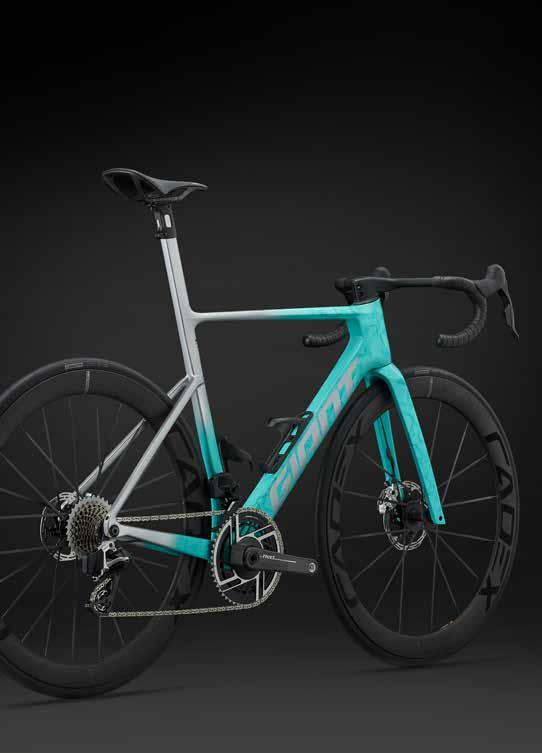
To make this Propel lighter than ever, our engineering team scrutinized every element and found opportunities to shave grams. The flagship Propel Advanced SL series frame is 45g lighter than the previous generation. Add in the new one-piece handlebar/stem unit, aero WheelSystems and tires, and weight savings across components down to the bottle cages, and the total reduction for the Propel Advanced SL 0 comes to an impressive 355g. (For more, see weight comparison page 16).
Full system efficiency is tested most under maximum forces—when you’re sprinting, attacking, or out of the saddle on steep climbs. In addition to the frameset, the new Propel’s cockpit and WheelSystems are engineered to turn energy into forward motion. Through the synergy of lightweight engineering and optimized stiffness, every key component works in unison to amplify output. This system approach achieves a 14.8% increase in system handling efficiency and a 14.2% boost in system pedaling efficiency, creating the most efficient aero system we have ever engineered.
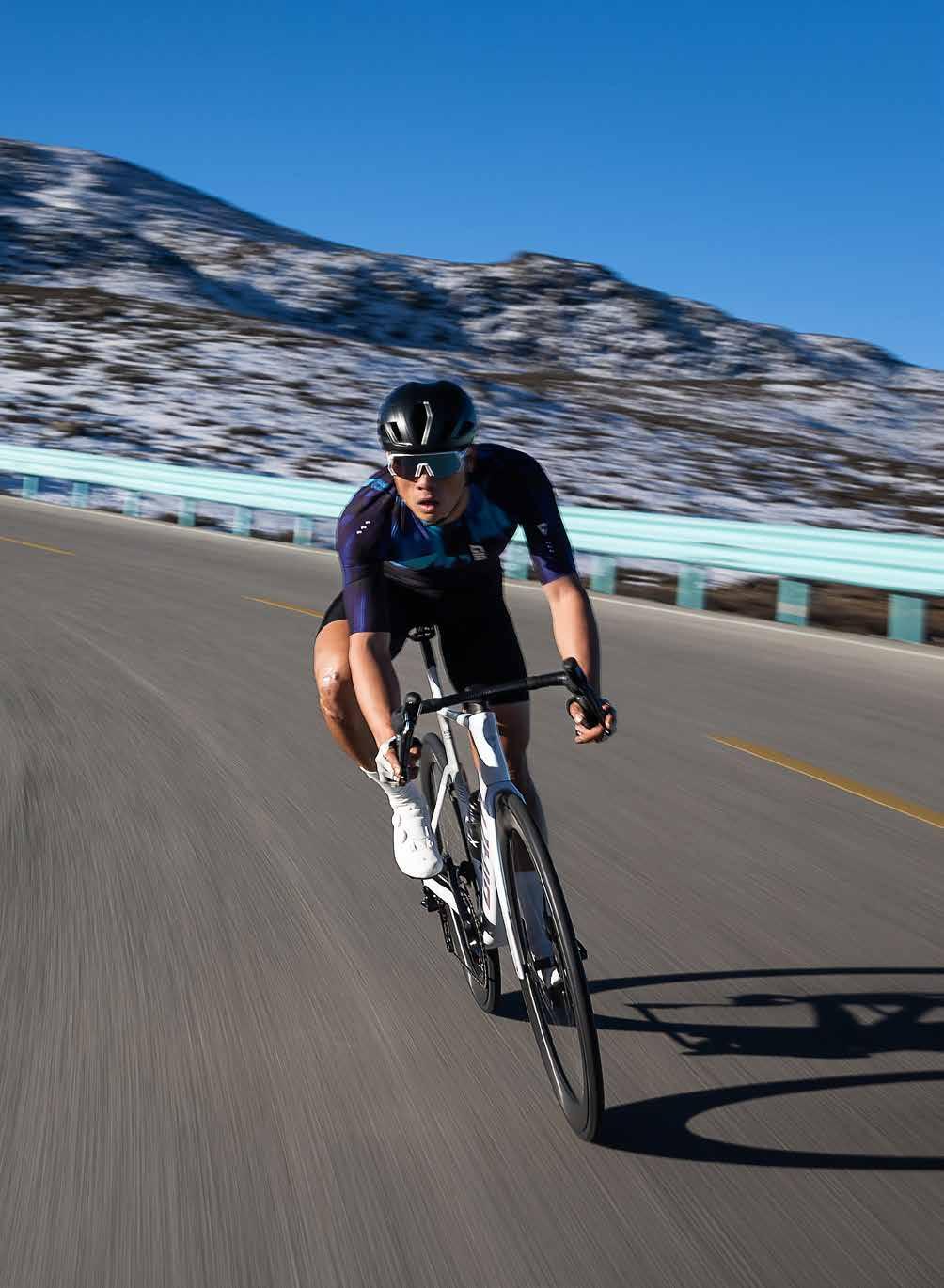
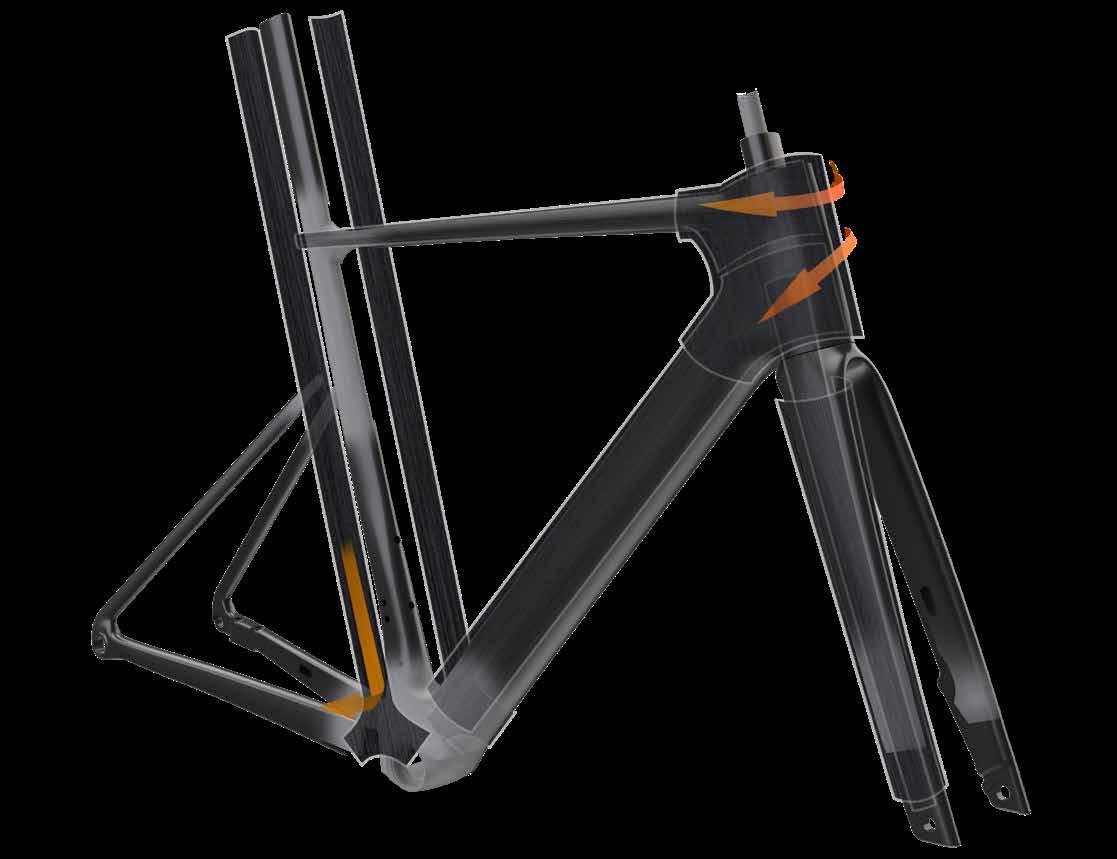
One of the most impactful advancements on the new Propel range is a greater emphasis on full-bike compliance. Road-smoothing technologies throughout the frame, fork, cockpit and components work together to deliver a smoother ride, helping you hold higher speeds for longer.
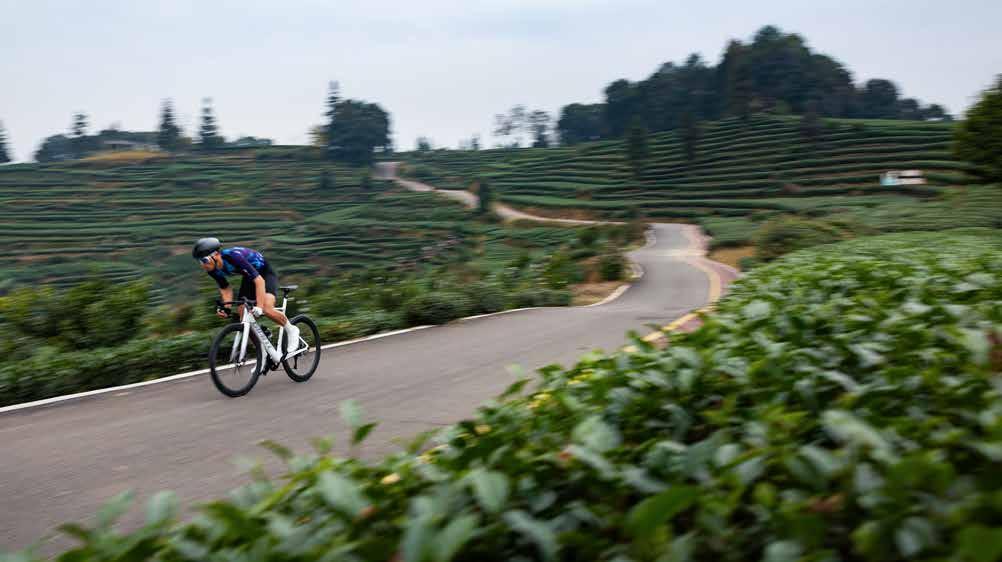
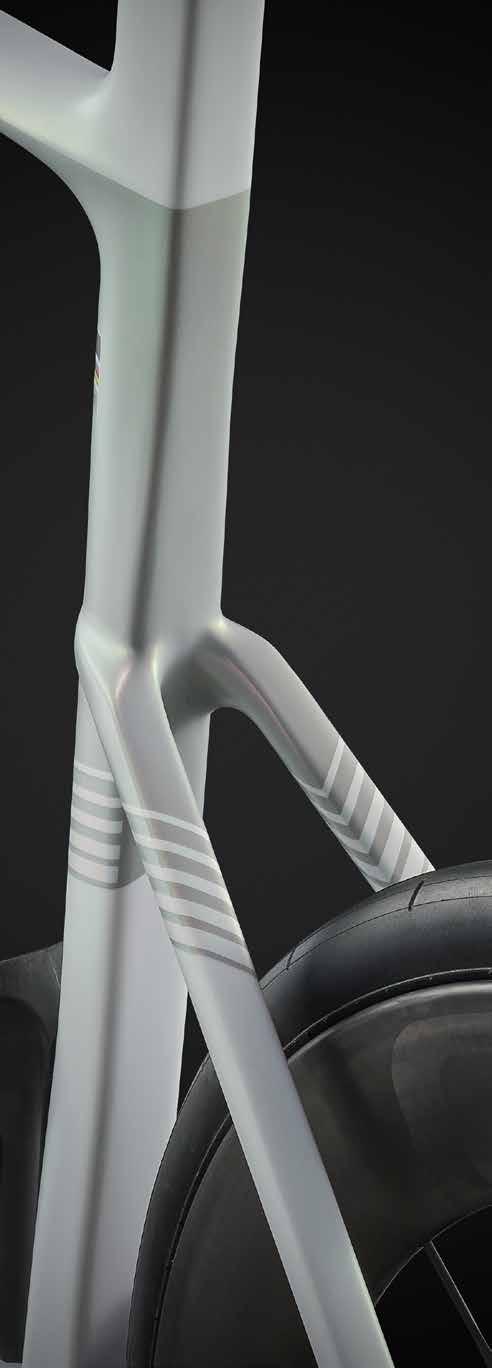
A reengineered seat tube, chainstays and seatpost* work together to improve vertical compliance by up to 25% compared to the previous generation Propel. This significantly reduces road shocks and vibrations at the rear end of the bike, giving you a smooth, efficient ride with less fatigue, keeping you fresh during long days in the saddle.
With expanded tire clearance up to 32mm, riders can choose higher-volume tires and run lower pressures. That means reduced rolling resistance and smooth momentum over imperfect road surfaces. The new CADEX Aero tires* and Giant Course tires also deliver improved grip and stability, helping you carry speed through corners and over rough pavement in variable conditions.
*on select models
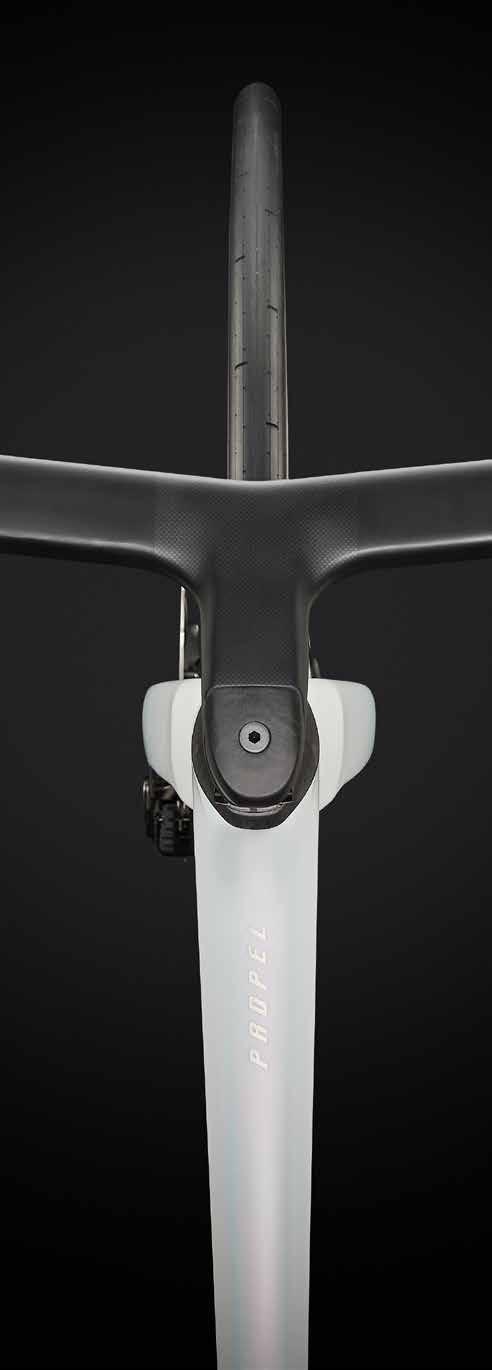
The head tube, stem and handlebars are designed as a unified system to fine tune the balance between aerodynamics, stiffness and compliance. The Contact SLR and Contact SL Aero Integrated handlebar/stem units play a key role in producing a smoother ride quality, delivering 12.8% greater front-end compliance to reduce vibrations and minimize road buzz. The composite handlebars are designed with flattened tops and new ergonomic geometry to improve trunk positioning and comfort in the aero position.
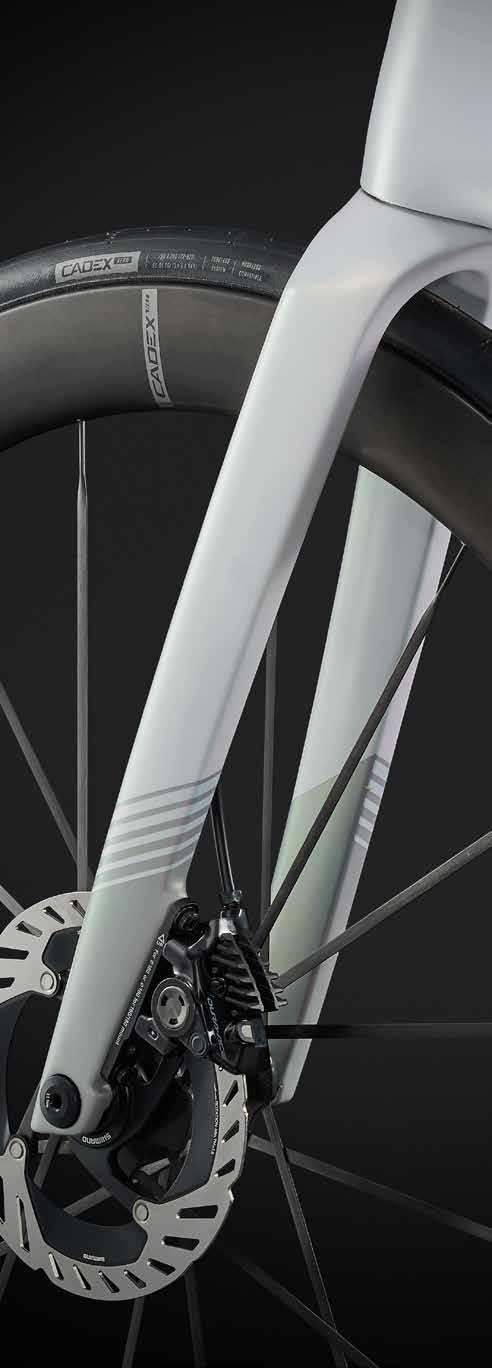
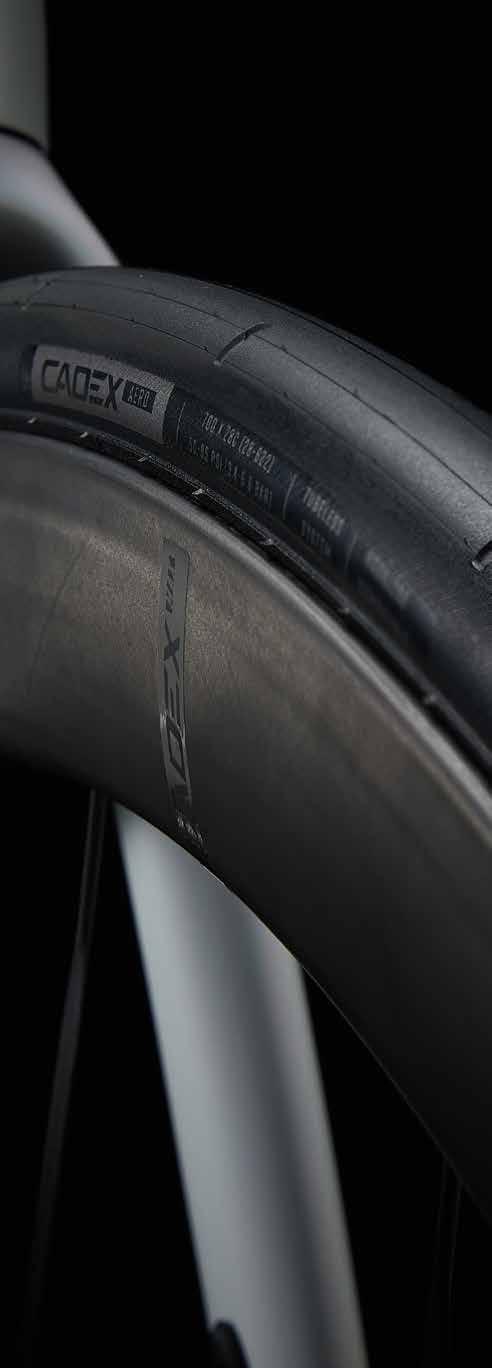
The integration of tires and WheelSystems creates a predictable torque curve that improves side-load stability. Having consistent, linear steering forces in side load conditions reduces the “fighting the wind” sensation, minimizing fatigue in the core and arms.
This analysis quantifies the performance leap of the new Propel by comparing its total system resistance against the previous generation. By evaluating every component as a unified system, integrated engineering translates into significant real-world gains.
To ensure scientific accuracy, both generations were tested in a medium frame size with optimized component configurations:
The synergy of these advancements results in a Propel that is significantly faster across every metric:
We utilized three distinct protocols to capture a complete picture of total resistance:
Linear aero drag:
Measuring with the Grischa 2.0 and its articulating legs evaluates linear aero drag at 40 kph across yaw angles from -20° to +20°.
Rotational drag: Measurements taken at 40 kph across yaw angles from -20° to +20° isolate the force difference between wind-on and wind-off states. 01 02 03
Rolling resistance: Testing at 40 kph under a 42 kg load per tire simulates an 84 kg total system to calculate power efficiency.
The new Propel Advanced SL delivers a definitive performance leap, slashing total system resistance from 267.76 watts to 249.32 watts. This 18.44-watt breakthrough ensures that every watt you produce is converted into pure speed.
Frame weight can be a subjective variable, depending on what is considered a frame.
For this comparison, we define a frame as follows:
• Size medium, unpainted production frame
• Headset and top cap
• Rear derailleur hardware
• All production hardware (water bottle bolts, etc.)
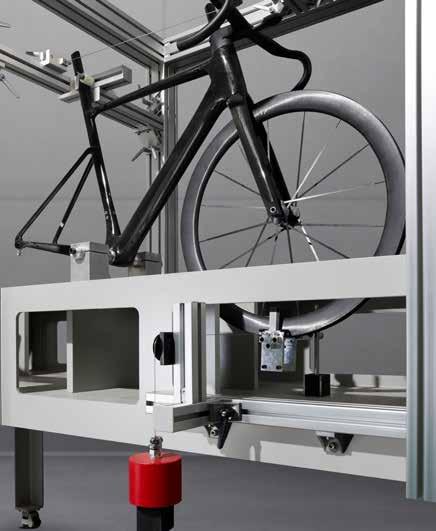
Frameset stiffness was assessed using industry-standard protocols, with size medium framesets. We tested both steering and pedaling stiffness with a steel dummy fork installed.
Our testing determined how much the complete frameset flexed under load.
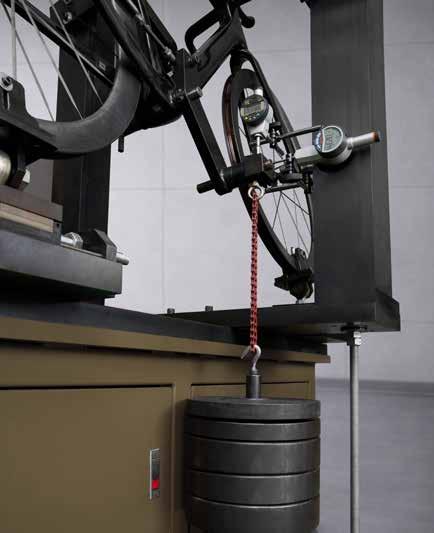
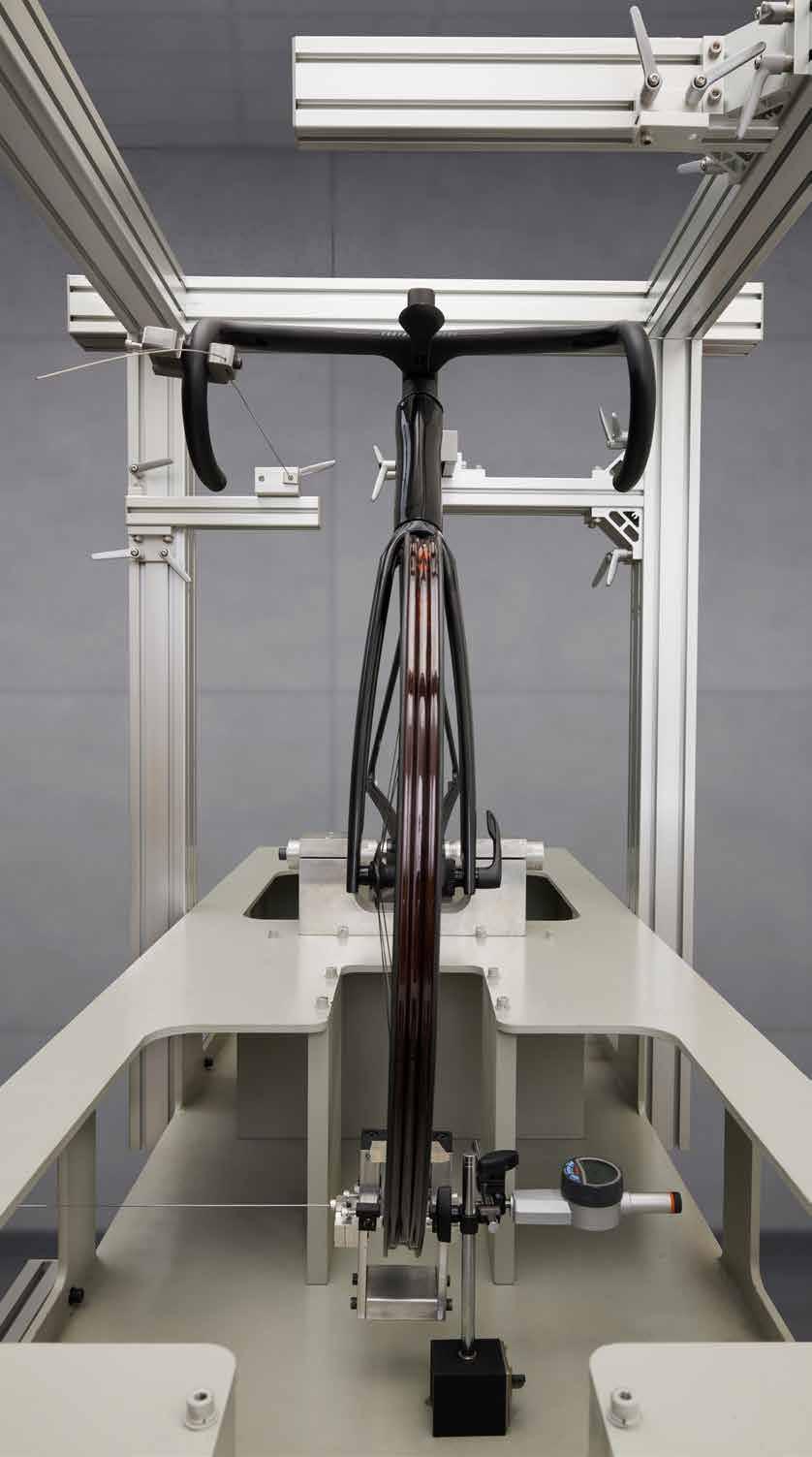
• For torsional stiffness, each frame was locked at the rear dropouts with lateral force applied to the fork. More frame stiffness means better cornering and response to rider input.
• For pedaling stiffness testing, both the rear dropouts and a dummy fork were fixed, with the frame inclined at 10° and a vertical force applied to the pedal eye of the crank arm. Higher stiffness in this area means efficient power transfer and minimal energy loss.
Unlike conventional frame stiffness tests that focus on isolated components, our methodology evaluates the complete power transmission system—from the pedals through the drivetrain to the rear wheel; from the handlebar through frameset to the front wheel. This holistic approach ensures that test results accurately reflect real-world riding performance and system-level efficiency.
By testing the bicycle as an integrated system, the data directly corresponds to how rider input power is transferred during actual pedaling and handling.
Increased frame stiffness means better power transmission, helping the rider reach and maintain higher speeds with less effort. The combination of lower weight and higher stiffness adds up to superior overall efficiency.
With more than 30 years of experience in composites engineering, plus a long history of rigorous development and testing with professional athletes, Giant is the industry leader in composite bicycle technology. To meet the needs of high-performance riders, Giant offers two grades of composites: Advanced SL and Advanced. Both feature unique materials, resin formulas and construction techniques.
COMPOSITE
LIGHTWEIGHT CARBON MATERIAL AND RESIN
LIGHTEST WEIGHT CARBON MATERIAL AND RESIN
MODIFIED MONOCOQUE CONSTRUCTION
ONE-PIECE MOLDING TECHNOLOGY
CNT RESIN TECHNOLOGY
THINLINE PAINTING TECHNOLOGY
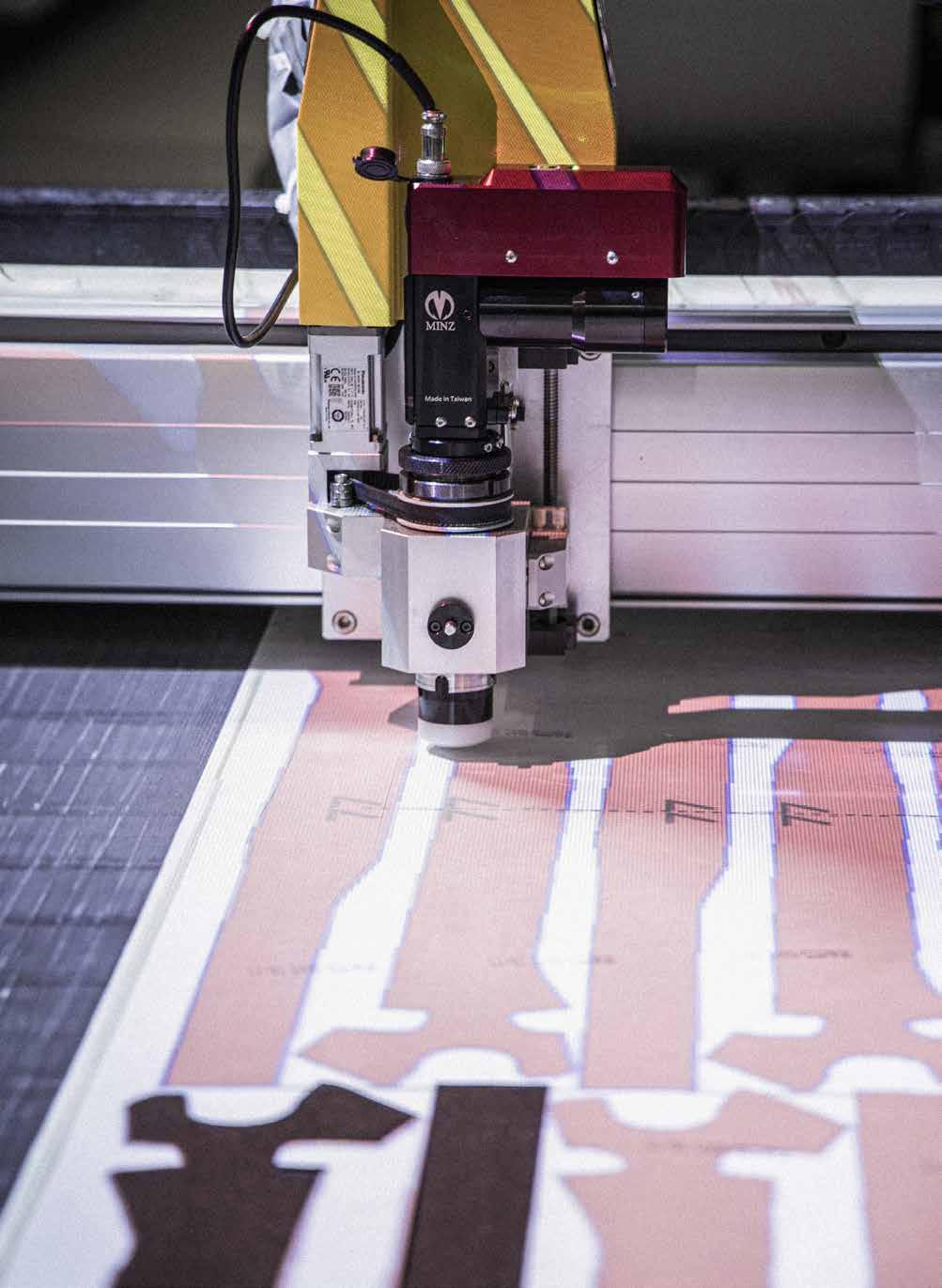
COLD-BLADE CUTTING TECHNOLOGY


Professional Grade raw carbon fiber is woven in our composite factory to produce our lightest, stiffest and highest quality frames. This is the technology used by Giant’s pro racers in almost every cycling discipline. These frames feature the most advanced engineering and construction methods.
1 | MATERIALS
Professional Grade raw carbon material is used to engineer framesets with the highest stiffness-to-weight ratios.
2 | RESIN
Professional Formula resin features Carbon Nanotube Technology (CNT), a microscopic polymer that acts like miniature buttresses to strengthen the layers of composite. Frames featuring CNT are 14 percent more impact resistant than those without it.
3 | ONE-PIECE MOLDING TECHNOLOGY
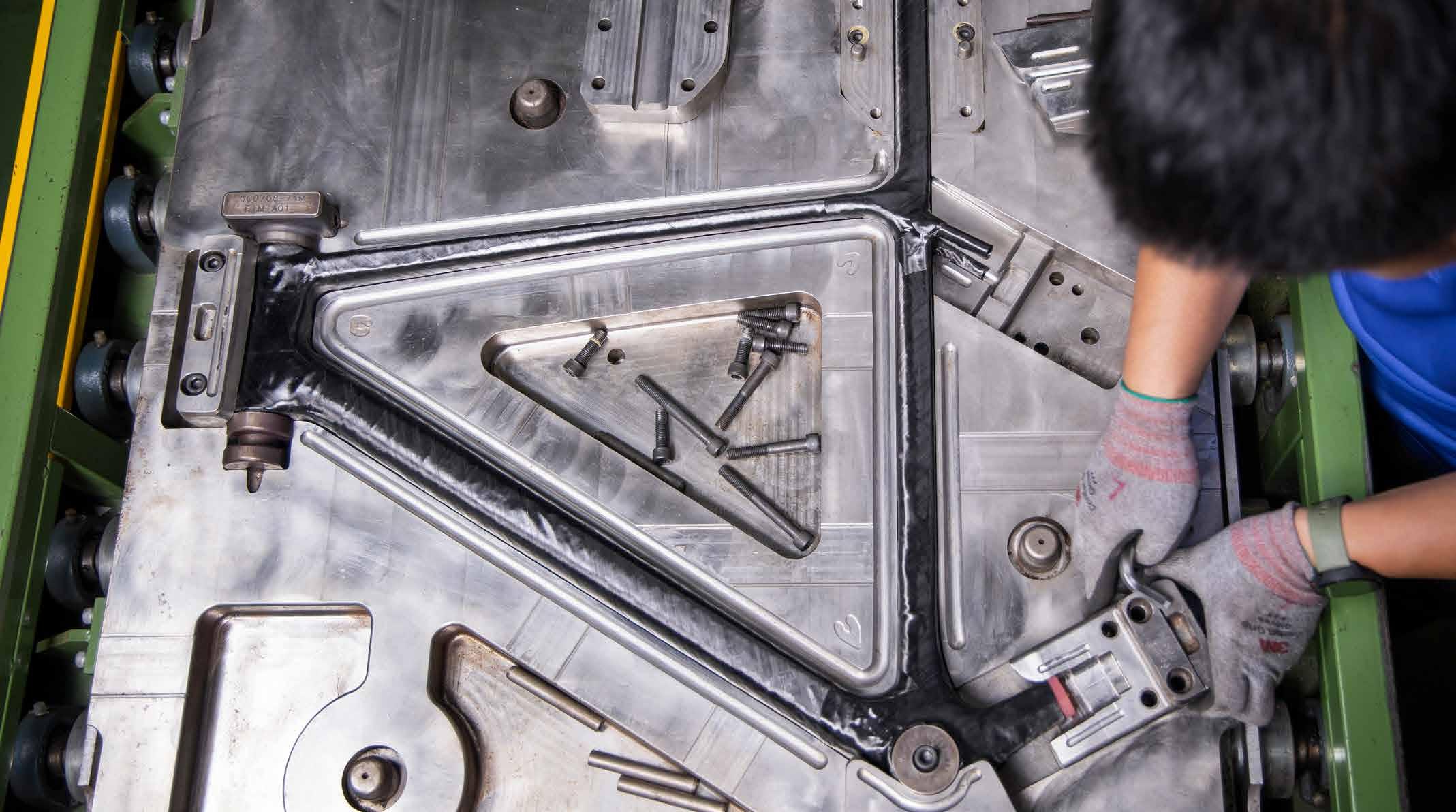
New construction technique uses a single bladder (as opposed to previous generation’s three bladders) to create a one-piece front triangle. The result is reduced weight without compromising stiffness or aerodynamic shaping.
4 | CONTINUOUS FIBER TECHNOLOGY
This manufacturing process allows Giant to construct the front triangle of Advanced SL frames with larger, and therefore fewer, sections of composite material. With fewer pieces and junctions, these frames are lighter and significantly stronger.*
5 | COLD-BLADE CUTTING TECHNOLOGY
Whereas previous generation frames relied on laser-cut composite swatches, cold blade technology is now used to make ultra-precise cuts and eliminate the concern of deformation from excess heat. This translates into fewer (392) and more exacting swatches for the front and rear triangle, resulting in a lighter overall frame weight.
*Found on select framesets.
1 | AEROSYSTEM SHAPING
Strategically engineered airfoil sections use truncated ellipse tubing to more effectively reduce drag compared to traditional teardrop shaped tubes. The system is developed and proven through CFD modeling and wind-tunnel testing at a wide range of yaw angles.
2 | ADVANCED SL COMPOSITE
Professional-grade raw carbon is woven in the Giant composite factory using the most advanced engineering and construction methods. Continuous Fiber Technology adds strength and minimizes weight.
3 | ONE-PIECE MOLD
Proprietary construction technique uses a single bladder (as opposed to previous generation’s three bladders) to create a one-piece front triangle. The result is reduced weight without compromising stiffness or aerodynamic shaping.
4 | FULL COMPOSITE FORK
D-shaped steerer tube and legs are constructed entirely with Advanced SL-grade composite for ultralight weight, precise handling, and improved aerodynamic performance—along with increased clearance for tires up to 32mm.
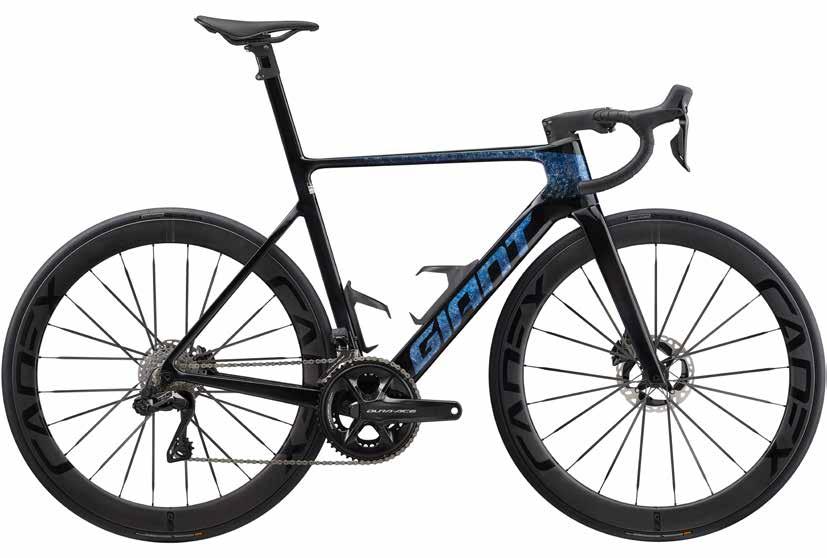
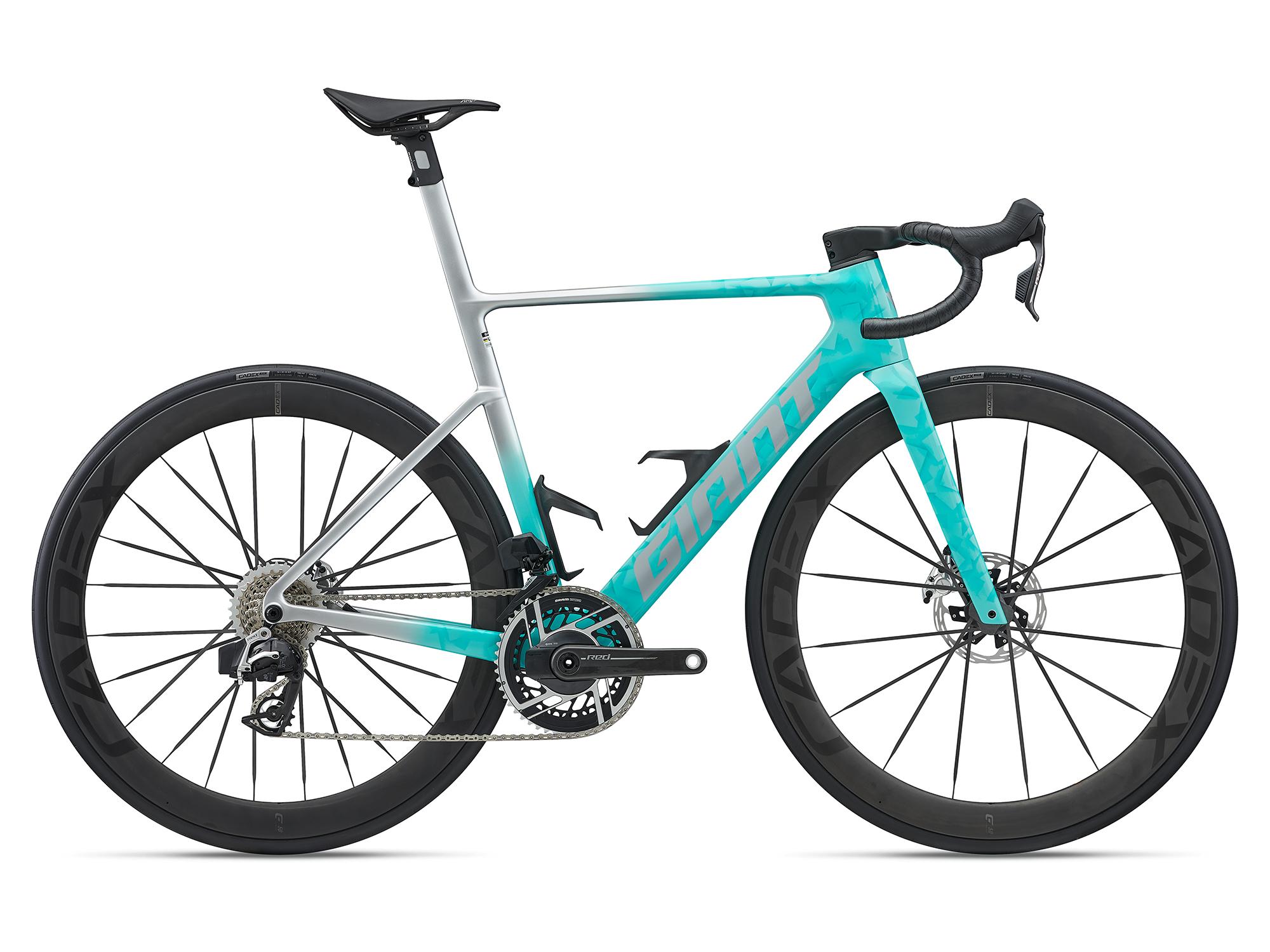
The flagship model of the Propel range targets full system speed with uncompromising aero performance, superior power transfer, and a smoother ride quality. The Advanced SL-grade aero frame, now 45g lighter, retains its AeroSystem Shaping to minimize drag from every angle. From the Contact SLR Aero cockpit to the integrated seatpost and CADEX Max 50 WheelSystem with CADEX Aero tires, every element is developed and tested to reduce wind drag and rolling resistance. The results speak for themselves: an 18.44-watt improvement, 14.8% higher system pedaling efficiency, and smoother compliance at both ends of the bike— enabling you to sprint faster, climb more efficiently, and sustain higher speeds.
5 | CADEX MAX 50 WHEELSYSTEM
Engineered with proprietary Dynamic Balanced Lacing technology, this aero WheelSystem delivers superior efficiency, pinpoint control and supreme aerodynamics.
6 | CADEX AERO TIRE
A lightweight dual-layer TPI casing with an aerodynamic 64-groove shoulder tread helps reduce drag and rolling resistance to help you accelerate and sustain higher speeds.
7 | AERO HANDLEBAR/STEM
Integrated composite handlebar/stem unit features aero shaping with flat handlebar tops and raised edges to help riders maintain a stable aero position. Internal cable routing further improves aerodynamics while maintaining ease of setup and adjustment.
8 | OVERDRIVE AERO
The D-shaped fork steerer tube and corresponding spacers provide an extremely aerodynamic, easy-to-service system of internally routed brake and derailleur cables.
9 | INTERNAL CABLE ROUTING
The frame, handlebar and stem are designed with ports and channels to keep cables hidden from the wind while allowing for easy adjustability.
10 | AERO BOTTLE CAGES
Custom-engineered down tube and seat tube specific bottle cages help reduce overall aerodynamic drag.
11 | VECTOR INTEGRATED SEATPOST
Designed as a key performance factor in the overall frameset, the integrated seatpost saves up to 45 grams compared to standard composite posts, while improving aerodynamics and adding roadsmoothing compliance.
From breakaways to the final sprint. On flat roads, climbs or descents. The reengineered Propel Advanced SL cuts through wind and maximizes watts, optimizing your energy through every dimension of speed: top-end speed, instant speed and sustained speed.
In the moments when explosive speed matters most—launching an attack, chasing a break, or sprinting for the finish line—the new Propel Advanced SL is quicker and more dynamic than ever. The whole system sheds 355g from the previous generation and is also more efficient with 14.2% more torsional stiffness and 14.8% greater pedaling stiffness—so you feel instantaneous reaction when you make your move.
Engineered for full-bike compliance, the new Propel Advanced SL delivers a significantly smoother ride when you’re rolling in the group or piling up training miles. The Vector integrated seatpost has 25% greater compliance compared to the previous generation. The fork and integrated cockpit absorb bumps and vibrations up front with 15% added compliance. And additional tire clearance allows for high-volume tires up to 32mm, further smoothing out the ride to help you maintain higher speeds with less fatigue.
The frameset, cockpit, wheels and tires form a unified system that lowers total resistance when you’re pushing high speeds in the wind—whether you’re on a solo break, taking pulls at the front, or powering away on a climb. The AeroSystem frame and integrated cockpit minimize drag, while the new CADEX Max 50 WheelSystem and Aero tires reduce rolling resistance. It all adds up to an 18.4W aero and rolling resistance advantages.
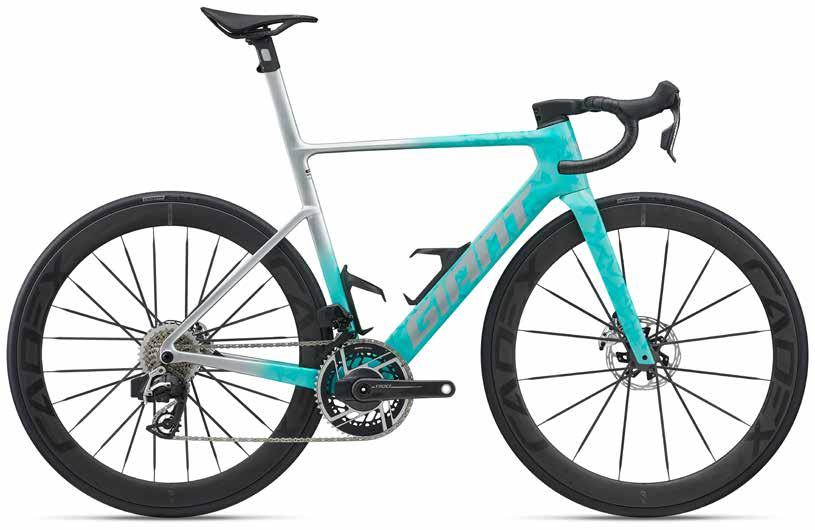
1 | AEROSYSTEM SHAPING
Strategically engineered airfoil sections use truncated ellipse tubing to more effectively reduce drag compared to traditional teardrop shaped tubes. The system is developed and proven through CFD modeling and wind-tunnel testing at a wide range of yaw angles.
2 | ADVANCED COMPOSITE
High-performance grade raw carbon material is used to produce this custom frame material in our own composite factory with a high stiffness-to-weight ratio. The front triangle is assembled and molded as one continuous piece in a proprietary manufacturing process called Modified Monocoque Construction.
3 | COMPOSITE FORK
Advanced SL-grade composite fork features a symmetric design and aero shaping, along with disc-brake integration and increased clearance for tires up to 32mm. The design makes it lighter, stiffer and more aerodynamic.
4 | GIANT WHEELSYSTEM
Engineered with proprietary Dynamic Balanced Lacing technology and 50mm deep composite rims, this aero WheelSystem delivers superior efficiency, pinpoint control and supreme aerodynamics.
With a new frameset that’s now lighter and more efficient—delivering greater torsional and pedaling stiffness for precise handling and improved power transfer—the next-generation Propel Advanced Pro blends straightahead speed with an improved overall ride quality. The Vector composite seatpost and integrated cockpit offer more compliance, absorbing bumps and vibrations at both ends of the bike to help minimize fatigue so you can sustain higher speeds. The WheelSystem features 50mm deep composite rims paired with CADEX Aero tires to reduce wind drag and rolling resistance. Even the bottle cages are designed for speed, made specifically for the frame to help optimize airflow.
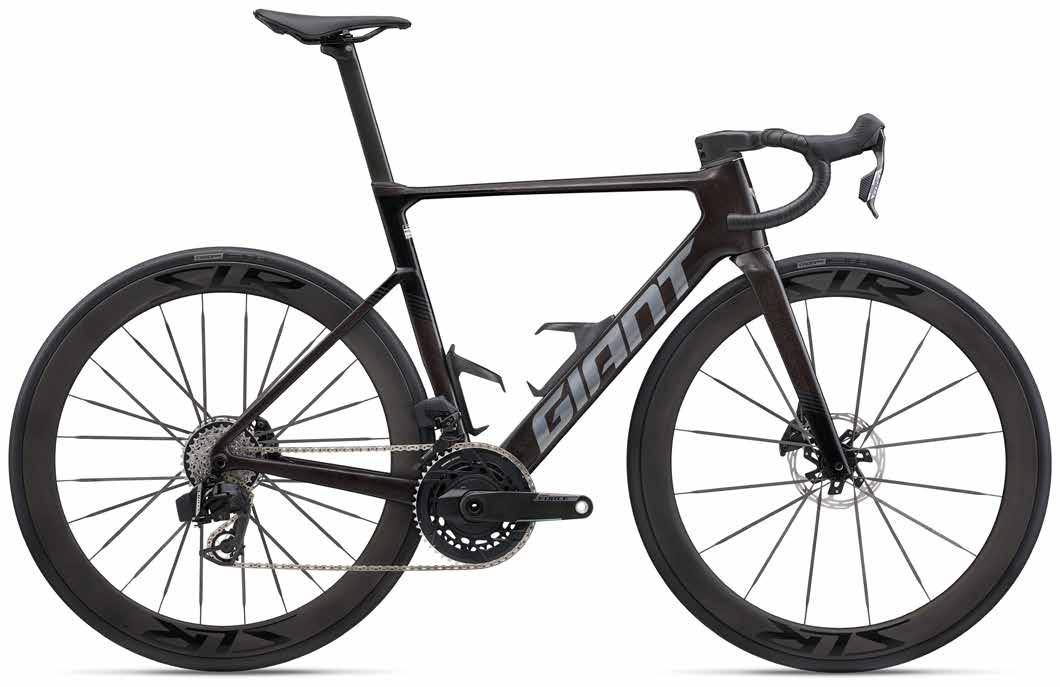
5 | CADEX AERO TIRE
A lightweight dual-layer TPI casing with an aerodynamic 32-groove shoulder tread helps reduce drag and rolling resistance to help you accelerate and sustain higher speeds.
6 | AERO HANDLEBAR/STEM
Integrated composite handlebar/stem unit features aero shaping with flat handlebar tops and raised edges to help riders maintain a stable aero position. Internal cable routing further improves aerodynamics while maintaining ease of setup and adjustment.
7 | OVERDRIVE AERO
The D-shaped fork steerer tube and corresponding spacers provide an extremely aerodynamic, easy-to-service system of internally routed brake and derailleur cables.
8 | INTERNAL CABLE ROUTING
The frame, handlebar and stem are designed with ports and channels to keep cables hidden from the wind while allowing for easy adjustability.
9 | AERO BOTTLE CAGES
Custom-engineered down tube and seat tube specific bottle cages help reduce overall aerodynamic drag.
10 | VECTOR SEATPOST
This proprietary seatpost design offers the perfect balance of light weight, aerodynamic performance and compliance, along with easy saddle installation and adjustment.
Hang with the fast group, go for the sprint, cheat the wind on a solo ride. The new Propel Advanced Pro is now lighter, smoother and more efficient, delivering higher speeds to help you maximize every effort.

In the moments when explosive speed matters most—launching an attack, chasing a break, or sprinting for the finish line—the new Propel Advanced Pro is quicker and more dynamic than ever. The frameset is lighter than the previous generation with greater torsional stiffness and pedaling stiffness—so you feel instantaneous reaction when you make your move.
A reengineered frameset and integrated components combine for a smoother ride when you’re rolling in the group or piling up training miles. The Vector seatpost offers greater compliance compared to the previous generation, while the fork and integrated cockpit absorb bumps and vibrations up front. And additional tire clearance allows for high-volume tires up to 32mm, further smoothing out the ride to help you maintain higher speeds with less fatigue.
The frameset, cockpit, wheels and tires form a unified system that lowers total resistance when you’re pushing high speeds. The AeroSystem frame and integrated cockpit minimize drag, while the aero WheelSystem and tires reduce rolling resistance. That means more speed for taking pulls, rolling off the front, or driving the pace across flats and over climbs.
1 | AEROSYSTEM SHAPING
Strategically engineered airfoil sections use truncated ellipse tubing to more effectively reduce drag compared to traditional teardrop shaped tubes. The system is developed and proven through CFD modeling and wind-tunnel testing at a wide range of yaw angles.
2 | ADVANCED COMPOSITE
High-performance grade raw carbon material is used to produce this custom frame material in our own composite factory with a high stiffness-to-weight ratio. The front triangle is assembled and molded as one continuous piece in a proprietary manufacturing process called Modified Monocoque Construction.
3 | COMPOSITE FORK
Advanced-grade composite fork features a symmetric design and aero shaping, along with disc-brake integration and increased clearance for tires up to 32mm. The design makes it lighter, stiffer and more aerodynamic.
4 | GIANT WHEELSYSTEM
Engineered with proprietary Dynamic Balanced Lacing technology and 50mm deep composite rims, this aero WheelSystem delivers superior efficiency, pinpoint control and supreme aerodynamics.
A lightweight composite frameset with AeroSystem Shaping technology forms the heart of this reengineered road machine. It’s designed as a full-bike solution to minimizing resistance, integrating the frame and components more seamlessly to help you unlock higher speeds. The cockpit gives it a sleek aero profile with internal cable routing, while the Vector seatpost combines aero shaping with added compliance to help smooth out bumps and road vibrations. An integrated WheelSystem with 50mm deep rims and tubeless aero tires reduce rolling resistance, while added frame and fork clearance lets you run high-volume tires (up to 32mm) for smooth, efficient control.
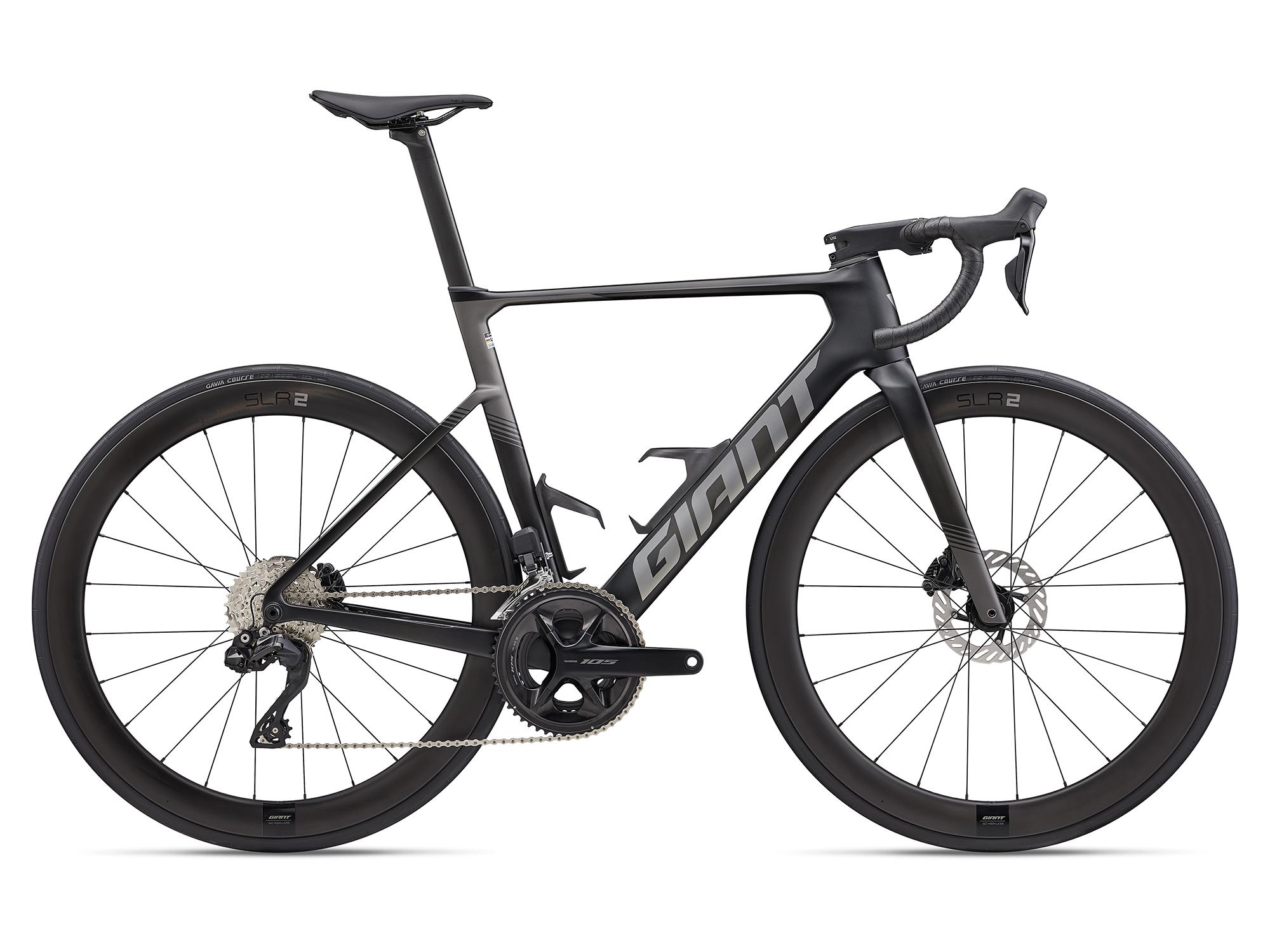
5 | AERO HANDLEBAR/STEM
Integrated composite handlebar/stem unit features aero shaping with flat handlebar tops and raised edges to help riders maintain a stable aero position. Internal cable routing further improves aerodynamics while maintaining ease of setup and adjustment.
6 | OVERDRIVE AERO
The D-shaped fork steerer tube and corresponding spacers provide an extremely aerodynamic, easy-to-service system of internally routed brake and derailleur cables.
7 | INTERNAL CABLE ROUTING
The frame, handlebar and stem are designed with ports and channels to keep cables hidden from the wind while allowing for easy adjustability.
8 | AERO BOTTLE CAGES
Custom-engineered down tube and seat tube specific bottle cages help reduce overall aerodynamic drag.
9 | VECTOR SEATPOST
This proprietary seatpost design offers the perfect balance of light weight, aerodynamic performance and compliance, along with easy saddle installation and adjustment.
Get the most from your hard-earned pedaling power. Whether it’s squeezing out more speed on solo rides or taking bragging rights in the group, the new lighter, smoother Propel Advanced makes the thrill of road speed accessible to all.
In the moments when explosive speed matters most, the new Propel Advanced is quicker and more dynamic than ever. The frameset is lighter than the previous generation with greater torsional stiffness and pedaling stiffness—so you feel instantaneous reaction when you make your move.
A reengineered frameset and integrated components combine for a smoother ride when you’re rolling in the group or piling up training miles. The Vector seatpost offers greater compliance compared to the previous generation, while the fork and integrated cockpit absorb bumps and vibrations up front. And additional tire clearance allows for high-volume tires up to 32mm, further smoothing out the ride to help you maintain higher speeds with less fatigue.
The frameset, cockpit, wheels and tires form a unified system that lowers total resistance when you’re pushing high speeds. The AeroSystem frame and integrated cockpit minimize drag, while the aero WheelSystem and tires reduce rolling resistance. That means more speed for taking pulls, rolling off the front, or driving the pace across flats and over climbs.
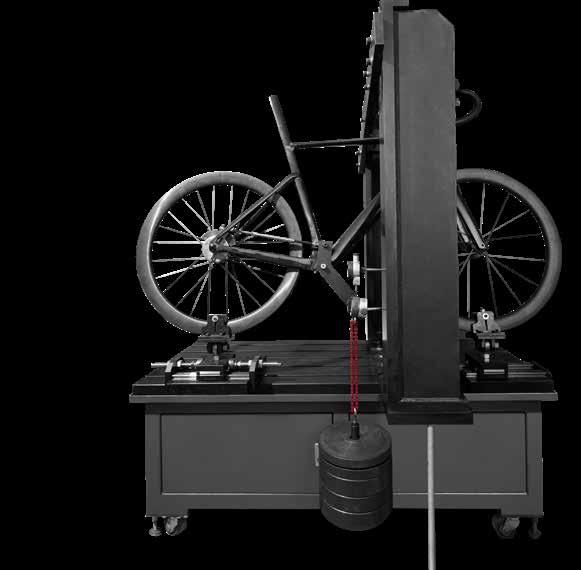
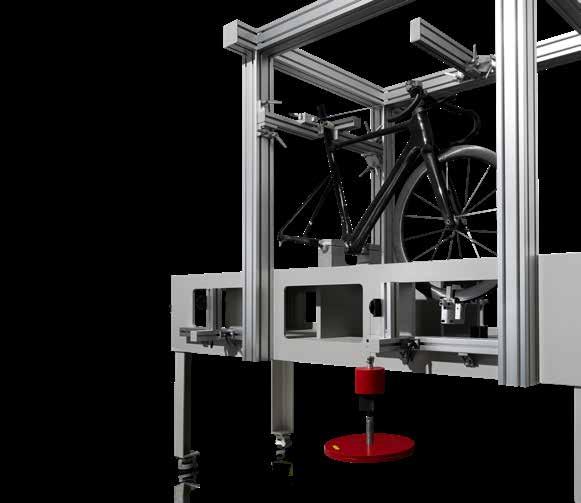
• Fixation method: Front and rear wheels, as well as the handlebars, securely mounted on the test bench
• Load application system: Calibrated standard weights (80 kgf / 784.8 N)
• Displacement measurement: Highprecision displacement sensor (0.01 mm resolution)
• Load application point: End of the complete crank system (pedal mounting location)
• Crank angle: 135° forward and downward, representing the maximum torque phase of actual pedaling
• Frame inclination angle: 10°, simulating real riding posture
• System load: 80 kgf (784.8 N)
• Measurement point: Measurement point: Lateral and vertical deflection (Y/Z axes) at the crank arm extremity
1. Complete system assembly: Frame, fork, cockpit, and wheelset are fully assembled to replicate a complete riding system.
2. System pre-loading: 50% of the target load is applied for 30 seconds to eliminate initial system clearances.
3. Power transmission test: A full 80 kgf load is applied, and total system displacement is measured.
4. System validation: The test is repeated five times, with average values used to ensure consistency, stability, and data reliability.
• Fixation Method: The frame is rigidly constrained at the bottom bracket, seatpost, and handlebar. A proprietary test jig is interfaced with the front wheel at its lowest point.
• Torsional load system: Standard weights (5 kg pre-load + 10 kg test load)
• Displacement measurement: Highprecision displacement sensor featuring an ultra-high resolution of 0.01mm
• Load application point: Center of the front wheel system (lowest point of the front wheel)
• Load direction: Lateral force applied perpendicular to the wheel rim centerline
• System pre-load: 5 kg (to eliminate system clearances)
• Test load: 10 kg (98.1 N)
• Measurement point: Lateral displacement at the lowest point of the front wheel
1. Complete system assembly: Frame, fork, cockpit, and wheelset are fully assembled to replicate a complete riding system.
2. System pre-loading: A 5kg load is applied twice for 30 seconds to eliminate initial system clearance.
3. Handling stiffness test: A 10kg load is applied, and the total system displacement is measured.
4. System validation: The test is repeated five times; average values are used to ensure consistency, stability, and data reliability.