




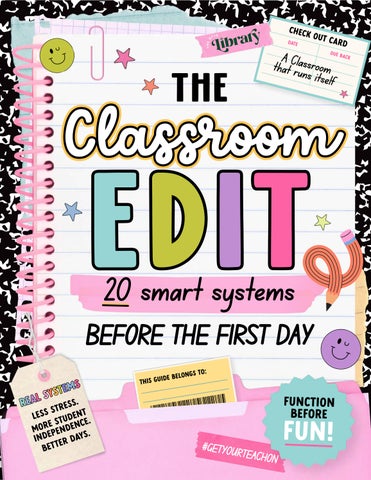
r re ea al ls sy ys st te em ms s alsystems lessstress. morestudent independence. betterdays. date

thisguidebelongsto: 20 smart systems 20 smart systems



#GETYOURTEACHON #GETYOURTEACHON function before fun! BEFORE THE FIRST DAY BEFORE THE FIRST DAY







r re ea al ls sy ys st te em ms s alsystems lessstress. morestudent independence. betterdays. date
thisguidebelongsto: 20 smart systems 20 smart systems
#GETYOURTEACHON #GETYOURTEACHON function before fun! BEFORE THE FIRST DAY BEFORE THE FIRST DAY
The systems that shape your classroom culture. The systems shape your classroom culture
These answer: These answer:
"What does it feel like to be does it feel like to in this classroom?" classroom?"
Front Door Greetings Front Door Greetings
Affirmation Station Affirmation
Morning Message / Morning Meeting Message Meeting
Voice Levels Voice Levels
Calm Down Corner Calm Down Corner
Waiting Room
Create a classroom where students know what
Create a classroom where students to do without constantly asking you. to do without constantly
These answer: These answer:
"Can students function students function independently?" independently?"
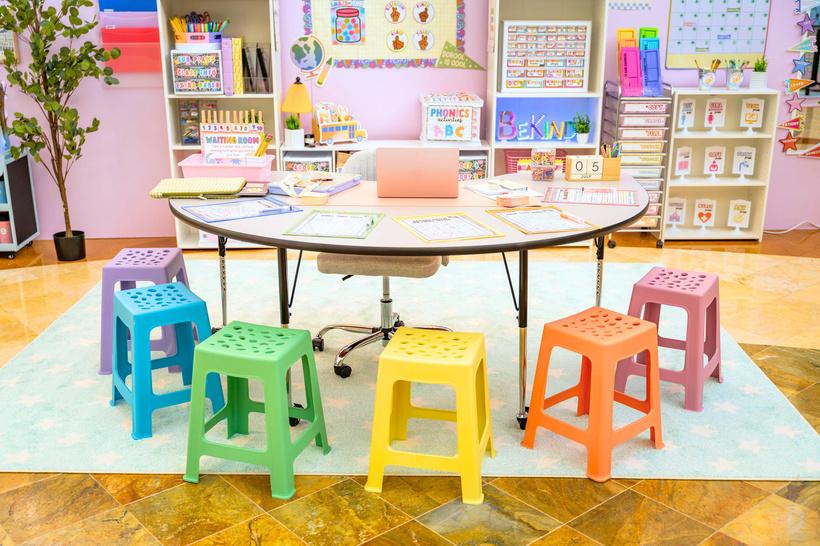
Flexible Seating Flexible Seating
Easy to Access Materials Access Materials
The Student Station The Student Station
Learning Zones Learning Zones
Every inch of your classroom should have a
Every inch of your classroom should have a purpose. purpose
These answer: These answer:
"Does my classroom work for "Does my classroom work for students?" students?"
Front Whiteboard Whiteboard
Anchor Ch Anchor art Organization
Pencil Writing Process Pencil Process
Turn & Talk Turn & Talk
The organizational systems that save time all The organizational systems that save time all year long. year long.
These answer: These answer:
"How do I eliminate eliminate unnecessary interruptions?" unnecessary interruptions?"
WOW Management System Management System
Hall Passes Passes
Whe Where to Turn in Work re
Prep Your Desk Prep Desk
Organized Classroom Organized Classroom Cart Cart
Launch Pad Launch




Teachers Who Plan Ahead your your bestyear bestyear startshere startshere startsbestyearhere



20smartsystemsbefore 20smartsystemsbefore thefirstday thefirstday


The best classrooms don't happen by accident. They're built with intention, planned with purpose, and designed so students can succeed from the very first day.
This guide will help you set up more than a space—it will help you build systems that create clarity, consistency, and confidence all year long. Because when your classroom is set up right, you get your time back—and your students thrive. G GY YT TO O TO
realresults. betterdays.

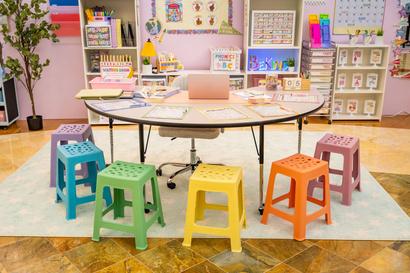
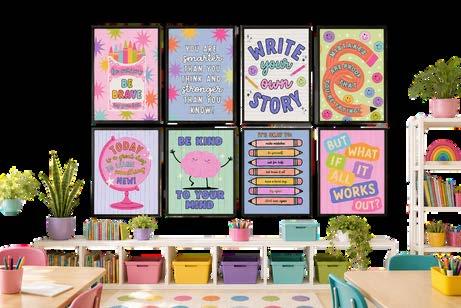


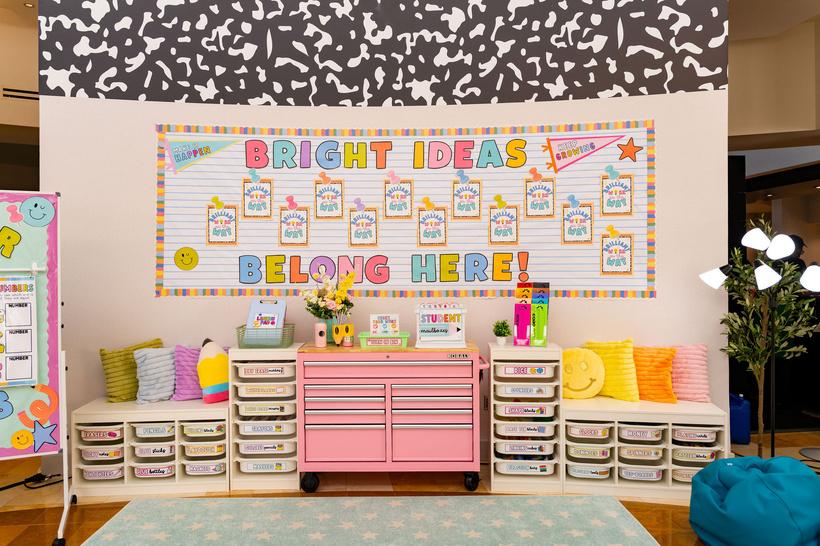
Inside th Inside this guide, you'll find 20 must-have classroom systems guide, find 20 must-have classroom systems organized into four "shelves." Each system includes: organized into four "shelves." Each system includes:


The impact The impact it has on it has on your classroom and your classroom and your students. students.
Simple, act Simple, actionable ionable steps to put the steps the system in place. system place

Pro tips to keep keep it it running smoothly all year long. year

thisguidebelongsto:
What's one interruption you dealt with over and What's one interruption you dealt with over and over last year? over last year?
What routine do you want students to master What routine students to master in the first week? in the first week?

Featured Featured resources resources to support you every every step of the way. step of the way.

Which classroom system would save you the
Which classroom system would save the most time? most time?
GET YOUR TEACH ON
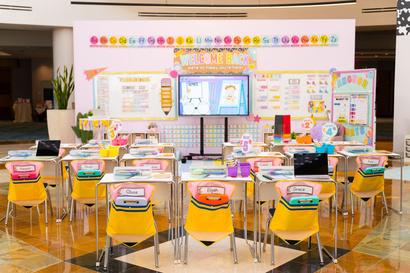


Everythingyourclassroomneedsbeforeyour firstlessonbegins.

function function before before






Setthetone.Buildcommunity. Setthetone.Buildcommunity. Startstrong,everysingleday.
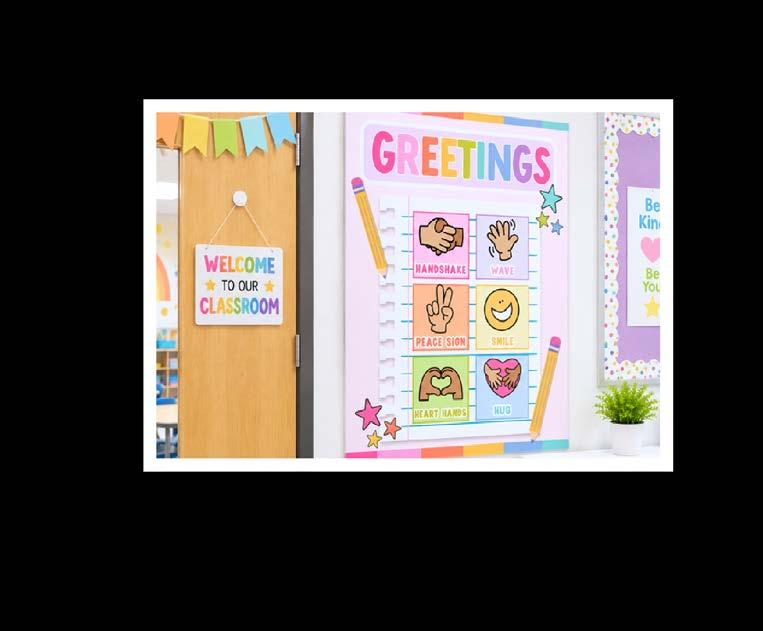
The way you welcome students into your classroom sets the tone for the entire day. Classroom greetings help every child feel seen, valued, and connected from the moment they walk through the door while giving them the opportunity to choose how they'd like to start their morning..


Strong relationships are built one small interaction at a time. Taking just a few seconds to intentionally greet each student helps create a positive classroom culture, builds trust, and fosters a sense of belonging that supports learning all year long.
Decide whether you want to use the full

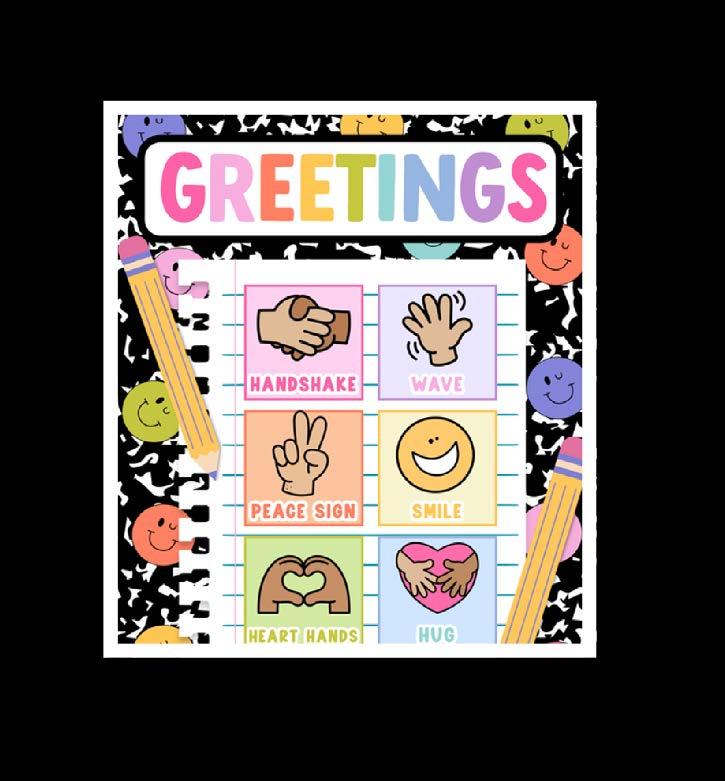
Decide whether you want to use the full greeting menu, individual greeting cards, or greeting menu, greeting cards, or an enlarged poster near your classroom door. an enlarged poster near your classroom door.
Use the editable Canva version to update the Use the editable Canva version update the wording, fonts, colors, or greeting choices to wording, fonts, colors, or greeting choices to fit your classroom. fit classroom.
Display the greetings where students can the greetings where students can easily see and select an option as they enter easily see and select they enter each morning. each



Model how students should choose a
Model students choose a greeting and practice each option together greeting practice each together before using it independently. before independently.
The systems that shape your
Consistency is key! Greet every Consistency is key! Greet every student each morning, even on student each morning, even on the busiest days. Those few the busiest Those few seconds of connection can seconds of connection can make a lasting impact. make a lasting impact. librarynote every
Use the greeting routine consistently each
Use the greeting routine consistently each day to help students feel welcomed, help students feel welcomed, connected, and ready to learn. connected, and ready to learn.

"What does it feel like to be in classroom?"this
everythingyourclassroomneedsbeforeyour firstlessonbegins.
S ST TA AT TI IO ON N
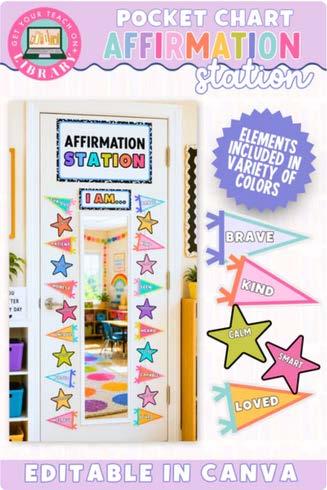
An Affirmation Station gives students a dedicated space to pause, reflect, and speak positive words over themselves.
Whether they're beginning the day or working through a challenge, this routine builds confidence and encourages a positive mindset.
The affirmation words can also be used to uplift classmates, creating a classroom culture where everyone feels seen, supported, and encouraged.

The words students hear every day shape the way they see themselves.
Positive self-talk is a skill that can be taught. By creating intentional moments for students to encourage themselves and others, you help build confidence, resilience, and a classroom where every student feels valued.
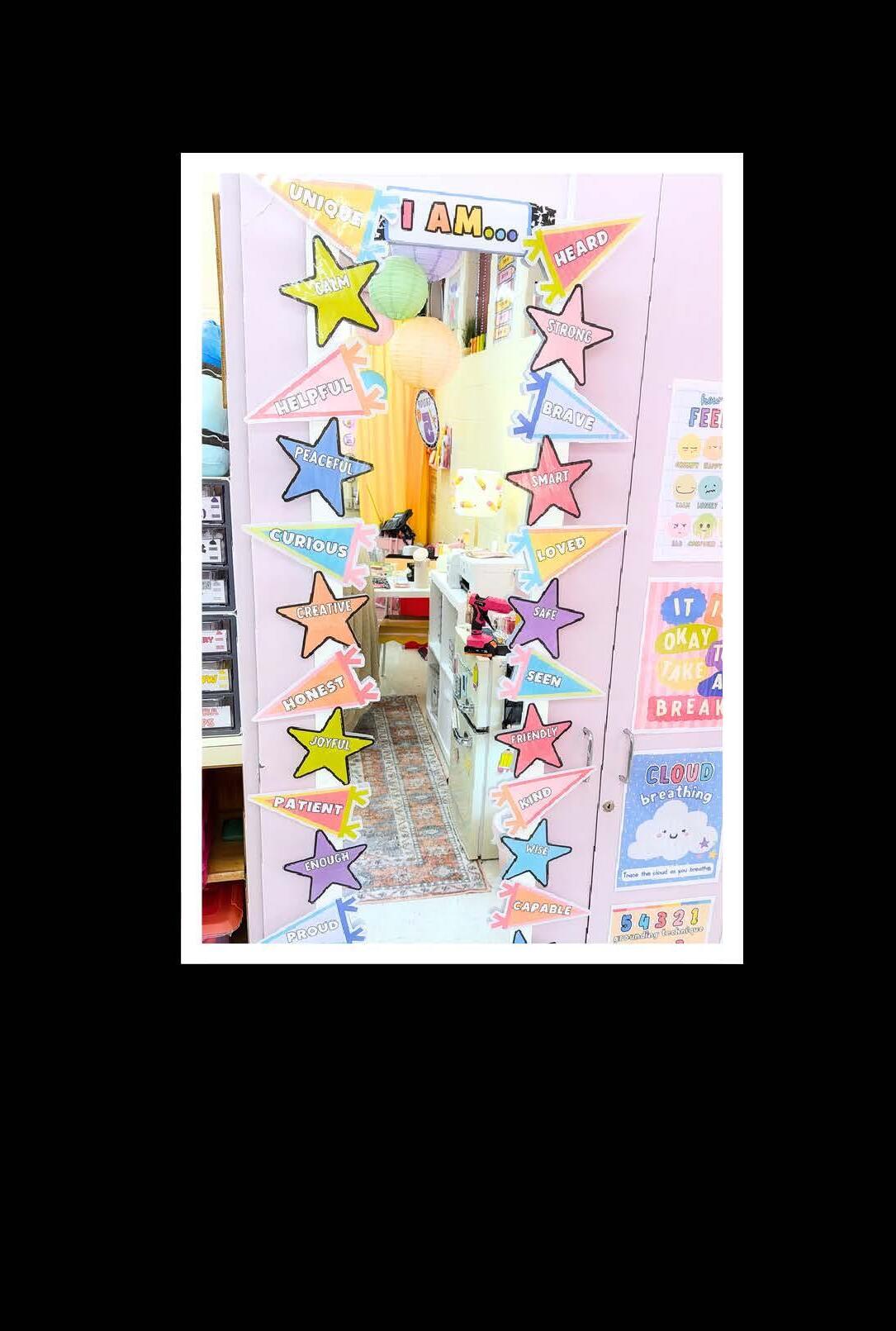

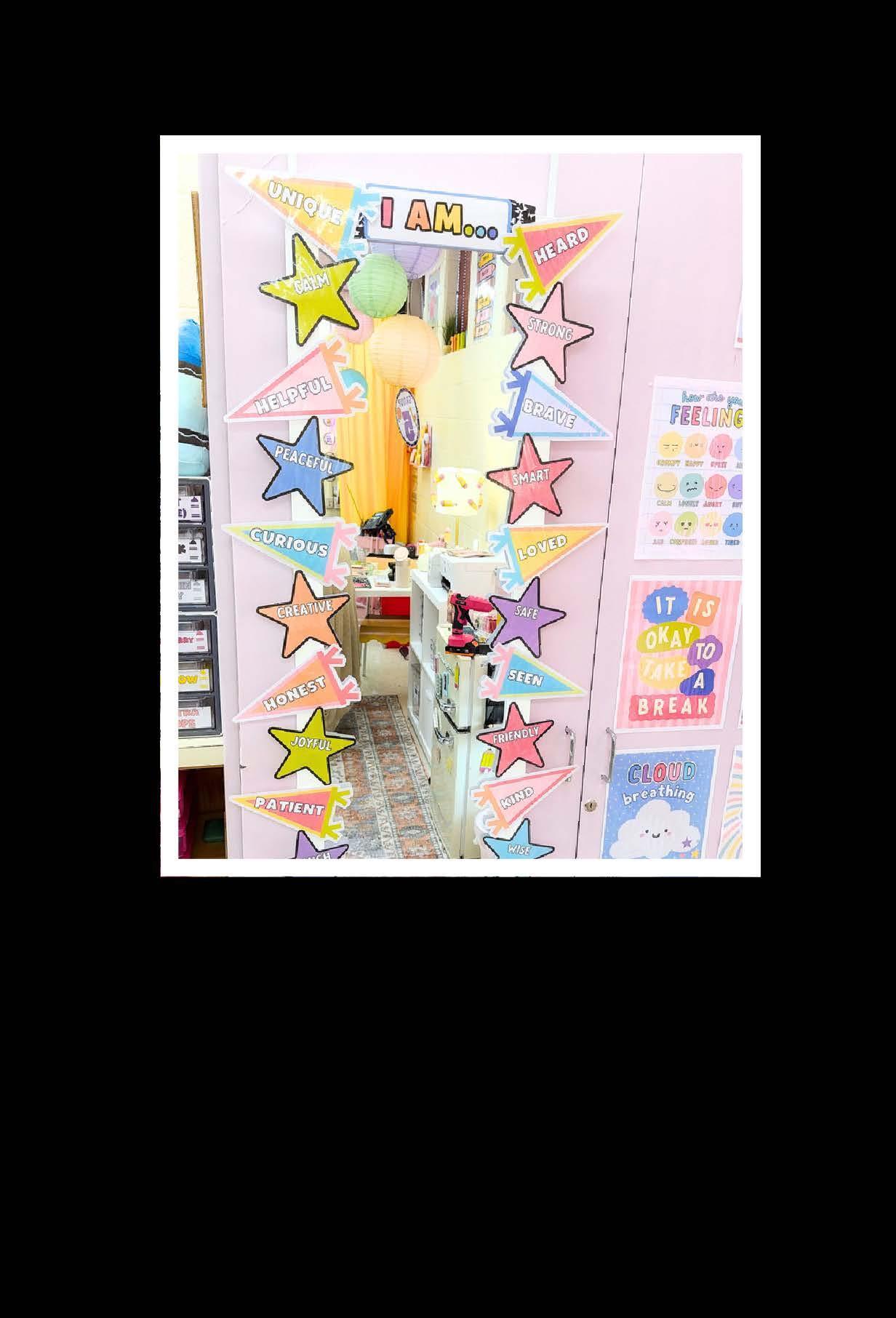
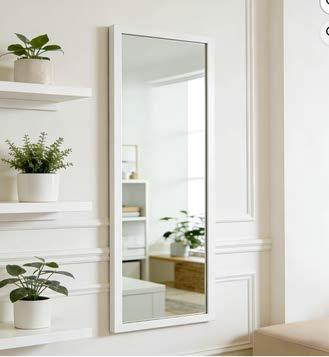
Place a full-length or standing mirror in an
Place a full-length or standing mirror in an easily accessible area of your classroom. easily accessible area of your classroom.
Print, laminate, and attach the affirmation laminate, attach the affirmation cards around the mirror using the GYTO cards around the mirror using the GYTO Library classroom decor set. Library classroom decor set.
Introduce the routine
Model how students can look in the mirror, read affirmations aloud, and speak positive read affirmations speak positive words to themselves. themselves. affirmations
Model how students can look in the mirror,

library note
Invite students to visit the station during Invite students to visit the station during morning arrival, after challenging moments, or after challenging mome anytime they need encouragement. anytime they need encouragement.
Build classroom community
Encourage students to use the affirmation
Encourage students to use the affirmation words to uplift and encourage their uplift and encourage their classmates throughout the day. classmates the

Model the Affirmation Station Model the Affirmation yourself! When students see yourself! When students see you practicing positive self-talk, you practicing positive self-talk, they begin to understand that they begin understand that encouragement isn't just for encouragement isn't just for kids. It's a lifelong habit. kids. It's a lifelong habit.
A Morning Meeting is an intentional daily routine that prepares students academically, socially, and emotionally for the day ahead. More than a greeting or calendar activity, it's your first opportunity to establish expectations, strengthen relationships, and reinforce the routines that drive successful learning.
The strongest Morning Meetings don't just build community—they build classroom readiness.
The first 5-10 minutes of the day often determine the energy, focus, and productivity of everything that follows.
An intentional Morning Meeting helps students: Feel seen and valued. Know what to expect.
Practice classroom routines. Review important concepts. Build confidence before academic learning begins.
When students feel connected and prepared, they're more likely to engage, participate, and persevere throughout the day.
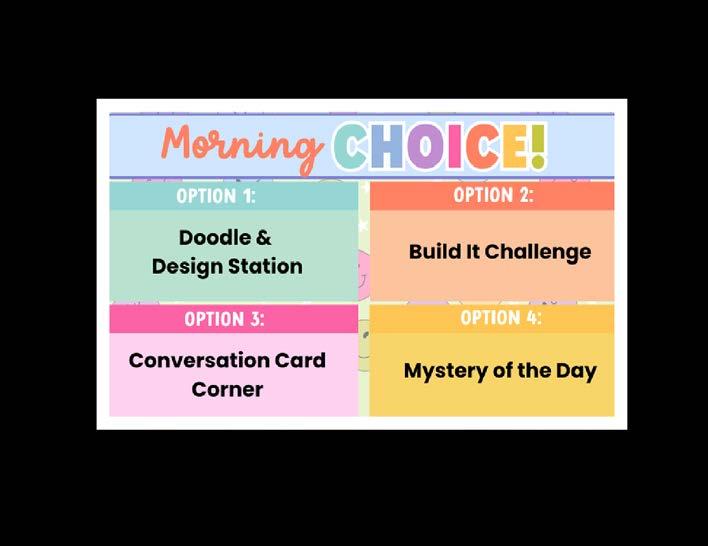

Begin every morning by intentionally welcoming students
Begin every morning by intentionally welcoming students and creating opportunities to build relationships. and creating opportunities to build relationships. build
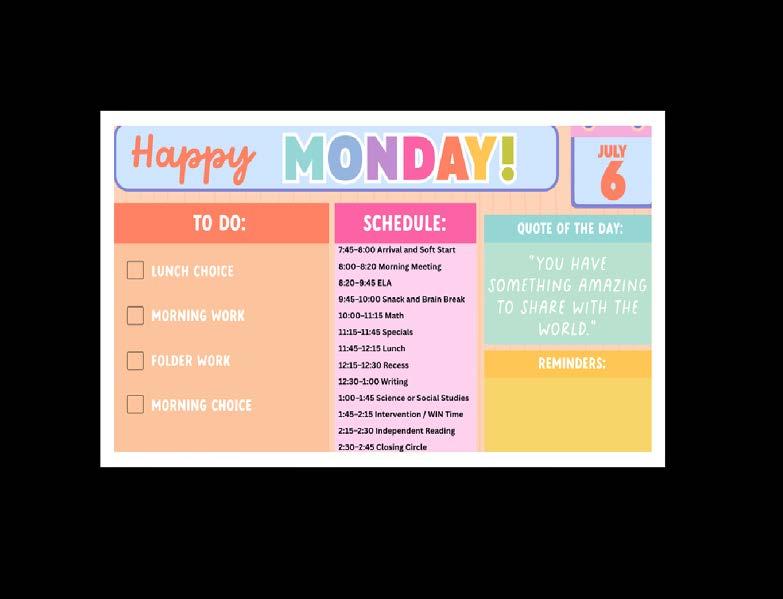
Help students understand what's ahead. Review: the
Help students understand what's ahead. Review: the schedule, special events, learning focus, and any schedule, special events, learning focus, important reminders. Predictability creates important reminders. Predictability creates confidence. confidence.
Morning Meeting is the perfect time to practice Meeting the perfect time to practice the routines you'll use throughout the day. the routines you'll use throughout the day.
Include one short academic task that gets
Include one short academic gets students thinking before your first lesson. Think of students before your first lesson. Think of this as a warm-up for the brain. for the brain.
Don't try to do everything every morning. everything every morning.
A consistent 10-minute routine is far more A consistent 10-minute routine is far more effective than a different 25-minute activity effective than a different 25-minute activity every day. every day.
The systems that shape your culture.classroom
Before students transition into instruction, make sure
Before students transition into instruction, make sure they know: they
What they're learning today. What they're learning Why it matters. Why it matters. What success will look like. success like
Morning Meeting should naturally lead into your first Meeting lead first lesson—not feel separate from it. lesson—not feel separate from it.
Consistency builds confidence. Consistency builds confidence
"What does it feel like to be in classroom?"this
L LE EV VE EL LS S
A voice level chart doesn't change student behavior. Teaching, practicing, and consistently reinforcing it does.
A voice level system isn't about creating a quiet classroom. It's about creating a predictable one.
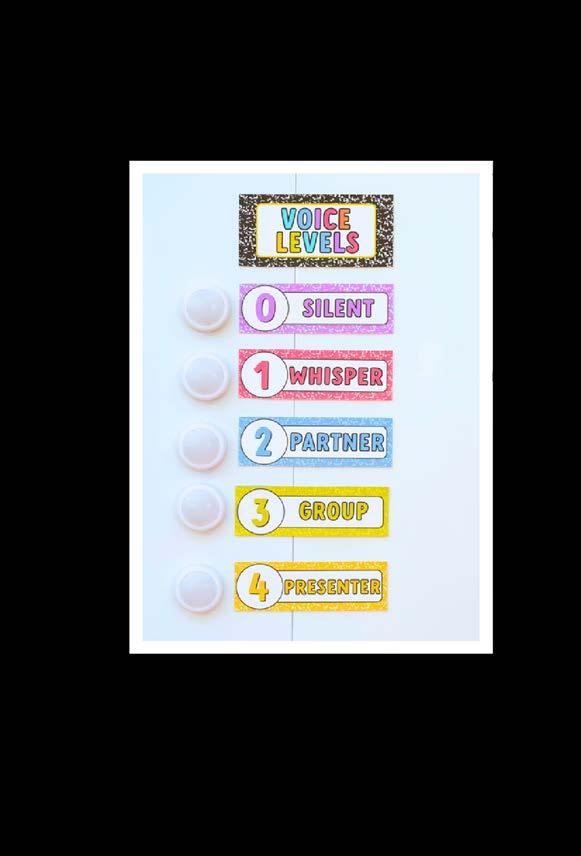
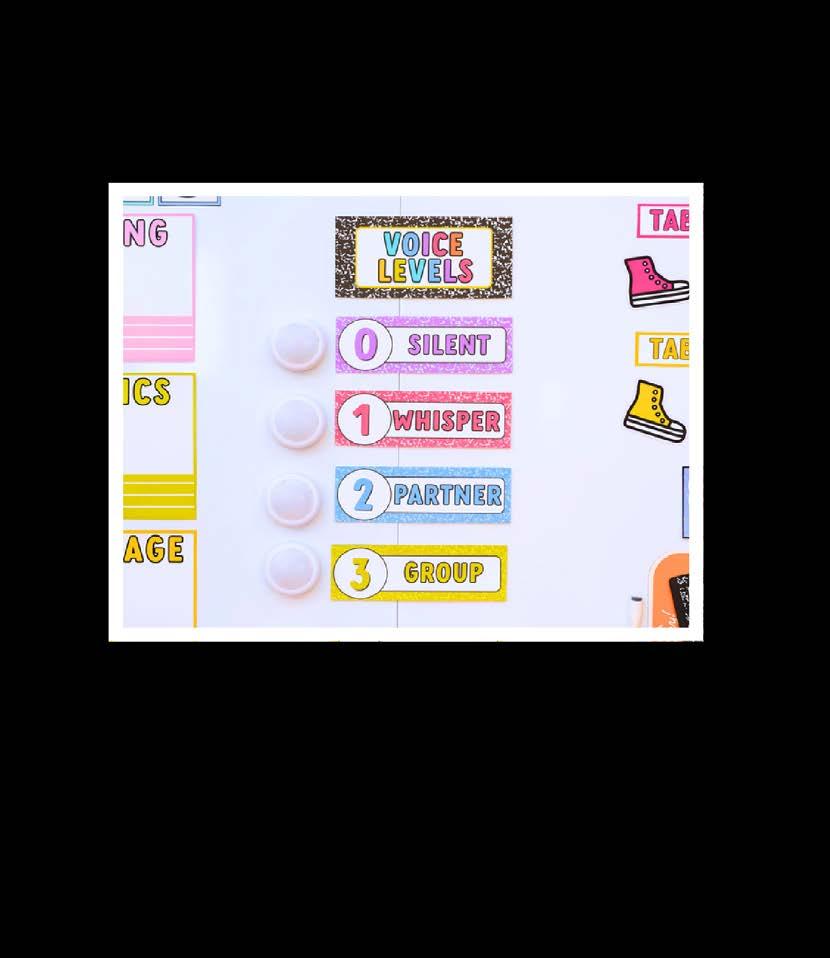
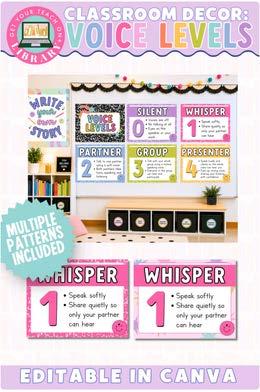
A classroom voice level system gives students a clear expectation for how loudly they should be speaking during different parts of the day. Instead of constantly reminding students to "be quieter," teachers provide a common language that helps students know exactly what is expected during independent work, partner conversations, small groups, and whole-class instruction.

One of the biggest reasons classrooms become noisy isn't because students don't want to follow expectations—it's because they aren't sure what the expectation actually sounds like.
When every activity has a clearly taught voice level, students spend less time guessing and more time learning.
The goal isn't a quiet classroom.
The goal is an intentional classroom where students know exactly when to listen, collaborate, and work independently.
Decide
Make them visible.
Display your voice levels where every student can
Pair every activity with a voice level.
Don't just say: "Work with your partner." partner."
Instead, say: "Turn and Talk. Voice Level 2."
Instead, Voice Level 2." Students should never have to guess. Students should never have to guess.
Practice before you need it.
Spend the first week modeling each voice level. Have students: Spend the first week modeling each voice level. Have students: Practice it, Reflect on it, Try it again Practice it, Reflect on it, Try it again
skill.
Treat voice levels like any other academic skill. Treat voi
Reinforce consistently.
If you find yourself saying... "Too loud." If you find yourself saying... ...more than you're reminding students of ...more than you're reminding students of the expected voice level, it's probably a the expected voice level, probably systems problem, not a behavior systems problem, not a behavior problem. Students can't consistently problem. Students can't consistently meet expectations they can't clearly meet expectations they can't clearly define. define library note
Before every transition, ask: "What's our voice level?"
Before every voice level?"
The more consistent the language, the faster it
The more consistent the language, the faster it becomes automatic. becomes automatic
C CO OR RN NE ER R
Createasafespaceforstudentsto Createasafespaceforstudentsto deescalateandregulate.
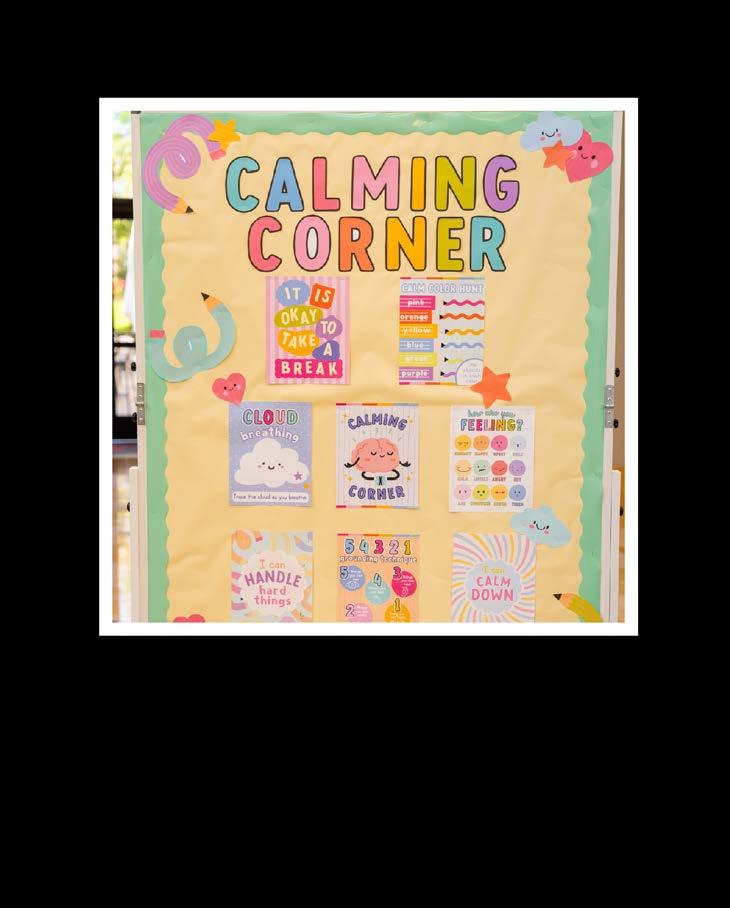
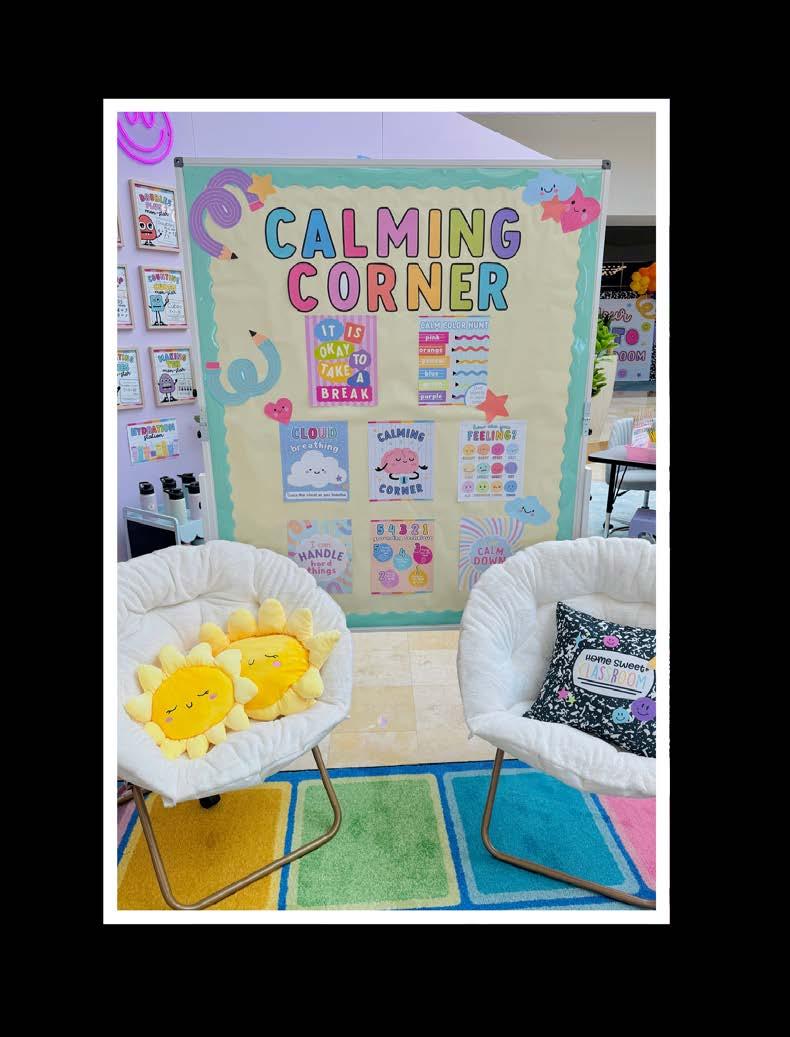
A calm-down corner gives students a safe space to pause, regulate their emotions, and reset before returning to learning. It's not a timeout—it's a place where students build independence and practice healthy self-regulation strategies they can use every day.
Teachers Who Are Proactive vs. Reactive
Students learn best when they feel calm, safe, and supported. A calming corner helps reduce disruptions, encourages emotional awareness, and gives students the tools they need to manage big feelings and confidently rejoin the classroom.
Select a quiet, easily supervised area of your
Select a quiet, easily supervised area of your classroom where students can take a classroom where students can take a moment to reset. moment reset.
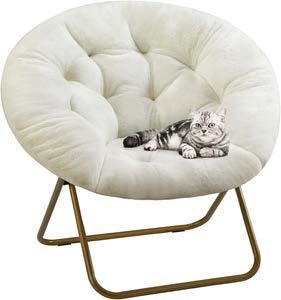
Add comfortable seating, a small rug, or a
Add comfortable seating, a small rug, or a cushion to make the space feel calm, safe, cushion to make the space feel calm, safe, and inviting. and
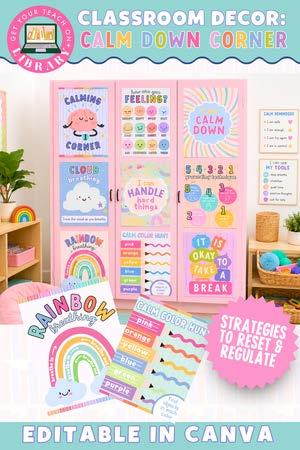
Hang the feelings posters, breathing the feelings posters, breathing strategies, affirmations, and calming tools strategies, affirmations, and calming where students can easily see and use them where students can easily see and use them independently. independently.
every everystudent time
Model when to use the calm down corner, how
Model when to use the calm down corn to choose a calming strategy, and what to choose a calming strategy, students should do before returning to learning. students should do before returning l
Practice using the space as a class before it's
Practice using the space as a class bef ever needed so students feel confident using ever needed so students feel confident using it independently throughout the year. it independently throughout the year.

The systems that shape your culture.classroom "What does it feel like to be in classroom?"this
Don’tjustdisplaytheposters.Modelhowto utilizethemeffectively.
RO OO OM M
A waiting room isn't about making students wait. It's about making sure learning doesn't stop while they're waiting.
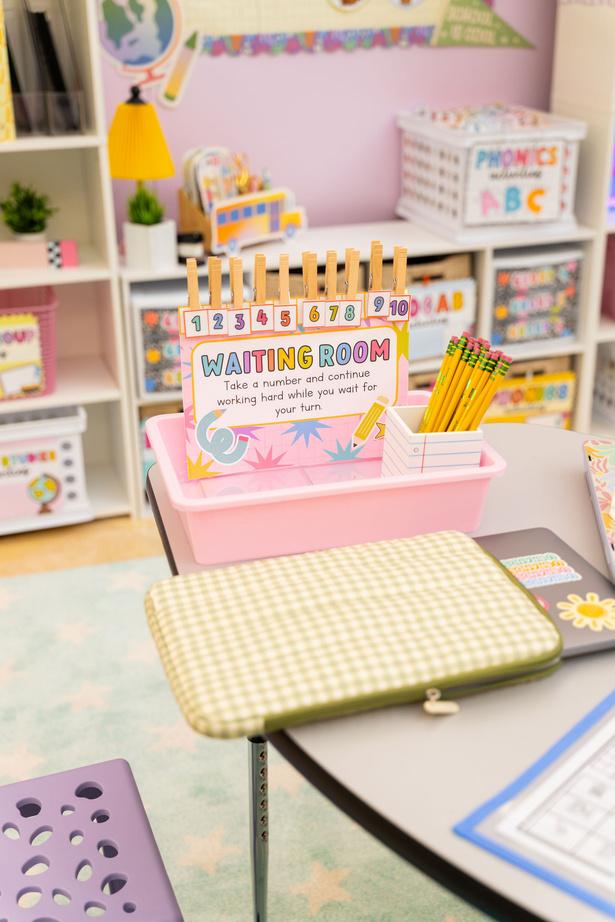
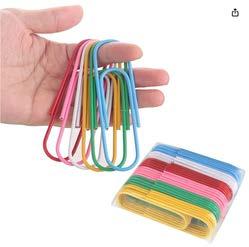
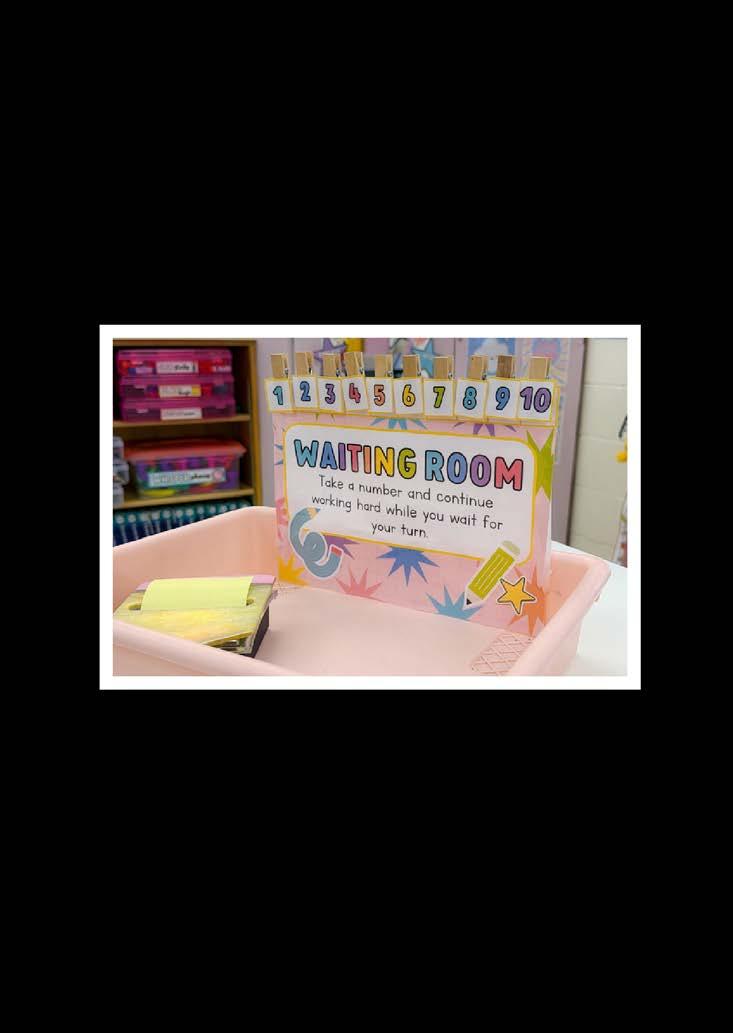
Instead of forming a line at the teacher's desk, students grab a number in the waiting room, clip it to their paper, and immediately return to their work. When it's their turn, the teacher calls them over.
Students always know they'll be helped, and instructional time continues without unnecessary interruptions.
One of the biggest time-wasters in a classroom isn't talking—it's waiting. When students stand beside the teacher waiting for help, they're no longer engaged in learning. The waiting room eliminates the line, allowing students to continue working until the teacher is ready.
The goal isn't faster help. It's protecting learning while students wait.
Choose a location
Create a designated "Waiting Room" location near
Create a designated "Waiting Room" location near your teacher table where it's easy for both you your teacher table where it's easy for both and your students to access throughout the day. students to access the
Prepare your waiting room
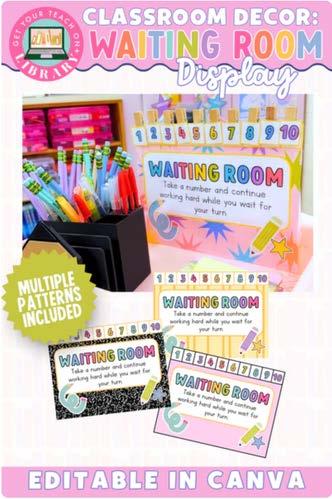
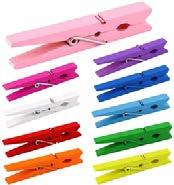
Display the numbered Waiting Room labels the numbered labels and attach the matching numbered and attach the matching numbered clothespins. Once it's assembled, the system clothespins. Once it's assembled, the system is ready to use all year. is ready use year.
Stock the station
Keep sticky notes, pencils, and highlighters
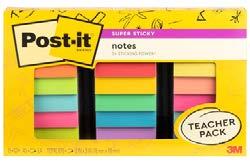
Keep sticky notes, pencils, and highlighters nearby so students can quickly write down nearby students can quickly write down their question before returning to work. their question before returning
library note
When students have a question, they:
When students have a question, they:
Take the first available numbered clothespin Take the first available numbered (starting with the lowest available number). the lowest available
Write their question on a sticky note and place it on
Write their question on a sticky not the assignment they're working on. the assignment they're
Return to their seat and continue
Return to their seat and continue working.
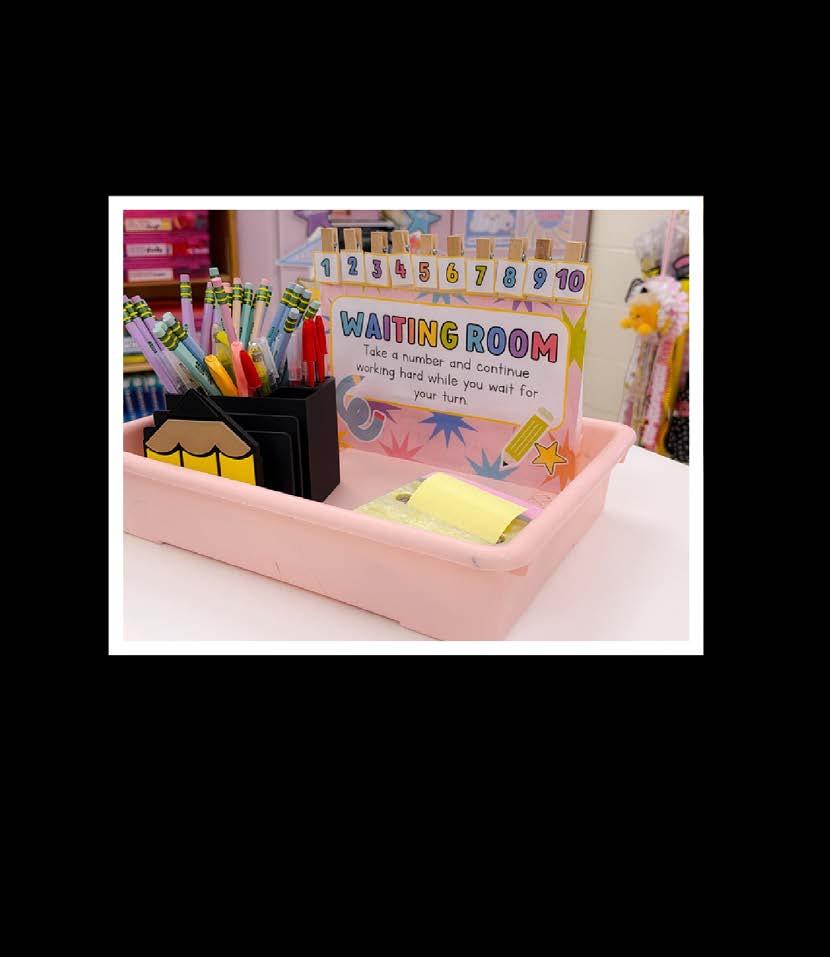
Call students by the missing numbers. Once Call students by the missing numbers. Once helped, they return the clothespin to the helped, they return the clothespin to the waiting room. waiting room.
Encourage students to write Encourage students to write specific questions on their specific questions on their sticky notes. This helps sticky notes. This helps conferences stay focused and conferences stay focused and allows you to provide support you provide support more efficiently. more efficiently.
Flexible seating gives students the opportunity to choose where they work best during independent work time.
With clear expectations and designated seating options, students can stay engaged, collaborate with different classmates, and take ownership of their learning. All while remaining organized and focused.

Providing students with choice encourages responsibility, independence, and engagement. Flexible seating allows students to discover the learning environment that helps them focus best while giving them opportunities to collaborate with classmates outside of their usual groups.
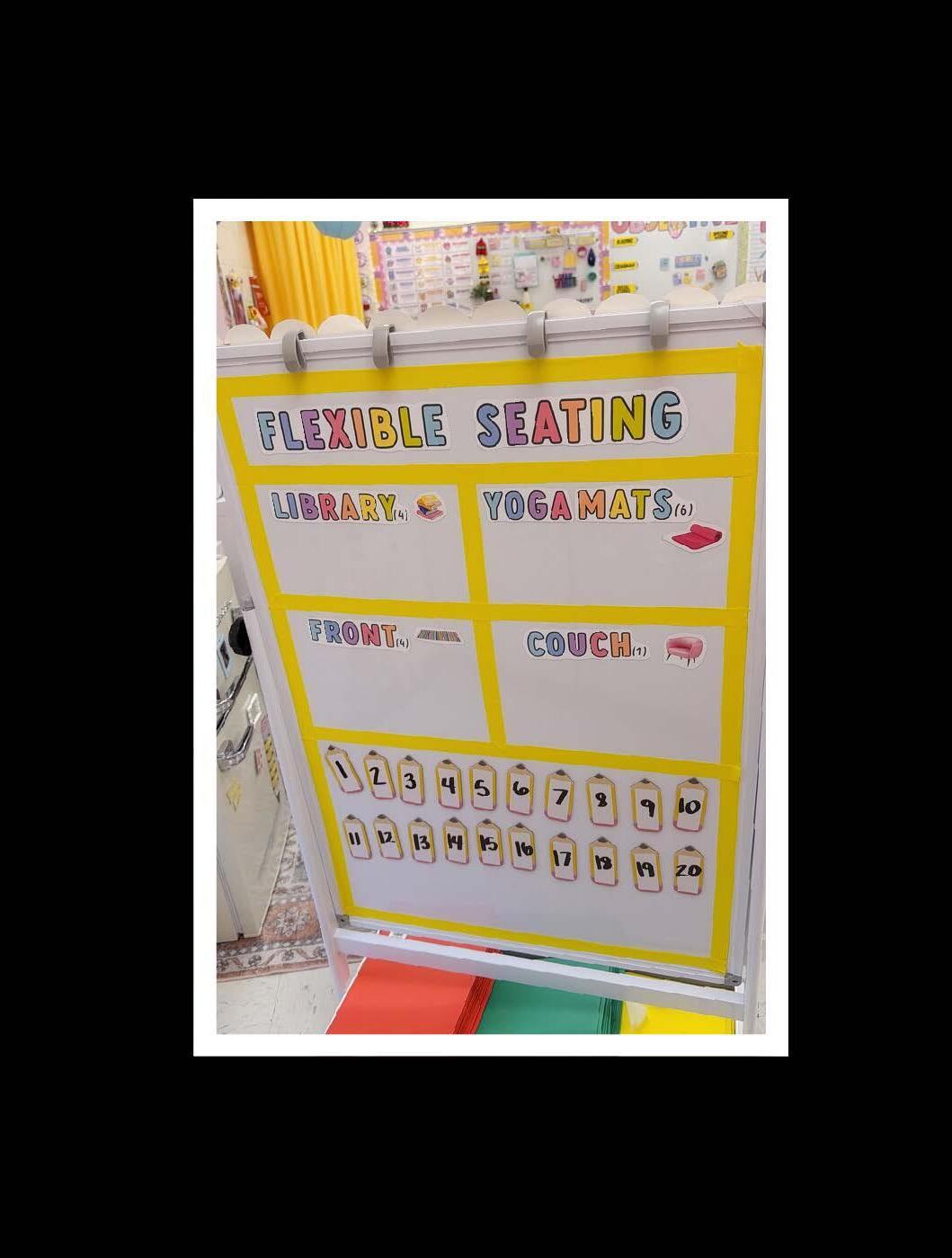
Designate your flexible seating areas
Choose the seating options you'd like to offer Choose the seating options you'd like to offer and decide how many students can use each and decide how many students can use each space at one time. space at one time.
Display each seating option with the number
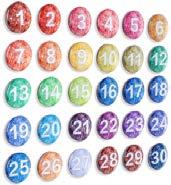
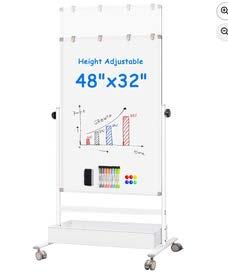
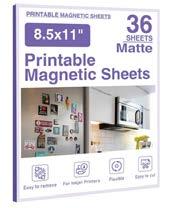
Display each seating option with the number of available spots. Place your students' of available spots. Place your students' numbered magnets or pieces at the bottom numbered magnets or pieces at the bottom of the board. of the board.
Teach the routine
When it's time for independent work,
When it's time for independent work, students may keep their assigned seat or students keep their assigned seat or move their numbered magnet to an available move their numbered magnet to an available flexible seating option. flexible seating option.
Once a seating area is full, students simply
Once a seating area is full, students simply choose another available option or remain at choose another available option or r their desks. their desks.
Flexible seating is a privilege that supports
Flexible seating privilege learning. Students are expected to stay on learning. Students are expected task, make responsible choices, and respect task, make responsible choices, and respect each learning space. each learning space
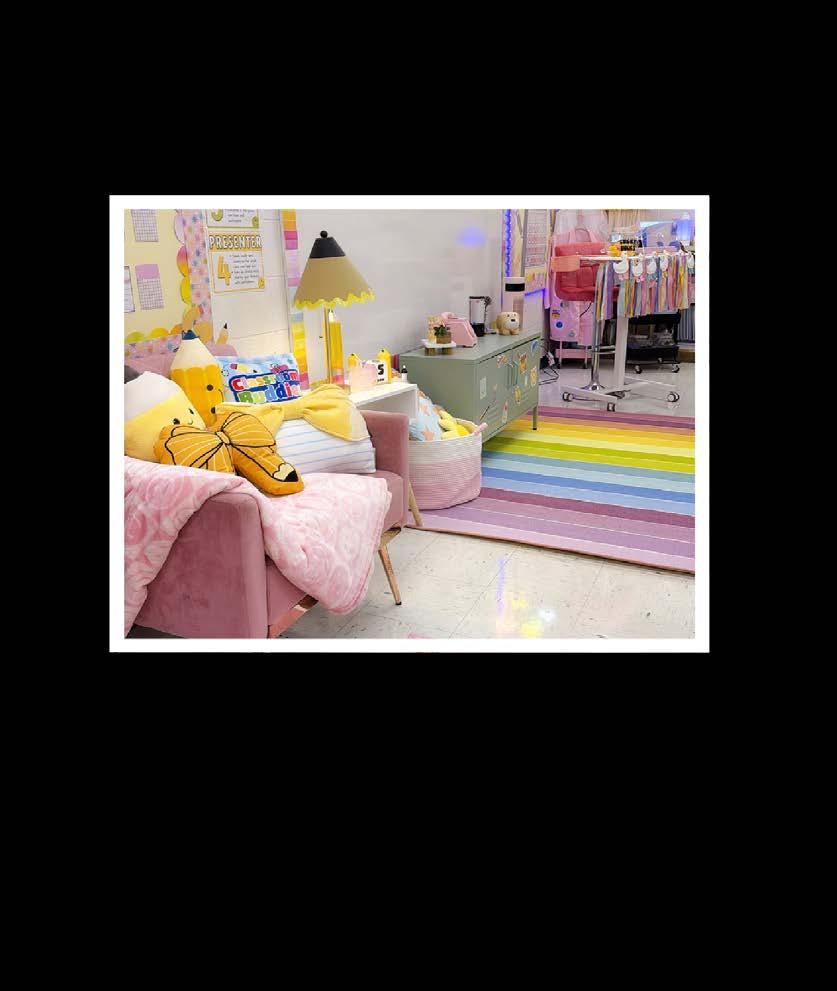
library note
Introduce only a few seating Introduce only few seating options at first. As students options at first. As students learn the expectations, you can learn the expectations, you can gradually add more choices more choices while maintaining a structured while maintaining a structured and successful routine. successful routine.

callnumber category
AC CT TI IV VI IT TI IE ES S
Create predictable systems that empower Create predictable systems that empower independent learning.
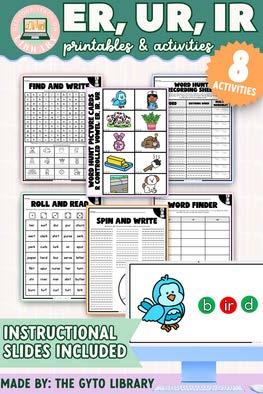
Create grab-and-go systems that keep your classroom running smoothly.
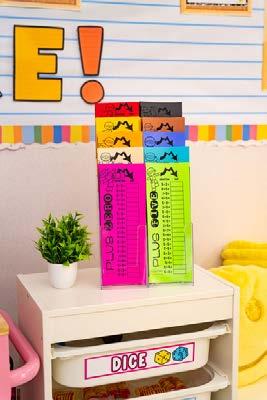
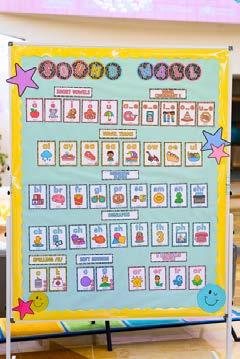
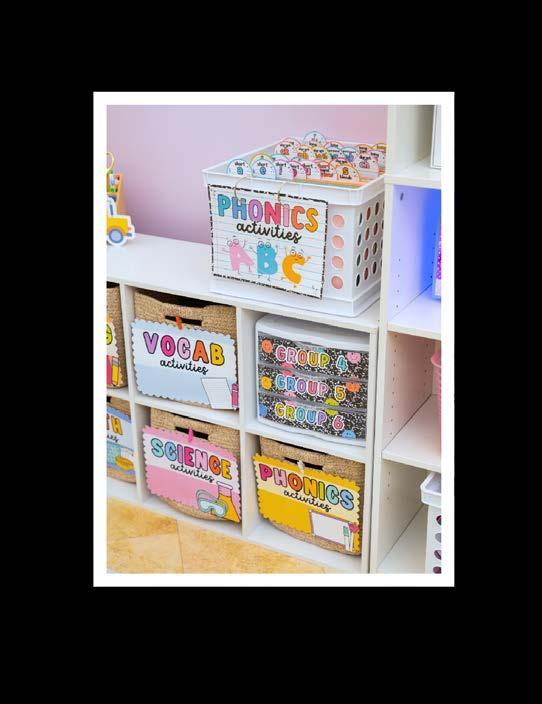
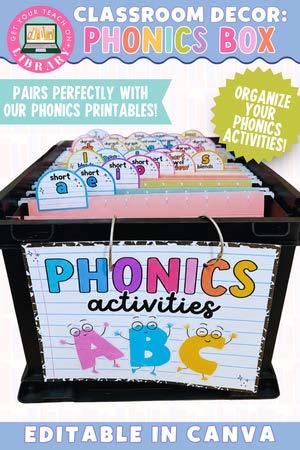
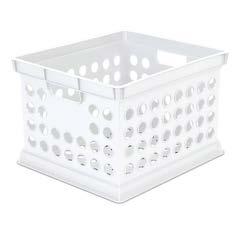
When activities are organized, labeled, and easy to access, students can transition into meaningful practice without waiting for directions. A dedicated phonics station gives every activity a home, making it simple to find the right skill, complete the work, and return materials when finished.
Using familiar activity formats allows students to focus on practicing phonics skills instead of learning new directions every time.
library card
checkedoutby GYTO 2026
DesignforIndependence
Teachers Who CultivateIndependent Learners.
Independent practice begins with organized materials.
When students know exactly where to find activities and how they're organized, they spend less time asking questions and more time engaged in learning. Consistent activity formats build confidence because students recognize the routine, even as the phonics skill changes.
The goal isn't simply storing activities. It's creating a system that keeps students learning independently while you work with small groups or individual learners.
ORGANIZE BY SKILL.
Sort activities by phonics pattern so students can quickly
Sort activities by phonics pattern so students can quickly find the practice they need. find the practice they need.
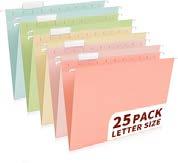
Use clear labels dividers so materials are easy to identify, return, and maintain. easy to identify, return, and maintain.
Use clear labels and visual dividers so materials are
Use activity formats that repeat across different Use activity formats that repeat across different phonics skills so students already know how to phonics skills so students already complete the work. complete the work.
library note
CREATE AN EARLY FINISHER STATION.
Keep activities in one dedicated location so students where to find meaningful practice when they finish early. where to find meaningful practice when they finish early.
Keep activities in one dedicated location so students always know
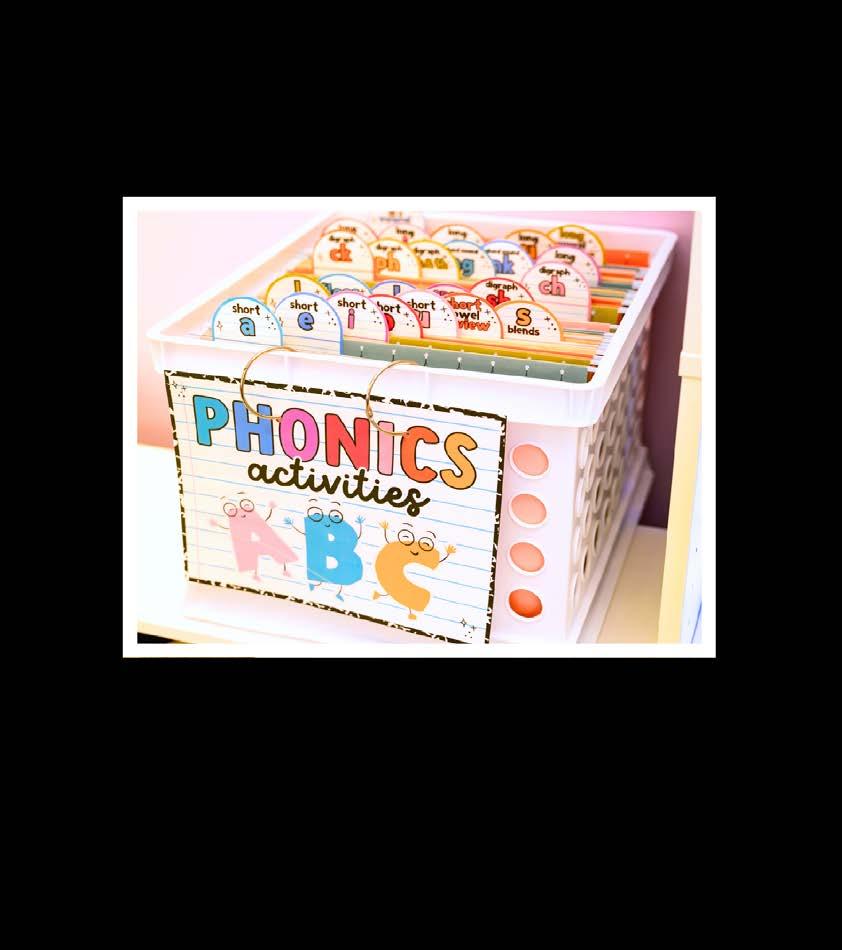
The best independent activities The best independent activities don't require new directions don't require new directions every time. Familiar formats every time. Familiar formats paired with new skills allow paired with new skills allow students to work confidently on students to work confidently on their own. their own.
Model how to choose an activity, complete it, and
Model how to choose an activity, complete it, and return it so the routine becomes automatic. return the routine becomes automatic
S ST TA AT TI IO ON N
A Student Station gives students easy access to the materials they use every day.
Instead of waiting for the teacher, students can independently grab supplies, replace materials, and get back to learning.
A well-organized station keeps the classroom running smoothly while encouraging responsibility and independence.

When classroom materials are easily accessible, students spend less time waiting and more time learning. A Student Station promotes independence, minimizes interruptions, and teaches students to take responsibility for the tools they use every day.
Designate an easily accessible area where
Designate an easily accessible area where students can quickly gather materials without students can quickly gather materials without disrupting instruction. instruction.
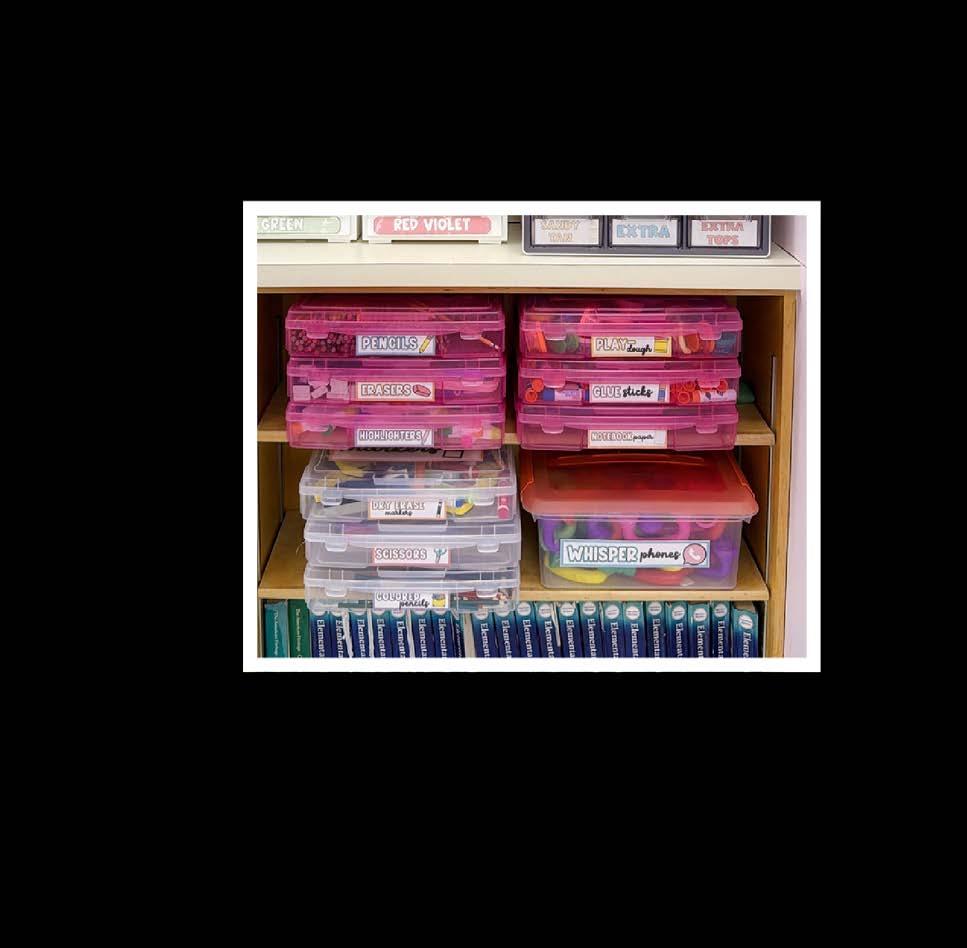
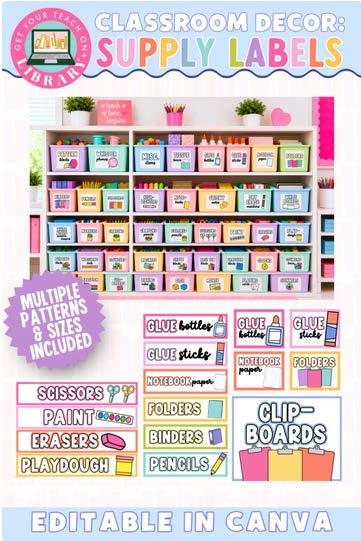
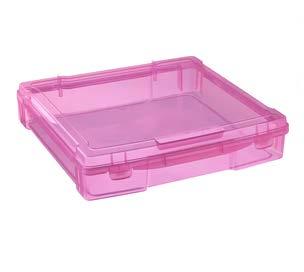
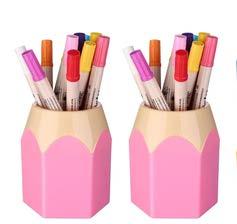
Place classroom essentials into labeled bins, Place classroom essentials into labeled bins, such as pencils, scissors, crayons, markers, such as pencils, scissors, crayons, markers, colored pencils, paper, sticky notes, and other colored pencils, paper, sticky notes, and other frequently used materials. frequently used materials.
Label everything
Print, laminate, and attach labels so students laminate, attach labels so students always know where to find supplies—and where to find supplies—and where to return them. where to return them.

library note
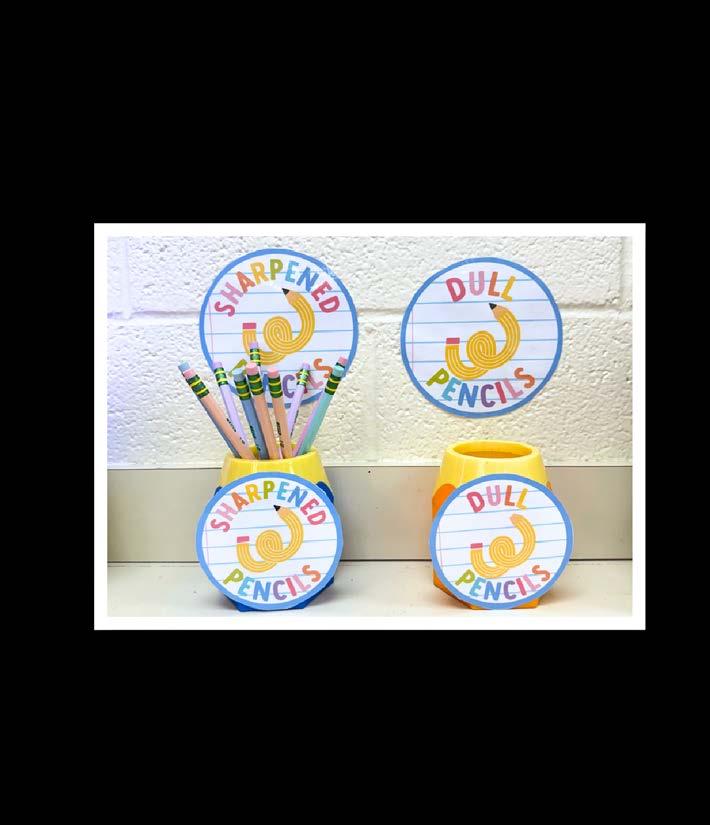
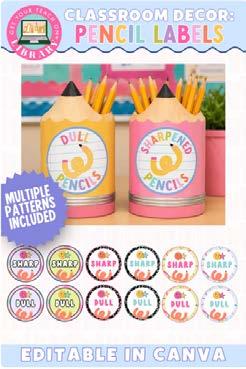
Add a pencil sharpener along with designated
Add a pencil sharpener along with d containers for sharpened and dull pencils to containers for sharpene keep materials organized and ready to use. keep materials organize
Model when students may visit the station,
Model when students the station, how to use materials responsibly, and the how to use materials responsibly, the expectation that everything is returned to its expectation that everything returned to its proper place. proper place
Spend time teaching the routine Spend time teaching the routine at the beginning of the year. at the beginning of the year. When students know exactly When students know exactly where to find and return supplies, where to find and return supplies, they become more independent they become more independent and classroom interruptions and classroom interruptions naturally decrease. decrease.
Anorganizedclassroomstartswithorganized systems.
Z ZO ON NE ES S
Everyspaceshouldhaveapurpose.Every purposeshouldsupportlearning.
Design the Space
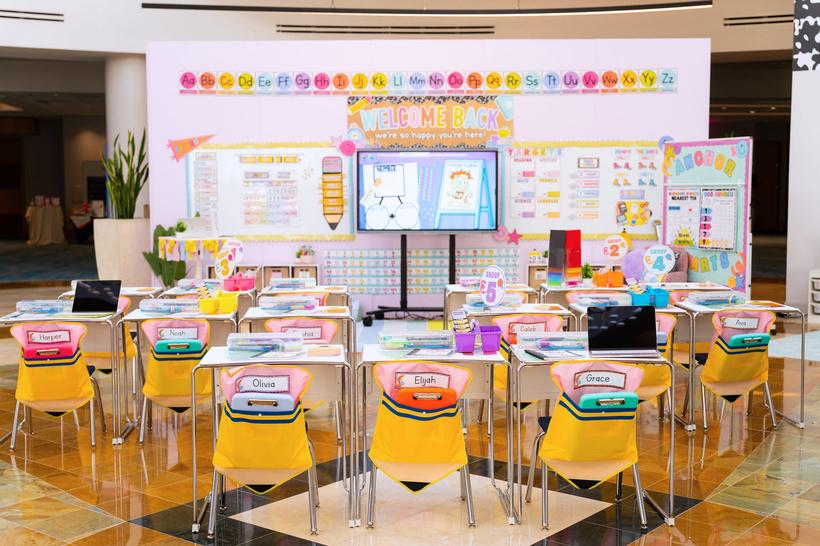
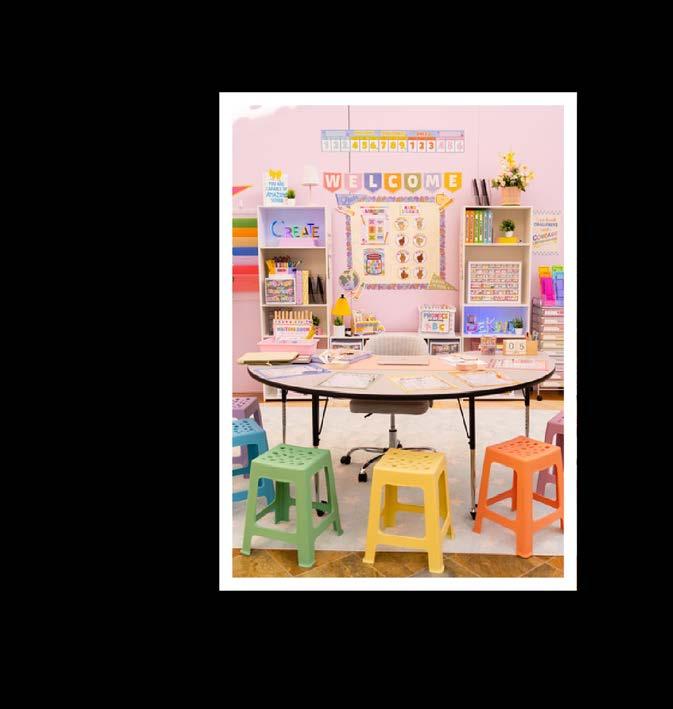
Learning Zones are intentionally designed areas of your classroom that support different types of learning throughout the day. Instead of students seeing "the carpet" or "the library," they recognize each space as a place with a specific purpose, expectations, and routines.
When every area has a job, students transition more confidently, work more independently, and spend more time learning.
A classroom isn't just one learning space—it's several.
Throughout the day, students move between whole-group instruction, independent work, small-group learning, collaboration, and reflection.
When those spaces are clearly defined, students spend less time wondering where to go or what to do and more time focused on learning.
Well-designed learning zones create:
Smooth transitions
Stronger independence
Clear expectations
Better classroom management
More purposeful instruction
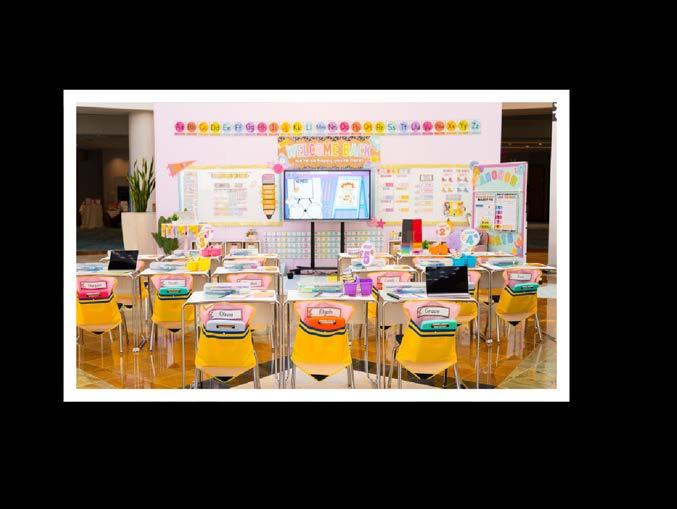
Purpose: Introduce new learning and build shared understanding. This is where students gather for: Mini-lessons, Read-alouds, Modeling, Discussions, Learning Targets & Success Criteria
Include:
Learning Target Success Criteria
Interactive display
Anchor chart space
Launch Pad area
Purpose: Differentiate instruction and provide targeted support. Design this area to maximize visibility and accessibility.
Include:
Small group table
Teacher materials
Assessment tools
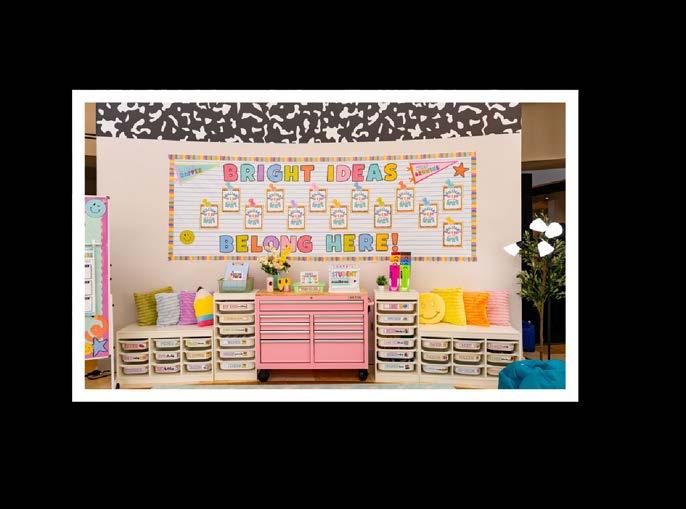
Intervention resources
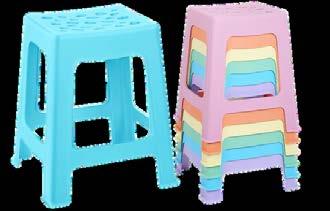
Flexible seating
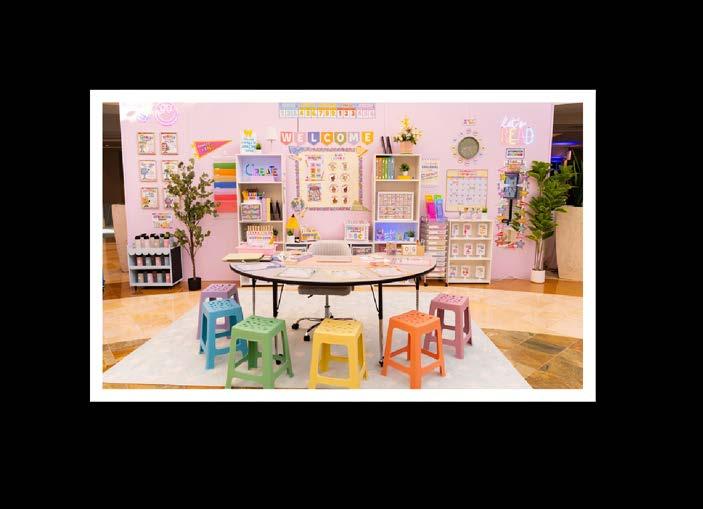
Purpose: Promote independence through accessible materials and meaningful work.
Students should be able to use this space without relying on the teacher.
Include:
Student supplies
Turn-in station
Finished work
Learning tools
Classroom resources
Don't Skip This Step: Give
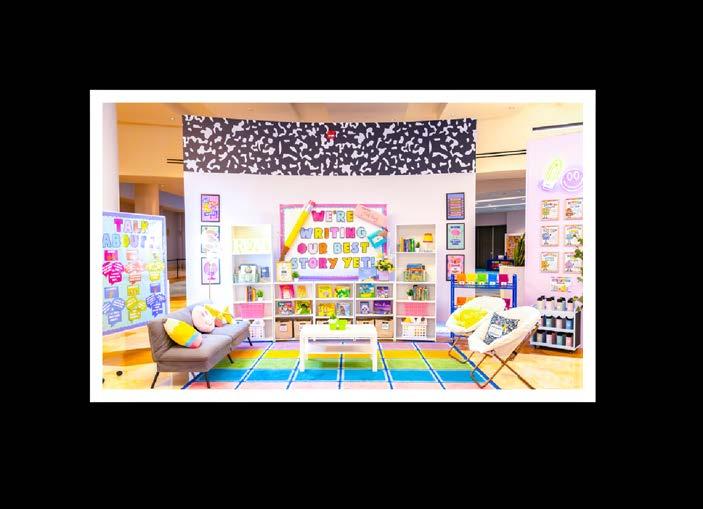
Purpose: Foster independent reading and a love of books. This space should invite students to explore texts while making book selection and organization simple.
Include:
Clearly labeled genres
Comfortable seating
Book return bin
Book recommendations
Student favorites
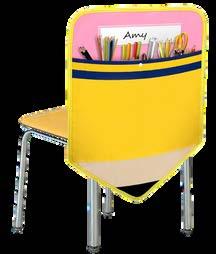
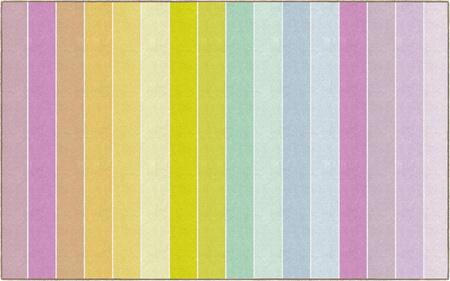
"Does
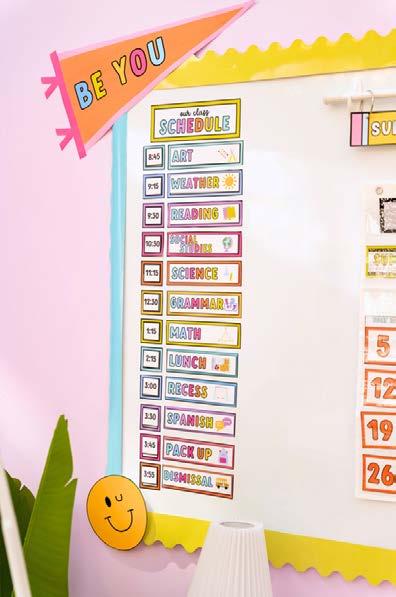
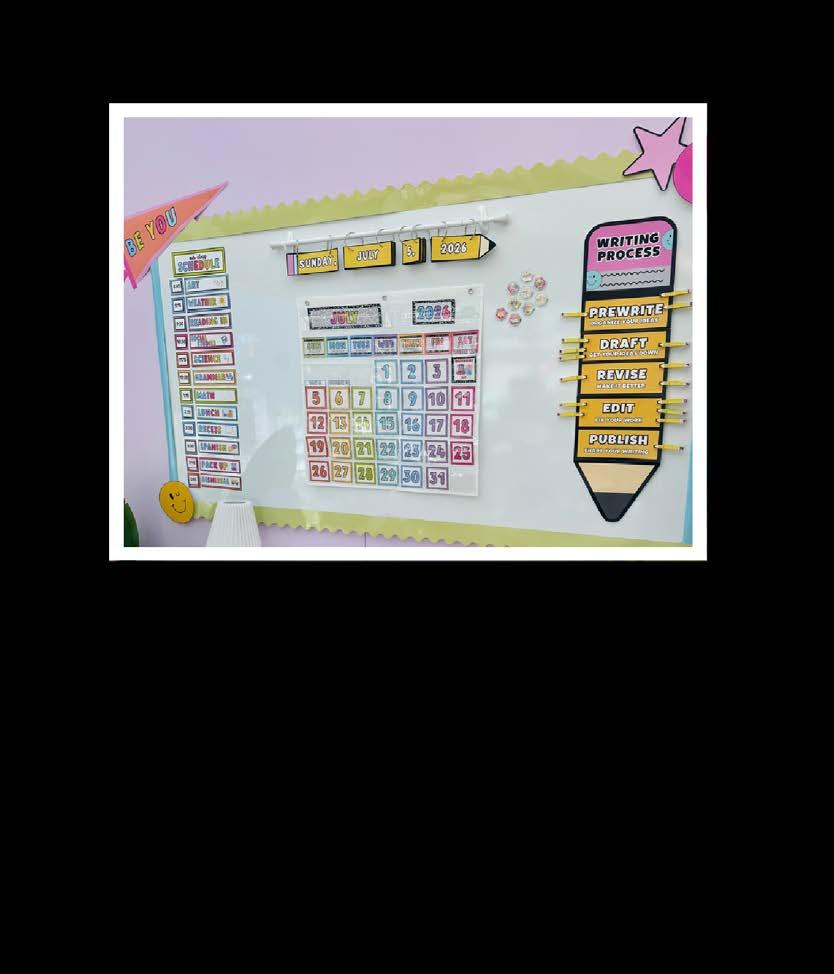
The front of your classroom is more than a place to teach—it's the instructional home base students return to throughout the day.
When organized with purpose, it provides students with the information they need to stay focused, organized, and independent. Rather than relying on the teacher for every answer, students can quickly reference the front of the room to find the day's learning, schedule, expectations, and important classroom information.
The goal isn't to fill every inch of wall space.
The goal is to make the most important information impossible to miss.
Students constantly ask questions like... "What are we learning today?" "What's next?" "What's today's date?" "What should I be doing?"
Make DecorMeaningful
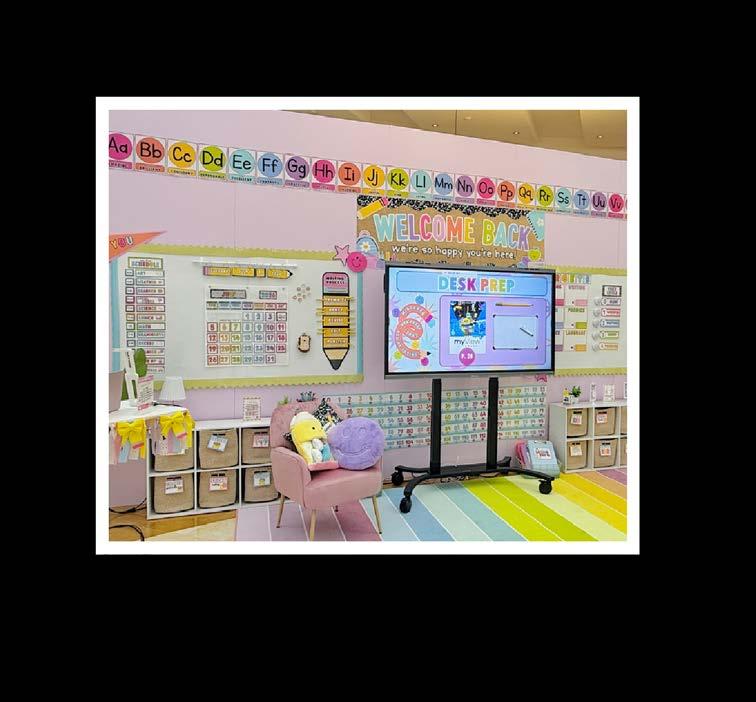
Many of these interruptions can be eliminated when the front of the classroom consistently provides the answers.
A purposeful instructional space creates: Greater student independence. Fewer repetitive questions. Smoother transitions. Stronger lesson focus. Better ownership of learning.
Make the learning target the focal point
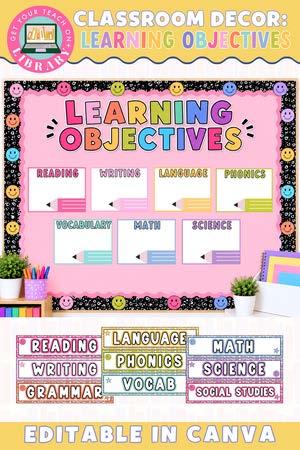
The most important thing students should see is
The students should see is what they're learning. what they're learning.
Display your Learning Target where every student Learning Target where every student can easily reference it throughout the lesson. can easily reference the lesson.
Ask yourself: "Could every student answer what we're yourself: "Could every student answer what we're learning today without asking me?" learning today without asking me?"
Display the success criteria
Don't stop at the target. Students also need to know: the target. Students also need to know: "How will I know I've been successful?" "How will I know I've been successful?"
Keeping the success criteria visible gives students a Keeping the success criteria visible gives students a roadmap for the lesson and helps them monitor their for the lesson and helps them monitor their own progress. progress.
Dedicate one area to information students reference
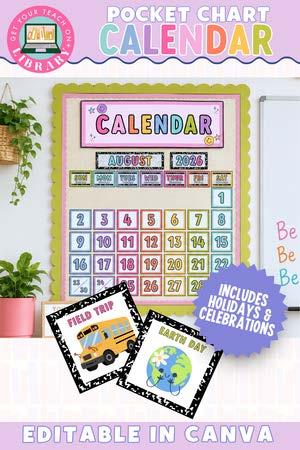
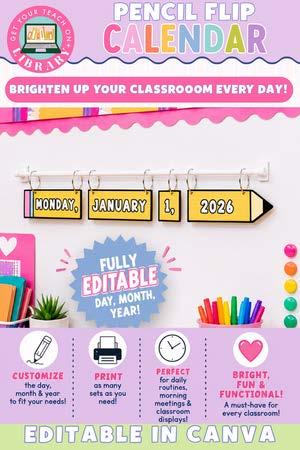
Dedicate one area to information students reference throughout the day. Include items such as: the Include items such as: Today's date, Classroom calendar, Daily schedule, Specials date, Classroom calendar, schedule, Specials rotation, Lunch choice Lunch choice Keep it together in one predictable location. Keep together in one predictable location.
Inspire without overwhelming
Choose one Choose one intentional space for an inspirational intentional space for quote, affirmation, or classroom mantra. quote, affirmation, or classroom mantra.
Keep it current
Every inch of your classroom should have a purpose.
The front of your classroom should answer The front of your classroom should answer students' questions—not create new students' questions—not create new distractions. distractions.
Every display should have a purpose. Every should have a purpose If it doesn't support learning or student If it doesn't learning student independence, consider moving it somewhere independence, consider moving it somewhere else. else.
every everystudent time
Students never change If students don't need it today, it doesn't need to stay at the front of the don't need doesn't need the front of the room. room.
Students stop looking at displays that never change. If students
Don't Skip This Step: Teach students to use the board. Don't assume they'll naturally look at it.
"Does my classroom work for students?"
C CH HA AR RT TS S
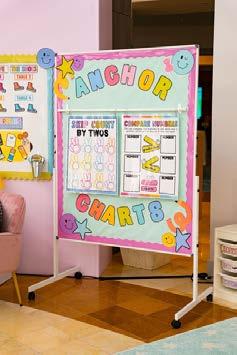
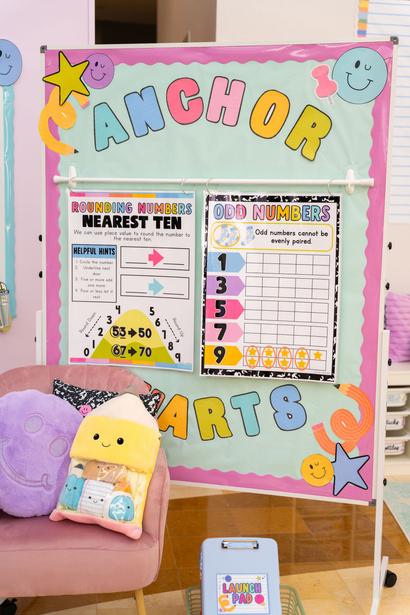
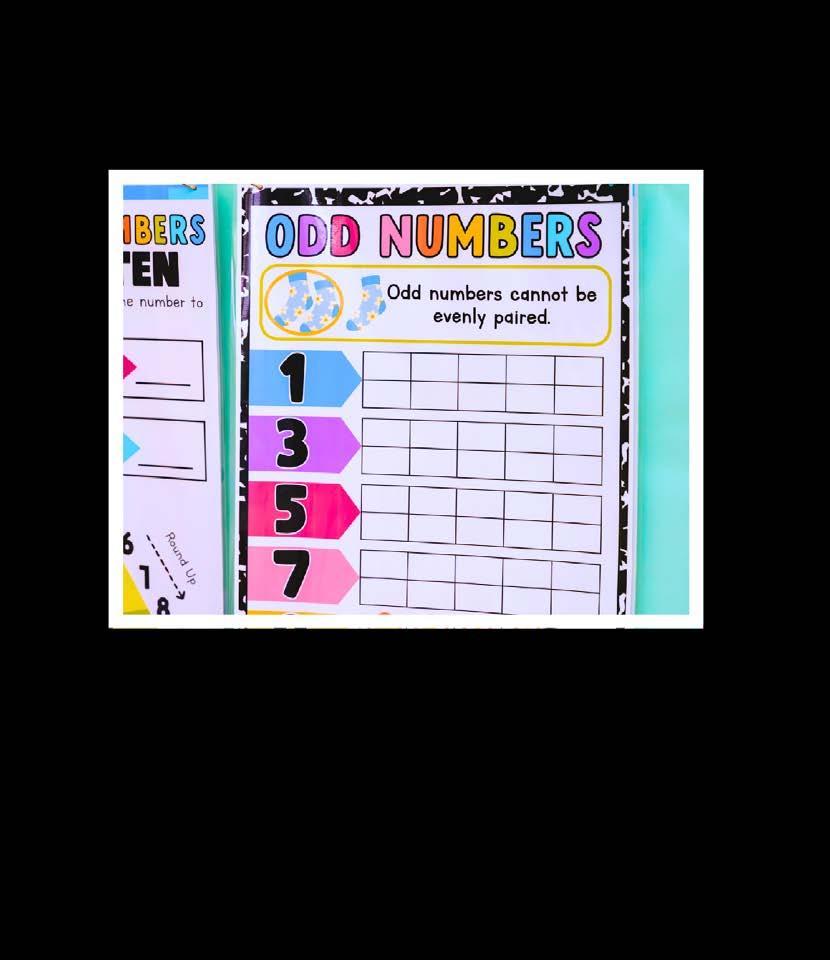
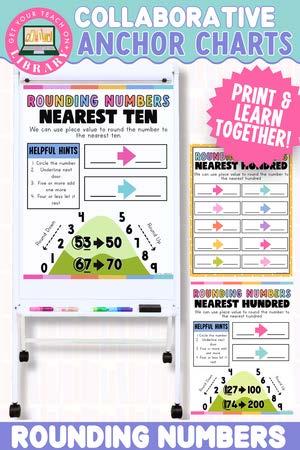
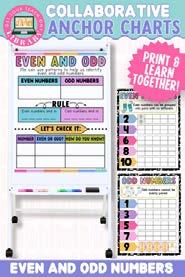
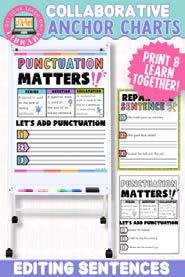
These aren't just posters to hang on your wall. Interactive anchor charts provide the framework so you can create the learning alongside your students. The layout, visuals, and organization are already designed, allowing you to focus on the discussion, examples, and thinking that make anchor charts so powerful.
As students help build each chart during lessons, they develop ownership of the learning while creating a resource they can revisit all year long.
Anchor charts are most effective when students help create them.
Starting with a thoughtfully designed template saves hours of planning and drawing while preserving the interactive teaching experience. Instead of spending time designing chart layouts, you can focus on modeling strategies, recording student thinking, and building understanding together.
The goal isn't simply displaying information. It's creating learning tools that reflect your classroom conversations and continue supporting students long after the lesson ends.
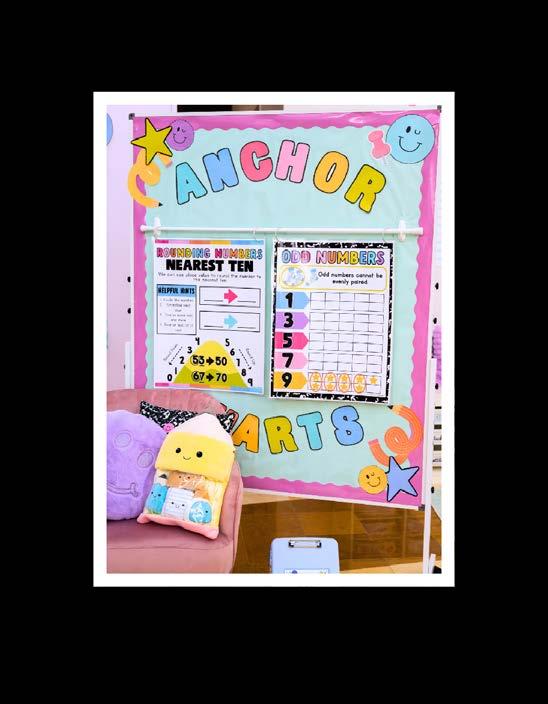
Don't Skip This Step: Leave room for student thinking. Complete each chart during instruction so it becomes a record of the learning you've built together. Every inch of your classroom should have a purpose.
Decide which concepts you'll add during each lesson
Decide which concepts each lesson
so the chart builds naturally alongside your so the chart builds alongside your instruction. instruction.
Enlarge your charts posters so every student can easily see them during whole-group lessons. easily see them whole-group lessons.
Enlarge your charts as posters so every student can
Laminate your charts so you can write with dry erase
Laminate your charts can write erase markers, wipe them clean, and use them year after markers, wipe them clean, and use them year after year. year.
BUILD IT TOGETHER.
Complete the char Complete the charts with your students as you teach. students as you teach. Their ideas, examples, and thinking are what make Their ideas, examples, are what make anchor charts meaningful. anchor charts meaningful.
KEEP
Display completed charts where students can easily reference completed charts where students can easily reference them during independent work, small groups, and review. them independent review.
library note
These are interactive anchor These are interactive anchor charts, not finished posters. The charts, not finished posters. The design is already done for you, but design already done for you, but the learning happens as you the learning happens as you complete each chart with your complete each chart your students. students.
"Does my classroom work for students?"
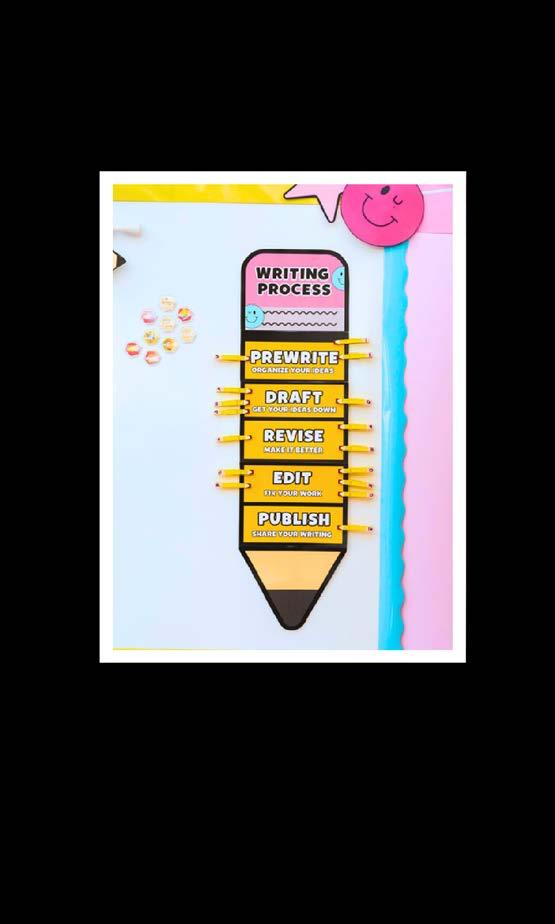
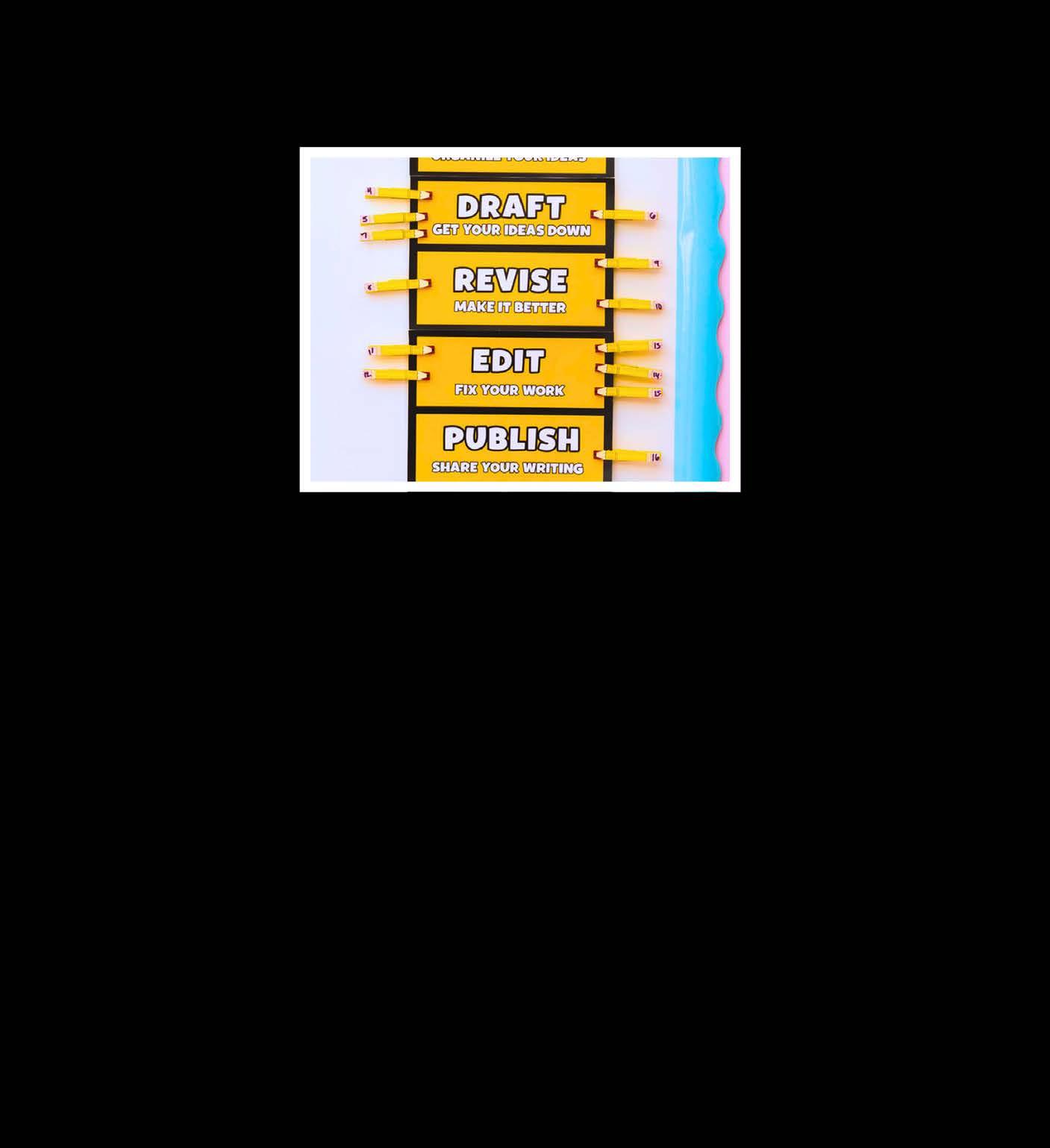
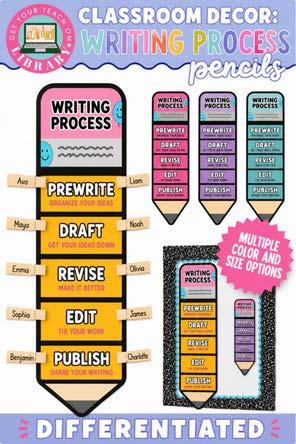
A Writing Process Tracker is a visual classroom system that helps students monitor their progress through each stage of writing. By moving their clip as they work, students always know where they are in the process and what's coming next.
Instead of asking, "What am I supposed to be doing?" students can independently identify their current stage and continue working with confidence.
Writing isn't one task......it's a process. When students can see each stage of the writing process, they begin to understand that strong writing takes time, revision, and reflection.
A visual tracker also helps teachers quickly identify where students are, making it easier to provide targeted support, confer with writers, and manage a classroom where everyone may be working at different stages.
Display the writing process.
A clip only has meaning if students know what each
A clip meaning if students know what each stage requires. Take time to model every step of the stage requires. Take time to model every step of the writing process and define what success looks like writing process and define what success looks like before students move their clip. Use examples, think before students move their clip. Use examples, think aloud, and create clear success criteria so students create clear success criteria so students know exactly when they're ready for the next stage. know exactly when they're ready for the next stage The goal isn't to move quickly......it's to move with The goal isn't to move quickly......it's to move with purpose. purpose
Give every student a clip.
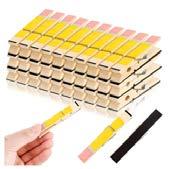
Assign each student a clothespin or magnetic clip each student a clothespin or magnetic clip with their name. with their name
Move the clip as students progress.
Every inch of your classroom should have a purpose.
library note
As students complete each stage, they move their
As students complete each stage, they move their clip to the next step in the process. clip the next step the process. This crea creates ownership while giving you an instant tes ownership while snapshot of the class. of the class. creates
Use it during conferences.
The Writing Process Tracker isn't about The Writing Process Tracker isn't about keeping everyone on the same step. keeping everyone on the same step. It's about making learning visible. It's about making learning visible Some students may be revising while Some students may be revising while others are still planning.....and that's others are that's exactly what authentic writing looks like. exactly authentic writing like
Instead of asking, "Where are you?"
Instead of "Where are
Simply glance at the tracker. You'll immediately know where to glance at the tracker. You'll immediately where to begin your conference. begin your conference
"Does my classroom work for students?"
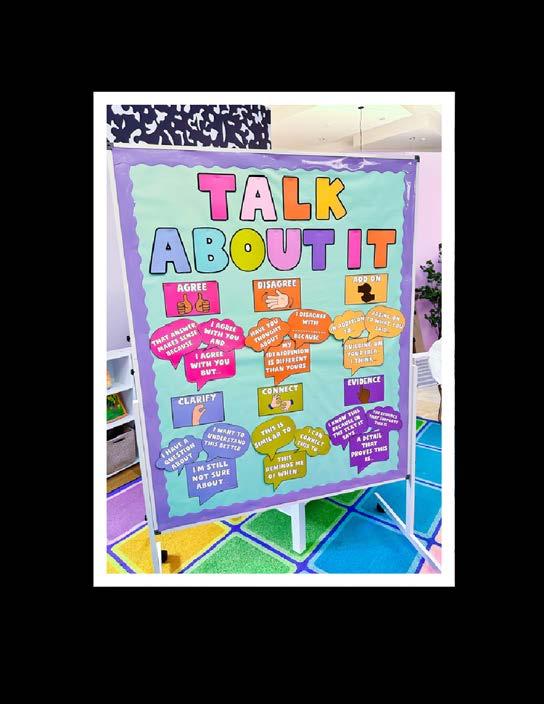
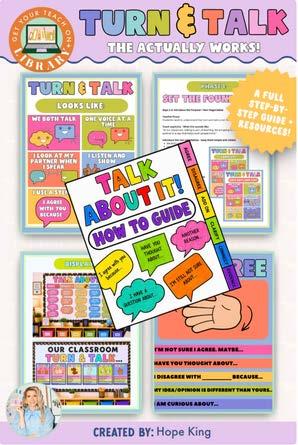
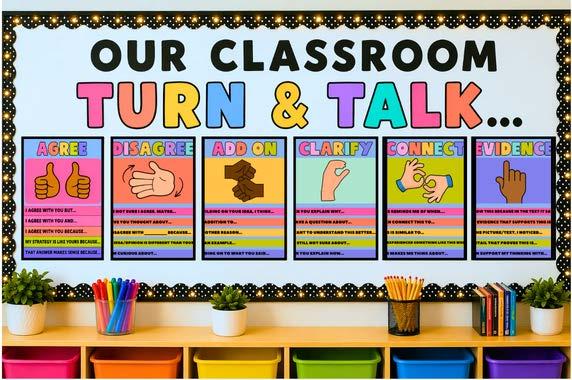
A Turn & Talk system is a structured discussion routine that ensures every student has the opportunity to think, speak, listen, and respond throughout a lesson.
Rather than relying on volunteers, Turn & Talk creates accountability by giving every learner a voice. Students process new learning, strengthen their understanding, and build confidence through purposeful conversations with a partner.
When implemented consistently, Turn & Talk transforms passive listeners into active participants.
Make
Learning doesn't happen by simply hearing information—it happens when students process it.
Turn & Talk provides students with the opportunity to: Process their thinking before sharing. Practice academic language. Learn from different perspectives. Build confidence in speaking. Stay actively engaged throughout the lesson. Most importantly, it shifts participation from a few students to every student.
Choose a partner system that allows students to Choose a partner system that allows students to transition quickly and eliminates wasted time. transition quickly eliminates wasted time
Explicitly teach conversation expectations.
Never assume students know how to have productive
Model and practice: Model practice:
Never assume students know how to have productive academic conversations. academic conversations.
How to face your partner.
How to face your partner.
How to take turns speaking. How to take turns speaking.
How to listen without interrupting.
How to listen without interrupting.
How to build on another person's
How to respectfully disagree. How to respectfully disagree
Every inch of your classroom should have a purpose.
Start with short, non-academic conversations to teach the non-academic conversations to teach the routine. As students become more confident, gradually increase routine As students become more confident, gradually increase the complexity, length, and academic rigor of their discussions. the complexity, length, academic rigor of their discussions. every everystudent time Don'tSkipThisStep:
How to build on another person's thinking.
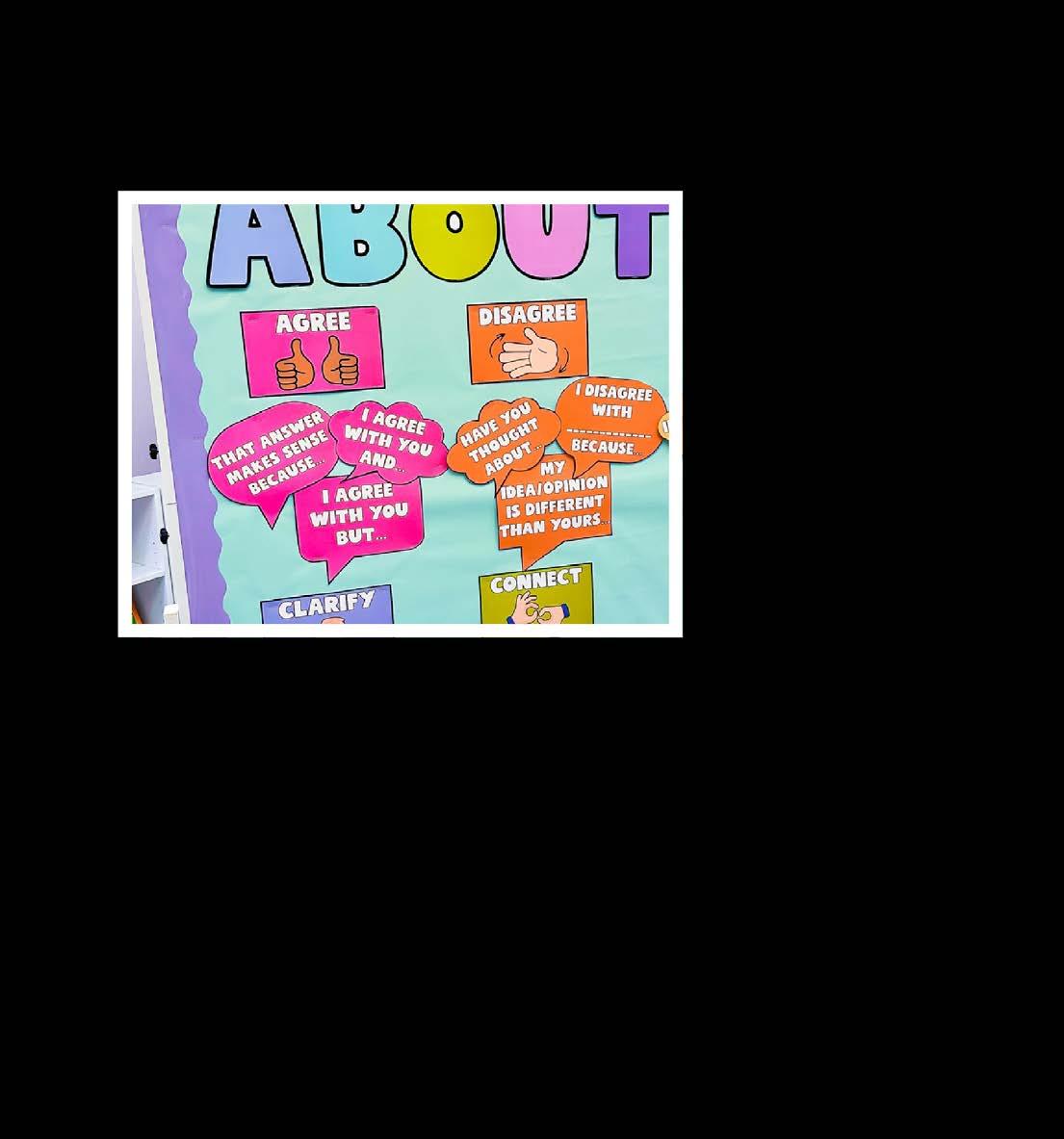
Teach your classroom Talk Moves.
Give students simple language they can use during Give students simple language they can use every conversation. every conversation.
Plan your Turn & Talks with intention.
Every Turn & Talk should have a purpose.
Every Turn & Talk should have a purpose
predict,
Ask questions that require students to explain, justify, questions that require students to explain, justify, pred predic ict, compare, or connect—not simply recall t, compare, or connect—not recall information. information.
Build stamina over time.
Establish consistent partnerships. find this in the gyto library:
The goal isn't simply getting students The getting students talking. The goal is getting every student The getting every student thinking. Strong conversations happen Strong conversations happen because the routine has been taught— because the routine has been not because the question was not because the question was interesting. interesting.
"Does my classroom work for students?"
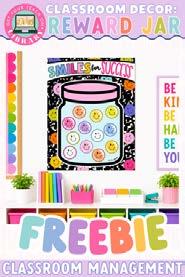
Motivate positive behavior with a system Motivate positive behavior with a system that practically runs itself.
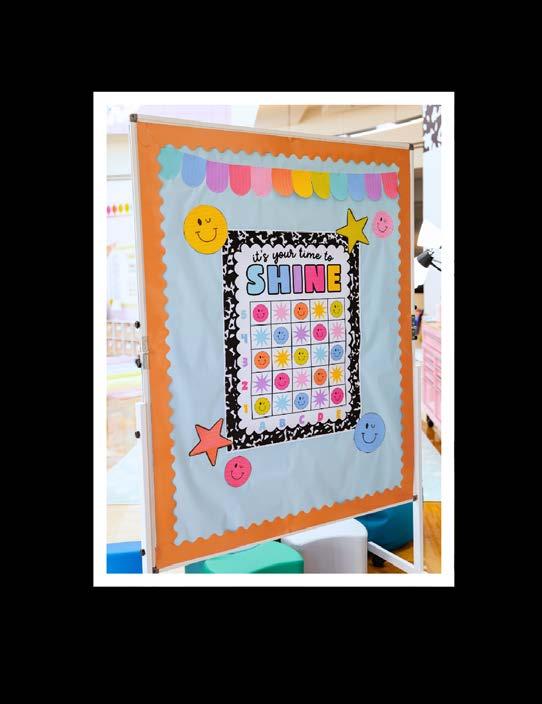
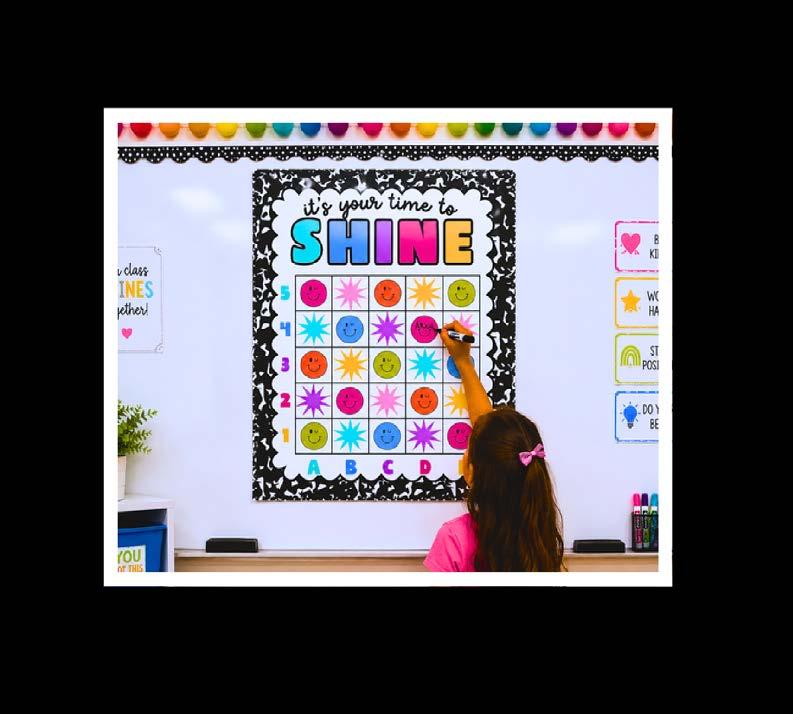
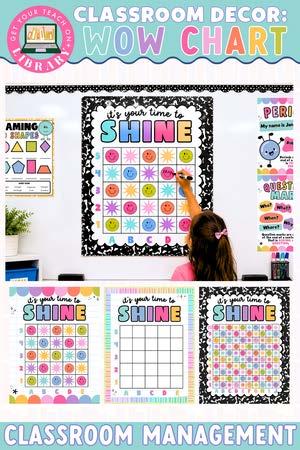
The WOW Chart gives students a visual way to earn rewards while helping you recognize positive choices throughout the day. Instead of stopping instruction to manage behavior, you can quickly acknowledge students by having them add their name to the WOW Chart.
With clear expectations and consistent routines, the WOW Chart keeps motivation high while reducing unnecessary interruptions.
Teachers Who Love SimpleSystems
The best classroom management systems are simple enough to use every day.
When students understand exactly how they earn rewards, you spend less time answering questions, explaining expectations, or managing individual behavior. A visual tracking system keeps everyone focused on the goal while making positive reinforcement quick and consistent.
The goal isn't simply giving rewards. It's creating a predictable system that keeps learning moving.
CHOOSE YOUR REWARD. find this in the gyto library:
Decide what students are working toward before Decide what students are before introducing the chart. Simple incentives often work best. introducing the chart. Simple incentives often work best.
Teach exactly how students earn spaces so everyone understands the goal from day one. understands the from one
Teach exactly how students earn spaces so everyone
KEEP IT VISIBLE.
Display the WOW Chart where students can easily the WOW Chart where students can easily see their progress throughout the day. see their progress throughout the day.
RECOGNIZE POSITIVE CHOICES.
Students add their name to the chart when you notice they are Students add their name to the chart when you notice they are promoting positive behavior. positive behavior.
STAY CONSISTENT.
Use the system every day to build routines and keep Use the system every day to build routines and keep motivation high.
library note
Small celebrations can have a celebrations can have a big impact. Consistent big impact. Consistent recognition helps positive recognition helps positive behaviors become everyday behaviors become everyday habits. habits.
time The systemsorganizational that save time all year long.
"How do I interruptions?"unnecessaryeliminate every
Knowwho'sout.Keepeverystudent accountedfor.
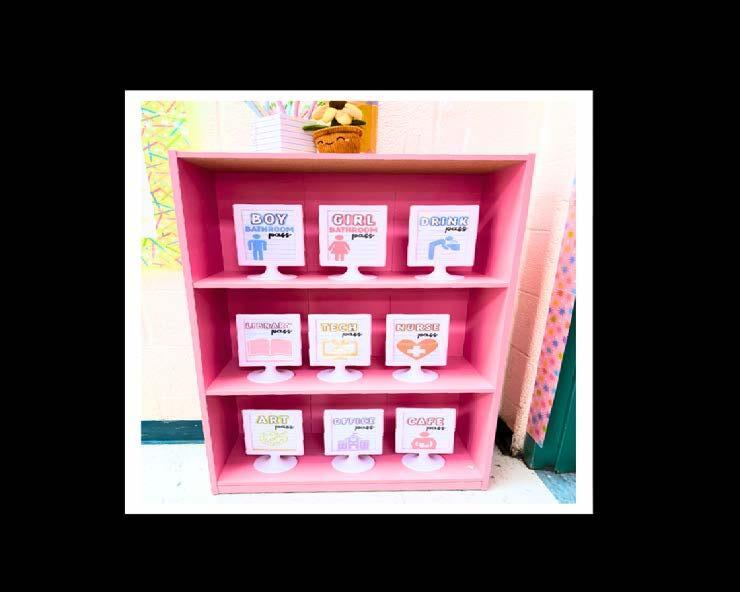
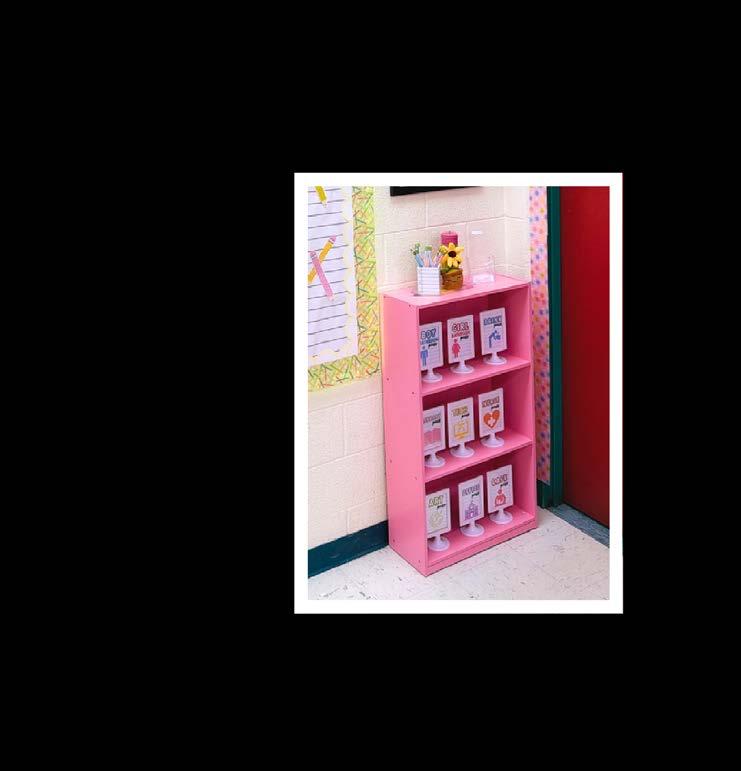
This hall pass system keeps the pass inside the classroom instead of traveling with students.
Before leaving, students place the appropriate hall pass on their desk and return it when they come back.
This simple routine promotes independence while helping teachers quickly see who is out and where they're headed.
Keeping hall passes inside the classroom makes it easy to monitor student movement at a glance. It provides accountability, limits unnecessary trips, and allows teachers to quickly identify who is out and where they are—especially during an emergency.

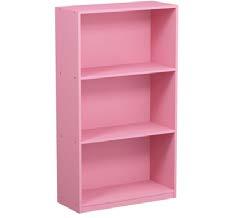
Designate a shelf or easily accessible area to
Designate a shelf or easily accessible area to display all of your hall passes. display all of your hall passes.
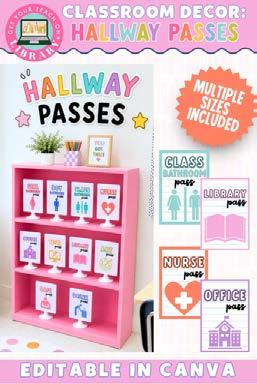
Print, cut, and place each hall pass inside an
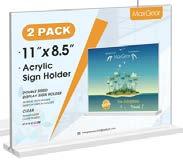
Print, cut, and place each hall pass inside an acrylic sign holder. There is separate passes acrylic sign holder. There is separate passes for each destination, such as the restroom, for each destination, such as the restroom, nurse, office, library, or cafeteria. nurse, office, library, or cafeteria.
Teach the routine
Before leaving the room, students place the Before leaving the room, students place the appropriate hall pass on their desk and then appropriate their desk and then head to their destination. head their destination.
The
When students return, they place the hall
When students return, they place the hall pass back on the designated shelf so it's pass back on the designated shelf so it's ready for the next student. ready for the next student.
This system is especially helpful This system is especially helpful during drills or emergencies. A during drills or emergencies. A quick glance around the room quick glance around the room immediately tells you which immediately tells which students are out and their students are their destination. destination.
Follow the same routine every time students
Follow the same routine every time students leave the classroom to build independence leave the classroom to build independence and accountability. and accountability.
library note "How

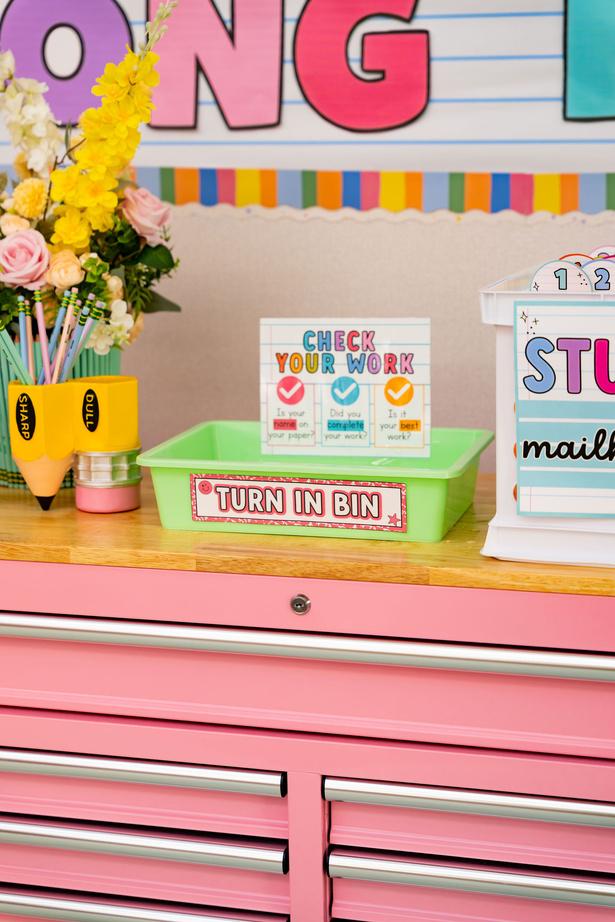
Create routines that keep papers moving without slowing down instruction. without slowing down instruction.
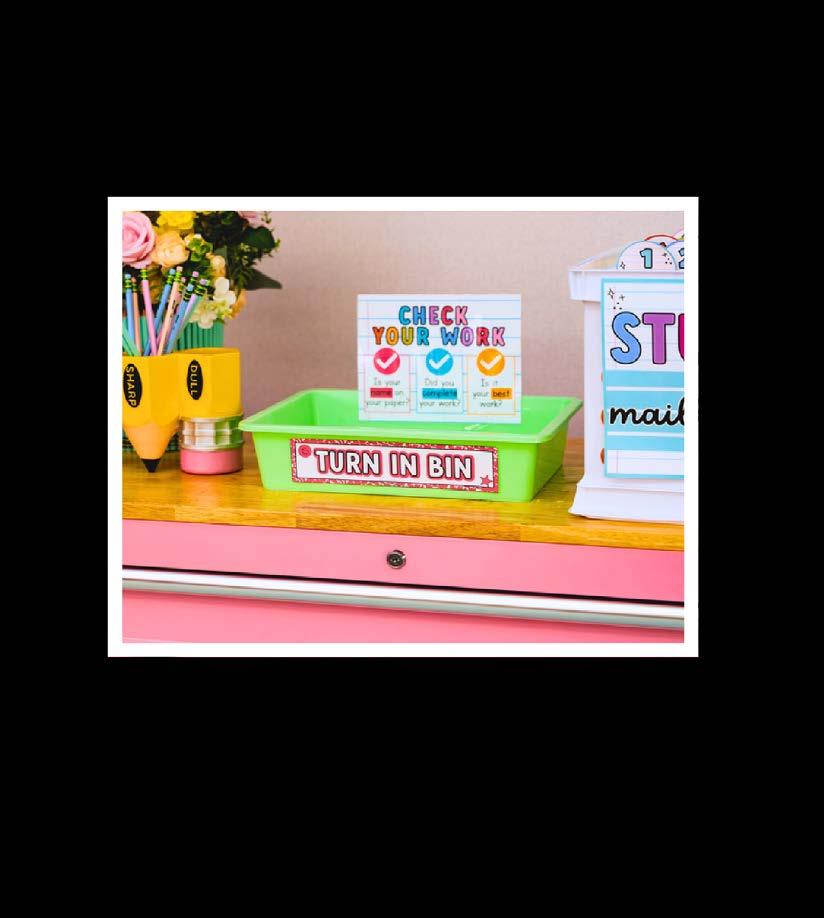
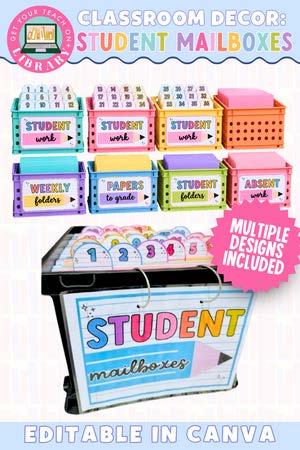
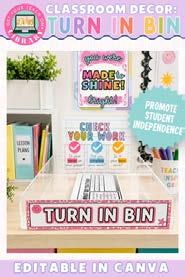
A designated turn-in bin and student mailbox system give every paper a clear destination. Students know exactly where to submit completed work, pick up returned assignments, and collect classroom materials without waiting for directions.
When paperwork has a predictable flow, classroom routines become smoother and instructional time is protected.
KeepItRunning
Paper management shouldn't interrupt learning.
Simple systems reduce questions, eliminate piles of misplaced papers, and create consistency for both students and teachers. Instead of collecting assignments one by one or passing papers across the room, your classroom continues running while the system does the work.
The goal isn't simply organizing papers. It's creating routines that save time every single day.
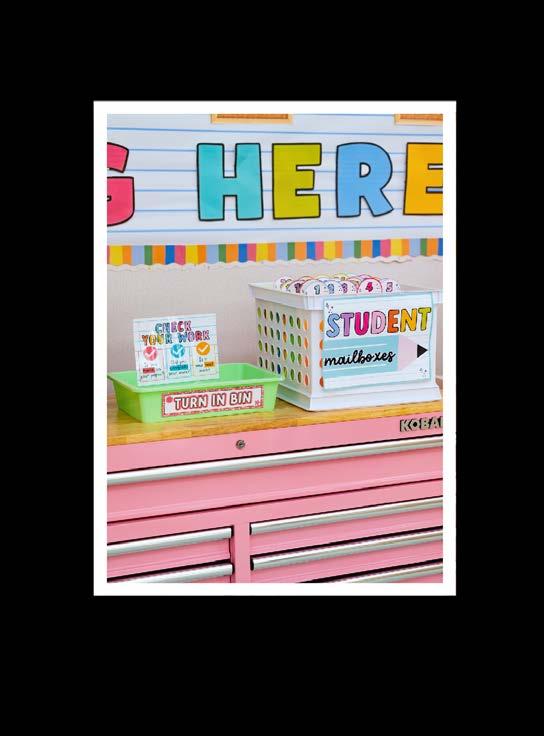
Choose a single location where every assignment is Choose single location where every assignment is submitted so students never have to ask where their work submitted students never have where their belongs. belongs.
ORGANIZE STUDENT MAILBOXES.
Label mailboxes clearly so returned work, newsletters,
Label mailboxes clearly so returned work, newsletters, and classroom materials are easy to distribute. and classroom materials are easy distribute
ADD A REMINDER CHECKLIST.
Place a simple "Check Your Work" reminder beside
Place simple "Check Your Work" reminder beside the turn-in bin to encourage students to review their the turn-in bin to encourage students to review their work before submitting it. work before submitting it.
library note
Model how to turn in papers, check mailboxes, and collect
Model papers, check mailboxes, and collect materials until the process becomes automatic. materials until the process becomes automatic
KEEP IT CONSISTENT.
find this in the gyto library:
The fewer decisions students The fewer decisions students have to make, the smoother have to make, the smoother your routines become. One your routines become. One consistent system keeps consistent system keeps paperwork moving all year long. paperwork year
Use the same system every day so paperwork flows Use the same system every paperwork flows naturally without interrupting instruction. naturally without interrupting instruction. every everystudent time TURN STUDENT WORK INTO A
Don't Skip This Step: Keep the routine the same. When papers always go to the same place, the system quickly becomes second nature.
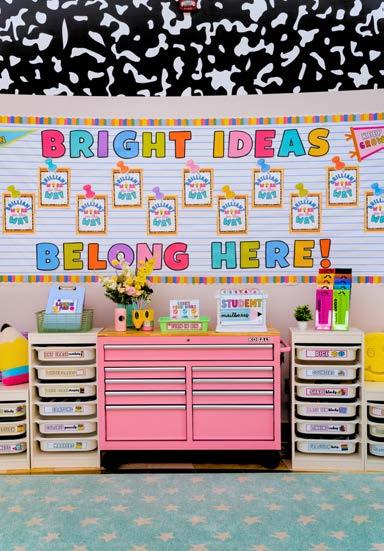
"How do I interruptions?"unnecessaryeliminate The systemsorganizational that save time all year long.
Setstudentsupforindependencebefore independentworkbegins. independentworkbegins.
Prep Your Desk is a proactive classroom routine that gives students one dedicated moment to gather every material they'll need before independent work begins.
When students are prepared, momentum isn't lost. why it matters KEEP IT
Instead of stopping instruction to pass out supplies, answer questions, or search for materials, students prepare everything in advance so they can transition seamlessly from teacher instruction to student learning.
KeepItRunning
Teachers Who Love SimpleSystems
The transition from whole-group instruction to independent practice is where many classrooms lose valuable learning time. Without a consistent system, students are: Looking for materials. Asking what they need.
Borrowing supplies. Waiting for directions.
Interrupting instruction before independent work even begins.
A simple Prep Your Desk routine eliminates unnecessary interruptions and allows students to begin working immediately.
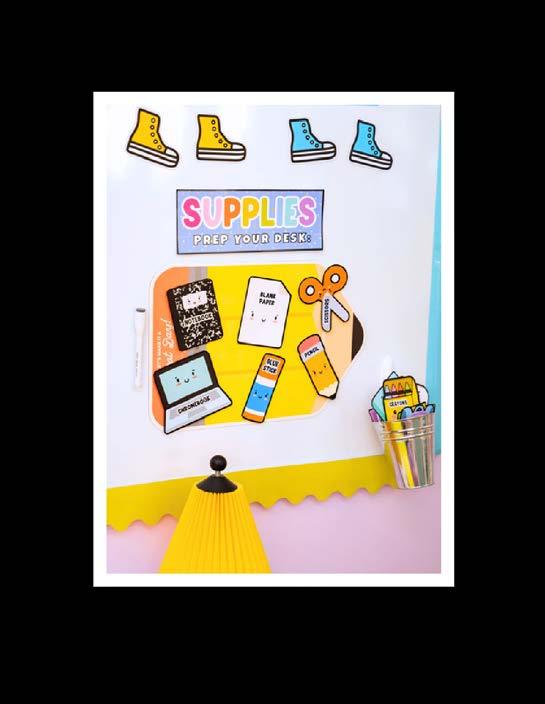
Create a list of materials that remain on every
Create a list of materials that remain on every student's desk or in their Launch Pad every day.
student's desk or in their Launch Pad every day. When students always know what should be When students always know what should be available, preparation becomes automatic. available, preparation becomes automatic
Before students transition to independent work,
Before students transition to independent work, display any additional materials they will need. materials they need. Students should be able to gather everything from Students should be able gather everything from one visual without asking questions. one questions.
Give students one dedicated prep time.
The systemsorganizational that save time all year long.
Build 30–60 seconds into every lesson for students
Build 30–60 seconds into every lesson for students to quietly prepare their workspace. quietly prepare their workspace
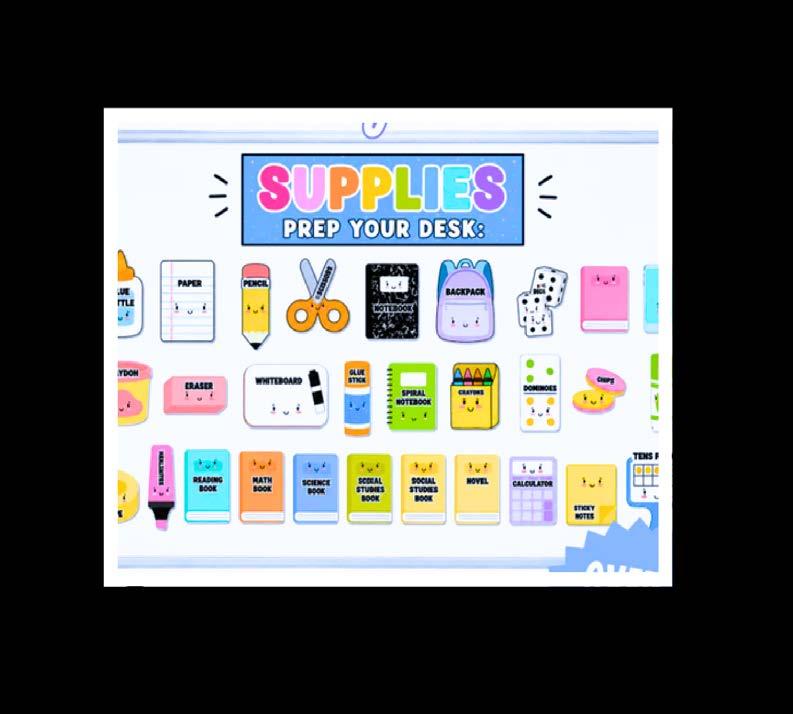
This is the time students should be gathering materials before beginning independent work. materials before beginning independent work.
Teach what "ready" looks like.
Don't just teach what students need—teac
This is the only time students should be gathering
teach what students need—teach how they ow they should prepare. prepare how
Resist the urge to stop instruction for forgotten materials.
Resist the urge instruction for forgotten materials. The more consistently students experience the expectation, the The more consistently students experience the expectation, the more independently they'll prepare the next time. more independently they'll prepare the next time
Decide what students always need. find this in the gyto library:
Preparation is part of instruction. Preparation is part of instruction. The goal isn't simply having materials on The having materials on desks—it's creating a classroom where desks—it's creating a classroom where students can move from learning students can move from learning together to learning independently together to learning independently without unnecessary interruptions. without unnecessary interruptions.
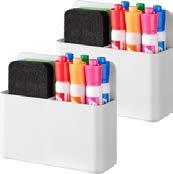
"How do I interruptions?"unnecessaryeliminate
Simple system. Materials within reach. Simple system. Materials within reach. Everything has a home.
Create grab-and-go systems that keep your classroom running smoothly.
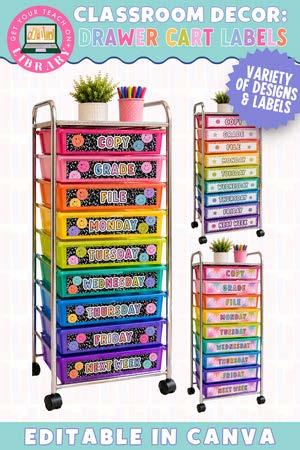
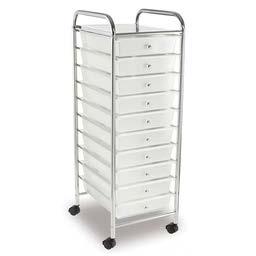
A rolling cart is more than extra storage. It's a simple way to organize the materials you use every day, so they're easy to find, easy to maintain, and always within reach.
Whether you're organizing copies, center materials, lesson plans, or classroom resources, assigning every drawer a specific purpose reduces clutter and helps your classroom run more efficiently
Love SimpleSystems
An organized classroom starts with intentional systems. When every paper and supply has a designated home, you spend less time searching for materials and more time focused on teaching. Clear organization also makes it easier to maintain your classroom throughout the year instead of constantly reorganizing overflowing piles.
The goal isn't simply filling drawers. It's creating a system where everything has a purpose and a place.
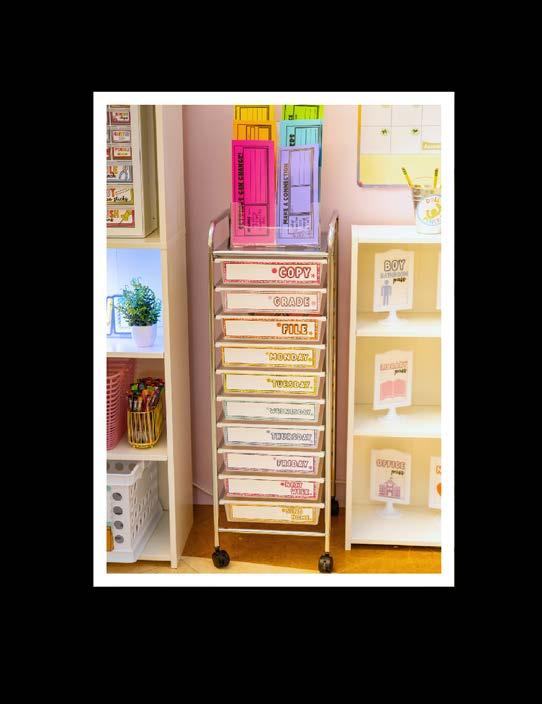
Decide how your rolling cart will support your classroom, Decide cart classroom, whether it's for copies, centers, teacher materials, or student whether it's for copies, centers, teacher materials, or student work.
Assign one clear purpose to each drawer before you
Assign one clear purpose to each drawer before you begin organizing. begin organizing.
LABEL EVERYTHING.
Use clear labels that make it easy to maintain your
Use clear labels that make it easy to maintain your organization throughout the year. organization throughout the year.
library note GIVE EVERY DRAWER A JOB.
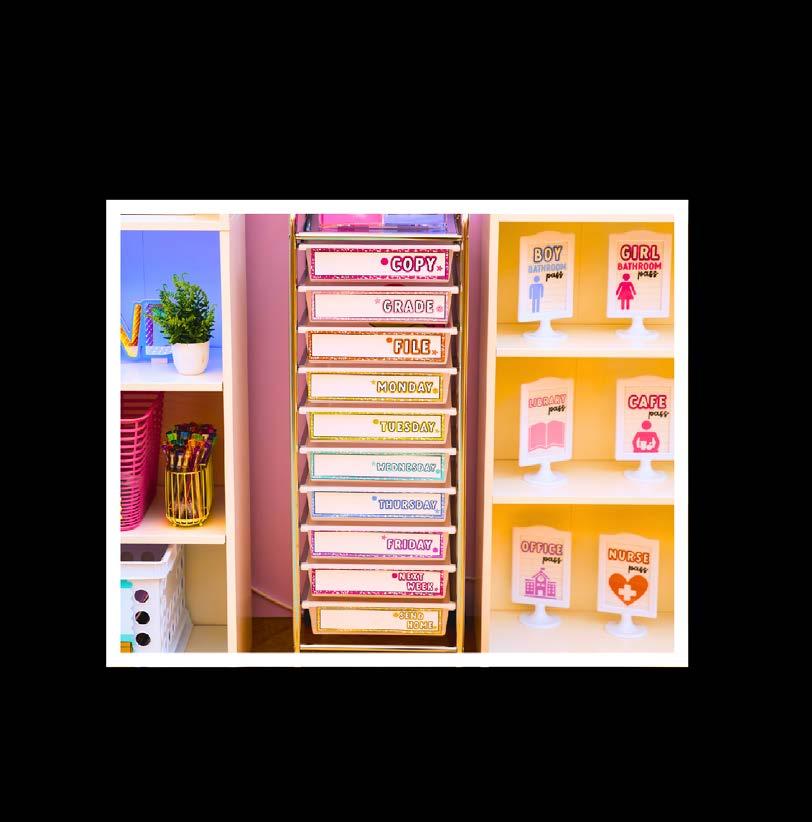
Take a few minutes each week to empty unnecessary papers, Take a few minutes each week to empty unnecessary papers, restock supplies, and reset drawers so the system continues restock supplies, and reset drawers so the system continues working all year. year.
If you find yourself not using a specific drawer or If you find yourself not using a specific drawer or needing more space for another, don’t be scared to needing more space for another, don’t be scared to make adjustments! Make the cart work for you. make adjustments! Make the cart work for you.
Rolling carts work best when Rolling carts work best when they serve one primary purpose they serve one primary purpose instead of trying to organize instead of trying to organize everything. A focused system is everything. A focused system is easier to maintain all year long! easier to maintain all year

everystudent time "How do I interruptions?"unnecessaryeliminate The systemsorganizational that save time all year long.
Preparedstudents.Efficienttransitions. Preparedstudents.Efficienttransitions.
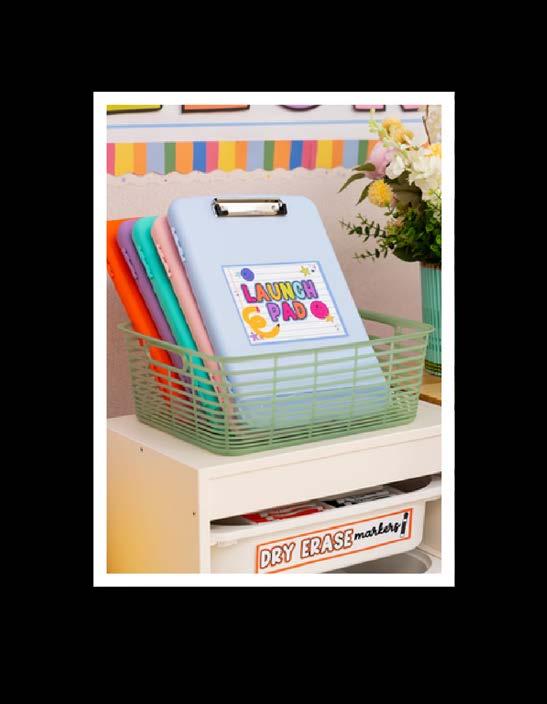
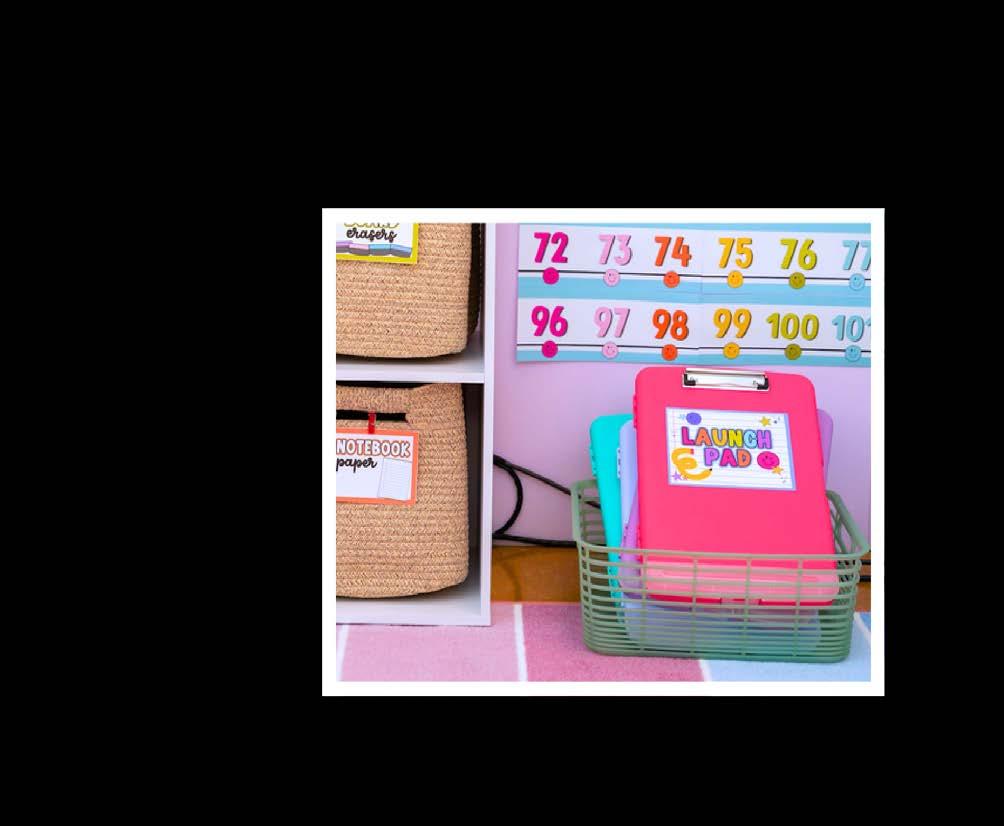
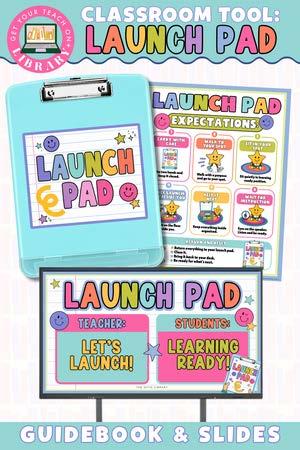
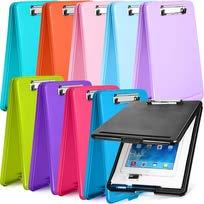
A Launch Pad is a designated space where students keep the materials they need for instruction and quickly collect any additional resources for the day's lesson.
Instead of spending valuable instructional time passing out supplies or answering, "What do I need?", students begin every lesson prepared and ready to learn.
The Launch Pad creates consistency, independence, and efficient transitions so more time is spent learning—not managing materials.
One of the biggest instructional time wasters happens before the lesson even begins.
Students are:
KeepItRunning
Teachers Who Love SimpleSystems
Looking for supplies. Walking around the room. Asking what they need. Waiting for classmates. Interrupting the flow of instruction.
A Launch Pad eliminates those interruptions by giving every student one predictable place for everything they need. When the system is consistent, students spend less time preparing and more time learning.
Identify the materials students use every day so
Identify the materials students use every they never have to search for them. These become they never have to search for them. These become the "always there" tools. the there" tools.
Add today's lesson materials.
The systemsorganizational that save time all year long.
Before instruction begins, students add any materials
Before instruction begins, students materials needed specifically for that day's lesson. needed specifically for lesson.
Examples: Examples:
Graphic organizers, Books, Manipulatives, Graphic organizers, Manipulatives, Whiteboards, Vocabulary cards, Math tools Whiteboards, Vocabulary cards, Math tools
Everything should be ready before students gather Everything be ready before students gather for instruction. for instruction.
Teach the Launch routine.
Create one consistent routine and use the same Create one consistent routine and use the same language every day.
e every
Teach how to launch.
Don't just teach wh teach wha at goes inside. goes inside
Model: Model:
How to carry the Launch Pad. How to carry the Launch Pad.
How to walk safely. How to walk safely.
Where to place it during instruction. Where place instruction.
library note
The Launch Pad isn't about organizing The Launch Pad isn't about organizing supplies. supplies.
It's about removing barriers between It's about removing barriers between instruction and independence. instruction and independence
How to remove materials quietly.
How to remove materials quietly.
How to return materials after the lesson. return materials after the lesson.
Practice the routine until it becomes automatic.
Practice the routine until it becomes automatic at
Every second students spend looking for Every second students spend for materials is a second they're not materials is a second they're not learning. learning.
When students have finished preparing, use one consistent cue
When students have finished preparing, use one consistent cue to transition into learning. to transition into learning.
"How do I interruptions?"unnecessaryeliminate


Hope King is a veteran educator with 18 years of experience, a national speaker, and the co-founder of Get Your Teach On and Rock Your School. She is recognized for her ability to integrate research-based Tier I instructional practices with intentional, highengagement strategies that elevate both teacher effectiveness and student learning.
For the past four years, Hope has served as a Campus Implementation Specialist, leading the GYTO Content Team in a multi-year effort to strengthen instruction across more than 30 campuses. Through comprehensive, yearlong support—including lesson modeling, instructional coaching, and system development—she and her team partner with schools to improve Tier I practices from the beginning of the year to the end.
Hope is also the author of The Wild Card and the creator of the widely implemented “Five to Thrive” instructional framework. She presents nationally on instructional design, student engagement, classroom management, and schoolwide systems for consistency. In every setting, her mission remains clear: to equip educators with high-impact, sustainable practices that ensure every student receives rigorous, meaningful, and joyful learning experiences every day.
Bianca Pecina is a Texas elementary teacher entering her 7th year in education, with experience teaching both third and fourth grade. She is passionate about creating a classroom environment that feels welcoming, structured, and engaging for all students.
Bianca loves combining strong classroom management and routines with creative DIY classroom ideas that make learning exciting and comfortable for her students. She is dedicated to helping students grow academically while building a classroom community they truly enjoy being part of.



Amy Lemons is passionate about creating engaging, standards-based Math and ELA lessons that make learning meaningful and fun.
With over a decade of classroom experience, she believes students thrive when content is presented in multiple, hands-on ways. Amy’s mission is to equip teachers with effective, confidence-boosting lessons that spark curiosity and joy in the classroom.
Mo o
Montana is from Raleigh, North Carolina and graduated from East Carolina University with a degree in Elementary Education. With 8 years of teaching experience, she believes all students deserve to come to school each day to a place where they feel seen, heard, and believed in. Montana is passionate about cultivating a strong classroom community and is helping teachers do the same in their classrooms.
Through team building activities, project based learning, community building games, and more, Montana believes that all teachers have the ability to build a strong classroom community that will impact their every day relationships, lessons, and management. Through her engaging, practical, and powerful sessions, teachers leave with ready-to-use practices they can implement in their classrooms right away.



S SP PO ON NS SO OR RS S

incredibleAsyouheadbacktoschool,our sponsorswantedtohelp maketheseasonalittlemoreexciting.
Take a look at these exclusive offers, freebies,andclassroomgoodiescreated justforyou!