BE THE SAFE PLACE THEY COME TO
The friendship gap facing men Why making mates gets harder
THE TRUTH ABOUT BABY SLEEP
The industry targeting exhausted parents
Hidden burnout in high-functioning women Why “holding it together” comes at a cost
















The friendship gap facing men Why making mates gets harder
The industry targeting exhausted parents
Hidden burnout in high-functioning women Why “holding it together” comes at a cost

Autumn 2026
PUBLISHER
Leanne Hart
EDITOR Nicole Madigan
JOURNALIST
Holly Bartter
DIGITAL PRODUCER & WEB
Andrew Harmer
CONTRIBUTORS
Suzanne Butler | Kylie Harding | Dee Hardy | Andrew Harmer
Jack Smith | Justine Williams | Charmaine Yabsley
CREATIVE
Melinda Leu
PRINTING Fast Proof Press, Nerang
CONTACT US
Advertising: 0414 946 361 | leanne@getit-magazine.com.au
EDITORIAL + WEBSITE: info@getit-magazine.com.au | getit-magazine.com.au
Follow us on: Instagram: getitmag Facebook: get.it.mag

























Carrying excess weight isn’t just a cosmetic concern— it can significantly impact your overall health. Obesity is linked to various medical issues, including diabetes, high blood pressure, joint pain, and even certain cancers. It can also affect mental well-being and reduce life expectancy.
While many attempt to lose weight through dieting, exercise, or medication, research indicates that individuals with severe obesity have less than a 1% chance of achieving and maintaining a healthy weight through these methods alone. In contrast, weight loss surgery has proven to be the most effective long-term solution for substantial and sustained weight loss.
Bariatric surgery not only aids in weight reduction but also offers significant health benefits. It can lead to the remission or improvement of conditions such as type 2 diabetes, hypertension, sleep apnoea, and arthritis. Moreover, studies suggest that weight loss surgery may lower the risk of developing at least 13 different types of cancer.
Modern weight loss procedures are minimally invasive. All are performed using keyhole surgery, often as day-stay only procedures. Patients often return to work within a few days, making the recovery process relatively quick and manageable.
At The Surgery Gold Coast Weight Loss Surgery Clinic, we have over a decade of experience in performing these procedures safely and effectively. Our dedicated team is committed to supporting you on your journey to better health.
P 07 5564 6501 surgerygoldcoast.com.au

Every year I say it, and every year it feels more true. January and February always feel like prep months, and by March, school is well and truly back, work is in full swing, and the space we thought we’d have at the start of the year has already filled up.
March, to me, always feels like a checkpoint. The reset of January is done and dusted, and we’re far enough into the year to get a clear read on what’s working, what’s not, and what might need to change.
It also brings International Women’s Day. And while it’s easy for that date to become another moment on the calendar, it’s worth pausing on what it actually represents. Not just celebration, but reflection.
Because the reality for many women is that life hasn’t slowed down. If anything, expectations continue to expand. We’re working, parenting, managing households, supporting others and often doing it all while appearing like we have it together.
You’ll see that reflected in this issue.
We explore hidden burnout in high-functioning women, the kind that doesn’t look like burnout at all. We look at connection, from the challenges men face in building friendships to the importance of being a safe place for our kids when they need us. We also dive into the environments we live and work in, and how they impact how we feel day to day.
If there’s one thing I keep coming back to this month, it’s this. Awareness matters. Whether it’s recognising when you’re stretched too thin, noticing what your child isn’t saying, or simply acknowledging that something isn’t quite working.
So take notice this month. Don’t let March become December without stopping to breath, make the changes you need to make, and remember to take some time for you.
Publishers Indemnity: Those who make advertising placements and/or supply copy material or editorial submissions to Get it Magazine, undertake to ensure that all such material does not infringe any copyright, trademark, defamation, libel, slander or title, breach of confidence, does not contain anything obscene or indecent, or does not infringe the Trade Practices Act or other laws, regulations or statutes. Further to the above mentioned these persons agree to indemnify the publisher and/or its agents against any investigations, claims or judgements. In this magazine we have listed a range of products, prices and stores in across Australia and online. Although prices are correct at the time of printing, they are indicative only as prices and stock may vary from store to store. All prices were provided to Get it Magazine by relevant retailers and suppliers. We advise you to contact the relevant retailers for further information about price and availability. Get it Magazine does not accept any responsibility for price variations, availability or quality of products. While every effort is made to ensure information is correct at of publication, no responsibility is accepted by Get it Magazine for the accuracy of any information contained in the text or advertisements. All product and imagery is credited where possible.

slow down, you ’ re allowed to "autumn isyour reset season "




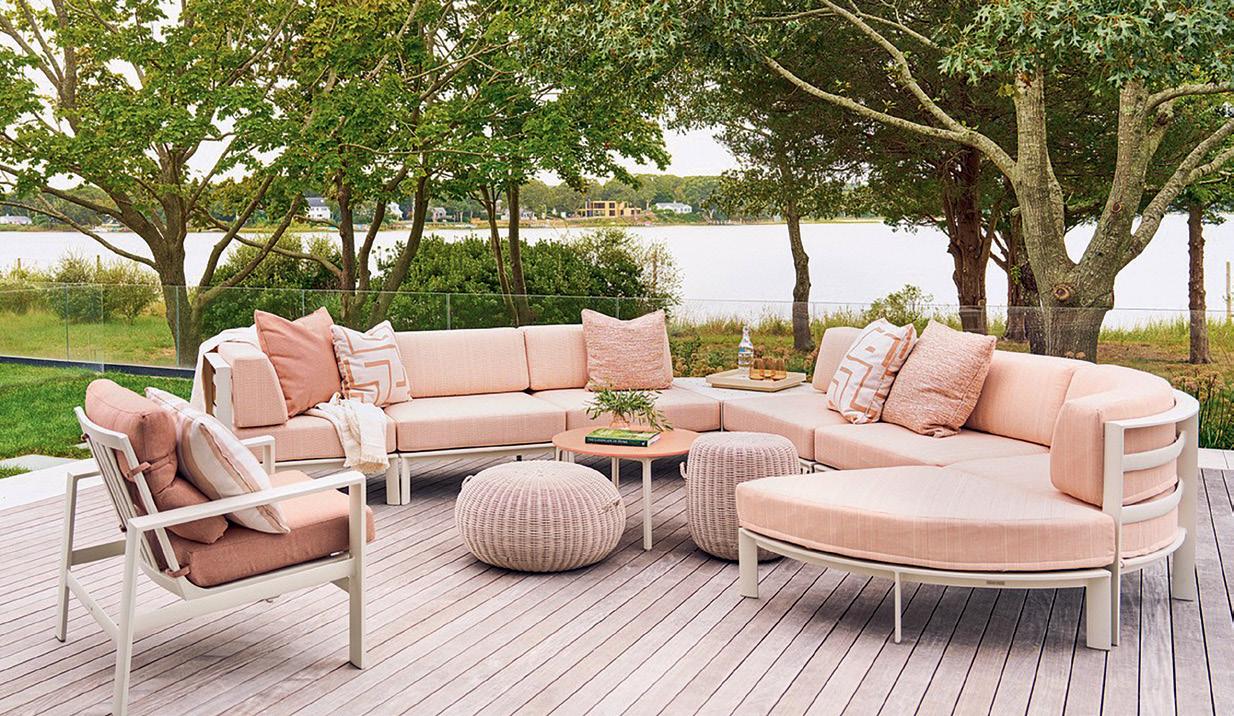
DUNE OUTDOOR LUXURIES IS AUSTRALIA’S LEADING SUPPLIER OF THE FINEST, METICULOUSLY DESIGNED AND EXCEPTIONALLY EXECUTED OUTDOOR FURNITURE & ACCESSORIES FOR RELAXED AND LUXURIOUS OUTDOOR LIVING. ONSITE CONSULTATION AVAILABLE.




As the weather starts to cool down, it’s the perfect time to refresh your wardrobe with pieces that feel effortless, polished, and easy to layer. This season, SHEIN is serving autumn-ready style through standout labels Musera, Missguided, SHEIN BAE, and Aloruh – delivering everything from casual everyday staples to elevated looks for nights out.
Think relaxed denim you can throw over anything, lightweight knits and long sleeves for crisp mornings, tailored sets that instantly pull an outfit together, and chic going-out pieces that still work with boots and layers. Whether you’re dressing for work, weekend plans, or a last-minute dinner date, these collections have you covered.
Explore the latest designs across SHEIN’s labels and uncover the pieces set to define the season.




For your chance to WIN one of 2 x $150 vouchers simply find the post on our Facebook page and comment on your favourite brand.
*Terms and conditions apply
To enter simply scan the QR code and find the Facebook post you want to enter.













— by Dee Hardy — Shifting Tides Counselling
In a world that moves quickly and reacts even faster, calm is often mistaken for the absence of chaos. But true calm is not found in perfectly managed environments or conflict-free lives. It is found in the quiet, deliberate space between stimulus and response, where choice lives.
Every day, we are presented with moments that test us. A sharp email. A difficult conversation. A situation that feels unfair or out of our control. The instinct is to react, to match intensity with intensity, to defend, to escalate, to prove. Yet this is where calm quietly offers an alternative.
Calm is not passive. It is not avoidance, nor is it silence in the face of difficulty. It is an active, internal decision to pause. To step back from the immediacy of emotion and ask: How do I want to respond here?
This distinction, between reaction and response, is where personal power resides.
When we react, we hand over control to the situation. Our emotions lead, often fuelled by past experiences, assumptions, or heightened stress. When we respond, we reclaim authorship. We choose our tone, our words, our timing. We remain grounded in who we are, rather than being shaped by what is happening around us.
There is a discipline in this. It requires awareness. It asks us to recognise when we are being pulled into someone else’s urgency, someone else’s conflict, or someone else’s emotional state. And then, consciously, to return to our own centre.
This is what it means to “stay in your lane.”
Staying in your lane is not disengagement; it is clarity. It is understanding what is yours to carry and what is not. It is resisting the urge to absorb, fix, or react to everything that comes your way. It is choosing measured, intentional action over impulsive reaction.


In high-conflict environments, whether in relationships, workplaces, or during life transitions. This becomes even more critical. Calm does not remove the challenge, but it transforms how you move through it.
Peace, then, is not something you wait for. It is something you practice.
And often, it begins with a single, powerful choice: Not to react, but to respond.
Got a question for Dee?
Email: editor@getit-magazine.com.au
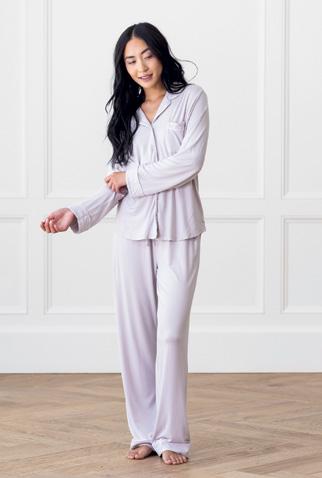
COZYEARTH Stretch-Knit Long Sleeve Bamboo
Pajama Set A lightweight, breathable bamboo set that sleeps cooler than cotton for all-night comfort. Features contrast piping, a button-up top with pocket and elastic-waist pants. $277 cozyearth.com.au

THERMOSKIN Pain Relief Cream Formulated with natural active ingredients to support temporary relief from muscle and joint pain. Designed to help maintain mobility and everyday comfort. $22.95 thermoskin.com.au
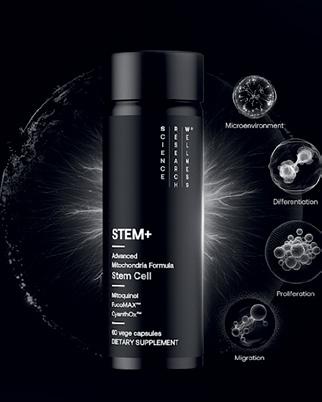
SRW Science Research Wellness SRW Lab’s New STEM+ combines five clinically researched ingredients — Mitoquinol, CyanthOx™, FucoMAX™, Oleuropein and Vitamin D3. Together, they work synergistically to enhance cellular renewal, support the immune environment and promote mental clarity for long-term resilience and healthy ageing. RRP $126 scienceresearchwellness.com

RoC DERM CORREXION Firming Serum Stick
A dermatologist-tested firming stick formulated with retinol, THPE and antioxidants to visibly tighten and smooth the face and neck. Fast-absorbing, fragrance-free and designed for a non-invasive lift effect. From $59.99 Available at leading pharmacies nationally

OBSTACLE COURSE RACING World Championships
Return to Queensland The OCR Community World Championships return to Australia on May 21–22, 2026, at Ivory Rock. Known as the sport’s most inclusive global event, the championships welcome elite and amateur athletes worldwide. Four race formats — including 3K and 15K Pro divisions — cater to all levels, making it an exciting celebration of fitness, endurance and community. To compete or spectate go to ocrworldchampionships.com

THE SENSORY SPECIALIST Cooling Blanket
A temperature-regulating blanket using Q-max cooling technology to draw away heat and reduce night sweats. Made from breathable nylon and spandex with a smooth, cool-to-touch finish. Single/King Single $179.95 | Double/Queen $199.95 | King/Super King $209.95 thesensoryspecialist.com.au
If better sleep and feeling good in your own skin are high on your priority list, this edit is for you. Here are our top picks to help elevate your health and sleep routine this season, from comfort-boosting bedding to wellbeing and beauty essentials.

THERONOMIC Tribiotic Cardi-Flo A TGA-listed heart health supplement from Australia’s first tribiotics brand, formulated to support cardiovascular wellbeing. Designed for those seeking a more complete and proactive approach to heart care. RRP $99 theronomic.com
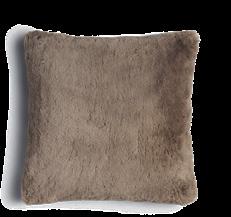
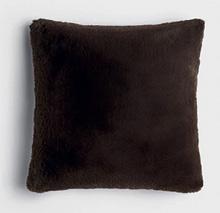
COZYEARTH Cuddle Pillow An ultra-plush faux-fur-style pillow with a soft, knife-edge finish on both sides. Adds a cosy yet refined layer to sofas, armchairs or bedding. $184 cozyearth.com.au

MULTI CORREXION Revive + Glow Vitamin C Eye
Balm 4g A brightening eye balm with Vitamin C and peptides to visibly reduce dark circles and puffiness. Features a touchless application and glides on clear. Under $50 chemistwarehouse.com.au













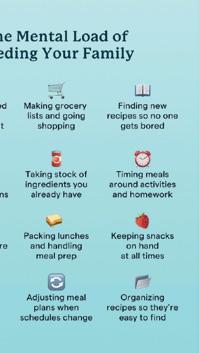
There is a speci c kind of “mental load” that comes with modern motherhood. It’s the invisible weight of remembering that Tuesday is library day, Thursday is soccer practice and digging through the depths of your inbox for a school PDF with the exact time of the choir assembly.
For many mothers, the family “command centre” is still a messy fridge covered in magnets or a frantic scroll through emails. A digital calendar like Skylight offers a more visible, shared way to keep a household on track. Designed to help families stay in sync, it can reduce some of the day-to-day friction that comes with managing multiple schedules, appointments and responsibilities. With Mother’s Day approaching, it ts naturally into the category of gifts that feel both thoughtful and genuinely practical.
At rst glance, the Skylight Calendar is a 15-inch HD touchscreen designed to sit comfortably in a kitchen or shared family space. But its value lies less in how it looks and more in how it functions within a busy household. Unlike traditional apps that stay tucked away on individual phones, a digital calendar in a central location creates a shared point of reference for the whole family. It can sync with platforms such as Google, iCloud, and Outlook, helping bring multiple schedules into one place.
With dedicated Family Pro les, each person has their own colour, making it easier to see at a glance who needs to be where and when. The two-way
sync also means changes made on a phone during the day can be re ected on the screen at home, which can help reduce the back-and-forth that often falls to one person to manage.
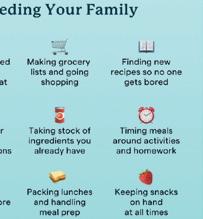
One of the most repeated questions in any household is “What’s for dinner?” Having meal planning built into the same family hub can make everyday decisions feel a little less scattered. Skylight allows users to map out breakfast, lunch and dinner for the week, which can help take some of the pressure off last-minute planning.
There are also features designed to make meal organisation more manageable. Using the Fridge Photo function, families can take photos of what they already have and receive recipe suggestions based on those ingredients. Recipes from magazines, handwritten cards or screenshots can also be added digitally using Magic Import, helping to keep everything in one place. For mothers carrying the cognitive load of planning meals, shopping and prep, small systems like these can make a meaningful difference.
Another challenge many mothers face is not just keeping track of what needs to be done but reminding everyone else to do their part. The Interactive Chore Chart is designed to give children more visibility over their own routines, allowing tasks to be clearly displayed and ticked off once completed.








For some families, that can help shift chores from being constant verbal reminders to something more independent and consistent. For households using the Plus plan, the Star-Powered Rewards system adds an extra layer of motivation, with children earning stars for completing tasks and working towards small rewards. More broadly, it can support a stronger sense of shared responsibility at home and make the invisible work of running a household a little more visible to everyone.
When it’s not being used as an organisational tool, the Skylight Calendar can also display family photos, allowing it to feel like a natural part of the home rather than just another piece of tech.
As Mother’s Day approaches, useful gifts often resonate more deeply than symbolic ones. A digital calendar like Skylight does not claim to solve the complexities of motherhood, but it can help ease some of the small, cumulative stresses that build up over time. By creating one central place for schedules, meals, chores and reminders, it offers mothers something many of them need more of: a little more clarity, and a little less mental clutter.



It is now available for purchase at JB Hi-Fi and the Skylight website. au.myskylight.com/calendar
By Megan Stray
More than a decade ago, while working as a kinesiologist in a small clinic beneath my home, I began noticing a pattern that was impossible to ignore.
Young people were arriving not with the usual childhood complaints, but with something far heavier. Seven-year-olds struggling with debilitating anxiety and missing large amounts of school. Ten-yearolds already prescribed antidepressants. Bright, sensitive young girls battling eating disorders far earlier than anyone expected.
Behind every child was a family searching for answers, hoping to find the missing piece that would help their daughter feel
safe, confident and whole again. Watching these stories unfold, it became clear that something needed to change.
From that realisation, Heal.ed Tribe was born.
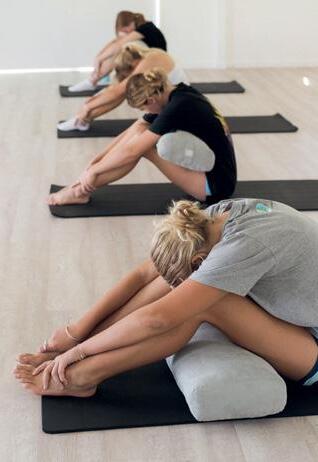
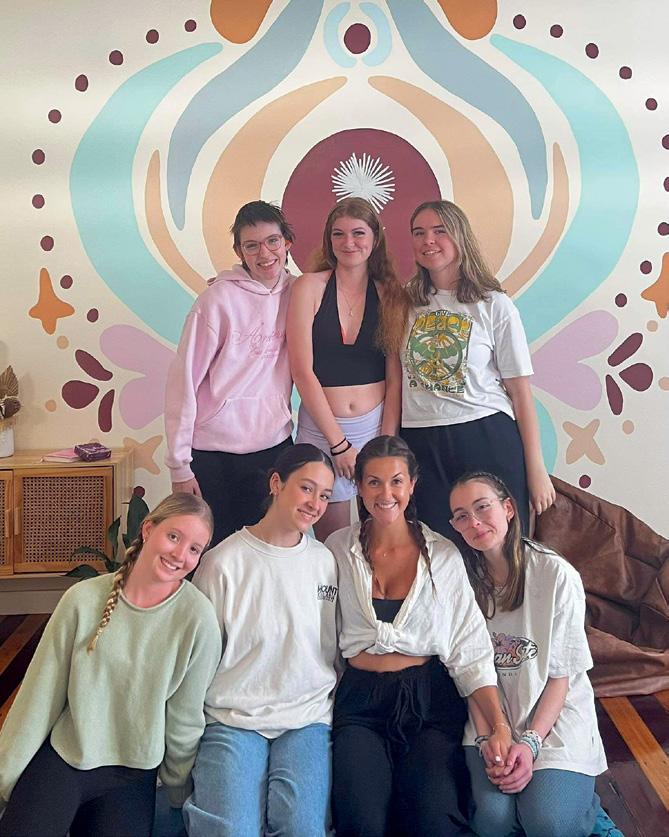
What began as a deeply personal response has grown into a local not-forprofit organisation supporting young girls across the Gold Coast. The first initiative was a small three-day retreat for five girls experiencing eating disorders and their mothers, alongside two teenage girls living in homeless shelters. There was no rigid clinical agenda. The intention was simple: to create a space where young people felt seen, supported and genuinely cared for. To learn more or support the work of Heal.ed Tribe, visit healedtribe.org.au
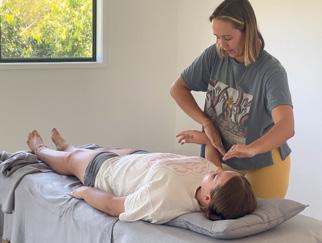
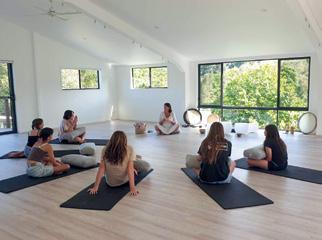
Today, almost eleven years later, Heal. ed Tribe continues to focus on education, prevention and early intervention, helping young girls build resilience and strengthen their mental wellbeing. Every program and conversation is grounded in a core belief that no young person should feel alone in their mental health journey.
The challenges facing young people continue to grow. Experts predict that by 2030, mental health concerns could become Australia’s greatest disease burden, surpassing cancer and heart disease. Yet beyond the statistics are the real stories and quiet breakthroughs that remind us why community support matters.
Because these girls are the women of our future. Watching a young person rediscover hope, confidence and a sense of belonging is powerful, not only for them, but for the families and communities surrounding them.
Somewhere in your forties, something shifts. If you are not knee-deep in raising children or standing at the peak of your career, you may find yourself quietly planting the seeds for the next chapter of life. And while the magic that unfolds in your fifties deserves its own story, the fabulous forties bring a transformation all of their own.
Turning 40 can feel like being welcomed into a secret society of women who finally know themselves. Along with the wisdom comes a few unexpected gifts. Your chin may suddenly sprout a stubborn dark hair that appears overnight, your memory might occasionally play hideand-seek, and your body begins to change in ways your wardrobe never anticipated. Jeans feel tighter, aches appear without invitation, and yet something surprising happens. You start choosing your battles differently.
By this stage of life, many women realise they no longer have the energy to pretend. The wine nights with draining company begin to lose their appeal. Shoes that look beautiful but feel impossible to walk in quietly make their way to the donation pile. Even the small rituals we once tolerated, endless small talk or saying yes to every invitation, begin to fade.
There is a growing awareness that time and energy are valuable resources. Where once we might have chased spontaneity at any cost, the idea of a good meal, a comfortable chair and a peaceful evening can feel far more appealing. It is not about becoming boring. It is about becoming selective.
The French often speak about effortless elegance, dressing and then removing one thing to create balance. The same philosophy can be applied to life. Emotional trimming, social pruning and healthy boundaries become less about restriction and more about clarity. In your forties, putting yourself first no longer feels selfish. It feels necessary.
Many women describe hearing their inner voice more clearly during this decade. Selfesteem strengthens, confidence grows and there is a quiet understanding that perfection is overrated. Laughter replaces pressure, genuine connection matters

more than obligation, and authenticity becomes the new standard.
This stage of life is not about losing who you were. It is about embracing who you have become. The forties invite you to stop performing and start living, to choose joy with intention and to recognise the wiser, more radiant version of yourself that has been quietly waiting to emerge.
By Justine Williams www.thefeelgoodstudio.com.au
Instagram: @thefeelgoodstudio
LinkedIn: Justine Williams

























































































Pamper Mum with a relaxing face, skin, body or hair treatment from one of our hairdressers or therapy retailers:





We are giving away a gift that Mum will cherish forever!






















Skin to Soul • City Cave
Miracle Massage • GC Hair
Eli • Marcus Edwards
Cosmetic Tattooing by Helen GK Nails • Black Lash Cartel Fitness on Q • Therapy Fitness
Treat!
Simply spend $40 in participating specialty retailers.
*T&C’s apply.
Receipts can be accumulated to reach $40, strictly one gift per customer.
**While stocks last.




A “Love You Mum” plush bear & “Best Mum Ever” pen, with matching gift bag.
Promotion runs from 5th May to 9th May, 10am to 2pm.


























































Treat Mum to a coffee and a cake!
Or spoil her by taking her to breakfast or lunch and making her day special! At Q Super Centre there is something to suit every budget!
Black Swan Coffee House Nautical Bowls • Two Birds Q









Goldies Bakery • GYG
Fast Wok • McDonalds
Siam Street Thai • Tokyo Kitchen

Q Kebab House • Subway
Eat Italiano • Blue Lobster






























































































































































































































From the outside, she looks like she has it all together.
She is capable. Reliable. The one everyone depends on. She gets things done, keeps life moving and rarely drops the ball.
But beneath that calm exterior, many highfunctioning women are running on fumes.
They are not collapsing. Not checking out. Just quietly pushing through.
This is hidden burnout, and it hides best in the women who look the most capable.
It is a story I hear often in my work. For a long time, it was mine too.
Many of the women I now support describe the same experience. Functioning. Delivering. Showing up for everyone else. Yet quietly depleted themselves.
For years, I was the woman who could juggle everything. A business, a family, travel, speaking commitments, volunteering. On paper, it looked like I was thriving. Inside, I was sprinting through life collecting invisible medals for being busy, productive and always available.
By Heidi Horne

“FUNCTIONING. DELIVERING. SHOWING UP FOR EVERYONE ELSE. YET QUIETLY DEPLETED THEMSELVES.”
A snowboarding accident in Japan on Christmas Eve several years ago meant complete stillness. No multitasking. No pushing through. In that quiet space, I realised something confronting. I had not been managing stress. I had trained myself to live in it.
Like many high-functioning women, I did not recognise the signs because I was still performing. Still coping. Still achieving.
But functioning is not the same as being well.
Many women carry an invisible load that follows them long after the workday ends.
We move from one role to another without transition. Professional to parent. Leader to carer. Problem-solver to emotional support. Our minds barely land before the next demand arrives.
Even when we sit down, our nervous system often does not.
Busy becomes a badge of honour. Multitasking becomes a measure of worth. Yet only a small percentage of people can truly multitask effectively. Most of us are task-switching, which increases cortisol, reduces focus and leaves us feeling scattered and wired.
It is no surprise that so many women feel both exhausted and unable to switch off.
Research shows that a significant portion of people experience stress throughout much of the day, particularly those in high-responsibility roles. In Australia, burnout continues to rise as work and life blur together and genuine downtime disappears.
On average, people check their phones nearly 100 times a day. Each glance signals urgency to the brain, reinforcing a constant low-grade stress response. Many of us reach for our phones first thing in the morning, prioritising notifications over presence.


If you feel wired, tired and constantly on edge, it is not because you are failing. It is because your nervous system has not been given space to reset.
Much of the advice given to women focuses on taking a break or booking a holiday. But hidden burnout is rarely caused by one major event. It is the accumulation of small, unresolved stressors over time.
A week away may offer relief, but it does not rewire daily patterns.
What we need is not escape. We need recovery woven into everyday life.
A reset does not require hours of spare time. It requires small interruptions to the stress cycle already in motion.
At the start of the day, before reaching for your phone, take a moment to smile, even if it feels forced. Smiling triggers the release of neurotransmitters that signal safety to
the brain. Visualise your day going well. Notice your internal dialogue and gently shift it towards something more supportive.
During the day, especially before a meeting or difficult conversation, pause and breathe slowly. A longer exhale activates the parasympathetic nervous system, the body’s natural calming mechanism. This simple practice can lower stress hormones and restore clarity.
At the end of the day, instead of replaying everything left undone, acknowledge three small wins. This helps signal completion to the brain and supports genuine rest rather than carrying tension into the night.
These are not elaborate wellness rituals. They are small neurological cues that tell your system when to activate and when to stand down.
Burnout is not solved by escaping your life. It is eased by learning how to reset within it, one small moment at a time.
To learn more about Heidi Horne’s work, visit heidihorne.co
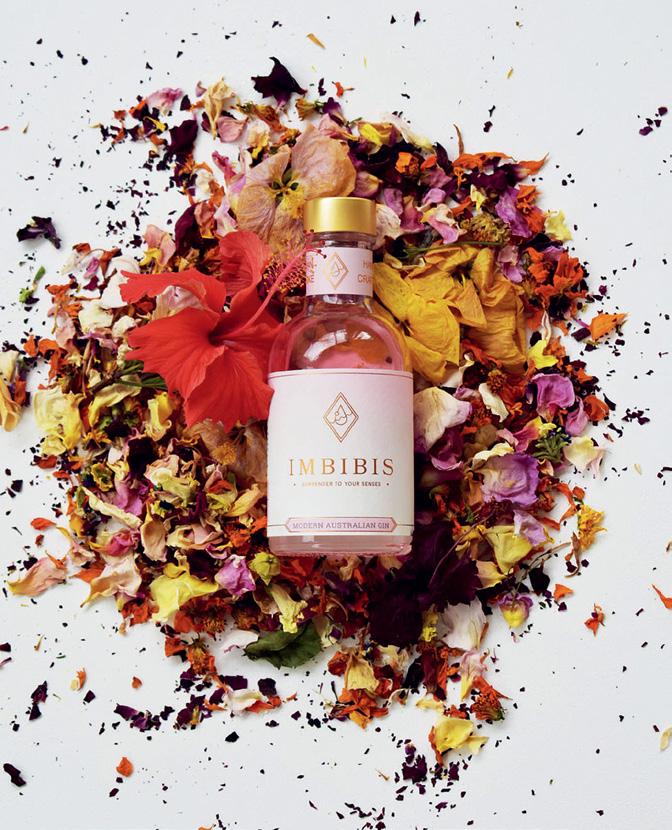
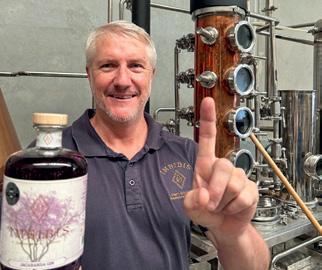
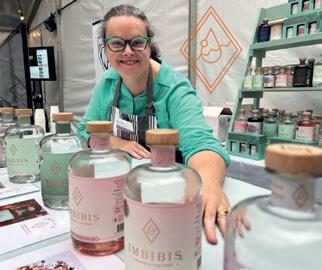
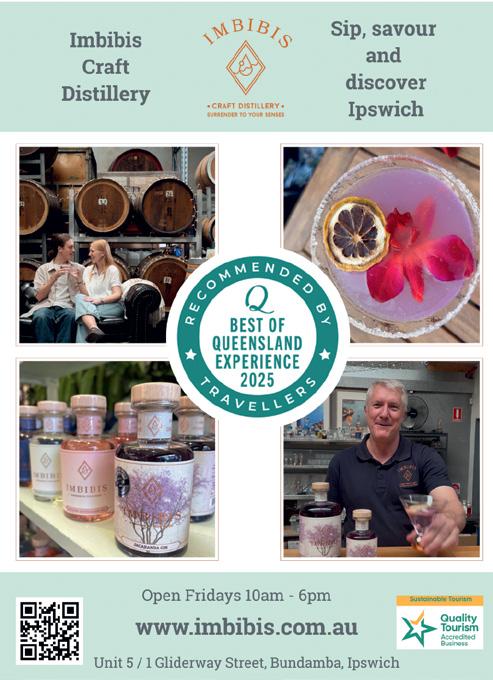
Behind every great craft spirit is a story of passion, persistence and a little bit of courage. For Jason and Maree Hannay, the founders of Imbibis Craft Distillery, that story began with a dream to create something uniquely Australian –and deeply personal.
Today, their boutique distillery has earned international recognition for its artisan gins and brandy, but the journey to get there has been just as rich as the spirits themselves.
Jason, your background is in winemaking. How did the journey into distilling begin?
Jason: I spent more than 20 years working in the Queensland wine industry, so fermentation and flavour were already part of my life. But I’d always had a fascination with distillation – the science and artistry of transforming raw ingredients into something complex and expressive. Eventually, that curiosity turned into a dream to craft my own spirits using local ingredients. That dream became Imbibis.
What was it like launching a distillery from scratch?
Jason: Equal parts exciting and terrifying! We officially launched in late 2019, and within months we were navigating a global pandemic. But the response from the local community was incredible. People really embraced the idea of an Ipswich-based distillery producing premium spirits, and that support kept us going in those early days.
Maree, you’ve had a very different career path. How did you become involved?
Maree: My background is actually in the corporate and legal worlds. I worked with organisations like Woolworths, BHP and MinterEllison before joining Imbibis full time. But creativity has always been important to me – I’m also a watercolour artist – so stepping into the distillery gave me a chance to bring that creative energy into the brand. These days I wear many hats: marketing, events, customer engagement… and occasionally bottle labelling and glass washing!
Your spirits have already won international awards. What makes them special?
Jason: We focus on small-batch production and high-quality local ingredients. Many of our botanicals are native Australian flavours like lemon myrtle, native pepperberry and bottlebrush. The idea is to create spirits that reflect where we live and the ingredients available around us.
What does it mean to see your work recognised on the global stage?
Maree: It’s incredibly rewarding. When we started, we simply wanted to make beautiful spirits that people would enjoy sharing with friends. To now see our gins and brandies winning medals internationally is both humbling and exciting.
And finally – what’s next for Imbibis?
Jason: We’re always experimenting. Distillation is a constant journey of discovery. Whether it’s a new botanical blend, a small-batch brandy or something entirely unexpected, we’re always looking for ways to keep the creative process alive. Stay tuned for launch of Ipswich’s very first whiskey. Coming soon.
For Jason and Maree, Imbibis isn’t just a distillery – it’s a celebration of craftsmanship, local ingredients and the simple joy of sharing a drink with good company.
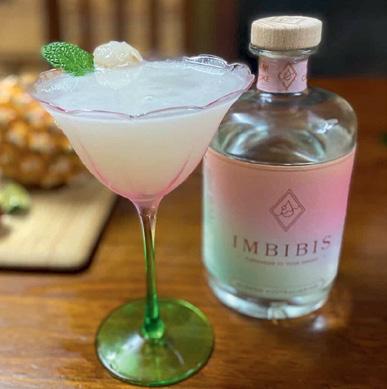
As the Gold Coast air softens and the hinterland turns golden, there’s no better time to slow down and savour the region’s thriving distillery and winery scene. Autumn invites a different pace – one where long lunches stretch into the afternoon and every sip tells a story.

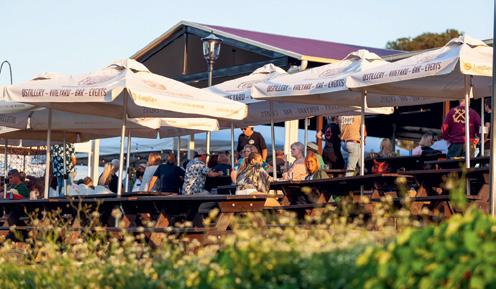
From handcrafted gins infused with native botanicals to smallbatch spirits distilled with precision and passion, our local artisans are redefining what it means to drink well. Behind every bottle is a maker – growers, distillers and winemakers who are deeply connected to their craft, their land and their community.
Venture beyond the coastline and you’ll discover cellar doors and distilleries tucked into the hills, where tastings feel personal and every visit is an experience. Think rich reds, warming spirits and beautifully curated paddock-to-glass offerings designed to be shared.
This season, skip the rush and embrace something more meaningful. Support local, meet the makers and explore the flavours of autumn – one glass at a time.
Cauldron Distillery and Estate invites you to explore our handcrafted collection of Queensland-inspired spirits.

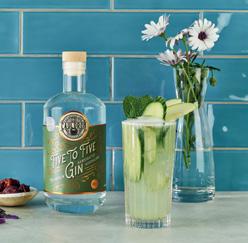

Whether you’re a gin enthusiast or a newcomer to fine spirits, we have something special just for you.
Come and immerse yourself in our world:
• Distillery Tours: Discover the artistry behind our creations.
• Gin Blending & Making Classes: Create your own signature gin.
• Tasting Paddles: Indulge in our Gin, Liqueur, Vermouth, or Whisky tasting experiences.
Relax with a refreshing cocktail or one of our award-winning spirits. Come for the drinks, stay for the views, and let the spirit of the Cauldron Distillery captivate you—your whole family is welcome!


Why your body isn’t broken; it’s inflamed
Inflammation has a bad reputation, but it’s one of the body’s most important survival tools. Acute inflammation helps heal wounds, fight infections, and restore balance. The problem arises when inflammation never fully shuts off.
When inflammation becomes chronic, it lingers quietly in the background rather than resolving once its job is done. Over time, this low-grade immune activation is associated with fatigue, joint pain, metabolic dysfunction, digestive issues, and a wide range of modern chronic diseases.
Chronic inflammation is fundamentally different from the short-term inflammatory response the body uses to heal. Instead of flaring up and resolving, it persists – often unnoticed – while gradually placing strain on multiple systems.
Crucially, chronic inflammation is rarely caused by a single factor. It’s the cumulative result of several stressors acting on the body at the same time, often over many years.
One of the most common drivers of persistent inflammation is unstable blood sugar. Repeated spikes and crashes in glucose force the body into a constant state of metabolic stress, which triggers inflammatory signalling.


Modern dietary patterns – dominated by highly processed foods, refined carbohydrates, and irregular eating habits – can keep insulin elevated and prevent the body from returning to baseline. Over time, this creates a feedback loop in which metabolic dysfunction and inflammation reinforce one another.
Stabilising blood sugar through whole foods, adequate protein, and consistent meals is one of the most effective ways to calm inflammatory pathways.
The digestive system plays a central role in immune regulation. When gut health is compromised through poor diet, chronic stress, or microbial imbalance, the immune system can remain in a state of constant activation.
An irritated or overly permeable gut lining repeatedly exposes immune cells to inflammatory triggers. This can lead to widespread inflammation that extends far beyond the digestive tract, affecting joints, skin, energy levels, and cognitive function.
Supporting digestion, nutrient absorption, and a healthy microbiome is therefore foundational when addressing chronic inflammation.
Stress and the Nervous System
Inflammation isn’t driven by food alone. Chronic psychological stress keeps the body locked in a “fight-or-flight” state, which directly amplifies inflammatory signalling.
The nervous system plays a key role in determining whether inflammation resolves or persists. Without sufficient “rest-and-
digest” input, immune responses become exaggerated and harder to shut off.
Practices such as high-quality sleep, breathwork, gentle movement, and reducing constant stimulation can meaningfully lower inflammatory load.
Why
Chronic inflammation cannot be resolved with a single supplement or short-term protocol. It reflects a broader imbalance across multiple systems, including diet, digestion, metabolism, stress, and lifestyle.
The goal isn’t to suppress inflammation but to remove the signals telling the body to stay inflamed.
Turning Inflammation Off, Naturally
Reducing chronic inflammation often comes down to restoring foundational health habits:
• Eating in a way that supports stable blood sugar
• Prioritising gut health and digestion
• Reducing chronic stress and supporting nervous system balance
• Addressing root causes rather than chasing symptoms
When these fundamentals are in place, inflammation often resolves as a natural outcome.
The Big Picture
Inflammation isn’t the enemy – it’s a message. Chronic inflammation reflects long-term stress signals that the body has been unable to resolve. By listening to those signals and addressing their underlying causes, it’s possible to restore balance, resilience, and long-term health.
The truth is, it doesn’t have to be overwhelming or involve drastic changes. This is something we’ve specialised in for over 25 years—helping women achieve lasting results. With exciting new research finally shining a light on women’s health, we’re here to cut through the noise and show you what training and nutrition should really look like to help you thrive through perimenopause, menopause and beyond.
This stage of life often brings a wave of unexpected physical and emotional changes, largely driven by the natural decline in oestrogen. This shift can impact almost every system in the body – temperature regulation, memory, sleep, bone density, cardiovascular health and mental wellbeing. It’s important to remember that every woman’s experience is unique, and there’s no one-size-fits-all approach. That said, there are some general recommendations when it comes to nutrition and training that can make this transition smoother and support longterm health.
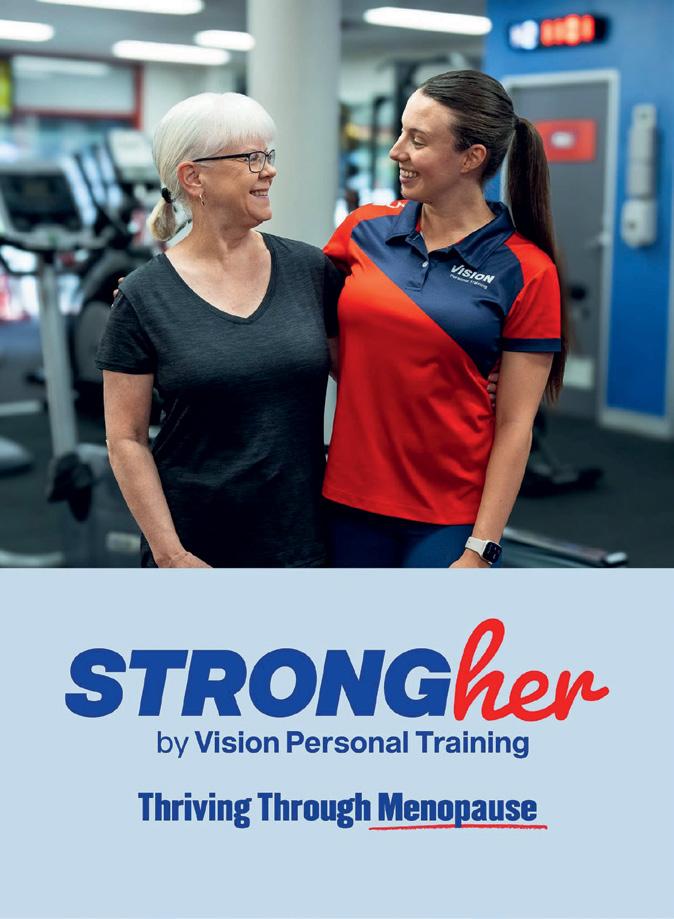
NUTRITION: Fuel and Nourish Your Body
After years of being sold restriction and diet culture, it’s time to shift the focus to nourishment. Protein is especially important during menopause to preserve muscle mass, support mood and balance hormones. Loss of muscle can reduce bone density, affect quality of life and increase the risk of falls and fractures— protein helps protect against this. A rainbow of vegetables and whole foods provides fibre, antioxidants, and nutrients that support gut health, liver function and hormonal balance. Healthy fats from olive oil, avocado, nuts and seeds benefit brain and heart health, while limiting alcohol, caffeine, and processed foods can ease symptoms like hot flushes, poor sleep, and mood swings. We don’t need to overcomplicate it—focusing on whole, unprocessed foods and getting enough protein will set you up for success.
EXERCISE: A Non-Negotiable
Strength training is one of the most powerful tools for managing menopause. It helps maintain and build muscle mass, improve bone density, support metabolic health and boost mood. Committing to at least two weight sessions per week, ideally within a structured programme guided by a trainer, can ensure you hold onto the strength and mobility that keep you healthy and capable for life.
Menopause doesn’t have to signal decline— it’s a transition, not an ending. This stage can be an opportunity to reassess, realign, and truly thrive. If you’re feeling unsure of where to start, our research-based programmes and personalised support are designed to help women achieve their goals through this stage of life. Discover how strongHER can give you the tools and guidance you need to feel strong, confident, and in control at www.visionpersonaltraining.com/strongher




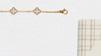
THE CUT JEWELLERY Box Chain Bracelet The Box Chain Bracelet is bold yet timeless – with its signature square links, this piece delivers quiet strength and subtle shine. Wear it solo for impact or stack it with other textures for a layered look that speaks volumes. Available in 9ct or 18ct White or Yellow Gold. RRP $1,050 thecutjewellery.com.au
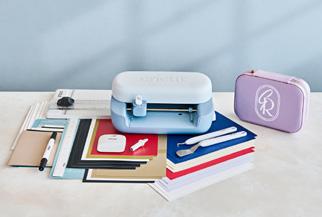
CRICUT Joy 2 Essential Bundle Make Mum’s Day with Cricut! The Cricut Joy 2 Essential Bundle is the gift to customise, personalise and organise everything! With everything she needs to start creating right out of the box, the essential bundle lets her make up to 35 projects. Cricut Joy 2 is a smart cutting machine that can cut, draw and score to create a huge range of designs –from custom tees to bespoke cards, stickers and labels, you’re only limited by your imagination! RRP $249 Available at Spotlight, Officeworks and Big W cricut.com/en-au

TRUE PROTEIN Hot Chocolate is a delicious highprotein collagen drink crafted with premium bovine collagen, natural cocoa, and MCTs sourced from around the world to ensure exceptional quality. A nutritionally rich drink that’s quick and easy to prepare, delivering over 10g of protein per serve to help nourish muscles, skin, hair, and nails, providing an effective daily dose to support your health and recovery. RRP $28 trueprotein.com.au

DAN MURPHY’S La Planchelière Cabernet d’Anjou
Rosé A softly fruit-led French rosé that’s ideal for those who prefer a gentler, slightly sweeter style. Light-bodied and beautifully balanced, it offers aromas of red berries with a touch of sweetness on the palate and a smooth, lingering finish for an easy, crowd-pleasing choice. RRP $15.99
Stockist: Dan Murphy’s

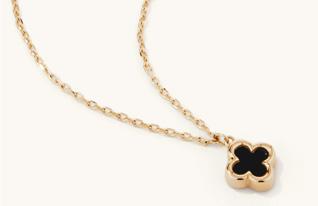
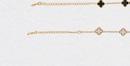
JEWELLERS 45cm Onyx Clover Pendant Necklace in 9kt Yellow Gold The 45cm Onyx Clover Pendant Necklace in 9kt Yellow Gold is a timeless piece with a sleek black onyx clover charm and warm golden finish. Perfect for everyday wear or layering, it adds an effortless touch of elegance to any outfit. A beautiful gifting choice. RRP $349 bevilles.com.au

ECOVACS Deebot T90 Pro Omni Perfect for families with pets, the ECOVACS DEEBOT T90 PRO OMNI leads the way in robotic roller mopping technology, includes industry-leading suction, PowerBoost fast-charging technology and features true edge cleaning. Add in an incredible self-cleaning OMNI station, and ECOVACS continues to deliver home robotics created for ease. RRP $2299 ecovacs.com/au

SHEIN MUSERA Boxy Fit Denim Collared Top
Meet your new denim go-to for the cooler months. The SHEIN MUSERA Boxy Fit Collared Button-Through Top features an easy mid-sleeve cut and relaxed shape, perfect for layering as the weather cools down. Effortlessly chic for work, weekends, concerts, and streetwear moments. RRP $31.95 au.shein.com

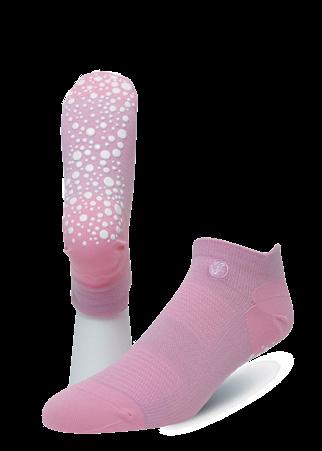
SWANKY SOCKS Pilates Socks Blending the natural benefits of Australian Merino wool with innovative grip technology, these socks are built for pilates, yoga, gym sessions or home comfort. Low-cut design that sits perfectly around the ankle. Soft Merino wool blend for breathable, all-day comfort. Naturally temperatureregulating – cool in summer, warm in winter. RRP $26.95 swankysocks.com
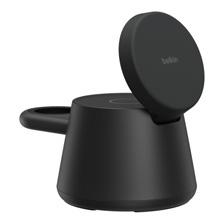
BELKIN UltraCharge Modular Charging Dock with Qi2 25W Charge three devices at once with a seamless and efficient modular dock new from Belkin, a global leader in technology accessories. Two wireless charging pads power phones and earbuds. A built-in smartwatch holder with a collapsible spring-latch design lets Samsung, Google and Apple users power up with official smartwatch chargers. RRP $119.95 belkin.com/au
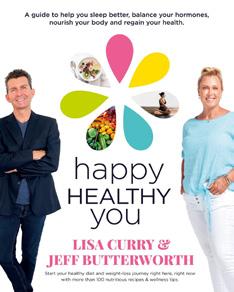
THE HAPPY HEALTHY YOU Recipe Book by triple Olympian Lisa Curry, and naturopath Jeff Butterworth, is your practical handbook to better health and lasting vitality. Whether you are just beginning your wellness journey or looking to refine your routine, this book offers practical guidance to help you feel your best. RRP $45 happyhealthyyou.com.au
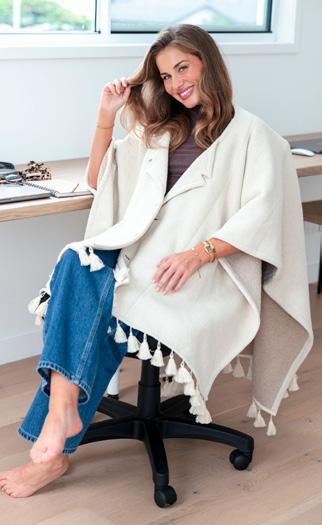
WARMÜR Chair Blanket Give her the gift of everyday comfort. Warmür is a tailored office chair blanket designed to slip onto any chair, keeping her warm while she works. With structured lapels and a polished look, it’s the perfect Mother’s Day gift for mums who deserve a little extra comfort during their busy days. RRP $189.99 bewarmur.com
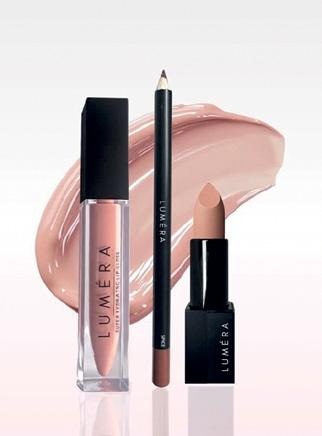
LUMERA Lumera Cosmetica’s Ultimate Lip Combo is designed for anyone on the go, featuring a lipstick, lip pencil, and gloss in one effortless kit. Created for quick touch-ups and all-day wear, it delivers polished lips anytime, anywhere. RRP $83 lumeracosmetica.com
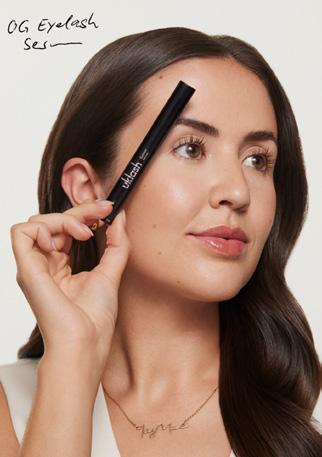

UK LASH UK Lash, the cult British lash growth brand, has officially launched in Australia and is now available nationwide at Priceline. Known for clinically backed formulas and visible results, UK Lash brings its iconic serums to Australian beauty lovers everywhere now. RRP $72.99 priceline.com.au/brand/uklash

MR ROSES Long Stemmed Pink & White Cream Roses Perfect for Mother’s Day, Mr Roses’ Long Stemmed Pink & White Cream Roses beautifully capture both gratitude and admiration in one elegant arrangement. Featuring 50–70cm stems in a harmonious blend of soft pinks and creamy whites, this signature gift box offers a timeless and thoughtful way to celebrate mum. Starting RRP $119 mrroses.com.au

L’OR BARISTA Coffee Machine The L’OR Barista Coffee Machine is the ultimate luxurious gift for Mum this Mother’s Day. This machine is designed to work with L’OR Espresso single-shot capsules and L’OR Barista doubleshot capsules, it can brew two cups of espresso at once or one double espresso in a single cup. Available at both Woolworths and Amazon RRP: $89

“A
friend is someone who knows all of you and still loves you.”
–
Elbert Hubbard
And that is exactly why it hurts so deeply when a friendship falls apart. Unlike romance, there is often an unspoken belief that friendship will be a constant in an unpredictable world. Friends become our safe place, our chosen family, the people we imagine will be beside us for the long haul.
Whether it is a lifelong companion from childhood or a newer connection formed later in life, close friends know our backstory and our vulnerabilities. They see us at our most unfiltered, through life’s highs and lows, and accept us just as we are. That kind of connection feels rare and deeply comforting.
Think about the warmth that comes from sharing dreams, secrets and stories over coffee or a glass of wine. Those moments are not just emotionally nourishing, they also trigger powerful chemical reactions in the body. Laughter and connection release dopamine and endorphins, trust encourages oxytocin, and the feeling of being valued strengthens serotonin. Friendship does more than lift our mood, it helps calm our nervous system and brings a sense of ease.
When life becomes heavy, friends often show up in meaningful ways. They organise meals, check in without being asked, help with the kids or simply sit beside us when
words feel hard to find. Over time, a quiet reliability forms. Because the connection feels so nourishing, we may overlook small frustrations and remind ourselves that no friendship is perfect. We soften, adjust and make space for one another, creating a protective bubble in an otherwise busy world.
In neuroscience, this sense of safety is called belonging. Our brains are wired for it. In early human history, belonging to a group meant survival. We shared resources, protected one another and stayed alert to danger together. That wiring still exists today. When we feel we belong, our nervous system settles into a state of safety.
So when a friendship breaks down, the grief can feel surprisingly intense. The person we relied on is suddenly absent, and the loss can trigger deep feelings of rejection. It may feel disorienting, like losing a steady anchor we never imagined would disappear.
Romantic relationships can be exhilarating, full of excitement and possibility. Yet many of us understand, somewhere deep down, that romance carries risk. Hearts can break and relationships can end, and it is often our friends who help us through those moments. When a trusted friendship ends, it can feel as though a piece of our emotional foundation has shifted.
The pain is not only about losing the person, but also about losing the sense of belonging that existed within the friendship. It is not necessarily a failure, but sometimes a reminder that certain relationships are only meant for a season.
By Justine Williams
www.thefeelgoodstudio.com.au
Instagram: @thefeelgoodstudio

To help navigate the loss of a friendship, therapist Justine Williams suggests a gentle three-step approach: see, feel and hear.
First, see the friendship clearly. Try to view it with perspective, noticing it as it truly was rather than through an idealised lens. Focus your energy on the people who genuinely lift you up and value you.
Next, feel your grief rather than pushing it away. Allow sadness to move through you and practise compassion towards yourself. Accept what you cannot control, and if you feel stuck, seeking professional support can help untangle lingering guilt or self-doubt.
Finally, hear your inner wisdom. Ask yourself what advice you would offer a child, sibling or close friend in the same situation. Trust that guidance and allow yourself the time and space needed to heal.
Friendship breakups can be deeply painful, but they can also invite reflection, growth and a renewed understanding of what connection truly means.
By Loz Antonenko
I’ve spent over $600,000 trying not to die. That sentence often makes people blink in disbelief. It might sound dramatic, but it is my reality, shaped by bank statements, calendar reminders, medical files and a life repeatedly interrupted by symptoms that never fit neatly into a five-minute GP appointment.
For years, my health was something I told myself I would “sort out properly” once things settled down, when the stress passed and I had more time. My body, however, had other plans and eventually
support can feel inconsistent when you are actually living through it.
What changed for me was not a miracle cure. It was drawing a line in the sand. I stopped treating my health like an inconvenient side project and started treating it as my primary focus.
That meant simplifying in order to move forward. I prioritised sleep, diversified how I moved my body, adjusted how I ate to stabilise my energy and created routines that supported my nervous system rather than pushing it past its limits. I became more intentional about what I said yes to, choosing sustainability over extremes and accepting that progress would never be perfectly linear.
I am not sharing this story for sympathy. I am sharing it for visibility. Thousands of Australians are quietly spending their savings simply trying to stay well. They are navigating symptoms, stigma, bureaucracy and burnout while still raising families, working and keeping households running.
If we truly want healthier communities, we need to stop glorifying the idea of pushing through at all costs and start respecting the slow, often unglamorous work it takes to rebuild.
Sometimes the biggest sign of strength is not a dramatic transformation. It is staying hopeful, staying present and refusing to give up on yourself.


Australia has one of the highest rates of skin cancer in the world.
More than two in three of us will be diagnosed with some form of it in our lifetime — a statistic that makes understanding this disease not just useful, but essential.
The primary culprit? Ultraviolet (UV) radiation from the sun. While we all love our outdoor lifestyle, that exposure adds up over the years, especially for those with fair or freckled skin, a family history of skin cancer, or simply the passing of time. The good news is that when caught early, most skin cancers are highly treatable.
So, what exactly should you be looking out for?
There are three main types of skin cancer, and each behaves differently. Basal cell carcinoma (BCC) is the most common, accounting for roughly two-thirds of all cases. It develops in the top layer of skin and, while it can cause local damage, it rarely spreads to other parts of the body. You might notice it as a pearly bump, a flat flesh-coloured or pinkish patch, or a sore that heals and then returns.
Squamous cell carcinoma (SCC) makes up about one in three skin cancers and tends to appear on sun-exposed areas like the face, ears, hands, and arms. It often looks like a firm red bump, a scaly patch, or a sore that doesn’t heal. Left untreated, SCC can spread, which is why early detection matters.
Then there’s melanoma – the one that rightly gets the most attention. Although it accounts for only around one per cent of skin cancers, melanoma is the most dangerous because it’s more likely to spread to other parts of the body. It often appears as a new or changing mole, so any spot that’s asymmetrical, has uneven borders, varies in colour, or is growing in size should be checked without delay.
There are also rarer types, including Merkel cell carcinoma, angiosarcoma, and dermatofibrosarcoma, but these are far less common.
A useful rule of thumb for checking moles is the ABCDE guide: look for Asymmetry, irregular Borders, uneven Colour, a Diameter larger than six millimetres, and any Evolving changes in size, shape or feel. If anything ticks even one of those boxes, get it checked.

When it comes to treatment, options depend on the type and stage of the cancer. Surgery to remove the affected area is the most common approach, but your doctor may also recommend cryotherapy (freezing), topical creams, or radiation therapy. For more advanced cases, immunotherapy and targeted therapy have become increasingly effective. The earlier it’s found, the simpler and more effective treatment tends to be.
Prevention remains your strongest line of defence. Wear SPF 50+ sunscreen daily – yes, even on cloudy days – and reapply every two hours when outdoors. Seek shade during peak UV hours (typically between 10am and 3pm), and cover up with broad-brimmed hats, sunglasses, and protective clothing. Most importantly, make regular skin checks part of your routine. Whether that’s a selfcheck at home every few months or an annual visit to your GP or dermatologist, staying vigilant is the single best thing you can do.
Your skin is worth paying attention to. A five-minute check could save your life.
‘Dr Maria Macaspac at Medical @ Australia Fair has a special interest in skin cancer detection and recently diagnosed a squamous cell carcinoma on my leg, which was immediately attended to and resulted in no further surgery. I’m thankful that she picked it up so quickly.’
Leanne Hart
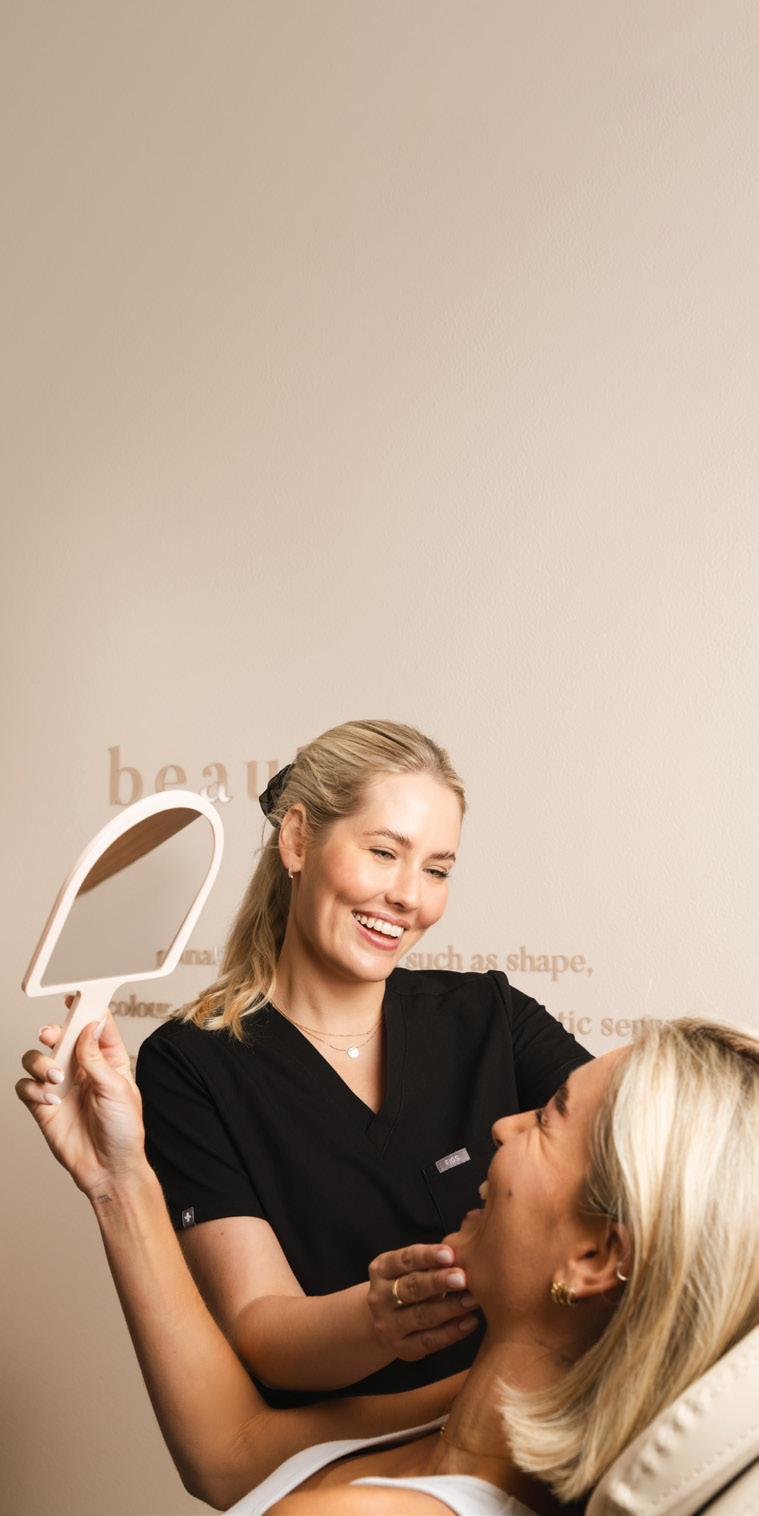
By Samara Searle Founder of Beauty Boost
“Fascia tightening” has become a buzzword in beauty and wellness circles, popping up across Instagram, TikTok, and clinic menus. From online trends to aesthetic clinics, the phrase suggests you can somehow firm, lift, and tighten the body’s connective tissue. But what does it really mean and can fascia actually be tightened?

Fascia is the network of connective tissue that surrounds your muscles, bones, organs, and nerves. It provides structure, flexibility, and support, ensuring your body moves efficiently. While the idea of “tightening” sounds appealing, fascia does not behave like a muscle that can be toned or strengthened in a conventional sense.
Instead, the appearance of firmer, more lifted skin comes from supporting the tissues above and around fascia. Collagen, elastin, and hydration are the real drivers behind the visible changes people hope to see. Treatments that target these layers can improve skin tone, texture, and elasticity, giving the impression of tighter fascia without actually altering the connective tissue itself.
Registered nurse and founder of Beauty Boost, Samara Searle, explains: “The term ‘fascia tightening’ is often used as a marketing tool rather than a medical reality. Any noticeable results are the product of stimulating collagen and elastin or improving hydration, not shrinking or manipulating the fascia itself. It’s important to set realistic expectations and focus on treatments that genuinely support skin and tissue health.”
Samara says there are a number of treatments that support tissue health and enhance skin appearance. “While fascia itself cannot be tightened, treatments like Rejuran, which uses purified salmon DNA to boost collagen, SkinPen skin needling combined with Hydrating Skin Boosters can improve firmness, tone, and texture. These procedures stimulate the skin from within, improving underlying structure while enhancing glow and resilience,” Samara says.
Healite II LED light therapy is another key tool. Using red and near-infrared light, it encourages cellular repair, stimulates collagen production, reduces inflammation, and accelerates recovery after treatments. “It is non-invasive, safe for all skin types, and complements injectables and skin needling. The end result is smoother, firmer, more radiant skin without downtime,” Samara says.
According to Samara Searle, while “fascia tightening” may sound like a quick fix, the true path to firmer, healthier skin comes from evidence-based treatments that nourish, repair, and stimulate the skin’s underlying structure. Focusing on collagen, elastin, and tissue support through treatments often ensures long-lasting results that enhance your natural shape, no shortcuts or gimmicks required.
By Andrew Harmer

The
The research has been building quietly for years. Now it is starting to reach mainstream conversations, and for many parents it comes as a shock.
When I first began researching this story, I had the same reaction many readers might have right now. How did we not know about this? Raising two teenage boys, the “manosphere”, a network of online communities shaping how boys think about masculinity, relationships and themselves, had barely crossed my radar.
It presents itself as a hidden issue. Academics, teachers and youth workers have been sounding the alarm for years, yet the conversation has only recently begun to reach everyday families.
This article is not meant to frighten you. It is designed to help you better understand what boys are seeing online and how to start meaningful conversations at home.
The manosphere refers to an ecosystem of online communities promoting rigid ideas about masculinity. It includes men’s rights forums, “alpha male” influencers and selfstyled dating or lifestyle coaches.
Importantly, boys rarely go looking for extreme content. Many begin by searching for advice on fitness, confidence or relationships. The videos often start with familiar self-improvement messages such as discipline and motivation before gradually introducing more harmful ideas about power, gender and entitlement.
While the content lives online, its effects do not. In Australia, one in four high school girls report feeling unsafe around male peers, with some behaviour linked to content boys consumed online. Surveys such as the HILDA study have also found a rise in restrictive gender beliefs among young men.
Health experts are raising concerns as well. A recent study by the University of Sydney and the University of Copenhagen found influencers linked to manosphere communities encouraging young men to pursue unnecessary testosterone testing and treatments. The accounts analysed had millions of followers and often framed normal experiences like tiredness or stress as signs of medical deficiency.
“The problem isn’t that men care about their health,” said senior author Dr Brooke Nickel. “It’s that social media is medicalising normal experiences and selling young men a dangerous, often false diagnosis.”
Adolescence is a time when identity and belonging feel urgent. The manosphere offers simple answers to complex emotions, encouraging boys to hide vulnerability, dominate socially and blame external forces for rejection or loneliness.

Research also suggests many boys sense something is missing. They are not always fully convinced by what they see online, which means trusted adults still play a powerful role.
What parents can actually do
Experts say curiosity is more effective than confrontation. Instead of criticising influencers outright, start by asking your child what they enjoy watching and why. Listening without judgement keeps conversations open.
Understanding the algorithms helps too. Try creating a TikTok or YouTube account and searching phrases like “how to be more confident” or “how to talk to girls”. Watching what appears next offers insight into what your child’s digital world might look like.
Teaching media literacy is another powerful step. Explaining how outrage drives engagement and profit can help young people recognise when content is designed to provoke rather than support them.
Most importantly, create space for real feelings. When boys are encouraged to name emotions like embarrassment, rejection or loneliness, they are less likely to convert those feelings into anger or blame.
Dr Stephanie Wescott from Monash University emphasises that parental influence remains strong, even when teenagers appear distant.
“Parents might think their teens aren’t interested in what they have to say,” she explains. “But it is still important to model emotionally healthy behaviour, because they are absolutely taking it in.”
Male role models also play a crucial part. Fathers, uncles, coaches and teachers who demonstrate respect and emotional openness help counter harmful narratives far more effectively than lectures ever could.
If you have read this far, you are already ahead. The manosphere thrives in silence and confusion, but open, imperfect conversations make a difference. You do not need to understand every online trend or piece of slang. You simply need curiosity, presence and a willingness to listen.
Because the goal is not to compete with the internet. It is to make sure the voices shaping our boys’ lives include people who truly care about them.
Red pill / Blue pill From The Matrix. “Taking the red pill” = accepting manosphere beliefs. Blue pill = remaining unaware.
Alpha / Beta / Sigma Hierarchy ranking men. Alphas are dominant, betas average, sigmas idealised “lone wolves.”
Chad / Stacy Chad = attractive dominant man. Stacy = attractive woman (used dismissively).
Incel Involuntary celibate — men who blame women for their inability to find partners.
MGTOW Men Going Their Own Way — men advocating separation from women.
Looksmaxxing
Maximising physical appearance, sometimes through extreme measures.
The Matrix Mainstream society, which the manosphere claims is rigged against men.
High value man Man meeting manosphere success criteria: wealth, dominance, multiple partners.
80/20 rule Pseudoscientific claim that 80% of women only want the top 20% of men.

My dad said something the other night that stopped me midsentence. We were talking about nothing in particular, when he announced: “I’m bored.”
It wasn’t a complaint. My father doesn’t complain much. It was a statement of fact, delivered by an 85-year-old man with good eyesight, good hands, and better stories than most people have sense to listen to. A man who used to run Rotary events, who fielded phone calls from members at all hours, who was always organising this or that. I’d never heard him use that word before. Bored. It sat between us like something broken.
I started rattling off suggestions—things to fill the hours, activities different from his very regular routine. But I was missing the point. It wasn’t about doing something. It was about the shape his life had lost.
Rotary had given him more than a project list. It had given him people who needed him, a phone that rang, a reason to be somewhere on Thursday nights. At some stage, the commitment got too much for his age, so he stepped back. The shed
closed quietly. And now he was bored in a way that no hobby could fix.
That’s when someone on a local Facebook page made an observation. A bloke had just moved from Sydney, posted looking to make friends, and within hours came a suggestion that stood out from all the others: join a Men’s Shed.
I’d heard of the Sheds before—mostly in passing, the way you hear about things without really knowing what they are. But sitting there listening to my dad, I started digging. What I found wasn’t just a solution for him. It was something I’d been missing in my thinking about loneliness, about men, about what happens when the structure of your life falls away.
WHAT A MEN’S SHED ACTUALLY IS
Here’s what a Men’s Shed actually is: part workshop, part gathering place, entirely unpretentious. Walk in and you might see men restoring bicycles, fixing lawn mowers, or building furniture for local schools. You’ll see younger blokes learning from older ones, picking up skills and something about life in the process. But you’ll also see tea-bags, coffee cups, and
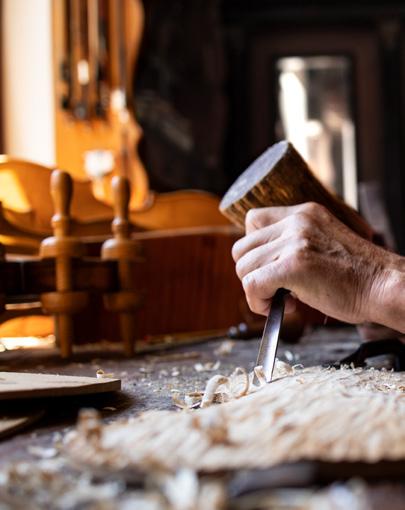
a comfortable area where men can sit and talk—no agenda, no obligation.
You can drop in for a cuppa. You can stay for a project. You can do both or neither. The point isn’t productivity. The point is presence.
As one veteran shedder put it: “Down at the shed, we’ve got blokes who come in because it’s the only social interaction they get. Apart from Meals on Wheels or saying g’day to the shopkeeper when they buy their morning paper. And you know what? That’s bloody alright. That’s what the shed’s for.”
It sounds small. It isn’t.
Loneliness operates quietly. It doesn’t announce itself. It whispers that you’re fine with your own company—which you are, up to a point. Then it suggests you don’t need what you used to have. Then it becomes true.
The research is blunt about the cost. Isolation carries mortality risks comparable to smoking. It’s not metaphorical damage. It’s the kind that shows up in hospital records and coroner’s reports.
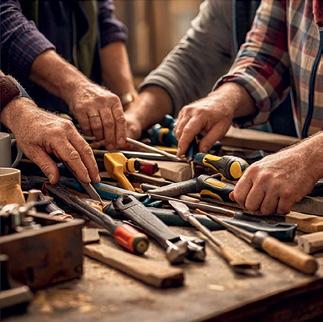
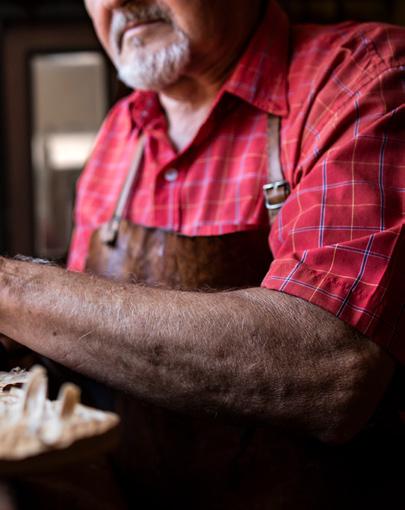
But there’s something else happening at the Sheds, something the statistics don’t quite capture. Men don’t often admit they need their mates. We’re taught to be self-sufficient, to sort ourselves out, to not make a fuss. But in a shed-with the noise of tools, with something to do with your hands, with permission to sit quietly or talk endlessly-that teaching gets quietly overridden. Connection happens. Not forced. Not therapeutic. Just… there.
It keeps the wheels turning. It’s what some researchers call “fella-friendship” – kind of connection men build shoulder-toshoulder, rather than face-to-face.
What strikes me now is how many versions of this problem I see around me.
There’s my dad, structured out of structure. There’s the bloke from Sydney, starting over in a new place, needing to know where his people are. There’s the man isolated by choice or circumstance, ticking over on Meals on Wheels and morning paper transactions, waiting for permission to sit somewhere and belong.
And there’s me. I didn’t realise what I was looking for when I started researching the Sheds. I thought I was trying to fix my dad. I was actually noticing something about myself – that I’d stopped paying attention to the men around me, that I hadn’t thought about what happens when a man loses his anchor, that I’d assumed boredom was a personal failure rather than a sign of a life missing something real.
The Shed works because it doesn’t pretend to be therapy. It’s not trying to save anyone. It’s just a place where men can show up, make a cuppa, have a chin-wag, maybe
build something, and know that showing up is enough. That the company matters. That they’re not alone.
My dad hasn’t joined yet. But I’ve stopped trying to convince him. Instead, I’ve told him where the local one meets. I’ve mentioned that the bloke who runs it is good company. And I’ve left it at that – which, it turns out, is exactly the right move.
Because the Shed isn’t about being saved. It’s about being seen. And sometimes that’s all a man needs to stop being bored.

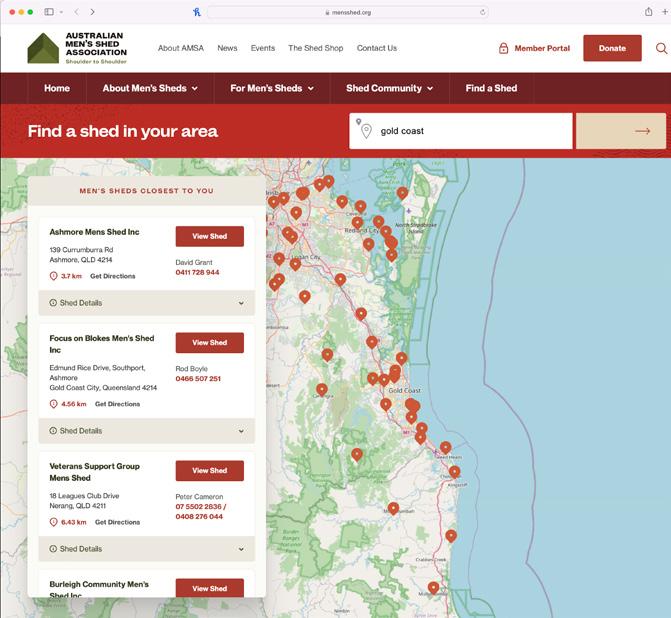
For more information and to find a Men’s Shed near you go to mensshed.org
By Andrew Harmer
We talk often about women’s friendships. The brunch crews, the group chats, the school gate bonds that turn into lifelong connections. But there is a quieter issue sitting in the background.
Many men are struggling to make and maintain friendships, and most are not talking about it.
Somewhere between school and adulthood, the natural structures that make friendships easy begin to disappear. There are no more shared classes, organised sport several nights a week or endless weekends with built-in social plans. At the same time, many boys grow up absorbing the message that independence equals strength and that needing people signals weakness.
Over time, that messaging adds up.
Research consistently shows men report having fewer close friends than women, and
the gap tends to widen with age. Loneliness in men has been linked to higher rates of depression, heart disease and early mortality. Yet male friendship and isolation remain rarely discussed as a health issue.
So how does a grown man actually make new friends?
First, accept that it might feel awkward. Reaching out to suggest a coffee, a round of golf or a casual catch-up requires vulnerability. For many men, that does not come naturally. But awkwardness is often the first step towards connection.
Activity-based friendships can be a helpful starting point. Joining a running group, local sports team, men’s shed, volunteer organisation or even a cooking class provides a shared focus. Regular proximity is one of the strongest predictors of friendship. Doing something side by side often feels less confronting than sitting face to face in deep conversation.
Consistency is key. Friendship rarely forms from a single interaction. It builds through repeated, low-pressure contact over time. The man who joins a running club to improve his fitness may not set out to build a social circle, but showing up three times a week creates familiarity and trust. Saying yes to the after-game drink or suggesting a second catch-up can quietly shift an acquaintance into something more meaningful.
Technology can also play a role. Platforms such as Bumble BFF now cater specifically to platonic friendships, offering a lowpressure way to connect with others in a similar stage of life.
At its core, friendship is not about grand gestures. It is about shared time and mutual effort. Wanting connection does not make a man weak. It makes him human.
And the men willing to lean into that reality are often the ones building richer, healthier and more fulfilling lives.


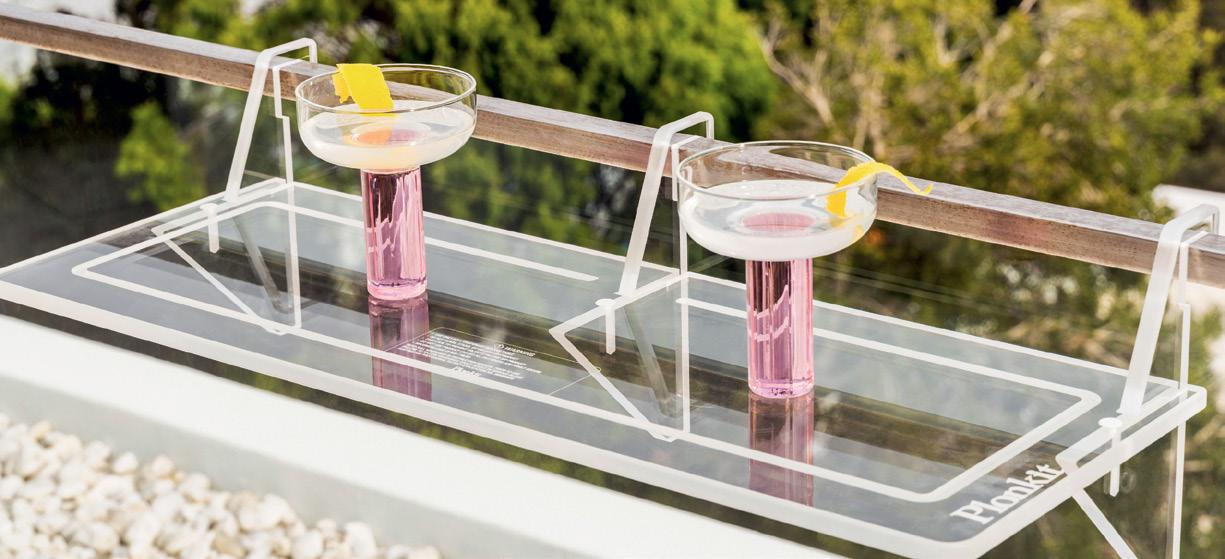
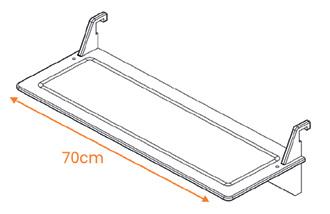
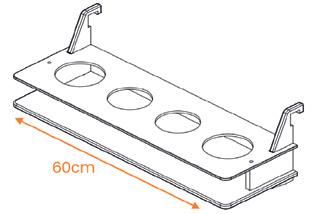
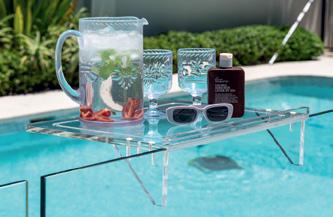
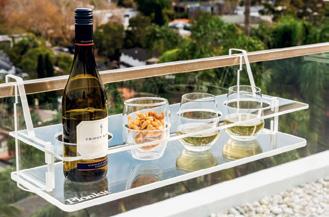
Plonkit: innovative tables designed and engineered to hang on your glass pool fence or balcony.
Transform your outdoor area into a social, inviting space.
Plonkit is the perfect table to ‘plonk’ your things while you’re having a swim, cooking the barbie, relaxing on the balcony, or just soaking up some sun and will not damage the glass.
Put two side-by-side to create more space.
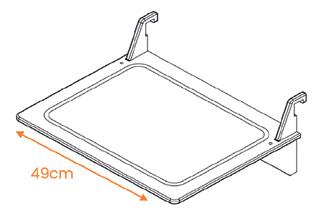
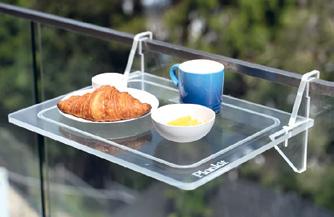

Stylish and convenient. Engineered to hold 8kg with ease, the Plonkit is the perfect spot to safely plonk food, drinks, sunscreen, tongs, sunnies, phones, and anything else without any hassle. Weatherproof and maintenance free.
Australian owned and manufactured –crafted from recyclable material. We pride ourselves on a quality product and our friendly customer service.

By Kylie Harding
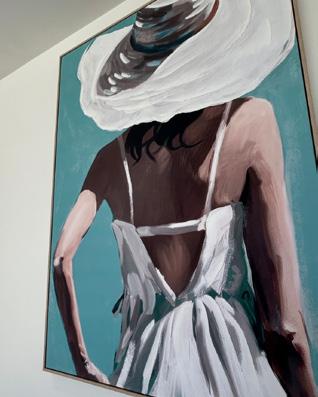
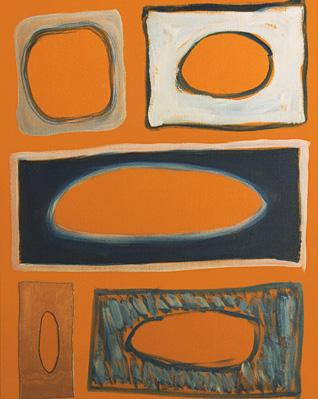
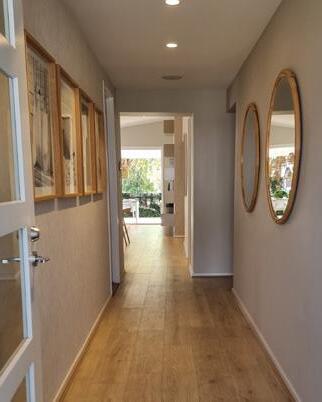
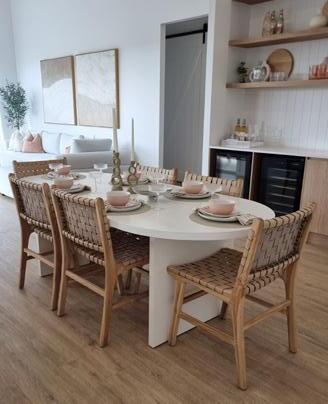
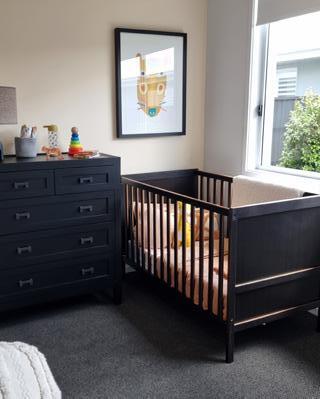
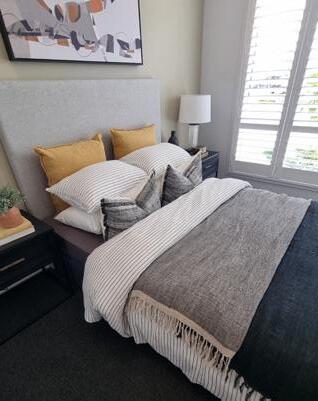
Artwork has a quiet way of transforming a space. The right piece can soften a room, add depth, or tell a story about who you are and where you have been. Yet many people find themselves asking the same questions: What art should I buy? Where do I find it? And once I have it, where does it actually go?
While art should always reflect your personal style, there are a few simple considerations around size, scale and placement that help a piece feel naturally at home within a space. When those details are right, the room instantly feels more balanced and complete.
Take a look around your home. Are there walls that feel sparse or lacking personality? If you are unsure, try taking photos of your rooms and viewing them as a two-dimensional image. Seeing the space from a different perspective often makes it easier to spot areas where artwork could add interest and elevate the overall look.
Art has the power to set the tone of a room. It can feel elegant, playful, cultured or calming, depending on the pieces you choose. Artwork might reflect your personality, celebrate your travels or simply introduce colour and texture. Even a single thoughtfully placed piece can transform the atmosphere of a space.

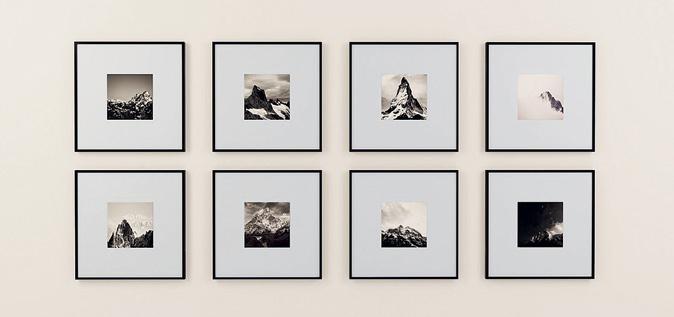
Some of the most meaningful displays come from your own memories. Travel photographs, favourite family moments or meaningful milestones can create a beautiful gallery wall while keeping special experiences front of mind. Framed movie posters from a local cinema or concert tickets from a memorable night out are also creative ways to showcase your interests and spark conversation when guests visit.
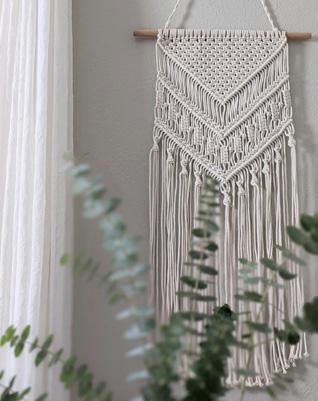
Artwork does not always need to be a traditional canvas. Macramé wall hangings, vintage rugs or even textiles such as kimonos can look striking when displayed on a wall. These unexpected pieces add texture, warmth and a sense of individuality to a room.
Never underestimate the impact of a good frame. When displaying a collection of photos or prints, sticking to one or two frame styles helps create a cohesive look. Classic black or white frames often feel timeless and allow the artwork itself to remain the focus.

By Suzanne Butler Harmonising Energies Feng Shui
In a world of constant notifications, emotional demands and pressure to always be “on”, many of us are living in a near-permanent state of nervous system overload. While therapy, mindfulness and healthy boundaries all play an important role, there is another influence quietly shaping how we feel each day – our home environment.
From a feng shui perspective, your home is more than just a place to live. It is an energetic extension of you. When a space feels chaotic or misaligned, even the best self-care routines can struggle to take hold. A calm home does not just look peaceful, it helps regulate how you feel.
Long before modern neuroscience explored the connection between environment and mental wellbeing, feng shui recognised the powerful relationship between space and emotion. When a home feels out of balance, people often notice subtle shifts in how they experience daily life — difficulty switching off at night, restless sleep, irritability or a lingering sense of unease.
These responses are not always personal shortcomings; sometimes they are simply signals that the environment is not supporting the nervous system as well as it could.
One of the biggest misconceptions about calm interiors is that they need to feel stark or minimalist. From a feng shui lens, an overly empty space can feel just as unsettling as one that is cluttered. True calm comes from balance rather than absence.
A feng shui-aligned home focuses on gentle flow and comfort. Furniture placement should allow easy movement through a room, helping energy circulate naturally. Key pieces such as beds and desks are ideally positioned so you can see the doorway without being directly in line with it, creating a sense of ease and awareness.
Balance between yin and yang is also important. Too much brightness or activity
can feel agitating, while heavy, dark spaces may feel stagnant. Rugs, artwork and thoughtfully grouped furniture can help create a sense of containment, allowing the body to relax and feel held within the space.
Colour plays a powerful role in how a room feels. Highly saturated tones or excessive contrast can feel overstimulating, particularly in bedrooms, living areas and workspaces. That does not mean avoiding colour altogether, it simply means using it with intention and balance.
Similarly, lighting has a profound impact on mood. Harsh overhead lighting can keep the body in a state of alertness, while layered lighting allows your home to support different rhythms throughout the day. Bright light can encourage focus and energy, while softer, warmer tones help signal rest.
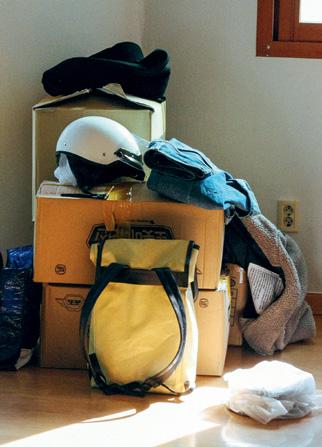
Clutter is not just a visual issue. In feng shui, unused or broken items, emotionally charged objects or belongings tied to past versions of ourselves can create energetic noise. Even when we stop consciously noticing them, our nervous system continues to register their presence.
A calm home does not need to be spotless or minimal. Instead, it feels clear, intentional and supportive of who you are today.
It is easy to create a space that looks beautiful on the surface yet feels oddly uncomfortable to live in. True wellbeing comes when a home supports both rest and productivity, reflects your current life and allows you to soften rather than brace.
Calm is not about buying more or chasing perfection. Often, it begins with small shifts like moving furniture, adjusting lighting or letting go of what no longer serves you. When a home feels aligned, it becomes more than a showpiece. It becomes a quiet source of support in an overstimulated world.


Perfection is overrated – it’s not just something I tell myself and my clients; it’s something I truly believe.
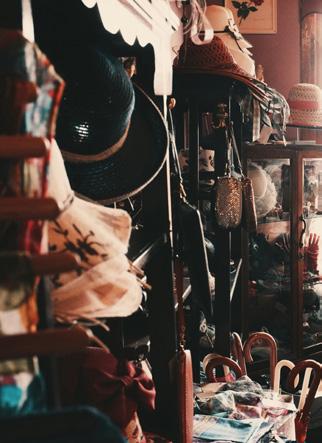
Most of us don’t want to live in a display home devoid of personality – our homes should reflect who we are and show off things we love. Living in clutter, however, has been shown to affect our mental and physical health, so how do we find balance?
Decluttered Doesn’t Mean Minimalist.
Decluttering is not the same as stripping everything back to essentials.
It is removing unnecessary items from an untidy or overcrowded place, and only you can decide what is unnecessary.
Don’t Mistake Cluttered for Cosy.
Hygge is the Scandinavian concept for cosy – time away from the rush, time to enjoy simple indulgent pleasures like candlelight and comfort food – it is more about slowing down and relaxing; cosy doesn’t involve surrounding yourself with ‘stuff.’
Self-Imposed
As a stylist and a sentimental person, I am tempted by beautiful things every day… So I have strict rules I follow – rules my family loves reminding me about (often). I also call in the experts sometimes.
One Thing In, One Thing Out
No matter what it is – whether it’s a new dress or a vase, if I bring it into the house, something must leave.
Place for Everything and Everything in its Place.
Scissors in the kitchen drawer, passports in the filing cabinet – life is less stressful when you know where things are and saves you money by not buying multiples of one thing – sticky tape anyone?
If your rice cooker needs to live in the laundry, then it’s time to clear a space for it in the kitchen where it belongs.
If your house doesn’t have good storage there are beautiful baskets for children’s toys, vacuum bags for excess clothes, and beds with base storage – make storage your friend.
Horizontal Surfaces are for Displaying, Not Storing.
Have a lovely console in your entrance? Display a bunch of flowers and bowl for keys – not every book you own or everyone’s hats and shoes. The same goes for dining tables, bedside tables and chairs in bedrooms – they are not wardrobes.
We All Have Excuses Not to Roll Up Our Sleeves and Get Started. “I Have No Time”. Set your timer and put on some music – start with 15 minutes and one area, like the dining table. I promise you the sight of a table set for a lovely meal with friends will put a smile on your face every time you walk past it.
Make sure you take before and after photos too – it’s good to be reminded of your progress.
“I’m Terrible at Making Decisions”.
You don’t always have to throw things out – sorting them and putting them into a box and then out of sight to make the final decision later is ok. 12 months later, if you haven’t missed anything it’s highly unlikely you want or need them. – move them on.
“My Wardrobe is a Mess, and I Don’t Know Where to Start”.
Fantastic Finds and Fabulous Things personal stylist Meaghan Smith suggests taking time to think about what clothes represent who you are now – pieces that work for you and your lifestyle. Once you’ve identified this, letting go of things is easy.
“I Have So Many Sentimental Things; I Want to Keep the Memories Alive”.
Mel McNamara from A Place to Call Home came across this situation so many times over the years in her role as a stylist – she created a company that takes professional photos and documents the stories of the people and the memories created in the home and compiles a beautiful coffee table book that honours the memories and can be passed onto future generations.
There are many local charities that will be grateful to receive your donations. Regularly decluttering my boys’ toy boxes was easier once I explained to them that there are many children in our society that would love to receive things they had duplicates of or had outgrown.
In my role volunteering for a charity that sets up havens for women and children displaced by family violence I have seen first-hand how your donations change lives.
For those of you who like to be surrounded by walls full of photos, get lost in a mountain of cushions on the sofa and have your entire library of books piled up around you – embrace it. It’s your space and it should feed your soul.
I’m off now to take a bag full of clothes to the local Salvos. Happy Styling
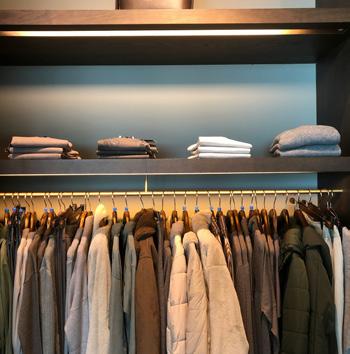
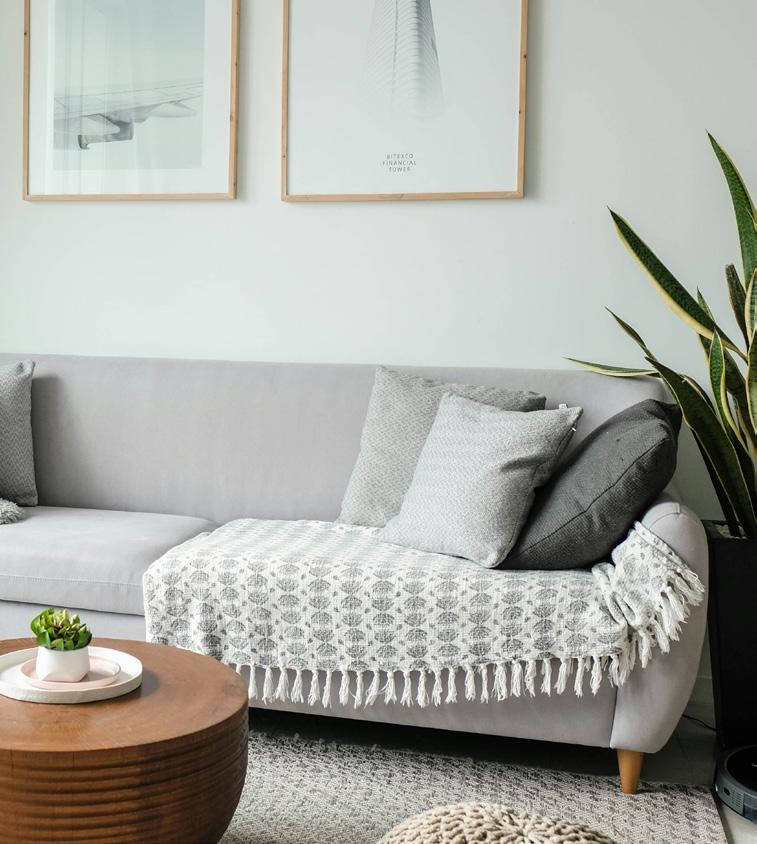
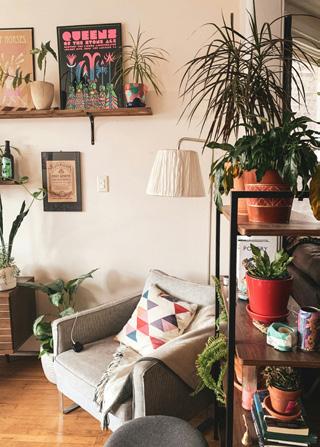

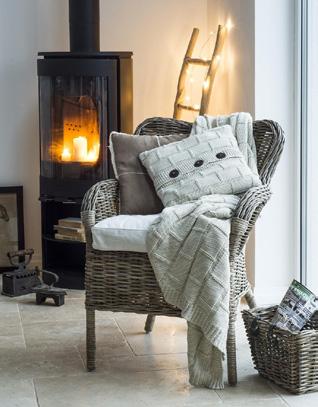
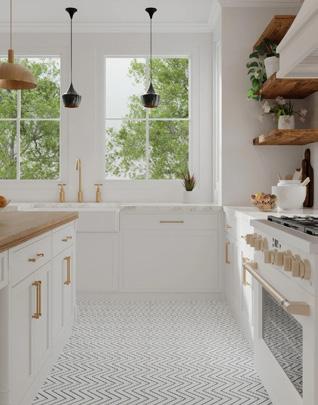
By Caylin Dickson MSc Psychology and founder of Pēpi & Parent

It is 2am on a Tuesday night. Your partner snores beside you while your eyes feel like you have been out partying until dawn. Except you are in your thirties, and the “party” has been happening every night for the past 13 weeks with your newborn. No late-night cheeseburgers. No sleeping in. Just another feed, another resettle, another scroll through your phone to stay awake.
You are not alone. You are in multiple newborn Facebook groups, and your TikTok and Instagram feeds are perfectly curated with baby content. During night feeds, you can scroll endlessly. But with every swipe comes another advertisement. Magnesium sprays. Red lights. Colic cures. And countless sleep consultants promising that if you pay, your baby will sleep through the night in 72 hours.
Sleep deprivation is more than a rite of passage for new parents. It is a public health issue. In the first year postpartum, anxiety and depression rates rise, cognitive function drops and decision-making becomes harder. Neurologically, exhausted
parents are less able to separate fact from fiction. In any other context, this would be described as a vulnerable population. In motherhood, we simply call it normal.
In regulated health professions, vulnerable groups are protected by clear guardrails such as ethical standards, complaint pathways, ongoing education and accountability. In the infant sleep industry, those safeguards largely do not exist. The title “sleep consultant” sounds official, yet there is no universal qualification, no minimum training requirement and no licensing body. Anyone can complete a short course, print a certificate or rebrand once their own baby begins sleeping well.
This matters because infant sleep is not only about rest. It is connected to neurodevelopment, emotional regulation, feeding and parental wellbeing. The advice given during these early months can have lasting effects, yet without regulation there is little oversight. Practices are often marketed as gentle or evidence-based without clear accountability.
My inbox regularly fills with stories from exhausted parents who sought help and felt more overwhelmed afterwards. Some describe being told to avoid eye contact with their baby regardless of
distress. Others recall consultants speaking through monitors, instructing them to leave the room while their baby cried. There are reports of expensive “personalised” plans that appear copied and pasted, or parents being told their baby would never learn to sleep because they were too responsive.
The responsibility does not sit with parents searching for support at 4am. It lies with a system that makes it easy to market sleep solutions to exhausted families while making it difficult to distinguish genuine expertise from clever branding.
If you are reading this in the middle of the night with a baby on your chest, know this. It does change. My daughter is three now, and we sleep. Not because of rigid schedules or costly programmes, but because babies grow and sleep evolves over time. Your baby is not broken. The system around sleep support simply needs stronger boundaries.
Until regulation improves, discernment is one of the most powerful tools parents have. Ask questions. Seek evidence. Trust your instincts. And feel free to ignore anyone sliding into your messages insisting your tiny baby should already be sleeping through the night.

There’s something undeniably magical about Inverell in autumn. As the New England High Country shi s into cooler days, the town transforms into a canvas of gold, amber and rust-toned leaves, creating a dreamy, almost nostalgic atmosphere that feels worlds away from the coast.
Just a scenic five-hour drive from the Gold Coast, Inverell—a ectionately known as the Sapphire City -o ers the perfect seasonal escape. Autumn brings crisp mornings, clear blue skies and mild a ernoons, making it one of the most enjoyable times of year to explore everything this charming regional town has to o er.
The first thing visitors notice is the colour. Tree-lined streets throughout the heritagelisted town centre glow with vibrant autumn foliage, while nearby towns like Glen Innes and Tenterfield add to the region’s reputation as one of NSW’s most picturesque cool-climate destinations. It’s the kind of place where a simple stroll turns into a slow, lingering experience - co ee in hand, leaves crunching underfoot, and historic architecture providing the perfect backdrop.

Beyond its beauty, Inverell’s personality really shines in autumn. This is gemstone country, a er all, and the cooler weather makes fossicking for sapphires not just bearable, but genuinely enjoyable. There’s a certain thrill in ge ing your hands dirty, si ing through gravel and water, knowing you might uncover something extraordinary. It’s an experience that connects visitors to the town’s rich mining heritage in a hands-on, memorable way.
For those who prefer a slower pace, Inverell delivers just as e ortlessly. Lake Inverell Reserve becomes a peaceful haven during autumn, ideal for morning walks, picnics or simply soaking in the stillness of the season. A li le further afield, Kwiambal National Park o ers rugged landscapes, scenic lookouts and walking tracks that are far more inviting without the intensity of summer heat. Waterfalls, granite outcrops and native bushland create a raw, natural beauty that feels both grounding and invigorating.
Autumn is also a time to indulge. The New England region is known for its rich agricultural produce, and Inverell proudly


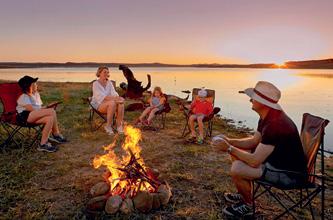
showcases it. The town boasts a growing food scene of cosy cafés, hearty country pubs and relaxed dining spots serving seasonal fare with genuine country hospitality.
That sense of welcome is what truly sets Inverell apart. It’s not just a destination - it’s a feeling. Friendly locals, boutique shopping, small galleries and a laid-back pace create an environment where visitors can truly unwind. By day, you might be exploring heritage streets, fossicking for gems or hiking through national parks; by night, enjoying a great meal and a glass of local wine under a sky sca ered with stars.
Inverell in autumn is more than just a pre y place - it’s an experience that engages all the senses. It’s the colour of falling leaves, the coolness of the air, the excitement of discovery and the warmth of country hospitality all rolled into one.
If you’re looking for a seasonal escape that blends natural beauty, adventure and charm, Inverell in autumn might just be your perfect getaway. Find a place to Stay



The newest jewel on the Gold Coast’s coastline offers cutting-edge wellness treatments that perfectly complement the hotel’s luxurious rooms and standout dining.
By Charmaine Yabsley

Lying on the touchless treatment bed at CIEL Spa, I feel as though I’m floating somewhere between sleep and weightlessness. The room is quiet except for the soft pulse of music and the gentle warmth surrounding my body. There are no hands, no pressure points, no oils – just a sensation of suspension as the dryfloat technology cradles my body, gently pummelling tight knots in my shoulders and removing gravity from the equation entirely.
It is an unusual experience at first. Typically, a spa treatment involves little clothing and a therapist. Here, your treatment is solitary, with only the sound of rushing water and a calm voice in my headphones prompting me to breathe slowly in and out. The absence of touch is precisely the point. Without another person to interact with, I surrender completely to the relaxation experience, knowing that this is exactly where I need to be. During the course of the 30-minute treatment my breathing slows, my muscles soften, and I hover somewhere between meditation and deep rest. It’s the perfect reset.
Welcome to CIEL Spa, the wellness sanctuary inside the new Mondrian Gold Coast at Burleigh Heads, a haven of relaxation that’s now on our doorstep.
Unlike traditional day spas built around massage and facials alone, CIEL takes a contemporary approach to wellbeing. The concept blends restorative spa rituals with emerging bio-wellness technologies designed to support recovery, relaxation and skin health. Guests can move between infrared sauna sessions, cryotherapy, LED light therapy and the zero-gravity dry float treatment that begins my visit.
But technology is only part of the experience. The spa’s interiors mirror the coastal calm just outside the hotel’s doors. Soft curves, pale stone, textured walls and muted lighting create a cocoon-like environment that feels far removed from the energy of Burleigh’s busy beachfront. From the moment we stepped through the door, we left the real world behind, with our focus on wellness and relaxation.
Traditional treatments abound, too. Facial treatments use luxury skincare brand Augustinus Bader, whose patented cellular renewal technology focuses on stimulating the skin’s natural repair processes. Massage therapies draw on restorative techniques designed to calm the nervous system and improve circulation – particularly welcome after a day exploring the Gold Coast’s beaches and hinterland.
The best news? You don’t need to be a hotel guest to experience the spa. Non-guests are welcome to book treatments and linger in the relaxation lounge afterwards. Or head up a level to stretch out beside the pool and truly feel as though you’ve embarked on a mini holiday.
This welcoming approach is a thoughtful addition to the Mondrian Gold Coast, the breathtakingly stylish new hotel that has quickly become one of the most talkedabout openings on the coast.
Rising above Burleigh’s iconic Norfolk pines, the twin-tower property has brought the brand’s signature design aesthetic to Queensland. Rooms are spacious and light-filled, with natural stone, warm timber and curved architectural lines echoing the surrounding landscape. Floor-to-ceiling
windows frame the breathtaking ocean views, while generous balconies encourage guests to slow down and settle into the rhythm of the coast. One standout detail is the television cleverly hidden within the ottoman at the foot of the bed – stylish, discreet and surprisingly practical.

Dining is every bit as impressive as the décor and spa experience. Italian restaurant LiTO anchors the hotel’s culinary offering, celebrating wood-fired cooking and Mediterranean flavours designed for sharing. The open kitchen centres around a custom wood-fired grill and oven, where chefs prepare dishes that lean into coastal Italian simplicity. Expect freshly shucked seafood, handmade pasta and beautifully charred meats, alongside vibrant seasonal vegetables and citrus-driven salads perfectly suited to the Gold Coast climate.
The menu encourages long, leisurely meals. Start with antipasti such as the Byron Bay burrata with roasted peppers or yellowfin tuna crudo before moving into house-made pasta and wood-fired dishes like grilled king prawns, market fish or slow-roasted meats, served alongside Currumbin Valley salads. The lamb ragu saffron pappardelle is a trip to Italy in a bowl, and the steak was perfectly cooked as requested, dished up with grilled broccolini. The drinks list is equally considered, with Italian varietals, coastal Australian wines and spritz-style

cocktails that feel made for warm evenings overlooking Burleigh. Service is impeccable and friendly, encouraging you to linger longer than you intended, especially when a serving of their famous tiramisu is offered!
Upstairs, Haven Pool Club offers a completely different energy. Framed by sweeping ocean views, the rooftop venue channels the relaxed glamour of an international beach club, complete with cabanas, daybeds and a sparkling pool overlooking the Pacific.
The Haven restaurant is a set above in dining, blending homegrown favourites with nostalgic flavours, focusing on fresh seafood, light Mediterranean-style plates and shareable dishes designed for long afternoons that effortlessly stretch into sunset drinks.
Whether you choose to stay for a spa visit, swim or a delicious meal, the Mondrian is the ideal destination… for however long you want to stay.
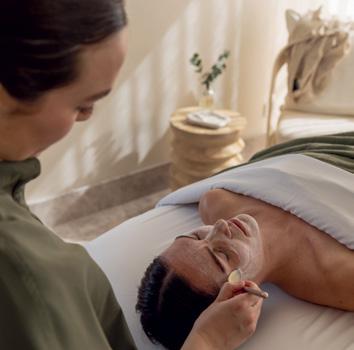
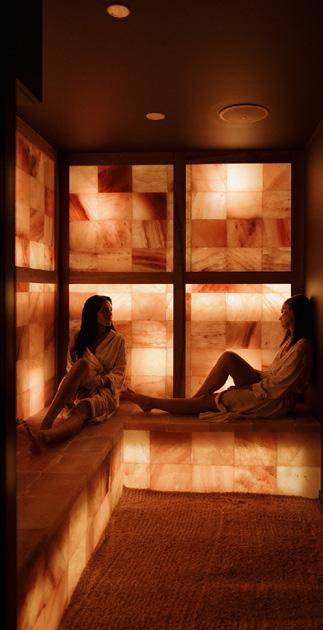

CIEL Spa is also expanding its bio-wellness offering with the introduction of cosmetic medicine by Dr Edwina Morgan, alongside advanced non-invasive technologies including EmFace and Exion, designed to lift, tone and rejuvenate skin without surgery. The spa has also launched a new membership program for locals, offering regular access to treatments such as cryotherapy, dry float sessions, infrared sauna, LED light therapy and halo salt room therapy from $99 per week, alongside discounts on treatments and homecare. Wellness extends beyond the spa itself with the hotel’s Mondrian Moves program – a series of oceanfacing yoga, pilates, breathwork and meditation sessions held poolside at Haven. Guests can also immerse themselves in the Nourish & Flow package, a wellness stay that combines accommodation with spa access, magnesium plunge pools, movement classes and restorative treatments designed to reset both body and mind.
Book me in: mondrianhotels.com or cielspaburleighheads.com





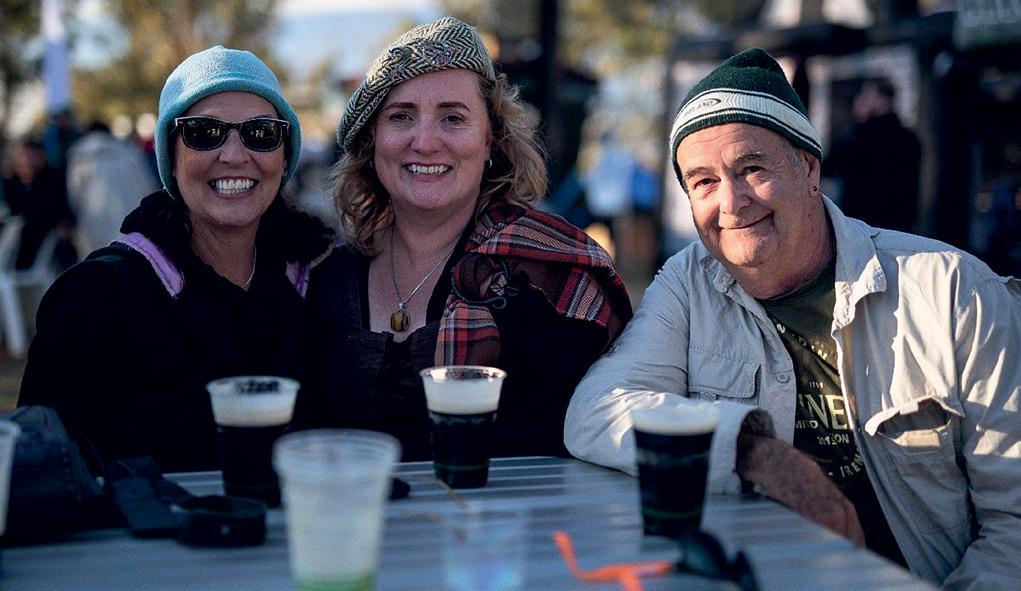






The ACF Celtic Food Trail opens with a signature event on Thursday 30 April at the stunning Ben’s Falls Retreat, a hidden gem nestled beside the iconic Severn River. Guests will gather in this breathtaking natural setting for a luncheon of stories, flavour and Celtic inspiration hosted by Celebrity Cook (The Roving Haggis) Ali Stoner and celebrated food and travel writer Roberta Muir. Attendees tickets include transport from the Glen Innes Visitor Information Centre, welcome drink, canapes, main and dessert buffet brought to you by the Bens Fall’s culinary team and inspired by Ali Stoner.




There are festivals you attend and then there are experiences you simply savour. This autumn, the Australian Celtic Festival in Glen Innes Highlands invites lovers of culture, food and beautiful places to indulge in something truly special: the Australian Celtic Food Trail.



Set among the golden colours of the New England High Country, this year’s culinary program offers a delicious journey through Celtic flavours, local produce and unforgettable settings. For those who appreciate a refined escape from the coast, it is the perfect excuse for a stylish autumn road trip.
Porridge Making Competition & The Golden Spurtle Screening
The Australian Celtic Festival, in partnership with Glen Innes TAFE NSW, invites visitors to experience a uniquely heartwarming culinary event celebrating one of Scotland’s most iconic traditions.
On Friday 1 May, the Glen Innes TAFE campus comes alive with the Highlands’ very own Porridge Making Competition, where local cooks and emerging talent will showcase their skills in pursuit of the perfect bowl. With guidance from hospitality facilitators and special guest judge Australian finalist of the Golden Spurtle World Porridge Making Championships, Toby Wilson, the competition
is designed to inspire the next generation of contenders for the world stage.
This friendly yet fiercely contested event pays homage to the internationally acclaimed documentary The Golden Spurtle, which follows competitors at the World Porridge Making Championship in Scotland a celebration of heritage, technique and passion centred around the humble oat.



The experience continues at 5pm at the Chapel Theatre, where audiences can enjoy a special screening of the film, followed by an engaging Q&A with Toby Wilson, offering insights into the global competition and the artistry behind championship porridge.
Together, the competition and screening form part of the broader Australian Celtic Food Trail, transforming a simple dish into a rich expression of culture, creativity and connection.
Expect warmth, laughter and a touch of Celtic theatre—set against the crisp beauty of the Glen Innes Highlands.
Throughout the festival weekend, ACF Celtic Food Trail Ambassador Roberta Muir will be joined by Australian Celtic Festival honoured guest Ali Stoner (The Roving Haggis) and will be exploring the cafés, bakeries and restaurants of Glen Innes’ charming CBD, sampling Celtic-inspired dishes created especially for the festival.
From traditional recipes passed down through generations to imaginative modern interpretations, local chefs are embracing the spirit of Celtic cuisine with creativity and flair. Visitors can follow along, tasting their way through town while discovering local produce and warm country hospitality.
Roberta and Ali will also share their discoveries during inspiring talks at the festival site, offering visitors insights into Celtic culinary heritage and the flavours shaping the Highlands’ emerging food scene at the Celtic Cauldron at the Festival site Saturday and Sunday.
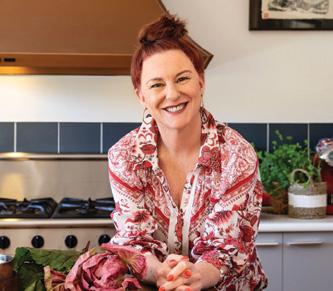
Of course, food is just the beginning.
Across the weekend, the Australian Celtic Festival bursts into life with a spectacular program: colourful street parade, thrilling Highland Games, the stirring sound of pipes and drums, medieval reenactors and jousting, lively children’s activities, and an extraordinary lineup of Celtic music and dance.












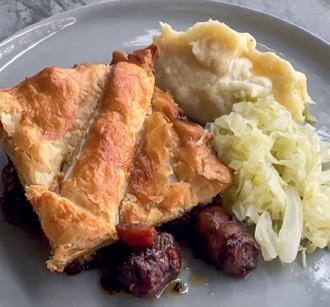


It is an immersive cultural celebration with the backdrop of The Australian Standing Stones, National Celtic Monument, unlike anything else in Australia.




Accommodation during festival weekend can book quickly, so many visitors choose a day trip through the beautiful towns of the New England High Country. Scenic drives from Tenterfield, Armidale, Guyra, Inverell, Walcha, Deepwater and Emmaville offer a relaxed way to explore the region while dipping into festival events across the weekend.
Held during the spectacular autumn season, when the Highlands glow with crisp air and golden leaves, the festival is the perfect excuse to immerse yourself in culture, indulge and discover.
For those seeking culture, flavour and a little Celtic magic this autumn, the invitation is simple:
Combining the very best of cultural and Celtic history with rolling countryside and adventure around every corner, Glen Innes Highlands is calling you gleninneshighlands.com


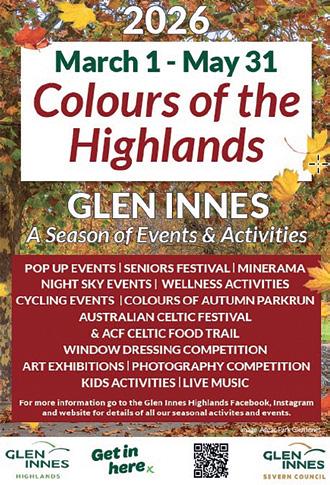












This autumn is the perfect time to explore the coast – and beyond –with our round-up of new stays, spa indulgences, foodie festivals and experiences around Australia.
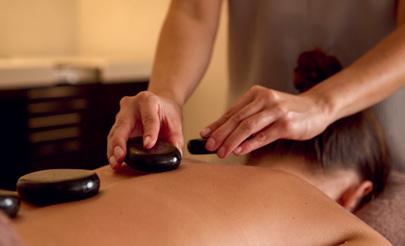
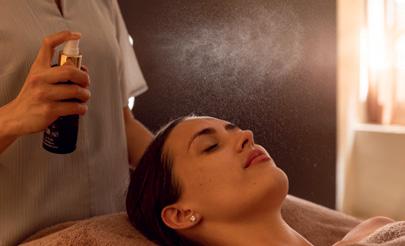
This autumn, JW Marriott Gold Coast Resort & Spa invites guests to slow down with Spa by JW’s Season of Stillness package, a restorative treatment designed to relax from head to toe.
The 90-minute experience begins with a signature copper foot soak and exfoliation, followed by a hot stone back massage using Aromatherapy Associates oils and a repairing facial by natural skincare brand Vanessa Megan. A warm argan and coconut oil scalp massage completes the treatment before guests enjoy organic Love Tea and access to the spa’s sauna, steam, and experience showers.
Duration: 90 minutes
Price: $340 per person (valued at $420)
Upgrade: Add a 30-minute body scrub or 60-minute Vanessa Megan facial for $109
Valid until: 31 August 2026
Bookings: jwmarriottgoldcoast.com or 07 5592 9796
Bookings are now open for Avani Mooloolaba Beach Hotel, set to debut in May 2026 as the Sunshine Coast’s first full-service internationally branded hotel in more than 40 years.
The 12-storey, 180-room property sits between Mooloolaba Beach and the Esplanade, with light-filled rooms designed in a relaxed coastal palette. A highlight is Sully’s Rooftop, where a pool and restaurant overlook the Pacific Ocean and Point Cartwright.
Dining will focus on seasonal produce and local seafood, while AvaniSpa and AvaniFit add a wellness focus to the stay.
Opening: May 2026
Rooms: 180
Location: The Esplanade, Mooloolaba Bookings: avanihotels.com/ mooloolaba-beach-hotel

A new level of coastal luxury arrives with the Rise Kirra Point Penthouse has opened at one of the Gold Coast’s most coveted beachfront addresses.
The expansive five-bedroom, sevenbathroom residence offers space and privacy for multi-generational families or private retreats. Highlights include oversized ensuite bedrooms, a media room, office and play area, plus a large outdoor terrace designed for alfresco entertaining overlooking the Kirra coastline.
Guests arrive via private lift access and are just minutes from Gold Coast Airport: what better way to see the beautiful Gold Coast?
Location: Kirra Point, Gold Coast Bookings: risekirrapoint.com.au
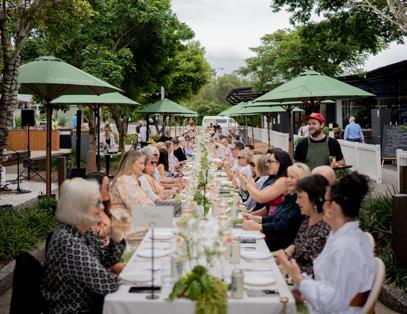
The Noosa Food & Wine Festival returns from 11–14 June 2026, bringing four days of chef collaborations, dining events and coastal celebrations to one of Australia’s favourite culinary destinations.
The program includes Signature Events, the Restaurant Series, and the American Express Festival Village, where guests can enjoy canapés, live cooking demonstrations and entertainment. Across the weekend, 19 Noosa restaurants will host curated dining events, with chefs including Alessandro Pavoni, Marion Grasby and Gino D’Acampo.
Signature highlights include the Opening Party on Noosa Main Beach, the Italian Long Lunch, the exclusive Makepeace Island Experience and the Sundowner Beach Party.
Dates: 11–14 June 2026
Location: Noosa, Queensland
Tickets: noosafoodandwine.com.au
Step into Canberra’s history at Hotel Kurrajong, a heritage property just a short walk from Parliament House. The hotel famously hosted former Prime Minister Ben Chifley, who lived here during his time in office. Today guests can dine at Chifley’s Bar & Grill, named in his honour. The Canberra Escape package includes breakfast for two, late checkout and 50% off parking.
From $199 per night
Bookings: hotelkurrajong.com.au
Stay in the heart of the action at Vibe Hotel Melbourne Docklands, located beside The District entertainment precinct. Families can explore the immersive ArtVo gallery, skate at O’Brien Icehouse, or catch a game at Marvel Stadium.
From $175 per night Bookings: vibehotels.com

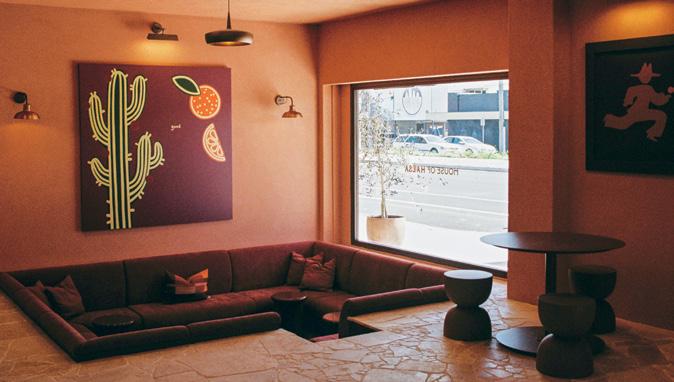
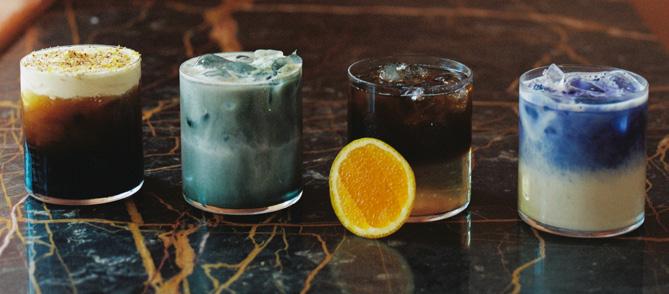


Currumbin Wildlife Sanctuary has unveiled Croc Wetlands, a new reptile precinct featuring four American alligators – Ace, Cal, Big John and The Rock – alongside resident crocs Patty and the legendary five-metre saltwater crocodile Boss Hog. Keeper talks give visitors the chance to learn more about these ancient predators.
Tickets: currumbinsanctuary.com.au
A wave of stylish cafés is reshaping the Gold Coast coffee scene. House of Halsa (1/2453 Gold Coast Highway) in Mermaid Beach pairs wellness dishes with terracotta interiors and a sunken lounge, while Velvet Lounge & Café in Miami (3 Ozone Parade, Miami, velvetcafelounge.com.au) swaps coastal whites for velvet seating and burgundy tones. In Burleigh, Mohr Café (4 Hibiscus Haven, Burleigh Heads, eatmohr.com.au) brings European-inspired fare to the area’s popular café strip.
Discover the cultural stories behind Burleigh Headland with a guided Jellurgal Walkabout at Jellurgal Aboriginal Cultural Centre. Led by Yugambeh guides, the experience explores Dreaming stories, bush foods and ancient sites of Jellurgal, offering a deeper understanding of the area’s significance to the Kombumerri people.
More information: jellurgal.com.au
As the days grow cooler, it’s the perfect time to bring warmth back into the kitchen. From hearty maple lamb pie to sticky mocha buns and vibrant plant-based curries, these flavour-packed recipes are designed for sharing, savouring and slowing down around the table.
Healthy, flavoursome and entirely plantbased, this vegan Thai green curry is great for adding to your regular rotation of meals. Sweet potatoes are cooked in a fragrant curry sauce and are later joined by roasted asparagus and cashew nuts for a wonderfully rich combination of flavours. Best of all, this Thai green curry comes together in around 30 minutes!
For the Rice:
• 1 cup jasmine rice
• 3/4 cups water
For the Vegan Thai Green Curry:
• 1 1/2 cups water
• 3 tsp grated fresh ginger
• 2 cups peeled sweet potatoes, chopped into 2cm pieces
• 1 1/2 cups low-fat coconut milk
• 3 tbs vegan green Thai curry paste
• 1 tsp maple sugar
• 3 tbs pure Canadian maple syrup (preferably amber for its rich taste)
• 1/4 tsp sea salt
• 1/4 tsp chilli flakes
• 2 tbs lime juice
• 10 fresh asparagus (washed and ends cut off)
• 1/2 cup roasted cashew nuts
• Handful of fresh coriander, roughly chopped
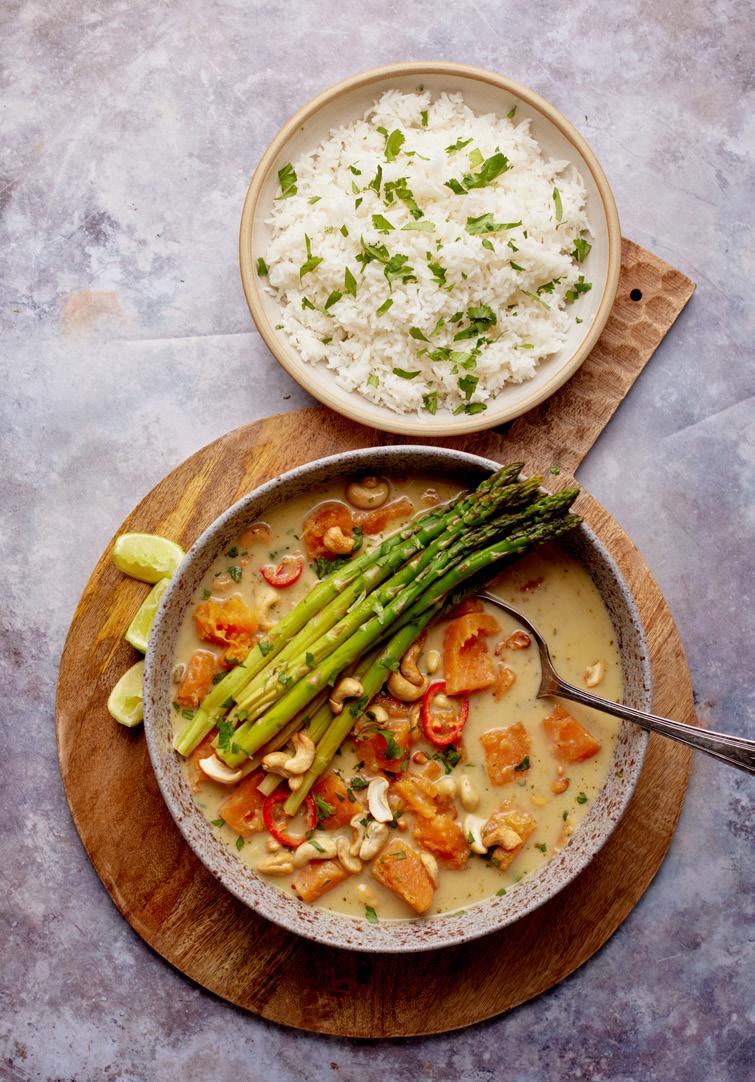
To Make the Rice:
1. Put the rice and water in a pan.
2. Stir and bring to a boil. Once boiling, cover and reduce to low and simmer until all the water is gone. This should take about 15 minutes.
To Make the Vegan Thai Green Curry:
1. Preheat oven to 180°C.
2. Put the asparagus onto a baking tray then drizzle maple syrup on top.
3. Roast the asparagus for 10 minutes, until tender but still firm. Put to one side.
4. In a large pan, add the water, ginger and sweet potatoes over medium heat.
5. Bring to a simmer then cover with a lid and cook for 8 minutes.
6. While the potatoes are cooking, in a separate bowl, mix the coconut milk, curry paste, maple sugar and chilli flakes until smooth.
7. Once the 8 minutes are up, add the coconut milk mixture and stir well in the pan.
8. Bring it back to a simmer and cook another 5 minutes.
9. Add the lime juice, stir and heat through for about 30 seconds.
To Serve:
1. Plate a portion of rice and then add the curry sauce.
2. Top with the roasted asparagus and the cashew nuts.
3. Sprinkle the chopped fresh coriander on the top to serve.
Make use of native ingredients and be the most popular person at the party with this delicious sharing side. If you can’t get your hands on warrigal greens, other leafy greens like kale, spinach or chard are equally as tasty in the vibrant pesto. Maple-roasted potatoes with warrigal greens are a mouthwatering combination of crispy, sweet, and nutty flavours.
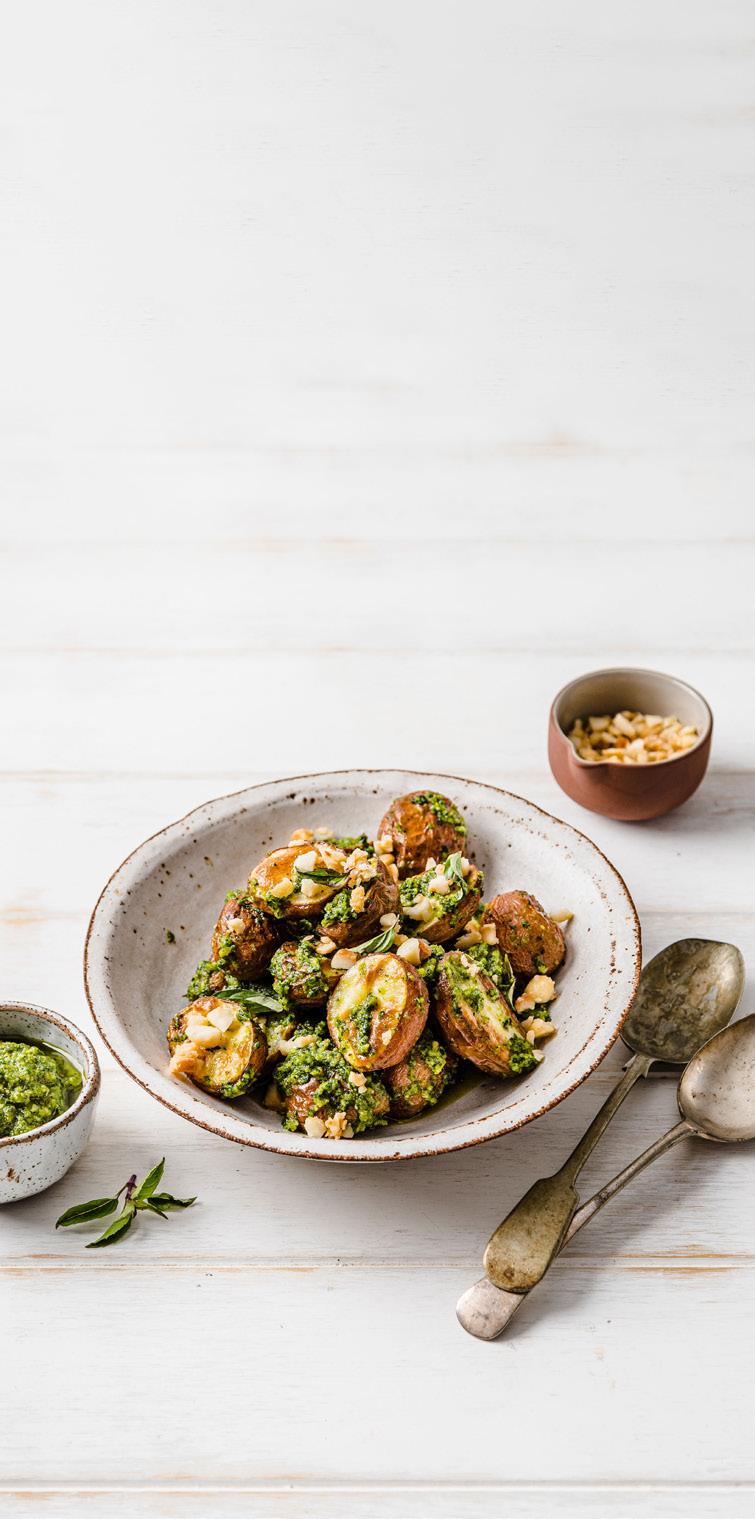
For the Maple-Roasted Potatoes:
• 1.5kg baby red potatoes, skin on
• 3 tbsp olive oil
• 3 tbsp pure maple syrup (preferably dark syrup for its robust flavour)
• Salt and pepper, to taste
For the Pesto:
• 3/4 cup warrigal greens (or other leafy greens), roughly chopped
• 1/2 cup parmesan
• 3/4 cup macadamia nuts
• 2 garlic cloves, peeled
• 3 tbsp pure maple syrup (preferably dark syrup for its robust flavour)
• 1 cup extra virgin olive oil
• Squeeze of lemon
• Black pepper
For the Maple-Roasted Potatoes:
1. Preheat oven to 200°C and line a large baking tray with parchment.
2. Wash the potatoes, scrubbing off any dirt and chop any larger potatoes in half.
3. Par boil (boil until partially cooked) the potatoes, drain and pat dry to enable them to be extra crispy.
4. Place in the baking tray, season with salt and pepper and drizzle over the olive oil.
5. Use your hands to mix the potatoes, oil and seasoning, then spread evenly over the baking tray.
6. Roast for 25-30 minutes, turning halfway through.
7. Remove from the oven, drizzle with the maple syrup and roast for 5-6 additional minutes or until golden and caramelised.
For the Warrigal Greens and Maple-Caramelised Macadamia Pesto:
1. In the same oven, roast the macadamia nuts for 5 minutes.
2. Remove from the oven, drizzle with maple syrup and roast for a further 10 minutes or until golden and caramelised. Leave to cool and set 20g aside to garnish later.
3. In a food processor, add the warrigal greens and blitz until broken down.
4. Add all the remaining pesto ingredients into the food processor and blitz until you’ve reached your desired consistency, making sure to scrape the sides with a spatula.
5. Taste and season as required.
To Serve:
1. In a large bowl, add the maple-roasted potatoes and 1 cup of pesto.
2. Stir to coat all the potatoes evenly.
3. Crush the reserved macadamia nuts, sprinkle over the salad and serve.
Treat yourself to our maple lamb pie, a hearty and flavourful dish that will keep you feeling nice and warm during the cooler season.
This pie combines tender, succulent lamb with the robust sweetness of maple syrup, creating a rich and savoury filling that’s perfectly complemented by the deep, fullbodied flavour of red wine.
• 3 tbsp olive oil
• 500g diced lamb
• 1 red onion, chopped
• 1 glass red wine
• 3 tbsp pure maple syrup (preferably dark syrup for its robust taste)
• 4 garlic cloves, thinly sliced
• 500g potatoes, peeled, cubed

• 2 carrots, peeled, sliced
• 3 tbsp tomato paste
• 4 tbsp gravy powder
• 1 beef stock cube
• 4 cups water
• 2 tbsp Worcestershire sauce
• 2 tbsp fresh rosemary, chopped
• 1 tbsp fresh thyme, chopped
• 2 tbsp cornflour
• 1 puff pastry sheet, ready rolled
• 1 egg, lightly beaten
• Salt and pepper, to season
To Make the Filling
1. Heat 1 tbsp oil in a large saucepan over medium-high heat.
2. Add the lamb. Cook, stirring occasionally, for 5 minutes or until browned. Transfer to a plate.
3. Heat the remaining 2 tbsp of oil in a pan over medium-high heat.
4. Add the chopped onion and garlic. Cook for 3 minutes or until soft.
5. Add the potatoes, carrots, rosemary and thyme. Cook for 5 minutes or until browned.
6. Add the wine, maple syrup, tomato paste and gravy powder.
7. Return lamb to pan then add stock cube, water and Worcestershire sauce. Increase heat to high. Bring to the boil then reduce to a simmer, covered, and stir occasionally for 2 hours or until the lamb is tender. Season with salt and pepper to taste.
8. Combine cornflour and 2 tablespoons of cold water. Add to the mixture. Simmer for 1 minute. Remove from heat and cool.
1. Preheat oven 180°C.
2. Grease a 4 to 5cm deep, 20cm (base) pie dishes.
3. Pour the lamb mixture into the dish then line the puff pastry on the top.
4. Brush the pastry with the beaten egg then bake for 20 minutes.
1. Preheat oven 180°C.
2. Place one circle of puff pastry dough on a baking sheet lined with parchment paper.
3. Spread the lamb filling evenly over the dough, leaving a 1 inch border bare. Press the charm into the filling.
4. Moisten the border with cold water, position the second circle of dough over the filling and press around the border with your fingertips to seal well.
5. Using the back of a table knife, scallop the edges by pushing into the dough (about 1/4 to 1/2 inch deep) every 1/2 inch or so.
6. Refrigerate for at least 30 minutes.
7. Bake for 40 minutes.
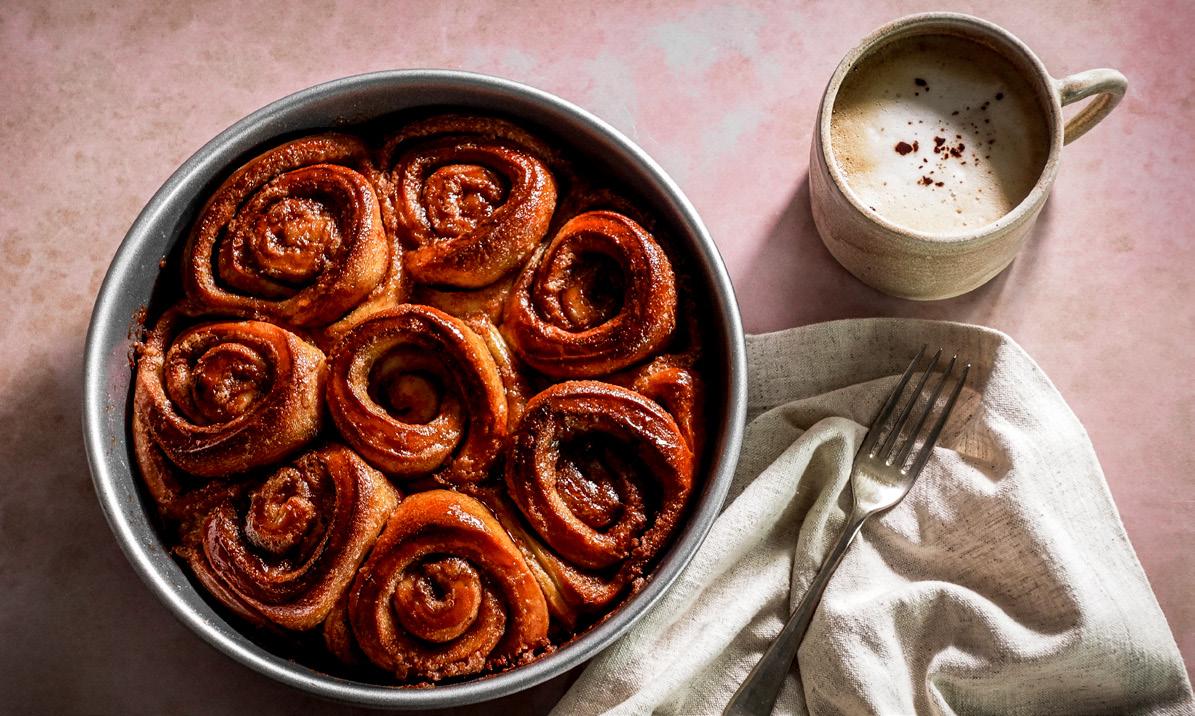
Indulge in these sweet, sticky mocha buns that are naturally enriched with pure maple syrup. They may take a little effort but trust us, they are well worth it! Serve with a cuppa and enjoy on the go or as a weekend brunch treat.
For the Dough:
• 1/2 cup whole milk
• 3 cups bread flour, plus extra for rolling the pastry dough
• 3 eggs
• 2 tbsp vegetable oil
• ⅓ cup pure maple syrup (preferably amber syrup for its rich taste)
• 2 tsp salt
• 2 tsp active dry yeast
• 1/2 cup unsalted butter
• 1/4 cup pure maple syrup (preferably amber syrup for its rich taste), for glazing
For the Filling:
• 1/2 cup unsalted soft butter
• 1/2 cup maple sugar
• 1 tsp ground cinnamon
• 1 tsp ground cardamom
To Make the Dough:
1. Place all the ingredients for the dough in an electric stand mixer, except the butter.
2. You will need the dough hook attachment. Knead on the lowest speed for two minutes and start gradually adding the softened butter. Increase to a medium speed for five minutes while gradually adding the remaining butter.
3. The dough should now be very soft and smooth. Scrape down the sides of the bowl to remove any excess, then move the dough to a larger bowl, cover with a clean tea towel and leave to rise. This should take around one hour.
4. After the dough has doubled in size, transfer to a well-floured surface and roll out into a 20/10-inch rectangle.
To Make the Filling:
1. In a small bowl mix the butter, maple sugar, ground cardamon and ground cinnamon.
To Make Maple Buns:
1. Use a palette knife to spread the mixture over the dough.
2. Tightly roll the dough, starting from the long side.
3. Cut into 1 1/2 inch sections with a sharpknife. You should get about 15 pieces.
4. Place cinnamon rolls in a circular, greased baking tray, leaving a gap of 2cm around each bun.
5. Cover the tray with cling wrap and let the buns rise again for 30–45 minutes.
6. Preheat oven to 180°C/350°F.
7. Remove cling wrap and bake the buns for 20-25 minutes or until just slightly golden brown on the edges.
8. When the buns are baked, glaze themstraight away with maple syrup.
9. Serve warm, sticky-side-up.

It might come at the kitchen table on a Tuesday night. Or in the car on the way home from school, when they’re staring out the window and you’ve run out of things to say. Your kid goes quiet for a moment, then says it: Something’s been happening. There’s a pause. They’re watching your face, reading you for signs. Will you believe them? Will you make it worse?
That moment – the one where they finally speak – is everything.
Bullying isn’t character-building. It’s not something kids just need to toughen up and get through. Research shows Australian students face some of the highest rates among OECD countries, with around one in four school-aged children affected. Seven in ten children aged 12–13 have experienced at least one bullying-like behaviour within a year.
The forms it takes are familiar: being left out on purpose, being made fun of in cruel ways, having lies spread about them, being
pushed around or made afraid. Each one chips away at something essential.
What many parents don’t realise is the lasting impact. Bullying can affect performance at school. It increases the risk of depression and anxiety. Young people report feeling isolated – and that isolation, that sense of going through it alone, is often the worst part. When your child finally tells you, they’re not looking for you to fix it with a lecture or a dramatic reaction. They need a parent who understands what they’re facing and believes them.
According to research on talking with children about bullying, when your child discloses what’s happening, seven things matter:
1 2 3 4 5 6 7
Belief. Many children don’t speak up because they fear not being taken seriously. A calm response tells them they made the right call by trusting you.
Being heard. Listen without interrupting. Don’t interrogate or rush to solve it. Let them talk openly about what’s going on. This is harder than it sounds – most parents want to jump into problem-solving mode. Resist that urge.
Trust that you’ll help. Your child needs to know that when they tell you something, you’re going to do something about it. Not overreact. Not make it worse. But act.
Hope. Bullying strips children of agency and leaves them feeling powerless. They need to believe things can get better. And they need to see that belief reflected in you.
Some control. Involve them in decisions about what happens next, even in small ways. This might mean deciding whether to talk to the school first, or what you’ll say when you do. When kids feel like they have some say, they start to reclaim their sense of agency.
Learning self-protective behaviours. Once they feel heard, work together on strategies. What can they do if it happens again? Who can they talk to at school? What does assertiveness look like in their situation?
Confidence rebuilt. Remind them that bullying is wrong and this isn’t their fault. Reinforce who they are beyond what’s been done to them. Sometimes children start to believe the awful things said about them. Your job is to remind them of their worth, their strengths, their value.

When kids trust that their parents will believe and help them, something shifts. They develop resilience – not by toughening up, but by knowing they’re not facing it alone. Research shows that a supportive home environment where children feel comfortable sharing strengthens their capacity to cope and recover.
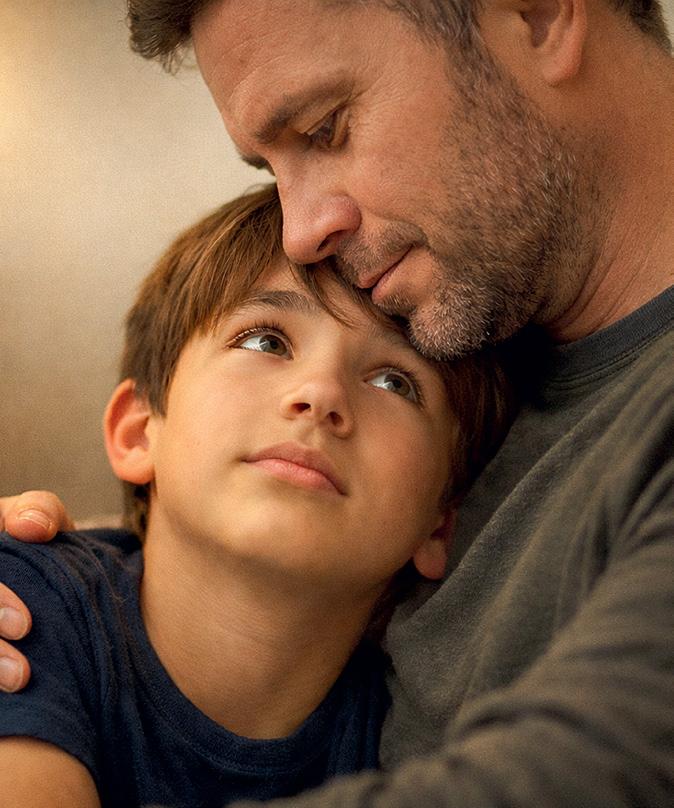
Your child learns that conflict can be navigated safely. That asking for help is a strength, not a weakness. That adults can be allies. That reaching out leads somewhere safe.
Those lessons don’t just help them through school. They shape how they handle challenges, relationships and difficult conversations for the rest of their lives.
Sometimes bullying affects a child deeply. If your child expresses intense emotions, talks about harming themselves, or seems unable to cope, that’s the moment to reach out for professional support immediately. A school counsellor, a GP, or a mental health professional can help carry the weight when it’s too heavy for you to carry alone.
Being the safe place isn’t complicated. It doesn’t require perfect words or the right strategy. It requires presence. It requires listening without judgement, believing without hesitation, and acting with care. In that quiet moment, when your child is watching your face for a reaction, you don’t need to fix everything. You just need to show them they’re not facing it alone.
The Queensland Government is tackling bullying by giving parents new and expanded supports, including:
• a 7-day-a-week parent HOTLINE with trained counsellors @parentline
• more on the ground support from chaplains and dedicated wellbeing staff
• rapid support teams into bullying hotspots
• Find out more by visiting qld.gov.au/ antibullying or visit ParentLine
March 21 – April 19
This month ignites your signature fire, Aries, but this time with a refined edge. You’re not just chasing goals – you’re curating a vision. A bold professional or personal move beckons, and your instinct to lead will place you exactly where you belong. Indulge in intentional downtime; a moment of stillness will sharpen your next move. In love, an unexpected spark could evolve into something undeniably captivating.
Lucky numbers: 6, 18, 29.
April 20 – May 20
There’s a quiet luxury to your energy this March, Taurus – effortless, grounded, and deeply magnetic. Financial or career growth is within reach, especially when you trust your measured approach. Slow decisions will prove to be the most rewarding. Romance feels indulgent and sincere. Whether it’s a new admirer or a deepening bond, you’re being reminded that true connection is worth savouring.
Lucky numbers: 3, 14, 24.
May 21 – June 20
This month invites you to refine your brilliance, Gemini. Your ideas are as sharp as ever, but now they carry intention and direction. A fresh routine – perhaps wellness or travel-inspired –rejuvenates your spirit and fuels creativity. Conversations flow into connections, and a flirtation may take on surprising depth. Stay curious; something beautiful is unfolding beneath the surface.
Lucky numbers: 5, 11, 23.
June 21 – July 22
This month wraps you in a softer, more intentional energy, Cancer. You’re learning that boundaries are a form of self-respect, and releasing emotional weight will feel like stepping into light. A meaningful purchase or lifestyle upgrade could bring both comfort and inspiration. Creatively, you’re entering a quietly powerful phase – trust it.
Lucky numbers: 2, 17, 26.
Leo July 23 – August 22
This month wraps you in a softer, more intentional energy, Cancer. You’re learning that boundaries are a form of self-respect, and releasing emotional weight will feel like stepping into light. A meaningful purchase or lifestyle upgrade could bring both comfort and inspiration. Creatively, you’re entering a quietly powerful phase – trust it.
Lucky numbers: 2, 17, 26.
August 23 – September 22
Precision meets elegance this March, Virgo. The work you’ve been refining is ready for its moment, and recognition may arrive in a form that feels both validating and deserved. A heartfelt exchange brings emotional clarity, reminding you that vulnerability can be your greatest strength. Make space for small luxuries – they will restore your balance.
Lucky numbers: 4, 12, 21.
Libra September 23 – October 22
Harmony takes on a more elevated meaning this month, Libra. You’re not just seeking balance – you’re designing a life that reflects your inner calm and outer beauty. Decluttering, redefining, and realigning will feel deeply satisfying. A magnetic connection enters your orbit, carrying both intrigue and potential. Let it unfold naturally; the chemistry speaks for itself.
Lucky numbers: 1, 10, 19.
October 23 – November 21
March marks a subtle yet powerful transformation, Scorpio. You’re shedding old layers with quiet confidence, making room for something far more aligned. A strategic decision could set the tone for long-term success. There’s allure in your presence now – mysterious, composed, and impossible to ignore. Use it wisely, especially in matters of the heart.
Lucky numbers: 8, 16, 27.
November 22 – December 21
There’s a refined sense of adventure guiding you this March, Sagittarius. You’re craving experiences that inspire –not just excite. Travel, culture, or new social circles may play a role in expanding your world. A meaningful encounter could shift your perspective on love. Stay open – this connection carries both depth and possibility.
Lucky numbers: 9, 13, 22.

Find out what’s in your stars, with popular astrologer Anastasia
Love and Light Shine like a diamond
December 22 – January 19
March draws your focus to structure and sanctuary, Capricorn. Whether it’s your home, your routine, or your long-term plans, you’re building something that feels both secure and beautiful. An unexpected reconnection brings warmth – and perhaps a second chance. In love, patience reveals its quiet rewards.
Lucky numbers: 2, 11, 20.
January 20 – February 18
This is your moment to be seen, Aquarius – effortlessly and authentically. Your ideas are ahead of their time, and March gives you the confidence to share them with the world. A style refresh or personal reinvention enhances your natural magnetism. Opportunities in both love and career arrive when you lean fully into your individuality.
Lucky numbers: 5, 14, 30.
February 19 – March 20
March feels like a gentle exhale, Pisces – a return to yourself. Rest, reflection, and a touch of escapism will restore your creative and emotional flow. Romance carries a dreamy, almost fated quality. Trust in divine timing; what’s meant for you will arrive with ease and grace.
Lucky numbers: 7, 18, 25.

Astrology is an ancient timing technique that constantly inspires with its cyclical nature, and Sarahʼs focus is to work the energetic weather-scapes to its highest forms and functions, allowing a greater understanding of life’s ebbs and flows.
By
What every worker should know before they need it
In today’s workplaces, whether in corporate offices, healthcare settings, retail, education or community services, most people are navigating increasingly complex environments. We tend to think of workplace incidents as sudden or unpredictable, but in reality they are rarely random.
In our work at Persec Services, where we train organisations across Australia in occupational violence and aggression prevention, we consistently see the same pattern. Escalation is usually preceded by subtle signals. The challenge is not a lack of warning. It is a lack of awareness.
Situational awareness is not about being anxious or suspicious. It is about recognising early indicators of risk and responding calmly before a situation intensifies.
What situational awareness really means
Throughout the day we naturally shift between different levels of awareness. When we are busy, distracted or fatigued, our attention narrows. In those moments, small behavioural or environmental changes can go unnoticed.
Effective situational awareness involves noticing shifts in tone, body language or behaviour. It means being conscious of your physical positioning in a space, recognising when someone’s emotional state changes and understanding environmental risk factors such as isolation, lighting or exit access.
In practical terms, it is about identifying when something does not look right, sound right or feel right, and allowing yourself to respond early rather than dismissing the discomfort.
Recognising early signs of escalation Aggression often develops gradually. It may begin with subtle cues such as a sharper tone, repeated complaints delivered with
increasing intensity, dismissive language or visible frustration like pacing or clenched jaws. Personal space may begin to shrink. Boundaries may be tested under the guise of humour.
These behaviours may not appear dramatic, but they can signal a rising emotional load. Many women are particularly attuned to these shifts, yet are often socially conditioned to downplay their instincts. Trusting that awareness is not overreacting. It is informed pattern recognition.
Environmental factors matter Risk is not solely about individual behaviour. Workplace design and conditions also play a role.
Working late alone, navigating poorly lit car parks, meeting in isolated rooms without clear exit routes or lacking accessible duress systems can increase vulnerability. Simple strategies such as positioning yourself closer to an exit, maintaining appropriate distance or ensuring a colleague is aware of your location can significantly reduce risk.
These are not dramatic actions. They are practical considerations.
The importance of boundaries
One of the most common workplace myths is that being polite is safer than being firm. In reality, professional boundaries are protective.
Clear communication, calm disengagement and creating space when needed are not signs of rudeness. They are appropriate responses to discomfort. You are not responsible for managing someone else’s emotional state, but you are responsible for your own safety and behaviour.
If tension begins to rise, lowering your voice, slowing your speech and acknowledging emotion without escalating it can help stabilise a situation. Increasing physical distance and offering clear options can further reduce the likelihood of escalation.

Why near-misses should not be ignored
Serious incidents are often preceded by smaller events that go unreported. A comment dismissed as “just having a bad day”. A repeated boundary violation brushed aside. Verbal hostility tolerated because it did not become physical.
Documenting and reporting these moments is not about creating conflict. It is about identifying patterns, strengthening workplace health and safety compliance and preventing future harm.
Workplaces with strong safety cultures treat near-misses as valuable information rather than inconvenience.
What supportive workplace culture looks like
A healthy safety culture takes concerns seriously, avoids victim-blaming and conducts timely risk reviews. It provides clear feedback on actions taken and prioritises prevention over reaction.
Psychological safety supports physical safety. When employees feel confident raising concerns early, escalation becomes far less likely.
Five practical considerations
Starting tomorrow, consider the following:
• Does your workplace layout support your personal safety needs?
• Are there repeated personal space violations from staff, clients or customers?
• Do reporting procedures align with actual practice?
• Are there environmental blind spots such as isolated meeting rooms or poorly lit car parks?
• Does your workplace culture encourage speaking up without fear of dismissal?
Situational awareness is not dramatic or confrontational. It is subtle, consistent and preventative. When practised regularly, it reduces risk long before a crisis develops.
In modern workplaces, that quiet vigilance is not excessive. It is essential.

Easter Entertainment 30th March to 2nd April