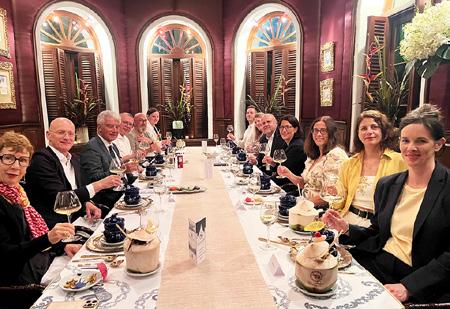
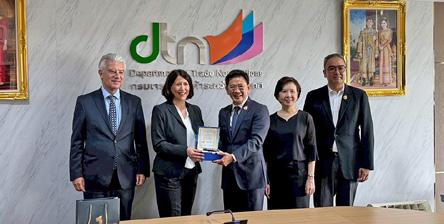
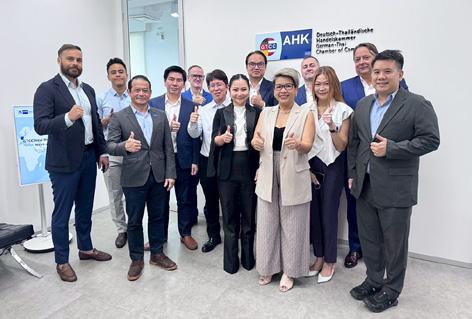
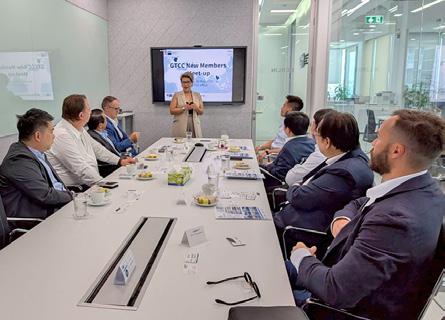
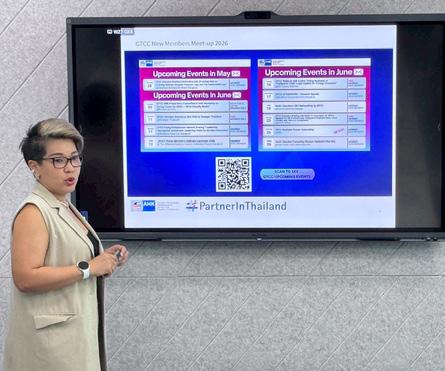
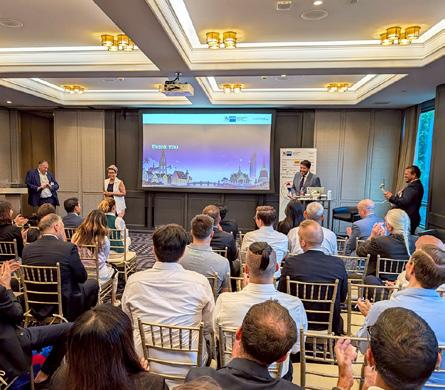
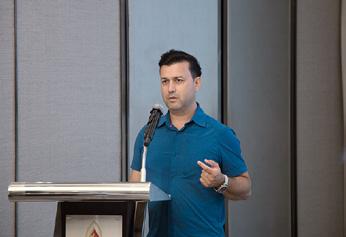
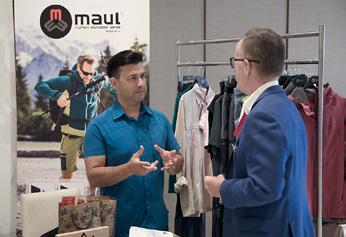
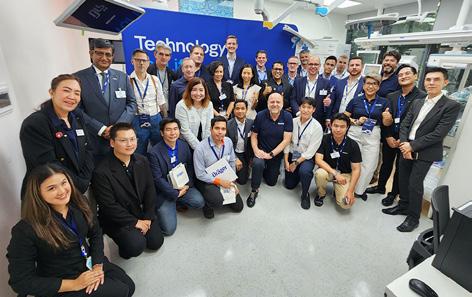
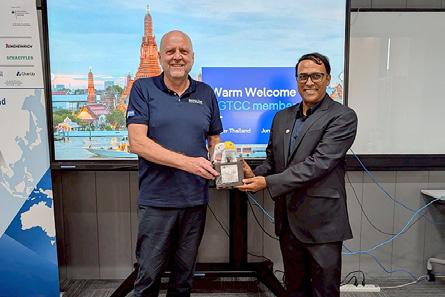
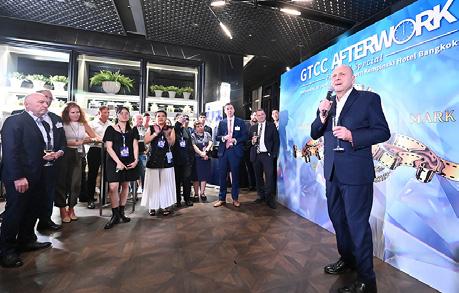
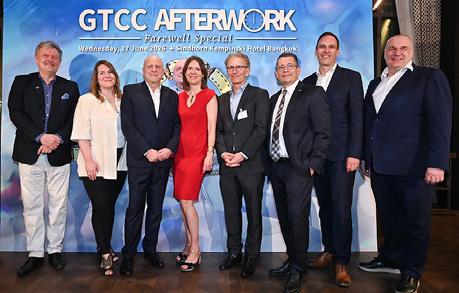
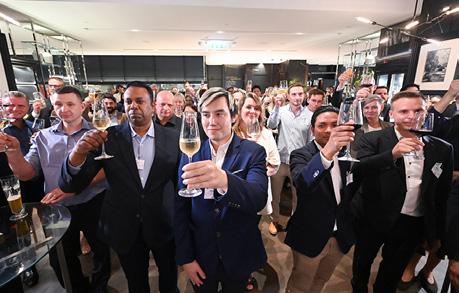
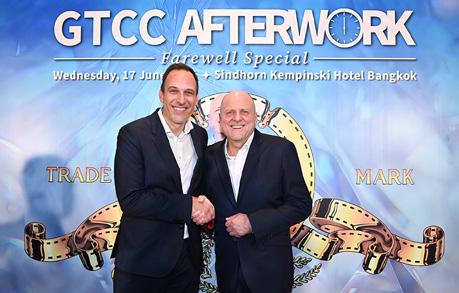
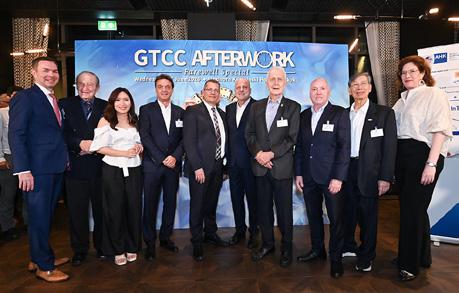
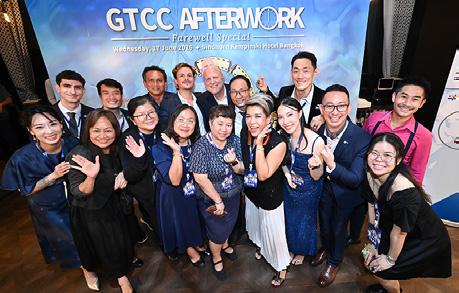
This is my final editorial for UPDATE magazine as I will depart from the German-Thai Chamber of Commerce (GTCC) at the end of July 2026. I would like to express my sincere gratitude to our readers, contributors, members, and industry partners for their trust and continued support. It has been a privilege to chronicle the trends and developments across Thailand's industrial sectors together with the GTCC team.
Serving the GTCC for 11 years has been both an honour and a rewarding experience. I am grateful for the opportunity to strengthen the dialogue between German and Thai businesses and to contribute to a platform built on knowledge sharing and collaboration. As I hand over to the new GTCC Executive Director Matthias Hoffmann, I wish him success in leading the GTCC team, working with the GTCC board and supporting our members, customers and partners.
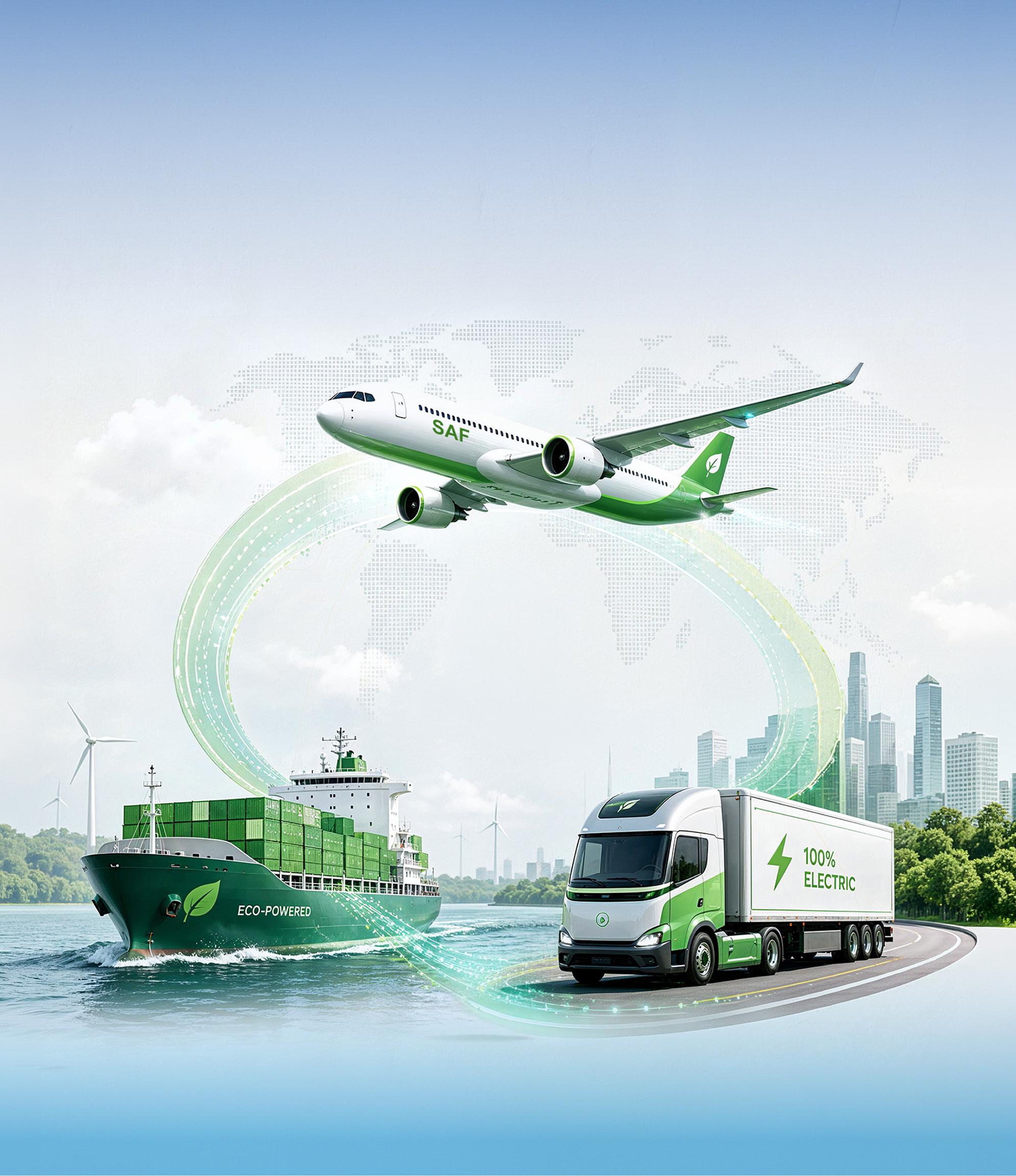
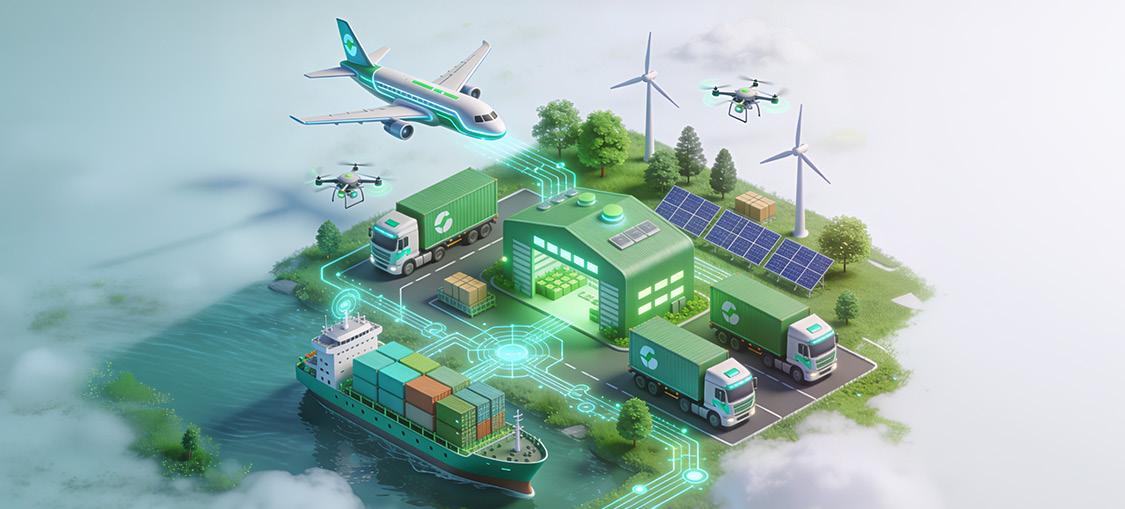
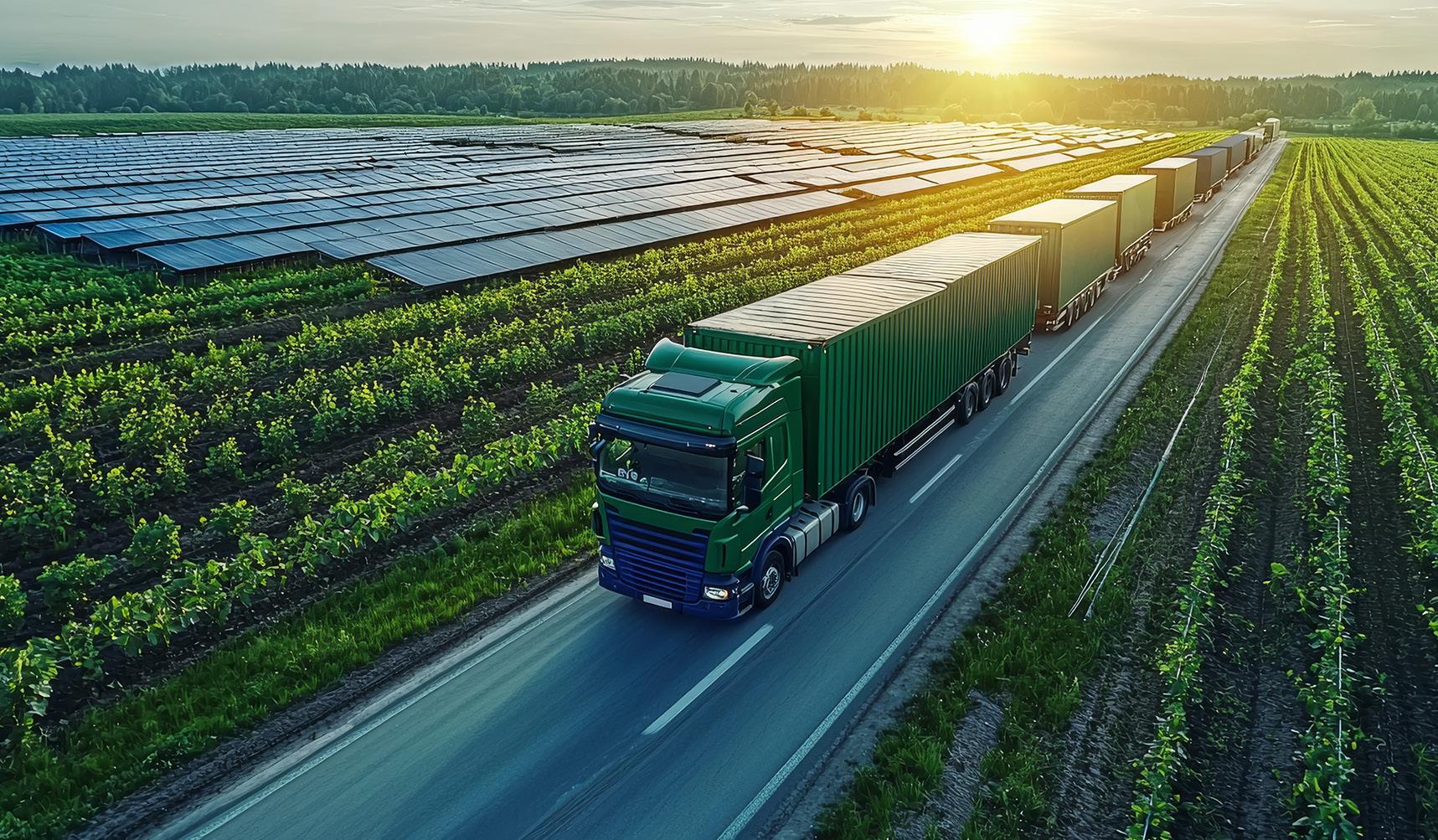
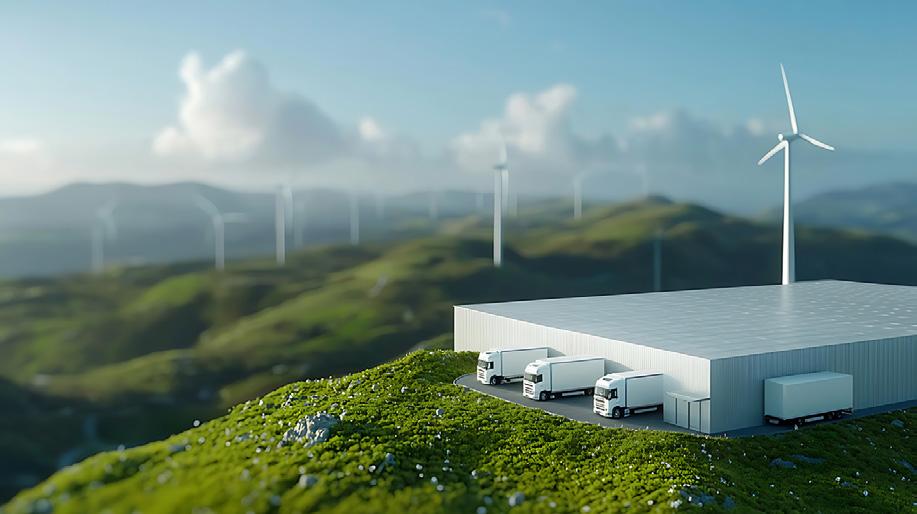
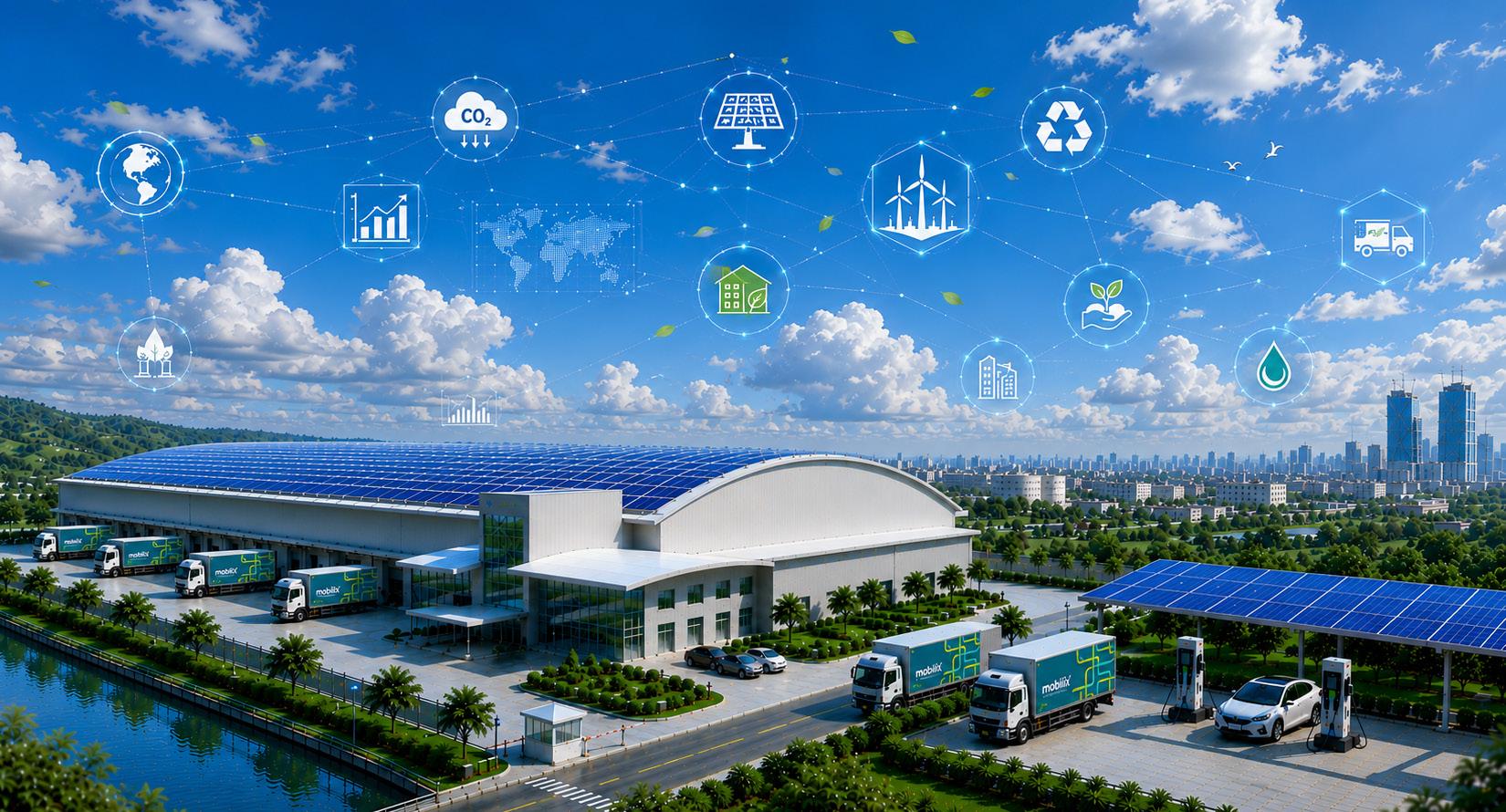
In this edition, our focus is green logistics — a sector of accelerating investment and strategic importance as businesses align sustainability with long-term competitiveness.
Frameworks such as the EU's Carbon Border Adjustment Mechanism (CBAM), ReFuelEU Aviation, and CORSIA are reshaping global supply chains and raising the bar for emissions transparency. These developments will increasingly influence freight costs, customer expectations, and competitive advantage across the logistics industry.
Thailand's logistics sector remains a vital pillar of the national economy. According to Mordor Intelligence, the sector was valued at $53.38 billion in 2025 and is projected to reach $72.19 billion by 2030. Yet the logistics sector generates an estimated 30 per cent of national carbon emissions. As the country advances toward its 2050 carbon neutrality target, businesses are investing in cleaner transport, sustainable aviation fuel, electric vehicles, renewable energy, and digital technologies.
The direction is clear. Green logistics is both an environmental aspiration and a business imperative. For Thailand, this transition presents a genuine opportunity to strengthen competitiveness, attract quality investment, and reinforce its standing as a trusted partner in an increasingly sustainability-driven global economy.
I trust you will enjoy informative and interesting reads.
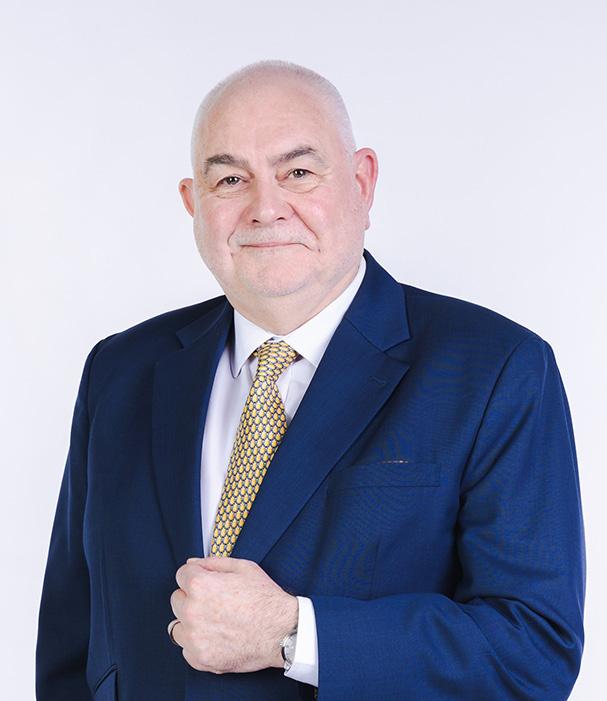
Dr. Roland Wein
UPDATE is published quarterly by the German-Thai Chamber of Commerce (GTCC) and distributed through an electronic platform to members and qualified non-members in Thailand and abroad. It is also available on our website: thailand.ahk.de/en/publications.
Any opinions expressed in articles in this e-magazine do not necessarily reflect the views of the Chamber. UPDATE welcomes story and photo contributions from members and non-members alike. Articles may be reproduced with acknowledgement, except for those taken from other sources.
For inquiries, please contact: communications@gtcc.org.
Publisher/Editor-in-Chief: Editor & Communications Director: Design & Layout: Sub-Editor: Dr. Roland Wein Chadaphan Maliphan Sorapol Liengboonlertchai Bruce Scott
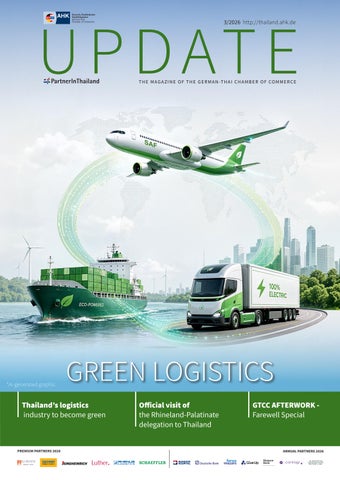
GREEN LOGISTICS
04 Thailand’s logistics industry to become green
08 Sustainable logistics in motion: From Europe to Southeast Asia
10 Thailand logistics at a sustainable turning point
12 WHA Group: Driving Thailand's transition to a green economy
14 Asia-Pacific Sustainable Aviation Fuel (SAF) market at a turning point
16 The sustainability shift DHL is redefining logistics in Thailand
19 Beyond carbon: Lufthansa Cargo's vision for the future of air freight
CHAMBER ACTIVITIES
22 VDW Technology Symposium Thailand 2026
23 GTCC Business Women Networking “Women in Charge – AI”
24 GTCC Business & Study Trip to Hannover Messe 2026
25 Official visit of the Rhineland-Palatinate delegation to Thailand
26 GTCC Multi-Chamber EEC Briefing & Networking
28 Thai-German Conference “Climate Talks”
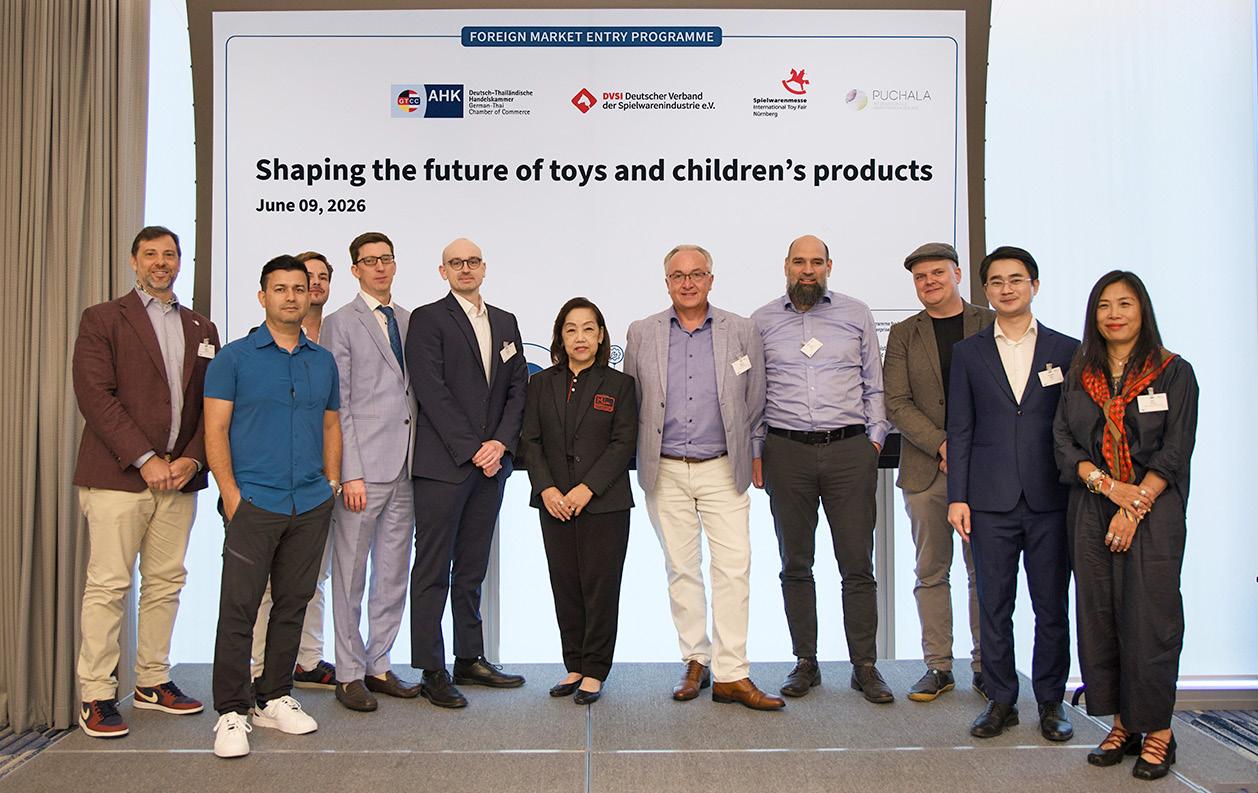
30 Thai-German Conference “Shaping the future of toys and children’s products”
CHAMBER ACTIVITIES
31 GTCC Member Exclusive Site Visit to Draeger Medical Thailand
31 GTCC Young Professionals Network Evening “Leadership, Reimagined”
32 Farewell luncheon for German Ambassador Dr. Reichel
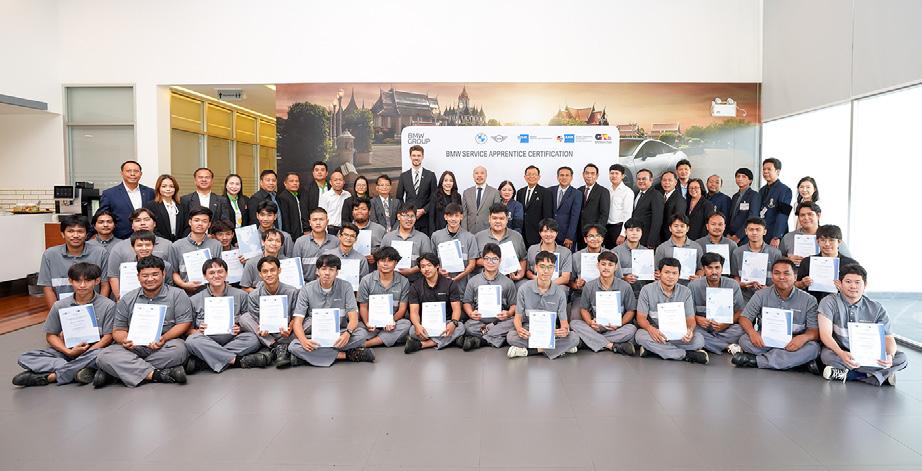
37 Handover of DIHK-AHK Certificates for the BMW Service Apprentice Programme
40 Reshaping the future of Thailand's skilled workforce
BUSINESS BRIEFS
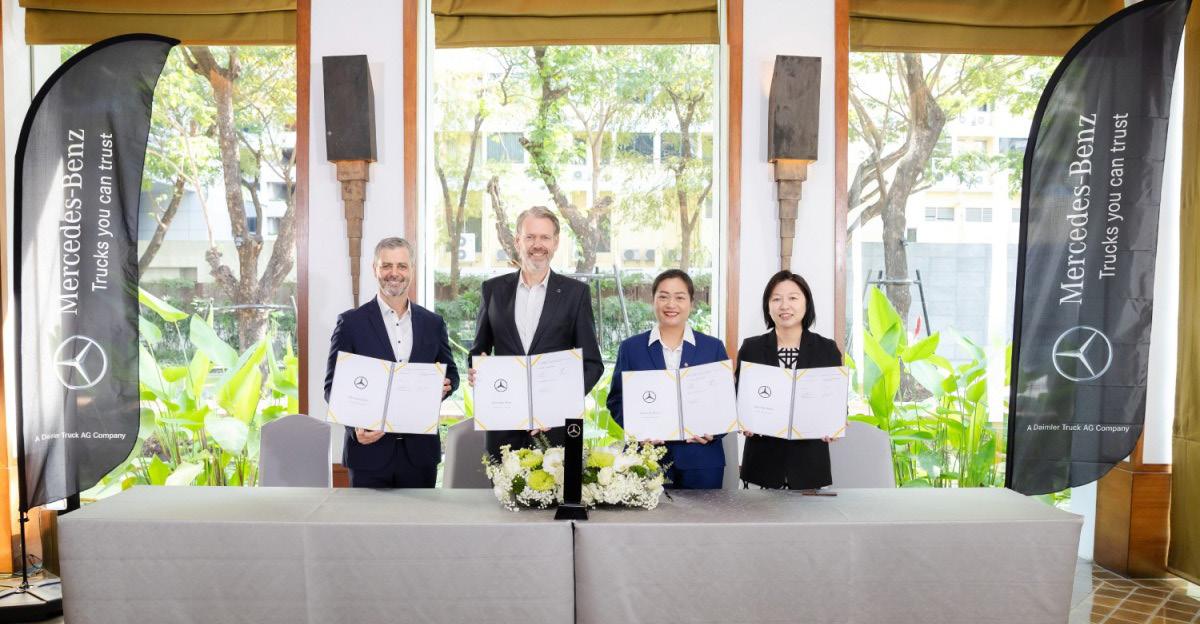
42 Daimler Truck appoints CIBB as official distributor for Thailand’s Mercedes-Benz Trucks & Buses
42 Henkel appoints Warangkana Siriyodhipun as President of Henkel Thailand
43 SOMIC positions Thailand as its regional hub
MEMBERS’ CORNER
45 New GTCC members
Thailand’s logistics sector is beginning its long transition towards cleaner, lower emission transport.
Thailand’s logistics industry to become green
Frank Malerius
In Thailand, like the rest of the world, green logistics has become an omnipresent buzzword. It serves as a kind of umbrella term that encompasses countless individual aspects of transport and warehousing. This includes how lorries are powered, the energy supply of goods warehouses, the recyclability of packaging material, or the utilisation of transshipment facilities. However, the term green logistics has also become a hollow marketing instrument, since every transport company can very easily highlight one green aspect among the multitude of its services for advertising purposes – and remain silent about all the other non green ones.
The Thai logistics industry generated value added of 557 billion baht (US$15.8 billion) in 2024, and logistics costs in the kingdom amount to around 13 per cent of gross domestic product (GDP). The country has a well developed infrastructure, as every product can reach any point in the country within 24 hours, and the economic structure requires the transport of enormous quantities of goods.
Thailand, as a strong agricultural location, must transport agricultural raw materials for further processing. Likewise, the numerous automobile and electronics factories must be supplied with intermediate products, and
deliver finished products to their customers worldwide. In addition, the tens of thousands of convenience stores in the country require small scale logistics around the clock. Last but not least, Thailand is an important international goods transshipment hub.
The value of the country’s trade in goods has more than tripled over the past 20 years. Container throughput at the deep sea port of Laem Chabang, for instance, has increased by 50 per cent over the past ten years. Meanwhile, Thailand’s foreign trade ratio (imports and exports in relation to economic output) is over 100 per cent and thus significantly higher than that of Germany.
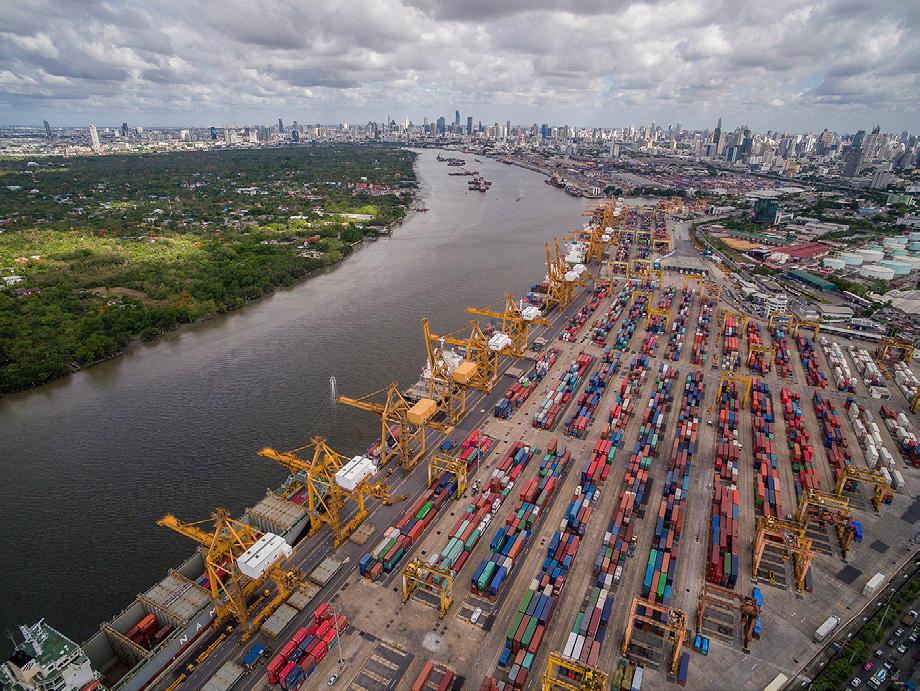
Container ports remain vital to Thailand’s logistics network
STATE SUPPORT PROGRAMMES FOR GREEN LOGISTICS
According to studies, logistics accounts for 30 per cent of Thailand’s carbon emissions, which is why it’s set to become greener. This is all the more important given that Thailand has unexpectedly moved its carbon neutrality target forward, from 2065 to 2050. Thus the decarbonisation of the economy is to be accelerated.
To this end, numerous government measures and support programmes have been launched that affect the logistics sector. These include the Land Transport Energy Consumption Reduction Action Plan, the Sustainable Transport Master Plan, and special investment incentives for the construction of cold storage facilities using natural refrigerants. The sheer number of programmes, action plans, and incentives relevant to the logistics sector is almost impossible to grasp. Furthermore, the industry is facing external pressure, as the European Carbon Border Adjustment Mechanism (CBAM) requires the recording of emissions from the logistics sector for exports to the EU.
DIFFICULT TRANSITION TO ELECTROMOBILITY IN HEAVY ROAD TRANSPORT
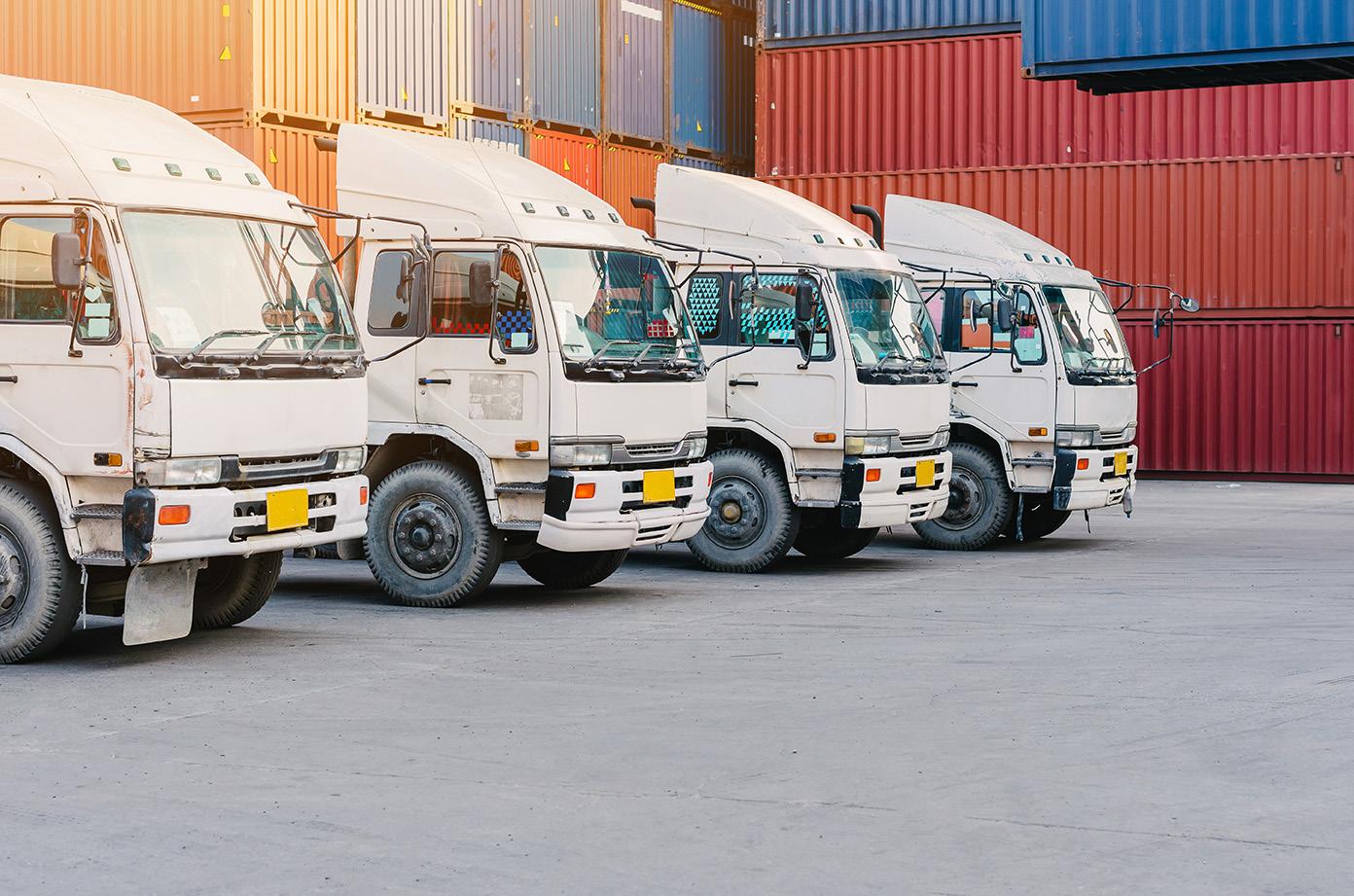
The largest CO₂ emitter in logistics is the internal combustion engine, and around 80 per cent of all goods in Thailand are transported by road. The electrification of transport is therefore decisive in determining whether logistics will in fact become greener (at least as long as the energy input required for the production of electric car batteries is ignored).
Already 20 per cent of passenger cars sold in Thailand are electric vehicles, but only two per cent of passenger cars registered in the country are. The government generously
subsidises construction and purchase, but in the case of commercial vehicles, however, sales are significantly weaker, particularly for those used in long distance heavy road transport. According to the Ministry of Transport, only 1,700 electric trucks are registered in the country, and some of them can be seen in the port of Laem Chabang. At least the oil shortage triggered by the Iran war is likely to give a boost to electromobility in Thailand.
Another instrument for reducing CO₂ emissions in heavy road transport is a higher blending of biodiesel, which is obtained primarily from domestic palm oil. By contrast, shifting freight transport to rail is hardly an option, since Thailand only has a small number of long distance railway lines. The most important new project in this arena is the high speed rail line from Bangkok to the Laos border, which establishes a direct connection to China and is intended later to extend southwards as far as Singapore.
AMBITIOUS ELECTRICITY PLANS
Should the transformation to electromobility succeed, will freight transport in Thailand then actually be climate neutral? That
Road transport is the main driver of logistics-related CO₂ emissions.
Policy support drives greener logistics operations.
depends on electricity generation. Thailand has a comparatively favourable electricity mix: around 60 per cent comes from natural gas, only 10 to 15 per cent from coal, and the rest from renewables – half of which consists of hydropower imported from Laos. Solar and wind power have so far played no significant role.
Thailand’s new Power Development Plan (PDP), which has not yet been published and plans electricity generation up to 2037, is said to have the ambitious goal of achieving a renewables share of 51 per cent by then. In this respect, Thailand offers comparatively good preconditions, since the population is shrinking and economic growth rates are low. As a result, electricity demand is also rising more slowly than in most emerging economies.
However, whether such a rapid restructuring of electricity generation is actually realistic
“ According to studies, logistics accounts for 30 per cent of Thailand’s carbon emissions, which is why it’s set to become greener.”
remains to be seen. The hurdles to such a transformation are enormous, especially since it is intended to rely primarily on solar power – owing to the lack of wind at tropical latitudes. This would require the construction of vast solar areas, the laying of thousands of kilometres of transmission lines over long distances, and the design of the centralised grid to cope with large fluctuations in output. In Thailand, daily peaks in electricity consumption occur after sunset. This would therefore require a second energy system independent of solar power. The costs of all this could far exceed what the chronically weak Thai economy is able to bear.
NUMEROUS INDUSTRY INITIATIVES
Green logistics costs market participants a great deal of money – electric vehicles have to be purchased, solar installations built, and warehouses insulated. Whether logistics in Thailand actually becomes greener will depend on whether goods can be transported to their destinations with reduced emissions under economically acceptable conditions, so that Thailand as a logistics location does not lose ground to competing locations.
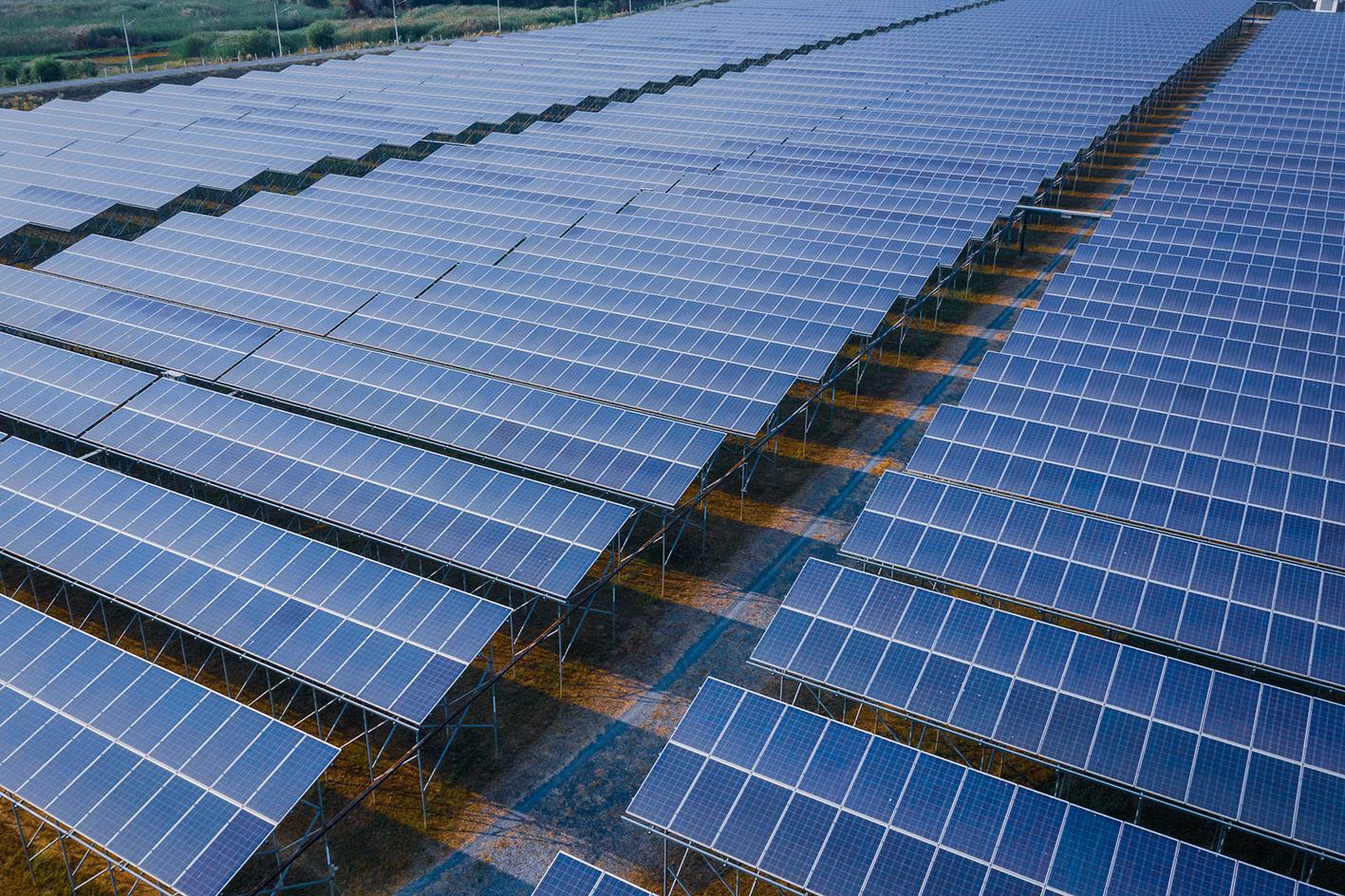
Solar panels in Thailand.
For companies, the initial focus is therefore on implementing those measures that promise high emissions savings with low investment costs, and possibly cost savings in the medium term. This may involve better insulation of a cold storage facility, or the construction of solar roofs to operate warehouse logistics. By contrast, the purchase of an electric truck costing several hundred thousand dollars is unlikely to be economically viable in the foreseeable future, except in a few specialised market niches.
Thailand is only at the beginning of green logistics. By far the majority of logistics providers in the country are small, financially weak companies that only take green measures if they immediately promise demonstrable cost efficiency. The drivers of green logistics must
therefore be the larger market participants, including the many foreign logistics firms operating in the country. They are able to invest in lower emission operating processes and bridge longer periods until these become economically viable. Yet even for them, the path towards green freight transport in Thailand is not a sprint, but a marathon.
Contact details:
Frank Malerius Director
Thailand, Cambodia, Myanmar and Laos German Trade & Invest (GTAI) https://www.gtai.de/en/invest
Source:
Logistics cost structure in 2024
Sustainable logistics in motion: From Europe to Southeast Asia
Jesper Larsen
As global supply chains evolve under growing environmental pressure, logistics providers are being challenged to turn ambition into tangible action. The challenge is no longer just about moving goods efficiently, but about doing so with a clear awareness of environmental impact.
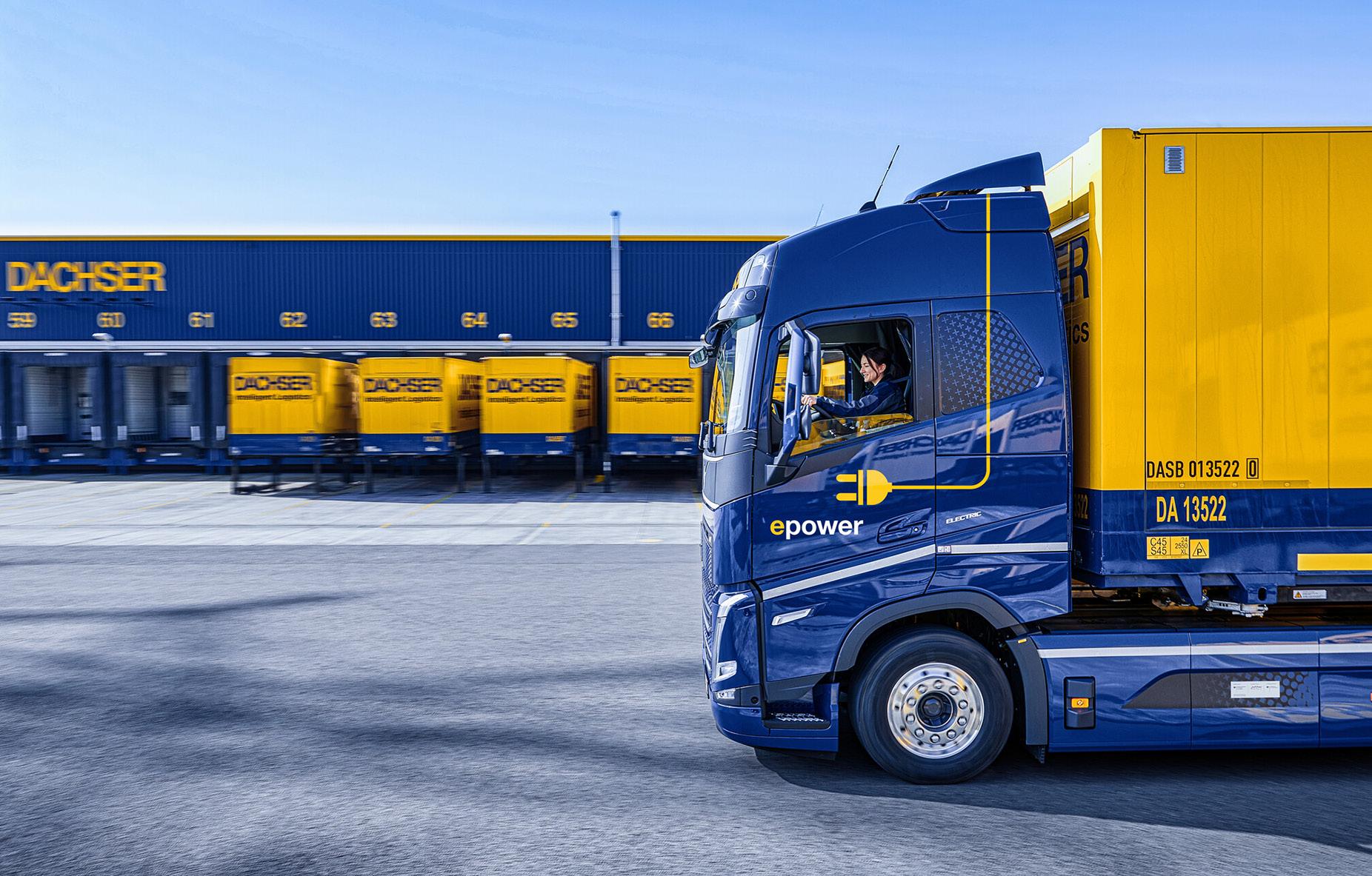
Across Europe, practical solutions are already taking shape — from emission-free urban deliveries to lower-emission freight options. Companies like Dachser have been steadily advancing on this path, developing practical
solutions that reduce emissions while maintaining efficiency and reliability.
From emission-free urban deliveries in Europe to lower-carbon freight options worldwide, the company’s experience offers useful perspectives for regions like Thailand, where sustainability is becoming an increasingly important part of logistics strategy.
FROM STUTTGART TO BANGKOK: WHAT COULD EMISSION-FREE CITY DELIVERIES LOOK LIKE?
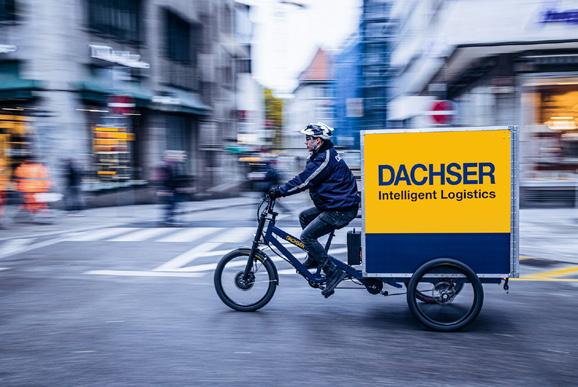
In 25 cities across Europe, Dachser has introduced emission-free delivery zones that rely on a mix of electric trucks, cargo bikes, and micro-depots positioned close to city centres. The idea is simple: reduce emissions where they matter most — densely populated urban areas — while keeping deliveries reliable.
Bringing a similar concept to Bangkok would require thoughtful adaptation. Cities in
Southeast Asia operate under very different conditions — from traffic patterns to infrastructure readiness. One of the key lessons from Europe is that success depends on more than just switching vehicles. Charging infrastructure, urban planning, and supportive policies all play a role as well. Equally important is collaboration — between logistics providers, local authorities, and businesses.
Thailand has already taken steps toward electric mobility, and that momentum could support future pilot projects in urban logistics. While a full rollout may not happen overnight, smaller-scale initiatives could demonstrate what is possible and build confidence over time.
SUSTAINABLE AIR AND SEA FREIGHT: WHAT THAI EXPORTERS CAN DO TODAY
For many exporters, the biggest share of emissions lies not in last-mile delivery, but in long-distance transport. Air and sea freight
remain essential to global trade, yet they also present opportunities for more sustainable choices.
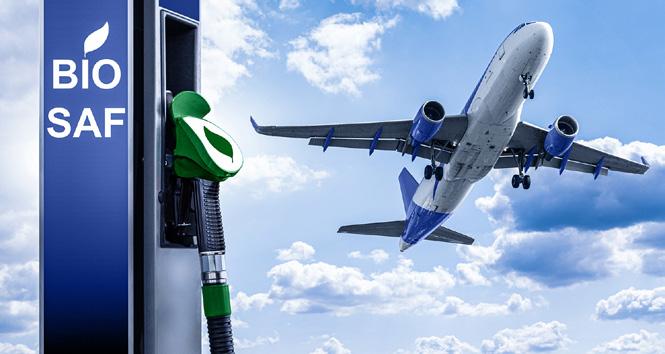
Dachser offers access to Sustainable Aviation Fuel (SAF) through a flexible system that allows customers to reduce emissions regardless of shipment size or route. This is supported by CO₂ reduction certification, helping companies track and communicate their progress.
At the same time, fuel alternatives are only part of the story. Often, the most effective way to reduce emissions is by improving how supply chains are designed. Better coordination, fewer empty runs, and smarter scheduling can make a meaningful difference — sometimes more than switching fuels alone.
EFFICIENCY AS A PRACTICAL SUSTAINABILITY LEVER
Sustainability does not always start with new technology, however. Often, it comes from improving processes. At Dachser, Supply Chain Optimisation (SCO) is an approach that focuses on making transport networks more efficient through better route planning, higher load utilisation, and smarter coordination across the supply chain.
The impact is straightforward: fewer trips, lower fuel consumption, and reduced emissions. Combining different modes of transport — such as road and sea — can further enhance these gains by shifting cargo to more efficient options where possible.
For Thailand, where logistics networks continue to develop, this represents an opportunity to build efficiency into the system from the beginning. Rather than retrofitting solutions later, companies can
“ At Dachser, Supply Chain Optimisation (SCO) is an approach that focuses on making transport networks more efficient through better route planning, higher load utilisation, and smarter coordination across the
design supply chains that are both costeffective and environmentally responsible from day one.
BRIDGING TODAY AND TOMORROW: PRACTICAL STEPS TOWARDS LOWER EMISSIONS
While the long-term vision for logistics includes zero-emission transport, the transition will take time. In the meantime, a range of practical solutions can help reduce environmental impact today. These include the use of SAF, alternative fuels, and energy-efficient operations across transport and warehousing. Even incremental improvements — such as better load planning or reducing packaging — can add up to significant results over time.
For markets like Thailand, these steps are especially relevant. They allow businesses to move forward immediately, without waiting for infrastructure or new technologies to fully mature. Sustainability, in this sense, becomes a continuous process rather than a distant goal.
LOOKING BEYOND TRANSPORT: RESPONSIBILITY IN A BROADER SENSE
Sustainability is not limited to emissions. Through its Corporate Citizen+ initiative, Dachser supports social projects around the world, including long-term partnerships with organisations such as Terre des Hommes. These efforts focus on improving access to education, supporting community development and address the impacts of climate change.
This broader approach reflects a shift in how logistics companies define their role. Beyond moving goods, they are increasingly expected
supply chain.”
to contribute positively to the communities they operate in.
In Southeast Asia, where economic growth and social progress go hand in hand, this perspective is particularly relevant. Responsible logistics means considering not only environmental impact, but also social value.
MOVING FORWARD
Thailand is positioning itself as a key logistics hub in the region, and sustainability will be an important part of that journey. The experiences of Dachser show that meaningful progress is already possible — through a combination of innovation, efficiency, and collaboration.
From emission-free deliveries in European cities to more sustainable freight solutions globally, the path forward is not defined by a single breakthrough, but by many practical steps. Adapting these ideas to local conditions will be essential.
As expectations continue to rise, the emphasis is shifting from setting targets to putting solutions into practice. That shift brings a real opportunity — not only to reduce environmental impact, but also to build supply chains that are better prepared for the future.
Contact details:
Jesper Larsen Managing Director
Air & Sea Logistics South East Asia
Dachser (Thailand) Co., Ltd.
Tel. +66 2 080 3830
Jesper.Larsen@dachser.com www.dachser.com
Thailand logistics at a sustainable turning point
Rhenus Logistics Co., Ltd., Thailand
Sustainability is redefining what global supply chains are expected to deliver. Driven by evolving international regulatory frameworks, European ESG guidelines, and consumer expectations, companies across Southeast Asia are playing a growing role in supporting more transparent and lowercarbon supply chains.
For export-driven markets such as Thailand, this creates new opportunities for companies to strengthen their position within global networks. Supported by existing strong manufacturing capabilities and government policies to attract foreign direct investment in key industries, Thailand is growing its importance as regional hub with close trade connections within Asia Pacific and other international markets globally.
At the same time, sustainability is no longer viewed as a long-term ambition or “niceto-have” initiative. Beyond speed and cost efficiency, customers and stakeholders now expect greater transparency on emissions and clear efforts to reduce environmental impact.
A key focus for many companies is managing Scope 3 emissions: the indirect greenhouse gas (GHG) emissions generated across the wider supply chain outside a company’s direct operational control. These emissions often account for the largest share of a
company’s carbon footprint yet remain among the most difficult to measure and manage effectively.
CHALLENGES AND PROGRESS IN SOUTHEAST ASIA
The shift toward more sustainable logistics in Southeast Asia is gaining momentum, although progress across the region remains uneven. Slower infrastructure development, cost pressures, and the fragmented complexity of regional supply chains continue to influence the adoption of lower-carbon solutions such as electric vehicle fleets, sustainable aviation fuel (SAF), and biofuels.
Meanwhile, countries across the region are strengthening their sustainability commitments. In Thailand, the cabinet recently approved an updated Nationally Determined Contribution (NDC 3.0), accelerating the country’s net-zero emissions target from 2065 to 2050 and reinforcing its national direction toward decarbonisation.
TURNING STRATEGY INTO DAILY ACTION
For global logistics providers such as Rhenus, sustainability is becoming part of everyday operations. ESG principles are embedded across the value chain, through a clear
three-step approach focused on emissions reduction, and sustainable supply chain decisions:
1. Providing transparent emissions measurement using credible methodologies
2. Optimising transport and routing options
3. Supporting the use of alternative fuels such as SAF and biofuels
As part of its sustainability strategy, Rhenus focuses on measurable and transparent actions, and was recognised with the EcoVadis Platinum rating in December 2025, placing the company among the top-performing organisations globally for sustainability performance. To further strengthen transparency and credibility, Rhenus also works closely with organisations such as the Smart Freight Centre, UN Global Compact, and EcoTransIT, supporting internationally recognised standards for emissions calculation, reporting, and responsible business practices.
Operationally, this means implementing standardised emissions reporting methodologies, improving data quality across transport activities, and enabling customers to better manage their Scope 3 emissions. Rhenus is additionally ISO 14064 certified, demonstrating that its GHG emissions data collection, and reporting
processes are aligned with internationally recognised verification standards.
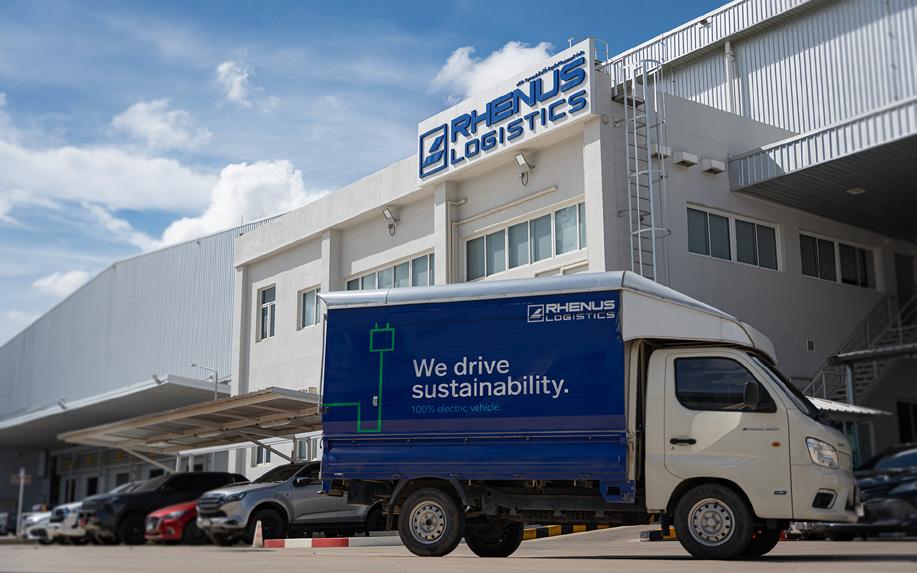
Beyond international air and ocean freight services, the company continues to expand multimodal transport solutions combining road, rail, and barge services to optimise transport flows and reduce emissions across the wider supply chain. In Thailand, Rhenus has also invested in last-mile EV distribution across Bangkok, helping reduce emissions and noise pollution while supporting customers to meet more sustainable urban logistics requirements.
MEASURING WHAT MATTERS
As sustainability becomes a stronger factor in logistics procurement and corporate brand strategies, reliable emissions measurement and transparent emissions data is increasingly important for informed decision-making and measurable action.
Rhenus Thailand, for example, supports the domestic distribution of an international beverage company in Bangkok using electric vehicles, helping align transport operations with the customer’s sustainability positioning promoting their brand focus on a healthy and conscious lifestyle.
Timo Herbst, General Manager Business Development at Rhenus Thailand, Myanmar & Cambodia, explains that “For many manufacturers, sustainability has become an integral part of their brand identity and long-term business strategy. As strategic partners, collaboration is key to helping our customers turn these commitments into practical supply chain actions while improving emissions visibility and identifying reduction opportunities.”
The longstanding partnership between Rhenus and Hilti, a global construction tools and technology company, demonstrates how logistics partners can contribute to broader company sustainability strategies and commitments. Rhenus supports Hilti with warehousing, value-added services, and daily last-mile deliveries across the Bangkok Metropolitan Area.
Driven by Hilti’s strong commitment to significantly reduce emissions across its entire value chain by 2033, the company has been able to already achieve CO2 neutrality
“As part of its sustainability strategy, Rhenus focuses on measurable and transparent actions, and was recognised with the EcoVadis Platinum rating in December 2025, placing the company among the top-performing organisations globally for sustainability performance.”
in its own operations, while gaining reliable insight into logistics-related Scope 3 emissions remained a key priority.
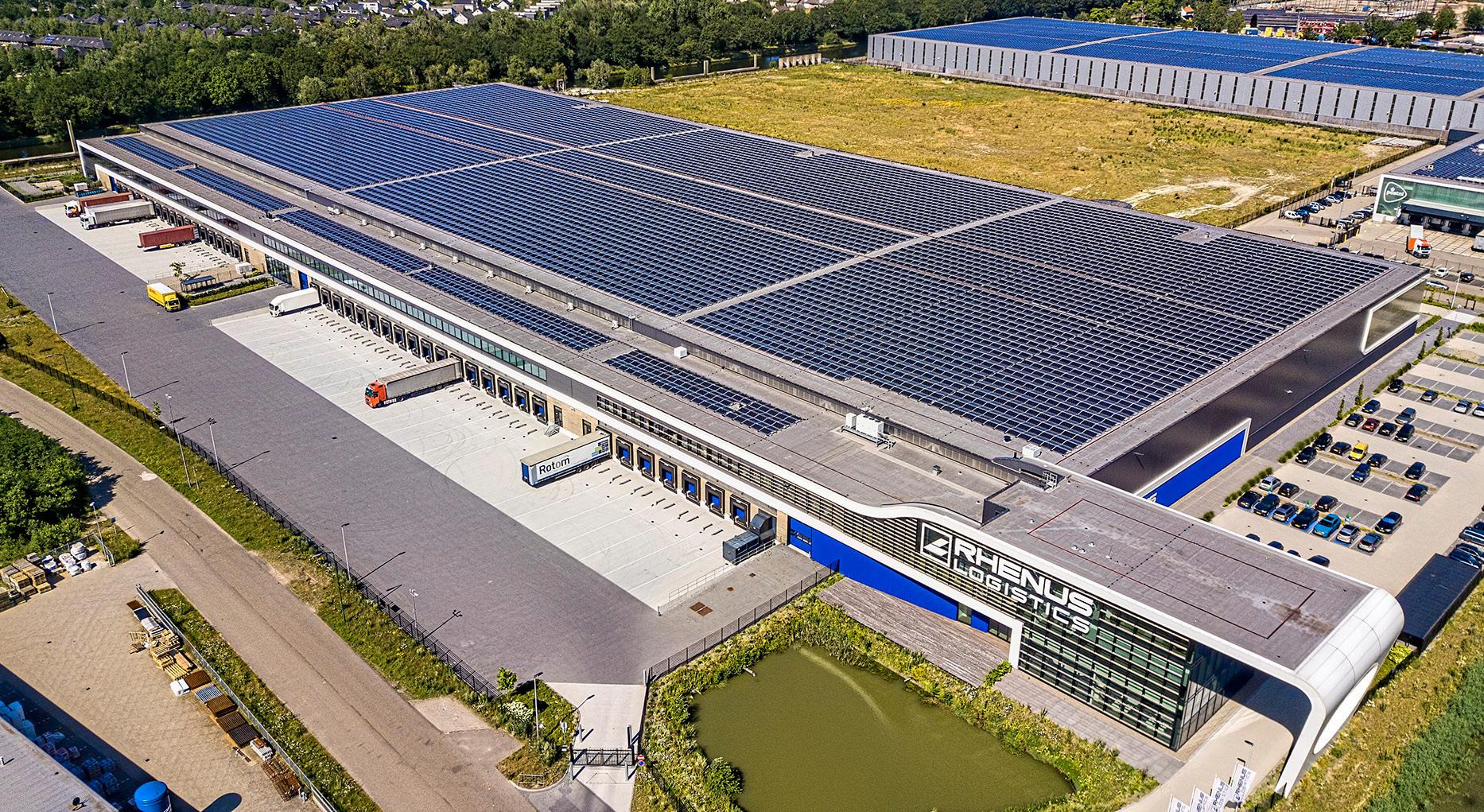
To improve transparency, Rhenus introduced regular CO2e (carbon dioxide equivalent) emissions reporting, covering both warehouse operations and last-mile distribution activities. Building on this collaboration, both companies are now exploring additional reduction initiatives, including the installation of solar panels at the warehouse and the future deployment of EV trucks for urban deliveries.
“Sustainability becomes meaningful when visibility leads to action, starting with getting Scope 3 data right across every part of the supply chain,” said Peter F. Clark, Regional Head of Logistics, Hilti South Asia Pacific.
FROM GOALS TO REAL PROGRESS: A SHARED PATH FORWARD
For Rhenus, turning sustainability ambitions into practical and measurable action is already underway. The company aims to
convert all owned vehicles to electric by 2030 where feasible, transition toward renewable electricity, and further strengthen emissions visibility through digital tools and reporting capabilities. As with many markets in the region, progress will continue to depend on infrastructure development, energy availability, and local market readiness.
As Nitipon Tansakul, Global Head of Sustainability, Rhenus Air & Ocean, has said “Sustainability can no longer be separated from how we run logistics. Our focus is on making sustainability practical for every customer. The future will be defined by transparency, collaboration and action, and we are committed to shaping that future together.”
Contact details: Rhenus Logistics Co., Ltd., Thailand Tel: +66-2-2615380 www.rhenus.com
WHA Group: Driving Thailand's transition to a green economy
WHA Group
WHA Group is a leading player in logistics, industrial development, utilities, power, digital solutions and green mobility across Thailand and Southeast Asia. We believe business competitiveness and sustainability must advance together. Guided by our mission – "WHA: Shape the Future for Thailand" – we are transforming into a technology-driven organisation that integrates innovation and ESG principles (environmental, social, and governance) across our entire business ecosystem. Our long-term commitment includes achieving Net Zero greenhouse gas emissions by 2050, while actively developing and investing in businesses that accelerate the green transition.
SHAPING THE FUTURE OF THAILAND’S GREEN LOGISTICS
Transportation is one of the three largest sources of carbon emissions in Thailand, alongside power generation and industry. Road transport remains the country's dominant mode of transportation, accounting for nearly 80 per cent of total transport activity. The road transport sector is estimated to generate more than 65 million tons of carbon emissions annually, accounting for over one-quarter of the country's total emissions.
Thailand's EV market is gaining momentum, but the transition remains in its early stages. In 2025, passenger EV adoption stands at 2.2 per cent, reflecting a sharp 76.3 per cent year-onyear surge in sales. Yet in a global context, Thailand's penetration rate remains modest and commercial segments trail further behind, at only 0.1 per cent.
The commercial segment, however, faces a distinct set of challenges. High upfront investment costs, underdeveloped charging infrastructure, questions around battery performance for heavy-duty use, and limited maintenance ecosystems continue to slow adoption. For operators looking to electrify their fleets, the barriers are more about readiness – creating a clear opening for solution providers who can bridge the gap between ambition and practical implementation.
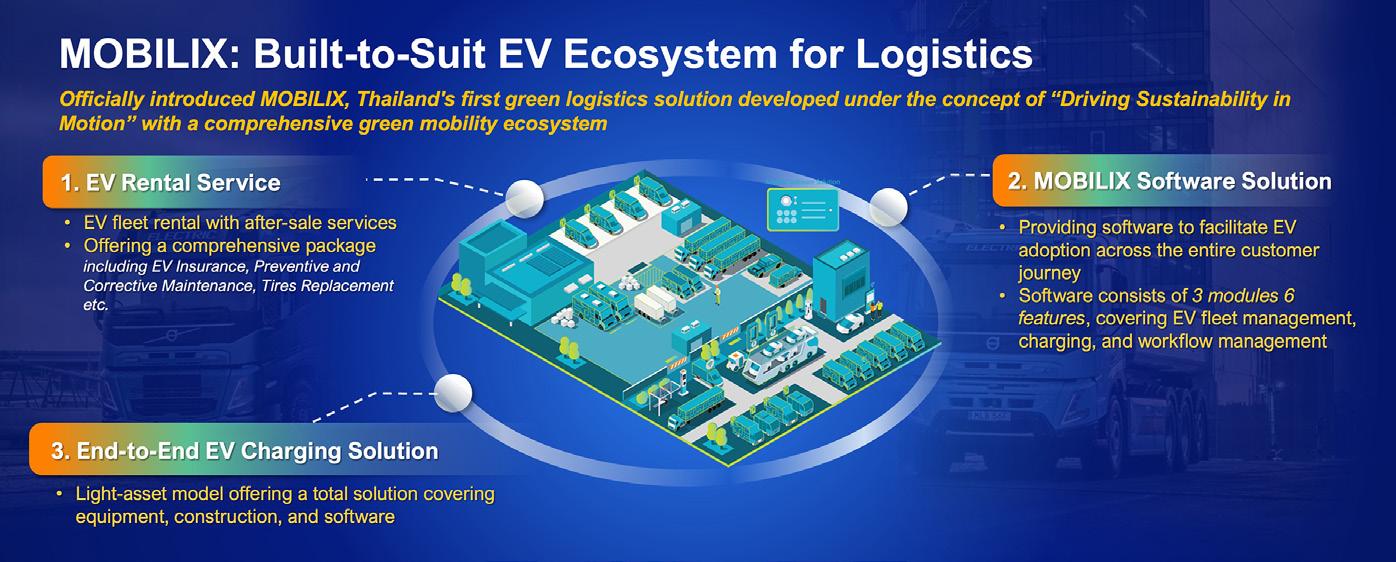
WHA Group introduced Mobilix in March 2024 as Thailand’s first fully integrated green logistics solutions provider to solve these challenges and accelerate green mobility in Thailand’s commercial sector. Developed under the concept ‘Built-to-Suit EV Ecosystem for Logistics’, Mobilix is built to make this transition both accessible and practical. It delivers end-to-end solutions across three core pillars.
The first is a comprehensive EV Rental Service – a full-service fleet solution designed for corporate and logistics operators. Beyond providing electric vehicles, Mobilix can customise fleets with cargo boxes and specialised equipment to suit different operational needs. The service also includes insurance, preventive maintenance, regular vehicle inspections, and comprehensive after-sales support, allowing customers to adopt EVs without significant upfront capital investment while ensuring maximum fleet reliability and uptime.
The second pillar is the Mobilix Software Solution, an intelligent digital platform that connects vehicles, batteries, chargers, and fleet operations in real time. The system enables operators to track vehicle locations, monitor battery health, perform predictive maintenance, and analyse driving behaviour to improve efficiency and safety. Beyond vehicle monitoring, the platform includes transportation workflow management capabilities, including route optimisation, transportation sequencing, and electronic proof of delivery (e-POD), helping customers streamline their entire logistics operation. Moreover, it also integrates with the
“ WHA Group introduced Mobilix in March 2024 as Thailand’s first fully integrated green logistics solutions provider […]”
charging network through functions such as charger reservation, charge logging, and energy management.
The third pillar is an end-to-end EV Charging Solution. Mobilix develops both dedicated charging infrastructure for corporate customers and public charging networks in strategic locations. For dedicated charging projects, Mobilix can invest in, install, and operate the charging infrastructure, removing the need for customers to commit large capital expenditures. The service covers the entire lifecycle – from system design and installation to after-sales service and scheduled maintenance – ensuring longterm operational reliability. Together, these three pillars help Thailand's logistics sector transition to electric mobility in a practical, sustainable, and scalable way.
Beyond electrification, Mobilix is committed to maximising the value of every asset throughout its lifecycle. Its battery management strategy focuses on extending battery use through second-life applications, such as repurposing retired EV batteries for energy storage systems supporting solar power projects. At the end of their useful
life, batteries can be recycled or returned to original equipment manufacturers (OEMs) for responsible processing. This circular approach maximises resource utilisation and supports Mobilix's long-term ambition of moving toward zero waste.
Today, Mobilix leases out over 400 vehicles and has a more than 120 chargers network across strategic locations, and continues to grow to support customer transitions.
SUSTAINABILITY AND TECHNOLOGY: THE FOUNDATIONS OF OUR BUSINESSES
At WHA Group, sustainability and technology are embedded across every business we operate. Our integrated ecosystem spans logistics facilities and mobility, industrial estates, utilities, power, and digital solutions. Across more than three million square metres of logistics facilities, in over 60 strategic locations, our infrastructure combines smart building technologies, energy-efficient design, and rooftop solar.
Our Smart Eco Industrial Estates bring together digital technologies and intelligent
operations to create industrial communities that are safer, greener, and more productive. The utilities business advances water resilience through integrated water solutions and a commitment to water-positive growth, while our power business supports customers' decarbonisation journeys through renewable energy, solar, battery energy storage system (BESS), and tailored RE100 pathways. Together, these capabilities form the sustainable infrastructure backbone of Thailand's industrial and green transition.
This commitment has earned international recognition. In 2025, WHA Group was included in the S&P Global Sustainability Yearbook for the fourth consecutive year and ranked among the top 1per cent globally in the S&P Global Corporate Sustainability Assessment for the Real Estate sector for the second consecutive year.
For us, sustainability is not separate from business strategy – it is the foundation of long-term competitiveness and growth.
Asia-Pacific Sustainable Aviation Fuel (SAF) market at a turning point
Dr. Pramote Puengjinda
The Asia-Pacific (APAC) region is becoming a key arena for aviation decarbonisation. As international climate regulations tighten, and airlines face increasing pressure to reduce lifecycle greenhouse gas emissions, Sustainable Aviation Fuel or SAF has emerged as the most practical and scalable solution for reducing aviation emissions in the coming decades. While hydrogen-powered aircraft and electrification may play a role in the longer term, SAF is expected to remain the primary pathway for aviation decarbonisation through to 2050.
Global policy mechanisms such as ICAO’s CORSIA, and the European Union’s ReFuelEU Aviation regulation, are accelerating demand for certified SAF and influencing fuel supply chains worldwide. For APAC, where air traffic is projected to account for more than half of global passenger growth by the early 2040s, these developments create both a pressing challenge and a significant economic opportunity.
STRONG REGIONAL POTENTIAL MET BY UNEVEN MARKET READINESS
APAC possesses many of the conditions needed to become a global SAF production
hub. Australia offers abundant renewable energy resources and strong potential for green hydrogen production, while Japan, South Korea, and Singapore provide advanced policy frameworks, financing capabilities, and technology deployment platforms. Meanwhile, Southeast Asian countries such as Thailand, Indonesia, and Malaysia benefit from substantial biomass resources and well-established biofuel industries that can support SAF feedstock supply chains.
Despite these advantages, market readiness varies considerably across the region. While several countries have introduced SAF mandates or clear implementation pathways, many others remain at the stage of policy development, pilot projects, and voluntary targets. Regulatory fragmentation, inconsistent sustainability certification systems, and infrastructure limitations continue to slow large-scale deployment.
As the market evolves, competitiveness will depend on more than feedstock availability alone. Success will increasingly require integrated SAF ecosystems that combine supportive policies, robust certification systems, reliable logistics, financing mechanisms, and long-term offtake agreements.
BEYOND HEFA: EXPANDING THE SAF PATHWAY PORTFOLIO
Today’s SAF production is dominated by Hydroprocessed Esters and Fatty Acids (HEFA), which utilise lipid-based feedstocks such as used cooking oil, waste oils, and animal fats. Although HEFA remains the most commercially mature technology, concerns over the longterm availability of sustainable lipid-based feedstocks are becoming more pronounced.
Attention is therefore shifting toward next-generation SAF pathways capable of supporting larger production volumes and deeper emissions reductions. Alcohol-to-Jet (AtJ), FischerTropsch (FT), Power-to-Liquids (PtL), and hybrid Power-and-Biomass-to-Liquids (PBtL) technologies are gaining strategic importance among both policymakers and industry stakeholders.
Among these pathways, AtJ is attracting growing interest in APAC due to the region’s established ethanol production capacity, particularly in countries such as Thailand and India. At the same time, PtL technologies based on renewable hydrogen and captured carbon are increasingly viewed as essential long-term solutions for achieving near-zero lifecycle emissions and meeting future sustainable aviation fuel demand.
THAILAND’S EMERGING ROLE IN THE REGIONAL SAF LANDSCAPE
Thailand is positioning itself as one of Southeast Asia’s most promising SAF markets. The country benefits from a mature biofuel sector, abundant agricultural resources, existing ethanol production infrastructure, and expanding renewable energy deployment. Current policy discussions envisage SAF blending beginning at around 1 per cent from 2026, gradually increasing to 1–2 per cent by 2030 and potentially reaching 8 per cent by 2036 under the Alternative Energy Development Plan (AEDP). Although these targets remain indicative, they provide an important signal to investors regarding Thailand’s long-term commitment to SAF development.
A key advantage for Thailand lies in its ability to leverage existing ethanol production and agricultural supply chains to support Alcohol-to-Jet (AtJ) deployment. In parallel, ongoing developments in renewable hydrogen, carbon capture and utilisation (CCU), and low-carbon methanol could help establish the foundation for future eSAF and Power-to-Liquids (PtL) production.
Thailand’s strategic location within regional aviation and maritime corridors further strengthens its position. Industrial hubs such as the Eastern Economic Corridor (EEC), together with
“ For Thailand and the wider APAC region, SAF is more than a decarbonisation tool for aviation.”
major logistics assets including Laem Chabang Port and Map Ta Phut Industrial Port, offer strong potential to support both SAF production and broader low-carbon fuel trade across the region.
THE CRITICAL DECADE AHEAD
Despite growing momentum, SAF commercialisation still faces significant challenges. High production costs relative to conventional jet fuel, capital-intensive investments, policy uncertainty, feedstock constraints, and limited long-term demand commitments remain key barriers to scale. Sustainability certification, feedstock traceability, and market transparency are also becoming increasingly important as international compliance requirements evolve.
The coming decade will be decisive. Governments, airlines, fuel producers, financial institutions, and technology providers will need to work in parallel to create the conditions necessary for largescale investment. Policy incentives, blending mandates, sustainability frameworks, and bankable offtake agreements must develop together to provide long-term market certainty.
For Thailand and the wider APAC region, SAF is more than a decarbonisation tool for aviation. It represents an opportunity to build new industrial value chains, strengthen energy security, attract green investment, and position the region as a leading supplier in the emerging global market for sustainable fuels. Countries that successfully align policy ambition, resource availability, and commercial execution over the next decade will be best placed to capture the economic value of aviation’s transition toward net zero.
Contact details:
Dr. Pramote Puengjinda Senior Energy Advisor
GIZ Thailand | Energy Office – H2Uppp Programme
Deutsche Gesellschaft für Internationale Zusammenarbeit (GIZ) GmbH www.thai-german-cooperation.info
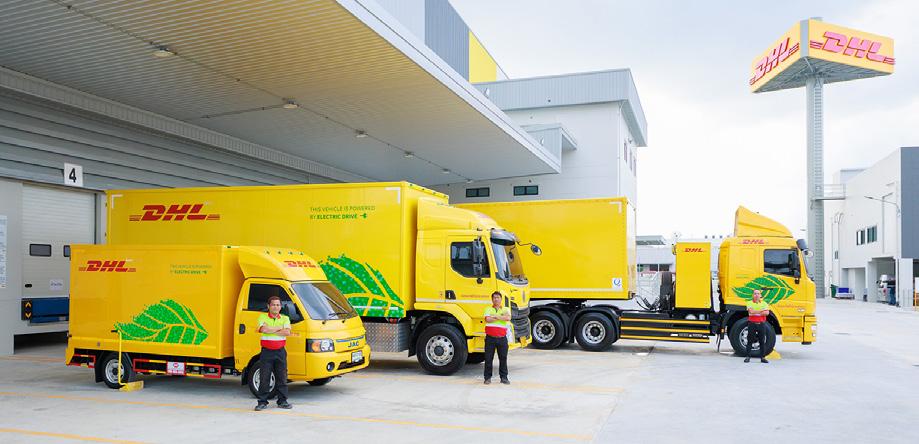
The sustainability shift DHL is redefining logistics in Thailand
Steve Walker
Sustainability is transforming the logistics industry, making environmentally responsible supply chains a competitive necessity. DHL Supply Chain Thailand is leading the change in sustainable logistics, embedding low carbon logistics initiatives into its core business strategy. From pioneering Asia's first fully solarpowered warehouse to expanding electric vehicle fleets, the company demonstrates how environmental responsibility and operational excellence can drive competitive advantage across the ASEAN region. UPDATE interviews Steve Walker, Chief Executive Officer, DHL Supply Chain Thailand Cluster, on the company's strategic aspiration to become the Green Logistics of Choice and redefine logistics in Thailand.
Why have lower carbon logistics become a major industry focus now? How does DHL define it beyond carbon reduction targets?
Sustainability is no longer optional but a core business driver, with ESG considerations increasingly influencing investment decisions and supply chain strategies. With our strategic aspiration to be the Green Logistics of Choice alongside our priorities of being the Employer of Choice, Provider of Choice, and Investment of Choice, we have embedded sustainability into our Strategy 2030 to create measurable value for customers, employees, and communities.
This approach integrates environmental goals with operational excellence and profitability, while also helping customers decarbonise their supply chains through renewable energy & sustainable fuels, electric transport, and advanced carbon reporting capabilities.
Which sustainable logistics initiatives is DHL most proud of today, and have any of them become benchmarks or models of excellence for subsidiaries worldwide?
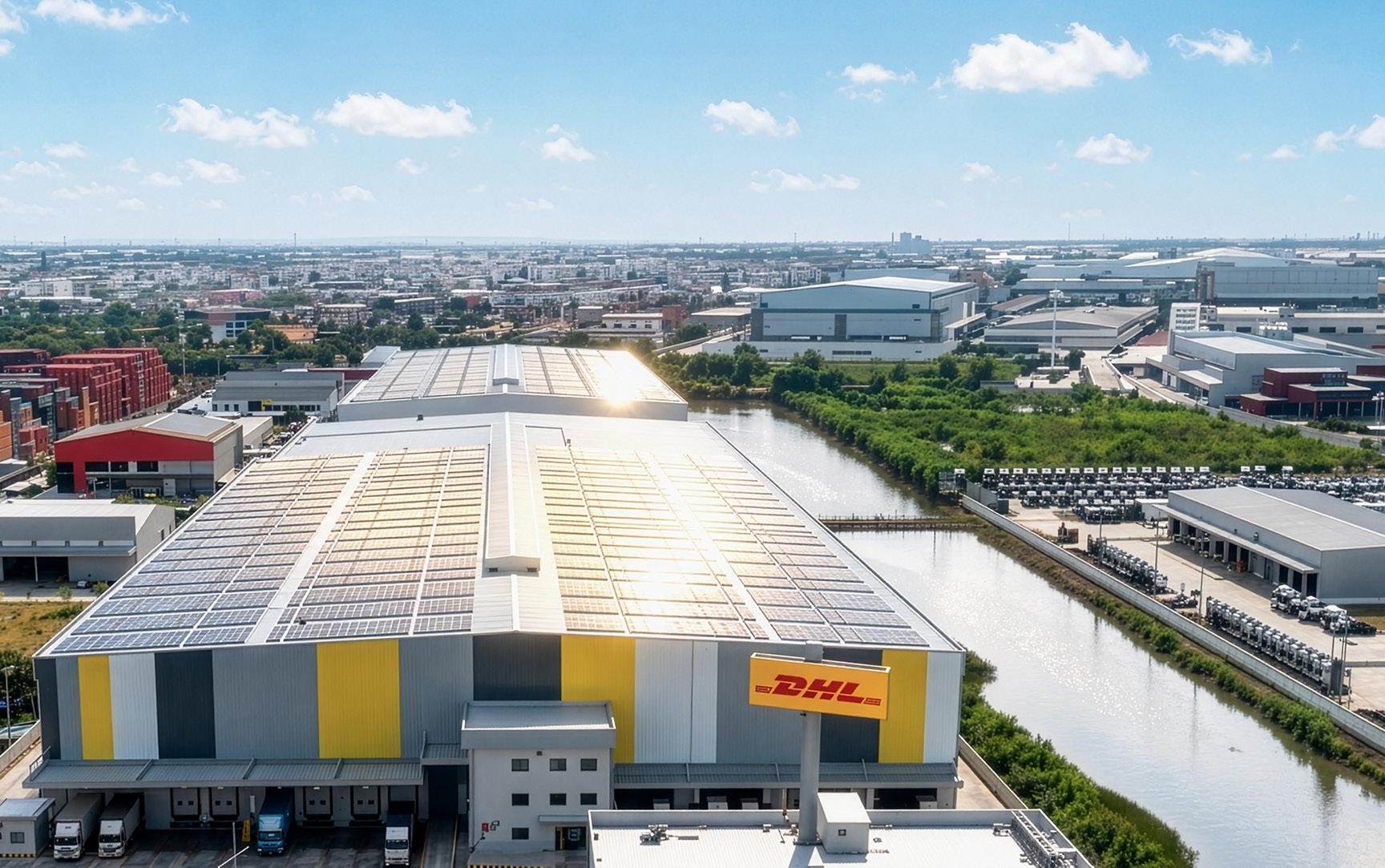
We are most proud of the Bangna Sustainable Logistics Center (BSLC), our first renewable energy warehouse globally fully powered by
on-site solar systems. This facility is a flagship initiative that goes beyond a single project, setting a new sustainability standard for the organisation. It has effectively become a benchmark and blueprint for future DHL Supply Chain warehouse developments in Thailand, demonstrating how lower carbon logistics solutions can be implemented at scale while maintaining operational excellence.
How is DHL Supply Chain balancing sustainability goals with the need for operational efficiency and cost competitiveness in Thailand?
We balance them by integrating renewable energy, automation, and smart systems into our operations. Facilities such as the BSLC are powered entirely by solar energy supported by advanced battery storage systems, which reduces long-term energy costs and mitigates exposure to price volatility. At the same time, advanced automation and intelligent systems ensure high productivity and reliability, allowing sustainability initiatives to complement rather than compromise operational performance. Through our GoGreen Plus service, DHL also enables customers to meet sustainability targets without sacrificing efficiency.
Thailand is positioning itself as a regional logistics hub. How can sustainable logistics become a competitive advantage for the country in the ASEAN market?
Governments and the private sector can work together to accelerate lower carbon logistics by creating the right incentives and enabling environment. This includes encouraging companies to adopt or generate renewable energy, deploy electric vehicles, and invest in sustainable warehouse technologies. From our perspective, our investment in Thailand’s first fully solar powered warehouse demonstrates that sustainability can go hand in hand with business growth. By aligning policy support with industry action and sharing best practices in sustainable operations, we can reduce emissions and scale supply chains more effectively across the region.
How are customers in Thailand responding to sustainable warehousing and transport solutions? Are you seeing measurable shifts in expectations or procurement requirements?
They are responding positively to sustainable warehousing and transport solutions, with a noticeable shift toward integrating sustainability into procurement and investment decisions. There is increasing demand for solutions that deliver measurable carbon emission reductions and support
ESG reporting requirements. DHL’s ability to provide certified emissions reductions and transparent reporting is helping to attract and retain customers who prioritise environmentally responsible supply chains.
DHL’s initiatives like electric vehicle (EV) fleets in Thailand signal tangible progress. What have been the biggest operational challenges in scaling these solutions?
The biggest operational challenge in scaling EV fleets in Thailand has been the limited availability of charging infrastructure for heavy-duty trucks nationwide, which makes it difficult to support longer-haul routes beyond urban and short-distance operations. While DHL has already deployed charging stations at selected strategic locations, the network needs to be extensive enough to ensure seamless long-distance transport, affecting route planning, vehicle utilisation, and turnaround times. This is why DHL partnered with Banpu NEXT—to accelerate the rollout of strategically located high-power charging stations along key corridors, while also integrating Connected Control Tower with route optimisation to improve efficiency.
How do the costs of implementing low carbon logistics solutions, particularly electric mobility, compare to traditional operations, and how are these costs evolving over time?
The costs of implementing lower carbon logistics solutions, particularly renewable energy, are becoming increasingly competitive over time. While there may be upfront investments, solutions such as solar power provide significant long-term cost advantages by reducing energy expenses. Switching from fossil fuel powered vehicles to electric can also cushion against rising fuel prices. This results in a stronger overall cost structure and improved competitiveness compared to traditional operations in the long run.
How can policy makers enable and support the transition of low carbon logistics in Thailand particularly for EV adoption and renewable energy integration?
The biggest barriers to accelerating lower carbon logistics in Thailand are the limited nationwide charging infrastructure for
commercial EVs, especially for long-haul transport, and the need for significant investment in integrated energy systems such as solar, battery storage, and charging at scale. While EV adoption is progressing, deployment beyond short-distance routes remains constrained until charging networks are more widely available and reliable. At the same time, scaling renewable energy integration requires complex infrastructure upgrades and upfront investment, while evolving regulatory environments and trade requirements add further complexity to implementation. This highlights that the key challenge is not just vehicle adoption, but building a fully connected ecosystem of infrastructure, energy, and policy support.
What were the key considerations when designing the Bangna Sustainable Logistics Center (BSLC), and which technologies or innovations have proven most effective so far?
The design of the Bangna Sustainable Logistics Center (BSLC) was driven by a few key considerations: achieving true end-toend decarbonization, ensuring operational reliability, and creating a scalable, integrated model that could be replicated across other sites. Rather than relying on external renewable energy certificates, the focus was on generating and managing energy on-site leading to the use of a large-scale solar PV system, supported by battery storage and smart energy management to ensure stable operations. At the same time, the facility was designed holistically, combining warehouse efficiency, transport decarbonization, and digital monitoring into one integrated system, so that sustainability is embedded into daily operations rather than treated as a standalone initiative.
In terms of technologies, several innovations have proven particularly effective. First, the on-site solar generation system, combined with battery energy storage (BESS), has been critical in enabling 100% renewable energy powered operations—not just during the day, but around the clock—addressing one of the biggest challenges in renewable logistics: energy reliability. In addition, smart energy management systems and metering provide real-time visibility into energy use and emissions, allowing better optimization and accountability.
“ We are most proud of the Bangna Sustainable Logistics Center (BSLC), our first renewable energy warehouse globally fully powered by on-site solar systems.”
Another key innovation is the integration of EV infrastructure directly into the facility, including solar-powered charging stations. Supporting technologies such as energyefficient building systems (e.g., LED lighting, cooling, and automation) further enhance overall efficiency and reduce energy demand.
What tangible impact has the BSLC generated so far?
The BSLC has already demonstrated tangible impact by proving that a fully solar powered logistics facility can deliver both environmental and operational value at scale. It has achieved significant carbon reductions around 3,300 tonnes of CO₂e annually when combining warehouse operations and EV-enabled transport while also generating substantial renewable energy and reducing long-term energy costs, showing that sustainability can go hand in hand with efficiency and cost performance. Importantly, BSLC also addresses reliability concerns through integrated systems such as battery storage and smart energy management, ensuring stable operations beyond just daytime solar generation.
In terms of scalability, BSLC is not designed as a standalone flagship, but as a replicable model. The integrated approach bringing together renewable energy generation,
storage, EV charging, and operational integration is already serving as a standardized playbook that can be adapted and rolled out across DHL Supply Chain’s global operations, making it a practical blueprint for scaling lower carbon logistics infrastructure.
How does DHL Supply Chain work with local suppliers and transport partners to ensure sustainability standards are implemented throughout the wider supply chain?
We work with local suppliers and transport partners by embedding sustainability practices across the broader ecosystem through a combination of collaboration, capability building, and practical implementation on the ground. This includes working closely with customers and partners through solutions like GoGreen Plus allowing customers to actively reduce their carbon emissions.
A key part of this approach is partnering with customers across sectors including retail, consumer, and manufacturing to accelerate the adoption of electric vehicles in real operations. DHL collaborates with these customers to deploy EVs for product delivery, ensuring that sustainability is integrated directly into end-to-end logistics flows and not just within DHL’s own fleet. This creates
demand and scale for lower carbon logistics solutions.
At the same time, DHL works closely with transport subcontractors to support this 'transition in a practical and scalable way. This includes initiatives such as EV leasing models, which reduce the upfront investment barrier for subcontractors and enable them to switch from diesel vehicles to electric fleets more easily, ensuring alignment with sustainability standards while maintaining operational viability.
What are the next major sustainability milestones DHL Supply Chain hopes to achieve in Thailand over the next five years?
Looking ahead, we have a clear roadmap to scale lower carbon logistics in Thailand, building on the foundation set by the Bangna Sustainable Logistics Center and aligned with our Strategy 2030 and net-zero GHG emissions ambitions. Over the next five years, we will focus on expanding our EV fleet in close collaboration with customers to support nationwide emission-reduced transport.
At the same time, we are setting a new standard for infrastructure by ensuring that all newly built warehouses are powered by fully renewable energy, using BSLC as a blueprint. Together, these priorities reflect a holistic approach combining EV adoption, renewable energy, and sustainable infrastructure to strengthen Thailand’s position as a leading hub for lower carbon logistics in the region.
Steve Walker Chief Executive Officer
DHL Supply Chain Thailand Cluster
Contact details:
Naratta Chotigavanich
Marketing and Communications
General Manager
DHL Supply Chain Thailand
Tel: +66 2 7799808
supplychain-thailand@dhl.com
https://www.dhl.com/sg-en/home/ supply-chain.html
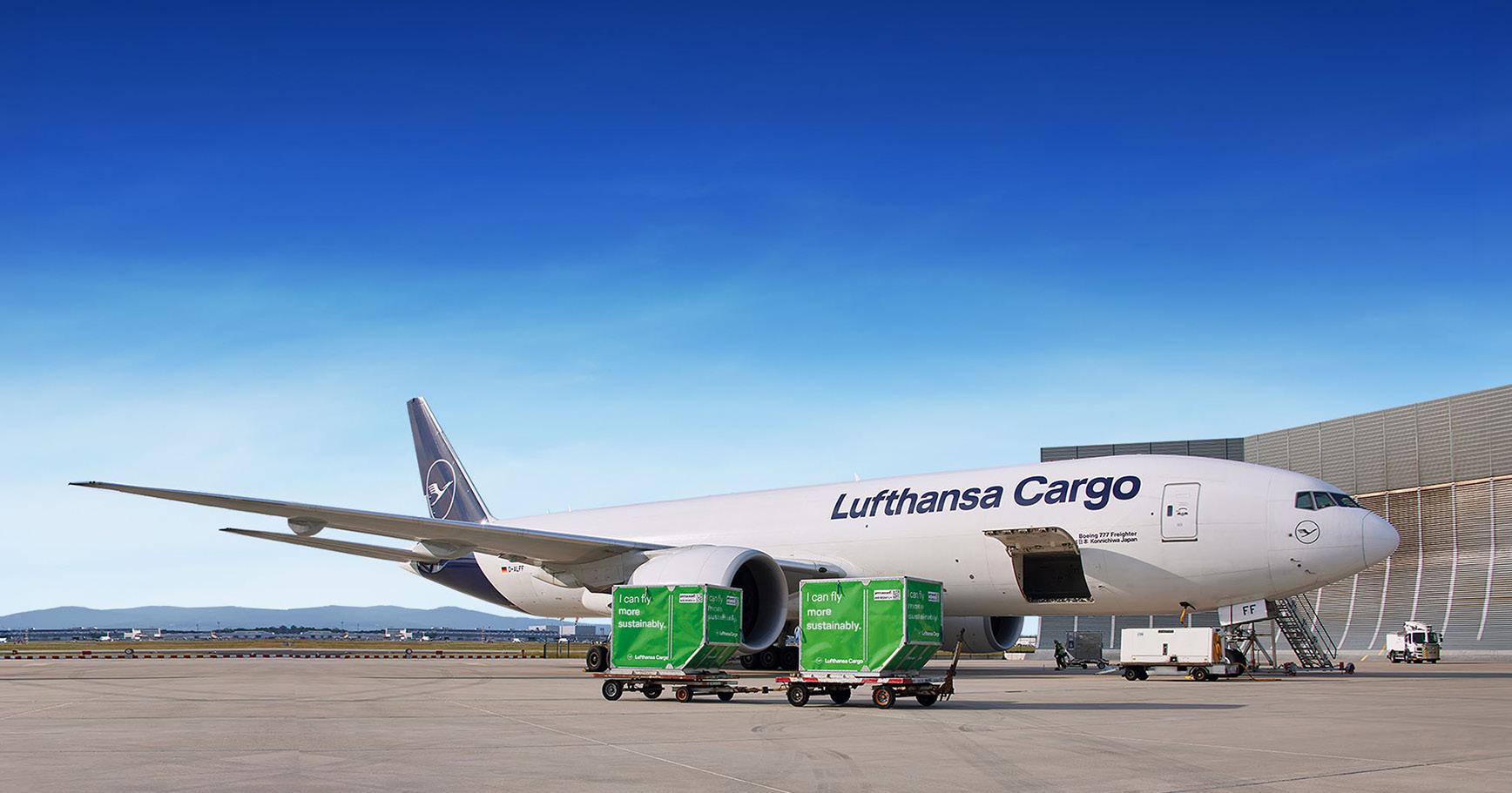
Beyond carbon: Lufthansa Cargo's vision for the future of air freight
Bettina Petzold
Sustainability is rapidly redefining the air cargo industry, with decarbonisation becoming a critical priority for future competitiveness and growth. Lufthansa Cargo is actively shaping this transition — from fleet modernisation and sustainable aviation fuels to digital solutions and supply chain collaboration. UPDATE discussed with Bettina Petzold, Head of Corporate Responsibility at Lufthansa Cargo, on the company's net-zero roadmap and how it is driving more sustainable and efficient air freight across global markets, including Southeast Asia.
Why has green logistics become a defining priority for Lufthansa Cargo, and how is it shaping the future of air cargo?
Sustainability has long been a strategic priority for Lufthansa Cargo, well before it became a global imperative. The company began its efforts over 20 years ago and introduced a comprehensive environmental management system across all departments in 2007. This early commitment has enabled continuous efficiency gains and the systematic integration of sustainable practices into operations.
With the growing importance of the Paris Agreement from 2019 onwards, Lufthansa Cargo has sharpened its targets in line with the Lufthansa Group, aiming to reduce CO₂ emissions by 50% by 2030 and reach net-zero by 2050. However, regulation is not seen as the main driver; sustainability is part of the company’s DNA and goes beyond compliance.
At the same time, the company recognises the environmental impact of air freight and its responsibility to act. Given its comparatively high carbon footprint, improving sustainability is both an obligation and a contribution to preserving resources for future generations. It is also closely linked to economic performance, as greater efficiency reduces emissions and resource use while strengthening competitiveness, making ecological and economic goals mutually reinforcing.
How do fleet modernisation and operational efficiency drive Lufthansa Cargo's emissions reduction strategy?
Fleet modernisation is the most important lever for reducing emissions in air cargo. Lufthansa Cargo completed its transition to a Boeing 777 freighter fleet in 2020, replacing older aircraft such as the DC-10, Boeing 747-400, and MD-11. This shift has already reduced CO₂ emissions by more than 50%.
Operating a uniform fleet ensures consistently high efficiency and maximises the impact of this technological choice. Looking ahead, the Boeing 777-8, expected around 2030, is projected to deliver a further 14% reduction in emissions. Lufthansa Cargo has already placed orders, underlining its long-term commitment to sustainability through continuous fleet modernisation.
How is Lufthansa Cargo positioning its sustainability strategy within the broader Lufthansa Group's net-zero commitments?
Our sustainability strategy is fully aligned with the Lufthansa Group’s net-zero commitments, working closely within the Group and using shared structures, systems, and processes. This is especially important for regulatory compliance. Frameworks such as CORSIA and the EU’s CSRD require extensive data reporting and auditing, which are centrally supported by the Lufthansa Group, ensuring consistency and efficiency across all entities. Lufthansa Cargo also contributes directly to the Group’s emissions targets and collaborates in areas such as fuel procurement, which is managed at Group level, while maintaining a distinct role in the business-to-business segment.
Scaling Sustainable Aviation Fuel depends on regulation, market development, and customer demand, all of which are still evolving and vary across regions.
In the European Union, SAF mandates such as ReFuelEU set minimum blending requirements, helping stimulate production and gradually reduce costs. However, global regulation remains fragmented, creating complexity for international operations. At the same time, the voluntary market is key, as Lufthansa Cargo enables customers to reduce emissions through certified SAF solutions tailored to a B2B environment. The focus is on waste-based fuels with high emissions reduction potential, where the cost per ton of CO₂ reduced is more relevant than fuel price alone. Robust certification systems ensure full transparency and traceability, preventing double counting and protecting against greenwashing risks.
Beyond SAF, which aircraft innovations will most transform air cargo sustainability by the next decade?
In the coming decade, the main impact of aircraft innovation will come from new freighter models such as the Boeing 777-8 and the Airbus A350, which are expected to deliver further efficiency gains. Technologies such as hydrogen or electric aircraft may become relevant, particularly for short- and medium-haul routes. For long-haul cargo, however, no breakthrough
alternative is currently in sight, so progress will mainly rely on incremental improvements and Sustainable Aviation Fuel.
Lufthansa Cargo is already applying such measures today. AeroSHARK technology reduces drag and fuel consumption, while more efficient flight routing based on weather conditions helps lower emissions. Smaller aerodynamic adjustments are also regularly tested. Their combined impact significantly improves overall efficiency.
How is Lufthansa Cargo leveraging AI and data to drive operational efficiency and sustainability?
Digitalisation is essential for achieving sustainability targets, as it enables precise measurement and management of emissions. Lufthansa Cargo relies on detailed, audited data to track CO₂ footprints across flights and routes, ensuring a high level of transparency. This data is used not only for reporting but also for decision-making. Through API integration, customers can access emissions data directly in their systems and choose more efficient transport options. Predictive models and digital twins further support internal optimisation by simulating routes and operational conditions.
Emissions data is already embedded in the booking process, allowing customers to compare options and reduce their carbon footprint. At the same time, the potential of artificial intelligence is not yet fully utilised, although large data volumes already exist, offering significant opportunities for deeper insights and further optimisation in the future.
What are Lufthansa Cargo's sustainability priorities for Southeast Asia, and what do you need from regional stakeholders to achieve them?
Lufthansa Cargo’s sustainability priorities in Southeast Asia focus on demand, regulatory clarity, and investment. A key challenge is how demand for sustainable solutions develops, whether driven by regulation, efficiency gains, or market expectations. Sustainable logistics is already affordable, as the additional cost of Sustainable Aviation Fuel typically adds only a few cents to end
products, but these costs need to be shared fairly across the value chain. Greater transparency and more standardised regulations are needed to improve comparability and scalability across markets. At the same time, stronger investment is essential to expand sustainable energy production and infrastructure, aligning demand, regulation, and capital to accelerate progress.
Which sustainability offerings drive the strongest customer demand in air freight?
Customer expectations in sustainable air freight are evolving, but adoption remains uneven. Lufthansa Cargo offers two main solutions to support emissions reduction through SAF.
The first is a digital option integrated into the booking process, where customers can view CO₂ emissions per shipment and choose SAF or offsetting. While scalable and forward-looking, uptake is still relatively low. The second, and currently dominant, model is based on longterm bulk agreements. These are typically concluded by sustainability departments and involve larger SAF volumes over a defined period with clear standards for quality, efficiency, and certification. Customers can then allocate these volumes across their operations.
“ Lufthansa Cargo’s sustainability priorities in Southeast Asia focus on demand, regulatory clarity, and investment.”
Southeast Asia is becoming an increasingly important manufacturing, trade, and l ogistics hub. How do you see sustainable air cargo evolving across the ASEAN region in the coming years?
Southeast Asia is expected to play an increasingly important role in sustainable air cargo, supported by strong investment in alternative energy. Many countries in the region are expanding production of Sustainable Aviation Fuel, mainly from waste-based feedstocks such as used cooking oil.
At the same time, there is growing interest in next-generation technologies, including e-fuels, hydrogen-based solutions, and carbon capture. While not yet scalable, these represent long-term pathways to reduce dependence on fossil fuels. Reducing this dependency is both an environmental and economic priority, making sustainability a key factor for global trade competitiveness. For Lufthansa Cargo, Southeast Asia, including Thailand, is a key growth market where investments in sustainable fuels and logistics solutions will further strengthen its role in global supply chains.
Customer expectations are also rising, with many companies now requiring measurable emissions reductions, making sustainability increasingly decisive in business relationships and future growth.
How can sustainable air freight strengthen Thailand's position as ASEAN's logistics gateway?
To strengthen its role as a logistics hub, Thailand needs to invest in sustainable air freight solutions. Sustainability is increasingly a prerequisite for global trade, particularly in regulated markets such as Europe. While Lufthansa Cargo can provide sustainable transport solutions, building local capabilities in sustainable energy and logistics infrastructure will be equally critical in positioning Thailand as a competitive and future-ready trade partner, and ultimately securing its place in global supply chains.
How do Thailand and ASEAN partnerships with fuel suppliers, forwarders, airports, and tech startups accelerate Lufthansa Cargo's sustainability agenda?
Partnerships across the supply chain are crucial to advancing sustainability, and continuous exchange with partners is essential. Lufthansa Cargo emphasises that progress depends on collaboration rather than working in isolation, with shared learning and alignment across markets as key drivers.
The company maintains an open approach towards cooperation with customers, suppliers, and other stakeholders, actively engaging in dialogue and exploring new ideas together. Sustainable logistics is seen as a joint effort requiring contributions from all parties involved.
In Southeast Asia, particularly Thailand, Lufthansa Cargo continues to strengthen its network. Bangkok is a major logistics gateway, and existing collaborations include certified handling partners that meet international environmental standards such as ISO 14001, ensuring compliance with established sustainability practices.
While there are currently no flagship projects specific to Thailand, the company sees strong potential for future partnerships in the region and remains open to working with local partners, including suppliers, forwarders, and innovators, to drive measurable progress in sustainable air freight.
Interview by Luca Bermes, Trainee, GTCC Membership, Events & Communications Department
Contact details:
Bettina Petzold Head of Corporate Responsibility Lufthansa
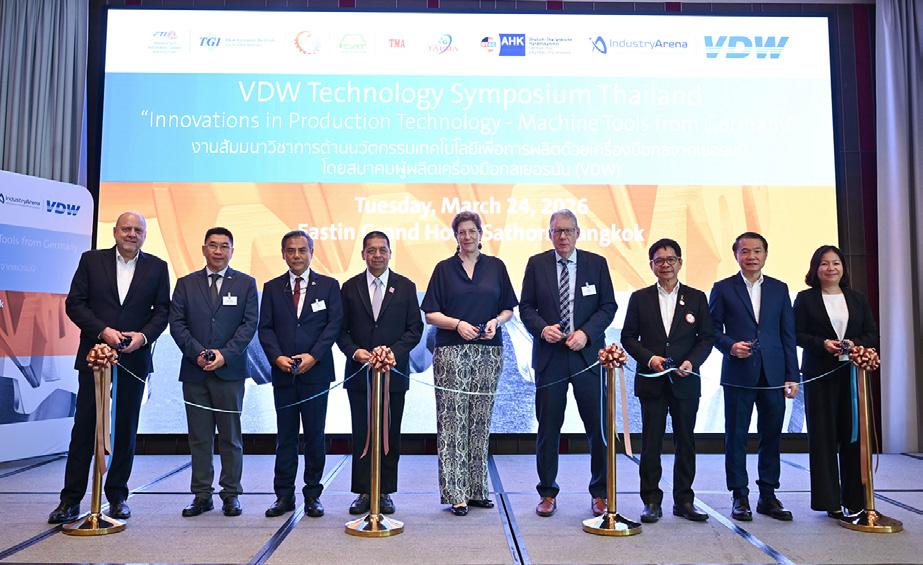
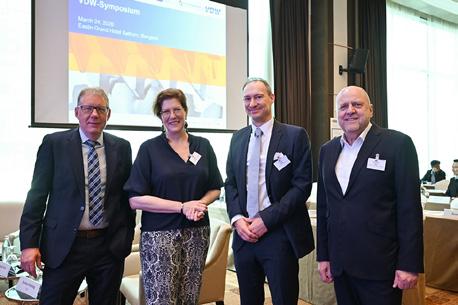
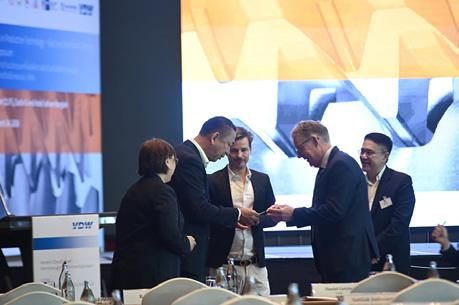
On 24 March 2026, the GTCC, in cooperation with the German Machine Tool Builders' Association (VDW), organised the VDW Technology Symposium Thailand 2026, at the Eastin Grand Hotel Sathorn Bangkok.
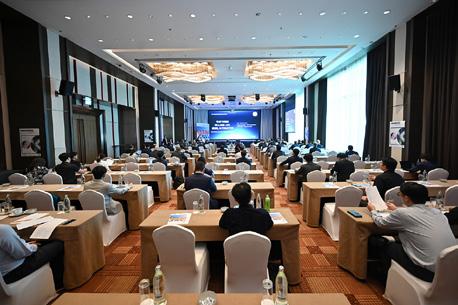
The symposium brought together leading German technology providers and Thai manufacturing stakeholders to explore the latest innovations in production technology, automation and digitalisation. The event welcomed 120 participants.
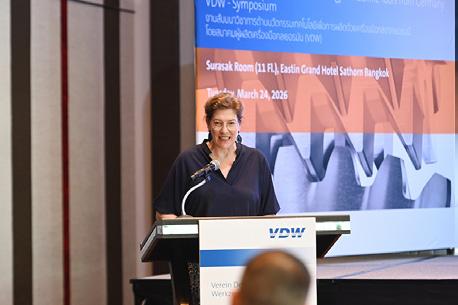
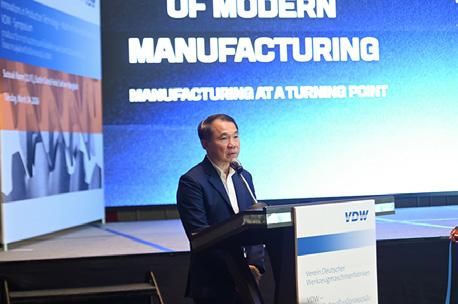
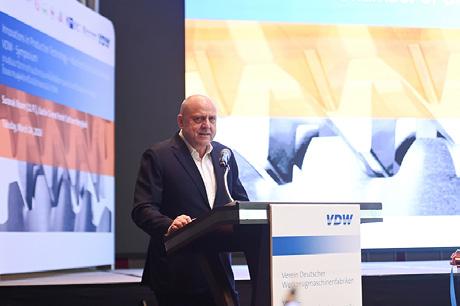
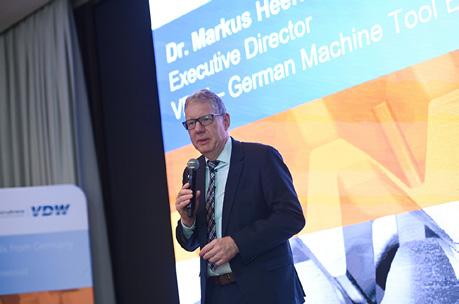
Opening remarks were delivered by Dr. Markus Heering, Executive Director of VDW, and Dr. Roland Wein, GTCC Executive Director, followed by an opening speech from Ebba Scholl, Deputy Chief of Mission at the German Embassy Bangkok. The keynote was given by Dr. Sumrit Jeang, Vice President of the Thai Machinery Association (TMA).
The symposium featured presentations by participating German companies:
• Maschinenfabrik Berthold Hermle AGSupply Chain Resilience due to Process Integration
• Index Werke GmbH & Co. KG - German Turning Solutions Made for and in Thailand
• Open Mind Technologies AG - Modern CAM Programming: Driving Productivity and Profitability
• Profiroll Technologies GmbH - Innovative Cold Forming Technologies in Thread-, Profile-, Spline- and Ring Rolling
• Siemens AG - Winning the Future with SINUMERIK – AI Powered Manufacturing
• Trumpf SE & Co. KG - Smart Sheet Metal Production and Smart Factory Solutions
• United Machining Solutions Management AG - The World of High Precision Machining
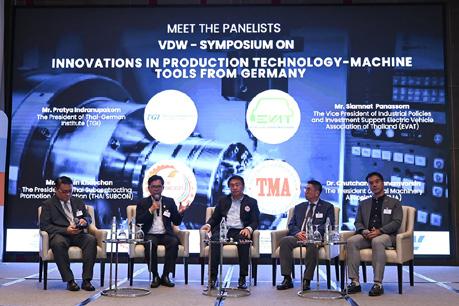
A panel discussion on Thailand's manufacturing sector featured representatives from the Thai-German Institute (TGI), SUBCON Thailand, the Electric Vehicle Association of Thailand (EVAT), and the Thailand Management Association (TMA). Individual business matchmaking sessions between German and Thai companies further strengthened bilateral ties.
The event served as a strong platform for exchange, collaboration and the promotion of advanced manufacturing solutions between Germany and Thailand.
GTCC Business Women Networking “Women in Charge – AI”
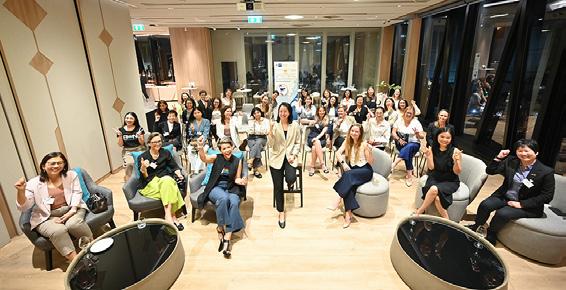
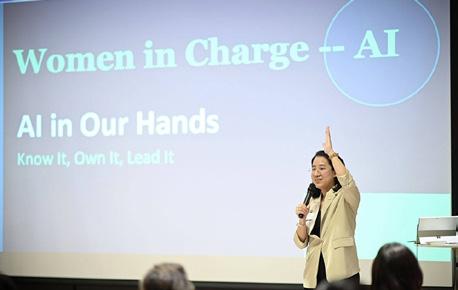
The first GTCC Business Women Networking event of 2026 took place under the theme “Women in Charge – AI” on 26 March 2026 at dusitD2 Samyan Bangkok.
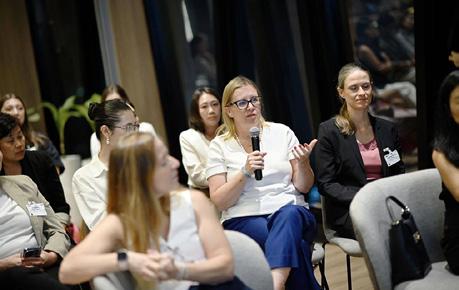
The event brought together female leaders, professionals, entrepreneurs, and young talents from various industries for an inspiring evening of networking and exchange on how artificial intelligence (AI) is reshaping the way organisations work, lead, and grow. Discussions also addressed opportunities and safety considerations related to the increasing use of AI in business and society.
The session featured a presentation by Dr. Apivadee Piyatumrong, Principal Data Integration & AI at the Big Data Institute, who shared valuable insights into data-driven strategy, innovation, and the practical application of AI for sustainable business growth. Her presentation was followed by an engaging and dynamic Q&A session with participants.
GTCC Executive Breakfast Talk with Bangkok Hospital
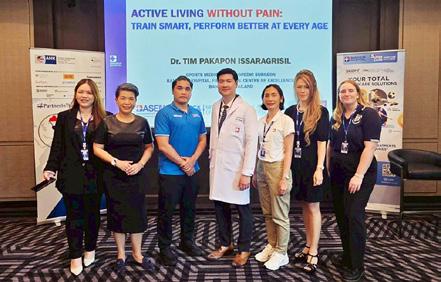
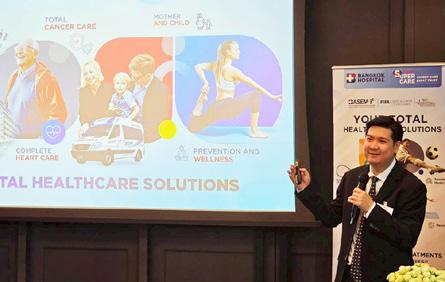
GTCC Executive Breakfast Talk on “Active Living without Pain: Train Smart, Perform Better at Every Age” was organised in collaboration with Bangkok Hospital on 28 April 2026 at Sindhorn Kempinski Hotel Bangkok.
The event brought together business professionals and members of the GermanThai business community for an inspiring and interactive morning focused on health, wellbeing, and active living. The session was led by Dr. Pakapol Issaragrasil, Orthopedic Surgeon at Bangkok Hospital, Team Doctor of the National Football Team, and AFC Medical Officer, who shared practical insights on injury prevention, pain management, and sustainable training strategies for long-term performance and wellbeing.
Participants gained valuable knowledge on common pain points among active professionals, recurring sports and workrelated injuries, and the importance of mobility, strength, recovery, and proper preparation to maintain an active lifestyle at every age. The session also highlighted early
warning signs and when to seek specialist medical support to avoid long-term damage or surgery.
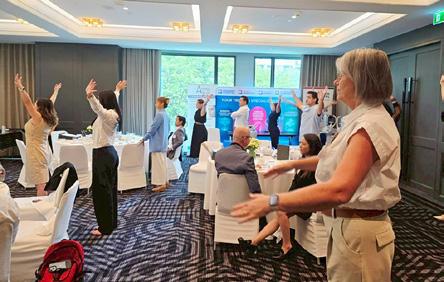
In addition to the presentation and engaging discussion, participants joined an interactive warm-up and stretching workshop led by sports medicine specialists from the Bangkok Academy of Sports and Exercise Medicine (BASEM). Complimentary health screening activities, including reaction testing, handgrip strength assessment, sit-and-reach tests, and AI retinal analysis scans, further contributed to the dynamic and practical experience of the event.
The GTCC would like to express its sincere appreciation to Dr. Pakapol Issaragrasil, Bangkok Hospital, and BASEM for their valuable expertise and support in making the event possible.
GTCC Business & Study Trip to Hannover Messe 2026
During 19–25 April 2026, GTCC brought a delegation of Thai industry representatives to Germany for a Business & Study Trip focused on automation, digitalsation, and AI solutions.
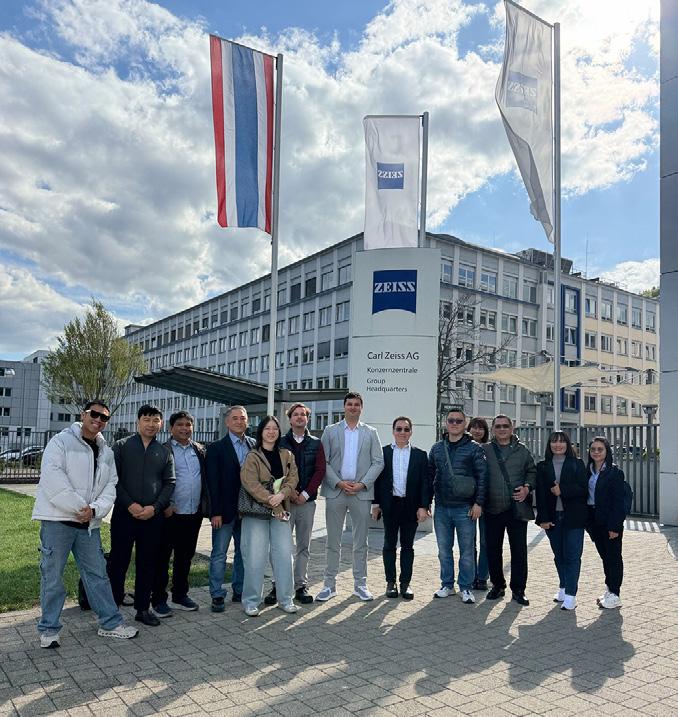
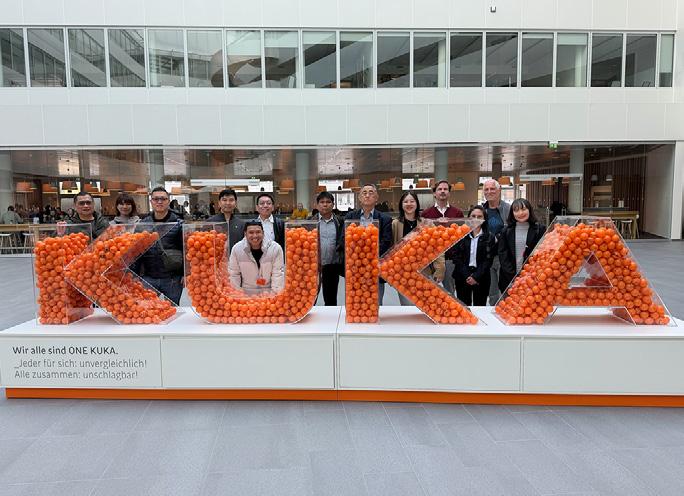
The programme kicked off on 20 April with two site visits that offered a hands-on look at Industry 4.0 in action. At KUKA AG in Augsburg, delegates explored advanced robotic production systems, while a visit to ZEISS Industrial Metrology in Oberkochen highlighted precision measurement and quality assurance in modern manufacturing.
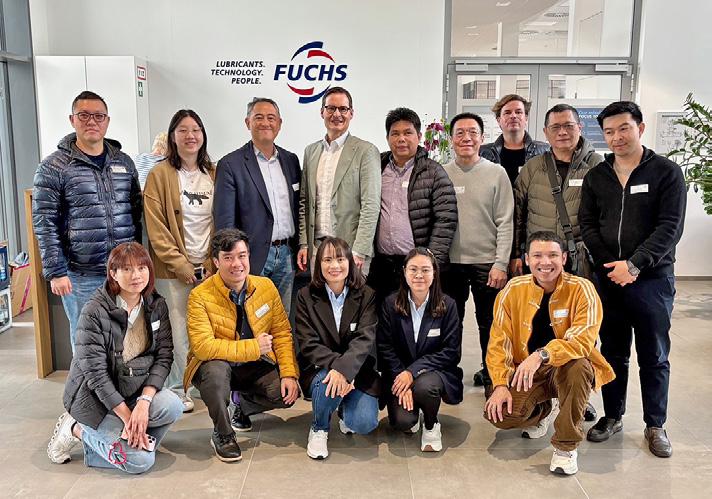
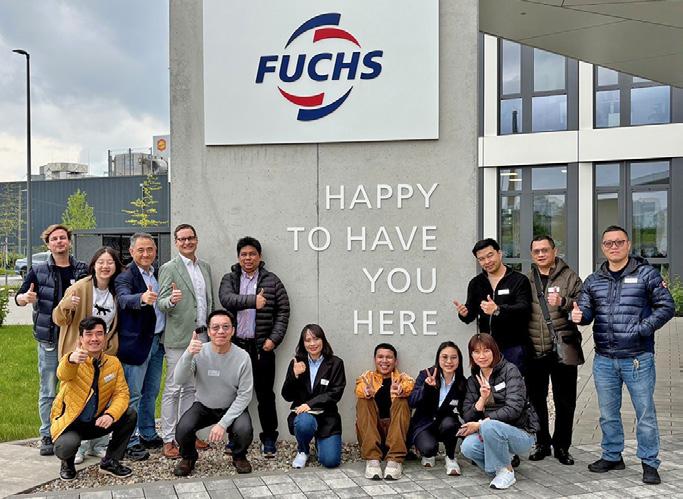
The following day, the delegation travelled to Mannheim for an exclusive visit to FUCHS SE, a global leader in lubricants. Through a company presentation, Q&A session, and guided factory tour, participants gained deeper insight into the strategic vision and operational excellence underpinning FUCHS's global competitiveness. The delegation extends sincere thanks to Dr. Timo Reister, Deputy Chairman of the Executive Board, for his warm welcome.
On 22 April, the group visited Hannover Messe 2026 — the world's leading trade fair for industrial transformation — gaining first-hand exposure to cutting-edge developments shaping the future of industrial value chains. Meetings with the Thai Embassy Berlin, Thai Consulate Munich, and Board of Investment (BOI) Frankfurt further enriched the programme's international dimension.
The trip concluded on 24 April with a site visit to Jungheinrich Service & Parts, where delegates explored how advanced logistics systems and automation solutions are applied within a leading German industrial company.
By combining global industry trends with real operational insights, the delegation returned home with valuable perspectives to inform future business development and international collaboration.
A heartfelt thank you to all participating companies and delegates for their engagement and contributions throughout the programme.
Official visit of the Rhineland-Palatinate delegation to Thailand
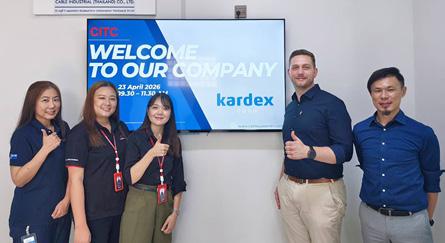
During 20-24 April 2026, a high-level delegation from the State of Rhineland-Palatinate, Federal Republic of Germany, led by Daniela Schmitt, Minister of Economic Affairs, Transport, Agriculture and Viniculture conducted an official visit to Thailand. Activities across Bangkok and Pattaya encompassed high-level governmental meetings, industry visits, and cultural exchanges to strengthen bilateral ties between Rhineland-Palatinate and Thailand.
The visit facilitated high-level dialogue and promoted cooperation in trade policy, dual vocational training, automotive manufacturing, technology transfer, and urban development within the Eastern Economic Corridor (EEC) framework.
20 APRIL 2026 | BRIEFING ON THAILAND AND DINNER RECEPTION
The delegation received a briefing on Thailand's economic and political landscape at the GTCC office, visited the Häfele Logistic Center, and concluded the day with a dinner hosted by H.E. German Ambassador Dr. Ernst Reichel at the Blue Elephant Restaurant.
21 APRIL 2026 | MINISTERIAL MEETINGS AND NETWORKING RECEPTION
The delegation met with Permanent Secretary Vuttikrai Leewiraphan at the Ministry of Commerce to discuss the Thailand-EU FTA and EEC cooperation, followed by a cultural visit to the Grand Palace and Wat Phra Si Rattana Satsadaram. A bilateral dialogue with Permanent Secretary Eksiri Pintaruchi at the Ministry of Foreign Affairs covered trade, dual vocational training, and strategic partnership, concluding with a networking reception at the German Ambassador's residence.
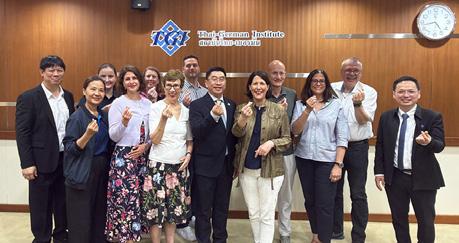
22 APRIL 2026 | CANAL TOUR AND THAI-GERMAN INSTITUTE VISIT
The delegation toured the Klong Bangkhunthian canal by electric boat before visiting the TGI to explore skills training and technology transfer initiatives.
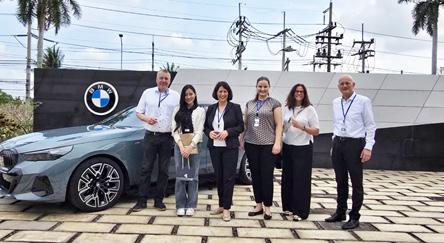
23 APRIL 2026 | PATTAYA CITY HALL MEETING AND BMW FACTORY VISIT
The delegation met Pattaya Mayor Poramase Ngampiches at City Hall to discuss urban innovation and automotive collaboration within the EEC framework, followed by a factory visit to BMW Group Manufacturing Thailand.
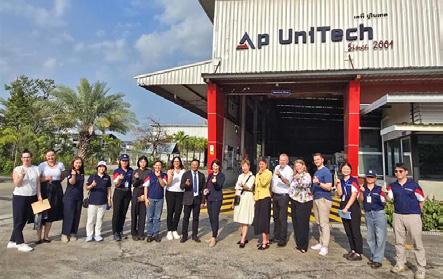
24 APRIL 2026 | CULTURAL VISIT AND INDUSTRIAL EXCHANGE
The visit concluded with a tour of the Sanctuary of Truth Museum and a factory visit to AP Unitech Co. Ltd., exchanging knowledge on industrial engineering and manufacturing capabilities.
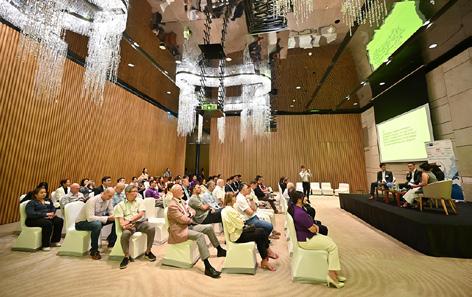
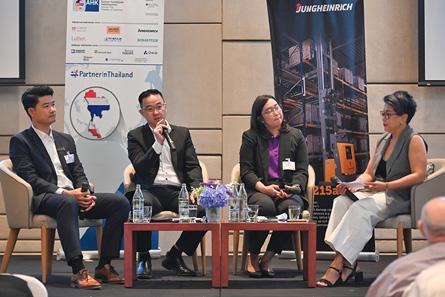
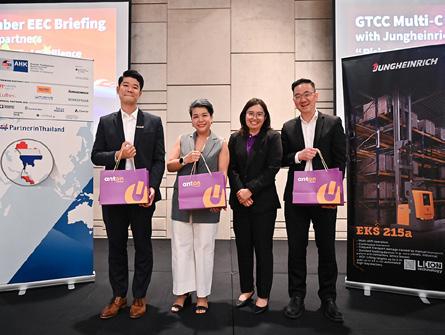
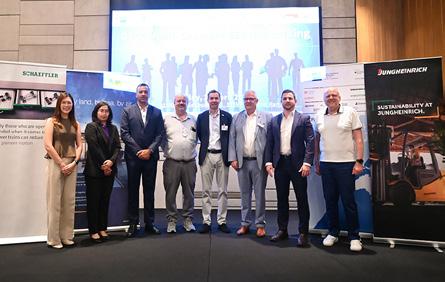
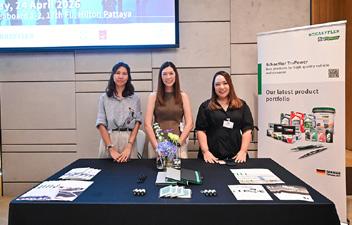
GTCC organised a Multi-Chamber EEC Briefing entitled “Rising Together: GermanThai Resilience Amid China’s Industrial Surge” in cooperation with Jungheinrich and partners, on 24 April 2026 at Hilton Pattaya.
The session featured valuable insights from such distinguished speakers as: Dr. Ravipat Phudpong, Director of the Modern Industry Collaboration Division at EECi; Porameth Pruksananonda, Managing Director of RT Plus Logistics Co. Ltd.; and Nalinee Suramoon, Sales Management Director at Jungheinrich Lift Truck Ltd. It was moderated by the GTCC’s Head of Membership, Events and Communications Department.
Through an interactive panel discussion and Q&A session, participants explored evolving supply chains, competitive market dynamics, and leadership strategies in times of rapid disruption. The discussion also highlighted how German-Thai partnerships can strengthen resilience and competitiveness through quality, innovation, and long-term value creation. Jungheinrich further contributed practical perspectives on warehouse solutions within the broader logistics landscape.
GTCC Multi-Chamber EEC Networking
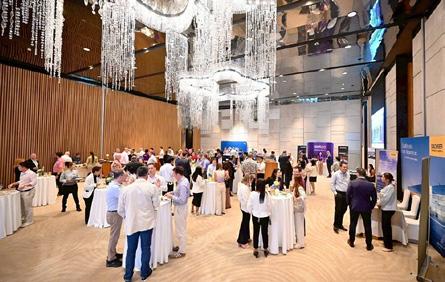
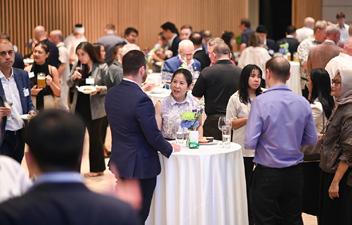
Following the GTCC Multi-Chamber EEC Briefing, the GTCC hosted a GTCC Multi-Chamber EEC Networking event on 24 April 2026 at Hilton Pattaya in collaboration with bilateral chambers of commerce in Thailand.
The event brought together members, partners, and representatives from the international business community for an evening of meaningful conversations, cross-industry exchange, and valuable networking opportunities in a relaxed seaside atmosphere.
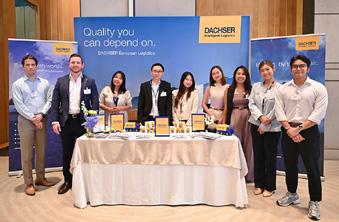
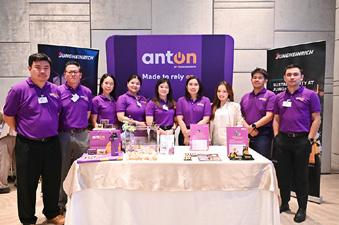
The GTCC would like to express its sincere appreciation to the event partners Dachser Intelligent Logistics, Jungheinrich, and Schaeffler Manufacturing; beverage partners Weihenstephan by SM Retail and Janhom Classic; as well as venue partner Hilton Pattaya for their valuable support in making the event possible.
Special thanks also go to the co-hosting chambers of commerce in Thailand for their continued collaboration and commitment to strengthening the international business community in Thailand.
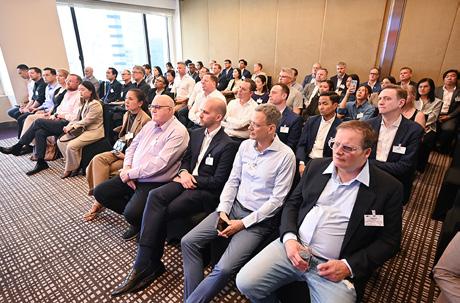
GTCC AFTERWORK Briefing with Luther “Tax Seminar 2026”
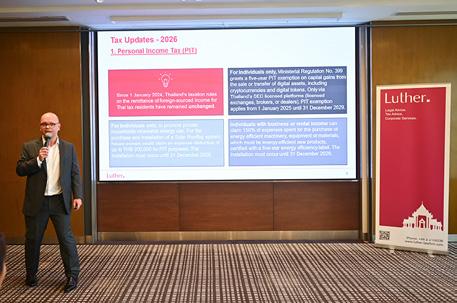
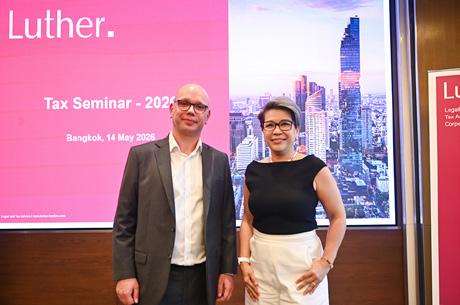
On 14 May 2026, the GTCC organised the GTCC AFTERWORK Briefing with Luther on “Tax Seminar 2026” at the Crowne Plaza Bangkok Lumpini Park. The session brought together GTCC members and business professionals for an insightful exchange on current tax developments and regulatory updates relevant to companies operating in Thailand and internationally. The seminar focused on important tax updates and transfer pricing developments for 2026, providing participants with practical insights into the evolving regulatory landscape and its impact on businesses. The briefing was led by Martin Liebenow, Head of Tax at Luther Law Firm (Thailand) Co. Ltd., who shared his extensive expertise and perspectives on current tax matters, compliance requirements, and transfer pricing considerations.
An engaging Q&A session and professional discussions among participants further contributed to the interactive atmosphere of the event, allowing attendees to exchange experiences and address practical challenges faced by businesses in today’s changing tax environment.
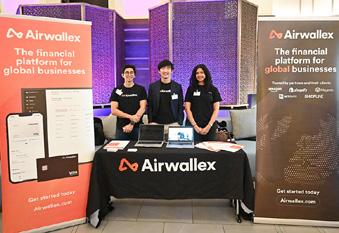
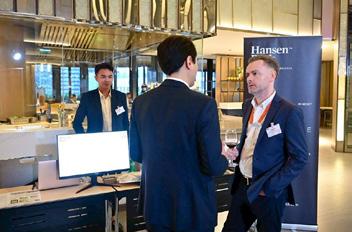
GTCC AFTERWORK Networking
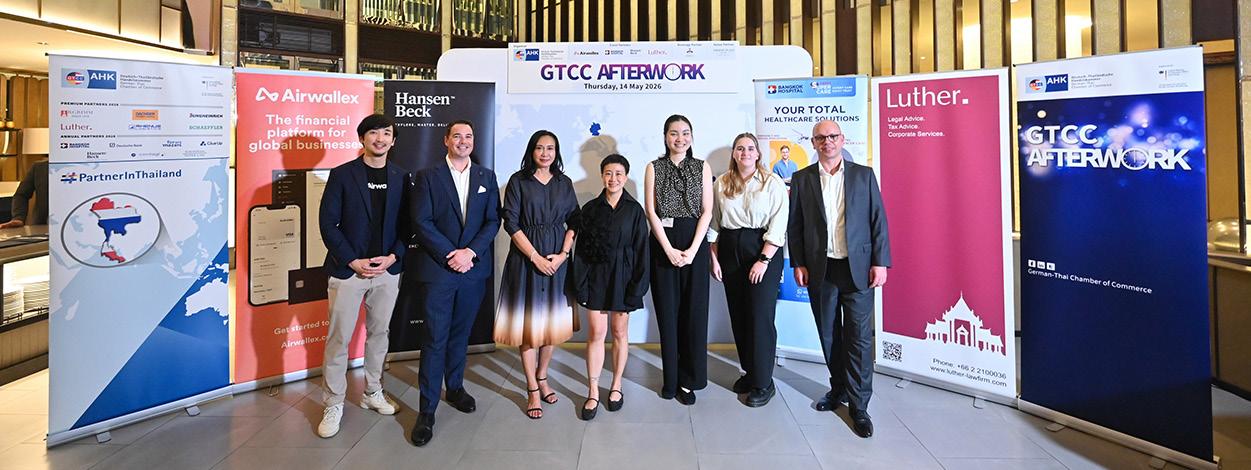
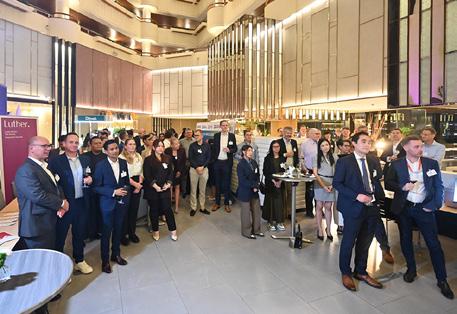
Following the GTCC AFTERWORK Briefing with Luther, the GTCC hosted a GTCC AFTERWORK Networking event on 14 May 2026 at the Crowne Plaza Bangkok Lumpini Park.
The event brought together GTCC members, partners, and business professionals for an evening of meaningful exchange, professional networking, and social interaction in a relaxed and welcoming atmosphere.
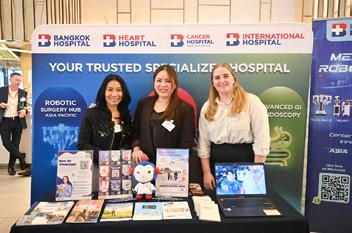
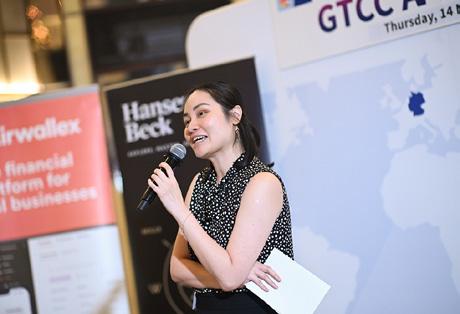
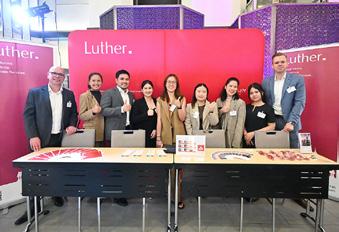
The GTCC would like to express its sincere appreciation to the event partners Airwallex, Bangkok Hospital, Hansen Beck, and Luther; beverage partner Arcobräu by Flow Inter Co. Ltd.; and venue partner Crowne Plaza Bangkok Lumpini Park for their valuable support in making the event a success.
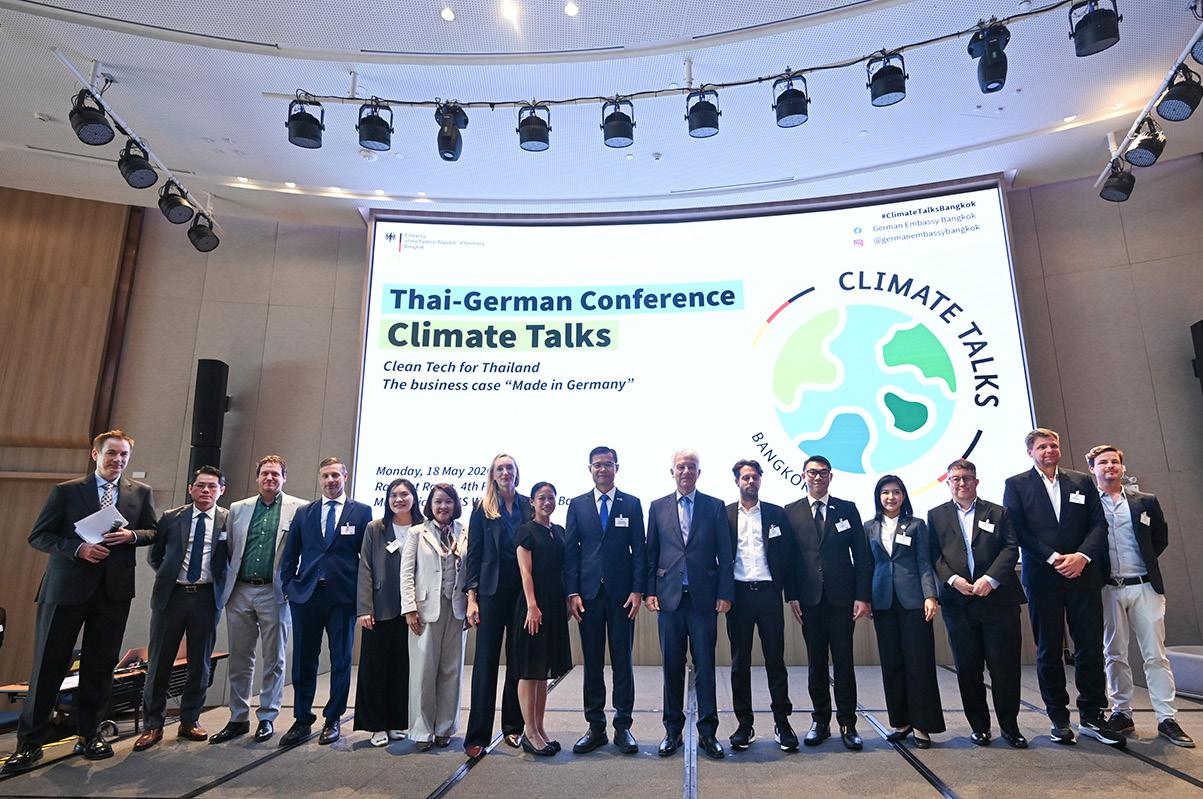
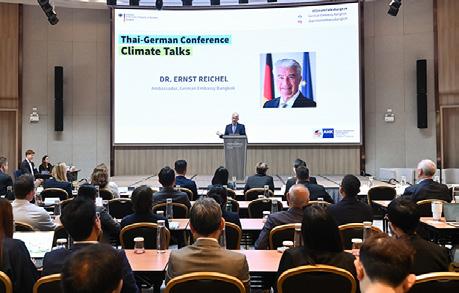
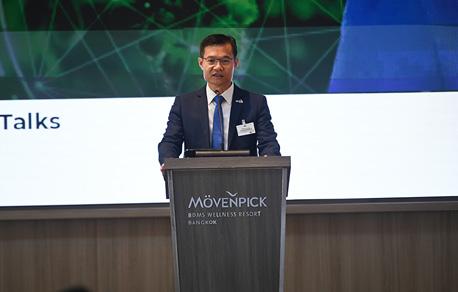
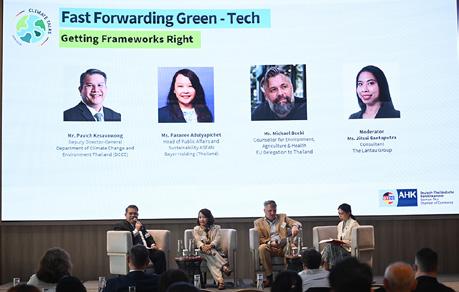
Thai-German Conference “Climate Talks”
Climate change poses one of the greatest challenges of our time, with Thailand among the most affected countries, driving it to set ambitious goals in green energy, circular economy, and decarbonisation. Germany, Thailand's biggest bilateral partner in climate action, shares this commitment and has long cooperated with Thailand on accelerating climate strategies.
With industry and business central to this transition, the GTCC supported the German Embassy Bangkok in hosting the ThaiGerman Conference "Climate Talks" on 18 May 2026 at the Mövenpick BDMS Wellness Resort Bangkok. Focused on ‘Clean Tech for Thailand – The Business Case Made in Germany’, it provided a platform for business-to-business exchange between German and Thai companies.
There were four dynamic panel discussions featuring distinguished speakers from industry, government agency, finance, and academia, who shared perspectives, practical insights, and forward-looking strategies for a more sustainable future.
• Panel 1: “From Waste to Value: Circular Economy Driving Climate Protection and Business Opportunities” was discussed by representatives from the Office of NXPO, Oryx Stainless, ALBA Group, Siegwerk, and HSM.
• Panel 2: “Powering the Future: Green Energy Meets Energy Security” discussed by speakers from TGC EMC Project, TESTA, FTI/PPTGC, Agora Energiewende, and Lufthansa Group.
• Panel 3: “Fast Forwarding Green-Tech: Getting Frameworks Right” was discussed by representatives of Lantau Group, Bayer, DCCE, and the Delegation of the European Union to Thailand.
• Panel 4: “Green Finance: Mobilizing Capital for a Sustainable Future” was discussed by speakers from SET, Delegation of the European Union to Thailand, DEG, TÜV NORD and Deutsche Bank.
GTCC New Members Meet-up 2/2026
The GTCC hosted another New Members Meet-up on 26 May 2026 at the GTCC office, welcoming new members and representatives from member companies that included: BECIS SEA Management Co. Ltd.; CTW Engineering Solutions Co. Ltd.; Häfner Group; Heritage Snacks & Food Co. Ltd.; Handtmann (Thailand) Co. Ltd.; Messer (Thailand) Co. Ltd.; New Energy Capital Asia Co. Ltd.; TUV Nord; and WILO SE Representative Office (Thailand).
Jantarath Korbuakesorn, Head of Membership, Events & Communications Department, provided the participants with an overview of the GTCC, as well as its activities, services, and upcoming initiatives, highlighting the chamber’s role in supporting the German-Thai business community in Thailand.
During the meet-up, new members and representatives also introduced themselves and their companies, sharing insights into their businesses, activities, and areas of expertise. The interactive format encouraged open exchange among participants and created valuable opportunities for networking and future collaboration across industries.
The GTCC sincerely thanks all representatives for joining the session, and looks forward to supporting their continued engagement within the chamber network.
GTCC Executive Briefing & Networking with JP Contagi Asia
On 28 May 2026, the GTCC welcomed members and business professionals for an evening of meaningful exchange at the GTCC Executive Briefing & Networking event, hosted in partnership with JP Contagi Asia, at the Sindhorn Kempinski Hotel Bangkok.
In an increasingly interconnected business environment, the ability to lead across cultural boundaries is a strategic imperative. This session offered thought-provoking insights into cross-cultural leadership, workplace dynamics, and practical strategies for bridging European precision-driven thinking with Thai relationship-based leadership, exploring how organisations can transform cultural differences into a genuine competitive advantage and foster deeper employee loyalty in the process.
The chamber extends its sincere gratitude to speakers Dr. Marcus Wittner (Managing Partner) and Christian Moll (Partner) of JP Contagi Asia for their expertise and the engaging discussion they led, and to JP Contagi Asia for their partnership in making the event possible.
Thai-German Conference “Shaping the future of toys and children’s products”
On 9 June 2026, the GTCC brought together an influential cross-section of industry leaders, trade associations, and regulatory authorities at the Eastin Grand Hotel Phayathai for the Thai-German Conference on Toys and Children's Products – a focused dialogue on one of ASEAN's most dynamic and consumer-sensitive sectors.
The conference opened with remarks from Marius Mehner of the GTCC, followed by welcome addresses from Johannes Kerner of the German Embassy Bangkok and Niklas Mahlke of Germany Trade & Invest (GTAI), who collectively framed the day's agenda around a shared strategic question: how can Thai and German stakeholders deepen cooperation in a market defined by shifting consumer expectations, tightening safety standards, and fierce regional competition?
The keynote address by Puttadon Balee, Vice President of the Thai Toy and Children Products Trade Association (TTCPA), set the tone with a frank assessment of domestic market dynamics and the long-term outlook for Thai producers. His remarks were reinforced by expert presentations from Matteo Vezzosi of the Asia Toy and Play Association (Singapore) and Porawan Nitjarunkul of the Thai Industrial Standards Institute (TISI), the latter underscoring the growing importance of regulatory alignment as a prerequisite for cross-border market access.
The following five participating German companies presented their product innovations.
• Avenir Deutschland GmbH
• Maul Sport GmbH
• Ronny Lehmann GmbH i.G
• TITANIA Fabrik GmbH
• Hebacare GmbH / BabyGO Baby Products GmbH
Discussions covered three themes: the growth trajectory of Thailand's toy market, the scalability of ASEAN as a unified opportunity, and the role of industrial standards in either enabling or constraining bilateral trade. The event concluded with a Q&A session and networking lunch – the kind of unscripted exchange that often produces the most actionable outcomes.
GTCC Member Exclusive Site Visit to Draeger Medical Thailand
GTCC members had a site visit to Draeger Thailand on 11 June 2026 to engage directly with the innovations, operations, and people that define one of the world's most purposeful engineering organisations.
Guided by the philosophy "Technology for Life,” Draeger has spent over 130 years developing solutions that protect, support, and save lives across healthcare, industrial safety, fire service, and maritime sectors worldwide.
The visit offered a deeper understanding of how Draeger's Thailand operations function and, crucially, how safety and innovation are not treated as separate considerations, but integrated into every layer of the organisation.
A warm thank you to Dhiman Dasgupta, Managing Director of Draeger Medical Thailand Ltd and Draeger Safety Thailand Ltd, and to the entire Thailand team for their warm welcome and hospitality.
GTCC Young Professionals Network Evening “Leadership, Reimagined”
On the evening of 11 June 2026, a GTCC Young Professionals Network event was held at the Maa-Lai Library of the Kimpton Maa-Lai Bangkok, offering an engaging discussion on sustainable leadership. Under the theme “Leadership, Reimagined: Sustainable Leadership Paths for the Next Generation,” the evening brought together an ambitious community of young professionals for candid conversation, meaningful connection, and forward-thinking ideas.
The discussion was led by two distinguished industry voices. Ploytabtim Yeetho, Country HR Lead for Thailand, Myanmar and Cambodia at Bayer Thailand, drew on over two decades of human resources experience to explore how empathy and people-centred thinking are becoming defining traits of effective leadership. Meanwhile, Kevin Doak, Senior Vice President ASEAN at Beiersdorf (Thailand) Co. Ltd., shared his perspective on driving innovation and sustainability within a global organisation. The evening was moderated by Mathias Reindl, Managing Director of Hansen Beck (Thailand) Co. Ltd.
The GTCC extends its sincere gratitude to the evening's valued partners: Hacklberg Passau by Bavarian Craft Trading (Thailand) as beverage partner, and Kimpton Maa-Lai Bangkok as venue partner, whose exceptional hospitality set the tone for the entire evening.
Farewell luncheon for German Ambassador Dr. Ernst Reichel
The GTCC Board of Directors hosted a farewell luncheon in Bangkok for German Ambassador H.E. Dr. Ernst Reichel at Rossini’s Restaurant, on 12 June 2026.
The GTCC’s President, Vice President, Honorary Secretary, Honorary Treasurer, the Board members and Executive Director all expressed their sincere appreciation to Ambassador Reichel for his dedication and valuable contributions to strengthening German-Thai relations and supporting the bilateral business community in Thailand throughout his tenure. They also conveyed their gratitude for the close cooperation and strong support received from the German Embassy and wished Ambassador Reichel all the best for his future endeavours.
GTCC Webinar with Luther “Doing Business in Thailand in 2026”
In collaboration with Luther Thailand, the GTCC hosted a webinar on 16 June 2026 entitled “Doing Business in Thailand in 2026: Legal Update for Foreign Investors”, which offered participants an in-depth overview of the evolving legal and regulatory environment for
foreign investors in Thailand. The topic was discussed by two distinguished speakers from Luther Law Firm (Thailand): Fabian Lorenz, Partner and Attorney-at-Law; and Lukas Baumgaertner, Senior Associate and Attorney-at-Law.
The session addressed key developments under the Foreign Business Act (FBA), increased enforcement and corporate structure scrutiny, BOI incentives, upcoming regulatory reforms, and practical compliance strategies for businesses operating in the Thai market.
The GTCC extends its sincere appreciation to the speakers from Luther Thailand for their valuable contributions to the community and looks forward to welcoming members to its forthcoming events.
GTCC AFTERWORK - Farewell Special
Held on 17 June 2026, the GTCC AFTERWORK - Farewell Special welcomed about 250 guests – GTCC members, partners, and friends from across the German-Thai business community – to an elegant evening at Sindhorn Kempinski Hotel Bangkok.
The event opened with a heartfelt speech by GTCC President Oliver Schnatz, followed by special remarks from guests of honour Benjamin Leipold, Managing Director of the German Chambers of Commerce Abroad (AHK) and DIHK DEinternational GmbH, and Ebba Scholl, Deputy Head of Mission of the German Embassy in Bangkok. Representatives from governmental and non-governmental sectors, as well as colleagues from AHKs/ DIHKs and foreign chambers of commerce in Thailand, also participated in the event.
The speeches paid tribute to Dr. Roland Wein, who has served as Executive Director of the German-Thai Chamber of Commerce since 1 August 2015. For more than a decade, Dr. Wein has steered the GTCC with strong determination – building meaningful partnerships, deepening bilateral ties between Germany and Thailand, and growing a business community that continues to flourish.
Guests were also introduced to Matthias Hoffmann, who will take on the role of GTCC Executive Director effective 1 August 2026 – a passing of the torch that signals a bright and confident next chapter for the chamber.
The GTCC extends its heartfelt gratitude to everyone who attended and made the evening so memorable. Your presence, friendship, and continued engagement are what make this community thrive.
Final examination part 2 at CMB
On 2 and 10 April 2026, the GTCC/GTDEE organised the final examination part 2 in mechatronics for the Chiangmai Beverage Mechatronics Apprentice Programme, batch 2024, at Chiangmai Beverage Co., Ltd. This examination marked another successful milestone of the Mechatronics Apprentice Programme implemented by GTCC/GTDEE, to strengthen industry-oriented technical education and workforce development.
The independent examination panel consisted of distinguished experts in mechatronics engineering, including representatives from industry, the College of Industrial Technology, KMUTNB, and experts from the GTCC. Their participation ensured a fair, professional, and industry-relevant assessment of the apprentices' competencies and achievements. The successful completion of the examination reflects the effectiveness of the collaboration between industry and educational institutions in developing highly skilled mechatronics technicians for the future.
Online meeting with Thai and German educational partners
On 18 May 2026, GTDEE Senior Manager Dr. Kamonsak Suradom participated in an online meeting with the Head of the Industrial Programme at Eastern Technological College (E.Tech), mathematics and physics teachers, and the digitalisation teacher from Vocational College of Technology and Media, Mönchengladbach.
During the meeting, participants exchanged experiences and lessons learned from the German–Thai Students and Teachers Exchange Programme. They also discussed plans to continue strengthening knowledge exchange between teachers and students from both institutions through a Project-Based Learning (PBL) approach within the Mechatronics Programme.
Both colleges shared their perspectives and explored opportunities to further develop student and teacher exchange activities in the future, aiming to enhance international collaboration and educational excellence. This initiative is intended to support the younger generation by fostering friendship, intercultural understanding, and cooperation between German and Thai participants, whilst promoting the exchange of knowledge, skills, and innovative practices in technical education.
Online meeting with technical teachers in automotive mechatronics
On 05 May 2026, GTCC/GTDEE organised an online meeting for technical teachers to strengthen collaboration amongst educators involved in Automotive Mechatronics programmes. Participating institutions included Chitralada Vocational School, Eastern Technological College (E.Tech), Don Bosco Technological College, Bangkaewfa College, and Banphai College.
The meeting focused on upgrading theoretical teaching content and strengthening its linkage with practical training at partner companies. Participants committed to enhancing teaching plans, improving the alignment of didactic plans and reference materials, and fostering closer collaboration amongst colleges. Special attention was given to supporting the successful implementation of the BMW Service Apprentices Programme for batches 2025 and 2026, ensuring training content remains relevant to industry requirements and supports the development of highly competent automotive mechatronics technicians.
These activities reflect GTCC/GTDEE's ongoing commitment to close cooperation with educational institutions and industry partners, maintaining high standards throughout the process of developing qualified Mechatronics Technicians well prepared for the demands of the modern automotive industry.
Preparatory meeting for final examination part 1
On 6 May 2026, GTCC/GTDEE organised a preparatory meeting with qualified trainers for the Final Examination Part 1 of the Pathumthani Brewery Apprenticeship Programme, batch 2025, held at Pathumthani Brewery Co., Ltd. Facilitated by GTDEE Senior Manager Dr. Kamonsak Suradom, the workshop covered examination schedules for Parts 1 and 2, competency assessment in accordance with German Standards, examination regulations, apprenticeship training logbook reviews, and the Mechatronics competency checklist aligned with company-based training.
The meeting focused on competency development in line with the training plan, conducted under the supervision of Qualified Trainers (AdA International), and forms a key component of the GTDEE programme delivered in partnership with Sattahip Technical College, Eastern Technological College, and Bangkaewfa College. Preparation also included verification of tools and equipment to ensure training adherence and quality assurance within the Dual Vocational Education and Training (DVET) framework.
Final Examination Part 1 is scheduled for early November 2025, followed by a Competencies GAP Analysis at Pathumthani Brewery on 21 May 2026.
Wangnoi Beverage training plan implementation and apprentices orientation
On 6 May 2026, GTCC/GTDEE, in collaboration with Wangnoi Beverage, conducted an introduction session for the Wangnoi Beverage Apprenticeship Programme batch 2025, attended by representatives from partner vocational colleges, including Ayutthaya Technical College.
During their first week at the company, apprentices enrolled in the Mechatronics and Electrical programmes participated in an orientation covering competency development, gap analysis, training roadmaps, systematic thinking, and examination schedules based on German standards. Qualified Trainers certified through AdA International and Human Resources representatives also joined the session.
The orientation provided a comprehensive overview of the apprenticeship training roadmap, from induction through to programme completion in February 2027,
ensuring apprentices clearly understood the training structure, competency requirements, and development pathway. This supports the successful implementation of high-quality Dual Vocational Education and Training (DVET) in collaboration with industry and educational partners. Practical training monitoring continued on 20 May 2026.
Orientation on the Mechatronics textbook for mechatronics students Por Wor Chor 1, batch
2026
On 12 May 2026, GTCC/GTDEE organised an introductory session on the use of the Mechatronics textbook following Don Bosco's procurement of the books for 19 mechatronics students at Por Wor Chor 1 level — marking the first intake of students into the Mechatronics Programme. The session was opened by the Senior Adviser to the Rector, followed by an introduction by the GTDEE Senior Manager.
Student feedback was highly positive, with participants expressing strong impressions of the textbook's quality — particularly its technical illustrations and the inclusion of modern reference materials comparable to those used in Germany. Don Bosco has begun implementing a five-year Mechatronics Programme aligned with German competency standards (BIBB) through its collaboration with GTDEE.
On 13 May 2026, GTCC/GTDEE organised a workshop for a new batch of Chiangmai Technical College mechatronics apprentices, marking their first week of the CMB Mechatronics Apprenticeship Programme. The session introduced GTDEE, German mechatronics competency standards, and systematic thinking through group activities.
Following the event, Marius Mehner, GTCC Deputy Executive Director, and Dr. Kamonsak Suradom, GTDEE Senior Manager, attended the batch 2024 graduation ceremony at Chiangmai Beverage Co., Ltd. (CMB). The programme ran from June 2024 to 30 April 2026 at the Por Wor Sor level, delivered through a tripartite collaboration amongst CMB, RMUTL Tak Campus, and GTCC/GTDEE to German VET standards. All nine apprentices successfully completed their practical training, with certificates presented by Marius Mehner to the Deputy Factory Manager.
An MoU signing ceremony with Chiangmai Technical College followed, featuring remarks from Cholwait
SukUdom (Boon Rawd Brewery), a congratulatory address from the GTCC Deputy Executive Director, and a closing speech by the Assistant Factory Manager. The programme achieved a 33.33% female participation rate, reflecting SDG 5, and contributes to SDGs 4, 8, 12, and 17.
Handover of DIHK-AHK Certificates for the BMW Service Apprentice Programme
On 5 June 2026, the BMW Group Thailand Training Centre organised a certificate handover ceremony for graduates of the BMW Service Apprentice Programme batch 2023 and batch 2024, at its Pathumthani centre, celebrating successful completion of the programme under the German-Thai Dual Vocational Education and Training (DVET) framework.
Congratulatory remarks were delivered by Chanin Thiticharupais, General Manager Sales Operations at BMW Group Thailand; the GTDEE Senior Manager; and Alexander Leutgeb
from the German Embassy in Bangkok, who emphasised the significance of German-Thai collaboration in advancing high-quality DVET. Representing the partner colleges, Dr. Nualanong Thammacharoen expressed appreciation to BMW Group Thailand, GTCC/GTDEE, and all stakeholders for their continued commitment to the programme.
The BMW Service Apprentice Programme is implemented through the cooperation of BMW Group Thailand, GTDEE, GTCC, and five partner institutions: Chitralada Vocational School, Eastern Technological College, Don Bosco Technological College, Bangkaewfa Industrial and Community Education College, and Banphai Industrial and Community Education College, preparing graduates for successful careers in the automotive service sector.
Comparison of German and Thai curriculums in automotive mechatronics
On 8 June 2026, GTCC/GTDEE organised a workshop on Curriculum Comparison between German and Thai vocational education systems at Bangkaewfa Industrial and Community Education College. The workshop introduced participants to the German vocational training standard developed by the German Federal Institute for Vocational Education and Training (BIBB). The event was attended by the Deputy Director for Academic Affairs and technical teachers from the college. During the workshop, the GTDEE Senior Manager together with an automotive expert presented a comparison between the German learning fields and the subjects included in the Thai vocational curriculum (B.E. 2567).
The discussion focused on identifying similarities, differences, and opportunities for curriculum alignment to better support Dual Vocational Education and Training (DVET). This workshop represents one of the collaborative initiatives between the college and industry partners to strengthen the qualityand outcomes of vocational education. The results of the curriculum comparison will help the college better prepare students before
they begin their practical training at the company, ensuring that they possess the required competencies and knowledge to meet industry standards. During the workshop, the Deputy Director for Academic Affairs also expressed support for prioritising and aligning relevant subjects in accordance with the college's academic regulations to further enhance the effectiveness of the apprenticeship training pathway.
Handover of Mechatronics Certificates for the Don Bosco PBL Programme batch 2024
On 10 June 2026, Don Bosco Technological College organised a certificate handover ceremony for the first batch of students who successfully completed the Mechatronics PBL Programme. The event was held at Don Bosco Technological College and marked an important milestone in the development of German-inspired vocational education. The ceremony began with a welcome
address by Rev. Fr. Phonchit Phoolvithayakij, SDB, Rector of Don Bosco Technological College, who welcomed distinguished guests, industry partners, teachers, students, and parents to the event. Congratulatory remarks were delivered by Ebba Scholl, Deputy Head of Mission and Head of the Economic Department of the German Embassy in Bangkok, followed by the GTDEE Senior Manager, who also delivered a congratulatory speech on behalf of GTDEE, highlighting the significance of competency-based training and the value of industry collaboration in preparing students for the future, and a speech delivered by Dr. Siriphan Chumnum, President of the Bangkok Vocational Education Council, Office of the Vocational Education Commission (OVEC), Ministry of Education of Thailand. This programme serves as a pilot initiative for Mechatronics training under the Local Dual Vocational Education and Training (DVET) model, and 3 graduates completed approximately 1,200 hours of practical training at Pathumthani Brewery under the supervision of Qualified Trainers certified through AdA International.
Orientation for mechatronics students batch 2026
On 11 June 2026, the GTDEE Senior Manager participated in the orientation programme for students enrolled in the Mechatronics Programme batch 2026, at the E.Tech. The orientation introduced students to the German-standard approach to vocational education and training, highlighting the collaboration between GTDEE, E.Tech, and partner companies offering internship opportunities over the next two years.
The workshop covered GTDEE's desired competencies for future mechatronics professionals, a PBL-based training plan, and the fundamental concepts of sustainability in vocational education. The GTDEE Senior Manager outlined four key competency areas essential for success in the profession: Technical Competence, Social Competence, Human Competence, and Methodological Competence — all critical for meeting the demands of modern industry and future technological developments.
The session also provided guidance on the effective use of the Mechatronics textbook and learning resources, helping students understand expectations and their learning pathway throughout the programme.
GTDEE orientation workshop for Robert Bosch Automotive Technologies Thailand Apprenticeship Programme batch 2026
On 12 June 2026, GTCC/GTDEE organised an orientation workshop for the Robert Bosch Automotive Technologies Thailand Limited Apprenticeship Programme, Batch 2026. The session was conducted by the GTDEE Senior Manager in collaboration with the Mechatronics Department of Sattahip Technical College. The orientation introduced apprentices enrolled in the Mechatronics programme, who are currently undertaking their first semester of theoretical studies at Sattahip Technical College. The session aimed to provide a clear understanding of the programme structure and expectations under the German-standard Dual Vocational Education and Training (DVET) system. The workshop covered key topics including competency development, desired competencies in Mechatronics standards, training roadmaps, systematic thinking, and sustainability concept related to SDGs.
Reshaping the future of Thailand's skilled workforce
Interview with Wikran Wongpukdee
In an era where industry demands are rapidly outpacing traditional education systems, business and educational sectors need to join hands. Wikran Wongpukdee, Human Resources at Robert Bosch Automotive Technologies Thailand, has been closely involved in developing and running the GTDEE program since 2018 at the WHA Industrial Estate — an initiative that applies Germany's dual vocational training model to prepare Thai students for careers in mechatronics. In this interview, Wikran reflects on the program's collaborative approach, the challenges of engaging a new generation of learners, and why she believes vocational education deserves a closer look.
What inspired you to lead the Apprentice Development Programme in mechatronics, and how has it earned such widespread recognition?
The inspiration came from observing a clear gap between educational outcomes and real industry needs. Many young people lacked pathways into skilled careers, while industries faced ongoing shortages of qualified talent. That tension sparked a determination to develop local students through a more practical approach. By adopting the German dual vocational training model, the programme integrates classroom learning with real industrial experience, equipping young Thai talent with the skills, mindset, and confidence to succeed in a rapidly evolving labour market.
Today, the programme creates opportunities for students to learn by doing — earning internationally recognised certifications and transitioning smoothly into stable careers — while helping industry secure a sustainable pipeline of skilled professionals. Through continuous development and strong collaboration with partners, it has gained recognition not only for its results, but for its broader role in strengthening Thailand's workforce for the future.
The programme involves collaboration among the Training Centre (TGI), Sattahip Technical College, and GTDEE/GTCC. How does this model differ from conventional systems?
The GTDEE programme distinguishes itself through a level of collaboration that goes far beyond a conventional approach. Rather than operating in parallel, TGI, Sattahip Technical College, and the GTDEE/GTCC platform are fully integrated into one aligned development ecosystem under Bosch competency standards. Every stage — from defining skill requirements and selecting candidates to delivering training, monitoring performance, and issuing certifications — is jointly designed and continuously connected. This ensures students are systematically developed through real industrial practice, guided evaluation, and clear career progression, resulting in graduates who are immediately ready to contribute.
What truly sets the programme apart is Bosch's commitment to making this a long-term investment in people. Beyond technical training, it cultivates soft skills, mindset, and real-world experience, shaping well-rounded young professionals. Through evolving partnerships, Bosch opens doors to global standards, international exposure, and future career pathways within its network — ultimately building a strong, sustainable workforce pipeline for Thailand's industrial future.
How do you view attitudes among younger generations toward vocation education, and what challenges do you foresee for the DVET system?
Having spoken with many young students — both those who join the programme and those still exploring their options — I see a generation full of ambition and high potential. Many are actively seeking meaningful opportunities that offer handson learning, financial support, and exposure to global companies like Bosch. At the same time, their capabilities and expectations are evolving much faster than before, often
surpassing what traditional systems are designed to deliver. This pushes us to rethink how we engage with them in more meaningful ways.
The real challenge for DVET is not only about delivering skills — it is about winning the hearts and minds of this new generation. At Bosch, we see this as a responsibility that goes beyond training. We are creating opportunities, shaping career pathways, and building a sense of purpose for young talent. When young people feel inspired and see a clear future ahead, DVET becomes more than an education system. It becomes a platform for transformation.
Based on the success of DVET/GTDEE, what message would you like to share with readers considering mechatronics training based on German standards?
My advice is simple: Choose a path where you can learn and grow through real experience. The DVET/GTDEE programme connects your potential with global standards, hands-on learning, and genuine career opportunities — allowing you to build confidence and become truly ready for the future of industry.
At Bosch, we believe developing people is not only about skills — it is about purpose and possibility. By investing in young talent and fostering collaboration between education and industry, we are shaping a workforce capable of driving Thailand forward. This is our commitment: "Invented for Life" — not only in technology, but in building meaningful careers and empowering the next generation to create lasting impact.
Contact details:
Wikran Wongpukdee
Specialist, Lead Project: Mechatronics Apprenticeship Programme
Robert Bosch Automotive Technologies Thailand Limited (Hemaraj) https://www.bosch-presse.de/pressportal/be/en/image-22101.html
Daimler Truck appoints CIBB as official distributor for Thailand’s Mercedes-Benz Trucks & Buses
Daimler Truck has appointed Chance Inter Business Body Builder Co., Ltd. (CIBB) as the official general distributor for Mercedes-Benz trucks and buses in Thailand, effective 1 April 2026. The move is part of a restructuring that separates the management of the Mercedes-Benz
and FUSO brands to improve efficiency and strengthen market focus.
CIBB will oversee sales, commercial vehicle solutions, and after-sales services for Mercedes-Benz trucks and buses, while FUSO Commercial Vehicles (Thailand) Co., Ltd. will focus exclusively on the FUSO brand. Daimler Truck said existing customers will continue to receive uninterrupted service, technical support, and spare-parts supply.
Founded in 2006, CIBB operates service centers in Ayutthaya and Saraburi and plans further investments in expertise and network expansion to support Thailand’s growing transport and logistics sector.
Henkel appoints Warangkana Siriyodhipun as President of Henkel Thailand
Henkel has appointed Warangkana Siriyodhipun as President of Henkel Thailand, effective May 2026. Based in Bangkok, Warangkana will oversee the company's operations in Thailand, driving sustainable growth by advancing strategic priorities, strengthening market position and enhancing overall business performance.
Warangkana also serves as the Head of Finance and Compliance for Henkel Thailand, a position she has held since joining the company in 2013. Over the years, she has been instrumental in supporting the company's growth and strategic priorities, playing a key role in major initiatives, including acquisitions and joint venture partnerships. Prior to joining Henkel, Warangkana held senior business planning and financial management roles at multinational organisations, including Novartis. She brings more than 20 years of experience in local and regional financial management and leadership.
Established in 1972, Henkel Thailand operates in the Adhesive Technologies and Consumer Brands businesses. The company has its head office in Bangkok, with manufacturing sites supporting customers across Thailand and the region.
SOMIC positions Thailand as its regional hub
SOMIC Packaging, a leading German manufacturer of retail-ready packaging and automated packaging solutions is strengthening its presence in Asia-Pacific through its regional hub in Bangkok, established in 2023. The expansion supports growing demand for advanced packaging technology across ASEAN and reinforces Thailand’s role as a strategic base for regional operations.
At ProPak Asia 2026, SOMIC introduced its latest packaging solutions, including the SOMIC 202, SOMIC 323, and SOMIC 434. The SOMIC 202 and 323 are designed for standard packaging applications and medium-speed production lines, while the SOMIC 434 offers greater flexibility, advanced functionality, and support for a wide range of products and packaging formats. All systems can be customized to meet individual customer requirements.
Dr. Gerhard Huber, Chief Executive Officer of the SOMIC Group, stated that Thailand plays an important role in the company’s international growth strategy. Through its regional presence, SOMIC aims to deliver innovative automated packaging systems and Retail-Ready Packaging (RRP) solutions that improve logistics efficiency, product handling, shelf replenishment, and in-store presentation. SOMIC remains committed to providing high-quality machinery that reflects the precision, reliability, and engineering excellence of German manufacturing.
QSNCC partners with PTTGC to convert used cooking oil into sustainable aviation fuel
Queen Sirikit National Convention Center (QSNCC) has partnered with PTT Global Chemical (PTTGC) to convert used cooking oil from its food operations into Sustainable Aviation Fuel (SAF), supporting efforts to reduce carbon emissions in the aviation sector.
The initiative is part of QSNCC’s broader sustainability strategy and builds on its waste management achievements. In 2025, the venue diverted more than 68,000 kilograms of food waste and used cooking oil from landfill, reducing greenhouse gas emissions by over 24,000 kilograms of CO₂.
QSNCC also repurposes food waste into animal feed and organic fertilizer through partnerships with public and private sector organizations. The centre said the programme reinforces its commitment to sustainable event management and a circular economy approach.
Hafner Group sets a new benchmark on the global health industry stage
Germany’s Hafner Group has strengthened its position as a leading nutraceutical manufacturing partner at the Techsauce Healthspan Festival 2026, where it showcased advanced health and wellness innovations and attracted strong interest from industry stakeholders.
The company also announced plans to co-develop medical nutraceutical products with a range of Thai partners, including healthcare providers, research institutions, and industry organizations. The collaborations aim to support the growth of Thailand’s Healthspan sector,
promote preventive healthcare, and accelerate innovation in health and wellness.
Hafner Group said the initiative will help position Thailand as a regional leader in next-generation healthcare solutions.
IIC Partners appoints Richard Jackson as Board Director for Asia Pacific
IIC Partners, a global executive search and leadership consulting network, has appointed Richard Jackson, Managing Director and Co-Founder of JacksonGrant Executive, as Board Director for Asia Pacific.
Jackson, who joined the IIC Partners network in 2024, brings more than 20 years of experience in executive search and leadership consulting across the Asia-Pacific region. He has worked with companies in sectors including industrial, manufacturing, aerospace, and emerging industries.
His appointment reflects the growing importance of Asia Pacific in global talent and leadership strategies and will support IIC Partners in strengthening collaboration, global alignment, and professional standards across its member firms.
New GTCC members
up to 30 June 2026
German-Thai Chamber of Commerce warmly welcomes 13 new members
BECIS SEA Management Co., Ltd.
Mr. Ugo Bernal
Director, Sales – Bioenergy
Mr. Jason Su
Director, Sales – New Solutions https://be-cis.com/ Electricity, gas, steam and air conditioning supply | Architectural and engineering activities; technical testing and analysis
Mr. Carsten Thiel Carsten@legalknowhow.co
Chance Inter Business Bodybuilder Co., Ltd.
Mr. Ralf Erler
Senior Adviser
https://cibb.co.th/en/home/ Manufacture of parts and accessories for motor vehicles | Maintenance and repair of motor vehicles | Sale of motor vehicles
CTW Engineering Solutions Co., Ltd.
Mr. Thakon Chaivuttikul
Managing Director cthakon@ctw-es.com
https://www.ctw-es.com/ Architectural and engineering activities; technical testing and analysis | Other specialised construction activities
Erhardt+Leimer (Thailand) Co., Ltd.
Mr. Sakkrapong Satitvemone
Managing Director
Mr. Richard Johannes Suurland Director
Info-th@erhardt-leimer.com https://www.erhardt-leimer.com/ Manufacture of other special-purpose machinery | Repair and installation of machinery and equipment
Karcher Southeast Asia Limited
Mr. Valerio Perucci
Regional President
Mr. Saran Suesatsakulchai
General Manager / Country Manager https://www.kaercher.com/int/ Cleaning activities | Retail sale of other household equipment
Dr. Michael Gockeln michael.gockeln@posteo.de
NDT Inspection Center Co., Ltd
Mr. Kazim Isbert Director Quality Management
Ms. Lalida Isbert Director
info@qms-auditteam.com https://qms-auditteam.com/ Technical testing and analysis
New Energy Capital Asia Co., Ltd.
Mr. Marc Lamsfuss Co-Founder & CEO
Mr. Jirat Satjipanon Head of Business Development https://newenergycapitalasia.com Architectural and engineering activities and related technical consultancy
Nozomi Manpower Co., Ltd.
Mr. Apitch Rukpaitoon Managing Director
Ms. Kanakarn Ruxpaitoon Director Employment activities
Mr. Philipp Schepper philipp@elevanta.cc
Reifenhauser Asia-Pacific Co., Ltd.
Mr. Alexander Kai Gablenz Head of Service and Project Management https://reifenhauser.com/ Manufacture of machinery and equipment n.e.c. | Repair and installation of machinery and equipment