GeriNotes



6 The PT Guide to Understanding the “SNF” by Debra Barrett, PT and Ellen Strunk, PT
11 Vitals are Vital: Key Concepts for Physical Therapists in the SNF Setting by Jennifer Gindoff, PT, DPT, DHSc and Deborah Constantine, PT, DPT
22 Sustainable Discharge Planning: What Matters Most for Persons in Long Term Care by Kathryn Brewer PT, DPT, MEd
25 Skilled Maintenance Therapy by Kevin Cezat, PT, DPT and Richard White, PT, DPT
27 Enhancing Engagement with Fun by Christine Childers, PT, PhD
29 Physical Therapy Recognized As Effective Intervention For Fall Prevention in Community Dwelling Older Adults
31 Where Do You Work? by Michele Stanley, PT, DPT, Editor
33 If You Build It, They Will Come: Launching an Intergenerational Exercise Program for People with Parkinson’s Disease by Jill Jumper, PT, DPT, PhD and Brady Holcomb, PT, DPT
36 Unlocking Sleep: The Link Between Cognitive and Mental Health and Sleep: Part 1 of 3 by Alex Alexander, PT, DPT and Cathy Stucker, PT, DSc
39 Assessing with a Culturally Competent Eye by Paras Goel, PT, DPT, MEd
42 Beyond Breathing: COPD’s Impact on Balance and Cognition by Brad Abrams, PT, DPT
46 The Physical Therapy Annual Visit by Carole Lewis, PT, DPT, PhD, FAPTA and Linda McAllister, PT, DPT
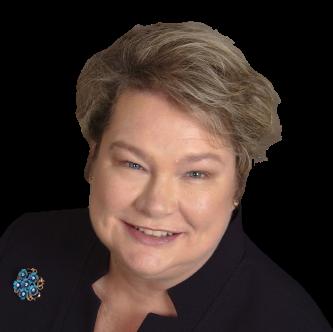
Cathy Ciolek President, APTA Geriatrics
Are you ready to be a mentor?
(Hint- you probably are!)
Earlier this year, APTA Geriatrics sent out a survey to gather information about the members' wants and needs. We were thrilled with the positive feedback, as well as the constructive comments on how we can do better. Your experiences and insights are invaluable to us, and we hope to share this with you soon so you can see the information that we saw as we started strategic planning.
One thing we heard was a desire for mentorship. While we are still developing the strategic plan, I want to start the conversation on mentoring now. Previously, when we tried a mentor's program for GCS prep, we did not have enough mentors to meet the need. So, I am asking you to consider how you could help mentor other PTs and PTAs as they pursue careers working with older adults.
First, let's consider what a mentor is. Forbes1 describes a mentor as "…someone with knowledge and experience in your desired field who is willing to share this knowledge to help you achieve your goals." APTA notes in their position statement Best Practice in Mentoring in Physical Therapy2(HOD P06-18-38-49) that "Mentorship has been recognized as a catalyst for career success."
What makes a good mentor? The University of California, Berkeley Graduate School describes many qualities and behaviors, and some key features include Being a good communicator who is approachable and available, Being knowledgeable but also recognizes their limitations and being willing to learn with the mentee, Responsive to the needs of the mentee; and Serves as a
role model demonstrating ethical practice and a positive attitude. They use adjectives like approachable, tolerant, respectful, confident, experienced and discreet. This describes so many of the members I meet, as well as those who are reading this and know that it doesn't have to be a huge commitment. One key feature of working together is to establish the parameters for the mentor/ mentee relationship.
Think back to who was influential in your professional development and what that means to you! I was so fortunate to have been mentored by some of our professional leaders and others whose names are not as familiar but who were just as influential on my career and life path. Let's have a discussion over on the discussion forum about things you found helpful as a mentor or mentee so we can all learn from each other and have the confidence to volunteer in this capacity when you see a call for mentors at work, in the community, or here at APTA Geriatrics.
1 Koifman N. The Importance of Mentorship. Forbes Business Council Post. July 5, 2023. Accessed October 21, 2024. https://www.forbes. com/sites/forbesbusinesscouncil/2023/07/05/the-importance-ofmentorship/
2 American Physical Therapy Association, Position Best Practice in Mentoring in Physical Therapy (HOD P06-18-38-49) Accessed 7.18.24 https://www.apta.org/apta-and-you/leadership-and-governance/policies/best-practice-in-mentoring-in-physical-therapy
3 University of California, Berkeley. Qualities and Behaviors of Productive Mentors. Accessed 7.18.24 https://grad.berkeley.edu/ wp-content/uploads/Qualities-of-a-good-mentor_webpage.pdf
APTA Geriatrics, An Academy of the American Physical Therapy Association
APTA Geriatrics Board of Directors
President: Cathy Ciolek, PT, DPT, FAPTA
Vice President: Myles Quiben, PT, DPT, MS, Ph.D
Secretary: Mariana Wingood, PT, DPT, Ph.D, MPH
Treasurer: Pradeep Rapalli, PT, DPT, MBA
Chief Delegate: Elizabeth (Beth) Black, PT
Director: Kaelee Brockway, PT, DPT
Director: Ken Miller, PT, DPT
Director: Jennifer Vincenzo, PT, MPH, PhD
Director: Annalisa Na, PT, DPT, Ph.D
APTA Geriatrics Special Interest Group Chairs
Balance & Falls: Heidi Moyer, PT, DPT
Bone Health: Lisa Hamilton, PT, DPT
Cognitive & Mental Health: Alexandra Alexander
Health Promotion & Wellness: Cathy Stucker, PT, DSc, CMPT
Global Health for Aging Adults: Shweta Subramani, PT, MHS
Residency & Fellowship: Michelle (Missy) Criss, PT, DPT, PhD
Skilled Nursing Facility: Richard White, PT, DPT
Questions for APTA Geriatrics leaders and staff can be submitted to geriatrics@aptageriatrics.org.
APTA Geriatrics, An Academy of the American Physical Therapy Association
1818 Parmenter St, Ste 300 Middleton, WI 53562
APTA Geriatrics Staff
Executive Director: Christina McCoy, CAE
Associate Director/Education Manager: Dana Murn, CAE
Membership Manager: Kim Thompson
Marketing and Communications Manager: Will Mossa
Meetings Manager: Alexandra Harjung
Financials Manager: Gina Staskal, CNAP
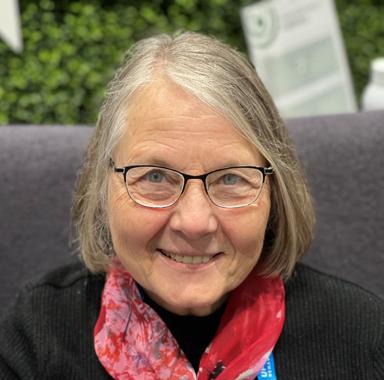
Michele Stanley Editor, GeriNotes
It's fall, closer to winter, by the time you read this. We've all weathered a strange and, for many, a pretty horrific storm of politics, weather and emotion, juggling the uncertainties of so many variables. Yet, in the face of these challenges, I've seen our healthcare community's personal and professional growth. Everywhere, there have been so many changes, and I am hopeful that things have settled down in both your personal and professional lives. I hope that you have found the time to both be kind to those around you and, as importantly, to be kind to yourself. Historically, often less than ideal circumstances have led to great innovations or modifications. Our collective experience, our shared challenges, and our diverse responses are what make our profession so resilient and innovative. Did you observe that? How did the weather, the environment, the economy, and the uncertainty change your practice and the response of your patients? Or did things go on as "usual." Issues around the election have certainly highlighted (irrespective of "Red" or "Blue" affiliations) allegations that are frankly agist
and unfortunately not based on medical accuracy. How has that affected you? What have we done professionally to promote and protect the rights and realities of the older people that we serve? Should chronological age determine fitness? I remember growing up at in a time when the truism was "never trust anyone over 30," which seemed reasonable when I was 14 but not so much now that several decades have passed… If you have encountered increased agism in your practice (from patients, fellow providers, third-party payors, and families), let's talk about it and problem-solve with our collective hive mind. Conversation is invited on the forum This is the Focus issue: this year, the focus is on therapy and working in "nursing homes." Not cutting-edge research but a compendium of thoughts and facts from fellow skilled clinicians to refresh your understanding of working with people undergoing temporary rehab or now living in a facility situation. Also featured are the case examples from the September and November Journal Clubs, an excellent example of PT innovation for community health and wellness, and a reminder to advocate for an annual PT wellness exam. Stay well and continue to empower clients and the community to move, engage, and live well.
Register for the free Journal Club discussion webinars and earn 1.5 contact hours. Questions for presenters may be emailed to gerinoteseditor@gmail.com before or on the day of the webinar. See what's coming up at https://aptageriatrics.thinkific.com/collections.
GeriNotes
GeriNotes Editorial Board
Michele Stanley, PT, DPT
Debra Barrett, PT
Jennifer Bottomley, PT, MS, PhD
Kathy Brewer, PT, DPT, MEd
Chris Childers, PT, PhD
Jennifer Gindoff, PT, DPT, DHSc
Jill Heitzman, PT, DPT, PhD
Lise McCarthy, PT, DPT
William Staples, PT, DPT, DHSc, FAPTA
Ellen Strunk, PT, MS
GeriNotes Editor
Michele Stanley, PT, DPT
gerinoteseditor@gmail.com
Copyright © 2024 All rights reserved.
Published in
Copy Deadlines February 1
April 1
July 1
September 15
November 1
GeriNotes is the official magazine of the Academy of Geriatric Physical Therapy. It is not, however, a peer-reviewed publication. Opinions expressed by the authors are their own and do not necessarily reflect the views of the APTA Geriatrics. The Editor reserves the right to edit manuscripts as necessary for publication.
APTA Geriatrics does not endorse, publish, or promote products, services, or events sponsored or hosted by for-profit commercial entities. For-profit companies and corporations may request to advertise on any of APTA Geriatrics’ platforms at the published rates. All advertisements that appear in or accompany GeriNotes are accepted on the basis of conformation to ethical physical therapy standards. Advertising does not imply endorsement by APTA Geriatrics.
Mission: To provide engaging content that empowers the community of physical therapy clinicians to build expertise and expand the delivery of evidence‐informed care that promotes health and wellness in aging adults.
Vision: To create an evolving online community through which clinicians develop their knowledge and skills based in shared ideals that are person‐centered; and promote a world where aging adults move, live, and age well.
Module Chapters
1. Guide to Understanding the SNF
2. Vitals are Vital
3. Discharge Planning begins at Evaluation
4. Skilled Maintenance is a Patient Right
5. Making it Fun: Tea Dancing
Authors
1. Debra Barrett, PT; Ellen. R Strunk, PT, MS
2. Jennifer Gindoff, PT, DPT, DHSc; Deborah Constantine, PT, DPT
3. Kathy Brewer, PT, DPT, Med
4. Richard White, PT, DPT; Kevin Cezat, PT, DPT
5. Christine Childers, PT, PhD
Objectives
Provide a practical resource for Physical Therapists and Physical Therapist Assistants who are working in or thinking about practicing or providing occasional and “on-call” services in a skilled nursing or nursing facility.
Target Audience
– especially those who have thought about practicing or filling in at a Nursing Home
What’s New about this FOCUS issue:
For many years, APTA-Geriatrics and GeriNotes have offered an annual educational issue, the FOCUS issue. Themes are chosen annually by the Editorial Board and are dedicated to a specific topic or related topics. Test questions were available on the web, and it was possible to get 4 easy CEU credits for $40 PTs, free for PTAs. These dedicated FOCUS issues represent, conservatively, 400 – 500 volunteer hours just for producing this additional content; they double the amount of work of a regular issue required for the professional management/ design staff as well. While reviews have always been favorable, participation in the testing portion to result in getting the CEU credits has been very limited. This year, we are trialing providing just the content. Let us know what you think. Enjoy the read!

by Debra Barrett, PT and Ellen Strunk, PT, MS
In the continuum of care available to older adults, skilled nursing facilities (SNF) have an important role. In 2024, there are approximately 15,477 skilled nursing facilities located across the country.1 SNFs can be hospital-based units or freestanding facilities; the vast majority of services are delivered in freestanding facilities. In rural hospitals and critical access hospitals, skilled nursing facility services can also be delivered in hospital beds used to provide acute care services. These are called swing bed hospitals.
According to the APTA, approximately 3.5% of all physical therapists (PT) and almost 14% of all physical therapist assistants (PTA) in the United States primarily practice in SNF settings,2 and there are likely an even higher number who practice in SNF on an as needed or part-time basis.
This article will provide an overview of physical therapy practice in a SNF and nursing facility (NF). First, the article will explain the different levels of care a SNF/NF provides. Second, the methods through which SNFs/ NFs are paid will be discussed, as well as the payment system’s impact on physical therapy practice. Third, the article will examine the roles PTs and PTAs have in a SNF/NF. Finally, the outlook for physical therapy services delivered in these settings will be discussed.
The term “skilled nursing facility” is frequently used as a general term to refer to any care delivered in a NF. Even though a SNF and a NF may look very similar on the surface, there are distinct levels of care delivered in each.
The difference between a SNF and a NF comes down to the care provided — a SNF level of care versus a nursing home level of care. A SNF level of care is usually intended to be transitional between hospital and the home. A SNF stay may be indicated when a patient requires daily skilled services that cannot be provided in the home setting or on an outpatient basis. Skilled nursing care is provided by registered nurses and licensed practical/vocational nurses in a medical setting under a doctor’s supervision. Patients may go from the hospital to a SNF to continue recovering after an illness, injury, or surgery. In addition to skilled nursing, daily skilled services may include rehabilitation. In fact, the most common reason for individuals to be admitted to a SNF is to receive short term rehabilitation services following a hospital stay.
A NF level of care is provided mostly by licensed practical nurses and nurse aides under the supervision of a registered nurse. Care is focused on activities of daily living, like dressing, bathing, and eating. This is often called “custodial care.” People sometimes move to NFs when they are unable to take care of themselves due to medical, cognitive, behavioral, or functional issues. In addition to custodial care, NF residents typically receive help taking medications or managing chronic conditions. As of 2023, approximately 1.2 million older adults in the United States resided long term in NFs, or around 2% of the older adult population. This represents a drop from 2015 when there were approximately 1.37 million long term residents.3 Although there has been a movement away from institutional care toward
aging-in-place programs and community-based care, there continues to be a strong need for and utilization of nursing home placement.
Most facilities actually operate as both a SNF and a NF, but some may have a separate floor or section of a building devoted to each. SNFs and NFs are highly regulated by the Centers for Medicare & Medicaid Services’ (CMS) Division of Nursing Homes, as well as by state departments of health. SNFs and NFs must undergo regular surveys and are subject to severe penalties (monetary and other) when deficiencies are found because some of the most vulnerable of the older and disabled population receive care in SNFs and/or permanently reside in NFs.
Medicare beneficiaries who require short-term skilled nursing or rehabilitation care in a SNF are eligible to receive Medicare covered services. A SNF stay is covered when the patient requires skilled services on a daily basis that are reasonable and necessary for the treatment of their illness or injury and, as a practical matter, that care can only be provided on an inpatient basis (See Box 1). Medicare covers up to 100 days of SNF care per spell of illness.4 Beginning on day 21 of a SNF stay, a beneficiary
Box 1. Care is Covered by Medicare in a SNF if All 4 Criteria are Met:
1. The patient requires skilled nursing services or skilled rehabilitation services, i.e., services that must be performed by or under the supervision of professional or technical personnel; are ordered by a physician and the services are rendered for a condition for which the patient received inpatient hospital services or for a condition that arose while receiving care in a SNF for a condition for which they received inpatient hospital services.
2. The patient requires these skilled services on a daily basis, i.e. 7-days-per-week nursing services and/or 5-7 days-per-week rehabilitation services.
3. As a practical matter, considering economy and efficiency, the daily skilled services can be provided only on an inpatient basis in a SNF.
4. The services delivered are reasonable and necessary for the treatment of a patient’s illness or injury, i.e., are consistent with the nature and severity of the individual’s illness or injury, the individual’s particular medical needs, and accepted standards of medical practice. The services must also be reasonable in terms of duration and quantity.
is responsible for a daily copayment. In 2024, the daily copayment is $204. If the patient carries a Medicare supplement insurance policy, this policy may cover the copayment.
SNFs are paid under the Patient Driven Payment Model (PDPM), a prospective payment system (PPS). SNFs are paid a predetermined daily rate for each day of SNF care. The daily rates are expected to cover all operating and capital costs that facilities would be expected to incur in furnishing most SNF services.
The rates for SNF payments use only data that describe the patient’s characteristics and/or the medical treatments that are required by their active diagnoses. The number of days and number of minutes that therapy provides no longer influences the SNF’s payment, which is a change from the previous resource utilization group (RUG) model. Under the PDPM, patients are assigned a Case Mix Group (CMG) using five components: physical therapy (PT), occupational therapy (OT), speech language pathology (SLP), nursing, and non-therapy ancillaries (See Table 1). The PT and OT CMGs are driven by the same data points: primary reason for the SNF stay and the patient’s baseline functional status in specific self-care and mobility areas, which are then adjusted for case mix. The SLP CMG is driven by different data points: the presence/absence of an acute neurological diagnosis, the presence/absence of a swallowing disorder and/or the patient requiring a mechanically altered diet, the presence/absence of a cognitive disorder and the presence/absence of comorbidities that impact communication, swallowing, or other language functions. There are 24 nursing CMGs determined by the patient’s medical conditions, cognition, presence of depression, functional status, and the treatments they need. The last piece is the Non-Therapy Ancillary component, and this is driven by multiple sections of the Minimum Data Set (MDS) and accounts for special services, special conditions, and/or active diagnoses that are correlated to higher costs of care. Each of the components is outlined in Table 1 for reference.
Under PDPM, CMS still expects SNF providers to determine how much service is needed and what kind of service(s) are necessary to achieve the “right outcome” for the patient. The SNF’s payment, however, is not dependent on the type or volume of service provided. SNFs are also held accountable for the care they provide through the SNF Quality Reporting Program (QRP)5 publicly reported measures, and the SNF Value Based Purchasing (VBP) program.6
The transition to PDPM on October 1, 2019, was associated with significant staffing changes. Overall therapy staffing declined by about 6.5% after the initiation of PDPM, with greater declines noted among facilities that were rural, for-profit, affiliated with a chain provider, admitting a higher percentage of Medicare A patients prior to PDPM, providing more intensive therapy services
Component
SLP
Primary reason for SNF Stay falls into 1 of 4 categories:
1) Major Joint Replacement or Spinal Surgery
2) Non-Orthopedic Surgery or Acute Neuro
3) Other Orthopedic
4) Medical Management
Functional Status Self-Care: 3 items
Functional Status Mobility: 8 items
Primary reason for SNF Stay falls into 1 of 4 categories:
1) Major Joint Replacem went or Spinal Surgery
2) Non-Orthopedic Surgery or Acute Neuro
3) Other Orthopedic
4) Medical Management
Functional Status Self-Care: 3 items
Functional Status Mobility: 8 items
Primary reason for SNF Stay falls into 1 of 2 categories:
1) Acute Neuro
2) Non-Neuro
Cognitive Status
Presence of swallowing disorder
Presence of mechanically altered diet
Presence of other SLP comorbidities
Active medical conditions and orders for treatment
Functional status in late-loss ADL abilities
Nursing
Non-Therapy Ancillary
*MInimum Data Set
Presence of symptoms of depression
I0020B
GG0130A, B, C;
GG0170B, C, D, E, F, I, J, K
Beginning with Day 21, per diem payment amount decreases by 2% every 7 days
I0020B
Beginning with Day 21, per diem payment amount decreases by 3% every 7 days
GG0130A, B, C;
GG0170B, C, D, E, F, I, J, K
I0020B
Section C
Section K
Section K
Sections I, O
Sections C, E, H, I, J, K, M, N, O
GG0130A, C; GG0170B, C, D, E, F
Section D
Number of restorative nursing services received Section O
Number and type of active diagnoses present
Other services and treatments ordered
prior to PDPM, or employing more PTAs.7 The COVID-19 public health emergency (PHE) also impacted staffing since patients were reluctant to be admitted to an institutional setting, and many therapists were concerned for their own health and safety.
Initial investigations of patient’s functional outcomes under PDPM, however, have not shown significant changes. One study reported that among patients with hip fracture admitted both before and after
Section I (but not I0020B) SNF Claim
Sections H, I, K, M, O
Per diem payment is the same for all covered days
Per diem payment is the same for all covered days
Per diem payment tripled days 1-3; then at baseline for remaining covered days
implementation of PDPM, functional outcomes did not change significantly even though therapy minutes were about 13% less among patients admitted after PDPM.8 A similar study conducted across multiple diagnoses in multiple SNF centers in Oregon found a drop of about 19% in therapy minutes provided, but no change in 30-day hospital readmission rates, length of stay, or rates of discharge to community.9 Researchers also noted that the shift in therapy utilization has normalized the curve
toward the expected peak of between 450 and 500 minutes per week, while also emphasizing the importance of ongoing research of the effects of payment system changes on patient outcomes.
During a skilled stay, a resident’s needs may change from skilled to custodial, but in many cases, it is not necessary to transfer to another nursing home. Medicare generally doesn’t cover long-term stays in a NF, but it may pay for some related costs, such as physician services and medical supplies. In many cases, people must pay for NF care themselves. The individual may pay privately and use any long-term care insurance they may have. If the individual exhausts assets and is eligible for Medicaid, and the nursing home is also a Medicaid certified nursing facility, the individual may continue to reside in the NF under the Medicaid NF benefit. If the NF is not Medicaid certified, he or she would have to transfer to an eligible NF to be covered by the Medicaid NF benefit.
There is no exhaustive list of services a NF must provide, since unique resident needs may require particular care or services in order to reach the highest practicable level of well-being. The services needed to attain this level of well-being are established in the individual's plan of care. If a resident needs rehabilitation services while living in a NF, they could be paid for by Medicare, Medicaid, or privately if the patient is not eligible for either Medicare or Medicaid. The Medicare Part B benefit pays for medically necessary skilled PT services. Medicare beneficiaries with Medicare Part B insurance pay an annual deductible and 20% of all services billed.
The most common scenario many therapists think of in the SNF setting is the patient who is admitted following an illness, surgery, accident, or exacerbation of a chronic condition, and requires short term rehabilitation to return to living in the community. Physical therapy obviously plays a crucial role for these patients, as well as nursing care, social work support, and physician care, and potentially other therapy disciplines.
Physical therapists managing patients for short term rehabilitation focus on assessing mobility and safety issues that prevent the patient from returning to their home setting. This may include balance and falls risk, changes to assistive mobility devices, transfer and gait skills, functional mobility tasks, wheelchair mobility (if applicable), and patient and family education. Particular attention is paid to the discharge plan to return home and may include a home assessment as needed and ordering equipment for use at home.
For older adults whose home is the NF, physical therapy takes on a different role. For these patients, screening becomes important, with physical therapists monitoring mobility changes, falls risks, skin integrity issues, and overall ability to participate in desired
activities. Changes in functional status can warrant physical therapy services to mitigate functional declines. These residents can require more assistance over time or have changes to mobility device needs or safety. Physical therapy can address appropriate mobility device use, restoration of function following minor illnesses, pain, musculoskeletal issues, postural changes, and difficulty with gait, transfers, or mobility. Physical therapists and PTAs may also collaborate with and assist in training other staff about a patient’s changing care needs.
Regardless of whether a patient is residing in a SNF for post-acute care or is residing in a NF long-term, physical therapy professionals must address the 5Ms of care: Mind, Mobility, Medications, Multi-complexity, and what Matters most to the older adult.10 Comprehensive assessment including all these areas is shown to improve outcomes for older adults.11 While a comprehensive discussion of the 5Ms is beyond the scope of this article, it is important to note the critical need for comprehensive care in SNF/NF settings for all patients.
The Future Outlook for PT Services Delivered in SNFs
SNFs and NFs have demonstrated time and time again that they are a resilient part of the U.S healthcare system. Most notably, they endured what was perhaps their most enormous challenge: the COVID-19 PHE and its’ aftermath which included the public’s negative perception of the quality of care and value SNFs can provide. While SNFs/NFs seem to be coming out on the other side now, this care setting had many of its flaws revealed.
People eligible to receive care in a SNF are changing too, becoming even more empowered and aware of what they need and what they want from a healthcare provider. During the PHE, physical therapists and physical therapist assistants were forced to rethink how they practiced physical therapy. This practice redesign includes: ensuring patient/practitioner safety, considering how clinical goals could be managed through telehealth, moving ‘out of’ the clinic and into the patient’s environment when applicable, and understanding the health disparities that do exist within our communities. One of the most positive things that came out of the COVID-19 PHE, however, was that we were forced to think and act differently.
Physical therapists and PTAs in SNFs/NFs must continue to advocate for autonomy in the way they deliver physical therapy, specifically, as it relates to intensity of services delivered, duration of services delivered, and when patients are discharged from skilled care. We must continually evaluate our own clinical practice and challenge ourselves to ensure that we are practicing at the top of our license, rather than allowing ourselves to be lackadaisical in our thinking and our skills.
Physical therapy in SNFs/NFs can be an extremely rewarding and satisfying career – one that is filled with unique clinical challenges and opportunities. There are opportunities to collaborate with other therapy disciplines, nursing, and physicians on a daily basis. There are opportunities to design and implement creative group therapy sessions, maintenance programs, activities programs, and restorative programs. Practice in SNF/NF settings has also begun to include more technology, with the use of game systems for some therapeutic exercise and wellness benefits, as well as incorporating video and app technologies into patient care. These changes serve to keep rehabilitation services fun, relevant, and engaging in a changing social landscape. As the U.S. healthcare system continues to reward providers for their outcomes of care and improved patient experiences, PTs and PTAs in SNFs/NFs are critical to that success.
References
1. Centers for Medicare & Medicaid Services. FY 2025 Skilled Nursing Facility Prospective Payment System Final Rule. 89 FR 64048. Published July 31, 2024. https://www.cms.gov/newsroom/ fact-sheets/fiscal-year-2025-skilled-nursing-facility-prospectivepayment-system-final-rule-cms-1802-f. Accessed October 17, 2024
2. American Physical Therapy Association. A physical therapy profile: demographics of the profession 2021-2022. July 2023. Accessed September 30, 2024. https://www.apta.org/contentassets/8316101 16033426c8f5fd8777dd63c2e/2023_apta_demographics_report.pdf
3. Chidambaram P, Burns A. A look at nursing facility characteristics between 2015 and 2023. KFF. Published January 5, 2024. Accessed September 30, 2024. https://www.kff.org/medicaid/issue-brief/alook-at-nursing-facility-characteristics/
4. Centers for Medicare & Medicaid Services. Medicare Benefit Manual. Spell of Illness. Chapter 3, 10.4. Rev 12307, Issued: 10-19-23. Accessed October 17, 2024. https://www.cms.gov/Regulations-andGuidance/Guidance/Manuals/downloads/ge101c03.pdf
5. For a list of the measures collected and publicly reported for the SNF QRP, visit the CMS SNF QRP Measures and Technical Information webpage at https://www.cms.gov/medicare/quality/snf-qualityreporting-program/measures-and-technical-information. Accessed October 17, 2024
6. For a list of the measures adopted for the SNF VBP Program, visit the CMS SNF VBP Program Measures webpage at https://www. cms.gov/medicare/quality/nursing-home-improvement/valuebased-purchasing/measures. Accessed October 17, 2024.
7. Prusynski RA, Humbert A, Leland NE, Frogner BK, Saliba D, Mroz TM. Dual impacts of Medicare payment reform and the COVID-19 pandemic on therapy staffing in skilled nursing facilities. J Am Geriatr Soc. 2023;71(2):609-619. doi:10.1111/jgs.18208
8. Rahman M, White EM, McGarry BE, et al. Association between the Patient Driven Payment Model and therapy utilization and patient outcomes in US skilled nursing facilities. JAMA Health Forum. 2022;3(1):e214366. doi:10.1001/jamahealthforum.2021.4366
9. Zhang W, Luck J, Patil V, Mendez-Luck CA, Kaiser A. Changes in therapy utilization at skilled nursing facilities under Medicare's Patient Driven Payment Model. J Am Ed Dir Assoc. 2022;23(11):1765-1771. doi: https://doi.org/10.1016/j.jamda.2022.06.003
10. Jamshed N, Gangavati A. Prioritizing the 5Ms in geriatric care: a holistic approach to care of the older adult. Am Fam Physician. 2024 Jun;109(6):498-500. PMID: 38905543.
11. Molnar F, Frank CC. Optimizing geriatric care with the GERIATRIC 5Ms. Can Fam Physician. 2019;65(1):39.
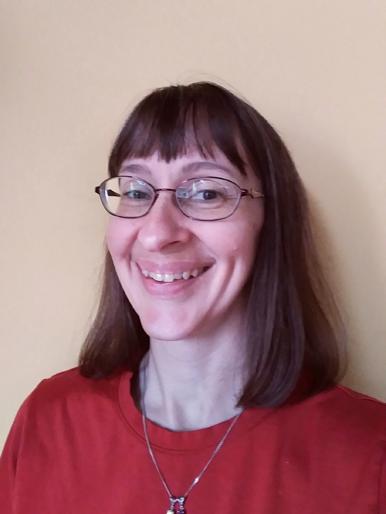
Debra Barrett, PT has been a practicing physical therapist for over twenty years in multiple care settings including home health, skilled nursing, acute, and outpatient. She is a Board-certified Clinical Specialist in Geriatric Physical Therapy and an Advanced Certified Exercise Expert for Aging Adults. She serves as adjunct faculty at Midwestern University in Illinois.
Ellen R. Strunk, PT, MS, GCS, ACEEAA, CHC, RAC-CT has worked in various roles & settings as both clinician, manager/director and policy expert. Ellen is an expert at helping customers understand the CMS prospective payment systems in the skilled nursing facility and home health setting, as well as outpatient therapy billing for all provider types.
For over 15 years, Ellen has worked with dozens of clients as principal consultant and founder of Rehab Resources and Consulting, Inc. Her experience in both the home and community aspects of the post-acute care continuum gives her a unique perspective in finding solutions while ensuring a patient-centered approach is not lost in translation. As a policy expert, Ellen supports organizations in many areas including provider education, measure development, and regulatory compliance.
In addition to assisting clients meet their operational & clinical goals, Ellen lectures nationally on the topics of regulatory compliance in the post-acute care space and coding/billing/documentation to meet medical necessity guidelines and payer regulations, clinically appropriate exercise for older adults, and the importance of functional outcomes to value-based payment. Ellen is a published author, having contributed to the 4th edition of Guccione’s Geriatric Physical Therapy with a chapter on Health Policy for Physical Therapists and Older Adults.
by Jennifer Gindoff, PT, DPT, DHSc and Deborah Constantine, PT, DPT
In skilled nursing facilities (SNFs), patients present with increasingly acute conditions requiring medical monitoring and management. Multimorbidity, the presence of multiple primary conditions, increases with age; approximately 70% of older adults (OA) >/= 75 years old living with multiple chronic conditions.1 Multimorbidity in patients in SNFs results in the need for increasingly complex treatment plans as conditions interact with each other. Vital signs, i.e. heart rate (HR), blood pressure (BP), respiratory rate (RR), and arterial blood oxygen saturation (SpO2), serve as indicators of a patient's overall health and response to physical activity and therapeutic interventions (both physical and medical). Monitoring vitals allows for early detection of complications, optimization of therapy intensity, enhanced patient safety, and collaborative care coordination. Physical therapists (PTs) often have the most frequent and prolonged contact with patients and are often the first to identify conditions that require medical management and can alert the medical team to intervene. Vital signs monitoring allows PTs to assess exercise response for efficacy and safety to maximize clinical outcomes. Monitoring assists with determining contraindications to exercise or the need for medical intervention due to acute conditions, especially in the medically complex people with multimorbidity frequently seen in the SNF setting. This allows for a proactive approach to minimize the likelihood of adverse events to maximize patient safety. Additionally, consistent monitoring of vitals supports patient-centered care and allows for multidisciplinary collaboration to achieve optimal outcomes. This article is meant to serve as an overview of the importance of vitals in physical therapy in the SNF setting and provide insight for assessment, interpretation, and use.
Physiological changes occur in everyone, yet evidence suggests that physical activity and exercise can reduce the effects.2 Cardiovascular (CV) changes with aging include reduced max HR, decline in Vo2max, impaired vascular compliance and contractility.2 These changes result in reduced aerobic tolerance, higher BP, reduced cardiac output, and slower HR.2 These changes may alter vitals, but for many healthy OA, vitals should fall within normal limits (WNL). The following section will briefly
review common vital sign assessments and norms to help clinicians recognize vitals outside of normal range to assist with clinical decisions.
Heart rate (HR) is affected by exercise training, disease conditions, and the aging process. Exercise can reduce resting HR, which in turn, reduces HR during activities.2 Conversely, inactivity due to bed rest, illness, pathology, or lifestyle choice leads to a decline in maximum HR and loss of CV reserve, resulting in a high percentage of max HR with submaximal activities such as transfers, bed mobility, and short-distance ambulation.2 Physiological changes contribute to reduced maximum HR, stroke volume, cardiac output, and aerobic capacity in most OA, making monitoring HR important for all OA. Using a pulse oximeter or vital cart to attain HR may be enough for some OA. However, for many people, especially those admitted to SNFs, manual assessment is needed to allow clinicians to assess the rate, regularity, and quality. Regular rhythm is defined as < 6 interruptions in 60 seconds.2 If the rhythm is irregular, monitor for a full 60 seconds to obtain an accurate HR. Manual assessment can identify arrhythmias or a thready pulse (indicative of dehydration, aortic stenosis, shock, etc.2) and assist with clinical decision-making. An apical pulse can be assessed with a stethoscope when a radial pulse cannot be palpated in very ill people.
The average HR rate is between 60-100 and should increase linearly with exercise.3 HR is expected to rise gradually with exercise and remain consistent once a steady exercise state is achieved.3 HR should increase by 10-20 bpm per MET level; a rapid or progressive rise in HR (more than 20-30 bpm above resting per one MET level) may suggest severe deconditioning or CVD.2,3 See Table 1 for MET-level examples. A flat rate of rise (in the absence of medication) or a reduction in palpable HR (indicative of arrhythmia) are also abnormal in response to exercises and suggestive of CVD.3 Caution should be taken if a patient's resting HR is below 60, and exercise should not be initiated for anyone whose HR is above 120 at rest.4 The medical team should be alerted if HR increases by > 50 bpm with limited activity.3 Keep in mind that frail elders may have a higher HR, reduced HR variability, and a weaker response to physical activity compared to their peers.5
As mentioned, physiological changes associated with aging include slow oxygen exchange, increased sympathetic nervous system output, vascular stiffness, and lower aerobic capacity.2 These changes will reflect as an elevated systolic Blood Pressure (SBP) and a lower diastolic BP (DBP).2 BP should be monitored for all OA due to physiological changes with aging as well as the risk/presence of HTN and orthostatic hypotension. Recommendations to promote the accuracy of BP readings include avoiding conversation during the assessment, using the correct cuff size and placing the cuff on bare skin rather than over clothing (a thin layer of clothing should not interfere with the accuracy), supporting the arm at heart level, having back support, and feet supported and uncrossed.6,7 Normal BP is SBP < 120 and DBP < 80 and BP should be monitored for every OA as HTN and hypotension can be asymptomatic and undiagnosed.3 Conclusions regarding the use and accuracy of digital monitors vary. While most agree that digital devices are recommended for home use by the layperson,8 for clinicians, manual devices (aneroid sphygmomanometers) should be used as they are more accurate than digital machines, especially for individuals with cardiac conditions.9,10 Additionally, Picone7 noted that automated devices reduce user error; however, not all devices are validated, and not all validated devices have been validated in all populations. Practically speaking, when trying to obtain BP in standing, a digital device allows for safe patient handling. With that said, if a reading is outside of normal limits, double-check with a manual cuff.
With exercise, SBP should rise gradually and remain the same once a steady state of exercise is achieved (~ 3-5 min)3 increasing ~ 10-12 mm Hg per MET level.2 Watch for hypertensive, hypotensive, or flat SBP responses to exercise, as these indicate CAD, aortic valve stenosis, or other CV conditions.3 A DBP change of 10 mm Hg is expected with activity; however, a change of > 10 mm Hg DBP or a drop in > 10 mmHg SBP is cause for concern (if symptoms of ischemia occur, terminate exercise immediately.2,3 If BP is > 180/110 at rest or > 215/115 with activity, exercise should not be initiated/continued.4
If BP assessment at rest or with activity is close to the above-mentioned thresholds, have the person wait 5 minutes and recheck.4 A resting BP of < 90/60 might be cause for concern, but this is person-specific, so caution is advised.4 These are general guidelines; physician set parameters should be maintained as they are patient-specific. Additionally, patient presentation should be accounted for, and activity may need to be titrated based on the person’s response and condition despite potentially stable or altered vitals.
Pulse pressure (PP), the difference between SBP and DBP, holds significant predictive value for CVD. PP typically increases with aging due to decreased compliance in the aorta and small arteries, causing SBP to rise and DBP to decline.2,11 Normal PP is approximately 40 mmHg. PP may increase with exercise and widen or narrow based on CV health (for example - widen with aortic insufficiency but narrow with aortic stenosis).2 Studies have shown a statistically significant increase in the risk of CV events (CAD, HF, CVA, all-cause mortality) with a PP of > 80 mmHg.11 However, every increase of 10 mmHg increases the risk of CVD, with PP over 61 associated with a-fib and PP over 65 mmHg associated with deteriorating kidney function.11 Due to the increased risk of CVD with each 10 mmHg, some suggest a cutoff in the 50s for abnormal PP,12 but most agree that when PP is > 60 mmHg, intervention (a thiazide diuretic11) is warranted.2
Changes to the pulmonary system with age include increased residual volume, decrease in vital capacity, increased alveolar-arterial oxygen difference, increased risk of pneumonia secondary to immune system depression, aspiration of oropharyngeal secretions, reduced cough effectiveness, and slower mechanical clearance by the mucociliary system of the tracheobronchial tree.13 Unlike the CV system, the impact of aging on pulmonary function is not noticeable until the 6th, 7th or 8th decade.14 Physiologic changes to the CV system also reduce aerobic capacity as discussed earlier. Age-related changes to the thoracic cage may further impair
ventilation and aerobic capacity.15 For many OA, inactivity due to reduced aerobic capacity, illness, activity restriction, and functional limitation may further reduce aerobic capacity.2
Respiratory Rate (RR), the number of breaths per minute, can be measured while at rest, during activity, and after activity. Normal RR is between 12 and 20 breaths per minute.2 The inspiratory to expiratory ratio should also be assessed: 1:2 is WNLs, 1:1 may indicate hyperventilation (e.g., anxiety), and a 1:3 ratio indicates hypoventilation (e.g., COPD).2 Practically speaking, an OA should be able to verbalize 12 to 15 syllables per breath at rest. RR should rise gradually with activity and maintain consistency once a steady activity state is achieved.3 Exercise should be ceased if RR is above 40 breaths/min.
While RR and SpO2 may be related, an abnormal reading of one vital sign does not always indicate an abnormal response of the other. SpO2, a measure of the amount of oxygen carried by red blood cells, is measured via a pulse oximeter. SpO2 should be > 93% at rest for people with a light complexion and > 95% at rest for people with a dark complexion.2 Cold hands or nail polish may result in an inaccurate result. SpO2 should remain stable or increase with activity,3 < 90% SpO2 is considered abnormal,2 although this may vary based on condition (and will be discussed further).
Recommended clinical practice is for clinicians to monitor vital signs at rest and in response to activity.2 Assessing vitals with a change in position allows clinicians to determine a patient's tolerance of activity, upright, and mobility tasks.2 Per Kellett,16 there is no current recommendation for how often vitals should be monitored. Currently, vital signs are often missed, under-reported, misinterpreted, and inaccurate,16 making it even more essential that rehab clinicians assess vitals before initiating activity. A clinician may catch an undiagnosed condition or a deterioration in a patient's condition. An increased RR and HR may precede a drop in BP,16 allowing the clinician some advanced warning of a pending decline. A baseline measurement is needed to assess altered vitals, so vitals at rest should always be assessed prior to initiating mobility.
Vitals must be assessed for anyone with a cardiac or pulmonary diagnosis, upon observation of pallor, reduced postural control, altered mentation or alertness, or change in breathing pattern, as these may be indications of altered vitals. Vitals should be assessed if a patient reports dizziness (or any other descriptor or variation of dizziness), sudden extreme fatigue with no apparent cause, feeling “strange,” “weird,” or “off,” or any non-specific complaint that is unusual. Research regarding emergency triage has found that pallor in light skinned persons/changes in the conjunctiva and oral mucosa in those with darker skin is a significant
predictor of mortality, tachypnea is the earliest sign of shock, and sweating, agitation, restlessness, and mental status changes are all potential signs of decompensation.17 Assessing vitals will provide information regarding the safety of continued treatment or the need to hold therapy to await medical intervention.
Unfortunately, most of the research conducted in the OA population tends to exclude people over 80 (including normative information for things like HR); yet this is often the population PTs treat in SNFs. Moreover, research frequently excludes the complex patient for a myriad of reasons — risk of harm, ability to consent, ease of statistical analysis and comparison between groups, and access to the complex patient population. Consequently, there is limited normative data regarding vitals in older, complex patients treated in SNF. Because of this, it is crucial to know when to expect altered vitals and when to be concerned. Monitoring vitals is essential to ensure safe exercise parameters, assess for the presence or progression of chronic diseases, and ensure that prescribed medications are appropriate. In a SNF, the rehab team is an integral part of the patient's medical care. Most of the medical team only sees the patient at rest, usually in supine. The patient may be comfortable with no apparent symptoms and stable vitals, which is why is it of extreme importance that all members of the rehab team are aware of normal vitals for various conditions and when to alert the medical team as they will probably be the first to notice if something is outside of normal parameters.
The following is a brief overview of when a patient may present with altered vitals.
Tachycardia is defined as a HR of > 100 bpm.18 Elevated HR may be seen in the following patients/ conditions: Anemia,19 anxiety,19 aortic/mitral insufficiency,19 asthma,19 CAD,20 COPD,20,21 deconditioning,22 dehydration,19 DM20,22 drug withdrawal,19 exercise,19 fever,19 heart failure,19,22 hypercholesterolemia,20 hyperthyroidism,19,22 hypoglycemia,19insomnia,22 myocardial infarction,19 pain,19 pericarditis,19 pneumonia,19 pulmonary embolus,19 pulmonary edema,19 sepsis,19 and being overweight or underweight.20 Some of these conditions are cause for concern (i.e., pulmonary embolism, MI, etc.) while others are a current state (i.e., pain, anxiety, weight, etc.) or chronic (i.e. COPD, CAD, insomnia, etc.). HR will vary from person to person, especially in the heterogeneous rehab population in the SNF setting. However, if a patient's HR is continuously rising, the medical team should be alerted, as it may indicate the progression of an underlying disease process that should be addressed.22
It is also important to be aware of medications and other substances that may lead to elevated HR so the clinician can act appropriately. This may include alcohol,19 certain anticancer medications,22 anticholinergics,19,22 antidepressants,22 certain antipsychotics,22 beta-agonists,21 caffeine,19 catecholamines,19 cocaine,19 and tobacco/ nicotine.19,22
Awareness of conditions that may lead to a low HR can assist the clinician in determining when to hold or modify exercise parameters and when to alert the medical team for medical intervention. Increasing age is a predictor of lower HR.20 Low HR, bradycardia, is considered anything < 50 bpm,18 but keep in mind that medications and chronic conditions may alter HR. High levels of vagal tone due to physical fitness can lead to lower HR, and practicing meditation and yoga and listening to music may also reduce HR.22 When designing an exercise program for patients in SNF with CVD, remember that HRmax equations alone are not always appropriate in this population.2 Max HR declines with age at a rate of approximately 0.7 bpm per year.23 This decline in max HR occurs for everyone despite healthy eating and fitness level. Rate of Perceived Exertion (RPE) or dyspnea scale may be a better indicator of exercise intensity for those with a blunted HR response due to medications. Medical conditions that may result in bradycardia include sick sinus syndrome,22 (defined as < 50 bpm with periods of sinus arrest,18 Lyme disease,22 obstructive sleep apnea,22 and hypothyroidism.22 DM and Parkinson’s disease may also cause a blunted HR response.3,24 Medications that may cause bradycardia or a blunted HR response include antiarrhythmics, antihypertensives, some antipsychotics, and some anticancer drugs.22
Hypertension (HTN), the “silent killer,” affects over 60% of adults > age 60, but is only controlled in about 52% of those affected.2 A major risk factor for other health complications, HTN may seem simple to diagnose and treat; however, for OA who frequently present with multimorbidity, when to intervene, and what pressure to target becomes more complex. The most common form of HTN is isolated systolic HTN (ISH).12 The definition of ISH is SBP of >/= 140 and DBP < 90 with a PP of > 53.12 HTN can be elevated pressure, SBP or DBP, or both.25 Multiple organizations have set guidelines for the diagnosis of HTN; however, all differ slightly depending on age, diseases such as CKD or DM, and time of day.26 Additionally, there is limited evidence regarding how to address HTN in institutionalized elders.26 Generally, normal BP is < 120/< 80 mm Hg, with 140/90 mm Hg considered the threshold for stage I HTN and 160/100 mm Hg the threshold for stage II HTN.3,18 However, < 130/80 has been suggested for those with kidney disease or DM.2. Additionally, while some believe that targeting SBP to 120 or below can reduce the risk of morbidity and mortality associated with CVD,2 other evidence suggests
that OA are at greater risk of harm from over-treatment of HTN due to the risk of hypoperfusion, orthostatic hypotension, syncope, falls, and cognitive decline, especially for frail OA.12,25,27 Some have even suggested raising the SBP goal to 150 mm Hg,25 but no consensus has been reached.25,26 BP intervention targets may vary slightly from person to person, so reach out to the prescribing provider for exercise BP parameters as needed. When designing a treatment plan, remember that patients with HTN may have a greater rise in SBP, so begin with lighter-intensity activities to assess HR and BP response.2 Additionally, exercising large muscle groups may cause peripheral vasodilation that, when combined with anti-HTN drug action, may cause hypotension.2
When BP cannot be assessed in the upper extremity (UE) (due to wounds, fistulas, fractures, surgery, etc.), the cuff can be placed on the lower extremity (LE). However, please note that SBP in the LE is higher than the UE. While BP can be assessed at the popliteal fossa by placing the cuff on the thigh, it is recommended to use the lower leg to promote patient comfort.28 Sheppard28 suggested that a threshold of >/= 155/90 should be used to diagnose HTN when assessing BP in the ankle, but cautions that this parameter should be used with caution in patients with PVD, DM, CVD, and renal diagnoses as these conditions may impact pressure in the LE. Marquis29 found that BP readings taken at the calf were not the same as reading at the ankle. UE BP of 140/90 mm Hg corresponded to supine calf BP of 165/80 mm Hg (standing calf BP of 220/135 mm Hg), while 130/80 mmHg in the UE corresponded to 155/75 mm Hg at the calf in supine (210/130 mm Hg standing).29
Orthostatic hypotension (OH) affects at least 50% of residents in SNF,30,31 including individuals with HTN. Defined as a drop > 20 mm Hg SBP or > 10 mm Hg DBP after 3 minutes of standing,30 OH is attributed to multisystem decline due to age rather than an isolated issue and is associated with an increased risk of MI, CVA, and mortality.32 Symptoms may include changes in cognitive ability, nausea, weakness, vertigo, dizziness or lightheadedness, slurred speech, changes in vision, chest pain, syncope, and fatigue.30,32 Never discount a complaint of “feeling weird” or “not quite right,” as these may indicate OH. Potential causes for hypotension/orthostatic hypotension include acute illness,30 alcohol,12 antidepressants,12,30 antihypertensives (including alpha and beta blockers),12,30 antipsychotics,12,30 hypovolemia,12,30 dehydration/diuretic use, opiates,12 Parkinson’s medications,24,30 vasodilators,12,30 and valvular heart disease.30
Orthostatic hypotension can be further broken down into initial and delayed OH. Initial OH is a rapid, short-term decrease of 40 mm Hg SBP and/or 20 mm Hg reduction in DBP within 15 seconds of standing; whereas delayed OH is a drop in BP following 3 minutes of standing.32 This makes the timing of BP assessment challenging; the
recommendation is to assess BP within 30 seconds of standing to assess initial OH. Further measurement timing is left up to the clinician.32 For individuals with HTN, it has been suggested that a 30 mm Hg SBP drop may be a better definition, as the initial resting SBP may be elevated at baseline.32 Keep in mind that reverse dipping (an increase in BP at night compared to daytime readings) and post-prandial hypotension (a drop in BP occurring within 2 hours of a meal) affect 80% of those with OH.32 Advising patients to eat smaller meals and reduce carbohydrate intake may help alleviate symptoms from postprandial hypotension,31 but if post-prandial hypotension symptoms are affecting PT treatment, schedule visits either before or more than 2 hours after meals. Standard hold parameters for antihypertensive medication in SNF are usually <100/<60; however, as nursing generally monitors BP at rest, in supine, and in the morning, these parameters may need to be adjusted by the physician for patients with hypotension. In a patient with a deteriorating condition, BP is not the first vital sign to alter; an increase in HR and RR may be noted before a drop in BP as the body attempts to compensate, so it is important to monitor all vitals,16 even if BP stability is the primary concern.
Respiratory Rate (RR) and Oxygen Saturation (SpO2)
RR, one of the simplest vital signs to monitor, is one of the first signs that a patient's condition is deteriorating and may require medical intervention.16 Despite this, RR is often unassessed or assessed inaccurately.16. RR can be elevated for several reasons. Stress,33 exercise/physical exertion,33,34 pain,33 high altitude,34 fatigue,33 heat/cold,33 anxiety, adrenergic drugs and other stimulants (such as caffeine) can increase RR.34 There are also pathological reasons why RR may be elevated; these include allergic reactions, COPD, pleural effusion, pneumonia, PE, UTI, sepsis, and heart disease.34 There are numerous restrictive lung diseases that cause rapid shallow breathing patterns; types of disease and precipitating causes (example to follow) may include interstitial lung diseases (i.e., pulmonary fibrosis), connective tissue disorders (i.e., lupus), environmental (i.e., asbestos), neoplastic (i.e., lung cancer), cardiovascular (i.e., PE), musculoskeletal (i.e., kyphosis), neurologic (i.e., CVA), metabolic (i.e. obesity), chemical (i.e. chemotherapy), and infectious diseases (i.e. COVID-19).2 A decreased RR may be indicative of an overdose of narcotics or sedation medications.16
Tachypnea – elevated RR, is not the same as dyspnea – the sensation of being short of breath. If RR is elevated, if someone reports dyspnea, or if acute illness is present, SpO2 should be assessed. For most people receiving care in a SNF, a threshold of 94% SpO2 should be met. However, 90% or 92% is frequently used as the target threshold for individuals with cardiac or pulmonary disease receiving care in a SNF due to the severity of the conditions being treated. SpO2 parameters should be
provided by the physician for individuals whose threshold for concern may differ from the standard. For patients at risk of hypercapnic respiratory failure (i.e., COPD), 88% SpO2 may be WFL.35 Again, parameters should be provided by the physician - anecdotally, 85% SpO2 has been used as a parameter for a patient on supplemental O2 due to late-stage COPD. Oxygen saturation, while generally stable even with age, decreases with advanced age > 85.2 Supplemental oxygen is recommended for COPD with SpO2 of </= 88% or to improve exercise tolerance,2 although excessive oxygen use should be avoided due to the risk of respiratory acidosis.35 Supplemental oxygen is also used for any condition in which a patient cannot maintain an acceptable level of SpO2 causing concern for hypoxia. In the SNF, the most common diagnoses requiring supplemental oxygen include HF, pneumonia, COPD, and pulmonary fibrosis. Medical assessment is indicated any time SpO2 drops >/= 3%.35 Being upright can help improve SpO2, and the use of a fan may help relieve dyspnea symptoms.35
The medical team assesses vitals daily in a skilled nursing facility; however, these vitals are used differently than by physical therapy clinicians. Nursing assesses vitals prior to medication administration to determine whether to hold or provide medication and ensure that patients are medically stable at rest. Patients are usually at rest and supine in bed so vitals will either be elevated (due to medications not yet administered) or WFL as the resident is at rest. With activity comes physiological stress on the body systems, which can lead to altered vitals for many patients being treated in SNF. To determine if vitals are stable, the treating clinician should always take baseline vitals before activity. Conditions that are usually found by the therapy team include orthostatic hypotension, atrial fibrillation and other arrhythmias, pneumonia, PE/DVT, HTN, and COPD and HF exacerbations (this is not an exhaustive list). When altered vitals are noted, the medical team should be notified, and the POC should be adjusted as appropriate. See Table 2 for potentially altered vitals to watch for based on diagnosis.
Lifestyle modifications are recommended for individuals with heart disease and HTN. Recommendations include increasing activity levels, losing weight, not smoking, reducing stress, and changing diet.27 Dietary recommendations are to reduce salt intake and increase potassium, calcium, magnesium, protein, and fiber intake.27 For OA in SNF, dietary changes need to be personalized to ensure stable vitals and to maintain
caloric intake to avoid malnutrition,36 a dietician is usually on staff to assist with this. Garlic, dark chocolate, tea and coffee, and fish oil may also be helpful.27 While PT/PTA’s primary role in SNF is to improve mobility and function, providing education to assist with lifestyle modification should be completed during treatment. Education from the rehab team may be more meaningful to the patient due to the patient-therapist bond that occurs with frequent visits.
First-line treatment for those with OH includes LE external compression to reduce venous stasis. If needed, an abdominal binder can be added to increase venous return. Early mobilization and maximizing functional activity play key roles as well. If a patient is highly mobile, activation of large muscle groups with half-squats, lunges, and calf raises provides physical pumping action to increase peripheral resistance and decrease OH symptoms.30 Hydration increases blood volume and can reduce symptoms (recommended 2-2.5L/day).30 Increasing salt intake (10-20 g/day) may also help control OH symptoms.30 Sleeping with the head of the bed slightly elevated (10-15 degrees) may help control OH.30 Eating smaller meals more frequently throughout the day can reduce post-prandial hypotension.32 Education regarding the importance of compliance with recommendations such as compression, hydration, salt intake, moving slowly, monitoring symptoms of lightheadedness prior to ambulation, and requesting assistance for mobility tasks when symptomatic can maintain patient safety and quality of life.
Respiratory Rate
RR increases as activity increases, but if RR increases to a point that is intolerable to the patient, then exercise should be modified. Some observable signs of abnormal exercise response are changes in skin color, diaphoresis, and increased use of accessory muscles.3 Positional changes may relieve symptoms if dyspnea results from pulmonary dysfunction (rather than cardiac). UE support allows for the utilization of accessory muscles (sternocleidomastoid, scalene, pec major, and levators) and increases intraabdominal pressure for improved diaphragmatic use, thereby providing symptom relief.3 Breathing exercises can provide dyspnea symptom relief. Pursed lip, paced, inspiratory hold, stacked, and diaphragmatic breathing techniques will be reviewed. Other techniques that may be helpful for dyspnea management include thoracic mobilization, counterrotation, and the butterfly technique, which involve mobilizing the chest to allow for better intercostal contractions.3
Pursed lip breathing, commonly used in the treatment of COPD, involves inhaling through the nose and slowly exhaling through pursed lips. This technique can slow RR to decrease airway collapse during expiration for improved activity tolerance, reduced wheezing, and improved symptoms of dyspnea.3 Paced
breathing, syncing the breath to an activity, can promote volitional control of the RR for dyspnea relief and improve fatigue and anxiety.3 Paced breathing is used for healthy adults when exercising (for example, when running), but can be used for RR control for people with low activity tolerance. The inspiratory hold technique is a prolonged (2-3 seconds) hold at the top of the inspiration followed by a relaxed exhalation. It is used to improve airflow in the lungs (and is used during vibration for airway clearance).3 Stacked breathing is a series of multiple inhales with a brief hold in between, followed by one exhalation once maximum inspiratory tolerance is achieved.3 Stacked breathing can help coordinate the breath and may help with pain control.3 Both the inspiratory hold technique and stacked breathing can improve cough effectiveness and ventilation and perfusion matching.3
Diaphragmatic breathing is essential for people with pulmonary compromise and is beneficial for all SNF residents, as many patients experience pain, muscle tightness, muscle weakness, anxiety, and a host of other impairments that result in altered breathing. The first step in teaching someone to utilize their diaphragm is positioning. To account for gravity, start in hook lying, progress to supine, then seated, then standing. The sniff technique can facilitate understanding of how to use the diaphragm. The sniff technique involves three consecutive sniffs (i.e., nasal inhales) followed by one exhale. To enhance proprioceptive feedback, have the patient place their hands over their abdomen to feel for the rise and fall as the diaphragm moves. Progress from 3 consecutive sniffs to 2, and finally to one slow sniff until a relaxed breathing pattern is achieved.3 Diaphragmatic breathing can improve dyspnea, help with airway clearance, lower anxiety, and increase SpO2.3 Incentive spirometers can help progress diaphragmatic breathing training and are available for all SNF patients. As most SNFs no longer have respiratory therapists on staff, PTs are frequently tasked with providing respiratory interventions.
Inspiratory muscle training (such as incentive spirometry) should be provided for most individuals in SNF as a large percentage of this patient population will present following surgery or prolonged hospitalization with critical illness or debility and may have CV and pulmonary primary diagnoses or comorbidities. Per Hillegass,3 inspiratory muscle training should be provided to patients who demonstrate decreased chest expansion, dyspnea, uncoordinated or reduced RR, or any other signs of respiratory muscle fatigue or weakness. Per the CPG (Clinical Practice Guideline) on HF,37 PTs should provide inspiratory muscle training for individuals with HF. At a minimum, a goal of 500mL should be set per breath with a 2-3 second hold once able.38 This can be progressed to a 5-10-second hold once the patient consistently achieves the desired volume.38 The patient should be instructed to cough following a cycle of 10 breaths to be completed
CVD/CAD/Heart Disease
HF 29 14
Arrythmias ↑BP ↑ HR
DM 27 34.5 OH (especially post-exercise)3,30 ↑ HR3,20
↓HR variability, blunted response3 ↑ BP (during exercise)3
CKD 18 No Info ↑BP Hypotension with Hemodialysis
Confusion and dementia 11 45.6 OH32 ↑ RR43 ↓ SBP43 ↑ HR43
COPD 11 No Info ↑ HR21 ↑ RR ↓ SpO2
OH 5030 ↑HR ↓BP
-Up to 46% of adults are unaware of their condition.42 -Increased risk of CVA, dementia, A-fib, CKD.27
-May also see ↑RR and ↓ SpO2 with HF
-Independent risk factor for HF3 -75% of people with DM have HTN3
-CVD and HTN are both a cause and result of CKD. DM is also a risk factor3 -ESRD – 50% reduction or more in exercise capacity3
-Elevated RR and HR and lower SBP were found to be associated with impaired cognition, with RR being one of the strongest associations with cognitive impairment43
-Beta Agonists also influence HR21
Watch for supine HTN
This is not an exhaustive list; it is only a small selection of common conditions that are often seen in SNF and frequently occur together, presenting as multimorbidity.
once an hour during the day.38 Education is usually required for patients to use an incentive spirometer correctly and correct use should be prioritized over achieving a specific volume goal.
Vital Signs, Pharmacological Intervention, and Adverse Effects
While this article is not meant to provide a complete overview of the pharmacological management of the geriatric patient, certain drugs are commonly seen in patients in a SNF, and it would behoove the SNF clinician to become familiar with these drugs to monitor adverse effects (AE) and collaborate with the medical team. See Table 3 for commonly used drugs and potential AEs. As Table 3 is not a complete list of drugs or AE, the following websites can be accessed for further information www.drugs.com and https://online.epocrates. com/home.2 These sites provide information regarding medication use, cautions, contraindications, and AE and are free to use.
Drugs that treat HTN (either as a primary diagnosis or in conjunction with HF) may cause OH, so use caution when performing activities that cause vasodilation (such as thermotherapy or intense exercise). Common classes of BP drugs include diuretics, beta-blockers, angiotensin converting enzyme (ACE) inhibitors, angiotensin II receptor blockers, calcium channel blockers, alpha I receptor antagonists, central alpha II receptor agonists, and vasodilators (see Table 3). Drugs that treat OH include midodrine and fludrocortisone. Midodrine is used to treat OH and prevent hypotension (for patients in HD and to combat hypotension for antipsychotics)18 by increasing
peripheral vascular resistance.30 Midodrine takes an hour to take effect, so it should be administered 60 minutes before getting out of bed.32 To reduce the risk of supine HTN, the last dose of the day should be administered 4 hours before return to supine.32 Midodrine should be avoided in people with liver disease, acute kidney injury, severe heart disease, and urinary retention.32 Table 3 contains information regarding drugs that may result in altered vitals, including drugs used to treat HF, HTN, OH, arrhythmias, COPD, Parkinsons' disease, and pain. The table includes drug endings for easy identification (or examples where common endings are not applicable), cardiovascular and pulmonary AE, other AE, and notes with potential clinical concerns. For more information, please visit www.drugs.com or https://online.epocrates. com/home
As a clinician working in SNF, PT/PTAs benefit from having the medical team in-house. That being said, not every team member will effectively relay information to the primary prescriber or follow up on findings. Always alert the floor nurse immediately if a patient is believed to be in danger based on vital signs (i.e. extremely elevated BP that is potentially life-threatening, hypotension with potential for syncopal episode, sustained elevated HR, SpO2 below safe thresholds, etc.). As an example, if a patient has palpable a-fib at rest and is symptomatic with any attempt at activity – cease activity and immediately alert the nurse. If concerned about a patient's activity tolerance based on vitals response but not concerned for their immediate safety, alert the floor nurse to concerns
HTN/HF
Diuretics -Loop Diuretics (-mide) -Thiazides
Beta Blockers -olol
ACE inhibitors -pril
ARBs -sartan
CCBs -diphydropyridines (end in -ipine) -non-DHP (diltiazem, verapamil) (Ciccone)
Alpha Blockers (Alpha 1 receptor antagonists) -azosin
Central alpha 2 receptor agonists -Clonidine -Methyldopa
-Arrhythmias44 -OH18
-Bradycardia18, 46 -Worsening HF18 -OH18,30 -Bronchospasms18,47
-Hypotension48 -Chest pain18
Hypotension49
-Hypotension50 -OH50 -Bradycardia46 -Tachycardia18 -Reflex tachycardia18 -HF50
-OH18,30 -Hypotenstion51 -Syncope18 -Reflex tachycardia18 -Worsening HF18
-Bradycardia18 -Hypotension18
Vasodilators Hydralazine -Reflex tachycardia18 -Chest pain18 -OH18,32
Arrhythmias
AntiarrhythmicsDrugs that prolong repolarization
Orthostatic Hypotension
Amiodarone (the most widely used)18
-Arrhythmia18 -Bradycardia46 -Torsades de pointes (form of ventricular tachycardia)18
-Weakness44 -Leg cramps44 -Hyperglycemia44
-Fatigue18,47 -Masked hypoglycemia47
-Hyperkalemia18 -Renal dysfunction18 -Dry cough18 -GI symptoms18
-GI symptoms18 -Upper respiratory3
-Headache18 -Constipation50 -Peripheral edema18
-Weakness51 -Tremors51
-Sedation18 -Dizziness18 -Dry mouth18
-May cause urinary incontinence -Watch for sxs of hypokalemia and hypovolemia18 -Increased risk of falls27, 45
-Blunted HR during exercise (slower rate of rise and lower peak)3 -Also used to tx arrhythmias18
-Can cause angioedema, potentially a medical emergency18 -Used for LV dysfunction3
-Can cause angioedema, potentially a medical emergency18
-Tx arrhythmia as well as HTN3 -Contraindicated for HFrEF, SPB < 90, 2nd or 3rd AV block50
-Used for HTN -Also used to tx BPH 18 -Increased risk of falls27,45
-Also used for antispasticity and analgesic effects18 -May cause nightmares
-Peripheral edema52 -Used for uncontrolled HTN and the management of HF3
-Thyroid issues18 -Liver damage18
-Arrhythmias are also treated with beta-blockers, sodium channel blockers, and CCB18
Alpha adrenergic agonist Midodrine -Bradycardia53 -Supine HTN53 -Parasthesias53 -Avoid with liver disease, acute kidney injury, severe heart disease, and urinary retention32
Steroid Fludrocortisone -HTN54 -HF54 -Edema54 -Nausea54 -Vomiting54 -Increases blood volume30,32
COPD
Anticholinergics -Ipratropium -Tiotropium -Tachycardia2,18 -Dry mouth18 -Constipation18 -Urinary retention18 -Blurred vision18 -Confusion18 -Inhaled
Corticosteroids (inhaled) -sone -olone -HTN18 -Osteoporosis18 -Muscle wasting18 -Hyperglycemia18 -Worsening DM18 -Decreased adrenal function18
Beta adrenenrgics Albuterol -erol -Bronchospasm18 -Restlessness18 -Tremor18
-Side effect risk decreased when inhaled vs PO
Other Parkinsons Carbidopa-Levadopa -OH2,30 -Arrhythmias2 -Dyskinesias18 -May have blunted HR response24
Opiods Tramadol Oxycodone -Respiratory -Depression18 -OH18 -Bradycardia46 -GI upset18 -Nausea18 -Vomiting18 -Constipation18
NSAIDS Aspirin Diclofenac -HTN18 -GI bleed/ulcers18 -Liver damage18 -Kidney damage18
-Respiratory depression can be concerning in the very ill, pulmonary compromised, or can be indicative of overdose18
-Should be avoided in people with HTN, CAD, HF due to risk of CVA and MI.18
and provide suggestions for intervention recommendations. For example, the patient is orthostatic but has no formal diagnosis – relay BP findings to the nurse and request TED hose orders. Or, a patient is orthostatic, has a diagnosis, and has already been prescribed TED hose and an abdominal binder, which he/she is compliant with – relay BP findings to the nurse and request medication intervention (i.e. midodrine). If a day or two passes without a change in intervention, escalate the concern to the physician's assistant, nurse practitioner, or physician. Developing relationships and ensuring clear communication within the interdisciplinary team leads to excellent patient care.
Knowing when and how to assess vitals and how to interpret results promotes the provision of excellent patient care. As patients present with multimorbidity and increasing medical complexity, as the population continues to rise into advanced age, and as modern medical abilities progress, SNF PT/PTAs will need to be more aware of patients' vitals than ever. The ability to assess patient presentation and safety based on
Table 4: Key Concepts
To Do/ Assess Remember
Take all vitals at rest to ensure vitals are stable at rest and for later comparison
With activity comes physiological stress on the body systems, which can lead to altered vitals for many patients being treated in SNF
HR Affected by medications, cardiac condition/history, activity level
BP HTN and hypotension can be asymptomatic and undiagnosed
Patients with HTN may have a greater rise in SBP, so begin with lighter-intensity activities to assess HR and BP response
OH is defined as a drop > 20 mm Hg SBP or > 10 mm Hg DBP after 3 mins standing
RR One of the first signs that a patient’s condition is deteriorating and may require medical intervention
Should be able to verbalize 12 to 15 syllables per breath at rest
Pulse ox may error with cold hands or nail polish
Norms/parameters will change depending on medical conditions
vitals, modify the POC, and communicate findings and recommendations to the medical team will elevate the patient care of any SNF rehab team. The importance of assessing RR in addition to BP, HR, and SpO2 cannot be overstated. See Table 4 for a summary of key concepts. Keep in mind that everyone is different and “normal” for one person may not be for another. Reach out to cardiologists, primary care physicians, and in-house physicians to obtain recommendations, vital parameters, precautions, and contraindications, especially for individuals with historical or current cardiac history, multimorbidity, and medical complexity. At a minimum, if a patient presents with no indication of need for vitals assessment, take vitals at rest at the start of each visit and with symptoms to maintain patient safety.
Thank you to SNF PM&R physician Theresa Calimlim, MD for providing insight into the medical aspects of care!
Cause for Concern (pending individual norms)
Altered at rest or with activity or if symptomatic
< 60 or > 120 bpm at rest > 50 bpm increase with limited activity
A change of > 10 mm Hg DBP or a drop in > 10 mmHg SBP with activity is cause for concern
BP > 180/110 at rest
BP > 215/115 with activity
If BP assessment is close to the above-mentioned thresholds, wait five minutes and recheck
Altered inspiratory or expiratory ratio may indicate:
1:1 - hyperventilation
1:3 - hypoventilation
Pallor, diaphoresis, and increased use of accessory muscles
Will depend on individual parameters
< 88% threshold for patients at risk of hypercapnic respiratory failure
Norms (with many exceptions)
Consult the patient’s physician for individual norms/parameters
60-100 bpm and should increase by 10-20 bpm per MET level (and remain the same once a steady activity state is achieved)
< 120/<80 mmHg with SBP increasing ~ 10-12 mm Hg per MET level
SBP should rise gradually and remain the same once steady activity level is achieved
12-20 bpm with inspiratory: expiratory ratio of 1:2.
Should rise gradually with activity and remain stable once steady activity state is achieved
> 93% at rest for people with a light complexion
> 95% at rest for people with a dark complexion. Should remain stable or increase with activity
1. Damluji AA, Forman DE, Van Diepen S, et al. Older Adults in the Cardiac Intensive Care Unit: Factoring Geriatric Syndromes in the Management, Prognosis, and Process of Care: A Scientific Statement from the American Heart Association. Circulation. 2020;141(2):E6-E32. doi:10.1161/CIR.0000000000000741
2. Avers, D., Wong, R. A. Guccione’s Geriatric Physical Therapy. 4th ed. Mosbys; 2019.
3. Hillegass EA. Essentials of Cardiopulmonary Physical Therapy. 4th ed. Elsevier; 2017.
4. Washington Univeristy. Vital sign parameter guidelines. NeuroPT. org. Date Unknown. Accessed August 2024. chrome-extension:// efaidnbmnnnibpcajpcglclefindmkaj/https://neuropt.org/docs/ default-source/cpgs/locomotor/vital-signs-parameters_final167a38a5390366a68a96ff00001fc240.pdf?sfvrsn=d6795e43_0
5. Toosizadeh N, Ehsani H, Parthasarathy S, et al. Frailty and heart response to physical activity. Arch Gerontol Geriatr. 2021;93. doi:10.1016/j.archger.2020.104323
6. Flack JM, Adekola B. Blood pressure and the new ACC/AHA hypertension guidelines. Trends Cardiovasc Med. 2020;30(3): 160-164. doi:10.1016/j.tcm.2019.05.003
7. Picone DS, Padwal R, Stergiou GS, et al. How to find and use validated blood pressure measuring devices. J Hum Hypertens. 2023;37(2):108-114. doi:10.1038/s41371-022-00718-5
8. Merschel, M. Monitoring blood pressure at home can be tricky. Here’s how to do it right. Heart Attack and Stroke Symptoms. Published 2022, May 23. https://www.heart.org/en/news
9. Shahbabu B, Dasgupta A, Sarkar K, Sahoo SK. Which is More Accurate in Measuring the Blood Pressure? A Digital or an Aneroid Sphygmomanometer. J Clin Diagn Res. 2016;10(3):LC11-LC14. doi:10.7860/JCDR/2016/14351.7458
10. Mirdamadi A, Etebari M. Comparison of manual versus automated blood pressure measurement in intensive care unit, coronary care unit, and emergency room. ARYA Atheroscler. 2017;13(1):29-34.
11. Tang KS, Medeiros ED, Shah AD. Wide pulse pressure: A clinical review. J Clin Hypertens. 2020;22(11):1960-1967. doi:10.1111/ jch.14051
12. Gadó K, Szabo A, Markovics D, Virág A. Most common cardiovascular diseases of the elderly – A review article. Developments in Health Sciences. 2022;4(2):27-32. doi:10.1556/2066.2021.00048
13. Oh-Park M. Geriatric Rehabilitation. In: Mitra R. eds. Principles of Rehabilitation Medicine. McGraw-Hill Education; 2019. Accessed September 23, 2024. https://accessphysiotherapy.mhmedical.com/ content.aspx?bookid=2550§ionid=206767272
14. Kauffman TL, Scott RW, Barr JO, Moran ML, Wolf SL. (2014). A comprehensive guide to geriatric rehabilitation. Churchill Livingston Elsevier
15. Li WY, Lu J, Dai Y, Tiwari A, Chau PH. A feasibility study on home-based kyphosis-specific exercises on reducing thoracic hyperkyphosis in older adults. Int J Nurs Sci. 2023;10(2):133-141. doi:10.1016/j.ijnss.2023.03.007
16. Kellett J, Sebat F. Make vital signs great again – A call for action. Eur J Intern Med. 2017;45:13-19. doi:10.1016/j.ejim.2017.09.018
17. Burkle FM. Triage and the Lost Art of Decoding Vital Signs: Restoring Physiologically Based Triage Skills in Complex Humanitarian Emergencies. Disaster Med Public Health Prep. 2018;12(1):76-85. doi:10.1017/dmp.2017.40
18. Ciccone CD. Pharmacology in Rehabilitation. 5th ed. F A Davis; 2016.
19. Olshansky B, Sullivan RM. Inappropriate sinus tachycardia. Europace. 2019;21(2):194-207. doi:10.1093/europace/euy128
20. Avram R, Tison GH, Aschbacher K, et al. Real-world heart rate norms in the Health eHeart study. NPJ Digit Med. 2019;2(1). doi:10.1038/ s41746-019-0134-9
21. Byrd JB, Newby DE, Anderson JA, et al. Blood pressure, heart rate, and mortality in chronic obstructive pulmonary disease: The SUMMIT trial. Eur Heart J. 2018;39(33):3128-3134. doi:10.1093/ eurheartj/ehy451
22. Olshansky B, Ricci F, Fedorowski A. Importance of resting heart rate. Trends Cardiovasc Med. 2023;33(8):502-515. doi:10.1016/j. tcm.2022.05.006
23. Peters CH, Sharpe EJ, Proenza C. Cardiac Pacemaker Activity and Aging. Annu Rev Physiol. 2020;82:21-43. doi:10.1146/annurevphysiol-021119-034453
24. Osborne JA, Botkin R, Colon-Semenza C, et al. Physical Therapist
Management of Parkinson Disease: A Clinical Practice Guideline from the American Physical Therapy Association. Phys Ther. 2022;102(4). doi:10.1093/ptj/pzab302
25. Setters B, Holmes HM. Hypertension in the Older Adult. Primary Care - Clinics in Office Practice. 2017;44(3):529-539. doi:10.1016/j. pop.2017.05.002
26. O’Neill DE, Forman DE. Cardiovascular care of older adults. BMJ. 2021;374. doi:10.1136/bmj.n1593
27. Oliveros E, Patel H, Kyung S, et al. Hypertension in older adults: Assessment, management, and challenges. Clin Cardiol. 2020;43(2):99107. doi:10.1002/clc.23303
28. Sheppard JP, Lacy P, Lewis PS, et al. Measurement of blood pressure in the leg—a statement on behalf of the British and Irish Hypertension Society. J Hum Hypertens. 2020;34(6):418-419. doi:10.1038/ s41371-020-0325-5
29. Marques ER, Bernardino AC, Alvim RO, et al. Relationship of blood pressure measured in the calf with arm blood pressure and arterial stiffness: A general population study. J Hypertens. 2024;42(2):301307. doi:10.1097/HJH.0000000000003583
30. Ali A, Ali NS, Waqas N, et al. Management of Orthostatic Hypotension: A Literature Review. Cureus. 2018;10(8):e3166. doi:10.7759/ cureus.3166
31. Wong CW. Complexity of syncope in elderly people: A comprehensive geriatric approach. Hong Kong Med J. 2018;24(2):182-190. doi:10.12809/hkmj176945
32. Frith J, Parry SW. New Horizons in orthostatic hypotension. Age Ageing. 2017;46(2):168-174. doi:10.1093/ageing/afw211
33. Nicolò A, Massaroni C, Schena E, Sacchetti M. The importance of respiratory rate monitoring: From healthcare to sport and exercise. Sensors (Basel). 2020;20(21):1-45. doi:10.3390/s20216396
34. Park SB, Khattar D. Tachypnea. National Library of Medicine. Published April 20, 2024: StatPearls. https://www.ncbi.nlm.nih.gov/ books/NBK541062/
35. O’driskoll, Bajwah S, Beasley R, Curtis K, et al. BTS Guidelines for Oxygen Use in Adults in Healthcare and Emergency Settings. Thorax.2017; 72(Suppl 1):ii1-ii90.
36. Hanon O, Belmin J, Benetos A, et al. Consensus of experts from the French Society of Geriatrics and Gerontology on the management of heart failure in very old subjects. Arch Cardiovasc Dis. 2021;114(3):246-259. doi:10.1016/j.acvd.2020.12.001
37. Shoemaker MJ, Dias KJ, Lefebvre KM, Heick JD, Collins SM. Physical therapist clinical practice guideline for the management of individuals with heart failure. Phys Ther. 2020;100:14–43.
38. Franklin E, Anjum F. Incentive Spirometer and Inspiratory Muscle Training. [Updated 2023 Apr 27]. In: StatPearls [Internet]. Treasure Island (FL): StatPearls Publishing; 2024 Jan-. Available from: https:// www.ncbi.nlm.nih.gov/books/NBK572114/
39. Kaminski J. Metabolic Equivalents: What Are They & How to Calculate Them. blog.nasm.org. Published 2022. https://blog.nasm. org/metabolic-equivalents-for-weight-loss
40. Roland, J. What exactly are METS, and what should you know about them? Healthline. Published 2019, October 21. Retrieved August 27, 2024, from https://www.healthline.com/health/what-are-mets.
41. Centers for Disease Control and Prevention. Post-acute and Longterm Care User Demographic and Health-related Characteristics: United States, 2020. Retrieved 9/24/24 from https://www.cdc.gov/ nchs/npals/webtables/overview.htm
42. World Health Organization (WHO). Hypertension. World Health Organization. Published March 16, 2023. Accessed October 21,2024. https://www.who.int/news-room/fact-sheets/detail/hypertension
43. Lucke JA, de Gelder J, Blomaard LC, et al. Vital signs and impaired cognition in older emergency department patients: The APOP study. PLoS One. 2019;14(6):e0218596. Published 2019 Jun 20. doi:10.1371/journal.pone.0218596
44. Arumugham VB, Shahin MH. Therapeutic Uses Of Diuretic Agents. PubMed. Published May 29, 2023: StatPearls. https://www.ncbi.nlm. nih.gov/books/NBK557838/
45. Bonanad C, Fernández-Olmo R, García-Blas S, et al. Cardiovascular prevention in elderly patients. J Geriatr Cardiol. 2022;19(5):377-392. doi:10.11909/j.issn.1671-5411.2022.05.004
46. Sidhu S, Marine JE. Evaluating and managing bradycardia. Trends Cardiovasc Med. 2020;30(5):265-272. doi:10.1016/j. tcm.2019.07.001
47. Farzam, K, Jan A. Beta Blockers. Nih.gov. Published August 22, 2023: StatPearls. https://www.ncbi.nlm.nih.gov/books/NBK532906/
48. Goyal A, Cusick AS, Thielemier B. ACE Inhibitors. PubMed. Published June 26, 2023: StatPearls. https://www.ncbi.nlm.nih.gov/books/ NBK430896/
49. Hill RD, Vaidya PN. Angiotensin II Receptor Blockers (ARB, ARb). PubMed. Published March 27, 2023: StatPearls. https://www.ncbi. nlm.nih.gov/books/NBK537027/
50. McKeever RG, Hamilton RJ. Calcium channel blockers. Nih.gov. Published Feb 22, 2024; StatPearls. https://www.ncbi.nlm.nih.gov/ books/NBK482473/
51. Nachawati D, Patel J. Alpha Blockers. PubMed. Published July 3, 2023: StatPearls. https://www.ncbi.nlm.nih.gov/books/NBK556066/
Dr. Jennifer Gindoff, PT, DPT, DHSc is a physical therapist, Board Certified Geriatric Clinical Specialist, and a Certified Dementia Practitioner. She is an adjunct faculty member with Bowling Green State University and works primarily in skilled nursing in Columbus, Ohio. She serves as the Research liaison for APTA Geriatrics Balance and Falls and on the Editorial Board of GeriNotes. Jen is passionate about geriatrics, clinicical excellence, interdisciplinary care, ethical practice, promoting quality of life, and community wellness.

Dr. Deborah Constantine, PT, DPT, GCS, GTCCS, CEEAA is an adjunct faculty member with Rehab Essentials with the Doctor of Physical Therapy program and a teaching faculty member with Great Seminars and Books. She is a former Clinical Assistant Professor in the Doctor of Physical Therapy program at Campbell University in Buies Creek, North Carolina. She graduated from University of Maryland with a B.S. in Physical Therapy, an MHS from University of Indianapolis and earned her DPT from University of North Carolina at Chapel Hill. As a BoardCertified Clinical Specialist in Geriatric Physical Therapy, Geriatric Trained and Certified Clinical Specialist and a Certified Exercise Expert for Aging Adults combined with over 40 years of clinical experience, Dr. Constantine is skilled, knowledgeable, and passionate about care and management of the older adult. Additional training includes certification as an APTA-Geriatrics Credentialed Balance and Falls Professional.



by Kathryn Brewer PT, DPT, MEd
The most fundamental ingredient of a good discharge plan is to clarify and support what matters most to the person in our care. Few people enter the skilled nursing environment without compounding factors such as cognitive impairment, lack of social support, limited financial resources, and/or a poor prognosis for returning to safe and independent function. All may be more prognostic than the referring or admitting diagnosis, often making an eventual return to home uncertain. Failure to plan by the therapy team results in not only an unsatisfactory outcome for the patient, but a poor validity of a healthcare system designed to provide for the needs of each person. There are several essential elements to consider in order to achieve this which will be offered in the following discussion.
Foundations of care are well defined for us through the work of our colleagues and our professional academy, APTA Geriatrics. The work reflected in the core document Guiding Principles for Best Practices in Geriatric Physical Therapy is in alliance with the mission and vision of APTA Geriatrics, the physical therapy care of older adults encompasses the entirety of the aging person’s abilities within their unique environment and throughout their aging process.1
The complexity of patient medical needs or the environment of the care does not change our commitment to excellence in care, optimizing safety, efficacy and achieving meaningful outcomes which are grounded in the patient’s values, perspectives and preferences. The Academy of Geriatric Physical Therapy developed best practice guidelines incorporating the unique skills of a geriatric specialist, evidence-based practice, and management of personal and environmental factors which impact clinical care outcomes. Referencing this document, we find Principle 5 correlates with the elements of a sustainable DC plan: Prioritize Physical Activity to Promote Health, Well-being, Chronic Disease Management, and Enhance Mobility.1 Often it is easy to establish short term goals which are related to the reason for referral such as mobility limited by pain or weakness, a recent medical event which may require new strategies for functional tasks, steps of a post-surgical rehab protocol, reduction of risks for falls or frailty through objective measures. The bigger question is how to not only implement change but to support the patient’s ability to maintain these changes over time. Principle 5 challenges us to look at the larger picture of promoting health and wellbeing (applied across all of the principles)
incorporating the needs, preferences, abilities, constraints (both internal and external) for each individual – not only presently but with consideration for future life transitions. Sustainability requires patient motivation, a supportive environment, stable medical and functional status. Managing today’s problems should also anticipate tomorrow’s challenges.
The beginning of this process is an assessment using an emphasis on person-centered care. Motivational interviewing directs us to engage the individual to identify their reason for participation, readiness and intention to change, and supporting self-efficacy. Aligning with the self-determination theory, therapists can support patient engagement through assuring competence (belief in capability to implement behaviors for change), autonomy (their choice is not imposed by external reasons) and relatedness (genuine concern from providers, caregivers and others in their social support system).2 The provider’s effective communication strategies during the evaluation and development of the plan of care will ultimately impact results. These may include identifying personal preferences, building therapeutic alliance, exploring treatment options, providing guidance in determining cost vs. benefit. Patient education and understanding is key to supporting autonomy for informed and self-directed therapy goals, greatly increasing the likelihood of success.
The Geriatric 5Ms care model is designed to inform practice in all health settings. The Age-Friendly Health System initiative was developed by the Institute for Healthcare Improvement. Mary Tinetti expanded the key geriatric concepts of mind, mobility, medications and multicomplexity to include the 5th “M” of what Matters most 3 Dr. Tinetti asserts that the best chance for survival of geriatrics as a specialty comes from uniting and focusing training, clinical, and health policy efforts to align with current needs, opportunities, and realities.4 She outlines the need for evidence based care decisions, prevention and early intervention, risk reduction and management of chronic conditions while recognizing the priority for patient centered care as the central component. Identify what matters most to each older adult in our care and identify realistic, meaningful health outcome goals together.
Principle 3 in our guidelines document directs clinicians to Conduct a Holistic Assessment and Evaluation Utilizing Sound Outcome Measures That Help Inform the Treatment Plan and Relate to the Patient’s Stated Goals. The presentation of the primary complaint
may have little to do with underlying issues. A comprehensive history to identify complexities and comorbidities that may inhibit progress is essential. Multiple chronic health conditions may need to be prioritized in resource utilization, burden for compliance, and competing outcomes. Function and symptom relief are the health outcomes cited which older adults care most about.5 Incorporation of self-reported measures into electronic health records and quality measurement validates the patient’s status and change to support skilled interventions. These are accompanied by standardized performance tools which provide objective, valid, and reliable measures for establishing baseline function, burden of care, calculating risk, predicting outcome, screening for skilled needs, and demonstrating significant clinical change. The therapy provider must systematically assess, manage, record, and track function and symptoms which informs the plan of care and additional resources needed.
A thorough holistic assessment must also identify social determinants of health (SDoH) which may influence barriers and opportunities to achieve goals successfully. Numerous non-medical factors can influence health outcomes. Access to food, technology, shelter, community/built environment and transportation; economic stability, social network, support and societal roles are examples of SDoH which may impact the nature and extent of functional outcomes possible. Expressed in terms of the International Classification of Functioning, Disability and Health (ICF) these are the activities, participation, environment and personal factors addressed in patient care management. A sustainable discharge plan must reach beyond the symptoms related to the patient’s acute or chronic health conditions and address accessibility within a setting and support necessary activities of basic and instrumental activities of daily living (ADLs). This may include special equipment/devices or person assistance (skilled or custodial) and other necessary referrals to provider or community resources. Guiding Principle 6 is titled: Champion Interprofessional Collaborative Practice That Is Inclusive of Patients and Their Caregivers.1 Clinicians may need to consider presence, willingness and capability of caregivers in the discharge plan. Caregivers may also need education, training in essential physical care functions, even respite care options.
Further attention to Principle 6 guides us to consider contributions from other health care team colleagues and community resources to help fill gaps in social support, home management, community engagement, access issues etc. Clear communication in care transitions, and collaboration/shared decision making in planning for services and long term goals is essential to support effective patient centered management.1 Physical rehabilitation in any clinical or home setting is a collaborative, dynamic process enhanced by alignment
of patient, family/caregivers, providers and even the community.
Case Example:
Meet Jim, a 71 year old gentleman on Medicaid benefits. He has been in long term care under a state funded program for 15 months. Jim had a stroke appx 18 mo ago with now severe spastic R hemiplegia rendering him essentially bedridden due to limited self-mobility and contractures. He has had prior acute rehab admissions x2, frequent hospitalizations from aspiration pneumonia, UTI or other complications of inactivity.
Status: risk for skin pressure injury and further joint contractures, poor hygiene, need for mechanical lift equipment for all transfers, minimal time out of bed due to fatigue and pain from poor trunk control (inability to support posture in sitting from standard WC), inability for patient to self-propel chair, challenged feeding, lack of social engagement except from staff or roommate, no family in town, a close friend visits monthly.
PT referral was generated by declining status, staff having greater difficulty in providing patient ADLs, transfers and feeding.
What does Jim want??? Jim verbalizes he wishes to overcome previous rehab failures, get out of his room, and have friends.
Clinical decision making: What plan of care and discharge goals would you consider relevant, appropriate, and in this person’s best interest while respecting what the patient has self-identified is important to accomplish?
1. Quick and Easy – Principle 5 Prioritize Physical Activity to Promote Health, Well-being, Chronic Disease Management, and Enhance Mobility: address reason for referral (staff issues in burden of care).
• Evaluate current status and implement evidence based principles to improve bed mobility, trunk control training, transfer training
• Adapt standard wheelchair by providing lap tray or arm support to improve posture fatigue and pain issues
• Staff training for consistency of patient assistance in mobility/transfers
• Establish restorative extremity ROM (contracture management program)
2. Consider More – Principle 5 + Principle 3 Conduct a Holistic Assessment and Evaluation Utilizing Sound Outcome Measures That Help Inform the Treatment Plan and Relate to the Individual’s Stated Goals: Patient verbalizes desire to spend more time out of bed and room, have friends.
• All of #1
• Use of functional measures to establish baseline and risk; project opportunity for change
• Work with staff to establish daily schedule for out of bed activity including transporting patient to resident
lounge or activity room with agreed upon time frame for return to bed to minimize fatigue/pain.
• Engage therapeutic activity staff to include patient in resident events whenever possible
3. Dive Deep – Principle 5 + 3 + Principle 6 Champion Interprofessional Collaborative Practice That Is Inclusive of Patients and Their Caregivers
• All of #1 and #2
• OT referral for UE splinting, DME and ADL training to enhance patient participation in self-care
• SLP referral for swallow eval and feeding plan
• Consultation with MD for medication to manage spasticity
• Collaboration with social work to identify financial resources/Medicaid benefits to pursue referral for custom, power WC with goals to support upright sitting posture and independent mobility within facility.
• Coordinate with Activities staff to provide appropriate opportunity for patient engagement in patient groups within facility in alignment with patient interests, preferences (from custom WC out of room) potentially including resident outings into community with WC accessible transportation
• Nursing staff education: transfer techniques, positioning in custom chair and ADL/feeding strategies from other providers.
• Patient directed schedule for time and duration out of bed and room in coordination with staff assisting resources needed.
In Jim’s case, option 3 was the strategy undertaken by his therapy team. Therapy frequency was planned, intentionally alternating and overlapping days for OT, SLP and PT interventions to give him consistent contact with clinicians and participation in his therapy activities. The episode of care extended 90 days to manage medication responses, receive and apply strategies with new equipment, monitor response to appropriately progress therapy and achieve his functional goals. This was planned within the limits of Jim’s Medicaid benefits, advocating for his needs based on objective data, medical history and recurrent issues, while justifying potential for improved safety, independence and medical stability. As spasticity was better controlled, equipment was obtained and facility staff training was completed, consistency in the collaborative nursing careplan was successful for issues of mobility, hygiene, feeding and patient engagement. Jim’s confidence and self-efficacy improved along with his tolerance to time out of bed and out of his room. He was able to safely and purposely self-propel his power chair within the facility to make choices for activity and social interaction. Improved sitting posture accommodated by his customized chair allowed him to have meals in the resident dining room, participate in facility social activities and brief community outings.
Consider: Which option is most likely to provide functional and sustainable outcomes to support Jim’s quality of life and health maintenance in this long term care environment while addressing meaningful goals according to Jim? Hopefully the answer is obvious. Not just good, or even better, but “best” is what we are called to do for our patients. Advocate with caregivers, providers, and payers to achieve what matters most utilizing these principles of “BEST” practice in geriatric care.
1. Criss M, et al. APTA Geriatrics’ Guiding Principles for Best Practices in Geriatric Physical Therapy: An Executive Summary. Geriatr Phys Ther. 2022;45(2):70-75.
2. Wenker S, Duncan J. Person of Person-Centered Care. GeriNotes. 2021;28(5):34-38.
3. Tinetti, M., Huang, A. and Molnar, F. (2017), The Geriatrics 5M's: A New Way of Communicating What We Do. J Am Geriatr Soc. 65:2115-2115. https://doi.org/10.1111/jgs.14979
4. Tinetti M. Mainstream or Extinction: Can Defining Who We Are Save Geriatrics? J Am Geriatr Soc. 64:1400–1404, 2016. https://doi. org/10.1111/jgs.14181
5. Fried TR, McGraw S, Agostini JV et al. Views of older persons with multiple conditions on competing outcomes and clinical decision-making. J Am Geriatr Soc. 2008;56:1839–1844. https://doi. org/10.1111/j.1532-5415.2008.01923.x
Dr. Brewer graduated in physical therapy from The Ohio State University and received her Master of Education degree from the University of Cincinnati; and DPT from Temple University. She is the founder of the Geriatric Residency at Mayo Clinic and holds academic rank in the Mayo College of Medicine. Dr. Brewer has been in practice 47 years as clinician and educator with an emphasis on geriatric care, education, and administration. Her areas of clinical expertise include osteoporosis, fall prevention, health promotion, functional assessment, and chronic disease management/wellness in older adults.
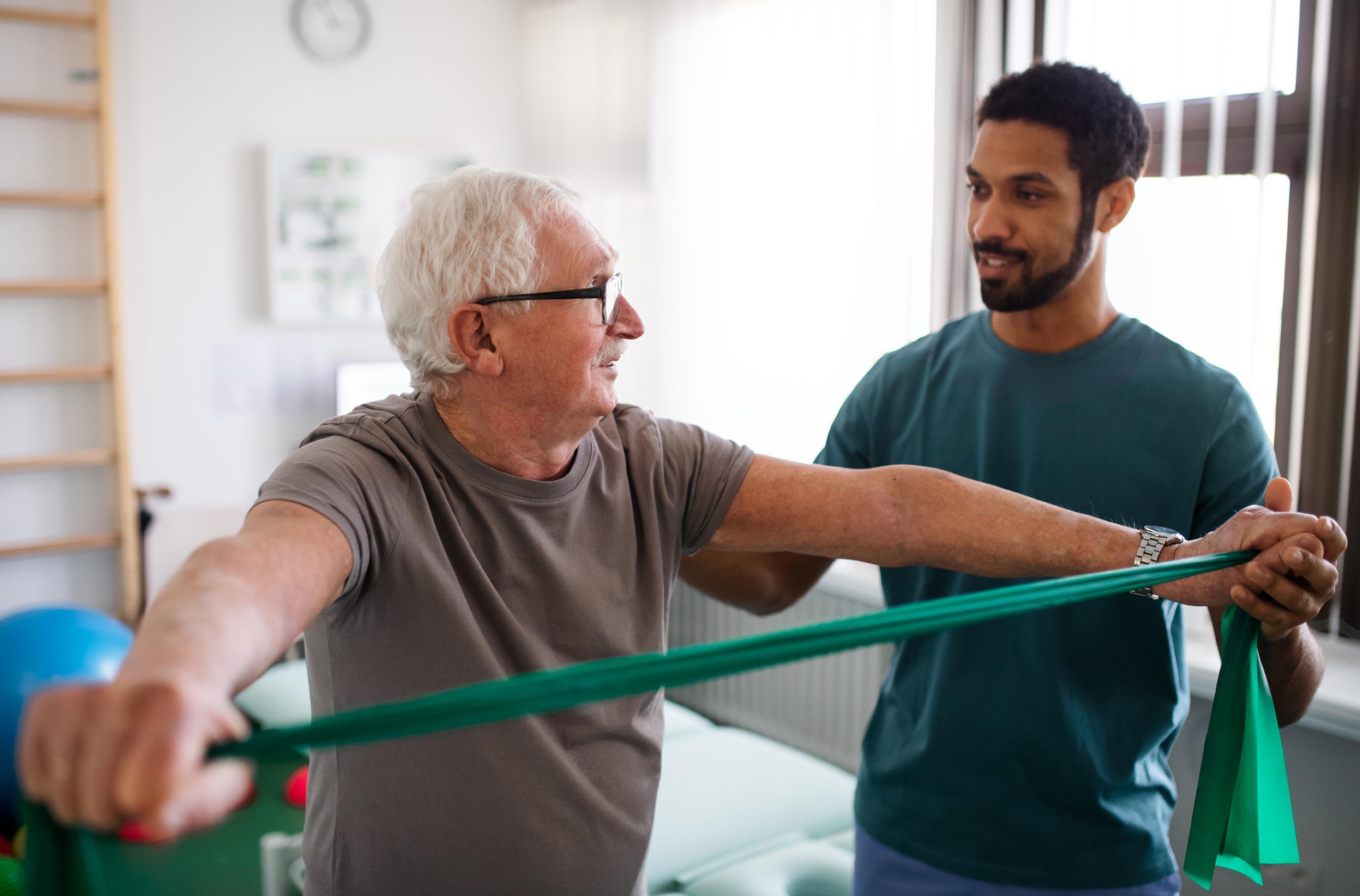
by Kevin Cezat, PT, DPT and Richard White, PT, DPT
On January 24th, 2024, we celebrated the 11-year anniversary of the the Jimmo v. Sebelius Lawsuit settlement. This landmark lawsuit had massive implications for using skilled therapy to help maintain, prevent, or slow functional declines in physical therapy patients. Despite extensive analysis of the Medicare policy revisions and multiple advocacy groups promoting its use, therapists still lack clarity in what, when, and how to appropriately use skilled maintenance therapy. In current practice, decisions on its use are often dictated by company policy and fear of denials rather than by patient presentation or clinical assessment.
So, let's review what happened and how we got here.
A lawsuit was filed against the Department of Health and Human Services, run by Kathleen Sebelius, in 2011. This legal action was filed on behalf of several patients, including Glenda Jimmo, and multiple advocacy groups. The argument was that Medicare coverage was being denied to participants due to lack of progress, despite this contradicting language in the Medicare benefit policy manual.
The case was settled in 2014, Medicare was required to clarify the wording in its manuals and educate its contractors and the public that coverage exists for those who require the skills of a therapist to develop, implement, and/or perform therapy to maintain functional status.
Several changes have occurred since, including updates allowing PTAs to provide skilled maintenance under Part B services and Part A services under supervision. However, the utilization of skilled maintenance therapy to maintain functional status or the deliverance of maintenance therapy in practice has continued to be minimal; people continue to be denied services by providers and insurance companies based on their lack of progress. The “improvement standard” continued to be used inappropriately. Subsequently, the court instructed Medicare to provide further education in 2021 and a Technical Direction Letter (TDL) in 2024 to Qualified Independent Contractors, Part C Independent Review Entities, Medicare Administrative Contractors, and Medicare Advantage Organizations.1
Despite ongoing education, clinicians have found themselves with questions and perpetuating myths about using skilled maintenance. As of a 2018 survey of
providers, 40% had not heard of the Jimmo Settlement, and >85% of respondents said they did not participate.2
As the resources surrounding this topic of best practices continue to grow, it is imperative that clinicians and service providers continue to take the responsibility to become better equipped to provide this service to our clients. We must continue to educate and advocate on behalf of our clients. IF you are a clinician who is unwilling to provide this service, then you have an obligation to refer to someone who will.
Definitions
Restorative Therapy
• Needed to address and improve deficits
• Goals are set, and improvement is expected
• Discharge upon reaching goals or maximum potential
• Requires the skills of a therapist
Skilled Maintenance Therapy
• Needed to sustain current function and prevent/slow loss of function
• No improvement is expected
• Goal is to prevent further loss of function
• Requires the skills of a therapist
General Takeaways
• Skilled Maintenance:
» Applies specifically to federal payers. It is important to look at private insurance policies and all local coverage determinations.
» Applies to both Medicare Part A and B within SNFs, OP therapy, and home health.
» Covered when the skills of a therapist are needed to design a program and pass it to non-skilled persons to carry out or to design a program that requires a therapist to carry out.1
• The inavailability of a competent person to provide a non-skilled service, regardless of the importance of the service to the patient, does not make it a skilled service when a therapist furnishes the service.1
• Frequency and plan of care length guidelines are not specific to skilled maintenance.
» Consider terminology used in the Medicare Benefit Policy Manual and resources available from APTA and leading clinicians.
• Consult resources such as decision trees, example letters, and documentation examples.
• Maintenance therapy should not use terms like
» Return to PLOF
» To improve functional level
» To increase
• Consider instead.
» Maintain, Prevent or Preserve
• Set precise reassessment dates of goals based on frequency.
• Set a timeframe for the goal based on the anticipated change in status.
• Utilize small changes in each assessment or frequency to show you are continuously assessing the justification.
1. Centers for Medicare &Medicaid Services. CMS.gov. Jimmo Settlement. https://www.cms.gov/medicare/settlements/jimmo Accessed October 21, 2024
2. Center for Medicare Advocacy Survey: CMS’ Jimmo v. Sebelius “Improvement Standard” Education Still Not Working. Center for Medicare Advocacy Weekly Alert. October 4, 2018. Accessed October 21, 2024. https://medicareadvocacy.org/center-for-medicareadvocacy-survey-cms-jimmo-v-sebelius-improvement-standardeducation-still-not-working/
Richard White, PT, DPT is the Corporate Rehabilitation Director of Education and Clinical Practice for Sigma Health Rehab. Additionally, he proudly chairs the APTA’s Academy of Geriatrics Skilled Nursing Facility Special Interest Group. Based in Utica, NY, Richard guides and educates the Sigma Health Rehabilitation team across New York State and New Jersey, focusing on best practices within Skilled Nursing Facilities. He has been an APTA Geriatrics member for several years.

Kevin Cezat, PT, DPT graduated from the University of Central Florida Physical Therapy program in 2011 and has been working in long term care within central Florida for the past 14 years as a staff therapist, a rehab director and currently as the Director of Clinical Excellence for Therapy Management Corporation. He is interested in professional advocacy, promotion of interdisciplinary team development, and implementation of dosing methodologies. He has a wife who is also a Physical Therapist who currently serves on the APTA SCI SIG; they are parents of 2 young boys. He has been an APTA Geriatrics member for most of his professional career and has been a member of other SIGs.
by Christine Childers, PT, PhD
Music, dance and socialization are not terms commonly associated with living in the long-term section of a skilled nursing facility. Negative images emerge of individuals in wheelchairs falling asleep during a local school choir concert, or a solo musician struggling to engage the residents. Dance is even less commonly observed in this environment and socialization can be challenging. How can the rehabilitation department help change some of these images when struggling with productivity and focusing on the short-term rehabilitation residents rather than those in the long-term location? As a rehabilitation manager who worked for over a decade in skilled nursing, it was literally music to my ears when a new director commented in the stand-up meeting that he played the piano, but not well, and wanted a way to give his music to the residents without it being a concert focused on his limited ability. Before I thought it through, I said how about we start a tea dance – and we never looked back.
Before going any further, what exactly is a tea dance? Today if you google the concept there are a variety of definitions, but historically the type of tea dance I was referring to was that commonly associated with the era of Jane Austin. Dating back to the 1800s in English society a tea dance was an afternoon event where refreshments were served, including champagne, a live orchestra was expected and the waltz, tango and subsequently the Charleston were the favored dances.1 It was decided that every second Friday at 4pm we would hold a tea dance. The long-term residents would be up from their after-lunch naps, the rehabilitation residents were almost finished for the day, and it would work well for shift change and the dining room.
Since the COVID pandemic there has been a growth in the literature regarding social isolation and loneliness. Boamah et al. confirm that while the two terms are often used interchangeably, technically the concept of social isolation is measured by the number of social contacts or relationships an individual has.2 Loneliness however is a subjective feeling that comes from a lack in quantity or quality of one’s social relationships.2 Boamah et al. also discuss the fact that long term care facilities are inadequately meeting the needs of the older adult particularly with respect to their mental health functioning, and often fail to provide sufficient activities and stimuli for residents.2 Lapane et al. indicate that loneliness can predict functional decline and suicidal ideation and that there is growing evidence of the negative health impact of lonliess.3 In their study, Lapane
et al. determined that loneliness was common among older adults within a long-term care setting with the negative health outcomes of depression and frailty. Their review suggested that reducing loneliness requires efforts by the facilities to include social activities and staff engagement.3
It has been stated that “the stimulating effects of music on the human brain are so strong that ignoring music is more difficult than interacting with it” 4 (page 92). Similarly Sacks has indicated that music has great power whether or not we seek it out5 and further remarks that music can calm, animate and comfort and people respond powerfully to music.5 Sheppard and Broughton comment that historically music and dance have been used as tools for healing and health.6 This relates back to the tea dances specifically in Bath, England, where people drank the water for healing purposes and later attended the dances. Dingle et al. found that there were positive effects on mood or emotion regulation in a variety of music activity categories. This included group singing which demonstrated positive effects on mental health and wellbeing, as well as music and movement which demonstrated improved cognitive health.7 Sheppard and Broughton emphasize that research looking at improvement with the use of performing arts should consider the participants as actively engaged in the activity, rather than just passive recipients6 and Fancourt and Finn in their World Health Organization paper summarized that there is a substantial body of evidence on the health benefits of the arts.8
Overall it would appear that the literature supports the need for increased social activities for long term care residents,2,3 and that the use of music and/or dance has been shown to promote wellbeing, mental health and mood.5-8
One of the most famous tea dances is that of the Broadway musical No No Nanette in which the song, Tea for Two is also featured,1 as a result the two have become synonymous. To open our event every Friday we would start with the song Tea for Two. Residents, both long and short term would be encouraged to sing along having been provided with large font copies of the words. After singing the chorus a couple of times, the staff, any members of the rehabilitation department available, and family members would encourage those residents who were able, to stand and dance with them, while the
others were invited to keep singing. The afternoon would progress with alternating singing and dancing. For those who could not stand, the staff would hold their hands while they “danced” thereby involving the individual. Those in wheelchairs would hold both hands with staff and with the brakes off would be gently moved in dance like fashion to the music. Themes of waltzes, the Charleston and other songs from musicals would fill the afternoon along with chatter, singing and laughter.
Two particularly poignant memories of those afternoons come from two diverse patients. The first, an older long-term resident, with a very high trans-femoral amputation was in her wheelchair and I asked her if she would like to dance. She looked at me and said are you mad, I don’t have a leg, to which I replied but you do have wheels. We took the brakes off and holding both her hands in mine I gently pulled, and we started to move across the floor and weaving and turning enjoyed the rest of the piece of music. Her face was alight the entire time and each Friday we repeated the same introduction and I received the same beautiful smile. A second memory is of a short-term resident who had experienced a cerebrovascular accident, had made a full physical recovery but had gone totally blind overnight because of the CVA. Obviously, the gentleman was experiencing significant psychological issues. That afternoon he was sitting listening to the music when his wife arrived to visit. I encouraged her to ask him to dance and he stood up, put his arms around her and the two of them moved with the music and they both started smiling. The first smile in a while for either of them.
Did we solve the isolation and loneliness of the long-term residents, of course not, but for an hour on Friday afternoon they were involved and actively participating with an event involving music and dance. The incorporation of the administrator, the rehabilitation director, some other therapists, staff and family members made it more memorable and meaningful for all of those involved and gave them something to talk about later. It
took very little effort by a variety of individuals to create a meaningful social event for the residents. Long term care can be challenging, but meaningful activities can be developed and as the movement experts’ physical therapists should be involved.
1. Ballroom Dance Preservation Society. History of the Tea Dance. 2024. https://ballroomdancepreservation.com/dancers-forum/past/ history-of-tea-dance/ Accessed October 22, 2024
2. Boamah SA, Weldrick R, Lee T-SJ, Taylor N. Social isolation among older adults in long-term care: A scoping review. J Aging and Health. 2021;33(7-8):618-632.
3. Lapane KL, Lim E, McPhillips E, Barooah A, Yuan Y, Dube CE. Health effects of loneliness and social isolation in older adults living in congregate long term care settings: A systematic review of quantitative and qualitative evidence. Arch Gerontol Geriatr. 2022;102:104728.
4. Clark IN, Baker FA, Taylor NF. The modulating effects of music listening on health-related exercise and physical activity in adults: a systematic review and narrative synthesis. Nordic Journal of Music Therapy. 2016;25(1):76-104.
5. Sacks O. Musicophilia: Tales of music and the brain. Vintage; 2008.
6. Sheppard A, Broughton MC. Promoting wellbeing and health through active participation in music and dance: a systematic review. Int J Qual Stud Health Well-being. 2020;15(1):1732526. doi:10.1080/1748 2631.2020.1732526
7. Dingle GA, Sharman LS, Bauer Z, et al. How do music activities affect health and well-being? A scoping review of studies examining psychosocial mechanisms. Frontiers in psychology. 2021;12:713818.
8. Fancourt D, Finn S. Fancourt WHO Scoping Review (Copenhagen: World Health Organisation). 2019;
Chris Childers PT, PhD Board certified Geriatric Clinical specialist has worked for many years as the director of rehabilitation in various skilled nursing facilities in Utah and California. On transitioning to academia inspired by the original tea dances, Chris developed a movement and music workshop, which she used as a service-learning activity to help students interact with the older adult. Currently Chris is developing a new DPT program for the University of Arizona which will feature a robust service-learning component.
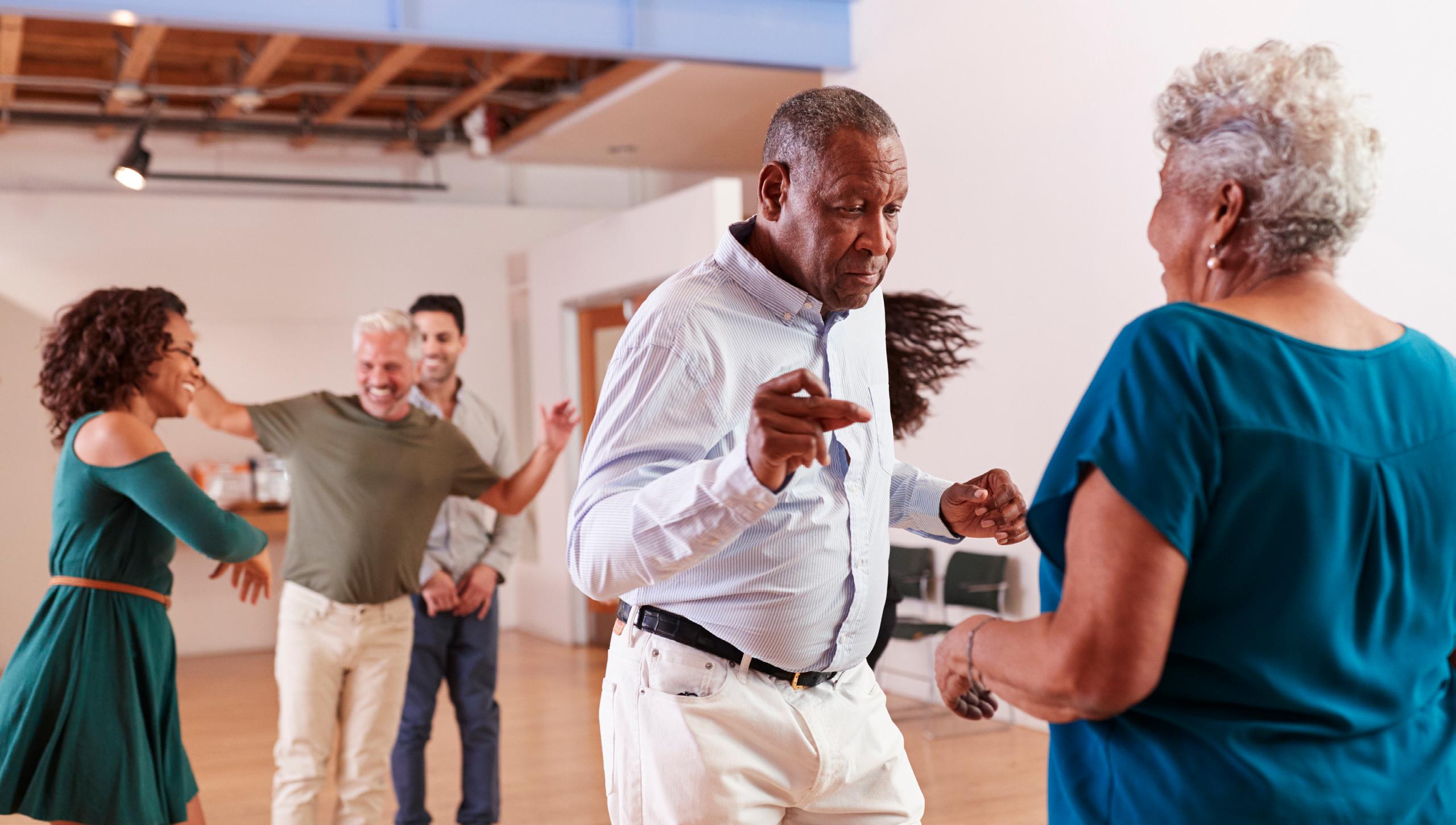
You might be saying, well of course it is…doesn’t everyone know that???
It turns out that the value of physical therapy for fall prevention may not be understood and appreciated by all healthcare providers and older adults. However, exercise recommended by a physical therapy professional was recently recommended by the United States Preventive Services Task Force (USPSTF) as an effective intervention to prevent falls.
is
What is the USPSTF?
• The United States Preventive Services Task Force, created in 1984, is an independent, volunteer panel of national experts in prevention and evidence-based medicine. Their purpose is to review and evaluate scientific evidence and recommend specific clinical preventive services to improve health and well-being.
Why is it important?
• The USPSTF recommendations are used to determine what preventative services are covered by insurers.
• As of September 2010, the Affordable Care Act mandated private insurers and Medicaid must provide
coverage and Medicare could expand coverage for certain preventive services that received a Grade of A or B from the USPSTF.
• Per the mandate, preventative services must be offered with no out-of-pocket costs for the patient.
Why should PTs care?
• On June 4, 2024, the USPSTF updated its recommendations for effective interventions to prevent falls in community-dwelling adults aged 65 years and older who are at increased risk for falls.
• The updated guidelines recommended a “B” grade for outpatient-based physical therapy and group community exercise programs fall prevention interventions and a “C” grade for multifactorial fall prevention interventions.
• In the coming months, the B grade may result in Traditional and Medicare Advantage plans providing additional coverage for physical therapy and/or appropriate community-based exercise programs at no additional cost to the patient.
What type of
• The recommendations were based on 37 RCTs that assessed the impact of exercise on preventing falls
• The most common exercise interventions in the
studies included balance, gait, functional training, strength and resistance training.
• The most commonly studied exercise programs were the Otago Exercise Program (6 studies), Tai Chi (4 studies), Better Balance (3) and Standing Tall (2 studies).
• It is important to note that only five of the 37 trials were conducted in the United States.
• Of the 16,117 participants studied, only two participants experienced a fall-related injury, supporting that exercise to prevent falls is a low-risk intervention.
• Half of the studies reported minor adverse events with musculoskeletal pain, a common side effect of strength training, being the most common.
• Recognizing physical therapy as an effective intervention to prevent falls is an opportunity to align evidence-based practice with payment models.
• Physical therapy professionals can leverage these recommendations to highlight our value as the providers of choice for fall risk management and prevention.
• Recognizing group exercise as an effective intervention is an opportunity for physical therapists to build clinical-community connections with communitybased programs for appropriate patients.
• Review evidence-based guidelines on effective fall risk management interventions. A great place to start is the
APTA Geriatrics webpage https://aptageriatrics.org/ sig/balance-falls-special-interest-group
• Evaluate your current practice, confirm you are integrating the appropriate exercises at the most effective frequency, intensity, and duration for the best outcomes.
• Keep an eye out for the next offering of the APTAGeriatrics Balance & Fall Prevention Credential (https:// aptageriatrics.org/events/courses/balance-fall-prevention-course/) and consider enrolling.
• Identify resources both online and in your community that offer evidence-based and evidence-informed balance and fall risk management programs. Keep a list of facilities, programs and providers in your community. Reach out, engage, and educate your community partners about these opportunities.
• Pay attention to the SAFE Act. This is a bill in the House of Representatives that proposes to reimburse PTs and OTs for providing comprehensive falls risk assessments to any older adult identified as at risk for a fall during their Medicare Wellness Visit. If passed, this will provide even more opportunities for PTs to demonstrate their value as fall risk managers.
• There is not a set timeline for the recommendations to be implemented by Medicare. Previously uncovered services often take more time to be integrated into coverage policies, and there may be variation across plans. You can reach out to your Medicare Administrative Contractor or to Advantage plans to inquire about coverage.
This article is a compendium of the efforts of the Balance and Fall Committee and the Faculty teaching the Balance Certification Course and includes Tiffany Shubert, Leslie Allision, Heidi Moyer.


by Michele Stanley, PT, DPT, Editor
by Michele Stanley, PT, DPT, Editor
APTA Geriatrics acknowledges that a significant portion of our members work or will work in subacute or long-term care facilities; this gives rise to the SNF (Skilled Nursing Facility) Special Interest Group (SIG). The June issue highlighted interviews with the new Chair, Richard White, and Vice Chair, Kevin Cezat, of this new group. We resume this information series with a similar article featuring Travis Womer, DPT, the Secretary of the SNF SIG.
Travis has been a member of APTA Geriatrics for the past 2 years.
What motivated you to start a SNF SIG?
Travis: In my role as the Corporate Director of Reimbursement, Operations and Development, overseeing operations in 46 facilities across NYS and NJ, I firmly believe that increasing exposure to the skilled nursing and sub-acute rehab setting in the form of direct applicable resources and education will evolve the professional image and clinical practice resulting in better patient experiences and outcomes. It is my belief that the skilled nursing / sub-acute rehab setting is underrepresented at all levels within the physical therapy professions. I view this volunteering experience as an opportunity to facilitate needed change and maturation within APTA. I hope that this SIG helps represent physical therapists and PTAs and identify their specialty in skilled nursing/sub-acute rehab.
I have attended the APTA’s CSM for over a decade and regularly find it difficult to find applicable sessions & related educational content specific to the SNF setting. When I step back and think of the number of PTs and PTAs identifying themselves as therapists in the Sub-Acute / SNF setting nationally, it is perplexing that
these therapists do not have more representation, greater pursuit of clinical and educational resources, and most importantly a setting or section to call home.
Prior to the establishment of this SIG, as a physical therapist practicing in a SNF, there is very limited, if no, access on the APTA website to view setting specific content and resources.
What would you envision as goals for a SNF SIG?
Travis: I plan to connect with each individual state’s APTA Geriatric / SNF representative to identify each unique state’s needs. After reviewing questionnaire and state’s needs, I would plan to address these needs at future CSM’s.
I plan to have a platform where Geriatrics members and SNF SIG members can ask /voice questions unique to the Sub-acute / SNF setting. All questions can be addressed by experts in the field and then, accurate navigation can be provided.
Do you have thoughts on new grads vs experienced therapists for first time jobs in SNF?
Travis: In my personal experience, in most instances, new grads and experienced therapists traditionally have appropriate base of knowledge. However, experienced therapists have a much greater understanding of today’s SNF medical model, reimbursement, and compliance. This results in greater professional communication and more realistic advocacy which results in greater access to needed therapeutic skilled services and equipment for their clients.
What do you think was your formative clinical experience or training for becoming a SNF therapist? What needs to be taught as part of DPT programs to make this successful?
Travis: Students need to be better prepared with more information about SNF reimbursement models, Part B reimbursement models, CMS therapeutic compliance rules, and operational approaches of In-house Vs contract therapy services.
What 3 things do you think that EVERY physical therapist needs to understand about skilled nursing rehab?
Travis: Physical Therapists’ scope of practice does not change from setting to setting. I hope to motivate them to stand up for their clinical autonomy as medical professionals.
There is a vast spectrum of clinical complexity among the patient population.
Active Primary and Secondary diagnosis that have significant impacts in patients’ rehabilitation process. The need for collaboration among varying disciplines (Occupational Therapy & Speech Therapy), Nursing and Social Work to regularly address the needs of most all residents / patients.
What do you see as a big challenge to rehab in SNF/LTC?
Travis: 3rd party denials are a MAJOR issue within the SNF setting. I personally believe many HMOs and 3rd party denials are robbing many patients of their paid medical benefits after their incorrect biased interpretation of Chapter 8 & 15 and CMS Medicare manual specific to Skilled Therapy Services.
My belief is constant robust therapy documentation of the required skilled therapy services consistently being delivered that is directly impacting the individualized therapeutic plan of care and is the cornerstone to counter. Unfortunately, most 3rd party companies have their own agenda and are monetarily
incentivized to deny. I have personally found success in reimbursement & documentation education amongst our therapy teams to develop clinically and structurally sound rehabilitative plans of care with appropriate documentation throughout that skilled stay. We wait for the opportunity for the denied cases to be reviewed by an unbiased 3rd party or in front of an administrative law judge that accurately understands and interprets the Medicare manual governing therapy services.
You appear to work for a contract company, can you address pros and cons of working for a company vs in-house?
Travis:
Pros for contract:
• A therapist is part of a larger specialized company with access to applicable educational and clinical resources to best navigate daily operations and access to high level resources to advocate for patients.
• Therapists are part of a larger company with greater opportunity for vertical movement in the pursuit of management and leadership roles. Additionally, opportunities for lateral movement in desires of relocation.
Cons for contract:
• In some instances (not all), the therapy team can be viewed as third party resulting in decreased communication among the interdisciplinary team. This can result in compromised patient advocation and addressing needs.
• Many contract companies, depending on their specific facility or company contract, are disincentivized to treat low reimbursing payer sources thus compromising the deliverance or access to therapy (PT, OT & ST) in the patient population that have these payor sources.

Travis Womer is the Corporate Director of Reimbursement, Operations and Development for Sigma Health Rehab. Travis is a graduate of Gannon University’s DPT program and is MDS RACCT certified. Travis has over 13 years of experience within skilled nursing, focusing on operations, reimbursement, clinical compliance, clinical programming and development throughout the Northeast and Mid-West. Travis resides in Buffalo NY with his son Alexander and his wife KariAnn and is an avid Buffalo Bills fan.
by Jill Jumper, PT, DPT, PhD and Brady Holcomb, PT, DPT
“If you build it, they will come” is a quote from the iconic 1989 movie Field of Dreams. Since the release of this film, this quote has cleverly depicted the idea that if you create something new that people need, they will come to you. It symbolizes the intent behind starting an intergenerational exercise program for people with Parkinson’s Disease (PWP) at our university. Loneliness and isolation are not good for anyone, even more so for those with Parkinson’s Disease (PD).1 This progressive degenerative movement disorder causes a significant toll on those diagnosed and is typically known for its motor symptoms such as tremors, shaking, stiffness, rigidity, and balance issues. However, the public stigma associated with this disease can have a huge psychological impact on people with Parkinson’s Disease (PWP) partially contributing to the non-motor symptoms of depression, anxiety, and apathy. The combination of all these symptoms, in turn, leads to intentional social withdrawal, loneliness, and isolation. Not only has isolation and loneliness been shown to cause premature all-cause mortality, but cognitive stresses associated with PD have proven to decrease the effectiveness of Levodopa, the primary medication used to decrease symptoms of PD.2,3
With the rising number of people diagnosed with PD, local support groups have popped up all over the United States to combat social withdrawal by building supportive relationships and sharing knowledge of the disease process with PWP and their care partners. Discussions on medications, nutrition, physical exercise, mental health, and social relationships are just a few ways that support groups are helping to manage symptoms and the burden on care partners. The importance of exercise and physical activity for PWP has been stressed in the literature and continues to be the topic of discussion for generalized wellness and management of symptoms.4 As healthcare workers, we know PWP need physical activity for improved function, but they also need people, they need relationships, and they need to feel connected to their communities.
Abilene, a small West Texas town of ~130,000, has limited resources available for PWP and their care partners. Most PWP in the Abilene area drive over 2 hours to see a movement disorder specialist for care specific to PD. The local community action committee for PWP consists of a collaboration of educators and researchers from the world of physical therapy, kinesiology, exercise
physiology, occupational therapy, nursing, social work, and fitness and recreation. Annual events are held to empower local politicians, physicians, and other healthcare workers to get involved in active, meaningful ways and build empathy in the community for PWP. In a greater effort to combat social isolation and improve physical activity for PWP across Abilene, the community action committee formed a partnership between Hardin-Simmons University and the local Parkinson’s support group. The primary goal was to develop a free exercise program where an undergraduate student volunteer (Pre-PT, Pre-OT, kinesiology, fitness/recreation, or Pre-med) would serve individually with a person with PD in the university recreation center. A secondary goal was to obtain clearance for the care partners (spouses, friends, or other family) to exercise in the facility free of charge also. We know the burden of care on a loved one is high and rarely do these people have the time to exercise; therefore, this was extremely important. A third and final goal was to incorporate student volunteers into the project. Students could build volunteer hours for graduate school while working one-on-one with a person with PD. Any students involved with the project would need education on the disease process and on safety for each person involved in the program. As a small, private university, it was unknown if enough students would volunteer to serve this population, but we found out very quickly that students were willing to participate. What started as a small way to give back to the community grew into an interdisciplinary effort to combat this disease through exercise and the added benefit of building intergenerational relationships.
Getting the program up and running required multiple steps. Initially, approval was required from university administration to allow people with Parkinson’s Disease and their care partners to exercise on campus free of charge. Thankfully, administration and the fitness center manager were extremely supportive and willing to take on the responsibility. Many of the people involved in the decision-making of this program had been touched by this disease in one form or fashion (family or friends with a diagnosis) and wanted to open the doors to the local community, but preparation was needed before beginning.
First, it was decided that the recreation center would be available for participants during slower use times (7 am to 1 pm) since most students exercised in the afternoons or evenings. This would decrease any chance of equipment not being available for the PWP or the university students when needed. Truthfully, this worked well for our participants based on timing of their medication, Carbidopa-Levodopa, and allowed students to be available to assist around their classroom hours.
Next, for safety of the participant and protection of the university, a physician’s signature on a medical clearance form was required prior to beginning the program and participants completed a signed waiver understanding that any injuries were not the responsibility of the university. For participant safety when walking in and out of the fitness center, handicap parking spots close to the door were made available. In addition, vital signs would be required for each participant prior to conducting the exercises each visit. If vital signs were outside of the required range, exercise would not be allowed that day and referral back to the physician may be warranted.
Finally, information was sent out to recruit student volunteers. Students that were looking at applying to medical school, physical therapy programs, or occupational therapy programs were encouraged to participate. This was an excellent way to add servant leadership to a resume and show hours working one-onone with a person with Parkinson’s Disease. For students to officially volunteer on campus, extensive paperwork and a background check were completed. Once they were approved to volunteer in the program through the university’s human resources department, students participated in a 60-minute extensive training at the facility by a physical therapist, kinesiologist, and exercise physiologist. Information included the understanding of potential motor and non-motor symptoms associated with PD, proper donning/doffing of gait belt, proper guarding of patient during gait and transfers, proper transfer training with use of belt, steps for proceeding through the
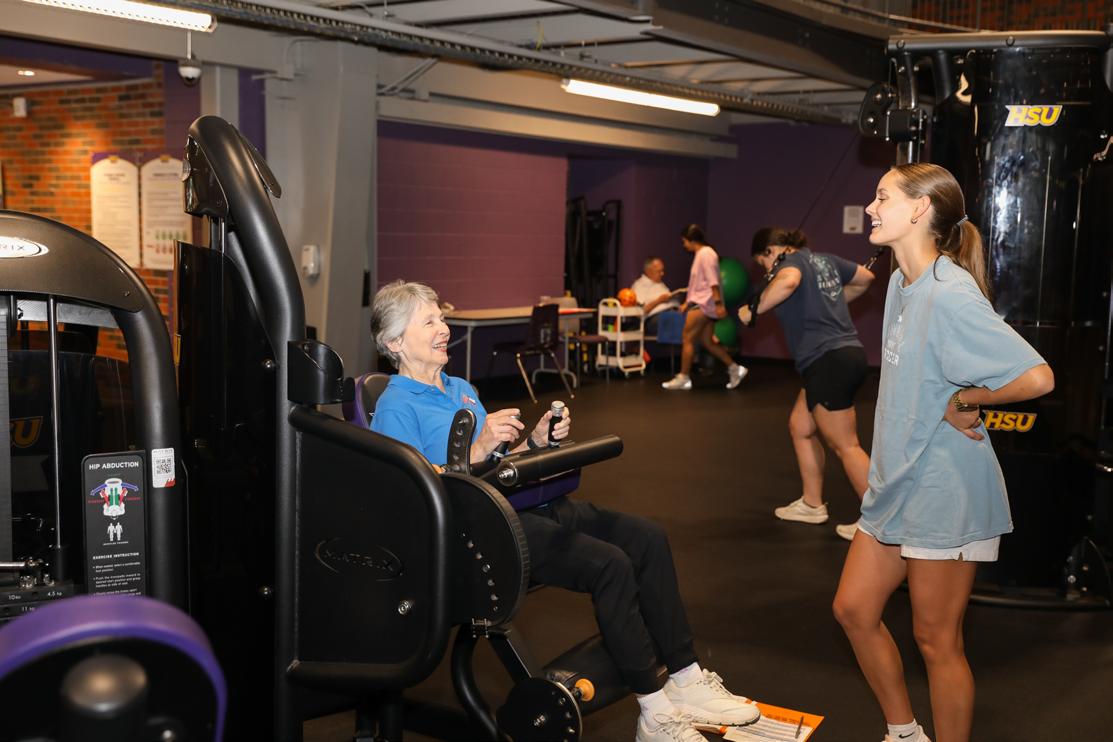
exercise program, and the importance of strong, positive communication with all participants. Finally, students were highly encouraged to “get to know” the person well and focus on sharing joy with each participant.
After university approval was met and local participants completed the required medical clearance form and signed waiver form, a wellness evaluation was completed to screen the participant and assist in developing the proper exercise program. Participants completed a medical health history form and a Physical Activity Readiness Questionnaire (PAR-Q) to uncover any potential health risks associated with exercise. Afterwards, vital signs were completed for each person followed by a TUG (timed up and go); balance tests with eyes open and eyes closed; chest expansion measurements; and finally, a gait evaluation to identify fall risk and issues with decreased arm swing or festination. These tests helped identify if the participant needed assistance with transfers, if there was a need for a gait belt during activities, and if the person was safe to walk on a treadmill or stairs. Once the evaluation was completed and people were cleared to exercise, the fitness and wellness manager would prepare their official access cards to the facility and assign the participant to a specific student at a specific day and time of the week. Finally, the outcome of the wellness tests was sent to the exercise physiologist who developed a personalized, periodized, and progressive 12–20-week exercise program consisting of strength training, endurance, and balance activities (picture 1 and 2).
After initial word got out about the program, the university marketing team brought out the local television network for an official interview with one of the participants. Immediately after the television spotlight, people from all over the area called to get more
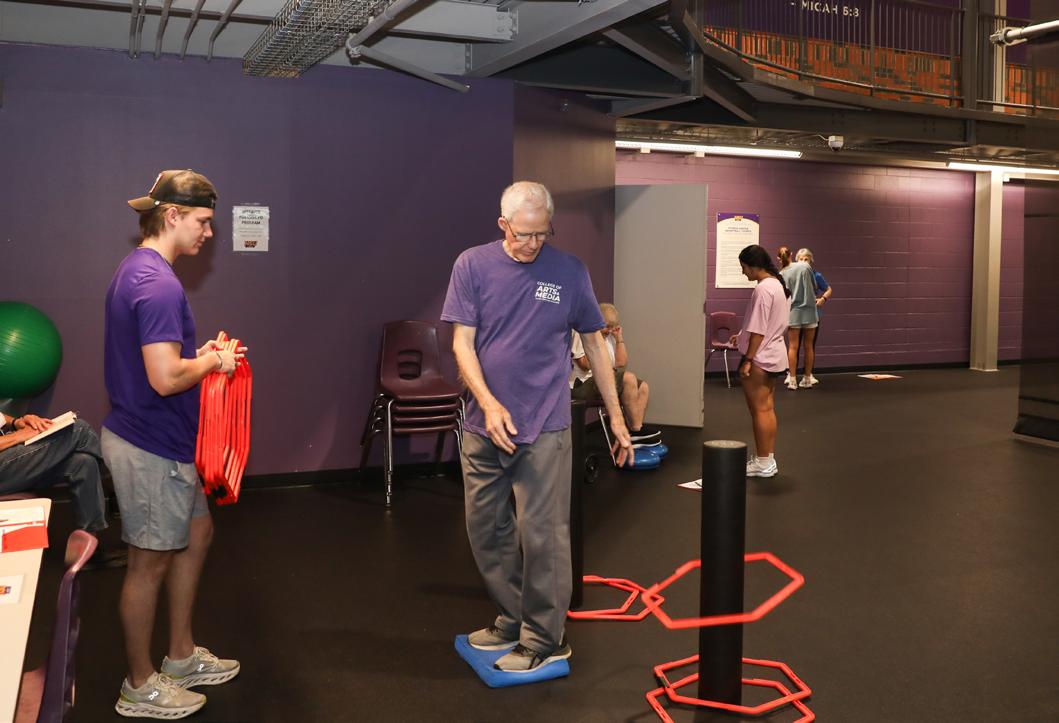
information and our participation numbers tripled in size. The collaborative and intergenerational exercise program for PWP at Hardin-Simmons University has been running for 6 months now. We have new people reaching out consistently to sign up, new with participants are willing to be on a waiting list until a spot opens in the schedule. The team of people that have been involved in this program have been outstanding and the students have really shown amazing servant leadership when working with each participant. Here are two examples of the impact this program has had on the students and participants involved:
Participant, Lorraine (picture 3): “What I love about the opportunity to participate in the Parkinson’s exercise program at HSU is exactly that, love. I love how the staff and students volunteer their time to provide workouts
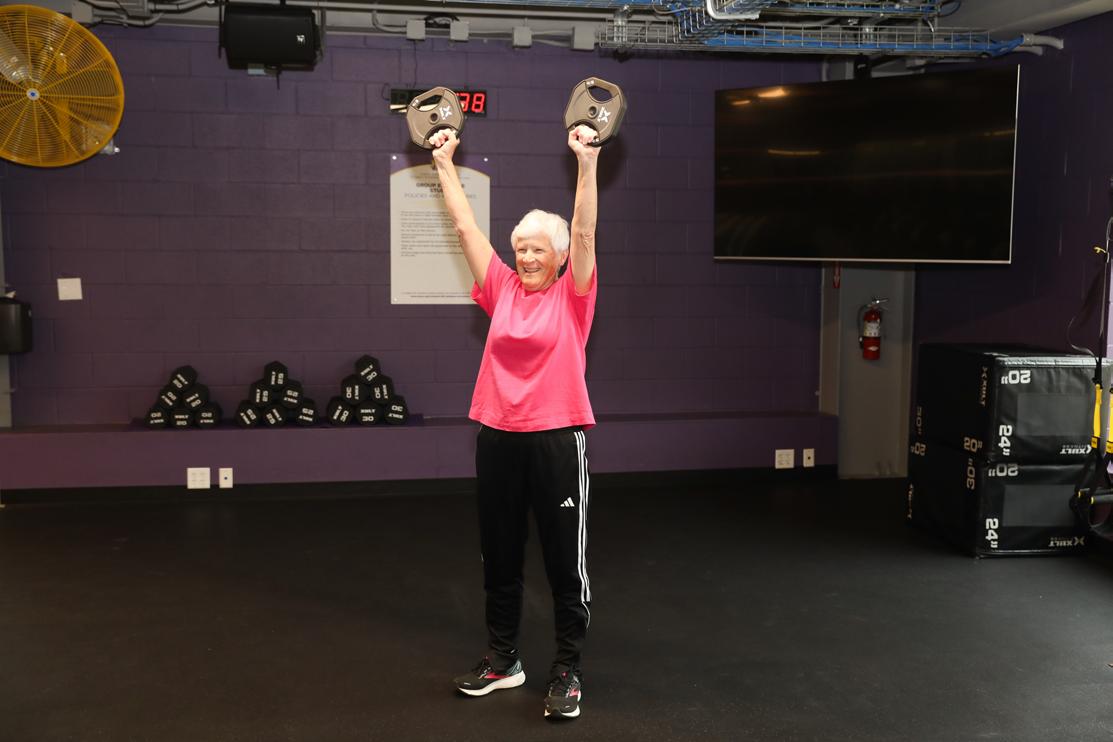
geared to each of us. The positive physical impact helps me live the best I can with a disease that is unrelenting. I also love the social, emotional, and spiritual benefits that come from spending time in the fitness center amongst people who ask how you’re doing and sincerely care.”
Student, Mary Jo: “Being part of the Parkinson’s program at HSU has impacted me in so many ways, from building relationships with members of our community, to learning more about Parkinson’s and how to help individuals battle it. It has allowed me to gain great experience with training individuals through fitness programs, which will help me be successful in my future career. I hope I have half the impact on their lives as they have had on me!”
Since the initial launch in January 2024, we have had 34 PWP and 25 student volunteers working out twice a week at the recreation center. The PWP see this as an opportunity to exercise for free at an amazing facility while building a relationship with a young adult pursuing healthcare in the future. Students see this as a fantastic opportunity to serve others, learn about the progression of Parkinson’s Disease, and improve their applications for
graduate school. This has been a win-win for all parties across the board. If you are considering starting a program like this one in your community, get started! Keep in mind, “if you build it, they will come.”
1. Suran M. How Prolonged Isolation Affects People with Parkinson Disease During the COVID-19 Pandemic. JAMA. 2022;327(9):801–803. doi:10.1001/jama.2022.1510
2. Barnes TL, Ahuja M, MacLeod S, et al. Loneliness, Social Isolation, and All-Cause Mortality in a Large Sample of Older Adults. J Aging Health. 2022;34(6-8):883-892. doi:10.1177/08982643221074857
3. Zach H, Dirkx M, Pasman J, Bloem B, Helmich R. Cognitive Stress Reduces the Effect of Levodopa on Parkinson’s Resting Tremor. CNS Neurosci Therap. 2017;23(3):209-215. Doi: 10.1111/cns.12670
4. Fayyaz M, Jaffery SS, Anwer F, Zil-E-Ali A, Anjum I. The Effect of Physical Activity in Parkinson's Disease: A Mini-Review. Cureus. 2018;10(7):e2995. Published 2018 Jul 18. doi:10.7759/cureus.2995

Dr. Jill Jumper currently serves as the Program Director in the Hardin-Simmons University Doctor of Physical Therapy program.
Dr. Jumper has been a licensed physical therapist for 22 years and is a Board-Certified Clinical Specialist in Geriatric Physical Therapy. Her research focus is on physical therapist education and on improved treatment for people with Parkinson’s Disease.
Dr. Holcomb currently serves as Assistant Professor in the Hardin-Simmons University Doctor of Physical Therapy program. He became a Board Certified Orthopedic Clinical Specialist (OCS) in 2021, holds certifications in LSVT BIG for treatment of movement dysfunction with Parkinson’s, and is certified in level I and II dry needling. His research interests include treatment for individuals diagnosed with Parkinson’s Disease, clinical bike fit and power metrics, and inclusion and resilience found in individuals and families who attend respite camps.
by Alex Alexander, PT, DPT and Cathy Stucker, PT, DSc
Humans spend about one-third of their lives sleeping. Sleep is a critical period of recovery that supports cardiovascular, neurologic, and other life functions. Quality sleep is beginning to be recognized as a positive health behavior. It has recently been recommended that sleep be considered as another vital sign.1 Seven to eight hours of sleep is the recommendation for those over the age of sixty-five years old.2
Consequences of Poor Sleep3,4,5
• Hypertension and other cardiovascular diseases
• Stroke
• Diabetes mellitus
• Obesity
• All-cause mortality
• Decreased immune function
• Decreased tissue healing
• Depression and anxiety
• Declines in attention and concentration
• Reductions in working memory
Sleep Health as a Crucial Measure of Overall Health
Poor sleep is a contributing factor in many physical
and mental health conditions across the lifespan. In older adult populations, poor sleep can contribute to impaired cognitive functioning, increase in falls, and acceleration of the aging process related to a decline in quality of life. The National Sleep Foundation (NSF) identifies positive sleep behaviors as crucial to maintaining good health and function in all older adults. Components of these positive behaviors are associated with duration, regularity, continuity, and satisfaction/quality.
A NSF survey identified the following association between comorbid illnesses and reported sleep problems in people aged 65 and older:
• 36% without comorbid illnesses reported sleep problems6
• 52% with 1 to 3 comorbid illnesses reported sleep problems6
• 69% with 4 or more comorbid illnesses reported sleep problems6
However, sleep problems are not a normal expectation with aging. It is possible to prevent or delay the negative mental and physical consequences of poor sleep by making recommended changes.
Depression and sleep are closely associated according
to the Sleep in America Polls conducted by the National Sleep Foundation for 2023 and 2024:7,8
• Depressive symptoms were reported for 50% of adults (>40% of teens) who did not get the recommended amount of sleep.
• 7 out of 10 adults and teens experienced at least mild depressive symptoms when they reported being dissatisfied with their sleep.
• Depressive symptoms were reported in 2 out of 5 adults (1 out of 2 in teens) who reported having difficulty falling aslee p or staying asleep just 2 days a week or more.
• No or minimal levels of depressive symptoms were reported by >90% of adults/ teens who graded their sleep in the ‘A’ range for sleep health and sleep satisfaction.
The body goes through sleep stages every 90 minutes within each night’s sleep; depending on the age of the sleeper, the sleep stages will last for different amounts of time. There are 4 stages of sleep that include stage 1, stage 2, and stage 3 which are all non-REM sleep and stage 4 which is REM sleep.9
This is the lightest phase of sleep and generally lasts about 7 minutes. During this stage of sleep, the sleeper can be woken easily and is alert. The body’s heartbeat and breathing slows and muscles start to relax.
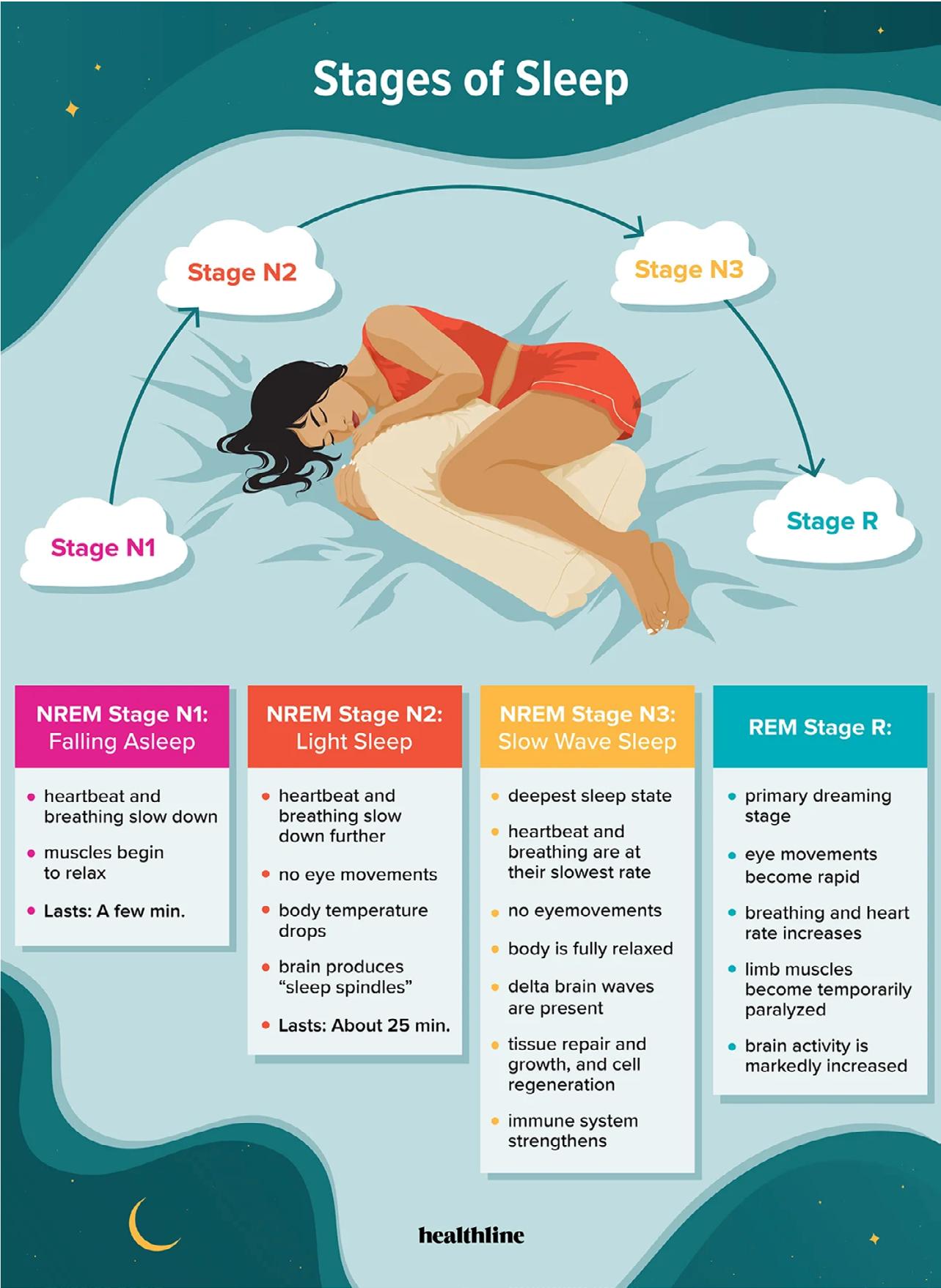
Stage 2 is still considered a light phase of sleep and lasts around 25 minutes. During this stage the sleeper is less likely to be awakened. Heart rate and breather rate continue to slow and body temperature drops. During this stage, the brief bursts of electrical activity known as “sleep spindles” are created by the brain.
Stage 3 is categorized as deep sleep in which there is no eye movement or muscle activity. During this stage delta waves are produced. As more delta waves are produced, the sleeper enters the restorative phase in which the sleeper has a difficult time being awakened. Stage 3 helps the sleeper to feel refreshed and is where the body repairs muscle and tissue, growth and development is encouraged, and mprovements in immune function are noted.
Rapid eye movement (REM) sleep is named for the quick eye movement that is encountered while sleeping. This stage usually lasts about ninety minutes after falling asleep. This is the stage of sleep where a sleeper will dream since the brain is active. The sleeper will experience increased heart rate, faster and more irregular breathing, and increase blood pressure. The arms and legs will temporarily be paralyzed to prevent the sleeper from acting out their dreams. REM sleep increases in time with each new sleep cycle and is imperative for learning, memory, daytime concentration, and mood. Overall, stage 3 and REM sleep have the most unique benefits. For the average adult to feel restored and healthy, it is recommended that the sleeper receive one to two hours of stage 3 sleep nightly.
1. Reeve K, Bailes B. Insomnia in adults: Etiology and management. J Nurse Pract. 2010;6(1):53-60. doi: 10.1016/j.nurpra.2009.09.013.
2. National Sleep Foundation. How much sleep do you really need? https://www.thensf.org/how-many-hours-of-sleep-do-you-reallyneed/. Published August 30, 2024. Accessed September 5, 2024.
3. Itani O, Jike M, Watanabe N, Kaneita Y. Short sleep duration and health outcomes: a systematic review, meta-analysis, and metaregression. Sleep Med. 2017;32:246–56.
4. Bao Y-P, Han Y, Ma J, Wang R-J, Shi L, Wang T-Y, et al. Cooccurrence and bidirectional prediction of sleep disturbances and depression in older adults: Meta-analysis and systematic review. Neurosci Biobehav Rev. 2017;75:257–73.
5. Press Y, Punchik B, Freud T. The association between subjectively impaired sleep and symptoms of depression and anxiety in a frail elderly population. Aging Clin Exp Res. 2018;30:755–65. [PubMed: 29022191].
6. National Sleep Foundation. Promoting healthy sleep for older adults: a policy statement from the National Sleep Foundation. Accessed Sept. 3, 2024. NSF-Policy-Statement_Sleep-Health-and-Aging_Final-2022.pdf (thensf.org).
7. Knutson KL, Phelan J, Paskow MJ, et al.The National Sleep Foundation's Sleep Health Index. Sleep Health. 2017 Aug;3(4): 234-240.doi: 10.1016/j.sleh.2017.05.011.
8. Ohayon MM, Paskow M, Roach A, et al. National Sleep Foundation Sleep Satisfaction Consensus Panel. The National Sleep Foundation's Sleep Satisfaction Tool. Sleep Health. 2019 Feb;5(1):5-11. doi: 10.1016/j.sleh.2018.10.003..
9. National Sleep Foundation. What are the sleep stages? National Sleep Foundation. https://www.thensf.org/what-are-the-sleepstages/. Published August 30, 2024. Accessed September 5, 2024.
10. Lockett E. The stages of sleep: What happens during each. Healthline. https://www.healthline.com/health/healthy-sleep/stagesof-sleep. Published May 30, 2023. Accessed September 5, 2024.
Alexandra Alexander PT, DPT, GCS is a Board-Certified Clinical Specialist in Geriatric Physical Therapy and is chair of APTA Geriatrics Cognitive and Mental Health SIG. Alex graduated with her Doctor of Physical Therapy from Carroll University in Waukesha, WI in 2017. Alex works in the home health setting right outside of Nashville, TN and had been doing home health for 7 years now. She is a big proponent for older adults and optimal/healthy aging. She is passionate about hospice and works as a hospice PT at her agency.
Dr. Stucker has practiced for over 30 years in various practice areas, including outpatient orthopedics, sports medicine, industrial rehab, acute care, skilled nursing facilities, and home health. She continues to practice per diem in the home health setting. She has been the Chair for the APTAG Health Promotion and Wellness SIG since 2022. She is a Clinical Associate Professor with Northern Arizona University Hybrid DPT Program. Her teaching specialties and research interests include Geriatrics and Wellness Promotion. She is a Board Certified Geriatric Clinical Specialist (GCS) and is a Certified Exercise Expert for Aging Adults (CEEAA). She is also a Certified Manual Physical Therapist through the North American Institute of Orthopedic Manual Therapy.



by Paras Goel, PT, DPT, MEd
Editor’s Note: This clinical case commentary was part of content for the September 2024 Journal Club. These case studies are intended to demystify the more formal statistics and format of a peer-reviewed article and translate key concepts into clinically usable information. Join us for Journal Club on the third Tuesdays of January, March, May, July, September, and November at 8 pm ET to discuss current concepts with a wide range of peers.
Case study presentation based on the research article from Journal of Geriatric Physical Therapy: Bay AA, Ramachandran S, Ni L, et al. Differences in Balance Confidence, Fear of Falling, and Fall Risk Factors Among White and Black Community-Dwelling Older Adults. J Geriatr Phy Ther. 2023;46(2):122-131.1
Cultural competence has been a focus in healthcare delivery in recent years and has become one of the cornerstones of providing patient centric care. Culturally competent healthcare systems and communication can provide better healthcare delivery and outcomes. This also enhances effectiveness, efficiency, safety and timeliness of the care provided2
The research conducted by Bay et al.1 provides several practical applications that may greatly improve the quality of care and enhance home health physical therapy assessments. It offers evidence-based recommendations that ensure thorough assessments that encompass a person's functional abilities and socioeconomic parameters. The study emphasizes how critical it is to comprehend ethnic and cultural variations in how people manage their fear of falling and their level of confidence. Physical therapists can utilize this knowledge to modify evaluations and treatments to be more pertinent to each person’s history and cultural sensitivity. This can also help improve communication between therapists and patients; therapists may better address concerns and foster the trust that is essential to successful recovery. The results of the study support the use of interdisciplinary methods to provide care by incorporating social workers, occupational therapists, and other medical specialist to address the more extensive social and environmental factors that raise the risk of falls. This study targets the need for well-coordinated care and addresses the complex nature of fall risk: healthcare professionals from many disciplines can adopt a more comprehensive approach to patient management by putting these assessment tools into practice.
“Carmen”, “James”, “Janet”, “Matthew”, “Rita” and “Young” were referred for home health physical therapy evaluation and treatment after an annual checkup with their respective physicians. “Gait and mobility training” was the listed reason for referral.
Carmen, James and Janet scored higher than Matthew, Rita, and Young on the MoCA, indicating better cognitive abilities. It was noted that Matthew and Young
had fewer years of formal education compared to Carmen, James, Janet and Rita. However, the SF-12 scores revealed that James and Young had lower mental health scores, which affected their balance confidence and increased their fear of falling compared to Carmen, Janet, Matthew and Rita. Although Matthew and Young had more chronic comorbidities and slower gait speeds in both preferred and fast gait conditions, which increased their risk of falling, they had no falls in the past 12 months. In contrast, despite having fewer risk factors for falls as compared to others, James reported lower ABC scores and a higher fear of falling.
James was seen for home health physical therapy treatment visits twice a week for 2 weeks and once a week for 5 weeks for a total of 9 PT visits. The treatment sessions were focused on improving balance and general strength. Physical therapist also focused sessions to involve cognitive tasks and dual task activities improve balance confidence scores. A referral was made to Speech Therapist (ST) to address cognitive deficits, and occupational therapist (OT) was also involved to address activities of daily living deficits. Medical Social Worker (MSW) evaluation was completed to offer information about community and other available resources.
Matthew was seen for a total of 7 weeks with a frequency of twice a week for first 5 weeks and once a week in last 2 weeks for a total of 12 PT visits. The physical therapy interventions were focused on improving general conditioning and gait speed. Patient was also trained on agility tasks. OT was offered but patient declined OT services.
Rita was seen for a total of 6 weeks with PT frequency of twice each week for a total of 12 PT visits. The treatment sessions were focused on general strength, balance and coordination training. Referrals were made to clinical nutritionist, MSW and OT.
Janet received a total of 5 PT home visits with a frequency of twice for 2 weeks and once for 1 week. Treatment sessions were focused on general conditioning and strength training. No other disciplines were needed.
Housing Situation
Education
Past Employment
Lives with spouse in a single-story house (owned)
Lives by himself in a first level apartment (rented)
Graduate degree in software engineering High school diploma
Retired as a software engineer from a multi-national company
Hypertension and Hypothyroidism
Health Status
Prior Level of Function
Current Level of Function
3 falls in last 12 months (no major injury or fractures)
Retired as a cashier from a local grocery store
Hypertension, Diabetes Mellitus, Chronic Kidney disease (goes to dialysis 3 times a week), and morbid obesity. No history of falls.
Lives with spouse in a rented onestory house
Undergraduate degree in elementary education
Retired as an elementary school teacher
Lives with spouse in a two-story house (owned)
Doctorate degree in psychology
Retired as a University professor
Lives with family in a twostory house (owned)
Lives by himself on a first level senior living apartment
Graduate degree in economics High school diploma
Retired as an accountant for a small business
Diabetes Mellitus (Insulin dependent) and Morbid Obesity
1 fall in last 12 months (with minor skin tear on right elbow)
Hypertension
No history of falls.
Recent hospitalization due to COVID-19.
History of Pancreatic Cancer
5 falls in last 12 months (with a history of right hip fracture managed with joint replacement)
Retired as a security guard
Chronic Obstructive Pulmonary disease and surgical history of Coronary Artery Bypass. Recent hospitalization due to COVID-19. No history of falls
Independent with single point cane Independent with front wheel walker Independent with single point cane Independent SPV with front wheel walker Independent
Minimum assistance to moderate assistance for functional transfers
Current Medications
Amlodipine, Levothyroxine
Minimum assistance for functional transfers
Minimum assistance for functional transfers
Moderate assistance for functional transfers
Moderate assistance for functional transfers
Moderate assistance for functional transfers
Amlodipine, Losartan, Metformin, Atorvastatin
Insulin, Atorvastatin
Amlodipine, Losartan
Dietary Supplements for Calcium and Vitamin D Tiotropium
Objective Measure/Test
The Activitiesspecific Balance Confidence (ABC) Scale (0-100)
The Falls Efficacy ScaleInternational (FES-I) (16-64)
Carmen required a total of 18 PT visits with a frequency of twice a week for 4 weeks and once a week of 10 weeks. PT sessions were focused on balance training, fall prevention strategies, and family training; she was also seen by MSW and OT.
Young completed a total of 3 PT visits and then refused to continue with home health services. Sessions were focused on education and reviewing home exercise program. A referral was made to the community wellness program and to the social worker.
The reported fear of falling scores among people from different racial groups could stem from cultural perception of ageing and independence. Healthcare providers should include cultural competence in our clinical practice to address attitudes towards ageing that are culturally specific and provide appropriate patient and caregiver education. Comprehensive sociodemographic initial assessments and evaluations could allow us to provide better understanding of each person’s background and attitudes. These initial evaluations would allow the physical therapists to address mental health issues among different racial groups and insight into improving balance confidence scores. Interventions and referral to other members of the interdisciplinary team would help in providing psychological support needed for a particular person or patient population. Developing and providing culturally sensitive and tailored fall prevention programs and physical therapy plans of care could help in addressing unique needs among different racial groups. In conclusion, by providing culturally competent and
comprehensive initial physical therapy evaluations, physical therapists can improve the quality of life, and create person-centered fall prevention strategies for ageing adults with diverse racial backgrounds.
1. Bay AA, Ramachandran S, Ni L, Prusin T, Hackney ME. Differences in balance confidence, fear of falling, and fall risk factors among White and Black community-dwelling older adults. J Geriatr Phys Ther. 2023;46(2):122-131. doi:10.1519/JPT.000000000000
2. Saha S, Beach MC, Cooper LA. Patient centeredness, cultural competence and healthcare quality. J Natl Med Assoc. 2008;100(11):1275-1285.

Paras Goel, PT, DPT, MEd is an American Physical Therapy Association (APTA) board-certified geriatric clinical specialist and a diplomate of the American Board of Lifestyle Medicine. Born in India, he has more than 15 years in the geriatric healthcare sector, applying a holistic approach to the well-being of aging adults across various clinical settings. He leads numerous interprofessional programs focused on home-based modifications and fall prevention, ensuring the elderly lead dignified, independent lives. Dr. Goel currently serves as a Chair of Geriatric Council of the American Board of Physical Therapy Specialities (ABPTS) and was the recipient of the 2024 Excellence in Home Health Clinical Leadership Award.
by Brad Abrams, PT, DPT
This clinical case commentary was part of content for the November 2024 Journal Club. These case studies are intended to demystify the more formal statistics and format of a peer-reviewed article and translate key concepts into clinically usable information. Join us for Journal Club on the third Tuesdays of January, March, May, July, September, and November at 8 pm ET to discuss current concepts with a wide range of peers.
JClub Clinical Example
Case study presentation based on the research article from Journal of Geriatric Physical Therapy: Gore, Shweta; Blackwood, Jennifer; Ziccardi, Tyler. Associations Between Cognitive Function, Balance, and Gait Speed in Community-Dwelling Older Adults with COPD. J Geriatr. Phys Ther, 2023;46(1)46-52.1
Pat was referred to physical therapy for safe ambulation and strengthening.
This case example aims to apply findings from a cross-sectional, population-based study titled "Associations Between Cognitive Function, Balance, and Gait Speed in Community-Dwelling Older Adults with COPD"1 to Pat’s physical therapy journey. Over several years, she participated in 6 episodes of care (EOC). Despite initial stability in managing COPD, Pat's physical and cognitive limitations worsened over time. Episodes of Care 1 (first) and 6 (last) were compared to highlight changes in her condition and the relationship between COPD, cognitive function, and balance.
Initially, her COPD was manageable, but it progressively impacted her functional abilities.
Pat, 83, resided in an upscale independent senior living community and was under the care of a concierge primary care physician. Her daughter, who lived out of
Range and Initial to Final Scores
town, was involved in her care with support from a geriatric care manager who coordinated Pat's medical appointments and communication with healthcare providers. Pat, a retired business owner, valued her independence, which influenced her engagement in therapy. The Transtheoretical Model of Change2 was utilized to respect her autonomy and address resistance to recommendations. OPTIMAL Theory3 of motor learning strategies were applied during sessions to maximize motor learning, engagement, and motivation. While Pat acknowledged the importance of exercise for function, she lacked motivation for fitness or prevention.
Pat’s health conditions included a left leg fracture (treated with ORIF 2 years prior), COPD, hypertension, atrial fibrillation, asthma, osteoarthritis, hypercholesterolemia, anxiety, hypothyroidism, and rheumatoid arthritis (treated with infusions). She experienced 2 falls in the past year, one resulting in a pelvic fracture 3 months prior.
*SPPB balance test includes three stances: side-by-side (10 seconds = 1 point), semi-tandem (10 seconds = 1 point), and tandem (3-9.99 seconds = 1 point, 10 seconds = 2 points).
Pat was referred for physical therapy to assist with safe ambulation and strengthening due to a history of hip and pelvic fractures. She was seen for 29 sessions. The starting frequency was 2 sessions per week, reduced to one session per week as she improved, and then to one session per month.
During this episode of care, no significant concerns were noted regarding Pat's executive functioning or cognition. She effectively managed her home exercise program, medical appointments, and community outings, demonstrating good cognitive functioning, organization, and cognitive flexibility.
Pat’s SpO2 levels remained stable at 91-95%, and she rarely experienced respiratory distress or COPD symptoms that affected her mobility. She adhered to her maintenance inhaler regimen and participated in step tests and long-distance walking without significant limitations from COPD. Musculoskeletal and balance issues were the primary challenges affecting her functional performance.
Pat’s functionality and participation in this episode were primarily limited by severe ankle pain, instability, and other musculoskeletal impairments, rather than COPD or cognition. She demonstrated significant improvements in mobility and physical performance. Her Short Physical Performance Battery (SPPB) total score increased from 4/12 to 10/12 with weekly visits but decreased to 7/12 with monthly visits, reflecting overall progress and stability. At one point, Pat achieved an SPPB balance score of 4/4, indicating her ability to stand in a tandem
Range and Initial to Final Scores
position for 10 seconds. However, this improvement was temporary, as her balance score eventually decreased back to 2/4, highlighting fluctuations in her stability.
Pat’s normal and fast gait speed improved significantly. She also achieved notable improvements without a device. These gains enabled her to transition from being homebound to participating in community activities, such as dining out three times a week. Could Pat’s difficulty maintaining her balance improvements, despite no obvious cognitive decline, have been an early sign of future executive function decline, considering the study’s link between tandem standing and cognitive impairment?
During this last episode of care, Pat was referred to physical therapy (Medicare Part B in-home) after discharge from home health. In-home palliative care was also initiated. Pat was seen once a week for 22 sessions. She was now using supplemental oxygen when oxygen saturation was 91% or lower.
During this last episode of care, Pat’s executive functioning worsened significantly, impacting her organization, comprehension, and task management. She struggled to understand and apply the Numeric Pain Rating Scale and Patient-Specific Functional Scale, even after repeated explanations and previous familiarity with these scales. She was unable to use the Faces pain scale. This may have indicated new difficulties with abstract thinking and following instructions. Caregivers reported that she frequently forgot appointments, misplaced personal items, and often called them multiple times a day out of frustration. Her declining ability to self-monitor, sequence tasks, and manage daily routines led to increased reliance on caregivers. Additionally, Pat demonstrated poor judgment, decreased risk assessment, and an inability to prioritize her safety.
*SPPB balance test includes three stances: side-by-side (10 seconds = 1 point), semi-tandem (10 seconds = 1 point), and tandem (3-9.99 seconds = 1 point, 10 seconds = 2 points).
Pat used 2 liters O2 via nasal cannula to maintain SpO2 at or above 91%. However, she often neglected or refused to use oxygen during activities, leading to frequent drops in SpO2 below 90%. This contributed to increased fatigue and instability during tasks like transfers and walking, necessitating breaks or support. Despite repeated education on the importance of oxygen use, her adherence remained inconsistent, affecting her safety and functional outcomes.
COPD and cognitive decline were the main factors limiting Pat’s functionality and participation. Her Short Physical Performance Battery (SPPB) total score initially improved but later declined. Her sit-to-stand score also initially improved but later declined. Her balance score decreased, reflecting a significant decline in stability, which aligned with the study findings that cognitive impairments in COPD patients were associated with balance deficits. Her SPPB gait speed score remained within the same range.
Although Pat’s normal and fast gait speeds decreased during this episode, her final gait speeds in Episode of Care 6 were nearly identical to her initial evaluation speeds from three years earlier. For 3 years, she maintained significantly improved gait speeds and remained active in the community. This aligns with the study’s findings that gait speed may not be closely linked to cognitive function, while tandem balance is more strongly associated with executive function. Clinically, this suggests that changes in tandem balance may be a better indicator of cognitive decline in COPD patients, highlighting the importance of regular balance assessments to detect cognitive changes earlier and implement targeted interventions.
Pat’s inconsistent use of oxygen continued to impact her mobility; executive function declined as COPD symptoms worsened. This decline in cognitive function, coupled with worsening balance, mirrored the study’s findings. Although she managed occasional outings to the Art Museum and lunch with caregivers, these events became less frequent and required more assistance. After canceling 4 consecutive physical therapy appointments, Pat was discharged. She entered hospice care 2 months later.
The Transtheoretical Model of Change (TTMC) was a framework for understanding an individual's readiness to change behavior, identifying stages, and recommending strategies to facilitate healthy changes.5 Pat’s readiness to change often fluctuated, so TTMC
strategies were adjusted as needed to maximize engagement and adherence to using her rollator, oxygen, home program, caregiver help, and safety recommendations. This flexible strategy was essential to match her shifting motivation and value of autonomy.
Various “Change Talk” techniques were used to support Pat’s behavior change. Evocative questions, querying extremes, and exploring the pros and cons of her current habits and the possible outcomes of new behaviors all helped her evaluate options. The “confidence ruler” method was also applied, both formally with the Falls Efficacy Scale and informally during session conversations. When confidence was low, strategies were suggested to address barriers and build confidence. These techniques helped Pat reflect on her abilities and aligned with the TTMC model.
Optimal Motor Learning Theory focused on enhancing motor skill acquisition, leading to more effective and efficient learning. OPTIMAL strategies with Pat included providing choices, such as deciding session focus, which enhanced her sense of autonomy. Successes in her activities were highlighted, while corrective feedback was given sparingly, mainly for safety. Task and goal difficulty was adjusted as needed to ensure successful completion, emphasizing her effort and learning rather than innate ability.
External focus cues were used instead of internal movement instructions, shifting her attention to the outcome rather than specific movements. These strategies were effective across all episodes, even during executive function decline. Pat engaged fully in therapy sessions throughout all episodes, consistently achieving beneficial exertional levels.
Pat’s use of supplemental oxygen was inconsistent. At times, she self-monitored her oxygen saturation and used oxygen as needed, but at other times she ignored her low oxygen levels and medical advice. This change in judgment and decision-making may have been related to her declining executive functioning. TTMC and Change Talk strategies were less effective in Episodes of Care 5 and 6 as her executive functioning declined. OPTIMAL strategies were effective through all episodes of care.
Throughout this episode of care, Pat's SPPB balance test results appeared stable, suggesting consistent performance. These scores did not reflect her actual decline in stability. Over time, she increasingly relied on compensatory movements, such as flailing her arms or shifting her body, to maintain her balance. These observed movements were not captured by the standard
testing measures, highlighting the limitations of relying solely on numeric scores.
In clinical settings with older adults with chronic conditions, variability in cognitive and physical abilities often complicated care decisions. While the data from Episode of Care (EOC) 1 to EOC 6 showed a clear overall decline in Pat’s condition, this decline unfolded over more than three years in a slow and inconsistent manner, with occasional periods of significant improvement. After hospitalizations or falls, Pat’s cognitive and physical function would often deteriorate. Could these changes have been permanent? Her condition would typically improve, complicating decisions about whether to increase support or intervention. Addressing this variability effectively involved ongoing conversations with family members and caregivers, consultations with other medical providers, and reliance on both research-based practices and clinical experience.
Pat's gait speed remarkably improved or remained stable over three years, yet her balance showed significant variability and only temporary improvement (1 month) despite a comprehensive focus on multiple aspects of static and dynamic balance. Pat consistently expressed a strong desire to work on her balance. Balance was her primary concern and directly impacted her confidence and daily activities. This suggests that her limited progress in balance may have been influenced by cognitive changes related to COPD, rather than a lack of emphasis on dynamic balance in therapy. The article’s findings highlight the complex interplay between COPD, cognition, and balance, indicating that even with targeted interventions, maintaining balance improvements can be challenging.
Looking back on my work with Pat, I could have engaged more with her geriatric care manager and caregiver to better understand their perspectives on what they perceived as Pat's “stubbornness” and the changes she was experiencing. It could be challenging to determine the appropriate level of support when a person was resistant to help. This was part of the complex balance between respecting a person’s autonomy, recognizing when decisions might not be wise, and assessing the ability to make those decisions safely.
1. Gore S, Blackwood J, Ziccardi T. Associations Between Cognitive Function, Balance, and Gait Speed in CommunityDwelling Older Adults with COPD. J Geriatr Phys Ther. 2023;46(1):46-52. doi:10.1519/JPT.0000000000000323.
2. Liguori G, Feito Y, Fountain C, Roy BA, eds. American College of Sports Medicine's Guidelines for Exercise Testing and Prescription. 11th ed. Walters Kluwer; 2018:446-447. Transtheoretical Model of Change.
3. Wulf G, Lewthwaite R. Optimizing performance through intrinsic motivation and attention for learning: The OPTIMAL theory of motor learning. Psych Bull Rev. 2016;23(5):13821414. doi:10.3758/s13423-015-0999-9.
4. Guralnik JM, Simonsick EM, Ferrucci L, et al. A short physical performance battery assessing lower extremity function: association with self-reported disability and prediction of mortality and nursing home admission. J Gerontol. 1994;49(2)
5. Liguori G, Feito Y, Fountain C, Roy BA, eds. American College of Sports Medicine's Guidelines for Exercise Testing and Prescription. 11th ed. Walters Kluwer; 2018:460. Box 12.2, Example Strategies to Facilitate Stage Transitions.
6. Liguori G, Feito Y, Fountain C, Roy BA, eds. American College of Sports Medicine's Guidelines for Exercise Testing and Prescription. 11th ed. Walters Kluwer; 2018:459. Table 12.6, Methods for Evoking Change Talk.
Dr. Brad Abrams earned his Bachelor of Science in Physical Therapy from Cleveland State University and his Doctor of Physical Therapy from A.T. Still University. He is a Geriatric Certified Specialist and a Certified Exercise Expert for Aging Adults (CEEAA) through the American Physical Therapy Association (APTA) and serves as a rotating faculty member for the CEEAA course.
With over 30 years of clinical experience, Dr. Abrams has worked in multiple settings including school-based therapy, outpatient orthopedics and sports medicine, inpatient rehab, pulmonary and ventilator care, and home care. He is a member of the APTA's Academy of Geriatrics and Neuro sections. Dr. Abrams founded Mobile Physical Therapy in Saint Louis, MO, in 2005, focusing on geriatric care, with an emphasis on translating knowledge into action.
He has presented regionally and nationally on topics such as functional testing, dementia and cognitive impairment, aging in the IDD population, and movement analysis using Visual Thinking Strategies (VTS). Dr. Abrams's interests include movement analysis using VTS, scoliosis management in older adults, and practical strategies for those living with cognitive decline and dementia.
by Carole Lewis, PT, DPT, PhD, FAPTA and Linda McAllister, PT, DPT
Even writing that title feels like a dream come true. An annual visit by a physical therapist for all Medicare recipients! It just might be the answer to the health care crisis. Does this sound too dramatic? Let us tune you into a recent conversation one of us had with the head of geriatric medicine at a large university hospital. This geriatrician made the comment that the only way to stay healthy is to stay out of the medical system. That is an eye-opening statement. But an annual physical therapy wellness visit could do that. It could serve a crucial role in identifying reversible strength, balance and flexibility loss that often led to a downward spiral of frailty.
However, it needs to be done right. Many years ago, Carole made a major point in her 2016 McMillan Lecture that Medicare needs to pay for an Annual Physical Therapy Visit.1 We are delighted to see that this may come to be, but like the “Annual Wellness visit “by physicians, if not done well, it will not add anything to improving outcomes. We hope this article will compel you to advocate, create, and use tools that will help to make the physical therapy annual visit efficient and effective. That will only happen if we showcase aspects of health that are specifically measured by physical therapists and that can prevent disability, falls, and improve health outcomes. A comprehensive head-to-toe evaluation called the AFIT (Adult Functional Independence Test) was created after the 2016 McMillan Lecture as a template for the annual physical therapy visit; it emphasizes fall prevention. We have been using it for almost a decade since then, and we love it. Of course, this is not the only tool available, but if you are select another one, it is imperative to ensure that the tool will give great information that can be used to develop meaningful and thorough programs for older adults. It must also be comprehensive enough to address critical areas but efficient at the same time. The AFIT form is available for free through the Academy of Geriatric Physical Therapy.
Following is a brief description of the AFIT as an example of a tool we may want to consider using for the Annual Wellness exam done by a physical therapist. The form is divided into 5 areas: Posture, Flexibility, Balance, Strength and Endurance. Let us examine each area. So as not to be redundant, know that each measure in each section has been demonstrated to be reliable and valid. This point will not be repeated below.
The first page is filled out by the participant or a
caregiver and has the John’s Hopkins Falls Grading Scale2 as well as questions on medication, medical conditions, current exercise restrictions and levels. Then the therapist records heart rate, oxygen saturation, blood pressure, and BMI.
Posture: To measure posture, we chose the Wall Occiput Distance (WOD) and Rib Pelvis Distance (RPD) which are measures of forward head and kyphosis and can be done within seconds.3,4 Increased forward head posture has been tied to increased risk of falls.5 If time is short, the RPD can be skipped.
Balance: We chose 4 balance measures because of the multifaceted nature of balance. The first test is a one leg stand with a cut-off of 5 seconds, which is based on the work of Vellas who found that the inability to stand on one leg for at least 5 seconds predicts injurious falls.6 We then used a tandem walk test, the Timed up and go (TUG) and a vestibular hypofunction test. All of these have cut off scores for preventing falls.7-9
Endurance: To test endurance, we chose to use the 2-minute step test because it is fast and has great norms and does not require a lot of space; one study it said it was as good if not better than the 6-minute walk test.10
Flexibility: There are just 2 flexibility measures to represent upper and lower body: the back scratch test11 and dorsiflexion range of motion. We picked dorsiflexion range of motion because it is correlated with falls.12 We included a supplement to these two flexibility measures — the sit and reach test.13 It is not included in the AFIT because the person must be able to demonstrate neutral ankle position for the test; many older adults can’t get to neutral. If that is the case, then just hamstring range of motion may also be a good supplement to these 2 measures.
Strength: For strength measurement, we included grip strength and shoulder external rotation strength dynamometry. In addition, sit to stand repetitions are counted and plantarflexion is manually muscle tested. Back extension and abdominal strength are assessed as core strength measures.14
The final page is an intervention sheet which includes these 5 areas of measurement and space to write. This is intended for the physical therapist to use to provide direct patient feedback on the tests and suggest new exercises or tweaks to a current program.
We have used AFIT now for over 5 years we can say
we love it and so do our clients. We have used it in a wellness clinic where we tested one person per half hour and charged $300 per assessment. Or we can use all or parts of it for initial evaluations for any patient.
We realize an annual exam is a fluid concept and will need modification as time goes on. But we feel the AFIT highlights the valuable skills of a therapist in finding underlying causes even before a problem becomes apparent in the areas of balance and falls, back, neck, shoulder, hip, and knee issues as well as deconditioning, and general weakness to name a few. That is the essence of prevention — to detect and intervene before problems become big. Our concern is that a therapist might use general tests in an annual exam that don’t point to specific interventions that can be used. The AFIT outlines specific areas that can help direct intervention.
Let us make our annual visit count! Use a tool that shows deficits that can be improved with physical therapy and is efficient and comprehensive. The AFIT is just an example of what we might want to use nationally to really make a difference in health care.
References
1. Lewis CB. Our Future Selves: Unprecedented Opportunities, PhysTher. 2016; 96(10):1493–1502. https://doi.org/10.2522/ ptj.2016.mcmillan.lecture
2. Davalos-Bichara M, Lin FR, Carey JP, et al. Development and validation of a falls-grading scale [published correction appears in J Geriatr Phys Ther. 2016 Apr-Jun;39(2):96]. J Geriatr Phys Ther. 2013;36(2):63-67. doi:10.1519/JPT.
3. Siminoski K, Warshawski RS, Jen H, Lee KC. The accuracy of clinical kyphosis examination for detection of thoracic vertebral fractures: comparison of direct and indirect kyphosis measures. J Musculoskelet Neuronal Interact. 2011;11(3):249-256.
4. Siminoski K, Warshawski RS, Jen H, Lee KC. Accuracy of physical examination using the rib-pelvis distance for detection of lumbar vertebral fractures. Am J Med. 2003;115(3):233-236. doi:10.1016/ s0002-9343(03)00299-
5. Nemmers TM, Miller JW, Hartman MD. Variability of the forward head posture in healthy community-dwelling older women. J Geriatr Phys Ther. 2009;32(1):10-14. doi:10.1519/00139143-200932010-
6. Vellas BJ, Wayne SJ, Romero L, Baumgartner RN, Rubenstein LZ, Garry PJ. One-leg balance is an important predictor of injurious falls in older persons. J Am Geriatr Soc. 1997;45(6):735-738. doi:10.1111/j.1532-5415.1997.tb01479.
7. Chu LW, Pei CK, Chiu A, et al. Risk factors for falls in hospitalized older medical patients. J Gerontol A Biol Sci Med Sci. 1999;54(1):M38-M43. doi:10.1093/gerona/54.1.m38
8. Shumway-Cook A, Brauer S, Woollacott M. Predicting the probability for falls in community-dwelling older adults using the Timed Up & Go Test. Phys Ther. 2000;80(9):896-903.
9. Yardley L, Donovan-Hall M, Smith HE, Walsh BM, Mullee M, Bronstein AM. Effectiveness of primary care-based vestibular rehabilitation for chronic dizziness. Ann Intern Med. 2004;141(8):598-605. doi:10.7326/0003-4819-141-8-200410190-
10. Rikli RE, Jones CJ. Development and validation of criterionreferenced clinically relevant fitness standards for maintaining physical independence in later years. Gerontologist. 2013;53(2): 255-267. doi:10.1093/geront/gns071 .
11. Rikli RE. Reliability, validity, and methodological issues in assessing physical activity in older adults. Res Q Exerc Sport. 2000;71 Suppl 2:89-96. doi:10.1080/02701367.2000.11082791
12. Mecagni C, Smith JP, Roberts KE, O'Sullivan SB. Balance and ankle range of motion in community-dwelling women aged 64 to 87 years: a correlational study. Phys Ther. 2000;80(10):1004-1011.
13. Rikli RE , Jones CJ . Senior Fitness Test Manual . 2nd ed . Champaign, IL : Human Kinetics ; 2012 .
14. Laflin M , Lewis C. Functional standards for optimal aging: the development of the Moving Target Screen . Top Geriatr Rehabil . 2017 ; 33 ( 4 ): 224 – 230
Carole Lewis, PT, DPT, GCS, GTCCS, MPA, MSG, PhD, FSOAE, FAPTA, is the President of and faculty for GREAT Seminars and Books and Great Seminars Online (www.greatseminarsandbooks.com and www.greatseminarsonline.com). She has her own private practice in Washington DC. She is Editor-in-Chief of Topics in Geriatric Rehabilitation and an adjunct professor in George Washington University’s College of Medicine.
Linda McAllister, PT, DPT, GCS, GTCCS, CEAGN is a board-certified Geriatric Specialist and lecturer with Great Seminars and Books. She currently practices in home health with EvergreenHealth in Kirkland, WA. She is an adjunct faculty member of Arcadia University and serves as coordinator for the Geriatric Training Certification with the Geriatric Rehabilitation Education Institute.