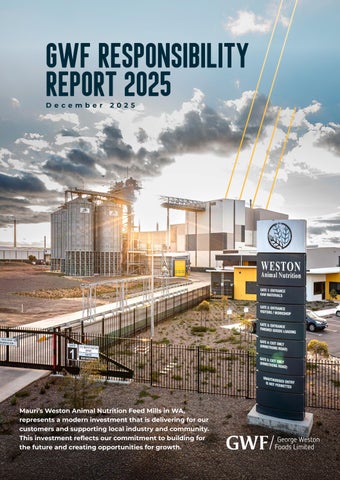
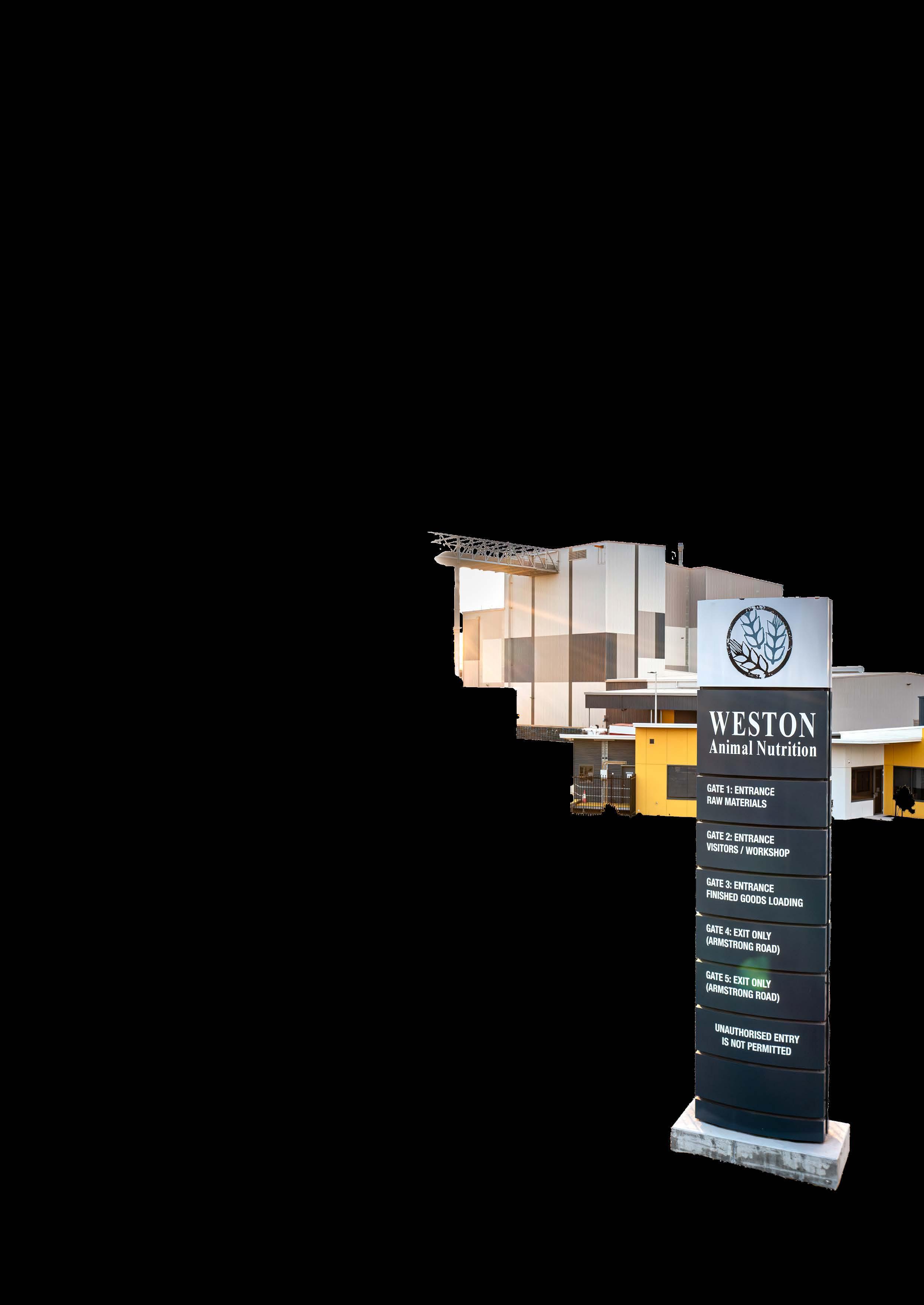
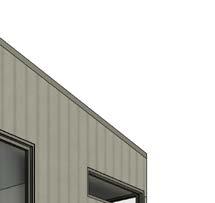
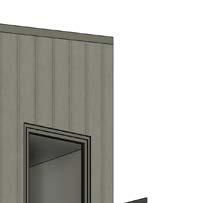
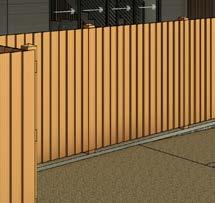
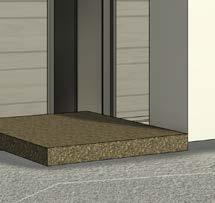
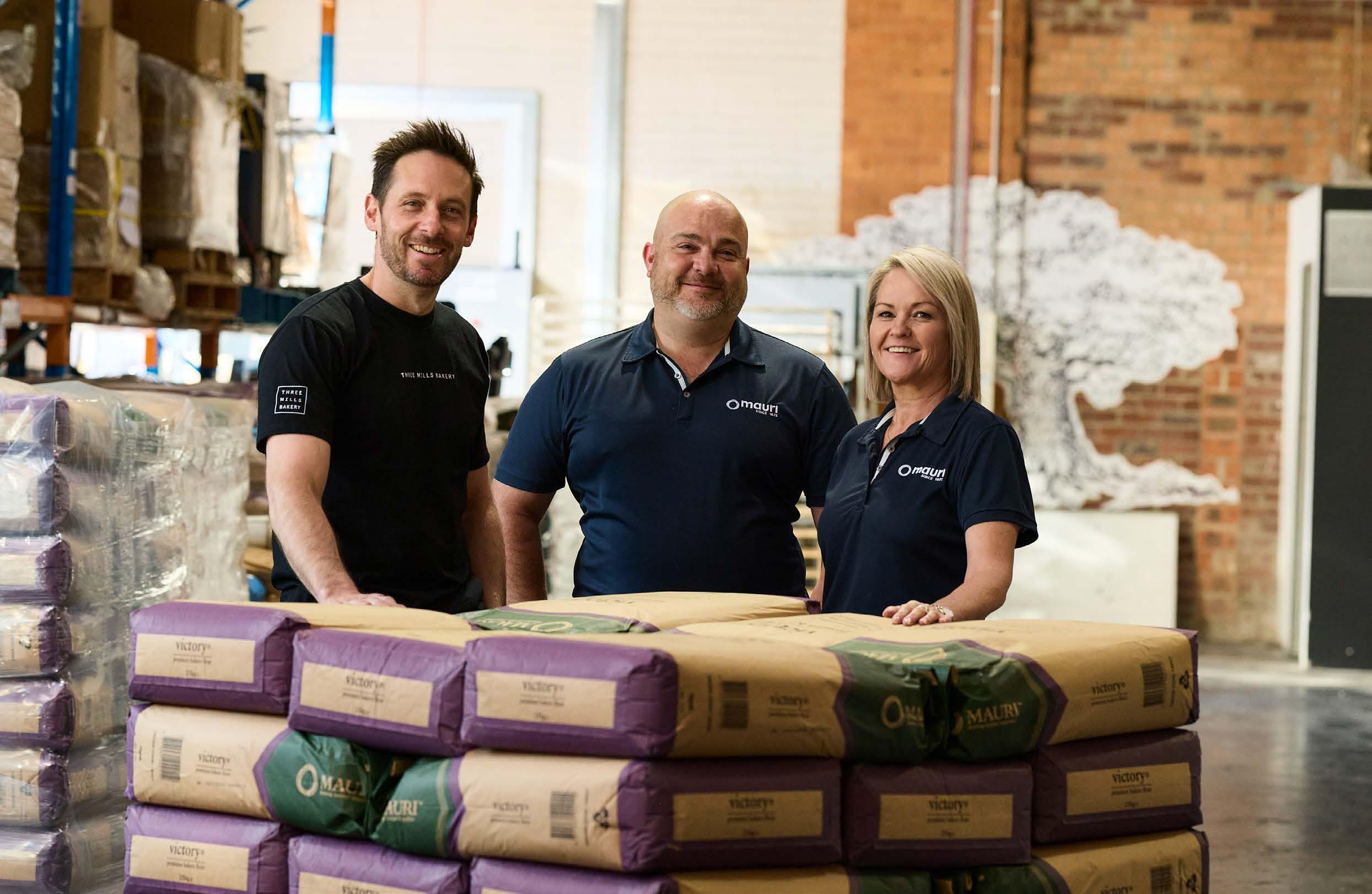
Mauri’s Weston Animal Nutrition Feed Mills in WA, represents a modern investment that is delivering for our customers and supporting local industry and community. This investment reflects our commitment to building for the future and creating opportunities for growth.
This is George Weston Foods’ (GWF) 2025 Responsibility Report. It details our approach to sustainability across our businesses; our developed Responsibility Framework and priorities distilled from our 2021 Materiality Assessment. The Report also highlights sustainability performance information, and case studies.
For the purposes of this document, the GWF Group encompasses information from our key Australian and New Zealand businesses which form part of the following entities AB Mauri ROW Holdings Pty Limited (ABN 12 115 524 886) and Food Investments Ltd (ABN 85 008 426 177).
George Weston Foods (GWF) is a wholly owned subsidiary of the diversified international food, ingredients and retail group Associated British Foods Plc, (ABF). GWF is a significant part of ABF’s Australian and New Zealand group of businesses.
We welcome feedback to sustainability@gwf.com.au
INTRODUCTION
With an estimated nine out of ten households in Australia and New Zealand buying at least one of our products every week, at George Weston Foods we have a clear focus on providing safe and affordable food to millions of Australian and New Zealand families in the region.
We do this while not losing sight of our responsibilities and ambitions for the future. We are determined to reduce our impact on the planet, provide a safer and more inclusive workplace, source ingredients from ethical, responsible, and more sustainable sources, reduce food waste, and find ways to support our local communities where appropriate when they need us most.
GWF businesses in Australia and New Zealand engage in numerous social and environmental programmes.
In our 2022 Sustainability Report we detailed that GWF was embarking on a new phase of our sustainability journey, building on past foundations.
We developed a GWF-wide Sustainability Framework that has helped guide our businesses.
In this report we highlight the progress we are making against our pillars of People, Products, and Planet, including how we are helping Australian and New Zealand families through our community partnerships.
Because our businesses within GWF operate independently of each other and run their own operations day to day, they may also report on their own individual sustainability roadmaps and progress, in addition to what is detailed in this report.
With the new climate-related financial disclosures regulatory framework, GWF is revising our Sustainability Framework, now called the GWF Corporate Responsibility Framework, to meet our climate disclosure requirements from 2026 onwards.
Our Businesses
GWF is a wholly owned business of Associated British Foods plc, a diversified international food, ingredients and retail group with group revenue in excess of £19.5bn, over 138,000 employees and operations in 56 countries across Europe, southern Africa, the Americas, Asia and Australia. ABF is split into five segments: Grocery; Sugar; Agriculture; Ingredients; and Retail. ABF’s purpose is to provide safe, nutritious, affordable food; and clothing that is great value for money.
GWF has been serving Australians and New Zealanders for more than six decades. Today, GWF is one of the region’s largest and most innovative food manufacturers. The diverse and evergrowing GWF range features leading brands including Tip Top Bakeries, DON, Yumi’s, Mauri (flour, bakery ingredients and animal feed), Noisette and Brasserie Bread (bakery delights), and Jasol (cleaning and hygiene solutions).
>7,000 EMPLOYEES 50YRS
$3.02
CEO’S MESSAGE
At GWF, our vision is to provide the best home for a growing family of safe, well-led businesses, delivering outstanding results and return for the long-term. In 2024 we welcomed a new member to our family, the Artisanal Group, home of brands Noisette and Brasserie Bread.
We are one of Australia and New Zealand’s largest food manufacturers. We know we have a responsibility to our consumers and other stakeholders to contribute positively to the communities in which we operate as well as maintain our reputation for producing well-loved, quality food. Importantly, we have a responsibility to the 7,000 employees across Australia and New Zealand who work hard every day to provide them with a safe working environment.
Our values continue to underpin our behaviour and guide our decisions and actions everyday: Safe, Courageous, Trusting and Collaborative. These values are also at the core of our Sustainability work, which you will find detailed throughout this report.
In 2025, responsibility at GWF means a focus on some key issues. It means being active with the rest of the FMCG industry on potential new packaging rules and processes to promote more recycling. It means working to comply with the Australian Government’s new climate disclosure laws. And it means requiring all suppliers to comply with Supplier Code of Conduct as well as a detailed review of our supply chains to enable the managing of risk and assessing standards of ethical sourcing and nature-based issues.
We understand that many, if not most of our products are central to the everyday lives of Australian and New Zealand families. This is why we are committed to improving the nutritional value of our delicious range of food products while striving to keep prices as low as possible.
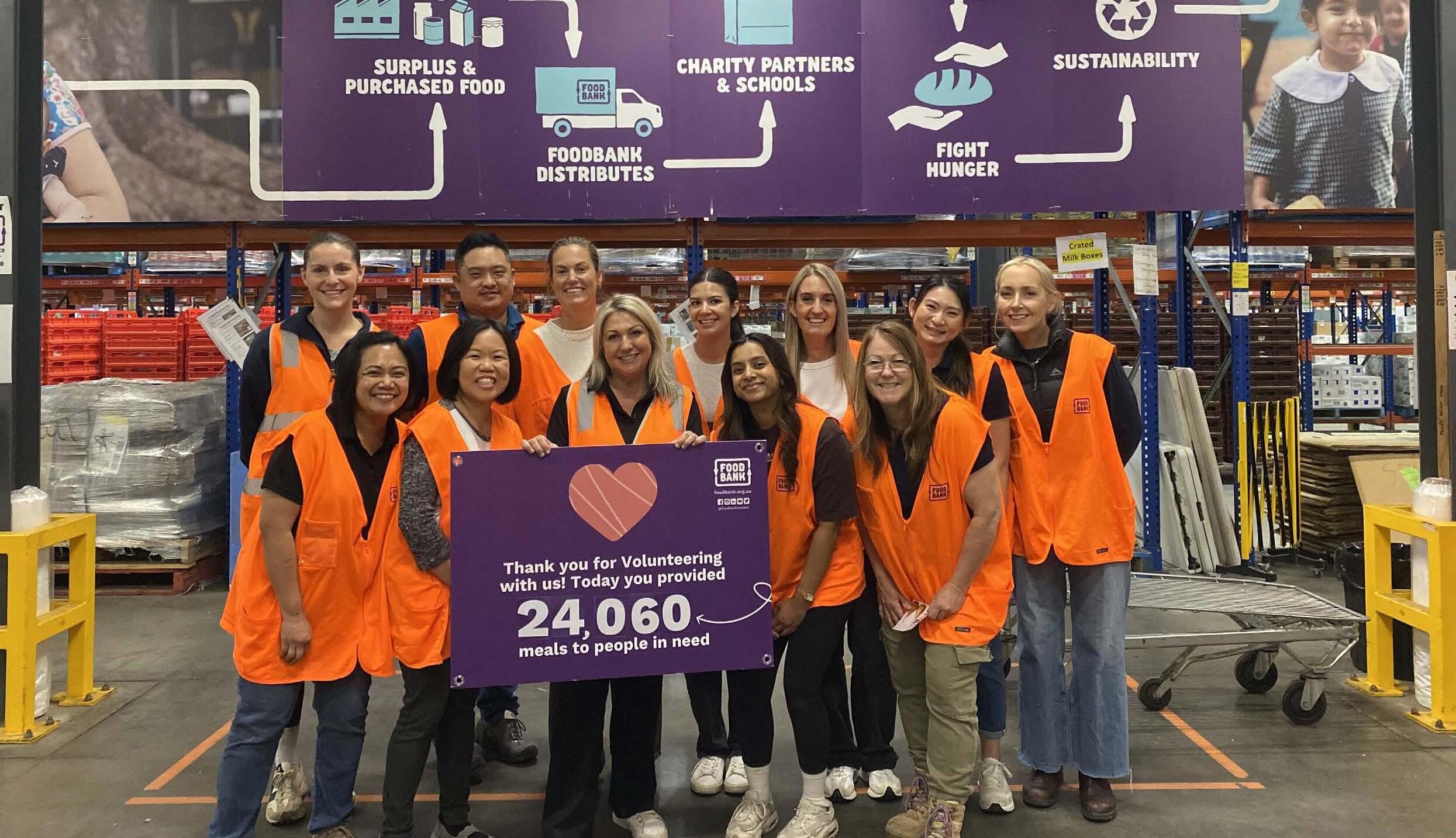
While GWF and its businesses have an ever-developing view of their corporate and social responsibilities, we are also proud to remain focused on our place in the local communities we operate in. GWF businesses continue our significant community support programmes, including partnerships with Foodbank in Australia and KidsCan in New Zealand, to help alleviate the growing hunger crisis.
As always, all of us at GWF and our businesses know there is more we can and must do to tackle ongoing issues including energy generation and emissions, cost of living pressures, food waste, and recycling. We will continue working in close collaboration with our industry partners to address these industry-wide challenges.
Paul Foster Chief Executive Officer George Weston Foods
1. Responsibility in GWF
1.1 Business Unit Approach & Accountability
Within the overall Corporate Responsibility Framework set by GWF (see opposite for the framework), GWF businesses independently manage their Environmental, Social and Governance (ESG) strategies and policies, adapting them to their unique needs. This enables each business to address the relevant and appropriate impacts, risks, and opportunities where appropriate within their operations and supply chains.
GWF assists and holds accountable its businesses with the development of their ESG priorities, and in addition co-ordinates responses when required of GWF by outside stakeholders, especially governments, including this report. GWF oversees the effectiveness of these plans and priorities through such forums as the GWF ESG Taskforce, a forum involving senior representatives of individual businesses and GWF Group.
1.2
GWF Corporate Responsibility Governance Framework
GWF prioritises product safety, environmental and social responsibility, and a safe and inclusive workplace. Its ESG efforts are guided by the Corporate Responsibility Framework based on three pillars: People, Products, and Planet.
GWF operates in a decentralised model with distinct business units, employing a range of governance measures both at the individual business unit level and consolidated GWF divisional level. Each business unit or division is accountable to GWF for ensuring it prioritises and articulates its ESG strategies in compliance with the over-arching GWF Corporate Responsibility Framework. A cross-business Sustainability Taskforce comprising senior representatives from across our businesses also ensures individual businesses sustainability-related plans and priorities are consistent with and reflected in GWF’s priorities.
The GWF Responsibility Framework at a glance:
OUR PURPOSE: Make the world a better place environmentally and socially
OUR VISION:
Make a positive difference on a material
OUR PRINCIPLES:
CARE FOR OUR PEOPLE
Caring for our people means prioritising the health, safety and wellbeing of our team and cultivating inclusive and diverse workplaces where everyone is respected, supported, and empowered to fulfil their potential.
CREATE AND SUSTAIN VALUE
We create and sustain value for customers, consumers, and our own business through our high quality, healthy, nutritious, and affordable products, and through the relationships we forge with our supply chain.
BE A GOOD NEIGHBOUR AND A GOOD CORPORATE CITIZEN
Being a good neighbour means looking out for the communities and natural environment impacted by our business. As a good corporate citizen, we commit to act with integrity, work to reduce our negative impacts, and aim to do good every day. We aim for workplaces where everyone is respected, supported, and empowered to fulfil their potential.
Group level policies
GWF has built a strong governance framework including a range of group wide policies that apply to all our businesses. A list of key policies is available on our website: gwf.com.au/our-policies/. The importance of these policies is communicated to our external stakeholders such as our suppliers but also emphasised internally to ensure the principles are embedded in the daily activities of our employees.
1.3.1 ANTI BRIBERY AND CORRUPTION
GWF is committed to maintaining the highest standards of ethics and compliance with all relevant laws wherever we do business. Compliance with anti-bribery and anti-corruption laws must be at the forefront of this commitment.
Therefore, understanding those laws and the ethical standards required of all of us is essential.
As part of this commitment, GWF will not tolerate any form of bribery or corruption.
Our policies and procedures must be followed, even if doing so may, on occasion, result in losing business. Failing to follow these procedures can result in severe criminal and civil consequences for GWF and the individuals concerned, and would put our hard-earned reputation, as well as our long-term financial health, at risk.
All directors, officers and employees across GWF (as well as anyone acting on GWF’s behalf) are required to follow the ABF Anti-Bribery and Corruption Policy and to comply both with the spirit and the letter of anti-bribery and corruption laws. We expect our business managers at all levels to lead by example in this regard. To support our directors, officers and employees in understanding our ABF Anti-Bribery and Corruption Policy and relevant laws, we undertake regular training.
1.3.2 POLITICAL DONATIONS
It is the policy of GWF, as it is for our parent company ABF, not to make any political donations as an organisation.
Employees may choose to make personal donations as individuals, but not with a view to influence a third party for the benefit of GWF, or in any way that might give the impression that such influence was intended. These principles are clearly documented in our policies and supported by training and advice from subject matter experts across GWF and the various businesses.
1.3.3 SPEAK UP
At George Weston Foods we wish to do business the right way. We believe that good governance and ethical behaviour are at the heart of our agenda. We are committed to always acting with integrity.
We seek to promote and protect a culture of trust, fairness and accountability that puts ethics first. We promote a culture of openness. We know that we are a stronger company when our people feel empowered to speak up.
We encourage effective and honest communication at all levels of the organisation. If any individual working at any level of the organisation becomes aware of anything they believe to be inappropriate, improper, dishonest, illegal or dangerous, we want them to come forward and express their concerns.
Our Speak-Up policy aims to enact these principles. A full copy of the policy is available on our website at: www.gwf.com.au
2. Community and Stakeholder Engagement
At GWF, community and stakeholder engagement is a key part of our corporate responsibility strategy. We recognise that our ability to deliver safe, nutritious, and affordable food – while reducing our environmental footprint and enhancing social outcomes – depends on meaningful collaboration with those who influence and are impacted by our operations.
2.1 Our Stakeholders
GWF engages with a broad spectrum of stakeholders, including:
EMPLOYEES*
2.2 Engagement Approach
We take a decentralised, business-led approach to stakeholder engagement. Each GWF business unit is empowered to develop and implement its own corporate responsibility plans, ensuring relevance and responsiveness to local stakeholder needs. This bottom-up model fosters ownership and accountability, while GWF provides overarching guidance through our Corporate Responsibility Framework.
Engagement methods include:
– Regular consultations with community and government stakeholders
– Supplier collaboration on ethical sourcing and sustainability standards
– Employee feedback mechanisms and inclusion programmes
– Customer insights and product innovation forums
2.3
Community Engagement Initiatives
GWF is committed to being a good neighbour and corporate citizen. Our community engagement efforts include:
FOODBANK AUSTRALIA PARTNERSHIP:
Over 2 million loaves of bread and bakery products are donated annually to Foodbank, supporting food security for vulnerable Australians.
CARING EVERYDAY PROGRAMME:
CARING EVERYDAY PROGRAMME
Employees receive two paid volunteer days annually and can participate in payroll giving to support GWF’s charity partners.
KIDSCAN AND NOURISH OUR KIDS (NZ):
These partnerships help provide meals and essential supplies to children in need across New Zealand.
NRL COWBOYS HOUSE:
Led by our Tip Top Bakery in Townsville, we have partnered with Cowboys House, a culturally safe boarding facility for students, which aims to remove barriers to education for Aboriginal & Torres Strait Islander students in Far North Queensland.
OUR INDUSTRY ASSOCIATION MEMBERSHIPS
AUSTRALIA
– Australian Industry Group
– Australian Food and Grocery Council
– Australian Meat Industry Council
– Allergen Bureau
– Grains & Legumes Nutrition Council
– Australian Society of Bakers
– Australian Technical Millers Association
– Grain Trade Australia
– Grains Australia
– Stock Feed Manufactures Council of Australia
– Grains Industry of Victoria
– Queensland Produce Merchants Association
– Australian Distillers Association
–
Australian Society of Viticulture and Oenology
– International Brewing and Distilling Association
– National Association of Women in Operations
– Pride in Diversity
– Australian Disability Network
NEW ZEALAND
– New Zealand Food and Grocery Council – New Zealand Employers and Manufacturers Association – Baking Industry Research Trust
– Flour Millers Association of New Zealand
COLLABORATIVE ACTION AND FEEDBACK
We believe that partnerships are a key to progress. GWF works closely with stakeholders to co-develop solutions, such as our involvement in the previous National Plastics Recycling Scheme (now Soft Plastics Stewardship Australia or SPSA) and our support for local initiatives. We welcome feedback on our sustainability performance and reporting via sustainability@gwf.com.au, and we are committed to transparent communication and continuous improvement.
3. Materiality Assessment and Prioritisation
In 2021, GWF conducted a comprehensive Materiality Assessment involving internal and external stakeholders. This process identified eight priority areas under our Sustainability Framework’s three pillars including climate resilience, inclusion and diversity, and ethical governance.
3.1
GWF’s Materiality Assessment
GWF conducted a materiality assessment in 2021 to identify the most significant ESG issues affecting its business and stakeholders. This process was designed to reflect the decentralised nature of GWF’s operations, where each business unit (e.g., Tip Top Bakeries, DON, Jasol, Mauri, Yumi’s) develops its own sustainability plans under a shared framework.
KEY THEMES IDENTIFIED
The materiality assessment revealed eight priority themes, grouped under GWF’s three sustainability pillars: People, Products, and Planet
PEOPLE
– Safety: Prioritising workplace health and safety across all sites.
– Inclusion & Diversity: Promoting a culture where everyone belongs, everyone is valued, and everyone has equal opportunity, supported by initiatives like enhanced parental leave policies.
– Human Rights & Modern Slavery: Promoting ethical sourcing and fair treatment across the supply chain.
PRODUCTS
– Food Safety, Quality & Innovation: Ensuring products are safe, nutritious, and meet evolving consumer expectations.
– Packaging & Waste: Reducing packaging materials and improving recyclability, including initiatives like replacing PVC trays with PET and increasing recycled content.
– Animal Welfare: Upholding ethical standards in sourcing and production.
PLANET
– Climate Change, Energy & Emissions: Investing in renewable energy (e.g., rooftop solar projects) and transitioning away from fossil fuels.
– Climate Adaptation & Resilience: Designing infrastructure (e.g., Ballarat flour mill) for long-term sustainability and reduced environmental impact.
3.2
Review of GWF Materiality Assessment outcomes since 2022
GWF, through its ESG Taskforce, regularly reviews the eight priorities, especially considering the changing regulatory environment and emerging issues.
With the introduction of Australia’s climate disclosure legislation and increased focus on nature-based sustainability issues,“Climate Adaptation and Resilience” is now prioritised as part of required reporting under the new legislation.
In addition, in reviewing our original materiality assessment, and reviewing the emerging focus of both our parent company and ABF, and our customers, we have added a new priority of “Responsible Agriculture and Land Use” to the overall GWF priorities.
4.Our Priorities in 2025
People
Our GWF businesses have their own distinct cultures that reflect the uniqueness of their employees and the markets they serve. They share a common thread of striving to develop diverse talents and foster workplaces where a sense of belonging enables everyone’s career to thrive. These inclusive cultures go together with working to ensure the safety, health and wellbeing of all.
4.1
Health, safety and wellbeing
Ensuring the physical safety of employees, contractors and visitors remains a continuous priority for our businesses. Alongside this, GWF is committed to supporting overall health and wellbeing, including mental health.
CASE STUDY: DON - NEW HOUSING FOR WORKERS - CASTLEMAINE
DON is, with the assistance of the Victorian Government, building a new development that will be for worker accommodation and available for all DON employees.
Part of an overall investment of $8 million, including $5 million by DON and up to $3 million from the Victorian Government, in new and upgraded accommodation for DON employees, including $2 million upgrading existing accommodation for up to 40 employees at Castlemaine, Victoria.
This main development will accommodate an estimated 36 employees in Castlemaine.
This development helps address acute affordable accommodation issues employees faces in the Loddon region that DON Castlemaine is in.
MENTAL HEALTH
We have embedded a series of initiatives which are designed to support our employees with mental health and wellbeing.
All GWF employees have access to our Employee Assistance Programme (EAP), TELUS Health, via 24/7 online and telephone support. TELUS Health offers a holistic wellbeing service including access to mental and physical health professionals and resources which aim to support organisational health, promote worklife balance and improve wellbeing.
Each business also runs initiatives which support mental health and physical wellbeing across their organisation. Tip Top Bakeries publishes a monthly Wellbeing newsletter which includes resources, insights and tips for promoting both mental health and physical wellbeing. This year, features have included a guide to mindfulness and the benefits of healthy nutrition to support a busy lifestyle.
Mauri offers their bespoke Wellbeing + platform which offers a variety of virtual challenges, personal activity tracking and resources to promote physical activity and wellbeing. The platform is available via smart devices. The platform is designed for all Mauri colleagues to access easily and to become part of their everyday life.
DON offers support to colleagues across the physical and mental wellbeing space across its 5 LIVEWELL pillars: Enjoy Life, Resilience, Potential, Safety, Best You. Additionally, DON provides mental wellbeing support through the R U OK?™ platform which aims to create a culture where people feel confident asking and answering this simple yet important question. The R U OK?™ platform offers resources, including posters and practical guides.
Many of our GWF businesses have certified Mental Health First Aiders who are trained to offer support to colleagues in the workplace at times of need.
HEALTH AND SAFETY
GWF’s safety activities are guided by its five strategic safety pillars (shift mindsets, contain the risk, establish processes, develop skillset and competencies and system improvements).
The business has established a ‘Leaders Leading Safety Well’ programme to prepare the cultural ground for building capability among its employees. Also, its ‘Steps to Zero’ programme promotes and reinforces safe working practices with the aim that at the end of each working day, everyone goes home to their families healthy and safe.
Businesses are strengthening their efforts with contractor partners to communicate and monitor safety standards and expectations.
2024/5 was a disappointing year for GWF in terms of number of injuries, where in general our efforts on improving safety have not always aligned with outcomes.
Tip Top in particular had a challenging year in terms of the number of Lost Time Injuries (LTI’s), though saw a significant drop in the number of days that were lost as a result of these injuries. This has spurred the team on to “double down” on safety as we head into 2026 with an increased focus on preventing and reducing injuries in the key areas of manual handling, slips, trips and falls, and interacting with equipment.
On a positive note, Mauri has had zero LTI’s across their 14 manufacturing sites.
We continue to bring the “outside in” with our partner DSS+ who assist us with initiatives such as our Safety Perception Survey and coaching for our people.
4.2 Diversity, equity and inclusion (DEI)
Our businesses regularly review and embed practices which build inclusive workplaces, and engage colleagues through training, education, celebrations and events.
GWF has an Inclusion and Diversity Taskforce to continually review and embed practices that support an inclusive and diverse workforce.
This Taskforce actively supports and celebrates diversity through year-round network events, educational initiatives and open communication.
In 2025, GWF continued its focus on educating its leaders and people on unconscious bias, while advancing recruitment policies that reflect its commitment to inclusion and diversity.
GWF businesses including DON, Tip Top and Mauri have led Indigenous Inclusion plans with a focus on cultural learning, creating employment pathways, opportunities to engage Indigenous suppliers and supporting local Indigenous community partners. Cultural learning paved the way for more meaningful and authentic conversations and activities and site events to recognise the local Indigenous owners of the land GWF businesses work on.
NAIDOC Week events included cultural workshops, team sharing and discussions, and lunches with traditional foods. Tip Top have created plaques for each of their bakeries to acknowledge the traditional custodians where we bake and work. These are now proudly displayed in our reception areas as a mark of respect and acknowledgment.
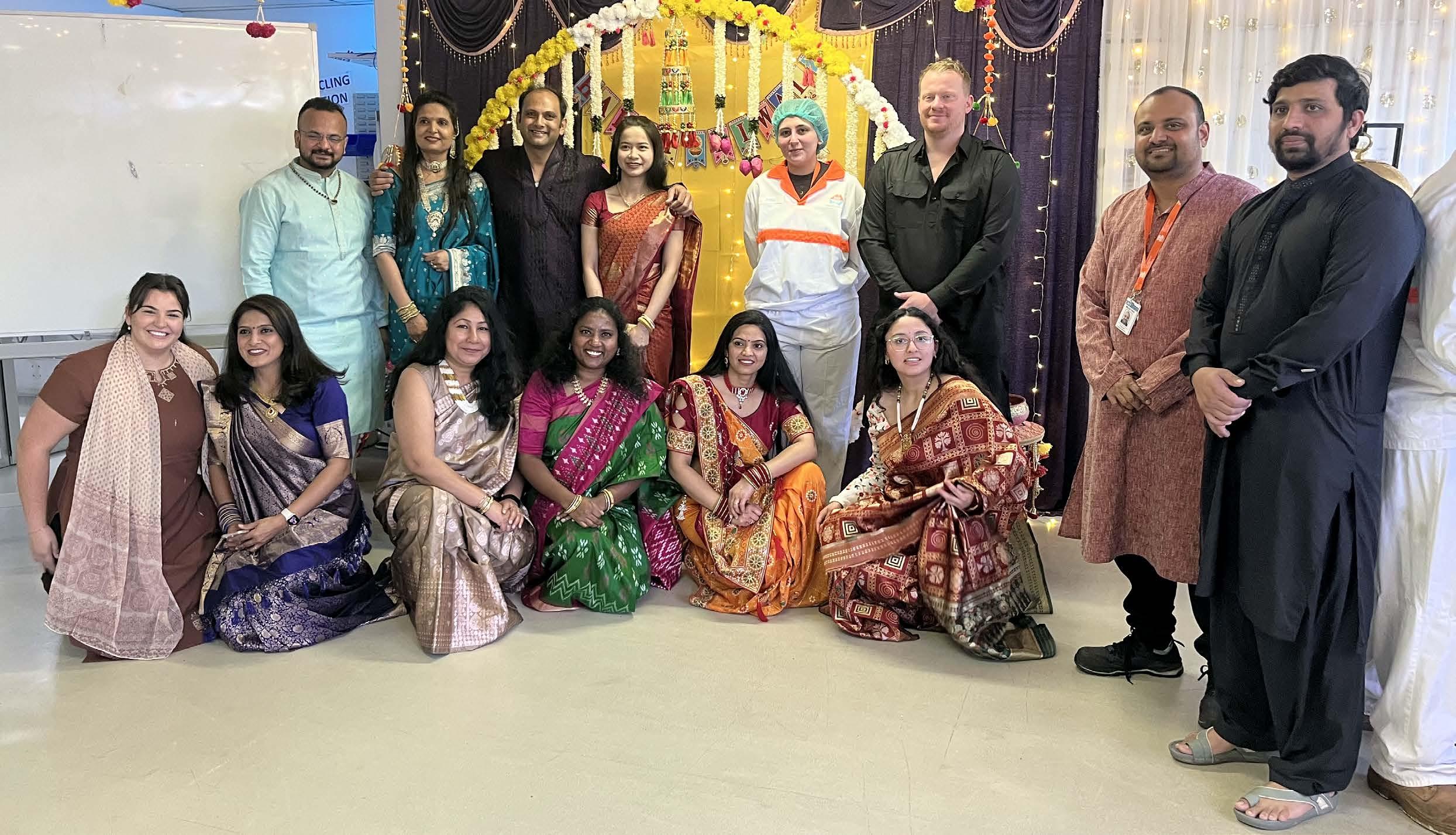
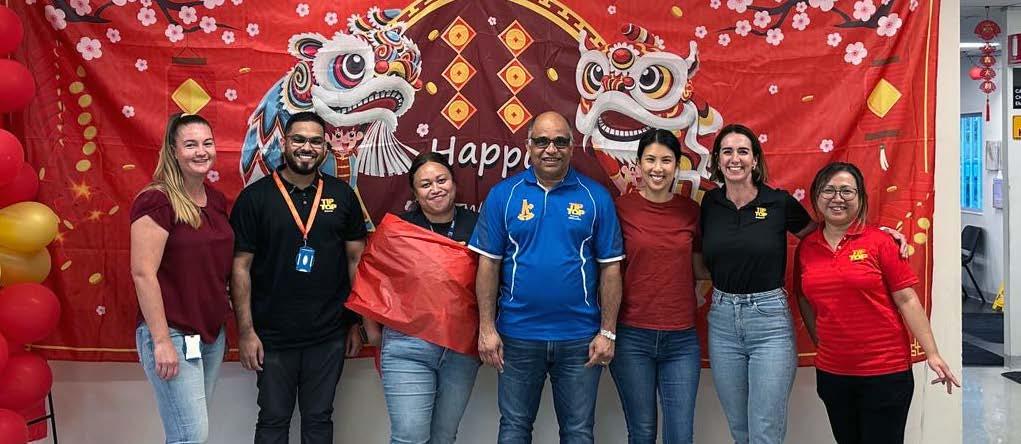
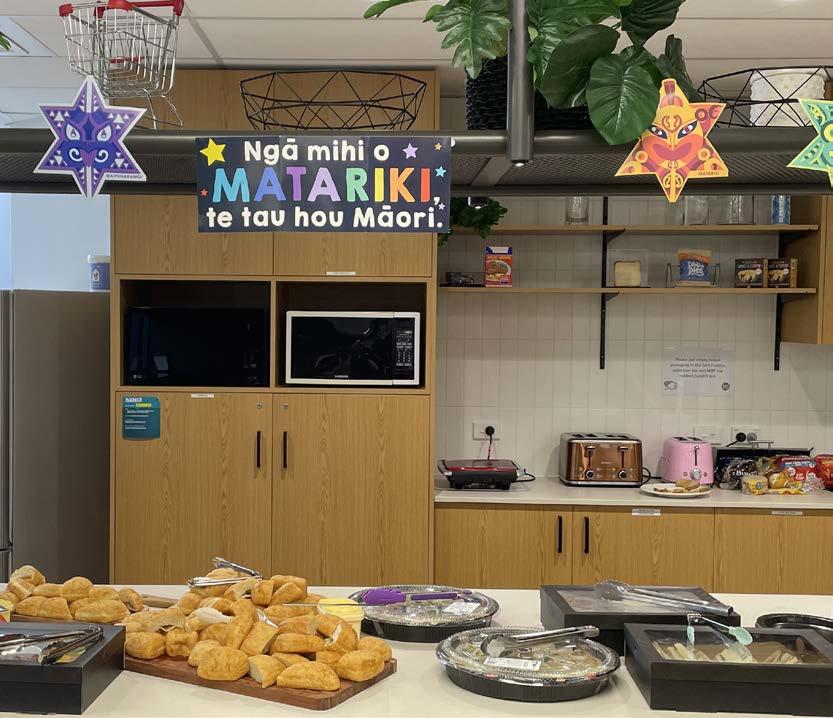
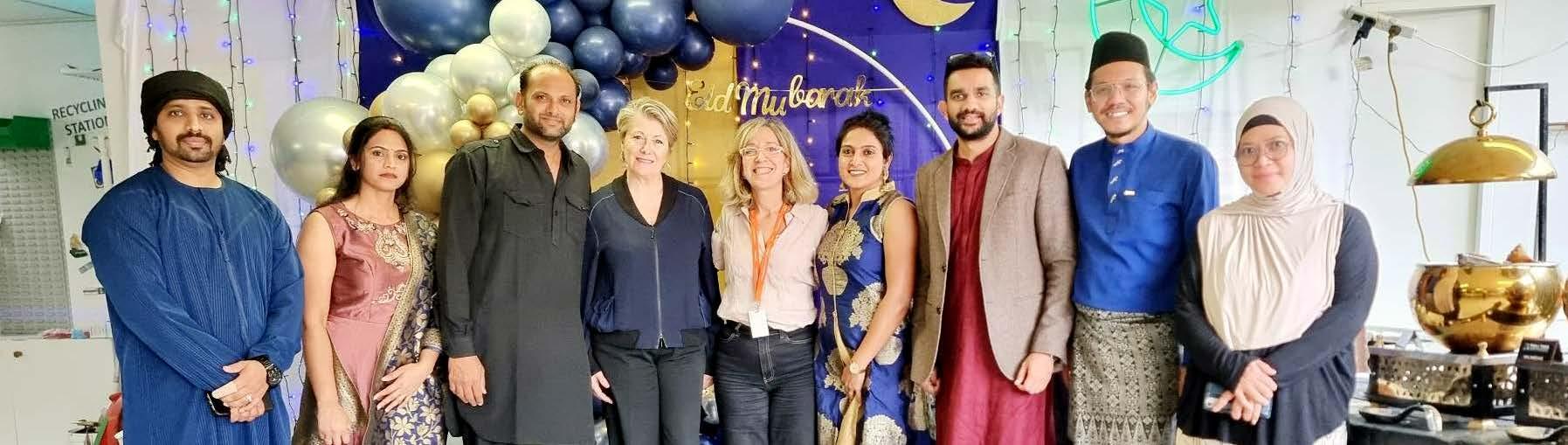
Tip Top has embedded an ongoing calendar of cultural events and days of awareness, known as Tip Top’s ‘Moments of Belonging’.
Each of Tip Top’s Bakeries and operating sites has the flexibility to acknowledge and celebrate the moments that are most meaningful to its teams. Some of our most notable employee celebrations over the past year include
Diwali, Eid al-Fitr, Lunar New Year, International Women’s Day, Harmony Week, Matariki, NAIDOC Week, and Māori Language Week. This builds on Tip Top’s ‘We Belong’ programme that includes Inclusive Leadership Training and a 12-part series of team briefing guides, called ‘Curious Conversations’, which have cultivated a culture of open discussion, respectful dialogue and understanding.
4.2.1 ENGAGEMENT AND DEVELOPMENT
Our businesses continue to invest in measuring and enhancing employee engagement, with most reporting increased survey participation and a notable uplift in engagement levels.
We are committed to targeted development, with a strong focus this year on highpotential female talent, with 25 women identified through talent reviews now participating in The Leadership Accelerator Programme delivered by external provider Promotable You.
July marked the launch of our third Thrive cohort, comprising of 11 participants from across GWF BUs, focused on extending leadership reach, increasing visibility, and building the critical capabilities required of our future leaders. We are also investing in frontline leader training to strengthen leadership capability at all levels; alongside broader programmes aimed at cultivating leadership talent. A strong emphasis remains on building organisational strength in change leadership and agility.
4.2.2 GENDER EQUALITY
Our goal is to progress our journey of inclusion and diversity, to remove barriers and enable all our employees to have a satisfying and rewarding career with us. We are committed to ensuring we create a workplace where everyone is respected, supported and empowered to fulfil their potential. We are pleased to see significant progress from our efforts to improve gender equality and reduce our gender pay gap over the past 5 years. However, we believe it is critical to keep up this positive momentum.
Gender Equality Policies & Practices
POLICY AND FRAMEWORK
The GWF Inclusion & Diversity policy covers workplace culture, gender representation, education and training, and employee consultation. It also sets out the expected behaviours and responsibilities of our leaders and employees.
SALARY REVIEWS
GWF undertakes regular payroll analysis to investigate our gender pay gaps and address opportunity areas. During our annual remuneration review, we conduct checks to ensure equitable outcomes for males and females and mitigate the impact of historic gender pay gaps.
RECRUITMENT
During recruitment, we require gender-balanced shortlists and female representation on all selection panels to reduce potential bias.
SUPPORT FOR CARERS & PARENTS
GWF has a Flexible Work Policy and Guidelines which cover flexible working options for our employees. Our Parental Leave benefits are highly valued by our people. In addition to 12 weeks of paid parental leave for all primary carers (irrespective of gender), GWF pays superannuation on any unpaid parental leave during the first 52 weeks. Our ‘Ease-Back’ scheme allows primary carers one paid day off per week in their first 12 weeks after returning to work from parental leave.
CAREER DEVELOPMENT
We offer targeted career development and mentoring programmes for women (for example, the Leadership Accelerator Programme). We have made progress in attracting, developing and promoting women in leadership roles and are seeing more women being employed and advancing their careers in technical, trade and frontline operational roles.
GENDER PAY GAP REPORTING
According to WGEA, “the gender pay gap is the difference in average or median earnings between women and men in the workforce. It is not to be confused with people being paid the same for the same, or comparable, job. This is equal pay and has been a legal requirement since 1969. The gender pay gap is a useful proxy for measuring and tracking gender equality across a nation, in an industry or within an employer. Closing the gender pay gap is important for Australia’s economic future and reflects our aspiration to be an equal and fair society for all”.
GWF GENDER PAY REPORT - OUR RESULTS
Average Total Remuneration
Median Total Remuneration
Average Base Salary
Median Base Salary
Data is based on GWF employees in Australia and represents the 2024-25 reporting period. It excludes The Artisanal Group and Yumi’s employees. The earnings of part-time/casuals/part-year employees are annualised to full-time equivalent.
Notes:
Base salary is an employee’s regular salary, excluding superannuation, overtime, bonuses and other additional payments.
Total remuneration includes all remuneration for an employee, including superannuation, overtime, bonuses and other additional payments.
Median is the ‘middle’ of a sorted list of numbers.
Gender Composition
GWF’s workforce is made up of 37% women and 63% men
We have made significant progress in increasing the number of female managers over the past 5 years.
Gender Composition by Pay Quartile
*Average Total Remuneration for GWF Australia employees, excluding The Artisanal Group and Yumi’s. Part-time/casuals/part-year employees are annualised to full-time equivalent.
OF ALL MANAGERS ARE WOMEN which is above the benchmark for our industry.
36.7%
OF GWF’S NON-MANAGERS ARE FEMALE and our results exceed Australian manufacturing company averages.
CLOSING THE GENDER PAY GAP AT GWF
Our results demonstrate a continual improvement over time, which has been achieved through our intentional strategies and focus. Some highlights of our work this year include:
– Our average Gender Pay Gap is reducing as gender diversity improves across the business. The GWF Average Total Remuneration Gender Pay Gap is 8.0% compared to the Manufacturing average of 14.1%.
– Increased gender diversity in manager roles to 36% women.
– 50% of Manager promotions and 38% of Manager hires in the reporting year were female.
– Manager retention has increased, and female retention rates are high.
Some opportunities we are focused on include:
– Developing female talent pipelines in Operations and Sales with career pathways to Senior Management.
– Attracting more women in Operations frontline roles, and Customer Account Management, to improve gender diversity and pay gaps in these areas.
– Encouraging greater uptake of carers and parental leave, and flexible and part time work by our male employees, which helps create a culture of support for balancing work and family responsibilities.
– Addressing the impact of work culture, job design, shift patterns, work hours and work environment factors to assist in attracting and retaining female employees in specific areas.
While we have made strong progress, we believe it is critical that we maintain a positive momentum to drive even stronger results and close the gender pay gap.
4.3
Human and labour rights in our supply chains
GWF and its businesses recognise that they have a responsibility to respect human rights and understand that their actions can impact human rights across the value chain.
GWF recognises its responsibility to respect the human rights of those who work in our facilities and in our supply chain. Issues negatively affecting their rights and working conditions are of serious concern. Suppliers that we work with are issued the GWF Supplier Code of Conduct which is based on the UN’s International Labour Organization’s Core Conventions1 and its Declaration on Fundamental Principles and Rights at Work2. Compliance with this code of conduct is essential to doing business with us.
GWF continues to take steps to improve the visibility and ethical performance of its supply chains, including registering its own businesses on the SEDEX online database and requesting suppliers do the same.
Tip Top has long had its own bakeries registered on the SEDEX online database and has been registering its own suppliers over the course of 2024 and 2025, which allows them to identify risks in their supply chains. Tip Top has successfully onboarded many of its suppliers onto SEDEX to date. All of Tip Top’s bakeries are registered on SEDEX and have 100% SelfAssessment Questionnaire completion.
Building on the work conducted by Tip Top, in 2025 Mauri has been rolling out SEDEX to all tier one suppliers in bakery ingredients and packaging, with a broader roll-out (Weston Animal Nutrition, transport, indirect) planned. This supports the wider work with customers to understand and meet their responsible sourcing requirements for key commodities including cocoa, soy and palm oil.
GWF is working with other businesses in ABF’s Grocery Division on utilising the central data management team to oversee supplier engagement with the SEDEX platform. Also, this team is investigating how it supports the GWF businesses to identify any non-conformance issues within their supply chains.
We have updated the Code to address operational risks. GWF has zero tolerance for forced or bonded labour, requiring all of our businesses and suppliers to implement and monitor compliance, and encouraging consistent practices throughout supply chains. The Code is foundational to our approach to respecting human rights in our supply chains.
Our ‘Supplier Code of Conduct’ outlines GWF’s values and is based on the ETI Base Code and ILO Declaration, covering
freedom of association, collective bargaining, forced labour, child labour, non-discrimination, and workplace safety.
We develop and update the Code with stakeholder input to address operational risks. GWF has zero tolerance for forced or bonded labour, requiring all of our businesses and suppliers to implement and monitor compliance, and encouraging consistent practices throughout supply chains. The Code is foundational to our approach to respecting human rights in our supply chains.
The Supplier Code of Conduct includes the following principles:
1. Employment is freely chosen
2. Freedom of association and the right to collective bargaining are respected
3. Working conditions are safe and hygienic
4. Child labour shall not be used
5. Land acquisition
6. Living wages are paid
7. Working hours are not excessive
8. No discrimination is practised
9. Regular employment is provided
10. No harsh or inhumane treatment is allowed
11. Confidentiality
12. No bribery or corruption will be tolerated
13. Environmental management
14. Quality
15. Audit and termination of agreements.
Specifically on the risks of modern slavery (forced labour), the Supplier Code of Conduct includes the following requirements:
– There must be no forced or compulsory labour in any form, including bonded, trafficked, or prison labour; and,
– Workers must not be required to lodge ‘deposits or their identity papers with their employer and are free to leave their employer after providing reasonable notice.
GWF is also aware that often the signs of forced labour can manifest through a range of factors so that a confluence of indicators may result in forced labour, rather than one single indicator.
GWF has published our ‘Responsible Sourcing Code of Conduct’ on our website, which includes requirements that suppliers develop or participate in and contribute to policies and programmes which provide for the transition of any child found to be performing child labour to enable him or her to attend and remain in quality education until no longer a child.
4.3.2 OUR KEY RISKS
Tip Top conducts an annual risk assessment using Maplecroft country risk ratings, which considers country risk and category risk in relation to modern slavery to identify those which are salient. Through this, Tip Top has identified risks associated with commodities sourced from Türkiye, Thailand, India, South America, Indonesia and Malaysia. Ingredients listed as salient risks from these countries include raisins, sultanas, modified starch prep, novelose, guar gum, sesame seeds, white chia seeds and margarine. Additional risks include contingent labour in Australia.
Mauri has identified internationally sourced grain and ingredients, specifically cocoa and emulsifiers sourced from Malaysia and starch products from Thailand as highrisk focus areas. Mauri is registered with the Rainforest Alliance for all cocoa supply and work with Tier one manufacturers in Malaysia and Thailand and have requested updated SMETA audits to be completed.
The key risk identified by Yumi’s are products from Türkiye, principally Tahini.
Our DON Smallgoods business has identified pork product from the USA, Canada, and Denmark.
Tip Top has focused on ensuring high risk suppliers are active in their SEDEX membership and all suppliers have completed a self-assessment questionnaire as a minimum.
Should any non-conformances arise which require further attention, Tip Top will work with the supplier to address these in the first instance. Any incidents which require further attention beyond this point are raised with the Tip Top Executive team and at the necessary ESG forums.
4.3.3 CONSULTATION BETWEEN BUSINESSES
GWF continues to use the GWF Ethical Sourcing Working group to align, learn and develop its approach to ethical sourcing and human rights due diligence across its various businesses and supply chains. This forum allows GWF businesses to learn from each other, share insights and raise concerns to be brought to the wider business. This year, this forum has served as a platform for Tip Top to share learnings and strategies for using SEDEX and implementing affective risk assessment and management tools for other businesses.
GWF also continues to collaborate with other businesses in the ABF Group. For example, working collaboratively with the ABF Grocery division, GWF has begun to develop an ethical sourcing strategy to support its ongoing disclosures under its annual Modern Slavery Statement. GWF is aware of the recent review of the Modern Slavery Act and is actively participating through our industry associations in consultations with the Australian Government to ensure any changes to this legislation are considered as GWF develop wider strategies.
4.4
Food safety and nutrition
Our businesses are united by our GWF purpose: to provide safe, nutritious and affordable food.
4.4.1 FOOD SAFETY
In line with the GWF approach to food safety, all businesses seek to ensure the safety, legality, quality, integrity and authenticity of their raw materials and products. This is achieved by manufacturing sites maintaining a Business Management System, which is typically subject to unannounced audits, by third parties, against a Global Food Safety Initiative standard, which requires the effective operation of Hazard Analysis Critical Control Points , Threat Assessment and Critical Control Points and Vulnerability Assessment and Critical Control Points protocols alongside Good Manufacturing Practices and product assessment. Key raw material and product parameters pertinent to food safety are either monitored, on a risk-assessed basis, in-house or by third-party accredited laboratories, in many cases both.
GWF businesses employ food safety specialists who are responsible for ensuring ongoing compliance to the required legislation, certification, in-
house and customer standards, and the approval of third-party manufacturers and their products. Food Safety and Quality Culture programmes are in place. Food safety related training is typically refreshed annually.
Processes and equipment used to measure food safety and quality parameters are subject to ongoing verification and at least annual validation. ABF conducts random food safety audits at manufacturing sites using its insurance approved risk reduction company RQA. Two ABF working groups share food safety related issues and, where required, the appropriate corrective actions are implemented.
At GWF, food safety and quality are the most important topics for the business and its stakeholders. As one of the largest food manufacturers in Australia and New Zealand, it has a responsibility to provide safe, nourishing food for the communities it serves. GWF is constantly seeking to improve and enhance its food safety and quality programmes.
4.4.2 NUTRITION AND HEALTH
GWF businesses have always taken nutritional factors into account when developing a product portfolio which includes store cupboard staples such as bread and flour.
To support this position, and wherever relevant to the category, our businesses have in place nutrition policies as well as a framework for how they will responsibly communicate any health and environmental claims across their products and brands.
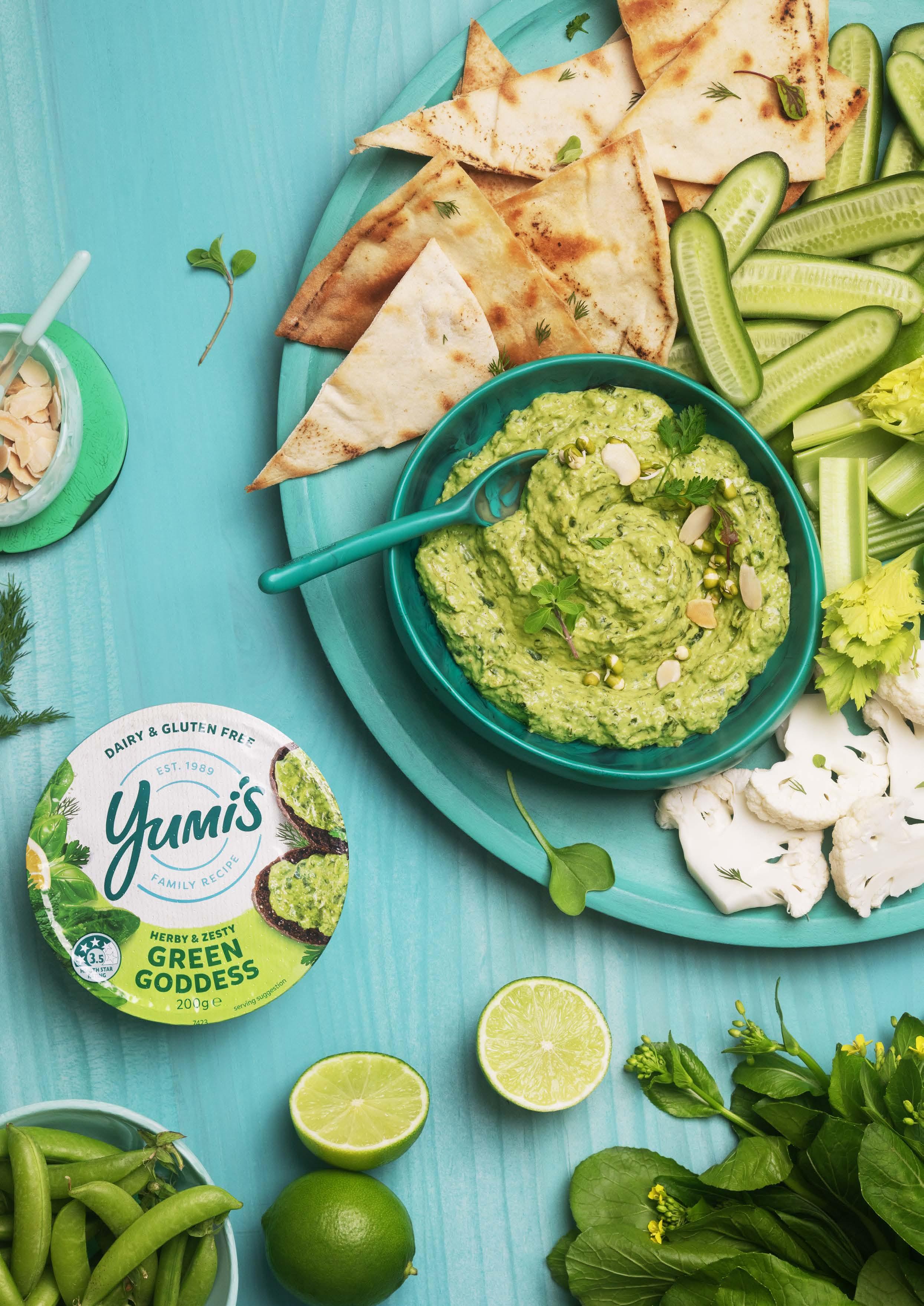
In Australia and New Zealand, GWF businesses Tip Top and Yumi’s champion clear food labelling. GWF actively participates in the governments’ Health Star Rating system, a voluntary front-ofpack labelling system that empowers consumers to make informed choices about the healthiness of its products. The Yumi’s brand is committed to displaying the Health Star Rating on its entire range, making it easier for consumers to understand its nutritional value.
Tip Top was the first bakery brand to adopt the Health Star Rating system in Australia. Today, 100% of Tip Top retail products in Australia across all brands display a Health Star Rating, with 95% of its portfolio achieving a Health Star Rating of 3.5 or higher. Demonstrating a further commitment to nutritional improvement, Tip Top voluntarily committed to the Healthy Food Partnership nutrition targets for the bread category in Australia. The business has surpassed the 80% sodium reduction target ahead of the June 2024 deadline.
CASE STUDY:
TIP TOP AND HEALTHY FOOD GUIDE AWARDS
Tip Top has been highly recognised by the Healthy Food Guide Awards throughout 2025, receiving accolades across several categories. These awards demonstrate the high nutritional profile of our products and strong industry recognition of our efforts to provide healthy choices for consumers. The winning products in the 2025 Healthy Food Guide Awards include:
Burgen 85% Lower Carb High Protein Sunflower & Linseed is the WINNER in the Low Carb Bread category
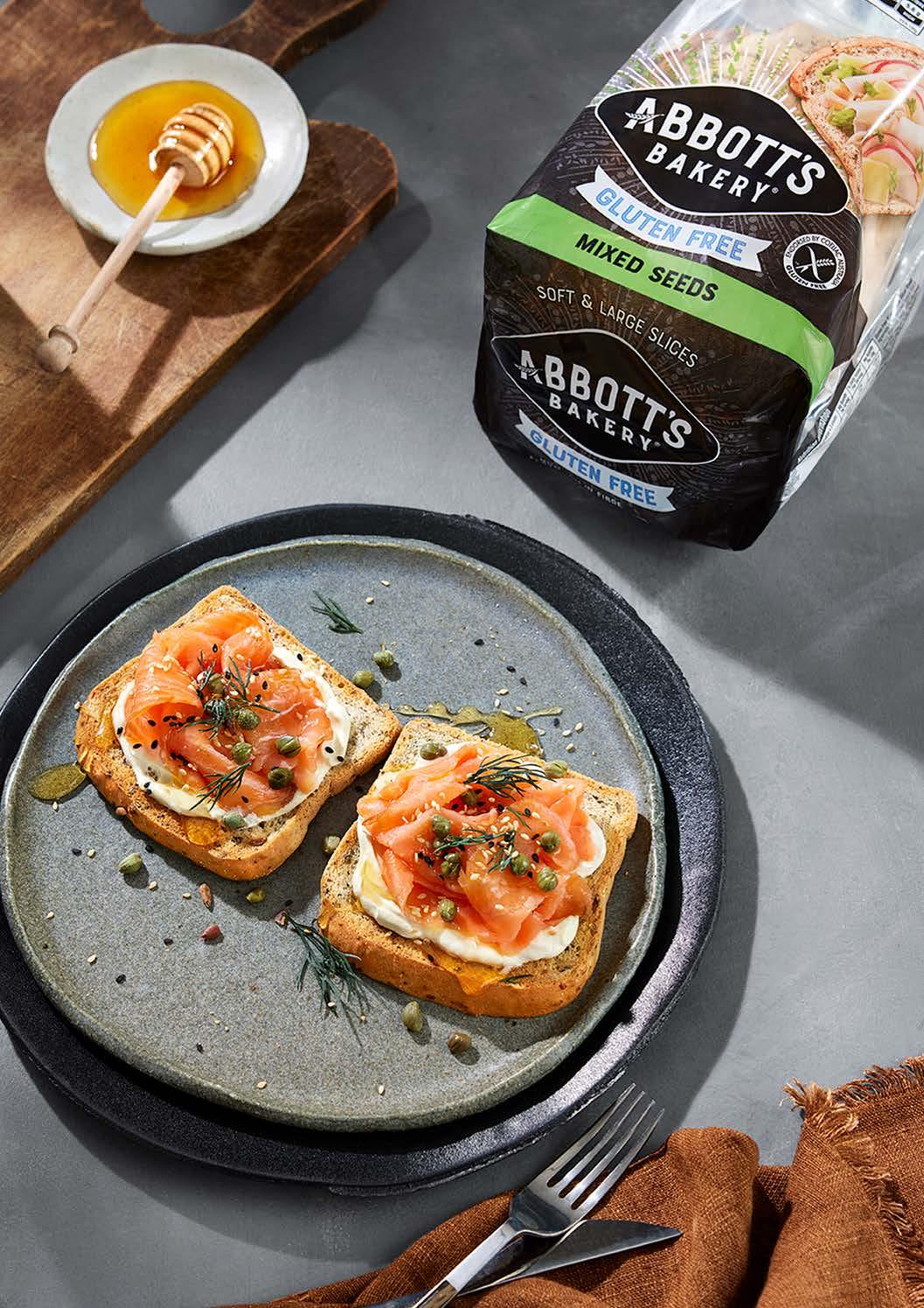
Abbott’s Bakery Gluten Free Mixed Seeds is the WINNER in the Gluten Free Bread category
– Tip Top Thin & Crispy Wholemeal Pizza Bases is the WINNER in the Pizza Base category
– Burgen Wholemeal & Seeds is the WINNER in the Bread category
– Tip Top Thins Soft Wholemeal is the WINNER in the Sandwich Thins category
In addition, four Tip Top products were recognised as winners in the 2025 Healthy Food Guide Lunchbox Awards:
– Tip Top The One Wholemeal
– Tip Top Thins Soft Mixed Grains
– Burgen Soy-Lin
– Abbott’s Bakery Gluten Free Mixed Seeds
Two Tip Top products were recognised as winners in the 2025 Healthy Food Guide Special Diet Awards:
– Burgen Cholesterol Lowering Whole Grain & Oats
– Abbott’s Gluten Free Farmhouse Wholemeal
4.5 Waste and packaging
Our businesses continue to focus on making improvements in their waste and packaging.
4.5.1 WASTE AND CIRCULARITY
The principles of circularity and efficient resource usage align with the management ethos across our businesses, because alongside delivering environmental benefits they directly support operational efficiency and cost control.
In 2025, GWF saw a modest reduction in overall waste of 310T. Whilst this is only a modest reduction, the overall volume of product had increased by 3.4% compared to 2024.
Of the total waste generated in FY25, 85% was recycled, recovered or sent for other beneficial use.
All businesses are actively working to reduce waste, with initiatives tailored to their specific operations. For example, Tip Top is reducing its waste output by focusing on improved operational efficiencies, implementing various initiatives to reduce waste at source. These initiatives include improving machine efficiencies, reusing all production waste, returning some plastic packaging materials back to suppliers after use and promoting a waste segregation culture across the entire business.
Since 2022, Tip Top has been a signatory of the Australian Food Pact, which aims to halve food waste in Australia by 2030. Tip Top has an efficient resource use programme for reducing waste where most of the waste is either turned into breadcrumbs or used as animal feed. Tip Top currently sends less than 1% of its food waste to landfill. As well in New Zealand, Tip Top is a proud member of Kai Commitment.
4.5.2 PLASTICS AND PACKAGING
Packaging has an important role to play in ensuring the safety and quality of products, but our businesses are also focused on minimising their environmental impact. Across many programmes and initiatives, the individual businesses are working to reduce packaging and increase recyclability and reusability.
APCO, SPSA and GWF
GWF is a signatory to the Australian Packaging Covenant Organisation (APCO), a non- profit organisation formed under Australian regulation to advance recycling in Australia.
GWF notes the recent moves by both APCO and the Soft Plastics Stewardship Australia (SPSA) to develop a soft plastics scheme that is sustainable for Australia. GWF supports their efforts and encourages the two organisations to work together and with all other stakeholders, including GWF towards that goal. GWF and our businesses support the development of an agreed scheme that encompasses all companies across industry.
Initiatives by GWF businesses
The APCO initiative is an important aspect of GWF’s overall plastics and packaging strategy, but it is not the only focus. GWF businesses have created a Packaging Working Group to address packaging challenges and to share innovations. Additionally, businesses have started to transition to the use of more recycled plastic.
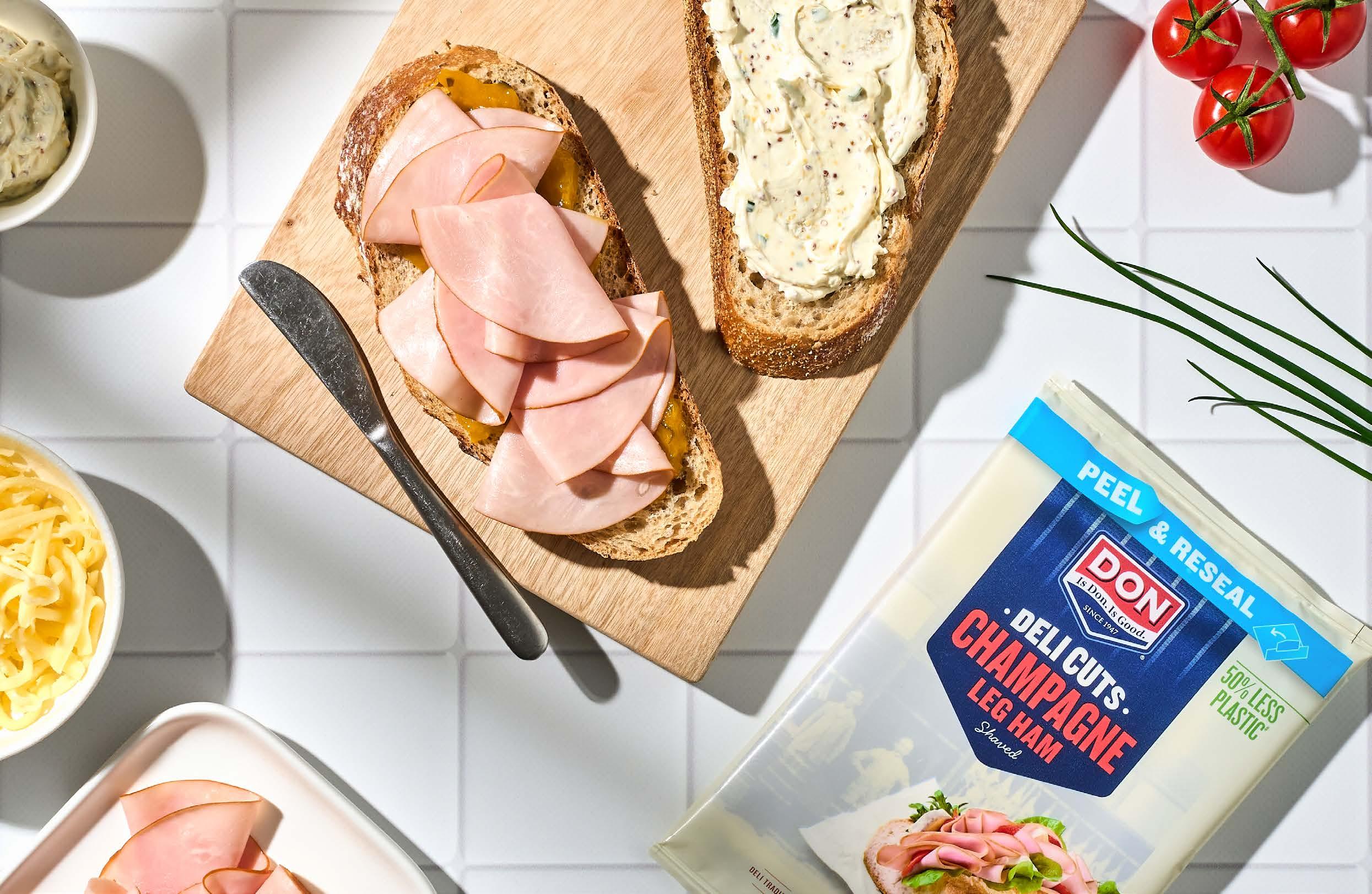
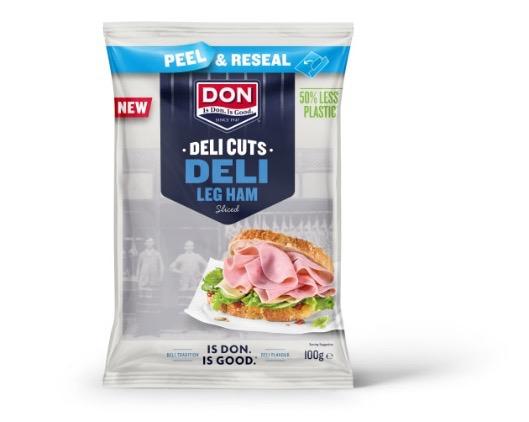
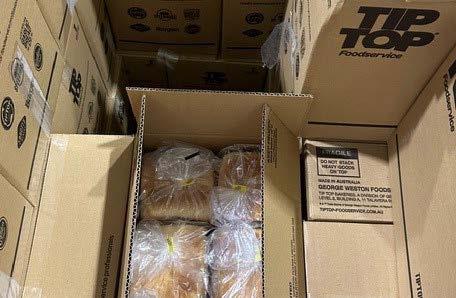
Tip Top now has 100% recycled cardboard cartons across most of its retail and foodservice products. This transition maintains food safety and customer experience standards while eliminating approximately 350 tonnes of virgin cardboard annually and lowering reliance on virgin fibre. DON Smallgoods is transitioning from traditional thermoforming packs to innovative resealable packaging, cutting plastic use by up to 50% on these products. The new packaging has received domestic and global recognition for its innovative pack design which delivers environmental benefits whilst answering consumers’ desire for re-sealability and convenience.
Packaging use in GWF
As reported in the GWF 2025 APCO Annual Report, GWF maintained its overall performance by achieving a leading position result. Specifically, we have gone beyond best practice in the categories of Governance & Strategy, Design & Procurement and On-Site Waste. We are committed to further ongoing efforts to enhance our performance, and this is shown by a performance level increase in disposal labelling in comparison to 2024 results. For more information, please see our APCO report found on our GWF website. (Recyclable / Recycled - recycling needs to be ‘in practice and at scale’ for a package to be considered recyclable. At scale means beyond the lab, pilot test or small population size to demonstrate that the design of the packaging is not a barrier to recycling and can be replicated widely.)
CASE STUDY: GOLDEN BAKERY PACKAGING
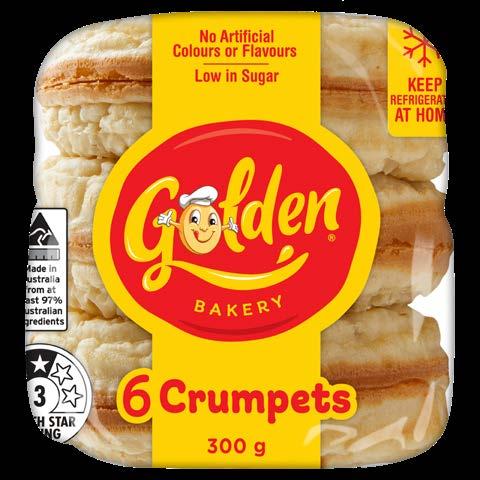
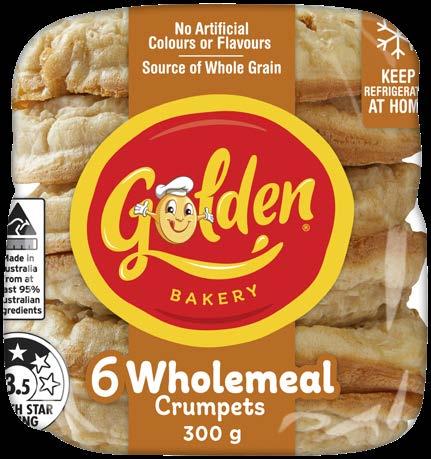
Introduction of compostable NatureFlex packaging for Golden Crumpet rounds
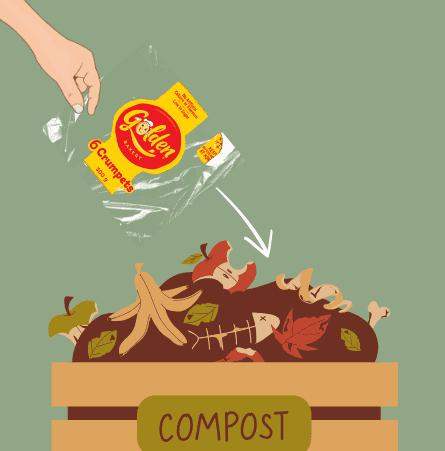
Our Golden Bakery brand has taken a step towards a more sustainable future by replacing traditional plastic cellophane packaging with NatureFlex, a home-compostable material made from renewable wood pulp. This packaging change was implemented for Golden Crumpet Rounds in April 2025, with plans to roll out the new packaging across the entire crumpet range in the future. In conjunction with this change, Golden Bakery has launched a new Sustainability webpage to educate consumers on how to add their Golden Crumpet packaging to their home compost bins.
BEST PACKAGE
CASE STUDY: DON - NEW PACKAGING WILL REDUCE WASTE
DON Smallgoods’ new resealable flow packs represent a significant advancement in sustainable packaging. In a groundbreaking move, DON Smallgoods is leading the way for change in the packaging industry. Highlighting their achievements, Don Smallgoods proudly took home the prestigious Hive Award for Best Package.
The company’s latest innovation involves transitioning from classic thermoforming packs to new resealable flow packs, resulting in a drastic reduction in plastic use. This change cuts down plastic by an impressive 50%. The new flow wrap pack is not only environmentally friendly but also addresses consumer issues. Featuring a compact, resealable packaging design.
The benefits of DON Smallgoods’ innovative flow wrap packaging extend beyond plastic reduction. Compared to conventional packaging, the new technology of the Bellpack Machine reduces plastic waste by 50% but also uses 50% less energy. This advancement makes the entire production-toconsumption process more energyefficient, aligning perfectly with the growing consumer demand for more sustainable packaging solutions
CASE STUDY: TIP TOP LAUNCHES 100% RECYCLED CARDBOARD CARTONS
In 2025, Tip Top launched 100% recycled cardboard cartons across most of its retail and Foodservice products with no compromise on food safety or customer experience.
This switch reduces our reliance on virgin fibre and will remove ~350 tonnes of virgin cardboard every year.
This is a significant reduction and due to the fantastic collaboration across innovation, supply partners, site operations and procurement.
CASE STUDY: TIP TOP SPRINGWOODBIG BAG RECOVERY PROGRAMME
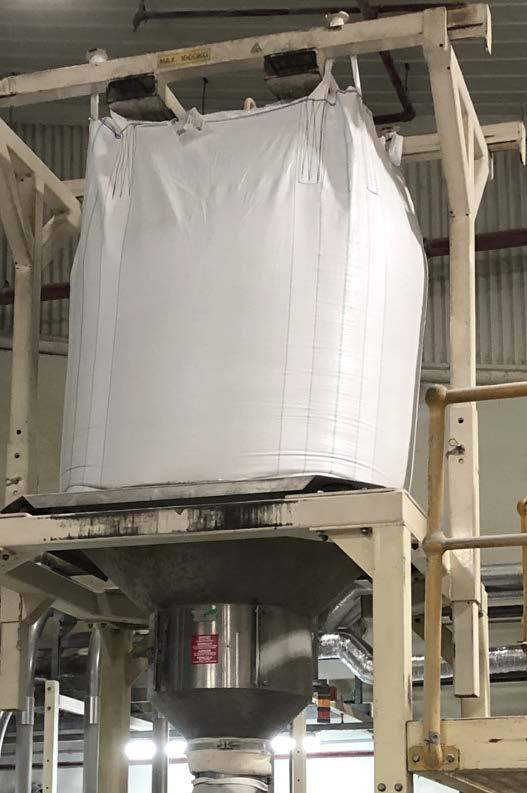
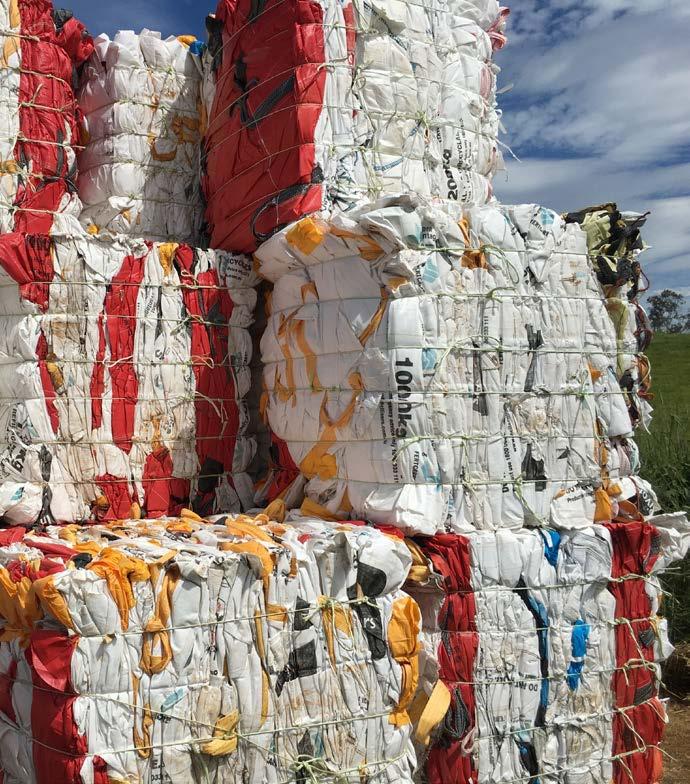
This year, Tip Top Springwood has participated in the Big Bag Recovery closed-loop programme. This is an Australian Government- accredited product stewardship programme that collects and repurposes large plastic bulk bags into resin pellets, which are then processed into recyclable and recoverable products such as school furniture. This year (July 24 - June 25) a total of 2.4 tonnes of bulk bags were taken from Springwood by Big Bag Recovery.
CASE STUDY:
NEW TIP TOP BREAD BAGS WITH 30% RECYCLED PLASTIC
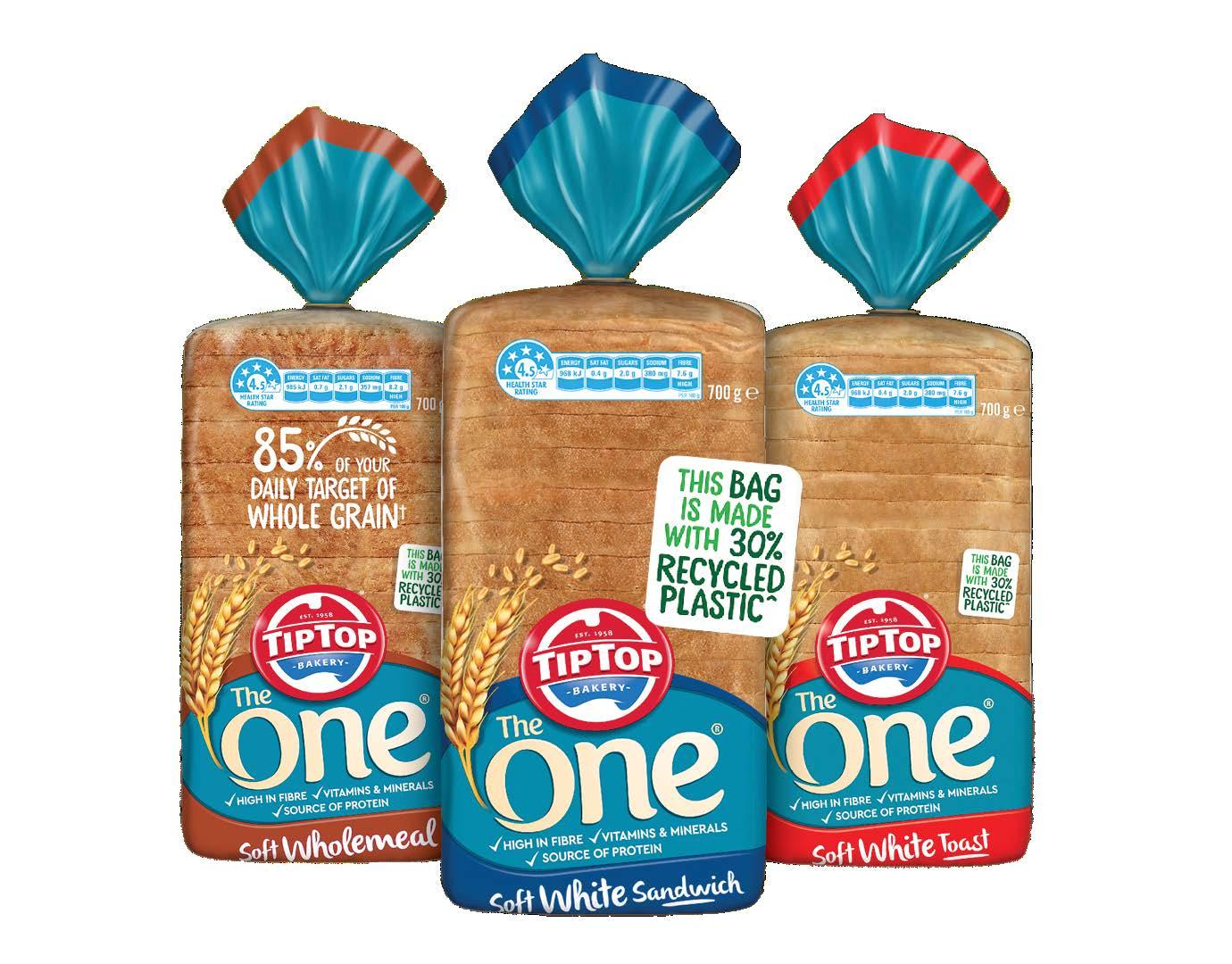
Tip Top is taking further steps to reduce our environmental impact and support the circular economy by introducing new bread bags made with 30% recycled plastic using the ISCC certified mass balance approach. These new bread bags are available across our Tip Top The One, Tip Top 9 Grain and Tip Top The One Gluten Free loaves. This initiative helps to reuse and recycle valuable plastic materials, reducing the need for new plastic production. As a result, 160 tonnes of virgin plastic is expected to be removed from the manufacturing process of Tip Top bread bags as at December 2025.
4.6 Climate
4.6.1 GHG EMISSIONS, ENERGY AND RENEWABLES
GWF aims to contribute to the transition to a low-carbon economy and manage its climate risks and impacts. It is also preparing to meet the new regulatory requirements under Australia’s ClimateRelated Financial Disclosure regulation, which came into effect on 1 January 2025. This applies to George Weston Foods for the next reporting period ending September 2026.
In 2024/25, GWF’s total energy consumption was 527 GWh, an increase of 0.7% on the 2024 total energy consumption of 523 GWh. Of the energy consumed in 2025, GWF doubled the use of energy sourced from renewable energy sources to 4GWh. Total Scope 1 and 2 location-based GHG emissions totalled 179 ktCO2e in 2025, a reduction of 1.1% compared with 2024. Reductions can be attributed to a range of sitelevel energy efficiency projects and equipment upgrades.
Tip Top continues to install solar arrays at its bakeries across Australia. The business has already installed solar panels at its Townsville, Bendigo, Dry Creek, Canning Vale, Carrara, and Chullora bakeries. Its procurement team is also exploring the possibility of procuring its remaining energy from renewable sources, where feasible. As part of the division’s decarbonisation journey, Tip Top’s New Zealand business has replaced gas ovens with new electric ovens in its gluten-free bakery, resulting in a 64% reduction in CO2 emissions to produce gluten-free bread.
CASE STUDY: TIP TOP NEW ZEALAND ELECTRIC BAKERY OVEN
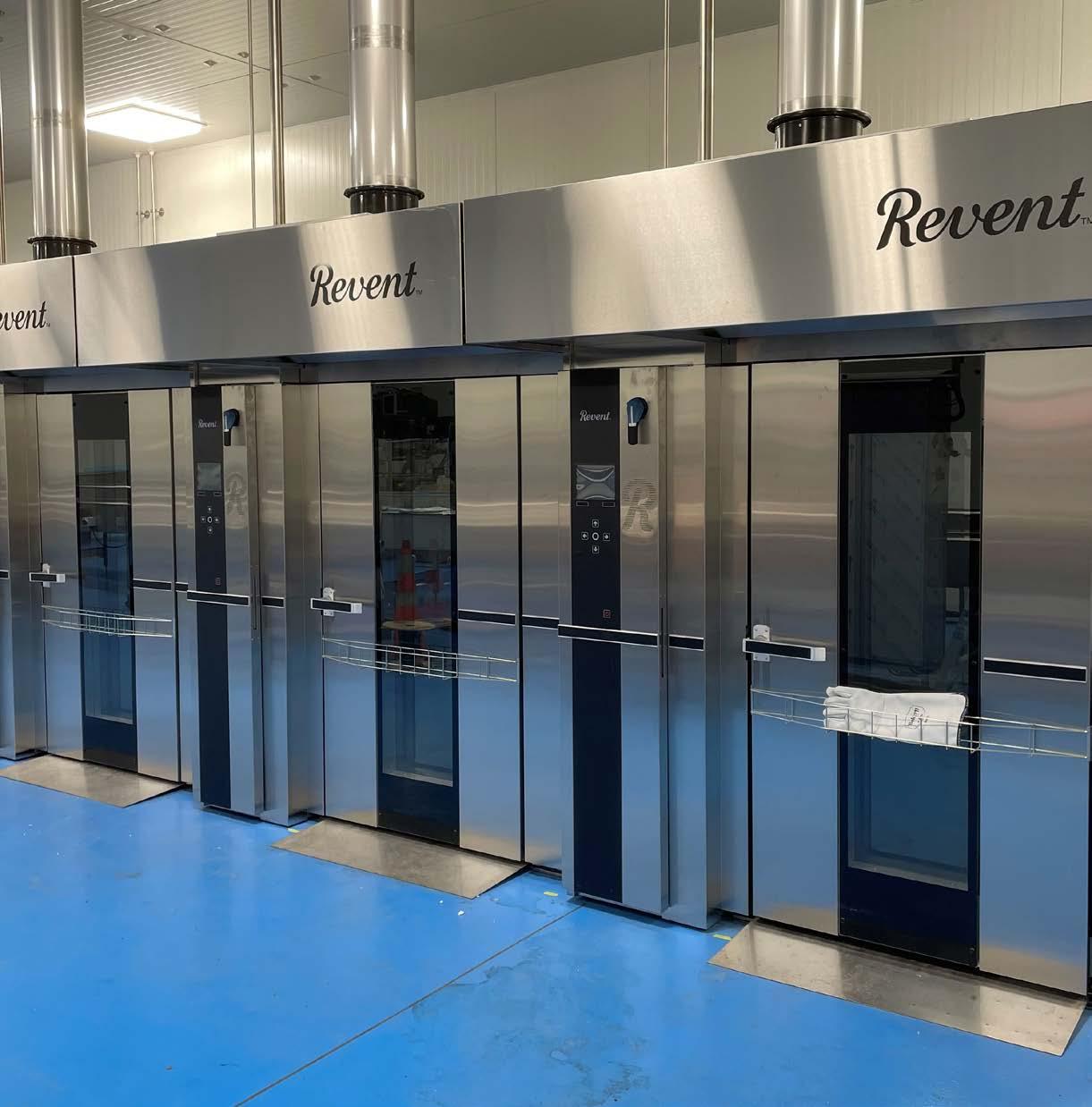
In a first across the Tip Top network, Tip Top NZ has installed an electric oven for is gluten free bakery.
The Gluten Free line opened in September 2024.
The total cost of the gluten free bakery was NZD $7.8 million and the volume is 1 million units of gluten free bread annually.
A 64% reduction in CO2 emissions was achieved at the bakery.
Tip Top are investigating further electrification of ovens in what is still a very new technology, available still only at small scale.
4.5.2 TOWARDS AN ENERGY TRANSITION PLAN
GWF is one of the higher manufacturing energy users in Australia, with a particular reliance on gas at our Tip Top Bakeries and at DON Castlemaine.
GWF recognises its responsibility as a key manufacturer in Australia to support the goal of Australian Governments (Federal and State) that manufacturing be part of the solution to decarbonise.
Our businesses have already taken concrete steps, as shown in this report, but we acknowledge that more needs to be done.
In preparation for GWF’s upcoming climate disclosure requirements, we have begun developing an Energy Transition Plan that will encompass all businesses across GWF.
Such a plan must take in the needs of each of the GWF businesses. Many different paths are being investigated.
For some businesses, there are no existing technologies that can enable easy electrification of some industrial
processes. In other cases, there is insufficient current grid capacity, or on-site capacity, to completely electrify.
In a series of workshops in 2025, businesses have worked with external support to identify the potential pathways to decarbonisation that makes sense for the business.
That has involved in the first stage:
– Reviewing the status quo of each business units’ decarbonisation initiatives.
• Prioritising near and midterm actions.
• Assessing the Climate Risk for businesses:
In 2026, GWF businesses will expand on this base to
• Financial assessment of climaterelated risks and opportunities
• Finalise a Transition plan development
CASE STUDY: DON - SOLAR PANELS AT CASTLEMAINE
On-Site Generation: Implement on-site renewable energy solutions.
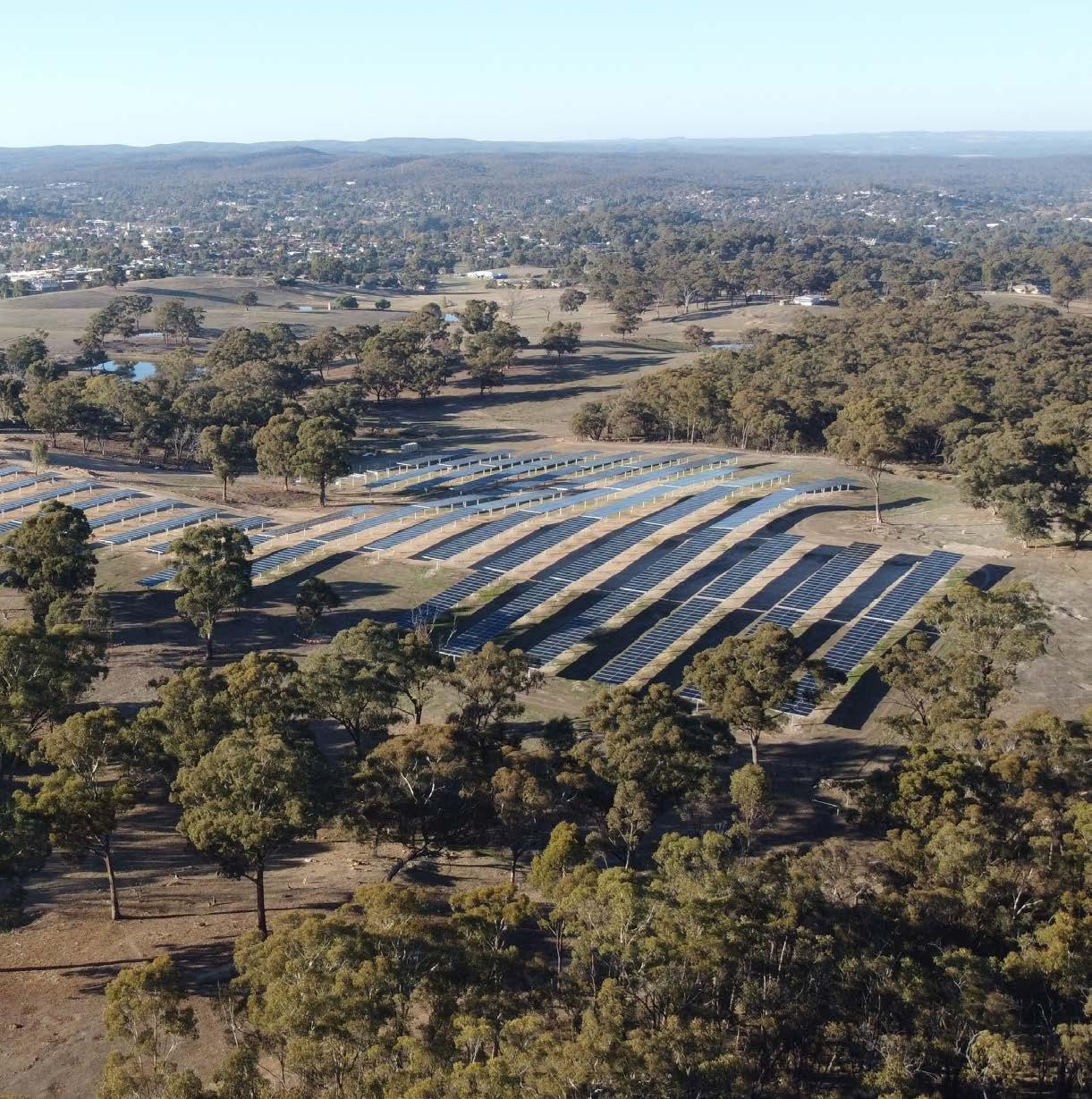
3.5 MW Solar Array approved and built. The solar farm finalised construction in May 2025.
The solar project was delivered under a 20-year Purchasing Power Agreement.
This solar array spans approximately 8 hectares and is designed to generate around 6,000 MWh of clean electricity annually.
It is enough to offset 16% of the site’s total electricity consumption, significantly reducing reliance on grid electricity and cutting carbon emissions by about 10% per year.
GWF inc DON Smallgoods is one of Australian manufacturers larger gas users, and this solar array is one part of how GWF is seeking to move from gas in a cost-effective way.
CASE STUDY: MAURI - NEW INVESTMENT TO DRIVE EFFICIENCIES
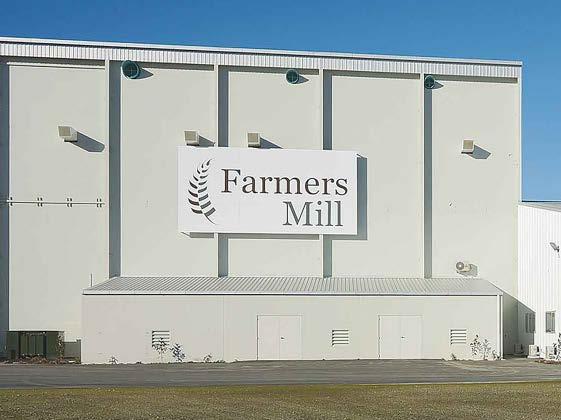
Acquisition of Farmers Mill – Timaru New Zealand
Farmers Mill and George Weston Foods (NZ) announced that Mauri NZ has agreed to acquire the Farmers Mill’s business and milling assets located in Timaru in New Zealand.
The acquisition will enable Mauri ANZ to produce a range of flour and related products much more efficiently for the South Island of New Zealand, with major gains in energy efficiency usage through more modern equipment.
CASE STUDY: MAURI - NEW BALLARAT FLOUR MILL
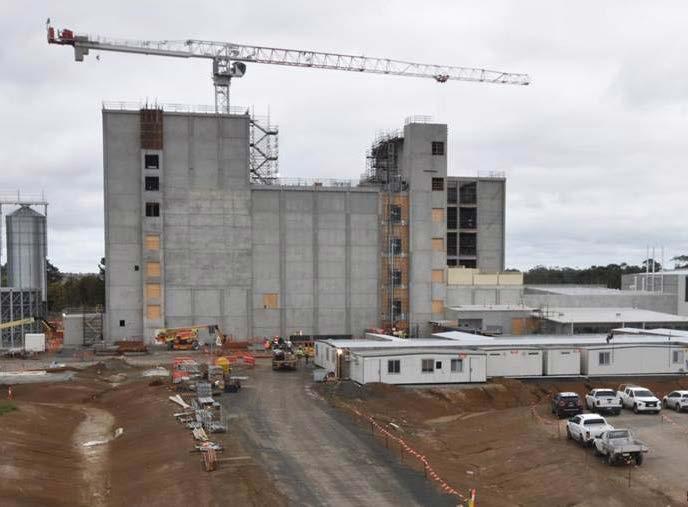
Ongoing progress of the construction of the Ballarat Flour Mill
GWF and ABF have made a significant investment in a state-of-the-art flour mill to service Southeast Australia currently being built in the Victorian regional city of Ballarat.
Construction is expected to be completed in late 2026.
As part of an agreement with the Victorian Government a major regional new rail hub is to be constructed next to the new mill which will enable Mauri to freight grain in directly from Victorian grain growing regions.
The new mill, while being substantially larger than the current mill in North Melbourne, is projected to be up to 40% more energy efficient.
4.7 Responsible Agriculture and Land use.
Many of GWF businesses are highly dependent upon agricultural commodities and supply chains to deliver their leading brands and ESG agenda.
Our Mauri, Tip Top, DON and Yumi’s businesses have strong connections to the farming sector, such as sourcing products from crops grown on farms. The diverse approaches and solutions they pursue reflect the structure of the supply chains and the nature of their operations in that context.
GWF businesses are adapting to the evolving regulatory ESG landscape by reviewing their approach to managing environmental and social risks, opportunities and impacts within their agricultural supply chains, including through SEDEX. This involves reviewing their capacity to either focus on a few targeted initiatives, or whether a broader approach to address a wider range of issues is required.
Environmental risks such as deforestation and biodiversity loss in Australia are recognised by our businesses. Our businesses are focusing on reviewing risks within their supply chains, especially for those products particularly impacted by climate change.
Our Mauri business is proud to foster ongoing relationships with universities and industry groups to shape the frameworks for more sustainable agriculture in Australia. We work closely with these groups to support development of climate-resilient wheat varieties.
We are also working with our customers to understand and meet their requirements for certified sustainable products such as cocoa (Rainforest Alliance), soy (Roundtable on Responsible Soy (RTRS)) and palm oil (Roundtable on Sustainable Palm Oil (RSPO)).
ANIMAL WELFARE
GWF purchases ingredients derived from animals, including eggs, dairy products, pork and other meat. The business believes in maintaining and improving high animal welfare and meeting relevant animal welfare standards, including the internationally recognised Five Domains.
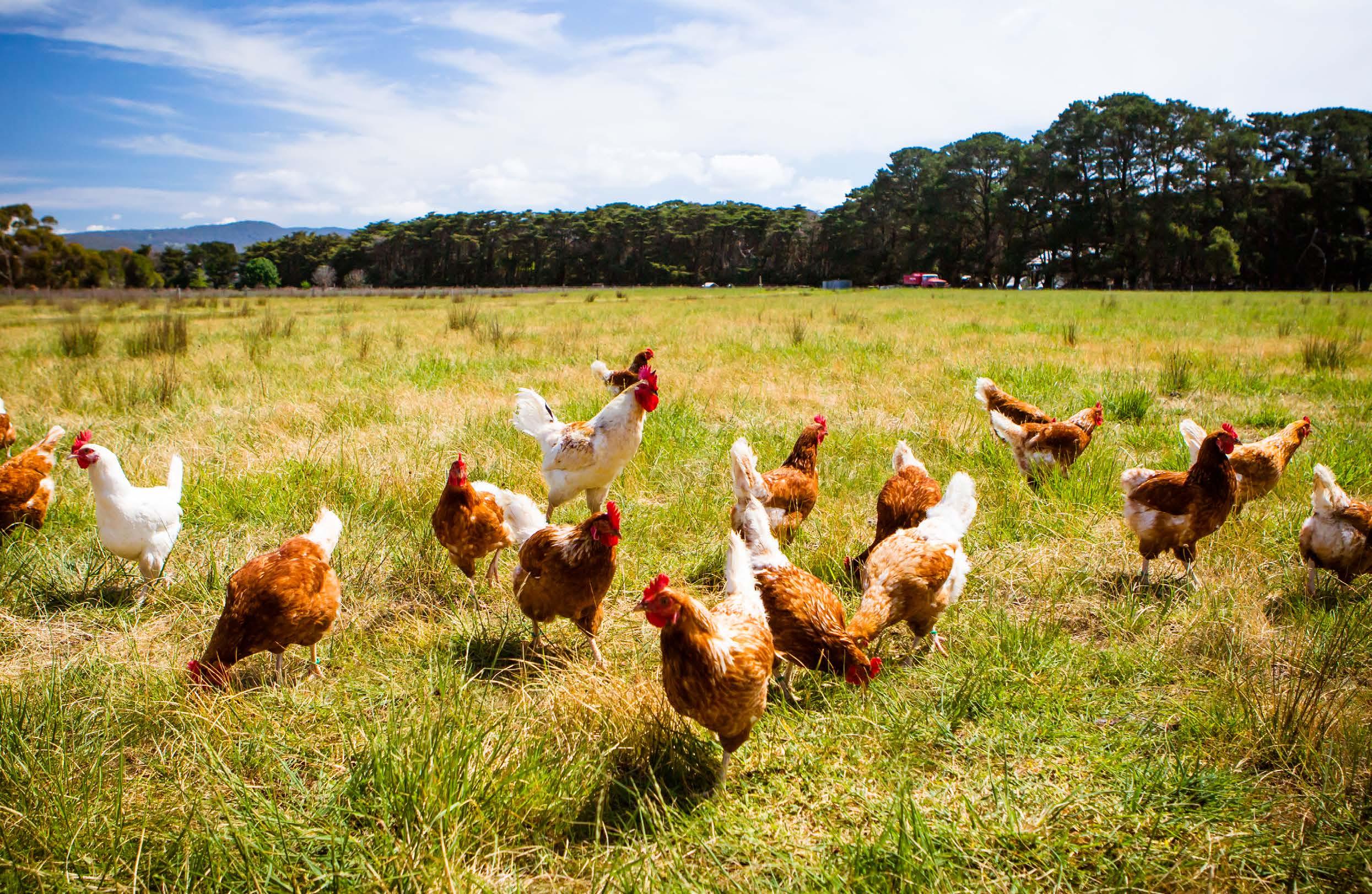
GWF has committed to purchase 100% of cage-free eggs by 2025. However, Australia has seen difficulties in supply due to a combination of avian influenza outbreaks that have culled millions of hens, the cost and time to transition from caged to cage-free farming, and a strong, increasing demand for non-caged eggs.
Nonetheless at the time of writing, our businesses have been undertaking the transition process, and almost all are on track to meet this commitment. Tip Top in New Zealand has already achieved the goal.
Mauri is proud to supply its food and grocery retailers with products that include within them 100% cage-free eggs.
GWF-owned piggeries in Australia have been sow stall-free since 2010, with directly owned and supplier owned piggeries in Australia certified by the Australian Pork Industry Quality Assurance (APIQ) programme. For pork sourced by GWF from overseas, suppliers in Europe and North America are expected to undertake continuous improvement in welfare standards.