GENESIS PUBLICATIONS SINCE 1974
GENESIS PUBLICATIONS SINCE 1974
TOM PETTY: With Full Moon Fever and Into the Great Wide Open, I was really trying to experiment with pop music and pop production. Je Lynne is a genius of that genre, and it was a privilege to work with him. So I was really trying to hone something di erent for a while there, and then I felt like I’d got that out of my system and now it was time to do something a little rawer and earthier.
ADRIA PETTY: You could see my dad was changing. He was getting older, he was redefining himself. He was a lot more comfortable with himself, not trying to always fit in or worrying that he was the outlier as the weird rocker guy when everybody else was doing disco or pop. After the Wilburys and Into the Great Wide Open and Full Moon Fever, he had totally established himself. There was nothing more that he had to prove to anybody. And there he was, 40 years old, still young and still very fertile with songs.
TOM PETTY: We were finishing a tour in England. George Harrison had been playing with Eric Clapton’s band and he was going to do a couple of shows at the Albert Hall. The band could make the shows but Eric couldn’t. So George asked Mike if he would fill in on the guitar. The rest of us wanted to go home really bad, so we went home and Mike stayed and did the shows with George. When Mike came back, I remember him telling me that the drummer in Eric Clapton’s band, this guy called Steve Ferrone, was really, really good and that it was amazing to play with him.
So I filed that away and, when we did need a drummer, he was one of the first people I thought of.
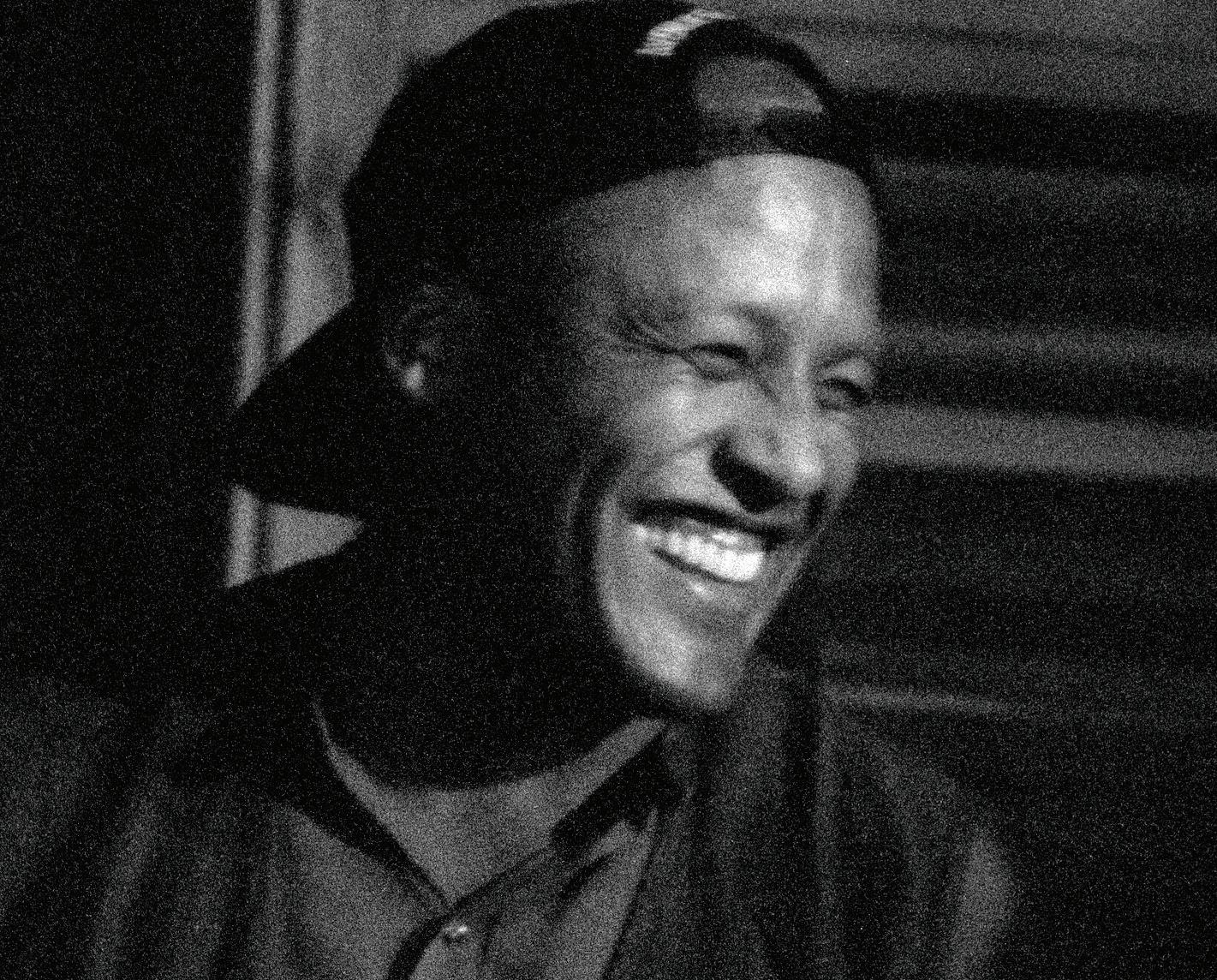
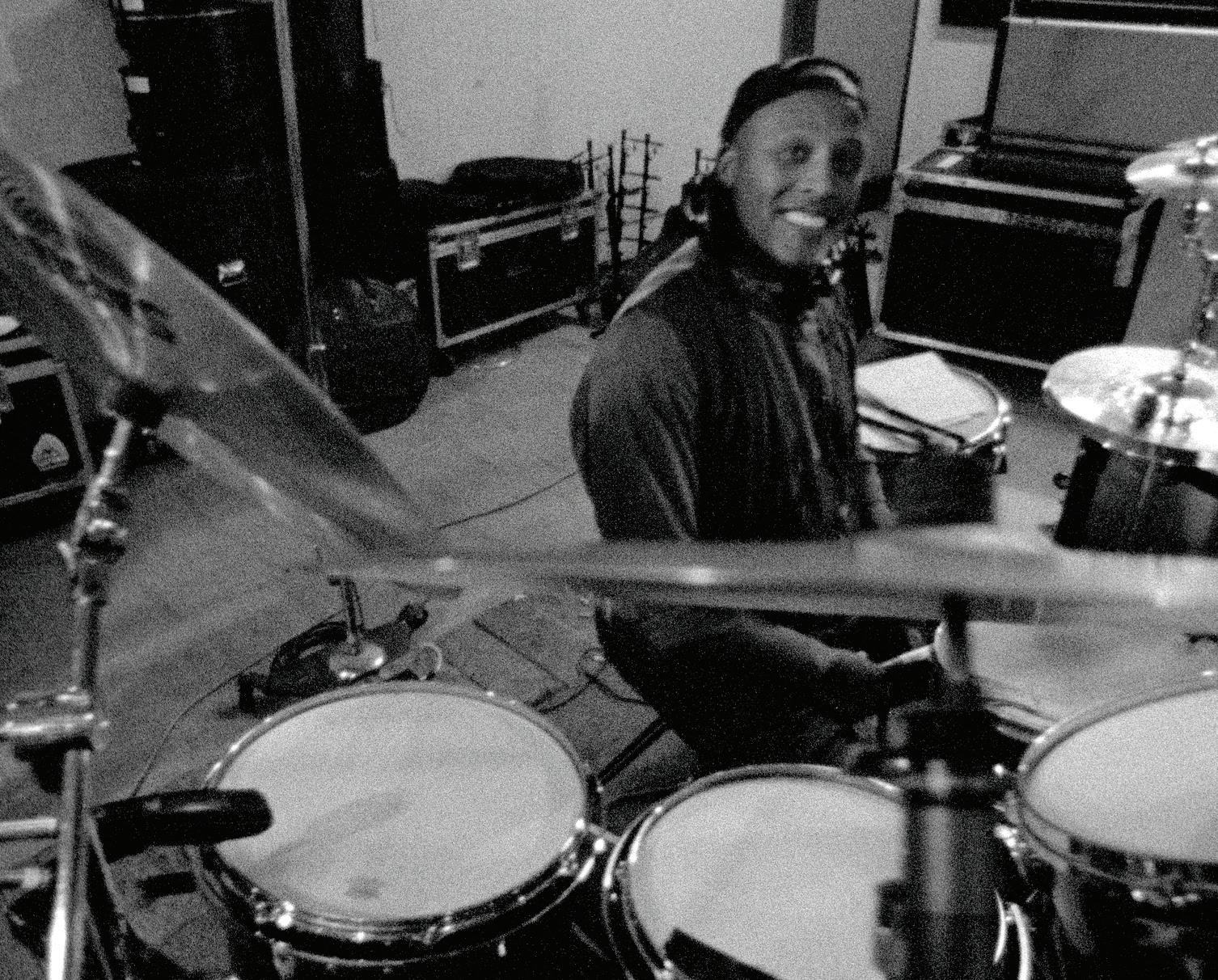
MIKE CAMPBELL: I don’t want to take credit but I did bring Steve into the fold. We hit it o in that concert at the Albert Hall. He’s one of the sweetest guys you’ll ever meet. Got the best smile of anybody I know. �
STEVE FERRONE: I walked this strange path in my career. I went from playing in bands to playing in sessions. When I joined Average White Band, I went to New York and Arif Mardin was our producer. He asked me to do some sessions, then I started to get calls from other producers.
There was a service called Radio Registry which used to book musicians for sessions. In October ’92 I got a call from them asking if I was available to go out to Los Angeles the following week, which I was. When I asked who it was for, they said it was secret. I thought that meant it would be a big pay day, because if it was a secret it had to be something big.
TOM PETTY: We were auditioning drummers and Rick Rubin and I had assembled a band in the studio. Drummers were coming and going every couple of hours. We would play through the song once, I would say no, and the drummer would leave.
STEVE FERRONE: As I arrived at the studio, Kenny Arono! ’s drum kit was coming out. That wasn’t unusual because sometimes artists want me to play specific songs on an album; it’s not always the entire record. I walked in and the Drum Doctor, aka Ross Garfield, was setting up a really nice set of Gretsch drums for me and then I saw Mike Campbell and Tom Petty. ‘Oh, so that’s what this is about!’

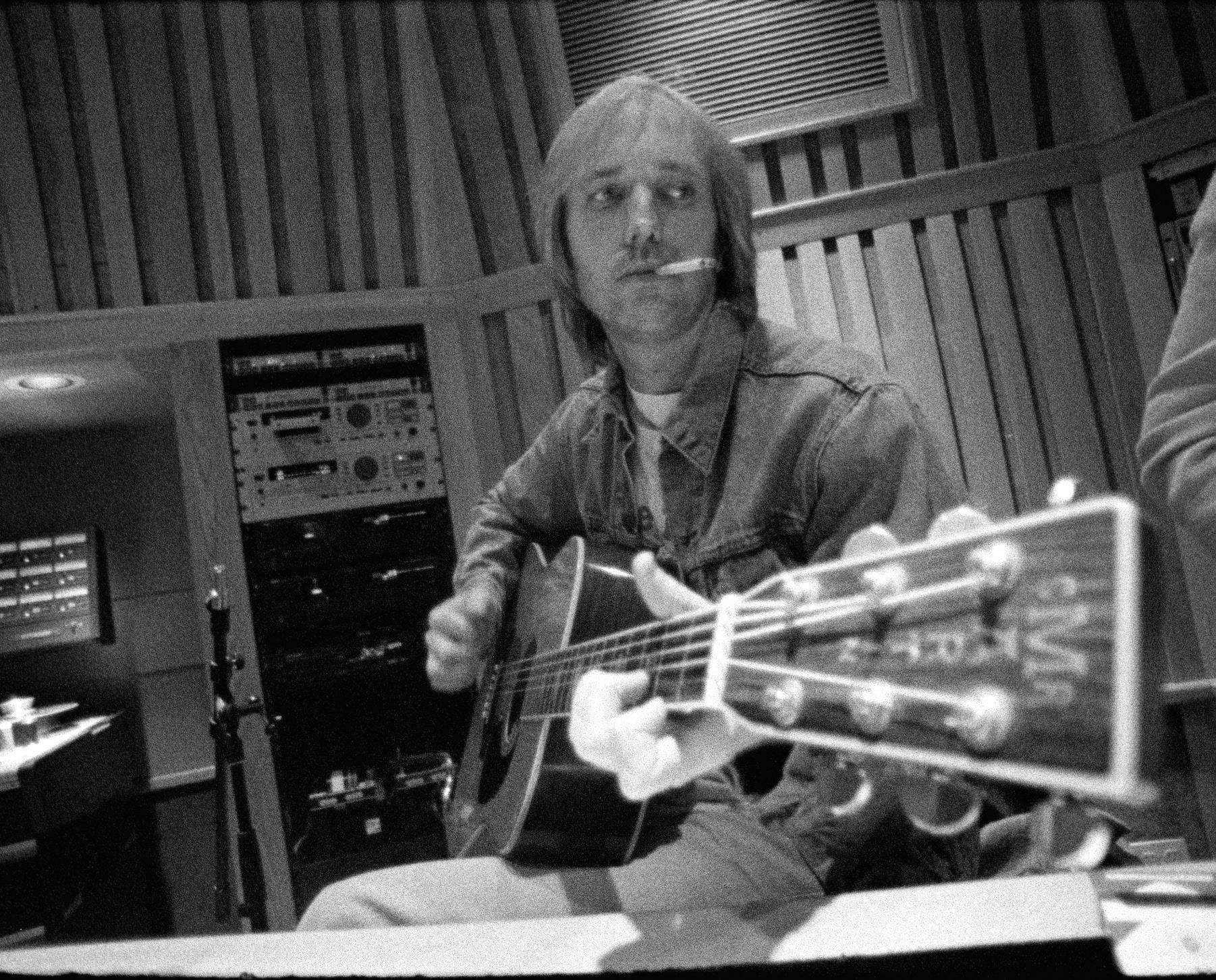
RICK RUBIN: We were sitting at Tom’s house and he was playing me some demos. He always had the acoustic guitar in his hand and he’d usually be strumming it while we were talking, just fooling around. And then he played this great song top to bottom: three verses, chorus, bridge, all the lyrics. I said, ‘Wow, that’s great. When did you write that?’ And he said, ‘That just happened. I never heard that before.’ I asked him what the lyrics were about and he had no idea. He channelled this total song in my presence without knowing where it was coming from. He was tuning into something else. �
MIKE CAMPBELL: So many times, we’d be in rehearsal and the band would start jamming on something and he would step up and sing a great line, just o! the top of his head. And then we’d come around to the next line and he would pull something else out that had a really clever rhyme scheme that matched the line before and the song started to develop a character. It was pretty intimidating to see somebody who was able to do that.
GEORGE DRAKOULIAS: A great song is a gift, a good one is a nice gift too, and a bad one is just the universe fucking with you. We didn’t go too deep into the emotions of the songs; we weren’t going to question where they were coming from, we just let them come.
TOM PETTY: I wish there was a formula that I could rely on. Sometimes, you play the guitar or the piano and a mistake will happen. Maybe you’ll hit another chord – ‘Ooh, that’s good, look at that, how that chord fits against this one’ – and then you start to play those two chords, and then you realise that this chord goes to that, and then, kaboom, there’s this thing that wasn’t there before. I’ll never cease to be amazed by that. There’s blank tape and then, suddenly, at the end of the day, this piece of music that didn’t exist now exists.
I’m old enough now to understand that this wasn’t an accident. For some reason, I’m able to do it and touch millions of people with it and so I’m respectful of that. (2007)
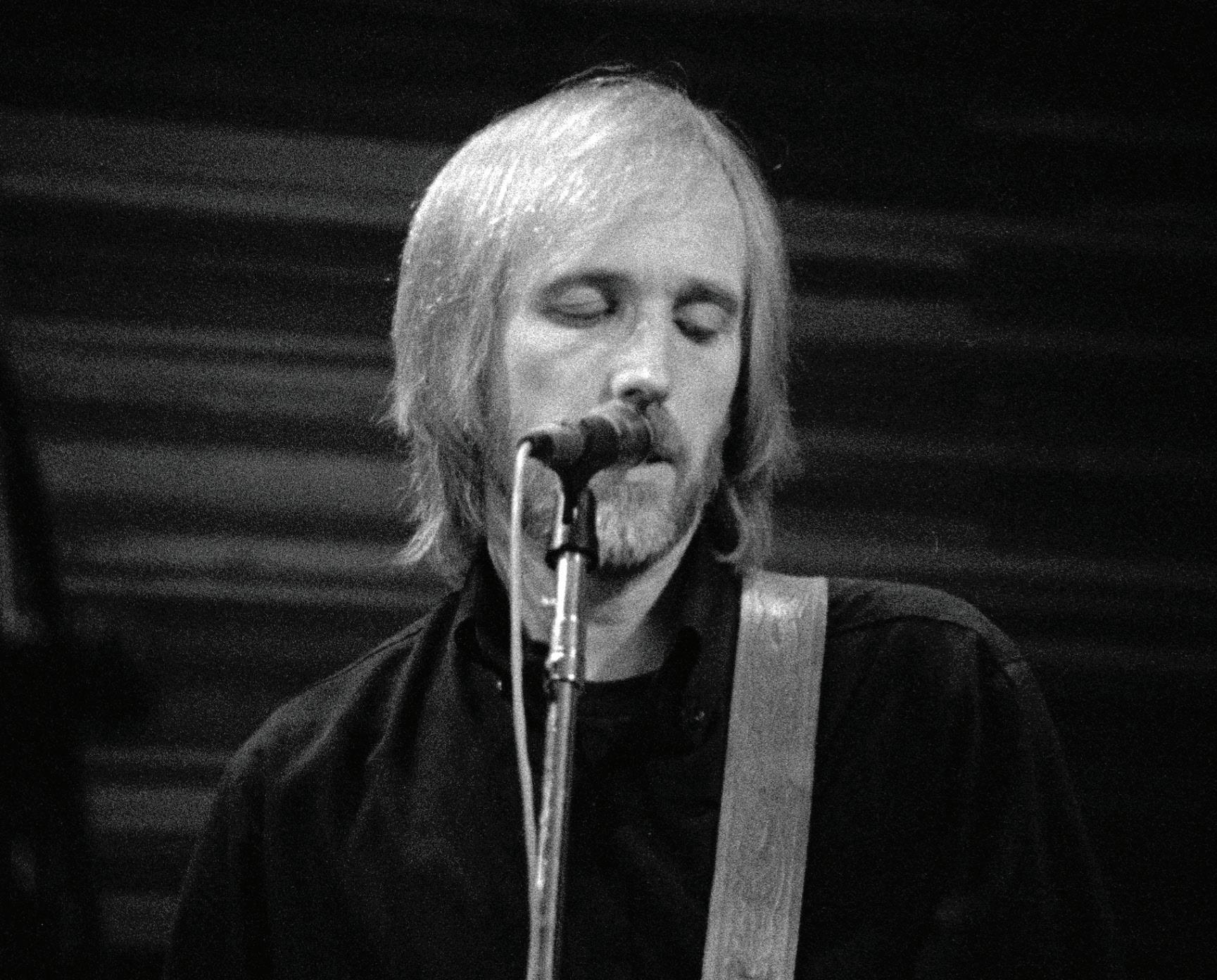
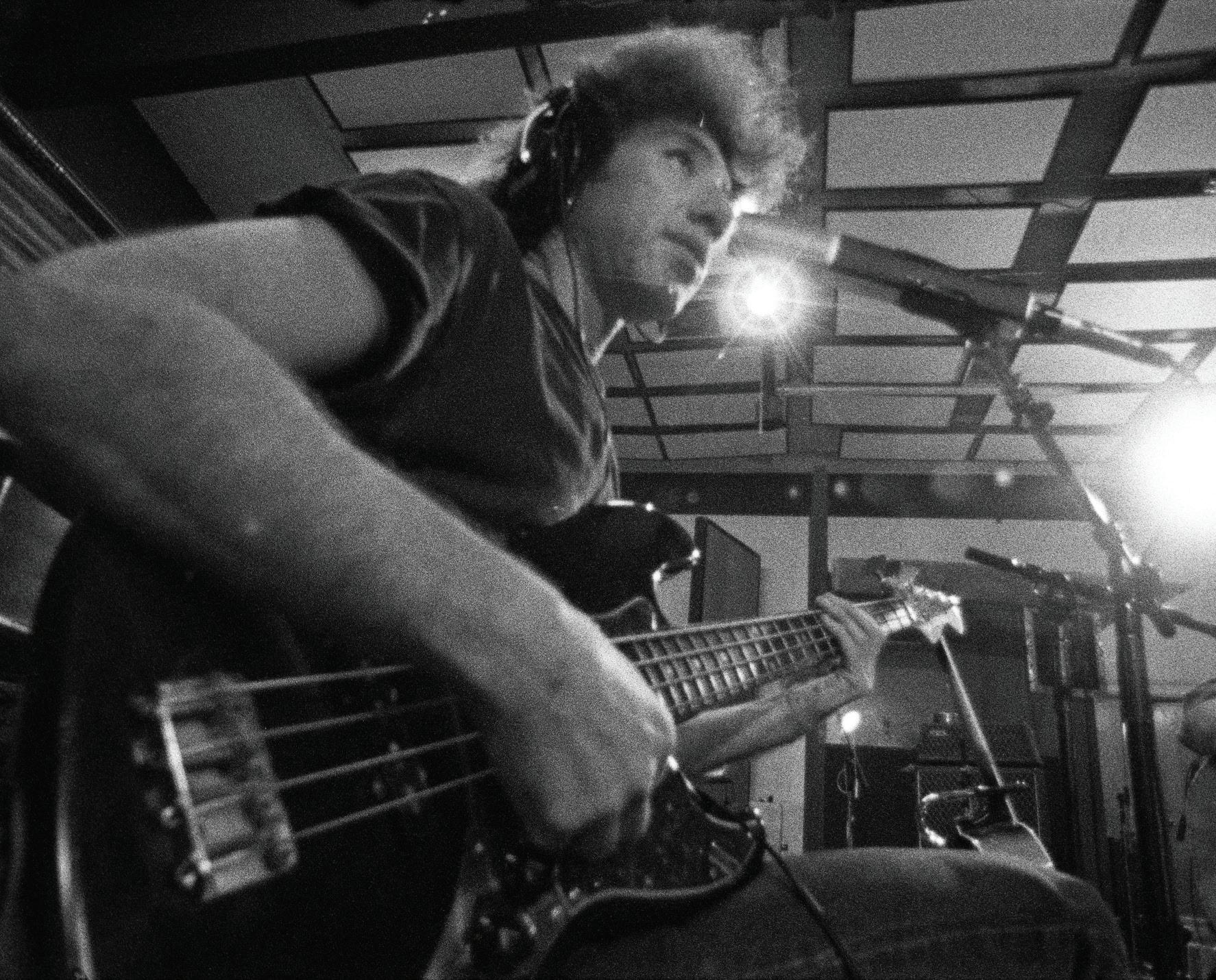
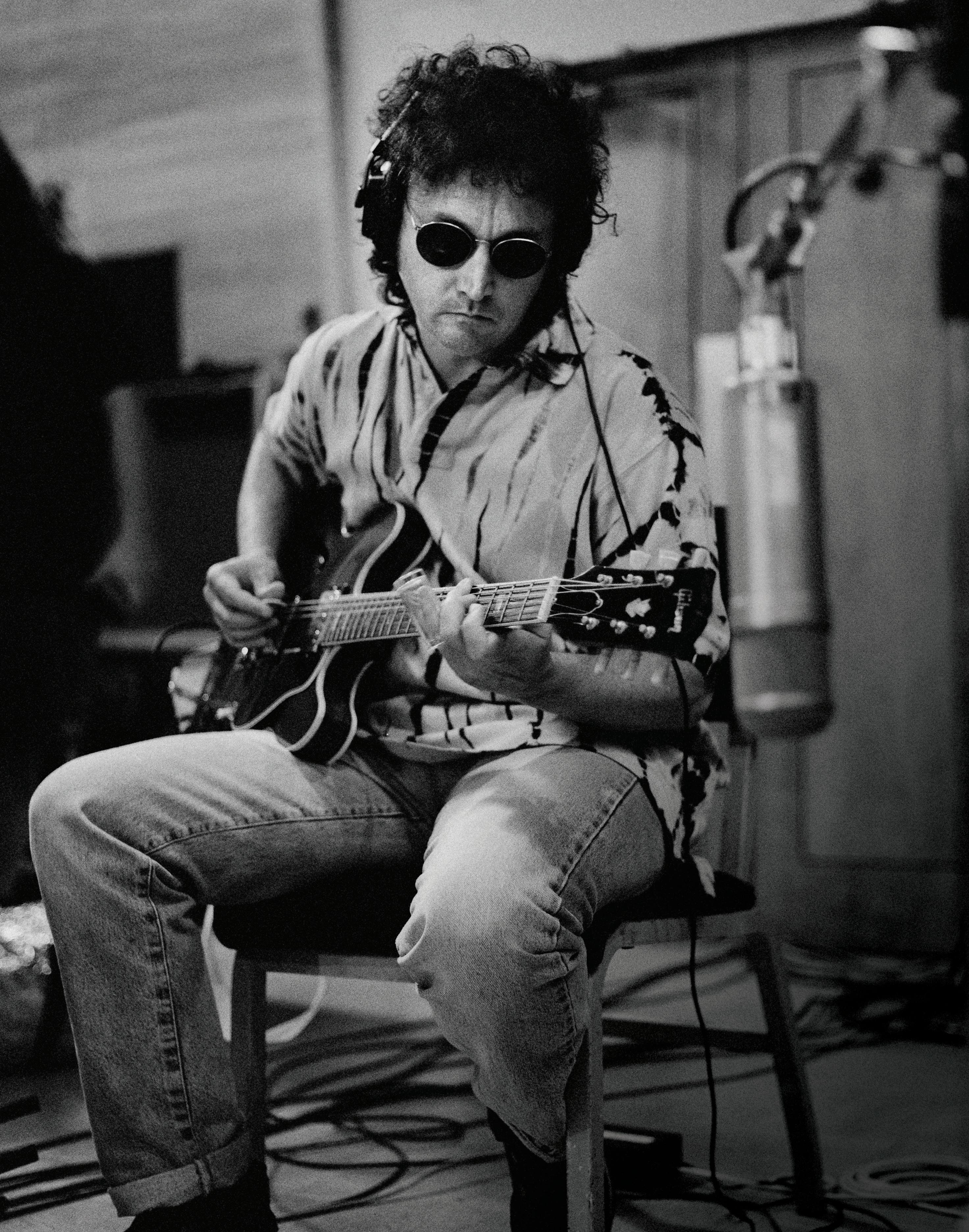
MIKE CAMPBELL: I’ve worked with a lot of really good writers but I’ve never seen anybody that could just pull lyrics out of the air in the moment like Tom could. �
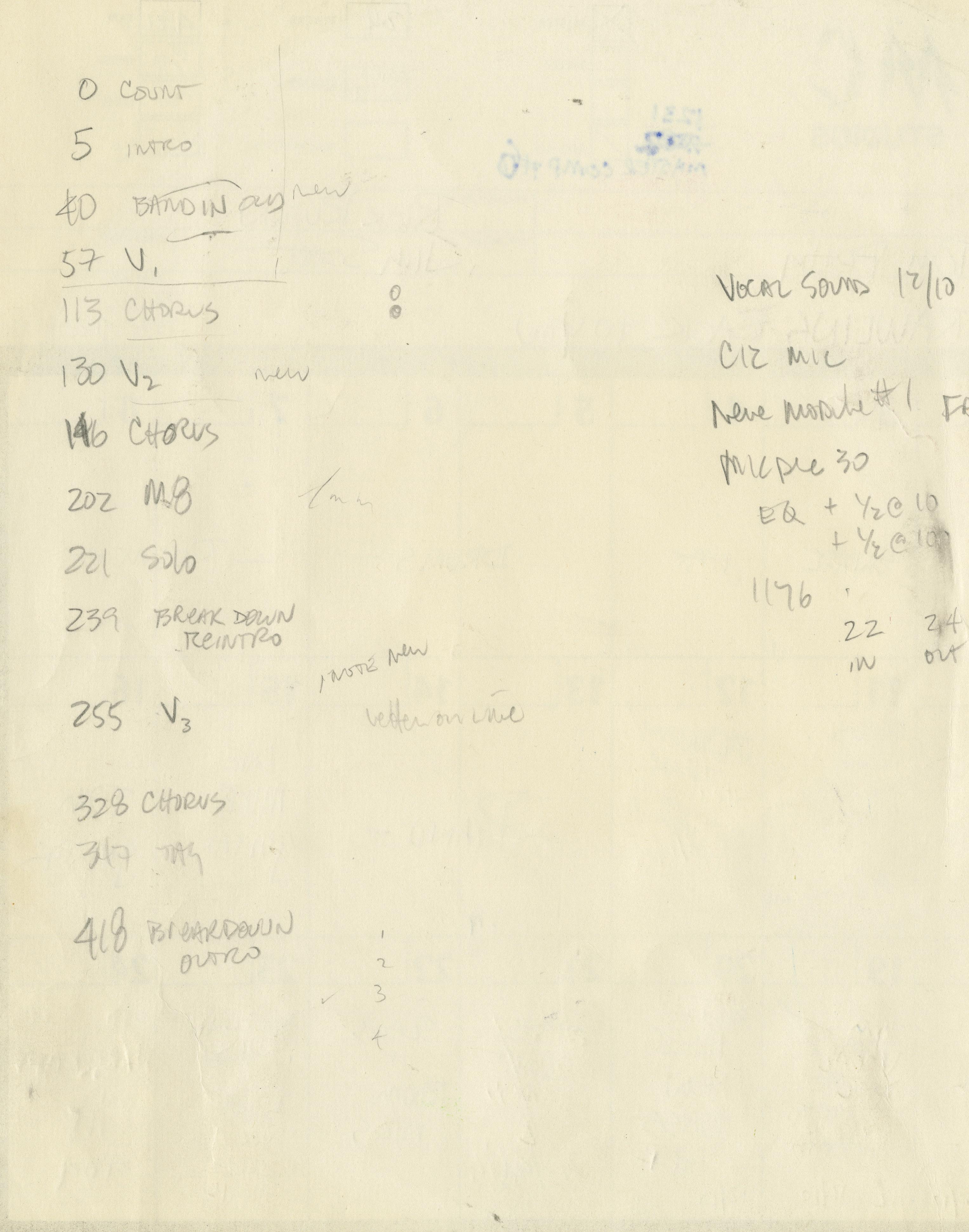
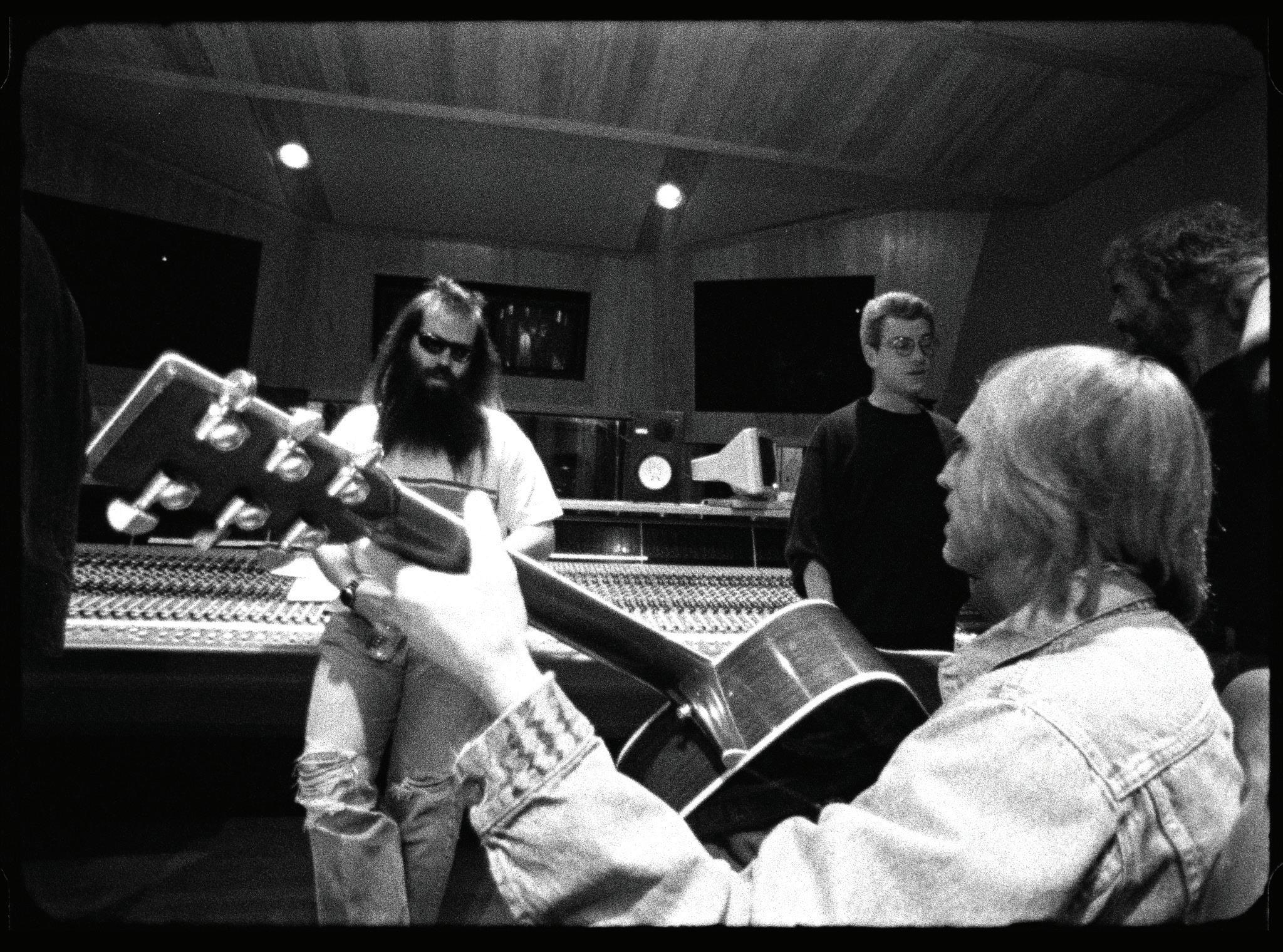
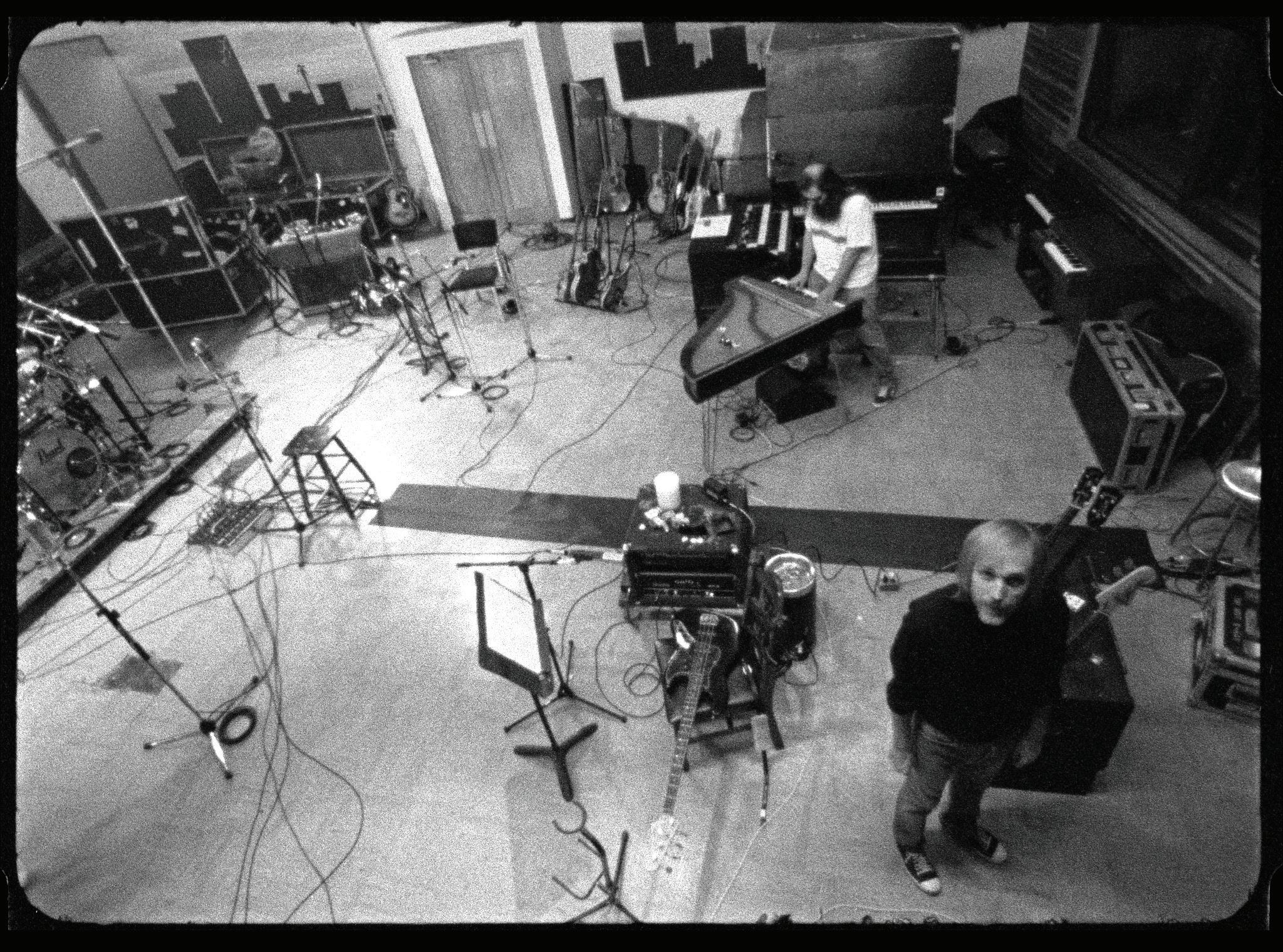
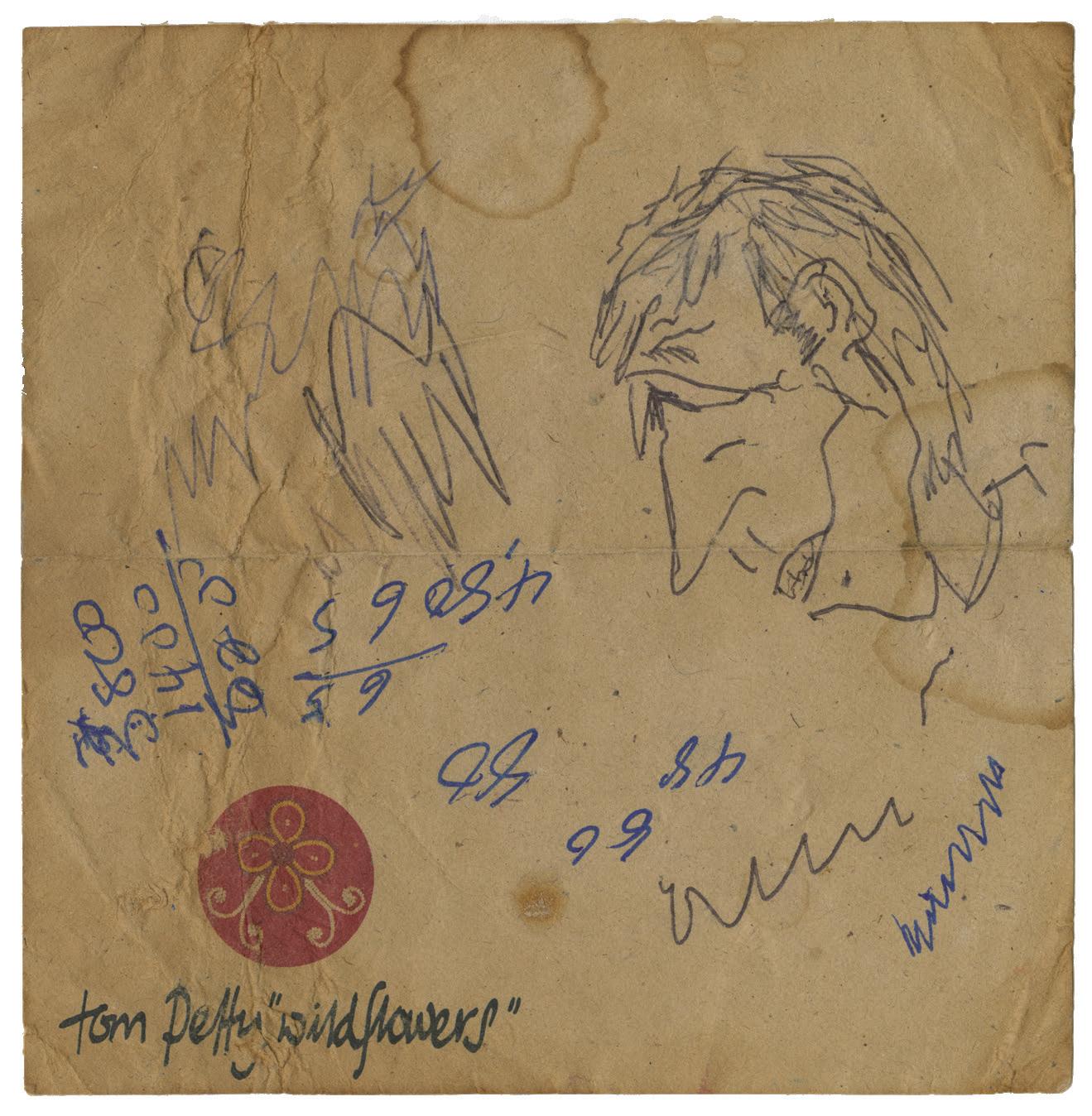
RICK RUBIN: People have asked me what was di erent about Wildflowers from other Tom records and I always say I don’t know because I was only there for Wildflowers. �
BENMONT TENCH: The producer was the main di!erence. We were getting to know Rick having done some records with Je! Lynne, who had a completely di!erent approach to production. It was like getting to know a new girlfriend, understanding the nuances and how we were going to work together. ‘We agree on this. We don’t agree on that but we both agree that we’re going to try to make something great.’
MIKE CAMPBELL: Being a music producer is like being a director on a movie. You have to direct the recording process to bring out the best performance from everybody in the room. And that takes a little finesse. It’s important for the producer to get into the mind of each player and plant the right suggestion to bring the best out of them in that moment and to get them all to do it at the same time. Sometimes it might be just telling a joke or laughing or walking in with a positive energy and confidence. Rick had a way of doing that.
Also, the producer has to help get the right songs because sometimes the songwriter can’t tell which are the best songs. Rick was good at that too.
STEVE FERRONE: Rick had a great understanding of what Tom was looking for, where this album was going. He was really good at listening to everything Tom was doing to make this body of work, and helping him to stay focused on what he wanted to achieve.
MIKE CAMPBELL: Another thing was, Rick was coming into this gang that already had their dynamic and had Tom as a decision maker. He was the new guy and we didn’t know if we could trust him. Maybe he’d take us down the wrong path and ruin things. Should I listen to him or tell him to shut up and let me do what I want to do?
So you go in with a little apprehension, wondering whether this guy is worth it or not. And then, after you have a few successes, you start to let down that tension and trust him. And then you can get on to the real positive co-action. And that’s kind of deep but that’s how it was with Rick.
TOM PETTY: In ‘You Don’t Know How It Feels’ I was trying to write a character who thought that no one knew how it felt to be him and he felt like things weren’t going his way. I think it was creative denial. That’s how I would describe the character in that song. �
MIKE CAMPBELL: From my recollection, ‘You Don’t Know How It Feels’ started as a discussion between Rick, Tom and me about three-quarters through making the album. We didn’t know if we had a hit on the record and so we decided to do something that sounded like it would get played on the radio. Rick said we should take the beat from the Steve Miller song ‘The Joker’ and write our own song to it and then we’d have a hit too. That happens all the time. You pull references from things that you like to inspire you.
So Tom went home with that germ of an idea and came back with the song and it was just good. We’ve never really tried, per se, to write a hit but it did OK.
BENMONT TENCH: What’s interesting is that it has the same beat as ‘Out on the Weekend’, the first track on Neil Young’s Harvest record. I was always getting a Neil Young vibe, but then somebody told me it was o! of Steve Miller.
MIKE CAMPBELL: We had a little drama with the word ‘joint’. There were some places where we had to change it to ‘let’s roll another view’ to appease the suits or another suggestion was ‘let’s go play another joint’, but that doesn’t work. It is what it is and we stand by it. I think people like when you talk about joints and LSD and stu!. It gets people in a good mood.
:
Ú

during
Good To Be
to
its
in
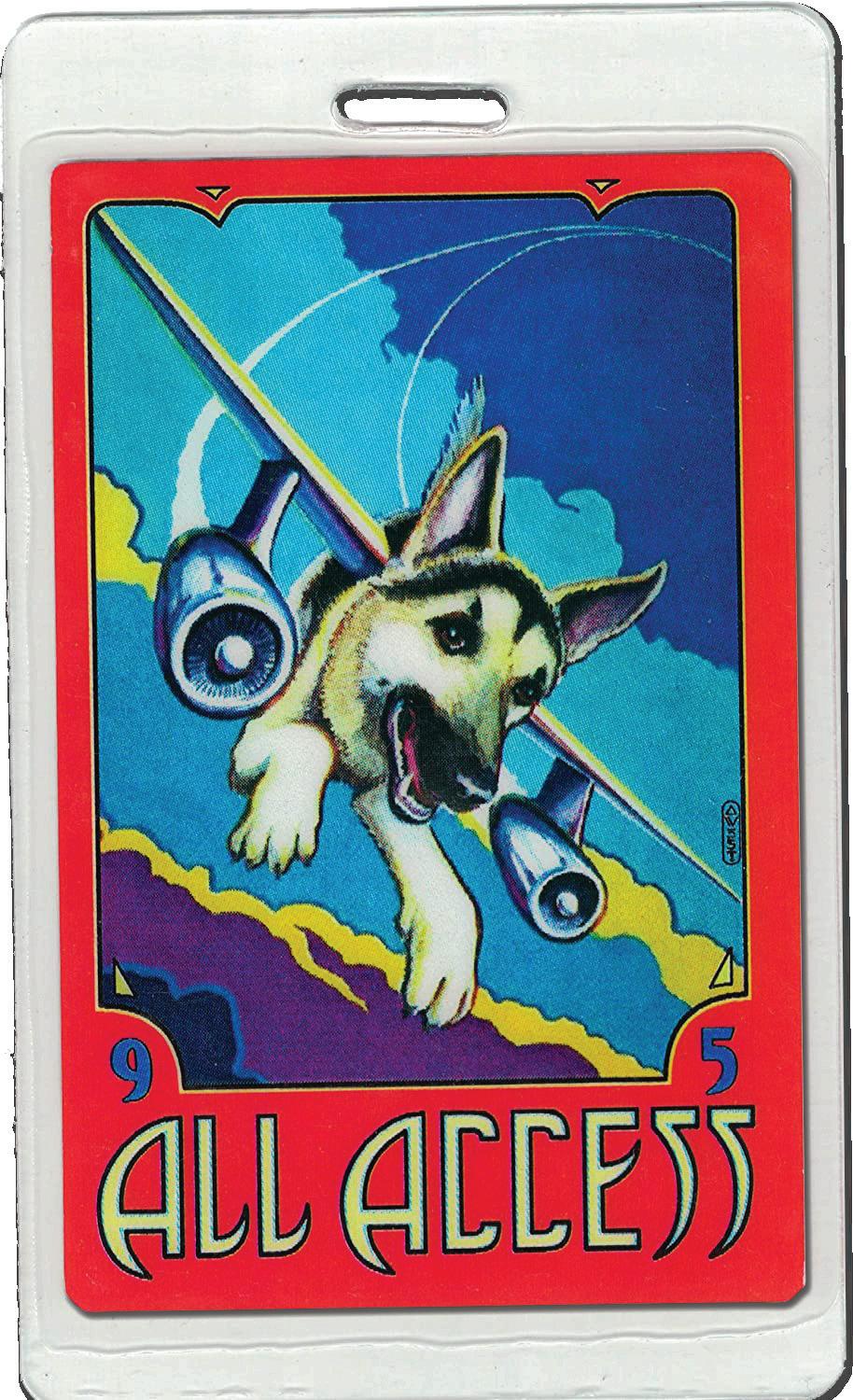
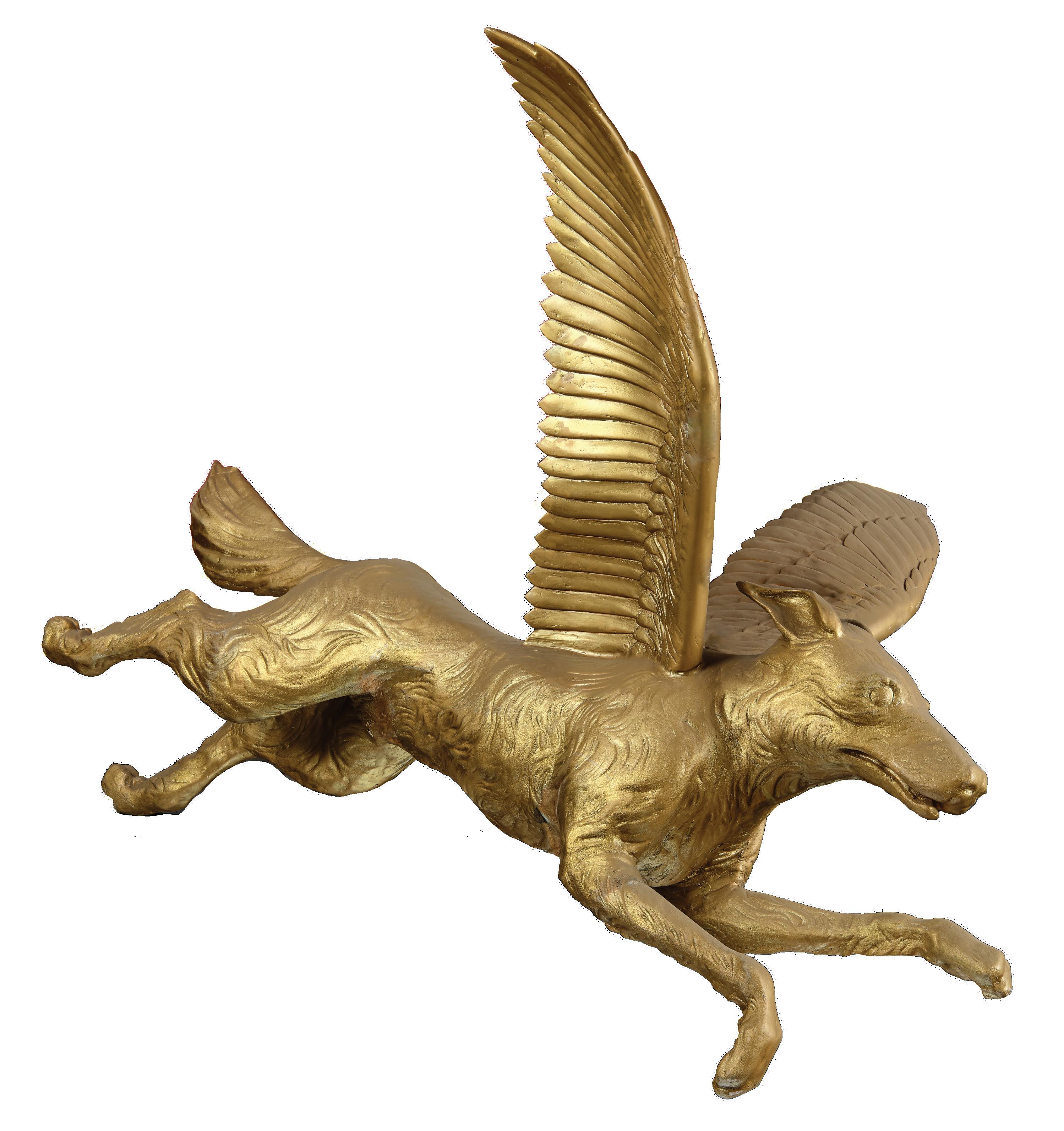
it got stuck over the crowd mid-song and ended up being too much of a distraction so it was sent home, never to fy again.
TOM PETTY: Johnny Cash said one day to me, ‘This is noble work, you know. It makes a lot of people happy.’ And then it hit me like a bolt to the brain. Why didn’t I ever have that thought before? I was trying to think about me being happy but it makes millions happy. I’d go to a show and look out and, as far as you can see, people are jumping up and down; they’re happy. And I see the value of it to these people’s lives and what it means to them because it meant that to me. Music always meant that to me, but I just didn’t understand that it was such a special thing that I was doing.
We’ve said that the band is bigger than us. It belongs to too many people now. It’s hard to complain because you’re so well paid. And not just in money; you’re admired by many people, it makes them happy and they remind you all the time how much it means to them. Maybe it’s a burden at times but I think if it became a huge burden, I’d stop. I’d say, ‘Well, I can’t go on and do it because if I don’t do it well, there’s no point in doing it.’ If I ever felt we weren’t living up to what I thought we should be, if we weren’t making good enough music, if we weren’t progressing, then I’d stop. (2007)