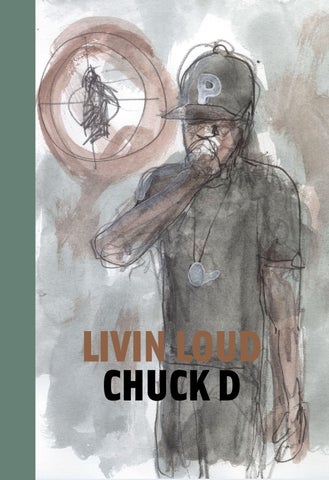
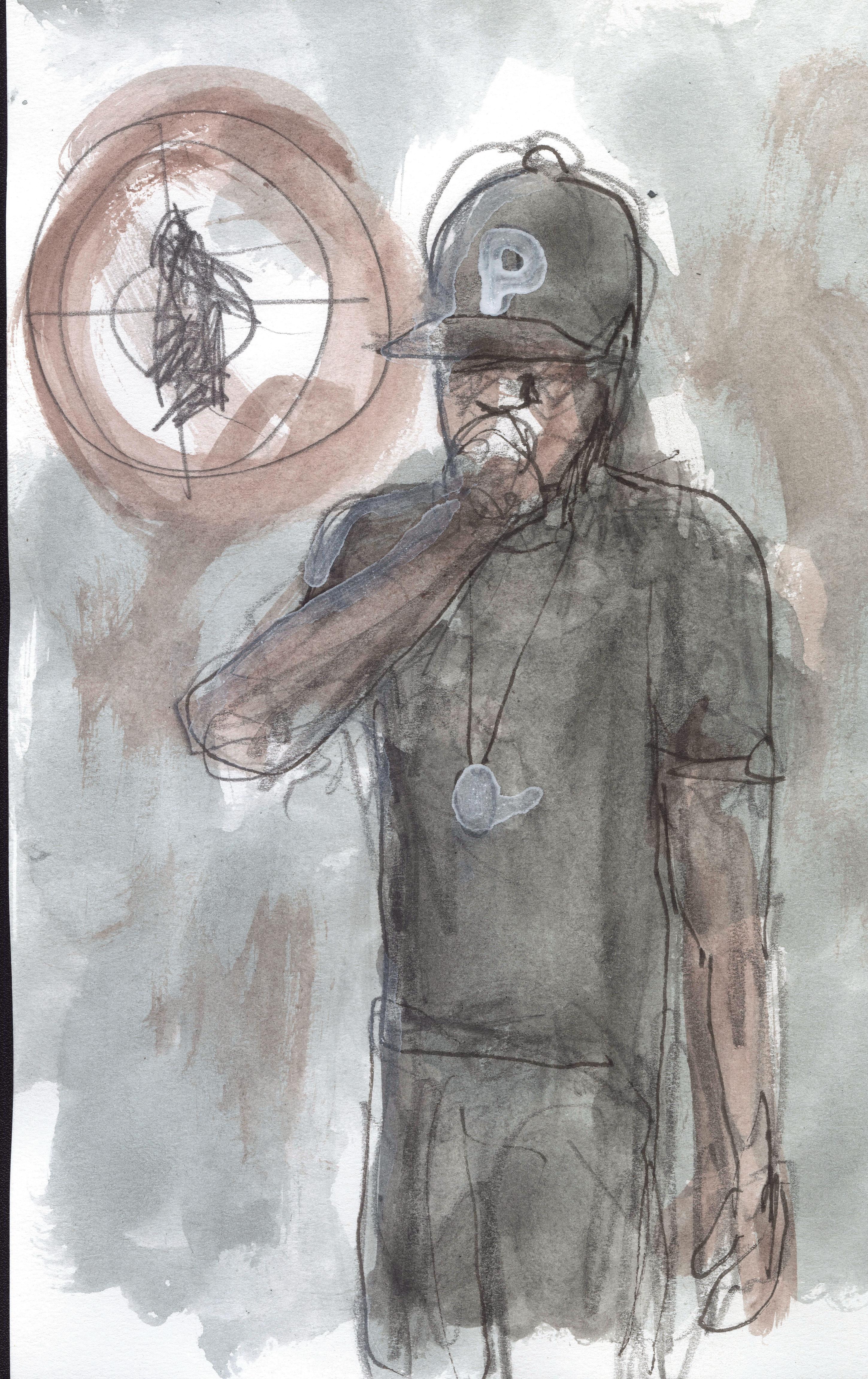
LIVIN LOUD CHUCK D
INTRODUCTION CHUCK D
In school we had the art contest and the poetry contest. I was an art student, so I didn’t really bother with writing any poetry until I was 20 years old. It took off from there.
We had to endure three-and-a-half-hour life drawing sessions with a nude model, just trying to figure out at 18 years old why we were stuck there for so long. We all had to be pros. My expression came through graphic arts. It’s no different from why a lot of people got involved in graffiti. I went to Adelphi University to become a commercial artist, left after a year, but later went back as I could see a way to apply graphic art to hip-hop.
As a college student during Jimmy Carter’s presidency, I was able to vote for the first time – for Angela Davis in 1980. I was already expressing my political viewpoint through my art and graphics, so the bridge into music was a natural next step. First I expressed myself with my head and my hands, and then later with my voice.
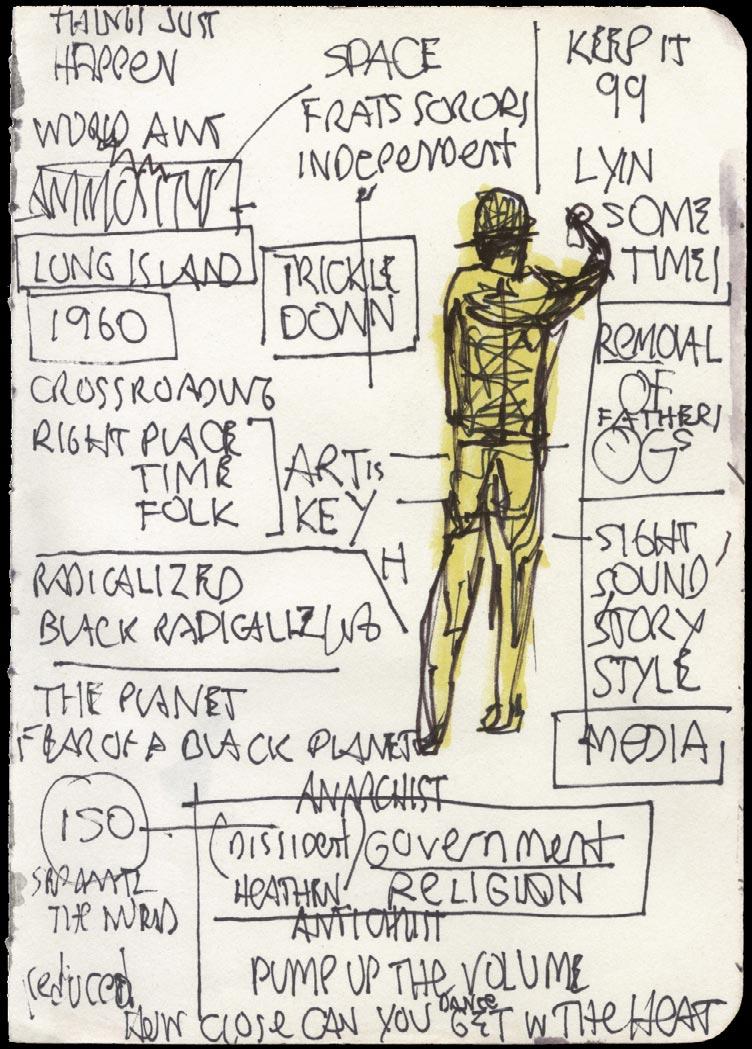
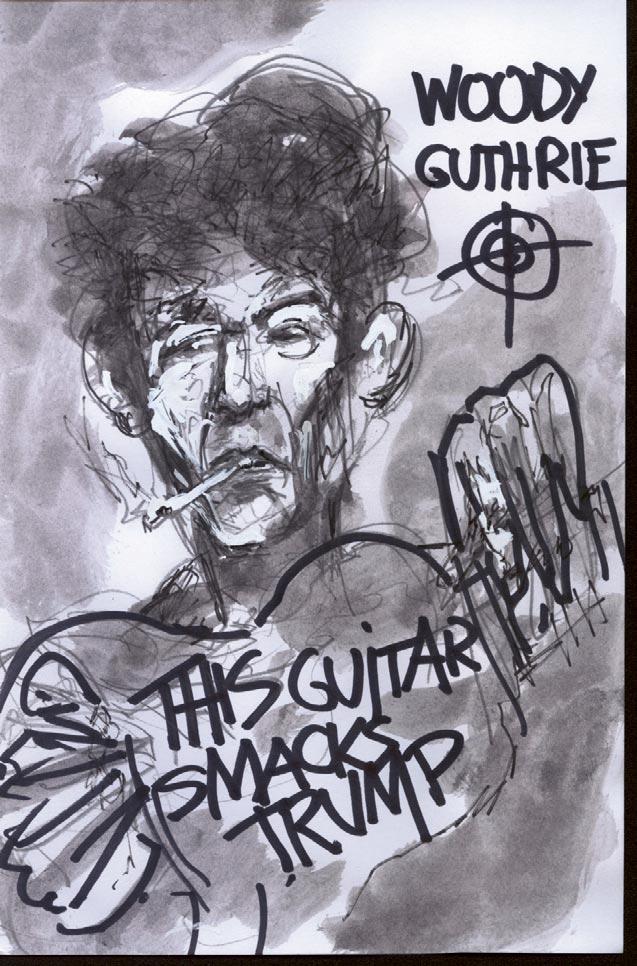
Woody Guthrie is the original rapper. Today is a Dust Bowl of a different sort. You have a political climate that is akin to a Dust Bowl, and it’s swirling in the minds of confused Americans.
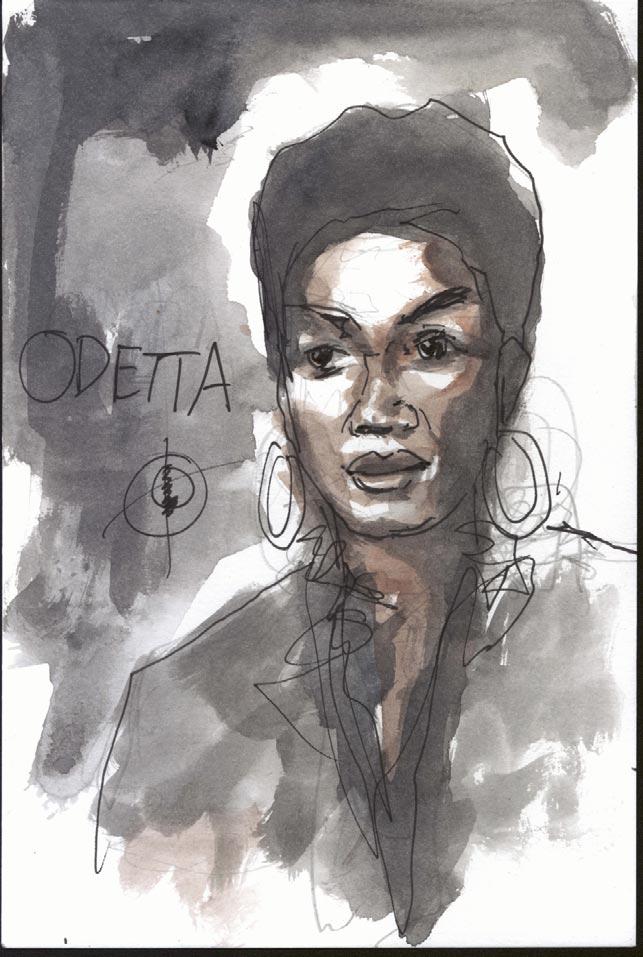
The Sixties is my favourite musical era. It was the best collision of musicians, engineers and experimentation. They made the most out of what little they had – it was sheer innovation.
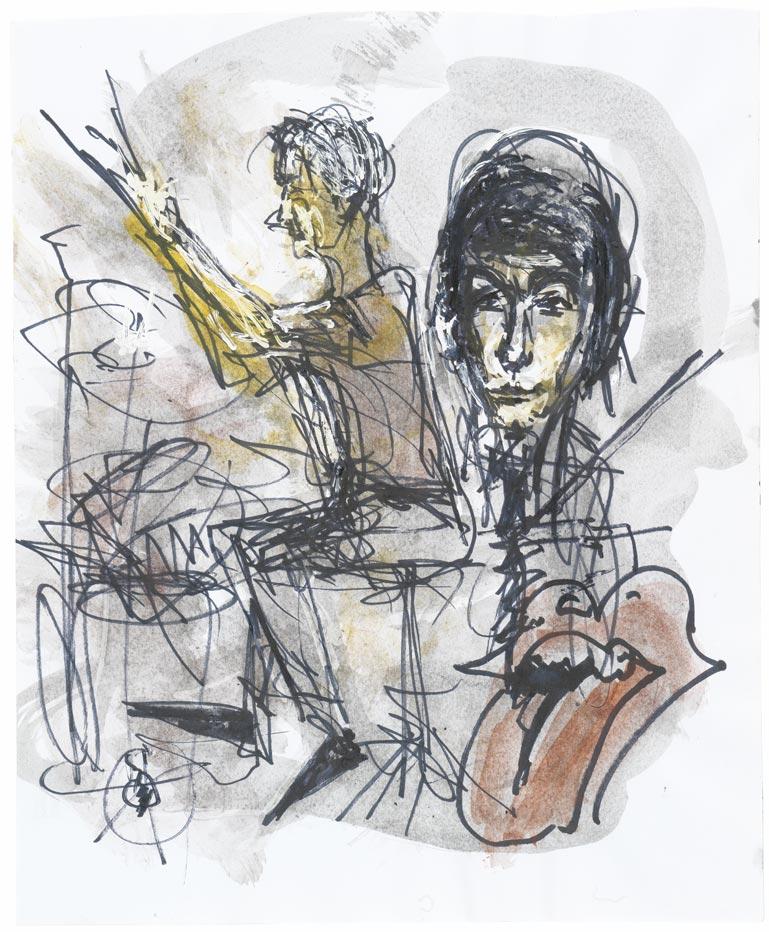
Here’s an homage to the great Charlie Watts.
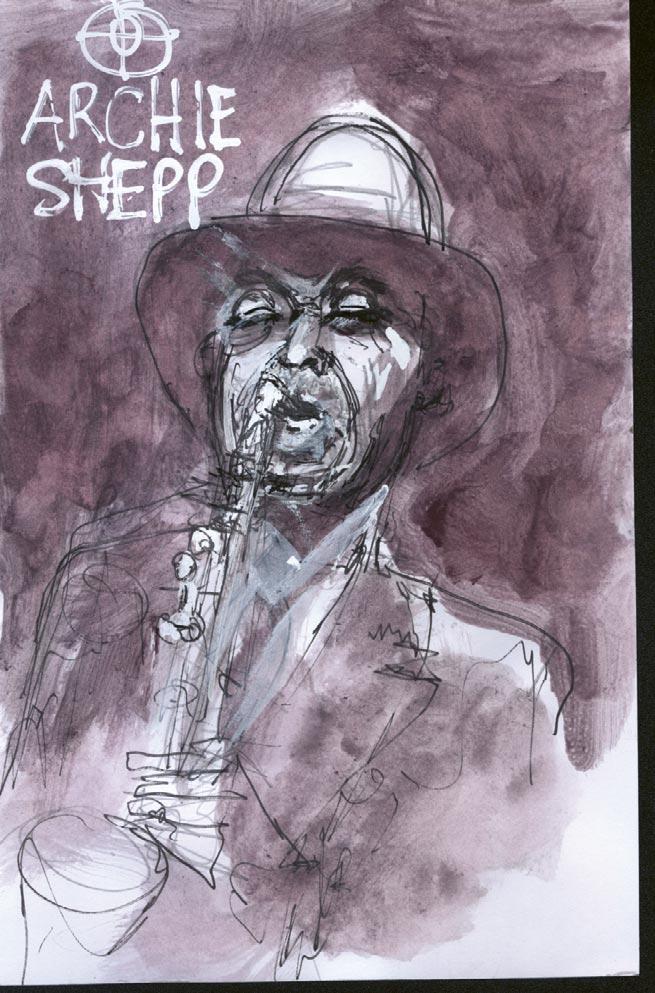
The great jazz artist Mr Archie Shepp, whom I had pleasure of working with in Paris.
I think a lot of wit and word play left music for the sake of a quick, easy route to a youth audience.
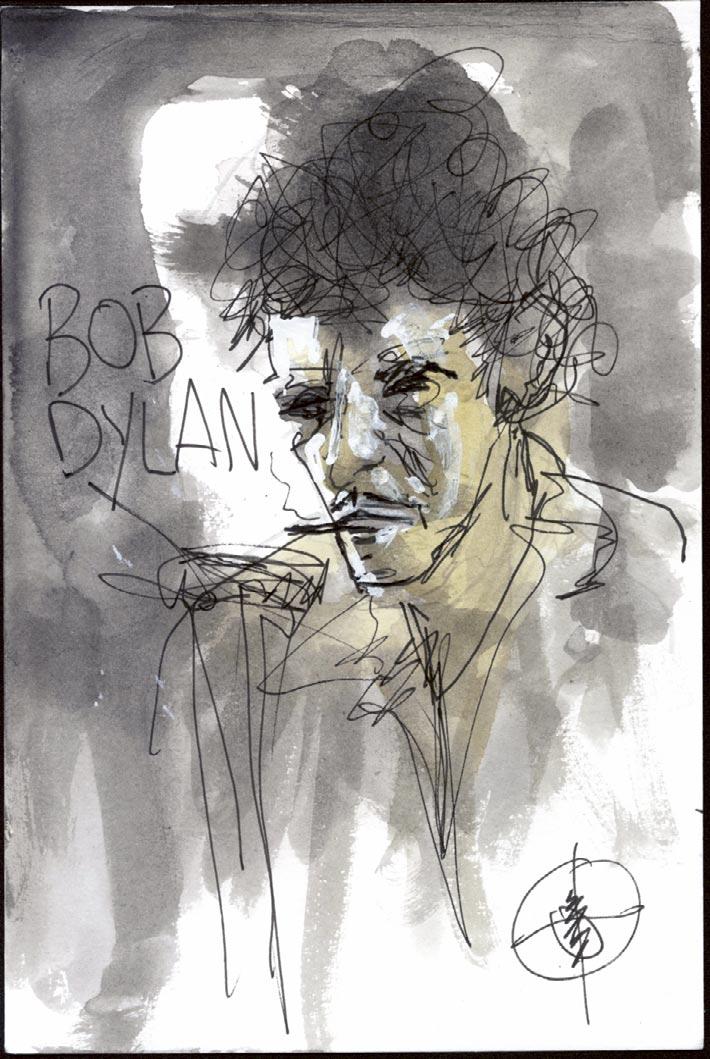
When you’re rapping, you can play with vocabulary to be creative. On ‘The Long and Whining Road’ I just wanted to tell the story of Public Enemy by referencing Dylan titles, almost like an ‘Easter egg’ type of thing. Dylan was a spokesperson for his generation and some people have said that I was for mine, so I thought it would be interesting. Somebody later pointed out that ‘The Long and Winding Road’ was a Beatles record. Well, maybe the Beatles stepped up their music after they got weeded up with Dylan.
I think a lot of the songs that are written today don’t have a story beyond the lyrics. As a fan of music, I’m just as interested in the story behind a song as the song itself.
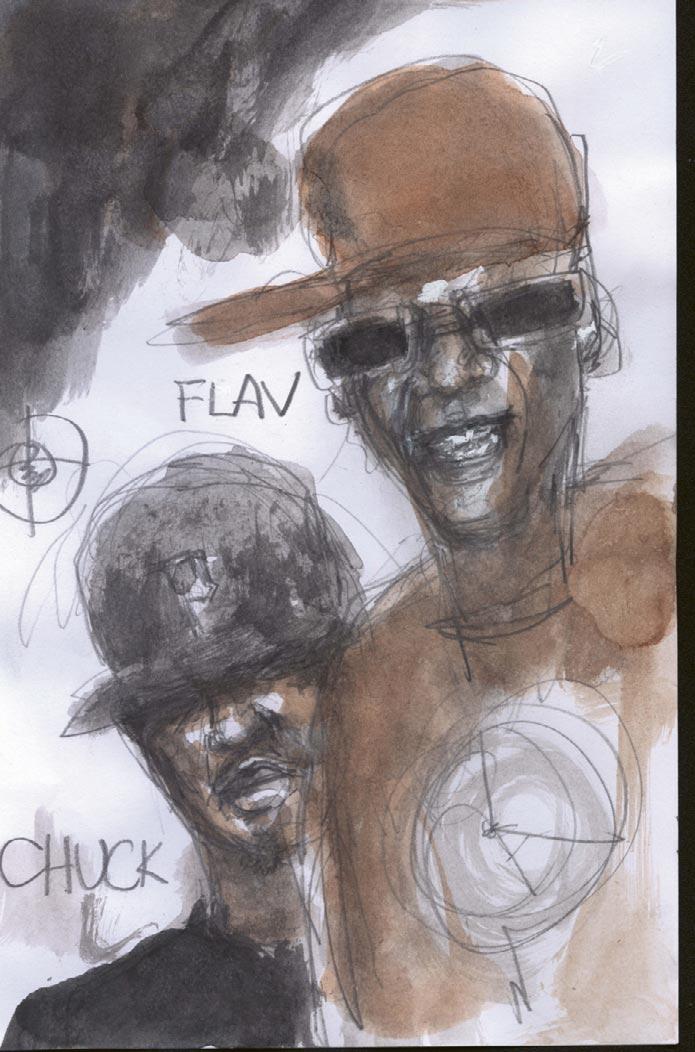
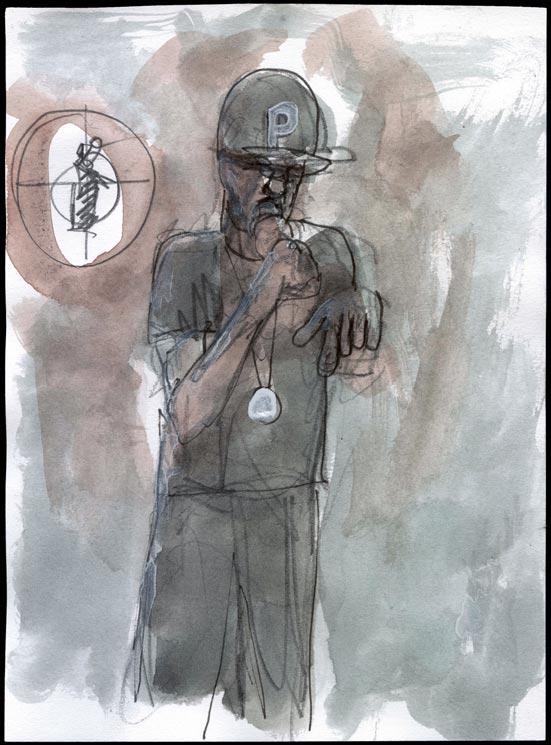

We signed with Def Jam in June of 1986. I said, ‘You can’t have me unless you bring Flavor.’ Rick Rubin’s big question was, ‘What does Flavor do? I’m not going to sign anybody that’s not a vocalist.’ We really couldn’t explain what Flavor did – he had his own unique thing.
All I knew was that I didn’t want to do it alone and, secondly, I wanted to do something similar to James Brown and Bobby Byrd. I needed someone that I could bounce off and Flavor was perfect for that. It was something we pushed hard for. We said he would be a vocalist. On the first album, he had very limited vocals, but he was there just enough to justify a contract.
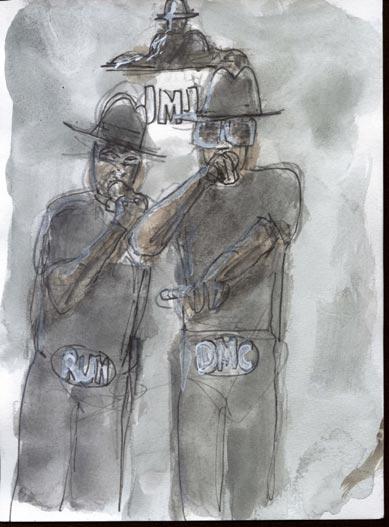

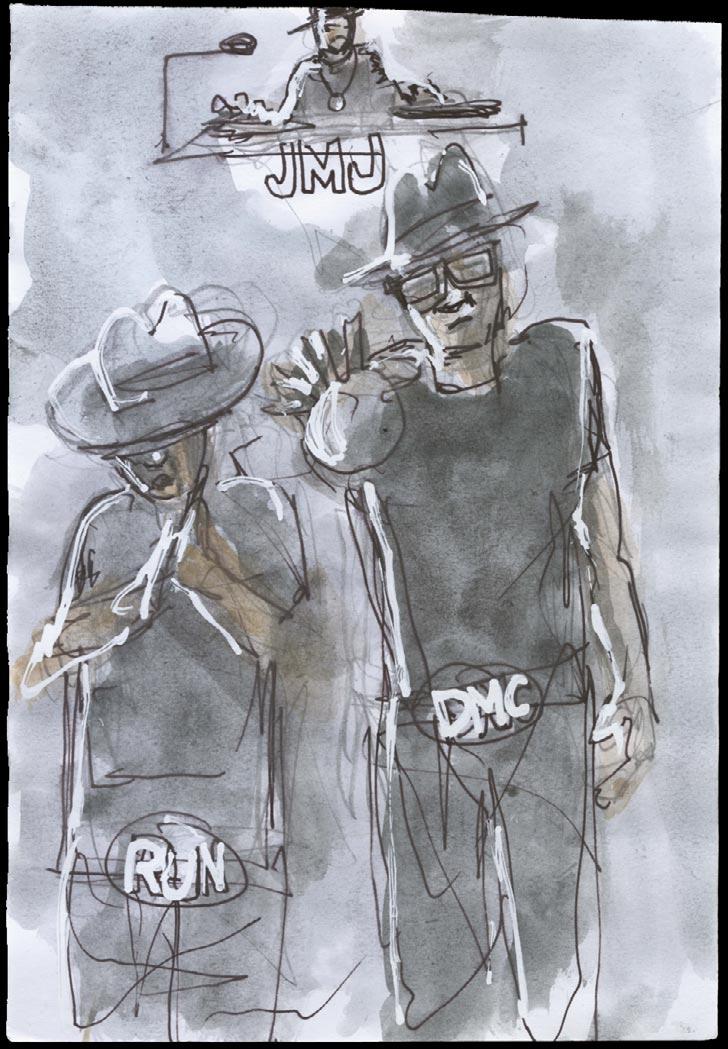
Run-DMC used to bring their WBAU tapes on tour and play them, which was flattering.
WBAU helped inspire Run-DMC to do their music, and their music helped inspire us to do better radio. They would go around the world and come back to WBAU with tapes, and then take the tapes from the station out to wherever they went to, so we became like their home base.
Later, their album-making process was an influence on Public Enemy. Although there had been hip-hop and rap albums before, Run-DMC was the template we used for Yo! Bum Rush the Show It was the invasion of the group concept into an area where there seemed to be a lot of threes and soloists. We wanted Public Enemy to come across like one too many. It was convenient for me because I’d rather be tucked in the back and heard not seen, so being part of a unit cloaked me.
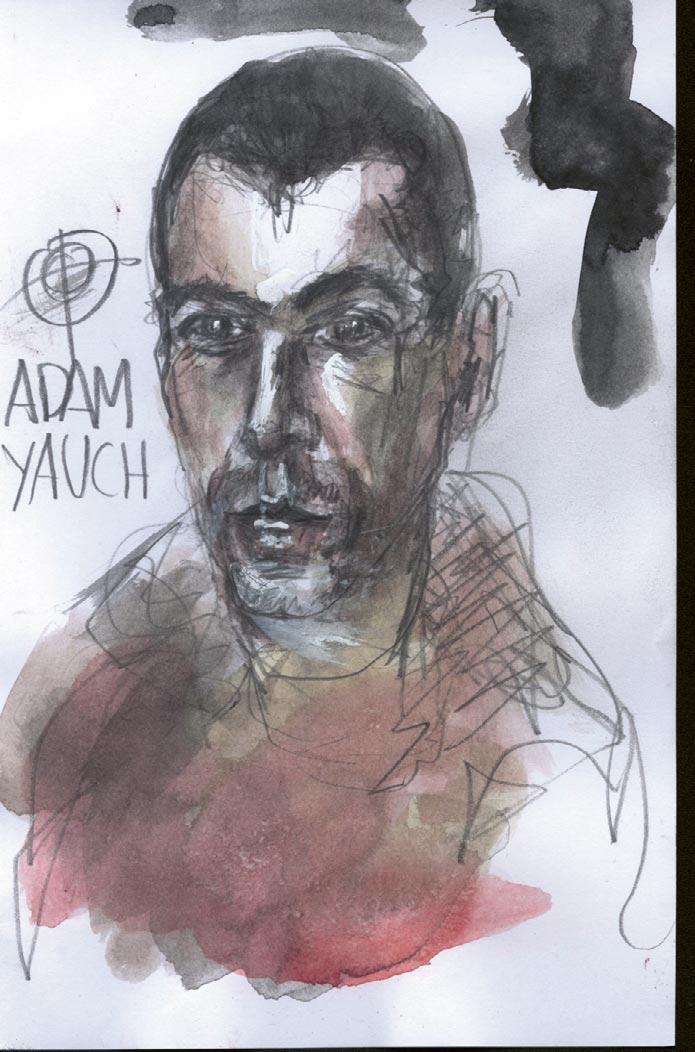

When the Beastie Boys emerged from their pop beginnings in 1983, I was working at WBAU. I was a DJ there under Mr Bill Adler and later Dr Andre Brown, aka Dr Dre. After WBAU, Dre became the DJ for the Beasties on their tour and never looked back.
Programme director for WBAU, Bill Stephney, had already played their punk tracks from as early as 1983 and continued with Def Jam label releases in 1984 and 1985. Then came the Def Jam purple-label indie days and the beginnings of the rap/rock mix. By the time Licensed to Ill was a national sensation, WBAU had already played the Beastie Boys for four years and they were regular mainstays.
People get me to talk about Jay-Z or Eminem, but it’s impossible to talk about those dudes without mentioning guys of the magnitude of LL Cool J and the Beastie Boys, who made it possible for them. Jay-Z and Eminem are evolutionary MCs, but LL Cool J and the Beastie Boys were revolutionary MCs. They created the standard.
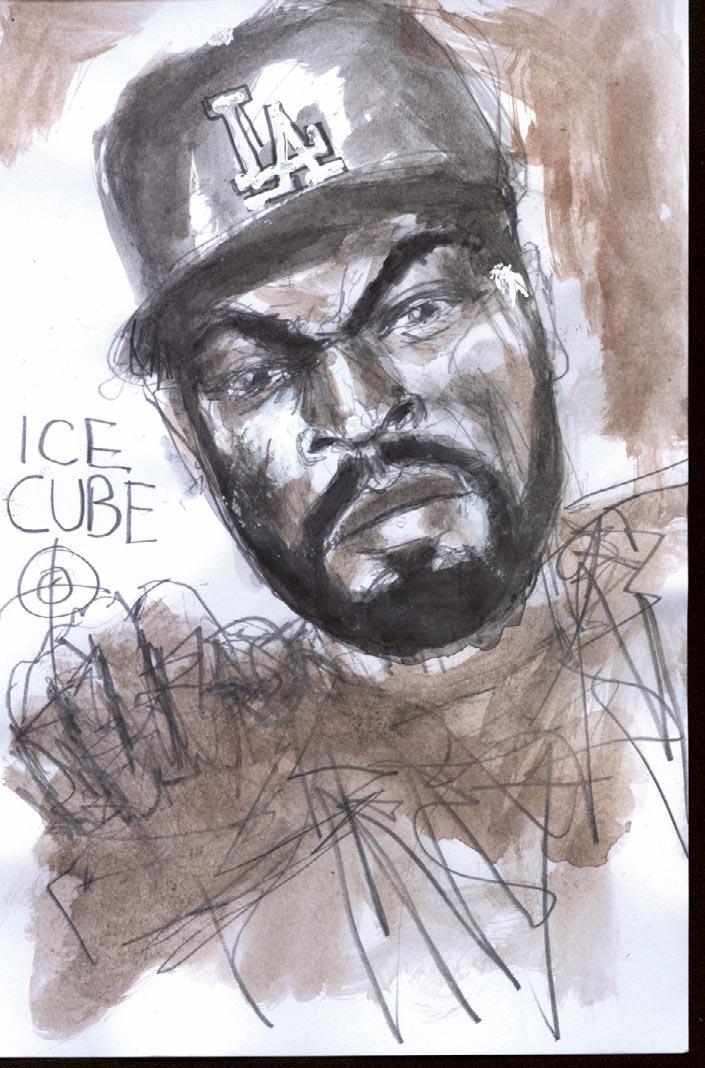

When Ice Cube left NWA I said he should stay with them but he said it was impossible. I told my team that we had to figure something out. We didn’t want to jar their situation but Cube wasn’t going to go back, so we agreed to help him make his first album, AmeriKKKa’s Most Wanted. That’s when shit changed. After NWA’s Straight Outta Compton came Cube’s record and our next record, Fear of a Black Planet
‘Burn Hollywood Burn’ came from Big Daddy Kane visiting me at Greene St. Recording in New York while Cube was there working out the beginnings of AmeriKKKa’s Most Wanted. Kane and I had been talking about collaborating on a song. I said the title, ‘Burn Hollywood Burn’, and Cube said, ‘Yo, I wanna be down on that shit.’ Kane and I thought ’Fuck it, why not?’
It was hell to get our three record companies to agree to us collaborating on one song. Damn lawyers.