OUR DREAMS FOR


Arundati Dandapani, CEO

Copyright & Citation Statement
Generation1 ca ’ s Our Dreams of Africa © 2025 Generation1 ca All rights reserved
This handbook is the property of Generation1 ca and is intended solely for educational and non-commercial purposes No part of this publication may be reproduced, distributed, or transmitted in any form or by any means electronic, photocopying, recording, or otherwise without prior written permission from the CEO of Generation1 ca You may cite this work if referencing any portion of the content using the standard citation format below
APA 7 Citation Dandapani, A (2025) Our Dreams of Africa Generation1 ca

Our Dreams For Africa
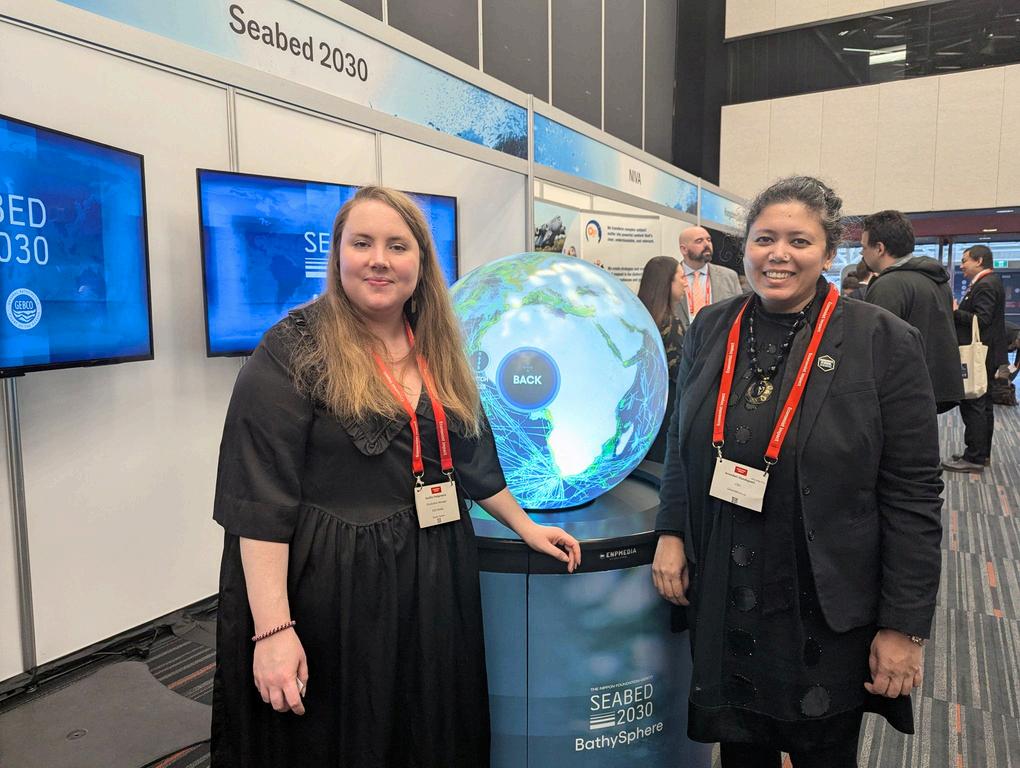
Africa’s ocean decisions will shape global sustainability as the continent governs ~13 million km² of marine space under national control. [studycountry.com]
Africa can define how the blue economy grows balancing jobs, food security, and conservation. [oceanpanel.org]
Protecting Africa’s seas is critical for climate and biodiversity goals worldwide
Africa’s leadership will influence who benefits from the ocean—today and across generations.
CEO Acknowledgements
Generation1.ca is a 2,000+ member professional community organization powered by immigrant diasporas across the globe The second largest segment of our membership is represented by African diaspora immigrants in Canada and the United States, speaking to the richness, reach and global significance of the African continent and its diverse communities
I hope you will deeply cherish and value these stories represented here and the insight, hope, and imagination they embody. I especially want to give a heartfelt shoutout to Generation1 ca ’ s partners at the Pan African Chamber of Commerce and Flux Trends, who help keep us connected to the homeland continent and remain passionate stakeholders across our programming and initiatives, whether through our career fairs and case competitions, AI and data literacy summits, annual multicultural festivals, or beyond, in helping us ensure plural African voices are well represented across our diaspora stories and outreach. Together, these evocative voices honour the power of diaspora storytelling in shaping bold and meaningful conversations about Africa’s future and that of its global communities. It is my honour and privilege to bring these stories to life in Generation1.ca’s first edition of Our Dreams for Africa, drawing from our tradition of diaspora storytelling circles, a unique way of envisioning more inspired futures for an evolving identity rooted in our dreams for Africa. Thank you to every storyteller featured in these pages who helped imagine this visionary tome of love, memory, and longing for a brighter 2050 and beyond as we storytold with bold ambition
Overview and CEO Foreword
by Arundati Dandapani, CEO and Founder, Generation1.ca
Some of my closest friends are from Africa and descendants of Africans, so my connection to the continent has never felt distant. Africa has always struck me as a place of deep wisdom, beauty, invention, and possibility, ancient in knowledge yet endlessly future-facing. It showed the world what leapfrogging could look like through mobile commerce, and it continues to remind us that true wealth lies not only in resources, but in imagination, resilience, and human brilliance.
From the lithe, luscious storytelling of Ben Okri, where modernity is rooted in ancient wisdom, to the bold voices gathered here, Africa offers the world no single story. It offers vision, movement, longing, and futures still being written.
As Founder and CEO of Generation1.ca, this anthology is especially meaningful to me. Ours is a 2,000+ member community powered by immigrant diasporas, and African diaspora immigrants form the second largest part of that story. Our Dreams for Africa grows out of our tradition of diaspora storytelling circles, where memory meets ambition and identity meets imagination.
It is my honour to help bring this first edition into being. These pages carry love, ache, courage, and conviction. They remind us that dreams are not ornamental They are how futures begin. From stories where modernity is so often entwined with ancient wisdom, to the daring visions of deep thinkers, creators, artists, scholars, strategists and dreamers, Africa has always offered the world more than one story. It offers philosophies of endurance, aesthetics of power, models of collective life, and leadership futures that are at once deeply rooted and radically expansive. o engage Africa seriously is to encounter intellectual depth, creative force, and a profound insistence that another world is always possible.
Foreword from PACC
by Lethabo Monametsi, Chief Youth Officer, Pan African Chamber of Commerce
My dream for Africa is one in which an African child does not only imagine fulfilment and stability in another continent, but can see it clearly within Africa itself, because hope must be anchored not in departure, but in the strength of the systems that surround our young people at home. I dream of a continent whose economies grow strong enough to sustain their own people, not through rhetoric or short-term interventions, but through deliberate and coordinated investment in productive sectors, such as education, science and technology, and social institutions that are capable of holding and nurturing highly skilled African youth.
As someone deeply committed to youth empowerment, I am convinced that our greatest development strategy lies in our youth, not only as beneficiaries of policy, but as innovators, workers, cultural producers, entrepreneurs and civic actors whose full participation determines the long-term resilience of our African economies. Our success stories, as the youth of Africa, ought therefore not to be located primarily in distant capitals, but rooted in our own soil, our own markets and our own institutions.
Africans it has become a bridge to global opportunity and a mechanism through which families and communities survive in the absence of sufficient domestic opportunity However, it is equally important that we refuse to allow this reality to become our permanent development strategy, because an Africa that depends on the outward movement of its most productive and creative citizens in order to function risks reproducing the very inequalities it seeks to overcome
Ultimately, my dream for Africa is rooted in youth empowerment and in a deep conviction that young people are not merely recipients of development outcomes, but its most powerful architects I dream of systems that honour artistic, entrepreneurial and intellectual contribution equally, and of leadership that recognises that innovation emerges not from exclusion, fear or defensive nationalism, but from the courage to build across difference and geography
While I long for a future in which fewer young Africans are compelled to leave their countries simply to secure safety or meaningful work, I also believe that those who are already abroad must be recognised for their integral contribution to Africa’s growth today, because they continue to build our continent through remittances, advocacy, skills transfer, knowledge exchange and global networks
Foreword from PACC - contd.
by Lethabo Monametsi , Chief Youth Officer, Pan African Chamber of Commerce
My deepest hope is for an Africa in which mobility is no longer an escape from despair, but a choice shaped by opportunity, curiosity and collaboration, and in which young people do not have to choose between loving their continent and pursuing their futures.
This is my dream for Africa: a continent whose economies grow through cooperation rather than opposition, whose borders become bridges rather than barriers, and whose young people are free, not only to travel the world, but to believe, with confidence, that their greatest breakthroughs can be born at home. We are proud to be featured in Generation1.ca’s Our Dreams for Africa anthology and help envision inspired futures for our African diaspora at home and abroad and we remain deeply invested in and supportive of such initiatives that strengthen diaspora exchange, connection, and storytelling.

Transforming Stories: AfroRise 2050 Fellowship Launch
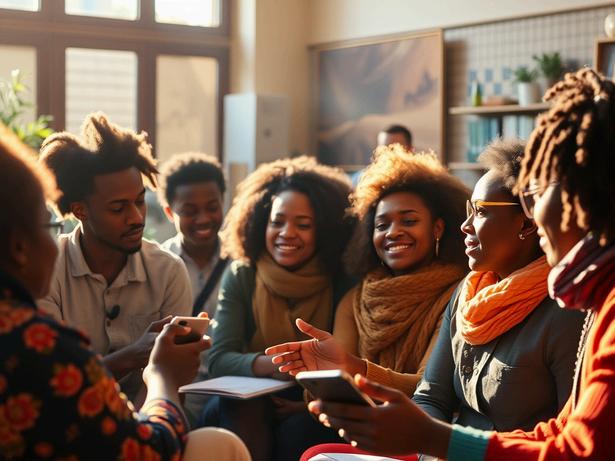
By 2100, more than one in four people will be African. Africa’s population growth is at the center of the global demographic story, with five of the eight countries projected to drive over half of global growth by 2050— Nigeria, Ethiopia, Egypt, the Democratic Republic of Congo, and Tanzania At Generation1.ca, we believe in the transformative power of stories especially those from the margins that move the world forward and connect diasporas across borders. In Canada, South Asian, Chinese, and Black communities currently make up the top three racialized immigrant groups but by 2040, Black immigrants are projected to
surpass Chinese immigrants in number. In the US, Black immigrants are expected to make up nearly 10% of the total population by 2065, marking a significant demographic and cultural shift.
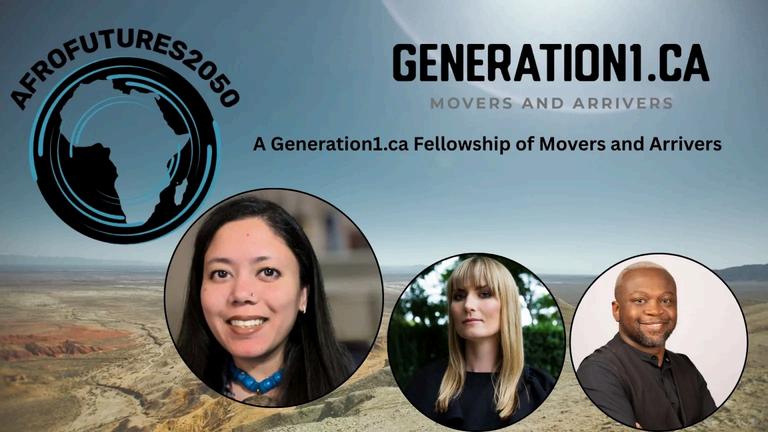
That’s why I am proud to announce the launch of AfroRise 2050: A Generation1 ca Fellowship of Movers and Arrivers designed to amplify the voices of Africanorigin immigrants shaping North America’s present and future. In my award-winning work, I’ve shown that future immigration to Canada and the US will increasingly include Africans, even amid broader immigration shifts. As a social enterprise and professional
community association, Generation1.ca is rooted in advancing immigrant inclusion through research, data innovation, and equitable career pathways. With so many of our members hailing from African nations, this chapter is not only timely it’s essential. It gives form and purpose to our shared ambition: to build a more just, connected, and opportunity-rich world by 2050.
Why AfroFutures, Why Now?
African nations like Nigeria, Eritrea, and the Democratic Republic of Congo consistently rank among the top sources of immigrants to Canada over 22,000 Nigerians became permanent residents in 2022 alone. Meanwhile, the US welcomes more than 100,000 African immigrants annually, with Nigeria, Ethiopia, and Egypt among the leading countries of origin. Several African nations consistently rank among the top ten source countries for newcomers, and in some regions, African-origin immigrants are poised to outpace other groups in growth and cultural impact
Yet, representation in leadership, data narratives, civic power, and innovation ecosystems continues to lag AfroFutures is our response This is a space to connect, elevate, and empower African diaspora voices through storytelling, dialogue, and bold imagination We are building a fellowship a movement rooted in radical community and global futures building.
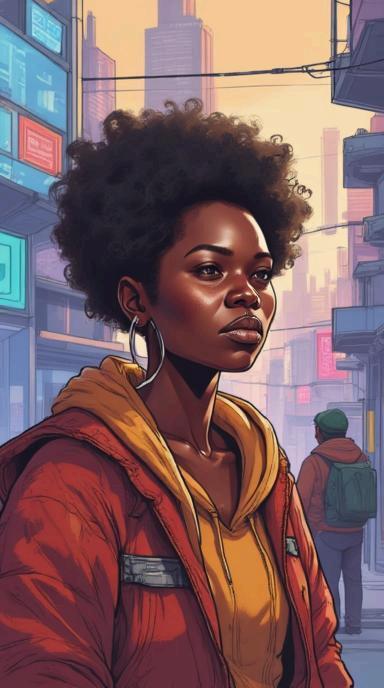
Introducing AfroRise 2050: A Generation1.ca Fellowship
AfroRise 2050: A Generation1.ca Fellowship of Movers and Arrivers is our bold call to action. We envision this as a recurring storytelling and leadership series gathering regularly, online and in person at community hubs, classrooms, and cultural spaces across cities, neighbourhoods and beyond. This chapter is created for Africanorigin immigrants in North America who are: Shaping industries with creativity and resilience.
Innovating across tech, data, arts, education, governance, and entrepreneurship.
Rewriting the narratives too often written about them, instead of by them
Finding their way around their new continent and country and looking for fellowship
Through this fellowship, we will co-create stories, knowledge, and resources that challenge bias, bridge continents, lived experiences and build futures that honour our members of African diaspora heritage, races, cultures and leadership. If you have roots to Africa and are interested in joining this, please email me at Arundati@generation1.ca.
Strengthening Africa’s Economy Through Diaspora Engagement
By Arundati Dandapani, Founder and Chief Executive Officer, Generation1ca and Johnny Muteaba, Chairman and Founder, Pan African Chamber of Commerce
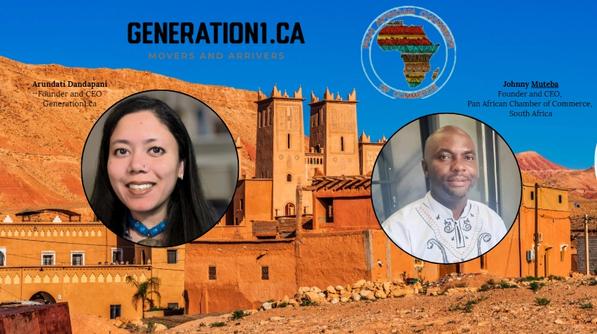
At Generation1.ca, we know the African story is global lived across continents, powered by diaspora talent, and rooted in innovation and resilience. Under our leadership as North America’s premier professional community for immigrant inclusion and global talent pipelines, we ’ re proud to partner with the Pan-African Chamber of Commerce (PACC) to spotlight diaspora Africans and connect immigrants with opportunities at home and abroad, growing their visibility, voice, value, and connections.
PACC unites leaders across business, government, and community to accelerate
Africa’s economic vitality. Its leadership team acts as a corporate think tank cultivating executive relationships, mentoring entrepreneurs and small business owners, supporting job creation, and fostering civic engagement to meet evolving community needs
Our shared platforms action-driven and story-led work to reverse and mitigate brain drain, encourage self-reliance, inspire reinvestment, and showcase the powerful exchange between African innovation and diaspora influence. As migration intensifies, we ’ re shaping decades of cross-border prosperity and connection.
Through AfroRise2050, Generation1.ca’s signature storytelling and action space powering AfroFutures2050, we bring these ambitions to life: reversing brain drain, inspiring reinvestment, and celebrating the dynamic flow of ideas, talent, and capital across borders. Together, we ’ re ensuring African immigrants abroad — and those building at home have the visibility, voice, and value they need to thrive and lead Celebrate the inaugural edition of Our Dreams for Africa — with visionary excerpts from global talent and Generation1.ca members Explore more and join the movement!
Generation1.ca X Pan African Chamber of Commerce’s partnership is powered by the following strategic pillars:
Virtual Career Fairs and Case Competitions: Connect African talent to global opportunities and explore regional editions in Africa. Healthcare Skills and Innovation: Spotlight critical health challenges to shape future-ready skills and solutions. Emerging Technologies and Digital Skills: Build capacity in AI, data, cybersecurity, and other future-facing tech for our shared communities via our Future Ready Innovators Credential.
Amplifying Diaspora Voices: Promote African diaspora immigrant expertise to drive reinvestment and global competitiveness and influence in Africa. Spotlighting Trends and Stories: Elevate voices and insights from Dreams for Africa and our annual Global Industry Skills Study to shape growth and policy.

At Generation1.ca, we believe Africa’s youth, creativity, and entrepreneurial energy are shaping the next frontier of global innovation. With the second-largest cohort of our Generation1.ca’s immigrant members hailing from African nations, this partnership with the Pan-African Chamber of Commerce is both timely and deeply meaningful. Together, we are building bridges between continents—advancing inclusive growth, ethical AI, and future-ready talent pipelines that connect immigrant ambition with opportunity across the world.
Arundati Dandapani, Founder & CEO, Generation1.ca
The future of the world is in Africa, our significant demographic and economic potential, driven by a young population, rich natural resources, and rapid technological adoption will make this happen. However, the realization of this potential depends on overcoming challenges such as lack of energy needed to industrialise faster, creating sufficient jobs for our growing youth population and developing inclusive governance and infrastructure. That’s why we are thrilled to partner with our fellow/sister professional community association Generation1.ca to tackle these challenges head-on and unlock the boundless opportunities ahead.
Johnny Muteba, CEO, PACC
See original article on Generation1.ca
Youth, Migration, and Africa’s Future: A Call for Change
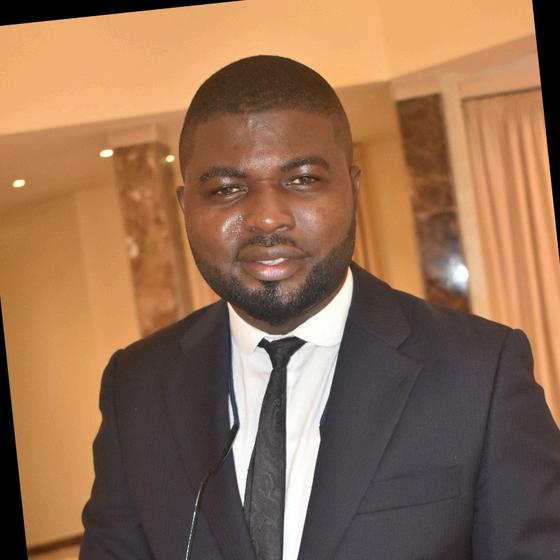
by Ikechukwu Michael Nduchebe
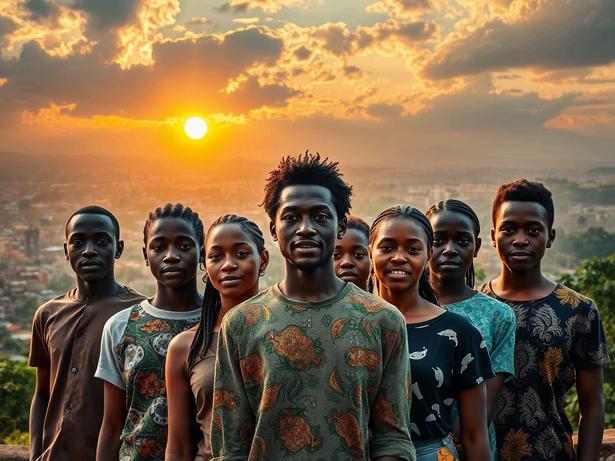
In today’s Nigeria and Africa, we are faced with urgent challenges that require concerted attention by all stakeholders Notably, among them are good governance, job creation, quality education, absence of affordable and quality healthcare and infrastructural development It is evident from multiple sources that Nigeria and Africa are blessed with natural and human resources and is bedeviled with weak institutions, ravaged with high rate of corruption and insecurity continues to stifle growth that is urgently needed by the populace.
To this end, millions of youthful populations are unemployed, while those employed are
underemployed, thereby fueling frustration and instability among this vibrant and energetic population This has resulted to the growing trend of migration to Europe through conventional and unconventional dangerous route of traveling through the Sahara Desert and Mediterranean Sea in pursuit of better lives in Europe. It is important to empathize here the growing trend of migration, especially among young Nigerians driven by limited opportunities at home. This trend has resulted in brain drain which does not only rob Nigeria of its brightest talents but also deepens the cycles of dependency and underdevelopments.
Consequently, another pressing concern is the economic diversification. In the case of Nigeria, it places a lot of overreliances on oil and much of Africa is vulnerable to global price shocks. This is at the expense of investment in agriculture, renewable energy, technology, and the creative industries which would have been crucial for sustainable development. This is not peculiar to Nigeria alone as it is prevalent across other African countries that are yet to harness the natural resources deposited in their domain. In addition, it is expected that Africa must strengthen regional cooperation through platforms such as the African Continental Free Trade Area (AfCFTA) which would unlock intra – Africa trade and industrialization
Future Pathways
I envision, that by 2050, Nigeria and other African countries would be at a turning point. It is projected that the African population would exceed 1 5 billion, as Africa is expected to be the world’s youngest continent.
It is important to note that if the right leadership is in place in Africa; and the right investments are made in innovation, hospitals, renewable energy and the leadership prioritizes human capital development, Africa could become the hub for economic growth, creativity and influence
on the global stage Instructively, if the challenges bedeviling Africa continue, the continent would not only risk deeper poverty, but migration crises would persist. Therefore, the choices made now will determine the future reality.
In this drive for the total emancipation of Africa from the multiple challenges it faces, I see myself playing a pivotal role as a researcher, designer, and an advocate for inclusive development in the continent. I have a background in law, research analysis, and user-centered design, I would like to shape solutions that address gap in governance, promote digital inclusion, and create an enabling platform for young people to thrive at home rather than resort to seeking uncertain futures abroad. Many who embarked on this sojourn to Europe have different stories and several have also lost
their lives in the Sahara Desert and Mediterranean Sea.
To this end, my goal would be to contribute to initiatives that empower communities, strengthen institutions, and give youths a sense of belonging. It is a known fact that Nigeria and Africa in general are blessed with human and natural resources, of which our potential has not been fully harnessed If this becomes properly harvested and realized, the youth would no longer be compelled to migrate for survival, but instead find success, hope and dignity in their homeland
See original article on Generation1.ca
Bridging Talent and Capital in Startups in Kenya and Africa
by Godfrey Cheche
Africa faces unique and clear economic challenges due to several key factors that have led to the lowest unemployment rates in the globe. These factors include lack of innovation, access to human capital, lack of finance and alienation from the global economy due to global politics and world order. Entrepreneurship is the key driver to improving living standards of Africans and the contribution of the continent in being part of innovation that drives quality of human life across the globe. Africa lags behind in entrepreneurship and the culture of innovation while global startup hubs thrive on risk-taking, experimentation, and investor
confidence, Africa continues to lag behind in building an environment where innovation can flourish This presents an opportunity for startups to spearhead Africa’s economic growth and development.
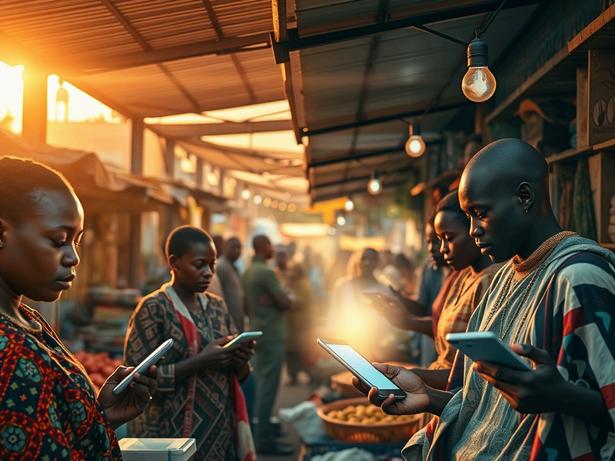
My vision for Kenya and Africa is to build a culture of innovation, embrace the risks in entrepreneurship and build a reputation as a hub for start-up success where investors are confident to generate return on their investments Numbers already point out untapped potential. According to IFC –International Finance Corporation more than 600,000 formal firms and 40 million micro businesses in Africa could digitize tasks such
as accounting, supply chain or payments. This allows businesses to focus on growth and job creation In another scenario 90% of retail sales come from informal vendors, existing supply chains are fragmented and not set up to properly serve these businesses
My vision is that the next wave of Africa’s economic growth will come from bridging these gaps by creating digital solutions tailored to informal markets and enabling businesses of all sizes to thrive in the digital age.
To achieve this, Africa needs both finance and human capital to drive the culture of innovation where citizens feel confident of the opportunities created by a vibrant eco –system With education being a key driver to business growth, students and graduates can syngerize startup and innovation culture and investors willing and ready to provide access to finance and human capital
As a Financial Economics graduate, Research Analyst, and User Experience Design student with experience in marketing data analytics, I bring a mix of analytical thinking, design creativity, and business insight I have worked as a Marketing Data Analyst for global plans and have helped shape their investments in media advertising and marketing strategy. In addition I have worked as a researcher with Generation1 ca an organization that empowers immigrants with data and insights innovation. Added to this are interpersonal skills sharpened through soccer and personal training, which have taught me teamwork, discipline, and resilience. Therefore we are building PitchBridge Network in a partnership with my colleague Patience Agumba who is passionate and driven in seeking opportunities to address Africa’s challenges. Over the past 5+ years, Patience has built
expertise at the intersection of law, technology, and business strategy, a unique combination that allows her to create solutions that are both legally sound and commercially viable.
Her track record includes developing innovative frameworks and product solutions that enable businesses to scale across markets and jurisdictions The action we are taking is to develop a comprehensive business plan, design the PitchBridge prototype, conduct business research, engage with relevant stakeholders and later enroll in a start-up incubator programme to access resources to test and launch the platform We commit to advancing PitchBridge Network by completing its prototype, validating it with real users, and engaging with incubators and accelerators that can help bring it to life Each milestone we reach will bring the platform closer to serving star
Society must invest intentionally in building an ecosystem of innovation. This means policymakers must support entrepreneurship, innovation , funding education that solves problems, and developing financial instruments tailored to early stage African businesses. If governments, investors and society align around this vision, Africa will rise and be part of addressing economic challenges across the globe
Africa’s greatest untapped resource is not its minerals or land, it is its people. By building bridges between talent and capital, Africa can greatly contribute to innovation by 2050. Through PitchBridge, we commit to building part of that bridge Our vision is simple, a future where no African idea remains silent because of lack of access, and where the continent succeeds in global entrepreneurship
Self-Reliance and Empowerment: A New Pan-African Vision
by Djamila N El S Diatta
The Portable Country: From Personal Grief to Pan-African Sovereignty
The distance was always supposed to be temporary, a bridge to a bigger future. I left home with a safety net woven from two constants: my mother’s boundless, immediate support and the quiet, immovable certainty of my father’s strength. They were the ground beneath my feet, even thousands of miles away in this new country. I could afford to stumble, because I knew they were always watching. Then, the ground dissolved. Losing them both while I was still abroad was not just a loss of people; it was the sudden,
shattering collapse of my entire infrastructure. There was no gentle transition into adulthood; there was only a violent entry into absolute self-reliance. I had to learn, in the cruellest silence, a profound and undeniable truth: you are responsible for yourself, and you are no one ’ s priority The world does not pause for your grief, and the support systems you relied upon, the mother who would counsel you through a tough choice, the father who would simply listen, are gone forever. The luxury of being someone else’s immediate concern had vanished. When I finally returned two years later for my mom ’ s funeral, I expected the familiar
embrace of the earth itself to heal me. I craved the smell of the air, the noise of the streets, the sense of being home simply by physical proximity. But the country felt subtly different, and I was definitely different. The people and places I loved were still there, yet the two people who made it my country were not. That was when the second, more difficult realization settled in: the country does not make the person; it is the connections that matter. My physical presence was irrelevant to my root system; the root system was the conversations, the shared history, and the unconditional love that had been stripped away.

Being here did not automatically make me belong again; it only highlighted the void. That visit taught me that the truest form of connection is portable: you can take a country with you. But in the wake of such a deep loss and these new revelations, portability requires immense, proactive effort. To feel rooted again, I realized I could not rely on osmosis. I had to intentionally seek out my country through new channels; dedicating time to the news of the diaspora, engaging with activists and storytellers, and making conscious choices to care from afar. My loss did not just force me to grow up; it redefined what it meant to fight for and belong to the place I came from.
This personal journey of redefining belonging soon collided with a different set of stories through my work as a Wolof interpreter Suddenly, I was sitting on the phone for hours with real Senegalese people in the US and Canada; people who had fled their homeland, struggling under the weight of racism and xenophobia, frustrated by rudeness and systemic exclusion. My initial, detached judgment: Why leave a country where everyone is like you? Why would anyone risk their lives over this? crumbled. Speaking to them in the intimate, shared language of Wolof, I heard not the voices of those who “give up, ” but the desperate hope of those with dreams that a broken support system at home could not sustain. Their migration was not a choice of leisure but a search for the tools needed to build the life they deserved. This was the true power of story: it shattered my internal narrative and
exposed the systemic failures that push our most ambitious people away, demanding a look at the deeper wounds
The deep wounds revealed by the stories of our people -the lack of support, the necessity of fleeing, the systemic failure to provide opportunity- are not accidents. They are symptoms of a failed architecture, a postcolonial project designed for extraction, not empowerment If my personal transformation taught me that I must create my own support system, my work as an interpreter taught me that our nations must, collectively, do the same
We stand today at a crossroads defined by a bold, necessary Pan-African urgency We must liberate our countries from the final, most insidious form of control: economic dependency. For decades, our resources, our currency, and our potential have been controlled by the shadowy hands of external “slave masters” and the local puppets who enable them. This structural weakness is what pushes our most ambitious youth out, forcing them to seek dignity and opportunity abroad. The blueprint for resistance is not new, but the fire is being re-lit by a new generation
We look back at the radical courage of Thomas Sankara in Burkina Faso, who showed us that self-reliance is not merely an economic policy, but a form of national honour. And today, we watch the mantle being taken up by a new guard—men like Ibrahim Traoré, whose bold actions embody a refusal to be subservient, turning the promise of Burkina Faso into a contemporary declaration of sovereignty.
This collective defiance is not just happening in military transitions; it is being forged at the ballot box The recent elections in Senegal sent a seismic message to the established order: The new generation and the young diaspora are not falling for the ‘weakness’ of the continent and are not going to facilitate this neo-colonialism.
Critically, the subsequent actions of the new leadership, focused on holding powerful figures accountable, affirm that this movement is fundamentally about transparency and the ethical management of our resources. Our refusal to accept the status quo is the clearest sign that Senegal belongs to the Senegalese, and Africa must, unequivocally, belong to Africans.
This is the vision we demand:
We want to build nations that function as the ultimate support systems our people deserve: the collective, stable infrastructure that my parents once provided for me, translated onto a national scale. This demands aggressive investment in the future, particularly in robust, equitable education systems that foster critical thought and innovation, ensuring that the wealth of the continent lies not only beneath the ground but within the minds of our citizens We envision countries where people from the
diaspora do not merely consider returning, but wish to come back, drawn by genuine opportunity and dignity We demand spaces where those living within our borders do not feel trapped by limited horizons, but rather privileged to be part of a thriving, selfdetermined African future.
Our fire is fueled by both memory and hope: the memory of what was lost in our personal and collective histories, and the hope for a future where independence is more than a flag, it is the reality of economic power and systemic justice, enforced by accountability. See original article on Generation1.ca

Addressing Insecurity in Nigeria: A Call for Action
by Tobiloba Owoade

I want to talk about some top needs in Nigeria to address insecurity and its impact on present and future governance in Nigeria.
Insecurity in Nigeria
There are many challenges facing Nigeria and Africa as a whole, which need urgent attention for a brighter future. One of the most pressing issues is insecurity In Nigeria, and across many African countries, rising cases of violence, insurgency, and kidnappings create an atmosphere of fear and instability that hinders growth and development. Without peace and safety, it becomes difficult for communities to thrive or for businesses to operate effectively It all started when unknown gunmen started to destroy the lives and properties of people
in the northern part of Nigeria and that has happened in a lot of places like churches, mosques, houses at night, airports etc. These occurrences have also caused many people in the northern part of Nigeria to relocate to other parts of Nigeria like the east, west and southern parts of Nigeria, while some people believe that this is a religious war, I personally believe it is not and it is a political war as it is seen that the northern part of Nigeria has a lot of natural resources for the whole world to tap from, that we haven’t. Some of the natural resources include: Gemstones: States like Plateau, Kaduna, and Bauchi are known for their gemstone deposits, which include valuable stones like sapphire, ruby, aquamarine, and emerald Gold: Gold is found in several northern
states, including Zamfara, Kaduna, Kebbi, and Sokoto.
Talc: Significant deposits of talc have been identified in states such as Niger, Kogi, and Kaduna.
Iron Ore: Northern states like Kogi, Niger, and the Federal Capital Territory (Abuja) have substantial iron ore deposits.
Coal: Coal is present in states like Benue, Bauchi, and Zamfara
Bentonite and Baryte: These minerals, used in drilling for oil, are found in states like Taraba and Bauchi.
Limestone: Limestone is widely available across many northern states, including Sokoto, Borno, and Kogi, and is a key input for cement production
Gypsum: This is another resource used in cement production, and it’s found in states like Adamawa, Bauchi, Borno, and Sokoto.
Kaolin: Found in many northern states, kaolin is a type of clay used in various industrial applications
Lead/Zinc: Deposits of lead and zinc are spread across several northern states, including Kano, Plateau, and Taraba
Salt: Rock salt deposits are found in Benue State, while salt springs are present in Plateau State.
So, while the attack still goes on year in year out, I believe some set of people are trying to own some of these lands that are very rich so they can own these natural resources in years to come
Infrastructure in Nigeria
Another major problem is the lack of reliable infrastructure. Essential services like electricity, transportation networks, and internet connectivity remain inconsistent or inaccessible for many people. This limits economic activities and slows down progress in critical sectors like education, healthcare, and commerce. For Africa to advance, governments and private sectors must invest heavily in building and maintaining strong infrastructure

I think the problem of infrastructure is really broad and didn’t start because of one particular thing. In my opinion, the government of Nigeria as a whole is in a whole debt and they find it so hard to invest in education, infrastructure & transportation networks However, the education system is not that bad because a lot of individuals tend to work on themselves and stand out amongst the crowd globally. So for parents
who can afford to take their kids to private schools (which are not many in the grand scheme of things) have their kids do well globally because they are used to the rigorous way of learning things in Africa. However, kids that went to the public schools have it the other way round where the teachers and schools don’t really care much about whether the kids are learning or not For other parts of infrastructure like internet connectivity, I don’t still have any explanation on why we don’t have good and strong internet like the other developed countries do because it is so expensive to have unlimited internet subscription in Nigeria and Africa, it is not affordable for the common man, but i think it is because these infrastructure companies are heavily taxed by the government. The government doesn’t have proper data about each individual in the country so it is difficult for them to get taxes from a lot of citizens; so businesses suffer for it.
Good Governance in Nigeria
Good governance is also a significant challenge Corruption, weak institutions, and lack of transparency undermine trust between citizens and their leaders. This gap often leads to poor policy implementation and unfair distribution of resources. Additionally, the widening gap between the rich and the poor further deepens social inequality, creating frustration and limiting opportunities for many.
I believe that the lack of consequences is the problem of Nigeria and Africa at large, many people in public offices in Nigeria behave anyhow they behave because there is no accountability and no consequences for the actions they take
Healthcare in Nigeria
Healthcare remains another huge concern across Nigeria and Africa. Many people lack access to quality medical services, resulting in high mortality rates from watch on YouTube
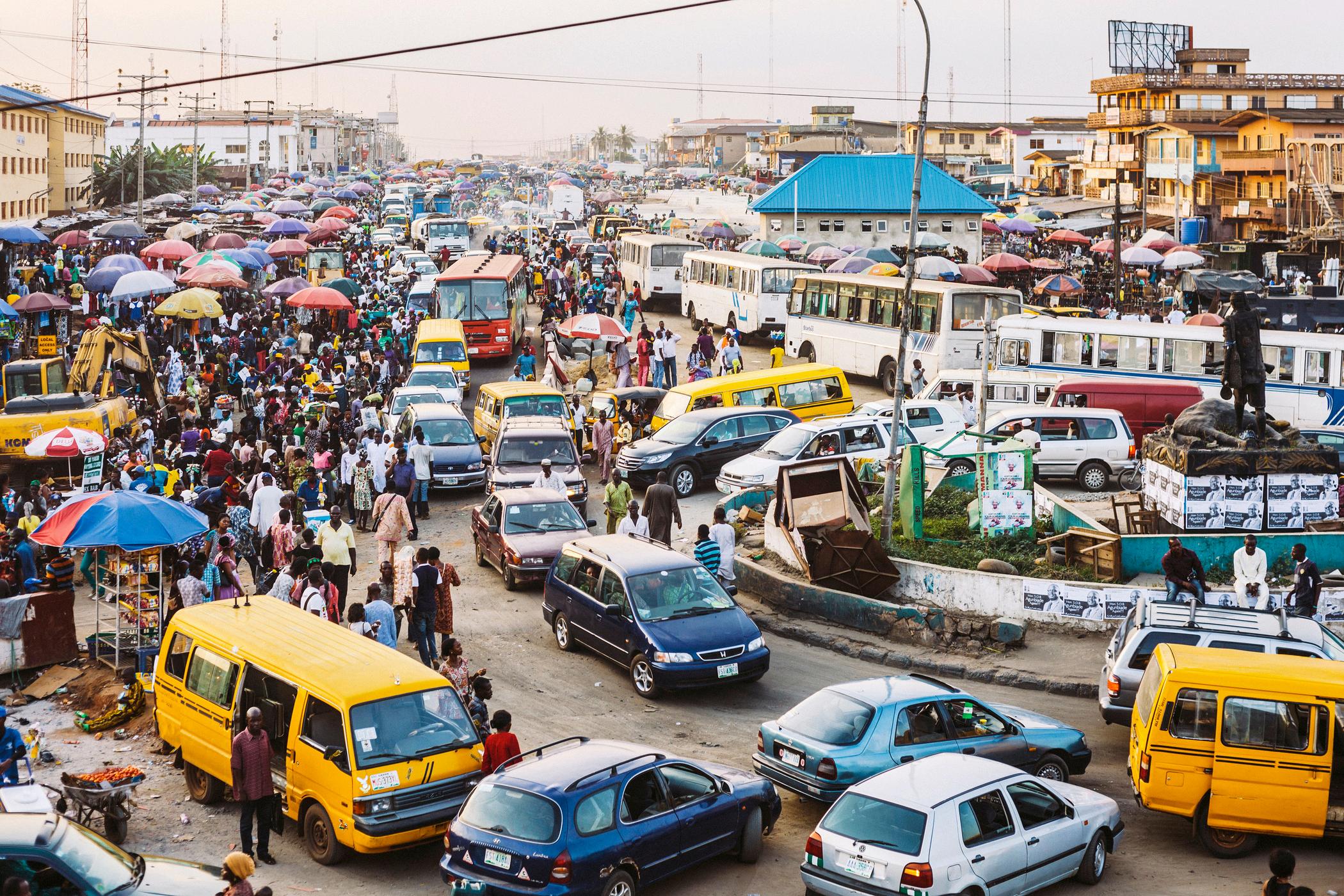
preventable diseases. The health systems are often underfunded, understaffed, and illequipped, which reduces the ability to respond effectively to health crises. Healthcare is very expensive, very very expensive in developed countries Now let’s look at it. How can an underdeveloped country that has the majority of the population in poverty pay for healthcare? The government has refused to invest in the medical facilities for YEARS. That’s why we have a lot of our politicians go abroad for medical services. Even our ex-president before the present one just died in a hospital in England. I think all these problems we face in Africa are interwoven honestly, because if the government invests in education, many people will be able to find a way to understand how the world works better, if the government also made the country safe for a lot of citizens, a lot of us won’t be congested in the western part of Nigeria. Let me give context, Nigeria has 36 states, and the most populated state is Lagos state, it is a state in the western part of Nigeria, and it has about 25 million people living in it, whereas the land area is about 1,171 sq kilometer Lagos covers nearly double the land area of Toronto, yet its population is over six times greater! As a result, Lagos is much more densely populated reflecting rapid urbanization and ongoing population growth pressures that far outpace those seen in Toronto. This is so because there is an uneven spread of opportunities in the country, So Lagos may have a lot of amenities and infrastructure
because the government can make a lot of taxes from the residents of Lagos but it is not so in the other states of the country.
Credibility in Nigeria and Africa
Lastly, there is the issue of credibility both for Nigerians and Africans on the global stage Negative stereotypes and mistrust sometimes affect opportunities in business, diplomacy, and international cooperation. Addressing these challenges holistically with commitment and collaboration is essential to building a prosperous and respected future for the continent.
The Nigerian passport is one of the weakest passports in the world because of all these problems I have listed earlier. The insecurities, the bad economy, the bad infrastructure and healthcare, uneven distribution of wealth etc. All these have affected the credibility of Nigerians worldwide
See original article on Generation1.ca
For example, I came to school in Canada to access global opportunities because I believe I am qualified to get into the bigger rooms of opportunities. I have been a UX Designer for 4 years now and it was quite difficult to get gigs and jobs from developed countries because I was living in Nigeria. So I believe credibility is among the biggest issues we have back home in Nigeria.
I hope this write up is rich enough to explain some of the issues we face back home in Nigeria and my call to action Thank you for what you do for immigrants in North America, we really appreciate Generation1.ca, and its AfroRise2050 Fellowship for Movers and Arrivers
From Raw Materials to Rich Futures: Ghana’s Path Ahead
by Gladys Boatemaa
Ghana, once known as the Gold Coast, is a nation blessed with rich mineral resources, vibrant culture, and a proud history. In 1957, Ghana became the first sub-Saharan African country to gain independence under the visionary leadership of Dr. Kwame Nkrumah, sparking hope across Africa. From the Ashanti Empire to the struggle for freedom, Ghana has always embodied resilience, unity, and strength. Yet, despite this powerful legacy, I sometimes feel we are only scratching the surface of our potential. Our education system is struggling, and this deeply pains me. How can a country so abundantly blessed in both
human and natural resources face such challenges? We are the world’s secondlargest cocoa producer, yet we import chocolate. We are a leading gold exporter, yet we ship out raw ore only to buy back finished jewelry and electronics at a premium. Our natural wealth often leaves the country in its raw form, and our brightest young people look elsewhere for opportunities. It’s disheartening to see so much potential remain untapped.
I believe the key lies in a redesigned education system for Ghana. One that prioritizes local needs and harnesses our natural wealth in more meaningful and
profitable ways. Instead of exporting crude oil, raw cocoa, and unrefined timber and minerals, I dream of a system that trains students to process, refine, and create highvalue products right here at home. A system that creates opportunities for our youth by teaching them to build industries from our own resources.
Education shouldn’t just imitate the systems of other countries it should serve our own needs. We have the chance to transform education so it teaches the skills Ghana specifically needs: agro-processing, mineral engineering, technology, innovation, and critical thinking. This is how we keep value, wealth, and jobs within our borders.
One of the most powerful ways to prepare Ghana’s youth for this future is through STEM (Science, Technology, Engineering, and Mathematics). STEM goes beyond theory; it equips students with the practical problem-
solving skills needed to modernize agriculture, improve healthcare, and build industries that process our natural resources locally.
Ashesi University is already a beacon of what education can be: grounded in ethics, leadership, and innovation. With its focused core curriculum and emphasis on entrepreneurial thinking, it’s transforming the meaning of African higher education.
My Dream: How I Can Contribute to Ghana’s Progress
I don’t just want to admire progress from a distance I want to help build it
Pioneering a Key Initiative: I will launch “From Ore to Opportunity,” a free digital course and innovation challenge to inspire Ghanaian youth in mineral processing.
Curriculum Innovation: Advocating for education that links directly to Ghana’s industries, preparing students to add value to our natural resources.
STEM Advocacy and Projects: Supporting STEM clubs, science fairs, and mentorship programs to spark interest in technology, engineering, and science from an early age I see myself partnering with schools to promote STEM programs that nurture innovators who can solve Ghanaian problems.
Digital Learning Expansion: Scaling EdTech platforms that make STEM and other subjects more accessible through affordable and culturally relevant digital tools
Community Engagement: Working with schools and families to ensure that education reforms meet real community needs, mirroring the cocoa-belt programs, where empowering mothers increased school attendance.
Leadership and Ethics: Promoting institutions like Ashesi that combine STEM skills with ethics and entrepreneurship, ensuring we train not just innovators, but responsible nation-builders.
Next Steps: From the Gold Coast to a Coast of Golden Opportunities
Ghana’s promise is not a distant vision; it’s already emerging through education reforms, tech adoption, and community-led initiatives My dream is to amplify and support this progress. I envision a nation where our youngest learners gain the skills needed to process our resources, build cultural wealth, and transform our economy. Therefore, my commitment moves beyond
words into action I will pioneer an initiative called “From Ore to Opportunity: Ghana’s Modern Pathway in Mineral Processing.” This will be a free digital course and innovation challenge designed to enlighten Ghanaian youth and the world about the immense potential locked within our natural resources. By partnering with institutions like the University of Mines and Technology (UMaT) and industry experts, this course will demystify the science and economics of mineral processing, showcase viable career paths, and inspire a new generation of engineers and entrepreneurs to keep the value of our ‘true gems ’ right here at home. To be part of Ghana’s journey toward this greatness is not just an aspiration; it’s my commitment And together with government, educators, communities, and investors, we can make Ghana not just a land of resources, but a land of realized potential. From the Gold Coast to a nation of golden opportunities, this is the future we will build
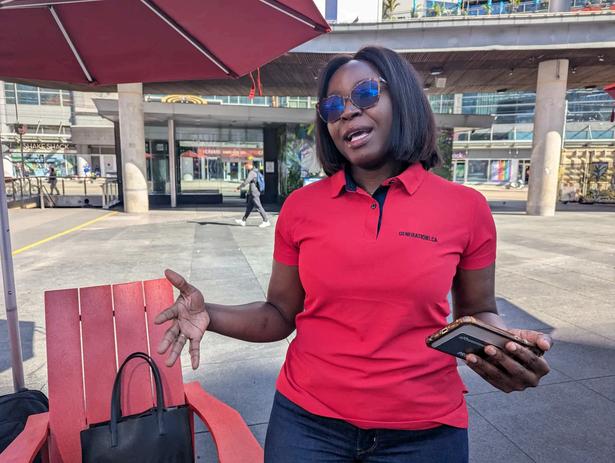
Where is the Grass Greener for Afro-descendants?
by David A. Grant
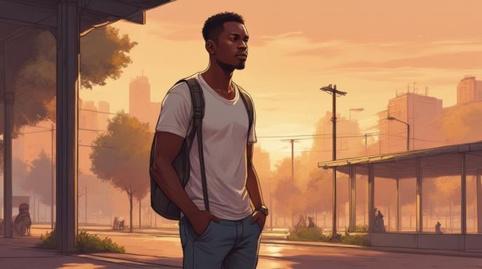
Videos of Afro-descendants receiving inappropriate treatment from the police or from non-black citizens are rampant on social media. The inappropriate treatment typically includes insensitive language, false accusations, and physical assault These videos routinely show privileged individuals taking the liberty to harass Afro-descendants while they participate in basic everyday life activities, such as barbecuing, studying in the library, jogging, entering an apartment building, and going to the community swimming pool Educational and professional background does not matter, all Afro-descendants are at risk of receiving this type of treatment.
As I think about the rich history of Afrodescendants and our bright future, I ask
myself, is it possible for a group of people to escape racism entirely? Do marginalized groups need to move abroad or relocate to an enclave on the outskirts of society in order to consistently experience fair treatment and opportunities?
Giving back to the community is important. One way I contribute is by playing my saxophone with a local community volunteer band. The power of music inspires the young and old to do their best, so they can achieve their dreams.
A Historic Look at Inequity
Since the end of slavery in 1865, African Americans have made significant economic and professional advancement in the United States. Government leaders have enacted
numerous laws aimed at assisting the economic and social advancement of black Americans One would think that with the effort that government and social leaders placed into addressing inequities throughout the years, African Americans would feel fully accepted in society and achieve relatively high levels of social and professional success. On the contrary, blacks in the United States often feel estranged in their own country and fall short of the same professional opportunities and success as their non-black counterparts. For example, an informal review of 342 executive leadership photos and biographies on the websites of some of the largest organizations including Coco Cola, MERK, General Electronic, Disney, Marriott, the US Department of Justice, and the US Department of Defense, indicates the presence of only 21 executives of Afrodescent. Once again, out of 342 senior
executive positions at the highest and most significant levels of the most well-known and influential organizations in the United States and the world, only 21 Afro-descendants are present. Despite how much progress black individuals have made in recent decades, much work remains to be done and many challenges must be overcome. Thinking the contrary would assume that Afro-descendants are not capable or talented enough to serve in important positions, which is not true. Enjoyable night at my first basketball game in years. Go Washington Wizards! The diversity on the basketball court may cause fans to overlook the lack of African American representation in executive positions throughout the organization

From time to time, I hear the argument that professional sports such as football, basketball, and baseball lack diversity because teams consist mostly of athletes of colour. Despite the large ethnic-minority composition of professional teams, Afrodescendants and other minorities are underrepresented in the executive positions, especially when one considers the overall number of minority players. According to the Institute for Diversity and Ethics in Sport’s 2019 Racial and Gender Report Card, in the National Basketball Association (NBA), African Americans and people of colour constitute 75% and 81% of the players, respectively. However, African Americans and people of colour only hold 27% and 33% of head coaching jobs, respectively. For executive positions within the NBA, the percentage is even smaller.
Based on a review of the Toronto Raptors website, an individual of Afro-descent is the President of the Toronto Raptors However, the overall leadership and board of directors consists of only three executives who are Afro-Descendants (constituting 13%) It’s peculiar and a shame that African American leadership is lacking in a sport where they overwhelmingly make up the majority of players Executives in the United States must do a better job in the areas of recruiting, retaining, promoting, and managing diversity.
Based on current statistics, African Americans lag behind other groups in the areas of holding leadership positions in the corporate environment According to the US Bureau of Labour Statistics, African Americans are grossly underrepresented in white collar roles. These percentages are significantly less than the percentage of African Americans that comprise the workforce at 12.3%. Sadly, the few fields where the proportion of African Americans significantly exceeds the overall proportion of the workforce are all blue collar roles. African Americans clearly hold a disproportionate percentage of blue-collar and non-supervisory positions. It is frustrating to always see African Americans at the bottom of the career-advancement ladder, especially after years of government involvement.
In 2019, The National Association for the Advancement of Coloured People’s (NAACP) “Opportunity and Diversity Report Card” provided diversity and inclusion grades for
corporations within the hotel and lodging Industry. While focusing on four major corporations (Hilton, Hyatt, Marriott, and Wyndham), the study provided feedback on the following categories: (1) Workforce and Board, (2) Transitions, (3) Procurement, (4) Corporate Management and Ownership, (5) Diversity and Inclusion Programs. This report provides useful feedback to the companies involved and the public Marriott received the highest overall score of “B” while other companies each received a grade of “C”. When conducting a study, it is important for researchers to use a method which is practical, appropriate, and feasible. The NAACP study on the hotel and lodging industry used a mixed-methods research style. While qualitative studies are a good way to obtain rich descriptions about a situation, they are not always accurate, since interpreting participant statements is somewhat subjective. Quantitative research is an excellent way to arrive at factual conclusions. Ideally, a mixed-methods study allows the researcher to reach a more informed finding about a problem.
Diversity Alone is Not Enough
The presence of diversity alone is not enough for success. Managers must understand how to recruit, mentor, motivate, and professionally develop an ethnically diverse workforce, so these employees have the potential to advance through the highest levels of the organization It is important that executives manage diversity at all levels of their organization and in all types of
employment positions. An effective diversity management program should lead to increased diversity at the executive level of the organization. Lowe’s is a good example of a well managed diverse organization. The company ’ s CEO is African American Also, three African Americans serve on the corporate leadership team, making it 14.8% African American. Like other corporations, Lowe’s has a program which focuses on professionally developing African Americans for leadership positions within the organization.
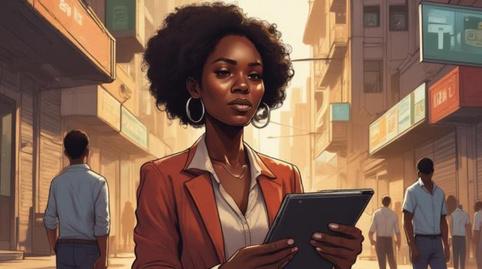
My previous research on career diversity, Perceptions of Career Advancement in the Hotel Industry for African and Hispanic Americans, focused on the hotel industry primarily because of its size, scope, and my personal interest in the sector. Furthermore, large hotels are reflective of self-contained cities, requiring a large range of occupations and skills in order to remain self-sufficient. Finally, my perception that ethnic minorities compose a large portion of the industry inspired me to analyze how they have done in the area of career advancement. Not surprisingly, my study found the need for improvement in the area of African American career advancement. The most significant findings from the study are (1) African American performance in the workplace is at least equal to their non-minority peers; (2) African Americans experience career barriers; (3) African Americans are dedicated workers and (4) Diversity inspires all employees
The first finding, “African American performance in the workplace is at least equal to those of non-minority peers, ” is especially important because it highlights the fact that performance is not a perceived roadblock for African Americans. One participant expressed that minorities are the best employees because they are more dedicated and work harder than other employees. Therefore, if their own performance is not a negative factor, other factors in the system are serving as career advancement obstacles. Each research participant provided powerful statements about diversity and career advancement One participant made this enlightened comment, describing the lack of diversity in the hotel industry in America, supporting my finding that diversity inspires employees:

Seventy per cent of the service staff are minorities. When they see other minorities in leadership positions, it gives them a great sense of pride. Employees feel better about the company, because they see people that look like them. I feel that it is especially important that we see minorities and women in leadership positions, because there are so many of them at the lowest levels of the organization.
Another participant shared personal thoughts about the hotel industry, which supports my research finding that it is challenging for African Americans to achieve career advancement and promotion opportunities:
Both quotes depict the participants’ perceptions that African Americans do not have a realistic opportunity to excel in the hotel industry. Furthermore, they emphasize the need for proactive leadership in order to address this problem
Based on the participants’ inputs, I recommended that hotels executives address the problem as follows: (1) openly share hiring and promotion guidelines with personnel; (2) take action to close the communication gap with employees, so they are aware of career advancement opportunities within their organizations and how to best prepare for them; (3) focus on introducing ethnic minorities to the opportunities in the hotel industry at a much earlier stage in the academic careers. Hopefully, hotel executives and leaders in other industries will address their concerns assertively After all, Afro-descendants and people of all ethnicities deserve a fair chance at career advancement.
From my experience, the general manager, the controller, and directors were all white men. Also, while I worked at the front desk, I remember primarily attractive girls, like with blonde hair and blue eyes, worked there, too. There just wasn’t any diversity or a fresh approach. The environment reminded me of the television show ‘Mad Men.'
Will Afro-descendants be Better-off Moving Abroad?
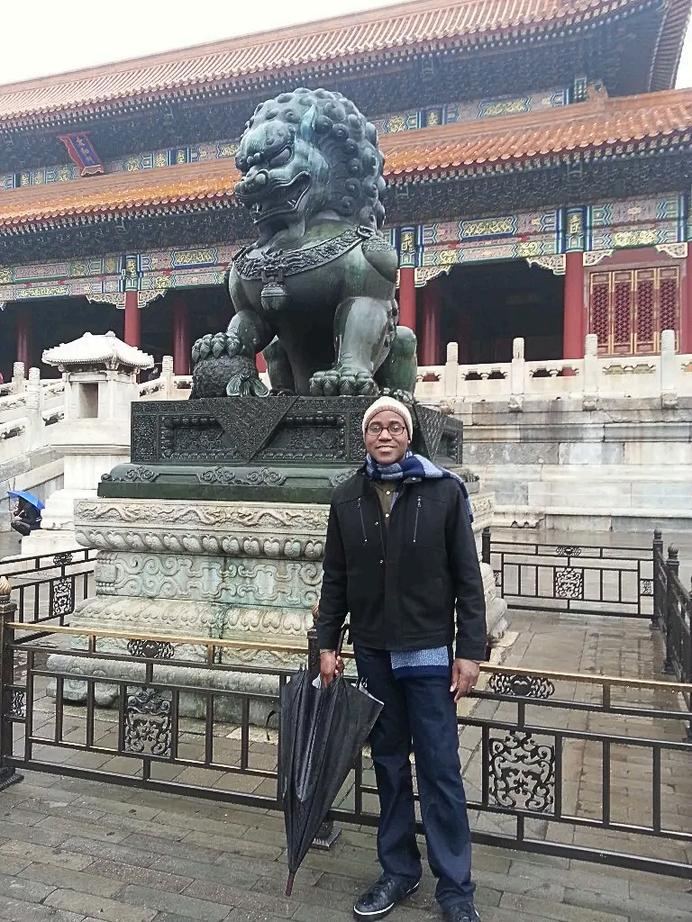
During a business trip to Beijing, I had a free moment to visit The Forbidden City. While I was a bit nervous about my first visit to this country, I sensed calmness and ease when talking with local people Despite our significant differences, we still found similarities.
Leaving the United States and traveling south of the border is not the panacea. Black citizens also face challenges in Latin America. A World Bank report from 2018,
Afro-descendants in Latin America – Toward a Framework of Inclusion documents the challenges that blacks experience even in Latin American countries. Although progress is being made, blacks typically lag behind the general population in every measure of success. The report expressed that Afrodescendants in Latin America face unequal opportunities and a lack of respect. Surely, other countries must provide better opportunities for black individuals? I assumed the United States’ neighbour to the north, Canada, would be light years ahead in the areas of diversity management and simply just making Afro-descendants feel like they are welcome throughout the country and in its social-economic structure
A 2017 research project by the Environics Institute, the Black Experience Project described and documented black disenfranchisement in the Greater Toronto Area. To my surprise, Canada is not a haven for people with black skin. The social and economic structure in Canada apparently treats blacks just as poorly as they are treated in the United States and Latin America. According to the report: Direct experience with racism is a common experience among research participants. Two thirds indicated they frequently or occasionally experience racism and discrimination because they are Black Eight in ten report experiencing one of several forms of day to day micro-aggressions, such as having others expect their work to be inferior or being treated in a condescending or superficial way.
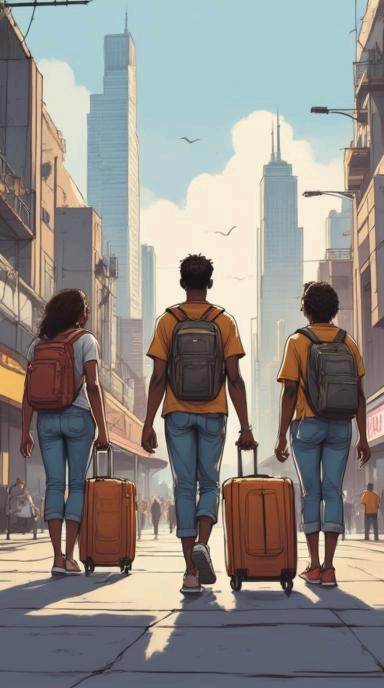
The following statement from the Black Experience Project report further solidifies the negative perception of the black experience in Canada: In fact, when asked what they believe are the most common beliefs that non-Black people hold about Black people, all the examples mentioned are negative ones, such as beliefs relating to criminal behaviour, violence, gangs or drugs, as well as the belief that blacks are uneducated, lazy and lack ambition
An obvious culture of disrespect towards black people exists in parts of Canada, highlighted by the fact that the nation’s very own Prime Minister recently apologized for wearing “black-face” on occasions in his life. The grass is clearly not greener in Canada
Being On-Edge and an Outsider
The negative atmosphere in the United States, Latin America, and Canada towards black people, highlights the need for continued research in order to identify the most welcoming locations for Afrodescendants. A 2019 qualitative study by the organization called The Black Experience Japan identified Asia as a region that openly welcomes and treats us with dignity and respect. Black participants discussed how “ on edge” they felt when they lived in other parts of the world In Asia, these individuals seemed to feel at ease.
Unfortunately, I know exactly what the participants meant by feeling “ on edge ” I have felt on edge on several occasions, surely not enough to influence me to leave the United States. As a result of this feeling, I have often changed my behaviour Out of concern for being accused of shoplifting, I’ll routinely keep my hands out of my pockets, so it’s obvious that I have not attempted to steal anything Keeping one ’ s hands out of our pockets is especially important when leaving the store. Requesting service from high-end stores has also caused me to feel on edge.
Not long ago, I held a celebration at the RitzCarlton hotel.
After verbally confirming the date with the hotel’s representative, I had to make several phone calls back to the hotel just to receive the contract in order officially reserve the reception room. I felt as if the Ritz-Carlton really did not want me to host my party on their premises. On edge – it’s not asking a flight attendant a second time for your coffee, when she has already provided all the other passengers their drinks Thankfully, the kind caucasian women who sat next to me reminded the flight attendant about my missing drink. On edge – it’s the feeling that society is watching an individual’s every move, waiting for a reason to approach/assault. I know exactly what The Black Experience in Asia participants mean by on edge. Regardless of how far I advance in my education or career, the feelings of uneasiness frequently appear. Perhaps moving to Asia is highly extreme for most Afro-descendants. A more realistic solution for creating a better life for us may lie in identifying specific communities within our current countries that already welcome and hold opportunities for black people, along with encouraging Afro-descendants to pursue educational and professional careers that best position us for success and career advancement. The focus on pursuing education and professional goals should begin at an early age At a young age, parents and educators must lay the foundation and path for their children, so they are aware and prepared for education and career opportunities
True Home
Like my parents, when she was alive, my grandmother, Ella Maxwell, inspired me to focus on my education She always reminded me that I would need to be twice as good just to be equal.
Despite how estranged some Afrodescendants feel while living in North or South America, there is no place like home.
For centuries, black individuals and families have written their history and grown roots in their current countries They have contributed to life throughout the North and South Americas and the world. Afro-descendants should focus on improving life where they reside, instead of departing. Invest heavily in
children and the community in order to make improvements. After all, the grass is always greener where you water it.
Thankfully, when I was a child, my parents kept inspiring me to pursue my education and career. They constantly reminded me about the criticality of working hard and being able to provide for oneself and family – education was key. I am ready to give back to my community. For me, moving abroad is not a consideration; I’m not going anywhere
There’s no place like home.
You are invited to connect with me on LinkedIn and Instagram.
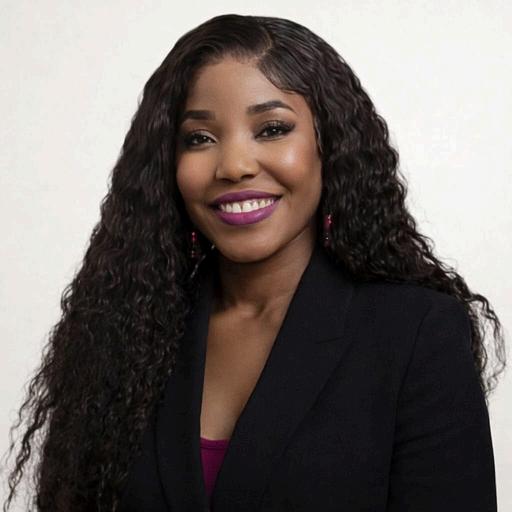
A Parent's Grief, A Nation’s Reckoning
by Stella Igweamaka

“I will never survive the loss of my child.”
Chimamanda Ngozi Adichie wrote these words after losing her 22-month-old son, Nkanu Nnamdi, in a private hospital in Lagos, Nigeria, on January 6, 2026, following alleged medical negligence a loss that has since come to symbolize a deeper crisis in the nation’s healthcare system
When I read her words, something familiar settled in my chest. I have learned that in Nigeria, grief is not only about loss. It is also about infrastructure About doctors working without essential equipment. About ambulances delayed by broken systems. About power that fails when it is needed most About families running between pharmacies to buy supplies a hospital should
already have. About knowing that survival sometimes depends less on illness and more on luck.
As an immigrant, I carry two worlds in my body. One where I live now where ambulances arrive on time, where medical bills might hurt but systems hold. And one back home where a WhatsApp call at 2 a m can announce that someone is fighting for their life in a ward with no oxygen. Nigeria mourned with Chimamanda. In her public reflection, she spoke of a system that failed at the most critical moment, of trained professionals constrained by broken structures, of grief sharpened by the knowledge that things could have been different She reminded us that this was not only a personal tragedy, but a national one.
Her words echoed what many of us in the diaspora quietly fear: that loving home means loving a place where care is uncertain and survival is negotiable. This is the Nigeria of today; brilliant people,

extraordinary resilience, yet a healthcare system stretched thin and uneven, where quality care is too often reserved for those who can leave.
A Vision for 2050
I imagine a different Nigeria.
A Nigeria where hospitals no longer rely on generators that cough into silence. Where medical equipment is not locked behind broken procurement systems. Where nurses and doctors stay because they are paid, respected, and protected. Where a mother in Aba, a farmer in Kaduna, and a child in Lagos receive the same standard of care Where health infrastructure is not determined by postcode or wallet, but by universal standards of dignity and safety. In this future, no family sells land to afford surgery. No loved one dies waiting for oxygen. No woman in labour wonders if the lights will go out. Nigeria becomes a destination for medical innovation and not medical evacuation.By 2050, I see African medical research shaping global protocols.
I see digital health records connecting rural clinics to urban hospitals I see diaspora expertise returning not only in remittances, but in systems design, policy, and training.
I see grief no longer multiplied by preventable failure.
I see public and private sectors held to rigorous standards, backed by enforceable regulation, patient safety protocols, and community oversight. I see trust restored between citizens and the systems meant to care for them.
My Role
I am a researcher and storyteller. I work at the intersection of data, policy, and human experience In this future, I see myself helping to build evidence-driven health systems gathering lived experiences behind statistics, translating them into policy reform, funding strategies, and accountability frameworks.
I see myself convening governments, private partners, community voices, and diaspora professionals to co-create health solutions rooted in equity. I see myself amplifying stories like Chimamanda’s not to sensationalize grief, but to ensure that loss becomes a catalyst for reform rather than a recurring headline. Because when grief speaks, policy must listen When loss is named publicly, it must be met with public commitment to reform, not silence.
Two Steps Forward
Starting now, my step is to use my research expertise to support organizations advancing health equity in Nigeria - contributing to policy briefs, grant proposals, and evidence frameworks that strengthen healthcare infrastructure and accountability. Society’s step must be bolder: Nigeria must treat healthcare as a national priority, not a political afterthought investing in hospitals, retaining medical talent, regulating privatepublic partnerships, and building transparent systems that citizens can trust.
If we take these steps, then by 2050, no parent will bury a child because a hospital lacked what should have been basic care. No daughter abroad will mourn helplessly across oceans. No grief will be made heavier by system failure
That is the Africa I am dreaming toward.
South Africa 2050: Education, Economy, and Environmental Action
by Lorna Kaela
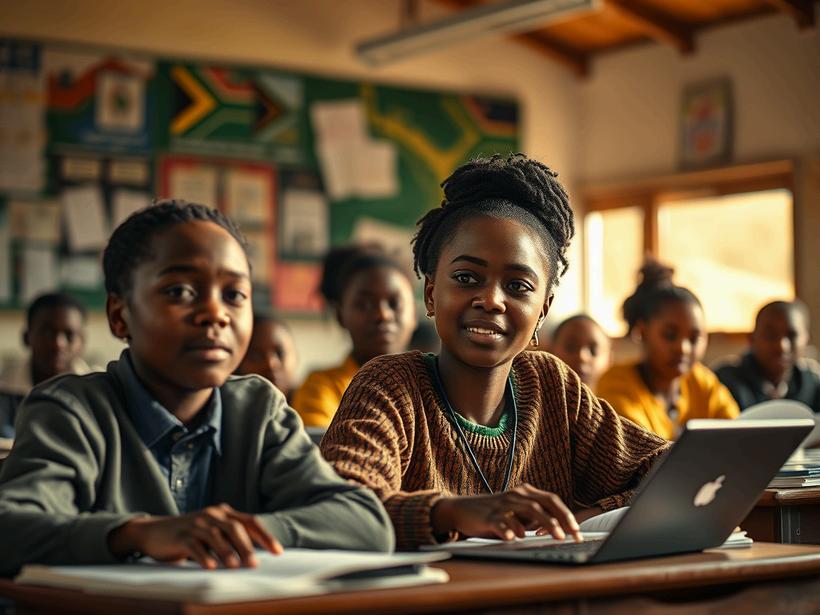
South Africa is a country with many differences. It has rich minerals, beautiful scenery, and a diverse culture, but it also faces serious problems like high levels of inequality and unemployment Even after the end of apartheid, the country has made real progress in democracy, social unity, and economic changes However, many challenges still exist, such as poorly funded schools, weak healthcare systems, slow economic growth, and environmental issues. To reach its full potential, South Africa needs to tackle these urgent problems in a way that includes everyone and looks to the future. This requires teamwork between the
government, businesses, and communities to create a vision for growth that benefits all its people.
1. Education and Skills Development
Education is crucial for progress, but South Africa’s education system has serious problems that hold back its young people While more children can go to school than in the past, the quality of education is not the same everywhere Schools in rural areas and townships often lack good facilities, have high dropout rates, and face shortages of qualified teachers. This leads to a situation where children from less advantaged
backgrounds grow up without the skills needed for decent jobs. To improve the future, South Africa needs to invest more in early childhood education since the first few years of learning are essential for lifelong development Teacher training should include both knowledge of subjects and new teaching methods, so teachers can meet the needs of different students. Additionally, incorporating technology in education by providing affordable internet access and equipping schools with digital tools can help close the gap in technology access.
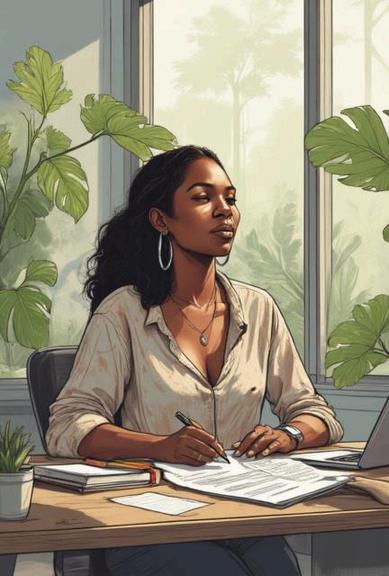
Expanding vocational training centers and encouraging students to pursue science, technology, engineering, and mathematics (STEM) subjects will better prepare them for jobs in a changing economy. By giving young people a strong educational foundation, South Africa can develop a workforce that is innovative, capable of solving problems, and ready to lead in the global economy
2. Economic Growth and Job Creation
Economic growth is more than just numbers; it’s about creating opportunities for people and communities South Africa’s economy has traditionally depended on mining and heavy industry, but it needs to diversify to keep up with global changes. High unemployment, especially among young people, leads to poverty and crime. To improve this situation, I think South Africa should support entrepreneurship and small businesses, which are key job creators. These businesses often struggle due to lack of funding, high costs, and tough regulations. The government can help by offering loans, tax breaks, and mentorship programs. Investing in areas like renewable energy, technology, tourism, and agriculture can also help diversify the economy Building trade partnerships with other African countries can open new markets for South African goods. A strong and inclusive economy will lower unemployment and promote social stability, giving people hope for the future.
3. Healthcare and Social Well-Being
I believe that a nation’s success really hinges on the health of its people, and South Africa’s healthcare system is under a lot of pressure. While urban areas have some excellent medical facilities, many rural communities struggle with limited access to clinics, hospitals that are short on staff, and not enough critical medicines. Diseases like HIV/AIDS and tuberculosis continue to be major problems, even with various public health initiatives in place. Mental health issues, which often come from poverty, violence, and unemployment, are also on the rise, but they get much less attention and funding than they need. I think we need to tackle these challenges in several ways By expanding primary healthcare services in rural and low-income urban areas, we can help ensure that everyone has better access to healthcare Strengthening public health campaigns to focus on disease prevention and early detection will save lives and ultimately reduce long-term healthcare costs It’s also vital to raise awareness about mental health, integrate counselling services into primary care, and work on reducing the stigma associated with mental illness If we can make sure that every South African, no matter their income or where they live, has access to affordable and quality healthcare, we can build a healthier, more productive population that can contribute positively to the country’s development.
4. Good Governance and Accountability
Good governance is essential for national development. In South Africa, corruption, mismanagement, and a lack of transparency have led to a loss of trust in our institutions When funds meant for infrastructure, education, or healthcare are misused, it slows progress and increases inequality. To improve this, we need to strengthen anticorruption agencies and ensure the law applies equally to everyone. Using opendata platforms can help citizens track how public money is spent Encouraging more citizen involvement in decision-making through community meetings and online platforms will also empower people Promoting ethical leadership and having strong accountability systems is crucial. A transparent and fair government will restore public trust and attract investment, driving growth for our country.
5. Environmental Sustainability
South Africa boasts incredible biodiversity and valuable natural resources such as the UNESCO World Heritage site in the Cape Floral Region, the Big Five (lion, elephant, leopard, rhinoceros, and buffalo), the country’s marine life along the coastline, coal, gold, diamonds and agriculture products such as fruits, grapes and citrus. However, these are under threat from climate change, pollution, and overuse. Recent
droughts have shown how vulnerable we are impacting agriculture and water supplies. Our reliance on coal-fired power plants also contributes to harmful carbon emissions. To secure a brighter future, we need to transition to a green economy by investing in renewable energy sources like solar, wind, and hydro. These not only lower emissions but also create new jobs Protecting wildlife and combating poaching are essential for maintaining our tourism and ecological diversity It’s important to teach kids about environmental care early on, fostering a culture of sustainability. By balancing economic growth with environmental responsibility, we can preserve South Africa’s
beautiful landscapes and resources for future generations.
Next Steps for South Africa’s Future
From my perspective, South Africa faces significant challenges, but they are not impossible to tackle. By focusing on education, fostering economic growth, strengthening healthcare, ensuring fair governance, and taking care of the environment, the country can pave the way for a better future Everyone, from policymakers to everyday citizens, needs to come together and play their part. When South Africa rises to meet these challenges, it will not only benefit its people but also serve as a symbol of hope for the world.
See original article on Generation1.ca
Origins, Outcomes and the Diaspora African
by Andrew Zoka

Of the 54 countries in the continent, migrants find their way in and out of Africa for a variety of reasons. Some are fortunate and gain merit-based scholarships abroad (outside Africa), of whom many in pursuit of financial success remain after graduating from foreign universities and vow to return home after they have gained sufficient experience and savings. Other diverse Africans are still fleeing tough oppressive regimes in conflict-ridden parts of the continent. In many cases, refugees have already fled racial discrimination or religious oppression. In Nigeria for example, religious conflicts dating as far back as 1953 account for numerous deaths daily, internal displacement and fleeing citizens One way or another those escaping their country’s
poverty, racism, social ills or any other dangerous or success-inhibiting circumstance find their way to the “West” in search of prosperity and a better future for their families.
According to a UNDP study, migrants fleeing some countries in Northern Africa often hold steady jobs and are educated, yet they are willing to risk drowning in overcrowded boats to make a life-threatening journey to Europe. Weighing their options between the very real danger of losing their lives at sea or taking a leap of faith and journeying to Europe– to many the choice to leave is simple. Having survived the journey to North America or even Europe, they send a portion of their wages back to their families, which is often a significant increase from their
previous incomes at home.
Aside from the extreme cases of migrants leaving families and risking their lives to enter Europe, the African diaspora in North America is all too diverse Many trace their arrivals decades ago, and more still who have arrived recently are coming from walks of life as different as their nationalities. Attention and compassion are often directed to migrants who have narrowly escaped violence or poverty, but scarcely on those arriving peacefully, minding their own business and finding employment for many of the same reasons as others. Where the typical family is given the option to travel to Canada to find better job opportunities or to remain in a workplace with unsatisfactory pay while working for institutions that don’t often provide job security, many leap at the opportunity to migrate West, to boost their prospects and then help lift others up. Arriving in Canada like I did, one experiences a sense of joy and hope expecting as one must institutional robustness, governmental stability and integrity almost unmatched hoping for the welcoming arms of a prosperous culture and people. One might think these immigrants have reached their happy place they have always dreamed of, in their journey of discovery, assisted by friends, family or church community, settling in their new land. A turning point however, in the lives of all these immigrants comes just after deciding to move to Canada After this decision, they envision a certain future, whether through temporary work, study or simply
“permanently” migrating to Canada
As the African and Canadian economies grow, business links and investment opportunities are in great demand on both sides The argument may be made that even greater numbers of regular middle-class Africans should migrate to Canada. In the case of Tanzania in East Africa by the Indian Ocean, of the 55-56 million people in the country, two-thirds are under 25 years old, and over 40% are under 14 years old. This leaves much of the Tanzanian youth in their prime years full of potential, working lowwage jobs or perpetually seeking employment and stability. The question to ask is: how much does moving make our lives better?
Tanzanians entering Canada have similar experiences to their counterparts in the United States in terms of employment opportunities and even their ability to run businesses. A distinguishing factor however is that there are many more Africans in the United States (over 46 million diaspora Africans in US which is around 14% of the total population) than in Canada (close to half a million diaspora Africans); more Africans opt to study and work in the US after finding the right opportunity. Is USA the African melting pot then? Immigration challenges such as securing employment after study, sponsoring and receiving relatives to join, and the low rates of visa
acceptance remain big hurdles to settling in the US. Canada has similar but separate challenges post-arrival, especially in the settlement and integration of new residents; many find help through diaspora or existing acquaintances and friends to gain employment or feel settled. I have just begun my journey here. As an advocate for world travel however, I would love to see even a quarter of our Tanzanian youth study and work abroad, feeding back new ideas with a global perspective into the country upon their return, or if settling abroad then gainfully contributing to faster economic growth in Africa by regularly sending home remittances.

See original article on Generation1.ca
My vision for Africa 2050: empowering youth to build decent work and thrive at home
by Bisrat Woldu

In 2025, I am Bisrat Woldu, a 28-year-old youth leader and co- founder of Lite Innovate, based in Ethiopia Every day, I engage with young Africans, bright, talented and full of hope for the future. Yet, despite our continent’s vast potential and youthful energy, I see an Africa where young people currently do not have access to decent work: jobs that offer fair wages, safety, growth prospects and dignity. This future requires bold systemic change linking education with labour markets, promoting skills development that matches economic needs, ensuring workplace safety and creating regional collaboration that enables youth mobility and innovation
A future of work and public service
I see an Africa where no young person has to risk their life just to earn a living In 2050, construction sites, farms, factories and mines are no longer places of danger, but places of dignity The clang of tools and hum of machinery are matched by the quiet assurance that every worker will go home safe at the end of the day. Governments enforce occupational safety and health standards with precision, backed by smart technology. Digital platforms track workplace conditions in real time, alerting authorities to hazards before accidents happen. Workers have secure channels to
report unsafe practices without fear, and those reports are met with action fast, fair and effective
Decent work in Africa is not just about safety. It is about fairness. Youth are paid wages that reflect their effort, skill and value Every job comes with a path forward, opportunities to grow, learn and rise. Work is no longer a dead end; it is a launchpad for bigger dreams. Migration happens by choice, not desperation, as young people stay because opportunity meets them where they are.
In 2050, in Africa, the most respected career a young person can have is serving in public institutions. Not because they could not find something else, but because it is where they want to be. Across the continent, governments pay competitive salaries that allow workers to live well Career paths are clear, rewarding and inspiring. A young graduate in Ghana or Ethiopia no longer dreams of leaving for an NGO position; they are proud to join the civil service Skilled, committed professionals lead ministries, schools and hospitals with passion, knowing they are building something that lasts. Fair pay is just one piece of the puzzle Public service will thrive because institutions are well- managed, transparent and forwardthinking Workers will have ongoing access to training, the latest tools and leaders who inspire and support rather than just give orders. Teachers in public schools will feel valued, and their students will graduate with the skills needed
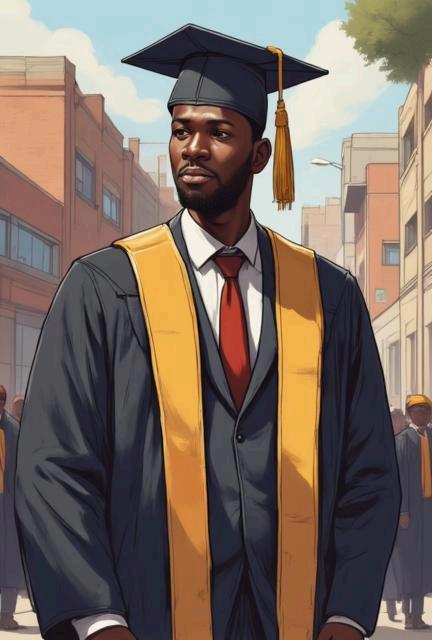
to succeed in a rapidly changing world. Essential services like roads, energy grids and water systems will not rely on foreign contractors but will be maintained by proud Africans committed to serving their own communities
Leadership within public institutions will be respected and upheld, ensuring that youth workers are valued and supported Imagine a citizen visiting a government office, no more long waits, no more frustrating arguments, no more wasted time. Instead, they experience a seamless, responsive and satisfying service. People will begin to trust government institutions because they see real, tangible improvements in their daily lives. Paying taxes will no longer feel like a burden but like contributing to a shared vision, funding healthcare that saves lives, infrastructure that functions and education that empowers the future. Citizens will take pride in fulfilling their duty, knowing their contributions are building a better tomorrow. In this Africa, the backbone of progress is its own labour force: Africans working inside African institutions to solve African problems. Skilled workers do not pack their bags for overseas contracts; they build careers at home, creating solutions deeply rooted in local cultures and realities. Digital tools make governments faster and more efficient Policies are implemented by competent, empowered teams who know their work matters. Citizens track services and spending in real time, rebuilding trust between people and the state.
A future of Africa’s youth innovation and skills
I imagine an Africa in 2050 where every young person, whether in a bustling city or a remote village, holds the skills, confidence and opportunities to shape the future. Our greatest resource is our people, and our demographic dividend is only an advantage if we prepare our youth for the realities of the 21st century
In this future, STEM-science, technology, engineering and mathematics are no longer a privilege for the few; they are the heartbeat of our education systems. Classrooms hum with curiosity and problemsolving. Girls who once hesitated to dream of being scientists now confidently design renewable energy solutions, lead robotics teams and launch tech startups. Digital literacy is as fundamental as reading and writing, with even rural schools connected to e-learning platforms, empowering students to master skills from basic IT to artificial intelligence and data analytics Vocational and technical training thrives alongside academic learning. Youth are trained in renewable energy installation, agroprocessing, construction and advanced manufacturing, not in outdated workshops, but in modern, industry-linked facilities where their skills meet market needs These trades are respected, well-paid and provide dignified work. I see a new kind of business culture emerging where we do not rely on Chinese construction companies or European
consultancies for our biggest projects anymore. African-owned firms will design, build and deliver our infrastructure Roads, bridges, tech parks, energy grids, all powered by local engineers, built with local materials and funded by African investors The value created will stay here, circulating within our economies and fueling unstoppable growth.
In 2050, Africa’s labour markets move in sync with the needs of its people. Governments use integrated, AI-driven data systems that pull real-time insights from industries, job platforms and education institutions to forecast which skills will be needed next, whether in renewable energy, advanced healthcare, digital technology or sustainable manufacturing. National skills councils work hand in hand with universities, vocational centres and online learning platforms to rapidly update curricula, ensuring graduates step into jobs that exist, not jobs that have already disappeared. Training is modular, flexible and accessible in multiple languages, allowing workers of all ages to reskill or upskill without leaving their communities The result is a workforce that is always ready for the next wave of opportunity, turning Africa’s demographic boom into an engine of inclusive growth. I see African companies growing strong and fast, breaking down the barriers that used to hold them back. Imagine my own startup in Ethiopia, instead of struggling with endless paperwork and waiting years, I opened a branch in Kenya and South Africa within just
a couple of months. No hassle, no complicated rules. This freedom to expand quickly comes from simple, integrated systems working seamlessly across the continent, making business easier for everyone. This means businesses like mine can keep talent, skills and money right here in Africa, instead of watching them flow to foreign companies from China or Europe.
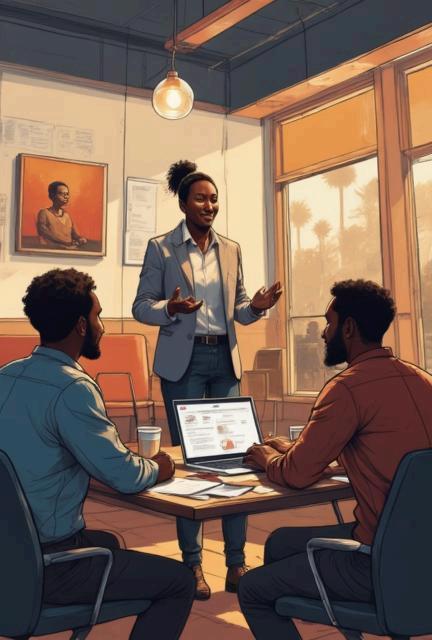
With these smooth cross-border operations, ideas will not stay local; they will spread like wildfire, connecting markets, creating jobs and building a future where Africa leads its own development story. This future is possible, and I see it clearly as a continent where we support each other, grow together and build something that lasts. We will be adaptable, collaborative, entrepreneurial and unafraid to tackle complex challenges. A young graduate will not only know how to solve problems; they will have the confidence to lead others in building solutions that matter This is the Africa I see: a continent where skills are the foundation of prosperity, where every young person has the knowledge and mindset to create, to lead and to thrive not someday, but every single day.
The Africa I will help build
The Africa I will help build is one where young people no longer have to leave their homes to find opportunity because opportunity will come to them. It is a continent where decent work, safe environments and fair pay are the norm, not the exception A place where public service is respected and valued, led by passionate Africans who take pride in serving their communities and driving progress.
I envision a future where African companies grow effortlessly across borders, where talent, skills and resources stay within the continent, fueling our own economies and innovations. This Africa will be united by seamless systems that empower businesses and individuals to connect, collaborate and create solutions that fit our unique challenges and cultures.
See original article on ISS Africa
The day the sky wrote back
by Aggrey Kulaba

Her name is Amina. She is 11.
She lives in a small village where the stars still speak at night. And every evening, she writes a letter to the sky.
Not because someone told her to, but because deep inside her, something whispers:
‘There must be more. ’
She asks: ‘What will Africa look like when I am 30?’ Will we still beg for water? Or will rivers listen again? Will my school still have one book for fifty minds? Or will knowledge flow like rain in planting season?’
And always, she ends the letter the same way: ‘Dear Future, please do not forget us. ’
The spark of imagination
One night, the sky writes back. Not with
thunder.
Not with lightning
But with stories.
Amina dreams of a continent where deserts bloom with tech gardens.
Presidents seeking counsel from poets
Where we speak fifty languages and none are called ‘broken’. Where girls fly satellites and boys become midwives
She sees tradition walking hand-in-hand with tomorrow unafraid and unashamed.
My project: storytelling as power
We turned Amina’s dream into a project called “Letters to Tomorrow”. Across Africa, elders and children wrote what they saw when they closed their eyes. These were not fairy tales.
They were frameworks
Not imagined futures but imagination as a planning tool. A resistance. A reclaiming. A roadmap made of dreams. From story to strategy
We shared their stories. Not as entertainment. But as insight. As evidence of what our people see when they are finally asked: ‘What do YOU want your future to be?’
Because imagination is not child’s play. It is the first step in any revolution.
My foresight vision of Africa in 2050:
I envision Africa that no longer reacts to crisis but anticipates for complexity, designs for resilience and governs with the long view in mind.
Where cities are not copies of the Global North but are organic ecosystems, powered by circular economies, rooted in local biomes and named in indigenous tongues.
Where food systems are decolonised, fed by climate-smart traditions and led by farmertechnologists who map rainfall with satellites but still plant by the moon.
And every child has access not just to the internet, but to futures literacy. Where universities become foresight labs and ministries have Chief Imagination Officers Where policy is informed by data but also by dreams
Where Africa is not catching up but setting the pace.
Ubuntu and AI, Orature and blockchain, agroforestry and quantum science
This is not fiction. It is foresight.
The close: call to action with emotion Africa’s future does not need permission It needs imagination. And imagination needs storytellers. Not just to dream, But to draw the map
So let us tell the story of Africa not as it is, But as it could be.
See original article on ISS Africa
The geopolitics of imagination
by Bronwyn Williams
Geopolitical power now operates through narratives, with Africa a key arena where stories shape investment, policy and longterm development.
Power, politics and influence are about far more than boots on the ground, drones in the air and tariffs on trade routes in the current geopolitical landscape. These dynamics matter everywhere, but they are particularly consequential for Africa, where struggles over narratives and imagined futures increasingly shape development choices and trajectories that are still being actively formed.
As human society has become more globalised, and as technology and financial markets are a reminder that physical borders cannot control innovation, inflation or ideas,
the “4M” model of power, developed by Flux Trends as a geopolitical sense-making tool, offers a framework for shaping the future.
The 4M model of power describes how “muscle”, i.e. physical power including control over geography and commodities (and people), has become untethered from other borderless critical sources or layers of power, namely money, medium and message.
“Money” no longer neatly respects national monetary policy and flows where it wishes (via crypto, cash and grey-market channels) For instance, Nigeria’s failed attempts to control USD-based stablecoins are a case in point.
“Medium” refers to how much of the invisible infrastructure that controls the “software”
layer of human society, specifically social media platforms, censorship-resistant Signal messaging services and privately owned satellite networks, refuse to comply with national interests, aided by VPNs and onion routers
Lastly, but perhaps most interestingly, “ message ” refers to soft and cultural power and explains how the stories people share with and about each other, online and offline, privately and publicly, interact with and influence the other three layers of power, and prove to be the most resistant to official state and government (and even private platform interest) attempts to control and contain them
Ideas, and the power of imagination to resist physical and financial power, and indeed exert control over more traditional sources of power and control, are therefore critical to understanding, anticipating and influencing the future
This is why forward guidance, or setting expectations, is a key monetary policy lever employed by finance ministers and central banks to encourage spending and investment or saving and prudence to avoid recessions or overexuberance, respectively.
The same principles apply in a more qualitative, soft power sense. If The Economist magazine calls Africa “the Hopeless Continent” or the Financial Times casts doubt on African governance, Africans and non-Africans alike lose confidence in investing in the continent's future. Capital responds to the market’s common understanding of risk, whether that risk is based on figures or fears and feelings. If a few years later, the same magazines change their cover story to “Africa Rising”, risk-averse capital follows suit and creates virtuous instead of vicious confidence and investment cycles
Stories are powerful. Forecasts, whether numerical or narrative, influence the futures they attempt to predict
Yes, this is an oversimplification; no amount of forward guidance, no matter how credible, can substitute the necessity of institutional credibility and individual and collective action towards shared goals, but the truth remains: how futures are framed influences how they unfold Indeed, stories can move people and change self-limiting beliefs. This makes them effective tools that can be wielded to forge social cohesion and direction through turbulent times (‘Each of us is as intimately attached to the soil of this beautiful country as are the famous jacaranda trees of Pretoria and the mimosa trees of the bushveld a rainbow nation at peace with itself and the world.’ Nelson Mandela, 1994), or as a weapon to exploit societal divisions to consolidate power (‘Together, we will make America strong again. We will make America wealthy again. We will make America proud again. We will make America safe again And, yes, together, we will make America great again.’ Donald Trump, 2025).
As such, striving for good stories that inspire positive action can be a powerful policy lever.
These good stories have three critical factors in common Firstly, they are plausible If a story is not credible enough to feel possible, people will not really believe in it, and a belief in the possible is key to forward momentum and behaviour change This is most clearly demonstrated by the extent to
which the credibility of central banks affects policy efficacy by up to 69%.
Secondly, the stories are positive; that is, they speak of a desirable future that all people and stakeholders involved want to be part of If people do not want to be a part of a proposed future, they will not support its progress. Here, emotive stories are proven to be particularly powerful at galvanising social movements and shifting public sentiment away from the undesirable towards what is necessary for the preferred alternative.
And, thirdly, the future imagined must be inclusive if people hope to unify That is, it must show each and every person expected to participate that they have a personal part to play in it, that there is a valued and valuable role for them within it. Futures that do not leave space for people do not inspire collective action; they inspire apathy, resistance and even revolution Commonly shared stories that “colonise” the global popular imagination about the African continent, however, sorely lack these three critical elements The portrayals of the world’s most youthful and resource-rich continent focus on dependency, fatalism or fantasy They are “owned” by foreign creditors and capitalised on by Hollywood producers, instead of being directed by the content’s own citizens. Foreign interests cast Africans as supporting actors rather than leaders and directors of their own destiny, and prevalent “Afro-pessimism” narratives have a real influence on not only biases but also international investor behaviour
Yet Africa does not have to accept imported stories. African citizens can write their own. When it comes to the future of Africa, the continent needs better stories to move public (and institutional) imagination, and mobilise funding and effort towards them, if Africa is to break out of the (very modest) expected, forecast trajectories, which, based on present trends, predict the gap between Africa and the rest of the developed world growing rather than shrinking.
Research shows that emotive stories can influence policymakers’ decisions as well as citizens’ behaviour. However, once again, due to their ability to influence decisionmakers, the kinds of stories selected and showcased to policymakers matter. These dynamics are already being actively tested through African-led futures initiatives.
The Afrofutures2050 project, and likewise the Young Changemakers Visions for Africa, showcased at the ISS African Futures Conference 2025, are designed to do just that: encourage young Africans to envision their own healthy, preferred possible future for the Africa they want to live in. Futures dreamed by those who will have to live in— and build that future. The very act of dreaming and sharing the desired way forward puts society one step closer to accomplishing it and policymakers one step closer to supporting it.
By defining what Africans want and what Africa could be, policymakers and citizens alike can “backcast” the required transformations as a plausible path from the present to the preferred, shared future.
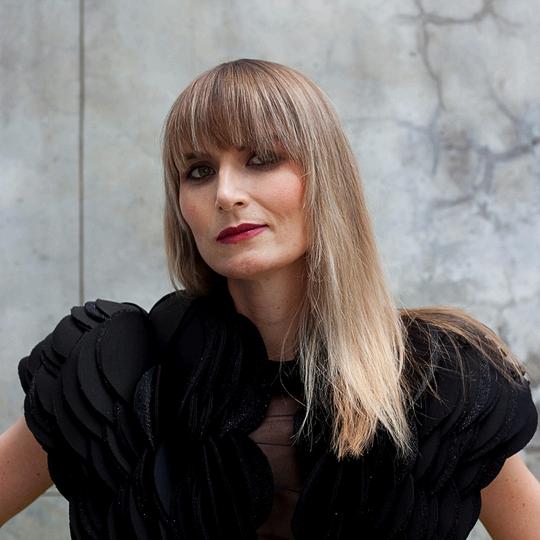
African Plurality. Global Talent. Shared Futures.
It has been an honour and a privilege to convene leading African and African-diaspora voices: deeply invested, generous in spirit, and magnanimous in their coming together. In doing so, they have gifted the world their energy, footprints, dreams, and visions for tomorrow, visions rooted in the soil of the continent and in the knowledge that centuries of toil, civilizational depth, and freedom movements were never without purpose What emerges here is a future centred in Africa, powered by its diverse consumers and citizens, and sustained by enduring wisdom, vast natural wealth, and the inheritance of generations.
What began in Sankofa Square in Toronto as a storytelling circle launch has already travelled far and will continue to grow with the evolving dreams of our people wherever they may be This is the work of Generation1.ca: rooted in lived histories, shaped by global futures, and led with care, conviction, and a long view of what is possible.
IIf you wish to help shape our next edition and advance the stories of diaspora immigrants while supporting programming and initiatives like these throughout the year, I would be delighted to hear from you at Arundati@generation1.ca. Through partners such as the Pan African Chamber of Commerce and Sankofa University, we are expanding meaningful connections between diaspora communities and the homeland continent, strengthening the knowledge, relationships, and shared ambitions that make this work endure The generosity of industry sponsors and true advocates for this mission is vital Your support deepens knowledge exchange, elevates storytelling, and strengthens talent pipelines for a globally connected community of first-generation movers and arrivers. This is culturally significant work with far-reaching impact. I hope to see you at a Generation1 ca event or program soon

2026 Generation1.ca Events
Join Us!
AI and Data Privacy Day
Feb 19 · 3pm - 5pm EST · Toronto · In Person
Register now!
Bringing our data privacy webinar to an in-person format with leaders exploring the global state of AI and data protection, and what digital literacy means for trust, governance, opportunity. A prime stage for partners focused on tech, data, and future-ready skills.
Future Ready Innovators Open Access Credential Launch
April (TBD) · Academic Campus · Toronto · In Person
This open-access credential is built from multi-year industry research revealing widespread skills gaps in the insights and data economy. Partners gain visibility in shaping top analysts, researchers, strategists, and global talent.
Virtual Spring 2026 Career Fair and Case Competition
April 24 · 10am - 5pm EST · Online
Register now!
A proven recruitment ecosystem connecting employers with thousands of immigrant talent profiles Ideal for organizations looking to build early pipelines into data, AI, tech, diverse roles.
Tastes of Tomorrow – A Festival of Global Identities – Sweet, Savoury or Spicy?
August 7, Friday · Sankofa Square, Toronto · In Person
A foresight-powered multicultural food festival blending research, culture, booths, and networking. A flagship event for brands seeking authentic access to multicultural consumers and diaspora communities. Register now!
Fall 2026 Quantum Careers Fair and Case Competition
September 25 · 10am - 5pm EST · Online
A forward-looking theme on Quantum Careers and the future of work. Perfect for organizations investing in deep tech, STEM pathways, and future mapping.
Public Sector Future Ready Governance Summit
November (TBD) · Ottawa · In Person
This open-access credential is built from multi-year industry research revealing widespread skills gaps in the insights and data economy. Partners gain visibility in shaping top analysts, nation builders, policymakers, strategists, and global talent.
Rocket Science Mixers: Immigrant Heroes Party
Early December · Toronto · In Person
A celebration of our mission and collective achievements across our ecosystem of partners and long-term relationships an un-holiday end-ofyear rebellion against every barrier that limits immigrant advancement and succcess.
Meet our CEO at Other Events
CIPHER 2026
Washington DC, February 25 – 27
ESOMAR LATAM 2026
Rio de Janeiro, Brazil, March 22 - 24
CDAO Canada 2026 by Corinium Intelligence
Toronto, March 25 - 26
IIeX North America
Washington DC, April 29 - 30
QRCA Canada
Montreal, May 1
IAPP CPS
Toronto, May 4 - 5
AAPOR 81st Conference
LA, May 13 - 15
Africa US Tech Summit
Atlanta, Georgia, USA (TBD)
PIE North America
Ottawa, November 22 - 25
References and further reading
References and further reading
Thank You Storytellers!
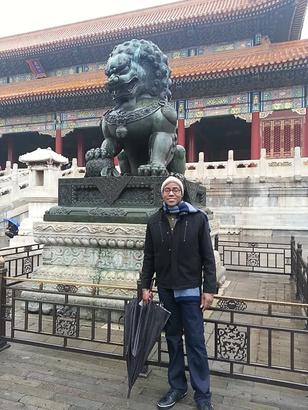

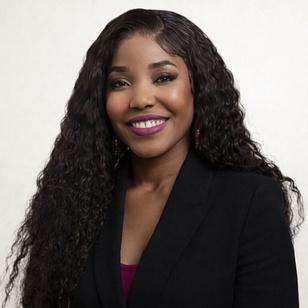


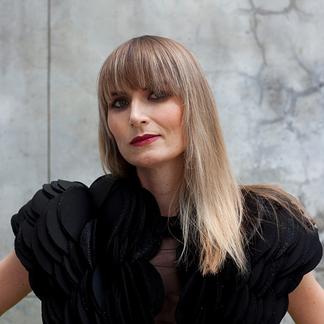
Arundati Dandapani Founder and CEO, Generation1.ca (X) @itadnura I (E) arundati@generation1.ca I (W) www.generation1.ca Follow: Contact: instagram.com/generation1.ca/ youtube.com/@Generation1.CA./ linkedin.com/company/generation1-ca/











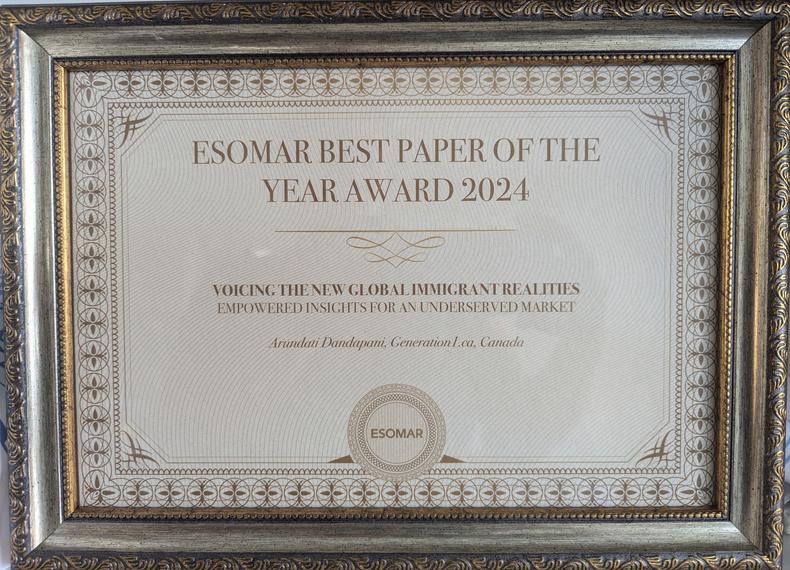
Tastes of Tomorrow
A Festival of Global Identities
August 7, 11am - 5pm
Sankofa Square, Toronto
A foresight-powered multicultural food festival blending research, culture, booths, and networking. A flagship event for brands seeking authentic access to multicultural consumers and diaspora communities.
Live Chef Demonstrations
Entrepreneur & Marketplace Booths
Keynotes & Industry Conversations
Research & Insights Spotlight
Jury Panel & Competition
Cultural Performances & Networking
Want to sponsor?
Email arundati@generation1.ca
Tastes of Tomorrow