$5,538,331 Total endowment value: $111,410,849 Active individual endowments: 221
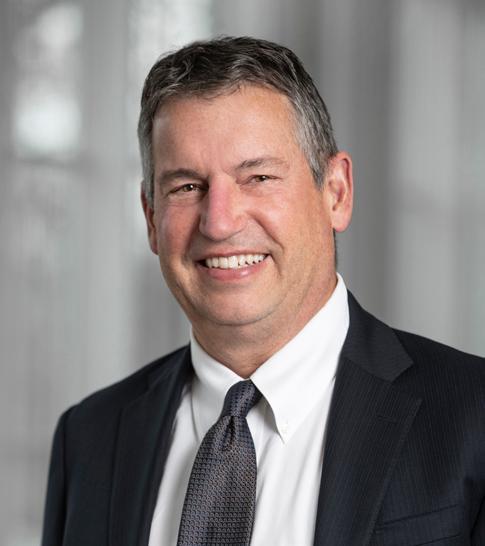
Message from Terry Gilliland,
MD, President and CEO
I’d like to thank our donors for your continued support of Geisinger. Your generosity makes a meaningful difference across every corner of our organization, helping us advance our mission and better serve the communities that count on us.
This report highlights the many ways your philanthropy is transforming care and lives. From the Henry Cancer Center campaign to sustaining critical services such as Life Flight® that provide lifesaving care when it matters most, your support is driving real impact. You are also investing in the future of healthcare through School of Nursing scholarships that are enabling the next generation of caregivers, and programs like REACH-HEI and AIM-HI that engage youth to learn more about careers in healthcare. Through Henry Hood Award-funded research, you are helping fuel innovation that will shape the future of health. We also celebrate the collective impact of our fundraising events, which bring together a group of people united by a shared commitment to taking care of our community. As a nonprofit health system, Geisinger depends on partnerships like yours to meet today’s challenges and deliver on our purpose — to bring the best healthcare possible to our communities
With thanks,
Terry Gilliland, MD President and CEO Geisinger
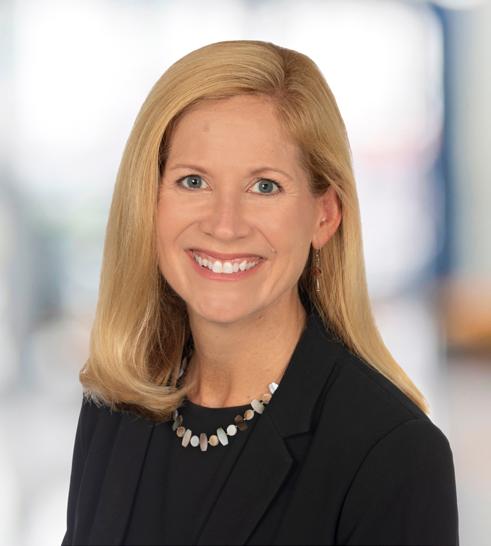
Message from Nancy Lawton-Kluck,
Chief Philanthropy Officer
When I look back on 2025, I feel tremendous gratitude for every donor who has supported Geisinger Health Foundation, and by extension, Geisinger’s patients, learners and communities.
Generosity from donors like you has helped create life-saving innovations and pioneering research initiatives. It has advanced and expanded care services and educational platforms that are set to usher in the next generation of caregivers. Your support fuels our mission every day to care for patients with kindness and quality.
To put it simply, we couldn’t do it without you. Every gift, regardless of the amount. moves our employees, students, patients and communities forward toward healthier lives. And every gift underlines the trust you place in Geisinger.
On behalf of everyone at Geisinger, thank you again. Your partnership strengthens our work every day, and we are deeply grateful for your support.
Sincerely,
Nancy Lawton-Kluck Chief Philanthropy Officer Geisinger Health Foundation
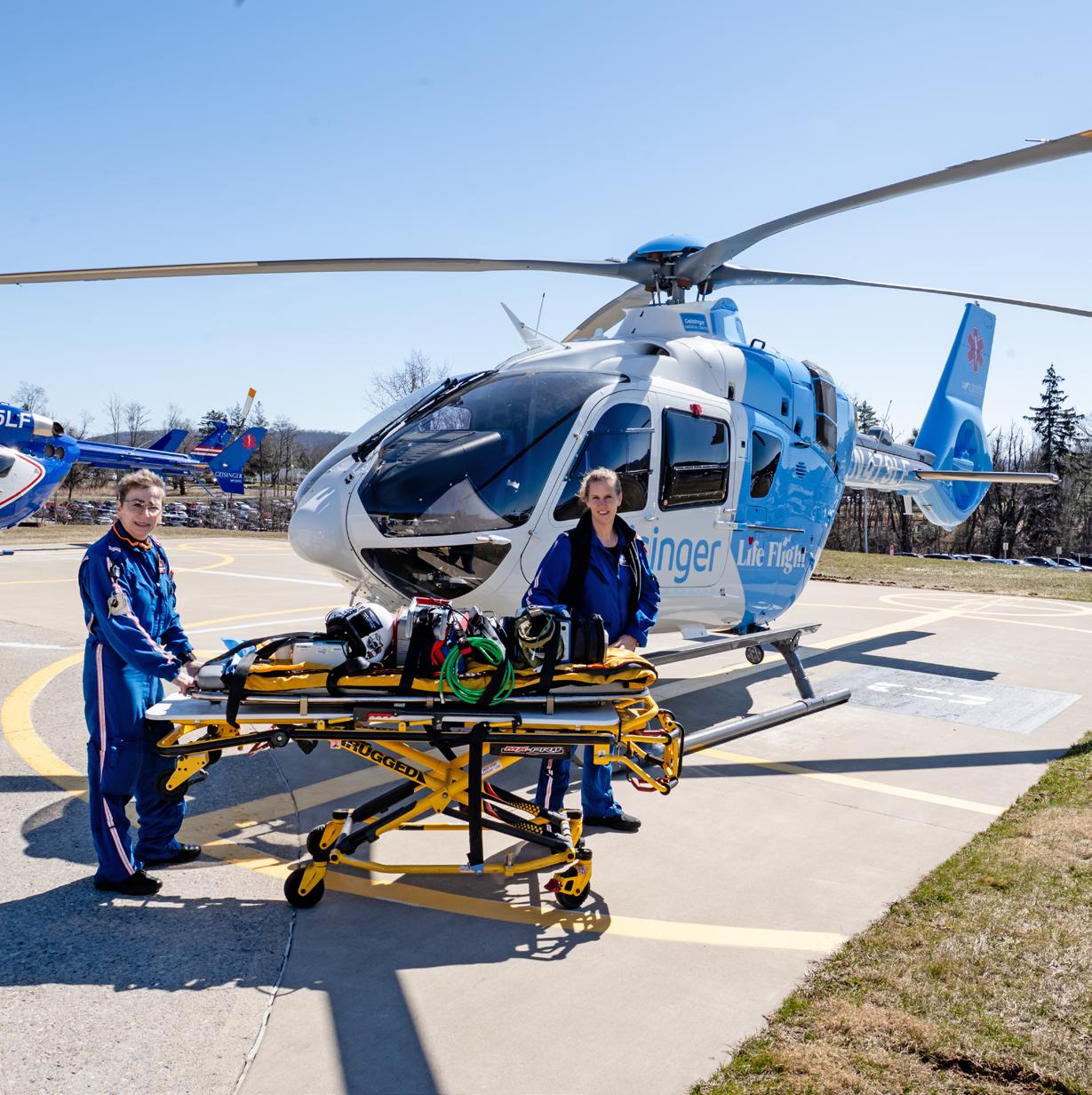
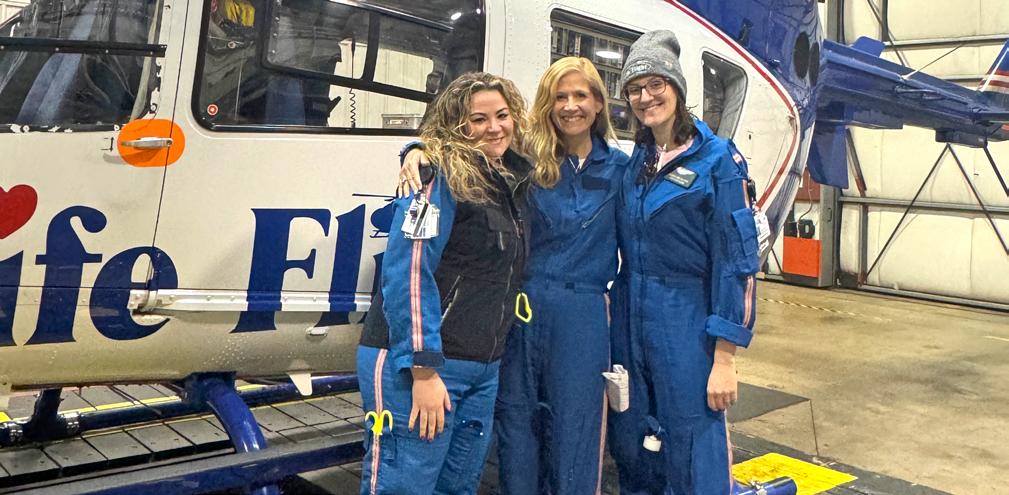
Ms. Lawton-Kluck did a “ride-along” with critical care flight paramedic Ashley Hill (left) and flight registered nurse Sarah Berry (right) to see firsthand how philanthropy is in our communities, helping to save lives.
When seconds count
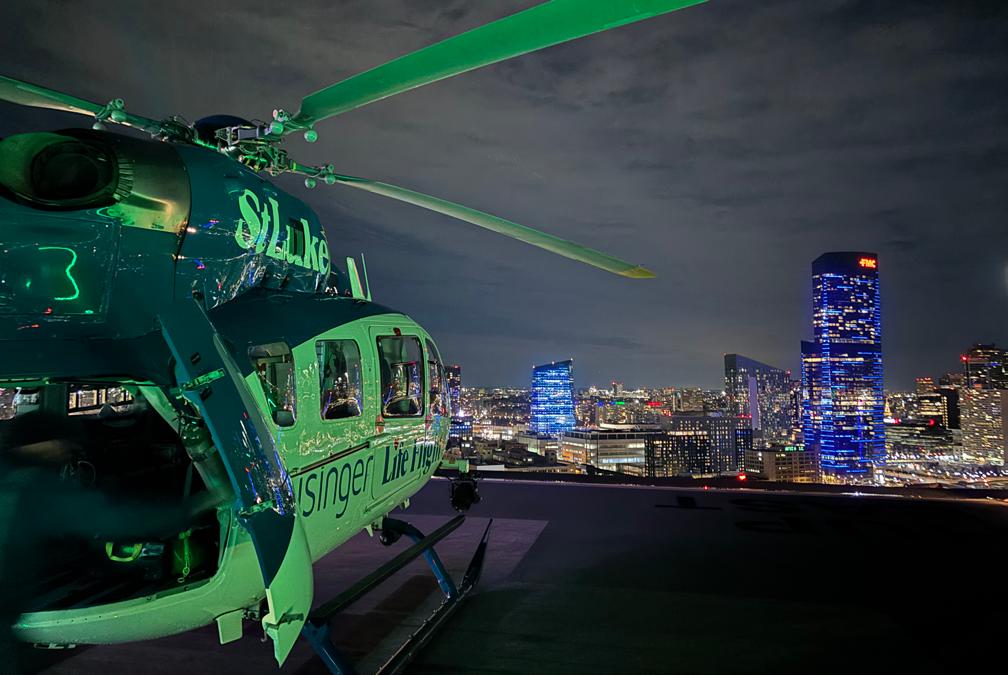
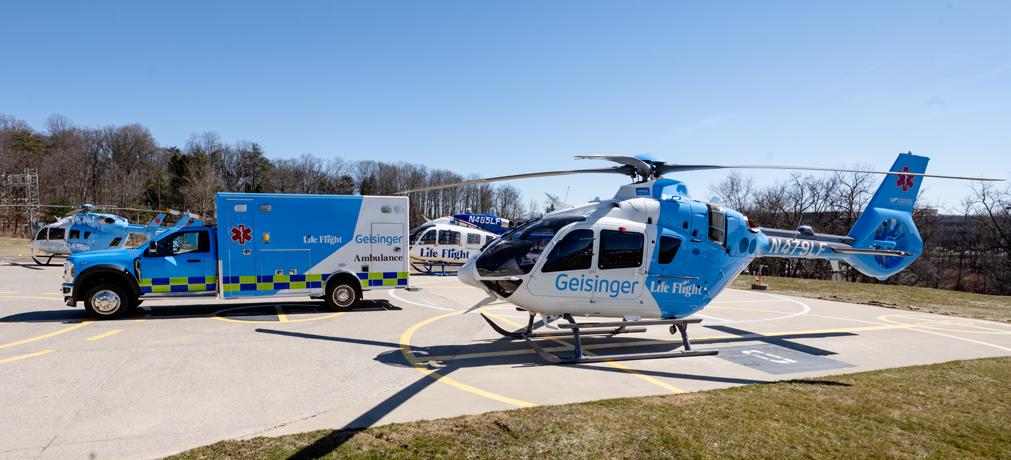
Seeing Geisinger Life Flight® in the sky or hearing the helicopter’s blades on its way to an emergency is not uncommon for the people of northeastern and central Pennsylvania. Each time they see Life Flight, though, they may not realize just how much goes into such emergency care when seconds count, or how much of that care is supported by philanthropic contributions.
For 40 years, Life Flight has carried vital care across the skies and roads of nearly 40 counties. As the regional leader in medical air transportation, Life Flight provides air and ground critical care services for 911 emergencies and interhospital transfers, completing more than 4,400 transports each year.
In 2025, the program surpassed 92,000 lifetime emergency air transports — 92,000 moments with lives hanging in the balance.
“Life Flight helicopters are more than aircraft,” noted Bryan Shepard, Life Flight clinical operations director. “They are flying ICUs, emergency rooms and, at times, operating rooms.”
The dual-engine Eurocopter carries nearly everything needed for emergency care in the most critical circumstances, with at least 10 professionals contributing to every flight. On a typical assignment, a pilot, flight paramedic and flight nurse can move from call to liftoff in under 10 minutes. Behind them stands an entire team: communication specialists and dispatchers coordinating logistics, mechanics maintaining the fleet, and clinical leaders guaranteeing the team is ready to go when the patient arrives on the helipad.
This level of care and coordination does not happen by accident. It is sustained by philanthropy.
“ ”
Life Flight helicopters are more than aircraft, they are flying ICUs, emergency rooms and, at times, operating rooms.
Bryan Shepard Life Flight Clinical Operations Director
Charitable contributions power the unseen work that makes these missions possible. They fund in-house mechanic training so that every aircraft is maintained to the highest standard.
“After 800 flight hours, each helicopter is dismantled down to its frame, closely inspected and rebuilt, a very detailed process that ensures absolute safety,” Mr. Shepard explained.
Philanthropic support also provides sophisticated tracking software to monitor every minute each aircraft and vehicle is in use, along with advanced tools and clinical software that enhance patient care in the air and on the ground.
In addition to the helicopters and ground vehicles themselves, community support aids equipment purchases, including specialized flight helmets, night vision goggles that clip onto those helmets, and other essential safety equipment that allows them to land in darkness and administer expert life-saving care.
Mass safety briefings that teach fire companies and first responders key protocols, like how to establish secure landing zones for Life Flight, are also funded through philanthropy.
Thanks to donor dollars, Geisinger continues to invest in its people to keep their skills sharp and knowledge current. The Life Flight Education Fund makes sure paramedics, flight nurses and pilots continue advancing their credentials and training.
“Flight paramedics and nurses bring years of schooling and in-field experience,” said Mr. Shepard. “Pilots log more than 2,000 hours before ever sitting in the helicopter.”
Philanthropy strengthens the entire system of care. Critical updates were needed for the Life Flight hangar in Avoca, even before a storm flooded the facility and tore off its roof. Thanks in part to donor generosity, the new and improved hangar opened a month later, providing 24/7 critical ground and air coverage for the region.
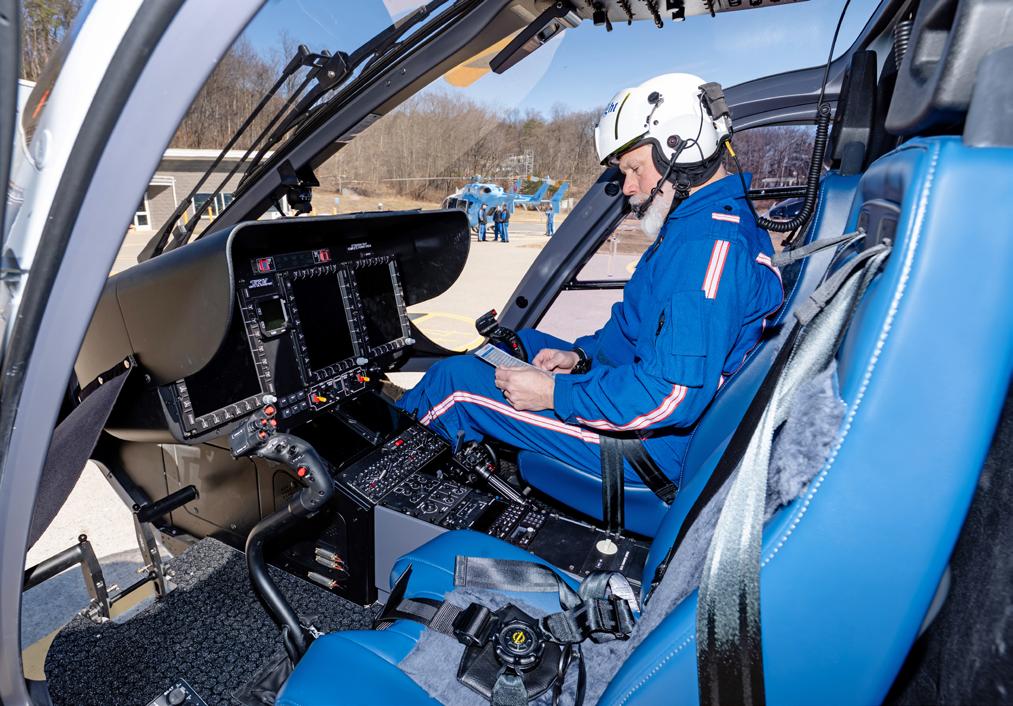
Assistant chief pilot Christopher Royles checks over internal controls.
The true impact of Life Flight support
Philanthropy’s impact on Life Flight helps power care like that received by 8-year-old Caleb. He was experiencing his first Pennsylvania winter. Snow and sledding were new adventures for Caleb’s family, who had recently moved from Arizona. When Caleb didn’t return home, his family found his sled at the edge of a frozen pond, with footprints leading to an open patch of water.
Before Caleb was even pulled from the pond, emergency crews called for air medical transport. They understood what was at stake.
“His core temperature was only 45°F, the lowest recorded temperature from which a human has ever been revived,” said flight nurse Faith Worthington, RN.
For nearly two and a half hours, Caleb had no circulation. CPR continued for 69 of those minutes during transport. The Life Flight crew knew the closest local hospital did not have the capability to treat a pediatric patient in that condition. “We coordinated directly with specialists at Geisinger Danville and essentially flew him straight to the operating room,” Ms. Worthington said.
Surgical teams initiated extracorporeal membrane oxygenation, or ECMO, a sophisticated lifesupport system that temporarily takes over heart and lung function for critically ill patients. ECMO restored circulation and his temperature rose.
At 71°F, faint electrical motion appeared on Caleb’s monitor. At 82°F, a heart rhythm began to form. At 95.9°F, his heartbeat returned to
regular rhythm. From flatline to life. From no brain activity to opening his eyes and responding to his mother’s voice.
It’s a story that Worthington has thought about every day in the year since it happened. “I’ll never forget that moment. A mother’s voice — pulling her son back to the world.”
When it was determined that Caleb needed more advanced therapies, transportation to a higherlevel children’s hospital wasn’t available. Life Flight created a solution that had never been tried before. A Geisinger helicopter crew partnered side by side with a pediatric ECMO team from the receiving hospital, forming a unified transport unit.
Caleb spent 6 months in rehabilitation. He is now back at school, speaking and relearning skills step by step. His progress is deliberate and remarkable.
Caleb’s story illustrates what philanthropy makes possible. Donors do not simply fund equipment. They help our teams prepare to save lives and create innovative solutions when every second matters.
As Ms. Worthington has said, “When lives hang in the balance, hope and action must meet.”
Geisinger Life Flight has been that meeting point for 40 years, growing and innovating, thanks to the generosity of our donors.
First Community Foundation Partnership of Pennsylvania grants funds to Geisinger
The First Community Foundation Partnership of Pennsylvania supplied more than $100,000 to programs helping Geisinger patients. Last year, Life Flight® received a grant from the Eyer Bandhu Life Flight Fund, and Geisinger at Home received funding from the Ralph and Josephine Smith Fund and the Helen Claire Brinkman Fund. Lastly, The David and Lyne Maneval Family Fund contributed to Geisinger’s areas of greatest need.
Geisinger School of Nursing scholarships allow dreams to come true
Scholarships play a vital role in shaping the future of students at Geisinger School of Nursing, providing both financial relief and meaningful encouragement for those navigating demanding academic and personal challenges.
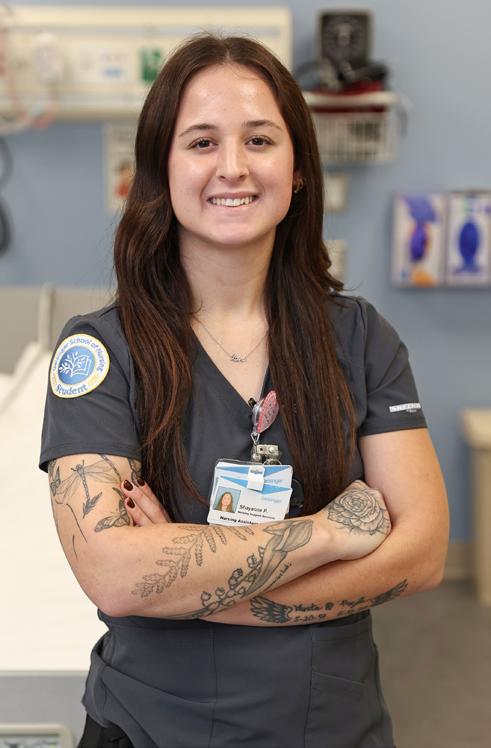
Thanks to donor support, 6 scholarships totaling nearly $50,000 were awarded to 10 students during the 2025-2026 academic year. For students like Shayanne Pyle of Port Royal, scholarship support makes it possible to stay focused on learning, patient care and professional growth.
From supporting herself as a teenager to balancing full-time cosmetology training, work and leadership roles in Future Farmers of America, Ms. Pyle developed a strong sense of responsibility, perseverance and compassion. She brings these qualities to her studies and clinical education at the bedside.
“My proudest achievement is how far I’ve come in life despite the challenges I’ve faced at a young age,” she shared. “My experiences have helped me truly connect with my patients. It means so much when they tell me I’m going to make a wonderful nurse.”
Beyond easing financial burdens, scholarships offer recognition and hope. After losing her brother at a young age, Ms. Pyle said there was a time when “it felt like all the good in life had been taken away.” Being recognized for her hard work has renewed her motivation.
At Geisinger School of Nursing, scholarships are more than an investment in education. They are an investment in resilient, compassionate nurses who will care for others during life’s most difficult moments. Shayanne Pyle has been there, and she’s getting ready to be there for patients, thanks to scholarship support.
This scholarship represents more than financial support, It’s motivation. It reminds me of how far I’ve come, how much I’ve overcome, and how much more I can accomplish.
Shayanne Pyle Geisinger School of Nursing
Henry Cancer Center campaign helps expand access to quality care, improve patient and staff well-being
When Geisinger announced the $80 million expansion and renovation of The Frank M. and Dorothea Henry Cancer Center at Geisinger Wyoming Valley Medical Center, the goal was to bring world-class cancer care closer to home in northeastern Pennsylvania.
“At the time, 30% of patients with a cancer diagnosis were leaving our community for care,” said Dan Landesberg, associate vice president, Clinical Operations, Northeast Region at Geisinger. “While working at a major cancer center in New York City, we had patients from this area who would come in every other week for doctor visits or chemotherapy. Think about that burden, with travel time, traffic, parking and the stress of the experience. We wanted to create something that would keep patients here at home.”
To support the expansion and renovation project, the Geisinger Health Foundation launched the Henry Cancer Center Campaign, chaired by Marjorie Marquart, daughter of the late Frank and Dorothea Henry, whose generosity made it possible to open the center in 1992.
Ms. Marquart has always been a strong advocate for the Henry Cancer Center while honoring the legacy of her parents, but her connection grew deeper when her daughter, Olivia, received cancer treatment at the center.
“We were confident that Olivia received treatment that was just as good as the top cancer centers in New York and Philadelphia,” Ms. Marquart said. “I wanted the people of Wyoming Valley to continue to have access to such a wonderful cancer center so they wouldn’t have to travel for treatment.”
Olivia was diagnosed with synovial sarcoma in 2013. Sadly, she passed away in 2019 at the age of 28. Throughout Olivia’s journey, Ms. Marquart was deeply moved by the dedication and commitment of the Geisinger team and wanted to find a way to give back to them.
“They were just the kindest people, always willing to do anything to help you,” she said. “But the work they do is highly stressful and emotional. As Olivia’s condition got worse, I knew it had to feel awful for the nurses and techs who got close to her. I felt strongly that they should have a quiet place to just breathe and relax.”
Charitable giving helped fund a new respite room where Geisinger staff could relax in a peaceful, calming environment. Tucked away in a private area, this space offers comfortable recliners, calming décor and artwork, plenty of natural light and beautiful views of nature.
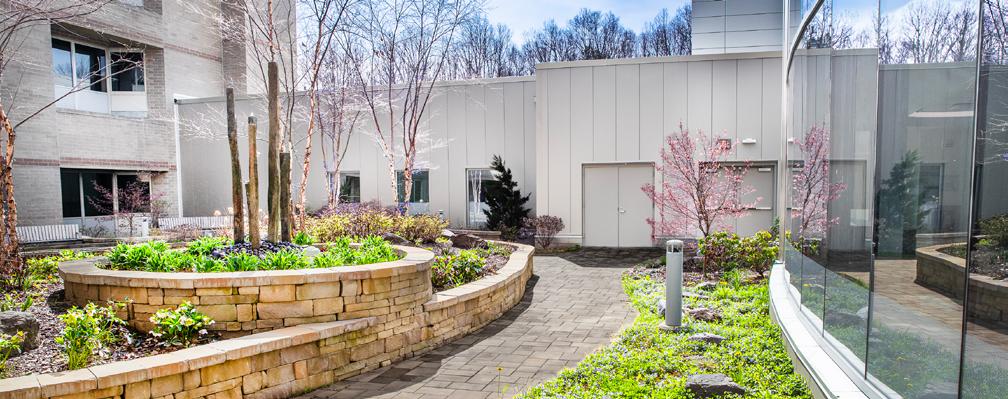
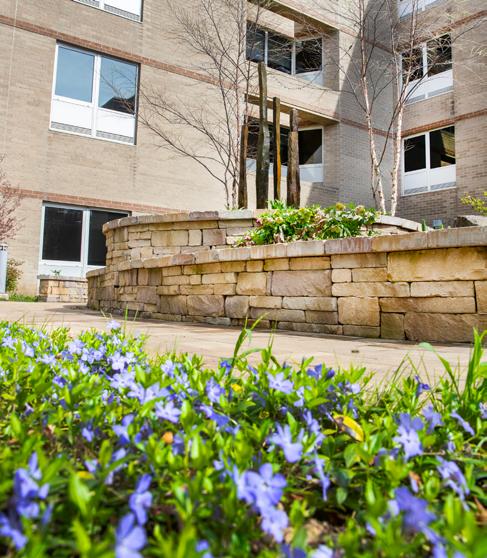
The Henry Cancer Center Campaign also supported the expansion of the center’s healing garden, which provides a tranquil outdoor space for patients, families and staff. The healing garden now features a 1.5-mile wellness trail surrounded by the area’s natural beauty.
“We wanted our infusion center to embrace the family experience,” Mr. Landesberg said. “The cancer journey is stressful, and there can be downtime between seeing a provider, getting lab work and having treatment administered. The healing garden can be enjoyed visually through large picture windows in the infusion center and
experientially while walking the wellness trail or relaxing outside on the garden’s benches.”
The campaign officially ended in May 2025 and was marked with celebration at the Beaumont Inn in Dallas.
Thanks to the expansion and renovation of the Henry Cancer Center, more patients have access to high-quality cancer care. The number of unique patients treated at the center increased 28 percent from 12,511 in 2021 to 16,032 in 2025.
Philanthropic support has enabled Geisinger to offer:
• Healthy nourishment and support through the Metz Wellness Café
• Genomic testing as part of routine cancer care through the Genomics and Population Health Screening Program
• Improved access to care in a more comfortable setting thanks to a larger infusion center, additional space for oncology services and the growing bone marrow transplant program
• CyberKnife®, a noninvasive, highly precise radiation treatment
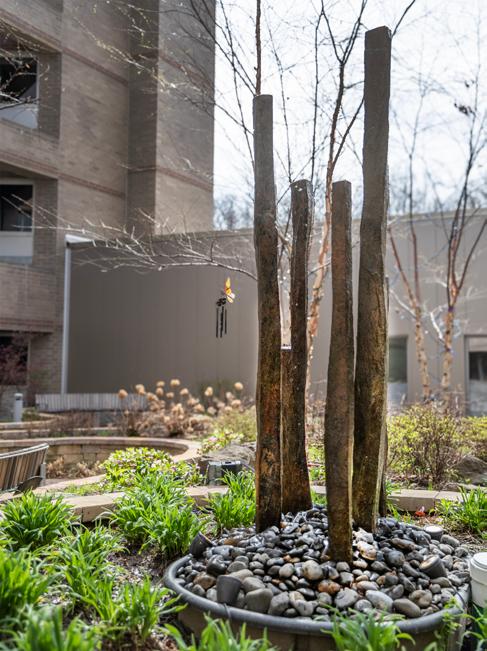
Healing Garden at Geisinger Wyoming Valley Medical Center
“When I go to hospitals in Virginia, Washington, D.C., and Boston and talk about Geisinger, they know about the excellent facility we have and the top-notch care Geisinger provides,” Ms. Marquart said. “It’s very rewarding to see people who had close connections to my family come together to support the center. It’s just that sense of community that was important to my parents.”
Looking Forward
Much has been accomplished during the Henry Cancer Center campaign, but there is more work to be done. The Center’s leadership team has a bold vision to launch new initiatives and expand existing programs that will enhance cancer care across the region.
Radiation Oncology is expanding the use of complex brachytherapy, which enables patients with advanced gynecologic cancers to receive quality care close to home. They are also
Friends and family of the Henrys were also instrumental in the success of the Henry Cancer Center Campaign. Here is an excerpt from a letter by Harold “Hal” and Jean Flack.
When I was 21 years old, we lost my father to esophageal cancer. He was 51. He was a wonderful father, and I miss him every day. Frank Henry stepped into that role and always treated me like a member of their family. As I grew older, our family’s relationship with Frank and Dottie blossomed into a beautiful friendship. They taught us about philanthropy and showed us through their good work how important it is to give back to this wonderful community.
In the Flack family, we also lost my brother Rusty and my wonderful sister Janet to cancer — all way too young. My wife Jean and I were honored and blessed to be able to make a commitment through the Hal & Jean Flack Family Fund.
While we wish that they could be here today, we can take comfort in knowing that Frank and Dottie smile down upon all who have worked so hard to bring this to fruition — members of the Geisinger family who keep it running efficiently, those who have dedicated their lives to serving others afflicted with this awful disease, and especially the patients and their families who the Frank M. and Dorothea Henry Cancer Center serves.
Healing Garden at Geisinger Wyoming Valley Medical Center
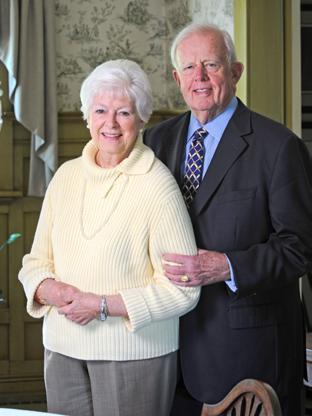
Dottie and Frank Henry
expanding the use of surface-guided radiotherapy, which eliminates the need for permanent tattoos or marks on the skin for positioning during radiation treatment.
A hematology-oncology fellowship program will also be launched to support the transformation of the cancer department into an academic teaching unit. This initiative will help bring new physicians, faculty, and therapies to the region, improve the efficiency of the clinic, and deliver better patient experiences. The program is expected to grow to 9 fellows over 3 years.
The future of the Henry Cancer Center is bright. Charitable giving will continue to play a large role in making this bold vision a reality. Geisinger and its patients are grateful for your generous contributions that enhance patient care and give hope to families across the region.
Medical interpreter/translator Emely Bonilla-Diaz takes advantage of the quiet space of the respite room.
Millville Insurance provides chemo shirts to ‘soften the blow’
Cancer can take your life in a completely different direction. Just ask Eric Raski, president of Millville Insurance, whose wife Jamie was diagnosed with breast cancer in early 2025.
“A cancer diagnosis in your family changes your life profoundly,” Mr. Raski said. “All of a sudden, you have no choice but to go where this diagnosis takes you. But all the normal things in life still go on. You still have a job. The kids still need to get to practice. You try to learn about everything as fast as you can and make the right decisions, but you have no choice but to go where this diagnosis takes you.”
Mr. Raski recalls his wife’s first treatment at Geisinger Knapper Clinic. She was handed a pink box from the Selinsgrove Area High School Lady Seals soccer team. The box was filled with small things that make treatment a little easier, like a special kind of lip balm. The Raskis experienced how a simple act of kindness can make the journey less stressful, even for a short time.
“It meant a lot to us,” he said. “We were celebrating our 150th anniversary at Millville Insurance, and I started thinking about how we could use that milestone to support others in a similar situation. We don’t have the resources to make massive contributions to cancer research. But I knew there
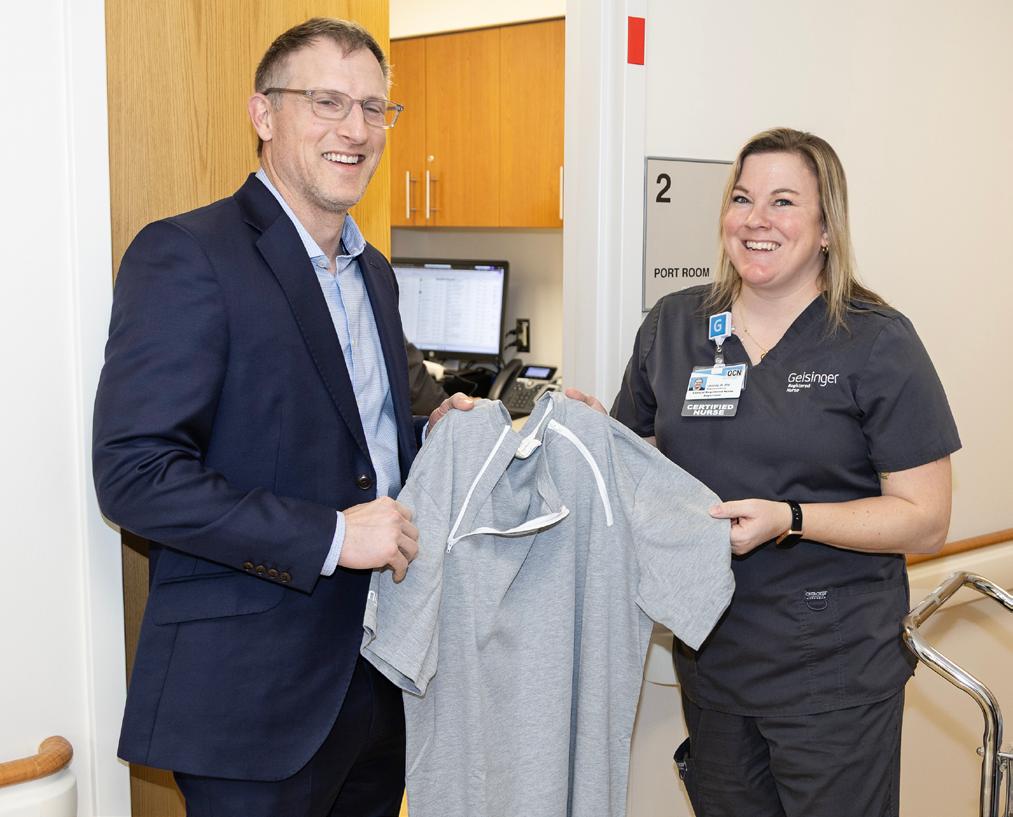
Eric Raski (left) inspects chemo shirts his company, Millville Mutual, raised funds to purchase, along with Jennie Reinard, hematology/oncology registered nurse supervisor at Knapper Clinic.
had to be a way for us to help soften the blow of a cancer diagnosis for people in our community.”
Cancer patients have ports implanted under the skin to allow for ongoing treatment. Friends of Mrs. Raski’s gifted her a special “chemo shirt” with zippers for accessing the port without lifting their shirt, disrobing or wearing a gown.
While at Knapper Clinic, “I spoke with a couple nurses who said they like chemo shirts because it makes it easier to administer care,” Mr. Raski said. “Providing patients with a chemo shirt is a simple way to show a little compassion to people when their world sort of gets flipped on its head.”
Mr. Raski approached the company’s board with the idea of connecting the company’s 150th anniversary with a fundraiser for chemo shirts. They set a $10,000 fundraising goal, which would cover the cost of about 500 shirts.
To raise support, staff distributed materials through its network of more than 300 independent insurance agents and hosted a “Business After Hours” event in partnership with the Columbia
Montour Chamber of Commerce in September.
Over about 2 months, the fundraiser surpassed its goal by more than 20%, reaching $12,300. The Millville Insurance board agreed to match 100% of those dollars and establish the Millville Insurance Chemo Shirt Fund. This will allow the Geisinger Health Foundation to continue driving participation.
The overwhelming success of this fundraiser by Millville Insurance shows how practical solutions funded by philanthropic support can make an enormous impact for people facing such difficult circumstances.
“One-hundred-fifty years ago, a group of local citizens decided to pool their resources just in case something bad happened to someone in their community,” Mr. Raski said. “That group turned into Millville Insurance. Being there for people when bad things happen is still the purpose of our business. We’re grateful for the generosity of those who supported this fundraiser. They’ve made a difference you can see every day at Knapper Clinic.”
Providing patients with a chemo shirt is a simple way to show a little compassion to people when their world sort of gets flipped on its head.
Eric Raski Millville
Insurance, President
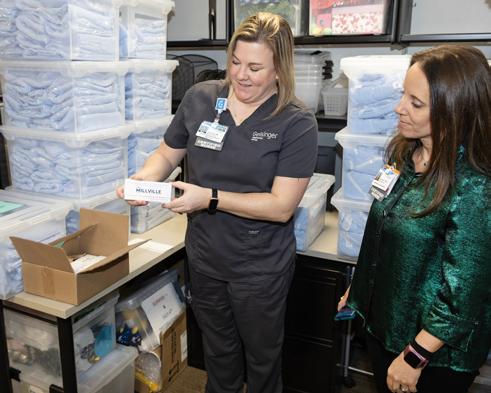
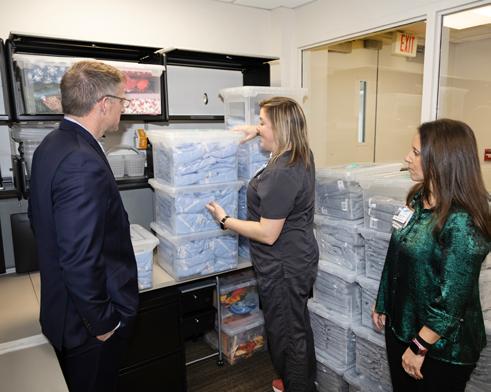
Jennie Reinard (left) and Mandie Hall, manager of clinical quality for hematology/oncology, inventory the chemo shirts provided by Millville Mutual and their customers.
REACH-HEI Pathway programs bridge healthcare provider gap
There is a serious shortage of doctors, nurses and caregivers across Pennsylvania, especially in rural areas. A state government website indicates there’s only 1 primary care physician for every 522 residents in rural counties, compared to 1 for every 222 residents in urban areas.
In 2026, the state projects a shortfall of:
4,820 doctors, with more than 1/3 of doctors approaching retirement age
More than 20,000 nurses, the largest gap in the country
More than 6,300 behavioral health professionals
More than 112,000 caregiver shifts, which go unfilled each month, affecting more than 400,000 residents
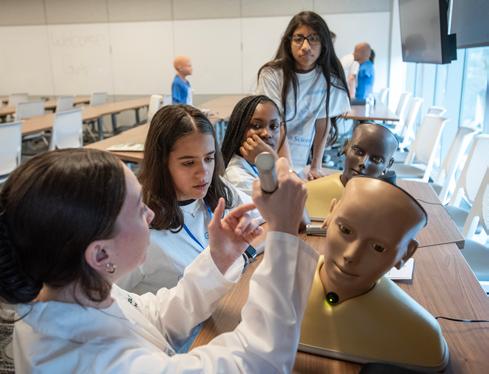
Geisinger launched Regional Education Academy for Careers in Health – Higher Education Initiative (REACH-HEI) Pathway programs to address this gap. REACH-HEI inspires and equips middle school, high school and undergraduate students in northeastern and central Pennsylvania to pursue careers in healthcare, offering hands-on learning through classes, externships, mentoring and research opportunities.
To date, more than 5,100 students have participated, with 100% graduating from high school and 98% reporting a significant impact.
The success of Pathway programs is fully dependent on philanthropic support and has been funded primarily through the Education Improvement Tax Credit (EITC) program. The EITC enables businesses to receive tax credits for up to 90% of their contributions to approved educational and scholarship organizations.
PPL Electric, The Dime Bank and Commonwealth Charitable Management have made generous donations through the EITC program from the Pennsylvania Department of Community and Economic Development. Leaders at The Dime Bank see giving back to the community in this way as a win-win.
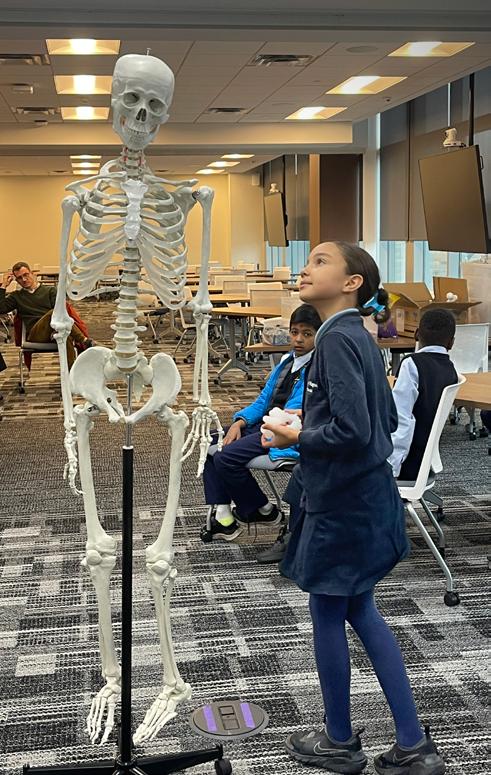
Students from NativityMiguel Scranton during a Pathway program day.
“Supporting Geisinger’s REACH HEI program through the EITC initiative made perfect sense for us,” said Jeffrey J. Roche, SVP and chief financial officer at The Dime Bank. “EITC offers significant tax advantages, allowing us to direct corporate dollars in a way that is both financially responsible and socially beneficial. But the real return on this investment is knowing that we are helping expand educational access. While multiple Geisinger programs are eligible for the EITC, Pathway programs like REACHHEI have been popular choices for EITC donors. We’re extremely grateful for the generosity of our donors and the impact on local students and in closing the healthcare provider gap.
From struggling high school student to a career in healthcare: Chinga comes full circle
As Poul Chinga puts it, he wasn’t exactly an “academically inclined” student. He hung out with the wrong crowd. As a high school freshman, he was already starting down a dark path.
One of Mr. Chinga’s friends wanted to pursue a career in healthcare. One day, she pointed him in a different direction, literally pulling him by the shirt to sign up for REACH-HEI. His vision for the future, and what he must do to achieve that vision, changed almost instantly.
“It completely changed my life,” Mr. Chinga said. “It made me realize that maybe my dreams aren’t so far-fetched, and this program could give me an opportunity to achieve my goals.”
He cut ties with people who were a bad influence. He and other students who enrolled in REACHHEI visited Geisinger each month. Mr. Chinga gained exposure to different specialties and careers in healthcare, engaged with medical students and learned real-world skills like taking blood pressure and listening to breathing.
Inspired by these experiences, Mr. Chinga earned a Bachelor of Science in Physiology from the University of Scranton and a Master of Biomedical Science from Geisinger School of Medicine.
In a full circle moment, Mr. Chinga — now Poul Chinga, MBS — accepted the role of Pathway Program coordinator at Geisinger. This allows him to work with high school and middle school students to overcome the same challenges he faced as he pursues his doctorate in pediatric neuropsychology.
“That’s the best part,” he said. “One student was confused and didn’t have a mentor, so I took him under my wing. Now, he’s studying physical therapy in college. It might not have been possible without REACH-HEI. It’s gratifying hearing about the impact the program is having and knowing I played a small role in helping students get ahead in life.”
Contributing to REACH-HEI through EITC allows us to support a proven, transformative initiative while also fulfilling our commitment to reinvesting in the communities we serve. It’s truly a win for everyone involved.
Jeffrey J.
Roche,
SVP, CEO The Dime Bank “ ”
NativityMiguel Scranton students explore during a Pathway program day.
Henry Hood Award funds multiple obesity research projects
Geisinger presented the 2024 Henry Hood Award for Clinical and Research Excellence to Christopher Still, DO, founding director of the Center for Obesity and Metabolic Health.
“Obesity continues to have a huge impact on patients’ health and longevity,” said Dr. Still. “In central Pennsylvania, where there is a higher incidence of overweight and obesity, it made perfect sense to start a research institute to study obesity and its comorbid medical problems such as diabetes, fatty liver disease and obstructive sleep apnea.”
Named for the late Geisinger neurosurgeon and CEO Henry Hood, MD, and funded through philanthropic contributions, including an initial gift from Ken and Elaine Langone, the award includes a prize, the award includes a prize of $50,000, which has been used for multiple research projects into obesity.
SWIFT trial
The Surgical Weight-loss to Improve Functional Status Trajectories (SWIFT) trial was developed to evaluate the association of knee function with diabetes. Patients who met the criteria for knee replacement and underwent bariatric, or weight loss, surgery first were compared to those who went directly to knee replacement. Every patient was diagnosed with severe obesity.
“We learned that the functional improvement after bariatric surgery, even without attacking the knee at all, is dramatic,” said Geisinger Senior Clinical Investigator Peter Benotti, MD, a retired weight loss and gastrointestinal surgeon. “The weight loss surgery group demonstrated improvement in diabetes, hypertension and other comorbid conditions, which did not occur in patients who went straight to knee replacement.”
The findings can help joint replacement surgeons make better decisions about whether to offer replacement surgery or to recommend bariatric surgery and follow the patient for an extended period. For younger patients, bariatric surgery
could mean avoiding a second knee replacement surgery when they’re older.
Validation studies of metabolic hyperferritinemia
A portion of the Henry Hood Award will also fund research into metabolic hyperferritinemia (MHF), a condition that occurs when the body has too much iron due to changes in metabolism. MHF can lead to chronic inflammation, liver disease and other health issues.
The initial goal of this project, conducted with Temple University, was to determine if there’s a link between metabolic disease and elevated iron or iron deficiency. Data was gathered from patients enrolled in the bariatric surgery and weight management programs at Temple and Geisinger. Additional grant applications are being prepared to continue this research.
“Iron metabolism and iron disorders are a huge problem in patients who are overweight or obese,” Dr. Still said. “We’ve set out to determine if these conditions improve when the patient loses weight through bariatric surgery. Are there specific proteins that aid the inflammation pathway with regards to weight loss versus patients who don’t improve?”
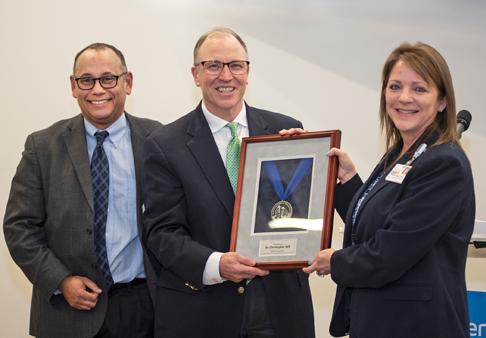
Christopher Still, DO (center) accepts the 2024 Henry Hood Award for Clinical and Research Excellence from Kenric Maynor, MD (left), chair, Geisinger Medicine Institute, and Christa Martin, PhD, chief scientific officer and vice dean of Research at Geisinger.
Shared Decision Making for Weight Loss Project
The Shared Decision Making for Weight Loss Project is designed to collect preliminary data on the decision-making process for obesity treatment.
“Many patients are referred to us with a certain treatment in mind,” Dr. Still said. “We wanted to take a different approach and ask, ‘If all of the treatments were available, what influenced you to choose one over the others?’ It may not be what we think is best for that individual, but we want to see the barriers from a shared decision-making perspective.”
Making sure the patient feels heard and understood — and feels a part of their treatment plan — is paramount.
For example, less than 1% of patients who meet the criteria for bariatric surgery undergo the procedure, often due to misconceptions about safety or its perceived drastic nature. In reality, bariatric surgery has become fairly routine, and patients can typically go home after an overnight stay. Patients are also requesting GLP-1 medication, which can be very effective but is not for everyone. Examining the decision-making process from all perspectives could improve treatment.
Further financial support is needed to continue research on this kind of shared decision making, ensuring the right treatment plan for each patient.
Your support makes deeper research possible
This research would not have been possible without philanthropic support, which allows Geisinger researchers to make the case that their work is worthy of additional funding.
“To receive grants for research, you need preliminary data, and to get preliminary data, you need funding,” Dr. Still said. “We’re very appreciative of donors because we wouldn’t be able to seek larger funding opportunities without their generosity. The Henry Hood Award is having an impact on real patients. It’s just so rewarding to see patients improve their quality of life.”
Geisinger researchers also benefit from being housed in a medical clinic, where there’s a direct link to care — an advantage not available to all researchers. And patients benefit, too.
“I have letters from bariatric surgery patients from 20 years ago who continue to show appreciation for the freedom they enjoy,” said Dr. Benotti. “To be freed from the constraints of carrying 50 to 100 pounds of excess weight is a dramatic life change. We’re grateful to provide that, and donor generosity creates opportunities to do even more.”
The Supporting Health through Advisory and Research Engagement (SHARE) Patient Council is an important part of obesity research at Geisinger. SHARE convenes regularly, with each meeting featuring one to two research presentations and open discussion of upcoming or ongoing projects, often leading to deeper patient partner involvement in projects. Patient partners are involved in decision making during the planning, conduct and dissemination phases of lifestyle-focused prevention science and research, with a primary focus on improving the research experience for the populations each study aims to serve. It was established in 2013 to engage patient partners from Geisinger’s Nutrition and Weight Management programs with discovery, education and care.
For the patient decision-making research project, patient partners contributed by providing feedback on the study surveys and interview guide. They also reviewed the results and provided guidance on framing.
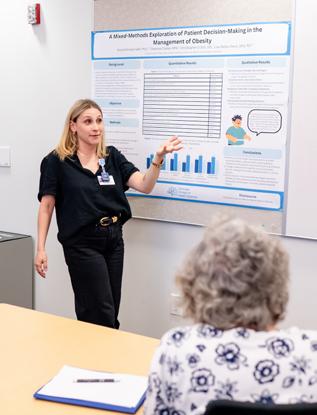
Staff scientist Kirstie Herb Neff (left) shares results with patient council member Bonnie Cromley of Danville.
Foundation Advisory Council
The Geisinger Health Foundation Advisory Council entered its second year with new members and a renewed focus on driving philanthropic contributions and other support to Geisinger’s patients, staff and learners.
In 2025, new subcommittees were formed to guide funding efforts for the Women & Children’s Institute, Heart & Vascular Institute, community outreach and education. The board of dedicated volunteers also hosted events in support of behavioral health programs at Geisinger and were instrumental in raising funds for a critical transport unit in Avoca and a CT scanner in Geisinger’s Tunkhannock clinic, the only CT available for patients in Wyoming County.
As chair of the Foundation Advisory Council, and previous member of the Geisinger Health Board, I see first-hand the important role that Geisinger plays in our communities. This year’s impact reflects the powerful intersection of generosity, community trust, and purposeful action. Together, we are not only advancing care—we are improving lives in meaningful, lasting ways.
Bill Sordoni
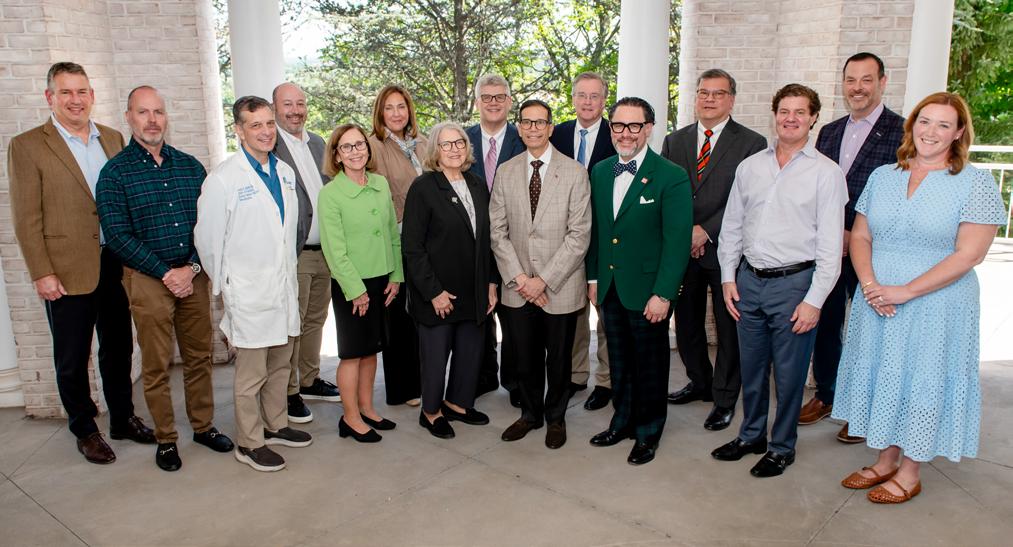
Left to right: Terry Gilliland, MD, John Coates, Frank Maffei, MD, Michael Thomas, Heather Acker, Tara Mugford Wilson, Jeanne Genzlinger, Greg Burke, MD, John Panzitta, Christopher Doherty, George Ruiz, MD, Alfred Casale, MD, Mark DeStefano, Bill Sordoni, Brigitte Henry-Cooper
Special events
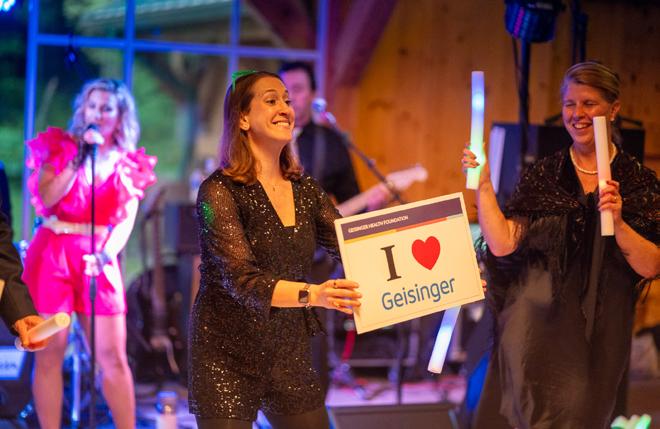
Throughout 2025, the Foundation held special events to celebrate our donors and highlight the programs and services that benefit from generous contributions. These fundraising events also make sure those funds are replenished. More than $815,000 was raised to support our patients, learners, caregivers and communities.
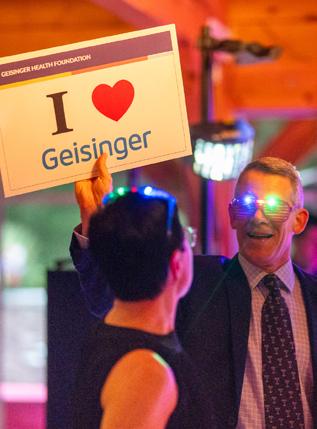
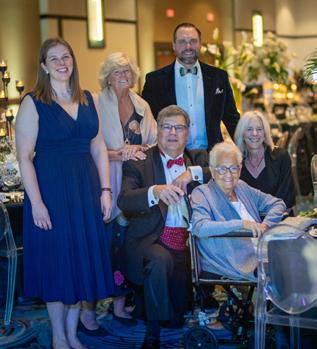
In May, the Frank M. and Dorothea Henry Cancer Center Campaign wrapped up with an 1980s-themed celebration at the Beaumont Inn in Dallas. The 5-year campaign raised more than $5 million for upgrades and expansion.
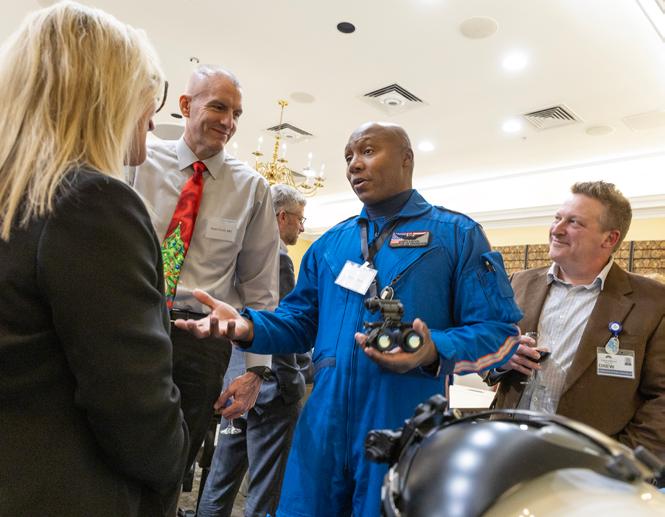
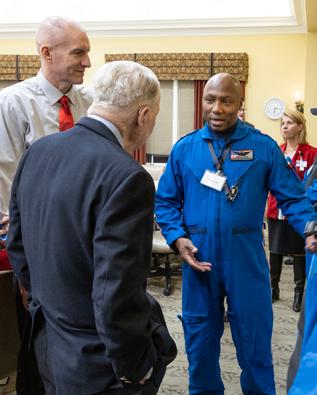
Staff from Life Flight were on hand at the annual 1915 Society Reception in December to share their stories about the impact that philanthropic support has on the life-saving work they do every day.
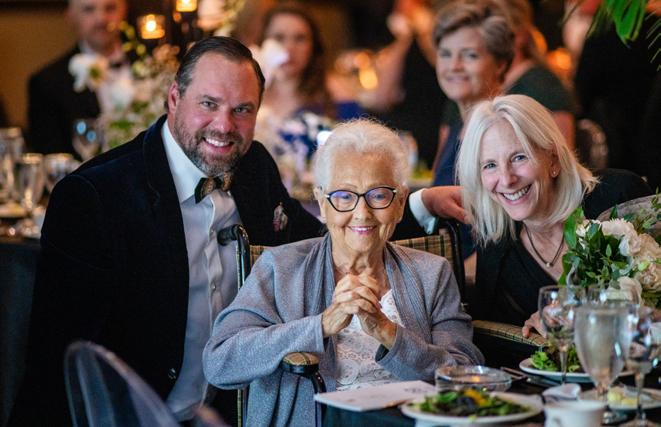
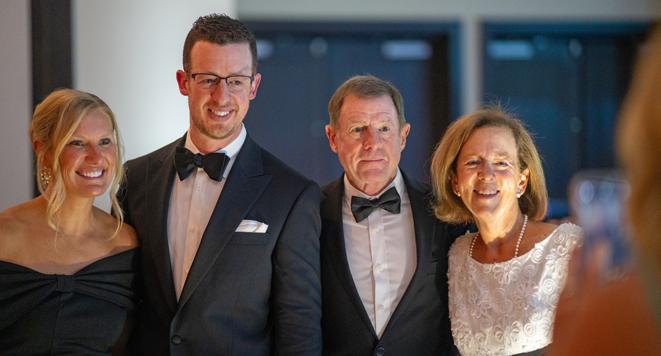
Last year, Geisinger Health Foundation combined its 2 black-tie fundraisers into 1 spectacular September night, raising money for Geisinger Heart & Vascular Institute and scholarships at Geisinger School of Medicine. The Geisinger Gala, held at Mohegan Pennsylvania, honored Marion and the late Richard Pearsall and Matt Mullen, MD ’13.
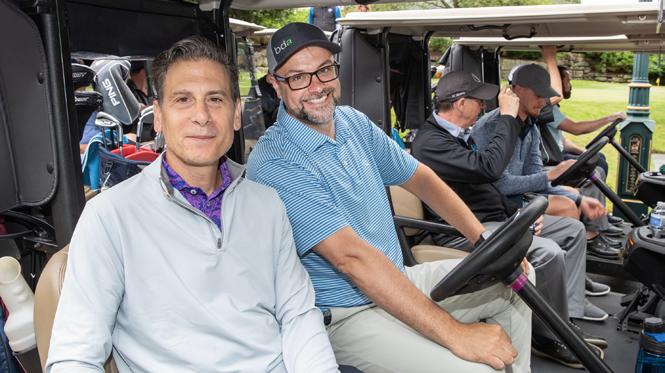
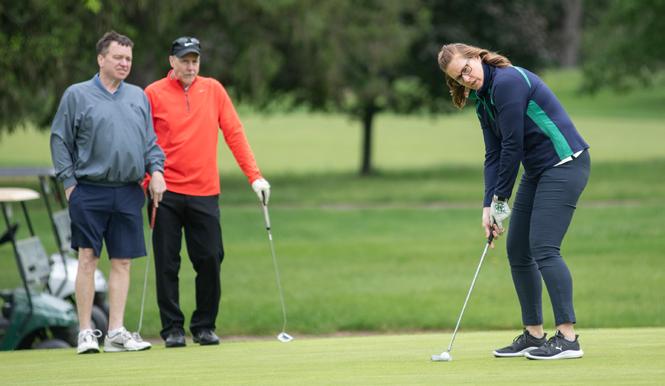
In June, Glenmaura National Golf Club was the site of the Geisinger School of Medicine Golf Classic Each year, the event raises money for medical student scholarships, which help the school continue to recruit the best and brightest future physicians.
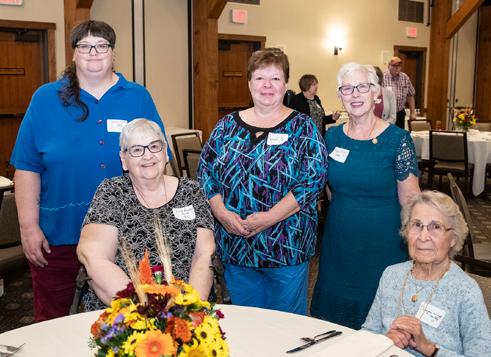
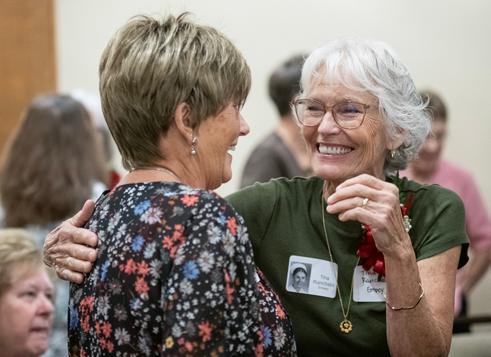
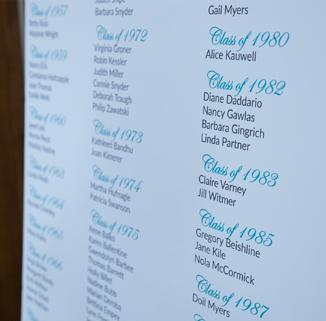
Geisinger Health Foundation hosted the gathering for Geisinger Medical Center School of Nursing alumni, held at the Pine Barn Inn. The 50-year reunion Class of 1975 was celebrated, but nearly 30 years of graduates were represented, starting from as far back as 1951.
Rusty Rail Brewing Company in Mifflinburg hosted a gathering in support of Geisinger’s Child Advocacy Center called “Come Together for Kids.”
A beautiful day of golf was held at Knoebels Three Ponds Golf Course in July in support of Geisinger Shamokin Area Community Hospital programs and services.
Scholarship recipients were feted at the annual Geisinger School of Medicine Scholarship Celebration in October.
Frosty Valley Country Club hosted the Geisinger Janet Weis Children’s Hospital ProAm golf event in May, raising money for equipment and programs for our smallest patients.