PHENYLKETONURIA
What is Phenylketonuria?
Phenylketonuria (PKU) is an autosomal recessive disorder that causes the body to be unable to convert phenylalanine to tyrosine due to a deficiency in the enzyme phenylalanine hydroxylase (PAH) or a deficiency in BH4 (tetrahydrobiopterin). Phenylalanine then builds up in the blood, body tissues, and most importantly, the brain. This can lead to intellectual disability, seizures, behavioral issues, and skinrelatedfindings1
Disease Management
Phenylalanine should be avoided in patients with PKU, especially inchildhoodwhenthebrainisrapidlydeveloping.Phenylalanineis a common amino acid found in meat, dairy, seafood, nuts, soy beans, peas, beer, and artificial sweeteners. Patients with PKU may need to cut out many of these foods or eat them in limited quantities to avoid toxic buildup of phenylalanine. Blood levels of phenylalanine are often suggested to be kept at 120-360 μmol/L for children less than 12 and pregnant patients, while patients 12 andoldershouldmaintainabloodlevelof120to600 μmol/L2
BH4 BH2
Phenylalanine
Phenylalanine hydroxylase
Tyrosine
Grocery List Suggestions
*must check specific phenyalanine content of each
Recommended:
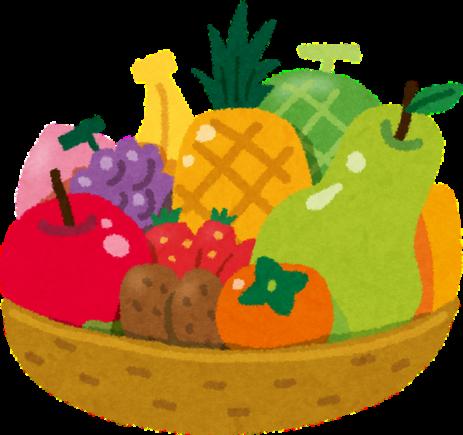
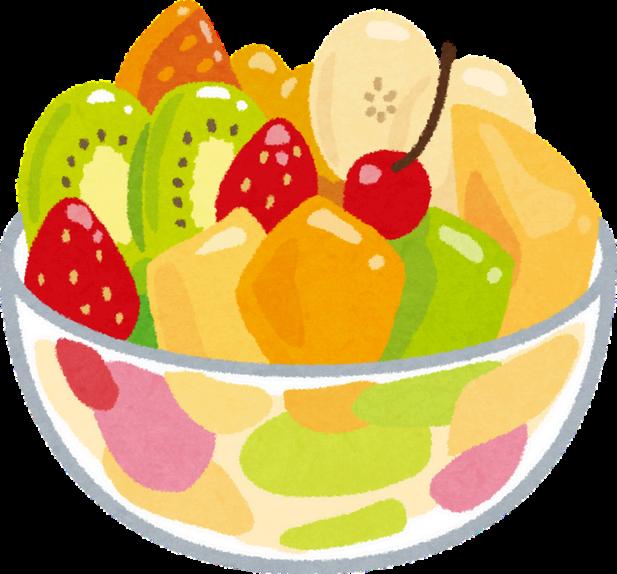
fruits and vegetables
butter and oils pastas and breads
Limit:
meat and poultry lentils and beans aspartame (sweetener)
Recipe for Success
Breakfast: fruit smoothie with honey and coconutmilkwithasideoftoast
Lunch: pasta salad with cucumber, peppers andcherrytomatoeswitholiveoilandlemon
Dinner: stir-fried vegetables with low-protein rice
A Word on Protein Substitutes
Protein substitutes are phenylalanine-free amino acid supplements that can be given as capsules, liquids, powders or bars. A protein substitute should be given at each meal to maintain energy/protein requirements as directed by your physician.
1.van Spronsen FJ, Blau N, Harding C, Burlina A, Longo N, Bosch AM. Phenylketonuria. Nat Rev Dis Primers. 2021 May 20;7(1):36. doi: 10.1038/s41572-021-00267-0. PMID: 34017006; PMCID: PMC8591558.
2.MacDonald A, van Wegberg AMJ, Ahring K, Beblo S, Bélanger-Quintana A, Burlina A, Campistol J, Coşkun T, Feillet F, Giżewska M, Huijbregts SC, Leuzzi V, Maillot F, Muntau AC, Rocha JC, Romani C, Trefz F, van Spronsen FJ. PKU dietary handbook to accompany PKU guidelines. Orphanet J Rare Dis. 2020 Jun 30;15(1):171. doi: 10.1186/s13023-020-01391-y. Erratum in: Orphanet J Rare Dis. 2020 Sep 1;15(1):230. doi: 10.1186/s13023-020-01486-6. PMID: 32605583; PMCID: PMC7329487.
Test Your Knowledge
QUESTION 1
Conversion to which amino acid is inhibited in PKU?
A Tryptophan
B Phenylalanine
C Tyrosine
D Proline
QUESTION 2
Which of the following should be avoided in the diet of someone diagnosed with PKU?
A. Strawberries
B Chickpeas
C. Butter
D White bread
QUESTION 3
What is the target range for phenylalanine levels in the blood of children less than 12 years of age?
A 0 μmol/L
B 50-100 μmol/L
C 120-360 μmol/L
D 120-600 μmol/L
Answers
Question 1: C - PAH converts phenylalanine to tyrosine. In PKU, PAH is unable to convert phenylalanine to tyrosine causing a buildup of phenylalanine in the body.
Question 2: B - Chickpeas, also known as garbanzo beans should be avoided in PKU patients as beans are high in phenylalanine
Question 3: C - Blood phenylalanine levels in children less than 12 should be maintained between 120-360 μmol/L. In children older than 12, blood phenylalanine levels should be maintained between 120-600 μmol/L.