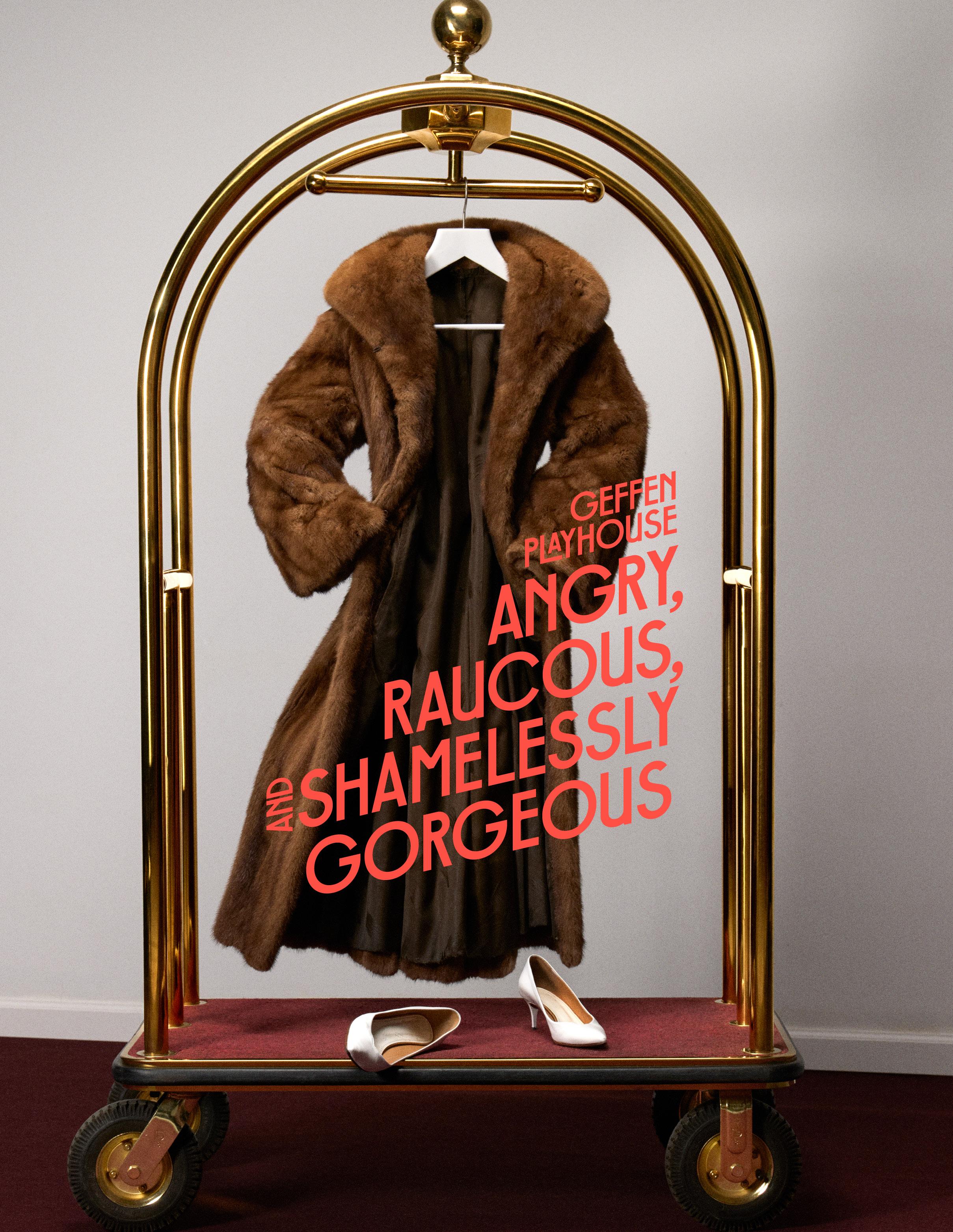
LOS ANGELES PREMIERE
LOS ANGELES PREMIERE
06.10 – 07.12.2026 GIL CATES THEATER
THANK YOU
This production is made possible, in part, by support from Cast Iron Entertainment and the David Lee Foundation
Geffen Playhouse Education & Community Engagement programs are made possible, in part, by grants from Dwight Stuart Youth Fund and U.S. Bank Foundation
Geffen Playhouse’s High School Partnership Program is made possible, in part, by grants from The Rosalinde and Arthur Gilbert Foundation, The Kenneth T. and Eileen L. Norris Foundation and the California Arts Council- a state agency.

This guide is to be used for educational purposes only. Certain materials are included under the fair use exemption of the U.S. Copyright Law.
STUDY GUIDE COMPILED BY
Aja Houston & Brian Allman
COVER PHOTO BY Corey Olsen
DESIGN BY Mark Chaitin
ADDITIONAL MAERTIALS BY Tiffany Oglesby
EXECUTIVE STAFF & EDUCATION & COMMUNITY ENGAGEMENT STAFF
Tarell Alvin McCraney — Artistic Director
Gil Cates Jr. — Executive Director / CEO
Amy Levinson — Associate Artistic Director
Brian Allman — Director of Education & Community Engagement
Mark J. Chaitin — Manager of Education & Community Engagement
Aja Houston — Education Associate & Lead Teaching Artist
PLAYHOUSE TEACHING ARTISTS
Sean Michael Boozer, Paris Crayton III, Sidney Edwards, Margot Fitzsimmons, Erròn Jay, BJ Lange, Tiffany Oglesby, Marta Portillo, Tara Ricasa, Ashley Robinson, Gerry Tonella
The theater has wheelchair and scooter-accessible locations where patrons can remain in their wheelchairs or transfer to theater seats.
An LED sign will display the text of the play in sync with the live performance. Saturday, June 27, 2026 - 3:00 pm

Patrons who are blind or low-vision may listen to an audio describer give live, verbal descriptions of actions, costumes, scenery, and other visual elements of the production. Patrons who wish to listen to the audio description can pick up a listening device from the concierge in the lobby.
Sunday, June 28, 2026 - 2:00 pm

An ASL interpreter will be present in the house left.
Sunday, July 5, 2026 - 2:00 pm
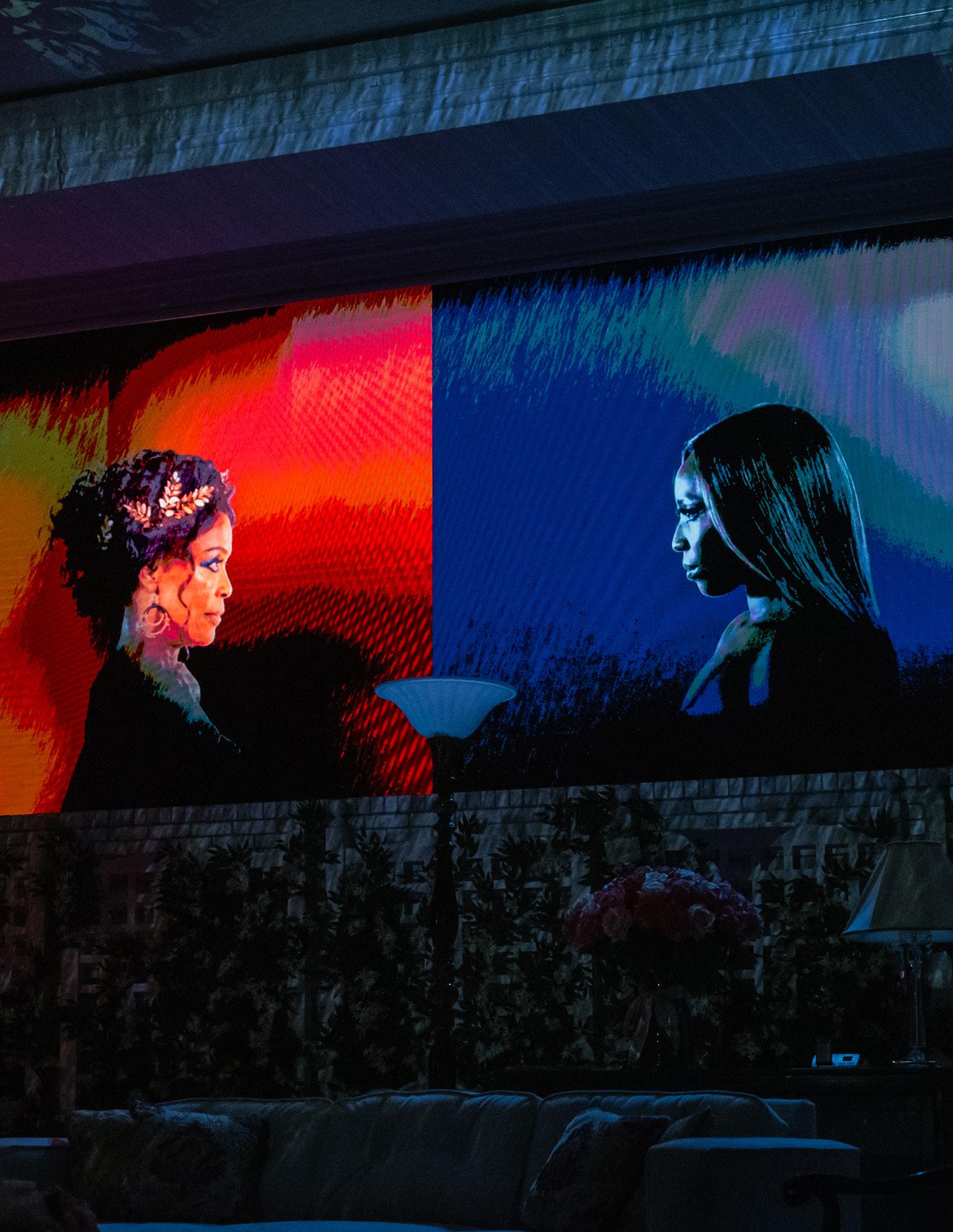
WRITTEN BY PEARL CLEAGE
DIRECTED BY
PRODUCED IN ASSOCIATION WITH BLACK REBIRTH COLLECTIVE
SCENIC DESIGNER BEOWULF BORITT
SOUND DESIGNER JEFF GARDNER
PRODUCTION STAGE MANAGER SAM ALLEN
COSTUME DESIGNER EMILIO SOSA
PROJECTION DESIGNER HANA S. KIM
ASSOCIATE DIRECTOR KELLY JENRETTE
ASSISTANT STAGE MANAGER LISA TOUDIC
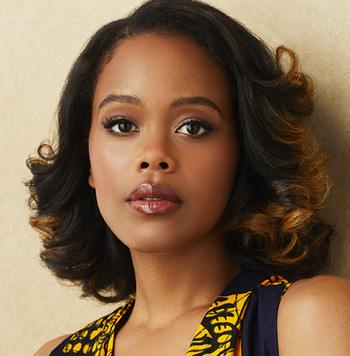
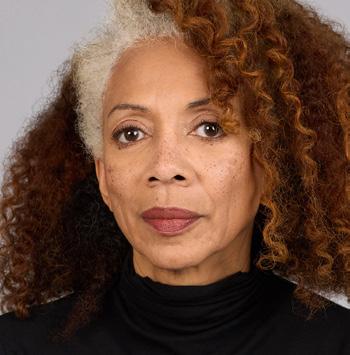
LIGHTING DESIGNER LAP CHI CHU
HAIR & WIG DESIGNER GEORGE ROBERT FULLER
CASTING DIRECTOR PHYLLIS SCHURINGA, CSA
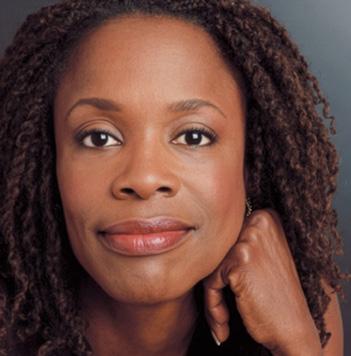
OVERVIEW: Anna Campbell is a trailblazing actress flush with accolades but short on cash. After returning to the U.S. to stage a career-defining comeback, she collides with a new generation that challenges her past, her politics, and her place in the movement. Award-winning playwright Pearl Cleage (Blues for an Alabama Sky) teams up with Tony Award nominee LaTanya Richardson Jackson (The Piano Lesson) to deliver a sharp-witted and soulful new comedy about art, activism, and aging on your own terms.
S E TTING/TIME: Atlanta, Georgia. A luxurious hotel suite. End of Summer. Present.
RUNNING TIME: 1 hour and 40 minutes, no intermission.
AGE RECOMMENDATION: 12+
CONTENT ADVISORY: This production contains profanity.
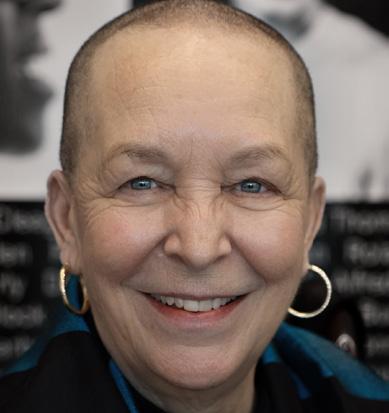
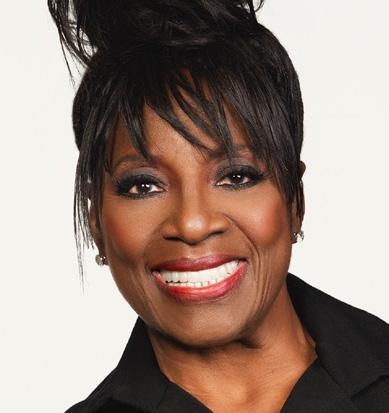
Pearl Cleage is an Atlanta-based writer who serves as the city’s first Poet Laureate. Currently Distinguished Artist in Residence at the Alliance Theatre, she has premiered eight plays there, including Flyin’ West, Blues for an Alabama Sky, What I Learned in Paris, and The Nacirema Society. The first of her eight novels, What Looks Like Crazy on an Ordinary Day, was a New York Times bestseller. Her praise poem, “We Speak Your Names,” commissioned by Oprah Winfrey in 2005 and written in collaboration with her husband, Zaron W. Burnett, Jr., is performed across the country regularly by those who accepted Cleage’s invitation to “use it, adapt it, pass it on.” Her ten-year performance collaboration with Burnett is the subject of the award-winning documentary Live at Club Zebra directed by Matthew and David Adeboye. Cleage’s newest play, Flying Fish & Folding Money, will have its world premiere at the Alliance Theatre in 2028. Ms. Cleage is represented by Ron Gwiazda, Stewart Talent Agency.
LaTanya Richardson Jackson is a three-time Tony Award–nominated stage and screen actress, director, and producer. She recently starred on Broadway in Pulitzer Prize and Tony Award winner Purpose, for which she received Tony, Drama League, and Outer Critics Circle nominations, while honored with Black Women on Broadway’s 2025 Audra McDonald Legacy Award. Her previous Broadway credits include A Raisin in the Sun (Tony and Drama League nomination), To Kill a Mockingbird (Lilly Award), and Joe Turner’s Come and Gone, plus Shakespeare in the Park’s The Taming of the Shrew, for colored girls…, and August Wilson’s Century Cycle, among many. As a theater creative, she made history as the first woman to direct an August Wilson play on Broadway with the Tony–nominated 2022 revival of The Piano Lesson and co-produced the 2023 revival of Purlie Victorious (Tony nomination). For her decades-long dedication to the theater, she was honored with the NAACP Theater Award’s 2016 Trailblazer Award. LaTanya serves as a Vice Chair of The American Theatre Wing. Her screen credits include Show Me A Hero (NAACP Image Award nomination), Grey’s Anatomy, Luke Cage, Introducing Dorothy Dandridge, Sidney Lumet’s 100 Centre Street, and the films Freedomland, Losing Isaiah, The Fighting Temptations, U.S. Marshals, Mother and Child, and You Hurt My Feelings. She also executive produced Apple TV’s The Last Days of Ptolemy Grey, EPIX’s Enslaved, and the upcoming Paramount+ series Frisco King. She is a graduate of Spelman College, where she and her husband recently opened the LaTanya Richardson Jackson and Samuel L. Jackson Performing Arts Center. In recognition of her career achievements, support of the arts, and her relentless civic engagement, she has been named a 2026 ESSENCE Black Women in Hollywood distinguished honoree.

Geffen Playhouse’s production of angry, raucous and shamelessly gorgeous is produced in association with Black Rebirth Collective. The mission of Black Rebirth Collective is to create a safe space for Black artists, with a strong focus on Black women, to nurture and support their artistic success through trainings, readings, or productions, while remaining rooted in the cultural expression that is found throughout the African

*SPOILER WARNING! This synopsis is for comprehension and contains plot points for the play,”Angry, Raucous, and Shameleslly Gorgeous.
By Tiffany Oglesby, Geffen Playhouse Teaching Artis t
TIME / SETTING: Atlanta, Georgia. A luxurious hotel suite. End of Summer. Present.
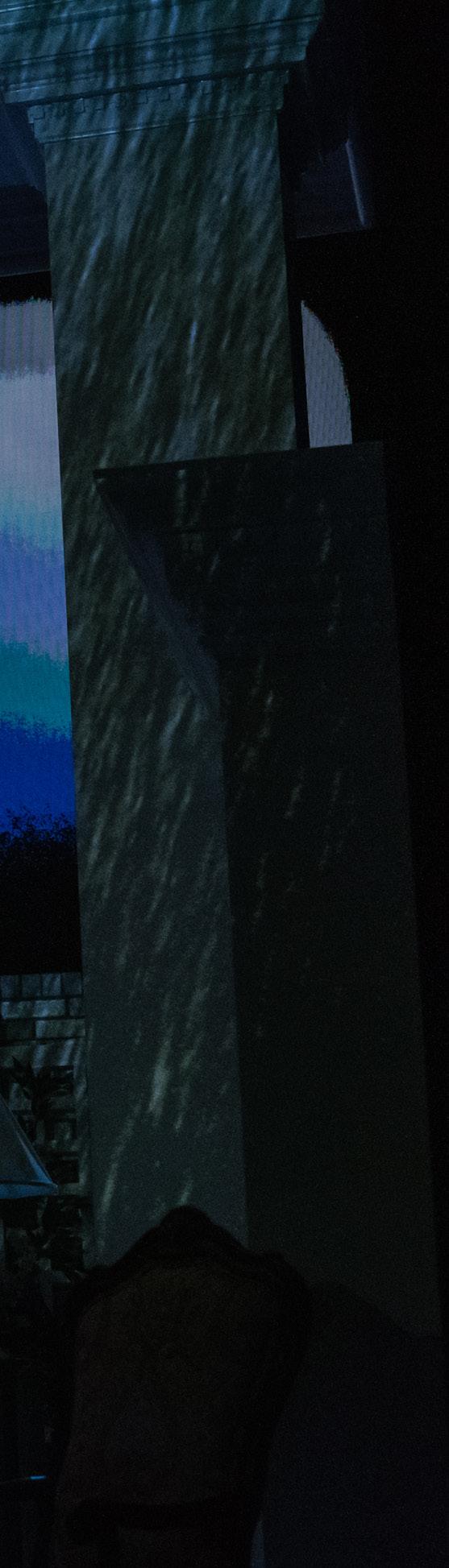
Set over two rain-soaked days in a luxurious Atlanta hotel suite, Angry, Raucous, and Shamelessly Gorgeous by Peal Cleage is a witty, emotionally layered exploration of Black female artistry across generations, examining who gets remembered, who gets replaced, and what women owe each other when the spotlight begins to shift
On a rainy Thursday afternoon inside a luxury hotel suite in Midtown Atlanta holds Anna Campell, a legendary Black actress, and her trusted confidant and manager Betty Samson, as they reflect on their shared history and current financial woes. As Betty calmly plays a routine game of solitaire, Anna anxiously spirals throughout the hotel room hoping that a final performance of her notorious piece will reignite her career and sense of purpose.
Anna became infamous in the early 1990s for Naked Wilson, a controversial protest performance in which she recited monologues from August Wilson’s Fences while standing nude onstage – declaring it to be a passionate and fiery artistic rebuke against the marginalization of Black women within Black theatre, specifically Wilson’s malecentered 10-play series “American Century Cycle”. The backlash drove Anna into self-imposed exile in Europe, where she reinvented herself as an acclaimed classical actress. Now at sixty-five, Anna having returned to Atlanta from Europe with Betty by her side, she is convinced she will perform again as the centerpiece of a new women’s theater festival called “Angry, Raucous, and Shamelessly Gorgeous”. The festival is produced by the ambitious forty-five year old Kate Hughes, who also is Anna’s former protégé.
As Anna pampers herself with a massage, Betty admits to Kate that while recovering from a broken leg months earlier, she discovered that Anna had misunderstood the festival contract. Anna was never invited to perform the piece herself but was only to receive a lifetime achievement award as a younger artist performed the work instead. Terrified that Anna’s sobriety and fragile ego could not survive the rejection, Betty has been concealing this until the last possible moment, hoping the festival might persuade Anna to finally retire and gracefully return back home to Atlanta. Betty convinces Kate to tell Anna the truth.
Once Anna learns her replacement is Precious “Pete” Watson, a twenty-five-year-old Black burlesque performer and adult film actress with no formal theatre background and little reverence for August Wilson’s legacy, Anna grows utterly livid. Their first meeting turns into a blistering clash over art, feminism, sex work, aging, ownership, and Black womanhood. Pete is bold, and fearless, approaching Naked Wilson not as a sacred protest piece but as a living work open to reinterpretation. To Anna, Pete represents everything she
fears: youth replacing age, raw instinct replacing craft, and a generation unwilling to worship the artistic giants that shaped her own career.
Anna insists Pete cannot possibly understand the depth and danger behind the original piece because nudity carries no risk for someone who makes a living exposing her body regularly. Pete counters that Anna’s protest ultimately centered male voices instead of liberating women’s own stories. Beneath the conflict lies a deeper truth neither woman wants to face: they are both fighting to be heard in systems that still profit from silencing them.
On the following rainy Friday, as Betty and Kate aim to keep the festival from imploding, Anna has grown more desperate. Terrified that her life’s work is slipping away, she ignores her own hypocrisy by lashing out at Betty, threatening legal action against Kate and the festival, and secretly contacting the Atlanta police in hopes to stop Pete’s performance – labeling it public indecency.
Meanwhile, Pete unexpectedly transforms the conversation surrounding Naked Wilson with an unconventional performance of Rose’s monologue from Fences delivered from the rooftop of famed Gone with the Wind author Margaret Mitchell’s home and dressed in a stunning red gown.” The performance is recorded and instantly goes viral, turning Pete into a sensation and drawing massive attention to the festival, selling it out overnight. Anna gets a hold of the viral video as well. This forces her, along with Betty and Kate, to face their old wounds and uncomfortable truths. Anna realizes her contributions to artistic expression may survive precisely because it no longer belongs entirely to her. Betty finally reveals how self-destructive Anna had become in Europe over the years, drinking heavily while waiting for a comeback that never arrived. Kate wrestles with balancing artistic integrity against commercial survival. Pete challenges the older women to imagine a feminism that includes performers like her rather than dismissing them.
By the end of the play, what began as a bitter generational conflict evolves into a profound examination of legacy and reinvention. All four women confront the painful reality that time changes not only bodies and careers, but also the meaning of rebellion itself.

¡ALERTA DE SPOILER! La sinopsis se utiliza para la comprensión y contiene puntos importantes de la trama de la obra Angry, Raucous and Shamelessly Gorgeous. Traducido por Marta Portillo, Geffen Playhouse Teaching Artist
LUGAR / MOMENTO: Atlanta, Georgia. Una lujosa suite de hotel. Finales de verano. El presente.
Durante dos días lluviosos dentro de una suite de hotel lujosa en Atlanta, Angry, Raucous, and Shamelessly Gorgeous (Enfadada, Bulliciosa y Descaradamente Hermosa) es una exploración de la experiencia artística de la mujer negra a través de generaciones, examina quien es recordado, quien es reemplazado, y que se deben las mujeres unas a otras cuando el enfoque empieza a cambiar.
En un Jueves lluvioso dentro de una suite lujosa en Midtown Atlanta Anna Campell, una legendaria actriz negra y su confidente y manager Betty Samson reflejan en la historia que comparten y sus problemas financieros. Mientras Betty juega tranquilamente una partida habitual de solitario, Anna ansiosamente gira a través del cuarto con la esperanza que una última presentación de su notoria obra será lo que revive su carrera y le dará propósito a su vida.
Anna se volvió infame a principios de los 1990s por su obra Wilson Desnudo (Naked Wilso n) una presentación de protesta en la cual recitaba monólogos de la obra Fences de August Wilson desnuda. Ella declaro que era un reprocho artistico y apasionado contra la marginacion de mujeres negras dentro del teatro negro, especificamente las serie de 10 obras del “Cyclo Centenario Americano”. La reacción pública hizo que Anna huyera a Europa, donde pudo reinventarse como una actriz acolada y clásica. A sus 65 años Anna regresa a Atlanta de Europa junto con Betty a su lado. Ella está convencida que volverá a presentar su pieza como el acto principal del festival llamado «Angry, Raucous, and Shamelessly Gorgeous» . El festival es producido por la ambiciosa Kate Hughes, mujer de 45 años quien fue la protegida de Anna.
Mientras Anna se da gusto con un masaje, Betty le confiesa a Kate que mientras se recuperaba de una fractura en la pierna meses atrás, descubrió que Anna había malinterpretado el contrato del festival. A Anna nunca la invitaron a interpretar la obra ella misma, sino que solo iba a recibir un premio por el legado de su carrera, mientras que una artista más joven interpretará la obra en su lugar. Aterrorizada de que la sobriedad y el frágil ego de Anna no pudieran sobrevivir al rechazo, Betty ha estado ocultando esto hasta el último momento posible, con la esperanza de que el festival pudiera persuadir a Anna de que finalmente se retirara y regresara con dignidad a su hogar en Atlanta. Betty convence a Kate de que le diga la verdad a Anna.
Cuando Anna se entera que su sustituta es Precious «Pete» Watson, una artista de burlesque y actriz de cine para adultos negra de veinticinco años sin formación teatral formal y con escaso respeto por el legado de August Wilson, Anna se enfurece profundamente. Su primer encuentro se convierte en un enfrentamiento feroz sobre el arte, el feminismo, el trabajo sexual, el envejecimiento, la propiedad y la identidad de la
mujer negra. Pete es audaz y valiente, y aborda Naked Wilson no como una obra sagrada de protesta, sino como una obra viva abierta a la reinterpretación. Para Anna, Pete representa todo lo que ella teme: la juventud reemplazando a la vejez, el instinto puro reemplazando al oficio, y una generación que no está dispuesta a venerar a los gigantes artísticos que dieron forma a su propia carrera.
Anna insiste en que Pete no puede entender en absoluto la profundidad y el peligro detrás la obra original, ya que la desnudez no es un riesgo para alguien que se gana la vida mostrando su cuerpo con regularidad. Pete responde que la protesta de Anna, se centró en las voces masculinas en lugar de dar voz a las propias historias de las mujeres. Detrás del conflicto se esconde una verdad más profunda que ninguna de las dos mujeres quiere afrontar: ambas luchan por hacerse oír en sistemas que aún se benefician de silenciarlas.
El siguiente viernes lluvioso, mientras Betty y Kate intentan evitar que el festival se venga abajo, Anna se siente cada vez más desesperada. Aterrorizada ante la idea de que el trabajo de toda su vida se le escape de las manos, ignora su propia hipocresía y descarga su ira contra Betty, amenaza con emprender acciones legales contra Kate y el festival, y se pone en contacto en secreto con la policía de Atlanta con la esperanza de impedir la actuación de Pete, acusándola de indecencia pública.
Mientras tanto, Pete da un giro sorprendente a la conversación sobre Naked Wilson con una interpretación poco convencional del monólogo de Rose de Fences, que recita desde la azotea de la casa de Margaret Mitchell, la famosa autora de «Lo que el viento se llevó», vestida con un impresionante vestido rojo. La actuación se graba y se vuelve viral al instante, convirtiendo a Pete en una sensación y atrayendo una atención masiva hacia el festival, que agota las entradas de la noche a la mañana. Anna también ve el video viral. Esto la obliga, junto con Betty y Kate, a enfrentar sus viejas heridas y verdades incómodas. Anna se da cuenta de que sus contribuciones a la expresión artística pueden sobrevivir precisamente porque ya no le pertenecen por completo. Betty finalmente revela lo autodestructiva que se había vuelto Anna en Europa a lo largo de los años, bebiendo en exceso mientras esperaba un regreso que nunca llegó. Kate lucha por equilibrar la integridad artística con la supervivencia
BY AJA HOUSTON, GEFFEN PLAYHOUSE EDUCATION ASSOCIATE & LEAD TEACHING ARTIST
As a celebrated playwright, author, and activist, Pearl Cleage has enjoyed a distinguished career spanning 40 years, producing 30+ plays, novels, poems, and essays. With accolades from the New York Times (Best Seller) to the NAACP (Image Award) and Oprah’s Book Club, and as a recipient of the Lifetime Achievement Award from the Dramatists Guild, Cleage is beloved for her ability to bring the joys and sorrows of Black womanhood in 20th-century America to vivid life.
Cleage was born on December 7, 1948, in Springfield, Massachusetts, to a family of activists led by her father, Rev. Albert Cleage, a prominent civil rights leader in Detroit, where the family would later move. The founder of the Pan-African Orthodox Christian Church and the Shrine of the Black Madonna, he fostered a community of black empowerment. Prominent Black writers and Civil Rights leaders would speak at Cleage’s father’s church. Through these experiences, she learned the power of the spoken word and the importance of activism, both of which helped shape her approach to writing as an outlet for her commitment to justice and progress.
“This is not the first time we’ve had to deal with an adversarial relationship with the government; I remember when segregation was legal. We continue to move forward. We’ve always done theatre because we’re determined to. I never think about stopping; I always tell myself to sit down and write everything I know! We can find a moment when information from the past can be transmitted to the youth now. We must find them where they are, and meet them with the highest possible level of what we do.” - Pearl Cleage
Although Cleage’s writing spans various formats and genres, she knew from a young age that she wanted to be a playwright. When Cleage was eleven years old, she saw a touring production of Lorraine Hansberry’s A Raisin in the Sun with her mother, which set her on her artistic path. In a 2022 interview with Howlround, she shared that,
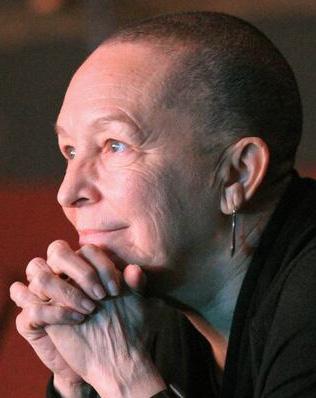
“ Lorraine Hansberry, I think, is the one who made me understand that what I loved and admired about my father’s preaching could also happen in a secular environment with the same power and the same transformative energy that you get in church because I saw it in that play. ” When Cleage told her mother on the way back from the play that she wanted to be a playwright, she replied, “Well, then you should do it.”
From 1966 to 1969, Cleage attended the HBCU Howard University in Washington, D.C., where she studied playwriting and produced two one-act plays. In 1969, she moved to Atlanta, Georgia, where she attained her bachelor’s degree in drama from Spelman College. Upon graduation from Spelman, Cleage enrolled in graduate school at Atlanta University.
In the 1970s, Cleage served as the press secretary and speechwriter for Maynard Jackson, Atlanta’s first Black mayor. However, she felt con -
strained in this role as a writer because she was writing someone else’s thoughts. This dissatisfaction prompted her to leave her job and pursue a career as an author.
In an interview for Marita Golden’s book The Word: Black Writers Talk about the Transformative Power of Reading and Writing (2011), Cleage discusses her family’s belief that, as a writer, she must write about the struggles of black people. Cleage answered her family’s call, writing stories that centered Black women in America. Her stories were inspired by her personal life and by the real lives of other women she knew in her community. Cleage believes that writers should write from their personal experiences rather than from what they think audiences want to consume. Writing from one’s personal experience is a more truthful form of storytelling.
“ ‘Why don’t you write something about you? Why don’t you write something about a woman who’s thinking the things you’re thinking or doing?’ I think there’s a class question that comes into it where people feel like they have to become someone different when they create the characters that they create, and I don’t think that’s true. I think that the story that you’re trying to tell has to determine who these characters are, and because the characters are middle-class, middle-income characters doesn’t mean that they have to be snobby and color struck and obnoxious. They can still be revolutionary women who are moving about the world. So I think that that’s the thing I’m always trying to do is make the characters as real as they can be.”- Pearl Cleage, “Black Women Got Something to Say: A Conversation with Pearl Cleage”, (Howlround Commons).
Alice Walker is another writer who strongly influenced the feminist nature of Cleage’s work. She cites that Walker as the one who illuminated, “ The fact that we, as black women, had the right to question everything, to think about everything, to have really strong opinions that might make people angry, and that we had the right, to tell the truth. ”
Cleage’s wide breadth of work explores the dark truths of complex issues that surround gender and race, particularly how they affect the everyday lives of Black women in America. The themes of domestic violence, freedom, and traumatic memory present in Black communities are central to many of her plays, notably the plays Flyin’ West (1992), Blues for an Alabama Sky (1995), and Bourbon at the Border (1997). Her intention with each piece is to
encourage understanding and conversation about these important topics. Cleage’s 2014 compilation of personal journal entries, Things I Should Have Told My Daughter: Lies, Lessons, and Love Affairs , chronicles her life from age 11 to 29. She shares stories of having an abortion, affairs with married men, and the use of alcohol and other drugs when she felt out of touch with creativity for her writing.
“ To get to the truth. To struggle through all of the stuff that’s gonna come at you that doesn’t have anything to do with telling the truth to people. So you must find the truth and have enough courage to tell it. Sometimes, we will know the truth, but we’re so scared to say it out loud because it might make somebody angry, or we may not get their approval. For a writer, though, you have to be prepared for the risks. You have to be prepared to tell the truth because otherwise what’s the point? That doesn’t mean everything has to be serious or to beat you over the head with something like ‘This is what you should believe…’ But at the heart of what you’re writing should be your understanding of conveying a truth to other human beings, and they’ll receive it. When you tell the truth to people, you can see them lean forward. They want to hear it. We all want to know the truth, but most times we just have a hard time getting to it. ” Pearl Cleage, N’digo Interview (2023)
Pearl Cleage’s life and work have faithfully kept to the charge her activist family gave her to tell stories about the nuanced struggles of the Black community she is a part of. However, although Black women in America are her main audience, she welcomes all audiences to her work. Cleage shared in her Howlround interview that, “ Black women have so much to say, and we say it to each other often, and now we’re able to say it to a wider circle of us, and then to people beyond the circle of just us who are interested in good work, who are interested in good work by human beings whatever their race, whatever their gender tell me about the complexity of being human. I want us as Black women to always be a part of that dialogue, talking about what it means specifically to be human and be us .”
I HOPE MY PLAYS AND MY BOOKS REFLECT THE COMPLEXITY OF HUMAN LIFE, THE INTRICACY OF THE UNENDING STRUGGLE TO BE A GOOD PERSON, TO TELL THE TRUTH, AND TO BE AN INSTRUMENT OF LOVE, PEACE, AND UNDERSTANDING!
- PEARL CLEAGE, MEDIUM INTERVIEW
See below for list of plays, novels, and collected poems by Pearl Cleage. Cleage’s highly anthologized works can be found in Double Stitch (1991), B lack Drama in America, New Plays from the Women’s Project, and Contemporary Plays by Women of Color (1996); Flyin’ West and Other Play s (1999) is a full anthology of all of her plays through the year of its publication. Visit your local library to read these and more! https://www.lapl.org/
Puppetplay (1981) is a surrealist piece set in a futuristic world, following the characters Woman One and Woman Two and their failing relationship with a 7-foot-tall marionette representing their husband. It explores how the need for love and protection differ.
Hospice (1983) a one-act, two-woman drama about Alice, a celebrated poet dying of cancer who returns home to die. She encounters her estranged, pregnant daughter, Jenny, whom she abandoned 20 years prior. The play centers on their tense reunion, in which they confront abandonment, resentment, and mortality within their family home.
Good News (1984)
Essentials (1985)
Porch Songs (1985)
Come Get These Memories (1987)
Chain (1992)
Late Bus to Mecca (1992)
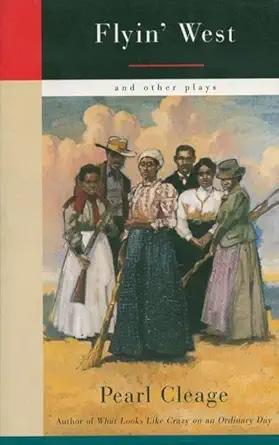
Flyin’ West (1992) follows four African American women who escaped the violence of the South to become homesteaders in Nicodemus, Kansas. Led by the determined Sophie, the characters battle sexism, land speculators, and domestic violence, highlighting themes of sisterhood, resilience, and reclaiming identity as black pioneers in the American West
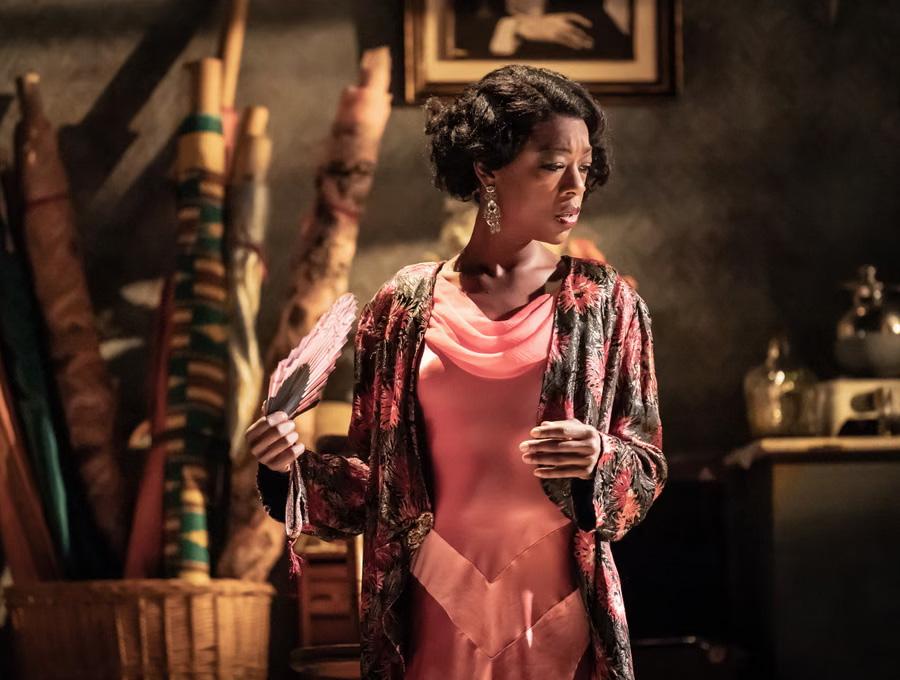
Blues for an Alabama Sky (1995) is a drama set in 1930s Harlem, where the creative energy of the Harlem Renaissance clashes with the harsh realities of the Great Depression. The play follows Angela Allen, a recently fired singer, and her best friend Guy, a costume designer, as they navigate poverty and hope in a cramped apartment building.
Bourbon at the Border (1997)
We Speak Your Names: A Celebration , with Zaron W. Burnett (2006)
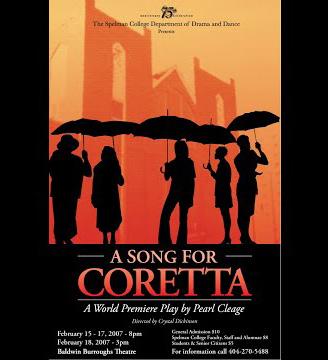
A Song for Coretta (2008) is a one-act play by Pearl Cleage that debuted in 2007 and pays tribute to the legacy of Coretta Scott King. Set on February 6, 2006, it takes place on a rainy night outside Atlanta’s Ebenezer Baptist Church, where thousands gathered to pay their respects while Mrs. King lay in state.
The Nacirema Society (2013)
Tell Me My Dream (2015)
Angry, Raucous and Shamelessly Gorgeous (2019)
The Brass Bed and Other Stories (1991)
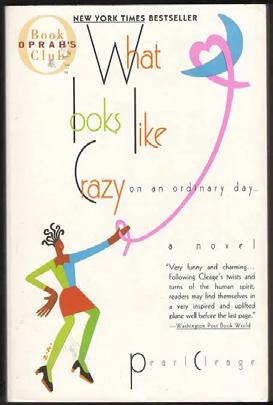
What Looks Like Crazy on an Ordinary Day (1997) follows Ava Johnson, a woman who returns to her Michigan hometown after testing HIV-positive in Atlanta. Facing the stigma of her illness and a dead-end future, Ava finds unexpected love, family support, and community purpose, transforming her fear into a hopeful new beginning. Oprah Book Club Selection and #1 New York Times Bestseller
I Wish I Had a Red Dress (2001) follows Joyce Mitchell, a widowed social worker in Idlewild, Michigan, who runs the “Sewing Circus” to help atrisk young women. While battling to secure funding for her center and protecting clients from violent partners, Joyce finds unexpected romance with Nate Anderson, prompting her to move past grief and embrace a new, vibrant life.
Some Things I Never Thought I’d Do (2003)
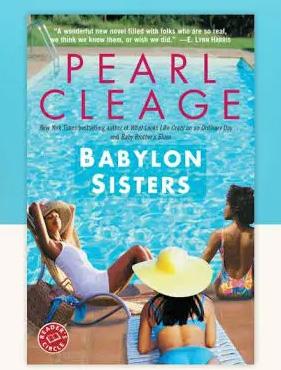
Babylon Sisters: A Novel (2005)
Baby Brother’s Blues (2006)
Seen It All and Done the Rest (2008)
Just Wanna Testify (2011) follows Blue Hamilton, the protective “godfather” of Atlanta’s West End neighborhood. When five mysterious, super-thin models known as the “Too Fine Five” arrive for a photo shoot, Blue and his crew realize they are actually vampires, forcing him to protect his community from their supernatural threat.
POETRY
Dear Dark Faces: Portraits of a People (1980)
One for the Brothers (1983)
We Speak Your Names: A Celebration (2005)
SAMIRA WILEY AS ANGEL IN BLUES FOR AN ALABAMA SKY AT THE NATIONAL THEATER, 2022 . PHOTO MARC BRENNER PHOTOGRAPH COURTESY OF THE OBSERVER.

I CAN’T IMAGINE NOT WRITING. I’VE ALWAYS FELT THAT MY WRITING IS A VEHICLE TO TELL THE TRUTH, ALLOW AUDIENCES TO SEE LIFE, AND TO BE A PART OF THE RESISTANCE. IT COULDN’T BE MORE IMPORTANT NOW TO WRITE ABOUT COMPASSION, PUT FORTH THE TRUTH, AND QUESTION WHAT IS THE LONGING...
- PEARL CLEAGE, INTERVIEW WITH COURT THEATER
SCAN THE QR CODE TO THE LISTEN TO THE NO SCRIPT PODCAST “ANGRY, RAUCOUS, AND SHAMELESSLY GORGEOUS” BY PEARL CLEAGE | S14.E04
MONDAY FEB 24, 2025. WHAT HAPPENS WHEN THE COUNTERCULTURAL ARTMAKERS GET OLD? WHAT HAPPENS WHEN THEIR REVOLUTIONARY CRITICISMS OF THE ESTABLISHMENT BECOME THE ESTABLISHMENT? PEARL CLEAGE DIVES INTO THESE DEEP WATERS IN HER PLAY “ANGRY, RAUCOUS, AND SHAMELESSLY GORGEOUS.” LISTEN IN AS JACKSON AND JACOB DISCUSS THIS SMART, FUNNY, AND ENERGETIC PLAY.
SCAN THE QR CODE TO THE LEFT TO READ OFFSCRIPT: PEARL CLEAGE SPEAKS HER TRUTH.ON THIS EPISODE KELUNDRA AND J.R. TALK TO THE ATLANTA PLAYWRIGHT ABOUT CHICAGO’S MONTHLONG CELEBRATION IN HER HONOR, THE VALUE OF COMMUNITYDRIVEN STORYTELLING, AND HER NEW PLAY ‘SOMETHING MOVING: A MEDITATION ON MAYNARD.’ SEPTEMBER 19, 2023. BY AMERICAN THEATRE EDITORS
SCAN THE QR CODE TO visit Geffen’s Blog and read an interview with Angry, Raucous and Shamelessly Gorgeous Playwright Pearl Cleage and Geffen Playhouse Associate Artistic Director, Amy Levinson.
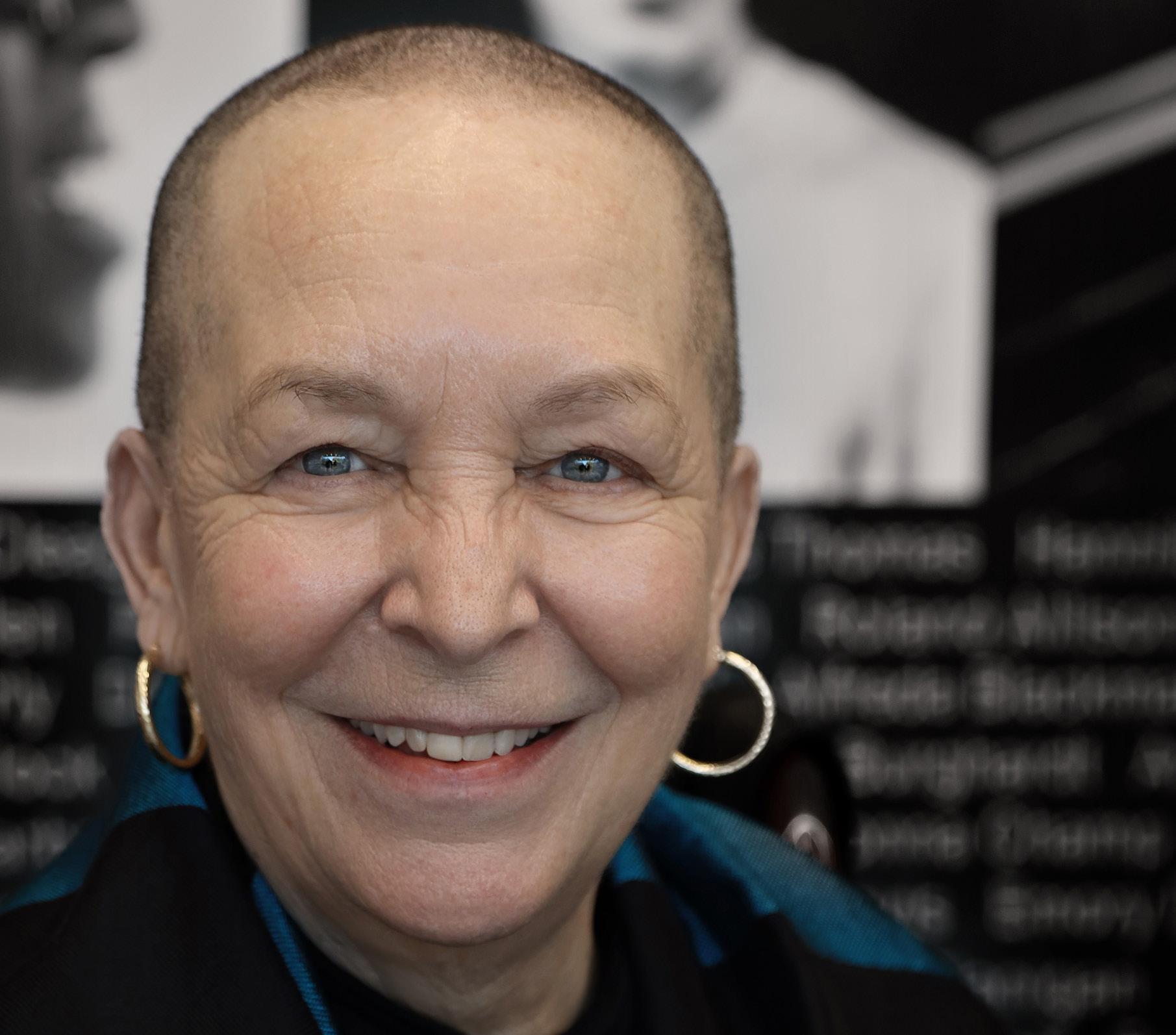
I LOVE THINGS WHERE YOU HAVE TO FEEL SOMETHING DEEPLY, WHERE THE PERSON IS PROBABLY FEELING IT SO DEEPLY THAT THEY’RE TAKING RISKS AND DOING SOMETHING THAT YOU WOULD NOT DO, AND THERE ARE JUST ALL OF THESE HUGE EMOTIONS ROILING AROUNDI LOVE THAT KIND OF WORK.
BY AJA HOUSTON, GEFFEN PLAYHOUSE EDUCATION ASSOCIATE & LEAD TEACHING ARTIST
Playwright’s note:
“ For African American women hoping to craft careers in the American Theatre, the work of August Wilson presented a special challenge by forcing considerations of race and gender to be viewed exclusively through a passionate and undeniably black male lens. Many late-night sessions examined and reexamined the plays, hoping they would reveal themselves to be love letters if we could just break the code. “Naked Wilson” would certainly have been part of those conversations. ”
-Pearl Cleage
In the world of American theatre, few names carry more weight than August Wilson, whose work has become a cornerstone of the Black theatrical canon. While productions by other Black playwrights are few and far between at predominantly white theatre institutions, Wilson is a mainstay in their season lineups. With the exception of Lorraine Hansberry’s A Raisin in the Sun , the work of Wilson’s Black female contemporaries, such as Pearl Cleage, Adrienne Kennedy, and Alice Childress, remain largely underproduced. This meant that the dominant representations of Black women in American theatre more often than not were filtered through a male perspective, primarily Wilson’s. The resulting feminist critique was that his plays, although undeniably beautiful and masterfully written, don’t feature female characters as fully fleshed out as the male characters.
“...The women characters are so much thinner than the male characters most of the time. My favorite August Wilson play is Fences. I love the scene where Rose is saying, “You take up all the air in the room. You don’t leave any space for me,” because Troy is such a big character. I think that that’s actually true of most of August Wilson’s plays, that the men take up all the air in this space, because he was a man, and he was not a feminist man.”
- Pearl Cleage, Howlround
Ultimately, Cleage and other Black women in theatre weren’t just critiquing Wilson’s female characters, but reminding the Black theatre that their plays belonged alongside Wilson’s in their seasons. As Cleage was beginning her career as a playwright,
August Wilson’s plays were gaining widespread recognition. Many Black theatre companies, including the male-led New Federal Theatre and Negro Ensemble Company, considered his work essential to bringing Black voices and experiences to American Theatre. Yet that legacy did not always make room for the voices of Black women: the playwrights, actors, and directors who sought to tell their own stories and reflect the full complexity of their humanity on stage. Cleage faced resistance from some Black male producers, who argued that the feminist viewpoints in her work were not central to the stories Black theatre should be telling. The feminist critique of Wilson’s work was seen as damaging to the cause and his untouchable legacy in American Theatre.
Therefore, this conversation was often made invisible within the broader theatre landscape, in part to preserve dominant interpretations of Black theatre that centered male experience and authority. As a result, critiques of gender representation, particularly those raised by Black women playwrights, were frequently marginalised or treated as secondary to “larger” concerns of race and social struggle.
In A ugust Wilson’s Fences , women play a crucial role as stabilizing forces within the family, embodying both traditional and evolving gender expectations of the 1950s. Rose, Troy’s wife, maintains family unity despite his emotional distance and infidelity, reflecting the strength and emotional labor often required of Black women in this period. Her character can be read as both supportive and resilient, as she endures hardship while also expressing her own needs and moral authority within the household.
Some interpretations argue that Rose represents a strong female character because of her resilience, loyalty, and ability to sustain the family in the face of Troy’s failures. From this perspective, her monologue and her commitment to Troy suggest agency and emotional strength that complicate traditional ideas of subordination. However, while Rose’s endurance is undeniably powerful, Wilson ultimately frames her strength within a structure defined by sacrifice, where her identity is shaped and limited by Troy’s actions and the demands of family preservation.
Rose is a Pittsburgh housewife and, in this regard, is quite typical of her era. However, she sympa -
thizes with the way in which Troy feels that he has been cheated by a racist system and never given a fair shot to become a baseball player. Her assertion of her commitment to him during her monologue attests to the unique role that many Black women have played in their marriages to Black men, a role in which they have not always been subordinate, as many White women of the era were, but in which they stood side-by-side in enduring racial oppression, taking comfort in each other: Rather than fully transcending these constraints, Rose’s strength is tied to her role as caretaker and emotional anchor, highlighting how Black women in the play are often positioned to absorb and manage the consequences of male frustration and systemic racism. In this sense, Wilson’s depiction of women reflects both their resilience and the limitations placed upon them, opening up a broader critical conversation about gender, power, and representation in the play.
“I been standing with you! I been right here with you, Troy. I got a life too. I gave eighteen years of my life to stand in the same spot with you. Don’t you think I ever wanted other things? Don’t you think I had dreams and hopes? What about my life? What about me? Don’t you think it ever crossed my mind to want to know other men? That I wanted to lay up somewhere and forget about my responsibilities? That I wanted someone to make me laugh so I could feel good? You not the only one who’s got wants and needs. But I held on to you, Troy. I took all my feelings, my wants and needs, my dreams . . .and I buried them inside you.” - Rose, Fences

In this speech, Rose confirms her commitment to Troy but also asserts the presence of her own carnal desires, something which women of that era were compelled to repress or deny out of social propriety. Wilson seems here to use Rose as an example of the way in which Black women often make personal sacrifices to keep Black families together. Through their personal commitments to their relationships and binding community rituals, such as going to church (Rose is also church-going), Black women try to diminish the impact of the past, in which their families went unacknowledged and were routinely ripped apart by the slave system. I think that the depiction of women in Wilson’s work is a complex one. In one respect, I think that there is a definite statement that shows women to meet some of the traditionalist conceptions of women in the 1950s. These supportive roles of women are consistent with the traditional notion of
how women in the domestic realm are constructed.
Yet, I would also suggest that Wilson does show women to be defiant of this vision at the same time. It would be unrealistic to show the women in his work as being completely liberated from social constructions, so he shows them to be more complex than the reductive social vision that surrounds them.
From wherever Wilson derived his characterization of women, many scholars denounce it as misogyny. “ Individually his feminine portrayals tend to slip into comfort zones of what seem to be male-fantasized roles ” (such as those described above), wrote premier Wilson scholar Sandra G. Shannon, accurately summarizing her colleagues’ critiques of the playwright. Indeed, Wilson’s plays are full of mothers who threaten to become Mammys or black matriarchs. In all but two of the plays, Wilson’s female figures are mothers or mother figures, seemingly embracing the stereotypical maternal figures elucidated above.
This is especially evident in readings of Rose in Fences . While she is often praised for her strength, stability, and moral clarity, some critics argue that her character is still ultimately defined through her relationship to her husband Troy, and the emotional labour she performs within his narrative. Even moments that appear to assert independence, such as her powerful monologue in the second act of the play, can be read as reinforcing a structure in which her identity is shaped by sacrifice, endurance, and response to male action rather than self-determined agency.
In this sense, female characters in Wilson’s work are frequently positioned as figures who attempt to assert themselves while remaining anchored to the emotional and structural needs of male protagonists. They exist both within and against these constraints, reflecting a tension between visibility and limitation. This dynamic mirrors the experience of many Black female playwrights and artists, whose work has often engaged in a similar struggle: seeking to expand representation, challenge dominant narratives, and define Black womanhood on their own terms within a theatrical tradition that has historically prioritized male voices.
“..The idea that August plays were so wonderful that you couldn’t critique them in any way set in fairly quickly. I think part of the reason was that White theatres embraced that work so quickly, so then it became almost like you’re just trying to tear the brother down if you critiqued their work.”
- Pearl Cleage, Howlround Interview
Cleage interrogates and challenges this idea in her play Angry, Raucous, and Shamelessly Gorgeous. She explores this through the journey the character of Anna Campell, an actress, who subverts August Wilson’s Fences in her play Naked Wilson by reimagining his work from a feminist perspective. In the performance, Anna appears fully nude while delivering the monologues of Troy Maxson, the play’s central male character. By placing Wilson’s language in the body of a naked female performer, Campbell (and, by extension, Cleage) challenges traditional expectations of how male characters are represented onstage and critiques the limited, often one-dimensional roles given to women in theatre.
“ It didn’t occur to them that everyone did not embrace, love, and affirm every part of these plays. So really, when I started thinking about Angry, Raucous… I wanted Anna to have done something wild and radical and revolutionary in reaction to wanting more from those plays. She wasn’t even talking so much about wanting Black women writers; she wanted more from those plays. She was bumping up against August, so that her idea of, “I’m going to juxtapose the fact of I am a woman with what these guys are saying, and I’m going to make you think about it, because I’m going to just stand here naked and do all of Troy Max’s fabulous speeches. ”
AS AN ACTOR, I WAS ENAMORED BY THE DEPTH OF PEARL CLEAGE’S CHARACTERS- ONE OF THE FEW PLAYWRIGHTS TO OFFER A CORNUCOPIA OF ROLES FOR BLACK WOMEN OF ALL AGES AND PLAYS SPANNING DECADES...
MS. CLEAGE’S WORK SPEAKS TO THE CURIOUS SOUL IN ALL OF US AND REMINDS US OF OUR CAPACITY TO LOVE, FIGHT AND DREAM.
- MALKIA STAMPLEY, BOLD ARTISTIC PRODUCER
SOURCES: Brady, Erin M. *She’s a Brick House: August Wilson and the Stereotypes of Black Womanhood*. Gettysburg College, 2014, cupola.gettysburg.edu/cgi/viewcontent.cgi?params=/context/student_scholarship/article/1172/&path_info=Shes_A_Brick_ House__August_Wilson_and_the_Stereotypes_of_Black_W.pdf.
Davis, Shannon. *Understanding Wilson’s Blueswomen: A Dramaturgical Exploration of August Wilson’s Female Characters*. University of Missouri–Kansas City, 2011. ProQuest Dissertations Publishing, [www.proquest.com/openview/a56b01c82c179534994548ee083d73dd/1](http://www.proquest.com/openview/a56b01c82c179534994548ee083d73dd/1).
“Women’s Roles in Wilson’s *Fences*.” *eNotes*, [www.enotes.com/topics/fences/questions/women-s-roles-in-wilson-s-fences-3137461](http://www.enotes.com/topics/fences/questions/women-s-roles-in-wilson-s-fences-3137461).
”
SCAN THE QR CODE TO THE LEFT WATCH “AUGUST WILSON’S WOMEN ON WOMEN. DYNAMIC CONVERSATION AS WE DISCUSS THE WOMEN AT THE CENTER OF THE CYCLE — AUNT ESTER IN GEM OF THE OCEAN, ROSE IN FENCES, BERNIECE IN THE PIANO LESSON AND RISA IN TWO TRAINS RUNNING.
FEATURING SERET SCOTT, AWARD-WINNING ACTOR, PLAYWRIGHT AND DIRECTOR OF NUMEROUS AUGUST WILSON PRODUCTIONS; ACTOR EBONY JO-ANN, WHO STARRED IN OUR READING AS MA RAINEY; MICHELE SHAY, DIRECTOR IN THE AUGUST WILSON SERIES; AND ACTOR ROSLYN COLEMAN, WHO APPEARED IN OUR READING OF “JOE TURNER’S COME AND GONE.” JOURNALIST CHARISSE JONES WILL HOST
“
I FELT LIKE THOSE WOMEN I WAS PLAYING HAD SO MUCH MORE TO SAY BUT NEVER GOT THE CHANCE.
- ANNA, ANGRY, RAUCOUS AND SHAMELESSLY GORGEOUS
The monologues revisited in Angry, Raucous, and Shamelessly Gorgeous originate from key scenes in August Wilson’s Fences , from which Cleage’s characters interrogate the play’s treatment of gender, power, artistry, and legacy. Understanding Wilson and Fences helps illuminate the artistic dialogue at the heart of Cleage’s play.
AUGUST WILSON
from https://pittsburghwalkoffame.org/august-wilson/
“Renowned playwright August Wilson (1945–2005) is best known for his series of 10 plays chronicling the experiences and heritage of America’s Black community across each decade of the 20th century. Collectively called “The American Century Cycle”, the series includes Fences and The Piano Lesson , which both won the Pulitzer Prize for Drama. Fences also garnered the 1987 Tony Award for Best Play.
Wilson, who was born Frederick August Kittel in Pittsburgh’s Hill District, had “a fierce affection” for the neighborhood in which he was raised. His feelings ran so deep that “the Hill” serves as the setting for all but one of the plays in his famous cycle. Against that backdrop so familiar to him, Wilson’s work explores themes of race, identity, and history. Three of his plays have been adapted to films: Fences (2016), Ma Rainey’s Black Bottom (2020), and The Piano Lesson (2024).
Through his powerful storytelling and commitment to portraying Black lives with dignity and complexity, Wilson reshaped modern drama and left a lasting cultural legacy. He is widely regarded as one of the great playwrights in American history.”
To learn more visit: https://www.wqed.org/augustwilson/ about/
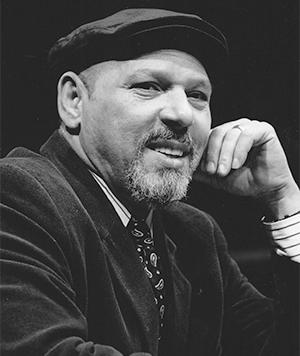
AUGUST WILSON
PHOTOGRAPH BY T. CHARLES ERICKSON.
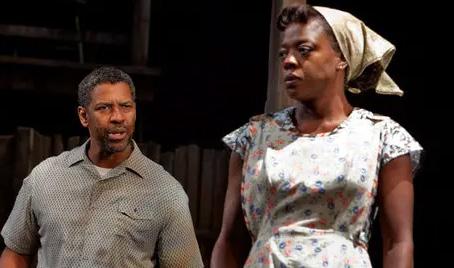
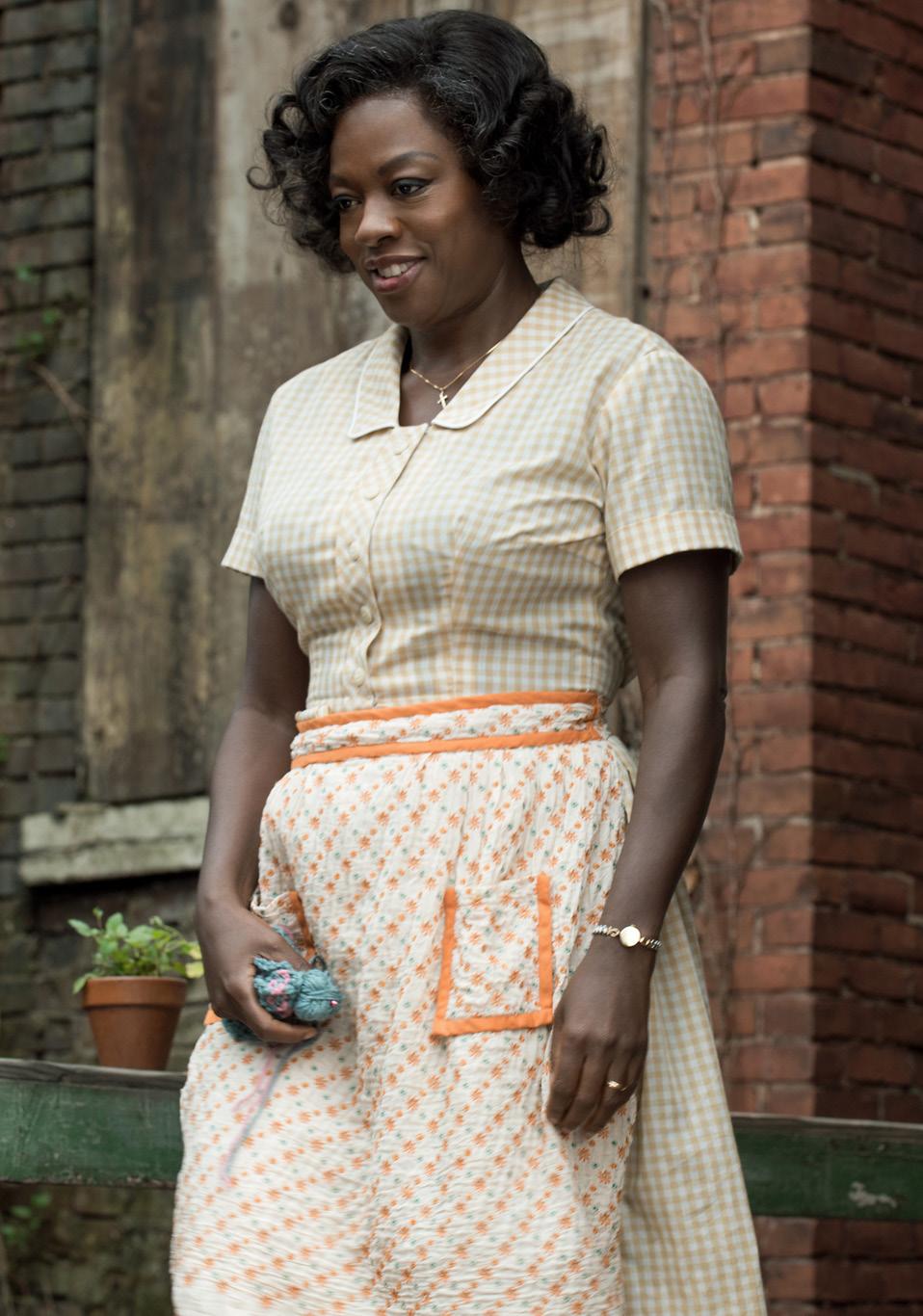
SCAN THE QR CODE TO THE LEFT TO WATCH A VIDEO FROM FENCES ON BROADWAY 2010, ACTORS DENZEL WASHINGTON AND VIOLA DAVIS PAY TROY AND ROSE, ON BROADWAY.COM
Fences premiered on Broadway in 1987 and was revived in 2010. Playbill.com describes the play as follows: “Set in segregated Pittsburgh in the 1950s, Fences depicts the life of Troy Maxson, a former Negro League baseball star now scraping by as a sanitation worker. A towering figure facing thwarted aspirations, Troy attempts to assert control in his life through his relationships with his wife and son. But even as he takes responsibility for their safety and well-being, he betrays them each in ways that will forever alter their lives.
Part of August Wilson’s ‘The American Century Cycle’, Fences explores the walls we build around ourselves and our loved ones, while also illuminating one family’s struggles in a racist society.”
AUGUST WILSON’S “THE AMERICAN CENTURY CYCLE”
The cycle of plays combines historical fact, comedy and gritty realism with spiritual and supernatural elements of African and African-American cultures. The result is a series of dramas that entertain as well as inform.
The plays are listed below in chronological order by the decade in which they are set, with the year of publication shown in parentheses.
1900: Gem of the Ocean (2002)
1910: Joe Turner’s Come and Gone (1986)
1920: Ma Rainey’s Black Bottom (1984)
1930: The Piano Lesson (1989)
1940: Seven Guitars (1995)
1950: Fences (1985)
1960: Two Trains Running (1990)
1970: Jitney (1982)
1980: King Hedley II (2001)
1990: Radio Golf (2005)
Pearl Cleage’s Angry, Raucous, and Shamelessly Gorgeous celebrates the power, resilience, and artistic legacy of Black women across generations. As you explore this study guide, consider the broader tradition of Black women playwrights whose groundbreaking works have shaped American theater. The following playwrights represent just a few of the Black female playwrights in American Theater. These visionary artists deserve recognition, study, and enduring regard. Visit your local library to read these and more! https://www. lapl.org/
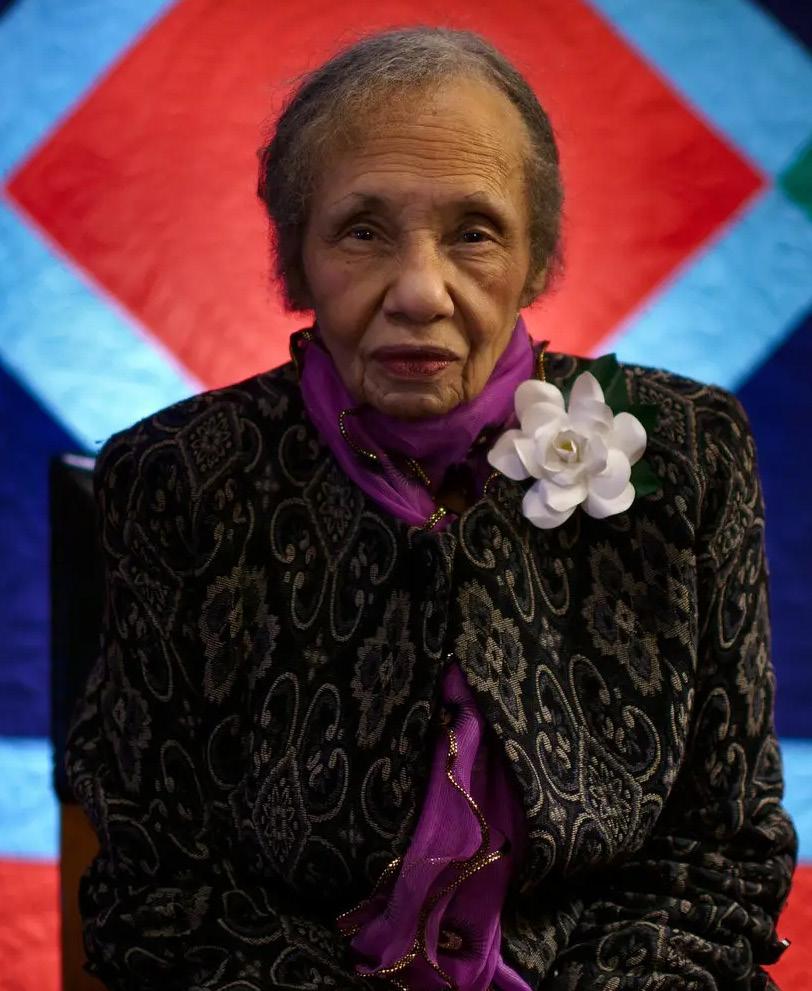
ADRIENNE KENNEDY (1931 - )
A prominent American playwright with over twenty plays, known for her unique and surreal theatrical style. Raised in a diverse neighborhood in Cleveland, Ohio, she initially enjoyed a sense of cultural harmony, but this was challenged when she experienced racial isolation at Ohio State University. Encouraged by playwright Edward Albee, her career took off with the production of her groundbreaking play, Funnyhouse of a Negro, in 1964, which became a critical success and established her as a significant voice in theater.
Kennedy’s body of work explores complex themes of identity and the struggles of individuals against societal forces. Notably, her plays often lack traditional plots and feature characters with multiple personalities, employing masks to symbolize varying aspects of identity influenced by African art and culture. Throughout her career, she has garnered numerous accolades, including two Obie Awards, a Lifetime Achievement Award, and the Gold Medal for Drama from the American Academy of Arts and Letters.
SCAN THE QR CODE TO THE LEFT TO WATCH “COLORFUL CONVERSATIONS WITH ADRIENNE KELLY ON THE BLACK EXPERIENCE ON YOUTUBE. SEP 30, 2021 . AN ACCLAIMED ACTOR, ACTIVIST AND AUTHOR, RUBY DEE GRACED THE STAGE AND SCREEN FOR MORE THAN SEVENTY YEARS. HER INFLUENCE WAS UNDENIABLE. “I HAD NEVER SEEN A BLACK PERSON ON BROADWAY. IT WAS A HUGE EXPERIENCE.” ADRIENNE KENNEDY REFLECTS IN AWE OF THE LEGENDARY ICON. DATING BACK TO THEIR FIRST ENCOUNTER IN 1955, AND CONTINUING THROUGH THE YEARS, THIS IS THE FIRST OF OUR TWO-PART PREMIERE OF COLORFUL CONVERSATIONS WITH ADAM P. KENNEDY.
I THINK THAT THE STORY THAT YOU’RE TRYING TO TELL HAS TO DETERMINE WHO THESE CHARACTERS ARE... THEY CAN STILL BE REVOLUTIONARY WOMEN WHO ARE MOVING ABOUT THE WORLD. SO I THINK THAT THAT’S THE THING I’M ALWAYS TRYING TO DO IS MAKE THE CHARACTERS AS REAL AS THEY CAN BE.
- PEARL CLEAGE, “BLACK WOMEN GOT SOMETHING TO SAY” HOWLROUND COMMON
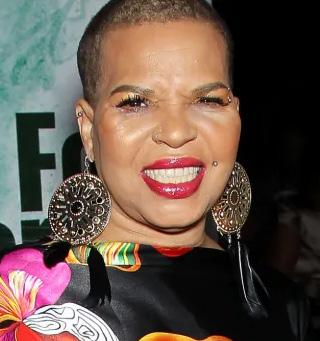
Ntozake Shange, a trailblazing African American playwright, poet, and novelist, whose groundbreaking feminist and social-activist work challenged conventional artistic norms and amplified the voices of Black women in America.
Born Paulette Williams, Shange took her African name, which means “she who comes with her own things” and “ she who walks like a lion,” in the mid-Seventies. Shange revolutionized theater with her seminal work, for colored girls who have considered suicide / when the rainbow is enuf. Opening on Broadway in September 1976, the ‘choreopoem’, as Shange identified it, became the longest-running Broadway play authored by an African American playwright, and, as an art form, the choreopoem found a home in American theater. This powerful work interwove poetry, music, dance, and drama, offering an unapologetic portrayal of the struggles and triumphs of Black women. It brought to light the unique intersectionality of race, gender, and identity, resonating with audiences and paving the way for a new wave of feminist artistry.
SCAN THE QR CODE TO THE LEFT TO WATCH “NTOZAKE SHANGE PRESERVES BLACK HISTORY AND CULTURE THROUGH LITERATURE” (1989 INTERVIEW) ON FRESH AIR ON YOUTUBE JUN 14, 2023 PLAYWRIGHT AND NOVELIST NTOZAKE SHANGE, JOINS FRESH AIR TO TALK ABOUT THE DIVERSITY OF THE BLACK EXPERIENCE, HER CHILDHOOD AND EARLY EDUCATION, AND THE CRITICISM SHE SOMETIMES GETS FROM BLACK MALE AUTHORS AND PLAYWRIGHTS.
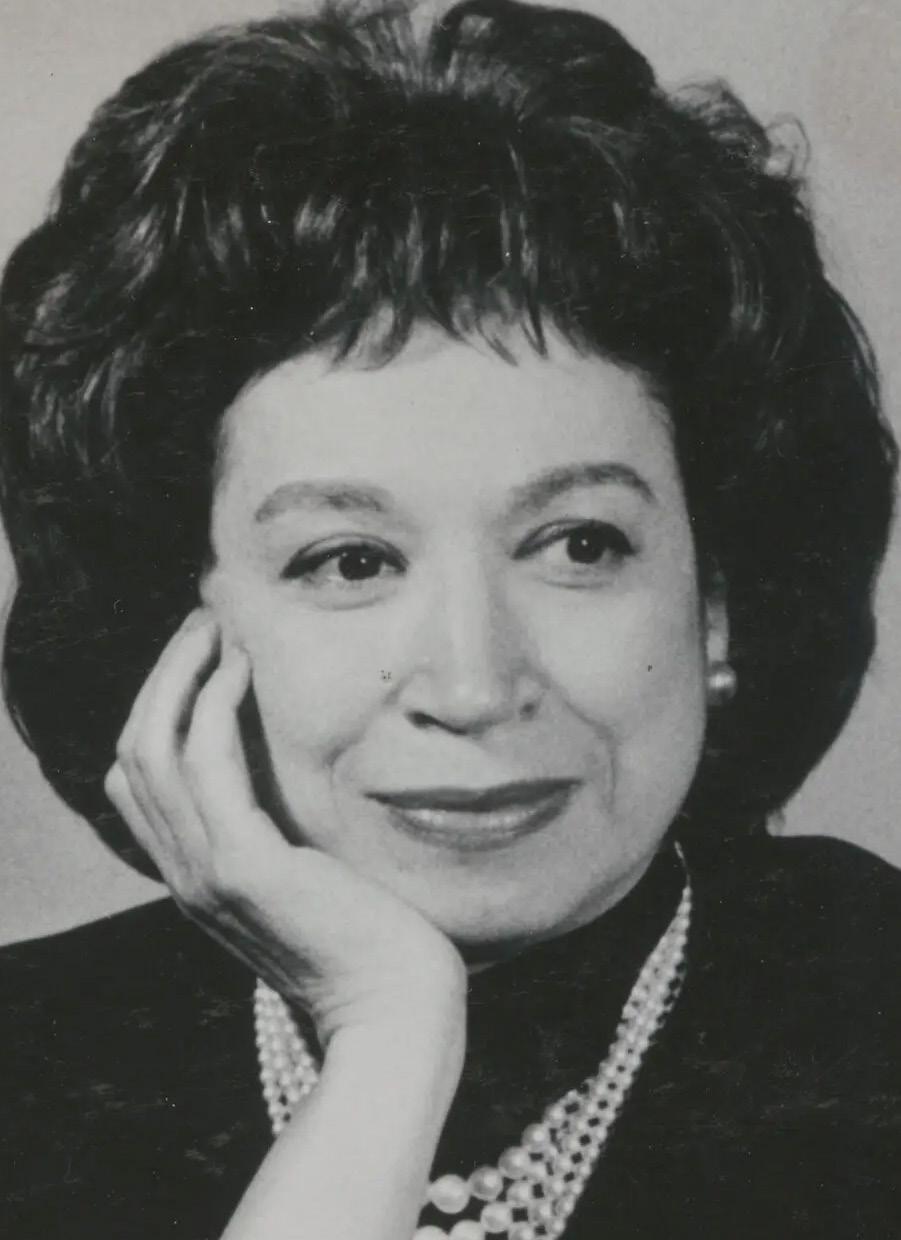
An American playwright, novelist, and actress known for realistic stories that examined the meaning of being Black, especially of being Black and female. She once said, “I concentrate on portraying have-nots in a have society.”
Childress grew up in Harlem, New York City, during the Harlem Renaissance, where she acted with the American Negro Theatre, which she co-founded in the 1940s. There she wrote, directed, and starred in her first play, Florence. The script was written in one night on a dare from her close friend and actor, Sidney Poitier, who had told Childress that he didn’t think a great play could be written overnight. She proved him wrong, and the play was produced off-Broadway in 1950. In 1952, Childress became the first African American woman to have her play, Gold Through The Trees, professionally produced in New York.
In 1955, Childress’ play Trouble in Mind was a critical and popular success off-Broadway, immediately drawing interest from producers for a Broadway transfer. In an ironic twist echoing the tribulations of the characters in the play itself, the producers wanted changes to the script to make it more palatable to a commercial audience. Childress refused to compromise her artistic vision, and the play didn’t open on Broadway, ending her chances of becoming the first African American woman playwright to have a Broadway production. In 2021, she made her long-awaited Broadway debut when Roundabout Theatre Company produced Trouble in Mind, receiving four Tony Award nominations.
SCAN THE QR CODE TO THE LEFT TO WATCH “AN INTRODUCTION TO ALICE CHILDRESS: NANCY MEDINA AND TANYA MOODIE ON THE AMERICAN PLAYWRIGHT FROM NATIONAL THEATRE NOV 29, 2021 ‘I FEEL A REAL KINDRED SPIRIT WITH MS CHILDRESS ON YOUTUBE ’ TROUBLE IN MIND DIRECTOR NANCY MEDINA AND ACTOR TANYA MOODIE (MOTHERLAND) DISCUSS THE IMPORTANCE OF ALICE CHILDRESS’ PLAY TODAY.

BY AJA HOUSTON, GEFFEN PLAYHOUSE
ASSOCIATE & LEAD TEACHING ARTIST
Black American fashion history constitutes a powerful narrative of resistance, identity, solidarity, and cultural expression, evolving from the period of enslavement in the 18th century to its contemporary status as a significant global influence and business. This trajectory established a rich tradition of expressive dress that extends beyond aesthetics, functioning as a symbolic language and instrument of sociopolitical expression across key historical moments, including the Harlem Renaissance, the Civil Rights Movement of the 1960s, the Afrocentric revival of the 1970s, and the emergence of Hip-Hop streetwear. Black women have been the driving force in centering and reclaiming Black people’s dignity and autonomy through style.
From the beginning, fashion for Black Americans has been steeped in oppression, beginning in the era of enslavement in the 18th and 19th centuries. Black women and men were forced to remove garments tied to their personal and tribal identities in exchange for limited, plain, coarse clothing. Black women helped defy these controlled limitations by transforming the little were given into something that asserted their humanity, pride, identity, community ties, and undeniable ancestry.
The headwraps, like Nigeria’s gele and Zimbabwe’s dhuku, brightly colored fabrics, and patchwork they wore in solidarity, were evidence of this resistance. The tradition of Black hairstyles like intricate braids, cornrows, and twists was also a fashion statement steeped in cultural significance. This storytelling and history preservation has been passed down through the generations and remain prevalent today.
Black women used textiles skills such as spinning, weaving, dyeing, and sewing also used fashion as a means for survival and possible emancipation. Their work was worn by enslavers, often setting trends for White society. The trailblazing Elizabeth Keckley, best known as Mary Todd Lincoln’s dressmaker, used the money she earned to buy her freedom.
From the mid- to late 20th century, fashion trends reflected societal changes. The Harlem Renaissance is a vibrant period of African American cultural history that took place in the grand Jazz Age of the 1920s and 1930s, not only revolutionizing music, literature, and art but also leaving an indelible mark on fashion.
I FELT LIKE WHEN I CLIMBED ON THAT ROOF WITH THIS DRESS, IT GAVE ME SOME KIND OF SUPERPOWER, LIKE WONDER WOMAN OR RIHANNA OR SOMETHING AND I KIND OF WANTED TO KEEP IT ON A LITTLE LONGER TO SEE WHAT MIGHT HAPPEN.
-PETE, ANGRY, RAUCOUS AND SHAMELESSLY GORGEOUS
Black women wore the flapper aesthetic with a twist, incorporating beaded dresses, feathered headbands, and fur coats, radiating glamour and liberation. Black 1920s fashion icons like Josephine Baker would inspire women’s fashion with her short hair and famous banana skirts. Black men donned loose-fitting suits with long jackets and high-waist trousers, accessorized with widebrimmed hats, showing a blend of style and defiance. This style would later evolve to be the famous zoot suit. The vibrant colors and intricate patterns of this era paid homage to African heritage, while the silhouettes reflected contemporary trends.
Durin g the Civil Rights Era of the 1950s and 1960s, the Black Church was central to the movement. Protestors were urged to dress in their “Sunday’s Best”: men in sharp suits and ties, and women in dresses and hats that served as dignified armor, conveying that Black Americans deserved rights and respect equal to those of White citizens.
In stark contrast, the bolder Black Power Movement of the 1960s and 1970s urged the Black community to reject the church’s respectability politics that conformed to White societal standards in favor of empowering fashions that reflected their own cultural heritage. One of the iconic and definitive items of this era was the dashiki, a vibrant, loose-fitting shirt, traditionally worn in West Africa. The other iconic pieces, the black beret and leather jacket, most associated with the Black Panthers, were used to symbolize strength, unity, liberation, and equality.
Perhaps the most iconic style image of this movement was the afro. Black women rejected the White societal norm of straightened hair to embrace their natural hair, as their enslaved ancestors did. This self-acceptance became a powerful, radical symbol of protest. To this day, the cultural traditions of Black natural hair are still a part of race politics in America. The CROWN Act ( Creating a Respectful and Open World for Natural Hair ) of 2022 is a legislative movement to end race-based hair discrimination. It legally protects individuals from being penalized, fired, or expelled in workplaces and schools for wearing natural hair

textures and protective hairstyles like braids, locs, twists, and Bantu knots.
Hip-hop ushered in a streetwear era that continues to shape mainstream fashion today. Hiphop fashion initially mirrored the gritty reality of the urban streets of the late 1970s and early 1980s with tracksuits, t-shirts, leather bomber jackets, and bucket hats. In the 1990s, the decadent music videos of iconic rappers like Lil Kim, LL Cool J, and Notorious B.I.G. were pivotal in integrating luxury designer brands like Gucci and Versace, with their big logos and vibrant colors, into the streetwear aesthetic.
In recent years, the direct connection between designers and audiences on social media and digital platforms, such as Instagram and YouTube, has revolutionized how Black fashion is celebrated and disseminated globally.
These digital arenas are effective in amplifying the voices of designers, models, and influencers who historically faced barriers in the traditional fashion industry. Ultimately, these platforms foster a community that makes fashion more inclusive and accessible. From luxury lines to bespoke streetwear, Black designers are at the helm of a movement that champions representation, authenticity, and empowerment through fashion.
Pearl Cleage draws on this history in Angry, Raucous, and Shamelessly Gorgeous . The central characters, Anna and Pete, use clothes or the symbolic absence of clothing as forms of protest against the marginalization of Black women and the societal stereotypes that seek to denigrate and limit them. The generational gap between Anna and Pete is evident in the different ways they use clothing in their protest.
Anna’s activism reflects a generation shaped by the Civil Rights and Black Power movements as well as the emergence of Black feminism. Her protests challenge not only racial oppression but also the patriarchal structures within Black political and artistic communities that have historically silenced Black women’s voices or reduced them to stereotypes. By using her body as a site of protest, Anna rejects both respectability politics and the objectification of Black women, forcing viewers to confront the Black female body as a political statement. Divorced from the symbolism of clothing, her nudity draws attention to the ways Black women’s bodies have been regulated and made sites of both oppression and resistance. “ Eventually somebody brought
me my clothes, but there was no way I was taking off that mink coat. I still have it .” – Anna, ARSG
Pete does the opposite in her burlesque act. She turns the Jezebel stereotype on its head by starting from a naked body and putting on clothes that more closely adhere to societal expectations of a “lady” or queen. Rather than stripping away respectability, she performs its construction, revealing femininity and respectability as costumes that can be put on and taken off. “ Well, not exactly. She starts off naked and then she puts on more and more clothes until at the end, she’s dressed like a queen and then she dances on a pole .” - Kate, ARSG
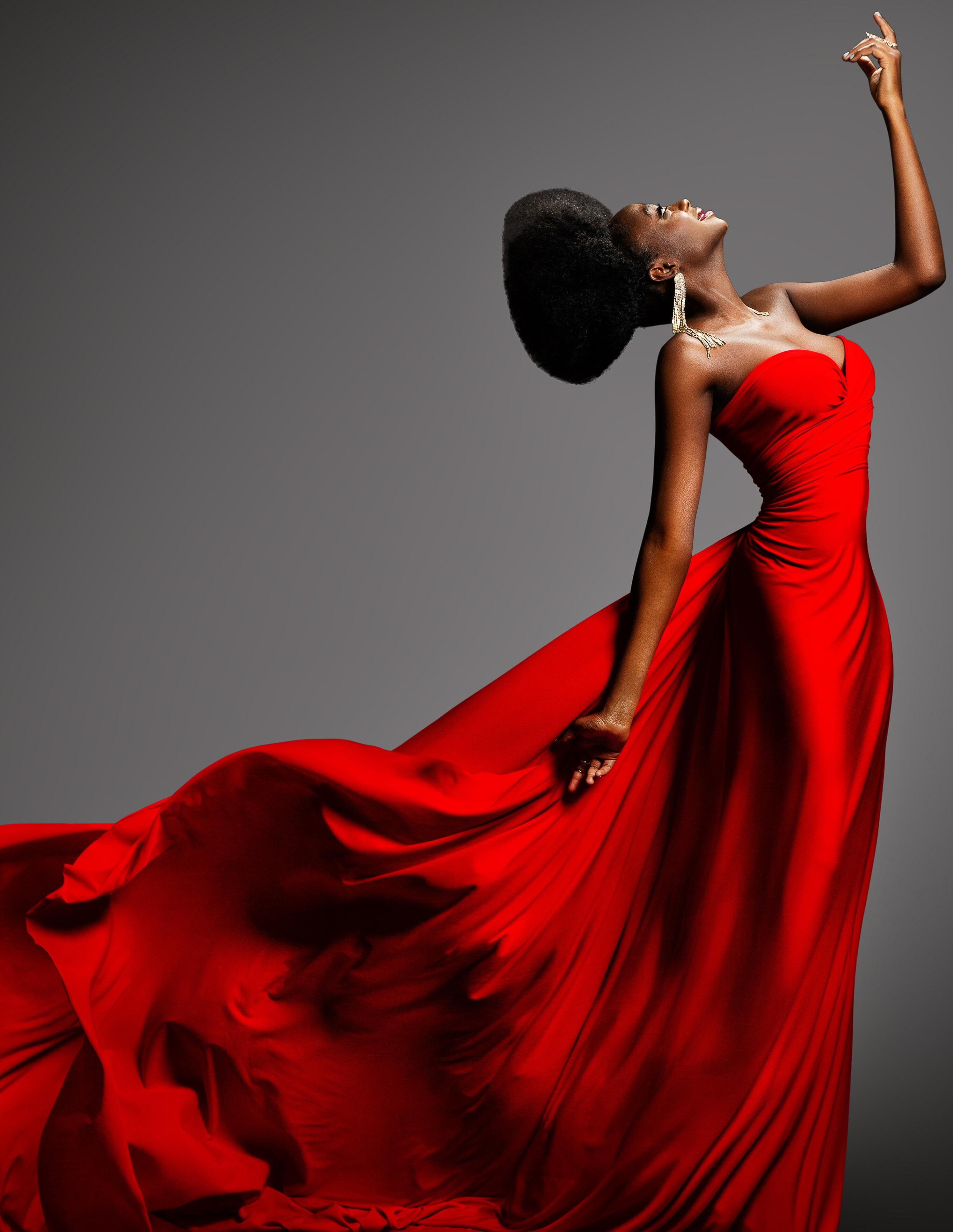
In a pivotal moment in Angry Raucous and Shamelessly Gorgeous, Pete also uses the combination of social media, fashion, and performance to challenge historical representations of Black women in American culture. While wearing a striking, grand red dress on the roof of the Mitchell House, the site where Gone With the Wind was written, she defiantly recites a monologue from August Wilson’s Fences . The choices of garment and location are deliberate: by placing her body in a highly visible fashion statement against a backdrop associated with one of the most influential depictions of the Old South, Pete critiques the cultural legacy of a film that helped popularize and reinforce racist archetypes of Black women, such as the Mammy and the Jezebel. The red dress serves as more than a costume; it becomes a tool of resistance through visibility, drawing attention to how Black women have been visually constructed and consumed in popular culture. Pete challenges viewers to confront the enduring legacy of these stereotypes in American cultural memory.
Pearl Cleage’s Angry, Raucous, and Shamelessly Gorgeous comments that fashion activism is not static but continually evolves alongside changing social and political contexts. Despite their generational differences, Anna and Pete participate in the same tradition of Black women’s fashion activism, using the body and dress to challenge racist and patriarchal representations of Black womanhood and reclaim control over how Black women are seen. Anna’s activism reflects the political urgency of the Civil Rights and Black Power eras, while Pete adapts these traditions to contemporary platforms. Together, their actions remind the audience that clothing, and even its deliberate absence, can function as a powerful language through which Black women challenge stereotypes and assert agency over their bodies.
I ALWAYS THOUGHT I’D BE ONE OF THOSE DIVAS WHO FLOATED INTO MY GOLDEN YEARS DRESSED IN SOME FABULOUS CAFTANS, ACCENTED BY SOME AMAZING JEWELRY DESIGNED JUST FOR ME, GRACIOUS TO ALL, JEALOUS OF NONE.
-ANNA, ANGRY, RAUCOUS AND SHAMELESSLY GORGEOUS
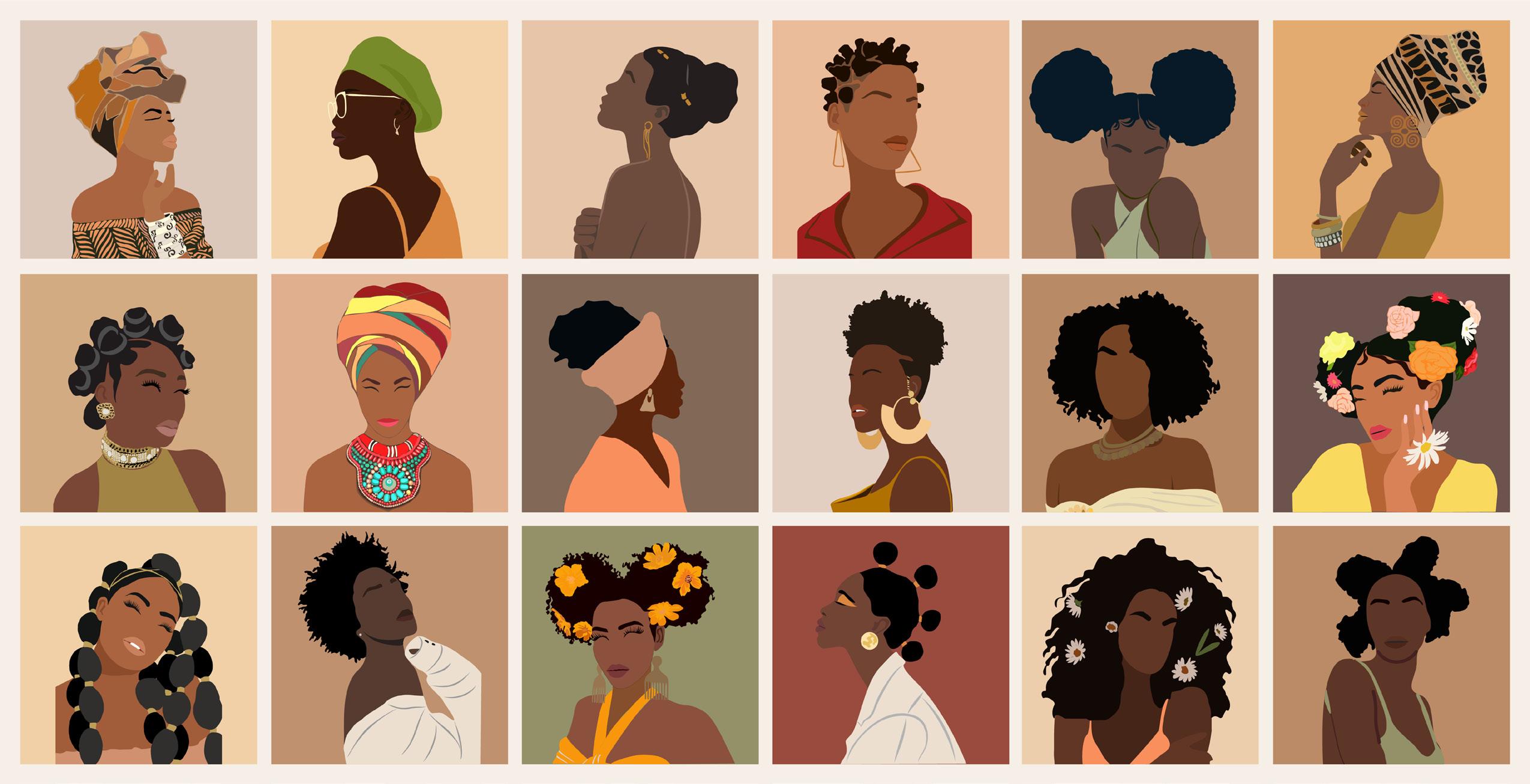
18TH & 19TH CENTURY RESISTANCE: Even in captivity, enslaved people used clothing, headwraps, and jewelry to assert humanity and individual identity. Post-emancipation, leaders like Frederick Douglass used formal attire to claim respectability.
THE HARLEM RENAISSANCE (1920S-30S): As seen in the work of creatives like Zora Neale Hurston, fashion became a form of “New Negro” cultural pride and creative energy.
THE ZOOT SUIT ERA (1940S): Popularized by jazzmen like Cab Calloway, the dramatic, baggy zoot suit became a symbol of defiance against societal limitations, notably during the Zoot Suit Riots.
CIVIL RIGHTS & “SUNDAY BEST” (1950S-60S): Protestors used dignified, tailored clothing to show strength and respectability. Women often wore modest dresses and hats to marches, highlighting a “blessed and beautiful” image.
BLACK POWER & AFROCENTRICITY (1960S-70S): A shift toward rejecting white conformity led to natural hair (Afros), Dashikis, and Kente cloth, emphasizing African roots and pride.
HIP-HOP AND URBAN STREETWEAR (1980S-90S): The rise of Hip-Hop introduced oversized clothing, sneakers, tracksuits, and gold chains, with Dapper Dan in Harlem redefining luxury by combining high fashion with urban street style. Iconic Designers and Contributors
PIONEERS
ZELDA WYNN VALDES: A pioneering designer who created the first Playboy Bunny costumes and opened her own boutique in the 1940s.
ANNE LOWE : The talented designer behind Jackie Kennedy’s wedding dress.
WILLI SMITH: A major influential designer in the 1970s and 80s who brought “street couture” to the fashion world.
DAPPER DAN: Changed fashion by bringing designer logos o onto urban streetwear in the 1980s.

SCAN THE QR CODE TO THE RIGHT TO WATCH “A BLACK HISTORY OF STYLE” FROM INTELEXUAL MEDIA ON YOUTUBE. MAY 12, 2025
SCAN THE QR CODE TO THE LEFT TO WATCH “HOUSE OF AAMA: THREADS OF LEGACY” ON PBS. 7/15/2025 EXPLORE THE UNIQUE CREATIVE PROCESS AND FAMILIAL NARRATIVE BEHIND THE ACCLAIMED FASHION LABEL HOUSE OF AAMA, LED BY AKUA SHABAKA AND HER MOTHER, REBECCA HENRY. THE FILM DELVES INTO THEIR CREATIVE PROCESS AND SPIRITUAL APPROACH TO FASHION, ANCHORED IN PERSONAL ARCHIVES, BLACK FOLKLORE, AND STORYTELLING.
SCAN THE QR CODE TO THE LEFT TO WATCH “HOW EARLY 20TH CENTURY BLACK STYLE REPRESENTED THE PRIDE OF THE PEOPLE” FROM NOWTHIS ON YOUTUBE. FEB 15 2023.
SCAN THE QR CODE TO THE LEFT TO WATCH “HOW BLACK STYLE CHANGED IN THE 20TH CENTURY” FROM INTELEXUAL MEDIA ON YOUTUBE. OCT 24, 2025

ACTIVITY TIME: 1 hour +, which can be completed after you’ve seen the play.
Our own style choices communicate something about who we are, where we come from, how we feel, and how we want to be seen by the world. Fashion is, in many ways, a form of personal storytelling. The characters in Angry, Raucous, and Shamelessly Gorgeous use fashion as a powerful expression of identity, resistance, and self-definition. As a key component of theatre production, costume design contributes to storytelling through visual communication and artistic interpretation, revealing a character’s personality, background, and status, reflect the historical context of a play, and help trace a character’s journey from beginning to end.
A costume shapes and reflects a character, giving the audience an immediate and visual understanding of who that person is before a single word is spoken, and how they relate to the others onstage. For performers, a well-designed costume can be transformative, helping them fully inhabit the person they are playing. costume designers use clothing to communicate who a character is and what they stand for.
But costume design goes beyond character, it is also deeply connected to the story itself. A costume can signal a shift in power, mark a turning point in a character’s journey, or reflect the world the story inhabits. When a character’s clothing changes, something in the story has changed too. The worn fabric of a working person’s uniform, the formality of a special occasion outfit, the symbolism behind a specific color, the way a costume loosens or tightens as a story progresses, all of these are deliberate choices that a designer makes in service of the narrative. In the hands of a skilled designer, every stitch, color, and silhouette is a storytelling decision.
SCAN THE QR CODE TO THE RIGHT to watch Paul Tazewell, Wicked’s Costume Designer, on How to Tell Stories with Clothes, TED. If you’ve ever been swept away by the worlds of “Wicked,” “Hamilton” or “West Side Story,” you’ve seen Paul Tazewell’s breathtaking costumes. The Oscar-winning designer (whose work features in “Wicked: For Good”) explores the subconscious language of clothing and how it shapes who we view as heroes — and who we view as villains. November 9, 2025
In this ac tivity, you will create between two and four original costume designs.
• One costume design for Anna Campbell
• One costume design for Precious “Pete” Watson
BONUS: If you would like to take your designs further, choose a second moment in the play for either or both characters that shows a change in their journey and design a costume for that moment as well.
A note on originality: Your costume designs should come from your own creative vision. The production may serve as a starting point, but what you create here should be uniquely yours.
LEARNING INTENTION:
To design two costumes that communicate different character’s personality, status, and journey using evidence from the play and costume design choices.
LEARNING GOALS: I can…
• Use evidence from the play to support my costume choices
• Create two distinct but connected costume designs
• Communicate character through colour, fabric, silhouette, and detail
• Show understanding of time period, setting, and context
• Demonstrate understanding of the play’s time period, setting, and context and themes
:
Anna Campbell – a 65 year old African American woman; actress and performance artist; looking for a future
Precious “Pete” Watson – a 25 year old African American woman; burlesque artist; looking for a change
CHARACTER DESCRIPTION: Who is this person? Now that you’ve seen the play, use examples from the play to write your description. Think about the ways that Vernita might be similar now to when she was younger, and think about the ways that she might be different. How has she changed? What is still true about her character?
LOCATION & TIME PERIOD: Atlanta, Georgia. A luxurious hotel suite. End of Summer. Present.
Research the history and the fashion trends of the time period, culture and location.

CONSIDER: What season is it? What colors represent the character’s personality? What does the character do in the scene or for work?
It can be helpful to create your own image board for inspiration! Images can be more than just fashion- think about how images make you feel, what textures/patterns you see, or a vibe & aesthetic that matches your design concept. Your mood board can include fashion references, textures, patterns, color palettes, and any images that evoke the right aesthetic — not just clothing.
Suggested tools:
• https://mood.site
• https://www.canva.com/create/mood-boards/
SCAN THE QR CODE TO THE RIGHT to read about the symbolism of colors in art from the Milan Art Institute.

CONSIDER: See COSTUME DESIGN VOCAB ON P. ##, and as you begin designing, consider the following things... Storytelling
• What does this costume need to communicate about the character, the context, and the style of the production?
• How will you use color, fit, fabric, and cut to tell that story?
• Performance Needs
• What type of movement does the actor need to make in this role?
• How does the performance space affect your design choices? Construction
• Which elements would need to be found/purchased?
• Which elements would need to be built or altered?
• What fabrics are you drawn to, and why? Hair and Wigs
• What hairstyle suits this character?
• Will the production use wigs? Multiple wigs? Practical Considerations
• Are there quick changes between scenes?
SCAN THE QR CODE TO THE RIGHT to watch Broadway.com Managing Editor Beth Stevens speaks with JAJA’S AFRICAN HAIR BRAIDING hair and wig designer Nikiya Mathis.
• Think about the ways the character transforms on stage (e.g. layering, removing items, symbolic reveal) vs backstage.
• What are the budget limitations?
• How durable does the costume need to be for repeated performances?
• What are the washing and maintenance needs?
• Does this costume require duplicates for performance, understudy, stunt, quick change, or maintenance purposes?

SKETCH: Flip this page over for a croquis template to use for your preliminary design. (The word “croquis” is derived from French, meaning “quick sketch”). In fashion, the croquis is an outline drawing of a fashion figure or model. Decide if you want to use pencil, pen, marker, or snap a photo of the croquis to create your design digitally.

Write 1-2 paragraphs explaining your design choices. Putting your ideas into words is not only a useful way to process and clarify your own thinking, it is also an essential professional skill. In the real world of theatre, costume designers are regularly called upon to articulate and defend their choices to directors, producers, and other collaborators. The more comfortable you become explaining your creative decisions, the more confident and effective you will be as a collaborator.
INCLUDE THE FOLLOWING:
• How your costume reflects the character’s personality and journey
• Specific references to moments in the play that informed your choices
• Why you chose certain colors, fabrics, and silhouettes
• How your designs reflect the time period and setting of the play
• How the actor’s movement and performance needs influenced your decisions

SCAN THE QR CODE TO WATCH “TONY AWARD-WINNING COSTUME DESIGNER AND WING CHAIRMAN WILLIAM IVEY LONG SERVES AS OUR GUIDE AS WE VISIT HIS STUDIO, MEET A PROTÉGÉ (EMILIO SOSA- WHO DESIGNED THE COSTUMES FOR GEFFEN’S ANGRY RAUCOUS AND SHAMELESSLY GORGEOUS), AND, DROP IN ON HIS MENTOR (WILLA KIM). FROM THE SKETCHBOOK TO THE GOWN, WORKING IN THE THEATRE BARES ALL IN THIS RARE BACKSTAGE PASS TO THE COSTUME DESIGN PROCESS. (2014)
SCAN THE QR CODE TO THE LEFT TO VISIT THE EDUCATION PAGE OF THE COSTUME DESIGNERS GUILD. VARIETY OF VALUABLE EDUCATIONAL CONTENT, INCLUDING OUR MASTER CLASS AND LEGACY VIDEO SERIES THAT CAN BE ACCESSED ONLINE FEATURING IN-DEPTH INTERVIEWS WITH COSTUME DESIGNERS, ASSISTANT COSTUME DESIGNERS AND ILLUSTRATORS, AS WELL AS A COMPREHENSIVE TOOLBOX THAT COVERS A RANGE OF CRUCIAL TOPICS SUCH AS TECHNOLOGY AND TRADE, CONTRACT FUNDAMENTALS, DIGITAL MARKETING, AND EXPERT ADVICE ON INTERVIEWS AND NEGOTIATIONS.
SCAN THE QR CODE TO THE LEFT TO VISIT THE INSTAGRAM OF EMILO SOSA A SIX-TIME TONY AWARD–NOMINATED COSTUME DESIGNER, WHO DESIGNED THE COSTUMES FOR GEFFEN PLAYHOUSE’S ANGRY, RAUCOUS AND SHAMELESSLY GORGEOUS
SCAN this QR code to watch videos from American Theatre Wing’s Masterclass series on different jobs in American Theater. Stage Managers, Wig Makers, Scenic Designers, Front of House staff, Marketing Directors and many other people work behind the scenes to bring a show to life! If you are interested in a career in the arts and work behind the scenes, learn more here. #theater #jobs #alifeinthearts #getintotheatre #americantheatrewing #career #behindthescenes
SCAN THE QR CODE TO THE LEFT TO READ “GROWNISH COSTUME DESIGNER MICHELLE COLE TALKS STYLE, INSPIRATION AND CAREER ADVICE” FROM TEEN VOGUE. FEBRUARY 14, 2018.

SCAN THE QR CODE TO THE LEFT TO WATCH “COSTUME DESIGNER RUTH E. CARTER IS BEHIND SOME OF THE MOST FAMOUS LOOKS IN CINEMATIC HISTORY. SHE EXPLAINS THE AFRICAN, AFROPUNK AND AFROFUTURE INFLUENCES SHE DREW ON TO DESIGN THE COSTUMES IN “BLACK PANTHER” AND “DO THE RIGHT THING.” FROM THE NEW YORKER ON YOUTUBE. SEPTEMBER 3, 2018.
SILHOUETTE: The two-dimensional outer outline or shape of a garment as worn by a performer. It defines the overall shape, volume, and proportions of a costume and can instantly communicate character, time period, social status, and gender at a glance.
TEXTURE: The surface quality of fabrics and materials, both seen and felt. Texture encompasses the weight, feel, and light reflection of a material, ranging from rough and heavy to smooth and light, and helps establish character psychology and enhance visual storytelling.
FABRIC DRAPE AND STRUCTURE: Drape refers to how a material hangs, flows, and moves under its own weight. Structure refers to a fabric’s ability to hold a rigid or three-dimensional shape. Together, they play a significant role in defining a costume’s silhouette.
COLOR SYMBOLISM: The strategic use of color to communicate character, emotion, and narrative. Color functions as a visual language, conveying status, personality, and psychological states. (For further reference, visit: figma.com/resource-library/color-symbolism)
LAYERING: The deliberate combining of multiple garments, fabrics, and accessories to build a character’s visual identity, add depth to their silhouette, and enhance storytelling.
PRACTICALITY AND MOVEMENT: The functional side of costume design, ensuring that garments are comfortable, durable, and allow actors to move freely while still serving the artistic needs of the production. This is sometimes referred to as “performability,” the relationship between the body, the garment, and the physical demands of the role.
PERIOD ACCURACY: The degree to which a costume reflects the clothing styles, social norms, and cultural context of a specific historical era. Period accuracy requires research and a strong understanding of the time and place a story is set.
STYLIZATION: The artistic process of transforming, simplifying, or exaggerating real-world forms to create a distinct aesthetic. Stylization is a deliberate departure from realism, using exaggerated shapes, symbolic elements, and vivid colors to convey character, emotion, and theme. Rather than replicating authentic clothing, stylized design interprets characters and ideas through an artistic or theatrical lens.
COSTUME PLOT: A detailed organizational document, typically a chart or list, that maps out exactly what each character wears in every scene. It tracks quick changes, ensures wardrobe continuity, and serves as an essential planning & budgeting tool for the costume team.
BUILDING AND CONSTRUCTION: The process of sewing, tailoring, and crafting garments from scratch. Building a costume from the ground up offers maximum creative control over the final look.
SCAN THE QR CODE TO THE LEFT TO READ “RUTH E. CARTER, OSCARWINNING COSTUME DESIGNER, ON BLACK MENTORSHIP AND COSTUMING HISTORY” FROM TEEN VOGUE. AUGUST 9, 2023.
AGING AND DISTRESSING: Techniques used to make new clothing appear worn, dirty, or aged in order to reflect a character’s history and lived experience.
QUICK CHANGE AND RIGGING: The practice of designing garments with special fasteners such as zippers, snaps, or Velcro to allow performers to change costumes rapidly between scenes.
CHARACTER NAME: Anna Campbell AGE/PRONOUNS: 65 yrs., she/her DESIGNED BY:
PART FOUR: SKETCH YOUR DESIGN




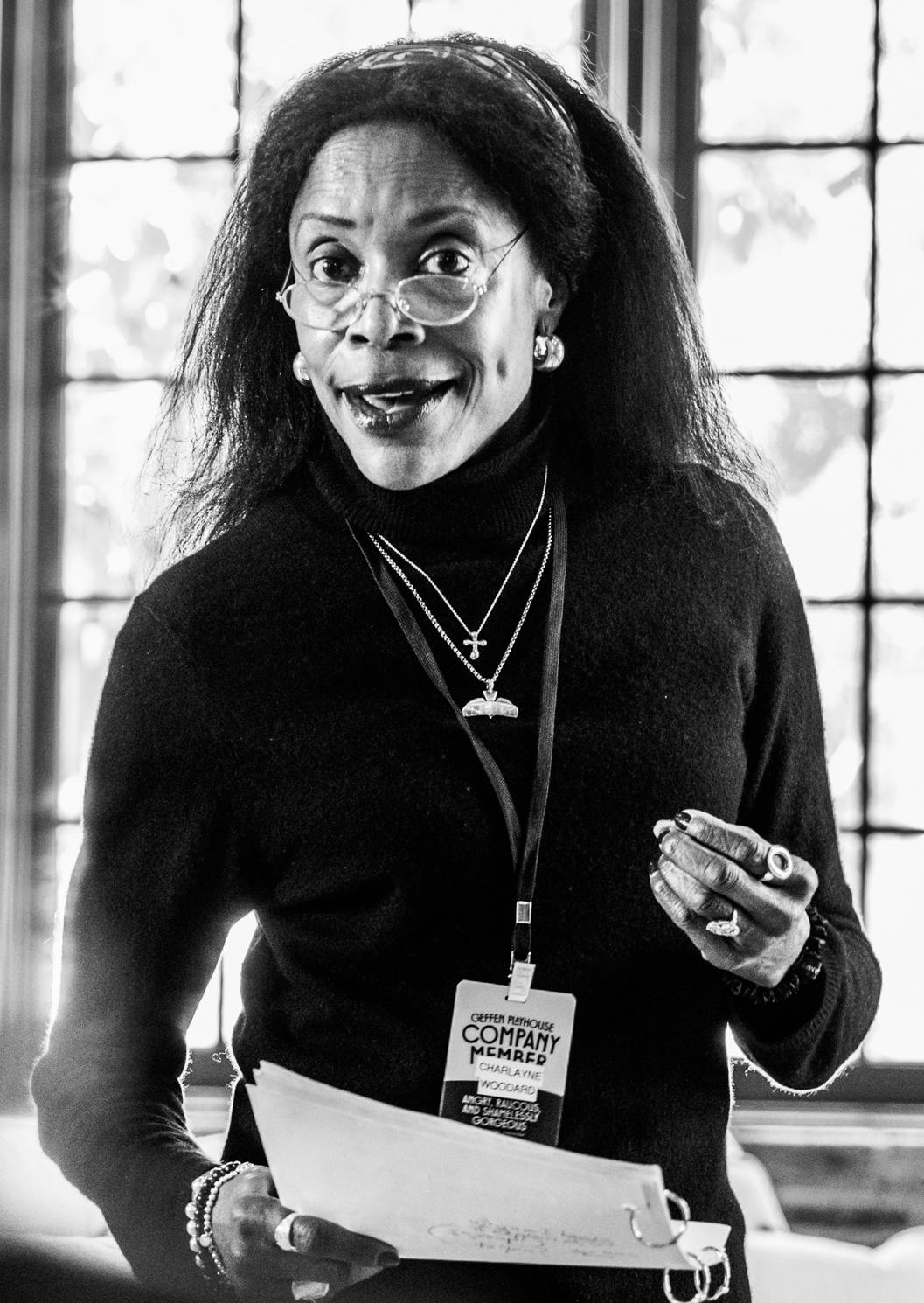
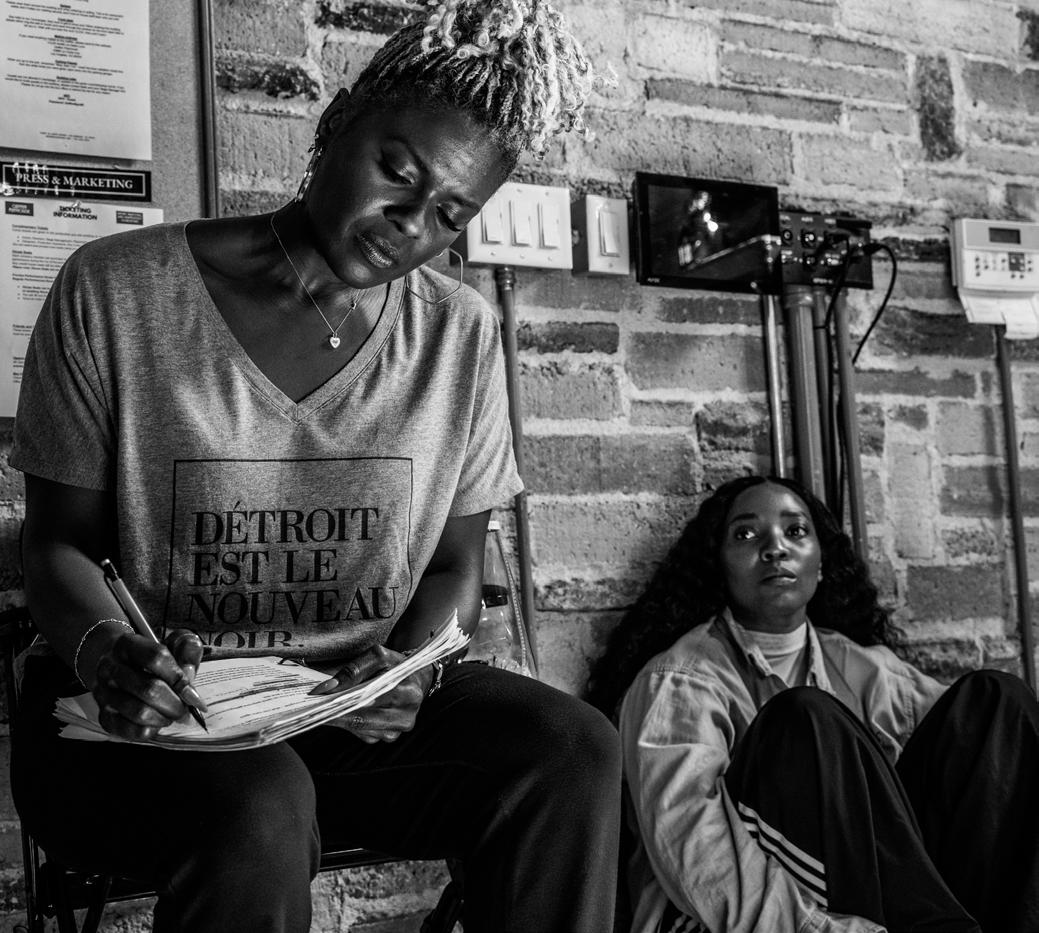
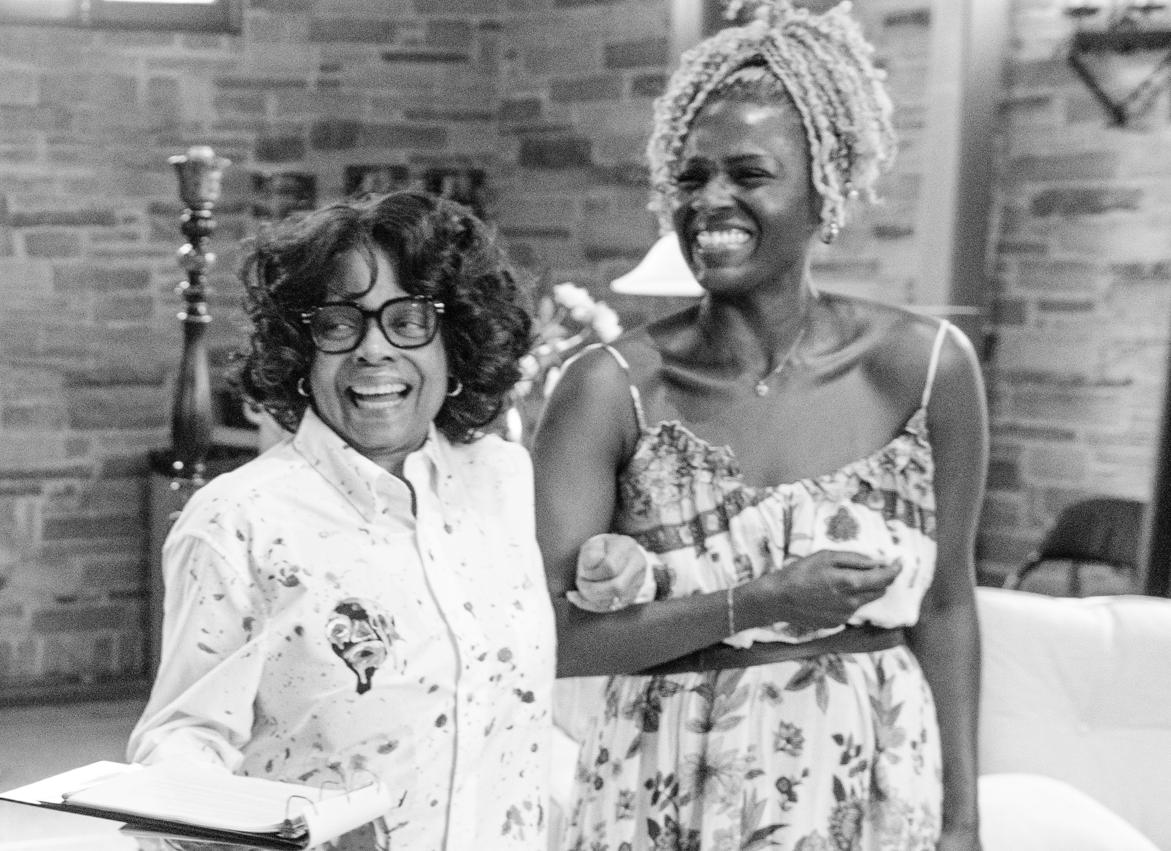
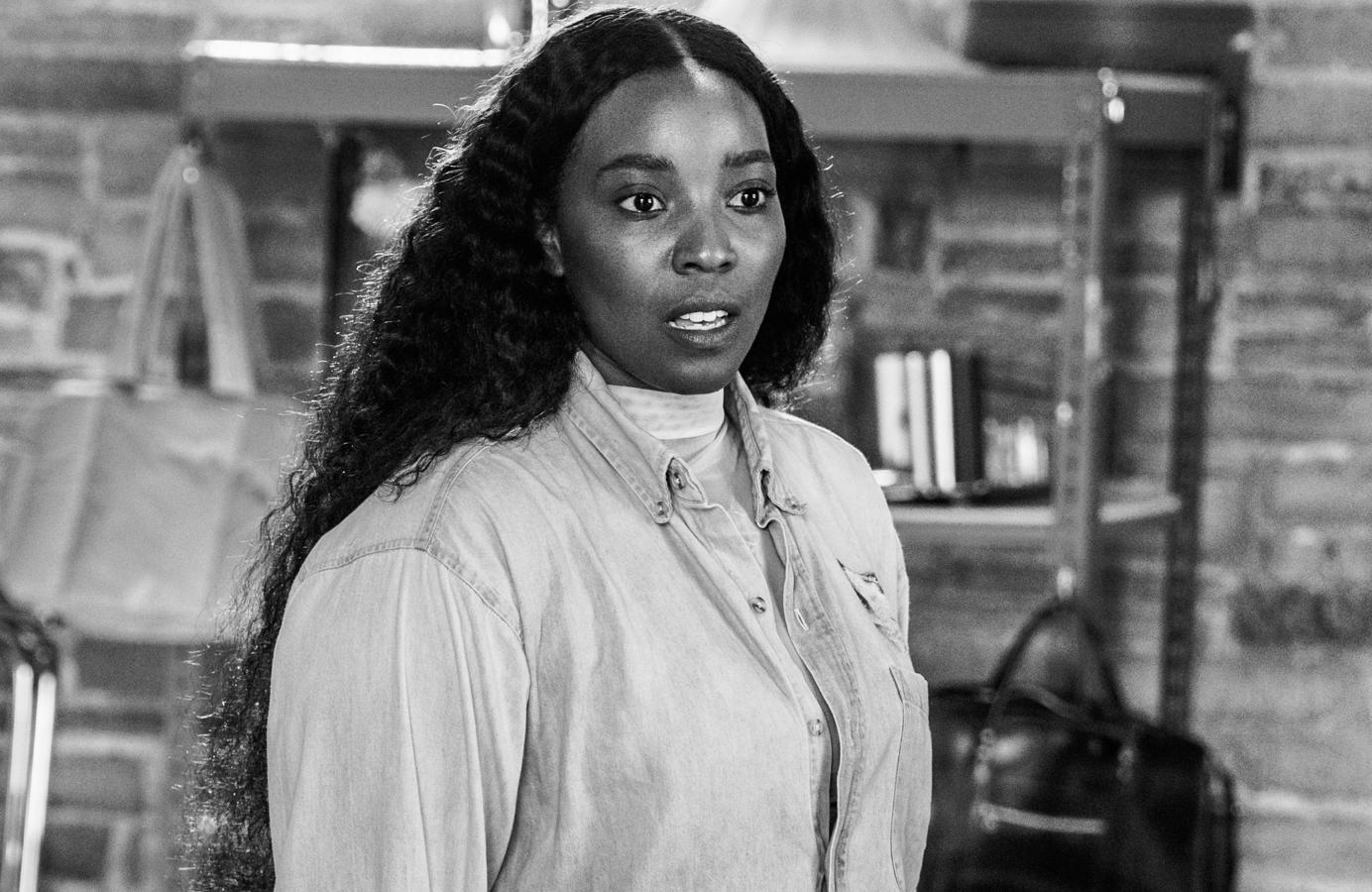
BY TIFFANY OGLESBY, GEFFEN PLAYHOUSE TEACHING ARTIST
“AND
-KATE
Angry, Raucous and Shamelessly Gorgeous
It’s a normal Tuesday evening as I sit at the desk inside my cramped Van Nuys apartment, putting the final editing touches on a self-tape audition for an episodic on network television that my agents are expecting me to submit before tomorrow morning’s deadline. I quickly review the 1 minute and 23 second video of myself spewing two minimal lines as a co-star. As I ruminate over whether I said the line “Can I help you?” convincingly enough, I pause the video and zoom in to get a better look at my hair. “Oh no,” I thought. “My gray hair is showing.” A vocal prayer escapes my mouth as I hope that those tiny silver follicles don’t ruin my chances of being seen as a youthful and buoyant secretary aiming to help the wise yet often reckless lead character on his quest to solve the case. It was time for a touch-up. It was time to rapidly conceal the grays and hopefully deceive casting directors for at least another month with the fade-resistant “Dark & Lovely - Natural Black #372.”
“ Black actresses frequently encounter a unique set of challenges where the scarcity of roles increases significantly as they mature in the industry. This double standard often forces talented performers to accept supporting parts or typecast roles while their white counterparts continue to secure leading vehicles. ” - By Ysmael Delicana “Black Actresses Who Faced Ageism”
I should clarify by saying I am proud of my age. I often marvel at how my body is evolving over my thirty-eightyears of living. I considered it a privilege! I am also aware that the older I get, the higher my chances are at only receiving supporting or limited roles as a working Black actress. This, of course, produces a touch of anxiety.
Our society is constantly bombarded with advertisements suggesting women conceal those weary wrinkles or hide the stubborn belly fat. In the entertainment industry particularly, the terror of aging is as old as the industry itself. Now, add in the complexities of an aging Black woman. That indeed is a distinctive tale. The question stands: How can we solve the fear of aging Black women within the entertainment industry?
“I’ve experienced threefold: being a woman, being a woman of 54 and being a woman of color. That’s a triple whammy. You want to talk about a lack of roles? It’s of biblical proportions.” - Viola Davis
“ Black women over 50 in Hollywood, and Black women in general, for that matter, are rarely afforded the opportunity to play complex leading roles that do not reinforce reductive stereotypes. When such women are depicted it is uncommon for them to be portraying characters who are both desirable and desiring, and whose sexuality is explored in ways that do not solely cater to a heteronormative cis-male gaze. Some of the on-screen depictions of Black women over 50 which have emerged over the last decade have differed to the flat archetypes that deny the fullness of such women’s lives and emotions.” - Dr. Francesca Sobande for the Women Over 50 Film Festival 2020
I look at actress Michelle Pfeiffer (68 y/o) who is currently starring in two major television productions: The Madison (Paramount+) and Margo’s Got Money Troubles (AppleTV) and her views on aging within the industry. “For me, I hit a point when it was hard, and then I got over that hump and it was incredibly liberating,” Pfeiffer states. “Especially in my work, where sometimes you go from leading lady to grandmother, there’s this sort of no man’s land where you just feel irrelevant. But then you slog through that and you can end up in a new place. I’m actually really excited about the roles that I’m getting now.” Though Michelle acknowledges the opposing effects of ageism and how it can lead one to feeling insignificant, her statement also illuminates her privilege, as a White actress, in being able to “slog through” and land roles that continue to keep her in the spotlight and go beyond surface or stereotypical older characters that are often assigned to aging Black women.
“Representations of Black female characters lack intersectionality. No Black female characters in film or TV are shown as having a disability, and few are shown as LGBTQ+, ages 50+, or having a large body type. We find significant differences in family film and TV content when it comes to the sexualization and objectification of Black girls and women.”
• Black female characters ages 50+ are twice as likely to appear in film than TV (16.3% compared with 8.8%).
• Black female characters are twice as likely to be shown wearing revealing clothing in film than TV (20.3% compared with 10.7%)
• Black female characters are more than twice as likely to be shown as partially/fully nude in family films than TV (13.5% compared with 5.2%).
• In film, Black female characters are seven times more likely to be visually objectified with camera angles than in family TV (6.7% compared with 0.9%).
“ Age before beauty! ” Denise Burse humorously shouted as she began to unpack a pivotal moment in the play Angry, Raucous, and Shamelessly Gorgeous between the characters Betty (played by Burse), Kate (Deborah Joy Winans), Pete (Olivia Washington), and Ana (Charlayne Woodard). I had the pleasure of sitting in a rehearsal session helmed by the exceptional LaTanya Richardson Jackson, whose stellar artistic career spans decades. From the actresses to the assistant directors, the room was filled with talented Black women ranging from all different age groups. Aside from rehearsing their lines, the topic of ageism and body image naturally flowed throughout the space. But most importantly, community and mentorship were the prominent themes as I watched each artist discover new moments, share inside jokes, laugh and sing in unison, and casually dance to the stage manager’s playlist between designated breaks. I watched as director Richardson Jackson thrillingly compelled Burse and Woodard to explore the range and youthfulness in their voices, while effortlessly shifting to playfully encouraging Winans and Washington to search for moments where their characters asserted themselves fully. “ The young are always gone fight. Young is always fighting! Oh, the imagination of the young. ” Richardson Jackson proclaimed while reflecting on the attitudes of younger generations and their need to actively evoke change.
“ The point is, I don’t want to be the cranky old lady who sends the police to arrest an angel. Because you’re right. We showed these wild, beautiful girls how to do this stuff, even if they don’t know it, and even if they don’t do it like we did it, they couldn’t have done it without us. And all we ever need to say to them is I see you! I love you! Godspeed! ”Anna, AR&SG by Pearl Cleage
Here I am, a simple spectator in this majestic rehearsal room, and I am filled with endless inspiration and wonderment. The mentorship I gained by simply being a fly on the wall for only a few hours will last me a lifetime. I thought back to my self-tape audition from the week before, with my peering gray hairs. I thought of the endless messages appearing online about the supposed horrors of aging. I thought of the vast reports on Black women and their place in the entertainment industry as they get older. The combination of those thoughts left me to suddenly wonder: could moments like this, here in this Geffen rehearsal room, be a part of the cure to ending racialized ageism? Could the gathering of Black women offering their joy, wisdom and fearlessness through art be the tools used to dismantle the notion that ageism is acceptable? Could the crucial union between older and younger generations amongst Black women artists prove that both are necessary and most importantly beautiful? “Engaging in multi-generational relationships and conversations is a really enriching part of life, and now, especially, it’s a big part of our national conversation.” - Pearl Cleage
I believe the essential and “shamelessly gorgeous” message within Pearl Cleage’s play, along with getting a glimpse of these marvelous Black women preparing to bring this story to the stage, offers a sign of hope - a righteous indication of a revolution in forward motion.
“ This is the stuff you’ve got to do for theatre! And you’ve got to prepare to get naked [vulnerable]!” - Denise Burse.
SCAN THE QR CODE TO THE LEFT TO READ “RACIALIZED AGEISM AGAINST BLACK WOMEN: IT’S A REAL THING” ON MEDIUM.COM BY IRMA MCCLAURIN, SEP 4, 2023

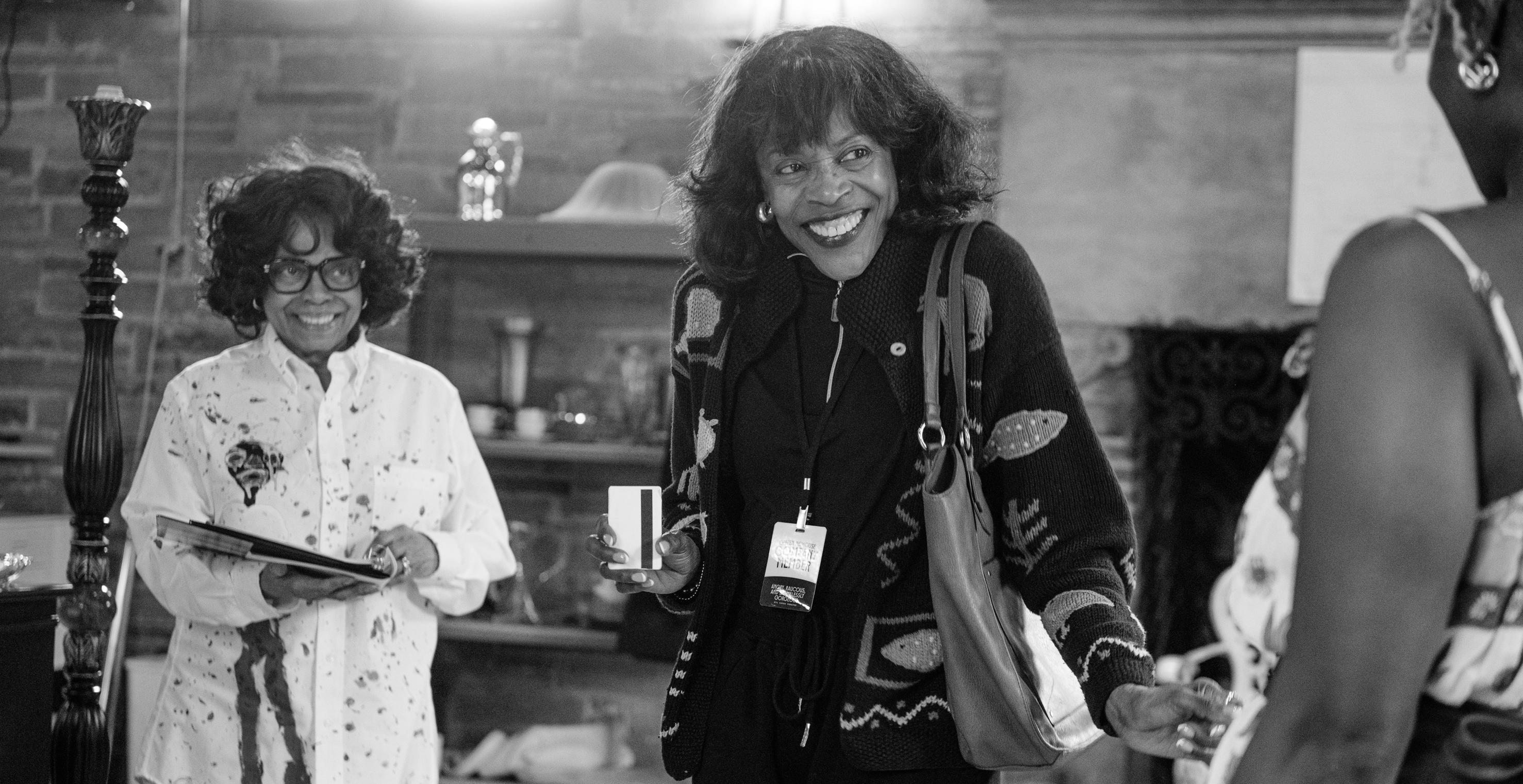
DENISE BURSE, CHARLAYNE WOODARD AND DEBORAH JOY WINANS IN REHEARSAL FOR ANGRY, RAUCOUS, AND SHAMELESSLY GORGEOUS AT
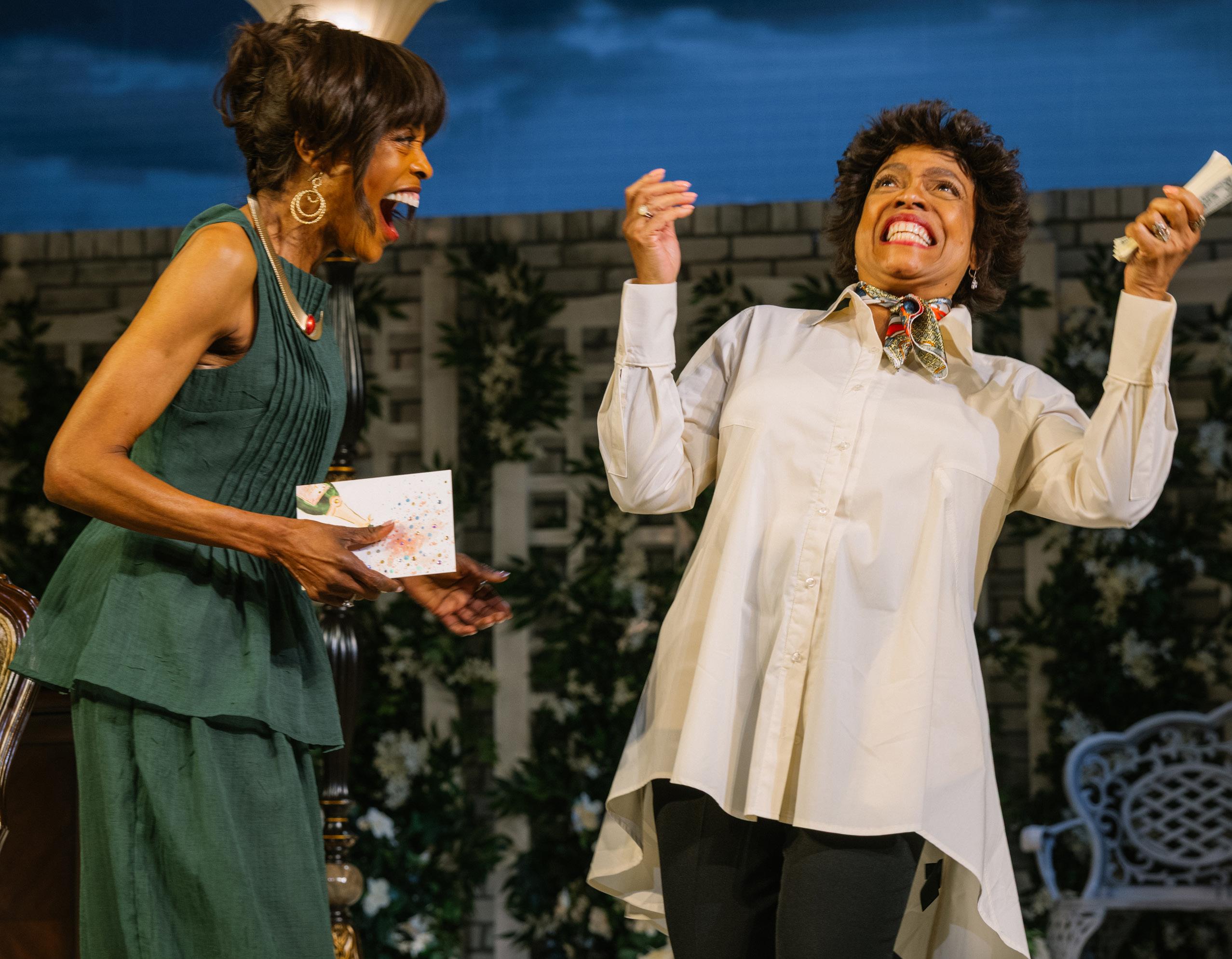
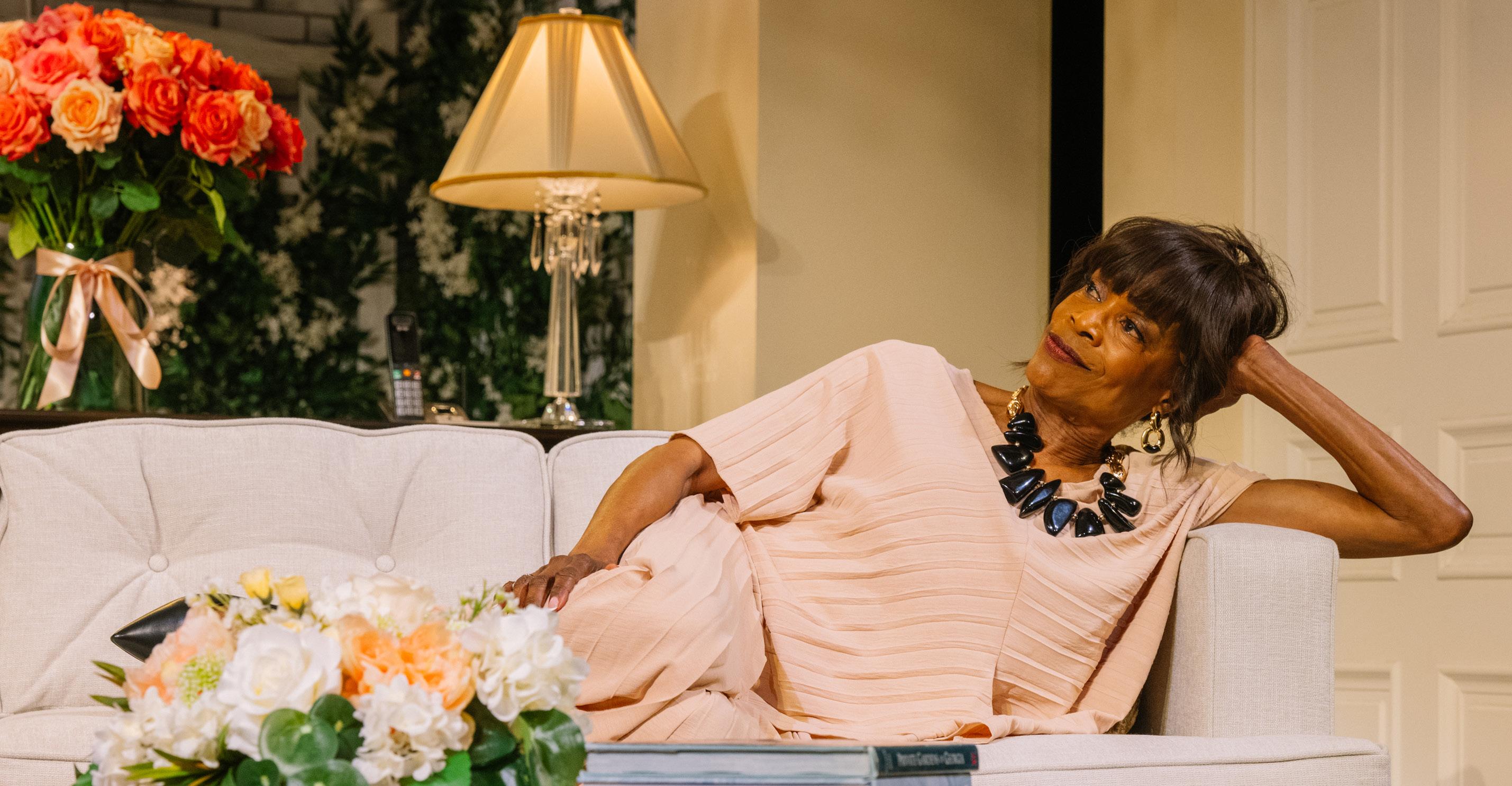
mujeres mayores a imaginar un feminismo que incluye a artistas como ella en lugar de descartarlas.
Al final de la obra, lo que comenzó como un amargo conflicto generacional se convierte en una profunda reflexión sobre el legado y la reinvención. Las cuatro mujeres se enfrentan a la dolorosa realidad de que el tiempo no sólo transforma los cuerpos y las carreras, sino también el significado mismo de la rebelión.
Hattie McDaniel (June 10, 1893 – October 26, 1952) was an American actress, singer-songwriter, and comedian. For her role as Mammy in Gone with the Wind (1939), she won the Academy Award for Best Supporting Actress, becoming the first African American to win an Oscar.
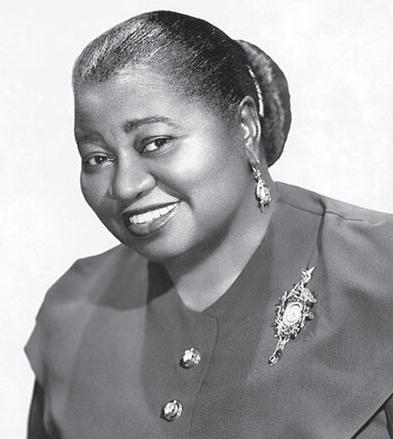
SCAN THE QR CODE TO THE READ “MAMMY’S GRAVE: THE COMPLICATED LEGACY OF THE 1ST BLACK OSCAR WINNER, HATTIE MCDANIEL” BY DAVID ONO FOR ABC7, FEBRUARY 23, 2023
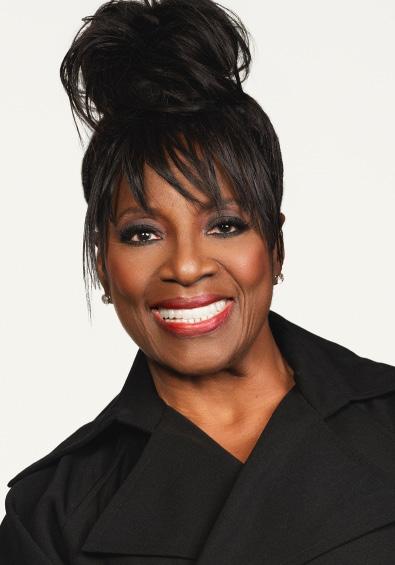
LATANYA RICHARDSON JACKSON CELEBRATES BLACK WOMEN, LEGACY AND TRUTH IN ‘ANGRY, RAUCOUS, AND SHAMELESSLY GORGEOUS’
SCAN THE QR CODE TO THE RIGHT TO READ AN INTERVIEW WITH ANGRY RAUCOUS AND SHAMELESSLY GORGEOUS DIRECTOR L ATANYA RICHARDSON JACKSONN WITH THE LA SENTINEL.
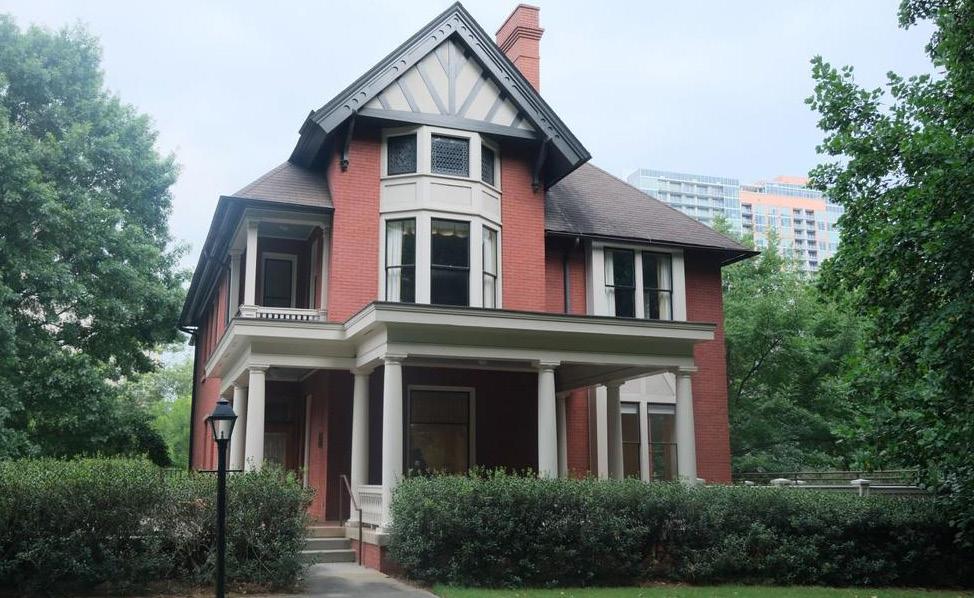
SCAN THE QR CODE TO THE READ “GONE WITH THE WIND AUTHOR’S HOUSE REOPENS AFTER 4-YEAR CLOSURE WITH A CLEARER-EYED VIEW OF HISTORY” BY ORLANDO MONTOYA FOR PBS, GPB. ORG JULY 10, 2024
SCAN THE QR CODE TO THE READ “GONE WITH THE WIND AND THE DAMAGING EFFECT OF HOLLYWOOD RACISM” BY TODD BOYD FOR THE GUARDIAN.COM, JUNE 13, 2020.
SCAN THE QR CODE TO THE READ “RECLAIMING THE IMAGE: BLACK WOMANHOOD IN GONE WITH THE WIND AND BLACK GIRL” BY OREOFE SALU FOR THEANSARCHIVES.COM, 8 AUG 2025.
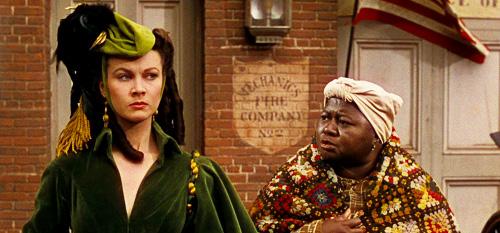
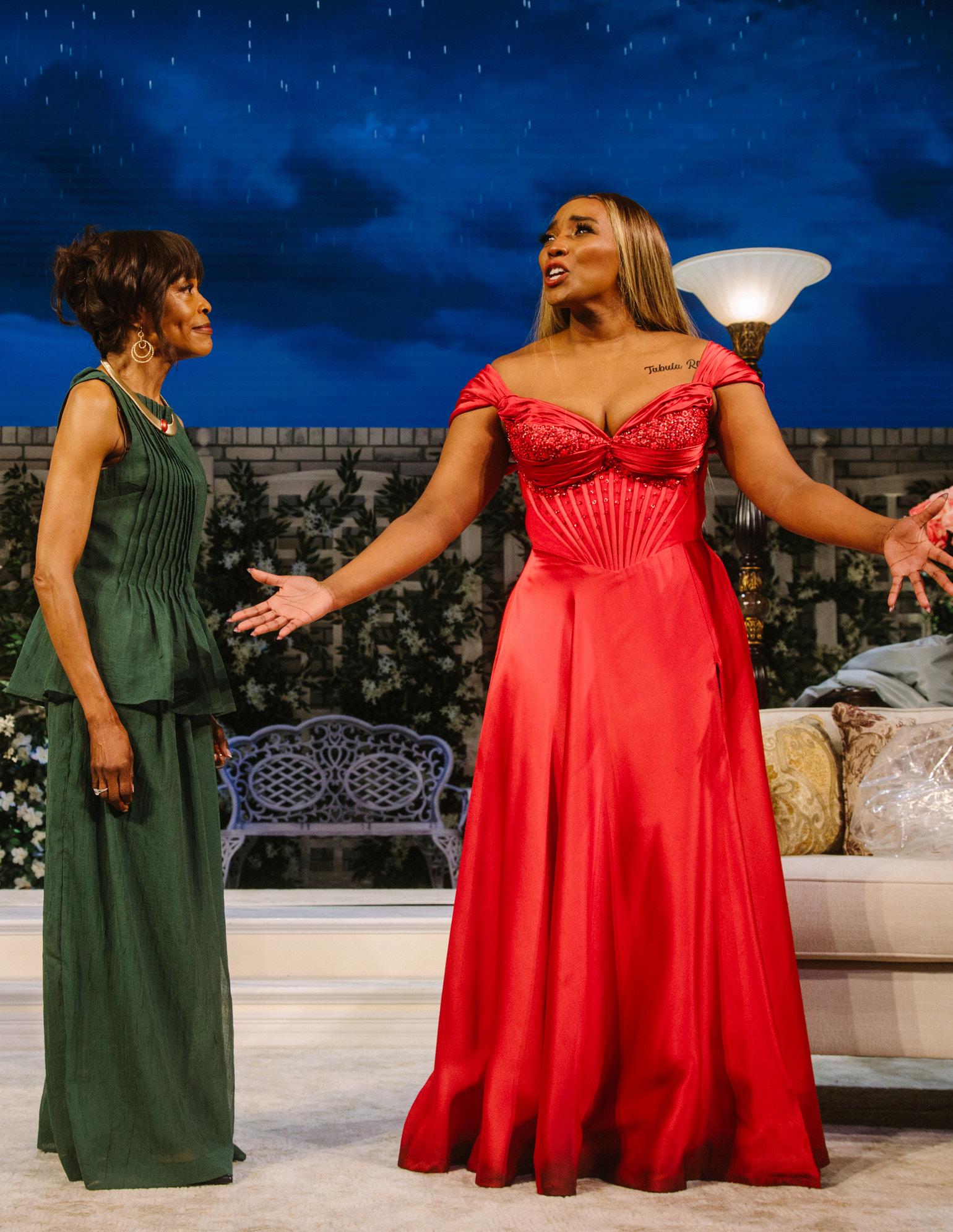
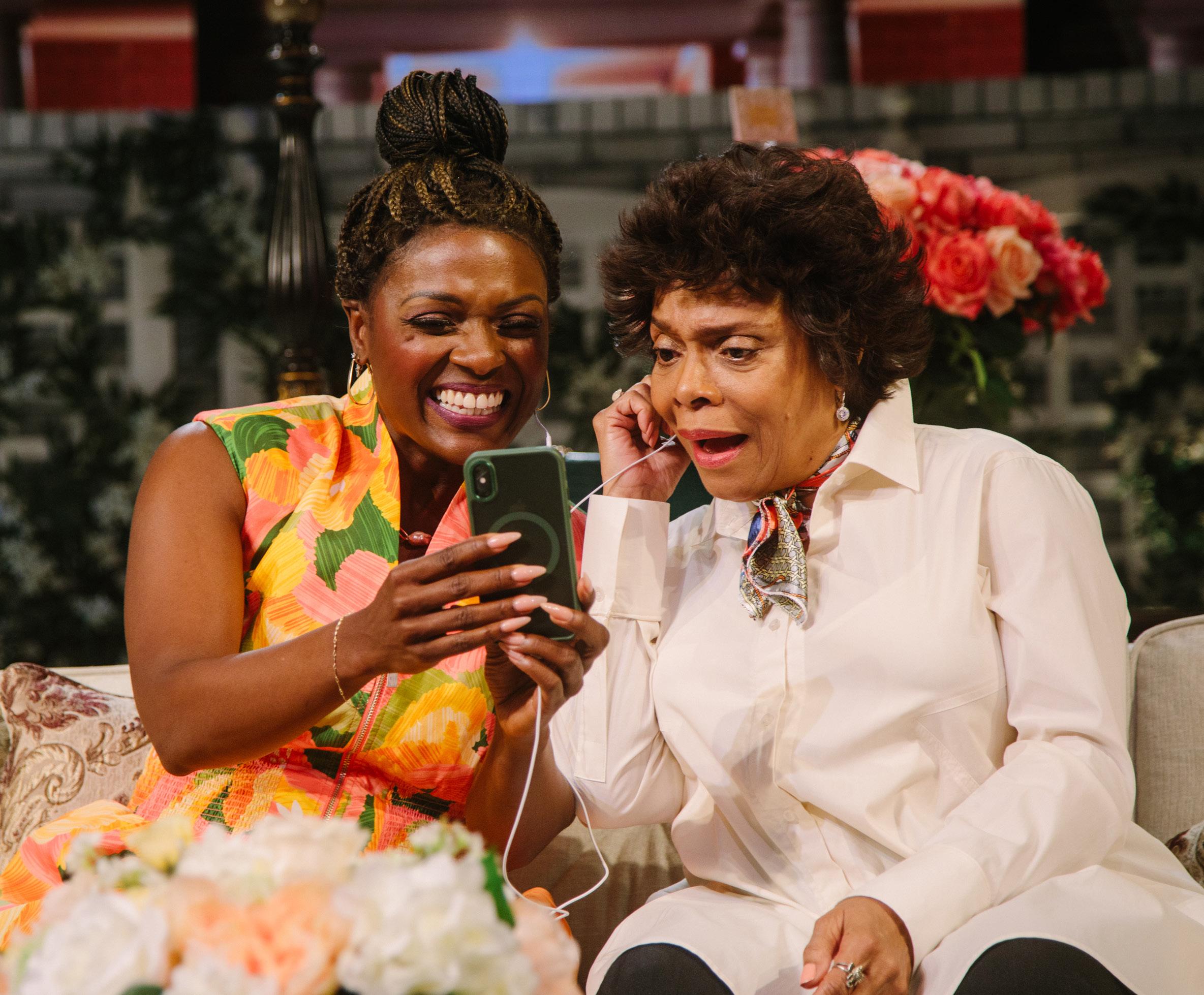
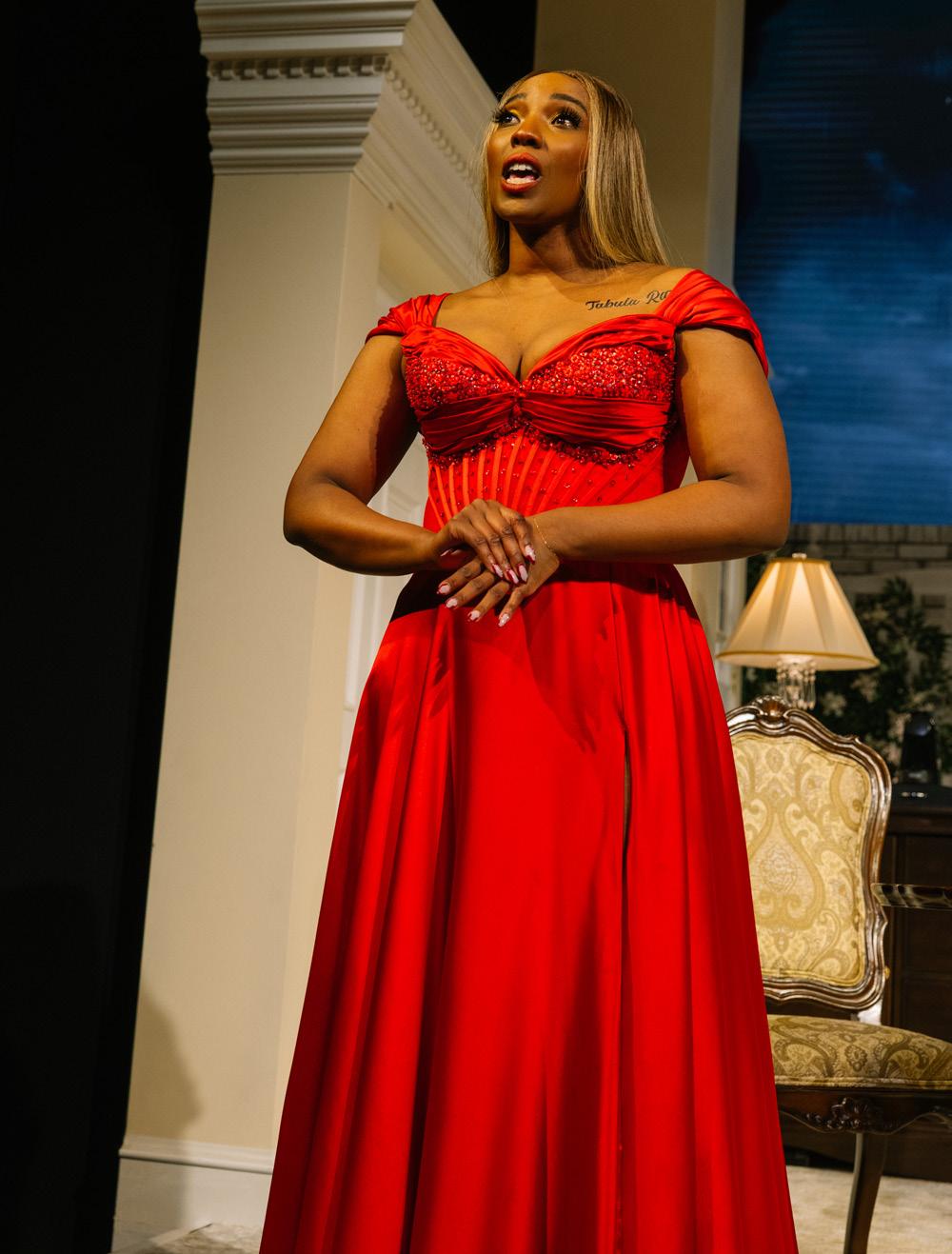
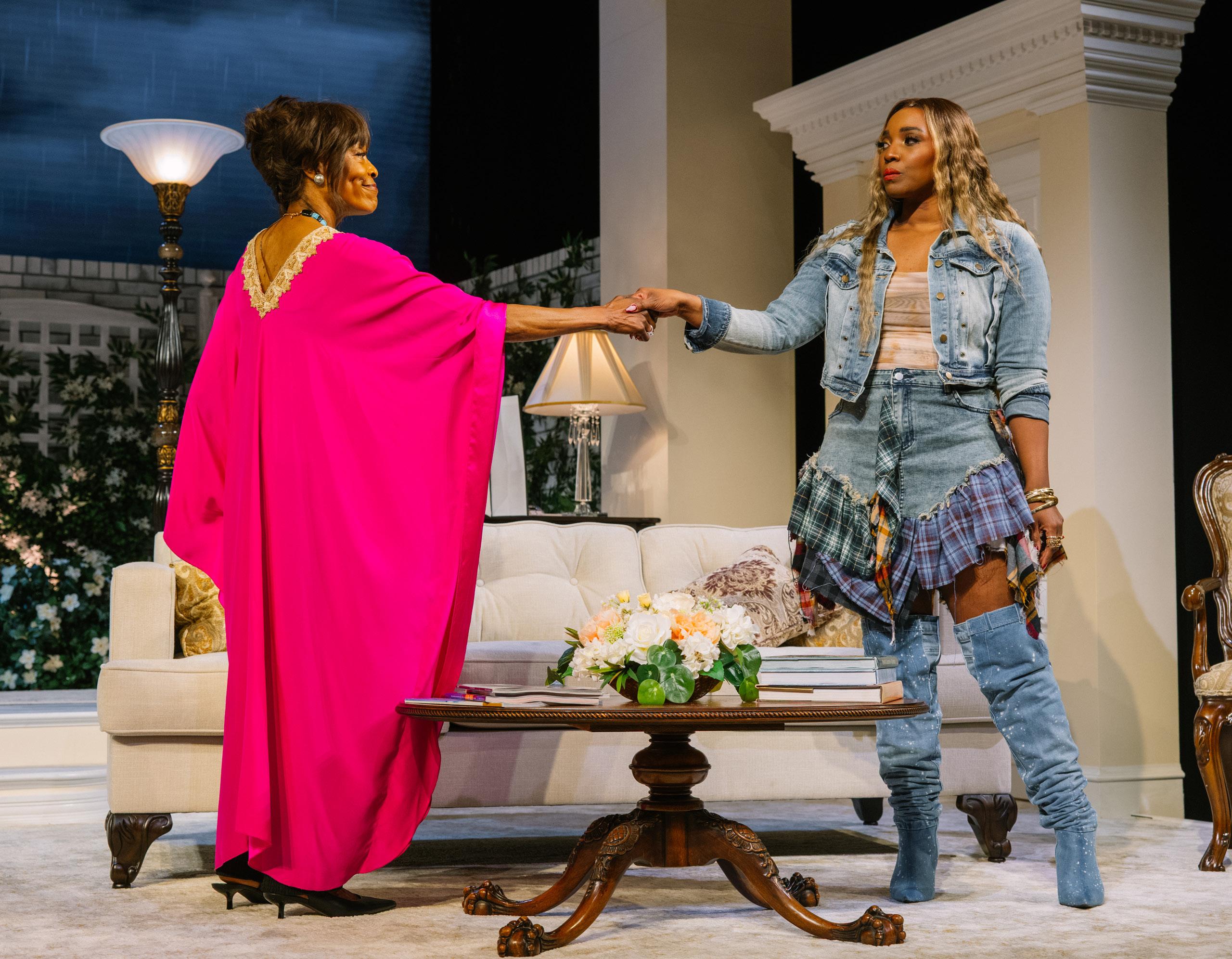
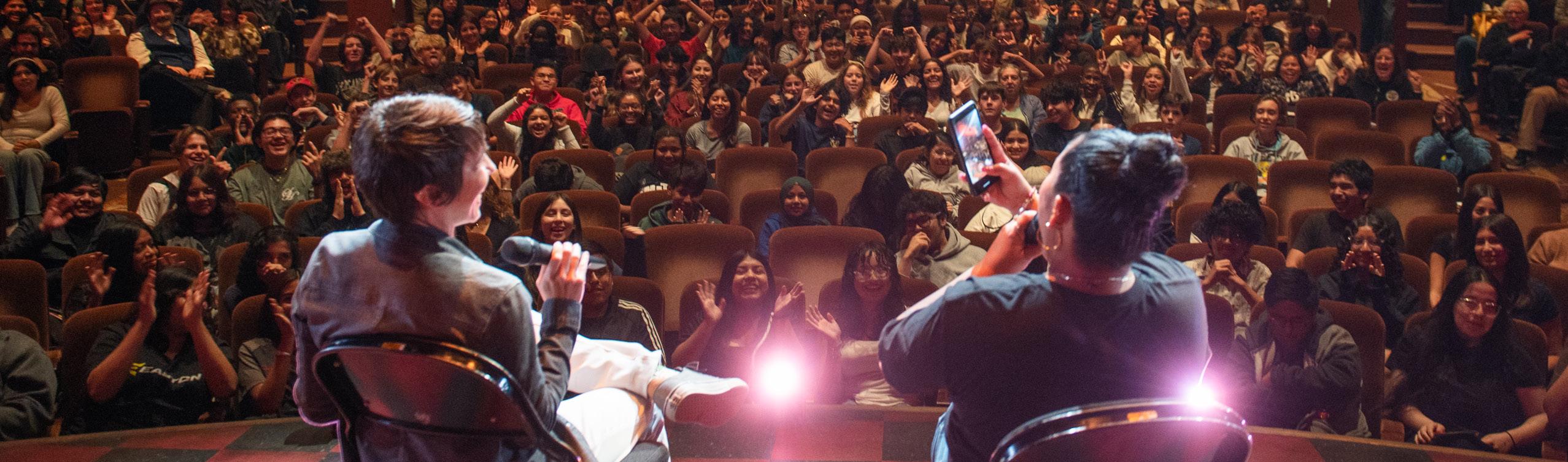
Depending on the time available and your participants’ interests, guide them to respond to the suggested questions below. Encourage everyone to participate and respect differing opinions. Individuals can share their thoughts with a partner, in a small group, as part of a larger group discussion, or as written responses.
• What are some images and moments from the production that stood out or resonated with you? What was meaningful, stimulating, surprising, evocative, memorable, striking, touching, challenging, or unique?
• Overall, how did you feel while watching this show? Engaged? Amused? Inspired? Provoked? Uncomfortable? What made you feel this way?
• Did you identify with or empathize with any of the characters in the play? If so, which character(s) and when? If not, why not? Which characters remind you of someone in your life? Remind you of yourself?
• How did the actors’ performances influence your understanding or experience of the story?
• Describe the design elements from the show: set, props, costumes, and music. Be as specific as possible. What did you see, hear, feel, and experience? How do these elements inform the storytelling and shape your experience as an audience member?
• Anna and Pete come from very different generations with very different ideas about art, activism, and identity. Where did you see them clash, and where did you see them connect? Did your sympathy shift between them over the course of the play?
• The play has been described as a story for anyone who has ever tried to build a bridge between generations, hoping to offer a lifetime of advice to some unsuspecting young person, and discovered in the process that there is as much to learn as there is to teach. Did that feel true to what you watched? Who do you think learned more, Anna or Pete? What did you learn or think about in a new way after watching the play?
• What advice were you given when you were younger that still resonates with you today? What advice would you offer to someone who is of a different generation than you are?
• Anna has spent decades defined by one controversial performance. How does the play explore what it means to be remembered for a single moment in your career? Is that a gift or a burden? Why do you think so?
• The play follows a trailblazing actress flush with accolades but short on cash, who returns to the U.S. to stage a careerdefining comeback only to collide with a new generation that challenges her past, her politics, and her place in the movement. How did you feel about Anna’s struggle to remain relevant? Did you empathize with her, and why?
• Only 20 percent of plays performed on American stages are written by women, and many productions depict women as long-suffering wives, mothers, or widows. How does this play push back against that? What does it mean to see women on stage centered as complex, fully realized characters?
• Who gets to tell a story, and who gets to own it? The play raises questions about artistic ownership when a younger actress is cast in Anna’s most famous role. How did that conflict land for you?
• What happens when their revolutionary criticisms of the establishment become the establishment? Do you think Anna’s work still feels radical?
• Pearl Cleage has said she hopes the play ignites a passion for civic engagement. What in the play made you want to act, speak up, or create something? What role do art and theatre play in how communities discuss, debate, and process the issues that matter most to them? In what ways does theatre create space for the kinds of conversations that are difficult to have anywhere else? How does art, and theatre specifically, shape the way we engage with one another as citizens and as a community?
• The play engages with the concept of intersectionality, the notion that one can be simultaneously oppressed in different ways, by different groups, for different reasons. How do you see that playing out in Anna and Pete’s experiences as Black women in the theatre? Where do you see this in your world and community?
• Both Anna and Pete have had to fight for their place in the world on multiple fronts. Where did you see that struggle most clearly, and how did each of them respond to it?
• How did humor function in this play? Were there moments where you laughed and then immediately felt something more complex underneath it? Why do you think the playwright chose those moments?
This activity is designed to create meaningful conversation between people from different generations. The goal is not to debate who is “right,” but to listen, learn, share experiences, and explore how perspectives are shaped by age, culture, and lived experience. You will be paired with someone from a different generation. Each person brings valuable knowledge, memories, questions, and insights to the conversation. The strongest conversations happen when participants approach one another with curiosity, respect, and openness.
GUIDELINES FOR THE CONVERSATION
• Listen fully before responding.
• Speak from personal experience rather than making generalizations.
• Ask questions with curiosity, not judgment.
• Allow space for both similarities and differences.
• Remember that learning should go both ways.
CONVERSATION PROMPTS
Choose a few prompts to discuss together:
• What is something people often misunderstand about your generation?
• What advice do people your age tend to give younger people?
• What is one piece of advice you resisted, one piece of advice they later appreciated and one piece of advice they wish someone had given them?
• What is something you admire about another generation?
• How has communication changed during your lifetime?
• What is a challenge your generation faces that others may not fully understand?
• What life lesson took you a long time to learn?
• What gives you hope about younger or older generations?
REFLECTION
As you talk, pay attention to: moments of connection, surprising similarities, differences in language or communication styles, and what you learned from one another.
At the end of the activity, each pair will share one insight, question, or idea that emerged from the conversation. The purpose of this dialogue is to build understanding across generations and recognize that every generation has both wisdom to offer and something new to learn.
What is your important role as an audience member?
Seeing live theater is different from going to a movie theater, watching something at home on your TV, or attending a live sporting event or concert. You are an important part of the experience- just as much as the performers on stage!
What are some things we should keep in mind to ensure that we, other attendees, and the performers have a great experience?
Please be RESPECTFUL!
• Respect the space, the work, and one another.
• Silence phones and put them away during the show.
• Unwrapping candy or cough drops before play begins.
• Respect the artists by not taking pictures or videos during the peformance.
Please be RESPONSIBLE!
• Arrive early to the theater! It can be disruptive to enter the theater after the show has already started, and you will miss some great moments and important parts of the story!
• Remain seated until the end of the show (unless it is a true emergency).
• Eating or drinking before or after the show, or during intermissions.
• Please visit the restroom before or after the show, or during intermissions.
Please be RESPONSIVE!
• Respond genuinely! For example, if you find something amusing, funny, feel free to laugh and react.
We appreciate you sharing your Geffen Playhouse experience via social media, and kindly request that you do not do so inside the theater, where the use of electronic devices is prohibited.
We recommend that you post your responses and thoughts in the lobby after the performance, and invite you to tag @GeffenPlayhouse and use #GeffenPlayhouse to share your experience and to continue the conversation with us online.
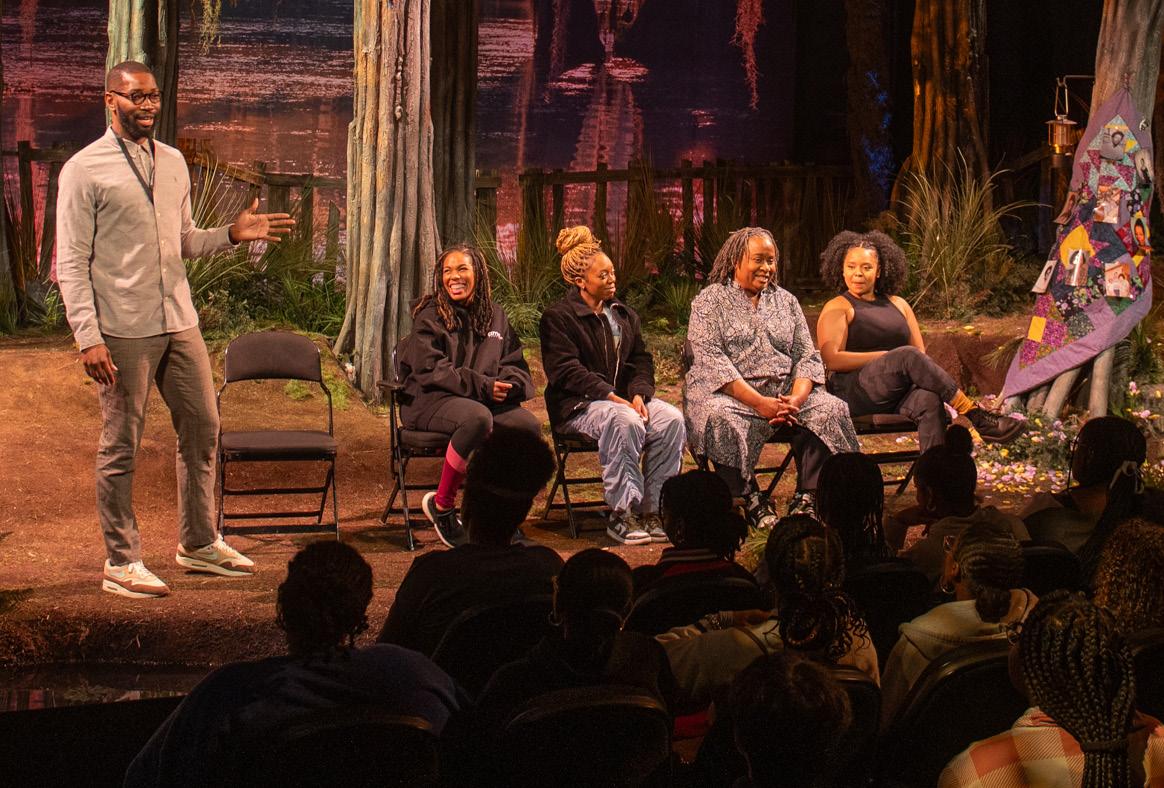

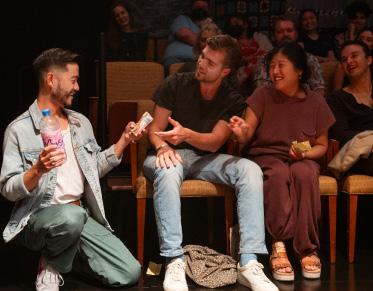

What is your position at Geffen Playhouse and how long have you been at the Geffen?
My position at the Geffen Playhouse is Director of Advertising and Audience Development. I joined the Geffen Playhouse Marketing team in November 2004.
What educational, artistic, and professional experiences led to you working at the Geffen?
During my undergrad studies at the University of Southern California, I produced live events. I learned how crucial building relationships based on a dedicated and consistent work ethic combined with trusting team members across departments and with hired vendors leads to a successful performance or event. I brought these skills and mindset to my work producing large scale community music, arts and food festivals in San Diego for a non-profit Mainstreet Association before settling back to Los Angeles and working for both private and public radio stations as a commercial sales and on air promotions representative. It was at the LA public radio station where I was introduced to the Geffen Playhouse who became my advertising client and ultimately I was hired to join the theater’s marketing department.
What are your primary responsibilities as the Director of Advertising and Audience Development?
My primary responsibilities in the audience development part of my job is to connect with, engage with, learn from and explore partnerships with different communities across Los Angeles. My goal is to establish ongoing relationships with organizations so that their community: staff members, volunteers, Board members, donors and the greater community that their mission serves, is seen, welcomed and they fully realize that they’re a valued and crucial part of our nightly theater audience.
What key skills and disposition are needed in your role?
To network, establish and maintain a collaborative spirit withthose within & outside your field, ask questions to leadership and decision makers around you to provide you with an informed baseline and then you can personalize your pitches for both advertising and developing new audiences. Be dedicated, patient, thoughtful, flexible and be kind in your communications.
What experiences inspired you to pursue a career in the arts?

I started dance classes when I was 3 years old. I’ve always loved the stage and every season I’m in awe of the dedication, skill and stamina it takes for any artist to capture and keep an audience’s attention. That moment when a theater goes dark and then instantly lights are up and we collectively see a gorgeous set crafted by human hands and the performance begins, I feel a rush of excitement that is unmatched.
What do you find most challenging and most rewarding? Most challenging are timing and deadlines to provide the team what they need can be stressful at times, but with trust comes flexibility. Most rewarding is meeting people in the lobby preshow who share with me it’s their first time at the Geffen Playhouse. And then post show those same folks who come find me to share they want to come back and who they want to bring with them.
What was one of your favorite shows to work on or that youd love to work on?
Having seen and worked on over 100 shows at the Geffen Playhouse, that’s way too hard to name! I have numerous favorites for a variety of reasons. I love that I can walk through our lobby and remember the artists, campaigns and events from looking at all the show posters. More than a specific play I’d love to work on, I love when I have the opportunity to work with a returning playwright, director or actor for a completely different piece that will take our audiences on a new journey.
To learn more about our Community Meet Up Nights and our Partnership events like BPAN (Black Partners Appreciation Night), visit geffenplayhouse.org or email Karen at kareng@geffenplayhouse.org
Esta temporada, en noviembre de 2025, el Departamento de Educación y Participación Comunitaria del Geffen puso en marcha su primer Taller de Monólogos sobre Identidad Cultural, realizado íntegramente en español. El taller reunió a más de una docena de artistas comunitarios, educadores y activistas —hispanohablantes y bilingües— en el Geffen Playhouse para generar ideas, escribir, revisar y compartir monólogos originales inspirados en objetos significativos vinculados a sus historias personales.

Una de las artistas participantes fue Claudia Mancia, organizadora comunitaria y facilitadora de liderazgo radicada en Boyle Heights. Ella coordina el Comité de Líderes, brindando apoyo a padres y líderes comunitarios a través de la narración de historias, la oratoria y la participación cívica. Su labor se centra en la justicia migratoria, el bienestar comunitario y el empoderamiento de las voces locales para generar un cambio positivo.
¿Estás interesado en participar en nuestro taller de monólogos en español en 2027? Envía un correo electrónico a Education@GeffenPlayhouse.Org para obtener más información.
Le invitamos a leer *Mi Acompañante*, un monólogo escrito por Claudia Mancia durante el taller.
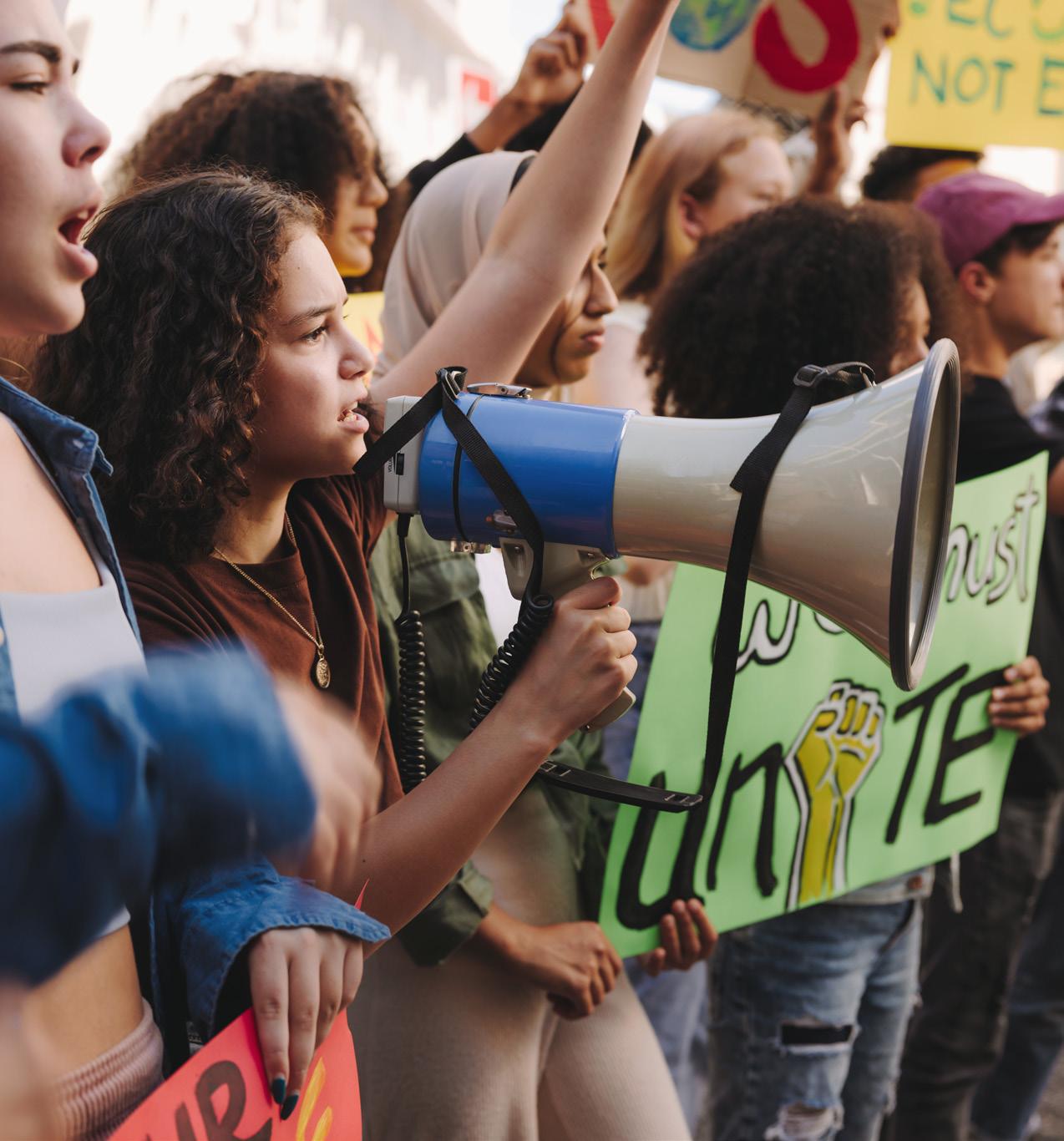

ESCRITO POR CLAUDIA MANCIA, 2025
Mi acompañante M egáfono ocupa baterías, es blanco, hecho de plástico. Él hace bulla, te alerta, te agita, pero más que todo el proyecta mi Voz, tú Voz, la Voz del Pueblo.
Mi acompañante Megáfono ha sido mi arma en las campañas contra la injusticia. Cuando el Megáfono llegó a mis manos me puse nerviosa, las manos me sudaban.
Con un grito - Sin Justicia no hay Paz - se me quitaron los nervios y nació algo en mi. Sentí que mi corazón creció, mi sangre se calentó y me salió ira, frustración, esperanza - nació mi pasión. Gracias acompañante Megáfono por haberme dejado renacer.
THE SHAMELESSLY GORGEOUS LIFE AND RAUCOUS WORKS OF PEARL CLEAGE & NOTABLE WORKS OF PEARL CLEAGE p. 10-13
“Pearl Cleage.” Alliance Theatre. alliancetheatre.org/person/pearlcleage/
“Pearl Cleage.” The HistoryMakers, September 23, 2004, thehistorymakers. org/biography/pearl-cleage-39
Lantern Theater Company. “Meet the Playwright: Pearl Cleage.” Lantern Theater Company: Searchlight, Medium, 4 February 2026, medium. com/lantern-theater-companysearchlight/meet-the-playwrightpearl-cleage-e1d7c5fc1d14
Leticia Ridley, Jordan Ealey, Pearl Cleage, “Black Women Got Something to Say: A Conversation with Pearl Cleage.” HowlRound Theatre Commons,, 27 July 2022, howlround.com/black-womengot-something-say-conversation-pearlcleage
Moore, John. “Deeper Dive: A Closer Look at ‘Angry, Raucous, and Shamelessly Gorgeous.’” Denver Center for the Performing Arts, 13 March 2020. denvercenter.org/news-center/ deeper-dive-a-closer-look-at-angryraucous-and-shamelessly-gorgeous/
Armour, TJ. “Q&A: Pearl Cleage — Award-Winning Author, Playwright and Poet Laureate.” N’Digo, 2 October 2023. ndigo.com/2023/10/02/qapearl-cleage-award-winning-authorplaywright-and-poet-laureate/
THE DIGNITY OF DRESSING WELL: FASHION AS A FORM OF BLACK RESISTANCE AND CULTURAL EMPOWERMENT p. 22-25
“About the CROWN Act.” *The CROWN Act*, [www.thecrownact.com/about] (http://www.thecrownact.com/about). Accessed 17 June 2026.
“Black Fashion & History: The Legacy of Creativity and Change.” *Black History Month UK*, [www.blackhistorymonth. org.uk/article/section/fashion/ black-fashion-history-the-legacy-ofcreativity-and-change/](http://www. blackhistorymonth.org.uk/article/ section/fashion/black-fashion-historythe-legacy-of-creativity-and-change/). Accessed 17 June 2026.
“Blessed and Beautiful: The Evolution of Black Women’s Style.” *Google Arts & Culture*, artsandculture.google. com/story/blessed-and-beautiful-theevolution-of-black-women-s-stylesmithsonian-national-museum-ofafrican-american-history-and-culture/ QwWRM9QmXwVYKg. Accessed 17 June 2026.
Salcido, Emilia. “The Hierarchy of Dress: Clothing in the Age of Emancipation.” *Fashion History Timeline*, Fashion Institute of Technology, fashionhistory. fitnyc.edu/the-hierarchy-of-dressclothing-in-the-age-of-emancipation/. Accessed 17 June 2026.
“The Politics of Style: How Black Fashion Redefined Identity in the Civil Rights Movement (1950s–1970s).” *Black History Studies*, blackhistorystudies. com/the-politics-of-style-how-blackfashion-redefined-identity-in-thecivil-rights-movement-1950s-1970s/. Accessed 17 June 2026.
Waxman, Olivia B. “The Story Behind the Black Dandyism Theme at the 2025 Met Gala.” *History.com*, A&E Television Networks, 1 May 2025, [www. history.com/articles/black-dandyfashion-met-gala-theme](http://www. history.com/articles/black-dandyfashion-met-gala-theme).
IF YOU LIKE THIS PLAY p. 18-19
“Adrienne Kennedy.” *EBSCO Research Starters*, EBSCO Information Services, [www.ebsco.com/research-starters/ biography/adrienne-kennedy](http:// www.ebsco.com/research-starters/
biography/adrienne-kennedy). Accessed 17 June 2026.
“Adrienne Kennedy.” *Concord Theatricals*, [www.concordtheatricals. com/a/1831/adrienne-kennedy] (http://www.concordtheatricals. com/a/1831/adrienne-kennedy). Accessed 17 June 2026.
“Adrienne Kennedy, Award-Winning and Influential Playwright.” *African American Registry*, aaregistry.org/ story/adrienne-kennedy-awardwinning-and-influential-playwright/. Accessed 17 June 2026.
“Ntozake Shange.” *Poetry Foundation*, Poetry Foundation, [www. poetryfoundation.org/poets/ntozakeshange](http://www.poetryfoundation. org/poets/ntozake-shange). Accessed 17 June 2026.
*Official Ntozake Shange Website*. [www.officialntozakeshange.com] (http://www.officialntozakeshange. com). Accessed 17 June 2026.
“Life and Work of Alice Childress.” *Roundabout Theatre Company*, [www.roundabouttheatre.org/gettickets/upstage-guides-current/ upstage-guide-trouble-in-mind/lifework-alice-childress-trouble-in-mind] (http://www.roundabouttheatre.org/ get-tickets/upstage-guides-current/ upstage-guide-trouble-in-mind/lifework-alice-childress-trouble-in-mind). Accessed 17 June 2026.
“Alice Childress.” *Encyclopaedia Britannica*, Encyclopaedia Britannica, Inc., [www.britannica.com/biography/ Alice-Childress](http://www. britannica.com/biography/AliceChildress). Accessed 17 June 2026.
“Alice Childress.” *Concord Theatricals*, [www.concordtheatricals. com/a/1387/alice-childress](http:// www.concordtheatricals.com/a/1387/ alice-childress). Accessed 17 June 2026.