






































































































































































































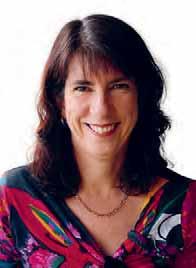
JESSICA KELLY, HEAD OF JUNIOR SCHOOL
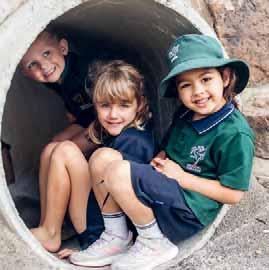
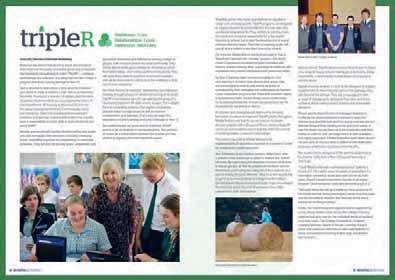
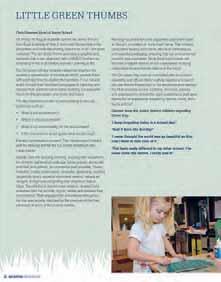
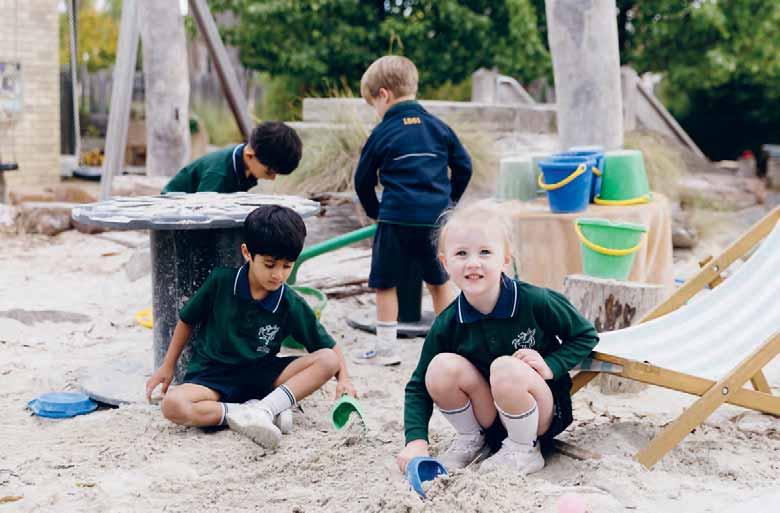
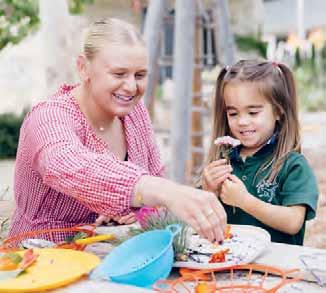
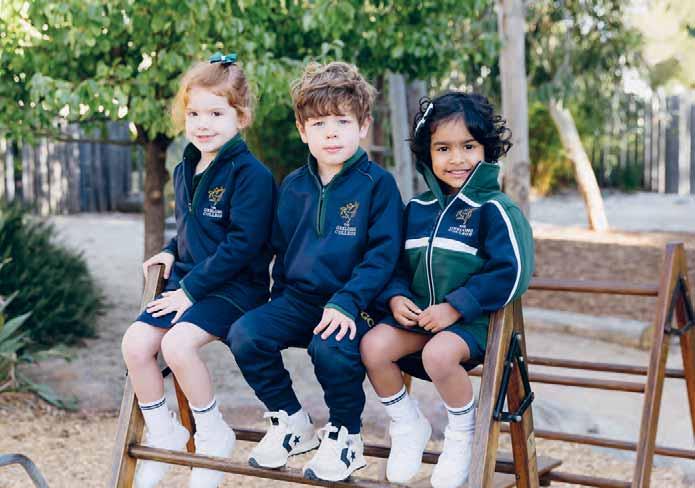
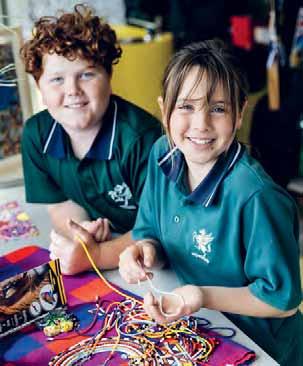
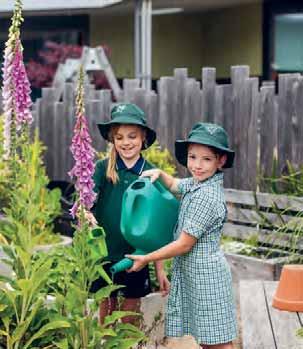
Our journey with the Reggio Emilia approach has been both intentional and deeply personal for Junior School. It is not something we adopted overnight, nor is it a framework we follow rigidly. Rather, it has grown with us over time, shaped by our children, our teachers and our shared commitment to seeing children as capable, curious, and full of possibility.
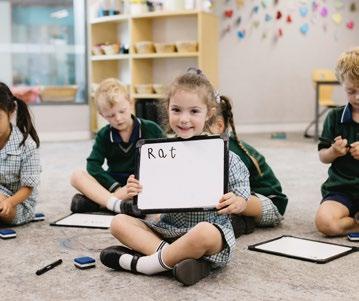
For me, the Reggio approach resonates because it aligns so closely with what I believe about childhood. I have always felt that children deserve to be listened to, truly listened to, and that their questions, ideas and ways of seeing the world should guide their learning. Our journey into Reggio has allowed us to slow down and do just that. Our focus is not just about delivering content but about deeply understanding the child in front of us.
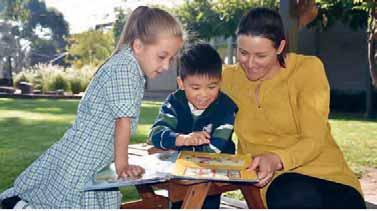
One of the most powerful changes we have experienced is in the way we view the role of the teacher. In our Junior School, teachers are not just instructors, they are researchers, collaborators, and co-learners. We see our educators embrace this with openness and creativity, taking the time to observe, listen, and to respond thoughtfully. We have a real sense of professional curiosity where teachers are asking not just, “What will I teach?” but, “What is this child showing me,
and how can I extend it?” That shift has been transformative over the many years of our Reggio approach.
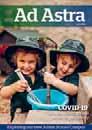
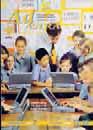
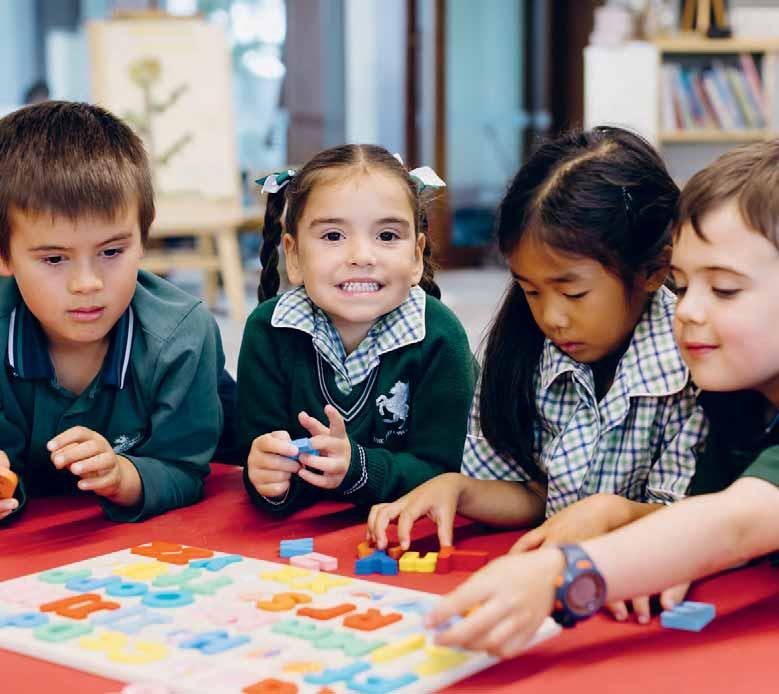
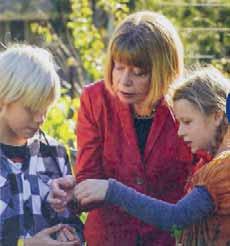
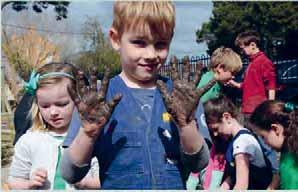
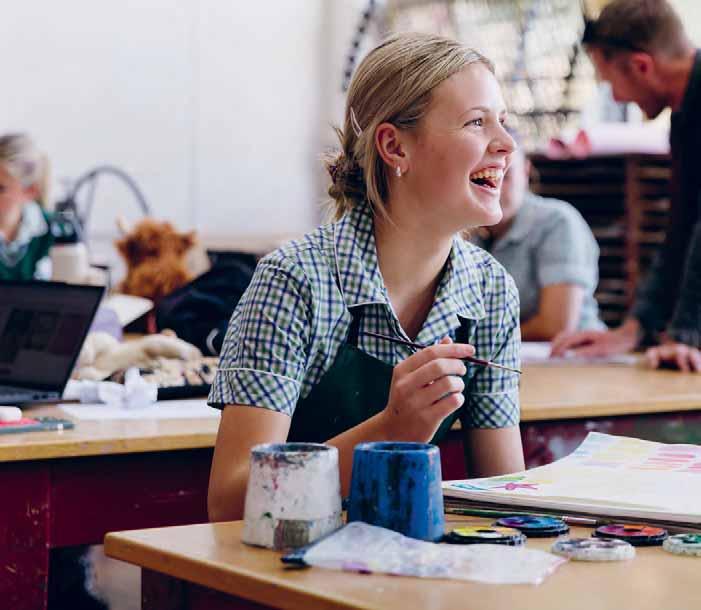
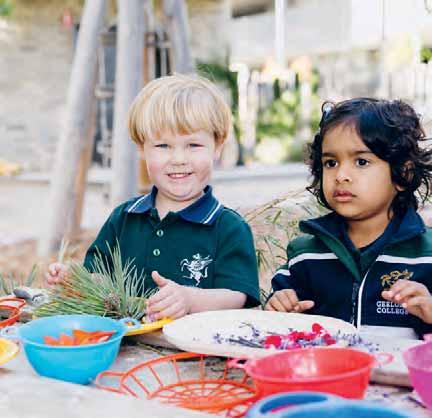
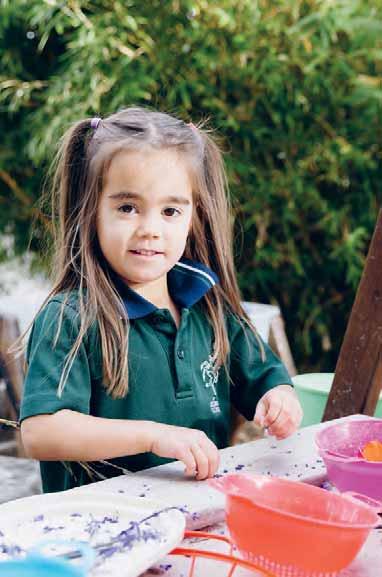
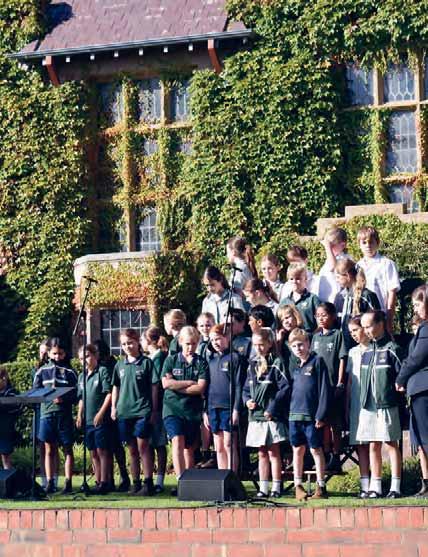
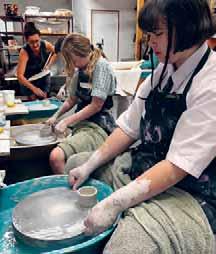
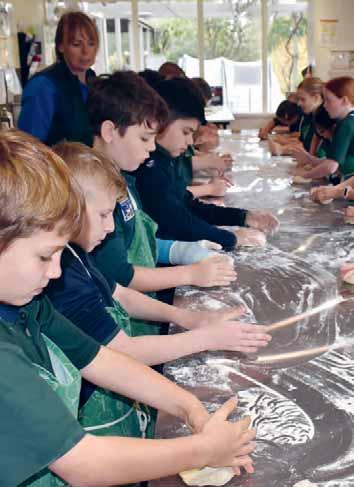
Our classrooms reflect this journey. When I walk through Junior School, I see spaces that feel alive with thinking. The environment is calm, intentional, and inviting, designed to provoke wonder and exploration. But more than that, it tells the story of the children within it. You see their ideas on the walls, their questions in the documentation, their thinking unfolding over time. It is a visible reminder that learning is a process, not just an end point.
Visitors often notice this immediately. Rather than seeing only finished pieces of work, they see evidence of thinking in progress. Questions are explored, ideas are revisited, and learning is made visible through documentation that captures not just what children have learned, but how
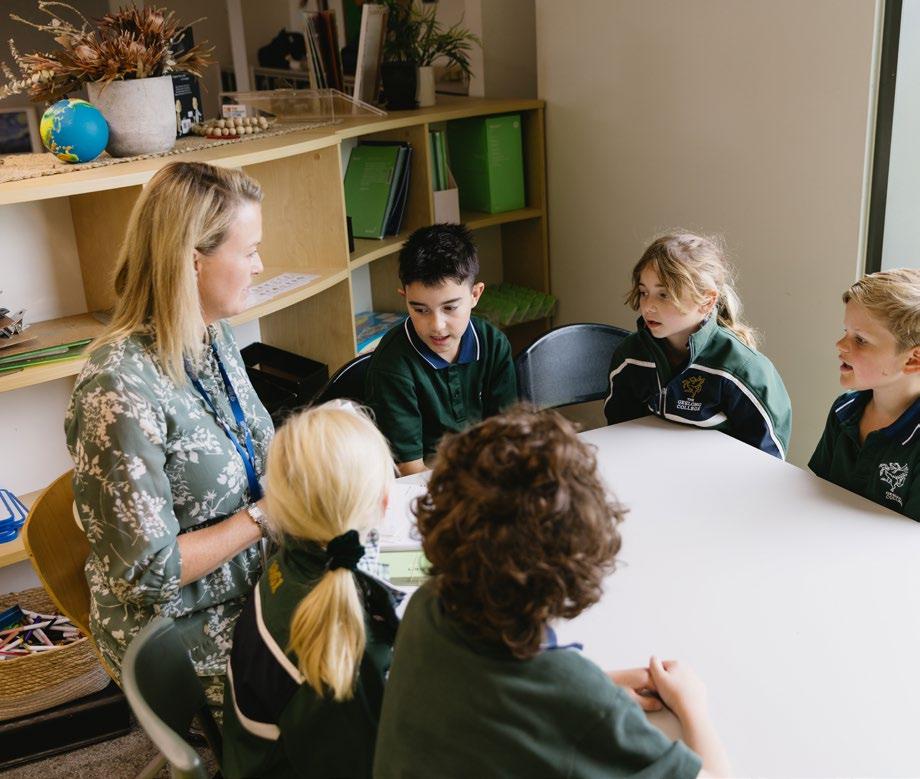
they arrived there. This reflection helps children, teachers and families become active participants in the learning journey.
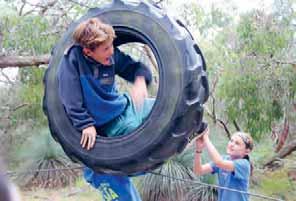
Personally, I find great joy in seeing how inquiry unfolds in our classrooms. Often, it begins with something small, a question, a moment of curiosity, and grows into something far richer than we could have planned. A conversation sparked in the playground, an observation during a class discussion, or a student’s simple question can become the starting point for weeks of investigation, creativity and discovery. There is a sense of trust in allowing learning to evolve in this way, and that has been an important part of our journey. We have had to become comfortable with not always knowing exactly where a line of inquiry will lead and instead valuing the depth
and authenticity of the learning experience.
Relationships sit at the heart of everything we do, and our Reggio journey continues to strengthen this even further. There is a deeper connection between teachers and students, built on respect and genuine interest. Children feel heard, and that sense of being valued gives them the confidence to contribute, to question, and to take risks.
Our partnership with families has also evolved through this journey. Reggio has reinforced the idea that learning is a shared experience, and that families are an integral part of that. We have worked to make learning more visible, sharing not just what children are doing, but how they are thinking. This creates a richer connection between home and school, where parents feel more
deeply involved and informed about their child’s learning.
What makes our Reggio journey at The Geelong College Junior School so meaningful is that it continues to evolve. It is not about reaching a final destination, but about remaining reflective, responsive, and open to growth. Each year, each group of children, brings something new.
As we celebrate our history of Reggio-inspired learning, we are reminded that the greatest strength is not a program or a framework, but a mindset. It is a belief in children’s potential, in the power of relationships, and in the value of curiosity. We continue to learn alongside our students, guided by the same conviction that every child deserves to be heard, respected and empowered to shape their own learning journey.


















































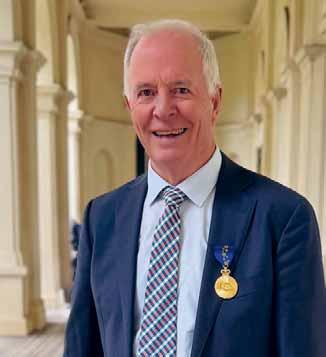

MIKE HOWELL, DIRECTOR OF COMMUNITY RELATIONS
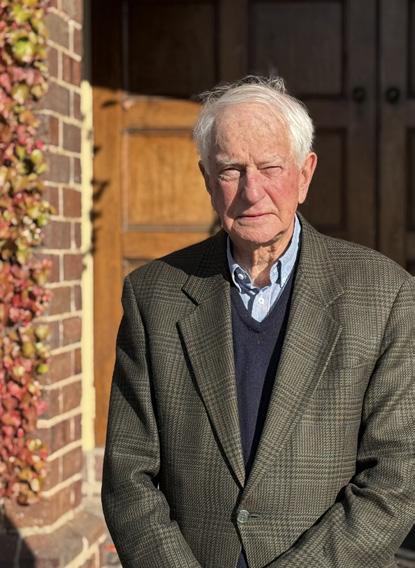
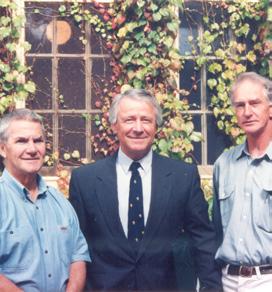
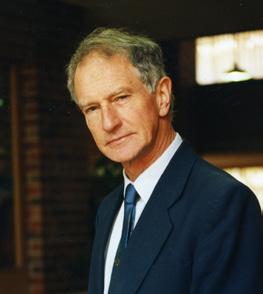
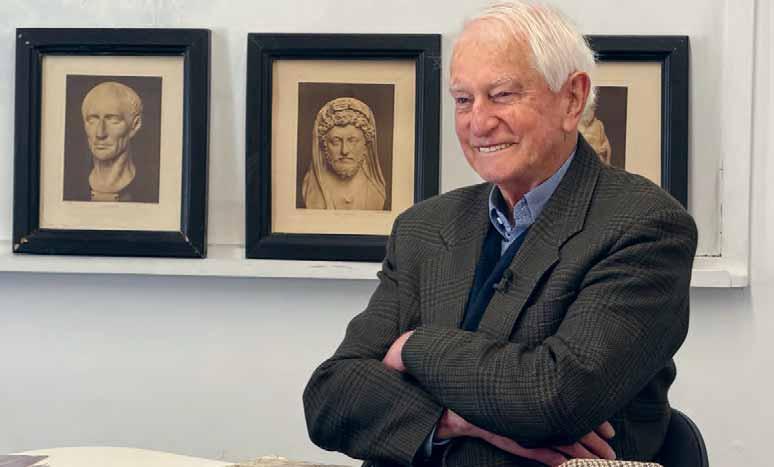
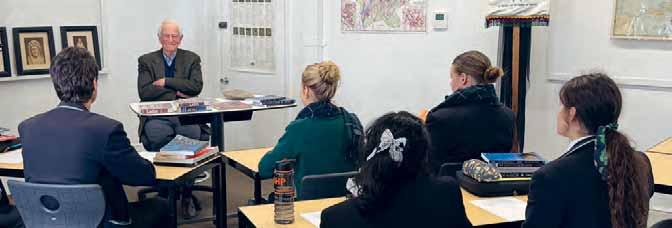
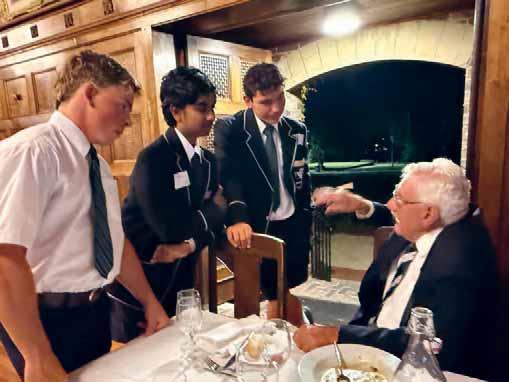
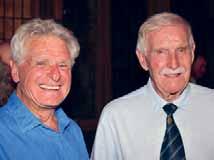
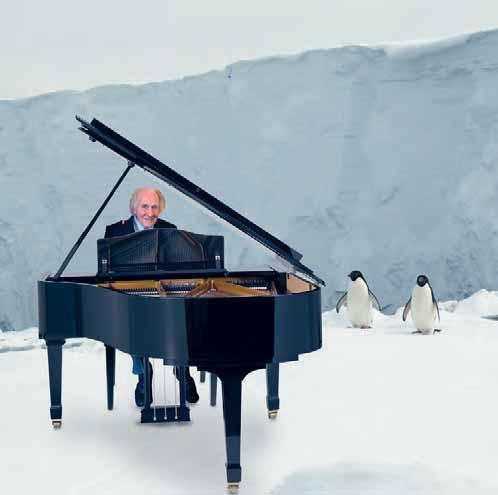
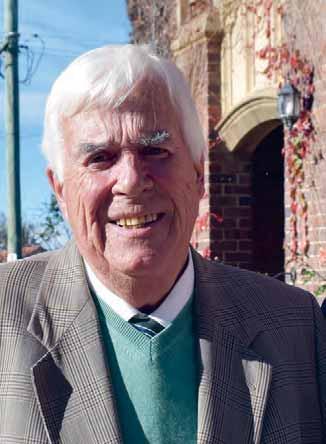
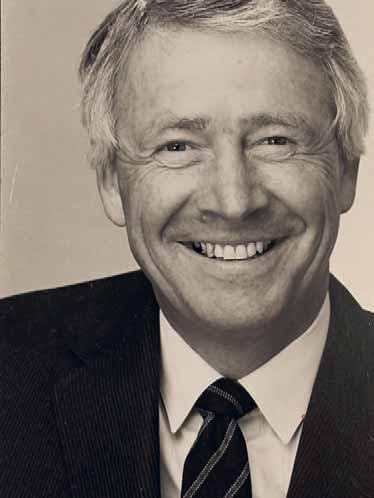
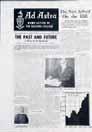
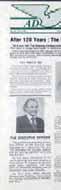
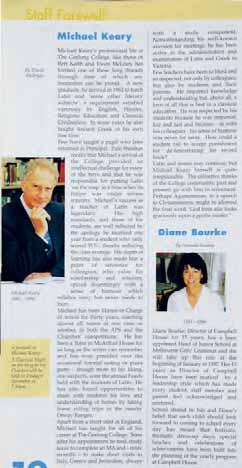
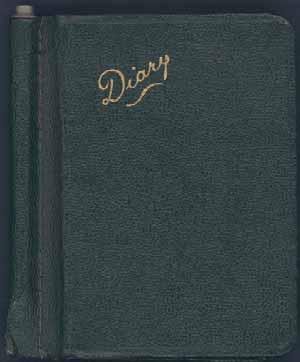
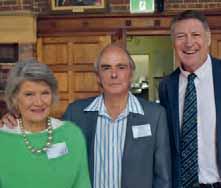
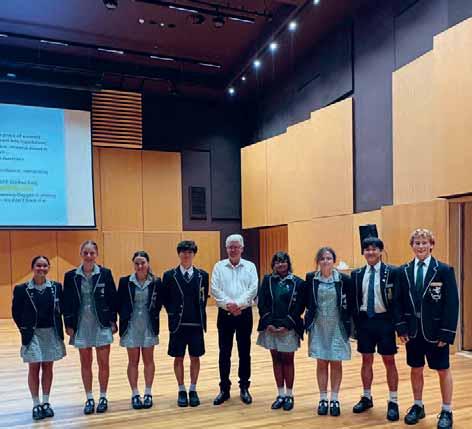
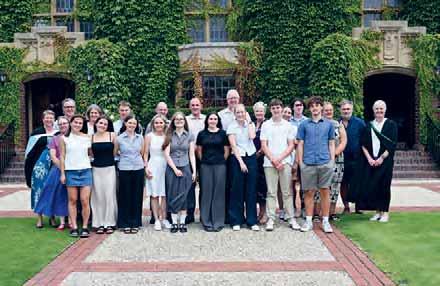
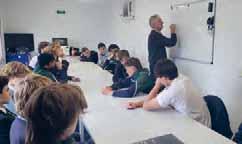
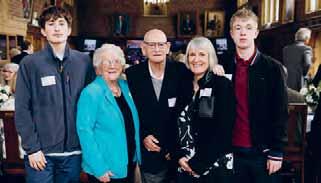
Recently, our Year 11 Latin students experienced something rather special: a visit from former Geelong College teacher Michael Keary, whose influence on generations of students still echoes through the College community almost 30 years after his retirement.
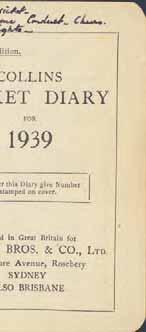
Michael taught Latin, Classical Studies and Biblical Studies at The Geelong College from 1962 to 1996. Across 34 years in the classroom, he shaped not only students’ understanding of ancient languages and civilisations, but also their approach to learning, discipline, humour and intellectual curiosity.
For many Old Collegians, Latin at The Geelong College meant one person: Michael Keary.
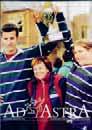
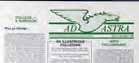
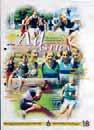
Old Collegian and author Gideon Haigh (OGC 1983) captured this enduring legacy in his Griffith Review memoir Amusing and
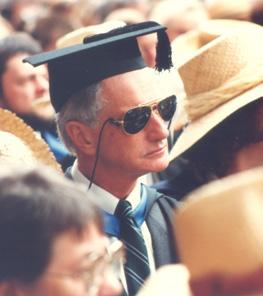
Stimulating Small Minds, recalling the extraordinary presence Michael held in the classroom. Gideon wrote that although he retained little Latin itself, “Michael taught me quite a lot of everything I know.”
Tall, lean and unmistakably formal, Michael became known for his meticulous preparation, dry humour and unwavering standards. His classroom routines became part of College folklore. “Gentlemen, the text!” he would declare whenever discussion drifted too far from the lesson at hand.