By John Karlovec John@Karlovecmedia.com
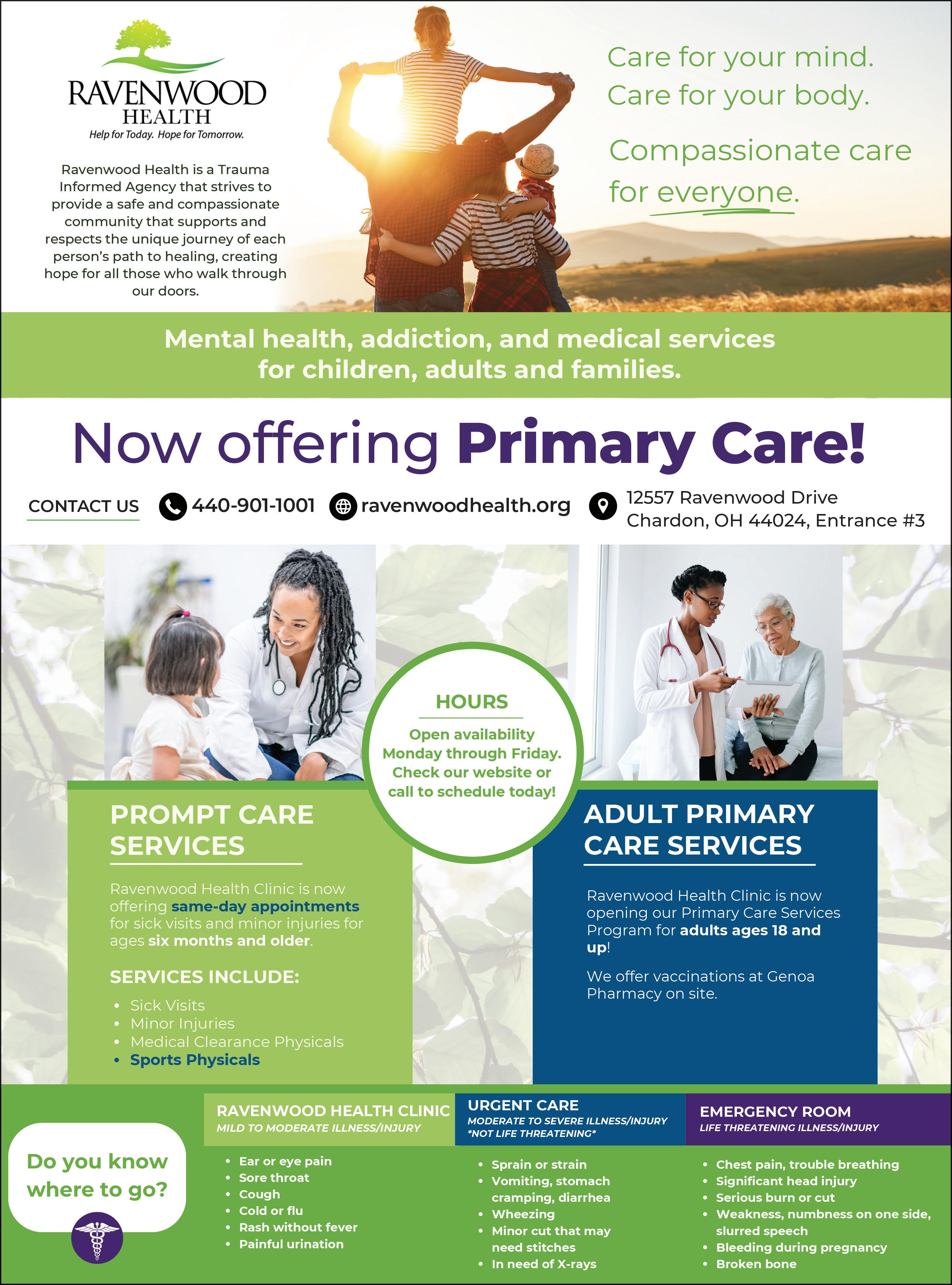
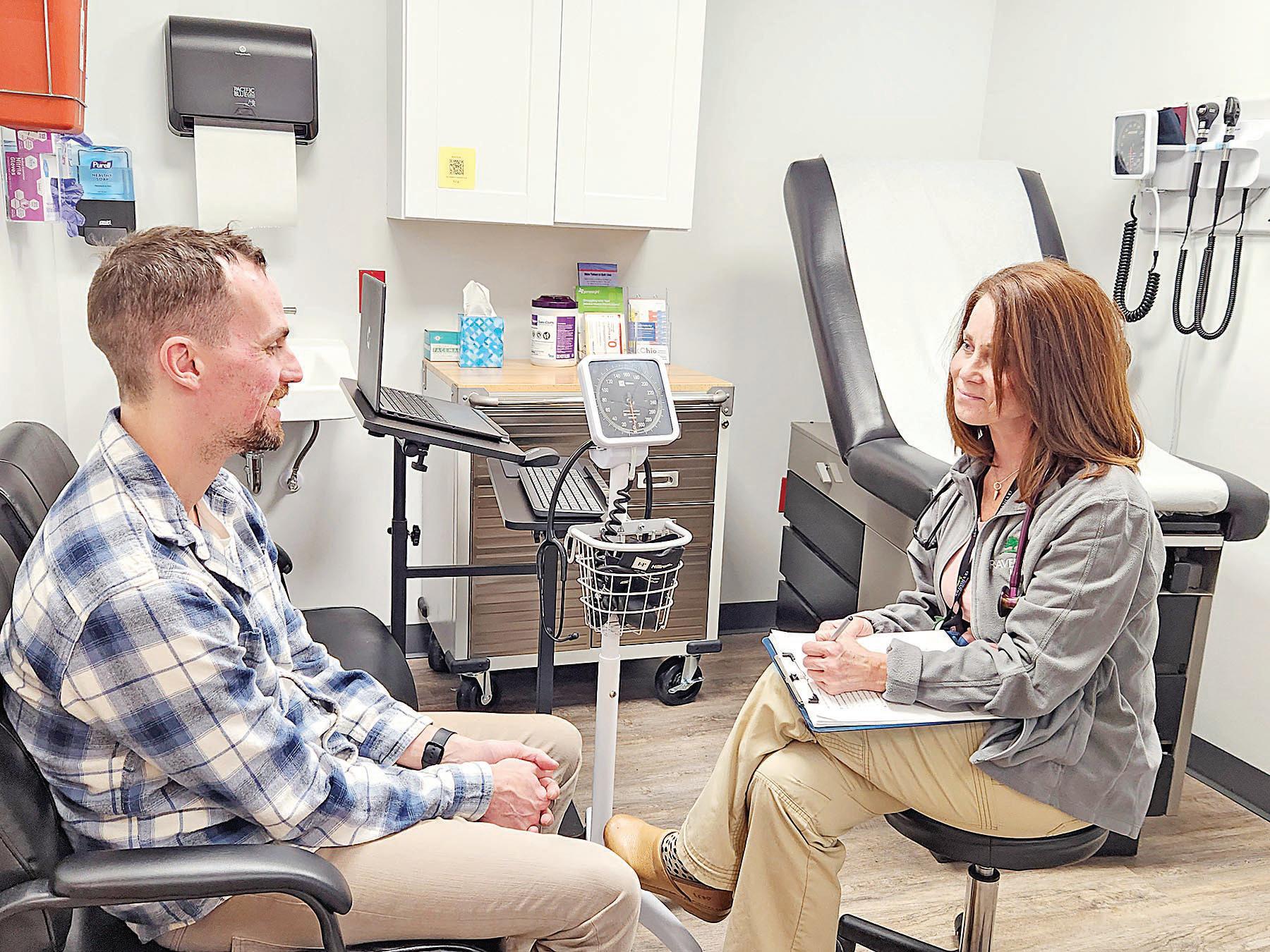
Ravenwood Health is expanding its primary care services, offering greater access to routine and same-day medical care for adults and children throughout Geauga County.
The nonprofit health agency, long known for its mental health and substance use treatment programs, now provides Prompt Care medical services that include same-day sick visits, treatment for minor injuries and preventative care for patients as young as 6 months old. Ongoing Primary Care service for chronic disease management is available for adults ages 18 and older. Walk-in visits are accepted during weekday hours, and appointments may also be scheduled in advance.
"Individuals with mental health conditions often face a significantly reduced life expectancy compared to the general population, primarily due to barriers in accessing quality physical health care, navigating multiple systems and challenges with self-care,” said Vicki Clark, Ravenwood president and CEO Emeritus. “Ravenwood Health has desired to achieve the goal of offering primary care within the agency to minimize these barriers. It is with great pride that we now have accessible Primary Care Services for our clients and community to support their journey to whole-person wellness."
Director of Psychiatric and Primary Care Services Tanya Fox, MSN, APRN, PMHNPBC and a certified nurse practitioner, added primary care at Ravenwood Health has opened an opportunity for clients in the area and surrounding communities to get immediate and ongoing integrated healthcare.
“We collaborate for continuity of their mental and physical health services in one place to help to achieve their goals for true whole person-centered care," she said.
“I always have a very easy time sending the referral and then a quick turnaround seeing that the patient got scheduled,” Certified nurse practitioner Jacqueline Brahler, MSN, APRN, PMHNP-BC, said.
In addition to acute care visits, Ravenwood offers adult primary care services for patients 18 and older, including chronic disease management for conditions such as diabetes, hypertension and asthma. The clinic also provides sports physicals and medical clearance exams.
through quality outcomes and improved cli ent satisfaction. As we strengthen Integrated Care, together we stronger community, one valuable member at a time”.
enwood’s mission to support whole-person health by addressing both physical and be havioral health needs in a trauma-informed setting. By offering primary care alongside mental health and substance use services,
Help for Today. Hope for Tomorrow.
service to our mental health care. I am proud to work at a place that truly strives to provide a holistic approach to healthcare.”
Vaccinations are available on site through Ravenwood’s pharmacy partner, Genoa. Common immunizations include flu, COVID-19, pneumonia, shingles and Tdap vaccines. Appointments are recommended to ensure availability.
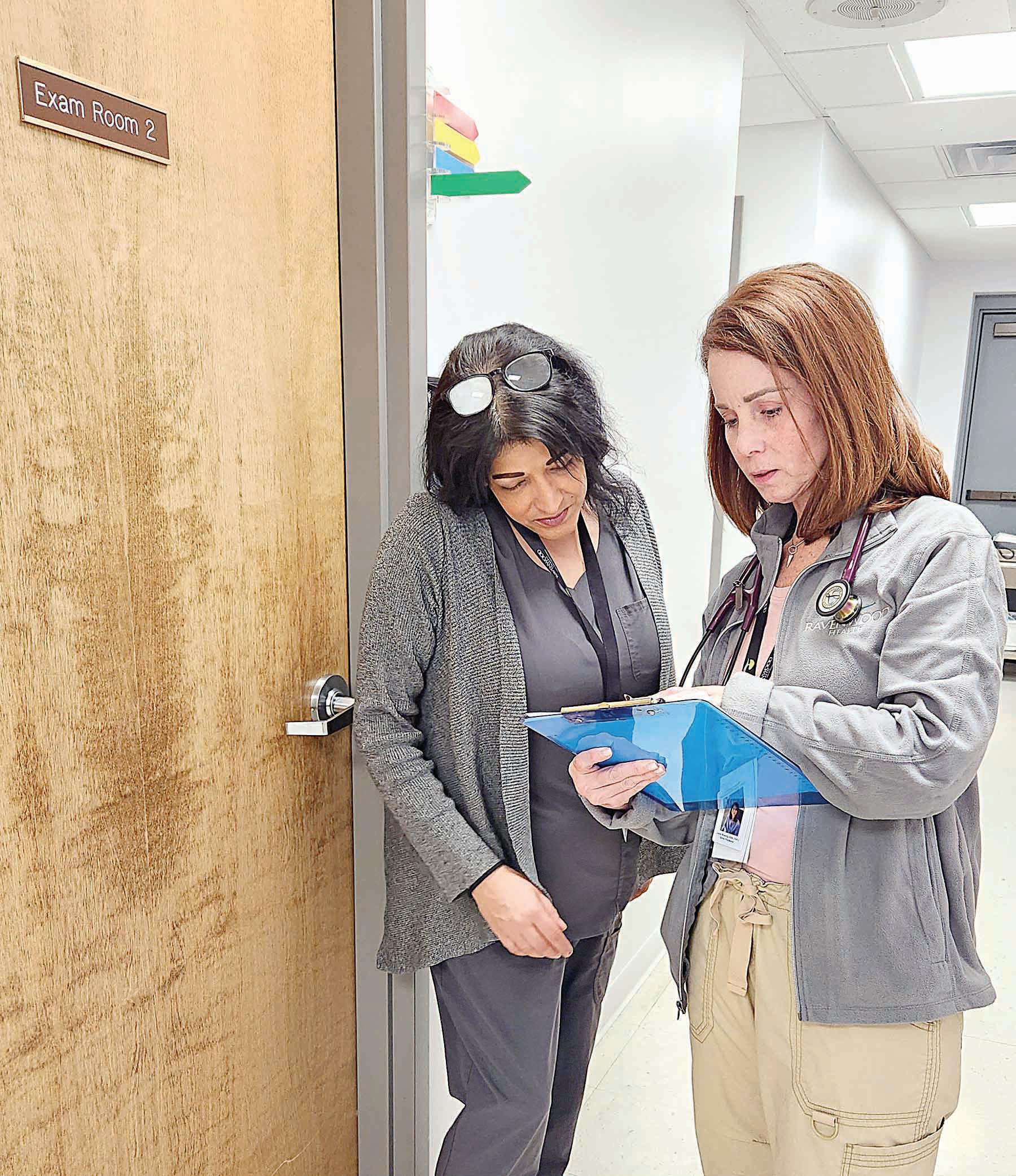
“Primary Care Services here at Ravenwood Health are paramount to the foundation of Integrated Care,” Primary Care Nurse Practitioner Laurie C. Bruening, MSN, FNP-C, explained. “We focus strongly on creating a team-based approach to connect the physical, mental and social needs of all clients.”
She added, “Since the start of primary care, there has been a profound impact on whole-person care, and it has been evident
surance plans, Medicaid, Medicare and selfpay patients. A sliding fee scale is available for those who qualify. The nonprofit receives funding support from local and regional part ners, including the Geauga County Board of Mental Health and Recovery Services and the United Way of Geauga County.
multiple Ravenwood locations, including its main clinic in Chardon and satellite offices in Middlefield, Chesterland and Ravenna. Patients seeking more information or ap pointments can visit ravenwoodhealth.org/ primary-care 440-901-1001.
SuBmitted
As the trend toward holistic wellness grows, local business Boho Healing offers clients a blend of supportive, integrative care rooted in both tradition and science.
Reiki — a form of energy-based touch therapy where trained practitioners place hands lightly on or near the body — has long been associated with healing, emotional and energetic balance and relaxation. Now, decades of scientific research confirms Reiki’s measurable benefits, ranging from stress relief to improved quality of life.
Scientific inquiry into Reiki dates back to the early 2000s, with clinical work examining its impact on general health, disease, pain and general well-being. Recent research broadened the scope and rigor of these investigations. In 2025, a review published in “Systematic Reviews” analyzed 11 randomized controlled trials involving 661 participants and found that Reiki produced a significant improvement in overall quality of life compared with control groups. The study noted that both short acute sessions and sustained courses of treatment had measurable benefits for people with chronic health challenges, including cancer patients.
To that point, the efficacy of Reiki and its benefits have been particularly meaningful in the treatment of cancer. A study reported by “EurekAlert!” documented the results of approximately 400 Reiki sessions given during outpatient chemotherapy infusions. Patients reported remarkable reductions in symptoms such as pain, fatigue, anxiety, nausea and enhanced well-being following Reiki sessions during treatment.
Notably, the Cleveland Clinic and University Hospital both offer Reiki to their cancer patients.
In addition to symptom relief studies, research into Reiki’s effects on psychological conditions shows its value. A 2024 meta-analysis published in “BMC Palliative Care” examined data from over 800 participants and found pronounced reductions in anxiety among individuals receiving Reiki, including those living with chronic health conditions, such as gastrointestinal endoscopy inflammation, fibromyalgia and depression, as well as in the general population.
Older clinical studies align with contemporary research. For example, a 2017 analysis in the Journal of Evidence-Based Complementary and Alternative Medicine determined that Reiki possessed broad potential as a complementary health therapy. The article concluded that Reiki demonstrated benefits beyond placebo in most controlled trials, particularly for stress and mood improvement.
Boho Healing leverages this growing body of evidence to inform compassionate, client-centered Reiki sessions designed to complement conventional health care. Sessions emphasize self-healing, nervous system regulation, deep relaxation and emotional and energetic support — goals consistent with outcomes documented in scientific studies spanning more than two decades.
Researchers and wellness professionals alike recognize the benefit of Reiki as a valuable component of integrative care. As Boho Healing continues to offer Reiki to the community, both clients and clinicians are watching the science evolve and contribute to a deeper understanding of how mind-body therapies can support holistic health.
Boho Healing is located at 12550 Chillicothe Road, Suite 5, in Chesterland, Ohio. For more information, call 216-318-5092 or visit www.boho-healing.com
Adults in their early 40s know the day is looming when their physicians indicate it’s time for them to get a colonoscopy. Accord ing to the MD Anderson Cancer Center®, most people should get their first colonoscopy at age 45 and continue to get semi-regular screenings through age 75.
Colonoscopies are an effective means to screening for colorectal cancer, which the World Health Organization reports is the third most common cancer worldwide. Though the MDACC characterizes colonoscopies as the “gold standard” for colorectal cancer screening, many people still approach the test with a degree of apprehension. But a closer look at these highly effective screenings shows there’s little to fear when getting a colonoscopy.
the walls of the colon. The MDACC notes that ability is what makes colonoscopies so effective. During a colonoscopy, a doctor can remove any polyps, which are small, typically benign growths. Stool-based colorectal screenings and virtual colonoscopies do not allow for the removal of polyps.
inspire anxiety?
The anxiety associated with colonoscopies typically does not stem from the procedure itself but the preparation required the night before it.
During the procedure, a long, flexible tube known as a colonoscope is inserted into the rectum and around the colon. A camera and light at the tip of the colonoscope allows the doctor to examine the lining and
The Mayo Clinic notes that the colon, which is normally filled with stool, will need to be emptied prior to getting a colonoscopy. That means patients cannot eat solid food the day before the exam, and any drinks they consume may be limited to clear beverages, including water, tea and coffee without milk or cream, or broth (patients should first consult with their physicians about what they can and cannot consume on the day prior to the procedure).
Avoiding solid food and sticking to clean liquids can be inconvenient, but the anxiety
from a colonoscopy often can be traced to the prescription laxative patients typically consume in pill or liquid from the night before the procedure. That laxative facilitates the emptying of the colon, and patients may make several trips to the bathroom after consuming the laxative. Patients also may need to wake up in the middle of the night and take a second dose, after which they may make several additional trips to the restroom.
During a colonoscopy, patients will wear a gown but likely nothing else. Sedation or anesthesia is typically administered, and after that patients often fall asleep and ultimately awake in another room after the procedure has been completed. The Mayo Clinic notes some patients feel stomach cramps and/or bloated after the procedure. When patients awake from the sedative, the doctor who performed the procedure will offer his prognosis.
Recommendations regarding a subsequent colonoscopy depend on what was found during the procedure. The MDACC notes that the typical timeline if no polyps were discovered is 10 years before the next colonoscopy.
Colonoscopies have a reputation for being unpleasant, but any pre-procedure discomfort is worth it given the efficacy of the exams.
Drinking milk is a popular way to consume the amount of dairy recommended for a healthy diet. Milk is a rich source of 13 essential nutrients that can boost the immune system and fuel the body.
Milk notably contains vitamin D and calcium, which helps maintain strong bones and can reduce the risk for a bone-thinning disease known as osteoporosis. Milk also contains vitamins A and B as well as potassium and protein. Milk helps keep teeth strong and healthy as well.
The United States Department of Agriculture says that each person’s recommended intake of dairy depends on his or her age, gender, height, and other factors. Generally speaking, toddlers and children should consume between one and 2.5 cups of milk per day. Adults can benefit from about three cups per day. A cup is equal to 8 ounces.
Health experts advise choosing nonfat or low-fat versions of milk and additional dairy products, as they are much more hearthealthy than full-fat options. Too much saturated fat in one’s diet can lead to high cholesterol and a greater risk for heart disease.
If the idea of downing three glasses of milk is a turn-off, milk can be incorporated into recipes, such as smoothies, where its taste and texture is less prominent. Cheese and yogurt also count. Eight ounces of yogurt or 11⁄2 ounces of hard cheese is equivalent to one cup of milk in terms of nutrition.
Individuals who have a lactose intolerance can choose milk products that do not contain lactose.
metrocreative
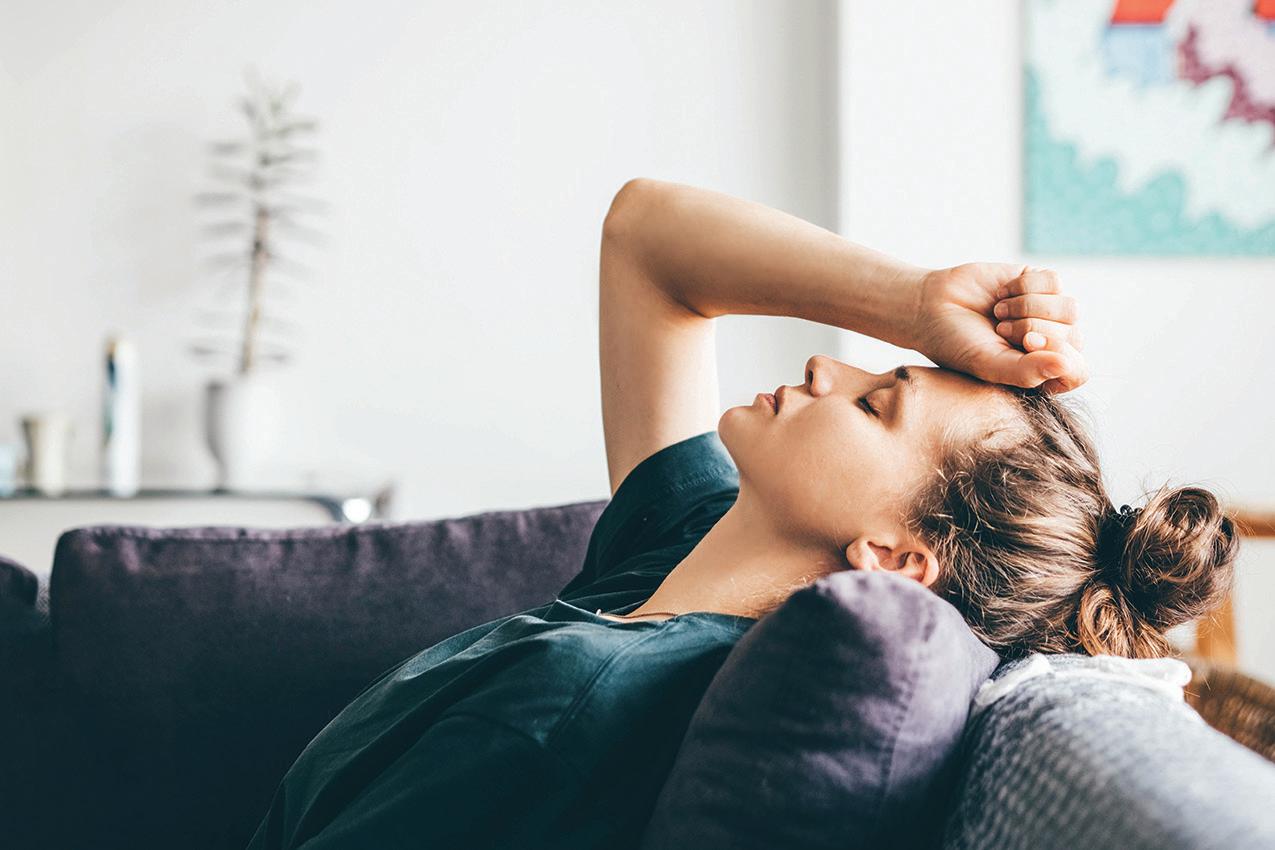
Stressful experiences are a part of life, and the physiological responses that occur in response to these challenges are natural tools humans developed as survival mechanisms. People learn and grow as they deal with positive stressful occurrences, such as when speaking in public or taking a test. But when stressors cannot be avoided or prove chronic, the body’s response to stress can take a toll on a person’s mental and physical well-being.
The COVID-19 pandemic, inflation, an uptick in strong storms and subsequent weather-related disasters, and global conflicts have proven stressful for people around the world. According to a report from the American Psy-
chological Association titled “Stress in America 2023: A Nation Recovering from Collective Trauma,” the long-term stress sustained since early 2020 has had a significant impact on well-being, as evidenced by an increase in chronic illnesses. The report found people between the ages of 35 and 44 have been particularly affected.
Long-term stress poses many health risks, including wear and tear on the immune system and an increase in worry, anxiety and irritability. Some people turn to drugs or alcohol to combat stress, but there are healthy options. The following are better ways to cope with stress.
• Reduce the number of stressors. It is not possible to remove all of the stress of life, but people can try to reduce some forms of

stress. Think about sharing some responsibil ities or asking for help. If a person is causing you stress, then distance yourself from this person as much as possible. Work is a major source of stress for many people. Finding a new job or cutting back on tasks could help.
• Get quality sleep. Prioritize sleeping better and longer. Fatigue can exacerbate the ability to deal with even minor stressors, leaving you more irritable and edgy. Most adults require between seven and nine hours of sleep per night, so adjust your schedule to achieve this.
• Plan for daily exercise. The APA says brisk movement improves sleep and can combat stress. In one study titled “Relationships between Leisure Time Physical Activity and Perceived Stress,” first published in 1996, researchers found that working adults who engaged in moderate physical activity had half the perceived stress when compared to working adults who did not participate. A 30-minute session each day can work wonders.
humor can go a long way towards reducing stressful feelings, so a night out at a comedy show or watching a funny movie can help.


• Engage in pleasurable activities. It’s easy to drop fun things from the schedule when stress is high. But the Cleveland Clinic advises making time for pleasurable things as a means to combatting stress. Laughter and
• Improve your diet. Well-nourished bodies can handle stressors, illnesses and life in general much easier. Aim for a well-balanced diet that is low in processed foods and sugar. Avoid alcohol, caffeine and nicotine, as each can worsen stress in the long run, according to Sutter Health.
Stress is a natural part of life. When stress becomes too much to take, individuals can cope in various healthy ways.

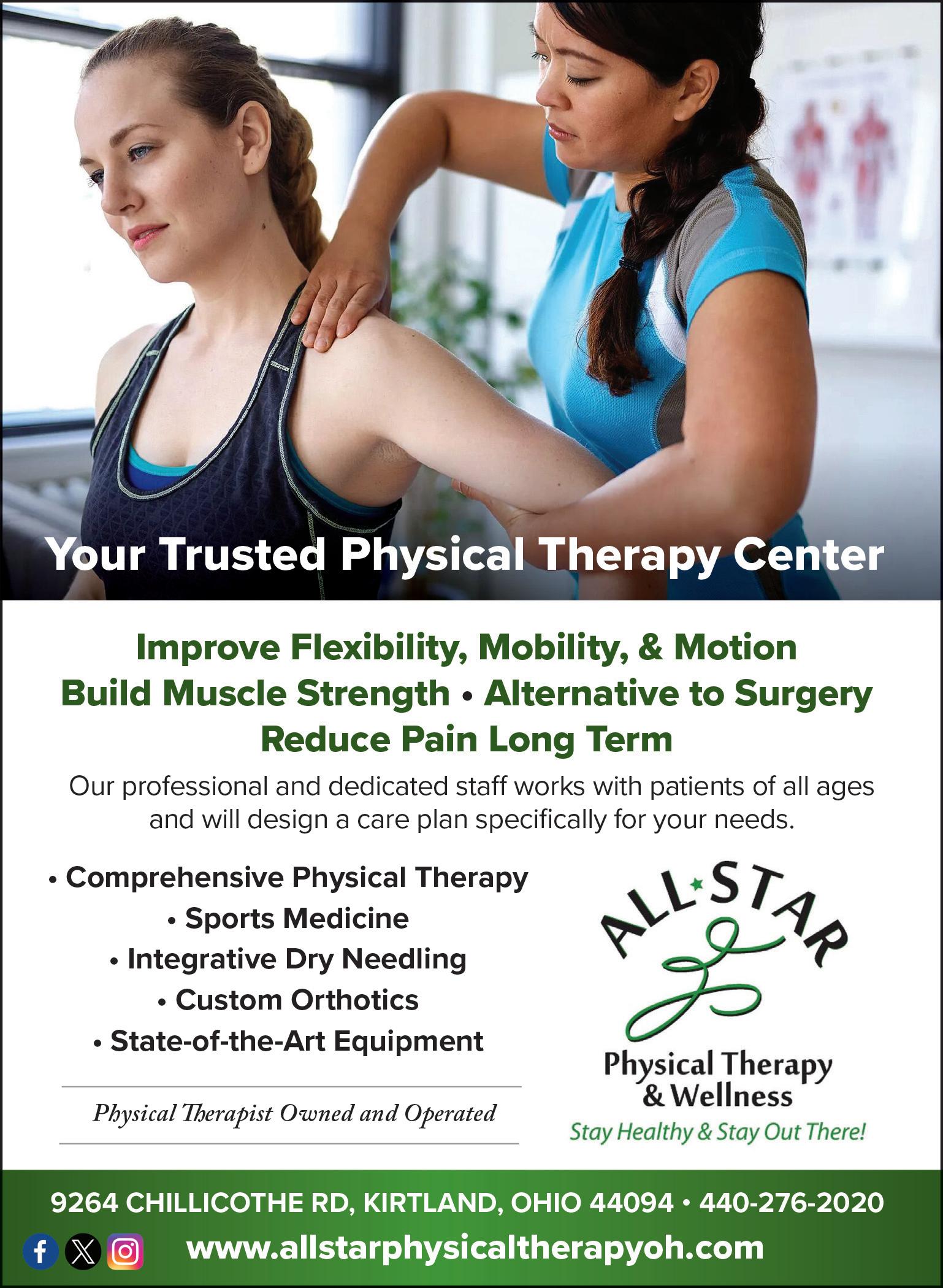
dling, available at the Kirtland location, are used when appropriate to reduce muscle tension, improve range of motion and accelerate recovery as part of a comprehensive therapy plan. Combined with skilled manual therapy and modern rehabilitation techniques, these services help patients return to everyday activities—and the activities they love—with confidence.
Patients frequently praise the clinic’s welcoming atmosphere, knowledgeable staff and clean, well-equipped facility. Many share stories of successful recovery following joint replacement surgery, relief from persistent knee or nerve pain and improved balance and mobility through targeted therapy programs.
Beyond rehabilitation, All Star Physical Therapy and Wellness emphasizes education and prevention. Therapists work closely with patients to teach proper movement, posture and strengthening strategies designed to maintain progress well beyond the clinic.
For individuals and families in Northeast Ohio looking for thoughtful, personalized physical therapy care, All Star Physical Therapy and Wellness stands out as a trusted partner in healing—where better movement, lasting results and personal attention come standard.
metrocreative
A healthy diet includes a mix of various vitamins, minerals and nutrients. In fact, those seeking to eat healthy may sometimes be overwhelmed by medical advice recommending an array of items so wide it can seem difficult to squeeze everything in without eating too much food. Thankfully, there are many simple ways to get enough of what you need, and that includes fiber.
The Mayo Clinic notes that a high-fiber diet supports a healthy body in various ways. A high fiber diet can reduce risk for constipation, help people maintain low cholesterol levels, promote bowel health, and slow the absorption of sugar, which can improve blood sugar levels in people with diabetes. With so much to gain from including fiber in your diet, the following are some strategies to do just that.
• Begin the day with fiber. One of the most effective ways to eat enough fiber is to choose the right breakfast cereal. Many breakfast cereals contain ample amounts of fiber, and the Mayo Clinic advises looking for one that contains five grams or more of fiber per serving. Though this is not always the case, and shoppers are urged to read nutrition labels before purchasing a new cereal, products that contain the descriptors whole grain, bran or fiber in the name tend to feature ample amounts of fiber.
• Supplement your cereal. Another simple way to start the day with fiber is to add berries or sliced bananas to your cereal bowl. Blueberries (roughly four grams per cup) and strawberries (about three grams per cup) are
high in fiber and also can up the flavor profile of your morning cereal. The USDA National Database for Standard Reference indicates a medium-sized banana contains roughly three grams of fiber, making any of these, or a combination of them, great additions to a cereal bowl.
• Replace white bread with wheat bread and traditional pasta with whole grain alternatives. Verywell Health notes that wheat bread is generally considered healthier than white bread due in part to its higher fiber content. The same dynamic plays out with whole grain pasta compared to traditional pasta. Traditional pasta is made from refined flour that has the bran removed during processing, whereas the fiber-rich bran is not removed when making whole grain pasta. It can take some getting used to, but opting for whole grain pasta and wheat bread over more traditional but less nutritious alternatives can be a great way to include more fiber in your diet.
• Eat healthier snacks. Nacho lovers might be surprised to learn that tweaking their nachos recipe can be another way to eat more fiber. When making nachos for the big game, prepare them using whole-grain tortilla chips, legumes like black beans or red beans, and fresh vegetables like diced bell peppers. Another way to eat more fiber when snacking is to reach for whole-grain crackers, dried fruits without added sugar or a small amount of nuts in lieu of processed snacks like traditional potato chips.
Fiber is a key component of a healthy diet, and there are many simple and flavorful ways to eat more of it each day.
metrocreative
Dental visits typically are bi-annual events to maintain oral health. The Centers for Disease Control and Prevention recommend a dental visit for everyone at least once a year, but some people may need to go to the dentist more frequently.
Dentists do more than offer a polishing and pat on the back each visit. Brushing and flossing can remove a lot of bacterial film and plaque on teeth, but not all of it. Dental visits help remove it more thoroughly. Dental visits also give dentists a chance to spot signs of dental and oral health problems, offers Penn Dental Medicine. Dentists look for signs indicative of oral cancer and other cancers. Dentists also offer guidance about generalized oral care.
with a damp washcloth or gauze after feeding to remove bacteria and prevent plaque formation. This helps a baby grow accustomed to the sensation of oral care.
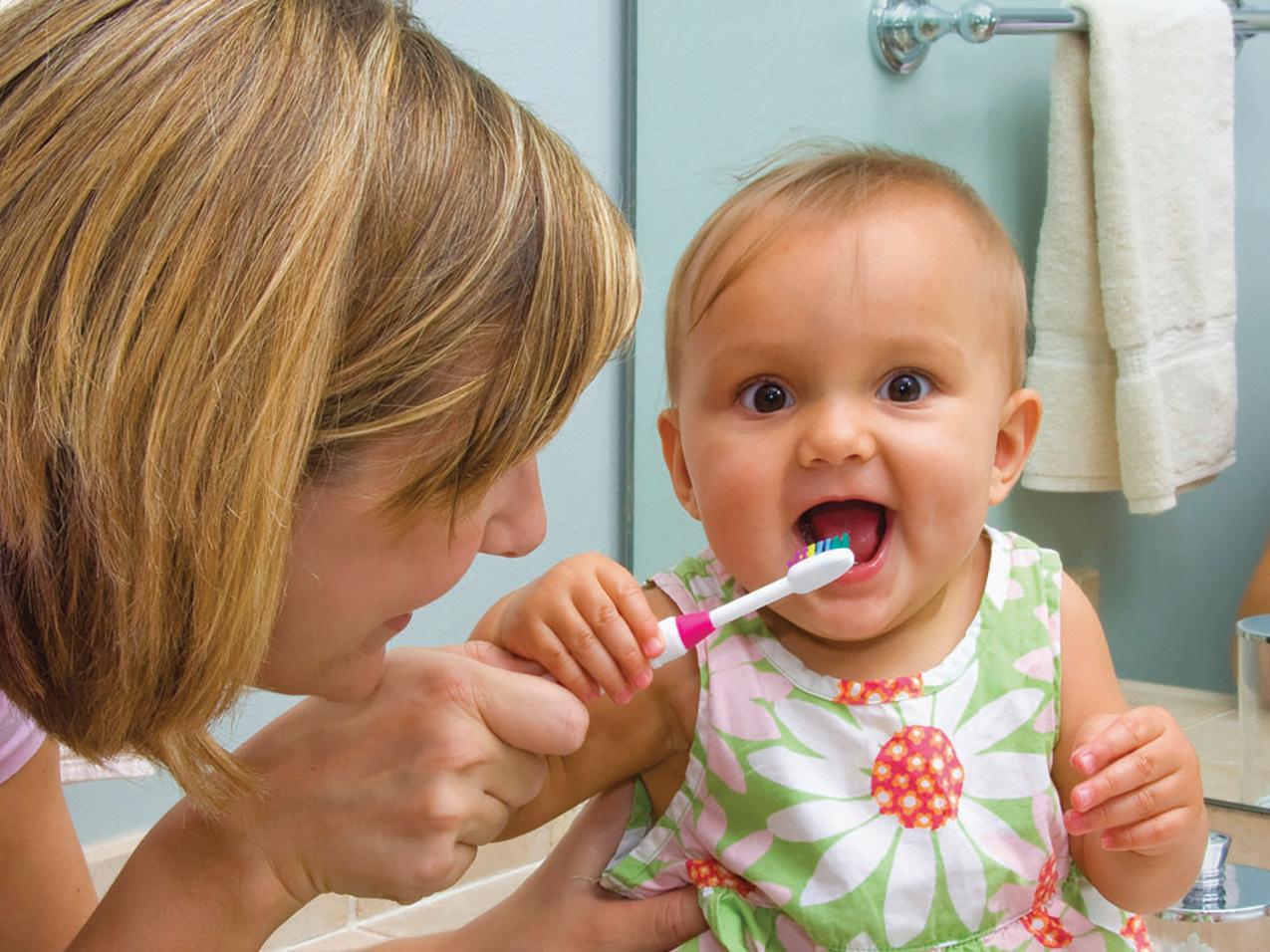
The importance of visiting the dentist cannot be overstated. And dental checkups are something that both children and adults should participate in regularly. Parents may wonder when they should begin to focus on oral hygiene for their children. This timeline can help guide the process.
Children are not born with teeth, but keeping their mouths clean is still important. From birth to the arrival of the first tooth, experts recommend gently wiping your baby’s gums, tongue and inner cheeks
The Better Health Channel says the first tooth usually appears around six months of age. When this occurs, you should brush the tooth with a soft children’s toothbrush and water twice a day. Speak with a pediatrician before using fluoride toothpaste at this time, as there are conflicting recommendations. As more teeth erupt, use a pea-sized amount of fluoride toothpaste and help toddlers and preschoolers learn to brush their own teeth. The American Dental Association says parents should supervise the brushing process until children are around age seven or eight, when they’ll have the dexterity and skill to handle the task alone.
Stanford Children’s Health advises parents to bring their child to the dentist for a first dental visit by 12 months of age, or within six months of the first tooth erupting. During this visit, the dentist will advise about baby bottle tooth decay, infant feeding practices, teething, pacifier use, and finger-sucking habits. Children typically are advised to see a dentist every six months, just like adults.
Some refer to honey as “the nectar of the gods” due to its ties to healing, divinity and culture in ancient times. Honeybees collect nectar from flowers and convert it into honey through an enzymatic process in their specialized bodies. Honey is stored in honeycombs for later consumption. The National Honey Board says a hive can produce about 55 pounds of surplus honey each year that beekeepers harvest from the combs. The extracted honey is strained to remove any particles and excess wax before it is bottled and brought to consumers.
People are drawn to honey, not only for its sweet taste, but because of the health benefits it provides. Here are six unique health benefits of honey.
1. Honey is rich in health-promoting plant compounds known as polyphenols. Healthline says regular consumption of polyphenols is thought to boost digestion and brain health, and protect against certain diseases.
2. Antioxidants found in honey might be associated with a reduced risk of heart disease.
3. The Mayo Clinic says studies suggest that honey might offer antidepressant, anticonvulsant and anti-anxiety benefits.
4. Both the flavonoids and polyphenols in honey have been shown to be anti-inflammatory, which means they can help tame inflammation in the body that comes from illnesses and eating ultra-processed foods. As a natural sweetener, the Cleveland Clinic says honey is a less inflammatory choice than regular sugar.
5. The World Health Organization and the American Academy of Pediatrics both endorse honey as a natural cough remedy. However, honey should not be given to children under the age of one.
6. Manuka honey can be applied topically to treat cuts and sores. This specific type of honey is found to be both antibacterial and antifungal. Raw honey of other types has been used to treat burns and wounds for centuries.
SuBmitted
Nested on a back road in small town Orwell, you will find one of the most unique health food stores around—Kauffman’s Treasures LLC. What started as a small little neighborhood shop eight years ago quickly developed into one of the largest full-scale stores in the area.
tery-powered lighting and specialty items. One area of the store is dedicated to USAmade quality gift items such as clocks, decor, greeting cards and more. A popular section is the baby and child section, where you will find organic baby items such as blankets, bibs, sheets, baby formula and toys.



Whether you are looking for that hardto-find specialty product or everyday health product, Kauffman’s Treasures will have you covered. With brands ranging from national companies to small hometown individuals, you are sure to find the correct items for your needs. All the products are hand-selected by a health professional that oversees all quality and ingredients.
The new 2,200 square-foot retail storefront draws plenty of attention with its cleanliness and neatness present throughout. Built in 2023, it is a state-of-the-art facility focusing on the customer’s five-star shopping experience. Team members will be ready to assist you with any questions you may have and are highly trained to accommodate you on your health journey.
Aside from health products, you will also find high quality kitchen items such as blenders, mixers, grain mills, etc. as well as bat-
You will not be disappointed if you decide to visit this ‘treasure’ in the country, that is big enough to serve and yet small enough to care. The company’s mission is to provide healthy and useful solutions to people everywhere with professional and educational service and to be a place that offers hope with integrity. The goal is not to just be a place that sells products, but also to create lasting relationships through educational conversation.
If you are ready for that purchase with human interaction instead of online tech shopping, it would be advisable to check out this health and specialty shop. A place where you will find more than health products and unbeatable service. Take the drive today; the coffee is hot and ready for you.
Kauffman’s Treasures is located at 2394 Hague Road in Orwell. Hours are Monday through Friday from 8 a.m. to 4:30 p.m. and Saturday from 8 a.m. to 12 noon. Closed Sunday. For more information, call 440-437-3600.



metrocreative
Bladder health may not garner much consideration until a problem presents it self. The bladder is a hollow, muscular organ located in the lower abdomen. The Cleve land Clinic says it stores urine received from the kidneys until it is excreted. As the bladder fills, stretch receptors send signals to the brain resulting in the passing of urine when visiting the bathroom.
All is well when the bladder is function ing properly, but several conditions can af fect the bladder, according to CxBladder. Chances are you or someone you know has had a urinary tract infection (UTI) at some point. During a UTI, bacteria that enter the urethra multiply and travel up to the bladder. Overactive bladder, stress urinary incontinence, interstitial incontinence, and bladder cancer are additional conditions that can affect the bladder.

The Urology Care Foundation explains that smoking affects many areas of the body, including the bladder. Cigarette smokers are two to three times more likely than nonsmokers to develop bladder cancer. Tobacco use is a major cause of bladder cancer. In fact, it is the most significant risk factor, as it exposes the bladder to harmful chemicals that can damage its
Individuals can take various steps to protect bladder health. Brown University Health says that the foods one eats and drinks can have a significant effect on both bladder health and overall health. These steps can help boost bladder health.
Drinking water throughout the day helps to dilute urine and prevent certain conditions, like kidney stones. Concentrated urine can irritate the bladder and eventually affect the ability to control one’s urine. Not drinking enough water also can
cause dehydration, which encourages the growth of bacteria. Northwestern Medicine says healthy adults should drink 48 to 64 ounces of fluids per day. For those who have to wake to urinate at night, aim to consume more fluids in the morning and afternoon, and stop drinking a few hours before bedtime.
Alcohol is a diuretic that causes increased urine production and water loss through urine, says Norman Urology Associations PC. As a result, alcohol can cause dehydration and more concentrated urine. Concentrated urine can irritate and inflame the bladder, potentially contributing to an increased risk of UTIs. Alcohol also may exacerbate urinary incontinence or overactive bladder.
Daily exercise is a good habit to get into for overall health. Many illnesses are attributed to sedentary lifestyles and being overweight or obese. The current Physical Activity Guidelines for Americans say adults need 150 minutes of moderate-physical activity a week.
In addition to regular exercise, individuals can do pelvic floor exercises to help promote bladder health. Known as Kegels, these exercises strengthen pelvic floor muscles that support the bladder, uterus, rectum, and vagina. Kegels can be done by both men and women, and are achieved by contracting the muscles as if you are stopping urination or holding in gas. Hold the contraction for five to 10 seconds, then release. Repeat 10 times per day.
Bladder health is an important consideration, but one people may not think about all that much. Various lifestyle changes can improve bladder health.
metrocreative
The mouth and the heart are tied in a unique way. Good oral health that aims to prevent gum disease has the potential to positively impact heart health.
The Cleveland Clinic points to research that brushing one’s teeth may promote a healthier heart as well as healthier teeth.
Although taking care of oral health will not eliminate the risk for heart issues down the line, some studies have found that people with gum disease may be twice as likely to have a heart attack or a stroke. But why? Gum disease is linked to increased inflammation in the entire body, according to the experts. When combined with factors like high cholesterol and diabetes, gum-related inflammation can contribute to the development of blockages in the arteries.
Gum disease also serves as a portal to where bacteria can enter the bloodstream. Research has found the same bacteria from common oral infections in plaques and blockages in the heart arteries. Bacteria from the mouth also may enter and attack artificial heart valves.
Brushing and flossing teeth at least twice a day and visiting the dentist for regular cleanings and check-ups can safeguard teeth and the heart.
metrocreative
It’s easy to view bacteria and yeasts through a particular lens, without realizing that these microorganisms serve various functions. Certainly, bacteria can lead to infections, but certain bacteria also are important for maintaining health.
Probiotics are live microorganisms (mostly bacteria and some yeasts) that may offer various health benefits. Probiotics are sometimes referred to as “good” or “beneficial” microbes due to their role in balancing the gut ecosystem. The Mayo Clinic reports that research suggests probi otics may be helpful, but it hasn’t yet been proven that probiotics improve health and are safe for every one. While side effects from probiotic supplements seem to be rare, it’s best to consult a physician before taking such products.
One can think of prebiotics as the food upon which probiotics feed. Prebiotics also may trigger the growth of good microbes in the digestive tract.
Probiotics may benefit health through several mechanisms. They may restore gut microbe balance after a poor diet, illness or antibiotic use. Probiotics can help crowd out harmful pathogens in the gut. They may reduce “leaky gut” by supporting gut barrier integrity. Probiotics also may calm inflammation and help boost the immune system.

The National Center for Complementary and Integrative Health says the most common probiotics are bacteria that belong to groups called Lacobacillus and Bifidobacterium. Others are yeasts such as Saccharomyces boulardii. Probiotics are found in various foods, including fermented dairy products like yogurt, kefir and cheese as well as other fermented foods, including sauerkraut, kimchi, pickles, tempeh, miso, sourdough, salami, olives, and kombucha. Additional forms of probiotics include probiotic capsules and powders.
The terms prebiotics and probiotics cannot be used interchangeably. Harvard Health says prebiotics are ingredients in certain foods that the intestines cannot fully digest.
Probiotics are largely known for their use in the digestive tract, but probiotics also come in topical versions or suppositories to target specific areas. Harvard Health says vaginal probiotic supplements are hugely popular and are designed to promote beneficial bacteria. Some common gynecological conditions are thought to be caused by an imbalance of bacteria inside the vagina. However, as of now, the benefits of suppositories like these are unknown and should be discussed with a gynecologist before use.
Topical probiotics have demonstrated beneficial effects for the treatment of certain inflammatory conditions like acne, rosacea, psoriasis, and others, says the National Institute of Health. But again, caution should be heeded and any new products should be discussed with a doctor.
Probiotics are an all-natural alternative that many people consider when seeking to improve personal health. It’s important to speak with health care providers about the efficacy of probiotics and whether they are safe and effective for particular needs.
metrocreative
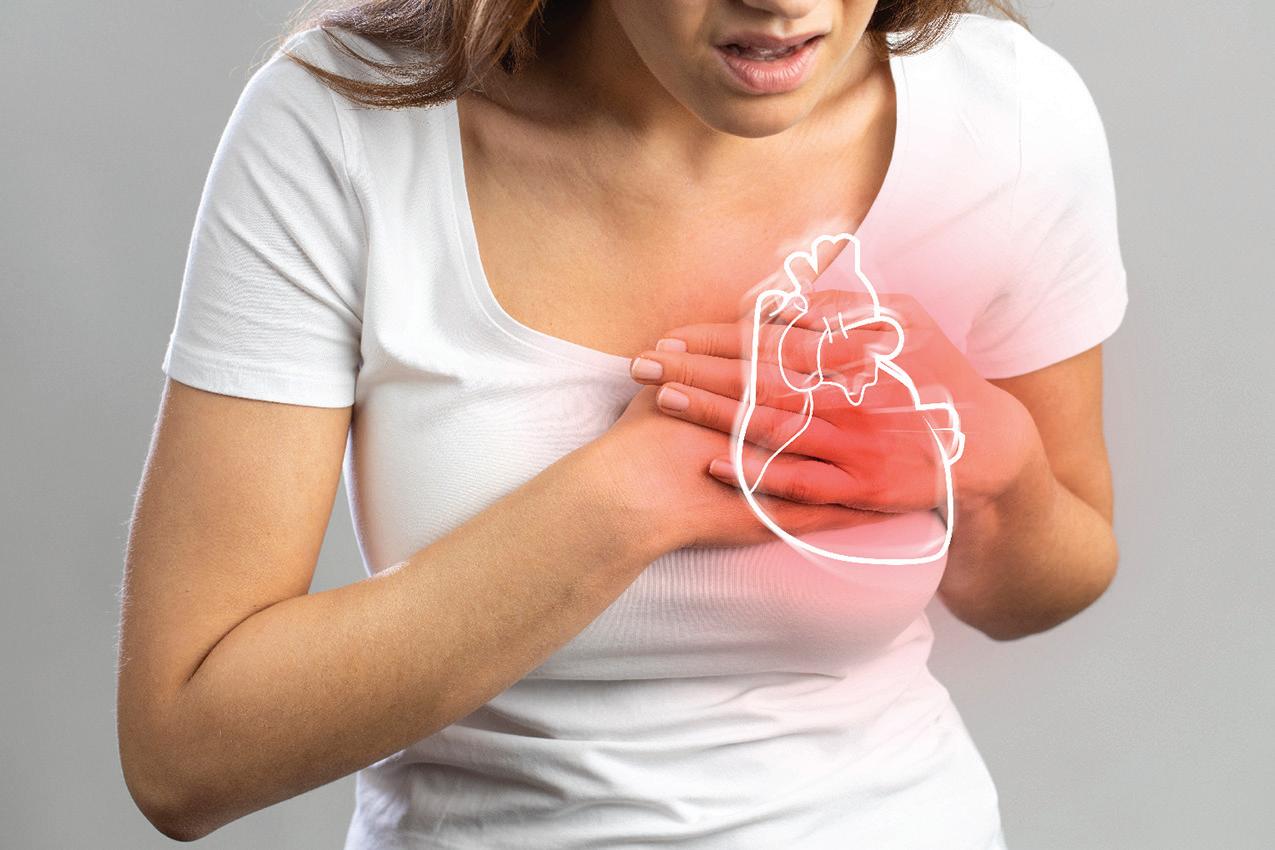
Cardiovascular diseases (CVDs) are the leading cause of death around the world, indicates the Centers for Disease Control and Prevention. Globally, CVDs were responsible for around 19 million deaths in 2022. In the United States, heart disease affects around 128 million adults. Learning to recognize symptoms of potential heart conditions can ensure people know when to take action that may prevent further prob lems down the road.
Heart conditions can present in many ways, and symptoms of various condi tions can overlap. This gen eral guide, based on data from the Mayo Clinic and the Cleveland Clinic, serves as a warning and not a diagnosis. Those with any sudden, severe or “not right” symptoms are urged to seek immediate medical attention.

toms in men and women, so it’s best to treat any out-of-the-ordinary signs with caution. Intense chest pressure or squeezing; pain spreading to arms, jaw, back, or stomach; shortness of breath; nausea; cold sweats, lightheadedness; fatigue; or back pain merit medical attention.
• Heart failure: Those experiencing heart failure may have persistent shortness of breath; swelling in legs, feet or abdomen; rapid weight gain from fluid retention; fatigue; and difficulty lying flat due to breathing trouble.
• Arrhythmia (irregular heartbeat): Irregular heartbeat can lead to palpitations or fluttering of the heart; dizziness or fainting; shortness of breath; chest discomfort; and fatigue.
• Coronary artery disease: CAD can result in chest pain (angina), often with exertion. Shortness of breath, fatigue, and pain that may radiate to the arm, jaw, neck, or back are possible.
• Myocardial infarction (heart attack): A heart attack can produce different symp-
• Atrial fibrillation (AFib): AFib is an irregular and often rapid heart rhythm that starts in the heart’s upper chambers. It can cause fast heartbeat; fatigue; shortness of breath; dizziness; and chest discomfort.
Heart conditions can lead to a variety of symptoms, many of which will overlap. For a thorough diagnosis, it is best to first see a primary care physician, who may then refer patients to a cardiologist.