MELBOURNE, May 3: The Allan Labor Government is backing local jobs and talent to keep making screen production in Victoria.
The Victorian Budget 2026/27 invests a further $27 million to support the Victorian Screen Incentive, designed to attract and secure more blockbusters right here in Victoria.
This new funding creates an overall investment of $48.7 million to keep cameras rolling on world-class local and international productions in Victoria in 2026-27 and beyond.
In 2024–25, Labor’s support of our screen industry drove over $500 million in direct economic activity.
This supported 8,000 local jobs and 72 screen productions across the state.
Victoria’s screen industry spans film, television, visual effects, post-production and digital games.
It is built on a strong base of local creators, crew, screen businesses and infrastructure, including Docklands Studios Melbourne.
Blockbuster Boost to Keep Victorian Film Rolling Ten
MELBOURNE, May 1: Labor is making it easier and cheaper for families to get hooked on the great outdoors.
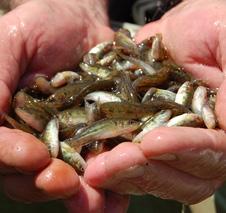
The Victorian Budget 26/27 includes $5 million to extend the popular Go Fishing Victoria program.
More fish will be released into Victorian waterways over the next year.
The A24 project starring Daniel Kaluuya, Hotel Hotel Hotel Hotel, has just finished filming at Docklands Studios, just one of the latest high-calibre productions choosing Victoria –employing over 270 Victorians and engaging more than 250 local businesses.
(MEDIA RELEASE)
It gives families a fun, affordable way to spend time together outdoors.
Fishing boosts regional economies by drawing visitors to local towns, tackle shops and cafes.
The funding will also support the expanded Arcadia and Snobs Creek hatcheries which produce Murray cod and golden perch fingerlings.
Victoria has stocked 10 million fish in three of the last four years thanks to the Allan Labor Government.
Fish species stocked include brown trout, rainbow trout, chinook salmon and tiger trout along with native species like Murray cod, golden perch, Australian bass, estuary perch, silver perch and dusky flathead.
More than 200 lakes and rivers across the state have been stocked to improve recreational fishing opportunities.
Only Labor will invest in regional Victoria, and the programs and services communities rely on.
The Liberals’ and Nationals’ $11.5 billion budget black hole means cuts to regional services and projects to pay off their debt.
(MEDIA RELEASE)
Sentencing Must Meet Community Expectations
MELBOURNE, May 5: Labor will completely review – and rewrite – Victoria’s sentencing laws so they are clearer, more consistent and more in line with community expectations.
The Sentencing Act is the foundation of how courts work but it has never had a comprehensive review since 1991.
That’s why the Victorian Budget 2026/27
invests nearly $3 million into an independent Sentencing Act review.
As part of this review, the Sentencing Advisory Council will provide advice on:
• Whether the Act still meets community expectations
• How sentencing can better support victims and ensure their voices are heard
• How the Act can better reflect and
promote what Victorians expect in the 21st century
Both experts and the public will be able to provide feedback throughout the review.
Following the review, the Government commits to rewriting the Act.
Government will also ask the Sentencing Advisory Council to consider current sentencing issues affecting Victorians.
That includes sentencing outcomes for offences against people who are trying to intervene to stop violence – often known as Good Samaritan laws.
Because people are rightly appalled by incidents where someone is attacked for protecting their fellow Victorian.
Separately – as announced last week following a shocking attack on a paramedic – the Government will get advice from the Victorian Law Reform Commission on how to strengthen Victoria’s emergency worker harm laws.
While these Reviews will set the legislative pathway forward for the long-term, we remain willing and able to act quickly should any urgent reforms be necessary.
(MEDIA RELEASE)
Labor Delivers Real Help to Ease the Cost of Living
Published: Tuesday 5 May 2026 at 1:05 pm.
With Donald Trump’s war driving up costs at home, Labor is doing everything we can to help right now.
That’s why the Victorian Budget 2026/27 delivers real help to make life easier, safer and more affordable.
We’re delivering free public transport for two months then half-price fares from June and 20 per cent off your rego.
Free PT then half-price fares
We’re extending free public transport until the end of May and then slashing the cost of commuting for the rest of the year, because the impacts of this war will be felt for months to come.
Half-price fares kick in from June 1 meaning cheaper trains, trams and buses across Victoria – every day, for everyone.
Under half-price fares, a full daily fare will cost $5.70 to travel anywhere across the state, not $11.40.
Half-price fares will:
Save the average daily commuter more than $850 from June 1 until the end of 2026
Keep a lid on fuel demand for everyone else filling up
Take cars off our roads, reducing delays for those who have to drive.
Under half-price fares, reimbursements will be available for people with myki passes.
Public transport will remain permanently free for under 18s and on weekends for seniors, carers and disability support pensioners.
Regos
The war in the Middle East is adding increased costs to motorists moving around the state.
Now, the Victorian Budget 2026/27 invests $758.6 million to slash your rego.
Currently, motorists are spending up to
$930.70 every year on a car registration.
We will cut this by 20 per cent.
This measure will put up to $186 back in people’s pockets.
For families with two cars – that’s almost $400 back in your pocket.
This is real help, right now, for millions of Victorians.
Fuel
Fuel prices are also putting household budgets under pressure.
That’s why Labor’s Fair Fuel Plan is cracking down on price gouging at the pump.
$5 million will be invested for our Fair Fuel Taskforce to go after fuel retailers who are not complying with their fuel price reporting requirements.
Funding will also improve Servo Saver for the more than 479,000 Victorians who use the feature to save money at the fuel pump.
Support for families
This Budget is investing to make sure no child misses out.
An additional $59.4 million will support vital cost of living programs in Victorian government schools, including the Affordable School Uniforms, School Breakfast Clubs programs and expanding Glasses for Kids.
These programs are saving families money – providing free school uniforms, free vision checks and glasses, and free healthy meals at Victorian schools.
More than $8 million will continue our Kinder Kits and Prep Bags, which support children and young students to engage with their learning.
Kinder Kits provide every child starting kindergarten with free books, toys and educational materials.
Our free books in Prep Bags support family engagement with great books from an early age and encourage parents and carers to read frequently to their children.
We’re also helping more kids get into sport and active recreation, with more Get Active Kids Vouchers – helping thousands more Victorian families with the cost of memberships, registration fees, uniforms and equipment.
The program has already provided more than 250,000 vouchers worth up to $200 each to eligible families since it launched. More than 20 per cent of kids who received a voucher joined a sporting club for the first time.
Recreational fishing is one of the state’s most popular and budget-friendly outdoor activities.
That’s why we’ll extend the Go Fishing Victoria program with $5 million to stock fish in our waterways.
Making life easier
With war in the Middle East driving up costs at home, more public transport helps Victorians save money and time.
Investing in new trains will boost capacity for more passengers.
This Budget invests $673.6 million in 25 locally built X’Trapolis 2.0 trains.
Labor has added 3,500 train services to the network and now we’re delivering more. Later this year, we will switch on more services for the Craigieburn, Upfield, Sandringham and Werribee lines.
And in this Budget, we are delivering even more services on the Hurstbridge, Meranda, Belgrave, Lilydale, Alamein and Glen Waverley lines.
The Budget invests $14.8 million to deliver longer, nine-car trains on the Wyndham Vale Line during peak times.
All peak services will run as nine-car trains – reducing crowding and getting you to work and home sooner.
Thanks to the completion of the Shepparton Line Upgrade, a $29.8 million
investment will deliver nine return services between Shepparton and Melbourne every day.
A further $317.7 million will be invested to boost reliability across the V/Line network.
An almost $100 million investment will deliver new bus services in Melton South, Casey, Dandenong, Drysdale and upgrade 20 other routes across the network.
We are making our public transport safer and more accessible for families and people with accessibility needs.
This Budget will deliver $4.3 million for safer and more accessible stations with upgrades at Clifton Hill, Northcote, Eaglemont, Broadmeadows and Donnybrook stations.
We will also deliver vital development works to support the future electrification of the Melton Line.
The $152.7 million investment, equally funded with the Albanese Government, will undertake works to finalise the designs, scope and costs to inform future delivery.
Keeping our roads safe
Road upgrades ease cost of living pressures by slashing travel times and reducing fuel consumption, putting money back in Victorians’ pockets.
This Budget invests more than $1 billion to repair and rebuild our roads – the biggest investment ever.
That means fixed potholes, resurfaced roads and safer streets for every Victorian.
We are also tackling illegal graffiti and dumping, with funding to clean up our roadsides.
School crossing supervisors keep our kids safe – and this Budget backs them with an investment of more than $16.8 million.
This will keep more than 3,000 school crossings supervised, so students and families can get to and from school safely every day.
Building more homes
Victoria continues to build and approve more homes than any other state.
Our planning reforms are boosting housing supply and making Victoria the best place for first homebuyers.
To make sure we are building more homes in the right places, we are investing $23.7 million to continue the delivery of our bold reforms.
We're unlocking Victoria's longest ever pipeline of new land for homes by continuing to deliver on our 10-Year Plan for Melbourne’s Greenfields — giving families more options to buy and build.
This Budget will allocate $15.6 million over four years – to continue delivering on our 10 Year Plan for Melbourne’s Greenfields.
Buying or building a home is the biggest purchase that working families will make in their lifetimes.
Cost of living pressures mean that budgets are tighter than ever – and we’re fighting to ensure working families get the safe, high-quality and affordable homes they’ve paid for.
More than $50 million expands the Building and Plumbing Commission – holding builders to nation-leading standards and
protecting families from dodgy building work. Housing for every Victorian
Every Victorian family deserves a safe home and this Budget delivers $47 million to help people leave homelessness behind.
This includes $26 million for services that tackle rough sleeping through outreach services.
More than $15 million will also help five supportive housing sites in Seddon, Melbourne, St Kilda, Shepparton and Mildura.
Another $6.1 million investment in the Tenancy Plus program will support social housing renters at risk of becoming homeless.
A new $860 million investment will support the Social Housing Growth Fund to help deliver more than 7,000 social housing homes over the next 10 years for Victorians who need them most.
We are delivering more than 16,000 social and affordable homes across Victoria – with more than 12,000 homes already complete or underway.
Keeping energy affordable
Labor is making sure Victoria has the renewable energy needed to keep the lights on and lower bills for Victorian families and businesses.
We’re investing more than $6 million to fast-track renewable energy projects – getting cheaper, cleaner power to more Victorian homes sooner.
We’re helping Victoria’s most vulnerable families with $10 million for community housing renters.
It will make their homes more liveable and switch to efficient electric appliances, slashing hundreds of dollars off their energy bills.
We’re also investing more than $1 million for the Energy Assistance Program to continue providing free, one-on one energy savings advice and assistance for those having trouble paying their energy bills.
We’re also helping to make Victorianmade food and drinks more affordable with $15 million for food and beverage processors and farmers to cut their operating costs by becoming more energy efficient with new technology.
We’re also investing $124.5 million to progress the Victorian Renewable Energy Terminal at the Port of Hastings to support the construction of Australia’s first offshore wind industry.
This will create more than 2,370 jobs, generate billions in investment and deliver affordable and reliable power for all Victorians.
Secure jobs
Victorians deserve fair, secure jobs.
That’s why we’re providing $5.4 million to implement a Local Government Fair Jobs Code.
The code will minimise insecure work in the local government sector, including outsourcing, labour hire and casualisation.
It means we’re prioritising wages, conditions and secure jobs for local government workers.
We will also establish a new regulatory body within the Department of Government
Services to monitor and support councils to comply with the code.
We’ll support councils to attract and retain highly skilled, professional workers through safe, secure and rewarding jobs.
Making it easier to get free healthcare
We’re saving Victorians time and money, delivering good free healthcare at home or in the community.
This Labor Government has made healthcare easier to get with the Virtual ED, Chemist Care Now and our Urgent Care Clinics.
This Budget invests $109 million to deliver 45,000 more specialist paediatric appointments and 4,000 additional planned surgeries for children.
More than $130 million will boost our Better at Home program – delivering care and treatment like rehab and post surgical care at home.
The Virtual Hospital pilot is already proving a gamechanger, particularly for regional Victorians – now we’re extending the service, backed by $3.1 million.
The cost of private fertility care means too many Victorians are missing out on their dreams of becoming parents.
That’s why we’re investing $43 million to continue our game changing public fertility service and the public egg and sperm bank.
Helping families put food on the table
With households under pressure, we’re investing to make sure no one goes hungry.
An $11 million food relief package will help families doing it tough – because no one should have to worry about where their next meal is coming from.
Families are being hit hard by rising prices, which is why Labor is helping food relief organisations like FoodBank Victoria to manage increased demand.
This includes the continuation of the Community Food Security Program, which funds local food relief organisations and coordination to make sure more gets to where it is needed most.
We’re also providing critical support for Victorians facing financial stress.
The Budget delivers $2.7 million to boost access to free financial counselling which provides real, expert help to Victorians.
This funding will help recruit an additional 17 frontline workers as part of the Financial Counselling Program
The Budget also invests $2.3 million to expand Bring Your Bills Day – making life easier for Victorians doing it tough.
Collaborating with organisations across the financial, legal, utility and government sectors, the program provides practical, inperson support.
Funding will also support people to navigate the financial impacts of natural disasters, including access to recovery grants, negotiation of insurance claims and accessing finance assistance.
This Budget is delivering new solutions to help Victorian families that are under pressure.
Only Labor has new solutions to make life easier, safer and more affordable. (MEDIA RELEASE)
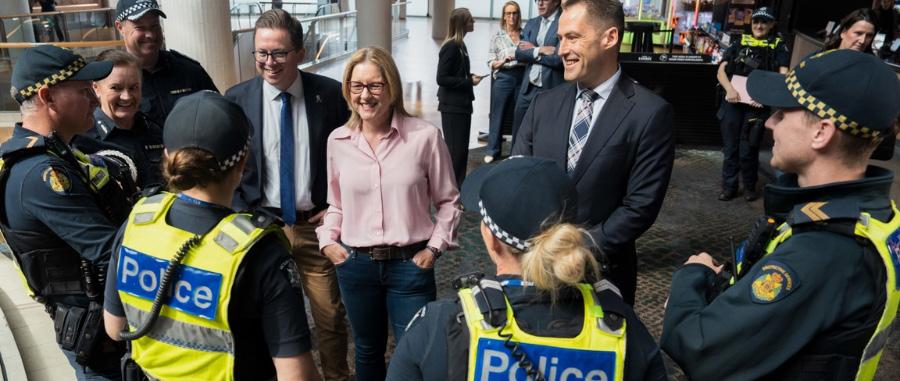
More Resources for Police to Keep Victorians Safe
MELBOURNE, Apr 22: The latest crime data shows Australia’s toughest bail laws are working, and male youth offending is falling.
But crime rates are still too high.
That’s why the Allan Labor Government is giving Victoria Police more resources to keep Victorians safe.
These investments will make Australia’s largest police force even stronger.
Putting more police on the beat
We back the Chief Commissioner’s plan to get more officers out on the streets instead of stuck at their desk.
The Victorian Budget 2026/27 includes $62 million to recruit up to 200 reservists for administrative duties.
This will free up frontline officers – putting
more police back in the community where they’re needed most.
Giving police the tools they need
Specialist police don’t have mobile devices that can access police systems, and it slows them down in the field.
The Budget invests $18.3 million for 3,000 mobile devices for specialist police.
This tech helps them in their everyday work – less time doing paperwork and more time protecting Victorians.
It means faster decisions on the ground with real-time information in their hands instead of back at the station.
Cracking down on illicit tobacco
The Budget invests $13.4 million to almost triple the number of Tobacco Licensing
Victoria inspectors.
It will also support tough new shop closure powers, and new powers that give landlords the ability to kick out businesses selling illicit tobacco.
Smoking out illicit tobacco and the organised crime gangs it funds is all about keeping Victorians safe.
More PSOs on the transport network
These investments are on top of the $44 million in the Budget to deliver 50 additional PSOs.
PSO hours will expand, and they will be located when and where they’re needed, based on real police intelligence.
Only Labor has new solutions to make life easier, safer and more affordable.
(MEDIA RELEASE)
More Gas to Flow into Victoria
MELBOURNE, May 7: Victorian industries will soon have access to more affordable locally produced gas.
The Allan Labor Government and Albanese Labor Government have both approved the production license for Amplitude Energy’s Annie Gas Field Project in the Otway Basin.
This project could provide the equivalent of more than a third of Victoria’s annual gas use, delivering more cheap Victorian gas to
power industries which can’t make the switch to cheaper electric alternatives.
Works will start next year to deliver gas from 2028, kicking in at a crucial time for the East Coast Gas Market.
AEMO has pushed back its peak day gas shortfall forecast by one year to 2029.
This was driven by lower demand from Labor’s electrification initiatives which help households and businesses move off gas, easing pressure on supply and protecting
families from rising bills.
Gas is part of Victoria’s energy transition –but legacy supplies from Victoria’s Bass Strait are dwindling and prices are going up.
That’s why it’s critical we continue to drive down Victorians’ energy bills by going electric and working to secure the gas supply Victoria needs.
This project will use existing infrastructure from the Casino-Henry-Netherby gas field in the Otway Basin.
Labor's Offshore Petroleum and Greenhouse Gas Storage Amendment Regulations 2026 have also been approved.
This provides regulatory certainty for Golden Beach’s $1 billion gas production and storage project in Gippsland.
This project could provide approximately 18.75 petajoules of additional gas storage, increasing Victoria’s storage capacity by 70 per cent and further minimising the risk of winter peak day shortfalls from 2029.
Only Labor will protect Victorian families and businesses from rising gas costs by helping them switch to electric, freeing up gas supply for industries which need it most.
Jess Wilson's Coalition has no plan for Victoria's energy future. They will leave Victorians out in the cold and paying more for their energy.
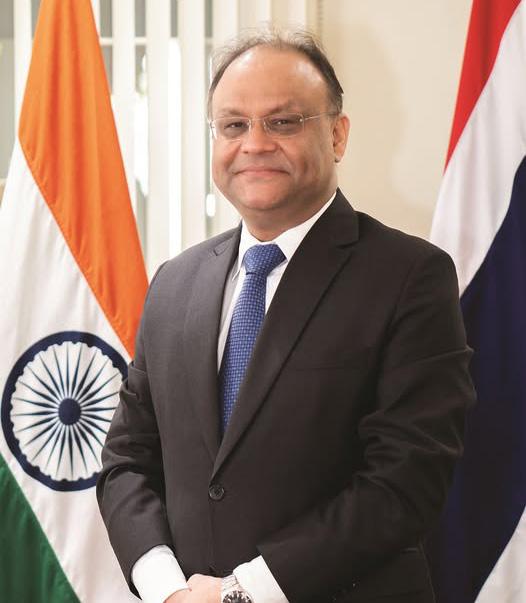
Nagesh Singh presents credentials to Governor General of Australia, assumes charge as High Commissioner
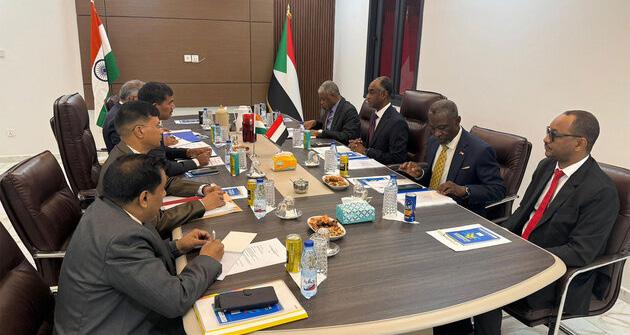
CANBERRA, May 6: India's High Commissioner, Nagesh Singh, formally presented his credentials to the Governor General of Australia, Sam Mostyn, marking a significant step in the diplomatic relations between the two nations.
In a post on X, the High Commission of India in Australia stated, "High Commissioner of India Mr. Nagesh Singh presented his Credentials to Her Excellency the Honourable Ms Sam Mostyn AC Governor-General of the Commonwealth of Australia, on May 5, 2026."
Following the official ceremony at Government House, the new High Commissioner inspected the Guard of Honour after the Credentials ceremony.
The ceremony marks the formal commencement of Singh's tenure in Canberra, where the senior diplomat has taken charge as India's High Commissioner to Australia, succeeding Gopal Baglay in the key diplomatic post.
A seasoned officer of the 1995 batch of the Indian Foreign Service (IFS), Singh brings a wealth of experience to the role, having most recently served as India's Ambassador to the Kingdom of Thailand. His transition to the Australian capital follows a high-profile stint at the headquarters, where he held the position of Chief of Protocol at the Ministry of External Affairs (MEA) from July 2018 to October
2022.
Singh's distinguished diplomatic career is marked by several pivotal international assignments, including a tenure as the Consul General of India in Atlanta between June 2015 and June 2018. He also contributed to the highest levels of domestic governance as the Officer on Special Duty (OSD) to the Vice President of India from September 2012 to June 2015.
Within the Ministry, Singh has developed significant expertise in regional security and bilateral affairs, having previously served as Director in the Pakistan-Afghanistan-Iran (PAI) division from February 2010 to August 2012.
His extensive global footprint further includes critical roles at India's Permanent Mission to the United Nations in New York and the Indian Embassy in Paris.
A scholar in his field, Singh is an alumnus of Delhi University where he completed his graduation in Economics, later earning his Master's degree from the prestigious Delhi School of Economics.
"India, Australia lucky to have respectful leaders," says Australian Envoy
NEW DELHI, May 2: High Commissioner of Australia to India, Philip Green, said that India and Australia are fortunate to have world leaders that respect each other.
Green, in a conversation, said that India and Australia's relations have been progressing, but he wanted to take it even higher.
"There is no question that we have been building and are now at the highest point. The trick for me is that I want to take it even higher; that is what my assignment here is all about. We have some very useful tailwinds. There are three underlying drivers of this relationship that are not going away. First, Australia and India are increasingly strategically aligned, both bilaterally and through the Quad. Second, there is a very strong level of complementarity between our economies," Green said.
"Third, we have that human bridge of more than a million people of Indian origin. We are fortunate that we have leaders who respect one another, get on very well, and listen hard to each other's perspectives. I don't see those factors changing," he said.
Green also said that his wife and he have been impressed by the diversity of the country and can discuss a wide range of world issues, culture, and literature.
"I have been here for more than two and a half years now. Your civilization is millennia old, so the longer I am here, the less I really know,
but the more I am fascinated. I have visited 21 of your states and hope it will be 22 in a month's time. The diversity of your society is so impressive. When you talk about food, I have to say I go to the other end of the subcontinent to Kerala to get the food I like most. But it ought to be beyond food and cricket," he said.
"What is very special about this society is the way in which there are so many thoughtful, articulate, and smart people with whom I can
engage on world issues, culture, and literature. For me and my wife, this is a great place to learn, be challenged, and grow," he added. Indian-Australian communities, now Australia's second-largest and fastest-growing overseas-born group, form the living bridge between both countries, the Australian Department of Foreign Affairs and Trade stated.
"India active in engaging with key players to make sure its interests are secured," says Australian Envoy
NEW DELHI, May 2: High Commissioner of Australia to India, Philip Green, said that the West Asia crisis is having ripples across all of our countries and Australia, like India, is having to adjust for higher oil prices and all the flowthrough effects to other supply chains.
Green, in a conversation, said that India is being very active in engaging with key players to make sure its interests are secured.
"I don't know that I can predict the future, but I can tell you that this is having ripples across all of our countries. As you say, Australia, like India, is having to move quickly to adjust and be ready for higher oil prices and all the flow-through effects to other supply chains. Our government has been very active in making sure there will be adequate supplies of fuels from countries in our region that do refining, as we mostly import refined fuels from around our region," he said.
Green said that Australia hoped that the Strait of Hormuz remains open and trade returns to normalcy.
"I have seen India being very active in engaging with key players to make sure its interests are secured. Our foreign ministers have been in touch about it two or three times. On a wider canvas, I know France and Britain
have held online meetings, and each of our governments has been involved in that. We are all seeing if we can get through this with as little damage to our economies as possible. For both of us, I think we are very pleased that the ceasefire is in place. We are looking for a deescalation of tensions and the quickest effort to make sure the Strait of Hormuz can be open so we can get back to normal trade," he said.
Green said that India stepped its way through the geopolitics and geoeconomics of this crisis rather impressively.
"I see India having to deal with the consequences of being a country that is both a big importer and refiner of fossil fuels. I have seen India step its way through the geopolitics and geoeconomics of this rather impressively, ensuring it can receive supplies of oil and gas. I have also seen India on the same page as Australia in trying to move forward the process to get the Straits of Hormuz open. It is complex for all of us and none of it is without risk, but as we normally see from Dr. Jaishankar and Mr. Singh Puri, it is a very professional effort to deal with a difficult situation," he said.
Green said that even before the war, Australia had been keen on diversifying its
sources of supply and export, and India was a keen partner in the same.
"I can't speak for the Indian side, but on our side, long before external shifts in global leadership, Australia was very keen on diversifying its sources of supply and export.
For us, India is a big part of that. This is the largest, fastest-growing large economy in the world, and it is very complementary to ours. We produce the things that India doesn't and vice versa. Our energy, minerals, skills, and training will be very useful to India in its next phase of growth. I wouldn't put it down to outside forces; for us, this is about the real opportunity between our bilateral markets and our goal for diversification," he said.
Meanwhile, in the context of the West Asia crisis, US President Donald Trump has expressed dissatisfaction with Iran's latest peace proposal, saying "they're asking for things I can't agree to", and warned against "early" end to the conflict "and have this kind of problem arise in three more years," as quoted by Al Jazeera.
Australia to build USD 7.22 billion fuel reserve to "shield" nation from global supply shocks
CANBERRA, May 6: In a strategic move to fortify the nation against volatile global energy markets, Australian Prime Minister Anthony Albanese has unveiled a 10 billion Australian dollar (USD 7.22 billion) initiative designed to bolster national fuel inventories.
The substantial financial package aims to facilitate the creation of a government-owned reserve, providing a critical buffer against international supply disruptions. According to Al Jazeera, the new reserve, comprising approximately 1 billion litres (264 million gallons), will ensure Australia maintains a minimum of 50 days of fuel onshore to "shield the country from future shocks."
Addressing a news conference regarding the initiative, Prime Minister Albanese emphasised the importance of national resilience.
"This is aimed at making sure Australians can have more confidence in protecting our energy sovereignty, not just during this crisis but going forward as well, protecting our nation's energy interests," he stated.
This push for energy independence comes as the country grapples with its heavy reliance on external sources, as Australia currently imports nearly 80 per cent of its fuel requirements. Al Jazeera reports that the nation has already faced localised shortages, with oil and gas supplies severely constrained by the ongoing blockade in the Strait of Hormuz.
Highlighting the specific utility of the new stockpile, Albanese noted that the "fuel security reserve will focus on regional stockouts and supply constraints for essential users in the event of another supply crisis."
The measure is expected to provide a necessary safety net for critical services during periods of heightened geopolitical tension or maritime instability.
The urgency of Australia's energy security measures is underscored by the volatile situation in the Middle East, where US President Donald Trump has recently announced a temporary suspension of maritime escort operations through the same Strait of Hormuz.
Despite the de-escalation of certain operations, the US President noted that he is maintaining a naval "blockade" in the region while citing significant diplomatic movement towards a potential deal with Tehran.
In a statement shared on Truth Social, Trump noted that the pause follows international diplomatic interventions and recent military developments that have impacted global shipping lanes.
"Based on the request of Pakistan and other countries, the tremendous military success that we have had during the campaign against the country of Iran and, additionally, the fact that great progress has been made toward a Complete and Final Agreement with representatives of Iran, we have mutually agreed that, while the blockade will remain in full force and effect, Project Freedom (the movement of ships through the Strait of Hormuz) will be paused for a short period of time to see whether or not the agreement can be finalized and signed," Trump wrote.
The strategic corridor, which remains central to Australia's supply concerns, has recently been the site of intense "tensions."
The United States previously confirmed it had sunk seven Iranian boats during the "Hormuz operation," a mission launched following several "allegedly" Iranianled attacks on civilian vessels that had threatened the stability of global energy corridors.
This temporary halt of "Project Freedom" is intended to provide a diplomatic window to determine if a "Complete and Final Agreement" can be successfully reached between the two nations, even as countries like Australia pivot towards long-term domestic energy reserves to mitigate the impact of such overseas friction.
Australia's Best Workplaces in Technology 2026 List Announced
SYDNEY, May 7: Great Place To Work has announced the 50 companies named on Australia's Best Workplaces in Technology list for 2026, based primarily on 24,579 confidential survey responses from employees across the country's tech industry.
Despite this being an exceptionally exhilarating but uncertain time to be a human working in technology, each workplace on this list had the courage to be measured honestly by their own people. In return they've won not only a place among top technology companies recognised globally, but the honour of being called a Great Place to Work by those same people.
"There's something like a technology AI armsrace happening across the region at the moment, and Australia is right in the thick of it," said Rebecca Moulynox , General Manager for Great Place To Work for Australia and New Zealand. "These companies are the ones winning that race. They're the ones where people feel safe enough to experiment, fail and try again."
Best Workplaces in Technology 2026 winners by category
In the micro category, managed IT services provider A1 Technologies took the top spot, followed by Adora, the Blackbird-backed product analytics startup founded by former Canva and Amazon leaders, and Causeis, a
digital consultancy that works exclusively with associations and nonprofits across Asia Pacific.
In the small category, Macquarie Cloud Services led for the second consecutive year. Part of ASX-listed Macquarie Technology Group, the company has built its reputation on sovereign cloud infrastructure. Data and AI consultancy V2 AI placed second, and software and AI firm Corto Pty Ltd took third.
For the medium-to-large category, legal practice management platform Smokeball claimed the number one position, followed by Mantel Group, a consulting and engineering firm, and global cybersecurity leader CrowdStrike. The rest of the 20-company cohort includes giants like Cisco, Adobe, Salesforce, ServiceNow and Docusign alongside Australian-founded companies like carsales and Tecala Group.
What sets the 2026 winners apart
The companies at the top of this year's list share a genuine, funded investment in people's growth, and the organisational trust to let it compound. "We run the business in a way that makes people's jobs easier as we grow, not harder," said Katie Rattray, Marketing Director at A1 Technologies. A1's Kaizen Awards program lets any employee submit a process improvement project, turning continuous improvement into daily practice.
"The question we keep coming back to isn't
'what's industry-standard?'" said Diane Villavieja, BizOps at Adora. "It's 'what makes a person a fuller human, not just a faster employee?'"
At Causeis, Director of Operations John Lelempsis keeps it simple, "The most important factor has been trust. We are transparent about why changes are happening, how they support our mission and what they mean in practice for people's roles."
Trust threads through nearly every place on the list. Whether it's Ansarada's Maria Dang, People and Culture Business Partner, noting they "create psychological safety for people to ask questions, experiment and learn without fear of failure," or CORTO Chief Operating Officer Kim Bill cutting through the noise, "Anxiety usually comes from being left in the dark, so we tackle that with total transparency".
Australia's best technology workplaces are setting a standard, not just for the region, but globally, for what it looks like when innovation and people-first culture move at the same speed.
The 2026 Australia's Best Workplaces in Technology list is produced by Great Place To Work Australia, based mainly on confidential employee survey responses through the Trust Index™ survey. To learn more about Certification or upcoming Best Workplaces lists, visit greatplacetowork.com.au
"India, Australia can expand ties in goods, services sector," says Australian Envoy
India and Australia can deepen cooperation across both goods and services, while also advancing labour mobility and easing professional recognition, according to Philip Green.
Speaking recently, the Australian High Commissioner noted that India’s priority remains improved labour mobility, enabling more Indians to live and work in Australia. In parallel, Australia is seeking reductions in tariffs within the Indian market, particularly in agriculture, while ensuring that such changes do not disadvantage Indian farmers.
Green emphasised that there is clear scope for a balanced agreement. He suggested that both nations could move forward on mutual recognition of qualifications, making it easier for professionals to work across borders. On trade, he pointed to opportunities to expand engagement across goods and services, supported by calibrated tariff adjustments.
“There is a basis for a deal,” he indicated, highlighting that agricultural cooperation can be structured in a way that protects the interests of ordinary farmers in India while opening new avenues for trade.
Beyond trade, education remains a cornerstone of the bilateral relationship. Green described a significant moment
during his tenure when he attended the graduation of Indian students from an Australian university operating in India. This development follows policy changes introduced by Narendra Modi, allowing foreign universities to establish campuses locally.
For decades, Australia has been a preferred destination for Indian students, with approximately 135,000 currently enrolled. However, Green stressed that education should not be a one way exchange. The establishment of Australian universities in India represents a shift towards greater accessibility, allowing students to receive internationally recognised education at a lower cost and without relocating overseas.
He described the graduation ceremony as one of the most meaningful experiences of his diplomatic tenure, noting the pride of students and their families in accessing high quality Australian education within India.
Addressing migration and visas, Green clarified that Australia’s system operates on global criteria and does not discriminate based on nationality. Applicants who meet the required standards have equal opportunity to study or work in the country. Indian students consistently form one of the largest international cohorts, reflecting sustained
demand and strong bilateral ties.
The Indian diaspora in Australia now exceeds one million people, making it one of the most significant and rapidly growing communities in the country. While reports suggest it may have surpassed populations of English origin, Green noted that the broader trend of growth and integration is what truly stands out.
Indian Australians are increasingly visible across business, government, and community life. According to available data, individuals of Indian origin are twice as likely to hold a master’s degree compared to the wider population. They are also more likely to establish businesses and actively participate in cultural, sporting, and social organisations.
These indicators, Green said, reflect a community that is not only growing in size but also contributing meaningfully to Australia’s economic and social fabric.
With strong educational links, expanding trade discussions, and a thriving diaspora, the relationship between India and Australia continues to evolve, supported by what many describe as a “living bridge” between the two nations.
UN sounds alarm over "humanitarian crisis" as 20,000 seafarers stranded in Persian Gulf stalemate
DUBAI, May 6: A catastrophic humanitarian emergency is unfolding in the Persian Gulf, where approximately 20,000 seafarers remain trapped aboard vessels amidst a tightening naval blockade and escalating military threats. According to a report by CNN, the United Nations has sounded the alarm over an "unprecedented" crisis triggered by the effective closure of the Strait of Hormuz, leaving maritime workers, many from poor, developing countries, marooned in a high-stakes geopolitical tug-ofwar.
These workers are currently wedged between aggressive commercial pressure from shipowners and the lethal reality of security threats from drones and sea mines, all while navigating limited legal protections.
The scale of the disruption has stunned international regulators and laid bare the severity of the situation facing the crews.
Damien Chevallier, director of the Maritime Safety Division at the UN's International Maritime Organization (IMO), told CNN that the situation is unlike anything the industry has previously encountered.
"It is an unprecedented situation," Chevallier remarked. "We have around 20,000 seafarers in the Gulf for now close to eight weeks. It is a humanitarian crisis. We have never faced such a situation."
The paralysis is total, as Iranian ports pose war-zone risks, while visa restrictions and logistical hurdles along the Arab states
lining the Gulf's southern shores make it difficult for many sailors to leave their vessels.
The geopolitical standoff has seen Iran attempt to implement navigation rules for "friendly" countries in exchange for fees, a move met by a Trump administration naval blockade targeting ships entering or leaving Iranian ports.
This clash has brought traffic through the strategic chokepoint to a near halt, and Chevallier informed CNN that "around 800 to 1,000 vessels would like to sail through the Strait of Hormuz to evacuate the area."
Among these is the Auroura, a sanctioned oil tanker linked to Iran's shadow fleet of vessels used to transport oil in defiance of American sanctions.
The plight of the Auroura's all-Indian crew highlights the worsening conditions onboard, including shortages of food and fresh water.
Manoj Yadav, a union organiser with the Forward Seamen's Union of India, told CNN at the time that the "crew is facing shortages of basic supplies," adding that "they want to go back home. The situation on this vessel is not good."
The International Transport Workers' Federation (ITF) suggests the issue goes beyond simple logistical delays, with widespread reports of "repatriation" being replaced by "abandonment," leaving some seafarers unpaid for nearly a year.
Intimidation from desperate shipowners
has become a secondary threat to those stranded.
Mohamed Arrachedi of the ITF told CNN that "there are a lot of cases of intimidation. Some shipowners just get furious," noting cases where seafarers are "verbally threatened."
In the case of the Auroura, the owner allegedly accused the crew of "hijacking his vessel... sabotaging his vessel" when they requested to leave.
These sailors later reported to the United Kingdom Maritime Trade Operations (UKMTO) that they were "effectively stranded onboard under unsafe conditions," a fear realised when the ship was struck by drones while anchored off the UAE.
While some members of the Auroura crew eventually managed to fly home via Oman, thousands of others remain in peril.
Captain Isdik Alam, stationed on another stranded vessel, described a harrowing existence to CNN, where crews are "collecting water from the air-conditioning drains just to wash and survive."
Reflecting on a profound sense of abandonment, Alam noted that regardless of political outcomes, the human cost is being ignored.
"I am not a warrior. I am a seafarer," he said. "I'm not scared of the sea... I'm scared of missiles and attacks."
Getting married in Australia
Separate meetings with parties before marriage - 1
As per Attorney-General’s Department, authorised celebrants are obliged under section 42B of the Marriage Act 1961 (Commonwealth) to meet with each party to a marriage separately and in person before they solemnise the marriage.
This applies to all legal marriages and all authorised celebrants, including Commonwealth-registered marriage celebrants, ministers of religion of a recognised denomination and state and territory officials authorised to solemnise marriages.
The term ‘separate meeting’ means that the marriage celebrant and each party must meet in person without the other party to the proposed marriage being present. The party is able to bring a trusted person with them to the meeting if they wish to do so. The purpose of the meeting is to assist the marriage celebrant in satisfying themselves that each party is freely and voluntarily consenting to the marriage.
It is important to remember, real consent may change over
time, even after the marriage celebrant have met separately with a party – and the legal obligations of a celebrant in relation to real consent continue after the separate meeting. A party could potentially indicate their consent to marry for the weeks or months leading up to the marriage, but on the day of the ceremony circumstances change which mean they cannot, or do not, give real consent.
If you have further questions, you may contact me on 0425 853 086 or navee64@ gmail.com
Removing biological parent from the birth records of a child
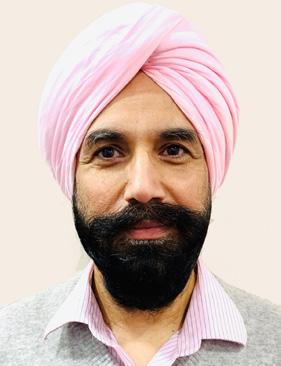
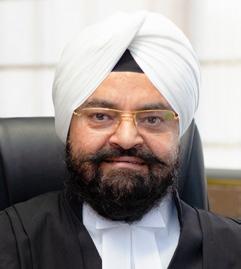
BY GURPAL SINGH
We have seen increasing enquiry regarding removal of the biological father’s name from the birth certificate of a child. The mother apparently, is guided by the hateful and broken relationship with the father of the child, doesn’t want the child to know about the biological parentage or paternity. In some cases, the mother who has partnered intends that the new partner be known to the child as her biological father for the child doesn’t know and see only the new partner being the person in the home and with the mother. Issue of parentage leads to different complexities to the children born to single parents or same-sex couples including the various advancements in reproductive technology and increased use of surrogacy. For the purposes of common law, a child conceived or born in a wedlock, the mother’s husband was deemed to be the father unless at the time of conception, the partners/ spouses were subject to a separation order. The family Law Act outlines the presumption where parentage is in issue, displacing the common law position. These presumptions include the child born to a woman who is married to a man is presumed to be a child of that marriage. A child is further presumed to be a child of the marriage if born to a woman within 44 weeks after the marriage is
terminated by the death of her husband or the marriage is annulled. This, however, doesn’t apply to same-sex couples. A presumption of paternity arises from unmarried cohabitation where a man and woman live together at any time during the period beginning 44 weeks prior to the birth of the child and ending not less than 20 weeks before the birth. However, this presumption doesn’t apply to same sex couple.
A child born as a result of an artificial conception procedure (ACP) either through an IVF clinic or an informal insemination procedure, would carry presumption where the mother was partnered and the child is born as a result of ACP is the child of the
mother and her partner if at the time of the birth of the child, mother was married to or partnered with another person and the couple consented to carry out the procedure; the child is a child of the mother and her partner under a prescribed law.
In such a situation, whether child is biologically a child of the woman and of the other intended parent, they are parents for the purposes of the law and any other person who provided genetic material is not a parent of that child. The law further requires that a presumption of parentage arises from a person’s name being entered in either a register of births or a register of parentage information as being the parent of a child. The register must be kept by the law of the state of territory or a prescribed overseas jurisdiction. Also, when an Australian court or court of prescribed overseas jurisdiction makes an express or implied finding of parentage gives a rise to the presumption of parentage.
Such presumption can be rebutted by undertaking blood or DNA testing. The court is then empowered to make such a declaration and such a declaration is the conclusive evidence as to parentage and applicable to the laws of the commonwealth and incidental consequences.
In a case where the biological father is not dispute, can a mother ask for removal of the father’s details from the birth records for all intents and purposes? Father’s name can only be removed if an evidence can be provided in respect of the wrong entry of the name which implies that the DNA based parentage test declaring that the person named was not a biological father; the court order declaring the identity of the father. The parent’s name can only be removed if it was incorrectly entered. It can’t be removed at the call of one parent out of a vindictive attitude.
Building a Life Beyond the Paycheque
From Air Force discipline to financial guidance, Ali Muhammad’s journey reflects resilience, balance, and the migrant pursuit of meaningful success
There is a quiet calm in the way Ali Muhammad speaks about money.
Not the kind driven by ambition alone, nor the loud certainty often associated with wealth building, but something steadier — a belief that financial security is ultimately about freedom, peace of mind, and the ability to live life on your own terms.
For Ali, financial planning was never simply about numbers. It was about understanding why people work so hard in the first place.
“Most people spend decades studying and working without ever clearly defining what they actually want from life,” he says thoughtfully. “The earlier you understand your goals, the easier it becomes to build towards them.”
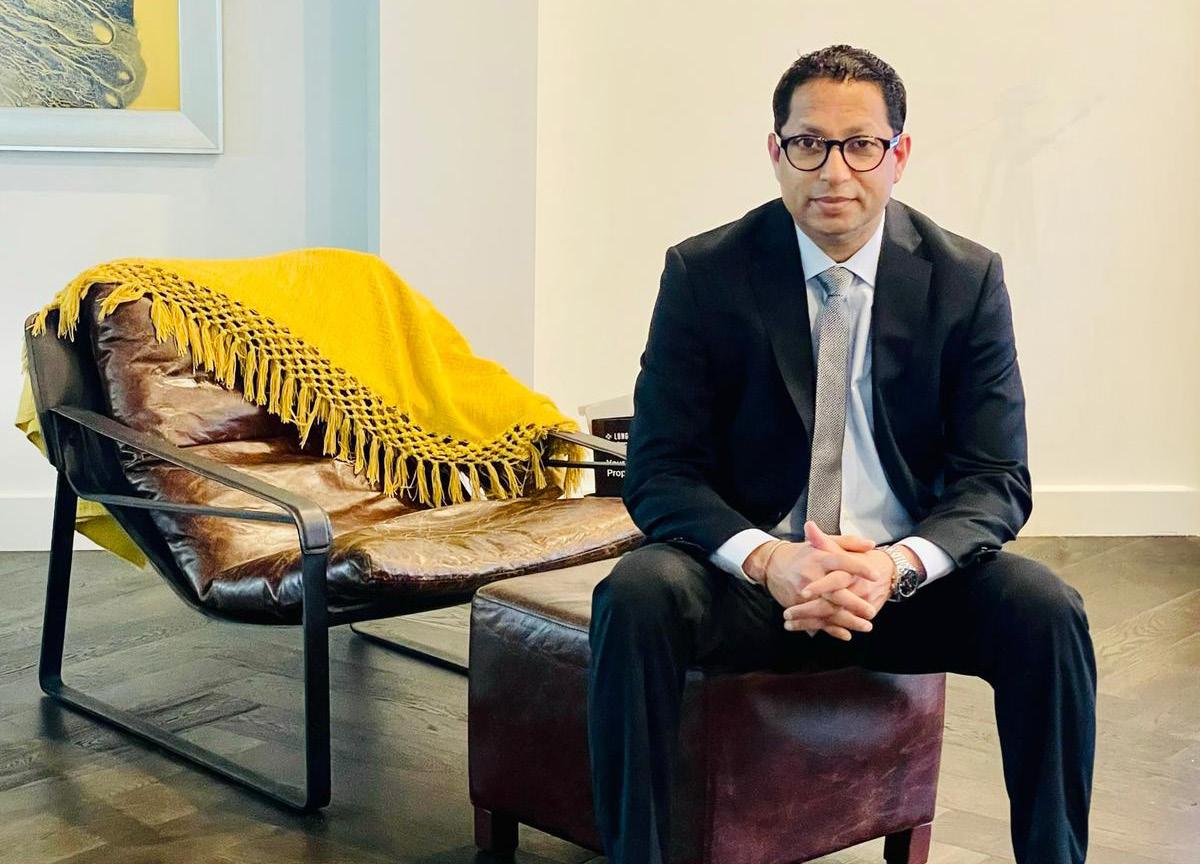
Today, Ali is the director of Planet Wealth, a Melbourne based financial planning business helping individuals and families navigate everything from wealth creation and mortgages to retirement planning and insurance. But behind the polished professionalism is a journey shaped by migration, reinvention, and persistence.
Born in India’s Andhra Pradesh region, Ali’s early career looked very different to the life he leads today. He spent over a decade serving in the Indian Air Force before transitioning into the corporate world with Apple Inc., working in sales within a highly creative environment. It was a chapter filled with innovation, filmmakers, artists, and fast moving ideas, a world he still remembers fondly.
Then life shifted.
When Ali and his wife Razia welcomed twins, the demands of family life made the unpredictable nature of the creative industry increasingly difficult to sustain. Looking for stability and opportunity, the family made a decision that would redefine their future — migrating to Australia in 2004.
Like many migrants, Ali’s Australian story did not begin with prestige or comfort.
“When we arrived here, we started from the basics,” he says.
His English was limited at the time, and his first role was far removed from financial advisory boardrooms. He worked for a signage company in Melbourne’s Box Hill, walking shop to shop generating sales before returning to help with installations after hours and on weekends.
“It was not glamorous, but I was grateful to have work,” he recalls.
That willingness to start again became one of the defining traits of his journey. Over the next several years, Ali moved through various sales roles while quietly developing a fascination with money, taxation, and long-term financial security.
Initially, the interest was personal.
As a migrant raising a young family in a new country, he wanted to understand how Australia’s financial systems worked and how ordinary people could build security from scratch. After engaging his own financial
adviser and asking endless questions, Ali was encouraged to formally study financial planning himself.
That decision would change everything.
Today, his philosophy around financial advice stands apart because it avoids the transactional language many people associate with the industry.
Ali does not begin conversations by talking about products or investment portfolios. Instead, he asks clients a deceptively simple question:
“What would your life look like if you no longer had to wake up to an alarm tomorrow?”
The answers often reveal far more than spreadsheets ever could.
A paid off home. Time with family. Passive income. Children’s education. Travel. Peace of mind.
For Ali, those aspirations form the real foundation of financial planning.
“I do not believe in pushing products,” he explains. “I believe in understanding people first.”
It is a philosophy rooted in empathy as much as expertise. Perhaps that is why much of his work also extends beyond business and into community education.
Ali regularly volunteers his time speaking at schools, community centres, and migrant groups, particularly within Indian and Southeast Asian communities, helping people understand budgeting, saving, investing, and financial literacy.
He believes Australia still has significant work to do in teaching money management from a young age.
“If children understood financial literacy early in life, it would completely change the way future generations approach money,” he says.
Yet despite decades spent building professional success, Ali’s definition of achievement remains refreshingly grounded.
Success, he insists, is not measured purely by bank balances.
“It is about balance,” he says. “Health, family, meaningful work, financial freedom, and helping people around you.”
There is perhaps no better reflection of the migrant experience than that perspective itself — the understanding that wealth alone rarely satisfies unless it is connected to purpose.
For Ali Muhammad, the journey from the Indian Air Force to financial adviser was never really about chasing money. It was about creating stability, building freedom, and helping others do the same.
And after more than two decades in Australia, that purpose still drives him every day.
By Tonee Sethi
Nourishing Balance
Dietitian Deevya Gupta is helping Australians reconnect with food through culture, compassion and common sense
here is a calm reassurance in the way Deevya Gupta speaks about food. No guilt. No fear. No impossible rules. Just balance, understanding and a genuine belief that nutrition should support life, not complicate it.
At a time when wellness trends flood social media feeds with conflicting advice and restrictive eating fads, Deevya represents something increasingly rare in modern health conversations: clarity grounded in science, culture and lived experience.
For Deevya, becoming a dietitian was never the obvious path. Raised in an Indian family in Australia, the traditional expectations were familiar — medicine, stability, prestige. Like many children of migrant families, the idea of becoming a doctor lingered heavily in the background. Yet even while she wanted to help people, she instinctively knew the conventional medical route was not for her.
Ironically, her earliest ambitions had little to do with healthcare at all. She once dreamed of becoming either an astronaut or a geologist. But everything shifted in Year 9 when an inspiring food technology teacher introduced her to the world of nutrition and food science. What began as curiosity soon evolved into purpose.
That purpose demanded persistence. Deevya completed a Bachelor of Nutrition degree, followed by an honours research year to strengthen her chances of entering a highly competitive master’s program. Two more years of postgraduate study followed before she earned her title as an Accredited Practising Dietitian.
“It took six years of study altogether,” she says with a smile, reflecting on a journey that was not always understood, even at home.
“At the time, my parents did not fully know what a dietitian actually did. But after seeing me work for several years, they now proudly tell everyone their daughter is a dietitian.”
Today, Deevya has become part of a growing wave of culturally aware health professionals reshaping the way multicultural Australia approaches nutrition. When she first entered the industry over a decade ago, Indian dietitians were still relatively uncommon. Patients would travel long distances simply to consult someone who understood their food, traditions and lifestyle.
That demand has only intensified.
As chronic health conditions such as diabetes and cardiovascular disease continue rising across South Asian communities, culturally appropriate nutritional guidance has become increasingly important. Deevya explains that South Asians remain among the highest risk groups for developing chronic illness, influenced by both genetics and rapidly changing modern lifestyles.
“The Western diet has infiltrated every culture,” she explains. “Processed foods, convenience foods and sedentary lifestyles have become normal everywhere.”
Yet rather than dismissing traditional Indian diets, she believes many of the answers already exist within them.
“When you go back to traditional diets that are less processed, they can actually be incredibly beneficial for
That philosophy sits at the core of her work. Deevya does not believe in demonising food. In fact, she openly admits she became a dietitian because she genuinely loves eating.
“Most dietitians love food,” she laughs. “We are definitely not the food police.”
It is a perspective that instantly disarms people who often
arrive carrying years of guilt, confusion or anxiety around eating. Her approach focuses less on restriction and more on helping people build sustainable, realistic relationships with food.
“You should enjoy what you eat,” she says. “Nutrition is about learning how to eat the foods you love while still meeting your health needs.”
That same philosophy extends into motherhood.
As a mother of two young children, Deevya has approached parenting through both professional knowledge and instinct. Rather than creating stressful meal environments or forcing children to eat, she prioritises building healthy emotional relationships with food from an early age.
“It is not about running after them with food or forcing them to finish everything,” she says. “It is about creating a positive environment around eating.”
Her children, now growing up between cultures much like she did, are already deeply familiar with homemade rotis, dals and traditional Indian meals. Ironically, despite growing up on Indian food herself, Deevya spent much of her teenage years avoiding it in favour of pasta and Western dishes. Yet motherhood has brought her back full circle.
“I probably make more rotis now for my children than I ever thought I would,” she says.
Still, she rejects perfectionism entirely. She speaks honestly about occasionally eating McDonald’s, enjoying comfort foods and learning to balance nutrition with real life rather than idealised expectations. After becoming a mother, she also discovered a new appreciation for exercise, something she once disliked growing up.
“I used to be the last one in PE class,” she laughs. “Now the gym has become my time to disconnect from everything else.”
In many ways, that balance defines her entire outlook. Not extremes. Not punishment. Not fear. Just mindful choices, consistency and compassion.
Perhaps that is why her message resonates so strongly in an era overloaded with online misinformation and wellness noise. Beneath the qualifications and clinical expertise is someone deeply committed to
making nutrition feel less intimidating and more human.
Her advice, ultimately, is remarkably simple.
“Love your food,” she says. “Listen to your body. And if you are overwhelmed by all the mixed messages out there, speak to a dietitian. We are here to support you, not judge you.”
For Deevya Gupta, food has never simply been about calories or trends. It is culture. Memory. Family. Identity. And most importantly, something meant to be enjoyed.
By Tonee Sethi
The Taste of Belonging
From intimate food trails to large scale festivals, Himanshi Munshaw Luhar has built a platform where culture, community and connection come together in Melbourne
When Himanshi Munshaw Luhar first arrived in Australia in 2005 as an international student, she was already familiar with the country. Having worked in tourism in India, she had visited more than ten times before choosing Melbourne as home. What she could not have anticipated was that she would one day emerge as a cultural connector, using food, festivals and shared experiences to bring communities together.
Born and raised in Mumbai, with Gujarati roots and a mother who ran a travel agency, Himanshi grew up immersed in both enterprise and culture. Boarding school in Rajasthan instilled independence, while Bollywood dance and Indian traditions kept her closely tied to her heritage. When she migrated, she carried that duality with her, determined to create spaces where her Indian identity and Australian life could coexist and flourish.
Today, she is the founder of Foodie Trails and FT Events, ventures that celebrate Melbourne’s diversity through curated food experiences and community festivals. At the heart of her work is a simple belief: there is no better way to understand someone than by sharing a meal.
The journey began unexpectedly. Approaching a market with the intention of becoming a sponsor, Himanshi was told there was no Indian cultural event to support. Rather than stepping away, she created one. That first event, deliberately detached from any religious festival or national celebration, was designed as a neutral platform for discovery, connection and cultural exchange. From that single initiative, her concept has evolved into a movement that now spans multiple communities beyond her own.
Her work has since expanded into consulting on major sporting and cultural events, ensuring they are not only professionally executed but also authentically inclusive. As she explains, inclusivity is not a fixed idea
but an evolving process of listening and understanding how different communities engage. The result is an experience that feels genuinely welcoming to all.
Behind the success lies the resilience of a first-generation migrant. Without a support network, Himanshi recalls the uncertainty of her early days, standing in empty venues and questioning whether audiences or vendors would show up. Over time, she built trust, credibility and a distinct brand identity. Today, her events attract partners, sponsors and small businesses eager to be part of her platform. Some of those businesses have even outgrown her events, something she regards not as a loss but as a shared achievement.
Recognition has followed, from industry awards to invitations to speak on multiculturalism. Yet for Himanshi, the most meaningful moments remain deeply personal: a quiet thank you at the end of an event, or the growth of a small vendor who was given an opportunity. These, she believes, define true success.
Balancing entrepreneurship with motherhood has required intention. With two young children, she has shaped her own definition of success, one that allows her to remain present at home while continuing to build a purpose driven business. Clear
Looking ahead, her vision is to create more mainstream opportunities for cultural performers, musicians and food artisans, strengthening Melbourne’s multicultural identity. For her, food and storytelling are not merely forms of celebration but powerful tools for belonging.
For Himanshi, happiness is found in simplicity: the laughter of her children, the energy of her festivals, and the knowledge that she has built something meaningful in her adopted home. Her story is not just about events, but about weaving a community together, one shared plate at a time.
By Tonee Sethi
boundaries enable her to attend school events, spend time with her family, and still sustain a growing enterprise.
AI UNCOVERS 27-YEAR-OLD BANKING FLAWS, GLOBAL WAKE-UP CALL
AI-led discovery of long-standing vulnerabilities in banking systems is a “wake-up call” not only for US banks, but also India and rest of the world, said Sheetal Chopra, Director at National Institute of Electronics and Information Technology under the Ministry of Electronics and Information Technology.
“It has been a wake-up call for US and not only for US, it has been a wake-up call for India and the world on the whole,” she said while addressing the CII event on CIO Conclave and CIO Excellence Awards themed “Leading in an era of Intelligent Transformation.”
She also said that the development reflects a broader global concern, with artificial intelligence rapidly evolving and exposing risks across systems.
“So, it is definitely a wake-up call for all of us that these are the vulnerabilities which AI can discover at such a fast pace. We really need to be abreast with the technology, we really need to update ourselves with the technology so that we are not left behind,” he said.
Stressing on the data safety, she said, “ We have to preserve our data. We have to preserve our data security.”
Chopra said the vulnerabilities, which
existed “about 27 years ago” in banking systems, were recently identified by an AI research company, underlining how AI is working faster than humans in certain areas.
Referring to developments she had read about, she added, “It was initially a wake-up call for US banks... I have read something in the news only. Just gone through the news.”
She noted that such developments had triggered discussions among stakeholders, including in India, reflecting the seriousness of the issue for the financial sector.
Highlighting the pace of change, Chopra said the impact of AI is continuous and farreaching. “It is not only AI Impact Summit... the impact of AI is so vast, it is so quick and it is ever changing that everybody has to now deal with it. Everybody has to learn this,” she said.
Machine Learning & Artificial Intelligence
Sheetal Chopra says government support in India is enabling AI innovation by providing compute facilities at affordable rates.
“The Government of India is basically providing the compute facility at a
very low rates,” she said, adding that startups, researchers and companies are increasingly engaging in AI development.
Chopra also outlined the role of NIELIT in capacity building, stating that the organisation has established around 20 AI labs across the country. “We are providing the opportunities to students from all across to come and learn with us and do all kinds of experiments on AI,” she said.
Sheetal says the country is competing “neck to neck” with other nations in AI, supported by initiatives such as the India AI Mission and domestic innovation.
“We are competing neck to neck, and I am hoping that there will be a time when the US will look up to us, China will look up to us for the AI innovations,” she said. Chopra declined to comment on the India Semiconductor Mission, stating she would prefer to speak on AI and related technologies.
She emphasised that professionals must continuously upgrade their skills to keep pace with technological change. “It is going to bring in many more new opportunities unless you are equipped with this new technology, you are going to lose out on that,” she added.
MOBILE MONEY DOUBLES TO $2 TRILLION IN 4 YEARS AS DIGITAL PAYMENTS SURGE GLOBALLY
Mobile money transactions globally crossed the USD 2 trillion mark in 2025, signalling a rapid expansion of digital financial services and a shift towards deeper usage beyond basic payments, according to the GSMA’s State of the Industry Report on Mobile Money 2026.
“More than $2.1 trillion flowed through mobile money in 2025,” the report said, highlighting that the industry doubled transaction value in just four years after taking two decades to reach the first trillion.
The report noted that the growth is being driven not just by new users, but by rising usage. “Active 30-day accounts rose by 15% to 593 million in 2025,” it said, adding that global monthly activity rates have reached their highest level in recent years.
Mobile money adoption also continued to expand, with “2.3 billion registered mobile money accounts” recorded globally, marking the largest-ever annual increase in absolute terms, the report said.
A key trend emerging from the data is the increasing use of mobile money for everyday payments. “Merchant payments were the fastest-growing use case, rising 42% to $155 billion,” the report noted, indicating a shift from peer-to-peer transfers towards broader commercial usage.
At the same time, integration between mobile wallets and traditional banking systems is gaining pace. The report highlighted that “bank-to-mobile transfers stood at $167 billion, while mobile-to-bank transfers reached $163 billion,” reflecting growing interoperability and reduced reliance on cash transactions.
The study also pointed to a structural shift in the nature of services offered through mobile money platforms. “Savings and insurance expanded fastest in 2025,” it said, adding that providers are increasingly focusing on financial health rather than just access to payments.
Profitability across the sector has improved significantly, with “nearly 80% of surveyed providers” reporting profits in 2025, supported by rising revenues and diversified income streams.
However, the report flagged key challenges, including regulatory hurdles and rising fraud risks. It also noted that “a wide gender gap in mobile money account ownership
persists” across most surveyed countries, highlighting the need for targeted policy interventions.
The GSMA said mobile money continues
to play a critical role in financial inclusion, particularly in low- and middle-income countries, where millions rely on it as their primary financial tool.
(IANS)
INDIA’S MEDICAL TOURISM MARKET TO DOUBLE TO $16.2 BILLION BY 2030
India is emerging as a leading hub for ‘Medical Value Travel’, with the medical tourism market estimated at about $8.7 billion in 2025 to nearly double to $16.2 billion by 2030, the government said.
Travel & Transportation
The global MVT market is valued at about $115.6 billion in 2022 and is estimated to reach around $286.1 billion by 2030 at a compound annual growth rate (CAGR) of about 10.8 per cent.
“Across the world, rising healthcare costs, long waiting times, and the growing burden of lifestyle diseases are driving patients to seek treatment abroad,” an official statement said. India’s rise in MVT is driven by integration of advanced medical infrastructure with traditional wellness systems such as AYUSH.
Strong policy support, digital facilitation, and initiatives like AYUSH Visa and Regional
Medical Hubs are strengthening the ecosystem.
India’s MVT ecosystem comprises medical tourism for curative interventions and wellness tourism centred on AYUSH systems such as Yoga and Ayurveda. These two pillars address both advanced clinical treatment needs and the rising global demand for preventive healthcare, the statement noted.
India recorded 9.15 million foreign tourist arrivals in 2025, of which 5,07,244 were for medical treatment. The data showed that medical tourism constitutes approximately 5.5 per cent of total foreign tourist arrivals. India’s top source countries for medical tourists in 2025 were Bangladesh (325,127 arrivals), Iraq (30,989), Uzbekistan (13,699), Somalia (11,506), Turkmenistan (10,231), Oman (9738), and Kenya (9,357).
According to the Medical Tourism Index
2020-21, India ranked 10th among the top 46 medical tourism destinations globally, and fifth among the top 10 wellness destinations in the Asia-Pacific region. India’s healthcare system is supported by robust quality assurance mechanisms and internationally recognised accreditation standards.
Hospitals and healthcare providers across the country obtain accreditation from the National Accreditation Board for Hospitals and Healthcare Providers (NABH) which has rigorous benchmarks for patient safety and quality of care. Looking ahead, the government highlighted that the Union Budget 2026-27 proposed five Regional Medical Hubs with integrated medical, educational and research facilities. Each hub will include AYUSH centres and MVT facilitation centres, the statement noted.
GEN Z DRIVES ASIA TRAVEL BOOM AMONG INDIAN TRAVELLERS
Gen Z travellers are leading a strong surge in travel demand, with destinations across Asia witnessing significant growth in interest among Indian travellers, according to data shared by Airbnb. The data showed that Gen Z accounted for over 40 per cent of Airbnb’s summer searches this year and is the fastest-growing traveller segment, expanding at approximately 60 per cent year-on-year. This generation is increasingly shaping travel trends by prioritising experiences such as concerts, festivals, cultural events and culinary exploration.
Airbnb noted that there is growing interest in destinations across Japan, South Korea and Southeast Asia. Among these, Osaka recorded
over 85 per cent growth in searches, while Tokyo saw an increase of over 90 per cent. Busan emerged as one of the fastest-growing destinations, with over 95 per cent growth in search interest among Indian travellers.
The trend reflects broader shifts in travel preferences, driven by factors such as pop culture influence, food experiences and ease of travel. Amanpreet Singh Bajaj, Country Head, Airbnb India and Southeast Asia, said, “Asia offers something rare: the familiarity of a culture Indian travellers love, and a chance to discover a new destination. That, paired with greater connectivity and the option to plan a meaningful yet short trip during a long weekend, makes Asia
even more appealing to Indian travellers. It’s interesting to see that Indian travellers are slowly moving beyond the templatized and obvious, both internationally and within India, and proactively seeking destinations that feel more personal, not just popular.”
In Southeast Asia, Kuala Lumpur saw over 50 per cent growth in searches, while Bangkok recorded over 35 per cent growth, indicating steady and consistent demand due to strong connectivity and familiarity among Indian travellers. The data also highlighted that travel continues to be a shared activity, with nearly 60 per cent of searches driven by group and family travel. Duo travellers accounted for over 30 per cent of searches, underlining the importance of shared experiences while exploring new destinations.
At the same time, the trend of experiential travel is also influencing domestic tourism patterns. Within India, travellers are increasingly exploring destinations beyond traditional hotspots. Locations such as Thiruvananthapuram saw over 90 per cent growth in searches, while Jaipur and Meghalaya recorded over 70 per cent growth each. Puri also witnessed an increase of over 30 per cent.
According to Airbnb, this shift indicates a growing preference for destinations offering nature, heritage and cultural richness, both internationally and domestically. The findings suggest that Gen Z travellers are playing a key role in redefining travel behaviour, with a strong focus on experiences and exploration driving demand across Asia and emerging destinations within India.
HEALTH
Early screen time linked to higher autism risk in kids
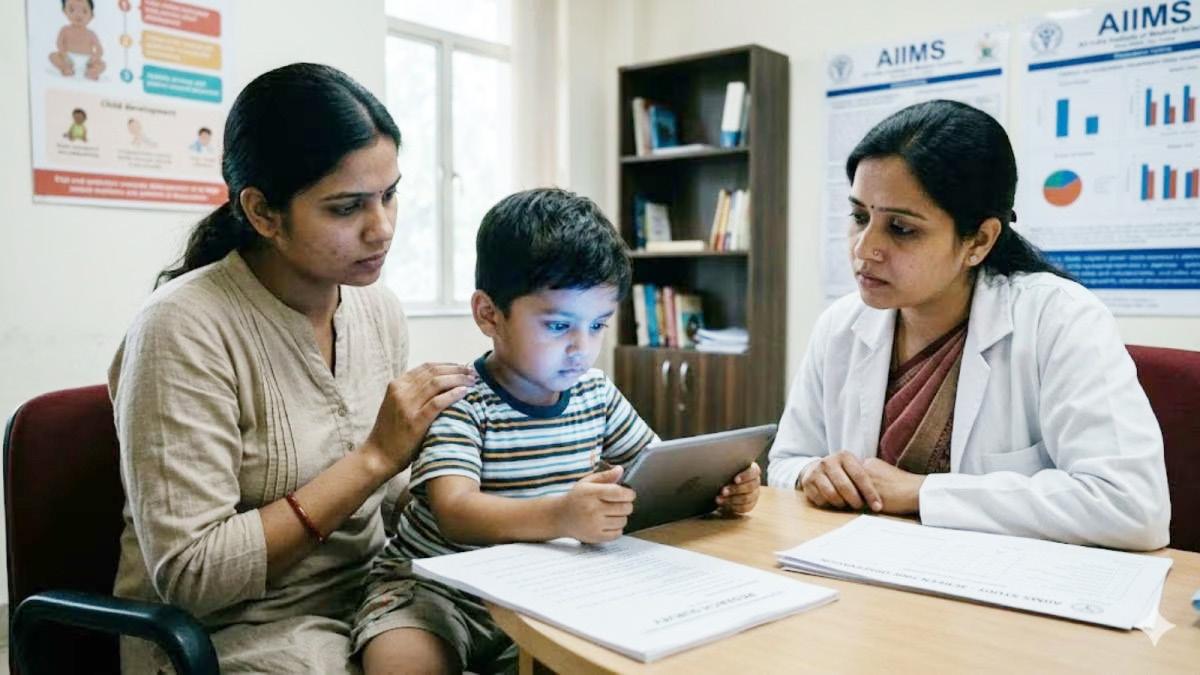
Research conducted at AIIMS has revealed that children under the age of two who are exposed to excessive mobile phone usage may fall victim to serious conditions such as autism. In the research, doctors noted that children whose parents cultivated a habit of watching mobile phones between birth and 18 months of age showed a significantly higher prevalence of serious conditions like autism.
Autism is a disorder that impairs a child’s cognitive and comprehension abilities; consequently, their behaviour deviates from that of typical children. During a press conference, Head of the Department of Pediatric Neurology, AIIMS, Shefali Gulati, on Friday, said, “For autism spectrum disorder, especially for screen time, a lot of research has been done. There are a lot of speculations. In that, it has been seen that children who have proven studies, at the age of one year, those who had more screen time, autism is more prevalent in boys at the age of three years, with symptoms of autism in girls as well.”
She highlighted those other studies, and meta-analyses indicated a significant association between early, prolonged screen time and higher risks of autism. Going further, she said their own study was conducted with children with autism and
other children, which showed that children with autism were exposed to a higher screen time than other children.
“We also conducted a study where we compared autistic children with other children in the hospital. We found that autistic children had started screen time earlier and for longer durations compared to other children. We also looked at addiction scoring, which was higher for them. So, the important thing is to reduce screen time,” she said.
Gulati underscored the significance of personal interaction with the kids, stating that “the more we interact with the child individually, that is very important.” She advised parents to gradually reduce their children’s screen time rather than implementing a sudden, abrupt change.
She explained that guidelines on the topics are already formulated by many institutions, including stating, “Screen time should not be given to children under the age of 18,” she said. After the presser, Gulati emphasised that a humanistic approach holds priority in dealing with children with autism.
“I would say that a humanistic approach is very important in life. Every person, every child, whether they have some difficulty or are an autistic child, has an equal right to a dignified life. We all have to walk together. All five fingers of our hand are different, but all are very important for our hand and for the fist. So, these children are also very important for us, and we have to walk together,” she said.
“Whenever the symptoms we have described, which could indicate autism, are present, you should consult a pediatric neurologist or a developmental paediatrician. You shouldn’t think it will get better on its own,” she added.
SCIENTISTS DISCOVER A HIDDEN SYSTEM THAT TURNS BROWN FAT INTO A CALORIE BURNER
Scientists have identified a key biological system that helps brown fat burn energy by building the networks it needs to function. A protein called SLIT3 splits into two parts, with each piece guiding the growth of blood vessels and nerves inside brown fat. These structures allow the tissue to pull in nutrients and rapidly convert them into heat instead of storing them as fat.
Researchers have discovered how a crucial protein switches on brown fat by helping it build the blood vessels and nerve connections needed for heat production.
The findings, published in Nature Communications, suggest a new way to tackle obesity that focuses on increasing how much energy the body burns instead of reducing appetite.
Brown Fat and How It Burns Calories
Most fat in the body is white fat, which stores excess energy and can contribute to obesity when it accumulates. In contrast, brown fat is present in smaller amounts and plays a specialised role in controlling body temperature and supporting metabolic health. When exposed to cold, brown fat uses glucose and lipids to produce heat through a process called thermogenesis.
“During thermogenesis, all of that chemical energy is dissipated as heat instead of being stored in the body as white fat,” said Farnaz Shamsi, assistant professor of molecular pathobiology at NYU College of Dentistry and the study’s senior author.
“By rapidly taking up and using fuel sources from our bodies and the food that we eat, brown fat acts like a metabolic sink that draws in nutrients and prevents them from being stored,” added Farnaz Shamsi.
Brown fat relies on dense networks of nerves and blood vessels to do its job. Nerves allow it to receive signals from the brain, which activate the tissue when the body senses cold.
Blood vessels deliver oxygen and nutrients needed to generate heat and help distribute that heat throughout the body. While previous studies have mainly focused on how fat cells produce heat, less attention has been given to how these supporting networks develop and function.
SLIT3 Protein Builds Brown Fat
Infrastructure
Earlier research from Shamsi’s lab used
single-cell RNA sequencing to identify SLIT3, a protein released by brown fat cells that may help them communicate. Once produced, SLIT3 is split into two separate pieces.
In the new study, scientists used experiments in both human and mouse cells to identify the enzyme BMP1, which cuts SLIT3 into these two fragments. Each fragment has a different role. One promotes the growth of blood vessels, while the other supports the expansion of nerve networks.
“It works as a split signal, which is an elegant evolutionary design in which two components of a single factor independently regulate distinct processes that must be tightly coordinated in space and time,” noted Shamsi.
The researchers also identified a receptor called PLXNA1 that binds to one of the SLIT3 fragments and helps regulate nerve development in brown fat.
In mouse studies, removing SLIT3 or the PLXNA1 receptor made the animals more sensitive to cold and less able to maintain their body temperature. Further analysis showed that their brown fat lacked proper nerve structure and an adequate network of blood vessels.
Links to Obesity and Metabolic Health
To determine whether the same
mechanism exists in humans, the team analysed fat tissue samples from more than 1,5000 individuals, including people with obesity. They focused on the gene responsible for producing SLIT3, which previous studies have linked to obesity and insulin resistance.
Their results suggest that SLIT3 activity may influence fat tissue health, inflammation, and insulin sensitivity in people with obesity.
“That really got our attention, as it suggests that this pathway could be relevant in human obesity and metabolic health,” said Shamsi.
A New Approach to Obesity Treatment
Most weight loss medications, including GLP-1s, work by suppressing appetite and reducing how much people eat. In contrast, targeting brown fat could increase how much energy the body uses.
The new findings, including how SLIT3 splits into two parts and interacts with receptors to shape nerve and blood vessel networks, point to several potential targets for future treatments.
“Our research shows that just having brown fat isn’t enough -- you need the right infrastructure within the tissue for heat production,” said Shamsi.
HIDDEN KIND OF STRESS CAN DAMAGE YOUR MEMORY AS YOU AGE
A new study reveals that internalising stress--especially feelings of hopelessness-may significantly speed up memory decline in older Chinese Americans. Surprisingly, factors like community support didn’t show the same impact. Researchers say cultural pressures and stereotypes may cause emotional struggles to go unnoticed and untreated. The findings suggest that targeted, culturally sensitive stress relief could play a powerful role in preserving cognitive health.
Stress that people turn inward may be quietly increasing the risk of memory loss in older Chinese Americans, according to new research from Rutgers Health.
The study, published in The Journal of Prevention of Alzheimer’s Disease, was conducted by researchers at the Rutgers Institute for Health, Health Care Policy and Ageing Research. It explored a range of factors that could either raise or reduce the risk of cognitive decline in Chinese adults over age 60.
This group was selected in part because older Chinese Americans have often been overlooked in research on brain ageing, leaving important gaps in understanding how memory loss develops in this population.
“With the number of older Asian Americans growing significantly, it’s vital to better understand the risk factors of memory decline in this understudied population,” said Michelle Chen, a core member of the Center for Healthy Aging Research at Rutgers and the study’s lead author.
Cultural Pressures and Hidden Emotional Strain
The researchers noted that cultural expectations may play a role in shaping mental health outcomes. The model minority stereotype, which portrays Asian Americans as consistently successful, educated and healthy, can create added pressure while also masking emotional struggles.
At the same time, many older immigrants face challenges such as language barriers and cultural differences, which can contribute to ongoing stress. While these issues are not unique to Asian Americans, the researchers say they may be particularly relevant in this context.
“Stress and hopelessness may go unnoticed in ageing populations, yet they play a critical role in how the brain ages,” said Chen, who is also an assistant professor of neurology at Rutgers Robert Wood Johnson Medical School. “Because these feelings are modifiable, our goal is for this research to inform culturally sensitive stress-reduction interventions to mitigate these feelings in older adults.”
Large Study Tracks Memory Changes Over Time
To better understand these effects, the team analysed data from the Population Study of Chinese Elderly (PINE), the largest communitybased cohort study focused on older Chinese Americans. The dataset included interviews conducted from 2011 to 2017 with more than 1,500 participants living in the Chicago area.
The researchers examined three key sociobehavioral factors: stress internalisation,
neighbourhood or community cohesion and external stress alleviation
Key Finding Points to Internalised Stress
Among these factors, internalised stress stood out. This form of stress includes feelings of hopelessness and a tendency to absorb stressful experiences rather than express or resolve them. It was strongly linked to worsening memory across three waves of the PINE study.
In contrast, the other factors did not show a significant connection to changes in memory over time.
Implications for Prevention and Support
Because internalised stress can potentially be addressed, the findings suggest an opportunity to develop targeted strategies that support emotional well-being and cognitive health in older adults. The researchers emphasise the importance of culturally sensitive approaches that take into account the unique experiences of ageing immigrant populations.
The study was supported by the RutgersNYU Resource Centre for Alzheimer’s and Dementia Research in Asian and Pacific Americans, co-led by William Hu of the Rutgers Institute for Health and Rutgers Robert Wood Johnson Medical School. Coauthors include Yiming Ma, Charu Verma, Stephanie Bergren and William Hu of the Rutgers Institute for Health.
Bread can cause weight gain without extra calories
Bread and other carbohydrate staples may be doing more than just filling plates--they could be quietly reshaping metabolism. In a surprising twist, researchers found that mice strongly preferred carbs like bread, rice, and wheat, abandoning their regular diet entirely. Even without eating more calories, they gained weight and body fat, not because they overate, but because their bodies burned less energy.
Bread has long been a dietary cornerstone, sustaining societies for generations. It is deeply woven into everyday life. But with obesity rates continuing to climb, researchers are beginning to question whether this reliance on staple carbohydrates still makes sense in modern diets. Obesity increases the risk of many lifestyle-related diseases, making prevention a major public health priority. Traditionally, research has focused on high fat consumption as the main driver of weight gain. This is why many animal studies rely on high fat diets.
However, carbohydrates such as bread, rice, and noodles are consumed daily around the world, yet their role in obesity and metabolism has not been explored as thoroughly. While many people believe that “bread makes you gain weight” or that “carbohydrates should be limited,” it has been unclear whether the issue lies in the foods themselves or in how people choose and consume them.
Study Explores Carb Preference and Metabolic Effects
To better understand these questions, a research team led by Professor Shigenobu Matsumura at Osaka Metropolitan University’s Graduate School of Human Life and Ecology studied how carbohydrates influence eating behavior and metabolism in mice.
The researchers examined whether mice preferred foods like wheat, bread, and rice over standard chow, and how these choices affected body weight and energy use. The animals were divided into several feeding groups, including Chow, Chow + Bread, Chow + Wheat flour, Chow + Rice flour, High-fat diet (HFD) + Chow, and HFD + Wheat flour. The team tracked changes in body weight, energy expenditure, blood metabolites, and liver gene expression.
Carb Preference Linked to Weight Gain Without More Calories
The findings showed that mice strongly favored carbohydrate-rich foods and stopped eating their standard chow altogether. Even though their total calorie intake did not increase
significantly, both body weight and fat mass went up.
Mice that consumed rice flour gained weight in a similar way to those that ate wheat flour. In contrast, mice given a High-fat diet (HFD) + Wheat flour gained less weight than those on a High-fat diet (HFD) + Chow.
“These findings suggest that weight gain may not be due to wheat-specific effects, but rather to a strong preference for carbohydrates and the associated metabolic changes,” said Professor Matsumura.
Slower Energy Use May Drive Weight Gain
The team also used indirect calorimetry with respiratory gas analysis to better understand energy use. The results showed that weight
expenditure. Further analysis revealed higher levels of fatty acids in the blood and lower levels of essential amino acids. In the liver, fat accumulation increased, along with the activity of genes linked to fatty acid production and lipid transport.
When wheat flour was removed from the diet, both body weight and metabolic abnormalities improved quickly. This suggests that moving away from a wheat-heavy diet and toward a more balanced one may help regulate body weight more effectively.
Next Steps: Applying Findings to Human Diets
“Going forward, we plan to shift our research focus to humans to verify the extent to which the metabolic changes identified in this study apply to actual dietary habits,” stated Professor
“We also intend to investigate how factors such as whole grains, unrefined grains, and foods rich in dietary fiber, as well as their combinations with proteins and fats, food processing methods, and timing of consumption, affect metabolic responses to carbohydrate intake. In the future, we hope this will serve as a scientific foundation for achieving a balance between “taste” and “health” in the fields of nutritional guidance, food education, and food development,” added Matsumura.
The findings were published in Molecular Nutrition & Food Research.
BOX OFFICE NUMBERS AND OPINIONS COME AND GO: ADAH SHARMA ON SUCCESS
Actress Adah Sharma says that success for her is not confined to boxoffice numbers or critical acclaim alone, as for her it is also about making a lasting impact on the audiences with her performances.
Asked how she measures success at this stage of your career, Adah said: “Box office is like that loud friend that shouts ‘375 crore for The Kerala story highest grossing female lead film ‘ so everyone turns and looks, and of course, I’m grateful when that happens.”
“Critical acclaim is the quiet, intellectual friend who doesn’t speak much, but when he does, you feel like you passed some secret exam,” added Adah, who made her debut in Bollywood in 2008 with the Hindi horror film 1920.
“Numbers and opinions come and go; what remains for me is how the audience reacts to scenes, remembers performances, and dialogues,” continued the 33-year-old actress, who was loved for her work in “Commando”.
The actress, who tasted super success
“HAVING
with “The Kerala Story”, shared that her fans still talk about her performances in 1920 and Sunflower, among others.
“So many people I meet tell me how 1920 scared them, how Sunflower made
them laugh, and The Kerala Story made them cry; they thought about Kshanam weeks after they watched it,” concluded Adah, who is a practitioner of Silambam, an Indian weapon-based martial art.
Adah is looking forward for the release of “Governor: The Silent Saviour” starring the National Award-winning actor Manoj Bajpayee.
The film is reportedly inspired by S. Venkitaramanan, who served as RBI Governor during India’s 1991 economic crisis and was closely associated with the country’s financial rescue period. However, the makers are yet to corroborate the above claims and confirm if it’s indeed based on him. It will be released on June 12.
She was last seen in Vikram Bhatt’s Tumko Meri Kasam, inspired by the life of Dr. Ajay Murdia, the founder of Indira IVF. The film also stars Anupam Kher, Ishwak Singh, Adah Sharma, and Esha Deol in lead roles.
3 VERY DIFFERENT FILMS COMING OUT IN SAME YEAR
IS EXCITING, BUT ALSO HUGE RESPONSIBILITY”: AYUSHMANN
Actor Ayushmann Khurrana has an exciting year ahead, with loads of projects in his kitty. With three distinctly different films such as ‘Pati Patni Aur Woh Do’, ‘Udta Teer’ and ‘Yeh Prem Mol Liya’, Ayushmann is set to showcase a wide creative range that continues to define his filmography. Ayushmann is excited to bring three distinct films to audiences, but he also sees it as a significant responsibility. He is mindful of expectations and is determined not to let viewers down.
He said, “I’ve never really approached my career with the intention of ticking boxes or consciously trying to appear diverse. For me, it has always been about instinct and the kind of stories that move me as an audience first. Having three very different films like Pati Patni Aur Woh Do, Udta Teer and Yeh Prem Mol Liya coming out in the same year is exciting, but also a huge responsibility. Each of these films belongs to a completely different space -
one is rooted in humour and relationships, one is more quirky and disruptive, and the other is deeply rooted in tradition and family values. As an actor, that shift keeps me on my
KHURRANA
toes and pushes me to reinvent myself every single time.”
Ayushmann also pointed out that today’s audience seeks newness on the screens and that has been one of his guiding forces. “I’ve always believed that audiences today are extremely intelligent, as they don’t want to see you doing the same thing again and again. They want to be surprised, and that is something I constantly strive for. At the same time, I also want to stay true to the kind of cinema I believe in, starting with stories that are entertaining but also have something to say. If this journey is being seen as ‘diverse’, I’m grateful for that, but for me, it’s really about staying curious and honest to my choices. That’s what has helped me build a connection with the audience over the years, and I hope to continue doing that with every film I choose,” he added.
(IANS)
DEEPIKA PADUKONE, RANVEER SINGH ANNOUNCE SECOND PREGNANCY
Bollywood couple Deepika Padukone and Ranveer Singh on Sunday announced that they are expecting their second child, sharing the heartwarming news with fans through a social media post that quickly went viral. The couple made the announcement on Instagram with an adorable picture. In the image shared by the couple, their first-born daughter, Dua Padukone Singh, can be seen holding a pregnancy test kit, adding an emotional and joyful touch that delighted fans.
In the caption, the couple kept it simple and added only evil eye emojis. Soon after the announcement, celebrities and fans flooded social media with congratulatory messages and warm wishes. Several members of the film industry reacted to the post, expressing happiness for the couple as they prepare to welcome their second child.
Actors including Parineeti Chopra and Samantha Ruth Prabhu were among the first to respond, extending their love and best wishes. Fans also flooded social
IRRFAN KHAN,
VIDYA BALAN
media with emotional responses, with many expressing joy over the news and calling it a “healing moment.”
Kiara Advani, Armaan Malik, Neil Nitin Mukesh and Bhumi Pednekar were among several others who also congratulated the star couple.
Deepika and Ranveer welcomed their first child, Dua, on September 8, 2024. The couple tied the knot on November 14, 2018, at Lake Como in Italy after dating for six years.
The duo first met on the sets of Sanjay Leela Bhansali’s romantic drama ‘Goliyon Ki Raasleela Ram-Leela’ and later starred together in films such as ‘Bajirao Mastani’ and ‘Padmaavat’, becoming one of Bollywood’s most celebrated on-screen and off-screen couple.
UNRELEASED FILM ‘THE LAST TENANT’ GETS YOUTUBE RELEASE AFTER 25 YEARS
A long-lost cinematic piece of history has resurfaced as the unreleased film ‘The Last Tenant’, starring late actor Irrfan Khan and actress Vidya Balan, has been released on YouTube nearly 25 years after it was shot. Believed to be one of Vidya Balan’s earliest projects, possibly her first after her stint in television, the film also marks the only onscreen collaboration between Balan and Irrfan Khan, as per the press release.
Irrfan passed away at a Mumbai hospital on April 29, 2020. He was diagnosed with a neuroendocrine tumour and lost his life to it. He was one of Indian cinema’s most versatile and globally admired actors. His celebrated body of work includes acclaimed performances in films such as ‘The Lunchbox’, ‘Paan Singh Tomar’, ‘Maqbool’, ‘Haider’ and ‘Piku’, alongside international projects like ‘Life of Pi’ and ‘Jurassic World’. Known for his naturalistic style, Irrfan redefined screen acting for a generation, earning critical acclaim in India and abroad before his passing in 2020, leaving behind a legacy that continues to influence cinema worldwide.
Written and Directed by Sarthak Dasgupta, and Produced by Neena and Sarthak Dasgupta the film has been released as a tribute to Irrfan Khan on his death anniversary. The project remained shelved for over two decades after the original footage was reportedly lost. It was later recovered when the director discovered a
VHS copy, leading to its eventual digital release.
Reflecting on the journey, director Sarthak Dasgupta said in a statement, “I was a novice with everything to learn. I had not assisted anyone. I had not been to film school. There was no Amazon to order books from. No YouTube to watch tutorials on. Fuelled by pure intuition, I had embarked on a journey, still unsure if it could become a career. Releasing this film now, as a tribute to Irrfan, makes it even more emotional. It feels like revisiting a forgotten dream.”
Actor Vidya Balan also shared her emotions
on the release, saying, “It feels surreal to see The Last Tenant finally reach audiences. I was just starting out, trying to find my footing... Working with Irrfan was incredibly special then and that much more now considering it is the only time I got to share screen space with him. This film is a beautiful reminder of where it all began for me, and I’m glad it is being shared as a tribute to him.”
For fans, the release serves as more than just a rediscovered film--it stands as a heartfelt tribute to Irrfan Khan’s enduring legacy in Indian cinema.
(ANI)
PREITY ZINTA CALLS OUT INTRUSIVE
PAPARAZZI CULTURE, SAYS CONSTANT FOLLOWING FEELS “SCARY”
Actor Preity Zinta recently spoke openly about fame, privacy and dealing with paparazzi during an interactive session with fans on X. The actress shared that life is now a “balancing act” for her as she tries to stay connected with fans while also protecting her personal space.
During the session, a user asked her, “Between fame, privacy, and peace of mind... which one did you have to sacrifice the most?” Preity replied that she does not look at her life in terms of sacrifice, but as something she has learned to handle with time.
Talking about setting “boundaries” and protecting her family, Preity said, “Nothing is a sacrifice.... I have learnt to accept things the way they are & manage expectations. Now life is a big balancing act for me because I’m a very private person. I do love interacting with my fans & not disappointing anyone by giving them pictures, but at the same time, one has to set boundaries with people & the media.”
“I don’t like it when people or media try to take photographs of my children ( that’s non-negotiable) & take pictures of me without asking cuz when anyone asks, I always say yes unless I’m in a rush to
catch a plane or when I’m in a temple, the actress added.
The actress also spoke honestly about how some paparazzi behaviour can feel “scary” and “unnerving” for her. She said she is comfortable with photographers at public events, but does not like being followed in private spaces. “I also don’t like paparazzi following me around & jumping at me out of nowhere. Sometimes it’s scary. I know a lot of the current crop of actors invite the paparazzi to come & photograph them and I do understand their need to constantly be in the news, but it’s not how I operate, so it is a bit unnerving.”
“I’m absolutely ok with them at events (cuz it their job) but when they show up outside my gym or hide outside my building it’s a bit too much. I’m also human & I need to stay grounded and have my downtime! Having said that I am extremely grateful for all the opportunities I have and the fact that people love me so I’m not complaining, just being honest about how I feel,” she further said. Meanwhile, on the work front, Preity Zinta will next be seen in ‘Lahore 1947.’ The film is expected to release in theatres on August 13, 2026, during the Independence Day week.
(ANI)
“MY LIFE CHANGED WHEN I WAS CROWNED AT 18”: PRIYANKA CHOPRA
Actor Priyanka Chopra Jonas has hopped onto a latest viral trend, revisiting her fond memories of being crowned Miss World, writing a memoir, becoming a mother, and creating a beautiful family.
Taking to her Instagram handle, Priyanka shared a carousel of pictures, treating fans with rare glimpses from her childhood days with her parents. She teamed them with a few recent ones, documenting her personal and professional lives.
“My life changed when I was crowned at 18!” PeeCee wrote alongside a picture from the Miss World days. She added a childhood snap of herself and added, “Miss World?? Me???”
In a priceless moment, ‘The Bluff’ star added a picture with her daughter and wrote, “I’m a mom to a spirited little human with the biggest heart and endless curiosity.”
With this, she attached an old picture with her father and continued, “I’m a mom? That too of an adorable daughter?”
To wrap it up, Priyanka shared adorable pictures with her family, including one of her childhood days with her parents, late Dr Ashok Chopra and Dr Madhu Chopra; and another with her husband Nick Jonas and daughter Malti Marie Chopra Jonas.
In her caption, she wrote, “kinda like this trend.” Priyanka and Nick embraced parenthood in 2022. The duo are doting parents to daughter Malti Marie.
Priyanka Chopra, who was last seen in ‘The Bluff’, is gearing up for her upcoming project ‘Varanasi,’ directed by S. S. Rajamouli, which is expected to release in 2027.
KIARA ADVANI SLAMS REPORTS ABOUT CUTTING INTIMATE SCENES IN FILM ‘TOXIC’
Bollywood actress Kiara Advani slammed the media reports claiming that she asked for her intimate scenes to be reduced in her upcoming film ‘Toxic: A Fairy Tale for GrownUps.’ Taking to her Instagram handle, Kiara shared a screenshot of a media report which claims “Kiara Advani requests makers to tone down bold scenes with Yash in Toxic.” Reacting to the reports, the actress tagged the reports and called them “absolute nonsense.”
Directed by Geetu Mohandas, the film is written by Yash and Geetu Mohandas. ‘Toxic’ features a star-studded cast including Nayanthara, Huma Qureshi, Rukmini Vasanth, and Tara Sutaria alongside Yash. The makers of the movie recently announced that the release date of the movie has been postponed and it will not arrive in theatres on June 4, 2026.
Backed by KVN Productions and Monster Mind Creations, the film was first slated for a March 19 release before being moved to June 4. The new release date of the movie has not been announced yet.
According to the makers, the latest decision comes after the film was showcased at CinemaCon, where it reportedly received a strong response from global distributors and industry representatives.
In a detailed statement, actor-producer Yash stated that the enthusiasm from international buyers at CinemaCon reaffirmed their belief
that the film deserves to reach audiences on the biggest possible scale.
“There are films we make, and then there are films that remind us why we fell in love with cinema. Toxic has been one such journey. Presenting our film at CinemaCon and witnessing the overwhelming global response reaffirmed what we have always
believed, that this film deserves to reach its fullest potential worldwide,” a part of the statement read.
Shot in Kannada and English, the film will also release in Hindi, Tamil, Telugu and Malayalam dubbed versions.
SALMAN KHAN SHARES LIFE LESSON ON STAYING GENUINE
Superstar Salman Khan set social media abuzz after sharing an Instagram post that combined style with a candid life lesson, drawing widespread reactions from fans. The actor was seen wearing a black fedora paired with a casual black T-shirt, posing against a rustic outdoor backdrop at his farmhouse. The post quickly went viral, garnering over 5 lakh likes within a few hours of being uploaded.
In his caption, Salman Khan shared a reflective message on decision-making and clarity in life. “Thinking yeh hai kisi bhi field mai. Soch lo samaj lo clear ho jao decision lo aur sab bhool ke aage badho,” Khan wrote. Adding a touch of humour, the actor wrote, “topi se yaad aaya topi khud pehno kisi ko pehnao nahi na kisi ko pehnane do.”
The post resonated with fans, who flooded the comments section praising
his appearance and physique, with one user describing him as “extremely fit and handsome.” Earlier in the day, the actor also shared a more personal moment with his followers. Posting a serene photograph with his pet dog, Salman captioned it “Yeh hai sukh” (This is happiness), where he was seen resting his head against his pet.
On the work front, Salman Khan will be next seen in a project tentatively titled #SVC63, featuring actress Nayanthara and directed by Vamshi Paidipally. The movie is set to hit theatres on Eid 2027.
Salman is also gearing up for the release of ‘Maatrubhumi: May War Rest in Peace’, which also stars Chitrangada Singh. The film was earlier titled ‘Battle of Galwan’.
ONLINE FOOD DELIVERY STILL JUST 11% OF TOTAL FOOD SERVICES, SHOWS LARGE UNTAPPED MARKET
Despite rapid growth in recent years, online food delivery in India still accounts for only about 11 per cent of the total food services market, indicating significant room for further expansion, according to a report by Investec Equities.
The report noted that the share of online food delivery has increased from around 3 per cent in 2018 to about 11 per cent currently, highlighting strong adoption but also pointing to a large untapped market, especially as organised food services continue to scale.
It stated “online food delivery still represents only 11 per cent of total food services, up from c.3 per cent in 2018, indicating significant headroom for further penetration.
Online food delivery has emerged as the fastest-growing segment within India’s broader food services industry. The market has expanded significantly from USD 1.4 billion in 2018 to USD 9.1 billion in 2024, reflecting a compound annual growth rate (CAGR) of around 37 per cent.
Looking ahead, the report added that the segment is expected to grow further to approximately USD 27 billion by 2030, at a projected CAGR of about 19 per cent.
In Indian rupee terms, the market has grown from Rs 270 billion in FY20 to Rs 790 billion in FY25, and is projected to reach Rs 1.7-2.2 trillion by FY30, implying a CAGR of 17-23 per cent. The report attributed this strong growth to a combination of demand-side and supply-side factors.
On the demand side, increasing urbanisation, rising time constraints, and the growth of nuclear households and younger working populations are driving a shift towards ordering food online. Consumers are increasingly opting for convenience-led consumption, which is boosting demand for delivery services.
Digital adoption has also played a key role. The widespread use of smartphones and the availability of seamless payment infrastructure have made online ordering easier and more accessible for a large number of users.
On the supply side, improvements in the organised restaurant ecosystem, expansion
of cloud kitchens, and stronger logistics capabilities have enhanced service reliability and reduced delivery times. So, is has improved customer experience and encouraged repeat usage.
The report said that as these trends continue, the online food delivery segment is likely to see further penetration in the overall food services market. So the report stated that while the sector has already seen strong growth, its relatively low share in the total market indicates substantial potential for future expansion as digital adoption deepens and organised food services continue to grow. (ANI)
LUCKNOW RESIDENTS EXPRESS LOVE FOR BASKET CHAAT AFTER IT GETS SHORTLIST AT MASTERCHEF AUSTRALIA 2026
The Basket Chaat, a street food originating from Lucknow, has earned an Indian-origin contestant, Kanika Gadyok, a spot in the top ten at MasterChef Australia 2026.
Her dish outshone international delicacies such as Butterfly Trout, Oxtail Ravioli, and Quail by presenting ‘Katori Chaat’ (Basket Chaat). It is served in an edible potato basket which features a harmonious balance of crispy potato patties (tikkis), sweet-and-sour chutneys, and spices.
The residents of Lucknow expressed their happiness at the global popularity of the dish. According to Arushi from Lucknow, this dish is a unique blend of flavours, sweet, sour, tangy, crispy, and creamy, all rolled into one.
While talking, Arushi Sharma said, “I’ve been eating basket chaat since childhood. I like the taste of it. When my relatives come from abroad, we bring them here so that they can eat and enjoy it. My forefathers and their parents also used to eat here. So, we really like it here.”
Rudrani from Kurukshetra reveals that Basket Chaat ranks among her favourite dishes, and she makes a special trip to Lucknow specifically to savour it. “If you are coming to Lucknow, then you must try Basket Chart and Gol Gappas here.
These are my favourites. I have come here from Kurukshetra. If you are coming to Lucknow, then you must try Basket Chart, it’s very tasty, and you can feel all the flavours of Lucknow very well, so you must try it at least once in your life,” said Rudrani.
Mohammed Alam, the manager of the Royal Cafe, stated that this achievement demonstrates how Lucknow, a city renowned for its Kebabs and Biryani, is now seeing its vegetarian delicacies gain recognition on the global stage as well.
“I have been working in the Royal Cafe for the past 10-12 years. All our chaat is mixed in this basket chaat. From dahi vada to bala papdi, aloo tikki, matar tikki, chole tikki. All the chaat flavours are mixed in this basket chaat. So, whenever you eat this chaat, you will get a new taste and flavour.”
On the popularity of Basket Chaat, Alam added, “This is a matter of pride for us. And it is also a matter of pride for the people of Lucknow that our chaat is now in foreign countries.” The chef Kanhai Rajput described the dish as a true symbol of Lucknow’s rich culinary heritage, noting that the city has long stood as a hub for gastronomic innovation. He called the blend of masalas the true hero behind the dish.
“The taste depends on the masala I put in. It varies as per the choices of the customers. We alter the spices as per the taste of the customer.” MasterChef Australia is currently
airing its 18th season. The show is judged by Andy Allen, Poh Ling Yeow, Sofia Levin, and Jean-Christophe Novelli. (ANI)
Navigating Insulin Resistance
BY DEEVYA GUPTA
For many in the Indian community, health discussions often circle back to a familiar concern: Type 2 diabetes. Insulin resistance is the precursor to this condition, and research consistently shows that individuals of South Asian descent are genetically predisposed to it—often at a lower Body Mass Index (BMI) than other ethnicities.
Insulin resistance occurs when your cells stop responding effectively to insulin, the hormone responsible for ushering sugar into your cells for energy. When the "locks" on these cells become rusty, blood sugar rises, forcing the pancreas to overwork. The good news? This process is often reversible through evidence-based lifestyle shifts that honor our traditional dietary roots.
Why the Risk is Higher
Beyond genetics, several lifestyle factors act as triggers:
● The "Thin-Fat" Phenotype: A tendency to carry visceral fat around the abdomen, which is metabolically active and disrupts insulin.
● Sedentary Habits: Modern professional life often lacks the incidental movement our ancestors had.
● Refined Carbohydrates: A heavy reliance on white rice and refined flour (maida).
● Stress and Sleep: High cortisol and poor rest directly impair how the body processes glucose.
Evidence-Based Strategies for Improvement
1. Prioritize Soluble Fiber
Soluble fiber is a metabolic powerhouse. It forms a gel in the digestive tract that slows down the absorption of sugar.
● Action: Incorporate more daals, lentils, and legumes as primary protein sources.
● The "Desi" Hack: Add a tablespoon of flaxseeds (alasi) to your dahi or oatmeal to boost fiber and Omega-3 intake.
2. Upgrade Your Grains
Not all carbs are created equal. Refined grains cause rapid insulin spikes.
● Action: Swap white rice for Basmati (which has a lower Glycemic Index) or Brown Rice.
● Diversify: Experiment with ancient grains like Barley (Jau), Bajra, and Buckwheat (Kuttu). These are rich in magnesium, a mineral vital for insulin signalling.
3. Use Spices as Metabolic Tools
Our traditional pantry is a pharmacy. Many
Indian spices have been studied for their glucose-lowering properties.
● Action: Use Cinnamon (Dalchini) in your tea or oats to improve sensitivity. Incorporate Ginger, Garlic, and Turmeric (Haldi) to reduce systemic inflammation.
4. Smart Fat Selection
Saturated fats can worsen insulin resistance, but healthy fats improve cell membrane flexibility.
● Action: Reduce ghee and butter in favor of nuts, seeds, and avocado. When cooking, reach for heart-healthy oils like olive or cold-pressed seed oils.
Beyond the Plate: Movement and Mindset
● Post-Meal Walks: A 10-15 minute walk immediately after your largest meal is one of the most effective ways to lower postmeal glucose spikes.
● Muscle Matters: Resistance training or yoga twice a week helps muscles—the body's biggest glucose consumers—soak up sugar more efficiently.
● Manage Cortisol: Stress triggers the "fight or flight" response, which dumps sugar into the bloodstream. Whether it’s dancing, meditation, or Pranayama, finding "Shanti" is a clinical necessity.
A Sample Day for Metabolic Health
Meal: Breakfast PLAN: ¼–½ cup rolled oats with milk and 1 tablespoon crushed walnuts/almonds.
SNACK 1 medium apple or pear (with skin).
LUNCH 1 cup cooked Basmati
rice with 1 bowl of protein-packed Daal and a large salad.
SNACK A medium fruit or a handful of roasted Chana.
DINNER 1–2 Multigrain chapatis with a vegetable-heavy curry and a side of cucumber raita.
By making these small, intentional adjustments, you can improve your insulin sensitivity and protect your long-term health. Start with one change this week—your future self will thank you.
For a more specific meal plan you can reach our Dietitian via the details below.
Please note this advice is of a general nature. If you have any concerns or queries you should get tailored advice from an Accredited Practicing Dietitian and always consult with your General Practitioner before making any changes. Feel free to contact us if you require any specific Dietitian advice.
Tandoori Tangdi Kebab
Tandoori food is the food cooked over intense heat of the charcoal in the “Tandoor” (cylindrical clay oven) known for its unique sublime flavour, tandoori cooking is a very specialized job. One can achieve quite similar results by cooking various meat and vegetables over barbecue coals or under a pre-heated griller. The secret is in the marinade which is traditionally used to give the food that distinctive mouth watering taste.
Late-night chocolate cravings?
If you have spent nights eating chocolates or ice cream, then ‘loneliness’ can be the reason behind the binging on sugary items, say researchers. According to the study published in the journal JAMA Network Open, loneliness can cause an extreme desire for sugary foods. To conduct the study, the researchers linked brain chemistry from socially isolated individuals to poor mental health, weight gain, cognitive loss, and chronic diseases such as Type 2 diabetes and obesity.
Senior study author Arpana Gupta, an Associate Professor at the University of California, Los Angeles, said that she wanted to observe the brain pathways associated with obesity, depression, and anxiety, as well as binge eating, which is a coping mechanism against loneliness. The study included 93 premenopausal participants, and the results indicated that people who experienced loneliness or isolation had a higher body fat percentage. Moreover, they displayed poor eating behaviours such as food addiction and uncontrolled eating.
Scientists used MRI scans to monitor the participants’ brain activity while they were looking at abstract images of sweet
and savoury foods. The results revealed that individuals who experienced isolation had more activity in certain regions of the brain that are responsible for reacting to sugar cravings. These same participants showed a lower reaction in areas that deal with self-control.
According to Gupta, social isolation can cause food cravings similar to “the cravings for social connections”.
from the private collection
BY MANJIT SETHI
with a sprinkle of Chaat Masala and mint chutney
Serves 2-4
(IANS)
Mesha (Aries)
This month, the prospects for your financial affairs are quite bright. Those dealing with Government would stand to gain quite a bit. As would people employed in the steel industry, or trading or dealing in steel goods. There is a distinct possibility that any litigation or dispute that you might be involved in would be decided in your favour. Not only that, but you would also gain financially from such a decision.
Best days: 3, 12, 30
Lucky Colour: Red, Orange, Cream
Simha (Leo)
This month, you not only have excellent prospects of financial gain, but also the chance of making profits by doing good deeds and in the company of learned people of spiritual stature. Any disputes or litigation that you might be involved in would go in your favour. This means that you should manage your affairs in a manner so that any such disputes come up for decision during this period.
Best days: 5,3
Lucky Colour: White & Orange
Dhanu (Sagittarius)
The ensuring month does not augur well for your financial prospects. Any litigation or dispute is bound to be decided against you. Therefore, you should strive to get the decision deferred to a later period. Dealings with government bodies or departments would also be fraught with problems of various kind.There may even be losses. In fact, most of you would be unable, quite simply, to realize your planned gains.
Best days: 9, 18
Lucky Colour: Red, Blue
Vrishabh (Taurus)
An excellent month, during which you can look forward not only to substantial profits, but also to suspicious events leading to such a result. The company or association with gifted people of learning and spiritual stature, would imbue the entire working ethic of at least some of you with high ethical moral values. This would be a catalyst for generating expected or planned gains, and also create a highly satisfying mental and social condition.
Best days: 9, 18, 27
Lucky Colour: Green, Blue
Kanya (Virgo)
A satisfactory month for your professional activities. Those attached to very senior government functionaries, like ministers etc., have a very pleasant and fruitful time ahead. There are distinct chances that contacts of your father or some elderly family member would prove quite beneficial. Bear this in mind so that you are aware and able to derive the necessary advantage at the appropriate moment.
Best days: 3, 12
Lucky Colour: Orange, Green
Makara (Capricorn)
The normal self-confidence and the ability to take the initiative would desert you this month, impeding progress and creating stagnation. The spell of circumstances would be quite unhelpful and there would be nothing most of you could do except to be patient and persevere with your efforts.
The time may be particularly unhelpful for those in the transport industry.
Best days: 1, 3, 4
Lucky Colour: White, Green, Blue
By D. Narayan (Tantracharya) M: 0425 660 220
Mithuna (Gemini)
This month you should be able to make a great deal of money, since good fortune would bless your financial prospects. First of all, any dispute on litigation that you might be involved in is virtually certain to go in your favour. Not only that, you would stand to gain financially in a big way, from such a decision. Those dealing with Government bodies or departments would have an extremely profitable time.
Best days: 2, 7, 9
Lucky Colour: Red, White, Yellow
Tula (Libra)
The coming month would be hardly conducive to fortunate results in your financial dealings. There is every chance that any litigation or dispute that you might be engaged in would be decided against you. Therefore, you must strive to get the decision deferred to a later and more favourable period. Those dealing with government bodies and departments would have a difficult time, with their dues quite possibly getting stuck up.
Best days: 9, 18
Lucky Colour: Red, Blue
Kumbha (Aquarius)
This month the configuration of stars facing you is not in an obliging mood, and as such, there is nothing particularly bright about your financial prospects. Most of you would lack your normal self-confidence, which would adversely effect your ability to take the initiative. This would create a certain amount of stagnation and stop all forward growth.
Karkat (Cancer)
This month the prospects for your financial affairs are quite bright. Those dealing with Government would stand to gain quite a bit. As would people employed in the steel industry, or trading or dealing in steel goods. There is a distinct possibility that any litigation or dispute that you might be involved in would be decided in your favour. Not only that, but you would also gain financially from such a decision.
Best days: 9, 18
Lucky Colour: Red, Blue
Vrishchik (Scorpio)
The stellar influences do not favour your financial prospects this month. Any dispute or litigation is almost certainly going to be decided against you, therefore; work to see that these do not come up for decision during this period.
Nothing very encouraging about your financial prospects, in the augury from the stars this month. A loss of confidence and the ability to take the initiative would be very noticeable this month. This would tend to jam all progress, keeping you at a stand-still as it were. Opportunities for financial advancement would also be missing.
Best days: 2, 7, 9
Lucky Colour: Red, Yellow, White
Just Think About It!
Dorab Bawa’s dad ALWAYS used to put his thumb impression on Dorab’s mark sheets, progress reports, remarks diary etc…
One day Dorab asked his father: Being a Chartered Accountant, why are you putting your thumb impression, instead of signing on my mark sheets, progress cards, remarks register?
Dorab Bawa’s dad replied: G!@#£%^&*, after looking at your marks, the teacher should not think that I am educated…
A drunk Dorab Bawa was presented by the police in court in front of a Judge.
Judge: You have been brought here for drinking.
Dorab Bawa: Thank you Saheb… So, let’s start!!!
All present in the Court started laughing!!
Judge: Order, Order
Dorab Bawa: For me Whiskey and Soda with Chicken Tikka!!
Doran Bawa attended a Health Forum Conference. Speaker asked:
What food causes the most suffering for years after eating it??
After a long silence, Dorab Bawa shouted: Wedding Cake
The Applause was Deafening!!
Judge: Did you drink and drive?
Dorab Bawa: Yes sir
Judge: Pay 10000/fine and go.
Dorab Bawa: Sir I want to ask you few questions.
Judge: Yes okay.
Dorab Bawa: Who has given permission to produce the liquor?
Judge: Government
Dorab Bawa: Who has given permission to sell liquor?
Judge: Government
Dorab Bawa: Who has given permission to produce vehicle?
Judge: Government
Dorab Bawa: Who has given permission to give license to drive vehicle?
Judge: Government
Dorab Bawa: If all permission given by government why should I pay fine. Please collect it from government! Drinkers are not ordinary people Please respect all drinkers. Especially Dorab Bawa