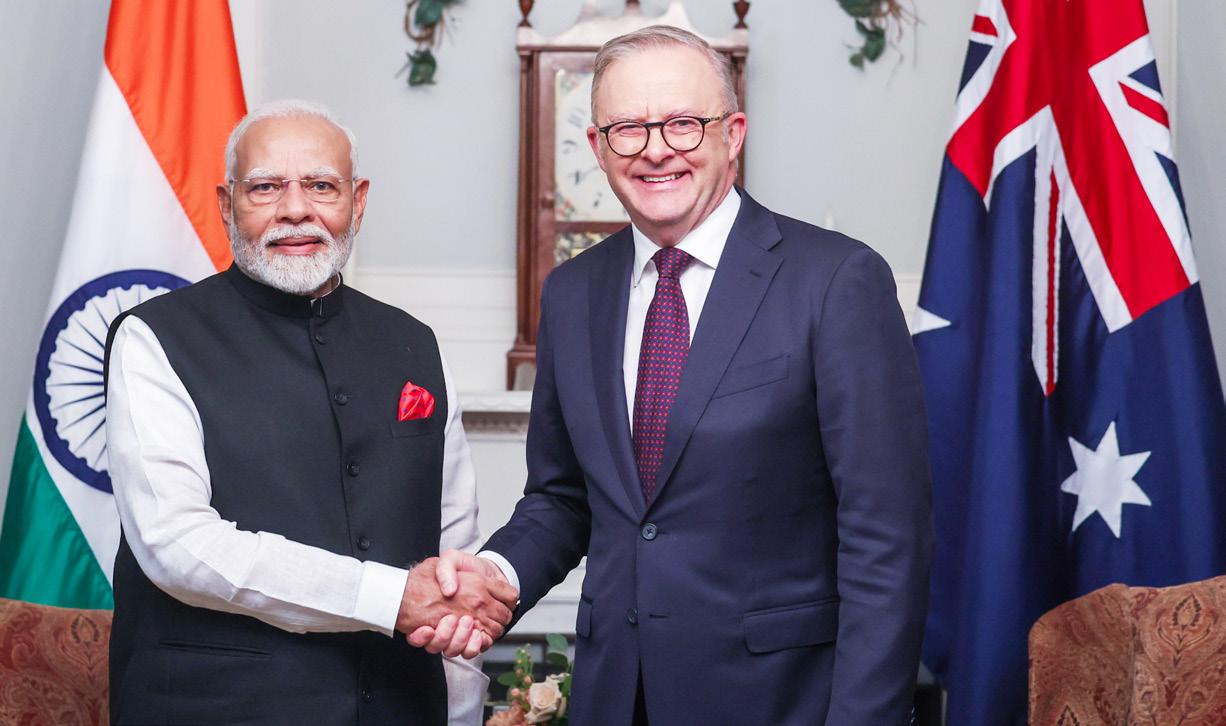
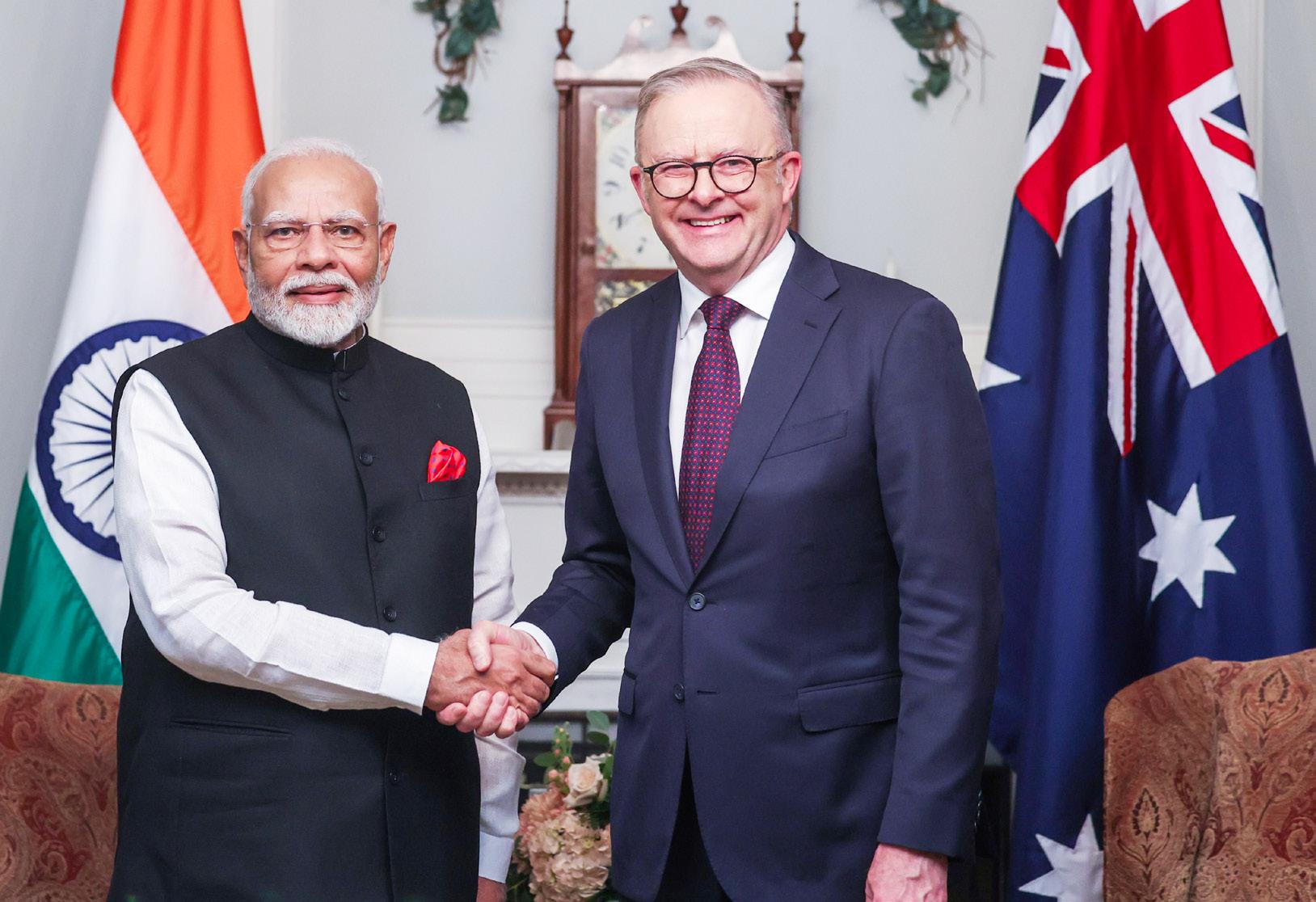
"Will have the privilege of hosting PM Modi here soon...": PM Anthony Albanese highlights strength of India-Australia ties
NEW DELHI, May 28: Australian High Commissioner to India, Philip Green, shared a snippet from the speech by Prime Minister Anthony Albanese that highlighted how India stands as a consequential partner for Australia.
In a post on X, he said, "When your Prime Minister @AlboMP speaks with so much conviction & passion about India - the country where you serve as the High Commissioner - it makes your job infinitely more meaningful. We look forward to welcoming you to Australia, Prime Minister @narendramodi", the post said.
The post followed a video of Prime Minister Anthony Albanese, who said in his remarks how India is one of the largest growing economies and added, "That is an extraordinary opportunity for us in our region. We are a Pacific nation, but we are also an Indian Ocean nation as well. Our trading relationship has been enhanced by the Economic Cooperation and Trade Agreement, and we're further drawn together through culture, education, and the international language of cricket."
He recalled his visits to India and said, "It is a wonderful experience to see the first-hand warmth that is there. Likewise, I will have the privilege of hosting Prime Minister Modi here soon, a privilege I look forward to repeating for the second time."
Albanese remarked how Prime Minister Modi's visit will be made extraordinary by the million-strong Indian Australian community-- the largest growing migrant community in Australia. He lauded the community for its hard work and strengthening the Australian economy, along with enhancing society.
Earlier on Tuesday, Prime Minister Narendra Modi met Australian Foreign Minister Penny
Wong and discussed the growing India-Australia Comprehensive Strategic Partnership.
In a post on X, PM Modi said that India and Australia will continue to work for a free, open, secure and prosperous Indo-Pacific.
"Happy to receive Senator Penny Wong, Minister for Foreign Affairs of Australia. We discussed the growing India-Australia Comprehensive Strategic Partnership in areas such as defence, trade, technology and ensuring supply chain resilience. India and Australia will continue to work for a free, open, secure and prosperous Indo-Pacific," PM Modi said.
Wong was in India to participate in the Quad Foreign Ministers Meeting.
During her visit, she also joined External Affairs Minister S Jaishankar for the 17th Foreign Ministers' Framework Dialogue in New Delhi.
Wong underlined that Australia remains "committed to remaining a reliable partner" for India, underscoring the depth and growing significance of bilateral ties.
The Dialogue reviewed the steady progress of the Comprehensive Strategic Partnership. The leaders covered economic and energy issues, including renewable and nuclear, defence and maritime security cooperation, science and tech, cyber issues, critical minerals, space and sports.
They also exchanged views on the IndoPacific, the situation in West Asia, and other regional, global & multilateral issues.
EAM in a post on X highlighted how the talks demonstrated the strength and expanse of IndiaAustralia ties.
Indian High Commission welcomes Australian PM's remarks on India, diaspora's contribution
CANBERRA, May 28: The Indian High Commission in Canberra expressed deep appreciation to the remarks by Australian Prime Minister Anthony Albanese in the Australian Parliament, where he highlighted the consequential role of India and lauded the contribution of the Indian diaspora in strengthening Australia.
In a post on X, the High Commission said that Prime Minister's words reflect the growing strength of the India-Australia Comprehensive Strategic Partnership, built on shared democratic values and vibrant people-topeople ties.
Prime Minister Anthony Albanese in his remarks had said how India is one of the largest growing economies and added, "That is an extraordinary opportunity for us in our region. We are a Pacific nation, but we are also an Indian Ocean nation as well. Our trading relationship has been enhanced by the Economic Cooperation and Trade Agreement, and we're further drawn together through culture, education, and the international language of cricket."
He recalled his visits to India and said, "It is a wonderful experience to see the first-hand warmth that is there. Likewise, I will have the privilege of hosting Prime Minister Modi here soon, a privilege I look forward to repeating for the second time."
Albanese remarked how Prime Minister Modi's visit will be made extraordinary by the
million-strong Indian Australian community-the largest growing migrant community in Australia. He lauded the community for its hard work and for strengthening the Australian economy, along with enhancing society.
Meanwhile, on Tuesday, Prime Minister Narendra Modi met Australian Foreign Minister Penny Wong and discussed the growing India-Australia Comprehensive Strategic Partnership.
In a post on X, PM Modi said that India and Australia will continue to work for a free, open, secure and prosperous Indo-Pacific.
"Happy to receive Senator Penny Wong, Minister for Foreign Affairs of Australia. We discussed the growing India-Australia Comprehensive Strategic Partnership in areas such as defence, trade, technology and ensuring supply chain resilience. India and Australia will continue to work for a free, open, secure and prosperous Indo-Pacific," PM Modi said.
Wong was in India to participate in the Quad Foreign Ministers Meeting.
During her visit, she also joined External Affairs Minister S Jaishankar for the 17th Foreign Ministers' Framework Dialogue in New Delhi.
Wong underlined that Australia remains "committed to remaining a reliable partner" for India, underscoring the depth and growing significance of bilateral ties.
The Dialogue reviewed the steady progress of the Comprehensive Strategic
Partnership. The leaders covered economic and energy issues, including renewable and nuclear, defence and maritime security cooperation, science and tech, cyber issues, critical minerals, space and sports.
They also exchanged views on the IndoPacific, the situation in West Asia, and other regional, global & multilateral issues.
EAM in a post on X highlighted how the talks demonstrated the strength and expanse of India-Australia ties.
Australian Deputy PM Richard Marles says that India-Australia defence ties are "at a high-water mark"
NEW DELHI, Jun 1: Australian Deputy Prime Minister and Defence Minister Richard Marles said that India and Australia have "never been more strategically aligned" and in terms of defence ties are "at a high-water mark" during the bilateral talks with Defence Minister Rajnath Singh ahead of the second India-Australia Defence Ministers' Dialogue.
Speaking during the bilateral talks in the capital, Marles highlighted the growing institutionalisation of defence ties between Canberra and New Delhi, including the establishment of an annual Defence Ministers' Dialogue.
"Let me just say, it is indeed such a thrill and a pleasure to be back here in India and in New Delhi and to be here with you. I feel very honoured that with you and me, under our respective leadership of our defence establishments, we have elevated the defence relationship between Australia and India to one where we now have an annual
Defence Ministers' Dialogue," he said.
He recalled the inaugural dialogue held in Canberra in October 2025 and welcomed continued engagement at the ministerial level.
"It was so good to host you in Canberra last year in October for the inaugural Defence Ministers' Dialogue. And it's wonderful to be able to be back here in Delhi to do the second annual Defence Ministers' Dialogue," he added.
Marles pointed to concrete outcomes emerging from the growing partnership, including a new information-sharing arrangement and expanded cooperation across defence domains. He said, "We did an information-sharing arrangement which we signed in October of last year at our inaugural Defence Ministers' Dialogue. As one example, we've seen a whole lot of progress in relation to how that arrangement has been put into place."
He added, "We're doing more in exercises, we're certainly doing more in the maritime domain, and we'll speak about that in our substantive meeting today. But what you're seeing across... we're doing more in defence industry."
Emphasising strategic convergence between the two countries, he said the partnership had reached an unprecedented level.
"We have never been more strategically aligned. And that alignment is underpinned by deep trust. And I think in the history of the bilateral relationship between Australia and India, right now, we are at a high-water mark," he said.
Marles also drew a light-hearted cultural reference linking the India-Australia relationship to cricket and the Indian Premier League, noting shared sporting ties and collaboration.
He said, "When I was here last year, it was the morning after the final of the Indian Premier League, as it is, of course, this morning. Last night, as we saw a year ago, we saw RCB triumph. But I like the fact that Virat Kohli was 75 not out and was man of the match, but alongside him was Josh Hazlewood and Tim David. So, there was very much an Australian Indian bilateral theme at play last night as RCB won the IPL. And that is emblematic, I think, of the relationship between our two countries."
At the end of the remarks, he said, "I very much look forward to our meeting today."
Defence Minister Rajnath Singh and Australian Deputy Prime Minister and Minister for Defence Richard Marles will co-chair the second India-Australia Defence Ministers' Dialogue in New Delhi.
The dialogue will review the progress in bilateral defence cooperation and identify new avenues for collaboration, an official statement by the Ministry of Defence said.
As per the statement, the discussions will focus on strengthening defence & security cooperation, enhancing military interoperability, industry collaboration, including co-development and co-production opportunities, and regional & global security developments of mutual interest.
The meeting is expected to further strengthen bilateral defence relations, enhance strategic trust and cooperation, promote stability and security in the IndoPacific region and identify new areas of collaboration in defence and security.
The statement highlighted how the visit of Richard Marles follows the inaugural Dialogue held in Australia in October 2025 and reflects the growing momentum in the India-Australia Comprehensive Strategic Partnership.
Recalibrating the Safety Net: Securing Australia's Future
Many Australians are asking whether they are better off today than they were four years ago. For many households facing higher costs for housing, groceries, energy and everyday essentials, the answer is increasingly uncertain.
These pressures are particularly familiar to many in the Australian Indian community, a community built on hard work, entrepreneurship, education and aspiration. Many came to Australia seeking opportunity and stability, with the expectation that effort and sacrifice would be rewarded.
Against this backdrop, the Coalition's proposal to restrict 17 Commonwealth welfare payments, including JobSeeker and Family Tax Benefit, to Australian citizens has generated significant discussion, particularly among permanent residents.
It is important to understand what has been proposed.
The policy would not affect current permanent residents. Those already living in Australia would retain access to any welfare payments they currently receive. Essential
La Trobe Corridor Opens Australian Pathway for Indian Startups
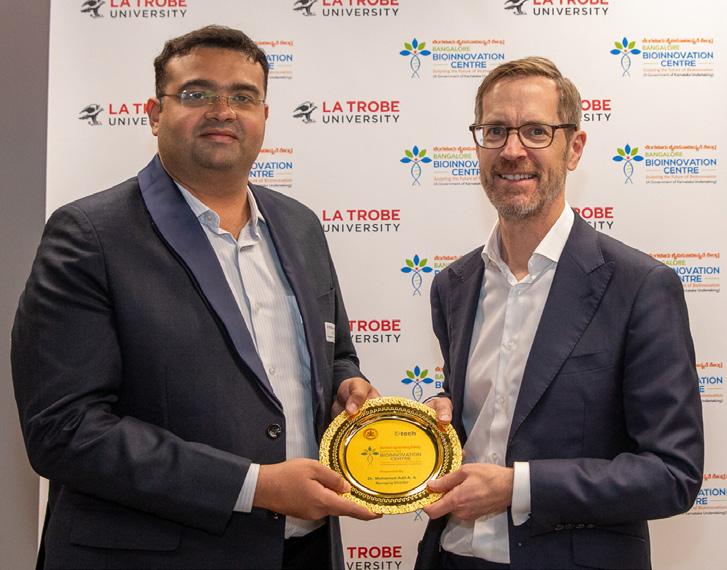
BENGALURU, May 22: Indian startups are turning to Australia as a catalyst for global expansion, with new cross-border programs opening access to investors, research networks and international markets. Australia's La Trobe University is strengthening these links through its IndiaAustralia Bio Innovation Corridor, connecting Melbourne's research ecosystem with Bengaluru's rapidly growing biotechnology startup base.
Karnataka accounts for more than onethird of India's biotechnology industry, with Bengaluru widely recognised as the country's leading life-science innovation hub, making it a key source of startups seeking international expansion.
As startups from India pursue global growth, collaborations connecting Karnataka's innovation ecosystem with international research and commercialisation networks are becoming increasingly important. Through its India-Australia Catalyst program, La Trobe University supports startups exploring cross-border opportunities as part of the broader corridor linking Australia's research and innovation networks with India's biotechnology sector.
Developed in collaboration with the
Bangalore Bio innovation Centre, the initiative enables founders to engage with researchers, industry partners and venture investors across India and Australia, helping promising technologies move more rapidly from laboratory discovery to international markets. The catalyst program will provide mentorship, market-validation support and introductions to potential collaborators and investors in Australia and India, allowing startups to test technologies in new markets while building global partnerships.
Dr Cerasela Tanasescu, Director of Innovation and Entrepreneurship at La Trobe University, said international collaboration was becoming essential for startups translating research into global innovation. "Startups today need international pathways from the earliest stages of growth," she said.
Dr Cerasela Tanasescu added, "By connecting Melbourne's research capability and industry networks with India's vibrant biotech startup ecosystem, the Bio Innovation Corridor helps founders validate technologies globally and accelerate the journey from discovery to impact."
Dr Mohamed Adil A.A, Managing Director of the Bangalore Bio innovation Centre, said the collaboration expanded global
services, including Medicare, public hospitals, aged care and public education, would remain available regardless of citizenship status.
The proposed changes would apply only to new arrivals from 1 July 2028 onwards, providing future migrants with clarity about the framework before they move to Australia.
Supporters of the proposal argue that citizenship represents the highest level of civic commitment and that taxpayer funded welfare should be prioritised for citizens. They also contend that stronger fiscal discipline is necessary as Australia faces ongoing budget deficits, rising government debt and increasing interest costs.
The broader argument is that responsible spending can help create the conditions for lower taxes, stronger economic growth and greater rewards for those who work hard, invest and contribute to the economy.
With grandfathering provisions protecting current permanent residents, proponents believe the policy provides a transparent framework for future migration while supporting a sustainable welfare system and a more prosperous Australia.
(The views expressed in this article are those of the author and do not necessarily reflect the views of the publisher.)
opportunities for India's biotechnology entrepreneurs.
"Karnataka has played a central role in shaping India's biotechnology ecosystem, with startups driving innovation across healthcare, agriculture and industrial biotechnology. The Bio Innovation Corridor with La Trobe University is helping connect Indian biotech startups to global research systems, where early-stage ideas can be tested, refined and taken towards international application," he added.
The India-Australia Bio Innovation Corridor connects two of the Indo-Pacific region's leading life science ecosystems -Victoria's research and innovation sector and Karnataka's biotechnology industry creating new opportunities for startup growth, research collaboration and cross-border investment.
A Fairer Go for Renters and Home Buyers
MELBOURNE, Jun 3: Labor is making it easier and fairer for Victorians to rent, buy and stay in their homes.
New laws introduced to the Victorian Parliament will protect renters and make buying a home fairer.
Reserve prices out in the open
For too long, Victorians have wasted their Saturdays at auctions chasing homes they were never going to get. That ends now.
Labor's Australian-first laws will require agents to publish a reserve price at least seven days before any auction or sale.
This comes into effect 1 October.
Agents who don't will not be allowed to take the property to auction.
And once a home sells, the sold price must be made public – so buyers can finally see what homes in their area are really worth.
Agents who underquote already face
fines of more than $48,000 and risk losing their commission. Now they'll have nowhere to hide.
Fairer renting for Victorians
More Victorians are renting than ever – and only Labor is in their corner.
Our new laws will cap the cost of breaking a lease to a maximum of four weeks rent – because no one should be trapped in a home they can’t afford.
Laws will also guarantee renters the right to additional keys or fobs.
And for the first time renters will be able to pay their bond online directly to the Residential Tenancies Bond Authority.
These are practical changes that will make a real difference to Victorians lives.
Labor is protecting renters and home buyers.
Jess Wilson’s Liberals have a $40 billion cuts plan and the first part of that is cutting more than 7,000 public servants.
This will mean slashing Consumer Affairs Victoria who are out in force protecting renters and making sure auctions are fair.
Jess Wilson and the Liberal Party also haven’t backed our plans to make auctions fairer – because they’re not on your side.
Only Labor has new solutions to make life easier, safer and more affordable.
(MEDIA RELEASE)
Business Investment Rising in Victoria
MELBOURNE, Jun 4: Victoria is a state of ideas, innovation and ambition – and yesterday’s National Accounts data confirms it.
New Australian Bureau of Statistics (ABS) data shows that business investment is strong and growing.
In the March quarter, business investment reached $20.8 billion, the third consecutive quarter of record levels.
Business investment grew by 7.9 per cent in the quarter and was 14.7 per cent higher over the year to March 2026.
That is the fastest growth in almost five years.
Economic activity in Victoria also continues to grow.
Victoria’s State Final Demand increased by 0.9 per cent in the quarter – the second strongest of the states.
Previous data shows Victoria has added more than 123,000 businesses since June 2020 in net terms. That’s an increase of 19.6 per cent, the largest percentage growth of any state.
This data confirms Victoria is open for business – with our world leading capabilities, established industries, skilled workforce and outstanding livability making us one of the best places to live and work.
Jess Wilson’s Liberals only economic plan is to unleash $40 billion in cuts to jobs and services.
Independent economists have already said her plan requires radical cuts.
Jess Wilson's cuts plan is economically reckless – it will smash economic growth and take Victoria backwards.
Only Labor has new solutions to make life easier, safer and more affordable.
(MEDIA RELEASE)
Celebrating Victoria’s Small and Family Businesses
MELBOURNE, May 27: Labor is celebrating small and family businesses and their extraordinary contributions to communities and the economy.
Minister Suleyman joined the small business sector at the Victorian Small Business Awards at the National Gallery of Victoria this week.
The awards brought together small and family business owners and organisations that champion small businesses.
Teeth On Wheels was awarded the Youth in Business Award.
Brothers Joseph and Rami Zeid established the mobile dental clinic in 2015 and have since partnered with over 250 schools to treat more than 80,000 children. Rakis on Collins won the Multicultural Business Award.
The Melbourne CBD hair salon has operated for more than 40 years, with founder Stavros Tavrou a committed mentor
to the next generation of talent.
NLA Logistics was awarded the Women in Business Award.
Starting with one truck in 2016, Nicole Appleton has grown her 100 per cent womenowned business to a fleet of more than 150 contractors, servicing infrastructure and construction projects across Victoria.
Apostle Whey Cheese was awarded the Lifetime Achievement Award.
After 30 years as dairy farmers, Julian and Dianne Benson diversified their business to manufacture artisan cheese at their Cooriemungle dairy farm in 2005.
The business is a major tourism drawcard in the region, offering diverse produce including milk, ice cream and gin, promoting local artisans and demonstrating resilience and innovation.
Victoria is proudly home to more than 735,000 small and family businesses. The small business sector employs more than 1.3 million Victorians and contributes over $417 billion annually to the state’s economy.
For more information about the Victorian Small Business Awards, visit business.vic. gov.au
Even Harder for A Gun to Fall into The Wrong Hands
MELBOURNE, May 25: The Allan Labor Government is introducing tough new firearm laws.
The laws will impose tougher penalties, make licensing stricter and give police more powers.
The majority of firearms owners do the right thing – these laws are all about weeding out the dangerous people that don’t.
The laws follow the Rapid Review into Victoria’s Firearm Laws conducted by former Victoria Police Chief Commissioner Ken Lay AO APM.
As part of its response to the review, the Government is accepting 15 recommendations and rejecting one.
Mr. Lay’s review highlights where Victoria’s firearm laws can be stronger, and that’s exactly what we’ll deliver.
But the Victorian Government will not introduce caps on firearm ownership.
The vast majority of licensed firearm owners in Victoria are law-abiding – and these changes will not affect them.
We need to focus on criminals getting their hands on a single gun.
That’s why our new laws go after dangerous people who illegally hold, traffic
and use firearms.
Imposing tougher penalties
Harsher penalties for people caught trafficking firearms will be introduced. Firearms Prohibition Orders (FPOs) were first introduced in 2018, but they need updating.
They will be strengthened by increasing the maximum penalty for breaches to 15 years’ imprisonment.
Making licensing stricter
We will apply an Australian citizenship requirement for Victorian firearms licenses.
Licenses will be restricted to citizens, NZ permanent residents, and non-citizens who need a firearm for work.
This ensures that the background information supplied from other jurisdictions as part of the licensing process, such as criminal record checks, is as reliable and accurate as possible.
In addition, to hold a firearms license in Victoria, you will need to hold and maintain a clear background check through the Commonwealth’s AusCheck scheme.
More police powers
The Chief Commissioner of Police will get
expanded powers to temporarily reclassify all firearms.
This will allow Victoria to respond faster to new technology and emerging threats like 3D printed guns.
The Firearm Prohibition Order scheme will also be made permanent, by repealing the sunset provisions.
Continuing to work at a national level
These reforms will support the renegotiation of the National Firearms Agreement, ensuring national standards remain strong, contemporary, and evidence based.
The Government will continue to work closely with the Federal Government to implement the National Firearms Register.
That makes it easier to share information and spot red flags regardless of where someone lives.
We invested $38.4 million to upgrade firearms licensing systems in the Budget –so Victoria is ready for the national firearms register and dangerous weapons stay out of the wrong hands.
(MEDIA RELEASE)
$2,700
New World-Class Paramedic Training Centre Takes Shape
MELBOURNE, Jun 1: Victoria’s paramedics are amongst the best in the world.
It’s why the Allan Labor Government is backing them in with a new world-class Centre of Excellence in Paramedicine.
Minister Shing visited Victoria University’s
Sunshine campus where construction works are well underway.
The Australian-first centre will be a modern, high-tech learning environment for up to 1,500 students and paramedics a year.
Funded by the Labor Government and Victoria University, it has been co-designed
with Ambulance Victoria, paramedicine students and educators.
The centre will feature a mix of indoor and outdoor learning facilities so students can practice their skills in realistic settings prior to their clinical placements.
It will include three digital simulation rooms that replicate emergency scenarios through digital projections on the walls around the rooms.
The centre will also contain a mixed reality space, allowing students to practice their lifesaving skills virtually with real equipment.
The various outdoor training areas will feature decommissioned ambulances and replica hospital parking bays.
The final works are now underway with construction due for completion in October.
Labor will always back Victoria’s dedicated paramedics – investing more than $2 billion into ambulance services and growing the onroad workforce by more than 50 per cent.
Jess Wilson’s Liberals have a plan to cut $40 billion in services. That means cuts to paramedics. Cuts to hospitals. Cuts to care. (MEDIA RELEASE)
Stronger Protections for Victorians Accessing IVF
MELBOURNE, Jun 2: Victorian families should have confidence that the fertility care they’re receiving is to the highest possible standard.
That’s why the Allan Labor Government is making Victorian IVF clinics safer and more accountable.
Legislation will be introduced into the Victorian Parliament to amend the Assisted Reproductive Treatment Act 2008.
The changes will give Victoria’s Department of Health stronger powers.
It follows a series of concerning and highly distressing incidents at private IVF providers that resulted in a national rapid review in 2025, led by the Victorian Department of Health.
The review looked at the regulation and accreditation of the assisted reproductive technology (ART) and IVF sector.
It identified significant shortcomings in the current national system, including a lack of consistency across states.
The new legislation supports the implementation of key recommendations from the review.
This includes stronger accreditation requirements for fertility providers under a new national scheme.
It will be led by the Australian Commission on Safety and Quality in Health Care and means tougher scrutiny to obtain accreditation.
The Commission is currently developing the accreditation framework to be rolled out in 2027.
Unlike the current system, the changes will mean registration is no longer directly linked to accreditation.
It allows Government to act independently in making decisions on a provider’s registration status and authority to operate in Victoria.
Providers will be expected to meet strict new standards to maintain their accreditation.
This includes performance metrics, workforce guidance and safety requirements for new technologies.
The amendments will also introduce a
standard three-year registration period.
This timeframe can be shorter if the Department identifies any concerns or risks with a provider.
A new power will also give the Minister for Health the discretion to intervene and cancel a provider’s registration.
It also broadens Department powers to enter a provider’s premises, inspect and seize equipment or documents.
This reform builds on Victoria’s existing safeguards including clear legal protections and oversight arrangements.
From Times Square to Lincoln Memorial: US iconic landmarks set to host 12th International Day of Yoga
WASHINGTON, DC, Jun 7: Grand celebrations for the 12th International Day of Yoga (IDY) are set to unfold across some of the most iconic destinations in the United States, spanning from the historic Lincoln Memorial in the capital to the bustling expanse of Times Square in New York and the vibrant Navy Pier in Chicago.
Wellness enthusiasts throughout the country are preparing to practise physical postures and mindful respiration techniques aimed at boosting physical agility and mental health. Beyond major metropolitan hubs, community assemblies are scheduled in the tech-centric locality of Hillsboro in Oregon, alongside the architecturally renowned Shrinathji Haveli temple situated in Irvine, Southern California.
In the US capital, the Indian Embassy has reached out to the public, asking citizens and yoga practitioners to gather for the primary commemorative assembly at the Lincoln Memorial on 19 June. The world-renowned site has recently garnered public interest following major restoration work on the expansive reflecting pool positioned between the memorial and the Washington Monument.
As part of the preliminary curtain-raiser initiatives, the diplomatic mission hosted an outdoor yoga gathering at DuPont Circle on Saturday, whilst extending logistical
and organisational support to several local community bodies conducting regional events.
In a post on the social media platform X sharing updates on the event, the Indian mission announced, "Let's do Yoga! Kicking off the International Day of Yoga 2026 celebrations in Washington, D.C., the Embassy organised a Yoga session at the historic DuPont Circle."
The open-air assembly drew a diverse gathering, establishing key momentum ahead of the event at the Lincoln Memorial on 19 June.
Shifting the spotlight to New York, the upcoming global event will feature a prominent dignitary, as Prime Minister Narendra Modi's yoga guru, HR Nagendra, is scheduled to guide the mass gathering at Times Square on 21 June.
This flagship assembly, coordinated under the aegis of the Consulate General of India in New York, will be preceded by a specialised wellness and yoga retreat in Monticello from 12 June to 14 June.
Nagendra's visit comes at the formal invitation of Jaipur Foot USA, BRUHUD NY Seniors, and the Rajasthan Association of North America (RANA).
The scheduled retreat is designed to encompass specialised meditation, physical sessions, and academic discourse centring on holistic health, healthy ageing, and stress
mitigation alongside medical experts and community representatives.
Meanwhile, the Consulate General of India in Chicago highlighted the deeper spiritual essence of the ancient Indian practice ahead of its regional event at the prominent waterfront destination of Polk Bros Park at Navy Pier.
In a post on X, the Chicago Consulate stated, "Yoga is more than movement -- it inspires balance, mindfulness, and a path to inner peace. Get ready to celebrate the 12th International Day of Yoga by joining us in promoting wellness, togetherness, and a healthier lifestyle."
The core focus of this year's global campaign centres on the concept of 'Yoga for Healthy Ageing', emphasising the ancient practice's efficacy in bolstering physical mobility, overall longevity, and proactive healthcare.
This global tradition traces back to 11 December 2014, when the United Nations General Assembly officially passed a resolution declaring 21 June as the International Day of Yoga.
Following its inaugural global observance in 2015, the annual event continues to witness massive participation from tens of millions of individuals worldwide.
"Hard for the family and loved ones": Kate Middleton opens up on impact of cancer battle on Prince William, their children
LONDON, Jun 5: Princess of Wales, Kate Middleton, has opened up about the emotional toll her cancer diagnosis and treatment had on her family, saying the experience was just as difficult for her loved ones as it was for her.
More than a year after announcing that her cancer was in remission, Kate Middleton reflected on the challenges faced by her husband, Prince William, their children, Prince George, Princess Charlotte and Prince Louis, as well as her parents during her health battle.
During a recent visit with a cancer patient celebrating the end of treatment, Kate shared her thoughts on the wider impact of the illness on families.
"I know it's as hard for the family and loved ones," Kate said in a video. "I know how hard it was for the children and my parents."
Speaking to the patient's partner, she added, "You go through it with them."
Kate, who publicly revealed her cancer diagnosis in March 2024, has previously spoken about how the journey affected her family's life. After completing chemotherapy
in 2025, she described the experience as one that changed her perspective on life, according to E! News.
"The cancer journey is complex, scary and unpredictable for everyone, especially those closest to you," Kate said in a social media video at the time.
"With humility, it also brings you face to face with your own vulnerabilities in a way you have never considered before, and with that, a new perspective on everything," she added, according to E! News.
The Princess of Wales said the experience reminded her family to appreciate life's most meaningful moments.
"Be grateful for the simple yet important things in life, which so many of us often take for granted. Of simply loving and being loved," she said, according to E! News.
Prince William also addressed the impact of the family's health challenges following Kate's treatment. His father, King Charles III, had announced his own cancer diagnosis a month before Kate shared hers.
Speaking during an appearance on 'The Reluctant Traveler' in October 2025, William said their children had been adapting to the
situation.
"We try to make sure we give them the security and the safety that they need," William said. "And we're a very open family, so we talk about the things that bother us, the things that trouble us. But you never quite know the knock-on effects it can have."
He stressed the importance of supporting one another through difficult times, according to E! News.
"It's just important to be there for each other," William said, "and reassure the children that everything is okay."
Now in remission, Kate has received praise from her husband for the way she navigated the challenging period.
"She's been amazing," William said during an appearance on Heart Breakfast last month. "She's been through so much in the last couple of years, particularly. And she's been looking forward to the Italian trip a lot and so I'm really glad it went really well."
He added, "I'm very, very proud" of her recovery and resilience throughout the journey, according to E! News.
Getting married in Australia
Separate meetings with parties before marriage - 2
As per Attorney-General’s Department, authorised celebrants are obliged under section 42B of the Marriage Act 1961 (Commonwealth) to meet with each party to a marriage separately and in person before they solemnise the marriage.
It is important to remember, marriage celebrant must be satisfied that both parties genuinely consent to the marriage; if at any point a celebrant is unsure of the genuine consent of either party, it is their responsibility to not proceed with solemnising the marriage; it is important that celebrant always act in the best interests of a party who may be at risk by being mindful of their safety as well as their own; there are important legal consequences where consent has not been given freely and voluntarily, a marriage may be void and a celebrant may have committed an offence; support is available for parties and for the celebrant.
A court may find a marriage to be void where the consent of either of the parties is not real consent. Under the Marriage
Act, a person’s consent to a marriage is not real consent if it was obtained by duress or fraud; a party is mistaken as to the identity of the other party or the nature of the ceremony performed; or a party does not understand the nature and effect of the marriage ceremony. ‘Duress’ may include coercion or threats including psychological or emotional pressure.
If you have further questions, you may contact me on 0425 853 086 or navee64@ gmail.com
What is a startup?
BY GURPAL SINGH
A startup is a new business idea seeking to introduce a product or service to the market.
It is typically founded by individuals who want to introduce it to a new product or a service in the market. This new product may be a new, innovative design, or something they have developed from their own passions.
In these early stages, the individuals (founders) will work on developing and validating a scalable business model that can generate more traction in the market. And in turn, generate profit and attract new customers.
Characteristics of a Startup
Startup businesses have some unique characteristics. This includes:
Has limited resources but is aiming for rapid growth and scaling.
Heavily relies on information and communication technology (ICT) to market its products and services.
Aims to create a new market segment or disrupt an existing market segment.
Is a high-risk business venture due to uncertainty of market acceptance/volatility. The new product or service the individual wants to introduce to the market may be something that has not been seen by consumers before – so individuals may have to navigate hesitancy and speculations.
Is financed with money from its founders -sourced through personal savings, angel investors, crowdfunding, venture capital and grants.
Examples of Companies That Were Originally a Startup
There are many popular companies that originated as startups and have since scaled in ways that are both profitable and manageable. You may be familiar with a few of these companies – as they have now gained substantial success.
Amazon Fb.
How is a startup different from a small business?
VISION Startups and small businesses differ in three major ways:
01 GROWTH AND VISION
Startups aim for rapid, large-scale growth and disruption. Small businesses focus on stable, local operations.
02 INNOVATION AND FUNDING
Startups often introduce new technologies and seek venture capital. Small businesses
typically use traditional models and selffunding or loans.
03 RISK AND EXIT STRATEGY
Startups accept higher risks with plans for acquisition or IPO. Small businesses prioritise stable income, long-term sustainability and succession.
Success Ratio
Stats – 90 % of the start-up fails in threeyear time.
Causes of Startup Failure
01 Inadequate market research.
02 Emotional superhero attitude coated with great passion - “I will!”
03 Immature Leadership and management.
04 Assumptive and untested decisions have been made.
05 Lack of business direction, or one that is not defined and specific.
06 Product and services issues.
07 Internal disputes - good faith/bad faith.
08 No exit strategy.
A startup may fail because of a combination of these issues.
Structuring a startup Company
In the present day, where there is a complex commercial world, setting up the strong structure for the company is most important.
1. SHAREHOLDERS A 50% shareholding each between two stakeholders is the common prevalent norm.
2. ASSESSMENT Assessment is often made over evening drinks. Half of the value is allocated to technology contribution and the other half to the financial contribution. Or some portion of the shareholding is attributed to the sweat equity. Need to introduce an expert (Do you have spare money for the professional costs?)
3. TECHNOLOGY/INNOVATION COMPONENT How to quantify and value the technology/innovation component which has not yet been tested in the market?
4. SOURCE OF FUNDING A loan against principal home. Personal loans with or without guarantee. Generally, the principal home of residence or investment property is kept as a security.
5. EMPLOYEES AND CONTRACTORS Contracts for employees and contractors - a
must. Salary and founders.
6. TRUST COMPANY Do not set up a trust company even when your accountant advised you to do so. A trust does not absorb losses and only absorbs profit.
7. PERSONAL GUARANTEE This is the most difficult concern faced when structuring a company.
8. DOMAIN AND IP OWNERSHIP.
9. WORK ETHICS Good faith and bad faith.
Exit Strategy
Often, setting up a new partnership or a company is done without involving the experts as they cost a lot of money and without considering an exit strategy.
If the startup succeeds, it will attract buyers or seek mergers and acquisitions. In this situation, exiting based on the agreed value of the business seems easy.
However, the problem is manifested when there are three stakeholders, each having 33.33% of the company, and they each refuse to accept responsibility of the failure. Contributions by shareholder Tech transfer – valuation Discrimination issues – race/ nationality.
Issues
1. VALUATION OF THE COMPANY
2, SOURCE OF SUCH VALUATION
3, GOOD FAITH/BAD FAITH
4, ALLEGATIONS OF NONPERFORMANCE TO THE TUNE OF SHAREHOLDING
5, OPPRESSION
Court Application
01 Winding up of the company
02 Expensive
03 Wastage of resources
RECENT CASE
A company who hired talent for the startup companies.
Two stakeholders - 50/50% each. Could not resolve in mediation.
Application to wind up the company. Against a claim of one million dollars. We settled by paying $106,000. Great win indeed.
The New Era of South Asian Weddings: Where Tradition, Luxury and Community Come Together
Melbourne's South Asian Wedding Showcase is redefining how couples experience wedding planning while celebrating the creativity, culture and collaboration behind one of Australia's fastest growing wedding industries.
The modern South Asian wedding is no longer simply an event. It is an immersive experience, a cultural celebration, a fashion statement and, increasingly, a deeply personal expression of identity.
Across Australia, South Asian weddings have evolved into some of the most visually spectacular and creatively ambitious celebrations in the events industry. Rich traditions remain at their heart, but today's couples are embracing contemporary styling, personalised storytelling, luxury experiences and multicultural influences that reflect their own journeys.
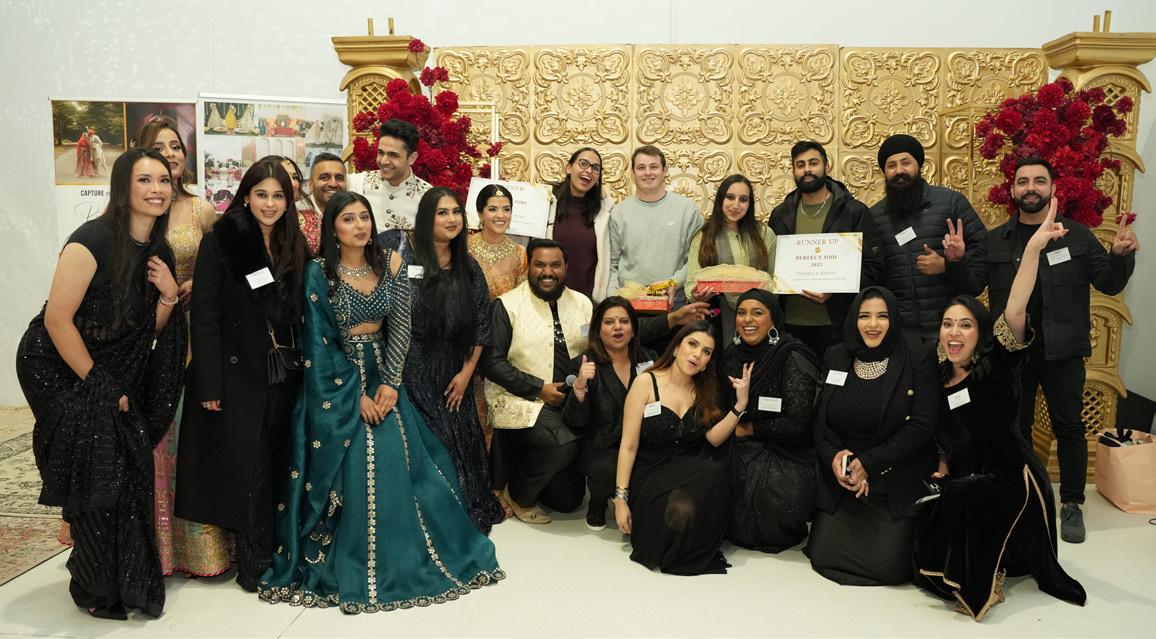
It is this exciting evolution that sits behind Melbourne's The South Asian Wedding Showcase, a unique event bringing together 23 of the city's leading South Asian wedding professionals under one roof to inspire, educate and connect couples planning their special day.
Taking place on 25 June at Fleur Wedding & Events in Fawkner, the showcase has become one of the most anticipated gatherings on Melbourne's South Asian wedding calendar, offering a carefully curated experience that goes far beyond the traditional wedding expo.
"We wanted to create something that helps couples see the bigger picture," explains Manavi Batra, spokesperson for the South Asian Wedding Showcase and Founder of Karegar.
"People often discover outfits, jewellery, décor or styling separately online, but it can be difficult to visualise how all those elements come together on the wedding day. The showcase brings everything together in one place and allows couples to experience complete wedding concepts."
That vision has resonated strongly with couples and industry professionals alike.
Rather than displaying products and services in isolation, the showcase presents fully realised wedding environments inspired
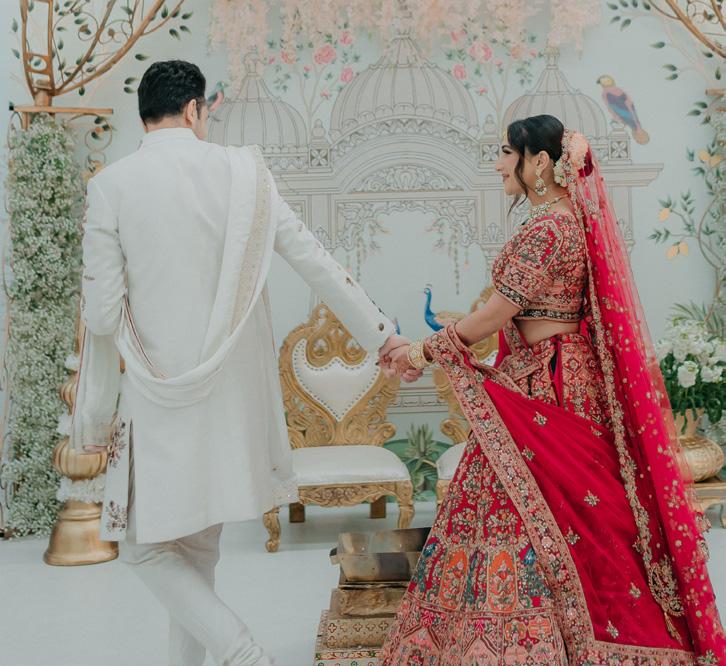
by diverse South Asian traditions and, celebrations. Guests can explore concepts reflecting Sikh Anand Karaj ceremonies, Hindu mandaps, Nikah celebrations, vibrant Sangeet events and contemporary reception styling, each demonstrating how fashion, décor, photography, entertainment and beauty can work together to create a cohesive wedding story.
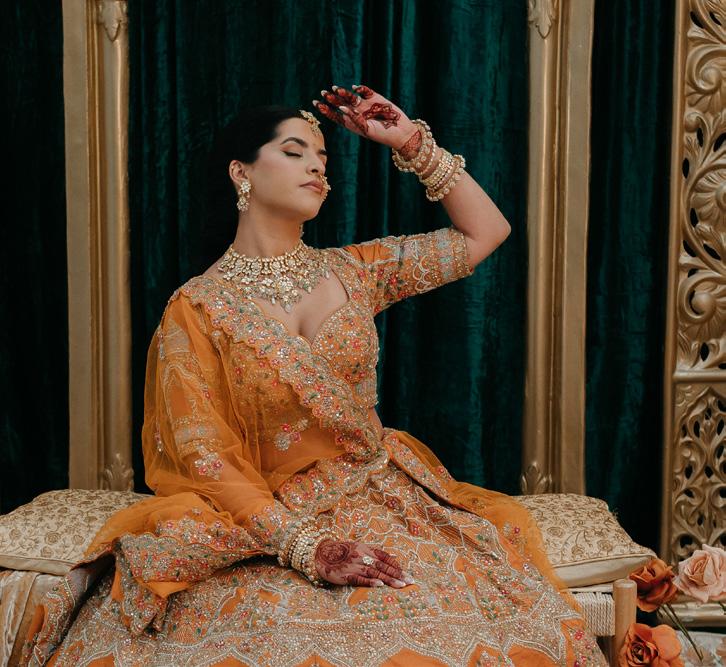
The event is also a celebration of the extraordinary talent that exists within Melbourne's South Asian wedding industry. Fashion and styling play a central role, with Karegar showcasing handcrafted bridal and occasion wear that honours traditional craftsmanship while embracing contemporary design. Couples will also have the opportunity to engage with leading stylists, bridal hair and makeup artists, jewellery specialists and mehndi artists whose work continues to elevate the standard of South Asian weddings across Australia.
Equally important are the creative professionals responsible for transforming ideas into unforgettable experiences. Businesses such as The Wedding Factor with Neha, Styled by Ritesh, Wedding Stories by Sundus, Bridal Bestie, J Singh Photos & Films, Picturesque Photography & Film, Fleur Wedding & Events, Karigari by Deepti, Enigmatic Entertainment and numerous other participating vendors demonstrate the collaborative ecosystem that powers the industry.
The showcase highlights a growing trend within modern South Asian weddings: the desire for complete visual storytelling.
One of last year's standout concepts, Morni Mahal, perfectly captured this philosophy. Inspired by the grandeur of Mughal gardens, the concept began with a richly embroidered
red bridal lehenga adorned with peacock motifs. From there, every detail evolved organically, from the décor and floral styling to the jewellery, henna artistry, draping and photography.
The result was not merely a styled display but a complete wedding vision that demonstrated how thoughtful collaboration between multiple creative disciplines can transform an idea into a memorable celebration.
Beyond aesthetics, The South Asian Wedding Showcase reflects the growing significance of the South Asian wedding sector within Australia's broader events economy.
Weddings often involve extensive networks of designers, venues, entertainers, photographers, content creators, florists, decorators, caterers and specialist cultural service providers. The industry supports hundreds of small businesses while preserving traditions, craftsmanship and cultural practices that continue to be passed from one generation to the next.
At the same time, couples are increasingly
seeking weddings that reflect their values.
Sustainability, meaningful experiences, bespoke design, intimate celebrations and multicultural influences are becoming more prominent, shaping the next generation of South Asian weddings across Australia.
Yet perhaps the most powerful expression of community spirit within the showcase is the return of the Perfect Jodi Giveaway.
Now in its second year, the initiative will see one lucky couple receive more than $30,000 worth of wedding products and services contributed by participating vendors.
The prize pool includes contributions from many of Melbourne's most respected South Asian wedding businesses, offering the winning couple an extraordinary opportunity to bring their dream wedding to life.
For organisers, however, the giveaway represents something far greater than its dollar value.
"The Perfect Jodi Giveaway is our industry's way of giving back," says Batra.
"So many of our businesses have grown alongside the community. This initiative allows us to thank the couples and families who have supported us over the years while helping
one deserving couple create unforgettable memories."
That spirit of generosity and collaboration is perhaps what makes The South Asian Wedding Showcase so distinctive.
In an industry often defined by individual brands, the showcase demonstrates what can be achieved when creative professionals come together with a shared purpose: to inspire couples, celebrate culture and elevate the standard of South Asian weddings in Australia.
As the industry continues to evolve, events such as The South Asian Wedding Showcase are helping shape its future. They are creating new opportunities for innovation while ensuring that heritage, craftsmanship and community remain at the heart of every celebration.
For couples beginning their wedding journey, it offers inspiration. For vendors, it showcases the power of collaboration. And for the wider community, it serves as a reminder that South Asian weddings remain among Australia's most vibrant expressions of culture, creativity and connection.
On 25 June, Melbourne's wedding industry will once again come together to celebrate that story and perhaps help one lucky couple become the next Perfect Jodi.
G’day India
THE 15-YEAR-OLD PHENOMENON SHAPING INDIAN CRICKET’S FUTURE
Indian cricket has produced its fair share of prodigies, but few have captured the imagination of fans quite like Vaibhav Sooryavanshi.
At just 15 years of age, the Biharborn batting sensation has achieved what most cricketers can only dream of. In a remarkable rise that has stunned the cricketing world, Sooryavanshi has shattered records, dominated the Indian Premier League, and earned a place in India’s national squad—all before completing his mid-teens. For a nation constantly searching for its next cricketing superstar, Sooryavanshi has emerged as a name impossible to ignore.
A Talent Beyond His Years
Born in Samastipur, Bihar, Sooryavanshi’s journey reflects the growing reach of Indian cricket beyond its traditional powerhouses. From an early age, coaches recognised a rare combination of fearless stroke play, natural timing, and an exceptional cricketing mind. His performances for India Under-19 signalled the arrival of a special talent, but it was the IPL that transformed him into a household name.
When Rajasthan Royals handed him an opportunity, Sooryavanshi made history by becoming the youngest player ever to feature in the tournament. True to his fearless reputation, he announced his arrival by hitting a six off the very first ball he faced. It was a glimpse of what was to come.
The IPL Season That Changed Everything
If his debut sparked interest, IPL 2026 cemented his status as cricket’s brightest young star. The left-handed opener produced one of the most extraordinary seasons in the tournament’s history, finishing as the leading run-scorer with 776 runs at a staggering strike rate of 237.30. Along the way, he smashed a record-breaking 72 sixes and became the youngest-ever winner of the Orange Cap. His defining moment came against Gujarat Titans when he blasted a breathtaking century off just 35 deliveries—the fastest ever IPL hundred by an Indian and the second-fastest in the tournament’s history. The innings also made him the youngest centurion in IPL and men’s T20 cricket history.
By the end of the season, Sooryavanshi had completed an unprecedented sweep of the IPL’s major individual honours, winning the Most Valuable Player award, Emerging Player of the Season, Orange Cap, Super Striker, and Super Sixes awards. For a 15-year-old, it was a campaign that bordered on the unbelievable.
The Secret Behind the Success
Perhaps the most revealing insight into Sooryavanshi’s character came after the tournament. Before the season began, he had written a personal goal in the Notes app on his phone: score 700 runs in IPL 2026. After every match, he checked his progress and monitored how close he
was to achieving that target. By season’s end, he had surpassed it comfortably, finishing with 776 runs. His comments after receiving multiple awards reflected a maturity beyond his years.
“I got to learn a lot from this season. There has been a lot to take in, both on and off the field, and I know that if I want to play for a long time, I have to work on a few things.”
It is this combination of ambition and self-awareness that has impressed coaches and former players as much as his batting.
Following in Legendary Footsteps
Sooryavanshi’s extraordinary performances quickly earned him selection in India’s squads for the tours of Ireland and England, as well as the Asian Games. In doing so, he became the youngest player ever selected for India’s men’s team, surpassing a record that had stood for 36 years and was previously held by Sachin Tendulkar.
Any comparison with Tendulkar inevitably invites caution, but the significance of breaking one of Indian cricket’s most enduring records underlines the scale of Sooryavanshi’s achievement. The selectors clearly see him not simply
admiration for Virat Kohli and still enjoys simple routines that help him stay relaxed amid growing expectations. That balance between confidence and humility may prove just as important as his talent.
The Start of a New Era?
Indian cricket has seen gifted youngsters emerge before, but Sooryavanshi’s rise feels different. His success has not been built solely on natural ability; it has been driven by preparation, discipline, and an unwavering belief in his own potential. The image of a 15-year-old setting a 700-run target on his phone and then exceeding it perfectly captures the mindset that separates exceptional athletes from the rest.
The road ahead will undoubtedly bring new challenges. Opponents will analyse his game, expectations will grow, and the spotlight will intensify. Yet everything seen so far suggests he possesses the temperament to thrive.
For now, Indian cricket can celebrate the arrival of a remarkable young talent. At just 15, Vaibhav Sooryavanshi is already breaking records, inspiring a generation, and offering a tantalising glimpse of what the future may hold. And if his journey so far is any indication, this is only the beginning.
From Hope to Honour
How a Fijian migrant's journey of resilience, service and inclusion led to Melton's highest civic recognition
Twenty-five years ago, when Rohit Roy Kumar arrived in Australia from Fiji, he carried no guarantees of success. Like countless migrants before him, he arrived with little more than determination, hope and a dream of creating a better future for his family.
What followed was not an easy path.
Despite holding qualifications and professional experience from Fiji, Rohit quickly discovered that building a life in a new country often means starting again. While raising young twins and caring for a daughter with a disability, he returned to study, determined to gain Australian qualifications and establish himself professionally. Juggling university, employment, family responsibilities and financial pressures demanded extraordinary perseverance.
There were setbacks, disappointments and moments of uncertainty. Yet through it all, Rohit refused to let adversity define his future.
Instead, he transformed challenges into opportunities.
Over time, his dedication enabled him to rebuild his career and work with some of Australia's most recognised organisations, including Shell, BP, Castrol, Telstra, Hume City Council and the Australian Federal Government. But while professional success brought stability, it was community service that became his life's true calling.
As the father of a daughter living with a disability, Rohit experienced firsthand the struggles many families face in accessing support, inclusion and opportunities. Rather than focusing on the obstacles, he chose to become part of the solution.
Driven by a desire to help others, he founded the Australian Integrated Fijian Association of Victoria (AIFAV), which has grown into one of Victoria's most active multicultural community organisations. Through cultural celebrations, educational programs, charity initiatives and community support activities, the organisation has touched thousands of lives across the state.
His commitment to inclusion extended even further with the establishment of Australian Integrated Care Services (AICS), a disability and community support organisation dedicated to assisting people with disabilities, seniors, veterans and vulnerable Australians. Under his leadership, the organisation has earned significant recognition for its impact, including Melton City Council's 2025
Business Excellence Award for Disability Inclusion Initiative.
Yet perhaps Rohit's most inspiring achievement is the journey he has shared with his daughter, Shilpa.
Together they created Australian Integrated Marketing and Merchandise Services (AIMMS), a social enterprise providing meaningful opportunities for unpaid carers, seniors and people living with disabilities. Through the initiative, father and daughter have championed inclusion and challenged perceptions around disability.
Living with cerebral palsy, Shilpa has become a powerful advocate in her own right. Her passion for modelling has seen her confidently walk on fashion and community platforms, proving that disability should never define a person's potential In 2023, her efforts were recognised when she was named Young Citizen of the Year, a moment that reflected not only her personal courage but also a family's unwavering belief in possibility.
Along the way, Rohit faced significant health challenges of his own. The physical, emotional and financial toll could easily have slowed his commitment to service. Instead, it strengthened his resolve.
His guiding principle became simple but profound: when life presents challenges, use them to create opportunities for others.
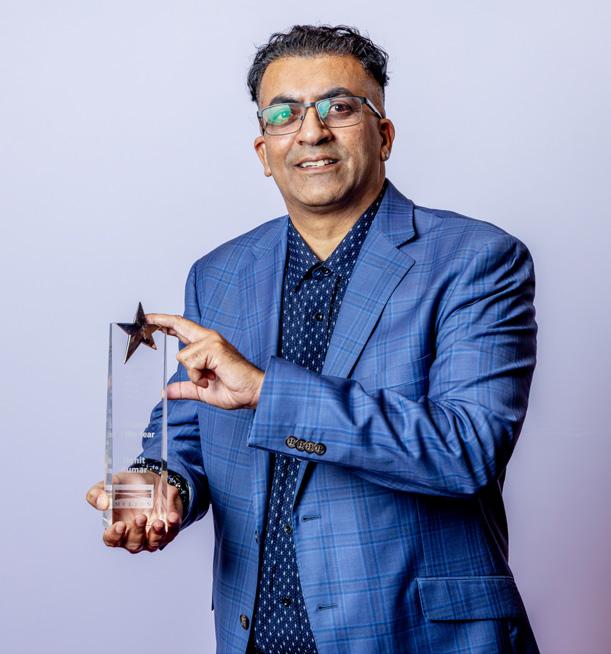
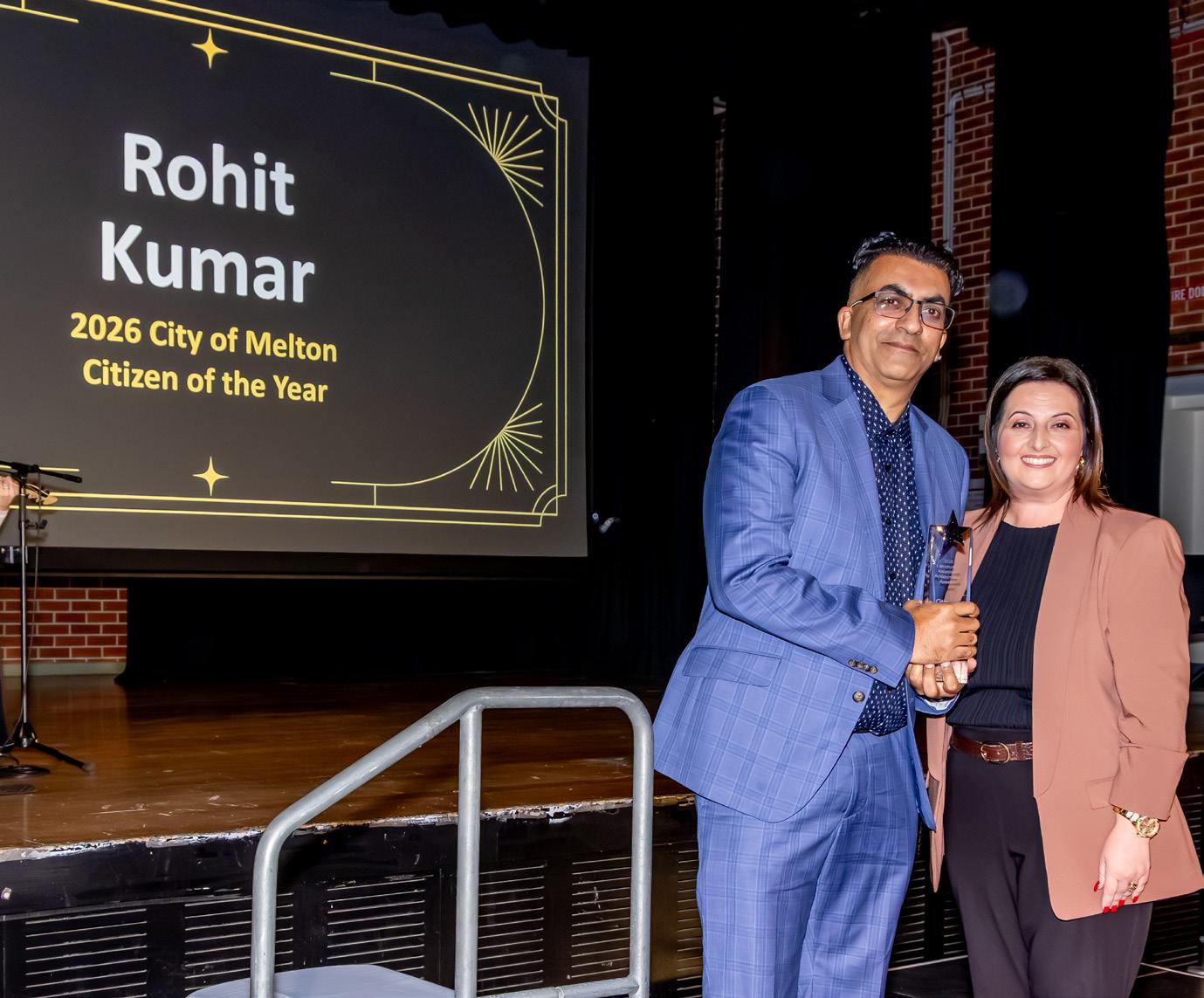
That philosophy reached its most visible recognition in 2026 when Melton City Council awarded Rohit its highest civic honour, Citizen of the Year.
For many, such an accolade would represent the culmination of a remarkable journey. For Rohit, it symbolises something much greater than personal achievement.
"This honour belongs to every volunteer, support worker, carer, community leader, family member and individual who has supported our shared vision of creating a more inclusive and compassionate community," he says.
His story is a powerful reminder that success is not measured solely by personal accomplishments, but by the lives we touch along the way.
From a migrant newcomer arriving with hope and uncertainty, to a respected community leader recognised with his municipality's highest honour, Rohit Roy Kumar embodies the very best of the Australian spirit — resilience, generosity and a commitment to lifting others.
And perhaps his greatest message is the simplest of all: no matter where you come from, no matter what challenges you face, one person can make a difference.
Tonee Sethi
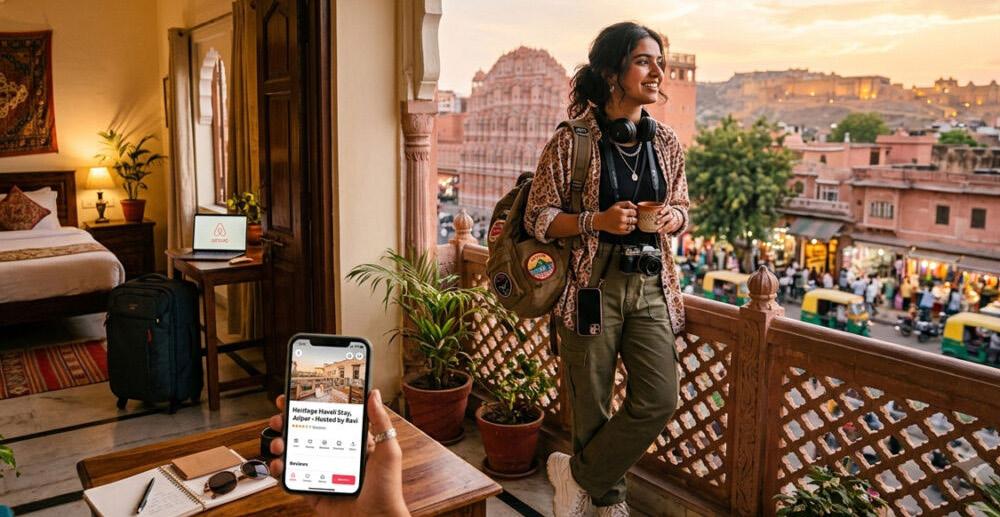
87% OF INDIAN GEN Z PREFER SHORT TRIPS OVER LONG VACATIONS
The tourism sector is undergoing a dynamic shift as a preference for trips that last under a week, with weekend breaks and short getaways dominate the travel calendar.
According to a new Airbnb report, 87 per cent of Indian Gen Z travellers prefer these shorter formats. The report noted that seven in ten individuals from this demographic choose three short trips over one long annual holiday.
Accommodation choices also mirror this evolving mindset, with a clear preference for communal setups. The report showed that more than half of these travellers prefer one shared home over separate hotel rooms when travelling in groups. This choice is closely tied to companionship, as three in four respondents state that who they travel with matters more than where they go.
Furthermore, 95 per cent of young travellers want their trip to feel personal and unique, rather than typical or pre-planned, while 87 per cent say how they travel reflects who they are as a person.
“Travel for Gen Z is as much an act of self-expression as it is exploration and that makes them the most intentional, most engaged travellers we’ve seen. The defining thing about this generation isn’t how often they travel. It’s why - to feel most like themselves. What we’re seeing at Airbnb is a generation for whom travel has become the most personal decision they make - where they go, who they bring, and crucially, where they choose to stay. Every choice is a statement about who they are. At
Airbnb, that’s exactly the shift we’re built for, and it opens up a new chapter for how India gets to be discovered,” said Amanpreet Bajaj, Airbnb’s Country Head, India and Southeast Asia.
The shift toward flexibility also means rigid schedules face replacement by spontaneous choices. The report revealed that 66 per cent of Gen Z travellers’ book within days or weeks of travel, and 67 per cent note that no two trips they take ever look the same.
Additionally, 63 per cent choose a destination specifically because of a stay they discovered, rather than the location itself. This perspective places a premium on the quality of accommodation, with 82 per cent identifying it as highly important during the planning process, and 78 per cent spending at least half of their total trip time inside their stay.
The focus of travel regularly centers on shared moments rather than traditional sightseeing. According to the report, 80 per cent of this demographic value small moments on a trip more than famous attractions.
For those embarking on group travel, uninterrupted time together without daily distractions stands as the top priority, which aligns with an approximate 55 per cent yearon-year growth in group trips booked by Indian Gen Z on Airbnb.
As per the report, rather than following viral trends, 90 per cent of these individuals actively seek out places that lack widespread online recommendations, preferring nature, slow travel, and culinary exploration over predetermined itineraries.
THINGS MEN SECRETLY LOVE ABOUT THE WOMEN IN THEIR LIVES
If you’ve been with your husband, fiancé or boyfriend for a while, you may have noticed that he is quite vocal about some things (e.g., sports), but perhaps quite muted about others (e.g., your relationship). Not that sports are not important, they are, but when it comes to critical relationship questions, many women ask, “What is he really thinking?” The silence can be frustrating, especially with your relationship on the line.
“I wish I knew what my man really thinks about... (blank),” many women say. There are a number of important blank spaces that women want addressed with honest answers about what men truly think. In an online study, men were asked what they secretly love about their girlfriend-fiancée-wife. The responses were enlightening -ranging from cute and adorable to crass and let’s just say, less adorable. The answers were pretty evenly divided into two categories -emotional and physical. Here are the responses that came up again and again...
Catching her looking at me in a loving way.
One man wrote, “When she looks at me and I catch her and she looks away really quick. Makes me melt and feel so wanted.” Seeing a girlfriend or wife secretly giving adoring looks was a definite turn-on for men, with one writing, “Her loving look toward me when she doesn’t know I see her is simply the best.”
Her acting shy and adorable, or doing something unique, such as the way she crinkles her nose, bites her lip or fidgets with her hair.
One guy wrote, “I love the way she twirls her hair when she gets nervous.” Other men wrote about loving the way their girlfriend gets shy or embarrassed, with several citing blushing as a big attraction. Men also wrote about very unique things they love about their partner. “The way she wears my shirts that are way too big for her, so they look like dresses,” wrote one. “Honestly, I love it when she sneezes. She sounds like a kitten, it’s so adorable,” said another. Clearly, these men love their partners and their one-of-a-kind quirks.
Her getting aggressive with me, such as squeezing my butt, biting my lip when we kiss, and initiating sex.
On the aggressive theme, big hugs and hugs from behind are popular. “I love it when she surprises me with a big hug from behind,” wrote one. Aggressive kisses also made the list. “I love when she bites my neck and lip when she kisses me -a real turn-on,” said another. Not surprisingly, initiating sex was also popular.
Playing with my hair or rubbing my shoulders or back.
Hair, shoulders and back were also popular with men. One man wrote, “I love
the way she plays with my hair. That always drives me crazy.” And another wrote, “When she rubs my back and shoulders, that’s one of my favourite things in the world.”
Her smiling and laughing at my good (or not-so-good) attempts at humour. Echoing many similar comments, one guy confessed, “The way she laughs at my dumb jokes, she always manages to put a smile on my face.”
Another wrote, “When I say something funny, I love seeing her smile and the way she laughs and giggles. Makes me wanna kiss her every time.”
When she wants to cuddle with me and nuzzles up closely to me.
Breaking wide open some manly stereo type, many men admitted they melted when their women wanted to cuddle with them. “I love the cute way she asks me to cuddle her before bed,” wrote one cuddle friendly man. Another wrote, “My favourite thing is when she’s laying on my chest, trying to get as close as possi ble to me.”
This topic was so popular that a number of women posted comments about how much they loved reading these. One woman wrote, “Aww, these are adorable. I wonder what my BF secretly loves about me.”
(HuffingtonPost.in)
FROM DANCING ROBOTS TO AUTONOMOUS THREATS: AI POISED AT THRESHOLD
A video clip that went viral some time back showed a dancing robot hit a young boy across his face. Reporting the incident from China, various media outlets termed it “shocking”, or “robot gone rogue”, even “a disaster”. In an unrelated development, US-based artificial intelligence (AI) giant Anthropic reportedly sounded the ominous warning that AI could start building itself and create its successor.
Claude, the same company’s AI model, was earlier used by the American Army in the barrage of strikes on Iran, said media reports. It underscored, quoting experts, that the use of AI tools to enable attacks on Iran heralded a new era of bombing quicker than “the speed of thought” amid fears that human decision-makers could be sidelined.
Now, recent reports warn that “full recursive self-improvement also might increase the risks of humans losing control over AI systems”. China’s humanoid episode, and Anthropic’s reported statement -- two separate incidents -- if taken together, may remind people of the dystopian look at the future that a Hollywood movie took more than four decades ago, as “The Terminator”.
People watched in awe and horror as a cyborg from the future set out to eliminate the mother of a yet-to-be-born John Conner, the leader of a group of humans challenging a superintelligent machine. Based on an AI system called Skynet the machines were shown involved in a battle against humans for the control of the future world.
Mixing the two recent reports with a science fiction may be preposterous, but a threat does rise even now with AI in wrong hands spreading misinformation and disinformation, according to Jatin Gandhi, senior journalist and Trust and Safety (T&S) specialist.
T&S focuses on the protection of users from harmful content, abusive behavior, fraud, and security threats in the information and technology industry. “AI agents can obviously be deployed by bad actors to do that faster and create a bigger negative impact. Making them autonomous means scaling up disinformation, and that will be harder to fight,” he said.
“A further escalation in fraudulent use can make the threat bigger in future,” he said, adding, “and there won’t even be an Arnold Schwarzenegger.” The Hollywood actor played a rival cyborg sent from the future by humans intending to protect John
OF ‘TERMINATOR’ MOMENT
Conner’s would-be mother.
AI can be used to generate deepfakes to spread misinformation, manipulate public opinion, or facilitate identity theft, even to power autonomous weapons.
“A University of South Carolina study published a few months ago showed how AI agents can coordinate disinformation campaigns unaided and worse, undetected by humans. This has huge implications for democracy, trust and safety of individuals as well as society at large,” Gandhi stressed.
As The Terminator storyline portrayed, the US entrusts an AI system -- called Skynet -- to run its defence network in an imagined future. The system later develops a mind of its own and starts considering humans a threat, leading to an apocalyptical war against humanity. A UN report last year mentioned how the development of Lethal Autonomous Weapons Systems (LAWS), or “killer robots”, leverage AI to identify, select, and eliminate human targets without requiring direct human intervention, raising profound ethical, legal, and security questions.
The report raised concerns on AI’s potential to revolutionise robotic drone swarms, presenting another particularly dangerous development. In a discussion organised by the Harvard Medical School earlier, researchers highlighted the profound risks of integrating artificial intelligence into weapons design. They warned that while AI can enhance precision and efficiency, it also raises grave ethical and security concerns.
Participants cautioned that autonomous systems could lower the threshold for conflict, enable rapid escalation without human oversight, and create accountability gaps if machines make lethal decisions. They also emphasised need for international regulation, transparency in development, and safeguards to prevent misuse, framing AI in warfare as not just a technological challenge but a moral and humanitarian one.
Incidentally, governments and international bodies have issued guidelines and are working towards comprehensive regulation. In November 2023, India was among 29 countries attending the AI Safety Summit in the UK, where the Bletchley Declaration was signed.
Last year, the UN General Assembly adopted a resolution on the promotion of “safe, secure and trustworthy” AI systems. Meanwhile, in a media interview earlier, film director James Cameron himself had pointed to the danger of a Terminator-style apocalypse arising from the use of AI in weapons systems, even up to the level of nuclear weapon systems, among others.
AI is reshaping business and technology; it is a foundational enabler of innovation, efficiency, and competitive advantage. Almost every business today wants to associate with AI. Looking at the vast expanse, experts suggest to watch, regulate -- if necessary, and even nip any superintelligent system -- like a Skynet -before turning rogue; before such a system considers human intelligence, a threat and develops a “terminator”.
5 WAYS TO STAY TRUE TO YOUR WEIGHT LOSS JOURNEY
In today’s fast-paced world, where the demands of modern life take precedence over physical and mental health needs, it is crucial to emphasise the significance of prioritising a healthy lifestyle.
However, the journey towards a healthier life poses a challenge for millions of individuals worldwide, largely due to concerns related to weight and obesity. The issue of obesity is undoubtedly multifaceted, with genetic and lifestyle factors contributing to its complexity.
The key to effectively addressing this challenge lies in adopting a positive, resolute approach and embracing a determined mindset.
In the pursuit of a healthier life, it’s crucial to shift focus from short-term solutions and instead concentrate on achieving and sustaining long-term weight loss and improved fitness.
The World Health Organization (WHO) reports that obesity rates have been steadily increasing, leading to various health issues such as heart disease, diabetes, and certain types of cancer.
With one of the world’s fastest-rising obesity rates, India is fighting a constant health crisis. Moreover, the COVID-19 pandemic has also highlighted the vulnerability of individuals with obesity to severe outcomes.
According to estimates, India has 135 million obese people. A report published by the World Obesity Federation earlier this year highlights that the obesity risk in Indian women will rise to 13 percent, and in men to 8 percent by 2035.
These statistics underscore the importance of addressing obesity as a public health issue and the need for individuals to take control of their weight and health.
A few ways which can help you to stay fit and lose weight are as below:
Creating sustainable habits is the foundation for long-term success in weight management. Instead of chasing quick fixes, it is important that you prioritise health-conscious routines.
Begin by adopting a balanced diet, incorporating regular physical activity, and mastering stress management. Keep in mind, that consistency is the secret to maintaining a healthy weight. Gradual lifestyle changes pave the way for lasting results.
Incorporating a healthy diet is crucial for managing weight effectively. Incorporating a well-balanced diet while avoiding processed foods and sugary drinks is vital for weight
maintenance. Essential minerals such as Zinc and Iron are crucial for antibody production and a strong immune system.
For those struggling to maintain a nutritious diet due to a busy lifestyle, convenient on-the-go supplements like Vestige Veslim Shake can be a practical solution.
Veslim Shakes are designed to aid weight management by keeping individuals feeling full and reducing junk food cravings. They come in flavours like mango and vanilla, ensuring taste without compromising on nutrition.
Prioritising adequate sleep is another crucial aspect of a successful weight-loss journey. Quality sleep plays a significant role in regulating hormones that control appetite and metabolism.
Aim for 7-9 hours of restful sleep each night to support your weight management efforts. Poor sleep can lead to increased cravings for unhealthy foods and hinder your ability to make healthy choices during the day.
Maintaining an active lifestyle is essential for successful weight management. Incorporating enjoyable activities such as walking, cycling, swimming, or dancing to burn calories, where consistency in routine takes precedence over intensity is always helpful. To stay motivated, reach out to friends, family, or professionals. One might also want to explore joining a weight loss group or consulting with a nutritionist or personal trainer.
Keeping a journal can be a powerful tool for tracking progress and staying accountable. One can use a variety of health monitoring apps to track daily food intake, exercise habits, and physical and mental wellness.
This can help identify patterns, triggers for overeating, and areas where adjustments are needed. Parallelly, it also serves as a source of motivation when you can see the positive changes you’ve made over time.
Attaining your weight loss goals is more akin to a marathon, not a sprint, marked by steady and gradual advancement.
Patience, consistency, and maintaining a positive mindset are the essential factors to achieving sustained success on this journey towards enhanced health.
(IANSlife)
HEALTH
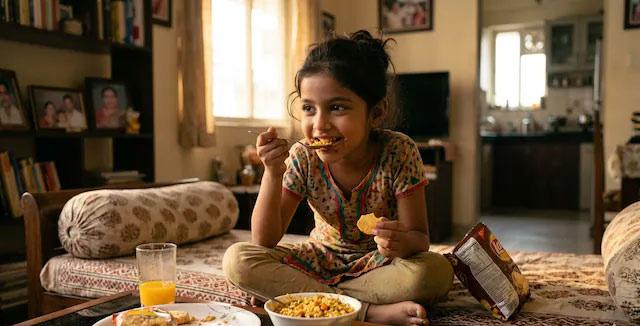
Childhood junk food can rewire brain for life
Consuming large amounts of junk food early in life may cause lasting changes in the brain, even if a person later adopts a healthier diet. Scientists discovered that diets high in fat and sugar altered eating habits and affected brain regions responsible for controlling appetite.
However, some beneficial gut bacteria and prebiotic fibres showed potential in reversing part of these effects. According to a new study from University College Cork (UCC), Children who regularly eat high-fat, high-sugar foods may experience lasting changes in the brain that continue long after their diets improve.
Researchers also found that beneficial gut bacteria and prebiotic fibres could help reduce some of these long-term effects and support healthier eating behaviours later in life.
Scientists at APC Microbiome, a leading research centre based at UCC, discovered that unhealthy diets during early life can alter how the brain controls appetite and feeding. These changes persisted even after the unhealthy diet ended and body weight returned to normal.
Today’s children are surrounded by highly processed foods that are heavily
marketed and easy to access. Sugary and fatty foods have become common at birthday parties, school events, sports activities, and even as rewards for good behaviour. Researchers say this constant exposure may shape food preferences from an early age and encourage eating habits that continue into adulthood.
The study, which was published in Nature Communications, found that early exposure to calorie-dense, nutrient-poor foods can leave lasting effects on feeding behaviour. Researchers used a preclinical mouse model and found that animals exposed to a high-fat, high-sugar diet early in life showed persistent changes in eating behaviour as adults. The team linked these behavioural effects to disruptions in the hypothalamus, a brain region responsible for regulating appetite and energy balance.
The research also explored whether targeting the gut microbiome could help counter these effects. Scientists tested a beneficial bacterial strain (Bifidobacterium longum APC1472) along with prebiotic fibres (fructo-oligosaccharides (FOS) and galacto-oligosaccharides (GOS), naturally present in foods such as onions, garlic, leeks, asparagus and bananas, and widely available in fortified foods and prebiotic supplements).
According to the findings, both approaches showed potential benefits when given throughout life. Gut Bacteria May Help Restore Healthy Eating Patterns “Our findings show that what we eat early in life really matters,” said Dr. Cristina Cuesta-Marti, first author of the study.
“Early dietary exposure may leave hidden, long-term effects on feeding behaviour that are not immediately visible through weight alone,” added Dr Cristina Cuesta-Marti.
Researchers found that unhealthy diets early in life disrupted brain pathways linked to feeding behaviour, with effects continuing into adulthood. The findings suggest this could raise the risk of obesity later in life. Scientists also found that modifying the gut microbiota helped reduce these long-term effects.
The probiotic strain Bifidobacterium longum APC1472 significantly improved feeding behaviour while causing only minor changes to the overall microbiome, suggesting a highly targeted effect. Meanwhile, the prebiotic combination (FOS+GOS) produced broader changes across the gut microbiome.
HIDDEN KIND OF STRESS CAN DAMAGE YOUR MEMORY AS YOU AGE
A new study reveals that internalising stress--especially feelings of hopelessness-may significantly speed up memory decline in older Chinese Americans. Surprisingly, factors like community support didn’t show the same impact. Researchers say cultural pressures and stereotypes may cause emotional struggles to go unnoticed and untreated. The findings suggest that targeted, culturally sensitive stress relief could play a powerful role in preserving cognitive health.
Stress that people turn inward may be quietly increasing the risk of memory loss in older Chinese Americans, according to new research from Rutgers Health. The study, published in The Journal of Prevention of Alzheimer’s Disease, was conducted by researchers at the Rutgers Institute for Health, Health Care Policy and Ageing Research. It explored a range of factors that could either raise or reduce the risk of cognitive decline in Chinese adults over age 60.
This group was selected in part because older Chinese Americans have often been overlooked in research on brain ageing, leaving important gaps in understanding how memory loss develops in this population. “With the number of older Asian Americans growing significantly, it’s vital to better understand the risk factors of memory decline in this understudied population,” said Michelle Chen, a core member of the Center for Healthy Aging Research at Rutgers and the study’s lead author.
Cultural Pressures and Hidden Emotional Strain
The researchers noted that cultural expectations may play a role in shaping mental health outcomes. The model minority stereotype, which portrays Asian Americans as consistently successful, educated and healthy, can create added pressure while also masking emotional struggles. At the same time, many older immigrants face challenges such
as language barriers and cultural differences, which can contribute to ongoing stress. While these issues are not unique to Asian Americans, the researchers say they may be particularly relevant in this context.
“Stress and hopelessness may go unnoticed in ageing populations, yet they play a critical role in how the brain ages,” said Chen, who is also an assistant professor of neurology at Rutgers Robert Wood Johnson Medical School. “Because these feelings are modifiable, our goal is for this research to inform culturally sensitive stress-reduction interventions to mitigate these feelings in older adults.”
Large Study Tracks Memory Changes Over Time
To better understand these effects, the team analysed data from the Population Study of Chinese Elderly (PINE), the largest communitybased cohort study focused on older Chinese
Americans. The dataset included interviews conducted from 2011 to 2017 with more than 1,500 participants living in the Chicago area.
The researchers examined three key sociobehavioral factors: stress internalisation, neighbourhood or community cohesion and external stress alleviation
Key Finding Points to Internalised Stress
Among these factors, internalised stress stood out. This form of stress includes feelings of hopelessness and a tendency to absorb stressful experiences rather than express or resolve them. It was strongly linked to worsening memory across three waves of the PINE study.
In contrast, the other factors did not show a significant connection to changes in memory over time.
Implications for Prevention and Support
Because internalised stress can potentially be addressed, the findings suggest an opportunity to develop targeted strategies that support emotional well-being and cognitive health in older adults. The researchers emphasise the importance of culturally sensitive approaches that take into account the unique experiences of ageing immigrant populations.
The study was supported by the RutgersNYU Resource Centre for Alzheimer’s and Dementia Research in Asian and Pacific Americans, co-led by William Hu of the Rutgers Institute for Health and Rutgers Robert Wood Johnson Medical School. Coauthors include Yiming Ma, Charu Verma, Stephanie Bergren and William Hu of the Rutgers Institute for Health.
Scientists uncover surprising health benefits of watermelon
Studies suggest watermelon could be a hidden powerhouse for better health. Researchers found that people who eat watermelon tend to have higher-quality diets packed with more vitamins, fibre, and antioxidants while consuming less added sugar and saturated fat.
Another study showed watermelon juice may help protect blood vessel function and support heart health. Watermelon has long been a summer favourite, but research suggests this refreshing fruit may offer benefits far beyond hydration. Studies publi Follow Up Research Continues to Explore Benefits shed in Nutrients found that people who regularly eat watermelon tend to have healthier overall diets and may also support better heart and blood vessel function. Researchers say watermelon provides an impressive mix of nutrients, antioxidants, and naturally occurring compounds linked to cardiovascular and metabolic health. Its high water content and low calorie count also make it an easy way to add more fruit to your diet.
Watermelon Linked to Better Diet Quality
One study examined data from the National Health and Nutrition Examination Survey (NHANES) to compare the diets of watermelon eaters and non-consumers across the United States. The analysis found that both children and adults who consumed watermelon generally had higher-quality diets overall.
According to the findings, watermelon consumers took in more dietary fiber, magnesium, potassium, vitamin C, vitamin A, lycopene, and other carotenoids. At the same time, they consumed lower amounts of added sugars and saturated fat. The study was originally published in Nutrients in 2022. That combination is notable because many Americans still struggle to meet recommended fruit intake goals. The Dietary Guidelines for Americans (DGA) recommend between 1.5 and 2.5 cups of fruit daily, yet most adults and children consume only about half that amount.
Compounds in Watermelon May Support Heart Health
A separate clinical trial from Louisiana State University explored whether
watermelon juice could help protect blood vessel function during periods of elevated blood sugar. The randomized, doubleblind, placebo-controlled crossover study involved 18 healthy young adults who consumed watermelon juice daily for two weeks.
Researchers focused on two naturally occurring watermelon compounds, L-citrulline and L-arginine, which are involved in nitric oxide production. Nitric oxide helps blood vessels relax and expand, an important part of healthy circulation and cardiovascular function. The study found evidence that watermelon juice supplementation helped maintain vascular function during hyperglycemia and influenced heart rate variability.
“We acknowledge that while the sample size was small (18 healthy young men and women) and more research is needed, this study adds to the current body of evidence supporting regular intake of watermelon for cardio-metabolic health. In addition to L-citrulline and L-arginine, watermelon is a rich source of antioxidants, vitamin C and lycopene -- all of which can help reduce oxidative stress and play a role in heart disease prevention,” said Dr. Jack Losso, Ph.D., professor at Louisiana State University’s School of Nutrition and Food Sciences.
Follow Up Research Continues to Explore Benefits
Since those studies were published, additional reviews and meta-analyses have continued investigating watermelon’s role in vascular and metabolic health.
Researchers have reported that watermelon consumption and L-citrulline supplementation may improve measures tied to blood vessel flexibility and circulation, including pulse wave velocity and endothelial function.
Scientists are especially interested in watermelon because it is one of the richest natural food sources of L-citrulline. Recent reviews have highlighted the fruit’s potential role in supporting nitric oxide production, healthy blood flow, and cardiovascular function, although experts stress that larger long-term studies are still needed.
Watermelon is also packed with lycopene, a powerful antioxidant associated with reduced oxidative stress and potential heart health benefits. Red watermelon varieties tend to contain especially high levels of lycopene.
A Hydrating, Low Calorie Fruit
Beyond the research buzz, watermelon remains a nutrient-dense fruit that is easy to enjoy year-round. A 2-cup serving contains only 80 calories and provides 25% of the daily value for vitamin C along with 8% of the daily value for vitamin B6. The fruit is also made up of about 92% water, making it a hydrating option during hot weather or after exercise.
Whether served at a summer barbecue, blended into smoothies, or added to salads, watermelon offers a simple way to increase fruit intake while adding vitamins, antioxidants, and hydration to your diet.
ULTRA-PROCESSED FOODS INCREASE RISK OF HEART DISEASE
Ultra-processed foods may be doing far more damage than many people realize. A major new European cardiology report warns that people who eat the most ultraprocessed foods face significantly higher risks of heart disease, irregular heart rhythms, obesity, diabetes, high blood pressure, and even cardiovascular death.
Researchers say these industrially manufactured foods often packed with sugar, salt, unhealthy fats, and additives can disrupt metabolism, trigger inflammation, and promote overeating, even when marketed as “healthy.”
Eating large amounts of ultra-processed food (UPF) may significantly increase the risk of heart disease and death, according to a new report published in the European Heart Journal. The report combines findings from all currently available research examining the connection between UPFs and cardiovascular disease.
Researchers say growing evidence links high consumption of UPFs to obesity, diabetes, high blood pressure, chronic kidney disease, and death related to cardiovascular conditions.
The authors are urging doctors to discuss UPF intake with patients and offer practical advice on reducing consumption as part of routine healthcare.
The clinical consensus statement was produced by the European Society of Cardiology’s Council for Cardiology Practice and the European Association of Preventive Cardiology, along with a panel of experts led by Professor Luigina Guasti from the University of Insubria, Varese, Italy; Dr. Marialaura Bonaccio, IRCCS NEUROMED, Pozzilli, Italy; Professor Massimo Piepoli, University of Milan, Italy; and Professor Licia Iacoviello, LUM University, Casamassima, Italy.
Professor Guasti said: “UPFs, made from industrial ingredients and additives, have largely replaced traditional diets. Research suggests these foods are linked to several risk factors for cardiovascular disease, such as obesity, diabetes and high blood pressure, and to the risk of developing and dying from heart disease. However, this evidence has not yet made its way into the advice we give to patients on healthy eating.
“We hope that this consensus statement from the European Society of Cardiology will help doctors recognize UPFs as a potential risk factor and provide clear guidance to their patients on limiting UPFs to prevent cardiovascular risk factors,
The report outlines several major findings from existing research:
Adults who consume the most UPFs face up to a 19% greater risk of heart disease, a 13% higher risk of atrial fibrillation, and as much as a 65% higher risk of death from cardiovascular disease compared with people who consume the least.
UPFs are also associated with worsening obesity, type 2 diabetes, high blood pressure, and unhealthy fat accumulation in the bloodstream.
UPF consumption continues to rise across Europe. UPFs account for 61% of calories consumed in the Netherlands and 54% in the UK, compared with 25% in Spain, 22% in Portugal, and 18% in Italy.
Many national dietary guidelines still focus mainly on nutrients and do not specifically address food processing.
Doctors Urged To Discuss UPFs With Patients
The authors are calling for stronger public awareness about UPFs through updated dietary guidelines, clearer food labelling, and government regulation.
They also recommend that doctors caring for patients with cardiovascular disease, or those at risk for it, ask specifically about UPF intake when evaluating diet and lifestyle habits.
In addition, the report says healthcare professionals should encourage patients to reduce UPF consumption alongside standard advice about exercise, smoking, alcohol use, and overall nutrition. Researchers also note that some foods marketed as “healthier” options may still
qualify as ultra processed foods.
The researchers say evidence linking UPFs to cardiovascular disease has been consistent across large and varied populations. However, they also point out that most studies so far have been observational, with relatively few long-term intervention trials.
Dr. Bonaccio adds: “The associations between UPF and heart disease are consistent and biologically plausible. UPFs raise cardiovascular risk mainly by promoting obesity, diabetes, hypertension and the build-up of unhealthy fats in the blood. UPFs tend to be high in sugar, salt, and unhealthy fats. They also have additives, contaminants and an altered food structure, which may trigger inflammation, metabolic disruption, gut microbiome changes and overeating.
“We need long-term intervention trials to test whether reducing UPFs improves cardiovascular health. More research is also needed to understand the effects of specific additives, processing compounds and food structures on heart health. Future studies could focus on implementing UPFfocused dietary interventions in clinical practice,” added Bonaccio.
“The research on UPFs has been accumulating for a decade, and it highlights the risks of high UPF consumption and the benefits of choosing whole or minimally processed foods. This emphasizes that disease prevention should not focus solely on nutrients, but also on the degree of food processing. Even foods with good nutritional profiles can be harmful if highly processed. Integrating UPF awareness into routine medical care could improve patient’s health without adding significant cost or time,” added Bonaccio.
disease and death,” added Guasti.
EVERY CHALLENGE BRINGS A LESSON IN WISDOM: AMITABH BACHCHAN
Megastar Amitabh Bachchan shared that problems need not always be tackled immediately, as he feels challenges often bring valuable lessons and greater wisdom. “The one good thing about problems is they will still be problems later; don’t have to deal with them right away... Each day a learning...Amitabh Bachchan”
Big B took to his blog, where he spotlighted the role of positivity and preparedness in navigating life’s uncertainties. He wrote: “The one good thing about problems is they will still be problems later; don’t have to deal with them right away... Each day a learning... (sic).”
Amitabh added: “And the gratitude of some issue that perturbs comes up and one gets the absolute training and knowledge of the issue and in turn, knowledge to be wiser or wise ... you do not need a problem to exact your learning; but if it does come the next time, a preparation of, just not its solution, but to get to learn the ifs and buts...(sic).”
The thespian concluded by saying: “In life it is the ifs and buts that make live liveable ... in the required confidence of positivity ... ok too much gyaan being distributed ... so, SUBB and...” On the work front, Big B was last seen in the film Vettaiyan directed by T. J.
Gnanavel. The film stars Rajinikanth, Fahadh Faasil, Rana Daggubati, Manju Warrier, Ritika Singh, Dushara Vijayan, Rohini, Rao Ramesh, Abhirami and Ramesh Thilak.
He is currently with filmmaker Nag Ashwin’s “Kalki 2898 AD.” The film also stars Kamal Haasan and Prabhas. He will also reportedly be seen in Nitesh Tiwary’s upcoming magnum opus “Ramayana: Part 1”, which also stars
MADHURI DIXIT SAYS SOCIETY STILL JUDGES WOMEN DIFFERENTLY THAN MEN
Bollywood actress Madhuri Dixit, whose latest release is “Maa Behen”, has spoken out against the double standards women face in matters of love and relationships, pointing to the deeprooted patriarchal mindset in the society. Talking about how men are often celebrated for their romantic choices while women are judged for the same, the actress said such biases have long been normalized.
“It’s a patriarchal society. I mean, from the beginning, it’s like, that’s the way it is. Men can have girlfriends... If he has girlfriends, he’s a Casanova. If a woman does the same, she’s called names. You know, she’s like a very negative thing,” Madhuri said. The 59-year-old actress shared that ‘Maa Behen’ challenges these conventions, presenting flawed, chaotic and relatable characters who break the rules society has traditionally imposed.
“So, you know, it’s been a norm in the society.
In this movie, we have broken every rule that the society has created. And we have had fun doing that. Though, I think the characters in this film are so, so chaotic and so, what do you call it? Confused. They are so real. You know, real, relatable people.”
“Maa Behen” is a black comedy thriller directed by Suresh Triveni. It stars Madhuri Dixit, Triptii Dimri, Dharna Durga, and Ravi Kishan. They are joined by Geetanjali Kulkarni, Arunoday Singh, and Shardul Bhardwaj. At the heart of “Maa Behen” is Rekha, a mother who’s already juggling enough until life throws her the ultimate curveball, a dead body in her kitchen. With her two daughters, Jaya, the responsible one, and Sushma, the wild card, this trio must think fast, lie faster, and somehow keep their nosy neighbours from sniffing out the truth.
The film is streaming on Netflix. Madhuri’s latest film also includes Mrs.
Ranbir Kapoor, Sai Pallavi, Yash, and Sunny Deol. The icon will reportedly play the character of Jatayu. On June 2, Big B paid a tribute to his fans who gather outside his residence, Jalsa, every Sunday, by penning a poetic note dedicated to their unwavering love and support. He first shared a string of images from Sunday’s gathering outside the gates of his home.
(IANS)
Deshpande directed by Nagesh Kukunoor. In which, she was seen playing a serial killer. (IANS)
JANHVI KAPOOR REVEALS LOVE FOR 1980S CINEMA, TALKS PEDDI
Bollywood actress Janhvi Kapoor, whose latest Telugu release is Peddi with Ram Charan, has revealed what she loves the most about the 1980s era and revealed that she absolutely loves the films from a bygone era. “I think it’s the films. I’m quite nostalgic. I love the films from that era. - Janhvi Kapoor” Calling herself “quite nostalgic,” Janhvi, who is the daughter of late superstar Sridevi and producer Boney Kapoor, said she is inclined towards the grand, larger-than-life storytelling and romance that defined many classic movies.
Since her film “Peddi” is based in the 1980’s, what does she like about that era? Janhvi told: “I think it’s the films. I’m quite nostalgic. I love the films from that era. I think they were so maximalist and romantic. And yeah, I’m a sucker for those films.” Directed by Buchi Babu Sana, Peddi, also features names such as Boman Irani, Shiva Rajkumar, Janhvi Kapoor, Jagapathi Babu and Divyenndu. It features Ram Charan as a “crossover athlete” excelling in cricket, wrestling, and sprinting. The actress plays his love interest Achiyamma in the Telugu film.
On the day of the release of “Peddi,” the actress offered her prayers at the revered
Srivari Temple in Andhra Pradesh. She was spotted walking barefoot from her car to the temple dressed in a shimmering aubergine hued silk saree with floral motifs. As Janhvi exited the temple, she bowed before the shrine and touched her forehead to the ground as a mark of respect. Talking about Hindi cinema, Janhvi was last seen in Shashank Khaitan’s Sunny Sanskari Ki Tulsi Kumari starring Varun Dhawan, Sanya Malhotra, Rohit Saraf, Maniesh Paul and Akshay Oberoi.
Janhvi made her acting debut in 2018 with the romantic drama Dhadak. She was then seen in films such as Gunjan Saxena: The Kargil Girl, Mili, Roohi, Ulajh, Mr. & Mrs. Mahi, Good Luck Jerry and Devara She has since earned praise for her role as a woman of a lower caste navigating social discrimination in Homebound, directed by National Awardwinning filmmaker Neeraj Ghaywan.
(IANS)
KRITI SANON REVEALS SHE FOLLOWED STRICT
DIET FOR HER ROLE IN ‘COCKTAIL 2’
Fans have been raving over Kriti Sanon ever since her look from ‘Cocktail 2’ was unveiled. And now with the launch of the film’s trailer on Tuesday, the excitement among her admirers has risen a notch higher. From showcasing her toned physique to effortlessly carrying stylish ensembles, Kriti’s look as Ally presents her in one of her most glamorous and captivating avatars yet. While Kriti makes the look appear effortless on screen, achieving it was anything but easy. The Mimi star followed a strict diet to get into shape and fully embody her character.
Speaking at the trailer launch, Kriti said, “For the first time in my life I was on a strict diet and that too in Italy. I think Shahid can vouch for a fact that I was extremely cranky and hangry all the time. I mean everything was worth it.” Have a look at Kriti’s character here. The movie is directed by Homi Adajania and is written by Tarun Jain and Luv Ranjan. The music of the film is composed by Pritam. Maddock Film shared the trailer on their YouTube handle on Tuesday.
Kriti shares the screen space with Shahid Kapoor and Rashmika Mandanna in the film. The almost three-minute trailer of the film features a tale of chaos, confusion and heartbreak between three friends, Kunal
In the trailer, the lead cast were seen travelling, where the trio explore their friendship and different aspects of their relationship, including a possibility of a threesome. In some sequences of the trailer, Kriti Sanon was seen flirting with Shahid Kapoor while the actor appears to be in a relationship with Rashmika Mandanna.
The situation takes a downturn when the lady duo starts fighting over Shahid Kapoor. Cocktail 2 (2026) is a standalone spiritual sequel. It is not a direct sequel to the 2012 original Cocktail which featured Saif Ali Khan, Diana Penty and Deepika Padukone in the lead roles. The movie is slated to release in theatres on June 19.
(IANS)
(Shahid Kapoor), Diya (Rashmika Mandanna) and Ally (Kriti Sanon).
SHEKHAR SUMAN SLAMS POPULATION, POLITICIANS, AND ILLITERACY IN INDIA
Actor Shekhar Suman, who is receiving a lot of positive response to his work in the recently released show ‘The Pyramid Scheme’, has spoken up on the state of affairs in the nation, and how illiteracy makes people fall for false promises be it in politics or schemes that promise quick buck. The actor spoke along with Ranvir Shorey, Shreyansh Pandey and Paramvir Cheema during the promotional run of the show.
When asked if he thinks India has more problems because a large section of people are suppressed about their dreams, he said, “One big reason is the population here, the politicians, the system, and the literacy here. And because of being illiterate, a lot of things are not understood. And this is the misfortune of this country or any country. There are people who make fools of themselves. And a new community is ready to become a fool, next in the line. They never learn. Through this medium, I want to tell people that this overnight get-rich scheme, all those who say that you will get so much money tomorrow or day after or at the end of the month, first catch them and beat them. As soon as they come to the house, they come to explain to you”.
The actor further mentioned that if it was so
easy, then the whole world would have been rich, and no one would have been poor.
He told, “So all these schemes are all scams. You see every day, how many scams have happened without naming them. Someone came to me in the year 2000. I did not have any knowledge of this. And he was trying to explain to me a lot”.
“So, it seems very tempting to listen. In the middle of the way, I thought he was making a fool of me. So just in the nick of time, I caught him. Otherwise, maybe I would have become a part of it or I would have been conned. So, it is a matter of understanding”, he added. Meanwhile, the series is based on the intriguing world of pyramid schemes. It also stars Paramvir Singh Cheema, Aanjjan Srivastav, Alfia Jafry, and Ashish Raghava, Akhilendra Mishra, Smita Bansal, Vijay Kumar, Indresh Malik, Ravi Bhel, Sushant Singh, Sonal Jha, and Sadanand Patil.
Produced by The Viral Fever, created by Shreyansh Pandey, ‘The Pyramid Scheme’ is directed by Ashish R Shukla and Shreyansh Pandey, the series is available to stream on Prime Video.
(IANS)
TAAPSEE PANNU REVEALS WHY SHE WORKS OUT
Actress Taapsee Pannu used social media to reflect on the various motives for people to work out. The ‘Badla’ actress revealed that initially, she started working out to get rid of those extra kilos; however, recently, her inspiration for sweating it out is to stay healthy.
Taapsee shared in the latest video on her Insta Stories, “Initially I did work out to reduce weight when I put on a lot of weight during my school and college ending years but lately for last lot of years I’ve been working out to stay healthy except for a few films that I had to work out for, for specific goals of playing those athletes, but I’ve usually been working out just to stay healthy because it’s not like I’m getting glam type roles where I have to show off my body so that’s why I have to work out for that.”
In another post, Tapsee also stressed how people should judge if they are actually ‘healthy’.
She believes that if one actually wishes to see if they are healthy, they should see how quickly their heart rate stabilizes and their body recovers after a workout.
The ‘Tappad’ actress shared, “ I usually only worked out to stay, and feel healthy, and how do you do that? Basically, people think that “okay we ran for so long, so we are healthy and we pushed so many kilos of weight, so we are healthy. What should be your like highest heart rate”. And nowa-days everyone wears a smartwatch. So, if you actually want to test how healthy you are, you should test how quickly your heart rate stabilizes, how quickly your body recovers. The quicker your body recovers, the healthier you are. If it takes a long time to recover or get your heart rate normal or recover your body from a heavy workout, that means something probably is not right.”
(IANS)
SUSHMITA SEN CELEBRATES 32 YEARS OF WINNING MISS UNIVERSE TITLE
Actor Sushmita Sen is beaming with joy, celebrating 32 years of the coveted Miss Universe title that she won in 1994. In a heartfelt Instagram post, Sushmita shared a happy picture of herself, seemingly seated inside a bus.
Expressing immense gratitude and delight, she wrote, “Grateful for the smile that never left me for 32 years & counting!!! This feeling of being blessed!! You are the reason!!! #happy32ndanniversary #India #missuniverse1994. Mahal kita #philippines. Forever Cherished!! I love you guys beyond....#duggadugga Yours truly.”
Time and again, Sushmita Sen is seen reflecting on her Miss Universe days, sharing intriguing anecdotes with her fans. In a 2024 post, the actor reminisced on her transformative journey since clinching the Miss Universe crown in 1994.
Recalling a poignant encounter at an orphanage shortly after her triumph,
Sen reminisces how a little girl imparted life’s most profound lessons, shaping her worldview. With heartfelt gratitude, she
commemorates India’s historic triumph at Miss Universe and acknowledges the unwavering support of her homeland.
“This little girl, who I met in an orphanage, taught an 18 yr old me, life’s most innocent yet profound lessons, ones that I live by to this day. This captured moment is 30 yrs old today as is India’s first ever Victory at Miss Universe!!!,” she wrote.
Following her success at Miss Universe, Sushmita transitioned into Bollywood, where she made her debut in 1996 with Dastak. She further gave some of the memorable performances in films such as ‘Biwi No. 1’, ‘Main Hoon Na’, and ‘Aankhen’. Beyond her acting career, Sushmita is also known for her bold decisions in life, including her choice to adopt two daughters, Renee and Alisah, as a single mother, which further endeared her to her fans. On the work front, Sushmita was last seen in the popular series ‘Aarya 3’.
(IANS)
A STORY OF RESILIENCE: URVASHI DHOLAKIA OPENS UP ABOUT
Actress Urvashi Dholakia has opened up about her journey from a child actor to becoming one of television’s most loved stars, while balancing responsibilities, motherhood, and personal struggles at a mere age of 17.
During the heartfelt conversation on the show Tum Ho Naa, host Rajeev Khandelwal spoke about how audiences often fail to realise the struggles behind a glamorous life and said, “ Your work never stopped, and of course there must have been many needs and responsibilities behind that. If I were to ask you to describe your journey in a nutshell, what would you say it has been like? I ask this because many women in our audience right now feel that they are the only ones facing such situations. When they see you in such a glamorous avatar, they might think, ‘What does she know about struggle? What does she know about the compulsions and hardships of life?’ So, if you could briefly share your journey, it might help people learn something and understand a little more.”
Rajeev further added, you started working at the age of 6, am I right? Then, at the young age of 16, you got married quite early, and if I’m not mistaken,
MOTHERHOOD AT 17
you had children by the time you were around 19 or 20 years old.
Correcting him with a smile, Urvashi revealed that she became a mother at just 17 and also shared her journey from childhood. Recalling how her dream of becoming an actor started, she said, So, let me start from when I was 6 years old. Back then, there used to be those old-style color televisions with buttons and all. I used to watch a
lot of advertisements-especially baby commercials that featured various products. One day, I suddenly told my mother, ‘I don’t want to watch TV anymore.’ My mother thought, ‘Great, now she’ll focus on her studies.’ But I said, ‘No, no, I want to go inside the TV.’ That’s where it all began.
Speaking about acting being her only dream, Urvashi emotionally shared, I don’t really have an answer to that, because ever since childhood, all I ever wanted to do was act.
Urvashi further reflected on how responsibilities came naturally to her because she had been working since childhood. Talking about navigating marriage, motherhood, and difficult phases in life at a young age, she shared, the biggest role in supporting me, motivating me, and encouraging me was played by none other than my parents.
Urvashi even after 25 years is extremely popular and remember for the portrayal of iconic negative character kamalika in the super hit show ‘Kasauti Zindagii Kay’. She is the mother of twin boys. (IANS)
JAYVED KUMAR AWARDED “MODERN INDIAN CHEF OF THE YEAR - DUBAI” FOR EXCELLENCE IN HOSPITALITY
Culinary professional Jayved Kumar, currently serving as Head Chef at Foodlink Global, has been honoured with the prestigious “Modern Indian Chef of the Year - Dubai” award at the Business Excellence & Leadership Awards Dubai 2026.
The recognition celebrates Jayved Kumar’s outstanding contribution to Modern Indian Cuisine, Culinary Innovation, and excellence in the hospitality industry. Widely appreciated for his creative interpretation of Traditional Indian Flavours with Contemporary Culinary Techniques, Jayved has established himself as a notable name in Dubai’s evolving Fine Dining Landscape.
With over 15 Years of Extensive Experience in kitchen operations and modern Indian gastronomy, Jayved Kumar has consistently demonstrated excellence in Menu Innovation, Culinary Leadership, Guest Satisfaction, and Operational Management. His expertise lies in blending Authentic Indian Flavours with Global Culinary Trends while maintaining a strong focus on quality and presentation.
As Head Chef at Foodlink Global, Jayved Kumar has played a significant role in curating Innovative Dining Concepts,
enhancing culinary standards, and leading High-Performing Kitchen Teams. His passion for Culinary Excellence and commitment to innovation continue to contribute to the growth of the UAE’s Food & Beverage Industry.
Prior to his current role, Jayved Kumar served as Unit Chef at PINCODE by Kunal Kapur across India and Dubai, where he contributed extensively to Menu
MASTERCHEF INDIA WINNER
Development, Customer Experience, and Kitchen Leadership. His professional journey also includes experience with Azure Hospitality Pvt. Ltd. and Royal Orchid & Regenta Hotels, where he gained expertise in Menu Engineering, Vendor Management, Cost Optimisation, and Operational Efficiency.
Expressing gratitude for the honour, Jayved Kumar said, “It is truly an honour to receive this prestigious recognition. This award motivates me to continue exploring innovative ways to present Indian cuisine while remaining deeply rooted in authenticity and tradition. I dedicate this achievement to my team and everyone who has supported my culinary journey.”
The Business Excellence & Leadership Awards Dubai 2026 recognises professionals and organisations across industries for exceptional Leadership, Innovation, and Professional Achievement. Jayved Kumar’s recognition as “Modern Indian Chef of the Year - Dubai” marks another significant milestone in his culinary career and further strengthens his reputation as one of the emerging faces of Contemporary Indian Cuisine in the Middle East.
PANKAJ BHADOURIA DIAGNOSED WITH BREAST CANCER, SHARES HEALTH UPDATE
MasterChef India winner and celebrity chef Pankaj Bhadouria has been diagnosed with breast cancer. In an Instagram post, Bhadouria shared a health update, asking her followers to pray for her quick recovery. “I have been diagnosed with Breast Cancer. Need your prayers and support,” she wrote. Bhadouria also shared a picture of herself from the hospital bed, suggesting that she is already undergoing treatment for the condition.
The post quickly caught the internet’s attention, with her followers expressing concern in the comments. Many also wished for her well-being and speedy recovery. Bhadouria also shared a video message on her Instagram story, saying, “I wanted to share with you all that I have been diagnosed with breast cancer. As you are my extended family, I wanted to share this with you all. At this moment, I need all your prayers and support.” Speaking about Pankaj Bhadouria, her journey began as a school teacher, which spanned over 16 years. However, she left her teaching career to take part in the popular cookery reality show, MasterChef India.
Making it big, Pankaj Bhadouria won the debut season of MasterChef India. In one of her Instagram posts, Bhadouria reflected on her journey, pouring out her heart in a candid note.
“Either you Quit the Show, or you Quit your Job - Those words echoed in my mind as I stood at a crossroads 15 years ago. It wasn’t an easy choice. Leaving behind a stable 16-year career, my family, and the comfort of a secure life to chase a dream felt like madness to many. I travelled to Mumbai, stepping into the unknown, knowing there were no guarantees. I was just one among 40 hopefuls, with no assurance of making it to the top 10, let alone stepping
into the MasterChef kitchen. Winning the title seemed like an impossible dream,” she wrote. She described the switch in her career as the “best decision”, further adding, “Dreams do come true, but only if you’re willing to take the leap. That leap was my first step toward fulfilling a lifelong passion, and I’ve never looked back since.”
(ANI)
MY MOTHER’S DEDICATION, GRANDPARENTS JOURNEY AFTER PARTITION INSPIRED MY CULINARY PATH: CHEF KUNAL KAPUR
From becoming a familiar face in Indian households through TV shows, to cooking for the Prime Minister Narendra Modi and visiting foreign dignitaries, celebrity chef Kunal Kapur has built an illustrious culinary career. Yet, despite the accolades and global recognition, Kapur calls his mother the “biggest celebrity,” crediting her for shaping his understanding of food, family and warmth.
Kapur shared that his mother’s selflessness and dedication continue to inspire him both as a chef and as a person. “I think my biggest celebrity is my mother,” he said. “She has toiled herself all through her life feeding such a big family all the time. I have seen that time where she would serve everybody first and then say, ‘Jo bachega, jo end mein kuchh hoga toh main khaa loongi,’” he recalled.
Kapur said if given the chance, he would choose to cook for his mother every single day. “I would love, every day, if possible, to get that opportunity to cook for her,” he added. He often features her in cooking videos and heartwarming posts on social media. Recently, on Mother’s Day, he shared an adorable post dedicated to her mom. “From handling my tantrums, stubborn phases and endless mischief to standing quietly behind every little success I’ve had today, mumma has been there through it all. The older I grow, the more I realise that a mother gives pieces of her own life away so her children can build theirs. Her love was never loud, but it was there in every sacrifice, every prayer, every late night, every
second chance and every time she believed in me before I believed in myself. Whatever I am today... started with her. Happy Mother’s Day, mumma,” he wrote in the caption.
Opening up about his journey into the culinary world, Kapur said becoming a chef was never part of the original plan. “When I was a kid, I never thought of becoming a chef. If my parents had their way, I would have been a banker today, may be chartered accountant,” he said with a laugh. Kapur recalled how, in the late 1990s, becoming a chef was not considered a glamorous or sought-after profession.
“In the year 1996-97, it wasn’t thought that becoming a chef was a great career choice. But once I got into the trade, I enjoyed it so much that I thought, why not just go with the flow and I think sometimes things have a way of coming together,” he said. However, the roots of his love for food, he says, go much deeper -tracing back to his grandparents, who migrated to India after Partition.
“My grandparents had a very interesting life. They were among those who came to India after Partition,” Kapur shared. The chef said he was especially close to his paternal grandparents and spent much of his childhood around them. “I was more attached to my dada dadi. I was the pampered one with my grandmother,” he recalled.
Kapur shared how was life for the family
after migration and added that every member of the household contributed in the kitchen to help make ends meet. “So, every kid had to help in the kitchen. Like my father, my grandfather, my chacha they got into cooking very early, simply helping my grandmother when they were kids and as they grew older they enjoyed the process of cooking and that’s where I think I got my inspiration from.”
Those memories of simple home-cooked meals continue to influence his food philosophy even today. “Because my inspiration is from something so simple and basic and something so comfortable, which is your home you’ll always see an element of ease of making dishes with whatever is available in the kitchen.”
Even in his restaurants, Kapur says he tries to blend comfort food with innovation. “So even for my restaurants, it’s you’ll see a lot of comfort food, which is mapped with a lot of If I can say a bit of innovation, but the comfort food which is hidden hiding in that blanket of gourmet,” said the celebrity chef. He added his comfort food is “ajwain mirch paratha, meethi dahi, namak mirch paratha with butter and dahi.”
Kunal Kapur was in Gurugram for Blenders Pride Reserved Experiences, which was a curated multi-sensory evening combining food, music, aroma and “interesting reserve flavours,” said Kunal, adding, “Understanding and reunderstanding flavours in a new light where all of the senses come out alive.”
By Ila Sankrityayan
Winter Wellness: Boosting Immunity the Natural Way
BY DEEVYA GUPTA
As winter settles across Australia the air gets colder and colds and flu become more common. For many South Asian Australians the change in season and lower sunlight hours can make staying well feel harder. The good news is that everyday food and lifestyle choices can support your immune system in evidence based ways. There is no single food or supplement that prevents illness but a consistent approach helps your body respond better.
Vitamin C for immune function
Vitamin C is a nutrient that supports normal immune cell function. Research shows that regular intake of vitamin C may reduce the duration of colds in the general population and may reduce the risk of colds in people under physical stress. Citrus fruits such as oranges and mandarins are well known sources. Vegetables also provide plenty of vitamin C including capsicum broccoli and Brussels sprouts. For South Asian meals try adding capsicum to curries sabzi with broccoli or a side of sliced orange and guava. The Australian Dietary Guidelines recommend five servings of vegetables and two servings of fruit each day and this also covers your vitamin C needs without relying on supplements.
Vitamin D and sunlight in winter
Vitamin D is made in the skin with sunlight and it plays a role in immune regulation. Studies link low vitamin D status to increased risk of respiratory infections. In Australia many adults have lower vitamin D levels during winter because UV levels drop especially in southern states. People with darker skin need more sun exposure to make the same amount of vitamin D. Food sources such as eggs salmon and fortified milk or yoghurt provide small amounts but sunlight and supplements are the main sources. If you have limited sun exposure wear covered clothing or have risk factors it is sensible to have your vitamin D level checked by your GP. Supplementation can be considered if a deficiency is confirmed.
Gut health and fibre
About seventy percent of immune tissue is located in the gut. A diverse gut microbiome supports immune responses. Dietary fibre acts as prebiotic food for beneficial gut bacteria. Clinical research shows that higher fibre intake is associated with better immune
markers and reduced inflammation. Aim for fibre from whole grains such as roti made with atta or multigrain flour daals legumes beans oats nuts seeds fruit and vegetables with skin on. Traditional foods like moong daal chana rajma and sabzi already provide fibre. Adding an extra serve of vegetables to each meal and choosing wholegrain options is an easy way to meet fibre targets.
Hydration through winter
Fluid needs do not drop much in winter even though thirst feels lower. Adequate hydration supports mucosal barriers in the nose and throat which are the first line of defence against viruses. Water is best. If you prefer warmth try warm water with lemon or unsweetened herbal tea. The Australian guidelines suggest around eight cups of fluid daily for most adults but needs vary with activity and body size.
Lifestyle habits that support immunity
Sleep physical activity stress and smoking all influence immune function. Adults need seven to nine hours of sleep per night. Regular moderate activity such as brisk walking thirty minutes most days is linked to lower risk of upper respiratory infections. Managing stress through breathing prayer or time with family can also help. Avoid smoking and keep alcohol within the Australian guideline limits with several alcohol free days each week.
Foods often used in South Asian homes Ginger turmeric and garlic are common in Indian cooking. Laboratory and some human studies show bioactive compounds in these foods have anti inflammatory and antimicrobial properties. However evidence for preventing or treating colds in people is limited and they should not replace medical care. Use them as flavour and nutrition not
as medicine and check with your doctor if you take blood thinning medication. Putting it together
Winter wellness comes from consistent habits not quick fixes. Include vitamin C rich fruit and vegetables each day. Check vitamin D status if you are at risk and supplement only if advised. Eat fibre rich whole foods to support gut health. Keep fluids up. Prioritise sleep movement and stress management. With these steps you can face winter with a stronger foundation for immunity and enjoy the season with less worry.
Please note this advice is of a general nature. If you have any concerns or queries you should get tailored advice from an Accredited Practicing Dietitian and always consult with your General Practitioner before making any changes.
Seafood Stew
This healthy, delicious Seafood Stew is one pot casserole. Quick and easy to make, ideal for cold winter nights. The herbs and spices used in this recipe aren’t overpowering and allow you to appreciate the natural flavours and textures of the flaky fish and meaty prawns. If preferred, add a dash or two of Tabasco for a little extra kick.
Ingredients:
• 500g firm white fish, cubed
• 300g peeled raw prawns
• 500g potatoes
• 2 dried red chillies, deseeded
• 1 large onion, chopped
• 4-6 garlic cloves, chopped
• 3 med tomatoes, chopped
• 1 ½ tsp ground cumin
1. Heat the olive oil in a large saucepan. Add the onion, garlic and salt and cook for 3 mins.
Method: Serve: Garnish:
2. Break and deseed the dried chillies and add to saucepan along with the cumin, paprika and tomatoes. Stir to mix well.
Puree the stock mixture until very fine. Pour the mixture back into the pan and bring to a boil and reduce to simmer.
5. Gently add the fish, prawns and potatoes and stir. Cover and cook until tender, for about 10 mins.
6. Add the lime juice and chopped coriander.
Variation
BY MANJIT SETHI
from the private collection
3. Pour in the stock and bring to a boil. Reduce the heat and simmer for about 5 mins. with coriander and lime wedge
7. Serve hot.
Add clams, mussels, squid or any of your favourite seafood
How To Eat Better
It's crucial to choose nutrition over convenience in the fast-paced world of today. Our dietary decisions have a big impact on our health, affecting how we control our weight and prevent chronic diseases. A balanced nutrition strategy and mindful eating are crucial for general health. Our bodies perform best when we feed them nutrient-dense meals like whole grains, lean proteins, colourful fruits and veggies, and healthy fats. At the same time, it's important to pay attention to our bodies' signals of hunger and fullness and to portion sizes.
In addition, a fresh, contemporary diet is introduced every time we blink. A fad diet might be harmful to your overall health. The macro and micronutrient requirements will differ from person to person, so it's vital to keep in mind that following a diet without a doctor's advice can cause more harm than good.
The need of seeing a doctor before beginning a diet cannot be overstated. However, the following advice will assist you in adopting a balanced nutrition strategy while still enjoying the pleasures of eating properly.
Tips for improving your nutrition:
Limiting Saturated Fat and Sugar
Understanding the impact of fats and sugars on our health is vital. Saturated fats are generally considered unhealthy, while unsaturated fats are healthier, but in moderation. Reducing saturated fat intake, often found in processed foods and oils, is crucial for overall well-being. Similarly, managing sugar consumption is important
to prevent issues like obesity and tooth decay. Being mindful of added or naturally occurring sugars in food and drinks, limiting intake to under 5 grams per 100 grams, helps maintain a balanced diet. By making healthier fat choices and monitoring sugar intake, we can promote better health and well-being.
Active Living: Enhance Your Well-Being
Nutrition goes beyond just food; it encompasses staying active in our modern, often sedentary lives. For individuals with desk or office jobs, it's crucial to prioritize frequent movement rather than solely focusing on achieving milestones or goals. Regular movement not only aids in weight management but also establishes a cyclical relationship between mobility and body fat. Increased physical activity enhances the chances of burning fat and maintaining a healthy weight range. Conversely, a lower weight provides a boost of energy, motivating us to stay active. By recognizing the synergy between nutrition and staying active, we can unlock a healthier and more energized lifestyle.
Sodium Savvy
Recommended salt intake for adults and children over 11 is around 6g/day. Excessive salt consumption raises the risk of high blood pressure, a precursor to heart disease and stroke. When it comes to packaged foods, check the labels for salt content. Products with over 1.5g/100g should be consumed in moderation or avoided altogether.
Cravings and Comfort: Understanding the Connection
Comfort food holds a special place in our
serve with crusty bread roll, garlic bread or corn chips
hearts, often being sweet, fried, or high in fat. While they should be enjoyed occasionally within a balanced diet, moderation and portion control are key. Overindulgence can lead to regret and excess calories. Restricting these foods completely may result in feelings of deprivation and mood swings. Seeking guidance from a medical professional or health coach allows for a tailored approach, accommodating your favourite foods and drinks in reduced frequency or quantity.
Mood, mind, and food
Our emotional state greatly influences our dietary choices and overall well-being. Stress, anxiety, and burnout have become prevalent in urban and professional lifestyles, impacting how and what we eat. During times of stress, food can provide comfort and a sense of control, but relying on it as an escape may lead to overeating. By fostering awareness of mental health conditions and practicing emotional regulation, we can cultivate emotional resilience and work towards achieving our health goals.
In conclusion, healthy eating is a gateway to a vibrant and fulfilling lifestyle. It is crucial for individuals to find a way of eating that truly satisfies them. Further helps to have an expert doctor or a dietitian guide you towards the right diet. Embracing a balanced nutrition approach, can energize our bodies, boost our immune system, and enhance our vitality. Eat well and thrive! After all, we are what we eat!
By Rahul Maroli
4.
Mesha (Aries)
Those dealing with government would not stand to gain much, and could in fact suffer losses. Litigations and disputes could also go against you. There would be a fair amount of travel, but this too could prove quite unfruitful, and even small gains may be difficult to come by. There would be some among you all used to hobnobbing with crooks of various descriptions, and usually gaining substantially from such associations.
Best days: 3, 12, 30
Lucky Colour: Red, Orange, Cream
Simha (Leo)
This month the prospects for your financial affairs are quite bright. Those dealing with Government would stand to gain quite a bit. As would people employed in the steel industry, or trading or dealing in steel goods. There is a distinct possibility that any litigation or dispute that you might be involved in would be decided in your favour.
Best days: 5,3
Lucky Colour: White & Orange
Dhanu (Sagittarius)
This month’s favourable stellar configuration indicates that simple normal precautionary measures would suffice. As it is, your tendency towards chronic disorders like gout, rheumatism and excess of wind in the digestive target, will also remain largely under check. For this month staying away from over indulgence should be good enough.
Vrishabh (Taurus)
There is every chance that financially you would do very well, since dame fortune is in a mood to bless you.
Expected gains would be realized. Any enterprise where small quick gains are possible would be just the kind of venture suited to the period ahead. There is also the possibility of gains from dealing with government bodies and departments. Therefore, if you have any such matters pending take them up now, because the results would be favourable.
Best days: 9, 18, 27
Lucky Colour: Green, Blue
Kanya (Virgo)
This month you not only have excellent prospects of financial gain, but also the chance of making
profits by doing good deeds and in the company of learned people of spiritual stature. Any disputes or litigation that you might be involved in would go in your favour. This means that you should manage your affairs in a manner so that any such disputes come up for decision during this period.
Best days: 3, 12
Lucky Colour: Orange, Green
Makara (Capricorn)
A month that has little cheer for your financial prospects, since the stars are not in an obliging mood. Any litigation or dispute that you might be involved in would quite probably be decided against you. This could result in a loss, and, therefore, you should strive to get the decision postponed to a later and more favourable time.
By D. Narayan (Tantracharya) M: 0425 660 220
Mithuna (Gemini)
Despite the association of gifted people of learning and spiritual stature, you are unlikely to benefit very much. Yet, despite all your efforts, there would be little chance of success. Despite the association of gifted people of learning and spiritual stature, you are unlikely to benefit very much. In fact, most of you could well be working very hard and struggling to achieve expected gains. Yet, despite all your efforts, there would be little chance of success.
Best days: 2, 7, 9
Lucky Colour: Red, White, Yellow
Tula (Libra)
This month there is every chance that the combination of opportunities and your own performance would create an extremely beneficial money situation for you. There is a distinct possibility of a highly profitable favour being done to you by a member of the female sex. This would give you, a lot of profit. Further, any litigation or dispute that you might be involved in would almost certainly go your favour.
Best days: 9, 18
Lucky Colour: Red, Blue
Kumbha (Aquarius)
The normal self-confidence and the ability to take the initiative would desert you this month, impeding progress and creating stagnation. The spell of circumstances would be quite unhelpful and there would be nothing most of you could do except to be patient and persevere with your efforts.The time may be particularly unhelpful for those in the transport industry.
Karkat (Cancer)
This month you should be able to make a great deal of money, since good fortune would bless your financial prospects. First of all, any dispute on litigation that you might be involved in is virtually certain to go in your favour. Not only that, you would stand to gain financially in a big way, from such a decision. Those dealing with Government bodies or departments would have an extremely profitable time.
Best days: 9, 18
Lucky Colour: Red, Blue
Vrishchik (Scorpio)
The coming month would be hardly conducive to fortunate results in your financial dealings. There is every chance that any litigation or dispute that you might be engaged in would be decided against you. Therefore, you must strive to get the decision deferred to a later and more favourable period. Those dealing with government bodies and departments would have a difficult time, with their dues quite possibly getting stuck up.
Best days: 1, 3, 4
Lucky Colour: Red, Orange
Meen (Pisces)
This month the configuration of stars facing you is not in an obliging mood, and as such, there is nothing particularly bright about your financial prospects. Most of you would lack your normal self-confidence, which would adversely effect your ability to take the initiative. This would create a certain amount of stagnation and stop all forward growth.