





Editor in Chief: Donovan Maguigan
Design & Layout Editor: Maureen Sharples
Photography Editor: Shaun Barry
Contributing Writers: Donovan Maguigan, Brian O’Malley, CGCS, Todd Raisch, CGCS, Robert Wagner, Shaun Barry, and Maureen Sharples
Officers:
Andrew White, President
Mark Miedler, Vice President
Victor Frederico, Treasurer
Robert Wagner, Secretary
Donovan Maguigan, Past President
Directors:
District I- Brian O’Malley & Nicholas LeViere
District II- Travis Pauley & Tom Havelka
District III- Sean Konsavich & Patrick McMahon
Commercial Representative
Nick Alley
Paul Ramina
Class C Liaison
Timothy Gallagher
Rutgers Liaison
Dr. James Murphy
Executive Director
Maureen Sharples
© 2026 THE GREENERSIDE Opinions expressed in this Newsletter are the opinions of the authors and do not necessarily express the opinions or policies of the GCSANJ Board and its membership No part of this newsletter may be reproduced in any manner whatsoever without written permission
ANDREW WHITE
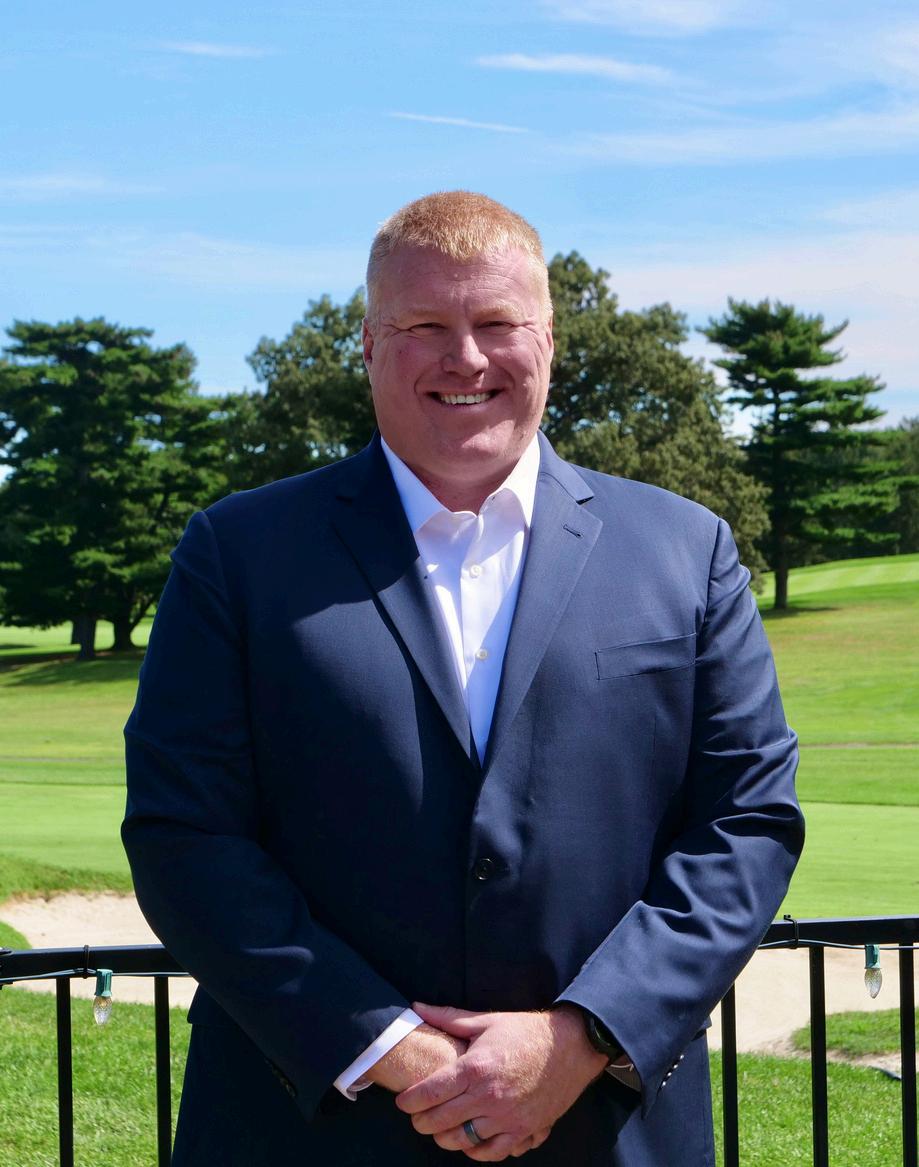
As I write my first President’s Message for The Greenerside, I am honored to accept the opportunity to serve as President of our association Over the past five years, I have had the privilege of serving as a director, during which time I have worked alongside and met many of our members I look forward to continuing those relationships and to meeting even more of you in the year ahead.
As many of you know, both GCSANJ and GCSAA are celebrating their 100th anniversary this year What you may not know is that several other notable milestones are also marking their centennials, including the completion of Route 66, the founding of NBC, the opening of the Ben Franklin Bridge, and the birth of Irene Vozel, my grandmother While these examples are certainly unique and quite different, they all share a common purpose: bringing people together Route 66 connects states and communities across the country; NBC connected people through shared news and stories; the Ben Franklin Bridge connected New Jersey and Philadelphia; and my grandmother, like many grandmothers, has long been the keystone of our family.
GCSANJ and GCSAA are similarly connected not only through aligned missions and shared service to our members, but also through their origins. Col. John Morley and John Anderson recognized a need to create a network and community of golf course professionals who could come together to share ideas, exchange experiences, and support one another in times of need That need remains just as relevant today From its beginnings under a large tree at Crestmont Country Club and in a Newark hotel, GCSANJ has grown significantly, while staying true to its founding purpose
As we celebrate our centennial year, I encourage you not only to attend one or more of the outstanding golf and social events you already enjoy but also to take a moment to reach out to one another. Whether it is a phone call, a text message, or a happy hour meeting, make the effort to connect with your fellow superintendents and turf professionals. Our strength as an association has always come from the relationships we build, and there is no better way to honor 100 years of history than by continuing to bring people together
Sincerely,
AndrewWhite GCSANJ President
Golf Course Superintendent, Riverton Country Club


As this will serve as my presidential farewell message, I would like to thank the membership and the board for their support during my three years as president I am proud to have been the president of an association filled with outstanding golf courses managed by the best in the business, including our superintendents, assistants, equipment managers, technicians, sales reps, educators, researchers, and business partners. My ascension to this role was an unconventional and challenging transition for me, but the association's backing allowed me to fulfill the role with confidence
In moving into the role of Past President, I am excited to see the direction the board takes under new leadership, and I know they will be successful, as we have built a solid, dedicated group of members. To the members who also serve our association but not in a formal role, I would also like to thank you for your hard work.
I would also like to issue a call to the membership for those who are looking to help the association step up and get involved Join us for an association event, serve on a committee, write a Greenerside article (please!), or find a niche that works for you to help out Even if you are not interested in serving the association, take the time to reach out to your neighbor’s courses, engage with your peers, and be a resource for the person down the road.
I would also like to thank Maureen, who has been a solid source of support throughout every minute I have served on the board, providing us with guidance, reminders, and friendly nudges when I was running behind
I will continue to serve as Editor-in-Chief of The Greenerside during an exciting time in our association's history as we celebrate our 100th year For the upcoming year, we will be focusing heavily on the history of our association in the content of the issues. We are seeking anyone with content they believe is relevant to the association’s history.
Lastly, while this is an exciting time for The Greenerside with the upcoming 100th, we still find ourselves short on content for issues, with Maureen filling much of it herself As we move into 2027, we will need to take a hard look at what the future holds for The Greenerside and what steps may be needed to modernize the publication
Thank you,

Donovan Maguigan Golf Course Superintendent, Springdale Golf Club

Ken Morris, Class C
Spring Brook Country Club
Jeff Staeger, Class A
Clermont Pines Golf Club
James Farmer Jr , Class C
Spring Brook Country Club
Jack Heckler, Class C
Canoe Brook Country Club
Sean McCallum, Class C
Canoe Brook Country Club
Brian Young, Class B
William F. Larkin Golf Course
Bobby Malone, Class AF
Garden State DryJect
Thomas Senn, Class C
Metedeconk National GC
Mark Harrison, Class C
Hidden Creek Golf Club
Keith Terry, Class C
TPC Jasna Polana
Adam Wilkins, Class A Pine Valley Golf Club
Todd Saganiec, Class AF LaBar Golf
Jim Brennan, Class B Hopewell Valley Golf Course
Kelly Kressler, Class A Southmoore Golf Course
Tyler McCreery, Class C Galloway National Golf Club

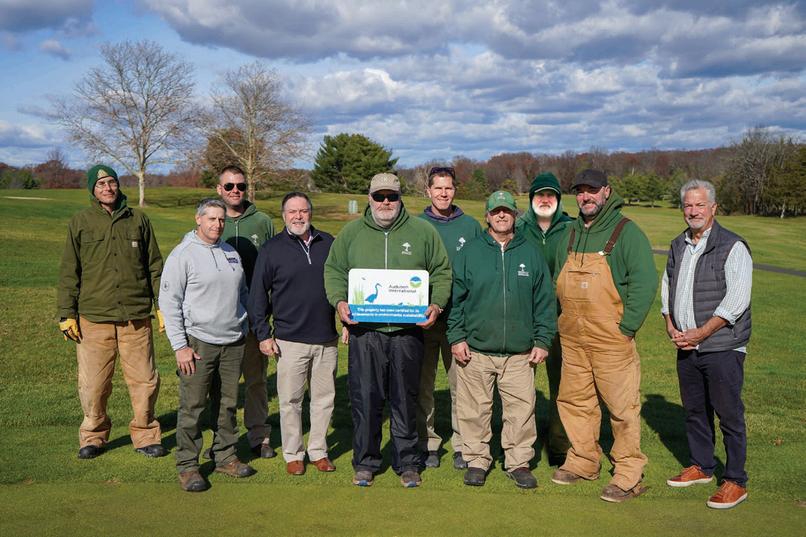
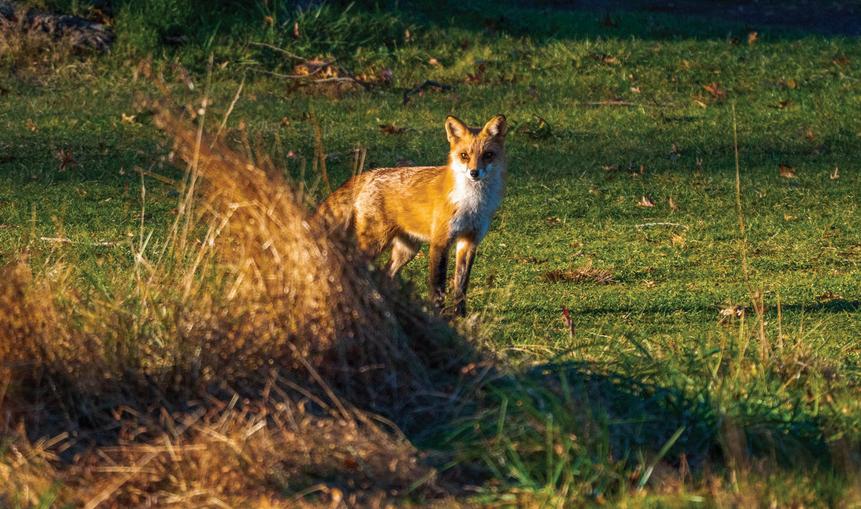
Green Knoll Golf Course in Bridgewater has been designated a Certified Audubon Cooperative Sanctuary by Audubon International, joining Somerset County Park Commission’s Neshanic Valley and Quail Brook Golf Courses among fewer than 900 properties worldwide to achieve this distinction.
The certification recognizes Green Knoll’s commitment to environmental stewardship, wildlife habitat enhancement, and natural resource protection. Somerset County Commissioner Paul Drake praised the dedication of the staff who maintain the county’s public golf courses, while Director of Golf Maintenance Darrell Marcinek, CGCS, credited Superintendent Mike McGill and his team for their efforts in achieving the designation.
The Audubon Cooperative Sanctuary Program, endorsed by the USGA, helps golf courses implement sustainable management practices that benefit both the environment and the game of golf


Brett Scales is the new Golf Course Superintendent at Navesink Country Club
Jacob Lasco is the new Golf Course Superintendent at Battleground Country Club
Nicholas Paglione is the new Golf Course Superintendent at Old Bridge Golf Club - The Rose
Grant Bezek is a new Territory Manager for Turf Equipment Supply Company.
Chris Marra is a new Territory Manager for Harrell’s.
Keith Bennett, CGCS, was promoted to Vice President of Sales at Grass Roots Turf Products, Inc
Join your fellow turf professionals on Tuesday, July 28th, for the Rutgers Turfgrass Research Field Days at the Hort Farm 2, 102 Ryders Lane, North Brunswick, NJ 08902, to see the latest turfgrass research and hear updates directly from researchers at Rutgers Credits will be available for CT, DE, MD, NJ, NY, PA, GCSAA, and ProFACT
Visit njta wildapricot org to view the schedule and register
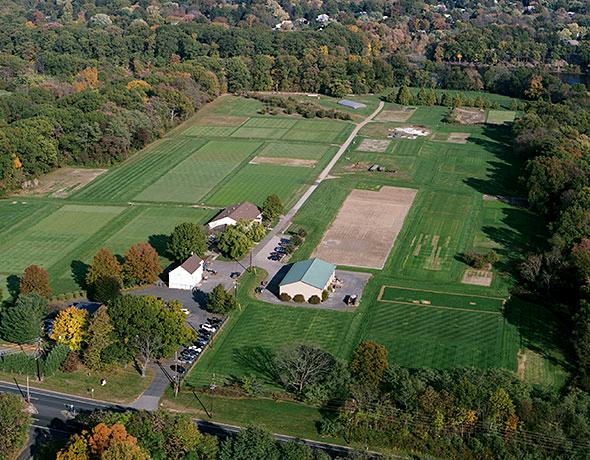

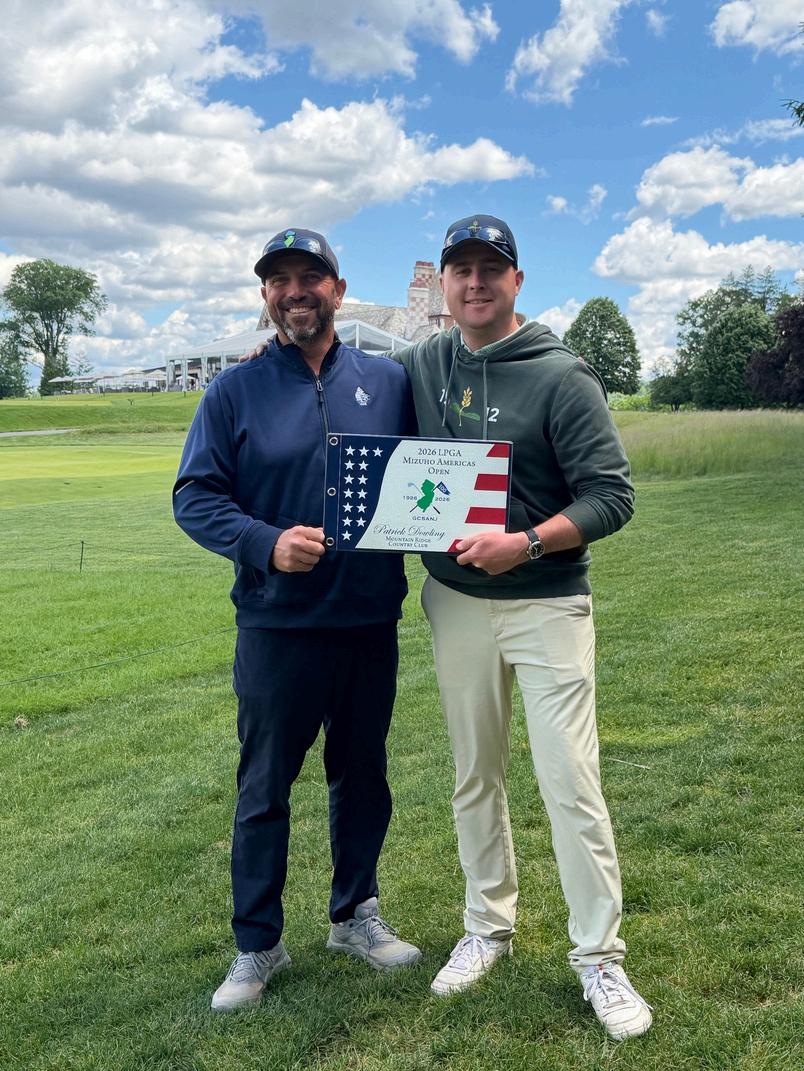
Congratulations to Patrick Dowling, golf course superintendent at Mountain Ridge Country Club, and his team for hosting the LPGA Mizuno Americas Open
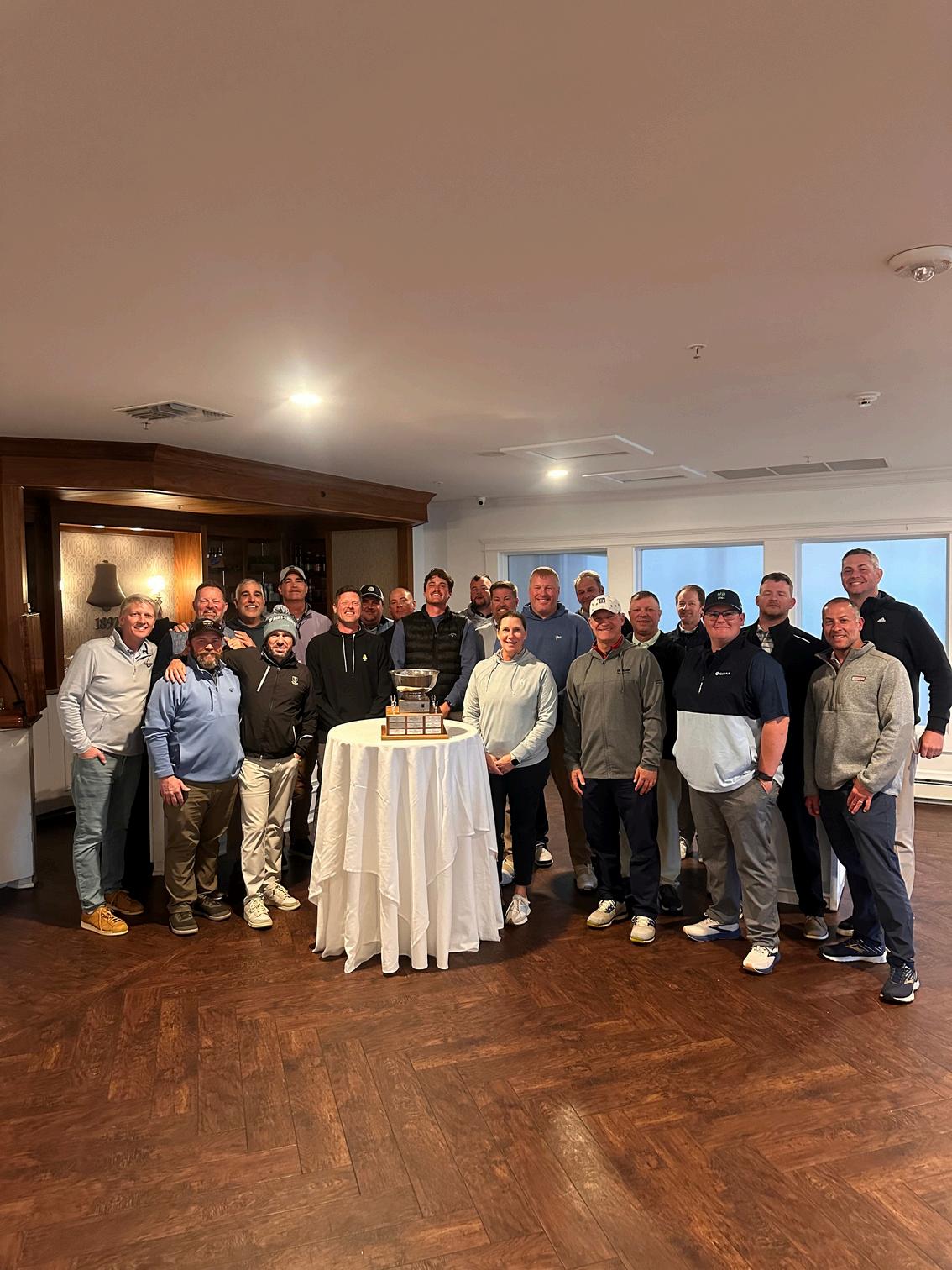
GCSANJ took home the cup at the 2026 War at the Shore against PAGCS at Atlantic City Country Club A special thank you to our generous sponsors, Harrell’s and Turf Equipment and Supply Company, for their support, and our hosts, Mark Beaumont and John Baio



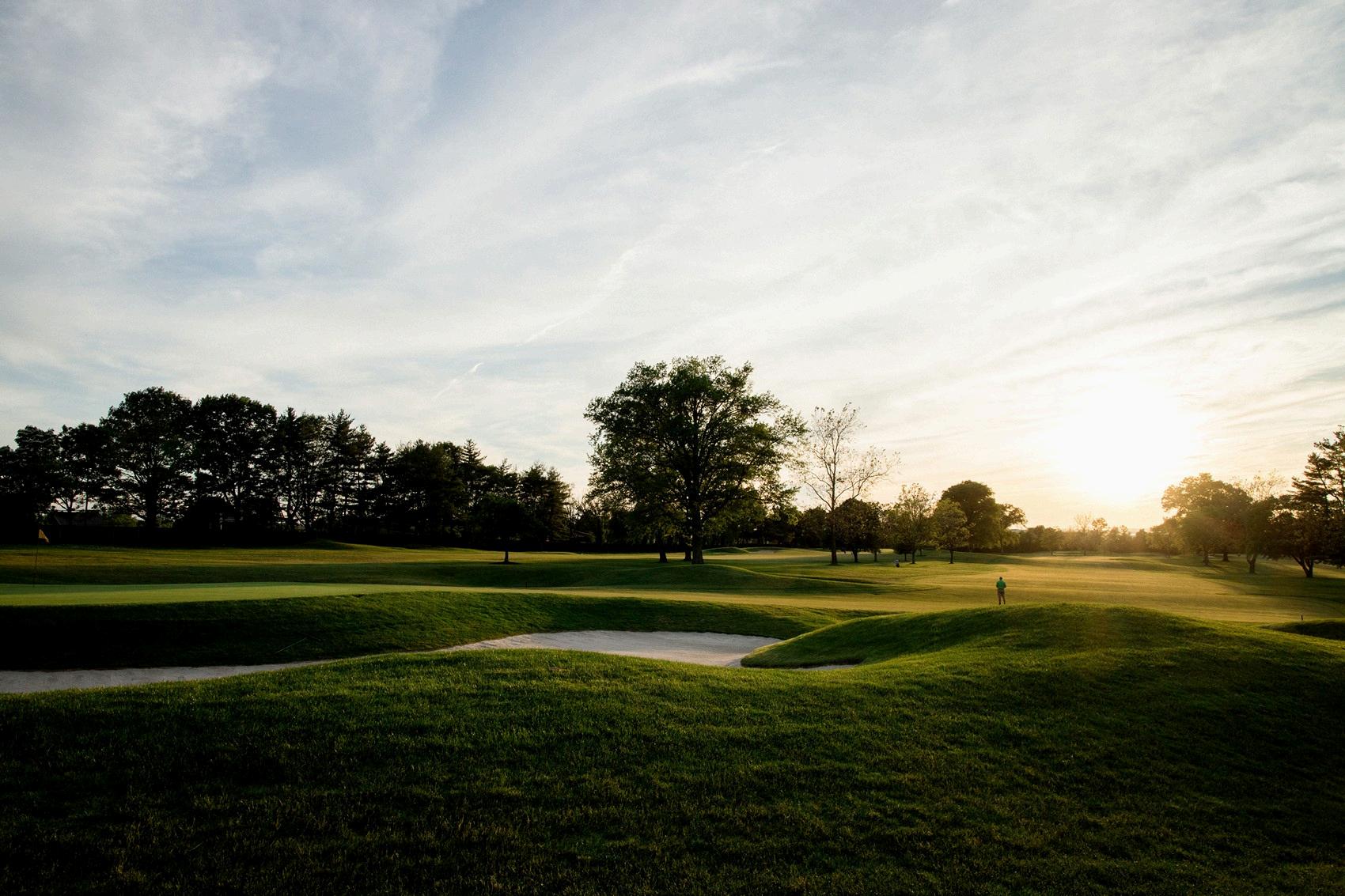
By Brian O’Malley, CGCS, Golf Course Superintendent, River Vale Country Club
For assistant superintendents, whether formally titled or stepping into an expanding leadership role, career progression in today’s golf industry requires more than strong daily performance. It demands visibility, connection, and continued development beyond your property boundaries
I spent nearly 13 years as an assistant superintendent in various roles across the country and completed four internships while at Colorado State University (Go Rams!) And no, not where Deion Sanders coaches
Over the course of my career, I experienced both the opportunity and the reality of the profession. Like many, I was taught early on, dating back to working at a local golf course in high school, that if you worked hard at the right place, you could move into a top job within three to five years
That may have been true for a previous generation Today, the reality is very different
I entered the industry during the Tiger boom, when interest in golf surged, and the job market became saturated with assistants chasing the same goal. Positions were often low-paying, with “experience” or a club logo sold as the launching pad to your next head job
To the industry’s credit, that has improved significantly over the past decade Assistant roles today are more sustainable, better compensated, and more respected. Many high-end positions now offer competitive salaries and benefits and even emphasize work-life balance as a selling point. But for many assistants, the goal is still advancement, and that path remains challenging.
The Reality of the Plateau
Even with a strong foundation, formal education, internships, and experience across multiple facilities, a
frustrating reality can emerge: doing the job well doesn’t always lead to the next opportunity. Many long-tenured assistants find themselves in a holding pattern, capable, qualified, and ready, yet still waiting for that first superintendent role. More often than not, that delay isn’t about ability It’s about visibility, timing, and connection What’s often missing isn’t competence It’s exposure
Assistants are essential to daily operations, but much of their work is invisible outside their own property Superintendents and crews see their value, but hiring decision-makers elsewhere often do not. That’s where the disconnect becomes clear. You can be highly capable, but if people don’t know your name, your experience, or how you think, you’re unlikely to be top of mind when opportunities arise Closing that gap requires intention It means putting yourself in environments where others can see how you communicate, solve problems, and carry yourself as a professional
It’s easy to become fully consumed by your own operation. Daily demands, crew management, irrigation issues, and tournament preparation leave little time to step back But staying in that bubble limits growth Every facility operates differently Every superintendent leads differently Exposure to those differences sharpens your perspective and prepares you for the variability that comes with leading your own operation Visit other courses. Volunteer at events. Have more conversations with peers. Growth happens when you step outside what’s familiar. Advancement isn’t just about what you know. It’s also about who knows you.
Hiring decisions are built on trust Superintendents, general managers, and hiring committees want someone they feel confident in, not just technically, but personally and professionally That trust is often built
long before an interview A recommendation, a prior interaction, or even a brief conversation at an event can shape how a candidate is perceived Over time, those moments form a reputation And reputation travels, sometimes faster than a résumé.
One of the biggest challenges for assistants is that they are highly skilled operationally but often underexposed to the strategic side of leadership Running an operation involves more than producing conditions It requires:
Managing and defending a budget
Communicating with boards, ownership, or membership
Hiring, developing, and sometimes disciplining staff
Planning projects years in advance
Balancing expectations with reality
These are skills that rarely develop by accident Ask to sit in on meetings Contribute to budget discussions Take ownership of projects, even small ones These experiences build the foundation for leadership.
At a certain point, advancement requires a shift in mindset. Early in your career, success is defined by execution, how well you complete tasks, manage crews, and respond to challenges But moving into a superintendent role requires something more: a leadership identity
What standards do you set?
How do you communicate under pressure?
What kind of culture do you build?
These are the questions that separate candidates with similar experience.
Spending more than a decade as an assistant requires persistence, and it tests confidence I applied for countless positions I explored roles outside the industry. I considered taking another assistant job with a better pipeline and a logo that everyone would instantly recognize. Instead, I took a superintendent position at a public course, at a pay cut from what I was making at Sleepy Hollow I spent eight impactful months there, improving nearly every aspect of the operation The changes were noticeable almost immediately, and golfers took notice
That experience led to my next opportunity
When the position opened at River Vale Country Club, my name came up for two reasons: first, the visible results from my work at Blue Hill, where many local players had seen the turnaround firsthand, and second, a personal connection from my time at Edgewood Country Club.
The club reached out for a recommendation and spoke with Kyle Hillegass, superintendent at the time at Edgewood, where I had worked for several years That recommendation was the primary reason my résumé rose to the top of the pile That’s how it happens
My résumé included strong internships, stops at top clubs, and major project experience. But what ultimately made the difference was local visibility and a trusted connection. Every assistant has a plan for the next job until they don’t get that job. This industry will surprise you. Career paths are rarely linear. You never fully know what decision-makers value in the moment or who has their ear during the hiring process
That’s why you have to be ready and visible at all times
You may feel ready, but the opportunity hasn’t aligned. That waiting period can create frustration, doubt, or even complacency. The key is to stay engaged anyway. Embrace the grind Enjoy the process If you have a passion for the industry, progress tends to follow
Continue learning Continue connecting Continue preparing Because when the opportunity comes, it often comes quickly, and those prepared to step into it are the ones who move forward.
Not every assistant follows the same path. Many emerging leaders come from non-traditional backgrounds, such as mechanics, irrigation specialists, or crew members who have taken on increasing responsibility over time In many cases, they are already leading; they just don’t carry the title These individuals often bring strong operational awareness and practical leadership ability Elevating them is becoming more common, but development is critical. Without access to broader knowledge, communication skills, and professional networks, even highly capable individuals can struggle to advance. Creating pathways for their growth strengthens the entire industry
This is where involvement in GCSANJ becomes a differentiator After years of building experience, education, and technical skill, engagement in a professional association can turn preparation into opportunity.
Exposure to peers and industry leaders
Opportunities for continued education
Access to new ideas and perspectives
A platform to build meaningful professional relationships
For long-tenured assistants, it helps break through the plateau For non-traditional leaders, it opens doors that may not exist within their current role. And just as importantly, it creates consistency, regular opportunities to build relationships over time.
Getting involved doesn’t require a major commitment
Attend a meeting
Introduce yourself
Join a conversation
Small actions build momentum. Familiarity grows. Confidence builds. Opportunities follow.
At some point, every assistant reaches a crossroads. You can rely on experience and hope the right opportunity arises, or you can take an active role in creating it Because in today’s industry, experience is expected Visibility is what separates candidates Connection is what builds trust Engagement is what drives progress
And organizations like GCSANJ provide a clear path to make that transition, from participation to progress, not just possible, but intentional.


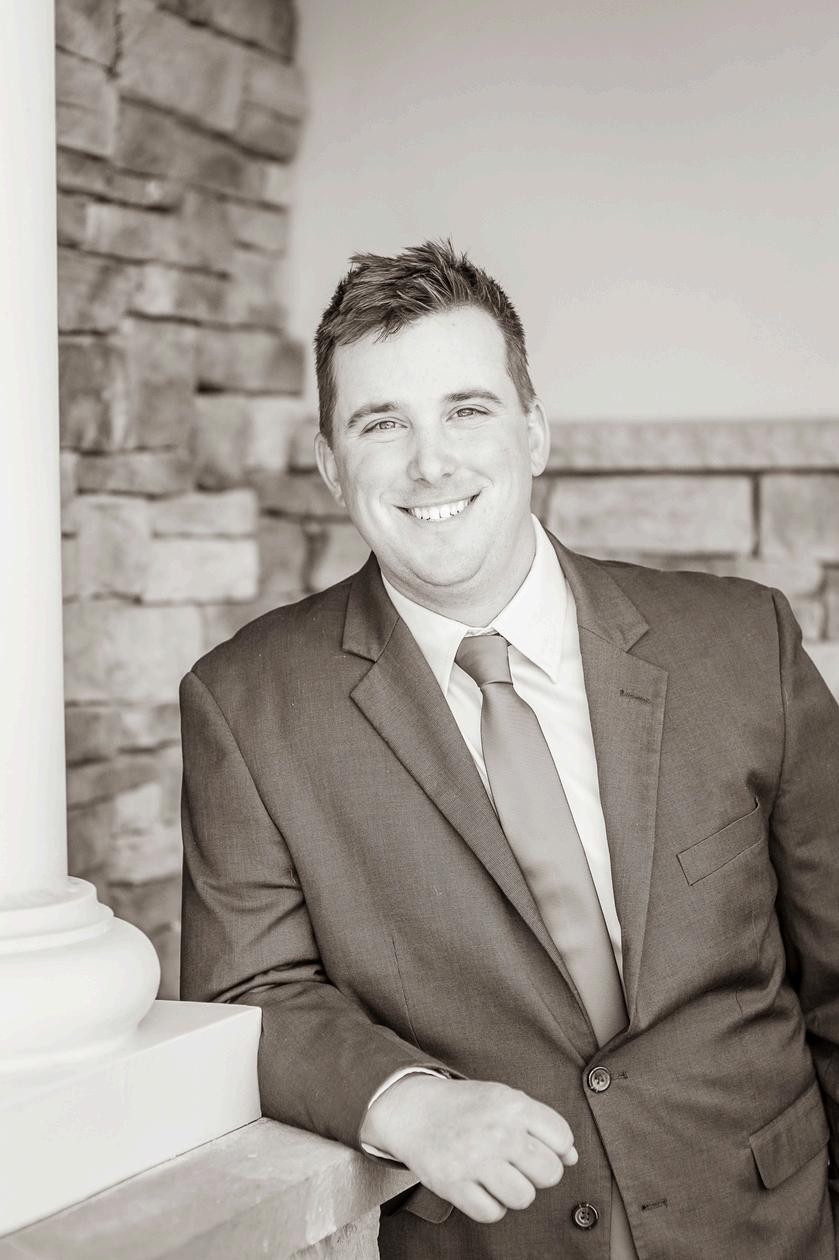
Tom Havelka
Get to know GCSANJ’s newest board members. Tom Havelka, Nicholas LeViere, and Patrick McMahon answered our NINE quick questions.
Why did you join the GCSANJ board?
What is a unique fact about your club or course?
What is your favorite sport to watch, your favorite team, and an all-time great from that team?
Share something that you have learned from your staff
Golf Course Superintendent
Spring Lake Golf Club
District 2 Director
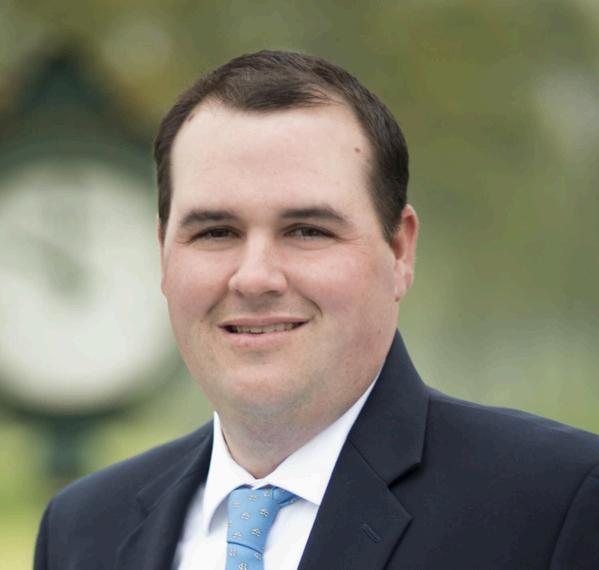
Nicholas LeViere Golf Course Superintendent
Morris County Golf Club
District 1 Director
I want to give back and pay it forward I realize I have seen so much benefit from past board members’ work, and the least I can do is serve the GCSANJ membership I am fortunate to be joining a board of accomplished members right now I’m very excited to learn more from them
Spring Lake Golf Club has a very interesting design pedigree. I believe it is the only golf course with design credits from both George C. Thomas and A.W. Tillinghast.
As much as I’d love to say the Knicks, especially with their championship run this year, I have to go with baseball and, more specifically, the Yankees. As a Yankees fan of my generation, I don't think there’s any other answer besides Derek Jeter.
The list is too long to fit One of the people who taught me how to run a greens mower 15 years ago is still working alongside me today I’m fortunate to have an incredible staff who teach me something every day, not just about the job, but about teamwork, family, and the importance of kindness
I have always enjoyed volunteering with other like-minded people. It is also a great opportunity to meet new people and have an impact within our industry.
Although it is now a family club, Morris County Golf Club was founded in 1894 through the planning, organization, and operation of only women. It was also an early member of the USGA (1895) and the first New Jersey venue to host a national championship.
After a long summer, I enjoy watching the NFL throughout the fall While I love football, few sporting events can match the excitement of a classic finish at one of golf’s four major championships.
I'm mostly a Pittsburgh sports fan. One of my earliest live sports memories is watching Barry Bonds play at Three Rivers Stadium during his time with the Pirates.
When you give up some control and trust someone who is asking for more responsibility, they may surprise you. Mutual respect goes further than you may think.
Patrick McMahon
Golf Course Superintendent
Eagle Ridge Golf Club
District 3 Director
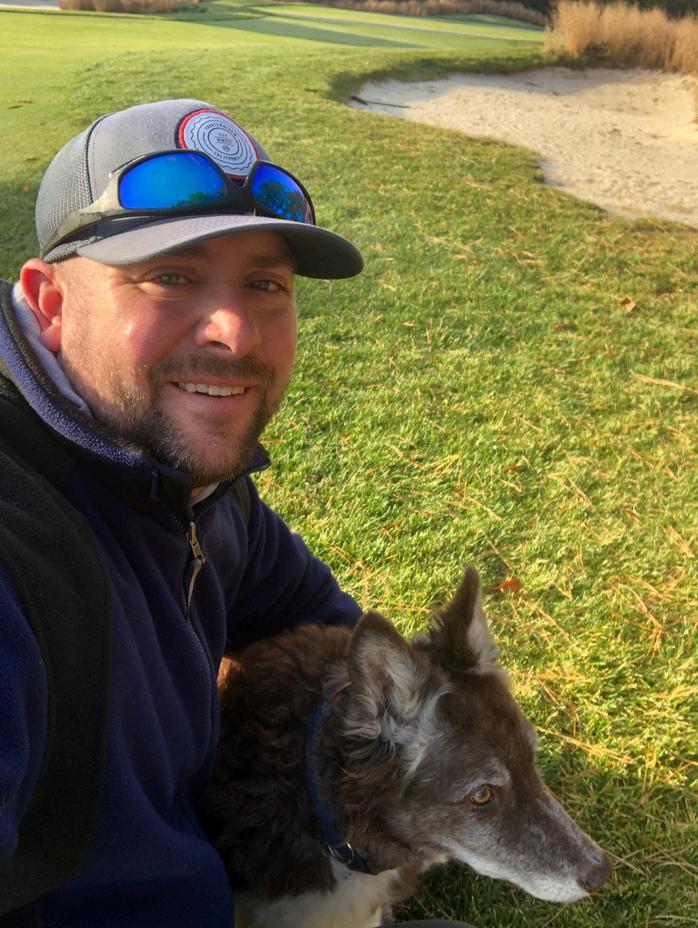
ve wanted to give back o the chapter that has given so much to my family and me The support GCSANJ showed my daughter Madison during her brain umor diagnosis in 2018 meant a great deal to us. 's an honor to serve on the board, and I look forward to helping GCSANJ continue to ow and thrive for years to come.
The golf course was once a sand quarry, and much of the material was used to build the Garden State Parkway in the 1940s and 1950s. Our course is also in three separate municipalities (Lakewood, Jackson, and Toms River).
I’m a baseball guy for sure! The Yankees have been my favorite team ever since I was a little kid, and I was definitely spoiled with their success growing up Don Mattingly and Derek Jeter were the two Yankees players I looked up to, but my all-time favorite player was Cal Ripken Jr from the Orioles
Other than making killer tacos, they have taught me to treat all crew members as equals Take suggestions and ask for input from your employees regularly, and show them that you will work alongside them and help them in any situation. Respect for each other goes a long way!
What is the most rewarding part of your job?
Who is a mentor who has helped you in your career?
What advice would you give to your younger self?
What technology upgrade would you like to see in the near future?
A few things come to mind. Watching current and former staff members grow, whether on our team or elsewhere, is incredibly rewarding. I also enjoy looking back on a major project and seeing the final results come together. Most of all, it’s gratifying when a member expresses how excited or proud they are to show off the golf course to their guests
In this industry, my biggest mentor has been Josh Reiger of Envu, under whom I worked from ages 19 to 26 He took the time to train me from a summer business student into a golf course superintendent The biggest lesson he taught me was how to set a clear standard and do whatever it takes to reach it.
I still remind myself to be more present. Especially during the summer, you only have so many hours with your family, so when you are with them, be with them. Birthdays and anniversaries come quickly, and it’s easy to miss those moments when your mind is already on the next tournament or the next time it rains
After completing an irrigation install, I’ve been thinking a lot about how far tech could take us next With tools like TurfRad and Spatial Adjust, it feels like we are getting closer to more advanced systems I could see a future where cameras or drones identify areas on greens that are getting too hot and automatically trigger spot syringing when the green is empty.
To be opened in 50 years, what would you put in a time capsule for the GCSANJ’s 150 anniversary? th
I enjoy leading a team through difficult projects and events. Watching everyone take ownership of their different roles is rewarding. Standing at the finish line together is something to be proud of
I worked at some golf courses in Western Pennsylvania Both superintendents I worked for, Brian Anderson and Richie D’Ambrosio, were great at taking things one day at a time Although it may be over-simplified, Brian used to say, "Remember that it's just grass and it wants to grow, sometimes you have to just get out of the way!” I think back to that all the time.
I would encourage my younger self that mistakes are not going anywhere Learning from those mistakes and properly/honestly communicating with those who may be most impacted makes all the difference
I want to see a robot that moves and repairs hole locations perfectly and accurately When you have difficult greens, I find it can become a job where mistakes happen, and team members get burned out when doing it repeatedly
Maybe a picture of a Sprayhawk. I can imagine 50 years from now, a 20-year-old looking at that and saying, “You guys used to use that to apply to your greens?”
Seeing all the work you have done over the years that has led to improved course conditions and overall player satisfaction
Having your office outside isn’t a bad thing either!
Many people have played a part in advancing my career. The most instrumental person has been Kevin Reis while at Pine Hill Golf Club (now Trump National Philadelphia). He always pushed me to be the best I could be while teaching me all aspects of becoming a successful superintendent Also, many peer superintendents and sales representatives have played an enormous role as mentors
Never stop learning! You can master the grassgrowing aspect of the job, but as you move up the ladder, you will realize it is just a small part of the job. Do everything in your power to give yourself as many opportunities as possible Never be afraid to ask questions and always listen to others There are always multiple ways of doing things that produce the same result
One innovation I'd love to see is a reliable on-site soil testing device that provides immediate analysis. Beyond that, I'm excited to see continued advancements in irrigation technology that improve precision, efficiency, and sustainability
I would include printouts from typical summer spray programs. I would be interested in comparing how turf is managed differently from a fertilizer, wetting agent, growth regulation, and pesticide perspective We obviously know how different it is from 50 years ago, but will it be the same moving forward?
I’d include photos of today’s equipment and technology to show how far we have come Having seen some of the historic turf equipment preserved by Bob Dickison at Upper Montclair, I’ve always appreciated the history of our profession I’d also include a list of current golf courses in New Jersey to see how many are still around 50 years from now.


By Todd Raisch, CGCS
Many superintendents have a moment when their perception of the job shifts. For a long time, you’re focused on the day in front of you, the week ahead, and whatever daily issue decides to show up uninvited Then something clicks and you realize the role is bigger than just daily maintenance It is also about stewardship
That moment for me arrived in 2014.
That winter I decided to read every Board minute Ridgewood Country Club had in storage. Hundreds of pages. Some neat, some scribbled, some barely hanging together in fragments I figured I’d skim Instead, I found myself pulled into decades of decisions and debates, and it changed how I viewed my responsibilities
There were notes explaining why one green wasn’t ready when the course opened in 1929 and had to be patched together with sod from the previous property while the others were seeded. We learned that the original bunker sand was red. Another entry described planting six hundred pine saplings that never survived, and how the soil from that failure ended up being moved to another part of the course
There was a long discussion in the 1950s about a proposal to remove massive amounts of soil (thousands of cubic yards) from two fairways for financial gain. Both sides of the months-long debate were documented in enough detail that you could understand exactly why the idea was ultimately rejected.
None of those former superintendents and club secretaries wrote their notes for me They had no
idea someone in 2014 would be sitting in their office reading their work. But because they left a trail, the course suddenly made more sense Parts of the course I had never fully understood now had explanations A few areas that always seemed unusual turned out to have a real backstory What felt random wasn’t random at all It came from decisions people made in the moment with the information they had.
That experience changed how I write. I stopped assuming anyone would remember the conditions that shaped a choice. I stopped assuming future boards would recall why a bunker was moved or why a fairway line was adjusted I also realized that simply noting what changed was never enough The real value is in explaining why So, I began writing with the next superintendent and future club leaders in mind, not just for the next meeting.
It also reminded me that the value is usually in the small things. A one-sentence note from the 1930s about a drainage line has saved us days of digging. A brief explanation from decades ago about moving soil explained a problem we still see today A short entry about the spring under a bunker tells us why that area still behaves differently after rain These were not long reports They were simple, honest notes left by people who cared enough to record what mattered.
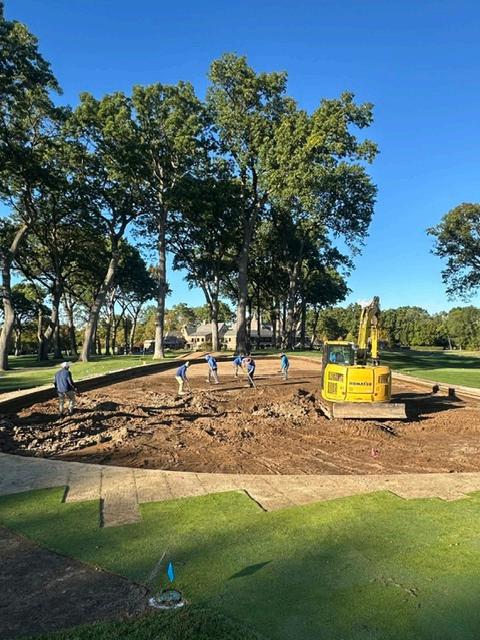
This fall we began a multi-year greens rebuild. When we excavated the green cavities, the cross sections told their own story Every layer was visible Old topdressing, past aerification events, amendments from different eras, and rebuilt sections from years
back were sitting there in sequence. And the most powerful part was seeing how perfectly the physical profile matched the historical records. Seeing that in the profile only reinforced why we need to explain our decisions now If someone looks at a cross section twenty or thirty years from today, I want them to understand why we chose a 7-2-1 mix, why SubAir made sense, and why we used variable-depth rootzones Those choices were made for very specific reasons that fit the course, the climate, the traffic, and the expectations of modern play. Without a written record, future leaders and future superintendents would be left guessing. I don’t want them guessing
And all of this landed at the end of a year that tested every superintendent I know in New Jersey This past summer will probably go down as one of the three hardest weather years of my career, right up there with 1999 and 2010. Heat, humidity, too much rain and then too little rain were followed by long stretches where nothing recovered the way it usually does. This past year was the kind of season that forces you to explain not only what you did, but why you did it Years like this remind you how important it is to leave a record, because people forget how tough it was once the grass grows back
And it isn’t just the past we need to capture Many of us are now experimenting with autonomous mowers and other emerging tools. We are the first generation to test this technology in real golf environments. Fifty years from now, someone is going to want to understand how these machines entered our industry, how they were received, what worked, what failed, and how we adapted The same way our records at Ridgewood document the slow arrival of golf carts between 1961 and 1965, future superintendents will want to see the progression of autonomous mowing at our clubs. The only way they’ll know how it unfolded is if we write it down.
The job will always move fast. Pumps break. Weather hits. Staff changes. Projects collide. In the middle of all that, it is easy to treat documentation like something you will “get to later ” But the part you write down ends up being just as important as the part you mow, water, or rebuild
The superintendent who arrives after you will never inherit your memory. They will only inherit your decisions and whatever record exists to explain them. Your reports, your notes, and your small observations become their roadmap. Their success will depend on how well you captured what really happened on your watch
Every course has its stories. Ours includes barbed wire around the property, former hand pumps for drinking water, various green rebuilds in the 1950s for drainage, a former vineyard, and even “borrowed” dynamite to blow up a persistent spring Your course has its own versions of these, and someone in the future will go looking for them We owe the next superintendent and club leaders more than a set of keys We owe them an honest history they can build from, not guess at. That is how our chapter endures. That is what stewardship looks like.


ByRobertWagner,TrumpNationalGolfClubBedminster
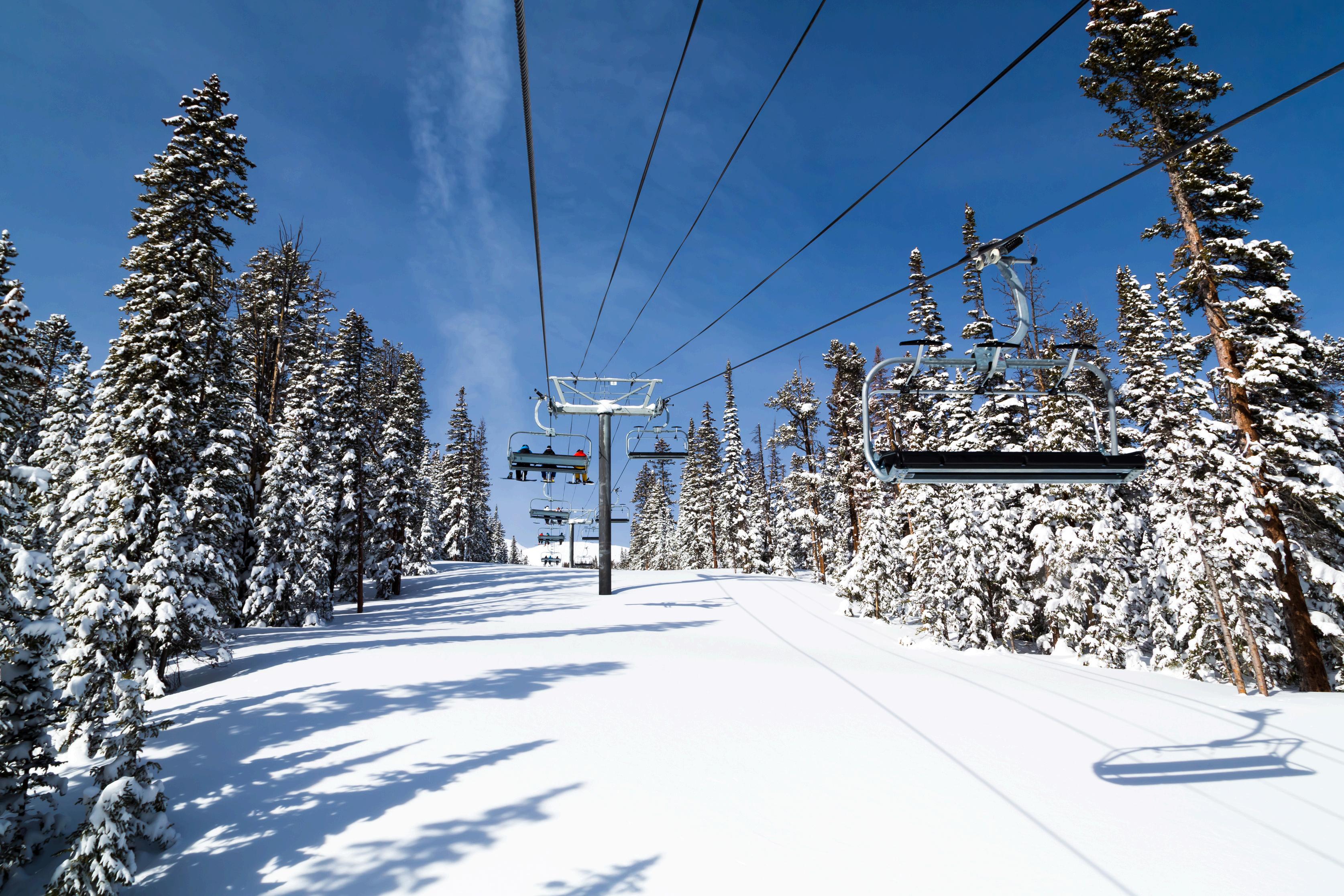
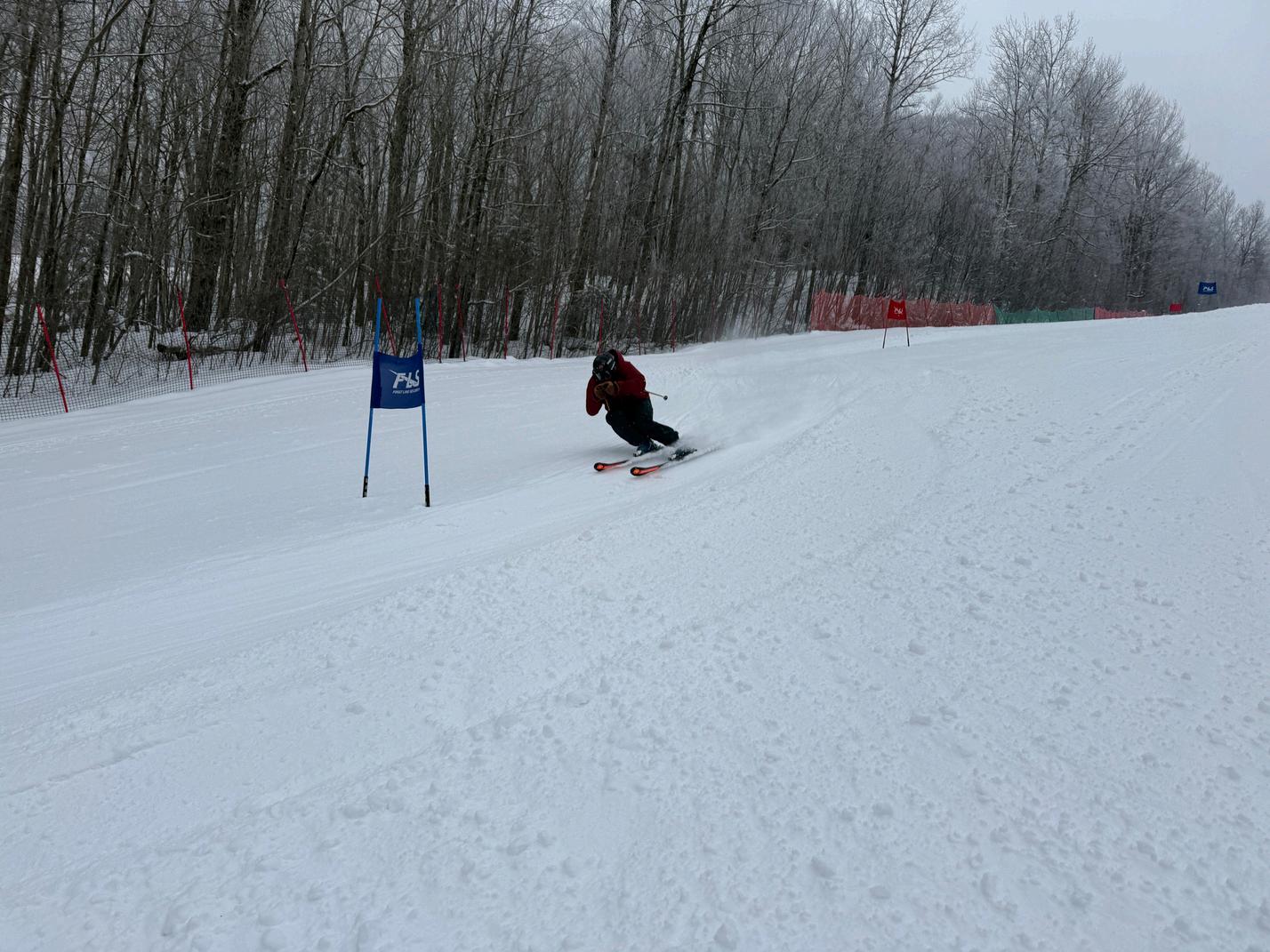
On February 11, members of GCSANJ once again headed north to compete in the annual Nor'easter Ski Race at Pico Mountain in Vermont. For one winter day each year, association members trade moisture meters for skis, snowboards, and race bibs as groups from across the Northeast gather for one of the profession’s most unique traditions on snow.
This year’s event carried extra intrigue for Team New Jersey The group arrived as defending champions after capturing a dramatic first-place finish last year. While the victory was celebrated enthusiastically by the NJ contingent, it’s fair to say the moment may have been enjoyed more by the winners than by some of the rival associations Friendly rivalries were very much alive heading into this year’s race.
New Jersey entered the race with a slightly smaller roster than the previous season Most notably absent was longtime team strategist and motivator Coach Paul Ramina, who was unable to attend due to a scheduling conflict. Team Manager Keith Bennett was also sidelined for the same reason, and fellow team motivator Josh Kopera was unable to attend this year With several key personalities missing, Coach Pat Quinlan was tasked with implementing the team’s race strategy solo, a challenge he handled with the steady leadership the team has come to expect
Pico Mountain delivered classic Vermont race conditions. Firm snow and cold temperatures created a fast, technical course that rewarded confident skiing and punished hesitation The gates came quickly and demanded precision a trait many turf professionals understand well from managing golf course conditions under pressure.
The anticipation was evident from the start of the day As racers gathered and preparations began, Coach Quinlan summed up the mood of the New Jersey team perfectly.
“It feels like Super Bowl Sunday all over again I love it ”
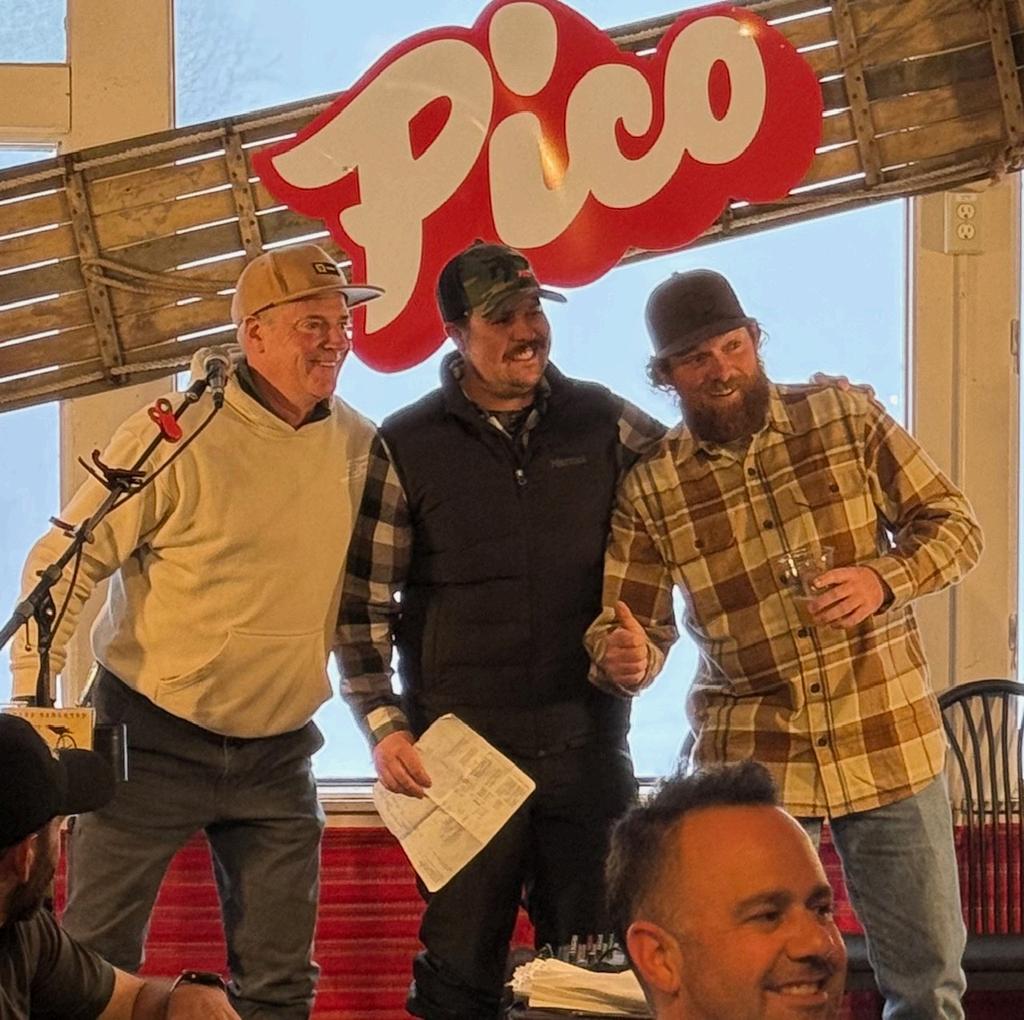
Other members of the team were equally fired up Assistant Superintendent Jack Heckler of Canoe Brook Country Club said he was feeling “dangerous,” while his Canoe Brook colleague Sean McCallum simply described himself as “stoked.”
Host association Vermont ultimately claimed the top spot, followed by Rhode Island in second place, with New Jersey finishing a strong third overall. Vermont’s dominance was particularly notable, capturing four of the top five individual ski times on the day
In the hours following the race, lively post-event discussions included some good-natured speculation about Vermont’s roster strength. Unconfirmed rumors circulated about just how many of their top racers were currently employed in golf course management a debate delivered with equal parts humor and admiration for an impressive performance.
Steve Aspinall of Watchung Valley Golf Club once again led the way as New Jersey’s top skier On the snowboard side, Tommy Magazeno of Crystal Springs Golf Club posted the fastest overall snowboard time of the day.
After the final racers crossed the finish line, participants gathered in the Last Run Lounge at Pico Mountain for the traditional awards ceremony and après-ski celebration. Stories of heroic runs, near misses, and the occasional 'creative recovery' grew slightly more impressive with each retelling
After the final racers crossed the finish line, participants gathered in the Last Run Lounge at Pico Mountain for the traditional awards ceremony and après-ski celebration Stories of heroic runs, near misses, and the occasional 'creative recovery' grew slightly more impressive with each retelling
The New Jersey team would like to extend a special thank you to Paul Ramina and Jarad Luknicki of BASF for generously sponsoring GCSANJ members’ race registrations Additional thanks go to all the official sponsors of the Nor’easter Ski Day, as well as the sponsors who supported the New Jersey team off the mountain by providing lodging, meals, and hospitality throughout the trip, including the legendary 'tree house' accommodations
Although New Jersey relinquished the top spot this year, the team once again represented the Garden State with pride and competitiveness. But if history is any guide, Team NJ will be ready when the Nor’easter returns next winter with its sights set on reclaiming the cup


KEVIN DOYLE, GCSAA NORTHEAST
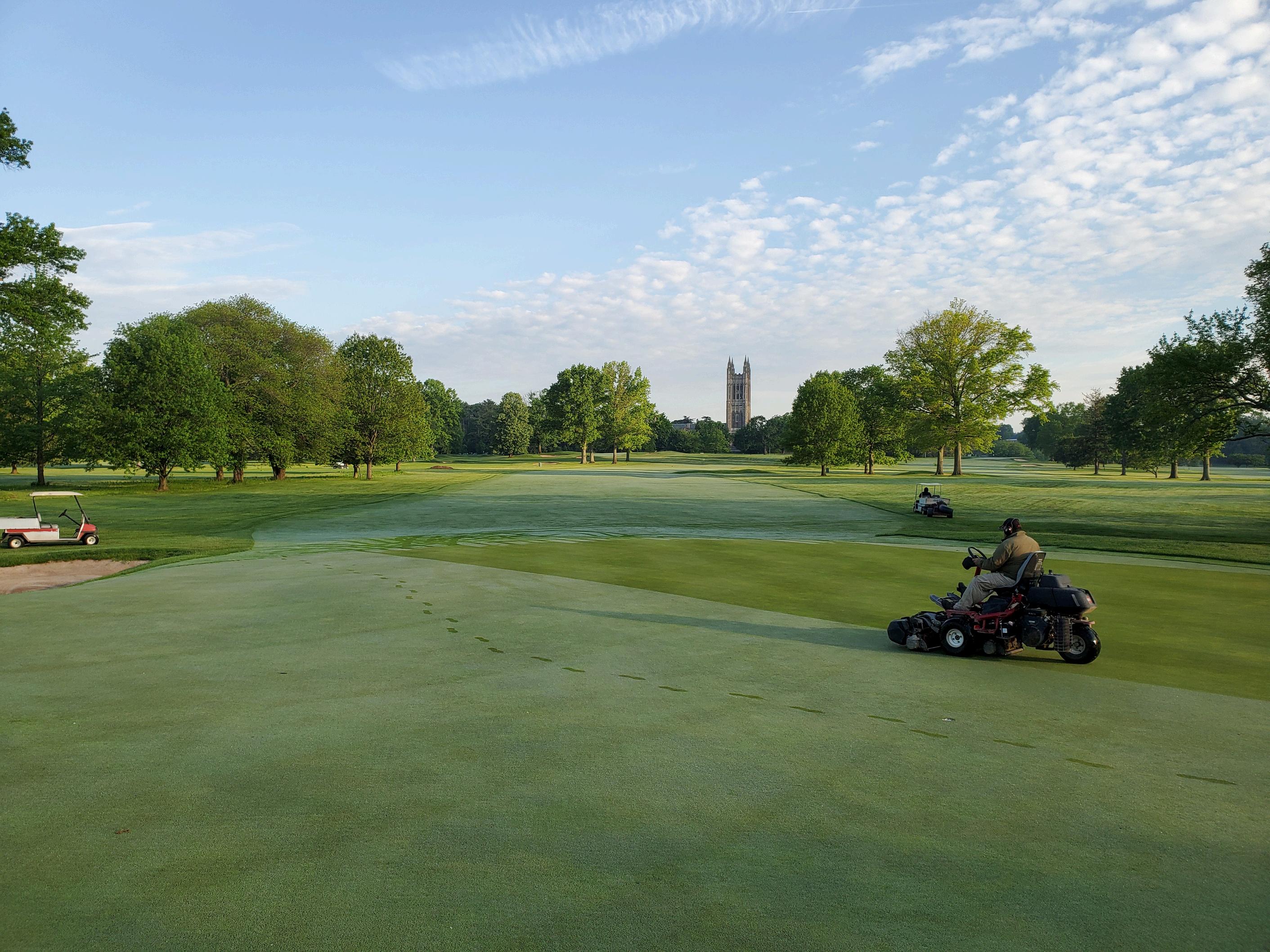
Labor remains a struggle for many superintendents in the Northeast Whether attracting them or retaining them, the process is difficult and often costly The days of placing an ad in a newspaper (for the senior members of the industry) or even expecting a response from Indeed or other online job sites are no longer viable options. Does that mean it is impossible? No. What it has turned into is work. Yes, you must put in much more effort to hire employees at any talent level. Where to look and GCSAA resources to offer can help make it easier and more effective.
GCSAA has made a concerted effort to engage the million participants in Future Farmers of America (FFA) Young people enamored with outdoor interests are a logical target for golf course maintenance GCSAA visibility at the national conference has been growing for years now, and visits to state conventions are on the rise. Do you have a local FFA near your course? A visit to the golf course would align with their learning model and provide you with a valuable introduction to potential or future employees.
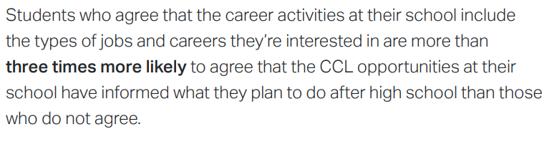
Our mission at GCSAA is to “enhance the enjoyment, growth, and vitality of the game of golf,” which cuts right to the heart of this matter The First Green initiative is about opening our courses to young students as science labs. Access to our property and game may never happen otherwise. Showing them what we do at our facility and how we do it is a key step toward a possible future with golf. New Hampshire Learning Initiative commissioned a Gallup poll regarding career-connected learning (The Power of Career Connected Learning in New Hampshire):
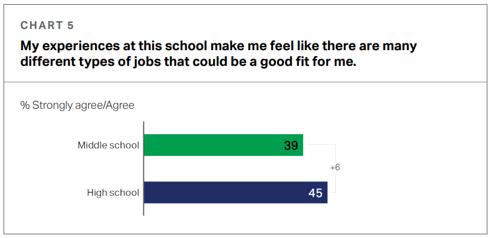
Whether it’s a new employee from outside the organization or working with current staff looking to advance, GCSAA resources for staff continue to grow. Check out the “Careers” tab at GCSAA.com for:
Assistant Superintendent Certificate Series
Equipment Management Certificate Program
Greenkeeper Certificate Program
Crew Training and Support
Looking to increase wages for critical staff such as your assistant or equipment manager? The certificate programs above give you quantitative proof of their proficiency and, therefore, a clear pathway to advocate for their value. Staff members looking to learn more about the industry? The Greenkeeper Certificate Program starts down that learning path. Should they
want to progress further, then maybe a winter school or a two-year university program is the next viable step. Employee’s first time on a golf course or new to your team. Take advantage of the training videos (English and Spanish) as the first step. Eleven tasks are included, with “This is a Golf Course” for those who have never been on a course before!
Engaging young people (as early as middle school) raises awareness of our industry, increasing the likelihood that they consider a career in golf course maintenance. Educating them once they are engaged is critical to their success. While not easy for the superintendent either, GCSAA resources to achieve both are becoming easier for you to use!

ByShaunBarry
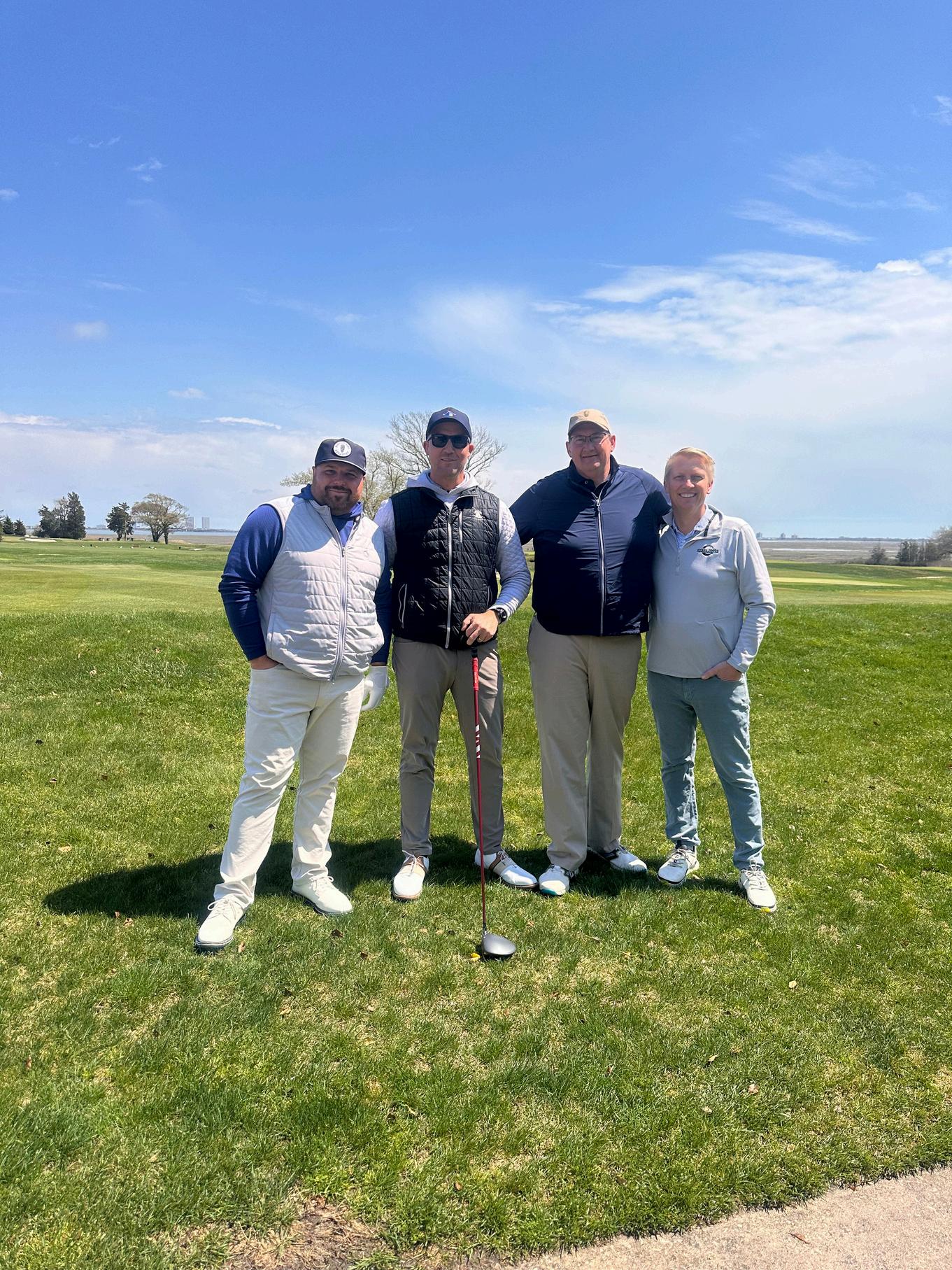
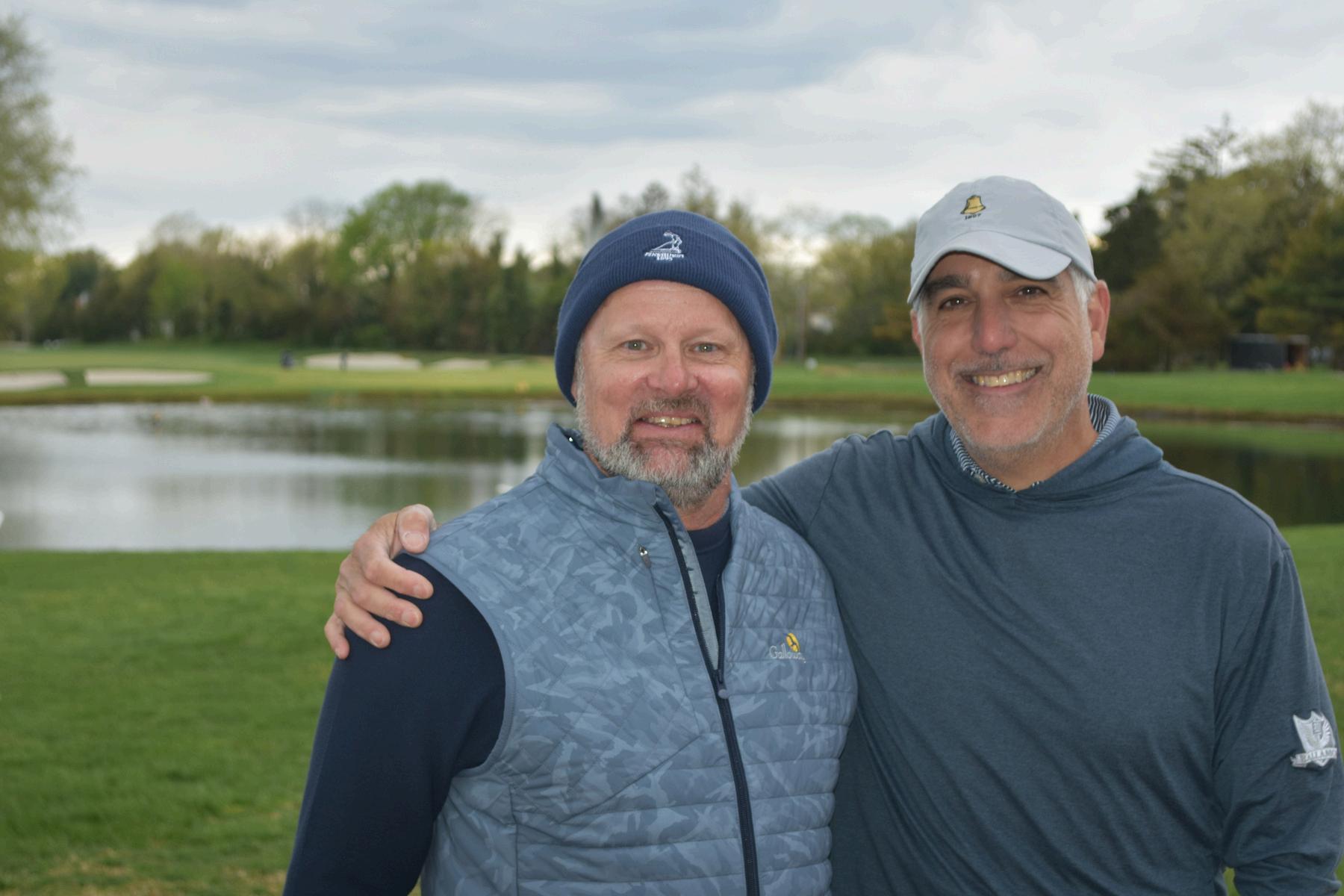
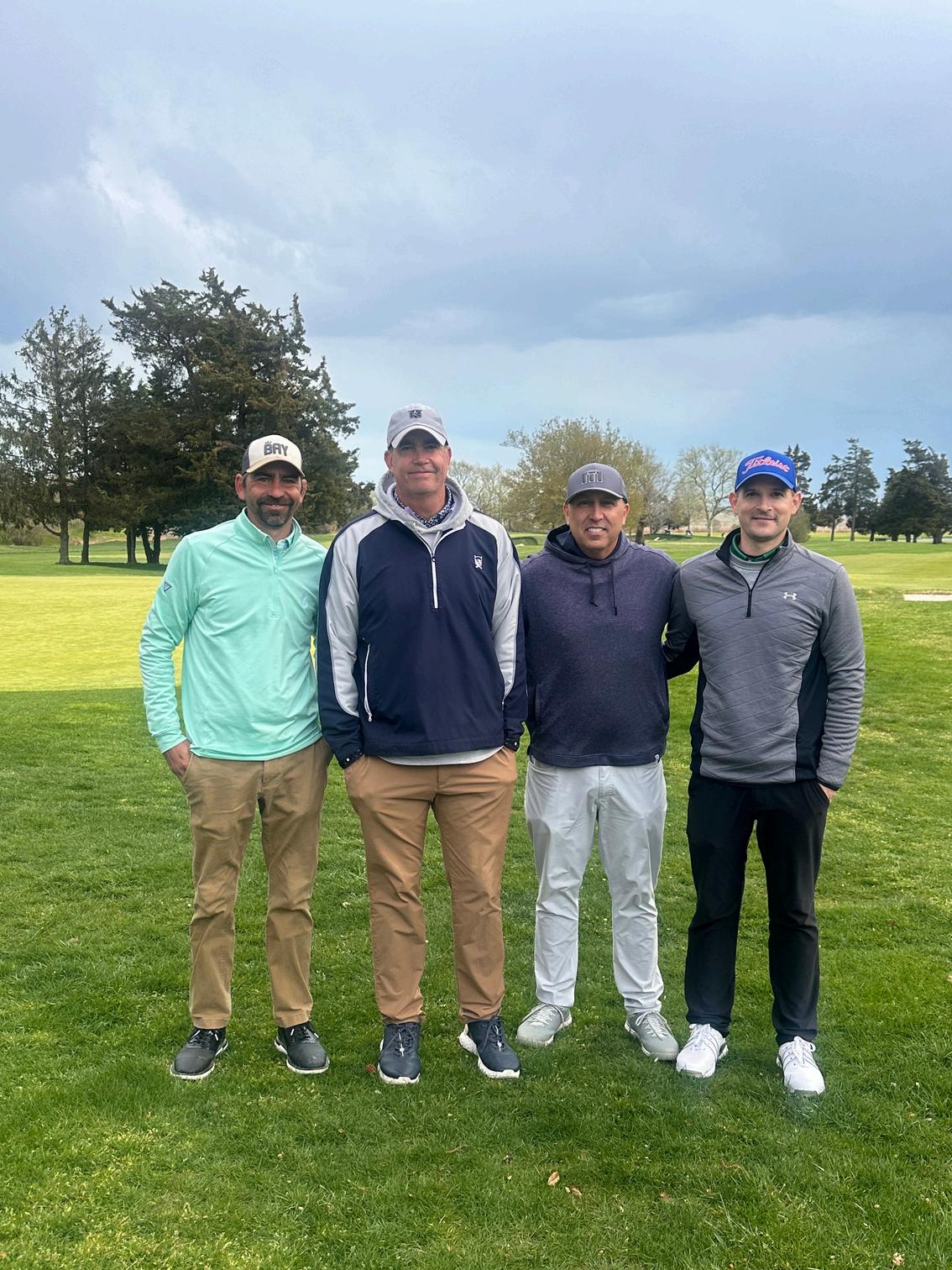
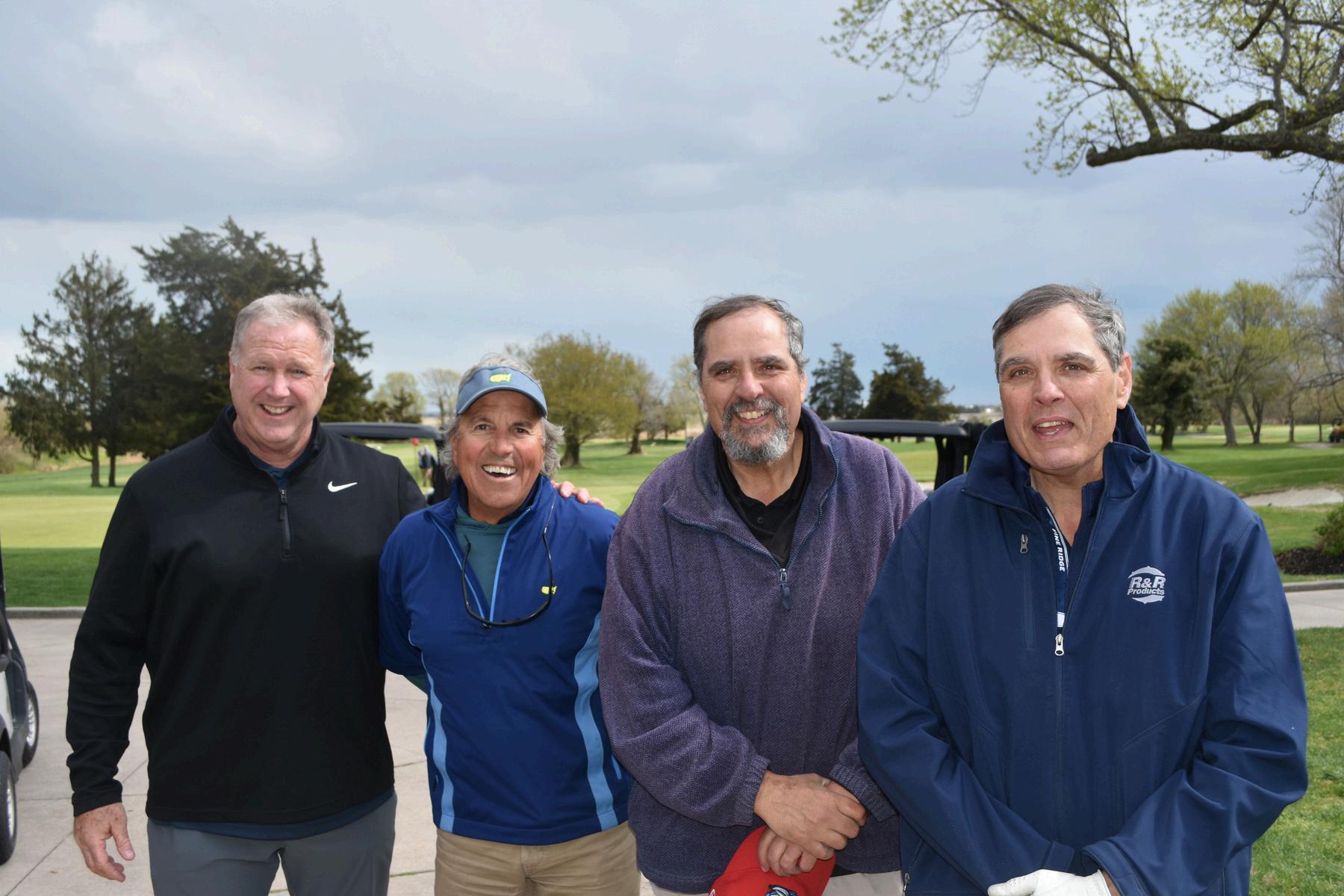
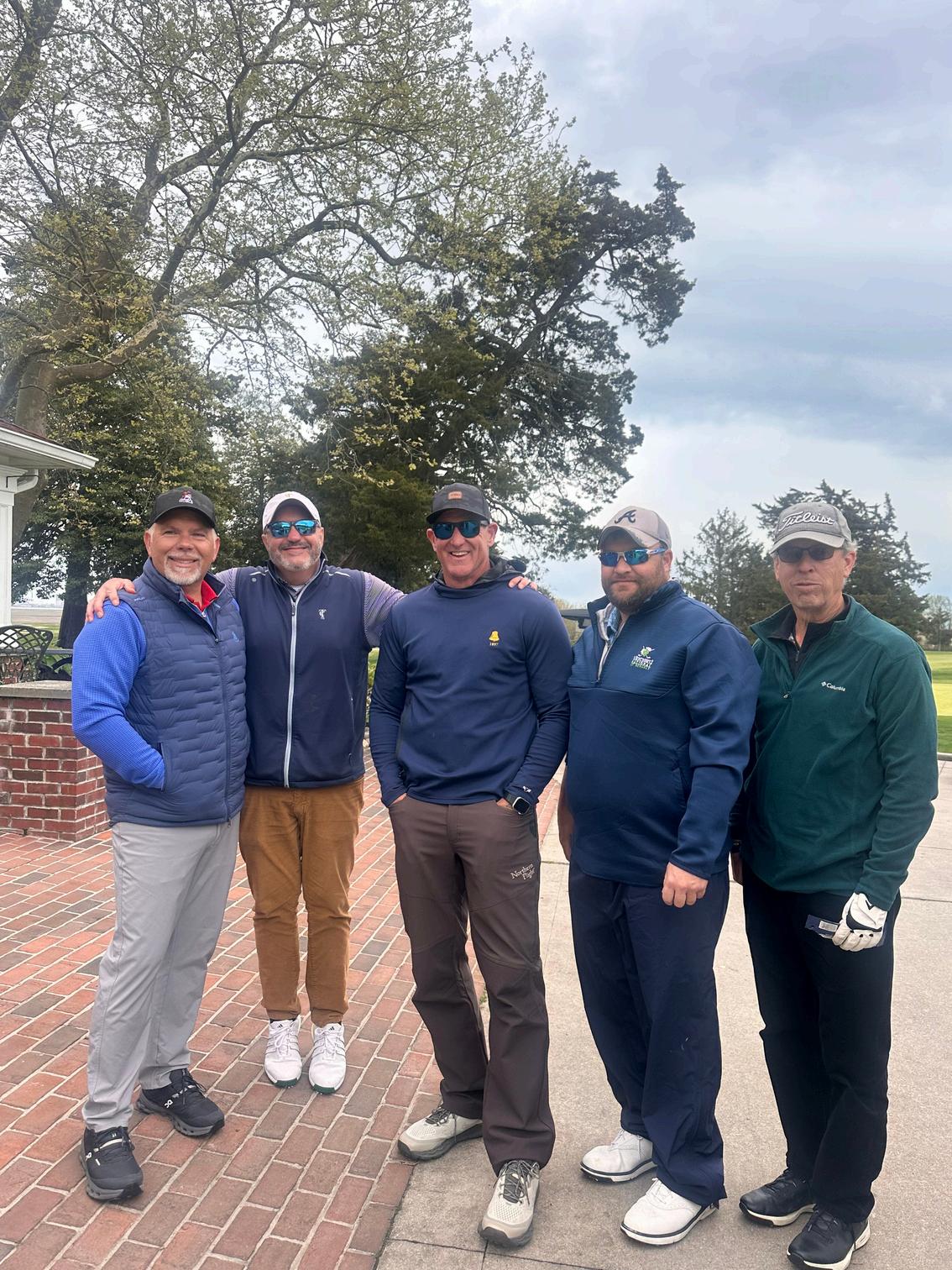
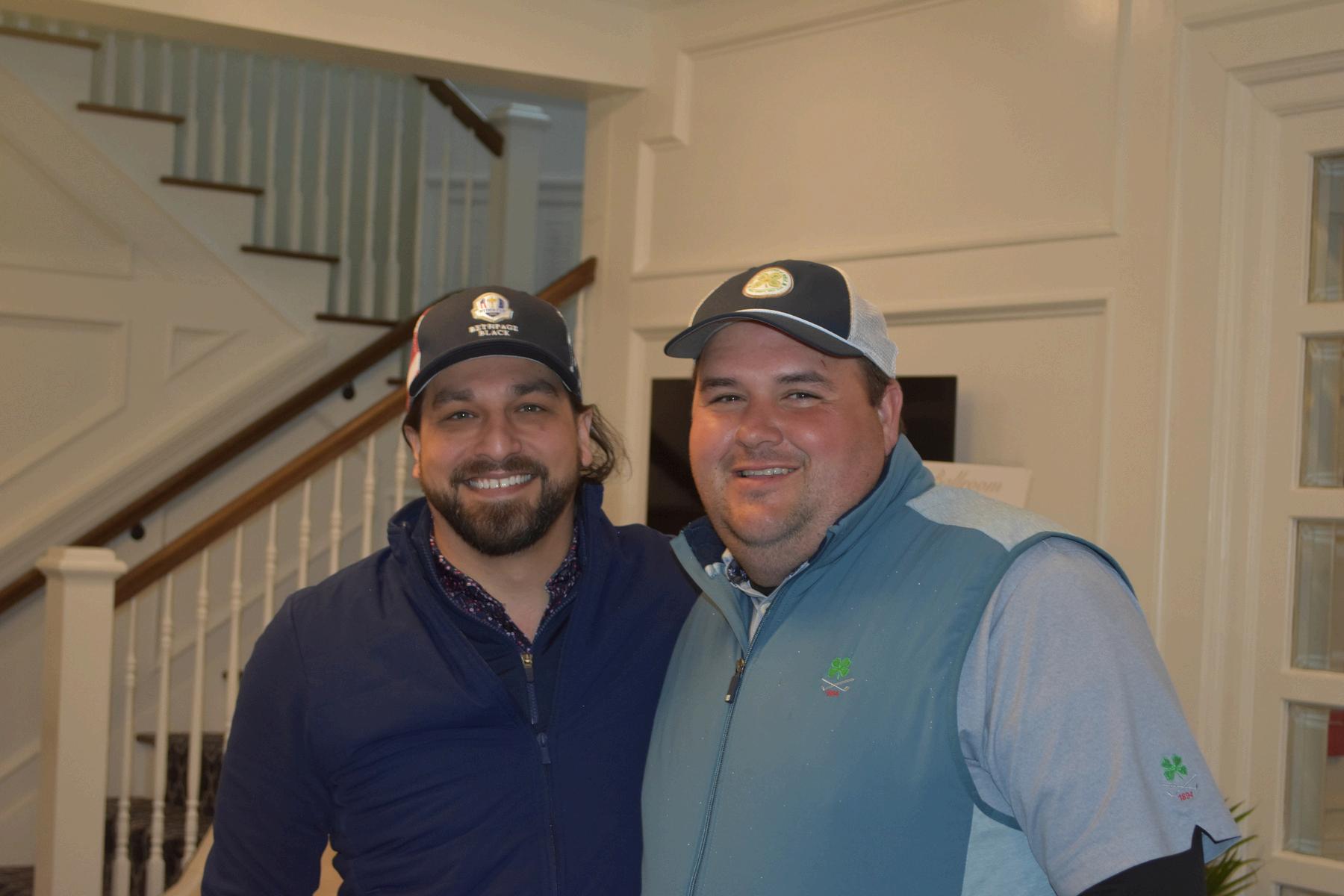
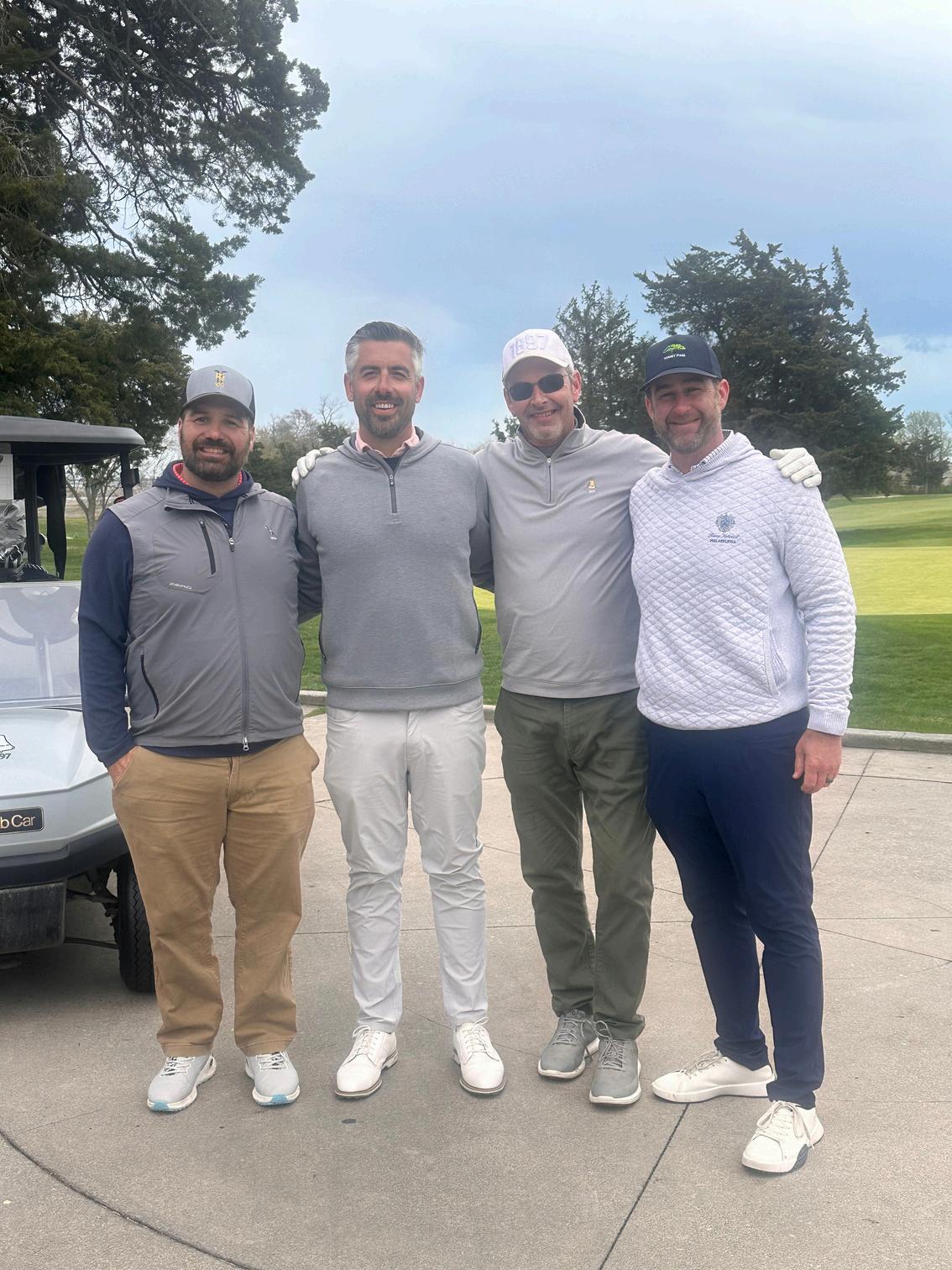
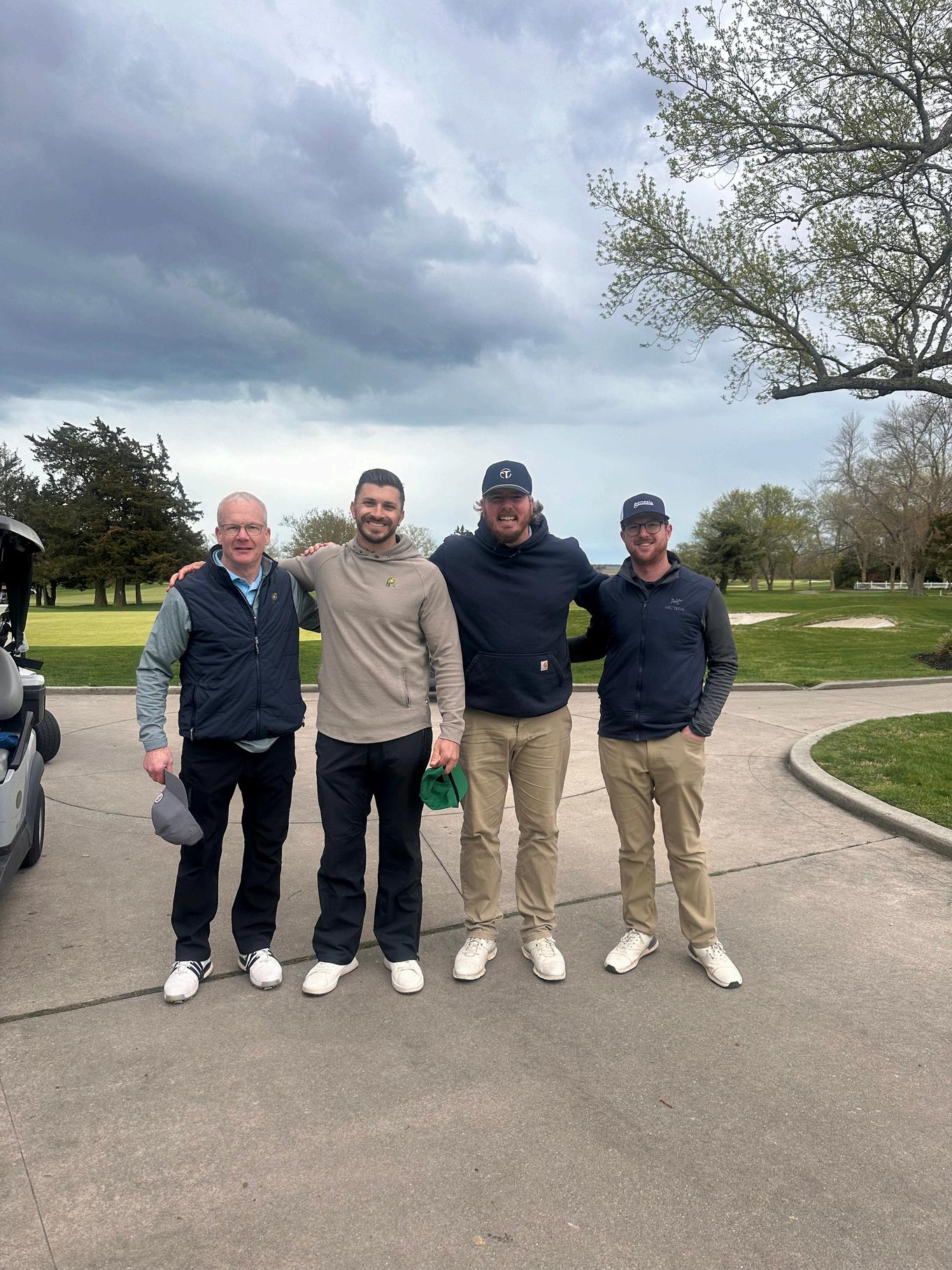
The Rutgers Turfgrass Classic started as a modest dream. It was created to provide an additional revenue source to help the Rutgers Turfgrass Program continue its many research studies while adding additional projects. The founders of this fundraiser were from the New Jersey Turfgrass Association, in conjunction with several professors at what is now the Center for Turfgrass Science Agreeing on a goal of $10,000, they put their plans into action.
30 years later, the Classic continues its only goal, to support the needs of the Rutgers Turfgrass Program. The original financial goal of $10,000 has increased to $100,000, with several years exceeding $150,000 The final numbers for this year haven’t been determined yet, but everyone is sure this event has been very successful. The main reason for this confidence is that a new attendance record was set The club will charge us for 424 players because that is the number of people who committed to playing. We unfortunately had to turn people away As expected, we had several cancellations, but every student from the turfgrass program who volunteered for registration and hoped to play did join a team. Our real number should be around 418 players That was an extraordinary number on an extraordinary golf course on an extraordinary weather day.
A question we asked is where do these players come from? The answer is that almost every segment of the turfgrass industry was represented. There were 13 Premier Sponsors who brought 224 players There were 7 Eagle Sponsors (56 players) and 6 Birdie Sponsors (24 players, including the GCSANJ/Foundation, The NJTA/Foundation, and The CTS) The seed industry was also part of that number There were 7 associations, including the USGA. Included among the numbers above were 75 superintendents, and many of them worked with 16 different distributors Rutgers had 26 staff members play independently, with the 11 students filling in where needed. Lawn care and landscape teams always attend, along with 2 tree companies, 2 sod
companies, 3 golf course architects, 11 commercial companies, 2 golf courses, 1 family, and, for good measure, 1 representative from a cemetery )
This Classic was the final Classic for Cece Peabody and Shaun Barry, leading the event. Angela Adamchak is taking over from Cece, but Angela has worked side by side with Cece for 17 years, so the transition has been smooth. Donovan Maguigan and Jason Osterhoudt are now joint chairmen for the Classic, but hopefully they will allow Shaun to stay involved.
Put May 3rd, 2027, on your calendar so you don’t miss the largest and most successful one-day turfgrass research fundraiser in the world!





DIAMOND SPONSORS






PLATINUM SPONSORS

GOLD SPONSORS















SPONSORS







A.G. ENTERPRISES
Staff Uniforms
Rick Gordon
Ph: (Cell) 201.741.4500 Fx: 201.575.4140 merrick160@gmailcom agenterprisesonlinecom
AUTONOMOUS MOWING SOLUTIONS
Sales & Support for Autonomous Mowers, Ball Pickers, Solar Chargers, Battery-Powered Hand Tools
Chuck Nowicki
Connor Sinibaldi
Ph: 848.365.4687 nowicki@autonomousmowingsolutions.com autonomousmowingsolutions.com
AQUATROLS COMPANY
World leader in the development of soil surfactants and wetting agents. www.aquatrol.com
Kevin Rundstrom
Ph: 856.287.9258 krundstrom@aquatrols.com
BASF
Plant Protection & Plant Health Products, Fungicides, Herbicides, Insecticides
Jarad Luknicki
Ph: 914 334 2412
JaradLuknicki@basfcom
Paul Ramina
Ph: 9084132944 paulramina@basfcom
BLOOMING BEDS
Plant Care Services
Wayne Jackson
Ph: 973.937.7009 www.bloomingbeds.com wayne@bloomingbeds.com
DOUBLE ‘D’ TURF LLC
Dennis DeSanctis Jr. & Sr. Aeration Products, Equipment Sales and Services
Ph: 732.580.5516
Dennis Jr@doubledturf.com doubledturfcom
Carbon-based fertilizers
Jack Higgins
Ph: 484.894.0242
hwww.earthworksturf.com
jack@soilfirstcom
ENVU
Turf and Ornamental Solutions
Patrick Quinlan
Ph: 9737153362
Jay Long
Ph: 7184966900
www.envu.com
EWING OUTDOOR SUPPLY
Irrigation & Turf Products
Rain Bird Golf Distributor
Fred Rapp
frapp@ewingos.com
Ph: 848.225.4618
Rick Shriver
Ph: 240.243.8516
rshriver@ewingsos.com
Dave Szegda
Ph:609-947-5507
E-Z-GO/ FORZA GOLF CARS
Tri-State E-Z-GO Distributor
Nick Roberto
E-Z-GO, Cushman
Ph: 8456377641
nroberto@forzagolfcarscom
Andy Bulizak
Ph: 9736177478
abulizak@forzagolfcars.com
FINCH TURF
John Deere Golf Course & Sports Turf
Maintenance Equipment
Joey Wolff
jwolff@finchturf.com
Russ Harris
rharris@finchturf.com
Cell: 609.498.4031
FISHER & SON COMPANY
Cell:410.215.6921
Zach Owen: 6094547727
Brandon Perrine: 6092761939 mweber@fisherandsoncom GRASS ROOTS, INC.
Service, Technical Support & Quality Products! wwwgriturfcom
Keith Kubik: 973.418.7034
Keith Bennett: 908.489.6769
Nick Alley: 570.875.8100
Mike Handley: 973.769.8219
Kevin Tansey: 609.618.0462 sales@griturf.com
GENESIS TURFGRASS
Achieve green excellence with convenient delivery and expert service!
Ben Brace 570.472.1248
Ryan Burbridge 5708321745
Todd Cowing 4437900013 genesisturfgrasscom
HARRELL’S LLC
Growing a better world by providing agronomic expertise, programs & products.
Josh Kopera: 201.213.8693
jkopera@harrells.com
Jen Schneider: 732.828.0895
jschneider@harrells.com
Nick Adams: 609.221.5142
nadams@harrells.com
HELENA AGRI ENTERPRISES
People, Products, Knowledge
Tim Gerzabek
Cell: 609.221.9240
GerzabekT@helenaagri.com
Conor Geisel
Cell: 609.980.9355
GeiselC@helenaagri.com www.helenaagri.com
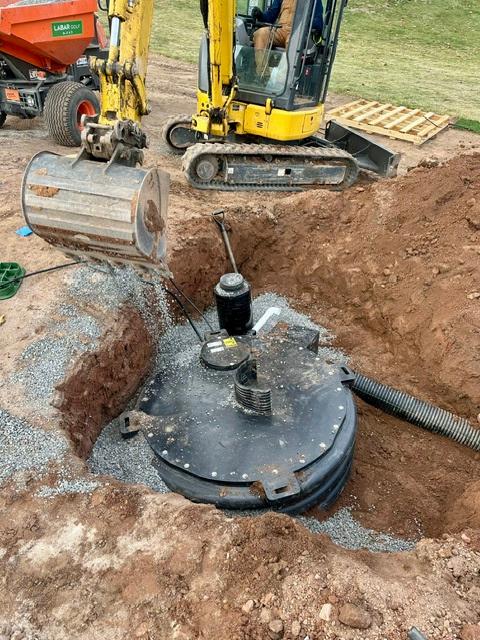
LABAR GOLF
Specializing in renovation, restoration, new construction, and irrigation installation, repair, and mapping.
Richard S. LaBar Jr. 150 Morristown Rd # 208 Bernardsville, NJ 07924
Ph: 908.502.5253 rich@labargolf.com
MITCHELLS PRODUCTS
Providing sand and other mineral aggregates to the golf and turf markets. Ph: 856.327.2005
www.mitchellsand.com info@mitchellsand.com
MTE EQUIPMENT SOLUTIONS
Commercial equipment featuring Husqvarna robotic mowers and Jacobsen mowers.
Jacob Gibson
Ph: 201.469.6050
jgibson@mte.us.com
888.708.5296 mte.us.com
NOBLE TURF
Brian Gjelsvik
25 Roland Avenue
Mt. Laurel, NJ 08054
Ph: 856.273.1402
briang@seetonturf.com
NUFARM
Chemical Manufacturer
Michael Molchan
25 Roland Avenue
Mt Laurel, NJ 08054
Ph: 6106537983
michaelmolchan@nufarmco
OMEGA TURF SOLUTIONS
Baroness dealership specialized in turf and golf course maintenance equipment
Matthew Castagna
Brad Fox
sales@omegaturfsolutions.com
Ph:(855) 288.4543
Office: 609.322.0798
PLANT FOOD COMPANY
Liquid Fertilizer Manufacturer
Grant Platz: 800.562.1291
Dick Neufeld: 973.945.6318
Tom Weinert: 914.262.0111
Tom Pepe: 609.751.1372
Rich Sweeney: 609.580.0402
POCONO TURF
Matt Paulina
Sales Representative, PA & NJ 6108836108
mattpaulina@gmailcom wwwpoconoturfcom
SITEONE LANDSCAPE SUPPLY
Landscape Supplies, Hardscapes, Nursery, Irrigation, Agronomics
Frank Jacheo: 732.489.1442
fjacheo@siteone.com
Fred Stauffer: 317.518.2841 fstauffer@siteone.com
STORR TRACTOR COMPANY
Commercial Toro Turf & Irrigation
Equipment Distributor
Jim Devaney
3191 Highway 22, Branchburg, NJ
Ph: 908.722.9830
Cell: 973.713.3599
jdevaney@storrtractorcom
STEPHEN KAY GOLF COURSE ARCHITECT
Master Planning, Drainage Design & Restoration
665 Saint Andrews Drive
Egg Harbor City NJ 08215
Ph: 6097033300
stephenkgolf@aolcom
SYNATEK SOLUTIONS
Shaun Kennedy Injection, Fertilizers, Chemical Products, Seed, Wetting Agents, Husqvarna
Ph: 862.266.9288
skennedy@synateksolutions.com
SYNGENTA
Manufacturer, Plant Protectants
Doug Rider
Cell: 215.260.9137
Douglas.Rider@syngenta.com
TODÉ LANDSCAPE
Golf Course Landscaping
Specializes in Bed and Garden Maintenance, Large Shade Tree Planting, Hardscape, and Landscape
Michael Todé
53 Spruce Street Oakland, NJ 07436
201-652-1524
Todelandscape.com
WILLOW'S BEND
Golf Course Irrigation Pump Station
Sales & Service
Scott Scherer
Ph: 908.837.9102
scott@willowsbend.com
Stephen Budrecki Ph: 732.354.9668
steve@willowsbend.com