

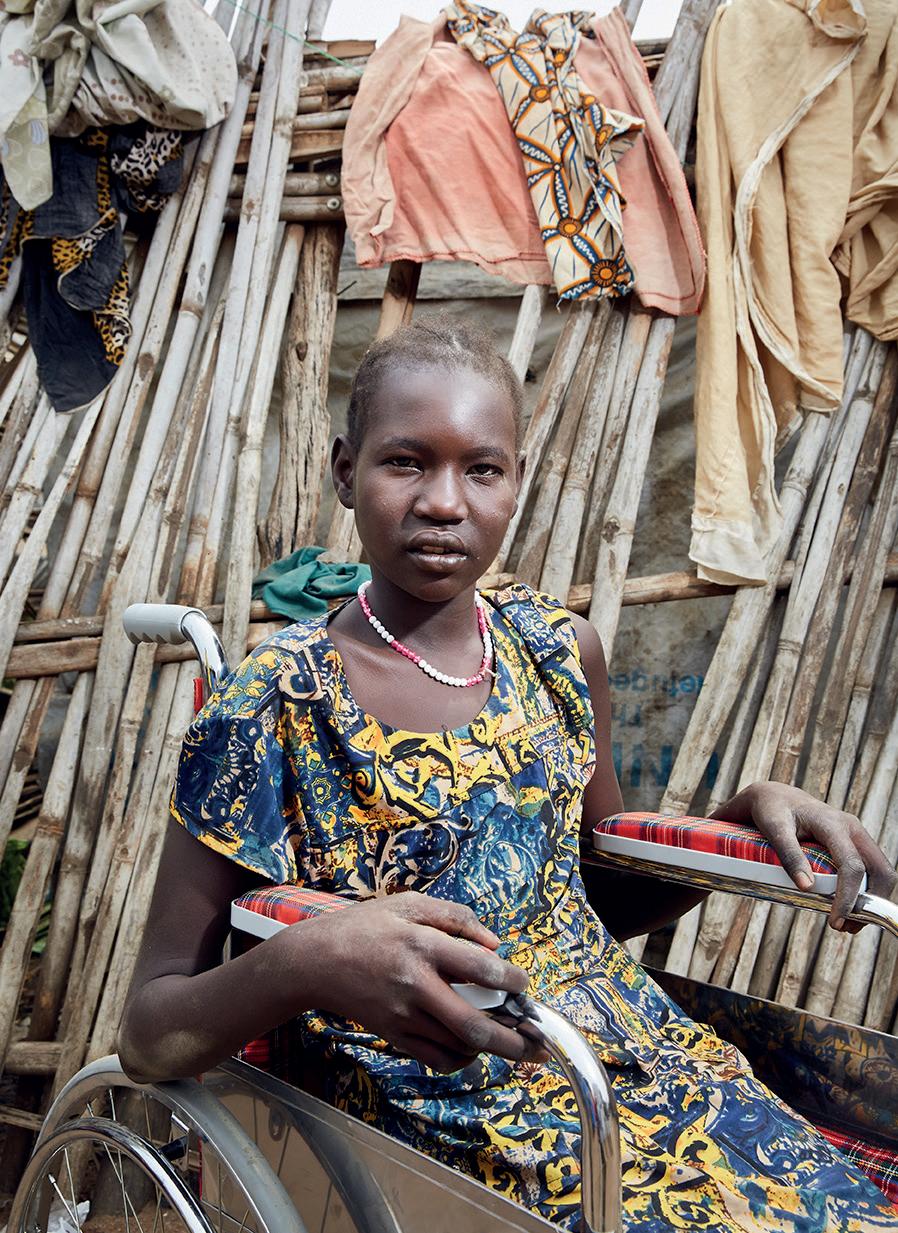
In this Annual Report, we inform you about the project, progress and participants of We are Able! in 2025.
// Introduction We are Able! PAGE 2-3
// Inspiring story from Ethiopia PAGE 4
// 2025 in Facts and Figures PAGE 5
// The story of Jida Samia in Uganda PAGE 6
// Key Challenges PAGE 7
// Results per country PAGE 7-9
// People we serve PAGE 10-11
We are Able! works towards disability inclusive food security by fostering enabling environments in six fragile and conflict-affected countries in Africa.


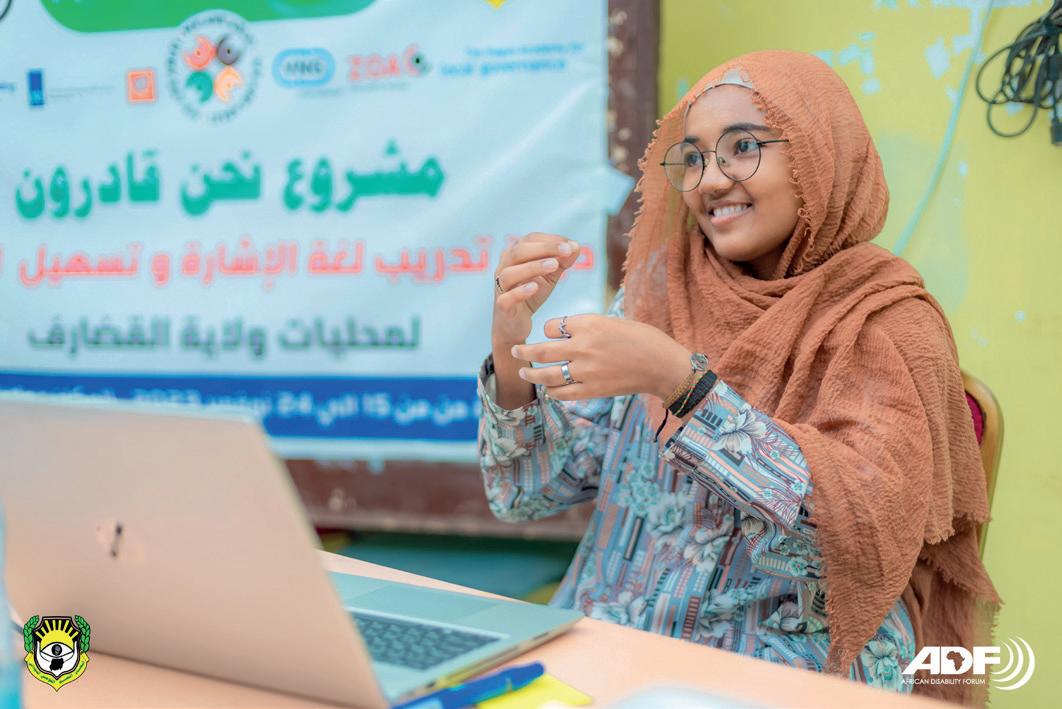
To achieve this mission, three paths are taken:
Pathway 1:
Community mobilization and raising awareness among citizens
Pathway 2:
Strengthening Organisations of People with Disabilities (OPDs) and Civil Society Organisations (CSOs)
Pathway 3:
Engagement of local and national public authorities into a dialogue on the food security of persons with disabilities through Lobby and Advocacy
This leads to a situation where men, women and youth with disabilities organized in resilient and capable OPDs/CSOs have the capacity to conduct effective Lobby and Advocacy and actively engage with (in)formal public authorities and other relevant stakeholders to influence laws, policies norms and practices for improved food security for all.

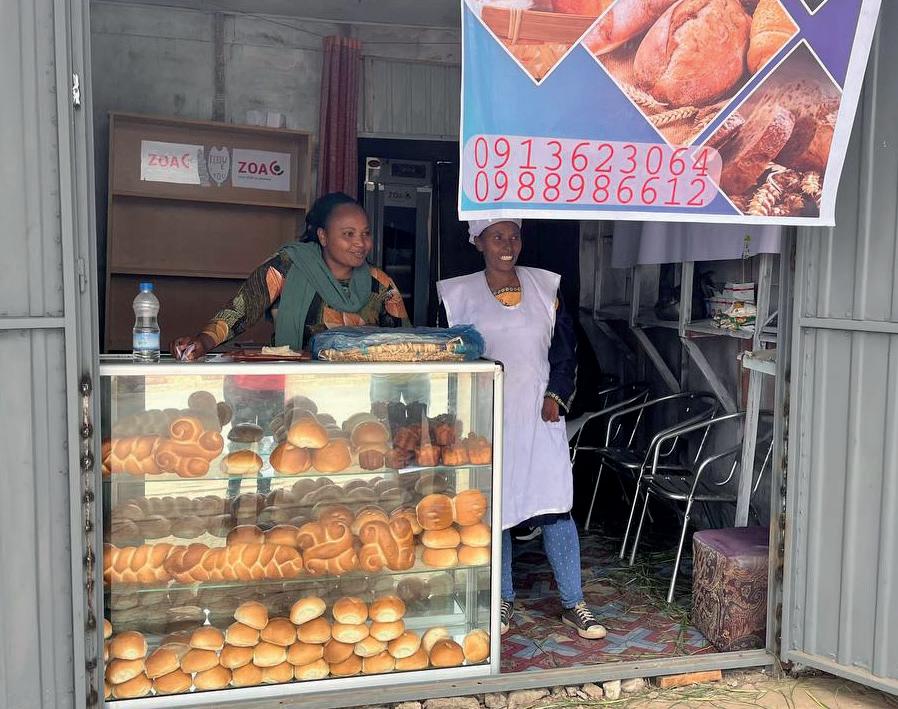
Urban refugees with disabilities in Addis Ababa, Ethiopia, face persistent discrimination and limited economic opportunities. The We are Able! (WaA!) programme set out to change this by equipping individuals with the skills and support needed to build sustainable livelihoods. So far, in this city, the programme has empowered 36 participants—19 urban refugees and 17 host community members—and established four inclusive Income Generating Activities (IGAs), including two bakeries and two stationery shops. Each group received startup materials, seed capital, business training, and ongoing coaching, along with connections to business partners like INKOMOKO for long-term growth.
One of the most inspiring successes comes from a bakery group formed by seven urban refugees and three Ethiopians with disabilities. Before joining WaA!, many struggled to secure stable income due to social and economic barriers. With targeted training and consistent support, they turned a shared dream into a thriving enterprise. Today, their bakery produces affordable, high-quality bread and baked goods for the local community.
This bakery represents more than economic success, it stands as a symbol of resilience, teamwork, and inclusion. The WaA! initiative is not only helping participants generate income; it is building confidence, strengthening social connections, and demonstrating that when opportunities are inclusive, everyone can contribute and succeed.
The We are Able! programme completed its fifth year in 2025, making notable progress across several countries in promoting disability inclusion, particularly in governance, food security and livelihoods, and social services.
In 2025, We are Able! partners came together in The Hague to reflect on five years of strengthening disability inclusion across six countries. The annual meeting highlighted key achievements, ongoing learning, and the shared commitment to ensuring that people with disabilities can participate fully in their communities. During the International Day of Persons with Disabilities, the consortium launched Everyone Counts, a report with practical recommendations for embedding inclusion into policies and systems.
Across all countries, Organisations of Persons with Disabilities (OPDs) grew in confidence and influence, working more closely with local governments and communities. This led to more inclusive policies, better accessibility, and stronger participation—whether through new policy measures in Burundi and DR Congo, the scale-up of inclusive approaches in Ethiopia, or continued progress in South Sudan and Sudan, despite difficult contexts. In Uganda, collaboration between OPDs and government resulted in concrete improvements such as more inclusive land registration.
Partners emphasised the strength of the consortium and shared lessons on improving accessibility, communication, and long-term policy support—helping to ensure that inclusion becomes standard practice in development work.
A total of 36,699 individuals participated directly in the project and the number of indirect beneficiaries is estimated at 146,600.
Across all countries, the shift of power approach has enabled OPDs to manage resources, lead on implementation, and influence decision-making. By directing budgets and authority to OPDs, as well as to local governments, the consortium strengthened accountability, fostered joint ownership, and created durable mechanisms for inclusive governance that will continue beyond the We are Able! programme.
1. Stronger and more influential OPDs OPDs strengthened their organisational capacity and gained better access to resources, direct funding, and training. This enabled them to participate more effectively in policy dialogue and community decision-making, and to be recognised as legitimate partners advocating for inclusive services and rights.
2. Inclusive governance embedded into systems and policies
Through structured platforms and consultation mechanisms, OPDs, civil societies, and government actors collaborated more consistently. These mechanisms helped integrate disability inclusion into public policies, service delivery, and sector reforms, especially in food security, livelihoods, and social protection.
3. Improved access to livelihoods and basic services
Inclusive agriculture initiatives, savings groups, land rights work, and financial inclusion efforts expanded livelihood opportunities for persons with disabilities. Access to social protection, assistive devices, and community support improved resilience, economic participation, and food security.
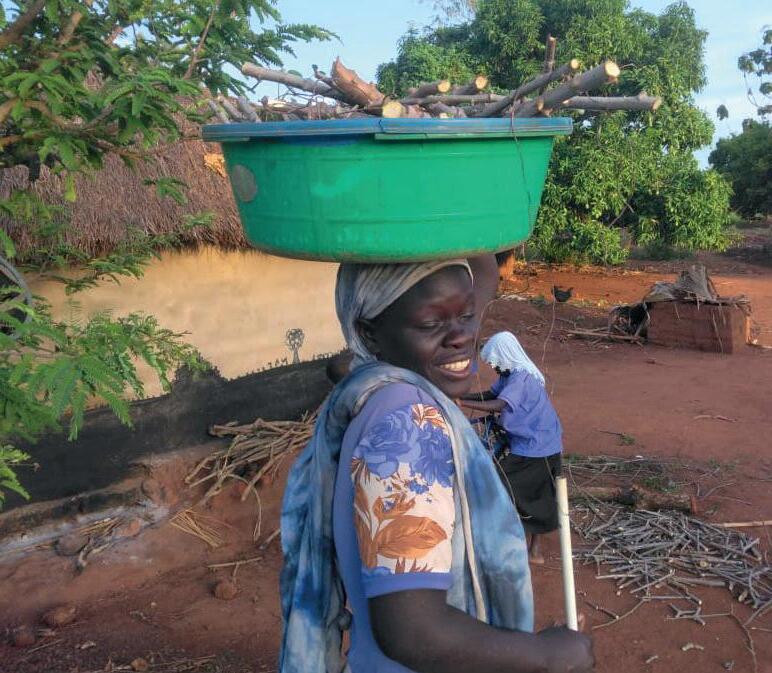
At age 24, Jida Samia’s journey shows how an integrated approach can transform both lives and systems. She was born with a visual impairment and lost her father at a young age. Jida grew up without access to education, skills, or self-confidence. She relied on begging for handouts for years, excluded from community discussions and unable to envision a different future.
Her turning point came in 2021 when the We are Able! programma introduced the iSAVE model in her community. After joining the local iSAVE group, Jida received financial training through PIP (Participatory Integrated Planning) and livelihood sessions. She began farming, saved consistently, and later expanded into a small retail shop. She even renovated a kiosk that now provides her with rental income. By 2024, her savings had reached USD 115, and she aimed to grow that to USD 135.
Beyond economic support, WaA! connected her to the Yumbe District Union of Persons with Disabilities, where she developed leadership skills and confidence. Today, Jida serves on the District Council for Persons with Disabilities, influencing government programmes and advocating for disability inclusion.
Her transformation, from struggling for survival to becoming a community leader, highlights the power of combining economic empowerment, OPD strengthening, and engagement with public authorities.
Project outcomes in the six countries were adversely affected by both human actions and natural causes.
Three major contextual challenges emerged as a result.
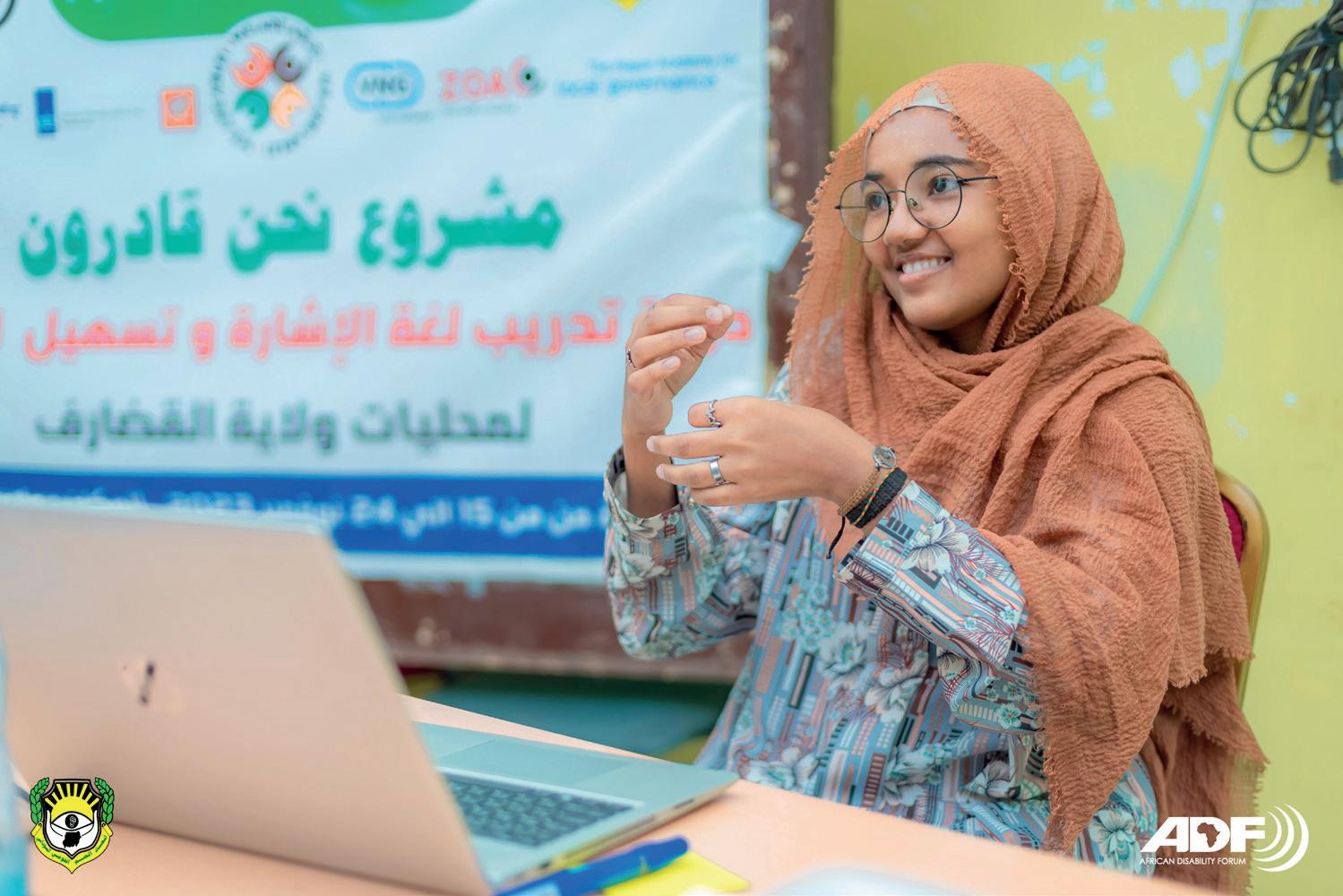
Sudan’s ongoing conflict displaced millions and disrupted communities across Khartoum, AlJazirah, and other areas. Insecurity and bureaucratic restrictions severely hindered project activities and advocacy work. Government instability delayed approvals of key disability inclusion and food security policies, limiting WaA!’s influence.
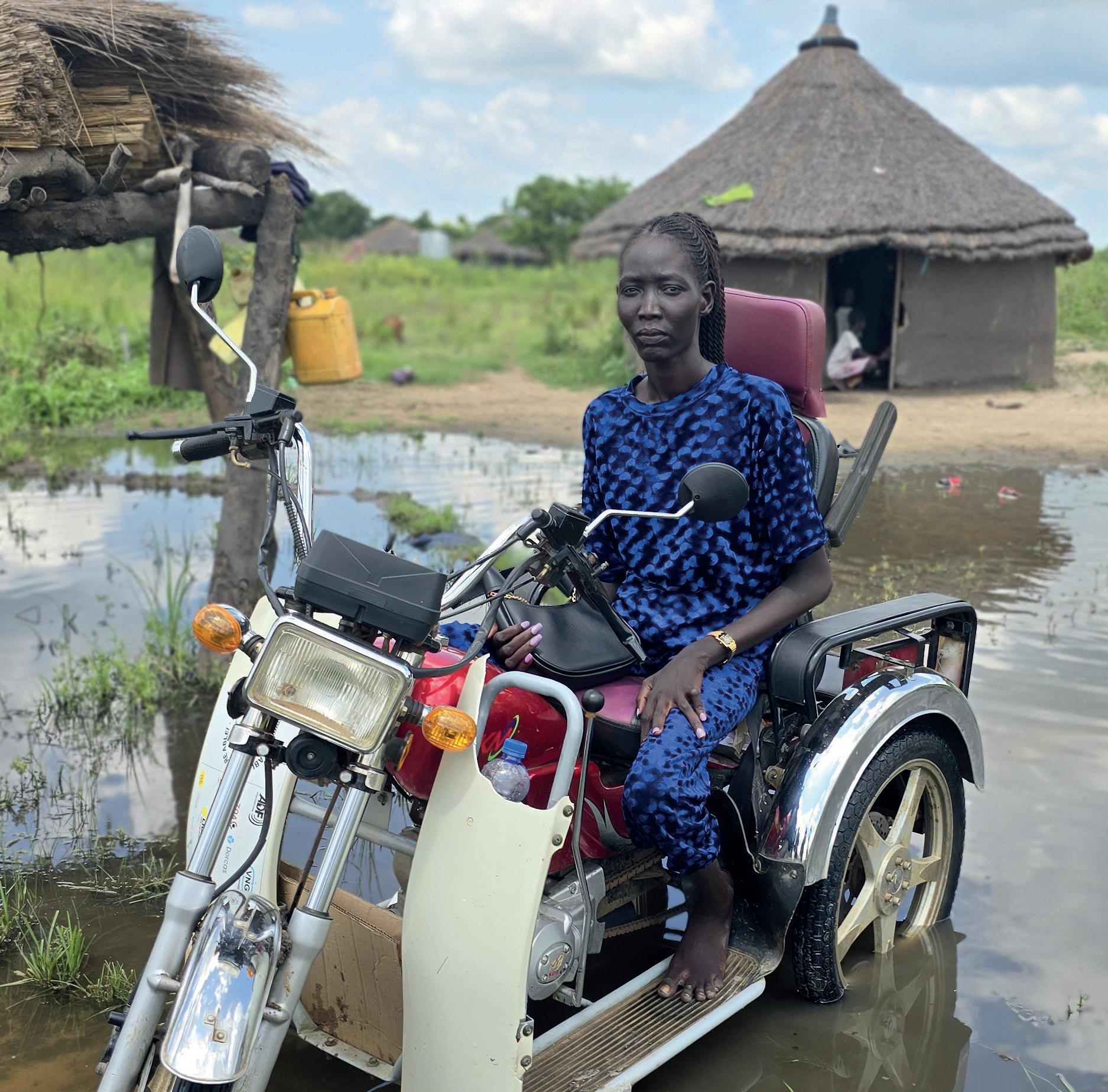
South Sudan faced ongoing conflict, displacement, and economic instability, driving one of the world’s worst humanitarian crises. Food insecurity affected up to 7.7 million people during the lean season, with malnutrition impacting over 2.1 million, mostly children and women. Returnees and refugees further strained resources, limiting service delivery and increasing reliance on humanitarian aid.
Uganda’s 2025/2026 election preparations increased political activity, including voter registration and civic education, but sometimes delayed project work. Climatic challenges in northern Uganda, such as heavy rains and high temperatures, disrupted agriculture and worsened food insecurity. Communities responded with climate-resilient crops and irrigation, though recovery remained slow.
2025 was a year of compounded political, economic, climatic, and security disruptions across all WaA! countries. Election periods in Uganda and Burundi, economic strain in Ethiopia, persistent conflict in South Sudan and Sudan, and armed insurgency in DRC collectively strained implementation capacity, limited partner engagement, and heightened the vulnerability of persons with disabilities.
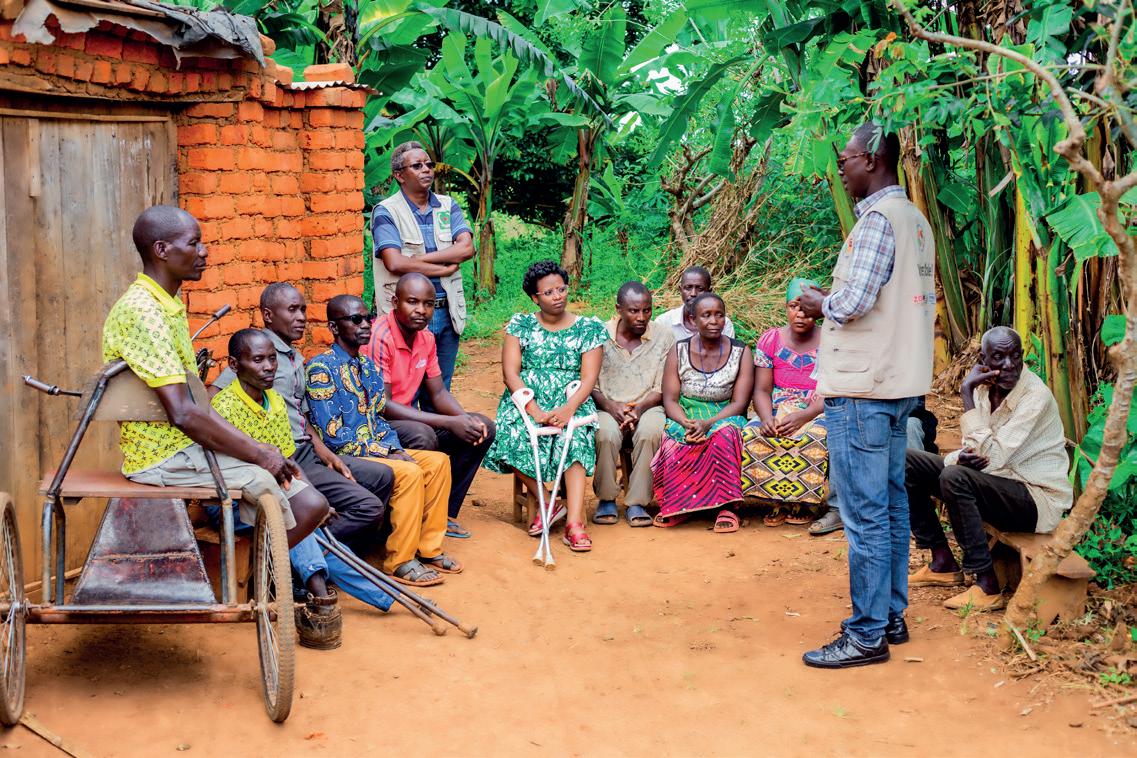
National advocacy workshops on land rights enabled women with disabilities to claim inheritance and register property with support from communal land services, strengthening their economic independence and participation in local development. The programme also helped revise the Individual and Family Code to better protect the property rights of women with disabilities, including unmarried and single mothers. A major milestone in Burundi was the establishment of the National Confederation of Organisations of Persons with Disabilities in 2025, which allows for political representation at the national level.
Strengthened OPD capacity and inclusive governance contributed directly to the ratification of Ethiopia’s national disability policy. Expanded economic empowerment initiatives, financial inclusion measures, and improved access to services significantly enhanced food security and participation of persons with disabilities.
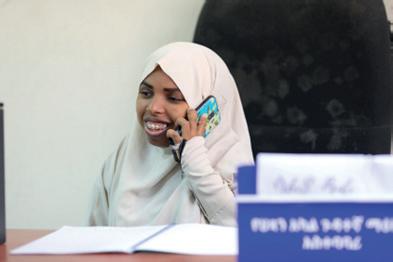
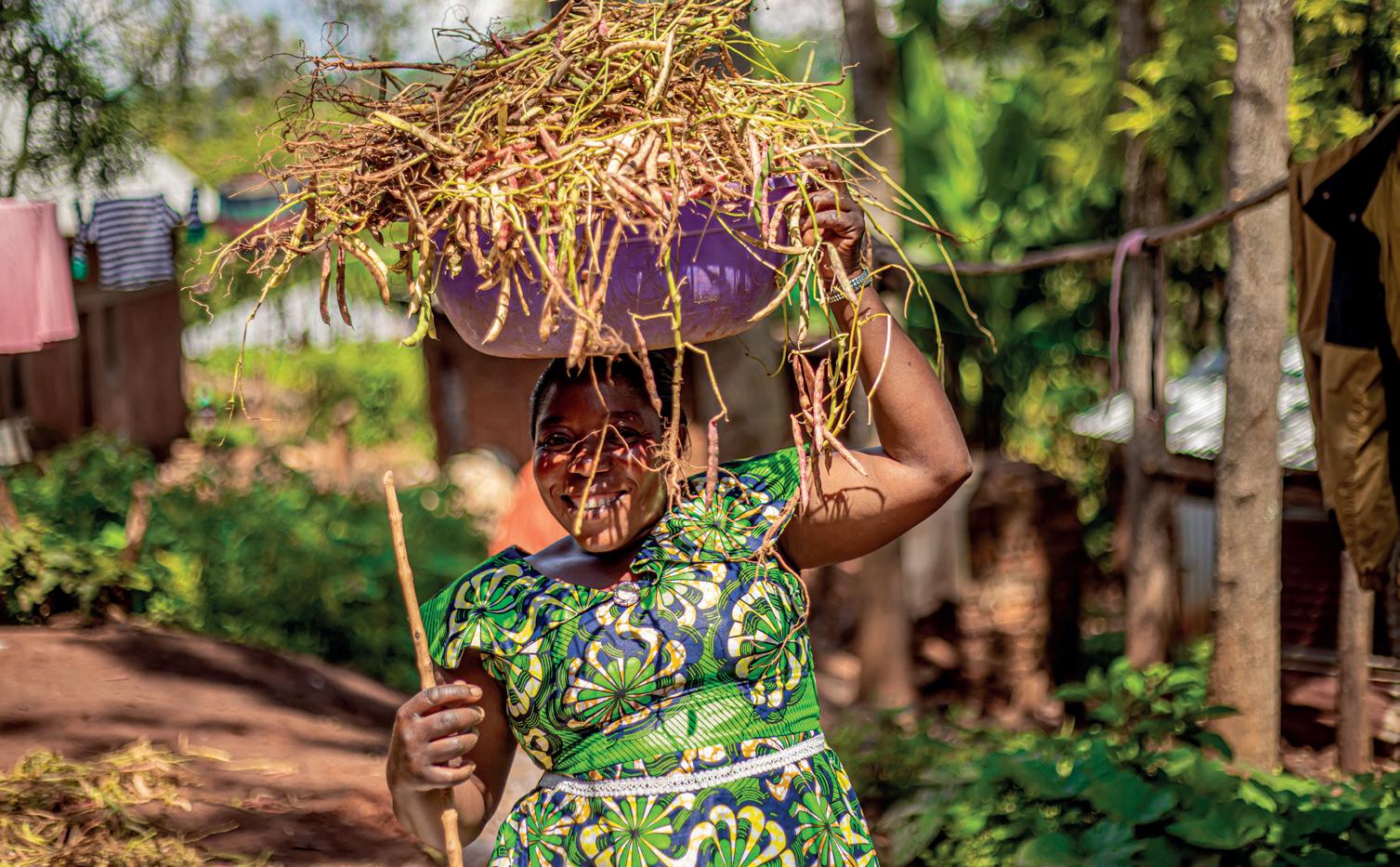

A national OPD platform and a multi-ministerial task force were established, creating a formal mechanism for OPDs to review and influence draft decrees on inclusive food security. This institutionalised OPD engagement represents a major shift toward sustained, structured participation in national governance.
Government alignment with the African Disability Protocol strengthened commitments at local and national levels. Collaboration between OPDs, CSOs, and land authorities resulted in the successful resolution of land disputes and the broad implementation of Local Inclusion Agendas (LIA). This improved food security and increased participation, especially for women with disabilities.
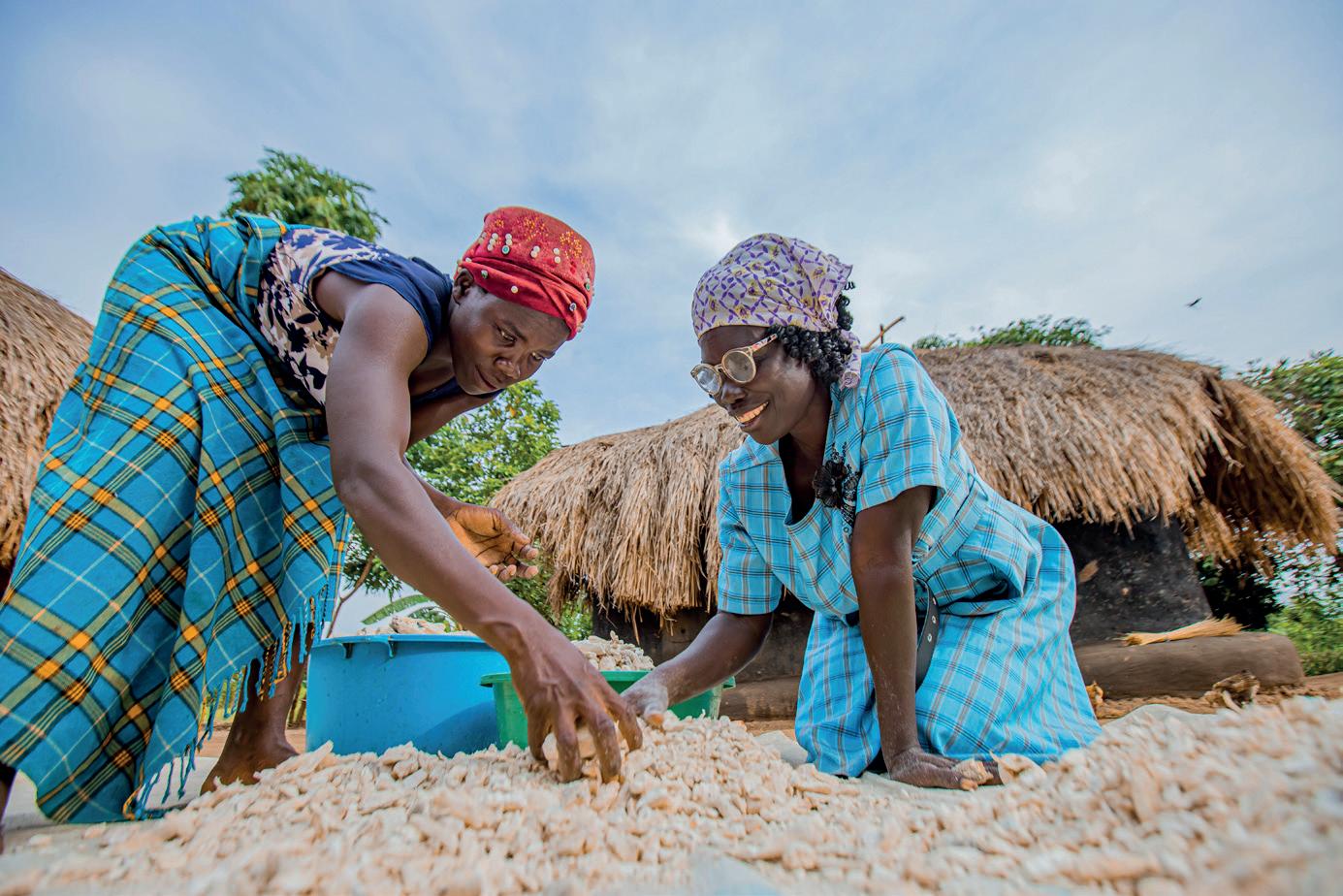
Policy dialogues resulted in drafting the National Disability Bill and Action Plan. Local Inclusion Agenda processes improved accountability, participation, and land ownership, while inclusive agriculture and savings groups enhanced self-reliance. Engagement with religious leaders broadened community acceptance and inclusion.

OPD advocacy contributed to major policy reforms, including increased employment quotas, national accessibility standards, and expanded social protection allocations. Direct funding to OPDs strengthened their autonomy and policy influence, while inclusive governance and LIA-driven initiatives improved food security and access to livelihood opportunities.
18,437
18,262
Total direct participants in 2025
36,699
The total number of people who benefitted is estimated at 146,600. These indirect project participants are people who do not participate directly, but nevertheless benefit, for example, through the implementation of policies or legislation. The exact number is hard to calculate. Estimations are based on the population numbers in the direct vicinity of the intervention areas.


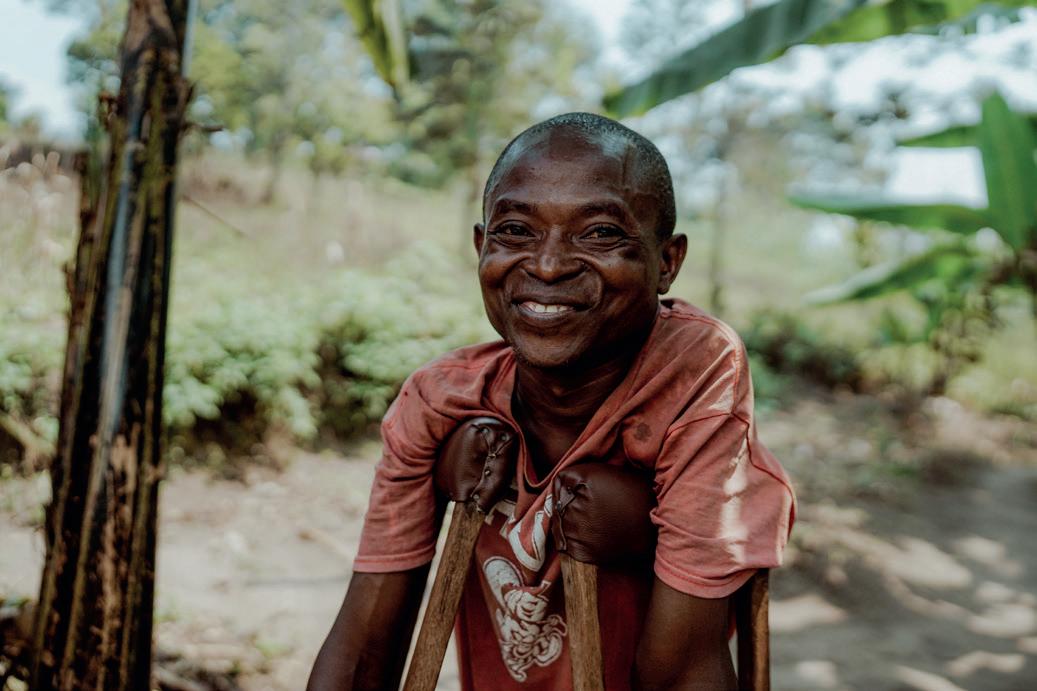










Project participants were individuals who directly took part in 2025 We Are Able! activities such as trainings, advocacy sessions, community dialogues, economic empowerment initiatives, and LIA processes, and whose participation was formally recorded by implementing partners.




* Participants without disabilities include family members, caretakers and other individuals within the target communities related to persons with disabilities that are affected socially or economically. Also public authorities, policy makers, cooperatives, Monetary Financial Institutions (MFIs), and religious leaders (targeted by our advocacy and disability mainstreaming) are part of this group.