


















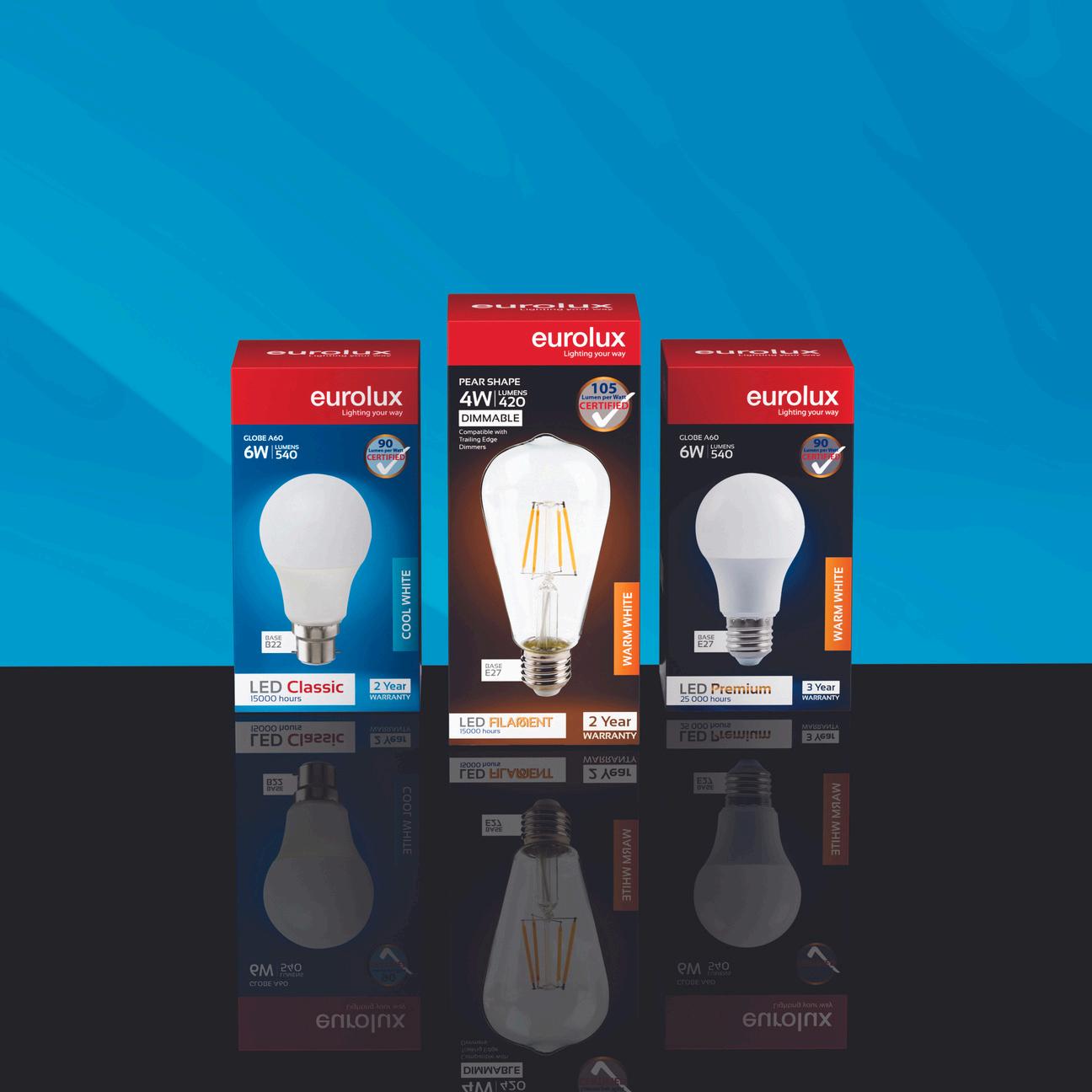
Until now there has been no standard minimum efficacy requirement on
lamp imports, which means you can easily buy lamps that are exceptionally inefficient, they may burn brightly but the wattage consumption is high, so they use much more power than necessary
They often are of an inferior quality and pose heat and safety risks In fact, the South African market is flooded with lightbulbs which will not stand up to scrutiny for safety and longevity, are potentially harmful and highly inefficient, chewing through consumers’ power at a time we can illafford to waste electricity.
New Legislation is a game-changer. The new legislation ensures that our standards are aligned with international markets - the higher standards serve us as South Africans by ensuring that all imported lamps are efficient, safer and meet the minimum efficacy requirement to be legally imported.
Part of the new law is that a lamp must retain its advertised brightness level –
the lumens value indicated on the boxfor the full lifetime, whether it is 15000 or 25000 hours, and will not dim with age, which often happens.
The new minimum Rated Efficacy requirement works as follows:
Efficiency refers to energy usage of a lamp – so the light it provides relative to the power it consumes.
Light is measured in LUMENS and power in WATTS.
For any given lamp, by dividing the lumens output by the watts rating we get the lumen per watt rating.
Example: a 540 lumen, 6W A60 spec globe works out as follows:
540 lumens/6 watts = 90 lumens/watt
What this means for consumers is that a year from now any lightbulb that does not meet the new specification of 90lm/W should not be available in South Africa. This will last for two years, after which the even stricter specification of 105lm/W will apply.



ByTsholofelo Montwedi
Data from information and insights company TransUnion shows that South Africa’s car market is in
flux. A growing number of households are opting for one multipurpose car instead of maintaining multiple cars, with many substituting their transport demands with ride-hailing services or using subscription services.
As a consequence, sales of both new and used cars are suppressed What is interesting though, is the number of consumers buying second-hand cars that are more than five-years-old WeBuyCars reported in May 2024 that the average age of cars that they have traded recently is nine years
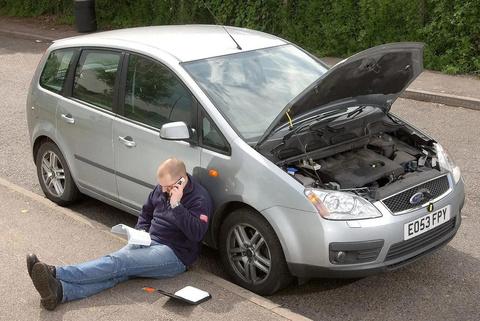
Listen for any strange rattles or squeaks. Make sure all the features work properly. The Consumer Protection Act dictates that sellers must disclose all defects, but a legal dispute will take time and money to resolve
King Price Insurance data confirms this trend, with quotes done for new vs pre-2019 models, from November 2023 to May 2024, are on par Another insight to note is that owners of old car models see the value of having comprehensive car cover, with 85% quotes done for such cover
“Comprehensive car insurance is the responsible choice. It covers you for accident damage, theft and hi-jacking, and your liability for damage you accidentally cause to other people’s property, which can run into millions of Rands
If you can’t afford to cover these costs out of your own pocket, comprehensive insurance is the only way to go, no matter when your car was manufactured ” In addition, comprehensive insurance is compulsory if your car is financed
King Price’s client experience partner Wynand van Vuuren shares some tips for those in the second-hand car market:
Check your budget for affordability, and factor in interest rate hikes if you’re going to finance a car. If you opt for a balloon or residual amount, you need to be able to pay the outstanding balance when it becomes due You may also need to weigh up buying a maintenance or service plan vs saving for these costs
FirstCheck tells you a car’s current market value, its full service and accident history, whether it’s been stolen, and who owns it, as well as whether it’s still under finance, which affects whether it’s legally allowed to be sold
Having a car inspected by an independent party, like the AA, could limit unexpected repair and maintenance expenses down the line
If you’re in the market for a second-hand car, these points should help prevent an affordable option turning into a high-cost headache, says Van Vuuren.

Written by Jan-Hendrik De Villiers (https://www.capetownetc.com/news)
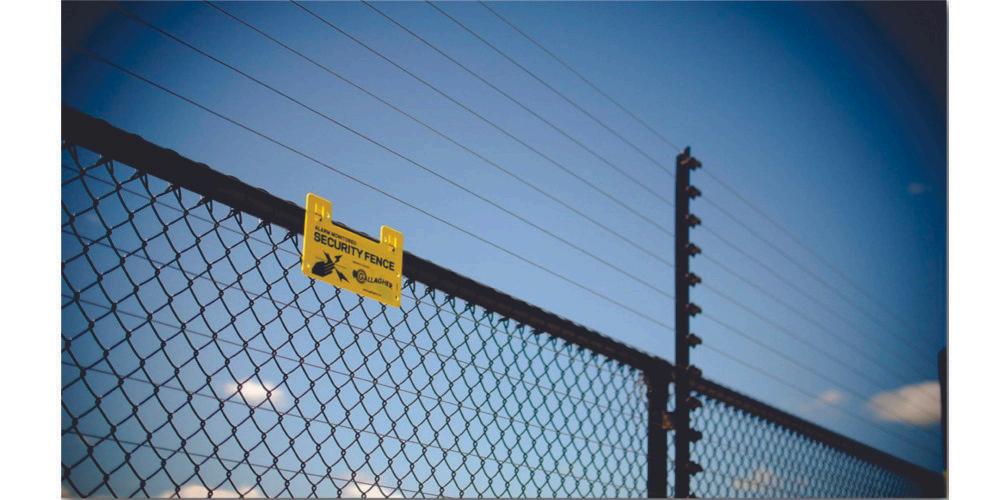
While the South African Bureau of Standards (SABS) published new safety requirements for electric fences last year in June, it was not ‘widely publicised’, so many people are not aware of the
new rules for the implementation of electric fences
The new requirements include material quality, warning signage, installation and maintenance, as reported by MyBroadband.
The amendment, named SANS 10222–3: 2023 Edition 5 1, includes several updates, with clauses on electric fences for domestic pet control, strip grazing, game control and specialised security fences. Additionally, a note was included on the installation of joints, along with updated ‘electromagnetic compatibility’ requirements
Annexes on lightning protection requirements and earthing were updated, while the annex on certification to add a ‘revamped one on inspection and tests’ was discarded
Gido Group, an electric fence, alarm and CCTV company, told MyBroadband that the updated standard included several fundamental changes New requirements include the placement and frequency of warning signs along the fence, for the purpose of ensuring visibility and awareness of the fence.
In urban areas, the maximum distance between signs should be ten metres, but according to the updated standard, warning signs should be placed at the corners of the property as well as over gates.
These gates include ‘vehicle and pedestrian gates’ The standard further included more detailed instructions on ‘proper grounding and earthing’ of electric fence systems to prevent electrical hazards, according to Douglas Deerans, Gido Group manager
Conduits for the cabling from the fence to earth spikes are required for inspection purposes, meaning that it is prohibited for the cable to be buried Protocols for ‘testing and certification’ to ensure compliance with modern safety standards were also updated, Deerans added
These protocols include inspection that should be performed regularly, with set minimum maintenance schedules, to ensure the electric fence remains in a ‘safe working condition’
Enhanced testing methods to verify the safety and functionality of the electric fence systems after they are installed are also compulsory, according to the new standard
The standard further specifies that components classified as highergrade materials, such as wires and insulators to enhance durability and safety, should be utilised
‘These updates focus on improving overall safety and ensuring better performance of electric fence systems,’ said Deerans
According to the Electrical Contractors’ Association of South Africa (ECASA), electric fences were ‘unregulated’ until they became more common in cities and suburbs
The amendments tightened up the industry and made it compulsory for electric fence installers to undergo tough training before being able to register with the Department of Labour as an Electric Fence System Installer,’ according to ECASA In the case of a customer having a complaint, contractors can supply their Electric Fence System Installer (EFSI) number to customers
In the case of installer misconduct, such instances can be reported to the Department of Labour and the chief inspector can ‘cancel their accreditation’
Deerans stated the importance of ensuring your electric fence is compliant for insurance purposes and while having a certificate of compliance (CoC) is important, many insurance companies will investigate a claim further
This is to ensure if an electric fence installation is up to standard, with or without a certificate A customer’s claims will only be rejected if they cannot produce a certificate and their electric fence installation is not up to standard

By businesstech.co.za
resident Cyril Ramaphosa, Electricity and Energy Minister Kgosientsho Ramokgopa, Eskom CEO Dan Marokane, and energy experts warned that load-shedding could return
On Friday, Eskom celebrated 107 days of constant power supply, 73 of which fall in winter when demand is higher than normal The last time South Africa experienced such a prolonged suspension of load-shedding was nearly four years ago, between 08 September 2020 and 11 December 2020
This created a false impression that load-shedding was over and that Eskom’s electricity supply shortage had been resolved
President Cyril Ramaphosa cautioned against this optimism, saying the electricity system remains finely balanced.
Our electricity system remains vulnerable, and we cannot yet rule out a possibility of further load shedding,” Ramaphosa said He urged the new Government of National Unity (GNU) to continue reforming the electricity sector by increasing private participation
Electricity and Energy Minister Kgosientsho Ramokgopa has also warned that Eskom can suffer setbacks, which could lead to load-shedding returning.
“We are still working on the reliability of these machines, and that’s why you can’t speak with great confidence that loadshedding is behind us,” he said
Ramokgopa added that the view that load-shedding is over is a false claim that can’t be substantiated Former Reserve Bank deputy governor Kuben Naidoo warned that load-shedding will be reintroduced once the mining industry begins to ramp up production
“I think half of the reason we don’t have load shedding is because the mining sector is in a deep recession,” Naidoo said “If you switch on the mining sector, load-shedding will return, so we still need to continue investing in renewable energy and other energy sources to break that constraint.”
Eskom CEO Dan Marokane said despite the significant improvement in recent months, they have not revised the forecast shared at the end of April
Eskom predicted that there would be load-shedding during winter, but it would be limited to stage 2
Marokane said that Eskom needs to stay below 14,000 MW of unplanned outages to reduce the intensity and frequency of load-shedding
If unplanned outages increase to 15,000 MW, Eskom’s Winter load-shedding prediction will take effect, and the country will experience load-shedding again up to stage 2.
Eskom’s latest weekly system status report substantiates Marokane’s views about breakdowns, demand, and loadshedding.
The forecasted demand versus available generating capacity for each week for 52 weeks ahead paints a concerning picture
Energy analyst Chris Yelland also expects load-shedding to return when a cold spell hits and electricity demand increases. Yelland said that while the intensity and regularity of loadshedding may have significantly reduced, power cuts will still happen.
Another factor in reducing load-shedding is a warmer-than-usual winter and lower demand due to households and companies cutting their reliance on Eskom
This is unlikely to last, as demand will ramp up during a cold snap and when big industries begin to grow their output again.
The likely risk scenario shows that Eskom will have a shortfall of over 2,000 MW to meet demand and reserves
Eskom uses colour codes ranging from green (no shortage) to red (worst case), indicating the absence or presence of a capacity constraint, as shown below:
Green – Adequate generation to meet demand and reserves. Yellow – Smaller than 1,000 MW, possibly short to meet reserves
Orange – 1,001 MW to 2,000 MW, definitely short to meet reserves and possibly demand
Red –
Over 2,001 MW short to meet demand and reserves
The outlook over the next year, embedded below, shows that the likely risk scenario is red for most of the 52 weeks






By Bianke Neethling (https://mybroadband.co.za/new)
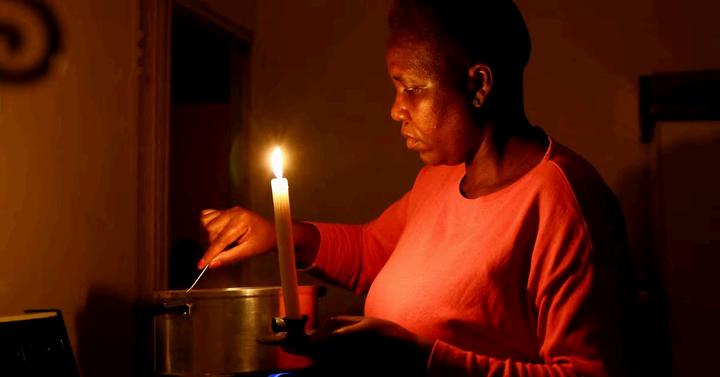
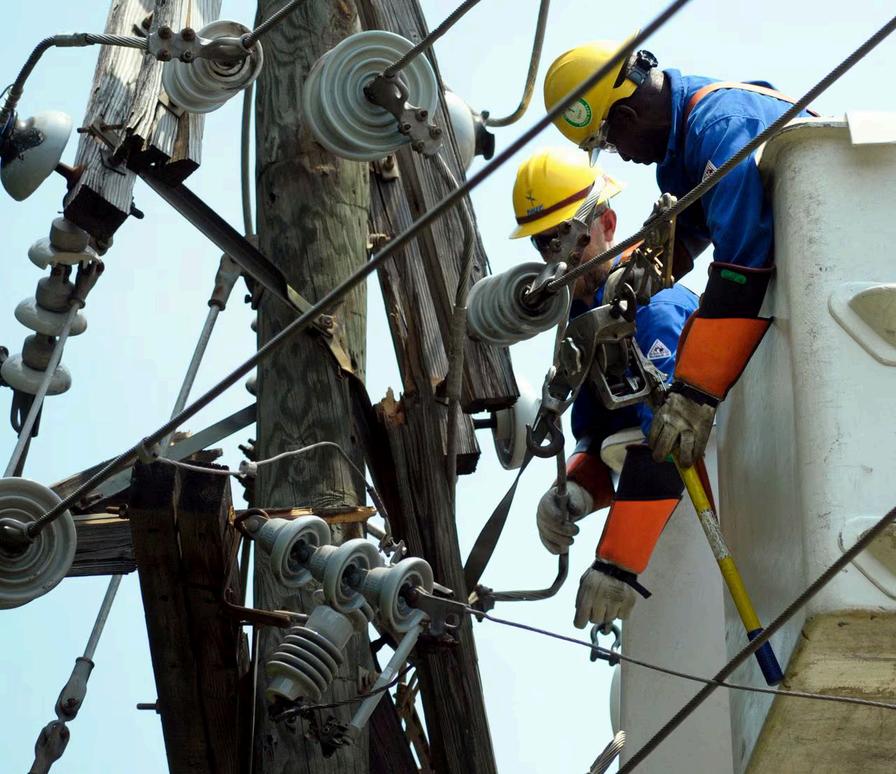
Municipal underinvestment in electricity distribution infrastructure is a crisis that has left many South African households in the dark
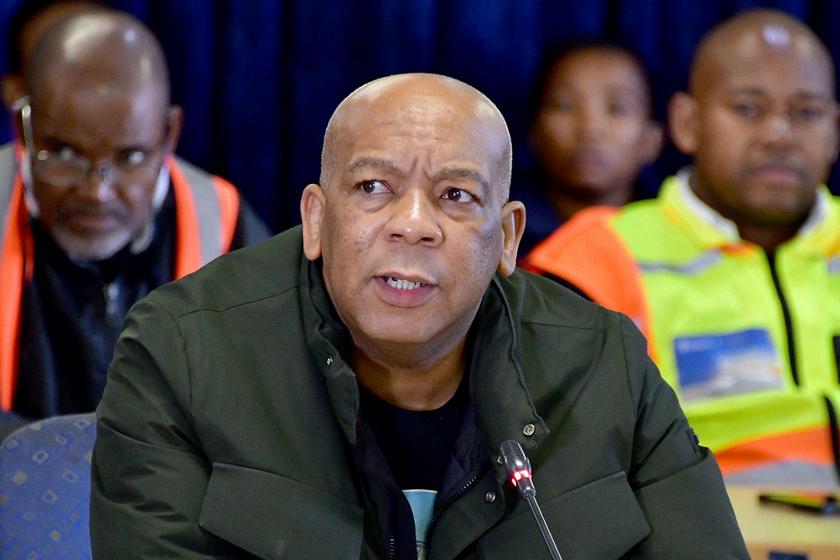
In a media briefing on Monday, 8 July 2024, electricity minister Kgosientsho Ramokgopa said Eskom has done exceptionally well in ensuring that its generation units have been able to meet demand over recent months.
This is why South Africa has been load-shedding-free for over 100 days now. However, he said South Africa is now facing a “different problem” on the distribution side, which means that not all households in the country have a consistent electricity supply.
“This threat and the risk has come to pass as a result of perennial underinvestment in the distribution infrastructure by municipalities,” he said. For example, he referenced investments in transformers and substations, which are the responsibility of South Africa’s municipalities.
Ramokgopa also attributed these issues to municipalities’ poor planning and management, as well as a lack of technical capacity
He explained that part of the reason for municipalities’ underinvestment in electricity infrastructure is that many do not ringfence the revenue they generate from electricity sales for infrastructure investment and maintenance
“We have seen that there’s little to no investment that has been made in the replenishing, maintenance, upkeep and the protection and modernisation of this infrastructure and as a result of that, municipalities are under severe strain,” he said
This strain has led many municipalities to implement load reduction, which is similar to load-shedding
Load reduction is a long-established process that Eskom uses in specific areas when there is sufficient electricity available, but a transformer’s integrity is at risk due to overloading. Load-shedding is used when the national grid is constrained, and there is not sufficient capacity to generate electricity to meet demand.
Ramokgopa explained that, essentially, South Africa’s distribution infrastructure does not have the capacity to meet the country’s reticulation demand.
This results in some households not having electricity for parts of the day. “That has nothing to do with the performance of Eskom. It has everything to do with downstream inaction on the part of municipalities That’s the crisis that is confronting us,” he said
The National Treasury’s local government revenue and expenditure report for the third quarter of the 2023/24 financial year revealed major financial problems in South Africa’s municipalities.
This report covers local government performance against adjusted budgets for the third quarter of the municipal financial year ending 31 March 2024 and includes spending against conditional grant allocations for the same period.

Similar to the second quarter of the 2023/2024 financial year, this report highlighted major issues in municipal spending, including weak revenue collection, increasing municipal debts, and grant allocations not being spent
In recent years, several experts have spoken out against municipalities misusing their funds.
Former President Kgalema Motlanthe previously warned that South Africa’s municipalities are heading for collapse, saying that 66 of them are totally dysfunctional and 163 are in distress
Motlanthe, whose foundation has focused on issues with local governments since 2019, urged the national government to drive municipalities to increase their efficiency and capacity
At the end of the third quarter of the 2023/24 financial year, municipalities’ aggregate spending was R411 4 billion (66 3%) of the total adjusted expenditure budget of R620 7 billion Aggregated billing and other revenue was R452 8 billion (73 4%) of the R616 6 billion budget
Capital expenditure was R38 1 billion (48 3%) of the adjusted capital budget of R79 billion.
The adjusted operating expenditure budget was R541.7 billion, of which R373.3 billion (68.9%) was spent.
Municipalities decreased their salaries and wages budget by R1 billion, from R154.5 billion to R153.5 billion. As of 31 March 2024, R108.5 billion (70.7%) of the adjusted salary budget was spent.
The Treasury has previously warned that grave underspending in this regard could have dire consequences on respective municipalities, especially in terms of councils fulfilling their service delivery mandates.
This echoes the Electricity Minister’s concerns about municipalities’ underinvestment in electricity infrastructure.










With Brad Nathanson

This young man was last seen leaving a well known late night es
-tablishment in Gillitts, Durban, KZN on Friday night/Saturday morning 26/27 July 2024 He was seen getting into his car at around midnight before heading home to Shongweni He was not seen or heard from again
A friend of this office got BNI involved on Saturday afternoon 27 July 2024 but it was as if Mitchel’s vehicle had simply vanished
A search along the route/s he may have traveled yielded nothing and then at around 17h00 the second worst call a parent can receive and this was a call from a man who identified himself as “Sipho” and who
-told the family representative that “they” had Mitchel and his car which they described, all information that would have been available on social media via flyers sent out by friends and family of Mitchel but how do you know as a parent especially when this call has brought you hope? Sipho warned the family “No police”
When asked for proof of life Sipho told the family that Mitchel was in another car, away from his phone Sipho wanted R30,000 00 for the safe return of Mitchel. There was lots of threats by Sipho as to what they were going to do with Mitchel if the family didn’t pay.
Sipho toyed with them. Badly for Sipho and sadly for the Mitchel family, at around 22h00 they received the worst call a parent can receive and this is the one to say that your son has been involved in a car accident and his wounds were fatal.
Long after the body of this young man was identified by the family, Sipho was still calling, WhatsApping, voicenoting and threatening the family, claiming to have Mitchel in their custody. This is an ongoing SAPS investigation but you will not be surprised to know that the call came from a burner SIM
When we were still able to triangulate/ping phones, before the tragic murder of Colonel Kinear, we used to ping these callers mostly to Diepkloof Prison
I have personally received calls from inmates and their caller ID identifies them as a member of the SAPS How can we trust anything these days?
People wonder why I always put my contact details on a flyer generated by my office It’s not because I’m lonely, it’s to spare clients of the pain of having to be made to believe that your child has been kidnapped To ward off the vultures
Mitchel was alone in his car No foul play is suspected other than the callous and unlawful behaviour of Sipho who also wasted valuable SAPS time and resource. This too is a crime.
RIP MITCHEL WILLIAM ADAM (34)This phone rang often and even from abroad when first you were reported missing. I did not know you but it seemed that you were well liked and will therefore be sorely missed. My sincere condolences to the living.

THEY COME IN DIFFERENT WAYS!