VIAGGI NEL MONDO TUNISIA, IL MEDITERRANEO CHE SORPRENDE / TRAVELING IN THE WORLD TUNISIA, THE MEDITERRANEAN THAT SURPRISES / DOVE E COME ASTANA, LA CAPITALE DEL KAZAKISTAN / WHERE AND HOW ASTANA, THE CAPITAL OF KAZAKHSTAN / DISPLAY CASE FASHION UPDATES / EVENTS AND EXHIBITION
Mensile n.63/2026 5,00
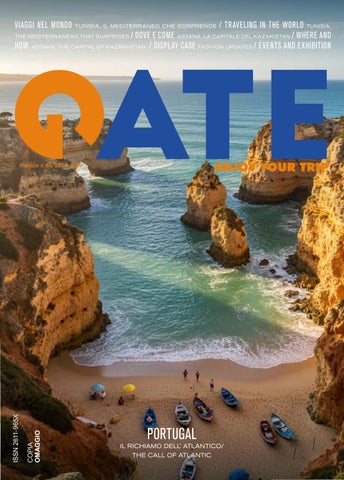
PORTUGAL
IL RICHIAMO DELL’ ATLANTICO/ THE CALL OF ATLANTIC
www.gatemag.it
N. 63 - 2026 – PERIODICITÀ MENSILE/MONTHLY PERIODICITY
DIREZIONE E AMMINISTRAZIONE/DIRECTION AND ADMINISTRATION
Piazza G. Grandi 3, 20129Milano, Italia direzione@gatemag.it amministrazione@gatemag.it
DIRETTORE RESPONSABILE/EDITOR IN CHIEF
Francesca Noto
REALIZZAZIONE GRAFICA/GRAPHIC DESIGNER
Rachele Tonioni grafica@gatemag.it
Tel +39 340 783 3557
HANNO COLLABORATO A QUESTO NUMERO/ COLLABORATORS OF THIS ISSUE
TRAFFICO/ADVERTISING TRAFFIC traffico@gatemag.it BUSINESS PARTNER
EQUIPE INTERNATIONAL SRL
Corso Sempione,30 - Milano
Responsabile del trattamento dei dati personali (D.L. 196/2003)
Francesca Noto
Contenuto pubblicitario non superiore al 45%
Tutti i diritti sono riservati. Nessuna parte della rivista può essere in alcun modo riprodotta senza autorizzazione scritta da Gate s.r.l.
Registration at the Court of Milan n. 5 of 1/4/2018. Responsible for processing personal data (Legislative Decree 196/2003) Francesca Noto. Advertising content not exceeding 45%. All rights reserved. No part of the magazine can be reproduced in any way without written authorization from Gate s.r.l.
COMUNICATI STAMPA E INFO VANNO INVIATI A/PRESS
RELEASES AND INFO MUST BE SENT TO direzione@gatemag.it
VIAGGIARE A GIUGNO
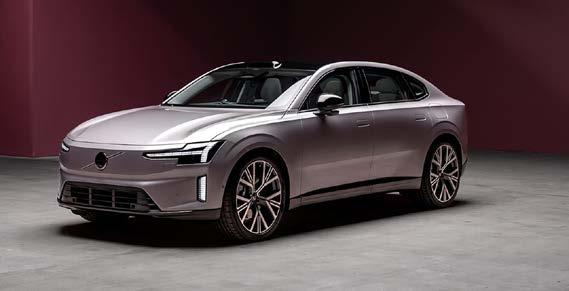
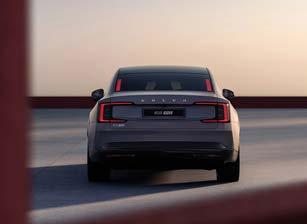
Giugno è da sempre il mese della luce, dei primi viaggi improvvisati, delle serate che sembrano allungarsi all’infinito e della sensazione, quasi fisica, di voler rallentare almeno per qualche giorno. In questo numero di Gate Magazine abbiamo voluto raccontare proprio questo desiderio contemporaneo: quello di vivere esperienze capaci di unire scoperta, benessere e libertà. Dalle coste del Portogallo alle atmosfere sospese della Tunisia, dalle notti urbane di Milano, Torino, Bologna e Bari fino ai nuovi retreat mindfulness immersi nella natura, il viaggio cambia forma e diventa sempre più personale. Non si cerca soltanto una destinazione, ma un modo diverso di stare bene, di recuperare energia e, forse, anche attenzione. Anche la tecnologia, con i nuovi smartphone fotografici o con l’evoluzione silenziosa delle auto elettriche come la nuova Volvo ES90, sembra muoversi nella stessa direzione: migliorare l’esperienza, semplificare, lasciare più spazio alle emozioni. Forse il vero lusso contemporaneo è proprio questo: riuscire, almeno ogni tanto, a rallentare davvero.
JUNE ON THE GO
June has always been the month of light, spontaneous journeys, evenings that seem to last forever and the almost physical desire to slow down, even if only for a few days. In this issue of Gate Magazine, we wanted to explore precisely this contemporary need: the search for experiences capable of combining discovery, wellbeing and freedom. From the Atlantic coast of Portugal to the suspended atmospheres of Tunisia, from the urban nights of Milan, Turin, Bologna and Bari to mindfulness retreats immersed in nature, travel is changing shape and becoming increasingly personal. People are no longer searching only for destinations, but for new ways to feel better, recover energy and perhaps even regain attention. Even technology — through the latest camera smartphones or the silent evolution of electric cars such as the new Volvo ES90 — seems to be moving in the same direction: improving experiences, simplifying life and leaving more space for emotions. Perhaps this is the real contemporary luxury: being able, at least sometimes, to truly slow down.
VIAGGI NEL MONDO
METE EUROPEE
VIAGGI SLOW
DOVE
CINEMA HI-TECH PER VIAGGIATORI
EVENTI E MOSTRE BELLEZZA IN VIAGGIO CONSIGLI DI BENESSERE RILASSA LA MENTE CINEMA HI-TECH FOR TRAVELERS
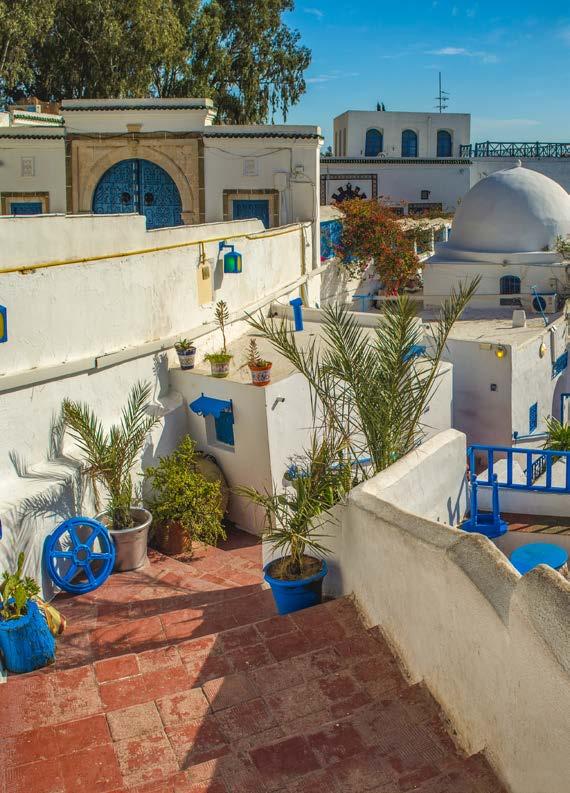
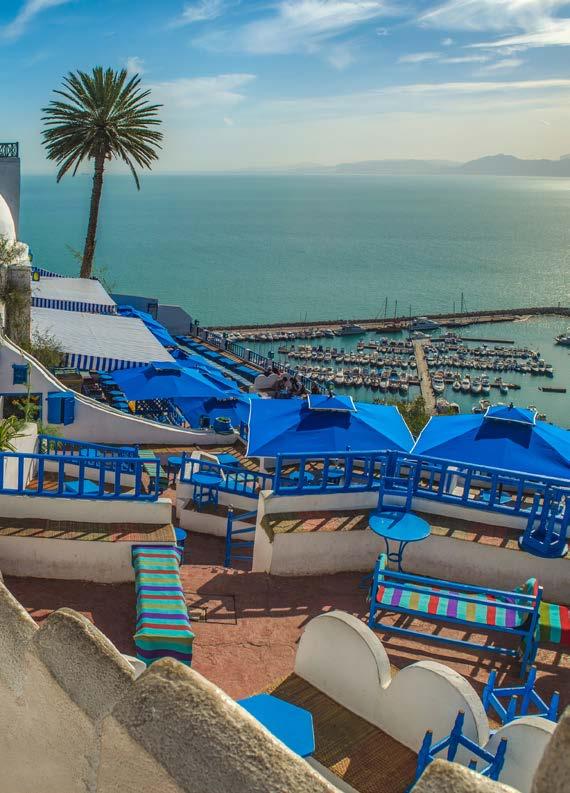
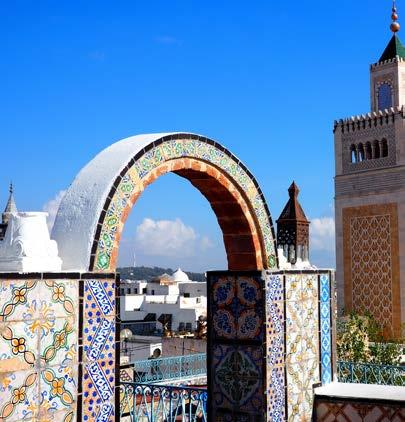
Sidi Bou Said beautiful panoramic view, Tunisia
VIAGGI NEL MONDO
TUNISIA, IL MEDITERRANEO CHE SORPRENDE
Dalle medine millenarie alle dune del Sahara, tra mare cristallino, villaggi berberi, set cinematografici e una cultura sospesa tra Africa ed Europa
TUNISIA, THE MEDITERRANEAN THAT SURPRISES | From ancient medinas to Sahara dunes, through crystal-clear seas, Berber villages, movie sets and a culture suspended between Africa and Europe
di Rajan Gualtieri
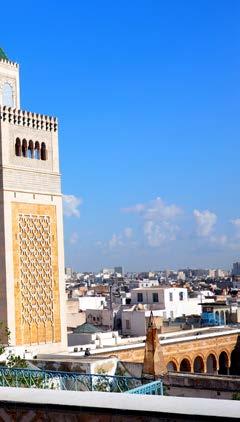
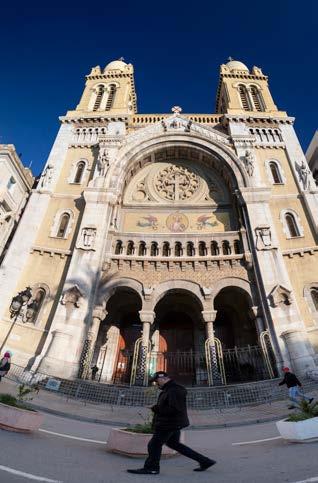
La Tunisia è spesso associata alle vacanze balneari e ai grandi resort affacciati sul Mediterraneo, ma questo piccolo Paese nordafricano custodisce molto più di quanto si immagini. In poche ore di viaggio si passa da città romane perfettamente conservate alle dune del Sahara, da villaggi trogloditi scavati nella roccia a medine labirintiche profumate di spezie e gelsomino. È un luogo in cui Africa, mondo arabo ed eredità europea convivono creando un’atmosfera unica, familiare e al tempo stesso esotica. Per molti viaggiatori italiani la Tunisia rappresenta il primo incontro con il Nord Africa. La vicinanza geografica contribuisce a questa sensazione: da alcune zone della Sicilia, nelle giornate più limpide, si dice sia quasi possibile intuire la presenza della costa tunisina oltre il mare. Eppure, appena si arriva a Tunisi, la capitale, il cambiamento culturale appare immediato. Le voci dei venditori nei souk, il richiamo alla preghiera che scandisce le ore della giornata, il profumo intenso della harissa e del tè alla menta trasportano immediatamente in un’altra dimensione. Tunisi è una città dai molti volti. Da una parte la medina storica, patrimonio UNESCO, con i suoi vicoli stretti, i laboratori artigiani e i mercati dove si vendono tappeti, ceramiche, gioielli e spezie. Dall’altra i grandi boulevard costruiti durante il periodo del protettorato francese, che ricordano in parte alcune città europee. Passeggiando lungo Avenue Habib Bourguiba, spesso definita gli “Champs-Élysées tunisini”, si incontrano caffè storici, edifici coloniali e una vita urbana sorprendentemente vivace. Pochi chilometri fuori città si trova uno dei luoghi più straordinari del Mediterraneo: Cartagine.
EN. Tunisia is often associated with beach holidays and large Mediterranean resorts, yet this small North African country offers far more than many travellers expect. Within just a few hours, landscapes shift from remarkably preserved Roman cities to Sahara dunes, from cave dwellings carved into the rock to labyrinthine medinas filled with the scent of spices and jasmine. It is a country where Africa, the Arab world and European influences coexist, creating an atmosphere that feels both exotic and unexpectedly familiar. For many Italian travellers, Tunisia represents their first encounter with North Africa. Geography contributes to this feeling: from parts of Sicily, on particularly clear days, locals say it is almost possible to sense the Tunisian coastline beyond the sea. Yet upon arriving in Tunis, the capital city, the cultural transition becomes immediate. The voices of market vendors, the call to prayer echoing through the streets, and the aromas of harissa and mint tea instantly transport visitors into another world. Tunis is a city with many identities. On one side lies the historic medina, a UNESCO World Heritage Site filled with narrow alleys, artisan workshops and bustling souks selling carpets, ceramics, jewellery and spices. On the other are the elegant boulevards built during the French protectorate period, which resemble certain European cities. Walking along Avenue Habib Bourguiba, often called the “Tunisian Champs-Élysées”, visitors encounter historic cafés, colonial buildings and a surprisingly vibrant urban atmosphere. Just a few kilometres outside the city stands one of the Mediterranean’s most extraordinary historical sites: Carthage.
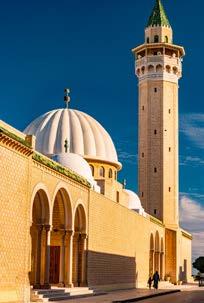
View of famous Mosque in Tunis, Tunisia
Fondata dai Fenici oltre 2.800 anni fa, fu una delle città più potenti dell’antichità e la grande rivale di Roma nelle guerre puniche. Oggi il sito archeologico conserva resti di terme, ville, anfiteatri e antichi porti che raccontano il passato glorioso della città. Camminare tra queste rovine affacciate sul mare crea un contrasto affascinante tra storia millenaria e paesaggi mediterranei. Accanto a Cartagine si trova Sidi Bou Saïd, probabilmente il villaggio più fotografato della Tunisia. Le sue case bianche con porte e finestre blu intense dominano il mare dall’alto di una collina, creando un panorama che ricorda alcune isole greche ma con un’anima profondamente araba. Negli anni questo luogo ha attirato artisti, scrittori e musicisti da tutto il mondo. Sedersi in uno dei caffè panoramici sorseggiando tè con pinoli mentre il sole tramonta sul Golfo di Tunisi è una delle esperienze più iconiche del Paese. La Tunisia custodisce anche alcuni dei siti romani meglio conservati al mondo. Il più impressionante è senza dubbio Dougga, antica città romana immersa nelle colline dell’interno. A differenza di molti siti archeologici più celebri e affollati, qui spesso si passeggia quasi in solitudine tra teatri, templi e strade lastricate vecchie di duemila anni. La straordinaria conservazione degli edifici permette di immaginare con facilità la vita quotidiana dell’epoca romana. Ma il volto più magnetico della Tunisia resta forse quello desertico. Nel sud del Pa-
Founded by the Phoenicians more than 2,800 years ago, it became one of the ancient world’s most powerful cities and Rome’s great rival during the Punic Wars. Today the archaeological site preserves baths, villas, amphitheatres and ancient harbours overlooking the sea, creating a fascinating contrast between millennia-old history and Mediterranean scenery. Beside Carthage lies Sidi Bou Saïd, probably Tunisia’s most photographed village. Its white houses with vivid blue doors and windows overlook the sea from the top of a hill, creating views that may evoke the Greek islands while maintaining a deeply Arab soul. Over the years the village has attracted artists, writers and musicians from around the world. Sitting in one of the panoramic cafés while sipping mint tea with pine nuts at sunset remains one of Tunisia’s most iconic experiences. Tunisia is also home to some of the world’s best-preserved Roman ruins. The most impressive is undoubtedly Dougga, an ancient Roman city surrounded by rolling inland hills. Unlike many more crowded archaeological sites elsewhere, visitors here often walk almost alone among theatres, temples and stone-paved streets that are more than two thousand years old. The remarkable state of preservation makes it easy to imagine daily life during Roman times. Yet Tunisia’s most magnetic landscape may be its desert
Cathedral of St. Vincent Paul in Avenue Habib Bourguiba, Tunis, Tunisia
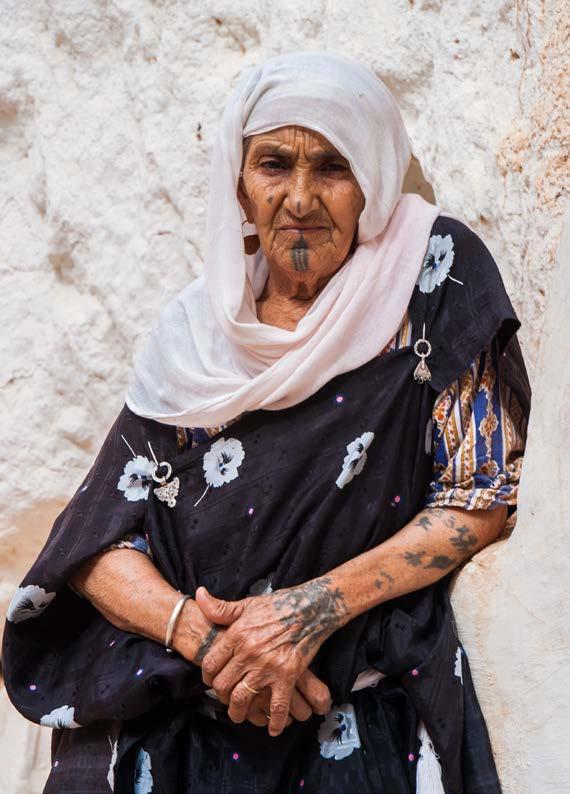
Berber old woman portrait in Matmata, Tunisia VIAGGI
ese il paesaggio cambia radicalmente: il Mediterraneo lascia spazio alle distese del Sahara, alle oasi e alle montagne aride. Tozeur e Douz rappresentano le porte d’accesso al deserto. Qui il tempo sembra rallentare e il silenzio delle dune diventa quasi assoluto. Le escursioni nel Sahara, soprattutto al tramonto o all’alba, offrono scenari di straordinaria bellezza, con la sabbia che cambia colore dal dorato al rosso intenso. Una curiosità che molti non conoscono riguarda il legame tra la Tunisia e il cinema internazionale. Numerosi film celebri sono stati girati qui, soprattutto nella regione desertica. La saga di “Star Wars” ha utilizzato diversi luoghi tunisini come ambientazione del pianeta Tatooine, tanto che il nome stesso del pianeta deriva dalla città tunisina di Tataouine. Ancora oggi alcuni set cinematografici sono visitabili e attirano appassionati da tutto il mondo. Il villaggio di Matmata, famoso per le sue abitazioni troglodite sotterranee, è stato utilizzato come casa di Luke Skywalker nei film originali. Le abitazioni troglodite rappresentano uno degli aspetti più sorprendenti della cultura berbera tunisina. Per proteggersi dal caldo estremo del deserto, per secoli le popolazioni locali hanno scavato case direttamente nella roccia o nel terreno. Dall’esterno appaiono quasi invisibili, mentre all’interno rivelano ambienti freschi e articolati intorno a cortili sotterranei. Alcune sono ancora abitate, altre trasformate in piccoli hotel capaci di offrire esperienze davvero insolite. La costa tunisina resta comunque uno dei grandi richiami turistici del Paese. Hammamet, Sousse e Monastir sono tra le località balneari più famose. Qui lunghe spiagge sabbiose, mare trasparente e temperature miti attirano visitatori per gran parte dell’anno. Hammamet, in particolare, è stata per decenni il rifugio mediterraneo di artisti e intellettuali europei. Paul Klee, André Gide e molti altri rimasero affascinati dalla luce e dai colori di questa città. Sousse combina invece il fascino storico con la vita balneare. La sua medina fortificata, anch’essa patrimonio UNESCO, conserva
south. Here the scenery changes dramatically: the Mediterranean gives way to the Sahara, palm oases and barren mountains. Tozeur and Douz serve as gateways to the desert. Time seems to slow down here, while the silence of the dunes becomes almost absolute. Excursions into the Sahara, particularly at sunrise or sunset, reveal extraordinary scenery as the sand shifts from golden yellow to deep red. One lesser-known curiosity concerns Tunisia’s connection with international cinema. Numerous famous films have been shot here, especially in the desert regions. The “Star Wars” saga used several Tunisian locations as the setting for the planet Tatooine, whose name itself derives from the Tunisian town of Tataouine. Many original sets can still be visited today, attracting fans from across the world. The village of Matmata, famous for its underground troglodyte homes, served as Luke Skywalker’s home in the original films.
These troglodyte dwellings are among the most fascinating elements of Tunisia’s Berber heritage. To protect themselves from the extreme desert heat, local populations spent centuries carving homes directly into the earth or rock. From the outside they appear almost invisible, while inside they reveal cool rooms organised around underground courtyards. Some remain inhabited today, while others have been transformed into unique boutique hotels.
Tunisia’s coastline nevertheless remains one of the country’s major attractions. Hammamet, Sousse and Monastir are among the best-known seaside destinations. Long sandy beaches, clear waters and mild temperatures attract visitors for much of the year. Hammamet, in particular, became a Mediterranean retreat for European artists and intellectuals during the twentieth century. Paul Klee, André Gide and many others were captivated by the city’s light and colours. Sousse combines historical charm with modern beach life. Its fortified medina, also a UNESCO World Heritage Site,
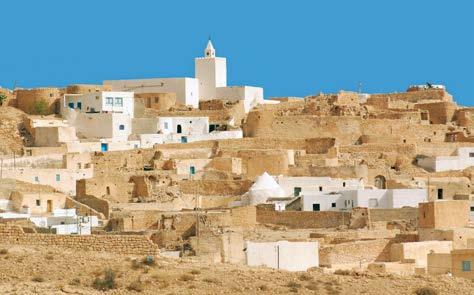
Village Tamezret, a Tunisian Berber village located southeast of the country
un’atmosfera autentica fatta di vicoli stretti, mercati e piccole botteghe. Poco distante si trovano hotel moderni, beach club e porticcioli turistici che mostrano il volto più contemporaneo della Tunisia. Anche la gastronomia tunisina contribuisce a rendere il viaggio particolarmente interessante. È una cucina intensa, speziata e ricca di influenze mediterranee, arabe e berbere. Il cous cous è il piatto simbolo nazionale, preparato in infinite varianti con carne, pesce o verdure. La harissa, salsa piccante a base di peperoncino, accompagna moltissimi piatti ed è considerata un vero orgoglio nazionale. Non mancano influenze francesi, soprattutto nei dolci e nella cultura del caffè. Tra le esperienze più autentiche c’è quella di visitare i mercati locali. Nei souk tunisini si trova praticamente di tutto: datteri del deserto, tessuti colorati, profumi, oggetti in rame lavorato a mano e montagne di spezie dai colori vivissimi. La contrattazione è parte integrante della cultura locale e spesso diventa quasi un rituale sociale più che una semplice trattativa commerciale. Negli ultimi anni la Tunisia sta attirando anche un numero crescente di viaggiatori interessati al turismo sostenibile e alle esperienze meno convenzionali. Piccole guesthouse nel deserto, eco-lodge nelle oasi e percorsi dedicati alla scoperta delle tradizioni berbere stanno contribuendo a mostrare un volto più autentico del Paese, lontano dai circuiti del turismo di massa. Ciò che colpisce maggiormente della Tunisia è probabilmente la varietà concentrata in uno spazio relativamente piccolo. In pochi giorni si possono vivere esperienze completamente diverse: nuotare nel Mediterraneo, attraversare il deserto in fuoristrada, dormire sotto le stelle, visitare città romane, bere tè in antichi caffè arabi o esplorare villaggi sospesi nel tempo. È un Paese che riesce continuamente a sorprendere, grazie alla capacità di mescolare mondi differenti in modo naturale. Per molti viaggiatori la Tunisia resta soprattutto una destinazione di mare. Ma basta allontanarsi leggermente dalla spiaggia per scoprire un universo fatto di storia, cultura, paesaggi estremi e tradizioni antichissime che raccontano il volto più profondo del Mediterraneo.
preserves an authentic atmosphere of narrow alleys, markets and small artisan shops. Nearby, modern hotels, marinas and beach clubs reveal Tunisia’s more contemporary side. Tunisian cuisine also makes the journey especially memorable. It is a rich and flavourful cuisine shaped by Mediterranean, Arab and Berber influences. Couscous is the national symbol, prepared in countless variations with meat, fish or vegetables. Harissa, the spicy chilli paste served with many dishes, is considered a source of national pride. French influences are also visible, particularly in pastries and café culture.
Among the most authentic experiences is visiting local markets. Tunisian souks offer almost everything imaginable: desert dates, colourful fabrics, perfumes, handcrafted copper objects and mountains of brightly coloured spices. Bargaining is an essential part of local culture and often becomes more of a social ritual than a simple commercial negotiation. In recent years Tunisia has also begun attracting travellers interested in sustainable tourism and less conventional experiences. Small desert guesthouses, ecolodges in oasis regions and cultural itineraries focused on Berber traditions are helping reveal a more authentic side of the country, from mass tourism.
What makes Tunisia truly remarkable is the extraordinary diversity concentrated within such a relatively small territory. In only a few days travellers can swim in the Mediterranean, cross the desert, sleep beneath the stars, explore Roman ruins, drink tea in ancient Arab cafés or discover villages seemingly untouched by time. It is a country that constantly surprises through its natural ability to blend different worlds together. For many visitors Tunisia may initially appear to be simply a seaside destination. Yet moving beyond the beaches quickly reveals a world of history, culture, dramatic landscapes and ancient traditions that embody one of the Mediterranean’s deepest and most fascinating identities.
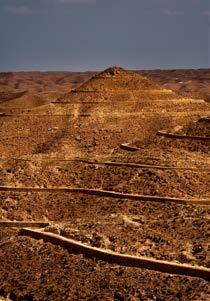
Matmata, Tunisia
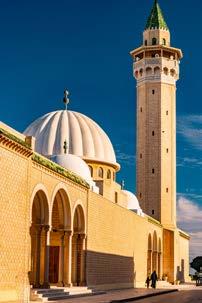
Bourguiba Mosque in Monastir, Tunisia
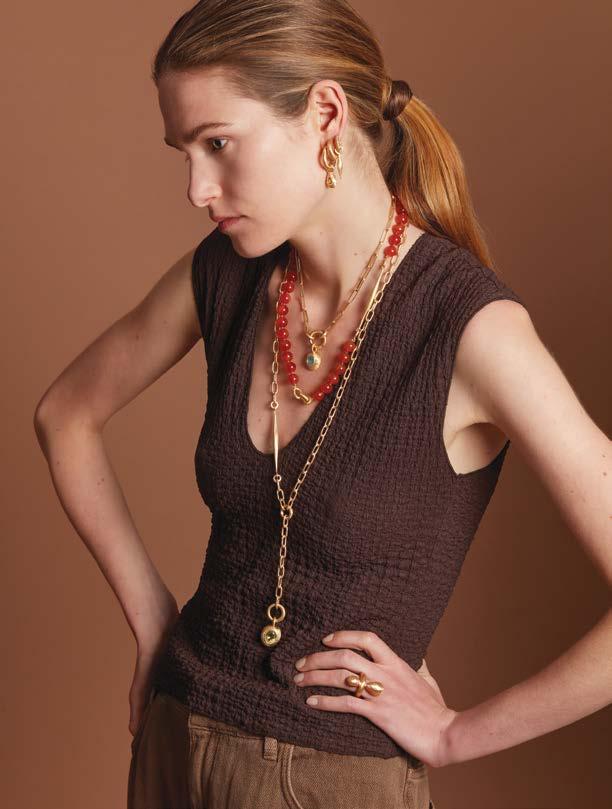
eloise.jwl
IL RICHIAMO DELL’ATLANTICO
Viaggio lungo le coste del Portogallo tra scogliere vertiginose, villaggi di pescatori, onde leggendarie e spiagge che sembrano infinite
THE CALL OF THE ATLANTIC | A journey along Portugal’s coastline through dramatic cliffs, fishing villages, legendary waves and seemingly endless beaches
di Rajan Gualtieri
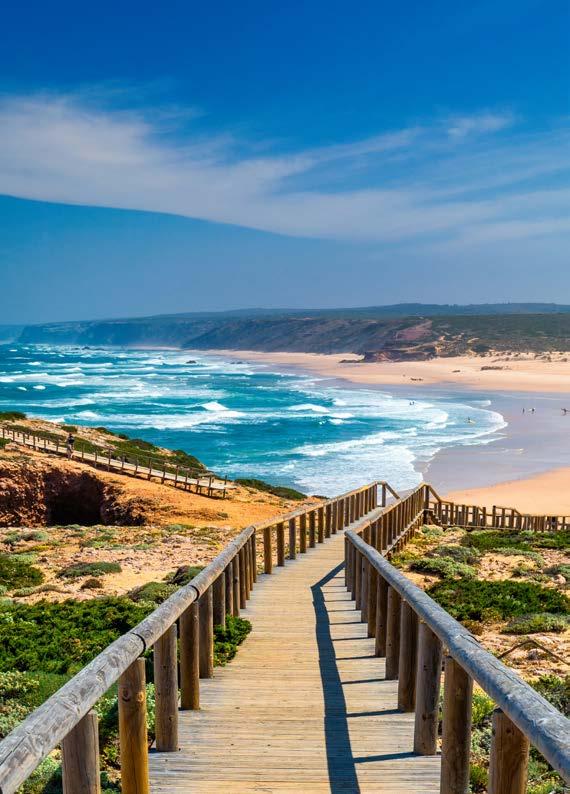
Praia da Bordeira, Algarve, Portugal
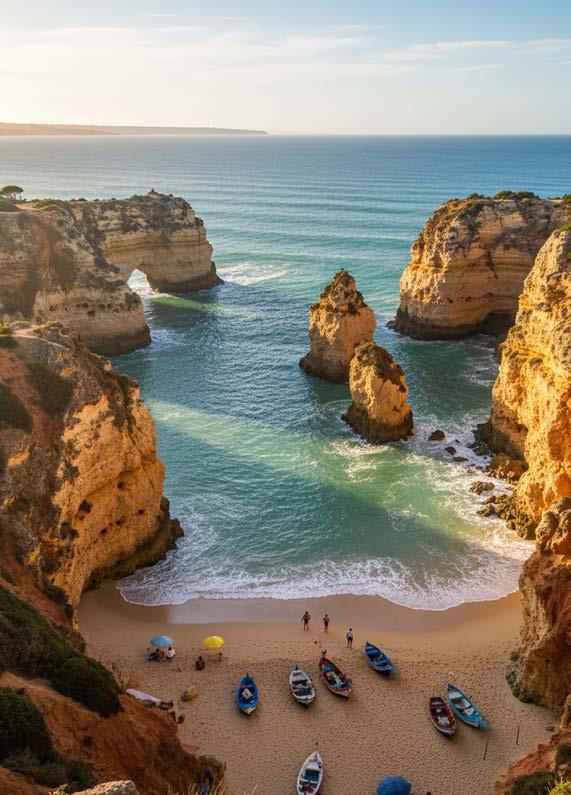
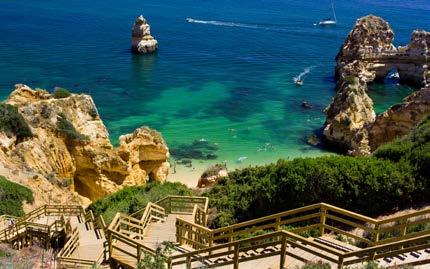
In Portogallo il mare non è soltanto un paesaggio: è un elemento identitario, quasi una presenza costante che accompagna la vita quotidiana, la cucina, la musica e persino il carattere delle persone. Basta percorrere pochi chilometri lungo la costa per capire quanto l’Atlantico abbia modellato il Paese, influenzandone la storia e il rapporto con il mondo. Dalle spiagge dorate dell’Algarve alle scogliere del nord battute dal vento, il Portogallo vive rivolto verso l’oceano. Non è un caso che proprio da qui siano partite alcune delle più importanti spedizioni marittime della storia. Nel XV secolo, da Lisbona e da altri porti portoghesi salparono navigatori come Vasco da Gama e Ferdinando Magellano, protagonisti dell’epoca delle grandi esplorazioni. Ancora oggi, passeggiando lungo il quartiere di Belém, a Lisbona, si percepisce quella vocazione marinaresca che continua a essere parte integrante dell’identità nazionale. Il Monumento alle Scoperte, affacciato sul fiume Tago poco prima che si apra sull’oceano, racconta simbolicamente il legame tra il Portogallo e il mare. La costa portoghese si sviluppa per oltre 1.700 chilometri considerando anche gli arcipelaghi di Madeira e delle Azzorre. È una varietà sorprendente di paesaggi: lunghe spiagge selvagge, baie nascoste, dune sabbiose, falesie color ocra e piccoli villaggi dove il tempo sembra essersi fermato. Il tutto accompagnato da una luce particolare, intensa ma morbida, che rende l’oceano quasi argentato nelle ore del tramonto. L’Algarve, nel sud del Paese, è probabilmente la regione più conosciuta. Qui il mare assume tonalità che spaziano dal turchese al verde smeraldo e le scogliere scolpite dal vento e dall’acqua creano scenari spettacolari. Luoghi come Lagos, Albufeira o Carvoeiro attirano visitatori da tutta Europa, ma basta allontanarsi leggermente dalle località più frequentate per scoprire spiagge quasi deserte e una dimensione ancora autentica. La celebre Praia da Marinha, spesso inserita tra le spiagge più belle d’Europa, è famosa per i suoi archi naturali e le formazioni rocciose che emergono dall’acqua come sculture. Più selvaggia è invece la costa occidentale, quella che guarda direttamente l’Atlantico aperto. Qui il vento soffia con forza, le onde diventano protagoniste e il paesaggio cambia completamente. La regione dell’Alentejo custodisce
EN. In Portugal, the sea is far more than just scenery: it is part of the country’s identity, a constant presence shaping daily life, cuisine, music and even the personality of its people. Travelling along the Portuguese coast quickly reveals how deeply the Atlantic Ocean has influenced the nation, defining both its history and its relationship with the wider world. From the golden beaches of the Algarve to the wind-swept cliffs of the north, Portugal has always lived facing the ocean. It is no coincidence that some of history’s greatest maritime expeditions departed from here. During the 15th century, explorers such as Vasco da Gama and Ferdinand Magellan sailed from Lisbon and other Portuguese ports, becoming symbols of the Age of Discovery. Even today, walking through Lisbon’s Belém district, visitors can still sense that maritime spirit. The Monument to the Discoveries, overlooking the Tagus River before it meets the Atlantic, perfectly represents Portugal’s historic connection with the sea.
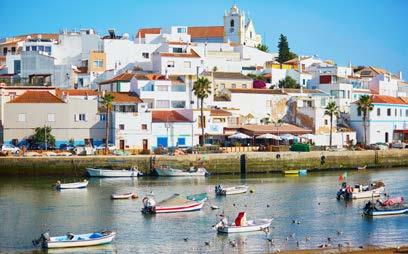
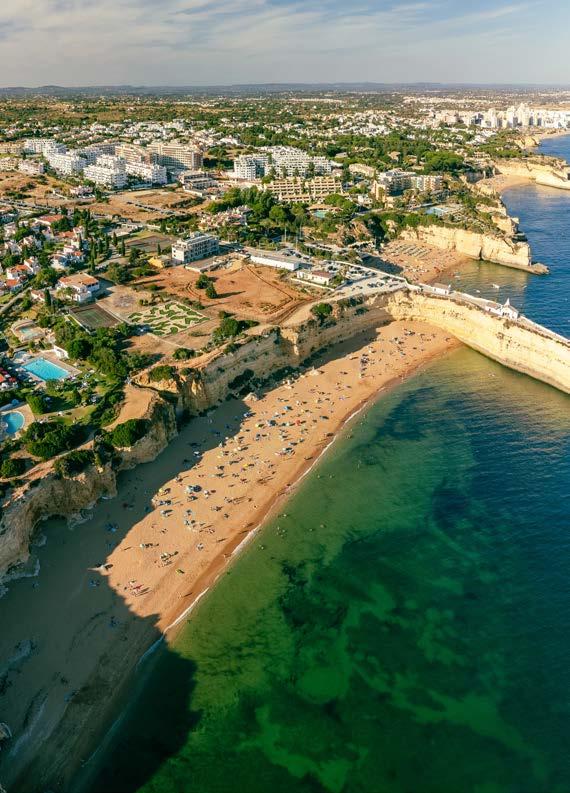
Portugal’s coastline stretches for more than 1,700 kilometres when including the archipelagos of Madeira and the Azores. The variety of landscapes is remarkable: wild beaches, hidden coves, sandy dunes, ochre-coloured cliffs and small fishing villages where time seems to stand still. All of this is enhanced by a unique light, bright yet soft, which turns the ocean silver at sunset. The Algarve, in the south of the country, is probably Portugal’s most famous coastal region. Here the sea shifts between turquoise and emerald shades, while cliffs sculpted by wind and water create extraordinary scenery. Destinations such as Lagos, Albufeira and Carvoeiro attract visitors from across Europe, yet moving slightly away from the busiest resorts still allows travellers to discover almost deserted beaches and a more authentic atmosphere. Praia da Marinha, often listed among Europe’s most beautiful beaches, is renowned for its natural arches and rock formations emerging from the water like sculptures. Far wilder is the western coastline directly exposed to the open Atlantic. Here strong winds and powerful waves dominate the landscape. The Alentejo region hides some of the country’s most spectacular bea-
Scenic view of fishing boats in Ferragudo, Portugal
cambia completamente. La regione dell’Alentejo custodisce alcune delle spiagge più scenografiche del Paese, spesso immense e quasi vuote anche nei mesi estivi. Località come Vila Nova de Milfontes o Zambujeira do Mar sono amate da chi cerca un Portogallo più lento e meno turistico. Uno dei luoghi più affascinanti è Nazaré, piccolo centro marinaro diventato celebre nel mondo per le sue onde gigantesche. Proprio qui, grazie a un canyon sottomarino profondo oltre 5.000 metri, si formano onde considerate tra le più alte del pianeta. Negli ultimi anni Nazaré è diventata una sorta di tempio internazionale del surf estremo. Nel 2020 il surfista tedesco Sebastian Steudtner ha cavalcato un’onda stimata di oltre 26 metri, un record mondiale che ha contribuito a rendere questa località ancora più famosa. Durante l’inverno migliaia di persone si radunano vicino al Forte de São Miguel Arcanjo per assistere a uno spettacolo naturale impressionante. Ma il mare portoghese non è soltanto adrenalina. È anche tradizione, pesca e gastronomia. In moltissime cittadine costiere si vedono ancora i pescatori riparare le reti o rientrare al porto nelle prime ore del mattino. Il pesce è il grande protagonista della cucina nazionale. Il bacalhau, il celebre baccalà portoghese, è quasi una religione gastronomica: si dice che esistano più di 365 ricette diverse, una per ogni giorno dell’anno. Accanto al baccalà, sardine grigliate, polpo, riso ai frutti di mare e zuppe di pesce raccontano il profondo legame tra il Paese e l’oceano. A Porto, seconda città del Portogallo,
ches, often immense and nearly empty even during summer. Towns such as Vila Nova de Milfontes and Zambujeira do Mar are particularly loved by travellers seeking a slower and less touristy Portugal.
One of the country’s most fascinating destinations is Nazaré, a small fishing town that became world-famous for its gigantic waves. Thanks to an underwater canyon more than 5,000 metres deep, some of the highest waves on Earth are formed here. In recent years Nazaré has become an international temple of extreme surfing. In 2020, German surfer Sebastian Steudtner rode a wave estimated at over 26 metres, setting a world record and bringing even greater international attention to the town. During winter, thousands of spectators gather near the Forte de São Miguel Arcanjo to witness this extraordinary natural spectacle. Yet the Portuguese sea is not only about adrenaline. It is also about tradition, fishing and gastronomy. In many coastal towns, fishermen can still be seen repairing their nets or returning to harbour early in the morning. Fish remains the true protagonist of Portuguese cuisine. Bacalhau, the famous salted cod, is almost a national obsession: according to tradition, there are more than 365 different recipes, one for every day of the year. Alongside cod, grilled sardines, octopus, seafood rice and fish soups all reflect Portugal’s deep bond with the ocean. In Porto, Portugal’s second-largest city, the sea blends with the elegance of the historic centre. Just outside
Aerial drone panoramic views of Praia Nova and Praia de Nossa beach, Algarve, Portugal
il mare si mescola all’atmosfera elegante della città storica. Poco distante dal centro si trova Foz do Douro, il quartiere dove il fiume Douro incontra l’Atlantico. Qui lunghe passeggiate sull’oceano, vecchi fari e caffè affacciati sulle onde regalano un volto più romantico e malinconico del Portogallo, perfettamente in sintonia con il sentimento della saudade, quella nostalgia dolce e indefinibile spesso associata alla cultura portoghese.
Anche le isole offrono un rapporto unico con il mare. Madeira, con le sue montagne che precipitano nell’oceano, è un paradiso per chi ama immersioni, whale watching e natura. Le Azzorre, invece, rappresentano uno dei luoghi più spettacolari dell’Atlantico: nove isole vulcaniche dove il mare cambia continuamente colore e dove è possibile osservare balene e delfini in libertà. Proprio le Azzorre sono considerate uno dei migliori punti al mondo per il whale watching grazie alla presenza di oltre venti specie diverse di cetacei durante l’anno.
Una curiosità poco nota riguarda la cosiddetta “Costa da Caparica”, a pochi chilometri da Lisbona. Qui si trova una delle spiagge urbane più lunghe d’Europa, con oltre 15 chilometri di sabbia continua. Durante l’estate i lisboeti si spostano verso questa costa per sfuggire al caldo cittadino, creando un’atmosfera rilassata fatta di chiringuiti, surfisti e tramonti spettacolari sull’Atlantico. Il Portogallo è anche una delle destinazioni europee più amate dai surfisti. Oltre a Nazaré, località come Peniche ed Ericeira attirano appassionati da tutto il mondo. Ericeira, in particolare, è stata la prima riserva mondiale di surf in Europa riconosciuta da Save the Waves Coalition, grazie alla qualità delle sue onde e alla tutela dell’ambiente marino. Negli ultimi anni il surf è diventato parte integrante della cultura contemporanea portoghese, contribuendo alla nascita di hotel di design, scuole specializzate e piccoli villaggi creativi affacciati sull’oceano.
Ciò che colpisce davvero del mare del Portogallo è però la sua capacità di cambiare continuamente volto. In alcuni momenti appare luminoso e quasi tropicale, in altri severo e misterioso. È un oceano che impone rispetto ma che allo stesso tempo invita al viaggio, alla contemplazione e alla scoperta. Forse è proprio questa doppia anima ad aver reso il Portogallo uno dei Paesi europei con il rapporto più intenso e poetico con il mare.
HAPPY TRAVELS!
BUON VIAGGIO!
downtown lies Foz do Douro, the district where the Douro River meets the Atlantic Ocean. Long seaside promenades, old lighthouses and cafés overlooking the waves reveal a more romantic and melancholic side of Portugal, perfectly aligned with the feeling of saudade, the sweet and indefinable nostalgia often associated with Portuguese culture.
The islands also offer a unique relationship with the sea. Madeira, with its mountains plunging dramatically into the ocean, is a paradise for diving, whale watching and nature lovers. The Azores, meanwhile, are among the Atlantic’s most spectacular destinations: nine volcanic islands where the sea constantly changes colour and where whales and dolphins can often be spotted in the wild. The Azores are considered one of the best whale-watching destinations in the world thanks to the presence of more than twenty cetacean species throughout the year. One lesser-known curiosity concerns the Costa da Caparica, located just a few kilometres from Lisbon. It is home to one of Europe’s longest urban beaches, stretching for more than 15 kilometres of uninterrupted sand. During summer, Lisbon residents head here to escape the city heat, creating a relaxed atmosphere filled with beach bars, surfers and spectacular Atlantic sunsets. Portugal is also one of Europe’s favourite surf destinations. Besides Nazaré, places such as Peniche and Ericeira attract surfers from around the globe. Ericeira, in particular, became Europe’s first World Surfing Reserve recognised by the Save the Waves Coalition, thanks to the quality of its waves and the protection of its marine environment. In recent years, surfing has become an important part of contemporary Portuguese culture, inspiring the creation of design hotels, specialised schools and creative seaside communities. What truly makes the Portuguese sea unforgettable is its constantly changing nature. At times it appears bright and almost tropical; at others it becomes dark, powerful and mysterious. It is an ocean that commands respect while simultaneously inviting travellers to explore, reflect and dream. Perhaps it is precisely this dual soul that has made Portugal one of Europe’s most poetic and deeply ocean-connected countries.
TRA SABBIA E SILENZIO: VIAGGIO NEL CUORE SELVAGGIO DELLA SARDEGNA
di Jacopo Scafaro
Sono figlio e nipote di sardi, ma questa terra non è solo un’eredità: è una appartenenza viscerale.
La Sardegna non la riconosco con gli occhi, la riconosco con il petto. Ogni volta che arrivo, l’aria cambia densità, i profumi diventano più intensi, il cuore rallenta. È come se l’isola mi dicesse: sei tornato, ora puoi respirare. Qui il mio cuore resta tutto l’anno, anche quando sono lontano. Vive nell’attesa costante di un ritorno. Da sempre porto dentro il desiderio di poter un giorno vivere qui, non come ospite, ma come parte del paesaggio, come una pietra scaldata dal sole. Nel 2021 ho perso mia zia, sorella di mia madre. Un male veloce, che in meno di tre mesi se l’è portata via, lasciando un vuoto che non si colma.
Nel gennaio del 2022 ho sentito il bisogno urgente di rinascere e ho comprato casa a Platamona, frazione di Sorso. Diciotto chilometri di spiaggia, la più lunga d’Italia: sabbia chiara che cambia consistenza sotto i piedi, pineta alle spalle, vento che pulisce i pensieri. Ho rimesso quella casa a posto piano, come si fa con le cose fragili. E ogni volta che posso, torno lì a rimettere insieme me stesso. Nell’estate del 2025, dal 31 luglio al 16 agosto, io e il mio compagno Mattia abbiamo scelto una vacanza diversa. Più selvaggia, più essenziale. Volevamo spiagge poco conosciute,
BETWEEN SAND AND SILENCE: A JOURNEY INTO THE WILD HEART OF SARDINIA
EN. I am the son and grandson of Sardinians, but this land is not just a heritage to me: it is a visceral sense of belonging. I do not recognize Sardinia with my eyes – I recognize it with my chest. Every time I arrive, the air changes density, the scents grow stronger, and my heart slows down. It feels as though the island is telling me: you’re back, now you can breathe. My heart remains here all year round, even when I am far away. It lives in the constant anticipation of returning. I have always carried within me the desire to one day live here, not as a guest, but as part of the landscape itself, like a stone warmed by the sun. In 2021, I lost my aunt, my mother’s sister. An aggressive illness took her away in less than three months, leaving behind a void that can never truly be filled. In January 2022, I felt an urgent need to begin again, and I bought a house in Platamona, a hamlet of Sorso. Eighteen kilometers of beach – the longest in Italy – with pale sand that changes texture beneath your feet, a pine forest behind it, and wind that clears your thoughts. I slowly restored that house, the way you handle fragile things. And whenever I can, I return there to put myself back together. In the summer of 2025, from July 31 to August 16, my partner Mattia and I chose a different kind of holiday. Wilder, more essential. We wanted little-known beaches that had to be earned through effort: walks, descents, climbs. Places untouched by internet signals, where only you, nature, and its sounds remain. We traveled by car, essential for reaching such isolated places. Each journey cost between 20 and 30 euros in fuel, but those kilometers were worth far more than their price. Scenic roads, slow curves, sudden stops just to admire the sea from above. The journey always began long before we arrived, and often it was precisely there that the real experience started.
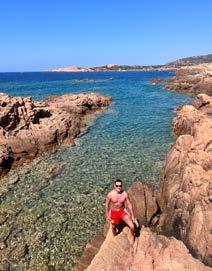
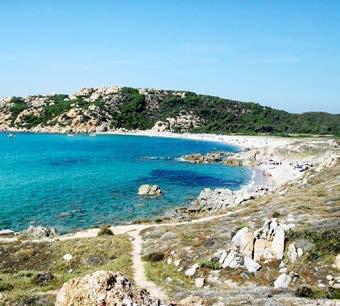
Monti Russu welcomed us with its rugged character. A wide beach of golden sand, surrounded by red rocks and Mediterranean scrub scented with myrtle and juniper. The wind is part of the landscape here, and the sea feels open, powerful, never tamed. Walking along the shoreline becomes an invitation to slow down, to observe, to respect.
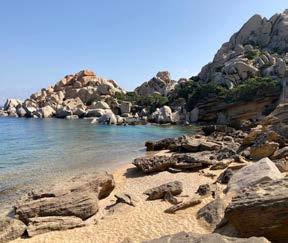
Cala Spinosa must be conquered. The trail descends steeply among the rocks of Capo Testa, your legs strain, your breathing shortens, and every step becomes a choice. But when you finally arrive, the water is as transparent as glass, the sea enclosed and silent. Here, you learn that effort is part of beauty.
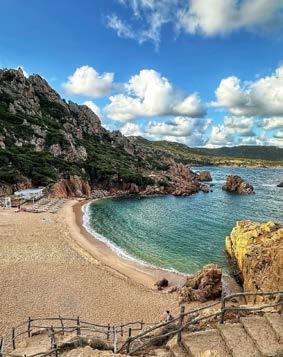
At Cala Li Cossi, the walk itself is already part of the experience. Ten minutes along a path through Mediterranean scrub, filled with the scents of earth and sun. Then the cove opens
da raggiungere con fatica, con camminate, discese e risalite. Luoghi dove internet non arriva e resti solo tu, la natura e i suoi rumori. Per spostarci abbiamo usato l’auto: indispensabile per raggiungere posti così isolati. Ogni viaggio costava tra i 20 e i 30 euro di benzina, ma erano chilometri che valevano molto più del loro prezzo. Strade panoramiche, curve lente, soste improvvise solo per guardare il mare dall’alto. Il viaggio cominciava sempre prima di arrivare, e spesso era proprio lì che iniziava davvero l’esperienza. Monti Russu ci ha accolti con il suo carattere ruvido. Una spiaggia ampia, sabbia dorata, circondata da rocce rosse e macchia mediterranea profumata di mirto e ginepro. Il vento è parte del paesaggio, il mare aperto e potente, mai addomesticato. Camminare lungo la battigia è un invito a rallentare, a osservare, a rispettare. Cala Spinosa si conquista: il sentiero scende ripido tra le rocce di Capo Testa, le gambe lavorano, il respiro si accorcia, e ogni metro percorso è una scelta. Quando finalmente arrivi, l’acqua è trasparente come vetro, il mare raccolto e silenzioso. Qui impari che la fatica è parte della bellezza. A Cala Li Cossi il cammino è già parte dell’esperienza. Dieci minuti di sentiero tra la macchia mediterranea, profumi di terra e sole. Poi la cala si apre: sabbia chiara, acqua color smeraldo, rocce rosate che la abbracciano. Un piccolo fiume arriva fino al mare, portando la memoria delle montagne. Qui il tempo rallenta, e ogni gesto deve rispettare la fragilità del luogo. Rena Majore nord è spazio, fatica e respiro. Per raggiungerla serve una lunga camminata tra rocce sconnesse e sentieri antichi. Quando arrivi, la sabbia soffice e la pineta alle spalle creano un paesaggio che educa al silenzio, al rispetto e alla lentezza. Il nostro modo di viaggiare è stato all’insegna del non spreco. Avendo casa, non c’era affitto. Il volo, preso mesi prima, è costato 200 euro andata e ritorno. I pranzi erano al sacco, acquistati nei mercati locali: con 10 euro mangiavamo salumi, formaggi e frutta del posto. Tra questi prodotti, alcune eccellenze della Sardegna rendevano il pasto speciale: Pecorino Sardo DOP e Fiore Sardo DOP, intensi e leggermente affumicati; olio extravergine Sardegna DOP, fruttato e profumato; Carciofo Spinoso di Sardegna DOP, tenero e aromatico.
up: pale sand, emerald water, pinkish rocks embracing it. A small river flows into the sea, carrying with it the memory of the mountains. Time slows down here, and every gesture feels as though it should honor the fragility of the place.
Rena Majore is space, effort, and breath. Reaching it requires a long walk across uneven rocks and ancient paths. But once there, the soft sand and the pine forest behind it create a landscape that teaches silence, respect, and slowness.
Our way of traveling was guided by the idea of avoiding waste. Since we owned a house, there was no rent to pay.
The flight, booked months in advance, cost 200 euros round trip. Lunches were simple packed meals bought from local markets: with just 10 euros we could enjoy local cured meats, cheeses, and fruit. Among these products, some of Sardinia’s finest specialties made every meal memorable: Pecorino Sardo DOP and Fiore Sardo DOP, rich and lightly smoked; Sardegna DOP Extra Virgin Olive Oil, fruity and fragrant; and Carciofo Spinoso di Sardegna DOP, tender and aromatic.
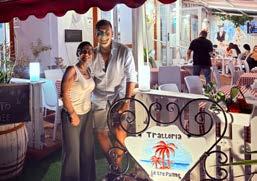
They were not simply food, but stages of the journey itself – an invitation to understand and respect the island’s agricultural culture. Over the years I have eaten in many places across Sardinia, but my heart was stolen by a small family-run restaurant: Trattoria Le Tre Palme, in Lu Bagnu.
There are places you do not merely visit – you live them. Crossing that threshold feels like entering a home you never knew you had. Grazia welcomes you with a gaze that stays with you, warm and reassuring. You are not a customer there; you are a person. The dishes speak of tradition, but the real secret is the
Cala Spinosa
Cala Li Cossi
Non erano solo cibo, ma tappe del viaggio, un invito a conoscere e rispettare la cultura agricola dell’isola. Negli anni ho mangiato in tanti posti in Sardegna, ma il mio cuore è stato rapito da un piccolo locale a conduzione familiare: la Trattoria “Le Tre Palme”, a Lu Bagnu. Ci sono luoghi che non si visitano. Si vivono. Varcare quella soglia è come entrare in una casa che non sapevi di avere. Grazia ti accoglie con uno sguardo che resta, caldo e sicuro. Non sei un cliente, sei una persona. I piatti parlano di tradizione, ma il vero segreto è come ti fanno sentire: accolto, atteso, a casa. Quando esci, il cuore fa un po’ male, ma sai che tornerai. Il ritorno a Platamona, dopo ogni escursione, ha un sapore diverso. Aprire la porta di casa, guardare il mare all’orizzonte, respirare il vento tra la pineta: ogni gesto quotidiano assume un significato più profondo. Il viaggio ci ha insegnato che viaggiare non è solo muoversi nello spazio, ma partecipare, rispettare, lasciare il minor segno possibile. Ogni onda, ogni profumo, ogni incontro umano diventa parte di un racconto che resta dentro di noi. Questo viaggio non è stato solo mare, camminata o bellezza naturale. È stato silenzio, scoperta, riflessione. È stato ricordare chi siamo, da dove veniamo e dove il nostro cuore vuole stare. La Sardegna non è un luogo che si lascia. È un luogo che ti resta dentro, ti plasma, ti chiama a tornare, ancora e ancora, insegnandoti che ogni viaggio può essere sostenibile, responsabile e profondamente umano.
Il diario che avete appena letto ha vinto, insieme ad altri quattro, il Premio Letterario per Caso TV, pensato per celebrare la nostra tv digitale dedicata ai viaggi, che potete vedere sulle applicazioni Rakuten TV, Plex TV, Samsung TV Plus (canale 4526), Xiaomi, Whale TV +, Titan Os delle vostre Smart tv o dei vostri smartphone.
Inquadrando il QR Code avete accesso a Per Caso TV, con 100 ore di intrattenimento e di viaggi.
Scan the QR Code to dive into Per Caso TV, with 100 hours of travel and entertainment waiting for you.
way they make you feel: welcomed, expected, at home. And when you leave, your heart aches a little, though you already know you will return. Returning to Platamona after each excursion carried a different feeling every time. Opening the front door, looking out at the sea on the horizon, breathing in the wind through the pine forest – every ordinary gesture took on a deeper meaning. This journey taught us that traveling is not simply about moving through space, but about participating, respecting, and leaving behind as little trace as possible. Every wave, every scent, every human encounter becomes part of a story that remains within us. This journey was not only about the sea, hiking, or natural beauty. It was silence, discovery, reflection. It was remembering who we are, where we come from, and where our hearts truly want to be. Sardinia is not a place you leave behind. It is a place that stays within you, shapes you, calls you back again and again, teaching you that every journey can be sustainable, responsible, and deeply human.
The diary you have just read won, together with four others, the Per Caso TV Literary Prize, created to celebrate our digital travel TV channel, which you can watch on the Rakuten TV, Plex TV, Samsung TV Plus (channel 4526), Xiaomi, Whale TV + and Titan OS apps, on your Smart TVs or smartphones.
SCAN ME
Monti Rossu
Le Tre Palme trattoria
C’È TUTTO UN MONDO FRIULI VENEZIA GIULIA
C’È TUTTO UN MONDO DA ESPLORARE
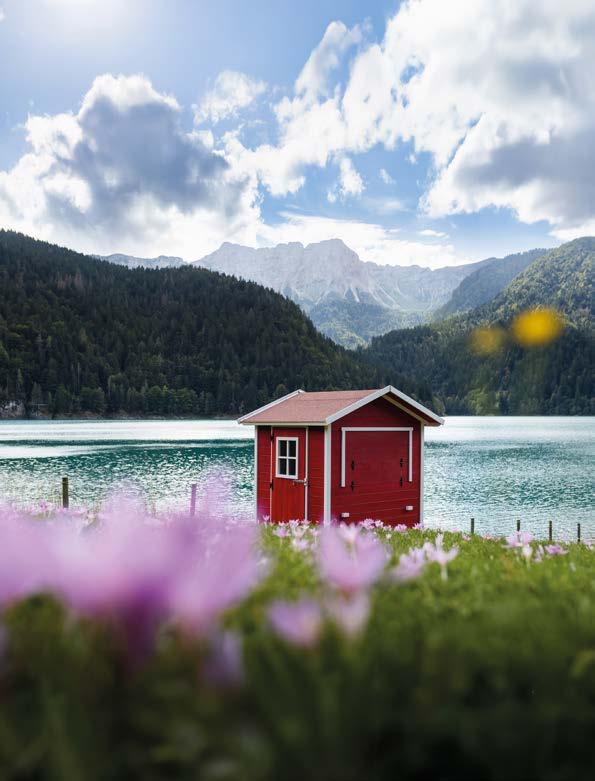
Prendi fiato, indossa lo zaino, intraprendi il tuo viaggio in un’oasi alpina di boschi di conifere che abbracciano le acque turchesi del lago, dove ogni passo è un incontro con tradizioni montane, alpeggi estivi e prolungati silenzi. Scarica l’APP FVG Outdoor e scopri un mondo da esplorare, tra le montagne del Friuli Venezia Giulia
ASTANA, LA CAPITALE DEL KAZAKISTAN CHE STUPISCE
di Ilaria Santi
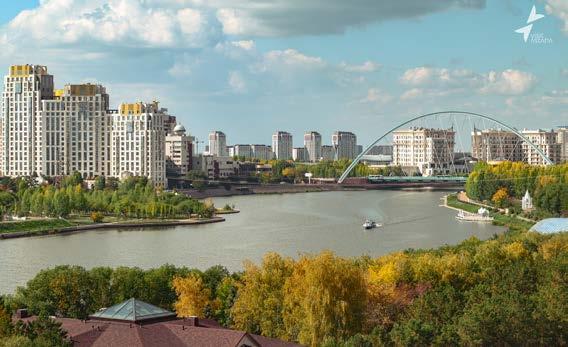
Della vecchia Astana ovvero di quando la città non era ancora la Capitale del Kazakistan, è rimasto ben poco. Stupisce, invece, la sua impressionante architettura più recente, fatta di edifici eclettici, postmoderni, che cercano di imitare i classici, ma anche contemporanei, fatti di vetro e acciaio (alcuni progettati da archistar). Insomma, gli stili con cui è stata sviluppata la più importante città del Paese sono vari ma tutti monumentali. I collegamenti aerei diretti tra l’Italia e il Kazakistan si intensificano di giorno in giorno, il che spiega il grande interesse da parte degli italiani verso questa meta dell’Asia Centrale. Ecco, quindi, quali sono i luoghi insoliti che vi lasceranno di stucco da vedere ad Astana se decidete di fare un viaggio. Molte delle sculture e dei palazzi più incredibili svettano sul lungofiume dell’Esil, che attraversa la città e che, d’estate, diventa il cuore pulsante della vita sociale cittadina, animato da musicisti di strada, runner, ciclisti e coppie che si godono tranquille passeggiate serali. Sulla riva sinistra, il Parco Presidenziale è
ASTANA, THE CAPITAL OF KAZAKHSTAN THAT AMAZES VISITORS
EN. Very little remains of old Astana — of the city before it became the capital of Kazakhstan. What truly impresses today is its extraordinary contemporary architecture: eclectic, postmodern buildings that sometimes attempt to reinterpret classical forms, alongside strikingly modern structures made of glass and steel, some designed by internationally renowned starchitects. In short, the styles shaping the country’s most important city are varied, yet all undeniably monumental.
Direct air connections between Italy and Kazakhstan continue to increase, explaining the growing interest among Italian travellers toward this Central Asian
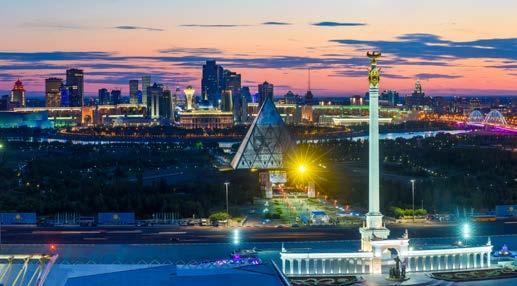
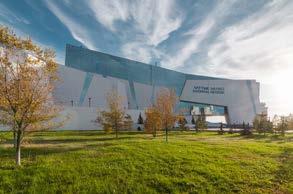
uno degli spazi verdi più grandi e simbolici di Astana. Progettato nell’ambito del piano regolatore cittadino, costituisce un asse visivo che conduce al Palazzo Presidenziale Ak Orda, la sede e la residenza ufficiale del Presidente del Kazakistan, un edificio classico stile Casa Bianca, affiancato su entrambi i lati da due originali edifici di specchio dorati a forma conica. Se c’è un edificio che tutti associano ad Astana, è senza dubbio la Torre Baiterek. Commissionata dal presidente del Kazakistan e completata nel 2002, è diventata il simbolo della nuova Capitale. La forma della torre è stata disegnata dallo stesso Presidente. La struttura bianca alla base rappresenta un albero, mentre la sfera dorata simboleggia un uovo, ispirandosi a una leggenda locale sull’uccello magico Samruk che depone il suo uovo nell’Albero della Vita. Il Palazzo della Pace e della Riconciliazione (noto anche come Piramide della Pace) è stato progettato nientemeno che dall’architetto britannico Lord Norman Foster, a cui sono stati affidati diversi altri progetti urbani, ed è stato inaugurato nel 2006: la sua forma piramidale è decisamente simbolica. All’intero, ospita un centro dedicato alla comprensione religiosa, alla rinuncia alla violenza e alla promozione della fede e dell’uguaglianza umana. Sempre Foster ha realizzato il Khan Shatyr, il mall più grande della città, che ha la forma di un grande tendone da circo e vanta il record come edificio a tenda più grande del mondo (150 metri). Al suo interno fa sempre caldo e, d’inverno, quando le temperature raggiungono i -20°C, è molto piacevole trascorrervi del tempo.
Tra il Palazzo Presidenziale e il Palazzo della Pace e della Riconciliazione si trova un altro imponente edificio firmato Foster: il Centro Nazarbayev ovvero l’archivio e la biblioteca del Presidente del Kazakistan.
destination. Here, then, are some of the unusual places that will leave visitors speechless if they decide to travel to Astana. Many of the city’s most spectacular sculptures and buildings rise along the Esil River promenade, which cuts through the city and becomes, during summer, the vibrant heart of Astana’s social life, animated by street musicians, runners, cyclists and couples enjoying quiet evening walks. On the left bank, the Presidential Park is one of Astana’s largest and most symbolic green spaces. Designed as part of the city’s master plan, it forms a visual axis leading toward the Ak Orda Presidential Palace, the official residence and headquarters of the President of Kazakhstan. The building resembles a classical White Housestyle palace, flanked on both sides by two original mirrored golden conical structures. If there is one building universally associated with Astana, it is undoubtedly the Baiterek Tower. Commissioned by the President of Kazakhstan and completed in 2002, it has become the symbol of the new capital. The tower’s shape was personally designed by the President himself. The white structure at the base represents a tree, while the golden sphere symbolises an egg, inspired by a local legend about the magical bird Samruk laying its egg in the Tree of Life. The Palace of Peace and Reconciliation — also known as the Pyramid of Peace — was designed by British architect Lord Norman Foster, who was also entrusted with several other major urban projects in the city. Inaugurated in 2006, its pyramidal shape carries strong symbolic meaning. Inside, it hosts a centre dedicated to religious understanding, the rejection of violence and the promotion of faith and human equality. Foster also designed Khan Shatyr,
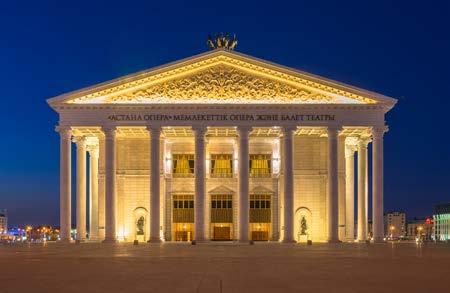
La sua caratteristica forma a conca si erge al centro di un ampio giardino ed è sormontata da un oculo di vetro di 90 metri, che offre una vista sul Palazzo Presidenziale e sui giardini. L’edificio di 20.000 metri quadrati ospita anche gli uffici della Fondazione Presidenziale, oltre a spazi per eventi pubblici, gallerie espositive e un auditorium. Lo studio Forster & Partners si è occupato anche della riqualificazione di un’intera area di 500mila metri quadrati dove è sorta la Abu Dhabi Plaza, un complesso a uso misto nel cuore di Astana, dove svetta la torre più alta (310,8 metri) dell’Asia centrale. Se il Teatro dell’Opera, terminato nel 2013, sembra avere più di cent’anni in più, con il suo stile classico e le colonnate, la Sala Concerti è molto moderna ed è stata progettata per assomigliare a petali di fiori fatti di pannelli di vetro verniciati di blu.
the city’s largest shopping mall, shaped like an enormous circus tent and holding the record as the world’s largest tensile structure at 150 metres high. Inside, temperatures remain warm year-round, making it a particularly pleasant refuge during Astana’s harsh winters, when temperatures can drop below -20°C. Between the Presidential Palace and the Palace of Peace and Reconciliation stands another impressive Fosterdesigned structure: the Nazarbayev Centre, which houses the archive and library of Kazakhstan’s President. Its distinctive bowl-shaped architecture rises from the centre of a large garden and is topped by a 90-metre glass oculus offering views over the Presidential Palace and surrounding gardens.
The 20,000-square-metre building also hosts the offices of the Presidential Foundation, alongside public event spaces, exhibition galleries and an auditorium.
Foster + Partners also oversaw the redevelopment of an entire 500,000-square-metre district where Abu Dhabi Plaza was created — a mixed-use complex in the heart of Astana featuring Central Asia’s tallest tower at 310.8 metres. While the Opera House, completed in 2013, appears almost a century older thanks to its classical style and grand colonnades, the Central Concert Hall is strikingly contemporary, designed to resemble flower petals made from blue-painted glass panels.
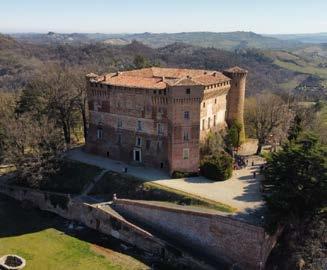
Nel cuore del Roero, il Castello di Monticello d’Alba, quest’anno festeggia i 650 anni conservando intatto il suo fascino. Questo antico maniero da oltre 700 anni appartiene ininterrottamente alla stessa famiglia ed è ancora oggi abitato. Per l’occasione, il maniero medievale all’arte contemporanea con “I racconti dell’acqua. Sculture nel paesaggio tra natura e artificio”, una mostra di cracking art diffusa nella natura del parco secolare. Protagoniste della mostra nel parco sono 68 sculture di animali: delfini, pinguini, oche selvatiche, rane, tartarughe, suricati, chiocciole e un elefante che sorprendono i visitatori con i loro colori sgargianti e le dimensioni gigantesche.
Info: https://www.roerodimonticello.it/
VAL GARDENA, THE HEART OF THE DOLOMITES
In the heart of the Roero region, the Castle of Monticello d’Alba celebrates its 650th anniversary this year while preserving all of its timeless charm. This ancient manor has belonged continuously to the same family for more than 700 years and is still inhabited today. For the occasion, the medieval castle embraces contemporary art through “The Tales of Water. Sculptures in the Landscape between Nature and Artifice”, an open-air Cracking Art exhibition spread throughout the estate’s historic park. The exhibition features 68 animal sculptures including dolphins, penguins, wild geese, frogs, turtles, meerkats, snails and even an elephant, surprising visitors with their bright colours and monumental dimensions.
Info: https://www.roerodimonticello.it/
VIAGGIO SUL TRENO STORICO PANORAMICO
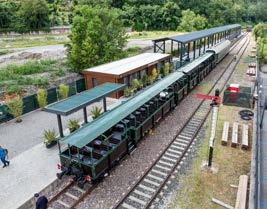
Dalla fine di giugno e fino alla fine di agosto, partirà un treno storico dalla stazione Centrale di Milano diretto verso il Lago d’Iseo con le nuove carrozze panoramiche. Si tratta di vetture speciali ricavate da antichi carri pianali e destinate al mercato del turismo ferroviario nazionale. L’itinerario lungo la ferrovia turistica Palazzolo sull’Oglio – Paratico/Sarnico attraversa paesaggi meravigliosi, tra i vigneti della Franciacorta e il corso del fiume Oglio, da ammirare a bordo delle speciali carrozze pensate per vivere il territorio da un punto di vista immersivo e sensoriale. Il progetto è stato realizzato dalla Fondazione FS.
From the end of June until late August, a historic train will depart from Milan Central Station heading toward Lake Iseo with brand-new panoramic carriages. These special coaches have been created from restored vintage flatbed railway cars and are intended for Italy’s growing railway tourism market. The route along the Palazzolo sull’Oglio – Paratico/Sarnico tourist railway crosses extraordinary landscapes between the vineyards of Franciacorta and the Oglio River. Passengers can admire these views aboard specially designed panoramic carriages created to offer an immersive and sensory travel experience. The project has been developed by Fondazione FS.
UNA PIÙ PICCOLA GEMMA D’ITALIA CERTIFICATA DESTINAZIONE TURISTICA SOSTENIBILE
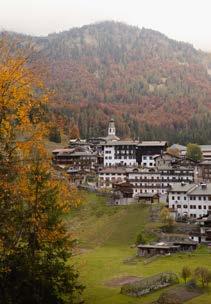
Dopo aver ricevuto il premio come uno dei 32 Best Tourism Villages dall’Agenzia Mondiale per il Turismo delle Nazioni Unite, Sauris-Zahre, nel Friuli-Venezia Giulia, ha ottenuto anche il riconoscimento come destinazione turistica sostenibile, certificata da GSTC-Global Sustainable Tourism Council. In questa località, nel 1994, è nato il primo Albergo Diffuso d’Italia. Oggi è l’unica struttura ricettiva certificata, un modello ospitale unico ideato per contrastare lo spopolamento e offrire ai viaggiatori un’accoglienza calorosa, intima e integrata nella vita del paese.
A SMALL ITALIAN GEM CERTIFIED AS A SUSTAINABLE TOURISM DESTINATION
After receiving recognition as one of the 32 Best Tourism Villages from the United Nations World Tourism Organization, Sauris-Zahre in Friuli-Venezia Giulia has also obtained certification as a sustainable tourism destination from the GSTC – Global Sustainable Tourism Council. It was here, in 1994, that Italy’s very first Albergo Diffuso was born. Today it remains the country’s only certified hospitality structure of its kind: a unique model created to combat depopulation while offering travellers a warm, intimate and deeply integrated village experience.
VANNI EYEWEAR DESIGN, L’ECCELLENZA DEL MADE IN ITALY
Un capsule collection in collaborazione con il brand Oscalito, due eccellenze del territorio torinese
Vanni nasce a Torino nel 1987, evoluzione naturale dello spirito imprenditoriale della famiglia Vitaloni, attiva nel settore automotive, una storia iniziata nel 1929 grazie all’intuizione del capostipite, che individuò nella produzione di specchi retrovisori il cuore della propria attività manifatturiera, sessant’anni più tardi, da quell’importante patrimonio tecnico e industriale, prende forma il brand VANNI, dagli specchi pensati per guardare indietro agli occhiali creati per guardare avanti, da questo raffinato cambio di prospettiva nasce il marchio, un gesto semplice solo in apparenza, destinato a trasformarsi in visione, da allora VANNI si afferma nel panorama dell’occhialeria creativa e dell’eyewear design, diventando oggi, con la terza generazione della famiglia alla guida uno dei protagonisti internazionali del settore, un universo in cui convivono il rigore del design, fatto di competenza tecnica e progettualità precisa e il fascino della moda, interprete di tendenze, gusto e stile, a rendere unico il brand sono due firme inconfondibili: il colore e i materiali esclusivi.
Per il brand torinese nulla è lasciato al caso, gli occhiali non sono il frutto di un’intuizione momentanea, ma l’espressione di oltre trentacinque anni di ricerca, sperimentazione e cultura estetica, ogni collezione nasce nel centro stile interno, autentico cuore creativo dell’azienda, dove idee e innovazione prendono forma prima di diventare prodotto, quella di VANNI non è artigianalità nel senso tradizionale del termine, è industria in edizione limitata, una produzione d’eccellenza distribuita in 50 Paesi nel mondo attraverso una rete nazionale e internazionale. L’anima di un occhiale VANNI vive attraverso i suoi materiali: acetati preziosi e metalli dalle fi-
VANNI EYEWEAR DESIGN, THE EXCELLENCE OF MADE IN ITALY | A capsule collection created in collaboration with Oscalito, two outstanding brands from the Turin area
EN. Vanni was founded in Turin in 1987 as the natural evolution of the entrepreneurial spirit of the Vitaloni family, historically active in the automotive sector. A story that began in 1929 thanks to the intuition of the family founder, who identified rear-view mirror production as the core of the company’s manufacturing activity.
Sixty years later, from this important technical and industrial heritage, the VANNI brand was born: from mirrors designed to look backwards to eyewear created to look ahead. From this refined change in perspective came a brand that would transform a seemingly simple gesture into a true vision.
Since then, VANNI has established itself within the world of creative eyewear and eyewear design, becoming today — with the third generation of the family leading the company — one of the international protagonists of the sector. A universe where the rigor of design, based on technical expertise and precise planning, coexists with the fascination of fashion, interpreting trends, taste and style. What makes the brand unique are two unmistakable signatures: colour and exclusive materials.
For the Turin-based brand, nothing is left to chance. Its eyewear is not the result of a momentary intuition, but the expression of more than thirty-five years of research, experimentation and aesthetic culture. Every collection is developed within the com-
di Paolo Gelmi
niture sorprendenti capaci di renderlo immediatamente riconoscibile, un tratto distintivo raro nell’universo eyewear, come un artista che dipinge sulla tela, VANNI crea texture originali per i propri acetati, fondendo gesto manuale e precisione millimetrica, ogni montatura nasce da componenti e materie prime italiane, realizzate in fabbriche del territorio e lavorate attraverso le migliori competenze manifatturiere specializzate, Made in Italy, senza compromessi.
Nel 2026 nasce una nuova capsule collection di sunglasses pensata dall’incontro tra VANNI e Oscalito, eccellenza tessile specializzata in intimo e maglieria di alta qualità, due maison torinesi accomunate da una heritage profondamente radicata nella tradizione industriale del territorio e da una naturale vocazione verso il bello e il ben fatto, creazioni disegnate e realizzate con cura, passione e savoir-faire in stabilimenti italiani, a partire da materie prime certificate, nel pieno rispetto delle persone e della natura, una visione condivisa, distante
pany’s in-house style centre, the true creative heart of the business, where ideas and innovation take shape before becoming products. VANNI is not craftsmanship in the traditional sense of the word: it is limited-edition industry. A production excellence distributed in 50 countries worldwide through a national and international network. The soul of a VANNI frame lives through its materials: precious acetates and metals with surprising finishes capable of making each piece immediately recognisable — a rare distinction in the eyewear universe. Like an artist painting on canvas, VANNI creates original textures for its acetates, combining handcrafted gestures with millimetric precision. Every frame is made using Italian components and raw materials produced in local factories and crafted through the finest specialised manufacturing expertise. Made in Italy, without compromise. In 2026, a new sunglasses capsule collection was born from the meeting between VANNI and Oscalito, the textile excellence specialised in high-quality knitwear and underwear. Two Turin-based maisons united by a heritage deeply rooted in the industrial tradition of the territory and by a natural vocation for beauty and craft-
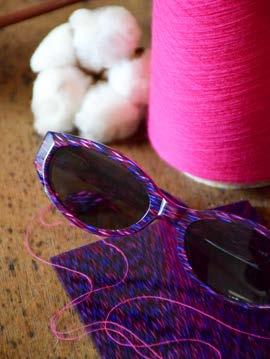
dalle logiche del fast fashion nel mondo del tessile e degli accessori, VANNI e Oscalito firmano così una capsule di occhiali capace di fondere stile e contemporaneità, valorizzando una filiera corta, locale, controllata ed etica, questa collezione prende vita da una materia prima simbolica per entrambi i brand: il cotone, da questo, infatti Oscalito ricava filati pregiati con cui dà forma a capi essenziali, eleganti e confortevoli, mentre VANNI ne interpreta l’essenza attraverso l’aceta-
to di cellulosa utilizzato per la realizzazione degli occhiali, tessile ed eyewear si incontrano così a partire dalla stessa fibra, trasformata in due espressioni differenti ma perfettamente coerenti nei valori e nella cultura produttiva.
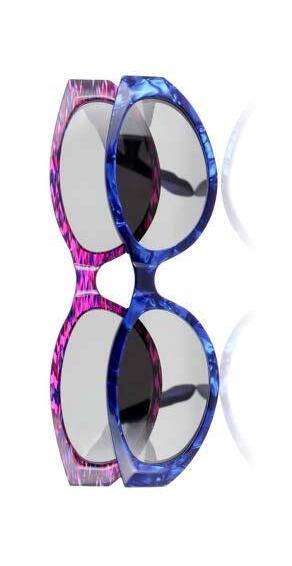
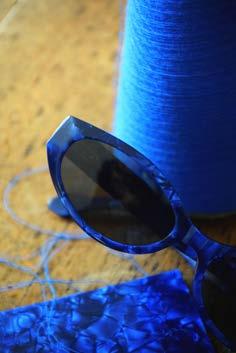
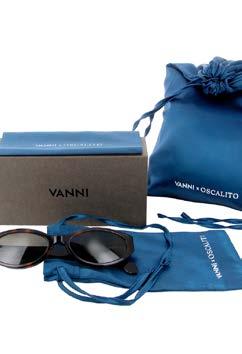
La capsule VANNI x Oscalito si compone di tre modelli di occhiali da sole dai nomi evocativi e cari alla città di Torino e ai suoi abitanti: Dora, Aurora e Valentine, la materia prima scelta è acetato di cellulosa di origine certificata, le cromie richiamano i filati iconici di Oscalito e spaziano dal nero al bianco, dal blu al verde muschio, fino a caldi havana maculati, a questi si affiancano i modelli che interpretano i celebri acetati esclusivi personalizzati VANNI, la trama damascata bluette dell’acetato Dama, la texture pixelata verde dell’acetato Pixel e la finitura laminata fucsia dell’acetato Blade, i sacchetti portaocchiali nascono da un raffinato progetto di upcycling realizzato con prezioso raso di seta Oscalito nella tonalità pavone, a completare la capsule troviamo il packaging fatto di eleganti colli in filo di scozia di cotone che aggiungono un ultimo dettaglio di charme.
smanship. Creations designed and produced with care, passion and savoir-faire in Italian facilities, starting from certified raw materials and developed with full respect for both people and nature. A shared vision, far removed from the logic of fast fashion within the textile and accessories world. VANNI and Oscalito have therefore created a capsule collection capable of blending style and contemporaneity while enhancing a short, local, controlled and ethical supply chain. This collection originates from a symbolic raw material shared by both brands: cotton. Oscalito transforms it into precious yarns used to create essential, elegant and comfortable garments, while VANNI interprets its essence through the cellulose acetate used for its eyewear. Textile and eyewear therefore meet through the same fibre, transformed into two different expressions yet perfectly coherent in terms of values and manufacturing culture.
The VANNI x Oscalito capsule consists of three sunglasses models with evocative names closely linked to Turin and its inhabitants: Dora, Aurora and Valentine. The selected material is certified-origin cellulose acetate. The colour palette recalls Oscalito’s iconic yarns, ranging from black to white, from blue to moss green, up to warm spotted Havana tones. Alongside these are models featuring VANNI’s famous exclusive customised acetates: the bright blue damask texture of the Dama acetate, the green pixelated texture of the Pixel acetate and the laminated fuchsia finish of the Blade acetate. The eyewear pouches are created through a refined upcycling project using precious Oscalito silk satin in peacock tones. Completing the capsule is the packaging, featuring elegant cotton filo di Scozia collars that add a final touch of charm.
OSCALITO
Nata a Torino nel 1936, Oscalito ha costruito il proprio linguaggio lontano dalle mode veloci e vicino a un’idea quasi silenziosa di eleganza, un brand che non ha mai avuto bisogno di urlare per essere riconosciuto, perché la sua identità è sempre passata attraverso la qualità del gesto, la precisione manifatturiera e il valore del tempo. Nel panorama contemporaneo, dove molti marchi inseguono il rumore dell’istantaneità, Oscalito continua invece a raccontare una storia fatta di continuità, una storia torinese nel senso più autentico del termine: discreta, rigorosa, concreta, la città industriale e sofisticata diventa parte integrante del DNA del marchio, che negli anni ha trasformato l’intimo, la lingerie e la maglieria in un’esperienza di comfort raffinato. Le sue collezioni parlano di materia, di sensazioni, cotoni egiziani, lane merino extrafini, sete leggere e lavorazioni accurate diventano strumenti attraverso cui il prodotto acquisisce personalità, non semplice underwear, ma un lusso quotidiano pensato per durare, attraversando stagioni e generazioni senza perdere identità, quello che rende Oscalito interessante oggi è proprio questa capacità di rimanere fedele a sé stessa in un mercato che cambia continuamente pelle, anche l’estetica riflette questa filosofia: linee essenziali, femminilità misurata, dettagli che emergono solo a uno sguardo attento attraverso una sensualità sofisticata, mai eccessiva, che appartiene più al mondo della cultura sartoriale italiana che a quello del fashion system gridato, negli anni Oscalito è riuscita a occupare uno spazio raro, quello dei brand che trasmettono fiducia, un marchio che non vive di nostalgia ma di coerenza, forse è proprio questa la sua forma più contemporanea di lusso, un marchio dallo spirito Sabaudo che nel 2026 festeggia i suoi primi 90 anni con una notevole capacità di evolversi senza abbandonare la propria identità, aprendo i suoi orizzonti anche ad un pubblico maschile.
Founded in Turin in 1936, Oscalito has built its language far from fast-moving trends and close to an almost silent idea of elegance. A brand that never needed to shout in order to be recognised, because its identity has always been expressed through the quality of its craftsmanship, manufacturing precision and the value of time. In today’s landscape, where many brands chase the noise of immediacy, Oscalito instead continues to tell a story of continuity.
A truly Turin story in the most authentic sense of the word: discreet, rigorous and concrete. The city’s industrial yet sophisticated spirit has become an integral part of the brand’s DNA, transforming underwear, lingerie and knitwear into an experience of refined comfort over the years. Its collections speak through materials and sensations. Egyptian cottons, extra-fine merino wool, lightweight silks and meticulous workmanship become instruments through which each product acquires personality. Not simple underwear, but an everyday luxury designed to last through seasons and generations without losing its identity. What makes Oscalito particularly interesting today is precisely this ability to remain faithful to itself within a constantly changing market.
Even its aesthetic reflects this philosophy: essential lines, measured femininity and details that reveal themselves only through attentive observation. A sophisticated sensuality, never excessive, belonging more to the world of Italian sartorial culture than to the loud universe of the fashion system. Over the years, Oscalito has managed to occupy a rare position: that of brands capable of transmitting trust. A label that does not live on nostalgia, but on coherence.
Perhaps this is its most contemporary form of luxury.
A brand with a true Savoy spirit that, in 2026, celebrates its first 90 years while demonstrating a remarkable ability to evolve without abandoning its identity, opening its horizons increasingly toward a male audience as well.
FASHION UPDATES
Ricerca stilistica, sostenibilità e visioni creative, la moda evolve verso un’eleganza più autentica e trasversale, nuove collezioni, materiali innovativi e identità sempre più riconoscibili
Stylistic research, sustainability, and creative visions: fashion is evolving towards a more authentic and transversal elegance, new collections, innovative materials, and increasingly recognizable identities
BRETT JOHNSON , PRESENTA LA NUOVA COLLEZIONE DI CALZATURE
Design, innovazione e lusso responsabile
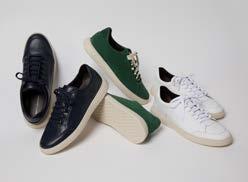
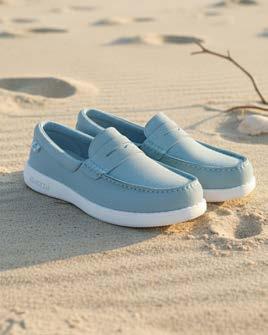
Con la collezione Primavera-Estate ’27, Brett Johnson apre un nuovo capitolo nel casual luxury footwear, reinterpretando l’eleganza contemporanea attraverso innovazione tecnica e attenzione concreta alla sostenibilità, protagonista del progetto è una nuova suola customizzata, sviluppata esclusivamente per il brand e pensata per diventare un elemento iconico, continuativo e transeasonal del suo linguaggio estetico. La costruzione a “cassetta”, espressione del quiet luxury, unisce design e performance grazie a una struttura in poliuretano termoplastico leggera, flessibile e altamente confortevole, capace di garantire ammortizzazione, stabilità e una camminata fluida dal ridotto impatto fisico.
BRETT JOHNSON PRESENTS THE NEW FOOTWEAR
COLLECTION
Design, innovation and responsible luxury
With the Spring-Summer ’27 collection, Brett Johnson opens a new chapter in casual luxury footwear, reinterpreting contemporary elegance through technical innovation and a concrete commitment to sustainability. At the heart of the project is a new customised sole, developed exclusively for the brand and conceived as an iconic, continuous and transeasonal element of its aesthetic language. The “box sole” construction, an expression of quiet luxury, combines design and performance thanks to a lightweight, flexible and highly comfortable thermoplastic polyurethane structure, capable of ensuring cushioning, stability and smooth walking with reduced physical impact.
di Paolo Gelmi
BRACKEN , LE SCARPE PER IL LIFESTYLE COSTIERO E URBANO.
Una nuova linea di calzature funzionali ed eleganti
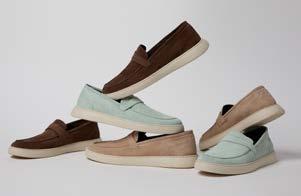
Molly Bracken debutta nel mondo maschile con Bracken, una linea di calzature ispirate al mondo nautico, facili da indossare, funzionali ed eleganti, perfette per il lifestyle costiero quanto per quello urbano, ideata da Julian Sidonio, fondatore e CEO del Gruppo, questa collezione riflette il suo stile di vita, libero, dinamico e intraprendente, ed è stata pensata per un uomo appassionato di sport, nautica e viaggi. Questa linea si costituisce di due modelli di slip-on: Bracken Navigator è una calzatura perfetta per le attività quotidiane all’aperto come per le fughe off-shore, dotata di una suola specifica che protegge le superfici delle imbarcazioni, il suo tessuto mesh a texture 3D le conferisce un look sportivo e contemporaneo, Classic Bracken, realizzata in suede vegano, è la compagna perfetta per i viaggi di lavoro e per le occasioni casual chic metropolitane. Entrambi i modelli sono disponibili in un’ampia gamma di colori, perfetti per completare il guardaroba maschile, con la linea Bracken, Molly Bracken porta il suo spirito casual chic francese nel mondo del footwear maschile.
1909 CALLEGARI , HERITAGE DEL GIOIELLO CHE GUARDA AL FUTURO Storia e tradizione di un brand di gioielli che punta sull’innovazione nel rispetto delle proprie radici
1909 Callegari è un progetto che nasce e si sviluppa nel 2022 in Italia nella città di Padova, dove Elisabetta, Andrea e Beppe, terza generazione alla guida della gioielleria di famiglia Roberto Callegari, danno vita a creazioni che guardano al futuro facendo tesoro di una storia lunga oltre un secolo, storia e tradizione sono infatti i tratti distintivi del brand 1909: una selezione di oggetti che si arricchisce di una nuova visione, una nuova idea di bellezza, un’incessante ricerca di perfezione, arte e magia. Attenzione per
BRACKEN, FOOTWEAR FOR COASTAL AND URBAN LIFESTYLES
Molly Bracken makes its debut in the menswear world with Bracken, a footwear line inspired by the nautical universe — easy to wear, functional and elegant, perfectly suited to both coastal and urban lifestyles. Conceived by Julian Sidonio, founder and CEO of the Group, the collection reflects his free, dynamic and adventurous lifestyle and is designed for men passionate about sports, sailing and travel. The line includes two slip-on models: Bracken Navigator, ideal both for everyday outdoor activities and offshore escapes, featuring a special sole designed to protect boat surfaces, while its 3D textured mesh fabric gives it a sporty and contemporary look. Classic Bracken, made from vegan suede, is instead the perfect companion for business trips and metropolitan casual-chic occasions. Both models are available in a wide range of colours designed to complete the modern male wardrobe. With the Bracken line, Molly Bracken brings its French casual chic spirit into the world of men’s footwear.
1909 CALLEGARI, JEWELLERY HERITAGE LOOKING TOWARD THE FUTURE
History and tradition combined with innovation
1909 Callegari is a project born and developed in 2022 in Padua, Italy, where Elisabetta, Andrea and Beppe — the third generation leading the family jewellery business Roberto Callegari — create pieces that look toward the future while preserving a history spanning more than a century. History and tradition are the defining elements of the 1909 brand: a selection of objects enriched by a new vision, a new idea of beauty and a relentless pursuit of perfection, art and magic. Attention to tradition combined with the use of new technologies results in handmade jewellery designed to enhance precious stones and raw materials, the very foundations of the brand’s world. 1909 Callegari is composed of three lines.
la tradizione e utilizzo di nuove tecnologie si traducono in gioielli realizzati a mano che valorizzano le pietre preziose e le materie prime, fondamento del nostro mondo. 1909 Callegari è composto da tre linee: Connection è relazione, scambio e interconnessione tra pensieri, visioni e persone, creazioni preziose che celebrano la condivisione di valori e visioni che uniscono anche le anime più differenti. Open Mind si ispira a un approccio alla vita senza pregiudizi, ma con curiosità e apertura, rappresenta un modo di essere ed il desiderio di avere una mente libera. Ed infine la collezione Solid, che interpreta i valori che definiscono il brand: tradizione, relazione e ricerca, diamanti luminosi e geometrie audaci che esaltano le materie prime, fondamenti nel mondo di 1909 Callegari, attraverso un ritorno all’essenzialità e alla purezza delle forme.
ACBC , INAUGURA LA SUA SEDE A MILANO
Un luogo dove l’innovazione diventa servizio integrato
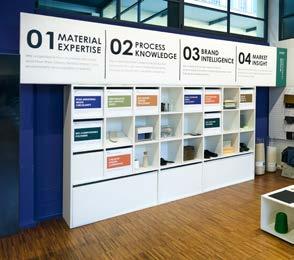
A Milano il 13 maggio – ACBC ha inaugurato in Via Signorelli 10 il suo Innovation Hub: 400 mq pensati per ridefinire il modo in cui l’innovazione viene anticipata, progettata, sviluppata e portata a mercato nei settori fashion, luxury e lifestyle, più che uno spazio, si tratta di una piattaforma operativa che rende tangibile il modello ACBC: un approccio end-to-end che integra ricerca sui materiali, sviluppo prodotto, strategia e go-to-market. Un posizionamento distintivo rispetto alla consulenza tradizionale, che si traduce in un sistema di servizi capace di accompagnare brand e produttori lungo tutta la filiera.
Al centro c’è l’Innovation Hub, cuore tecnologico e progettuale di ACBC, dove l’azienda opera lungo l’intero ciclo di vita del prodotto: dallo sviluppo dei materiali al design e alla trasformazione, fino alla gestione del fine vita e alla circolarità. L’Hub offre accesso a un ecosistema selezionato di soluzioni emergenti, fungendo da collettore e da piattaforma di validazione: dalle startup internazionali alle scale-up già pronte per un’applicazione industriale.
Inoltre, attiva processi di cross-fertilization con settori come l’automotive e l’interior design, trasformando la ricerca in applicazioni concrete. L’innovation hub conta un team interno di 8 persone sotto la guida del Chief Innovation Officer Edoardo Iannuzzi, con esperti nel campo tessile, mondo pelle e polimeri ed un database di più di 3800 materiali e circa 200 realtà collegate divise tra start-up e innovatori del mondo dei materiali e leader multi-nazionali, con copertura di diverse supply chain dall’Asia, EU e USA. L’hub adotta una duplice strategia di innovazione: da una parte l’area “Available”, dove l’innovazione ricerca e mette a disposizione dei brand su base stagionale – seguendo la stagionalità della moda – materiali pronti per integrazione e implementazione, testati su Proof Of Concept di prodotto; e dall’altra l’area “New Frontiers”, dove l’hub sviluppa propri brevetti con un budget del 5% del fatturato in R&D, per realizzare le tecnologie innovative che serviranno per la trasformazione circolare del settore moda.
Connection represents relationships, exchange and interconnection between thoughts, visions and people — precious creations celebrating the sharing of values and perspectives capable of uniting even the most different souls. Open Mind is inspired by an approach to life free from prejudice yet driven by curiosity and openness. It represents a state of mind and the desire to maintain intellectual freedom. Finally, the Solid collection interprets the values defining the brand: tradition, connection and research. Bright diamonds and bold geometries enhance the raw materials at the core of 1909 Callegari’s universe through a return to the essentiality and purity of forms
ACBC INAUGURATES ITS MILAN HEADQUARTERS
A place where innovation becomes integrated service
On May 13th in Milan, ACBC inaugurated its Innovation Hub at Via Signorelli 10: a 400-square-metre space designed to redefine the way innovation is anticipated, designed, developed and brought to market within the fashion, luxury and lifestyle sectors. More than just a space, it is an operational platform that makes the ACBC model tangible: an end-to-end approach integrating material research, product development, strategy and go-to-market solutions. This distinctive positioning compared to traditional consultancy translates into a service system capable of supporting brands and manufacturers throughout the entire supply chain.At the centre is the Innovation Hub itself — the technological and design core of ACBC — where the company operates across the entire product lifecycle: from material development to design and transformation, all the way to endof-life management and circularity. The Hub provides access to a selected ecosystem of emerging solutions, functioning
READY TO GIN , IL COCKTAIL READY-TO-DRINK
La nuova frontiera del Gin artigianale tutta
Made in italy
Nel panorama dei cocktail ready-to-drink, Ready to Gin introduce un nuovo concetto di consumo premium, dove praticità e qualità artigianale convivono in perfetto equilibrio, il brand propone una selezione di cocktail a base di gin già pronti da bere, pensati per offrire un’esperienza raffinata ma immediata: basta agitare la bottiglia, versare il contenuto in un bicchiere con ghiaccio e gustare il drink. Alla base del progetto c’è una forte specializzazione nel mondo del gin e della mixology, con ricette sviluppate per garantire equilibrio, carattere e qualità costante in ogni sorso, le preparazioni vengono realizzate in piccole quantità utilizzando ingredienti naturali accuratamente selezionati, provenienti da produttori locali e fornitori di nicchia italiani, Ready to Gin si rivolge a chi desidera vivere il momento dell’aperitivo o della convivialità in modo semplice ma ricercato, trasformando ogni occasione, da una cena tra amici a un regalo in un’esperienza dal gusto contemporaneo e autentico.
both as a collector and validation platform, ranging from international start-ups to scale-ups ready for industrial application. It also activates cross-fertilisation processes with sectors such as automotive and interior design, transforming research into concrete applications. The Innovation Hub includes an internal team of eight people led by Chief Innovation Officer Edoardo Iannuzzi, with experts in textiles, leather and polymers, as well as a database containing more than 3,800 materials and approximately 200 connected companies, including start-ups, material innovators and multinational leaders across supply chains in Asia, Europe and the United States. The Hub adopts a dual innovation strategy. On one side is the “Available” area, where innovation research identifies and provides brands with seasonal materials ready for integration and implementation, already tested through product Proofs of Concept. On the other side is the “New Frontiers” area, where the Hub develops proprietary patents with a budget allocation of 5% of turnover dedicated to R&D, creating innovative technologies aimed at supporting the circular transformation of the fashion industry.
READY TO GIN, THE READY-TO-DRINK COCKTAIL
The new frontier of artisanal gin, entirely Made in Italy
Within the ready-to-drink cocktail landscape, Ready to Gin introduces a new concept of premium consumption where practicality and artisanal quality coexist in perfect balance. The brand offers a selection of gin-based cocktails already prepared and ready to drink, designed to deliver a refined yet immediate experience: simply shake the bottle, pour over ice and enjoy. At the core of the project lies a strong specialisation in the world of gin and mixology, with recipes developed to guarantee balance, character and consistent quality in every sip. Preparations are produced in small batches using carefully selected natural ingredients sourced from local producers and niche Italian suppliers. Ready to Gin is aimed at consumers who want to experience aperitivo and convivial moments in a simple yet sophisticated way, transforming every occasion — from dinners with friends to gift ideas — into an experience with contemporary and authentic taste.
NUDE PROJECT, QUANDO LO STREETWEAR TORNA A ESSERE COLLETTIVO
di Andrea Bertolucci
Per una lunga fase dello streetwear contemporaneo, soprattutto in Europa, l’idea di community è sembrata ridotta ad un mantra da ripetere, più che a qualcosa da costruire. I brand parlavano continuamente di appartenenza, di connessione, di identità condivisa, costruendoci attorno una potente narrazione di marketing, ma mantenendo spesso una distanza dalle persone che avrebbero dovuto rappresentare. È dentro questa stanchezza, all’interno di un panorama che iniziava lentamente a consumare le proprie formule, che prende forma il percorso di Nude Project. Nel 2019, un anno in cui gran parte dello streetwear europeo iniziava a spostarsi verso il linguaggio dei social media e delle community digitali, Nude Project nasce a Barcellona per iniziativa di Bruno Casanovas e Àlex Benlloch, due ragazzi poco più che maggiorenni accomunati dall’idea di costruire uno spazio in cui la propria generazione potesse realmente riconoscersi. I due si conoscono online, condividono riferimenti culturali simili e iniziano il progetto con risorse minime — appena 600 euro complessivi — producendo e vendendo le prime felpe all’interno della propria cerchia di amici e conoscenti, in una fase ancora molto distante dalle dimensioni che il brand avrebbe raggiunto nel giro di pochi anni.
La crescita arriva rapidamente e passa soprattutto attraverso Internet, che Nude Project utilizza non soltanto come vetrina ma come ambiente naturale dentro cui sviluppare il proprio lin-
NUDE PROJECT, WHEN STREETWEAR BECOMES COLLECTIVE AGAIN
EN. For a long period within contemporary streetwear — especially in Europe — the idea of community seemed reduced to little more than a mantra repeated endlessly rather than something genuinely built. Brands constantly spoke about belonging, connection and shared identity, constructing powerful marketing narratives around these concepts while often maintaining a clear distance from the very people they claimed to represent.
It is precisely within this growing fatigue, in a landscape slowly consuming its own formulas, that the story of Nude Project begins. In 2019, at a moment when much of European streetwear was increasingly shifting toward the language of social media and digital communities, Nude Project was born in Barcelona through the initiative of Bruno Casanovas and Àlex Benlloch, two barely adult young men united by the idea of creating a space in which their generation could truly recognise itself.
The two first met online, shared similar cultural references and launched the project with minimal resources — just 600 euros in total — producing and selling their first
guaggio. Instagram diventa il principale strumento di diffusione del marchio, capace di intercettare fin da subito un pubblico molto giovane grazie a una comunicazione diretta, spontanea e perfettamente allineata ai codici della Generazione Z. Nel frattempo iniziano ad arrivare anche le prime connessioni con la scena urban spagnola, attraverso collaborazioni e rapporti con artisti come Rauw Alejandro e Kidd Keo, che contribuiscono ad ampliare ulteriormente la visibilità del progetto e a consolidarne la presenza all’interno della nuova scena streetwear europea. I capi funzionano perché sembrano appartenere immediatamente alla vita reale delle persone che li indossano, senza la necessità di essere caricati di significati eccessivi. Più che costruire un immaginario distante, Nude Project lavora sulla familiarità, sull’idea di creare un ambiente riconoscibile dentro cui una generazione europea possa vedersi rappresentata. Con il tempo il progetto cresce rapidamente, soprattutto grazie a una comunicazione che non separa quasi mai il brand dalle persone che lo costruiscono. Eventi, viaggi, contenuti spontanei, incontri fisici: tutto contribuisce a dare la sensazione che Nude Project non stia semplicemente vendendo vestiti, ma stia documentando un’esperienza collettiva in tempo reale. Anche quando le vendite iniziano ad aumentare, il linguaggio rimane volutamente informale, spesso imperfetto. Negli ultimi anni, infatti, il brand ha iniziato ad ampliare ulteriormente il
hoodies within their circle of friends and acquaintances, at a stage still very far from the scale the brand would reach within just a few years. Growth arrived quickly and developed primarily through the internet, which Nude Project used not simply as a showcase but as the natural environment within which to shape its own language. Instagram became the brand’s main communication tool, immediately connecting with a very young audience thanks to direct, spontaneous communication perfectly aligned with the codes of Generation Z. At the same time, the first links with the Spanish urban scene also began to emerge through collaborations and relationships with artists such as Rauw Alejandro and Kidd Keo, helping expand the project’s visibility even further and consolidating its presence within the new European streetwear scene. The garments worked because they immediately seemed connected to the real lives of the people wearing them, without the need to overload them with excessive meaning. Rather than building a distant imaginary world, Nude Project focused on familiarity, on the idea of creating a recognisable environment in which a European generation could see itself represented. Over time, the project expanded rapidly, largely thanks to communication that almost never separated the brand from the people building it. Events, travel, spontaneous content and physical gatherings all contributed to creating
Bruno Casanovas e Alex Benlloch, co-founder di Nude Project
proprio raggio d’azione, trasformandosi gradualmente da semplice marchio streetwear a piattaforma culturale sempre più strutturata, finendo per rappresenta uno dei casi più particolari della nuova scena europea, proprio perché il suo sviluppo non può essere spiegato soltanto attraverso il prodotto. Oltre alle collezioni stagionali, il brand ha intensificato il lavoro sugli eventi fisici, sui pop-up internazionali e sulle esperienze dal vivo costruite attorno alla propria community, arrivando a organizzare incontri e aperture in città come Madrid, Milano, Lisbona, Parigi, Città del Messico e di recente anche Roma.
the feeling that Nude Project was not simply selling clothes, but documenting a collective experience in real time. Even as sales began to increase significantly, the language intentionally remained informal and often imperfect. In recent years, the brand has continued expanding its scope, gradually transforming itself from a simple streetwear label into an increasingly structured cultural platform. It has become one of the most interesting cases within the new European scene precisely because its development cannot be explained solely through the product itself. Beyond seasonal collections, the brand has intensified its focus on physical events, international pop-ups and live experiences built around its community, organising gatherings and openings in cities such as Madrid, Milan, Lisbon, Paris, Mexico City and, more recently, Rome.
Nude Project SS2026 ·
the movie ROMERÌA – IL MARE DEI RICORDI
di Enza Pietrangelo
Videocamera a mano e diario della madre in tasca, Marina si reca in Galizia per ritrovare la famiglia di suo padre, morto di AIDS molti anni prima. Essendo stata dottata, ha bisogno di un certificato anagrafico per ottenere una borsa di studio. Ma dietro alla ragione ufficiale, si nasconde il desiderio di ricostruire la vita dei suoi genitori, su cui la famiglia mantiene un rigoroso riserbo. Tutti vogliono dimenticare, tutti vogliono seppellire il passato che ha sciolto i sogni dell’avvenire con eroina e zucchero. Negli stessi luoghi in cui sua madre e suo padre sono stati innamorati e felici, disperati e sconfitti, Marina troverà il suo posto e lo slancio per il futuro. Dopo Estate 1993, Carla Simón si ancora di nuovo alla sua storia personale e per incarnare il suo doppio sceglie
EN. With a handheld camera and her mother’s diary in her pocket, Marina travels to Galicia to reconnect with her father’s family, years after his death from AIDS. Having been adopted, she needs an official birth certificate in order to apply for a scholarship. But behind this formal reason lies a deeper desire: to reconstruct the lives of her parents, about whom the family maintains a strict silence. Everyone wants to forget. Everyone wants to bury a past in which heroin and disillusion dissolved dreams for the future. In the same places where her mother and father once loved each other, were happy, desperate and defeated, Marina will ultimately find her own place and a renewed momentum toward the future.
After Summer 1993, Carla Simón once again draws from her personal history and chooses newcomer Llúcia Garcia to embody her alter ego on screen.
una giovane attrice debuttante, Llúcia Garcia. Sospesa tra due epoche, Marina è la solida promessa di vita nata da una generazione sacrificata, falciata dall’AIDS e dal silenzio. Di quei figli lasciati indietro a morire restano oggi i padri e le madri, i fratelli e le sorelle, che accolgono la nipote con un calore velato da imbarazzo e pudore. Il lutto impossibile ha depositato nei loro cuori emozioni contraddittorie: colpe, rimorsi, tarli, nostalgia.
Romería è un film riparatore che si allontana progressivamente dai toni realistici, perché la verità della memoria non si trova mai nella ricerca erudita, documentaristica, ma nella fuga romanzesca dell’inconscio, per mediazione della fiction.
Suspended between two eras, Marina becomes the powerful symbol of life emerging from a sacrificed generation devastated by AIDS and silence. Of those children left behind to die, there remain today fathers and mothers, brothers and sisters, who welcome their niece with warmth softened by embarrassment and restraint. An unresolved mourning has left contradictory emotions in their hearts: guilt, regret, torment and nostalgia. Romería is a restorative film that gradually moves away from realism, because the truth of memory is never found through scholarly or documentary research, but through the imaginative escape of the unconscious, mediated by fiction.
I 5 SMARTPHONE DEL 2026 CHE STANNO RIVOLUZIONANDO LA FOTOGRAFIA
Sensori sempre più grandi, intelligenza artificiale evoluta e video quasi cinematografici: oggi i telefoni top di gamma sfidano apertamente le fotocamere tradizionali
di Rodolfo Mangiagalli
Per anni gli smartphone sono stati scelti soprattutto per velocità, design o durata della batteria. Oggi, invece, la vera competizione tra i grandi produttori si gioca quasi interamente sulla fotografia. Nel 2026 i telefoni di fascia alta sono diventati strumenti incredibilmente sofisticati, capaci di realizzare immagini e video che fino a pochi anni fa sarebbero sembrati impossibili con un semplice dispositivo tascabile. Il cambiamento non riguarda soltanto la qualità tecnica. È cambiato proprio il modo di fotografare. I nuovi smartphone utilizzano sistemi basati sull’intelligenza artificiale che intervengono in tempo reale su luce, colori, profondità, stabilizzazione e dettagli. In molti casi il telefono “interpreta” la scena prima ancora che l’utente prema il pulsante di scatto, ottimizzando automaticamente il risultato finale. Il risultato è che oggi sempre più creator, professionisti dei social media e persino fotografi utilizzano lo smartphone come strumento principale di lavoro. Viaggi, concerti, contenuti per TikTok, reportage urbani e video professionali vengono spesso realizzati interamente con telefoni che riescono a stare comodamente in tasca.
Tra i modelli più performanti del 2026 ce ne sono cinque che stanno dominando il mercato fotografico mondiale. Ognuno con caratteristiche molto diverse, ma accomunati da un livello qualitativo impressionante.
Il modello che continua a essere considerato uno dei più completi è il Samsung Galaxy S26 Ultra. Samsung ha spinto ancora di più sulla versatilità fotografica, sviluppando un sistema con sensore principale ad altissima risoluzione e teleobiettivi evoluti che permettono zoom estremamente dettagliati anche a grande distanza. È il telefono ideale per chi fotografa viaggi, paesaggi urbani, eventi sportivi o concerti. Uno degli aspetti più sorprendenti riguarda la stabilizzazione video. I nuovi sistemi Samsung riescono a mantenere le immagini estremamente fluide anche durante movimenti molto bruschi, creando un effetto quasi cinematografico. Anche le fotografie notturne hanno raggiunto livelli impressionanti, soprattutto nelle grandi città illuminate artificialmente. Il prezzo medio europeo delle versioni più accessoriate supera ormai i
THE 5 SMARTPHONES OF 2026 REVOLUTIONISING PHOTOGRAPHY | Larger sensors, advanced artificial intelligence and cinematic-quality videos: today’s flagship smartphones are openly challenging traditional cameras
EN. For years smartphones were chosen mainly for speed, design or battery life. Today, however, the real competition between major manufacturers revolves almost entirely around photography. In 2026 high-end smartphones have become extraordinarily sophisticated tools, capable of producing images and videos that would have seemed impossible for a pocket-sized device only a few years ago. The transformation is not only technical. The entire way people take photographs has changed. Modern smartphones use artificial intelligence systems that work in real time on lighting, colours, depth, stabilisation and details. In many cases the phone “interprets” the scene even before the user presses the shutter button, automatically optimising the final result.
1.500 euro, confermando come questi dispositivi stiano diventando veri strumenti professionali.
Apple continua invece a dominare il settore video con il nuovo iPhone 18 Pro Max . Se Samsung punta soprattutto sulla versatilità e sullo zoom, Apple resta il riferimento assoluto per chi crea contenuti video. Registi, creator digitali e professionisti dei social network continuano spesso a preferire iPhone per la naturalezza delle immagini, la qualità della stabilizzazione e la gestione estremamente avanzata dei colori.
Le nuove modalità cinematografiche permettono di modificare profondità di campo e messa a fuoco direttamente dopo le riprese, rendendo il telefono sempre più vicino a una videocamera professionale. Anche il comparto audio è stato migliorato notevolmente, con registrazioni molto più immersive rispetto alle generazioni precedenti. Il prezzo delle configurazioni top supera facilmente i 1.700 euro, soprattutto nelle versioni con maggiore memoria interna dedicate ai creator professionisti.
Google continua invece a percorrere una strada differente con il Pixel 10 Pro XL . Da anni l’azienda americana punta meno sulla corsa ai megapixel e molto di più sull’elaborazione software delle immagini. È probabilmente lo smartphone che sfrutta meglio l’intelligenza artificiale applicata alla fotografia. Le foto realizzate con il Pixel vengono elaborate in tempo reale in modo estremamente sofisticato. I risultati sono particolarmente evidenti nei ritratti e nelle fotografie notturne, dove il telefono riesce a recuperare dettagli e luci in maniera sorprendente senza creare immagini troppo artificiali. Molti fotografi apprezzano proprio questa naturalezza. A differenza di altri smartphone che producono colori molto saturi e immagini aggressive, il Pixel tende a mantenere una resa più realistica e cinematografica. Anche gli strumenti AI per rimuovere persone, riflessi o elementi indesiderati sono diventati incredibilmente avanzati. Il prezzo europeo medio si aggira attorno ai 1.100 euro, rendendolo uno dei top di gamma più interessanti anche dal punto di vista del rapporto qualità-prezzo.
Negli ultimi anni Xiaomi ha invece scelto una direzione molto più vicina al mondo della fotografia professionale. Il nuovo Xiaomi 16 Ultra è uno dei telefoni più estremi oggi disponibili sul mercato. Sensori enormi, ottiche sviluppate insieme a Leica e modalità manuali molto avanzate lo rendono particolarmente amato dagli appassionati di fotografia creativa e street photography. L’esperienza fotografica è stata pensata quasi come quella di una
As a consequence, increasing numbers of creators, social media professionals and even photographers now use smartphones as their primary working tools. Travel content, concerts, urban reportage, TikTok videos and professional productions are frequently created entirely using devices that still fit comfortably into a pocket. Among the most impressive models of 2026, five smartphones are currently dominating the global photography market. Each offers a different philosophy, yet all deliver astonishing image quality.
The device still considered one of the most complete overall is the Samsung Galaxy S26 Ultra. Samsung has pushed photographic versatility even further, developing an ultra-high-resolution main sensor combined with advanced telephoto lenses capable of producing extremely detailed zoom images even at long distances. It is an ideal device for photographing travel, architecture, concerts or sporting events. One of the most remarkable features is the video stabilisation system. Samsung’s latest technology keeps footage incredibly smooth even during intense movement, producing results that feel almost cinematic. Night photography has also improved dramatically, especially in brightly illuminated urban environments. The most advanced European configurations now exceed €1,500, confirming how these devices are increasingly positioned as professional creative tools.
Apple continues to dominate the video sector with the new iPhone 18 Pro Max. While Samsung focuses heavily on versatility and zoom capabilities, Apple remains the absolute reference point for video creators. Filmmakers, digital creators and social media professionals still frequently prefer the iPhone for its natural image rendering, outstanding stabilisation and highly sophisticated colour management. The new cinematic modes allow users to adjust focus and depth of field even after filming, making the smartphone increasingly similar to a professional cinema camera. Audio recording quality has also improved substantially, creating a far more immersive experience than previous generations. Top configurations easily exceed €1,700, particularly the high-storage versions designed for professional creators working with large video files.
Google, meanwhile, continues following a very different path with the Pixel 10 Pro XL . For years the company has focused less on megapixel numbers and far more on computational photography. It is probably the smartphone that currently uses artificial intelligence most effectively within photography. Images captured with the Pixel are processed in real time using extremely sophisticated AI systems. The results are especially noticeable in portrait photography and low-light conditions, where the device recovers detail and lighting with remarkable precision without making images appear overly artificial. Many photographers particularly appreciate this natural look. Unlike some competitors that produce highly saturated and aggressive colours, the Pixel tends to maintain a more realistic and cinematic rendering. AI
vera macchina fotografica compatta professionale. Alcune modalità permettono infatti di controllare manualmente parametri come esposizione, profondità e bilanciamento del colore con una precisione impressionante. Anche il design riflette questa filosofia. Il comparto fotografico occupa gran parte della parte posteriore del dispositivo e ricorda sempre di più una fotocamera tradizionale. È uno smartphone pensato soprattutto per chi vuole sperimentare e creare immagini molto personali. Il prezzo dei modelli più completi supera generalmente i 1.500 euro.
La grande sorpresa del 2026 è però Vivo con il nuovo X300 Pro. Per molti appassionati rappresenta oggi uno dei camera phone più sottovalutati ma tecnologicamente avanzati sul mercato. Vivo ha lavorato soprattutto sul teleobiettivo e sulla fotografia in movimento, ottenendo risultati molto impressionanti. Le fotografie urbane notturne, i dettagli a lunga distanza e i soggetti in rapido movimento sono i veri punti di forza di questo dispositivo. Anche la collaborazione con aziende specializzate nella produzione di ottiche professionali ha contribuito a migliorare notevolmente la qualità finale delle immagini. Molti creator stanno iniziando a utilizzare Vivo soprattutto per contenuti social dinamici, viaggi e fotografia street grazie alla rapidità di elaborazione e alla resa molto cinematografica delle immagini. Il prezzo medio europeo previsto varia tra 1.200 e 1.400 euro a seconda della configurazione.
tools for removing reflections, unwanted people or distracting objects have also become astonishingly advanced. Its average European price remains around €1,100, making it one of the most attractive flagship smartphones in terms of value for money.
Ciò che colpisce davvero nel 2026 è quanto il concetto stesso di fotografia mobile sia cambiato. Questi smartphone non servono più soltanto per immortalare momenti quotidiani, ma vengono utilizzati per produrre contenuti professionali, documentari, campagne pubblicitarie e perfino cortometraggi. La differenza reale tra questi dispositivi non riguarda più soltanto la qualità tecnica assoluta, ormai altissima per tutti. Riguarda piuttosto lo stile fotografico che ciascuno riesce a offrire: più realistico, più cinematografico, più creativo o più orientato ai social media. Ed è forse proprio questo il cambiamento più interessante. Lo smartphone non è più soltanto una fotocamera sempre disponibile. È diventato uno strumento creativo completo, capace di influenzare il modo stesso in cui osserviamo e raccontiamo il mondo.
In recent years Xiaomi has chosen a direction much closer to the world of professional photography. The new Xiaomi 16 Ultra is one of the most extreme photography-focused smartphones currently available. Huge sensors, Leica-developed optics and highly advanced manual modes make it especially popular among street photographers and creative image-makers. The photographic experience has been designed almost like using a compact professional camera. Certain modes allow precise manual control over exposure, colour balance and depth, giving users an experience rarely found on smartphones. Even the design reflects this philosophy. The camera module dominates much of the rear surface, increasingly resembling a traditional camera body. It is a smartphone aimed primarily at users who enjoy experimenting and creating highly personal visual styles. The most advanced versions generally cost more than €1,500.
The biggest surprise of 2026, however, may be Vivo with the new X300 Pro. For many enthusiasts it is currently one of the most underrated yet technologically advanced camera phones on the market. Vivo has focused particularly on telephoto performance and motion photography, achieving extremely impressive results.
Nighttime urban photography, long-distance detail and moving subjects are among the device’s strongest features. Collaborations with professional optics manufacturers have also significantly improved image quality and reduced distortion.
Many creators are beginning to favour Vivo for dynamic social content, travel videos and street photography thanks to its fast image processing and cinematic visual style. Expected European pricing ranges between €1,200 and €1,400 depending on configuration.
What is truly striking in 2026 is how dramatically the concept of mobile photography has evolved. These smartphones are no longer used simply to capture everyday moments. They are increasingly employed for documentaries, advertising campaigns, professional content creation and even short films. The real difference between these devices is no longer purely technical quality, which has become exceptionally high across the board. Instead, it lies in the photographic identity each smartphone offers: more realistic, more cinematic, more creative or more social-media-oriented. And perhaps this is the most interesting transformation of all. The smartphone is no longer simply a camera that happens to always be available. It has become a complete creative tool capable of influencing the very way we observe and tell stories about the world.
FAI VOLARE IL TUO BUSINESS IN
AEROPORTO
GATE srl è la prima società italiana specializzata nella consulenza alle aziende all'interno degli aeroporti italiani.
I NOSTRI SERVIZI IN AEROPORTO
• CONSULENZA COMUNICAZIONE: ADV in aeroporto (Magazine cartaceo aeroporto, Affissioni digitali, digital adv, comunicazione video in lounge)
• CONSULENZA MARKETING: operazioni (anche targettizzate) di engagement con i passeggeri presenti aeroporto.
• EVENTI: in spazi comuni aeroportuali o in lounge (degustazioni, esposizione prodotto, presentazioni, etc.)
FROM ROME TO MILAN | Music, art and cinema
DA ROMA A MILANO
Musica,
arte e cinema
ESXENCE – THE ART PERFUMERY EVENT
Esxence – The Art Perfumery Event, appuntamento di riferimento a livello mondiale per la profumeria artistica, torna a Milano per la sua sedicesima edizione dal 3 al 6 giugno 2026 presso Allianz MiCo – Milano Convention Centre, nel distretto CityLife. L’edizione 2026 si presenta in crescita, con una superficie espositiva di circa 20.000 mq e una partecipazione sempre più internazionale, con numerosi espositori provenienti da Paesi consolidati ed emergenti. Il ruolo della manifestazione come incubatore di talenti si rafforza grazie alla presenza di 108 nuovi brand, confermando Esxence come un ecosistema dinamico che connette presente e futuro della profumeria artistica in un mercato globale in forte espansione. Il concept di quest’anno, “Sensing The World”, invita a riscoprire il valore dei sensi, in particolare dell’olfatto, come strumento profondo e immediato per evocare emozioni e memorie, promuovendo una maggiore consapevolezza sensoriale. Il percorso espositivo sarà arricchito da mostre, installazioni e progetti culturali che uniscono arte e profumo, con il coinvolgimento di artisti, istituzioni e realtà internazionali del settore, offrendo ai visitatori un’esperienza immersiva e multidisciplinare. Ampio spazio sarà dedicato anche ai contenuti formativi e di approfondimento: la sala conferenze ospiterà un ricco programma di talk, sviluppati con Essencional.com, focalizzati sulle principali trasformazioni del settore, dai trend globali all’impatto delle nuove tecnologie e dei mercati emergenti. Tra i momenti più attesi, interventi di esperti internazionali e un’intervista esclusiva a Michael Edwards.
Dove
Allianz MiCo – Milano Convention Centre
Quando dal 3 al 6 giugno 2026; ingresso operatori nelle quattro giornate di evento, ingresso non operatori sabato
Orari da mercoledì a venerdì 10.00 - 18.30 (ultimo ingresso ore 18.00); sabato 10.00- 16.30 (ultimo ingresso ore 16.00) Info www.esxence.com
ESXENCE – THE ART PERFUMERY EVENT
Esxence – The Art Perfumery Event, the leading global event dedicated to artistic perfumery, returns to Milan for its 16th edition from June 3 to 6, 2026 at Allianz MiCo – Milano Convention Centre, in the CityLife district. The 2026 edition is set to expand, featuring an exhibition area of 20,000 sqm and an increasingly international presence, with exhibitors
from both established and emerging countries. The event further strengthens its role as a talent incubator, with 108 new brands participating for the first time, confirming Esxence as a dynamic ecosystem connecting the present and future of artistic perfumery in a rapidly growing global market. This year’s concept, “Sensing The World,” invites visitors to rediscover the value of the senses—particularly smell—as a powerful and immediate way to evoke emotions and memories, encouraging a deeper sensory awareness. The exhibition path will be enriched by shows, installations, and cultural projects that merge art and fragrance, involving artists, institutions, and international industry players, offering visitors an immersive and multidisciplinary experience. A strong focus will also be placed on educational and in-depth content: the conference hall will host a rich program of talks, developed with Essencional.com, addressing the key transformations of the sector, from global trends to the impact of new technologies and emerging markets.
Where
Allianz MiCo – Milano Convention Centre
When rom june 3 to 6, 2026; admission for trade visitors on all four days of the event , admission for non-trade visitors on Saturday Opening hours
Wednesday to Friday from 10.00 am to 6.30 pm – (last admission at 6.00 pm); Saturday from 10.00 am to 4.30 pm – (last admission at 4.00 pm) Info www.esxence.com
ANDY WARHOL. PASSAGGIO IN ITALIA 1975-1987
La mostra Andy Warhol. Passaggio in Italia 1975-1987, ospitata alla Galleria Crédit Agricole - Refettorio delle Stelline di Milano dal 20 marzo al 20 giugno 2026, racconta il rapporto tra Andy Warhol e l’Italia attraverso oltre 100 opere, documenti, fotografie e materiali d’archivio.
L’esposizione approfondisce il periodo italiano dell’artista tra il 1975 e il 1987, mettendo in evidenza il ruolo di galleristi come Alexander Iolas, Lucio Amelio e Luciano Anselmino.
Il percorso si concentra soprattutto sulle città di Napoli e Milano, luoghi centrali nella produzione di Warhol negli anni Settanta e Ottanta. Tra le opere principali figurano le serie Vesuvius e The Last Supper, che riflettono rispettivamente il dialogo dell’artista con le due città.
La prima trasforma il Vesuvio in un’immagine pop legata all’estetica del consumo, mentre la seconda rielabora il celebre capolavoro rinascimentale in chiave personale e spirituale. La mostra include inoltre fotografie provenienti dallo studio di Mimmo Iodice e immagini d’archivio di Maria Mulas e Fabrizio Garghetti. Una sezione è dedicata alle copertine di LP realizzate da Warhol tra gli anni Cinquanta e Ottanta e ai ritratti della serie Ladies and Gentlemen, legati alla fase della “Second Factory” di New York.
Il percorso si conclude con una selezione di opere delle Collezioni Crédit Agricole Italia, dedicate alla ricerca artistica italiana e internazionale degli anni Settanta e Ottanta, con artisti come Ettore Sottsass jr, Emilio Tadini, Hermann Nitsch, Daniel Spoerri e Novello Finotti.
Dove Galleria Crédit Agricole - Refettorio delle Stelline Quando ino al 20 giugno 2026
Orari
tutti i venerdì e sabato, dalle ore 12.00 alle ore 20.00. Ogni sabato alle ore 15.30 visita guidata su prenotazione Info www.credit-agricole.it
ANDY WARHOL: A JOURNEY THROUGH ITALY 1975–1987
The exhibition Andy Warhol. Passaggio in Italia 1975-1987, hosted at the Galleria Crédit Agricole - Refettorio delle Stelline in Milan from 20 March to 20 June 2026, explores the relationship between Andy Warhol and Italy through over 100 works, documents, photographs and archive materials.
The exhibition explores the artist’s Italian period between 1975 and 1987, highlighting the role of gallery owners such as Alexander Iolas, Lucio Amelio and Luciano Anselmino.
The exhibition focuses primarily on the cities of Naples and Milan, which were central to Warhol’s work in the 1970s and 1980s. Among the key works are the Vesuvius and The Last Supper series, which respectively reflect the artist’s dialogue with the two cities. The former transforms Vesuvius into a pop image linked to the aesthetics of consumerism, whilst the latter reworks the famous Renaissance masterpiece in a personal and spiritual key.
The exhibition also includes photographs from Mimmo Iodice’s studio and archive images by Maria Mulas and Fabrizio Garghetti. One section is dedicated to the LP covers created by Warhol between the 1950s and 1980s and to the portraits from the Ladies and Gentlemen series, linked to the ‘Second
Factory’ phase in New York. The exhibition concludes with a selection of works from the Crédit Agricole Italia Collections, dedicated to Italian and international artistic research of the 1970s and 1980s, featuring
Where
Crédit Agricole Gallery - Refettorio delle Stelline
When until June 20, 2026
Opening hours
Every Friday and Saturday, from 12 noon to 8 pm. Every Saturday at 3.30 pm: guided tour (booking required)
Info www.credit-agricole.it
VASARI A ROMA
La mostra, ospitata ai Musei Capitolini presso Palazzo Caffarelli, celebra il legame tra Giorgio Vasari e Roma, città fondamentale per la sua formazione artistica e per la sua carriera di pittore, architetto e scrittore del Rinascimento.
L’esposizione ripercorre i soggiorni romani di Vasari, mostrando come il confronto con l’arte antica e con maestri come Raffaello Sanzio e Michelangelo Buonarroti abbia influenzato la sua evoluzione artistica e intellettuale. Viene inoltre approfondito il suo ruolo di autore delle Le Vite de’ più eccellenti pittori, scultori e architettori, importante testimonianza della cultura del XVI secolo. Il percorso è articolato in quattro sezioni cronologiche dedicate ai soggiorni romani dell’artista: gli anni 1532 e 1538 e lo studio dell’antico e di Raffaello, il periodo alla corte del cardinale Alessandro Farnese e i lavori della Sala dei Cento Giorni, la realizzazione delle Vite, il rapporto con Michelangelo e le committenze di papa Giulio III, e infine l’attività in Vaticano sotto Pio V, comprese le decorazioni della Sala Regia e delle cappelle papali. Sono riunite oltre settanta opere tra dipinti, disegni, stampe, incisioni, lettere, medaglie e sculture, grazie a prestiti provenienti da importanti istituzioni italiane e internazionali, tra cui le Gallerie degli Uffizi, la Biblioteca Apostolica Vaticana, il Museo e Real Bosco di Capodimonte e il Móra Ferenc Múzeum. Tra le principali esposte figurano la Resurrezione
realizzata con Raffaellino del Colle, la Resurrezione di Cristo del 1550, il Ritratto di gentiluomo, la Notte di Camaldoli del 1538, l’Orazione nell’Orto del 1571 e l’Annunciazione proveniente da Szeged.
Dove
Musei Capitolini, Palazzo Caffarelli
Quando ino al 19 luglio 2026
Orari
Tutti i giorni ore 9.30-19.30
Info www.museicapitolini.org
VASARI AND ROME
The exhibition, hosted at the Capitoline Museums in Palazzo Caffarelli, celebrates the connection between Giorgio Vasari and Rome, a city that was pivotal to his artistic development and his career as a Renaissance painter, architect and writer. The exhibition traces Vasari’s stays in Rome, showing how his engagement with ancient art and with masters such as Raffaello Sanzio and Michelangelo Buonarroti influenced his artistic and intellectual development. It also explores his role as the author of *The Lives of the Most Excellent Painters, Sculptors and Architects*, an important testament to 16th-century culture. The exhibition is divided into four chronological sections dedicated to the artist’s stays in Rome: the years 1532 and 1538 and his study of antiquity and Raphael; the period at the court of Cardinal Alessandro Farnese and the works in the Sala dei Cento Giorni; the creation of the Lives; his relationship with Michelangelo and commissions from Pope Julius III; and finally his work in the Vatican under Pius V, including the decorations of the Sala Regia and the papal chapels. The exhibition brings together over seventy works, including paintings, drawings, prints, engravings, letters, medals and sculptures, thanks to loans from leading Italian and international institutions, such as the Uffizi Galleries, the Vatican Apostolic Library, the Capodimonte Museum and Royal Park, and the Móra Ferenc Múzeum. Among the main works on display are the Resurrection painted with Raffaellino del Colle, the Resurrection of Christ from
1550, the Portrait of a Gentleman, the Night at Camaldoli from 1538, the Agony in the Garden from 1571 and the Annunciation from Szeged.
Where
Capitoline Museums, Caffarelli Palace
When until July 19, 2026
Opening Hours
open daily from 9.30 am to 7.30 pm
Info www.museicapitolini.org
CAO FEI. DASH
Fondazione Prada presenta Dash, il nuovo progetto multimediale dell’artista cinese Cao Fei dedicato alla trasformazione tecnologica dell’agricoltura contemporanea. La mostra combina fotografia, videoinstallazioni, realtà virtuale, documentari e materiali d’archivio per raccontare l’evoluzione della smart agriculture e le sue implicazioni sociali, ambientali e culturali. Il progetto nasce da una ricerca svolta negli ultimi tre anni nelle campagne della Cina meridionale e nordoccidentale e del SudEst asiatico, dove Cao Fei ha osservato gli effetti dell’innovazione tecnologica sul lavoro agricolo e sul rapporto tra uomo e territorio. La mostra affronta temi cruciali come il cambiamento climatico, la scarsità d’acqua, il calo della produttività agricola e lo spopolamento delle aree rurali. “Dash” riflette su come la tecnologia e gli algoritmi stiano trasformando il settore agricolo, migliorando l’efficienza ma allo stesso tempo sostituendo il sapere tradizionale e modificando gli equilibri tra città e campagne. Attraverso un approccio definito dall’artista come “archeologico”, il progetto mette in dialogo intelligenza artificiale, sistemi satellitari, immagini storiche e pratiche rituali, proponendo una riflessione sulla relazione tra tecnologia, natura e umanità. “Dash” rappresenta inoltre una svolta nella ricerca artistica di Cao Fei, che dopo opere come Whose Utopia e Asia One sposta l’attenzione dagli spazi industriali all’agricoltura come fondamento della civiltà umana. La mostra invita il pubblico a interrogarsi sul futuro del lavoro nell’era dell’intelligenza artificiale e sulla possibilità di costruire una nuova forma di equilibrio tra Cosmo, Umanità e Tecnologia.
Dove Fondazione Prada Quando fino al 28 settembre 2026
Orari
dalle 10.00 alle 19.00 - Chiuso martedì Info www.fondazioneprada.org
CAO FEI. DASH
The Prada Foundation presents Dash, the new multimedia project by Chinese artist Cao Fei exploring the technological transformation of contemporary agriculture.
The exhibition combines photography, video installations, virtual reality, documentaries and archival material to explore the evolution of smart agriculture and its social, environmental and cultural implications. The project stems from research carried out over the last three years in the countryside of southern and north-western China and South-East Asia, where Cao Fei observed the effects of technological innovation on agricultural work and on the relationship between people and the land.
The exhibition addresses crucial issues such as climate change, water scarcity, declining agricultural productivity and the depopulation of rural areas. “Dash” reflects on how technology and algorithms are transforming the agricultural sector, improving efficiency whilst simultaneously replacing traditional knowledge and altering the balance between city and countryside. Through an approach defined by the artist as “archaeological”, the project brings together artificial intelligence, satellite systems, historical images and ritual practices, offering a reflection on the relationship between technology, nature and humanity. “Dash” also marks a turning point in Cao Fei’s artistic practice; following works such as *Whose Utopia* and *Asia One*, she shifts her focus from industrial spaces to agriculture as the foundation of human civilisation. The exhibition invites the public to reflect on the future of work in the age of artificial intelligence and on the possibility of forging a new balance between the Cosmos, Humanity and Technology.
Where
Prada Foundation
When until September 28, 2026
Opening hours from 10:00 a.m. to 7:00 p.m. – Closed on Tuesdays Info
www.fondazioneprada.org
MC MEDIA GROUP
Un ecosistema multimediale tra radio, cinema e intrattenimento di qualità/ A
multimedia ecosystem across radio, film, and premium entertainment
Sotto la guida di Mario Chiavalin, MC MEDIA GROUP si è consolidato come una delle realtà più interessanti del panorama della comunicazione italiana. Il gruppo opera in \diversi settori – radio, televisione, cinema, OTT, editoria, eventi e digital advertising – con un’identità orientata al luxury, wellness, lifestyle e intrattenimento di qualità. La holding gestisce 22 canali radiofonici, il marchio storico Match Music, una divisione cinematografica con produzioni distribuite su Prime Video e il Pride Village di Padova, tra i più importanti eventi estivi LGBTQ+ del Nord Italia. Per la raccolta commerciale il gruppo si avvale della direzione di Manuele Marazzi di Brand Media Advertising. Al centro del progetto c’è una radio contemporanea che punta su selezione musicale, informazione di qualità e innovazione tecnologica, con particolare attenzione allo sviluppo del DAB+. Tra le emittenti principali spicca Radio MC2, acquisita in licenza esclusiva da RMC Network fondata da Alberto Hazan. MC2 rappresenta il lato più internazionale e raffinato del gruppo, con canali tematici che spaziano dalla lounge al jazz e una linea editoriale focalizzata su geopolitica, economia, cultura e lifestyle. Accanto a MC2 trovano spazio Radio Sanremo, legata alla tradizione della musica italiana, Radio Venezia, dedicata ai grandi successi senza tempo, e Radio Milano Lombardia, che rappresenta il polo informativo locale del gruppo con attenzione a cronaca, attualità e politica regionale. Particolarmente strategico è il progetto MC2 News, canale all news che propone aggiornamenti ogni 15 minuti mantenendo il mood elegante e sobrio del brand MC2. L’informazione privilegia temi internazionali, economia, ambiente, sport e lifestyle, evitando volutamente cronaca nera e sensazionalismo.
“Crediamo molto nella musica e nell’informazione di qualità”, spiega Riccardo Este, Direttore Generale Divisione Radio del gruppo, con una lunga esperienza maturata tra Radio 105 e Radio Monte Carlo. “Abbiamo costruito un’informazione diversa, pensata per accompagnare gli ascoltatori con contenuti utili, approfondimenti, meteo, traffico e buone notizie. La radio deve trasmettere benessere”. La programmazione si concentra soprattutto nei momenti chiave della giornata – mattina, pausa pranzo e drive time serale – alternando musica selezionata, notiziari, approfondimenti e rubriche dedicate a viaggi, ambiente, benessere e lifestyle. Una linea editoriale trasversale che unisce tutte le emittenti del gruppo e che punta a distinguersi per autorevolezza, eleganza e qualità dei contenuti.
Under the leadership of Mario Chiavalin, MC MEDIA GROUP has established itself as one of the most dynamic and innovative players in the Italian communications landscape. The group operates across multiple sectors—including radio, television, film, OTT platforms, publishing, events, and digital advertising—with a strong focus on luxury, wellness, lifestyle, and premium entertainment. The holding company manages 22 radio channels, the historic Match Music brand, a film production division with content distributed on Prime Video, and Pride Village Padova, one of the largest LGBTQ+ summer events in Northern Italy. Commercial sales activities are overseen by Manuele Marazzi of Brand Media Advertising. At the heart of the group’s vision is a modern approach to radio broadcasting, centered on carefully curated music, high-quality journalism, and technological innovation, with particular emphasis on the development of the DAB+ digital radio platform. Among its flagship stations is Radio MC2, operated under an exclusive licensing agreement with RMC Network, founded by Alberto Hazan. MC2 represents the group’s most international and sophisticated offering, featuring thematic channels ranging from lounge to jazz music and an editorial focus on geopolitics, economics, culture, and lifestyle. Alongside MC2, the group includes Radio Sanremo, dedicated to the tradition of Italian music; Radio Venezia, featuring timeless classics; and Radio Milano Lombardia, the group’s local news hub, covering regional news, current affairs, and politics. Particularly strategic is the MC2 News project, an all-news channel providing updates every 15 minutes while maintaining the elegant and understated tone that defines the MC2 brand. Its editorial approach prioritizes international affairs, business, the environment, sports, and lifestyle, deliberately avoiding crime reporting and sensationalism. “We strongly believe in both music and quality journalism,” explains Riccardo Este, General Manager of the Group’s Radio Division, whose extensive career includes experience at Radio 105 and Radio Monte Carlo. “We have built a different kind of news service, designed to accompany listeners with useful content, in-depth analysis, weather updates, traffic information, and positive stories. Radio should promote a sense of well-being.” Programming is concentrated around the key moments of the day—morning drive, lunchtime, and evening drive time—combining carefully selected music with news bulletins, in-depth features, and dedicated segments on travel, sustainability, wellness, and lifestyle. T his cross-platform editorial vision unites all of the group’s stations and aims to stand out through its authority, elegance, and commitment to high-quality content.
Il Leadership Forum è l’evento di riferimento in Italia sui temi della leadership e del management. Da 15 anni, i più grandi business thinker del panorama globale, 2.000 decision maker e top manager, 700 aziende: lo spazio ideale per acquisire ispirazioni, fare networking e generare nuove opportunità di crescita.
Yuval Noah
Harari
Giovanni Allevi
Compositore, scrittore e filosofo
Sarah Harper
Ha fondato e dirige l’Oxford Institute of Population Ageing
Sheena Iyengar
Voce di riferimento nel campo del decision making
Storico e filosofo, tra i più influenti pensatori contemporanei
Alex Osterwalder
Ideatore del Business Model Canvas
29-30 Settembre Teatro degli Arcimboldi
Andrea Pontremoli CEO di Dallara
Tiffani
Bova
Specialista in strategie di crescita e innovazione
Michael Morris
Ha ideato e dirige il Leadership Lab della Columbia
Amy Cuddy
Riferimento globale nella psicologia sociale
Charles Conn Presidente del Board di Patagonia
Fabiola
Gianotti
Già direttrice generale del CERN
James Kerr
Già coach delle forze speciali USA e America’s Cup
È GIUGNO: BENVENUTO SOLE!
di Vanna Greggio
L’esposizione al sole è fondamentale per il nostro benessere, poiché ci fornisce vitamina D, migliora il nostro umore e contribuisce a una pelle sana. Tuttavia, è importante farlo in modo sicuro per evitare danni a lungo termine. Ecco alcuni consigli su come esporsi al sole in modo responsabile e benefico. Il sole è più forte tra le 10:00 e le 16:00. Durante queste ore, i raggi UV sono più intensi e il rischio di scottature aumenta. Se possibile, cerca di limitare l’esposizione diretta al sole in questo intervallo. Opta per le prime ore del mattino o il tardo pomeriggio per goderti il sole in modo più sicuro. L’uso di una crema solare è fondamentale per proteggere la pelle dai danni dei raggi UV. Scegli una crema solare con un fattore di protezione solare (SPF) di almeno 30 e assicurati che sia resistente all’acqua. Applica la crema generosamente su tutte le aree esposte della pelle almeno 30 minuti prima di uscire e riapplicala ogni due ore, o più frequentemente se sudi o ti bagni. Oltre alla crema solare, indossare abbigliamento protettivo può aiutare a ridurre l’esposizione ai raggi UV. Opta per indumenti a maniche lunghe, pantaloni lunghi e cappelli a tesa larga. Esistono anche tessuti specifici con protezione UV che possono offrire un ulteriore livello di sicurezza. E
IT’S JUNE: WELCOME, SUN!
EN. Sun exposure is essential for our wellbeing, as it provides vitamin D, improves our mood and contributes to healthy skin. However, it is important to enjoy the sun safely in order to avoid long-term damage. Here are some tips on how to expose yourself to the sun responsibly and beneficially.
The sun is strongest between 10:00 a.m. and 4:00 p.m. During these hours, UV rays are more intense and the risk of sunburn increases. Whenever possible, try to limit direct sun exposure during this time frame. Opt for early morning or late afternoon to enjoy the sun more safely. Using sunscreen is essential to protect the skin from UV damage. Choose a sunscreen with a Sun Protection Factor (SPF) of at least 30 and make sure it is water resistant. Apply sunscreen generously to all exposed areas of the skin at least 30 minutes before going outside and reapply every two hours, or more frequently if you sweat or swim. In addition to sunscreen, wearing protective clothing can help reduce exposure to UV rays. Choose long-sleeved garments, long trousers and
non dimenticare gli Occhiali da Sole, gli occhi sono particolarmente vulnerabili ai danni causati dai raggi UV. Scegli occhiali da sole che offrano una protezione al 100% contro i raggi UVA e UVB. Cerca occhiali con lenti ampie e scure per una protezione ottimale. Soprattutto, ascolta il Tuo Corpo. È importante prestare attenzione ai segnali del tuo corpo. Se inizi a sentirti caldo, stanco o hai la pelle che brucia, cerca immediatamente un’area d’ombra o rientra in casa. L’ipertermia e le scottature possono avere effetti a lungo termine sulla salute della pelle. L’esposizione al sole può portare a disidratazione, quindi è fondamentale bere molta acqua. Mantieniti idratato, soprattutto se trascorri molto tempo all’aperto. Yves Rocher presenta Hydra Water Plump la risposta esperta e accessibile alle esigenze di una pelle giovane e disidratata. Pensata per la Generazione Z, che è alla ricerca trattamenti esperti accessibili e per la quale l’idratazione è diventata fondamentale. È molto più di a semplice routine di bellezza, è l’espressione visibile di un benessere “interiore ed esteriore”. In una quotidianità scandita da una cura di sé responsabile - bere, camminare, respirare, dormire meglio, prestare attenzione all’idratazione durante tutta la giornata - questa generazione coltiva un equilibrio interiore ed esteriore. E la pelle ne è diventata la prima prova: riflette uno stato, non solo una routine di bellezza. In un’epoca in cui il benessere si costruisce nel corso del tempo, l’idratazione cambia status. Hydra Water-Plump di Yves Rocher: una linea di trattamenti concepiti per idratare la pelle nel tempo, esattamente come si coltiva il proprio benessere interiore. Hydra Water Plump è
wide-brimmed hats. There are also specific UV-protective fabrics that can offer an additional level of safety. And don’t forget sunglasses. Eyes are particularly vulnerable to UV damage. Choose sunglasses that provide 100% protection against UVA and UVB rays. Look for large, dark lenses for optimal protection. Most importantly, listen to your body. It is important to pay attention to your body’s signals. If you begin to feel overheated, tired or notice your skin burning, immediately seek shade or go indoors. Hyperthermia and sunburn can have longterm effects on skin health. Sun exposure can lead to dehydration, so drinking plenty of water is essential. Stay hydrated, especially if you spend long periods outdoors. Yves Rocher presents Hydra Water Plump, the expert yet accessible answer to the needs of young and dehydrated skin. Designed for Generation Z — a generation looking for effective yet affordable skincare, for whom hydration has become essential — it is much more than a simple beauty routine: it is the visible expression of both “inner and outer” wellbeing. In a daily lifestyle shaped by responsible self-care — drinking water, walking, breathing, sleeping better and paying attention to hydration throughout the day — this generation cultivates balance both inside and out. Skin has become the first visible sign of this balance: it
reflects a state of wellbeing, not simply a beauty routine. In an era in which wellbeing is built over time, hydration takes on a new status. Hydra Water-Plump by Yves Rocher is a skincare line designed to hydrate the skin over time, exactly as one nurtures inner wellbeing. Hydra Water Plump delivers a continuous burst of hydration for skin that remains
una sferzata di idratazione continua per una pelle che rimane perfettamente ricaricata giorno dopo giorno. Per questa stagione, Naïma propone una selezione di prodotti pensati per accompagnare la pelle lungo tutto il percorso estivo, dalla protezione al trattamento, fino all’esaltazione dell’abbronzatura.
LANCASTER | SUN BEAUTY - BODY MILK
SPF 30 offre una protezione ad ampio spettro e contribuisce a ottenere un’abbronzatura luminosa e uniforme.
COLLISTAR | LATTE SPRAY ABBRONZANTE
IDRATANTE SPF 30 unisce praticità e innovazione formulativa, offrendo un’azione trattante e un’abbronzatura rapida e intensa.
perfectly replenished day after day. For this season, Naïma presents a selection of products designed to accompany the skin throughout the entire summer journey, from protection and treatment to enhancing the tan.
LANCASTER | SUN BEAUTY - BODY MILK SPF 30 offers broad-spectrum protection while helping to achieve a luminous and even tan.
COLLISTAR | MOISTURIZING TANNING
SPRAY MILK SPF 30 combines practicality and innovative formulation, offering skincare benefits together with a rapid and intense tan.
LANCASTER | GOLDEN TAN MAXIMIZER - AFTER SUN LOTION
Pensata per il trattamento della pelle dopo l’esposizione, questa lozione doposole lenisce e rinfresca istantaneamente, contribuendo al tempo stesso a prolungare l’abbronzatura fino a un mese.
COLLISTAR | GOCCE MAGICHE VISO CONCENTRATO AUTOABBRONZANTE VISO Gocce autoabbronzanti concentrate che donano un colorito dorato, naturale e luminoso.
VERALAB | INVISIBLE SUN STICK STICK SOLARE PROTETTIVO SPF50+ dalla texture rasparente, ultra scorrevole e non appiccicosa, ideale per la fotoprotezione delle zone più delicate del viso e del corpo, come nei, cicatrici, tatuaggi e macchie.
LANCASTER | GOLDEN TAN MAXIMIZERAFTER SUN LOTION Designed for post-sun skincare, this after-sun lotion instantly soothes and refreshes the skin while helping prolong the tan for up to one month.
COLLISTAR | MAGIC FACE DROPS SELFTANNING CONCENTRATE FOR THE FACE
Concentrated self-tanning drops that provide a golden, natural and radiant complexion.
VERALAB | INVISIBLE SUN STICK SPF50+
A transparent, ultra-smooth and non-sticky protective sun stick, ideal for protecting delicate areas of the face and body such as moles, scars, tattoos and dark spots.
Attenzione ai capelli!/
Hair care matters too
Nei periodi più caldi o in presenza di lavaggi frequenti, è indispensabile una nuova attenzione verso la beauty routine notturna, un gesto ancora poco diffuso ma particolarmente efficace per chi ha capelli secchi, disidratati o soggetti a fragilità. L’idea è semplice: sfruttare le ore del sonno per offrire alla fibra capillare un trattamento mirato, leggero e progressivo, capace di migliorare visibilmente la qualità della chioma al risveglio. All’interno di questo approccio si inserisce la filosofia della linea DEFY DAMAGE di JOICO pensata per offrire una protezione completa alla fibra capillare contro le principali aggressioni esterne. Sleepover Trattamento nutriente notturno, un prodotto che agisce durante il riposo per restituire al risveglio capelli più morbidi, idratati e visibilmente rigenerati. La sua azione continua lavora mentre il capello è a riposo, contribuendo a migliorarne progressivamente la qualità senza appesantire la chioma.
Il profumo diventa unico con YERBA
BY VIA STAMPATORI PARFUM
ROSA
La Rosa Damascena si rivela con una presenza viva, vellutata e profonda, mai fragile, mentre l’ambra la accoglie e la trattiene, donandole una dimensione calda, persistente, quasi corporea. Yerba Rosa è l’incontro tra la materia e il fiore. Una fragranza essenziale e assoluta, che rimane sulla pelle come una traccia silenziosa e inevitabile.
During warmer periods or when hair is washed frequently, it becomes essential to pay greater attention to the nighttime beauty routine — a gesture still not very widespread, yet particularly effective for dry, dehydrated or fragile hair. The idea is simple: use sleeping hours to provide targeted, lightweight and progressive treatment to the hair fibre, visibly improving the quality of the hair by morning. This philosophy is perfectly reflected in the DEFY DAMAGE line by JOICO, designed to provide complete protection for the hair fibre against major external aggressions. Sleepover Nourishing Overnight Treatment is a product that works during sleep to restore softer, more hydrated and visibly regenerated hair by morning. Its continuous action works while the hair is at rest, progressively improving its condition without weighing it down.
Fragrance becomes unique with YERBA ROSA
BY VIA STAMPATORI PARFUM
Damask Rose reveals itself with a vibrant, velvety and deep presence, never fragile, while amber embraces and holds it, giving it a warm, longlasting and almost sensual dimension. Yerba Rosa is the meeting point between matter and flower. An essential and absolute fragrance that remains on the skin like a silent and inevitable trace.
ADVICE ON THE FLY
L’intensa, potente e istintiva Agatho Forzapura è il fiore all’occhiello delle sontuose fragranze che compongono la sorprendente collezione Olympia interamente creata sulle note di vetiver. Questa creazione abbraccia il movimento nella sua interezza, dalle sue origini alla sua esecuzione, con una potente fermezza che richiama quella degli atleti. Il vetiver terroso e persistente di Forzapura è un omaggio all’antica perfezione della disciplina sportiva e alle sue due sfaccettature complementari: la lucida razionalità della preparazione e la fisicità quasi animalesca della pratica sportiva.
The intense, powerful and instinctive Agatho Forzapura is the jewel of the sumptuous fragrances composing the surprising Olympia collection, entirely created around vetiver notes.
This creation embraces movement in its entirety, from its origins to its execution, with a powerful determination reminiscent of athletes.
The earthy and persistent vetiver of Forzapura pays tribute to the ancient perfection of sporting discipline and to its two complementary dimensions: the lucid rationality of preparation and the almost animal physicality of athletic performance.
WEEKEND BENESSERE
Spa immerse nella natura, hotel termali, retreat tra le colline e destinazioni dove rallentare davvero: le mete ideali per rigenerarsi a giugno
di Rajan Gualtieri
Giugno è uno dei momenti migliori dell’anno per concedersi un weekend dedicato al benessere. Le temperature sono piacevoli, le giornate lunghe permettono di vivere pienamente la natura e molte destinazioni non sono ancora affollate come nei mesi centrali dell’estate. È il periodo ideale per rallentare, dormire meglio, staccare dal telefono e recuperare energie prima della stagione più intensa dell’anno. Negli ultimi anni il concetto stesso di weekend benessere è cambiato profondamente. Non si cerca più soltanto una spa o un massaggio rilassante, ma esperienze più complete: silenzio, natura, alimentazione sana, mindfulness, terme, yoga, bagni sonori e luoghi capaci di ridurre davvero il livello di stress mentale accumulato durante la routine quotidiana. Una delle destinazioni europee più amate continua a essere la Toscana termale. Località come Saturnia, Bagno Vignoni o Montecatini offrono un mix quasi perfetto tra paesaggi rilassanti, acque termali e piccoli hotel immersi nella natura. Giugno è il mese ideale perché le colline toscane sono ancora verdissime, le temperature non sono eccessive e le strutture mantengono un’atmosfera più tranquilla rispetto all’alta stagione. Le terme di Saturnia rappresentano probabilmente una delle immagini più iconiche del benessere italiano. Le vasche naturali di acqua sulfurea, che sgorga a circa 37 gradi tutto l’anno, creano uno scenario quasi surreale soprattutto al mattino presto o al
WELLNESS WEEKENDS | Nature spas, thermal retreats, countryside hideaways and destinations designed to truly slow down: the best places to recharge in June
EN. June is one of the best moments of the year to enjoy a wellness weekend. Temperatures are pleasant, long daylight hours allow travellers to fully experience nature and many destinations remain far less crowded than during the peak summer months. It is the ideal period to slow down, sleep better, disconnect from phones and recover energy before the busiest part of the year begins.
In recent years the concept of a wellness escape has changed dramatically. People are no longer looking only for a spa treatment or a relaxing massage, but for more complete experiences involving silence, nature, healthy food, mindfulness, thermal waters, yoga, sound baths and environments capable of genuinely reducing mental stress accumulated during daily life. One of Europe’s most beloved wellness destinations remains Tuscany’s thermal region. Places such as Saturnia, Bagno Vignoni and Montecatini offer an almost perfect combination of relaxing landscapes, thermal springs and small hotels surrounded by nature. June is ideal because the Tuscan hills
Saturnia, Italy
June is the ideal period to slow down, sleep better, disconnect from phones and recover energy
tramonto. Una curiosità interessante riguarda il fatto che queste acque erano già utilizzate dagli antichi Romani per le loro proprietà rilassanti e terapeutiche. Chi preferisce un’atmosfera più alpina sceglie invece spesso il Trentino-Alto Adige. In giugno le montagne diventano perfette per combinare relax e attività all’aria aperta. Hotel wellness con infinity pool affacciate sulle Dolomiti, saune panoramiche e trattamenti a base di erbe alpine attirano sempre più viaggiatori internazionali. Molte strutture altoatesine hanno sviluppato un approccio al benessere molto legato al territorio. Alcuni trattamenti utilizzano pino mugo, fieno di montagna o erbe locali raccolte direttamente nei prati alpini. Dopo una giornata di trekking leggero o passeggiate nei boschi, l’esperienza della spa assume una dimensione molto più profonda e rigenerante. Negli ultimi anni anche il Portogallo è diventato una delle mete più richieste per i weekend benessere. Le zone costiere dell’Alentejo e dell’Algarve ospitano sempre più retreat dedicati a yoga, mindfulness e disconnessione digitale. Molti eco-resort sorgono vicino all’oceano, permettendo di alternare trattamenti spa, meditazione e lunghe passeggiate sulle spiagge atlantiche quasi deserte. Una delle tendenze più forti del 2026 riguarda proprio il cosiddetto “digital detox”. Sempre più hotel benessere invitano gli ospiti a limitare l’utilizzo dello smartphone durante il soggiorno. Alcune strutture propongono addirittura camere senza televisione o aree completamente prive di connessione internet. Quella che inizialmente può sembrare una limitazione diventa spesso uno degli aspetti più apprezzati dell’esperienza. Anche la Slovenia si sta imponendo come una delle sorprese europee del turismo wellness. A meno di due ore da Trieste si trovano centri termali modernissimi immersi nel verde, spesso con costi più accessibili rispetto ad altre destinazioni euro-
remain intensely green, temperatures are still comfortable and the atmosphere is far calmer than during high summer season. The thermal springs of Saturnia are probably among the most iconic wellness images in Italy. The natural sulphur-rich pools, fed by water flowing constantly at around 37 degrees Celsius, create an almost surreal atmosphere, especially at sunrise or sunset. Interestingly, these thermal waters were already used by the ancient Romans for their relaxing and therapeutic properties. Travellers seeking a more alpine atmosphere often choose Trentino-Alto Adige instead. During June the mountains become perfect for combining relaxation with outdoor activities. Wellness hotels featuring infinity pools overlooking the Dolomites, panoramic saunas and treatments based on alpine herbs attract increasing numbers of international visitors. Many South Tyrolean resorts have developed wellness philosophies deeply connected to the local environment. Certain treatments use mountain pine, alpine hay or herbs gathered directly from nearby meadows. After light trekking or forest walks, the spa experience takes on an even more restorative dimension. Portugal has also become one of Europe’s most sought-after wellness destinations. The coastal regions of Alentejo and the Algarve now host increasing numbers of retreats dedicated to yoga, mindfulness and digital disconnection. Many eco-resorts are located close to the Atlantic Ocean, allowing guests to alternate spa treatments, meditation and long walks on almost deserted beaches.
One of the strongest trends of 2026 is the rise of so-called “digital detox” experiences. Increasingly, wellness hotels encourage guests to limit smartphone use during their stay. Some even offer rooms without televisions or areas completely free from internet access. What initially feels like a limitation often becomes one of the most appreciated aspects of the experien-
Lasko, Slovenia
pee. Località come Bled o Rogaška Slatina combinano natura, acque termali e una forte cultura del benessere ancora poco conosciuta dal turismo internazionale di massa. Per chi cerca qualcosa di più esclusivo, la Grecia continua a offrire esperienze straordinarie. Alcuni piccoli resort nelle isole meno turistiche stanno sviluppando programmi che uniscono trattamenti spa, cucina mediterranea, yoga all’alba e attività in mare. Giugno è perfetto anche perché molte isole mantengono ancora un’atmosfera autentica e rilassata prima dell’arrivo del turismo di massa estivo. Una curiosità interessante riguarda il crescente successo dei trattamenti legati al sonno. Sempre più strutture propongono programmi specifici dedicati al miglioramento della qualità del riposo: aromaterapia, meditazioni guidate serali, percorsi sensoriali e camere progettate per favorire il sonno profondo. Dopo anni di stress digitale e iperconnessione, dormire bene sta diventando uno dei nuovi lussi contemporanei. Anche il cibo è ormai parte integrante dell’esperienza wellness. I moderni weekend benessere puntano molto su alimentazione leggera, ingredienti locali e cucina equilibrata. Non si tratta necessariamente di diete rigide, ma di un approccio che aiuta il corpo a sentirsi meno appesantito e più energico. In molte strutture vengono organizzati brunch salutari, degustazioni naturali o persino sessioni di mindful eating.
In Italia stanno crescendo anche i retreat immersi nei boschi o nelle campagne più isolate. Umbria, Marche e Piemonte ospitano sempre più piccoli resort dedicati al silenzio, alla meditazione e al contatto con la natura. Alcune strutture hanno recuperato antichi casali trasformandoli in luoghi essenziali ma estremamente curati, dove il vero lusso è rappresentato dalla calma.
Molte persone scelgono questi weekend non soltanto per rilassarsi, ma per recuperare attenzione mentale. In un periodo storico dominato da notifiche continue, velocità e sovraccarico di informazioni, trascorrere anche solo due giorni tra terme, natura e silenzio viene percepito quasi come una necessità fisica.
La vera differenza rispetto a una normale vacanza è probabilmente proprio questa: non tornare semplicemente riposati, ma sentirsi mentalmente più leggeri. Giugno, con il suo equilibrio perfetto tra luce, clima e ritmo ancora relativamente lento, è forse il mese ideale per vivere questo tipo di esperienza.
ce. Slovenia is also emerging as one of Europe’s most surprising wellness destinations. Less than two hours from Trieste, travellers can find highly modern thermal resorts surrounded by forests and lakes, often at more accessible prices compared to other European countries. Destinations such as Bled and Rogaška Slatina combine nature, thermal traditions and a strong wellness culture still relatively undiscovered by mass tourism. For those seeking something more exclusive, Greece continues to offer extraordinary experiences. Smaller resorts on less touristy islands are increasingly developing programmes that combine spa treatments, Mediterranean cuisine, sunrise yoga and sea-based activities. June is particularly ideal because many islands still preserve a calm and authentic atmosphere before the arrival of peak summer tourism. An interesting trend concerns the growing popularity of sleep-focused wellness programmes. More and more resorts now offer experiences specifically designed to improve sleep quality through aromatherapy, guided evening meditations, sensory pathways and specially designed rooms promoting deeper rest. After years of digital overload and constant connectivity, sleeping well has become one of the new contemporary luxuries. Food has also become an essential part of the wellness experience. Modern retreats focus heavily on light cuisine, local ingredients and balanced nutrition. This is not necessarily about strict dieting, but about helping the body feel lighter and more energetic. Many resorts now organise healthy brunches, natural tastings and even mindful eating sessions. In Italy, retreats immersed in forests and isolated countryside areas are becoming increasingly popular. Regions such as Umbria, Marche and Piedmont now host small resorts dedicated to silence, meditation and nature. Some have transformed ancient farmhouses into elegant minimalist retreats where the true luxury lies in tranquillity itself. Many people choose these weekends not simply to relax, but to recover mental attention. In a world dominated by constant notifications, speed and information overload, even spending two days surrounded by thermal waters, silence and nature feels almost like a physical necessity.
This is perhaps the real difference compared to a traditional holiday: not simply returning rested, but feeling mentally lighter. And June, with its perfect balance of light, climate and still relatively slow rhythm, may be the ideal month to experience exactly that kind of escape.
RETREAT MINDFULNESS
Silenzio, natura, meditazione e disconnessione digitale:
perché sempre più persone scelgono un weekend per rallentare davvero
di Rajan Gualtieri
Per molti anni il concetto di weekend è stato associato quasi esclusivamente al divertimento, alla vita notturna o ai viaggi veloci e intensi. Oggi, però, qualcosa sta cambiando. Sempre più persone sentono il bisogno di utilizzare il tempo libero non per accumulare ulteriori stimoli, ma per fare l’esatto contrario: rallentare. È in questo contesto che i retreat mindfulness stanno diventando una delle esperienze di benessere più ricercate degli ultimi anni. Non si tratta semplicemente di una vacanza relax. Un retreat mindfulness è un’esperienza strutturata che combina meditazione, consapevolezza, natura, silenzio e attività pensate per ridurre il livello di stress mentale accumulato nella vita quotidiana. L’obiettivo non è “fare di più”, ma interrompere temporaneamente il continuo sovraccarico di informazioni, notifiche, appuntamenti e rumore che accompagna gran parte delle giornate contemporanee. La cosa interessante è che a partecipare non sono più soltanto persone legate al mondo dello yoga o della meditazione. Manager, imprenditori, professionisti, creativi e persino gruppi aziendali iniziano a vedere questi weekend come una vera forma di recupero mentale. In molti casi il retreat viene percepito quasi come un “reset”, una pausa capace di riportare attenzione, lucidità e qualità del sonno. Uno degli elementi che colpisce maggiormente chi partecipa per la prima volta è il cambiamento del rapporto con il tempo.
Nei retreat mindfulness le giornate tendono a rallentare naturalmente. Si mangia con più calma, si cammina senza fretta, si ascolta di più e si parla di meno. Persino attività semplici come bere un tè, osservare un panorama o fare colazione diventano esperienze vissute con un livello di attenzione molto diverso rispetto alla routine quotidiana. Molti retreat si svolgono in luoghi immersi nella natura: agriturismi isolati, monasteri ristrutturati, piccoli eco-resort tra boschi, colline o vicino al mare. La scelta dell’ambiente non è casuale. Diversi studi internazionali hanno evidenziato come il contatto con la natura contribuisca a ridurre il livello di cortisolo, l’ormone associato allo stress, migliorando contemporaneamente concentrazione e qualità del riposo. Una curiosità interessante riguarda il fatto che il silenzio, inizialmente percepito da molti come qualcosa di difficile o addirittura sco-
MINDFULNESS RETREATS | Silence, nature, meditation and digital disconnection: why more and more people are choosing a different kind of weekend escape
EN. For many years the concept of a weekend was associated almost entirely with entertainment, nightlife or fast-paced travel. Today, however, something is changing. Increasingly, people feel the need to use their free time not to accumulate even more stimulation, but to do the exact opposite: slow down. It is within this context that mindfulness retreats have become one of the fastest-growing wellness experiences of recent years. A mindfulness retreat is far more than a relaxing holiday. It is a structured experience combining meditation, awareness practices, nature, silence and activities specifically designed to reduce the mental overload created by modern daily life. The goal is not to “do more”, but to temporarily interrupt the constant flow of information, notifications, appointments and noise that characterises contemporary routines. What makes this trend particularly interesting is the type of people now attending these retreats. No longer limited to yoga enthusiasts or meditation practitioners, participants increasingly include managers, entrepreneurs, creatives, professionals and even corporate teams. For many, these weekends are seen as a genuine form of mental recovery — almost a reset capable of restoring focus, clarity and better sleep. One of the aspects that surprises first-time participants most is the change in their relationship with time. During mindfulness retreats, days naturally slow down. Meals are eaten more calmly, walks happen without urgency, people listen more and speak less. Even simple activities such as drinking tea, observing a landscape or having breakfast become experiences lived with a completely different level of attention compared to everyday life. Many retreats take place in natural settings: isolated countryside estates, renovated monasteries, eco-resorts surrounded by forests or hills, or properties near the sea. The choice of environment is intentional. Numerous
modo, diventa spesso uno degli aspetti più apprezzati dell’esperienza. Alcuni retreat prevedono momenti di “silenzio consapevole”, durante i quali si evita di parlare per alcune ore o, in certi casi, per intere giornate. Lontano dall’essere una pratica estrema, questa scelta permette spesso di ridurre il rumore mentale e aumentare la capacità di osservazione.
Anche il rapporto con la tecnologia cambia profondamente. In molti retreat viene consigliato di limitare l’uso dello smartphone o di spegnerlo completamente per alcune ore. Per molte persone questo rappresenta una delle sfide più difficili. Eppure, dopo le prime resistenze, è frequente sperimentare una sensazione di alleggerimento mentale quasi immediata. La continua necessità di controllare notifiche, messaggi e social network tende infatti a mantenere il cervello in uno stato costante di attenzione frammentata.
Le attività proposte durante un retreat mindfulness possono essere molto diverse. Alcuni programmi si concentrano principalmente sulla meditazione seduta e sulla respirazione consapevole. Altri integrano yoga dolce, mindful walking, bagni sonori, pratiche di rilassamento profondo o esperienze legate alla natura. Negli ultimi anni stanno diventando sempre più popolari anche i retreat che uniscono mindfulness e musica dal vivo, creando esperienze immersive particolarmente coinvolgenti dal punto di vista emotivo. Uno degli aspetti più sorprendenti è che spesso i benefici percepiti non riguardano soltanto il relax immediato. Molte persone raccontano di tornare a casa con una maggiore chiarezza mentale, una migliore gestione dell’ansia e una diversa capacità di affrontare la pressione lavorativa. Alcuni iniziano persino a modificare piccole abitudini quotidiane: mangiare più lentamente, fare pause durante la giornata o ritagliarsi momenti senza telefono. Anche il sonno tende a migliorare rapidamente. Nei retreat mindfulness i ritmi sono generalmente più regolari, l’esposizione agli schermi diminuisce e il livello di attivazione mentale si abbassa progressivamente. Non è raro che persone abituate a dormire male
SCOPRI I PROSSIMI APPUNTAMENTI SU DISCOVER THE NEXT APPOINTMENTS ON
international studies have shown that spending time in nature can reduce cortisol levels — the hormone associated with stress — while simultaneously improving concentration and sleep quality. One particularly interesting detail is the role of silence. Initially perceived by many participants as uncomfortable or even intimidating, silence often becomes one of the most appreciated parts of the experience. Some retreats include periods of “conscious silence”, during which participants avoid speaking for several hours or, in some cases, entire days. Rather than feeling extreme, this temporary silence often helps reduce mental noise and increase awareness.
Technology also changes dramatically during these weekends. Many retreats encourage participants to limit smartphone use or switch devices off entirely for certain periods. For many people this becomes one of the most difficult challenges. Yet after the initial resistance, participants frequently experience an almost immediate feeling of mental lightness. The constant urge to check notifications, messages and social media keeps the brain in a continuous state of fragmented attention.
Activities offered during mindfulness retreats vary greatly. Some focus mainly on seated meditation and conscious breathing. Others integrate gentle yoga, mindful walking, sound baths, deep relaxation practices or nature-based experiences. In recent years retreats combining mindfulness with live music have also become increasingly popular, creating highly immersive emotional experiences. One of the most surprising aspects is that the benefits
@rajan_mindfulness
raccontino di aver riposato profondamente già dopo la prima notte. Contrariamente a quanto si potrebbe pensare, non è necessario avere esperienza di meditazione per partecipare. Molti retreat sono pensati proprio per principianti e introducono le pratiche in modo molto semplice e accessibile. L’idea non è raggiungere una performance o “meditare bene”, ma imparare gradualmente a osservare il proprio stato mentale con maggiore consapevolezza. Anche l’alimentazione ha spesso un ruolo importante. In molti retreat vengono proposti pasti semplici, leggeri e preparati con ingredienti locali. Mangiare lentamente e in un contesto tranquillo diventa parte integrante dell’esperienza mindfulness stessa. Alcuni programmi includono persino pratiche di mindful eating, cioè esercizi dedicati a riscoprire il rapporto con il cibo attraverso attenzione e presenza. Negli ultimi anni il fenomeno dei retreat mindfulness è cresciuto enormemente anche in Europa. Italia, Portogallo, Spagna e Grecia sono diventate destinazioni particolarmente richieste grazie alla combinazione tra clima favorevole, paesaggi naturali e strutture storiche riconvertite in luoghi dedicati al benessere. Molti retreat vengono organizzati in antichi casali, monasteri o masserie immerse nella natura, creando atmosfere sospese tra semplicità e comfort contemporaneo.
Una delle ragioni principali del successo di queste esperienze è probabilmente il fatto che rispondono a un bisogno molto attuale: quello di recuperare attenzione. In una realtà dominata dalla velocità e dall’iperconnessione, dedicare anche soltanto due o tre giorni al silenzio, alla respirazione e alla presenza mentale appare sempre più come un lusso autentico. La vera differenza rispetto a un normale weekend, però, sta forse nel tipo di energia con cui si ritorna. Non l’euforia momentanea di una fuga veloce, ma una sensazione più profonda di calma mentale e spazio interiore. Una condizione che molte persone descrivono come rara, soprattutto nella vita contemporanea.
often extend far beyond immediate relaxation. Many participants report returning home with greater mental clarity, improved anxiety management and a healthier way of handling work pressure. Some even begin changing small everyday habits: eating more slowly, taking breaks during the day or creating moments without screens. Sleep quality also tends to improve rapidly. Retreat schedules are usually more regular, screen exposure decreases significantly and mental activation gradually slows down. It is not uncommon for people who normally struggle with sleep to report resting deeply after only the first night. Contrary to what many assume, previous meditation experience is not necessary. Most retreats are specifically designed for beginners and introduce practices in a simple and accessible way. The goal is not performance or “meditating correctly”, but gradually learning how to observe one’s mental state with greater awareness. Food also often plays an important role. Many retreats offer simple, light meals prepared with local ingredients. Eating slowly in a calm environment becomes part of the mindfulness experience itself. Some programmes even include mindful eating sessions designed to reconnect participants with food through attention and presence. In recent years mindfulness retreats have grown enormously across Europe. Italy, Portugal, Spain and Greece have become particularly popular destinations thanks to the combination of mild climates, natural landscapes and historic buildings transformed into wellness spaces. Many retreats now take place in ancient farmhouses, monasteries or countryside estates, creating atmospheres that combine simplicity with contemporary comfort.
One of the main reasons behind the success of these experiences is probably their ability to answer a very modern need: the recovery of attention. In a reality dominated by speed and hyperconnection, dedicating even two or three days to silence, breathing and mental presence increasingly feels like a genuine luxury. The real difference compared to a normal weekend escape, however, may lie in the kind of energy people bring back home. Not the temporary excitement of a quick getaway, but a deeper sense of calm, clarity and inner space — something many now describe as increasingly rare in contemporary life.
SCAN ME AND RELAX
Se vuoi maggiori informazioni, puoi contattarmi If you want more information you can contact
Intagram
@rajan_mindfulness
YouTube rajan mindfulness Sito rilassacorpoemente.it
ITALIA: IL TALENTO CHE SOPRAVVIVE AL SISTEMA
L’Italia è un Paese straordinario. Non per il suo sistema, ma nonostante il suo sistema. È una nazione costruita da persone che spesso non avevano titoli, ma avevano visione. Gente con grinta, volontà, amore per il proprio lavoro. Gente capace di rischiare tutto, dimettersi in gioco quando non c’erano garanzie. È così che sono nate migliaia di imprese, spesso da zero, spesso contro tutto e tutti.
Questa è la vera identità italiana: fantasia, coraggio, capacità di fare. Non la burocrazia, non la politica. Perché oggi il problema è evidente: il sistema non premia più chi crea valore. La politica è sempre più autoreferenziale, selezionata per cooptazione, non per merito. Un sistema elettorale che allontana i cittadini dalle scelte reali, che ricicla figure deboli spostandole da un territorio all’altro, senza responsabilità. Se non mantieni ciò che prometti, non paghi mai davvero un prezzo. E mentre la politica si chiude, il welfare si espande senza una visione strategica. Non è una questione di solidarietà — che resta un valore fondamentale — ma di equilibrio. Quando il sistema smette di distinguere tra chi contribuisce e chi no, tra chi costruisce e chi semplicemente riceve, si crea una frattura silenziosa. Da una parte c’è chi ha lavorato una vita e fatica ad arrivare a fine mese. Dall’altra, un sistema di sussidi che, se non gestito con rigore, rischia di disincentivare il lavoro e alimentare distorsioni. Non è sostenibile nel lungo periodo, né economicamente né socialmente. Eppure, nonostante tutto, l’Italia continua a produrre eccellenza. Perché gli italiani, nel profondo, non mollano. Hanno quella resilienza quasi ostinata, quella capacità di “fare le cose col cuore e con il sorriso”, come diceva Silvio Berlusconi. Continuano a crederci, a inventare, a costruire. Forse è da lì che bisogna ripartire. Non dal sistema, ma dalle persone. Ridare spazio al merito, al rischio, al coraggio e alla responsabilità. Perché il futuro dell’Italia non lo salverà la politica. Lo salveranno, ancora una volta, gli italiani.
ITALY:
WHERE TALENT PREVAILS DESPITE THE SYSTEM
Italy is an extraordinary country. Not because of its system, but despite it. It is a nation built by people who often had no formal credentials, but possessed vision. People with determination, perseverance, and a deep passion for their work. People willing to risk everything and reinvent themselves when there were no guarantees of success. This is how thousands of businesses were created— often from nothing, often against all odds. That is Italy’s true identity: creativity, courage, and the ability to get things done. Not bureaucracy. Not politics.
Today, however, the problem is increasingly evident: the system no longer rewards those who create value. Politics has become more and more self-referential, with leaders often selected through patronage rather than merit. An electoral system that distances citizens from meaningful choices and recycles weak political figures from one territory to another without real accountability. If promises are not kept, there is rarely a genuine price to pay.
At the same time, the welfare system continues to expand without a clear long-term vision. This is not a question of solidarity—which remains a fundamental value—but of balance. When a system stops distinguishing between those who contribute and those who do not, between those who build and those who simply receive, a silent fracture begins to emerge. On one side are people who have worked their entire lives and still struggle to make ends meet. On the other is a system of benefits that, if not managed with rigor, risks discouraging work and creating distortions. Such a model is not sustainable in the long run, either economically or socially. And yet, despite everything, Italy continues to produce excellence. Because Italians, deep down, do not give up. They possess an almost stubborn resilience, an ability to “do things with heart and a smile,” as Silvio Berlusconi once said.
They continue to believe, to innovate, and to build. Perhaps that is where we must start again—not from the system, but from the people. We must restore value to merit, risk-taking, courage, and personal responsibility.
Because the future of Italy will not be saved by politics. Once again, it will be saved by the Italians themselves.
di Roberto Del Conte
VOLVO ES90
La nuova ammiraglia elettrica svedese punta su lusso silenzioso, autonomia elevata e tecnologia intelligente per ridefinire il concetto stesso di berlina premium
Per molti anni il mondo delle auto elettriche è stato dominato soprattutto da design futuristici, accelerazioni estreme e schermi giganteschi. Volvo, invece, ha scelto una strada diversa. Con la nuova ES90, presentata nel 2026, il marchio svedese sembra voler dimostrare che innovazione e tecnologia possono convivere con eleganza, comfort e semplicità. La ES90 rappresenta una delle auto più importanti mai realizzate da Volvo negli ultimi anni. Non è soltanto una nuova berlina elettrica: è il simbolo della trasformazione definitiva del marchio verso una mobilità completamente elettrica e sempre più orientata al software intelligente. A colpire immediatamente è il design. Volvo continua a mantenere quell’approccio minimalista e nordico che da sempre caratterizza le sue vetture, ma la ES90 introduce linee più fluide e moderne rispetto al passato. La silhouette ricorda quasi un incrocio tra una berlina tradizionale e una fastback futuristica, con proporzioni molto aerodinamiche pensate per aumentare l’efficienza e l’autonomia. Il frontale è pulito, quasi essenziale, dominato dalla nuova interpretazione dei fari “Thor Hammer”, ormai diventati una firma stilistica del marchio. Anche la parte posteriore appare molto diversa rispetto alle Volvo tradizionali: più scolpita, più tecnologica, ma senza mai diventare aggressiva o eccessiva. È un’auto che punta chiaramente a trasmettere calma e raffinatezza piuttosto che sporti-
VOLVO ES90 | The new Swedish electric flagship focuses on quiet luxury, long range and intelligent technology to redefine the very concept of a premium sedan
EN. For many years the electric car market was dominated by futuristic styling, extreme acceleration and oversized digital screens. Volvo, however, has chosen a different direction. With the new ES90, launched in 2026, the Swedish brand appears determined to prove that innovation and technology can coexist with elegance, comfort and simplicity. The ES90 represents one of the most important vehicles Volvo has developed in recent years. It is not simply a new electric sedan, but the symbol of the company’s transformation toward a fully electric future increasingly centred around intelligent software. The first striking aspect is the design. Volvo continues to embrace the minimalist Nordic philosophy that has long defined its identity, yet the ES90 introduces smoother and more contemporary lines compared to previous models. Its silhouette resembles a blend between a traditional luxury sedan and a futuristic fastback, with highly aerodynamic proportions designed to maximise efficiency and driving range. The front end is clean and almost minimalist, dominated by the latest interpretation of Volvo’s signature “Thor Hammer” headlights. The rear section also feels
vità estrema. Una delle curiosità più interessanti riguarda proprio la filosofia estetica di Volvo. Molti designer del marchio hanno spiegato che il concetto alla base della ES90 era creare un’auto capace di “ridurre lo stress visivo”. In un mercato automobilistico sempre più dominato da linee aggressive e dettagli estremi, Volvo ha scelto volutamente un linguaggio più rilassante e armonioso. Gli interni seguono la stessa filosofia.
Appena si entra nella ES90 si ha quasi la sensazione di trovarsi in un salotto scandinavo contemporaneo. Materiali sostenibili, superfici morbide, illuminazione ambientale discreta e un livello di silenziosità impressionante trasformano l’esperienza di guida in qualcosa di molto diverso rispetto alle tradizionali berline premium. Il grande schermo centrale verticale domina la plancia, ma l’approccio resta molto meno “freddo” rispetto ad altri concorrenti. Volvo ha lavorato molto sull’esperienza utente, cercando di rendere la tecnologia meno invasiva e più intuitiva.
Il sistema operativo integra funzioni avanzate basate sull’intelligenza artificiale e sulla collaborazione con Google, permettendo un’interazione vocale sempre più naturale.
Uno degli aspetti più evoluti riguarda proprio il software. La ES90 è stata progettata come una vera “software-defined car”, cioè un’auto in grado di migliorarsi continuamente attraverso aggiornamenti over-the-air. In pratica, molte funzioni possono essere aggiornate o aggiunte nel tempo senza passare dall’officina, proprio come avviene con uno smartphone. Dal punto di vista tecnico, la nuova ammiraglia elettrica Volvo utilizza un’architettura a 800 volt, una soluzione che permette ricariche molto più rapide rispetto a molte elettriche tradizionali. In condizioni ideali, bastano circa venti minuti per passare dal 10 all’80% della batteria.
Anche l’autonomia è uno dei punti forti: nelle versioni più evolute si superano abbondantemente i 700 chilometri dichiarati nel ciclo WLTP. Le prestazioni sono elevate, ma Volvo continua a non voler
very different from older Volvo sedans: more sculpted, more technological, yet never aggressive or excessive. It is clearly a car designed to communicate calmness and refinement rather than pure sportiness. One particularly interesting detail concerns Volvo’s design philosophy itself. Several company designers have explained that the ES90 was conceived to “reduce visual stress”. In an automotive market increasingly dominated by aggressive styling and dramatic details, Volvo intentionally pursued a softer and more harmonious visual language. The interior follows exactly the same philosophy. Stepping inside the ES90 feels almost like entering a contemporary Scandinavian living room Sustainable materials, soft surfaces, discreet ambient lighting and remarkable silence transform the driving experience into something very different from traditional premium sedans. A large vertical touchscreen dominates the dashboard, yet the overall atmosphere feels far less cold or technological than many competitors. Volvo focused heavily on user experience, aiming to make technology more intuitive and less intrusive. The operating system integrates advanced artificial intelligence and deep Google integration, allowing increasingly natural voice interaction. One of the most advanced elements is the software architecture itself. The ES90 has been developed as a true “software-defined car”, meaning that many features can continuously evolve through over-the-air updates. In practice, the vehicle can improve over time without requiring visits to dealerships, much like a smartphone. From a technical perspective, Volvo’s new electric flagship uses an 800-volt architecture, enabling significantly faster charging than many traditional electric vehicles. Under ideal conditions, the battery can charge from 10 to
trasformare la velocità nel centro del progetto. Certo, le versioni più potenti superano facilmente i 600 cavalli e accelerano come vere sportive, ma la sensazione dominante resta quella del comfort assoluto. La ES90 è stata progettata soprattutto per viaggiare nel massimo relax, con sospensioni molto sofisticate e un isolamento acustico tra i migliori del settore. Naturalmente la sicurezza resta centrale. Volvo ha costruito la propria reputazione storica proprio su questo tema e la ES90 introduce sistemi ancora più avanzati basati su radar, telecamere e sensori lidar. L’obiettivo dichiarato è ridurre ulteriormente il rischio di incidenti attraverso un’assistenza alla guida sempre più intelligente e predittiva.
Una curiosità interessante riguarda il fatto che la vettura sia in grado di monitorare anche lo stato di attenzione del conducente. Se il sistema rileva stanchezza, distrazione o segnali di malessere, può intervenire progressivamente con avvisi, correzioni di guida o sistemi di sicurezza automatici. Anche il tema della sostenibilità è stato sviluppato in modo molto concreto. Volvo sta aumentando l’utilizzo di materiali riciclati e componenti prodotti con processi a basse emissioni.
Molte superfici interne utilizzano tessuti innovativi alternativi alla pelle tradizionale, senza però rinunciare alla sensazione premium.Il prezzo della nuova ES90 varia sensibilmente a seconda delle versioni e delle motorizzazioni, ma le configurazioni più complete superano facilmente gli 80.000 euro, collocandola direttamente nella fascia alta del mercato elettrico premium europeo. Ciò che rende davvero interessante questa Volvo, però, è forse il modo in cui interpreta il lusso contemporaneo. Non più ostentazione, aggressività o eccessi tecnologici, ma silenzio, comfort, semplicità e qualità dell’esperienza.
In un settore automobilistico che spesso punta a stupire continuamente, la ES90 sembra voler fare l’opposto: rilassare. Ed è probabilmente proprio questa la sua caratteristica più originale.
80 percent in roughly twenty minutes. Range is also one of the car’s strongest features, with the most advanced versions exceeding 700 kilometres in the WLTP cycle. Performance is impressive, yet Volvo deliberately avoids making speed the centre of the project. Certainly, the most powerful versions produce well over 600 horsepower and accelerate like genuine sports cars, but the dominant sensation remains one of complete comfort. The ES90 was designed primarily for relaxed long-distance travel, supported by highly sophisticated suspension systems and exceptional acoustic insulation. Naturally, safety remains central to Volvo’s identity. The company built its global reputation on this very concept, and the ES90 introduces even more advanced systems based on radar, cameras and lidar sensors. Volvo’s stated goal is to further reduce accident risks through increasingly predictive and intelligent driver assistance technologies.
An interesting feature is the car’s ability to monitor driver attention levels. If the system detects fatigue, distraction or signs of discomfort, it can progressively intervene through warnings, steering corrections or automatic safety systems. Sustainability has also been developed in a highly concrete way. Volvo continues increasing the use of recycled materials and low-emission manufacturing processes. Many interior surfaces use innovative alternatives to traditional leather while still maintaining a premium tactile experience. Pricing for the ES90 varies depending on versions and powertrains, but the most complete configurations easily exceed €80,000, placing the car directly within the premium electric luxury segment.
What truly makes this Volvo interesting, however, is perhaps its interpretation of contemporary luxury. No longer based on excess, aggression or overwhelming technology, but on silence, comfort, simplicity and quality of experience. In an automotive industry constantly trying to impress, the ES90 seems to aim for the exact opposite: relaxation. And that may ultimately be its most original characteristic of all.
IL TUO OUTDOOR, SENZA LIMITI.
design Ivo Pellegri
Con BT l’outdoor non è un confine, ma un luogo da immaginare e progettare.
Dove design, funzionalità e personalizzazione si incontrano per vivere la tua idea di libertà.
BIOCLIMATICHE / PERGOLATI / TENDE DA SOLE
btgroup.it
HEINEMANN ITALIA
Il duty free del futuro tra esperienza, innovazione e nuove abitudini di viaggio
Fulvio Fassone, Managing Director di Heinemann Italia
Negli ultimi anni il mondo del travel retail sta vivendo una trasformazione profonda. Gli aeroporti non sono più soltanto luoghi di passaggio, ma spazi sempre più orientati all’esperienza, al lifestyle e alla relazione con il viaggiatore. In questo scenario, Heinemann Italia rappresenta uno dei protagonisti più interessanti del settore, grazie a una visione che unisce retail internazionale, attenzione al consumatore e sviluppo di nuovi format commerciali. Abbiamo incontrato Fulvio Fassone, Managing Director di Heinemann Italia, per parlare dell’evoluzione del duty free, delle nuove abitudini dei viaggiatori e delle sfide che attendono il settore nei prossimi anni.
Negli ultimi anni il travel retail è cambiato profondamente. Quali sono oggi le principali trasformazioni che state osservando nel comportamento dei viaggiatori? Il cambiamento nella nostra Industry è una caratteristica peculiare ; un business model dinamico, legato alle nazionalità, al viaggio, alle destinazioni e ai luoghi di provenienza dei nostri potenziali clienti.
Questo modello implica avere sempre una visione aggiornata del mercato e migliorarsi continuamente per soddisfare le aspettative dei nostri partner e dei viaggiatori. Essere in grado di cogliere e intercettare i cambiamenti sociali e le loro ricadute nel contesto del nostro mercato è fondamentale per non perdere velocità nelle soluzioni commerciali da presentare ai passeggeri dei nostri aeroporti . In questo momento il contesto di analisi è, da una parte, generazionale ,con la transizione tra quello che è stato per decenni lo zoccolo duro dei nostri principali clienti e le nuove generazioni , una transizione in volumi e nelle modalità con cui i nostri clienti si approcciano ai punti vendita e alla nostra offerta commerciale , dall’altra , capire bene come si sta evolvendo l’interazione tra retail fisico e digitale e trovare il giusto equilibrio tra i vari fattori , non dimenticando le altre variabili del marketing mix.
Gli aeroporti stanno diventando sempre più luoghi di esperienza oltre che di transito. Quanto conta oggi l’aspetto emozionale all’interno di uno store duty free? Uscendo dagli schemi di commento tradizionali che prevedono un tipo di risposta business-standard devo dire che mi è sempre piaciuto, fin da quando ho “incontrato” questo mondo 35 anni fa , pensare e paragonare il travel retail a un mercato , certamente un luogo , dove similmente ad un oasi si “incontrano” carovane di viaggiatori che provengono da tutto il mondo. Incontrarsi è una parola che ha molti significati ma nel caso specifico del Travel retail e
delle sue caratteristiche di format ,più che in altri contesti commerciali, è la capacità di aiutare i viaggiatori a “incontrare” nelle nostre “oasi” (oasi indica un luogo, un ambiente o un momento di grande tranquillità e sollievo rispetto a un contesto caotico o difficile), un oggetto che realizza un piccolo o grande desiderio e genera una emozione. Proporre questo scambio nel migliore dei modi passa però attraverso la conoscenza culturale dei nostri viaggiatori che si acquisisce con le analisi e i dati oltre che capitalizzando l’esperienza global e regional di chi , come il nostro Gruppo, esercita questo lavoro in tutto il mondo. Questi fattori: analisi dei dati, competenza dei processi, professionalità dell’interazione e certamente un po’ di passione se ben sintetizzati in format, prodotti, esperienze generano sensazioni ed emozioni. Quanto più questo luogo, questa oasi, riesce ad essere incantata tanto più rende l’esperienza emotiva del passeggero, nel frame di tempo passato in aeroporto, positiva e soddisfacente.
Oggi il viaggiatore è sempre più internazionale ma anche molto più esigente. Come stanno cambiando le aspettative del cliente aeroportuale?
Direi che assistiamo sempre di più ad una richiesta di esclusività intesa come proposta commerciale volta a soddisfare l’unicità cioè a diventare parte integrante dell’esperienza personale del cliente. Questo avviene con una modalità che si contestualizza o come fidelizzazione, cioè ritrovare un prodotto che è già parte del mio background o come innovazione , cioè trovare e conoscere un nuovo prodotto che soddisfi una mia curiosità , stimolata anche dalla interazione digitale. Questa seconda modalità è oggi molto più vicina alle nuove generazioni che vivono l’innovazione come un fenomeno dinamico, quotidiano, sorprendente. Questa modalità implica avere una capacità continua di lettura dei trend e dei fenomeni di mercato e mettere in pratica un processo “time to market” molto rapido. Avendo a che fare con clienti / passeggeri con mindset culturali molto diversi, contrariamente al retail tradizionale , è chiaro che gli strumenti di analisi devono essere in grado di intercettare i cambiamenti molto più rapidamente.
In che modo Heinemann Italia sta lavorando per differenziarsi rispetto ai tradizionali modelli di retail aeroportuale?
L’utilizzo dell’AI sta rapidamente diventando un must perché consente di avere ,per le aziende che operano a livello globale , risposte in tempo reale molto più puntuali e geolocalizzate, veloci e nel contempo in grado di modificare e migliorare i processi di backoffice, della supply chain, del dynamic pricing in maniera più efficiente ed efficace. Oltre a questo che si sta affermando sotto i nostri occhi non dimentichiamo la “centralità della persona”, l’attenzione e il rispetto che i nostri staff, i veri ambasciatori della nostra policy commerciale, devono mostrare ai passeggeri. Può sembrare scontato ma in una azienda che da 147 anni è guidata da una famiglia questo aspetto è parte integrante del nostro DNA e si riflette nella gestione e nei rapporti all’interno della nostra organizzazione e verso i clienti . In questo senso facciamo davvero la differenza.
Il settore del food & beverage premium e degli spirits sta vivendo una forte evoluzione. Quali tendenze vede emergere nei prossimi anni?
Questo settore , in particolare quello dei vini e degli spirits ,è quello che oggi sta facendo più fatica a leggere i cambiamenti delle nuove generazioni. Banalizzando si può dire che ci sia una tendenza a diminuire il consumo di prodotti alcolici verso bevande low alchol anche se in realtà non c’è un vero e proprio effetto sostitutivo probabilmente perché le aziende produttrici stesse stanno cercando di capire quale tipologia, quale posizionamento
di prezzo etc devono assumere i nuovi prodotti. Anche sulla qualità il lavoro è da completare. Il vero cambiamento in questo momento è nei volumi di consumo ed è dovuto soprattutto alla diminuzione del numero di consumatori considerando anche che molte nazionalità di passeggeri emergenti culturalmente non consumano prodotti alcolici. Su questo probabilmente siamo partiti un po’ in ritardo nell’intercettare le nuove tendenze e dobbiamo recuperare in fretta. Per quanto riguarda i prodotti food sono in grande crescita e sempre di più parte fondamentale del nostro settore e dell’esperienza del passeggero di cui abbiamo parlato.
Nel nostro caso unire alta qualità, made in Italy e regionalità, far conoscere la storia delle aziende e delle persone è la chiave vincente.
La sostenibilità è ormai centrale anche nel travel retail. Come si traduce concretamente questo tema nelle strategie di Heinemann Italia?
Ho un rapporto controverso con questa parola che spesso sento essere utilizzata più come strumento di “self marketing” che come azioni concrete e misurabili.
Per quanto ci riguarda il punto è focalizzarsi da una parte sulle misure che limitano i consumi e gli sprechi a tutti i livelli ,supply chain: dai prodotti a km zero ai trasporti , energia, materiali ecosostenibili, dall’altra sempre di più mettere in atto progetti di collaborazione con i nostri partner aeroportuali condividendo traiettorie di miglioramento possibilmente anche… a costi sostenibili. È un tema molto importante, non a costo zero, su cui tutte le aziende si concentrano ma il modello di miglioramento continuo passa a mio avviso soprattutto dall’efficientamento di diversi processi e dalla interazione con i nostri partner: produttori da una parte , società di gestione dall’altra.
Guardando ai prossimi cinque anni, come immagina l’evoluzione degli aeroporti e del duty free?
Credo che condividere con i nostri partner l’outlook dei prossimi 10 anni sia fondamentale. Il rapporto tra retailers e landlords ma anche con brand e produttori probabilmente ha bisogno di un colpo di reni , un nuovo business model che esca dai canoni tradizionali della monopolistica burocraticità della subconcessione e si avvii di più in un contesto di analisi condivise, scambio ,confronto, fast decision making .Non c’è una ricetta migliore in assoluto ma l’interazione tra le varie parti della nostra industry deve essere più efficace ed essere sostenibile per tutti.
La marginalità già molto compressa per non dover ricorrere al cost saving e quindi ad interventi sulla qualità del nostro lavoro, deve svilupparsi grazie al miglioramento continuo (che è un approccio mentale ma anche un investimento) e al raggiungimento dell’ottimale in termini di spesa per passeggero .Per fare questo serve, non solo una lettura del mercato in tempo reale e le conseguenti azioni commerciali, ma a monte di questo informazioni più puntuali su passeggeri, network dei voli , pianificazione degli spazi condivisa, lavorare sui progetti infrastrutturali che negli aeroporti richiedono anni, e a valle sistemi logistici molto più efficienti di quanto non siano oggi.
Per fare questo ci vuole innanzitutto tempo, progetti condivisi ed è fondamentale passare da un rapporto orientato agli economics intesi come royalties e minimi garantiti a economics intesi come sviluppo della redditività in senso assoluto .
Tutto ciò che desideri da una vacanza in Salento.
Per info e prenotazioni
• www.salentomilleeunanotte.it
• info@salentomilleeunanotte.it
• +39 388 1166806
mille e una notte
Salento
DESTINAZIONI / DESTINATIONS
BOLOGNA MILANO TORINO BARI
MILANO E TORINO, DOPO IL TRAMONTO / MILAN AND TURIN AFTER DARK / BARI E BOLOGNA, L’ESTATE ITALIANA CHE VIVE DI NOTTE / BARI AND BOLOGNA, ITALY’S SUMMER NIGHT
MILANO E TORINO DOPO IL TRAMONTO
Concerti negli stadi, festival all’aperto, rooftop, cinema sotto le stelle e locali nascosti: le città del nord Italia vivono le loro notti più intense nel mese di giugno
MILAN AND TURIN AFTER DARK | Stadium concerts, open-air festivals, rooftop bars, outdoor cinemas and hidden venues: northern Italy’s cities experience their most vibrant nights in June
Giugno è probabilmente il momento migliore per vivere Milano e Torino di sera. Le giornate lunghissime, la luce che sembra non finire mai e le temperature finalmente miti trasformano entrambe le città in enormi palcoscenici a cielo aperto. Le persone escono presto, le piazze si riempiono, i locali si allargano sui marciapiedi e il confine tra aperitivo, concerto e notte fonda diventa sempre più sottile.
Milano, soprattutto negli ultimi anni, ha sviluppato una vita serale che non ruota più soltanto attorno alla moda o ai cocktail bar. Oggi la città alterna grandi eventi internazionali, festival culturali, cinema all’aperto e quartieri interi che cambiano volto dopo il tramonto. Giugno 2026 si preannuncia particolarmente intenso grazie a concerti negli stadi, rassegne estive e manifestazioni diffuse in tutta la città. Una delle esperienze più iconiche resta l’aperitivo sui Navigli. Può sembrare un cliché, ma nelle sere di giugno l’atmosfera lungo il Naviglio Grande riesce ancora a sorprendere. Le persone si siedono
EN. June is probably the best time to experience Milan and Turin after sunset. The endlessly long evenings, the soft late light and the warm temperatures transform both cities into enormous open-air stages. People head outside early, squares fill with life, cafés expand onto the streets and the line between aperitivo, concert and late-night nightlife becomes increasingly blurred.
Especially in recent years, Milan has developed an evening culture that no longer revolves solely around fashion or cocktail bars. Today the city combines international events, cultural festivals, outdoor cinemas and entire neighbourhoods that completely change atmosphere after dark. June 2026 is expected to be particularly intense thanks to stadium concerts, summer festivals and citywide events. One of the city’s most iconic experiences remains aperitivo along the Navigli canals. It may sound like a cliché, yet during June evenings the atmosphere around the Naviglio Grande still manages to surprise visitors. People sit directly beside the water while
direttamente lungo il canale, tra musica dal vivo, dj set improvvisati e piccoli locali nascosti nei cortili interni. La vera curiosità è che molti degli edifici che oggi ospitano cocktail bar e bistrot erano antichi magazzini utilizzati per il trasporto del marmo destinato al Duomo di Milano. Per chi ama la musica dal vivo, giugno è il mese dei grandi concerti negli stadi e negli ippodromi. San Siro ospita alcuni degli eventi musicali più attesi dell’estate italiana, con artisti italiani e internazionali che trasformano l’area attorno allo stadio in una gigantesca festa collettiva. Anche gli I-Days, all’Ippodromo SNAI, continuano a essere uno degli appuntamenti musicali più importanti dell’estate milanese, con grandi produzioni internazionali e migliaia di spettatori provenienti da tutta Europa. Ma Milano in giugno non è soltanto grandi eventi. Una delle attività più divertenti è semplicemente esplorare la città di notte cambiando continuamente quartiere. Brera mantiene un’atmosfera elegante e internazionale, Porta Venezia è diventata una delle zone più vivaci e inclusive della città,
live music, improvised DJ sets and hidden courtyard bars create a vibrant and relaxed atmosphere. One curious detail is that many of the buildings now housing trendy bars and restaurants were once warehouses used to transport the marble destined for Milan’s Duomo Cathedral. For live music lovers, June is the season of major concerts in stadiums and racecourse arenas. San Siro hosts some of Italy’s most anticipated music events, turning the entire area around the stadium into a huge collective celebration. The I-Days Festival at the SNAI Hippodrome also remains one of Milan’s most important summer music events, attracting large international crowds and major productions. Yet Milan in June is not only about large-scale events. One of the most enjoyable activities is simply exploring the city at night while moving between neighbourhoods. Brera maintains its elegant and international charm, Porta Venezia has become one of the city’s liveliest and most inclusive districts, while Isola continues to blend cocktail bars, street art and electronic music culture.
mentre Isola continua a mescolare cocktail bar, street art e musica elettronica. Molti milanesi iniziano la serata con una cena molto tardi, spesso dopo le 22, per poi spostarsi verso rooftop e locali che restano aperti fino all’alba. I rooftop rappresentano ormai una vera istituzione milanese. Dalle terrazze affacciate sul Duomo a quelle più nascoste con vista sui grattacieli di Porta Nuova, giugno è il periodo ideale per vivere Milano dall’alto. Alcuni hotel organizzano dj set, proiezioni cinematografiche o serate jazz che attirano sia turisti
Many locals begin dinner very late, often after 10 p.m., before moving on to rooftops and clubs that remain active until sunrise. Rooftop venues have now become a true Milanese institution. From terraces overlooking the Duomo to hidden rooftops facing the skyscrapers of Porta Nuova, June offers the ideal moment to experience Milan from above. Many hotels organise DJ sets, jazz evenings and outdoor screenings that attract both tourists and locals searching for a more panoramic and relaxed version of the city. A particularly beloved
GAM, Turin
sia milanesi in cerca di una città più lenta e panoramica. Un appuntamento molto amato è anche “Estate al Castello”, la grande rassegna ospitata nel Cortile delle Armi del Castello Sforzesco. Concerti, spettacoli teatrali, danza e cinema animano il centro storico per tutta l’estate, creando una delle atmosfere più suggestive della stagione milanese. Negli ultimi anni Milano ha inoltre sviluppato una forte cultura del cinema all’aperto. In diverse zone della città vengono organizzate arene estive dove guardare film sotto le stelle, spesso accompagnati da food truck, cocktail e incontri con registi o attori. È un modo molto diverso di vivere la città rispetto all’immagine tradizionale della Milano frenetica e orientata esclusivamente al lavoro.
Torino, invece, offre una notte completamente diversa. Più elegante, più lenta, quasi cinematografica. Se Milano punta sull’energia continua, Torino conquista con l’atmosfera. Le sue piazze illuminate, i portici storici e i caffè aperti fino a tardi creano un senso di calma raro nelle grandi città europee.
Le sere torinesi iniziano spesso in Piazza Vittorio Veneto, una delle piazze porticate più grandi d’Europa. Qui migliaia di persone si ritrovano per bere qualcosa guardando il Po e la collina illuminata della Gran Madre. Nei mesi estivi la zona si trasforma in un enorme salotto urbano all’aperto, frequentato da studenti, turisti e professionisti che restano seduti fino a notte inoltrata. Una delle esperienze più belle è passeggiare lungo il Po nelle sere di giugno. Le luci riflesse sull’acqua, i Murazzi pieni di locali e la musica che arriva dai dehor creano un’atmosfera quasi parigina. I Murazzi, un tempo magazzini fluviali, sono diventati negli anni il cuore della nightlife torinese, alternando cocktail bar, live music e club elettronici. Anche Torino vive una stagione
event is “Estate al Castello”, the large summer festival hosted inside the courtyard of the Sforza Castle. Concerts, theatre performances, dance and cinema transform the historic centre into one of Milan’s most atmospheric summer destinations. In recent years Milan has also embraced outdoor cinema culture. Across different neighbourhoods, temporary summer cinemas allow audiences to watch films under the stars, often accompanied by food trucks, cocktails and conversations with directors or actors. It is a very different image from the traditional idea of Milan as a purely fast-paced business city.
Turin, meanwhile, offers a completely different kind of nightlife. More elegant, slower and almost cinematic. While Milan thrives on constant energy, Turin captivates through atmosphere. Its illuminated squares, historic arcades and cafés open late into the night create a sense of calm rarely found in major European cities. Evenings in Turin often begin in Piazza Vittorio Veneto, one of Europe’s largest arcaded squares. Here thousands of people gather for drinks while looking toward the River Po and the illuminated hill surrounding the Gran Madre church. During summer the area becomes a giant open-air living room filled with students, tourists and locals staying out until late at night. One of the city’s most beautiful experiences is walking along the Po River during June evenings. Reflections on the water, the lively Murazzi riverfront and music drifting from terraces create an atmosphere that feels almost Parisian. Originally built as river warehouses, the Murazzi have gradually become the heart of Turin nightlife, combining cocktail bars, live music venues and electronic clubs. Turin also enjoys a busy season of summer
molto intensa di festival estivi. Concerti, spettacoli teatrali e manifestazioni culturali all’aperto animano parchi, cortili e piazze storiche. La città ospita inoltre eventi dedicati al cinema, alla musica indipendente e all’innovazione urbana, attirando un pubblico sempre più giovane e internazionale. Negli ultimi anni Torino è diventata anche una delle capitali italiane della musica elettronica e dei club underground. Ex fabbriche industriali trasformate in spazi culturali ospitano dj internazionali, installazioni artistiche e serate che mescolano techno, arte contemporanea e performance visive. È una città che riesce continuamente a reinventare i propri spazi industriali trasformandoli in luoghi creativi. Chi preferisce atmosfere più tranquille può vivere Torino attraverso i suoi caffè storici. Alcuni locali aperti nel XIX secolo conservano ancora arredi originali e un fascino quasi letterario. Sedersi a tarda sera sorseggiando un bicerin — la celebre bevanda torinese a base di caffè, cioccolato e crema di latte — permette di entrare in contatto con il lato più elegante e nostalgico della città. Una curiosità poco conosciuta riguarda il fatto che Torino venga spesso considerata una delle città più “misteriose” d’Europa. Tra leggende esoteriche, simboli massonici e racconti legati alla magia bianca e nera, esistono veri e propri tour notturni dedicati al lato occulto della città. Passeggiare tra Piazza Statuto, Piazza Castello e i vicoli del centro storico ascoltando queste storie rende la notte torinese ancora più affascinante.
Sia Milano sia Torino condividono inoltre una nuova attenzione verso gli eventi diffusi e le esperienze urbane meno convenzionali. Sempre più persone scelgono mercatini vintage serali, listening bar, concerti segreti annunciati poche ore prima o eventi ospitati in cortili nascosti e spazi industriali recuperati. Giugno, in fondo, è il mese in cui entrambe le città sembrano cambiare ritmo. Milano diventa più aperta, più sociale e quasi mediterranea. Torino, invece, accentua il proprio fascino elegante e malinconico. Due modi molto diversi di vivere la notte, ma accomunati dalla capacità di trasformare semplici serate urbane in esperienze memorabili.
festivals. Concerts, theatre performances and cultural events animate parks, courtyards and historic squares throughout the city. Turin additionally hosts initiatives dedicated to cinema, independent music and urban creativity, attracting an increasingly international audience. In recent years Turin has also emerged as one of Italy’s capitals of electronic music and underground club culture. Former industrial factories transformed into cultural venues now host international DJs, immersive art installations and nights combining techno, contemporary art and visual performances. It is a city constantly reinventing its industrial heritage into creative spaces.
Those seeking quieter evenings can instead discover Turin through its historic cafés. Some venues dating back to the nineteenth century still preserve original interiors and a deeply literary atmosphere. Sitting late at night while drinking a bicerin — Turin’s famous combination of coffee, chocolate and cream — offers a glimpse into the city’s more nostalgic and refined soul. One lesser-known curiosity is Turin’s reputation as one of Europe’s most mysterious cities. Between esoteric legends, Masonic symbols and stories linked to white and black magic, several nighttime tours explore the city’s occult side. Walking through Piazza Statuto, Piazza Castello and the historic alleys while listening to these stories makes Turin’s nights even more fascinating. Both Milan and Turin also share a growing focus on unconventional urban experiences. Increasingly, people choose vintage night markets, listening bars, secret concerts announced only hours earlier and events hosted in hidden courtyards or renovated industrial spaces.
Ultimately, June is the month when both cities seem to change rhythm. Milan becomes more open, social and almost Mediterranean. Turin, meanwhile, intensifies its elegant and melancholic charm. Two very different ways of experiencing nightlife, united by the ability to transform ordinary urban evenings into memorable experiences.
BOLOGNA E BARI, L’ESTATE ITALIANA CHE VIVE
DI
NOTTE
Piazze piene fino all’alba, musica all’aperto, street food, festival urbani e il fascino autentico di due città diversissime ma accomunate dall’energia delle sere di giugno
BOLOGNA AND BARI,
ITALY’S
SUMMER
NIGHTS |
Crowded squares until dawn, open-air music, street food, urban festivals and the authentic charm of two very different cities united by the energy of June evenings
Ci sono città che di giorno mostrano il loro volto più istituzionale e ordinato, e che invece al tramonto cambiano completamente pelle. Bologna e Bari appartengono a questa categoria. Giugno è il momento in cui entrambe sembrano liberarsi dal ritmo invernale e trasformarsi in enormi spazi sociali all’aperto, dove le persone si incontrano nelle piazze, mangiano fuori fino a tardi, ascoltano musica e vivono la città con una spontaneità difficile da trovare altrove.
Bologna ha un’energia unica. Universitaria, creativa, politica, musicale. Una città che non ha mai avuto bisogno di costruire artificialmente una nightlife perché la vita serale fa parte della sua identità da decenni. Nelle sere di giugno il centro storico diventa un continuo movimento di persone sotto i portici illuminati, tra tavolini improvvisati, biciclette che attraversano le piazze e locali che restano pieni fino a notte inoltrata. Piazza Maggiore è il cuore di tutto. Appena cala il sole, la piazza si riempie di gruppi di studenti, turisti e bolognesi che si siedono direttamente sui gradini o davanti alla Basilica di San Petronio.
EN. Some cities reveal their most formal and orderly side during the day, only to completely transform after sunset. Bologna and Bari belong to this category. June is the time when both cities seem to break free from their winter rhythm and become enormous openair social spaces where people gather in squares, dine late into the night, listen to music and experience urban life with a spontaneity that is increasingly rare elsewhere.
Bologna possesses a unique energy. Academic, creative, political and deeply musical. It is a city that never needed to artificially create nightlife because evening life has always been part of its identity. During June nights the historic centre becomes a continuous flow of people beneath illuminated arcades, between improvised outdoor tables, bicycles crossing the squares and venues remaining crowded until late at night. Piazza Maggiore is the centre
L’atmosfera è rilassata, quasi cinematografica. Musicisti di strada, piccoli eventi culturali e proiezioni all’aperto contribuiscono a creare una sensazione molto diversa rispetto alle grandi metropoli italiane. Una delle curiosità più amate riguarda proprio i portici di Bologna, diventati patrimonio UNESCO. Con oltre 60 chilometri solo nel centro storico, rappresentano uno dei sistemi architettonici più particolari d’Europa. Nelle sere estive diventano una sorta di enorme salotto urbano coperto, perfetto per passeggiare anche quando arriva un improvviso temporale estivo. Giugno è anche il mese in cui Bologna vive pienamente la propria identità musicale. La città ha una tradizione profondissima legata alla musica dal vivo e continua a essere uno dei punti di riferimento italiani per concerti, festival indipendenti e cultura alternativa. Locali storici, circoli culturali e spazi industriali recuperati ospitano concerti che spaziano dal jazz all’elettronica, dall’indie italiano alla techno. Uno dei luoghi più amati nelle sere estive è la zona del Mercato delle Erbe. Negli ultimi anni si è trasformata in uno dei punti di ritrovo principali della città: tavoli condivisi, street food emiliano reinterpretato in chiave contemporanea, cocktail bar e un’atmosfera informale che attira sia studenti sia professionisti. Poco distante, il quartiere universitario mantiene il suo spirito più autentico, fatto di locali piccoli, birrerie storiche e musica fino a tardi. Bologna, però, non vive soltanto di centro storico. Con l’arrivo dell’estate, molti spazi verdi ospitano festival, cinema all’aperto e rassegne culturali. I Giardini Margherita diventano uno dei punti nevralgici delle notti bolognesi: persone sdraiate sull’erba, dj set, chioschi illuminati e concerti creano un’atmosfera che ricorda alcune capitali europee del nord. Anche il cibo di-
of everything. As soon as the sun sets, the square fills with students, tourists and locals sitting directly on the steps or in front of the Basilica of San Petronio. The atmosphere feels relaxed and almost cinematic. Street musicians, cultural happenings and outdoor screenings create a feeling completely different from that of larger Italian cities. One of Bologna’s most fascinating curiosities concerns its famous porticoes, now recognised as a UNESCO World Heritage Site. Stretching for more than 60 kilometres within the historic centre alone, they form one of Europe’s most unique architectural systems. During summer evenings they become a giant covered urban living room, perfect for strolling even when sudden summer rain arrives.
June is also the month when Bologna fully embraces its musical identity. The city has an extraordinarily deep connection with live music and remains one of Italy’s main centres for concerts, independent festivals and alternative culture. Historic venues, cultural clubs and converted industrial spaces host performances ranging from jazz to electronic music, from Italian indie to techno. One of the most beloved summer gathering spots is the Mercato delle Erbe district. In recent years it has evolved into one of the city’s main social hubs: shared tables, modern interpretations of Emilian street food, cocktail bars and an informal atmosphere attracting both students and professionals. Nearby, the university district retains its authentic spirit of small bars, historic pubs and late-night music. Yet Bologna is not only about the historic centre. During summer many parks and
venta parte integrante della vita notturna cittadina. A Bologna spesso la serata inizia molto tardi, con lunghe cene a base di tortellini, tagliatelle al ragù o crescentine condivise tra amici. La cucina emiliana mantiene una forte dimensione conviviale e contribuisce a creare quell’atmosfera calorosa che rende la città immediatamente accogliente. Se Bologna conquista con la sua anima culturale e universitaria, Bari sorprende invece per la sua energia mediterranea. Negli ultimi anni il capoluogo pugliese ha vissuto una trasformazione enorme, diventando una delle città italiane più interessanti da vivere durante l’estate.
Di sera Bari si riversa letteralmente all’aperto: sul lungomare, nelle piazze della città vecchia, nei locali affacciati sul mare. Il lungomare Nazario Sauro è il simbolo di questa vita serale. Nelle sere di giugno centinaia di persone passeggiano guardando l’Adriatico, mangiando gelati o fermandosi nei locali che si affacciano sull’acqua. L’atmosfera è informale, vivace, profondamente mediterranea. La città sembra vivere continuamente all’esterno, complice il clima caldo e la cultura sociale del sud Italia. Bari Vecchia è il cuore più autentico della città. Di giorno mantiene il fascino delle sue stradine strette e delle signore che preparano orecchiette davanti alle case; di sera diventa invece un intreccio di locali, piccole piazze e musica diffusa. Una delle cose più divertenti è semplicemente perdersi nei vicoli senza una meta precisa, passando da un wine bar nascosto a una piazzetta piena di ragazzi seduti sui gradini. Negli ultimi anni Bari ha sviluppato anche una
green areas host festivals, outdoor cinemas and cultural events. Giardini Margherita becomes one of the city’s nightlife focal points: people lying on the grass, DJ sets, illuminated kiosks and concerts create an atmosphere reminiscent of northern European capitals. Food also becomes an essential part of Bologna’s nightlife. Evenings often begin very late with long dinners featuring tortellini, tagliatelle al ragù or shared crescentine among friends. Emilian cuisine maintains a strong sense of conviviality, contributing to the warm and welcoming atmosphere for which Bologna is famous. If Bologna captivates through its cultural and university spirit, Bari surprises visitors with its Mediterranean energy. In recent years the Apulian capital has undergone a remarkable transformation, becoming one of Italy’s most interesting summer cities.
During the evening Bari quite literally moves outdoors: onto the seafront promenade, into the squares of the old town and the bars overlooking the sea. The Nazario Sauro waterfront symbolises this evening lifestyle. During June nights hundreds of people stroll beside the Adriatic, eating gelato or stopping at bars facing the water. The atmosphere is informal, lively and unmistakably Mediterranean. The city seems to exist constantly outdoors, helped by the warm climate and southern Italy’s deeply social culture. Bari Vecchia, the old town, remains the city’s most authentic soul. By day it preserves the charm of narrow alleys and local women preparing orecchiette pasta outside their homes; by night it transforms into a network of bars, small squares and music-filled streets. One of the most
scena musicale e culturale molto dinamica. Festival all’aperto, concerti sul mare e rassegne cinematografiche animano tutta la città durante giugno. Molti eventi vengono ospitati in spazi recuperati del porto o in antiche corti del centro storico, creando un mix molto suggestivo tra contemporaneità e tradizione. Una curiosità che colpisce molti visitatori riguarda il rapporto dei baresi con il mare. A differenza di altre città costiere italiane, qui il mare fa davvero parte della quotidianità urbana. È normale vedere persone sedute sugli scogli fino a tarda notte, gruppi di amici che mangiano focaccia guardando l’acqua o ragazzi che fanno il bagno anche dopo il tramonto.
La focaccia barese, in effetti, è quasi un rito sociale. In molte serate estive viene comprata direttamente nei panifici storici del centro e mangiata passeggiando sul lungomare. Croccante fuori, morbida dentro e ricca di pomodorini e olive, è considerata da molti una delle migliori espressioni dello street food italiano. Molto vivace è anche la zona attorno al teatro Margherita e a piazza del Ferrarese, diventata uno dei principali punti di incontro della nightlife cittadina. Qui si alternano cocktail bar, locali di musica live e ristoranti moderni che stanno contribuendo a rendere Bari sempre più internazionale senza perdere la propria identità popolare. Chi cerca qualcosa di più tranquillo può invece vivere la città in modo più lento, magari fermandosi nei piccoli locali del porto vecchio dove i pescatori vendono ancora il pesce appena pescato. In alcune sere estive si crea un’atmosfera quasi sospesa nel tempo, con le luci delle barche riflesse sull’acqua e il profumo del mare che invade tutto il quartiere. Sia Bologna sia Bari condividono una caratteristica sempre più rara: la capacità di creare socialità spontanea. Non servono necessariamente grandi eventi o locali esclusivi per divertirsi. Spesso basta una piazza piena di persone, musica che arriva da una finestra aperta o una lunga passeggiata senza meta precisa. Giugno amplifica tutto questo. Bologna diventa ancora più giovane, creativa e musicale. Bari accentua invece il proprio spirito mediterraneo, caloroso e quasi vacanziero. Due città molto diverse, ma accomunate dalla capacità di trasformare le sere estive in qualcosa di autentico e profondamente italiano.
enjoyable experiences is simply wandering through the alleys without a destination, moving from hidden wine bars to tiny piazzas crowded with young people sitting on stone steps. In recent years Bari has also developed a highly dynamic cultural and music scene. Open-air festivals, seaside concerts and cinema events animate the city throughout June. Many are hosted in restored harbour spaces or historic courtyards, creating a fascinating blend of tradition and contemporary creativity. One detail that often surprises visitors is the relationship locals have with the sea. Unlike in many other Italian coastal cities, here the sea truly forms part of everyday urban life. It is perfectly normal to see people sitting on the rocks late at night, groups of friends eating focaccia while facing the water or young people swimming even after sunset. Bari focaccia itself has become almost a social ritual. During summer evenings many people buy it directly from historic bakeries in the old town and eat it while walking along the waterfront. Crispy on the outside, soft inside and topped with tomatoes and olives, it is considered by many one of Italy’s finest street foods.
The area around Teatro Margherita and Piazza del Ferrarese has also become one of the city’s main nightlife centres. Cocktail bars, live music venues and contemporary restaurants are helping Bari become increasingly international while preserving its popular identity. Those looking for a quieter atmosphere can instead experience the city more slowly, perhaps stopping near the old harbour where fishermen still sell freshly caught seafood. On certain summer nights the atmosphere feels almost suspended in time, with boat lights reflected on the water and the scent of the sea filling the entire neighbourhood.
Both Bologna and Bari share a quality that has become increasingly rare: the ability to create spontaneous social interaction. Large events or exclusive clubs are not necessarily required for people to have fun. Often all it takes is a crowded square, music drifting from an open window or a long walk with no particular destination.
June amplifies all of this. Bologna becomes even younger, more creative and more musical. Bari, meanwhile, intensifies its warm Mediterranean spirit and holiday atmosphere. Two very different cities, united by their ability to turn summer evenings into something authentic and deeply Italian.
Guida Monaci dal 1870 il punto di riferimento del Sistema Italia
Il nos tro purpos e è “Gene rare val ore” . I ser vizi knowle dg e i n te n s i v e c h e fo rn i a mo a l l e Imp re s e Pu b b l i c h e e Pri v a te contribuiscono a creare fiducia e reputazione nei confronti del Sistema Italia Grazie alle competenze dei nostri consulenti garantiamo il raggiungimento degli obiettivi richiesti dai nostri s ta k e h o l d e r. Ve ri fi c h e d o c u me n ta l i , Re p o rt re p u ta z i o n a l i , Audit ed analisi investigative per guidare il cambiamento.
UN libro DA LEGGERE / A BOOK TO READ
di Enza Pietrangelo
M. Temporelli, F. Colorni, B: Gamucci, La rivoluzione 4.0, Hoepli (12,00 euro)
Massimo Temporelli, fondatore e presidente di TheFabLab, insieme a Francesco Colorni, anche lui fondatore e consulting director di The FabLab, e Bernardo Gamucci, partner e design director di TheFabLab, ci mostrano perchè la quarta rivoluzione industriale rappresenta una trasformazione epocale. Sta ridisegnando da zero il nostro modo di progettare, produrre e acquistare beni e servizi, grazie alla diffusione di robot, intelligenze artificiali e tecnologie per la manifattura digitale. Questo cambiamento si distingue nettamente dal passato per due caratteristiche fondamentali: la globalizzazione e la creazione di un ecosistema interconnesso.
Infatti, per la prima volta nella storia, una transizione industriale sta avvenendo nello stesso momento su scala planetaria. Inoltre, non si basa sull’invenzione di un singolo macchinario prodigioso, come accadde per il vapore o per l’elettricità, bensì sulla capacità di far dialogare tra loro piattaforme diverse attraverso il linguaggio universale del bit. Questa fusione perfetta tra mondo fisico e digitale promette di cambiare la società in modo così radicale che, tra vent’anni, guarderemo al nostro presente con lo stesso distacco con cui oggi osserviamo l’Ottocento.
EN. M. Temporelli, F. Colorni, B: Gamucci, La rivoluzione 4.0, Hoepli (12,00 euro)
Massimo Temporelli, founder and president of TheFabLab, together with Francesco Colorni, also founder and consulting director of TheFabLab, and Bernardo Gamucci, partner and design director of TheFabLab, explain why the Fourth Industrial Revolution represents an epochal transformation. It is completely reshaping the way we design, produce and purchase goods and services, thanks to the spread of robots, artificial intelligence and digital manufacturing technologies. This transformation stands out clearly from the industrial revolutions of the past because of two fundamental characteristics: globalization and the creation of an interconnected ecosystem. For the first time in history, an industrial transition is taking place simultaneously on a global scale. Moreover, it is not based on the invention of a single extraordinary machine, as happened with steam power or electricity, but rather on the ability to make different platforms communicate with one another through the universal language of bits. This seamless fusion between the physical and digital worlds promises to change society so radically that, twenty years from now, we may look back at our present with the same sense of distance with which we now observe the nineteenth century.
DOLOMEET
PASSION CARD
HOTEL IMPIANTI INCLUSI
SCOPRI TUTTO
Prenota il tuo soggiorno con Dolomeet Passion: impianti di risalita, mobilità e attività sono i servizi inclusi per te.