Welcome

Dear Garvan family,
How do you find the people who will change the world? It’s a question that’s always on my mind because at Garvan, our discoveries depend on the brilliance and curiosity of our researchers.
In this issue of Breakthrough Magazine, you’ll meet some of those remarkable people. From Associate Professor Maté Biro, whose innovative work is revealing how immune cells physically attack tumours, to the team refining genetic testing for inherited heart conditions and the researchers uncovering why gluten-free diets fail in some coeliac patients. Every story you’ll read is powered by the vision and determination of extraordinary minds.
This issue also highlights how Garvan’s strengths in cancer, genomics and immunology are coming together to address some of the most difficult questions in medicine. For example, our Cancer Ecosystems Program is mapping the intricate networks of cells surrounding tumours, using cutting-edge imaging and genomic sequencing to discover new treatment opportunities. It’s part of a broader strategy to combine our expertise in ways that maximise impact.
At the heart of all this work is one simple truth: no breakthrough happens in isolation. From the researchers in the lab to the supporters who believe in their mission, it’s a shared effort. Your generosity makes it possible for us to recruit world-class talent, invest in transformative technologies and ask the bold questions that lead to answers.
Thank you for being part of this journey. I hope these stories inspire you as much as they inspire us.
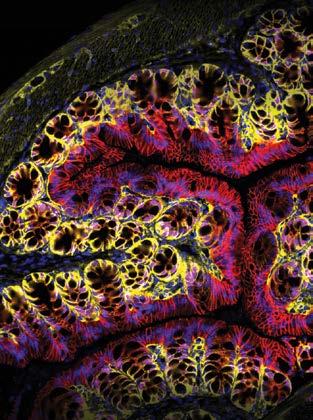
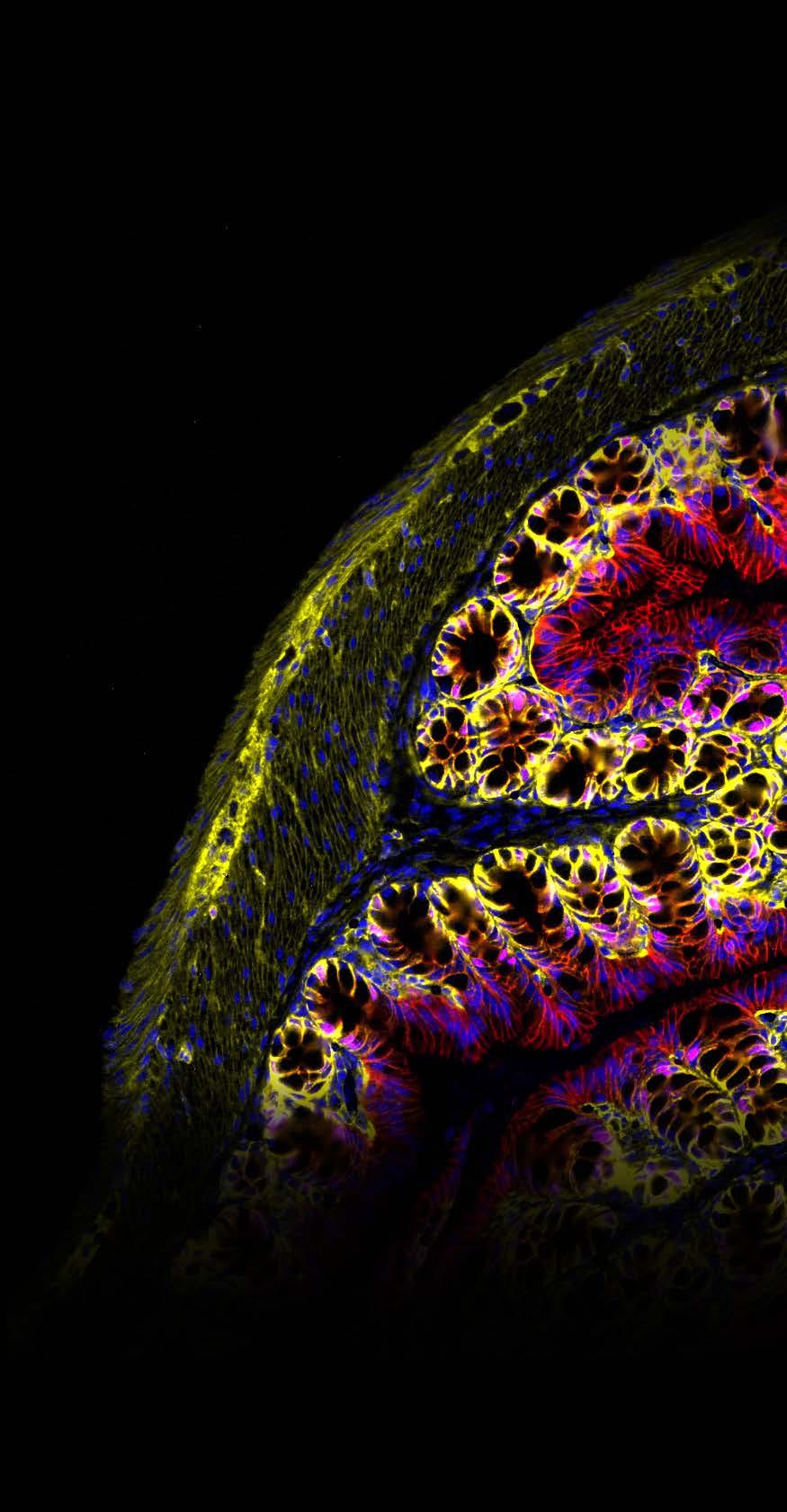
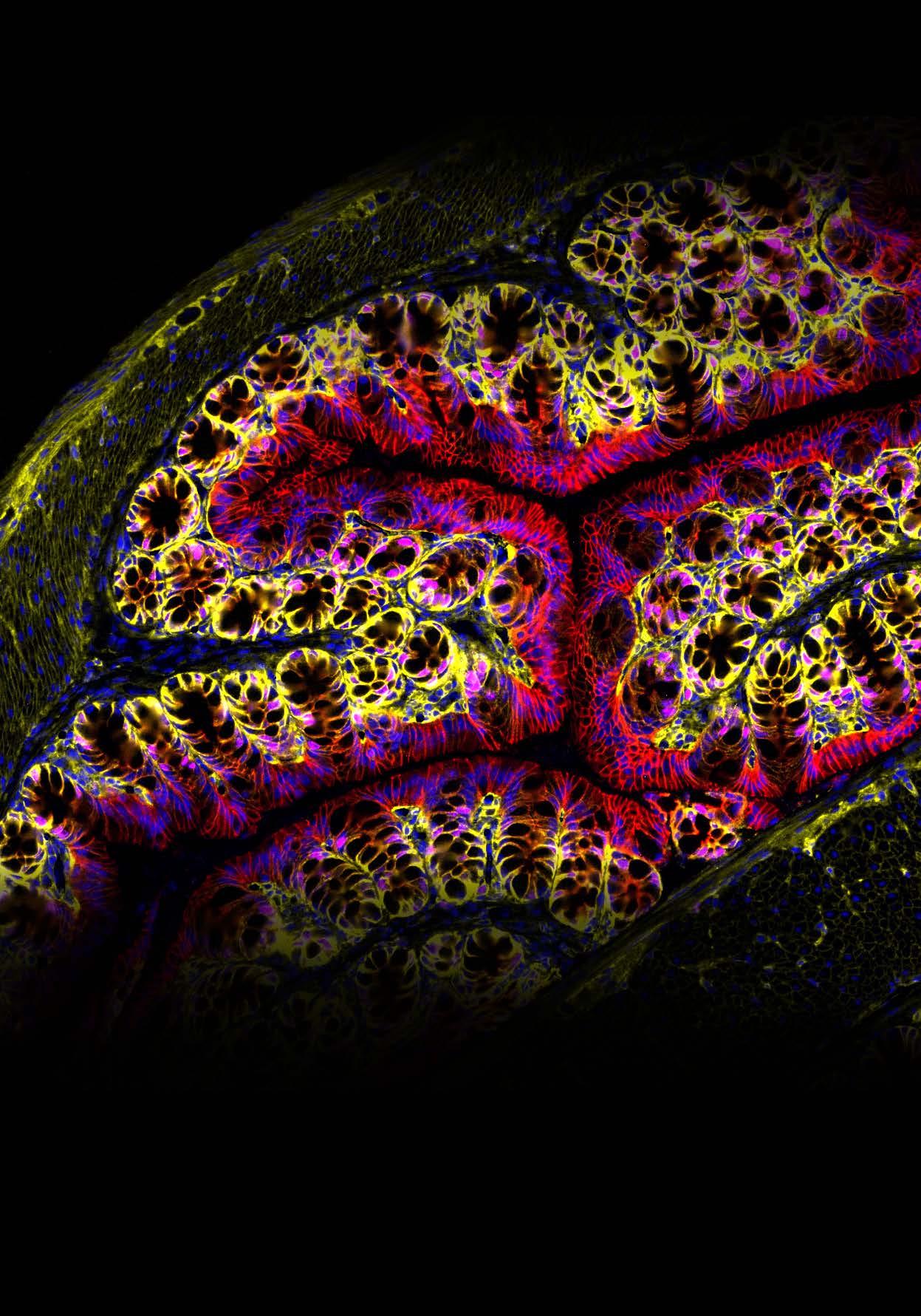
Cover image: Fluorescence microscopy of the gut – a visual reference for understanding inflammatory conditions like coeliac disease.
Credit:
Dr Sara Litwak and Dr Gabriela Segal
From physics to immune cell forces
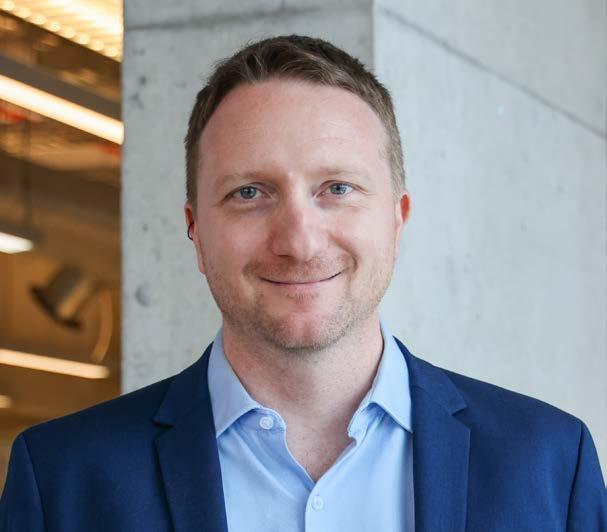
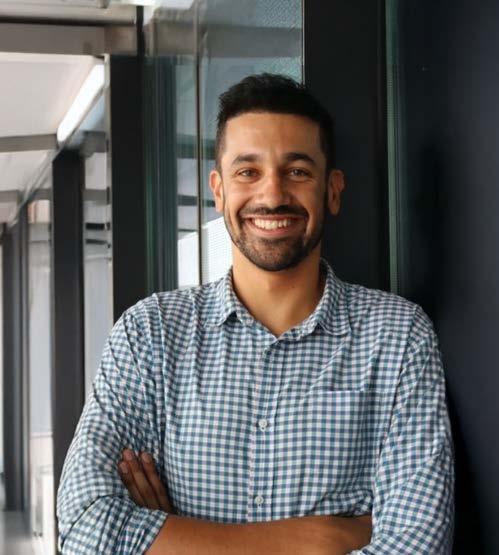
Associate Professor Maté Biro
When a physicist brings their expertise to the world of cancer-fighting immune cells, the results can be transformative. For Associate Professor Maté Biro, who joined Garvan’s Faculty as a Lab Head in the Cancer Ecosystems Program in February, this unique perspective led to a pioneering research career uncovering how mechanical forces shape the immune system’s ability to eliminate cancer.
Trained in physics, bioinformatics, cell biology and immunology, he now leads research into how immune cells move, communicate and physically engage with cancer cells. This approach has helped reveal how mechanical forces help immune cells form close contacts with their targets, and how they coordinate their attacks by swarming to tumours.
“By mapping the journey of immune cells in the tumour environment and understanding both the barriers they face and the signals they follow, we can develop strategies to enhance their tumour-homing and fighting abilities,” says Associate Professor Biro.
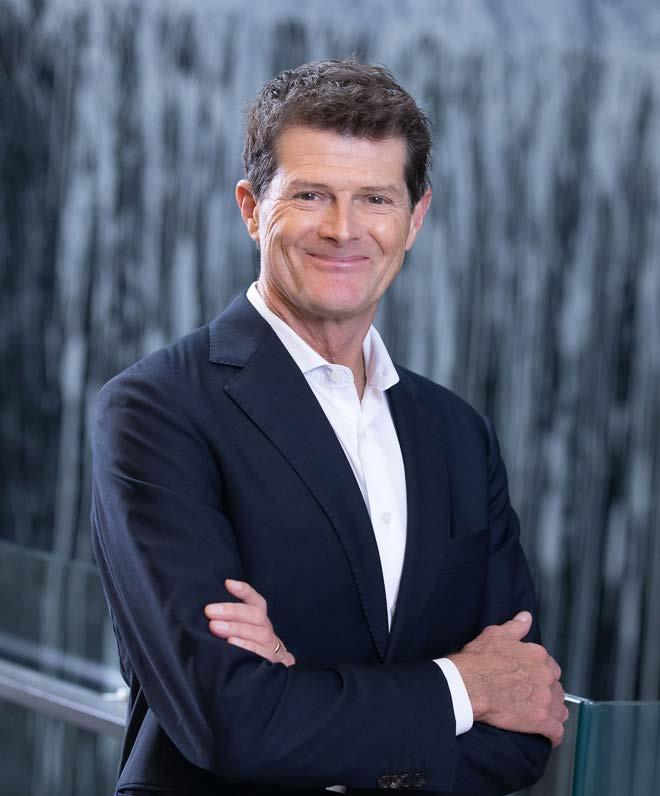
Professor Benjamin Kile Executive Director
Visit garvan.org.au/news/mate-biro
Discoveries in Focus
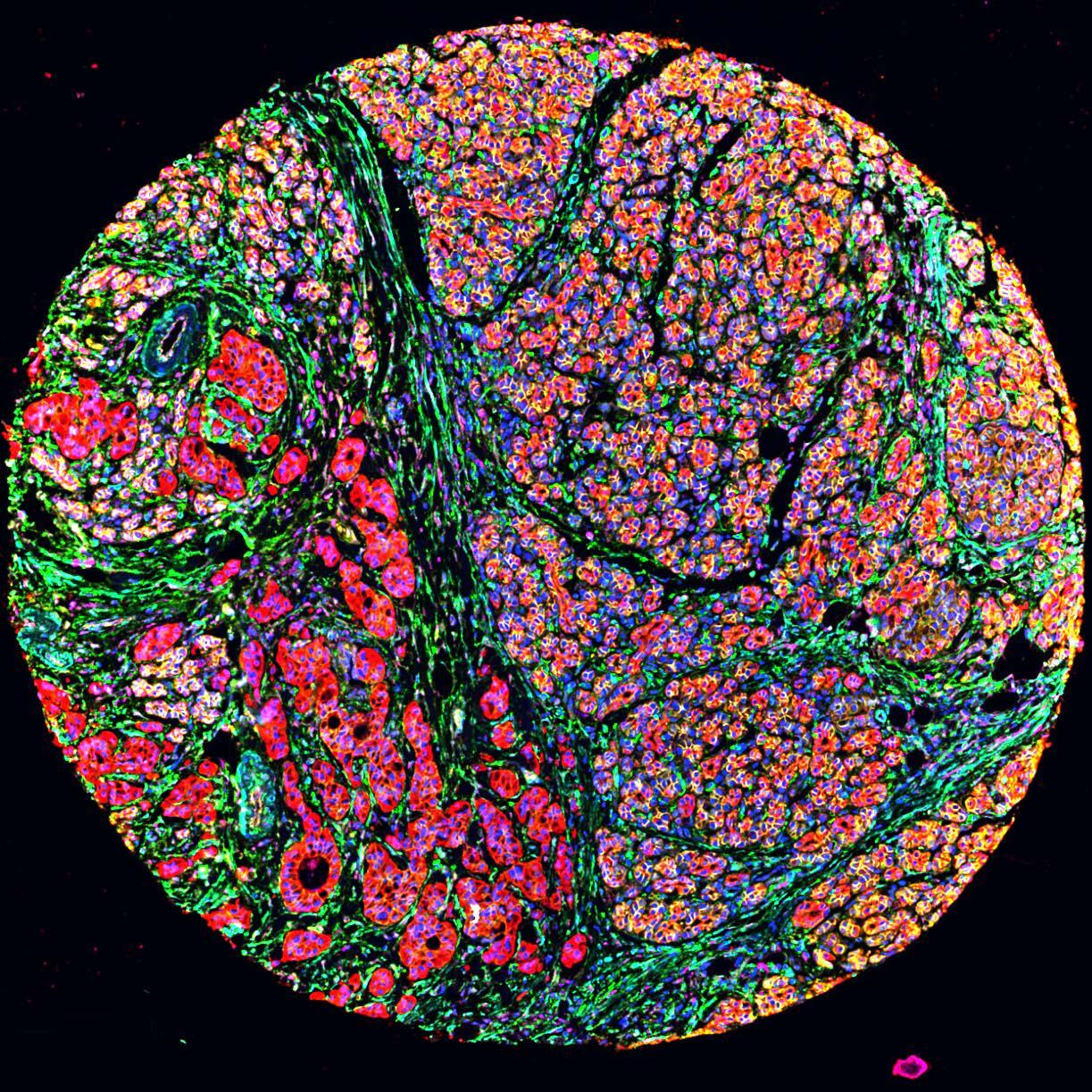
The hidden palette
Beneath the microscope, pancreatic cancer reveals itself as an intricate mosaic of cellular signals and structures. This image – barely visible to the naked eye at just 1.5mm across – converts the deadly disease into a vivid landscape where meaning lies in every hue.
Red cells clustered together, their nuclei in blue, mark the cancer itself, surrounded by an intricate green lattice of stromal tissue that both supports and interacts with the tumour.
Each additional colour exposes another layer of the cancer’s molecular machinery. Pink, green, purple and yellow show key proteins in cellular signalling pathways that can drive cancer growth when improperly regulated.
The microscopy technique here – called ‘multiplex immunohistochemistry’ – uses specially designed antibodies that seek out these specific proteins, each tagged with fluorescent markers that illuminate when exposed to particular wavelengths of light.
Henry Barraclough-Franks from the Pajic Lab at Garvan analyses these microscopic universes to help us understand where cellular decisions go awry. “Working with the images sometimes reveals intriguing patterns,” he says. “For instance, the literature suggests that higher expression of the protein shown here in yellow should correlate with worse patient outcomes, but our analyses hint at the opposite relationship.”
It’s fascinating when the data tells a different story than expected, pushing us to explore new possibilities.
The beauty of these images belies the gravity of their purpose: behind each tissue sample is a patient whose life was touched by pancreatic cancer. By transforming their experience into knowledge through careful study at the cellular level, researchers honour their journey while working to ensure fewer people must undertake it in the future.
A heart for service, a legacy of care
From volunteering to donating, Annie has mastered the art of giving.
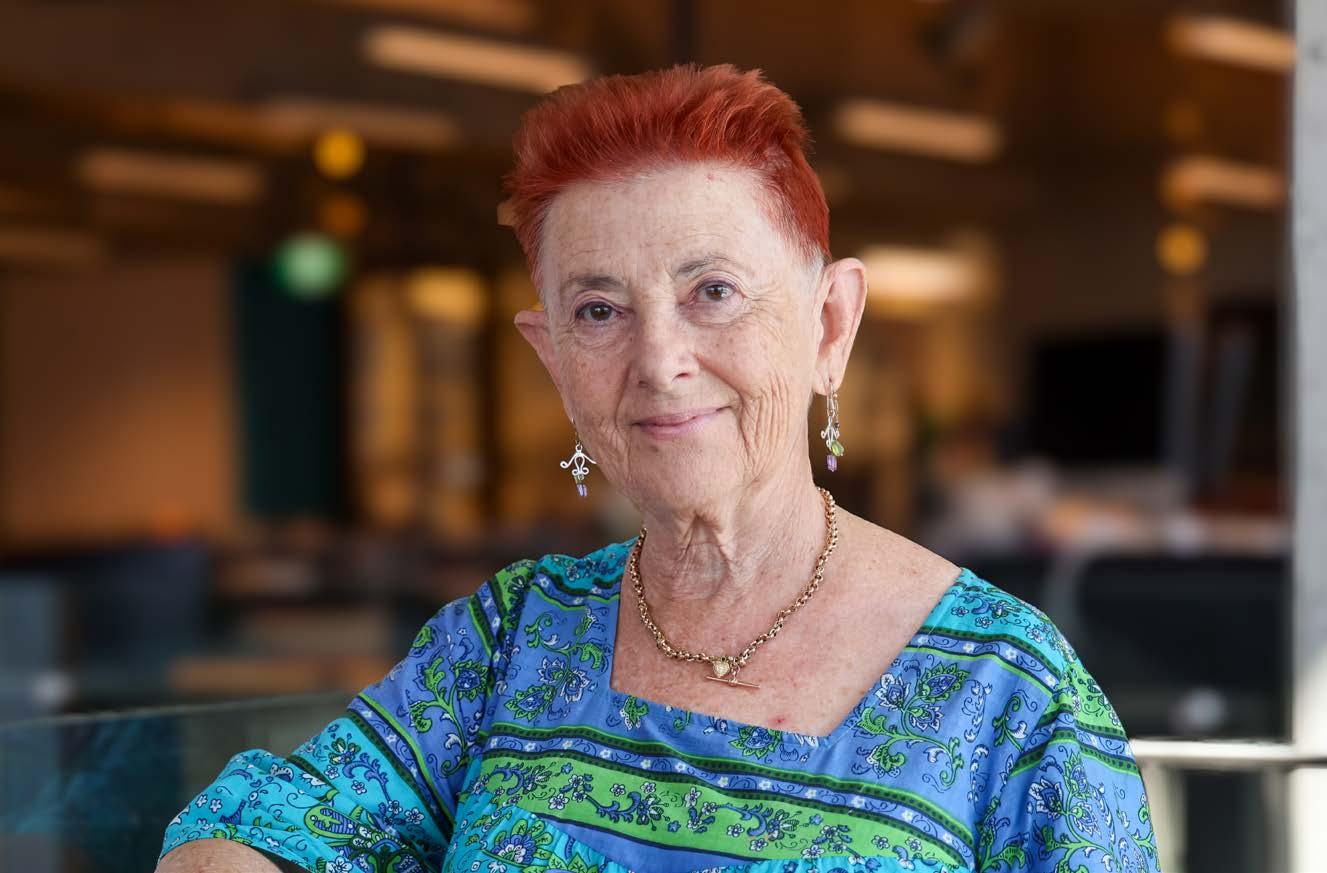
Every Thursday afternoon, the rhythm of activity on Garvan’s ground floor is brightened by a familiar sound: Annie’s cheerful laughter. A treasured volunteer, Annie brings more than dedication to the Supporter Services team –she brings warmth, humour and an unwavering spirit of service.
Annie’s journey with Garvan began in 2018 with a public tour. But her passion for helping others stretches back much further. Raised with the values of generosity and service, she was inspired by her father’s advice to “work until you can work for nothing.” It’s a philosophy that’s guided a lifetime of community contribution, from the Girl Guides to her current role at Garvan.
Each week, Annie processes receipts, prepares welcome brochures for Garvan’s new donors and handles mailing duties – always with a smile. Her commitment
adds to an already rich history of volunteering, but she’s still not done giving back.
In 2024, Annie deepened her relationship with Garvan by becoming a Partner for the Future, leaving a gift in her Will to support medical research. For her, it’s about honouring “the basic human right to receive the highest quality of care in illness.”
To contribute to the welfare of those we may never know is a noble decision. It brings mutual satisfaction to both donor and recipient.
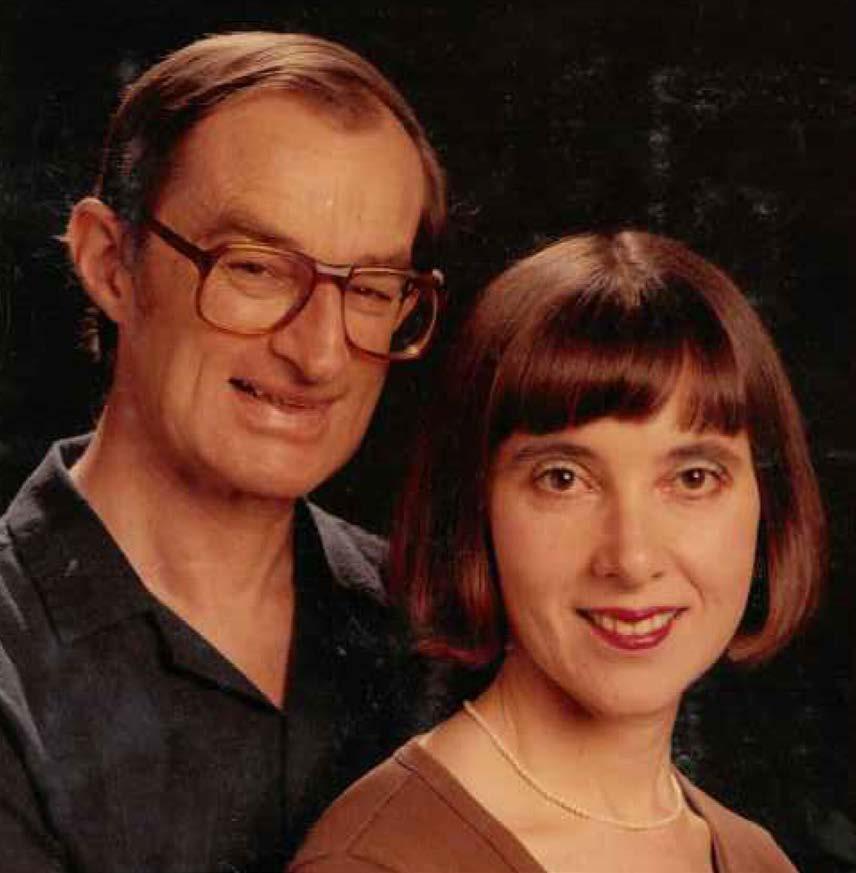
Annie’s dedication is also rooted in deeply personal chapters of her life. After 20 years of marriage, she lost her beloved husband, Rex, to pneumonia following a bone marrow
transplant for leukaemia. “It was the worst thing that ever happened in the history of the universe,” she reflects. Yet in caring for Rex, Annie discovered something profound.
“When I was younger, I was always sick, and everyone used to look after me. That continued into my marriage. Then Rex got sick, and I learned to put someone else before me. It exposed a part of my character I didn’t think I had.”
That discovery, along with her core values, continue to shape Annie’s legacy of kindness.
Her weekly presence at Garvan helps lay the foundation for medical breakthroughs and ensures others receive the care they deserve – one envelope, one smile, one thoughtful act at a time.

Annie, Parter for the Future
Annie and her late husband, Rex
Looking beyond the cancer cell

Researchers in Garvan’s Cancer Ecosystems Program are mapping the complex cellular networks and molecules within tumours, revealing new approaches to predict cancer behaviour and design better treatments.
“Cancer doesn’t develop in isolation,” explains Professor Alex Swarbrick, who co-leads the Program with Professor Paul Timpson. “Each tumour exists among immune cells, blood vessels and supporting tissues that can either help or hinder its growth.”
This complex ecosystem – known as the tumour microenvironment – forms the focus of the Program’s research. Using advanced imaging and cellular genomics technologies, the researchers are studying breast, prostate and pancreatic cancers at unprecedented resolution.
“We’re creating detailed maps of cancer and its surroundings,” says Professor Swarbrick.
It’s by understanding how different cell types interact that we identify new opportunities for treatment.
Complementing this work, Professor Timpson leads efforts to visualise cancer cell movement and interactions in real time, particularly in pancreatic cancer where the surrounding environment is often dense and fibrotic.
“We’ve developed imaging techniques that allow us to see how cancer cells navigate through tissues,” says Professor Timpson. “This reveals how the microenvironment can protect cancer cells from therapies – making some cancers resistant to
This research is supported by GP Harris Foundation, Mr John McMurtrie AM and Mrs Deborah McMurtrie, The Petre Foundation, The Ross Trust and Skipper-Jacobs Charitable Trust
chemotherapy – and it also points us to new ways to overcome these shielding effects.”
The Program integrates lab research with clinical expertise through partnerships with St Vincent’s Hospital, The Chris O’Brien Lifehouse, and clinical trial networks. Working with oncologists and surgeons, researchers study patient samples at different stages in treatment, helping them understand how cancer ecosystems evolve over time.
“By looking at these changes, we’re identifying more accurate ways to predict treatment response – and new targets for therapy development,” Professor Timpson adds. “Our partnerships with clinical trial networks then help us translate these discoveries to patient care.”
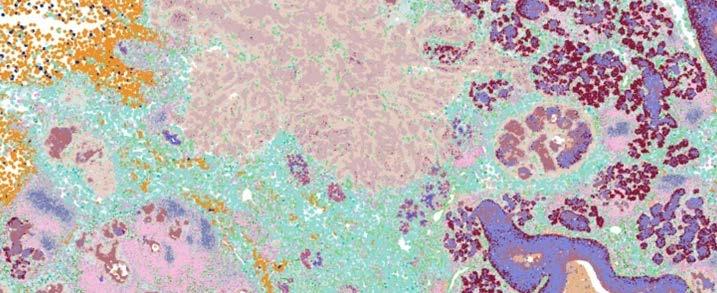
This colourful spatial analysis of a breast cancer sample helps reveal how different cell types interact. Credit: Sophie van der Leij
SPOTLIGHT
The Breast Cancer Atlas
Led by Professor Swarbrick, the Breast Cancer Atlas consortium, an international collaboration, is creating the world’s most detailed cellular map of breast cancer. Researchers have so far sequenced over one million cells from more than 280 tissue samples donated by patients, examining each tumour’s unique cellular and molecular composition. This comprehensive mapping aims to develop new ways to classify breast cancers, predict which treatments will be most effective for individual patients, and develop new therapeutic strategies.

Learn more at garvan.org.au/bcca
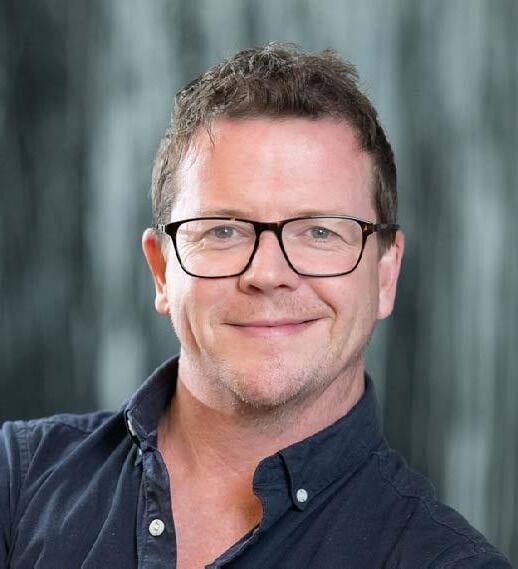
Professor Alexander Swarbrick (left) and Professor Paul Timpson (right)
Uncovering a hidden coeliac trigger
Garvan researchers have identified mutated immune cells that explain why some people living with coeliac disease continue to experience symptoms despite strictly eliminating gluten from their diet.
At 62, retired picture framer Mark reflects on decades of unexplained health issues.
“I’d been gradually not feeling great for years,” says Mark, who lives on Victoria’s Mornington Peninsula. “I put it down to working too hard, but eventually I started losing weight rapidly – about 12 kilograms overall.”
Symptoms like fatigue, abdominal pain and sudden weight loss had become impossible to ignore – and they finally began to make sense with a coeliac disease diagnosis three years ago.
“My partner then went through the pantry and pushed aside 80% of the food, saying, ‘You can’t eat that,’” he recalls.
Despite eliminating gluten – the protein in wheat, barley and rye that triggers the autoimmune disease – Mark’s symptoms persisted. His severe form of the disease, known as refractory coeliac disease, defies the usual treatment – a strict gluten-free diet – leaving him with few options to control gut inflammation.
For people like Mark, a new Garvan study now offers
fresh hope. Published in Science Translational Medicine, the research used advanced single-cell sequencing to uncover why symptoms persist in about 1% of people despite dietary changes.
“For decades, doctors have struggled to understand why a small proportion of coeliac patients do not improve on a strict gluten-free diet,” says Professor Chris Goodnow, Lab Head at Garvan and one of the study’s lead scientists. “Our findings suggest that, in some cases, mutated immune cells in the gut are driving the disease by fuelling ongoing inflammation.”
“This is the first time we’ve been able to pinpoint a molecular signature for type 1 refractory coeliac disease,” says Dr Manu Singh, Senior Research Officer at Garvan and another of the study’s leads. “We discovered that some patients have an accumulation of immune cells with genetic mutations, which may develop during periods of chronic inflammation, such as earlier gluten exposure. What’s interesting is that these mutations share similarities with those we see in certain lymphomas – appearing to give the cells a growth and survival advantage. This is a potential explanation for why they persist.”
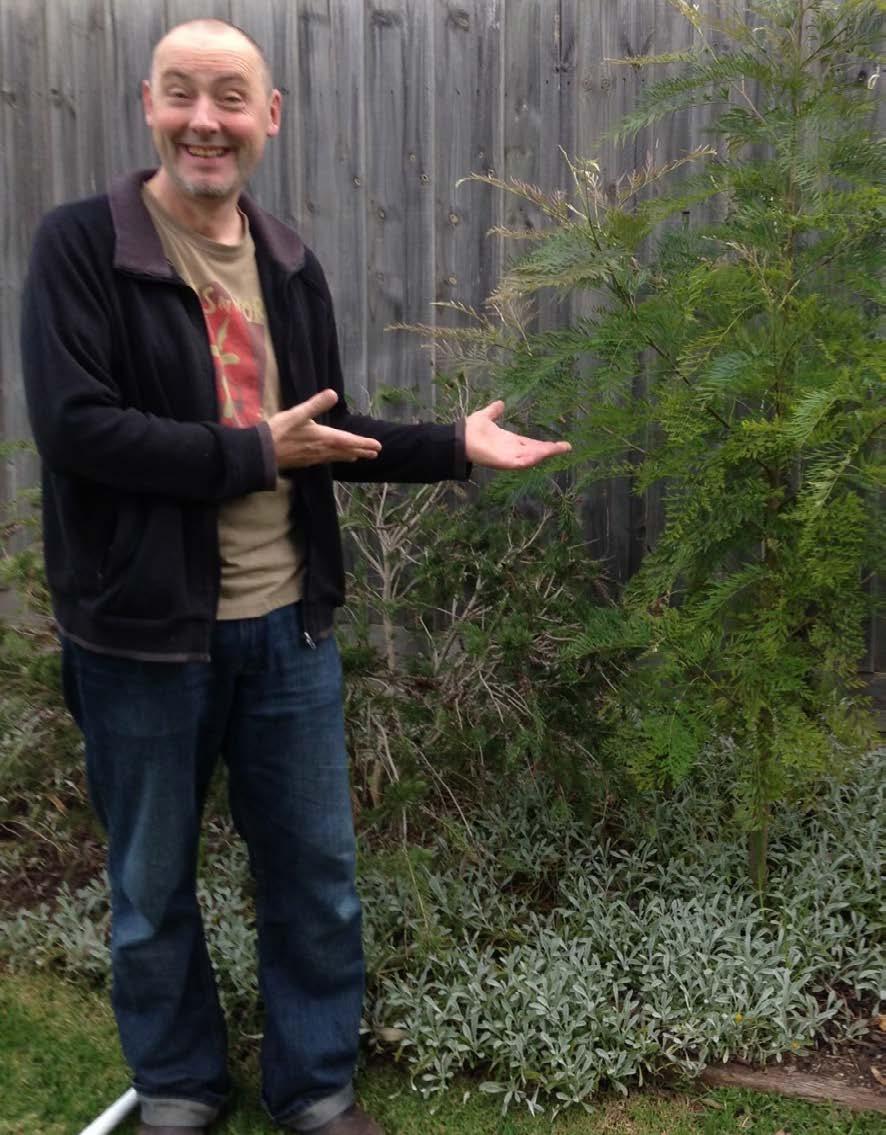
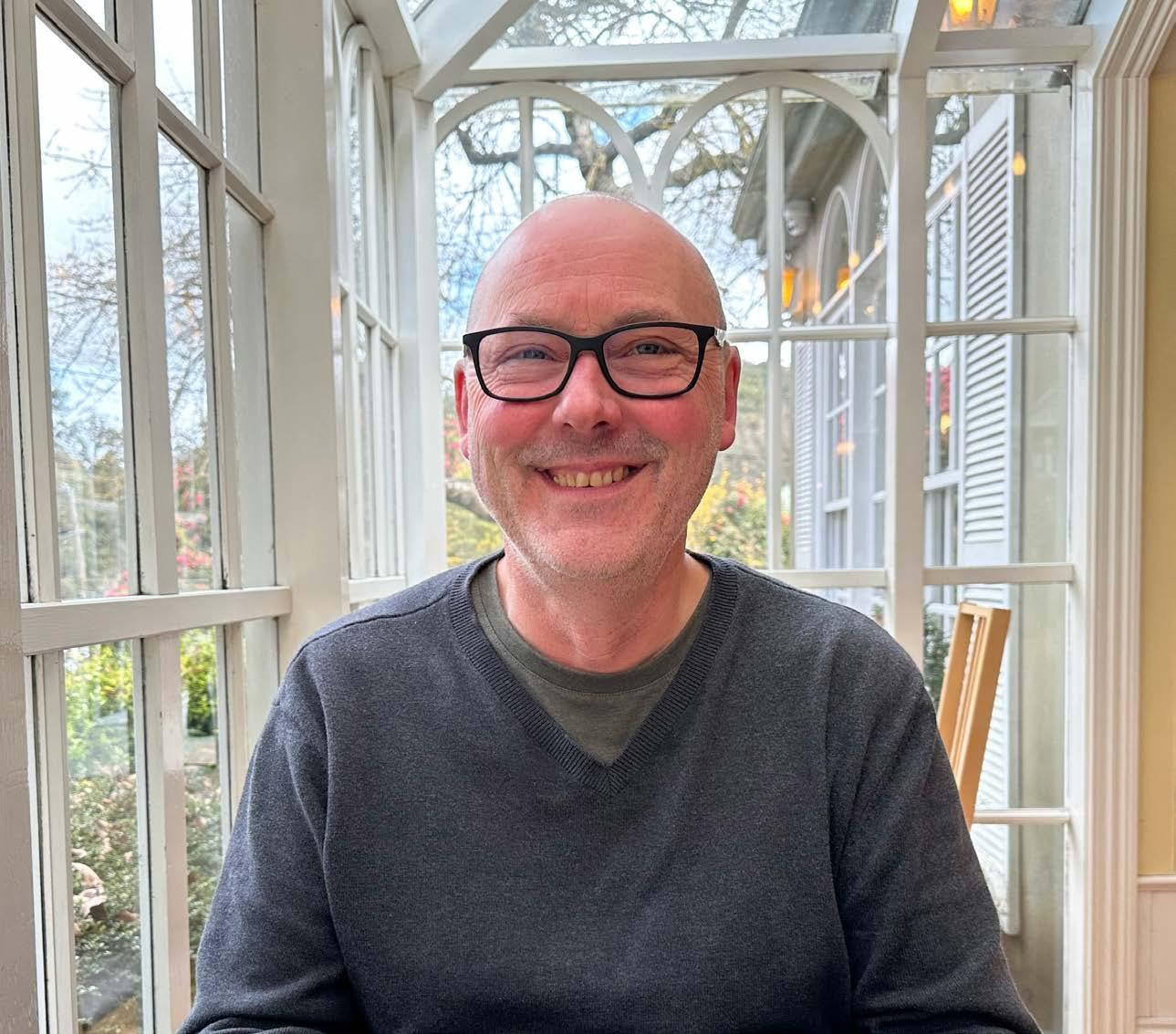
Mark’s health journey from 18 months pre-diagnosis, struggling with weight loss, to the beginning of recovery
The team found these mutated cells in 70% of patients with type 1 refractory coeliac disease. Many of them had alterations in the JAK-STAT pathway – a molecular process targeted by existing drugs called JAK inhibitors.
For Mark, who suspects he had undiagnosed coeliac disease for decades, the research brings validation: “I’ve suffered a lot of fatigue throughout my working life,” he says.
It’s reassuring to see research making progress on understanding conditions like mine because maybe others won’t have to wait so long for answers.
This research is an example of how new genomic technologies can uncover hidden disease mechanisms. By applying these state-of-the-art tools to coeliac disease, we are beginning to solve long-standing medical puzzles and move towards more precise treatments for people like Mark.
Crafoord Prize for immune discoveries
Professor Chris Goodnow recently received the prestigious 2025 Crafoord Prize – one of science’s highest honours.
The Royal Swedish Academy of Sciences recognised his pioneering work on how the immune system avoids mistakenly targeting the body’s own cells, research that underpins our understanding of autoimmune conditions like coeliac disease, lupus and multiple sclerosis.
“Understanding how the immune system stays at peace with our own body while waging war on threatening microbes has been a fascinating journey,” says Professor Goodnow, who shared the Polyarthritis category with Professor David Nemazee from Scripps Research.
The award was presented by Sweden’s King Carl XVI Gustaf in May.

Learn more about how researchers uncovered a hidden coeliac trigger garvan.org.au/news/coeliac-trigger
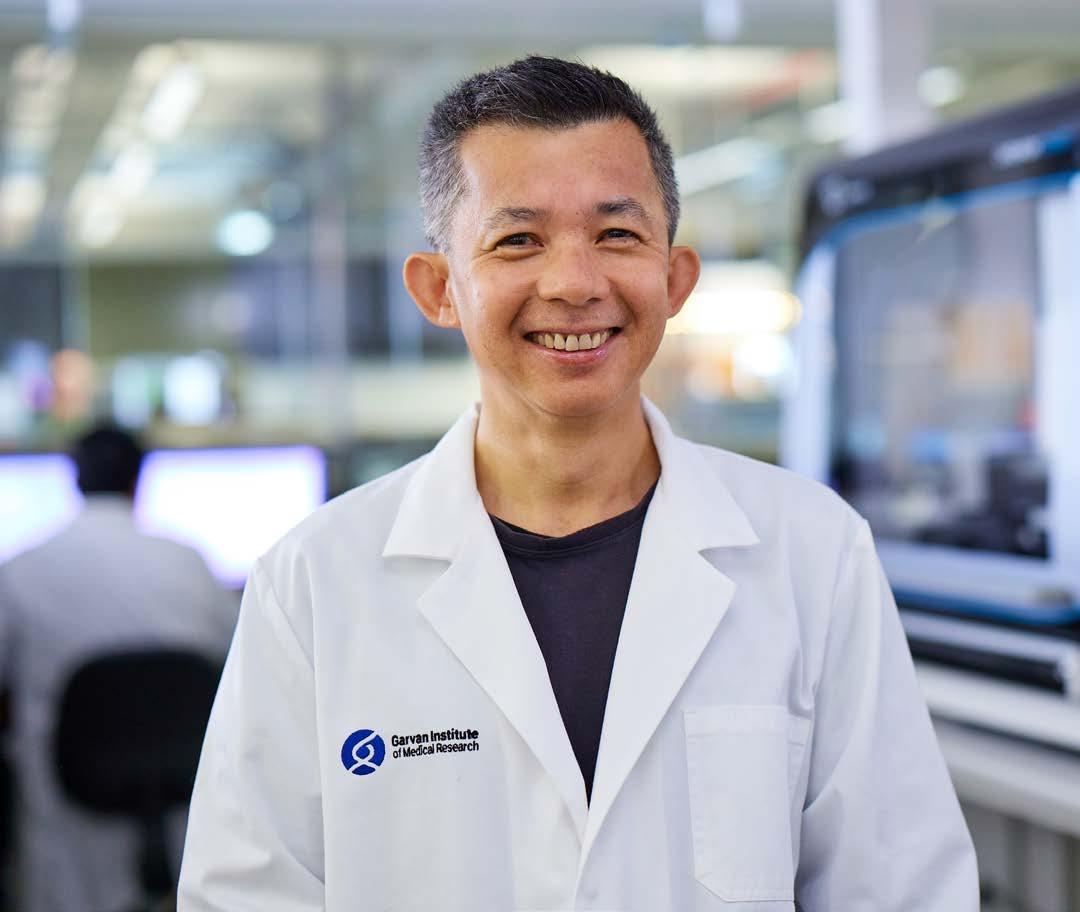
Dr Manu Singh
Professor Chris Goodnow
This research is supported by Mr Ken Allen AO and Mrs Jill Allen, John Brown Cook Foundation, Croall Foundation, Sarah Davin and Niki Scevak, Ferris Family Foundation, The Bill and Patricia Ritchie Foundation and Miss Lyn Unsworth
Left or right arm? New research reveals vaccination site matters for immune response.
When it comes to getting vaccinated, most of us don’t think twice about which arm gets the jab. But new research suggests that this small decision could have a big impact on how your immune system responds when you come back for your next shot.
A study led by Garvan and the Kirby Institute at UNSW Sydney has found that receiving a booster vaccine in the same arm as your original dose can generate a faster and stronger immune response.
The findings, made in mice and replicated in humans, shed light on how the immune system ‘remembers’ where a vaccine was administered, and how that memory can be harnessed to improve protection.
“This is a fundamental discovery in how the immune system organises itself to respond better to external threats,” says Professor Tri Phan, Director of the Precision Immunology Program at Garvan and cosenior author of the paper behind the study.
Nature has come up with this brilliant
system
and we’re just now beginning to understand
it.
The researchers discovered that when a vaccine is given, immune cells called macrophages become ‘primed’ in the lymph node closest to the injection site. Using intravital imaging, the team then observed memory B cells – which are essential for producing antibodies if the body encounters the virus again –moving to the outer part of that lymph node, where they interact closely with the resident macrophages.
“Macrophages are known to gobble up pathogens and clear away dead cells, but our research suggests the ones in the lymph nodes closest to the injection site also play a central role in orchestrating an effective vaccine response the next time around. So, location does matter,” says Dr Rama Dhenni, the study’s co-first author.
To see if the effect was the same in humans, a clinical study was conducted by the Kirby Institute. Thirty volunteers received the Pfizer-BioNTech COVID-19 mRNA vaccine, with 20 receiving both doses in the same arm and 10 in opposite arms.
Those vaccinated in the same arm produced neutralising antibodies against the virus – including variants like Delta and Omicron – significantly faster. By four weeks, both groups had similar antibody levels, but the early advantage could prove crucial during fastmoving outbreaks.
The discovery could also inform future vaccine strategies beyond COVID-19. “If we can understand how to replicate or enhance the interactions between memory B cells and these macrophages, we may be able to design next-generation vaccines that require fewer boosters,” says Professor Phan.
So, next time you’re offered a jab, it might be worth remembering which arm you used last time. Your immune system clearly does.

Professor Tri Phan
Researchers refine genetic test panel for inherited cardiomyopathy
A better understanding of the genetic causes behind an inherited heart condition is already improving diagnosis and care for patients and their families. A major international study led by Garvan has refined the list of genes linked to hypertrophic cardiomyopathy (HCM), a disorder affecting about one in 500 people worldwide.
HCM causes thickening of the heart wall, which can lead to symptoms ranging from mild discomfort to heart failure or sudden cardiac death, particularly in younger people.
By reviewing decades of genetic data, researchers identified which genes truly belong on clinical testing panels, which is key to improving how HCM is diagnosed and managed.
Published in the Journal of the American College of Cardiology, the study confirmed nine ‘core’ genes definitively linked to HCM. All are related to the sarcomere – the part of the heart muscle responsible for contraction. Another nine genes were found to have strong clinical relevance, while 11 more were flagged for their involvement in other conditions that can mimic HCM.
Importantly, the researchers also identified nine genes previously thought to be linked to HCM but found insufficient evidence to support their continued inclusion in genetic testing.
“Genetic testing is important for diagnosis and clinical management of hypertrophic cardiomyopathy and provides critical information for why it’s affecting members of a family and who else might be at risk,”
says Associate Professor Jodie Ingles, senior author and Co-Director of the Genomics and Inherited Disease Program at Garvan. “This updated list helps ensure genetic results are accurate and clinically meaningful.”
Accurate testing can also spare relatives from unnecessary medical follow-ups. “Those who do not carry the family’s risk-associated genetic variant can be released from further cardiac monitoring, providing peace of mind,” Professor Ingles adds.
Co-first author Sophie Hespe, a PhD student at Garvan, says the goal is broader than diagnosis. “It’s about helping families make informed decisions. If we’re testing the wrong genes, we risk confusion or unnecessary stress.”
The study also highlights the importance of diversity in genetic research. By including data from underrepresented populations, the team was able to better understand how genetic variants contribute to HCM globally.
The research is expected to influence testing practices globally, with several genetic testing laboratories already updating their processes based on the new recommendations – an important step toward more accurate, consistent care for families living with HCM.

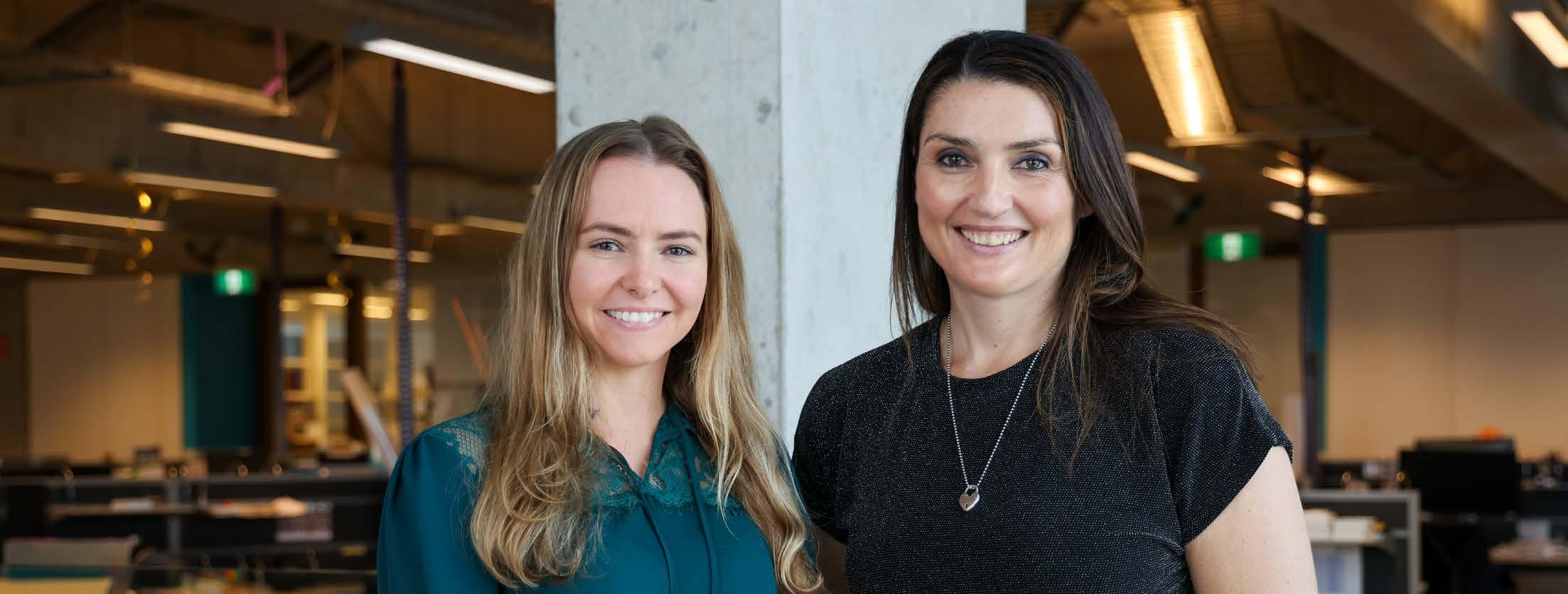
Sophie Hespe and Associate Professor Jodie Ingles

Michael and Linda’s story
When Michael first started experiencing pain in his lower back, he chalked it up to a cricket injury. At 48, he was active and healthy, with no reason to suspect the worst. But after months of on-and-off physio with no relief, a scan revealed something unthinkable: a metastatic tumour on his right hip.
“We thought, how can he have metastasised cancer when he’s never had cancer?” recalls his wife, Linda.
Further investigation uncovered an even more baffling picture. There was another tumour on Michael’s left hip, but no trace of a primary tumour. This puzzling scenario is known as cancer of unknown primary – a form of cancer that has already spread, but whose origin remains undetected.
Weeks later, a bone biopsy finally revealed the diagnosis as colorectal cancer. “Only one percent of bowel cancers go to the bone,” Linda explains. “So, he was just incredibly unlucky.”
The rarity of Michael’s presentation meant treatment options were limited. Over the next two years, he endured 40 rounds of chemotherapy and 25 of radiation. “It was horrific,” Linda says. “Because there was no primary tumour, that also impacted how he could be treated.”
In 2022, at the age of 50, Michael passed away. He didn’t get to see his daughter finish high school, watch his son get married or meet his grandson.
The grief, Linda says, is layered. “I’ve lost the love of my life. My children have to walk through life without their dad. But my biggest grief is that Michael missed out –on life, on us.”
Determined that his death not be in vain, Linda and her family launched March for Mick, a community fundraiser through the Garvan Institute. Each March, participants walk 50 kilometres – one for every year of Michael’s life. In 2025, the event raised $15,000 for Professor Thomas Cox’s bowel cancer research at Garvan.
But for Linda, the walk is about more than dollars. “It’s also about community, encouraging people to get regular health checkups, and keeping Michael’s memory alive.”
Since his passing, the family has raised over $150,000 for cancer research. They plan to grow March for Mick each year, fuelled by one simple hope: “We really want to put money into better treatment options,” Linda says.
“If improved treatment could give someone else 10 more years of life, imagine how many huge life events they would get to be a part of. That’s why we’re committed to supporting Garvan so that change can happen for someone else.”
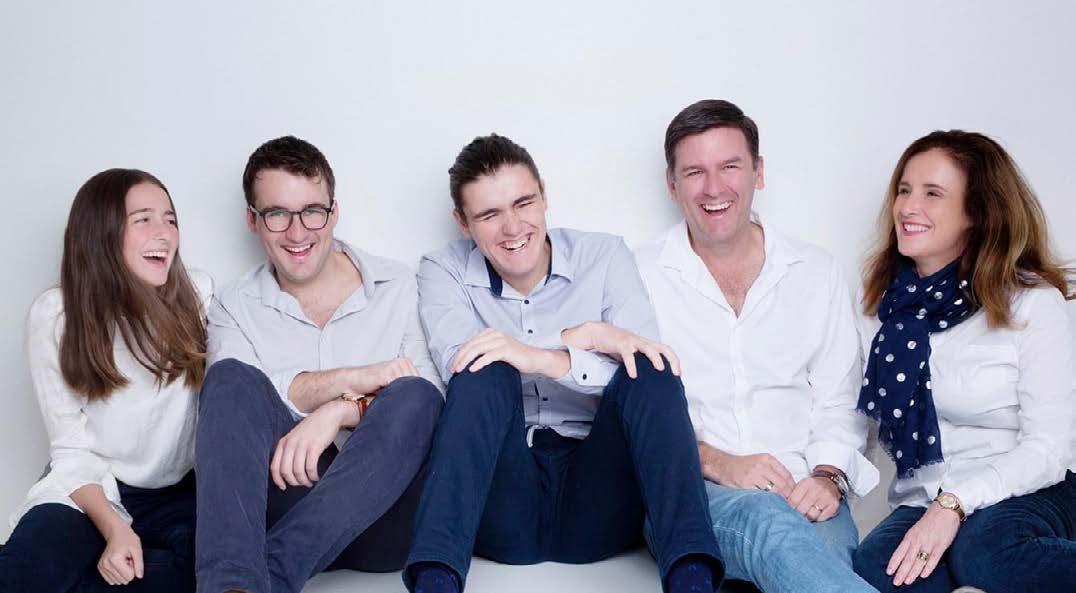
Michael and Linda with their three children
Linda and her late husband, Michael
Celebrating excellence in genomic research
Garvan scientists Professor Daniel MacArthur and Dr Ira Deveson have been honoured for advancing equitable, impactful genomic medicine.
Garvan researchers Professor Daniel MacArthur and Dr Ira Deveson have both been recognised for their significant contributions to genetic research, receiving prestigious international and national awards. Their work highlights the transformative potential of genomic science to improve lives, from diagnosing rare diseases to addressing health inequities.
A global leader in population genomics
Professor MacArthur, Director of the Centre for Population Genomics (CPG), was honoured with the European Society of Human Genetics Award at this year’s European Human Genetics Conference in Milan. This award, established in 1992, recognises outstanding contributions to human genetics.
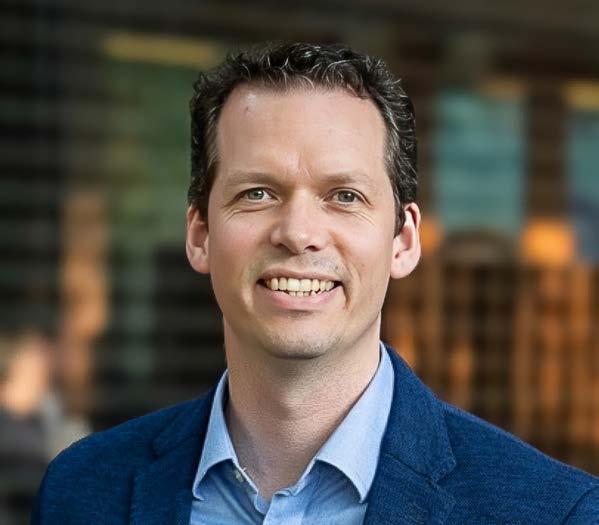
Professor MacArthur’s career has been defined by his commitment to ensuring that genomic advances benefit diverse populations. During his time at Harvard Medical School and the Broad Institute, he led the development of the Genome Aggregation Database (gnomAD), the world’s largest publicly accessible dataset of genetic variation. This resource has transformed the field by helping researchers and clinicians link genetic variations to disease, supporting the diagnosis of millions of families around the world affected by rare genetic conditions.
Since founding the CPG in 2020 as a joint initiative of Garvan and the Murdoch Children’s Research Institute, Professor MacArthur has spearheaded major programs like OurDNA, which is recruiting 10,000 Australians of diverse ancestry to address gaps in genomic data.
“It is such an honour to be receiving this award,” says Professor MacArthur. “We are currently living through a period of unprecedented advances in genomic medicine, driven by massive technological change. Over the course of my career, I’ve been very fortunate to lead teams working to harness these technologies for the benefit of patients around the world.”
Bringing cutting-edge genomics closer to the clinic
Dr Deveson received the Ruth Stephens Gani Medal from the Australian Academy of Science, awarded annually to earlycareer researchers for excellence in human genetics.

Dr Ira Deveson
Dr Deveson’s work focuses on clinical genomics and bioinformatics, with a particular emphasis on long-read sequencing technology. This advanced approach analyses longer fragments of DNA than traditional methods, revealing greater detail about genetic variation and disease.
Dr Deveson’s team has made significant strides in addressing health inequities, including identifying genetic variants unique to Indigenous Australians in collaboration with the ANU National Centre for Indigenous Genomics. This research has opened new opportunities for diagnosing conditions like MachadoJoseph disease, which disproportionately affects some Aboriginal communities.
“I’m honoured to receive this recognition for our team’s work with genomic technologies,” says Dr Deveson.
“Advances in long-read sequencing are opening new possibilities for diagnosing, understanding and treating genetic diseases. Our focus is on developing tools that make these technologies accessible and useful in clinical practice.”
Professor Macarthur is supported by John Brown Cook Foundation, Ms Lysia O’Keefe and Joseph Palmer Foundation
Dr Deveson is supported by Terry and Helen Jones
Professor Daniel MacArthur
Breakthrough Magazine
Chris, Garvan Supporter