




Measuring our impact in numbers.




For more than 60 years, the Garvan Institute of Medical Research has done the hard, fundamental science needed to understand disease – and driven those discoveries towards treatments. Still, too many people facing a diagnosis today are counting on discoveries that haven't been made yet. Garvan is here to make them.
OUR VISION
We see a future where all diseases can be prevented, treated or cured.
OUR MISSION
To make discoveries that improve health for all.
United by our mission to make discoveries that improve health for all
721 total staff
247 professional and scientific support staff
388 scientists
86 Honours, Masters and PhD students
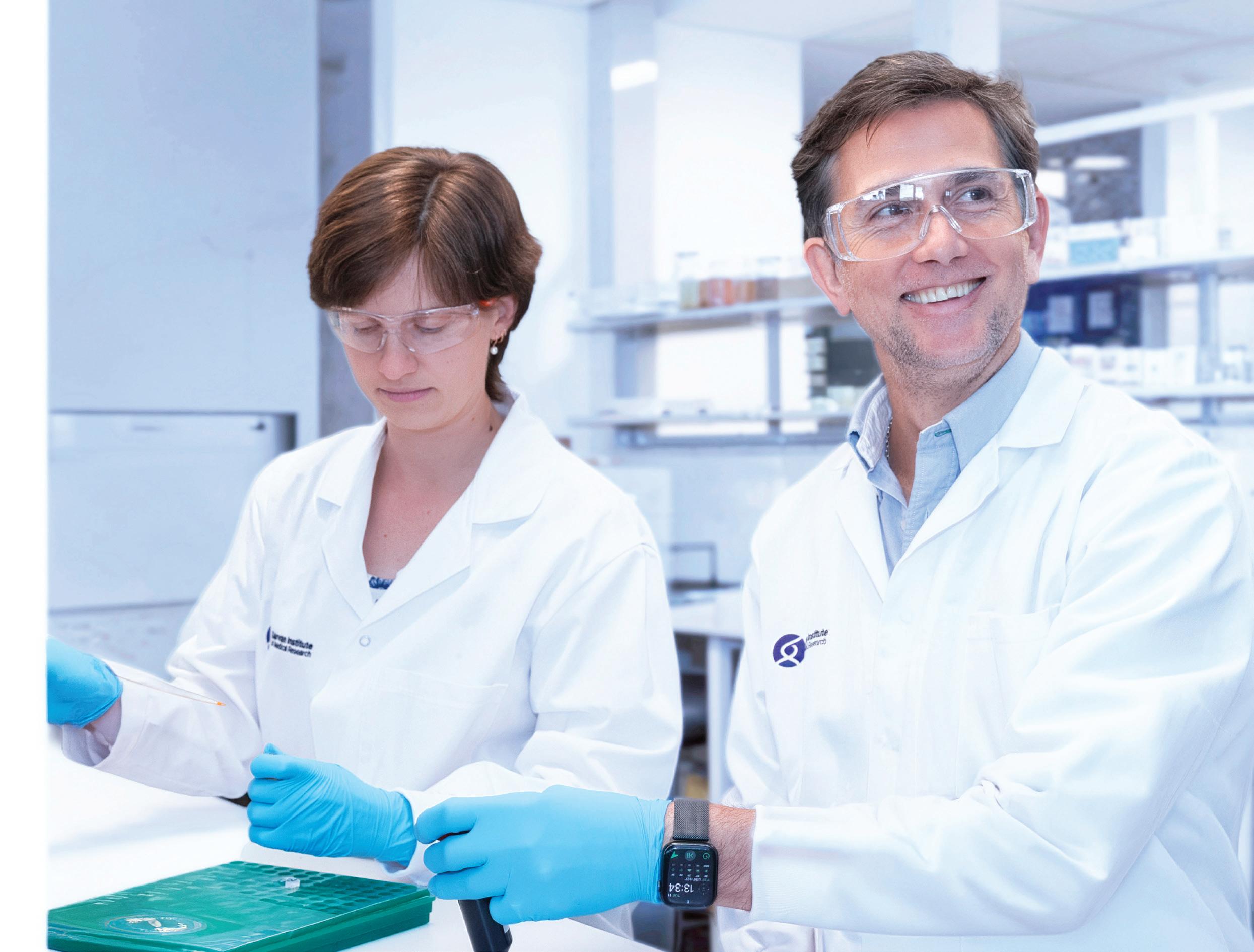
Delivering world-leading discoveries in cancer, genomics and immunology
Accelerating the translation of research breakthroughs into patient care Publications
Garvan’s research is supported by a unique mix of peer-reviewed government grants and generous philanthropic investment from the community we serve.
410 scientific papers published
3rd in Australia for Nature Index
20 clinical trials and studies launched or progressed
2,100+ individuals enrolled as at 2025

Funding by source



Collaboration is key to achieving groundbreaking discoveries. At Garvan, we have extensive, collaborative networks both globally and nationally, which strengthen our research and increase the impact of our work. Here we highlight the number of joint publications with national and international institutions in 2025.






































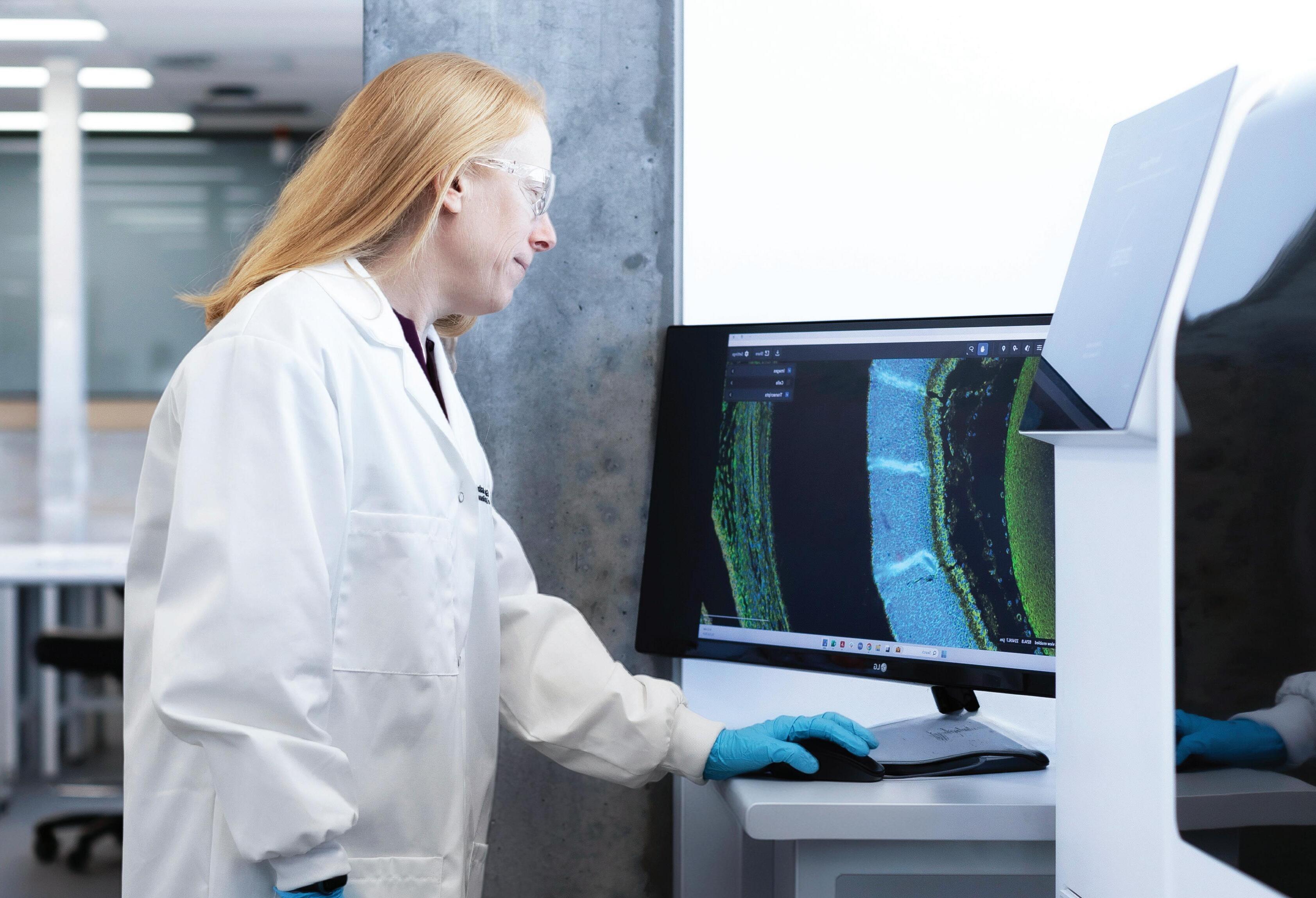
Message from our Executive Director and CEO
Medical research is at an inflection point. The fields we pursue at Garvan – cancer, genomics and immunology – are converging in ways that are opening new possibilities for clinical impact. For an institute with 63 years of experience in fundamental science, 2025 felt like a year of genuine momentum.
Cancer, genomics and immunology are where patient need is greatest, and where Garvan has built deep expertise. And for the first time, translating discoveries to medicines and answers for people that need them is something we are structured to do across all research programs. The completion of our Biologics Platform's first full antibody discovery campaign marks the beginning of a pipeline we intend to celebrate, in a decade, as medicines in the clinic with their origins in Garvan science.
Garvan is a community of researchers, clinicians, partners and supporters – and it is that collective effort that makes our work possible. We are funded by the community we serve, and that responsibility drives everything we do.
What we discover here is for the benefit of patients. That is what drives us.

Professor Benjamin Kile Executive Director and CEO
Three fields, one mission. At Garvan, cancer, genomics and immunology converge to drive breakthrough discoveries.
Garvan's research is focused on cancer, genomics and immunology - three fields where Garvan can have the greatest impact for human health. At the same time, we have built world-leading infrastructure, technology and capability to accelerate our discoveries toward clinical impact.
224 staff and students
18 labs and groups
164 research papers published
36 clinical trials and registries with Garvan involvement Cancer Programs
Cancer is one of the most common and devastating diseases worldwide. Garvan researchers bring together cutting-edge technology, clinical expertise and scientific insight to accelerate cancer discoveries.
Cancer touches almost everyone. Despite advances in detection and treatment, it remains a leading cause of illness and death worldwide. That’s why Garvan is driving fundamental and clinical research to improve diagnosis, treatment and outcomes for patients.

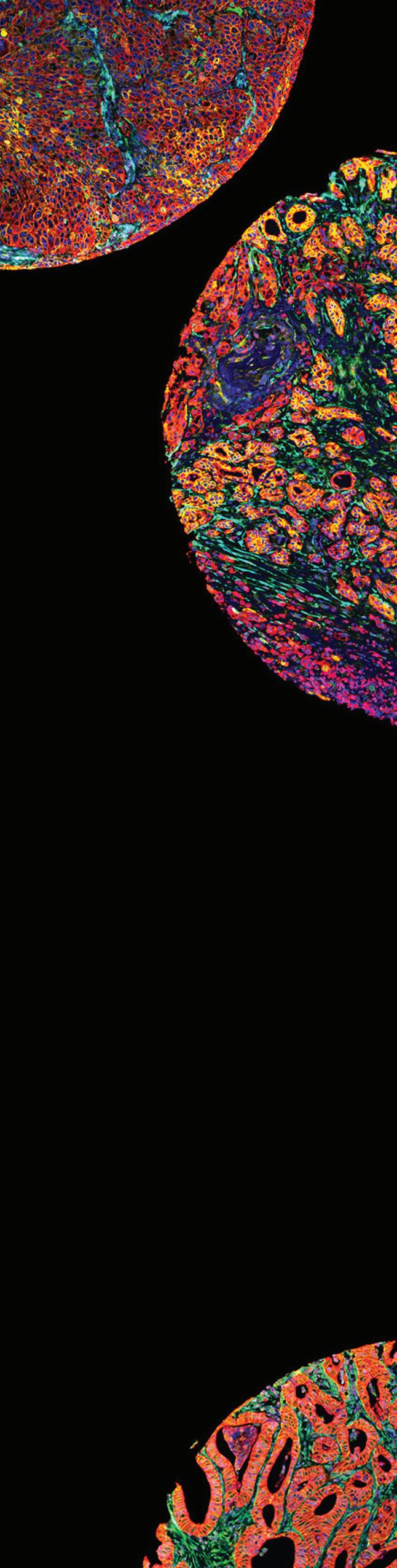
Our researchers developed a new AI tool that maps how individual cancer cells behave within a tumour, helping uncover why some cells resist treatment and paving the way for more personalised cancer therapies.

We envision a future where doctors combine this AI analysis with traditional cancer diagnoses to develop more personalised treatments that target all cell types within a person’s unique tumour.
Associate Professor Christine Chaffer, Co-lead of the study
Neuroblastoma claims the lives of 9 in 10 young people whose cancer returns after treatment. Researchers at Garvan have identified a combination of already approved drugs that may overcome treatment resistance in relapsed neuroblastoma, offering new hope for patients and families.
Behind every statistic is someone’s loved one. Understanding these molecular mechanisms gives us hope we can develop more effective treatments for patients and their families.
Associate Professor David Croucher, Lead of the study

Michael was just 48 years old when he received a cancer diagnosis. After his passing, his family chose to support Garvan’s bowel cancer research.
We really want to put money into better treatment options. If improved treatment could give someone else 10 more years of life, imagine how many huge life events they would get to be a part of. That’s why we’re committed to supporting Garvan so that change can happen for someone else.
Linda, Michael’s wife
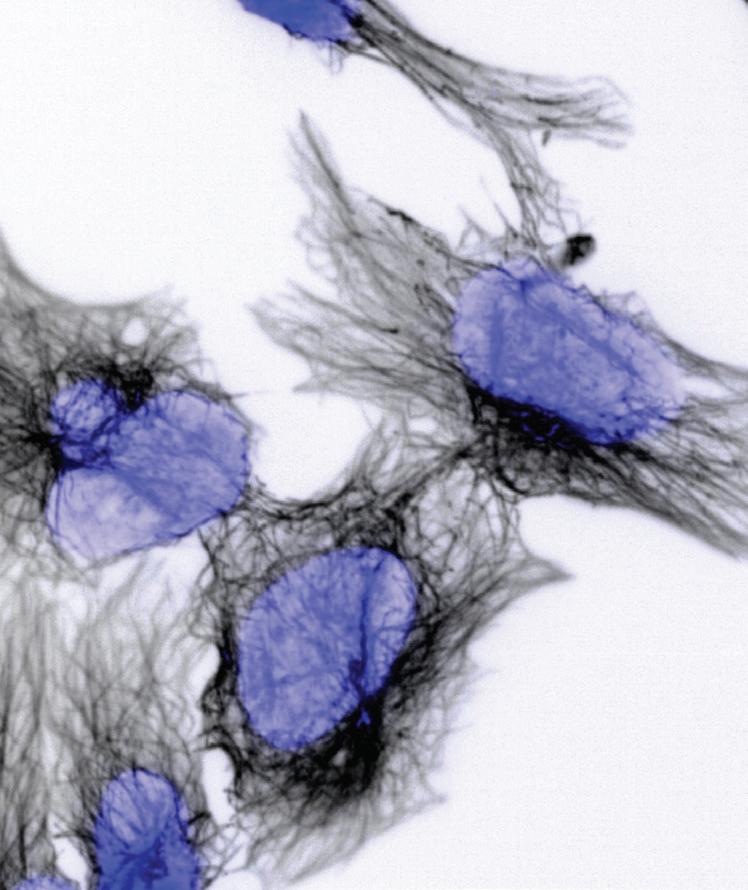
The immune system plays a role in almost all diseases. Garvan is home to one of the strongest immunology research programs in Australia.
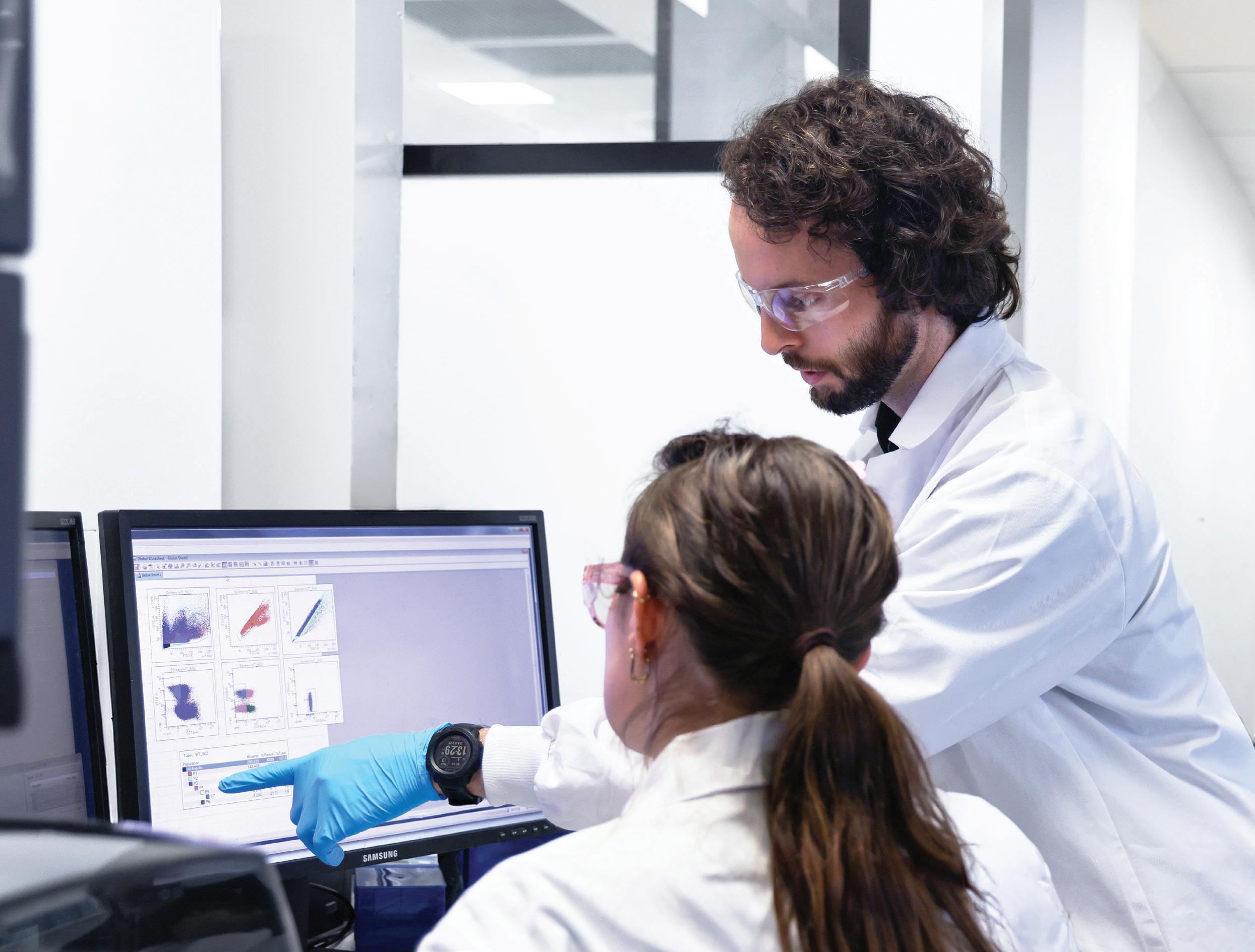
Research is increasingly revealing that every human disease interacts with, is shaped by, or can be treated through the immune system. Our scientists are committed to improving the management of immune conditions, while harnessing the power of the immune system to develop better treatments for a range of diseases.
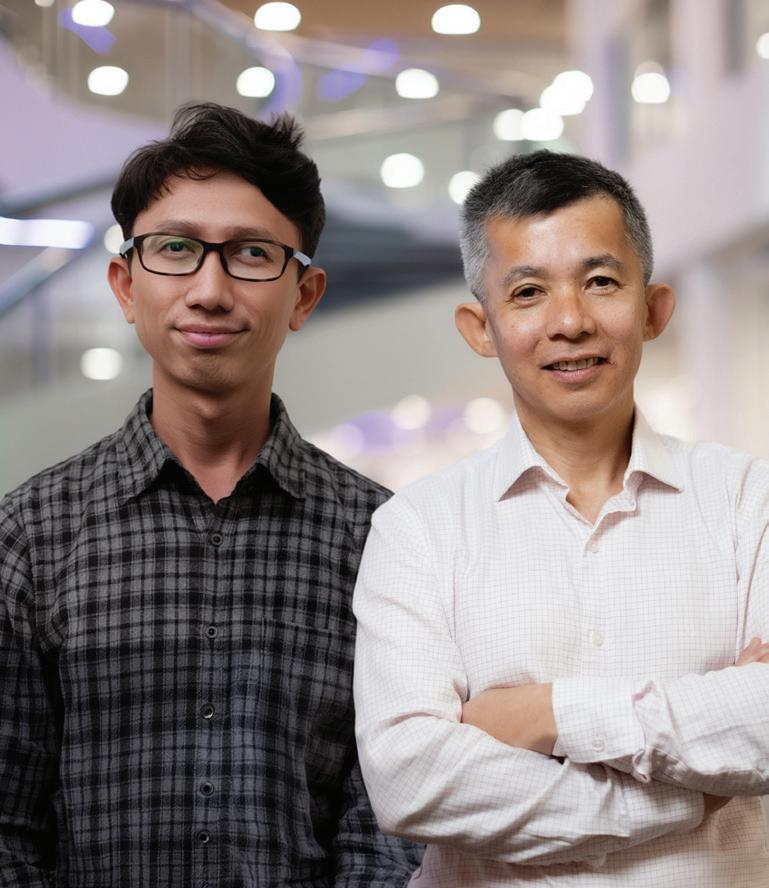
Receiving a booster vaccine in the same arm as the original dose can generate a stronger and faster immune response by helping immune cells work more efficiently together in nearby lymph nodes, researchers at Garvan discovered. These findings offer insights to improve future vaccination strategies.

This is a fundamental discovery in how the immune system organises itself to respond better to external threats – nature has come up with this brilliant system.
Professor Tri Phan, Immunologist and co-lead of the study
‘Perfect
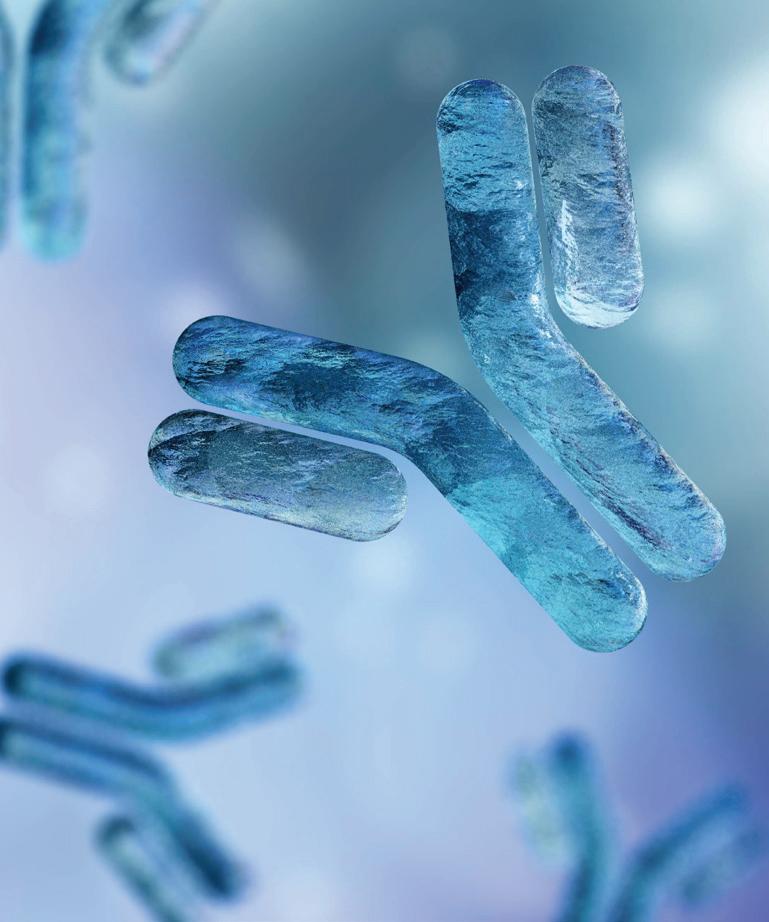
Garvan researchers have uncovered how chronic hepatitis C infection, which affects around 58 million people worldwide, may trigger autoimmune disease by driving mutations in rogue immune cells.
This discovery fundamentally changes our understanding of how infections can cause autoimmune conditions. By pinpointing these rogue clones, we can better understand how to target them.
Professor Chris Goodnow, Co-lead of the study
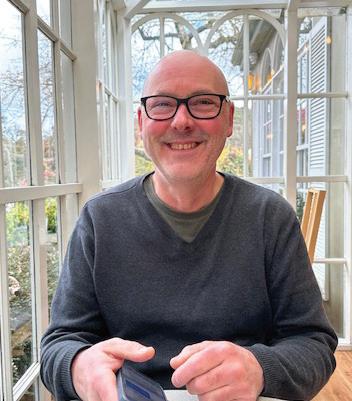
After enduring painful digestive issues for almost 20 years, Mark was diagnosed with coeliac disease at 59. However, a strict gluten-free diet could not resolve his symptoms. Garvan’s research revealed rogue immune cells driving a rare form of refractory coeliac disease, helping solve the mystery behind his illness and why a gluten-free diet fails in some people with coeliac disease.
Knowing there was a reason – it wasn’t just in my head – that changed everything.
Mark, Research participant
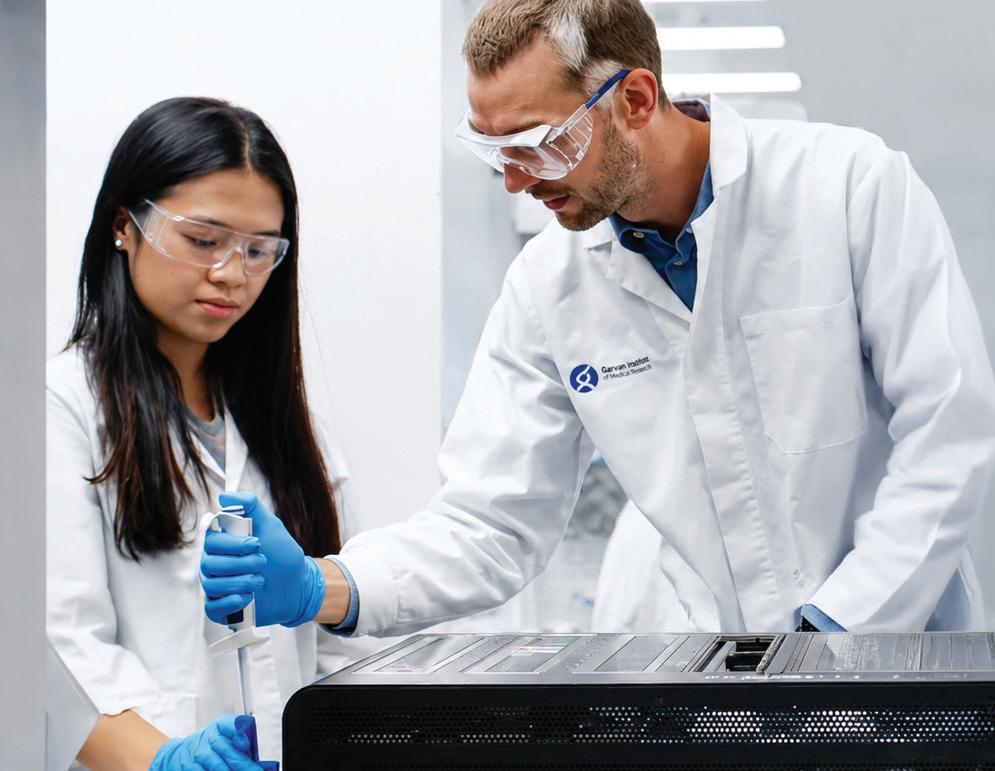
237 staff and students
12 labs and groups
119 research papers published
Genomics reveals the molecular basis of disease. Garvan researchers read and interpret the information in our DNA to uncover the causes of disease and accelerate discoveries to clinical impact.
At Garvan, researchers use genomics to improve diagnosis and treatment for inherited conditions while uncovering how genes regulate cellular processes and influence human biology.
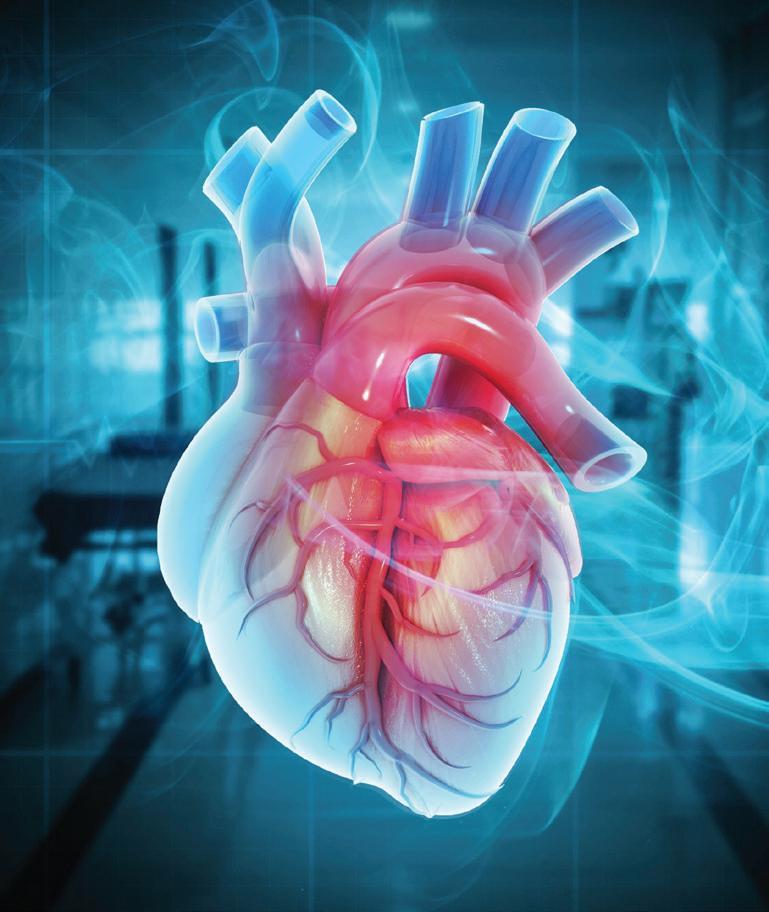
Refined international genetic testing guidelines for hypertrophic cardiomyopathy, the most common inherited heart disease. Our researchers identified core clinically relevant genes and removed weak-evidence genes, improving diagnostic accuracy and clarity for affected families.

It’s not just about diagnosing the patient – it’s about helping families make informed decisions about their health. If we’re testing the wrong genes, we risk confusion, misclassification or unnecessary stress.
Sophie
Hespe, First author of the study
The Genomic Evaluation of Newborn Immune Errors (GENIE) study investigates how to expand newborn testing for rare genetic immune disorders that are best treated when detected early.
When you look at individual inborn errors of immunity, they would be considered rare. But when you combine them, they affect a considerable number of children and adults. That’s why it’s so important that we explore how we might improve newborn screening for this group of conditions.
Dr Isabelle Bosi, Paediatric immunologist and lead of the study
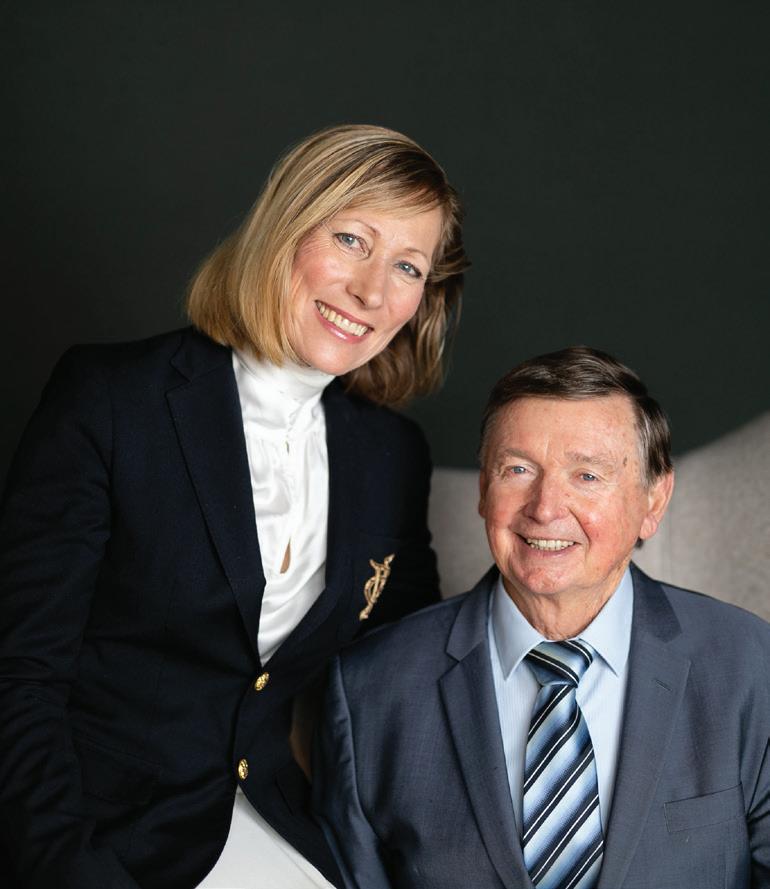
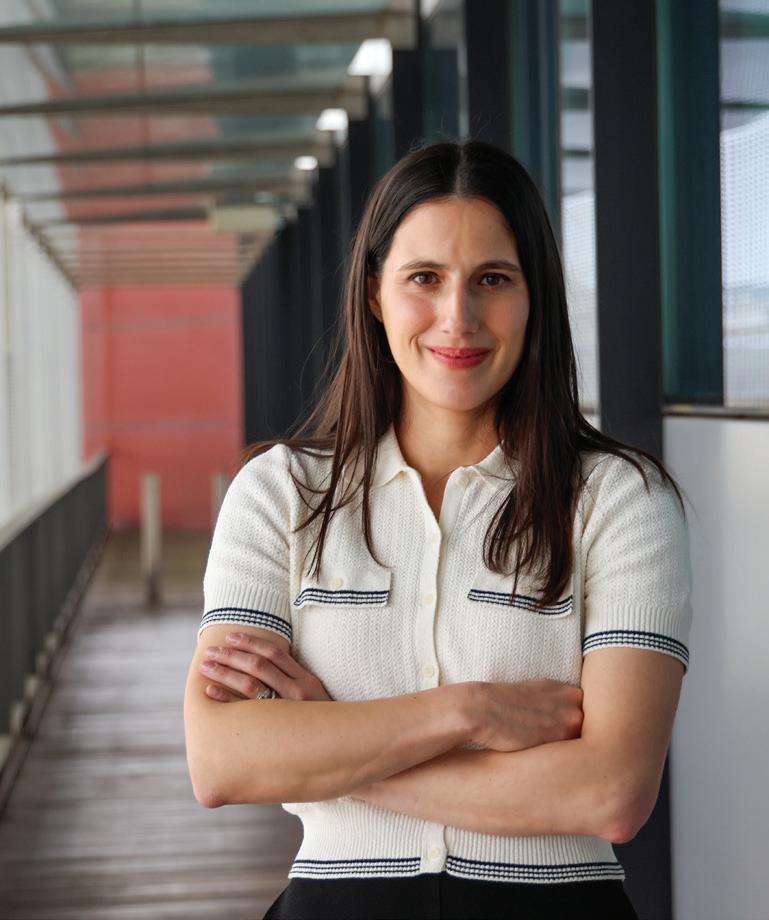
The McCusker Charitable Foundation is generously supporting Dr Kylie James and her team to uncover how gut cells interact with microbes and drive inflammatory bowel disease (IBD), a chronic condition with no known cure.
In our social circle alone, I know of four young men and two young women with these conditions. These young people have their lives torn apart as they manage their illness and the cocktail of therapeutics that seem to impact each patient so uniquely.
Garvan exists for one reason: to understand the causes of disease and turn those discoveries into treatments that reach people. We are funded by the community that we serve. Your trust drives everything we do. Your support enables us to accelerate high-impact research and deliver meaningful outcomes. Thank you for your incredible generosity.
To discuss how you can support our medical research, please contact:
Philanthropy Team
Phone: 02 9295 8110 | Email: philanthropy@garvan.org.au
Community Team
Phone: 02 9295 8110 | Email: community@garvan.org.au












Annual Report
Read our full Annual Report 2025 garvan.org.au/annual-report
Learn more Stay up to date on Garvan’s research developments here garvan.org.au/news
Support us
Help us make discoveries that will improve health for all garvan.org.au/ir-donate




Garvan Institute of Medical Research
384 Victoria Street, Darlinghurst. NSW, 2010 Australia
Phone: +61 2 9295 8100 | website: garvan.org.au