



We acknowledge the Gadigal, Bidjigal, Gundungurra and Dharawal people, the traditional custodians of the lands on which the Garvan Institute and Australian BioResources (ABR) are located. We pay respects to Elders, past and present, and recognise their continuing connection and contribution to this land.


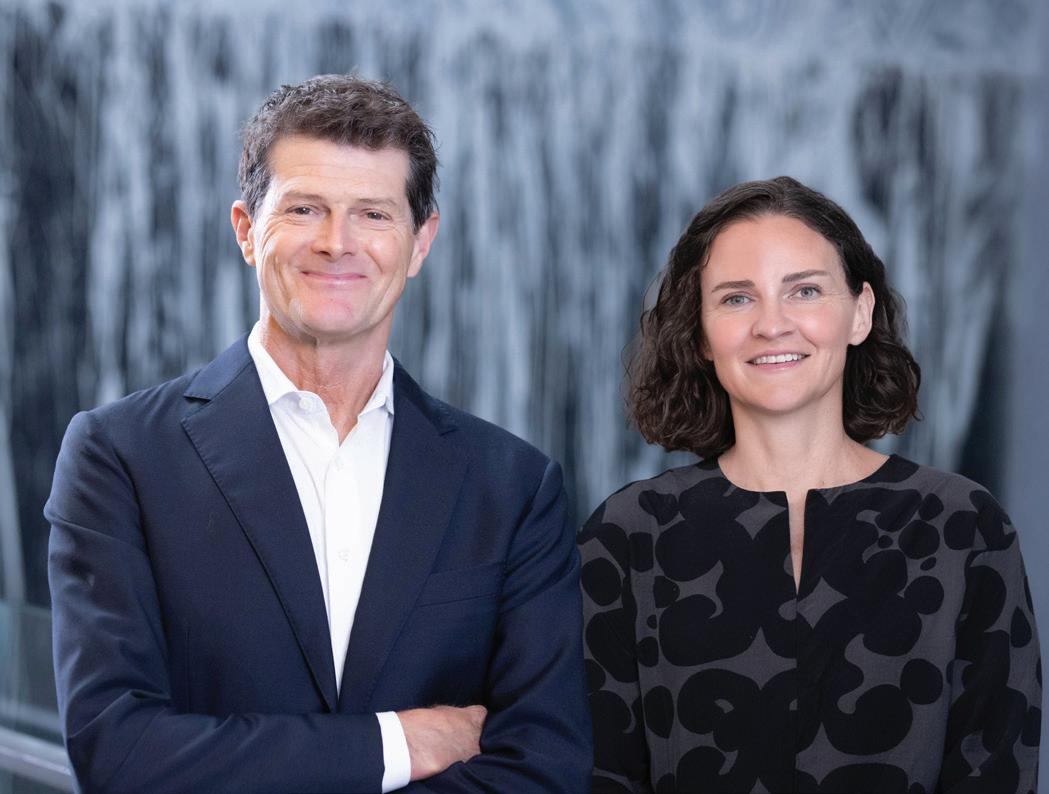
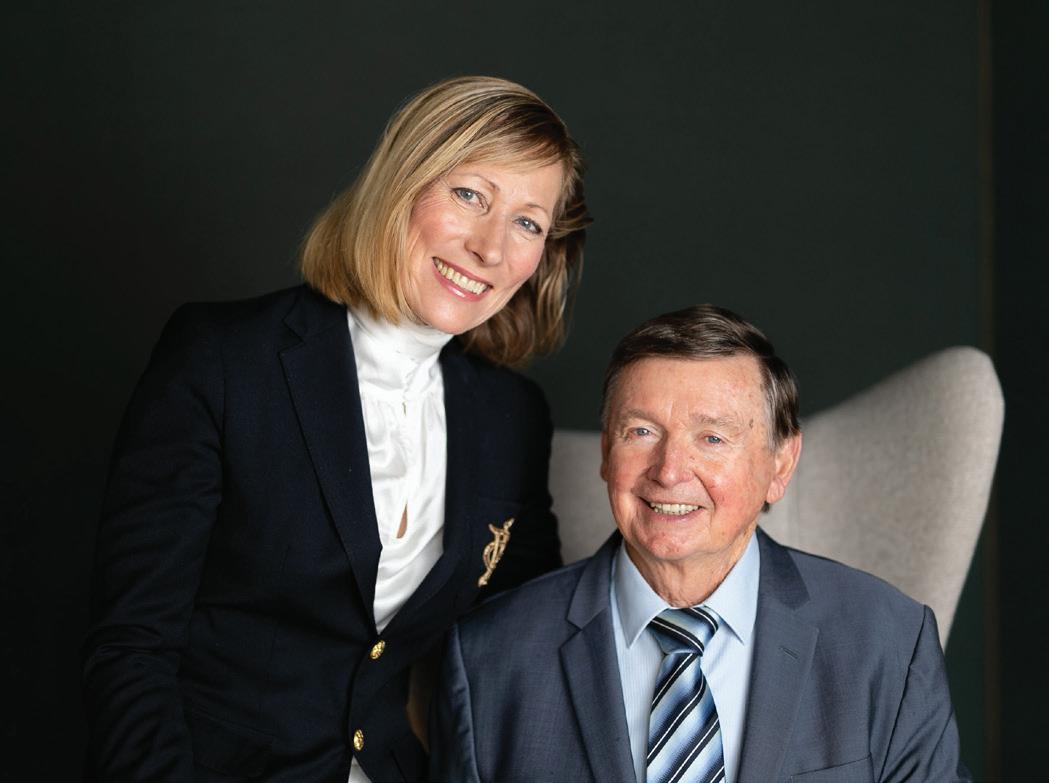
Scott Perkins Chair
Professor Benjamin Kile Executive Director and CEO
Medical research is at an inflection point. The fields we pursue at Garvan –cancer, genomics and immunology – are converging in ways that are opening new possibilities for clinical impact.
Our focus on these fields reflects where Garvan has the greatest strength and where we can have the greatest impact. This year we added to that capability with the promotion of Dr Seyhan Yazar and Dr Etienne Masle-Farquhar and the recruitment of Associate Professor Maté Biro to Garvan’s Faculty, with Dr Clare Puttick, Dr Carlson Tsui and Dr Philipp Rommel due to join in 2026.
For the first time, clinical translation, something that has driven us since the Institute was founded, now has a structured, multi-disciplinary central capability. Led by Dr Rachel Galimidi, the growing Biologics Platform completed its first full antibody discovery campaign, which marks a genuine step toward a future where we celebrate the launch of new medicines that have their origins in Garvan science.
In 2025, we started to see how generative AI is going to transform medical research.
It will not just impact on individual lab processes or types of analysis; it will change the way Garvan operates. This may sound a daunting prospect, but with our deep expertise in computational biology, data science and machine learning, we are well placed to capitalise on the possibilities. Our researchers are already working directly with companies like Google and Anthropic – and our intention is to build on those partnerships, to not just be consumers of AI tools, but be active contributors to how those technologies develop.
We also welcomed new Board members Ilana Atlas AO, Sue Horlin, Dr Kate Jeffrey, Dr Andrew Nash and Dr Neil Söderlund. We thank retiring members The Hon Dr Annabelle Bennett AC SC and Professor Ronald Trent for their dedicated service to Garvan.
Garvan is a community of researchers, clinicians, partners and supporters, and it is that collective effort that makes our work possible. What we discover here is for the benefit of patients. That is what drives us.

Garvan pursues the toughest challenges across cancer, immunology and genomic diseases to improve health for all.
Message from the Chair and Director of the Garvan Research Foundation.
Dr

The Garvan Research Foundation is the fundraising, marketing, communications and public engagement arm of the Institute with every dollar raised directed to advancing Garvan’s research and mission.
Looking back on 2025, we are deeply humbled by the extraordinary generosity of our Garvan family – those who give a regular donation, a major philanthropic or corporate gift, engage in community fundraising or are our Partners for the Future, who leave a lasting legacy in their Will. Their incredible support contributed $49.4 million this year, providing critical funding for Garvan’s brightest minds, new Faculty recruits and strategic platforms, accelerating discovery and ensuring that bold ideas have the backing to achieve the greatest clinical impact.
We were delighted to welcome Lauren Sutton to the Garvan Research Foundation Board. Lauren’s professional expertise and multi-generational philanthropic relationship with Garvan and St Vincent’s arrives at a pivotal moment in the scale of Garvan’s aspirations and the history of our remarkable precinct.
A key part of that vision involves the expansion of our Biologics and
Development Platforms under Dr Rachel Galimidi. Thanks to the dedication of our community, Garvan has become the first medical research institute in Australia capable of taking a biologic right through to early-stage clinical trials. This infrastructure will deliver the next generation of innovative treatments, and it would not exist without the confidence our generous donors have in our science.
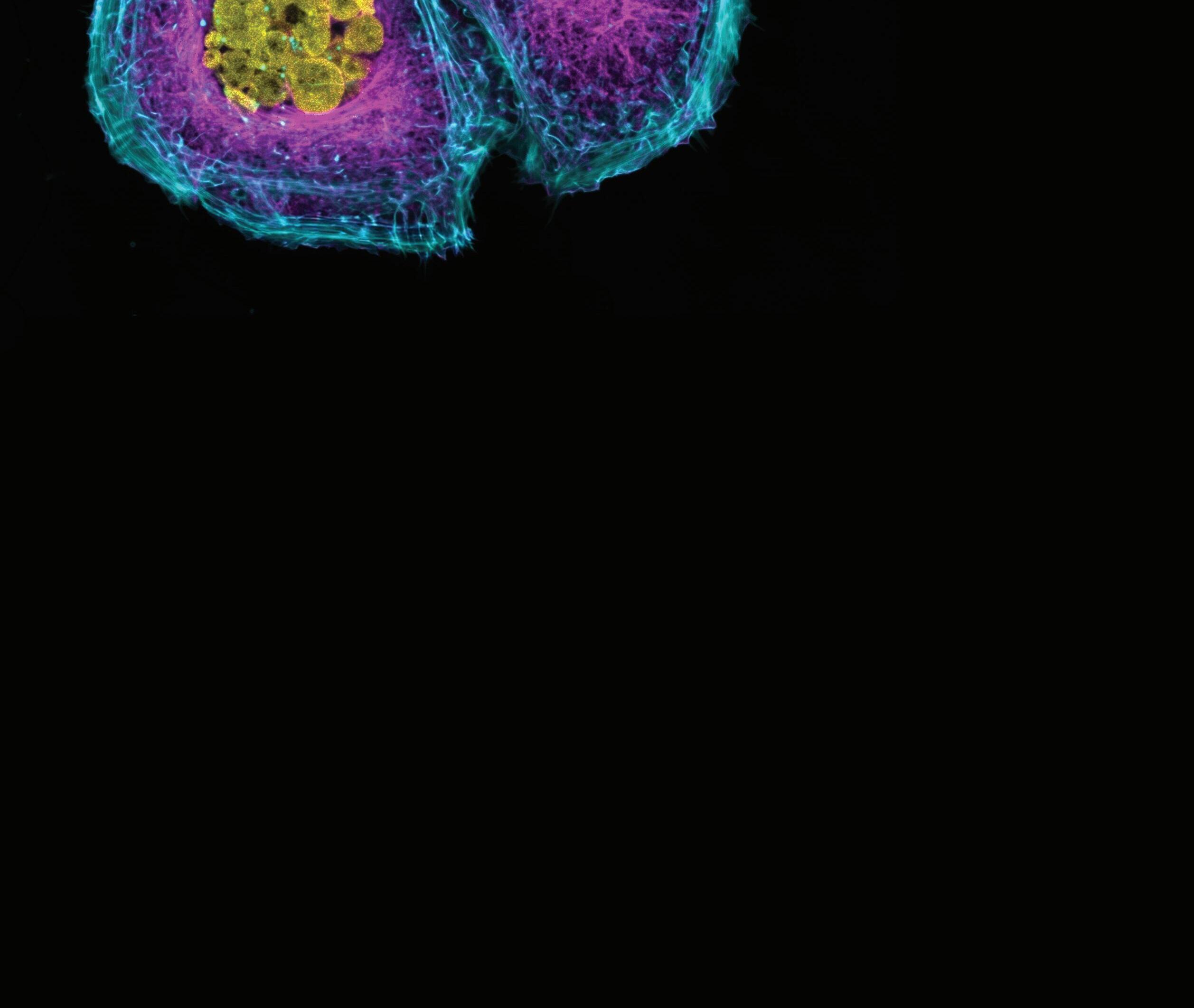
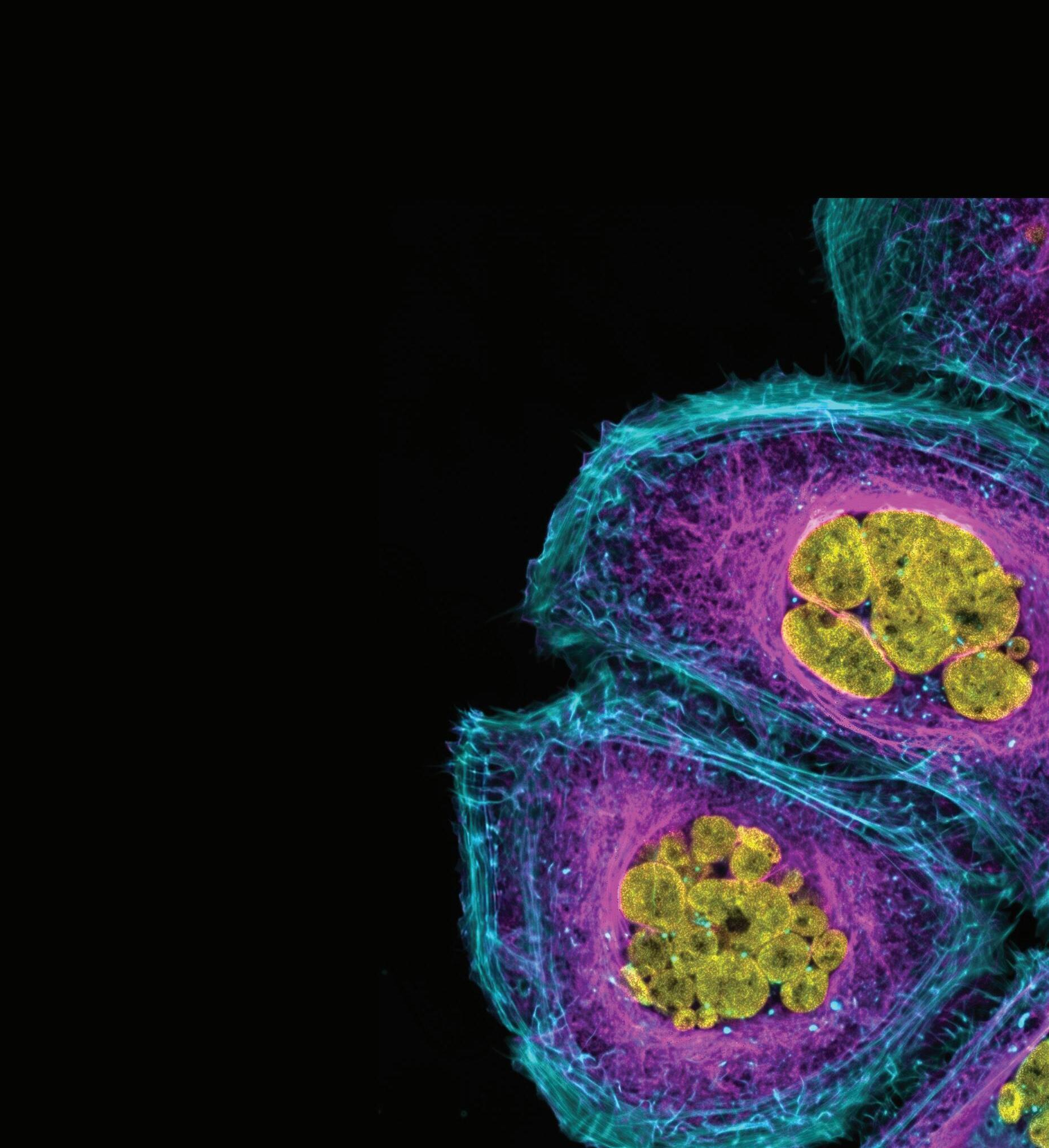
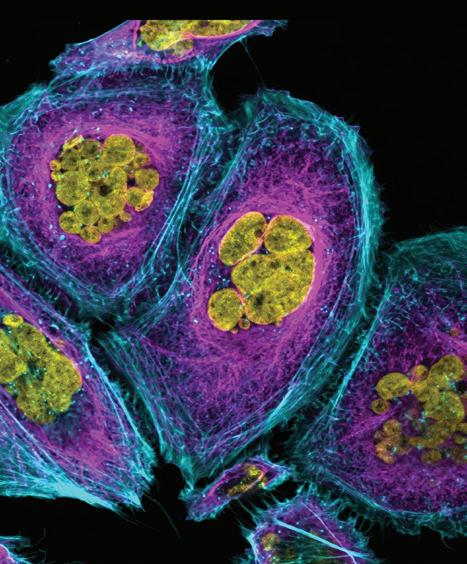
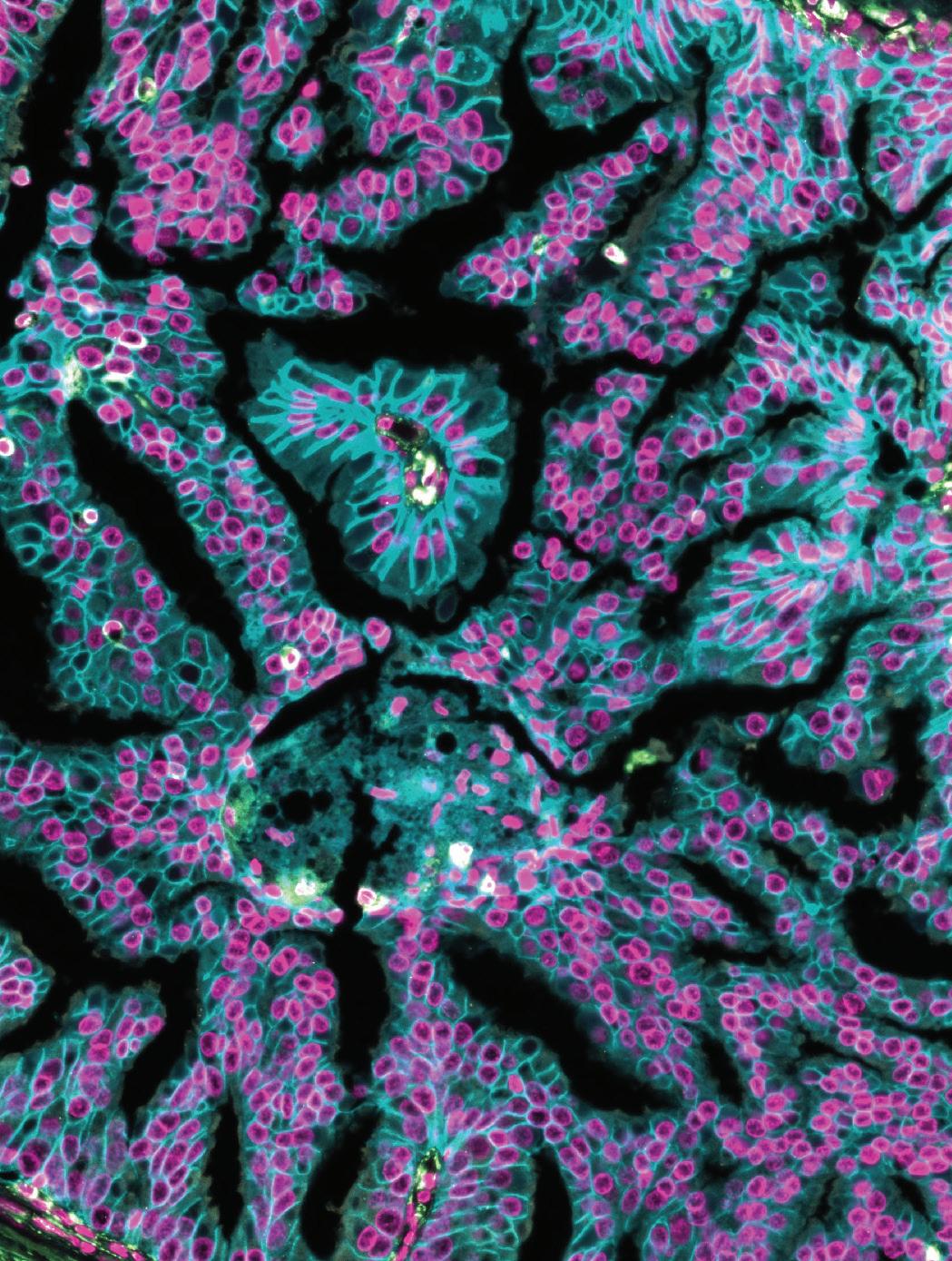
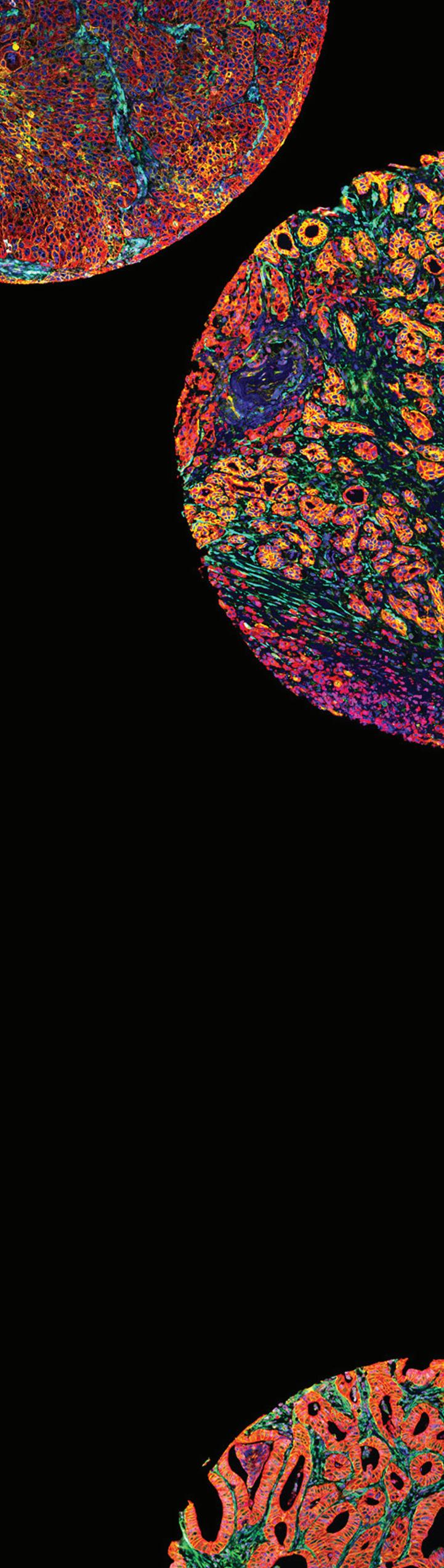
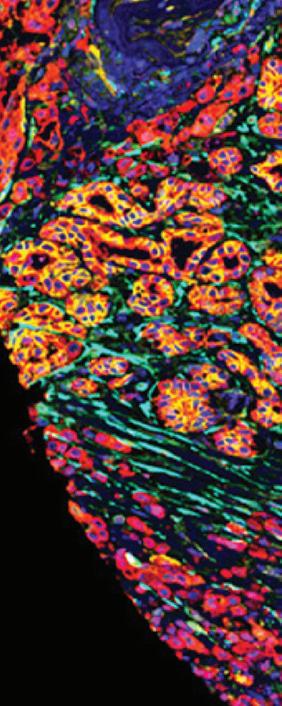
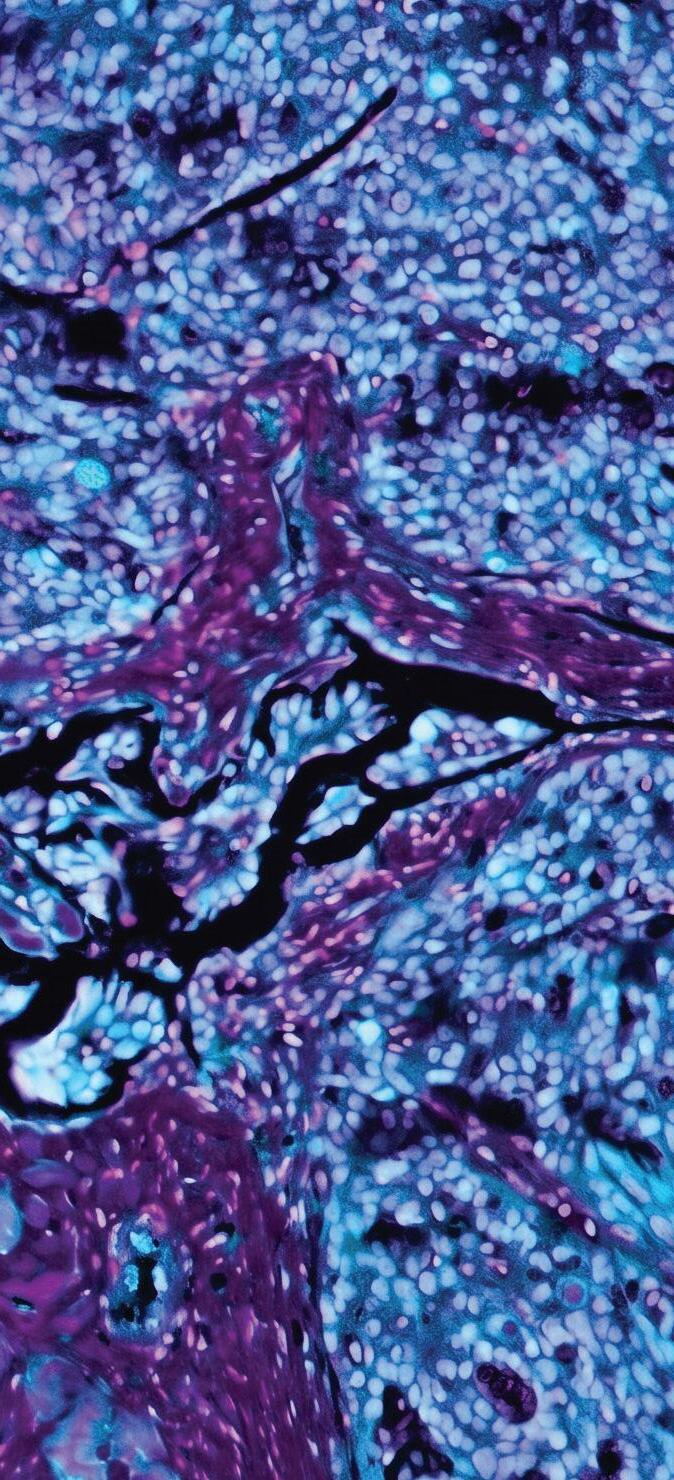
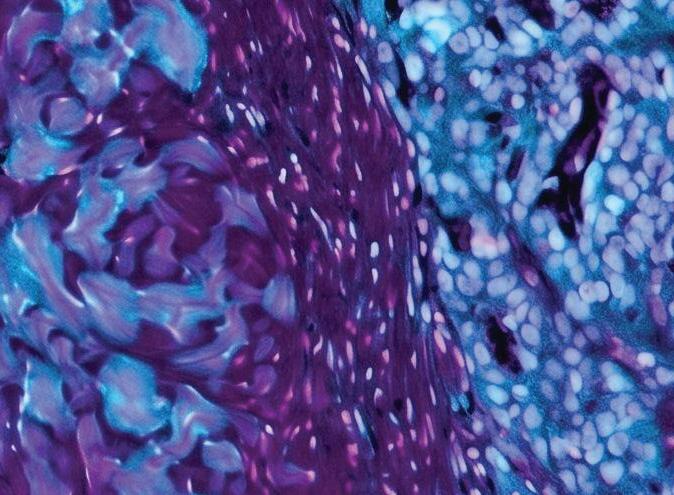
Through our public engagement program, Garvan endeavours to make medical research accessible to the community it ultimately exists for. In 2025, we celebrated National Science Week by launching our Art of Discovery exhibition, transforming research imagery into large-scale artworks and inviting the public to explore the tension between the beauty of biology and the devastating reality of the diseases we study.
We are funded by the community that we serve – taxpayers and donors alike – and that responsibility and trust drives everything we do. To every member of our Garvan family, we extend our most heartfelt thanks for your continued belief in our work and for standing beside us as we shape the future of medicine.
We are deeply grateful to our Garvan family whose ongoing support catalyses and accelerates our mission.
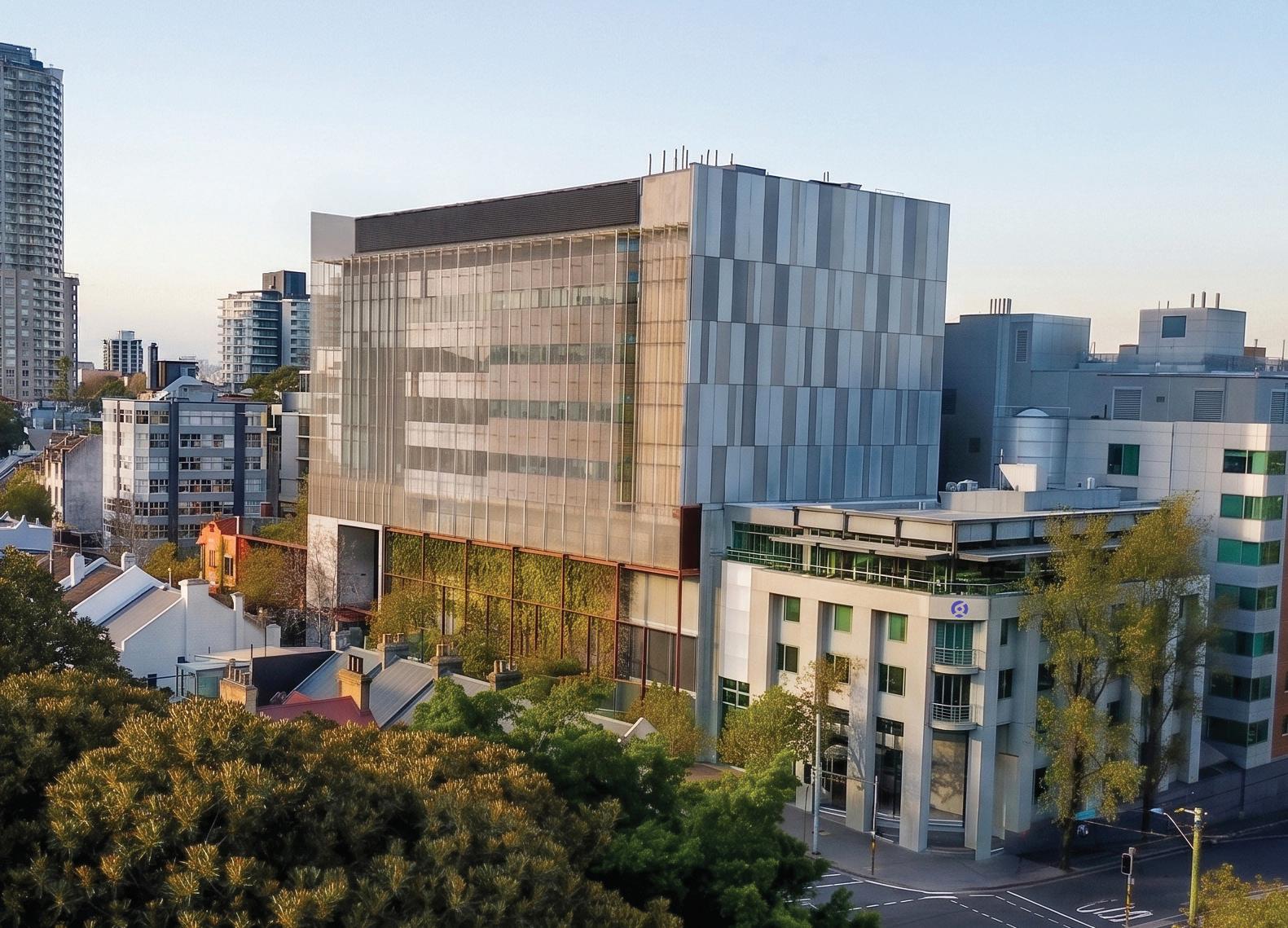
For over 60 years Garvan has been at the forefront of medical research. Today, we are continuing this legacy, bringing together world-class scientists to solve the most pressing medical challenges.
We see a future where all diseases can be prevented, treated or cured.
A future where every patient receives a timely diagnosis, every cancer has an effective therapy, and every immune disease can be cured.
To make discoveries that improve health for all.
Garvan works at the intersection of cancer, genomics and immunology – fields of enormous unmet clinical need, and fields that are converging in ways that amplify each other’s discoveries and accelerate the development of new therapies. We back our researchers over the long term to pursue the most important scientific questions with rigour, creativity, and technological sophistication. Garvan is building the infrastructure that will ensure our discoveries become medicine.
For more than 60 years, Garvan has done the hard, fundamental science needed to understand disease – and driven those discoveries towards treatments that have reached patients. Still, too many people facing a diagnosis today are counting on discoveries that haven't been made yet. Garvan is here to make them.
Diseases are linked to our genes, our immune system and the way they interact with environmental factors. Garvan's research focuses on three fields that inform and accelerate each other: genomics, cancer and immunology.
Genomics reveals the molecular basis of disease. Cancer will touch all of us, and the technology and relentless momentum of cancer research is pushing all of medicine forward. Immunology is the connector; almost every human disease interacts with, is shaped by, or can be treated through the immune system. Together, these three fields and their intersections are where the greatest breakthroughs now happen – and where Garvan has built one of the strongest research programs in Australia.
Garvan has always pushed technology further than anyone thought possible – and when the tools to answer a question don't exist, we build them. We have been a leader in machine learning and data science and are developing strategies to ensure Garvan is leveraging AI across all areas of our work. We have become the first medical research institute in Australia capable of advancing biologic medicines from concept to first-in-human studies. It is a global asset that connects Australian discoveries to the world, and the world's advances to Australian patients.
Within the next decade, we will see Garvan research translated into new medicines that treat and cure diseases that have defeated science for generations.
The foundations are in place. The direction is clear. What comes next will change medicine.
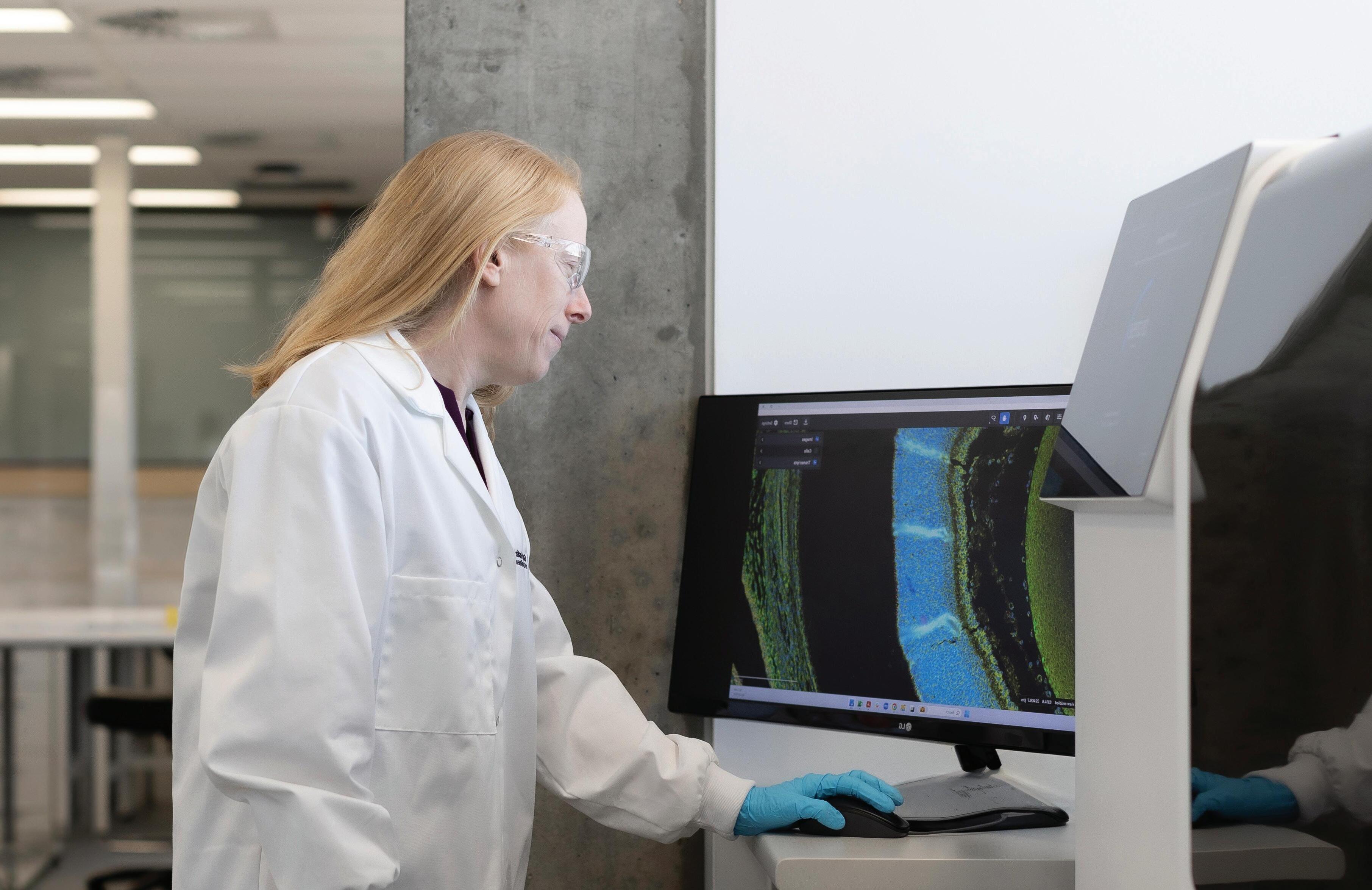

Garvan doesn’t wait for technology to catch up. We adapt it, push it further, and when the right tool doesn’t exist, we build it. Because the questions we’re asking are too important to be held back by technical limits.
Garvan’s research is focused on cancer, genomics and immunology – three fields where Garvan can have the greatest impact for human health.
At the same time, we have built world-leading infrastructure, technology and capability to accelerate our discoveries toward clinical impact.
Professor Sarah Kummerfeld Chief Scientific Officer

Three fields, one mission – underpinned by the latest infrastructure and technology to make the biggest impact for our community.


Our Research Programs Our Scientific Platforms


















Garvan’s more than 300 world-leading scientists work within dedicated Research Programs across our three focus areas. Guided by the understanding that the body’s systems are deeply interconnected, our researchers increasingly work at the intersections of these fields, bringing together diverse expertise to accelerate discovery and transform how we understand and treat disease.
Our researchers' breakthroughs are made possible by their access to the best technology, infrastructure and systems. Garvan has six Scientific Platforms that together underpin and enable all our discoveries. Notably, through our Data Science Platform, we leverage AI throughout our research pipeline. Our Biologics and Development platforms allow us to test and develop novel therapies, ready for early-stage clinical trials – an unrivalled asset that accelerates our discoveries towards patients.
Our achievements in numbers.
In 2025, Garvan delivered an exceptional year of impact in medical research, marked by major breakthroughs and clinical translation. We advanced world-leading science in cancer, genomics and immunology, reflected in our strong publication record and engaged with cutting-edge clinical trials and studies. Our talented researchers, staff and students drove international collaborations and deepened our engagement with the community.
Our people
United by our mission to make discoveries that improve health for all
Publications
Delivering world-leading discoveries in cancer, genomics and immunology
721
total staff
247 professional and scientific support staff
410 scientific papers published
388 scientists
86 Honours, Masters and PhD students
3rd in Australia for Nature Index
Clinical trials
Accelerating the translation of research breakthroughs to clinical impact
Public engagement
Disseminating our breakthroughs to the community while educating the public about our vital work
Garvan’s research is supported by a combination of peer-reviewed government grants and generous philanthropic investment from the community we serve.
20 clinical trials and studies launched or progressed
4,100+ media mentions across print, radio, TV and online
2,100+ individuals enrolled as at 2025
3,200+ participated in our public seminars, events and tours
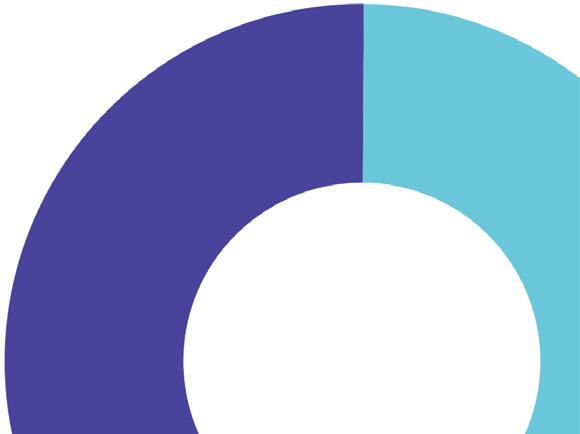
Funding by source


Garvan is a partner of the St Vincent’s Sydney Health Innovation Precinct, Australia’s oldest and most established health partnerships, and is proudly affiliated with UNSW Sydney.

This unique partnership and our co-location enable close and meaningful collaboration with the precinct's other partners, speeding up translation of our discoveries from the lab to the bedside and back again.















Collaboration is key to achieving groundbreaking discoveries. At Garvan, we have extensive, collaborative networks both globally and nationally, which strengthen our research and increase the impact of our work. Here we highlight the number of joint publications with national and international institutions in 2025.













































We discovered that chronic hepatitis C infection stimulates B cells to continuously mutate. This creates a ‘perfect storm’ of genetic variants, producing rogue clones that drive a debilitating autoimmune disease called cryoglobulinemic vasculitis. This finding opens avenues for new, targeted treatments against this disease.
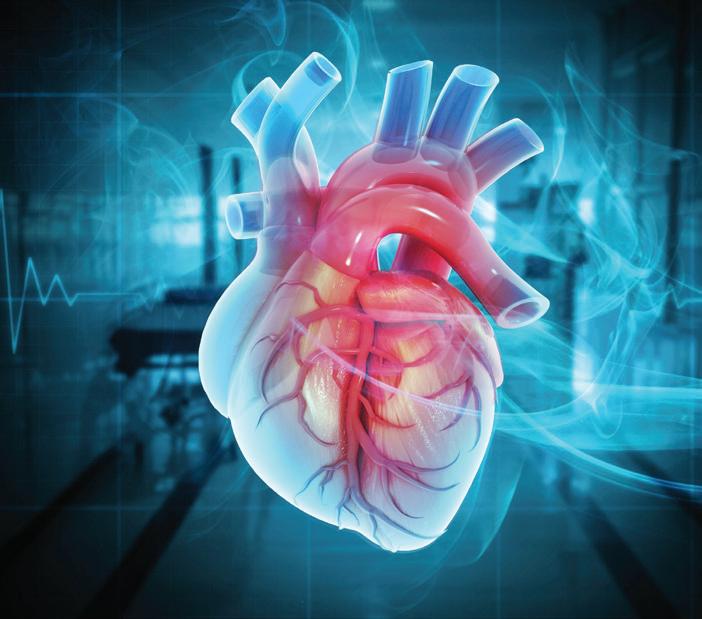
An international team led by Garvan systematically reviewed and refined the list of genes used to diagnose hypertrophic cardiomyopathy, which can cause sudden cardiac death. The updated gene panel enables a more precise diagnosis and is already being adopted by laboratories worldwide.
We found a gene variant once considered rare and diseasecausing is actually common in healthy Oceanian individuals. This reflects the limited diversity in current genomic datasets and highlights the need for broader ethnic representation in genetics research.
or
Why vaccination site matters for immune response
We uncovered that receiving a booster vaccine in the same arm as your first dose can generate a stronger and quicker immune response. This fundamental discovery offers insights to improve future vaccination strategies.
A new AI tool uncovers how cancer cells differ from their neighbours
Together with international researchers, we developed AAnet, a powerful AI tool which detects biological patterns in individual cancer cells in a tumour. By identifying unique cell behaviour, this technology paves the way for more personalised cancer therapies.
In 2025, Garvan researchers achieved remarkable breakthroughs across cancer, genomics and immunology. By combining cuttingedge technology with world-class expertise, we are driving discoveries from the lab to clinical impact.
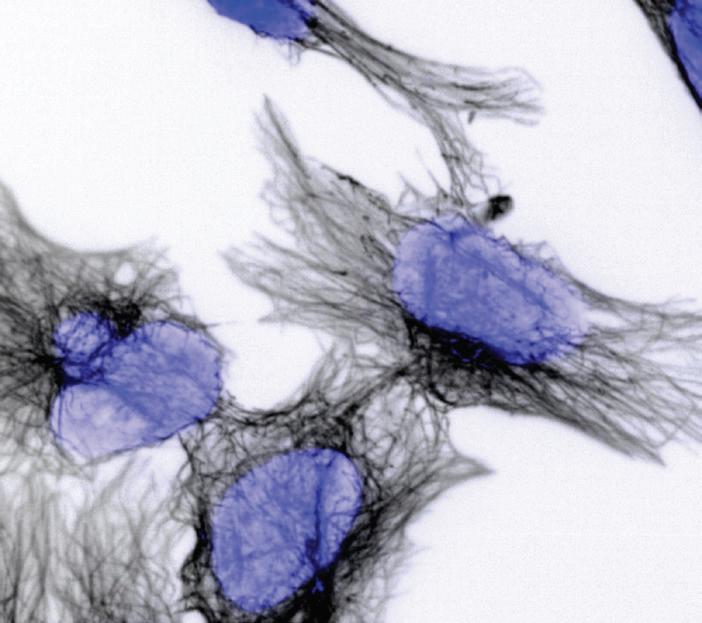
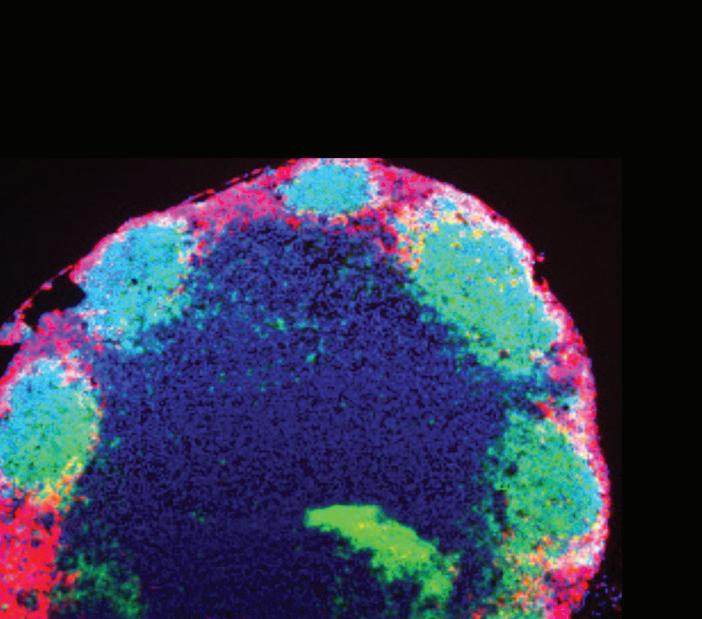
new drug combination to overcome neuroblastoma treatment resistance
Researchers discovered that romidepsin bypasses blocked cellular pathways in relapsed high-risk neuroblastoma. Combined with standard chemotherapy, it reduces tumour growth, offering a promising new treatment strategy for this aggressive childhood cancer.
Garvan’s Strategic Plan is designed to empower world-class research and foster a culture of ambition, rigour and excellence.
Bold science requires investing in the systems, people and structures that allow great research to happen. Our 2025-2028 Strategic Plan Accelerating Discovery, Empowering Translation charts a path to achieve this.
Centered around our research strengths of cancer, genomics and immunology and underpinned by five key institutional priorities, it ensures we enable our discoveries, accelerate their translation to the clinic, develop our exceptional talent and build institutional sustainability.
2025 was a year of transforming foundations and creating momentum across the organisation. Here we outline the key strategic developments we achieved against our Strategic Plan.







Discovery







Translation



Development


Engagement
Institutional sustainability




We conduct medical research that turns public support into public knowledge.
Major breast cancer grant awarded
Secured a generous $25M grant from the National Breast Cancer Foundation for an ambitious research program called AllClear, which will fund research over the next five years to address the clinical challenge posed by breast cancer relapse.
our scientific leadership
Building on our ambitious research strategy, we appointed Associate Professor Maté Biro, Dr Seyhan Yazar and Dr Etienne Masle-Farquhar to Garvan's Faculty, with Dr Clare Puttick, Dr Carlson Tsui and Dr Philipp Rommel due to join in 2026.
New centre to advance cancer research
We announced the establishment of the ACRF MATRIX Centre at Garvan, Australia's first centre dedicated to ultra-high resolution spatial proteomics in cancer.
National genomics infrastructure supported
Established and recruited a lead for the National Scale Genomics Infrastructure initiative, laying the foundation for critical new research capabilities within our Scientific Platforms.
We translate knowledge into improved prevention, diagnosis and treatment of disease.
First Biologics Platform campaign complete
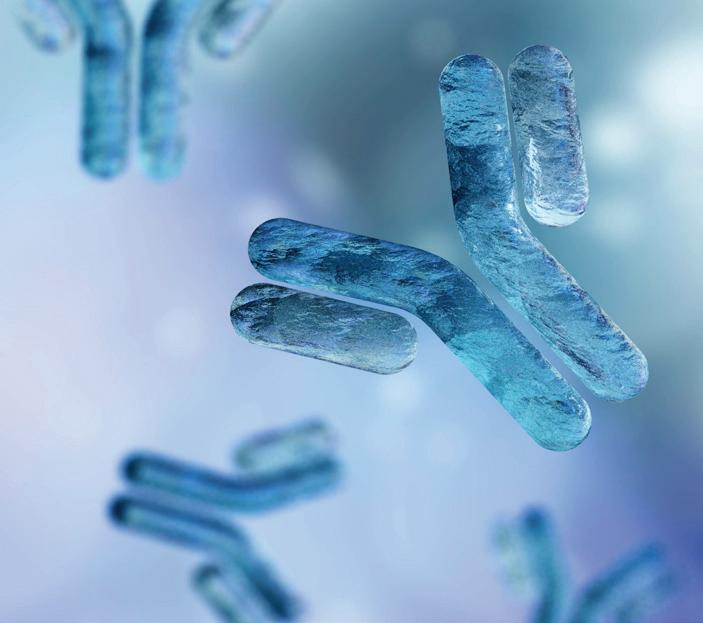
We delivered the first antibody discovery campaign for the Biologics Platform, demonstrating its readiness for accelerating the discovery and development of nextgeneration protein-based therapies, such as monoclonal antibodies.
Accelerator Fund launched
Launched the Garvan Accelerator Fund, a mechanism to fast-track promising Garvan discoveries through the commercialisation pipeline, from early-stage research findings towards translational and commercial outcomes.
We educate, train and develop world-class researchers and professionals who will become the leaders of the future.
Faculty pathway enhanced
Launched a revised Faculty career pathway to simplify the processes for promoting our most promising early-mid career researchers, ensuring we focus on attracting, recruiting and promoting the best research talent.
We engage, inspire and educate the community to deepen the understanding and impact of Garvan’s work and medical research more broadly.
Advocated for the advancement of the medical research sector
Professor Benjamin Kile was appointed as AAMRI NSW Co-Chair, and Professor Sarah Kummerfeld was appointed Chair of the AAMRI NSW AI Working Group, enhancing our external influence and visibility within the medical research sector.
Successfully engaged the community and general public
Expanded our public engagement program, including the successful launch of Garvan's Art of Discovery public exhibition. This exhibition featured Garvan's science images during National Science Week.
We strengthen and enhance the systems that support our mission and enable a high-performing, ever-evolving research culture that drives extraordinary science.
Garvan’s AI strategy launched
Acknowledging the transformative potential of AI, we launched our AI strategy and guidance for use, embedding this technology across all aspects of our work.
IT transformation and Cybersecurity enhancement progressed
Completed Phase 1 of the IT Transformation program of works, revitalising our core systems and structures. We developed and endorsed a new Cyber Resilience Plan, significantly strengthening our defences against evolving digital threats.

Three fields, one mission. We pursue the toughest problems in medicine.








At Garvan, our research centres on three fields: cancer, immunology and genomics. Our focus areas are composed of ambitious Research Programs, each headed by world-leading scientists. Together, these programs tackle the biggest medical research challenges that exist today.


Cancer Ecosystems
Targeting the tumour microenvironment to develop new cancer drugs and diagnostic tests.
Cancer Plasticity and Dormancy
Developing new treatment paradigms to overcome treatment resistance in cancer.
Translational Oncology
Integrating Garvan’s breakthrough research with St Vincent’s Hospital’s world-class cancer care to transform therapies and improve patient outcomes.


Precision Immunology
Transforming the diagnosis and treatment of diseases affecting the immune system.
Immune Biotherapies
Harnessing the power of the immune system to develop new biotherapies and improved vaccines. Professor Robert Brink
Genomics and Inherited Disease
Harnessing genomics to accelerate the diagnosis and treatment of inherited disease.

Translational Genomics
Unpacking disease through the cell and the genome. Professor
Centre for Population Genomics
Building Australia's largest and most inclusive genomic databases to ensure equitable access to genomic health advances. The Centre is a collaboration with the Murdoch Children's Research Institute.
Cancer touches almost everyone. Despite advances in early detection, surgery and treatment, cancer remains a major cause of illness in Australia and around the world. That’s why Garvan is dedicated to undertaking fundamental and clinical research which improves the diagnosis and treatment of this disease.
Almost 1 in 2
Australians will be diagnosed with cancer by age 85
1 million
Australians were diagnosed with cancer in the last 10 years
3 in 10
deaths in Australia are caused by cancer
30-40 yr olds are experiencing increased rates of cancer
Our researchers are studying cancer from every angle; from uncovering how it begins, to how it progresses and how it can come back. Our ultimate goal is to translate these discoveries into better ways to diagnose and treat a broad range of cancers, bringing hope for the millions affected by this disease.
At Garvan, our research programs work together to tackle cancer from all angles; from fundamental drivers of disease to translational research, ready to reach patients. Our researchers focus on answering the biggest cancer questions that remain such as:
• What drives treatment resistance and how can we prevent it?
• How can we harness the immune system to combat cancer?
• How can we prevent relapse so that cancer doesn’t come back?
• How can the environment around tumours protect the cancer from destruction?
• How can we improve the diagnosis of cancer?
• Can we better match a patient’s cancer to the right treatment to improve outcomes?
At the same time, our state-of-the-art platforms and deep collaborations across the St Vincent’s Sydney Health Innovation Precinct and beyond allow our researchers to accelerate the path from new cancer discoveries to the development and testing of new treatments.
224 staff and students
18 labs and groups
164 research papers published
$34.2M+ secured in new peer-reviewed grants
36 clinical trials and registries with Garvan involvement






The Kinghorn Cancer Centre (TKCC) represents the cornerstone partnership between Garvan and St Vincent’s Hospital Sydney. It unites Garvan's cutting-edge scientific discoveries with world-class clinical care, creating a powerful model for personalised cancer treatment. This collaboration means laboratory breakthroughs can be rapidly translated into improved diagnosis and prevention for people with cancer. Over the past decade, TKCC has supported more than 25,000 patients and enabled the publication of over 770 research discoveries, demonstrating the profound impact of integrating multidisciplinary research with compassionate patient care. Garvan acknowledges the unparalleled support of The Kinghorn Foundation in the establishment of TKCC and its continued investment in breakthrough medical research.





Clinical trials are an essential conduit through which laboratory breakthroughs reach cancer patients. They allow potential new treatments to be tested and ensure that they are safe and effective for preventing and treating cancer.
Through Garvan’s extensive collaboration with other researchers, clinicians and hospitals – including our unique relationship with St Vincent’s Hospital Sydney – our researchers have contributed to 36 clinical trials and studies that were active in 2025. These spanned a variety of cancers, with the majority being prostate and breast cancer trials.
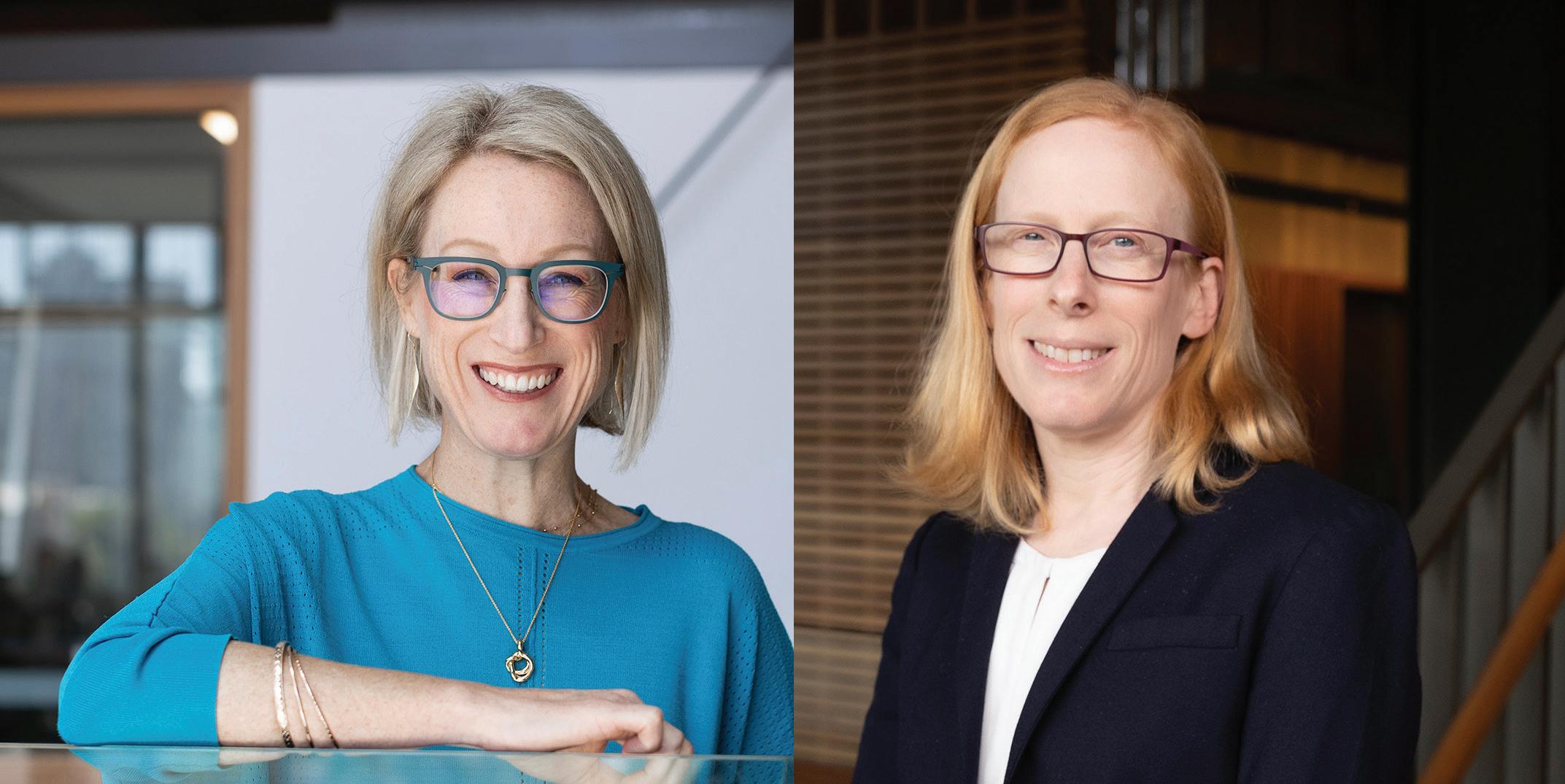
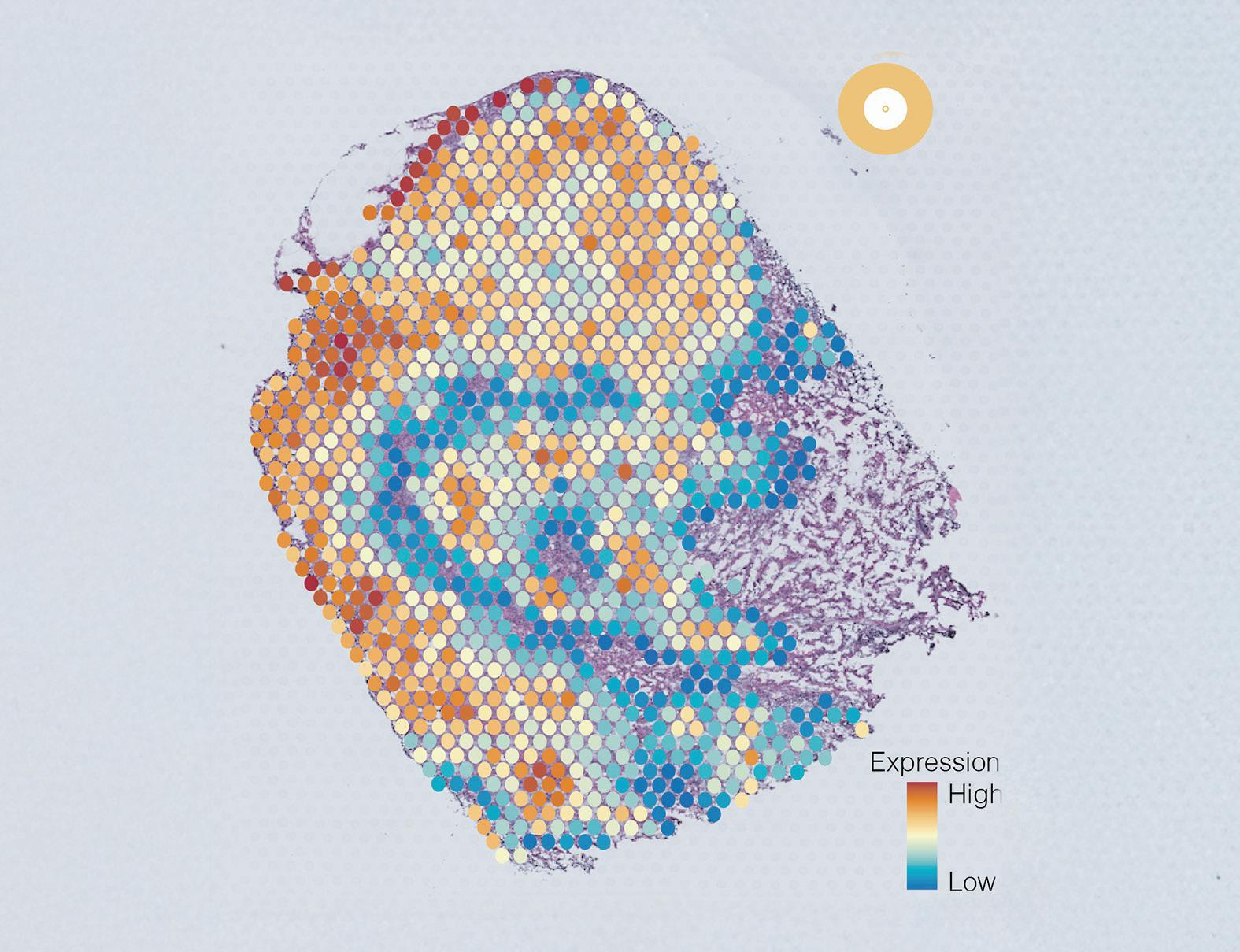
New AI tool uncovers how individual cancer cells behave, which could be integrated into cancer diagnostics to better inform treatment
A multinational research team, co-led by Garvan, developed a new AI tool called AAnet that can help researchers better understand how individual cells behave inside tumours. The findings, co-led by Garvan’s Associate Professor Christine Chaffer and Professor Sarah Kummerfeld, address a newly appreciated characteristic of cancer tumours: that not all cells behave the same. This diversity, or heterogeneity, means each cell in a tumour responds differently to therapies, often leading to treatment resistance.
AAnet was developed to analyse variations in gene expression across individual cancer cells to uncover patterns in how they behave and respond to treatment. Using breast cancer samples and lab models, the tool identified five distinct groups of breast cancer cells, each with unique behaviours.
The development of AAnet opens doors for a paradigm shift in how cancer is treated. Instead of treating tumours as a collection of cells behaving identically, researchers could now target the complex mix of cells within that tumour. Our researchers foresee that these findings will lead to more personalised treatments that result in better outcomes for those with cancer.





We envision a future where doctors combine this AI analysis with traditional cancer diagnoses to develop more personalised treatments that target all cell types within a person’s unique tumour. These results represent a true melding of cutting-edge technology and biology that can improve patient care.
Associate Professor Christine Chaffer Co-lead of the study
Garvan scientists identified a molecule that fuels pancreatic cancer spread, opening new avenues for targeted treatment
Our researchers uncovered how pancreatic cancer hijacks a crucial metabolism ‘switch’ to help it spread, revealing a potential new treatment strategy for this aggressive disease. The study identified Neuropeptide Y (NPY) as a key driver of pancreatic cancer metastasis. NPY was found to be significantly higher in pancreatic cancer cells compared to normal tissue. By blocking NPY’s function in laboratory models, the team substantially reduced the spread of cancer to the liver. Surprisingly, blocking NPY also helped reduce the severe loss of muscle and fat tissue mass that often accompanies cancer progression.
The team developed an antibody designed to neutralise NPY’s effect, which is currently being tested. This approach could provide a highly personalised therapy for patients with aggressive, metastatic pancreatic cancer.
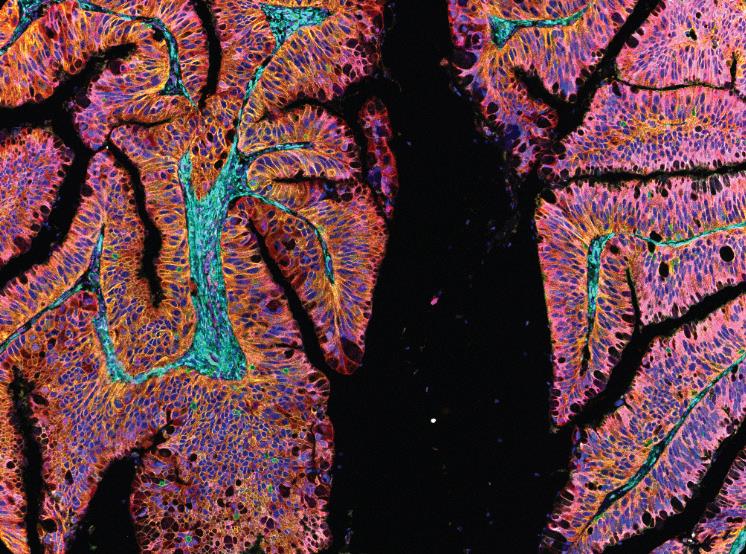
By blocking this molecule, we could slow down pancreatic cancer cell movement and metastatic outgrowth in the liver, thereby limiting the spread of the cancer.
Dr Cecilia Chambers First author of the study




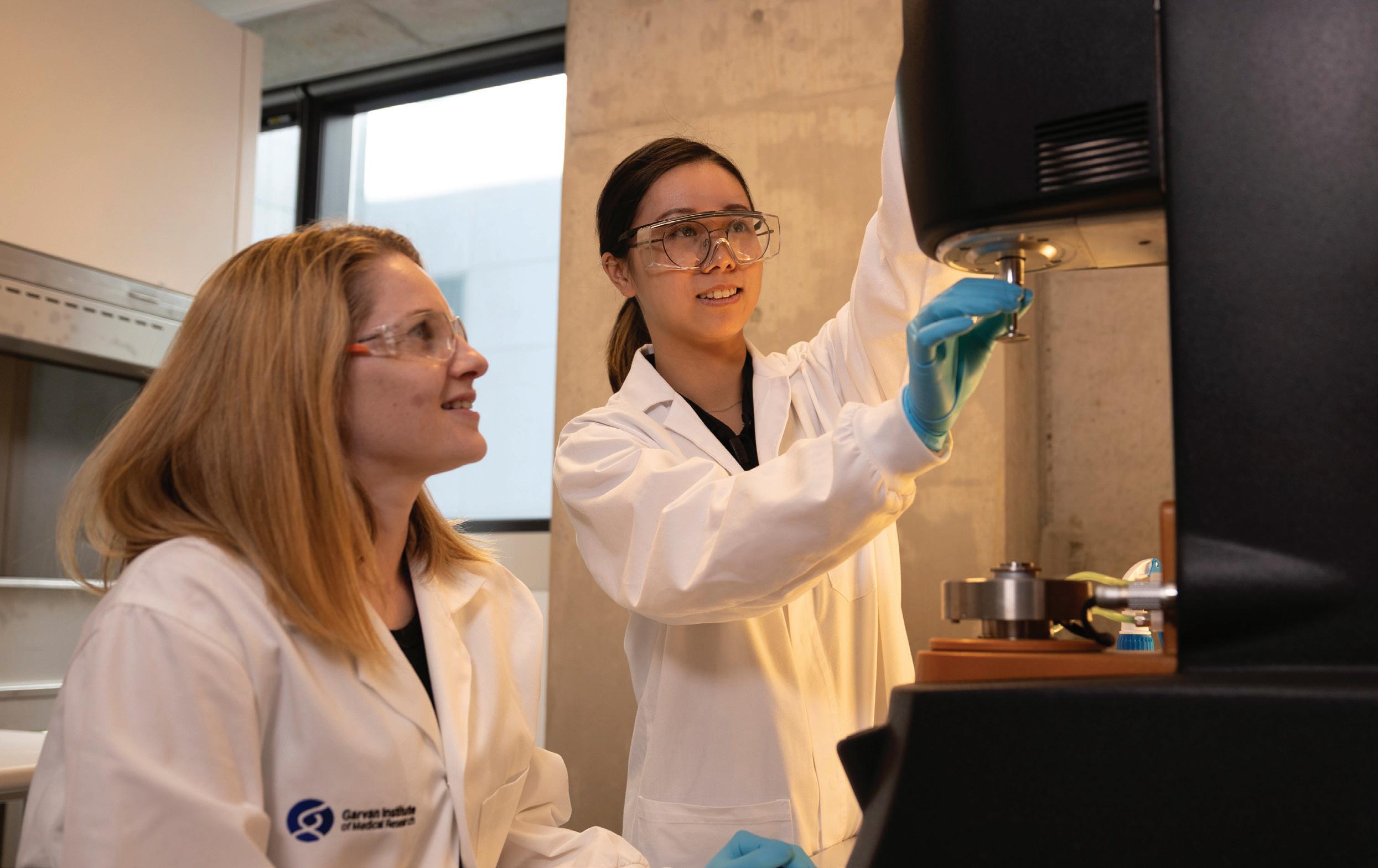
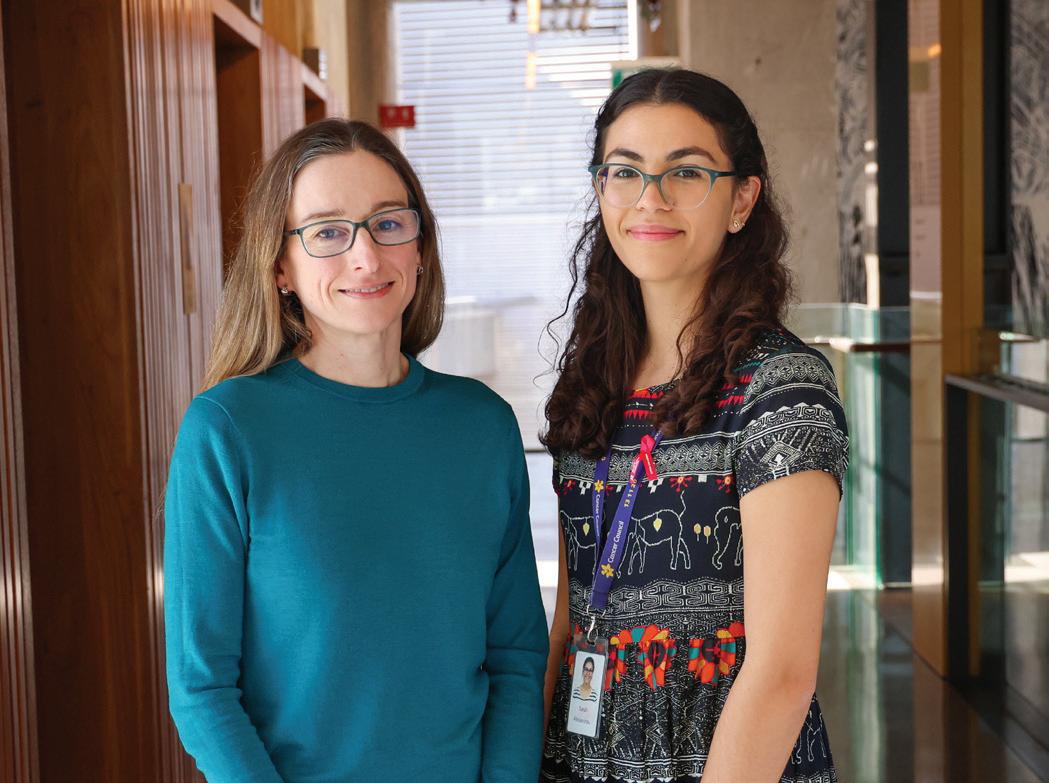
Inactivation of a stress pathway allows estrogen receptor-positive breast cancer cells to resist new combination therapies
A Garvan study, led by Associate Professor Liz Caldon, uncovered why some breast cancers become resistant to treatment, opening the door to more effective therapies. CDK4/6 inhibitors, combined with endocrine therapy, are now first-line therapy for high-risk estrogen receptor-positive (ER+) breast cancer patients. While this combination has significantly improved survival rates, some patients still experience resistance to this treatment, but we don’t know why.
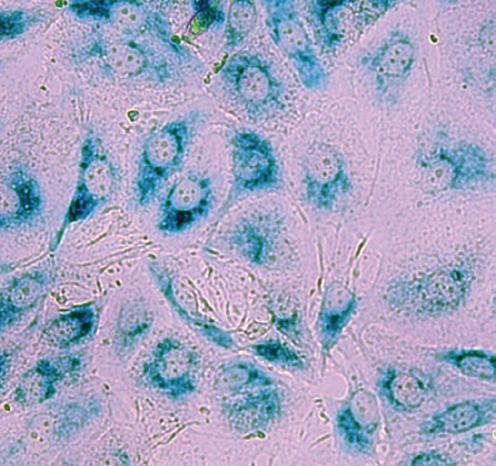
To address this, Associate Professor Caldon’s team revealed how disruption to a cellular stress response system involving the JNK pathway allows ER+ breast cancer cells to evade this treatment.
The JNK pathway acts like a cellular alarm system; when cells experience stress from cancer treatments, it triggers processes that kill damaged cells or stop them from dividing. The team found that when key genes in this pathway are not functioning properly, cancer cells ignore the message to stop growing. Tumour samples from breast cancer patients showed that those with low JNK pathway activity were less likely to respond well. The team is now investigating what alternative treatments might work for patients with low JNK pathway activity, hoping to develop therapeutic approaches tailored to this group.




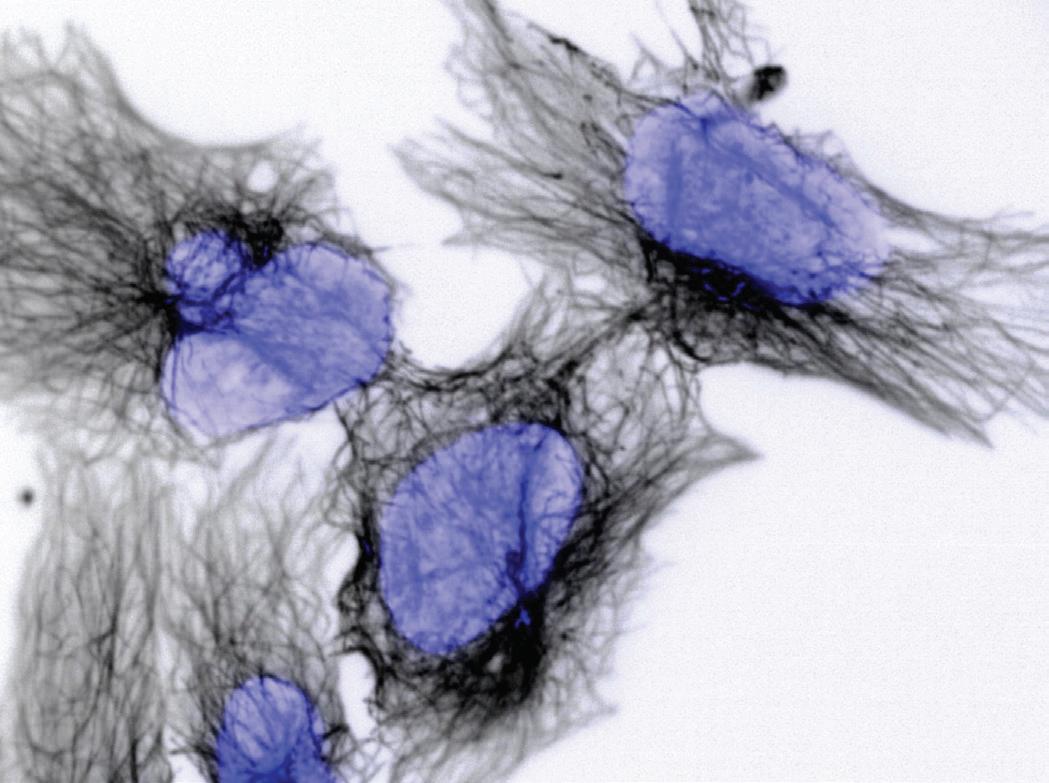
Drug combination found to overcome treatment resistance in relapsed neuroblastoma
A discovery by the David Croucher Lab could lead to better treatment for children with neuroblastoma, an aggressive cancer that claims nine out of 10 young patients who experience relapse. The team found that many standard chemotherapy drugs rely on a cellular ‘switch’ called the JNK pathway to trigger cancer cell death. In relapsed tumours, this switch often stops working, rendering treatments ineffective.
Behind every statistic is someone’s loved one. Understanding these molecular mechanisms gives us hope we can develop more effective treatments for patients and their families.
Associate Professor David Croucher Lead of the study
Looking for alternatives, the researchers identified romidepsin, a drug used for certain lymphomas, as highly potent against neuroblastoma cells even when the JNK pathway is blocked. In laboratory models, combining romidepsin with standard chemotherapy reduced tumour growth and extended survival time. Furthermore, lower doses of standard chemotherapy achieved the same cancer-killing effect when combined with romidepsin, raising the possibility of reduced side effects for young children. The team’s next step is optimising the combination treatment for future clinical trials.



one of the most urgent challenges: the return of
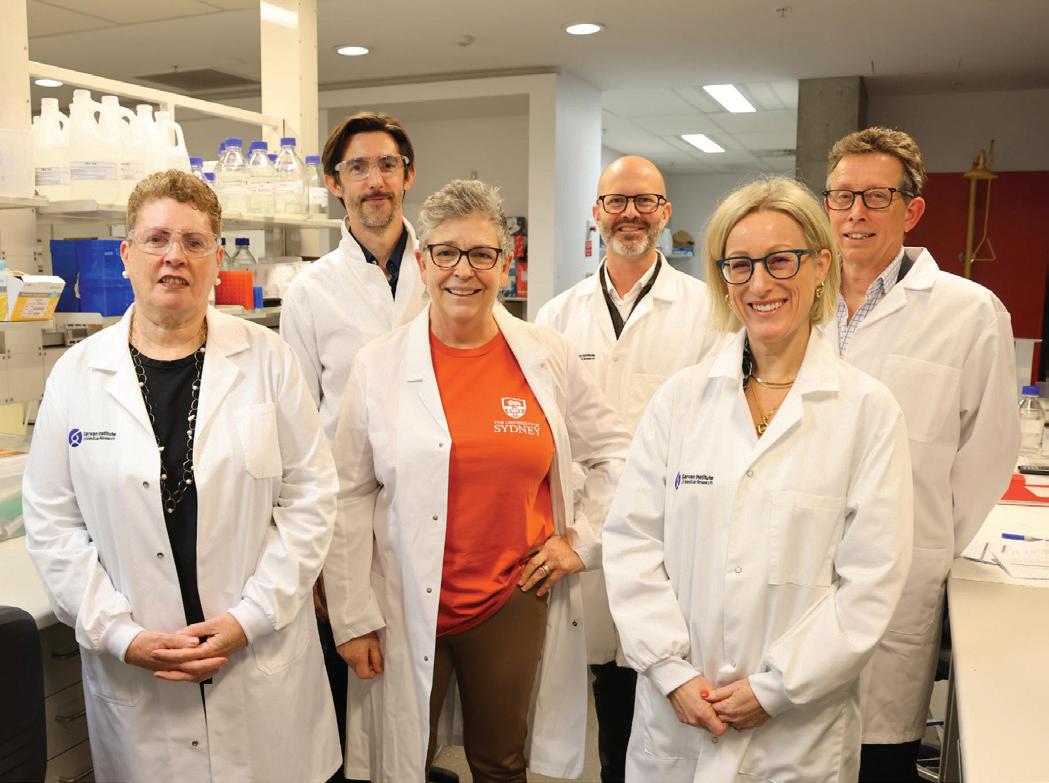
Ambitious new research project launched to tackle breast cancer relapse
Each year, more than 21,000 Australians are diagnosed with breast cancer. For some, breast cancer cells disseminate from the primary tumour and hide dormant in the body, reawakening years or even decades later to cause therapy-resistant metastases and relapse. In 2025, an ambitious research program called AllClear launched, with the generous support of the National Breast Cancer Foundation. Led by Garvan’s Associate Professor Christine Chaffer, the program focuses on disseminated breast cancer cells – ‘seeds’ of relapse –with the long-term goal of halving breast cancer deaths.
This is a really exciting time in breast cancer research. We have the skills, we have the technology, and we have experts coming together, all centered around this one question: finding these seeds of relapse and eliminating them.
Associate Professor Christine Chaffer Lead of the AllClear program
AllClear is using cutting-edge tools to isolate and study these ‘seeds’, refine tools to predict who is most at risk of relapse, and develop targeted therapies to eliminate these cells. Understanding and tackling cancer cell dormancy has the potential to transform how breast cancer is treated, significantly reducing deaths.



New trial targets the unique environment around tumours
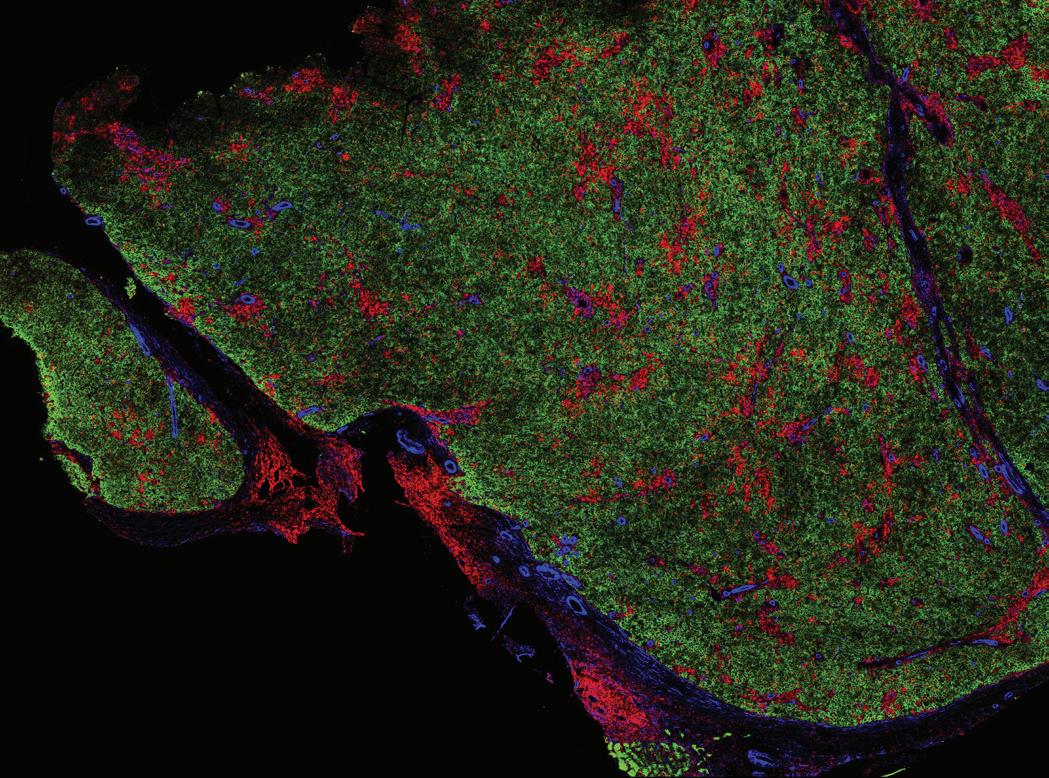
Liver cancer is an aggressive disease with poor outcomes – only one in four people survive five years after diagnosis. A clinical trial launched in 2025 hopes to change this dire statistic.
Co-led by Garvan’s Dr Ankur Sharma, the DEFINERx050 trial is testing a combination therapy in early-stage liver cancer to prevent recurrence. The trial is based on a concept underpinning many of Garvan’s research programs: that cancers need both ‘seed’ and ‘soil’ to grow. The cancer cell – seed – needs the right microenvironment – soil – around it to both provide nutrients and suppress the immune system from attacking the cancer cells. In a significant breakthrough, Dr Sharma uncovered that certain reprogramming ‘signatures’ in the microenvironment make liver cancers more aggressive and resistant to treatment.
The trial is testing a combination of approved drugs, given before surgery, to liver cancer patients with these molecular signatures, to see if targeting the tumour microenvironment can stop liver cancer from returning.
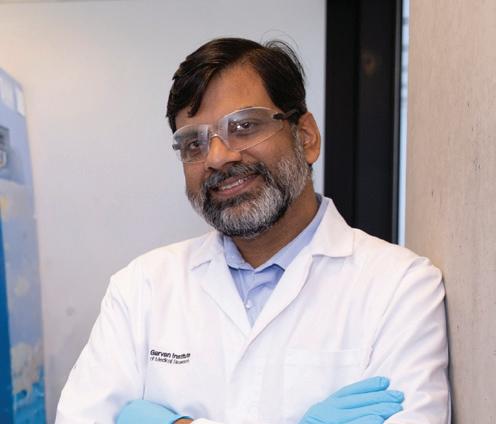
If successful, the trial could lead to more precise liver cancer treatments, matching people likely to have aggressive cancer with the right therapy.



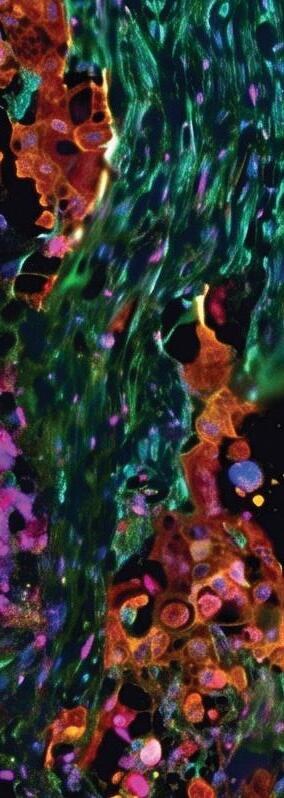
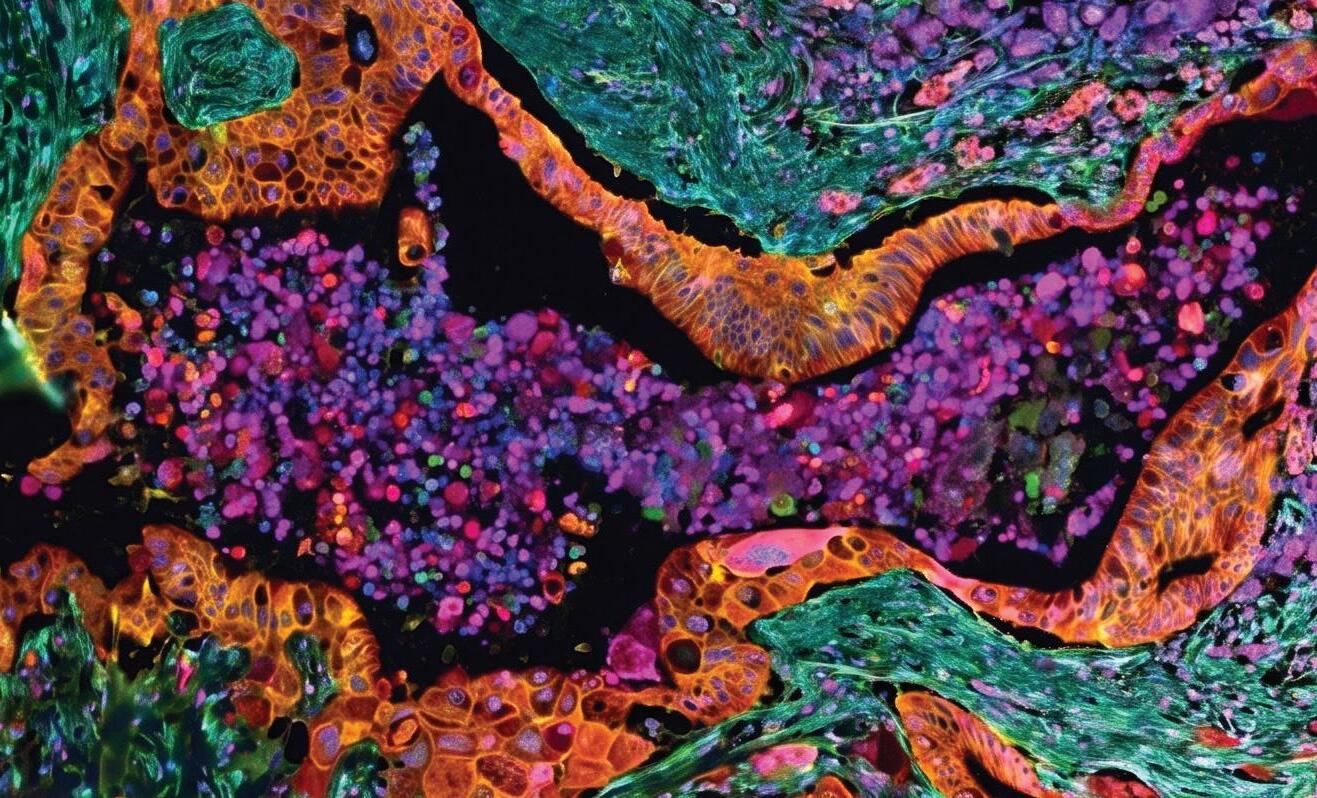
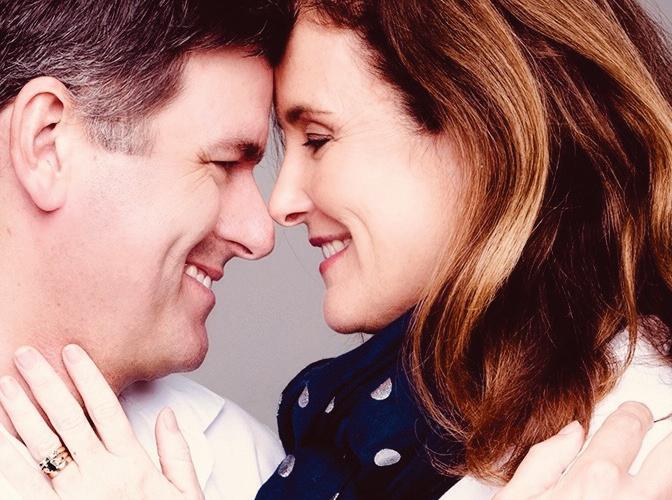
Michael was just 48 when he received a cancer diagnosis. After his passing, his family chose to support Garvan’s bowel cancer research
When Michael was diagnosed with aggressive metastatic colorectal cancer, his family faced an unimaginable journey. Despite an extensive treatment regime of 40 rounds of chemotherapy and 25 sessions of radiation, Michael passed away at the age of 50.
Determined that Michael’s death would lead to something meaningful, Michael’s wife, Linda and her family launched the Michael Sobey Foundation followed by March for Mick, an annual fundraiser supporting bowel cancer research at Garvan. Each March, participants walk 50 kilometres – one for every year of Michael’s life. In 2025, the event raised $15,000 for the lab of Professor Thomas Cox, who is working to develop new treatments for bowel cancer.
Since Michael’s passing, the family has raised over $150,000 for cancer research at multiple organisations. And they’re just getting started.
“It would be amazing if we’re still doing this in 20 years,” Linda says. “And even more amazing if by then there are better treatment options for bowel cancer because of the support we’ve been able to provide Garvan.”
At the heart of it all is hope that the next family facing a devastating diagnosis will have more time together.



We really want to put money into better treatment options. If improved treatment could give someone else 10 more years of life, imagine how many huge life events they would get to be a part of. That’s why we’re committed to supporting Garvan so that change can happen for someone else.
Linda Michael’s wife
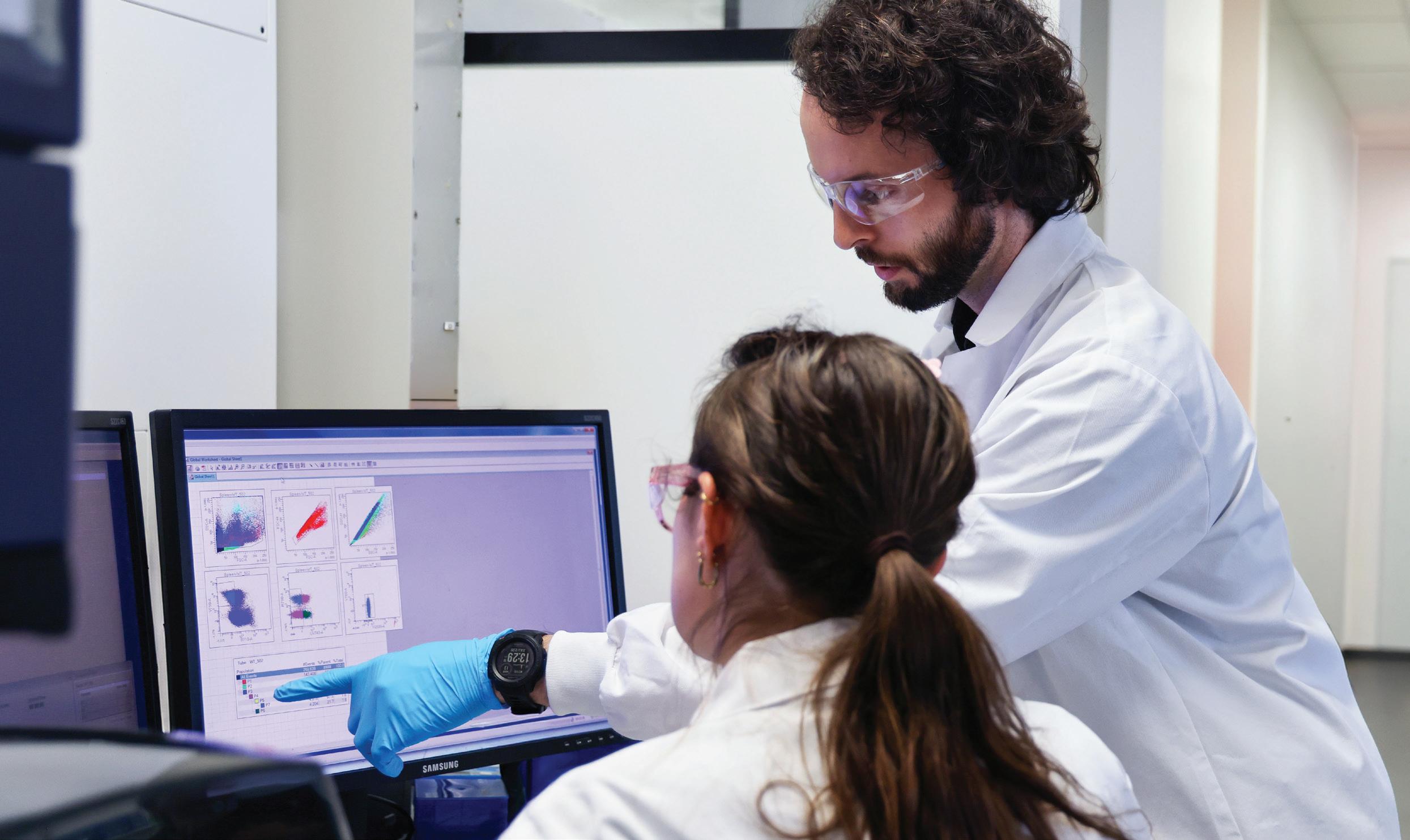
Research is increasingly revealing that almost every human disease interacts with, is shaped by, or can be treated through the immune system. Our scientists are committed to improving the management of immune conditions, while harnessing the power of the immune system to develop better treatments for a range of diseases.
1.3 million
Australians live with an autoimmune condition
80+ autoimmune diseases have been identified
1 in 5
Australians have an allergic disease with numbers increasing
1 in 1,200
Australians have a primary immunodeficiency
By uncovering fundamental insights on how the immune system normally functions – and what goes wrong when it doesn’t – our researchers are transforming the diagnosis and treatment of a range of immune conditions, while also accelerating advances in other diseases, such as cancer.
Immune diseases are conditions caused by the dysfunction of the immune system, where the body’s defence system becomes overactive, underactive, or mistakenly attacks healthy cells and tissues. These include allergies, asthma, immunodeficiencies and autoimmune diseases.
At Garvan, our world-leading researchers are uncovering what drives these conditions, so that we can better diagnose, manage or treat immune diseases.
Importantly, our researchers also work at the intersection of Garvan’s other focus areas – genomics and cancer – to uncover the genetic causes of immune diseases and to understand how the body’s immune system can be used to fight cancer through new immunotherapies.
116 staff and students
13 labs and groups
20 research papers published
$1.5M+ secured in new peer-reviewed grants




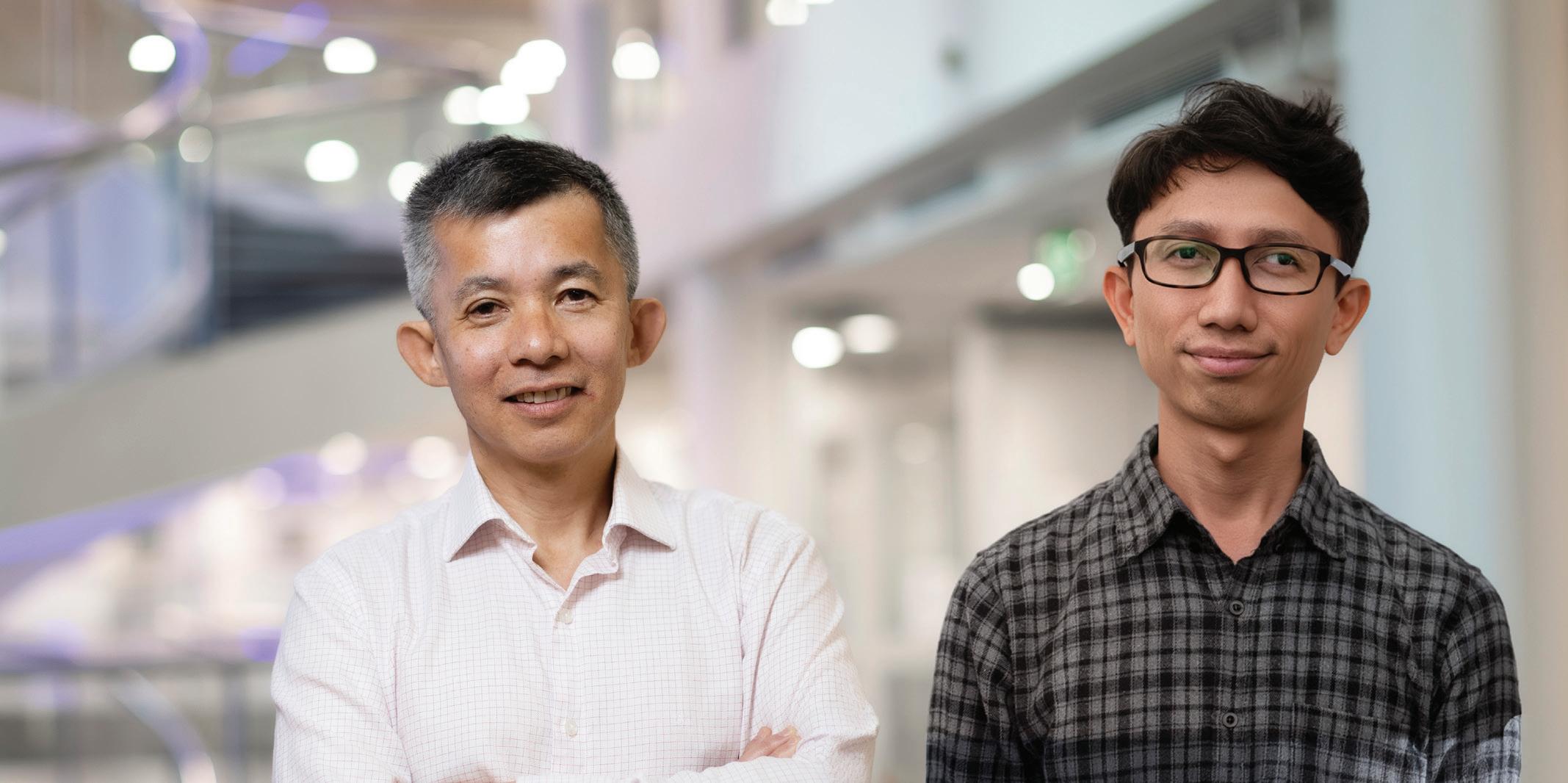
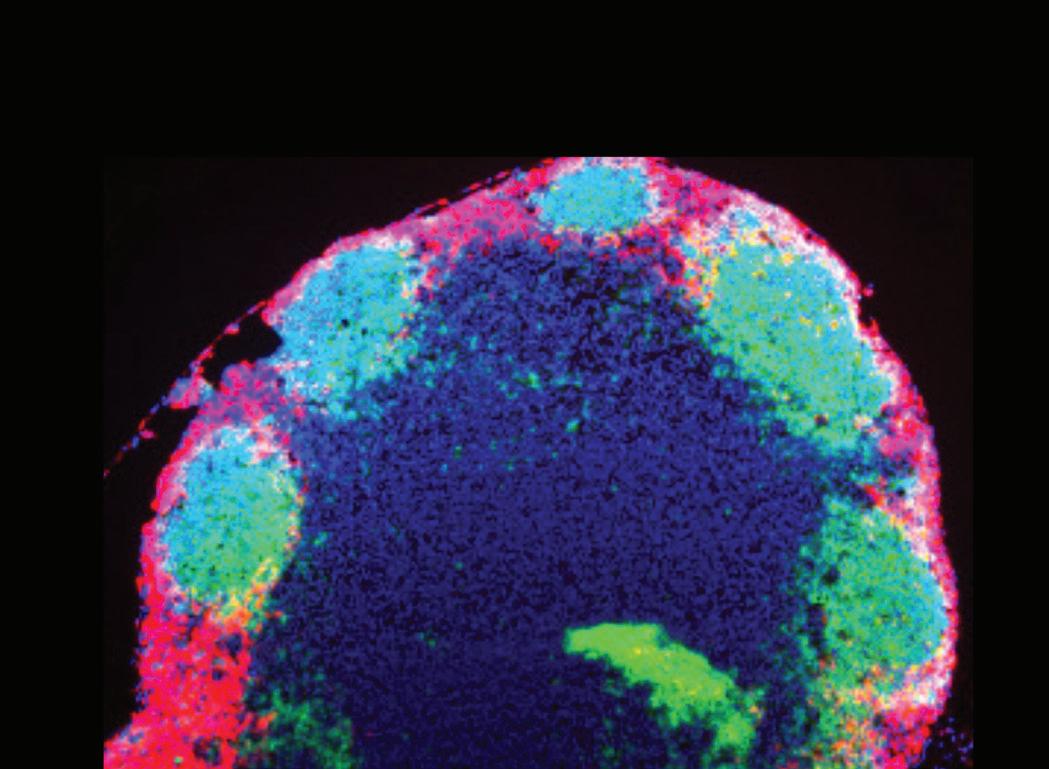
Our researchers found that receiving a booster vaccine in the same arm can generate a stronger and quicker immune response, offering insights to improve future vaccination strategies
Professor Tri Phan and his team, in collaboration with the Kirby Institute, showed that receiving a booster vaccine in the same arm as your first dose is highly beneficial.
The team found that when a vaccine is administered, specialised immune cells called macrophages become ‘primed’ inside local lymph nodes. Using advanced intravital imaging, they discovered that memory B cells interact closely with these macrophages. When a booster is given in the same location, these alerted macrophages efficiently capture the antigen in the vaccine and activate memory B cells to produce high-quality antibodies to protect against future infection.
A clinical study with human volunteers validated these findings, showing that those who received two COVID-19 mRNA vaccine doses in the same arm produced antibodies significantly faster and to a wider variety of COVID-19 variants than those who were vaccinated in different arms.
This early protection could be crucial during an outbreak to achieve herd immunity faster. Understanding these interactions may also help design new vaccines that require fewer booster shots.

This is a fundamental discovery in how the immune system organises itself to respond better to external threats – nature has come up with this brilliant system.
Professor Tri Phan Co-lead of the study




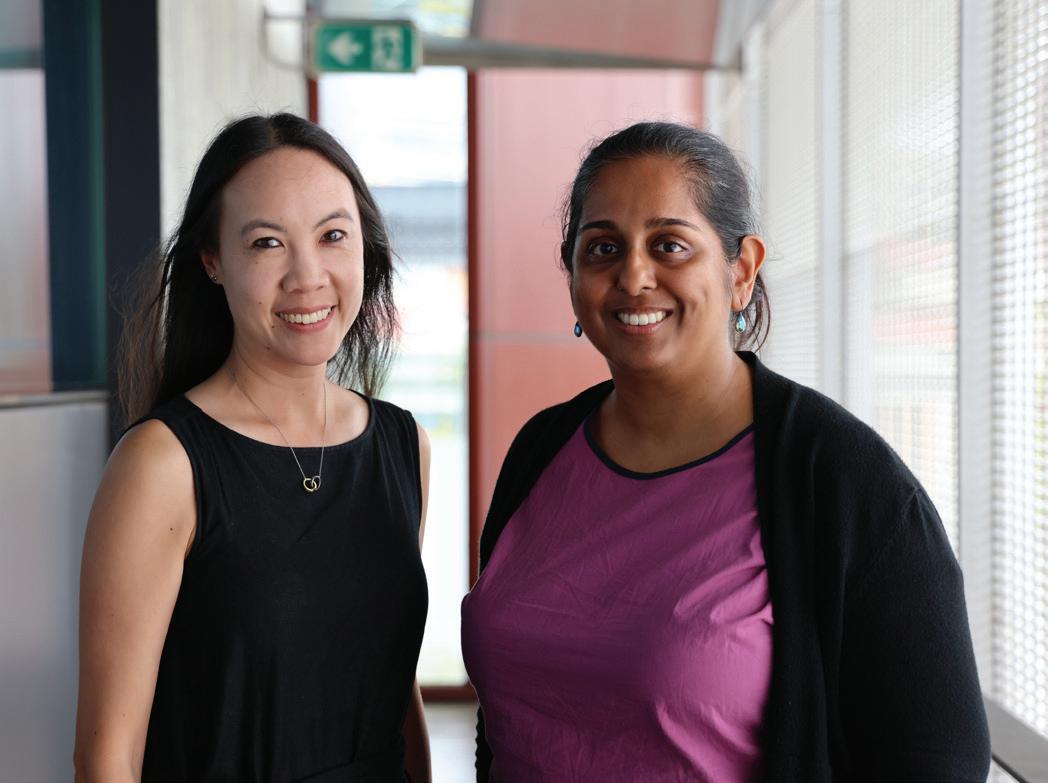
A study of an immune messenger offers fresh hope for patients with allergic diseases
A Garvan study led by Professor Cindy Ma and her team discovered how the immune system controls interleukin-9 (IL-9), a messenger molecule linked to allergies, asthma and certain cancers.
Despite its involvement in many diseases, IL-9 has remained somewhat mysterious. By studying patients with rare genetic immune disorders, the team pieced together how various parts of the immune system enhance and inhibit IL-9 production. They made the surprising discovery that a type of immune cell called CD4+ T cells produce IL-9 through two different pathways. This dual regulatory system suggests that the body has a backup mechanism to ensure precise control of this molecule in various scenarios.
The research revealed that specific signals must be present to produce IL-9, but other immune molecules, such as interferon-gamma, can stop its production. Abnormal IL-9 levels are found in conditions like allergic asthma, eczema and food allergies.
Current treatments available often affect the entire immune system, leading to side effects like vulnerability to infections. The findings suggest new ways to develop targeted treatments that specifically control IL-9 production, either reducing it for allergies or increasing it to fight cancers.
‘Perfect
How chronic viral infections could lead to debilitating autoimmune conditions
The Goodnow Lab discovered how a viral infection causes autoimmune disease, disproving a long-standing theory. The research focused on hepatitis C virus (HCV) and its role in triggering cryoglobulinemic vasculitis, a disease where antibodies mistakenly attack blood vessels, damaging organs throughout the body. Previously, it was believed that viral proteins mimicked the body’s own proteins, causing it to produce antibodies against itself. However, the team revealed that chronic HCV infection continuously stimulates immune cells called B cells, causing them to mutate. This leads to a ‘perfect storm’ of genetic mutations, producing rogue B cells that drive the autoimmune disease. Using single-cell analysis and whole genome sequencing, the researchers identified these specific rogue clone B cells. These findings provide a new perspective on the origins of infection-associated autoimmune disease and novel opportunities for highly targeted treatments, including for other conditions like Guillain-Barré syndrome and multiple sclerosis, which are also linked to bacterial and viral infections.
This discovery fundamentally changes our understanding of how infections can cause autoimmune conditions. By pinpointing these rogue clones, we can better understand how to target them.
Professor Chris Goodnow
Co-lead
of the study







Our research suggests that, in some cases, the refractory coeliac disease may be fuelled by immune cells that have acquired genetic mutations – something we’ve never been able to see before.
Professor Chris Goodnow Co-lead of the study
Garvan researchers discovered new pathways that may explain why some people respond to cancer immunotherapy while others don’t
Immunotherapy has emerged as one of the most significant advances in cancer treatment in recent decades. It works by recruiting the body’s own immune system to recognise and eliminate cancer cells. But not everyone responds equally, with some experiencing strong immune activation, while others experience no effect.
A Garvan study, led by Dr Megan Barnet and Professor Chris Goodnow sought to understand differences in response to a common cancer immunotherapy called anti-PD1. The team studied people with advanced lung cancer who responded exceptionally well to this therapy, and found that they had less active versions of a gene called NOD2, in combination with an autoimmune type reaction caused by the immunotherapy. This suggests that blocking two different mechanisms, one governed by PD-1 and the other by NOD2, combines to supercharge the immune system against cancer cells.
'Rogue’ immune cells explain why gluten-free diets fail in some patients
We identified mutated immune cells that could lead to better therapies for treatment-resistant coeliac disease
Garvan and UNSW Sydney researchers discovered why some people with coeliac disease continue to suffer debilitating symptoms despite strictly avoiding gluten. The team, co-led by Professor Chris Goodnow, used single-cell sequencing to reveal that certain immune cells in the gut of these patients carry genetic mutations. These abnormal ‘rogue’ cells drive ongoing intestinal inflammation, causing symptoms like pain and malnutrition in type 1 refractory coeliac disease.
The mutations share similarities with those seen in certain lymphomas, giving the cells a survival advantage even after gluten is eliminated from the diet. Currently, the only treatment for refractory coeliac disease is broad immunosuppression which does not specifically target these mutated cells. However, many of these cells have mutations in the JAK-STAT signalling pathway, which can already be targeted by approved drugs called JAK inhibitors.
This discovery offers opportunities for a personalised medicine approach, where refractory coeliac patients are treated based on their specific immune cell mutations, rather than broad immunosuppression.




READ MORE garvan.info/news-coeliac-trigger
This, in turn, points to the possibility that a patient’s response to immunotherapy could be boosted through several complementary pathways, leading to better treatment results.




The Angles family’s enduring philanthropic partnership is accelerating vital research into immune system disorders
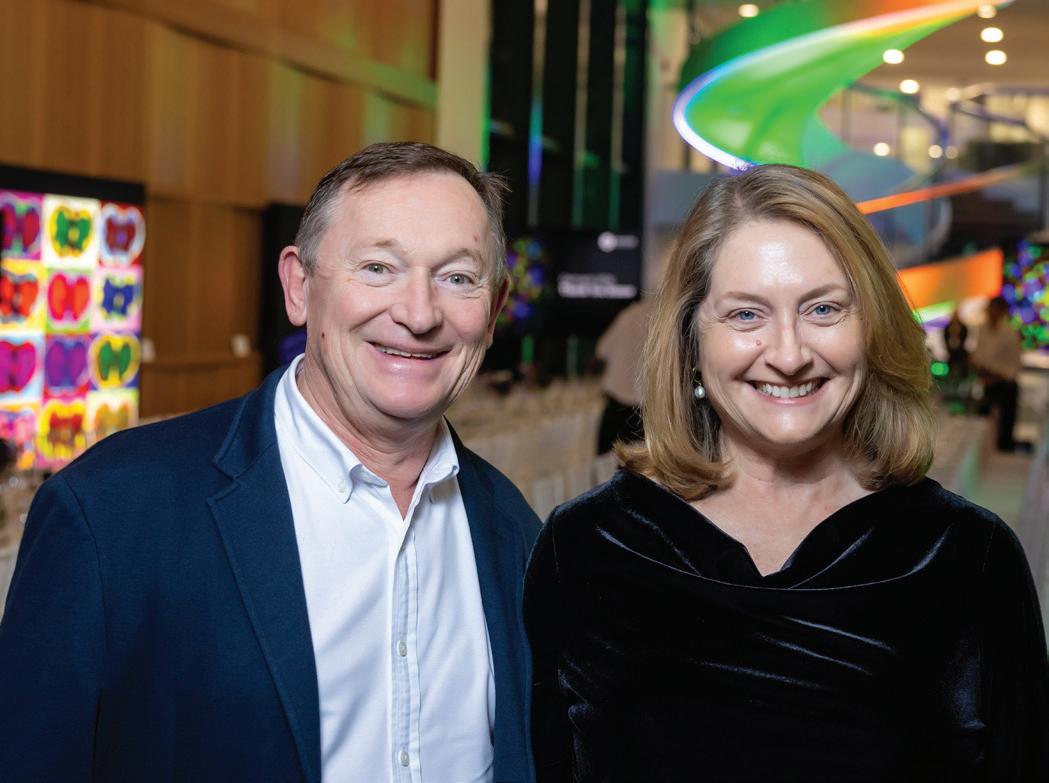
Garvan is privileged to have been the beneficiary of the Angles family’s philanthropic support for close to a decade. Their commitment began with the late Emery Angles, a Garvan Partner for the Future, whose profound desire to improve the lives of others led him to become an early supporter of the Garvan-Weizmann Partnership. Mr Angles championed this collaboration from its inception, maintaining his steadfast support throughout his later years.
Mr Angles envisioned a philanthropic legacy that would endure for generations by establishing The Angles Family Foundation. Today, that generous spirit lives on through Emery's son Mark, daughter-in-law Alison and their adult children, who have thoughtfully broadened the foundation’s impact at Garvan.
The Angles Family Foundation continues to support important research designed to facilitate future medical breakthroughs. Their most recent gift to Professor Tri Phan is accelerating the Precision Immunology Program, fuelling vital work to improve the diagnosis of autoimmune diseases, supercharge vaccine responses and transform the management of allergic diseases and anaphylaxis.
We believe deeply in the power of scientific research and its potential to change lives. We are very proud to support the work being undertaken by the Garvan.
Mark and Alison Angles
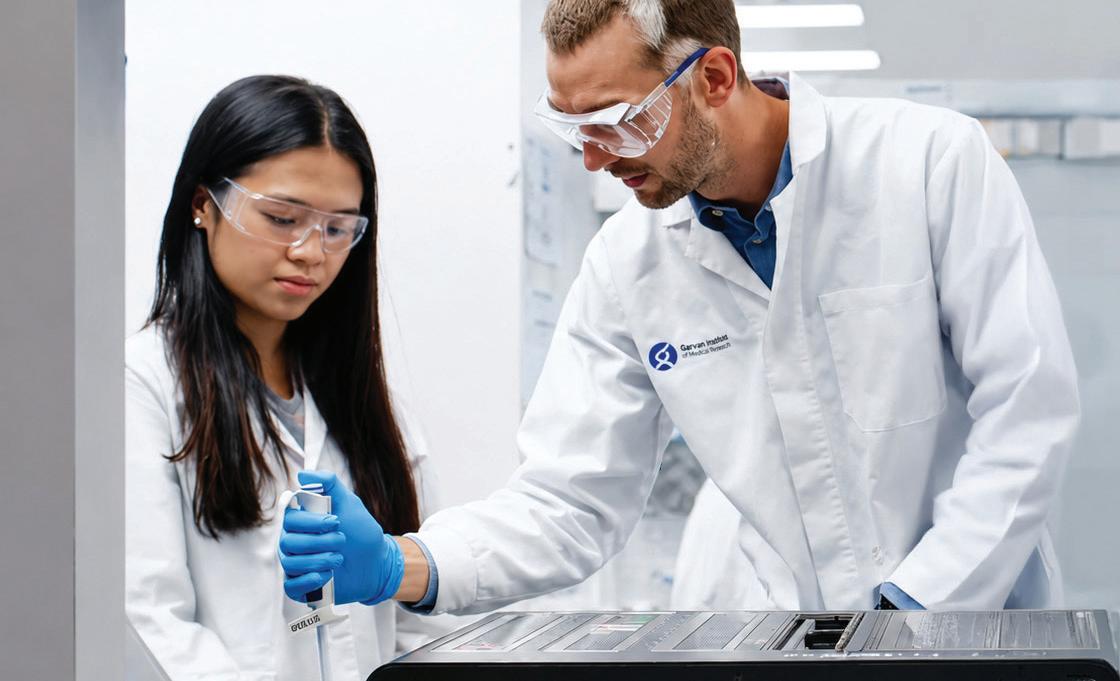
Genes, and their study – known as genomics – underpin all human disease. Garvan’s genomics researchers work to accelerate the diagnosis and treatment of inherited disease, while also revealing fundamental insights into how genes regulate cellular processes, deepening our understanding of human biology.
Genomics in context
7,000+ genetic diseases have been identified
1 in 17
Australians are affected by a genetic condition
Over 50% of families with genetic conditions don't have a diagnosis
Powered by a decade of technological advances, our researchers are rapidly decoding how genes shape human health, accelerating the diagnosis of inherited and rare conditions, reducing diagnostic uncertainty for families and ensuring that genomics research reflects the true genetic diversity seen around the world.
Our genomics researchers are decoding how variations in genes and their expression lead to a range of diseases or conditions.
Areas of Garvan’s genomics research include:
• Reducing the time to receive a genetic diagnosis, minimising the ‘diagnostic odyssey’ faced by patients and their families searching for answers
• Providing risk information for family members with a history of disease
• Improving the detection and treatment of rare genetic diseases
• Increasing the genetic diversity of genomic databases to ensure equitable access to genomic medical advances
• Using large-scale, single-cell gene sequencing technologies to discover fundamental insights about individual cell behaviour and population-wide genetic differences.
12 labs and groups 237 staff and students
119 research papers published
$18.4M+ secured in new peer-reviewed grants




A misclassified genetic variant highlights the urgent need for inclusive genomic research to prevent the misdiagnosis of people from non-European ancestries
A study led by Associate Professor Jodie Ingles showed that a gene variant common in Oceanian communities was incorrectly classified as a potential cause of heart disease, highlighting the risk of not having sufficient diversity in genomics research.
The study investigated a variant in the cardiac troponin T gene found in two individuals of Pacific Island ancestry. While international databases suggested the variant was extremely rare and potentially disease-causing, the team found it was actually common among healthy individuals from Oceanian regions.
This misclassification occurs because major genomic datasets predominantly feature people of European descent. To address this equity gap, the OurDNA program, led by Professor Daniel MacArthur at the Centre for Population Genomics, is establishing a large-scale genomics resource for Australia’s multicultural population. Enrolling people from underrepresented communities is necessary for accurate interpretation of genetic variants and to ensure that the benefits of genetic testing benefit everyone.

In the clinic today, if I’m seeing a family of non-European ancestry, we are less likely to be able to make a genetic diagnosis. This means that not only do these families miss out on the associated benefits, but also there is a chance of misclassification and potential harm.





Study commenced to improve the detection of genetic conditions impacting the immune system
The Genomic Evaluation of Newborn Immune Errors (GENIE) study, launched in 2025, is focusing on inborn errors of immunity (IEI), also known as primary immune deficiencies. These are a group of over 500 genetic conditions which affect the immune system and may cause increased infections, inflammation, autoimmunity, and in serious cases, death. Due to their rarity, many individuals with IEIs and their families live through decades-long ‘diagnostic odysseys’ seeking answers to their symptoms, while their health declines and possible treatments are delayed.
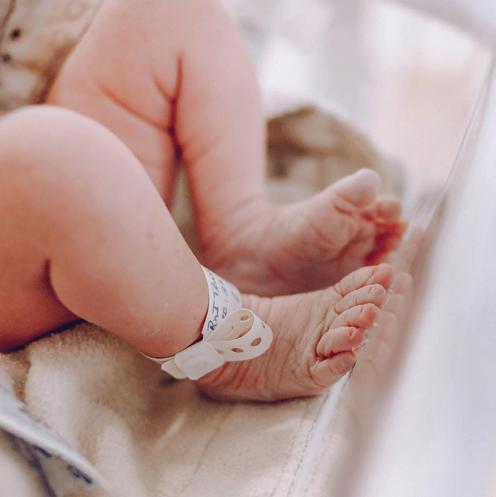
Led by Garvan’s Dr Isabelle Bosi and Associate Professor Owen Siggs, the GENIE study is exploring if combining a newborn’s heel prick test with whole genome sequencing – a comprehensive analysis of all genes – might improve the detection of IEIs.
The team is also exploring the potential benefits of including other analyses such as proteomics (studying total protein expression) and metabolomics (examining the products of metabolism) to the test.
Ultimately, the team hopes that this research could improve the detection of IEIs leading to earlier diagnosis and faster access to treatment opportunities for those affected.
Garvan researchers updated guidelines on which genes to include in genetic testing for more precise diagnoses
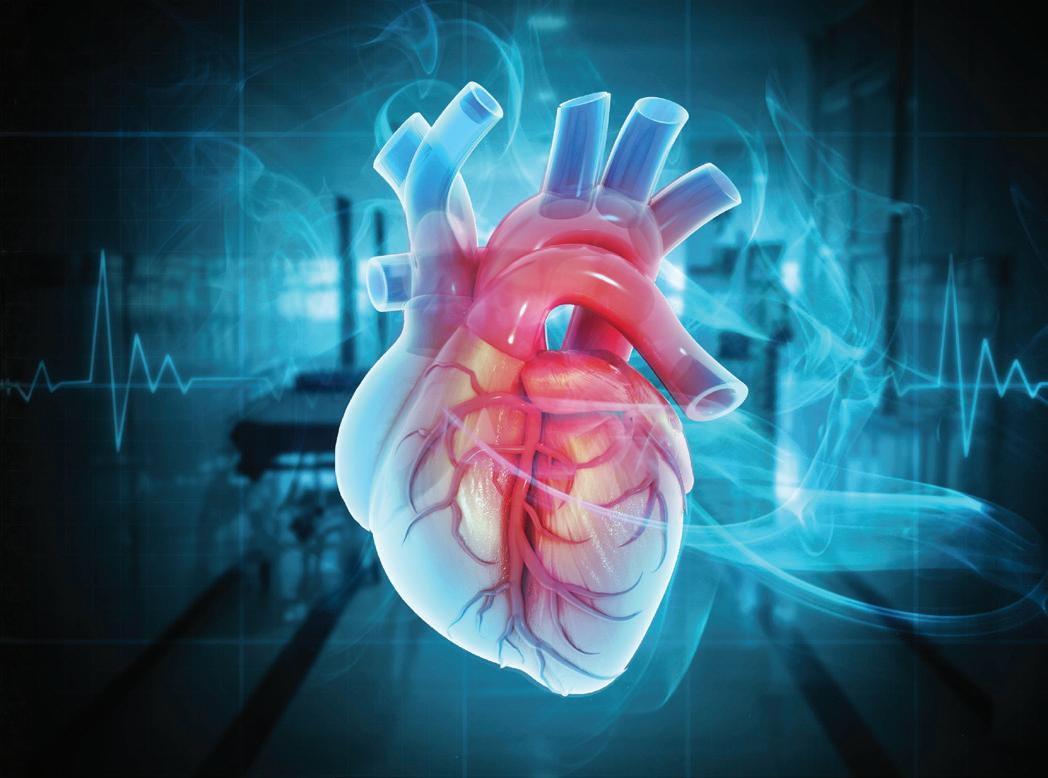
An international team of researchers led by Garvan refined a list of 29 genes that should be included in genetic testing for hypertrophic cardiomyopathy (HCM), an inherited heart condition which causes heart wall thickening that can lead to heart failure and sudden cardiac death, particularly in young people.
The study, led by Associate Professor Jodie Ingles systematically reviewed decades of evidence and confirmed nine ‘core’ genes definitively tied to the condition, alongside nine additional genes with clinical relevance. Importantly, they found that another nine genes previously associated with HCM should now be classified as ‘disputed’ due to insufficient evidence, discouraging their use in clinical testing.
Genetic testing provides critical information about family risk, and this updated list ensures results are accurate, clinically meaningful and can lead to better care for HCM. The research is expected to influence HCM testing practices globally, with several genetic testing laboratories already updating their processes based on the findings.
It’s not just about diagnosing the patient –it’s about helping families make informed decisions about their health. If we’re testing the wrong genes, we risk confusion, misclassification or unnecessary stress.
Sophie Hespe First author of
the study






For families with a rare genetic disease, the journey to a diagnosis can be long and arduous, with many patients suffering unnecessarily because they don’t have a clear diagnosis. If we can get them an answer today, in some cases that can lead to a targeted treatment tomorrow.
Associate Professor Owen Siggs Co-lead of the Genomics of Rare Disease Registry
A newly established national database aims to predict and prevent life-threatening complications from inherited cardiovascular disease
Unlike heart disease caused by lifestyle factors, inherited heart conditions are present from birth and can cause sudden cardiac arrest in young, healthy people without warning. Currently, genetic testing uncovers the underlying cause in only 40% of affected families. Even when a genetic link is identified, predicting who will develop severe complications remains a significant clinical challenge.
To address this critical knowledge gap, Garvan’s Australian Hearts Registry is gathering vital health information from thousands of individuals. Participants share their medical records and complete surveys detailing their health and family history. This creates a powerful, large-scale dataset that reveals how these conditions affect daily life and what heightens a person's risk.
Garvan launched a study to improve the diagnosis and treatment for the two million Australians with rare genetic disease
There are more than 7,000 known rare diseases, which by definition, affect fewer than 5 in 10,000 people. They can affect any organ, including the brain, eyes, heart, kidneys, and immune system, with examples including Huntington’s disease and retinitis pigmentosa. The vast majority of rare diseases are genetic, and while an estimated 8% of Australians live with a rare disease, less than half of those receive a genetic diagnosis in their lifetime.
To tackle this, the Genomics of Rare Disease Registry, led by Associate Professors Jodie Ingles and Owen Siggs was launched in 2025. The Registry is part of a national study focused on understanding the genetic causes of rare diseases, with the goal to better understand, identify and manage them. It connects families affected by an inherited rare disease to new research opportunities, including studies that can assist with finding a genetic diagnosis, and current or future treatment options.



By establishing a diverse, nationwide cohort, this registry will drive major improvements in the diagnosis, treatment and clinical care of families living with inherited heart diseases.



How the McCusker Charitable Foundation is helping fast-track Garvan’s inflammatory bowel disease research
For over 50 years, the McCusker family has been a pillar of Australian philanthropy, providing leadership and more than $100 million to causes including transformative medical research. The McCusker Charitable Foundation has partnered with Garvan to tackle inflammatory bowel disease (IBD).
The Foundation directed its support towards Dr Kylie James and her team, who are using advanced genomic and bioinformatic techniques to uncover how cells in a person’s gut interact with microbes and how these interactions may underpin IBD. For the McCusker family, the motivation is deeply personal.
“The Foundation is delighted to support the important work of Dr Kylie James and her team,” says Malcolm McCusker. “In our social circle alone, I know of four young men and two young women with these conditions. These young people have their lives torn apart as they manage their illness and the cocktail of therapeutics that seem to impact each patient so uniquely.”
This support is helping fund a specialist senior bioinformatician – a role essential for integrating vast genomic and microbial datasets to identify biomarkers that could predict a person’s response to IBD therapy. Through this cutting-edge work, the Foundation is helping fast-track the development of patient-focused, precision therapies for IBD.
Research into the causes and new treatments for IBD is critical and Kylie’s research into assessing microbial networks to guide patient stratification and therapeutic treatment is cutting-edge.
Key technological infrastructure, services and capabilities that underpin all of Garvan’s research breakthroughs.







































Garvan's Scientific Platforms couple technical expertise with cutting-edge technology and equipment. These platforms are central to our advancements in medical research and push the boundaries of what we can achieve.
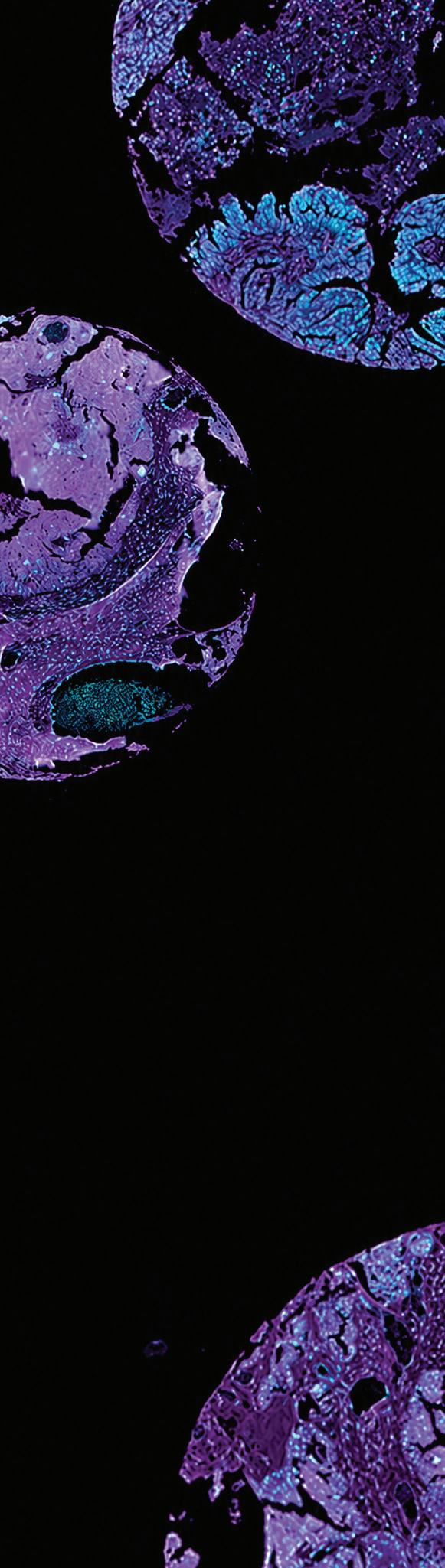
Imaging
Provides researchers access to state-of-the-art microscopy and preclinical imaging. It houses Australia's largest fleet of intravital microscopes to enable visualisation of dynamic cellular states in disease models and supports researchers from experimental design through to analysis.
Data science
Provides essential expertise and support for data-intensive medical research, from AI strategy and deployment to building storage and scalable computing platforms. The team uses statistics, machine learning and AI to analyse complex datasets and significantly contributes to the development of Australia's national genomics infrastructure.
Clinical translation & engagement
Provides expertise to translate Garvan’s research into real-world impact. The platform supports researchers to return genomic information to participants for the early detection of genetic conditions as well as facilitates the participation of consumers and the community in our research programs.
An advanced research initiative dedicated to accelerating the discovery and development of next-generation protein-based biologic therapies. Equipped with state-of-the-art technologies, the platform supports researchers across Garvan to pioneer novel biologics that address critical medical needs.
Genomics
Provides state-of-the-art genomics services to researchers at Garvan and across Australia. The platform is a leader in genomic sequencing, single-cell and spatial omics, and advanced flow cytometry and is a key enabler to our genomic breakthroughs.
A unique initiative designed to drive translational and commercial projects from concept to clinical application. Supported by milestone-driven funding and market analysis, it empowers researchers to transform breakthrough discoveries into potential therapies and medical solutions.
Showcasing the pivotal milestones, technological advancements and expanded capabilities achieved across our Scientific Platforms in 2025 to accelerate our medical discoveries.
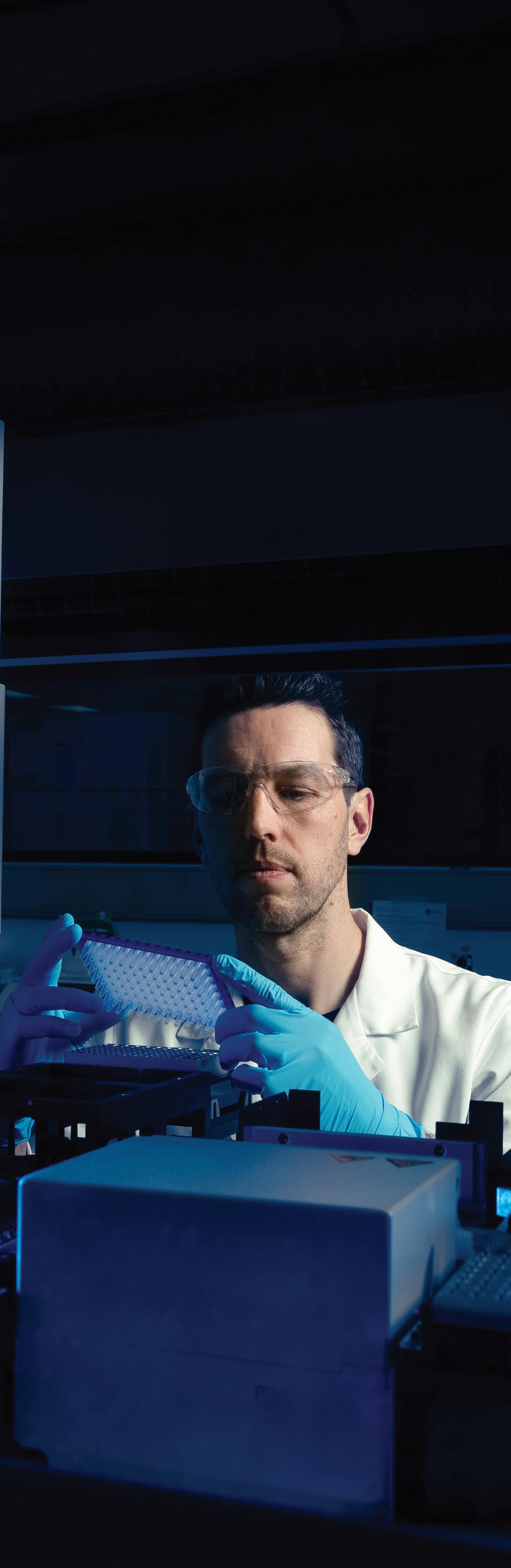
We expanded the imaging services available for researchers through the acquisition of two new imaging capabilities – the Prospect T2 ultrasound system and the FV4000 confocal microscope.
Increased access for Garvan researchers
Research use of our imaging capabilities and expert services increased by more than 30% compared with 2024.
We integrated the existing Histopathology Facility, a strategic partnership bolstering Garvan's capacity to deliver deeper spatial insights into the efficacy of emerging treatments.
AI strategy developed
We developed an institute-wide AI strategy to embed artificial intelligence across both scientific discovery pipelines and professional operations.


We pushed the boundaries for what is possible, leveraging AI to deliver innovative tools such as CABANA, a deep-learning toolkit for studying collagen architecture in human cancers.
Successfully completed a strategic migration from on-premises infrastructure to a modern ecosystem using external, national, university and commercial platforms.
Dynamic consent platform released
We released the open-source upgraded CTRL platform, an online dynamic patient consent solution replacing paper-based systems to address critical gaps in scalable genomics infrastructure.

Enabling consumer and community engagement
Launched and operationalised Garvan's first Consumer and Community Involvement Framework, providing clear expectations, shared tools and systems to embed meaningful consumer involvement in project planning and research governance across the Institute.
Patients supported when receiving genetic information
Supported the return of clinically actionable genetic information to 47 research participants within the Medical Genome Reference Bank. Follow-up interviews demonstrated positive experiences, with participants emphasising the benefits that this health information provided for their younger family members.
New technologies delivered
Expanded the platform's advanced capabilities with the onboarding of four new spectral flow cytometers.
More services made available

Garvan Accelerator Fund launched

We established an internal funding program to advance early-stage research into translational products, including therapeutics, diagnostics, and enabling technologies, through milestonebased investment and governance. This funding supports projects from proof-of-concept through preclinical validation, with three applications selected for funding in its first round.
Translational Research Centre advanced
We commenced the build-out of the Translational Research Centre, a centralised development infrastructure to advance therapeutic and diagnostic programs from discovery into preclinical development. It will also operate as a set of bespoke hubs that support complex biological questions in basic research.
Specialised biologics team established
Recruiting from biotech leaders, we built a dedicated team with deep industry experience driving end-to-end antibody discovery and engineering across eight active programs.

Expanded service offerings by onboarding seven new technical workflows and achieving highly sought-after certified service provider status for five of these advanced protocols.
Broad research support
We achieved exceptional reach by supporting more than 140 researchers spanning over 55 distinct teams from internal Garvan programs and external collaborative partnerships.
Sustained biologics asset generation
We advanced a robust pipeline of over 10 discovery programs, completing two full antibody campaigns and engineering more than 50 bispecific and trispecific constructs.
Scientific impact achieved
We achieved a 10-fold affinity improvement for a lead candidate.
Celebrating the remarkable achievements of our researchers whose dedication and excellence continue to advance medical science globally.
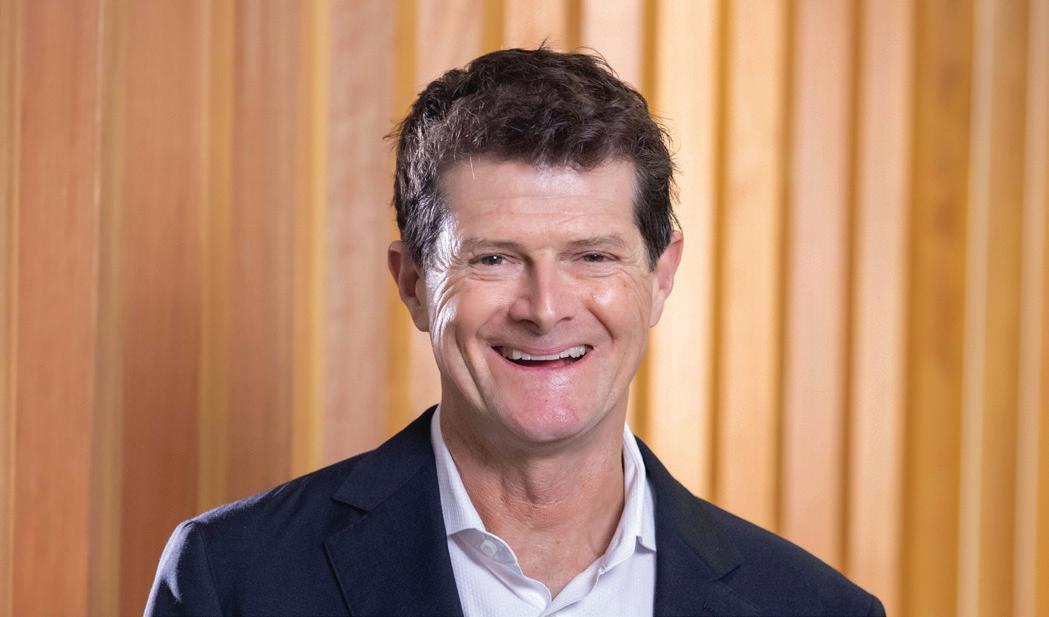








READ MORE garvan.info/crafoord-prize-2025
READ MORE garvan.info/max-cooper-prize-2025
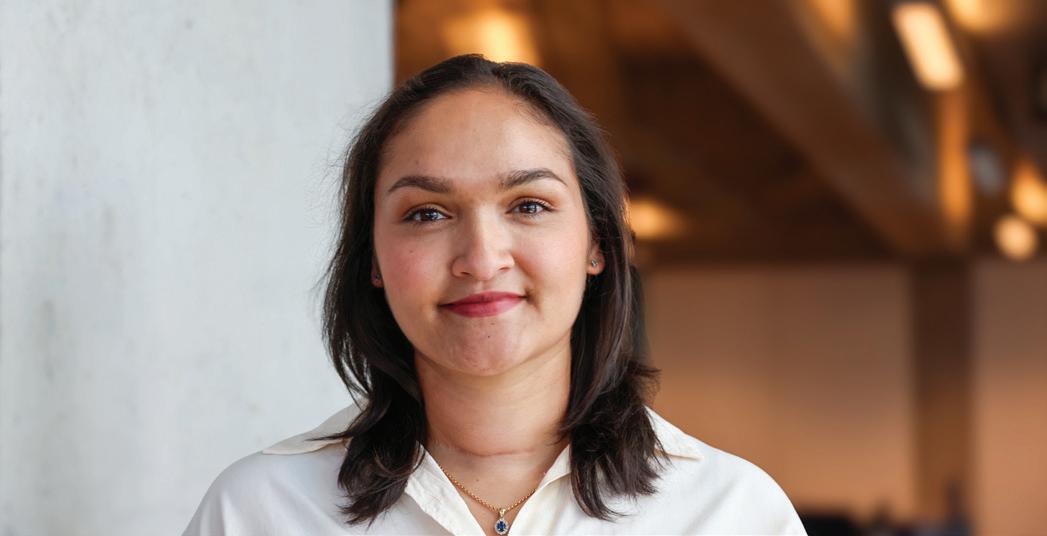
In an outstanding achievement for cancer research, Dr Brooke Pereira was awarded the prestigious Fulbright Future Scholarship. This scholarship acknowledges her innovative work using AI-driven spatial mapping to identify new treatment targets for pancreatic cancer. By studying the dense tissue surrounding tumours – the microenvironment – her research aims to overcome treatment resistance and improve outcomes for patients with this aggressive disease.




Established in 1980 by the Royal Swedish Academy of Sciences, the Crafoord Prize is one of the world’s most prestigious scientific honours. Professor Chris Goodnow received the 2025 prize in Polyarthritis, alongside Professor David Nemazee, for discovering the fundamental ‘checkpoints’ that normally prevent B cells from attacking the body. This groundbreaking research has transformed our understanding and treatment of autoimmune diseases.
In a remarkable year of recognition, Professor Chris Goodnow was also awarded the 2025 Max Cooper Prize in Immunology. This international honour acknowledges his significant contributions to understanding how immune tolerance mechanisms fail, leading to autoimmune diseases. By applying genomic analysis to immune cells, his work has revealed genetic causes of conditions like lupus and rheumatoid arthritis, providing vital insights into their treatment.
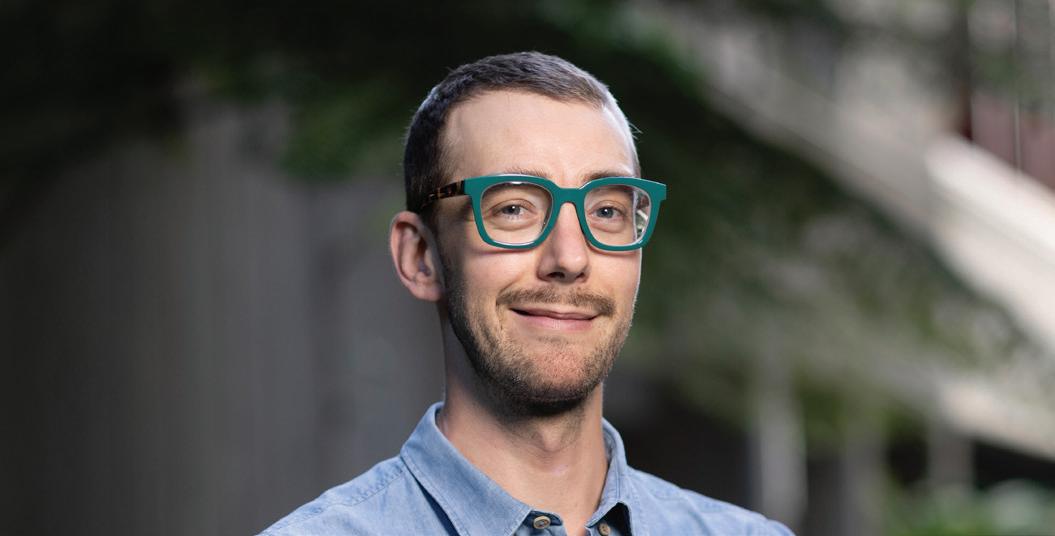
The Australian Academy of Science named Dr Ira Deveson as the recipient of the 2025 Ruth Stephens Gani Medal for his outstanding contributions to human genetics. This award acknowledges his innovative use of long-read sequencing to diagnose complex diseases. By partnering with Indigenous communities, his research promotes equity in genomic medicine and provides critical answers for previously undiagnosed conditions.




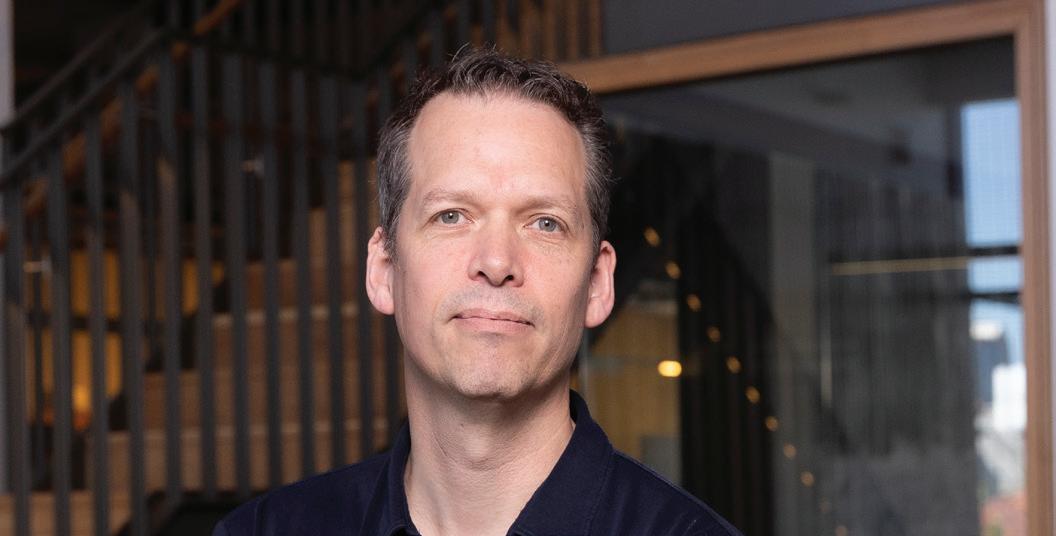
Professor Daniel MacArthur received the prestigious European Society of Human Genetics Award for his outstanding contributions to human genetics. As head of the Centre for Population Genomics, his work ensures that the benefits of genomic medicine reach diverse populations. He notably led the development of gnomAD, the world’s largest public database of genetic variation, which has transformed how clinicians link DNA to disease to diagnose rare conditions globally.



READ MORE garvan.info/eshg-award-2025
Professor Antony Basten
Honorary Degree of Doctor of Medicine (honoris causa)
The University of Adelaide
Significant service to medicine, immunology and the University
Dr Xufeng (Gavin) Lin and Dr Deborah Barkauskas
Immunemap Challenge Winner
Cell Behaviour Video Classification
Challenge
International recognition for classifying complex cell behaviours using video analysis
Dr Yuki Keith
Jacqueline Goodnow & Barbara Hartley Prize
Garvan Institute of Medical Research
Recipient of the 2025 prize celebrating bold women in science
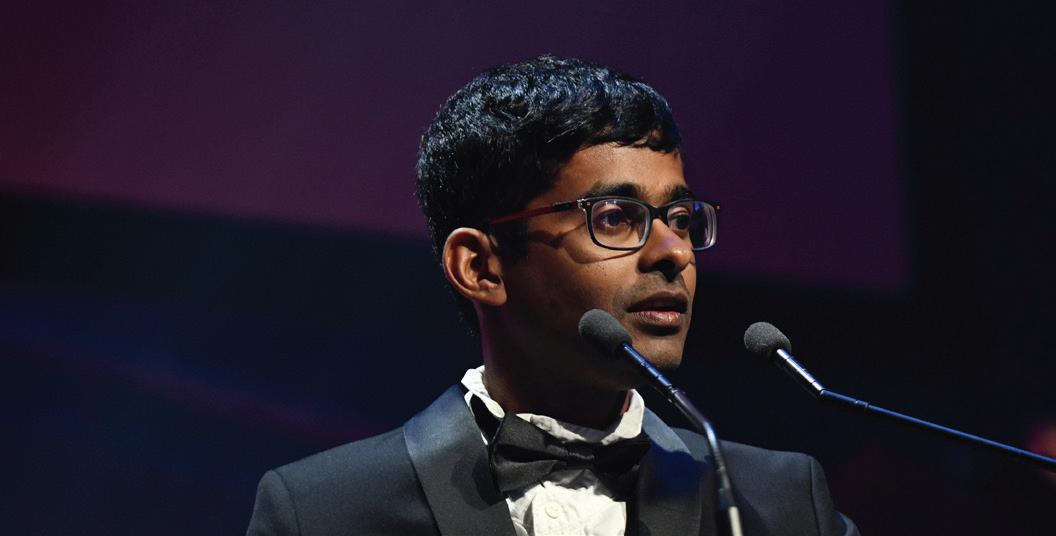
Named the 2025 Macquarie University Eureka Prize for Outstanding Early Career Researcher, Dr Hasindu Gamaarachchi was recognised for his transformative work in computational biology. This prestigious national honour acknowledges his breakthroughs in bridging computer science and biology to significantly reduce the computing power needed for genomic sequencing. His innovations allow complex analysis to be performed on portable devices, removing the reliance on supercomputers.



READ MORE garvan.info/eureka-prize-2025
Dr Shabarni Gupta Cancer Summit Award
Cancer Institute NSW
Excellence in advancing innovative and impactful oncology research initiatives
Dr Amali Mallawaarachchi
Marie Krogh Young Women in Science Prize Finalist
Novo Nordisk Foundation
Recognising outstanding excellence in leadership, scientific innovation and research impact
Dr Jessica Chitty Bob Fraser Award
Matrix Biology Society of Australia and New Zealand
Exceptional research contributions within the field of matrix biology
Dr Hiruna Samarakoon "Torsten Seemann" Outstanding Bioinformatics Software Developer Award
Australian Bioinformatics and Computational Biology Society
Recognised as an outstanding software developer in computational biology
Dr Angli Xue
Postdoctoral Career Advancement Award
Australian and New Zealand Society for Immunology
Supporting the career progression of exceptional early-career immunology researchers

Garvan’s Boards of Directors provide strategic leadership and oversight. Their expertise and commitment are essential to our progress and impact.
The Board of Directors of the Garvan Institute of Medical Research holds ultimate responsibility for governance, policy approval and oversight of the Institute and its controlled entities.
Mr Scott Perkins (Chair)
Nominated by St Vincent's Hospital Trustees
Ms Ilana Atlas AO (from 7 May 2025)
Nominated by Council of UNSW Sydney
The Hon Dr Annabelle Bennett AC SC (until 30 September 2025)
Nominated by St Vincent's Hospital Trustees
Professor Merlin Crossley
Nominated by Council of UNSW Sydney
Ms Sue Horlin (from 6 August 2025)
Nominated by NSW Minister for Health
Dr Kate Jeffrey (from 6 August 2025)
Nominated by Sisters of Charity
Mr Stephen Johns (Treasurer)
Nominated by Garvan Research Foundation
Dr Paul Kelly
Nominated by St Vincent's Hospital Trustees
Professor Benjamin Kile
Nominated by Garvan Board of Directors
Dr Robert Marshall
Nominated by Sisters of Charity
Ms Anna McFadgen
Nominated by Sisters of Charity
Dr Andrew Nash (from 1 October 2025)
Nominated by Garvan Research Foundation
Professor Roger Reddel AO
Nominated by Minister of State for Health of the Commonwealth
Dr Russell Scrimshaw AM
Nominated by Minister of State for Health of the Commonwealth
Dr Neil Söderlund (from 1 October 2025)
Nominated by St Vincent's Hospital Trustees
Professor Ronald Trent (until 30 September 2025)
Nominated by NSW Minister for Health
The Garvan Research Foundation Board oversees the Foundation’s marketing and fundraising activities, ensuring Garvan’s innovative research is supported.
Dr Russell Scrimshaw AM (Chair)
Mr Nick Abrahams
Ms Jane Allen
Mr Michael Cannon-Brookes
Ms Susan Cato AM
Mrs Wallis Graham
Mr Rajeev Gupta
Ms Maria Halasz
Mr Bruce Liu
Ms Sally Loane
Mr John Meacock
Professor Cav Simon Mordant AO
Mr Greg Paramor AO
Ms Isabella Rich
Ms Ruth Ritchie
Ms Lauren Sutton (from 2 September 2025)
Professor Benjamin Kile (ex officio)
Mr Scott Perkins (ex officio)
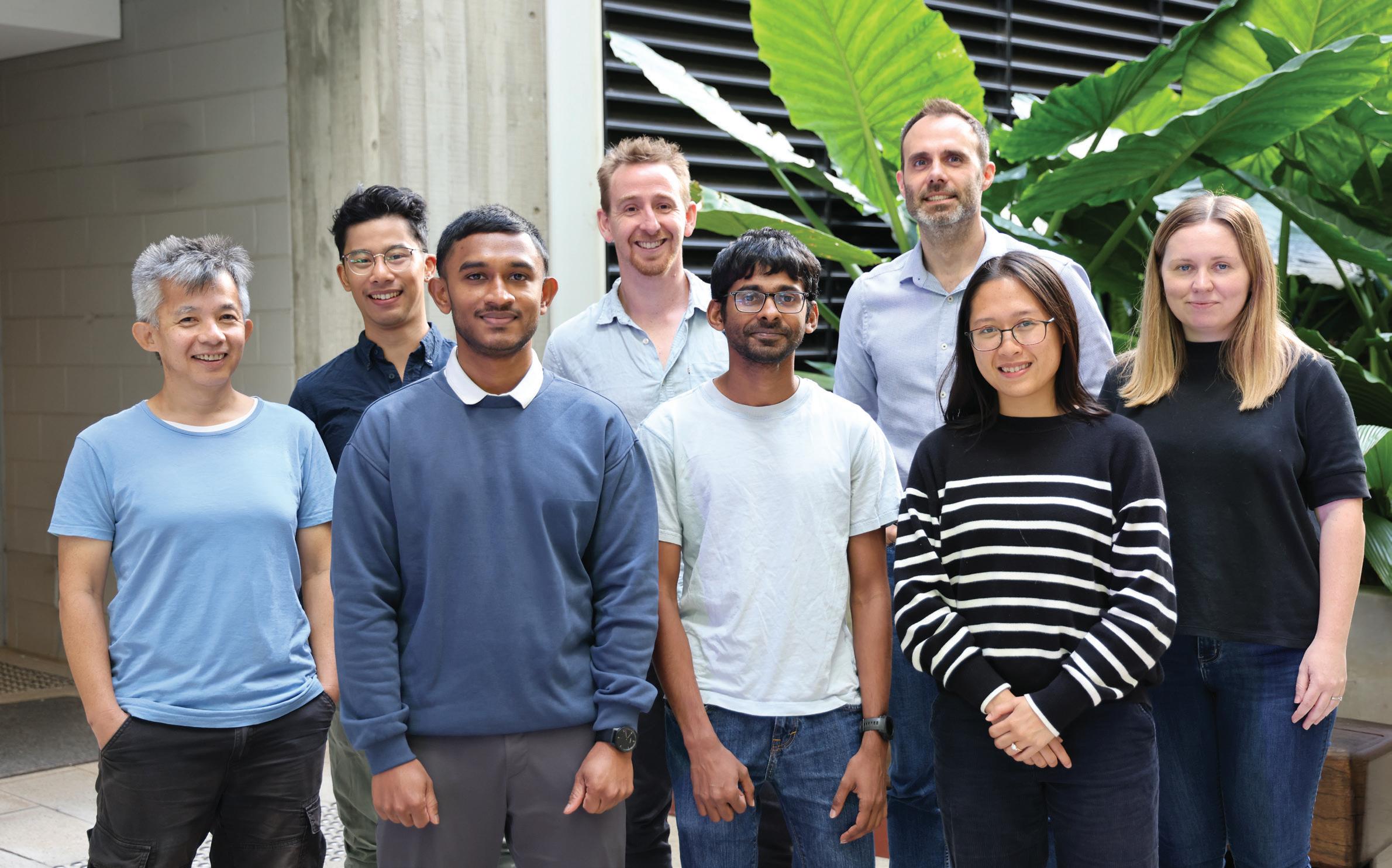
Developing the next generation of research leaders.

In 2025 98
we celebrated another cohort of graduates reaching an important milestone in their early research careers.
Together, their work continues to enhance Garvan’s groundbreaking research, supporting the growth of our expertise in cancer, immunology and genomics.





higher degree research students hosted 28 clinicians undertaking higher degree research 15 higher degree completions
In partnership with UNSW Sydney, Garvan is committed to supporting higher degree research training for PhD and Master of Science students, advancing scientific knowledge and strengthening the development of emerging researchers. In 2025 we supported another group of exceptional graduates.
As we acknowledge these achievements, we remain focused on fostering an environment that provides the training and resources our graduates need to contribute to advances in medical research, now and into the future.
Michael Bennett
Supervised by Jacqueline Center & Linda Perry
Enhancing the integration of fracture liaison services with primary care to improve long-term post-fracture care for people with osteoporosis
Antonia Cadell
Supervised by David Croucher, Sharissa Latham, Brooke Pereira & Paul Timpson
Characterising subcellular JNK activity in pancreatic cancer
Julia Chen
Supervised by Elgene Lim & Alexander Swarbrick
The stromal-immune landscape of triple-negative breast cancer
Pei Dai
Supervised by Tri Phan & Leslie Burnett
Optimising Genome Sequencing Data
Reanalysis in Patients with Unsolved Primary Immunodeficiencies
Lachlan Gray
Supervised by Tri Phan, Sara Ballouz & Joseph Powell
What the X chromosome can teach us about the immune system and autoimmunity
Peter Hansen
Supervised by Robert Weatheritt, Tri Phan, Scott Berry & Javier Fernandez Chamorro
Characterising a program of shared neural and neuroendocrine microexon splicing by high-content imaging
Albert Kim
Supervised by Michelle McDonald, Jacqueline Center & Christian Girgis
Prevention of rebound bone loss following withdrawal of RANKL inhibition
Wunna Kyaw
Supervised by Tri Phan, John Murray, Peter Croucher & Maurice Pagnucco
Modelling Environmental Influences on Cell Phenotype with Mechanistic and Machine Learning Approaches
Tamara Milder
Supervised by Ric Day, Jerry Greenfield, Dorit Samocha-Bonet & Sophie Stocker
Quality use of sodium-glucose cotransporter 2 inhibitors – expanding the treatment focus from glycaemic control to cardiorenal protection
Shivani Patel
Supervised by Jerry Greenfield, Cindy Ma & Spiros Fourlanos Elucidating the phenotype of autoantibody negative type 1 diabetes
Shruti Swamy
Supervised by Elissa Deenick & Peter Hsu
A novel Inborn Error of Immunity: description of EML4 deficiency in humans and mice
Monica Phimmachanh
Supervised by David Croucher & Sharissa Latham
Rationalising the inclusion of HDAC inhibitors with standard-ofcare chemotherapy for high-risk neuroblastoma
Carley Purcell
Supervised by Christine Chaffer, Jeff Holst & Rachel Dear
Metabolic reprogramming of cancer cell plasticity: GLUT3-dependent glycolysis promotes cancer stem cell function in triple-negative breast cancer
Hiruna Samarakoon
Supervised by Ira Deveson, Hasindu Gamaarachchi & Sri Parameswaran
Optimised Computational and Visualisation Methods to Advance Nanopore Raw Signal Analysis
Kaitlin Wyllie
Supervised by Thomas Cox, Amelia Parker, Elyse Filipe & Paul Timpson
Investigating Peroxidasin (PXDN) as a potential stromal therapeutic target in breast cancer
Our graduates embody the curiosity, commitment and collaboration that underpin research at Garvan. Their achievements reflect both the quality of their work across cancer, immunology and genomics, and the supportive research environment in which they have trained.
Professor Thomas Cox Chair, Higher Degree Committee
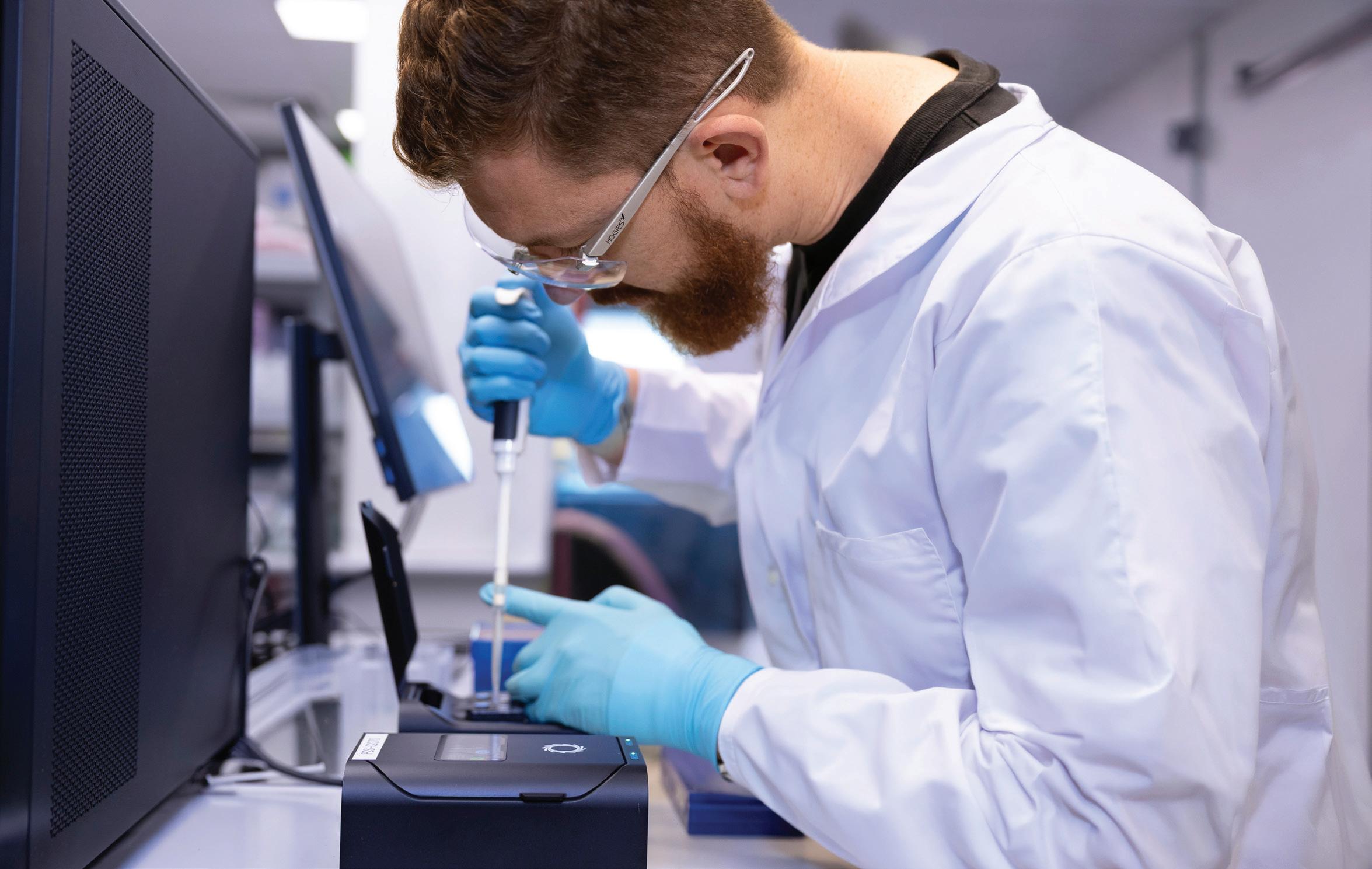
Our most significant research publications.
Scientific breakthroughs only achieve impact when they are shared with the research community and the public. Publishing our research is fundamental to advancing health, enabling collaboration and ensuring that discovery fuels further innovation. It transforms public support into public knowledge, fuels research worldwide and accelerates translation to clinical impact.
In 2025, Garvan delivered an outstanding publication record, reflecting the excellence, ambition and rigour of our research.
The following page showcases Garvan’s most significant publications from the year, each appearing in journals with an impact factor of 10 or higher.




Explore Garvan's publications and see how our research is shaping the future of health garvan.org.au/publications
Lin, H.-M.; Scheinberg, T.; Portman, N.; Kim, R.M.N.; Mellor, R.; Huynh, K.; Faulkner, A.N.; Mellett, N.A.; Davis, I.D.; James Martin, A.J.; Sullivan, D.; Joshua, A.M.; McJannett, M.; Subhash, V.; Yip, S.; Azad, A.A.; Marschner, I.C.; North, S.A.; McDermott, R.S.; Chi, K.N.; Stockler, M.R.; Sweeney, C.J.; Meikle, P.J.; Horvath, L.G. (2025). Association of the circulating lipid panel, PCPro, with clinical outcomes in metastatic hormone-sensitive prostate cancer: post hoc analysis of the ENZAMET phase III randomised trial (ANZUP 1304). Annals of Oncology, 36(9), 1068-1077
Dhenni, R.; Carey Hoppé, A.C.; Reynaldi, A.; Kyaw, W.; Handoko, N.T.; Grootveld, A.K.; Keith, Y.H.; Bhattacharyya, N.D.; Ahel, H.I.; Telfser, A.J.; McCorkindale, A.N.; Yazar, S.; Bui, C.H.T.; Smith, J.T.; Khoo, W.H.; Boyd, M.; Obeid, S.; Milner, B.; Starr, M.; Brilot, F.; Milogiannakis, V.; Akerman, A.; Aggarwal, A.; Davenport, M.P.; Deenick, E.K.; Chaffer, C.L.; Croucher, P.I.; Brink, R.; Goldstein, L.D.; Cromer, D.; Turville, S.G.; Kelleher, A.D.; Venturi, V.; Munier, C.M.L.; Phan, T.G. (2025). Macrophages direct location-dependent recall of B cell memory to vaccination. Cell, 188(13), 3477-3496.
Emmett, L.; Subramaniam, S.; Crumbaker, M.; Joshua, A.M.; Sandhu, S.; Nguyen, A.; Weickhardt, A.; Lee, S.-T.; Ng, S.; Francis, R.J.; Goh, J.C.; Pattison, D.A.; Tan, T.H.; Kirkwood, I.D.; Gedye, C.; Rutherford, N.K.; Kumar, A.S.R.; Pook, D.; Ramdave, S.; Nadebaum, D.P.; Voskoboynik, M.; Redfern, A.D.; MacDonald, W.; Krieger, L.; Schembri, G.; Chua, W.; Lin, P.; Horvath, L.G.; Bastick, P.; Butler, P.; Zhang, A.Y.; McJannett, M.; Thomas, H.; Langford, A.; Hofman, M.S.; James Martin, A.J.; Davis, I.D.; Stockler, M.R.; Subramaniam, S.; Nguyen, A.; Ravi Kumar, A.; Lin, P.; Butler, P.; Martin, A.J.; Zebic, D.; Mak, B.; Tankard, N.; Rana, N.; Cusick, T.; Thompson, J.; Oakes, S.; Niu, C.; Thein, T.; Ford, K.; Ristevski, N.; Yip, S.; Bills, M. (2025). Overall survival and quality of life with [177Lu] Lu-PSMA-617 plus enzalutamide versus enzalutamide alone in metastatic castration-resistant prostate cancer (ENZA-p): secondary outcomes from a multicentre, open-label, randomised, phase 2 trial. The Lancet Oncology, 26(3), 291-299.
Emmett, L.; Papa, N.; Subramaniam, S.; Crumbaker, M.; Nguyen, A.; Joshua, A.M.; Sandhu, S.; Weickhardt, A.; Lee, S.T.; Ng, S.; Francis, R.J.; Goh, J.C.; Pattison, D.A.; Tan, T.H.; Kirkwood, I.D.; Ayati, N.; Niu, C.; Hofman, M.S.; James Martin, A.J.; Thomas, H.; Davis, I.D.; Stockler, M.R. (2025). Prognostic and predictive value of baseline PSMA-PET total tumour volume and SUVmean in metastatic castration-resistant prostate cancer in ENZA-p (ANZUP1901): a substudy from a multicentre, open-label, randomised, phase 2 trial. The Lancet Oncology, 26(9), 1168-1177.
Butters, A.; Thomson, K.; Harrington, F.; Henden, N.; McGuire, K.; Byrne, A.B.; Bryen, S.J.; McGurk, K.A.; Leask, M.; Ackerman, M.J.; Atherton, J.J.; Bos, J.M.; Caleshu, C.; Day, S.M.; Dunn, K.; Hayes, I.; Juang, J.; McGaughran, J.; Nowak, N.; Parikh, V.N.; Ronan, A.; Semsarian, C.; Tardiff, J.C.; Tiemensma, M.; Merriman, T.R.; Ware, J.S.; Skinner, J.R.; MacArthur, D.; Siggs, O.M.; Bagnall, R.D.; Ingles, J. (2025). A rare splice-site variant in TNNT2: the need for ancestral diversity in genomic reference data sets. European Heart Journal, 46(15), 1446-1449
Venkat, A.; Youlten, S.E.; San-Juán, B.P.; Purcell, C.A.; Gupta, S.; Amodio, M.; Neumann, D.P.; Lock, J.G.; Westacott, A.E.; McCool, C.S.; Burkhardt, D.B.; Benz, A.; Mollbrink, A.; Lundeberg, J.; van Dijk, D.; Holst, J.; Goldstein, L.D.; Kummerfeld, S.; Krishnaswamy, S.; Chaffer, C.L. (2025). AAnet Resolves a Continuum of Spatially Localized Cell States to Unveil Intratumoral Heterogeneity. Cancer Discovery, 15(10), 2139-2165.
Young, C.; Singh, M.; Jackson, K.J.L.; Field, M.; Peters, T.J.; Angioletti-Uberti, S.; Frenkel, D.; Ravishankar, S.; Gupta, M.; Wang, J.J.; Agapiou, D.; Faulks, M.; Al-Eryani, G.; Luciani, F.; Gordon, T.P.; Reed, J.H.; Danta, M.; Carr, A.; Kelleher, A.D.; Dore, G.J.; Matthews, G.; Brink, R.; Bull, R.A.; Suan, D.; Goodnow, C.C. (2025). A triad of somatic mutagenesis converges in self-reactive B cells to cause a virus-induced autoimmune disease. Immunity, 58(2), 412430.
Hespe, S.; Waddell, A.; Asatryan, B.; Owens, E.; Thaxton, C.; Adduru, M.-L.; Anderson, K.; Brown, E.E.; Hoffman-Andrews, L.; Jordan, E.; Josephs, K.; Mayers, M.; Peters, S.; Stafford, F.; Bagnall, R.D.; Bronicki, L.; Callewaert, B.; Chahal, C.A.; James, C.A.; Jarinova, O.; Landstrom, A.P.; McNally, E.M.; Murray, B.; Muiňo Mosquera, L.; Parikh, V.N.; Reuter, C.; Walsh, R.; Wayburn, B.; Ware, J.S.; Ingles, J. (2025). Genes associated with hypertrophic cardiomyopathy: a reappraisal by the ClinGen hereditary cardiovascular disease gene curation expert panel. Journal of the American College of Cardiology, 85(7), 727740.
Snaith, J.R.; Olsen, N.; Evans, J.; Kowalski, G.M.; Bruce, C.R.; Samocha-Bonet, D.; Breit, S.N.; Holmes-Walker, D.J.; Greenfield, J.R. (2025). Effect of metformin on insulin resistance in adults with type 1 diabetes: a 26-week randomized double-blind clinical trial. Nature Communications, 16(1), 9884.
Gamaarachchi, H.; Stevanovski, I.; Hammond, J.M.; M Reis, A.L.; Rapadas, M.; Jayasooriya, K.; Russell, T.; Yeow, D.; Hort, Y.; Patel, C.; Mallett, A.; Stackpoole, E.; Roman, L.; Silver, L.W.; Hogg, C.J.; Streeting, L.M.; Bogdanovic, O.; Coelho Rodrigues Noronha, R.; Santos do Nascimento, L.A.; Lima Cardoso, A.; Georges, A.; Cheng, H.; Patel, H.R.; Kumar, K.R.; Mallawaarachchi, A.; Deveson, I.W. (2025). Targeted sequencing and iterative assembly of near-complete genomes. Nature Communications, 16(1), 10406.
Singh, M.; Louie, R.H.Y.; Samir, J.; Field, M.; Milthorpe, C.; Adikari, T.; Mackie, J.; Roper, E.; Faulks, M.; Jackson, K.J.L.; Calcino, A.; Hardy, M.Y.; Blombery, P.; Amos, T.G.; Deveson, I.W.; Wende, H.V.; Floor, S.N.; Read, S.A.; Shek, D.; Guérin, A.; Ma, C.; Tangye, S.; Di Sabatino, A.D.; Lenti, M.V.; Pasini, A.; Ciccocioppo, R.; Ahlenstiel, G.; Suan, D.; Tye-Din, J.A.; Goodnow, C.C.; Luciani, F. (2025). Expanded T cell clones with lymphoma driver somatic mutations accumulate in refractory celiac disease. Science Translational Medicine, 17(798), eadp6812.
Zhao, X.Y.; Zhao, B.C.; Li, H, L.; Liu, Y.; Wang, B.; Li, A.Q.; Zeng, T.S.; Hui, H.X.; Sun, J.; Cikes, D.; Gheldof, N.; Hager, J.; Mi, J.X.; Laybutt, D.R.; Deng, Y.Y.; Shi, Y.C.; Neely, G.G.; Wang, Q.P. (2025). MTCH2 suppresses thermogenesis by regulating autophagy in adipose tissue. Advanced Science, 12(17), 2416598
Alexandrou, S.; Lee, C.S.; Fernandez, K.J.; Wiharja, C.E.; Eshraghi, L.; Reeves, J.; Reed, D.A.; Portman, N.; Phan, Z.; Milioli, H.H.; Nikolić, I.; Cadell, A.L.; Croucher, D.R.; Simpson, K.J.; Lim, E.; Hickey, T.E.; Millar, E.K.A.; Alves, C.L.; Ditzel, H.J.; Caldon, C.E. (2025). JNK pathway suppression mediates insensitivity to combination endocrine therapy and CDK4/6 inhibition in ER+ breast cancer. Journal of Experimental & Clinical Cancer Research, 44(1), 244.
Han, J.Z.R.; Phimmachanh, M.; Hastings, J.F.; Leong, K.H.; Ng, B.H.; Ni, J.; Fontaine-Titley, A.; Cadell, A.L.; O’Donnell, Y.E.; Clearwater, M.S.; Kamili, A.; Haber, M.; Norris, M.; Timpson, P.; Trahair, T.; Fletcher, J.I.; Fey, D.; Kölch, W.; Latham, S.L.; Croucher, D.R. (2025). Inclusion of JNK-independent drugs within multiagent chemotherapy improves response in relapsed high-risk neuroblastoma. Science Advances, 11(48), eady5599.
Chambers, C.R.; Watakul, S.; Schofield, P.; Howell, A.E.; Zhu, J.; Tran, A.M.H.; Kuepper, N.; Reed, D.A.; Murphy, K.J.; Channon, L.M.; Pereira, B.A.; Tyma, V.M.; Lee, V.; Trpceski, M.; Henry, J.; Mélénec, P.; Abdulkhalek, L.; Nobis, M.; Metcalf, X.L.; Ritchie, S.; Cadell, A.L.; Stoehr, J.; Magenau, A.; Chacon-Fajardo, D.; Chitty, J.L.; O’Connell, S.; Zaratzian, A.; Tayao, M.; Silva, A.D.; Lyons, R.J.; Goldstein, L.D.; Dale, A.; Rookyard, A.; Connolly, A.; Crossett, B.; Tran, Y.T.H.; Kaltzis, P.; Vennin, C.; Dinevska, M.; Croucher, D.R.; Samra, J.; Mittal, A.; Weatheritt, R.J.; Philp, A.; del Monte-Nieto, G.D.; Zhang, L.; Enriquez, R.F.; Cox, T.R.; Shi, Y.-C.; Pinese, M.; Waddell, N.; Sim, H.-W.; Chtanova, T.; Wang, Y.; Joshua, A.M.; Chantrill, L.; Jeffry Evans, T.R.; Gill, A.J.; Morton, J.P.; Pajic, M.; Christ, D.; Herzog, H.; Timpson, P.; Herrmann, D. (2025). Targeting the NPY/NPY1R signaling axis in mutant p53–dependent pancreatic cancer impairs metastasis. Science Advances, 11(11), eadq4416.
Rao, G.; Mack, C.D.; Nguyen, T.; Wong, N.; Payne, K.; Worley, L.; Gray, P.E.; Wong, M.; Hsu, P.S.; Stormon, M.O.; Preece, K.; Suan, D.; O'Sullivan, M.; Blincoe, A.K.; Sinclair, J.; Okada, S.; Hambleton, S.; Arkwright, P.D.; Boztug, K.; Stepensky, P.; Cooper, M.A.; Bezrodnik, L.; Nadeau, K.C.; Abolhassani, H.; Abraham, R.S.; Seppänen, M.R.J.; Béziat, V.; Bustamante, J.; Forbes-Satter, L.R.; Leiding, J.W.; Meyts, I.; Jouanguy, E.; Boisson-Dupuis, S.; Uzel, G.; Puel, A.; Casanova, J.-L.; Tangye, S.; Ma, C. (2025). Inborn errors of immunity reveal molecular requirements for generation and maintenance of human CD4+ IL-9–expressing cells. Journal of Allergy and Clinical Immunology, 155(4), 1161-1178.
O’Reilly, L.; Thai, L.M.; Sue, N.; Dhenni, R.; Castro-Martinez, A.; Muñoz, M.; Rogers, M.J.; Phan, T.G.; Schmitz-Peiffer, C.; Irvine, K.M.; Biden, T.J. (2025). Acute and resolving inflammation differentially regulates beta cell function in mice via interactions between peritoneal and islet-associated macrophages. Diabetologia, 69(5), 12491264.
Peer-reviewed grants awarded in 2025.
Grant funding secured in 2025 64% Australian philanthropic and societies grants 2% Affiliate Funding 15% NHMRC
$43.9M
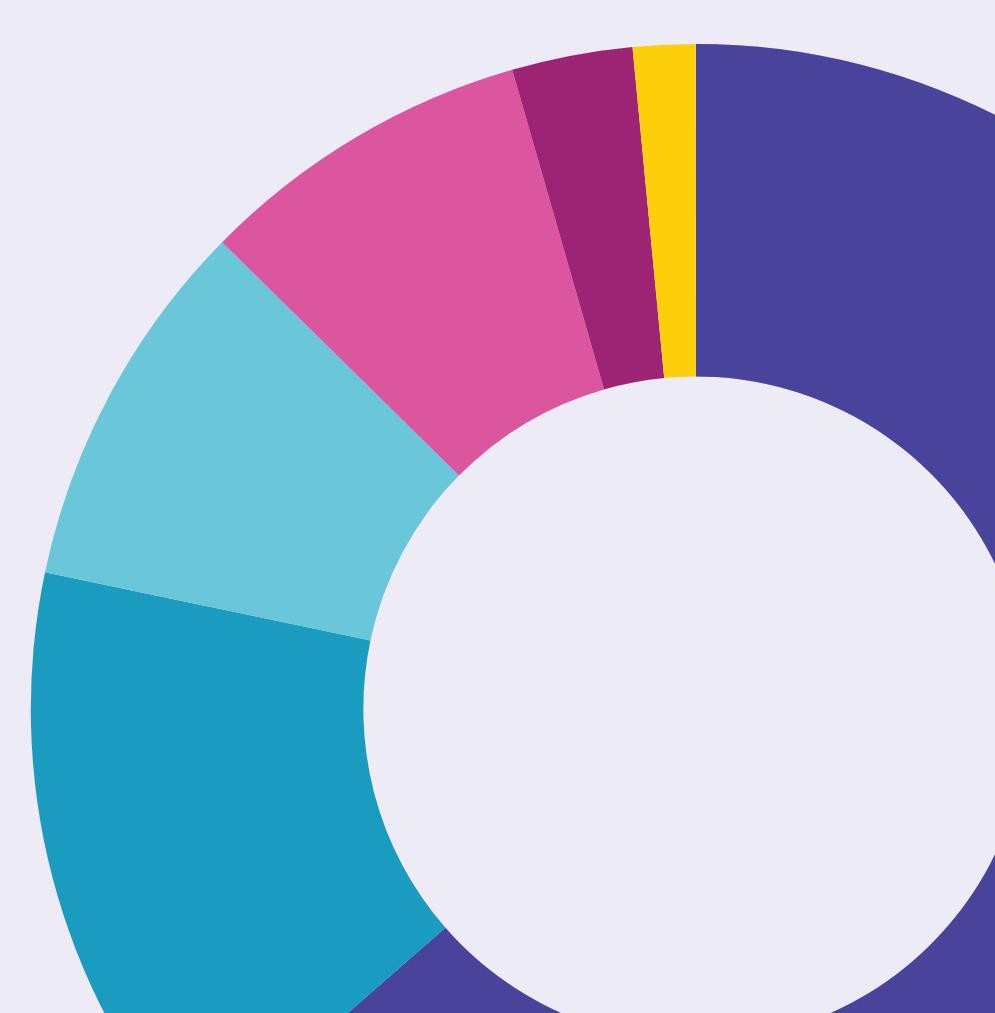


For the year ended 31 December 2025.


Our supporters are united by a shared passion to make a real difference in human health. We are deeply grateful to everyone who supported Garvan in 2025. Your philanthropic investment brings us closer to a future where all diseases are prevented, treated or cured.




Ainsworth 4 Foundation
Mr Len Ainsworth AM
Amadeus Energy Limited
Visit our full Digital Honour Board here garvan.info/dhb
Australian Cancer Research Foundation
Australian Lions Childhood Cancer Research Foundation
The CLEARbridge Foundation
John Brown Cook Foundation
Mr Charles P Curran AC
Sarah Davin and Niki Scevak
Mr & Mrs Geoff and Dawn Dixon
Education Heritage Foundation
The late Mr Alan Elder
The late Lady (Mary) Fairfax AC OBE Ferris Family Foundation
In memory of Dr and Mrs Wing Kan Fok
Ms M. Fok, Ms G. Fok, Ms V. Fok
Friends of the Garvan - USA
Mrs Janice Gibson and Ernest Heine Family Foundation Goodman Foundation
Professor Chris Goodnow and Dr Suzanne Hartley
The Patricia Guest Foundation
The R T Hall Trust
The late Mr Philip Hemstritch Hillcrest Foundation
Life Governors
Accor
Allind Pty Limited
The late Mr John Armati
ASX Group
ASX Refinitiv Charity Foundation
J Holden Family Foundation
The late Pieter H Huveneers
The Johnny Kahlbetzer Family
The late Mrs Virginia Kahlbetzer
Mrs Christina Kennedy and the late Mr Trevor
Kennedy AM
The Kinghorn Foundation
Lions Clubs International Foundation
Love Your Sister Foundation
The Lumb Family
Mr Bob Magid OAM and Mrs Ruth Magid
Mr & Mrs Roy and Cindy Manassen
Mr John McMurtrie AM and Mrs Deborah McMurtrie
NAB Foundation
National Breast Cancer Foundation
The NELUNE Foundation
Ms Lysia O'Keefe
Mrs Roslyn Packer AC
Mr Greg Paramor AO and Mrs Kerry Paramor
The Paramor Family Foundation
Paspaley
The Lindsay and Heather Payne Medical Research Charitable Foundation
The Petersen Family
Petersen Family Foundation
The Petre Foundation
The Lady Proud Foundation
Rosemary Pryor Foundation
Ridley Corporation Ltd
The Bill and Patricia Ritchie Foundation
Mr Peter Rockey
Mrs Margaret Rose AM
The Ross Trust
Mr John Roth and Ms Jillian Segal AO -
The Yarranabbe Foundation
Mr Alan Rydge AM and Mrs Lynne Rydge
Mr Richard Scheinberg AM and Mrs Jacqui Scheinberg
Scrimshaw Foundation
Snow Medical Research Foundation
The late Mr Laurie Sutton AM and Mrs Di
Sutton
Suttons Motors Management
Charlie Teo Foundation
Tour de Cure
TPG Telecom Foundation
St Vincent's Curran Foundation
Mr & Mrs John and Megan Wade
Wade Civil Engineering Pty Ltd
The Walker Family Foundation
The late Mr Lang Walker AO and Mrs Sue
Walker
The late Mr David Baffsky AO and Mrs Helen Baffsky
Baxter Charitable Foundation
John and Anna Belfer Trust
BWM Isobar
De Lambert Largesse Foundation
Mr Peter Duncan AM and the late Mrs Val
Duncan
Richard Fenning & Wendy Volckman
Mr Laurence S Freedman AM
The late Miss Felicia D Garvan
The late James Patrick Garvan and Family
Mrs Agnes Ginges and the late Mr Berel Ginges
The late Mr Cyril Golding
The Goodridge Foundation
Mr William A Gruy G P Harris Foundation
Mr & Mrs Paul and Judy Hennessy
Dr & Mrs Francis and Marie Hooper
Governors
The Abey Perera Family Foundation
Antoinette Albert
Mr Ken Allen AO and the late Mrs Jill Allen
Kimberly and Toby Allen
The Angles Family Foundation
Australian Tunnelling Society in memory of Peter Watson
Belmadar Pty Ltd
Colin Biggers & Paisley
Mrs Kaye Blaiklock
Mrs Isobel Boccalatte
The Broinowski Foundation
Mrs Jane Brooks Browne Family
David Z Burger Foundation
Mr Michael Cannon-Brookes and Mrs Helen Cannon-Brookes
Tony Carr Foundation
Centenary Foundation - The Judith Hodge Fund
Dr John & Mrs Anne Chong
The Corio Foundation
Croall Foundation
Cure Cancer Australia
Mr & Mrs Kamlesh and Swati Dave
Essential Energy
The Estée Lauder Companies
John Forsyth AM and Ann Verschuer Girgensohn Foundation
Graf family
Ms Lorette Graham
Greater Melbourne Foundation through the Eldon & Anne Foote Trust
Dr Leslie Green and Mrs Ginny Green
Mr & Mrs Ralph and Lorraine Keyes
Mallesons
Mr Fred "Frog" Moore
National Australia Bank
NSW Ministry of Health
Dr Graham O’Neill
The Rodney & Judith O'Neil Foundation
The late Mr K Packer AC
George Patterson Pty Ltd Perpetual Foundation -
The Kibblewhite Endowment
Roth Charitable Foundation
Benefactors
Accenture
Australian Ladies Variety Association Inc
Mrs & Mr Deborah & John Balderstone
Mrs Dorothy Baylis and the late John Baylis
Mr Alexander Berlee
Ms Valeska Bloch
Mr Cameron Bryant
Mr & Mrs Andrew & Kate Buchanan
Melissa and Jonathon Green
Sharon Green and Marcel Skjald Endowment
GW Foundation
David and Fee Hancock
The David & Fee Hancock Foundation
Heart of the Green in loving memory of Joshua Avvenevole
David & Dulcie Henshall Foundation
Sally Herman OAM
Margaret Heuer
The Highfield Foundation
Idle Acres Foundation Imago Foundation
Phillip and Carol Isaacs
Dr George Jacobs and Dr Janice Hirshorn
Terry and Helen Jones
Alan Joyce AC and Shane Lloyd Kedje Foundation
Mr Geoffrey H Kimpton
David Lesnie Foundation
The Lewis Foundation
William Lynch Memorial Fund
Dr Lee MacCormick Edwards Charitable Foundation
Macoun Charitable Foundation
The Marrocco Family in memory of our beloved Domenico Marrocco
The McCusker Charitable Foundation
In memory of Terry McGuinness
Mostyn Family Foundation Nelumbo Trust Fund
Ms Janette Mary O'Neil
Pacific Equity Partners
Joseph Palmer Foundation
Caesar Family
Castle Harlan Inc
Mr & Mrs Stephen & Mary Charlesworth
John & Jennifer Clarke
V & C Comino Foundation
Ms Barbara Elliott
Ms Jane Farrell
Miss Julia Farrell
Mr & Mrs Tim and Sally Sims
Skipper-Jacobs Charitable Trust
The late Mr Robert Strauss MBE
The late Dr John Tonkin
Twin Towns Services Community Foundation Limited Westfield Holdings Ltd
Mr Brian White AO and Mrs Rosemary White
E J Whitten Foundation Witchery Wood Family Foundation
The Penn Foundation
Lidia Perin Foundation
Perpetual Foundation - The Felicia Garvan Endowment
Perpetual Foundation - Marles & Manning
Charitable Endowment
The Ian Potter Foundation Renshaw Foundation
Ms Jane Rich
Marina Rizzo, Santina Rizzo and Yasmina Sadiki
Mr & Mrs Stuart & Christine Robertson
Bruce Rosenberg Avrom and Lindy Sank
David and Eva Scheinberg
Dr John Schubert AO and Mrs Prue Schubert
The Schwinghammer Foundation
The Seargeant Foundation
The late Mr Walter Sheldon and Mrs Edith
Sheldon
J & D Sly
Mr & Mrs Jim & Fran Sweeny
Mr Bill Taylor
Tour de Rocks
Miss Lyn Unsworth
Mr Peter Vlandis
Wade Family Trust
The Wales Family Foundation
Richard and Susan Warburton Foundation
Webb Family
White Butterfly in loving memory of Vanessa Juresic
Ms Sally White OAM
Mr Justin H Gardener
Mr Timothy Gearing
Alan Goodwin
In memory of Carla Griffiths
Mrs Sue Howieson
Mr & Mrs Ian and Jenny Hume
Inveruglas Pty Ltd
The Hon. Peter Jacobson KC
Mr & Mrs Patrick and Beryl Keane
Professor Geoffrey Kellerman AO
John and Connie Kennedy Charitable Trust
In loving memory of Ian Kuchel
Mr Samuel Kushe
Mrs Kenny Lee
Mrs K Lettice
Tony and Lesley Little
Logan Family Foundation in memory of Gail
Marie Logan
Helen Lynch AM and Helen Bauer
Mr John Macarthur
Mr James Main
Mrs Sandra Marder
Menika Lanard Jandd Charitable Foundation
Craig Mostyn & Co Pty Ltd
Netta and Norman Niven Endowment (Dr Maggie Mackay)
Supporters
Mr Nick Abrahams
T. Adamo Family
Mr Richard Aldridge
Dr Lyn Allen
Ms Janet Anthes
Mr Ian A N Armstrong
Peter and the late Andrea G.W. Armstrong
M M Atkinson
Baillie Family Foundation
Ms Melissa J Ball
John Barbour Estate
Mr & Mrs David and Robyn Barnett
Esther Bartram
Baudish Family Foundation
Mr Stephen Borland
Mr Maurice Bourke
Ms Maree Bowman
In memory of Fl. Sargeant Michael Brown
Ms Carolyn Bunney
Dr Michael & Mrs Jennifer Burgess
Hon. Joseph Campbell KC & Mrs Jenny Campbell
Mr Leigh Campbell
Carcione Foundation in memory of Maria Caputo
In loving memory of Bonnie Cassen
Rose-Mary Cassin
Dr Carla Ceccarelli
C E Clark
Dr A Clarke
Mr Peter Cramb
Mrs Roslyn Currie
Mrs Lois Dann
Mr Rodney F Darke
Mr & Mrs Peter and Susanne de Beuzeville
Ms Susanne de Ferranti
Mr Roger Digby
Ian and Anthea Duncan
Mr & Mrs Andrew & Dawn Dunn
Mr Kenneth Dwyer
Mr Alexander Eastwell
Mr George Edwards
Mr Michael O'Dea KCSG AM and Mrs Marianne O'Dea
In loving memory of Finbarr O'Farrell
Mrs Joan Pearson Perpetual Foundation - The Stombuco Family
Legacy Endowment
Mrs Suzannah Plowman
Henry Pollack Foundation
Joan Evelyn Poole QBE Insurance
Qualtrics
Mr Sebastian Quinn
Mrs Christine Salter & Family
Mrs & Mr Juliet and Conrad Schmidt
Scleroderma Association of NSW
Mr Donald Smith
In loving memory of my beautiful mother
Goldie Stern
Ms Jacqueline Elliott
Equity Trustees Charitable Foundation – The Small Family Bequest
Ms Susan Evens
Ms Diane Ferrier
Barbara Foord Pty Ltd
Mrs Geraldine Fox-Penglis
Freilich Prescribed Private Fund
Tim Gale
Mr Phil Gardiner
Ms Susan Gardiner
Mrs Bunny Gardiner-Hill
Susan George
Mr & Mrs Clarence & Lyndal Gibbons
Roger Gilchrist
Miss Elizabeth Goodman
Mr & Mrs William & Jacqueline Goodyear
Max Gosling
Mrs Gina Grubb
In memory of Barbara Guy
Mr Allan N Hall AM
Ms Cheryl Hatch
The Hayes Family
John Head
Mrs Patricia Ann Henderson
Mr & Mrs Lionel & Gwen Hirning
Mrs Lynette A Hudson
R.G. & R.J. Imberger
Mrs Phyllis Ingerson
Lesley Isherwood
Mr Graeme Jilbert
Mr Stephen Johns
Mr Evan Jones
Professor Anthony Joshua
KANDM Group Trust
Mr William Kennedy & Ms Judith Snelson
Mr Graham Kluck
Ms Lili Koch
Geoff and Carol Lack
Mr V Lam
Mr Greg Lamont
Ms Gayle Lee
Maureen Stevenson
Dr Jeanne-Claude Strong
Mr & Mrs Peter and Diane Sturrock
Mr Robert Sturrock
Mr Harry Tamvakeras
Ms Victoria Taylor
Mrs Joy Timbrell
Mr & Mrs Richard and Sue Walsh
Mr Robert J Walsh
Ken Warriner Foundation
Ms Margaret Westmacott
Mrs Jon M Wilson
Mr J M Yorke
Zen Imports Pty Ltd
Mr Niall Lenahan
Mrs Renata Litton
Rosemary Lucas
In loving memory of our son Tim Maffey
Mrs Juliana Maher
Ms Annette Martin
Masfor Group Pty Ltd
Mr Lance Matheson
Ms Patricia McAleer
Ms Sharon McAuliffe
Mr Bruce McBryde
Mrs Jennifer McGinley
Mrs Marie McGoldrick
Heather McKenzie
Nicola McKern
Mrs Marguerite McKibbin
Miss Kathryn McQuarrie AM
Nick & Caroline Minogue Foundation
Mrs Susan Minshall
Mr John Kelvin Moody
Mr & Mrs Philip & Margaret Moore
Warren Morley
Mrs Jeannette Muggridge
Andrew & Prim Murray Family Foundation
Mrs Margaret Neyle
Hely Nominees Pty Ltd
Mr & Mrs Julian & Anne O'Neil
Jacqueline Pascual
Pathfinders
Peak Investment Partners Pty Ltd
Mrs Lesley Petsch
Mrs Almut Piatti
Dr Karla Plehwe
Betty L Price
Jennifer and Roy Randall
Mr Ken Richards
Mr Angus Richards
Reg Richardson AO
Ms Annabel Ritchie
In memory of Roger Rose
Mr David Ross
Mrs Karen Samociuk
Mr Robin Sanderson & Ms Anne Coffey
Santalum Foundation
Mr Peter Scott
Helen Seward in memory of Dennis Seward
Mrs Judith Shanahan
Enid and Leonard Shepherd Trust
Mr & Mrs Tony and Laurelle Simpson
Dick and Pip Smith Foundation
Mr Robert Spencer
Community Fundraisers
Kimberly and Toby Allen
Australian Tunnelling Society in memory of Peter Watson
Australian Ladies Variety Association Inc
Belmadar Pty Ltd
Rebecca Burn and family in memory of Aunt Danuta
In memory of William Cheung
Vella Civil Pty Ltd
In memory of Lyn Coumbis
Volunteers
Ms Justine M Flynn
Ms Claire Greaves
Mr Howard Houliston
In memory of Chris Stacy
Miss Winsome Strickland
Mr Martin Susans
Dr Peter Taylor
Theo Theodosi
Mr Ian Vale
The Elaine Walters Foundation
Elizabeth and Paul Webb
Mr Ken Wee
Judith Wheeldon AM
Mr Geoffrey White OAM
Mrs Lyn Williams AC
Ms Janet Wright
Ms Susan Wrigley
John S Young
Heart of the Green in loving memory of Joshua Avvenevole
Daniel Ianni
Robert Flint and Vivien Thomson
In celebration of Madeleine and Justin Gutman’s wedding
The Marrocco Family in memory of our beloved Domenico Marrocco
In memory of Peter Nicholson
Mr Sean O'Hara
Marina Rizzo, Santina Rizzo and Yasmina Sadiki
In memory of Laurie James Shepherd
Mrs Linda Sobey in loving memory of Michael Sobey
Robert Steiner
Mr Steve Urwin
Melissa West
Ms Janice Lam
Mrs Mairi Payten
Ms Annie Selman
Mr Kendall Webber
We were privileged to receive bequests from the estates of these farsighted, generous people in our community. We extend our heartfelt thanks to these supporters and condolences to their loved ones and friends. Their legacies will transform the health and lives of future generations.
Gregory Adcock
Christine Allen
Bruce F Andrew
Don Anstey
John M Ball
David J Beal
Sheila Bell
Peter & Pamela Binnie
Leslie B Blackshaw
Leah Blair
Peter R Blayney
Robert J Bourke
Dr William R Bradford
John Campbell
Robert C Chadwick
Anne M Collins
Thomas R Coogan
Winifred Dane
Ruth Linda Dodd
Alfred Draper
Valerie I Drew
Michael Driscoll
Gloria R Durbin
Laszlo Eszes
Sean (John) Fahey
Alice & Maurice France
Brett A Garside
Harold Callaghan Garvan
Charles C Greeves
Shirley Gregory
Mark J Hammond
Jean D Hill
John L Irish
Rodney J Juratowitch
Shirley Kurtz
Malcolm F Lampe
David J Leavey
Madeline Lee
Nina Leibovitch
Daniel-Francois J Lemesle
Annette Lunney
Jennifer L Maffey
Doreen N E Martin
Stuart C McCulloch
Margaret A McCullough
Susan M McGrath
The late Mrs Mabs Melville
James S Milne
Norma R Minney
Jennifer J Moffatt
Freda B Moore
Harold R Muir
Francis I Murray
Caroline Needham
James T Northam
Mary T O'Neill
Delia M Ponti
Joan Evelyn Poole
Gweneira Porter
Donald R Rees
Judith A Rolfe
Wendy A Rosenthal
Julie Rundle
Elaine C Ryan
William J Seymour
Deborah R Singerman
Steven Somlai
Barbara Y Stevens
Carolyn L Symes
Margaret L Taylor
Michael & Sylvia Tracey
Ann Walker
Pamela Gaye Webb
William Roger Wood

From propagation to petri dishes, Greg’s support is helping science take root
At 74, horticultural scientist Greg sees retirement as an opportunity to dig deeper into his passions. He spends 500 hours a year volunteering at the Royal Botanic Gardens of Sydney, and has also found himself drawn to another field of discovery: the medical research taking place at the Garvan Institute.
First sparked by a friend’s involvement, his interest in Garvan deepened after attending public lectures and a tour of the Institute. "I’m in awe of the complex science that goes on there," he says. "The passion just exudes from the researchers." This engagement led him to become a regular donor, before taking things a step further when it came time to renew his Will.
Wanting to leave a lasting impact, Greg decided to become a Partner for the Future, pledging a legacy gift to Garvan in his Will. For him, it’s a natural extension of his life’s work: providing essential resources for growth. "I feel very devoted to giving some of my wealth to the betterment of medicine," he explains.
Like a true gardener, Greg understands that the most meaningful breakthroughs take time; by planting these seeds today, he is helping create the conditions for future discoveries to bloom.

I feel very devoted to giving some of my wealth to the betterment of medicine.
Greg, Partner for the Future



Our Partners for the Future are special members of the Garvan family who have left a gift to Garvan in their Will. Their generosity and vision will play a major role in Garvan’s future and help our researchers discover scientific breakthroughs that will prevent, diagnose and cure disease.
Ms Kim Abela
Ms Jane Adams
Mrs Margaret Adams
Ms Ronelle Adams
Hermelita Alcancia
Mr Richard Aldridge
Mr Ken Allen AO and the late Mrs Jill Allen
Dr Lyn Allen
In loving memory of Peter Allsopp
Mrs Linda Anderson
Mr Richard Anderson
Ms Lisa Annand
Mrs Marion Anstice
Mrs Carol Anthony
Mr Kerry Anthony
Ms Maryke Archbold-Hession
Mr Roger Arena
Mr Ian A N Armstrong
Peter and the late Andrea G.W. Armstrong
Mrs Denise Arnold
Mr Peter Askew
Margaret Atkinson
Australian Ladies Variety Association Inc
Mr John Avigdor
Ms Melissa J Ball
Emma Balldock
Ms Denise Bamford
Ms Jane Banfield
Mr & Mrs Joseph and Elizabeth (Betty) Banhidi
Mr David Barclay
Ms Robyn Barlow
Peter Bolton & Alan Barnes
Mr & Mrs David and Robyn Barnett
Miss Evelyn Barnett
Patricia Barnett
Miss Rosy Barnett
Mr Wal Barrett
David Barry
Mrs Katharine Barter
Mr Keith Barton
Esther Bartram
Mrs Karen Beales
Mr Ross Beattle
Ms Lillian Beaumont
Mrs Lynette Beaumont
Mr & Mrs Barry and Jennifer Beck
Ms James Belger
Ms Lynne Bennett
Allison Benson
Ms Elizabeth Berger
In loving memory of Tommie Bergman
Ms Suzanne Bestwick
Ms Helen Biddle
Ms Patricia Billing
Mr Trevor Bingham
Mrs Cilla Bishell
Michael O'Neill
Ms A Blake
Ms Wendy Blake
Mr Ted Blamey
Dr Rob Blank
Mrs Josephine Boniface
Ms Linda Booth
Mr Stephen Borland
Mr Ronald Boston
Mr Maurice Bourke
Ms Maree Bowman
Mrs Meryl Bowman
Mrs Helen Boyd
Alan Boyle and the late Anne Boyle
Dr Patrick Bradbery
Ms Jo Bradshaw
Mrs Barbara Brazier
Mr Robert Breakwell
Mr Peter Brell
Ms Robyn Bressington
Carolyn Bridgett
Mrs Meredith Briggs
Mr Selwyn Brindley
Robert Brisbane
Ann Bristow
Ms Julie Britchford
Mrs Jo-Ann Brittain
Edward Brogan
Philip & Wendy Brook
Ms Avril Brown
Ms Irene Brown
Dr Rebecca A Brown
Mr Norman Brownlaw
Ms Barbara Bryan
Emeritus Professor Ken Buckle
Mr Maikeli Bukasila
Mrs Anne Bunga
Mrs Elizabeth Bunyan
Dr Michael & Mrs Jennifer Burgess
In memory of Frank & Dorothy Burnett
Mr John Burton
Ms Geraldine Butler
Mrs Barbara E Buttery
Mr James Callachor
Mrs Sandra Cameron
In loving memory of Eileen & George Campbell
Dr John Campbell
Hon. Joseph Campbell KC & Mrs Jenny Campbell
Ms Margo Canavan
Miss Carolyn Cannon
Ms Maria Capner
Ms Gwynneth Carlisle
Ms Leigh Carnsew
Alan Carter
Ms Rebecca Cartwright
Ms Vicki Case
Ralph and Marie Cashman
Rose-Mary Cassin
Mrs Lorraine Cave
Dr Carla Ceccarelli
Mr Arthur Cheesman
Ms Margaret Chibnall
Dr John & Mrs Anne Chong
Ms Sue Chong
Ms Rhonda Christie
Mrs Janet Churches
C E Clark
Ms Janine E Clark
Mr Brian A Clarke
Mr Michael Coff
Ms Jill Coggan
Andrea Beattie & Julian Coghlan
Ms Anita Cohen
Dr & Mrs Roger and Carole Cole
Jeffrey Robert Collings
Jennie Collins
Mrs Jutta Collins
Ms Heather Collyer & Max Hodgson
Phillip Combe
Mr Godfrey James Comrie
Mrs Kylie Conaghan
Mrs Pamela Congdon
Dr Lynne Cook
Ms Patria Cook
Mr Paul Cook
Ms Dorothy Coombs
Mrs Isobel Cooper
Dr Rachel Costa
Miss Jacqueline Dean
Ms Elizabeth Cox
Ms Cheryl Craig
Brett Crittenden
Mrs Philippa Croker
Mrs Emilia Cross
Mr Michael Crowley
Ms Patricia Croxon
Mr Cary Cullen
Ms Maureen Curcic and Guy Curcic
Mrs Roslyn Currie
Mrs Roanne Dagg
Heinz Dahl
Mrs Lois Dann
Mr Rodney F Darke
Ms Jennifer Davies
Mr & Mrs Kevin and Sylvia Davies
Mr Michael Davies
Ms Sandra Davis
Miss Clare Dawes
Mrs Julie Dawson
Ms Leh Day
Mr Michael Day
Mr & Mrs Peter and Susanne de Beuzeville
Ms Susanne de Ferranti
Dr Chitra De Silva
Mr John Hyam & Mrs Lisa Dean-Hyam
Mr & Mrs Colin and Helen Death
Mrs Denise Debeck
Mrs Jane Deck
Mrs Diane Decker AM
Mr Ross Declerck
Mr Je DeHaan
Ms Louise Delahunty
Mr Bob Demkin
Mr & Mrs Tom and Donna Devitt
Mr John Dickens and Dr Ian Payne
Mr Roger Digby
Joe Divola
Mr John Hyam & Mrs Lisa Dean-Hyam
Mr & Mrs Colin and Helen Death
Mrs Denise Debeck
Mrs Jane Deck
Mrs Diane Decker AM
Mr Ross Declerck
Mr Je DeHaan
Ms Louise Delahunty
Mr Bob Demkin
Mr & Mrs Tom and Donna Devitt
Mr John Dickens and Dr Ian Payne
Mr Roger Digby
Joe Divola
Mr Ralph Dixon & Mrs Fionnuala Dixon
Mrs Marlene Dixon
Ms Rae Doak
Mr John Dobies
Ms Nina Dodawec
Mrs Carole Doherty & Mr John Doherty
Mrs Gabrielle Donovan
Ms Margaret Doran
Mr Peter Draper
Mr Bruce Drayton
Mrs Rickie Drewry
Dr & Mrs Bruce and Janet Duff
Jacqui Duncan
Ms Jennifer Duncan
Ms Krystyna Dunn
Brian Dunphy
Mr Alan Durham
Mr Kenneth Dwyer
Ms Mavis Eagle
Ms Judith Eburn
Ms Ziva Echtner
Mrs Lorraine Edmonds
In loving memory of Adrian Denis Edmunds
Bruce Edwardes
Mrs Elizabeth Efinger
Miss Edwina Eisenhauer
Ms Jacqueline Elliott
Lynda Ellis
Mrs Margaret Eva
The Evans Family
Ms Veronica Evans
Tanya Cannington Fagg
Mrs Wai Chiew Fairley
Ms Viv Falcone
Ms Daile Falconer and Mr Thomas Delisi
In loving memory of "Mate" Hutchen and family
Mr & Mrs Gabriel and Joan Farago
Mrs Christine Farr
Mrs Jacqueline Farrar
Mr Leighton Farrell
Mrs & Mr Featherstone
Mrs & Mr Patricia & Adam Featherstone
Ms Diane Ferrier
Mrs Frances Findley & Mrs Suzanne Allen
Ann Fitz-Gerald
Ms & Mr Carol & Desmond Fitzgerald
Mr & Mrs Charles Fletcher
Mr Paul Fletcher
Mr Thomas Flint
Mr Allan Forbes
Mrs Gail Ford OAM
Mr & Mrs N Denovan
Ms Shirley Rose Ford
Mr Paddy Forsayeth
Ms Jan Foster
In loving memory of Joy Foulsham
Mrs Geraldine Fox-Penglis
Dr & Mrs John and Diana Francis
Mr & Mrs Alan & Ruth Franklin
Mr Donald Frazer
Ms Amanda G
Mrs Cheryl Gagliano
Ms Anna Galway
Mr Quentin Gandy
"Nanny G" - Gwen Gardiner
Mrs Maria Gardiner
Ms Susan Gardiner
Mr John Gardner
Ms Geraldine Garvan
Ms Rosemary Garvan
Ms Maureen Garvey-Ross
Mrs Ann Gerald
Ms Maria Gerussi
Mrs Lucie Ghosh
Mr David Gibb
Mr & Mrs Clarence & Lyndal Gibbons
Roger Gilchrist
Lt Col Daniel R Gilfedder
Ms Elizabeth Gillespie
Mrs Margrett Gilson Girgensohn Foundation
Ms Carol Gismondi
Mr & Mrs Bill and Robyn Gleeson
Miss Edwina Glinoga
Miss Estrella Glinoga
Miss Excelsa Glinoga
Mrs Gillian Goddard
Mr Peter Goldminc
In loving memory of Tracey Goodley
Alan Goodwin
Mr & Mrs William & Jacqueline Goodyear
Mrs Robyn Goodyer
Patricia Ann Gordon
Mrs Olive J Gorringe
Max Gosling
Mrs Margaret Gowland
Mr Gary Grady
H V Graham
Mrs Marlene Grant
Mrs Peita Grant
Ms Claire Greaves
Mrs Dianne Grech
Sharon Green and Marcel Skjald Endowment
Mrs Vicki Green and Family
Ms Karen Grega
Dr Frank Gregg
Ms Patricia Griffen
Ms Samantha Grundy
Mr Michael Guerrera
The Patricia Guest Foundation
In memory of Barbara Guy
Mr Brian Hakof
Mr Allan N Hall AM
Mrs Pam Hall
Mrs Nikki Hamilton Hall
Craig Hamilton
Mrs Kristie Hannan
Mr Neil Hansford
Lynn Harnett
Mrs Carole Harris
Mr Brian Harriss
Ms Lynne Harvey
Mrs Janice Harwood
Ms Barbara Hatch
Ms Cheryl Hatch
Mrs Barbara Hayden
The Hayes Family
Ms Louise Haynes
Mrs Valerie Haynes
John Head
Ms Rosemary Heal
Ms Robyn Hearse
The late Mr Philip Hemstritch
Ms Barbara Henderson
Mr Ian Henderson
Mrs Patricia Ann Henderson
Mrs Frances Hession
Mr Scott Hession
Mrs Barbara Hewlett-Pawlow
Mr Brian Hewson
Dr Ruth Hickey
Miss Linda Hicks
Drs Peggy & TJ Higgins
Mrs Dorothy MC Hill
Mrs Judith Hill
Mr Kenneth Hillier
Ms Heather P Hindle
Mr & Mrs Lionel & Gwen Hirning
Mr Mike Hobbs
Mrs Nicole Hogan
The Rhodesian Holderness Family
Jeremy Holderness
Ms Judith Holding
Ms Jennifer Hole & Mr Lynn Bennett
Mr Alan Holland
Ms Ruth Holmes & Mr Shaun Witute
Mrs S Honer
Mrs Robyn Hopcroft
Ms Narelle Horobin
Mr Howard Houliston
Mr Brian Howard
Mr Leslie Howard
Mr Neville Howard
Mr Stewart Howarth
Mrs Berenice Howell
Mr Wayne Howson
Mrs Lynette A Hudson
Richard J Hudson
Mrs Cathryn Hunt
Mrs Lee Hunt
Mr Mircea Iancu
R.G. & R.J. Imberger
Ms Susan Imer
In memory of the late Kathrin Nell A Wilshire
Mrs Phyllis Ingerson
Ms Edith Iseli
Lesley Isherwood
Ms Fiona James
Miss Rosemary Jasic
Mrs Kay Jaumees
Dr Tatiana Jelihovsky
Mr Greg Jenkinson
Marie Jensen
Ms Grace Jerrett
Mrs Olivia Johnson
Ms Patricia Johnson
Mrs Bernadette Johnston
Mr Byram Johnston OAM and Mrs Deborah
Johnston
Ms Margaret Johnston
Terry and Helen Jones
Mr & Mrs Arthur and Elizabeth Jones
Lloyd Gwyn Jones and Barbara Jones
Dr W G Grigor
Ms S Jones
Ms Maryke Jonkman
Ms Gordana Josipovic
Isobel & Phil Kachoyan
Ms Daphne Kavassilas
Mrs Helen Kayser
Mr John Kean
Mr & Mrs Patrick and Beryl Keane
Mark Keeley
Mrs Barbara Kelley
Mr & Mrs Geoff & Isabel Kennedy
Mr William Kennedy & Ms Judith Snelson
Mr Andrew Kennett
Mrs Karenne Kenny
In loving memory of John Kerkvliet
Miss Olivia Kesby
Ms Narelle Ketelhohn
Ms Wendy Keys
Mrs Kate Khan
Mr Ashley & Mrs Gloria Kidd
Mr Bob Kijurina
Mr Frank Killion
Ms Margaret King
Mr Grant Kinsman
Mr & Mrs Jeffry and Lyn Kirby
Mr W Bruce Kirkpatrick OAM and Mrs Juliet
Kirkpatrick
Margaret Ann Knight
Ms Lili Koch
Hendrika Kramer
Mr Samuel Kushe
Ms Josie La Spina
Geoff and Carol Lack
Mr Christopher Ladd
Ms Julie Laforest
Mr Greg Lamont
Ms Gabriella Lang
Jean C Lang
Mrs Lynn Larri
Mr Barry Thompson and Ms Roberta Lauchlan
Mrs Cheryl Lavender
In loving memory of Ally Lawler
Mr Gregory Lawrence
Mary Lawson
Mr Tony Leahy
Ms Kathryn Leaney
Mrs Ella C Lee
Dr & Mrs Steven & Catherine Lee
Mrs Beth Lehman
Miss Joy Leneaux-Gale
Mr Nelson Leong
Mrs Benita Levene
Mrs Amanda Leyten
Mrs Caroline Lill
Mrs Christine Lilly
Mrs Pamela Lincolne
Mrs Shirley Lindoy JP
Mr Ryszard Linkiewicz
Mr Jeffrey Lipman
Mr Philip Lipscombe
Miss Rebecca Little
Mrs Renata Litton
Ms Jennifer Lock
Mrs Jude Logan
Miss Maureen Logan
Mr Ben Longden
Mrs Rosemarie Longhurst
Mrs Sheila Loudon
Mrs Nelis Loustrau
Susan Jane
Rosemary Lucas
Ms Rosemary Lucas-Moore
Mrs Barbara Lynch
Ms Anne MacDonald
Mr David Macreadie
Catherine Madigan
In loving memory of our son Tim Maffey
Mrs Juliana Maher
Fadhili Majaliwa
Mrs Aileen Marchiori
Ms Ruth Marendy
Dr Harry Marget
Ms Sharon Markich
Ms Annette Martin
Ms Gaye Martin
Donna Mae Mason
Dr Sam Masoud
Mr Donald Matheson
Mr Lance Matheson
Mr & Mrs Derek & Cathy Maule
Ms Sharon McAuliffe
Dr John McCririck
Mrs Maree McCusker
In loving memory of Lola McDonagh
Allison McDonald
Mrs Pam & Mr Neil McDonald
Ms Maree McDonnell
Ms Lynn McDonough
Ms Gai McDowell
Mr & Mrs Terry and Lynette McGarrigle
Mr Steven McGrath
Mrs Marguerite McKibbin
Ms Heather McLaren
Ms Bridie McLennan
In loving memory of Kenneth McLeod
Mr John Robert McLure
Mr Raymond McMichael
Mr & Mrs Kent & Dianne McNab
Miss Kathryn McQuarrie AM
Mr Martin John Meagher
Mrs Carol Meiklejohn
Ms Amanda Miles
Mr Richard Miller
Mrs Catherine Mills
Ms Sharyn Minahan
Mr Glenn Mitchell
Mr John Mitchell-Adams
Ms Eva Mitro
Mr & Mrs Keith and Marguerite Mobbs
Mrs Mary Mockler
Dorothea Mokrusch
Mary Molloy
Mr John Kelvin Moody
Mr & Mrs Philip & Margaret Moore
Mr Richard Moore
Mrs Diana and Mr Max Morison
Warren Morley
Mrs Mary Moro
Mr Christopher Morralee
Mr Raymond Morris
Mr Ross Mortensen
Mrs Jeannette Muggridge
Mr Jeff Munday
Mrs Pru Murphy
Mr Ian Murray
Mr Philip Murray
Mrs & Mr Helen & Tony Muscat
Hendrika Muskens
Ms Christine Muston
Mr Robert Muston
Ms Barbara Muzic
Ms Michele Nancarrow
Ms Anna Nathan
Mr & Mrs Michael and Valda Neels
Ms Rosemary Neville
Mr A Newland
Mrs Frances Newman
Dr R Newman
Mrs Frances Newton
Mrs Margaret Neyle
Felicity Nichols-Erikson
Dr Elizabeth Niven
Mrs Ann Norman
Mr Ronald Norman
Wayne and Gretina Norton
Mrs Wendy Norton
Mr & Mrs Novakovic
Dr Helen Nugent AC
Mr Charles Nuttall-Smith
Mr Simon Oaten
In loving memory of Maureen Marea O'Connor
In loving memory of Finbarr O'Farrell
Mr & Mrs Chris & Janelle O'Grady
Mrs Joan O'Hara
Dr Elizabeth O'Hare
Mr Kevin O'Keeffe
Mr Graham Oldfield
Mr W R O'Leary
Mr Peter Olive
Andrew O'Malley
Jason O'Rourke
Miss Christina Paap
Lady Elizabeth Page
Mr Stephen Paine
Ms Beverley Palmer
Miss Winnie Pang
In loving memory of Helen Parker
Ms Jane Parker
Ms Judith Parker
Mr & Mrs Justin and Judith Parker
Mr David Parkinson
Mrs Deborah Parkinson
Mrs Lee Parsons
Mr Cecil F Partington
Mr Chris Paspaley
Mr Rene Patat & Mr Geoffrey Priest
Nel Paterson
Mrs Joan Pearson
Ms Cynthia Peck
Ms Marianne Pedersen
Ms Anne Pender
Mr James Perham
Ms Larna Perry
Mrs Pauline Perry
Mrs Lesley Petsch
Mrs Carol Phillips
Mrs Almut Piatti
Mrs Margaret Pierce
Dr Karla Plehwe
Mr Tony Plunkett
Mrs C Pollini
Mr Alan Pollock
Mrs Jill Porritt
Mrs Elaine Porter
Lloyd and Joan Poulton
Mr William Powell
Mr & Mrs Edmund and Alviena Poznaks
Mr James and Mrs Wendy Preece
Mrs Margaret Preston
Mrs Tara Preston
Ms Andrea Pridgeon
Mrs Elizabeth Pryce
Ms Judy Radecki
Ms Margarita Rasink
Ms Barbara Ray
Mr Mike Read
Ms Juliette Reay
Ms Janet Redbond
Mr & Mrs Don and Shirley Rees
Mrs Julie Reid
Mr Kevin Reilly
Dr Judith Reynolds
Mrs Julia Richardson
Ms Denise Riley
Mr Rudi Ringger
Ms Annabel Ritchie
Ms Christine Roach
Mr Arthur Robbins
Miss Eunice Roberts
Prue Roberts
Merilyn Robertson
Mr Robert Robinson
Ms Kathy Rockwell
Ms Jacqui Rodgers
Ms Barbara Rogers
Mr & Mrs Christopher and Nancye Rolfe
Bree Roparti-Tongalea
Bruce Rosenberg
Mrs Pat Roser
Mr David Ross
Dr Edna Ross
Ms Deirdre Royer
Carole Harvey Rudd
Mrs Jennifer Ruiz
Ms Jacqueline Russell
Mrs Wendy Russell
Mr & Mrs John & Lynette Russo
Mrs Diana Rutter
Cheryl Ryan
Ms Christine Ryan
Mrs Emma Ryan
Mr George Saliba - Living with MS
Mrs Karen Samociuk
Mr Len Sanders & Ms Jan Douglas
Ms Elizabeth Sanderson
Mr Ken and Mrs Judy Sargeant
Mr Michael Sartori
Ms Bernadette Saunders
Ms Coral Saunders
Mrs Betty Saxby
Dr Lawrence K Sayer
Mrs Kristine Schmid
Dr John Schubert AO and Mrs Prue Schubert
Ms Karen Scott
Mr Peter Scott
Dr & Mrs George & M Seifert
Mrs Suzanne Selden
In memory of Rex Selman
Helen Seward in memory of Dennis Seward
Mrs Judith Shanahan
In loving memory of Robert Sharp
Leonard Graham Shaw
Mr Merv Shearman
J.F Sheehan FCA
Mr Peter Shelley
Mrs Louise Sheridan
Ms Shona Sherwin
Mrs Edith Shipway
Mr David Short
Mrs Hassanah Simpson
Jane & Barry Simpson
Ms Marianne Simpson
Mrs J Sindel-Hand
Margaret Singer
Ms Molly Slifka
Mrs Chris Smajstr
In loving memory of Cheryl Smith
Ms Claire Smith
Mrs Jillian Smith
Ms Lucia Smith
Ms Jody Somogy
In loving memory of Gianinno Soncin
Ms Kate South
Mrs Cynthia Southwell
Dr & Mrs Peter & Diana Southwell-Keely
Ms Margaret Spark
Ms Monica Sparnon
Ms Susan Spratt
Mrs Helen Spry
Ms Maureen Stepanoff
Mrs Lynne Stephen
Mr Rick Stevens
Mrs Moira Stevenson
Ms Debbie Stidiford
Ms Elizabeth Stone
Miss Winsome Strickland
Dr Jeanne-Claude Strong
Ann Stuckey
Mr & Mrs Peter and Diane Sturrock
Mr Robert Sturrock
Mr Frank Suen
Ms Janice Sullivan
Ms Susan Sutherland
Mr John Symonds
Ms Rachelle Szabason
Ms Leanne Tan
Mrs Lyn Tanner
Mr Neville Tanner
Mr Ralph Tapping
Mrs Eileen Targett
Ms Linda Taylor
Mr Craig Teece
Ms Irma Temple
Diana R. Terp
Ms Bonnie Thomas
Dawn Thomas
Ms Wendy Thompson
Fiona Tildesley
Mr Brad Timms
Mr Graham N Tindale
Ms Roslyn Tinker
Mrs Carolyn Todd
Mr Ron Tolhurst
Ross Tongue
Mr Greg Trigg
Mr Ross Tulloh
Ms Gail Turner
Ms Jennifer Turner
Miss Lyn Unsworth
Mrs Maya Van Rol
Mrs Maureen Vasquez
Ms Sherril Venn
Mr & Mrs Ian and Sharon Vette
Mr Frank Virgara
Mr Byron and Mrs Helen Vlahos
Mr & Mrs Neville and Stella Voges
Daphne Wagner
Ms Julie Wahlberg & Mr Barry Schulz AFC
Ms Verna Wakefield
Samantha Walder
Ms Roberta Walker
Miss Sandra Walker
Chris and Leigh Wallbank
Mr Alan & Mrs Karen Walsh
Mr Aubrey Walsh
Mrs Mary Walsh
Ms Rosalind Tedder Walters
Bee Ing Wan
Ms Mel War
Ms Shelley Warner
Ms Jackie Watson
Paul Wedd
Mr Francis Wedesweiler
Mr Ken Wee
Ms Heather Weir
Mr Dennis Wellbelove
Geoff Weller
Mr Andrew Wells
Gail West
Ms Lorraine West
Judith Wheeldon AM
Mrs Jan Wheeler
Ms Nicole Wheeler
Mr William Wheeler
Ms Michele White
Trevor Haines AO & Paul White
Dr Yvonne White
Mrs Helen Whittle
Mr Robert Wickenden
Ms Joan Wilkinson
Miss Sonia Willemsen
Ms Diana Williams
Mr Francis Williams
Mr & Mrs Geoffrey & Gleness Williams
Mr Geoffrey Williams
Mrs Janice (Helen) Williams
Mrs Margaret Wilson
Mrs Heather Windshuttle
Ms Merri Winter
Mrs Barbara Withers-Payne
Ms Roberta Withnall
Mr & Mrs Karl and Madeline Wolf
Mr David Wood
Mrs Claire Wotton
Ms Katherine Wray-Barnes
Mr Colin Wright
Mrs Dorothea Wright
Ms Janet Wright
Ms Pauline Wright
Ms Patricia Wynne
Mrs Elizabeth Yates
Mrs & Mr Vicki & Michael Young
Ms June Yuen







Support us Help us make discoveries that will improve health for all garvan.org.au/ar-donate Learn more Stay up to date with the latest news, events and seminars garvan.org.au/news-resources
Garvan Institute of Medical Research
384 Victoria Street, Darlinghurst
NSW, 2010 Australia
T: + 61 2 9295 8100
W: garvan.org.au