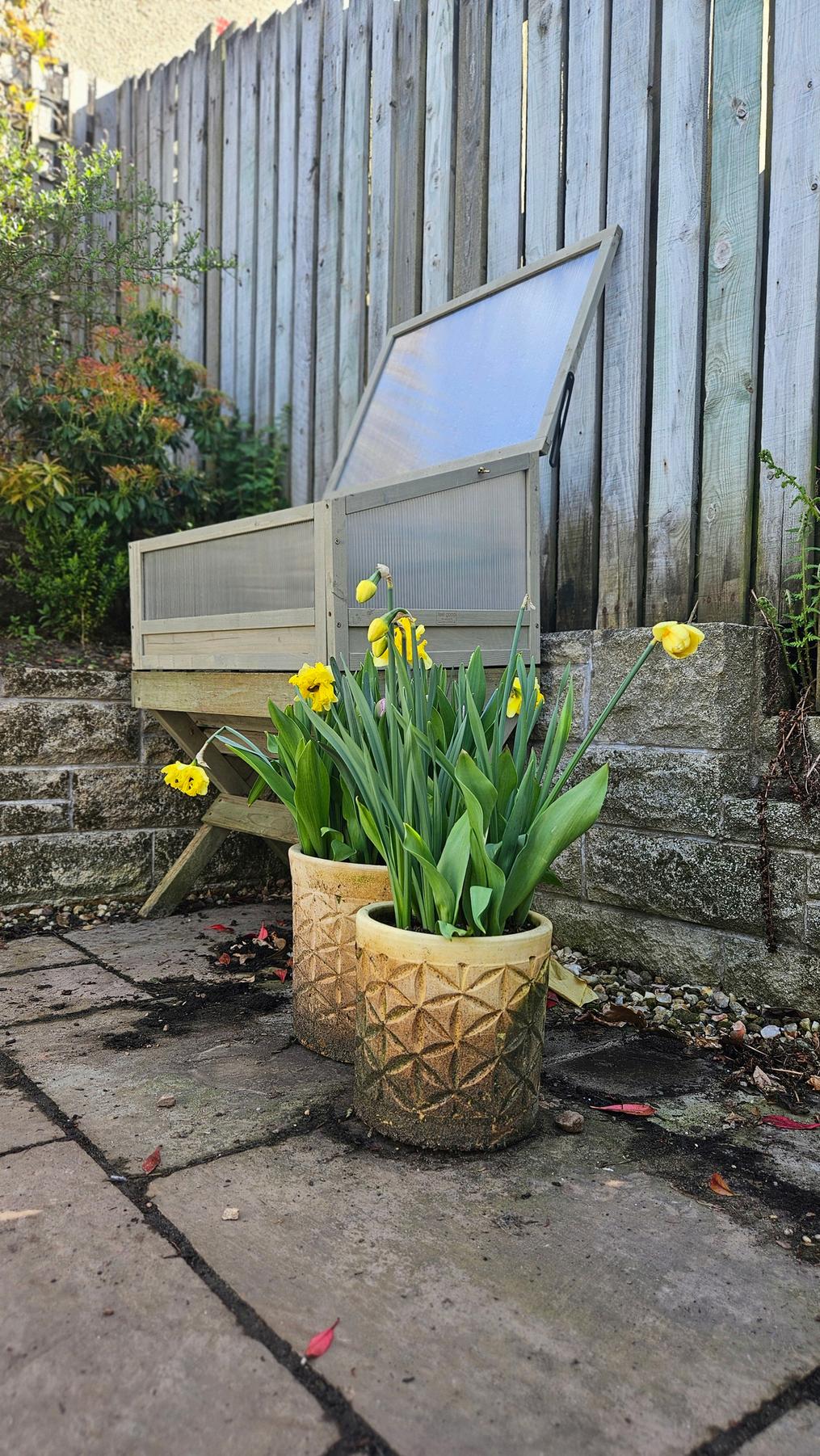
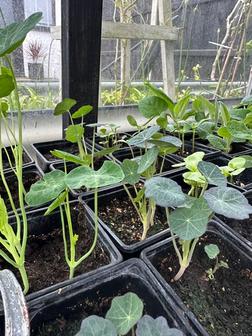
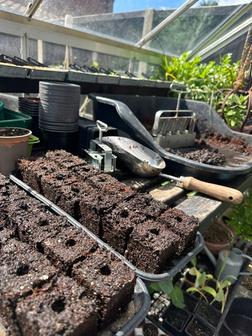
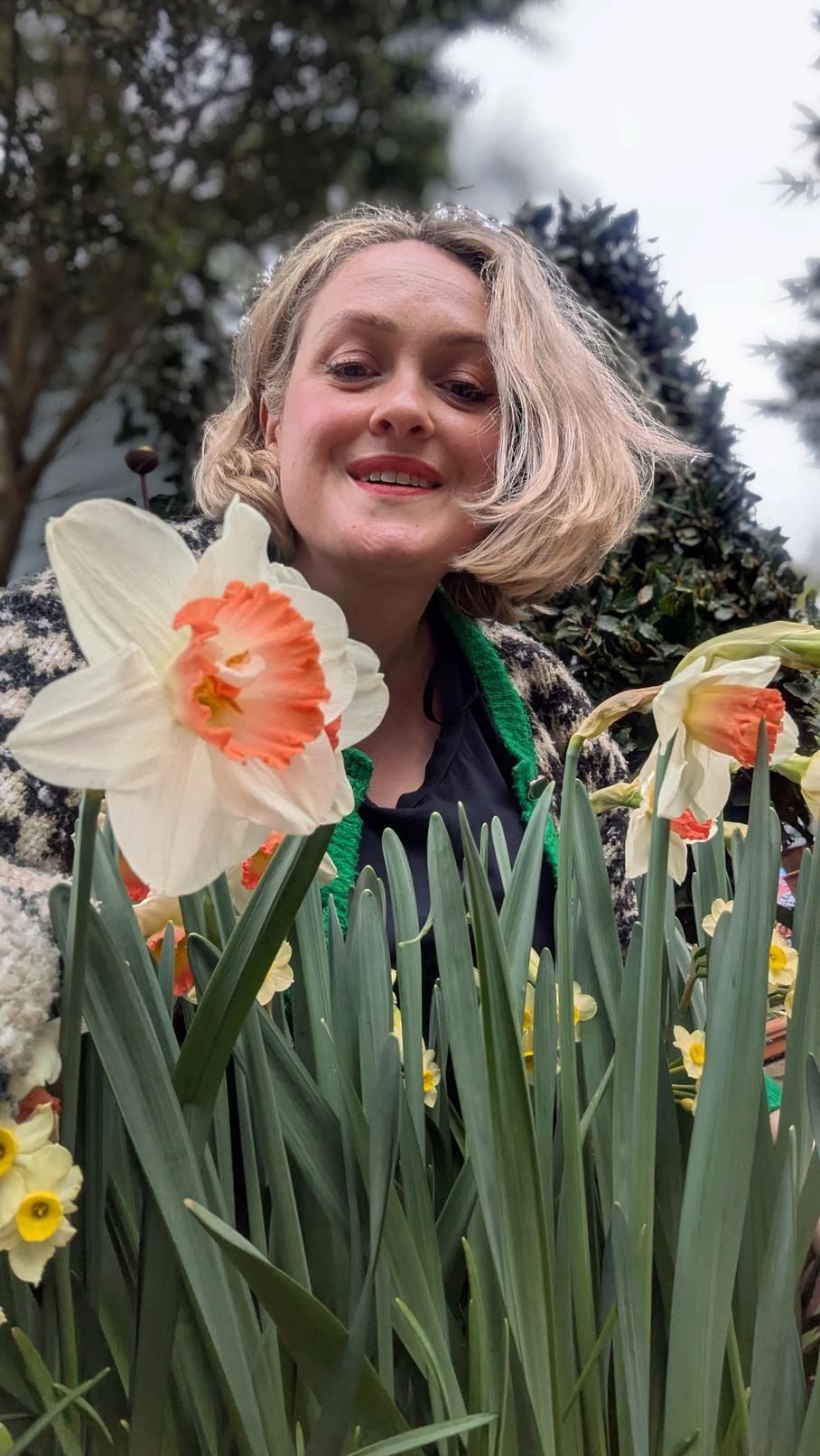
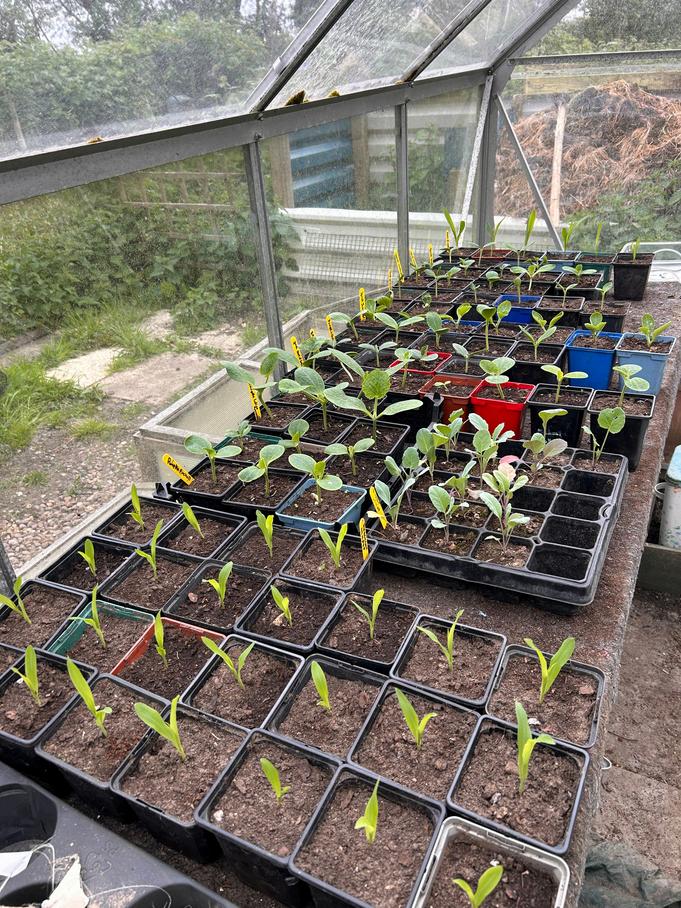
I have decided this is the year of the Salad - well for me anyway In my previous garden salads were my nemesis; every year they would bolt straight away But now in my new garden, sun is a bit more limited, days are cooler, and my salad chances are hopeful I finally built a cold frame (which may or may not have sat in my garage for around 5 years) and its keeping my salad babies safe till the warmer days arrive
One thing I am very excited for this May is my first Scottish Garden Show. I will be heading to the Scone Palace Garden Fair and I am really looking forward to see what Scotland has to offer.
This month in the magazine there are plenty of exciting garden projects to keep you busy. I am now thinking I need a space to enjoy my garden more, I am not sure a caravan will fit though!
May is an opportunity to really take time to enjoy your garden, plants are bouncing into life, blossom is everywhere and the jobs are pretty endless Be sure to take regular moments to sit in the space and be mindful of how much you have acheived so far this year
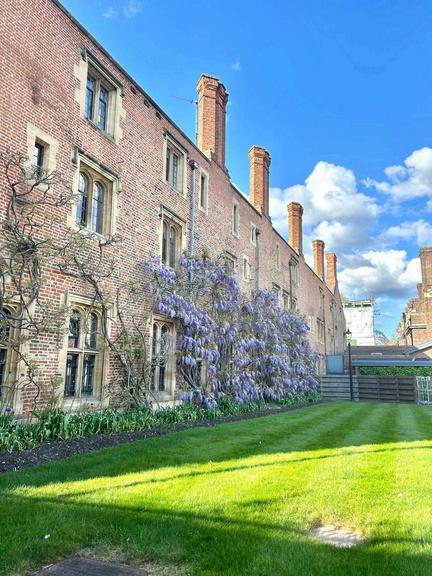
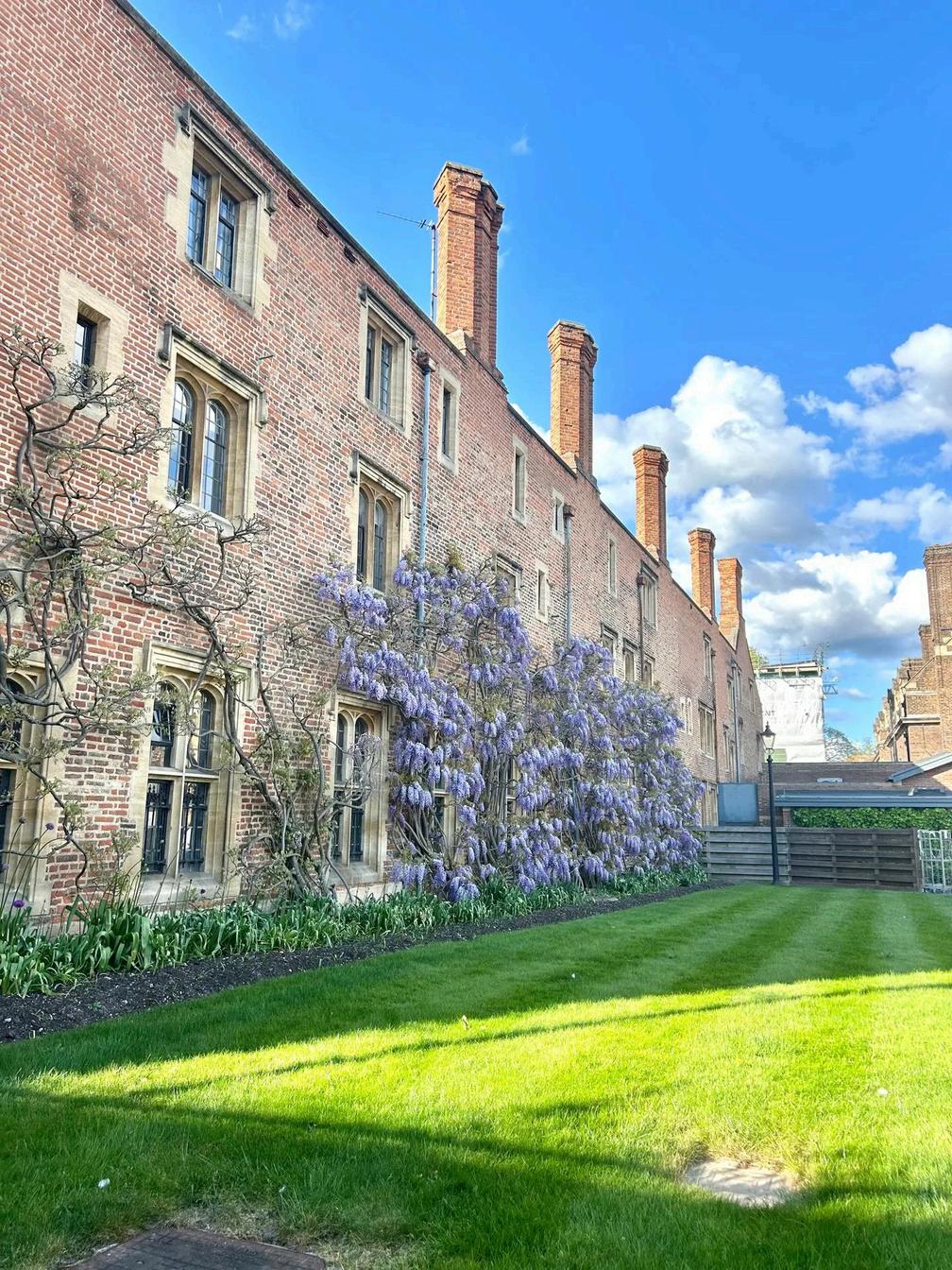
Wisteria at Queens College.
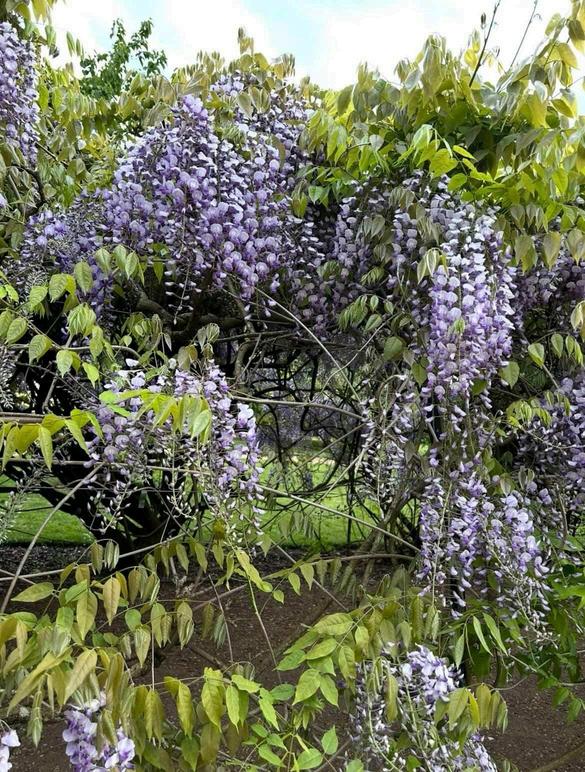
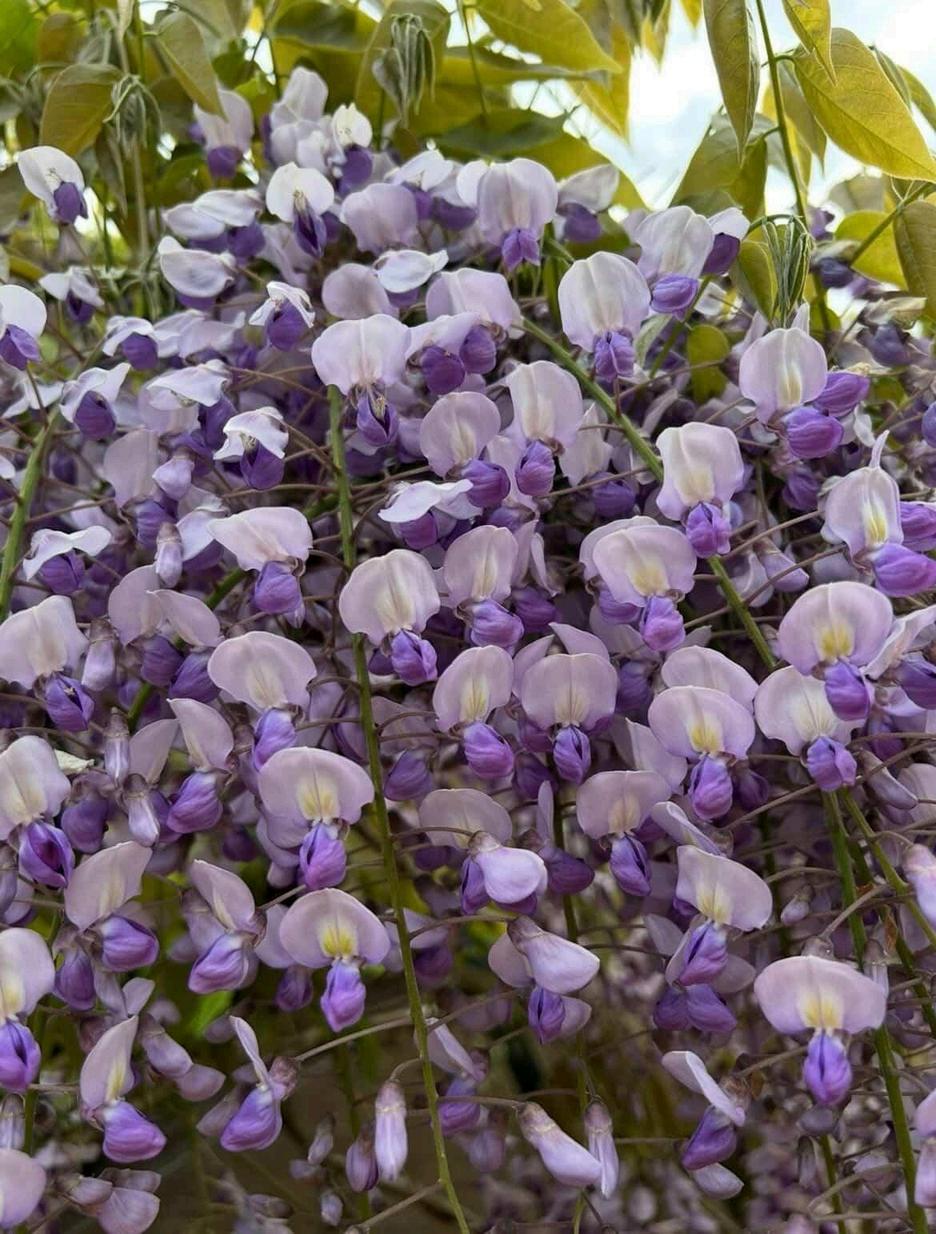
The magnificent flowers of Wisteria (Wisteria sinensis) are nothing short of iconic Long, pendulous florets in cascading clusters that hang like chandeliers. They bloom in shades of lilac, violet, white and pink, making this plant one of the most recognisable ornamental climbing plants in the world. Blooms appear in late Spring before the leaves unfurl, and they create an ethereal display which is as dramatic as it is spectacular.
Originating in China, Japan and parts of North America, they were introduced to Europe in the 18th Century and became an instant hit with the Victorians Since then, the wisteria has been embraced by both historic and modern urban gardens across Britain, prized for its incredible beauty and fragrance Botanically, wisteria is in the pea family; take a good look at its individual flowers and compare them to the flowers of the garden pea and you will understand why Wisteria is renowned for its vigorous growth and with correct pruning and maintenance, specimens readily live for decades - if not centuries! It’s hardly surprising then that this remarkable plant has become synonymous with longevity as well as timeless romance
For the best display, wisterias should be pruned twice a year; once in the summer in July or August and once in the winter in January or February. In the summer, the long, whippy growth should be pruned back to 5 or 6 leaves to control the growth. In the winter, those same shoots should be pruned further back to 2-3 buds and this will promote new blooms. Although typically wisteria only bloom once a year from May to June, they can be known to produce a second, smaller flush of flowers in late summer around July to August if conditions are favourable In rare cases and when there is a high heat, even a third flush is possible For best results and maximum blooms, Wisteria should be grown in full sun
After flowering, wisteria will often produce seed pods, but growing from seed, although possible is slow and unreliable, and the resultant plant can take many years to flower Wisteria is best propagated by softwood summer or winter hardwood cuttings, or by layering or grafting If you are considering buying a wisteria for your own garden, it is worth noting that it should be bought when in flower Occasionally, wisteria have been known to only produce their beautiful lime green foliage but no flowers and I have known instances where people have correctly grown, pruned and trained their plants for many years without ever seeing a single bloom! The only way to guarantee that an individual plant is capable of flowering is to buy it when in flower, otherwise, it’s a case of avoid or buy at your own risk!
By Kim O’Brien @garden.with.kim
Wisteria at Norris Museum
There is a fabulous wisteria specim museum in St Ives, Cambridgeshir largest and possibly oldest I have for tens of metres, connecting two c 1930’s and creating a spectacle feast for the senses both visually a is another rather clunky old wister of miles down the road from St Ive chocolate box village called Houg and protrudes somewhat clumsily where it is propped up by a pract cudgel of wood. The house it grow building, several hundred years in mind betting that this gnarly old w for most of the building’s life. I ima hundreds of similar quirky building all over the UK.
Another wisteria that I like to visit Beaulieu Abbey in Hampshire He been trained to grow over a large creates a shaded walkway and th most fragrant paths in all of Engla example of a long tradition of sha both a visual spectacle and an im experience The walkway, which i monastic gardens, is a later Victor original physic garden, and it blen ornamental plants perfectly within grounds
In May, the archway, which is ba months, explodes into splendid ha flowers. These blooms cascade in the canopy and along the entire le making a spectacular seasonal dis visitors and pollinators alike.
Do you have a favourite wisteria t you are lucky enough to pass one commute? Imagine the stories thes could tell and the changes they ha stumble across one in your daily tr recommend seeking one out, and sight and fragrance will be worth
Happy Wisteria hunting Kim x
Wisteria at Beaulieu abbey.
Liv Living Off the ing Off the Land: A Life Land: A Life That
HoldsYou That Holds You
There is a point in the season where everything begins to feel quietly full, not in a way that overwhelms you, but in a way that settles you, and you realise you are no longer preparing or planning or trying to get ahead of anything, you are simply in it. The garden is no longer something you are working towards, it is something you are already living within, and if you allow it, it has a way of holding you in a way very little else does
Living off the land is so often spoken about in practical terms, in what to grow and how to grow it and how to become more self-sufficient, but what I have come to realise is that what it gives back to you is just as important, if not more so. There is a steadiness to it that is difficult to explain until you feel it for yourself, a quiet softening of the edges of your day, a sense that you have somewhere to go when your thoughts feel too loud or too heavy to carry indoors.
I find that being outside regularly changes something subtle but important within me, and it is not something dramatic or immediate, it is something that builds slowly over time, almost without you noticing You begin to breathe differently Your thoughts feel less tangled The constant background noise of everything else quietens just enough for you to hear yourself again Even the simplest tasks, watering, deadheading, pulling a few weeds here and there, begin to feel less like things you have to do and more like something you can settle into
Flowers have become a much bigger part of that than I ever expected, not just for how they look, although that is reason enough, but for what they allow you to do beyond that moment. I find myself cutting them, bringing them inside, hanging them in small bundles to dry slowly, knowing that they will still have a place months from now. The process is deeply satisfying, and about not letting something be fleeting when it does not have to be. Calendula, lavender, mint, they are not just decorative, they become part of your daily life in a practical way, whether that is through teas, simple infusions, or just knowing you grew something that continues to give
By Tori Thomas
That sense of continuity begins to shape everything else around you
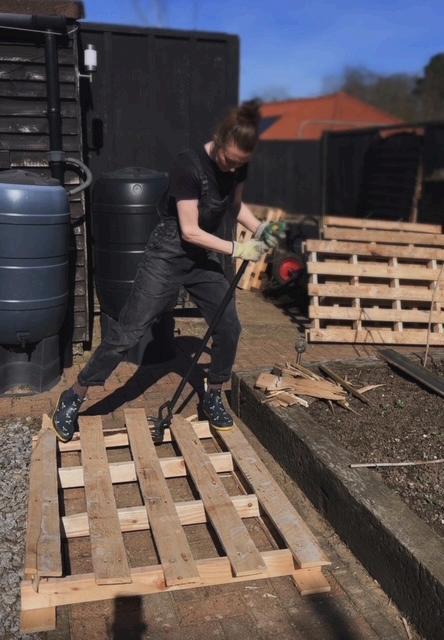
I have noticed a shift in the way I build the space as well, and it is not something I made a conscious decision about, it just happened over time I no longer feel the need to buy something new when I can make something that works just as well Pallet wood becomes something usual like shelves, a compost bay or a bench An old table is repurposed rather than replaced Containers are gathered and reused without a second thought. Living off the land changes how you see things, and once that shift happens, it is very difficult to go back to the way you were before.
There is a kind of comfort in things that are not perfect, in things that are slightly weathered, slightly uneven, but completely yours. The garden begins to feel lived in rather than styled, and because of that, it becomes somewhere you actually want to sit, somewhere you can stay without feeling like you should be doing something else
Gardening becomes easier when you find joy in the imperfectons.
@torisallotment
And when you do sit, everything slows again
The children seem to also understand this instinctively. The garden gives them something real without needing to explain it. There is soil to dig, things to pick, textures to feel, and they learn simply by being part of it. There is no structure needed, no instructions, just space to explore something that is constantly changing in front of them.
Even in smaller spaces, this way of living still holds its place. Growing in pots has taught me more about intention than anything else, because when space is limited, you begin to think more carefully about what you grow You choose what you will actually use, what will feed you, what will become part of your daily life rather than something that simply fills a space A few well-placed containers can give you more than you expect, herbs that you reach for without thinking, greens that become part of every meal, enough to build something from
And that is often enough
It is deeply grounding to know that you can step outside and gather what you need, even if it is only a small part of a meal, even if it is just something simple. It changes your relationship with food, but it also changes your relationship with yourself.
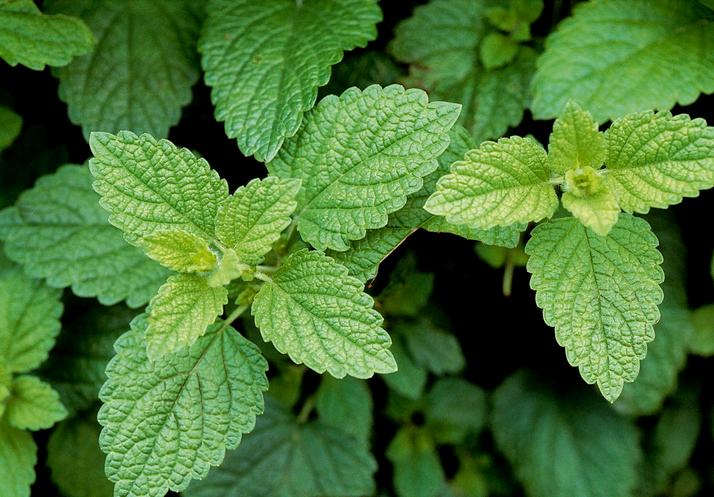
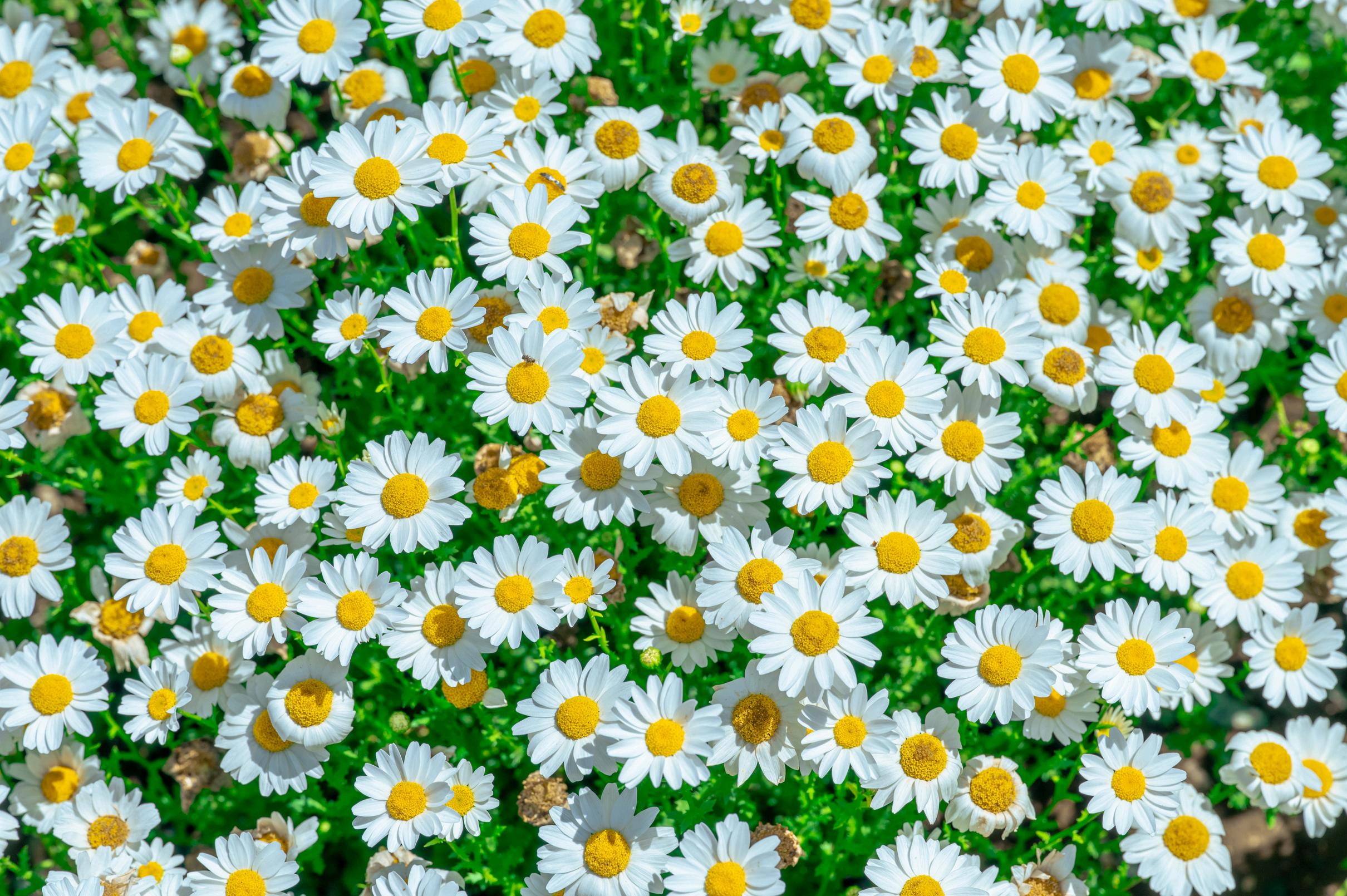
The same feeling sits within a small tea garden, which has quietly become one of my favourite parts of this way of living. It does not need to be elaborate or carefully designed, it is simply a collection of plants that offer something gentle at the end of the day. Mint, lemon balm, chamomile, perhaps a little lavender, nothing demanding, nothing excessive, just enough to step outside, gather a handful, and make something warm and calming without effort
It feels small, but it is not
It reminds us that not everything you grow needs to be about productivity or storage or preparing for later Some things are grown simply because they bring freedom in the moment, because they slow you down, because they give you a reason to pause
And that is just as important
Living off the land is not only about feeding yourself in the practical sense, it is about creating a life that supports you in ways that are harder to measure. A life that feels steady, intentional, and quietly abundant without needing to prove anything.
Because in the end, it is not about doing more or having more. It is about living in a way that asks less of you, and gives more back in return.
A simple structure that feeds more than your body.
By NicWright
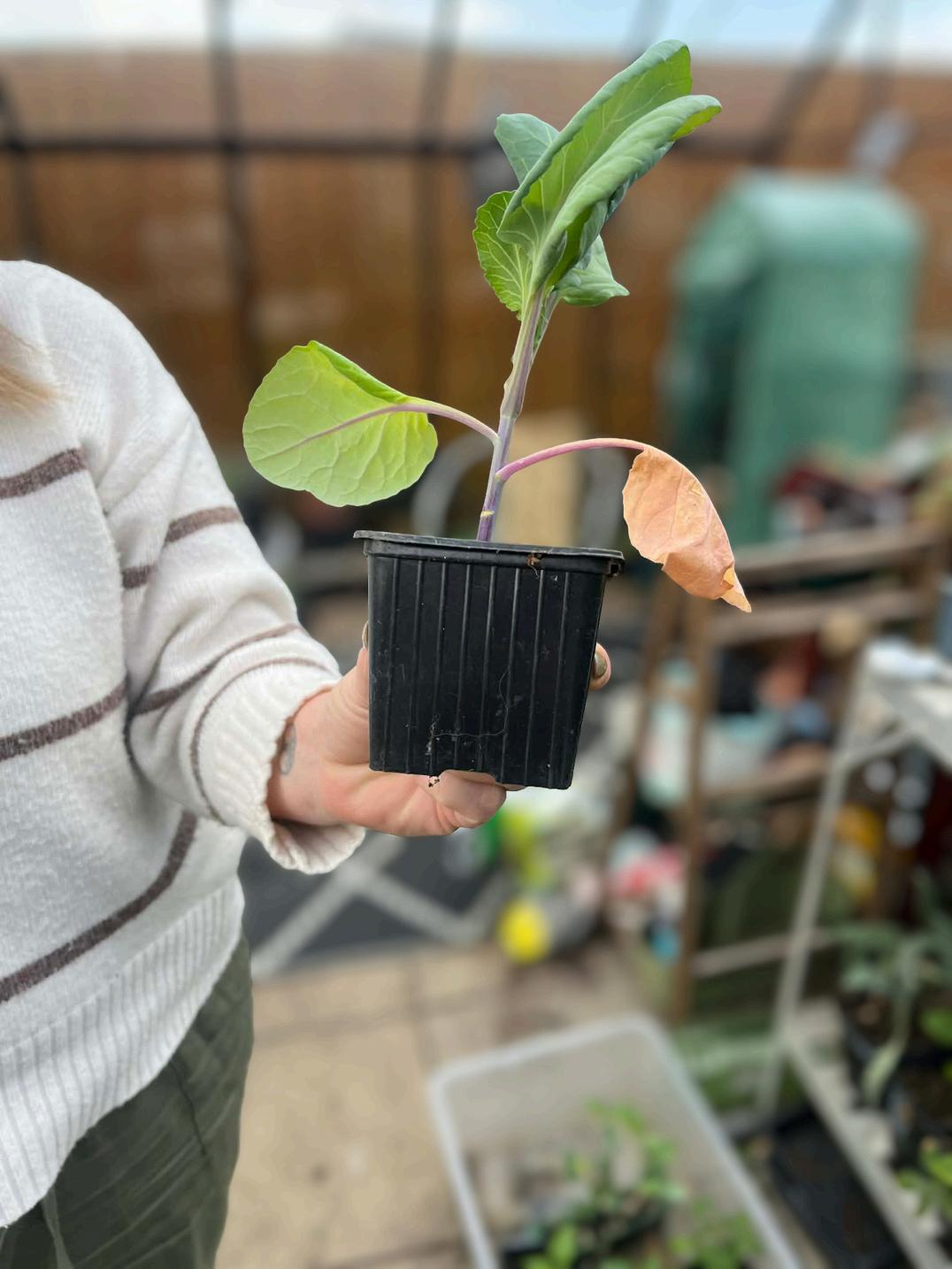
Hardening off creates stronger plants.
Before we dive into this month’s jobs, here’s a quick reminder of where we ’ ve been:
February: We warmed up. We talked brassica basics - soil, pests, timing, firm ground, and choosing the right varieties. No sowing yet, just getting our heads in the game.
March: We sowed our seeds. Cool, bright, steady conditions We watched those first seedlings appear and spent the month turning trays, watering lightly, and keeping everything compact
April: We potted on, hardened off the early ones, prepared our planting areas, checked our netting, and got everything ready for the big move outdoors.
And now here we are.
Hardening Off
If you haven’t started yet, now ’ s probably the time Hardening off is the difference between a brassica that settles in quickly and one that sulks for weeks A simple routine works best:
A couple of hours outside at first
Increase the time each day
Avoid windy days
Bring them in at night until temperatures are mild
Before you plant them out your plants should look sturdy, upright and ready for planting.
Preparing to Plant Out
Your beds should already be in good shape from April’s prep, but here’s a quick checklist:
Firm soil - brassicas hate loose, fluffy ground
Good spacing - give each plant room to grow
Protection ready - and here’s where we expand properly
Choosing the right netting (for brassicas and wildlife)
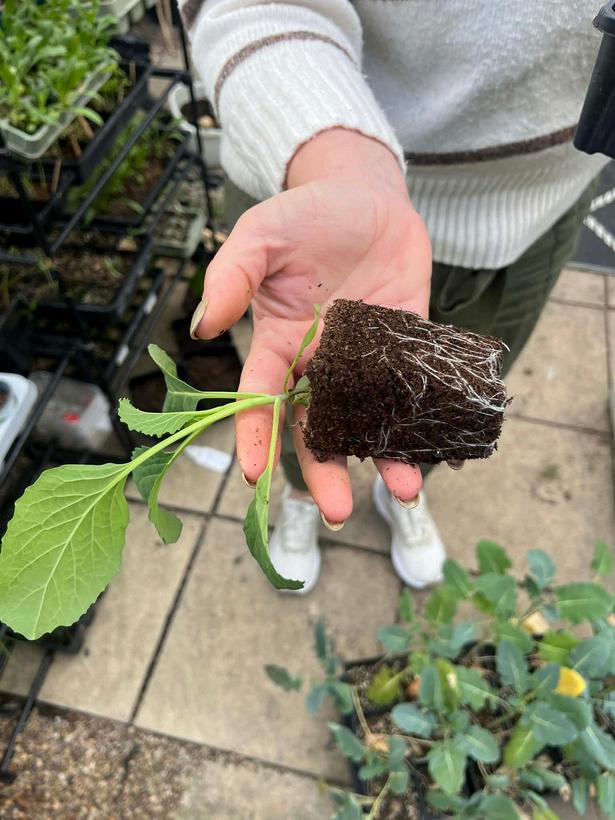
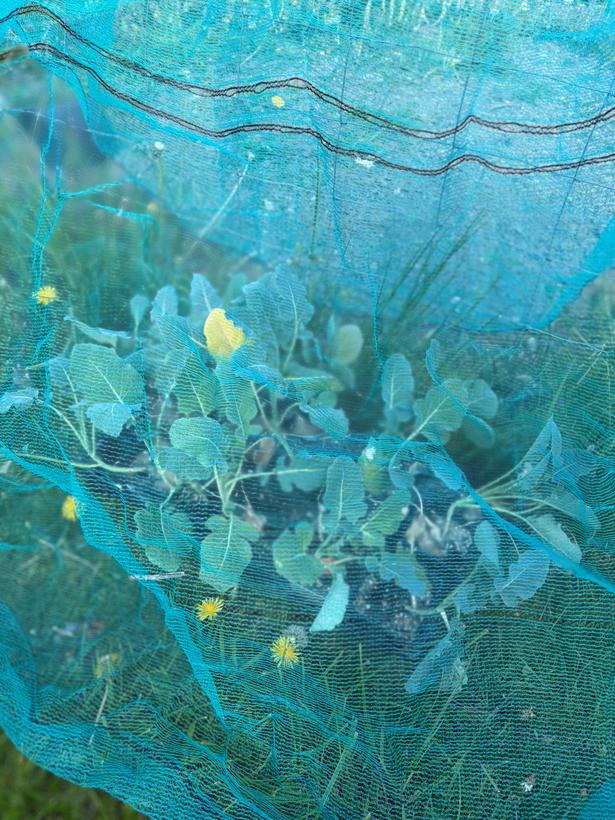
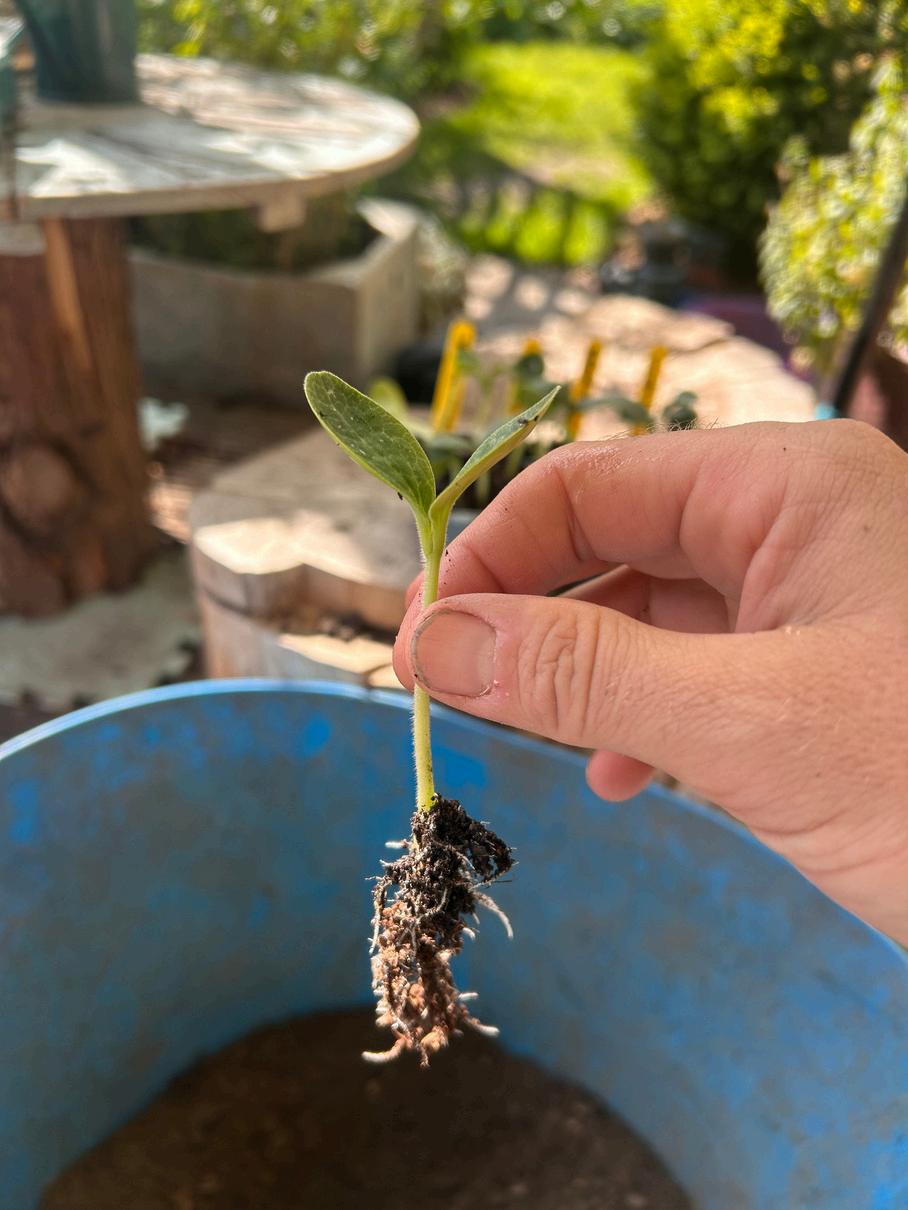
Just look at those roots
Before you plant out, it’s worth taking a moment to think about the netting you ’ re using Brassicas need protection from cabbage whites, pigeons, flea beetle and the occasional curious fox, but we also want to make sure we ’ re not putting wildlife at risk.
Here’s what makes good, safe netting:
Use a fine mesh (around 1.3–1.8mm) Keeps out cabbage whites, flea beetles and most other brassica loving pests.
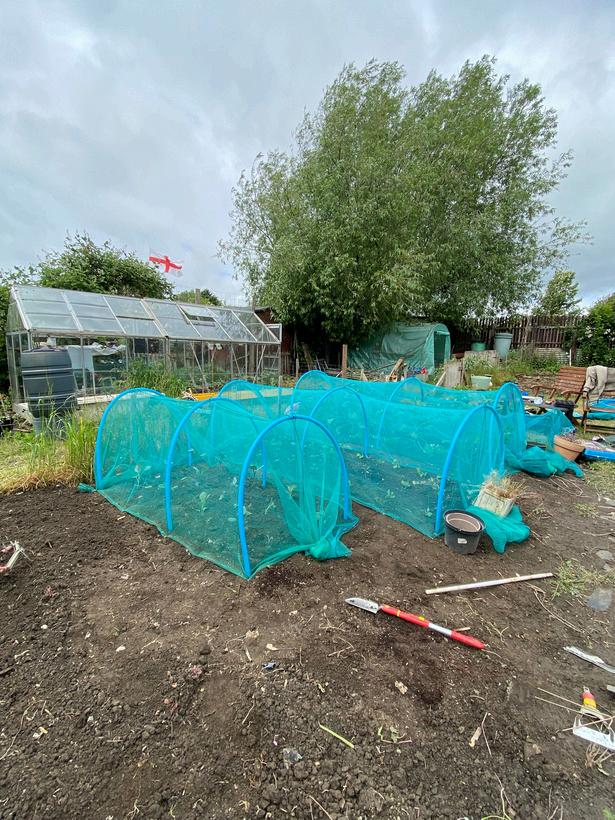
Avoid loose, floppy netting This is where birds get tangled Always raise it up on hoops or canes so it’s held clear of the foliage
Choose soft, wildlife‑safe mesh Enviromesh or scaffold style debris netting works brilliantly Garden centre “bird netting” is usually too thin and stretchy - it’s the stuff that causes problems.
Make sure it’s pulled tight and pegged down Gaps at the bottom are how butterflies get in. Peg it firmly or bury the edges or, like I sometimes do, just weight it down with plant pots.
Check for holes before you use it I’ve already done my annual “hold it up to the light and sigh at the mystery holes” routine Patch or replace anything that looks suspect
Keep it tall enough for the plants to grow Brassicas get big A low net will end up resting on the leaves, which lets pests lay eggs through the mesh and also risks trapping wildlife.
A little prep now saves a lot of heartache later, for your brassicas and for the creatures sharing your garden.
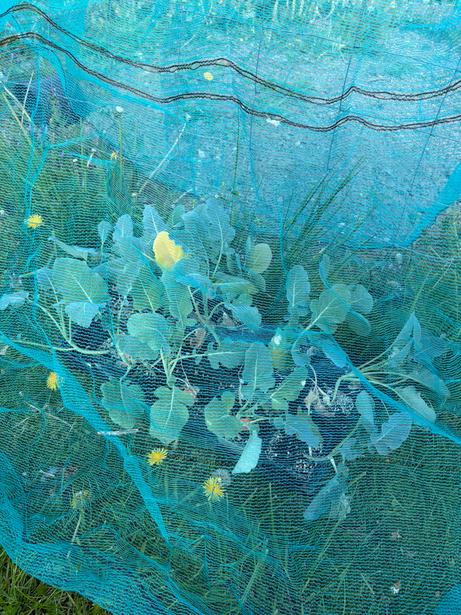
Make sure to fit the netting securely.
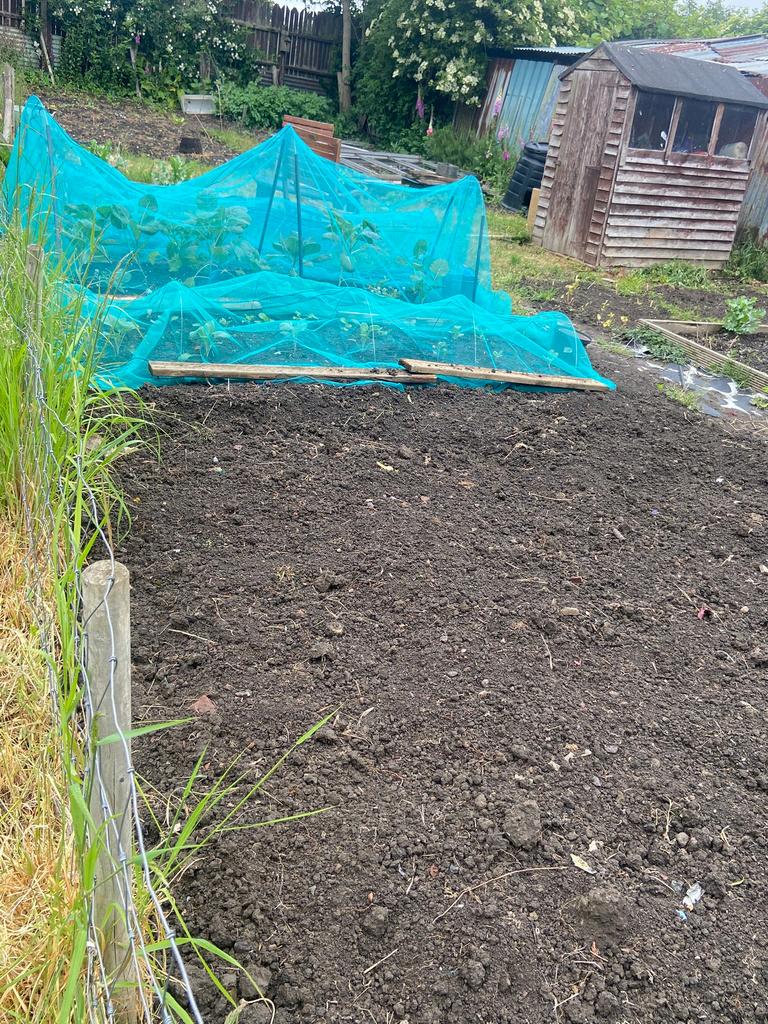
Prepping the ground will help in the long run.
Planting Out (Mid May)
Once your plants are hardened off and the weather settles, you can start planting out.
Here are a few tips:
A few clever companions can make a real difference, especially with pests waking up. especially with pests waking up.
A few clever companions can make a real difference,
Plant deeply
Firm the soil well
Water in thoroughly
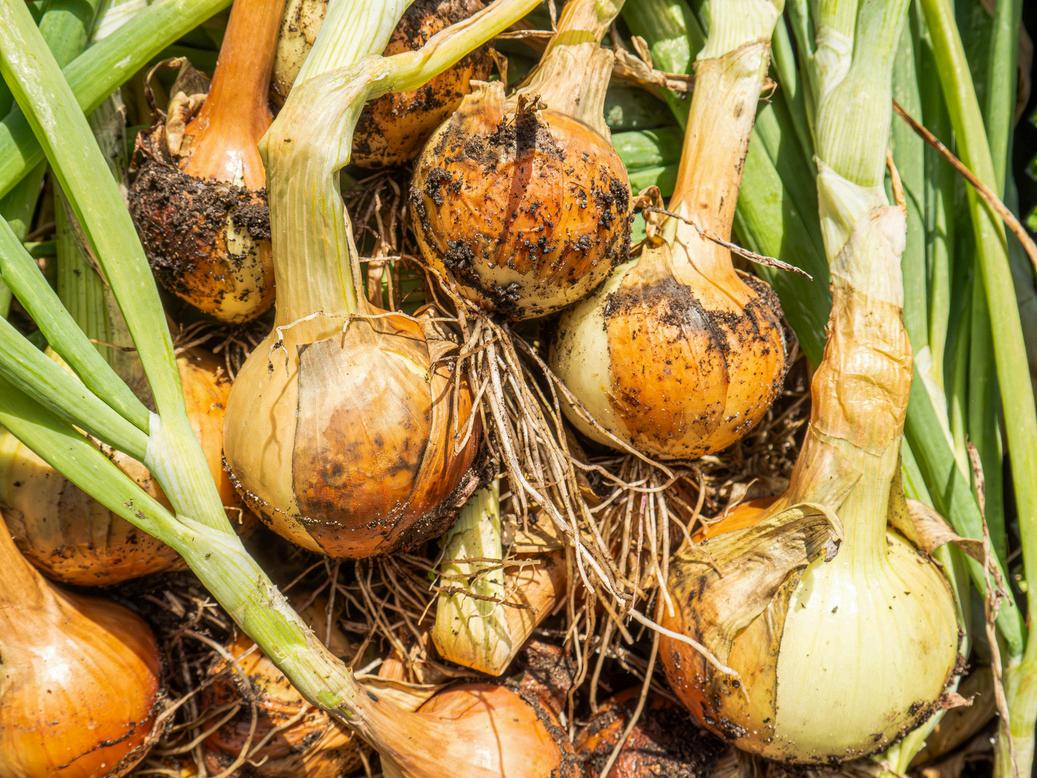
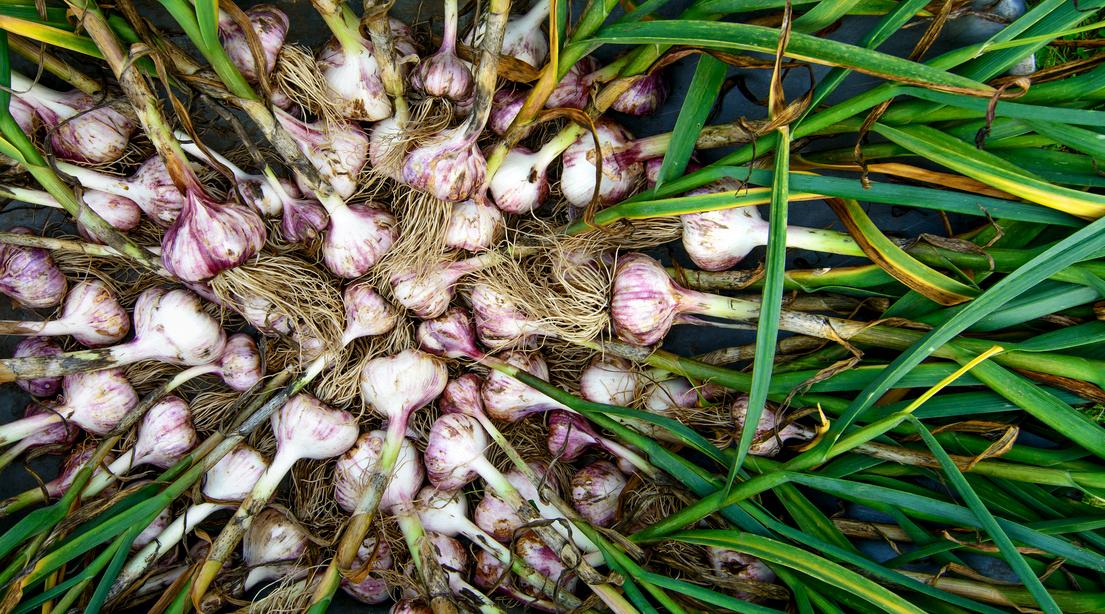
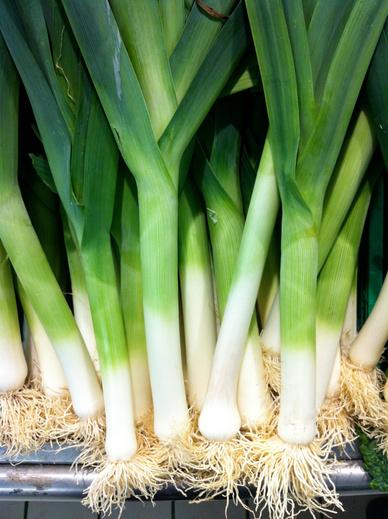
Onions, garlic and leeks:
Onions, garlic and leeks: help confuse pests help confuse pests
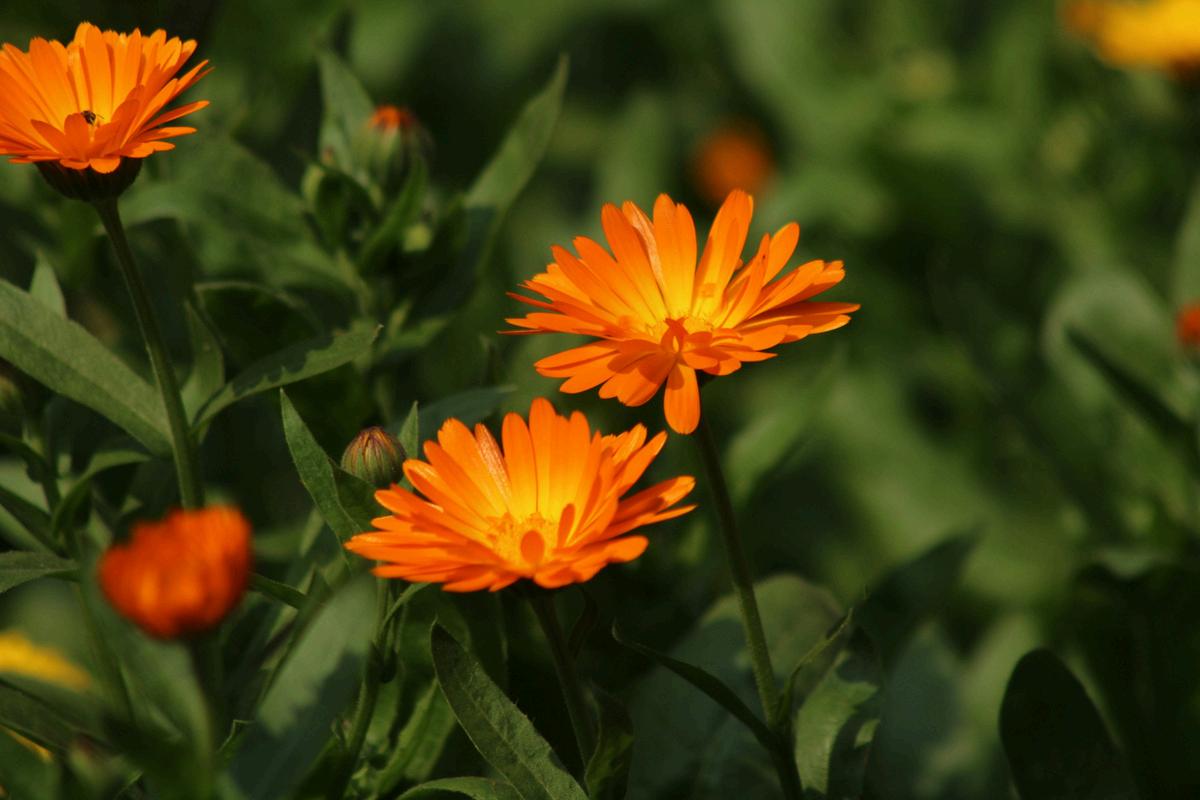
Calendula: draws in Calendula: draws in pollinators and hoverflies pollinators and hoverflies
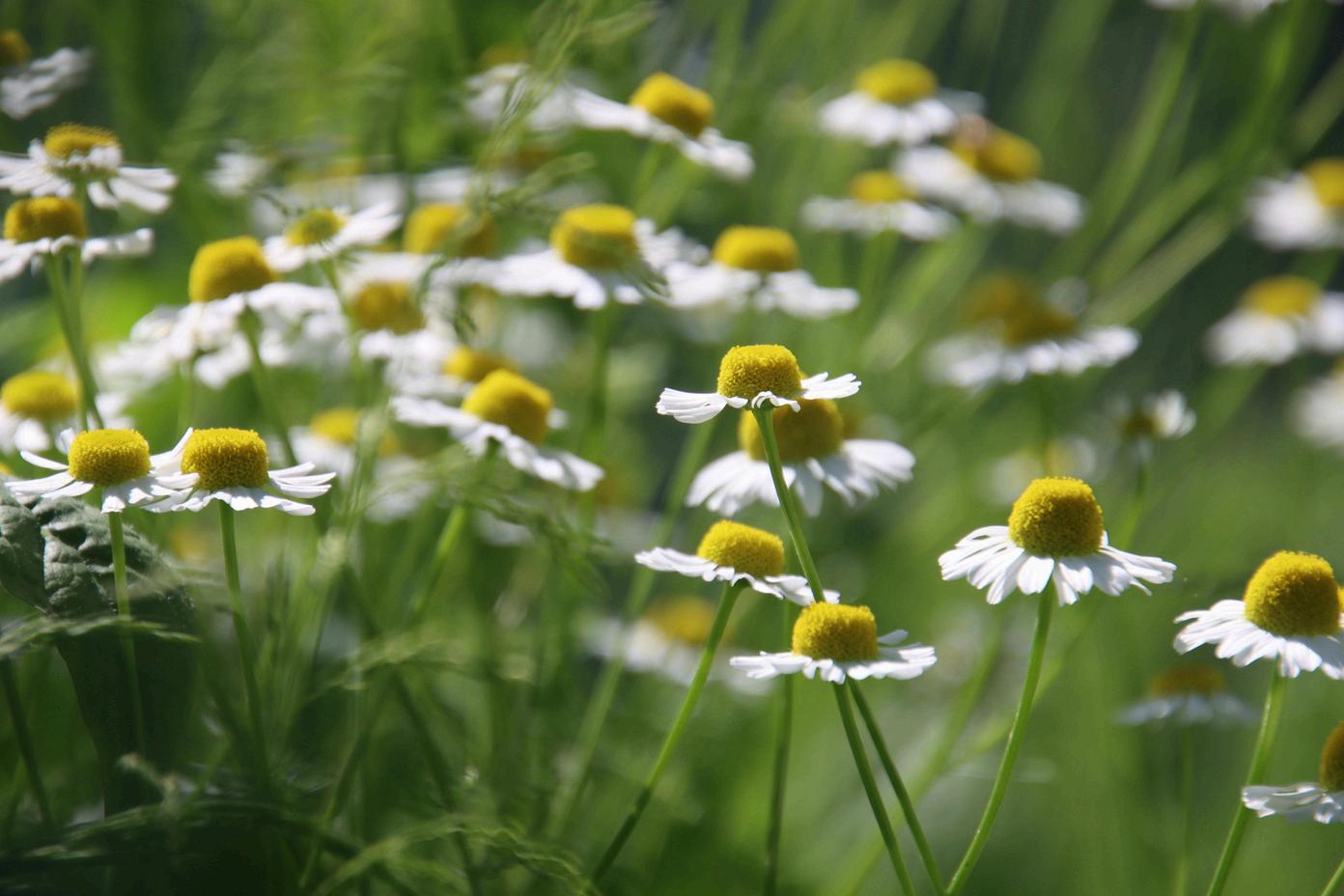
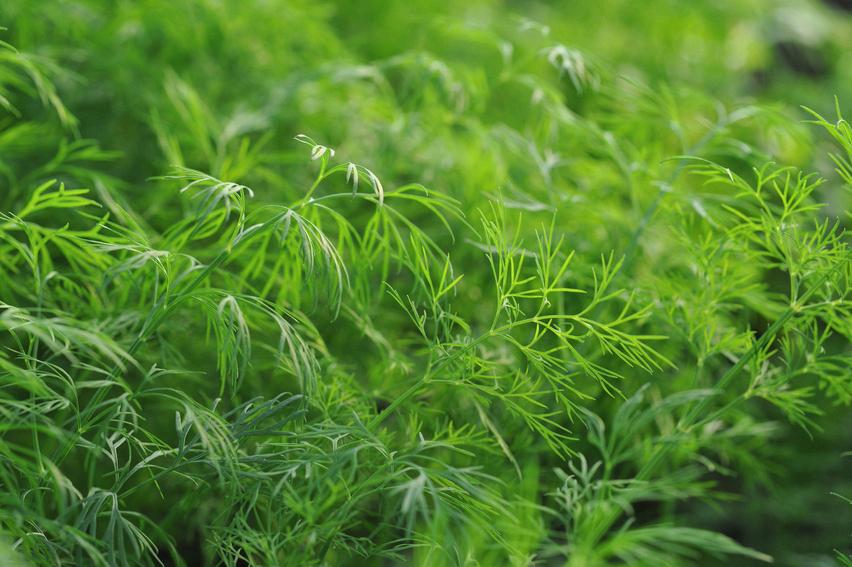
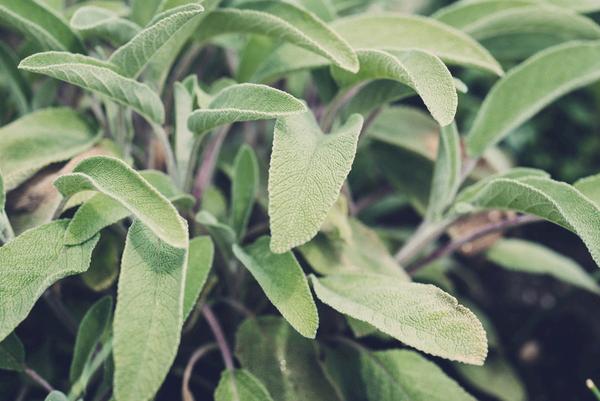
Dill, chamomile and Dill, chamomile and sage : sage : attract beneficial insects attract beneficial insects
Cover immediately with mesh or netting
Some people use Brassica collars - small discs that sit around the base of each plant, creating a barrier that helps stop cabbage root fly from laying eggs right at the stem. Lots of people swear by them, and you can buy ready made ones or cut your own from things like old compost bags or thick card. I made makeshift cardboard collars in my early allotmenting days, but it's step that I’ve cut out and I’ve never noticed any difference in how well my plants do.
This is the month people start asking “Do I need to feed them?” and “How often should I water?” Here’s the simple version:
Watering:
Brassicas like steady moisture, not soaking and not drought.
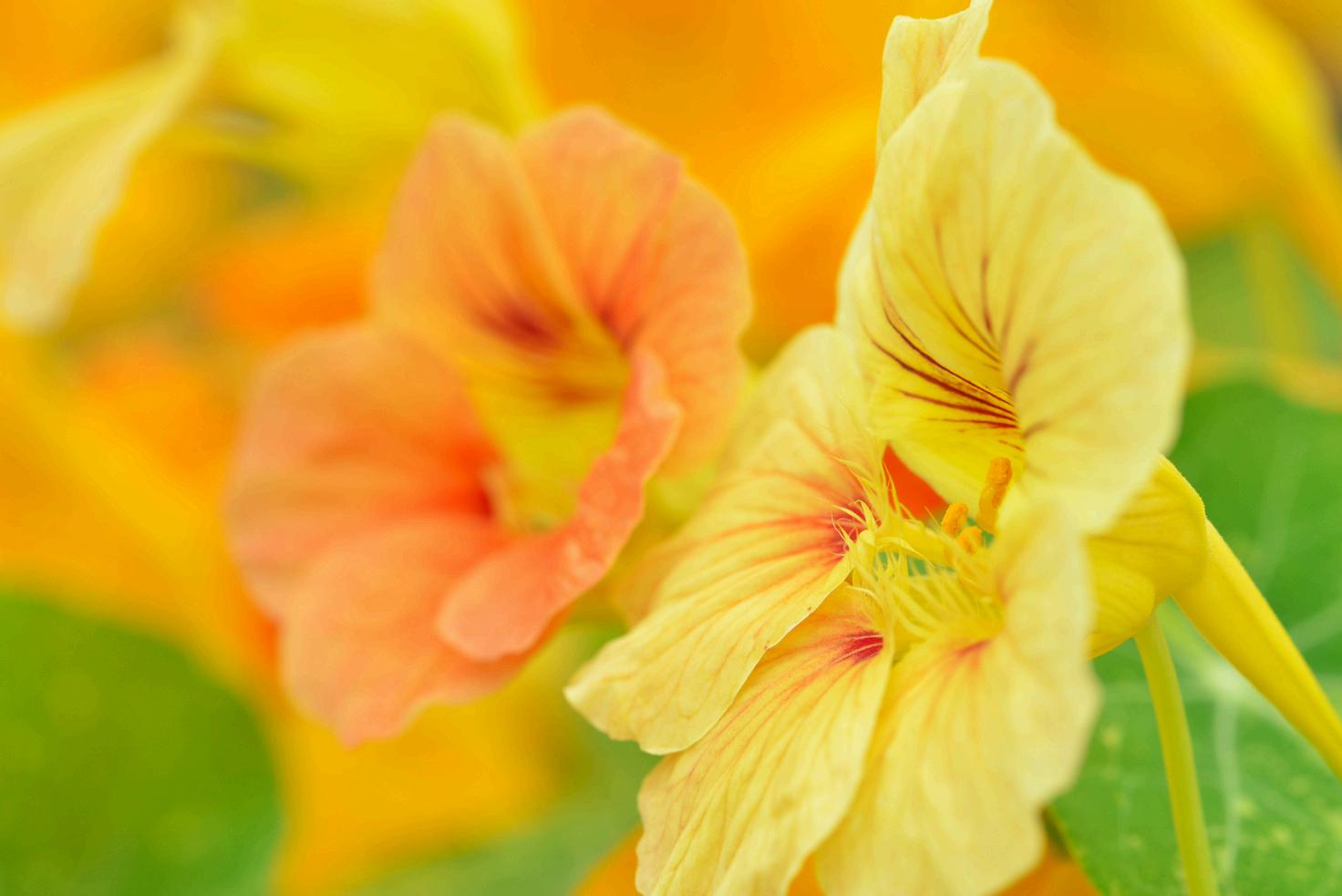
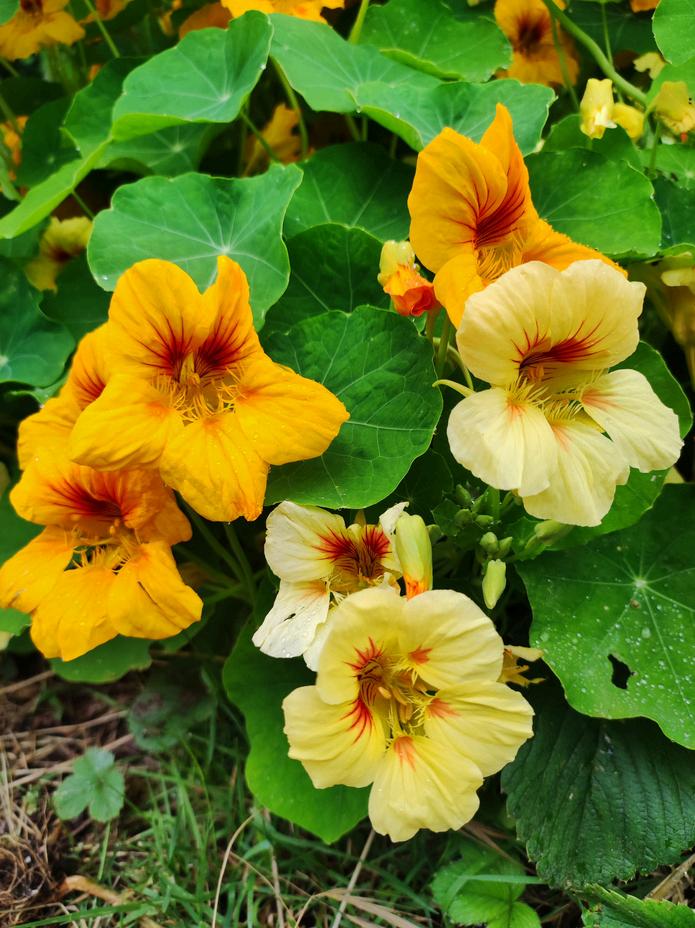
Nasturtiums : sacrificial plants Nasturtiums : sacrificial plants for caterpillars and aphids for caterpillars and aphids
Water deeply once or twice a week depending on eather
oid little and often because it encourages shallow ots
ts and containers will need more frequent watering
ing:
If you prepared your soil well in April, you shouldn’t need to feed yet
Brassicas prefer nutrients in the soil rather than liquid feeds
If your soil is poor or plants look pale, a light organic fertiliser around the base is fine
Avoid high‑nitrogen feeds - they make plants leafy at the expense of forming good heads
Early Care After Planting
Once your brassicas are in the ground, the focus shifts to steady growth and keeping them safe Watch for:
Slugs
Wind rock
Flea beetle
Pigeons
A quick daily check is all they need But if like mine yours will be at the allotment and you ’ re not yet at that point in the year when you ’ re visiting daily, just check when you can and deal with problems if and when they arise.
Looking Ahead to June
June is a quiet month for brassicas Once they’re planted out and protected, it’s mostly:
Watch and wait
Check for pests
Keep the soil moist
Firm around the base if wind loosens them
It’s one of those months where the plants do the work and we just keep an eye on things
You might have already done some direct sowing, if not or if you want a few more plants, May is a great month for direct sowing brassicas, especially kale, kohl rabi and cabbages.
Sow thinly
Cover with mesh or fleece
Keep the soil moist
Thin seedlings early
Direct sowing is brilliant if you want a second wave of crops or if your earlier sowings didn’t go to plan.
Strawberries: Strawberries: they compete for nutrients they compete for nutrients
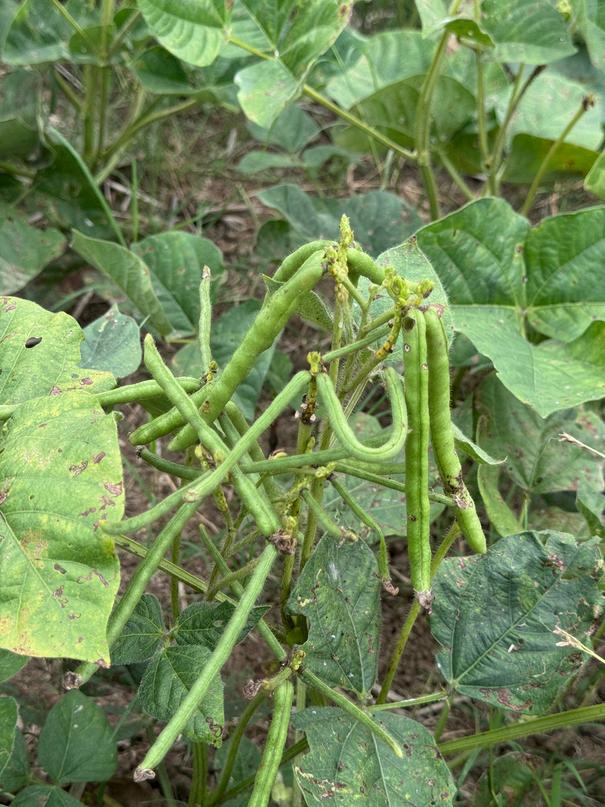
Climbing beans : too much Climbing beans : too much nitrogen for brassicas nitrogen for brassicas
You might want to even leave one of two plants out of You might want to even leave one of two plants out of the netting as a sacrificial offering to everything that the netting as a sacrificial offering to everything that wants to eat them! wants to eat them!
By the end of May you should have a proper brassica patch taking shape, plants in the ground, netting in place, and maybe a few direct sowings popping up. It’s a satisfying moment, and I can’t wait to see your photos as everything settles in. If you’re planting yours out this week or next, tag @gardenfolkmag and @collieflowers.co.uk so we can cheer each other on.
As always, if you have any questions feel free to reach out to me direct @collieflowers.co.uk
During 2026 Collie Flowers are offering all of our readers 20% off the value of any orders if you use the code GARDENFOLKMAG at checkout.
Sensed, Sensed, Not Seen
Not Seen
By BeckyWilliams @itsbeckysgarden
It’s been six months since I shared my ambitious dream with you, and now it’s almost a reality.
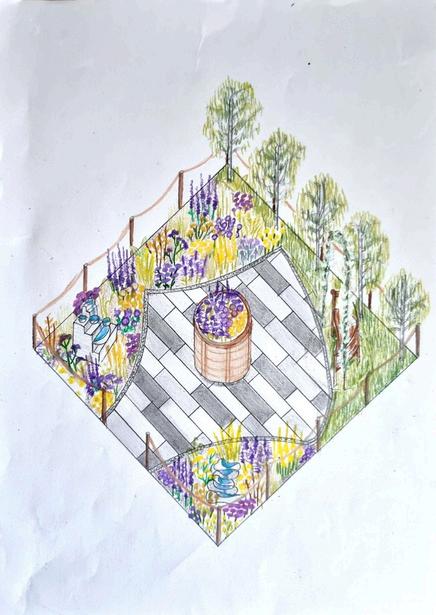
The preparation is nearing completion for my Showcase Garden at this years ’ BBC Gardeners’ World Live event All I can do is hope all the hard work and dedication I have put into the planning, comes together and the build goes as smoothly as possible this June Together with Support 4 Sight, we have raised an incredible £10,000 - a milestone that would not have been possible without kindness and generosity, so a massive thank you to every single person who donated!
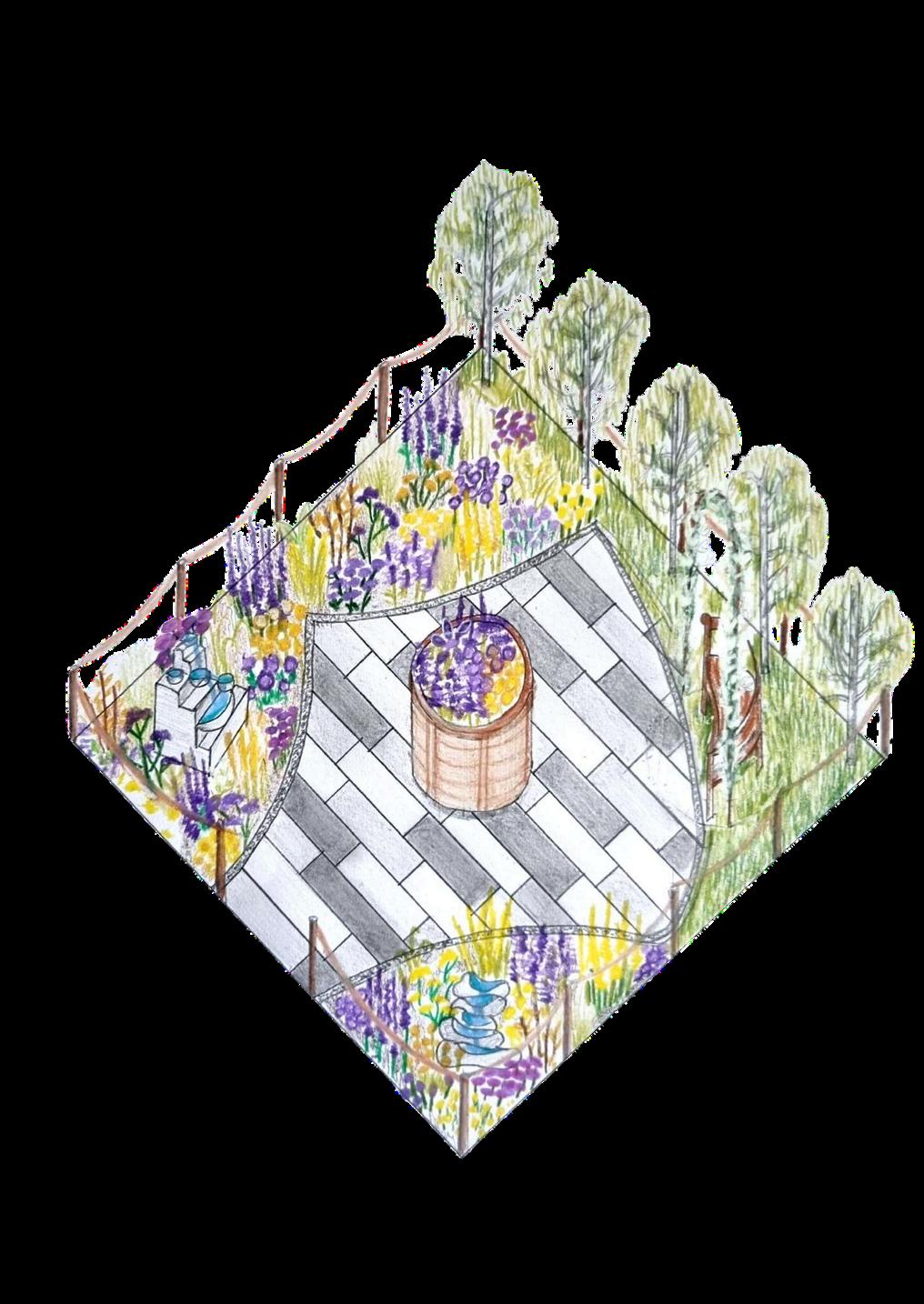
As an amateur gardener, stepping into one of the UK’s flagship horticultural shows, building the right team alongside me, has been key. Personally recommended by the General Manager of the APL, Birmingham based Ned Harvey Gardens will be completing the hard landscaping elements of the build, bringing a wealth of knowledge and expertise. I have a team of eager and willing volunteers to assist with planting – which considering I decided to increase the size of my garden following the site visit to the NEC in March, is very handy! At the heart of the garden – the bespoke ‘interpretation planter’ filled with plants chosen to engage every sense – scent, taste, touch and sound has been built by Essex Carpenter, James Cole and Wickford based Meadow Croft Garden Centre have been amazing at helping me source most of the plants for the build so I am very grateful for their support I also want to say thank you to @ambacaresolutions, @trexcompanyuk, @shell on earth, @middletonnurseries and @bluelagoonfurniture for their generous support with this project It really is a team effort
Yet as the finishing touches come together, the garden now carries a deeper meaning. The entire concept was born from a personal connection and heartbreakingly, the man at the centre of that inspiration, my dad, passed away in April. I am absolutely gutted he won’t get to experience the garden now, but even more determined to make this a success in his memory. ‘Sensed, Not Seen’ will be a safe, accessible garden and aims to celebrate the senses beyond sight, showing that nature and gardening can be enjoyed by all I would love to see as many of you there as possible, please do come and say Hi, I will be at stand SC1
For more information and to buy tickets for the show please visit the Gardeners World website or find @itsbeckysgarden on Instagram to follow the journey
The garden means even more since losing the man at the heart of its inspiration
It’s a crazy world out there at the minute and let’s face it, it can all seem a bit overwhelming at times. Luckily for us, we have gardening. The garden has always been a saviour especially in the last 12 months.
Last year was a true test for my mental health. My Dad passed away in May 2025, a sentence I sometimes find strange to say. I remember it was the week of the Chelsea Flower Show. A couple of weeks previously I’d posted a podcast episode about what the show means to designers, suppliers and growers. I was so proud of that episode and grateful to all the contributors, it proved how supportive the horticulture community is Fast forward two weeks and I remember my mum and I watching some of the TV coverage whilst my dad slept and I’ll be honest, I couldn’t have cared less about the show, and I think that was the only coverage I saw that week
The following week my dad had passed away I found myself in my garden It was a mess, Dahlias to plant, pots to be moved and a lot of sweeping to be done I wanted to get back into my bed and ignore it all However, I grabbed some gloves and tools and got to work Three hours later, not speaking to anyone, not listening to anything or thinking about the list of things that needed to be done, the garden looked great again. Not only did it make me feel like myself again, but it also reminded me of why I loved gardening in the first place, it provided comfort.
That’s the joy of gardening. When you ’ re in your garden, allotment, or even balcony, you ’ re in the sanctuary you created. You made this safe space for you and your loved ones and it’s almost as if the garden is there waiting to help you get through the dark times. Yes, it sounds cheesy doesn’t it? You will just have to trust me on that one
If there is one thing I’ve learned in the last year, it is to appreciate the little things In a world where there’s so much hate, sadness, and greed we can easily forget how amazing it is that every year we sow tiny little seeds that in a few months become massive colourful plants Plants which can bring us not only joy but make us proud I Love to see insects and birds come to spend time in my garden The joy might come from a bee coming to collect pollen from a flower I grew from seed or a bird deciding to lay eggs in the birdhouse I attached to the shed Taking time to switch off and observe these little details can make such a difference to my mental health and makes me remember how lucky I am to be able to see these things happen.
It’s Chelsea time again and this year I will be watching and supporting from afar, scribbling down ideas and feeling inspired. Gardening got me through the worst times, giving me the strength and clarity I needed to get me through. Now I can enjoy the best times in my sanctuary, my garden.
By Alex Ottley @alexsgardenlife
Swarm season has arrived!
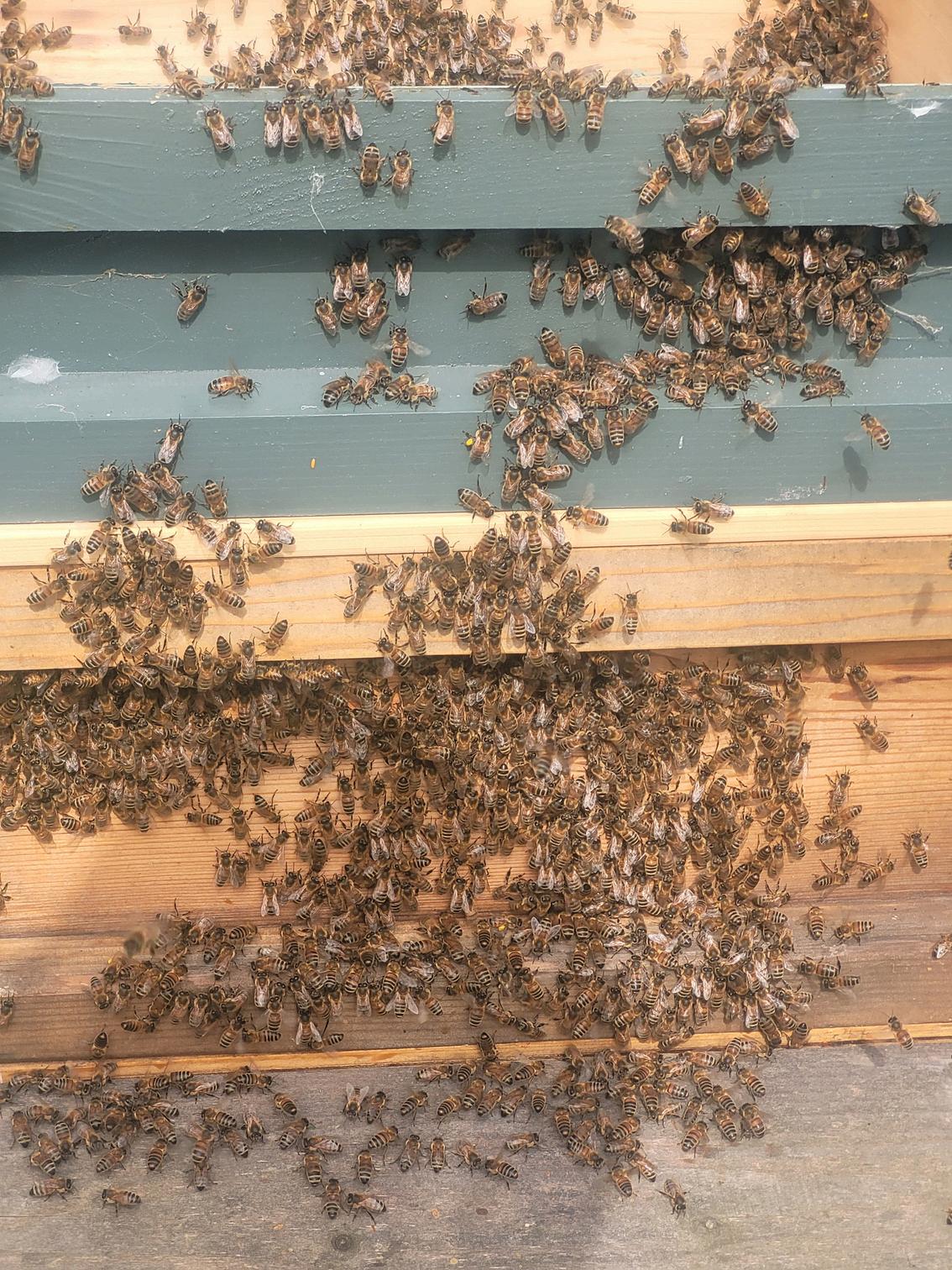
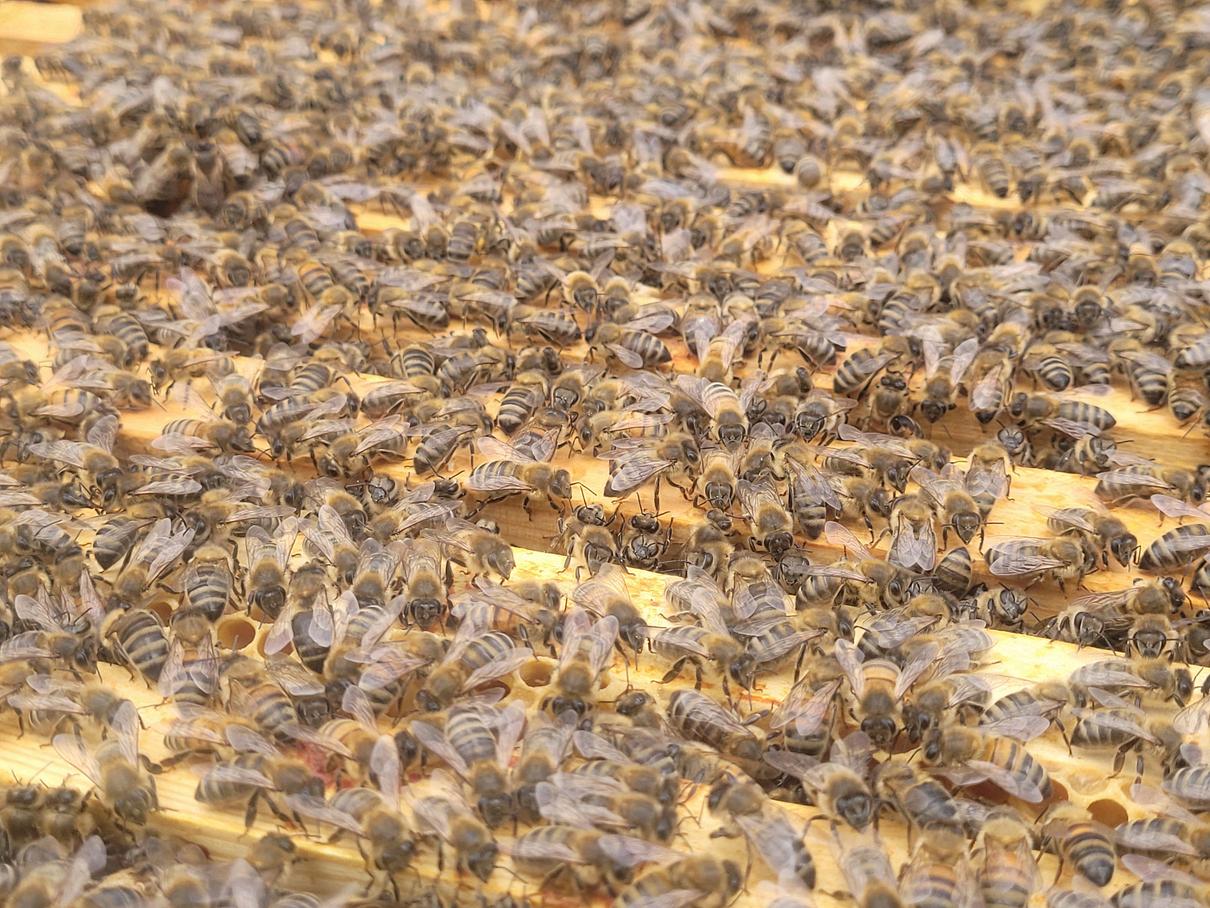
The weather has warmed up here in Norfolk and our honey bee colonies are increasing in significant numbers. Drone (male) bees are hanging out, which means mean one thing. Swarm season has arrived!
Wakey Wakey bees!
Swarm season is a time I get both excited and also apprehensive about No beekeeper wants to lose their bees to swarming and we have to recognise the signs before it happens
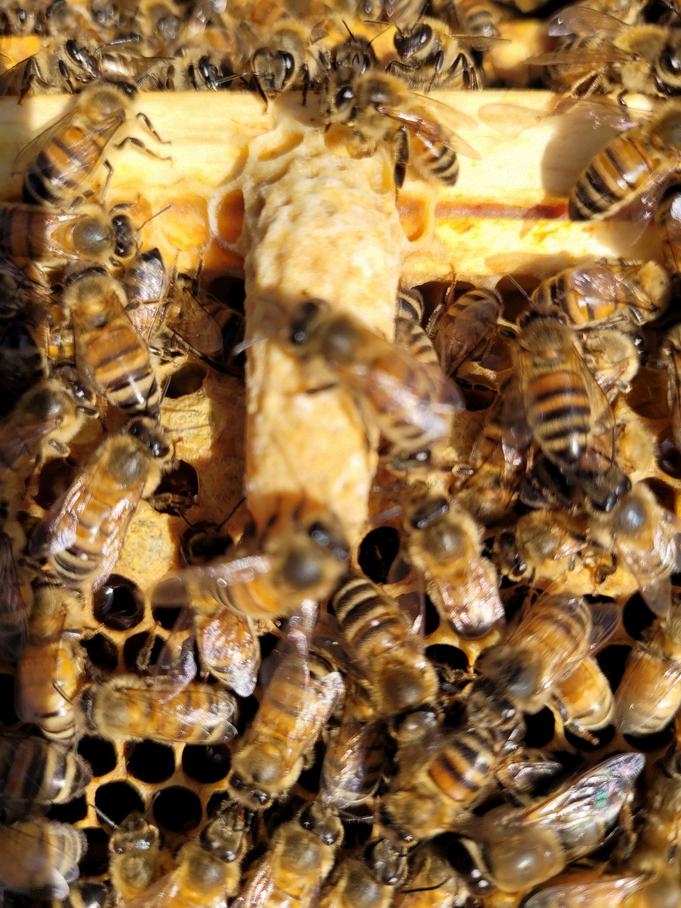
Swarming is a natural process for honey bees Its purpose is to reproduce more colonies of bees In spring and early summer with colonies rapidly increasing in numbers, a hive can quickly become over populated In this case, the bees start producing a ‘ queen cup ’ which is the start of a queen cell. The Queen bee is encouraged to lay eggs in these and the workers will then make them into queen cells. There can be multiples of these, often 10-20 cells. At this point the queen will receive less food in order for her to slim down enough to fly. At day 8 or 9 after the egg has been laid, the queen cell is capped over, the bees become very agitated and some of the bees will rush through the hive to initiate swarming.
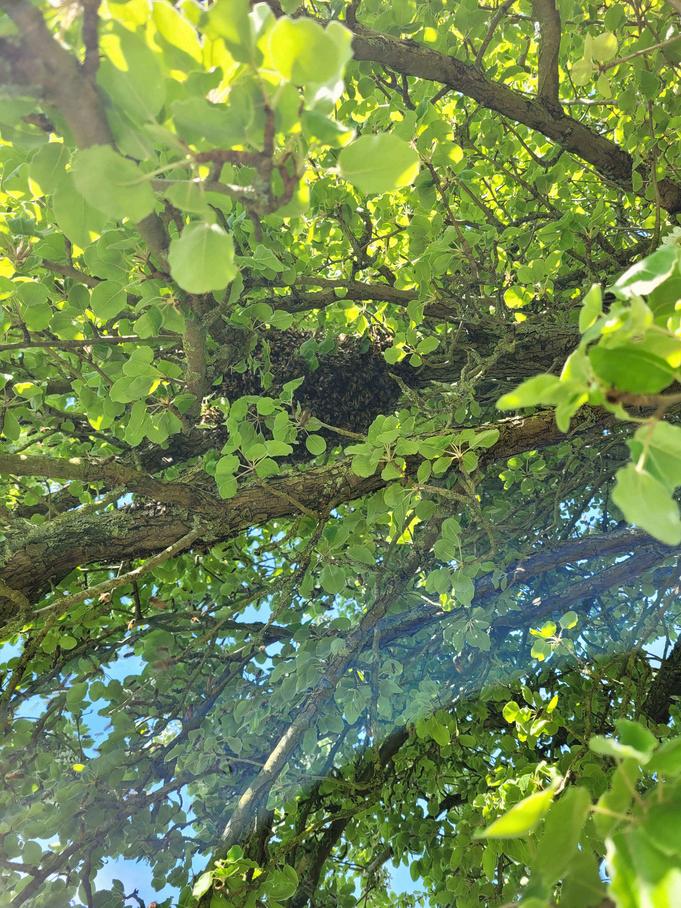
When a swarm occurs the colony will split in two groups There will be an amazing disturbance near the hive and the Queen, guided by other bees will leave along with half of the original colony The sound and sight of this can be intense, but also exhilarating The onlooker will see a large humming black cloud flying across the sky which can seem terrifying However these bees will actually be calm and gorged with honey as they make their way to a new nest site which has already been determined by scout bees
Swarm in a tree.
The workers produce a pheromone which helps to keep the bees together and they will find a resting point to gather together, usually a branch a couple of metres above the ground, before the scout bees guide them to their new home.
If at this resting point the swarm finds that the queen is not with them, the swarming process is aborted and the colony will return to its original hive.
Bees need a water source nearby
Wax cappings.
In the original hive, the remaining bees will continue to do their work foraging and looking after the queen cells. It will look like nothing has happened and beekeepers only realise their colony has swarmed by the reduced numbers of bees, lack of eggs in the brood nest, and finding either swarm cells or a new virgin queen
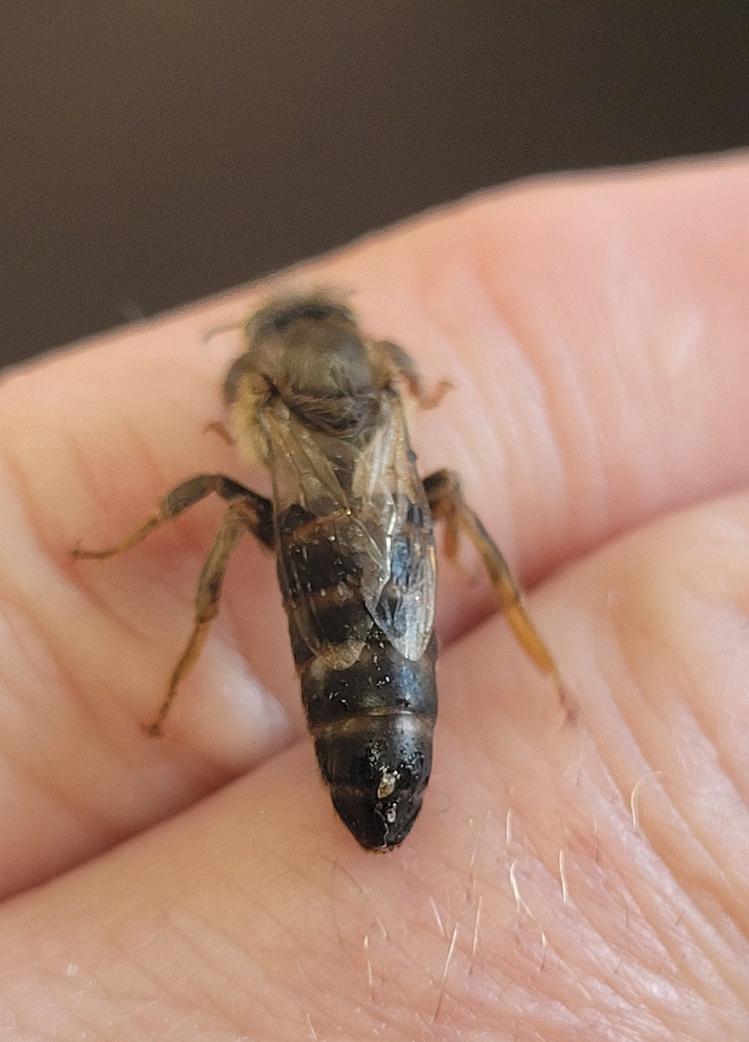
The new queen cells mature at day 16 and start emerging If more than one queen emerges at once they will brutally fight it out until only one queen remains You can sometimes hear the queens calling out to each other, a battle cry with a high pitched ‘piping’ sound This new queen will leave the hive on a mating flight and look for the Drone Congregating Area, a youth club for virile male bees, where they will mate with around 20 drones before returning back to their original hive
By Annette Hurt @mypatchofnorfo k
Virgin queen bee.
During my weekly inspections I watch for the signs of overcrowding and add either Supers (honey boxes) or another Brood box to give the colony more space Once bees have decided to swarm its pretty tricky to stop them and the only recourse is to satisfy their need to swarm without losing any bees. When you train as a beekeeper, you learn various methods of swarm control. The easiest is to remove the Queen along with frames of brood, food and a number of bees into a new hive, or nuc box (mini hive) to make them think they have already swarmed. You get a new colony and the remainder of the bees can go about their business.
If you come across a swarm, stay calm, and get in touch with your local Beekeeping Association; The BBKA – British Beekeeping Association has a list of regional clubs Mine has a Swarm hotline where a reported swarm is listed and someone nearby will go and collect it, usually free of charge, although expenses may be asked for It’s a great way of Beekeepers to increase their colonies, although they do need experience in dealing with swarms
Next month I will be talking Honey – from flower to jar as well as how to spot possible fake honey in the supermarkets
Bees on a queen cell.
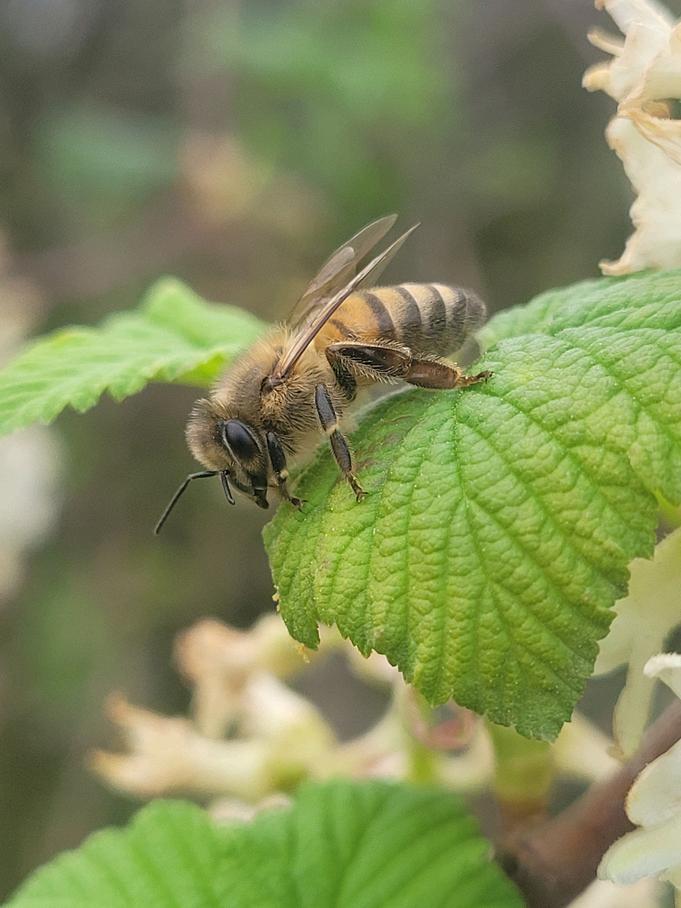
Admiring the currant flowers.
...and help us keep making the Garden Folk Mag
We appreciate all the support given to the magazine by all the Garden Folkour readers, writers, industry supporters and anyone else who cheers us on Running the magazine each month does incur financial costs though, so if you are able to contribute, either with a one off payment or by becoming a member, it would really help to keep the magazine going... and growing.
There are currently three membership tiers to choose from, all with great benefits
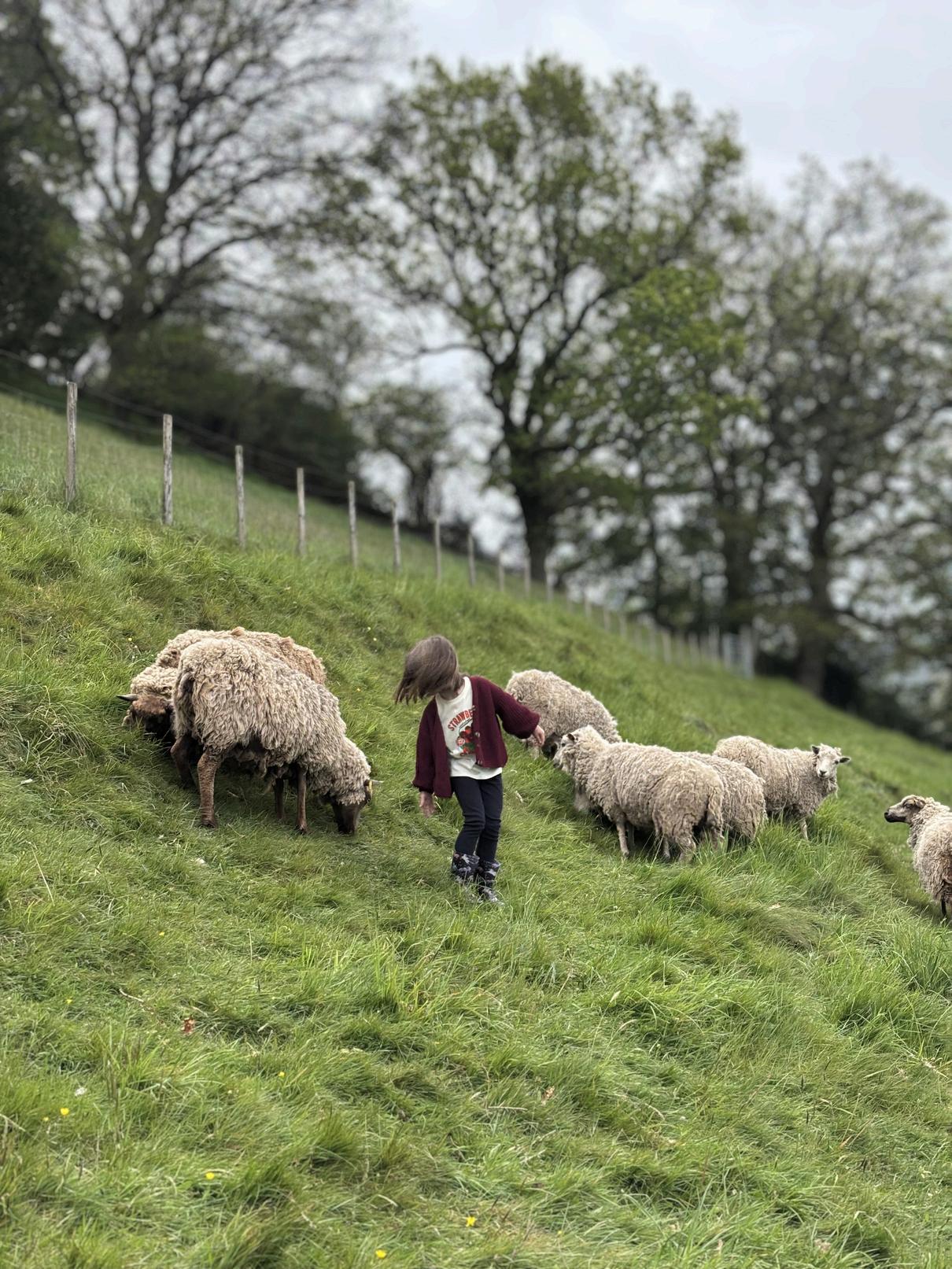
Leigh and the sheep are already best friends.
This has been an exciting month I am very pleased to say that we have got our sheep, all nine of them I had been struggling to find where to get them from but my mum, who trawls Facebook, had seen a post from someone near us who was getting rid of a flock I took the family to the farm to see them with a view of getting around four or five However cuteness overload and my excitement got the better of me and I couldn't bare to split the flock up, so we came home with all nine I think that was a good decision
The sheep are pedigree Shetlands, which means that they are very har happy to live on a windy, rainy hill in Wales and are apparently an ea starter breed if you have not kept sheep before We shall see I have p them in our lowest field, the one nearest the house so I can look out at them each day The job of ‘lawnmower’ begins now and they are mak quick work of the long grass in the field as well as providing fantastic p which I have used around some of my trees and shrubs
In other news I have gotten around to clearing some of the garden, revealing lots of raspberry plants and the odd gooseberry bush which am very happy about as it's one of my favourite fruits I have been foraging a lot as well, making dandelion honey, teaching my daughter what a pennywort is (which she loves to eat and is telling all her friend about at pre-school which I think’s amazing) I also brought an apple tr from my friends over at Frank P Matthews, who do the most wonderful trees and aren't far away from me. I visited their nursery and came bac with a glorious espallied apple tree which is an old variety called Kidd Orange Red and will climb its way up the front of the house over time, making a wonderful green display across the front of the house.
Lastly, Chelsea flower show draws near which is taking most of my headspace and time at the moment. I am creating an interactive show garden installation in the grand pavilion called The Classroom Garden am doing this with my good friend Lee Conneley, also known as the Children's Gardening Coach and the aim is to raise the conversation a profile of the importance of gardening and nature in the curriculum I w report back at how successful that was in next month's article
By Leigh Johnstone @beardygardener
Or an adult buying fruit trees?
Is there anything more joyful than a child enjoying nature?
Creating a wildlife Creating a wildlife garden: garden:
A
A monthly
May: The Garden in Full Bloom
May is a month of light and energy. The days are longer, the soil is warming, flowers are opening, leaves are fully unfurled, and the air is filled with the hum of bees, the flutter of butterflies, and the song of birds
For wildlife, May is a time of activity and our gardens become a vital source of food, shelter, and water for our wildlife friends as they navigate the busy spring season
step-by-step
monthly step-by-step
guide guide
As the garden comes fully alive in May,
As the garden comes fully alive in May, pollinators are busy at work. pollinators are busy at work.
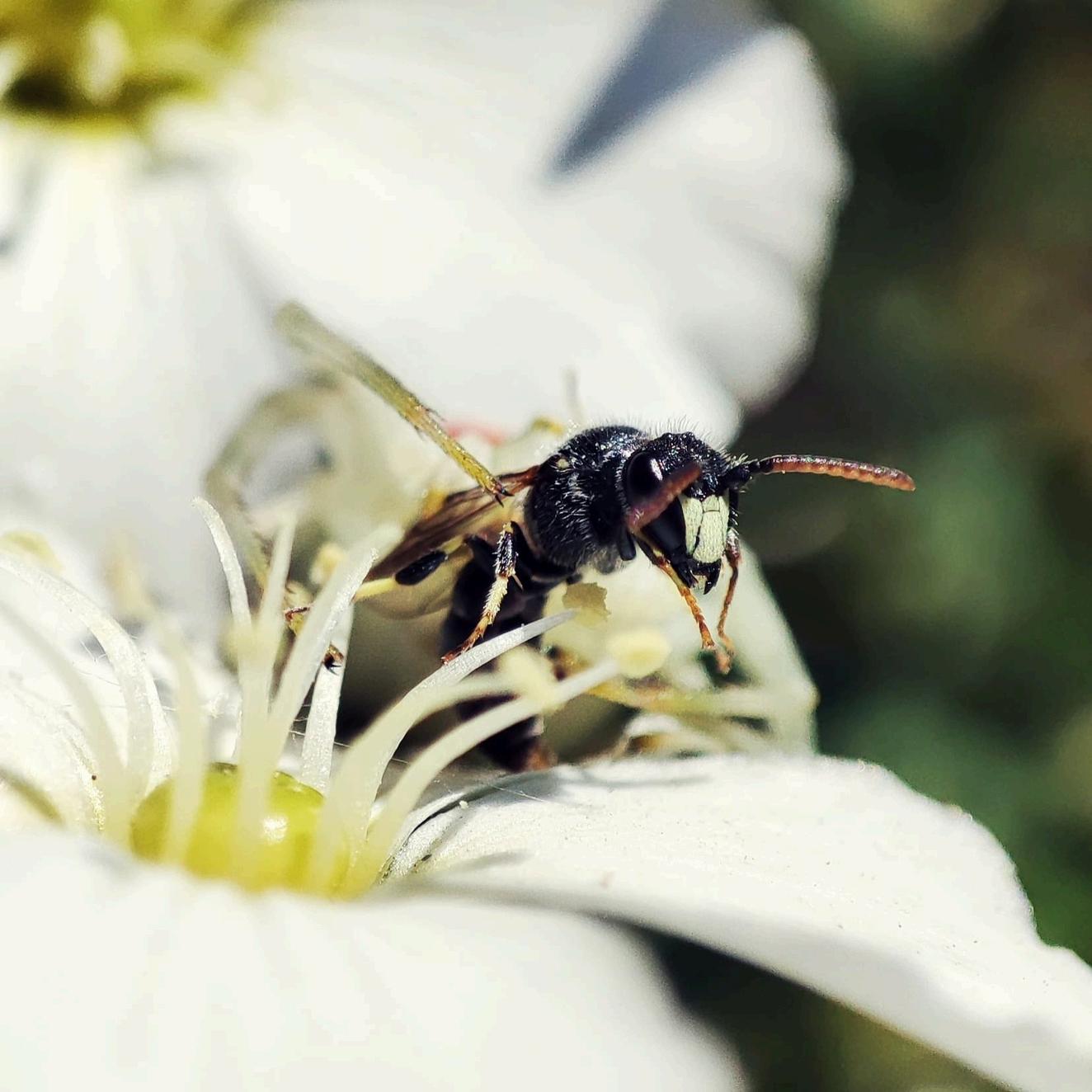
Bees, butterflies, hoverflies, and other insects
Bees, butterflies, hoverflies, and other insects (and in some places even bats and (and in some places even bats and hummingbirds) are essential for pollinating hummingbirds) are essential for pollinating flowers, fruit, and vegetables, helping your flowers, fruit, and vegetables, helping your garden flourish while supporting the wider garden flourish while supporting the wider ecosystem. ecosystem.
By creating a pollinator patch, you’re
By creating a pollinator patch, you’re providing a dedicated space filled with food, providing a dedicated space filled with food, shelter, and nectar for these vital visitors. shelter, and nectar for these vital visitors. Whether you have a garden or a balcony, Whether you have a garden or a balcony, there are ways to support pollinators that fit there are ways to support pollinators that fit your space. your space.
This Month’sWildlife Project: Creating a Pollinator Patch
Option 1: Creating a Pollinator Patch in Your Garden
Choosing the right spot
Select a sunny, sheltered area in your garden. Most pollinators prefer warmth and protection from strong winds.
Selecting plants
Choose a mix of nectar-rich and pollen-rich plants that flower at different times of the season to provide a continuous food source
Include native wildflowers These are often the best for local pollinators
Check out the plant list at the end if this article for lots of great suggestions
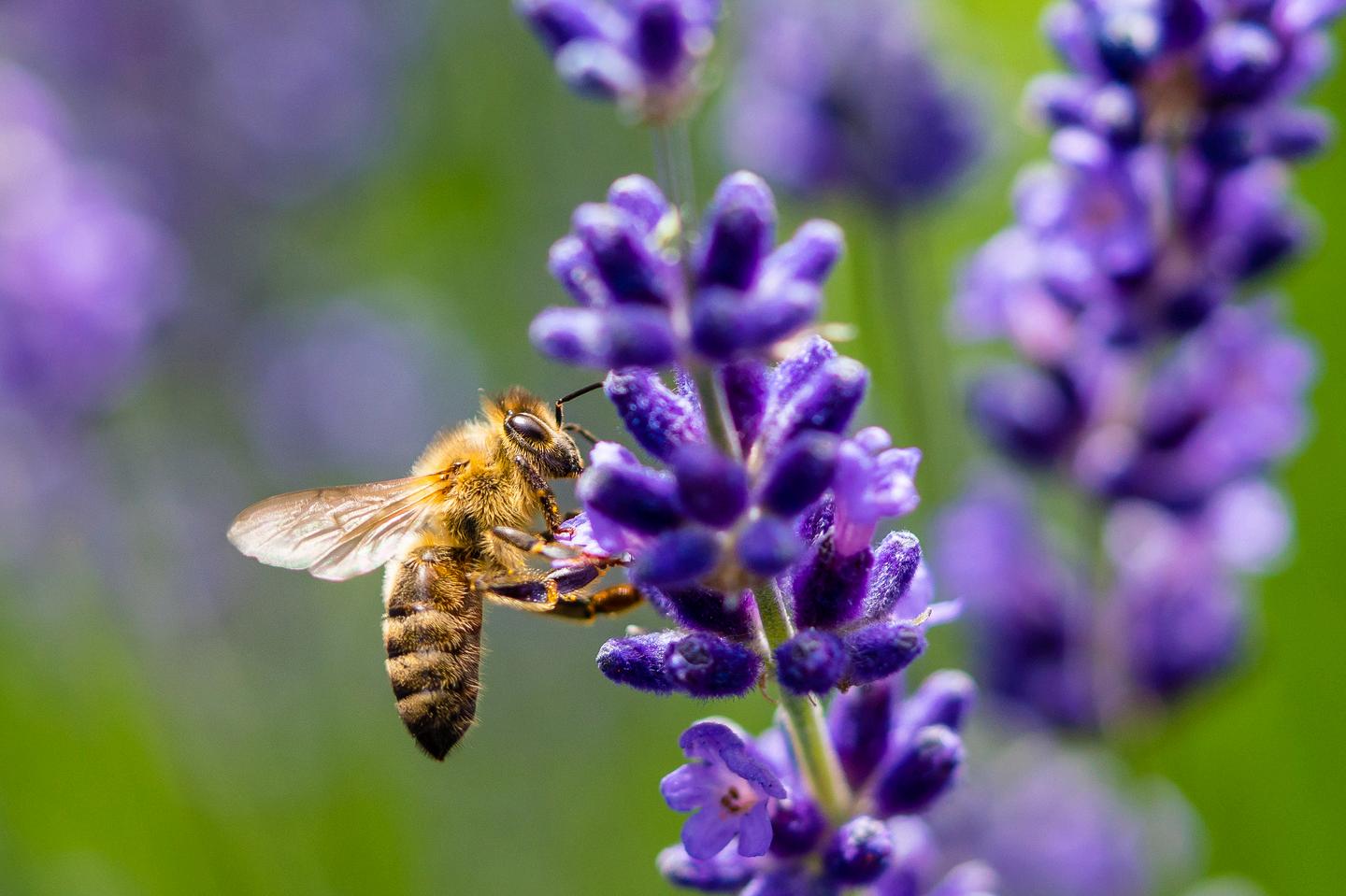
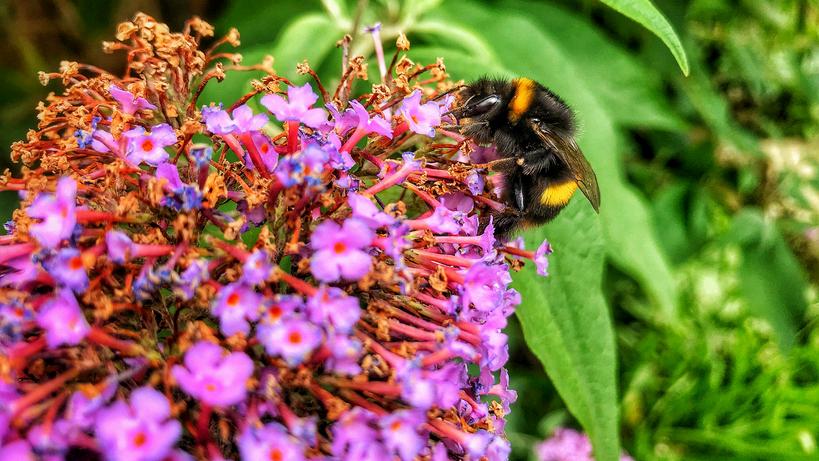
Bees are a buzzing in the garden.
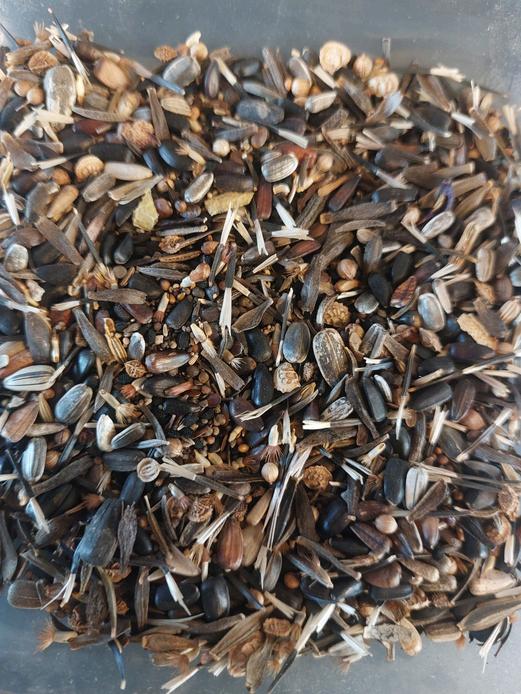
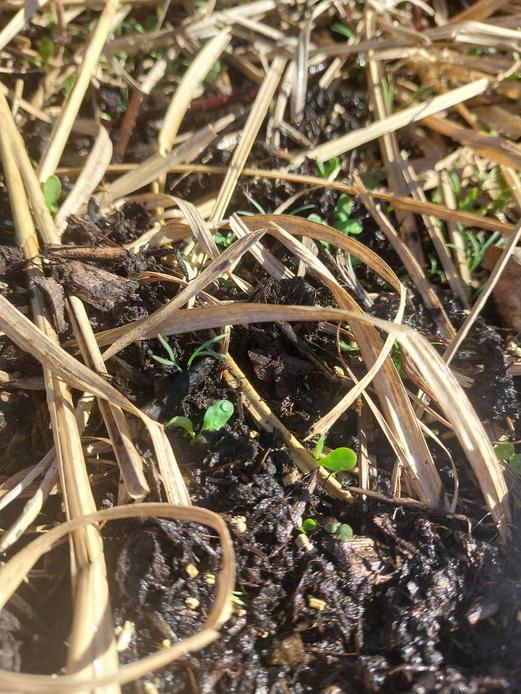
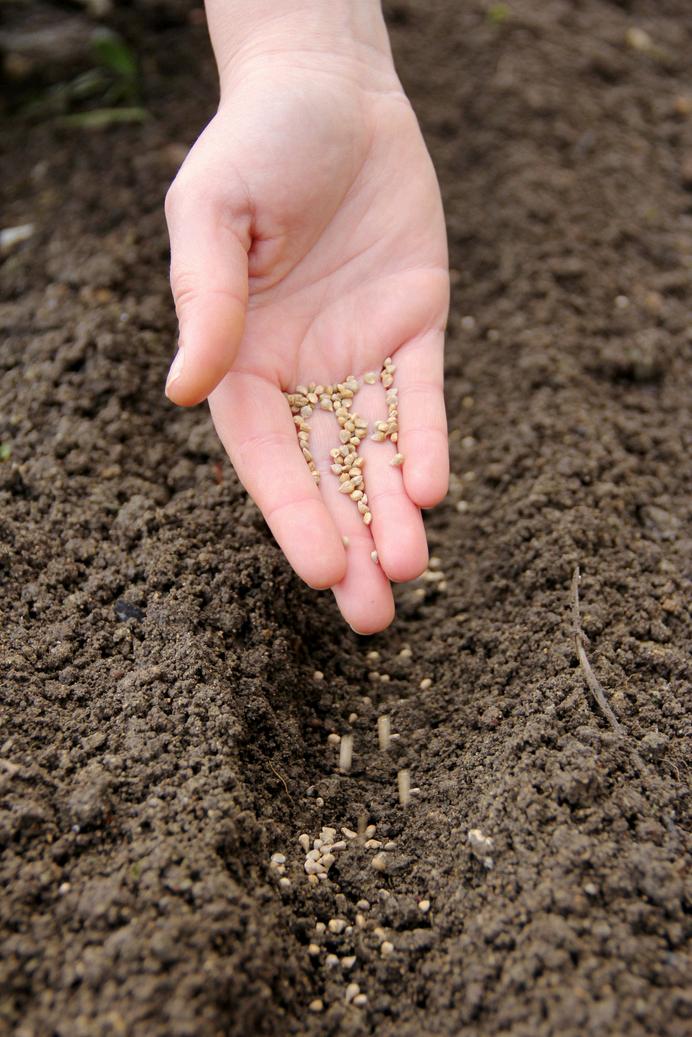
Sow a variety of seeds.
Preparing and sowing the patch
Clear the area of weeds and lightly loosen the soil
Scatter seeds according to the instructions, or plant young plants at recommended spacing
Water gently but thoroughly after planting and keep soil moist until plants are established
Maintaining the patch
Don’t use pesticides or chemicals
Deadhead flowers selectively to encourage more blooms, but leave some seed heads for insects and birds later in the season
Observe and enjoy visiting pollinators, noting which plants are most popular.
You can also do a second sow three or four weeks later to have a second flush of flowers bloom at a slightly later time. This will give the pollinators an extra source of food later in the season.
Option 2: Creating a Container Pollinator Patch
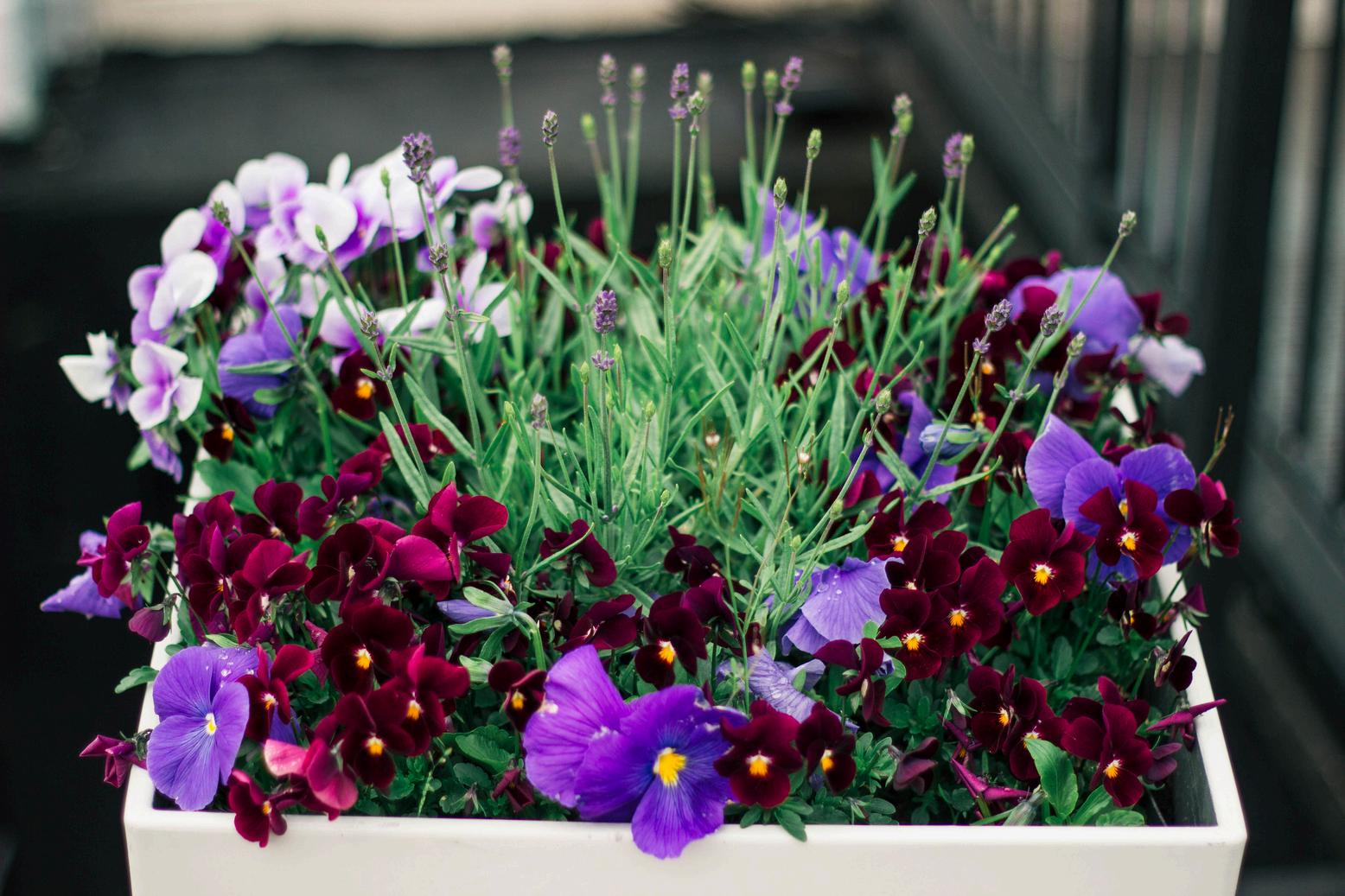
Even if space is limited, you can still support pollinators with containers, window boxes, or pots
Choosing containers
Use wide, deep containers that allow for multiple plants
Ensure there’s drainage and place containers in sunny, sheltered spots
Selecting plants
Choose a mix of nectar-rich and pollen-rich plants that flower at different times of the season to provide a continuous food source
Include native wildflowers These are often the best for local pollinators.
See the plant list below for inspiration.
Winter is hard on the birds.
Get yourself a water butt for a constant water supply.
Planting and care
Use good-quality compost or potting mix and sow seeds or plant seedlings according to spacing guidance.
Water regularly, especially during dry spells, and add a shallow dish of water nearby for insects to drink safely.
Observe which insects visit, and try to maintain the patch throughout the season
What to look for in pollinator-friendly flowers
Accessible flower shape (most important)
Pollinators need to reach nectar and pollen easily
Look for:
Open, flat, or shallow flowers
Simple structures where the centre is visible
Avoid:
Dense, “double” flowers (lots of petals blocking access)
These often have little or no nectar/pollen
Nectar and pollen availability
A good pollinator plant must actually provide food.
Look for:
Plants known for nectar production
Plants rich in pollen
Some flowers look attractive but are sterile or ornamentalonly
Colour and visibility
Pollinators are attracted to specific colours
General patterns:
Bees: blue, purple, white, yellow
Butterflies: bright pink, red, orange
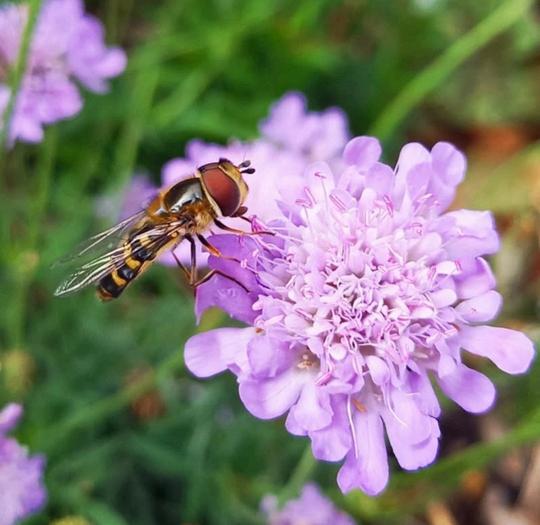
Hoverflies: white/yellow clusters
Moths: White, pale cream, light yellow
Winter is hard on the birds.
Planting doesnt have to be regimented, keep it wild.
Sow a mix of colours and flowers.
Scent
Many pollinators rely heavily on smell.
Look for:
Noticeable fragrance (especially in the morning or evening)
Avoid:
Highly bred flowers with little or no scent
Long and well-timed flowering
Pollinators need continuous food, not just a short burst
Look for:
Flowers with a long flowering period
Or combine plants that bloom: in early spring, summer, and autumn
Native flowers
Pollinators recognize and use plants they evolved with.
Not only are native flowers more compatible with your local bees, butterflies, hoverflies, moths, and other pollinators, they are also often easier to grow.
Look for:
Native European wildflowers
Flowers that are common/native in your specific area
Planting density and grouping
Single plants are less effective than clusters
Look for / do:
Plant in groups or patches (not isolated individuals)
This makes flowers easier to find and more energy-efficient for pollinators
What to avoid (quick checklist)
Double-flowered varieties
Highly modified ornamental hybrids
Plants bred only for appearance (no nectar/pollen)
Winter is hard on the birds.
Sow some flowers and watch the pollinators arrive.
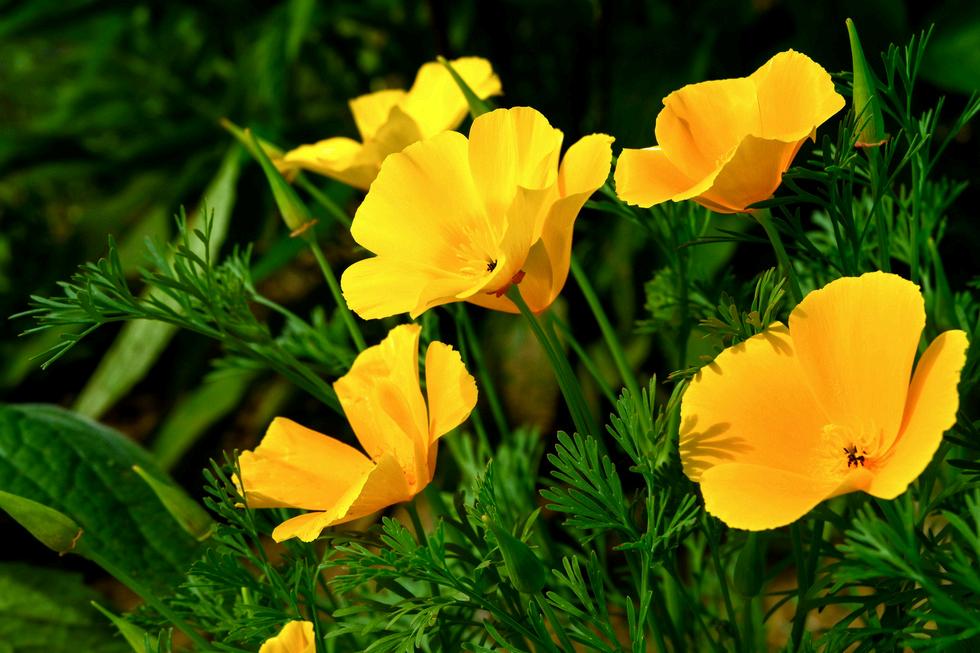
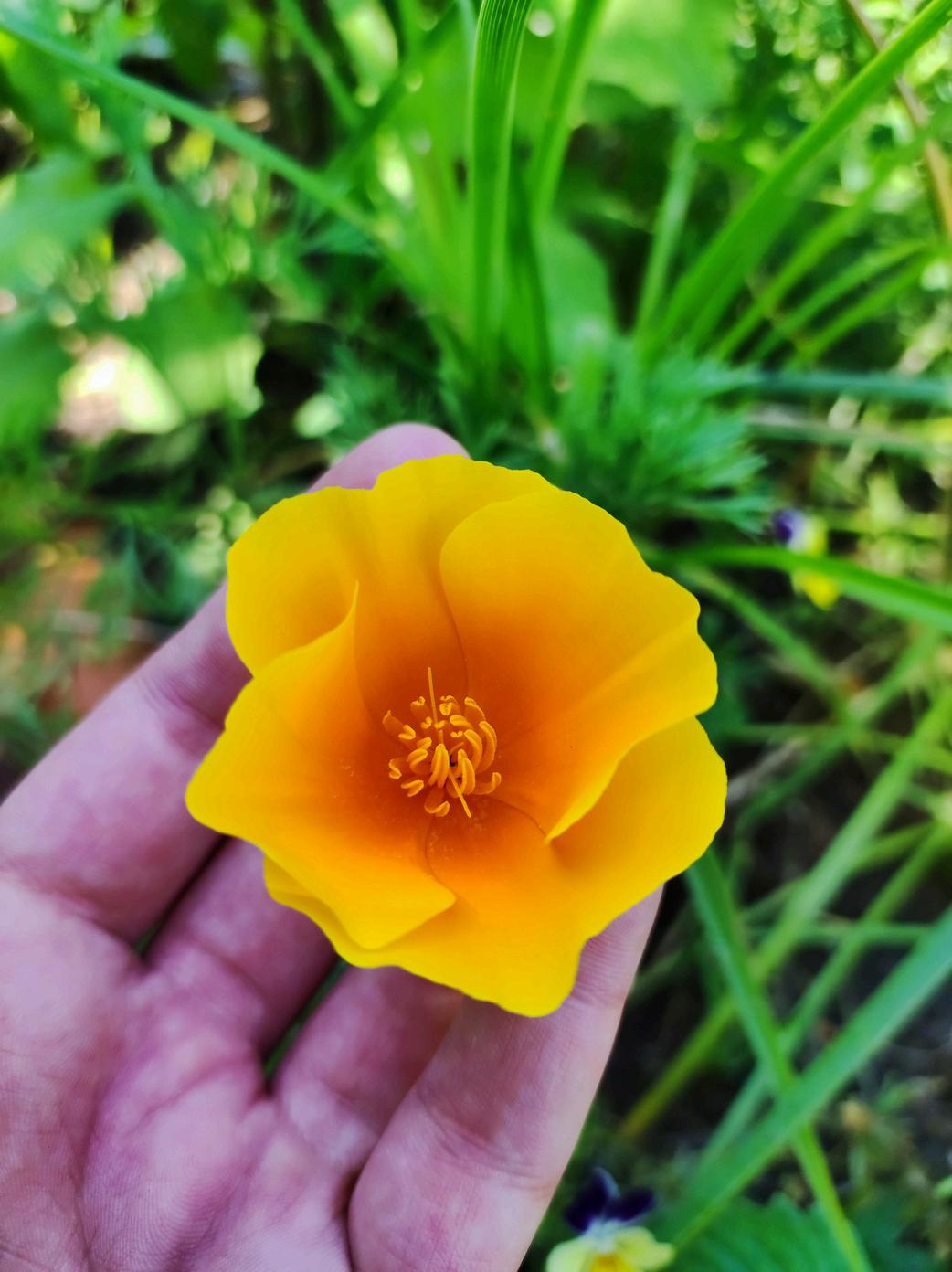
A huge success in Mel’s garden last year - Californian Poppies.
Other monthly wildlife jobs:
Keep water and feeders topped up
Winter is hard on the birds. P
Birds, insects, mammals, and all the other garden friends still rely on fresh water. Refill bird baths, trays, or small ponds regularly.
Tidy carefully and leave wild corners
While it’s tempting to trim everything back, avoid cutting hedges and shrubs during spring and early summer Many birds use them for nesting and trimming them at this time of the year can destroy nests and disturb the birds, making them abandon their nest
Also, leave some areas a little bit more wild This will provide shelter and hiding spots for insects, amphibians, birds, and small mammals
Support nesting birds
Continue providing safe nesting materials such as dry grass, moss, leaves, and natural fibres
Be mindful when tidying up the garden so you don’t disturb nesting birds.
Deadhead selectively
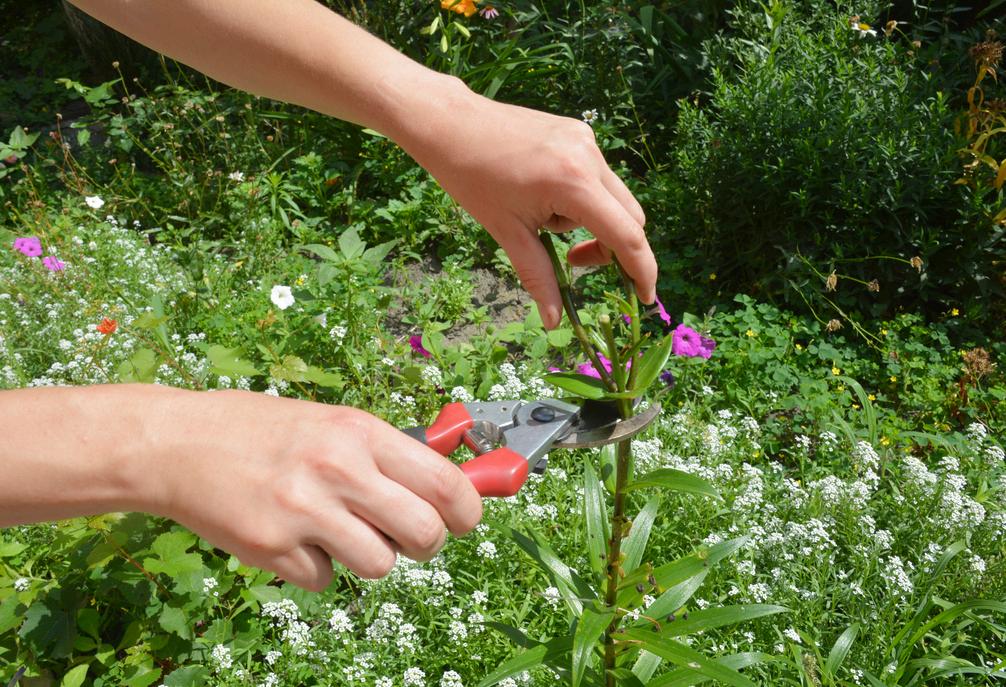
Encourage flowers to bloom longer by removing old blooms, but leave some seed heads for birds and insects later in the season.
Observe and record pollinators
Watch your new pollinator patch and note which plants attract the most bees, butterflies, and hoverflies. This helps guide planting decisions in future months and years.
Provide additional habitat
Consider adding small piles of twigs, leaves, or logs in quiet corners for insects, amphibians, and other wildlife to shelter in
No Mow May
Avoid mowing your lawn in May to allow wildflowers to bloom This provides an extra source of nectar for pollinators and habitat for insects
Don’t forger about other widlife this month too.
Plant list inspiration for your Plant list inspiration for your pollinator patch: pollinator patch:
There are many plants that provide pollinators with a reliable food source throughout the growing season.
Borage (Borago officinalis)
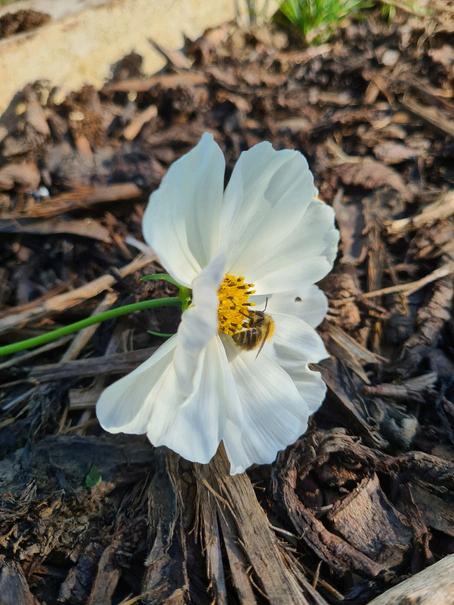
Cosmos (Cosmos bipinnatus)
Calendula / pot marigold (Calendula officinalis)
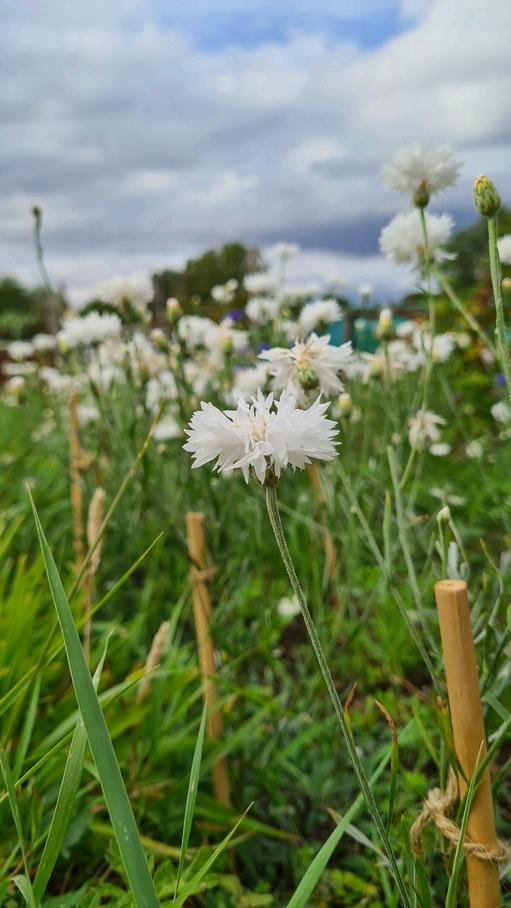
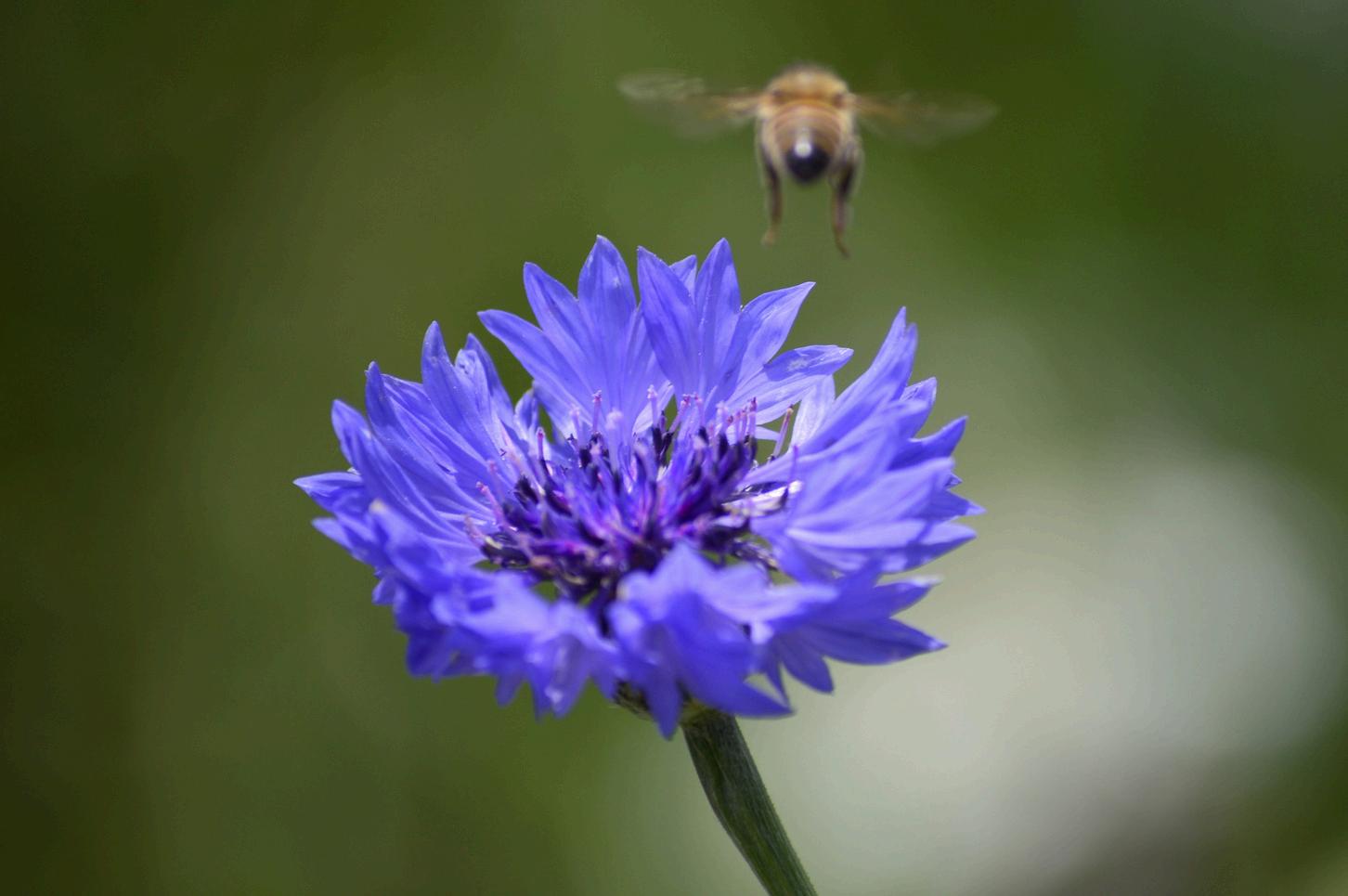
Cornflower (Centaurea cyanus)
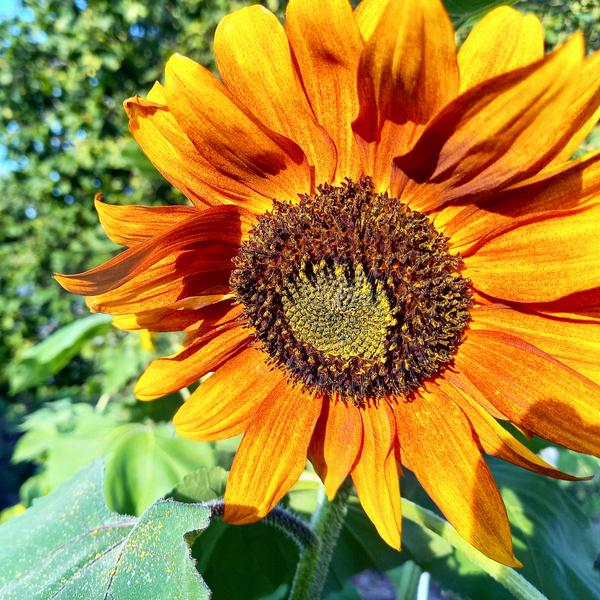
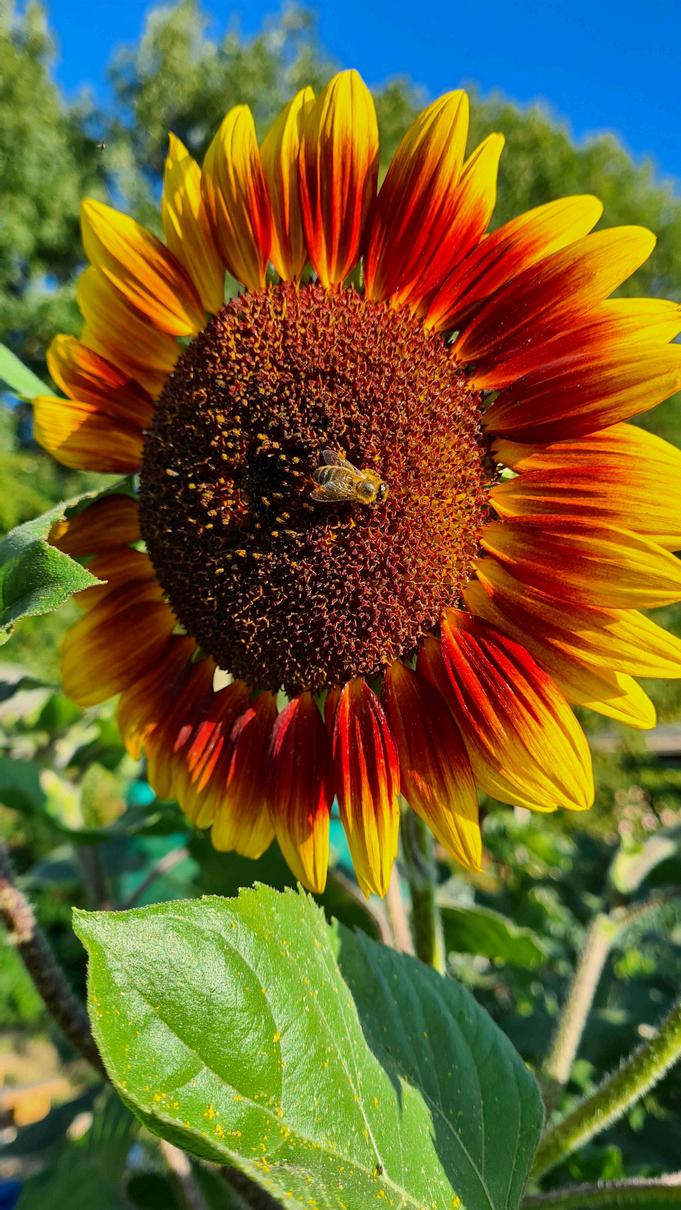
Sunflower (Helianthus annuus)
Zinnia (Zinnia elegans)
Sweet alyssum (Lobularia maritima)
Nigella / love-in-a-mist (Nigella damascena)
Phacelia (Phacelia tanacetifolia)
Buckwheat (Fagopyrum esculentum)
Poppy (Papaver rhoeas)
Linaria / baby snapdragon (Linaria maroccana)
Nemophila (Nemophila menziesii)
Coreopsis (Coreopsis tinctoria)
Basil (Ocimum basilicum)
Dill (Anethum graveolens)
Coriander (Coriandrum sativum)
Lavender (Lavandula)
Anise Hyssop (Agastache foeniculum)
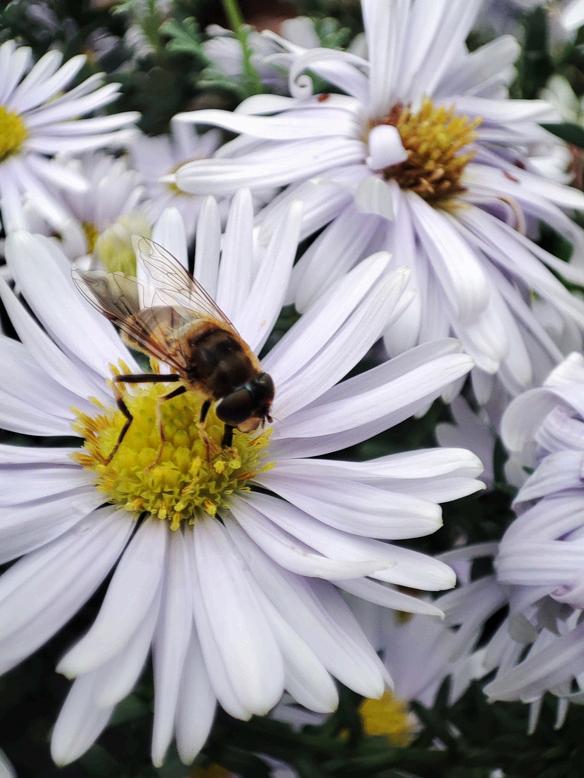
Aster (Symphyotrichum spp.)
Butterfly weed (Asclepias tuberosa)
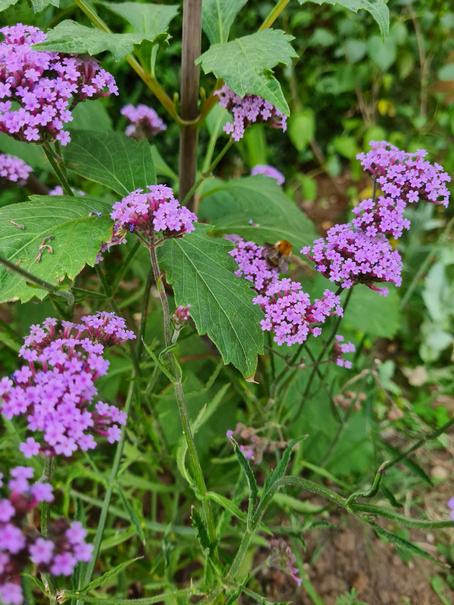
Purpletop vervain (Verbena bonariensis)
Coneflower (Echinacea)
Woodland sage (Salvia nemorosa)
Foxglove (Digitalis)
Hollyhock (Alcea)
May is a month of energy, colour, and movement. Your pollinator patch and other wildlife friendly efforts are already making a difference: flowers are buzzing with bees, butterflies flit from bloom to bloom, and birds are busy feeding their young. Every small action you’ve taken helps create a garden that supports life in all its forms.
As spring continues, your garden will keep evolving, and the wildlife you’ve nurtured will thrive.
So take a moment to enjoy the sights, sounds, and gentle rhythms of this vibrant month, knowing that each step you have taken so far, has built a sanctuary for creatures great and small. Happy wildlife gardening, and see you all next month!
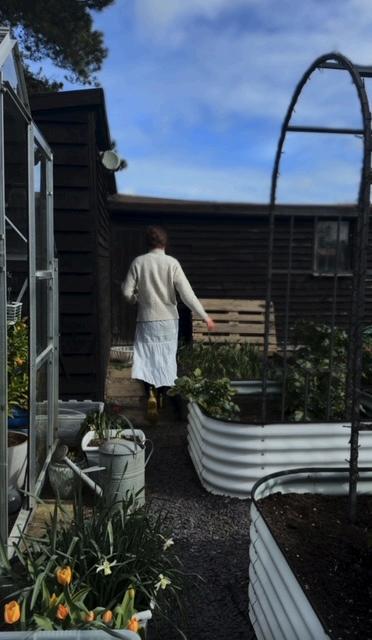
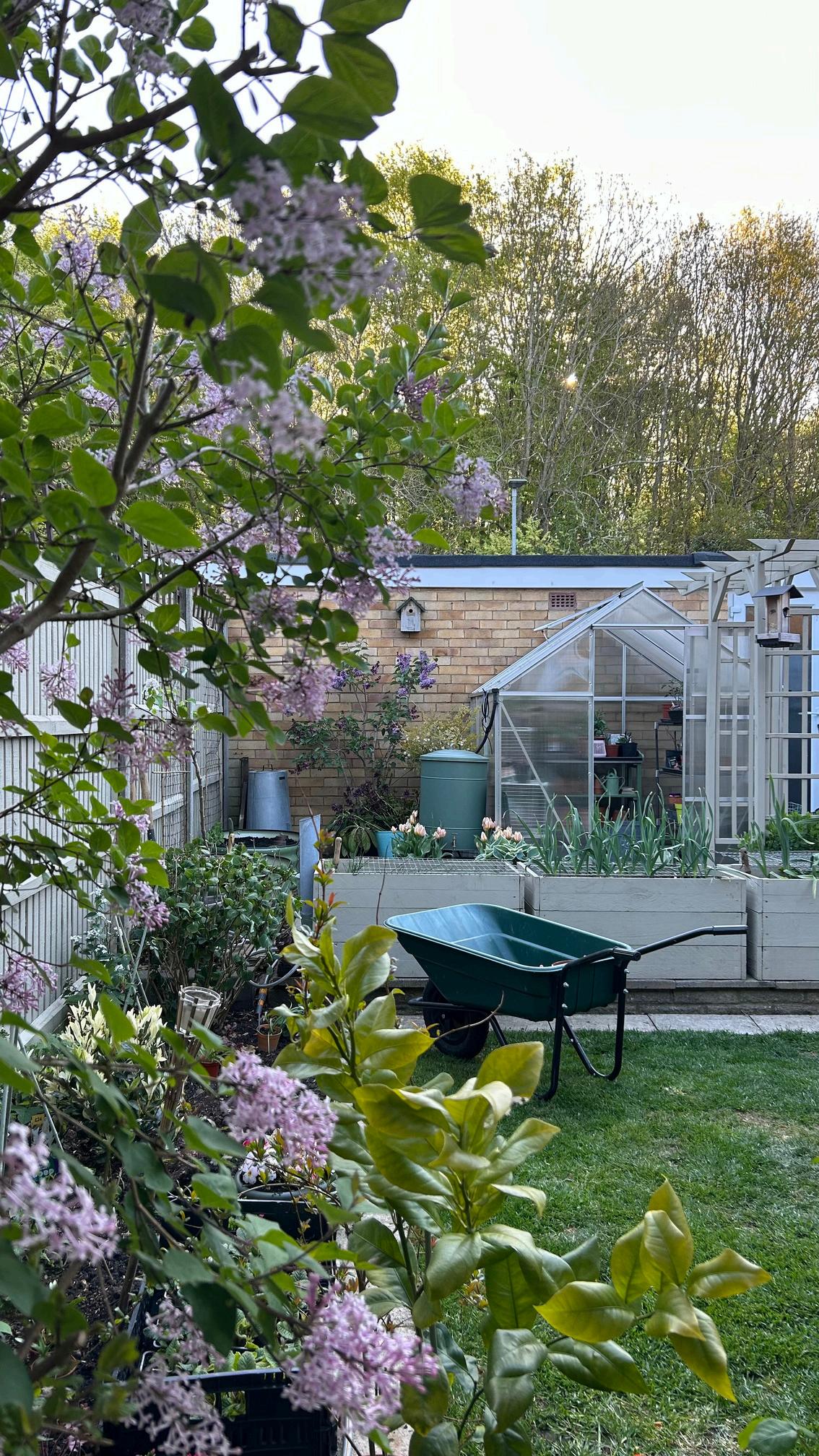
After all the planning, clearing and rearranging, things are starting to really take shape with new growing spaces to tend to and seedlings demanding my attention at every turn It feels like the garden has shifted from ideas on paper to something much more real, even if I’m still finding my rhythm along the way.
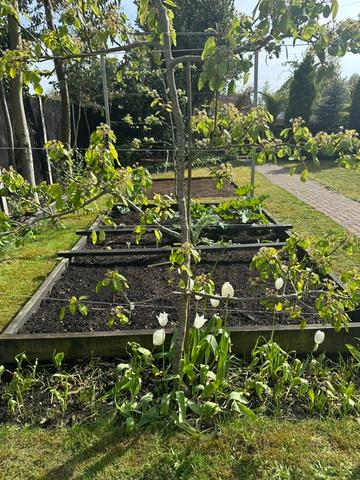
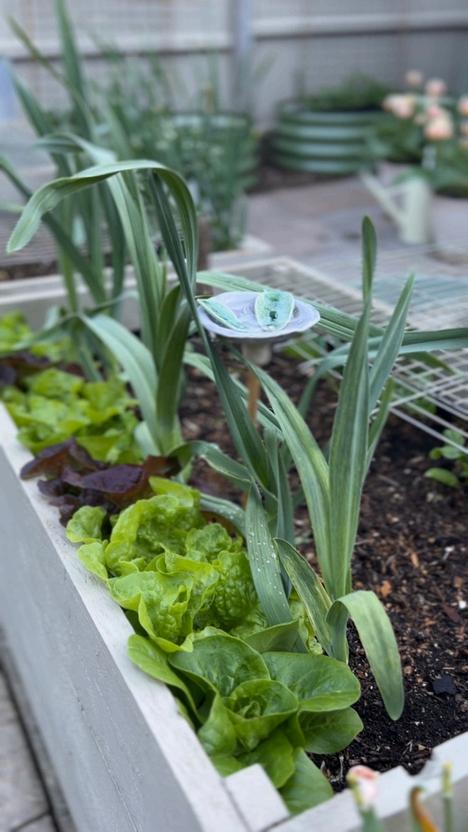
The biggest change is the addition of two new growing areas, both with raised beds, which has instantly made the space more purposeful. They not only provide more growing space but mean that we are utilising our home garden with as much ambition as possible. The benefit of raised beds is that it’s easier to control the soil within them; this is especially helpful as ours is quite clay heavy. We can apply the no-dig growing method to keep the soil in peak condition It feels really satisfying and rewarding to see the kitchen garden expand, knowing that the whole family are invested in its success
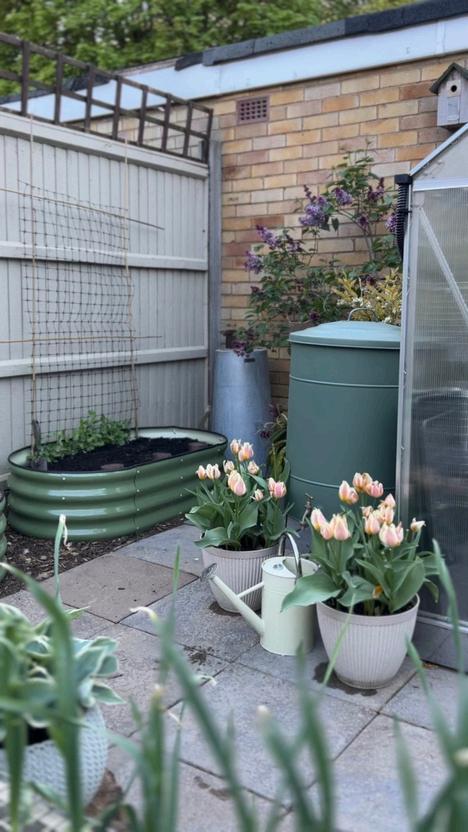
Alongside the additional growing beds, I have finally ticked off another long standing job of adding a compost bin As someone who is leaning into her sustainable gardener era, getting this in place feels pretty good, I have to say We opted a metal one, and although it might seem like a relatively small win on to the to-do list, it’s going to have a big impact Being able to make our own compost is not only cost effective but it also closes the loop, with garden waste finding its way back into the soil
With more space to grow and compost on the go, I’ve been making the most of it by getting seed both into the ground and some into pots. Some have been direct sown into the new beds, whilst other are being potted on and nurtured a little more carefully the greenhouse. We’re just entering that slightly chaotic time in the growing calendar where everything need attention at once, and I’m doing my best to keep up. Moving trays around, checking on progress and trying not to forget to label everything as I go. This is where the family have rallied round to help, sharing watering duties, ensuring the greenhouse is ventilated, and taking pest control very seriously with the help of my kitchen tongs!
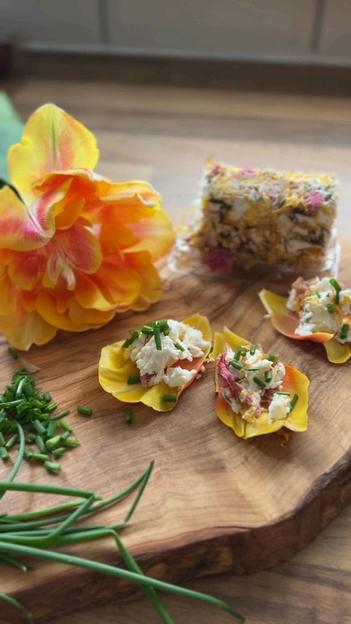
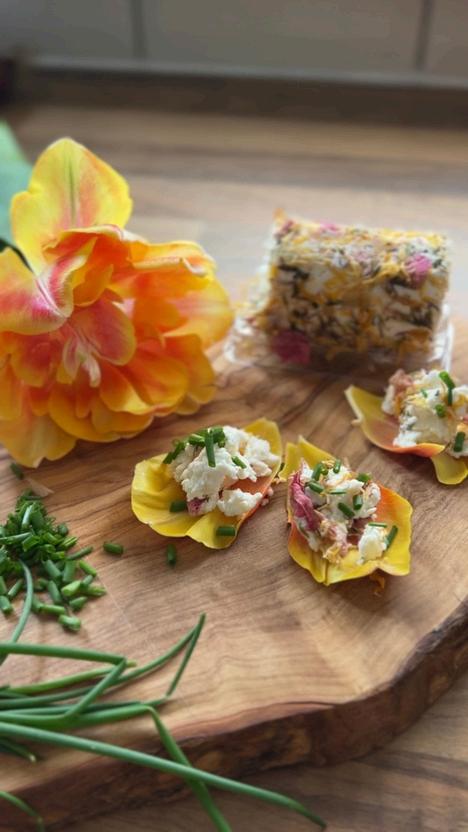
And in amongst all of that, I’ve still found some time to experiment with my recent discovery that tulip petals are edible Using them in a recipe wasn’t something I’d planned but curiosity got the better of me, and it turned out to be one of those small, unexpected joyful moments They were surprisingly sweet and satisfyingly crunchy, meaning that they truly deserve a place in the kitchen garden Reminder that the garden isn’t just something you grow, but something to enjoy and experiment with
With each small job ticked off, the garden feels a little more established and polished.
Join me next time as I share how its all progressing, my plans for vertical growing and what’s making it from plot to plate
ticking off those jobs.
By Kerry Tomlinson
Did you know Tulip flowers were edible?
Kerry’s
@lottie thyme
Brewed from Brewed from the garden the garden
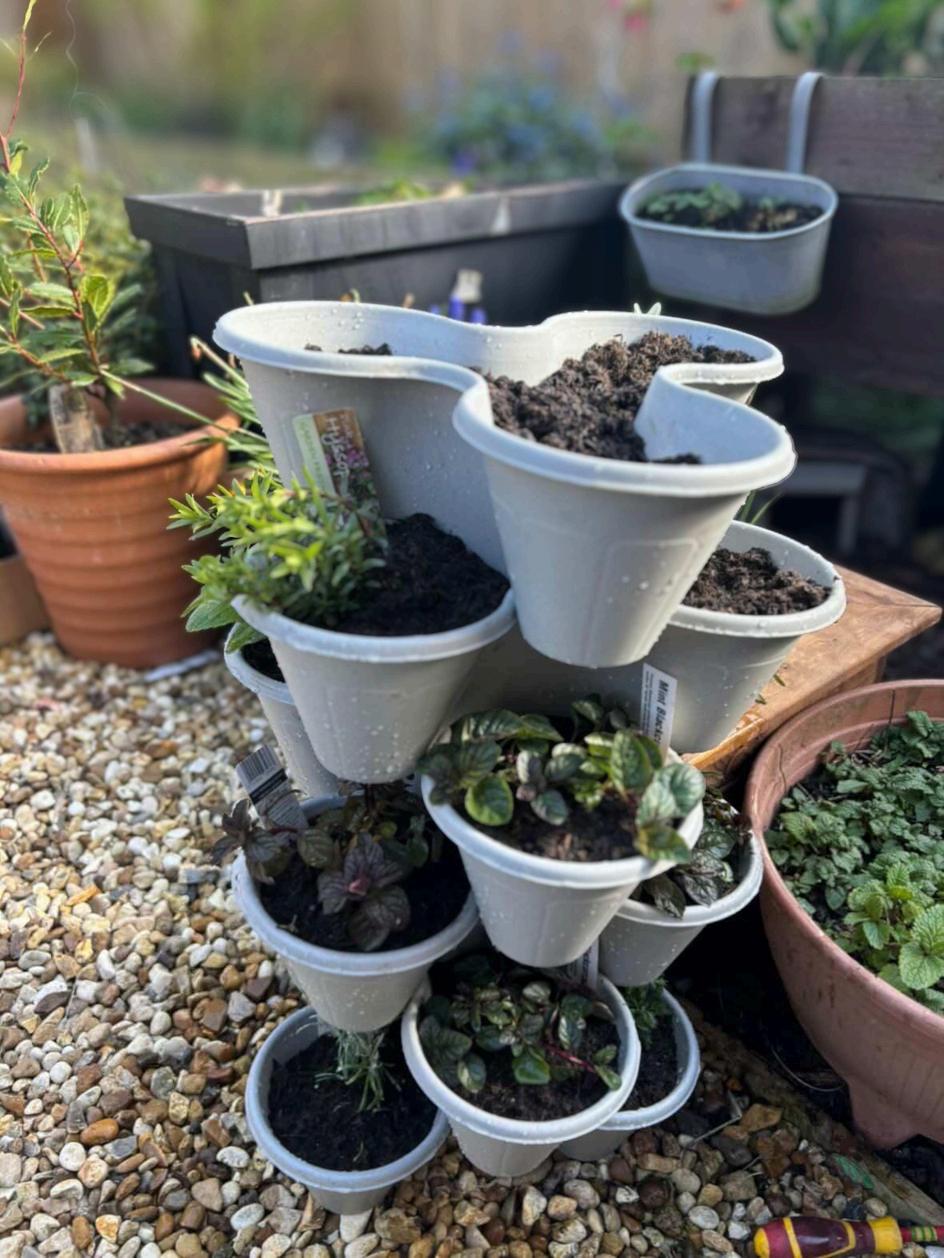
You don’t need a big space, just a small selection of pots will provide you plenty of tea.
A Tea Garden Essentials
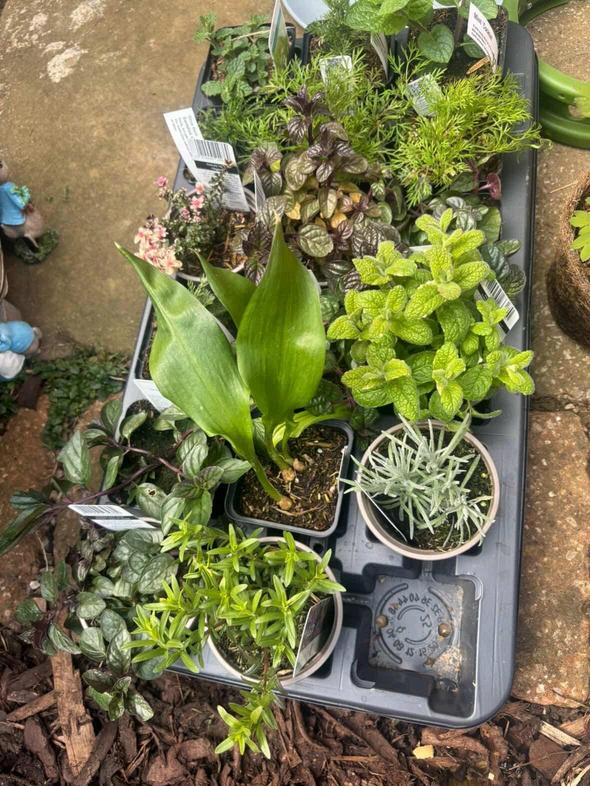
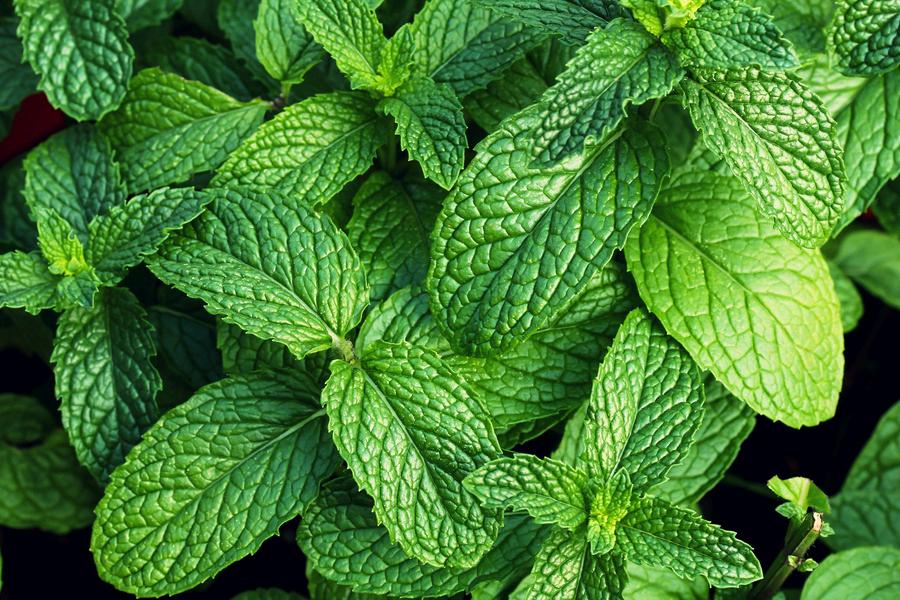
Mint is the undisputed star of the tea garden It’s vigorous, aromatic, and endlessly varied; there are so many flavours, you will be spoiled for choice You can grow from seed but if you prefer plants there are plenty of nurseries and small business herb specialists you can go; Urban Herbs is a one I highly recommend (not sponsored, just a very happy customer!).
Varieties I used to create my tea garden were Strawberry Mint, Blackcurrant Mint, Apple Mint, Cocktail Mint and Pear Mint. Just be careful, Mint is famously invasive. Once planted in open soil, it will spread very quickly so it is best to stick to pots. Lemon balm is another must-have for any tea garden. Its bright, citrusy scent is amazing, and its flavour is soft and soothing Traditionally used for relaxation, it makes a perfect evening tea Lemon balm grows happily in beds or containers and responds well to regular harvesting, which keeps it lush and bushy They will spread very well also, although not as prevalent as mint
The cola plant is a fun one to have Brush your fingers along its feathery leaves and you’ll catch a scent uncannily similar to cola. Used sparingly in cold tea blends, it adds a sweet, nostalgic note. It thrives in sunny, well-drained spots and brings a touch of whimsy to your herb collection.
PlantingYour Tea Garden
You don’t need a large space; it could be a dedicated herb bed near the kitchen, a collection of pots on a patio or balcony, a raised planter for easy access or even a sunny windowsill for smaller varieties Most tea herbs love full sun, though mint tolerates partial shade Use free-draining compost for pots; well-drained beds for lemon balm and cola plant Keep soil moist but not waterlogged Regular harvesting encourages fresh growth
Fresh vs Dried Herbs:Which Makes the Best Tea?
Using Fresh Herbs
With fresh herbs, the essential oils are still locked inside the leaves so the flavour tends to be lighter and more “ green ” They are perfect for summer and iced teas if you want something more subtle; if you want a fuller flavour, you will need to use a generous handful of fresh leaves
Using Dried Herbs
Drying herbs concentrates their essential oils, giving you a stronger, deeper flavour Dried herbs are also convenient, letting you enjoy your garden all year round Just ensure you use airtight jars to keep them preserved for longer. This way, you can experiment and make your own custom-made teas. Use about a teaspoon of dried herbs per cup. Because the flavour is concentrated, you need far less than you would with fresh leaves.
What will you add to your tea garden?
Nighttimeblend
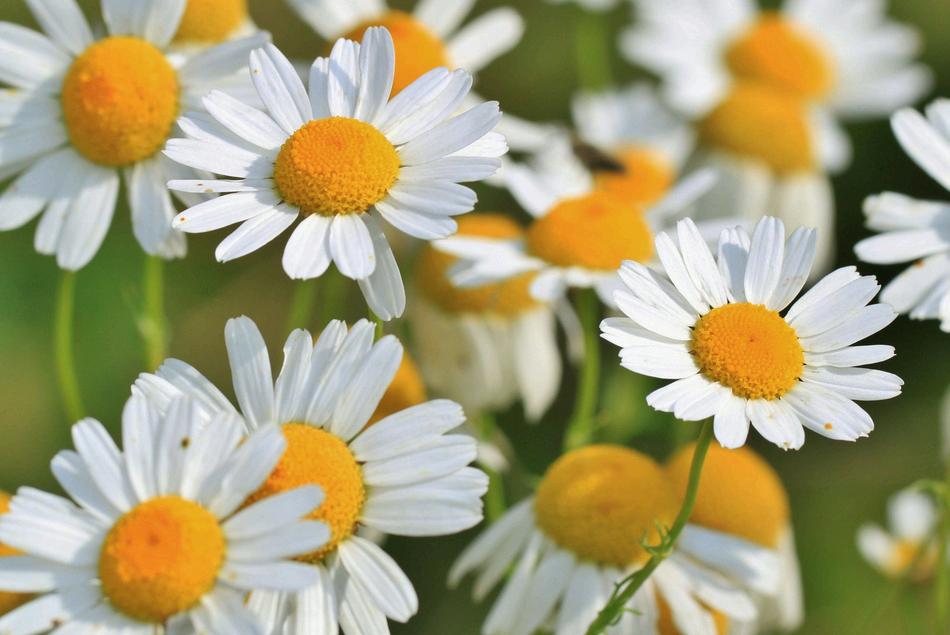
Chamomile
Anyone that has followed me for a while will know that we have had major problems with flooding in our veg garden every winter so I have put many things in place to try and combat the problem including doubling the height of all of my raised beds and digging a ditch through the veg garden to take some of the water away
@gardeneriddler
By Marc Ridpath
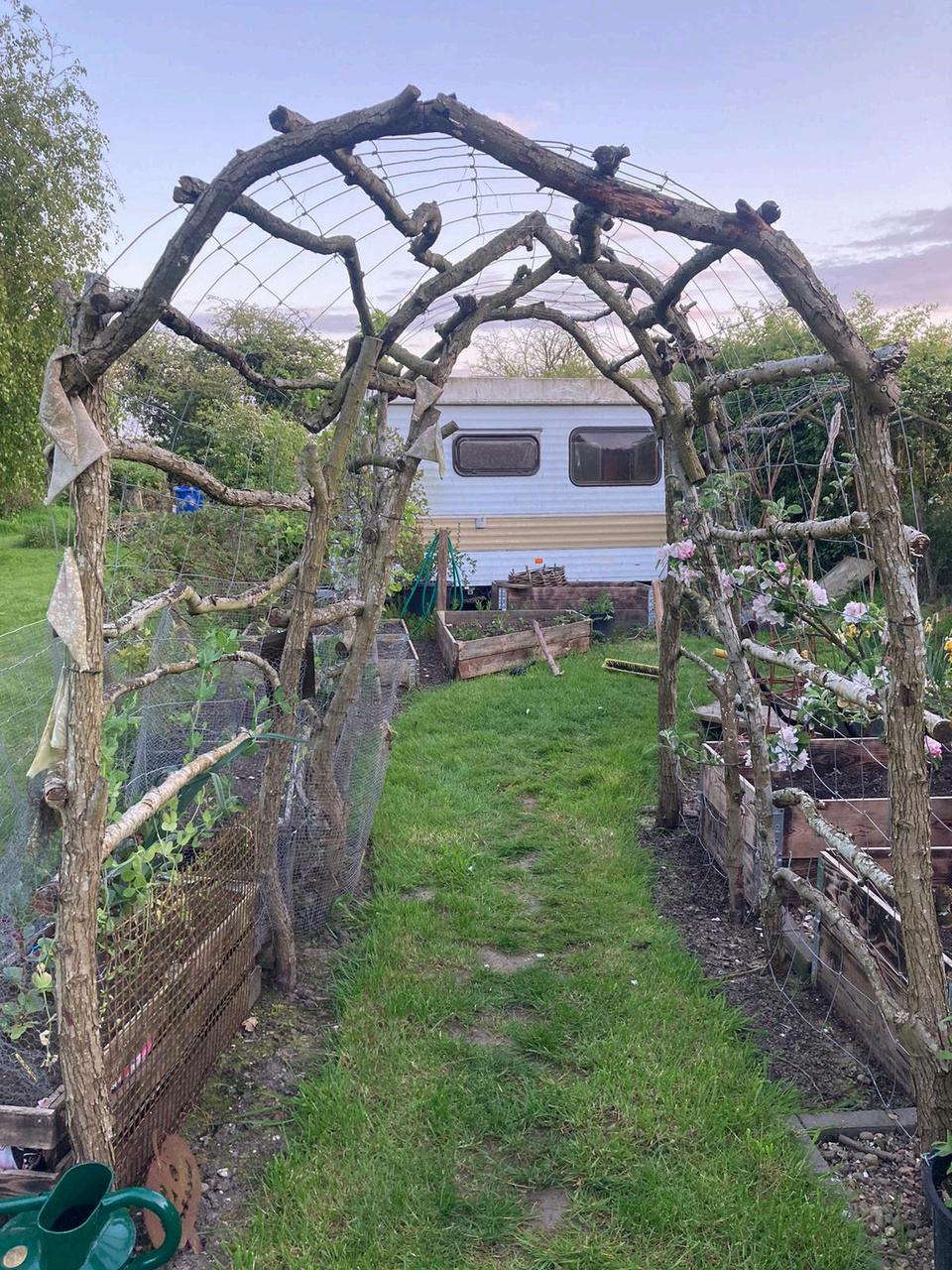
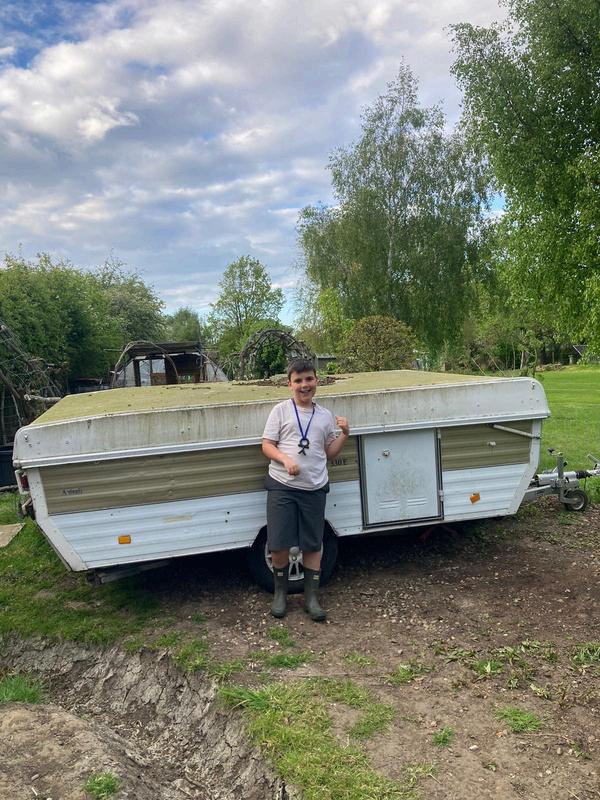
What I have always wanted to create is a garden room so we can spend more time as a family and have the option to be dry from the elements or just in the shade on a sunny day So you would assume the best thing to get would be a boat considering 5 months of the year the veg garden looks like a pond But no, we have just dragged a 1970s French folding caravan in to our veg garden to act as our garden room. This weekend was the first weekend we have had it and it has already made a huge impact to our family life.
Having a son with additional needs it usually means either me or my wife has to be entertaining him whilst the other tries to get the list of jobs done. But this weekend probably for the first time in many many years me and my wife gardened together and got 3 beds of vegetables planted. How was this possible? I hear you ask, well our son sat in the caravan reading his book happily for over an hour We haven’t even really done anything to the caravan yet other than given it a good clean and tidy but all the original features are there, benches and tables and the sink and stove
Obviously not everyone can get a caravan in their garden but it’s always a great idea consider all of the people who use the space and try to accommodate them so you can spend as much time as possible in your gardens and most importantly together Making memories and growing your own food to increase your resilience to food shortages and prices rises is increasingly important
I really want to make the caravan completely off grid so we can cook food down there and have some power from solar so we can sit down there in the evening and maybe even have guests stay over if they ever need too How fantastic would it be to harvest some vegetables then step in to the caravan to prepare, cook and eat it straight away? Zero food miles right there.
Is there a better way to spend a weekend?
Meet Claude!
It has really reinvigorated my creative juices when it comes to the veg garden because since the really bad flooding started happening every winter I have lost my mojo to reinvent this area. The caravan has given the area purpose and I can now see a plan in my head for what I hope we can achieve over the next year I also don’t think this will be the last big change you will have to keep your eyes open for
The next project I need to do is to finish rabbit proofing the whole veg garden to stop the local wildlife getting to our harvests before we get chance to eat them We are also going big on brassicas this year so I need to create a brassica cage over the beds with those crops in
As you can probably tell, I have my work cut out to get all my crazy plans complete I am behind with my seed sowing and my tomatoes are refusing to play ball this year. So if you need me I’ll be in the caravan named by our son Claude van Caravan.
Its going to be a busy May for Marc and Family!
By Shona Price@starof 72
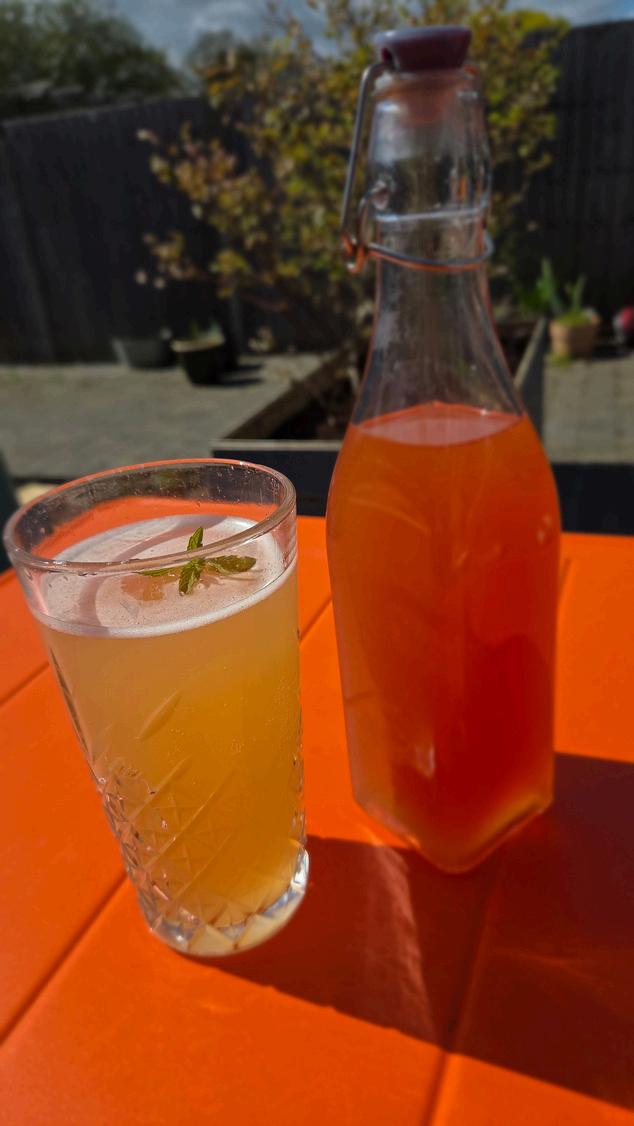
The perfect summer drink.
Rhubarb Cordial
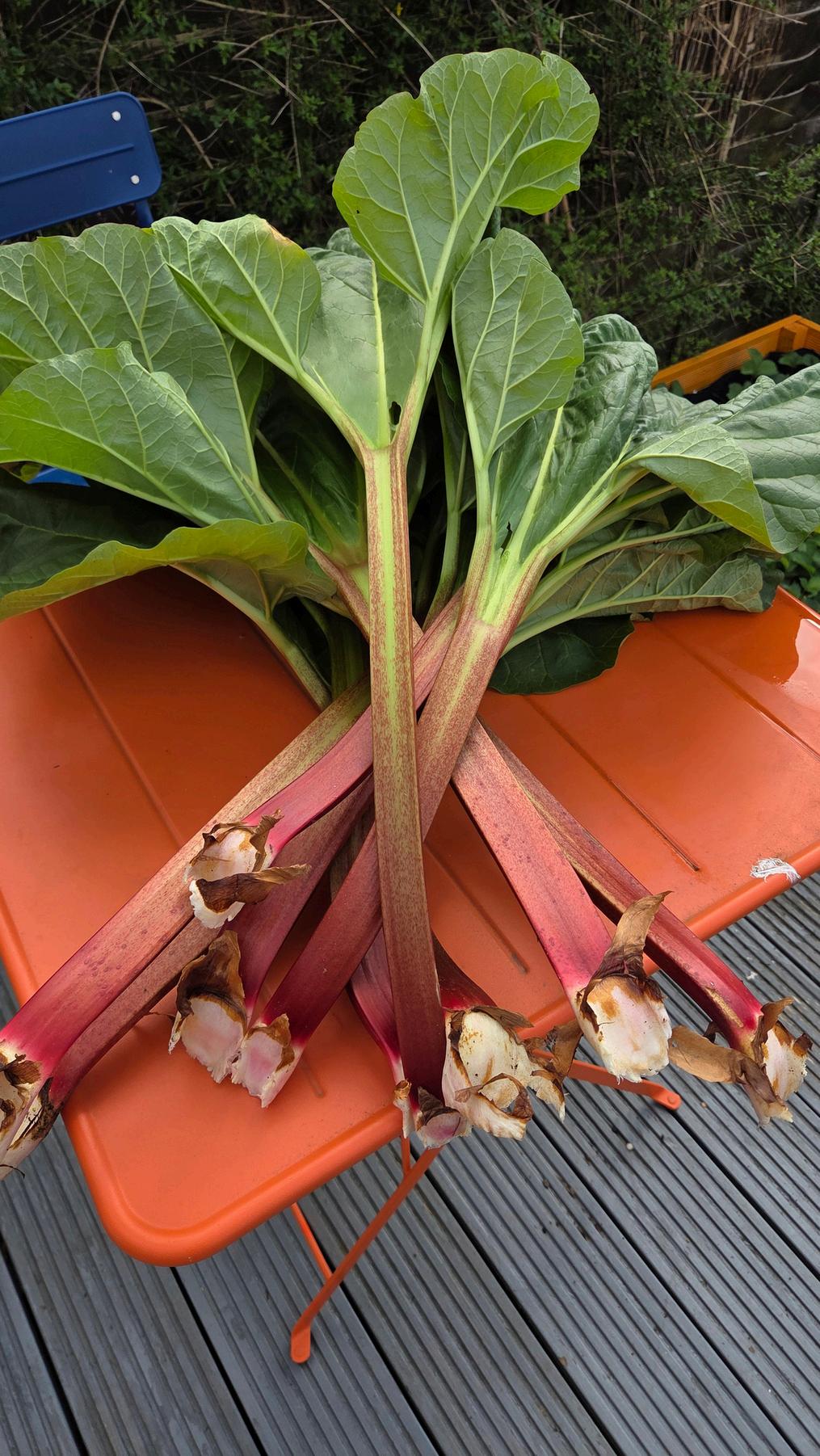
450g rhubarb
300g golden caster sugar (white will do if you don’t have golden)
300ml water
Zest & juice of 1 lemon (unwaxed)
Optional extras: Vanilla, Ginger, Cinnamon, Cloves (I added cinnamon and vanilla to my batch)
Put the sugar and water in a large pan and bring to a simmer. Add the zest and juice of the lemon then the rhubarb and any optional extras. Cook over a medium heat until the rhubarb is falling apart Pour the mixture through a sieve lined with a muslin into a heatproof jug Once cooled pour into a sterilised bottle This will keep in the fridge for up to a month (though it doesn’t last that long in my house)
I like to drink it mixed with some sparkling water, or use it in cocktails
Don’t discard the fruit captured in the muslin Put it in a pot and keep it in the fridge to have for breakfast with a good dollop of yogurt Alternatively you can freeze it and keep it for a later date
And on those colder days something cosy.
Rhubarb Crumble
500g rhubarb
4-5 tablespoons soft dark brown sugar (to taste)
300g plain flour
175g golden caster sugar (white will do if you don’t have golden)
200g butter
Preheat your oven to 180 or 160 if you have a fan oven, Gas mark 4.
Chop the rhubarb up and put into a pan along with the sugar. Heat slowly over a low to medium heat until the rhubarb starts to soften and the sugar has turned to a caramel.
Whilst the rhubarb is cooking make a crumble using the butter, flour and sugar Put all these ingredients into a bowl and rub together between your fingers until you get a crumble consistency (top tip: it is easier to do this if your hands are cool)
Put the fruit into the bottom of an ovenproof dish and then spoon the crumble on top Put the dish in the oven and bake for 35-40 minutes until the crumble is golden brown
Serve with your topping of choice, custard for me, cream for Mr P
Its May beds are filling fast, seedlings are ready to stretch their roots, and summer is unfolding before us.. There’s planting to be done, supports to be put in place, and the promise of new produce just around the corner. Take advantage of the longer days, keep a watchful eye on watering and pests, and make the most of every warm, golden evening in the garden!
Things to sow/plant
Flowers Edibles Carrots
Cosmos
Calendula
Cornflowers
Zinnias
Coreopsis
Borage
Lavender
Marigolds
Beetroot
Radishes
Lettuce
Basil Parsley
Swiss Chard
Tomatoes
Cucumbers
Beans
Courgette
Come and join the @gardenfolkmag team for live garden updates throughout the month over on Instagram.
celebrate 100 years of this ational treasure, why not ave a listen to this series of talks by Sir David tenborough on the natural histories of creatures and plants from around the world.
It’s time to get busy and enjoy all those extra hours of daylight in the garden.
Sow annuals outdoors
Tie in climbing plants such as clematis and sweet peas
Harden off indoor grown plants before planting outside
Things such as cosmos, cornflowers,poppies and calendula
Keep up the watering!
Try not to plant tender crops too early (late frost may still hit).
Forage for new spring growth of edible plants.
Tie in climbing plants as they grow
Start to prepare your soil ready for the hardier plants to be planted out
Plant out peppers and chillies in a warm spot or greenhouse.
Thin out your seedlings early. To prevent stunted growth.
Share seeds you won’t use.
Create a comfortable space in the garden to relax or read a book
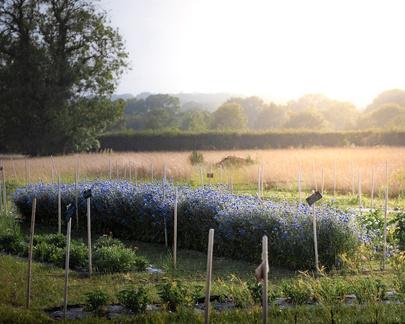
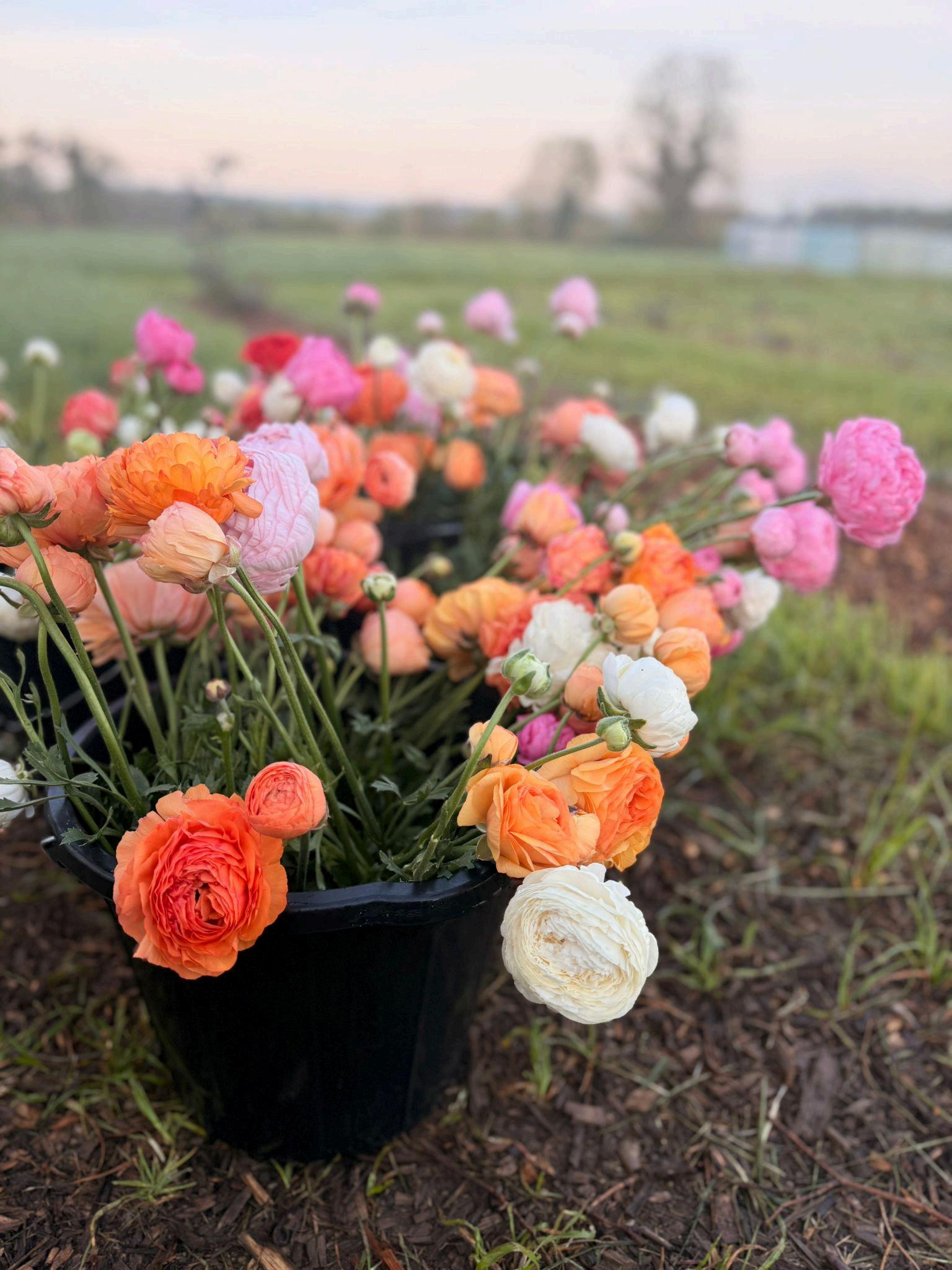
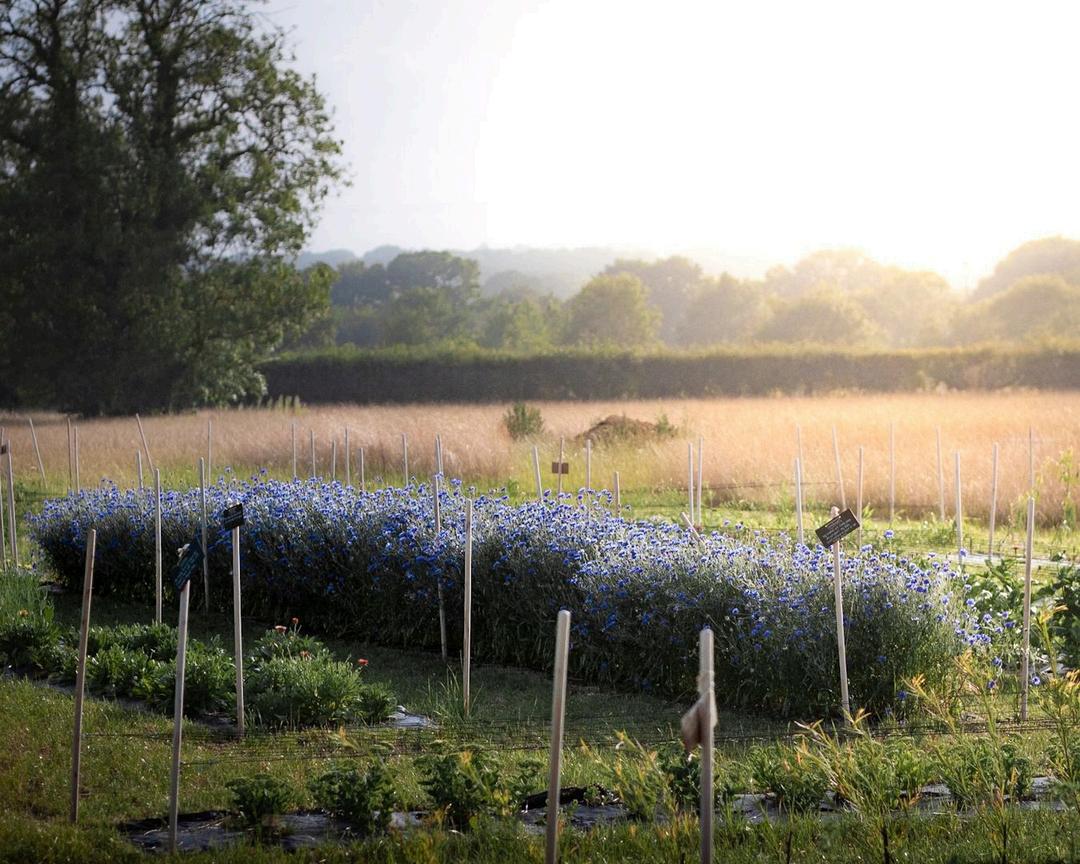
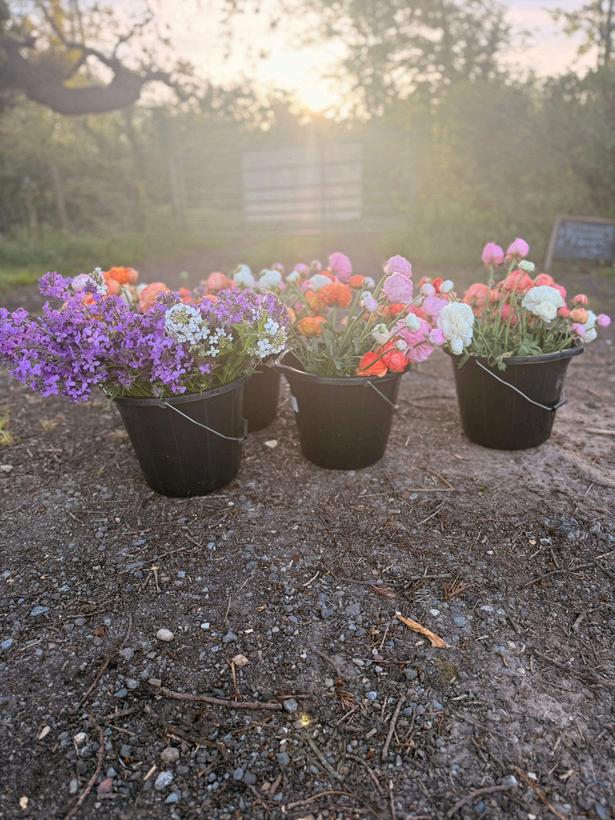
When I first started flower farming, I thought the hardest part would be getting going. The infrastructure, the planning, the investment, the leap of faith of turning ‘maybe one day’ into ‘right, we ’ re actually doing this!’.
And to be fair, that part was hard
Going from a small allotment plot to building a working flower farm felt enormous There were polytunnels to put up, beds to prepare, irrigation to think about, and the small matter of trying to grow flowers in what felt like the driest season known to mankind I spent most of that first year permanently covered in mud, sweat, or mild panic
At the time, my husband kept asking me, ‘You are still enjoying it, right?’
And I was but I was also stressed
People often talk about the romance of flower farming. The beautiful blooms, the slow mornings, the peaceful field walks. What they don’t talk about enough is the sheer pressure of trying to make it work while nature repeatedly reminds you that you are absolutely not in control.
I quickly realised that a new growing space is a bit like the beginning of a relationship. You have to learn each other. I had spent years growing on my allotment and knew exactly how it behaved I could predict what heavy rain would do or how certain crops would react to a cold snap
This new field? Total mystery
I had to stop trying to force my carefully planned schedule and start listening instead to the soil, the weather, the field itself If conditions aren’t right, pushing harder rarely helps Mother Nature is large and in charge, and we are all just trying to keep up
That was lesson one Lesson two came after the season ended.
I expected summer to be hard. I did not expect winter to be harder.
After months of growing, selling, workshops and Christmas wreath madness, January arrived and everything stopped. Suddenly there was silence. No urgent harvesting, no customer rush, no constant deadlines. Winter has been a busy time
And alongside the mental shift came the financial reality. Cash flow slowed right down, but the bills didn’t Winter forces you to face the business side of flower farming very quickly
Flowers are lovely Spreadsheets are less lovely, but equally important
I had thankfully planned ahead and saved enough from the growing season to pay myself through winter, but watching the business slow financially still made me anxious It taught me that if you want a flower farm to last, it cannot just be a passion project It has to be a business
That sounds obvious, but it’s a lesson many of us only properly understand when we are in it. I’m still learning. Every season teaches me something new, usually the hard way. But I think that’s the real story of flower farming not perfection, but adaptation.
And somehow, despite the weather, the worry, and the winter spreadsheets, I still wouldn’t choose anything else. Check out Jen s website for all the courses available