Can you believe that we are into July with yet another heatwave? Even here in Scotland we are expecting over a week with no rain!
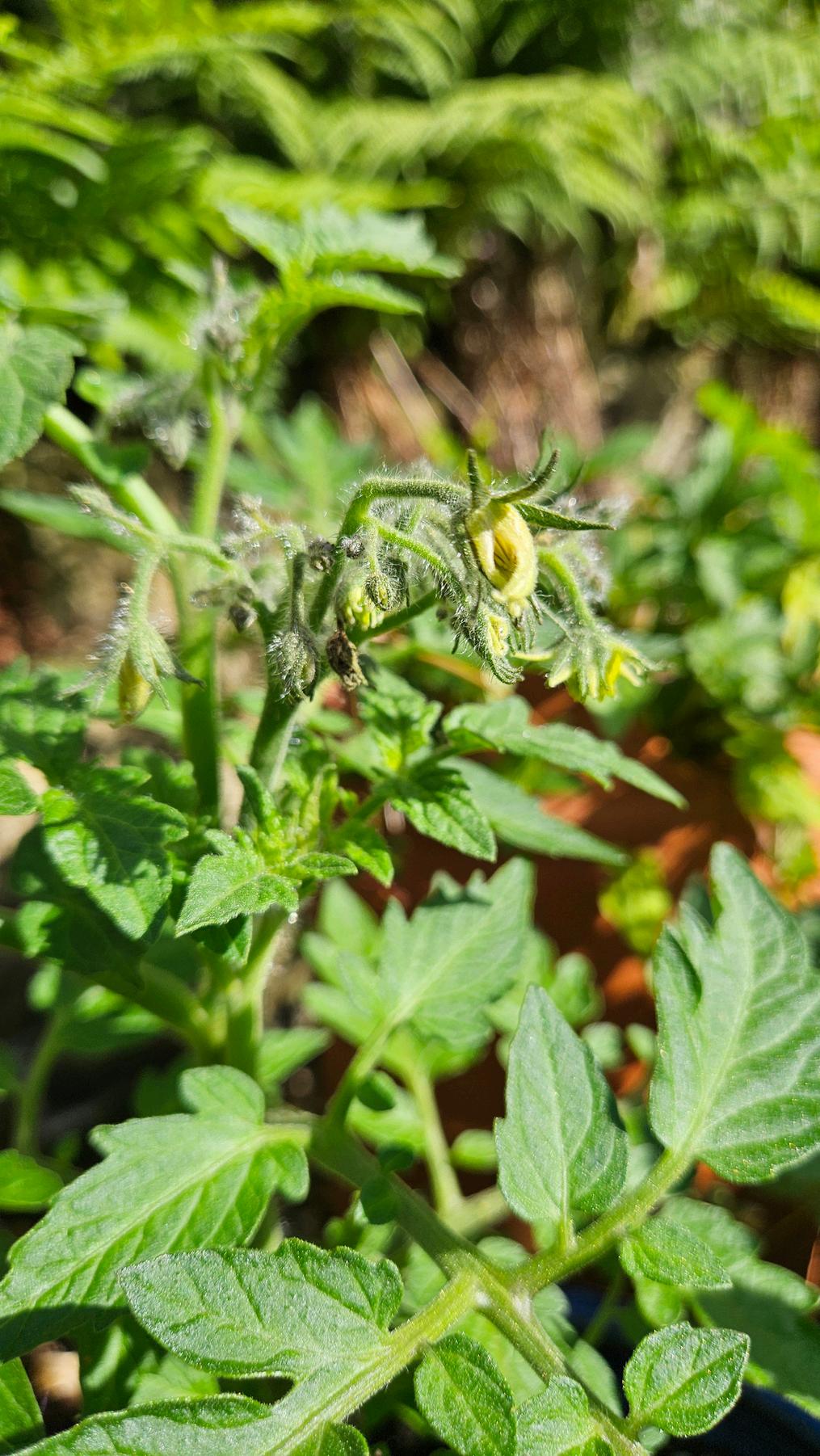
Could July bring the first tomatoes in Scotland? And will any of my plants not get eaten by the end of the month? I don’t know about anyone else, but everything is getting eaten this year, even my spring onions - which I was pretty sure was not a slug delicacy
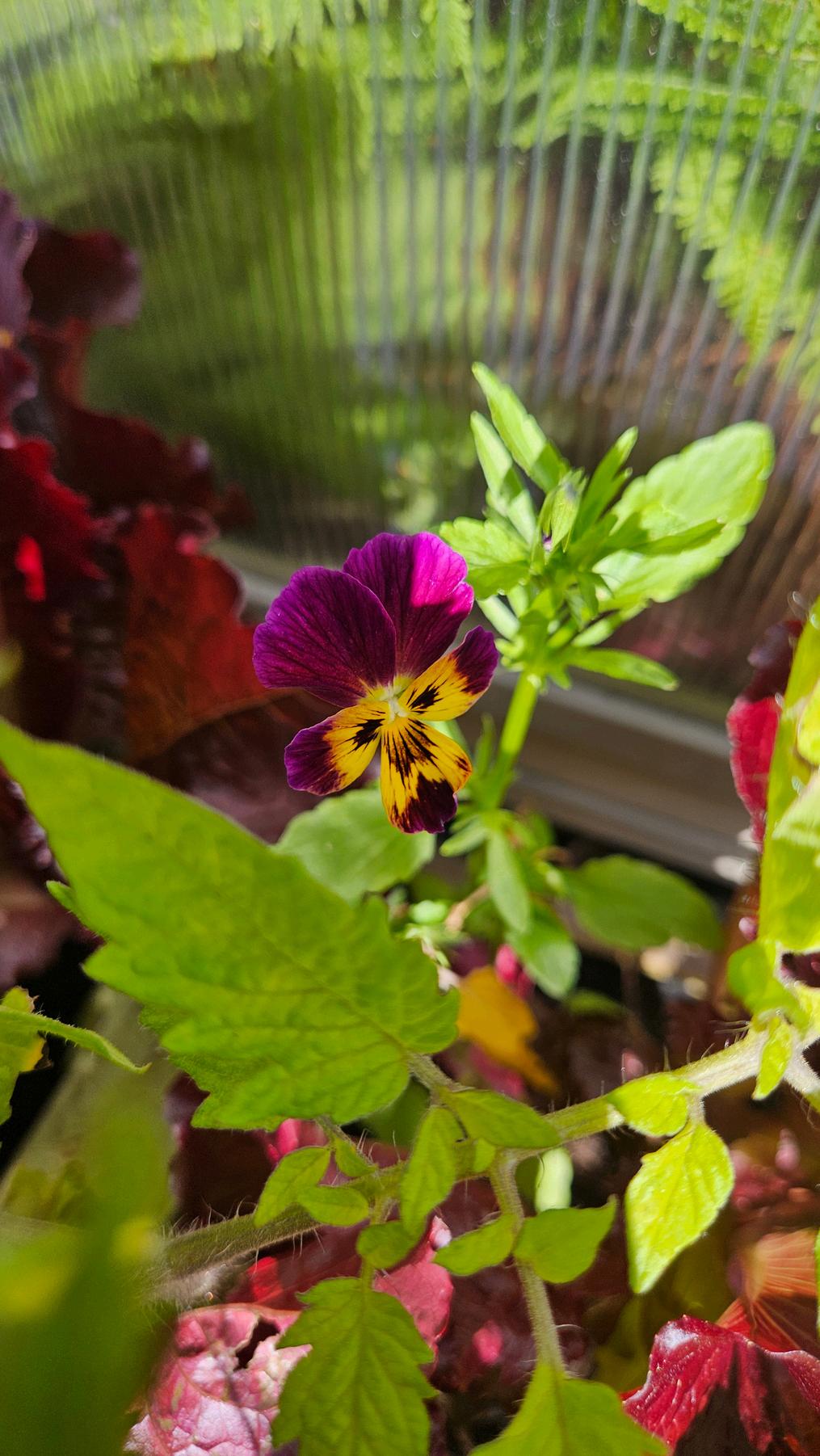
A few months ago, I mentioned my salad trug which was a huge success It is now a bit chaotic with salad, tomatoes and flowers everywhere but who cares It hasn’t been eaten and things are growing, so I will take that as a win
If you took part in our grow-along last year you will remember it was the year of edible flowers If they have self seeded and come back in abundance this year, you wont want to miss this month’s Plot to Plate. It is blooming good!
I hope you all survive the heatwave(s) and when we come back in August your gardens are filled with blooms and harvest baskets overflowing.
Ally x
I promised you all last time that I would report back on Chelsea Flower Show, and I am very pleased, relieved and still slightly shocked to say that it was a huge success
The Classroom Garden, which I created with my friend Lee Connelly, also known as the Children’s Gardening Coach, was built inside the Grand Pavilion and aimed to raise the conversation around gardening, nature and education. We wanted to show what a classroom could feel like if nature was not treated as an optional extra, but as something central to how children learn, play, regulate, imagine and understand the world around them. We had visits from David Beckham, Joanna Lumley and even The King but it was the conversations we had with the public that meant the most. There is still more work to be done but this was a starting point and hopefully starts bigger conversations
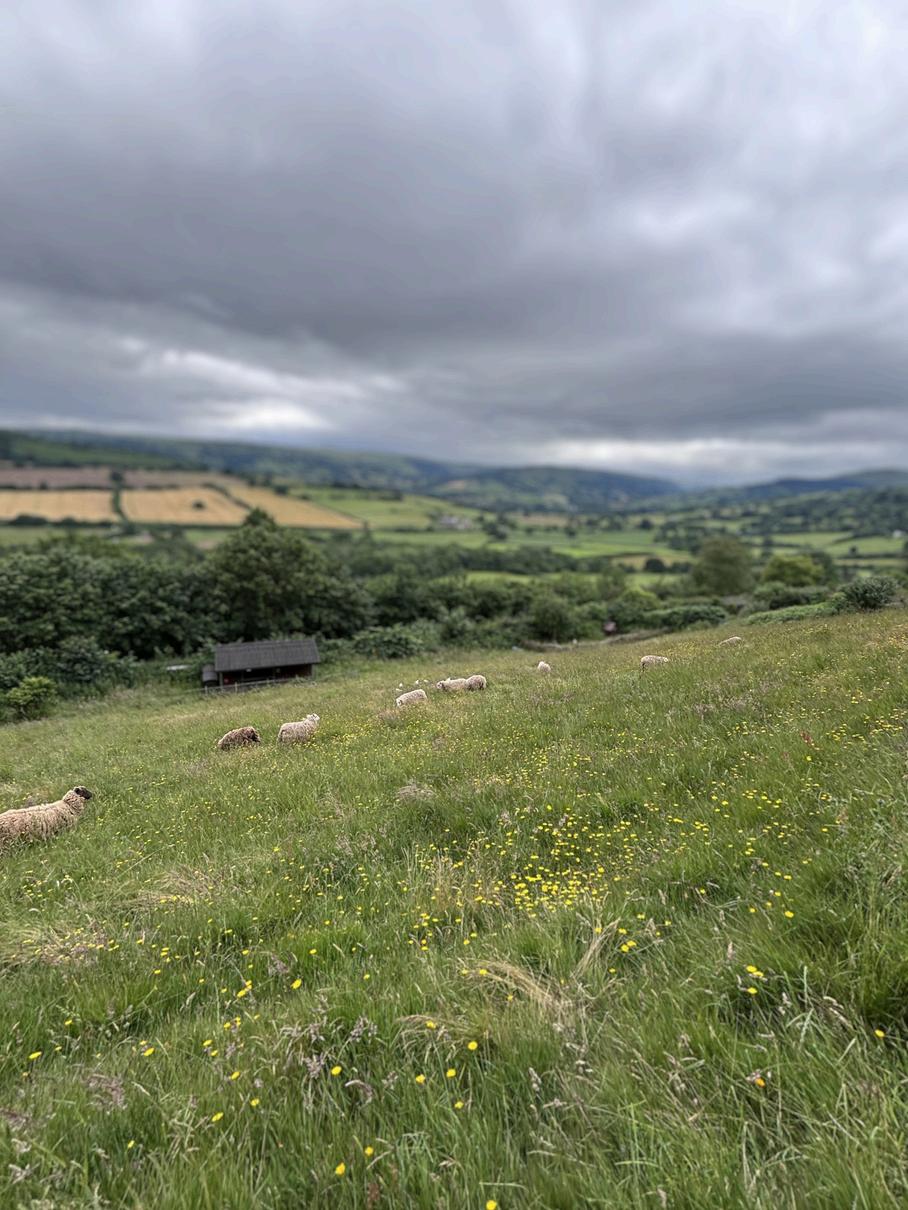
Back home in Wales, life has been much quieter The garden and fields have carried on without caring that I have been at Chelsea The grass has shot up, the trees have filled out, and the apple trees are now covered in swelling fruit My figs seem to be doing wonderfully as well and I am so excited about eating my first one drizzled in local honey (one day it will be my own) I have decided not to mow the grass on my lawn, but cut strips through the longer grass so we can get around and more importantly so my daughter can get to her trampoline The difference in wildlife has been noticeable, with far more moths and butterflies flapping around and crickets jumping all over the place.
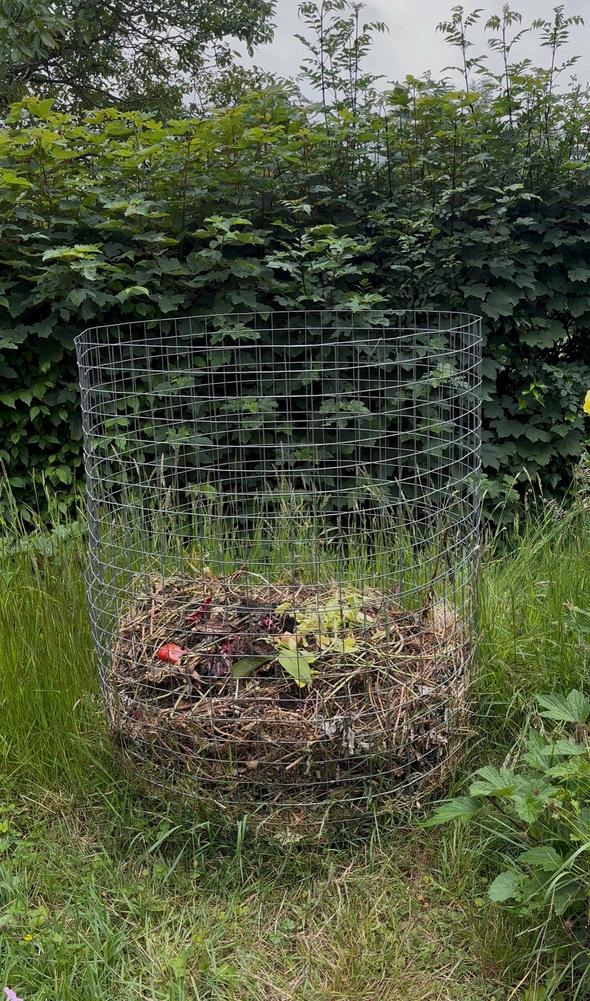
I have also upped my compost game. I have always tried to make compost in some form but now I have the space and the abundance of material from which to create it. I need to establish a proper system on a bigger scale so this month I had my good friend Eddie from Rhizophyllia come over to help me set up my compost properly. Eddie swears by simple wire mesh, rolled into a circle and stacked to form a large cylinder, that way airflow is optimised and the heat is right at the centre With four acres, animals, long grass, pruning, kitchen waste and general garden mess I have no excuse not to make good compost I will need it as well, as my plan is to create a small kitchen garden over the autumn and winter months ready for sowing and growing next year
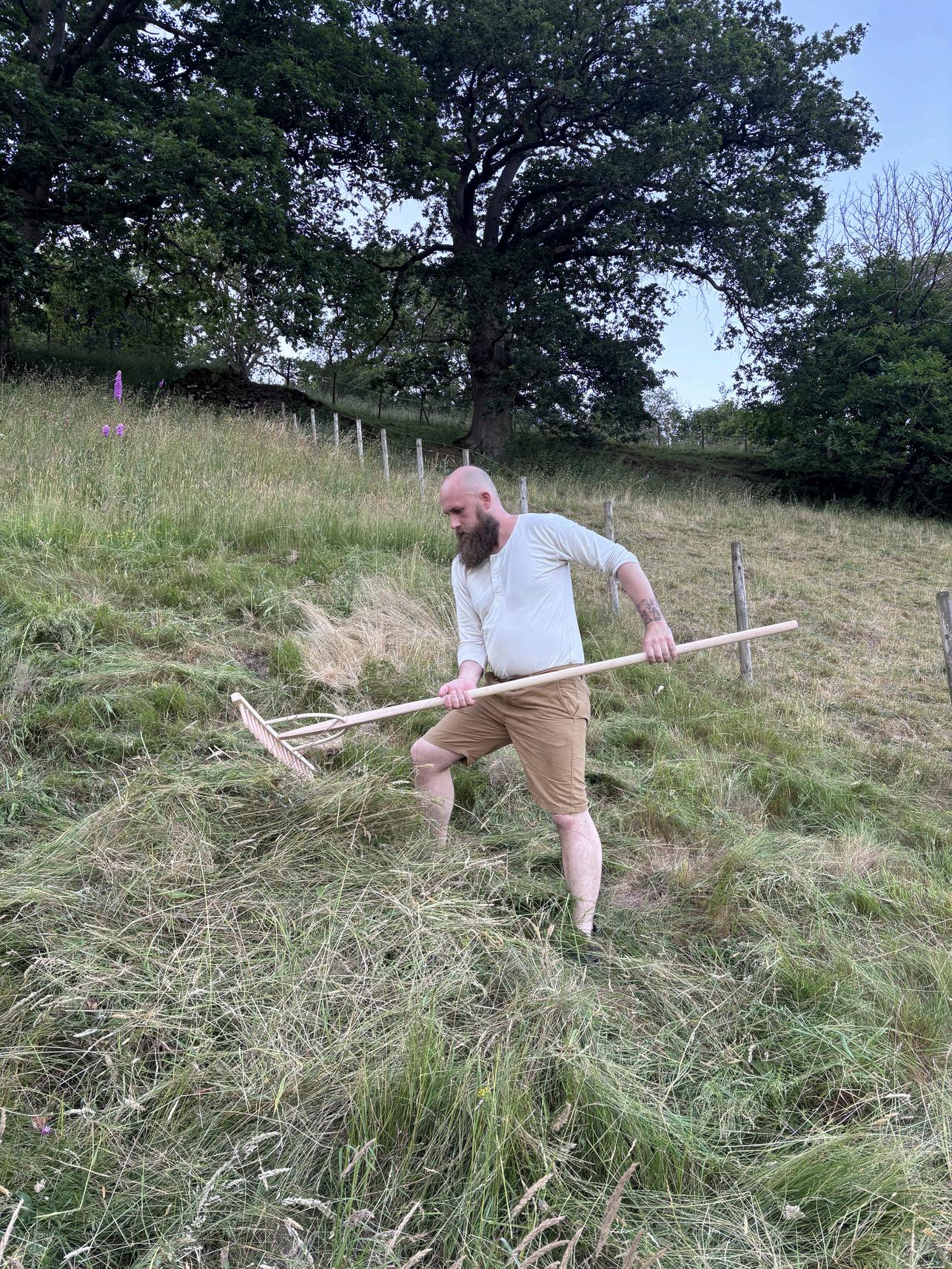
Back to the long grass: there are parts of the land I have deliberately left to grow tall, partly for wildlife and partly because I want to make hay My scythe arrived this month as well as my traditional hay rake, which makes me feel both deeply traditional and slightly ridiculous There is something romantic about the idea of walking through a field with a scythe, cutting hay by hand like some sort of hillside peasant poet The reality may be less poetic and more sweaty bald man, but I am determined to give it a go.
I still feel very new here. I am still learning the land, learning what grows, learning what needs managing and what needs leaving alone. But each month I feel a little more rooted.
Enjoy the heatwave. See you next month.
By Leigh Johnstone
@beardygardener
Trying out new ways to compost.
Stormy weather in Wales.
By NicWright
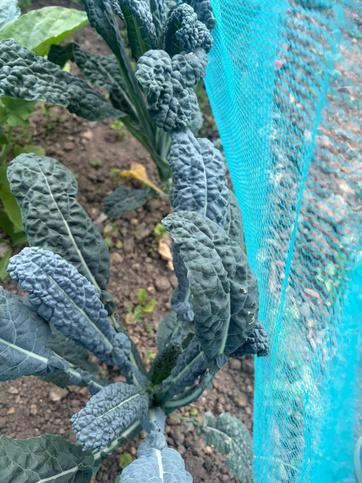
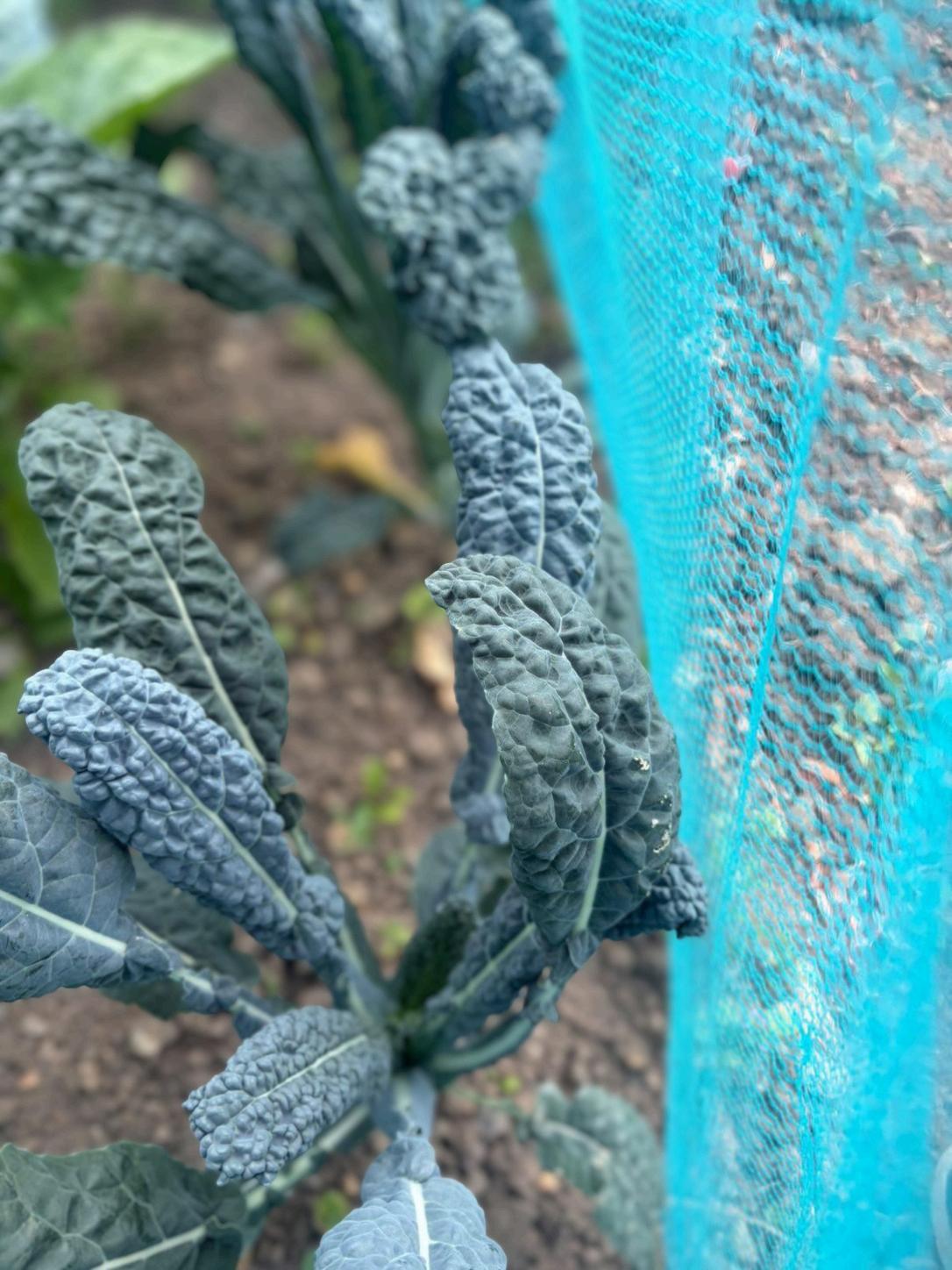
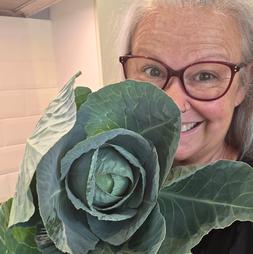
I’ll be starting to pick kale this weekend, and once you begin, you can keep harvesting little and often for months. Kale is one of those plants that rewards gentle, regular picking. A few leaves from each plant, never the crown, and it’ll keep producing right through summer and well into autumn In my house, kale also comes with a side-story: I’m technically banned from growing it after a whitefly incident about six years ago that resulted in an invasion indoors So now I simply tell my husband it’s cabbage He usually guesses it’s not by the texture, but I get at least one meal a year where I can sneak it in without being moaned at.
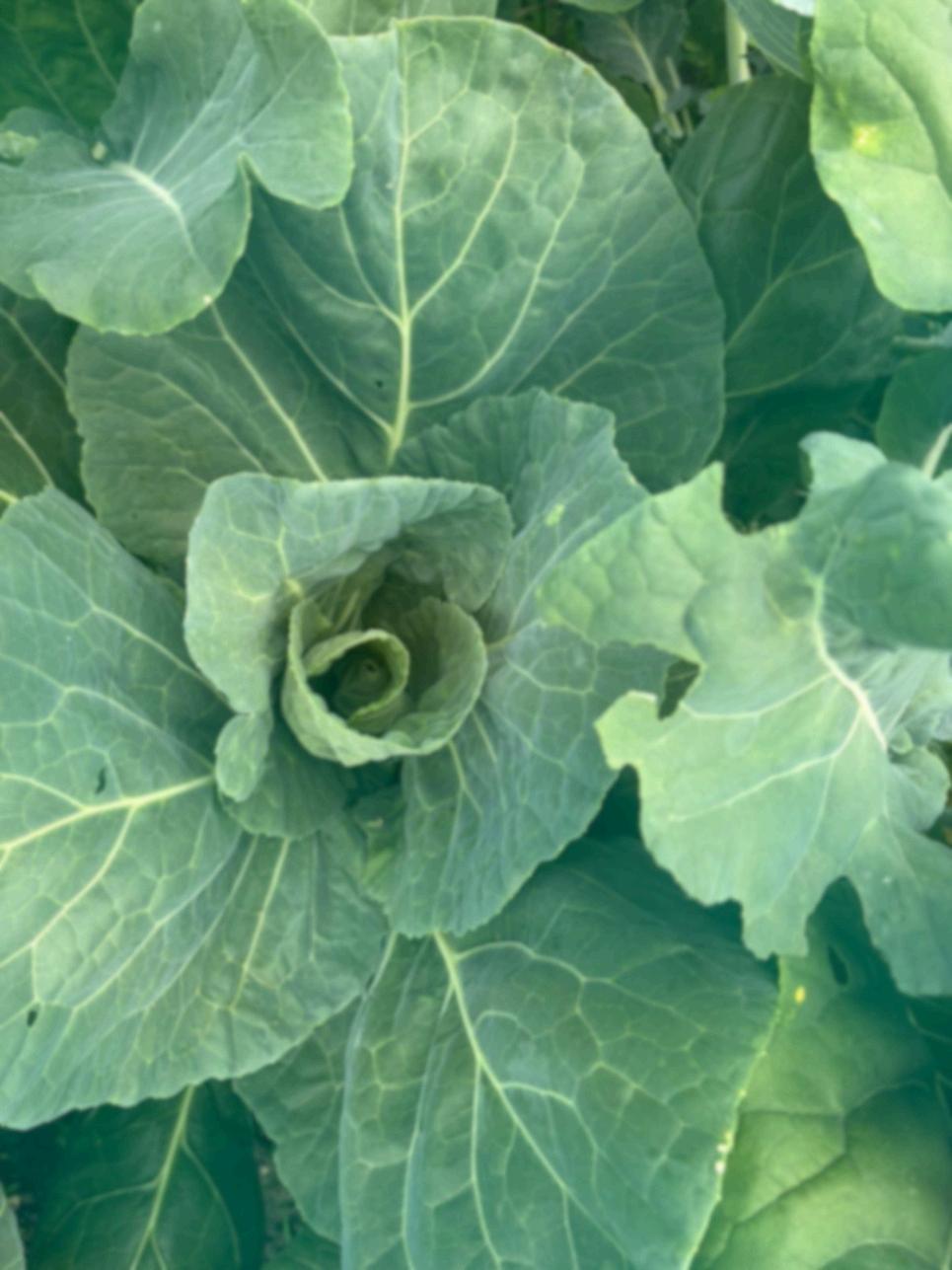
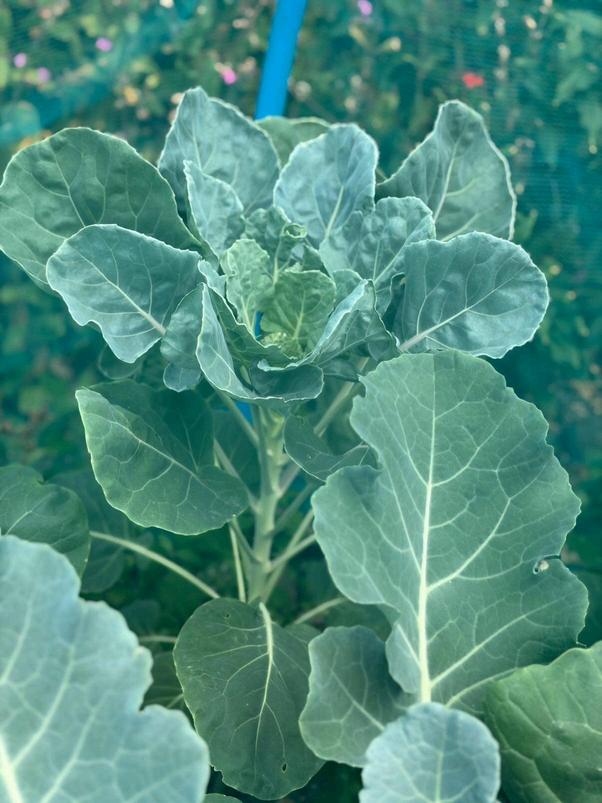
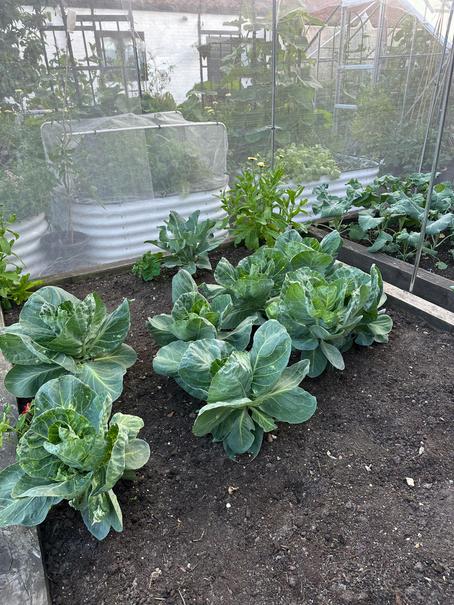
Elsewhere in the bed, the Savoy cabbages are starting to develop their hearts, the outer leaves are beginning to fold inwards and you can see the tight, crinkled centre forming. The cauliflowers are doing their dramatic upward-arching leaf thing, which is always the giveaway that curds aren’t far behind. And the sprouts are stretching their stalks, a sure sign that tiny pea-sized sprouts will soon appear and slowly swell through the rest of summer
But let’s talk about kohl rabi, because I came back from Gardeners World Live to find that mine didn’t make it The May and June heatwaves took their toll Kohl rabi is a cool-season brassica with a shallow root system, which makes it particularly vulnerable to heat stress. When temperatures spike, the plant diverts energy into survival rather than bulb formation. The swollen stem you ’ re waiting for simply doesn’t develop properly, and instead you get woody, split, or stunted growth. In prolonged heat, the plant can also bolt prematurely, sending up a flower stalk instead of forming that crisp, juicy globe. It’s a classic case of a cool-season crop meeting a hot-season tantrum.
If yours did survive - first of all, congratulations, because they’ve been through it - and I hate to say this, but the forecasts show there’s more heat to come! And second, here’s what to expect: March-sown kohl rabi usually begin to reach harvest size from late June through July You’re looking for a bulb about the size of a tennis ball Any larger and they risk becoming fibrous. Keep them happy by watering consistently, mulching to keep the soil cool, and harvesting promptly. Kohl rabi left to sit in summer heat will sulk, split, or toughen.
July’s biggest job isn’t harvesting or mourning the kohl rabi however, it’s keeping the beds weed-free. Brassicas are hungry plants. If they have to compete for nutrients, water, or root space, they simply won’t perform. Weeds steal nitrogen, shade young leaves, and create damp, crowded conditions. A clean bed means stronger hearts, tighter curds, sturdier stalks, and fewer pest problems
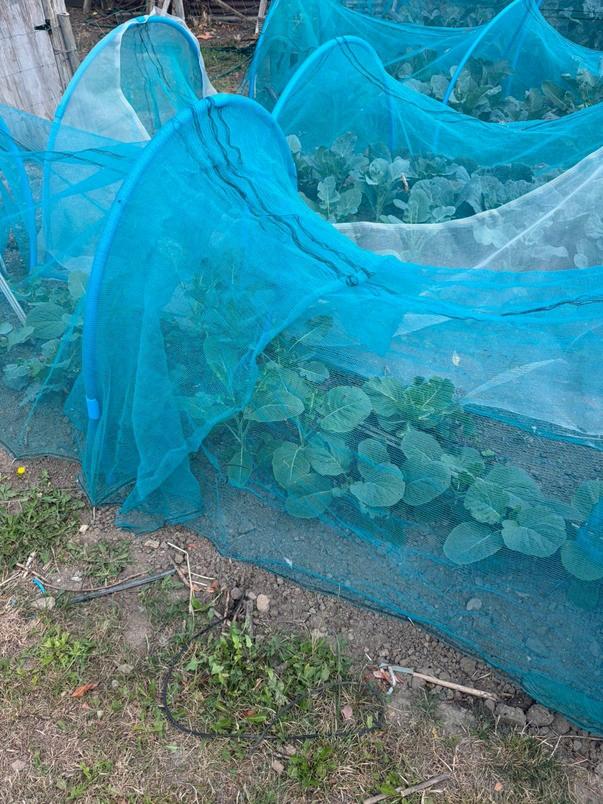
The other non-negotiable July task is netting vigilance You’ll know this already, but it bears repeating: all a butterfly needs is a tiny crack, a lifted corner, or a leaf touching the net, and you’ll be in for a brassica massacre! Cabbage whites are opportunists. If they can reach a leaf, they will lay. And if they lay, you’ll be picking caterpillars out of your cauliflowers for weeks. So check your netting every few days. Make sure it’s taut, pegged down, and not resting on the foliage. A single gap is an invitation.
July is also a good month to give your brassicas a mid-season feed A nitrogen-rich boost helps leafy crops like kale and Savoy put on fresh growth, while cauliflowers and sprouts appreciate the extra support as they move into their structural phase Think of it as topping up their energy before they commit to the big finale
If you ’ re growing multiple varieties, July is when you start to see their personalities emerge. The kale is the eager early riser, the Savoy is the slow and steady worker, the cauliflower is the diva preparing for its grand reveal, the sprouts are the long-game strategists quietly building their architecture, and the kohl rabi - if it survived - is the delicate one that needs a bit of extra care.
So that’s July: harvest the kale, admire the hearts forming, watch for curds, keep the weeds down, guard the netting, and forgive the kohl rabi We’re halfway through the growalong, and the best brassica moments are still ahead
How are your brassicas fairing?
Don’t forget to keep them covered.
The shift from spring to summer is such a welcome one in the gardening calendar, but this year it has felt particularly well deserved. In our house, no one welcomed the longer evenings and slower pace more than my eldest son after completing his GCSE exams. As parents, it’s been a bit of a rollercoaster supporting our Year 11 through exam season, and I think it’s fair to say we all breathed a sigh of relief when that last paper was finished - including the plant babies.
We escaped for a few days to recharge as a family and returned home to a garden that had clearly taken full advantage of the sunshine in our absence. The sunflowers had almost doubled in height, the peonies had burst into flower and already faded, and the roses were now stealing the show
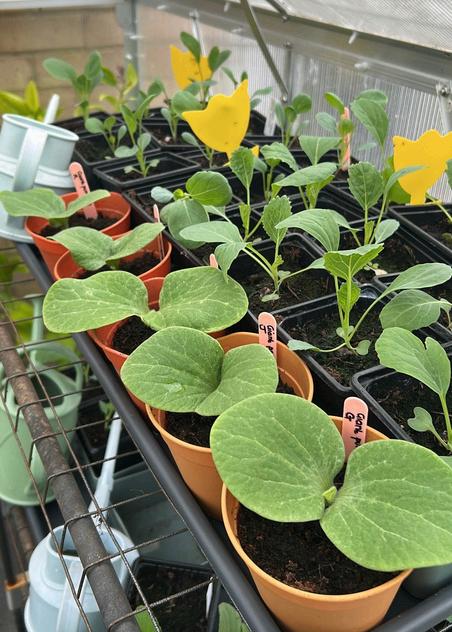
With summer now well underway, the seedlings were officially served their eviction notices from the greenhouse After weeks of nurturing, it was finally time for them to make their way into the raised beds Pak choi, lettuces, cucumbers, courgettes, squash, pumpkins, herbs, dahlias, sweet peas and pansies have all taken up residence in their new homes
The brassicas have negotiated a longer stay We joined the Collie Flowers and Garden Folk mag grow-along a little late and they were still too small to face the local slug population After a few extra weeks of pampering in fresh compost, they’re almost ready to join the others
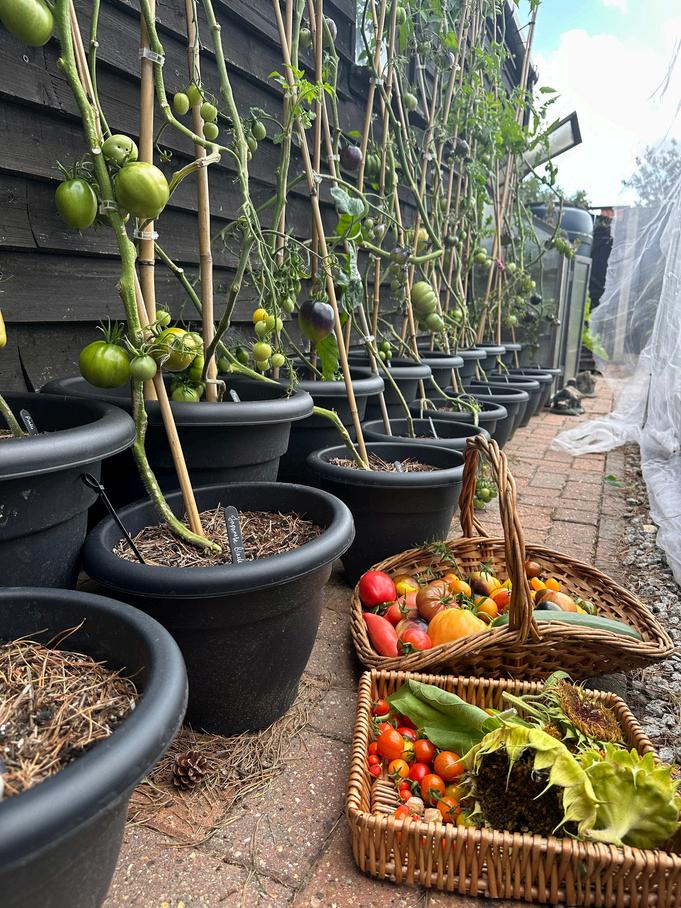
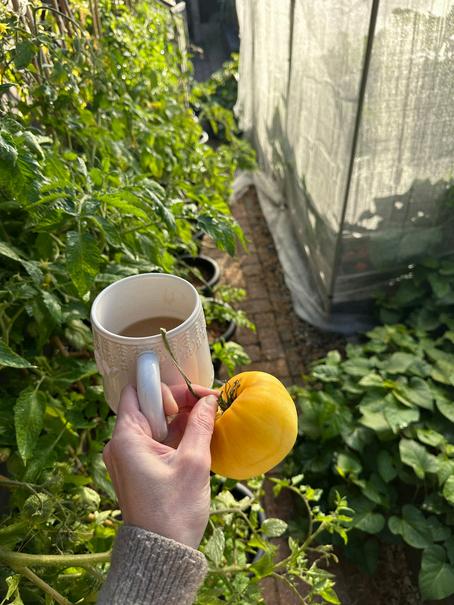
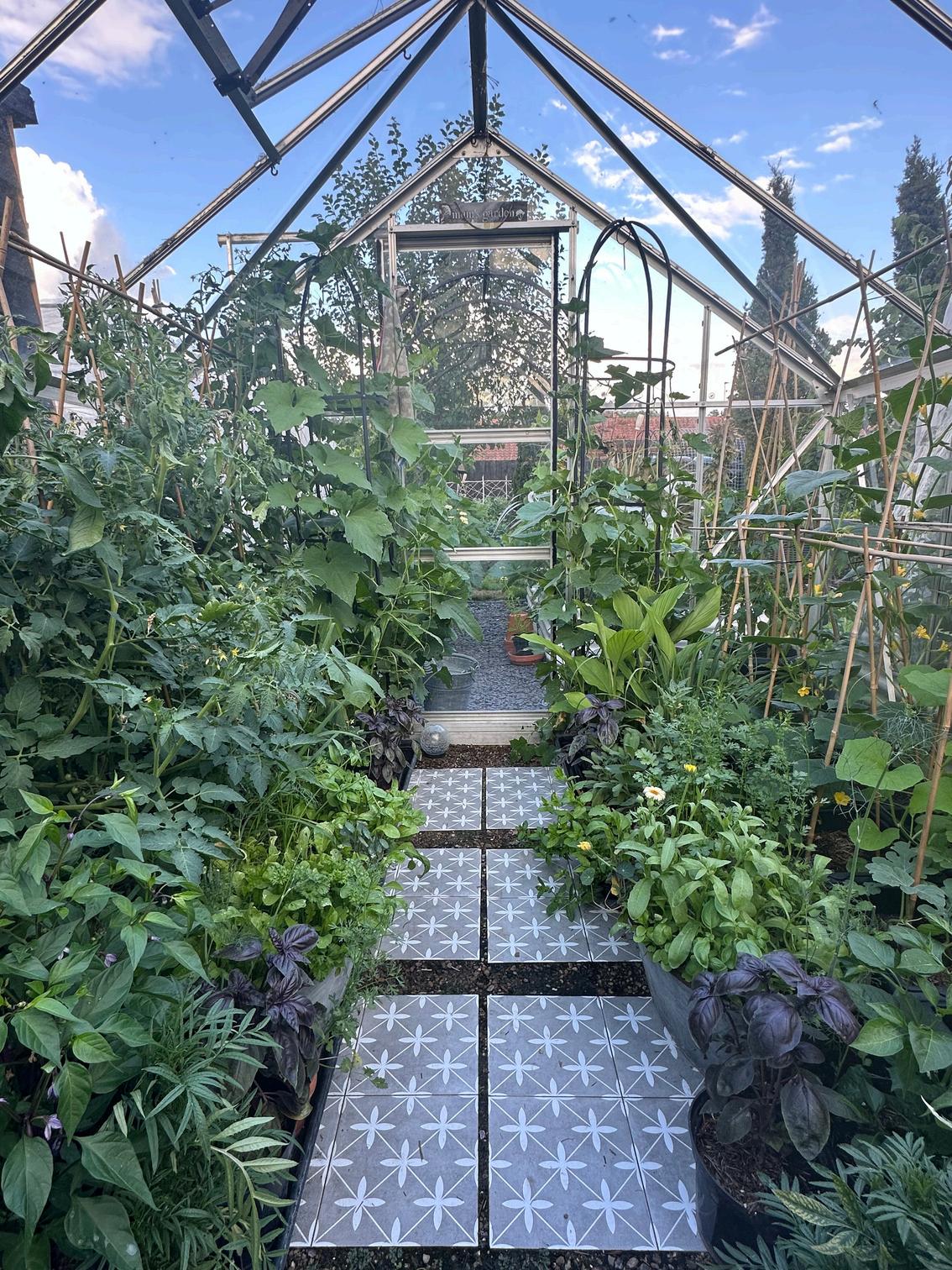
Removing the greenhouse staging this year felt pretty significant. For the first time since creating this home kitchen garden, the greenhouse has started to settle into its seasonal role. Rows of potted tomatoes now fill the space, companion-planted with basil and vanilla marigolds. I’m usually drawn to softer, pastel colours for the garden, so the creamy vanilla marigolds were an easy choice.
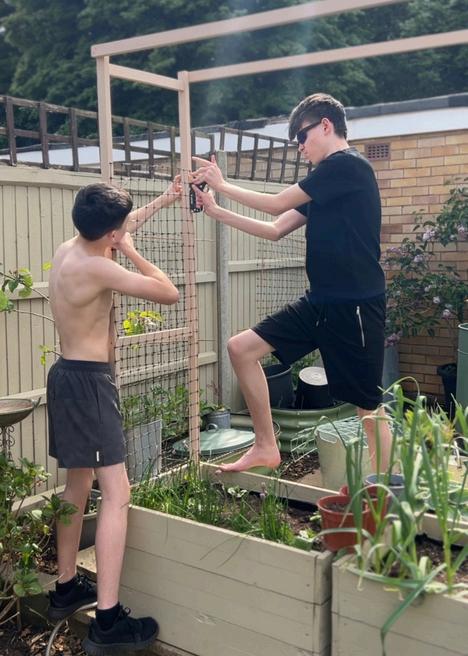
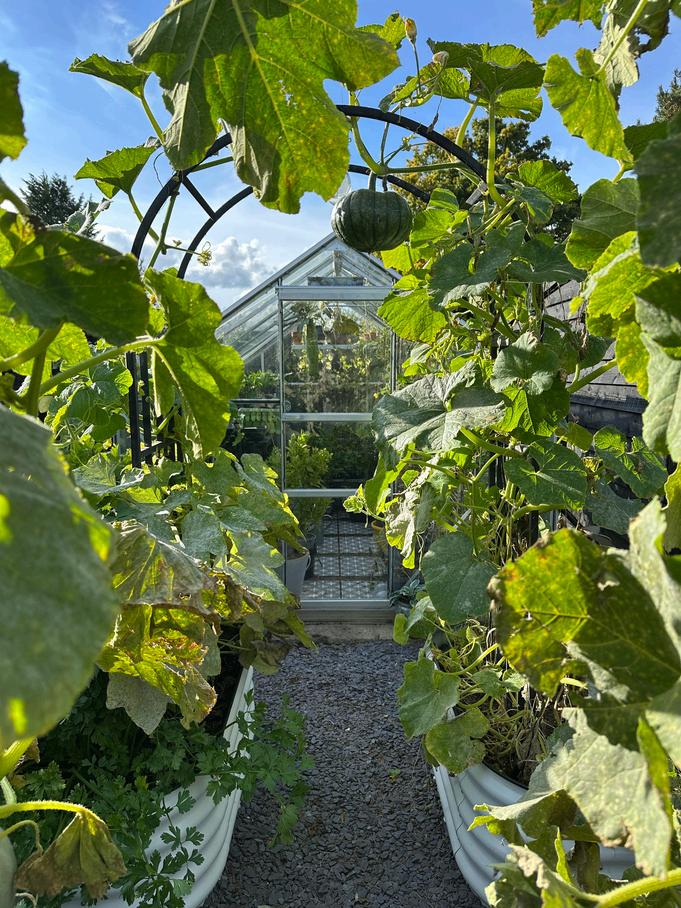
As a previous allotment grower, one of the things I really missed was growing upwards Arches and bamboo teepees were part of how we gardened on the plot, so adding that height back into our kitchen garden felt necessary Rob and the boys built two large timber arches over the raised beds, and by stapling sections of our old chicken run netting to the framework, we ’ ve created somewhere for cucumbers, runner beans and winter squash to climb
Speaking of pumpkins, we ’ re all taking part in a giant pumpkin grow-along hosted by Suttons It turns out we are more competitive than we’d like to admit Each of us selected our own seed from the pack and we hosted a little 'plant me' party Max's pumpkin seedling was the first to emerge with mine being the last to do so The pumpkins will be grown using different methods around the garden and we will see who achieves the biggest and heaviest fruit by the 19th October
Looking around the kitchen garden now, it’s hard to believe how much has changed in a short period of time. What began as a handful of plans is slowly becoming a productive little kitchen garden that’s already giving so much back to our family.
Join me next time as we discover whose pumpkin is leading the family competition and what we are harvesting from the garden.
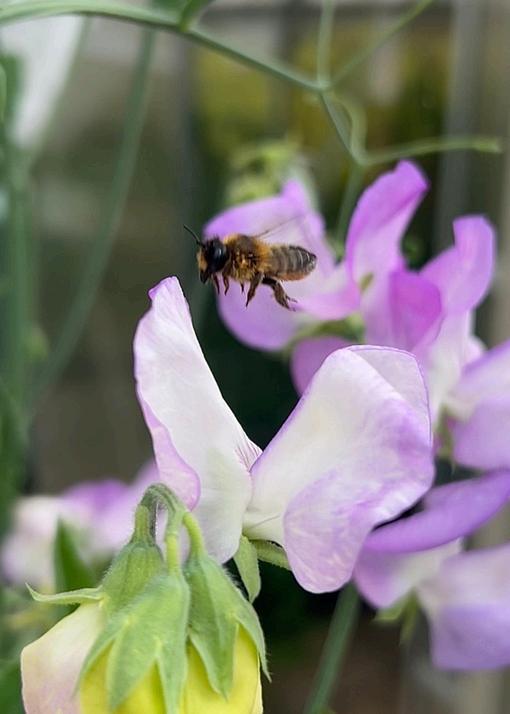
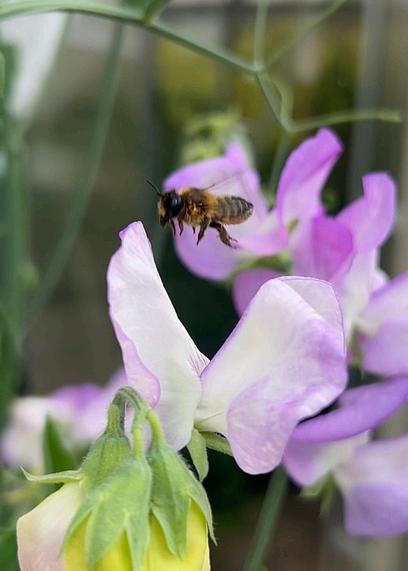
The bees are enjoying Kerry’s abundance of blooms.
The greenhouse is absolutely brimming with plants.
By Kerry Tomlinson
@lottie thyme
The Kitchen garden building team are back in full force!
Liv Living Off the ing Off the Land:Waste Land: Waste Nothing Nothing
By the height of summer, the garden begins to give back in ways you never quite expect Of course there are bowls of tomatoes waiting on the kitchen table, armfuls of herbs to gather and vegetables that somehow seem to appear overnight, but there is something else happening too You begin to notice that very little in the garden is without purpose
Tori is always busy in the greenhouse.
When I first started growing my own food, I was focused almost entirely on the harvest I measured success by how much I could pick and how much food I could carry back to the kitchen Now, I find myself looking beyond that I notice the flowers that will become dried arrangements long after summer has passed I save seed heads for next year I leave herbs to flower for the bees before cutting the stems to dry for winter teas. Even the plants that have finished producing often have another job to do.
Living off the land has taught me that abundance is rarely about having more. It is about seeing more. One of the greatest lessons the garden has given me is that nature wastes almost nothing. A faded flower becomes seed. Fallen leaves become compost. Nettles become feed for the soil. Old raspberry canes become supports Willow becomes weaving What first appears to have reached the end of its life is often just beginning another I often think we have drifted away from that way of thinking We have become used to replacing rather than repairing, buying rather than making, throwing away rather than asking ourselves one simple question “What else could this become?”
That question has quietly transformed the way I garden When I cut lavender now, I never think only about the flowers in bloom I think about the bundles drying in the shed, the little wreath that might hang on the kitchen door in winter, the handful saved for a relaxing evening tea, or the stems tucked into drawers months from now. Calendula becomes infused oils. Mint dries beautifully for tea. Rosemary fills the house with its scent long after it has been picked. The harvest doesn’t always end when the plant leaves the soil. The same is true for the garden itself. Some of my favourite things in the garden have never been bought. A support made from pruned bay branches. Twine saved and used again. Old terracotta pots with years of wear on them. Weathered timber that has found another purpose. None of it matches perfectly, but somehow that makes it feel even more beautiful It feels honest
I think that is what I love most about slow living It gives you permission to stop chasing perfection and start appreciating character instead Summer also reminds me that a garden should be experienced with every sense, not simply admired from a distance I often find myself brushing my hands through the herbs as I walk past, simply because I enjoy the scent they leave behind Lavender hums with bees The warmth of the greenhouse carries the unmistakable smell of tomato vines Fresh mint releases its fragrance before you ’ ve even picked a leaf These small moments ask nothing of us except that we notice them Perhaps that is why gardening feels so restorative It gently encourages us to be present.
By Tori Thomas
An arch of pumpkin joy.
@torisallotment
Never far from a harvest in Toris homestead.
feels precious I mulch wherever I can to hold moisture in the soil, collect rainwater whenever the weather allows and water deeply rather than little and often Healthy soil does so much of the work for us if we look after it well enough Compost, mulch and organic matter become quiet reservoirs, helping plants through dry periods without constant intervention Looking after water is really another way of looking after the future
The same can be said for succession planting Every time one crop finishes, another quietly begins The garden never truly stands still A harvested bed isn’t the end of something; it is simply making space for what comes next That way of thinking has changed not only how I garden, but how I approach life. Seasons end. Others begin. There is always another opportunity to sow again.
Living off the land has never been about producing the biggest harvest or becoming completely self-sufficient. For me, it has always been about learning to value what I already have. To waste less. To notice more. To trust that with a little care, creativity and patience, the garden will continue to provide in ways that reach far beyond food.
Because perhaps that is the greatest lesson of all
The richest gardens are not always the ones that produce the most
They are the ones where nothing is taken for granted
The greenhouse is bursting!
I constantly think how do I not have more time, there are more and more gadgets and services that make life easier yet we seem busier than ever The problem therefore is the mindset that everything is accessible pretty much 24/7 We don’t have down time any more because we all crave dopamine hits constantly from our phones The only time I am truly free is when I am in the garden working away
By Marc Ridpath @gardeneriddler
Even more ironic, as I write for a digital magazine that is a side hustle, trying to tell you dear readers to spend more time in your garden doing absolutely nothing I hope you forgive me
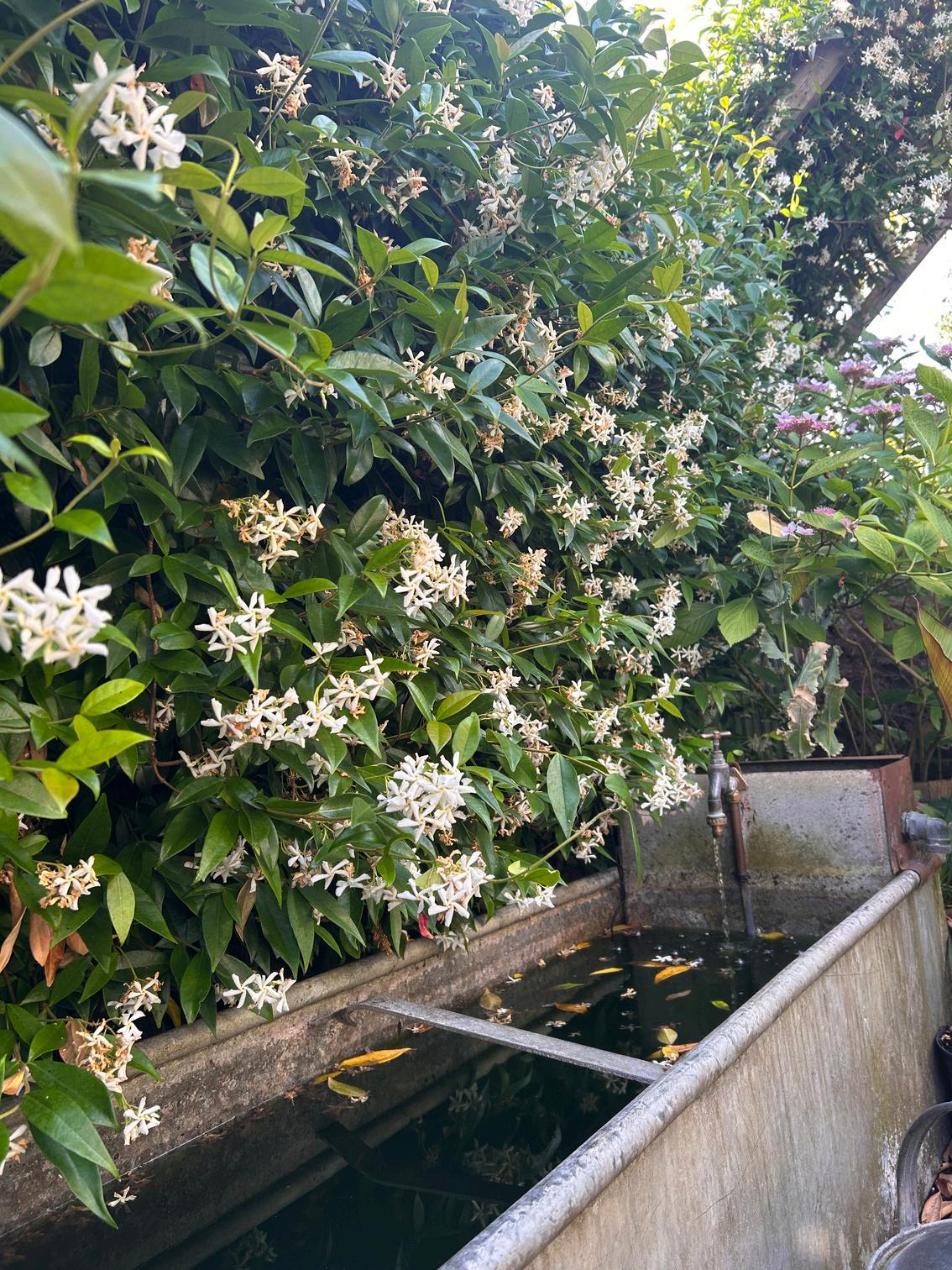
The other day I was sat in the kitchen looking out at the trough water feature I have on my patio watching a small bird splashing in and out of the water trying to cool down from the hot summers day like the rest of us. This is one of the moments I am talking about that are so easy to miss if you don’t look up from your phone or actively seek out nature and wildlife.
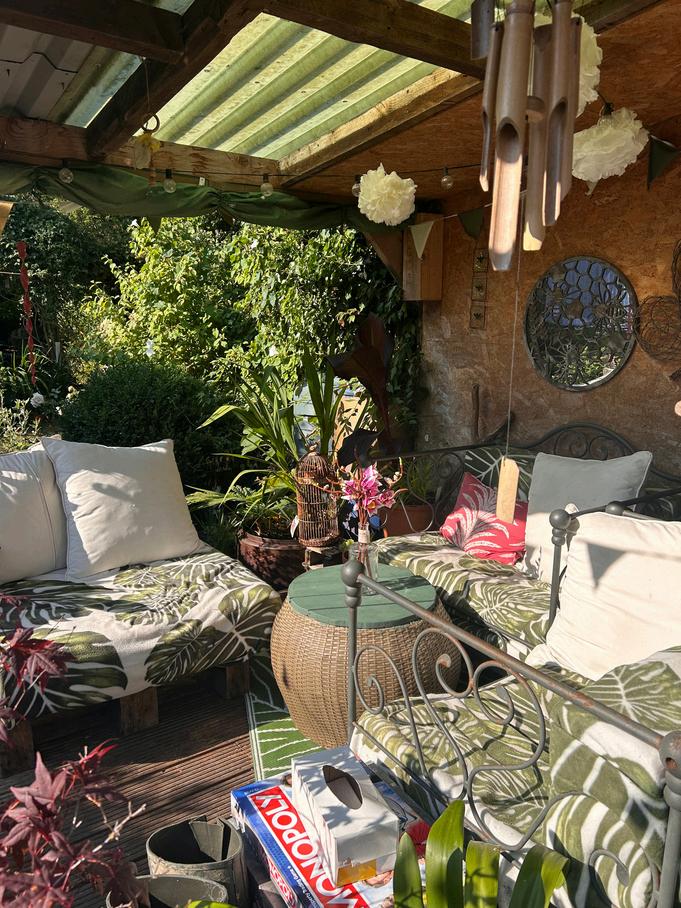
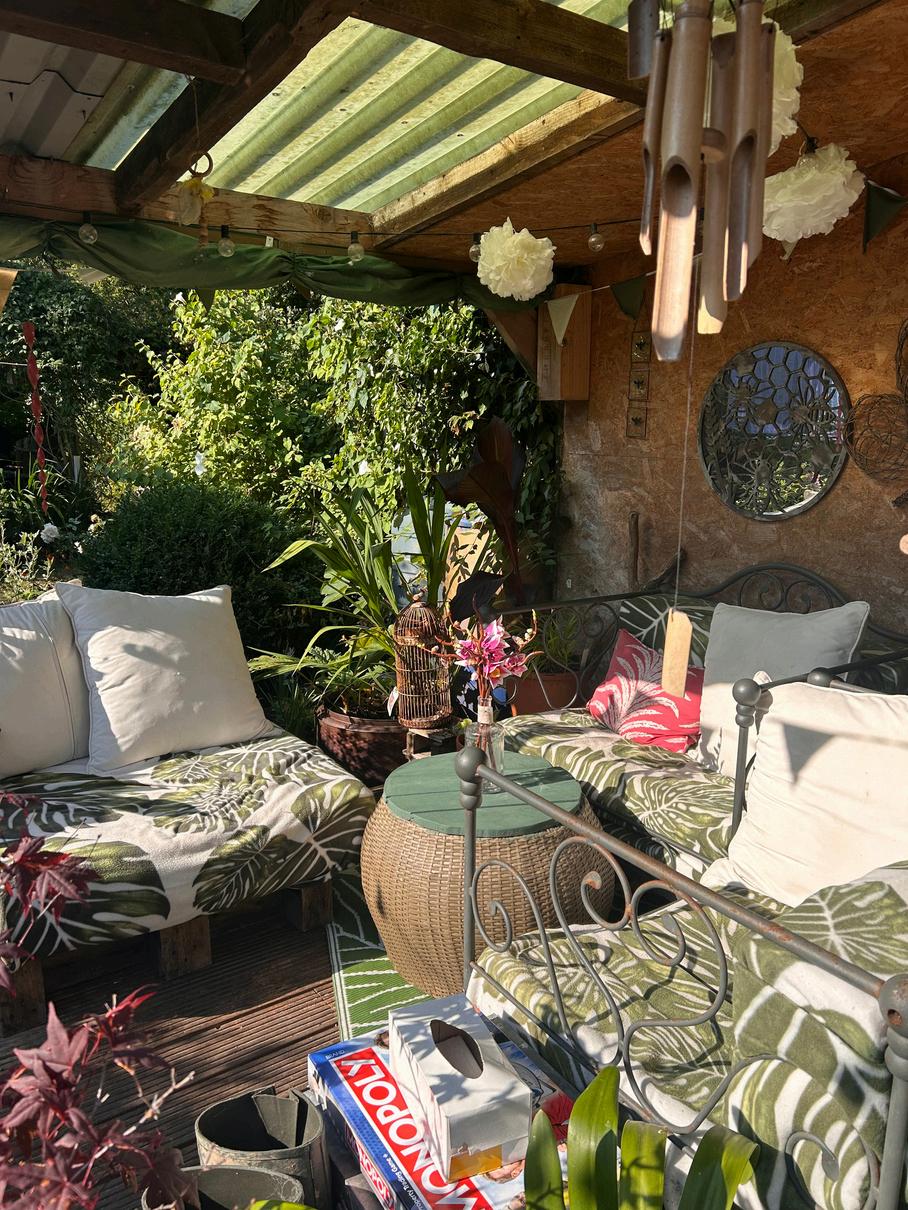
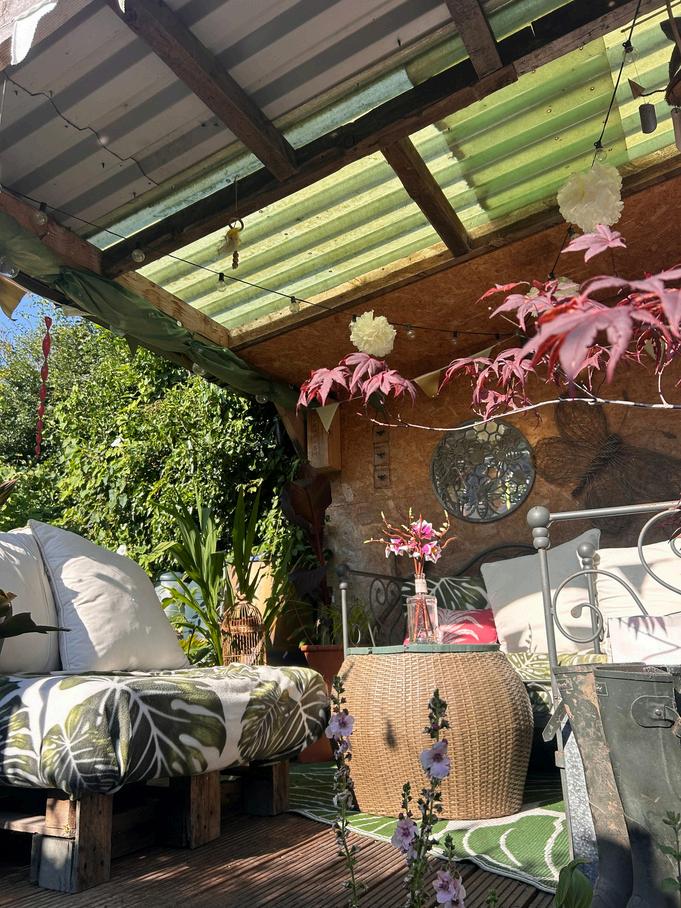
Sitting here writing this article I am lounging in our outdoor sitting area we affectionately call Jabba. The reason for that is it was originally built during Covid out of reclaimed materials as a place for our inflatable hot tub, so it was the hot tub hut which then became Jabba the Hut which has stuck long after the hot tub stopped working
Other than trying to block out the noisy traffic, I can hear so many birds chirping, I can see butterfly’s flying about my plants, all sorts of insects also moving about the place, I could honestly sit here for hours I should probably be doing something more productive like watering or updating my pot display or sowing some seeds but I promise you they can all wait
Adding details such as windchimes can make the space feel even more relaxing.
This water trough provides all the wildlife with a viatl water source.
According to research, humans who have access to social media and smart phones have the attention span of 8 seconds. It is absolutely incredible what information can you acquire in 8 seconds before you need the next hit of dopamine. We all need to start smart phones anonymous because we are all hooked. How do you feel about being controlled by an algorithm? To have a point of comparison, in the 90s the average attention span was 2 and a half minutes, so in less than 30 years we have lost over 2 minutes of attention span. Even 2 and a half minutes still sounds short when I could literally spend hours in my veg garden pottering around
So my challenge to you this month is to get out in your gardens and spend 10 minutes sitting and observing what is going on in you little piece of paradise, leave your phone inside reconnect with nature and get a hit of dopamine from seeing something that you have created a habitat for Maybe next time you are watching Gardeners World go put your phone in another room so the devil doesn’t make work for your idle thumbs
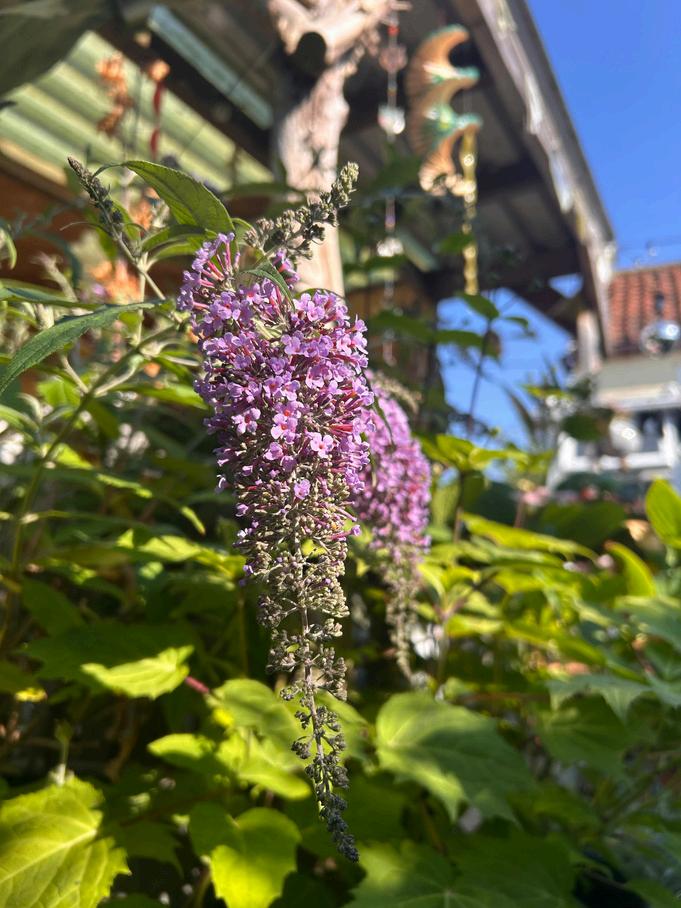
Buddleja.
Creating a wildlife garden: Creating a wildlife garden: A monthly step-by-step guide A monthly step-by-step guide
July: The Height of Summer
July is a month of warmth, long days, and abundance, both for us and for wildlife But it also brings new challenges for our wildlife friends
Water can become scarce, food sources may shift, and the heat can make shelter especially important, so our gardens become an essential refuge for all kinds of wildlife visitors
After the careful preparation and growth of spring, July invites us to nurture and maintain the habitats we ’ ve created, ensuring our garden continues to support wildlife through the height of summer.
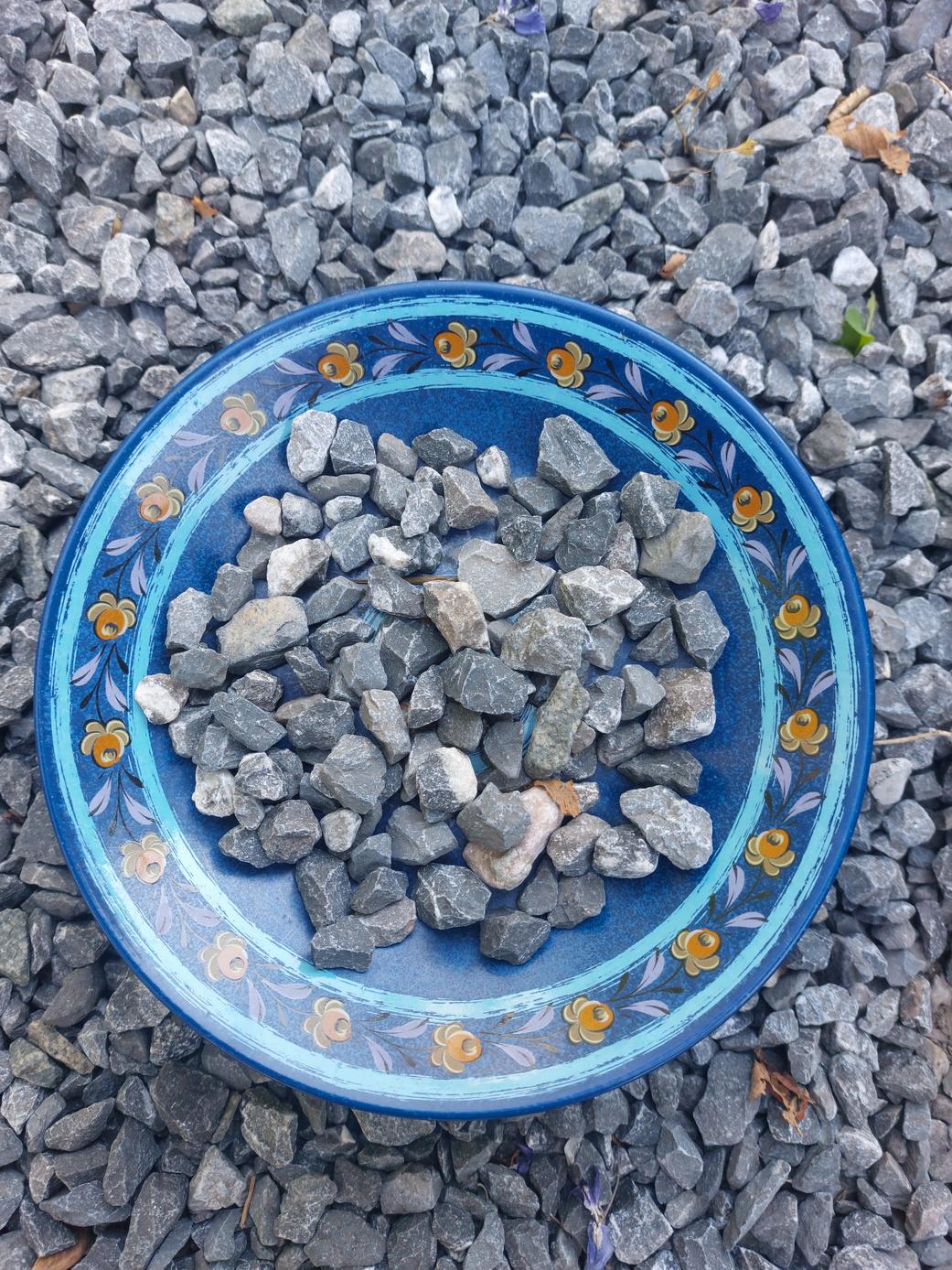
By creating a shallow drinking spot, you can By creating a shallow drinking spot, you can provide a safe, reliable source of water for insects provide a safe, reliable source of water for insects and other garden visitors to help them stay and other garden visitors to help them stay hydrated and healthy during the summer months. hydrated and healthy during the summer months.
This Month’sWildlife Project: Creating a Drinking Spot for Insects
and Other Garden Visitors
What you’ll need
A shallow dish, saucer, or bowl (wide and low works best)
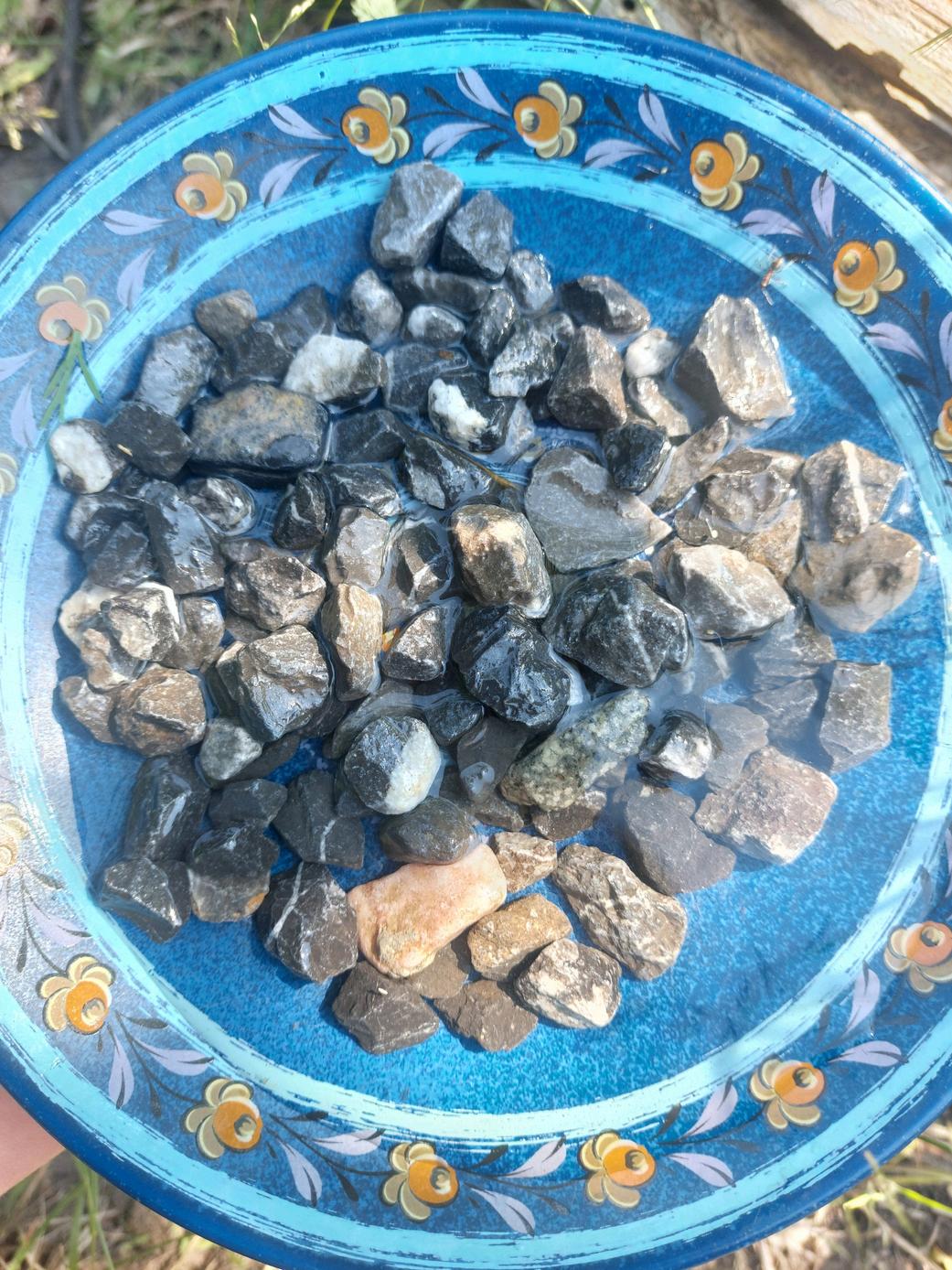
Small pebbles, stones, or gravel
Fresh water
Optional: a few flat stones for perching
Setting up the drinking spot
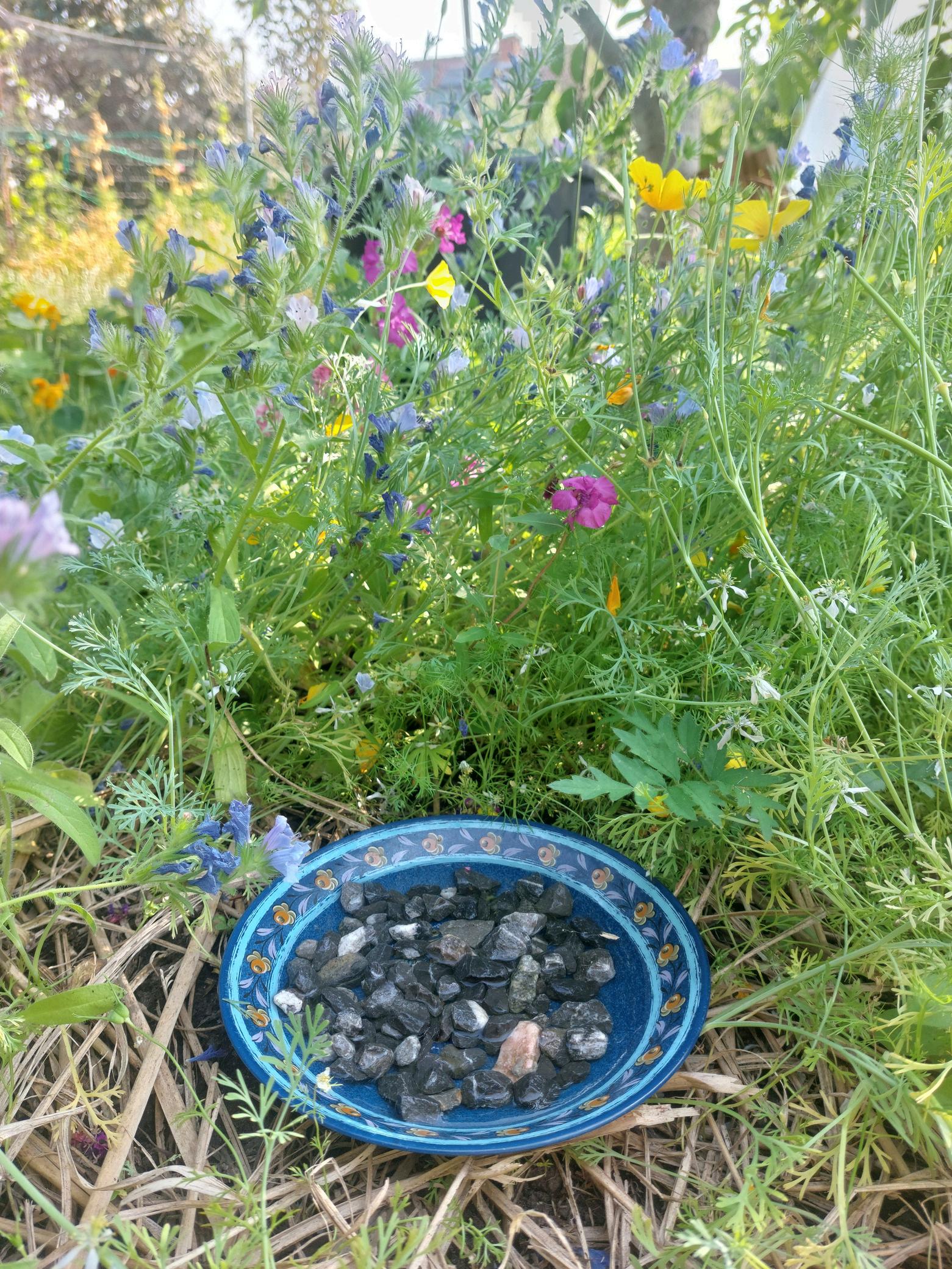
Place the dish in a sunny but sheltered location, protected from strong winds and away from high foot traffic. A spot near flowering plants is ideal, as it makes it easy for pollinators to access both water and nectar.
Fill the dish with water and arrange pebbles or small stones so insects can safely land and drink without drowning. The stones provide perching spots for bees, butterflies, and other small visitors.
Keep the water fresh and topped up daily, especially during hot spells, to ensure it remains safe and clean
Setting up the drinking spot
Check the dish regularly to ensure it hasn’t dried out or become clogged with debris.
If larger animals use the dish, consider adding a bigger drinking station for them next to it.
Encourage use and observation
Position the dish near flowering plants to attract pollinators
Watch for visiting bees, butterflies, ladybirds, and other small creatures
You can adjust the water level, stones, or location as needed based on which visitors come and how they use the spot.
Creating a simple drinking spot is a small but powerful way to support wildlife in your garden. It provides essential hydration, a safe resting place, and helps your garden visitors thrive during the hottest months of the year.
Other monthly wildlife jobs:
Keep water sources topped up
Check bird baths, puddling spots, ponds, and your new insect drinking dish regularly to make sure they don’t dry out.
Continue supporting pollinators
Deadhead flowers selectively to encourage more blooms, and consider planting late flowering species to provide nectar throughout summer and autumn
Maintain shelters and habitats
Check birdhouses, insect hotels, log piles, and hedges to ensure they remain secure, dry, and accessible. Avoid disturbing wildlife that may be resting or nesting.
Observe wildlife activity
With your drinking spot in place and other wildlife-friendly efforts ongoing, birds, insects, and small creatures have the resources they need to thrive during the hottest months of the year.
Up close and personal with your widlife friends.
Every small action you take, from topping up water to leaving undisturbed corners, helps create a thriving sanctuary for wildlife througout the entire year. Happy wildlife gardening, and see you all next month!
Take note of which species are visiting, which areas they favour, and anything else you notice. This will help guide future wildlife garden projects.
Provide safe resting spots
Leave some areas of the garden slightly wild, with undisturbed corners, leaf litter, or small piles of twigs for insects, amphibians, and other small creatures to shelter in
The final project sitting amongst the flowers.
Mid season madness!
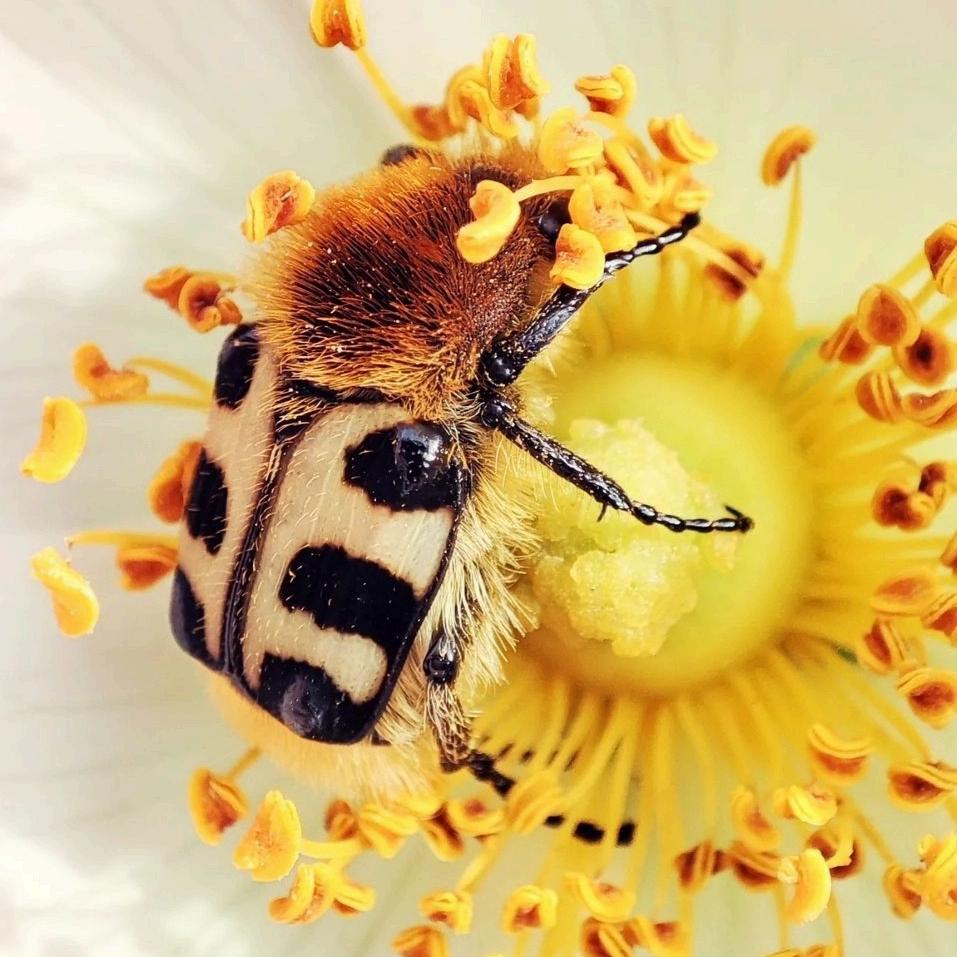
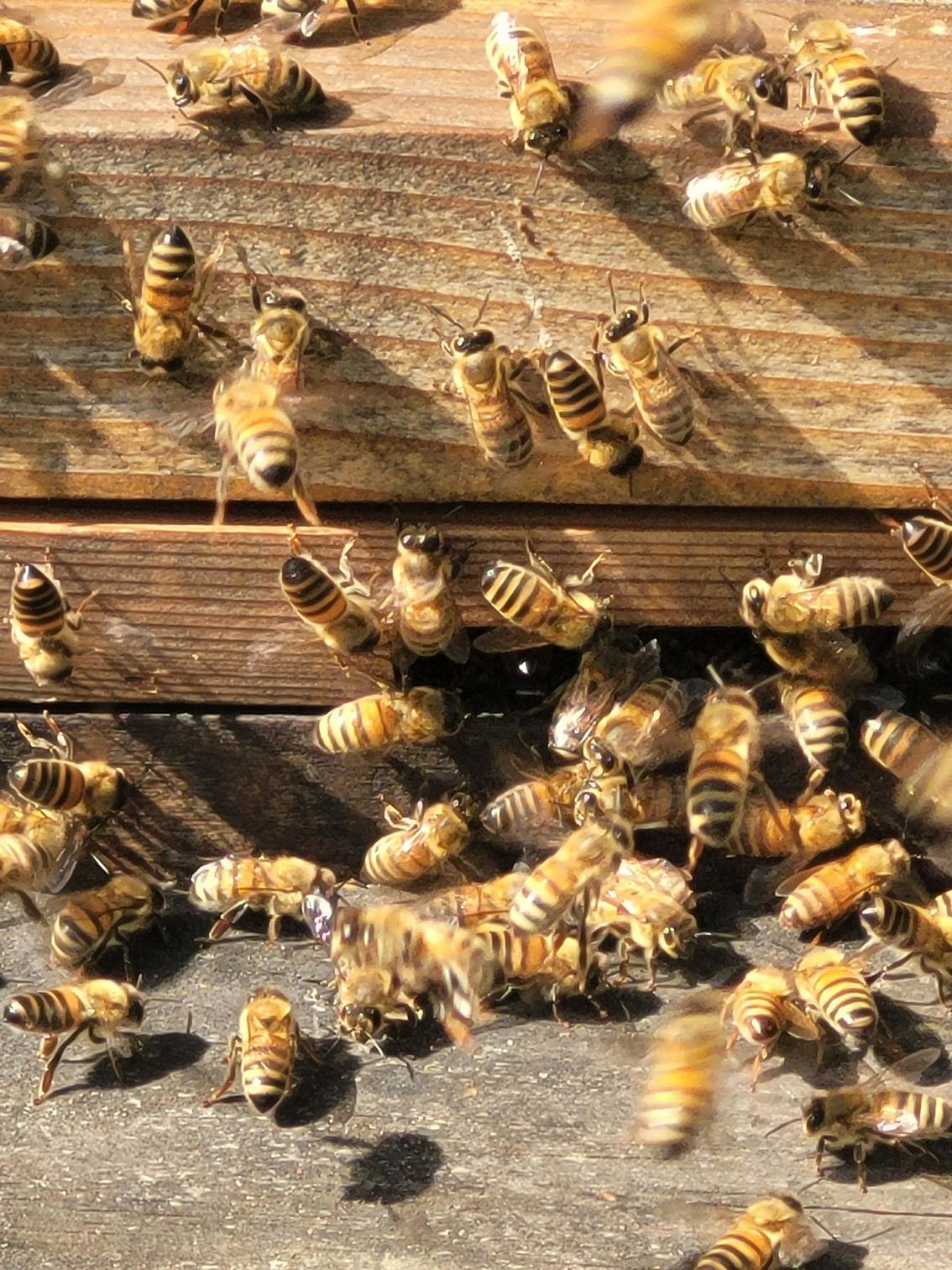
July has arrived and our honey bee colonies are at their peak – the colonies have swollen to up to 60 thousand bees in each hive, honey production is at its highest and the bees are content, with long days of foraging from summer gardens and wild flowers
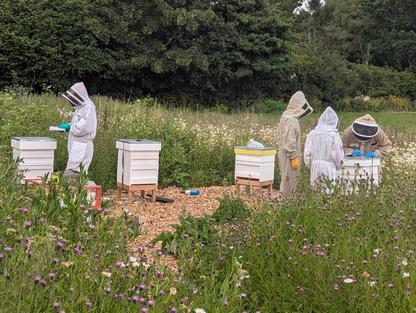
As a beekeeper, I can’t relax just yet despite the main reproduction swarming period slowing down, as there’s still plenty to do Weekly inspections, frame and equipment building, honey harvesting and nucleus (nuc) colony production are still keeping me busy, along with mentoring a couple of new local beekeepers, looking after the community bees, and the occasional swarm collection.
With the beehives packed and spilling with bees, my inspections take a little longer. At this time of year we need to ensure the queen has space to lay her 1000 eggs a day, there’s room for all the bees in the hive, and that the colony continues to be healthy and free from pests and invaders.
The first obstacle of inspecting a hive is to get past the sticky propolis barrier, the bees use glue the hive parts together Propolis is an amazing substance, made from a mixture of principally plant resins and beeswax, and full of healing properties often harnessed by herbalists and traditional Chinese medicine practitioners This incredible byproduct is used by the bees to help seal and protect the hive from the heat, disease, insects and possibly, Beekeepers!
Once the hive is opened we check for the Queen’s presence, which can be remarkably difficult in a hive of 60,000 bees The sight of newly laid eggs shows I don’t have to rely purely on spotting her Majesty who can be a mistress of concealment.
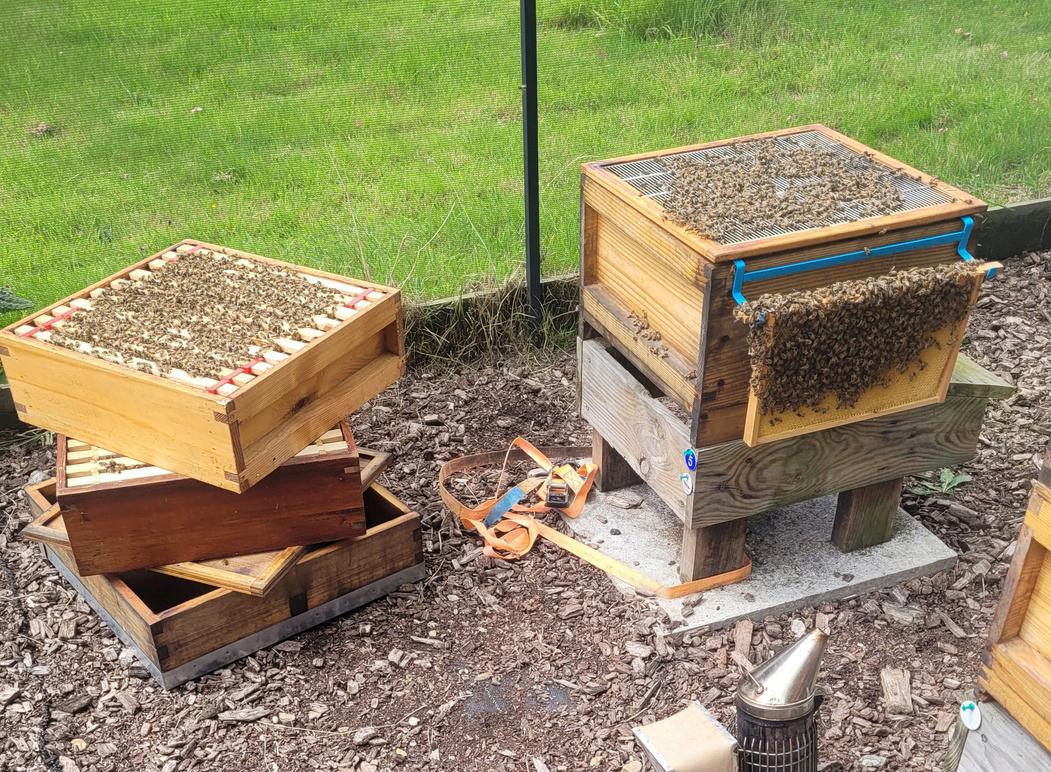
If the queen is present but with no space to lay, and there are queen cells are being built, the bees may need more space, and then either another brood box or more honey supers are added to give them room. Any queen cells are removed, which the bees are incredibly good at hiding,and a late swarm can be avoided. Equipment such as supers, brood boxes, and frames are starting to run out so there’s often an inevitable rush to get these made before the bees decide to find their own space somewhere else Our final honey harvest of the year is ready and we learn just how much both ours and our bees’ hard work has paid off
By Annette Hurt @mypatchofnorfo k
Annette has been busy checking on the hives.
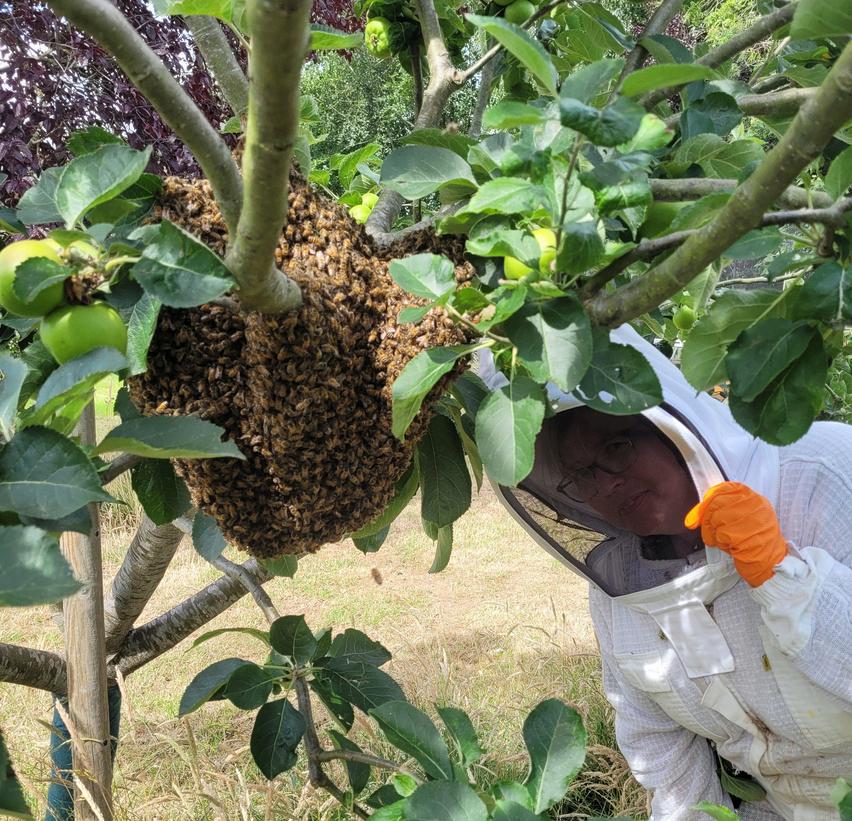
A honey bee swarm resting in a tree before moving to a new home.
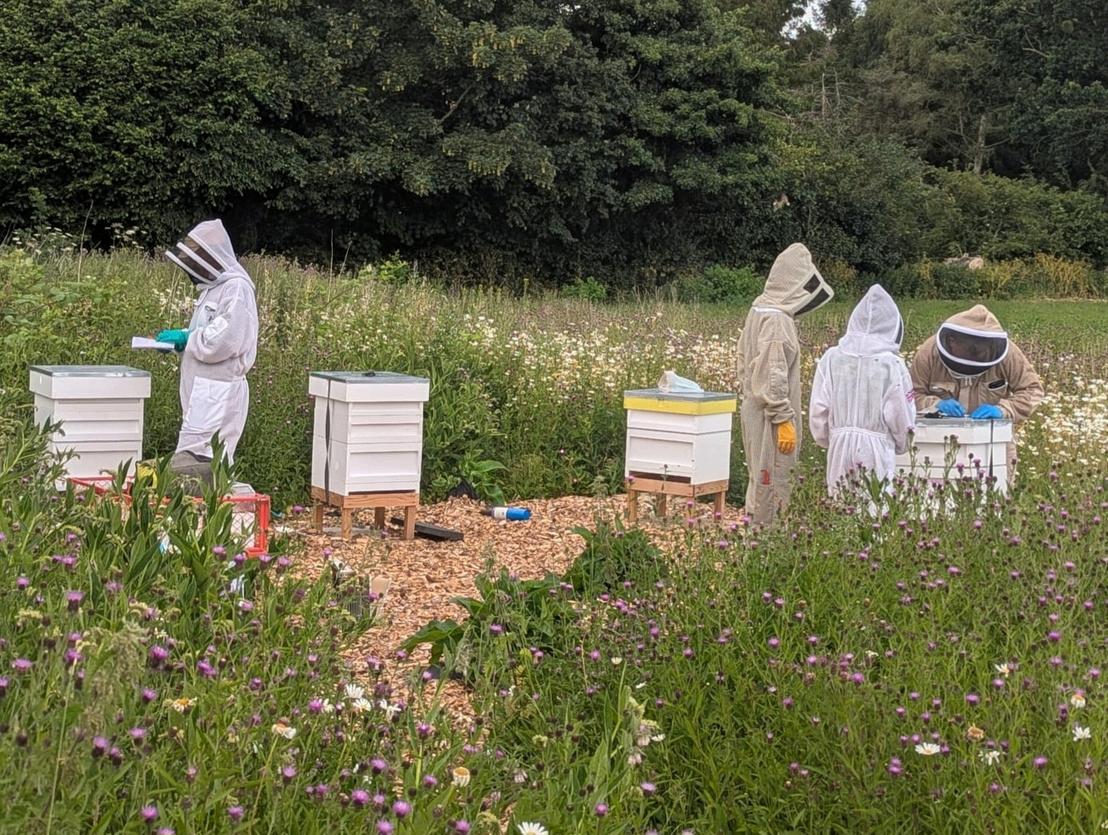
My Beekeeping Experiences are in full flow. It’s rewarding to have small groups of people, whether potential beekeepers or just coming for the experience, arrive, full of anticipation, sometimes slightly anxious, to learn about the amazing world of honey bees We start with some theory, then the experience continues with getting dressed up in Beekeeping suits, opening a bee hive and handling a few frames of bees There’s usually lots of ‘Ooh’s and ‘Ahs’, and ‘Wows’ as we discuss what we ’ re seeing, and a Queen based game of Wheres Wally is played Afterwards, we return to my classroom where we do some honey tasting, and its great to see how relaxed and chilled everyone is after being with the bees
The oil seed rape is a brilliant nectar source.
A beekeepers job is never done.
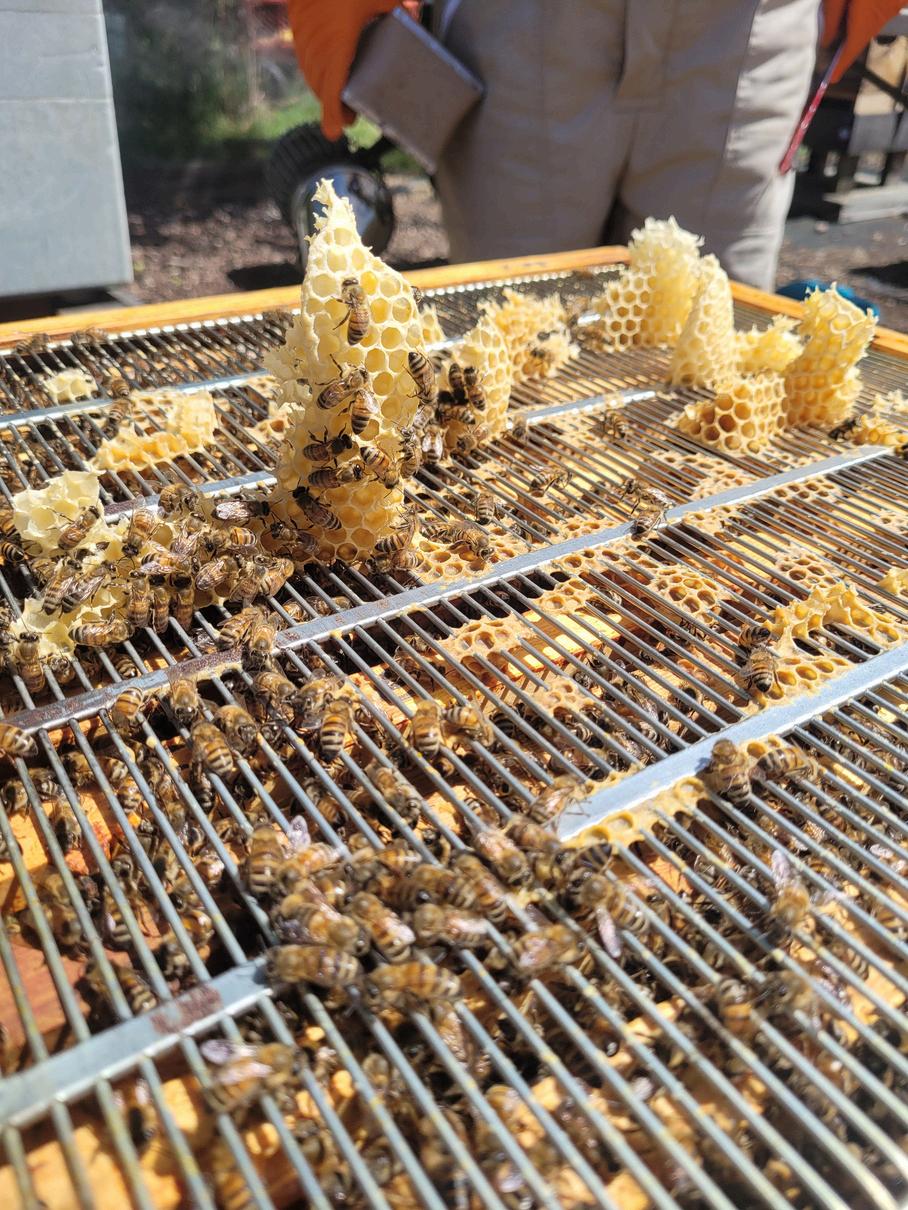
Fresh beeswax comb built by worker bees
During those summer barbeques, why not try a honey based ‘Bees Knees’ cocktail,
The Bees The Bees
Knees Knees
50ml Dry gin,
25ml lemon juice
15ml of honey syrup – equal parts of honey and warm water
Ice cubes
Lemon twists for garnish
Make the honey syrup by mixing equal parts of pure honey and warm water until the honey has dissolves.
In a cocktail shaker, add the gin, lemon juice and honey syrup. Fill the shaker with ice and shake well for 10-15 seconds until the outside of the shaker is thoroughly chilled.
Strain into a martini glass without the ice and garnish with a lemon twist.
For a spicier twist, replace the normal honey with hot honey.
You can make your own hot honey by adding chilli flakes to your favourite beekeepers honey.
Leave to infuse for a few days until the heat is to your taste. Remove chillies completely once you are happy with the flavour. If using fresh chillies, this will lead to a chilli honey ferment. You will need to leave to chillies in the honey and open the lid each day for about 5 days to let any bubbles to escape. Once it has stopped popping when you open the jar, the ferment is ready, and is stable. Remove the chillies if it is to your taste or leave to infuse for a more punchy kick!
By Shona Price@starof 72
You will need:
Borage flowers – as many as you can gather 900ml Elderflower cordial (or apple juice)
800g sugar
2 tbsp lemon
Rinse the borage flowers gently and place in a heat safe jar
In a heavy bottomed saucepan add the elderflower cordial, sugar and lemon juice and bring to a rolling boil over a medium heat. Turn the mixture down and simmer gently for 35-40 minutes. The mixture will darken and reduce in volume.
Remove from the heat and allow to cool for 10 minutes then pour over the borage flowers into the jar. Leave to infuse for 24-48 hours.
Strain out the flowers back into the heavy bottomed pan and bring back to the boil Turn down and simmer for a further 20 minutes Whilst the honey is simmering sterilise your jars
Once the honey has simmered for 20 minutes, turn off the heat and let it cool for 10 minutes Pout the honey into the sterilised jars
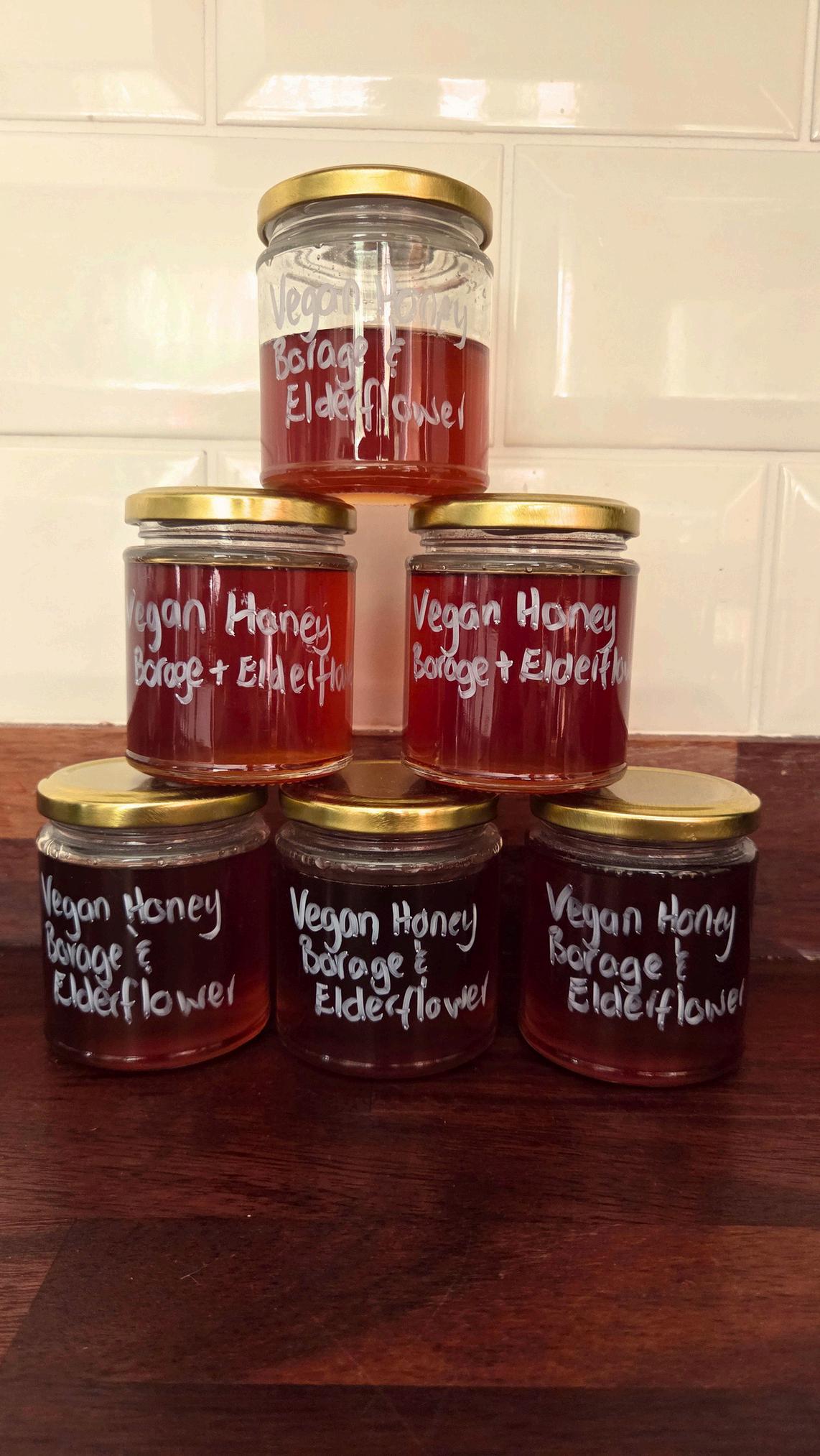
The honey will be runnier than honey you get from bees, however it will thicken up in the fridge where it should be kept if you are not going to vacuum seal using a water bath. In the fridge it will keep for up to 6 months. If you vacuum seal the jars it will keep for a year if stored in a cool dark place. Once opened each jar should be stored in the fridge. This recipe will make approximately 6 jars of honey.
The honey can be used to sweeten the summer tea or used in the same way you would use bee honey
Vegan Elderflower and Borage Honey
For this recipe I used homemade elderflower cordial, I have not included the recipe for this as at the time of publication the window for collecting and processing elderflowers will have passed If you have not made, or have finished, any elderflower cordial then you can substitute it with cloudy apple juice
Who is desperate to try this!
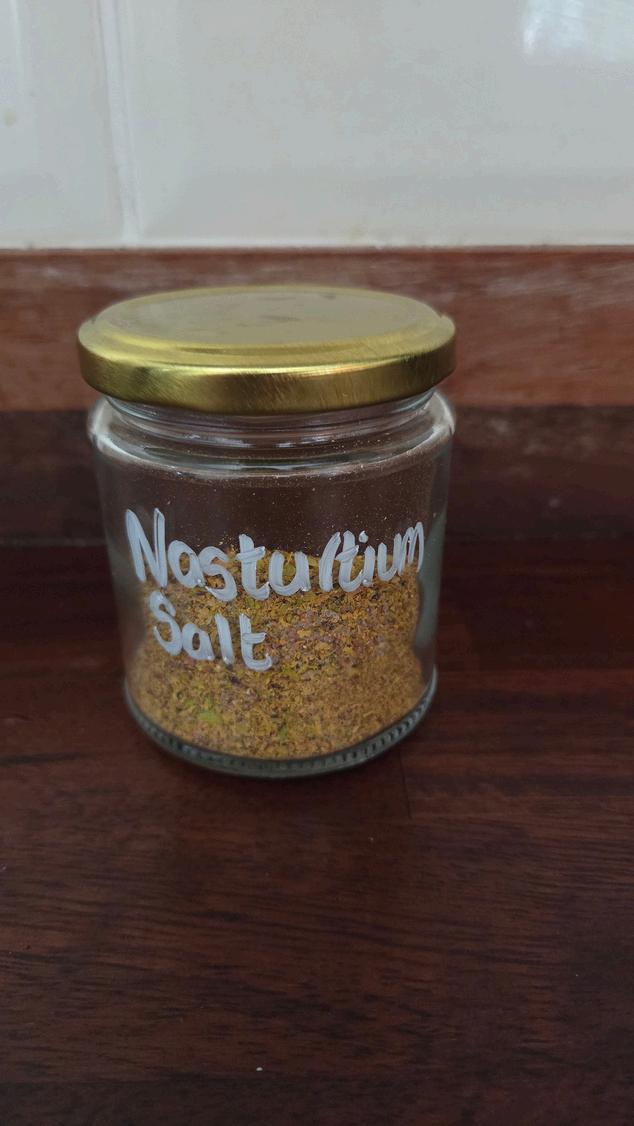
Nasturtium Salt
The simplest of recipes gives you the tastiest of seasonings. This requires just 2 ingredients (the clue is in the name of the recipe!).
Gather up some nasturtium flowers and dry them until crispy. This can be done in a dehydrator, your oven, an air fryer or by just leaving them out to air dry.
Once the flowers are totally dry then crush them with a pestle and mortar Add the same amount of salt to the bowl as there is nasturtium powder and you have got yourself a delicious seasoning that goes great with fish, chicken or vegetables
Kept in an airtight jar this will keep for several months in a cool dry place, though you will probably use it all up before then
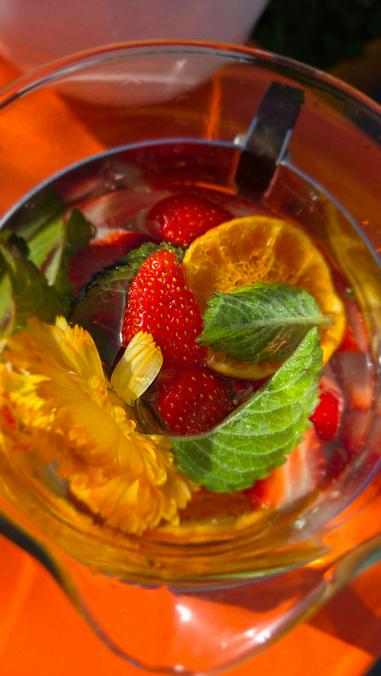
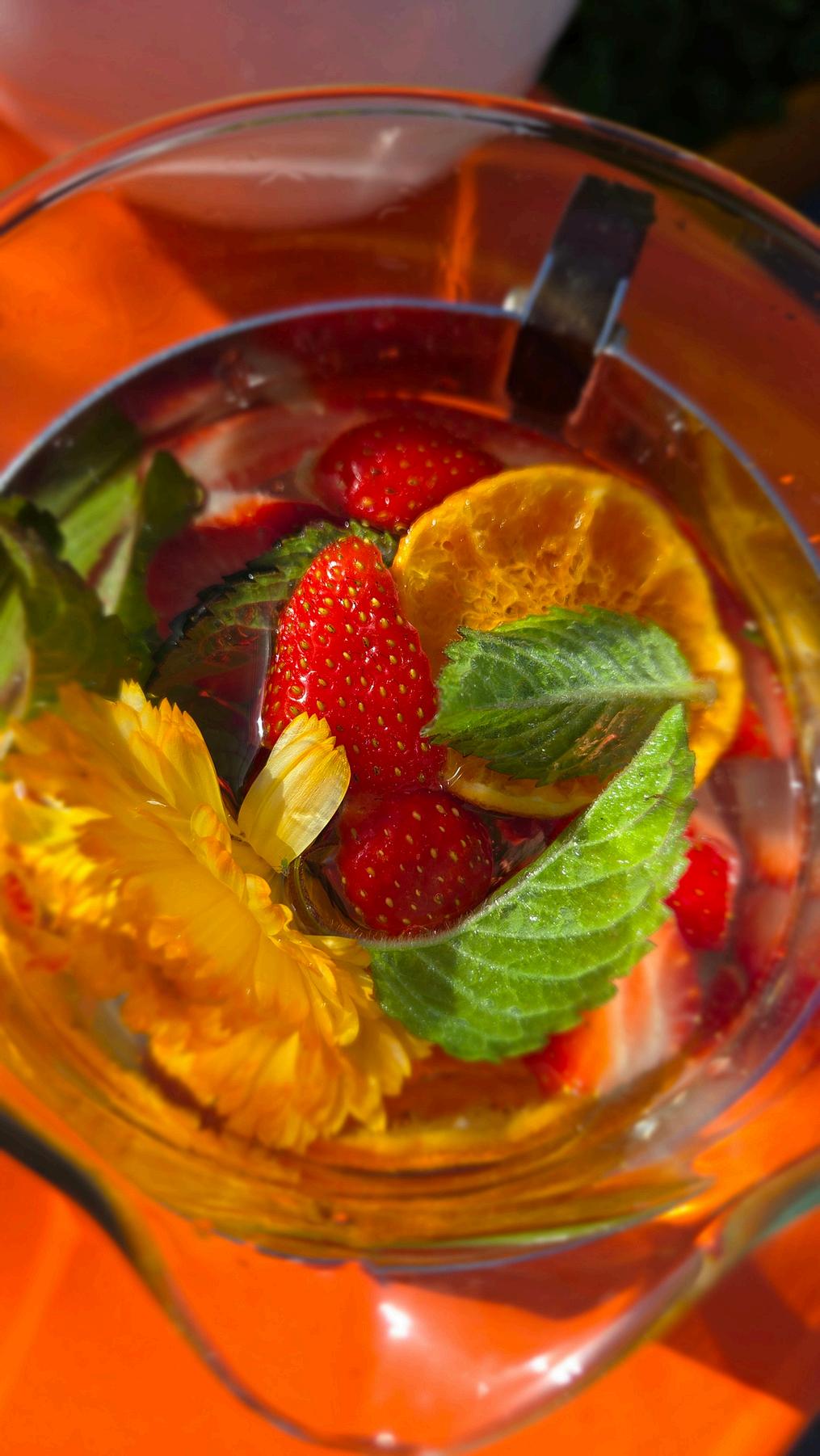
The perfect Summer drink.
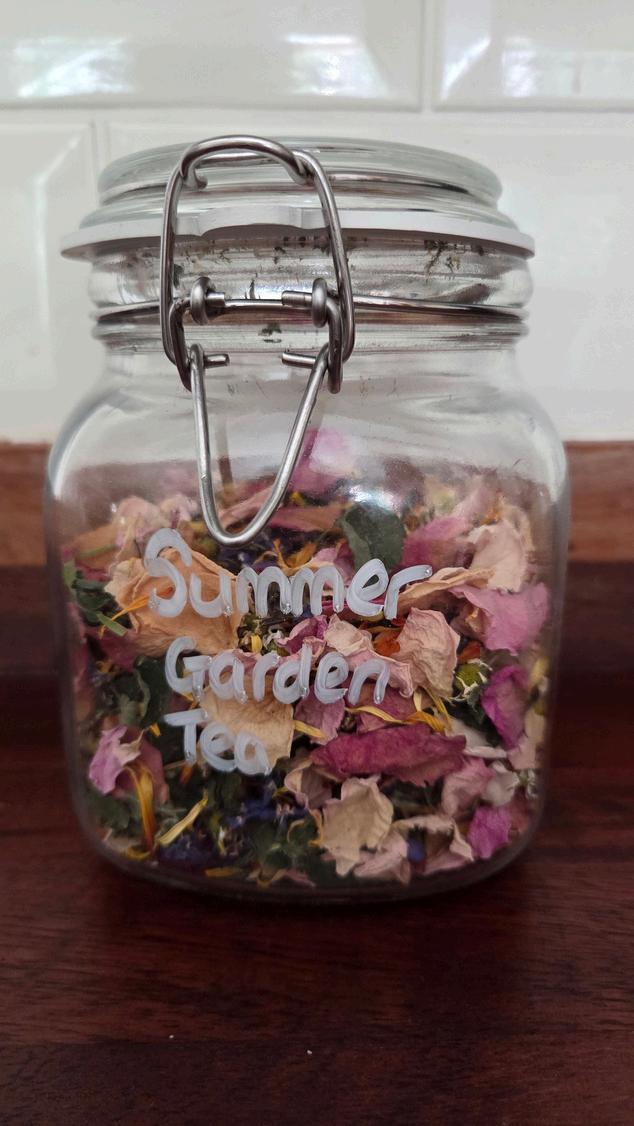
Summer Garden Tea
Another super simple recipe, this time using calendula flowers
In a cafetiere add some strawberries, mint, orange and calendula flowers Top with water and leave in the sun to infuse for 4-6 hours Once infused plunge the cafetiere down and pour the infused water over ice for a delicious, refreshing drink If you don’t have a cafetiere, then any jug or jar with a lid will do, just pour the liquid through a sieve before serving.
You can also dry calendula flowers to use in tea. I’ve mixed them with rose petals, lemon balm, chamomile and strawberries, all from the garden and dried. This mix can be used long after the summer harvests have passed if kept in an airtight container
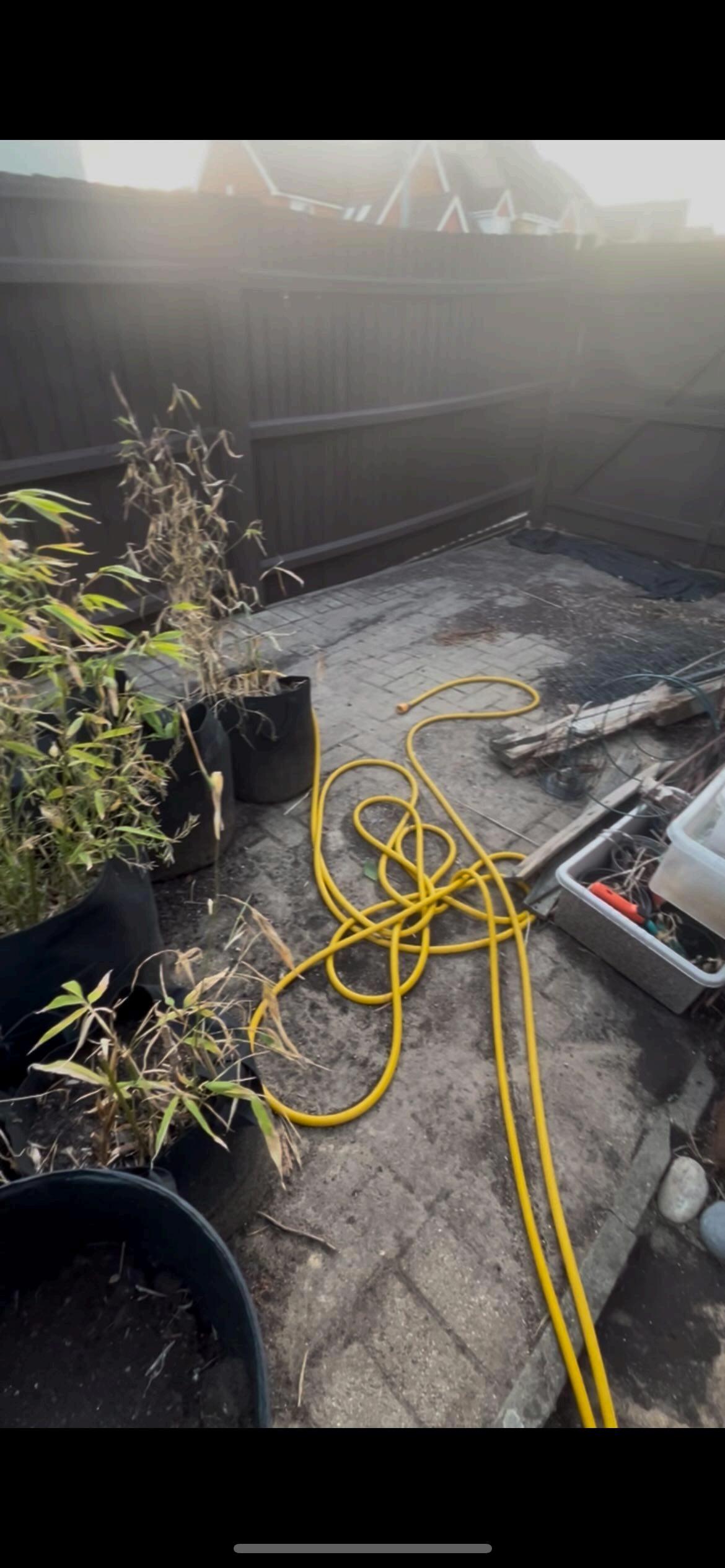
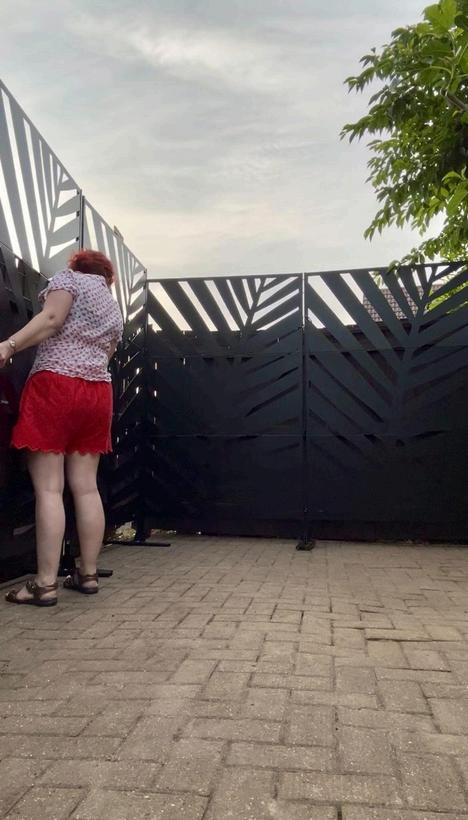
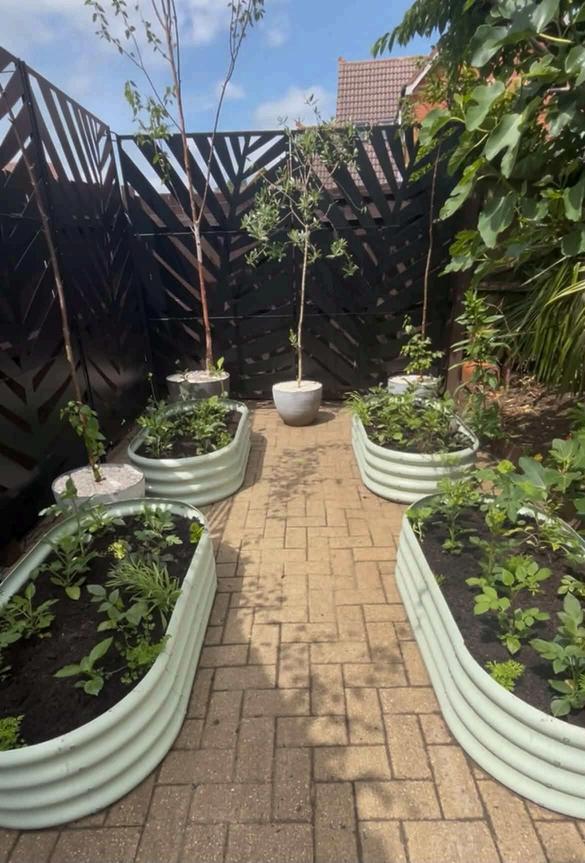
This is the dumping ground garden You can appreciate there is a certain irony when the space of a professional gardener descends into a chaotic, overgrown mess! This garden used to be in good shape, but two showcase gardens and a BBC Gardeners World feature garden later it’s suffered from some serious neglect, and I’m on a mission to turn that around.
Gardening is not simply a hobby for me; it is my profession and my passion. By day, I’m the Head Gardener of an RHS-funded community garden in Cambridgeshire, also caring for the private gardens of two countryside estates. Yet somehow, amidst all of this horticultural activity, certain areas of my own garden have silently suffered...
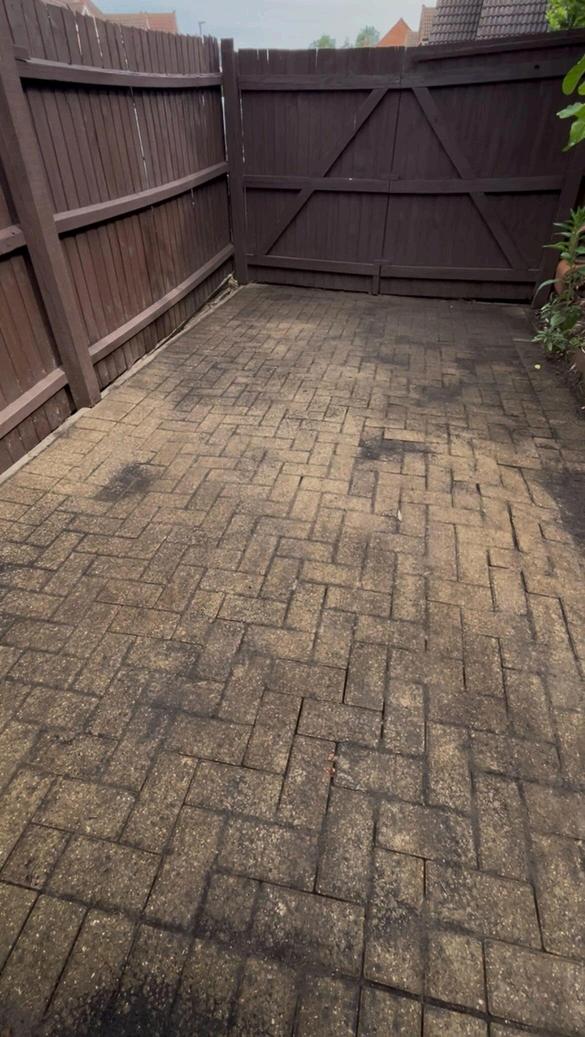
Towards the back of my property, there is a paved, elevated area accessed by steps, and affectionately referred to as ‘The Terrace’ This modest space, measuring roughly 5m x 4m, is actually an area of hard standing for a motor home or caravan, and what began as a temporary holding area for spare pots, surplus plants and leftover materials from show gardens, gradually evolved into a permanent dumping ground of doom Broken containers sat where they were dropped, bags of compost lingered long after projects had finished, and this corner collected the kind of detritus that is borne from a lack of time and motivation to tackle it Far from being a space to enjoy, the terrace has morphed into a storage area of clutter which was stressing me out; but with a south-west facing aspect it offers real promise for growing cut flowers, and I couldn’t ignore its amazing potential forever.
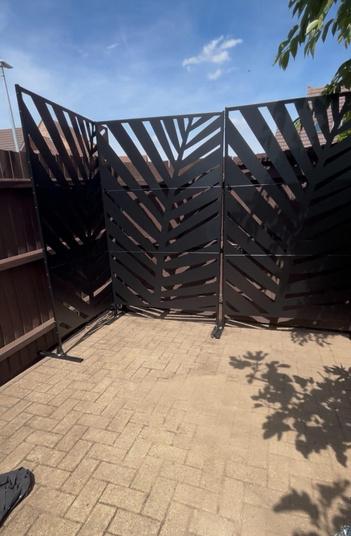
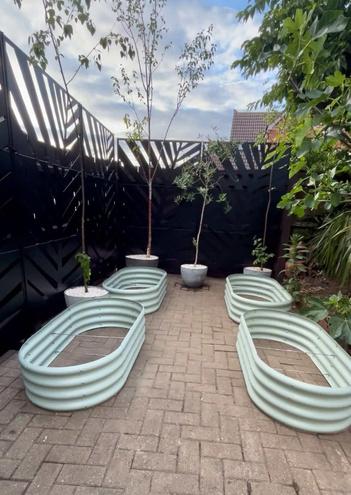
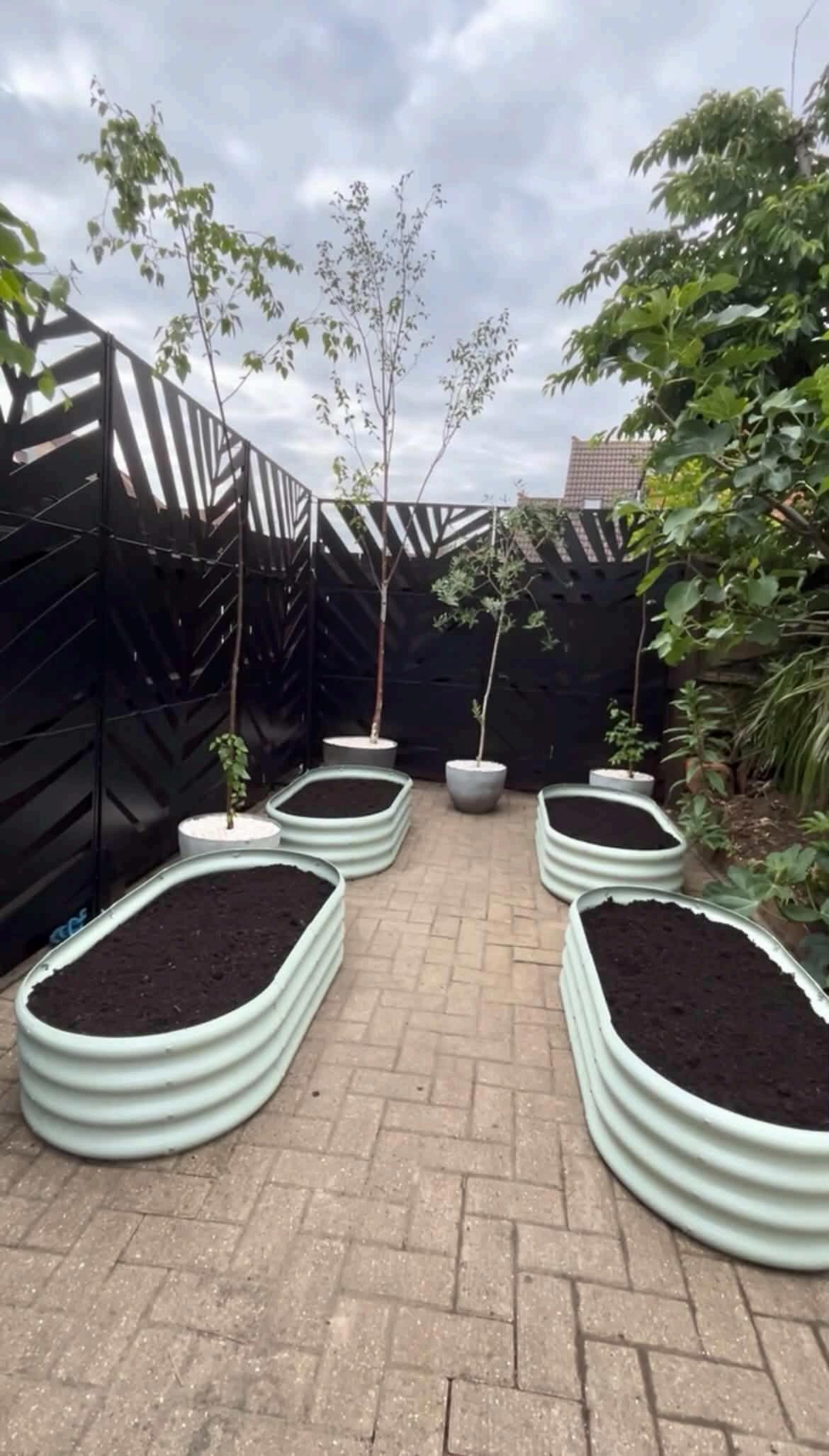
The makeover began with a ruthless clear out. 3 years of accumulated clutter was removed, recycled or repurposed. Once the bones of the garden were visible again, I started planning properly. The fence, which was looking tired and shabby was repainted, and the paving swept to clear the remaining soil and debris We introduced large metal screens with a modern banana leaf design to create a dramatic backdrop and fixed them into place in the ground and along the fence to stabilize them Large containers from elsewhere in the garden were used to pot up 4 silver birch and an olive tree which had lived previous incarnations in my show gardens, and had been surviving (just!) in their nursery pots for around 3 years A larger pot, with fresh compost and some nourishing feed has boosted them all, and topping off the pots with a mulch of crushed shells kindly gifted by @shellonearth has made them beautiful and moisture retentive during hot spells.
Freshly painted and ready for magic.
By Kim O’Brien @gardenwithkim
The black screens look amazing.
dumping ground garden the most exciting developments are yet to come Although unfinished, I now have a space I’m enjoying again, so bring on the long sultry days, the sun loungers, the BBQ’s and the spritzers! Happy summer and happy gardening, Love Kim
Plantago major used as Proving
Keep your eyes peeled next month for an update on the space.
...and help us keep making the Garden Folk Mag
We appreciate all the support given to the magazine by all the Garden Folkour readers, writers, industry supporters and anyone else who cheers us on Running the magazine each month does incur financial costs though, so if you are able to contribute, either with a one off payment or by becoming a member, it would really help to keep the magazine going... and growing.
There are currently three membership tiers to choose from, all with great benefits
July so far may feel more like a battle against the heat and a desperate attempt to keep things alive than a gentle summer potter among the flowers, but if you have the energy for any gardening beyond maintaining survival, there is plenty to be done.
Things to sow
Flowers
Delphiniums
Aquilegia
Echinacea
Sweet Williams
Foxgloves
Wall Flowers
Calendula
Edibles
Rocket
Pak choi
Runner beans
French beans
Coriander
Beetroot
Spring cabbage
Oriental Greens
Sugar Snap Peas
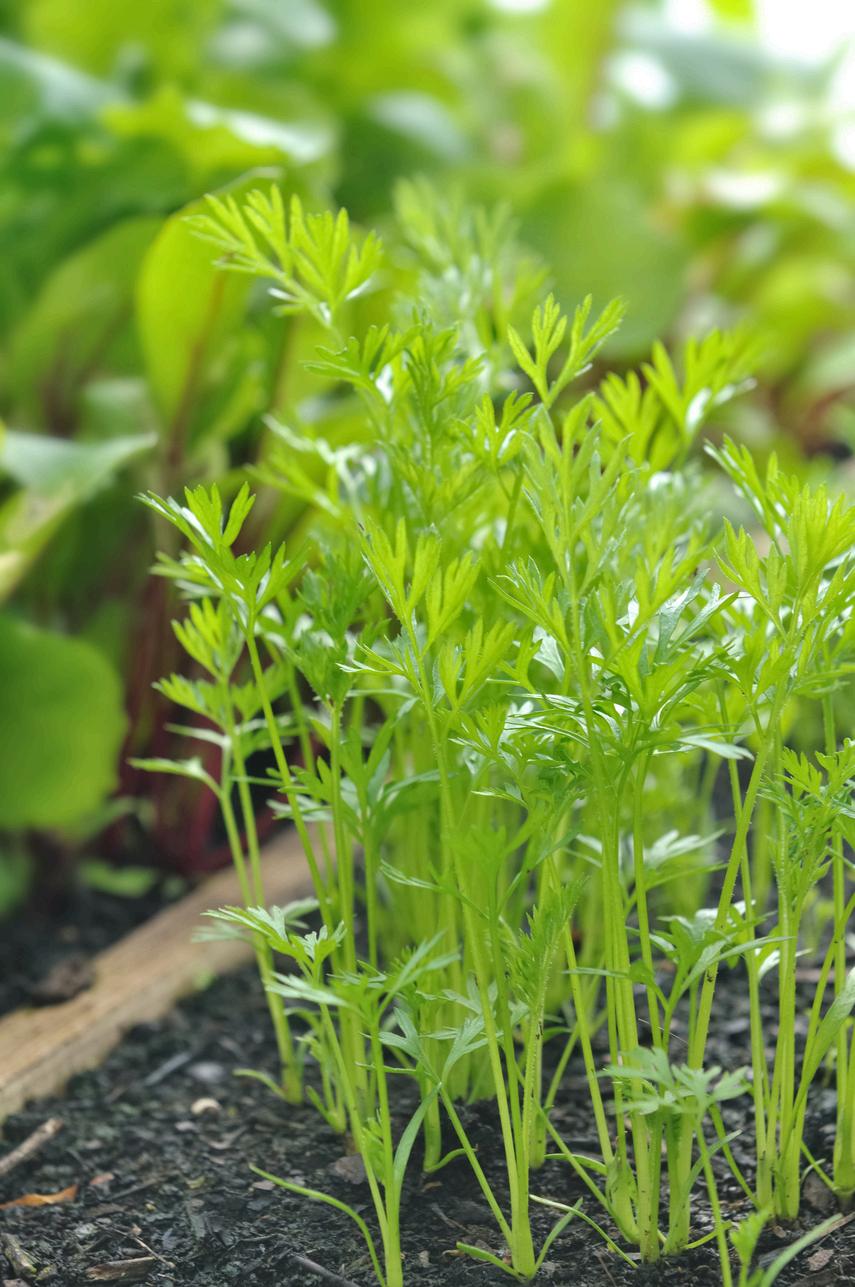
Nantes style Carrots
Parsley
Come and join the @gardenfolkmag team for live garden updates throughout the month over on Instagram.
The gardening podcast that helps you master your own garden. With new episodes weekly packed full of gardening tips, how to garden guides, interviews with gardening experts on many gardening topics and just about anything that will help you in your garden whether you are a new or a seasoned gardener.
Whether the weather be sunny or not, get out into the garden and let it work it’s magic.
Hot dry days are perfect for hoeing and weeding as the roots will shrivel up on the surface.
Check or install water collection equipmentthe rain will likely return with gousto very soon!
Ventilate- remember to open window and doors of greenhouses, polytunnels and conservatories on hot days
Stake tall perennials
Dead head- pic off spent flowers to encourage the plant to produce more and keeep your garden looking spectacular.
Water at dusk or dawn to avoid excessive evaporation
Baskets and pots may need watering more than once on really hot days.
Cut back hardy geraniums nad delhiniums to encourage further flowers later in the summer
Direct sow some extra salad. Invite a friend round to enjoy your garden- or visit theirs.
Clear pond weed regularly but leacve it on the side of the pond so creatures can escape
Give hungry plants and those growing in pots a liquid seaweed feed