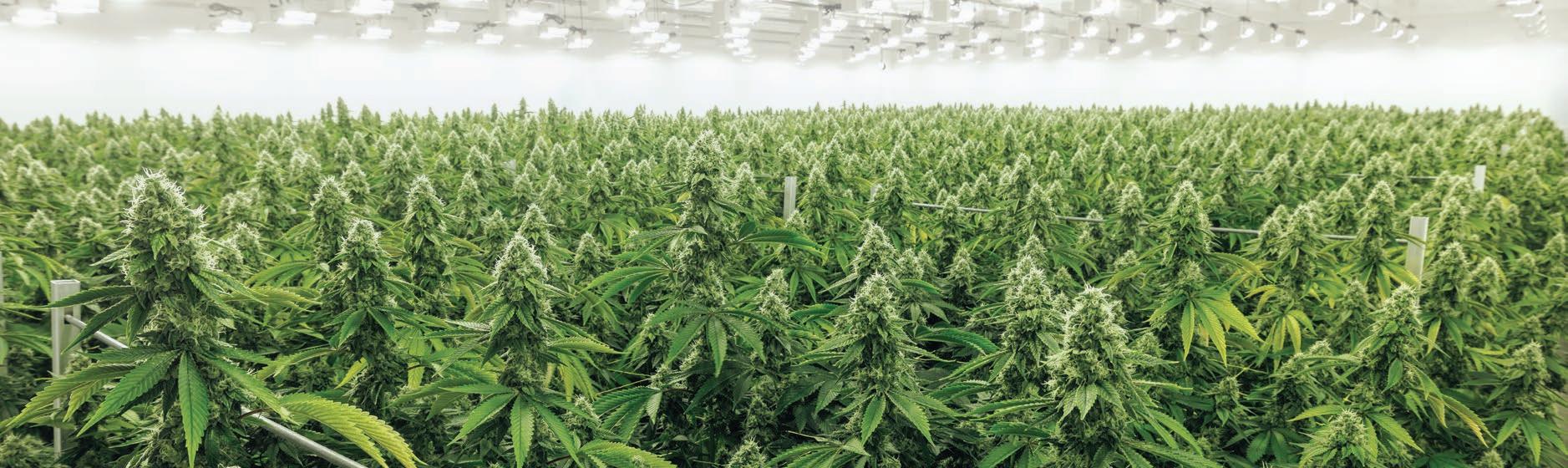
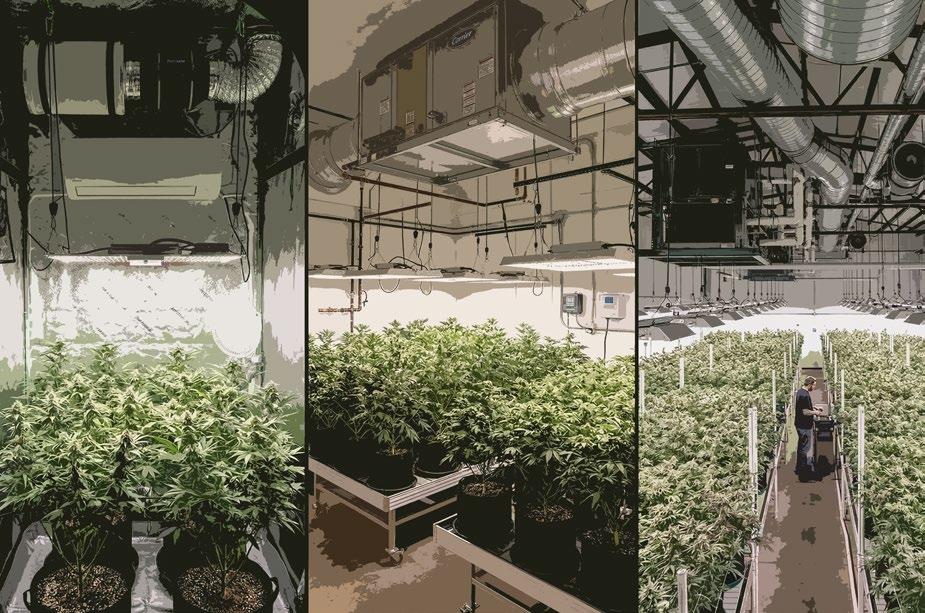
From Buzzword to Strategy: The Role of Crop Steering in CEA
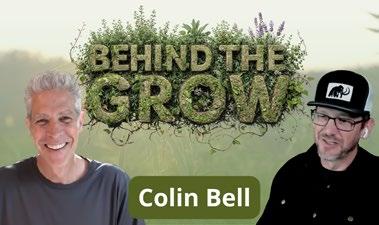
Professional POV with Colin Bell: Unlocking Phosphorus with Mammoth P
Seed to Success - Celebrating the 2025 Karma Cup Winners
The Scattered Gardener
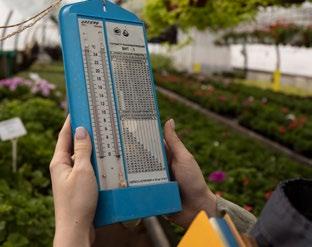
Quick VPD Watering Strategies
Tailoring VPD to your Cultivar
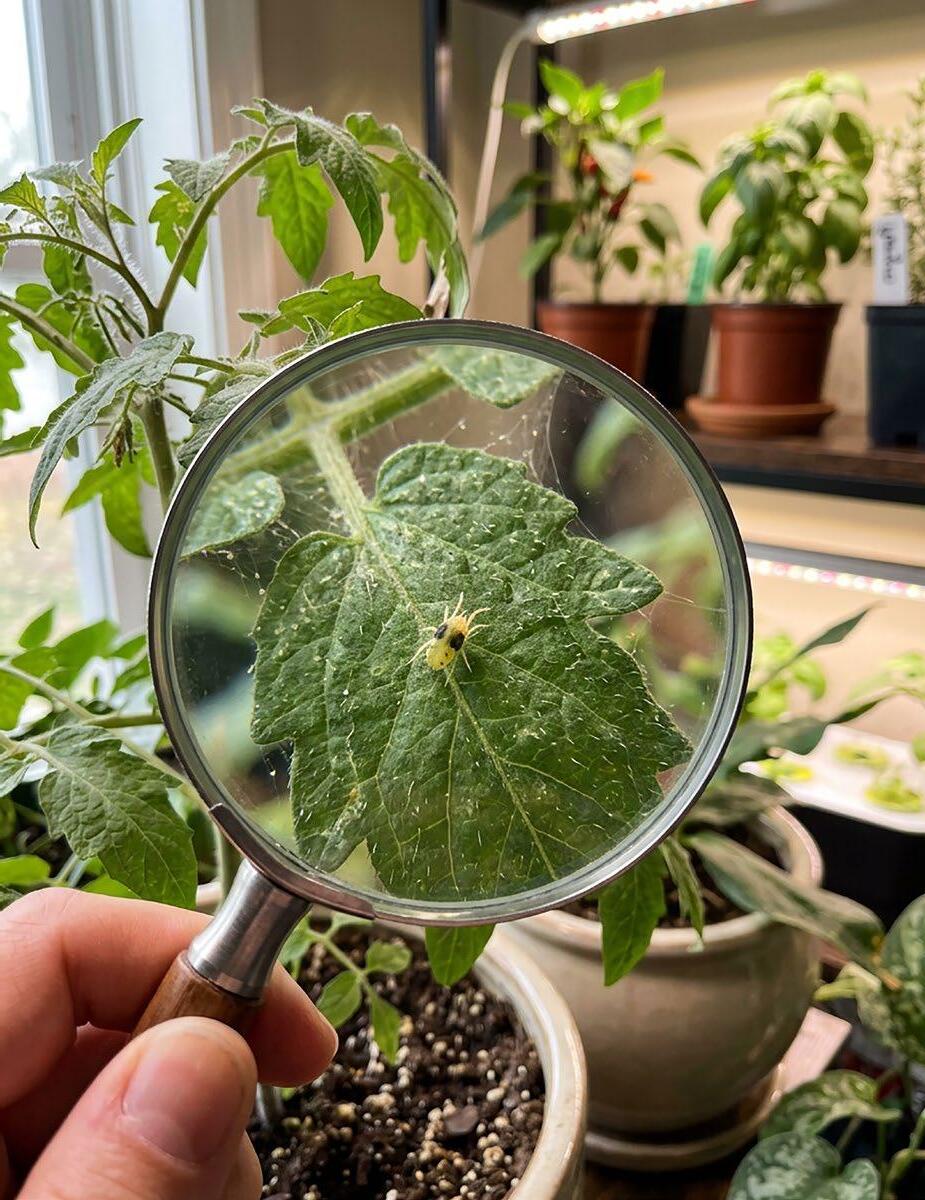
Precision Gardening: The Art of Knowing by Noticing
Eating Like Tomato Kings - Growing for the Pantry, Not Just the Plate
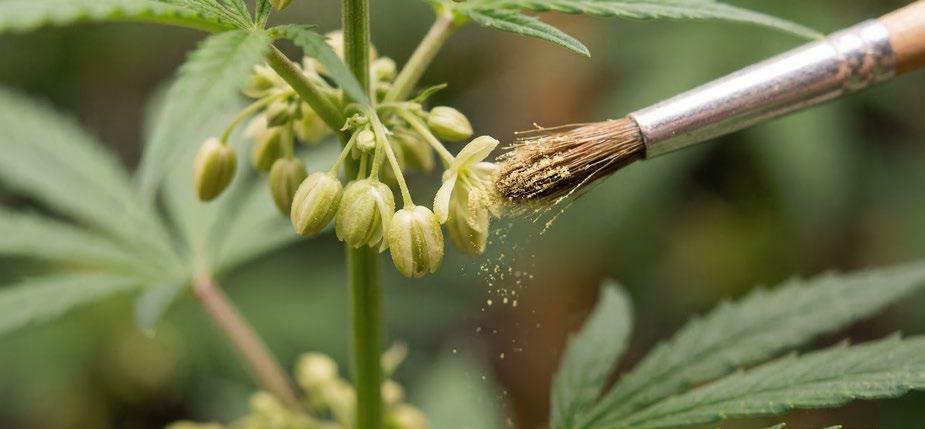
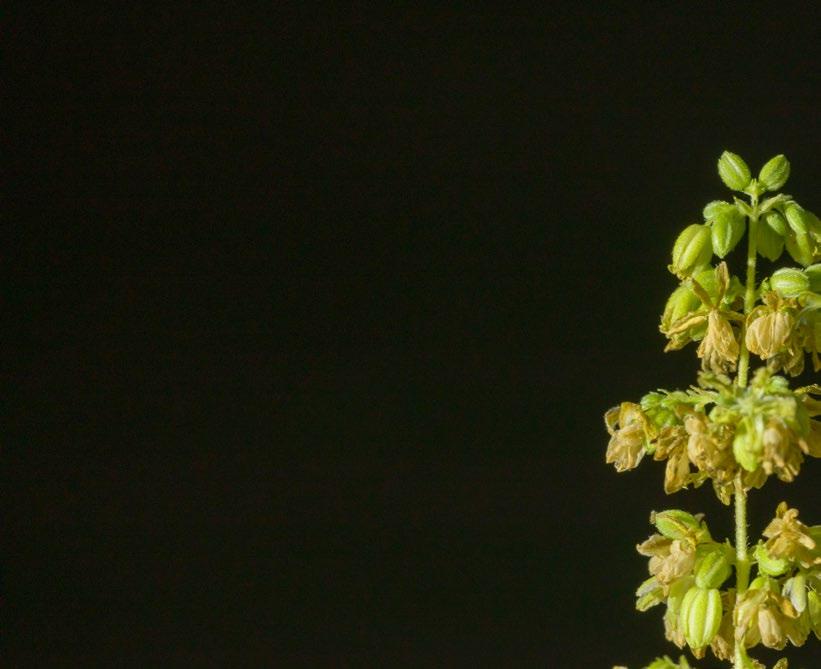
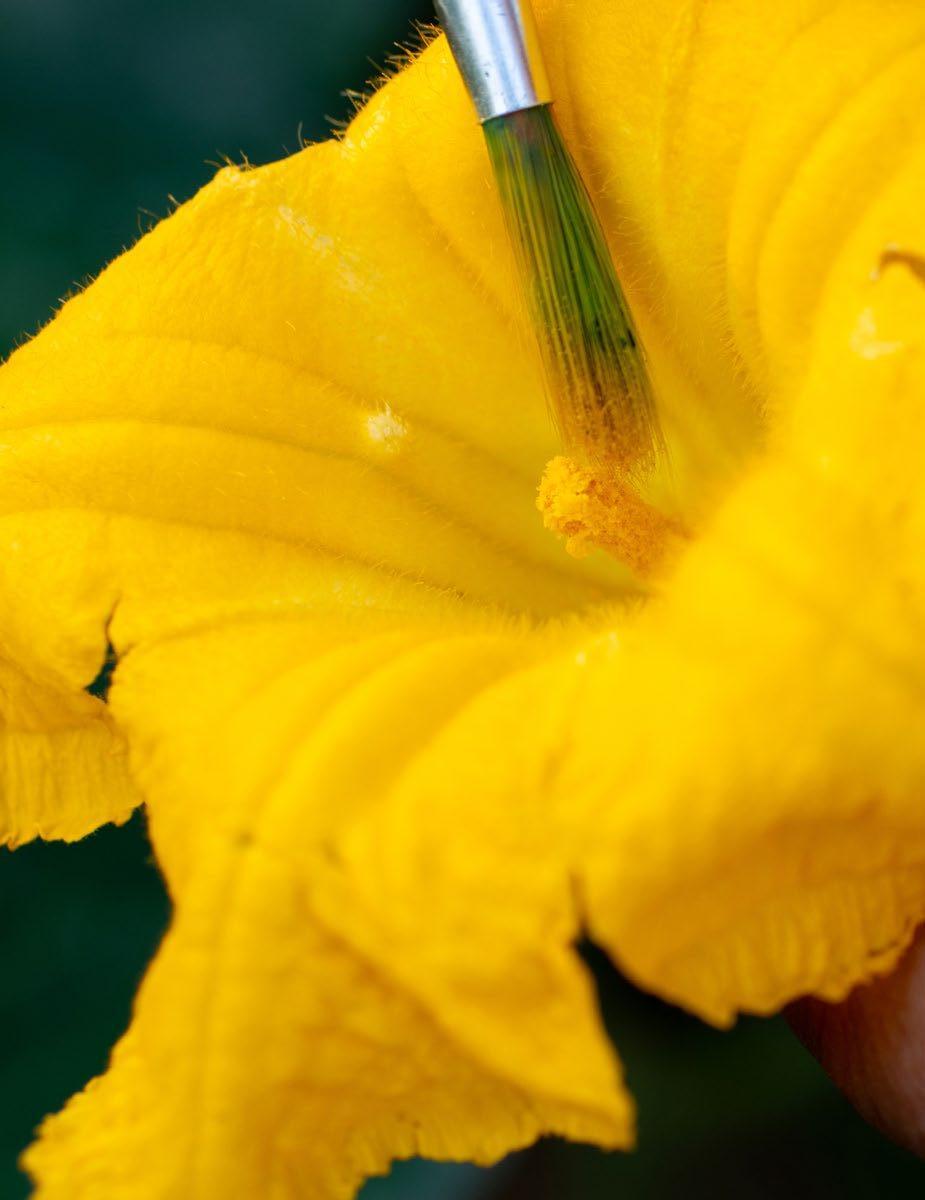
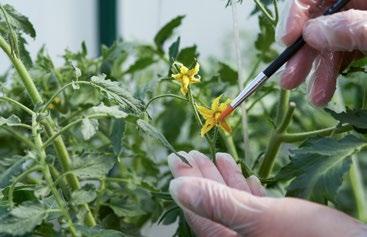
Precision Pollination: Why We Need It, How it’s Done
Parameters for Fresh Precision Pollination at Home
ECO-OPTIMISM - The Environmental Revolution Returns: Earth Day 2026
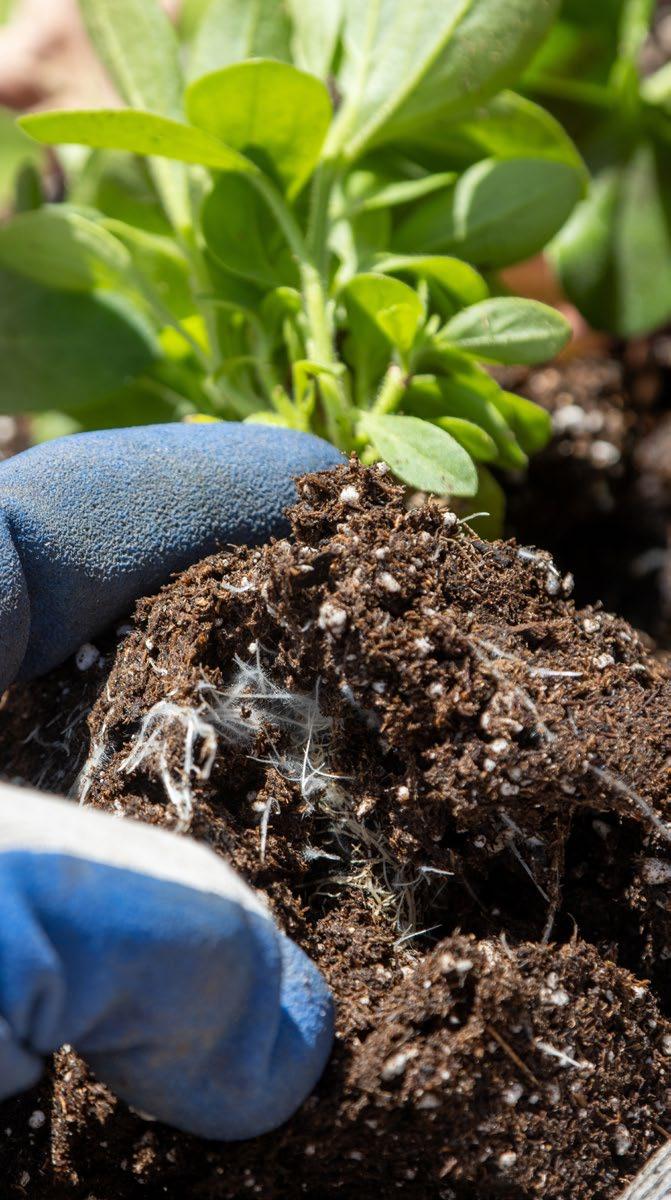
Why I Won’t Grow Without Mycorrhizae
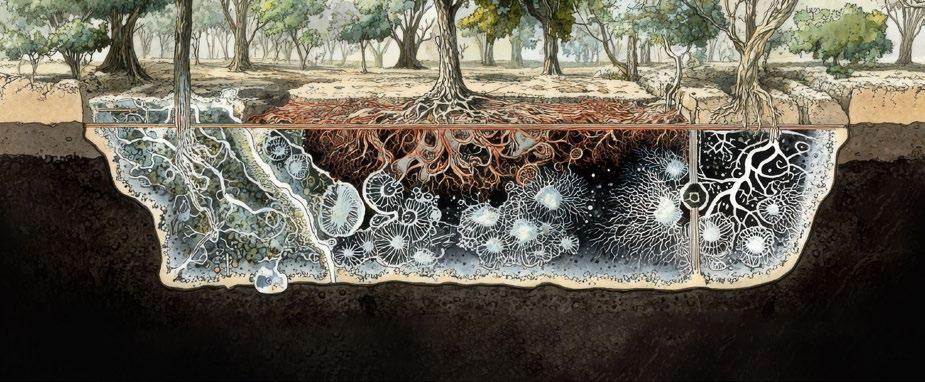
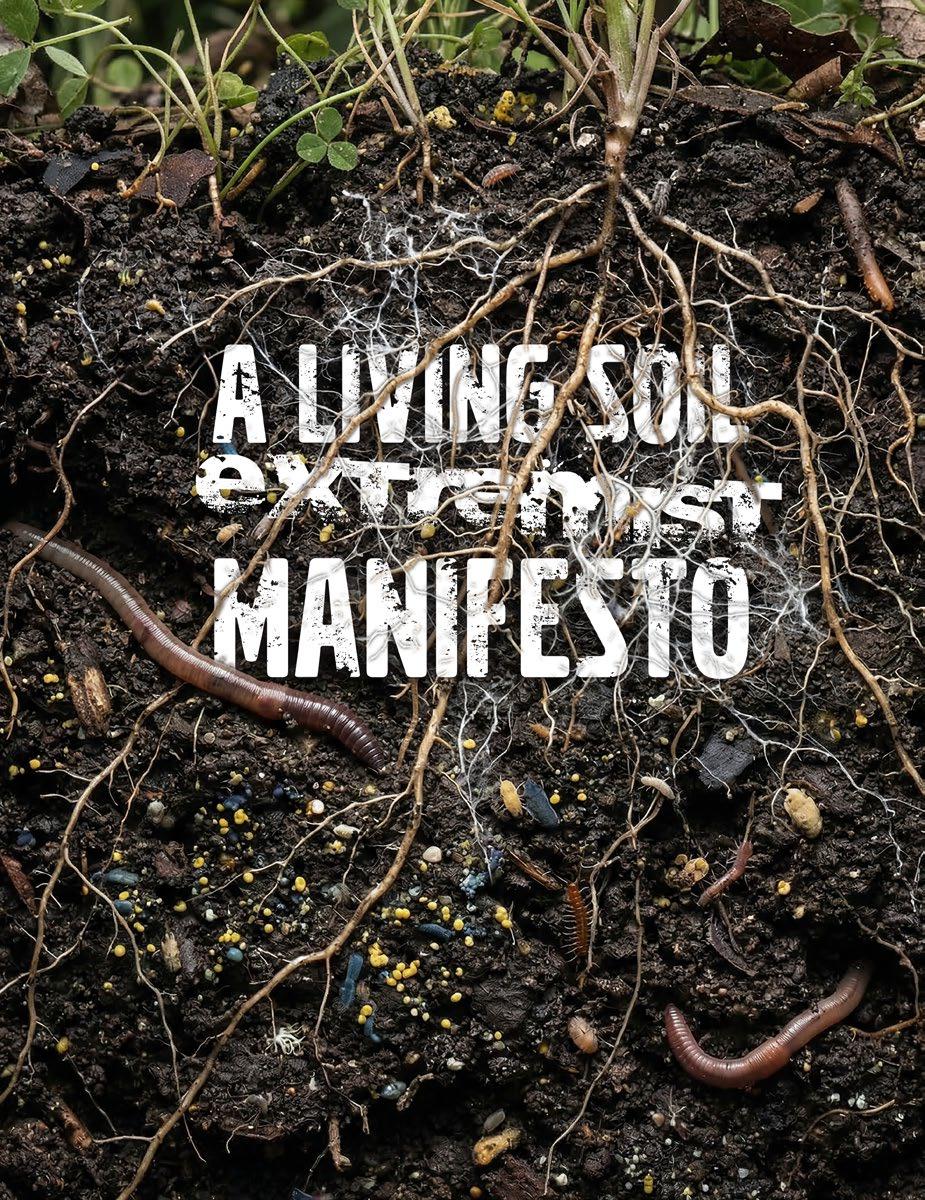
A Living Soil Manifesto
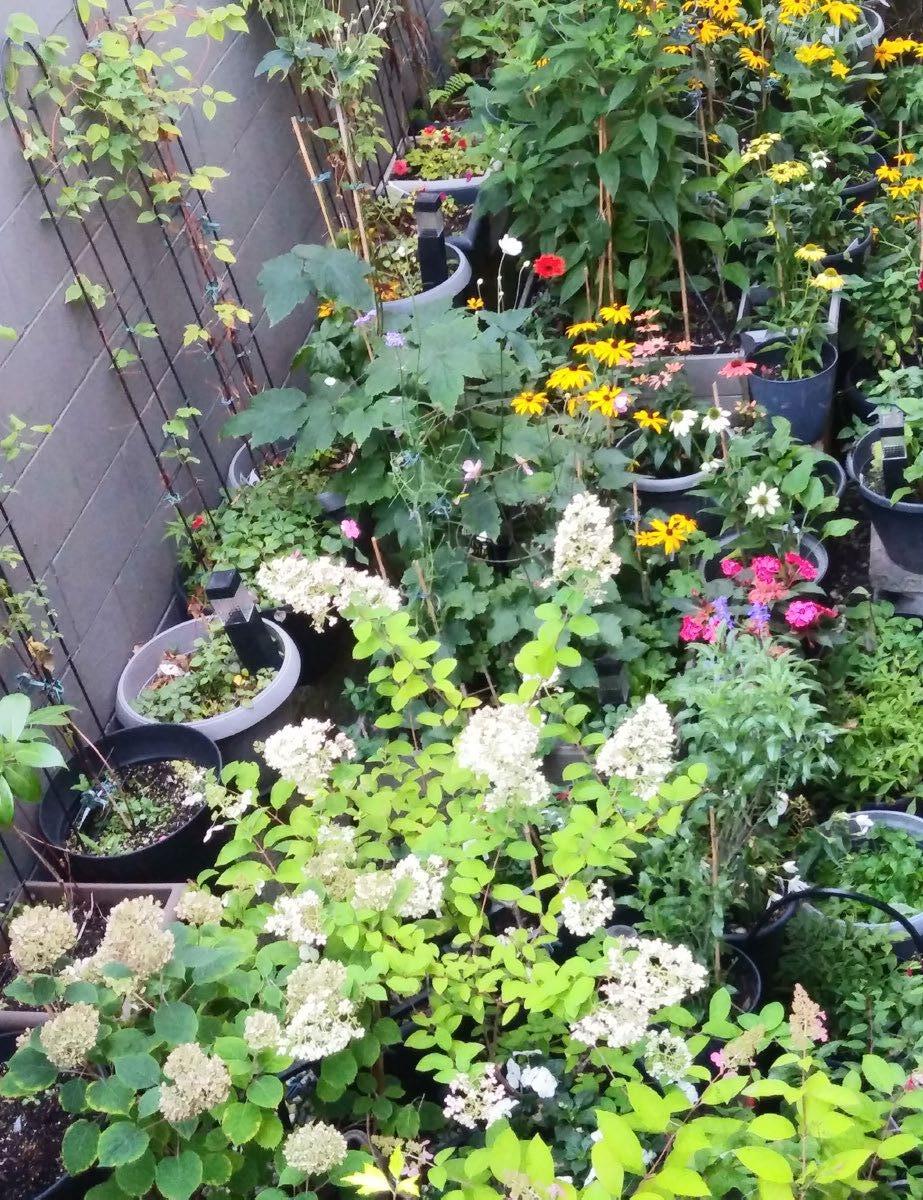
Microclimates: The Garden’s Best-Kept Secret
Lessons from the Garden: My Experience in the 4th Great Canadian Grow-Off
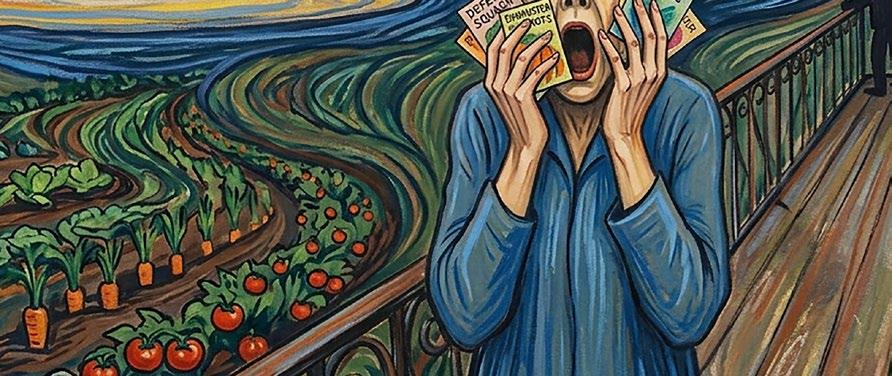
Notes from a Dirty Old Gardener - Screaming from the Balcony
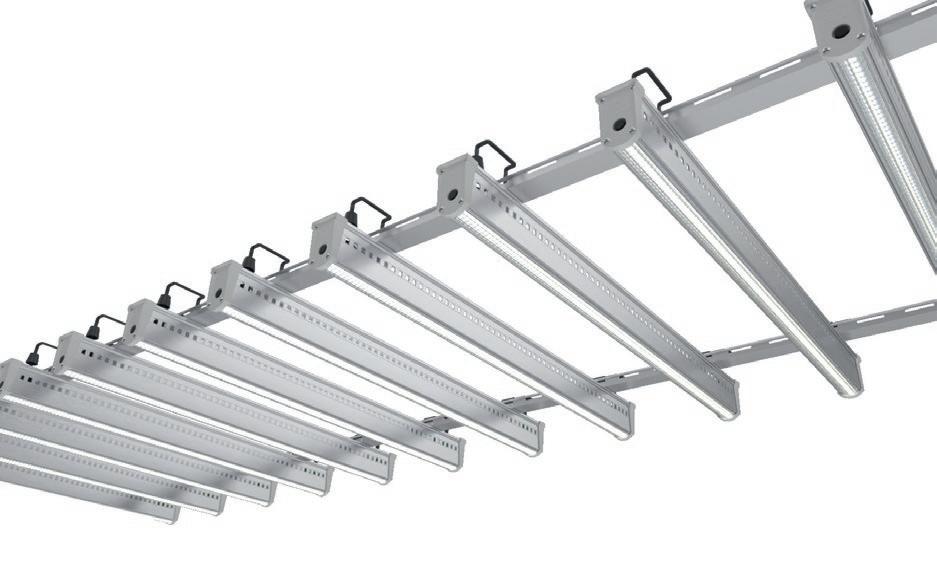
Optimizing
and
Welcome to another edition of Garden Culture, where we tackle the concept of Precision Gardening.
Precision Gardening is all about understanding that plants thrive best when every environmental factor, from temperature and humidity to location, is dialed in. Whether you work with a small indoor grow tent or a sprawling outdoor plot, zeroing in on your microclimate and mastering various elements and techniques can transform your garden.
Dustan Mclean has given us two articles explaining Vapor Pressure Deficit (VPD), providing a better understanding that it’s something actionable that can seriously help your plants grow. Because VPD isn’t a chart on the wall, it’s a moving relationship between plant, air, and intent. The overall lesson is that observation matters more than rigid targets.
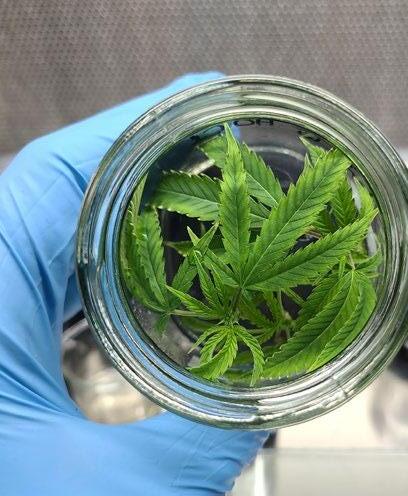
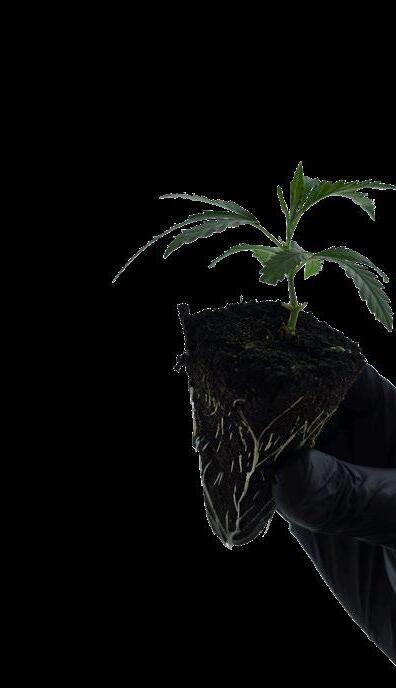
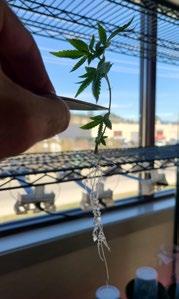
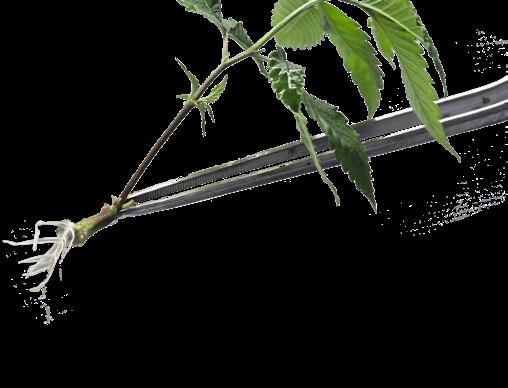
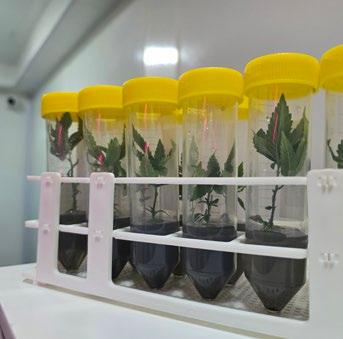
Oliver Hall shares his personal path into tissue culture, which reminds us that specialization doesn’t come from shortcuts. It comes from repetition, failure, and a willingness to understand plants at a different scale.
If you want to know how microbes fit into the mix, don’t miss Haley Nagasaki’s interview, “Professional POV with Colin Bell: Unlocking Phosphorus with Mammoth P.” I also contribute my viewpoint in “Why I Won’t Grow Without Mycorrhizae,” where I explain why using it isn’t optional.
Jennifer Cole writes about microclimates in the garden, and how to locate, build, and use them to your plants’ advantage. Then there’s the human side of cultivation. In “Precision Gardening: The Art of Knowing by Noticing,” Anne Gibson asserts that personalized, onsite experiences and data are more accurate and reliable than any generalized algorithm or app. Marci Babineau shares her poignant journey in “Scattered Gardener,” reflecting on how the garden mirrors the unpredictability and cycles of life and loss.
Most of the time, better growing comes from better questions…and experience.
SPECIAL THANKS TO:
Adam Clarke, Anne Gibson, Catherine Sherriffs, Dustan McLean, Eric Coulombe, Haley Nagasaki, Jennifer Cole, Marci Babineau, Mexx Holweg, Oliver Hall, Reggae Shark, Regi Oneton, & Xavi Kief.
All rights reserved. No part of this publication may be reproduced, stored in a retrieval system or transmitted in any form or by any means, electronic, electrostatic, magnetic tape, mechanical, photocopying or otherwise, without prior permission in writing from 325 Media Inc.
PODCAST SPOTLIGHT
Behind the Grow with
Have you heard the incredible news? Garden Culture Magazine has officially launched a podcast called Behind the Grow, hosted by our president, Eric Coulombe. Eric seeks out professionals (and friends!) in the cultivation industry and has fun, in-depth conversations with them to learn more about the technical and operational aspects behind growing food and cannabis. If you haven’t checked it out yet, Behind the Grow already has several episodes available, with many more interesting ones to come. Here, Eric shares his inspiration for the podcast, some exciting upcoming projects, and what makes Behind the Grow different from other gardening podcasts.
What inspired you to start the Behind the Grow podcast?
It came from years of meeting incredible people in this industry who never really get a platform to tell their story. Through Garden Culture Magazine, I’ve met so many innovators, growers, scientists, and entrepreneurs, and we’ve had these great conversations every time. I wanted to record and share what these incredible people have to say. I realized the stories behind them, the technology, the research, and the companies were something that many would really appreciate hearing. It was also about documenting the evolution of this industry through the people who shape it.
What do you look for in an interview subject? Do you have certain criteria or boxes to check?
The biggest thing for me is authenticity and real experience. I’m not looking for polished marketing messages; I’m looking for people who have a story to tell. That might be a grower who has been refining their craft for two decades, a sales rep with years of experience, a scientist working on nutrient uptake, an engineer developing new technology, or an inventor who simply saw a need no one else thought of. What matters is that they bring genuine knowledge and a perspective that can help others think differently about their own gardens. I also look for people I’ve known for years to chat about our shared experiences.
Through Garden Culture Magazine, I’ve met so many innovators, growers, scientists, and entrepreneurs, and we’ve had these great conversations every time. I wanted to record and share what these incredible people have to say.
What do you love most about hosting a podcast?
For me, it’s the conversations. I am a people person, and anyone who knows me knows I like a good conversation. I’m genuinely interested in hearing what my guests have to say, and I am happy to give them a platform to share their stories and promote what they are working on today. I learn something every time I record an episode. After decades in this industry, that’s still one of the things that keeps it interesting. I also get that same feeling with every magazine edition we publish.
The biggest thing for me is authenticity and real experience. I’m not looking for polished marketing messages; I’m looking for people who have a story to tell. PODCAST
You’ve covered everything from the evolution of grow lighting and the cannabis industry to innovation, R&D, and root zone management. Do you have any exciting upcoming projects you can tease?
There are always a few things in the pipeline. One area I’m really excited about is the intersection between traditional horticulture knowledge and the new wave of technology entering the space. We’re lining up conversations with people working on everything from advanced lighting strategies to microbial research and even other podcasters. The goal is to give growers a deeper understanding of how these tools actually impact plant performance. We’re also continuing to highlight some of the quieter innovators in the industry; the people doing meaningful work behind the scenes who don’t always get the spotlight.
passionate about cultivation and who like listening to podcasts. That could be commercial growers, serious hobbyists, researchers, or even people working on the technology side of the industry. If you’re the type of person who likes to understand why something works, not just how to do it, then the conversations will resonate with you. At the end of the day, it’s for people who believe growing plants is both an art and a science. 3
How does Behind the Grow set itself apart from the other podcasts out there?
Many podcasts focus on trends, news, or surfacelevel conversations. What I try to do with Behind the Grow is go a little deeper. Because of my background in the industry, conversations tend to be very personal and very real. We’re not just talking about products; we’re talking about life experience and the lessons people have learned along the way. It’s really about giving listeners access to the kind of dialogue that usually happens when two friends sit down and have a real conversation.
Find the Behind the Grow podcast on various platforms through our website, GCMag.co
from Coast to Coast.
At DYNOMYCO , we are incredibly proud to partner with Biofloral as our trusted distributor in Canada. Their deep understanding of the horticultural market and unwavering commitment to customer success make them an ideal ally in bringing our highperforming mycorrhizal inoculants to Canadian growers.
Biofloral’s extensive distribution network ensures that cultivators across the country have reliable, fast access to DYNOMYCO products. Beyond logistics, their team shares our passion for maximizing plant health and crop yields through sustainable, science-backed solutions. We have been continually impressed by their professionalism, industry expertise, and dedication to grower education.
If you are a commercial cultivator or retailer in Canada looking for premium products backed by exceptional service, Biofloral is the partner you need. We look forward to many more years of shared growth and success!
C-Medical is an outdoor cultivator in Quebec, farming up to 100 acres of land dedicated solely to cannabis. We strive for quality and quantity.
The DYNOMYCO formula assists in boosting plant growth by inoculating the soil and making nutrients more available for absorption by the roots, enhancing growth and health. Our plants, having received the recommended quantity of DYNOMYCO , were greener, stronger, more furnished, and healthier than those not treated by this specific blend of mycelium.
Throughout our use of DYNOMYCO , we have even noticed a remarkable increase in resistance to disease, which is quite significant in outdoor cannabis cultivation. Not only will we be continuing to treat our plants with DYNOMYCO , we highly recommend it to those who haven’t done so yet!
Two green thumbs up from our Mary-Jane.
Jonathan Béland, Director
Mondi Products™ Launches Avara Technology, a Breakthrough in Sustainable Horticultural Innovation
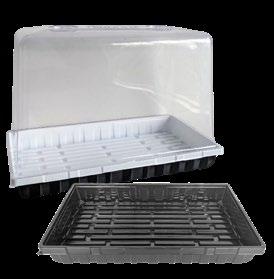
Featuring the New 12” Mega-Mini Greenhouse
New food-grade material sets a higher standard for safety, performance, and environmental responsibility.
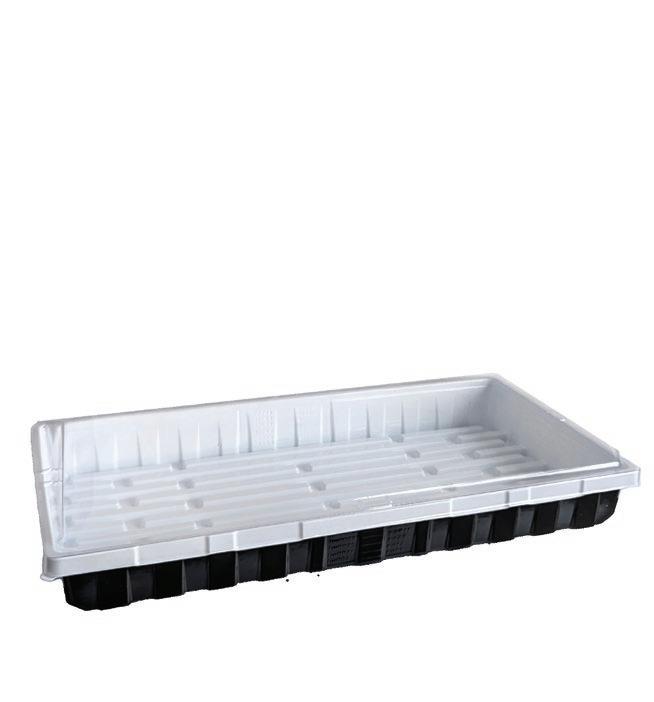
Mondi Products™, the manufacturer behind the original patented 1020 Propagation Tray and Mini Greenhouse Humidity Dome, announces the launch of Avara Technology. This proprietary, foodgrade material is engineered to elevate safety, performance, and sustainability across horticultural tools and cultivation systems.
Developed for the evolving needs of professional growers and environmentally conscious industries, Avara Technology is foodgrade certified, BPA-free, non-off-gassing, reusable, and recyclable. It also incorporates reclaimed ocean plastics, advancing Mondi’s mission to deliver safer, more sustainable, high-performance solutions.
Avara Technology: Designed for a More Responsible Future
• Food-grade certification for edible crop applications
• BPA-free and non-off-gassing
• Reusable and recyclable
• Made with reclaimed ocean plastics
• Professional-grade durability
Roots Organics Formula 707
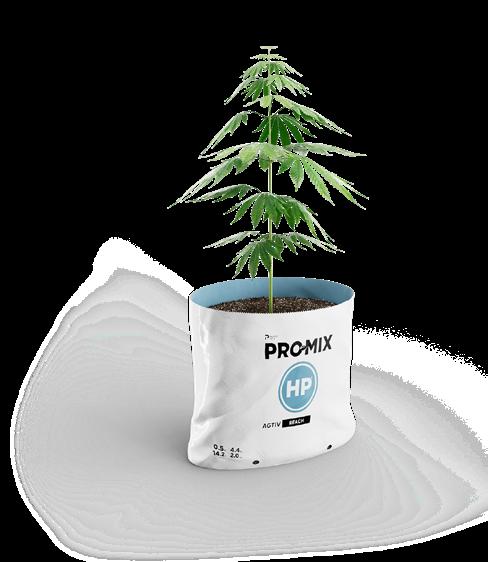
A ready-to-use soil created for a special kind of gardener, those who want to control their own destiny. Formula 707 is different from the other growing mixes created by Aurora Innovations. It was designed with greater water-holding capacity, fewer nutrients, less perlite, and less pumice, and it contains ingredients specific to large container gardening. In fact, it is packaged in 15-gallon and 30-gallon grow bags, each containing about 10 gallons and 20 gal lons of the finest-quality potting mix. Just punch holes in the bottom, cut off the top, and plant.
more.
The ultimate humidity dome, the New 12” Mega-Mini Greenhouse was engineered with expanded capacity to accommodate larger clones. Equipped with the Perfect 2-Finger Easy Vent, it allows for precise humidity control throughout the propagation process.
A Smarter System for Growers
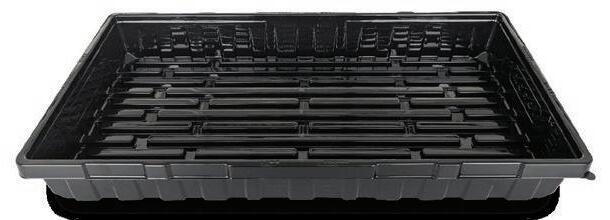
Mondi products are designed with the grower in mind: handling, moving, measuring, and managing crops at every stage. Patented engineering and purpose-built details across propagation trays and Mini Greenhouse domes streamline tasks, saving time, improving consistency, and protecting plant health.
Mondi’s modular propagation ecosystem is built for efficiency and adaptability. Trays, domes, and accessories work seamlessly together: inter-nestable, stackable, and easy to store or ship. The result is a smarter way to propagate.
To learn more, visit MondiProducts.com
Fluence PYTHN Under-Canopy LED Lighting
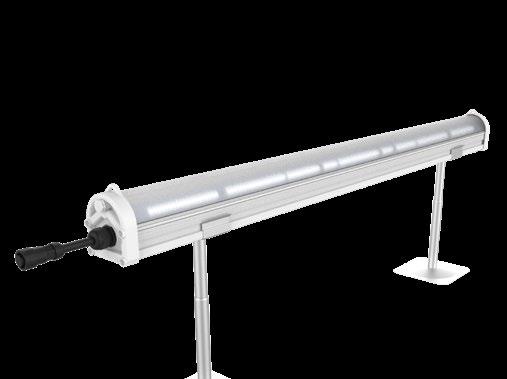
The Fluence PYTHN is a cutting-edge under-canopy lighting solution engineered for precision cultivation. Designed to deliver focused light to the shaded areas beneath the canopy. Ensures even light distribution for robust flower development and healthier plants. With energy-efficient LED technology and a modular design, the Fluence PYTHN supports seam
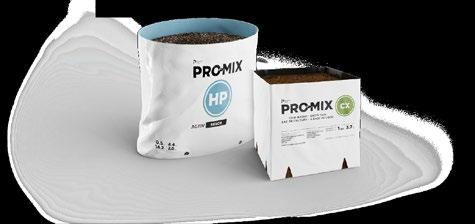
PRO-MIX® HP®
Open Top Grow Bags
PRO-MIX® HP® Open Top Grow Bags are ideal for space-efficient cultivation. Built for excellent drainage and high air porosity, they help promote strong, healthy root development and more consistent crop performance. Each bag features tear-off openings and eight integrated drip holes to simplify setup and support reliable irrigation, reducing water-management challenges. The mix includes beneficial microorganisms, such as mycorrhizae, to boost plant vigor and resilience. Offered with AGTIV REACH® (U.S.) and AGTIV AMPLIFY® (Canada), the 2-gallon format delivers more bags per tray and easier handling.
Learn more at promixcannabis.com.
YetiControl
The advanced pest control solution formerly known as CannControl. This safe EPA: 25(b) product works as a contact insecticide, miticide, and fungicide, effectively eliminating pests like spider mites, aphids, thrips, and powdery mildew. Its unique vapor action technology also penetrates dense foliage to reach and control hidden threats, ensuring comprehensive protection. An ideal component of any Integrated Pest Management (IPM) program, YetiControl is safe for use on all plants, including food crops. The name has changed, the power has not. It’s the same premium recipe you’ve counted on for years, brought to you exclusively by Organitek.
Visit Organitek.com for more information.
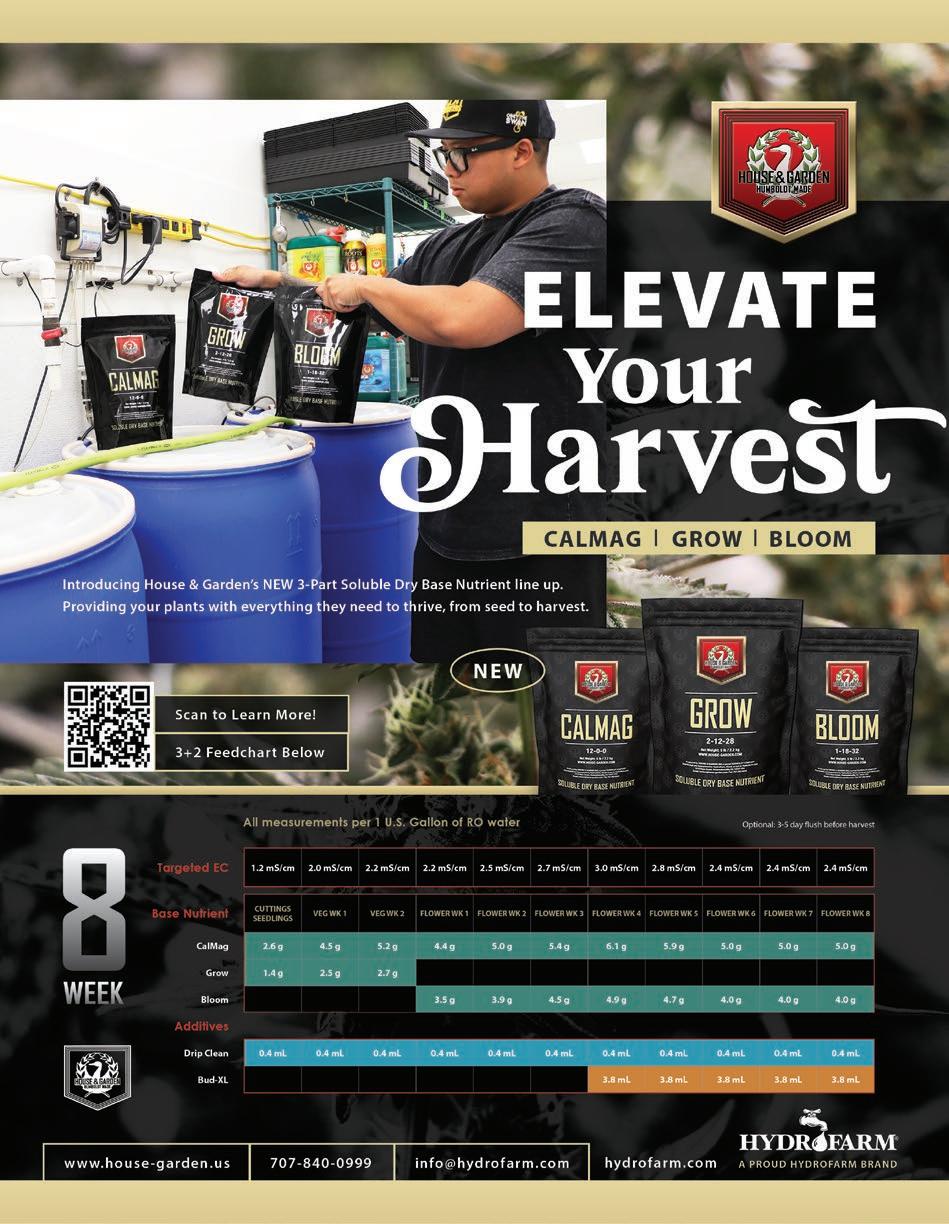
House & Garden’s new 3-Part
Soluble Dry Base Nutrient line
Elevate your grow with House & Garden’s new 3-Part Soluble Dry Base Nutrient line: CalMag, Grow, and Bloom. Designed for growers who want precision nutrition and consistent results from start to harvest. CalMag 12-0-0 supplies readily available calcium and magnesium to support strong growth and help prevent deficiencies. Grow 2-12-28 and Bloom 1-18-32 provide a balanced blend of macronutrients and chelated micronutrients to drive vigorous plants and heavy yields.
These highly soluble formulas mix clean and perform reliably in a wide range of growing systems. Available now in convenient 5 lb and 25 lb sizes.
Learn more at house-garden.us
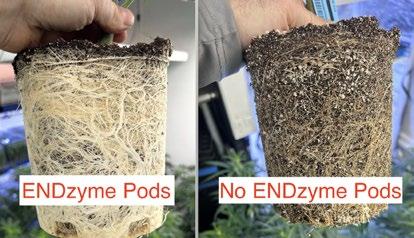
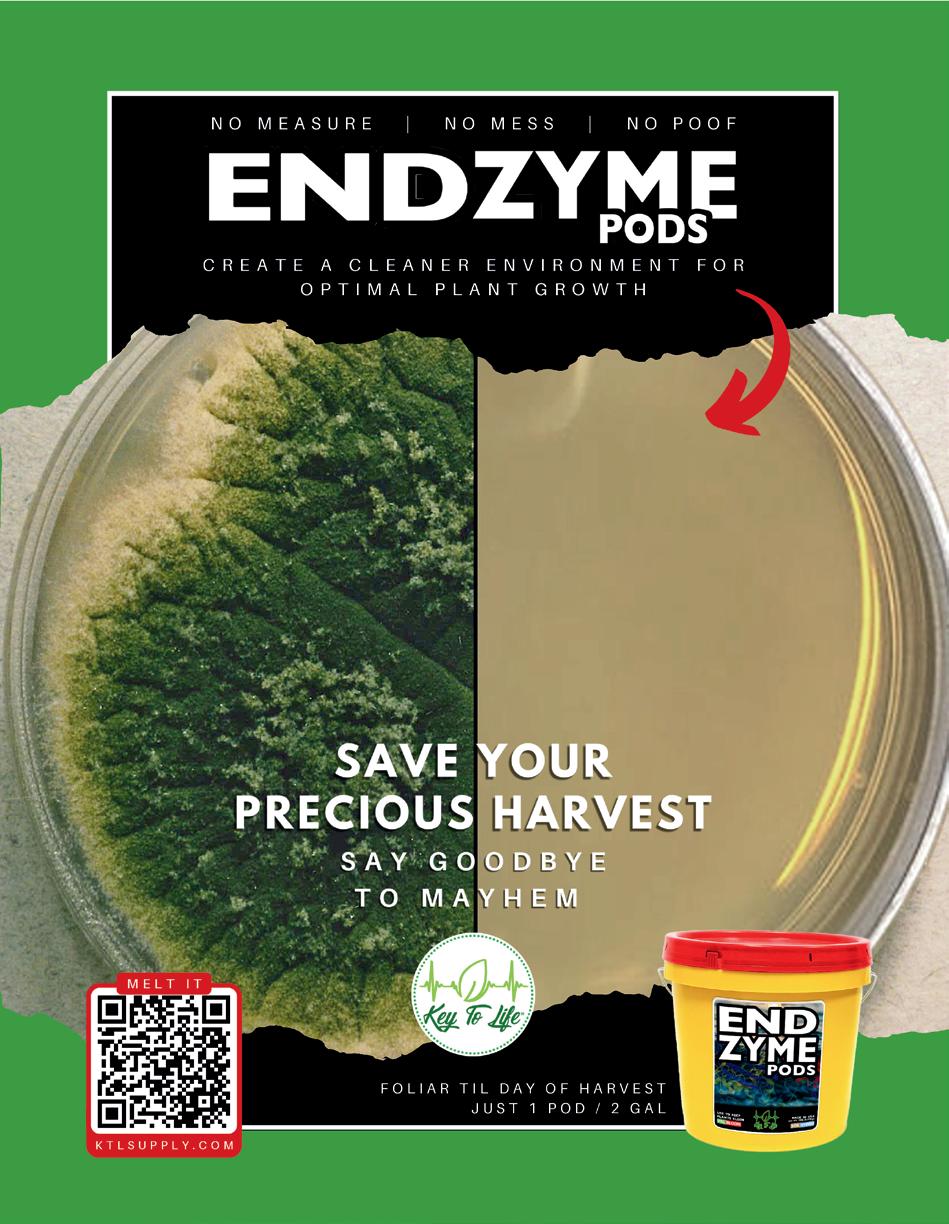
NOT all ENZYMES are created equal!
ENDzyme Pods, the zyme to end all zymes. One zyme to rule them all. Well, multiple enzymes in one product to rule them all, anyway. This biologically based enzyme product costs 8x less than competitive enzyme products and is packed with beneficial biology that boosts plant health.
Replace line cleanser products for 3x lower cost while adding benefits like faster and more robust roots, lower need for nutrients, better pathogen suppression, and even higher yields. This enzyme product checks all the boxes.
Flip 1 switch to reduce your expenses and increase your ROI.
Reach the team at KeyToLifeSupply.com to get started.
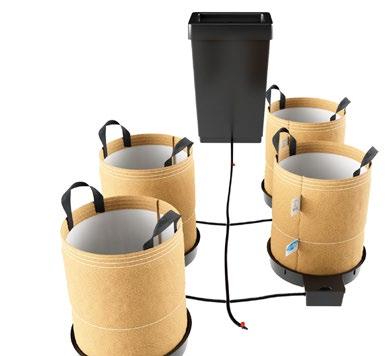
AutoPot XXL System with 13 gal Grassroots
Living Soil Pots
The AutoPot XXL System, paired with custom-made Grassroots Living Soil Fabric Pots, combines precision irrigation with a living soil-focused growing approach. AutoPot’s patented gravity-fed AQUAvalve delivers water only when plants need it, creating a natural wet-dry cycle without pumps, timers, or electricity. Grassroots Living Soil Fabric Pots, made from American-made geotextile, promote airflow, prevent root binding, and regulate soil temperature while supporting beneficial microbes. An 8” waterproof liner helps reduce moisture loss near the top of the substrate, while an aeration strip at the base promotes oxygen exchange in the wettest zone. Together, the system simplifies irrigation while creating ideal conditions for thriving living soil gardens.
Visit autopot-usa.com to find the right system for you.
Gard’nClean Fast Release
A water-activated chlorine dioxide generator for deep penetrating air quality improvement in enclosed environments. Designed for rapid dispersion, Gard’nClean Fast Release delivers non-corrosive and residue-free odor elimination and environmental cleaning during room resets. Simply add water to activate, and it begins working immediately, reaching hardto-access areas throughout the space.
Fast Release requires no specialized equipment and is not used with live plants present. It is available in multiple sizes based on cubic footage, including 1K, 2.5K, 4K, and 10K cubic feet.
Visit Gardnclean.com to learn more.
Monster Bloom™
Formulated to deliver the precise nutrient ratios plants need during the critical bud development and flowering stage. High levels of phosphorus and potassium support rapid plant development by promoting protein and starch synthesis, strengthening stalks and stems, and improving the movement of sugars and starches throughout the plant. This also helps enhance respiration and CO₂ uptake during heavy flowering.
Monster Bloom™ is made with carefully sourced ingredients that prioritize purity, solubility, and plant availability, making it easy to mix and highly effective in the feed solution. The result is a clean, powerful bloom booster that supports larger, denser, and more abundant flowers.
Check out Grotek.com for more info.
Catchmaster® Double-Sided Sticky Card Pest Monitors
Catchmaster® 3 x 5 in Double-Sided Sticky Card Insect Traps are designed for effective pest trapping and monitoring in greenhouses and other indoor plant environments. Each 3x5-inch trap features a double-sided adhesive surface, maximizing trapping efficiency for small insects. Designed for efficiency and ease of use, they provide a non-toxic pest control solution, ideal for integrated pest management (IPM) systems. Catchmaster Sticky Card Insect Traps are most effective against aphids, whiteflies, thrips, and fungus gnats.
Ask for Catchmaster at your local grow shop. Distributed by Quality Horticulture. Check out Qualityhort.com for more great products.
NOW AVAILABLE
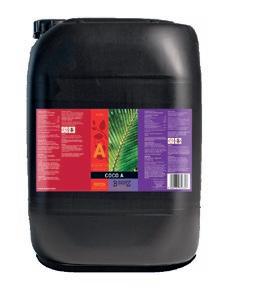
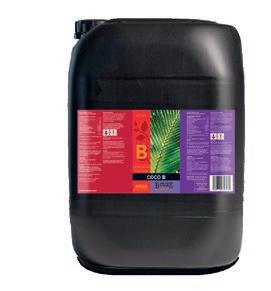
ATAMI B’CUZZ COCO A & B
Why Choose B’CUZZ COCO A & B?
• Powerful, vigorous plant development
• Complete base nutrition, from early vegetative growth through harvest
• Highly concentrated for precision and efficiency
• Coco B: NPK 4–6: delivers phosphorus and essential micronutrients for balanced growth
Together, they create a perfectly balanced nutrient profile that promotes consistent growth and strong root systems. Trusted, reliable nutrition for professional and licensed producers.
Visit Atami.com for full details.
Highly Concentrated Mineral Nutrient line for maximum growth & yield!
Highly concentrated mineral-based nutrients. Delivering consistent growth, high yields, and strong, healthy root development from start to finish.
NPK Ratio :
Coco A: 4-0-4
Coco B: 0,7-4-5
Strong and healthy plants
Strong and healthy plants
Usable throughout the whole growth cycle
Usable throughout the whole growth cycle
For Cocos base substrates
For Cocos base substrates
Quality Horticulture is Bringing More Top-Tier Growing Supplies to Canadian Gardeners!
Great news for Canadian gardeners and growers! Quality Horticulture, a Canadian, family-owned supplier serving the horticulture industry for more than 25 years, has formed a major strategic alliance with Hydrofarm, a leading industry provider of controlled environment agriculture equipment and supplies. This new collaboration is all about strengthening Quality Horticulture’s product offerings.
As part of the agreement, Quality Horticulture is acquiring the distribution of Hydrofarm Canada and Eddi’s Wholesale Garden Supply’s garden center product portfolio, while being committed to maintaining excellent customer service and operational continuity.
Quality Horticulture will now serve as the exclusive Canadian distributor for Hydrofarm’s entire portfolio of high-quality products. You can now look for even more products from trusted brands such as House & Garden, Grotek, Gaia Green, PHOTOBIO, and SunBlaster, all distributed by their expert team.
Michael Montagano, Chief Executive Officer of Quality Horticulture, noted that this collaboration “positions us to deliver even greater value to our customers nationwide”.
For more information, visit QualityHort.com
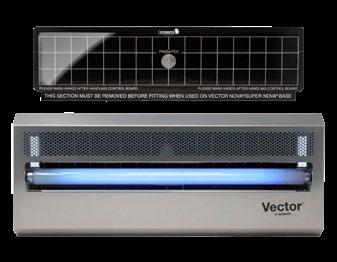
Catchmaster® Vector® Silent UV Fly Lights
Catchmaster® Vector® Silent UV Fly Lights are an industrial-strength solution for discreet, effective control of flies and gnats in small commercial facilities and residential areas. These lightweight traps fit seamlessly into tight, hard-to-access locations, making them a versatile and practical choice across various environments. These traps use UV light to draw flying insects from significant distances. The robust glue boards, featuring AP&G’s legendary glue formula, ensure that once pests are attracted, they are trapped and remain captured. This provides a sanitary, silent, and non-toxic pest control experience.
Ask for Catchmaster at your local grow shop. Distributed by Quality Horticulture.
Visit Qualityhort.com for more details.
Highly Concentrated Mineral Nutrient line for maximum growth & yield! Available in 1L, 5L, 10L & 20L
Strong and healthy plants
Usable throughout the whole growth cycle
For Cocos base substrates
How I Became a Specialist
There was zero room for failure and millions of dollars at stake.
Inever imagined I’d be in my current line of work. I’m a tissue culture scientist and cannabis researcher in Colombia. Sure, I have a genetics degree with a (barely) passable grade. But my true goal was to become a doctor, like my father. His passion and work ethic were constant sources of inspiration growing up. Regrettably, my ability to get distracted proved ill-suited to elite academic performance, and I didn’t get into medical school. I settled for a human biology undergrad instead. After graduation, in pursuit of a viable career, I traveled from my home in the northwest of England to Canada’s mountains.
During my time in the great white north, I worked in restaurants (as a line cook and bartender), was a project manager and a field tech in the Alberta oil patch, worked as a carpenter building high-end ski chalets, and even owned and operated a small coffee shop in a popular mountain resort in beautiful British Columbia. Ultimately, I worked in the legacy cannabis industry.
Trimming was the easiest point of entry without prior experience. If you were reliable and hard-working, you gained trust. Especially if you didn’t f*** up their beautiful flower after 12 weeks of their blood, sweat, and stress. As a recreational partaker, I appreciated the quality of BC bud and respected the craft even more. Once the trust was established, it was easy to transition into a grower’s underling, learning everything there was to know about the process. As a geneticist, I was hooked instantly.
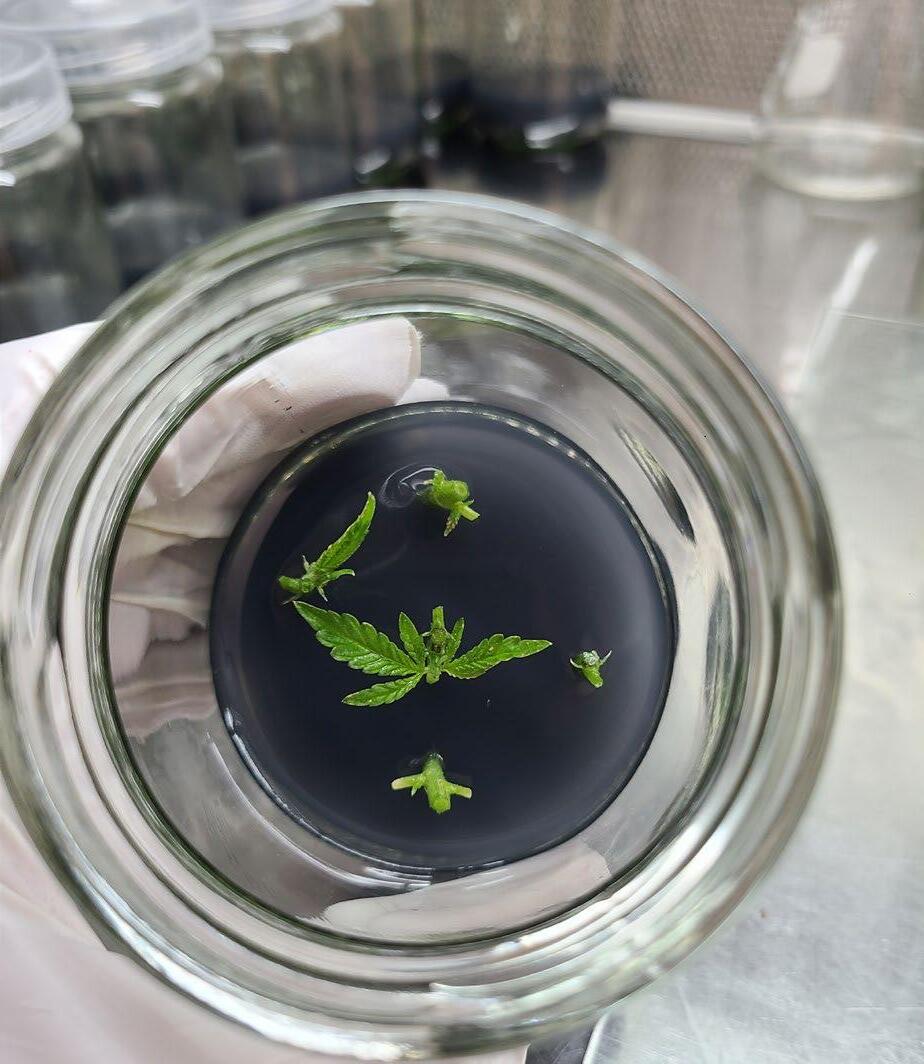
I was introduced to the facility’s owner one afternoon. He was scrambling. He needed help building and running a tissue culture setup and didn’t know where to turn. At that time, I had no idea what that was, but it sounded fascinating. With my university lab and construction experience, the opportunity was too good to pass up. I threw my hat in the ring and offered my services. We started building the “lab” the following week. It was just a rundown shack on his remote property. But with a second-hand laminar flow hood (larger than a small car) and barrels of alcohol, I made it work.
BY OLIVER HALL
Oliver William Henry Hall is a biolo gist specializing in plant tissue cul ture, with a primary focus on cannabis biotechnology. He develops advanced in vitro propagation, pathogen-free genetics, and packaging systems, supporting global cultivation and research initiatives through precise, scalable protocols and innova laboratory design.
Trimming was the easiest point of entry without prior experience.
Tissue culture is a fickle mistress, equal parts triumph and misery. I was upfront about my lack of formal plant science experience, but legacy guys are a different beast. If they are one of the rare few guys willing to shell out their hardearned cash for some R&D, you can be damn sure they want to see wins (and quickly!). The thirst for knowledge and continued pressure from upper management accelerated my learning curve dra matically. The plants were thriving. I read every published journal, searched underground forums, and watched every YouTube video my grubby hands could get a hold of. In hindsight, I feel like my lack of formal experience helped tremendously. My thought process was less linear, and I tried everything. I tweaked and changed each media recipe, ebbing and flowing with every unforeseen environmental shit storm that came my way; I was operating out of a shed, after all. During the Canadian government’s amnesty period, I successfully transitioned over 100 elite genetics from the legacy market into the legal framework. There was zero room for failure and millions of dollars at stake. Once word got around, legitimate job offers followed, and I leaped across the legal divide.
WHERE GROWERS CONNECT
Garden Culture is more than a magazine—it’s a community. Follow @gardenculturemagazine for expert voices, authentic stories, and a front-row seat to the evolving world of cultivation. Join
During COVID, a second viral outbreak was there to f*** up my year. Hops latent viroid (HLVd). For those fortunate folks who are unfamiliar with it, I envy you. As the name suggests, it originated in hops, likely in California. Due to hops and cannabis being in the same Cannabaceae lineage, the virus transitioned to the cannabis plant with ease. It is a dormant mosaic virus that emerges during environmental stress events or genetic degradation. Once prominent and active in the plant’s vascular networks, it substantially decreases yields and potency from one generation to the next. All that is left are wispy little nugs that resemble hay, not elite BC colas. They essentially die on the vine. After the regional soil supplier cut corners on specific components, the soil bags were much more acidic. This created a cluster f**k for all legacy groups in the area. Every facility suddenly had it, and the crops were decimated. Everyone scrambled for solutions, and tissue culture was the Hail Mary. Due to its mosaic nature, there is a small chance of obtaining sample cuttings without the virus. Combined with an in-house miniature PCR (polymerase chain reaction) machine to accurately verify virus presence, my company was the go-to for detection and remediation in the BC area. We did well, but God, was it stressful.
Fast forward to today: South America. After my Canadian successes, I was recruited by a group down here to build and set up a tissue culture facility. Once built, we would accumulate an extensive genetic library and export it to the global legal markets. That was three years ago. I’ve since designed and built numerous tissue culture facilities and exported genetics to several continents, some of which were chosen and exclusively sold by the largest cannabis companies in Germany.
This piece is not intended as a brag. It is essentially a wordy résumé. A record of my experience. I do not have a PhD. My plant education came from a black-market university: legacy growers, failing crops, contaminated labs, and ruthless trial-and-error. 3
My plant education came from a black-market university: legacy growers, failing crops, contaminated labs, and ruthless trial-and-error
From Buzzword to Strategy:
The Role of Crop Steering in Controlled Environmental Agriculture
From Buzzword to Strategy: The Role of Crop Steering in Controlled Environmental Agriculture
the objective is clear: to increase plant growth and quality while improving the efficiency of resource use, including light, water, nutrients, and CO₂.
Cannabis cultivation relies heavily on carefully controlled environmental conditions to increase yield and product quality. One term that has gained traction in the industry is “crop steering.”
While this concept is widely discussed among growers, what exactly does it mean, and how can we use it as a strategic tool in their cultivation practices?
Defining Crop Steering
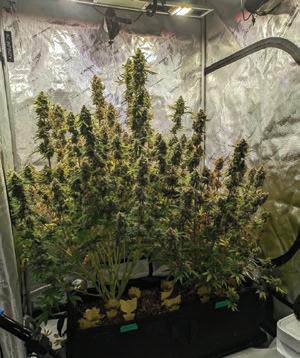
To clarify, ‘crop steering’ is a term that lacks precision. Technically, any cultivation decision could be classified as crop steering, which makes the term vague. However, the objective is clear: to increase plant growth and quality while improving the efficiency of resource use, including light, water, nutrients, and CO₂. This involves increasing the production of sugars such as glucose, fructose, and sucrose, which contribute to overall biomass production. Once the plant enters its generative phase and begins developing harvestable products, specifically, the trichomes on the inflorescences, the goal shifts. At this stage, growers aim to reallocate resources from vegetative structures, such as stems and leaves, to generative structures, such as flowers and trichomes, where cannabinoid and terpene synthesis occurs.
To put it more accurately, crop steering should be defined in terms of vegetative (leaves and stems) and generative (harvestable product) growth management. During the early stages of cultivation, the goal is to promote vegetative growth, particularly leaf expansion, as this directly increases light interception and drives exponential plant growth. Once the crop has formed a sufficiently closed canopy, usually when the Leaf Area Index (LAI; meters squared of leaf area per meter squared of ground area) reaches around 3, approximately 90% of incoming light is intercepted, and the stems are strong enough to support inflorescences, the focus shifts to generative growth. At this stage, cultivation strategies aim to drive the development and quality of the flowers.
BY MEXX HOLWEG
Mexx Holweg is the Technical Solution Manager and Crop Advisor at Dutch Lighting Innovations, where he combines scientific expertise with practical horticultur al insight to deliver data-driven lighting solutions. He holds a Bachelor’s in Applied Biology from HAS University of Applied Sciences and both a Master’s degree and doctorate from Wageningen University & Research. His research focused on plant physiology and photobiology, with a strong emphasis on optimizing light strategies for indoor-grown medicinal cannabis. Passionate about applied science, Mexx excels at translating complex research into real-world solutions that help growers improve yield, consistency, and crop performance.
WANT TO READ MORE OF MEXX’S WORK? SCAN THE QR:
To clarify, ‘crop steering’ is a term that lacks precision.
A Balancing Act
Another important concept to consider is the balance between source and sink strength. Sink strength refers to the ability of a plant organ to attract and use sugars. In cannabis, this can be influenced by the number of branches per plant capable of producing flowers, and the potential size of those inflorescences. Higher air temperatures stimulate the development of sink organs, thereby increasing the plant’s overall sink strength. To support this increased demand and the plant’s source strength, light intensity and subsequent sugar production must be increased. Maintaining a balance between these two physiological drivers is crucial for optimizing both yield and quality.
High source strength without a corresponding increase in sink strength may result in a bushy crop with only a few large flowers, ultimately leading to a lower overall yield. Conversely, high sink strength without sufficient source strength can result in many small, underdeveloped buds, further reducing final yield.
To address this problem, increasing the red-to-blue or farred-to-red ratio can promote stem elongation, resulting in a more open plant architecture.
Controlling the Environment
Crop steering can also be defined as “the control of plant architecture to optimize growth and development.” While this concept may seem abstract, it involves adjusting environmental parameters to steer the plant morphology in a specific direction to optimize plant growth. For example, during the propagation phase, a grower can manage environmental conditions to increase rooting rate and root biomass. Increased root rate increases the plant’s ability to take up water and nutrients, which is crucial as photosynthesis and transpiration rates rise with increasing light intensity. Depending on the crop morphology and cultivation system, growers may also choose to steer plant structure in particular ways, such as controlling internode length, branching, or canopy shape, to better suit production goals and environmental conditions.
For example, a cultivar with a dense growth habit may rapidly develop a thick canopy, even if the plant itself is relatively short. This can lead to several issues. First, a dense canopy can create a large microclimate, often leading to higher humidity and increasing the risk of fungal infections such as botrytis and mildew. Second, short branches may limit the number of sites available for flower development, potentially reducing overall yield. Finally, a compact upper canopy can lead to excessive light interception at the top of the plant, resulting in photosystem oversaturation and, ultimately, photoinhibition, thereby reducing overall crop photosynthetic efficiency. To address this problem, increasing the red-to-blue or far-red-to-red ratio can promote stem elongation, resulting in a more open plant architecture. This structural change improves light penetration into the canopy, allowing lower leaves, which often operate below the light compensation point (the light intensity at which photosynthetic carbon gain equals respiratory carbon loss), to intercept light and increase crop photosynthesis efficiency.
Dynamic Lighting
Another recent buzzword in the industry is ‘dynamic lighting’, a term that, once again, often lacks a clear definition or practical context. In nature, plants are continuously exposed to fluctuating light spectra and intensities throughout the day, depending on the sun’s position and cloud cover. In addition, spectral composition changes, notably with the red-to-far-red ratio decreasing during sunset. In a controlled environment, the goal is to strategically use both dynamic light intensity and spectrum to increase plant growth and development. This can be achieved by increasing photosynthesis through wavelengths that are more efficiently absorbed by photosynthetic pigments, or by influencing plant morphology to improve resource capture, specifically light, water, CO₂, and nutrients.
Always Adjusting
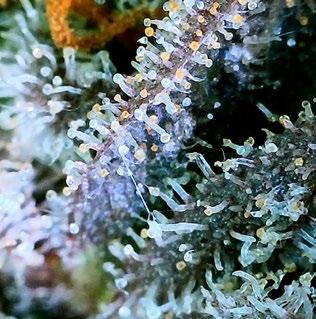
In the later stages of crop development, environmental parameters should be adjusted not primarily to stimulate biomass growth but rather to improve crop quality, often through the elicitation of controlled stress. One studied example is the use of ultraviolet (UV) light, particularly UV-B, in combination with UV-A, which has been shown to increase the accumulation of cannabinoids and terpenoids in cannabis. The trichomes that contain these compounds are hypothesized to develop in response to environmental stress, serving multiple protective functions. These may include deterring herbivores, reducing transpiration by increasing the boundary layer of still air around the leaf, or shielding the leaf from harmful UV-B radiation through light-scattering or absorptive properties. Regardless of the mechanism, the outcome for the producer is the same: an increase in product quality, typically measured by the concentrations and compositions of key secondary metabolites.
MEET THE PEOPLE BEHIND THE PLANTS
Eric Coulombe Behind the Grow with Eric Coulombe Behind the Grow with
Behind the Grow is where growers, makers, and innovators share the real stories behind their cultivation journeys—successes, failures, weird experiments, and all the lessons in between. Whether it’s hydroponics in a closet, regenerative farms in the countryside, or a balcony jungle in the city, we get into the why behind the grow.
Hosted by Eric Coulombe, publisher of Garden Culture Magazine and lifelong plant nerd with zero patience for BS.
�� Expect real talk.
�� Practical insights.
�� Occasional mushroom tangents.
If UV radiation is applied during the early stages of plant development and gradually increases over time, it may induce a tolerance response, as observed under high light intensities. This can result in morphological adaptations, such as a reduced specific leaf area (i.e., an increase in leaf thickness relative to dry mass), which generally support plant survival but do not induce the controlled stress needed to increase cannabinoid and terpenoid production. In this context, the concept of “dynamic lighting” should be redefined. Rather than being a vague industry term, it could refer to the strategic manipulation of light intensity and spectrum over the crop cycle during specific phases of plant development.
This brief overview touches on just a few aspects of what “crop steering” can entail, without delving into other essential strategies such as fertigation recipes, irrigation management, or the use of day/ night temperature differentials to influence plant morphology. The main takeaway is to encourage a more critical and informed view of the term “crop steering.” Rather than accepting it as a buzzword,
Rather than accepting it as a buzzword, growers should begin by clearly defining their cultivation goals, whether it’s maximizing biomass, improving quality, or optimizing resource use, and then identifying the specific tools and environmental parameters they can adjust to reach those goals.
growers should begin by clearly defining their cultivation goals, whether it’s maximizing biomass, improving quality, or optimizing resource use, and then identifying the specific tools and environmental parameters they can adjust to reach those goals. 3
Colin Bell Professional POV with
Mammoth P
Unlocking Phosphorus with Mammoth P
I found a fascination with understanding the invisible power of microbes and how they facilitate the flow of energy on Earth
Mammoth P is back, and founder Colin Bell reflects on over a decade of working with biostimulants as the future of agriculture, and their expanding role across crop sectors.
HN: What is your background?
CB: I grew up in West Texas and earned a PhD in microbial ecology from Texas Tech University. I found a fascination with understanding the invisible power of microbes and how they facilitate the flow of energy on Earth.
After I got my PhD in that field at Texas Tech, I had some professional opportunities in Fort Collins, Colorado, which was a dream place to live. And I’m still here at the USDA Department of Agriculture Research Services.
I studied at Colorado State University in the Natural Resource Ecology Lab as a research scientist, working with all my academic superheroes. All the people that I studied and followed and read their papers in graduate school – it seemed like they all worked there. It was a real dream to get the degree and then work with those people. I grew immensely in that high-energy and intellectually stimulating environment.
HN: Did you grow up in a house of gardeners?
CB: My parents were both in academia, professors at Texas Tech University, and they were obsessive and compulsive gardeners. That’s all they did. Every time we got to a place, they surrounded the whole property with garden beds. It’s funny, every place I’ve lived as an adult, I find myself completely renovating the grounds and the gardens’ landscape.
HN: What’s your definition of precision gardening, and how do biostimulants fit in?
CB: I think about this a lot, but precision, for me, comes down to effectiveness and efficiencies. I think about this in terms of the law of minimums. And I used to call it the law of least limiting nutrients, but that can expand to environmental conditions; it’s Liebig’s law.
In 1840, Justus von Liebig found that plant growth is defined by the least limiting essential element or factor. So, you can supply all the water and all the nutrients to any plant, it might have plenty of sunlight, but if you haven’t managed the soil or the root zone and there’s compaction, or maybe some water saturation causing low oxygen in the root zone, it is going to be the least limiting factor that’s going to prevent success above ground.
Precision means giving a plant what it wants, where it wants it, and why it wants it, by being very precise, attentive, and proactive.
The biostimulating aspect is simple for me. In particular, microbes in the root zone of soils can mineralize or cycle nutrients from an unavailable form to an available form that plants can take up. One of the reasons our team developed Mammoth P back in the day at Colorado State University was to solve the phosphorus problem.
In many agricultural settings, phosphorus is applied year over year, and up to 70 or 80% of that immediately becomes immobilized in the soil, binding to different minerals depending on the environment. It can build up over time.
BY HALEY NAGASAKI
Haley is a legacy journalist and former B2B magazine editor in the Canadian cannabis sector. As an editorial and communications strategist, she drives con tent and business development, advocating for small-scale organic farming and global community-building initiatives. Connect with her on Instagram @haleynagasaki
WANT TO READ MORE OF HALEY’S WORK? SCAN THE QR:
If you look at a total phosphorus soil test, it might appear very high, but that huge load of phosphorus is unavailable to plants. Microbes, when added to that particular scenario, can solubilize phosphorus. They can also do other things, such as stimulating the plant’s immune system.
HN: How did you start Mammoth P?
CB: The company started with an idea, and it was a technology idea. We wanted to figure out ways to apply our academic training. And for years, that was a gap for me.
I was in love with what I studied. It was very fundamental, but I didn’t see how the application could transition into the market where we could actually provide solutions for farmers. We did a great job writing papers, pontificating, and identifying solutions or potential solutions that microbes could provide.
We knew how microbes functioned in soils, and we wanted to identify problems in agriculture and see if we could find or develop a microbial solution. So I identified this phosphorus problem, and we knew immediately that microbes could solve it. Then it came down to a technical exercise of identifying, targeting, and growing functionally targeted microbes or microbial communities capable of addressing those problems.
HN: How did you figure out which microbes could unlock phosphorus?
What we knew was that microbes in nature existed in communities and consortia, groups, not as individuals. And we felt like that was a weakness of current technologies as we explored them in the market, because they were typically single strains, or two or three strains. If we could nurture the power of nature through the consortia, that would be more robust because that’s just how microbes interact. So, we found as many microbes as we could by collecting soil samples from all over the world, then we put them through a trait-selection platform so we could train them at the community level.
From there, it came down to Liebig’s law of minimums. Our trait was phosphorus cycling and mobilization – increasing and enabling more phosphorus potential. We had a nutrient profile in the growth medium that mimicked an average soil, but we depleted the amount of phosphorus. Using the Law of Minimums, we could train microbial consortia to focus on increased phosphorus cycling.
We also came up with a really cool idea: treat them (the microbial consortia) like plant breeders treat a breeding program. It takes the whole season to grow plants, but you can get a mature microbial community in days. We could measure them all for their ability to cycle and
mobilize phosphorus, and we would pick the winning community and repropagate that one winning community a thousand times (to define the next functional generation) and repeat the process for as long as it took.
We started off with tens of thousands of unique microbial species. As we identified those, you could actually quantify how many different potential microbial groups, species, or genus there were. It turns out that after about 50 to 100 generations, we reached a biological limit, and it would asymptote. And that’s what we did. It was about generation 65 where we saw that.
Interestingly enough, out of tens of thousands of microbes, only four were left at that final generation. And it was the four that are present in Mammoth P: Citrobacter, Enterobacter, Comamonas, and Pseudomonas.
HN: What was your role at the beginning?
CB: My two founders said, ‘Colin, why don’t you do it?’ It was a really cool decision, but a little scary because I was working my dream job. When I was in my PhD program, I thought, ‘man, when I’m successful, I’m going to be working as a research scientist at the Natural Resource Ecology Lab.’ And I achieved it.
Then, four years later, we wanted to make a greater impact as scientists developing this technology. We had a little investment, way under half a million dollars, to get us going. I was working at a little house I was renting with a buddy, and I turned my one-car garage into the first manufacturing plant.
My job was to scale up manufacturing, scale up a team, scale up commercialization, go to market, and start generating revenue, and we were potentially going to run out of money by October. It was March.
I started reflecting on everything I knew about making microbial media. There are a lot of nutrient profiles that would serve and allow us to scale up microbes very effectively, and that was alfalfa. I knew the higher nitrogen concentrations in alfalfa, so I thought if I could make a microbial media from alfalfa forage, I’d bet you I could make a really scalable media that could grow a lot of microbes at low cost.
We used a very simple alfalfa extract that we have some proprietary trade secrets around. But it’s not rocket science either. You know, the magic is really in the microbes, how we scale them up and what those microbes do.
Precision means giving a plant what it wants, where it wants it, and why it wants it, by being very precise, attentive, and proactive.
My official start day as employee number one of the company we founded, Growcentia, was March 16th,
HN: How much R&D and market research did you conduct?
CB: I didn’t want to go into the market without being data-driven. At the time, that’s what we were. We were scientists. Even leading up to that in 2014, the whole year was developing the technology, hiring students to help us with greenhouse tests, and going through several business incubators to do market data discovery so we could find a home for the technology. That home was bringing nature to agriculture, enhancing plant growth across all crops more naturally.
We started talking to hundreds of farmers about what we thought it did, how they would apply it, the economics, and everything required for their particular crop or business. We started learning more and more about how interesting cannabis was for new technologies like this.
I still believe today that cannabis farmers are not only really smart and really intentional, but also probably one of the most sophisticated precision gardening groups in the world in any industry, and they’re also the most innovative. Cannabis growers are willing to try something new. And that’s how innovative this group of growers is, which is just super attractive to me. There are a lot of interesting things about the cannabis crop, in particular, being controlled indoors.
Farmers, on the other hand, want five years of data before considering adoption. Any bad year, including weather, can just kibosh any prior efforts. It looked like a very long, risky, and expensive road to get a company off the ground and to make an impact.
With cannabis, they adopted us, man. They welcomed us with open arms, and I’ll never forget it. I’m committed to the cannabis industry, to say the least.
HN: How does it feel to have helped pioneer biostimulant technology?
CB: Biostimulants are the future of agriculture. We were saying that in graduate school 20 years ago, and we’re still there.
I do believe it has a strong place in every segment of agriculture. We only engaged in cannabis at first, and now I’m working with groups in high-value crops. I’m working with nut trees, strawberries, legumes, peanuts, and crops where we see huge improvements with the addition of biostimulants. These horticultural groups are applying Mammoth technology to traditional agriculture. That was part of the vision: making sure we could have a sustainable company by supporting the cannabis industry forever, and then learning how to extend the technologies to other crops. 3
Celebrating the 2025 Karma Cup
Karma Cup Winners
Founded by Sarah Sunday in 2014, the Karma Cup has become Canada’s most notorious Cannabis Cup to date. The blind competition, held downtown Toronto, showcases flower and hash entries produced by Canadian growers in unmarked packaging and judged by a group of roughly 75 connoisseurs.
In 2025, CANNA headline sponsored the event, supporting a competition that demonstrates the aptitude and innovation of licensed producers. By proxy, the Karma Cup also shines a light on the nutrient inputs and raw materials that are the building blocks of the cultivators’ success.
Winners of the 12th annual 2025 Karma Cup
1st 2nd 3rd
Vasco X Cipher
- Blue Lobster
Vasco X Cipher
- Blueberry Banana
Pineapple Buds
- Hawaiian Pineapple
Pineapple Buds
- Pineapple Haze
7ASHISH
- Pink Afghan
Paradise Valley Botanics
- Watermelon Hurricane
Purplefarm
- Miracle Mints
Purplefarm
- Lime Runtz
Green Joy
- Chocolate Kush Blunt
Hashco
- Blonde
Nicolas Dahan, VASCO
Strains Limited
- First Class Gas
Paradise Valley Botanics
- El Chivo #5
514
- Amnesia Haze
514
- Amnesia Haze
7ASHISH
- Lebanese Blonde
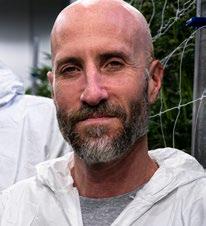
Coming in 1st place in the Indica and Hybrid categories, VASCO, led by Head of Cultivation and Master Grower
Nicolas Dahan, presented two knockout cultivars originating with Cipher Genetics.
“Our approach has always been simple,” says Dahan. “We don’t cut corners. We combine a hands-on cultivation philosophy with the latest technologies to make sure every plant gets exactly what it needs, exactly when it needs it.” Despite the painstaking process, the result speaks for itself, which is why the team at VASCO stands behind every plant they produce.
“Working with CANNA is such a key part of our approach, says Dahan. “It removes a critical area of concern by ensuring our nutrient program is dialed in and consistent every single run.”
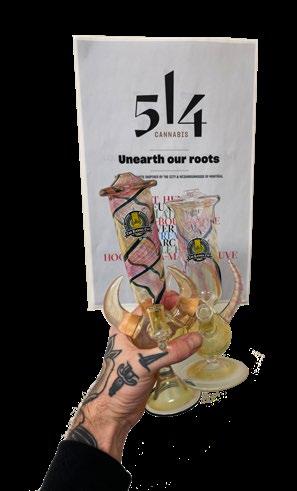
Patrick Pagé, 514
(Great White North Growers)
Master Grower Patrick Pagé, along with Alternate Master Grower Jesse Mancini, and the entire GWNG team behind 514
Amnesia Haze have proven a consistent, fan-favorite Sativa that placed 3rd in both the Sativa flower and Pre-roll categories.
Pagé calls taking home not one, but two trophies, “one of those life goal moments.” He says Amnesia Haze tops the charts in Canadian cannabis because of the people at 514.
chocolate kush
“I’m super proud of the team for putting in the hard work to bring consistent, clean, quality cannabis products to market that we can truly be proud of [...] All of this is made possible with the help of our friends at CANNA – our preferred substrates and nutrients here at 514,” says Pagé.
Jonathan Whittaker, PURPLEFARM
Grower-owned PURPLEFARM connects art and cannabis through a precise and creative cultivation approach. Led by Master Grower Jonathan Whittaker, the team secured 2nd place in both Hybrid and Sativa categories for their standout cultivars Miracle Mints and Lime Runtz.
Known for terpene-forward profiles and bag appeal, PURPLEFARM’s entries reflect a careful balance of genetics, environment, and inputs, harnessed by expert cultivators. Their success at last year’s Karma is supported, in part, by CANNA’s Peat Mix Nutrients line, helping bring out the full character of each cultivar.
Julien St-Arnaud, Green Joy
Master Grower Julien St-Arnaud took home 2nd place in the Pre-roll category for their Chocolate Kush Blunt, in what he calls a huge honor for the team.
“It validates the obsession we have with terpene expression, flavor, and overall experience,” says St-Arnaud. “We’re not chasing numbers – we’re chasing character. From structure and bag appeal to the smoothness of the smoke and the longevity of the high, every detail matters.”
St-Arnaud would be remiss not to mention their partnership with CANNA, which “allows us to consistently bring out the full genetic potential of each strain and showcase the terpenes the way they’re meant to be experienced.”
We Hope to See You in 2026!
As Canada’s longest-running cannabis award, the Karma Cup recognizes the craftsmanship, discipline, and innovation that drive the country’s cultivation scene.
Congratulations to every grower who brought their best flower forward in 2025. Not only does entering a blindjudged competition require confidence, but it also helps raise the national standard as growers work together in friendly competition.
Lime Runtz
Head of Cultivation and Master Grower, Nicolas Dahan
Julien St-Arnaud
Master Grower Patrick Pagé, along with Al- ternate Master Grower Jesse Mancini
From genetics to environment and nutrient management, exceptional cannabis is created with intention at every stage of the process. Last year’s winners –several of whom were supported by CANNA – are the embodiment of the successful alignment of countless variables. If there’s one comment we receive time and again from growers in this series, it’s the peace of mind achieved with consistent, top-shelf CANNA cultivation products. 3
Want to attend the next Karma Cup? Scan for details and dates!
Vasco - Blue Lobster
amnesia haze
Marci Babineau reflects on how gardening mirrors the unpredictability and cycles of life and loss.
Marci Babineau reflects on how gardening mirrors the unpredictability and cycles of life and loss.
The Gardener The Gardener
BY MARCI BABINEAU
Some days I am incredibly directed in the garden. I want you to know that, because I am feeling a bit weeny, having titled my piece “The Scattered Gardener” as if my efforts were so much seed to the wind. That’s right, there are times when I will come out the door with my boots on, know where my tools and gloves are, when it is going to rain next, and do the thing as planned. Not sidetrackable by seductive blooms, fiendish weeds, or broken limbs. Just THE PLAN.
However, much of the time, I enter the garden with a more amorphous approach. Because the very act of entering the garden is a sort of communion. All of a sudden, you have left your rectilinear abode and become enveloped in the womb of nature. Here, everything has emerged from the sun’s ever-changing position and has been constructed accordingly. Who can keep their head in a transcendental metamorphosis? And yet, in the face of God, one must tease out the duties of the day. In mid-August, this will be weeding, watering, and harvesting, possibly mulching and composting, with an eye to “the end” (also known as winter in Canada).
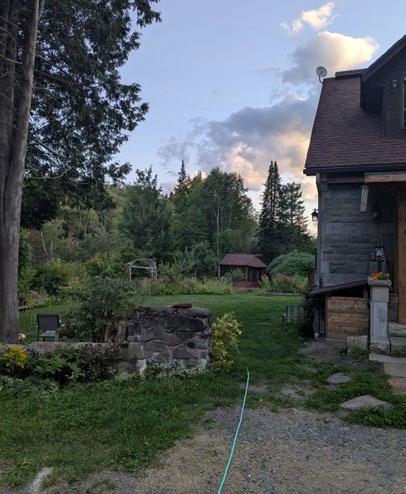
My garden is a couple of acres or so in a plantation: several small orchards and berry patches, pollinator-binging grounds, a few neglected annual veggie patches, and a potager of herbs for immediate cooking needs. This, all surrounded by woodland and swamp, makes the insect season intense and long-lasting. Also, a 60-foot greenhouse, but I digress. The very existence of this garden sends me chopping and changing almost immediately, like jumping into a 3-dimensional weaving of a thousand tasks, threads of my mind running in all directions. The point is, it’s a lot. And I like it a lot. To keep moving and stay busy with very little time to consider the insanity outside of my Eden. I’m growing food. It’s enough.
It’s late August, and I am out to water. Pretty pedestrian stuff, right? In fact, dead boring after a few hours, and if you add in the mosquitoes, it veers toward masochism. It hasn’t rained in a few weeks,
Marci Babineau grew up in gardens in California and Georgia. She currently gardens north of Montreal, Quebec, where she has nestled a food forest into a south facing hillside. Working in organic gardening and landscaping for 40 years, she has written about and taught a variety of gardening topics to young and old in Montreal and Cambridge,UK.
WANT TO READ MORE OF MARCI’S WORK? SCAN THE QR:
and everything is just gasping and fainting. I have to triage the intensive care because it is just one old lady behind a hose, too cheap and short-sighted to have installed a sprinkler system. In theory and sometimes in practice, the recent transplants get seen to first when I am still prepared to stand there and actually give them the long drink they require to eke forward with their lives. This, as opposed to running by squirting them hopefully at twilight, a flock of mosquitoes in tow, a technique my dad would have called “a lick and a promise”.
This year, I persuaded my husband that the large pile of rocks left over from building our house 15 years ago, with a collection of stunted trees and happy weeds growing out of it, was unsightly. To be fair to us, it is a slag pile inherited from the previous owner. We have only been on this south-facing Laurentian hillside for seven summers now. This rubble site sat at the end of the driveway, the farthest spot for watering. Thar be dragons, or at least groundhogs. Once we got all of the rubble stacked into wobbling walls surrounding the site, I realised it would be a perfect spot for the grapevines my neighbour had dropped off, my overflow of black currant plants, a couple of Paw-paw trees from another friend, and the hazelnut suckers I’d been nursing into trees all season. Also, a home for my overambitious tomato seeding in April. After having spent July without rain, even the weeds there are brittle and going to seed. Wisely, they are programmemed to move on to the next life as quickly as possible.
To reach the intensive care ward of recent transplants, I couple my hoses, one of which I’d mowed sometime ago and am too mean to replace or repair properly, so it hemorrhages under the duct tape and kinks with age. I’d kept it because it’s the longest, and sometimes size counts. It’s a pain pulling and untwisting some 200 feet of hose, which just reached the edge of the new garden of transplants. Soon, I would be standing with my thumb partially covering the end of the hose to make the trickle express itself far enough to reach the languishing hazelnut trees, the defiant twigs flanking the farthest edges of this new planting.
Why would one ever plant a new garden the second week of July (I hear the seasoned gardeners asking)? It hadn’t been the plan. I’d gotten my man to dump a load of compost in the middle of this new arable rectangle before I came to grips with my brother Joe’s brain cancer prognosis. He’d been given 3 to 6 months. I was heartened to gather myself during the crux of the growing season and make my way to the great state of Georgia, where June temps can be above 35°C, with 90% humidity. This is where my five siblings had unwittingly relocated from California, tracking my own early trajectory. But that’s another story.
In the third week of June, I’d rushed off to dedicate a week to conversations with my brother and a reunion with my family, all suffering this news. Shockingly, my brother passed a week to the day of my arrival. He’d only just entered hospice. Everyone was reeling; we thought we’d have more time. I’d been sleeping on the living room couch across from his bed for the week, and though he wasn’t really holding conversations anymore, I hoped he knew that I was there. Perhaps that was enough.
Two days after his memorial, my youngest sister, Lea, suffering the long-term effects of alcoholism, passed with even less warning. The day before, she’d been caring for her infant granddaughter; the next day, she was dying on the couch in her daughter’s living room. We tried to persuade her to let us call an ambulance. I’d actually tried to set her up in hospice during a previous visit in February. She’d risen from the dead before. We just thought this was another one of those times. Given her options, Lea chose to spend her last days in a small camper parked in her daughter’s garden, caring for her grandchildren as she could.
After having spent July without rain, even the weeds there are brittle and going to seed. Wisely, they are programmed to move on to the next life as quickly as possible.
Two siblings in three weeks. My remaining sister accused me of efficiency, implying that I must be relieved not to have to make more trips south of the border. Ah, family. By the time I returned north the first week of July, I’d built two memorial gardens, spoken at two memorials, and become steeped in the deep and unbridled love of my family.
Upon return, I was faced with a greenhouse of clamoring seedlings, a large pile of compost, many unplanted plants, and weeds and weeds and weeds. It had been a rainy June on the hillside. I’d flown into action, as that is the best place to avoid one’s feelings. I was deep in the dirt of the garden, the best place for reflection.
By early August, making the long trek to the far bed to water this new, beleaguered garden took on a different gravitas. Already at latitude 46 degrees, the days were shortening. The hens had all but stopped laying and were beginning to molt. I’d found Carmella softly dead near the wall of the chicken run. No warning. While life is all around us in the garden, so is death. Death: the direct experience that all life is impermanent. Because it is so final, life stands, fleetingly, in stark contrast. We gardeners prune and compost, plant and bury; we integrate these experiences with aplomb, knowing it is just the way of the garden. As I entered the valley of the shadow of death, I tilled no evil, for mine was the garden.
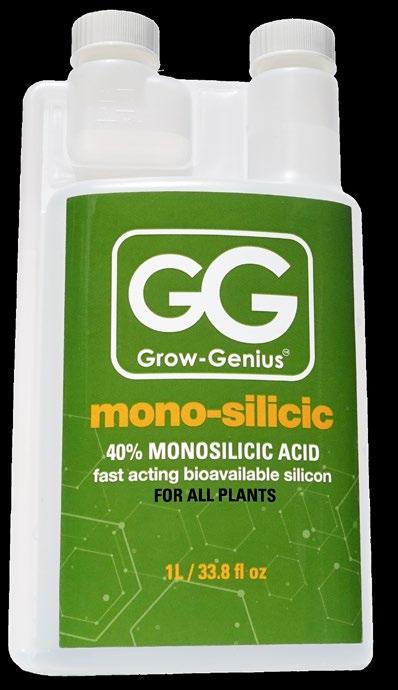
central coast grown 2.0 (40% and easy): this is why I use this product man
and
craftcannabisohio Love the product hands down the best, Si doesn't hold a matchstick to the double G as we call it round here
michigannja Multiply everything by 40....
talesofchronica I bought a bottle of GG Mono months ago and I still have about 10% left Great stuff I even went heavy with it at times!
4twentygrow ! Want your babies to super grow? BUY THIS PRODUCT!!! I use it in all my projects!
ROGUE_VALLEY_FARMS_OMMP Absolutely love this stuff!
canberracrops Definitely one of the best products I've ever used
In the long trek to intensive care, one might gravitate toward one’s comfort zone. Mine are my more established gardens, where the plants are settled, reliable; I know them by their given names and habits. The white rose that starts as pink buds. The pulmonaria, bleeding heart, and columbine that couch my spring despair by flowering so early. Still pulling the hose, having gone back to unkink and dislodge it several times, each time wondering at the futility of my own actions, I notice there are weeds in the Mother’s Garden. Of course, there are always weeds, but it has been one of my many garden quests to have one small patch that is extra kept. Specifically, not visibly weedy.
Weeds: One must appreciate their value even as one eradicates them. For instance, “Should I leave that cheeky little mullein there?” I indulge. With mullein, it is a question of placement. Further analysis reminds me that soon it will be a large, heavy-seeding plant with a spire of sweet yellow flowers that the bees love, both blossoming and shading these more upmarket plants whose tenderness will not be able to compete. With a sudden and swift action, I wrench its long root from the soil. It yields easily after going too long without water.
I think of my sister Lea, too long without hope. I put my head down and take care of the rest of the innocent weeds. I had been unable to help her, but I had control here. Before I knew it, I’d been in the ornamental bed that my sister-in-law and I planted a few years ago for a half hour. “The Mother’s Garden” is named, at first, for our gardening mothers, but more broadly for all mothers who seek to bring a bit of peace and beauty into their chaotic lives. Throughout my weeding, the hydrangea had been shamelessly guzzling water from the hose that mindlessly found its way to the ground, my busy hands blocking the chatter and regret.
With intensive care still clamoring in the distance, I wrestled the hose further on. I dickered with myself that the hose water might not be enough for the late transplants. In fact, with the forecast of hot and sunny weather for the coming week, perhaps I should cut my losses and leave these young transplants to fend for themselves.
‘Perhaps if I had stayed in Georgia, I would have been able to save Lea from finishing herself with drink or Joe from his dark road of depression?’ my wanton inner chatter ventured. Then, ‘Why must I always save the day?!.’
I shook myself from uneasy rumination, remembering the shelling beans across the driveway. I’d been so excited to plant them this spring. Excited to grow a more
I was deep in the dirt of the garden, the best place for reflection.
substantial food — the bean! My time away from the garden in late June, coupled with the hot, dry July, had left the Romanos languishing. The plants wilted and were dragged to the ground by the weight of a single bean casing that had not yet filled out.
Often when the hens “free-ranged”, they’d sneak into this bed and menace the beans, tearing the leaves and eating their flowers. When I’d catch them at it, I’d shoo them out, yelling ‘OUT! OUT!’ at the top of my lungs. Afterwards, I might catch myself, subconsciously worried about bothering the good folks across the street at the grow-op with my noise. Usually, I’d be just madly running the hens out, unbothered by how the tenor of my voice would carry. I’d had high hopes for these nitrogen-fixing legumes. Seeking recompense, I laid the hose down in the rows, methodically, promising myself again to keep a tighter rein on the hens who provide my daily protein.
Forward bending for hours is something my body is still willing to do. The very action closes the front body, the action center. It is a restful posture of supplication, like bowing, if the hamstrings are willing. One must submit to what the river of life brings. As I stood there watering the beans, perhaps I too was refreshed.
Again, I forgot the strugglers in intensive care. I forgot the events of late June.
I watched myself try to control the flow of water from the hose so it ran down the row’s channel to meet the roots of each parched survivor. I remembered how, as children, we used to dig little channels in the dirt and watch the water flow in different directions, tracing gravity. Sometimes we’d block it, then dig the channel deeper before it was overwhelmed. My brother Joe and I wreaked havoc in the beds around the fish pond, where the massive rubber tree and the elaborate excavations of the avocado stood. We were pulled into the magic of the garden, imagining we somehow controlled the fate of the ant hill we’d subverted, water around. Quietly watching a katydid land and skate down the channel. The serendipity of being present to witness Joe’s passing, then Lea’s. Joe and Lea, gone in the flow. I imagine our bodies as irrigated land; irrigation is in our blood. I stand, watching the ground absorb the water as if it were nothing. No flow, just gone.
I lifted my head and peeked over at the potatoes in the back of this bed, their stems lying brown on the ground, tousled by clusterings of brave grassy weeds, struggling to last long enough to cast their seeds. Ah! Death above meant life below. Potatoes were ready!! Of course, they’d last in the ground for a time, but closer inspection showed many had had the dirt scratched off of them by the unflappable hens. They’d turned green in the sun. Heavens!
Again, I forgot the strugglers in intensive care. I forgot the events of late June. I ran up to the garlic bed on the hill where I’d left my fork and back to the greenhouse where the wheelbarrow was resting after barrowing endless loads of compost around the pear and plum trees that morning. Water continued to quietly spill into the ground, saturating one or two bean plants. The specter of the intensive care crew floated silently through my mind as I rolled past them down the hill from the greenhouse.
Life beckons! I thrashed through the weeds. I showed them no quarter, throwing them into a dutiful pile that I promised myself to dispose of carefully to avoid reseeding. Once I’d weeded a few rows, I moved the water to another row of withering beans. I thought wistfully again of the intensive care survivors in the next bed over, twisting in their dryness. Soon, soon, I promised. Or was it possible that I could do nothing for them? Was the illusion that I might somehow control life and death anywhere, at any time, so compelling that I’d found myself a hapless victim of this fantasy?
Was the illusion that I might somehow control life and death anywhere, at any time, so compelling that I’d found myself a hapless victim of this fantasy?
In the meantime, lumps of potato erupted from beneath the sandy soil and tumbled from my fork happily into the wheelbarrow, unchallenged. They promised life in the form of solid food. I marveled at their unique shapes and the smoothness of their light-brown, shiny-red skins. I thought of giving some to Sarah, who’d helped me plant them. Perhaps I’d send some home with my son and his partner. Before I knew it, I’d weeded and dug through all eight rows! The bright yellow wheelbarrow was nearly full. As I stood catching my breath, I realized that the mosquitoes were descending. I remembered the water again and, with guilt, saw the localized wet patch. I fleetingly worried about the depth of our well as I ran over into the dusk of the day, squirting water in the direction of the July transplants in intensive care. 3
Quick vpd
Watering Techniques
Watering Techniques
These tips can help maintain an ideal VPD when you have equipment issues in your room.
It inevitably happens to all of us who run grow rooms or greenhouses – equipment failures. These untimely events can severely affect crops and, in many cases, the bottom line. In an earlier article, I wrote about the importance of knowing your crops in conjunction with Vapor Pressure Deficit (VPD). VPD is all about the difference between the moisture in the air and how much it can hold when saturated. Optimal VPD levels are achieved through humidity and temperature.
So, what happens if you have a dehumidifier go down, and it’ll be a few days before it can get fixed, a heater that’s on the fritz, or an AC unit that doesn’t want to cooperate and blows only hot air? The watering schedule will be one of the first things to address to help maintain VPD while a room is down. Let’s look at ways to minimize crop damage if the worst happens and you must limp your room along for a few days.
If the room has a high VPD, with hot, dry air, plants will begin to wilt and develop nutrient lockout due to dehydration and water stress. The best course of action is to increase the irrigation frequency with smaller, more frequent shots or pulses. If growing in soil, make sure it doesn’t completely dry out. In a hydroponic setup, monitor the EC closely to help prevent salt buildup.
On the opposite end of the spectrum, there’s low VPD, where the room is cooler, and the humidity is higher. Plants in this environment will be taking up less water due to reduced transpiration. If watering is continued on a regular schedule, the plants will be overwatered, and the roots will become oxygen-deprived. The risk above the root zone is that the plants will develop a fungal disease. I’m looking at you, powdery mildew. The ideal course of action here is to decrease the watering frequency and allow the plants to have a longer dry-back period. Remember to increase the room’s air movement, if possible, by using extra fans. This will help prevent other fungal pathogens from setting in. Now I’m looking at you, botrytis.
BY DUSTAN MCLEAN
With 30 years of cannabis cultivation experience, Dustan has dedicated a good portion of his life to medicinal plants. He was a founding partner and Head of Cultivation/Master Grower for Parkland Flower Inc. He provides incredible genetics to Canadian producers and selected flower and concentrates for the international market. In 2024, Dustan was named one of Canada’s Top 50 Cannabis Leaders. He is also a cultivation consultant with Chief Grow Officer Consulting. He is currently working on several projects, including developing a cultivar to help with opioid addiction and a drought-resistant variety.
WANT TO READ MORE OF DUSTAN’S WORK? SCAN THE QR:
The best rule of thumb is to check the plants and water (if necessary) at the start of the light cycle, and adjust throughout the day as needed. This ensures the plants don’t get overwatered or underwatered.
These tips can help maintain an ideal VPD when you have equipment issues in your room. I hope they help.
As always, happy growing! 3
Optimal VPD levels are achieved through humidity and temperature
Tailoring VPD to your Cultivar
Having an intimate understanding of what you’re cultivating makes a big difference between an average crop and a successful one
IBY DUSTAN MCLEAN
n previous articles, I’ve implored readers to know what they’re growing. Whether it’s flowers, plants, fruits, or vegetables, having an intimate understanding of what you’re cultivating makes a big difference between an average crop and a successful one. they are just tools, and you need to know how to use them to your advantage, in conjunction with plant observation for true success. Doing so can result in a 20% increase in production. Who wouldn’t want that, especially in a commercial setting?
When it comes to Vapor Pressure Deficit (VPD), knowing what you’re growing is critical to steering the environment toward that bumper crop every grower desires. When I get a new cultivar, I do my best to find out its lineage, either from the breeder or other available resources. This gives me a basic plan to start with – a baseline, if you will. Does the cultivar thrive in higher humidity than normal, or does it like lower temperatures? Where was the cultivar bred – indoors or outdoors? Does it have more equatorial or northern hemisphere roots? I ask a bunch and know it seems like a lot, but I like to know as much as I can about what I’m growing – even before germinating the seeds.
From there, I let the plants tell me what they need and take notes for future reference if the cultivar seems to enjoy an environment others don’t. Not all cultivars are the same, and many can flourish when you color outside the lines a bit. Remember, if the VPD is too low in a grow room or greenhouse (where moisture is too high), the plants can’t transpire, leading to stunted growth and increased susceptibility to molds and fungi like powdery mildew – especially if high humidity goes unchecked for a prolonged period. On the other hand, high VPD (low moisture) is where the plants can’t transpire fast enough to keep up with the environmental demand placed upon them. Plants begin to wilt because they’re losing moisture too quickly due to stomata closing, which in turn restricts CO2 intake needed for photosynthesis. At one end of the spectrum, you’re choking the plants out, and at the other, you’re running them on empty. The goal is to tailor your VPD to what you’re growing and what the plants are telling you they need.
There are many VPD charts that give you basic ranges for seedlings/clones, vegetative, early flowering (fruit set), and late flowering before harvest. While these are helpful, growers should note that not all cultivars are the same, and sometimes going outside the ‘green zone’ is necessary to achieve better results – especially in mid-to-late flower. I can’t stress the importance of these charts along with VPD calculators to help dial in your grow space, but remember,
Farming isn’t easy, but damn, it’s sure fun when you begin to understand the language plants speak
I live in a very dry part of the world, and know growing a tropical cultivar would be a struggle on the best of days without the help of a humidifier and/or mist sprayers in my greenhouse. The plants just wouldn’t be able to keep up with the environmental demands, so I take that into account when planning my crops and the room or greenhouse’s environment. If I know the cultivar loves a tropical climate, I set my room/greenhouse up with a higher humidity and adjust the temperatures accordingly to get optimal transpiration. Because in the end, that’s the goal – giving your plants an environment that provides optimal movement of water from your medium/soil, through the plant, and out into the air, which allows for cooling and nutrient uptake and transport. Plants will tell you if they like the surroundings you’re giving them – something a chart can’t do – so pay attention. I’ve had cultivars thrive in a 0.9 kPa environment (62°F/16°C/48%RH) late in flower when the charts and other reference materials said 1.2-1.6 kPa (75°F/23.8°C/40%RH) would be optimal.
Farming isn’t easy, but damn, it’s sure fun when you begin to understand the language plants speak, and you get to watch them flourish because of your attention to detail, and most importantly, listening to what they’re telling you. Please check out my VPD quick tips for watering strategies for more information. Happy Growing! 3
photo: Natalia NavodnaiAdobe stock
How to turn observation, record-keeping, and intuition into the most accurate gardening tools you’ll ever own
How to turn observation, record-keeping, and intuition into the most accurate gardening tools you’ll ever own
gardening Precision gardening Precision
The Art of Knowing by Noticing
Iwas at a client’s garden recently, discussing soil moisture in a raised garden bed. I watched her try to calibrate her soilmoisture app. She was looking at her sleek digital probe, squinting at numbers glowing on her phone. I took my glove off and pressed my finger deep into the soil.
Before I’d even used my finger probe, I already suspected it was very dry. I had my invisible detective hat on, visually following a trail of clues and examining other evidence in that garden bed. Firstly, the plants themselves were beacons of distress I couldn’t miss. The young leaves of many leafy greens were drooping, and the older leaves showed multiple nutrient deficiencies, often a sign of water stress.
Next, I noticed only a thin layer of mulch, providing minimal protection, and no evidence of a drip system, soaker hose, or irrigation. My client was watering manually with a hose, and I suspected it was not often enough. I knew the weather had been hot, dry and windy for weeks, adding abiotic stresses to the mounting clues. There were also indications of pest and disease problems on the weakened plants.
I’d only just begun my observations, but there was enough data to tell me there were bigger problems than just dry soil. It was useful to know her digital probe confirmed my assessment of only 20% soil moisture. However, a single tool couldn’t detect the other clues I’d spied and the domino effect they were having on her plants.
Measuring Apps vs Personal Observation
Technology can measure, but it can’t notice. Human observation, on the other hand, builds a knowledge base that’s slow, contextual, and uniquely suited to each garden.
That experience sums up a bigger truth I’ve come to realize: the most advanced gardening tool we have is attention. Precision is more than sensors, subscriptions, or Bluetooth connections – it must be cultivated.
BY ANNE GIBSON
Anne Gibson, The Micro Gardener, is an author, speaker and urban garden community educator on the Sunshine Coast, in Queensland, Australia. Anne is passion ate about inspiring people to improve health and wellbeing, by growing nutrient-dense food gardens in creative containers and small spaces. Anne regularly presents workshops, speaks at sustainable living events, coaches private clients and teaches community education classes about organic gardening and ways to live sustainably. She has authored several eBooks and gardening guides. Anne shares organic gardening tips and tutorials to save time, money and energy on her popular website - TheMicroGardener.com.
WANT TO READ MORE OF ANNE’S WORK? SCAN THE QR:
The best data is gathered by looking closely at little details, taking photos, recording notes, and joining the dots, one aha-moment at a time. These pieces of the puzzle gradually reveal themselves until we get a sense of the bigger picture. I think of it like following a trail of breadcrumbs that leads us to make more informed decisions. It’s actually quite fun.
My version of precision is knowing what’s happening, not because an app told you, but because your senses did.
Treating the Garden as a Living Laboratory
Whilst not a soil scientist, I love experimenting in my garden ‘lab.’ It’s a place where observations over seasons evolve into valuable data. Unique to each of us. We begin to see the cause-and-effect patterns that hide in plain sight, like:
• the lettuce and rocket that bolt after a day of intense heat and low soil moisture;
• the crops that burst into flower after liquid feeds; and
• the accidental discoveries of plants that grow when they’re not meant to.
Technology can measure, but it can’t notice. Human observation, on the other hand, builds a knowledge base that’s slow, contextual, and uniquely suited to each garden
Black and yellow fungi eating ladybirds: clues to powdery mildew
Using a magnifying lens to observe insects on your plant
Writing observations in a garden journal
There’s an intimacy to watering by hand – it feels like a slow-motion conversation.
I keep a Garden Journal – a diary of seasonal notes. Some days it’s a proper record of dates, rainfall, pest arrival, transplants, weather observations, fertilizing, and seeds sown. Other times it’s a confession: “I neglected to water the beans and spider mites arrived again.” After a few seasons of noticing the same patterns with plants, weather, and insects, I can start predicting instead of reacting. It’s an empowering feeling.
Just this morning, as I inspected the cucumber plants on my daily health check to see if there were any ‘patients’ requiring diagnosis or a remedy, I spied two ladybird species. One was a clue that aphids were hiding under her leaf; the other was dining out on powdery mildew. Their presence prompted me to look more closely. Upon further investigation, I noticed frass on another leaf. Looking up, I knew the culprit must be feeding above. Sure enough, a curled leaf disguised the caterpillar hiding at the scene of the crime. The insect pressure prompted me to address the cucumbers’ nutritional needs.
These insights, driven by curiosity, have helped me identify many insects over the years that I would otherwise have missed. I admit, I’ve used a magnifying phone app for tiny insects and taken photos of species to help with identification - both helped by technology. However, technology can’t see the different insect species flying around or on my plants. It’s up to me to notice who’s in residence. What plants they’re visiting or damaging, what they look like, and when they appear. That data helps me detect seasonal or species-related patterns.
Microclimates for Precision Decision-Making
My garden is a patchwork of diverse microclimates. A wind-protected sunny courtyard; exposed terrace gardens that take the brunt of wild winds, intense summer sun, and storms; shaded nooks that leafy greens love, and many more. In different climates, other gardeners might notice where frost hits hardest or where snow melts first.
A practical exercise I use is to spend 10 minutes or more each season in each corner of the garden at different times of day, snapping photos and taking in the environment. I’ve discovered more data that way than any algorithm could tell me. With pen and paper in hand, I watch where shadows and sunlight fall, insects or animals that visit, and wind direction. Little details matter. I’ve mapped my microclimates with a simple sketch – it’s been a data-rich planning and design tool.
This fine-tuning exercise has enabled me to select the right plant for the right place, no guesswork – just prior knowledge. I match them to the microclimate that best suits their needs, and they thrive as a result. This data is gardener’s gold.
Water Wisdom - Reading Plants Like Weather Instruments
I’ve watered my gardens using timers and sensors that manage drip irrigation systems. They’re convenient and time-saving, but there’s an art to watering that is lost when we outsource to equipment. We miss the deeper connection to individual plants – their silent language that tells us exactly what they need. Too much or too little – or too late!
There’s an intimacy to watering by hand – it feels like a slow-motion conversation. While I water, I watch. I notice which plants perk up first and those that hold grudges. Like Mr. Droopy in my lounge room – he has a big personality. He throws a tantrum when I forget to water his pot by the sixth day. He wilts and leaves start to curl or brown, warning me his companions in the same room are only a day or two behind. I dash out to give them all a good soak before there are any more complaints. Plants become our living barometers, leaving clues through their leaves for the garden detective.
Plants have a language of their own – wilting, browning, looking dull and neglected – their way of quietly getting our attention. Precision watering isn’t done with a timer - it starts with noticing the signs of when thirst begins. We won’t always get it right. Plant parenting doesn’t come with a rule book! I experiment with watering, observing how plants respond and adjust to their schedule.
Whether they’re talking about yield, potency, water conservation, or reduced fertilizer usage – growers are loving their experience with HydroMatrix.
And they’re quickly moving from running trials to growing full crops — using the industry’s only scientifically engineered and thermally refined hydroponic cannabis growth matrix, made with 100% compostable, 100% recycled Southern Yellow Pine.
If you haven’t started a trial yet, what are you waiting on?
Precision watering isn’t done with a timer - it starts with noticing the signs of when thirst begins
The Precision of Patterns and Building Consistent Habits
I’ve got into the habit of consistently making daily observations in the garden – same time, same place, and plants. I compare photos each year of the plants, insects, and seasonal observations. It’s an easy way to identify recurring patterns year over year. This habit has helped me build our internal ‘database’ based on photographic evidence and intuition.
For example, when I moved from a temperate to a subtropical climate two decades ago, I had to learn new climate patterns and when to plant. As I began keeping records, I noticed our region appears to have five seasons rather than four. I maintained my observations of recurring patterns for many years until I had sufficiently accurate data to create a seasonal planting guide. It’s proven to be a valuable tool not just for me but for hundreds of local gardeners. I later learned my analysis aligned with indigenous seasons.
The more frequently we make it a habit to watch the goings-on in our garden, the more accurate our sense of when to sow, prune, or wait becomes. In a way, we tune our brains to the garden’s frequencies to connect the dots, detect changes, and track seasonal rhythms.
Choosing Your Cast of Characters
Plant varieties are like actors: some follow the general script, others improvise wildly depending on the soil stage. It pays to keep track of your cast. Which plants are your star performers? Who are the flops? I’ve found it’s often the self-sown wild tomato adapted to my soil conditions that performs best compared to those I raise painstakingly from seed!
Generalized data in apps, books, or blogs may recommend unsuitable varieties for your unique microclimates. I’ve found it incredibly useful to keep a record of the best crops and to create a personalized database that accounts for local conditions.
Knowing What to Stop Doing
I’ve also realized that, regardless of how incomplete or fallible our notes, journal or observations are, our personalized data is more accurate and reliable than any algorithm or app. That’s because our onsite experiences are localized to our unique space. We know precisely what is planted, when, how, and so much more. We know cause-and-effect relationships from our garden experience. An app can’t possibly discern context.
Sometimes we need to eliminate what’s not working. My observations have been key to avoiding mistakes. On several occasions, I fertilized spring onions and chives with too much nitrogen. Each time, the following day, without fail, onion aphids arrived in droves. I created the problem and needed to stop that pattern. I switched to an alternative fertilization method, and the aphid population declined. I had the data but failed to use it. Patterns are powerful intel. Sometimes we need to stop doing what doesn’t serve us.
Many of us feel we have enough tech in our lives. Disconnecting in our garden is one of the ways we recenter ourselves, find peace, unplug from the noise, and learn to listen to nature’s wisdom. Our eyes are the most powerful lens for seeing our gardens. Sure, use an app to identify an insect you’re unfamiliar with and learn who’s visiting your plant and what clues it might be to their presence. I believe that true precision, though, doesn’t come from gadgets, but from human attention refined over time. Spending time noticing what’s new in our gardens and reconnecting with our plants at a deeper level is exceptionally rewarding.
Try putting your detective hat on next time and see what hidden discoveries you find. There are mysteries to be solved and nature’s fingerprints to investigate as you read between the leaves to decipher plant and soil health. I may be old-fashioned, but for now, I’m sticking to my finger probe, seeing my garden through my own lenses and journalling my daily data observations. It takes precision gardening to a whole new level. 3
Eating Like
tomato kings
Growing for the Pantry, Not Just the Plate
An important shift is underway in the garden, one driven by those seeking true self-sufficiency: cultivating to preserve the harvest for long-term storage and nourishment.
BY CATHERINE SHERRIFFS
PHOTOS: STACI & JEREMY HILL
Ask many gardeners what their priorities are for the growing season, and most will tell you they want to grow nutritious, flavorful food crops for fresh eating off the vine. After months of planning and tending to a garden, there is no greater reward than taking those few steps from the raised beds to the kitchen at mealtime. Or is there? An important shift is underway in the garden, one driven by those seeking true self-sufficiency: cultivating to preserve the harvest for long-term storage and nourishment. It’s precision gardening that focuses on selecting high-yielding plant varieties that retain their flavor when frozen, fermented, or canned.
The Preserver’s Garden
I have to admit I have always viewed my gardens as a way to eat fresh produce during my short Canadian growing season. However, a couple of years ago, I grew tired of relying on broken supply chains and buying overpriced food that traveled significant distances, so I turned to canning my tomato harvest. Having delicious sauce available throughout the winter has been liberating and motivating, so naturally, I was intrigued by the release of The Preserver’s Garden: How to Grow a Garden for Fermenting, Canning, Pickling, Dehydrating, Freeze-Drying & More, by Staci and Jeremy Hill of Gooseberry Bridge Farm. This is a fascinating read for amateur and expert growers alike, but be warned, it just might change how you view gardening. That’s not to say you can’t still snack on your harvest fresh from the garden.
“You can do both. It doesn’t take much tweaking of your goals,” Jeremy explains. “That’s what we talk about in our book, is figuring out what your goals are and then backing into those to grow, not only for the enjoyment of fresh food, but to enjoy your harvest all year long.”
For more details on Gooseberry Bridge Farm, check out our Local Growers section on page 94!
Catherine is a Canadian award-winning journalist who worked as a reporter and news anchor in Montreal’s radio and television scene for 10 years. A graduate of Con cordia University, she left the hustle and bustle of the business after starting a family. Now, she’s the editor and a writer for Garden Culture Magazine while also enjoying being a mom to her three young kids. Her interests include great food, gardening, fitness, animals, and anything outdoors.
WANT TO READ MORE OF CATHERINE’S WORK? SCAN THE QR:
Most of the crops they select are high-yielding and retain excellent flavor when preserved, two crucial considerations for gardeners growing for long-term storage
Staci and Jeremy live and work on their 11.6-acre farm just outside of Rogersville, MO, with their six children. The couple built a 3,000 sq ft permaculture-based garden that includes an orchard, berry patches, and several varieties of fruits and vegetables. Most of the crops they select are high-yielding and retain excellent flavor when preserved, two crucial considerations for gardeners growing for long-term storage. Their home pantry is nothing short of spectacular, featuring wallto-wall shelving, wood beams, and a crystal chandelier. Yes, you read that right: a chandelier.
“It was a formal dining room in the house listing. That’s why there are chandeliers in the pantry,” Staci laughs. “People are always like, ‘Oh, you have chandeliers.’ That’s because this used to be a dining room, not because I’m trying to be fancy!”
Even more impressive than the chandelier is the food lining the shelves. The couple’s dining room-turnedpantry can fit 1,500 quart-sized jars and several more pint and half-pint jars.
“We like to freeze-dry food in the jars for easy access,” Jeremy says. “Our family treats it like a supermarket. If the kids want a snack or dessert, they can go in and get a pint of freeze-dried bananas or strawberries and eat them like a crunchy snack.”
It was the awe-inspiring pantry photos on the couple’s Instagram that caught a publisher’s eye and led to their book, but Staci is adamant that you don’t need a fancy setup to jump into the journey of long-term food storage.
“If you’ve got room under a bed or in a closet you’re not using, you can store food there,” she says. “You don’t have to put them in a pretty shelf. You can stash food everywhere.”
Determining the ‘Why’
Even before determining where you’ll store an abundance of preserved food, Staci and Jeremy insist you know why embarking on such a growing venture matters to you. The couple says the ‘why’ is how gardeners carry out their ambitious plans. For the Hill family, it’s knowing where their food comes from and maintaining quality control, especially given a few serious food allergies. Growing and preserving their food also offers significant cost savings at the grocery store.
“Food security is huge with grocery prices and food availability that we all had the scare with in 2020 and 2021,” Jeremy explains. “Knowing that you’ve got X number of days, weeks, months, years worth of food on the shelf in your own home helps you sleep better at night.”
Scale is Your Friend
Sleeping well might also come a little more easily when maintaining such a large garden. However, the couple encourages anyone interested in boosting their home food production to give it a go and says scale is your friend. If you currently have a couple of raised beds and double them, you aren’t doubling your work.
“When you go from 20 tomato plants to 100, then the time it takes to go around and prune increases. But you adjust your methods,” Staci says. “If we’re growing 100 tomato plants, I get tired of the detailed pruning on the 50 plants I was doing before. So I grow more, do less work, and somehow still get more food. It works that way because plants want to grow. They’re not going to die because I didn’t do as much pruning.”
Staci is adamant that you don’t need a fancy setup to jump into the journey of long-term food storage
In other words, let the suckers grow. Don’t obsess over a few weeds. Your yield per plant might drop, but you more than make up for that loss in the quantity of plants you’re growing.
“The other thing you get out of that is security; strength in numbers,” Jeremy explains. “You lose one plant out of 100; it’s not that big of a deal. You lose one out of five; it’s 20% of your harvest. You plant more, you’ve got more room to fudge.”
Like anywhere else, Gooseberry Bridge Farm has faced pests, diseases, and occasional dismal growing seasons. For example, their tomatoes didn’t do well last summer, and their plants are sometimes overrun with cucumber beetles and cabbage worms. However, when crops perform well, they can preserve more than a year’s worth of food.
The Preserver’s Garden guides readers through the entire process of growing a garden with the purpose of long-term food storage. The chapters cover calculating the amount needed to grow to meet your preservation goals, selecting seeds, safely preparing and preserving produce for processing, and maximizing yields through organic methods. Staci and Jeremy provide 22 detailed produce profiles that offer specific growing and harvesting strategies, as well as the best preservation practices for each crop.
Growing What You Love, Even in Small Spaces
On their farm, the couple enjoys growing and preserving tomatoes, onions, garlic, okra, beans, medicinal flowers, herbs, and more.
“I love cooking with fresh basil,” Jeremy says. “Freezedried basil is the best thing in the world in January or February when it’s cold and dreary. It’s like a little bit of summer.”
Part of what makes a gardener successful is crop selection; always grow what you like to eat. Then consider the available space and whether it can accommodate the selected crops. Staci and Jeremy emphasize that anyone can grow with the purpose of preserving longterm, even if living in cities with less square footage.
In other words, let the suckers grow. Don’t obsess over a few weeds. Your yield per plant might drop, but you more than make up for that loss in the quantity of plants you’re growing
“You can use your space for lots of different things. You could grow vining beans [...] or dry beans. You could grow tomatoes. You could grow cucumbers. Depending on your climate, you can do several of those things in succession [...] Herbs would be really easy with bush beans or pole beans; you could get a setup that would [produce] a lot in a small space.”
No matter the size of your space, don’t forget to consider the best preservation methods available to you. If you don’t have a deep freezer, fermenting, water bath canning, and pressure canning might be the best options.
Eating Like Kings
If the idea of working in a hot kitchen for days while preserving the end-of-season harvest is unappealing, the Hills suggest breaking the tasks up over a few months. If there’s too much to handle, freeze the produce until you’re ready, even if it’s in December.
“There are certain [tomato] varieties that we like to eat that don’t ripen at the same time,” Staci says, “We like big heirloom slicers, and they add flavor to a sauce. As the tomatoes ripen, we take a slice from the middle and eat it fresh. We call it eating like ‘Tomato Kings’. We have the best part, and then freeze the rest, and make it into a sauce [later]. You can do that with almost anything.”
Staci and Jeremy Hill hope their book will help gardeners realize that long-term nourishment is within reach. All it takes is a slight shift in the grower’s purpose. After that, it’s about using precision strategies and tools to make the journey towards self-sufficiency possible. Besides, don’t we all want to eat like tomato kings? 3
We call it eating like ‘Tomato Kings’.
The Preserver’s Garden: How to Grow a Garden for Fermenting, Canning, Pickling, Dehydrating, Freeze-Drying & More is available at major online retailers and on the Gooseberry Bridge Farm website: gooseberrybridge.com/the-preservers-garden
ollen is both a necessity and a nuisance. Excess pollen can pose a respiratory health hazard and even cause economic losses when unpollinated flowers are desired. On the other hand, its absence prevents farmers from harvesting viable seeds, leaving fields unproductive and impacting food, medicine,
Whether you’re used to being hypervigilant about preventing unwanted pollination by creating a closed system, or have set up your garden to maximize its allure and benefit to local pollinators, you’re already invested in the relationship between healthy plants and their natural reproductive cycles.
If you decide to save your own seeds for future planting, you will need to know the pollen’s source. This could mean using pollen from a single champion donor (a breeder might call this a “stud”) or from a healthy population with desirable, compatible genetics.
Pollen for numerous important crops is wind-dispersed. Furthermore, changes in agricultural practices (e.g., increased reliance on monoculture-based field management) and climatic conditions have affected the dynamics of wind- and insect-mediated pollination. For these reasons, many growers practice
An Environmental Nuisance, an Ecological Necessity
Until warnings about bee population collapse, public discourse on pollen was primarily concerned with allergy sufferers and urban planners, whose priorities were clean streets free of dropped fruit and nuts from successful tree breeding.
Incidents such as thunderstorm-associated asthma, where high pollen concentrations pose a public health risk, are increasingly monitored. Critics of monoculture highlight that synchronized pollen release from large fields exacerbates these problems, particularly for individuals with respiratory vulnerabilities.
Historically, agriculturalists relied on the movement of the right pollen at the right time, with sufficient
BY XAVI KIEF
Xavi Kief is a writer, (re)searcher, and lifelong learner with their hands in the dirt and imagination traversing the universe. Seeking always to deepen and inte grate their connection with the living planet and its diverse inhabitants, Xavi finds joy by infusing their practical and playful approach to cultivation with a healthy dose of science. They grow food and medicine for their family and community on the northeast coast of Turtle Island.
Instagram: @xavi_kief
WANT TO READ MORE OF XAVI’S WORK? SCAN THE QR:
healthy pollinating insects in the area to transfer it from plant to plant. Archaeological studies have drawn modern attention to the intimate connections between bee and human cultures worldwide, spanning thousands of years.
Some modern industrial growers and others invested in crop success have sought to control pollen movement dynamics. For example, at scale, low-wage farm labor (youth, migrant workers) has been deployed to detassel corn to facilitate hybridization by breeding two distinct genetic varieties to create seeds with desirable traits from both.
Environmental changes can misalign pollen release and uptake. Even though wind can carry pollen far, there is only a narrow window in which it can fertilize plants.
Ensuring and Evaluating Pollen Health
For pollen to work, it needs to be healthy. It has to be fully grown and unharmed before it reaches another plant. To check whether a pollen sample is viable and whether your collection and storage methods worked, you can germinate it in a gel and examine it under a microscope. This kind of testing can reveal problems with pollen before it’s too late in the reproductive window to make a substitution for the infertile batch. It can reveal pollen damage caused by environmental conditions (e.g., heat) or by degradation over time.
Exposure is one of the biggest challenges to pollen longevity, and survival in open air varies substantially
Such a high level of scrutiny might generally be reserved for pollen collected and stored. When self-fertilizing plants, like beans and tomatoes that fail to form on their bushes or vines, an examination of their pollen could inform decisions (is it the pollen that’s the problem, or some other issue?), guide protocols for environmental management, or selection of heat-tolerant individuals for breeding.
Under precision environmental management, healthy, compatible plants exposed to one another, with flowers of both giving and receiving types at peak ripeness, are likely to breed successfully. Rather than storing pollen, selected donor plants can be maintained vegetatively to produce clones that provide fresh pollen during subsequent breeding cycles.
Note: To do this successfully, you must first root a cutting from the plant, then grow it to its full potential and evaluate its genetic expression.
Collecting and Preserving Pollen
Traditional farmers collect and store pollen, knowing that far more is released than the number of flowers that need pollination. A simple approach is to use clean tools to collect the dusty, fine powder from freshly opened flowers. Farmers then store small amounts (remember, a typical pollen grain is less than 50 μm in diameter; a teaspoon can contain billions) in sterile containers kept cool and dry. Even if some pollen does not survive, there is a reasonable chance for successful breeding if used within hours or days.
Exposure is one of the biggest challenges to pollen longevity, and survival in open air varies substantially. Rice pollen dries out beyond viability within minutes, while many other crops have only a few hours, on a good day, for their pollen to find its way to a receptive flower. Recognizing this, corn production specialists have, over the past century, led efforts to industrial ize precision pollination. Their experiments identified temperature and air exchange as key factors in pollen survival in storage. They found that pollen clumped, so they needed a material that would mix the individual grains without coating them.
Achieving successful seed set—not just confirming that pollen could germinate—brought new challenges. Farmers tried various carrier compounds, similar to how essential oils are diluted, but for fine powders. The carrier could not stick to or dry out the pollen. It also had to be the right size so it would not block the flower’s anatomy. Through trial and error, they found that 6 °C best maintained cell structure and slowed pollen metabolism, prolonging life. Lower temperatures were considered, but only if sufficient water could be safely removed; otherwise, extreme cold would destroy the pollen.
A precision technique for cannabis pollen storage, developed by Canadian researchers, uses sterile wheat flour as a cryoprotectant and diluent. Enabled by this technology, the team achieved a 4-month storage life, resulting in a healthy seed set and subsequent successful germination of the harvested seeds. Studies on the cryopreservation of pollen from other plant species have also shown a range of survival under these conditions.
Returning Pollination Responsibility
Recalling the incredible diversity in the size, shape, and biology of plant species’ pollen, protocols for precision pollination would need to account for fine measurements and highly accurate collection windows for each unique variety of interest.
Efforts to scale precision pollination highlight the vulnerability of wild species. When pollination cycles are disrupted and diversity is lost, plant populations become less resilient. All of this should serve as a reminder that, as important as it is to address the immediate goals of precision pollination for yield and breeding, we should never forget that we should work to eliminate the need for these technologies. As with tissue culture, preparing and maintaining pol-
Efforts to scale precision pollination highlight the vulnerability of wild species.
len in this manner is unlikely to be a viable option for home-scale growers and suppliers of diverse, locally adapted seed.
Instead, focusing on other precision management, such as soil health optimization, appropriate IPM that maintains species balance, and temperature and air handling, supports the production, movement, and reception of fresh pollen by thriving plants. 3
Cannabis Pollen 101
Pollen varies in color and structure, evolving into specialized forms. Insects that eat fresh pollen need different types of amino acids. Soil-settled pollen feeds small creatures like springtails, supporting nutrient cycling by bacteria and fungi. Monoecious plants (with both “male” and “female” flowers) and dioecious “male” plants produce pollen. Some pollen-receptive plants can be induced to produce pollen by natural stressors or synthetic chemicals.
Like corn, wheat, rice, and many other plants, cannabis pollen is carried by the wind. On rare occasions, insects and other vectors (humans) can transfer pollen to receptive buds. This results in seed production, and is typically avoided by cultivators focused on cannabinoid and other phytochemical harvest yields.
Some plant subspecies cannot cross-breed. For instance, pumpkins and zucchinis (both Cucurbita pepo) can cross, but not with butternut squash (Cucurbita moschata). Thus, a butternut flower without moschata pollen sets no fruit.
There is an ongoing debate about how to name and classify the various genetic types within the Cannabis family. However, botanically, it is currently believed that any Cannabis plant, regardless of its named subspecies (e.g., “sativa”, “indica”, “ruderalis”), can pollinate any other Cannabis plant. The only exception
is varieties that have undergone genetic manipulation to prevent seed formation. For example, Durban Poison (THC-focused) can pollinate Finola (seed/ CBD-focused), which can “contaminate” industrial crops by producing plants with THC levels above legal limits.
Growers can increase CBD (or other cannabinoids) in highTHC lines by crossing them with CBD-rich types, then using measurement technologies to select parents for further breeding. Genetic testing has replaced slower, trait-based selection, speeding up breeding cycles in controlled environments. 3
Parameters for Fresh Precision Pollination at Home Fresh
When the goal is to ensure fruit set under challenging weather conditions, simply moving pollen from Point A to Point B, with the delicate touch of a bumblebee, is the objective. Remember that as soon as you begin practicing precision pollination, you are making a breeding decision that will influence any seeds you may choose to keep from the plants. If you bought open-pollinated seeds to begin with, you might wish to try and emulate that kind of inter-species interaction by transferring pollen from multiple flowers to a single receiver.
The precision of your work with pollen will only be revealed by the precision of your documentation
BY XAVI KIEF
Required Tools and Tech:
• An appropriate solution for isolation. This can be an enclosed environment housing numerous plants, a single plant enclosed in an isolation chamber, or rows protected by netting to prevent pollinating insects from visiting. On big flowers like squash blossoms, clothespins or a piece of painter’s tape can be used to keep blooms artificially closed.
• Hand sanitizer, new gloves, rubbing alcohol, or other means of ensuring the cleanliness of any tool or person touching the plants.
• A sharp blade to cut a whole branch of flowers if plants are not going to be kept alive together within a controlled environment.
• A clean container for transfer (e.g., a square of tinfoil, a sterilized glass container with a lid).
• A clean (new, or sterilized) paintbrush with soft, fine, artificial bristles. Some folks use an electric toothbrush on tomato plants and other self-pollinators to mimic the vibrations of bees, which shake pollen loose in flowers. If you have one on hand, it might be the trick to getting pollen to naturally release for collection (see below).
When to Collect Pollen
Get the timing right by closely monitoring signs of flower maturation. On cannabis, pollen-givers will start pointing downward, usually only hours before opening. You’ll get maximum pollen health from flowers just opened that day.
To gather or transfer pollen from an entire inflorescence (a branch of flowers, what some would call a ‘bud’), slice off a branch and, holding it over a sterile collection surface, shake pollen loose without touching it as close to a still-air environment as you can manage. I personally like to use Mason jars, tipping the flower branch down inside and gently tapping the stem.
Aim to prevent little bits of other plant material from mixing in with your pollen, because these can be home to microscopic critters and spores you don’t want to bring to the receiving plants. Remember, the whole operation is only as clean as the dirtiest link.
Option: This is your opportunity to experiment with storage if multiple isolated receiver plants or a span
of crop maturity dates are targeted. A version of the baked wheat-flour (baked for sanitization, mixed with pollen to protect it from freezing) and subzero-temperature protocol, discussed in the article on page 60, is one approach.
When to Apply Pollen
Again, get the timing right by monitoring your flowers’ maturity. Observe the first few stigmas as they develop and change. Synchronizing the maturity windows of both pollen donors and receivers is something you will either luck out on or learn to plan for through experience with specific cultivars.
Since heat and air exposure are enemies of pollen viability, remember to only take with you the pollen you plan to use, knowing what you don’t is probably defunct. You can artificially wind-disperse the pollen in front of a fan inside a closed space, or gently hand-pollinate individual flowers. Assume the potential for all living stigmas to at least try to form seeds if pollen is in the environment. Pollinating the same morning as collection is a good idea when temperatures peak in the afternoon.
Evaluating Your Results
The precision of your work with pollen will only be revealed by the precision of your documentation. If the possibility that it’s not just a case of how many good seeds resulted from the trial, but whether you achieved the desired cross to the exclusion of all others, lab analysis of contributing and resulting genetics may be the only way to be certain. 3
The Environmental Revolution Returns
Our Power, Our Planet calls on communities to defend clean air, water, and climate through activism, local action, and environmental change.
Reclaim your voice, your rights, and your future. Earth Day 2026: Our Power, Our Planet is calling on people and communities to take a stand for clean air, clean water, renewable energy, and ultimately, the protection of our health and entire planet. This urgent call to action follows what EARTHDAY.org calls a challenging year for Mother Nature. It accuses current governments of issuing executive orders and regulatory changes that are causing irreversible environmental damage. “Across the world, environmental safeguards that took generations to defend and create are under relentless attack; stripped away to the benefit of polluters while communities pay the price with their health, livelihoods, and lives,” the non-profit organization says.
Despite a message that all is not alright, EARTHDAY. org is reminding us that, together, we are stronger and that we have changed history before. The first Earth Day event took place in 1970, and over the decades, people from all walks of life have come together in the face of various climate disasters and made a difference.
“All those years ago, in 1970, we were ridiculously confident that we were going to win. We launched a genuine environmental revolution. We proved that an engaged public can be an unstoppable force. It can be again in 2026,” says Denis Hayes, Board Chair Emeritus of EARTHDAY.org.
This year’s Earth Day campaign says that the days when progress can be achieved through good-faith negotiations are gone; real change requires persistent public pressure. Individuals, students, communities, faith groups, politicians, and organizations worldwide are invited to take action on Saturday, April 18 (Earth Day), and throughout the week of April 22nd (Earth Week) by planning events that draw attention to our desire and need for a better future. In addition to the average peaceful demonstration, here are some suggestions for how we can make a difference:
Voter Registration Drives
Governments are falling short on global climate targets; we must elect leaders who make the environment a priority along with with the safety, security, and justice in our communities. Voter suppression is a serious problem. By hosting or participating in a Voter Registration Drive, you can be part of the solution, inform communities about the importance of voting, and help unregistered voters take the necessary steps to cast a ballot.
Attend or Host a Teach-In
A teach-in is a series of lectures and discussions on a subject of public interest focused on taking action. Un-
like an educational seminar, these events are designed to be participatory and practical, with the community listening to expert opinions on how to take action and then deciding together on the next steps. Think globally but act locally. Even environmental efforts in a single small town or city can make an impact.
Community Clean-ups and Tree Plantings
Never underestimate the power of a community cleanup, a garden, or a tree-planting effort. Connect with your friends and neighbors as you work toward a common goal of caring for your immediate surroundings. So much can be accomplished when working together over the course of a day. Ask for city permission to plant garden boxes in barren public areas, or reach out to environmental groups to help with a tree-planting excursion. These events are fast, concrete ways to make an immediate difference and reduce the effects of eco-anxiety.
Take Small, Individual Action
While working with the broader community is a more impactful way to make your voice heard, we can all take individual actions to make our environments better places to live. For example, reducing your weekly meat consumption and focusing on more plant-based meals has a tremendous impact, as does saying no to fast fashion and eliminating all pesticides from your property. Planting a pollinator garden makes a world of difference, whether it’s a few pots on a balcony or something bigger in a backyard. Joining a community garden, supporting local businesses and farmers, and growing your own food (even if it’s not very much!) are all phenomenal efforts that support both the environment and the local economy. 3
To register an Earth Day event or for more information and tool kits on how to participate, visit earthday.org.
Why i won’t grow without Mycorrhizae Why i won’t grow without Mycorrhizae
After over 25 years of indoor growing, I wouldn’t grow without it
After over 25 years of indoor growing, I wouldn’t grow without it
I’m often asked what products I use to grow and if I have any favorites. The answer is yes and no. When it comes to particular nutrient brands, not really, although I do tend to stick to a couple of companies. I don’t grow in living soil, so I obviously need them. There are a couple of amendments that I don’t need, but I couldn’t bear not using them. One is mycorrhizae, and I use Dynomyco. After over 25 years of indoor growing, I wouldn’t grow without it.
Ancient Additives
Mycorrhizae are not a trendy additive; they’re ancient. Long before fertilizers came in bags, before controlled-environment agriculture, before humans farmed at all, hell, before humans existed at all, plants partnered with fungi. Arbuscular mycorrhizal fungi (AMF) colonize plant roots and extend threadlike hyphae out into the soil, effectively increasing the plant’s absorbing surface area far beyond what roots alone can manage.
If you’ve ever pulled a plant at harvest and admired a dense, fibrous root mass, you’ve seen the difference. With mycorrhizae, roots don’t just fill a pot; they inhabit it completely.
Backed by Science
One of the clearest scientific validations of this relationship comes from a large meta-analysis published in Ecology Letters by Hoeksema et al. (2010). The researchers evaluated hundreds of studies examining plant responses to mycorrhizal inoculation. Across diverse species and conditions, plants colonized by mycorrhizal fungi showed improved growth compared to non-mycorrhizal controls. Not in one crop, not in one soil, but in all of them. The variability depended on soil fertility, species, and environmental stress, but the pattern was consistent; the symbiosis works.¹
That word “context” matters. Mycorrhizae are not magic dust. They are biological partners. They perform best when the environment allows them to
BY ERIC COULOMBE
Eric describes himself as a pretty happy person, and how could he not be? He’s a husband, a father, a soccer coach, and he’s also a proud Canadian. Not to mention, he’s been working in the incredibly exciting and dynamic indoor growing industry since 2002. He saw the enormous potential for expansion long ago and decided he wanted to watch the market evolve while also being a part of it. He joined Garden Culture Magazine in 2012, and in 2014, he became the owner. He has been sharing his love and passion for growing ever since.
WANT TO READ MORE OF ERIC’S WORK? SCAN THE QR:
function at their full potential. Some factors that help include moderate fertility, living soils, available food sources, and roots in contact with the inoculum. When those conditions align, the response can be dramatic.
I’ve tested it the simplest way possible: half a tray inoculated at transplant, half untreated. Same medium, water, and nutrients. Within weeks, the treated plants are visibly healthier. Look for things like deeper green and thicker stems. After two weeks, the difference in root development is obvious, and if you are like me, you are sold and will never want to grow without it.
Why Mycorrhizae Work
Phosphorus is one reason. It’s an essential nutrient, but it’s notoriously immobile in soil. It binds tightly to particles and often sits just out of reach. Mycorrhizal hyphae, which are much thinner than roots, penetrate micro-pores in the soil and access phosphorus that plants alone can’t efficiently reach.
A well-cited review in the Annual Review of Plant Biology by Smith and Smith (2011) explains this mechanism: arbuscular mycorrhizal fungi can substantially enhance phosphorus uptake and transport it directly into plant root cells through specialized structures called arbuscules.² The plant feeds the fungus carbohydrates; the fungus feeds the plant nutrients. It is a beautiful relationship forged over 400 million years of evolution.
It is a beautiful relationship forged over 400 million years of evolution.
As growers, we often think in terms of inputs: what are we adding? More nitrogen, higher PK in flowering, calcium/magnesium? But mycorrhizae ask a different question. They want to know how efficiently the plant can access what’s already present.
The benefits don’t stop at nutrients. The relationship with water improves, too. Hyphal networks extend into soil volumes that roots alone don’t occupy. Under mild drought conditions, that expanded reach can make a meaningful difference. Plants with established mycorrhizal associations often maintain better water status and exhibit improved stress tolerance.² Again, not guarantee to fix all your f**k ups, but in controlled trials and field studies, it continues to show its worth.
In my own grow, I notice it most during transplant (larger/whiter root mass and overall plant health). Mycorrhizal-treated plants also seem to recover faster after transplant.
And then there’s all the stuff you don’t see, but thanks to countless peer-reviewed scientific studies, you know what is going on under the soil. You start seeing the substrate differently. It’s no longer an inert anchor for roots; it’s a habitat for a multitude of microscopic living helpers. The rhizosphere becomes an active zone of exchange, signaling, and microbial interplay. Mycorrhizae don’t operate in isolation; they interact with bacteria, influence root exudates, and help shape microbial communities around the plant.
That shift, from feeding plants to supporting ecosystems, not only changes how you grow but how you interpret your grow.
The Fine Print
To be clear, mycorrhizae are not a cure-all. In ultra-high-phosphorus systems, colonization can be suppressed. In sterile hydroponic setups without a biological/organic component, their function is limited.
In some cases, poorly matched inoculants may underperform. Like any biological input, results depend on conditions. But when used correctly and applied directly to roots at transplant, integrated into living or not-so-living soil, or coco or peat-type mediums, they consistently demonstrate measurable benefits.
And here’s another thing I love about them: they’re easy to test. You don’t need a lab, just curiosity. Treat a few plants at transplant, leave a few untreated, and grow them side by side. Observe root density and overall plant vigor. Watch how they handle stress.
After you’ve done that a few cycles in a row, the decision becomes obvious, at least it was for me. It’s not even a debate anymore. Mycorrhizae are part of my transplant ritual. And yes, when I forget them (never anymore) or run out (sometimes), I feel that small tug of guilt, because I know what the plants are missing. In a world full of “miracle” products and exaggerated claims, mycorrhizae are different. They’re not new. They’re not flashy. They’re foundational.
And once you see what that underground partnership can do, it’s very hard to grow without it. 3
If you want to feel confident that this stuff works, type “peer-reviewed + scientific articles + mycorrhizae ” in your favorite search engine, and you can read the same results for days. The jury is out, and this stuff works.
References
1. Hoeksema, J. D., et al. (2010). A meta‐analysis of context‐dependency in plant response to inoculation with mycorrhizal fungi. Ecology Letters, 13(3), 394–407.
2. Smith, S. E., & Smith, F. A. (2011). Roles of arbuscular mycorrhizas in plant nutrition and growth: new paradigms from cellular to ecosystem scales. Annual Review of Plant Biology, 62, 227–250.
If you think living soil is just a buzzword or a bottle you can buy, think again.
BY REGGAE SHARK
Buckle up, buckaroo. This isn’t a gardening guide. This is a declaration. If you think living soil is just a buzzword or a bottle you can buy, think again. This is a manifesto.
The “Living soil method” is not a product. It’s not a label. It’s not something you “add” to a grow. Living soil is a method, and if you’re not willing to commit to the method, then you’re not growing living soil… you’re just pretending.
For me, living soil is a long-term decision to grow better, not faster. It’s an investment in understanding plants, soil, and biology at a level deeper than surface symptoms and quick fixes.
I’ve spent the last 18 years running everything from RDWC and NFT to powdered salts and liquid organics. This isn’t about bashing any of it. It’s about drawing a line in the sand around the method I’ve fallen in love with.
I grow this way because it produces the highest quality plants I’m capable of producing, not because it’s fashionable, and not because it sounds good on a mylar. Living soil is for growers who can tell the difference between fed and grown. If you don’t yet understand that difference, living soil will feel frustrating, slow, and unnecessary. That’s fine. But don’t call something living soil just because you’ve used a biological inoculant.
The defining question is simple: Can you grow a plant from start to finish using only biological nutrient cycling for its core nutrition?
If maintaining consistent nutrition requires regular liquid NPK feeding, organic or not, then the soil isn’t doing the work. At that point, nutrients are delivered directly to the plant, and the system functions more like coco or Rockwool than living soil.
The word ‘living’ in ‘living soil’ has become so vague that it’s open to interpretation. It no longer defines a system; it just suggests the presence of life, which is a much lower bar.
Reggae Shark is a passionate Living Soil grower with over 15 years in the hydroponic industry. A self-proclaimed ghetto florist, he spends his time preaching the gospel of microbes, compost, and letting the soil do the heavy lifting. When he’s not geeking out over roots and biology, he’s usually somewhere between a grow room and a rolling tray.
Can you grow a plant from start to finish using only biological nutrient cycling for its core nutrition?
If microbes alone make something ”living soil”, then is a salt-fed grow in coco living soil? Coco coir is decaying organic matter, and even when grown with salts, it’s full of bacteria exchanging nutrients and signals, but that doesn’t make it a functioning soil system.
Biology existing is not the same as biology driving the grow.
And while we’re here, “indoor” living soil isn’t soil in the traditional sense. It’s a substrate designed to support an ecosystem that needs time and consistency to establish.
That isn’t something you can bag or bottle.
In smaller volumes or when relying on regular liquid feeds, the system is often bypassed, with nutrients going straight to the plant rather than being cycled through the soil.
So here’s the hard line: Living soil requires sufficient volume to absorb mistakes without collapsing. Anything under 50 liters per plant is going to struggle in a demanding environment. If your soil volume is so small that every watering error shows up immediately in the plant, you’re not running a system. Living soil needs mass. It needs a buffer. Without that, amendments stop being long-term inputs and become panic responses.
improve growth and even enhance quality. The point isn’t that liquid organics are inferior; it’s that they serve a different role. They are support tools, not a replacement for biological breakdown, soil volume, or time. If nothing is being mineralized biologically, you are not running living soil, no matter how many organic certifications the bottle has.
Living soil is not all about control. It’s about restraint. It’s about building a system that works even when you stop interfering.
If your soil can’t be reused, it wasn’t living. If biology isn’t doing the heavy lifting, it wasn’t living. If the plant depends on you to micromanage nutrition, it wasn’t living.
This isn’t gatekeeping. It’s just my definition.
Living soil is an ecosystem that feeds plants through biology, stays balanced across cycles, and improves with time. Anything else is just organic growing with a counterfeit name.
And that line matters. 3
Instagram: @Reggae.Shark.420
MicroCLIMATES:
photo credit: Martina de Rover Winsome Farms
The gardening world predicts that precision growing will be a significant trend amongst gardeners in 2026, as they seek to produce high-quality plants that serve a purpose and yield better results. At its core, this approach to gardening optimizes spacing, soil, sunlight, moisture levels, and often overlooked microclimates within every growing space.
In my small urban garden, I’ve discovered just how powerful microclimates can be. Part of my garden backs onto the concrete wall of the building next to mine, and although this area gets only a few hours of sunlight at the peak of summer, the wall absorbs heat that radiates back into the garden. This warms the soil, allowing me to grow plants that normally wouldn’t thrive in such low light, such as sunflowers. Microclimates are a powerful growing tool; understanding what they are, why they matter, and how they work will unlock yet another secret of a garden’s magic.
What are Microclimates?
Climate generally refers to the average rainfall, snowfall, and temperature across a vast geographic region spanning thousands of miles. A microclimate, on the other hand, is a localized area of atmospheric conditions that differs from the surrounding environment. These smaller areas are influenced by topography, human activity, vegetation, and proximity to water and can be as subtle as the shaded space under an oak tree on a cool day [1] .
South-facing slopes in the Northern Hemisphere, for instance, receive more direct sunlight than north-facing ones, making them warmer and drier. Bodies of water, such as lakes, rivers, and oceans, increase humidity in an area and create local breezes. This is true in my garden. I live close to the ocean, and in the summer, there is often an offshore breeze that other gardens further inland do not enjoy. The moisture-laden breeze reduces water use during hot summer days by moderating temperatures and slowing evaporation. Gardeners further inland may water twice (morning and evening), but I only water once.
One of the biggest factors influencing microclimates, especially in urban areas, is the presence of buildings
BY JENNIFER COLE
Jennifer is an avid gardener and journalist whose bylines have appeared in publications such as Reasons to be Cheerful, Sierra Digital, Canadian Geographic, and Rewilding. When not writing about how to create and maintain climate-friendly home gardens, you can find her planting and enjoying her small urban garden in Vancouver.
WANT TO READ MORE OF JENNIFER’S WORK? SCAN THE QR:
In my small urban garden, I’ve discovered just how powerful microclimates can be.
and roads. These hard surfaces absorb and retain heat, leading to the urban heat island effect. Typically, (as in my garden), an east or south-facing wall of a building is warmer than a north-facing wall. This creates a microclimate suitable for growing heat-loving plants and an ideal place, perhaps to plant a vegetable garden. It can even let you get growing earlier than if you were to plant in a garden or area without the wall.
Why Microclimates Matter
Microclimates are everywhere in the garden. They exist on patios, apartment balconies, and in large backyards. They can be as small as a one-foot by one-foot space on a deck or as large as an entire garden bed. Learning to identify them begins with careful observations [2]. Spend some time watching how the sun moves through the garden during the day. Pay attention to areas that dry out quickly after a rain or those that stay damp longer. Observe how shadows cast by rocks, boulders, trees, fences, or walls affect the surrounding area. In these areas, slim tapers of shade keep the soil moist longer and offer relief from the hot summer sun for plants such as hellebore (a shade-loving cool-season specimen).
You may discover, as I did, that a spot I thought was in full sun actually receives shade from a tree several feet away. This observation enabled me to select sunor part-shade plants, such as foxgloves and trilliums,
These smaller areas are influenced by topography, human activity, vegetation, and proximity to water and can be as subtle as the shaded space under an oak tree on a cool day.
that now thrive in the spot. A sheltered courtyard, for example, may extend frost-free days in spring and fall – extending the growing season. These areas are great places to start early-season veggies and keep the harvest going into late fall.
Creating Natural Microclimates
Once you know where the microclimates are in the garden, the next step is not just to take advantage of them but create new ones. In permaculture, the gardener works with nature to augment growing, never against it. The same principles apply when creating microclimates [3]
In my garden, when the wind comes from the northwest or west, everything gets blown over. To create a calming effect and change the microclimate, I have placed heavy pots of evergreens along the western side of the garden so nothing gets toppled. This not only insulates the garden from the wind but also keeps it warmer, which enables me to grow heat-loving plants such as daylilies and sunflowers. Before I did this and created a new microclimate, these plants did not flourish in the space.
One really smart way to enhance the microclimates in your garden is through using its natural slopes and valleys. Hillsides drain frost well, so creating a terraced garden mimics that. This may let you start planting out seedlings earlier in the year. Interestingly, a study in the North American Great Plains showed that small elevation changes can greatly affect climate, including soil moisture and air temperature [4] .
Companion planting, based on plant size, is also a great way to create a microclimate. For instance, tall plants shade sun-sensitive plants. Ground covers keep soil moist. Vine plants growing up a trellis will diffuse sunlight, allowing shade-loving plants such as heuchera to grow below them. Conversely, if your garden is shady, you can create sun traps by using natural features such as rocks. These spots trap sunlight, absorb heat, and give plants extra warmth.
Water features like ponds and fountains can influence local temperatures, humidity, and atmospheric conditions. As water evaporates from these features, it increases humidity levels nearby, which can slow plant growth and encourage more lush foliage.
Even raised beds can become microclimates! By adjusting the beds’ thermal mass with layers of compost and straw mulch, a microclimate is created that, in some instances, can be up to 10°F (5.6°C) warmer or cooler than the surrounding area [5]
Microclimates are everywhere and part of what makes a garden unique. Once I figured out how to use them to my advantage, it was as if a light bulb went off, and another one of the garden’s secrets was revealed. Creating and making use of microclimates in a growing space is precision gardening at its finest. 3
Footnotes:
1. What is a microclimate? - The Institute for Environmental Research and Education
2. Microclimate Definition and Its Importance for Gardeners | Live to Plant
3. Garden Microclimates: How to Find and Use Your Yard’s Secret Growing Spots - Gardenly Blog
4. How to Create Microclimates with Permaculture Techniques
5. 7 Microclimate Secrets for Year-Round Gardening Even in Harsh Seasons - FarmstandApp
Other references
Microclimate | Factors, Types, & Facts | Britannica
Using Microclimates in the Landscape - Garden.org
Master Your Microclimates for a Thriving Garden - Plant Grower World
4th Grea C nadian My Experience in the
BY ERIC COULOMBE
Every once in a while, you put yourself in a situation that reminds you why growing plants can be a humbling experience. This year, I had the opportunity to participate in the Great Canadian Grow-Off. It was a reminder that even after decades of growing, I can still be just an average grower.
It was a reminder that even after decades of growing, I can still be just an average grower
For those unfamiliar with the competition, the concept is simple: More than 150 participants across Canada were all sent the exact same clone of Pepe le Kush. No growing instructions, no nutrient program, no hints about how the plant prefers to be treated. Just a small, poorly rooted cutting and a simple challenge: grow the best plant you can. The diversity of growing experience levels was part of what made the competition interesting. Some were commercial growers, but the majority were home growers. When everyone starts with the same genetic material, the results really showcase the influence of the grower.
When my clone arrived, it was not exactly what you would call vigorous. The roots were minimal, and the plant was a little stressed from shipping. Anyone who has spent time propagating plants knows that the first few days after transplant are critical, especially when the root system is not well established. My first priority was simply getting the plant healthy enough to transplant. I didn’t rush it; I gave her the perfect warm, humid environment, and once she had established more roots, I transplanted her into her new home.
I took the competition as an opportunity to experiment. Outdoors, I am an organic grower; indoors, I use mineral nutrients and grow in a coco perlite mix, usually in Autopots. This time, I decided to create a rich organic soil mix using exclusively Gaia Green products. The plant looked amazing in veg, and I was off to a great start. I even got new LEDs and UV light from DLI. They made a huge difference for all of my plants. Then came the switch. I didn’t want Pepe to be too big, as I didn’t know how much she would stretch in flowering. This is where I messed up, and I only found out why when I harvested.
I decided to transplant again at the switch. I mixed a new batch of soil with Gaia Green’s flowering mix. I thought I was giving the plant exactly what was needed for her next stage of life. But sadly, Pepe’s development was not what I expected, and as I was comparing to the other contestants and my own expectations, something was clearly wrong. Another rookie mistake was not supporting the plant with a trellis. Gradually, as she stretched and did more than I would have liked, it became a problem. Especially when the buds filled out. Branches were bending over everywhere.
I grew her to maturity and realized that she wasn’t even close to her full potential. But why? After I harvested the plant, I dumped out the soil from the pots and discovered that the roots had never grown into the new soil. What was I thinking, transplanting a super healthy veg plant into flower? Of course, the roots wouldn’t take; the plant had everything it needed in the original pot. Lesson learned the hard way. I did take a couple of clones, which are now in the flowering room, looking great.
My Experience in
4th Great Canadian Grow-off
There are always growers pushing techniques further, refining environmental control, and dialing in root-zone management to extract the absolute maximum from a plant.
One of the most interesting parts of the competition was seeing what other home growers achieved with the exact same starting material. Some participants produced truly outstanding plants with incredible structure, resin production, and yield. When you see that level of performance from your peers, all using different fertilizers, lights, en vironmental controls, and techniques, it re minds you that there are many paths to perfection. There are always growers pushing techniques further, refining environmental control, and dialing in root-zone management to extract the absolute maximum from a plant. That is part of what makes competitions like this so valuable for the community. They create a level playing field where genetics are equal and the real variable becomes the grower. It is a rare opportunity to compare results and see how different approaches translate into final outcomes.
For me personally, the experience reinforced a few important truths about cultivation. First, experimentation is essential if you want to keep learning, but it always comes with risk. Trying something new during a competition might not be the best idea, but it can still teach you something valuable. Second, consistency often beats creativity when the goal is performance. Many of the top results likely came from growers who relied on well-proven techniques and simply executed them flawlessly.
And finally, no matter how long you have been growing, there is always room to improve. At the end of the day, I am still happy with the outcome. My plant did not embarrass me ( well, maybe a little).
Next year, I will stick a little closer to the playbook. 3
Old Gardener
from the
Balcony
Regi Oneton emerges from winter hibernation and loses it over the dismal selection of seeds and seedlings at the local big box stores. Can you relate?
Winter is coming to a close here in my corner of Canada, and I am surviving off the remnants of last season’s Mason jars and clinging to my last semblance of sanity. I can sit in my house and smell my own farts for only so long before the itch for the outdoors and toiling in the garden starts to beckon. But, until I actually get my hands in the soil, Papa is one salty, pissed-off, unbearable, geriatric slump of a human being (at least I know it).
this article is dedicated to all the things that get my blood boiling or my balls in a knot when it comes to my local gardening stores
So, this article is dedicated to all the things that get my blood boiling or my balls in a knot when it comes to my local gardening stores. An opportunity to scream from the balcony and into the void in an attempt to lower my god damn blood pressure. My better half says the cigarette hanging from my lip as I write this “isn’t helping the blood pressure”. I advised her that comments like that at this point in the season aren’t helping anyone other than the guy who sells me cigarettes. Let’s get started tearing down these big-box shops and some of their patrons’ new buttholes.
One thing that always blows my mind is the absolute lack of selection when it comes to genetics or seeds. Green beans: BORING. Cilantro: BORING. Fucking carrots…are you serious? Not only are these unstimulating crops, but they are so standard and cheap you might as well just go to the god damn grocery store. Would it kill these people to stock something obscure or interesting? Can I get a ghost pepper? Can I get a pepperoncini? How about some lemon grass? Does it always have to be a quest for the holy grail to find genetics? Do I need to call Indiana fucking Jones and send him off to some far-off land to get me some seeds that will keep me interested in the garden? Do I need to approach an old geezer like myself and work out some sort of barter to get their heirloom genetics?
BY REGI ONETON
Regi Oneton is a multi-disciplinary artist and daytime executive. He’s been a member of Socan since his first album release at the age of 20 and is a self-taught audio engineer and self-proclaimed studio rat. Regi is a late-blooming street artist and painter whose works can be found hanging in the offices of Burton and Vans Canada. Long-time contributor to the Under Pressure Graffiti Festival and lover of the Arts. As the years plow forward, he has added botanical enthusiast/plant father to his litany of passions. His interests include writing and spending too much time looking at his phone.
WANT TO READ MORE OF REGI’S WORK? SCAN THE QR:
For Christ’s sake, a whole seed display of lettuce is enough to make a man want to burn the whole place down. I smoke; I have my lighter with me at all times.
Now this one might get me some letters in the mail, but I have long ago stopped giving a crap. The bane of my garden-store experience is the well-to-do, Mercedes-driving Botox housewives playing Gardener. I know, I should be happy they are participating, but I equate these ladies to the antichrist. If it’s not them doing the shopping, it’s their poor husbands. Either way, the same result. Their baskets and trolleys are filled to the brim with fully grown, fruited plants. They are overflowing with 3-foot-tall cherry tomatoes with enough fruit on them already to make ten salads. Can someone out there explain to me where the challenge or validation is? No, you can’t, because it is ridiculous to do something like that. The same basket contains shrubs and flowers already in their final stage. These ladies are so keen to get to the end, much like with their husbands in the sack. These beauties don’t know the difference between their own shit and 20-20-20 fertilizer. I equate it to hanging a child’s fingerpaintings in a museum; it’s enough to make a man want to burn the whole place down (flicks cigarette).
The merchant side of things can be annoying. Nothing burns my Brisket like a shop selling plants they know God damn well won’t grow in your region. It may be labeled “region 2,” but you won’t get that poor bastard in the ground before it shrivels up like my testicles in a Canadian snow squall. In the same breath, there are often seedlings or saplings that are obviously stunted and won’t produce anything except an apathy for your garden. A little quality control is lacking, and that’s me being polite. Stop trying to screw me. I am not wearing lipstick. At least not at the garden store. That’s more of a weekend thing. It’s time for the suppliers to shift gears and update their offerings. Perhaps trim back what’s not working. Then again, you might have a Botox beauty dumb enough to take a chance on a half-dead Pythos. There goes Karen, saving the economy one frivolous purchase at a time.
I can’t go to Costco. Something about people aimlessly walking around, bumping into me unapologetically, that makes me… want to burn the whole place down. Come April, every single store stocking seeds and soil is overflowing with the same dynamic of people. Inconsiderate douchebags buying up all the Pro Mix HP, butting in line, and treating your personal space like a doormat. I would love it if they were open at night so I could go in and make it a peaceful experience. But every year, I have to suck it up and smoke a couple of funny sticks to make me passive enough, so I don’t have a meltdown, and my girlfriend becomes an unwitting accomplice to an arson. Let’s be kind to one another. Let’s be polite. Let’s avoid an emotional apocalypse. Help the granny load up her shrimp shell compost. Tell the Botox lady where the fully grown shit is. Calmly light another cigarette.
Green beans: BORING. Cilantro: BORING.
Fucking carrots… are you serious?
Finally, it’s just the whole vibe of the big-box place that gets me in the dumps. I am an artist, so I view things a bit emotionally and with a modicum of exaggeration. The big-box garden store sections look like plant prisons. It’s like I’m going to visit one of the homies in the slammer, trying to act happy for him so he doesn’t get too depressed. Metal fences and asphalt, contrasted with the plant life, just irk me. I get the same feeling at the local dog shelter—caged beauty. If I find a plant in bad shape, I start administering emergency care right there in the aisle. I start looking for the hose, as if I worked there, to correct a clearly parched grouping of plants. That’s usually when my better half has had enough and sends me to the car to light one up cause clearly, I am about to burn the mother fucker down.
This may sound like the rantings of a madman, and they are, but I told you at the top that today is all about screaming from the balcony and letting it all out. I enjoy my garden just as much as the next person. I just have my own dislikes and disdain that I needed to verbalize and set free before I head into the hellscape that is my spring garden shopping. Give it a shot, let it all out before you get to the point of wanting to burn the place down. If you do light the match, snag me some Pro Mix HP; the Botox lady cleared the shelf.
Happy growing, my little bean sprouts. Stay cool, stay calm, and enjoy your season. 3
Optimizing Environmental Control for Small, Medium, and Large Grow Facilities
Controlling horticultural facilities requires considering all aspects of the growing system, including plants, HVAC, irrigation, lighting, CO2/O2, and many other parameters. The level of control you can achieve depends on the size of the facility and the equipment you select for your operation. Just because you have a large or small grow doesn’t mean you will have better or worse control. Instead, we need to look at how systems are designed and consider both the equipment and the budget.
As a general rule, it is harder to control a medium-sized room than a small or large room. Small rooms often have little load, so cost-effective equipment can be used. Large operations can select many options of equipment to get very good control, but medium facilities often don’t have the budget to get the level of control desired, because medium-sized equipment often doesn’t come with good capacity control. A facility achieving a tight level of control depends on how you implement your equipment and your understanding of how it works together.
When we discuss control of a space, we often think about temperature, humidity, and CO2 . These three items are generally what the HVAC is there to control. However, other items in the growing operation also influence how the HVAC functions. Irrigation schedules and lighting play a significant role in what the HVAC system needs to do. We need to consider the level of control and tolerance required based on the facility.
An example of a small grow room, or a home grow, would be a space with one to four lights, five to 32 plants, and ventilation with or without fresh air. In this small space, there isn’t much heat gain, and there aren’t many places for the humidity to enter or leave the space. This would be different if you were to control the flow of fresh air from outside; however, many small grows don’t use fresh air to contain smells. With such a limited number of plants and lights, you can size a small floor-mount
BY ADAM CLARKE
Adam has provided planning and design services for cannabis and hemp cultivation and processing facilities over the last seven years with Stratus. His projects in volve outdoor cultivation, indoor cultivation, drying, processing, extraction, storage, bottling and packaging, and more. Living on a hobby farm, Adam loves all plants, including flowers, vegetables, and microgreens, but is most passionate about hemp and is in awe of the fast-growing plant and all of the benefits it offers to humans and the environment alike.
WANT TO READ MORE
OF ADAM’S WORK? SCAN THE QR:
When we discuss control of a space, we often think about temperature, humidity, and CO2. These three items are generally what the HVAC is there to control. However, other items in the growing operation also influence how the HVAC functions
AC (or mini-split heat pump) and a dehumidifier, which are easily available at the local hardware store. This type of setup generally maintains conditions relatively close to design, as the equipment has its own internal controls and the space has little load. Also, most small grows are fine with some fluctuations as they are more worried about cost. I would expect with correctly sized equipment in a small grow, you should be within +-2°F and +5% RH of the set point. Within this deadband, you are likely getting the best dollar value. If you want tighter control, you would need to buy commercial-grade equipment.
Large-scale facilities have the luxury of needing large equipment. This means using a chiller rather than direct expansion refrigeration, and boilers rather than electric or hot-gas reheat. These types of equipment are all natural, more capable of capacity control. With a chiller, you can vary the temperature of your cooling coil and use your AC for both cooling and dehumidification. You then use the boiler to reheat the air, and your space can maintain very tight conditions. With large setups, you could also use direct expansion and many units
The tolerance and level of control in your building depend on the equipment you choose and how you operate it
Typically, these systems can swing by 3-5°F and 5-10% RH, and are my least favorite and worst-performing grows
(I don’t recommend it), but even with this approach, you can cycle many units, which again gives good capacity control. With a setup like this, you are likely to be within +-1°F and +-2-3% RH. This is about the best level of control possible for a space (keep in mind we can often control tighter than this, but this is the acceptable tolerance).
Finally, medium-sized grow rooms, which are the least likely to function well, are again due to the budget vs. the available equipment size. Medium-sized rooms often need between 5 and 20 tons of cooling. Traditionally, these have been done with 5-ton commercial units; however, a room that only needs one unit will often suffer from large swings. This is because medium-sized units don’t have capacity control; typically, they are just on and off. These compressors also have minimum run times, meaning they must stay running for at least 3-5 minutes, which can sometimes over-dry or over-
cool the space. We have found that the addition of controls and an APR valve can remediate these issues, but it isn’t cheap, so a lot of medium grows don’t think they can afford it(an APR valve is like a three-way chilled water valve in which we are able to control the flow of refrigerant, changing the capacity of the refrigeration system.) Typically, these systems can swing by 3-5°F and 5-10% RH, and are my least favorite and worst-performing grows.
The tolerance and level of control in your building depend on the equipment you choose and how you operate it. If you over- or undersize equipment, you will get swings in conditions. If you use on/off-only equipment, you will experience large swings in room conditions. The only way to get a perfect room is to match your equipment to the load and add a control system to tune when the equipment all turns on and off. 3
Gooseberry Bridge Farm
After interviewing Staci and Jeremy Hill about precision gardening for long-term nourishment (see page 54), I wanted to share more about their homestead, Gooseberry Bridge Farm. In October 2016, they left urban gardening for 11.6 acres in Rogersville, MO. Their first year saw the creation of a 3,000 sq ft garden focused on crops for long-term storage. Dedicated to self-sufficiency, they maintain a pantry with over a year’s supply of homegrown, canned, and freezedried produce, all cultivated using permaculture methods.
Instead of chemicals, they use beneficial insects—praying mantises, lacewings, and ladybugs—for pest control. Their approach includes vertical gardening, succession, companion planting, and strict crop rotation. With rocky soil, no-till methods are essential; they leave weeds in place and only turn the soil as needed. “The more you improve the soil, the more these things just appear in your garden and come to you,” Staci says.
In addition to growing produce for their family of eight, the Hills also raise meat, including chickens, ducks, heritage turkeys, and pigs, and keep dairy cows. They fertilize their plants with litter from the goat barn and the rabbits, never having to buy inputs. “We try to recognize and respect the whole circle of life and utilize everything that we can,” says Jeremy.
Passionate about flowers, Staci and Jeremy also operate a U-Pick flower farm on the property, which they open to the public every spring and summer. They also hold various workshops and offer time spent with baby animals. Staci loves to freeze-dry flowers and uses them medicinally, either in herbal tinctures or teas. The farm offers beautiful driedflower bouquets year-round at the local Farmers Market or for special events. A unique ‘Plant Start’ CSA allows local gardeners to buy all their seedlings from Gooseberry Bridge Farm, selecting from options for kitchen gardens, backyard gardens, cut-flower or pollinator gardens, and more. Supporting this initiative also provides customers with free tech support; they can contact Staci and Jeremy throughout the growing season with any questions about their plant babies.
Gooseberry Bridge Farm is a family affair. Staci and Jeremy have six children together who enjoy helping with the animals and gardens. They’re learning the ropes with their own raised beds, and some can handle the entire process of canning a tomato harvest. They’re learning real-life skills and the value of nourishing themselves with wholesome, homegrown food. Learn more:
Would you like to be featured as one of our local growers? If you’ve got a garden, grow room, or farm and have a story to share, contact us at growers@gardenculturemagazine.com.
Lebanon, ON Garden of Apologies
We’ve all been there: working hard and planting a vegetable garden only to have a pest destroy it. In 2014, Erik Begg attempted to grow a variety of crops, but a resident raccoon destroyed them. Everything, that is, except for a ghost pepper plant. From that day forward, Erik developed a keen interest in growing hot pepper plants. He started with buckets because his pool took up most of his yard. By 2017, Erik’s passion for hot peppers had consumed him, and he relocated to Lebanon, ON, to secure more growing space.
The additional land enabled the Garden of Apologies to expand production from dozens to thousands of plants. However, it still wasn’t enough. In 2024, Erik rented an additional 2,000 square feet of land from Winterhill Farm in Rockwood, and in 2025, another acre from a neighbor. Today, he grows 3,000 plants across 150 cultivars, including Aleppo, Black Hungarian, Golden Nugget, several jalapeño varieties, Carolina Reapers, Habaneros, and more, all documented in the ‘Pepperpedia’ on his website.
Although Erik loves growing unusual peppers for fun, his Garden of Apologies primarily supplies his other business venture, Sorry Sauce. The award-winning craft hot sauce offers a wide range of heat levels, flavor profiles, and cheeky names (think Miso Nutty and Mol-eh!). Because it’s Canadian, Sorry Sauce comes with a free apology. It’s a unique product with a fun twist, but Sorry Sauce also appeals to consumers because it’s backed by a strong environmental commitment. Erik is a strong proponent of responsible land stewardship and carbon footprint reduction. His hot sauce ingredients are mostly local, and he uses solar energy to power the heaters and LEDs in his grow tents in the spring and his freezers year-round. In 2024, Erik had a wind turbine installed to power his Greenhouses of Extreme Regret, the indoor growing spaces for seasonal expansion. The Garden of Apologies follows organic practices with compost, landscape fabric, and hand tools; no chemicals, pesticides, or machines are used. Whenever possible, rainwater is captured for irrigation, and most of the farm’s equipment is secondhand. Erik is also transitioning to eco-friendly packaging for his Sorry Sauce, eliminating single-use plastic entirely. Sorry Sauce accepts empty bottles for a $1 refund each, a pretty cool perk for hot sauce lovers.
Erik’s passion for peppers has led to some exciting opportunities over the years. He has delivered public speaking events, and his peppers have been included in the League of Fire Americas Belt Match in Ottawa, ON, as well as the Heating up the Capital and Extreme Chili Alliance belt match events. Erik also posts excellent information about peppers and how to grow them on his YouTube channel, ‘Pepper School’, where he shares his love for this spicy crop. Customers can order his delicious hot sauce varieties online at sorrysauce.ca
gardenofapologies.ca
facebook.com/thegardenofapologies
Instagram: thegardenofapologies
YouTube: @GardenofApologies
sorrysauce.ca
facebook.com/sorrysauce
Instagram: sorry_sauce
ANDEN AS150
1,200 Pints (150 Gallons) Per Day of Clean Steam
Built-in Fan Pack for Easy, Ductless Installation
Accurate and Responsive Control With Web-Based Interface
Three Power Supply Options to Fit Your Needs
AS150 240VAC, 3-phase AS150-V2 208VAC, 3-phase
AS150-V4 480VAC, 3-phase
WAYS
to Grow Smarter with Precision Gardening
Precision gardening means growing with intention and removing guesswork from your routine. It uses tools, technology, and knowledge of environmental conditions, microclimates, and soil to pinpoint what plants need for the best results. Precision techniques help avoid wasted time and resources, making gardening more sustainable. Instead of working harder, work smarter! Here are 5 Cool Ways to Grow Smarter with Precision Gardening.
1 Precision Planning
While growing a garden may only last a season, preparation happens year-round. Planning is key: decide what to grow, ensure plants suit your space and climate, and check your agricultural zone. Take inventory to avoid overbuying and list seeds to order. Sketch your garden to practice techniques such as companion planting and crop rotation to improve yields and reduce pests. Note each plant’s maintenance schedule and make sure you have the right tools. Test your soil before planting. Even a rough plan gives you a clear idea of what, where, and when to plant, increasing your chances of a successful harvest.
2
Accurate Readings
Technology is always evolving, and every new gadget released seems more impressive than the last. Many products on the market promise to help growers master the art of growing with precision. Various pens and testers offer all-in-one solutions that measure things like pH, EC, temperature, PPM, and salinity. Use them to obtain accurate readings of hydroponic nutrient solutions, runoff, and the water sources. With a single click, growers can determine appropriate nutrient balances for plant growth and structure. Closely monitoring the grow room environment optimizes nutrient uptake and also reduces waste. These tools range in price and are available from various product lines; remember that you typically get what you pay for. When used properly, quality tech will likely yield better results in the garden.
Precision Note-Taking 3
Gadgets are good fun, but nothing beats good old-fashioned note-taking. While in your growing space, have a notebook, diary, or journal handy. Sunmap the garden at different times of day and jot down how many hours of light each bed receives. Take note of the various inputs you need and when you apply them, and mark the dates of pest infestations and how you cope with them. When it comes time for harvest, write down the names of the cultivars that did especially well and those that didn’t perform as expected. Having a journal to refer to throughout the next growing season will help you avoid costly mistakes and better prepare you for any negatives. You will be able to spend less time on damage control and more time honing in on plant varieties and growing techniques that are tried and tested by you; that’s what it’s all about.
Precision Stress Techniques 4
The general idea is to create a zen garden space, but top-notch growers never shy away from stressing their plants out a little. That’s because the controlled application of environmental, physical, or biological stressors can create more resilient plants, increase yields, and deliver more flavorful fruits, vegetables, and medicine. Be smart about pushing plants to grow stronger and exercise careful control. Knowledgeable growers will intentionally reduce water supply at specific growth stages to promote deeper roots, limit or overfeed nutrients to boost secondary metabolite production, or adjust light intensity or spectrum to stimulate cannabinoid or terpene production. Low-stress training techniques include gently bending and securing branches to improve air circulation and increase sun exposure. High-stress training involves topping for bushier growth and more flower sites, or super-cropping, where growers pinch, or bend plant stems to cause damage, leading to stronger, more productive branches when healed. Whatever the weapon of choice, know what you’re doing so your plants benefit and don’t suffer.
Scheduling 5
Block
There are never enough hours in the day to get everything done, and that’s especially true when growing plants for food and medicine. You can make your tasks more manageable by blocking off time in your busy daily schedule for gardening. “I pick out a time that I am going to work in the garden, and then I do that, and whatever doesn’t get done doesn’t get done,” says Staci Hill, co-author of The Preserver’s Garden (see page 54). “If you have a little time every day, you’re much more likely to catch serious problems or avoid missing harvesting something. Prioritize, then stop; otherwise, you’ll end up spending four hours in the garden and say, ‘I hate this. I never want to do it again.’” Staci loves blocking off an hour every evening; sundown forces her to follow her own rule and quit. If you’re more of a morning person, block some time off to get the watering and harvesting done before the heat of the day sets in. Block scheduling may not involve a fancy gadget, but it’s an excellent way to keep yourself, your sanity, and your garden on track. 3
COOL CURE C2
The Cool Cure C2 by CannatrolTM has a durable design, including an easy-access 1-liter front water tray, a food-grade ABS interior, and stainless steel shelves.
Wi-Fi and Bluetooth connectivity, integrating with a smartphone app for remote monitoring and control. A vibrant touchscreen enables quick control of your Dry, Cure, and Store cycles, while user controlled multi-color internal LED lighting enhances visibility.